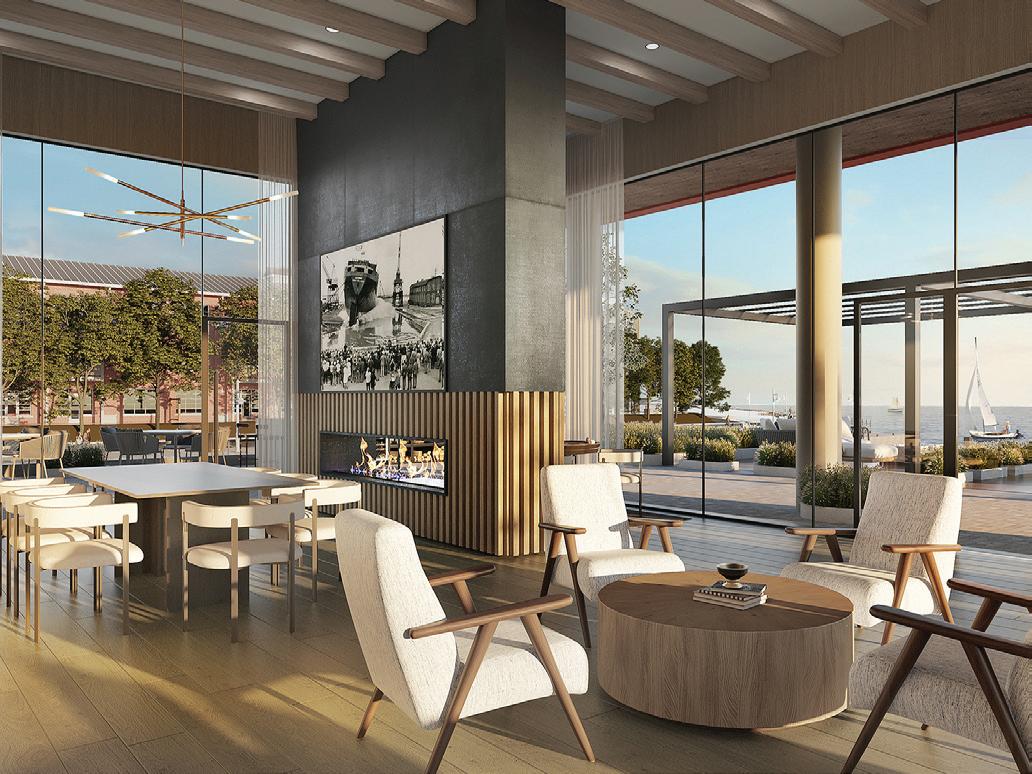




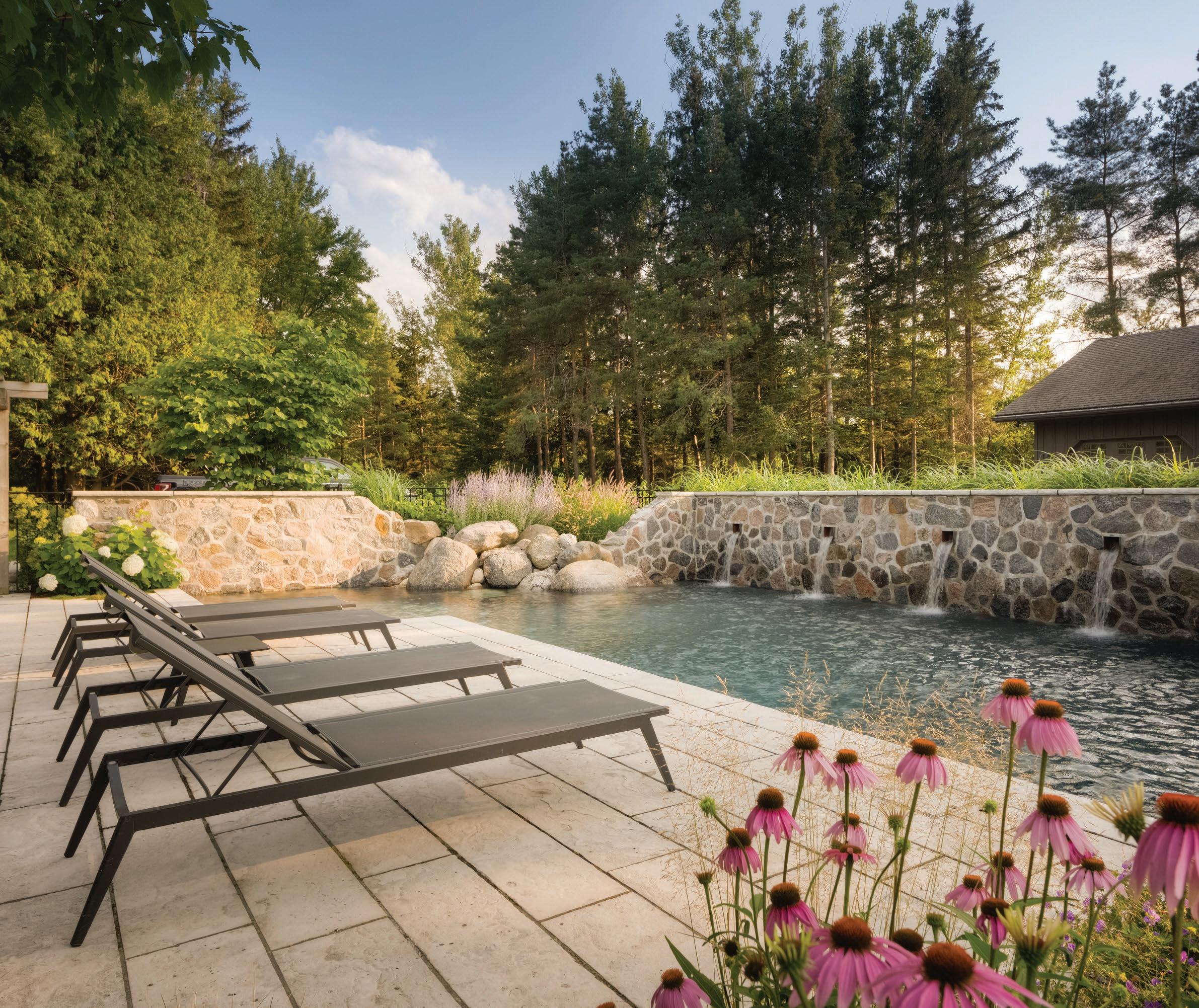
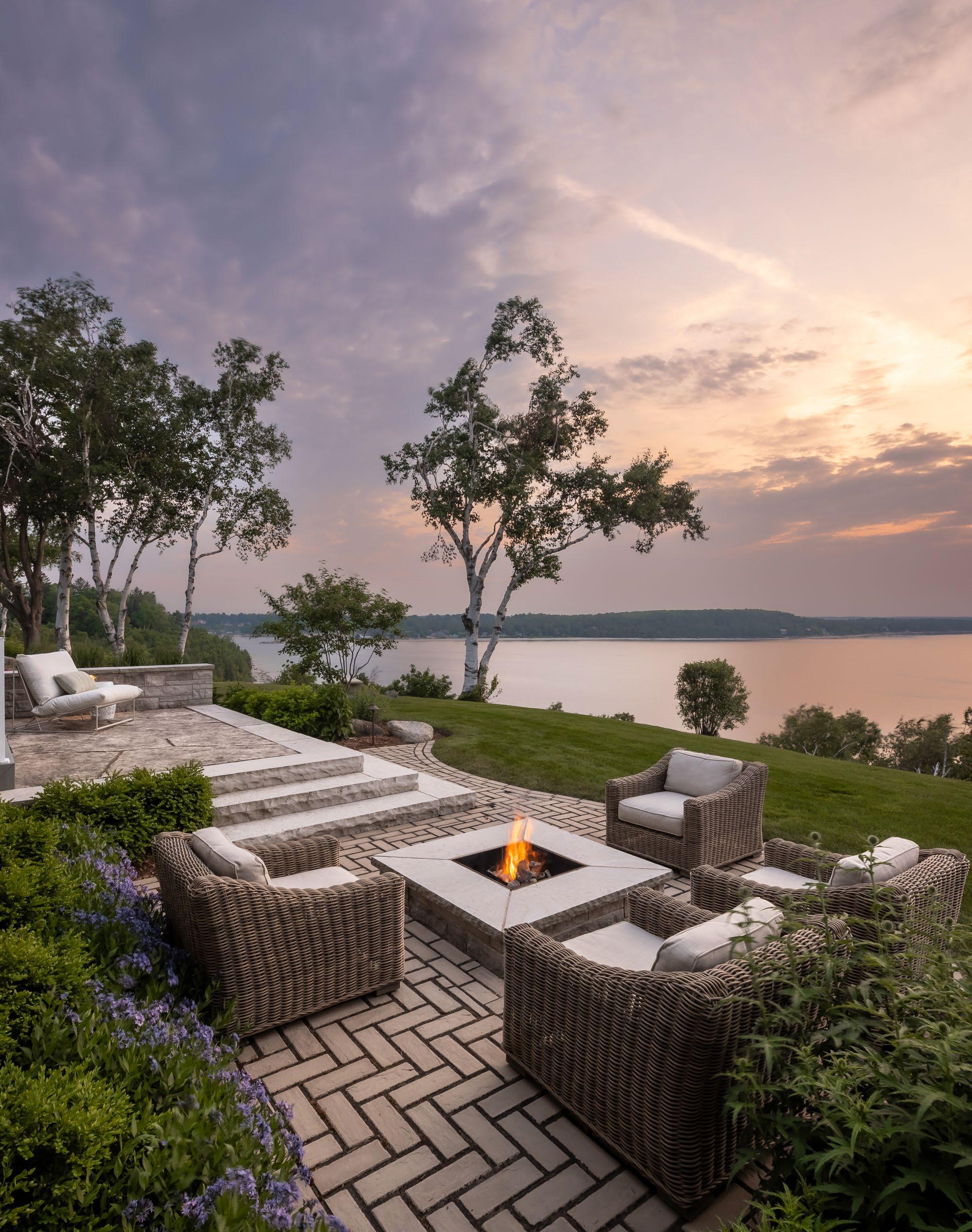
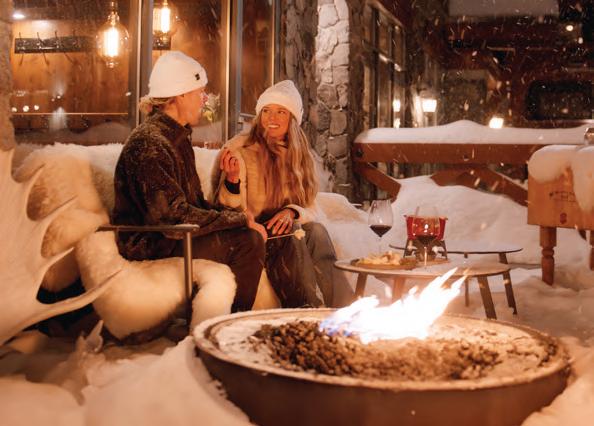
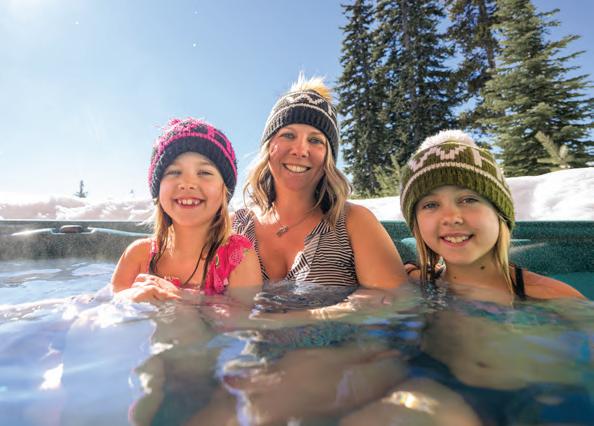
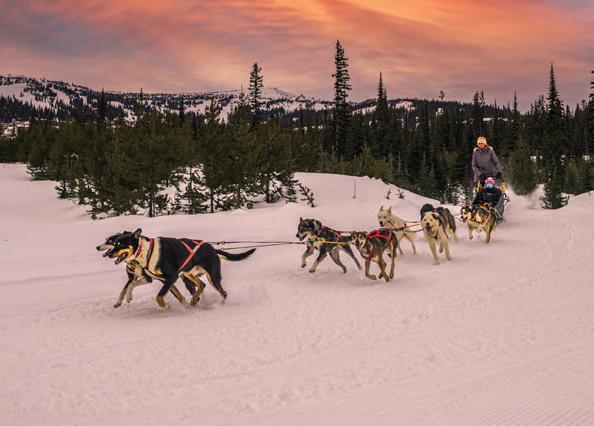
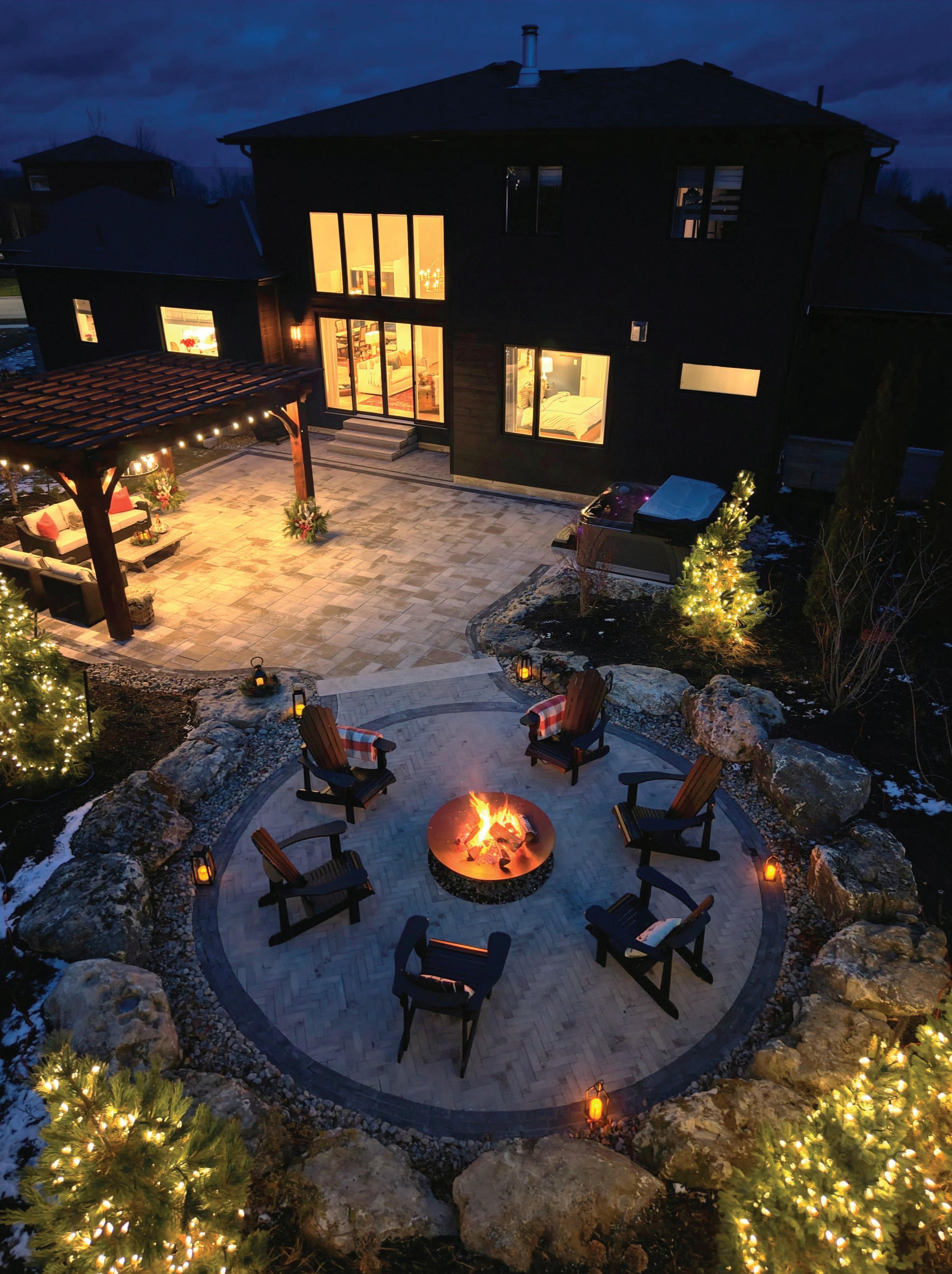
Gorgeous sunsets, fresh breeze, and great company—with a custom Hutten & Co. landscape, you’ll never want to go inside.










Douglas E aston, CFA
Portfolio Manager & W ealth Advisor (705) 445-2402 (416) 3 58 -6054
douglas.easton@nbc.ca 108 Hurontario Street, Collingwood
Conta ct us for a cons ulta tion











Cara Williams Editor-In-Chief cara@escarpmentmagazine.ca
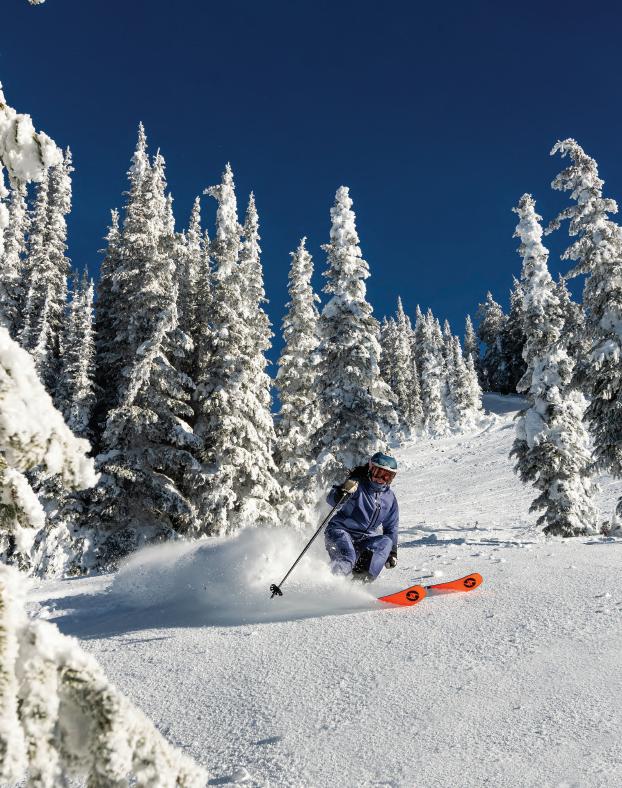
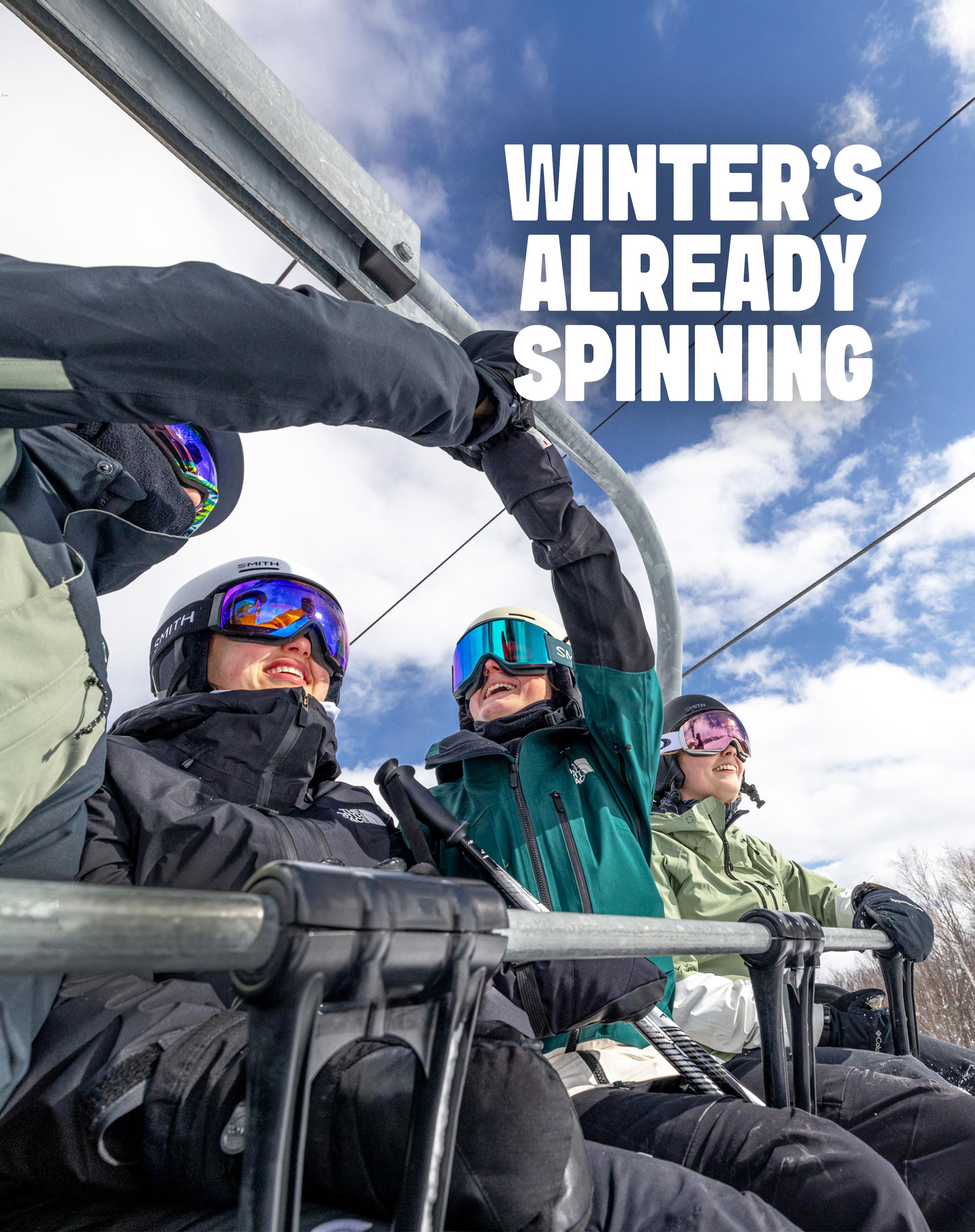
There was a time when snow dictated my movements. When one slope dried up, I’d look toward the next—chasing storms, watching forecasts, planning my days around where the snow was falling. Winter wasn’t a season I entered; it was one I pursued.
I don’t chase it quite the same way anymore, but that instinct—the one that stirs with the first cold snap—never really fades. It shows up in the small things: seeing the night skiing lights glow after sunset, or feeling the first cut of fresh corduroy beneath my skis. Winter still lures me, shapes my days, and quietly reminds me of who so many of us are up here on the Escarpment.
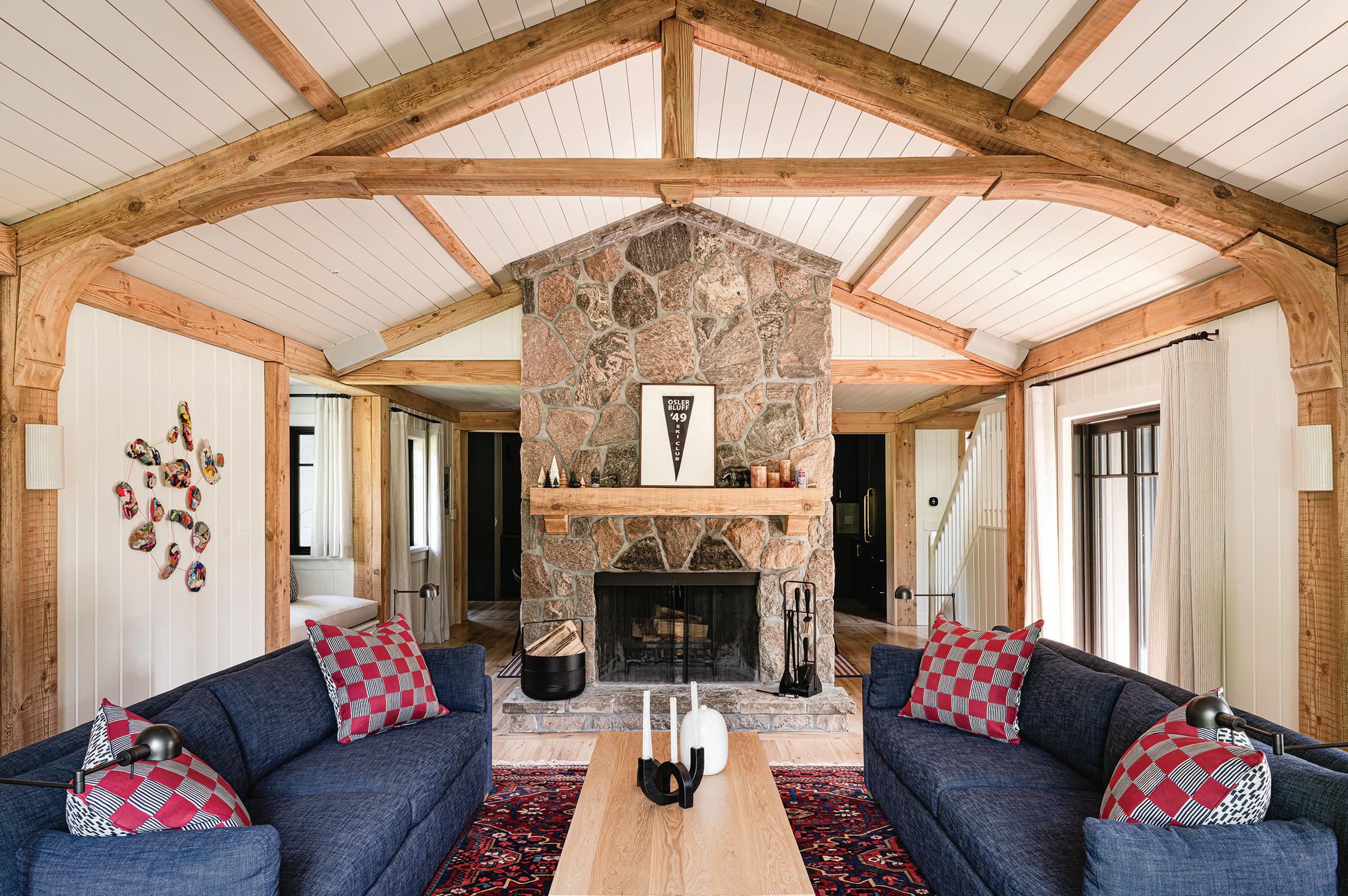
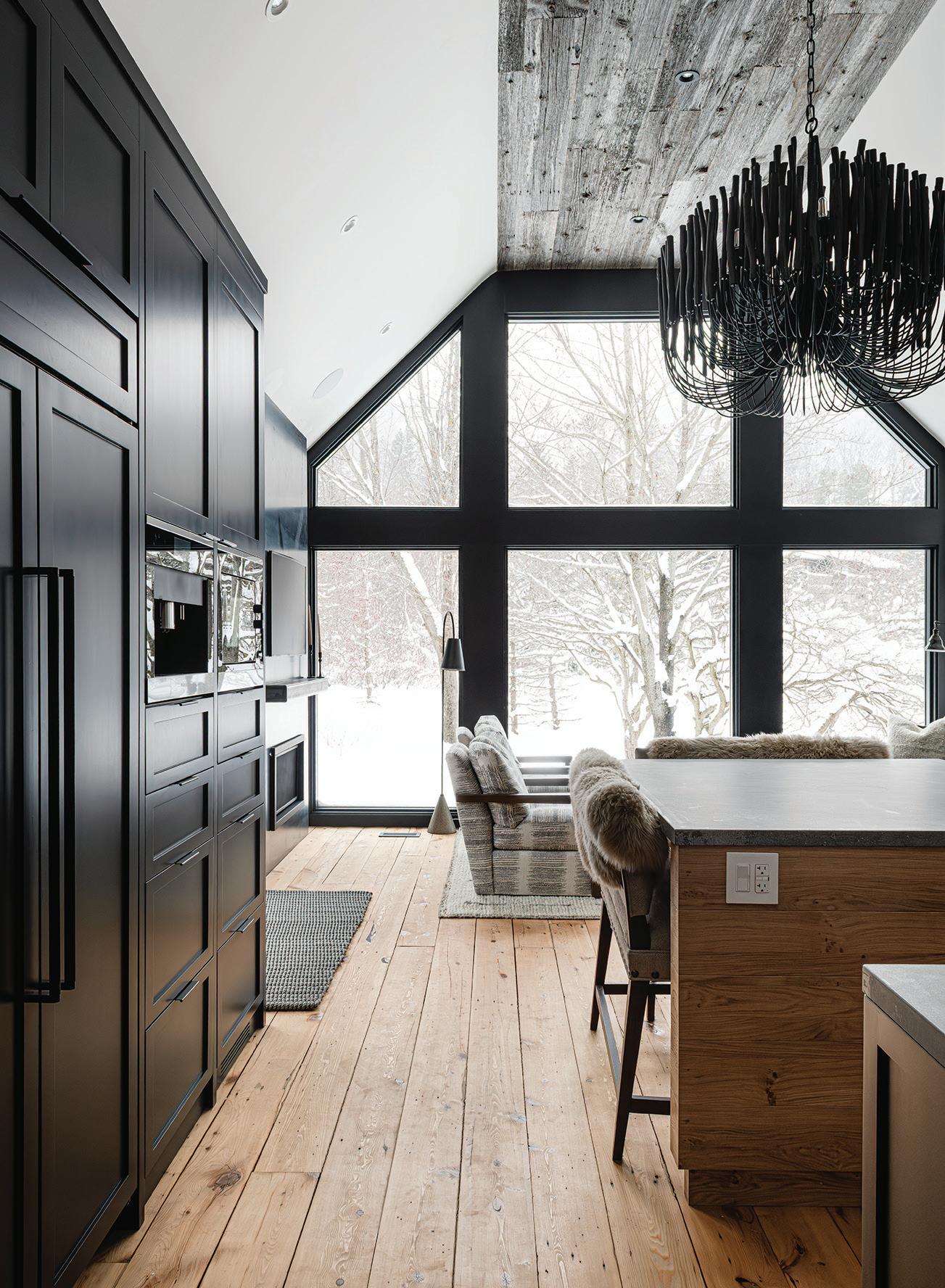
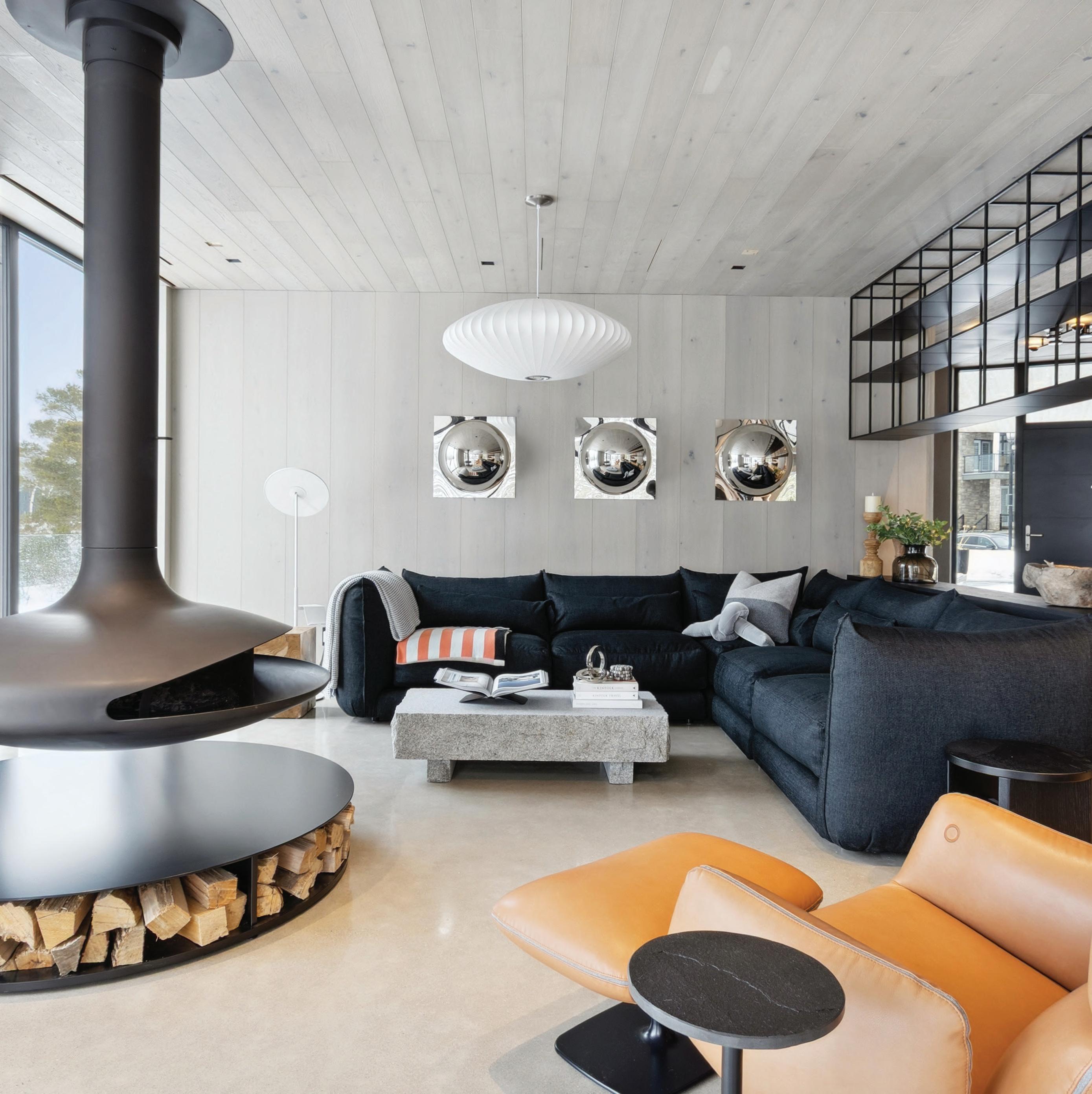
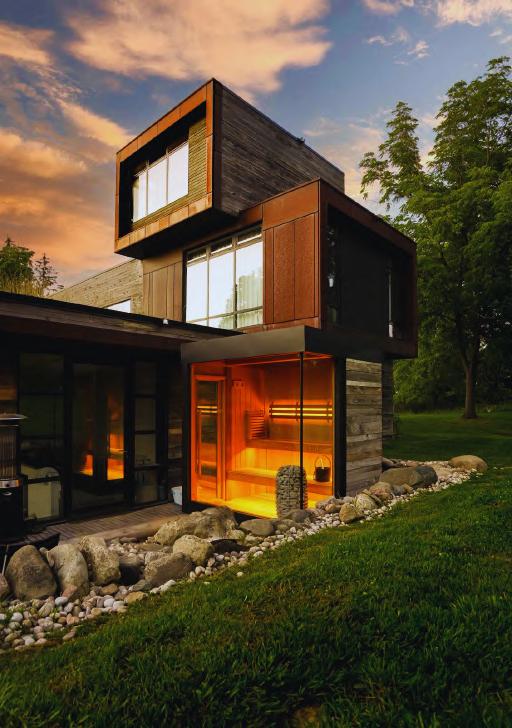
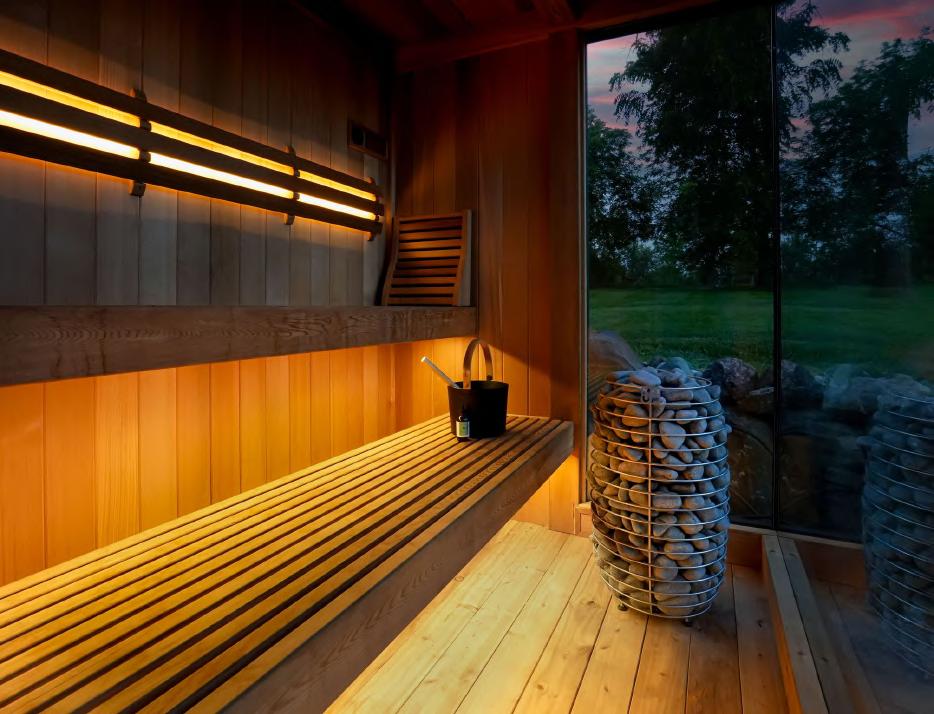
day—shared meals, lingering conversations, perhaps a glass of wine. Inside extraordinary residences built to embrace winter, where views, materials, and light make the snow-covered landscape part of everyday life.
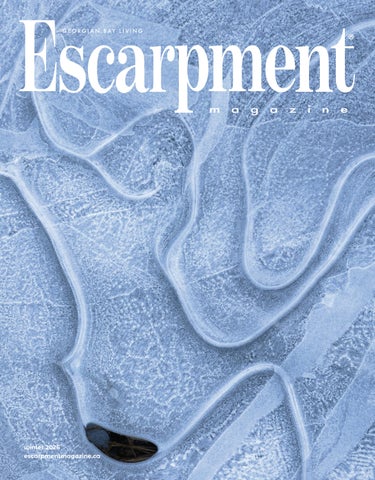
This issue was a pleasure to bring together. It reflects the energy, creativity, and expertise of our contributors, and features an awardwinning photographer—only the second to ever cover Escarpment— whose images capture winter in all its scale and intimacy.
Around here, we don’t just endure this season—we rise to embrace it.

That pull isn’t mine alone. You feel it everywhere this time of year. In the volunteers who maintain hundreds of kilometres of snowmobile trail long before most of us are awake. In young biathletes learning to push their bodies to the limit, then steady their breathing to find calm at the range. And on occasion, when Ullr calls, we feel that familiar instinct rising again— drawing us to places like Revelstoke, B.C., where adventure expands into something bigger than the mountains themselves.
And of course, we feel it at home, too. In the warmth we return to at the end of the
Happy adventuring,



GEORGIAN
PUBLISHER/OWNER
Clay Dolan clay@escarpmentmagazine.ca
EDITOR- IN - CHIEF
Cara Williams cara@escarpmentmagazine.ca
ART DIRECTOR
Bradley Reinhardt bradley@escarpmentmagazine.ca
GRAPHIC DESIGNER
Alyshia Laube alyshia@escarpmentmagazine.ca
Bob Arrigo, Ray Auger, Katie Ballantyne, Jesse Bell, Kelsey Chernes, Nicole D’Amico, Kennedy Deneau, Deena Dolan, Sophie Douglas, Andrew Dzenis, Nick Eyles, Heather Fields, Christina Gutmanis, Ken Maher, Marc Huminilowycz, Nathan Hooper, Serena Kelly, Rick Layzell, Shannon MacDougall, Kate MacLennan, Malcolm McCulloch, Marcia Masino, Andrew Mielzynski, Wade Mitchell, Sylvie Mercier, Lisa McStay, Ted Sivell, Kirstin Shollig, Melissa Shaw, Riley Snelling, Catherine Staples, Kianna Sunshine, Suzette Terry, Robin Todd, Kelly VanderBeek, Aidan Ware, Jody Wilson, Shelby Worts
MARKETING & ADVERTISING
ADVERTISING DIRECTOR
Geoffrey Cameron 416.910.9649 geoff@escarpmentmagazine.ca
info@escarpmentmagazine.ca OFFICE 519.599.7545
Escarpment® is published four times a year by Georgian Bay Living— Escarpment® Magazine Inc. 25,000 copies. Distributed free of charge to hotels, shops, clubs, businesses and services all throughout Simcoe, Grey & Bruce Counties.
Paid Subscription holders have guaranteed mail delivery.
Attention Postmaster: Please direct post office returns and changes of address to GBL—Escarpment® Magazine Inc., 183 Marsh Street, Unit 4, PO Box 107, Clarksburg, ON, N0H 1J0
Subscription rate: 4 issues (one year), $22.75 HST incl.
No part or portions of this publication may be reproduced without written permission of the Editor. Opinions and statements written by contributors of Escarpment® and that appear in this issue or others are entirely their own responsibility and do not necessarily reflect the opinions of the owner of GBL—Escarpment® Magazine Inc.
Georgian Bay Living—Escarpment Magazine® and Escarpment® is a registered trademark of Georgian Bay Living— Escarpment® Magazine Inc. ©2026 All rights reserved.
Escarpment is printed in a Canadian facility that operates in strict compliance to environmental concerns.




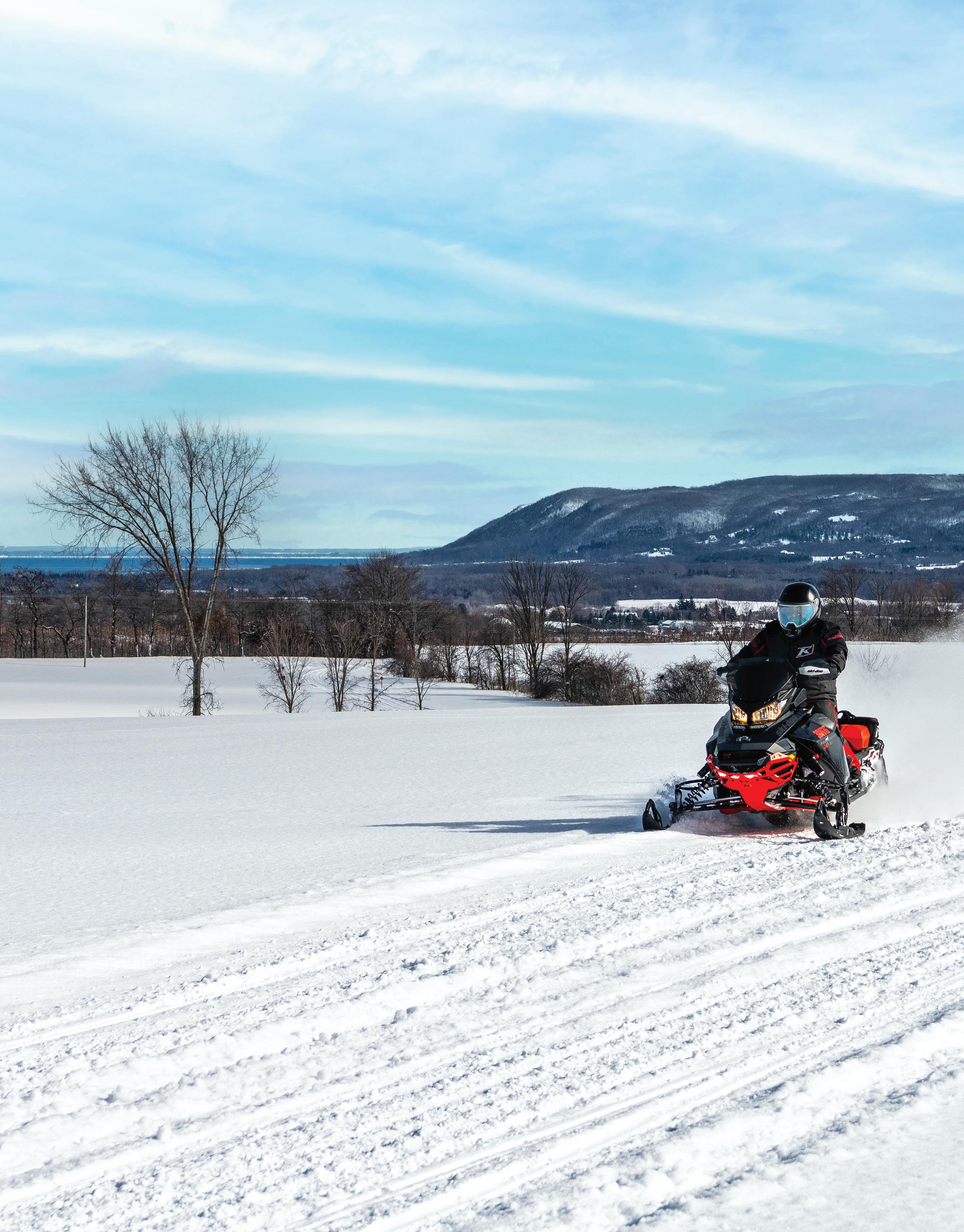
Across fields, forests, and ridgelines, snowmobile trails rely on the steady work of local clubs, volunteers, and district teams who keep winter moving.
By Cara Williams | Photography by Clay Dolan
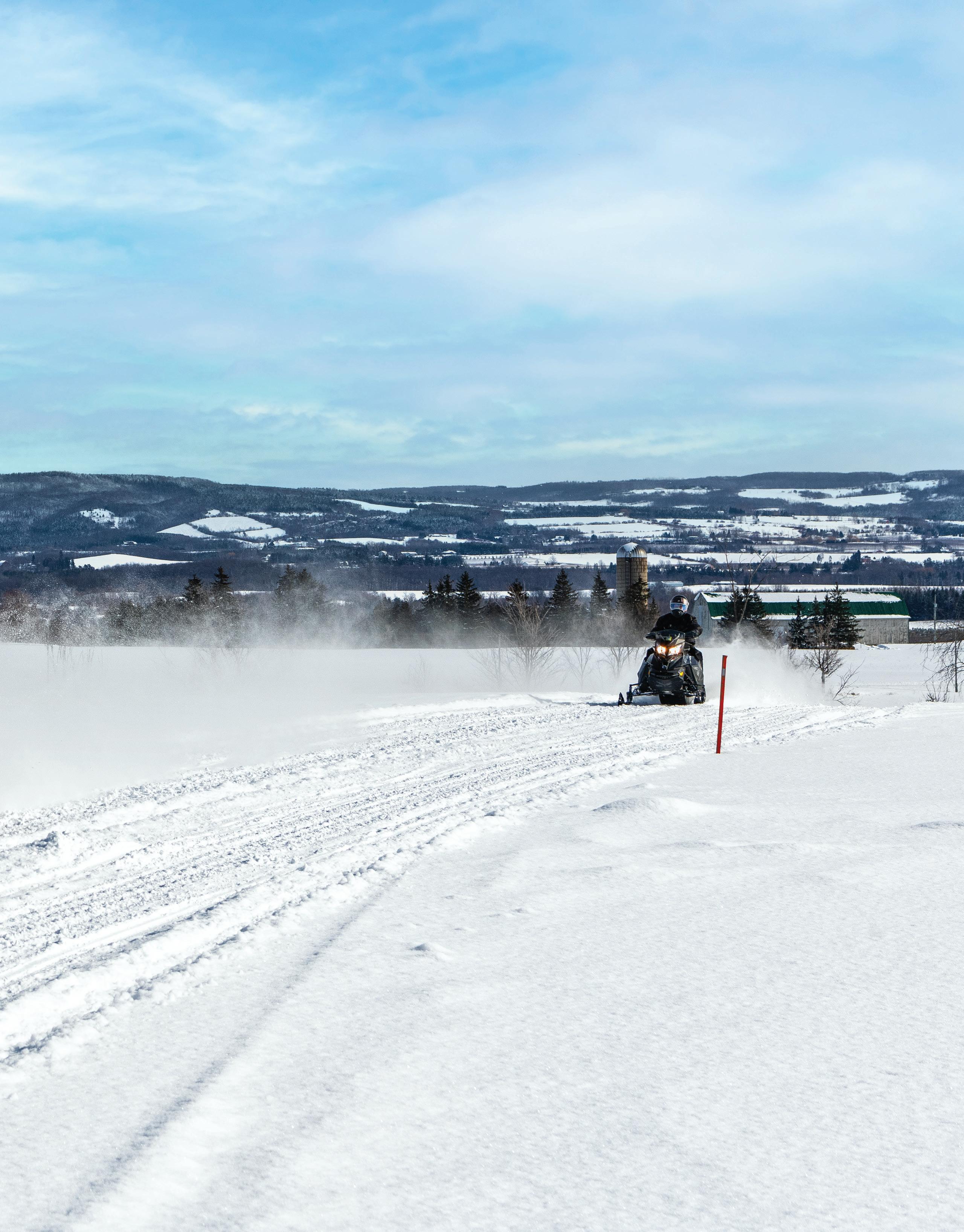
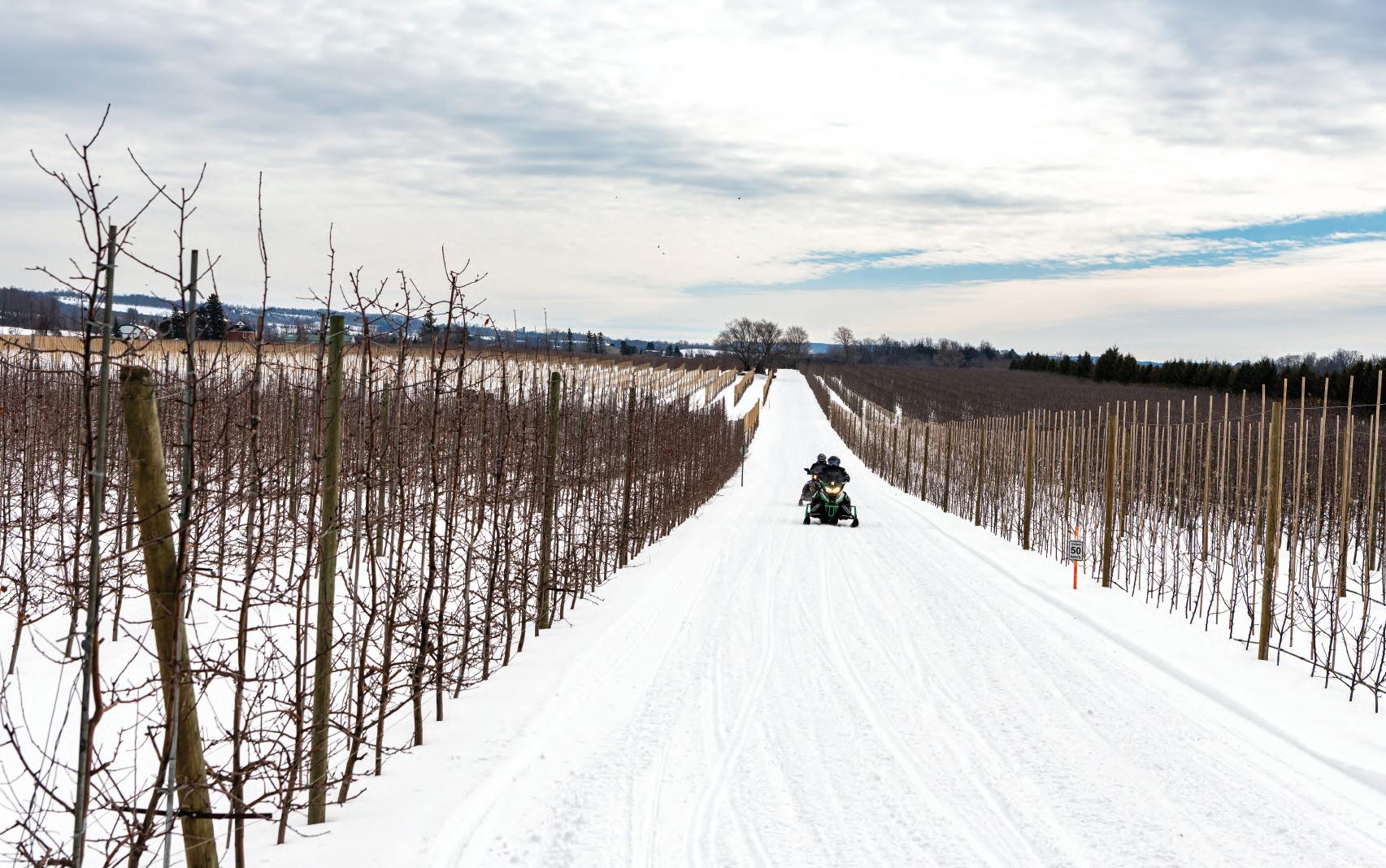
WHEN THE FIRST SNOW DRAPES the fields and forests, a quiet transformation begins. Almost overnight, a vast winter highway appears—more than 2,300 kilometres of carefully groomed routes connecting communities across Grey, Bruce, and Simcoe counties. These trails are part of the Ontario Federation of Snowmobile Clubs (OFSC) network, over 24,000 kilometres of linked winter corridors stretching across the province. Behind every stretch lies the dedication of local volunteers, the generosity of landowners, and the support of permit buyers who together sustain one of Ontario’s most enduring winter traditions.
Long before Ontario’s trail network took shape, the sport itself began with a Canadian breakthrough. In 1937, inventor Joseph-Armand Bombardier received the patent for his first snow-going machine—a prototype built in his garage in Valcourt, Québec. Its arrival opened an entirely new way to travel through winter, and snowmobiles quickly captured the imagination of riders across the country. As the machines gained popularity, small local snowmobile clubs began forming everywhere. In North Simcoe, John Power—then a Bombardier dealer—recognized the need for a unified provincial structure. In 1967, he brought club leaders together at the Sportsman Inn in Victoria Harbour, a meeting that would lead to the creation of the OFSC.
Today, the OFSC oversees a network divided into 15 snowmobiling districts, each made up of several local clubs responsible for maintaining the trails in their region. This
structure helps organize the province’s vast system and ensures that trail work, grooming, landowner relations, and rider support are managed at the local level—where volunteers know the terrain, the community, and the needs of the riders who pass through.
“The Georgian Bay Snowriders (GBSR) maintain approximately 200 kilometres of OFSC trail in Southern Georgian Bay,” says Patrick Murray, GBSR President. Based in Midland, the club was among the founding members of the OFSC when it formed in the late ’60s. “We continue in awe of the vision that John Power created. We’re especially lucky to have a very strong volunteer base and many businesses that rely on winter tourism. Our volunteers enjoy each other and spend a considerable amount of time together working on the preparation of our trails and planning for special events.” The club also contributes to the broader community. “GBSR gives back with help and financial support to other organizations,” he adds. “Our trails are interwoven in history and culture. On an afternoon ride, you may experience hearing our five local languages— Anishinaabenowin from Christian Island, Métis [Michif] around Lafontaine, French in Penetanguishene, and English—but even better, the language we all share across the world: profanity,” he laughs. “Being surrounded by Georgian Bay, it’s not hard to fall in love with our area for winter recreation.”
Further west, the ridgelines and farm fields of the Escarpment mark the area maintained by the Meaford District Ridge Runners. The club oversees more than 80 kilometres of trail stretching from
OUR STATE OF THE ART FACILITY IS CONVENIENTLY LOCATED AT HIGHWAY410 & MAYFIELD RD.
SAME DAY SERVICE APPOINTMENTS AVAILABLE.
WE ARE HERE TO SERVE YOU.





WE HAVE OVER 70 YEARS OF JAGUAR LAND ROVER TECHNICIAN EXPERIENCE WORKING ON YOUR VEHICLE.

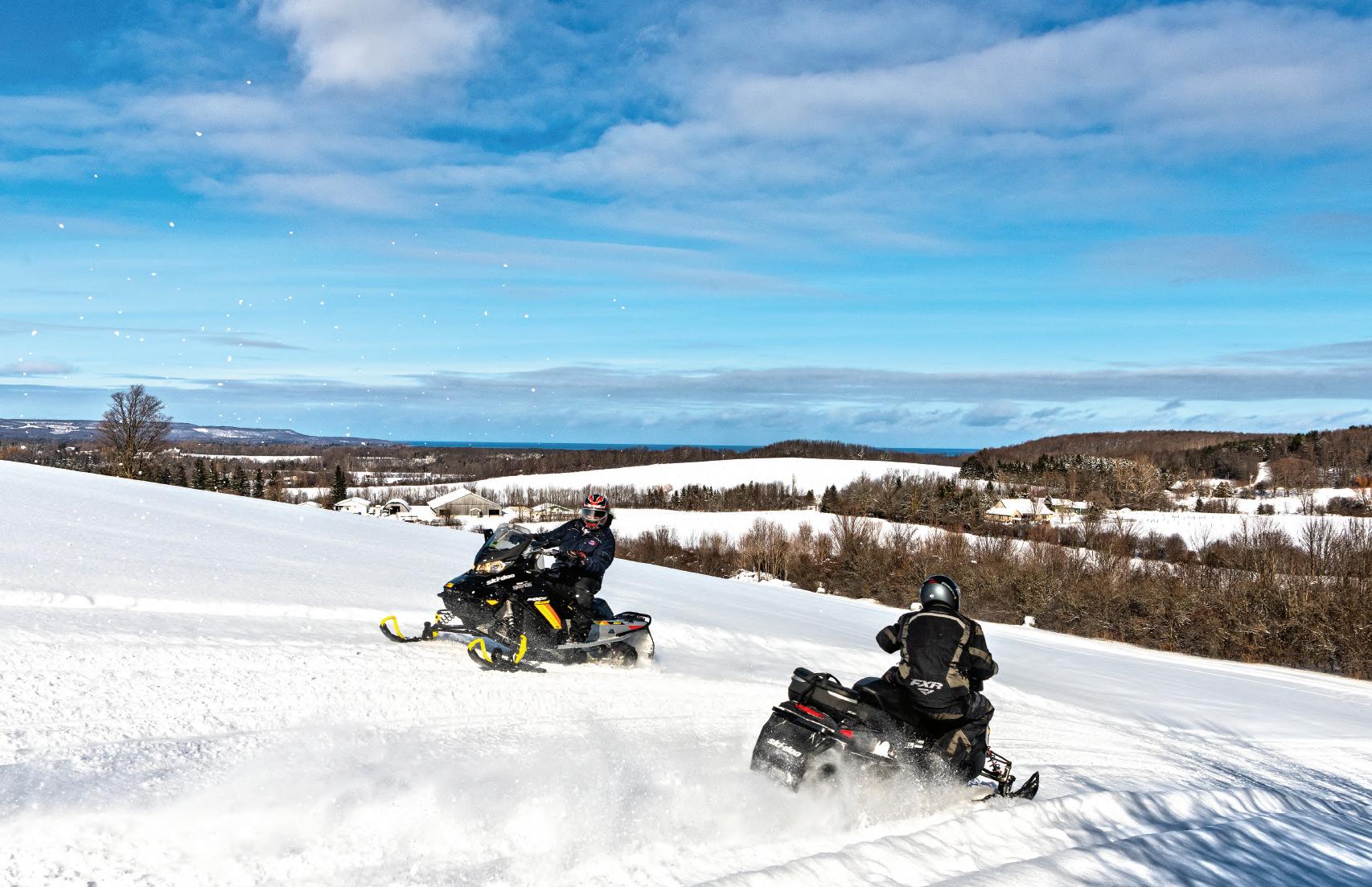
Woodford and Walters Falls to Ravenna. “We have about twenty active volunteers,” says club member Andrew Scott. “We look after trail maintenance, staking every year, and we have to sign up landowners—that’s a pretty big part of it. The majority of the trails are on private property.”
Club volunteers form crucial relationships with local landowners, who generously provide annual permission to build and maintain snowmobile trails on their property. Once this permission is in place, the volunteers get to work cutting brush, building bridges, installing gates, repairing culverts, and putting up stakes and signs every fall and taking it all down in the spring—a cycle repeated every year. “We all bring our own equipment and time to the table to try and do this just for the love of it,” Andrew says. “It really hinges on the volunteer time and capacity. It’s the sense of camaraderie that keeps us going. You meet people in garages, on the trail, at the clubhouse. That’s the best part.” Club president Mike Ferguson echoes that feeling: “Friends are a big part of it for sure. The relationships you end up with from contributing all your time to this stuff—that’s the best part.”
The Ridge Runners’ modest clubhouse is the heart of their winter community. “It was probably five years in the making,” Andrew says. “It’s a place to stop on the trail and warm up. We host our poker run there, and it’s also a stop for rides like the Kelly Shires Breast Cancer Snow Run. People come from all over—London, Barrie, wherever—to use the trails.”
For many, snowmobiling is a family tradition as much as a pastime. “I started snowmobiling with my dad after skiing,” Andrew says. “Now I’m out there with my own kids. It’s familybased and community-driven.” Thursday nights often turn into long rides to nearby towns for dinner—Owen Sound for pizza, Wiarton for wings—before heading home beneath a star-filled sky.
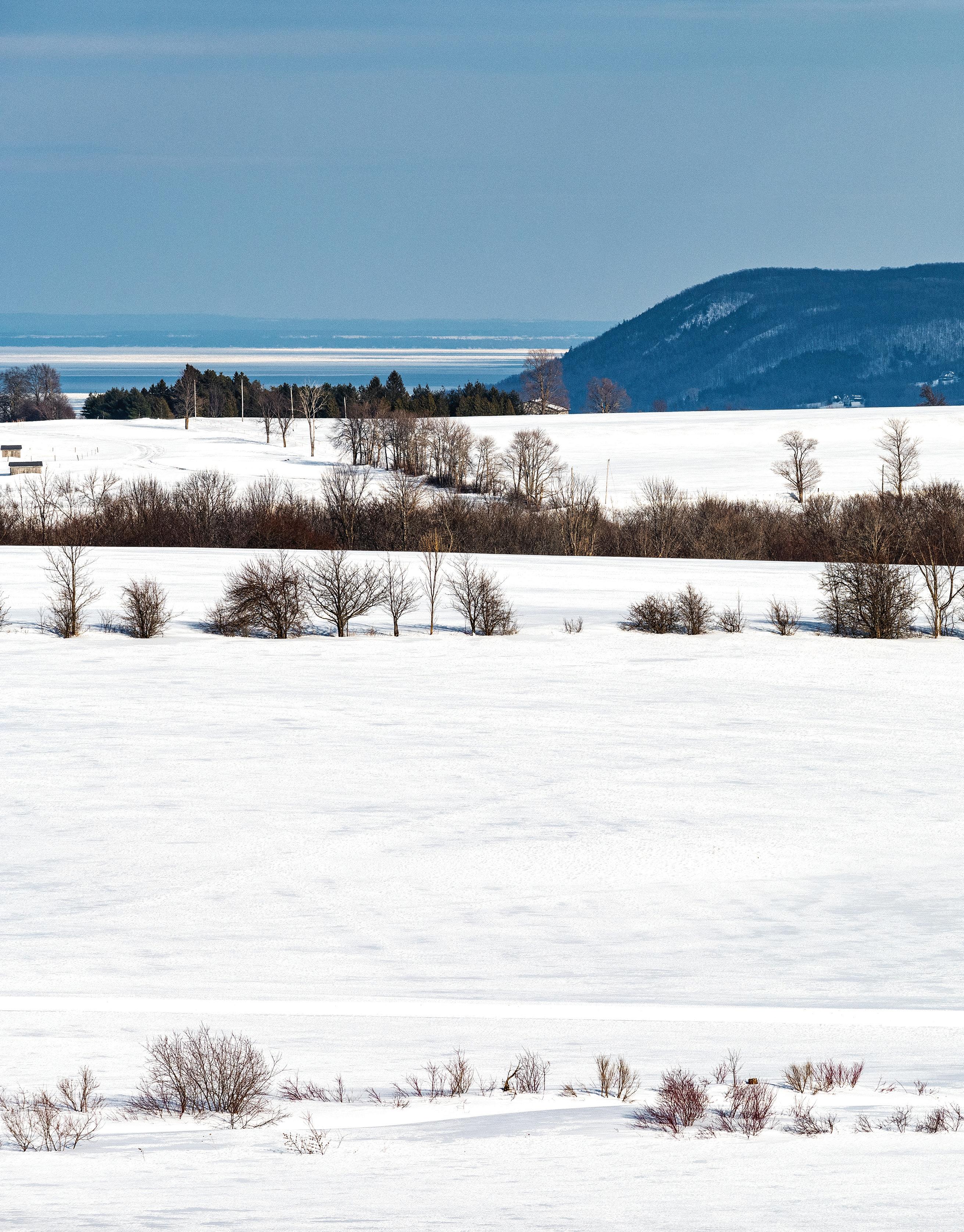
Just south of Georgian Bay, the Blue Mountain Snowdrifters care for a stretch of trail system defined by dramatic terrain and sweeping winter views. “Our area offers different terrain for riders of all abilities,” says club president Claude Sulpizi. “From smooth, beautiful trails through farmland in Clearview to the breathtaking ride through the forests of Pretty River Provincial Park, there’s something here for everyone.” The mix of open fields, hardwood forest, and Escarpment elevation creates some of the region’s most memorable riding—particularly along the B111 trail west of Glen Huron, where the route climbs sharply over Devil’s Glen.
The highlight is the lookout above the gorge. “If you are in the area, be sure to stop at the lookout point over Devil’s Glen,” Claude says. “From here, you can stand on the cliff and see a breathtaking view of Georgian Bay, and if the skies are clear and blue, you should be able to see all the way to Midland.”
It’s a section of trail that showcases the best of winter on the Escarpment: high ridgelines, deep forest, and long, wide-open vistas that seem to stretch endlessly toward the bay.
District 9—the largest in Ontario—is set between Lake





• Purchase a Snowmobile Trail Permit online at ofsc.on.ca.
• Check trail availability using the Go Snowmobiling Ontario app or the OFSC Interactive Trail Guide.
• Stay on marked trails—most routes in southern Ontario cross private property.
• Ride within posted speed limits and be prepared for changing weather or terrain.
• Wear proper gear, ride a wellmaintained machine, and share your planned route with someone at home.
• Keep your phone charged and ride with a buddy whenever possible.
• Zero tolerance for alcohol or cannabis while riding.
• Remember the three pillars sustaining Ontario’s trails: volunteers, landowners, and permit buyers.
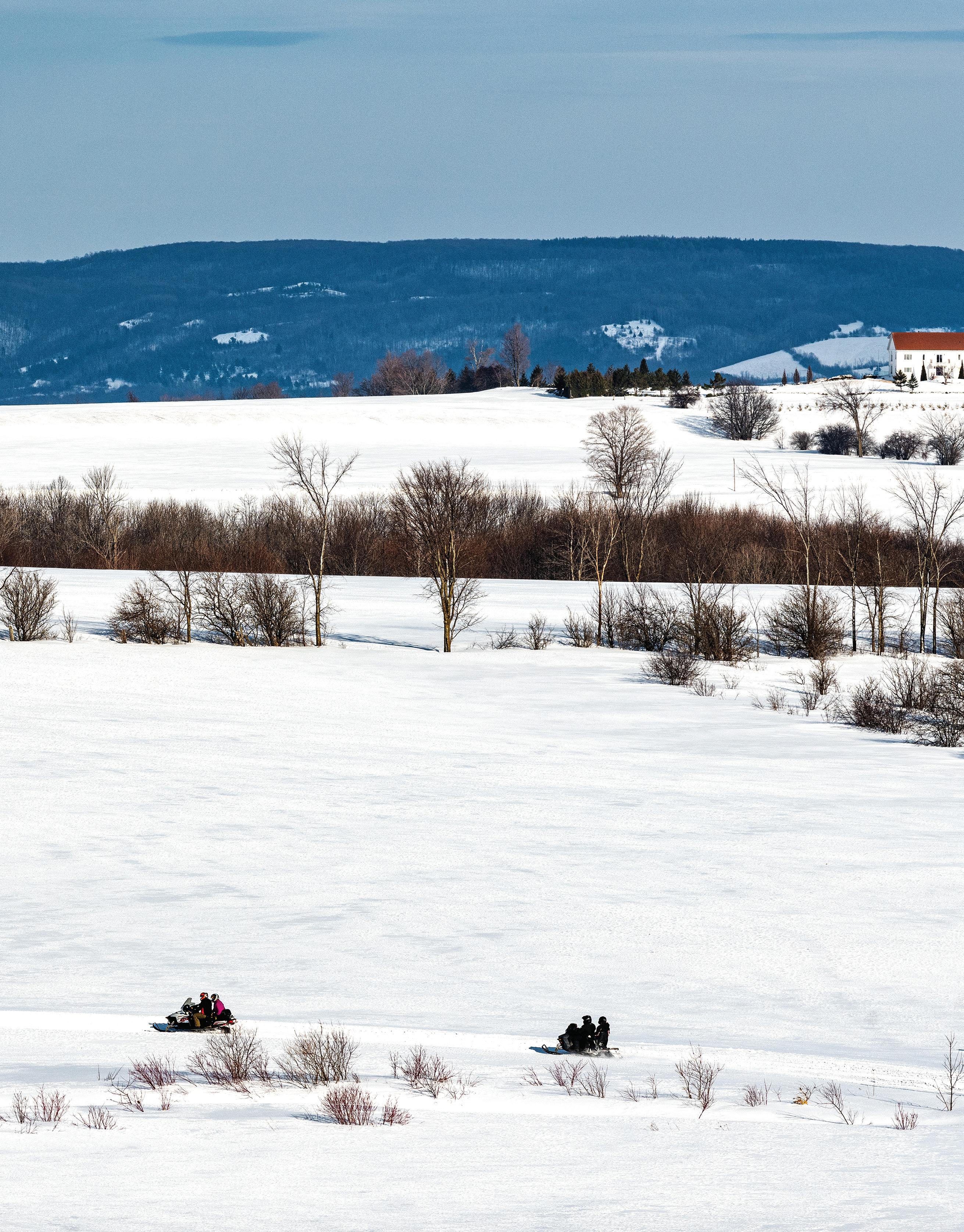
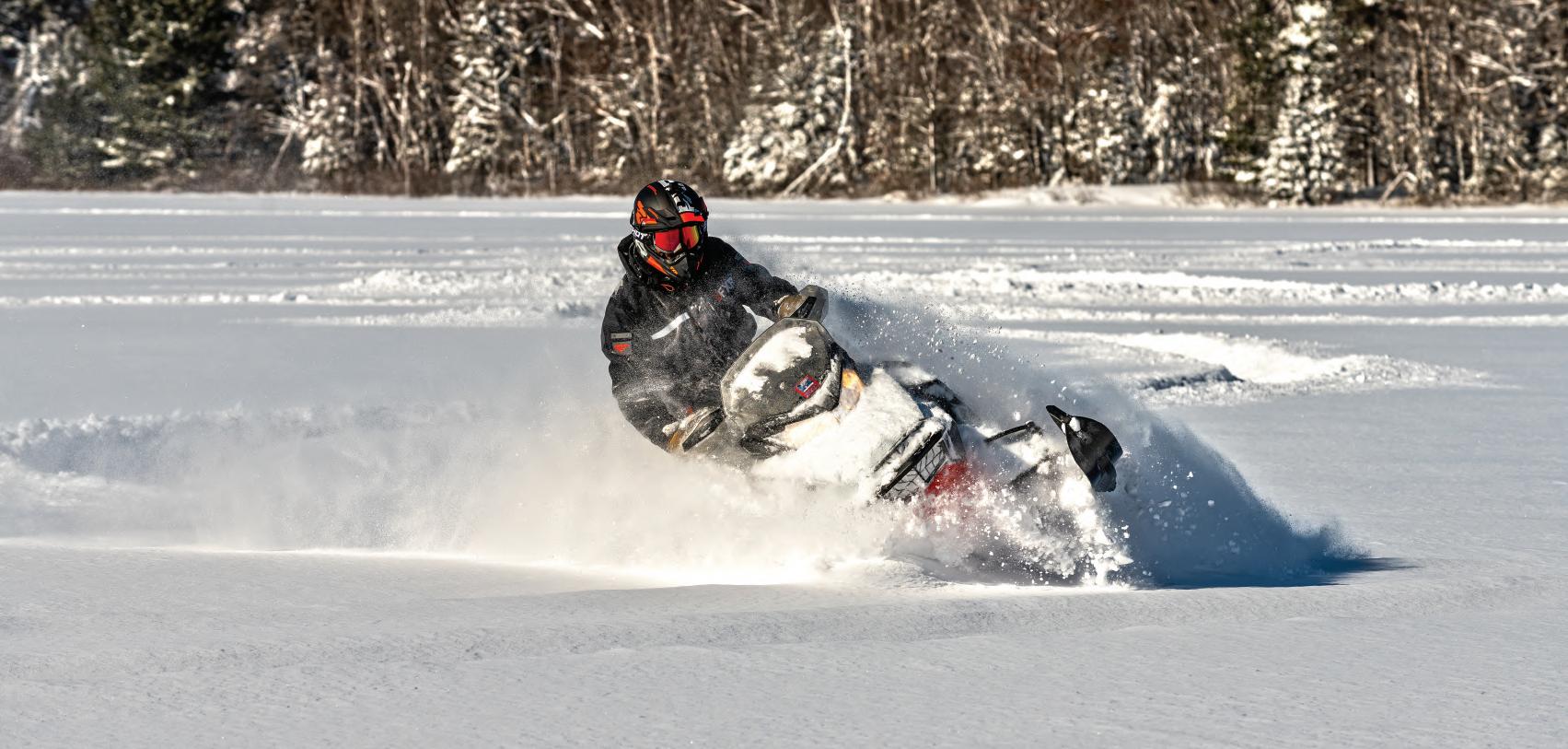
Huron and Georgian Bay. From Tobermory to Fergus, then east to Thornbury, it is best known for its reliable lake-effect snow and more than 2,300 kilometres of groomed, interconnected trail. Riders can travel through a mix of Escarpment viewpoints, rolling farmland, and deep forest corridors, with snowmobile-friendly places to eat, refuel, and stay along the way. Many riders come for the day and return for longer trips once they’ve experienced the terrain first-hand.
Just like in other districts, the trail network here stands on three tightly linked supports: volunteers, landowners, and snowmobile trail permit buyers. “Our volunteers are the people in the field with passion,” says Karen Buratynski, Manager of OFSC District 9. “They do this year after year, whether we get snow or not. Our landowners generously allow trails to cross their property—without them, there would be nothing. And our permit buyers fund the system. If you remove one of those three legs, the stool doesn’t stand.”
When riders purchase a Snowmobile Trail Permit, they gain access to every available OFSC trail across Ontario. “Riders buy their permit online at ofsc.on.ca and can use it anywhere in the province,” Karen explains, noting that buying a permit does not make a person a club member. “Members are individuals who volunteer for their local club,” she says. “Permit buyers fund the network, and some choose to volunteer as well.”
Snowmobiling injects vital tourism into rural Ontario each winter. “There’s significant economic benefit to our small towns,” Karen says. “Snowmobiling can be an absolutely wonderful opportunity, but we always stress smart choices—checking trail availability, staying on the marked trails, riding within speed limits, dressing appropriately for changing conditions, riding with a buddy, and zero tolerance for alcohol or cannabis.”
What most riders never see is the full rhythm of a season— early staking and signage installation before the snow arrives,
hours spent brushing trails, or the planning that happens yearround at the club and district level. Volunteers work within a complex system that balances private land access, municipal cooperation, safety requirements, and provincial regulations.
“A lot of people don’t realize the amount of work that goes on behind the scenes,” Karen says.
That structure is what allows Ontario’s snowmobile network to remain well managed, consistent, and connected. Riders rely on trail readiness, smooth transitions between clubs, and accurate trail status—things that only happen through careful coordination. Karen encourages new and experienced riders alike to understand how quickly conditions can change. “You’re riding in a natural environment,” she says. “Weather shifts, visibility changes, and terrain can be different from one kilometre to the next.” Checking trail availability via the OFSC Go Snowmobiling Ontario app, dressing for the elements, and travelling with a buddy aren’t just safety steps—they’re part of respecting the system that thousands of volunteers have built.
Looking ahead, the future of Ontario snowmobiling depends on the same three pillars that hold it up today: volunteers, landowners, and permit buyers. Each season brings new challenges—warmer winters, heavier maintenance demands, and increasing pressure on rural land use—but Karen remains optimistic. “Our volunteers fuel the organization, and our permit buyers power it,” she says. “As long as those two groups continue to care about this winter tradition, we’ll keep these trails open for generations.”
From the hardwood ridges near Ravenna to the frozen flats outside Midland, Ontario’s winter landscape becomes a shared experience—quiet, expansive, and deeply communal. Andrew sums it up simply: “We’re all just trying to give back to the sport we love. You put in the hours, but you get it all back in friendship.” E





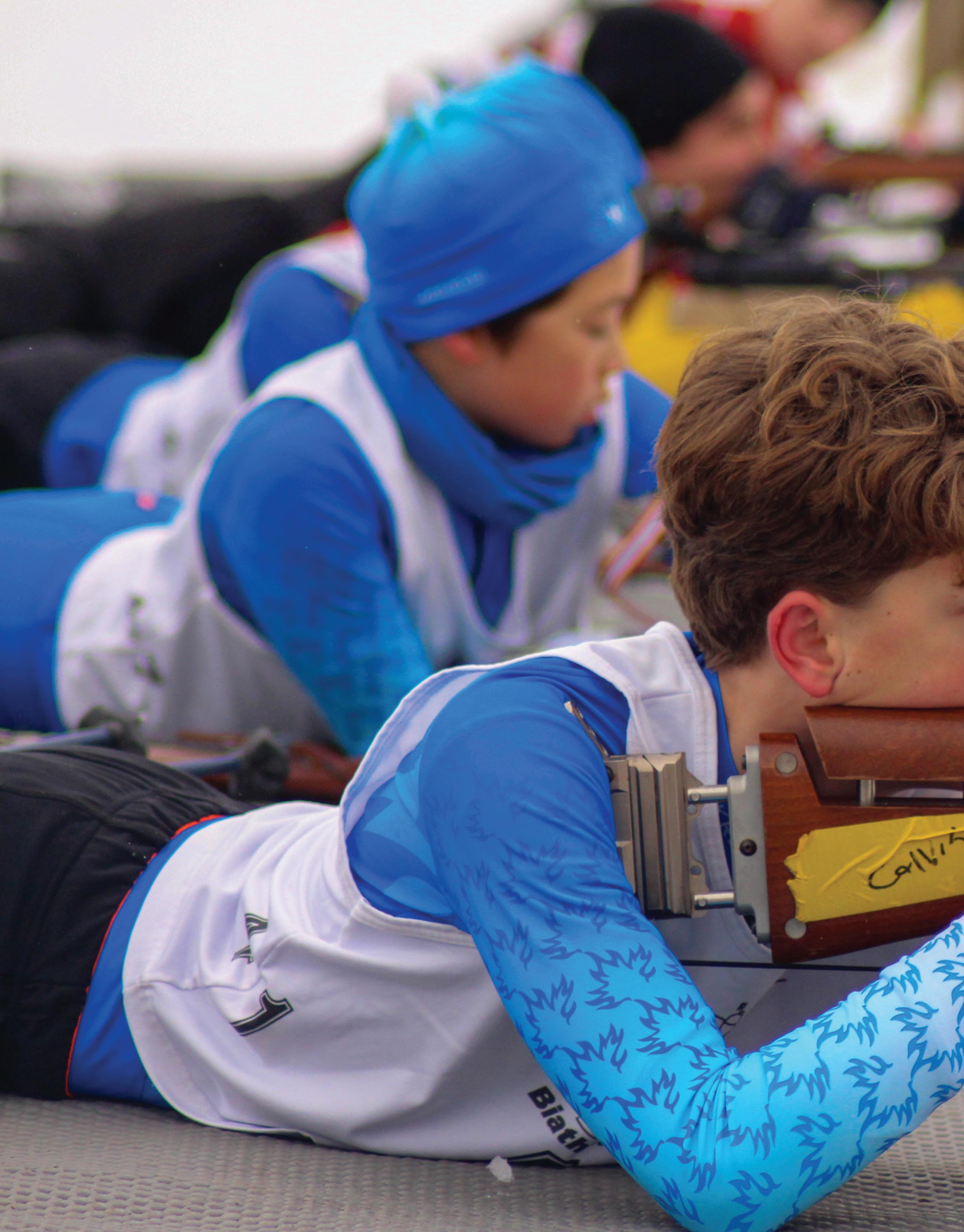
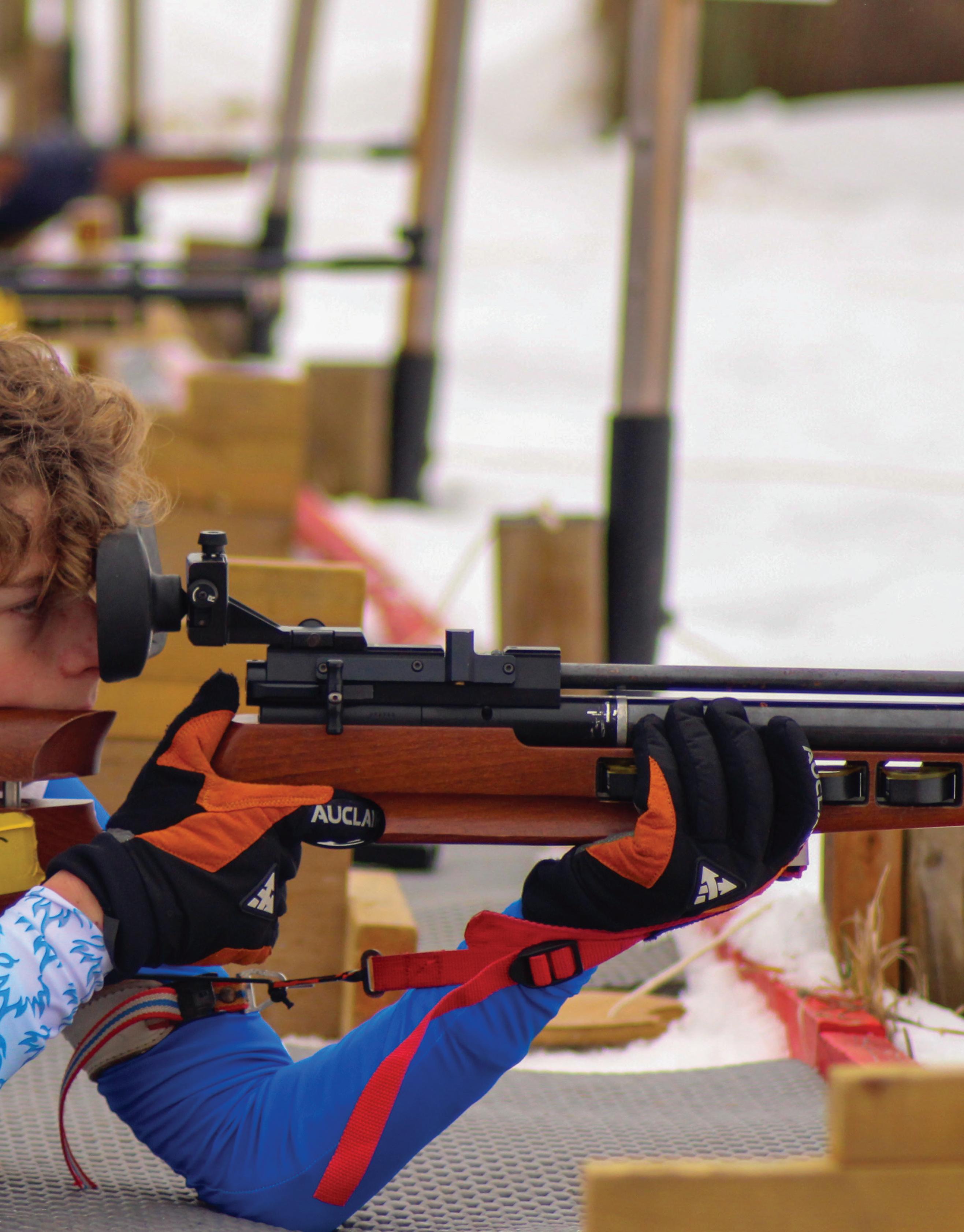
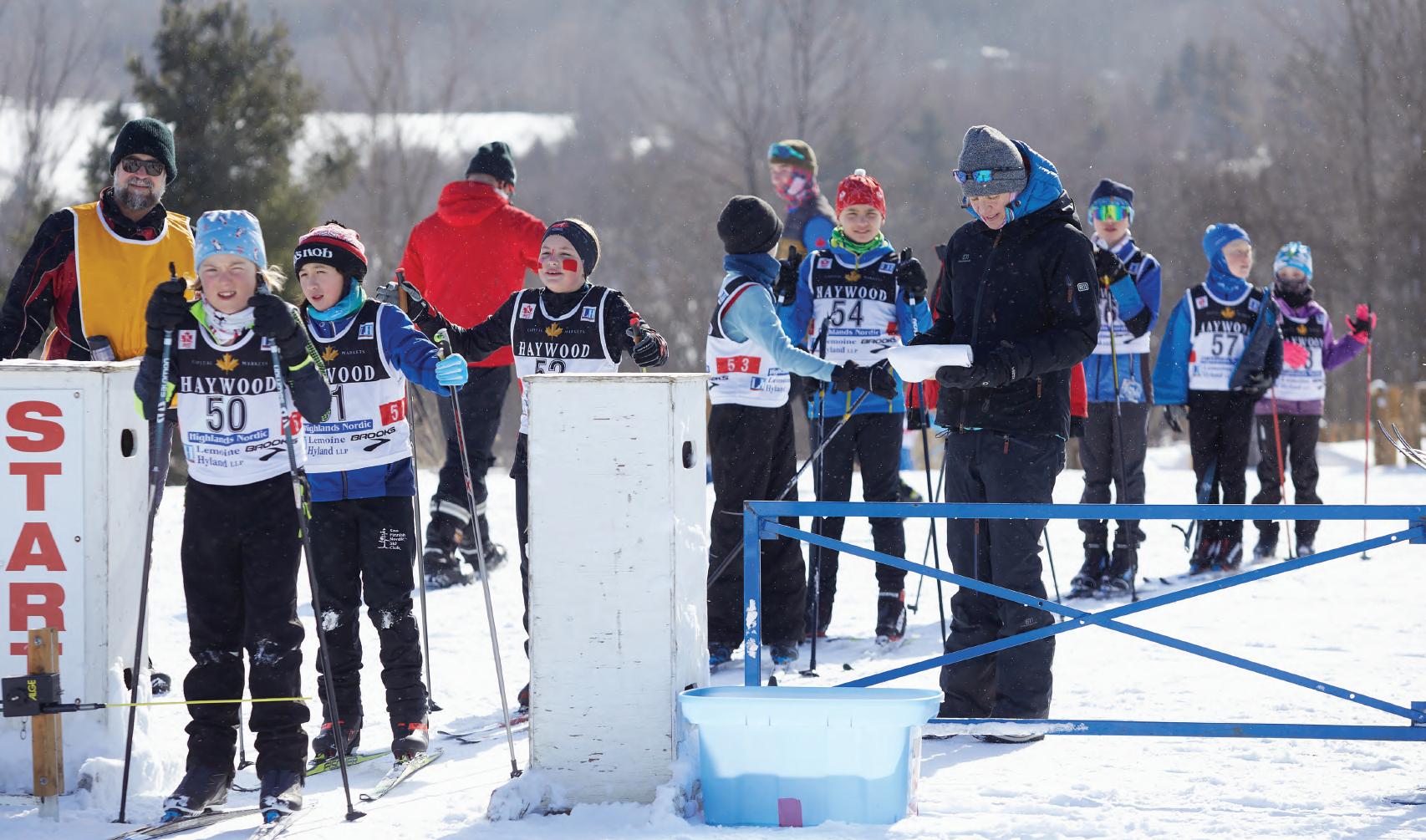
Biathlon has flown largely under the radar in Canada, but its merits for physical and mental health are finally bringing it into sharper focus.
By Kate MacLennan
Erich Kriegler was a KGB assassin, a henchman to a notorious Greek smuggler, and a champion biathlete.
He was also fictional, a key antagonist in For Your Eyes Only, the 1981 offering from producer Albert R. Broccoli for the James Bond film franchise. Through Kriegler (played by British actor John Wyman), the movie glamorized biathlon in a way only the Bond franchise could. Much of it was filmed in Italy’s picturesque Cortina d’Ampezzo ski resort, against backdrops including the 1956 Winter Olympic Ice Stadium and ski jump. But Bond is famous for fast car chases, ultra-tech gadgets, and martinis (shaken, not stirred), so biathlon was a curious addition to the plotline… or was it?
After 1979’s Moonraker, generally accepted to be the most sci-fi of the Bond catalogue, Broccoli’s creative team was keen to re-ground the franchise, literally and metaphorically. They also wanted to capitalize on some piqued public interest in biathlon following the 1980 Winter Games (in Lake Placid, USA), where the faster, shorter 10-kilometre sprint race debuted. More telling in the decision to include biathlon, though, is the realization that an accomplished assassin and an accomplished biathlete share practically the same skill sets. As cinematic opponents, they’re optimally paired for a convincingly good fight.
Stay with me here: like 007, a biathlete requires extreme mental fortitude, physical prowess, highly skilled marksmanship, and, most critically, the ability to achieve perfect stillness on command—even when the blood is pumping; even when the heart is pounding; especially when lying prone in the cold and firing a rifle to hit five
targets 50 metres away as quickly as possible.
The motivation of the assassin and the biathlete is, obviously, quite different. In short, biathlon involves endurance crosscountry skiing over undulating terrain, followed by precision target shooting. When you consider the peaceful virtues of cross-country skiing, one could argue it’s the world’s most benign sport, but the inclusion of guns—well, they can throw the uninitiated off the trail.
“People hear ‘shooting’ and think, ‘Oh no!’ They think it’s dangerous,” says Talena Kraus, program manager at Hardwood Ski and Bike in Oro-Medonte, whose biathlon introductory youth program uses air rifles—not .22s. “There’s nothing to be afraid of. You don’t need a licence to shoot one; they are easy to fire, and their pellets don’t go at high speed. You’d have to really, really work hard to cause damage with one.”
For its youth biathlon programs, the Highlands Trailblazers club in Duntroon uses air rifles in addition to optical rifles. Chris Skelton, head biathlon coach for the Trailblazers, explains: “It’s basically a camera system that looks like a rifle and points and shoots like one, but it’s taking a picture of the target. The ‘rifle’ is networked to a computer that figures out where the shot has landed. The target displays if it’s a hit or a miss, just like a bullet hitting a steel target. It’s completely safe and can be set up anywhere, inside or outside, in any setting.”
All the club’s biathletes start out on this system, regardless of age, and, with time and training, may graduate to using the traditional—very specialized, ultra-lightweight—.22-calibre rifles that competitive biathletes use.
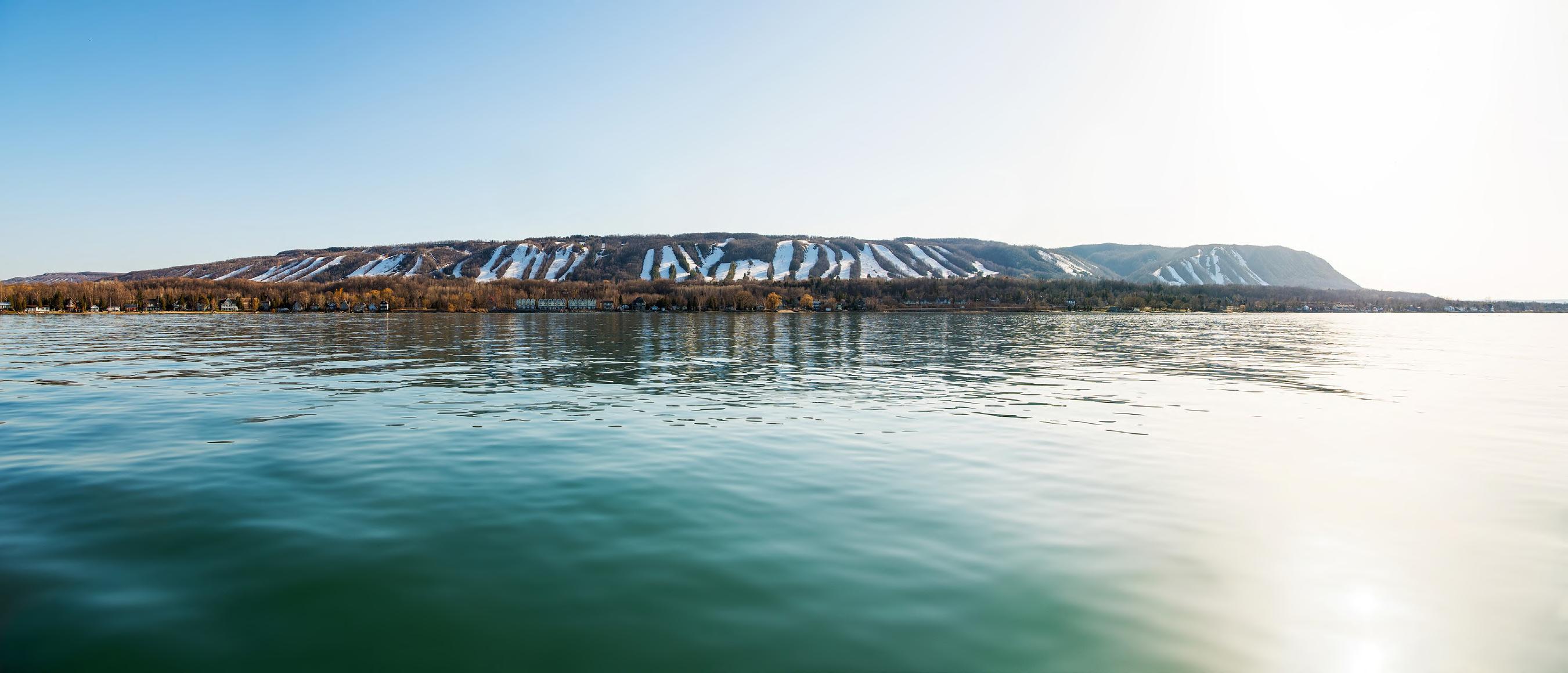
Did you know that investors who work with advisors have been shown to have almost four times the assets of those who don’t?1
It’s for good reason. Advisors cultivate results over long time frames by harnessing expertise and resources across many different areas of the wealth spectrum. We work with families, businesses and private investors to provide professional guidance on all financial matters. We can assist with:
• Bespoke investment and wealth management strategies
• Ongoing financial education, context and support
• Detailed financial planning
• Tax minimization strategies
• Estate planning and Will reviews

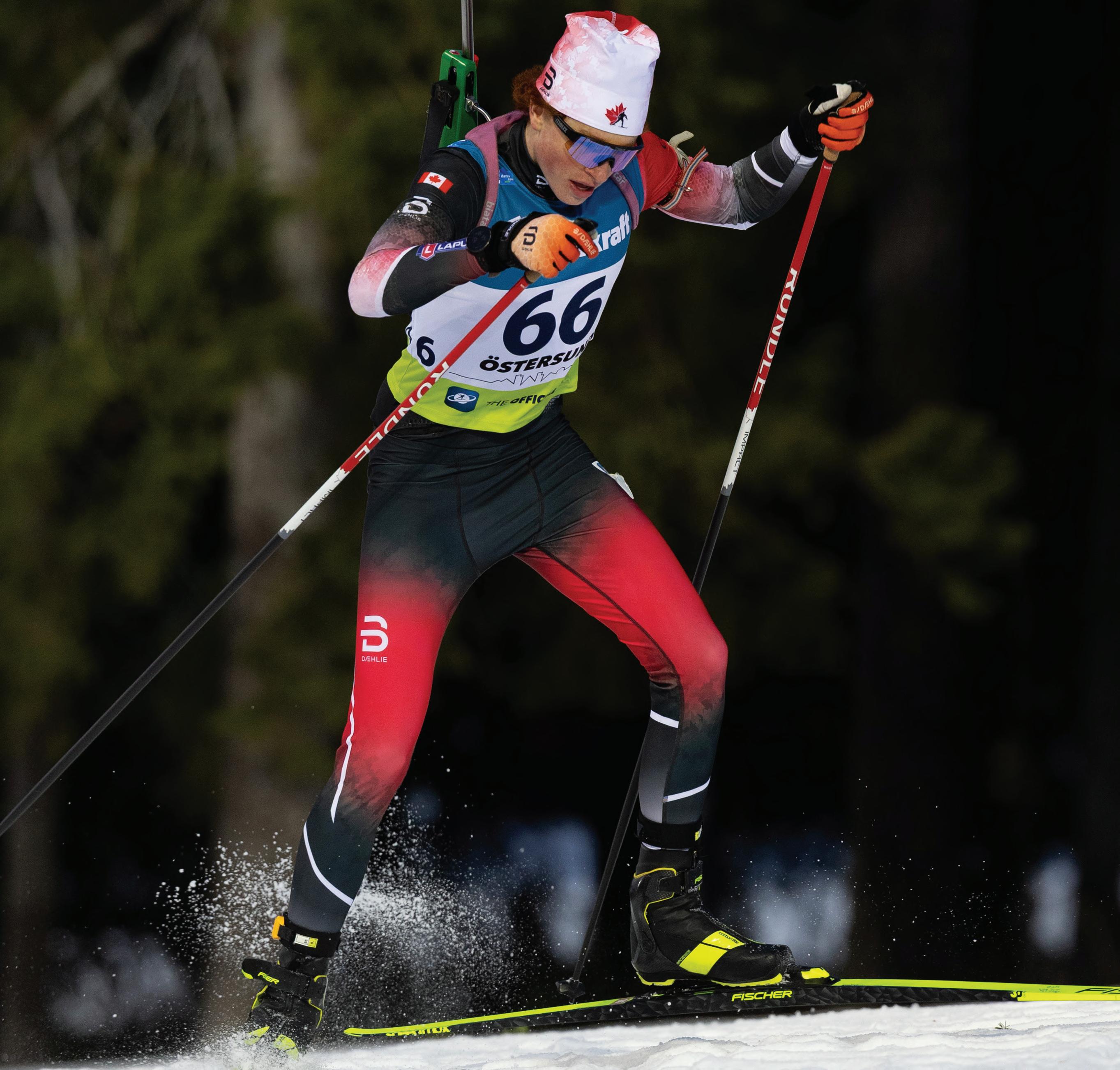
Whether biathlon has been misunderstood or just underrepresented in popular culture, it has remained highly niche since its first recorded competition in the mid-18th century. The sport is said to pay homage to the mythological Norse god Ullr, a skilled skier and archer. It has been included in the Winter Olympic Games since 1960 and enjoys a much larger following in Europe and Scandinavia than here in North America. (Little surprise that biathlon’s “GOAT” is widely considered to be a Norwegian: Ole Einar Bjørndalen.) “Given how much winter we have, it’s surprising it’s not more well known here,” Kraus says, then adds, “but that’s changing.”
Being limber is a real asset in biathlon, perhaps explaining
why older people are less inclined to take it up. Flexibility and agility, however, aren’t an issue for the critical group in the sport’s growth: kids. Hardwood has had a biathlon program for over a decade. This winter, it had to cap its 2025/2026 youth program, the Biathlon Bears (kids aged 9 to 14), after receiving its largest registration to date.
“Quite a few of our biathletes went through our Nordic kids’ ski program. Once they can skate ski—biathlon is skate skiing, not classic cross-country—they can try biathlon. They learn all the safety features, how to lie down wearing their skis, pump the rifle, account for the wind, and hit the target. They learn how much focus and attention to detail and fine motor skills are required.

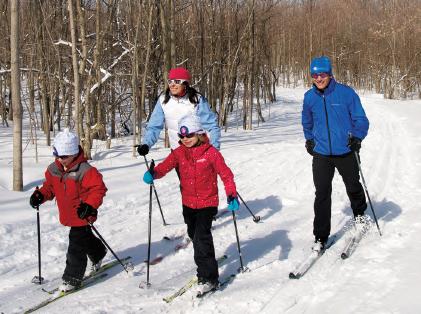
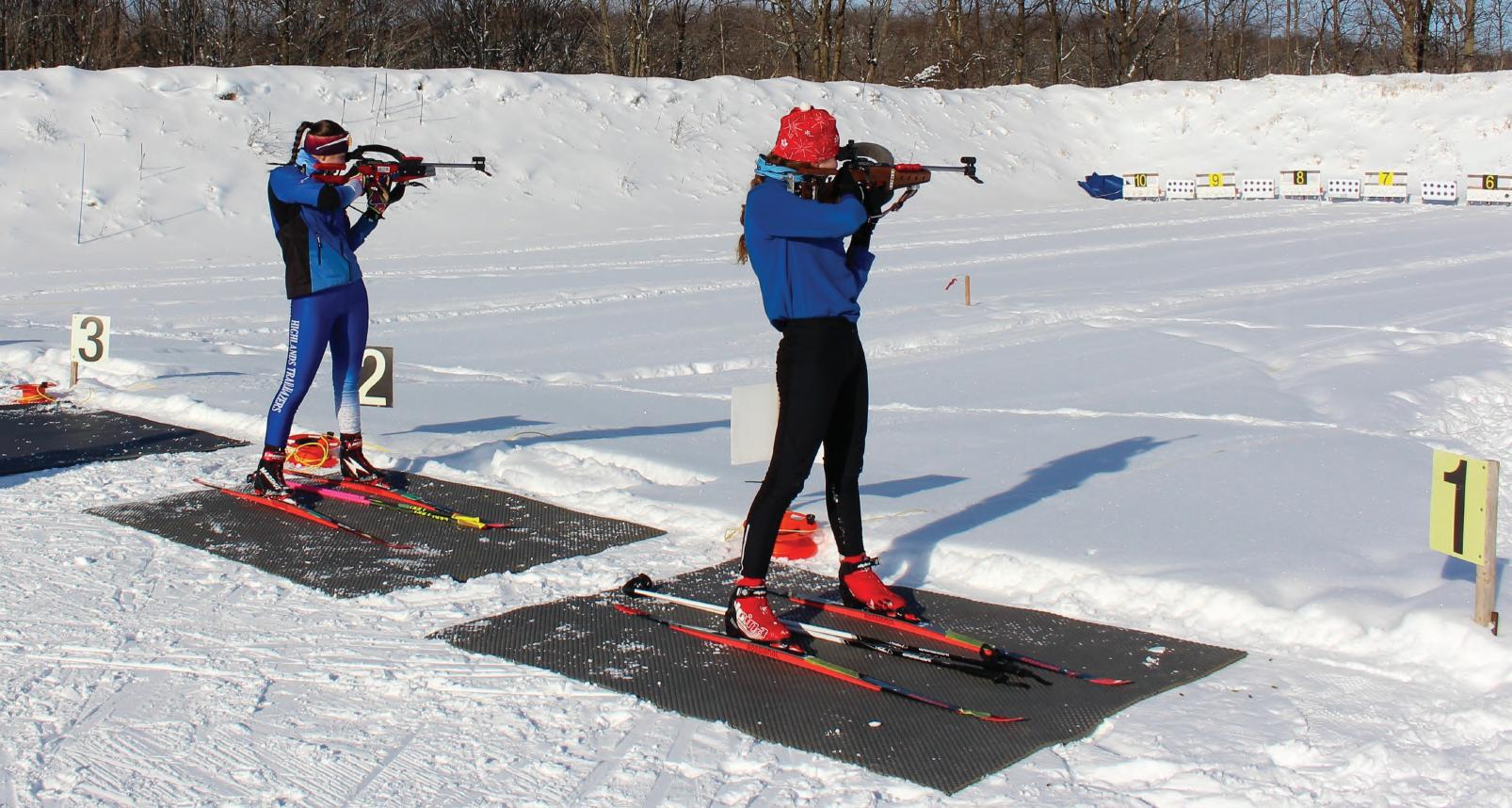
They go from this highly aerobic activity in the cold and then stop, and slow down so completely that they can aim and hit a target,” explains Kraus.
The sport offers an enticing antithesis for an increasingly frenetic, indoor, on-screen, and fast-paced, information-driven world. “Most people, after meeting a biathlete, will comment, ‘Wow, these kids seem so together and calm and thoughtful.’ It’s because this sport really rewards that,” says Skelton.
Across its biathlon programs, Highlands Trailblazers has seven coaches working with athletes ranging from ages eight to 18. It built a .22 range—the only biathlon-specific facility in Ontario— in 2020. “We’re playing catch-up with Alberta and B.C. in terms of facilities and programs. Out west, adult recreational biathlon is huge. It’s not uncommon out there to have 40 or 50 masters athletes—some over age 70—competing in a race.”
On the opposite end of the age spectrum are up-and-coming biathletes like Trailblazers member Adrian Lang, who has been a biathlete for four years. This season will be his first year in the .22 program, and he’ll be racing in the Ontario and Quebec Cups, the Ontario Winter Games, and competing in Vermont against athletes from Canada and the U.S.
“I started biathlon because, while at Highlands Nordic, I had seen the biathletes practicing and I thought it looked cool,” Lang says. He cites focus, physical fitness, and attention to detail (specifically for body position, shooting process, and ski technique) as some of the values he takes from the sport. Another benefit? “The great coaches I have who are lots of fun,” he says.
Finding qualified coaches is an ongoing challenge, says Kraus. “It’s not one of those sports where most parents can volunteer to coach. We have parents with enough ski knowledge, but those people also need to have experience in shooting.”
As enrolment in the sport in Ontario rises, though, so does the talent. Malcolm McCulloch, 19 years old, began in biathlon a decade ago at Highlands Nordic and is now on Canada’s junior national team, competing at the international level. “Biathlon has given me a really great and supportive community and helped me learn high-performance habits. I’ve had the opportunity to travel the world and meet some incredible people. I get to spend my whole year doing what I love and learning about myself,” says the Collingwood Collegiate Institute grad thoughtfully.
Asked why he thinks more people haven’t gravitated to biathlon, given its merits, McCulloch says, “I think the difficulty of the sport and the fact that you’ve got both shooting and crosscountry skiing in the same sport.”
In that way, the name biathlon is somewhat of a misnomer. It’s truly one sport, with opposing skill sets required to do it well. But to obfuscate things further, it also requires a singular mindset to execute those skill sets. At its core, biathlon is about mind mastery. Winning or losing is judged on the shooting range, but that outcome is dictated by the biathlete’s ability to block out their opponents, time, physiological sensations and needs, and the scurry of their own thoughts while skiing and shooting. In every biathlon, the biathlete must give themself licence to be still. Enjoying a martini afterwards is entirely optional. E
For more information on biathlon in Ontario, Grey, Bruce, and Simcoe, visit:
Biathlon Ontario (biathlonontario.ca/wp/)
Midland Snow Dogs (ski.mountainviewmidland.com)
Biathlon Bears, Hardwood Ski and Bike (hardwoodskiandbike.ca)
Highlands Trailblazers Biathlon Club (highlandstrailblazers.ca)

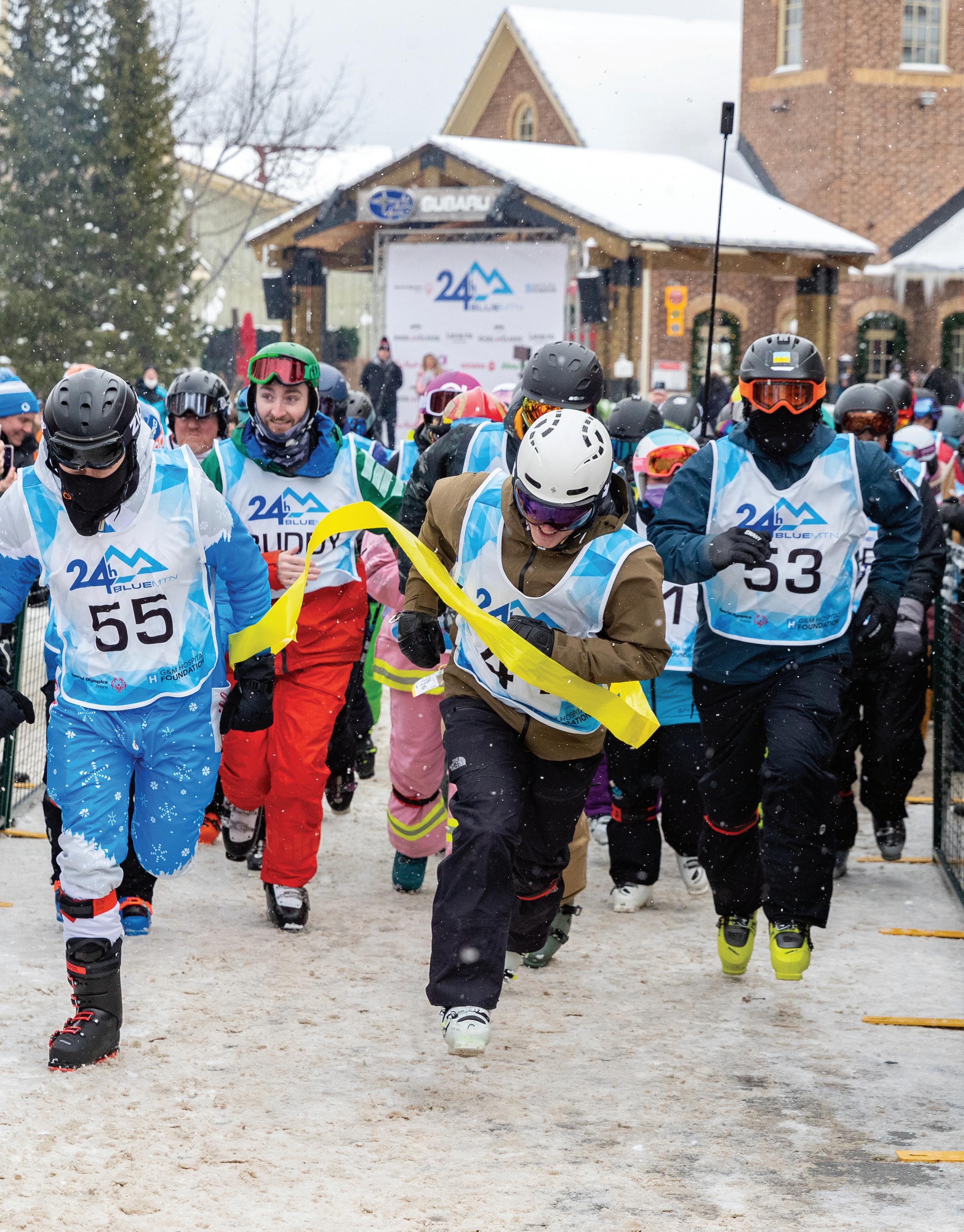
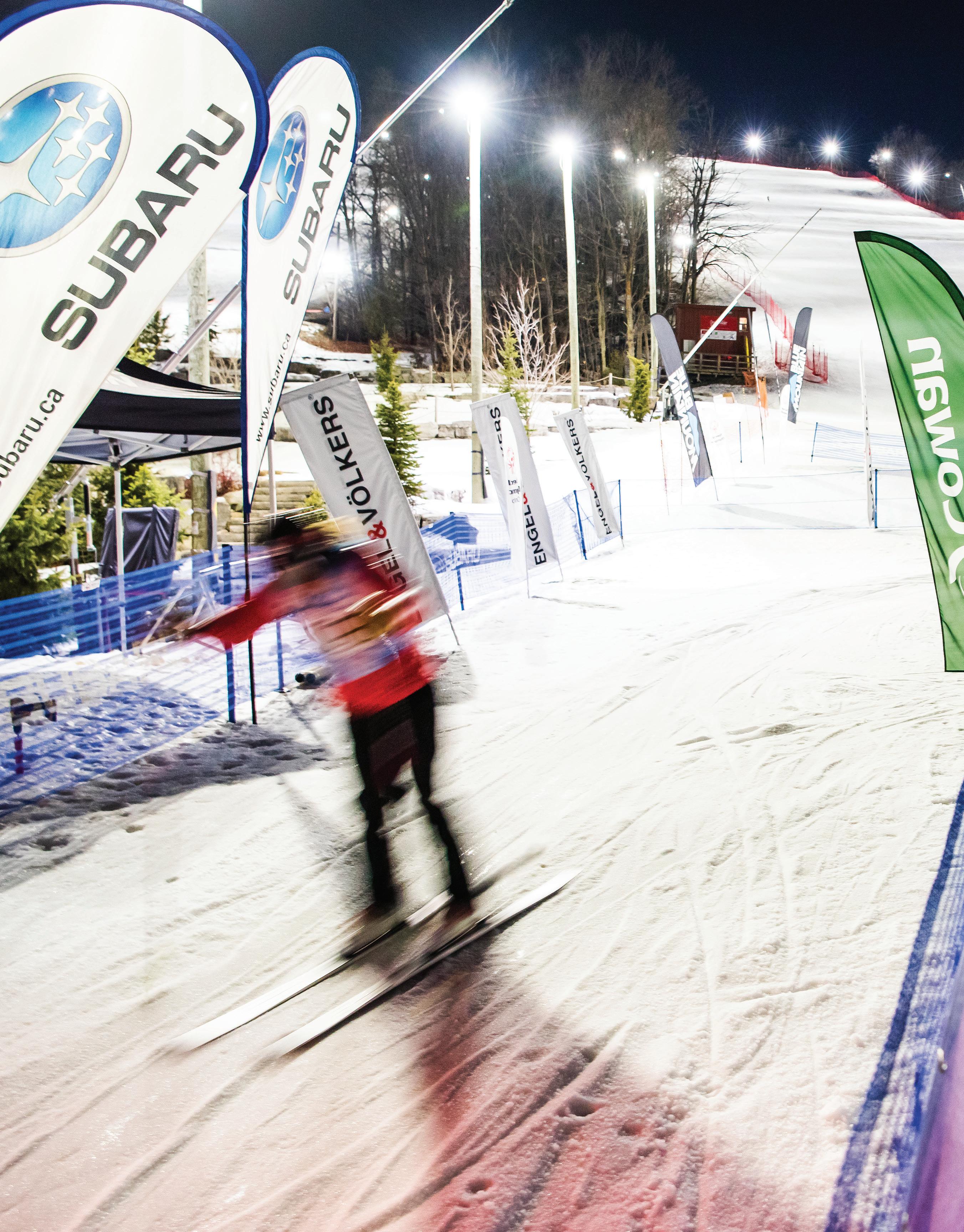
The reimagined 24H Blue MTN returns March 28–29, blending skiing, snowboarding, team challenges, live entertainment, and late-night fun — all in support of Special Olympics and local charities.
By Cara Williams | Photos courtesy of 24H Blue MTN
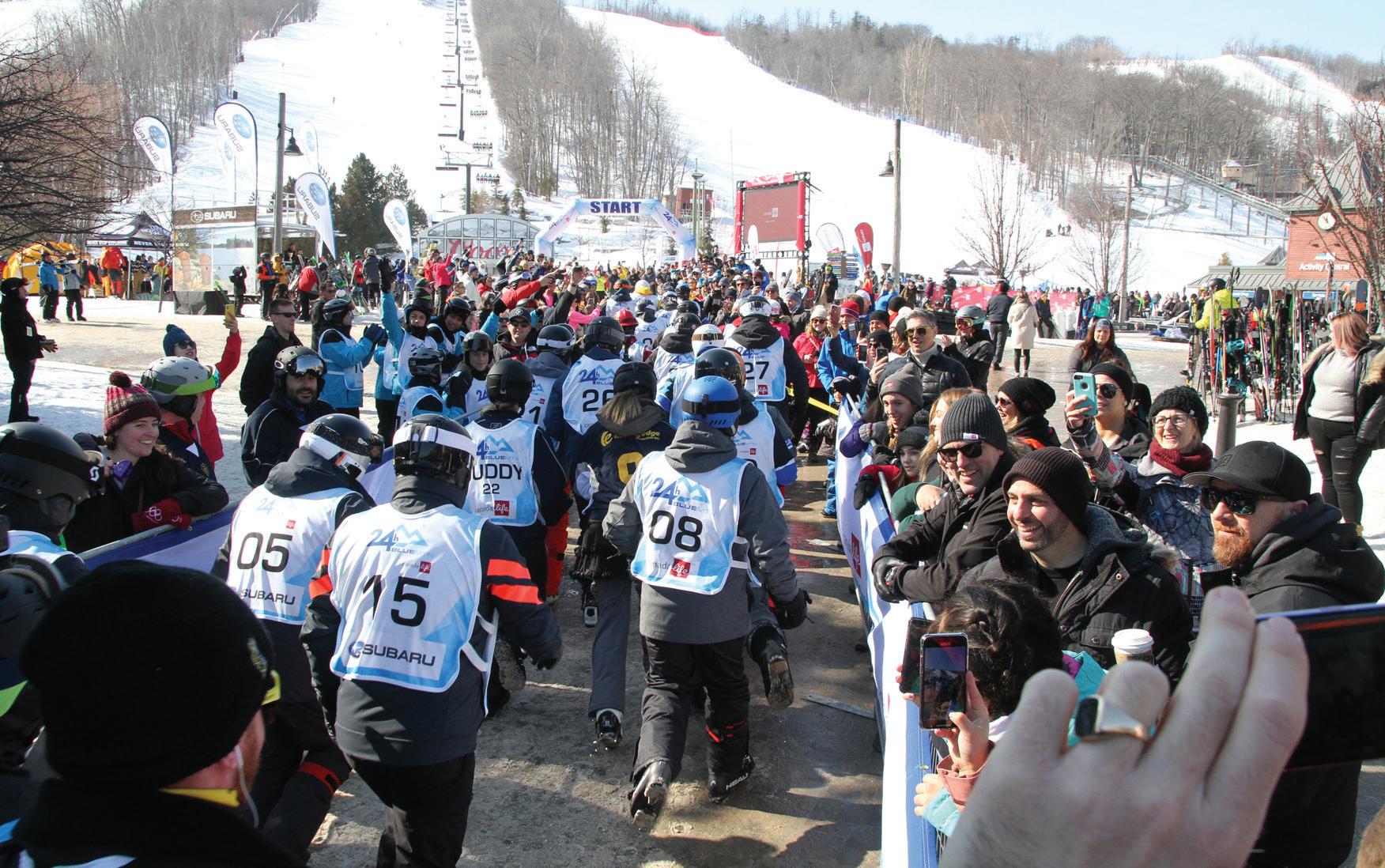
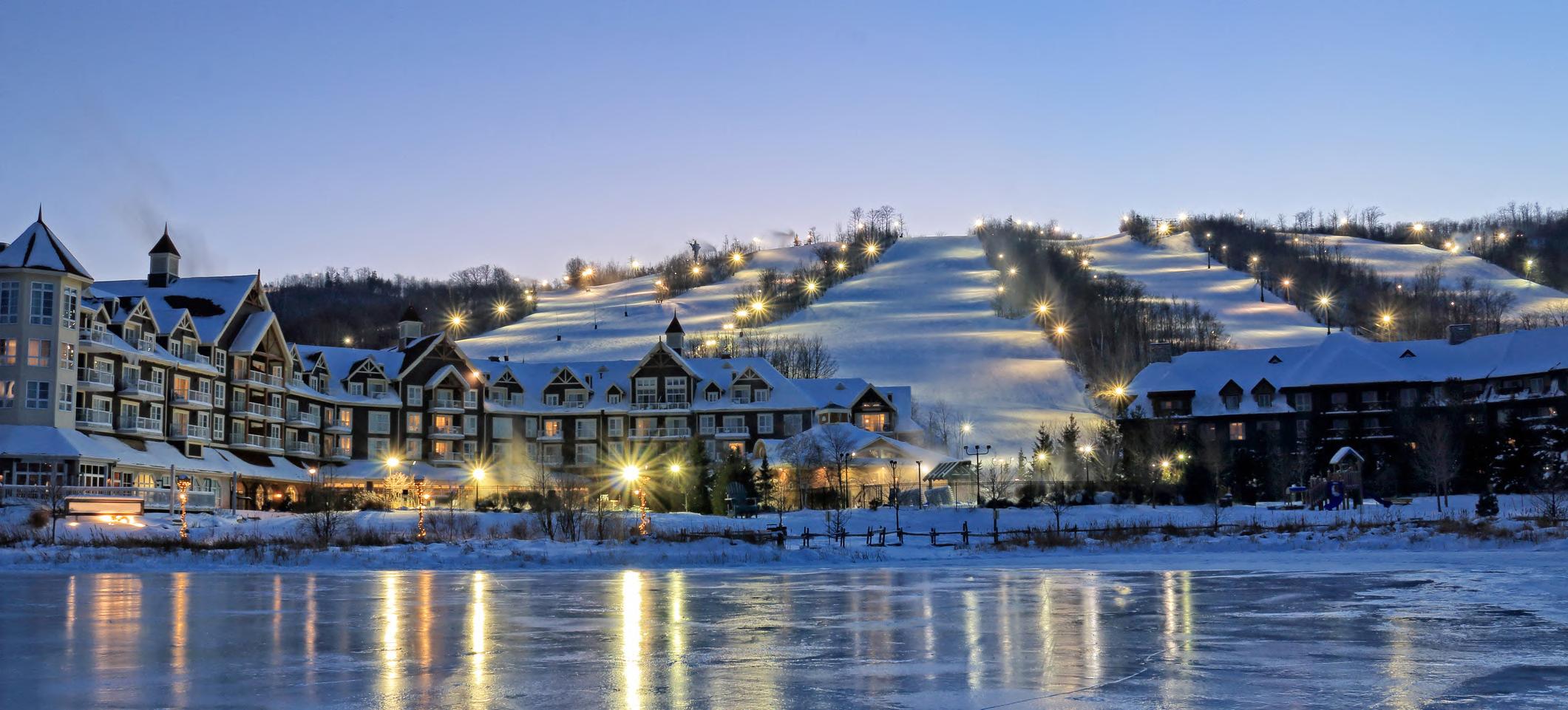
There’s a particular kind of energy that settles over Blue Mountain when the lights stay on long past last chair. It feels a bit like frosh week, a bit like a reunion, and entirely like a community rallying around a shared purpose. That’s the spirit of 24H Blue MTN.
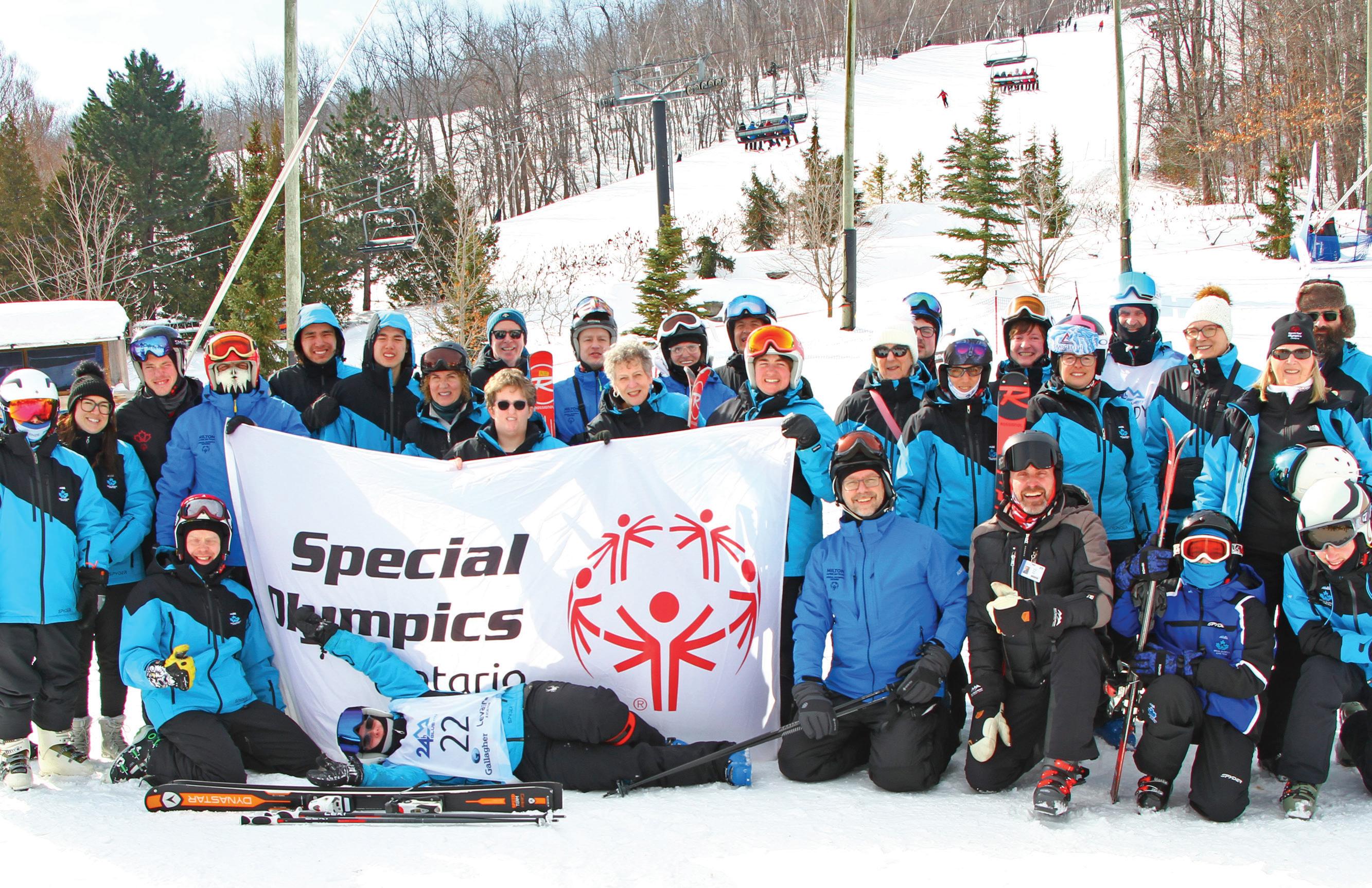
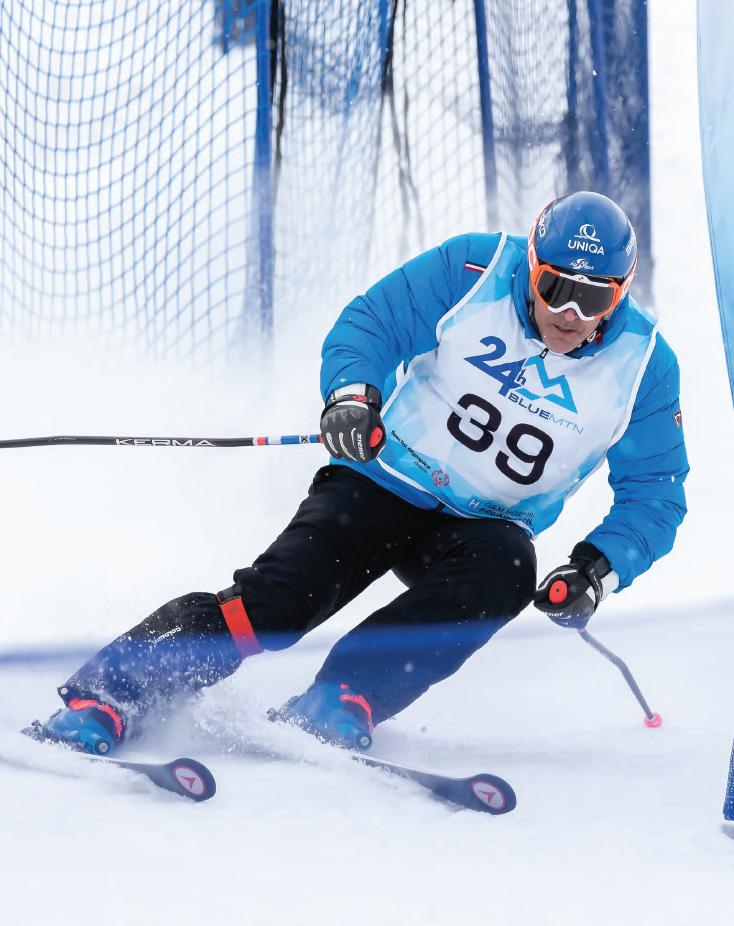
From March 27–29, the event returns as a bigger, bolder, reimagined weekend-long fundraising festival. Yes, it’s still 24 straight hours of skiing and snowboarding, but the experience has grown into something broader: two full days of on-hill action, off-hill activities, late-night fun, and the chance to raise money for Special Olympics and local charities through the Blue Mountain Foundation.
“We know there is great potential to build on the foundation of the previous 24 hour events. Skiing is core to what we offer at Blue, and taking ownership of an event that celebrates a passion for skiing and snowboarding while raising meaningful funds for important causes aligns perfectly with our objectives at Blue,” says Dan Skelton, President and COO of Blue Mountain Resort.
The weekend kicks off with a shared breakfast — a chance for teams to connect, shake off the early start, and take in the mix of creative costumes around the room. From there, teams make their way to the start of the race, where heartfelt stories are shared about the impact their donations have had on the lives of Special Olympic athletes. A Parade will follow through the village, sharing the joy of the spirit of giving.
On the slopes, the reimagined team relay ensures everyone gets a turn on course. The emphasis is on shared effort, sharing the love of skiing and snowboarding for all ability levels. Off the slopes, the Team Challenge Scorecard keeps momentum high: complete activities, earn points, and keep the friendly rivalries going. Après challenges like ski limbo, tire hops, and other light-hearted tests of balance and bravery bring out everyone’s competitive side. Fundraising drives run throughout the weekend, turning pledges into real community impact.
As afternoon shifts into evening, a festival atmosphere takes hold. Golden Hour Après becomes a draw of its own, with games, team challenges, as the sun dips behind the Escarpment. Live music and headline performances keep the Village buzzing, creating spontaneous dance parties and new friendships.
Then comes the magic of the late-night hours. Under the lights, the slopes take on a quieter, more intimate character. Latenight scavenger hunts send teams roaming through the Village and the 2AM Pizza Party is equal parts refuel and social mixer. Some participants ski straight through the night; others rotate between cheering, resting, and tackling off-hill challenges.
From there, everyone makes their way to the top of the mountain for one of the weekend’s signature moments: Watching the sunrise over the Escarpment, coffee in hand, the sky shifting from pink to gold before the real energy begins.
This year, the “more than just a race” philosophy extends across the whole resort. Entry includes access to Blue Mountain’s

Graydon Oldfield Senior Wealth Advisor Portfolio Manager
705 445-7629
graydon.oldfield@cibc.com www.graydonoldfield.com
For over 25 years, Graydon Oldfield has provided his clients and their families with financial peace of mind. His commitment to treating each client with the utmost respect, discretion, and collaboration has determined his approach to financial planning and wealth management.
At Oldfield Wealth Management, we believe that integrity is not just a value it is our way of doing business. We understand your circumstances and goals are unique and require a personalized approach.
Let us energize your financial future with strategies tailored to manage, grow and protect your wealth. Experience working with a team that places trust and integrity at the center of your financial success.
Call Graydon today to build your wealth with integrity.
attractions — the Ridge Runner, Canopy Challenge, and Plunge! — giving everyone a chance to take a break from the slopes or join the action in a different way.
“We have seen our sister resort execute a fantastic event with 24H of Tremblant. We are up to the challenge of setting ambitious fundraising goals in support of our local causes while delivering an awesome spring skiing experience at Blue,” says Skelton.
A limited number of discounted, fixed-price lodging packages in the Village will be available to early registrants, turning each team’s home base into a vital part of the experience. Being steps from the lifts and events makes it easier to grab a power nap, change layers, or regroup between challenges. Over 24 hours, that cozy crash pad becomes mission control.
At its core, 24H Blue MTN is about impact. Funds raised throughout the weekend directly support Special Olympics and local charities, helping to provide programs and opportunities that extend far beyond the resort. When the final laps are tallied and the music winds down, participants leave with more than tired legs — they leave knowing a weekend of good times helped create something meaningful for others.
Whether you’re skiing for glory, cheering on your crew, or simply soaking in the atmosphere, 24H Blue MTN offers the chance to make memories and make a difference, all in one unforgettable weekend on the hill. E
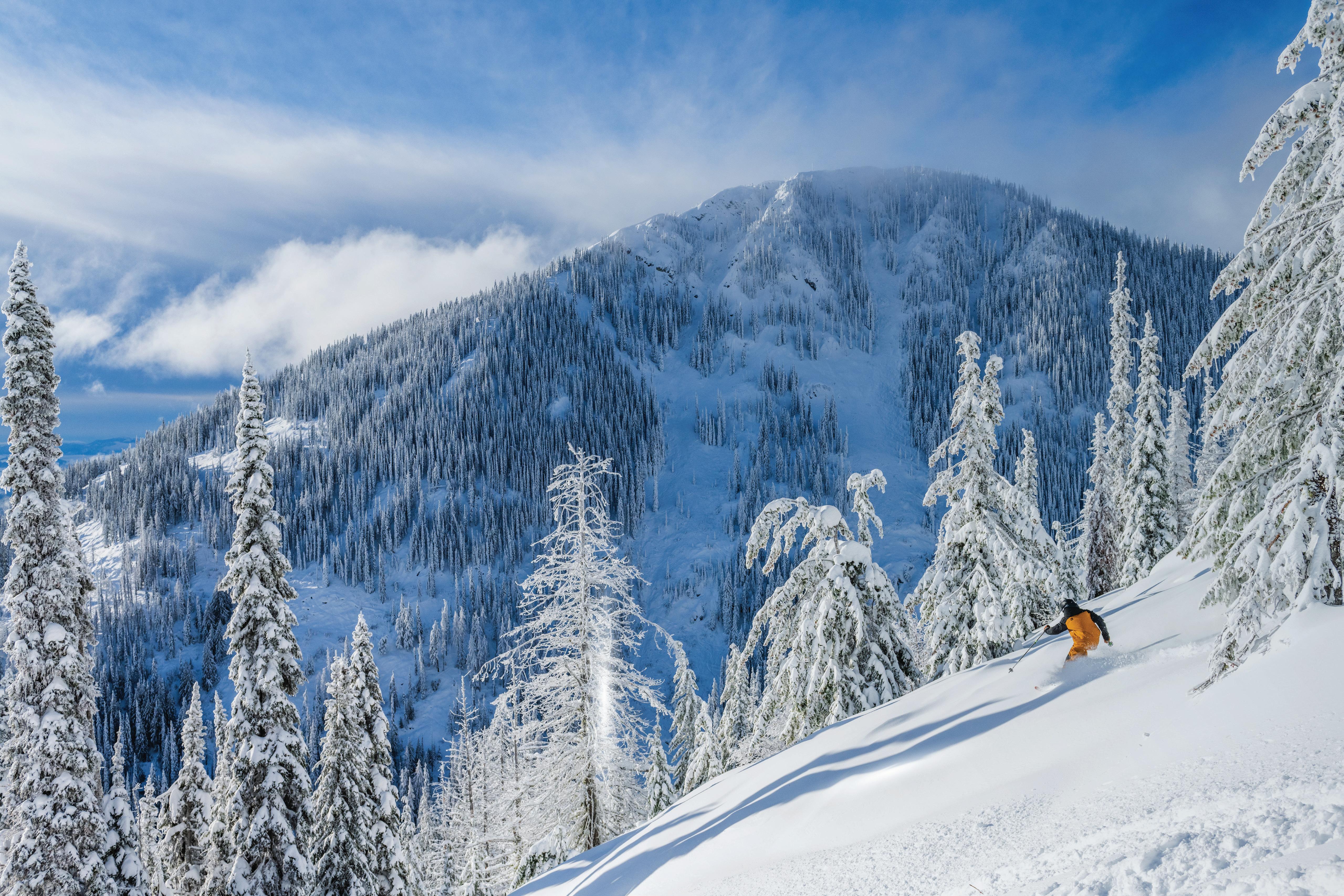
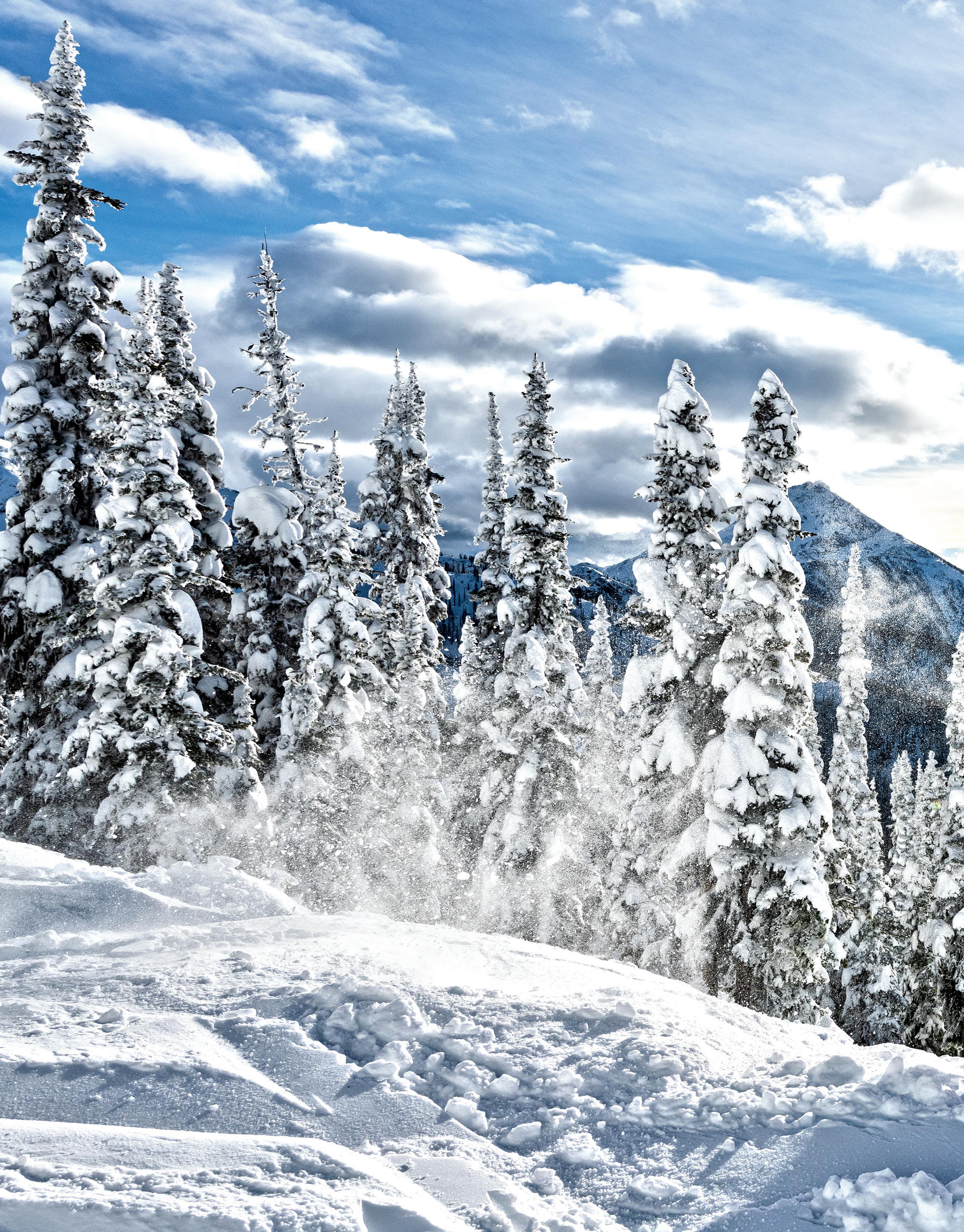
Legendary powder, North America’s longest vertical, and a mountain town with soul—Revelstoke is where the stoke stays high, the terrain stays honest, and the love of snow sports runs deep.
By Cara Williams | Photography by Clay Dolan
I’d been hearing about Revelstoke Mountain Resort long before I ever skied it. When I was living in Whistler, rumours drifted through town that a new resort might open somewhere in British Columbia’s interior—farther to get to, yes, but possibly closer to the soul of skiing and snowboarding. The question lingered: would people really travel there, drawn less by hype and more by snow, depth, and the quality of the terrain itself?
They would. They do. And once you arrive, it makes perfect sense.
Revelstoke, aka Revy, sits in the northern reaches of the Kootenay Rockies. The Selkirks form the backbone of the resort, while the Monashees rise across the valley in the distance. The ski area averages roughly 10.5 metres (34 feet) of snowfall each winter, with surrounding peaks often seeing totals closer to 12–18 metres (40–60 feet), earning Revelstoke a reputation as one of Canada’s snowiest destinations. It’s a place defined by scale— geographic, vertical, historical. The same Ikon Pass we use at Blue Mountain unlocks the experience here—legs seasoned on Ontario groomers, put fully to the test. This is skiing stripped back to its essentials, amplified by terrain that demands your full attention.
The modern story of Revelstoke also has roots on the Escarpment. Osler Bluff Ski Club member Robert Powadiuk was among the early visionaries behind what would become Revelstoke Mountain Resort. Beginning in the early 1990s,
Robert worked with a small group of investors to assemble the lands that now make up the resort, ultimately guiding the project through provincial, municipal, and First Nations approvals before it opened in 2007. Today, the family remains minority owners of the resort and its affiliated operations, including Selkirk Tangiers Heli Skiing. A lifelong skier who learned on the slopes of Blue Mountain more than six decades ago, Robert—along with his wife, Julia—now calls Collingwood home, a quiet through line that links Ontario ski culture to one of the country’s most ambitious resort projects.
Traveling to Revelstoke is all part of the experience. It’s approximately a two-and-a-half-hour drive from Kelowna International Airport, with direct flights available from Toronto. The route is spectacular—winding through mountain passes, tracing long stretches of railway, and skirting the edge of history at Three Valley Gap, the preserved ghost town that sits just beyond the road. By the time you arrive, it already feels like you’re exactly where you’re meant to be.
The town predates the resort by more than a century. Founded in the late 1800s as a rail and forestry hub, Revelstoke grew alongside the Canadian Pacific Railway, its fate tied to the hammering of the Last Spike just west of town at Craigellachie. Originally named Farwell, it was rechristened Revelstoke in 1899 in honour of Lord Revelstoke, whose financial backing helped


complete the railway that stitched the country together. That legacy lives on in The Last Spike, the longest ski trail in North America: a 15.2-kilometre (9.5-mile) green run that winds continuously from summit to base.
Skiing has been part of Revy’s identity since the 1890s. Scandinavian settlers brought the sport with them, founding the Revelstoke Ski Club and eventually building North America’s first ski jump in 1915. Legends followed. Nels Nelsen set a world record here in 1925 with a 250-foot jump. Isabel Patricia Coursier became a women’s world champion at just 15. Their stories aren’t museum pieces—they’re part of the fabric here, a lineage that still defines the town as a skier and snowboarder’s town.
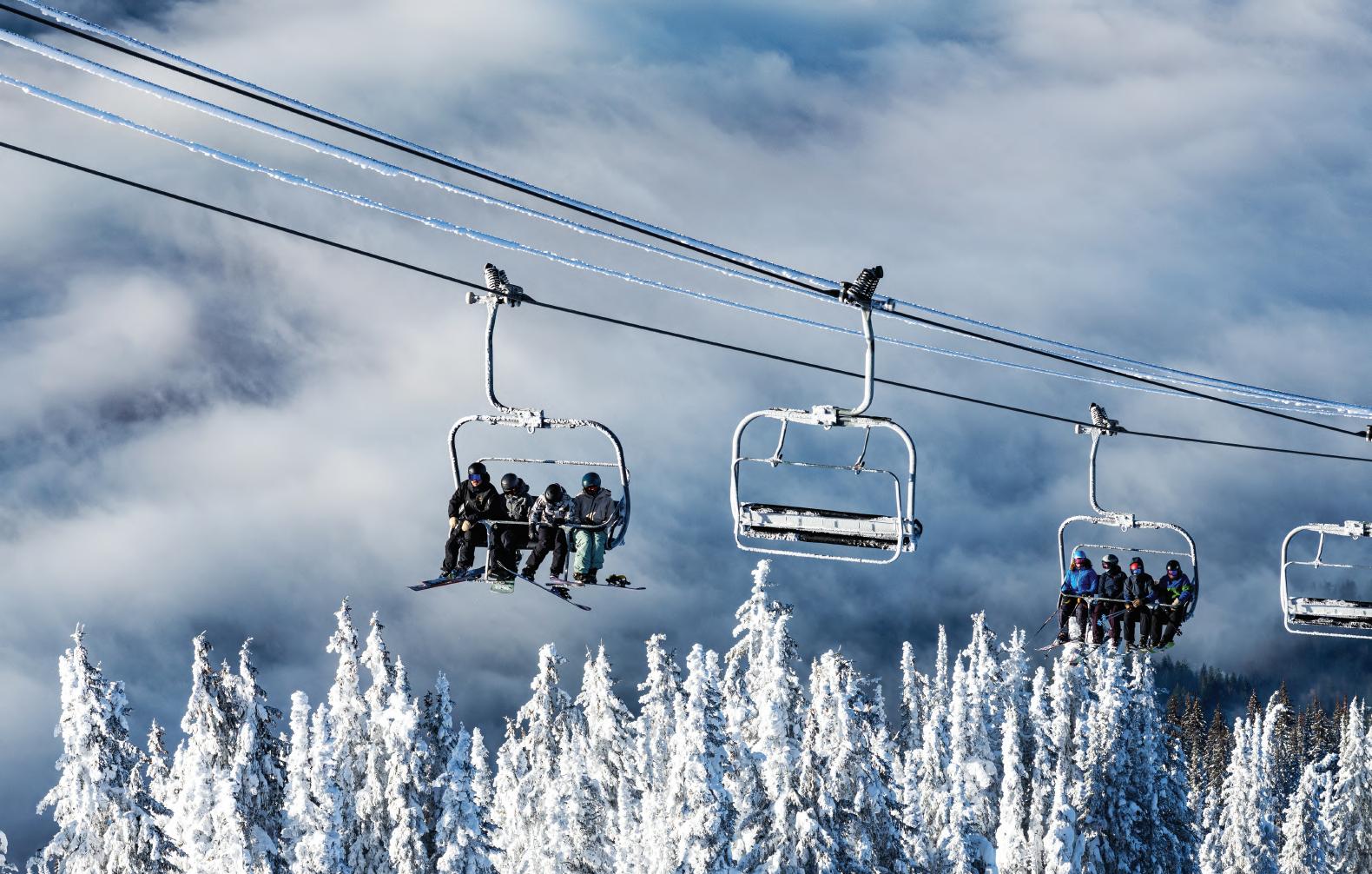
Revelstoke Mountain Resort officially opened on December 22, 2007, and while the infrastructure continues to evolve, the feeling on the mountain remains refreshingly core. In many ways, it feels like resort skiing did in the mid-’90s—before everything was smoothed, scripted, and optimized. Cell service is spotty, which means work calls fade quickly into irrelevance. You’re here to ski. And ski you will.
We were introduced to the mountain by a trusted guide. My old friend Joe Lammers is a former professional skier, avalanche forecaster, and ski patroller who left Whistler for Revy in 2007. Drawn by the North Kootenays’ snowpack and a community that still shreds for the fun of it, his connections now run deep—not just in the ski world. His transition into real estate has earned him a place among Royal LePage Revelstoke’s National Top 2%
of agents for four consecutive years. When Joe said, “I know just where to take you,” we didn’t ask questions.
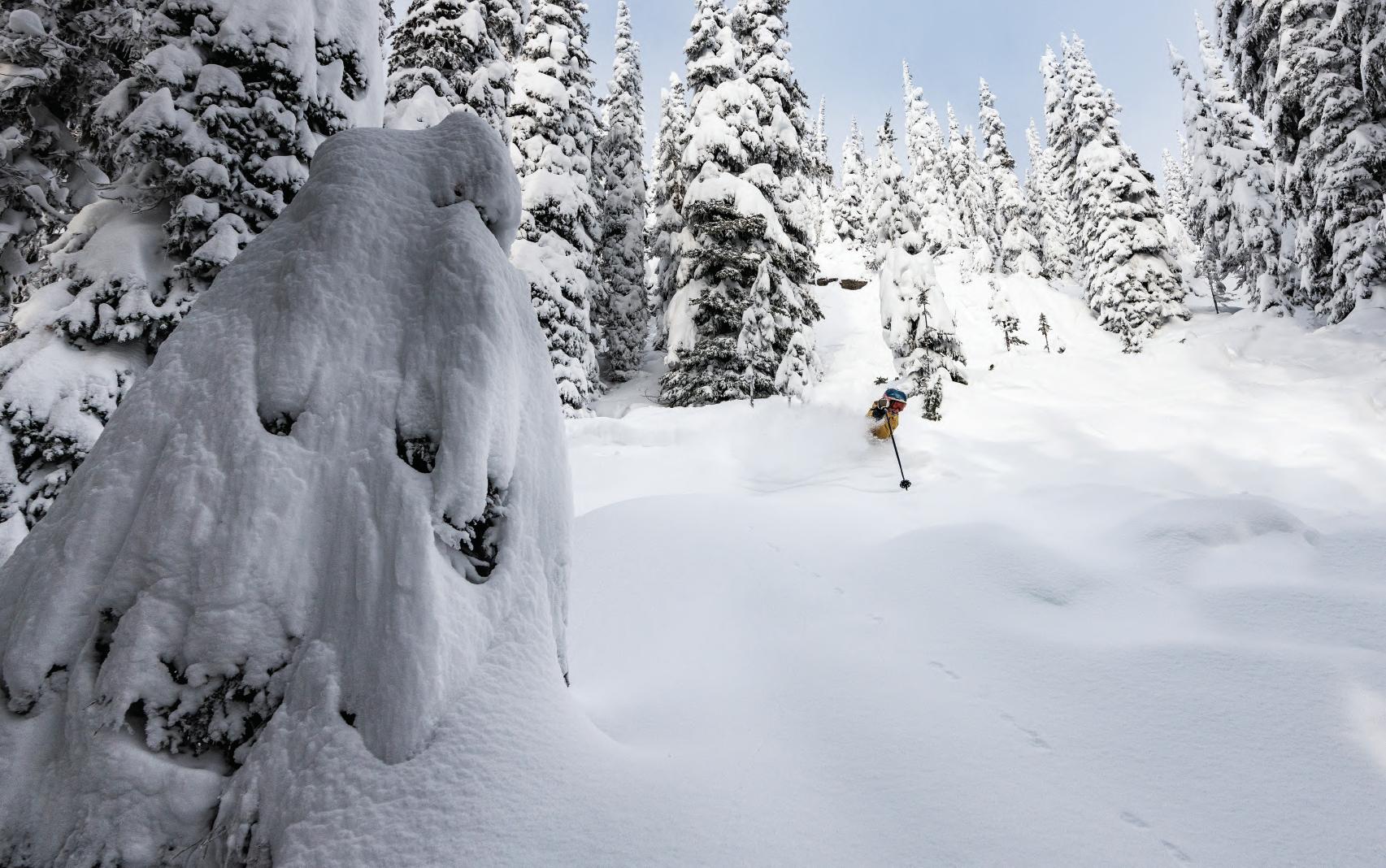
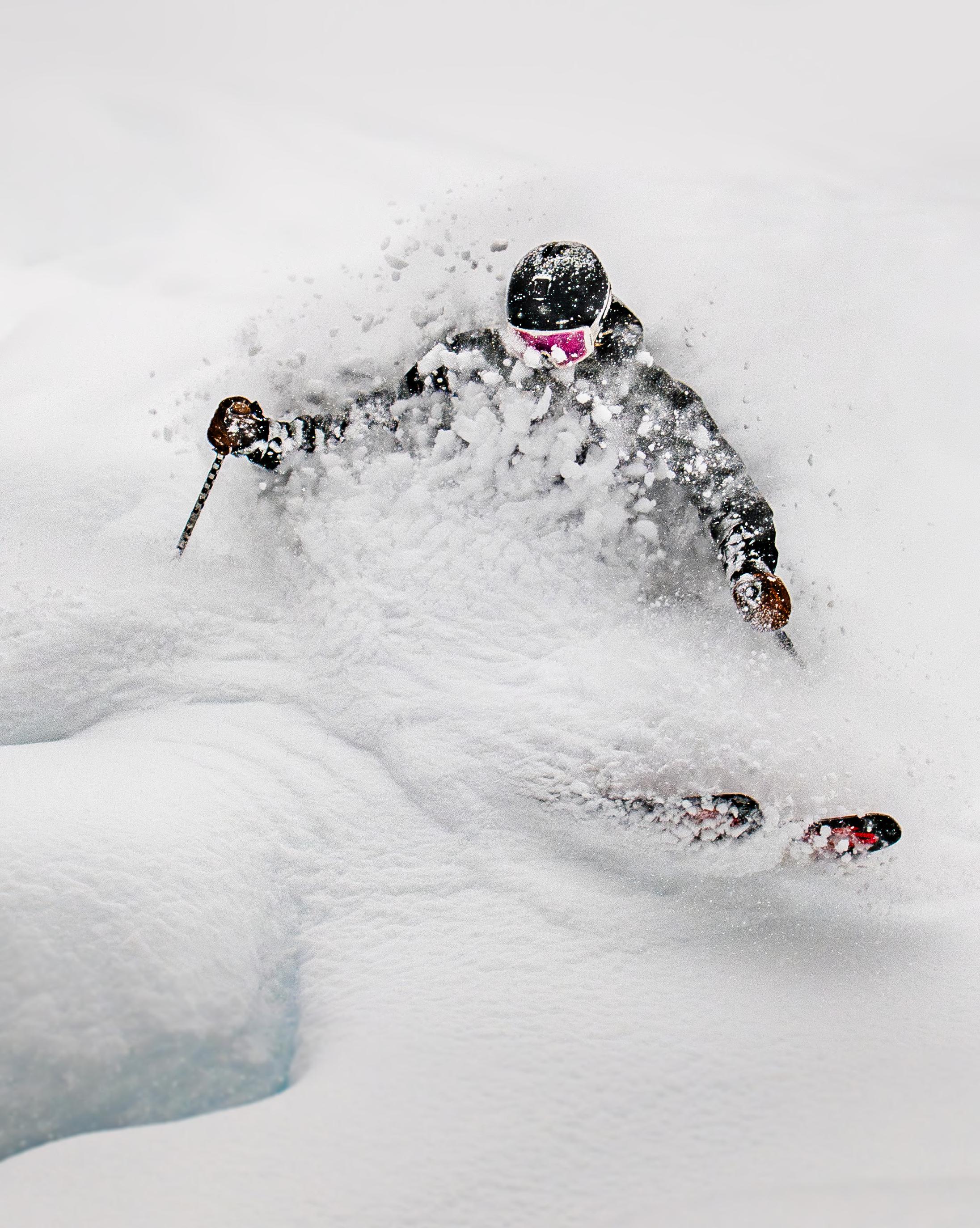
When we arrived, the mountain was coming off several days of storms—the kind that stack alpine snow quietly while you wait for ropes to drop. When the sun finally broke through, the stoke was unmistakable. Young locals whooped from the trees, highfiving at the bottom of runs, voices echoing through the glades. With 1,713 metres (5,620 feet) of vertical—the most in North America—Revy doesn’t ration its thrills. Pillow stacks rolled endlessly. Pow shots came on repeat. It’s big-mountain skiing, accessed straight from the chair, exactly as Joe promised.
Despite its reputation, Revelstoke also offers plenty for beginner and intermediate skiers, with long, meandering runs that allow confidence to build gradually. It’s big terrain, but not an all-or-nothing proposition.
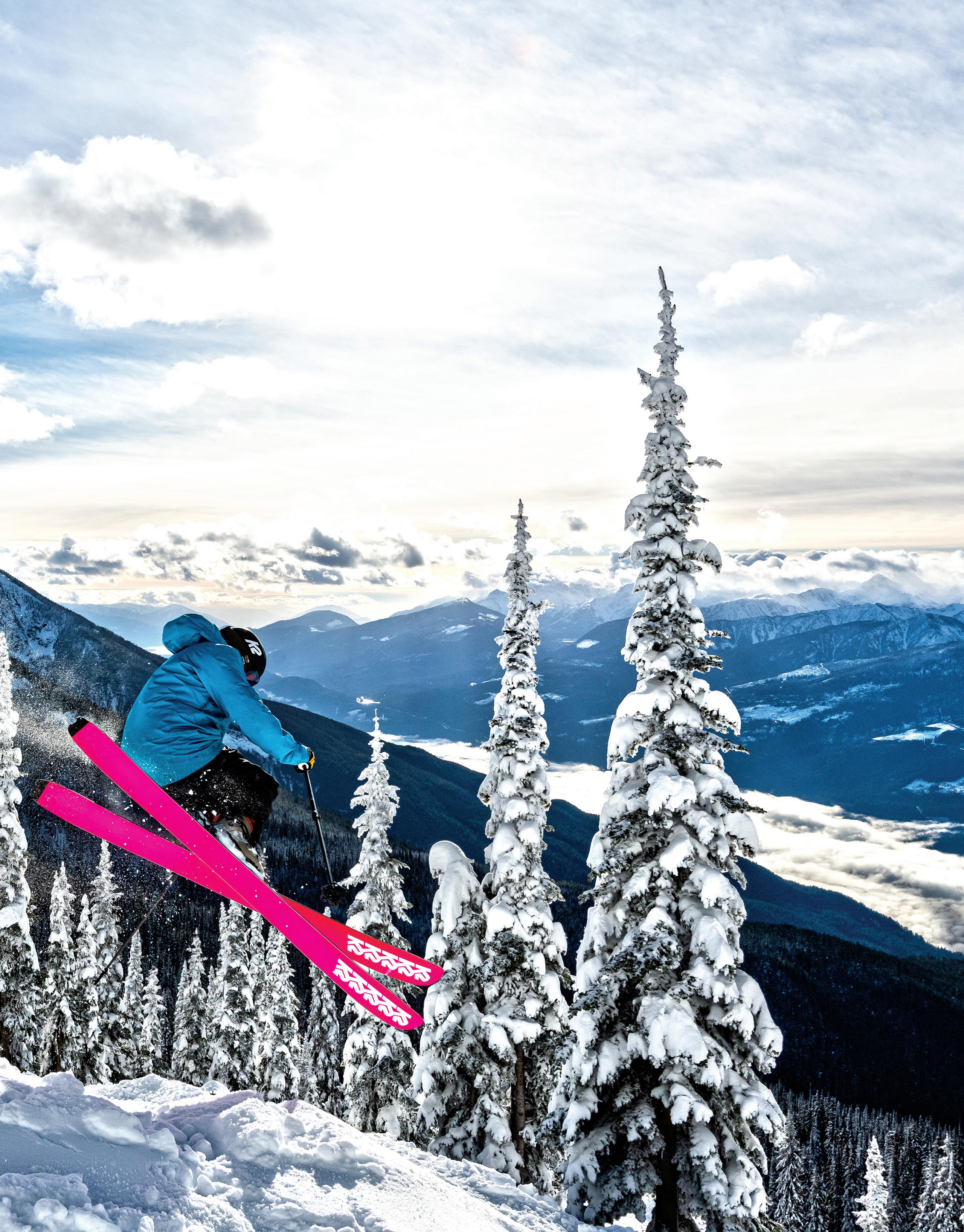
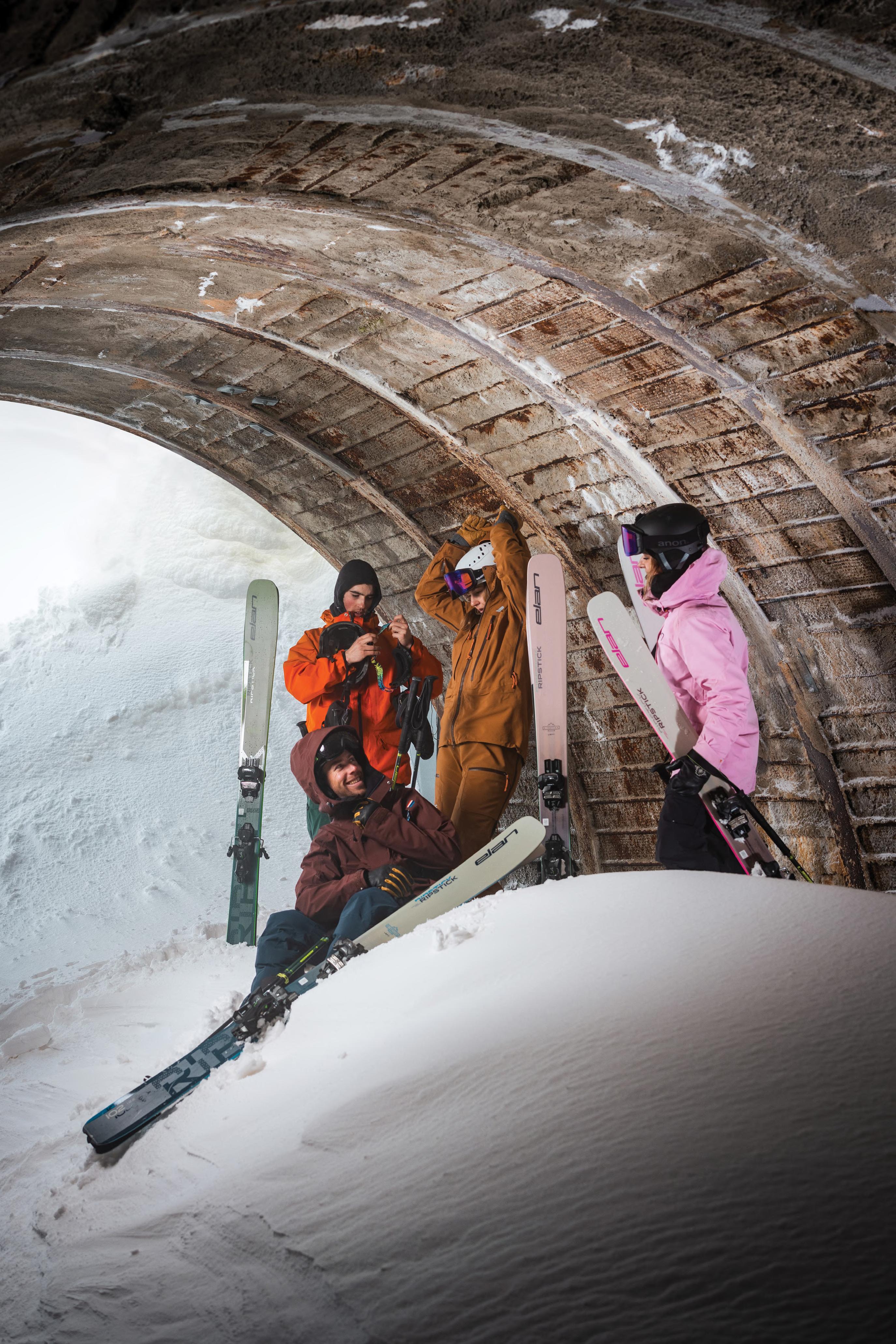
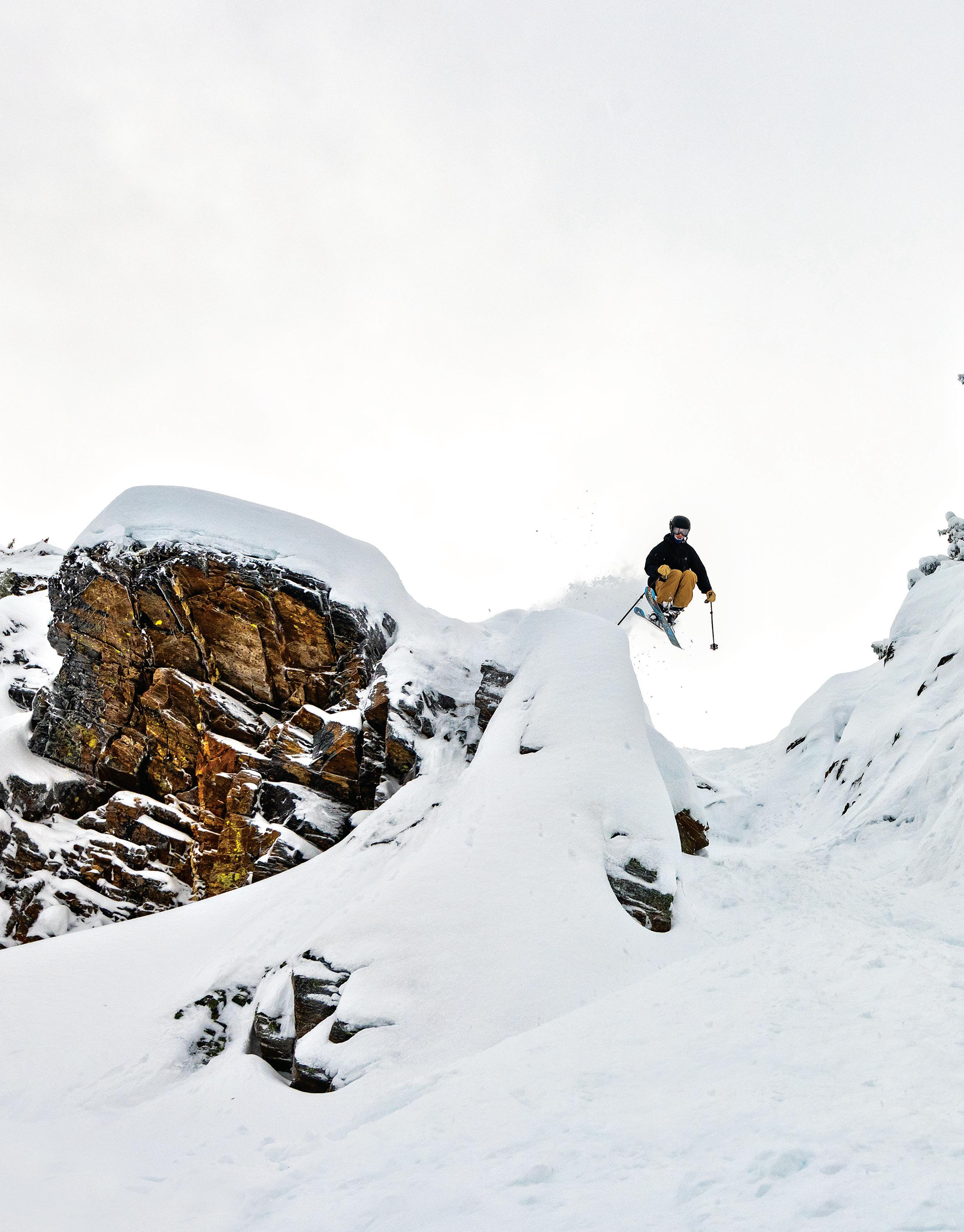
Later in the week, we connected with Mac Vibert, a 24-yearold from Orillia who cut his teeth as a Georgian Peaks FIS racer before trading Ontario hardpack for B.C. powder. Now living here full-time, Mac skis the mountain with quiet confidence. While he launched himself off cliffs for Clay’s camera—allowing my feet to remain comfortably on the ground—he led us into both the North and South Bowls, opening up another layer of what makes this place so compelling.
The bowls here are vast and formidable. North Bowl is spoken about in reverent tones—its higher entrances demand commitment, but the payoff is snow that holds its quality longer than almost
When we arrived, the mountain was coming off several days of storms—the kind that stack alpine snow quietly while you wait for ropes to drop.
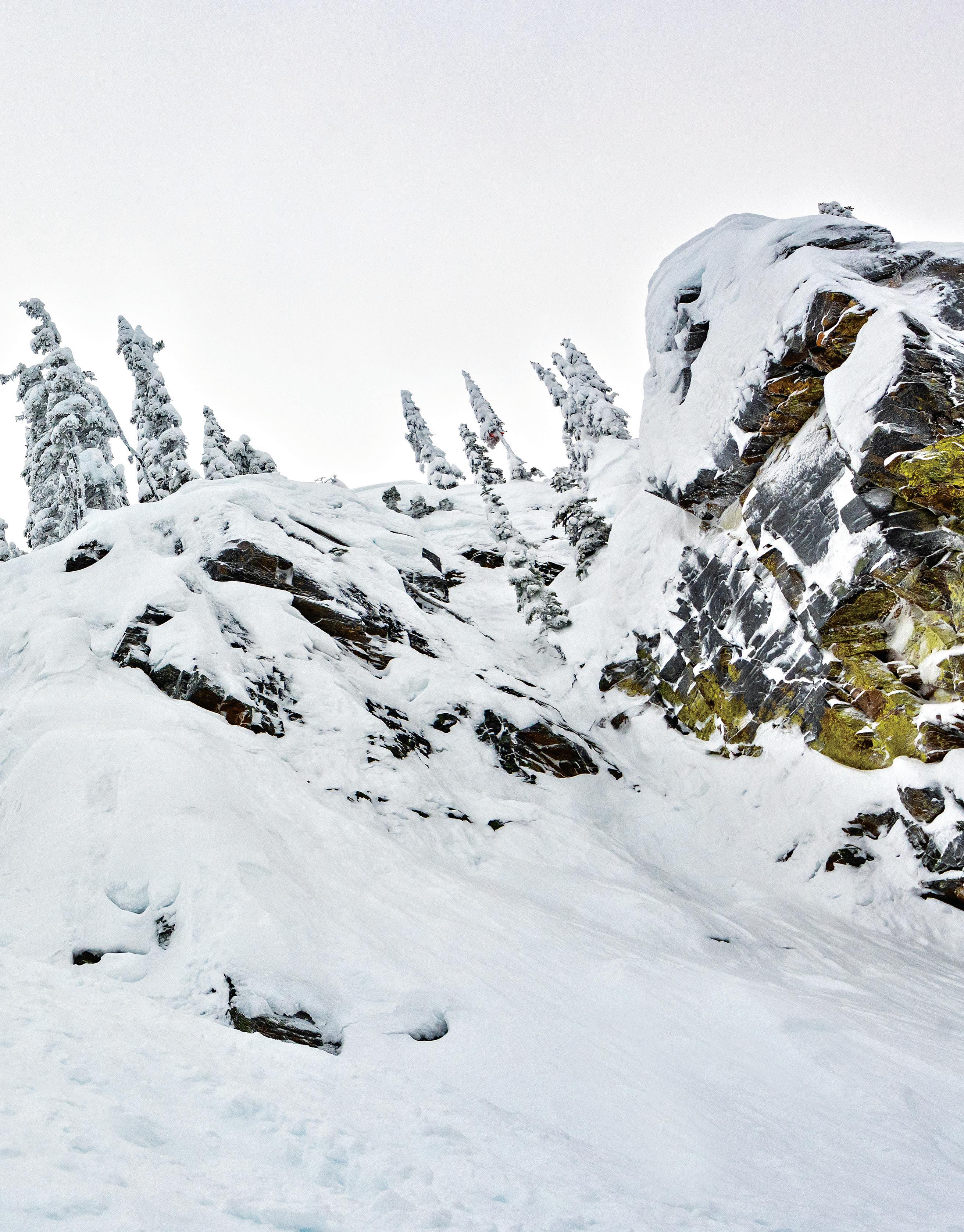
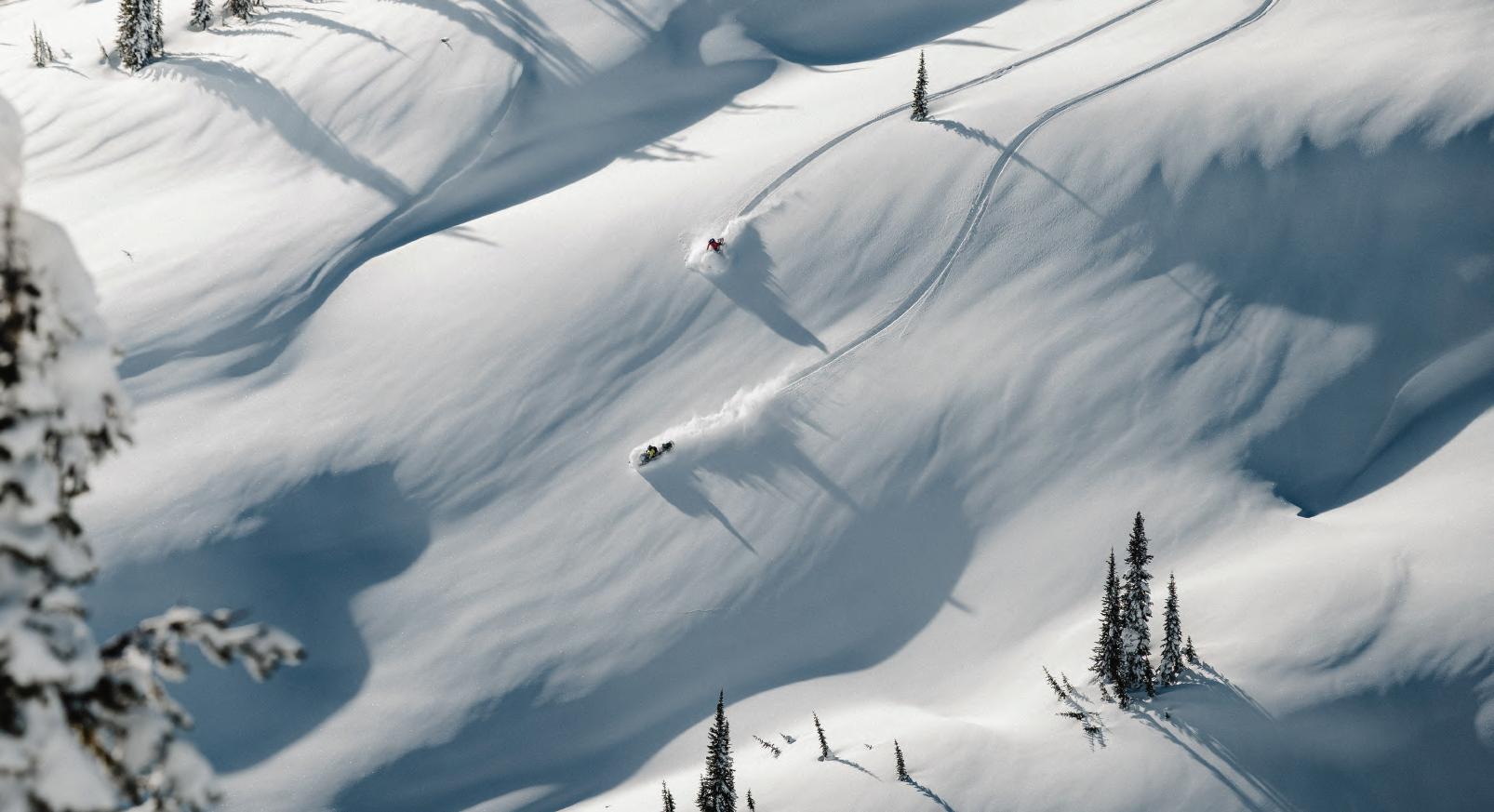
anywhere else on the mountain. On clear days, lines reveal themselves easily, from steep faces to playful features along the ridgelines. The more effort you invest, the more Revy gives back—this place rewards endurance and a willingness to work for it.
Lunch follows the same philosophy: keep moving. The Mackenzie Outpost near the top of the gondola is made for eatand-run refuelling—no frills, limited indoor seating, and skiers bellied up outside with burgers and beers, snow still clinging to their jackets. Lower down, Revelation Lodge offers a classic postand-beam ski lodge experience, while the base area delivers easy options like the Rockford Bar & Grill, Mackenzie Tavern, or La Baguette for something quick before heading back out.
We stayed slopeside at Sutton Place Hotel, the only true skiin, ski-out accommodation at the resort. Recently updated, the hotel blends modern comfort with a warm alpine vibe. Our twobedroom unit was spacious and well appointed—ideal for families or couples travelling together—with a full kitchen and a fireplace that earned its keep after long days on the hill. Outside, a heated pool, two hot tubs, saunas, and outdoor bar service created an easy, social end to the day.
Beyond lift-served skiing, Revelstoke has a reputation as a heli-skiing mecca. Pristine alpine terrain stretches in every direction. Backcountry ski and splitboard touring, Nordic skiing, and snowshoeing add to the sense that this is a true winter hub—an ecosystem of adventure rather than a single alpine attraction. Snowmobiling is woven just as deeply into Revelstoke’s winter culture, opening access to vast alpine terrain that would otherwise require a helicopter to reach. We spoke with Mike Leblanc, president of Southwinds Marine Inc., a Collingwoodbased outfitter that specializes in fully guided backcountry snowmobile trips in Revelstoke. With deep roots in mountain
riding, Southwinds works with experienced local guides—many with decades in avalanche control and professional operations— to introduce riders to the sport in a thoughtful, structured way. Trips are designed as complete packages, with sleds, safety gear, guiding, and avalanche education all handled on the ground. The result is access without intimidation—reframing backcountry snowmobiling not as an extreme pursuit, but as another immersive way to move through Revelstoke’s winter landscape.
The town mirrors that energy. Many of its early 20th-century buildings remain, lending downtown a railway-era charm that feels both nostalgic and alive. It’s eclectic, independent, and artistic. Locals know one another. There’s pride here—not the performative kind, but the earned kind that comes from living somewhere rugged, sometimes dangerous, and loving it deeply.
Change is coming, thoughtfully. The North Village at Revelstoke Mountain Resort is being developed into a fullservice basecamp, with expanded dining, shopping, lockers, and a mountain sports school. On-mountain improvements include a new summit building, expanded lodge decks, upgraded lifts, and enhanced snowmaking.
But even as Revelstoke grows, its essence remains intact. This is still a skier’s and snowboarder’s mountain—a place where the terrain leads, the community follows, and the positive energy never feels manufactured.
Revelstoke isn’t trying to be glossy—and it doesn’t have to. What stands out instead is an authenticity that feels increasingly rare, grounded in the raw pull of the mountain, the snow, and the shared joy of the day. It offers scale without spectacle and skiing that reconnects you to why this sport matters in the first place. The stoke here isn’t a slogan—it’s a current. And once you tap into it, you carry it with you long after the last run. E



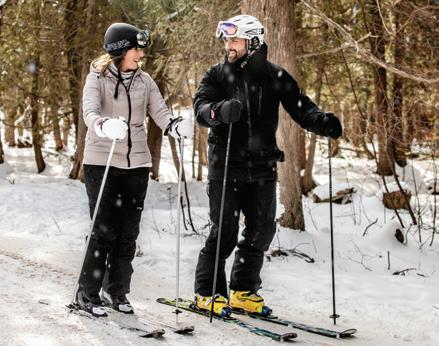
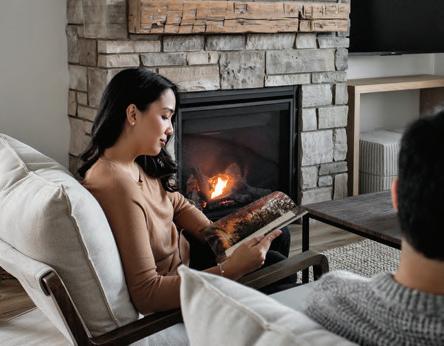
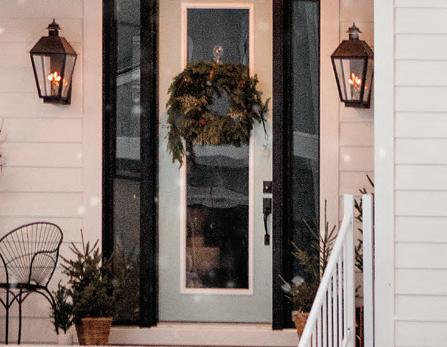


Nestled at the base of Blue Mountain and steps from the pedestrian village, Windfall at Blue has become the benchmark for four-season living in Simcoe County. Awardwinning builder Georgian Communities has created more than a neighbourhood here. It's a lifestyle centered around connection, nature, and the rhythm of mountain living.
post-hike recovery. Fitness facilities, fireplaces, and communal gathering spaces create natural opportunities for neighbours to connect. It's where the community truly comes alive.
Location amplifies everything. Minutes from historic downtown Collingwood, residents enjoy an evolving mix of restaurants, boutiques, fitness studios, and essential services. Natural beauty meets everyday practicality in a way that few communities achieve.
Windfall continues to evolve thoughtfully. A curated collection of move-in-ready homes, including semi-detached designs with refined finishes, allows buyers to step directly into the lifestyle. For those seeking more space, newly released 50-foot detached lots offer rare opportunity at the mountain's base, paired with a selection of chalet-inspired models featuring timeless architectural details that complement the landscape.
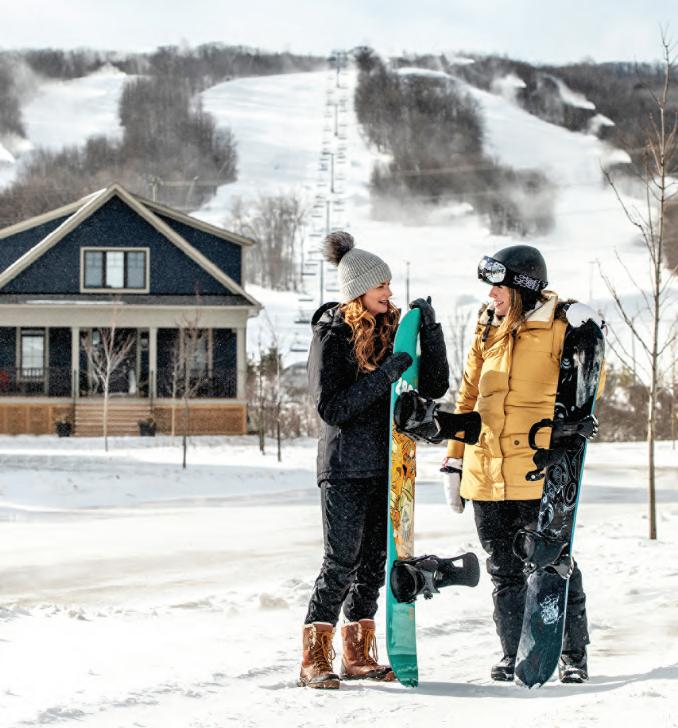
Residents wake to escarpment views and spend their days immersed in everything the region offers. Winter skiing and snowshoeing. Spring cycling through awakening trails. Summer paddling on Georgian Bay. Fall hiking through brilliant foliage. The mountain's heartbeat becomes your own.
At the centre of it all stands The Shed, Windfall's private clubhouse that captures the après-ski spirit year-round. Heated pools invite morning swims. The dry sauna offers
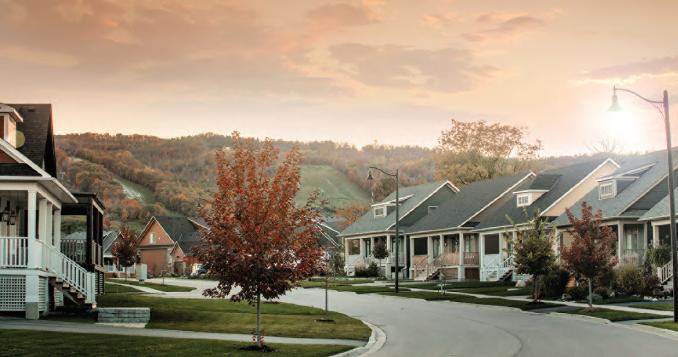
More than homes, Windfall offers gathering places. Around clubhouse pools and backyard fire pits. Along trails connecting every corner. In the village where neighbours become friends. It's what happens when design, lifestyle, and location truly align.

Georgian Communities' commitment to thoughtful development extends across the region. From the emerging Craighurst Crossing in Oro-Medonte with its modern farmhouse charm, to Braestone's estate lots on expansive treed acreage, to Victoria Annex's heritage-inspired homes in downtown Collingwood. Each community reflects the same principle: build beautifully, build thoughtfully, and create neighbourhoods that endure.

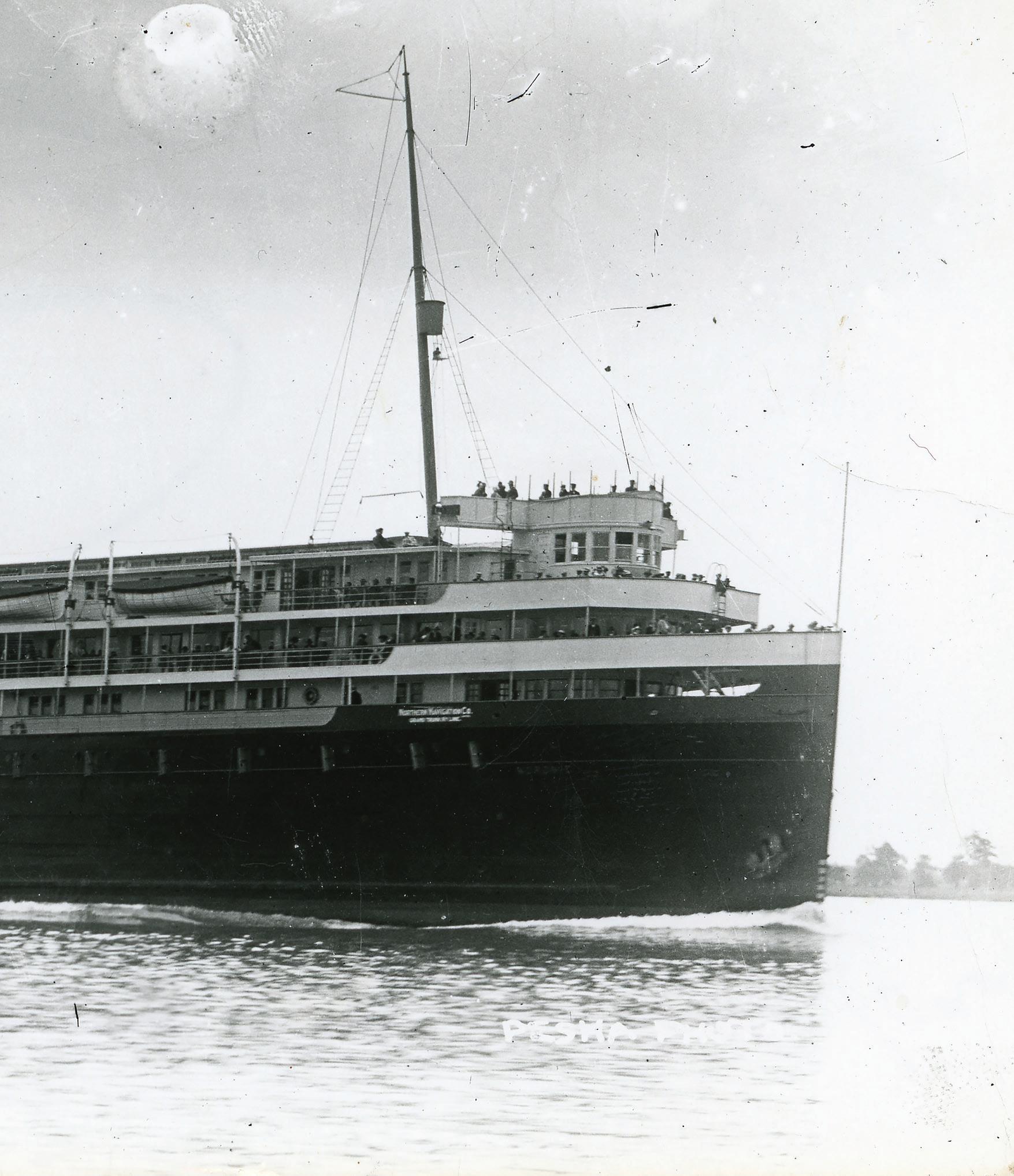
From a history-making launch to two devastating disasters, the tale of Huronic, Hamonic, and Noronic is one of ambition, loss, and an unforgettable Great Lakes legacy—ships whose fates were as dramatic as the era that built them.
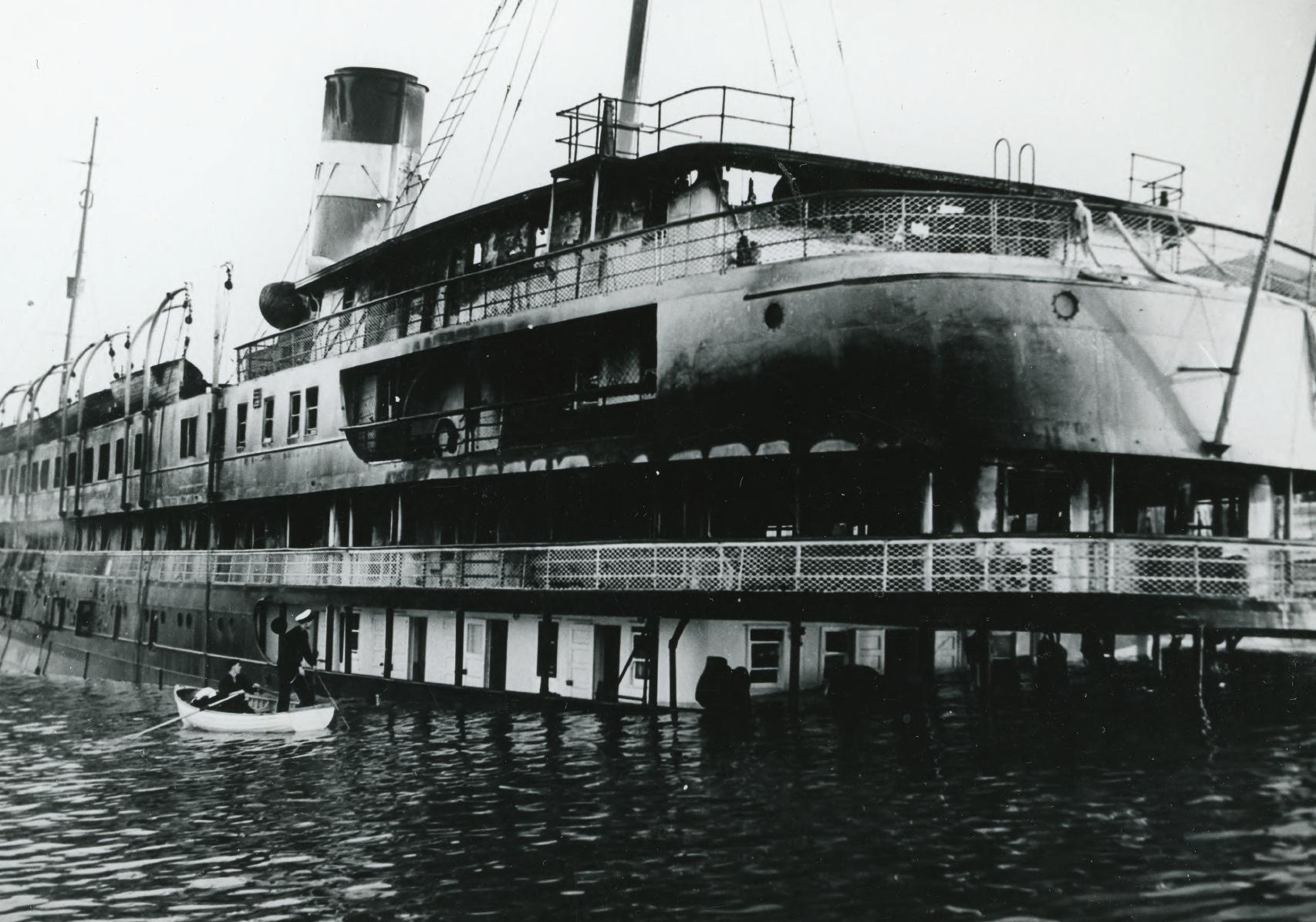
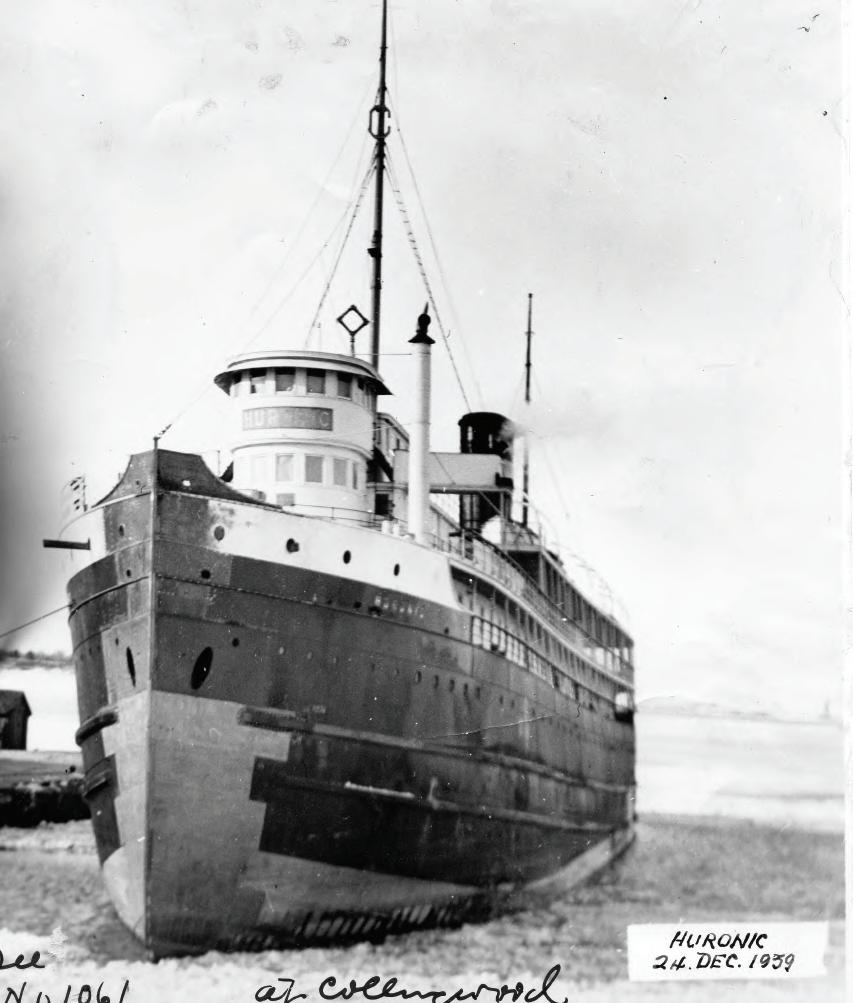
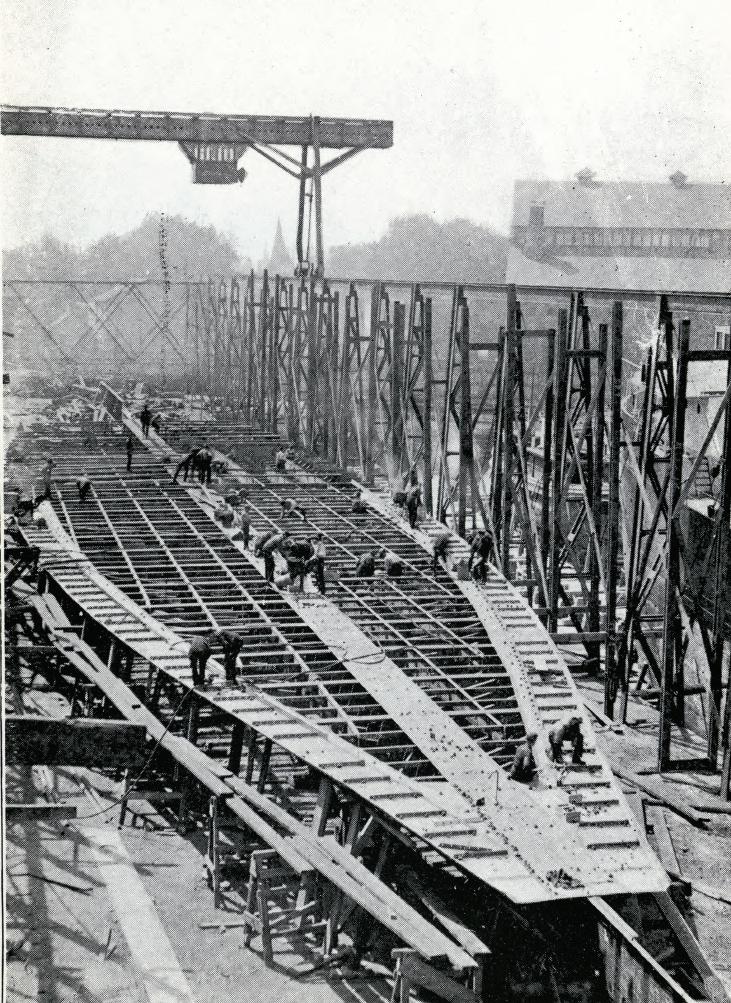
Collingwood’s Big Day, as the newspapers reported it, was September 12, 1901. It was the day that changed our shipyard forever and led to generations of prosperity for the residents of our little town. And it all began with a history-making ship named Huronic.
Mr. Calderwood, manager of the Collingwood Shipbuilding Company, had charge of the work on the Huronic from its beginning to its end—and that included the day of her launch. He had planned every last detail so that, as the Barrie Northern Advance described it, at the launch of the vessel “she passed from the stocks without causing the slightest accident of any description.” The christening ceremony was performed at precisely 1:00 p.m. by Miss Long, a close relative of Mr. John Long, the company’s president. As the ship moved from her former bed, a mighty cheer rose from the throats of more than 7,000 people assembled in our harbour to witness the launch of the big steamer, and the whistling of boats in the harbour and the mills kept up a roar for fully five minutes.
But why, you may ask, all the fuss? The steamer Huronic was the largest freshwater vessel ever built in Canada (at that time)
and was the very first to be built of steel here in Collingwood. She was also the first of what would come to be known as the “Three Sisters” of the Great Lakes. Although wooden ships had been made here in Collingwood for nearly 20 years already, the Huronic would be given the honour of being named Hull #1. Her successful launch would open the floodgates to steel ship manufacturing and would put the Town of Collingwood on the map as a world-class shipyard. Indeed, immediately following the launch of the Huronic, the keel of the next ship was laid in its vacated space.
It was only after the next hull was underway that a luncheon followed Huronic’s launch, served in the moulding loft. Accounts, again given in the Northern Advance, tell us that about 400 gentlemen were present. Later, the guests—which included the minister of public works, the general manager of the Grand Trunk Railway, former and current members of provincial parliament, judges, mayors, and many well-known names of the day—listened to the expression of hearty goodwill by many of the speakers and prominent people present. When the celebrations were finally over, the honoured guests left promptly at 6:00 p.m. in the same


Living in the Georgian Bay area, we’re privileged to have nature’s playground right outside our doors.
Whether you’re out exploring or just enjoying the views, you can rely on Darryn, Andrew, and the team at Stroud & Scott Wealth Management to keep your wealth plan on track so you can make the most of the outdoors all year long.
Stroud & Scott Wealth Management is a proud member of the Collingwood, Thornbury, and Blue Mountain communities. We provide custom wealth solutions for families and business owners to help you build your net worth, be tax efficient, protect what matters, and build your legacy.
40 Huron Street, Suite 201 Collingwood, Ontario L9Y 1C5

Andrew Scott Investment Advisor T: 705-444-1524 andrew.scott@td.com
Jeanine Rayner
Client Relationship Associate T: 705-444-5828
jeanine.rayner@td.com
Darryn Stroud, CIM® Senior Portfolio Manager T: 705-444-1904
darryn.stroud@td.com
Natasha McEachern
Client Service Associate T: 705-444-1337 natasha.mceachern@td.com
Sarah Pryce
Client Service Associate T: 705-444-6902
sarah.pryce@td.com
way as they arrived: by a special train provided for the marking of the event.
As the Marine Review proudly noted, the Huronic was constructed of open-hearth steel throughout and was 325 ft. long, 43 ft. wide, and 27 ft. deep. She could accommodate 200 saloon passengers and an even larger number of steerage passengers. A feature of her design appreciated by the travelling public was the elegant dining room, extending the full width of the lower cabin. It was finished in quarter-sawn white oak and full of fine china. The plushly appointed smoking room, also finished in white oak, was at the extreme aft end of the upper cabin. Only the best of the best for those fortunate enough to travel aboard Huronic. The vessel was equipped with two tiers of cabins, one above the other, with a shade deck extending both fore and aft. Deck room was also provided for 700 tonnes of package freight, and the lower hold was divided into five compartments with a combined capacity for 80,000 bushels of wheat.
Fred Landon, a professor at the University of Western Ontario, recalled his time on the Huronic in an interview published in 1968: “I was on the Huronic on her first voyage in the spring of 1902 and I remained with her all that season until she docked at Sarnia on Dec. 14th. I also worked on her while a student in other years.” In all, the Huronic made 15 round trips during 1902—a season marked by much fog and by rough weather in the closing weeks. On Huronic’s final trip of the season, Landon recorded that coming back from Port Arthur,
the ship needed to plough through six to eight inches of quickly forming ice on Lake Huron, and when they finally arrived in Sarnia to overwinter, they couldn’t disembark until they took axes to all the ice that had formed on the ship itself. Only then could they open the gangways.
The Huronic would carry—not just in that season but through all its seasons—thousands of passengers over the waters of the Great Lakes, and do so in enviable style. First, she sailed under the Northern Navigation Co. of Ontario, which would be sold to Richelieu & Ontario Navigation Co., which in turn would be merged in 1913 into Canada Steamship Lines of Montreal. But through all the changing times and company names, the Huronic sailed on, and in all her long years on the Great Lakes she only ever had two minor incidents of note.
The Huronic ran aground in the Black Sunday Storm of 1913 just off Whitefish Point in Lake Superior. There was no loss of life, although many other vessels that ran aground during the same storm saw tragedies that still haunt the Great Lakes to this day. The second minor incident Huronic faced was in 1928, when she was temporarily grounded and refloated quickly off Isle Royale in Lake Superior.
After almost 40 years of distinguished luxury passenger and freight service, the Huronic retired from passenger service in the 1930s. The upper cabins were removed, and the Huronic continued to sail the waters of the Great Lakes thereafter, serving as a package freighter.
The second of the famous “Three Sisters” of the Great Lakes, the Hamonic, built upon the success of the Huronic, going bigger and better. Also launched at Collingwood—this time in 1909—the Hamonic was described as a well-appointed passenger ship with many facilities, including a barbershop, music room, ballroom, and dining salon with large windows for viewing the passing scenes. Canada Steamship Lines ran a seven-day passenger cruise aboard the Hamonic, from Detroit to Duluth, which included a stop at Sarnia.
Riding a wave of success, the third and final sister, Noronic, would be launched on June 2, 1913, this time out of Port Arthur, Ontario. Constructed by the Western Dry Dock and Shipbuilding Company for Canada Steamship Lines, Noronic was also designed for passenger travel and package freight service, following the tradition of her smaller sister ships. The Noronic, however, stood out with five decks and a length of 362 feet, accommodating up to 600 passengers and 200 crew members. One of the most elegant and sizable passenger vessels in Canada at the time, Noronic earned the nickname “The Queen of the Lakes” and was considered the Three Sisters’ crowning jewel.
The Hamonic’s sailing career would end suddenly on July 17, 1945. As the Sarnia Journal records, the Hamonic had docked at Point Edward around 5:00 in the morning, and most of the passengers were still asleep at 8:30 a.m. when a truck making a
delivery to the freight sheds caught fire. The fire spread quickly to the tinder-dry sheds and soon embers were raining down over the Hamonic. Within minutes the entire ship was ablaze. Unable to use the lifeboats, passengers and crew jumped over the side to avoid the quickly spreading flames. Captain Horace Beaton rushed to steer the ship away from the burning sheds and ran her hard aground. Ropes were lowered for people to slide down.
As the same newspaper records, a crane operator for the Century Coal Company named Elmer Kleinsmith saw the blaze, fired up the crane, and used the bucket to move passengers and crew to safety. Miraculously, all 350 people aboard survived. The same couldn’t be said of the Hamonic. She burned to a total loss. And it would be only the first disaster to befall the Three Sisters.
As recorded by the Museum of the Order of St. John in Ontario, only four years after the Hamonic’s ordeal, on the night of September 16, 1949, the Noronic was docked at Pier 9 in Toronto Harbour (the approximate present-day location of the Toronto Islands ferry terminal). At 2:30 in the morning, a fire was discovered in a locked linen closet and quickly spread throughout the ship. Five hundred and twenty-four passengers were onboard at the time, but of the 171 crew members, only 15 were onboard. This resulted in what can only be described as a very poor evacuation.
The scene would later be described as one of great panic.
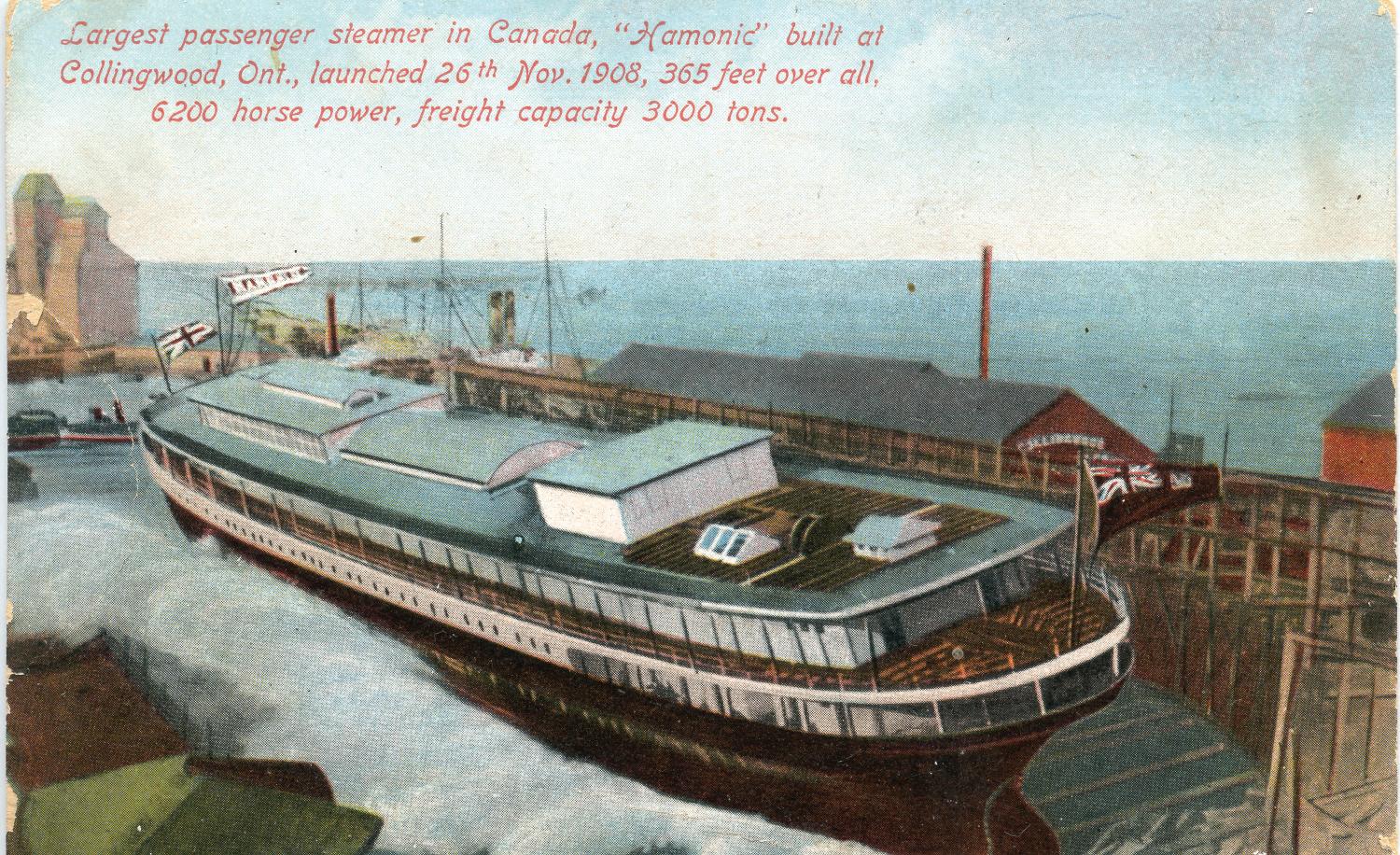
postcard showing the launch of Hamonic in Collingwood on November 26, 1908. At the time, it was the largest passenger steamer built in Canada. Collingwood Museum Collection, X2010.47.1.






After only 20 minutes, the ship’s hull was already turning white from the heat of the blaze, and the decks were beginning to buckle. After an hour of fighting the fire, the Noronic was so full of water from fire hoses that she started to list toward the pier. By 5:00 a.m., the “Queen of the Lakes” was a smoking ruin. The recovery effort was so difficult that the death toll would only ever be estimated at between 119 and 139.
An inquiry was formed by the House of Commons to investigate the tragedy, seeking answers for the horrifying loss of life. Some blame was laid upon the negligence of many of the crew, while the company argued that it was a matter of arson. None of the ship’s fire extinguishers were in working order at the time of the blaze. Further, it was determined that the design and construction of the 36-year-old ship were also at least partly at fault. The very posh interiors that drew so many passengers—well, they became part of the problem. They were lined with lemon-oiled wood instead of newer fireproof materials. Adding to the tragedy, passenger exits were only located on one of the passenger decks instead of on all five. Damage suits for the Noronic were settled for just over $2 million.
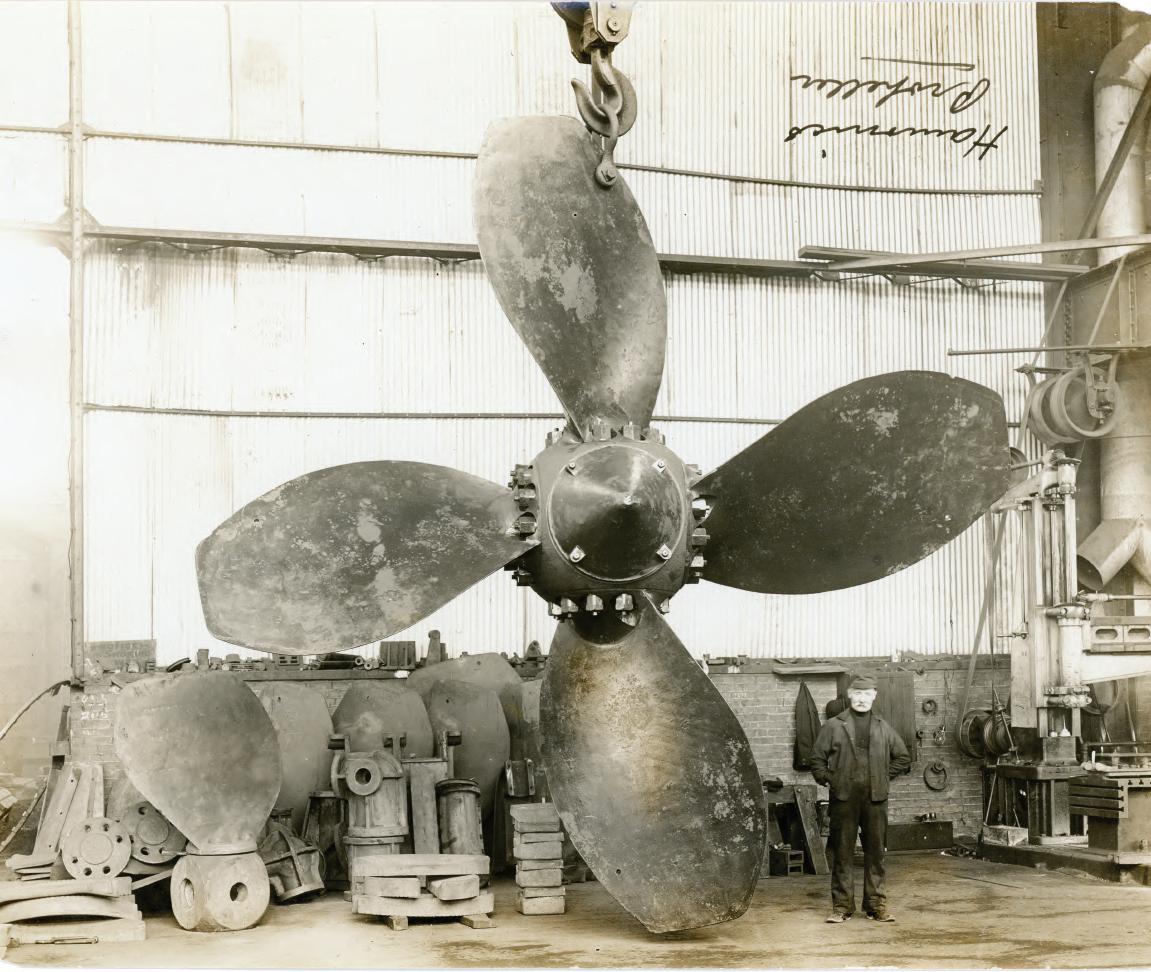
the history of any one of those ships would make a captivating tale. But each of these is most certainly worthy of a story for another day.
Taken together, the disasters of the two latter sisters effectively sealed the fate of the first. Call it guilt by association (or by common design): the Huronic, even though she had only been hauling freight for many years, was unceremoniously retired just a few short months after Noronic’s catastrophic fire. The Huronic was sold for scrap to the Steel Company of Canada. The pride of the Collingwood Shipyards sailed in December of 1949 to Hamilton to be scrapped in 1950.
Yet consider this: in those 50 years of the Huronic’s service, the steel shipbuilding legacy she began here in Collingwood had continued to grow through the World Wars, with some 145 further hulls—from lakers and bulk carriers to tankers, tugs, trawlers, corvettes, and minesweepers for the war efforts. And
Today we remember that even shipyards go the way of old ships eventually, and so it was that 85 years after the Huronic’s historic launch, the rat-tat-tat of the riveters’ hammers in the Collingwood harbour fell silent and the name of the Huronic was in danger of being forgotten...
…forgotten, that is, until two local families decided to form Collingwood Charters. Their flagship purchase would be a vessel bearing the name of that historic Hull #1: Huronic. And it is their aim to use the 65-foot tour boat to showcase Collingwood’s rich marine heritage, showing residents and visitors alike the beautiful sights that have enthralled Great Lakes passengers since the days of the luxury steamships and the Three Sisters—only now, Collingwood Charters does it with the added onboard experiences of local music and events, private charters, and their popular sunset and sightseeing cruises, all while using the very slipway that saw the side launch of so many fascinating ships built and repaired right here in our Collingwood Shipyards. E




As we enjoy winter in to South Georgian Bay and the hills come alive with sounds of laughter and winter fun, we celebrate the spirit of this incredible community, including those that call it home and those who come to experience its magic. Together, we are shaping the future of healthcare.
Imagine open spaces, natural light and a state-of-the-art hospital where every patient has a private room that is designed for healing. A place where families feel supported and where care is delivered with compassion, innovation and excellence.
Tomorrow’s Hospital will build on the outstanding care our staff already provide, becoming a world-class facility that attracts top medical talent and delivers care that complements the lifestyle we love.
Tomorrow’s Hospital is a promise. To expand services. To bring care closer to home. To leave a legacy for our families.
We are raising $100+ million to make it happen, and with your support, Tomorrow’s Hospital will be everything we have imagined and more.
Donate today to bring our new hospital to life.

Key Features:
100% private inpatient rooms
Increased operating & procedure rooms
Expanded Emergency Department
State-of-the-art learning facility
Satellite Chemotherapy Unit
Green spaces

Breweries. Cideries. Wineries. Meaderies. Distilleries Find a local craft beverage producer

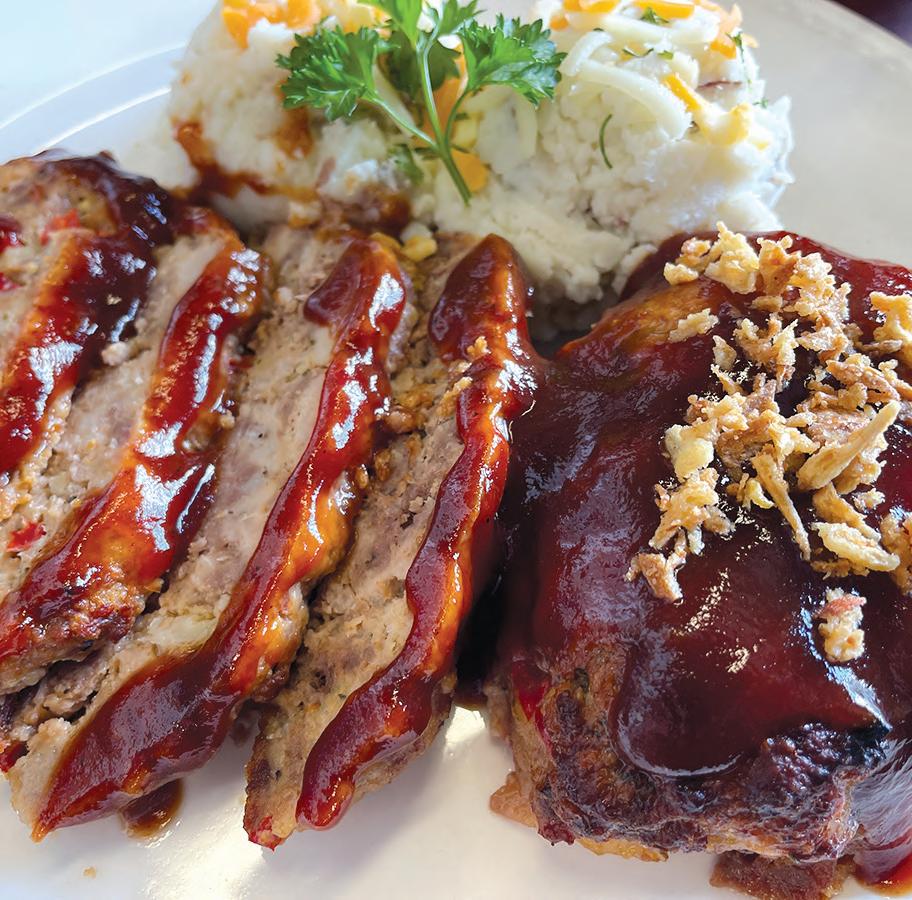
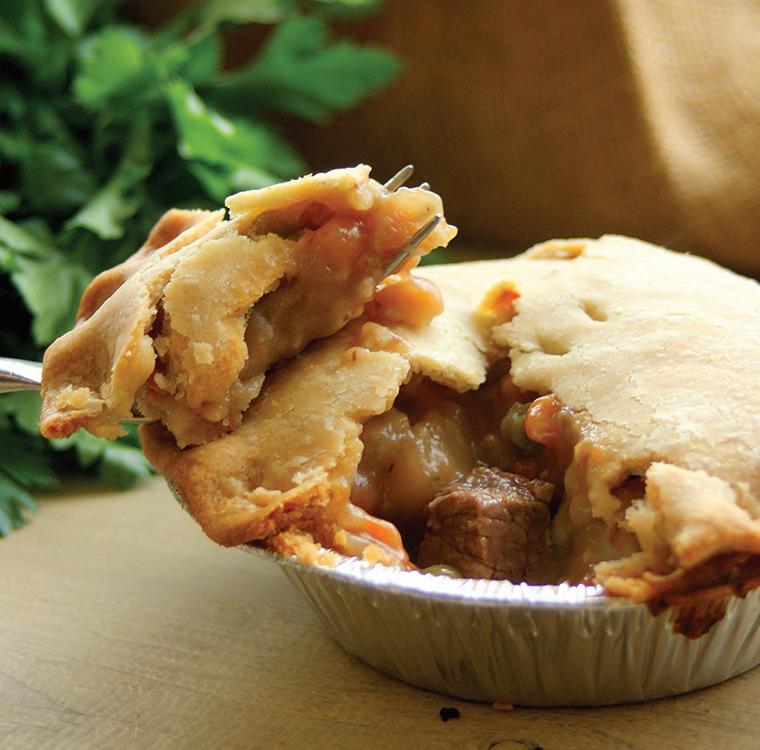
The European Bakery Café has long been one of Owen Sound’s most familiar gathering spots—a place where hearty food is treated as both a pleasure and a service to the community. As the bakery grew, so did its desire to feed people beyond its café walls. That vision evolved into Mamma Meals Food Service, a sister business offering homestyle, ready-made dishes crafted with the same thoughtful approach the bakery is known for.
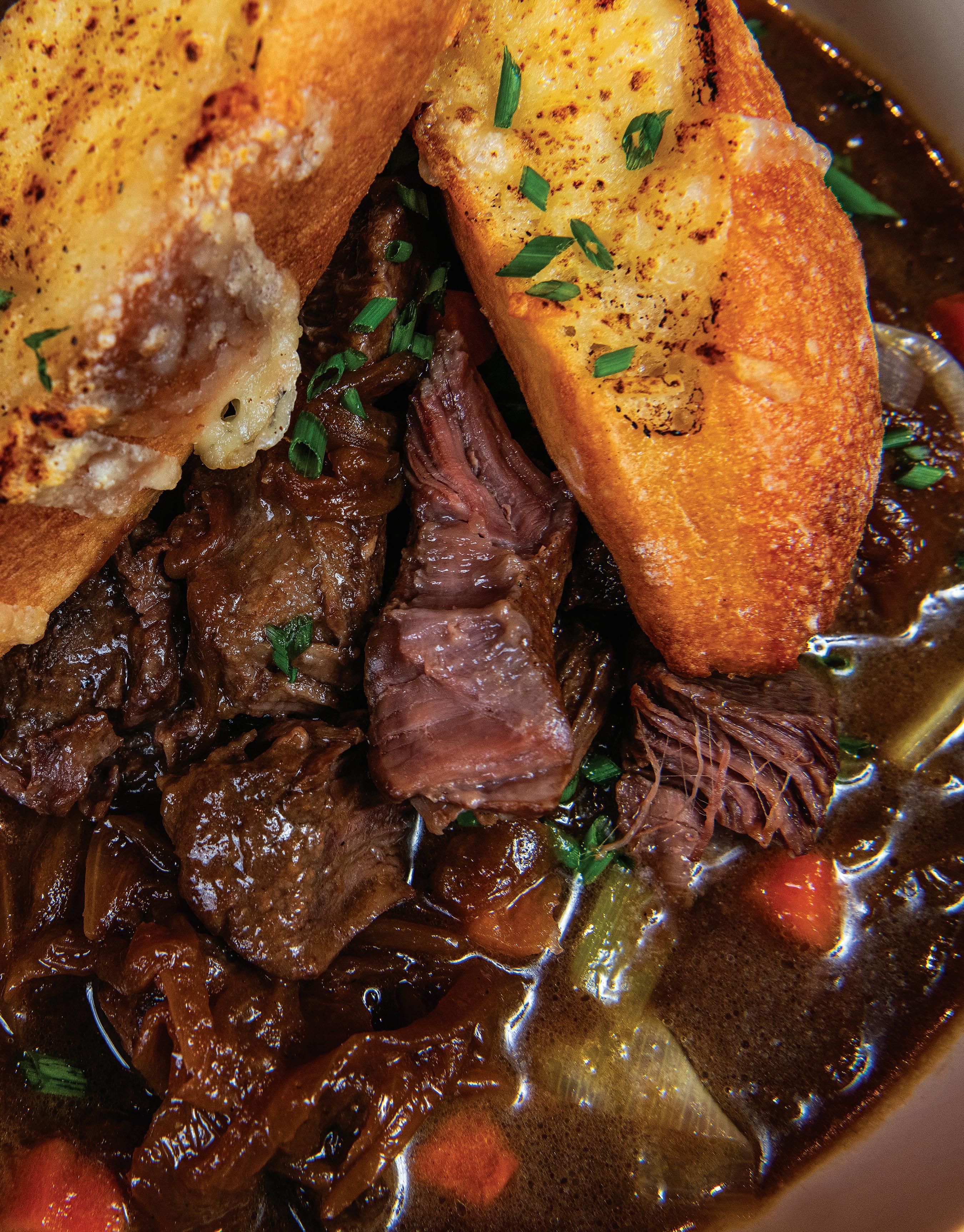
This winter, the team at the European Bakery Café and Mamma Meals share recipes that reflect the heart of their kitchen. Chicken and Dumplings and French Onion Soup with Braised Short Rib and Cheese Crostini deliver classic, soul-warming flavours, while a vibrant Cranberry Curd Tart adds a playful burst of colour simply because the baker loves it. These recipes are the kind you’ll return to often—comforting dishes meant to be shared with friends, enjoyed with family, or folded easily into your weekly routine.
A twist on a classic, this deep, comforting bowl blends slow-braised short rib with sweet, caramelized onions and a golden, melty crostini. Serves 4.
INGREDIENTS
3 lbs beef short ribs, bone-in
3 tbsp all-purpose flour
Salt and pepper
3 tbsp vegetable oil
1 medium yellow onion, medium chop
1 leek, halved, cleaned and sliced
1 carrot, medium chop
3 cloves garlic, chopped
2 tbsp fresh thyme leaves
2 bay leaves
Chili flakes (optional)
1 tbsp tomato paste
¾ cup dry red wine
6–8 cups low-sodium beef broth
½ cup tamari or low-sodium soy sauce
3 tbsp butter
5–6 Spanish onions, thinly sliced
½ cup dry sherry (optional)
Crusty bread, toasted
2 cups grated Gruyère, Asiago, Parmesan, or preferred melting cheese
Chives, chopped

By

1. Preheat oven to 325°F. Season short ribs with salt and pepper and toss with flour.
2. Heat oil in a large oven-safe Dutch oven over medium-high. Brown short ribs on all sides, 7–8 minutes. Transfer to a plate.
3. Add chopped onion, leek, and carrot to the pot. Cook 4–5 minutes, until lightly golden.
4. Stir in garlic, thyme, bay leaves, tomato paste, and chili flakes. Add wine and bring to a simmer, scraping up browned bits.
5. Return short ribs to the pot. Reduce wine by half, 5–7 minutes. Add broth and tamari; bring to a simmer. Cover and braise in the oven until ribs are tender, 2½–3¼ hours.
6. While ribs braise, melt butter in a large pot over medium heat. Add sliced onions and cook slowly, stirring frequently, until deeply caramelized. Season with salt and pepper.
8. If using, add sherry to caramelized onions and reduce by half. Add the reserved broth and simmer 25–30 minutes. Adjust seasoning and skim any remaining fat.
INGREDIENTS
1 roasting chicken (2–4 lbs)
1 onion, quartered
2 tsp salt
4 whole peppercorns
1 bay leaf
6 tbsp butter
2 large carrots, cut into strips
1 cup chopped green beans
1 cup sliced mushrooms
9. Preheat oven to 425°F. Slice and toast the bread. Brush with olive oil, top with cheese, and broil 2–3 minutes until bubbly and golden.
10. To serve, ladle onion broth into bowls. Add braised short rib, top with cheese crostini, and finish with chopped chives.
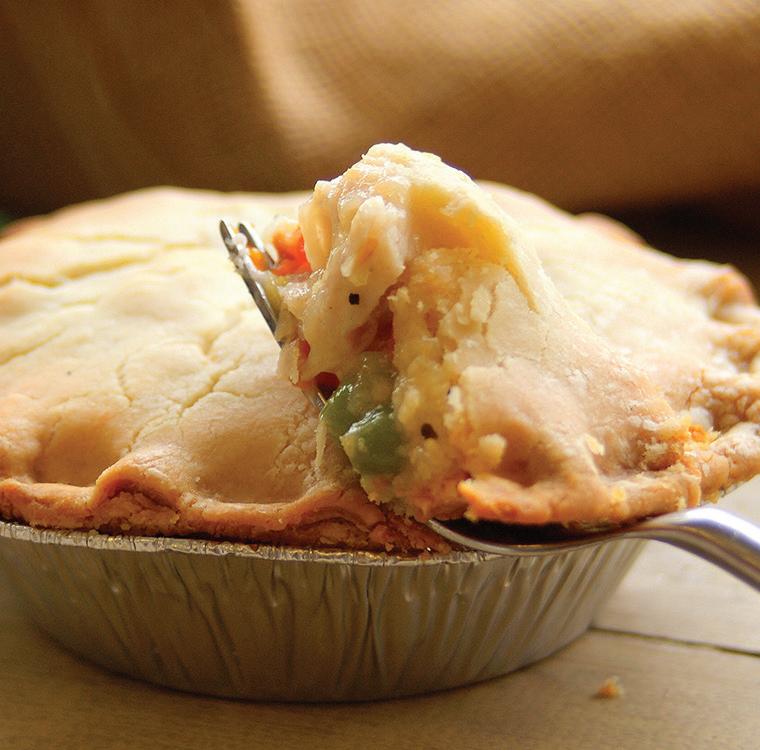
RUSTIC OPTION: Add the braising liquid and cooked vegetables directly into the caramelized onions before simmering.
A timeless, hearty stew built on tender chicken, soft vegetables, and cloud-like dumplings—the very definition of comfort. Serves 4.
7. When ribs are tender, remove from the pot. Skim fat from the braising liquid, then strain and reserve the broth. Discard bones and excess fat from the ribs. Shred meat and moisten with a little broth; keep warm.
¼ cup all-purpose flour
½ cup cream
Salt and pepper
Basic Dumplings
1½ cups all-purpose flour
1 tbsp baking powder
½ tsp salt
¾ cup milk
2 tsp chopped fresh parsley
DIRECTIONS
1. In a large saucepan, combine chicken, onion, salt, peppercorns, and bay leaf. Add enough water to cover and bring just to a boil.
2. Skim any froth, reduce heat, and simmer covered for 1½–2 hours, until




chicken is very tender.
3. Strain and reserve the stock. Discard onion, peppercorns, and bay leaf. Remove skin and bones from chicken, cut meat into large chunks, and set aside.
4. In a Dutch oven, melt ¼ cup butter. Cook carrots, green beans, and mushrooms for 5 minutes until softened. Remove vegetables and set aside.
5. Add remaining butter to the pot. Stir in flour and cook until bubbly. Slowly whisk in 2½ cups reserved stock and cook until thickened.
6. Add cream and heat gently without boiling. Season with salt and pepper.
7. Fold chicken and cooked vegetables into the sauce and bring to a gentle simmer.
8. Prepare dumplings: In a bowl, whisk flour, baking powder, and salt. Stir in milk and parsley just until combined.
9. Drop heaping tablespoons of dumpling batter over the simmering stew.
10. Cover and cook 10–12 minutes without lifting the lid.
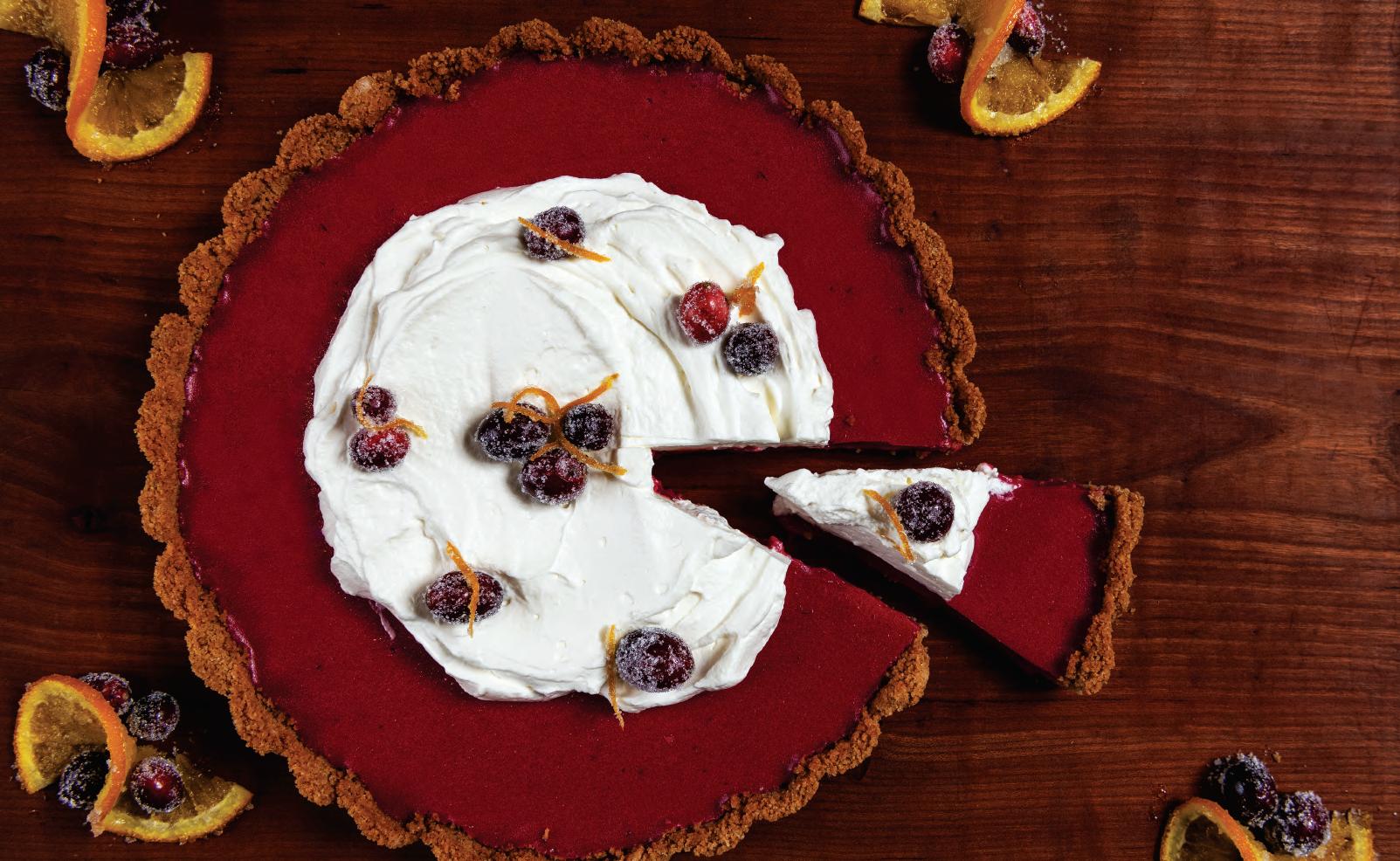
Bright, tangy, and striking on the plate, this silky cranberry tart brings a pop of colour to any winter table. Serves 4-6.
Graham Cracker Crust
1¼ cups graham cracker crumbs
3 tbsp white sugar
4 tbsp unsalted butter, melted
Cranberry Curd Filling
1 lb frozen or fresh cranberries
1 cup orange juice
1 cup white sugar
1 large egg
2 large egg yolks
2 tbsp cornstarch
¼ tsp salt
3 tbsp unsalted butter
1 tsp vanilla extract
Whipped Cream Garnish
1 cup whipping cream
2 tbsp white sugar
½ tsp vanilla extract
DIRECTIONS
1. Lightly grease a 9-inch tart pan with a removable base. Combine crumbs and
sugar in a bowl; stir in melted butter. Press into the tart pan and set aside.
2. In a medium saucepan, combine cranberries, orange juice, and sugar. Bring to a boil and cook until cranberries burst. Cool slightly, then purée until smooth. Return purée to the saucepan.
3. In a small bowl, whisk together egg, yolks, cornstarch, and salt. Add to the cranberry mixture and whisk well.
4. Cook over medium heat, stirring constantly, until the mixture comes to a boil. Reduce heat and simmer 5–7 minutes, stirring and scraping the bottom often, until thickened.
5. Remove from heat and whisk in butter and vanilla. Pour filling into the crust and smooth the top.
6. Cool at room temperature for 1 hour, then refrigerate for 6 hours or overnight.
7. For garnish, whip cream with sugar and vanilla to stiff peaks.
8. Spoon whipped cream onto the chilled tart, leaving the bright edges visible. Finish with sugared cranberries. E



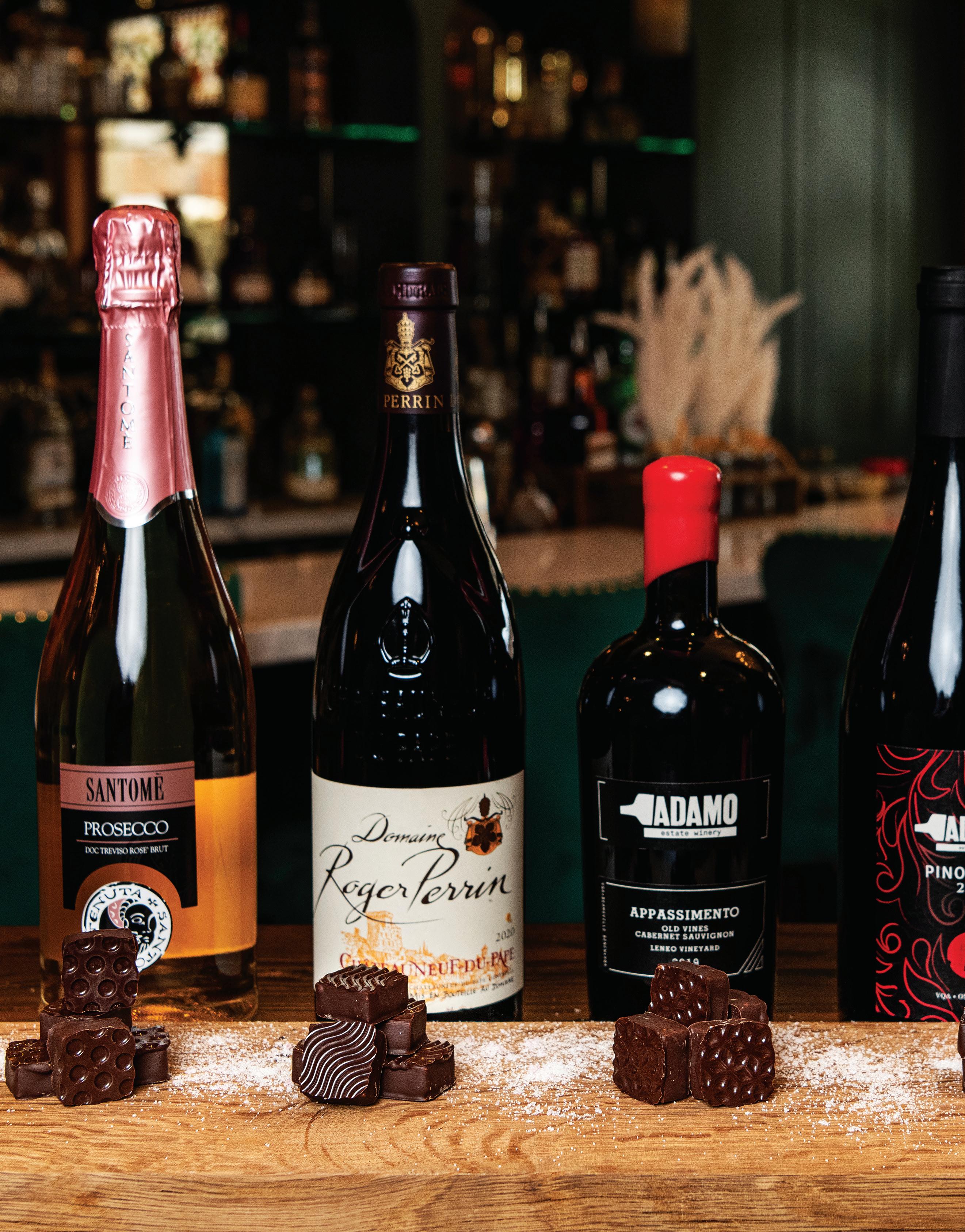
A refined take on après, where handcrafted chocolate and thoughtfully chosen wines turn winter gatherings into something unforgettable.
By Cara Williams
Photography by Clay Dolan
Photographed on location at Katherine’s Chateau in Collingwood.
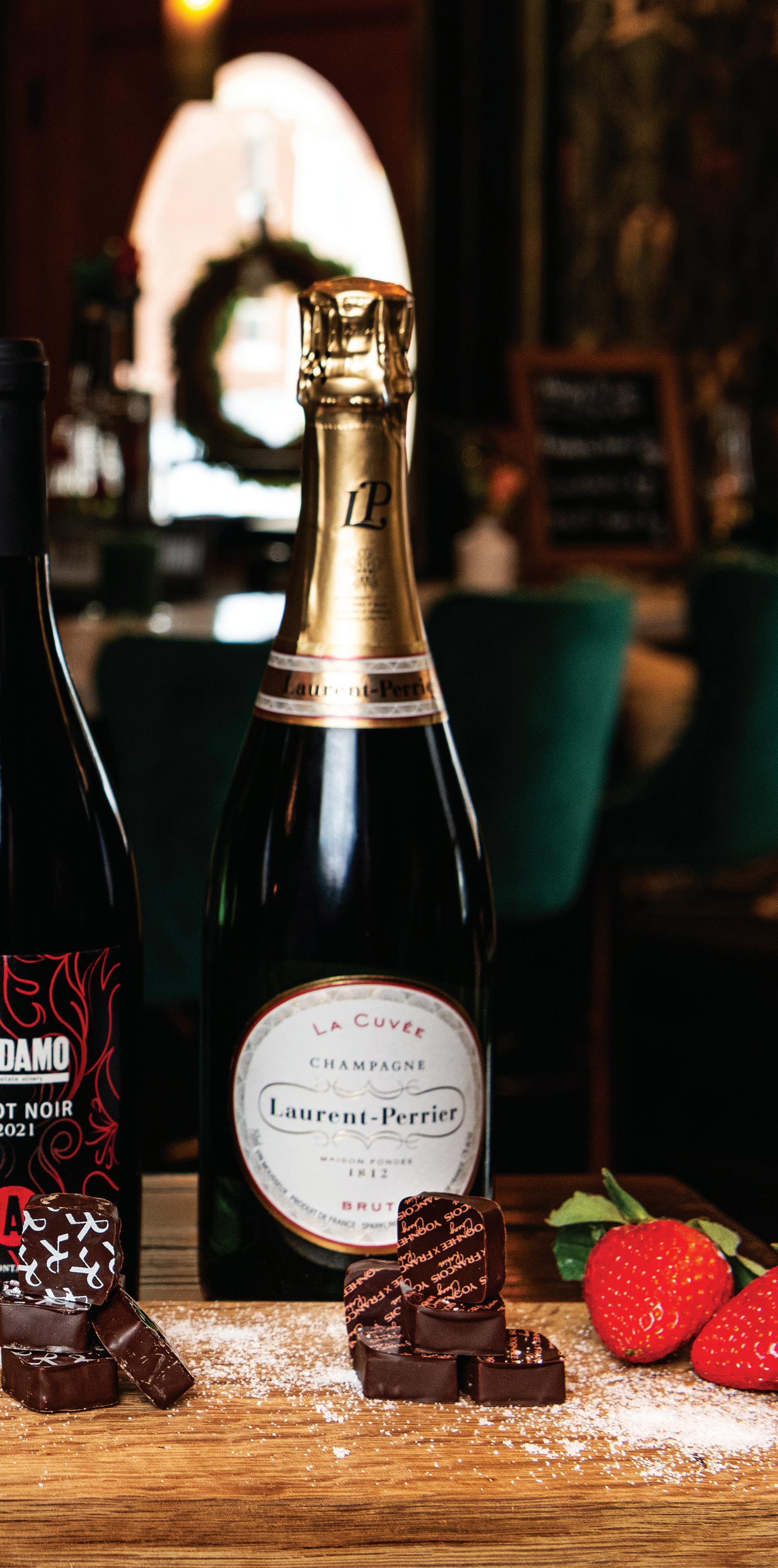
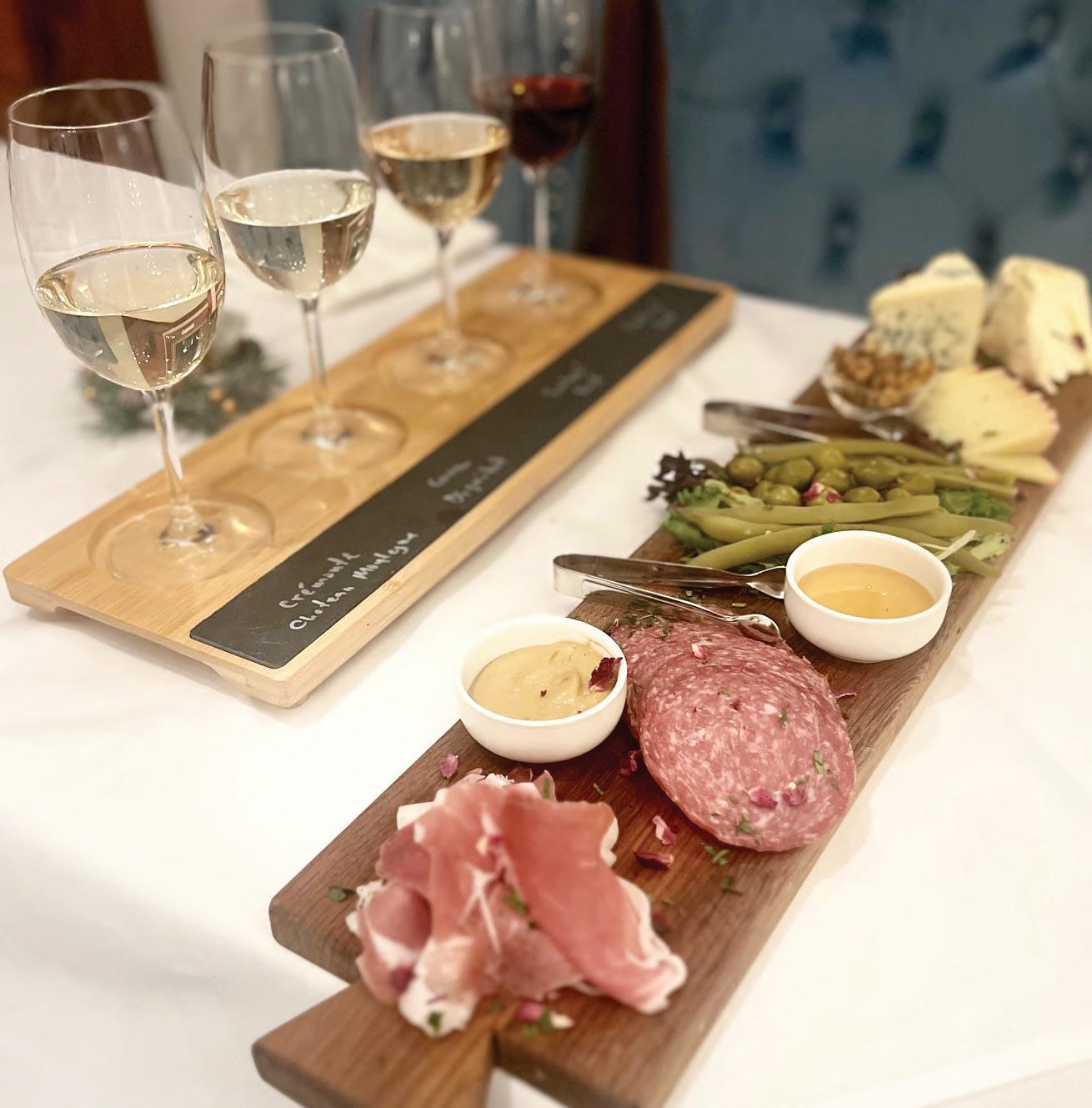
Après-ski has long been defined by familiar rituals—a mug of mulled wine, a wedge of cheese, conversation shared around a fire. But winter on the Escarpment also lends itself to quieter indulgences. The kind that slow the pace and sharpen the senses. Chocolate and wine pairings offer a different expression of après: one that is intimate and decidedly decadent.
Like wine, chocolate is shaped by where it comes from. Single-origin cacao carries the imprint of climate, soil, and craft, revealing flavours that can be bright and aromatic or deep, savoury, and complex. When thoughtfully paired, wine doesn’t overpower those subtleties—it draws them out, creating moments of harmony, contrast, and surprise.
Set against the warmth and elegance of Katherine’s Chateau in Collingwood, handcrafted chocolates from YF Patissier·Chocolatier in Creemore meet a carefully chosen mix of wines—including expressive local bottles from Adamo Estate Winery in Hockley Valley and standout international selections from Katherine’s cellar. What follows is less about rules and more about pleasure: a winter gathering designed for tasting, sharing, and discovering something unexpected, one pairing at a time.
Closer Look at the Chocolate Cacao trees grow only in specific regions of the world, requiring precise climate, soil, and care to flourish. Single-origin chocolates are made using beans from one defined place, allowing terroir to shape flavour— much like wine. Climate, soil composition, tree variety, and post-harvest methods all influence aroma and taste, resulting in chocolates with distinct personalities and depth. These are premium expressions of cacao, meant to be savoured slowly and thoughtfully paired.
Mexico 66% Cacao + Santomè Prosecco Rosé
Crafted from Forastero cacao grown in Mexico’s Tabasco region along the Caribbean coast, this chocolate opens with a bright lift before revealing fragrant nut notes and subtle hints of cinnamon and liquorice. Paired with Santomè Prosecco Rosé, the wine’s red fruit character— strawberry and cherry—complements the chocolate’s fruity notes, while its fine bubbles and refreshing acidity cleanse the palate, keeping the pairing light and energetic.
Tanzanie 75% Cacao + Adamo Lenko Old Vines Cabernet Sauvignon Appassimento 2019
Produced near Lake Malawi using a rare blend of Criollo and Trinitario beans, this Tanzanian chocolate delivers complex vegetal and woody notes with remarkable aromatic depth. Adamo’s Appassimento, made from hand-harvested, dried Cabernet Sauvignon grapes from the Lenko Vineyard on the Beamsville Bench, brings rich flavours of dried fig, cocoa, espresso, and black liquorice. Its natural sweetness and bold, layered tannins soften the intensity of the 75% cacao, creating a luxurious, fireside-worthy pairing that lingers long after the last bite.
Saint Dominique 70% Cacao + Roger Perrin Châteauneuf-du-Pape 2020
This single-origin chocolate from the Cibao Valley of Hispaniola offers striking notes of olive and floral spice. A Grenacheled Châteauneuf-du-Pape mirrors those savoury elements beautifully, with classic garrigue, wild herbs, and earthy undertones weaving seamlessly through the chocolate’s aromatic profile. The result is bold, layered, and deeply satisfying.
Honey Balsamic Ganache + Adamo
Estate Pinot Noir 2022
A classic savoury pairing reimagined in sweet form, this ganache begins with a
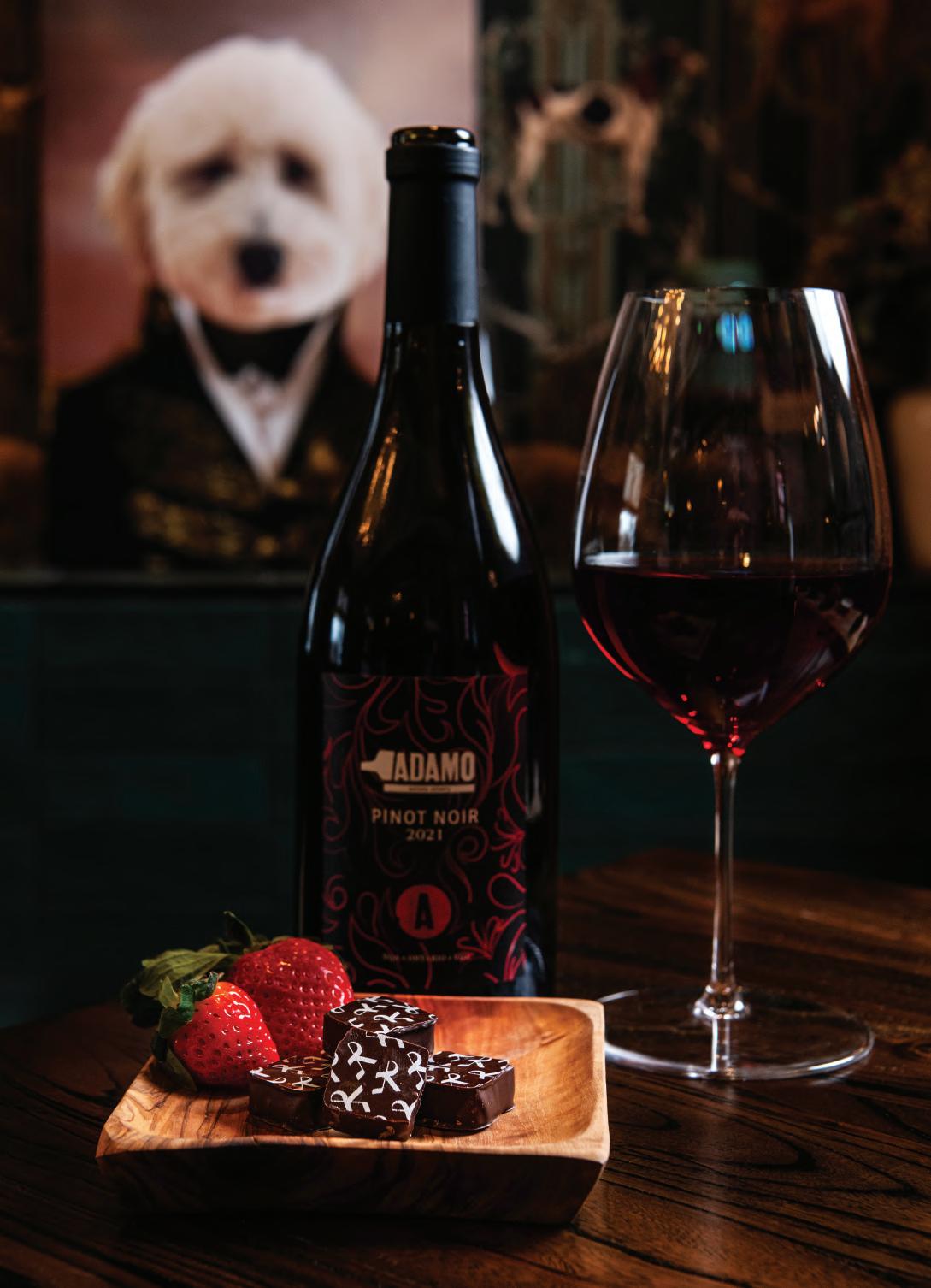
shell of single-origin Vietnamese milk chocolate, prized for its subtle caramel notes. Inside, two layers unfold: a honey ganache and a balsamic vinegar caramel. The first bite delivers a bright hit of acidity from Modena balsamic, followed by a rich, buttery caramel and, finally, a smooth wash of honey sweetness that brings the flavours into balance. Paired with Adamo’s Estate
Pinot Noir, the wine’s bright cherry and raspberry notes, soft florals, and gentle spice cut cleanly through the sweetness, keeping the pairing lively, poised, and beautifully restrained.
Almond Praline Ganache + LaurentPerrier La Cuvée Brut
Oven-roasted whole almonds are ground with amber caramel to create a deeply flavoured praline, then folded into milk chocolate and cream to form a silky, meltin-your-mouth ganache. The result is rich yet refined, with pure nutty warmth and a lingering caramel finish. Laurent-Perrier’s Chardonnay-forward Brut brings structure and lift, its fine acidity and toasted brioche notes echoing the praline’s roasted depth while keeping the pairing crisp, polished, and effortlessly elegant. E




Specializing in Bioidentical Hormone
Our Personalized Medical Programs Include





















Specialty Programs
• Hormone Optimization
• Thyroid Balancing
• Lyme Disease Treatment
• Trauma Brain InjuryConcussions
• PTSD
• PCOS - Polycystic Ovary Syndrome
• Menopause (women)
• Andropause (men)

Concierge Service
• Delivered direct to your cottage, chalet, home or o ce
• Discreet, sealed box
• Free delivery across Canada all provinces - FedEx
• In-person and virtual consultations
• Full hormone assessment with a Medical Doctor and/or Nurse Practitioner
• Comprehensive lab testingblood/serum
• We o er all hormones including TRT, HCG, DHEA & Human Growth Hormone
• All treatment is via custom compounded prescription(s)



















Replacement Therapy (BHRT) for Men & Women. Our integrative approach incorporates the latest in medical and evidence-based treatment with a BHRT medical specialist to obtain optimum results. We help our clients get the best out of life by optimizing their health & performance, preventing disease, and slowing the biological aging process. Canada’s Leading Medical Network for Bioidentical Hormone Replacement Therapy We cover all provinces across Canada Direct Referral to a Clinicwww.trubalancehealthcare.com

BHRT Prescribing CME Accredited Education in Toronto open to all Healthcare Professionals. Book Now!



The habits that help maintain healthy testosterone.
Testosterone has become a popular topic as of late, and for good reason – it’s an important hormone in both men and women. For men, it is the primary anabolic hormone they rely on for muscle growth and maintenance, bone health, and blood cell production. While production may be 10x higher in men, women also rely on this hormone, as it plays a role in bone integrity, cognitive health, cardiovascular support, and estrogen production (via conversion). Symptoms of low testosterone may include low energy, depression or mood swings, reduced sexual desire or performance, and difficulty building or maintaining muscle.

Dr. Shelby Worts, BSc, ND
If you are curious to know how much of this hormone you have in your body, blood testing is an option. There are three tests available: Total (how much you produce), Free, and Bioavailable (these show how much is available for your body to actually use). I often test Total along with Albumin and SHBG to calculate all three forms of the hormone.
If you want to support your natural production of testosterone, these habits may help:*
Exercise regularly: HIIT (High-Intensity Interval Training) and resistance training have been shown to be most effective in raising testosterone in the body. However, whatever you can do consistently trumps the best exercise done sporadically.
Sleep needs to be prioritized: Seven to nine hours of undisturbed sleep are required by most adults. The onset of the REM phase of sleep appears to be when most of your testosterone is formed.
Stress reduction: Chronically elevated cortisol can lead to lower testosterone production.
Good nutrition: While there are no foods that will magically raise testosterone, eating a healthy, nutrientrich diet does support your hormone-producing glands and gives your body the building blocks for testosterone production. Specific key nutrients include zinc, magnesium, vitamin D, and protein. Avoid trans fats, saturated fats, and a low-fat diet (you need healthy fats).
Obtain or maintain a healthy weight: Adipose (fat) tissue contains the enzyme aromatase, which can lower your testosterone by converting it to estrogen.
Avoid inhibitors such as alcohol consumption and endocrine disruptors (including phthalates, which are found in fragranced products for body and home).
A Naturopathic Doctor (ND) can help by:
• Ordering blood tests to learn your hormone levels (e.g., testosterone, thyroid, and estrogen)
• Helping you get better-quality sleep
• Supporting your stress response and discussing stress management
• Reviewing your current diet and planning improvement where necessary
• Testing body composition to determine fat and muscle mass
• Exploring causes of low hormones, if relevant
You deserve to feel your best. If you are suspecting low testosterone, reach out to your ND to investigate this further and provide personalized advice. E
*These are general suggestions and should not be interpreted as medical advice. Discuss this with your qualified healthcare practitioner, especially if you are pregnant, taking medications, or dealing with a chronic disease.

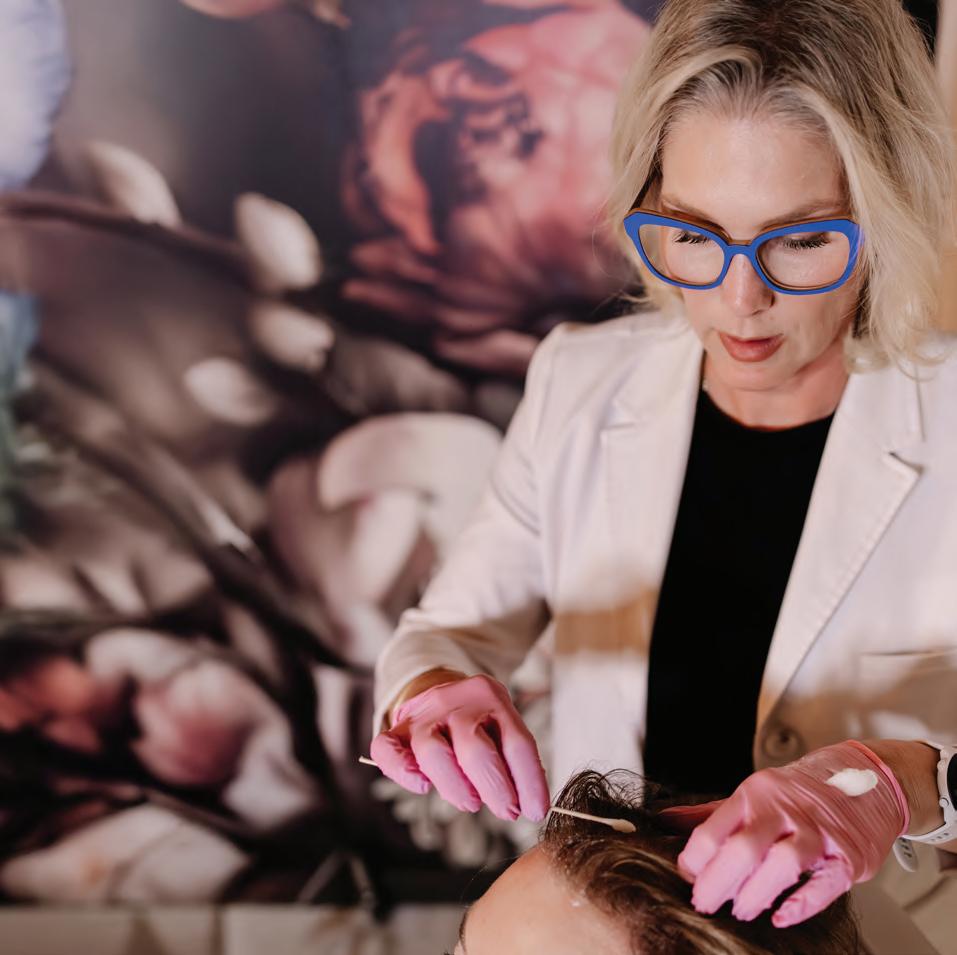
Personalized medical aesthetics & wellness
At Quaintrelle, care is personal, intentional, and guided by medical expertise. Our services are designed to help you look, feel, and live at your best through subtle enhancement, preventative care, and physician-led wellness.
Aesthetic & Wellness Services
Enhancement that looks like you.
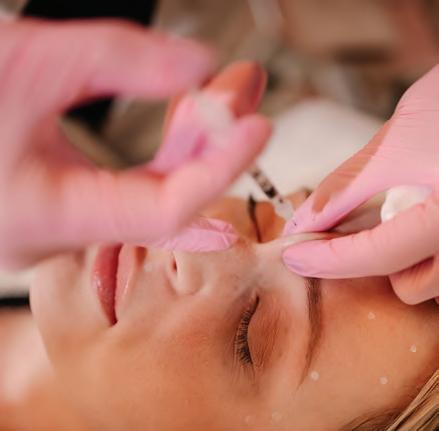
INJECTABLES & FACIAL REJUVENATION
• Botox® and Dysport®
• Dermal fillers
• Dermal filler dissolving
• Sculptra®
• Platelet-Rich Plasma (PRP)
• B12 injections
ADVANCED FACIAL TREATMENTS
• Medical facials
• HydraFacial® Deluxe & Platinum
• Comfort Zone Hydramemory Cryo Facial
• Comfort Zone Hydramemory
• NuFACE Facial
• Esthemax HydroJelly Facial & mask add-on
• Dermaplaning
• Microneedling
• Vampire Facial®
• Chemical peels (AlumierMD®, ZO®, Vivier®)

SKIN TIGHTENING & RESURFACING
• Forma skin tightening (face, neck)
• Morpheus8 skin tightening (face, neck)
• PicoSure® Pro
• Upper & under eye treatments
LASER TREATMENTS
• Lumecca Intense Pulse Light (IPL)
• Cynosure® Technologies
° PicoSure® Pro for Melasma & Dark Spots
° PicoSure® Pro Tattoo Removal
° Potenza®
° Potenza® + infusion

SKIN CANCER SCREENING
FotoFinder® AI Mole Mapping
Care you can trust. Expertise you can feel. All medical services at Quaintrelle are led by Dr. Wade Mitchell, M.D. , ensuring every treatment is grounded in evidence-based medicine, patient safety, and personalized care. Consultations are comprehensive and designed to support both immediate concerns and long-term health.
Advanced full-body screening to monitor new and changing moles and support early detection of melanoma.
MEDICAL & WELLNESS CARE
• Comprehensive medical consultations
• Preventative health & longevity care
• Medically supervised weight management
THERAPEUTIC TREATMENTS
• Hyperhidrosis (excessive sweating)
• Bruxism / TMJ-related jaw clenching
• Chronic migraine management
• Select treatments may be eligible for private insurance coverage or Ontario’s Exceptional Access Program.
PHYSICIAN - LED AESTHETIC MEDICINE
• Botox® / Dysport®, dermal fillers & Sculptra®
• PRP hair restoration
• IPL treatments for sun damage & spider veins
• Plexr® soft surgery for eyelids, scars & cosmetic lesions
Physician-directed care
Personalized treatment plans
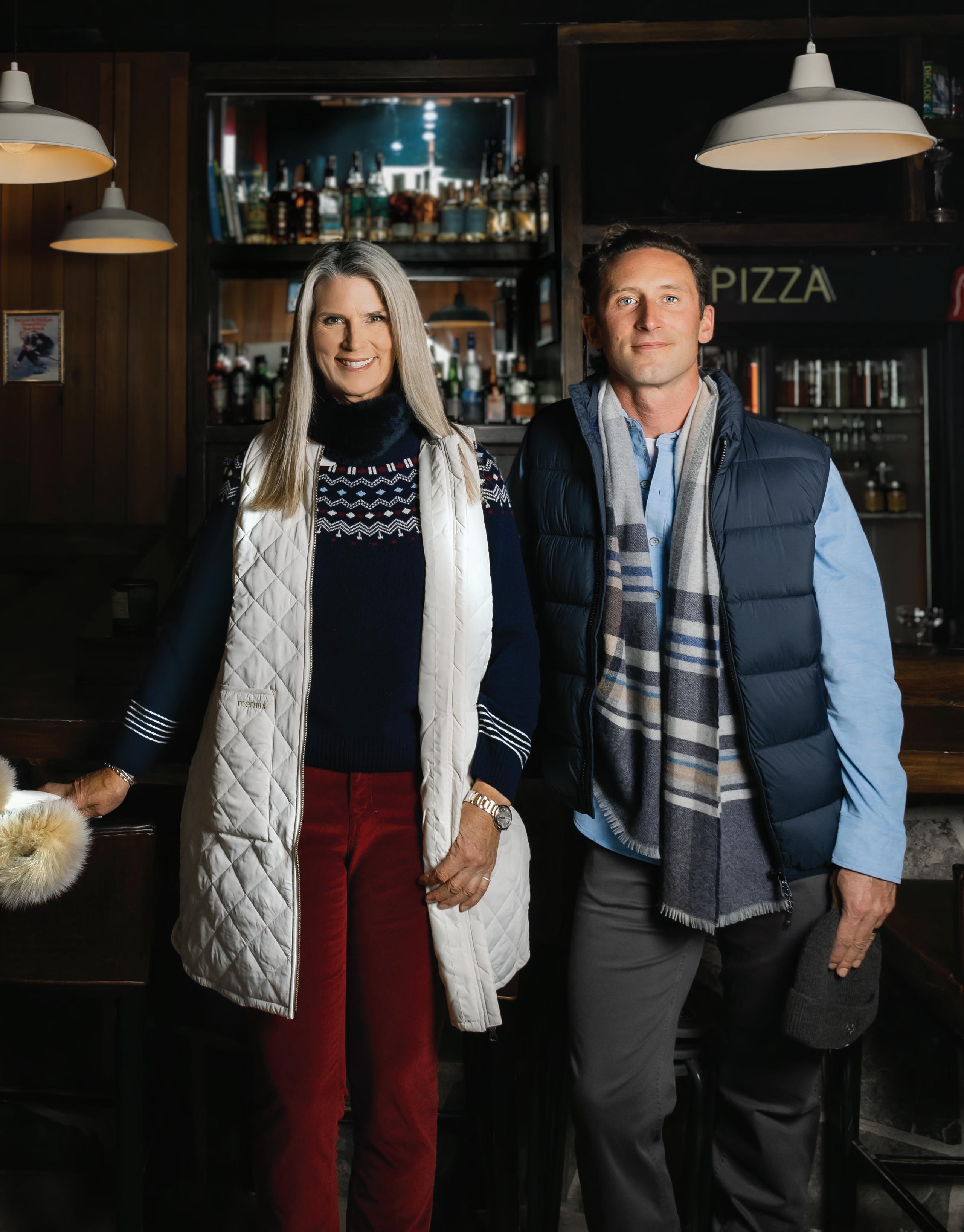
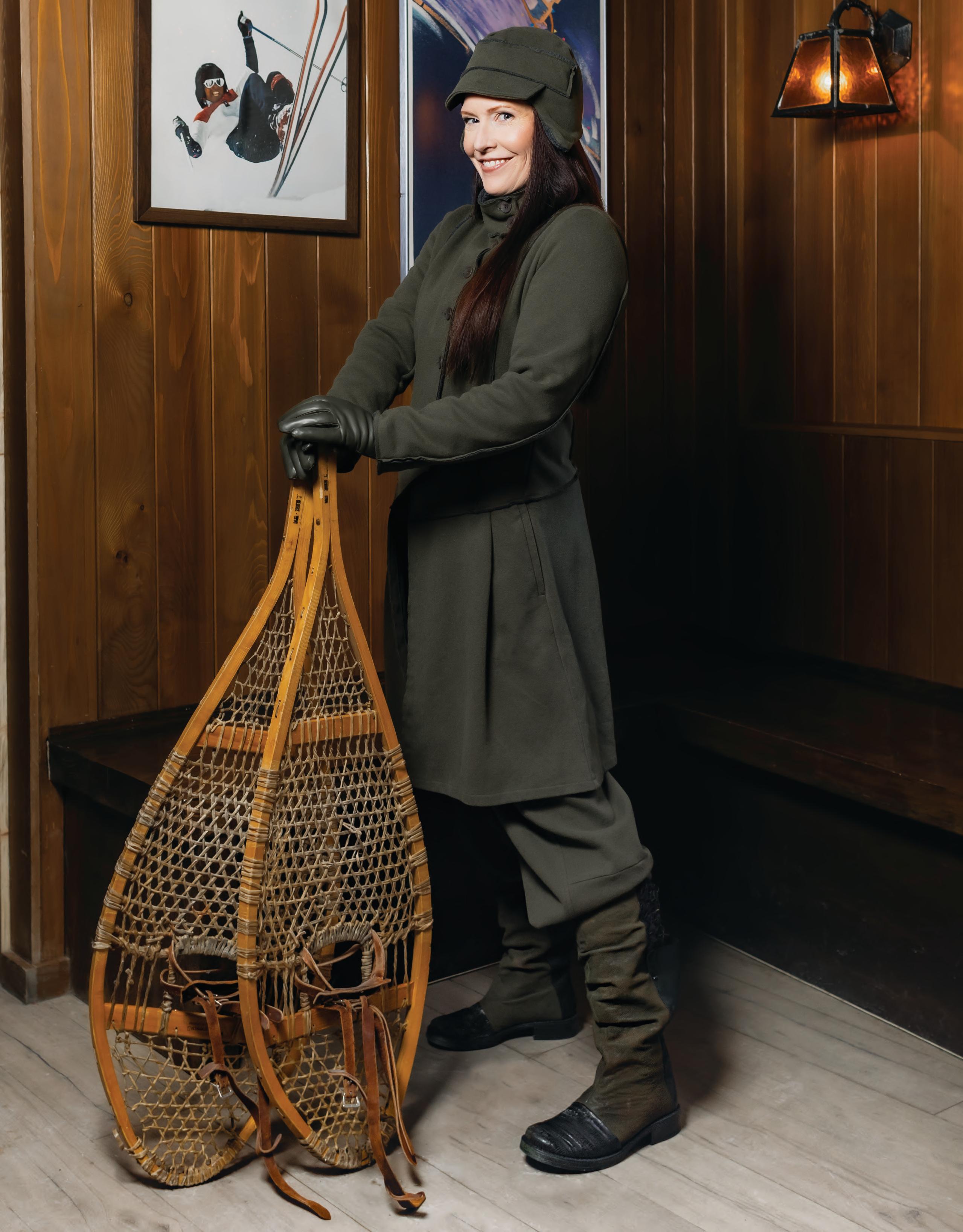
A Collingwood-based actor, producer, and film and television executive, Nadia moved from Vancouver in 2014 and co-founded Theatre Georgian Bay. Her work includes developing scripted projects for major networks, including Hallmark Christmas films. She was most recently seen on stage as Queen in Theatre Collingwood’s The Little Mermaid: The Panto and Shakespeare’s The Winter’s Tale.
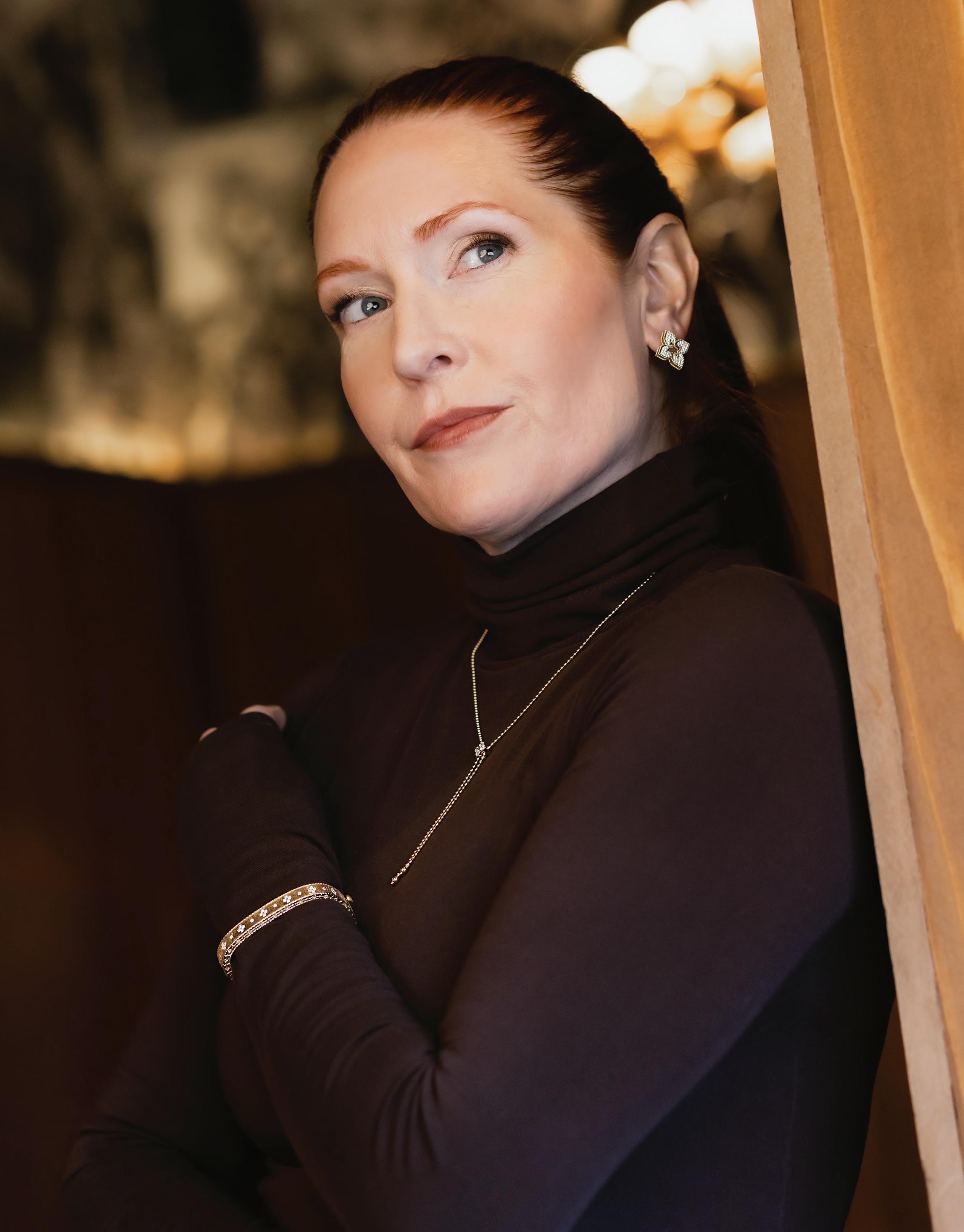
D.C. Taylor Jewellers, Downtown Collingwood: Roberto Coin is known for exquisite Italian craftsmanship, with artistic designs inspired by cultures around the world. Crafted in 18kt gold and diamonds, each piece features the brand’s signature hidden ruby, which is a symbol of happiness. This collection highlights the Venetian Pavé diamond earrings, Verona Flower lariat, and Princess bangle, hallmarks of Roberto Coin’s timeless elegance.
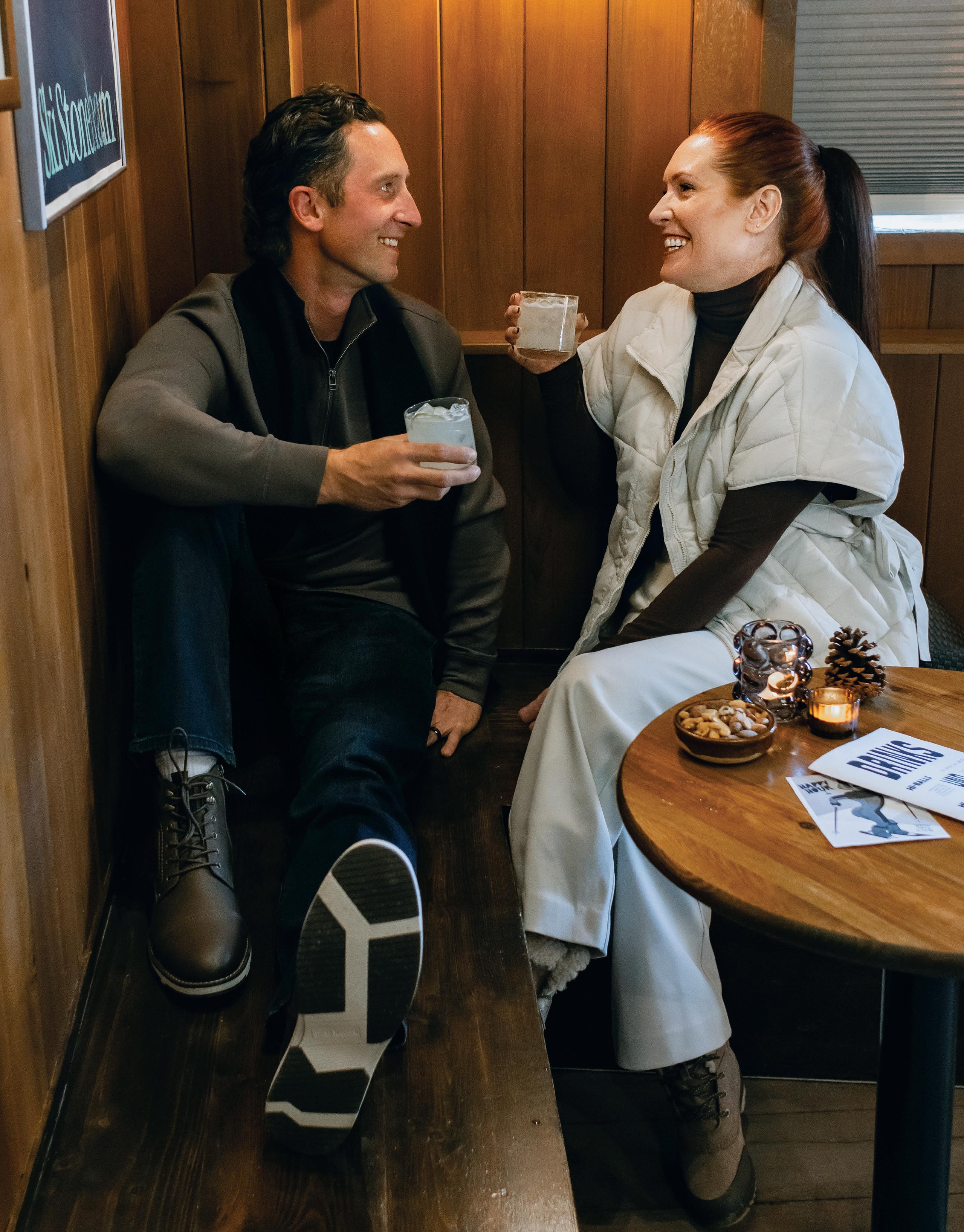
A South Georgian Bay native, Chris lives for movement in all seasons. In winter, he balances outdoor training with strength work as a golf strength and conditioning coach at MVMT Golf, helping athletes stay strong, mobile, and resilient through the colder months. Find him at @mvmtfitnesscollingwood
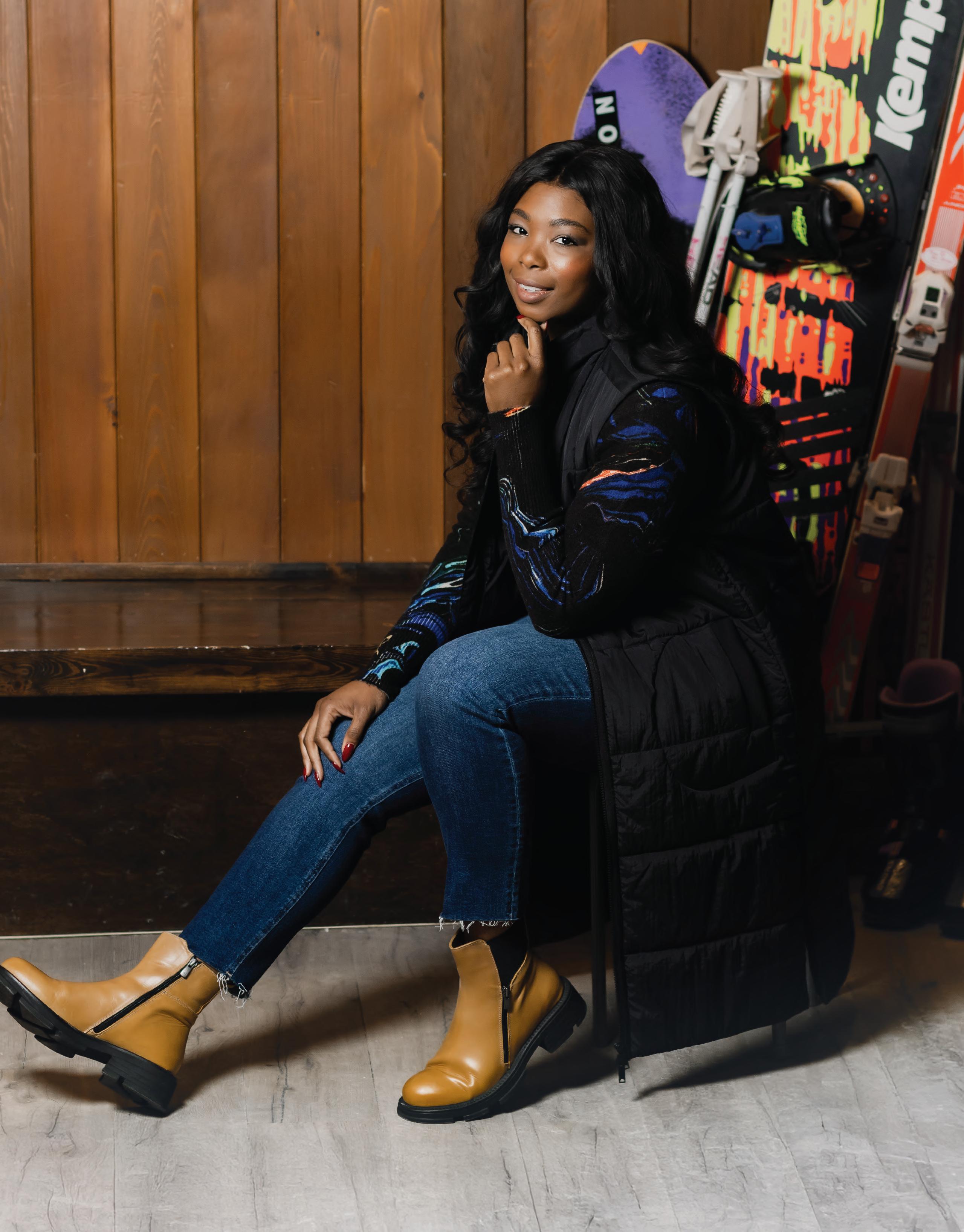
Zariah leads with intention, balancing her role as president of Avesbury Consulting with community-focused work. In winter, she turns her energy toward gathering and connection as founder of The Collingwood Social Club, creating spaces that feel warm, thoughtful, and inclusive.
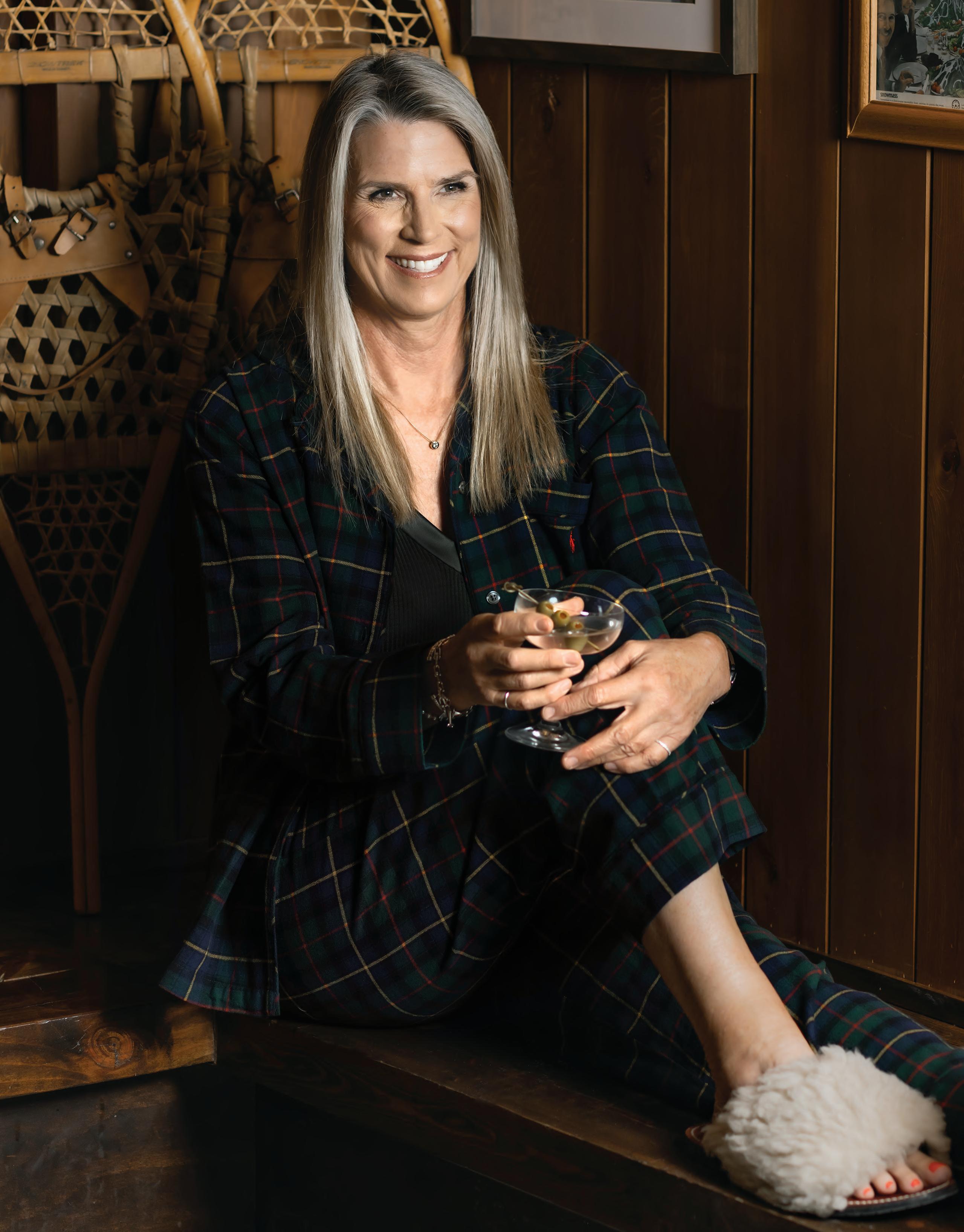
A longtime Collingwood resident, Sandy fully embraces winter on skis. From downhill laps to skate skiing, her coldweather days are shaped by years of instructing at Craigleith Ski Club and Georgian Peaks, and a lifelong love of staying active outdoors.


Carree Small Seconds
BECAUSE CLASSICS DOES NOT MEAN BASIC




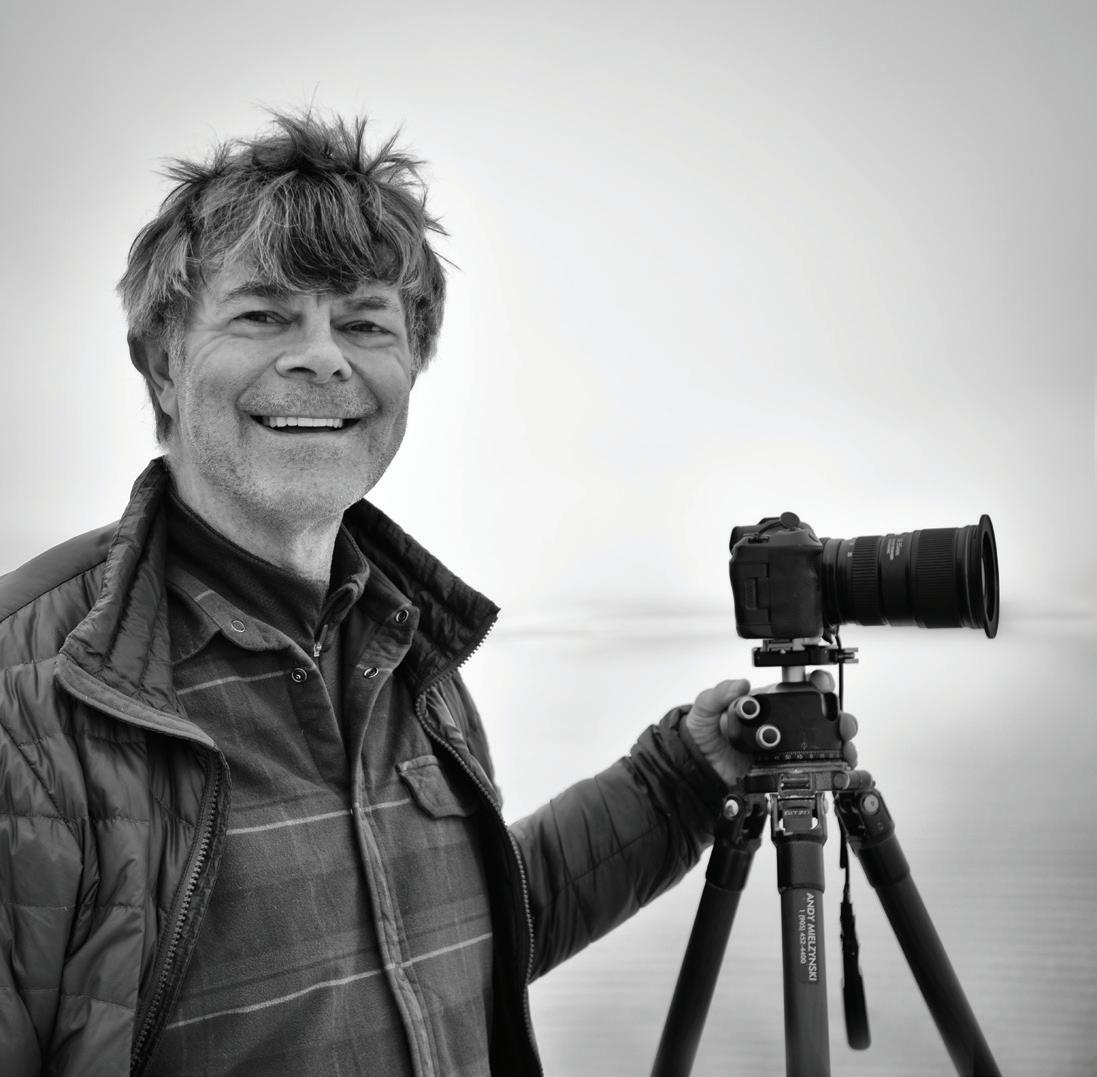
Photography has truly opened Andrew Mielzynski’s eyes to seeing in a different way. He searches for balance, simplicity, small details, and light, whether he has a camera in hand or not he has an appreciation for scenes that many nonphotographers would not value or admire.
By Deena Dolan | Photography by Andrew Mielzynski

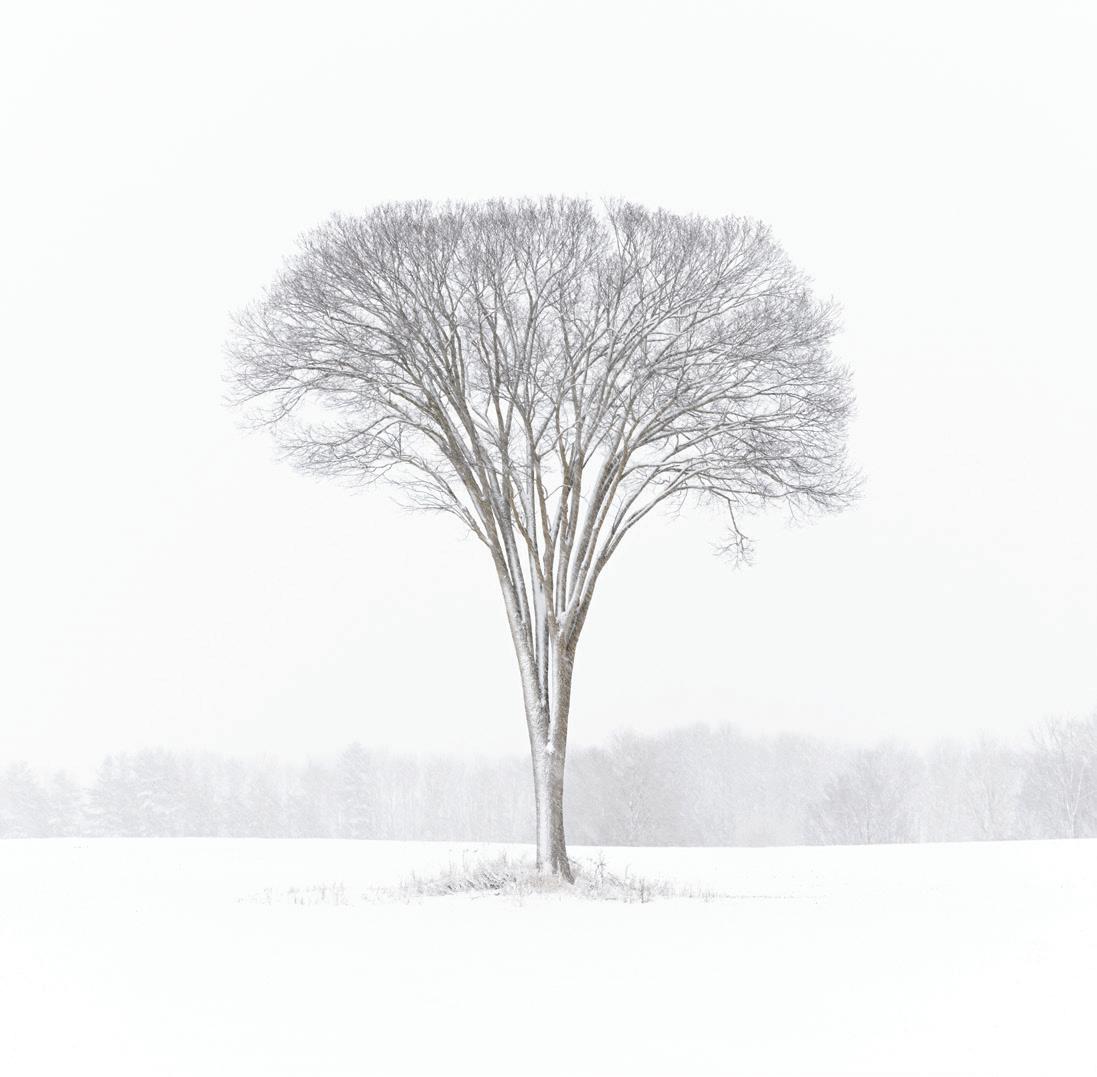
IS PHOTOGRAPHY ART? Thanks to social media, everyone today is a photographer and hundreds claim the moniker ‘fine art photographer’. In Andrew Mielzynski’s opinion, there is but a handful of people who can legitimately lay claim to that description but, he states emphatically, “I believe certain photography is a beautiful form of art.”
Andrew’s photographic journey began when he was 12 at his family cottage on the shores of Georgian Bay. Andrew’s mother used her simple, little camera constantly and Andrew covetously holds on to boxes of her stunning photos, particularly her sunsets. “We had spectacular sunsets and the light that reflected off the clear fresh waters was magical.” When he was 12 years old, a good friend of his parents came for the weekend and brought his film camera. “After some instruction, he encouraged me to make some photographs. I made three exposures. Two weeks later, he showed up with three prints; one of a pair of flying ducks, one of a frog and one, of course, of one of our fabulous sunsets. I still have those prints all these years later. The images were all soft and blurry, but when I saw them, I felt very proud and accomplished. I was hooked.”
Today, every 12 year old has a camera – on their phone of course. But it wasn’t until Andrew graduated from dental school, that he acquired his first. He was 27 and was about to be married. Their honeymoon destination was Hawaii and Andrew knew they would want photos, so, on the afternoon of the rehearsal, he went shopping. He arrived back late but thankfully had his first Nikon and a couple of lenses. Luckily, he’d known what to choose thanks to a close friend who had explained the ‘exposure triangle’:
the relationship between three key camera settings—aperture, shutter speed, and ISO—that determine the overall brightness of a photograph. Early on, he was intrigued with capturing small natural scenes, falling in love with intimate landscapes. “I look for minimalism–simple uncluttered compositions and small intimate scenes”, explains Andrew. “I try not to do too much in my post processing and generally stay away from the saturation slider.”
Andrew has copious boxes of slides that he made during his early years using Nikon film cameras, with manual focus lenses. “Living in Ontario, we have no mountains, no dunes, no deserts, no grand landscapes. You have to train your eye to find small scenes and vignettes.”
While living and practicing dentistry in Brampton, Andrew and his then wife, Heather, had two daughters, Jenna and Erin. From young ages, both girls showed intense athletic prowess and became seriously involved in high-performance, competitive sports. Andrew was in attendance at various tournaments and events as much as possible and naturally, his camera was always snapping. Jenna enjoyed a standout career in waterskiing. Among her many accomplishments, she was the individual national champion at the 2007 NCWSA National Championship and was twice named the Rollins College Female Athlete of the Year. Erin’s passion became focused on alpine skiing. In 2012, she won the World Cup slalom race in Ofterschwang, Germany and she competed in four Winter Olympics and five World Championships. While standing on race courses with his camera, Andrew’s athlete photos earned him quite a reputation. Ultimately he was approached by Alpine Canada to photograph the Canadian National Alpine Championships and




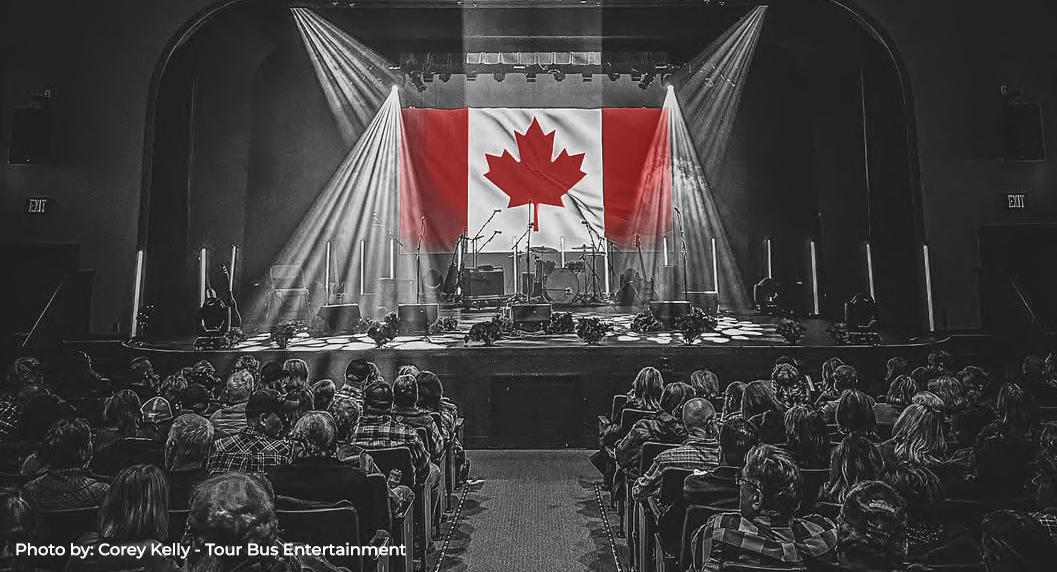
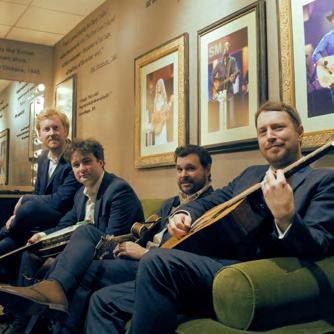


was asked if they could use his photos from World Cup Races on their website. It involved a crazy amount of hours and very little remuneration but he absolutely loved being there. He also made some wonderful lasting friendships along the way.
Dentistry requires excessive twisting and bending, often resulting in severe spine pain — a common occupational hazard in dentistry due to prolonged static postures, repetitive movements, and poor ergonomics — physically it’s tough. “Eventually my spine and disks got all messed up — I was having a lot of serious pain.” He was also experiencing pain in normal everyday activities and finally, 13 years ago he was forced to close his practice. With additional time and opportunities he began to seriously explore street photography at home in Toronto. Many hours were devoted to the busy streets of this large, metropolitan city looking for unique scenes to capture on film. “I love to slow down, observe and discover small, intimate scenes. Photography has given me a tremendous amount of joy throughout my life, especially the ability to capture moments in time inspired by the natural world.”
A passionate and dedicated self-taught photographer, Andrew harbours a deep connection to the natural environment and a love
for capturing its magnificence, splendour and glory. He has always enjoyed spending time in nature. “Photography has been a gift that has enabled me to see and appreciate things that would not have been noticed otherwise.”
Citing influences such as Eliot Porter, Shinzo Maeda, Charles Cramer, Freeman Patterson, William Neill, Alex Noriega, Richard Martin, Bruce Percy, Jennifer Renwick and Eric Bennett, Andrew has developed a style and direction that embodies a straightforward approach which results in images that others simply don’t see. “I look for minimalism – simple, uncluttered compositions and small intimate scenes”, explains Andrew. “I try not to do too much in my post processing and generally stay away from the saturation slider.”
In 2023, Andrew entered the NLPA (Natural Landscape Photography Awards) after urging and encouragement from a close friend, Larry Monczka. He didn’t win anything, but one of the organizers, Tim Parkin, chose five of his favourite images that didn’t win and included them in the 2023 book that they produce. “One of the images was mine. The book is like a piece of art in and of itself. It is a beautifully produced, hardcover publication that includes incredible landscape artistry with some

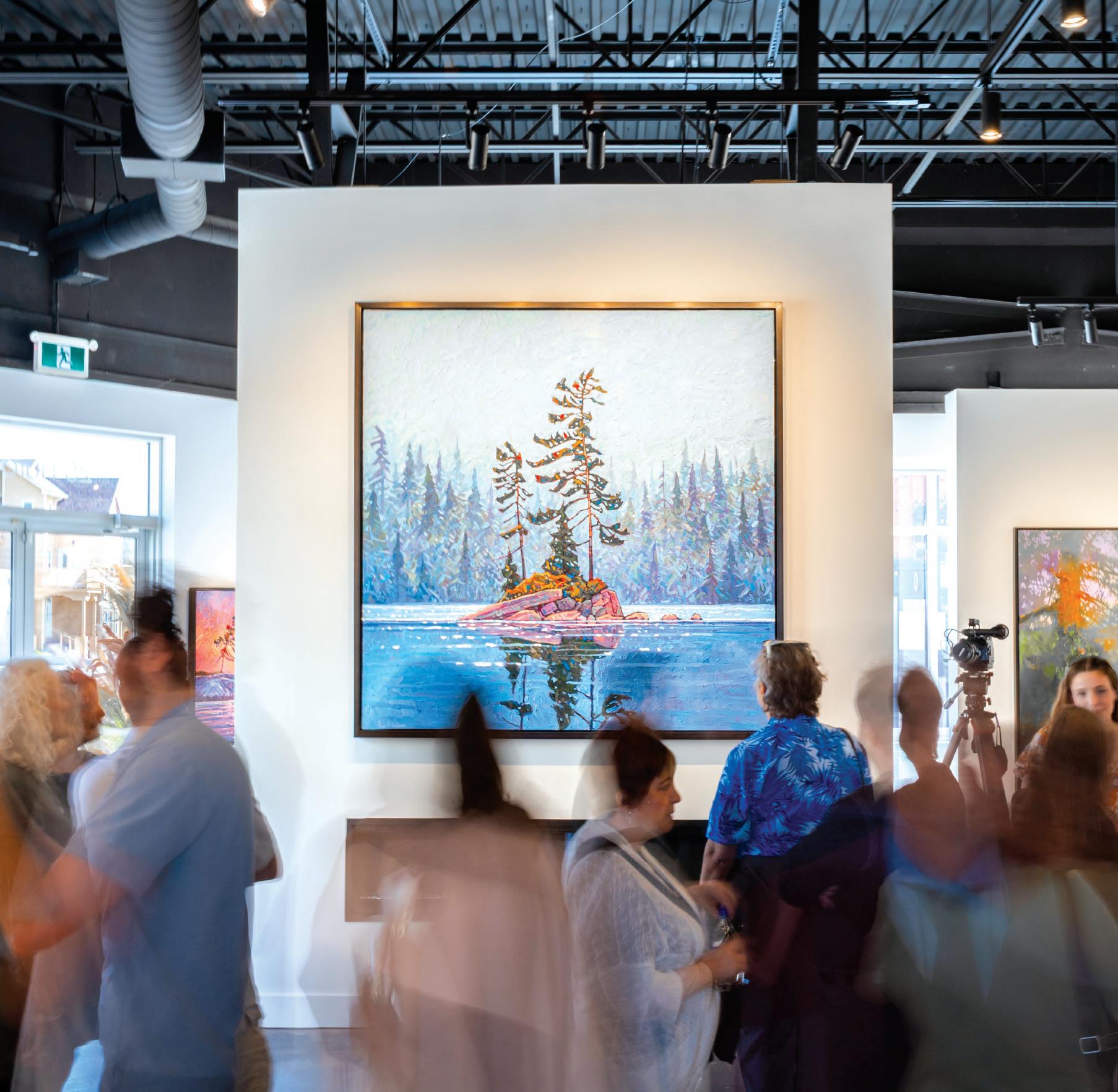
Gallery specializes in world class living and historical artists from across Canada. Its carefully curated collection of artists is constantly evolving as new exhibitions come to fruition. Design consultation, and framing are available through the gallery.
Come experience our 3000 square foot space with views of Georgian Bay in the heart of Collingwood.

25 Huron St., Collingwood, ON (705) 321-2419 | nomagallery.ca Open 7 days a week | 11am–5pm
great essays.” He also entered the ILPOTY (International Landscape Photographer of the Year) contest and was named runner-up. The following year in 2024, Andrew was overwhelmed, amazed, excited and deeply honoured to win the NLPA Photographer of the year award. This competition prioritizes the “integrity of the subject” and eschews deceptive digital editing techniques and artificial intelligence announced its winners. It was set up by four landscape photographers — Tim Parkin, Matt Payne, Alex Nail, and Rajesh Jyothiswaran — to “promote the best landscape and nature photography by digital and film photographers who value realism and authenticity in their work.”
The competition rules are designed to stamp out images that are misrepresentative of reality. For example, compositing different images together; removing elements from a photo; distorting objects in the photo; multiple exposures, are all banned from the competition. The organizers check the original RAW files of the finalist for compliance.
His winning entry, ‘Winter Cottonwoods’ has an interesting story: When Covid hit, Andrew put down his camera for a bit, but then decided to go downtown during a fierce snowstorm in order to do some street photography. “I was shocked when I got to the heart of the city. Storefronts were boarded up and there was no one in sight. The scene looked post-apocalyptic. I decided to go home, but stopped in at Cherry Beach. I ran across this scene, which seemed very chaotic with many interwoven trees. I loved how the snow, driven by the high winds, got embedded in the bark of the tree trunks. I took a few frames, trying to simplify the scene in front of me and settled on this one, loving the tones, the depth and the minimalism.”
It was extremely satisfying for Andrew that the NLPA contest and the ILPOTY contests were both judged on a portfolio of images and not just a single photograph. “I found it to be very gratifying to win on a body of work, after working hard to create an output of photographs that I could be proud of. In my opinion, being judged on a portfolio

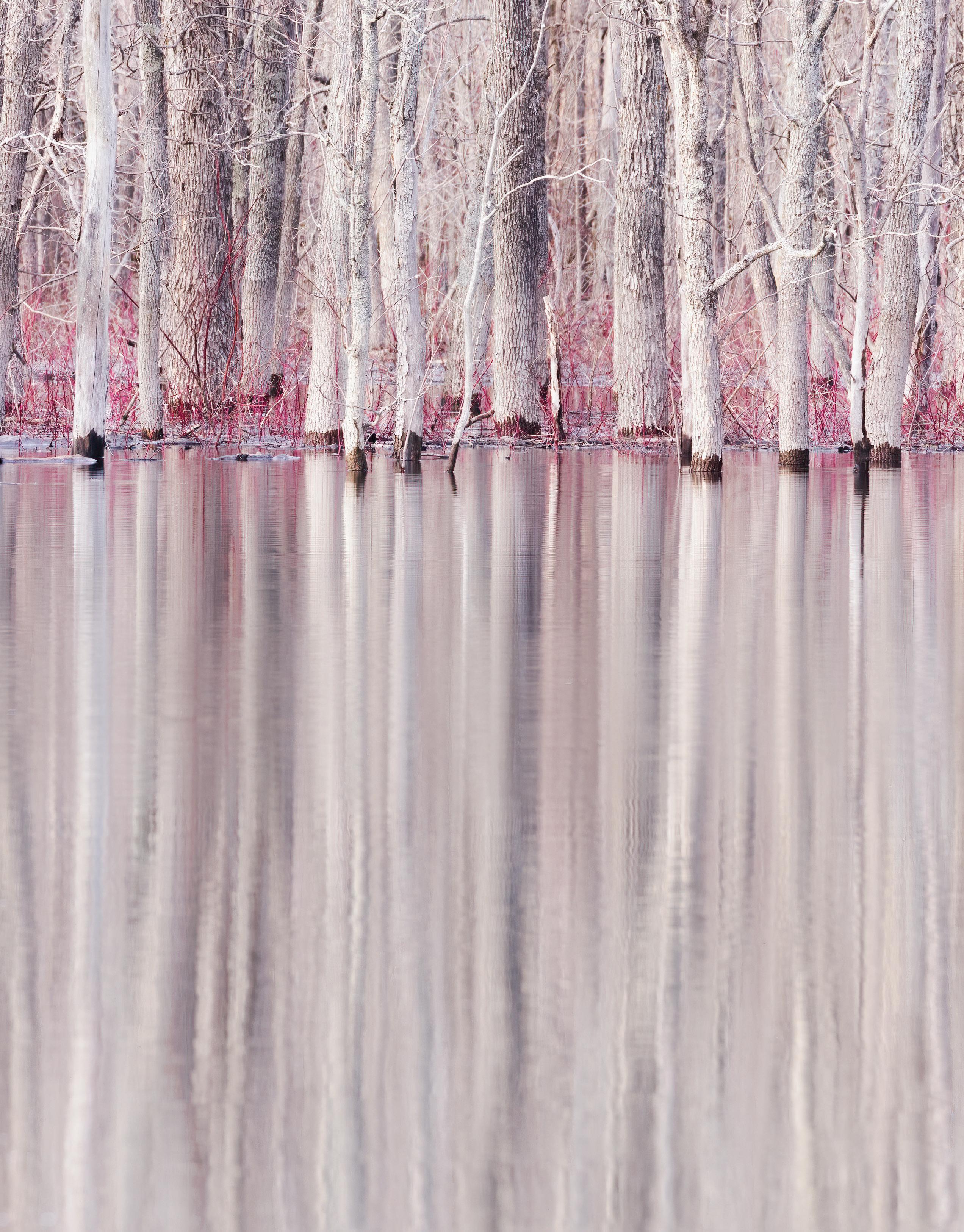

shows consistency and provides a more reliable and accurate assessment of one’s work as a whole. Many of the photographs that were included in my submissions were taken close to home and I’m a firm believer in the adage that if you can’t produce good work at home, then you won’t be able to produce good work while you’re away.”
Thornbury is now Andrew’s permanent home and his camera accompanies him wherever he wanders. “Living here has opened me up to a treasure chest of intimate landscape photography. There are rivers, streams, rapids, hills, trees, woodlands, marshes and ponds.” The Beaver River has a spot that Andrew repeatedly returns to: Clendenan Dam. “The rapids and reflections here are truly fabulous and present a wealth of photographic opportunity if one is willing to slow down and take the time to observe.”
Today Andrew uses a Canon EOS R5 mirrorless camera with EF 16-35mm f4, RF 24-105mm, EF 70-200mm, f2.8 and EF 100-400mm, f4.5-5.6 L IS USM lenses. On his computer, he
uses Lightroom, Photoshop, Topaz and Helicon Focus. “All the companies manufacture incredible products that just get better and better. Today’s mirrorless bodies are just fabulous. I can see my histogram in the viewfinder while I’m shooting and make adjustments before I actually press the shutter. I use the histogram ALL the time, not only while shooting, but also while I’m processing in Lightroom and Photoshop. Keeping a careful eye on the histogram allows me to make sure that I’m not over or under exposing the image, (unless I want to).”
Andrew eagerly awaits winter and the minimalism associated with it. “Snow covers up a lot of debris and messiness and I love how the storms associated with winter can obliterate background distractions.” One major ambition he has is to start printing his own work. He is eager to learn about different papers, settings and intricacies of the process. He also hopes to establish a website. Currently, you can find him on Facebook and Instagram @andrewmielzynski. E
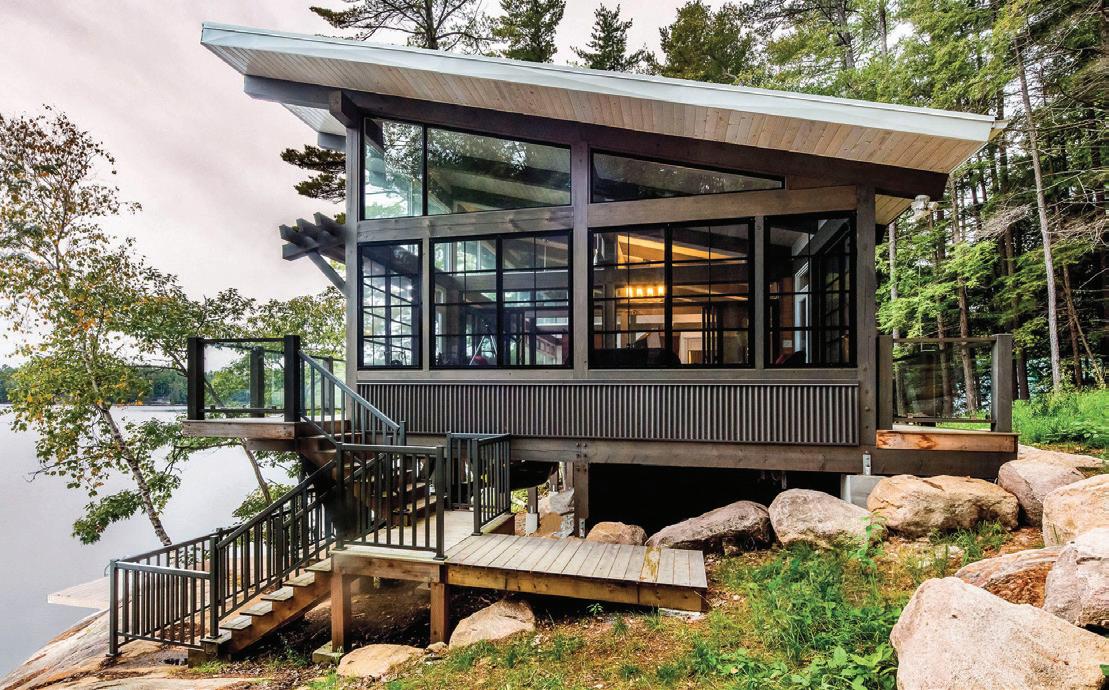
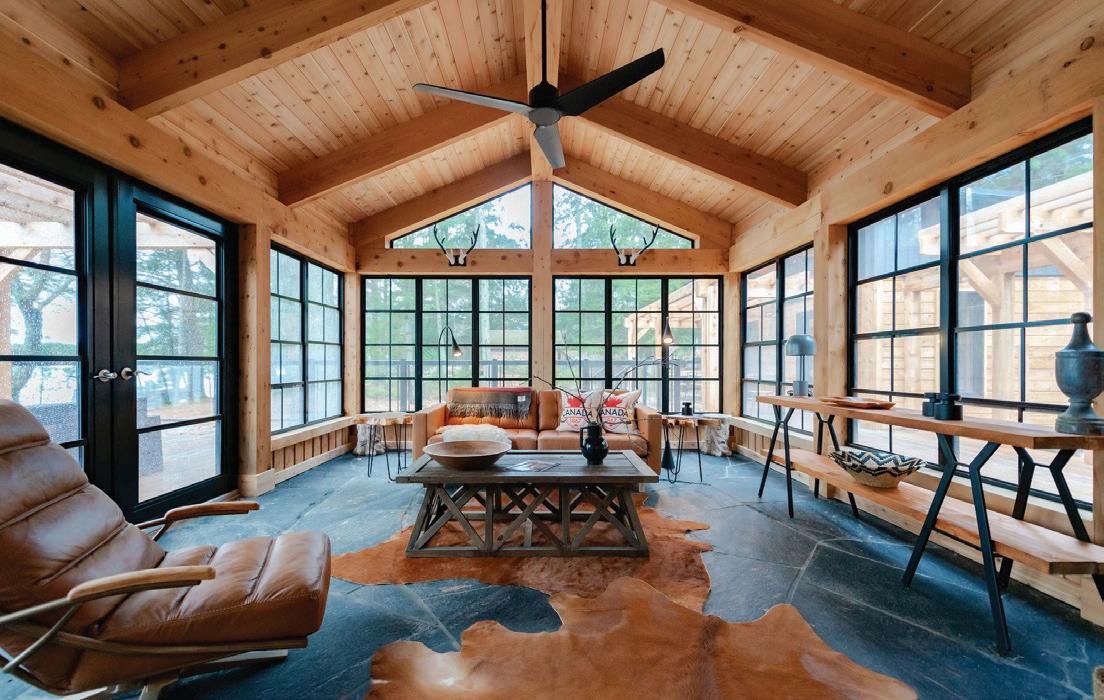
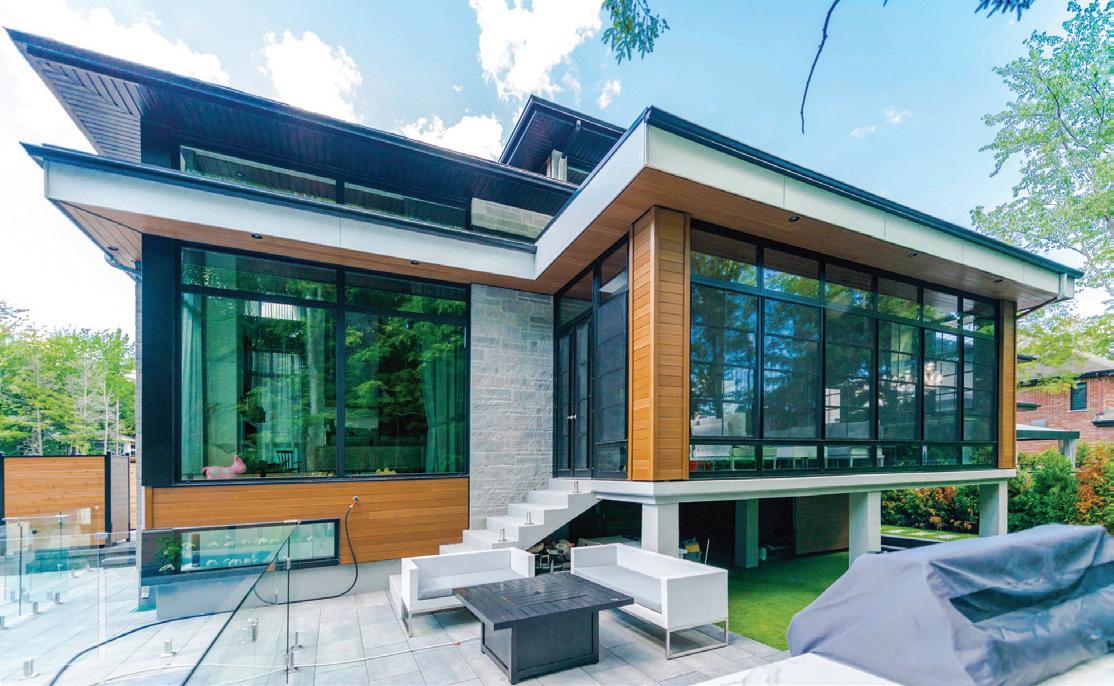
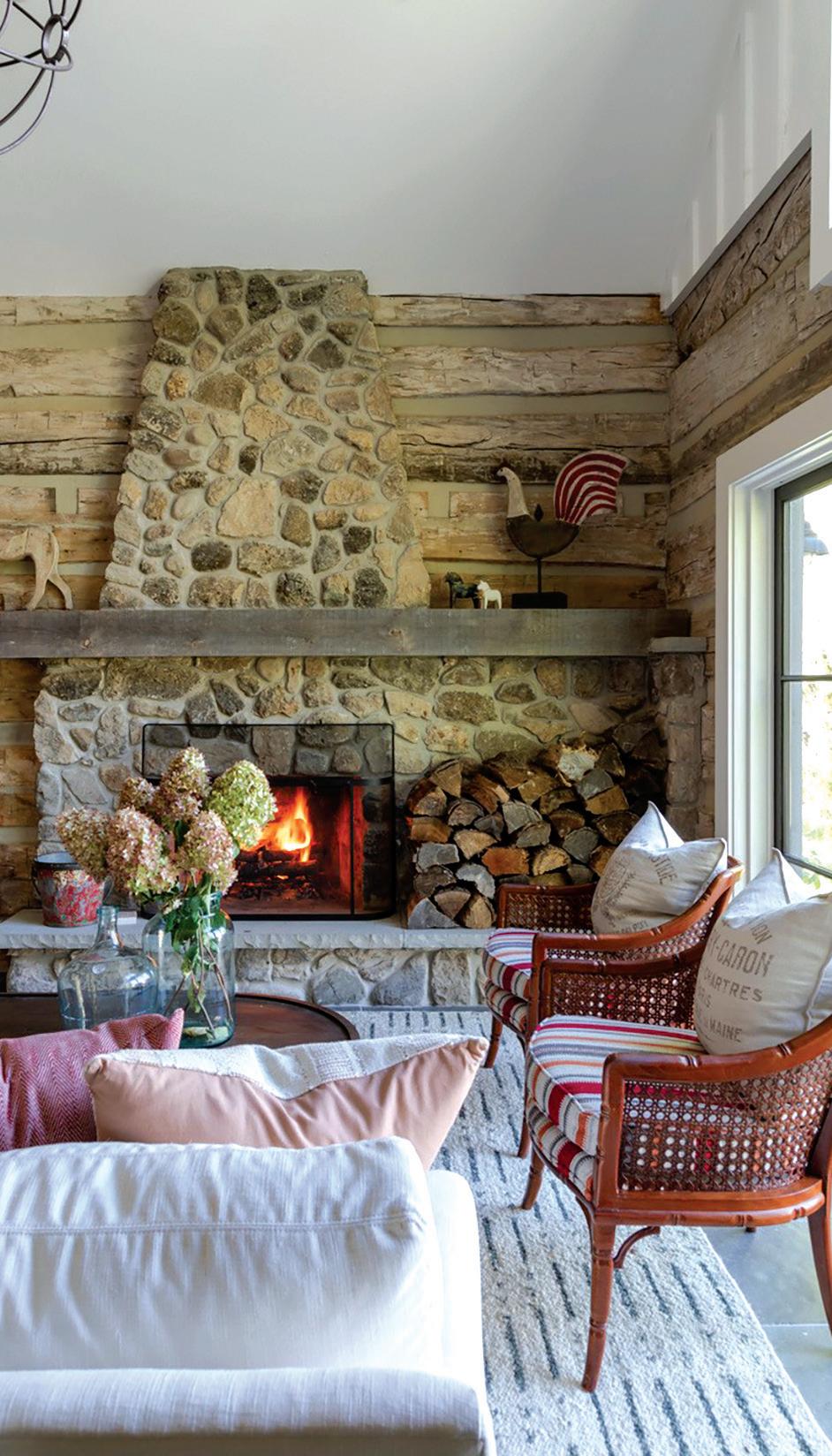
Winter has its own choreography. A skier drops into a run, weightless for a moment before gravity takes hold; a lone chair drifts quietly overhead, moving through the silence. Even the stillness—trees heavy with snow, the hush of a cold morning—has movement in it. Across the Escarpment and beyond, a remarkable group of artists is capturing that rhythm in paint, turning speed, light, and atmosphere into works that feel alive. Their brushstrokes echo the arc of a turn, the spray of snow, the pulse of winter itself— translating the fleeting motion of real skiers into lasting expressions of energy and emotion.
By Cara Williams
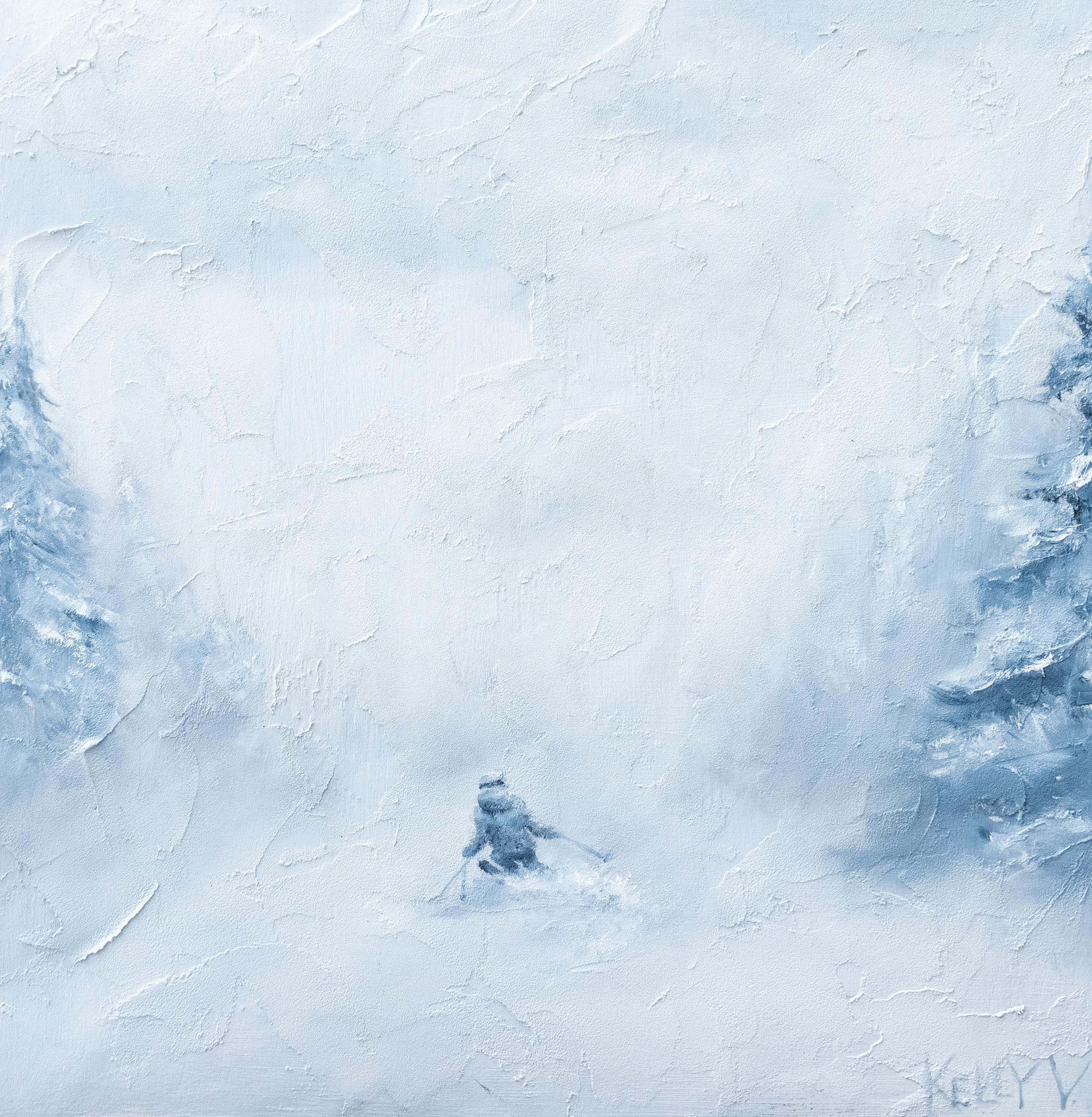
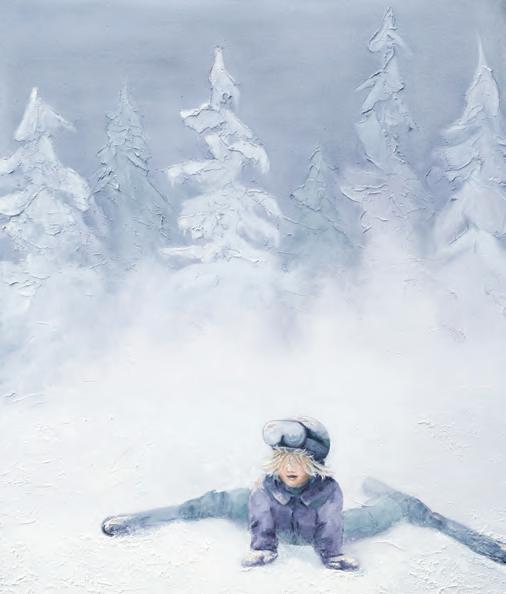
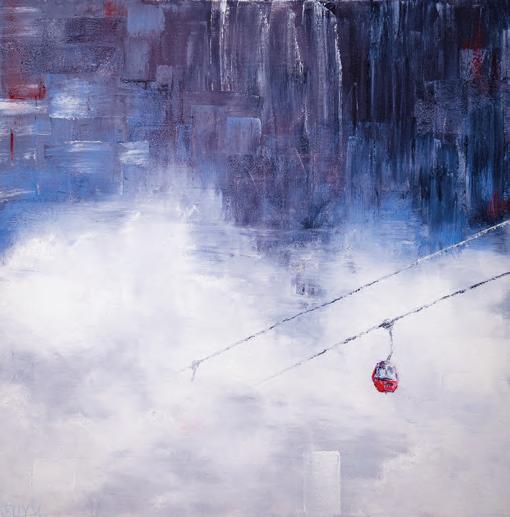
Former Olympian, Alpine Skiing World Cup medallist, and sports broadcaster Kelly VanderBeek has always moved through life at speed. Yet on canvas, she finds stillness—a chance to translate experience into feeling. Her work is rooted in reality, yet touched with whimsy: familiar figures and landscapes infused with imagination and emotion.
“For me, everything centres on evoking an emotional connection,” she says. “My life has been lived outdoors, shaped by nature and movement.” Growing up on the Escarpment, Kelly remembers ski racing on the “daunting” hills she once thought were mountains. Those memories remain vivid in her brushstrokes: light, resilient, and full of life.
She paints between the demands of broadcasting and family, selling through Loft Gallery, where her pieces have been quick to find new homes. “I hope viewers feel a spark—an energy, a memory, a connection to something that makes them feel empowered or inspired.” kellyvartist.com
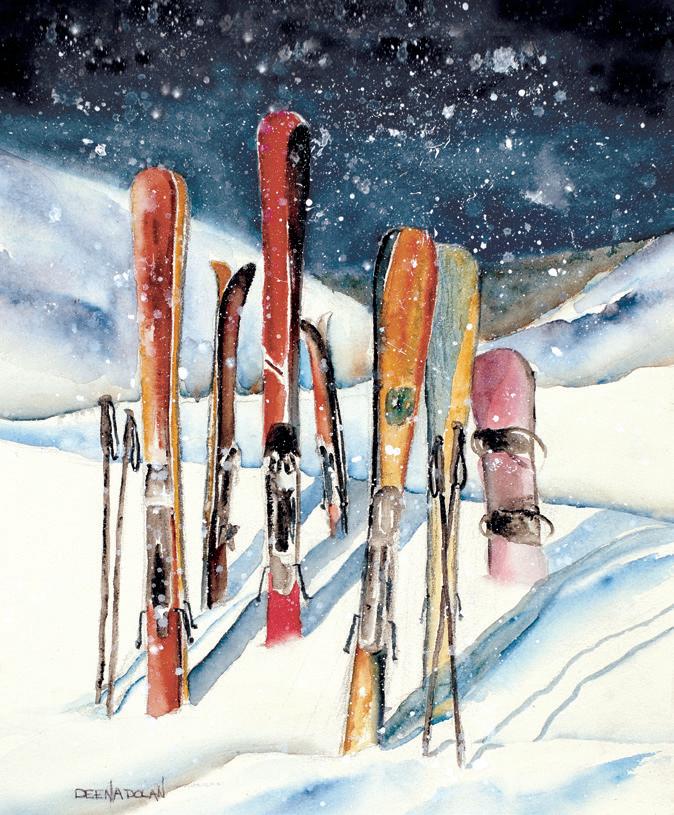
Clockwise from top: Après, 24 × 30 in., watercolour on paper, sold (prints available). Ski Lady, 12 × 12 in., acrylic on paper, sold (prints available). Silver Larissa (commission), acrylic on canvas. Last Run, 16 × 20 in., acrylic on canvas, sold (prints available).
A self-taught artist, Deena Dolan has spent more than two decades translating the spirit of the region onto canvas. “I’ve always felt free to explore all mediums, styles, palettes, and subject matter,” she says. “I strive always to keep my work fresh—spilling with vibrant colour, spontaneity, and passion.”
After raising five children, she turned her attention to painting and, soon after, publishing—purchasing a small periodical in 1998 that would evolve into Escarpment Magazine. For more than 20 years, Deena served as the magazine’s cover artist, with each issue presenting a new creative challenge and an opportunity to reflect the beauty, energy, and personality of life along the Escarpment. “Because the magazine was seasonal, each cover needed to reflect the varied aspects of life here,” she explains. “It kept me from becoming a one-trick pony—thankfully.”
Her winter-inspired works have become part of the magazine’s visual legacy: Après (Winter 2009), Last Run (Winter 2016), and Ski Lady (Winter 2017) remain reader favourites, celebrating the joy and nostalgia of snow season in Southern Georgian Bay. More recently, she revisited that world in a commissioned piece capturing local racer Larissa Yurkiw’s World Cup downhill silver-medal run in Cortina, Italy—“one of the most challenging subjects I’ve ever attempted.”
Now retired, Deena has returned more fully to the studio, with the freedom to devote even more time to painting. Through it all, she works with instinct and joy. “I love to mix a dash of mystery with a whole lot of joy,” she says. “I really want the viewer to smile.” deenadolanart.ca
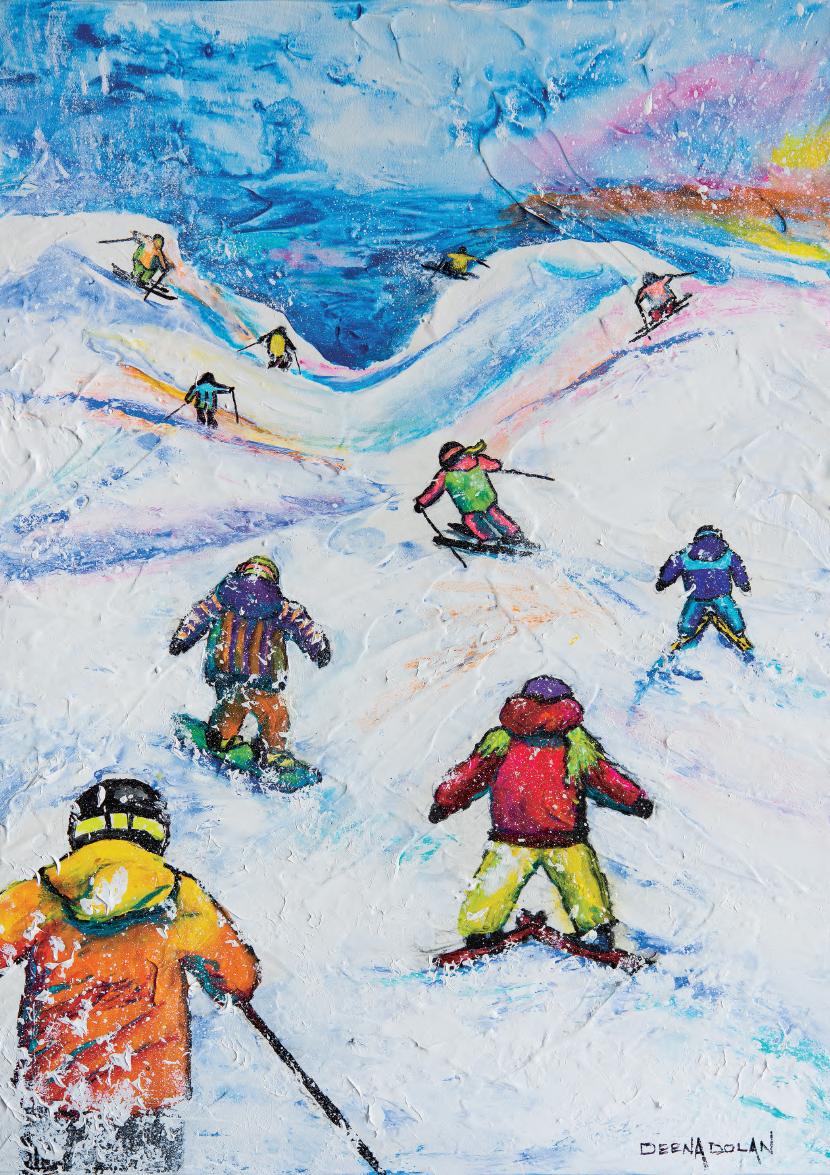
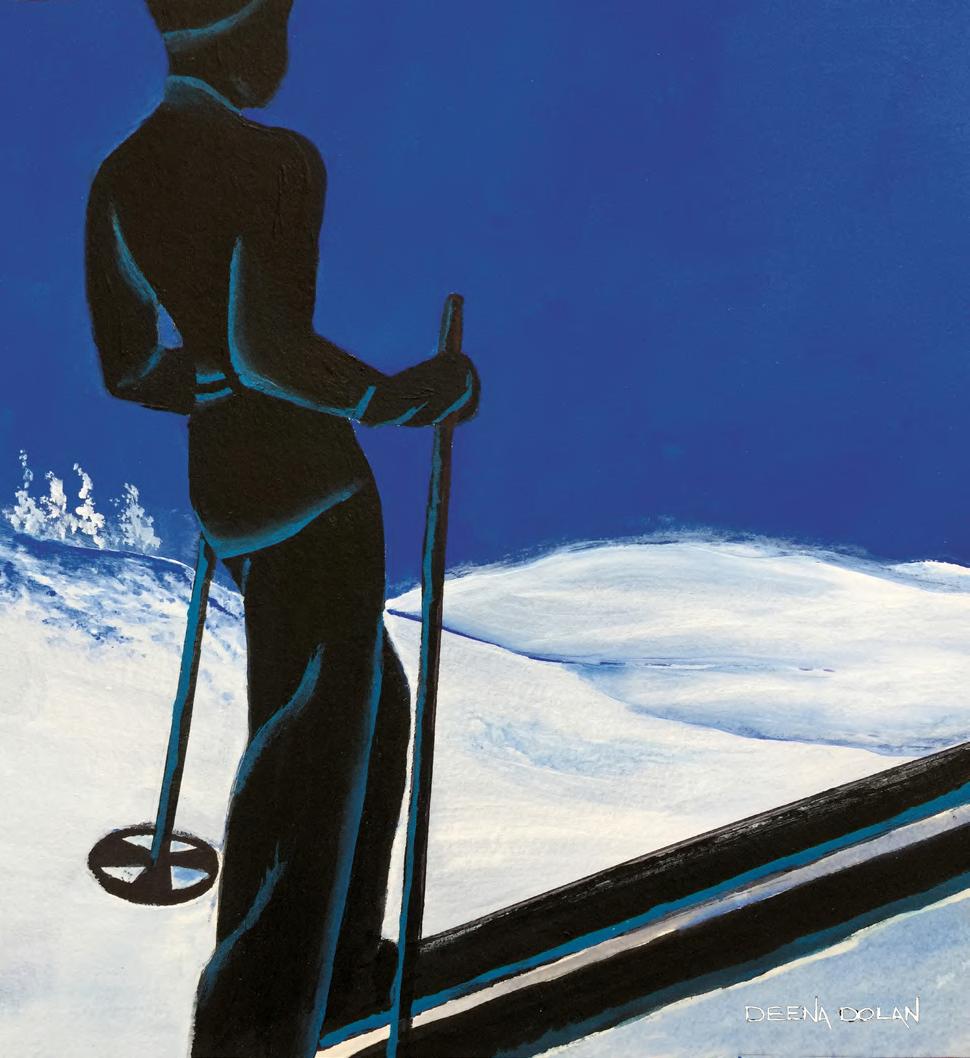
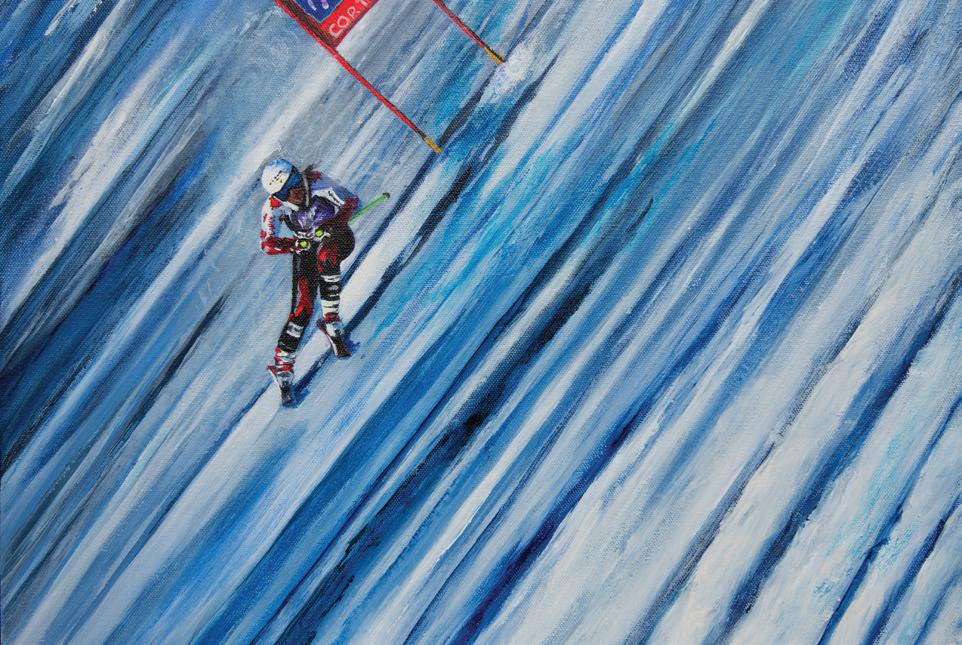
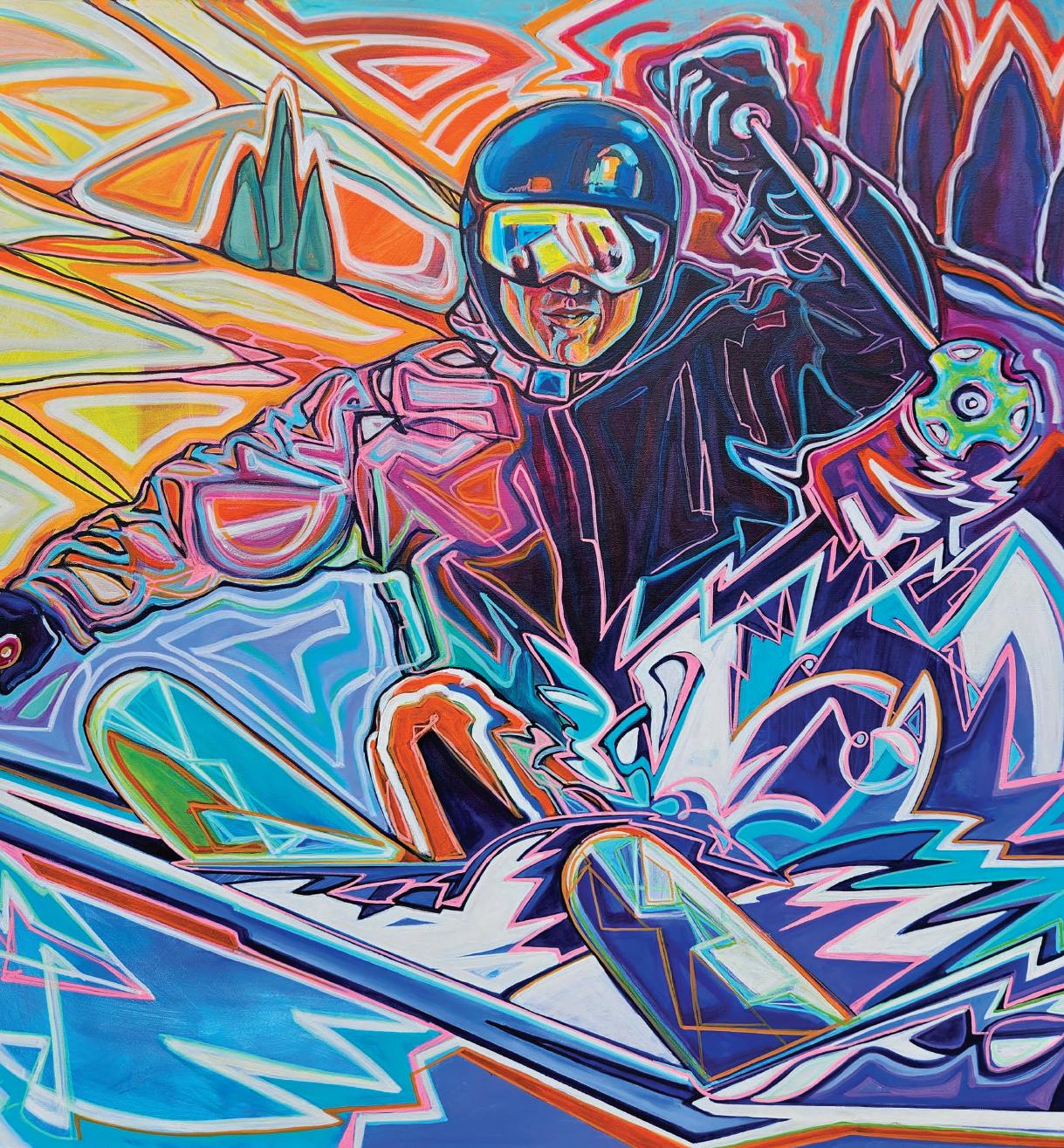
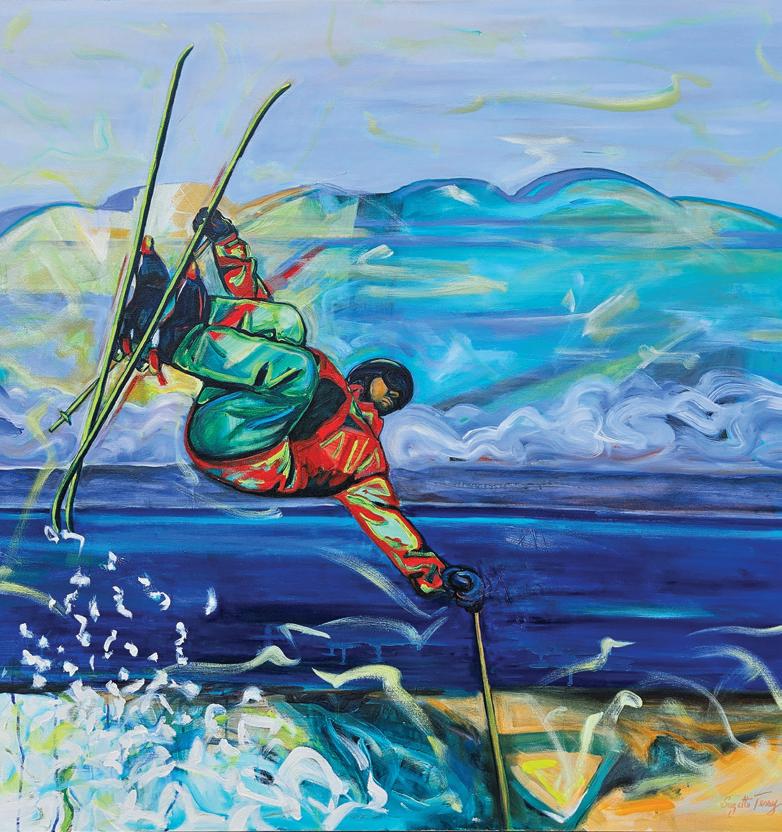
Colour, texture, and momentum define Suzette Terry’s vibrant ski scenes. Working in acrylic and collage, her compositions are alive with swift, expressive lines and high-intensity colour. A skier herself, Terry channels the adrenaline of the slopes into every piece.
“I love the thrill of skiing—the rush, the need for speed, the feeling of carving up the hill,” she says. Her connection to the Escarpment runs deep: early trips north in her teens sparked a lifelong passion that continued during the decade she lived in Meaford.
Today Suzette’s work appears in galleries across Ontario, from Marten Arts, to Karger Gallery, and Arts on Queen. She hopes each painting conveys the same pulse that drives her to the hills: “If my paintings can make people feel the crisp air and the movement of snow, then I’ve succeeded.” suzetteterryartist.ca
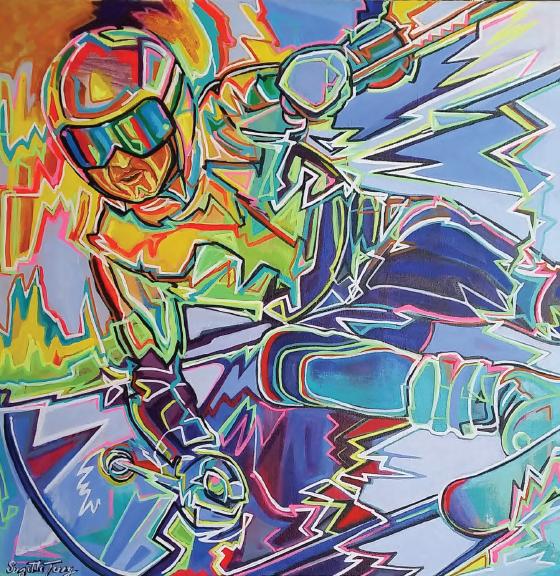




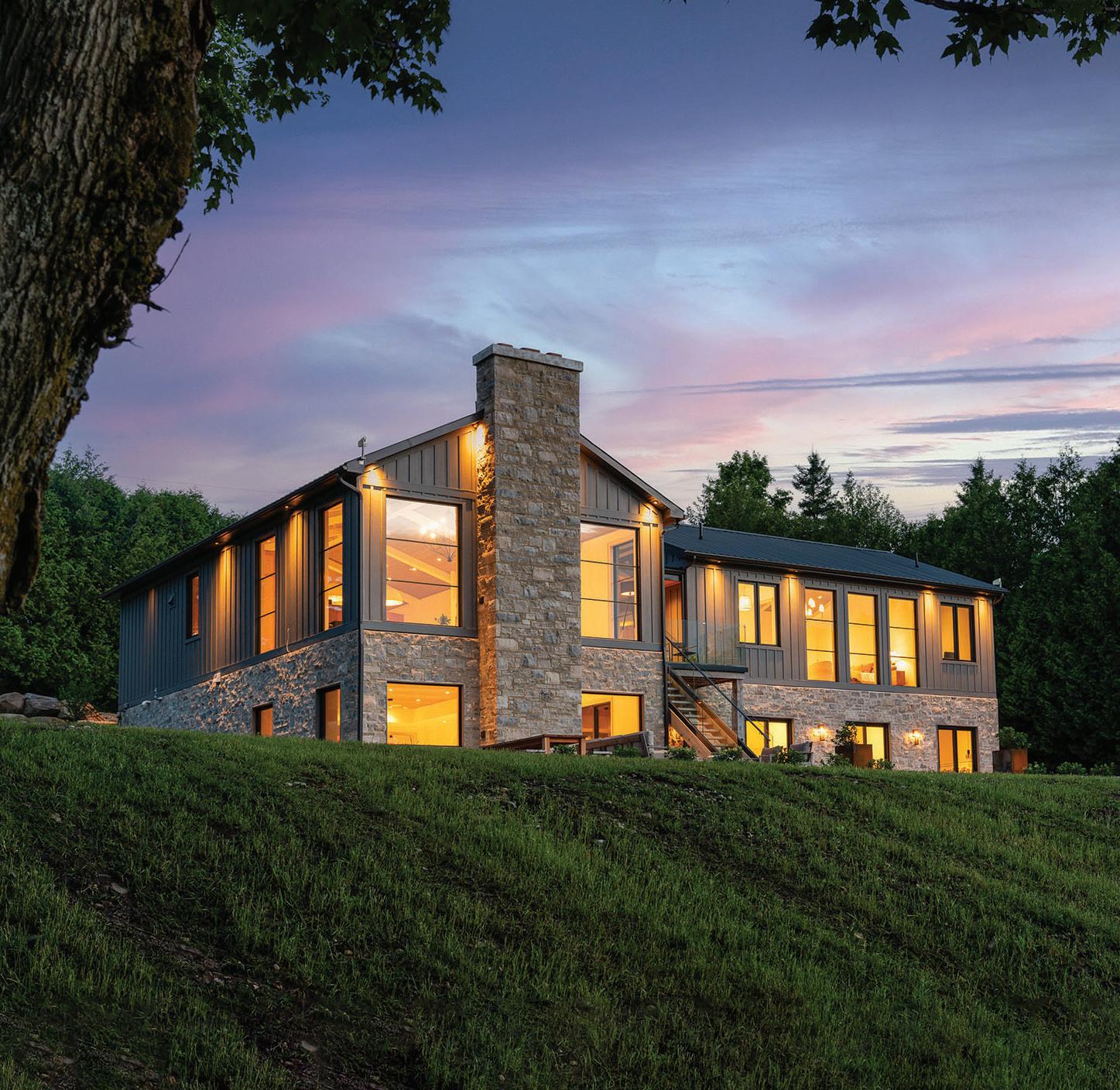
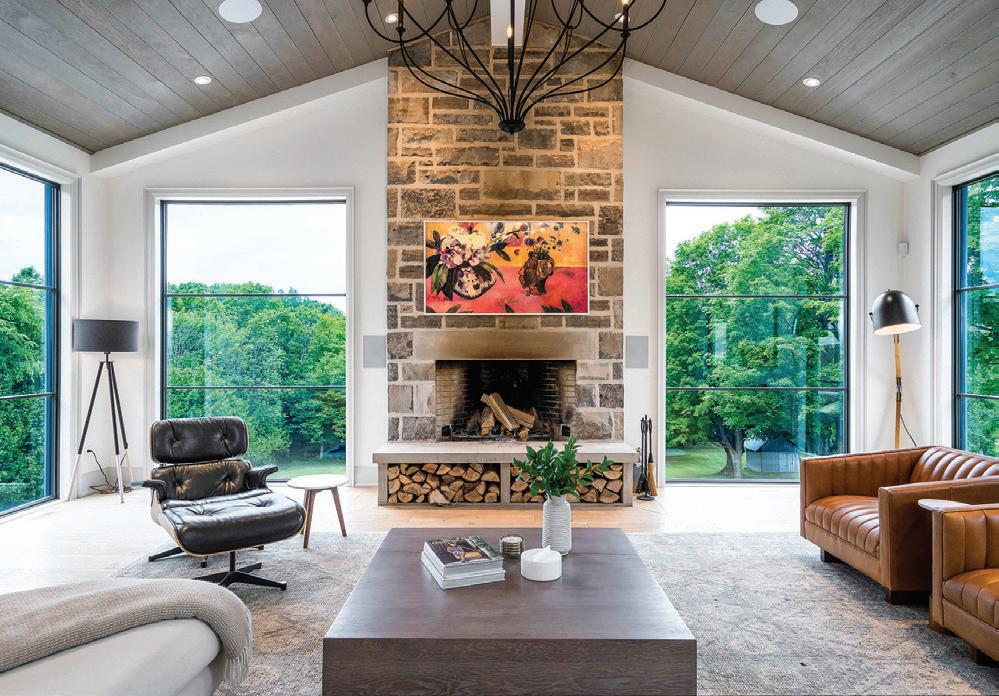
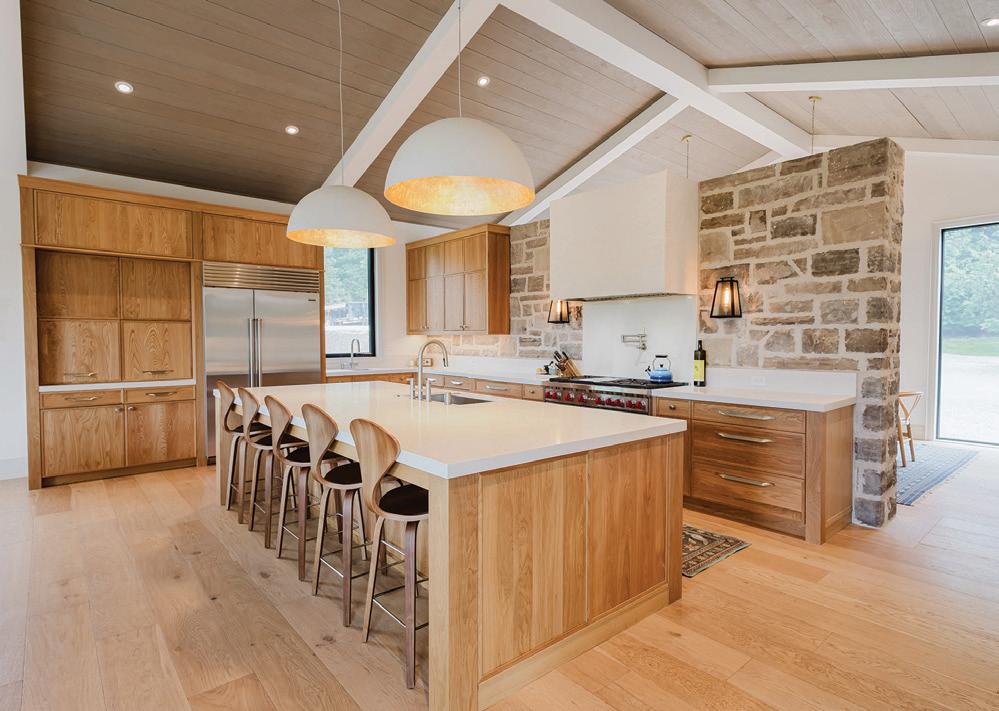

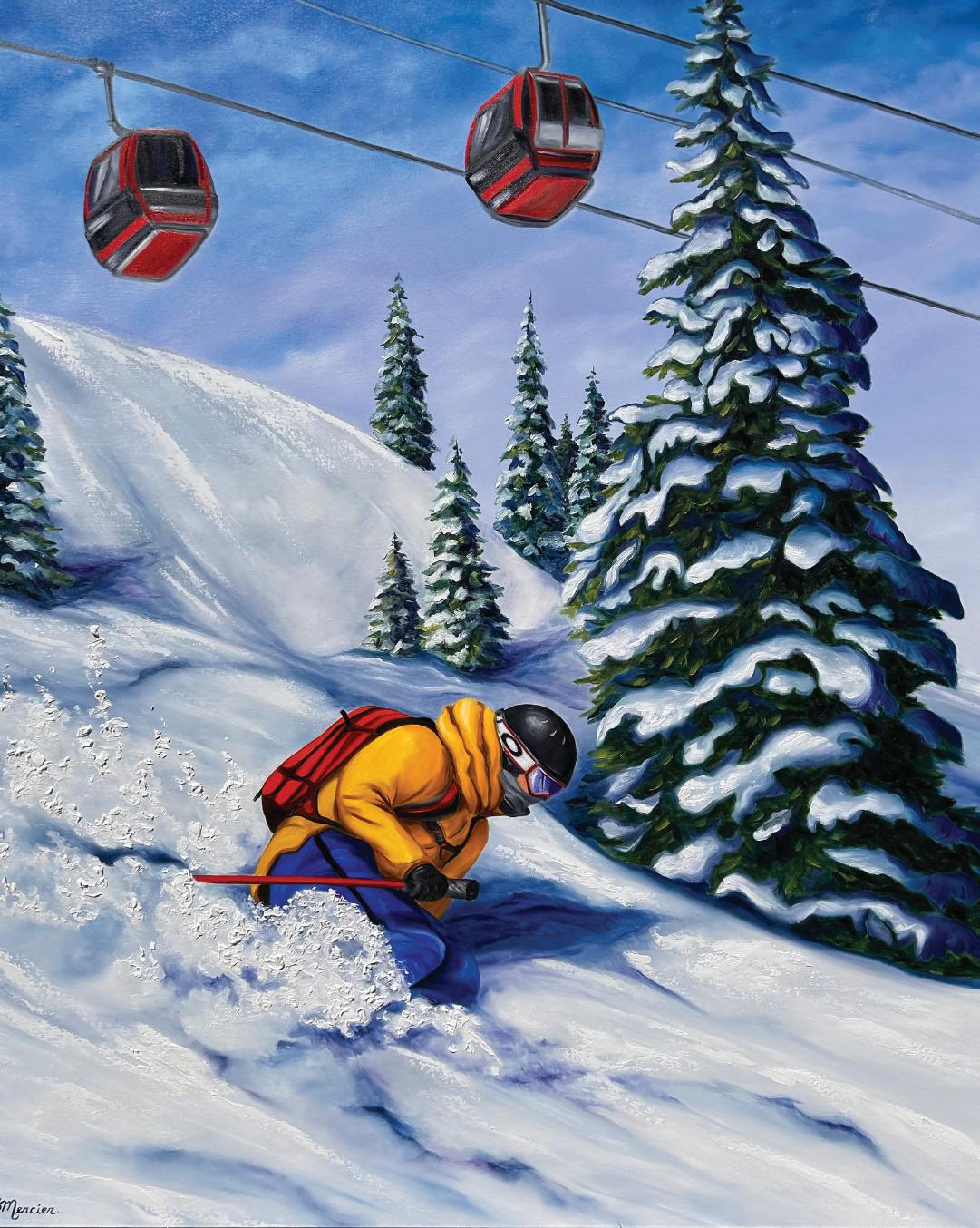
Montreal-born Sylvie Mercier discovered her gift early—winning her first art prize at sixteen and never looking back. Oil paint is her language; colour and motion, her muse. Her energetic skier portraits and vivid winter landscapes have found audiences across North America and even across the pond, in Europe.
“I always try to have people feel the movement and action of skiing—or simply the magic of the mountain,” she says. Her recent collaboration with Ferréol Skis, transforming skis into painted canvases, bridges sport and art in striking new ways. Now represented at Mountainside Gallery in Collingwood, Sylvie continues to bring warmth and vitality to the coldest season— each brushstroke a reminder of why we chase winter in the first place. sylviemercier-artistepeintre.com
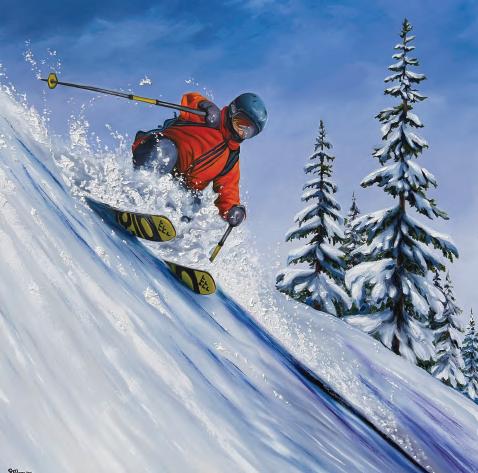
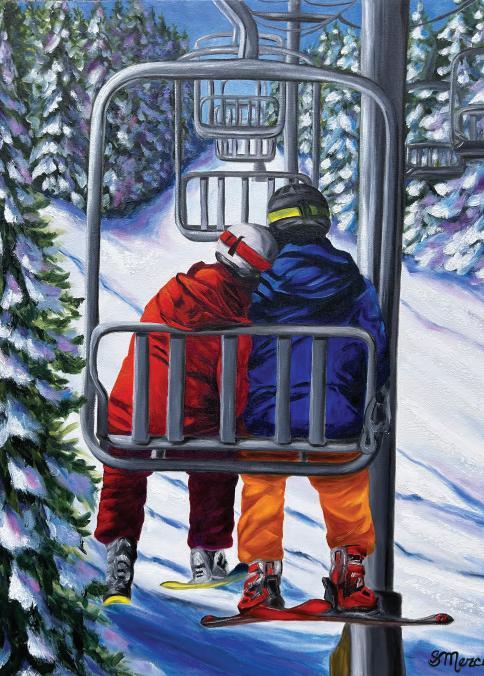
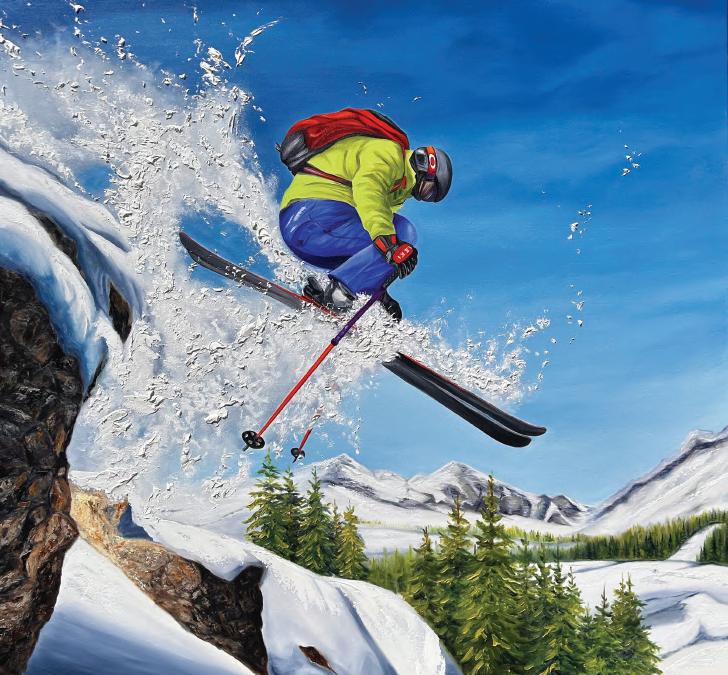

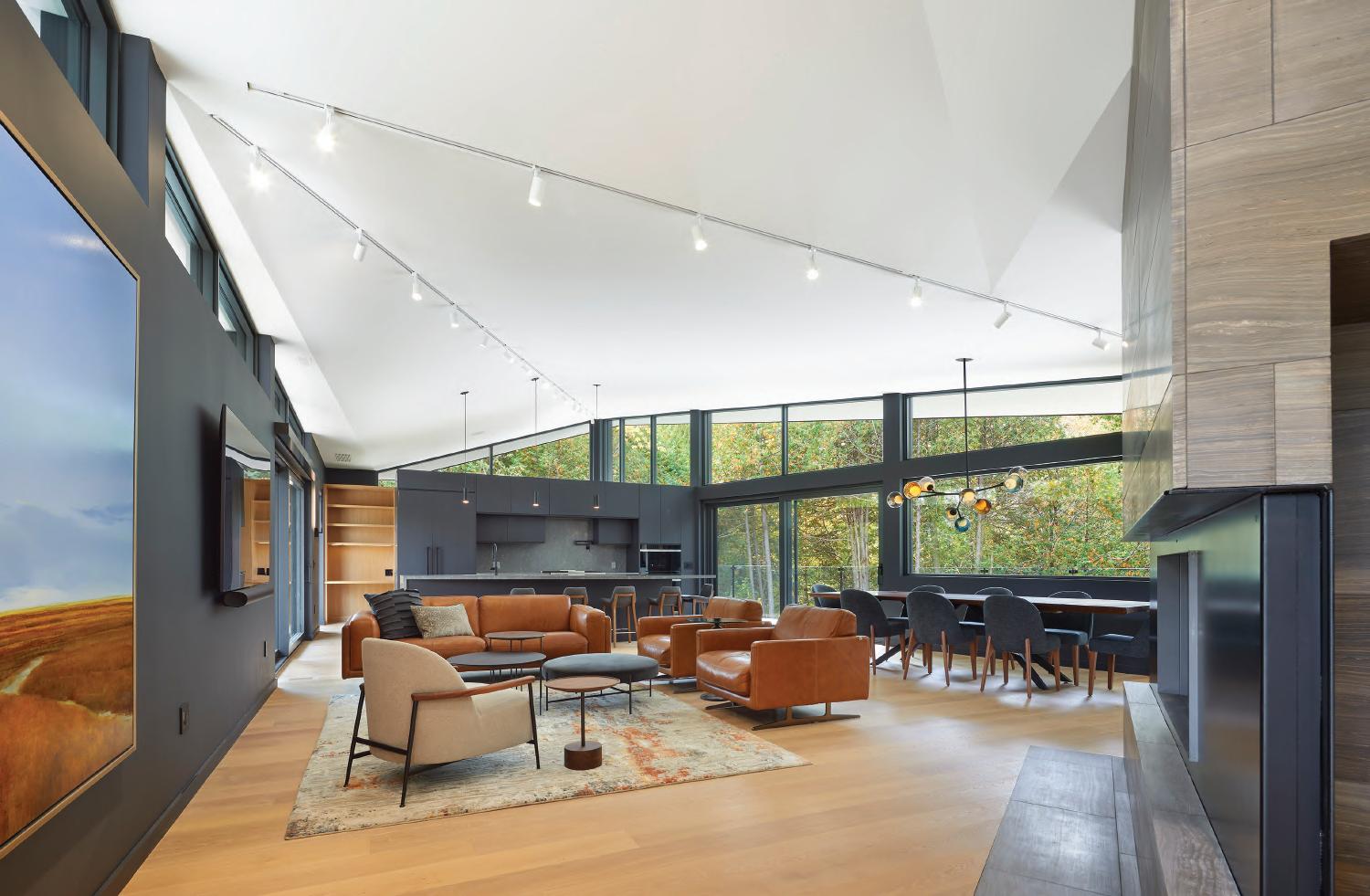

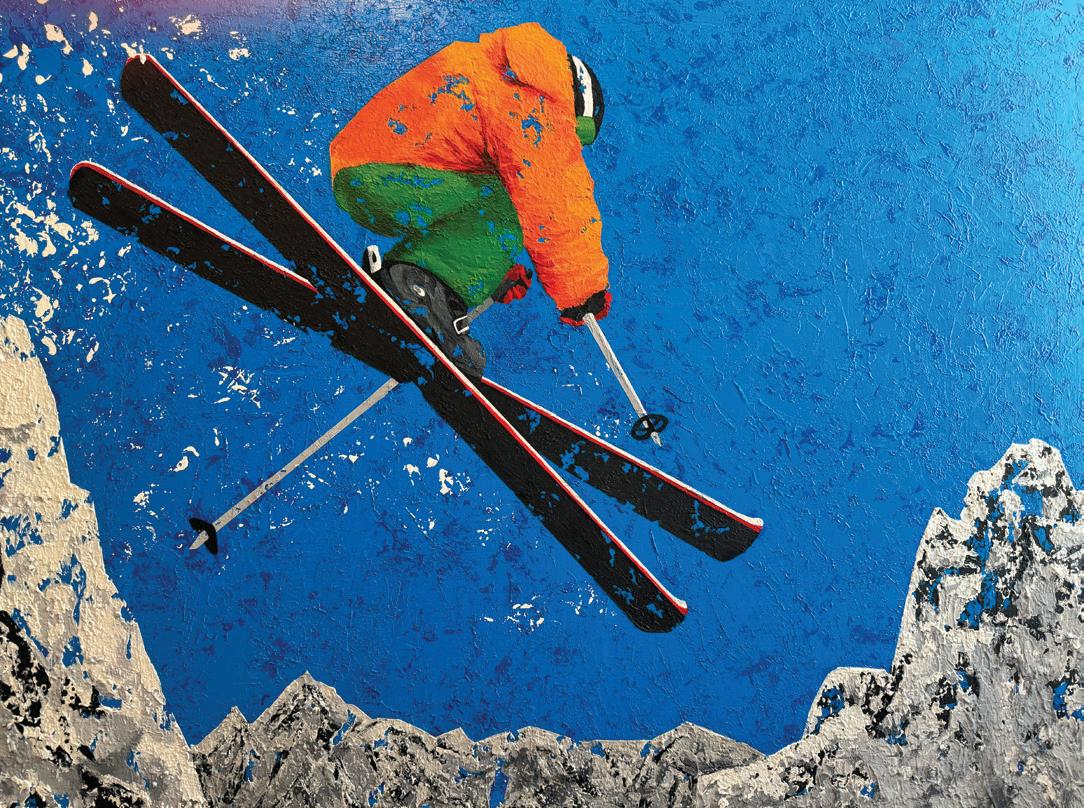
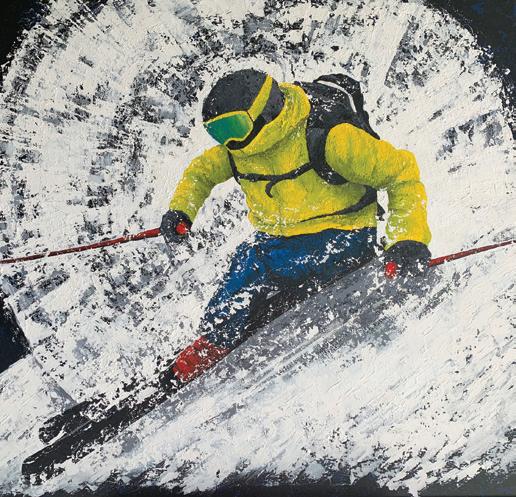
Originally from Australia, Lisa McStay brings a deep sensitivity to the textures and moods of nature. Now based near the Escarpment, she works primarily in acrylics, layering colour and texture to create pieces that feel alive with movement and atmosphere. “For me, art isn’t just about what you see—it’s also about what you feel,” she explains. “I try to capture the beauty of nature and those emotions that come from being surrounded by it.”
Winter, she says, holds a special pull. “It has this amazing mix of energy and calm—that quiet thrill you get when carving through snow or just standing still in it.” Whether depicting skiers in motion or the stillness of a snowy forest, her paintings explore the balance between excitement and serenity, between movement and presence.
A selection of Lisa’s ski and landscape works is currently on display at Georgian Peaks Club, with more available at lisamcstayart.com. “I hope my paintings bring out that feeling of being fully present and in the zone,” she says, “that sweet spot where skiing feels both exciting and peaceful at the same time.” lisamcstayart.com
Clockwise from top: Fresh Air, 40 × 30 in., mixed media. Eye of the Storm, 36 × 32 in., mixed media. Free Spirit, 20 × 16 in., mixed media. In the Zone, 48 × 42 in., mixed media.
For Ted Sivell, skiing isn’t just a subject—it’s a lifelong companion. His family began trekking from Brampton to the Escarpment when he was barely eight, and he’s been chasing winter ever since. His art, however, takes many forms: paintings, ceramic trophies, even a snowboard sculpture cast in titanium.
“I’m an experienced skier, and I’d hope some of that technical knowledge shows up in my work,” he says with characteristic humour. “I’d also hope someone might buy them all so I can keep skiing.”
A realist at heart with a cartoonist’s wit, Ted approaches each project with curiosity and craft—whether it’s claymation dinosaurs for museums or new experiments in lightweight concrete. “There are beautiful days in the winter,” he says simply. “You just have to get outside.” tedsivell.com
Loose, impressionistic, and full of freedom, Bob Arrigo’s “Extreme Skiers” series captures the pure exhilaration of motion. Painted exclusively in acrylics and thickeners, his works pulse with colour and texture—the visual echo of carving turns through fresh powder.
“My inspiration is almost always drawn from nature,” he explains. “Outdoors in winter is about as outdoorsy as one could get.” Bob’s creative journey spans nearly five decades—from signmaking and mural work to macramé, trompe-l’œil, and fine art. Today, his landscapes and skier studies hang in galleries across Canada and the U.S., with Brights Gallery and Crescent Hill Gallery among his long-time supporters.
He hopes his art reminds viewers of “the thrill and excitement of getting out on the slopes… that feeling of flying into freedom while speeding through white.” bobarrigo.com
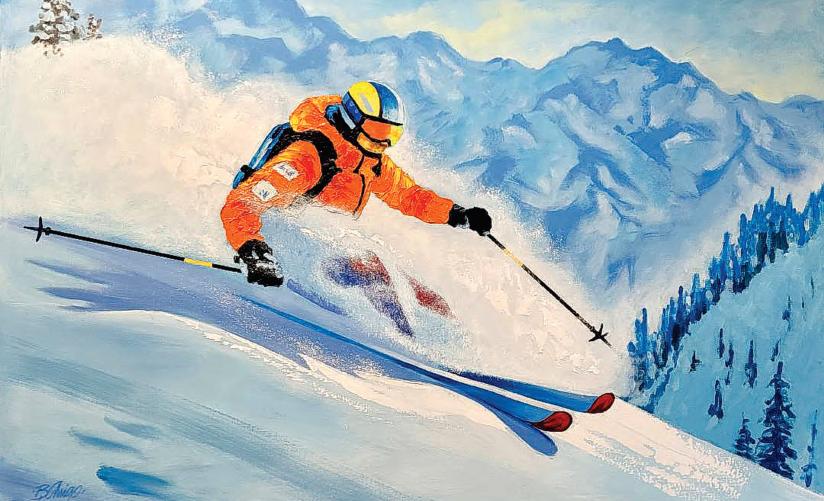
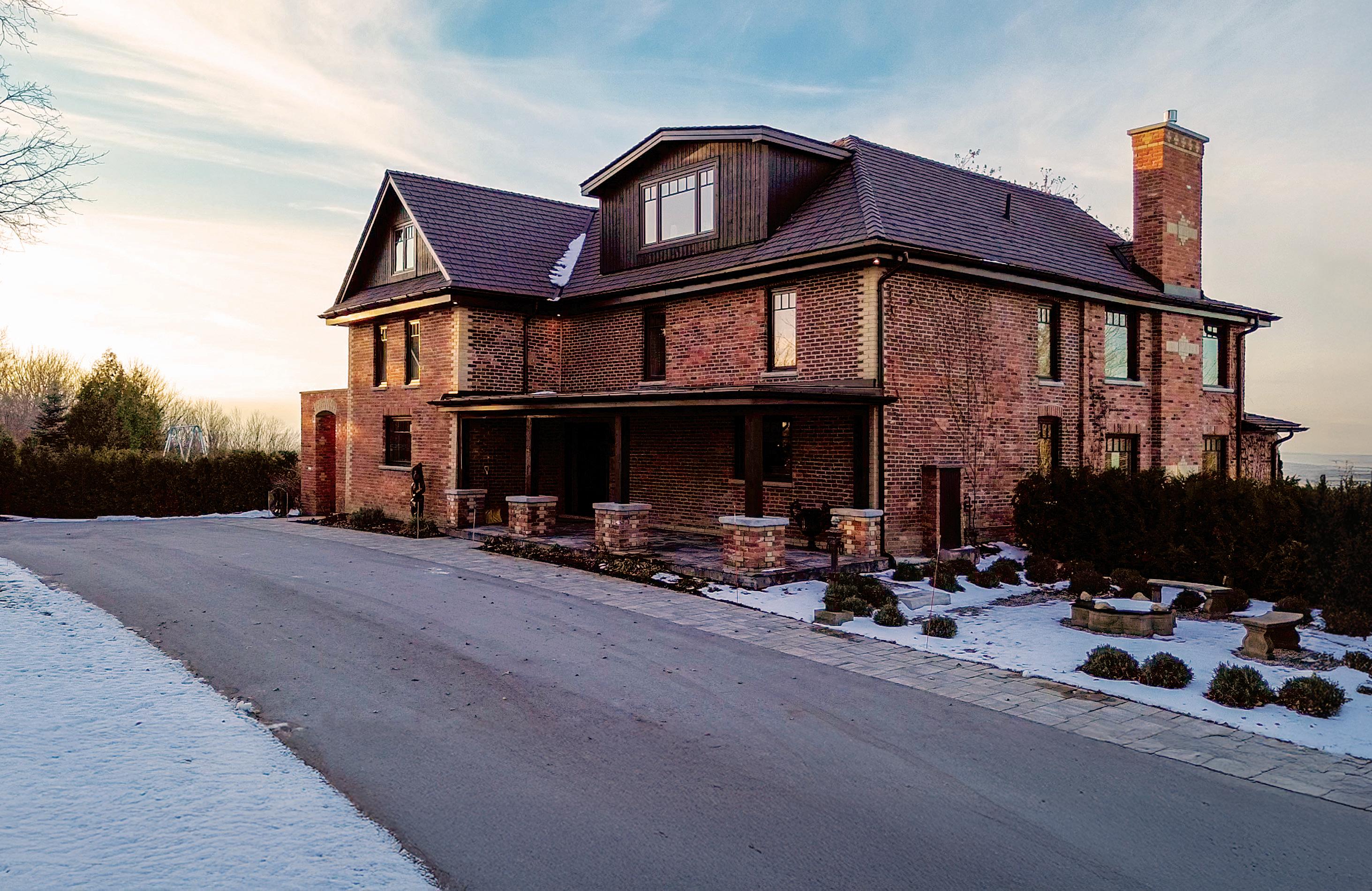
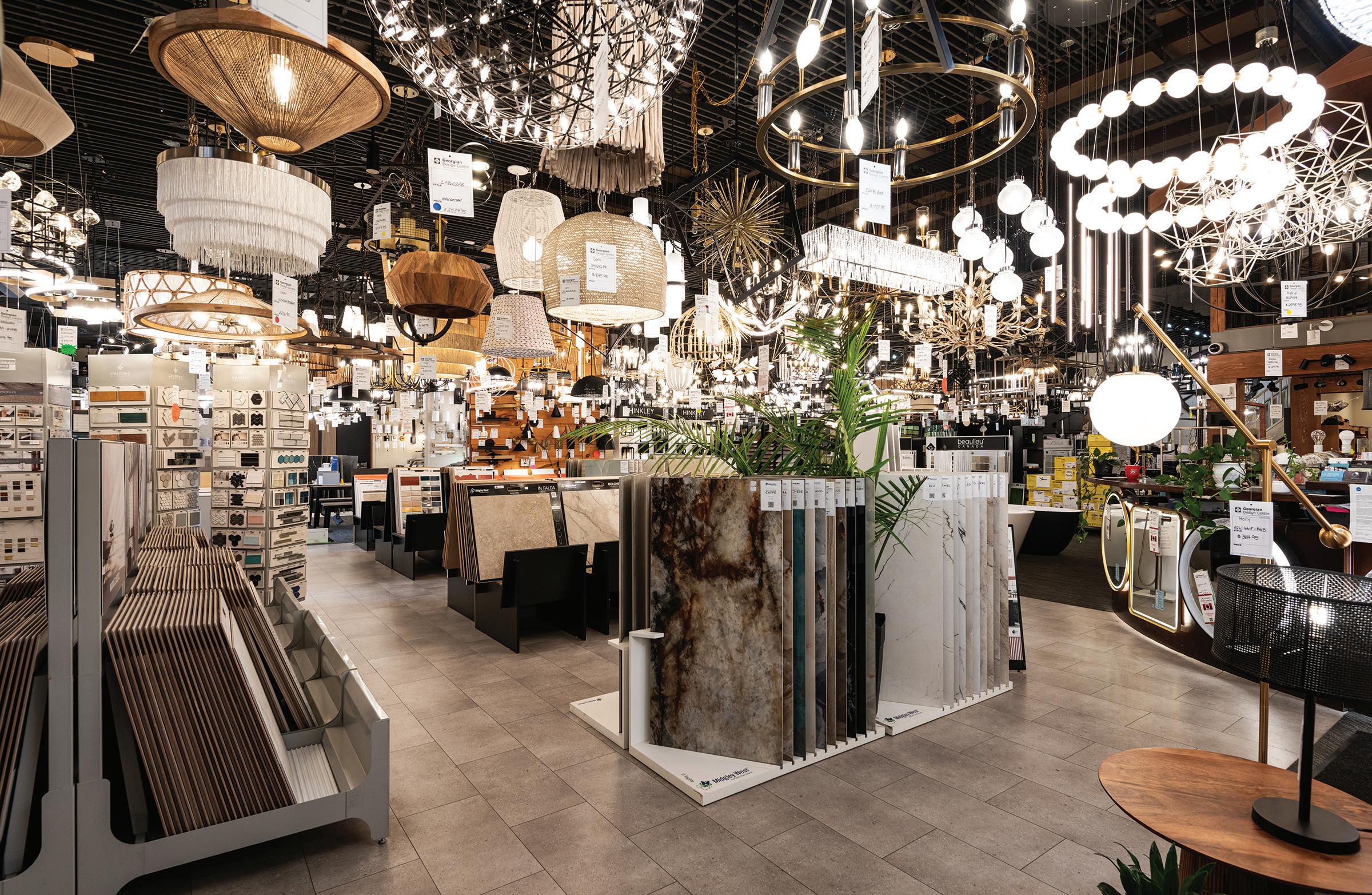



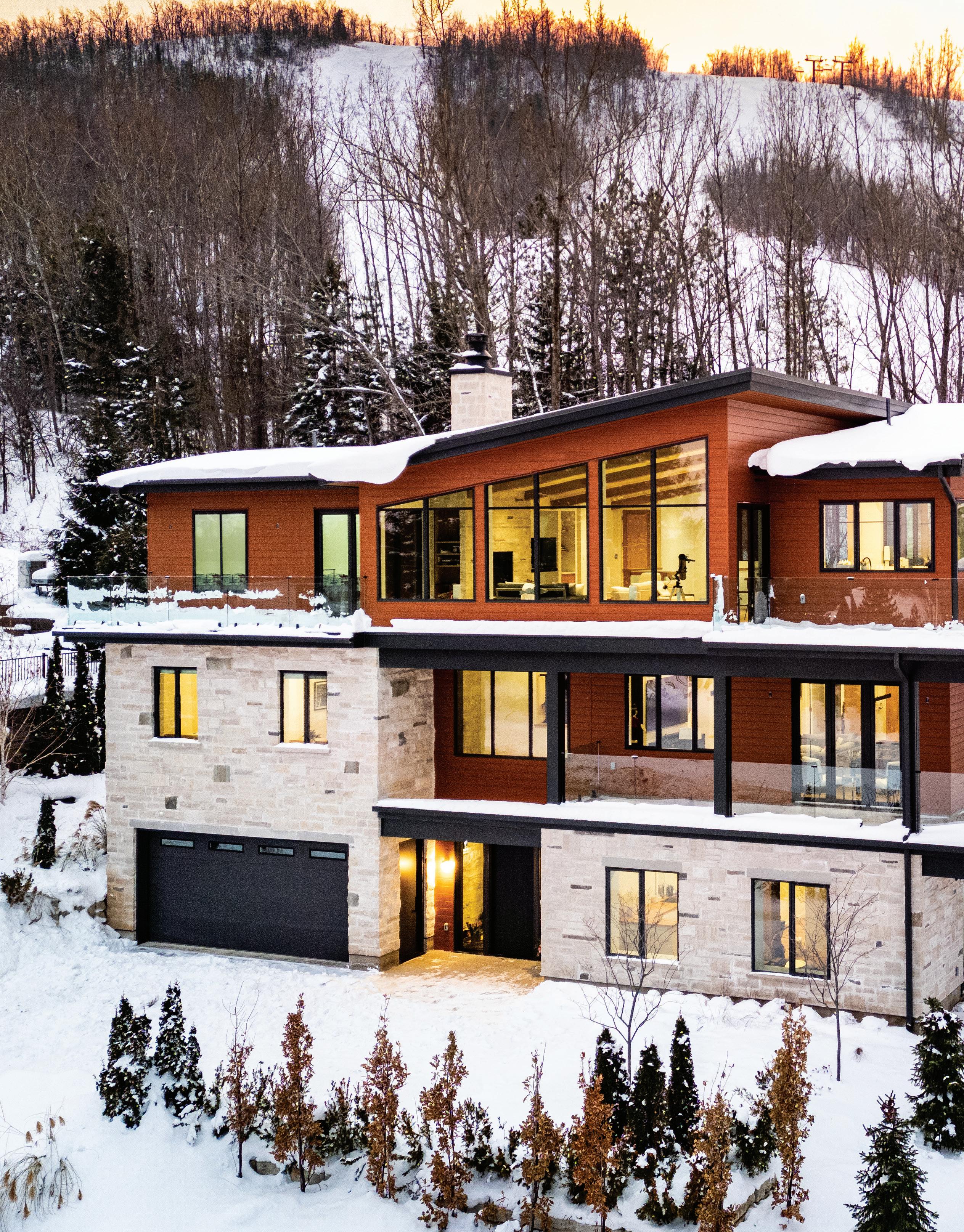
Designedasaski-in,ski-outsanctuaryfortwo,this warmmodernmountainhomecentresdailylivingon itslight-filledtopfloor,whilethelowerlevelsopen seamlesslyforfamilyvisitsandlivelygatherings.
By Marc Huminilowycz |
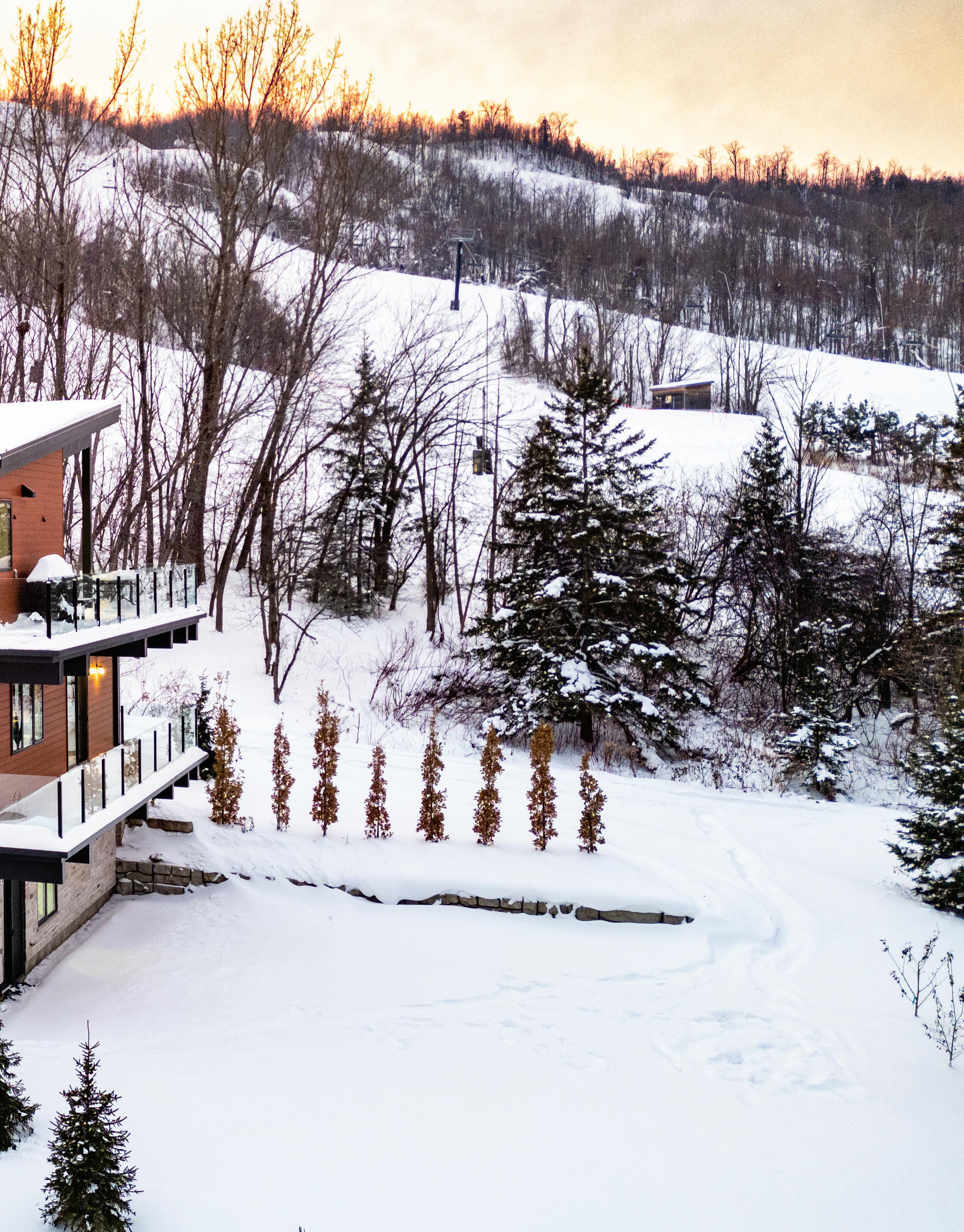
Clay Dolan |
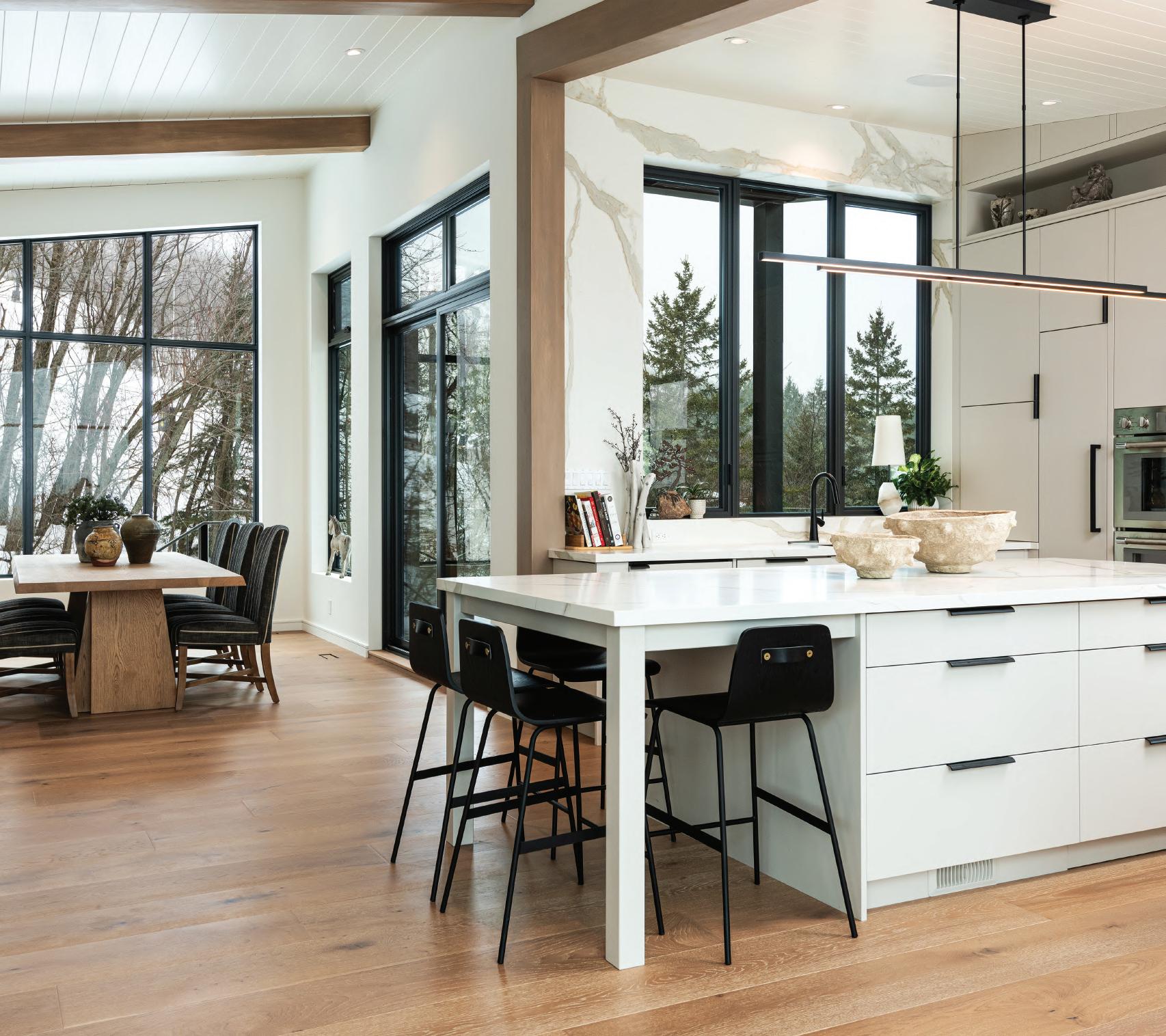
AT THE BASE OF BLUE MOUNTAIN, where the road meets the rise of the Escarpment, a modest ascending gravel lane carries a history that harkens back to the early days of Ontario’s premier ski resort. Happy Valley Road stands adjacent to its namesake ski slope, Happy Valley, which began as the dream of early ski enthusiasts in the 1920s, who hoped to install a rope tow, and was officially established in 1941 by Jozo Weider and Peter Campbell.
When the Town of Thornbury amalgamated with the Township of Collingwood in 2001, “Happy Valley” was among the names considered for the new municipality before “Town of the Blue Mountains” was ultimately selected. Today, a few of the
original chalets on Happy Valley Road still remain, and a youth hostel near the top was recently demolished to make way for a new dwelling. It is on this road that a Toronto couple decided in November of 2021 to build a dream ski retreat for their family on a rare vacant property with ski-in, ski-out access.
“At the time, we were staying with friends on weekends at a chalet on the road that their parents built in the 1960s,” said the homeowners. “We found out that there was a perfect parcel of land for sale. It wasn’t even listed on MLS — just a hand-painted sign with a phone number — so we put in an offer and got it.”
The couple contracted an established builder, Robert Gerschwiler, who grew up in the region and whose father worked for Jozo Weider during the early days of Blue Mountain. “Robert
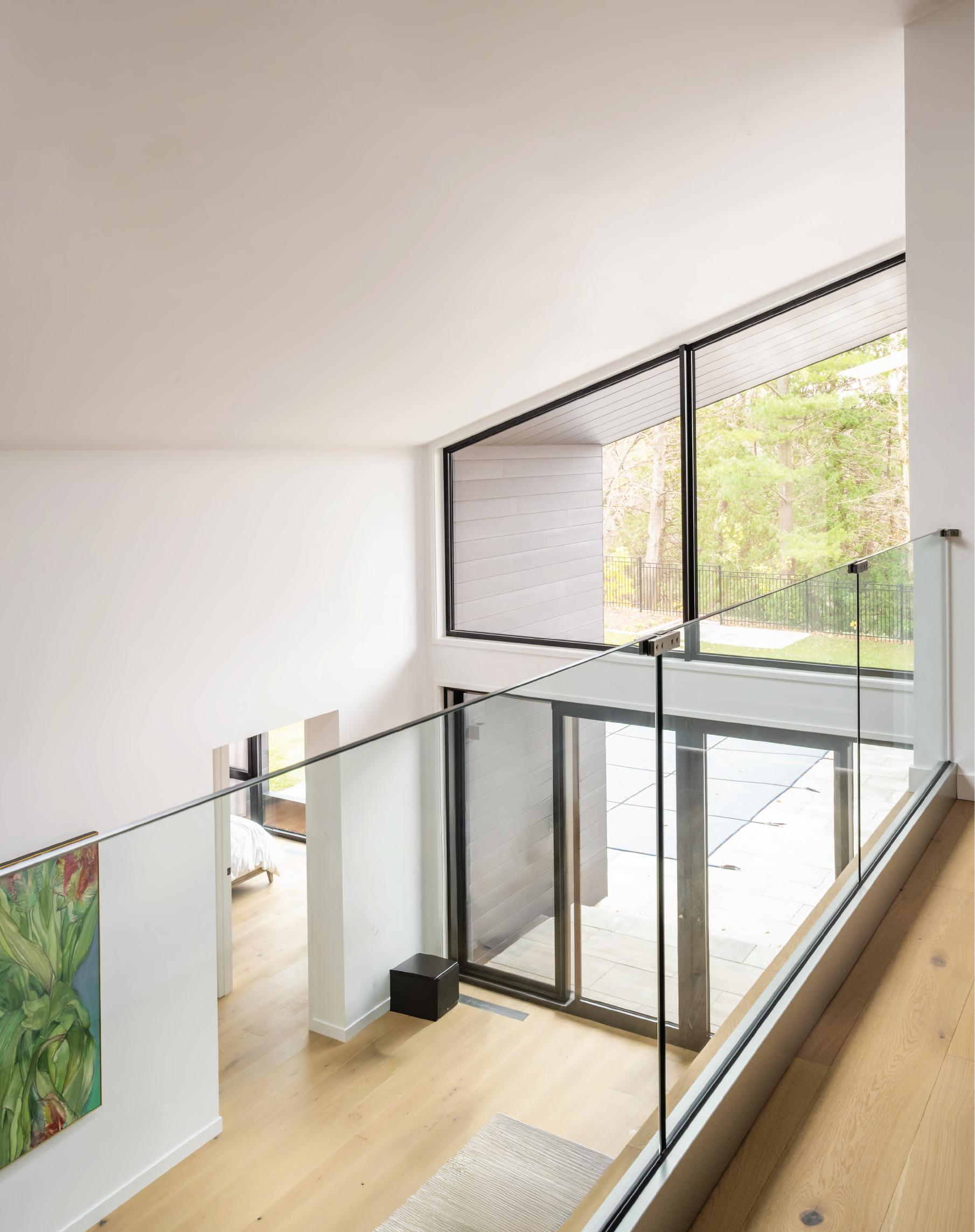

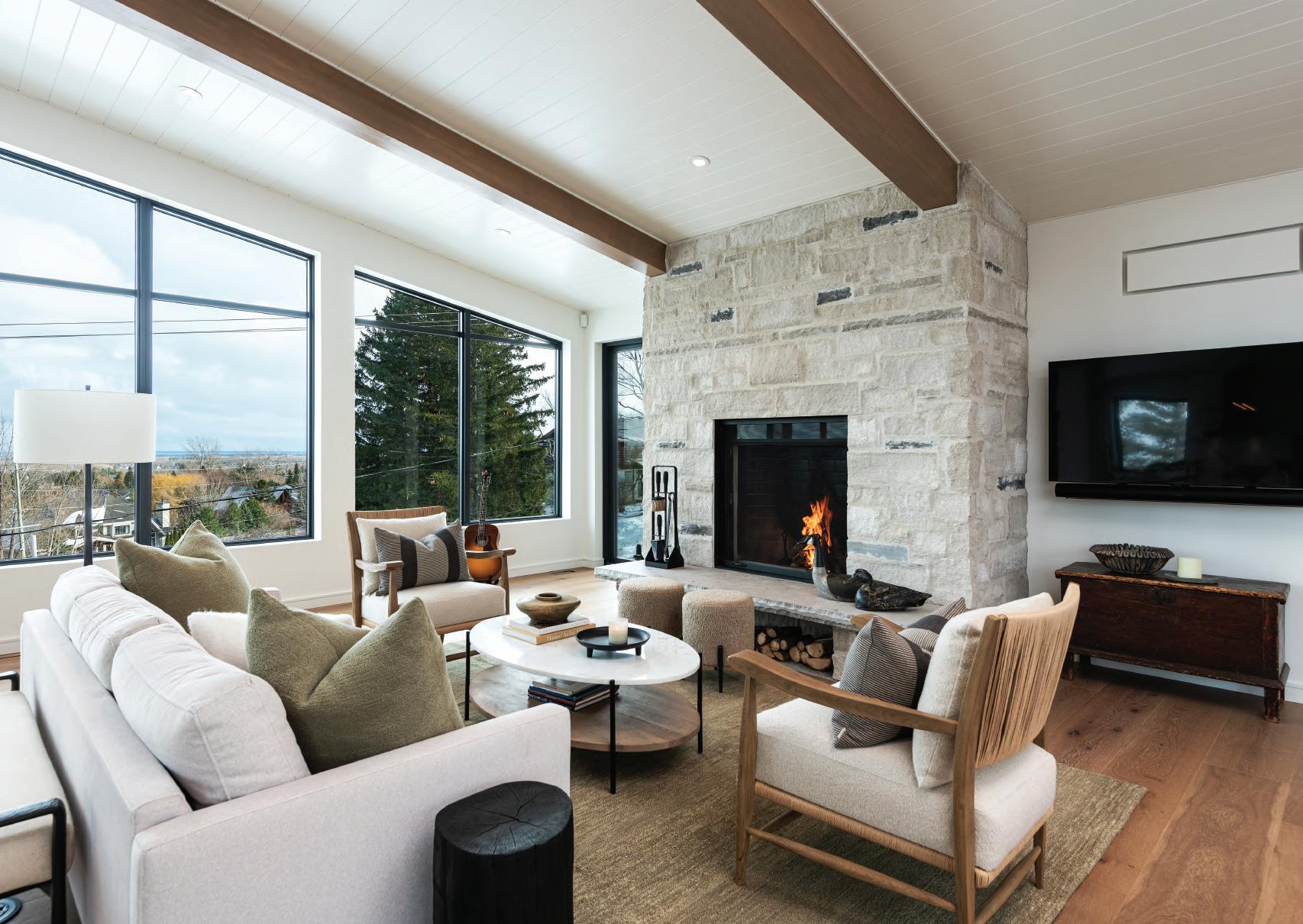
and his team had built three custom homes on Happy Valley Road. Ours was the fourth,” the homeowners explained.
“When it came to the design of our new home, we had a set of priorities: maximize the Georgian Bay and mountain views, capturing as much light as possible; create a home that allowed for aging in place; provide welcoming and warm open living areas for family and friends to gather; and include cozy and intimate spaces that we can retreat to for quiet time. We wanted a ‘warm modern’ home, using natural materials (local stone and warm wood tones) combined with large windows.”
Planning for a retirement future in their new home, the couple decided on a reverse living layout, with their total living space situated on the top floor. “We call this our ‘condo’, which contains our master bedroom and ensuite, a breakfast balcony overlooking the ski slope, kitchen, dining, and living areas, and an office finished with a shiplap ceiling,” they said. “The dining area faces west to Blue Mountain, and the living area looks east over Georgian Bay for beautiful sunrises. And there’s a little secret over here — a small elevator to help us get up and down the three levels of the home and bring up groceries, supplies, and firewood, now and as we age.”
This area of the couple’s five-thousand-square-foot home
features a gently sloped ceiling (rather than a pitched roof) to allow for large, high-performance windows (from InLine Fiberglass Windows and Doors in Toronto) with spectacular 180-degree views over the mountain, the Village, and Georgian Bay. As intended, the feeling of the living space is modern but warm, including an open dining/living/kitchen with attractive, low-maintenance Italian Laminam porcelain stoneware countertops, wooden ceiling beams, oak floors, and a naturalstone-hearth wood-burning fireplace.
The style of the fireplace is a Rumford design, which features a shallow firebox, angled sides, and a streamlined curved throat to maximize radiant heat and improve efficiency by reflecting more heat into the room and minimizing smoke. It was developed by Sir Benjamin Thompson (Count Rumford) in England in the late 1700s.
Below this space is what the homeowners call the “family level,” which includes three bedrooms, two bathrooms, and an “après room” with comfortable group seating around a rustic table and a bar — a welcoming place for the family to convene after a day of outdoor activity. There is a wraparound deck and convenient access to the ski-in/ski-out “turkey trail,” a narrow access path that leads in and out of the adjacent Happy Valley slope. The bottom
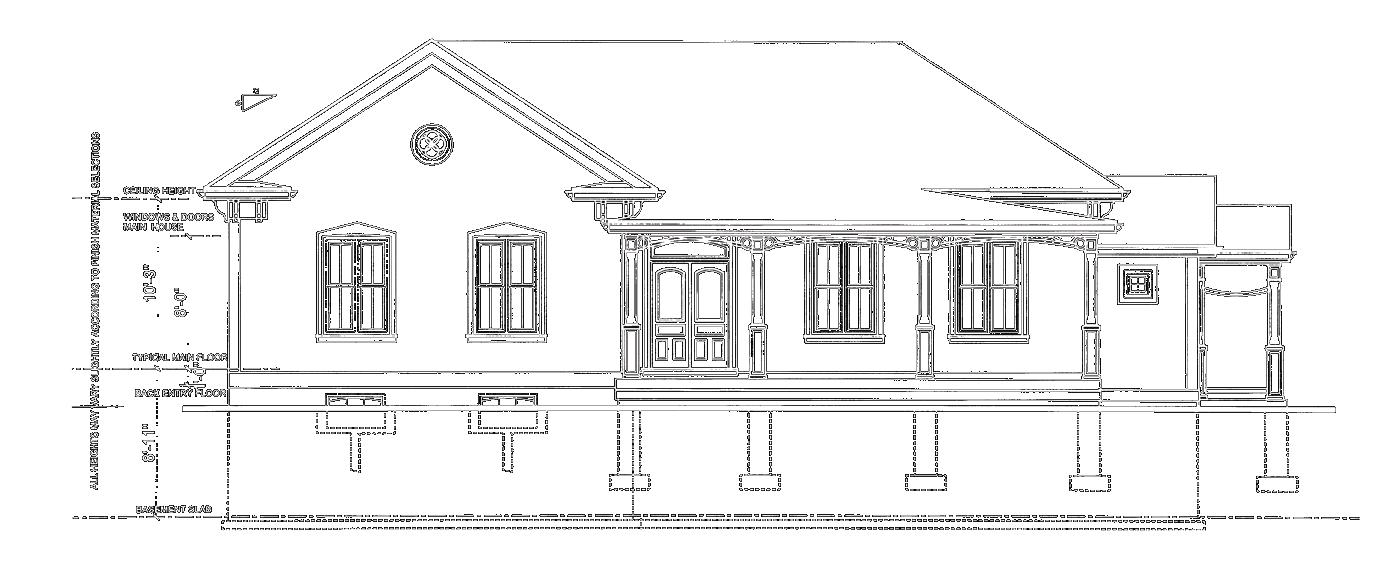
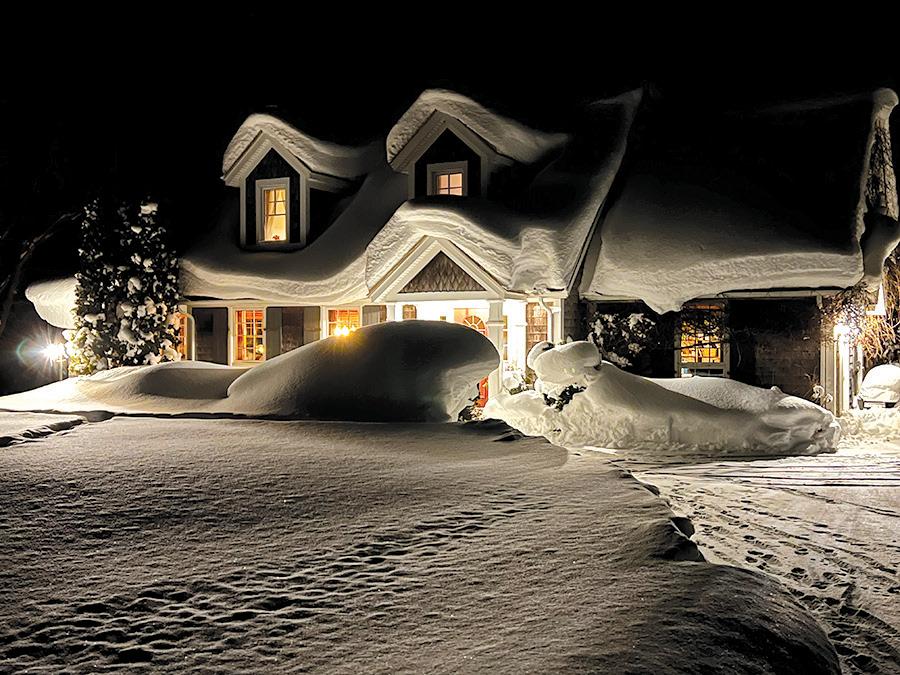


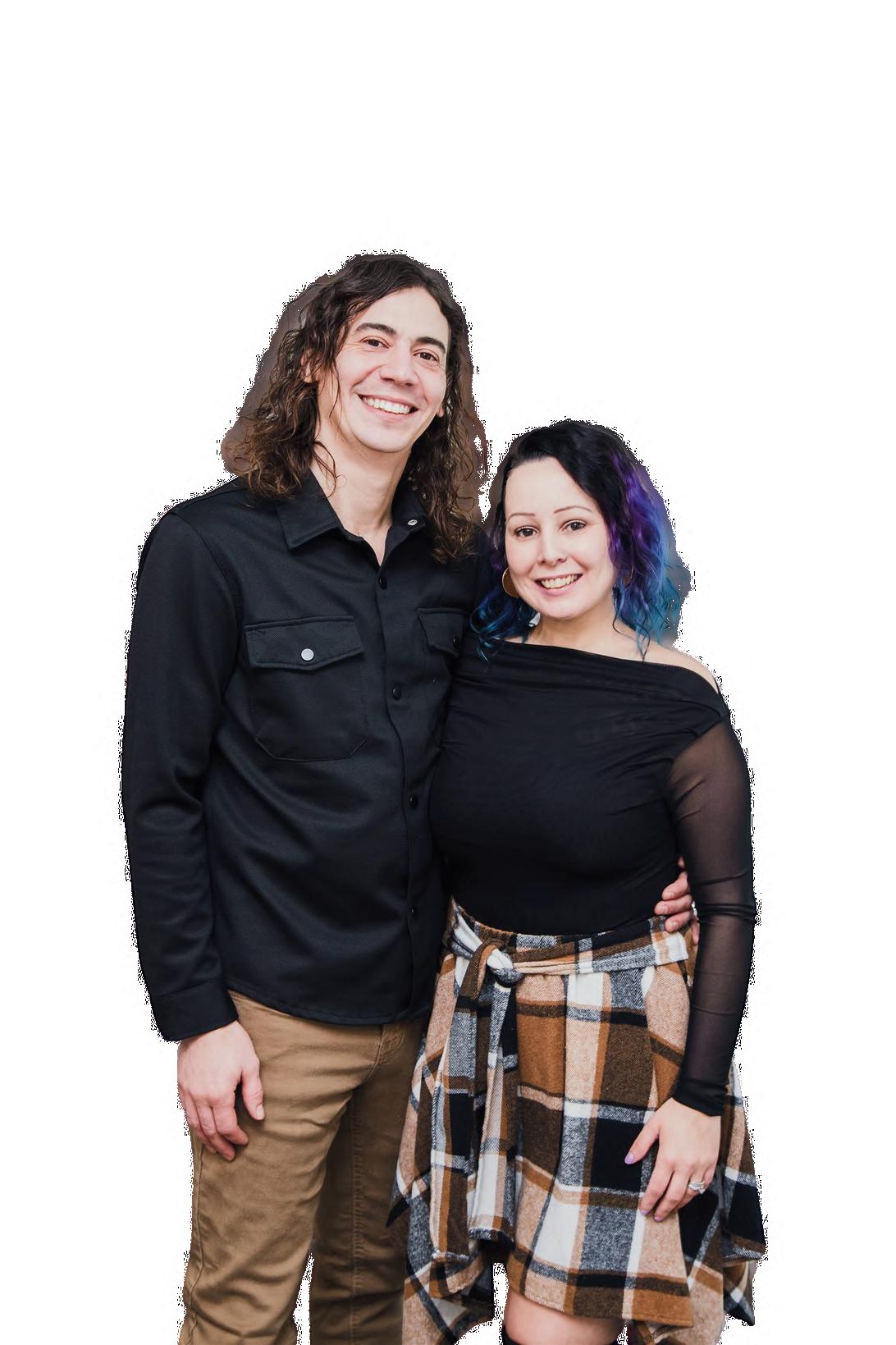





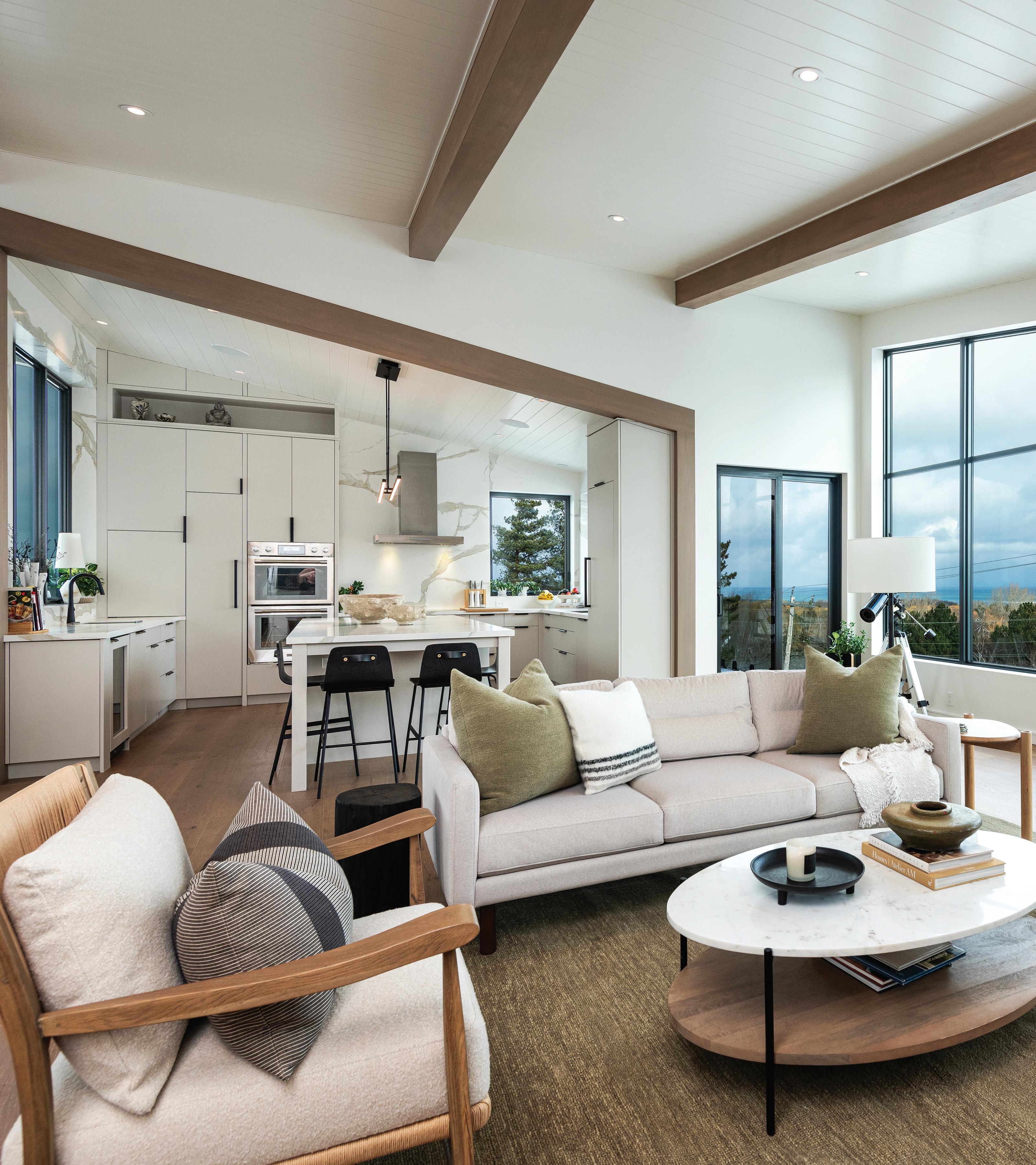
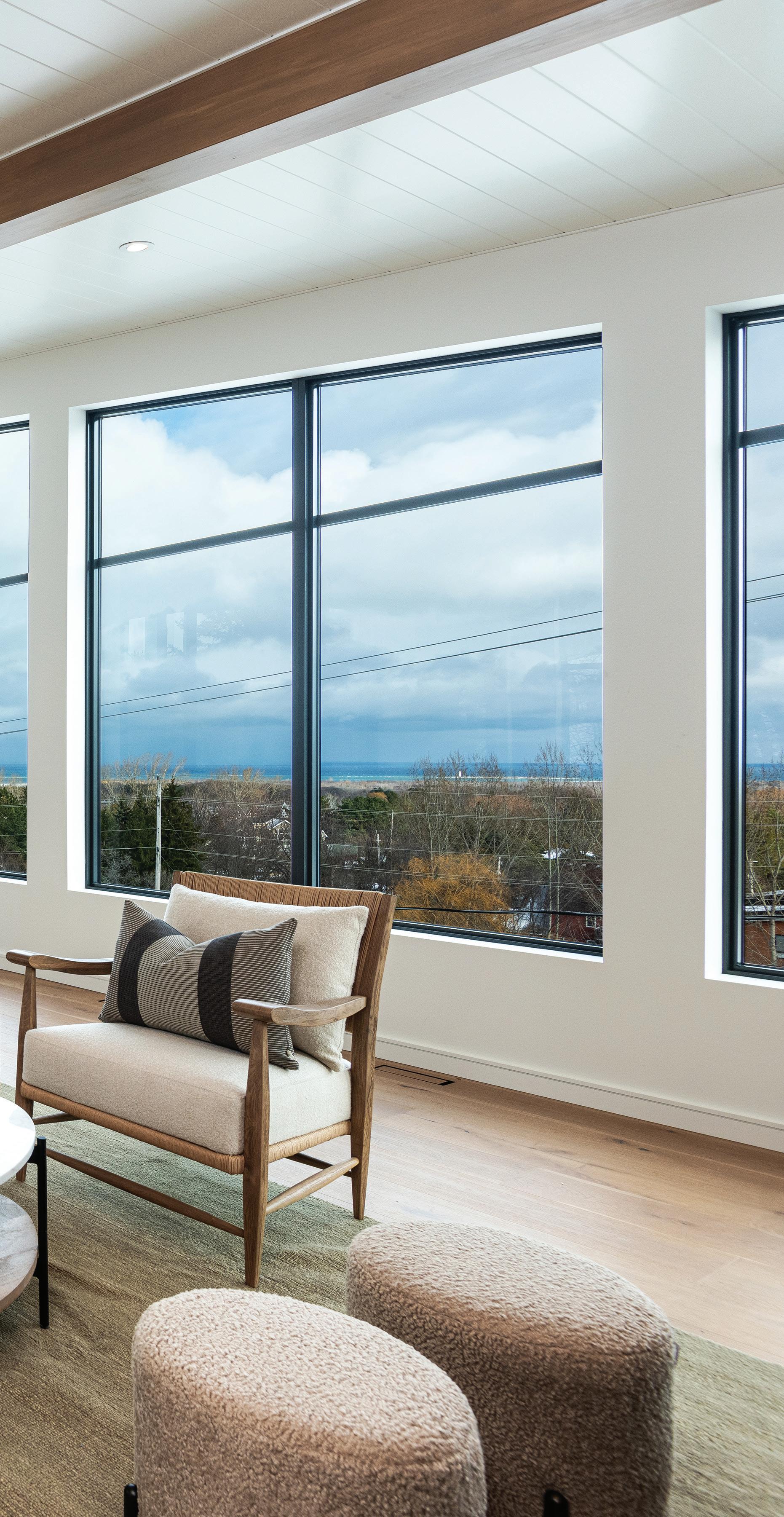
“We wanted a ‘warm modern’ home, using natural materials combined with large windows.”
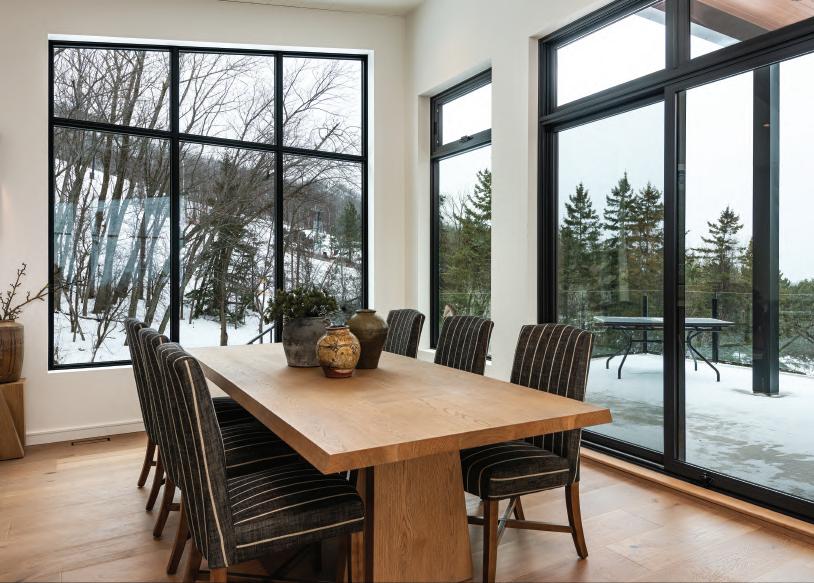
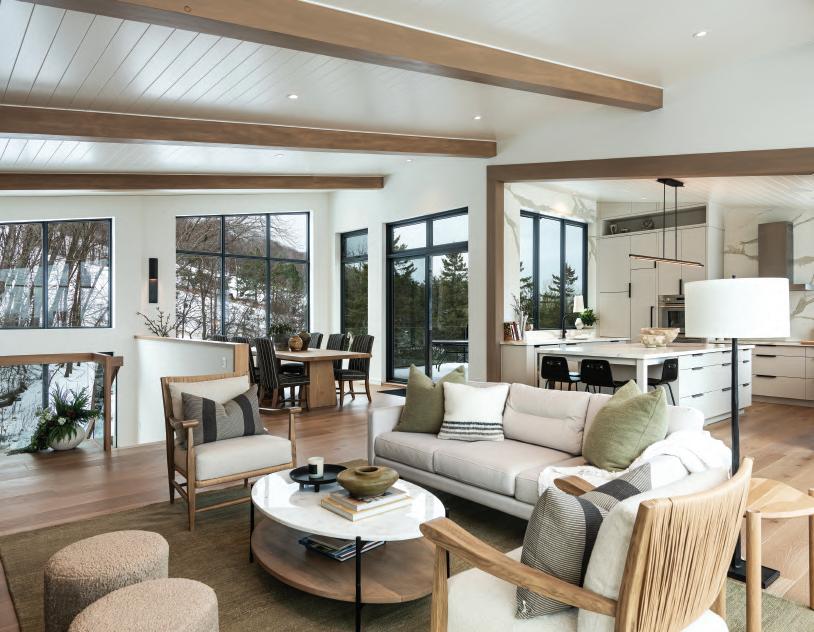
entrance level of the home includes a central open foyer, garage, and mud room/gear room.
“We enjoy the fact that we have our own little cozy condo to enjoy when it’s just the two of us. When our kids are home with their friends or family visits, we can ‘open up’ the rest of the house, controlling the in-floor radiant heating zones based on which areas of the house are being used,” said the homeowner. “In designing our home, we wanted a place to be lived in, intentionally choosing materials that are low-maintenance, durable, and resilient in both the interior and exterior.”
“Given our home’s exposure to extreme weather, we chose steel siding, a steel roof, and Duradek flooring on all the decks. Inside, we installed durable LVP (luxury vinyl plank) flooring on the family and entry levels to match the hardwood in our main living area. And we tried to maximize the energy efficiency of our home using an ICF (Insulated Concrete Forms) foundation, in-floor radiant heating throughout; tankless, on-demand hot water (installed by Nottawasaga Mechanical); and fibreglass thermal windows.”
The homeowners are grateful for the quality of the work of their design/build team. “Our ‘mountain house’ is everything we wanted our home to be, and everyone who was involved in its construction made it all happen,” they said. “We have incredible views of Georgian Bay year-round, and in the winter, it’s so great to ski in and out of Blue Mountain. In the shoulder seasons, we have a number of hiking and biking trails literally at our back door.”
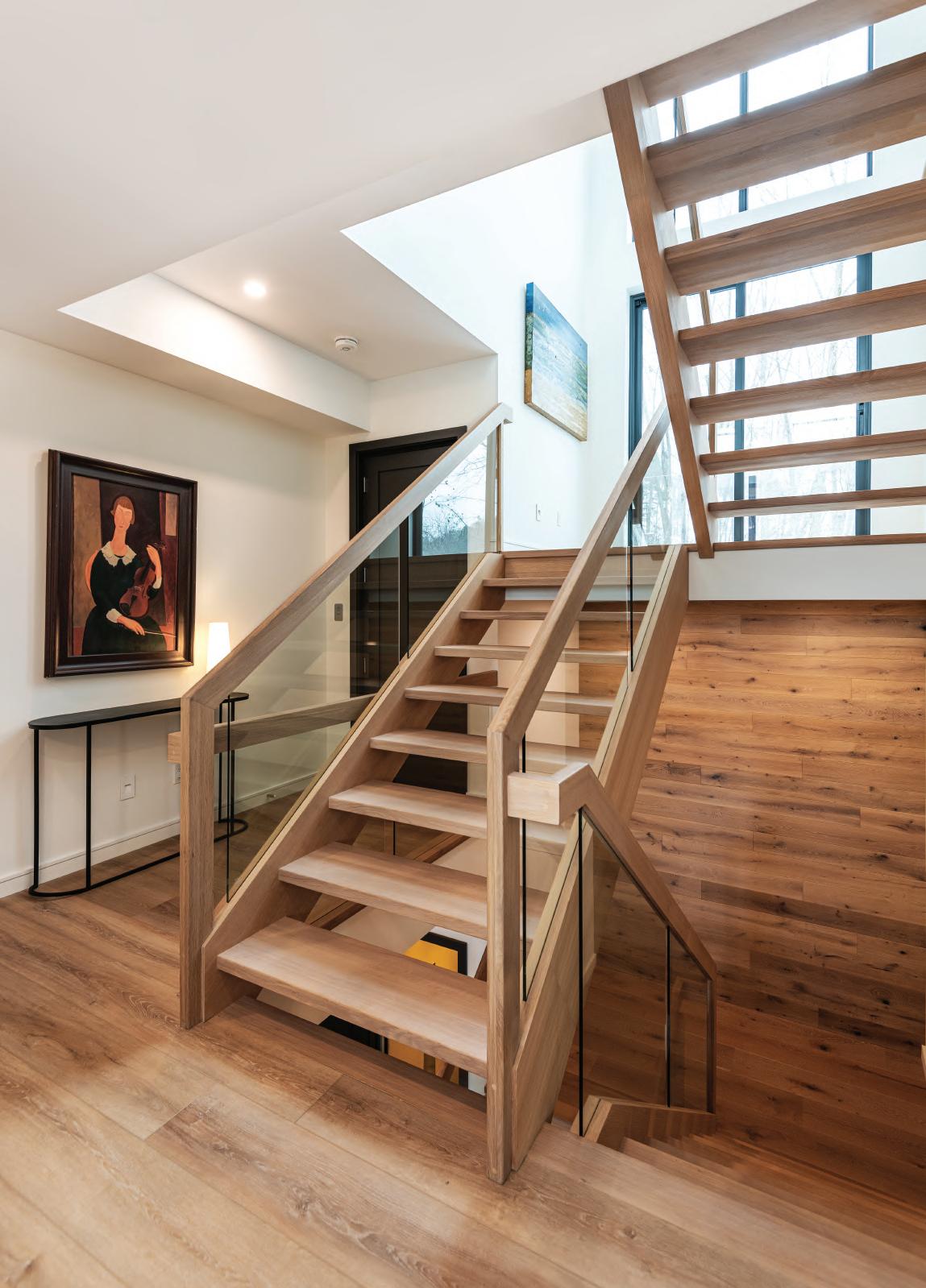
Specifically, the homeowners singled out several key contributors to the building of their home. “First of all, we can’t say enough about our builder, Robert Gerschwiler and his team.
“Pamela Farrow, our architectural technologist, took our design ideas and translated them into a beautiful and practical architectural plan,” the couple added. “Catherine Staples of Aspen & Ivy helped us capture the ‘warm modern’ feel we wanted,
suggesting, among other things, the ceiling treatment on the principal level. And working with John Mealey and his team from North Shore was an amazing experience. It was one-stop shopping for all our flooring and tile for bathrooms and showers. North Shore also supplied and installed all of our shower glass and the glass panels for our staircase and exterior railings.”
Ski-in, ski-out; nature at your doorstep; and spectacular mountain and Georgian Bay vistas in a comfortable, well-crafted, low-maintenance family home — had he been here today, the late, great co-founder of Blue Mountain, Jozo Weider, would have approved.
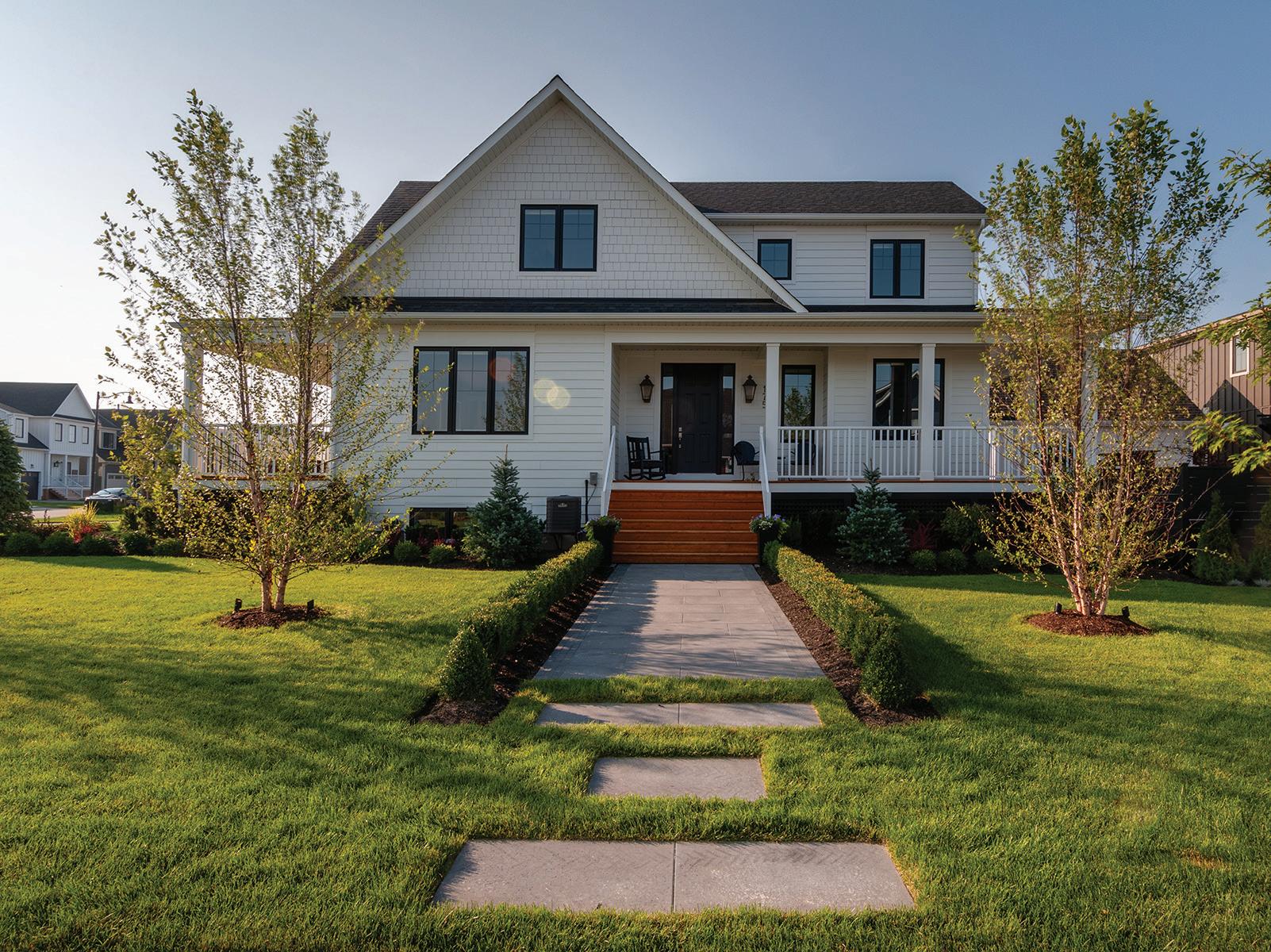
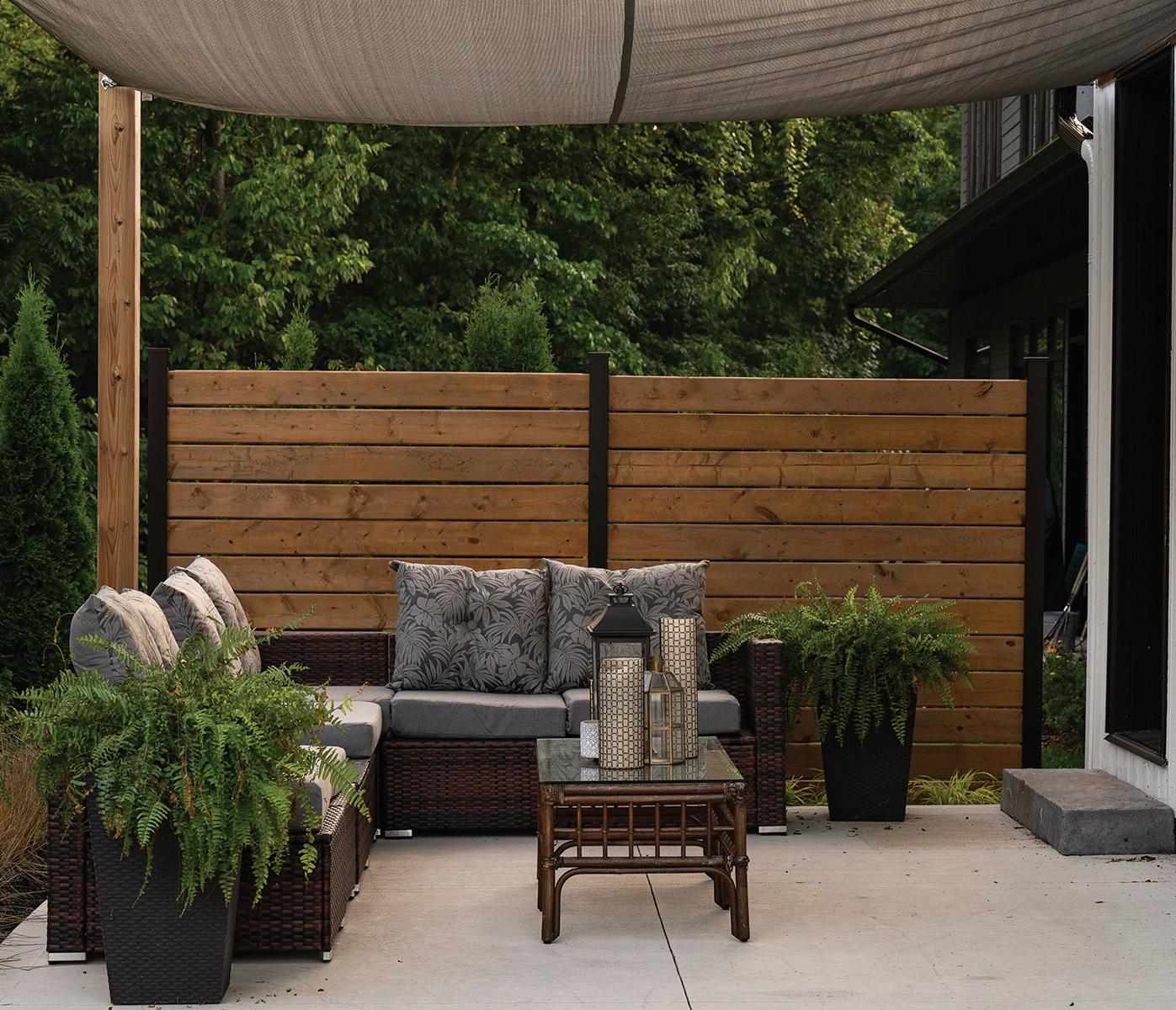

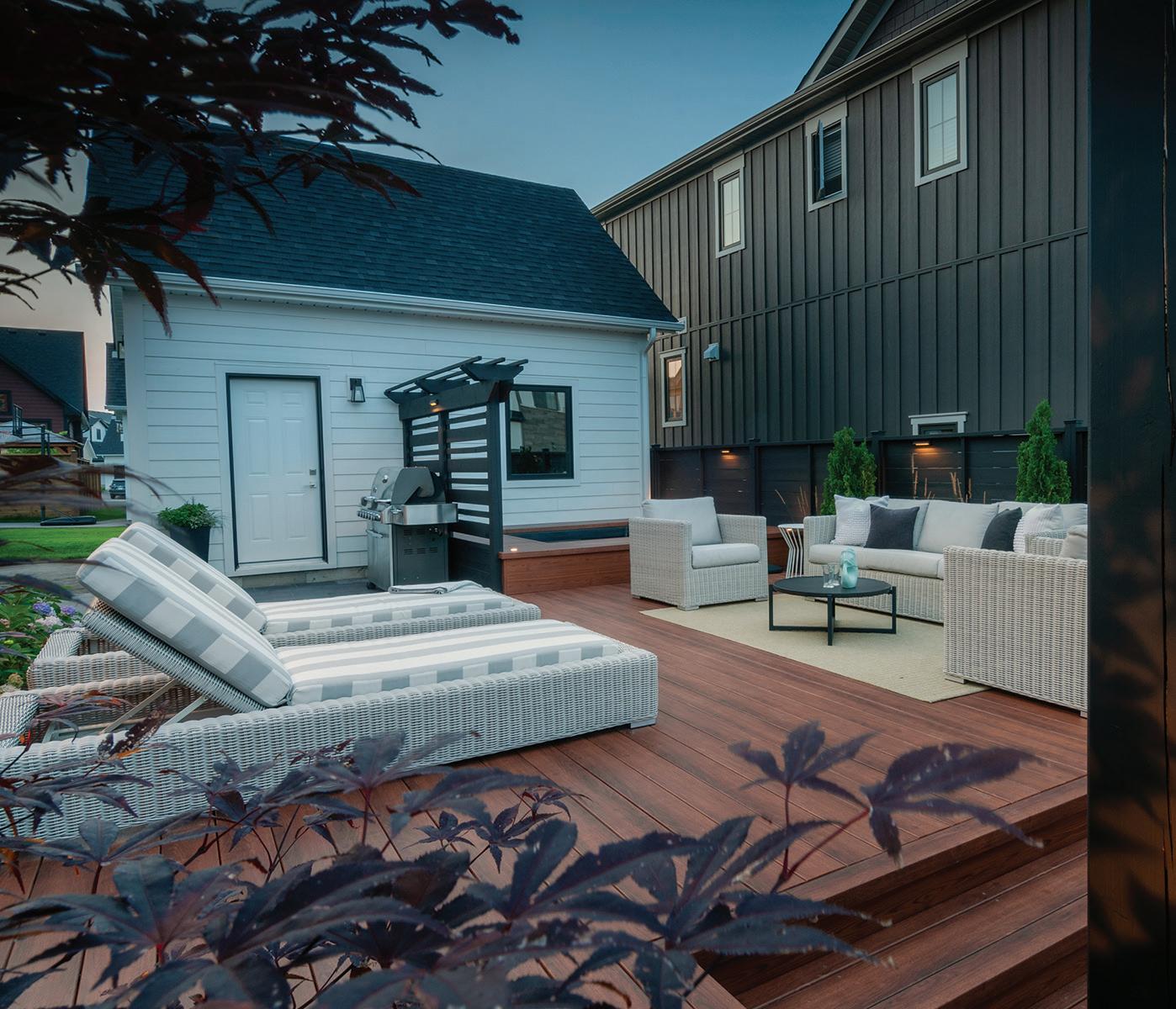
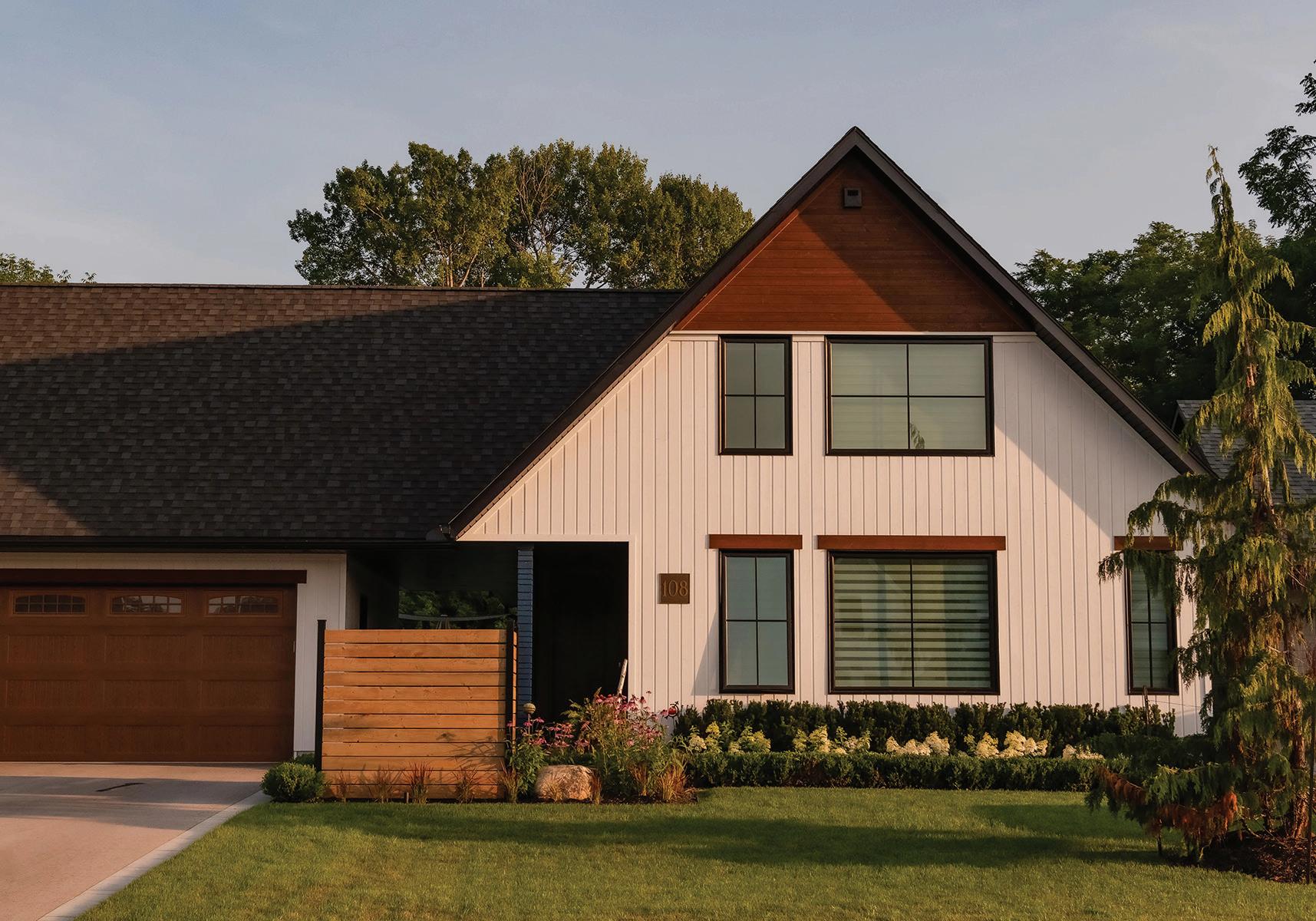
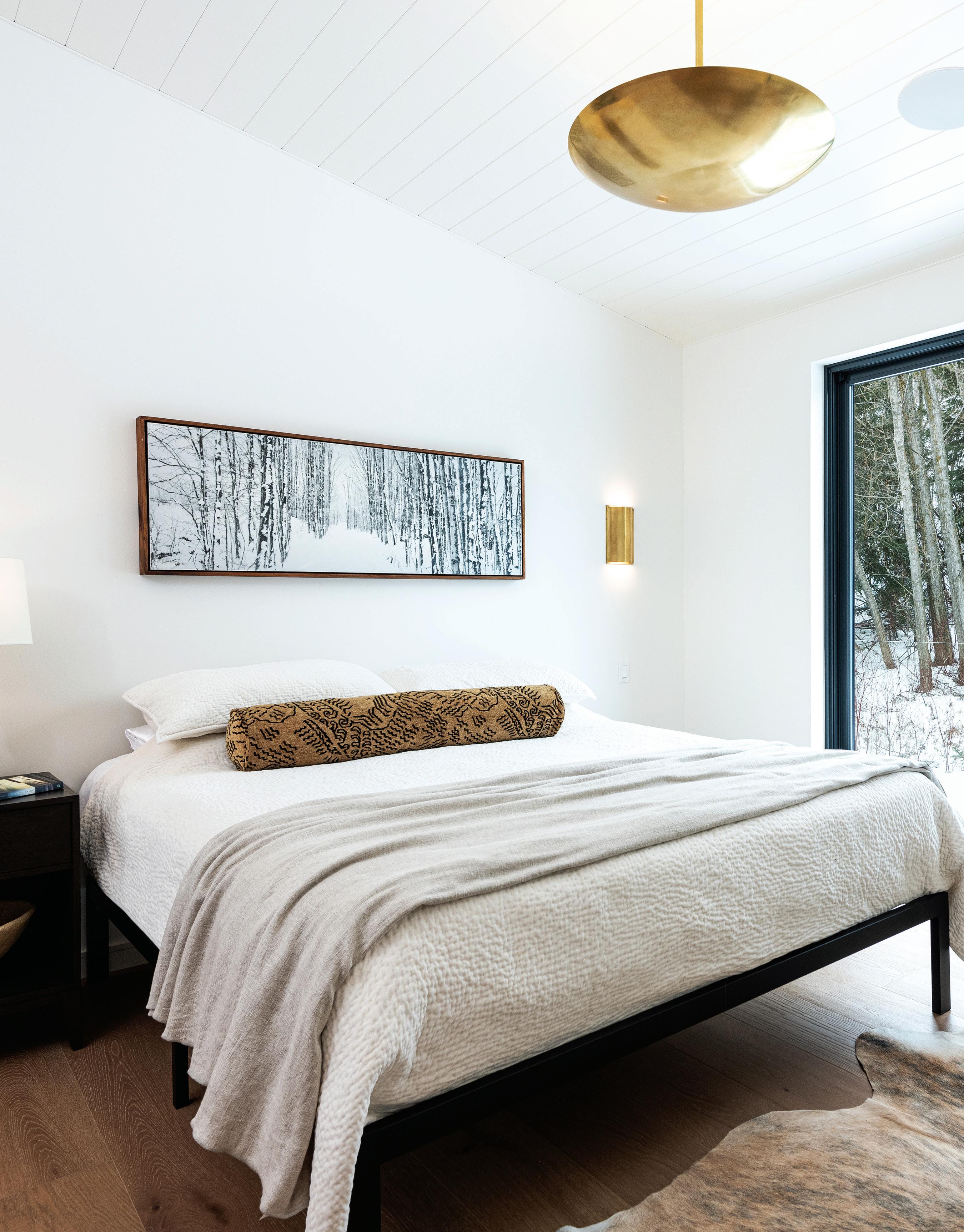
“We enjoy the fact that we have our own little cozy condo to enjoy when it’s just the two of us.”
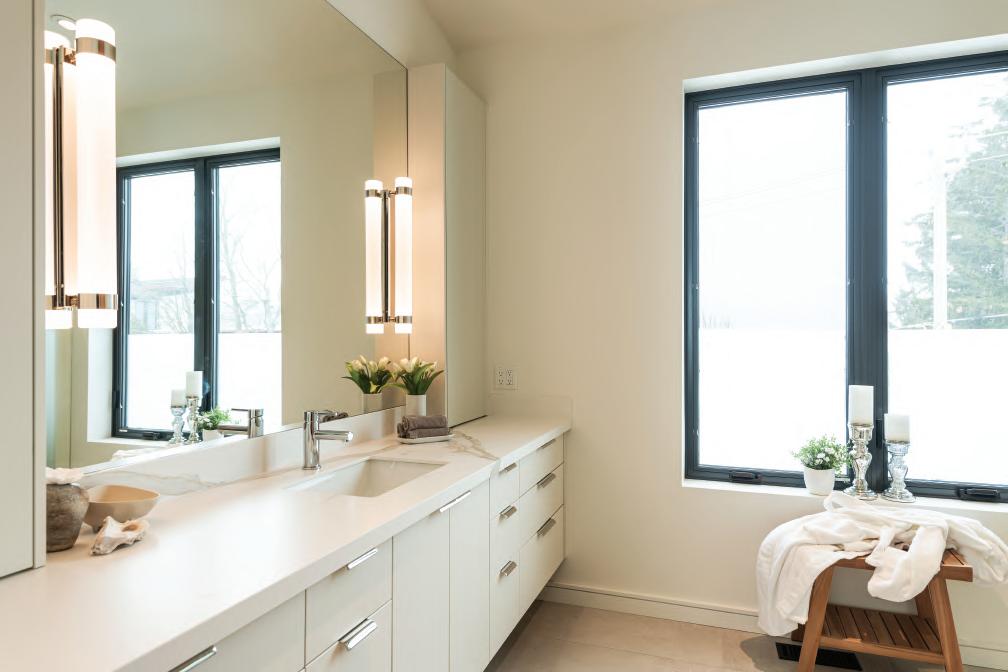
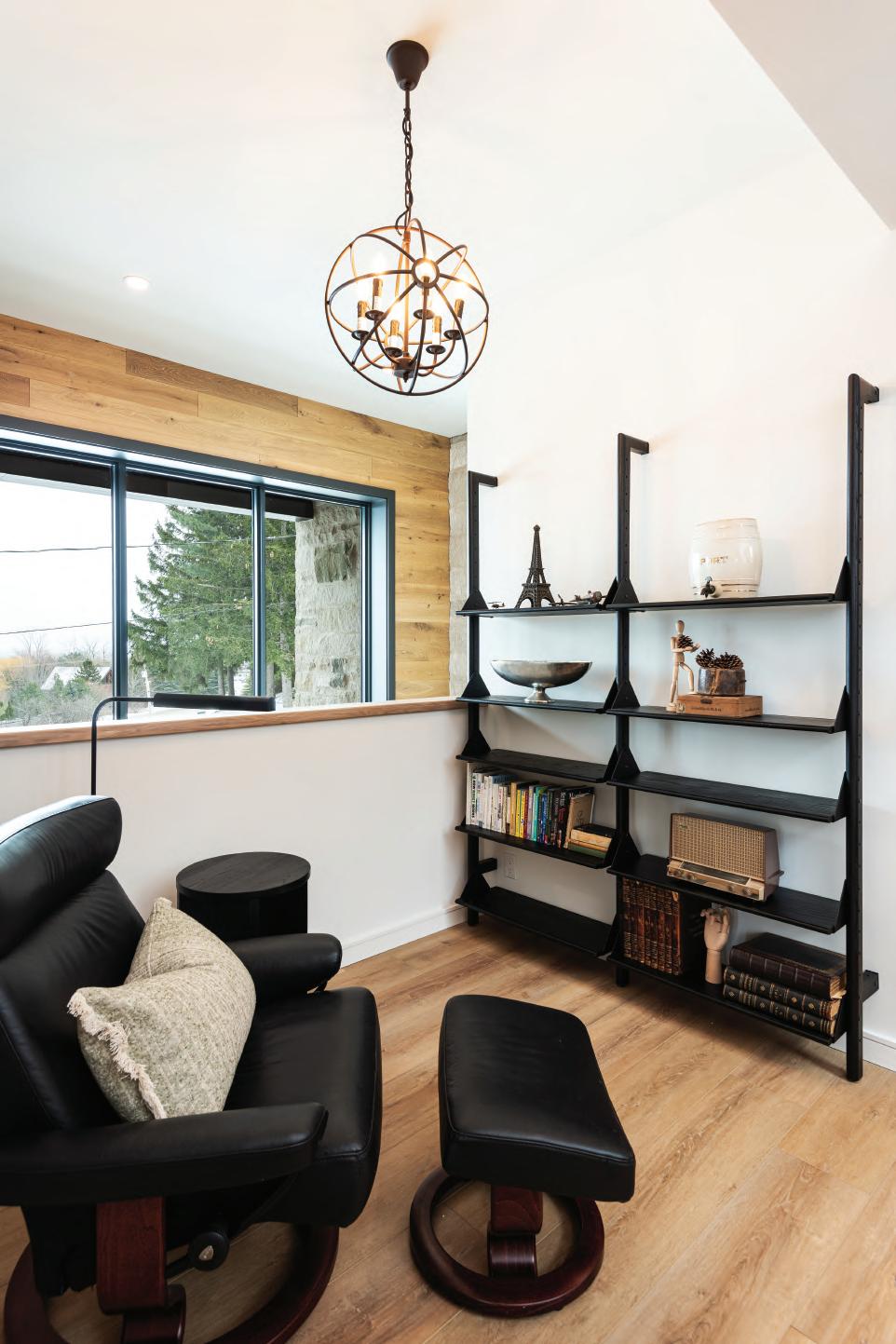
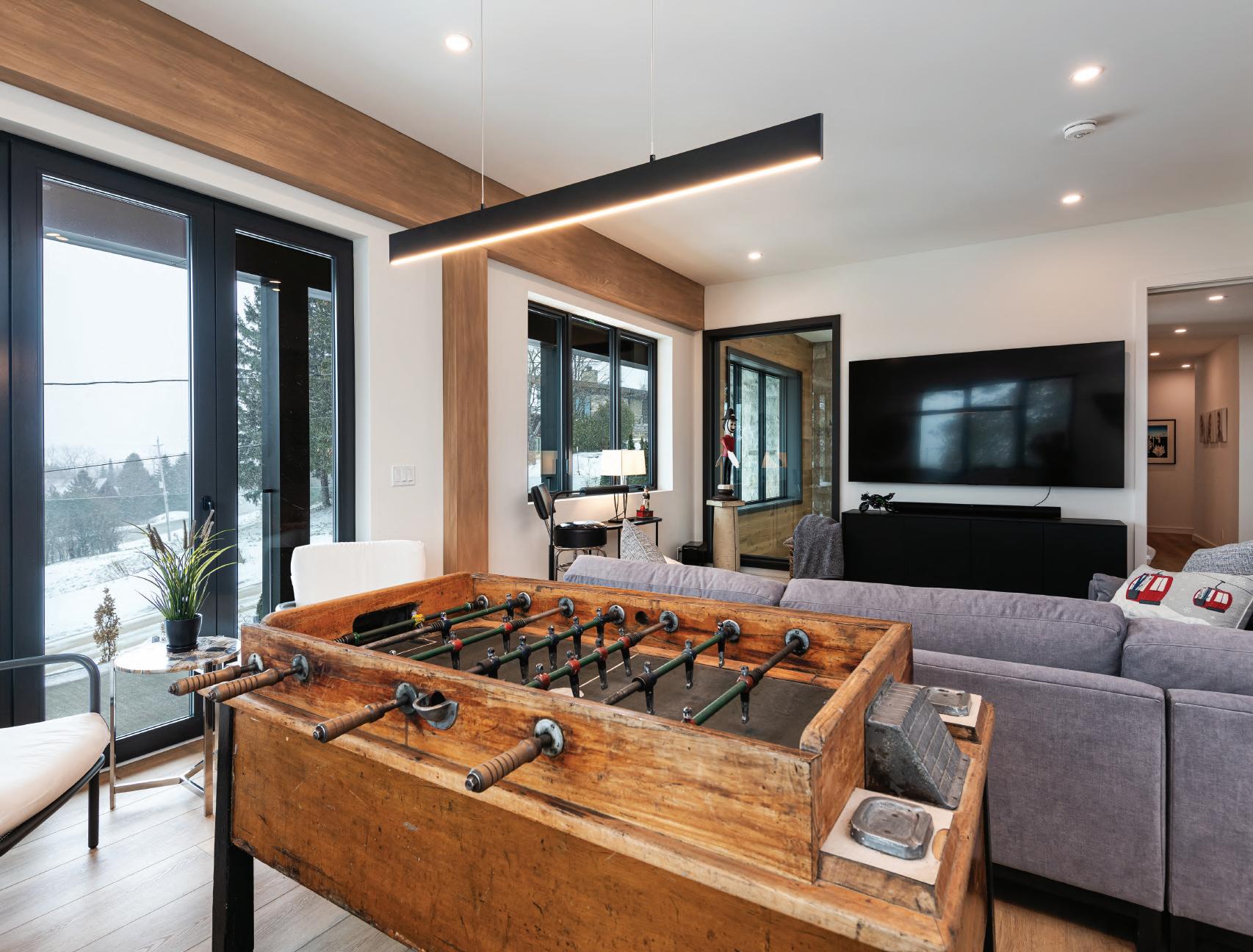
SOURCE GUIDE
Builder: Robert Gerschwiler, Gerschwiler Building Inc.
Architecture: Pamela Farrow, Architectural Technologist, Holstein, Ontario
Windows: InLine Fiberglass Windows & Doors, Toronto with glazing provided by North Shore Ltd. Collingwood
Exterior Doors: Decola Windows & Doors, Barrie
Kitchen & Bathroom Cabinetry: Southgate Cabinetry, Clarksburg
Window Coverings: Salnek, Collingwood.
Appliances: Thermador and Gaggenau installed by Mid Ontario
Appliance Installations (MOA), Collingwood
Flooring, Glass & Mirror: (Bathroom showers, staircase, exterior railings)– North Shore Ltd, Collingwood
Stairs: John McCaig, Barrie
Landscaping: S. Young Design Inc., Collingwood
Electrical & Plumbing: Nottawasaga Mechanical, Collingwood Fireplace: Chantico Fireplace Gallery, The Blue Mountains E
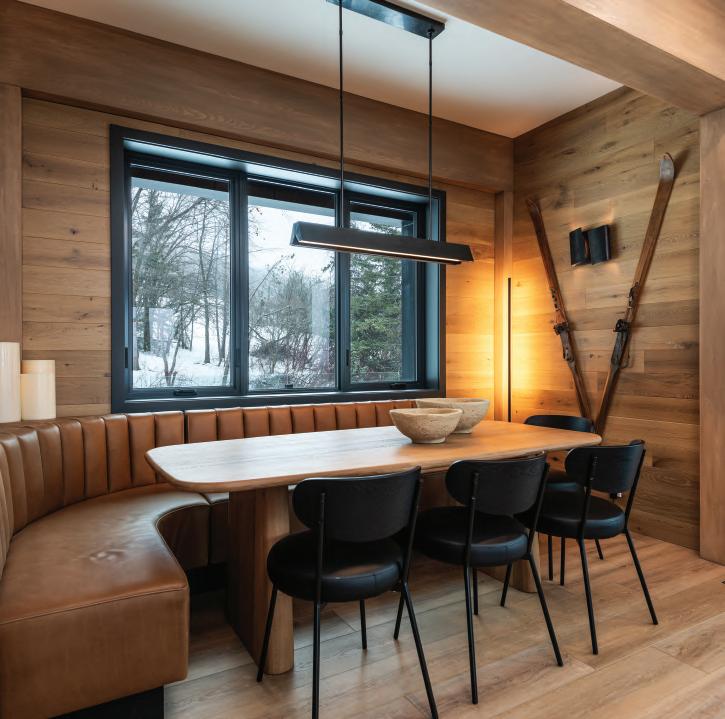
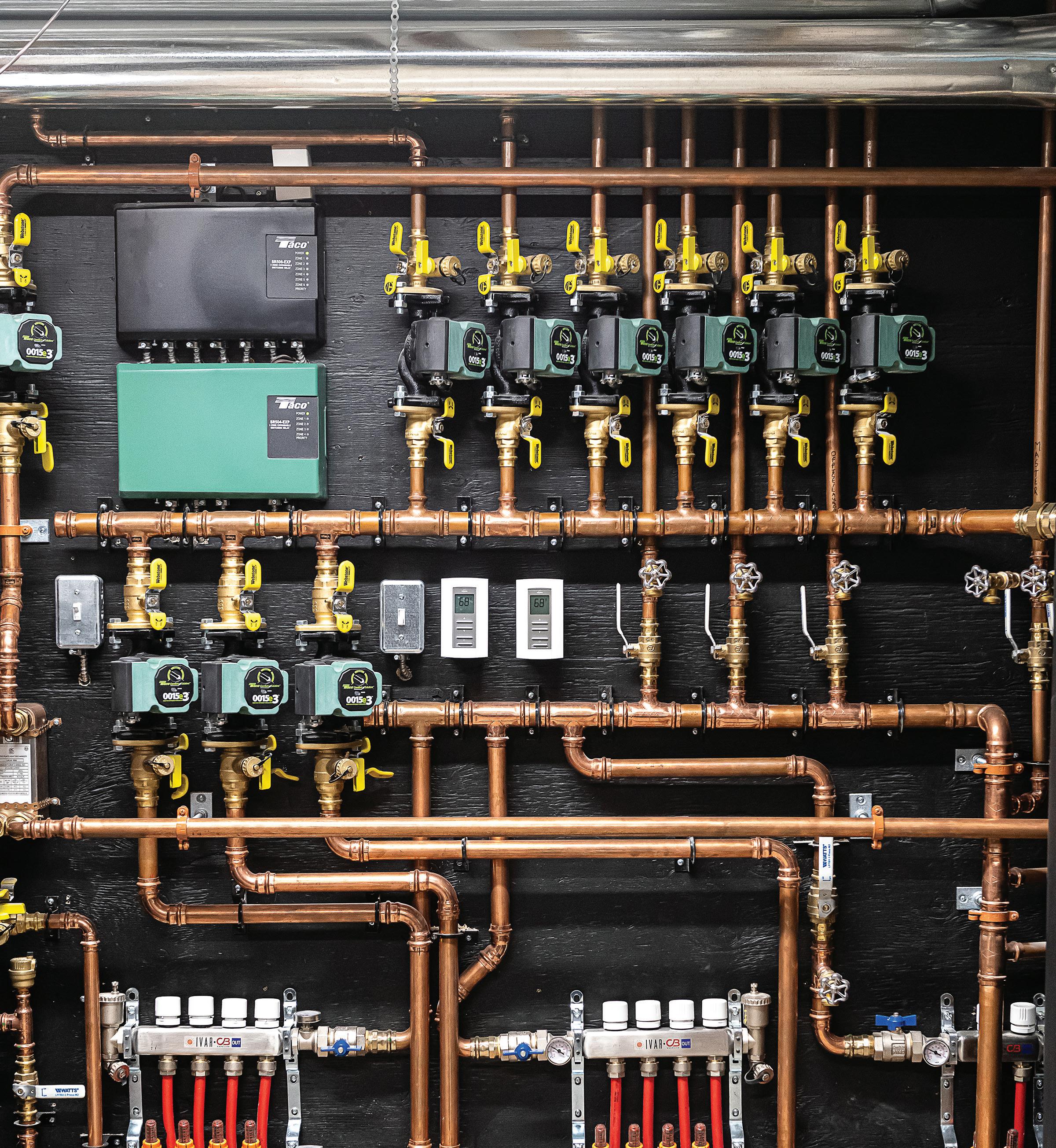
A December Hike in Muskoka by
Oil on canvas, 84" × 60".
Nōma Gallery 25 Huron St | Collingwood 705.321.2419 nomagallery.ca
A sophisticated transitional accent, the Sadie pendant light features a shallow saucer-style shade with contrasting interiors, classic two-tone finishes, and decorative chain detailing for bright, inviting illumination.
Georgian Design Centre 84 High St | Collingwood 705.444.2100 georgiandesigncentre.ca
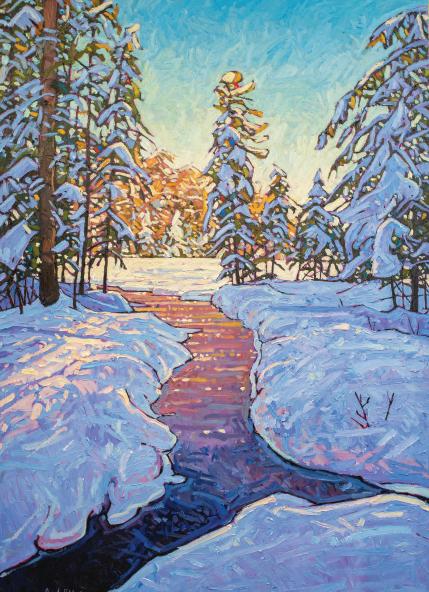
These eucalyptus and peppermint shower pucks release cleansing vapours that support respiratory health, delivering a refreshing, spa-like boost—perfect for winter showers.
Dawe and Company 115 Hurontario St Unit 101 & 104 | Collingwood daweandcompany.com
Crafted with care, the Raymond Chair offers customizable fabrics and finishes, reflecting Penwood Furniture’s dedication to comfort, craftsmanship, and timeless made-to-order design.
Penwood Furniture Collingwood 20 Balsam St | Collingwood 705.445.9879
penwoodfurniture.com
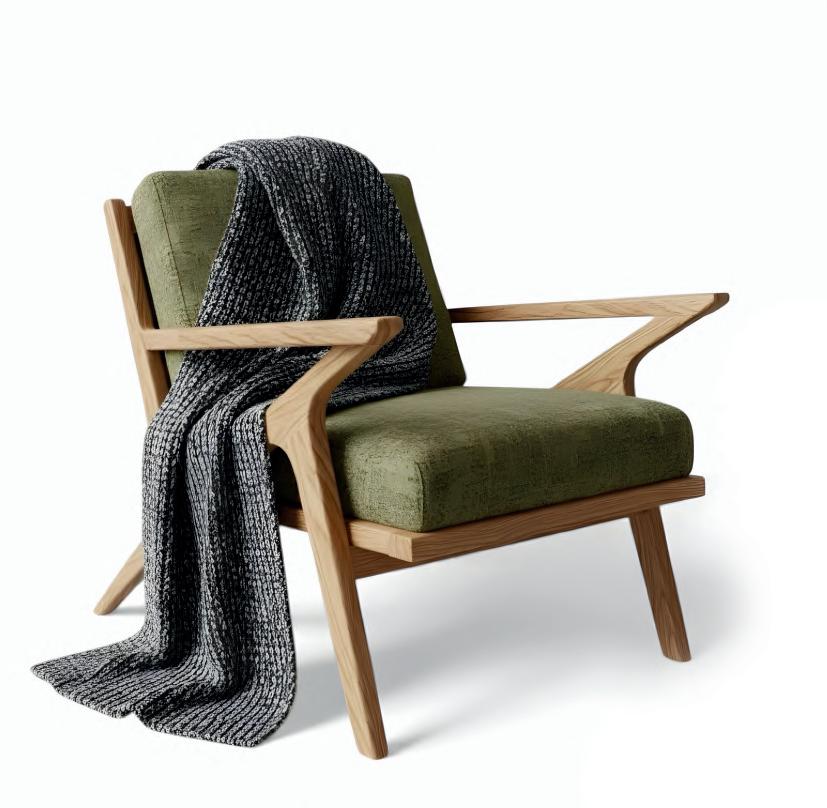




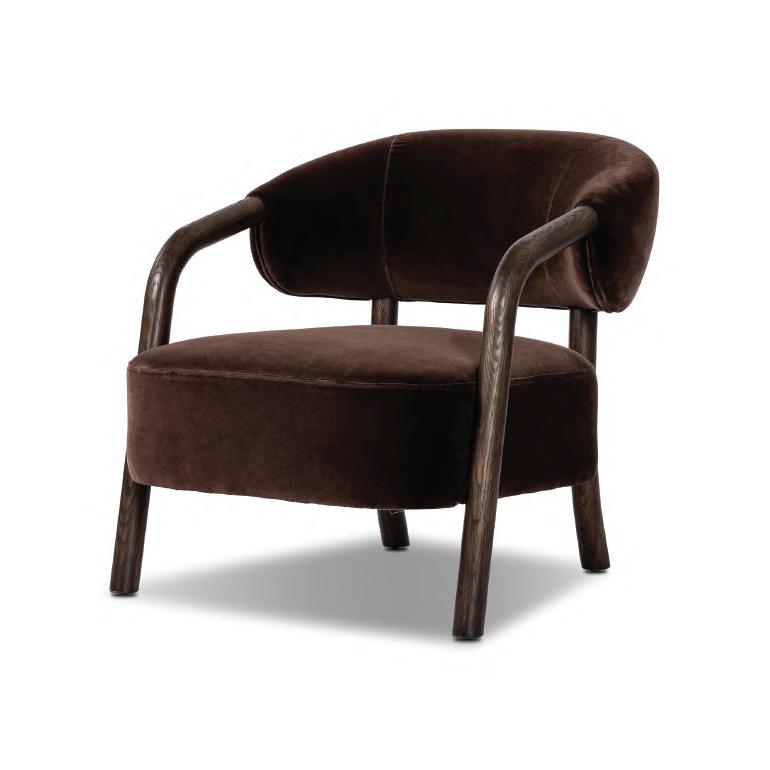
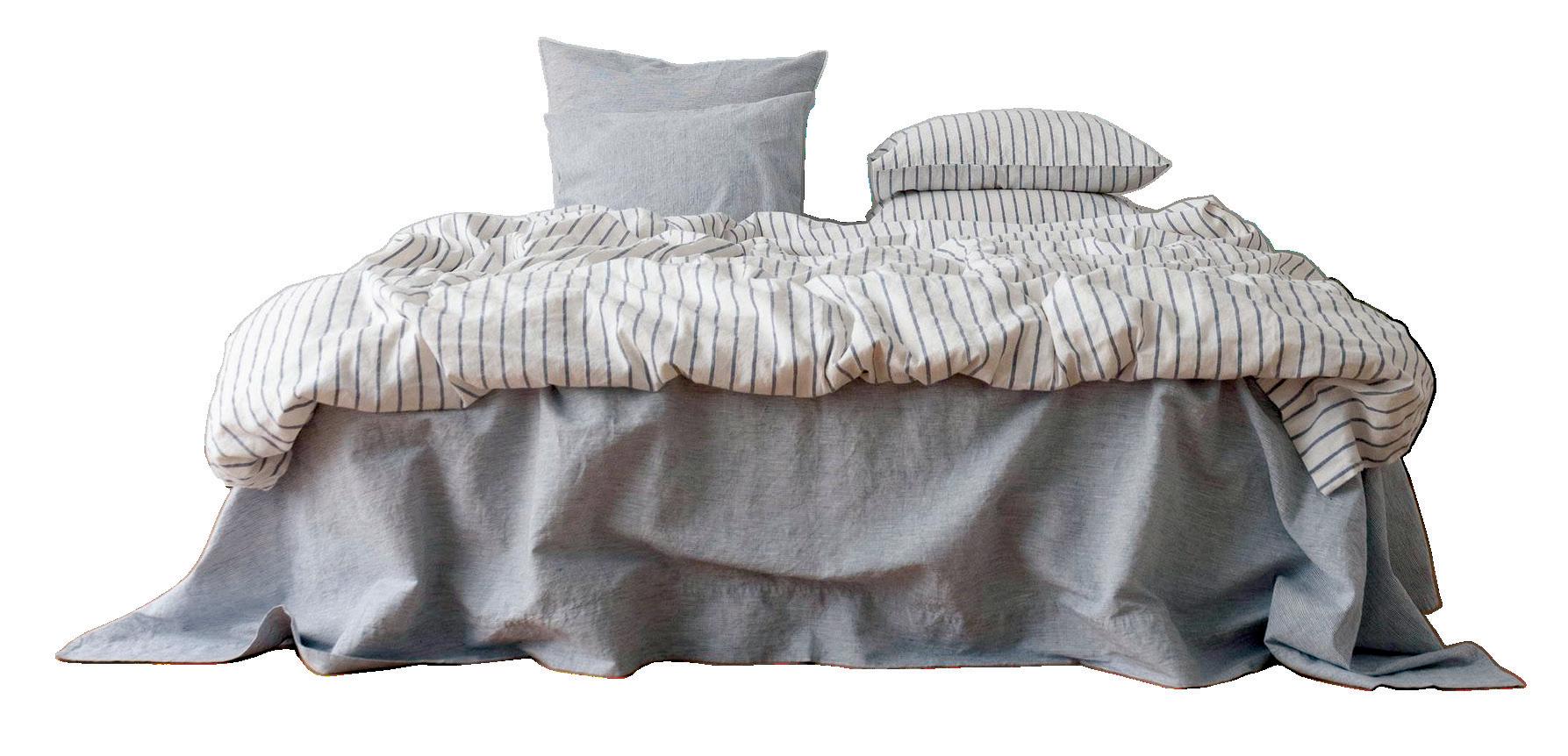
Canadian Pacific reproduction ski posters bring vintage alpine charm to your chalet or recreation room. Vibrant, nostalgic, and beautifully detailed, they’re available in a variety of sizes to suit any wall perfectly.
Georgian Frame Gallery 20 Balsam St Unit 12 | Collingwood 705.445.4477
Crafted with an artisan-inspired base and classic linen shade, this lamp offers a warm, rustic accent that feels both refined and inviting. Barebirch 920
This sculpted chair is a modern take on 1970s seating. A solid, warm oak frame complements the rich cocoa performance velvet, making it a cozy spot to lounge.
Van Allan Design Centre 150 First St | Collingwood 705.293.4663
vanallandesign.com
Invest in a good night’s sleep. LinenMe Bedding offers soft, breathable 100% linen sheets that balance everyday comfort with sustainable craftsmanship. Available in a range of colours, ticking stripes add subtle texture and warmth— an ideal choice for winter bedding.
Farrow Arcaro Design (FAD) 51 Hurontario St | Collingwood
705.444.8330 farrowarcarodesign.ca
Winter Grace by Anna Green. Acrylic on canvas, 36" × 48".
Loft Gallery 18 Bruce St | Thornbury
647.296.9797 loftgalleryart.com
The MAAX Brioso freestanding bathtub delivers sleek comfort and modern style, proudly made in Canada for quality you can feel in every relaxing soak.
LakeHouse Bath+Kitchen 603 Berford St | Wiarton 519.477.1900 lakehousebath.ca
Blast through snow with the Toro 60V Power Shovel—cordless, efficient, and ideal for walkways, decks, and small driveways. Perfect for making winter chores easier.
Robert’s Equipment
Chesley, Meaford, Owen Sound, Walton, Mount Forest & Lucknow robertsequipment.com
Escape the chill and step through your custom wine room door to enjoy your favourite vintage. Each door is tailored to your taste, with a range of wood options, finishes, and ironwork to suit your style.
Desboro Doors
135830 Concession 8 | Desboro 519.363.5635 desborodoors.com







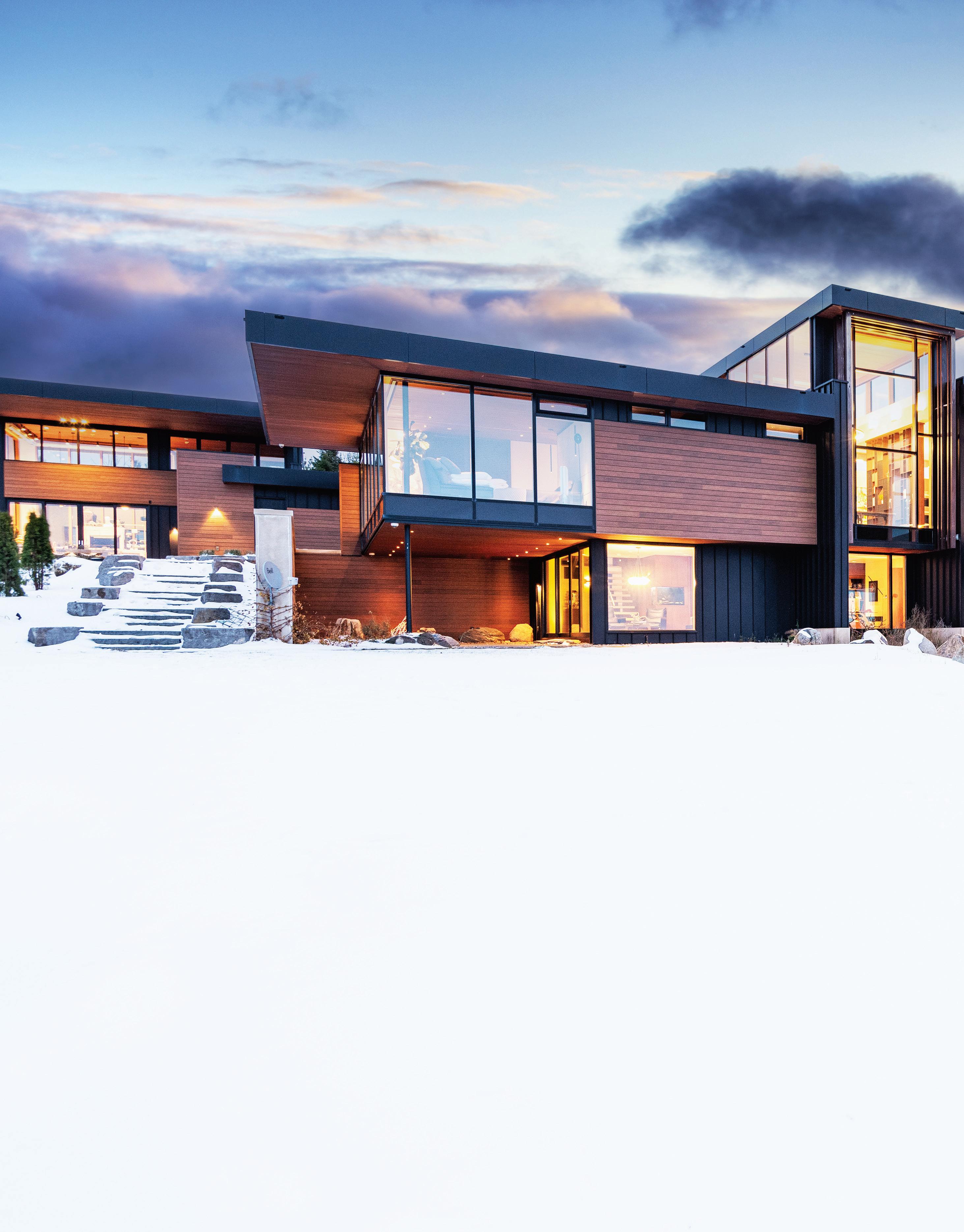
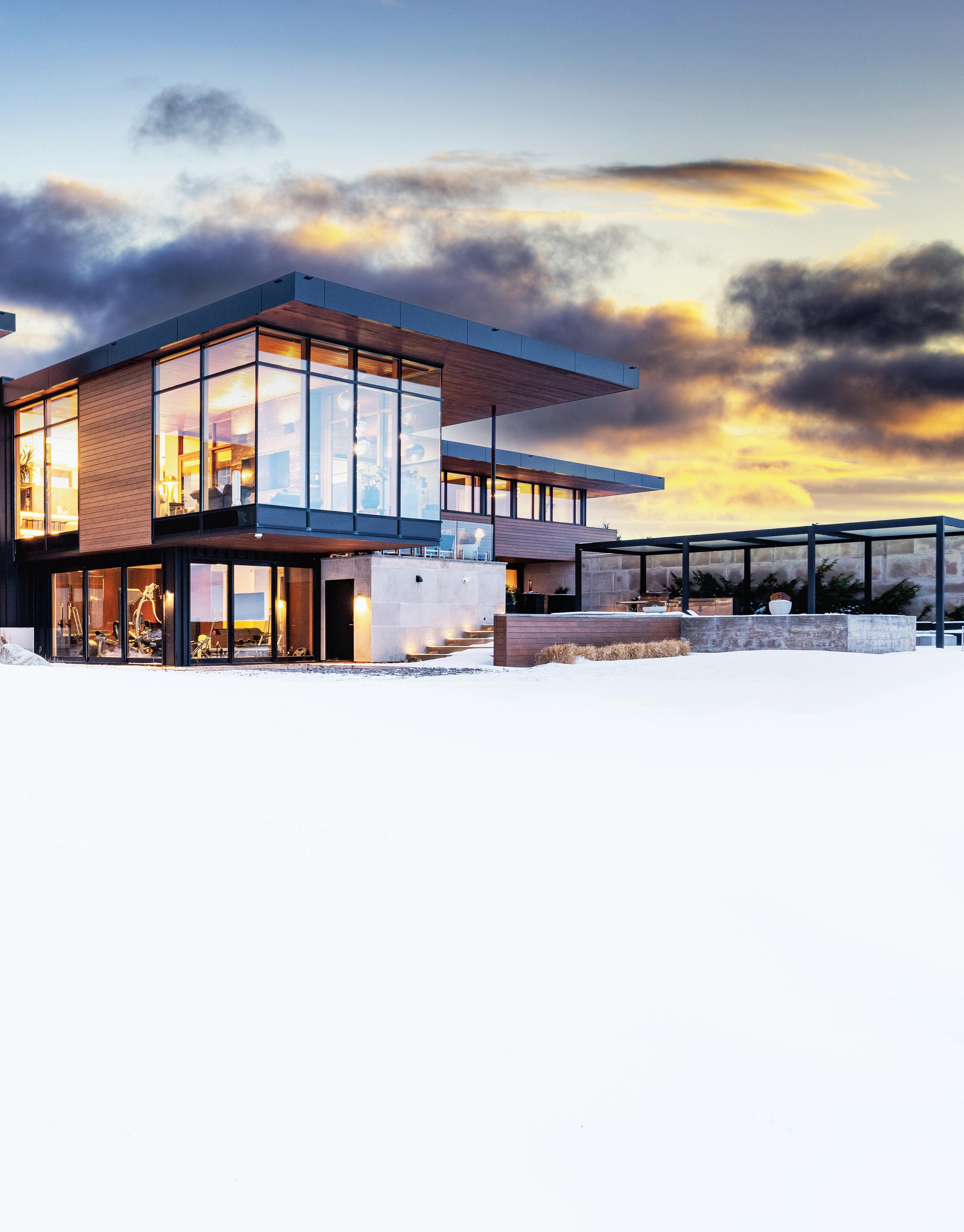
On eighty acres above the Beaver Valley, artist Ray Mantella has created a modern retreat where architecture, landscape, and creativity converge.
By Marc Huminilowycz | Photography by Clay Dolan
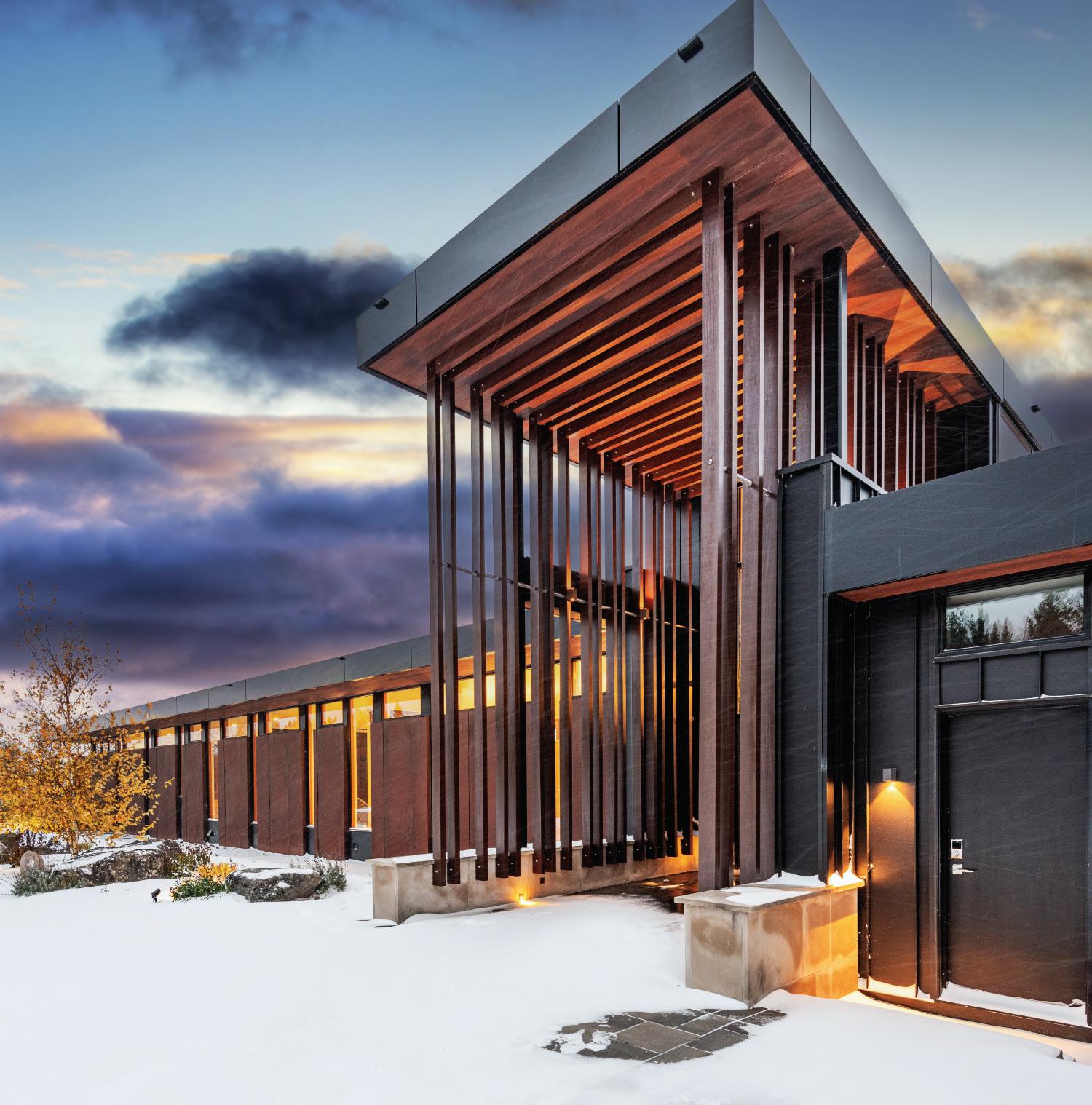
In every issue, Escarpment Magazine showcases the distinctive custom homes that make Southern Georgian Bay a place of exceptional design and natural allure. Their homes are an expression of who they are—their values, their likes, and the environments they choose to surround themselves with, whether as a monument to their achievements, the realisation of a dream home, or a legacy to pass on to family for generations to come.
At the end of a long, curvy driveway near Loree Forest stands a large modern structure on eighty acres of land overlooking forests and crop fields in the Beaver Valley, with spectacular sunsets and glimpses of the crystal waters of Georgian Bay. The 8,000-squarefoot home was built by Toronto artist Ray Mantella, whose family building business, founded fifty years ago, is one of the largest
privately-owned development companies in Canada today.
Ray, the grandson of the company’s founder, worked in the family business for a while, but soon realised that he was being drawn to a different calling. “The work was very commercialindustrial, and I decided to pursue my design/artistic essence,” he said. “I grew up in the city but spent many of my early years on my parents’ farm near Kleinburg, Ontario, where I fell in love with the bucolic lifestyle, including the horses and other animals. When the property was sold, I craved that lifestyle and started looking for a place of my own outside the city.”
“I looked at properties in The Blue Mountains but couldn’t find a house I liked,” Ray added. “Then, on a frigid winter day, my agent showed me this property. I loved the views and decided
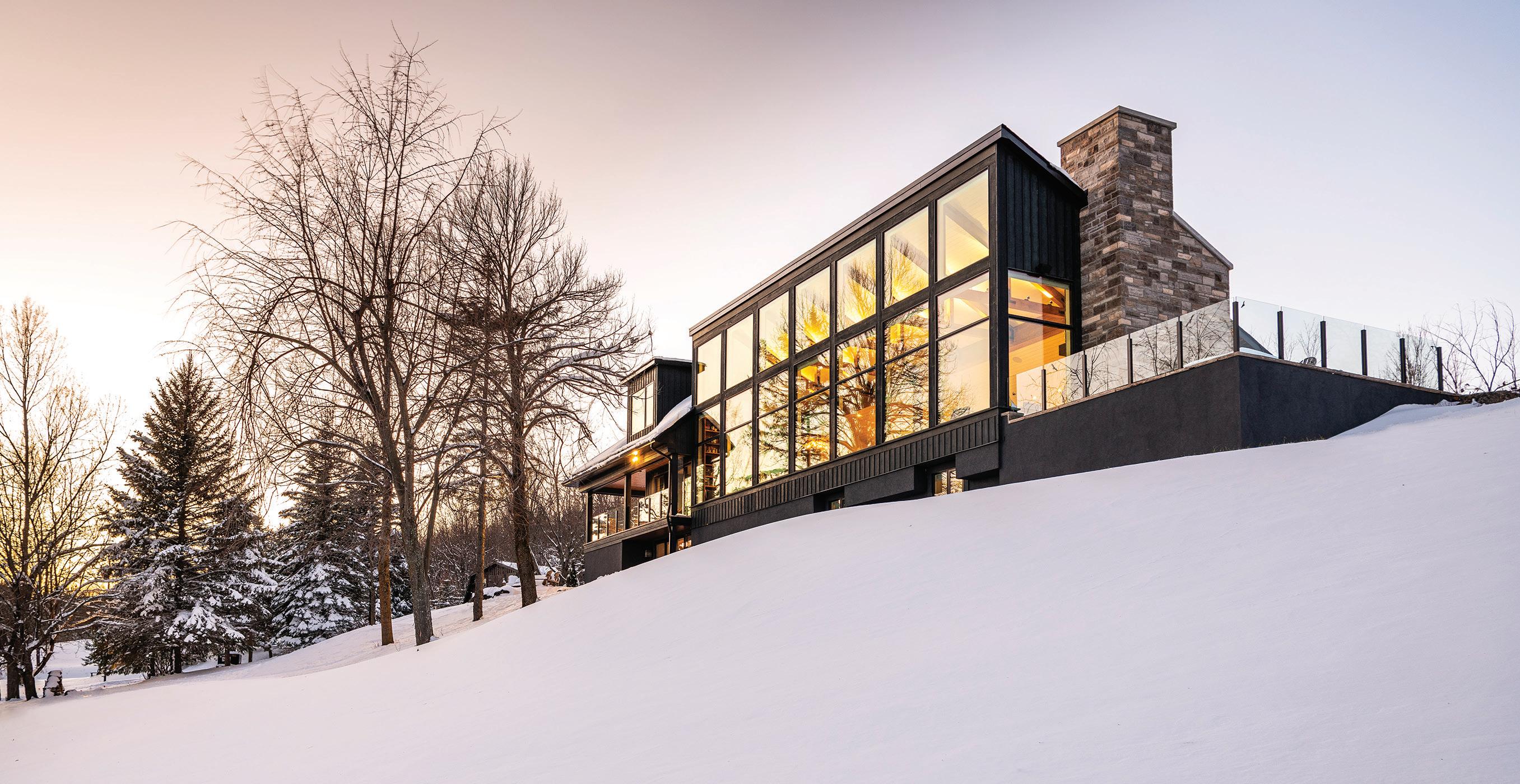
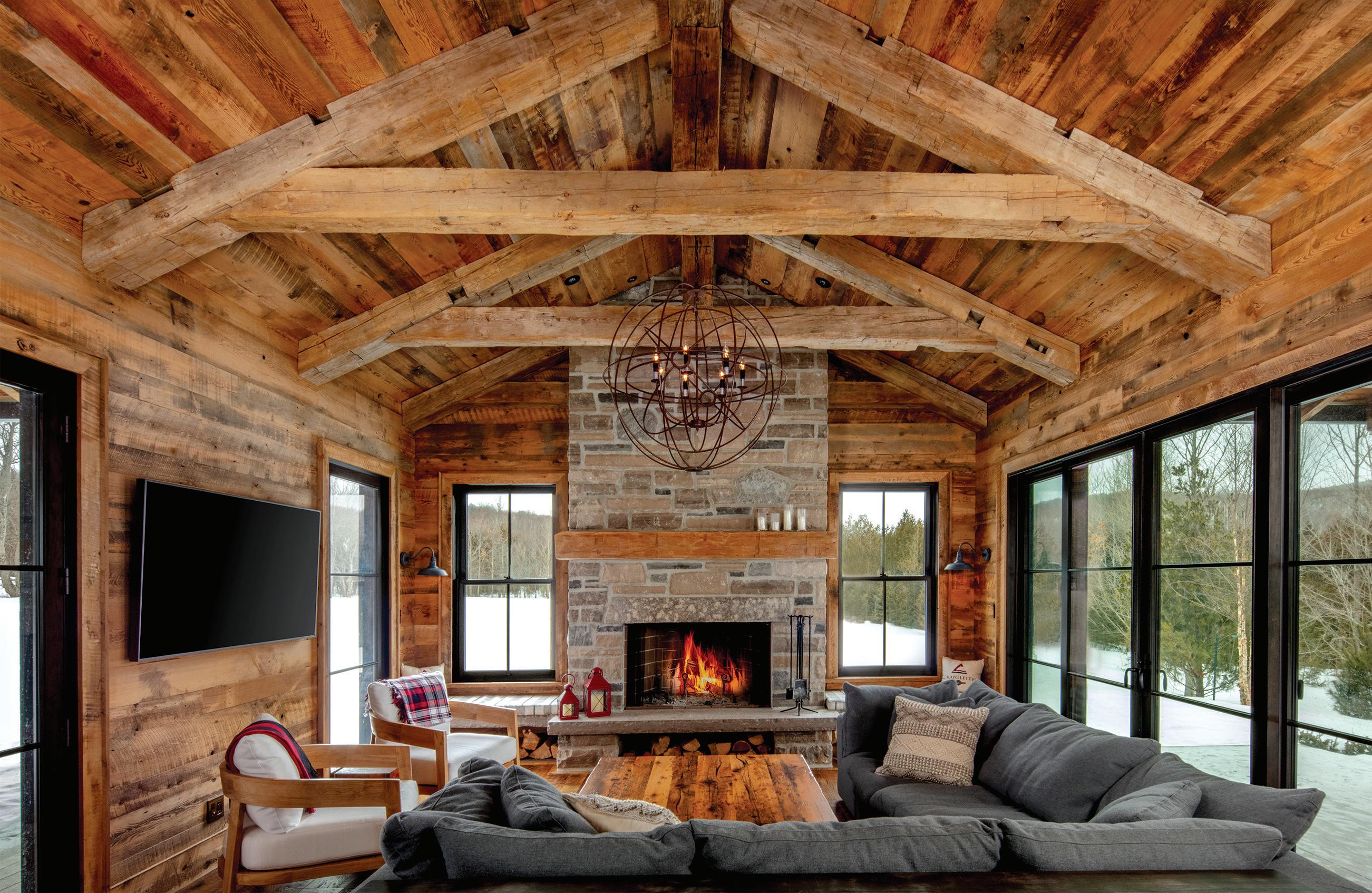
that this is where I want to live.” Ray had a basic vision of what his new home should look like—“Frank Lloyd Wright-inspired; modern, but not too modern, with large windows overlooking the countryside.” Construction of the home began in 2015 and was completed two years later. Since then, Ray has been dividing his time between Toronto and his rural sanctuary.
Entering the home, there is an immediate sensation of calm, beauty, light, and aesthetic appeal within a cavernous space softened by natural oak floors, walnut millwork, cedar accents, and large windows framing the spectacular natural scenery of the Beaver Valley and beyond.
One wing of the home is Ray’s primary suite, beginning with a master walk-in closet whose cedar-lined ceiling carries seamlessly into the bedroom, where a custom leather-crafted headboard wall sets a warm focal point. West and north-facing windows immerse the room in nature and unforgettable sunsets. Custom sliding doors offer both architectural elegance and privacy, while interconnecting stairs—wrapped in millwork and accented by an integrated aquarium—link the bedroom and ensuite to a private lower-level office. “This is my space for work, rest, and retreat,” said Ray.
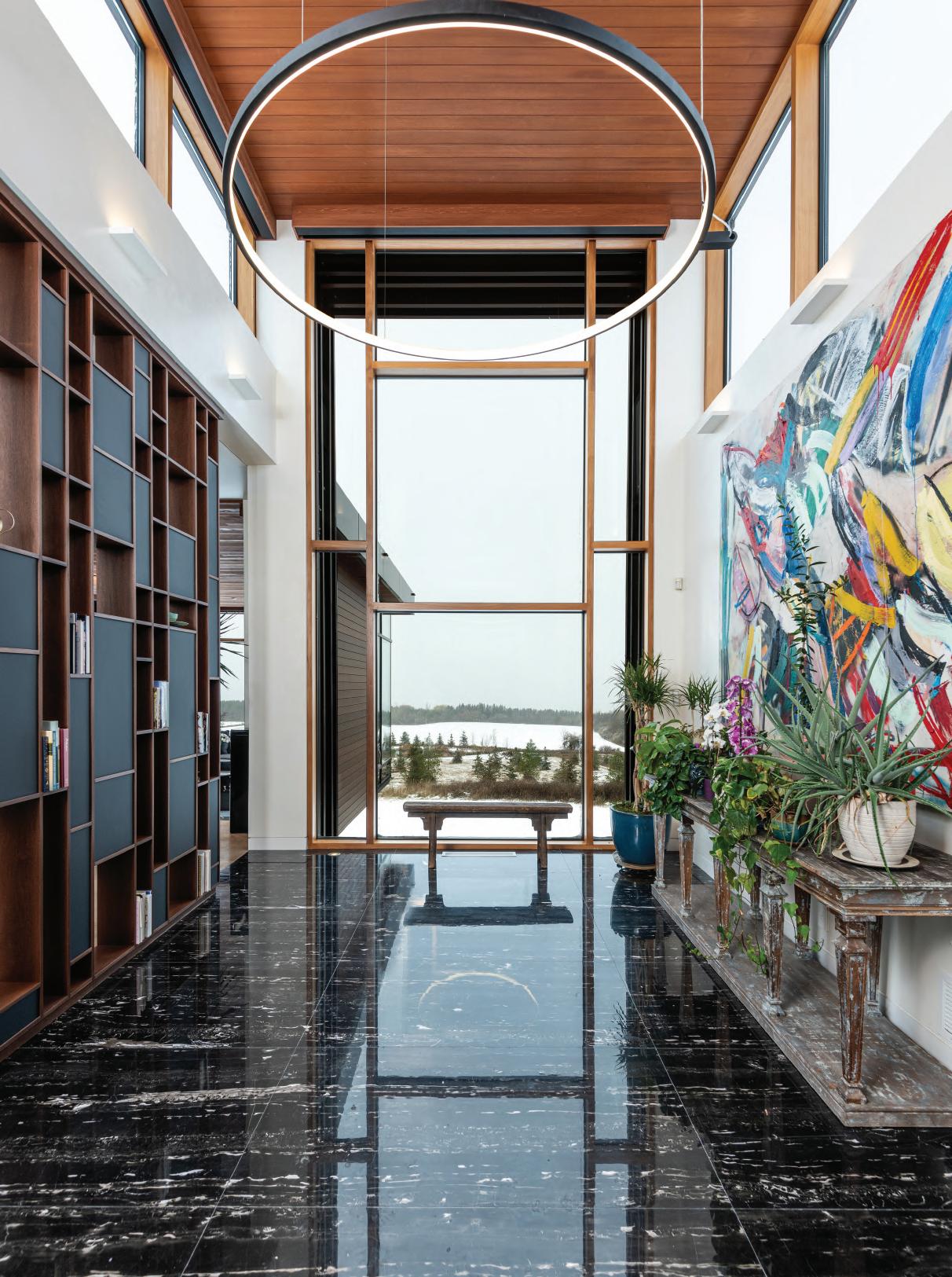
Bathed in morning light, this is where Ray displays many of his best art pieces: sculpture, paintings, and ceramic wall art.
The central heart of the home is the Italian Varenna Poliform kitchen, alongside a dining room featuring a beautiful live-edge wood table crafted by local artisan Jess Wilkins of Naked Design, a screen and integrated fireplace, a cozy living area, and a dramatic two-storey bar with striking floating stairs that complement the walnut millwork—all framed by floor-to-ceiling windows overlooking the Beaver Valley. Opposite this space is a long hallway with east-facing, ceiling-height windows that resembles a gallery.
On the lower level of the home is a fully equipped gym and a unique movie room that features a comfortable curved sectional couch, giant screen, and a coffee table that houses a rare piece of Hollywood history. “It’s an original film reel from Gone With the Wind,” said Ray. Measuring roughly four feet in diameter and covered in glass, the metal reel actually contains the epic 1939 film, which ran for three hours and fifty-eight minutes, including overture, intermission, musical interlude, and exit music. “I bought
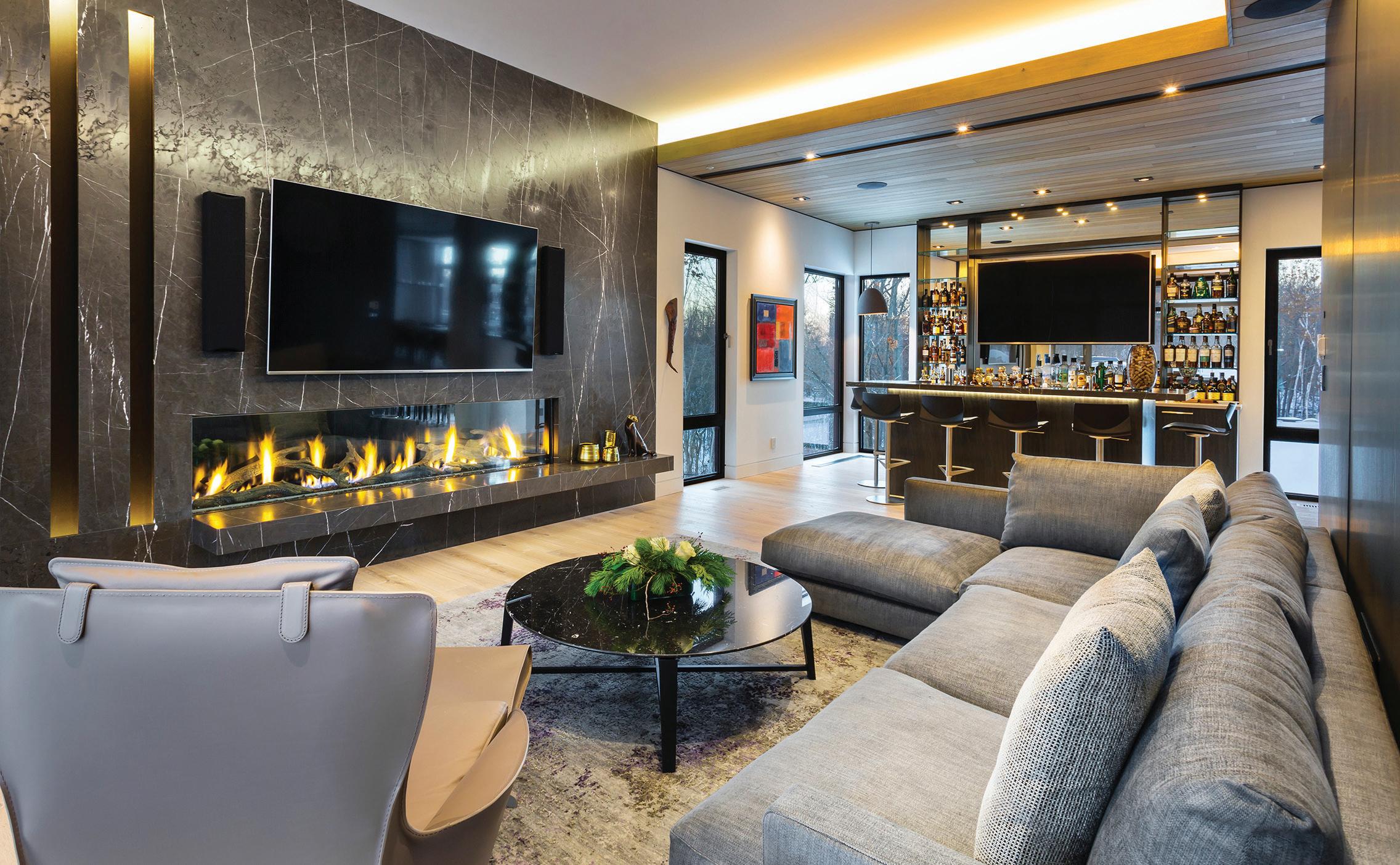


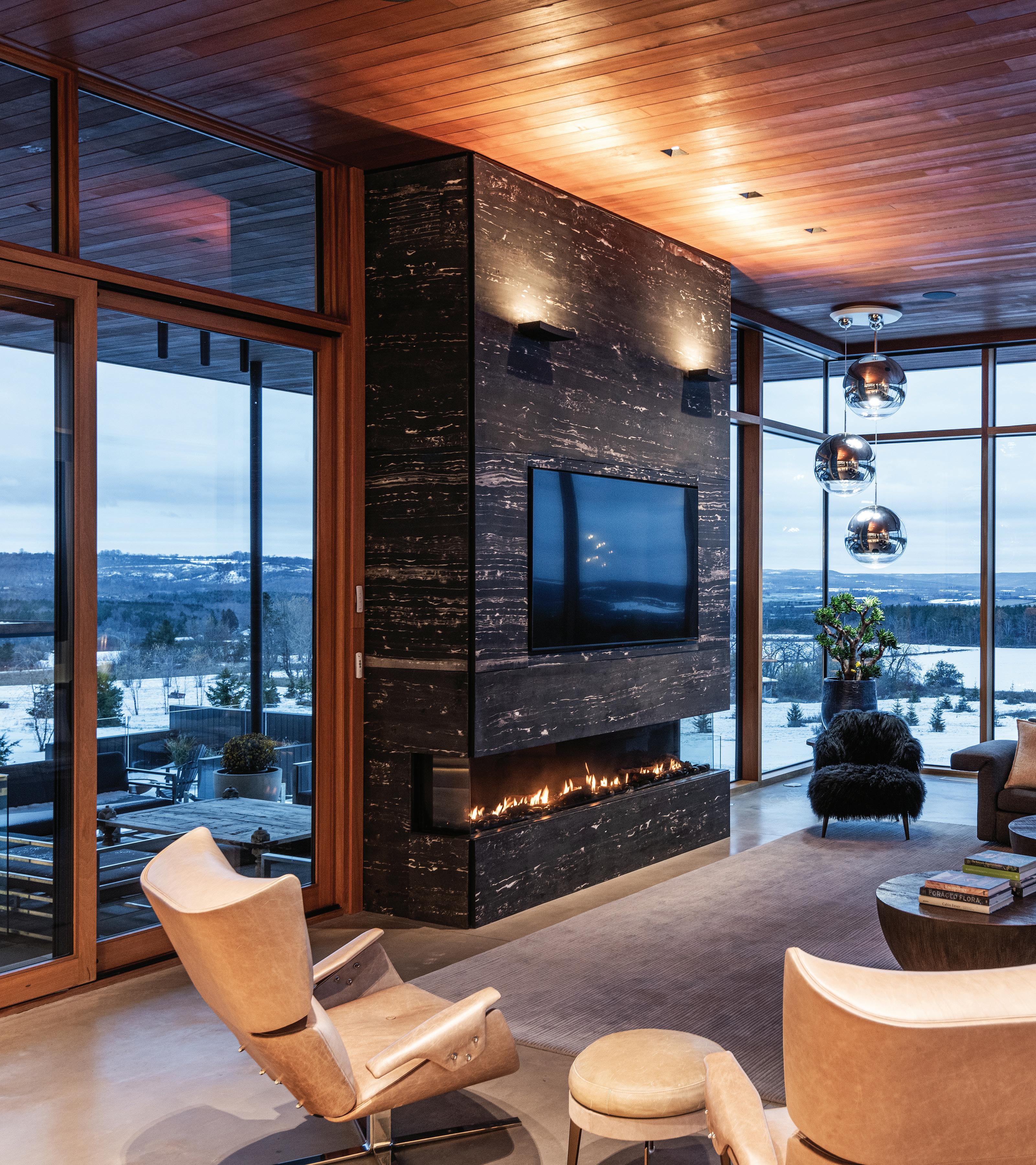
...there is an immediate sensation of calm, beauty, light, and aesthetic appeal within a cavernous space...
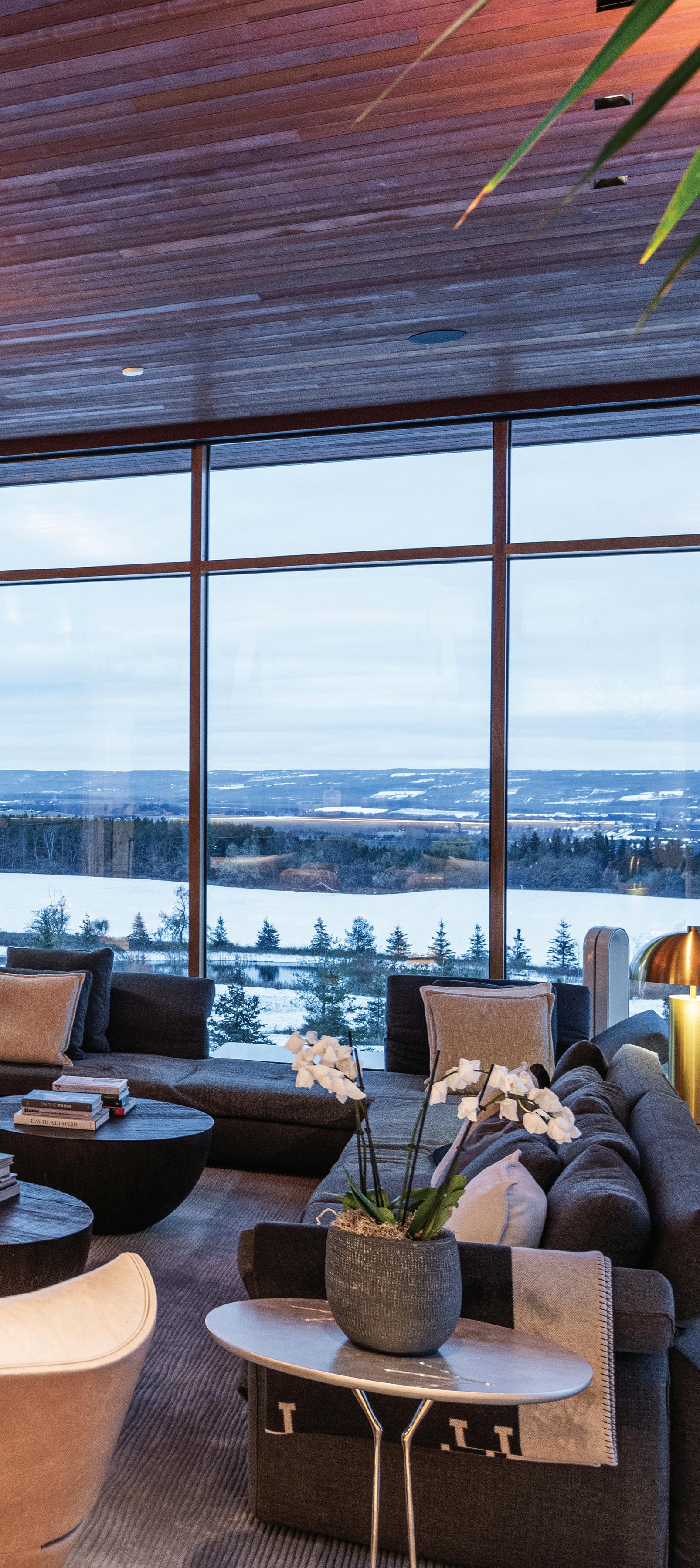
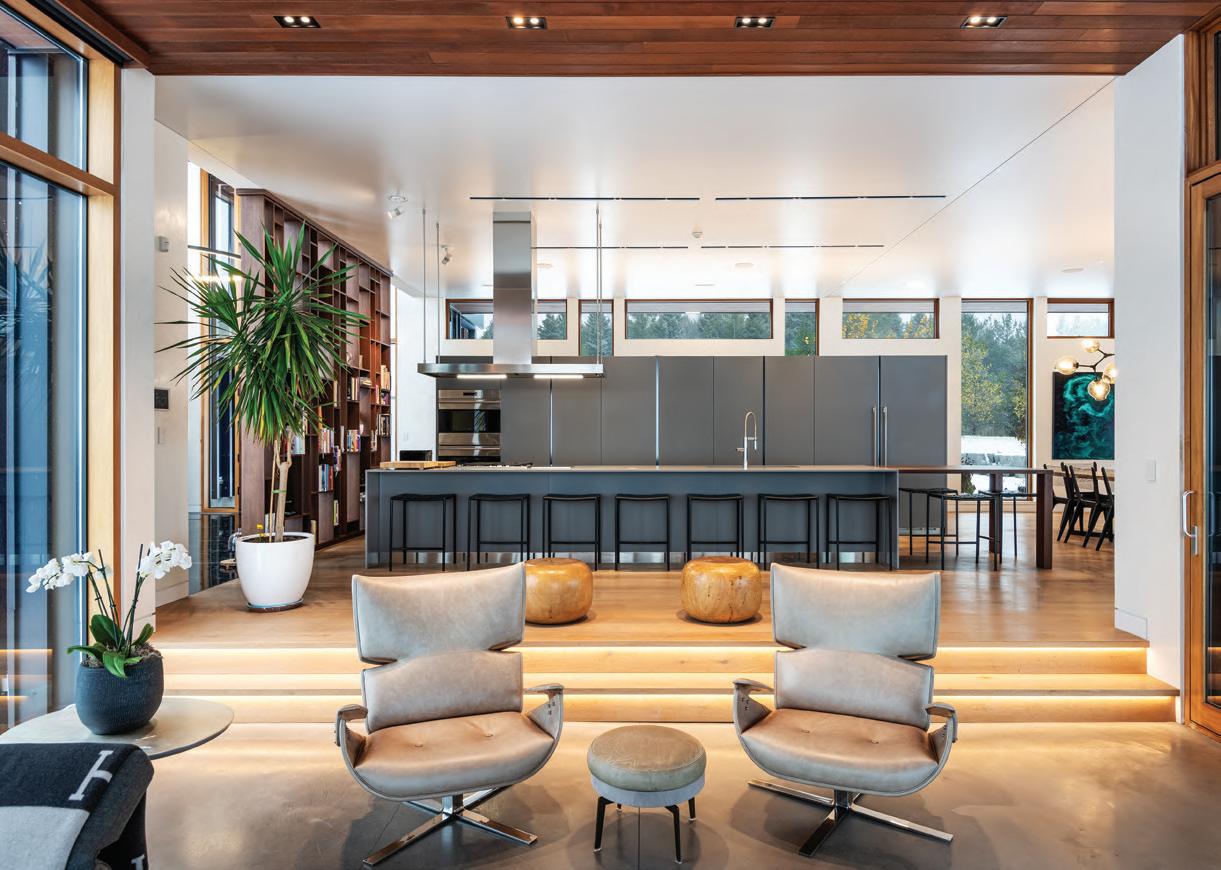
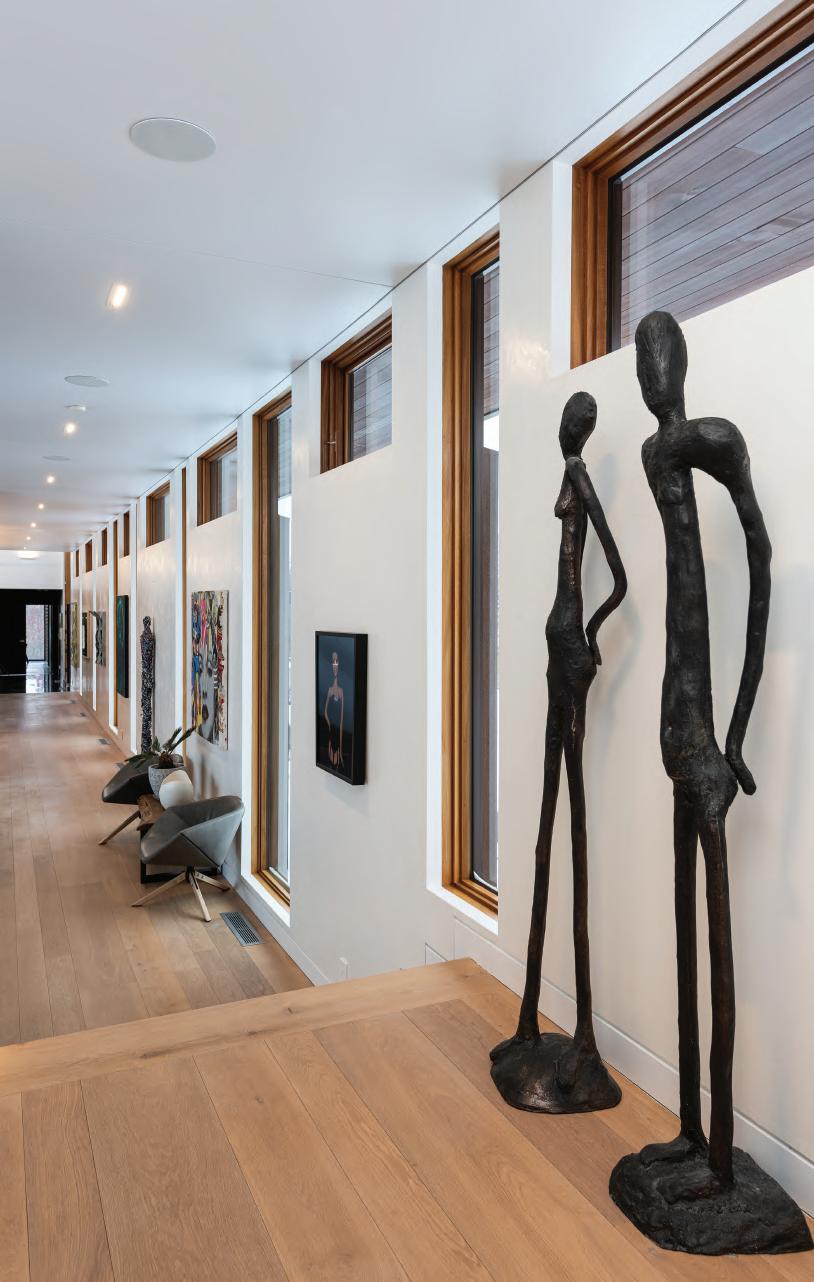
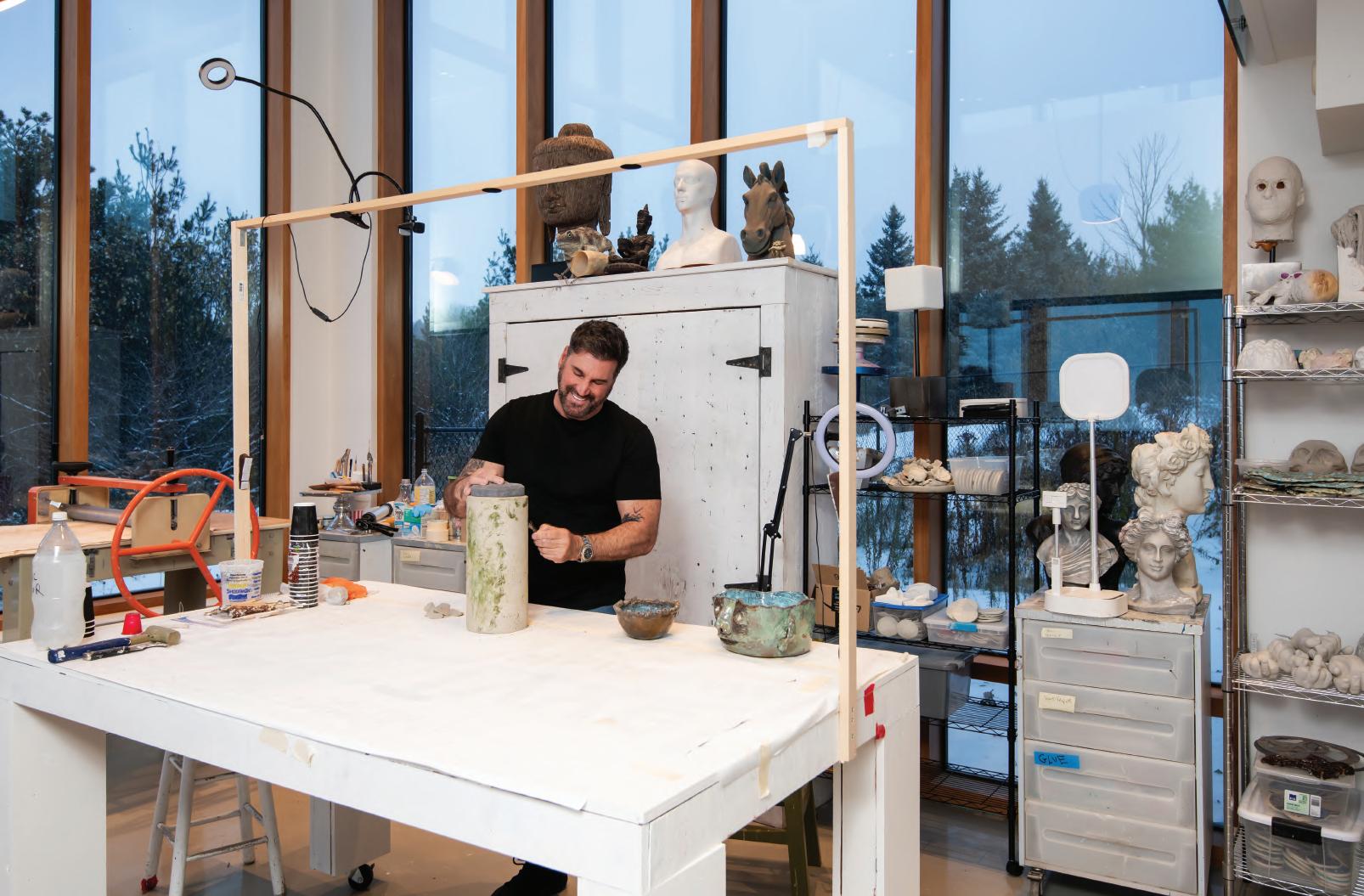
it years ago and stored it for a while,” says Ray. “I’m happy that I’ve found a home for it here.”
Another unique item on display in a guest bedroom in Ray’s home is an original framed photo of Marilyn Monroe—one in a series of photos of the Hollywood icon taken just weeks before her passing by influential American photographer Bert Stern. “Many years ago, Marilyn went through some of Stern’s negatives and put Xs on the ones she rejected,” Ray explains. “After she died, he released these photos. This is one of them.”
Throughout the home, Ray has incorporated an eclectic mix of decorative, repurposed, vintage, and architectural salvage pieces collected over the years. “I like mixing old and new,” he said. “I’m always drawn to unusual antiques and things with character.”
In addition to collectible items, Ray’s art is on display in just about every room of the house. It all begins in his studio, located in a separate building with a small bedroom and bathroom, shared with a garage adjacent to the home. “This is where my art happens,” he said, showing this writer several works in clay in various stages before being fired in his kiln. “I like to do weird stuff like this one,” he added, pointing to a bust with a head that resembles a wasp nest. “I’ve worked on many ceramics, but I’m now experimenting with clay. You can’t just start liking and working with an art form that people have been doing for years and years. It’s been a two-year learning process for me. I’m experimenting and learning as I create things that I love—things that are like out of my mind or in a dream. You just kind of have to do it and not
overthink the process.”
“The end result is satisfying, but I’m always wondering if my clay sculpture will survive the kiln,” Ray adds. “It’s very exciting, like getting a Christmas present. You don’t know what you’ll find inside until you open it.” Ray has shown his works in Toronto galleries in the past. Currently posting and selling his art on Instagram and creating a new website, he plans to do more gallery showings in the near future.
True to his artistic and eclectic personality, Ray decided on unique treatments for many of the walls and ceilings of his home. Instead of conventional drywall, he hired AvStyle in Concord, Ontario, a contractor that specialises in “stretch ceilings.” “The crew came in here and secured thin perimeter frames, then ten workers stretched out this thin, flexible material and shrunk it with large heating guns to create a perfectly smooth matte white ceiling that looks like glass. Amazing. They’ve done this technique in the homes of people like Drake.”
The stretch-ceiling material is Renolit, a high-quality, durable, flexible, and stable PVC membrane from Germany. Available in a variety of colours and textures, it is easily integrated with lighting, backlighting effects, and 3D shapes if desired. “You could have lights in behind this material, like a disco, if you wanted to,” said Ray. “It’s a bit more expensive than drywall, but when you factor in the labour, the mess, and the time involved in drywalling, it makes a lot of sense and looks fabulous. One drywall ceiling can take days to finish. Stretch ceiling can be put up in hours.”
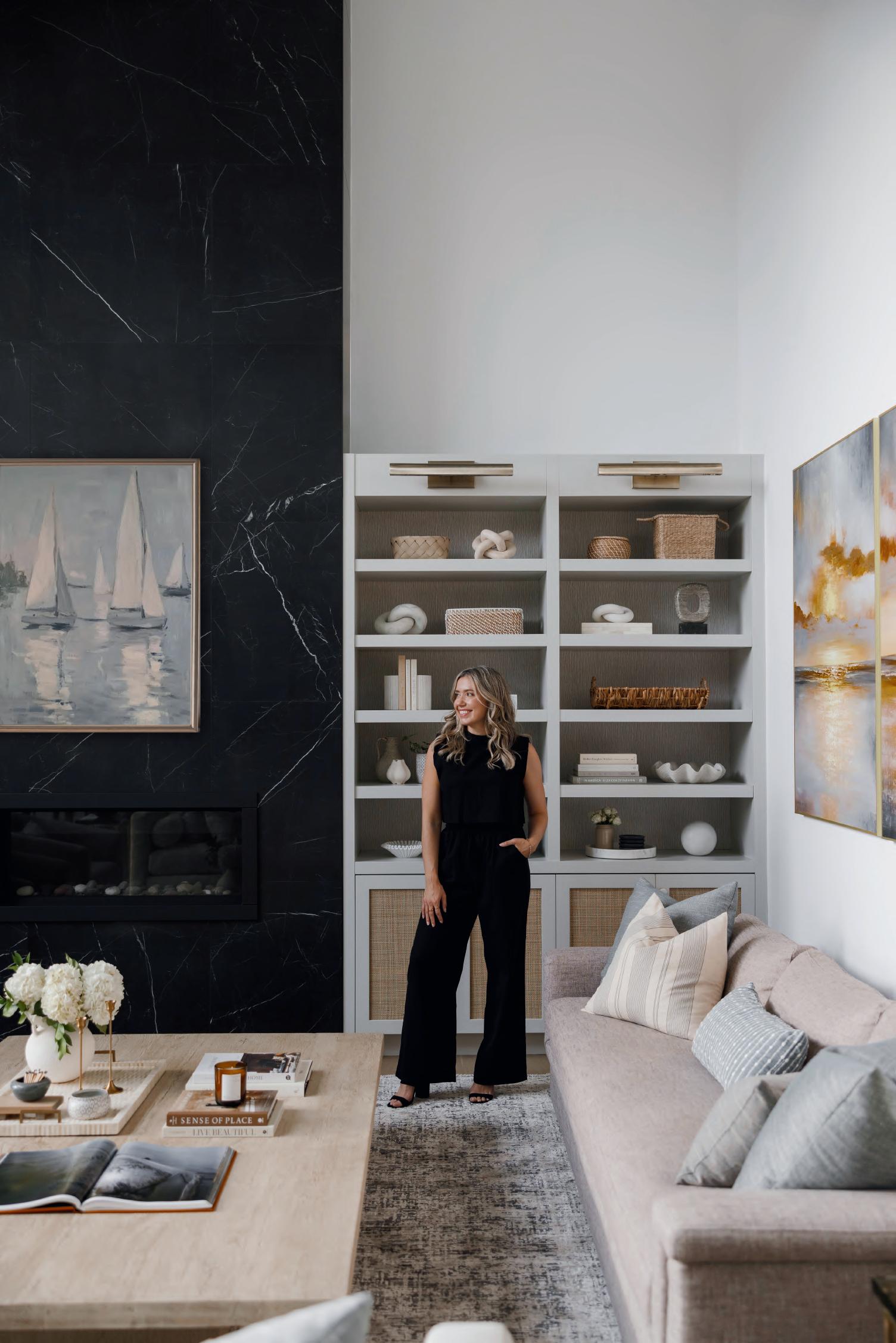

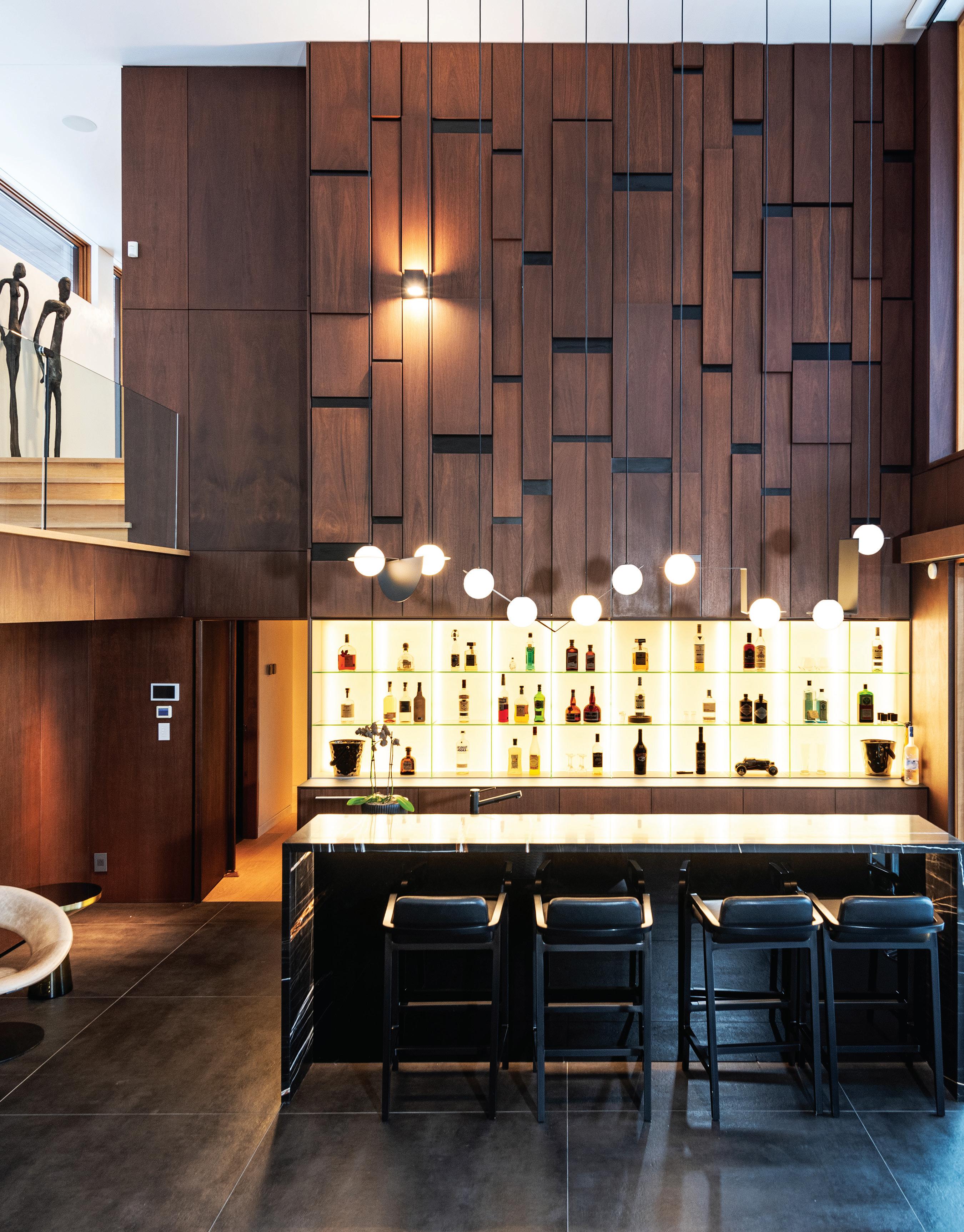

“This is my space for work, rest, and retreat.”
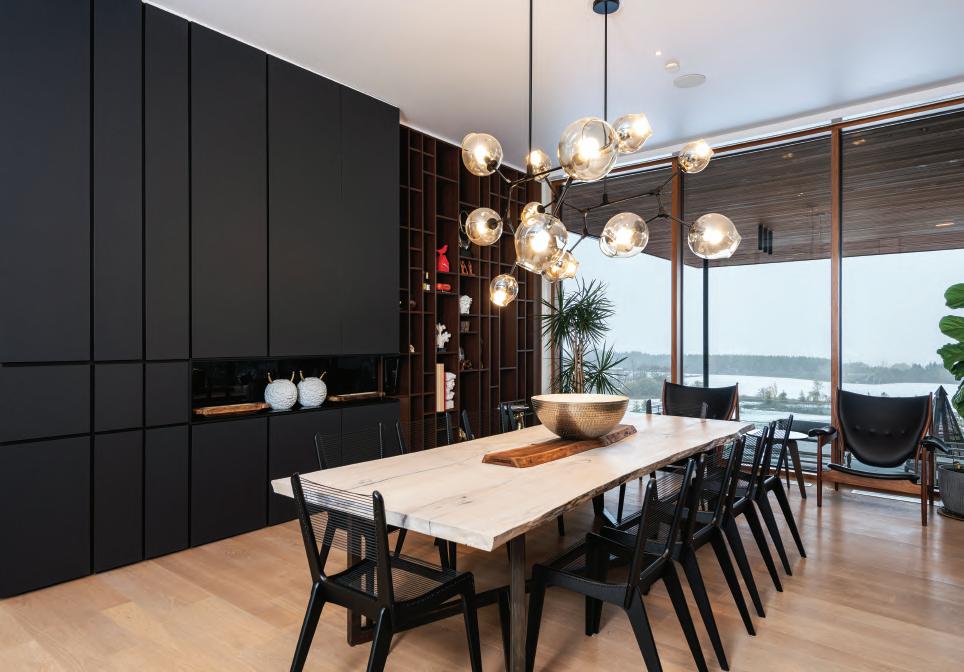
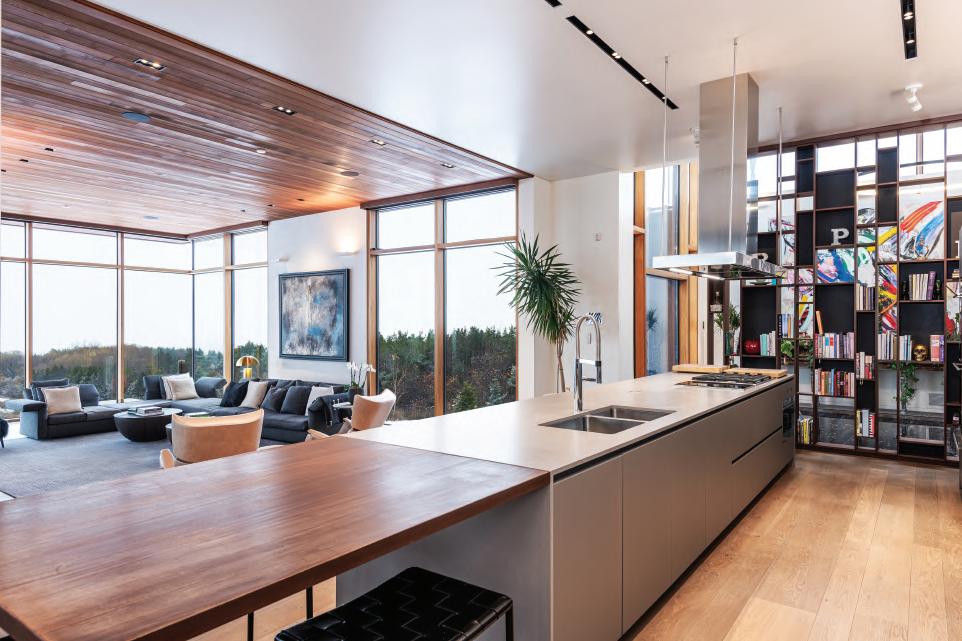
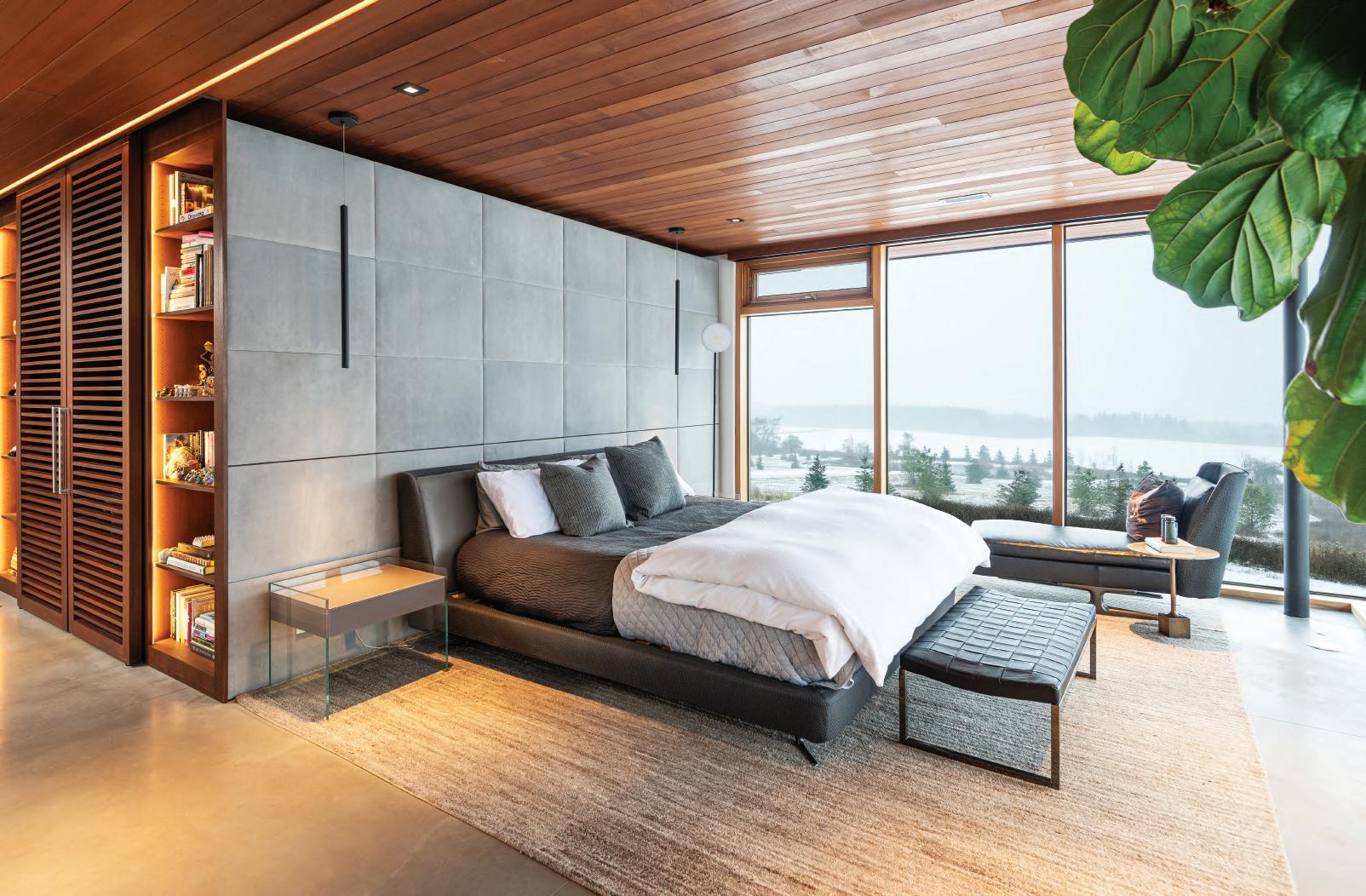
Many of the walls in the home feature another unique technique—polished plaster. The finish, applied to drywall, is a decorative wall covering made from a mixture of lime putty, marble dust, and pigments, applied in thin layers to create a smooth, marble-like appearance. It is a durable, classic finish. “It’s an old technique, likely with roots in Italy,” Ray explains. “You apply it with a trowel then burnish it to a high gloss to create very subtle textures and shapes.”
Throughout the project, Ray worked closely with two renowned Toronto designers: Samantha Sannella of Urban Retreat Homes and Dorota Jackowski. “I basically told them what I like and they made it happen,” said Ray. Jackowski led the design from concept through development, technical drawings, construction coordination, and final completion—often wearing multiple hats, from design lead to drafter to millwork detailer.
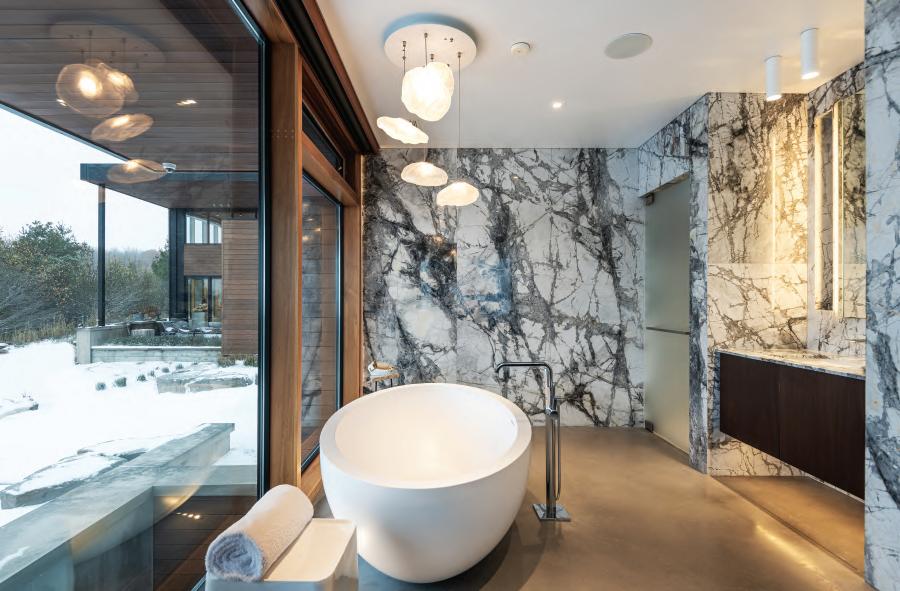
“Designing Ray’s home was an extraordinary experience for me,” said Jackowski. “From the outset, Ray expressed that he wanted a Yabu Pushelberg–level home oasis—a highly crafted, deeply intentional, emotionally resonant space. As a former Yabu Pushelberg designer, I understood the level of refinement, detail, and narrative-driven design he was seeking, crafting every element of his home with that same heart, rigour, and intention. Every moment, inside and out, was shaped with sensitivity and emotional resonance. I listened closely to his vision, and I’m grateful for the trust he placed in my creative direction and ability to execute it.”
Samantha Sannella managed the construction and budgeting and did some of the architectural design, landscaping, and interior design. “Working with Ray was easy, as he has a unique personality and reflecting his aesthetic in the design was inspiring,” she said. “My main role was overseeing all of the trades and consultants on the project—and helping them to make better decisions.”
At the end of another day, when the sun sets over the panoramic Beaver Valley and the outside of Ray Mantella’s property is bathed in shadow and silhouette, the interiors of his magnificent home—embellished with art like jewellery—settle in with warmth and a creative soul. E
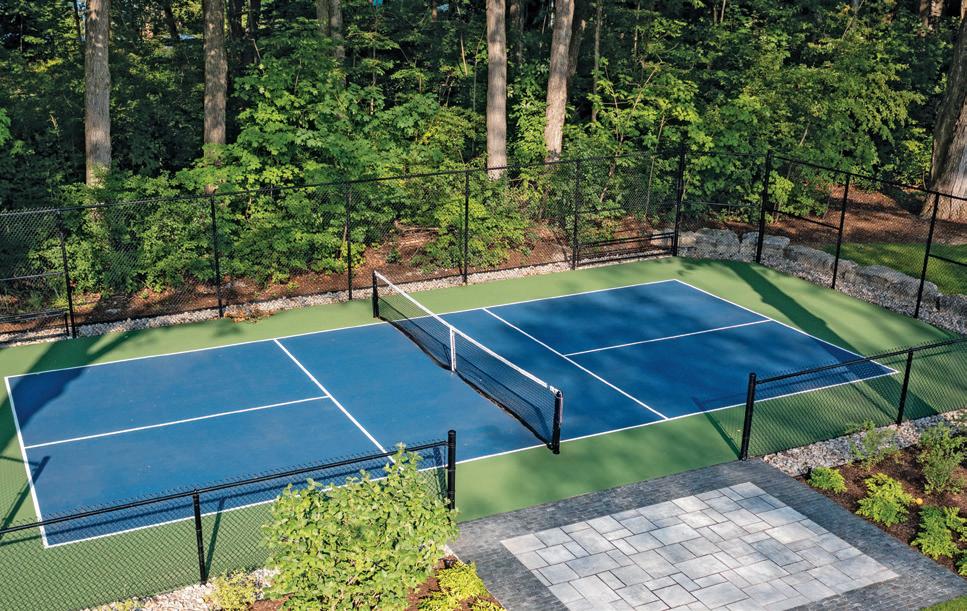
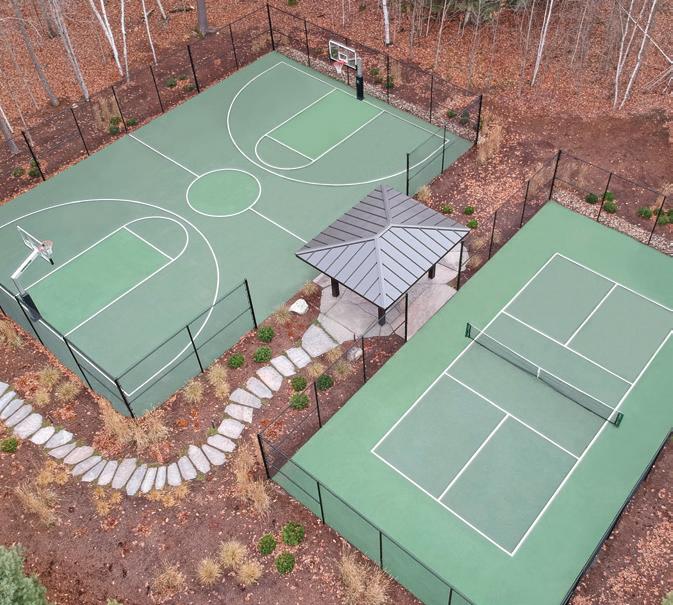
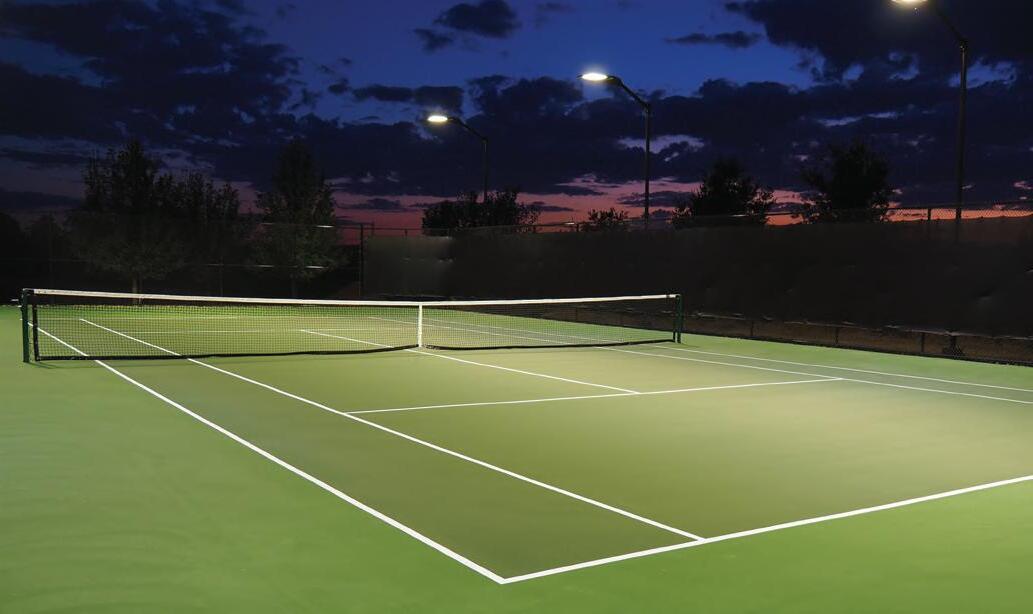
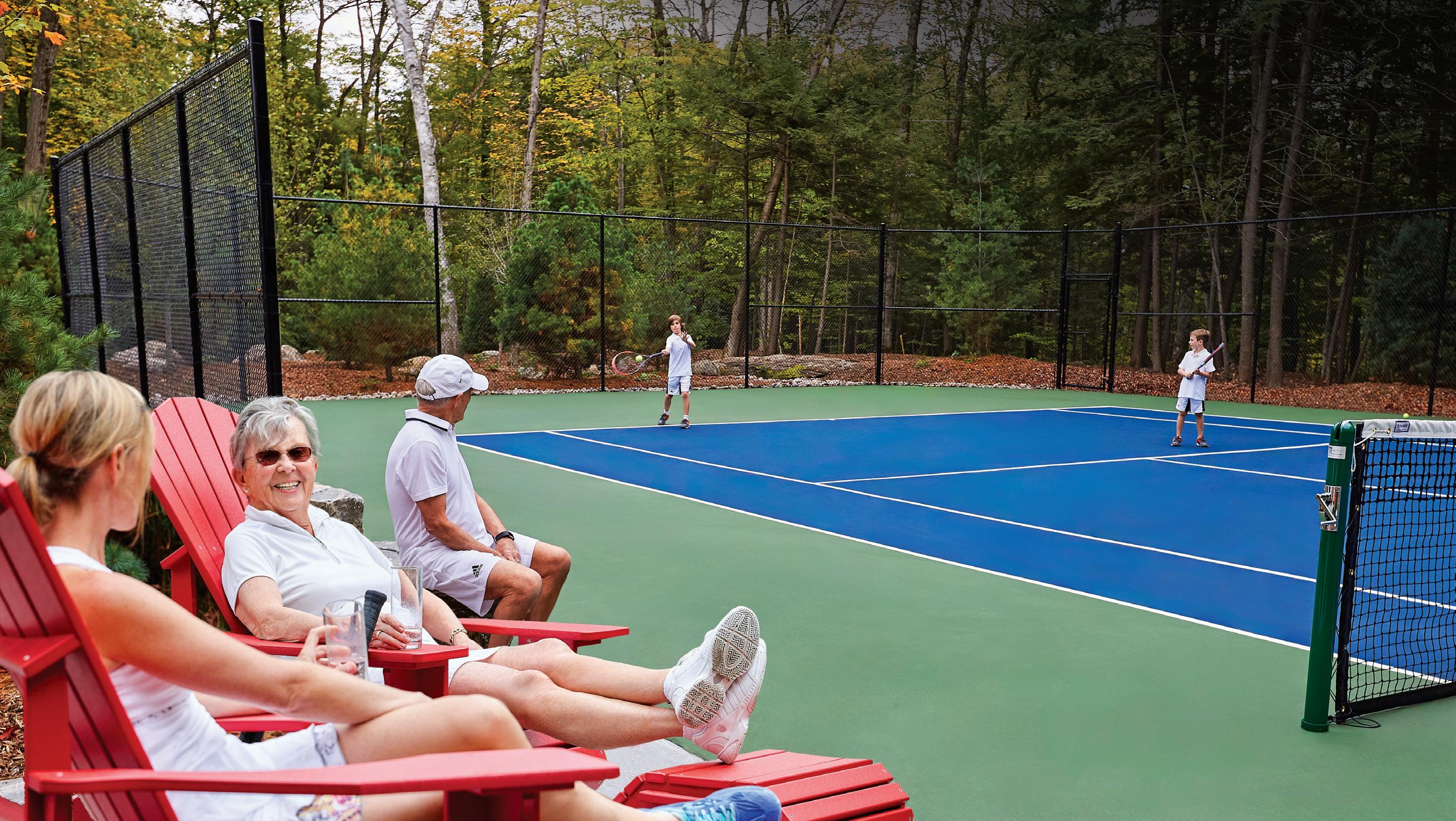
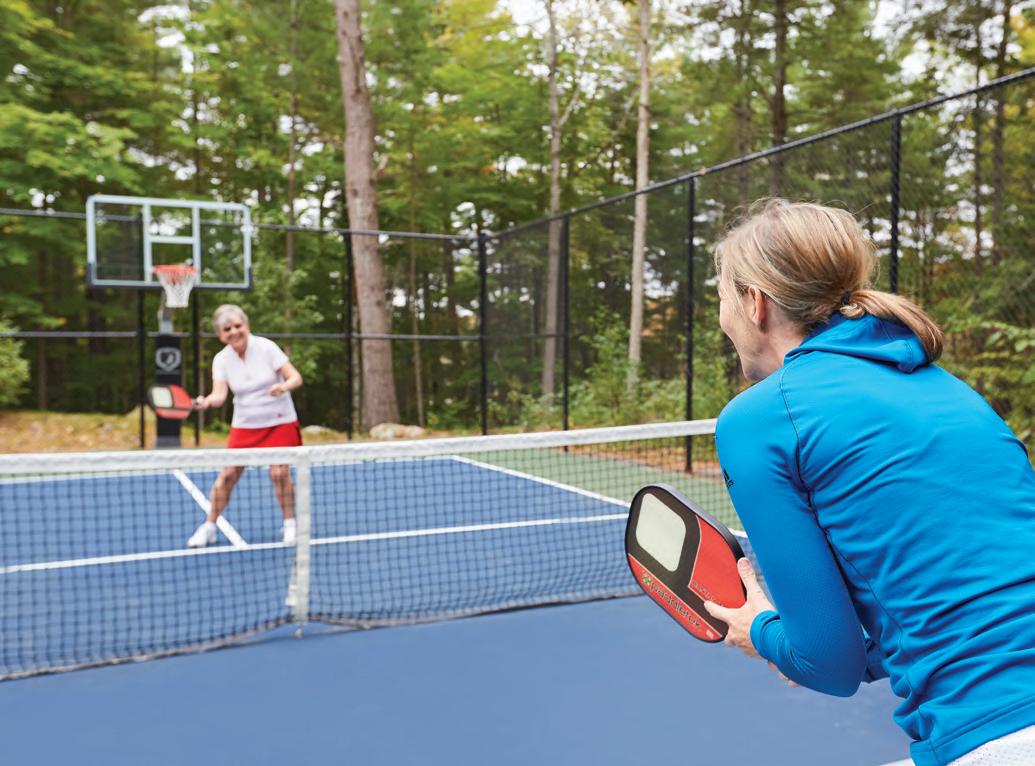
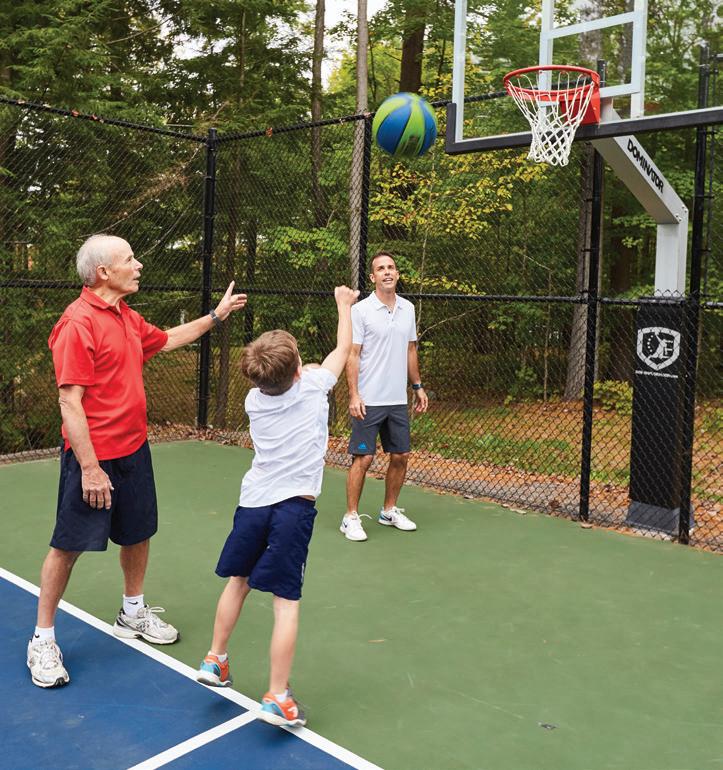
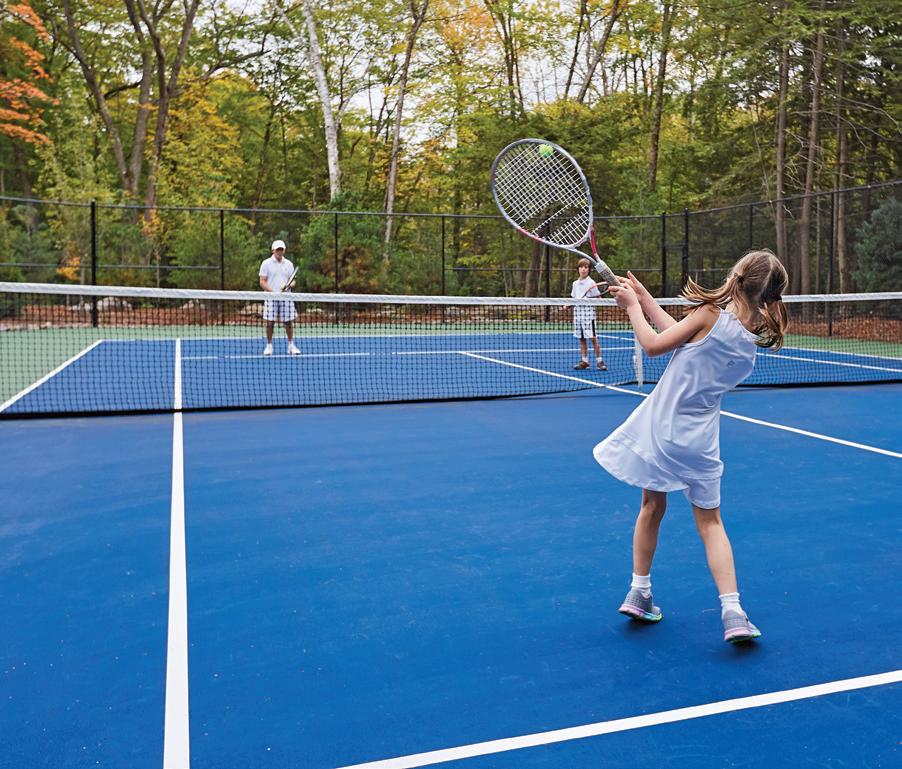
The tax considerations every commercial property owner should understand.

By Nathan Hooper, CPA, CA, Partner, Tax, Caroline & Aschaber LLP
Owning real estate can bring many benefits, including financial rewards, lifestyle advantages, and the peace of mind that comes with owning a tangible asset in an increasingly virtual world. While real estate used solely for personal enjoyment is generally straightforward to administer from a tax perspective, the ownership of real estate for commercial purposes can be significantly more complex.
When acquiring real estate for commercial purposes, it is difficult to overstate the importance of seeking professional advice before entering into the agreement of purchase and sale. At a minimum, purchasers should obtain legal, insurance, income tax, and sales tax (GST/ HST) advice.
From an income tax perspective, it is important to understand where, within
an existing corporate structure, the new property will be owned. Real estate can be held in a joint venture, partnership, corporation, or trust, each with distinct benefits and drawbacks. Other key considerations—beyond financial or commercial matters—include whether the property will be held as land inventory for future development, used in an active business, or owned as a passive investment.
Another key consideration is whether interest on borrowed funds will be deductible and how to structure the financing to achieve the most favourable tax outcome within the corporate group. In many cases, real estate may initially be owned personally or within an operating corporation but later needs to be transferred to another corporation within the corporate group. These transfers require careful planning to avoid undesirable income tax, sales tax, and land transfer tax consequences. Tax-deferred reorganizations are often achievable when appropriate professional advice is sought.

When acquiring real estate from a third-party seller, GST/HST rules also require careful attention. Even if the purchaser is a GST/HST registrant who would normally self-assess tax on acquisition, this only applies if the sale itself is taxable. It is the seller’s registration status and use of the property—not the purchaser’s—that determines whether GST/ HST applies. If the sale is taxable, then the purchaser’s registration status and intended use of the property determine how the tax is reported and paid to the CRA. If the sale is exempt under the Excise Tax Act, the purchaser’s registration status will not change the tax outcome.
Once real estate has been acquired, owners should consider how it may affect a future sale of the business. Generally, if a Canadian-controlled private corporation (CCPC) owns real estate that is used in an active business, the corporation’s shares may qualify for the Lifetime Capital Gains Exemption (LCGE). This can create significant tax advantages when selling the shares of both the operating company (“Opco”) and any related real estate companies. To take full advantage of this opportunity, however, planning generally needs to be completed at least 24 months in advance.
Unlike real estate used in an active business, passive real estate investments held in a CCPC are taxed at a rate of approximately 50% corporately, part of which is a refundable tax. This high rate is intended to mimic the tax an individual in the top tax bracket would pay if they owned the same passive investment personally rather than corporately. The concept is often referred to as “integration.” Despite this, it is common for investors to hold passive real estate investments corporately because the funds used to invest often come from prior corporate profits that have not yet been subject to tax at the personal level. Redeploying corporate funds into new passive investments is therefore a common strategy among Canadian investors.
It is particularly important to seek professional advice whenever a corporately owned real estate investment undergoes a
Because Canadian residents are taxed on their worldwide income, net income and capital gains earned on real estate investments outside of Canada must be reported in Canada, ideally with any eligible foreign tax credits claimed for taxes paid abroad.
change in use. This is especially true from a sales-tax perspective, where the rules are complex and require careful analysis in advance for both complete and partial changes of use with respect to a property.
Cross-border investments in real estate also require careful consultation with professional advisors to understand tax-compliance obligations. Non-residents who purchase Canadian real estate must meet annual tax-reporting obligations for both rental income during the period of ownership and upon a sale of the Canadian real estate property. Known as “Section 116,” these provisions require that a withholding tax of 25% (or 50% in certain cases) be remitted to the CRA within 10 days of closing. If the non-resident vendor does not comply, the purchaser (often a Canadian) becomes fully liable for the withholding tax. As a result, Canadians purchasing real estate from non-resident sellers must conduct careful due diligence with the assistance of legal and tax advisors.
Canadians investing in real estate outside of Canada should consult with their tax adviser regarding the implications from both Canadian and foreign tax perspectives. Because Canadian residents are taxed on their worldwide income, net income and capital gains earned on real estate investments outside of Canada must be reported in Canada, ideally with any eligible foreign tax credits claimed for taxes paid abroad.
For sales of U.S.-based real estate, Canadians will generally need to comply with the U.S. equivalent to Canada’s “Section 116” rules, known as FIRPTA (Foreign Investment in Real Property Tax Act). This typically requires assistance from U.S. legal counsel and both U.S. and Canadian tax professionals to ensure all foreign tax credits are claimed in
connection with the disposal.
From an estate-planning perspective, additional complexity and planning will often arise when a Canadian individual passes away owning shares of a private corporation that holds real estate. Without proper planning, double taxation may occur on both the shares of the private corporation and the assets owned within the corporation. Some of this tax planning is time-sensitive to implement after the passing of the shareholder. These planning techniques, generally referred to as “postmortem pipeline” or “loss carryback” planning, require professional assistance. It is also important to meet with advisors in advance to understand the total amount of potential estate-tax liability and to develop a plan to fund this liability, which can sometimes be a significant challenge if significant portions of wealth are held in illiquid real estate assets.
This article provides only a highlevel overview of some common issues encountered when investing in real estate. Readers are encouraged to conduct their own due diligence and obtain professional advice based on their specific circumstances. E
Nathan Hooper is a Chartered Professional Accountant with over 15 years of experience providing clients with timely and proactive tax advice. He is a Partner at Caroline & Aschaber LLP, located at 173 Ste Marie St. in Collingwood and at 31 Arthur Street W. in Thornbury. Nathan can be reached at nathan@kcrallp.ca or by phone at (705) 444-9987.
The information contained in this article is intended as a general source of information only and should not be construed as offering specific tax, legal, financial, or investment advice. Readers should consult with their accountant and their financial, insurance, and legal advisors before taking any action based upon the information contained in this document.

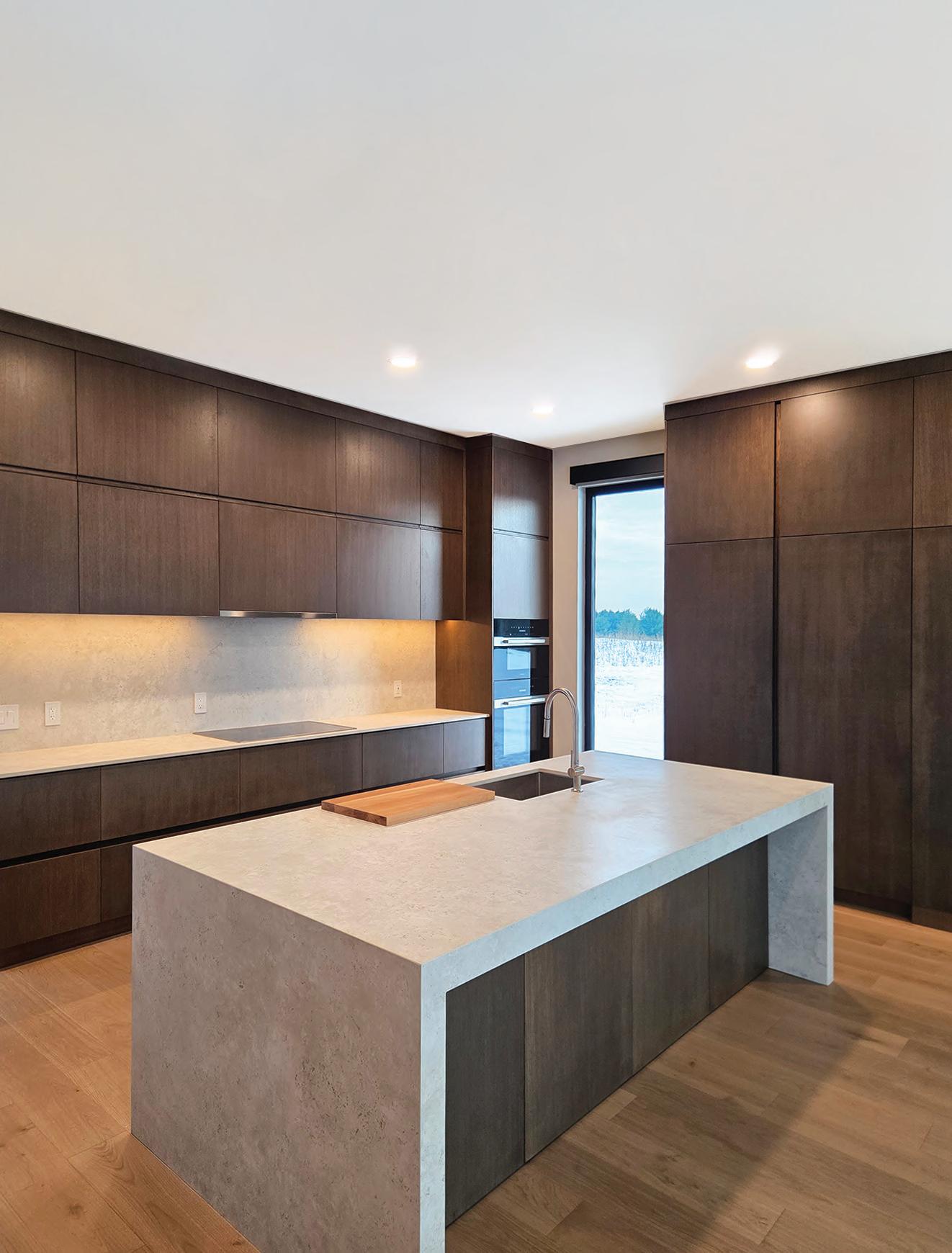



We have raised over $11.2 Million, but we still need your help.
The Georgian Triangle Humane Society (GTHS) has officially broken ground on the David & Helen Capin Regional Centre for Pets & People (RCPP). This vital new facility will shelter more animals, support more families in crisis, and meet the growing needs of the South Georgian Bay and beyond.
This transformative Animal Centre is more than just a building. It’s a promise to the thousands of pets and people who depend on us every year.
Every gift brings us closer to opening the doors of this life-changing space. With your help, we can ensure that pets and people across our region have the care, compassion, and support they deserve.
Naming opportunities are still available. For more information about leaving a legacy and donating, please
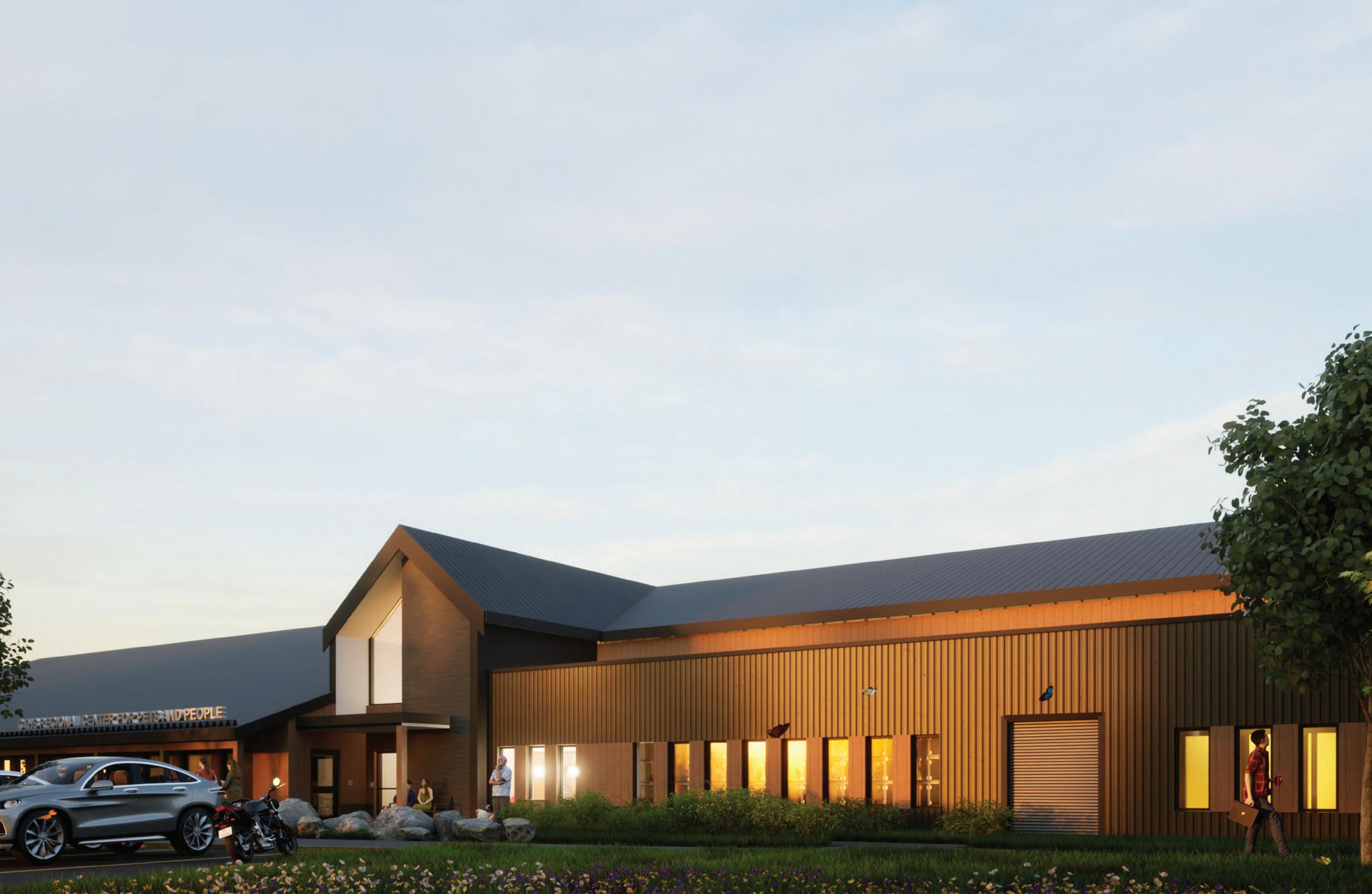

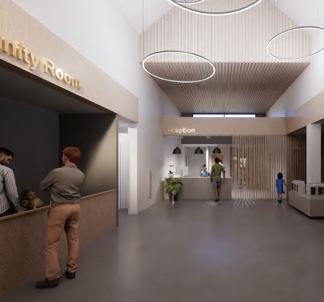
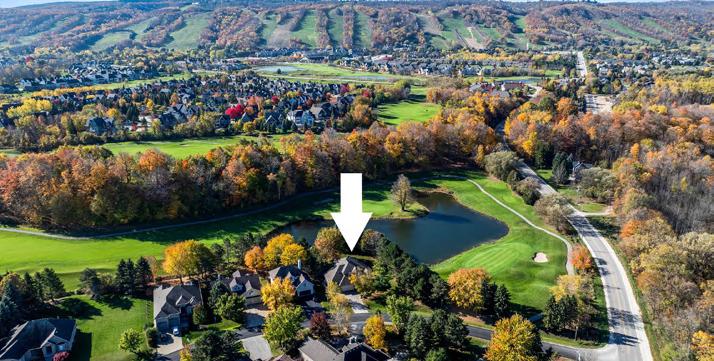
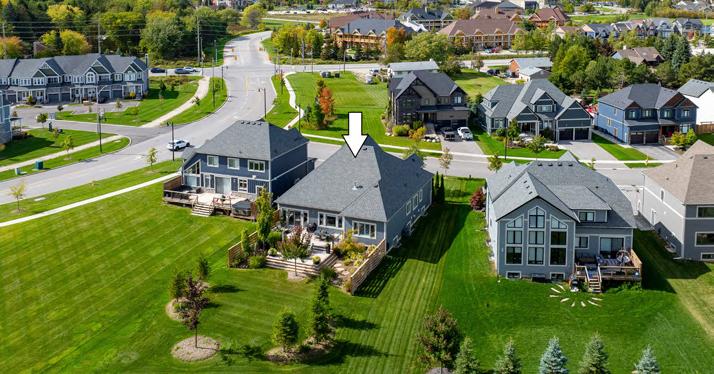
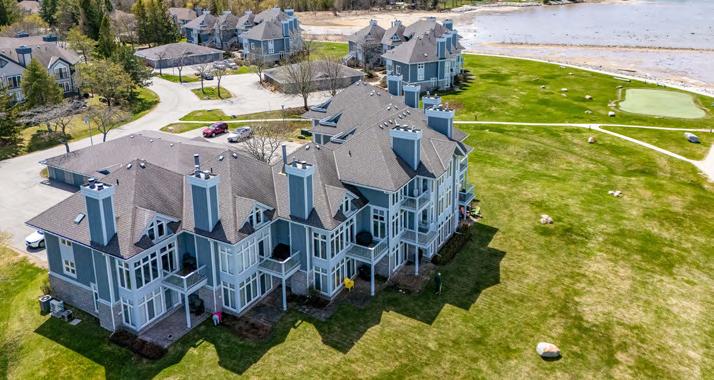
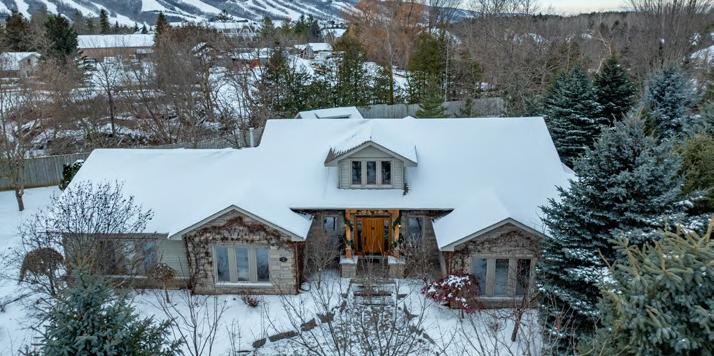
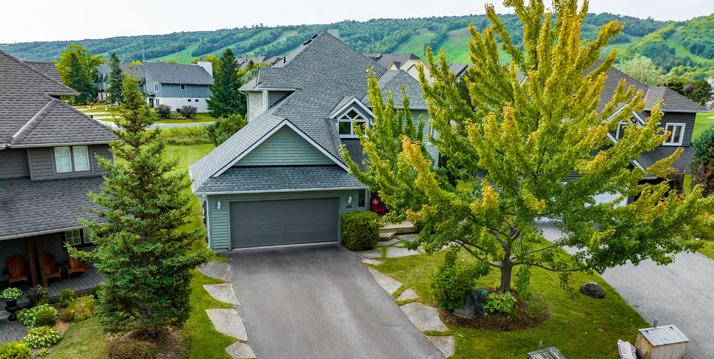
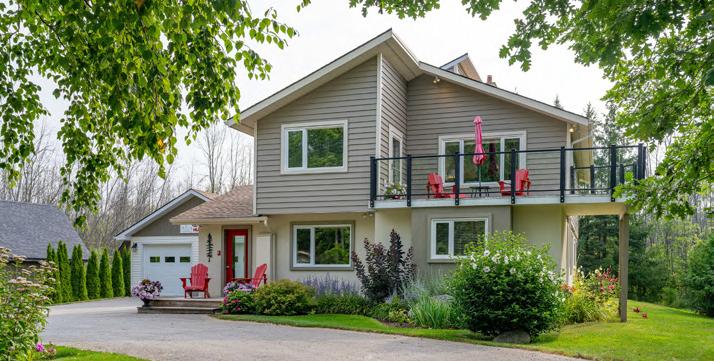
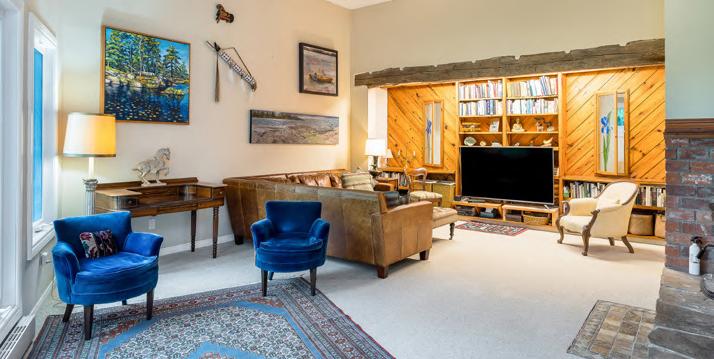
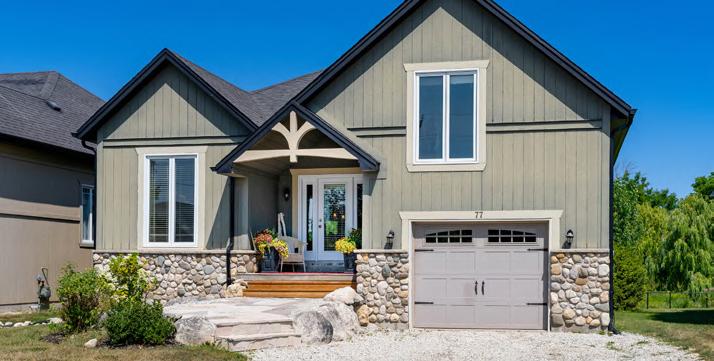
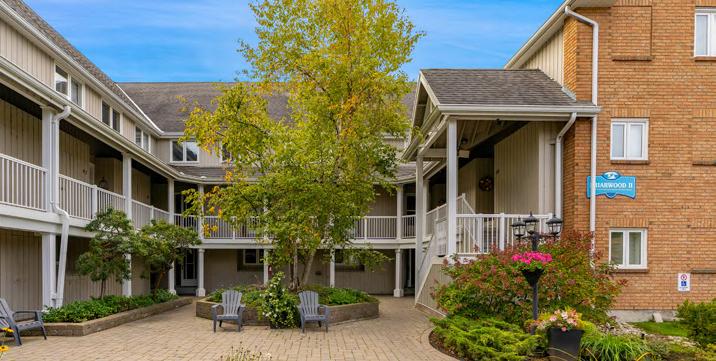




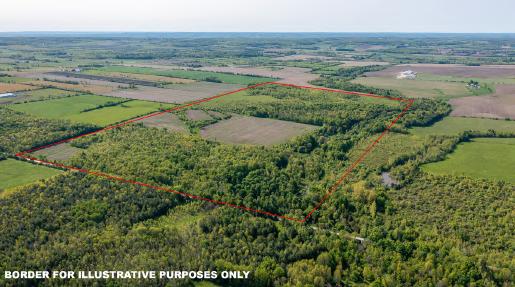
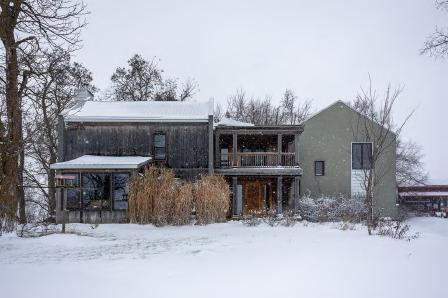
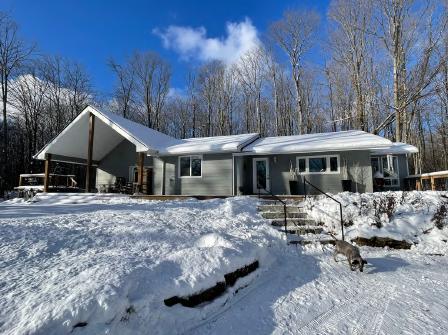
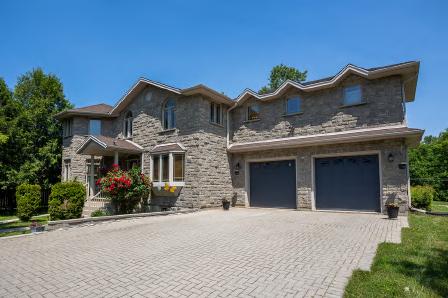
B u y i n g o r S e l l i n g ? C o n n e c t w i t h
o u r t e a m f o r a l l y o u n e e d s
T o v i e w a l l o u r
l i s t i n g s s c a n h e r e


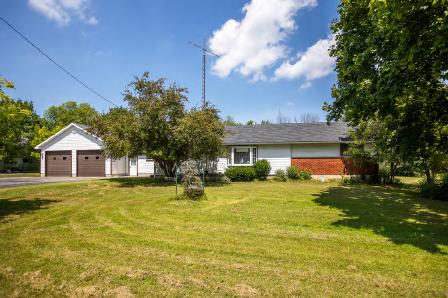
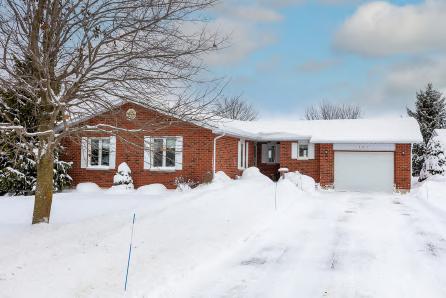
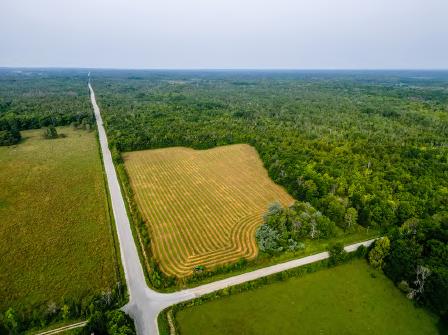
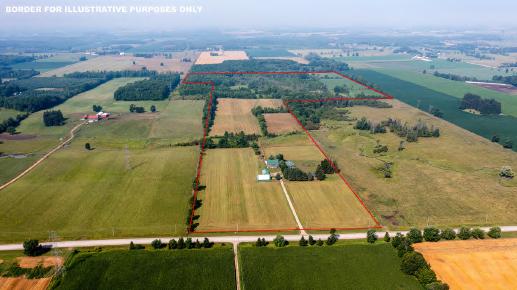
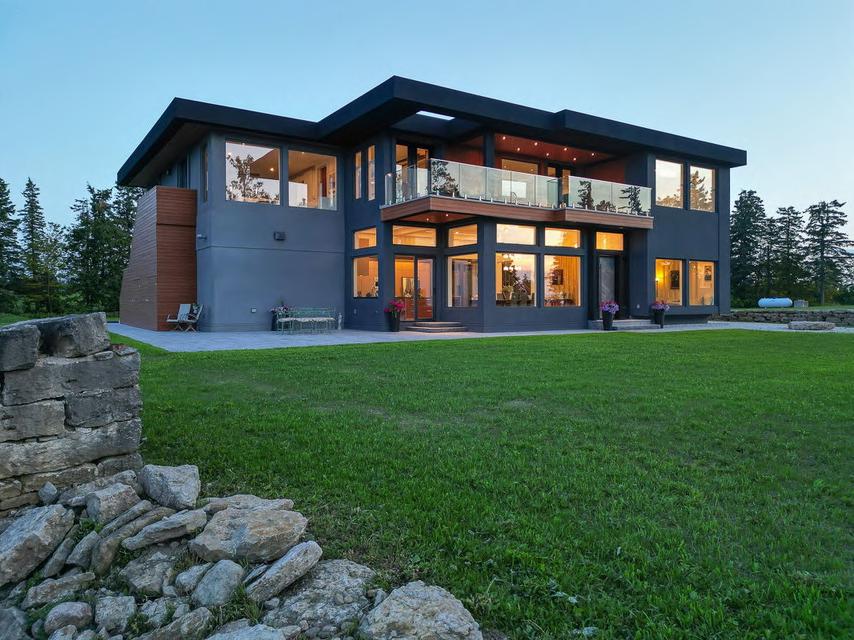
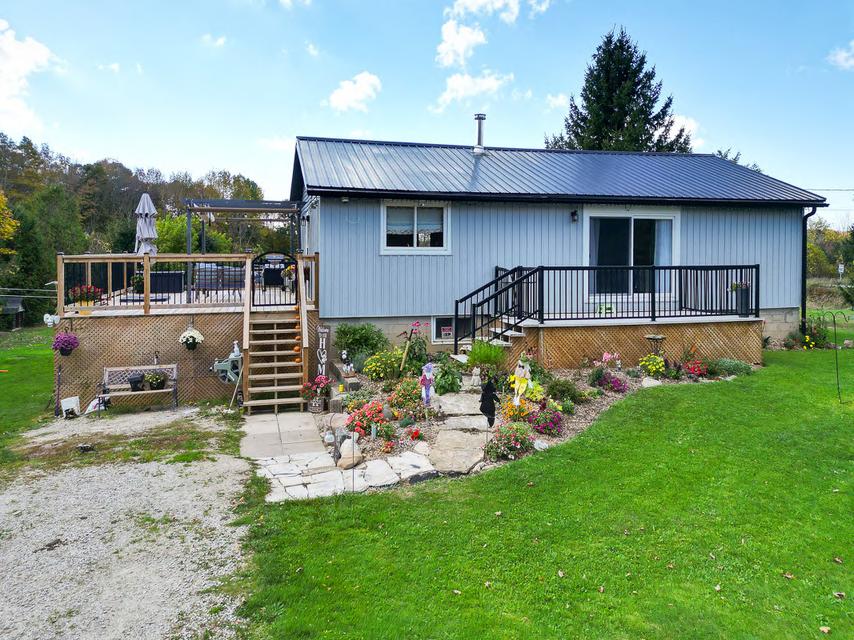








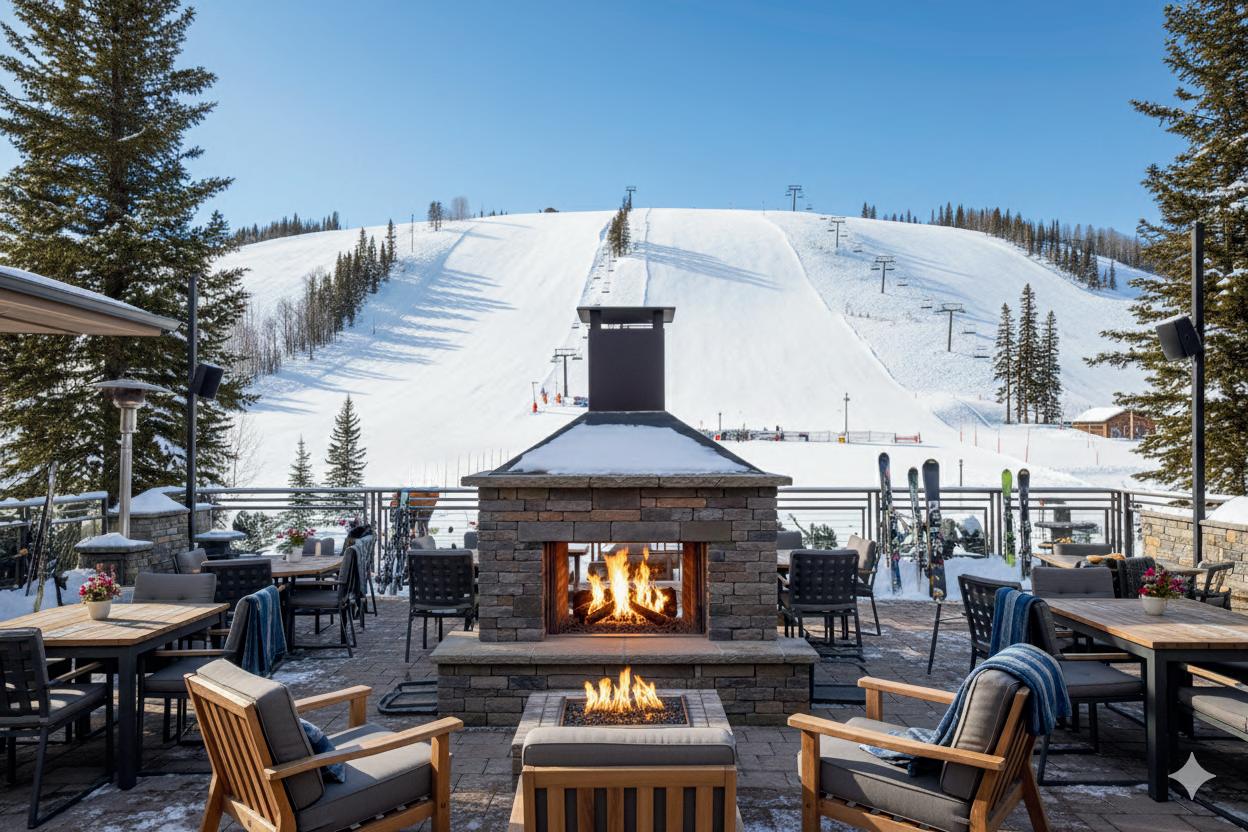




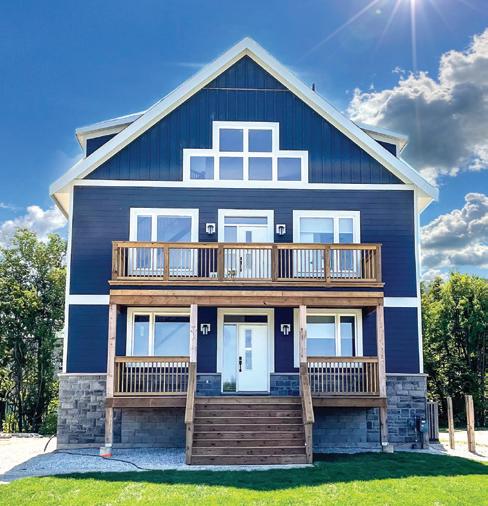




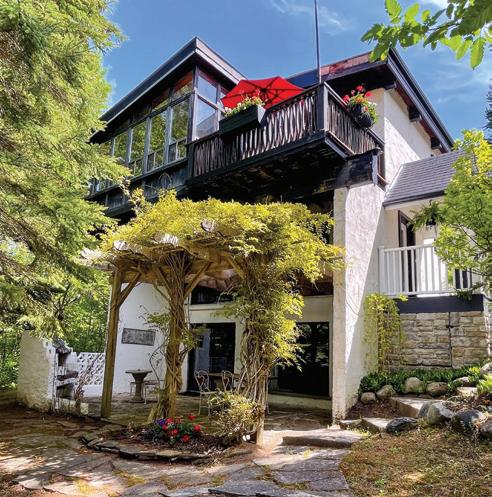

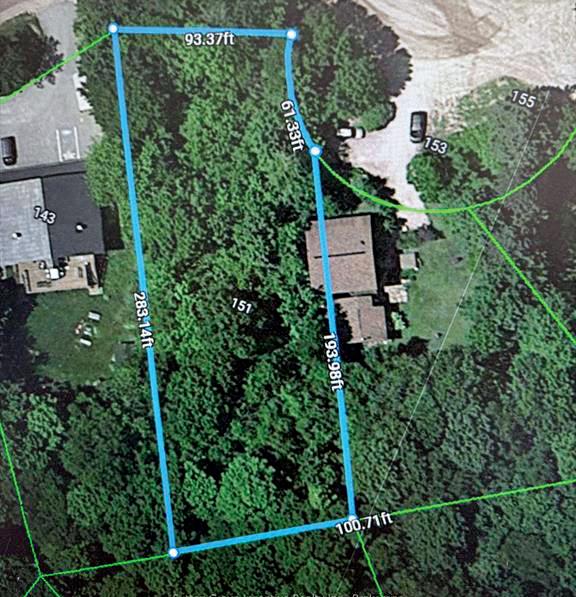
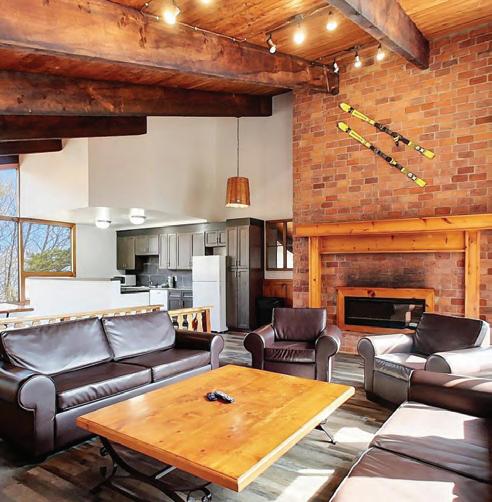

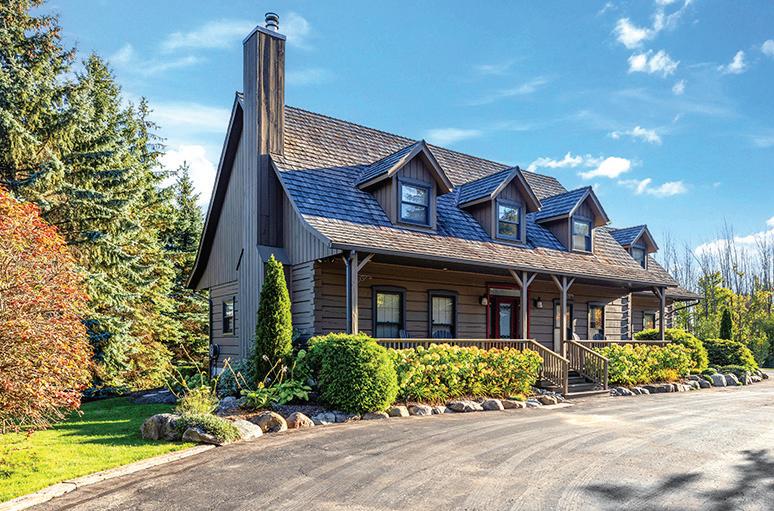
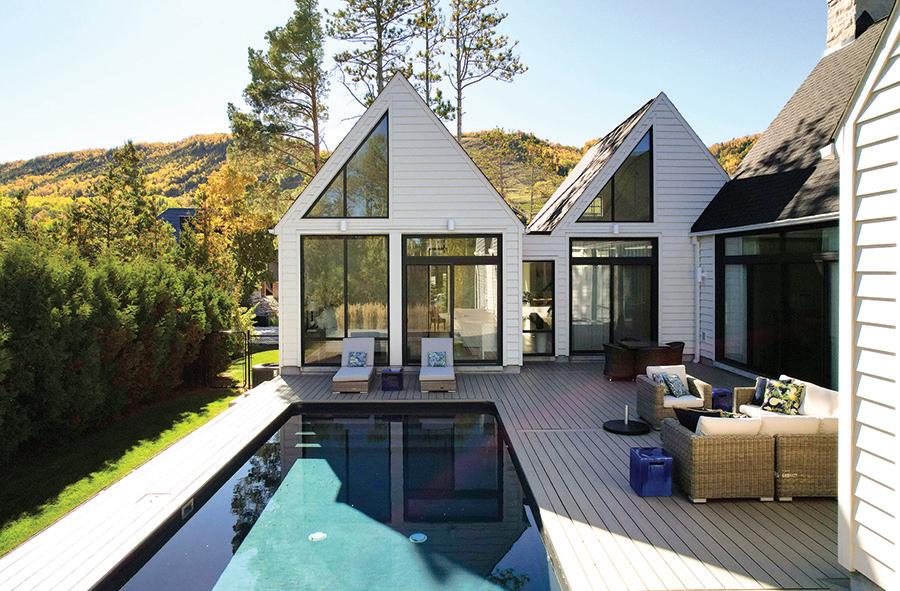
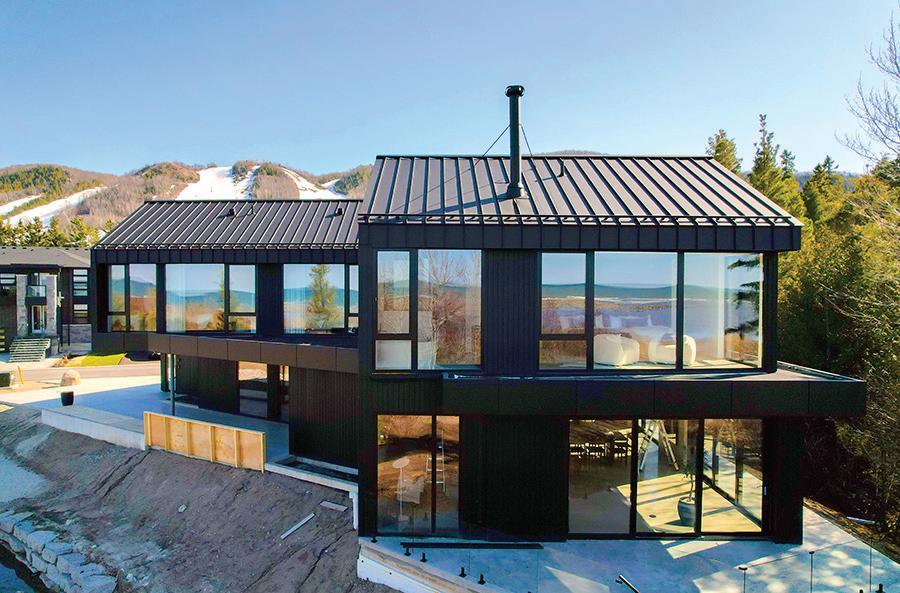
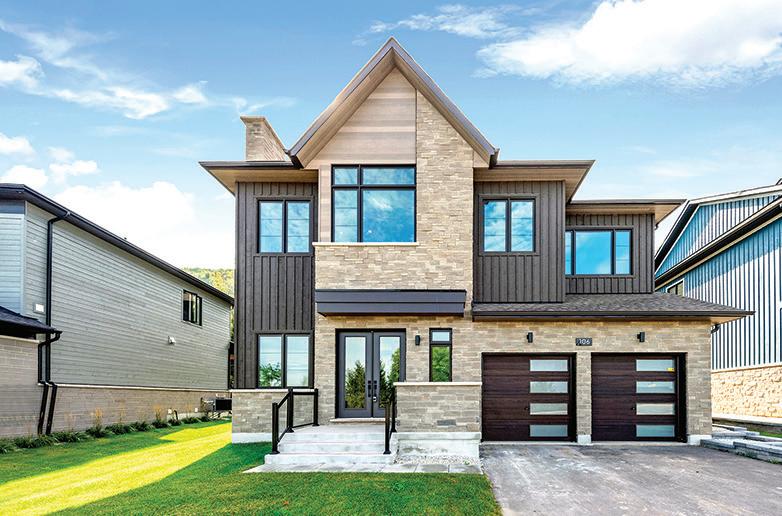
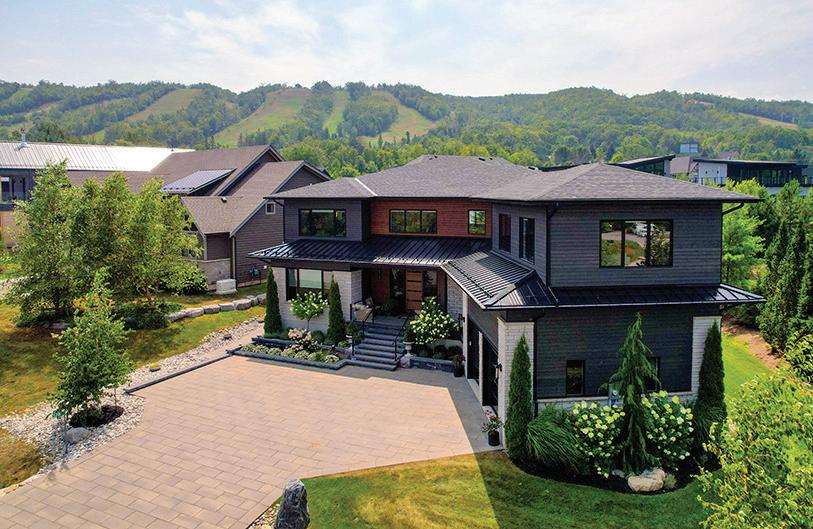
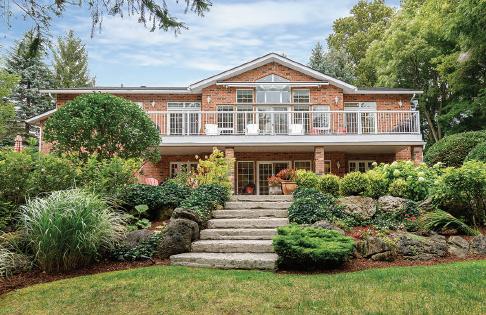



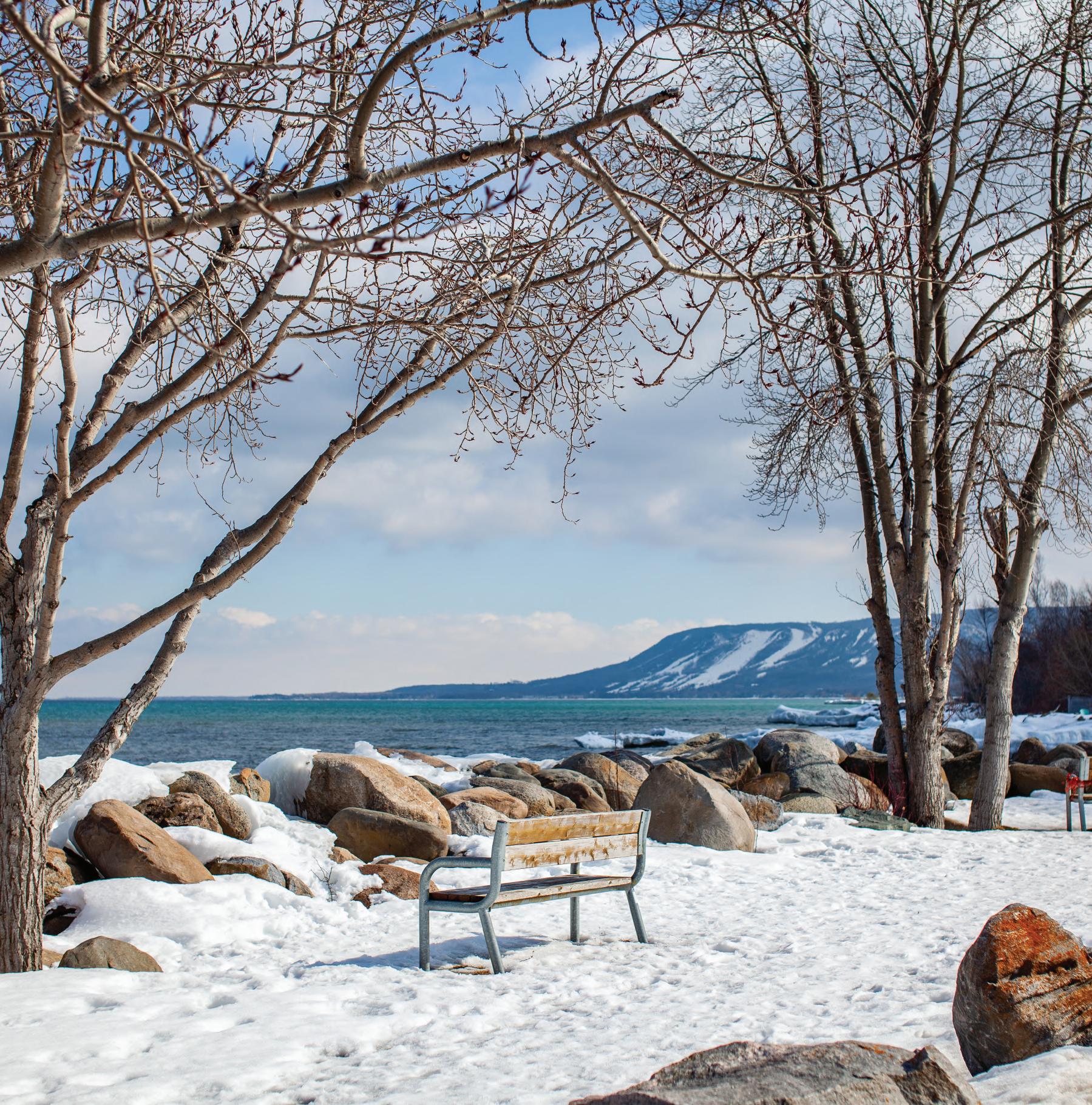
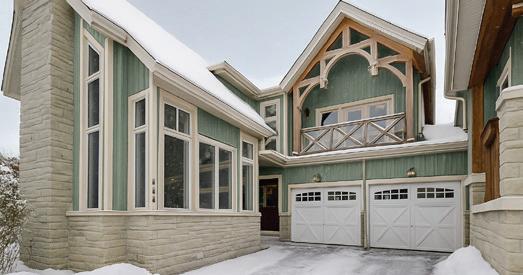
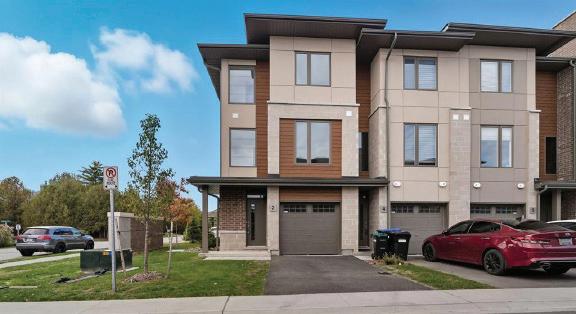
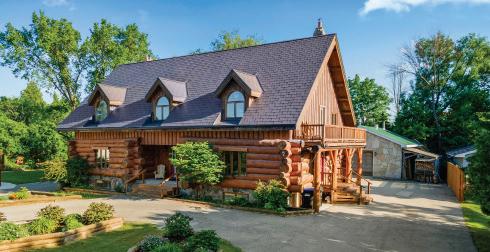
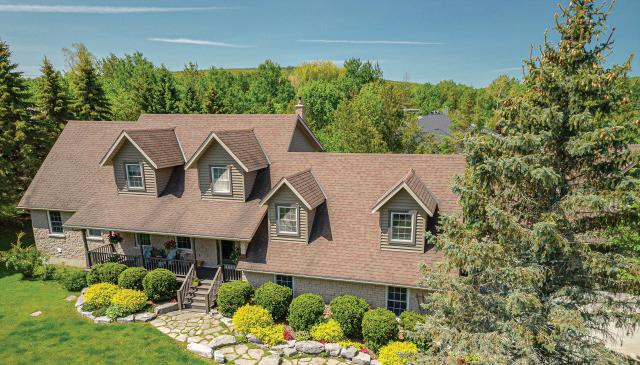

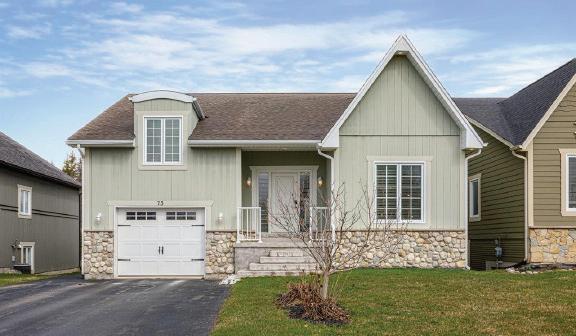
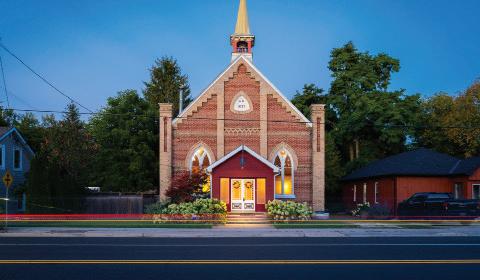


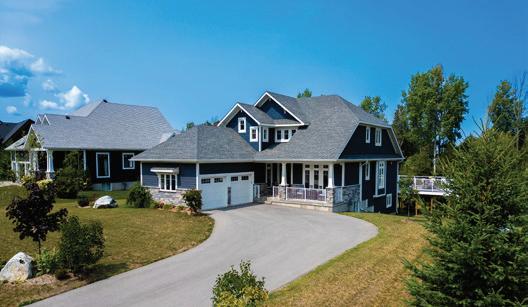


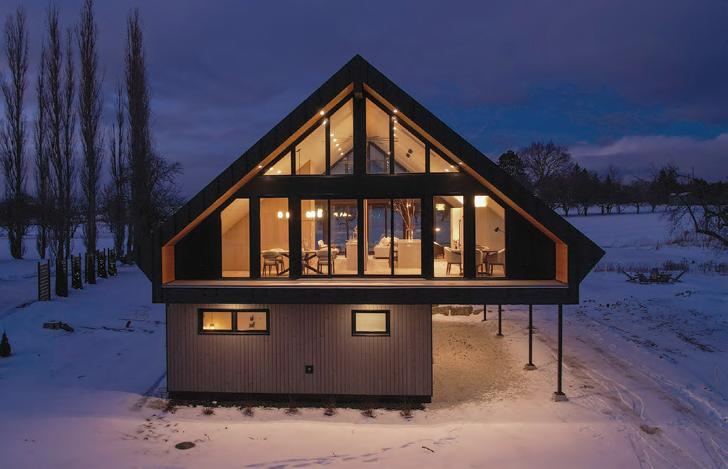

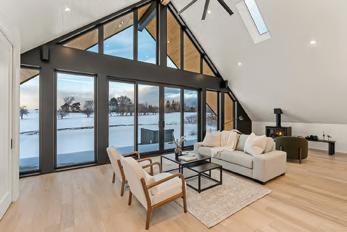
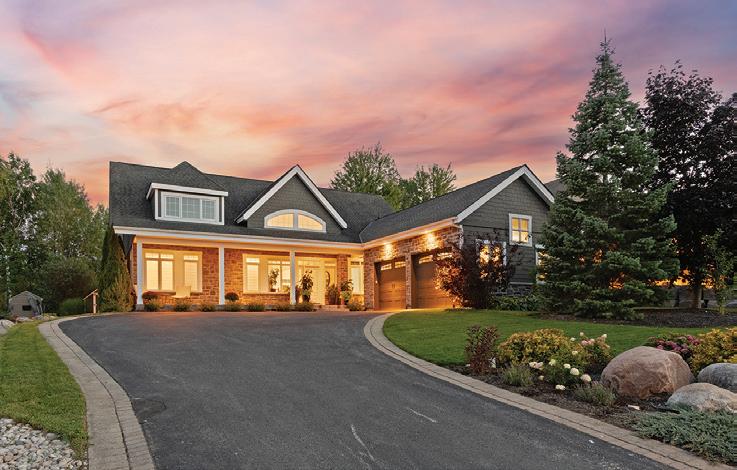




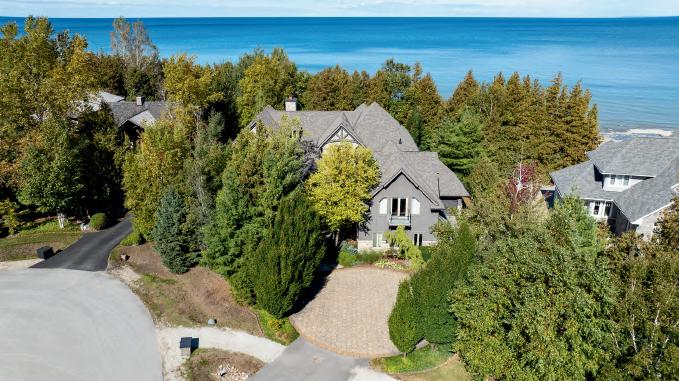
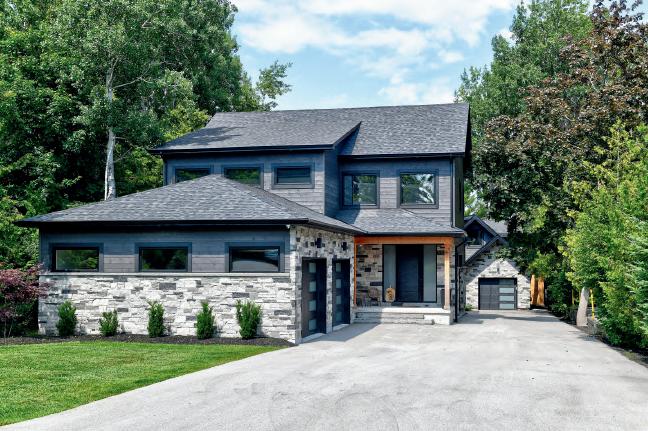



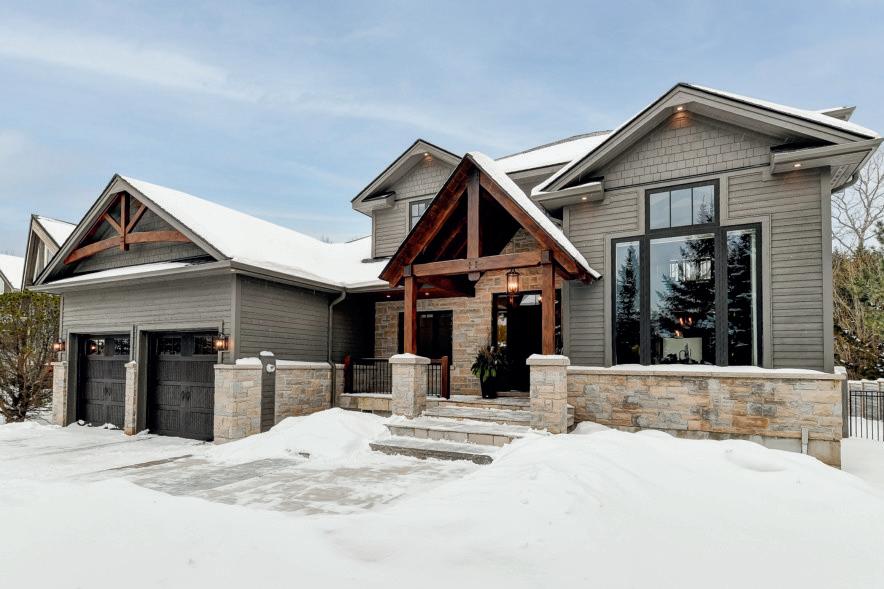
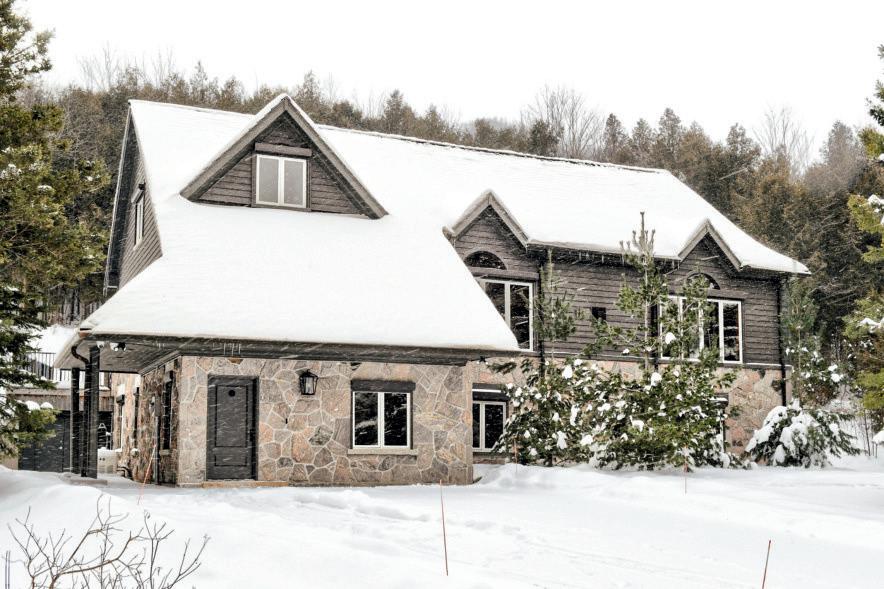
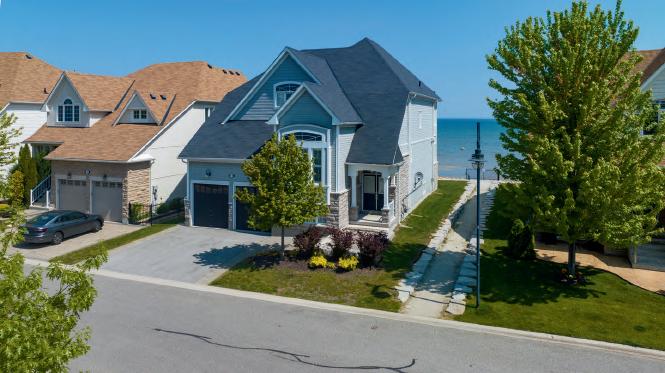
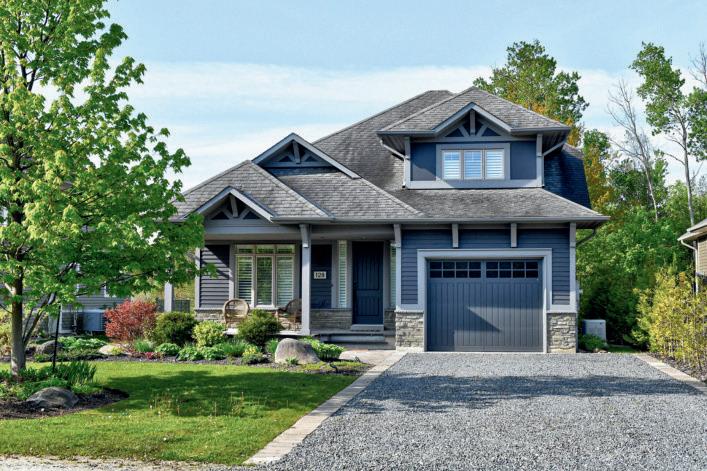
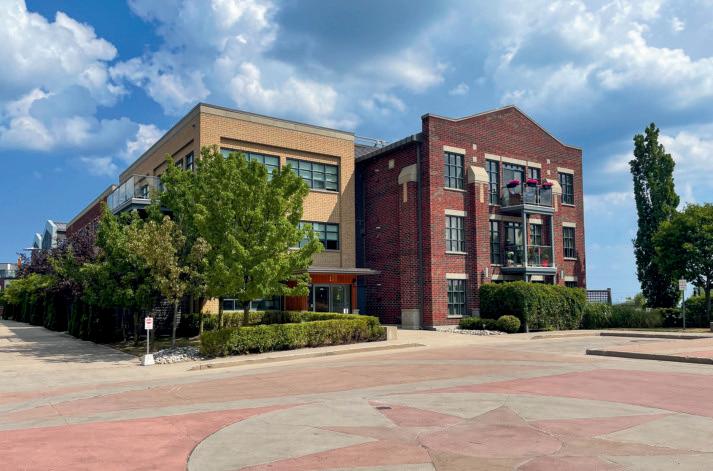
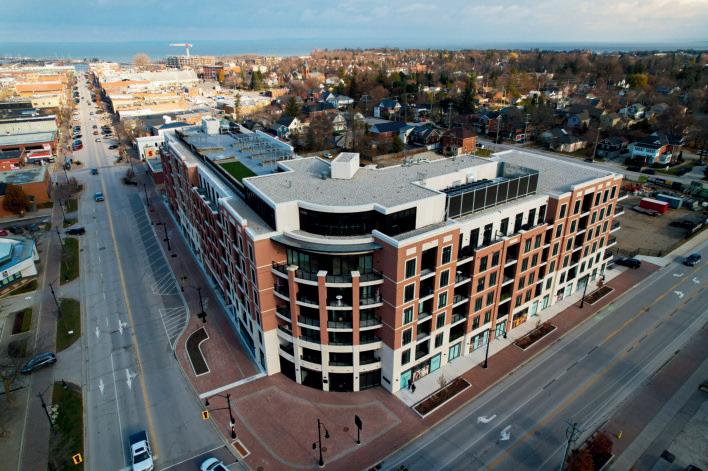
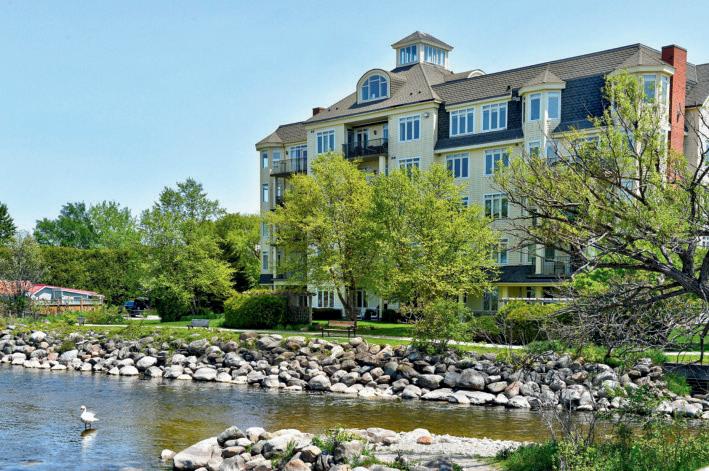
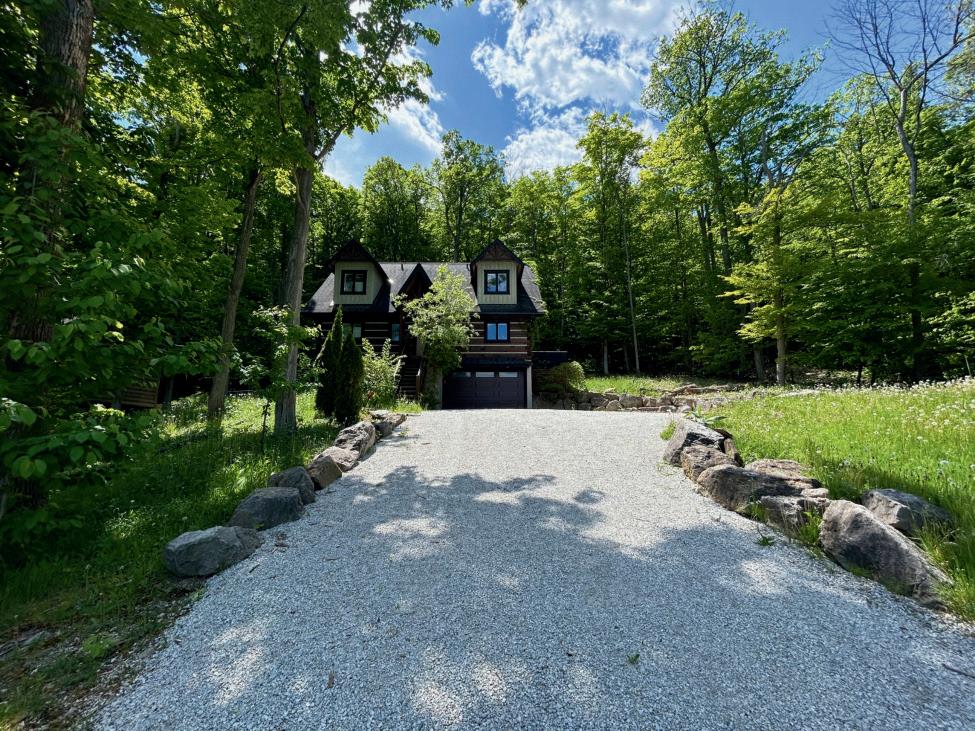
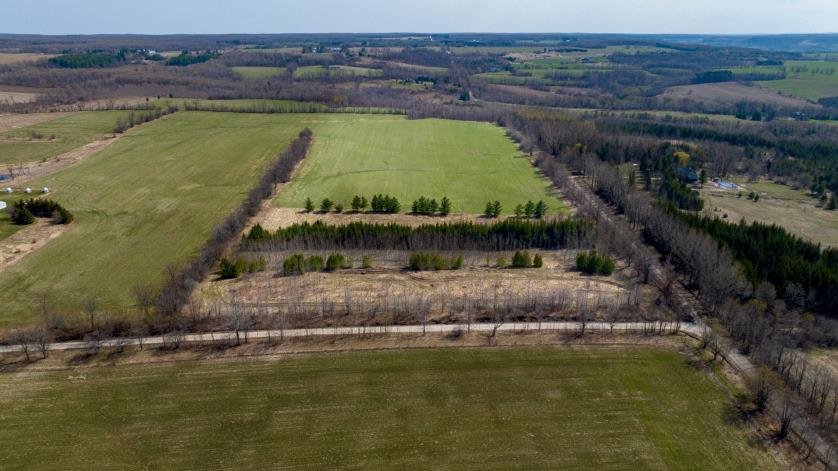
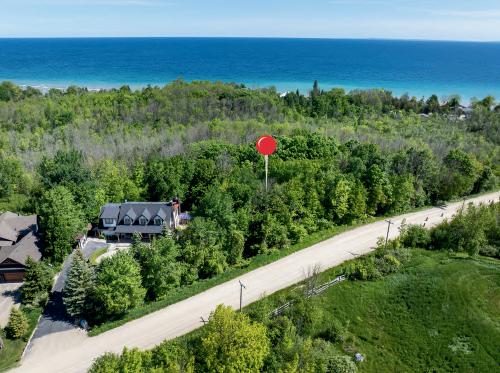
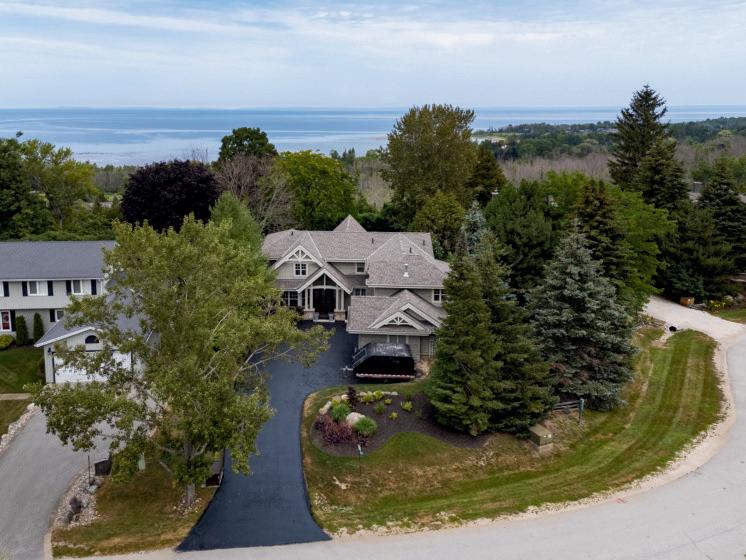
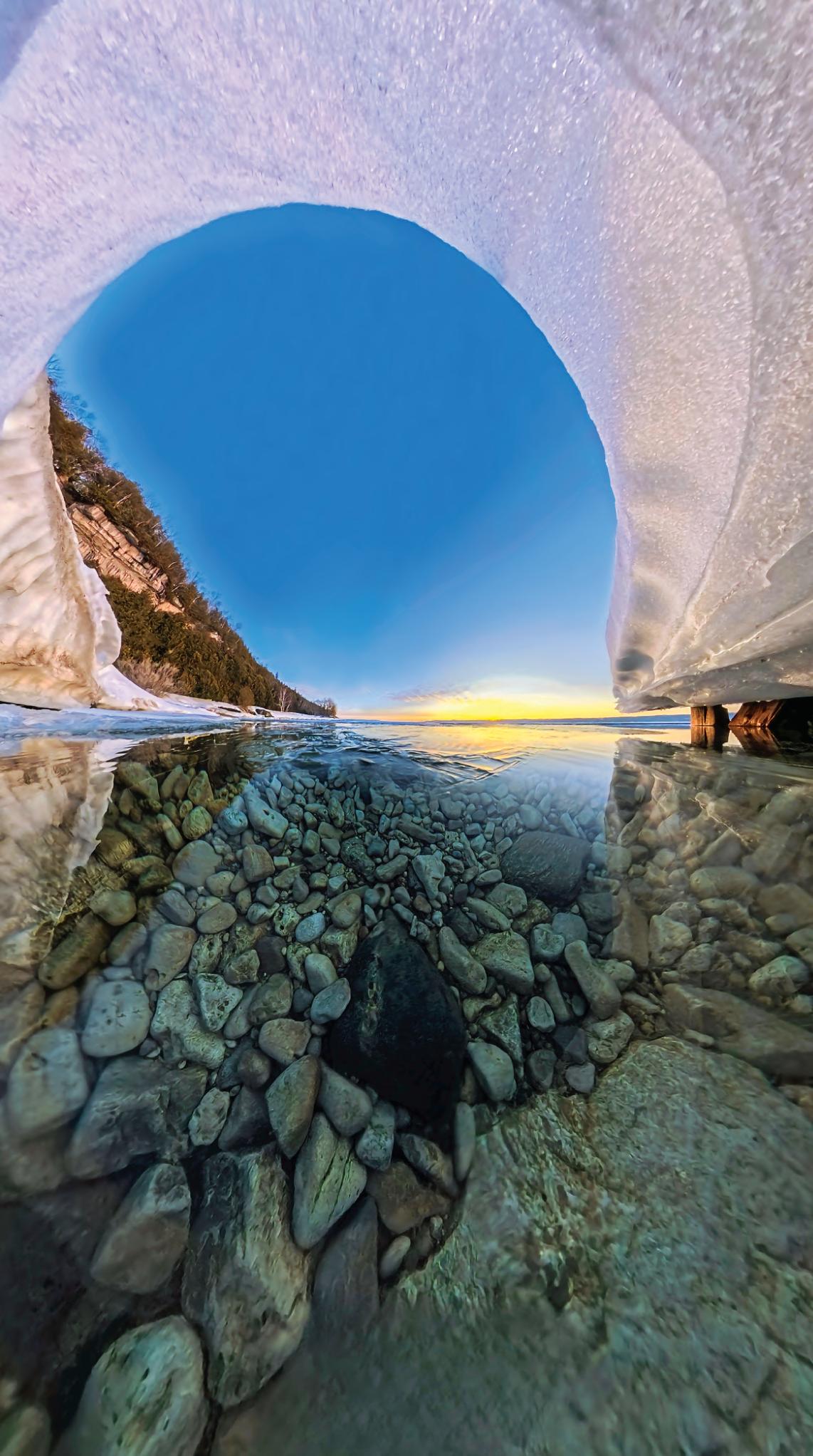
Drawn to the Bruce Peninsula’s rugged shores, Ray Auger has spent years wandering its edges, looking for new ways to capture familiar places. “I particularly enjoy walking the shoreline to see what images I might be able to create,” he says. For this photograph, Ray used an Insta360 X5 camera, imagining what the landscape might look like if the lens were placed where the naked eye normally couldn’t reach. Shot just after a snowfall, the camera was carefully positioned between four large stones. “Placing the camera in that space completely changed how the scene felt. It created this cave-like image that I couldn’t have seen any other way.”
A landscape photographer with a longstanding connection to Lake Huron and Georgian Bay, Ray Auger is inspired by these waters. “The unique perspective of a 360-degree camera gives me endless opportunities,” he says. Exploring close to the lake’s edge and capturing unique moments has become central to his work. Now retired, Auger has more time to focus on photography and shares many of his images through social media platforms.
You could be featured in an upcoming Aftershot! Tag us on Instagram or Facebook using @EscarpmentMagazine or #EscarpmentMagazine for a chance to be featured — plus, you’ll be entered to win a gift card to a local business!
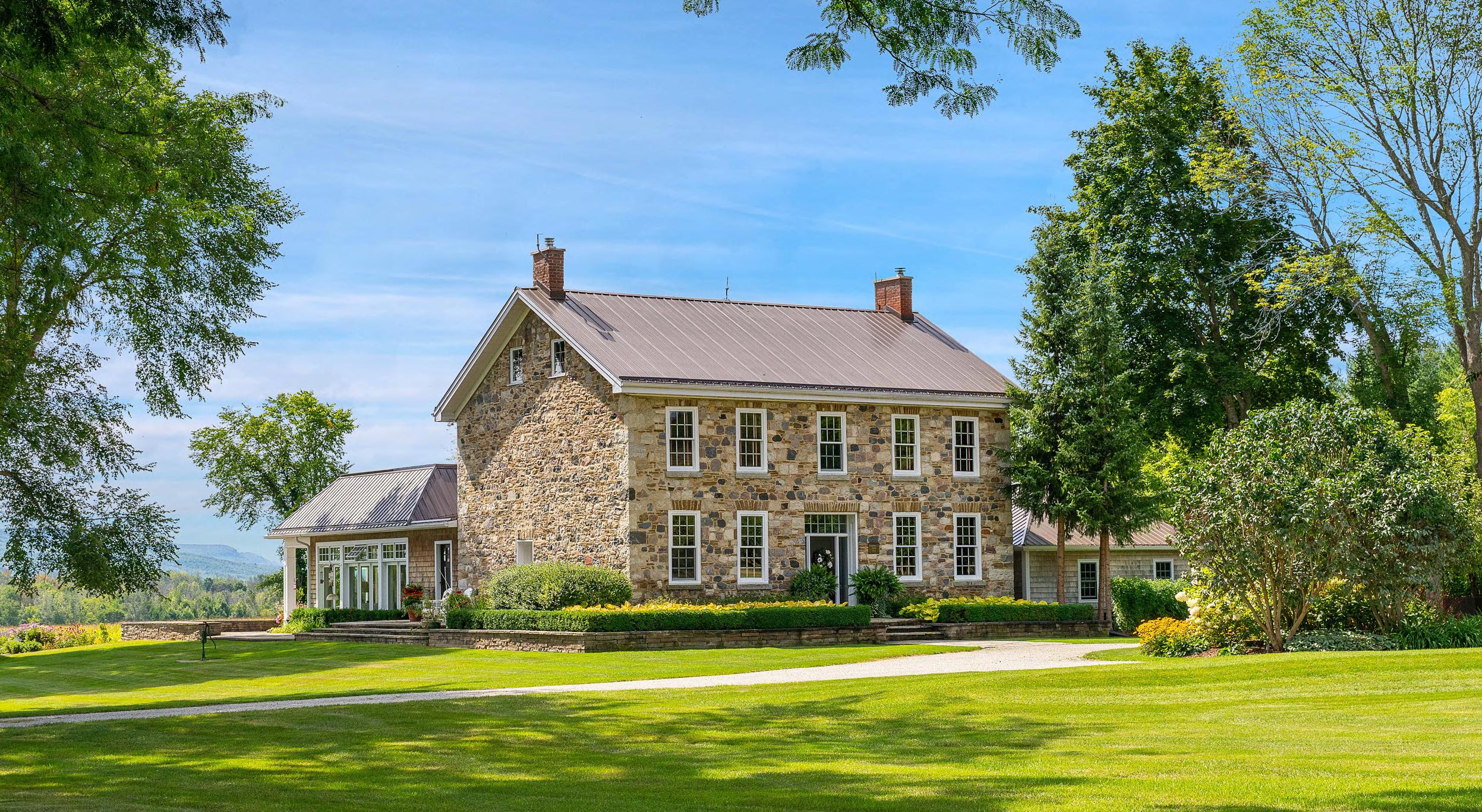
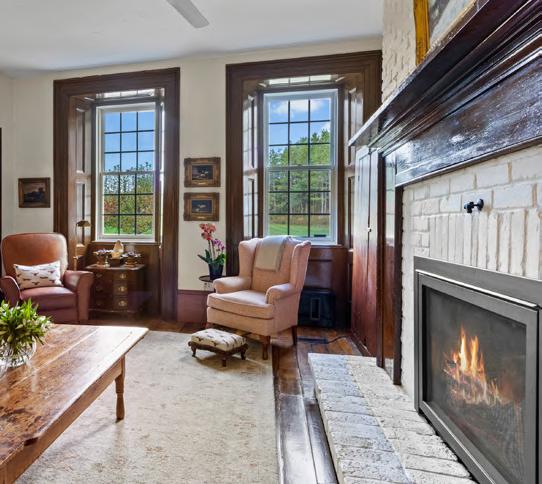
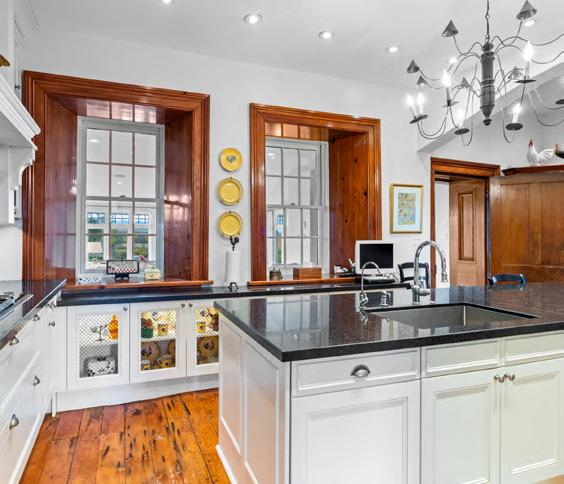
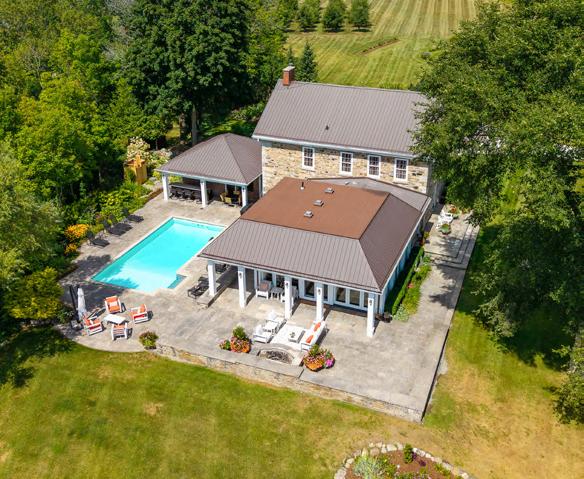
Once in a blue moon, we see a property that ticks every box – including boxes you never thought possible. Imagine a thoughtfully restored, circa 1840 stone home on the outskirts of bucolic Heathcote – renovated with the modern family in mind while preserving historic charm. Ramble through 4,100 square feet of timeless luxury with five bedrooms, a kitchen designed for big ol’ parties, a parlour and living room each with gas fireplaces, and a stunning sunroom addition that leads out to the pool and a pool house that doubles as a sweet guest house. This is gentle outdoor living, yet for the adventurous you’ll find a barn to stable your horses and tuck all your toys. The magic happens down by the Beaver River that winds through the 244 acres with a natural grace. Pull on your hip waders and fish for trout or don your pearls and sip champagne at a riverside picnic. For more details, James and Max are happy to chat or scan the QR code below.
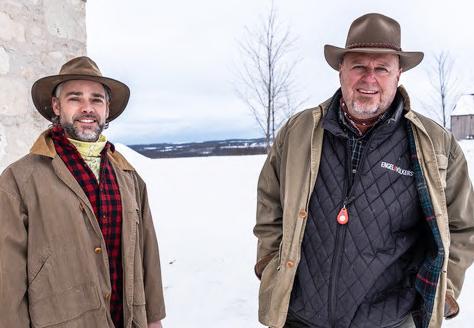
Max Hahne
Broker, IRES**, RSPS†
James McGregor
Sales Representative, CIPS*