spring 2026
escarpmentmagazine.ca

spring 2026
escarpmentmagazine.ca
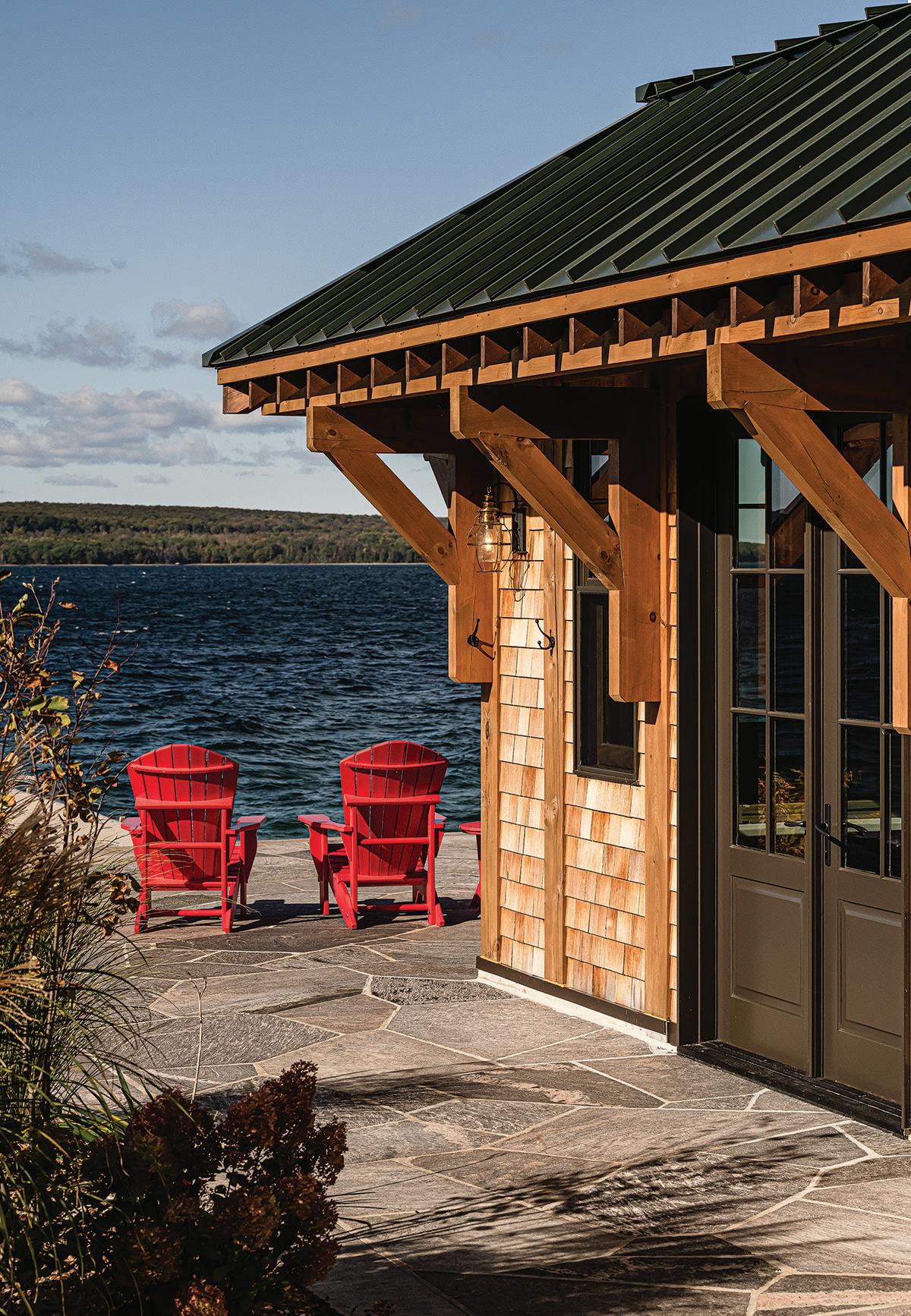
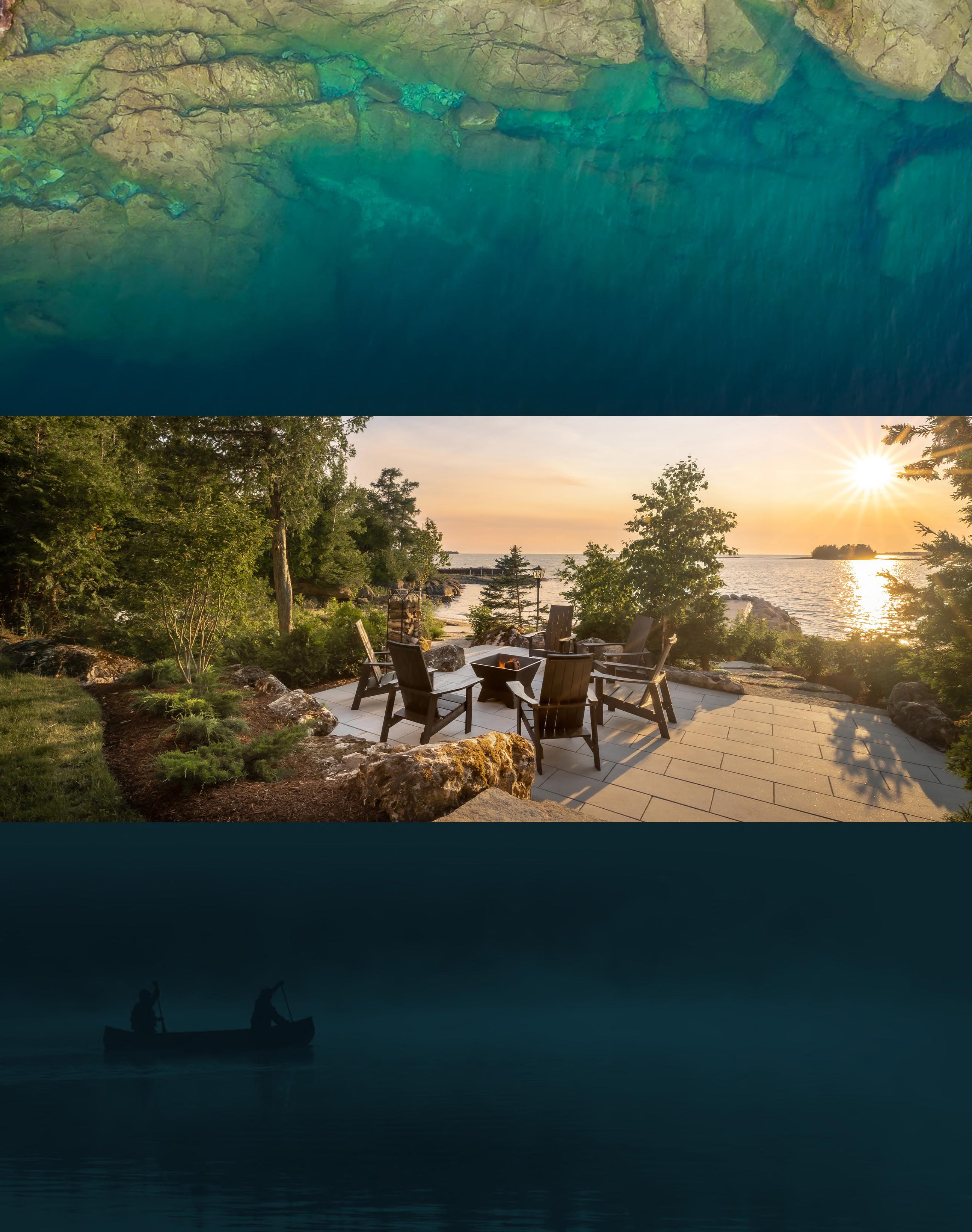
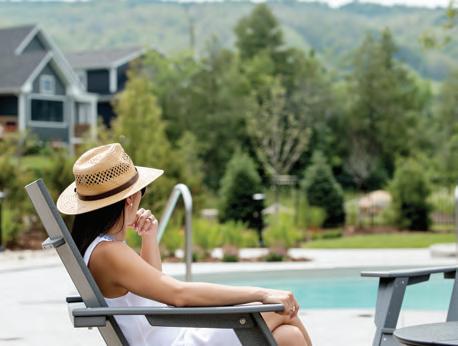
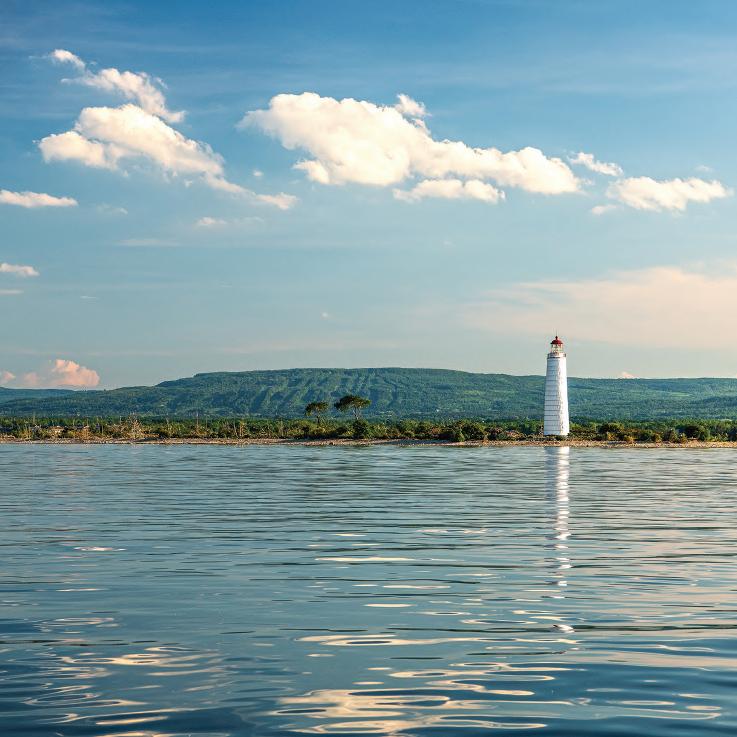
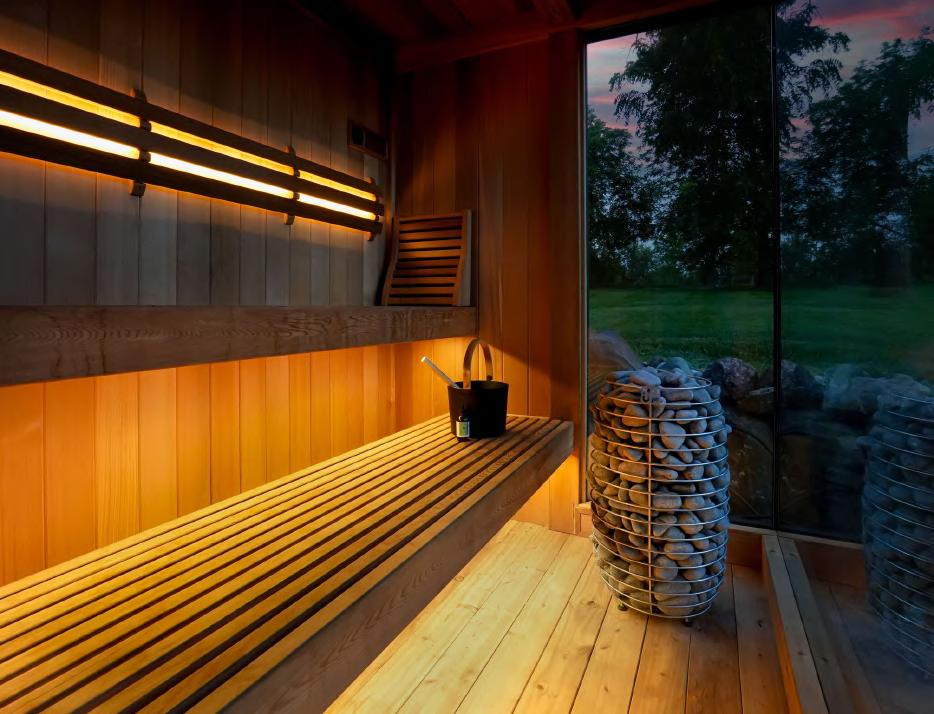
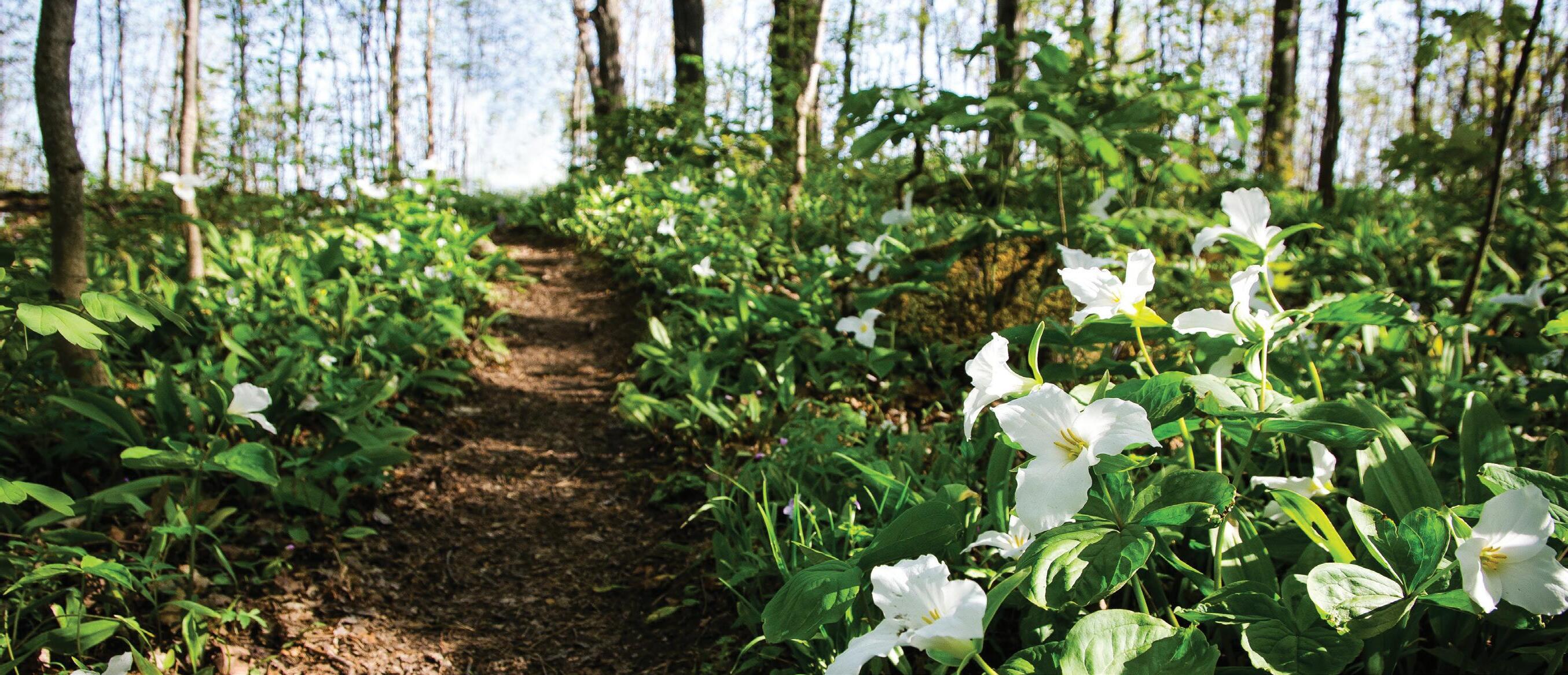
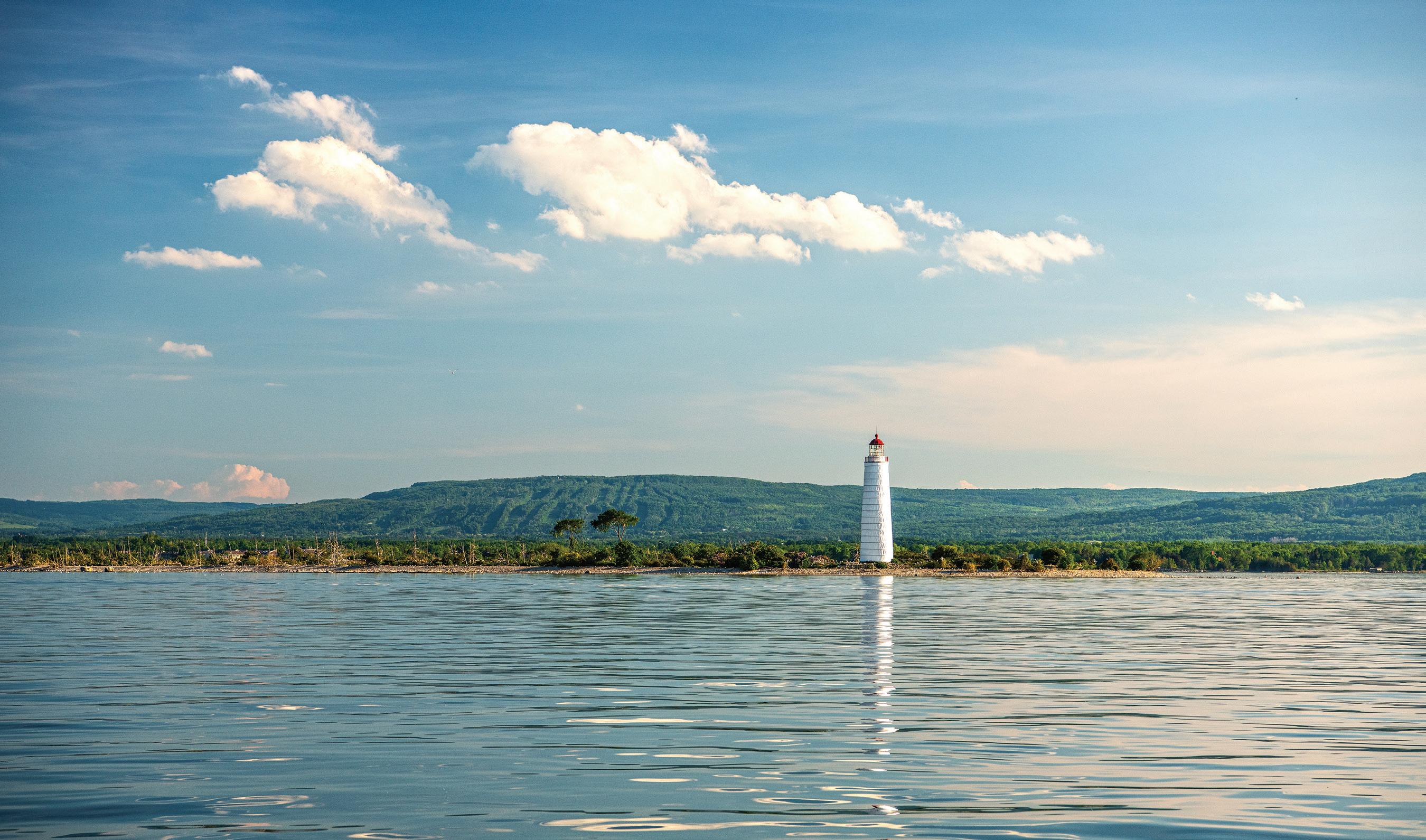
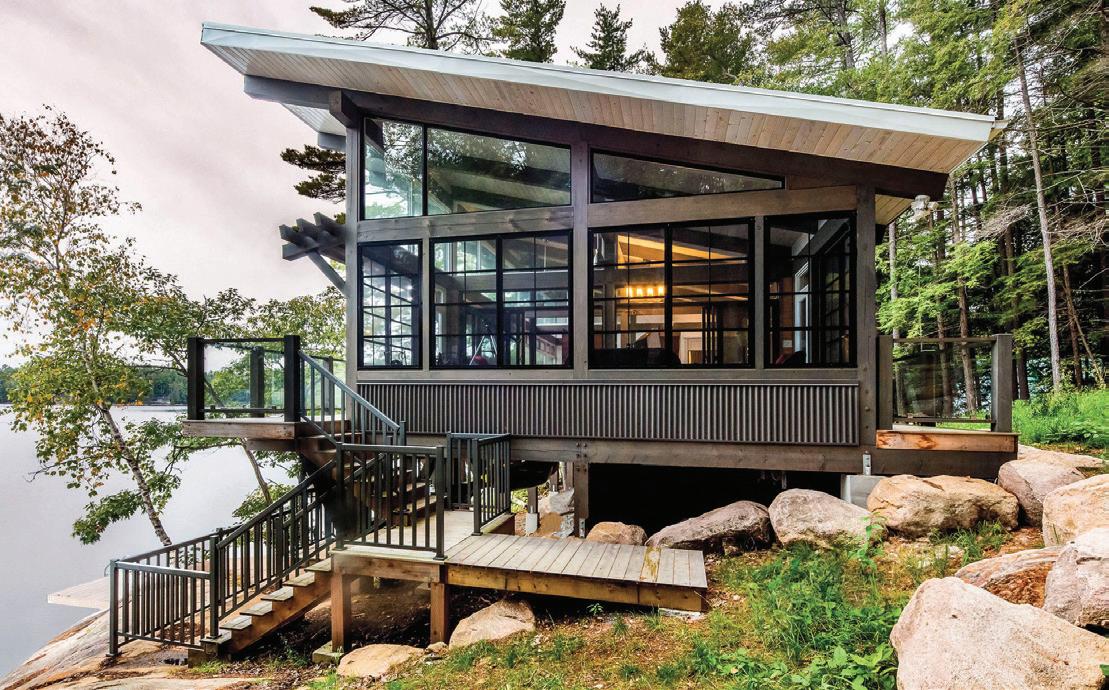
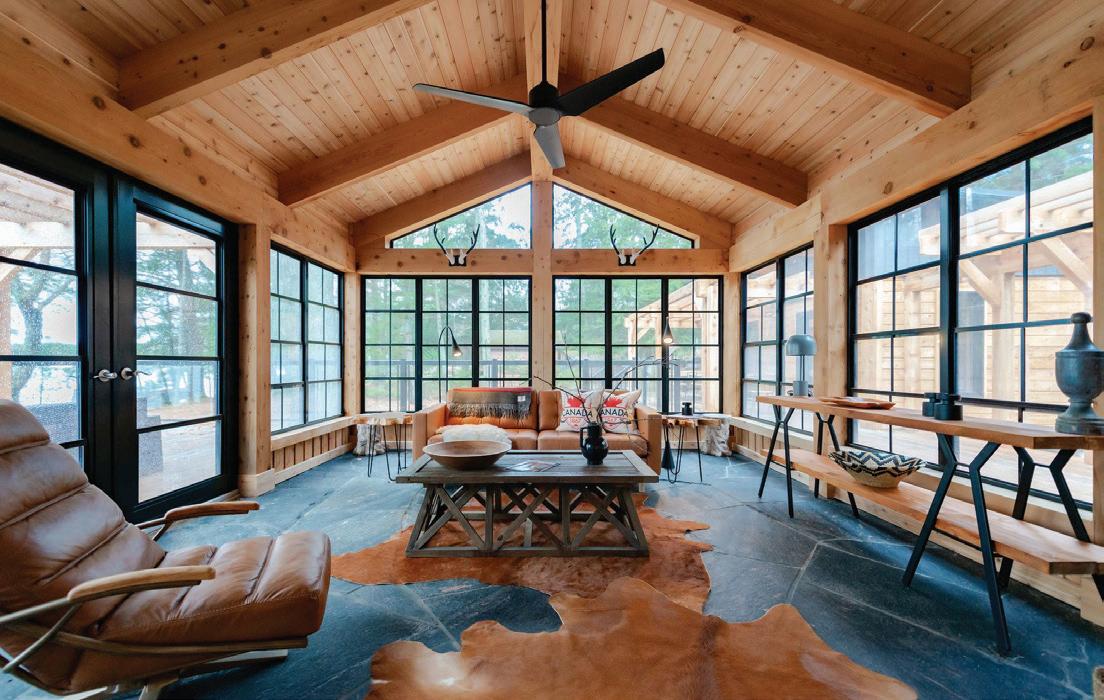
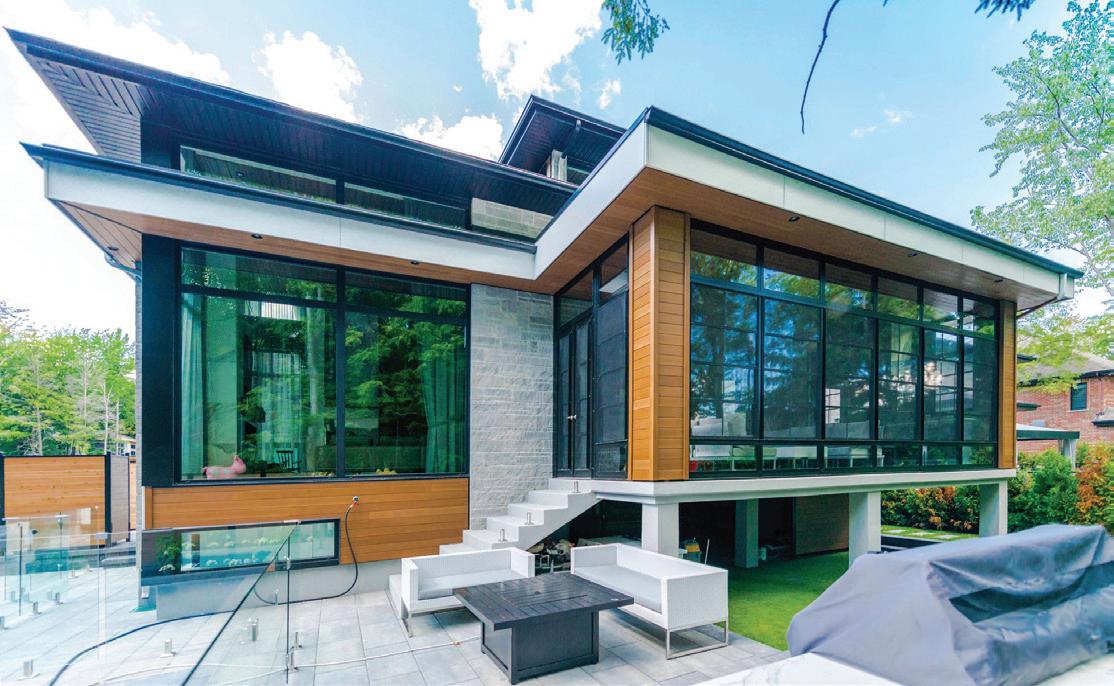
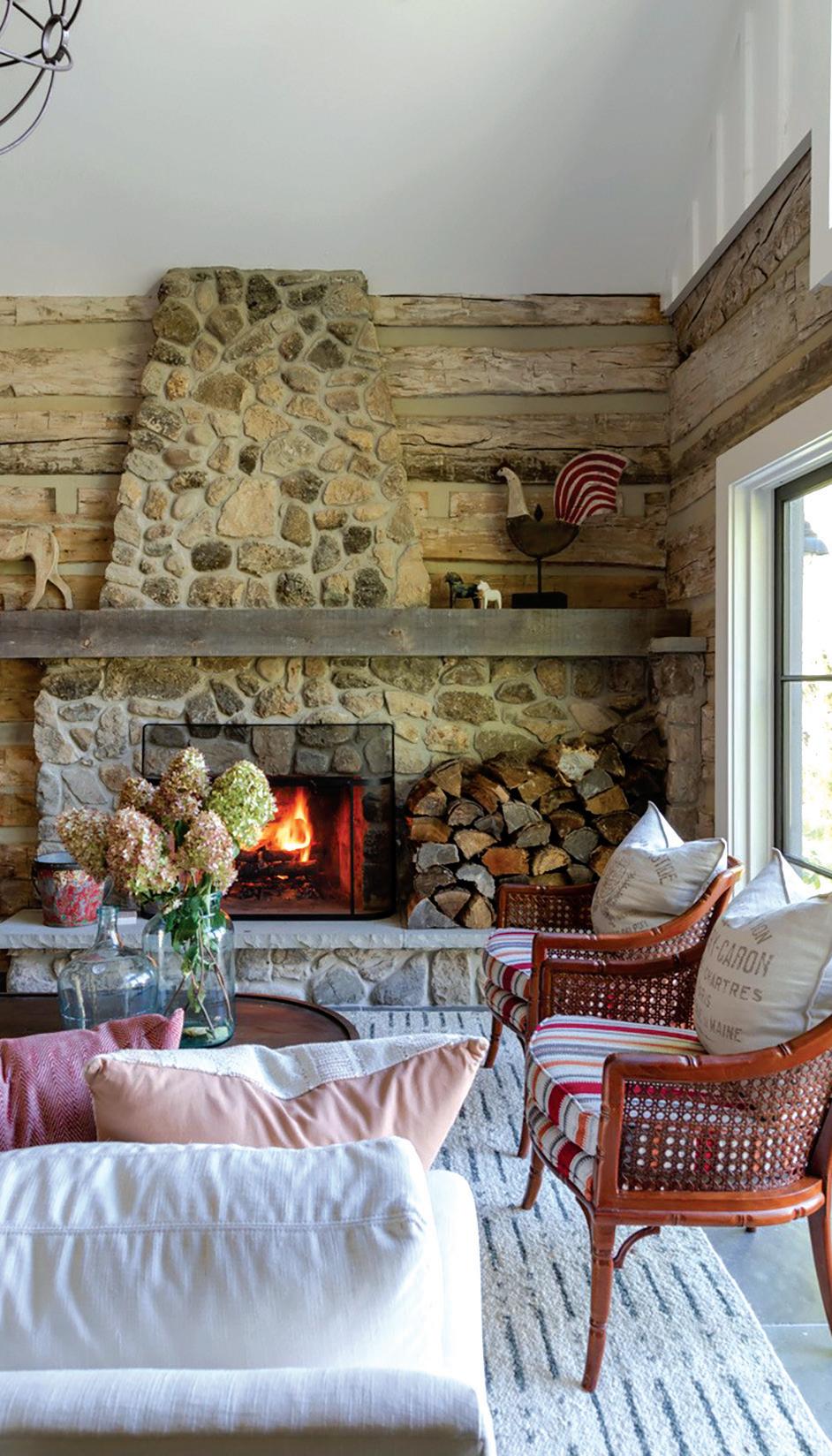
In the stillness of water and the gentle sway of trees, find a space that inspires your inner calm. A landscape that invites contemplation — where light dances, thoughts settle, and clarity unfolds. Designed for quiet moments and deeper connection. Designed for you.






Results matter and so does how you get there.




WRINKLE RELAXERS & DERMAL FILLERS
Subtle, expertly placed enhancements designed to soften lines, restore volume, and maintain your natural expression.
LASER TREATMENTS FOR REGENERATIVE RESULTS
Advanced technology that stimulates collagen, improves texture, and restores skin from within.

SKIN CARE CONSULTATIONS
Customized, medical-grade skincare plans tailored to your skin, your goals, and your lifestyle.
TATTOO REMOVAL
For do-overs or complete removals. Safe and effective treatments that help you move forward with confidence.


Enjoy 74 weekdays and 100 nights next season.
Everything the 5x7® offers PLUS 16 weekend days and 3 anytime days next season. ON SALE NOW THE ORIGINAL VIP BADGE














Cara Williams Editor-In-Chief cara@escarpmentmagazine.ca
Friends of mine are moving to the area. They’re the kind of outdoor couple who have lived all over— Revelstoke, Whistler, Maui, Phoenix—building careers in the ski and golf industries along the way. But this move feels different. It isn’t another stop tied to a season or a job—it’s about choosing a place to stay. A forever home. I couldn’t be happier for them.
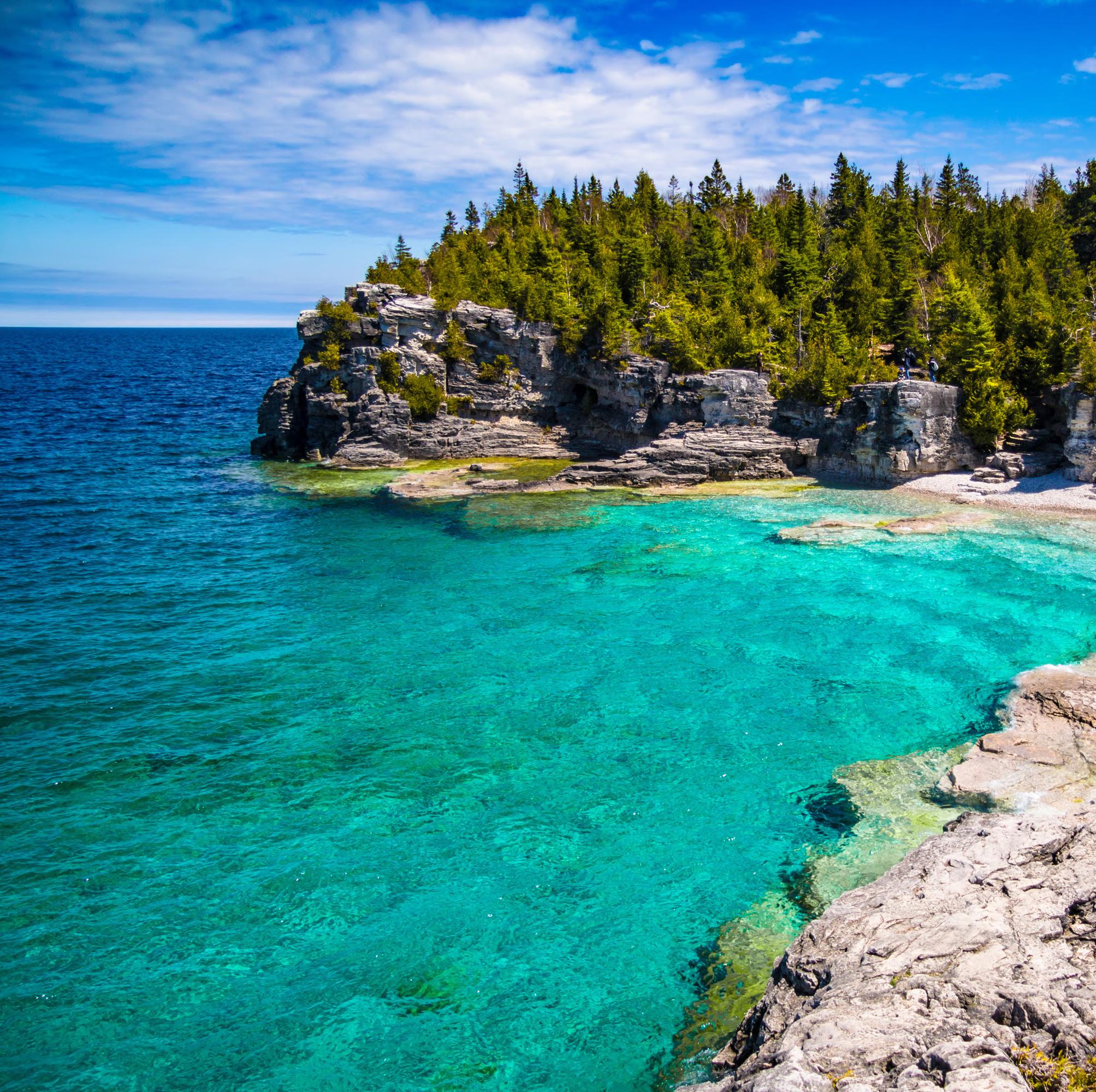
As we talked about the move, I found myself listing the things they’re about to discover. Georgian Bay—never quite the same colour twice. The view from the top of the Escarpment on a clear day. Trail networks and golf courses, pickleball courts, shops, galleries and restaurants. All of it part of the fabric of this place. Somewhere in the middle of that conversation, it struck me again, how fortunate those of us who live here really are.
Spring is a particularly good time to arrive. It seems everything is reawakening. Boats are being readied for launch. Bikes are coming down from garage hooks. Trails begin to dry and patios reappear. There’s a quiet sense of anticipation—a feeling that the best of the season is still to come.
And I keep thinking—just wait.
Just wait until warmer days settle in and Georgian Bay becomes the centre of daily life. Until long evenings stretch past dinner and beaches, harbours and streets come alive. Just wait until the hills turn bright green and the Escarpment reminds you why so many artists and athletes are drawn here.
This issue is a celebration of all of it. Of time spent outdoors and the people who shape this place— on the water, on the trails and in the communities that connect it all.
We look back at Lake Huron’s storied boat builders and sit down with a next-generation athlete making serious waves in the world of cycling. We step inside a striking Nottawa residence and three thoughtful renovation projects that reimagine everyday living. In epicure, spring finds its way to the table—fresh, vibrant flavours and thoughtful pairings that capture the lightness and energy of the season.
For my friends, it will all feel new. For the rest of us, perhaps it’s a reminder—to see it again with fresh eyes, just as spring begins to unfold across the Escarpment.





PUBLISHER/OWNER
Clay Dolan clay@escarpmentmagazine.ca
EDITOR- IN - CHIEF
Cara Williams cara@escarpmentmagazine.ca
ART DIRECTOR
Bradley Reinhardt bradley@escarpmentmagazine.ca
GRAPHIC DESIGNER
Alyshia Laube alyshia@escarpmentmagazine.ca
Bob Arrigo, Ray Auger, Katie Ballantyne, Jesse Bell, Ross Bell, Kelsey Chernes, Nicole D’Amico, Kennedy Deneau, Deena Dolan, Sophie Douglas, Andrew Dzenis, Nick Eyles, Heather Fields, Pat Gillies, Christina Gutmanis, Ken Maher, Sean Hardy, Marc Huminilowycz, Nathan Hooper, Shannon MacDougall, Kate MacLennan, Deborah Masters, Malcolm McCulloch, Marcia Masino, Andrew Mielzynski, Sylvie Mercier, Lisa McStay, Ted Sivell, Kirstin Shollig, Melissa Shaw, Riley Snelling, Catherine Staples, Kianna Sunshine, Suzette Terry, Robin Todd, Kelly VanderBeek, Anthony Vanderwal, Jody Wilson, Shelby Worts
MARKETING & ADVERTISING
ADVERTISING DIRECTOR
Geoffrey Cameron 416.910.9649
geoff@escarpmentmagazine.ca
info@escarpmentmagazine.ca OFFICE 519.599.7545
Escarpment® is published four times a year by Georgian Bay Living— Escarpment® Magazine Inc. 25,000 copies. Distributed free of charge to hotels, shops, clubs, businesses and services all throughout Simcoe, Grey & Bruce Counties.
Paid Subscription holders have guaranteed mail delivery. Attention Postmaster: Please direct post office returns and changes of address to GBL—Escarpment® Magazine Inc., 183 Marsh Street, Unit 4, PO Box 107, Clarksburg, ON, N0H 1J0
Subscription rate: 4 issues (one year), $22.75 HST incl. No part or portions of this publication may be reproduced without written permission of the Editor. Opinions and statements written by contributors of Escarpment® and that appear in this issue or others are entirely their own responsibility and do not necessarily reflect the opinions of the owner of GBL—Escarpment® Magazine Inc.
Georgian Bay Living—Escarpment Magazine® and Escarpment® is a registered trademark of Georgian Bay Living— Escarpment® Magazine Inc. ©2026 All rights reserved.
Escarpment is printed in a Canadian facility that operates in strict compliance to environmental concerns.
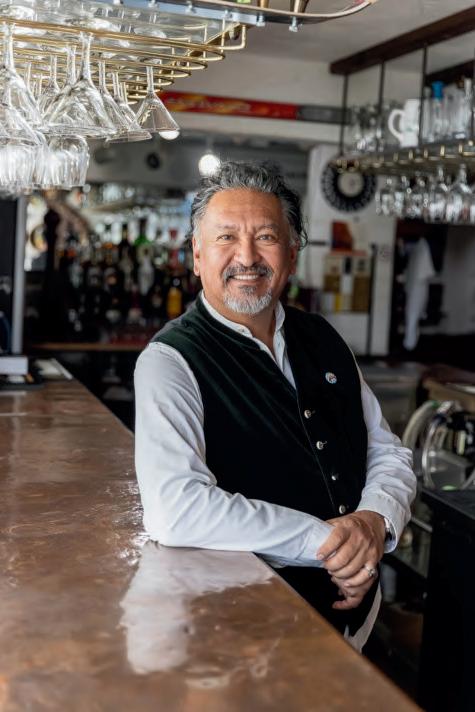
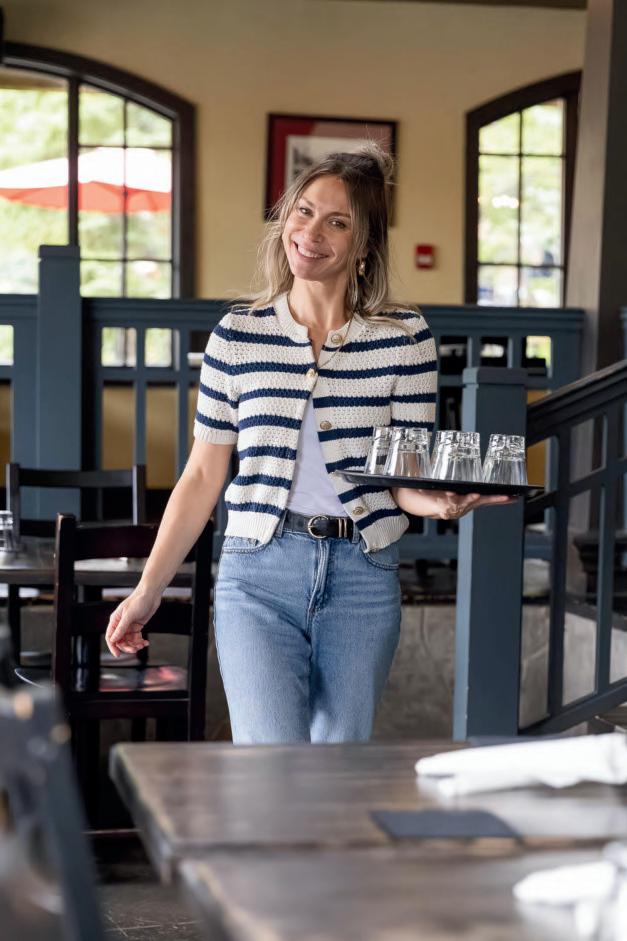

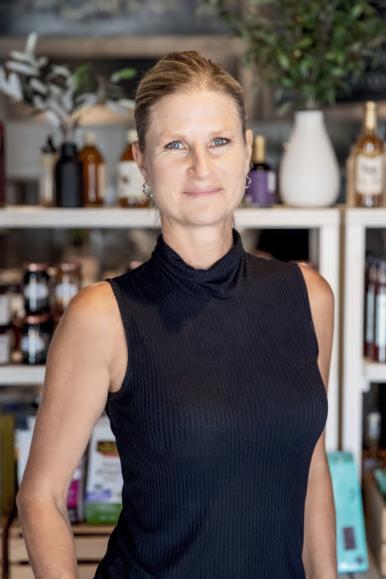
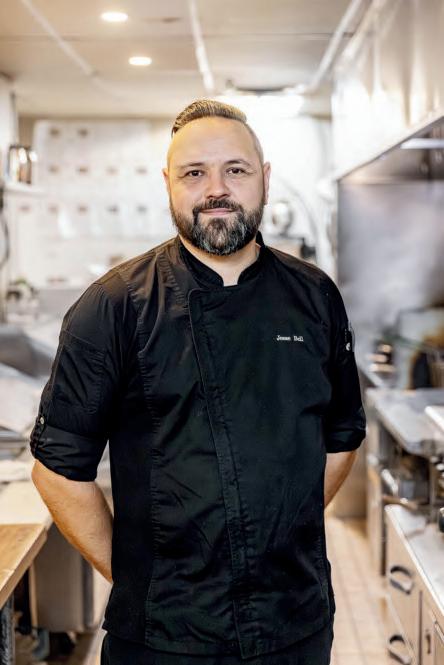
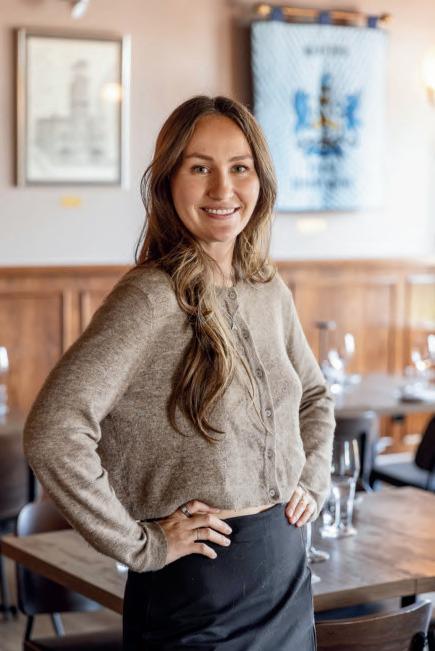
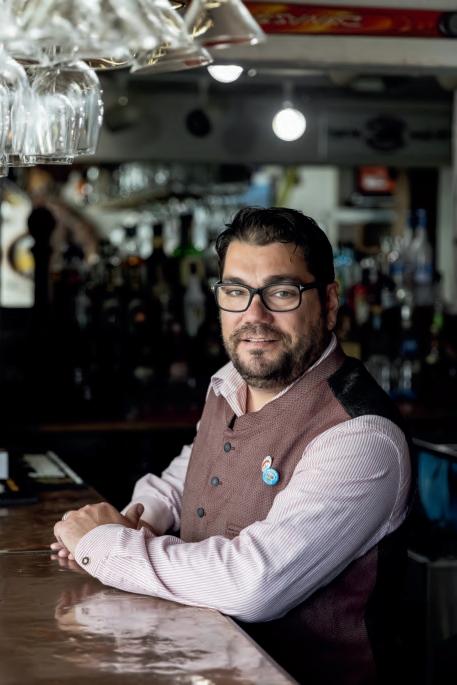
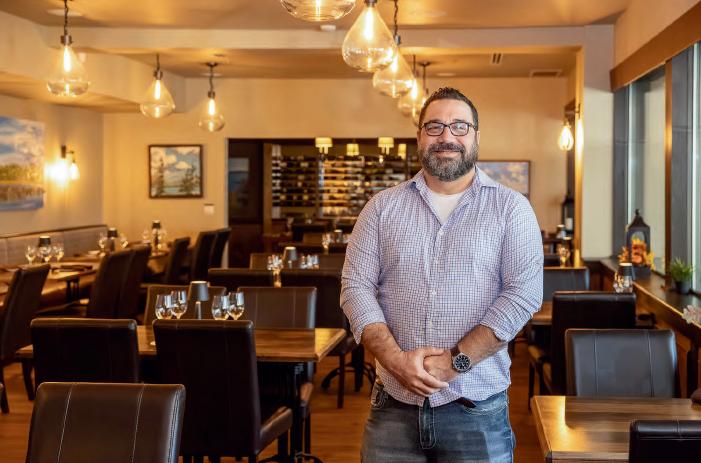
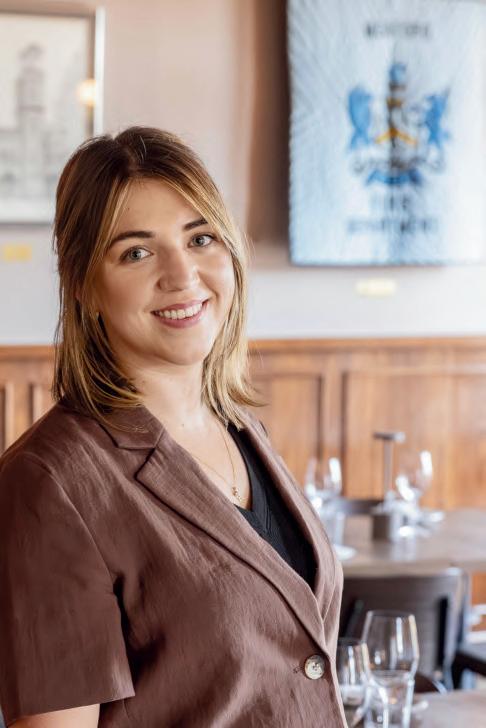
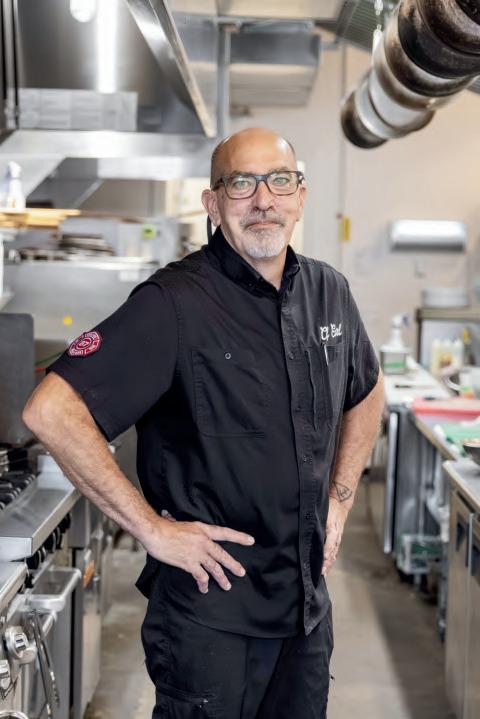
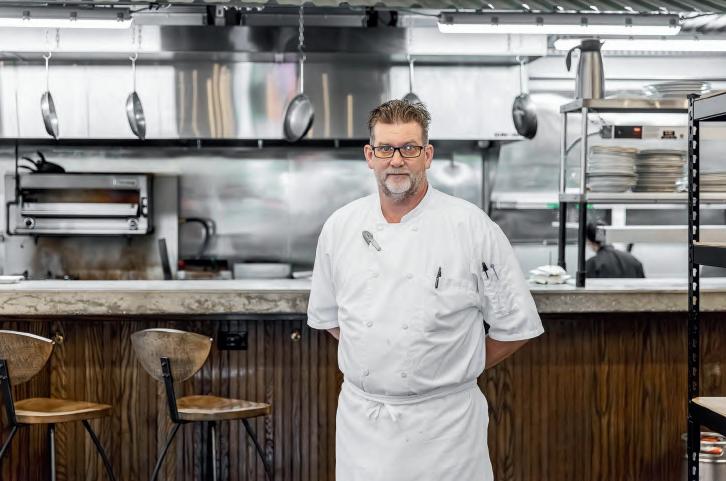

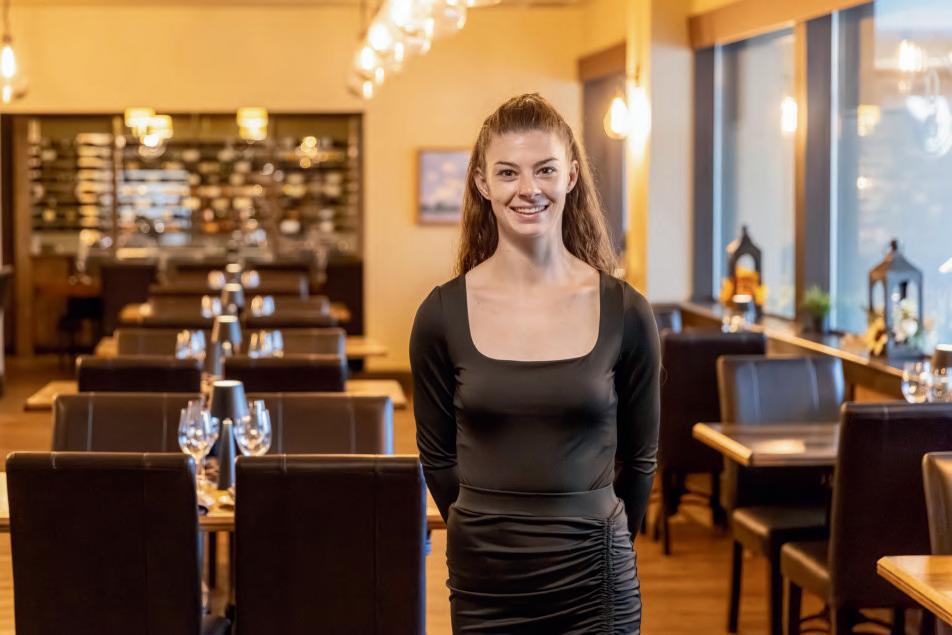

for over 25 years, aragon restaurants has been proudly serving the south georgian bay community, creating spaces to connect, celebrate, and enjoy great food together - learn more at aragonrestaurants com











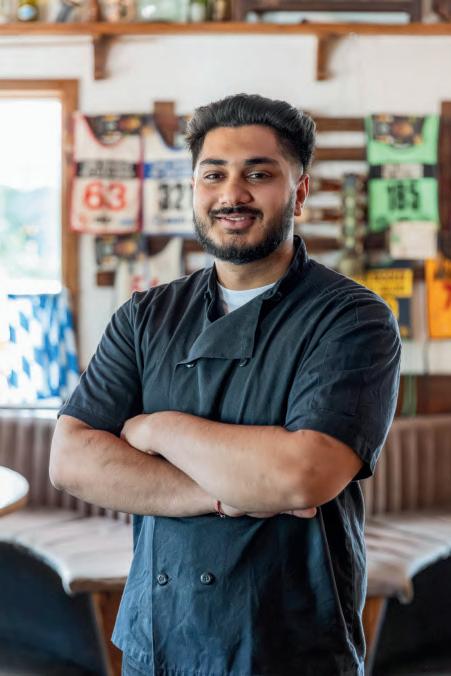
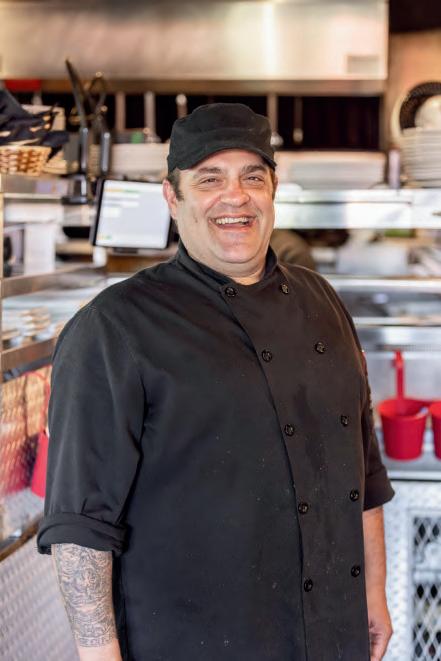
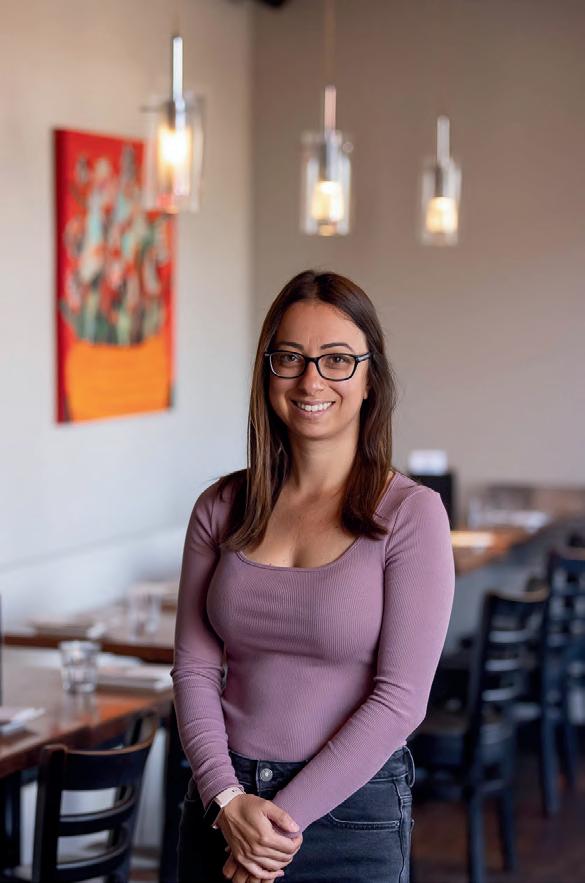

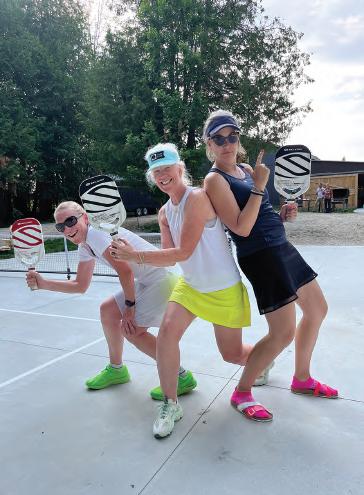
A paddle, a plastic ball and a deceptively addictive game are reshaping recreation— and bringing generations together—across Southern Georgian Bay.
By Cara Williams | Photography by Alan Shisko
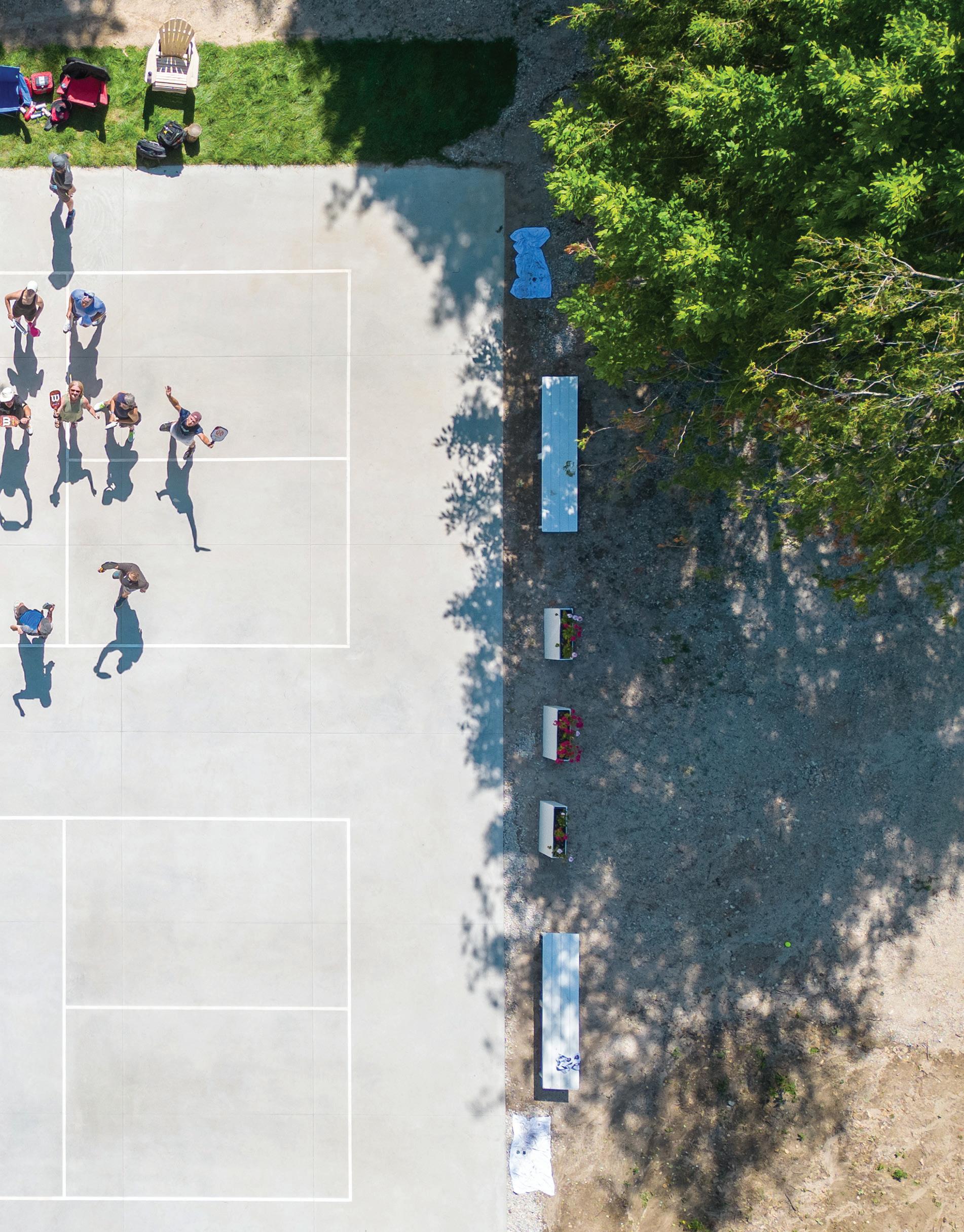
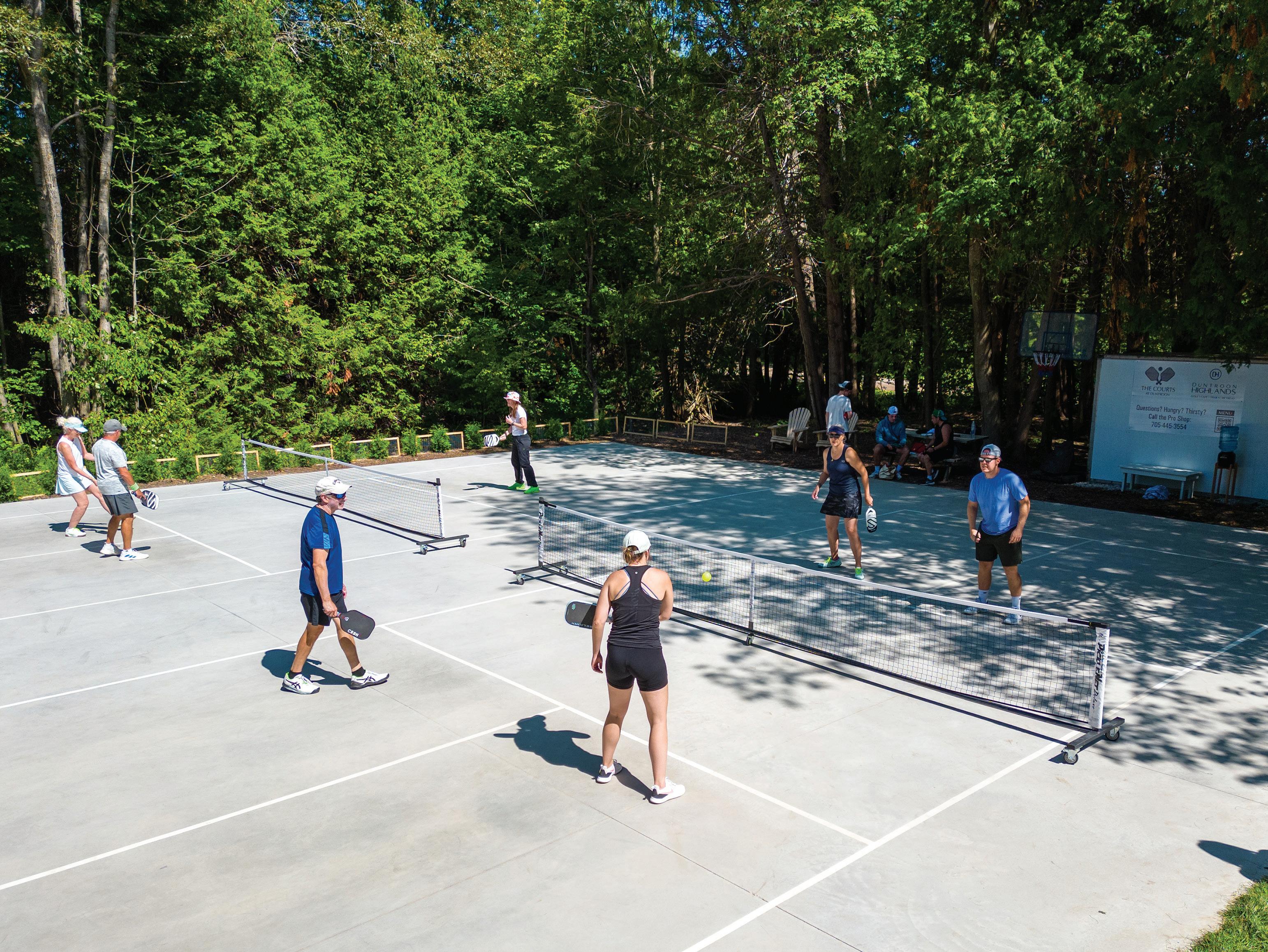
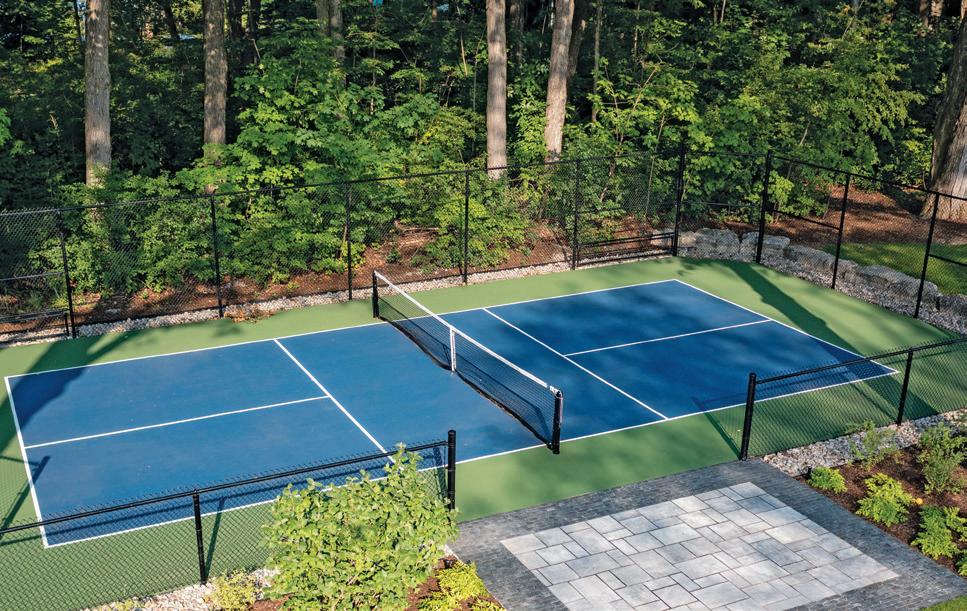
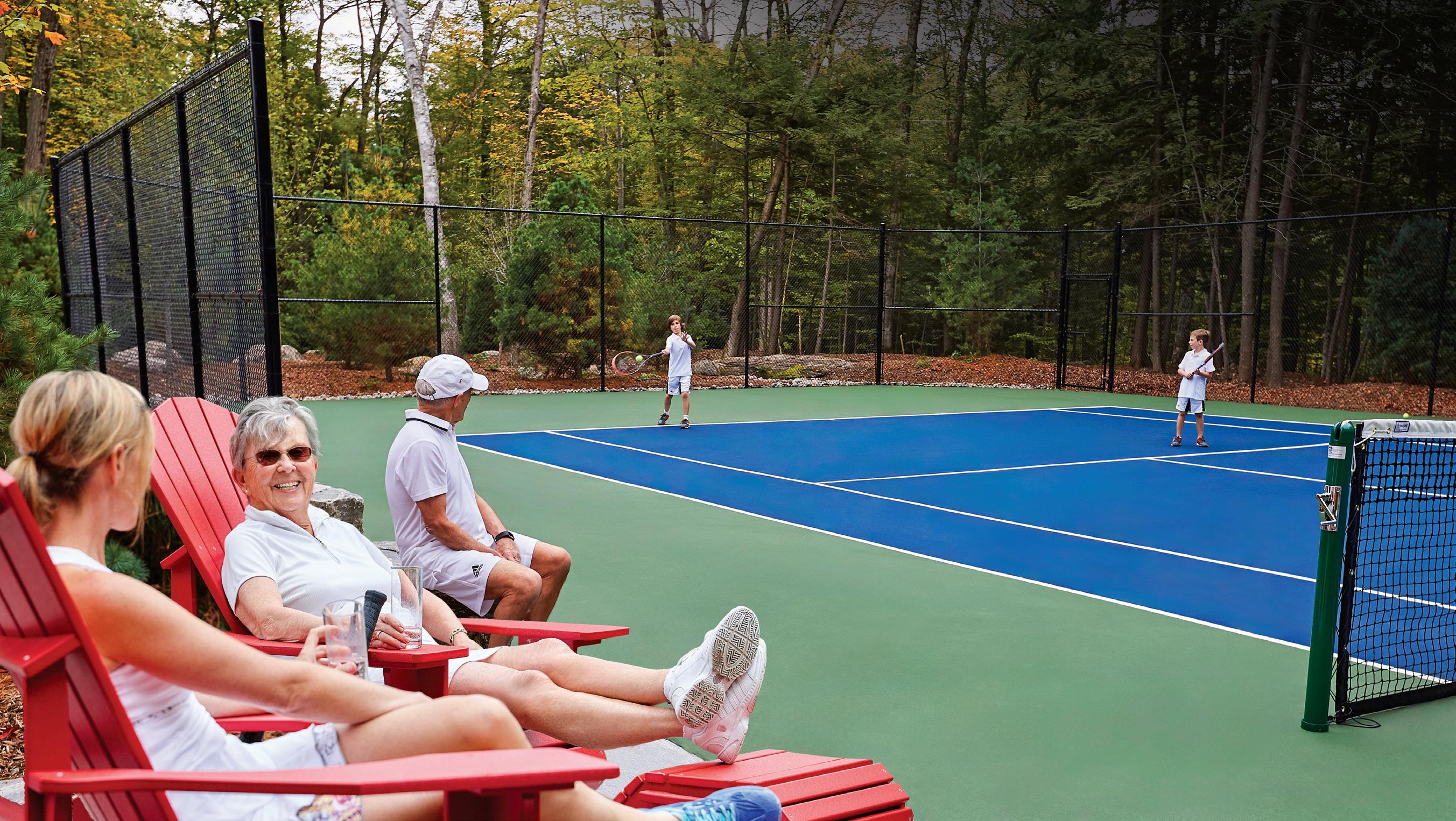
At The Courts at Duntroon, pickleball doesn’t announce itself in neon blues or tournament banners.
The colour palette is muted—soft greens and earth tones that settle easily into the surrounding landscape. Wind moves through the cedars. Then comes the sound: the distinctive pop of paddle meeting ball, crisp against the quiet. Between rallies, laughter drifts across the courts.
“We wanted something that fit the setting,” says Stacie Smith, Director of Operations for Duntroon Highlands Resort. “A place where people could learn the game, play with friends and just enjoy being out here.”
Four years ago, after falling in love with pickleball, Stacie began imagining something different for Duntroon Highlands. Not a high-intensity complex nor a hyper-competitive arena. But a place where players could learn the game without intimidation, book a court with friends and linger long after the final point.
The result is intimate by design. Two courts. Membership capped at 100 (at the time of writing, there are a few available). If the golf course is open, the courts are open. No scramble for time slots. No anxiety over waitlists—just a social club that feels perfectly at home in this landscape.
Pickleball itself has similarly unassuming beginnings.
Invented in 1965 on Bainbridge Island, Washington, the game was improvised in a backyard with ping-pong paddles, a perforated plastic ball and a lowered badminton net. The origin of its name is still debated—some attribute it to the family dog, Pickles; others to the “pickle boat” in rowing, where leftover oarsmen are assembled into one crew. Either way, the sport began as something accessible, adaptable and communal.
Those qualities remain central to its appeal.
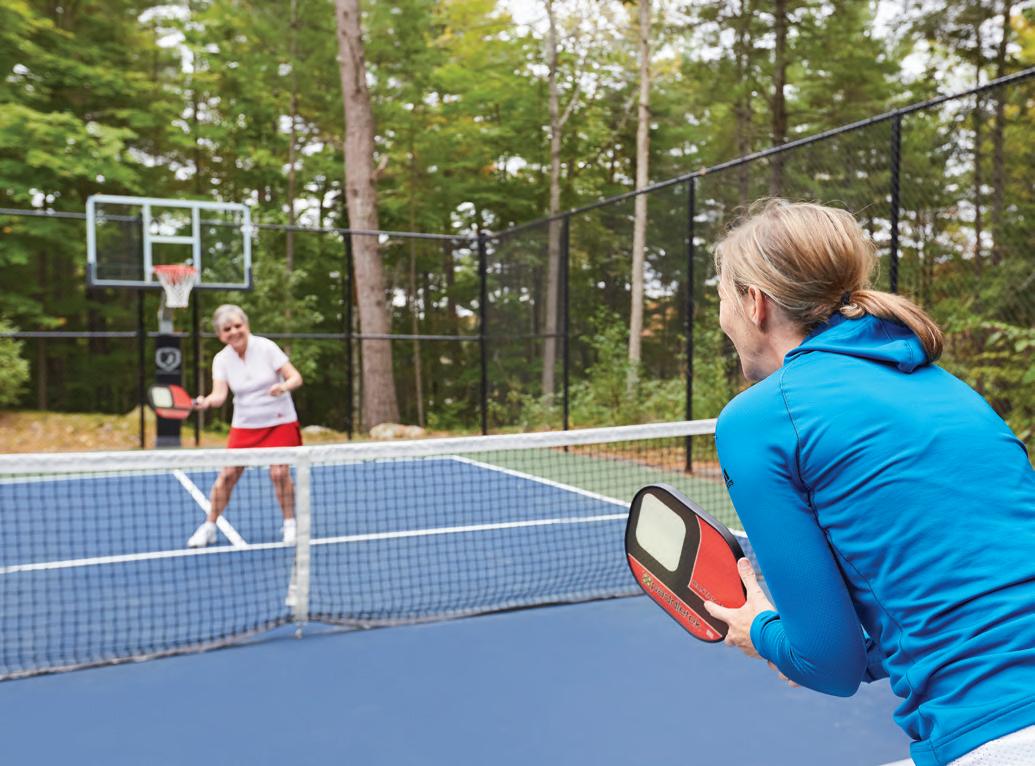
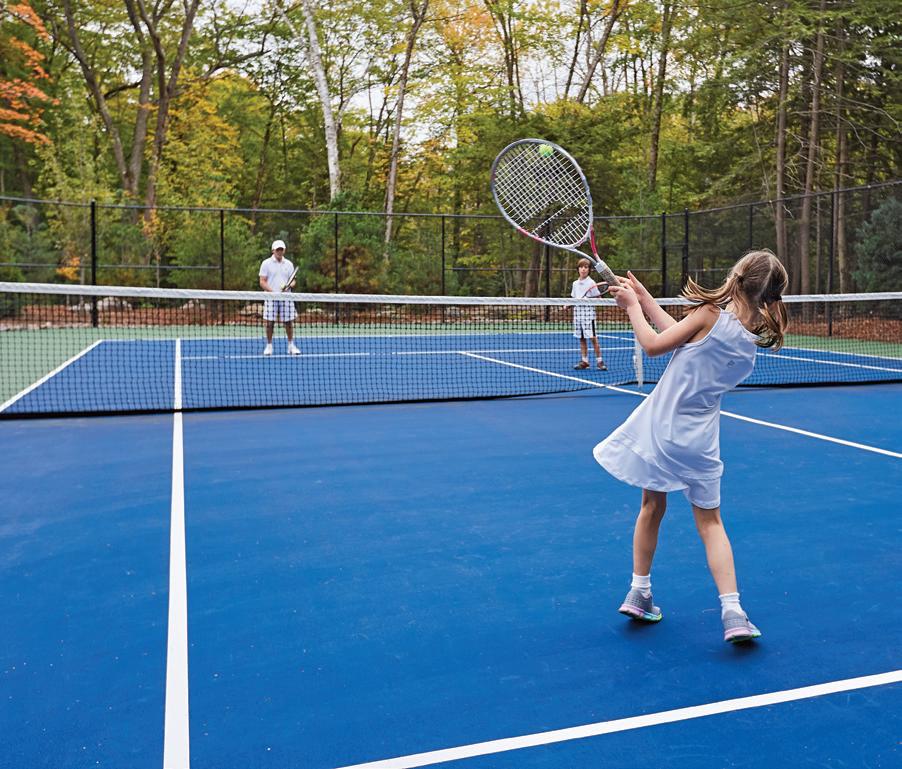
For a while, the demographic leaned older—former tennis and squash players, Gen Xers and boomers looking for a second act in racquet sports. But something has shifted. High school students now rotate through. Families book courts together. What began as a retiree pastime is steadily attracting a broader mix of players.
For many players, the real draw has less to do with perfect technique and more to do with the easy camaraderie that forms between points.
Kerry Baker discovered the sport a few winters ago, while looking for something active—and social—to carry her through the colder months. A mother of two teenagers, she and a group of friends decided to give pickleball a try at Charge Pickleball located in the former Georgian Bay Secondary School facility in Meaford.
“It was a friend from work who wanted to try it,” Kerry says.





“We thought, okay—let’s just do it.” The experiment stuck. What began as a winter diversion carried through spring, summer and fall, eventually moving outdoors to the courts at the Georgian Peaks Summer Club where wind, weather and different surfaces add a new wrinkle to the game.
Kerry’s group now plays regularly under a self-appointed team name that captures the spirit of their approach: Pickled and Confused. Even the teenagers join in from time to time. “If we’re on a court with really serious players, we try to behave,” Kerry laughs. “But if it’s just us or other like-minded people, we’ve got music playing, someone might bring a beer, and there’s usually some dancing happening between points.”
Unserious, perhaps—but far from lazy. “It’s actually a really good workout,” Kerry says. “You’re moving constantly.” What she appreciates most, though, is the sport’s accessibility. “I think that’s why it’s so fun,” she says. “It’s inclusive. You can show up as a beginner and pick it up pretty quickly, and it can be as
competitive—or as social—as you want it to be.”
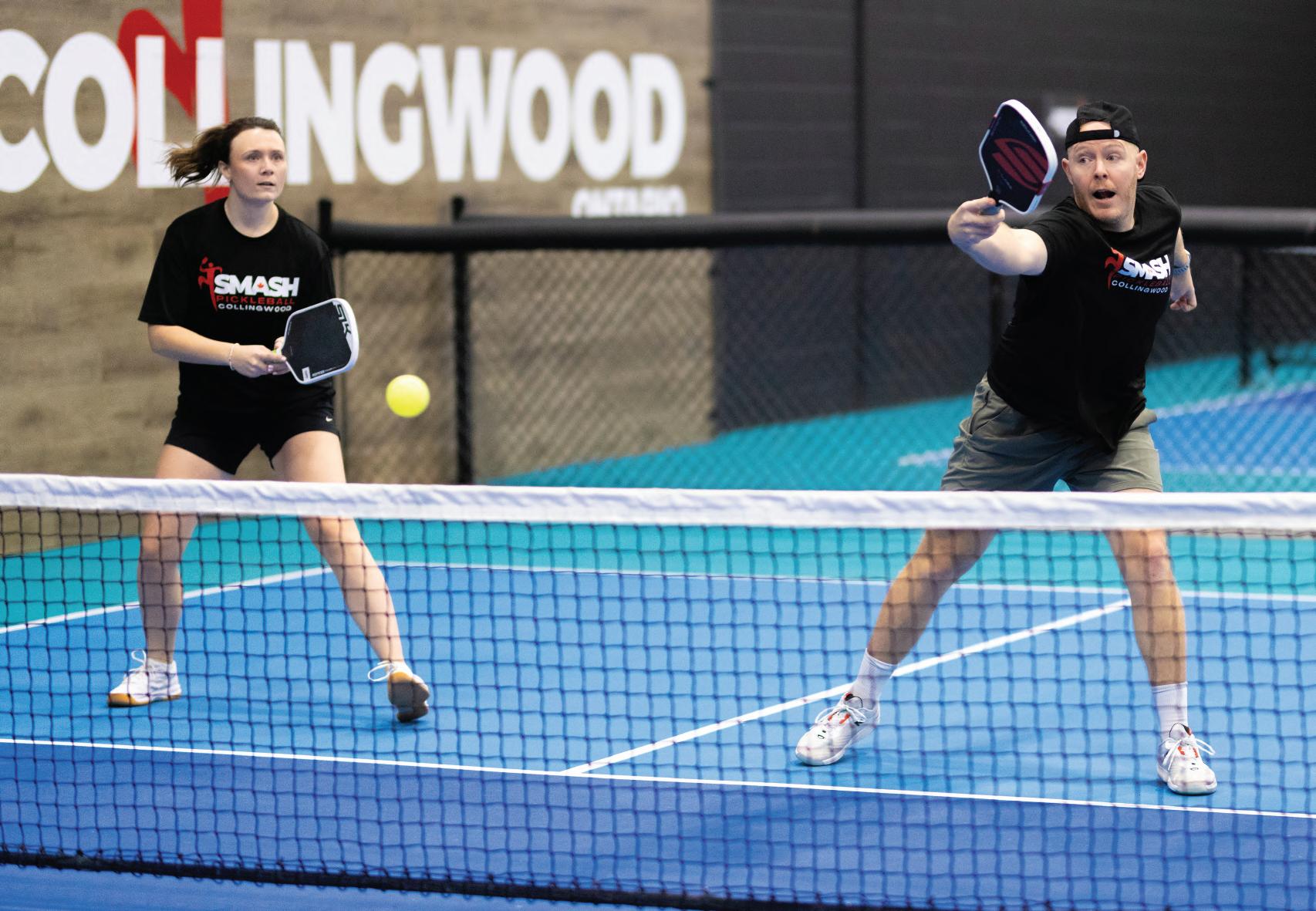
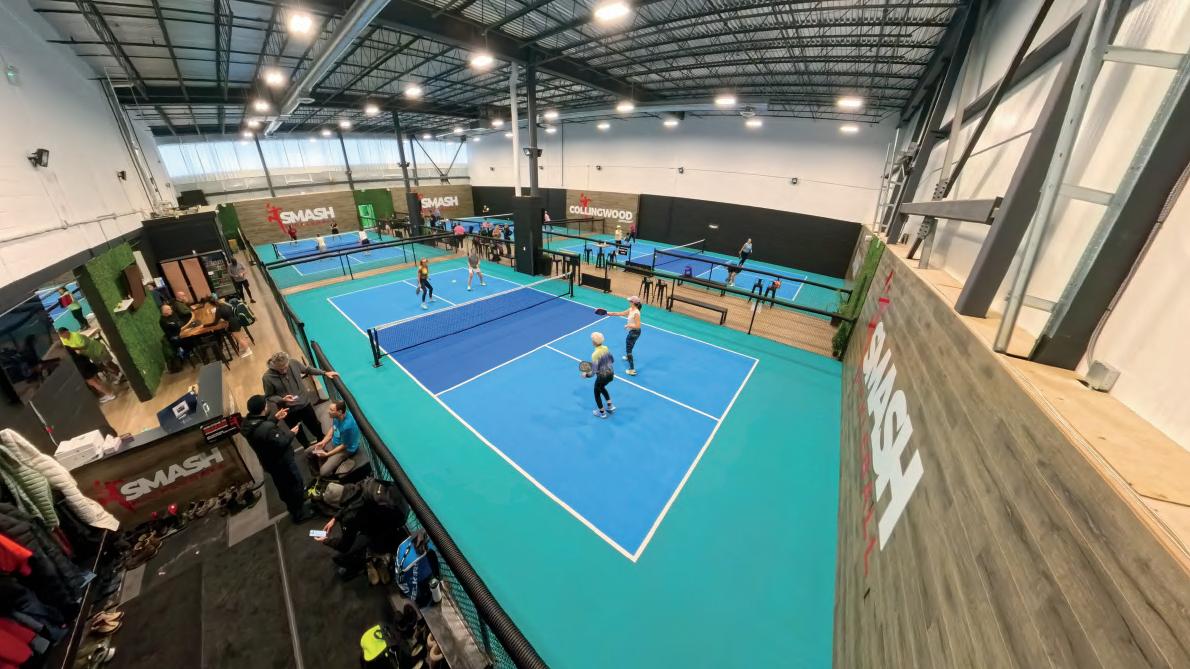
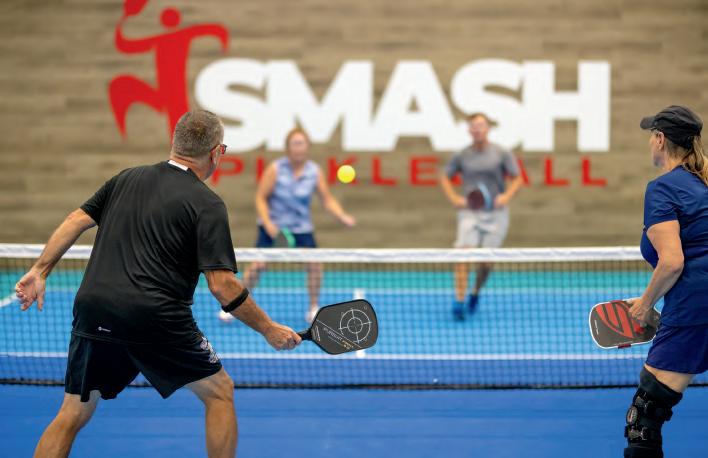
That same mix of accessibility and momentum is driving the sport’s rapid expansion across the region. At Smash Pickleball in Collingwood, the atmosphere pulsates year-round. Six indoor courts are currently in operation, with five more planned in a purpose-built facility just off Highway 26. Where Duntroon offers cedar-filtered calm, Smash offers velocity—structured leagues, youth academies, and competitive ladders.
The growth almost unfolded differently. Robert Naumovski and Bret Shepley were, at one point, preparing to open separate indoor pickleball clubs—essentially across the street from one another. Both saw the same opportunity. Both believed the sport was poised to surge locally. “You could feel it building,” Robert says. “People were curious about the sport, and once they tried it, they kept coming back.”
Rather than split the market, they chose to join forces and open Smash Pickleball—a franchise concept that arrived in
“You can show up as a beginner and pick it up pretty quickly, and it can be as competitive—or as social— as you want it to be.”

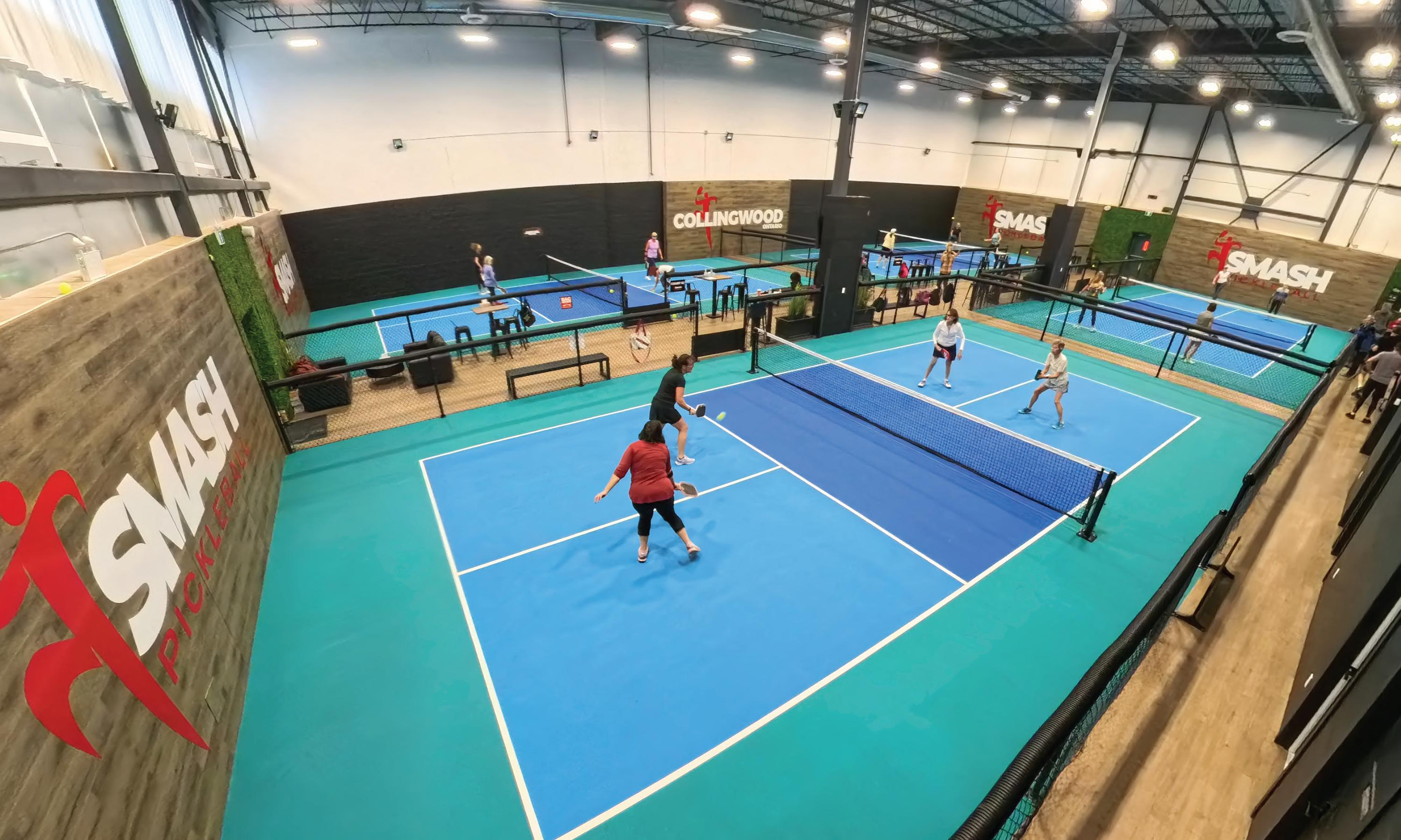
Collingwood in September 2025. It was less about rivalry than readiness. Bret brings deep roots in the competitive scene— part-owner of a Canadian National Pickleball League team and connected to Team Canada’s development pipeline. Robert, an early adopter of the sport in the region and an operations-focused entrepreneur, brings structure and scale.
Together, they are building more than courts; they are building community. When memberships went on sale, it was raining. By 5 a.m., lawn chairs lined the entrance. Within forty minutes, the club was full. “We knew there was interest,” Robert says. “But seeing people lined up in the rain before sunrise— that told us something bigger was happening.” That image captures pickleball’s current moment—what was once dismissed as a recreational afterthought is now commanding real estate, investment and early-morning loyalty.
The sport’s simplicity is deceptive. A paddle. Running shoes. A willingness to try. The smaller court lowers the barrier; the strategy raises the ceiling. At higher levels, rallies are quick and tactical, demanding agility and anticipation. One hour can leave even seasoned athletes drenched. And then there is the generational bridge.
Today, the fastest-growing demographic is 18–34-year-olds,
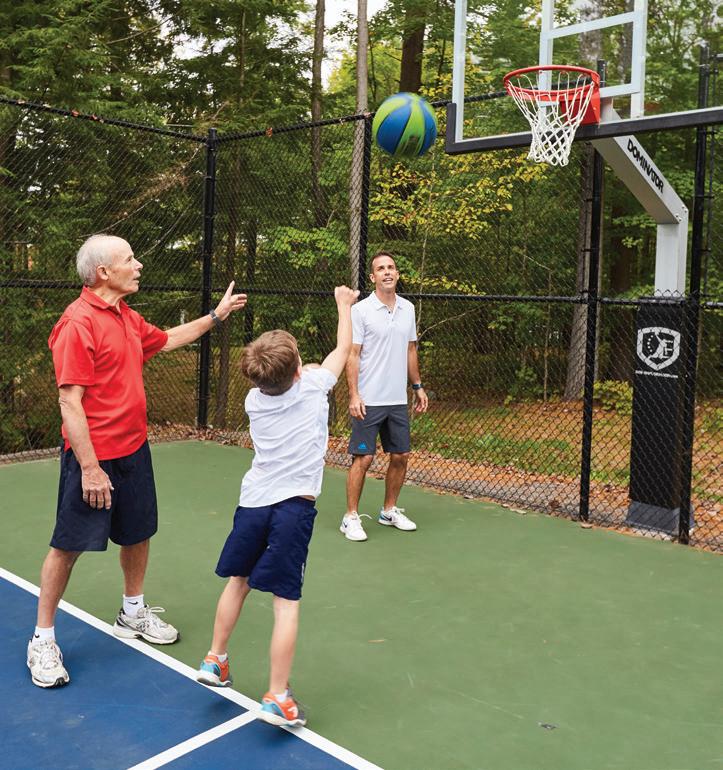
and younger kids are joining in. It’s not unusual to see three generations sharing a court—grandparent, parent, grandchild— playing together rather than spectating. Few sports allow that kind of overlap. Aside from skiing—perhaps cycling—the list is relatively short.
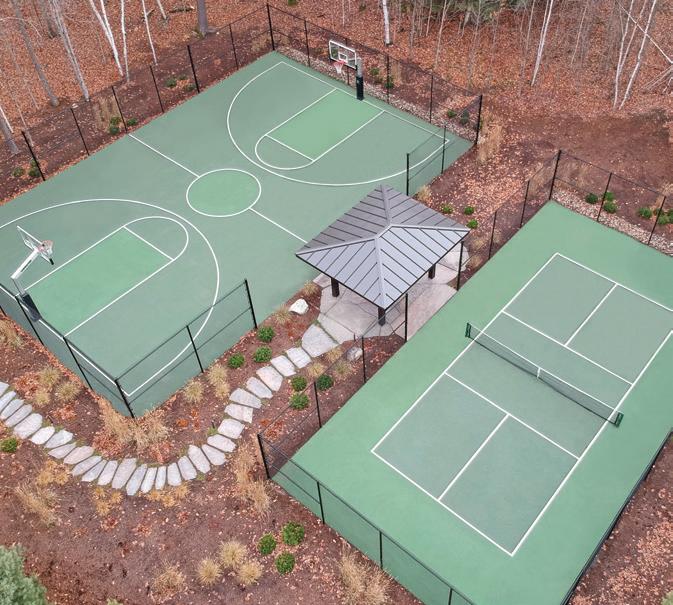
Municipalities across the region are responding. From Wasaga Beach and Collingwood to The Blue Mountains, Meaford, Wiarton and Flesherton, courts are appearing as quickly as lines can be painted. Platforms such as Pickleheads.com now help players locate nearby courts, clubs and programming, whether they’re new to the sport or simply new to town.
And yet the appeal remains simple: step on a court and you’re in. No prohibitive cost. No long learning curve. Just movement, momentum and the enjoyment of the game.
The pop of paddle on ball now carries across the Escarpment. It threads through shoulder seasons and spills into spring evenings. On some courts the rallies are serious; on others, the music is up and the players might look a little more like Kerry’s Pickled and Confused crew.
And in a region shaped by movement—skis carving winter slopes, bikes tracing backroads, boots climbing the Escarpment— pickleball has found its place. E



By Cara Williams | Photography by Jody Wilson
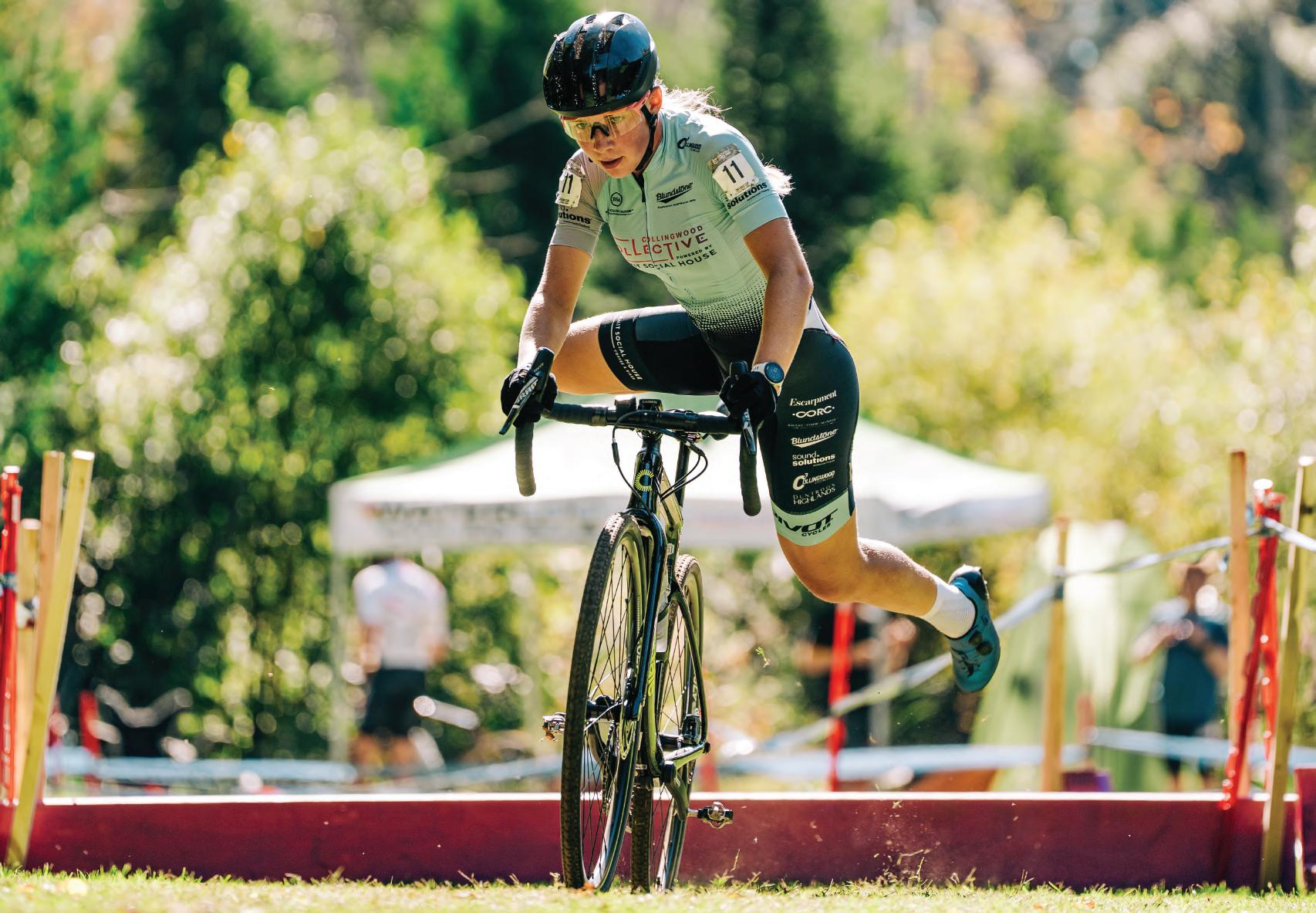
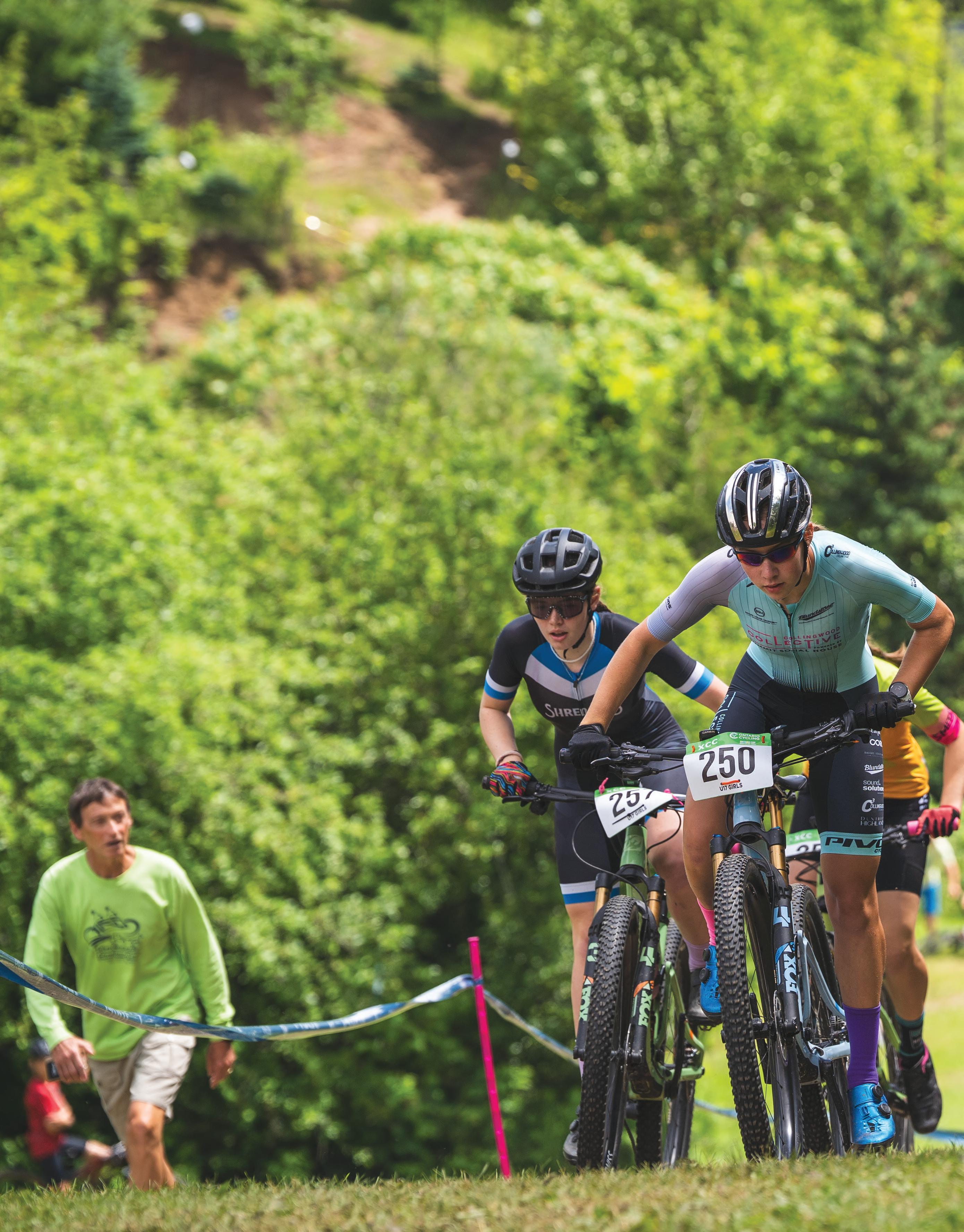
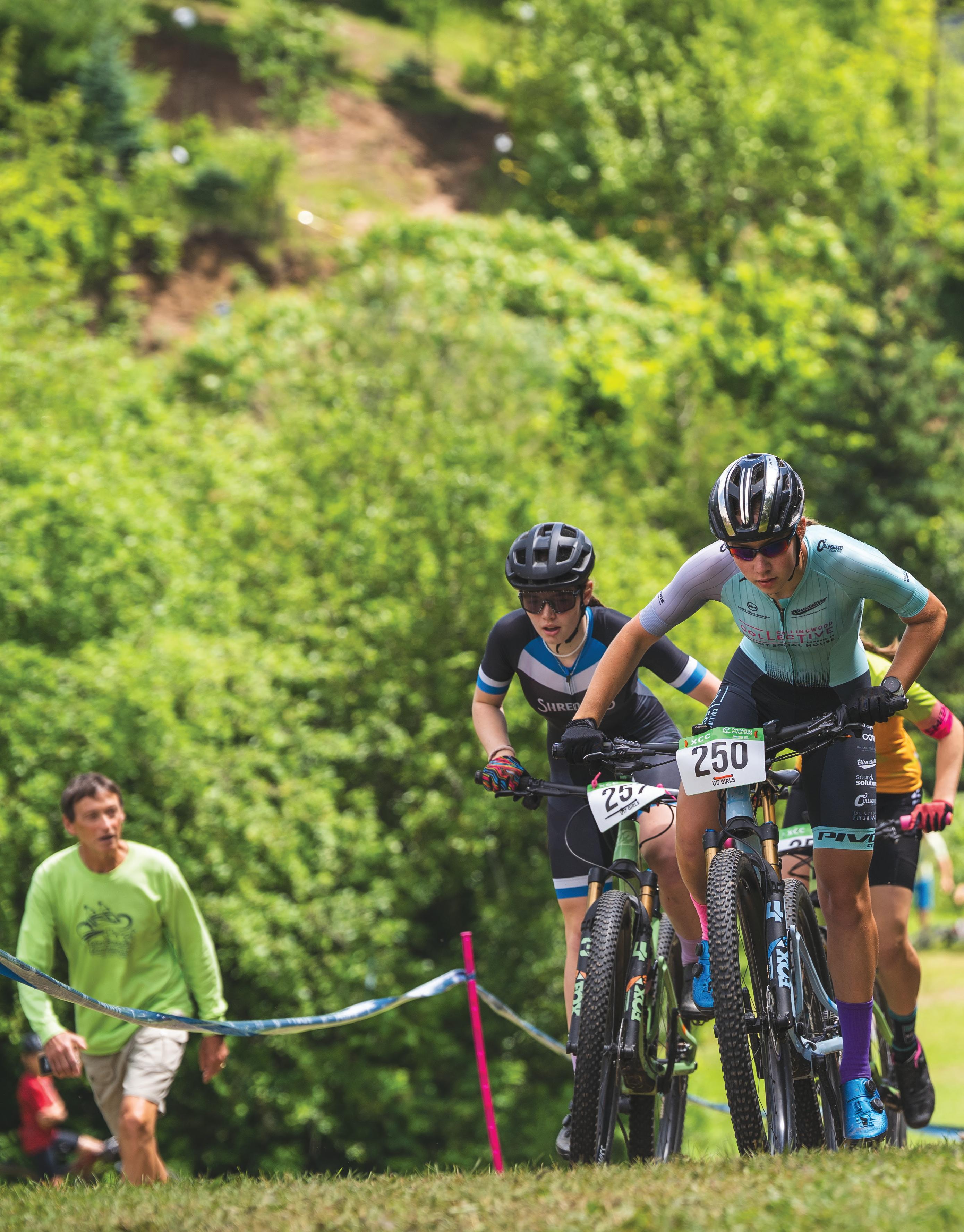
moves through the trees, tires tracking over packed dirt as the trail bends and disappears ahead. From a distance, it looks quiet, steady, almost instinctive—but up close, there’s laughing and chatter, the occasional call back down the line, the sound of brakes catching and releasing as riders settle into their rhythm. Some are still finding their footing, braking early into corners, while others carry speed and loop back, offering a line to follow. It’s fluid, a little unpredictable and constantly in motion—the group getting better each time they ride together.
This is where the Collingwood Collective begins—not with a rigid program or a set of expectations, but with kids on bikes. Having fun. The idea behind it is simple: give young riders access—to trails, to guidance and to each other—and something special starts to take hold. Skills develop, of course, but so does confidence. Riders begin to trust their instincts, to carry speed where they once hesitated, to find flow in sections that felt unpredictable just days before.
At Collingwood Collective, the structure is there—groups organized by ability, sessions that build on one another—but it never overshadows the sense of play and fun that keeps kids coming back.
This accessibility is intentional. As a non-profit initiative, the Collective is designed to open the door to as many young riders as possible, keeping programming affordable while connecting families to the cycling community—local clubs, trail systems and opportunities to stay involved beyond a single season.
Just as important is what happens beyond skill development. As riders become familiar with the trail network, they begin to notice the ground beneath them—the sections that shift with weather, the areas that need care. The trails stop being simply a place to ride and start to feel like something worth looking after.
That awareness is built into the program. The Collective places equal value on riding and stewardship, encouraging respect for local green spaces and natural corridors that extends well beyond the trails themselves. Over time, riders aren’t just using these spaces, they understand why they matter to the community.
It doesn’t take long for that to extend outward. Parents linger at the trailhead, siblings arrive with their own bikes, and what begins as a weekly commitment starts to shape how families spend their time. Local trails become part of the routine, and the experience stretches well beyond the program itself.
That sense of belonging carries off the trails as well. Spaces like Summit Social House have become natural gathering points, a place
I couldn’t see them it was snowing
I couldn’t see them it was raining
I couldn’t see them it was so early
I couldn’t see them it was so late
I couldn’t see them it was too bright out
I couldn’t see them it was too dark out



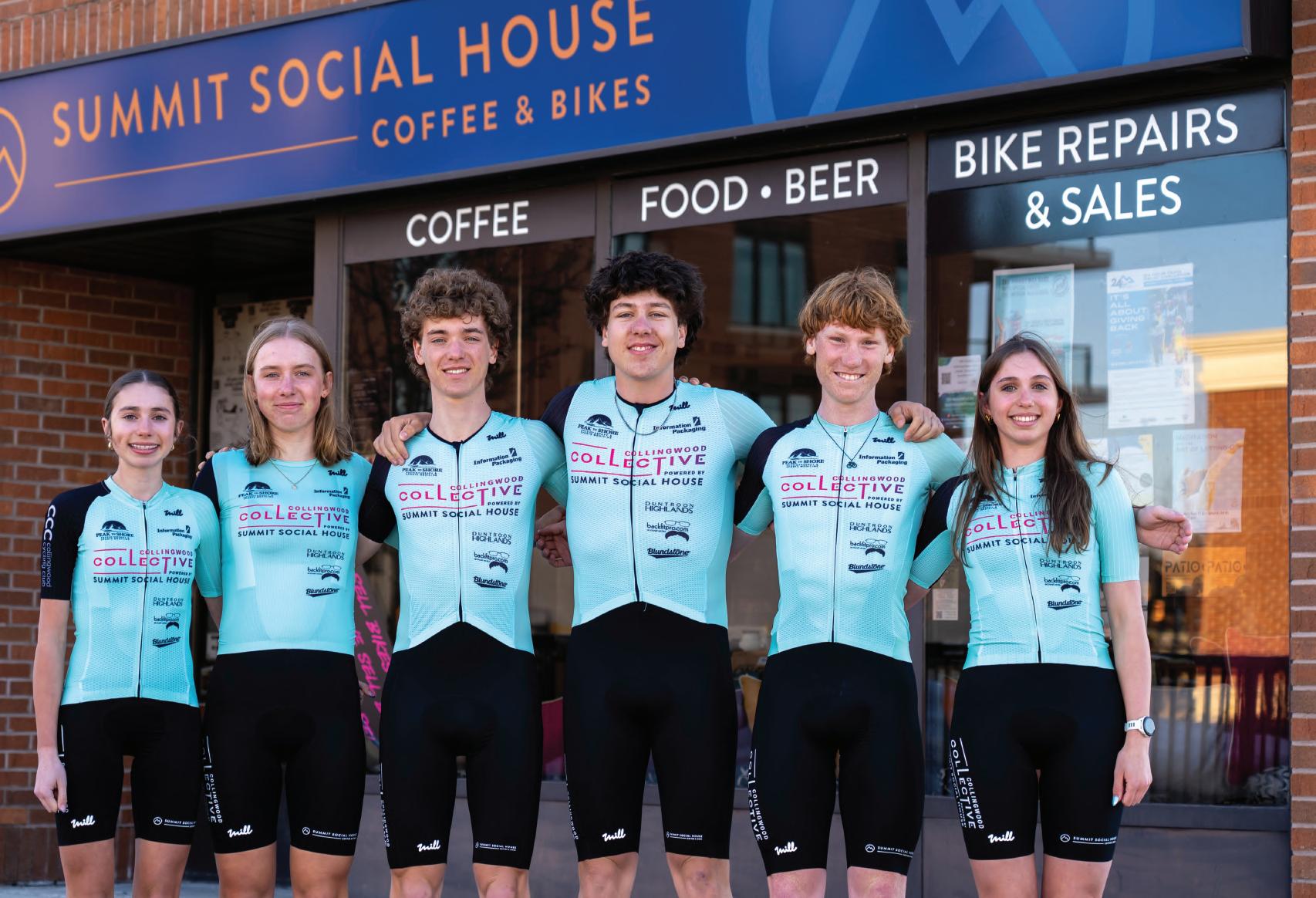
to reconnect after rides, share stories and continue the conversation. It’s a different kind of motion—less about pace, more about relationships—but just as important to the culture taking shape.
For some riders, that’s where it stays. They ride, they improve and become lifelong cyclists with a strong riding network. For others, the focus shifts. The Collective’s race team offers a more structured path, supporting performance-driven athletes with coaching, training and opportunities to compete at a national level.
What stands out is that most riders don’t leave this environment behind. They stay connected to the same trails and the same community, bringing that experience back with them. Over time, that starts to show up in small, meaningful ways—mentoring younger riders, helping with programming or simply setting the tone on a group ride. It isn’t formal, but it creates a natural sense of responsibility that keeps the program grounded as it grows.
The results are becoming easier to see, with riders earning podium finishes, team selections and opportunities to compete at higher levels. Those milestones matter, but they’re only part of the story. Just as important are the returning riders, the steady participation and the feeling that this is something people want to stay part of.
The next phase of the Collective is already taking shape, with expanded programming, a summer camp component and stronger
connections to local schools—all aimed at bringing more young riders into the sport and keeping them engaged.
Of course, growth comes with its challenges. More riders mean more pressure on time, resources and the trails themselves, but the approach hasn’t changed: keep it accessible, keep it local and keep it connected.
Here on the Escarpment, that mindset feels like a natural fit. Outdoor recreation is part of daily life, and the Collective builds on that rather than trying to redefine it. It offers structure without rigidity and ambition without exclusivity, giving riders space to find their own way within it.
Back on the trail, the group is moving again as the light filters through the trees and the pace settles into something steady. Stronger riders pull ahead, then circle back, folding into the group once more. No one is really left behind, and the ride continues as it started—together, moving forward.
This is the Collingwood Collective in its simplest form: a place to start, a place to progress, a place to take care of. E
For more information on Collingwood Collective, youth programming, summer camps, and Summit Social House, visit collingwoodcollective.ca
Did you know that investors who work with advisors have been shown to have almost four times the assets of those who don’t?1
It’s for good reason. Advisors cultivate results over long time frames by harnessing expertise and resources across many different areas of the wealth spectrum. We work with families, businesses and private investors to provide professional guidance on all financial matters.

We can assist with:
• Bespoke investment and wealth management strategies
• Ongoing financial education, context and support
• Detailed financial planning
• Tax minimization strategies
• Estate planning and Will reviews
Nick Hamilton, CFP, CIM, Investment and Wealth Advisor 705-444-4777 | nick.hamilton@rbc.com RBC Dominion Securities 1 First St., Suite 230, Collingwood ON www.nicholashamilton.ca


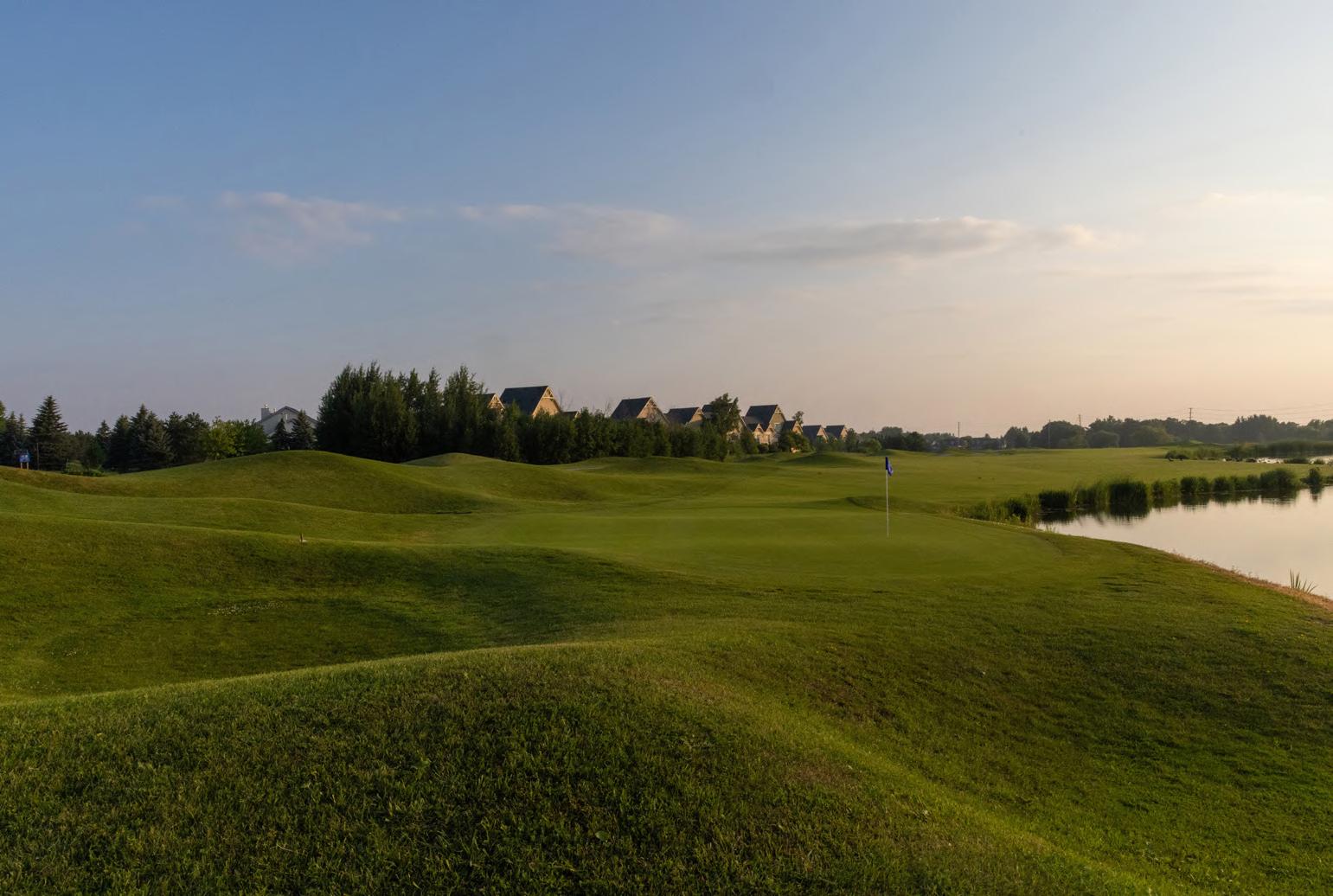
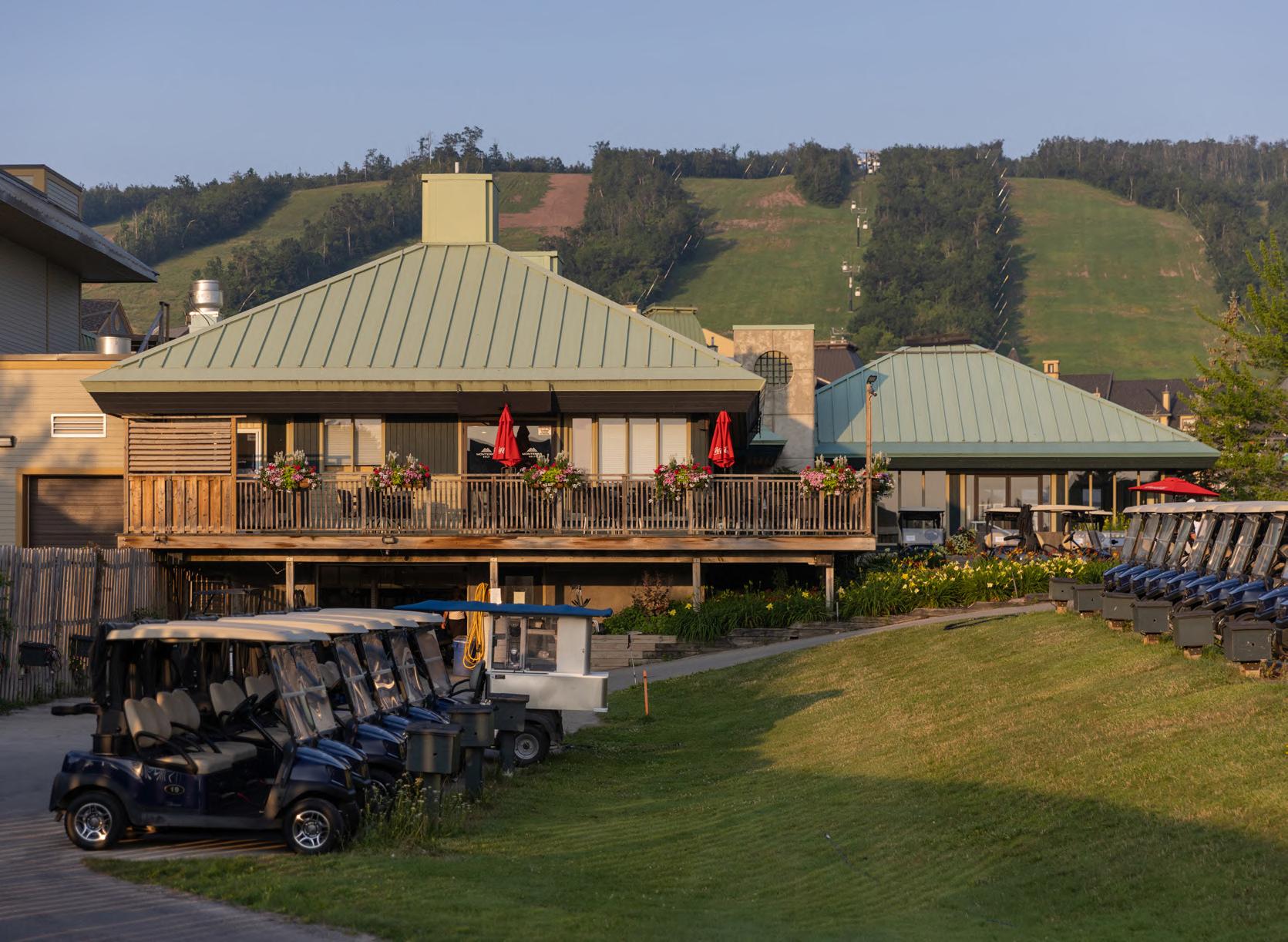
START YOUR ROUND IN OUR NEWLY RENOVATED GOLF SHOP, UPGRADED TO REFLECT THE SAME STANDARD FOUND ON THE COURSE.

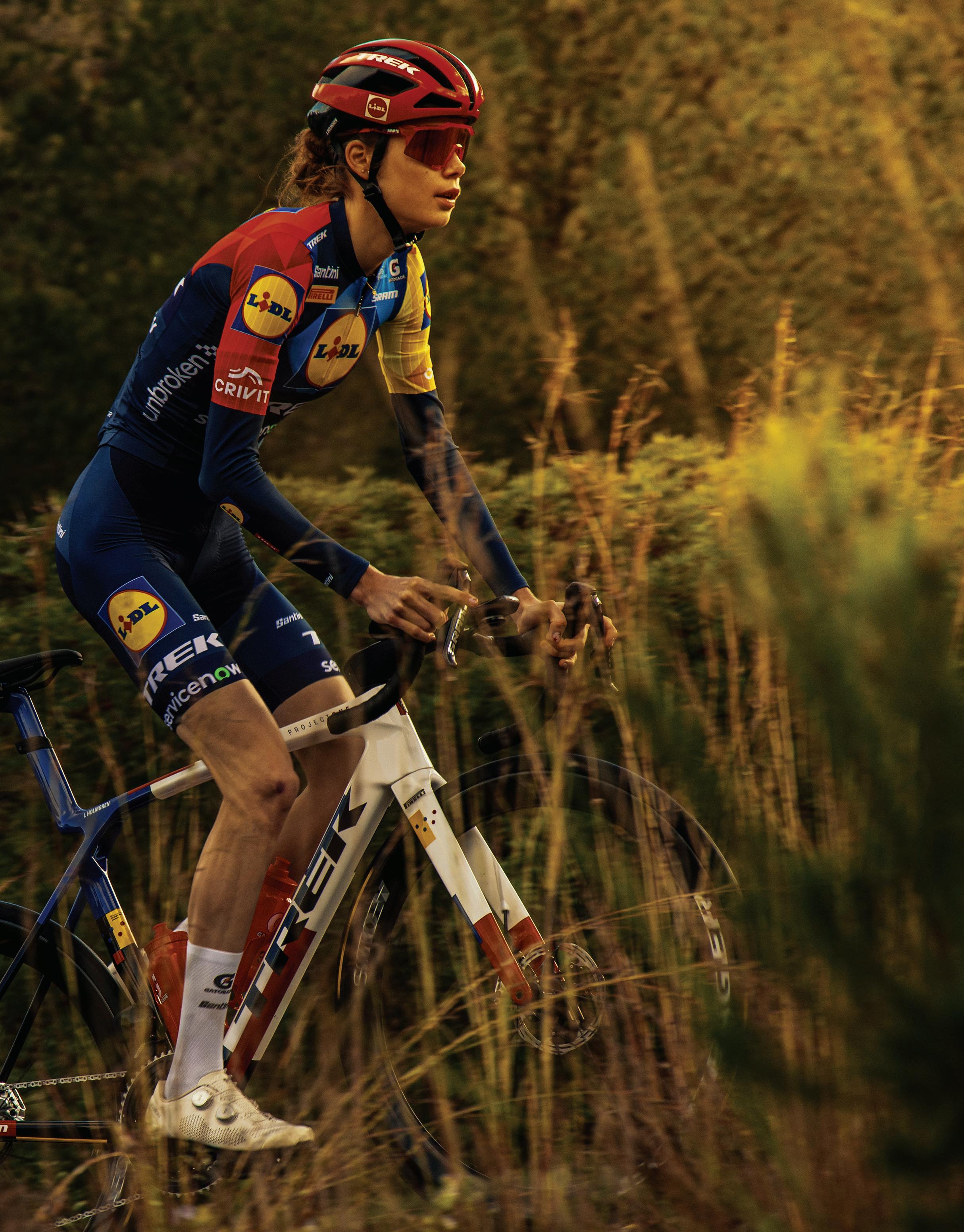
Raised on the trails of Simcoe County and now racing across Europe, World Champion cyclist Bella Holmgren reflects on family, ambition, and the road ahead.
By Jody Wilson

just
Orillia’s own Isabella (Bella) Holmgren has rapidly ascended to become one of cycling’s brightest rising stars. Growing up in Oro-Medonte, cycling has always been a family affair: Isabella, her twin sister Ava, and their brother Gunnar all compete as professionals, supported by parents with deep roots in coaching and competitive racing.
Bella’s career began on the local mountain bike trails and quiet backroads of Simcoe County. Today, she splits her time between international competition and the world-class training grounds of Girona, Spain, racing for the elite Lidl-Trek and TrekUnbroken programs.
What Bella has achieved in the last few years is extraordinary: five World Championship Rainbow jerseys (spanning cyclocross, cross-country, and short track), multiple Canadian National titles, a Pan American Championship, and a dominant string of U23 World Cup victories through 2024 and 2025.
This spring, we caught up with Bella in Europe as she prepared for the upcoming season. She shared insights on the role family plays in her success, the moment she realized she wanted to turn pro, and the hurdles she has had to navigate as a young woman in the sport. She also discloses her favourite training partner and local Orillia café for the best coffee.
JODY WILSON: You come from a family where bicycles and cycling play a huge part of your life. What is your earliest childhood memory of bikes and riding, and how important were they in your younger years?
ISABELLA HOLMGREN: Growing up, my parents and all of my siblings rode bikes. Because of this, it was an important part of my childhood since it was how we spent family time together. My earliest memories would be from the Hardwood Wednesday night race series. We would pile into the minivan with all of the bikes, race one of the courses, and then have pizza and watermelon afterwards.
JW: Growing up in Orillia (Simcoe County), where was your favourite place to train and ride?
IH: I’m very fortunate to have grown up in the Orillia and Oro-Medonte region because of the big trail system that’s maintained by the Simcoe County Mountain Bike Club (SCMBC). To this day, they are still some of my favourite trails to ride on. The road riding consists mostly of straight lines and 90-degree turns, but I love it nonetheless (especially the Friday morning group rides!).
JW: When did you realize you wanted to race bikes professionally? Is there a stand-out moment?
IH: It is hard for me to pinpoint an exact moment in which I realized I could race bikes professionally. I think I simply enjoyed the training and racing, and once I was given the opportunity to race my bike for a living, it was an easy choice to make.
JW: Spending so much of your time on the road and training in Europe, how do (did) you manage your school schedule and work?
IH: I went to a very small high school, which was favourable for my unconventional schedule. My teachers were extremely flexible and helpful. They would let me take tests earlier or later


depending on my racing, and they took their time to have virtual meetings with me if I needed help and clarification on a topic. For the most part, I was able to follow from afar, and I definitely learned how to get the most out of a textbook.
JW: As a young woman going through the process of elite cycling and racing, what do you feel was the hardest obstacle you’ve had to overcome to get where you are today?
IH: I’ve been very fortunate to have an easier path to get to where I am today. I was able to make cycling my job right out of high school, something that would be unimaginable for women a couple years back. The biggest challenge would have to be getting a visa to be able to spend more than 90 days in the EU. It’s still a challenge to this day, and finding a solution for athletes in a similar position would be fabulous.
JW: What is it like racing and training alongside your twin sister Ava?
IH: Being able to race and train alongside Ava is, without a question, what I am most grateful for. Having a twin is special because even if you have a bad day, you can be so happy for the other person’s accomplishments. It’s not always easy living far
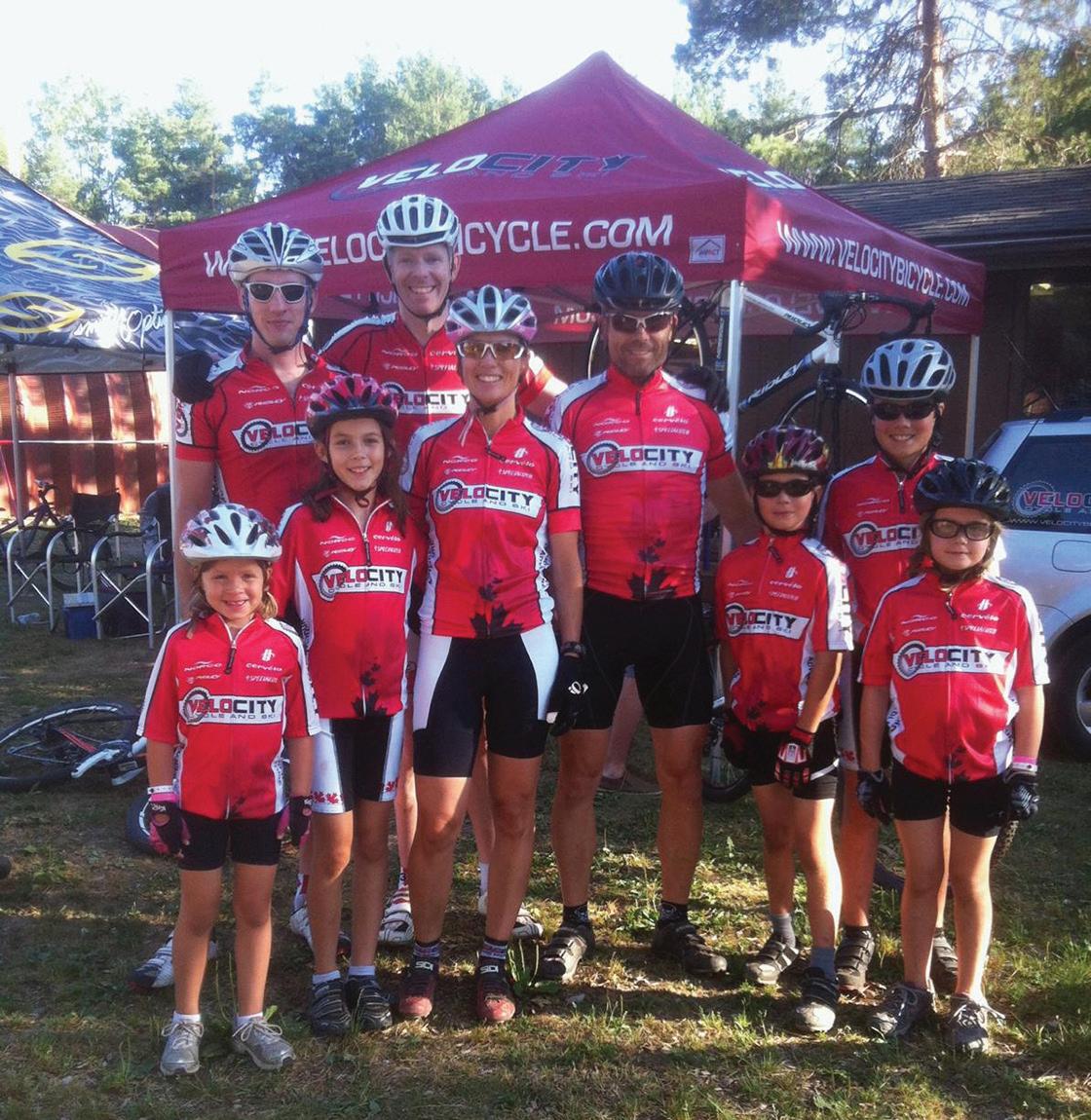
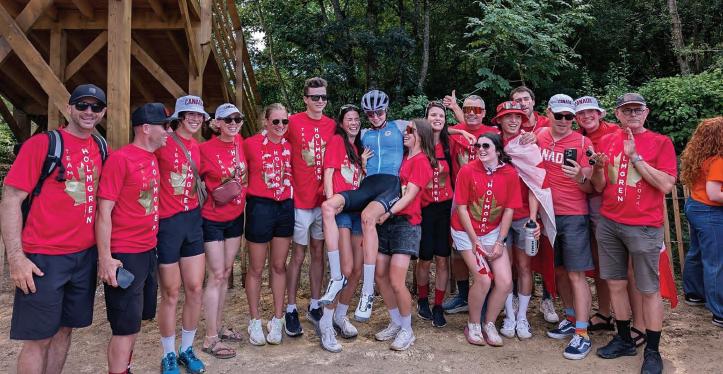
from home, but having Ava with me makes it exponentially easier. Even though we can get on each other’s nerves sometimes, I still much prefer a day spent with her rather than without her.
JW: In a short period of time, you have acquired a crazy number of National, International and World Championship titles in both Cyclocross and MTB. What has been your favourite professional cycling memory to date?
IH: I have too many favourite moments to only choose one. Some that stand out would be the MSA MTB World Cup this year. My family and friends came to watch, which is always special, but it was also the last race of the season, so I really put all that was left in the tank into the weekend knowing that there was time to rest and enjoy time at home afterwards. Another notable race for me was the Giro d’Italia. It was my first Grand Tour, and it made me realize how much I love to suffer many days in a row.
JW: In 2022–2023 you became the World Junior Cyclocross Champion. Can you walk us through the feeling of putting on the World Champion Rainbow Jersey for the first time? How did it feel? Had you ever dreamt it would happen to you?
IH: To be completely honest, winning the World Junior
EVENTS AND PROGRAMMING
May 15-17 - Mountain Bike Ontario Cup
Highlands Nordic
May 25 - June 22 - Kids on Bikes
July 20-24 & August 17-21
Mountain Bike Summer Camp
Mansfield
Fall 2026 - Cyclocross Ontario Cup
Highlands Nordic




Cyclocross Championships in 2023 wasn’t even something I thought was possible. I think that’s why I was so overcome with emotion. Other than the feeling of happiness seeing Ava cross the line in 2nd and having my parents and friends there watching, I felt a lot of gratitude. There were many Canadians before us that paved the way and inspired us to accomplish this. I was also extremely grateful for the staff and mechanics that worked tirelessly that entire winter in cold and wet conditions to ensure our bikes were top notch. I was fortunate to share that win with all of them.
JW: What events are you looking forward to in 2026? Will Canadian cycling fans see you at Road Worlds in Montreal this September?
IH: I’m very excited for the 2026 racing season. I will be combining road with Lidl-Trek and mountain biking with TrekUnbroken again this year, but I will have a road focus for the beginning of the season and then look more towards MTB in the summer. However, being selected for Road Worlds in Montreal is definitely a big goal. It’s a very rare experience to race at home, never mind a World Championships for Canadian cyclists, so I really want to be on the start line. To make it even more special, the Canadians would be defending the Elite Women’s road title after Magdeleine’s [Vallières] win in Rwanda!
JW: With a shift away from cyclocross this past fall/winter to focus more on road/MTB, what’s in store for the next few years? Is there a possibility we will see you in the 2027 Tour de France Femmes avec Zwift with your Team Lidl-Trek? Do you have your sights set on representing Canada at the Summer Olympics in LA in 2028, maybe both MTB and Road?
IH: Taking a step away from cross this past winter was a tough decision, but I knew it was the right one, especially after spending Christmas at home with my entire family for the first
time in at least eight years. The break from racing through the winter allows for more focus on the combination between road and MTB, which is a great benefit. In the coming years, racing the Tour de France Femmes avec Zwift with Lidl-Trek would be a big dream and goal of mine, and the same goes for competing in both the MTB and Road in LA 2028.
JW: A few final simple questions. If you could only have one training partner, who would it be?
IH: If I could only have one training partner, it would definitely be Ava. We can enjoy each other’s company on a ride, but we can also “ride alone” when we’re together if we are fed up with one another.
JW: Currently, where is your favourite place to ride your bike (anywhere in the world)?
IH: It’s a very general answer, but I love riding in the mountains in France, Italy and Switzerland. I also enjoyed the scenery in Scotland when I was there for Super Worlds, so I would love to discover that country some more. Reading this back, I also thought about the days spent in Victoria riding the MTB trails, so that has to be added to the list as well.
JW: We all know cyclists love cafés and coffee culture. When you are home, what is your favourite local café to ride to (and your brother’s coffee at home doesn’t count, even though it may be the best)?
IH: My favourite café at home (and probably in the whole world) is Mark IV Brothers in Orillia. The owner, James, can make an awesome coffee, and he recently got his own roasting machine, so it’s always a treat when we get a bag of his coffee brought here to Girona when friends/family visit! He is also a very kind person, so visiting the café when I’m back is, without fail, one of the highlights of being at home. E

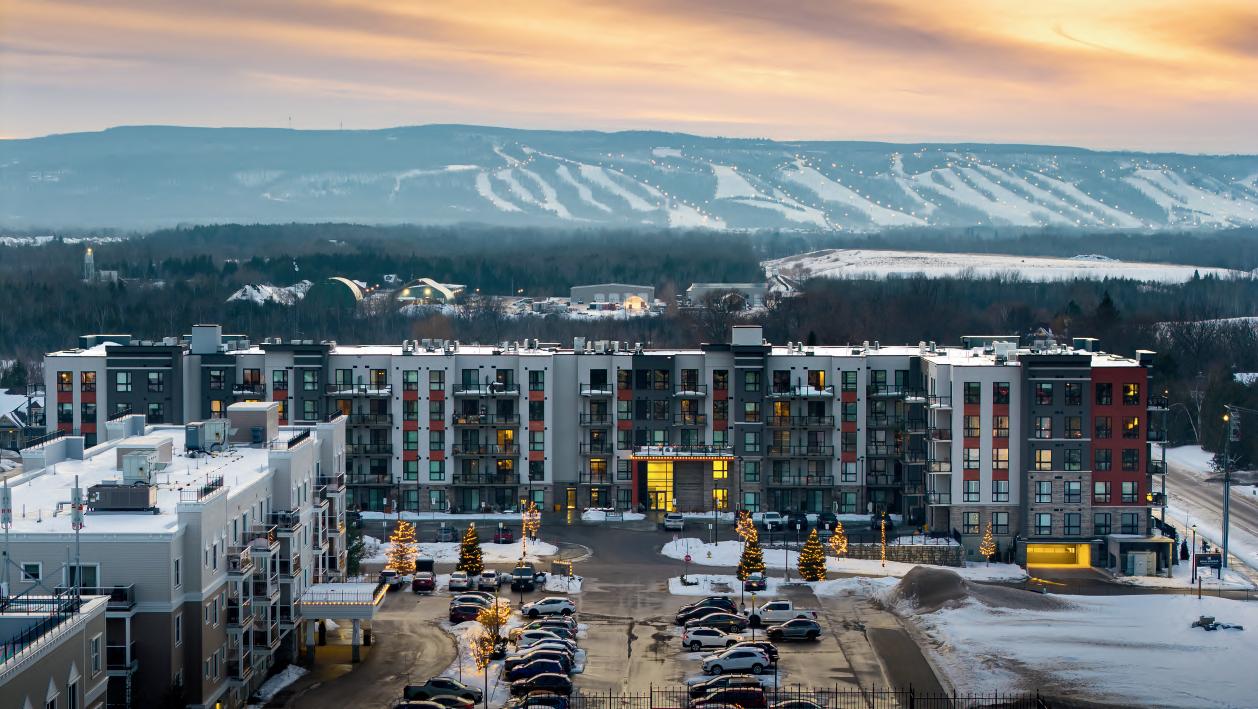
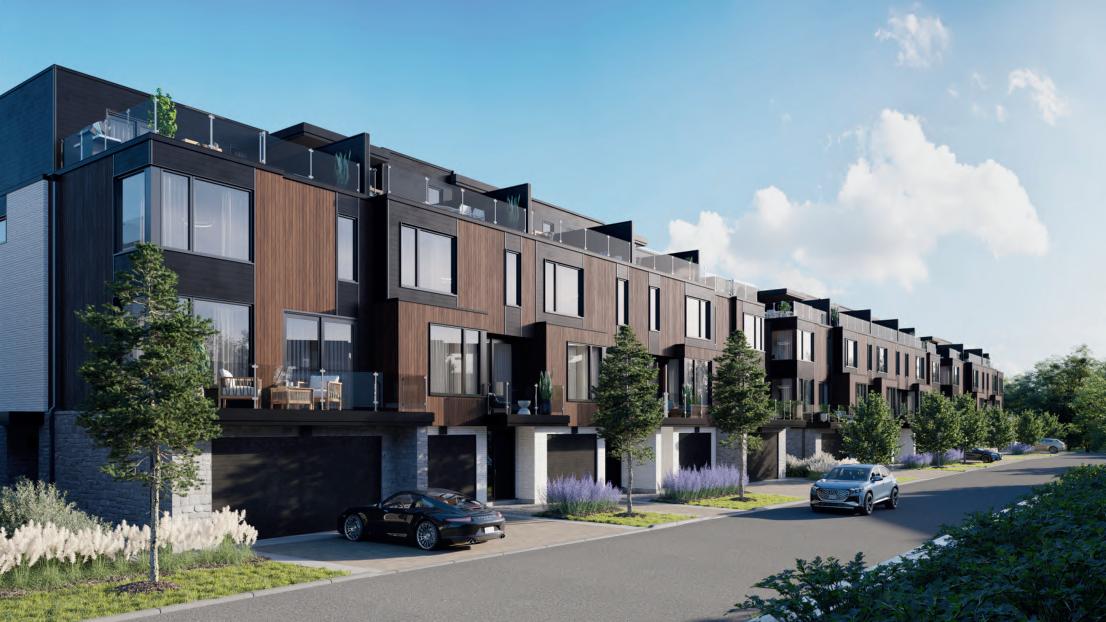
Collingwood’s best value for executive condominium living. 13 suites remain, ranging from 1,150-1,750 sq ft. Explore our penthouse model suite today featuring views of Blue Mountain.


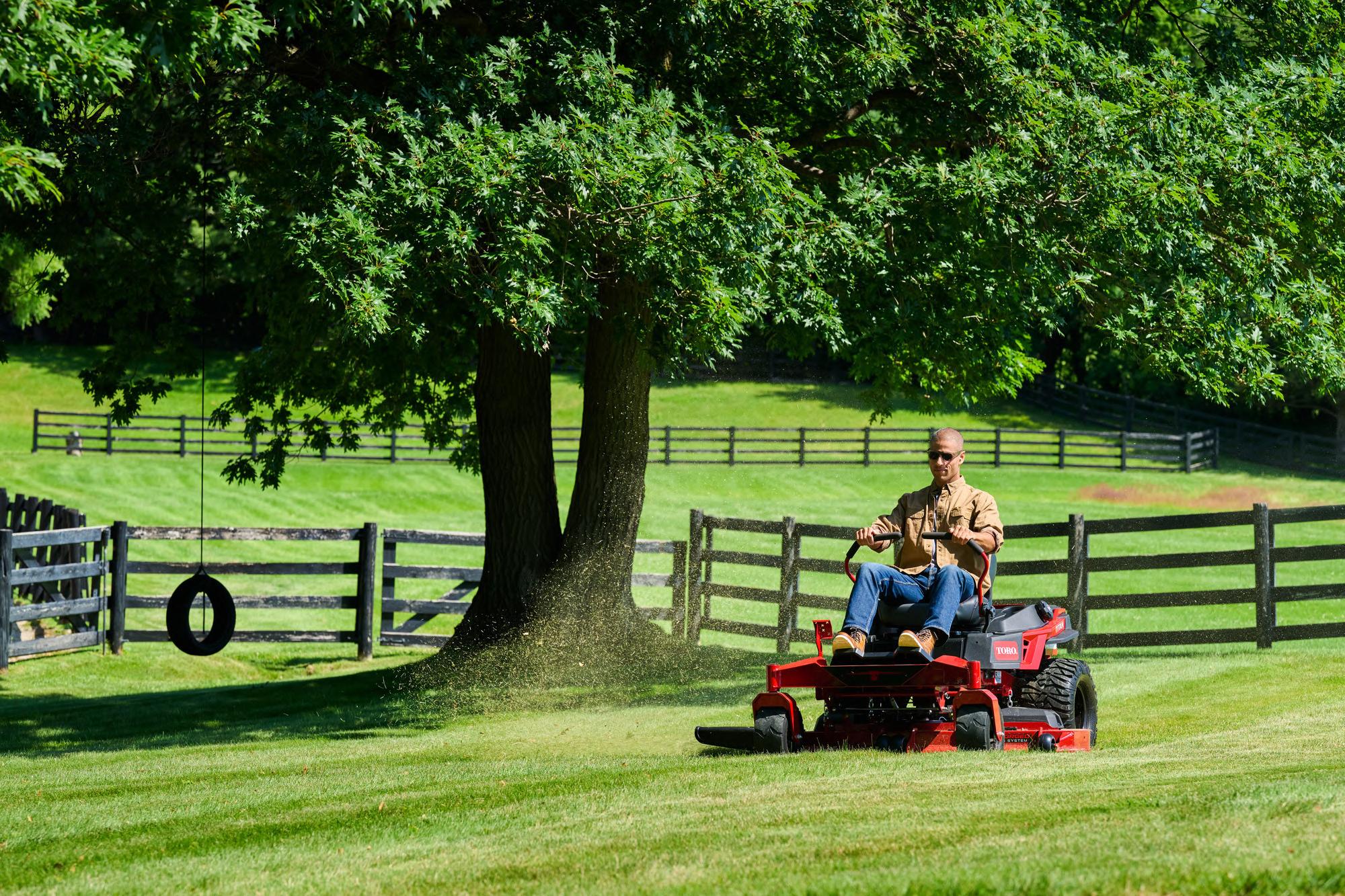
A well-kept lawn doesn’t just happen, it’s built with the right equipment. Robert’s Equipment offers homeownerready solutions with trusted Toro mowers designed to make every cut easier From versatile push mowers to high-performance zero-turn models, we have the tools to make your lawn look its best this season


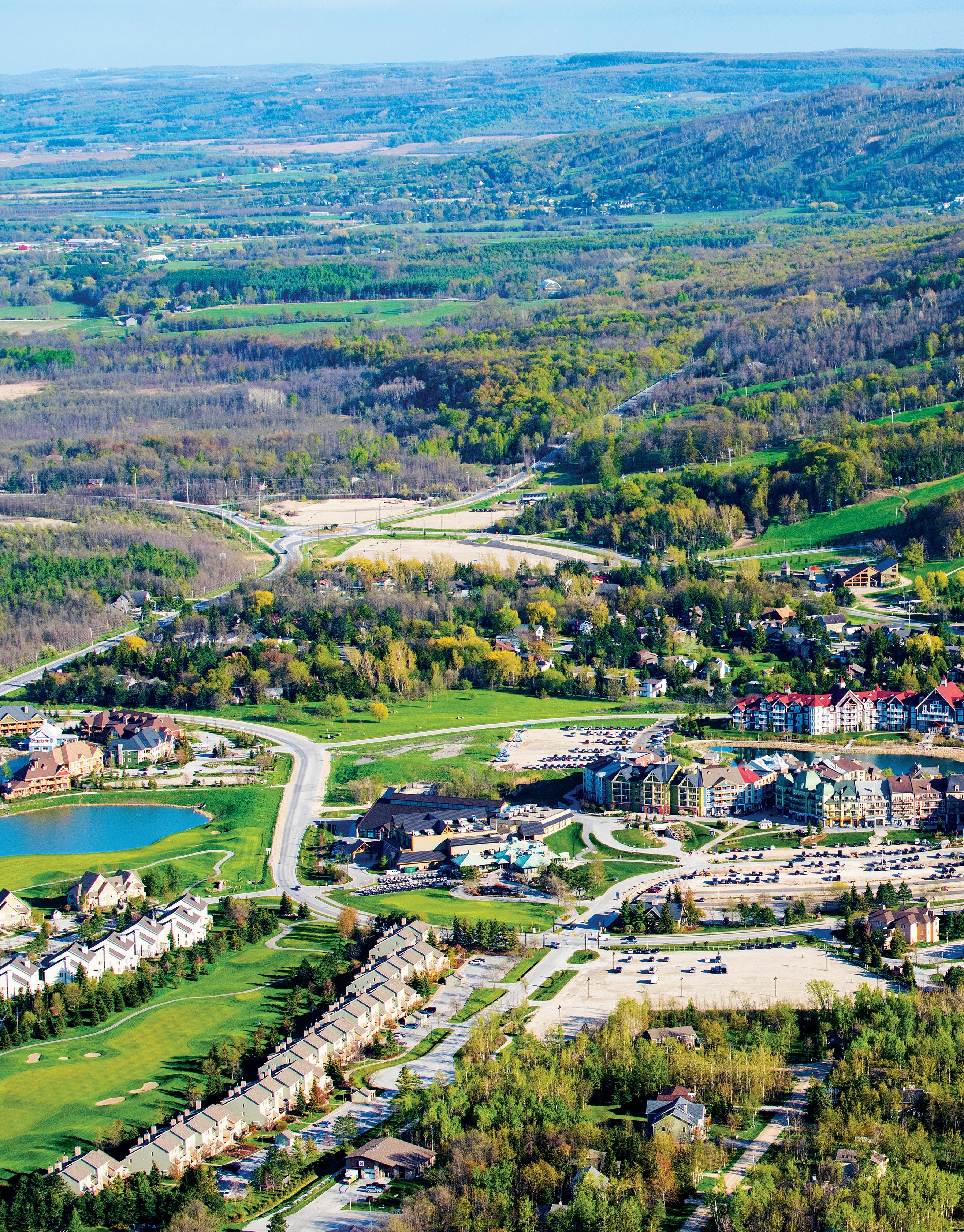
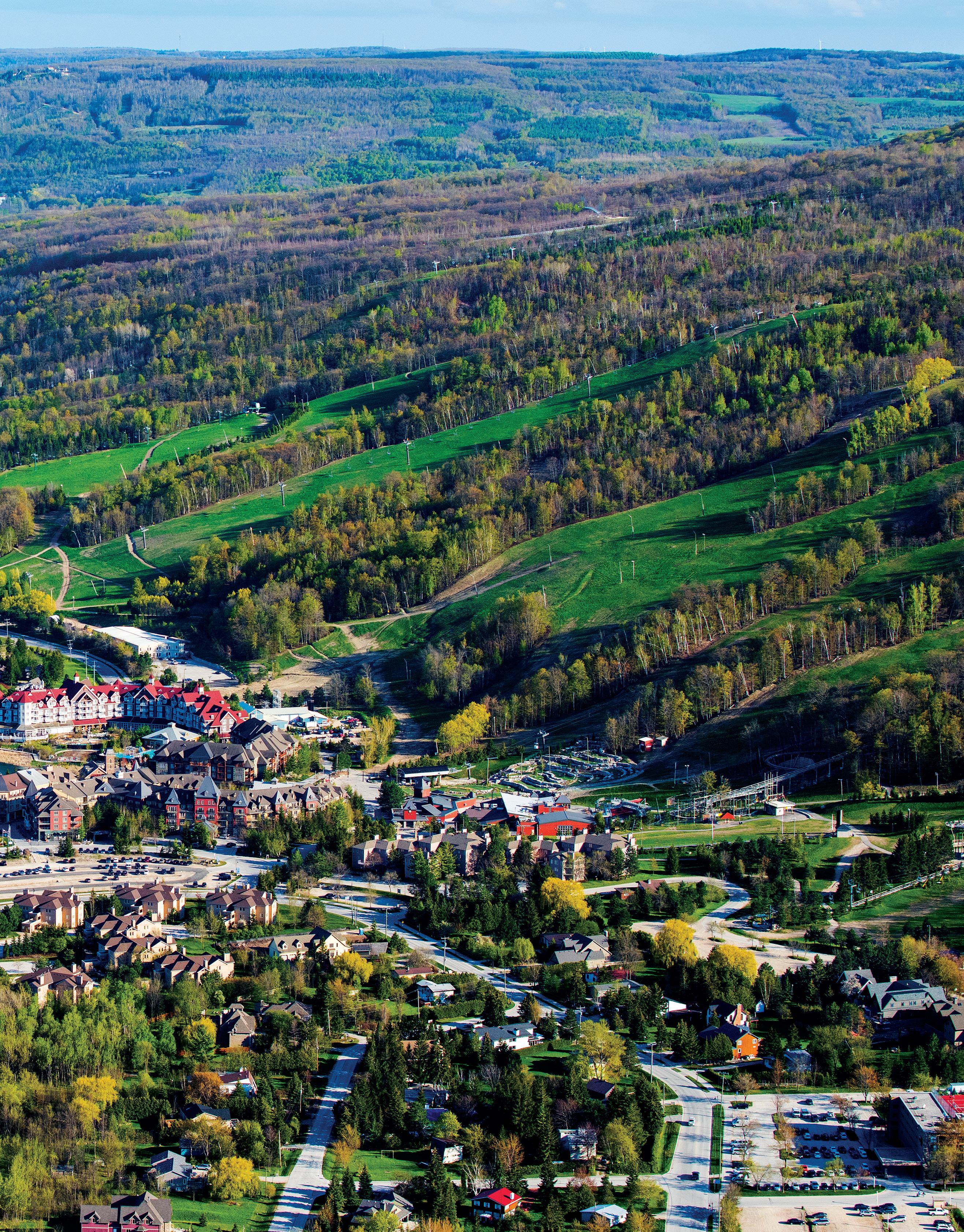
At Blue Mountain Resort, 48 hours is all it takes—a simple spring getaway built around fresh air, connection and a much-needed reset.
By Cara Williams | Photography by Clay Dolan
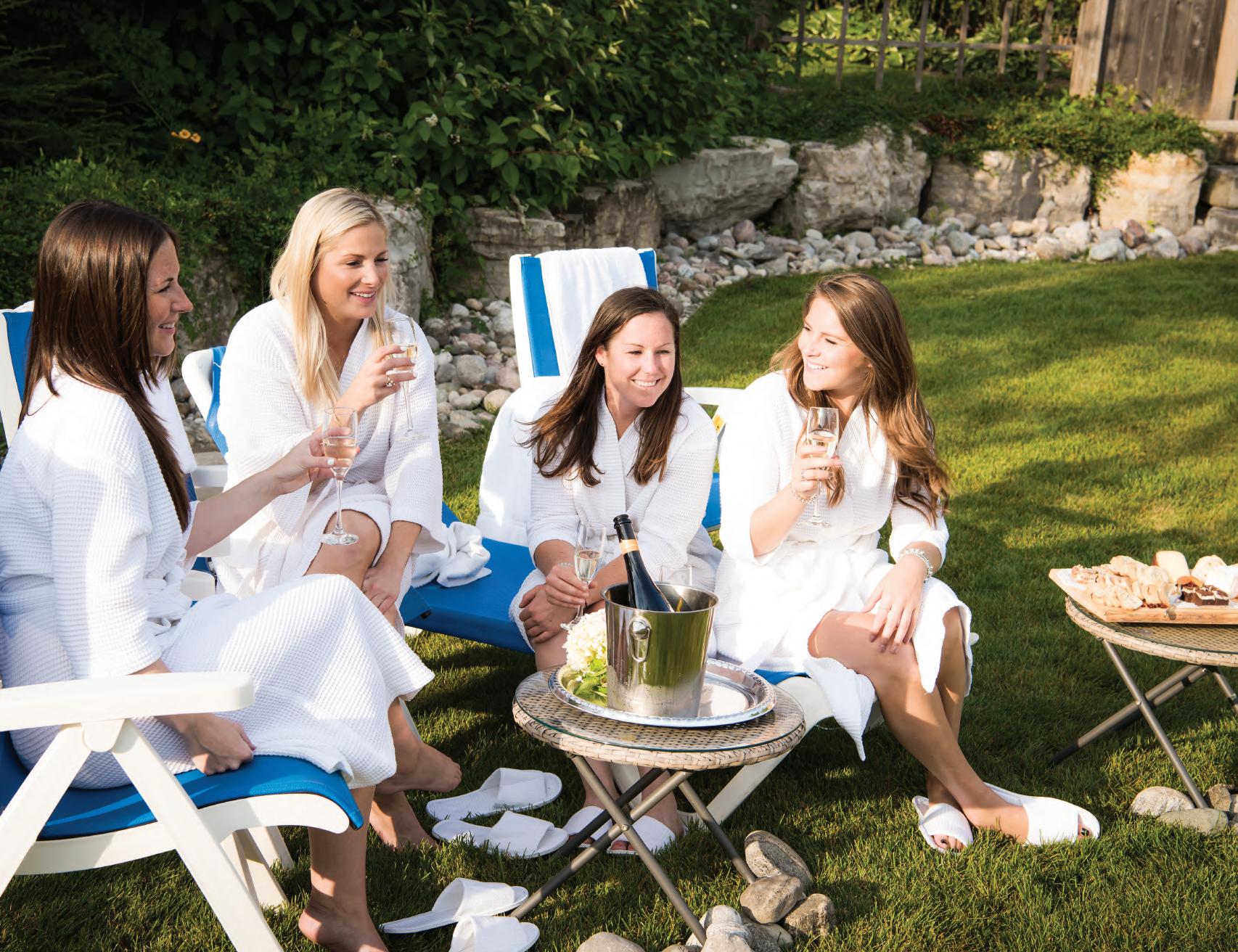
Sometimes all we need is 48 hours. No flights. No big planning. Just a change of scenery and perhaps a fluffy robe.
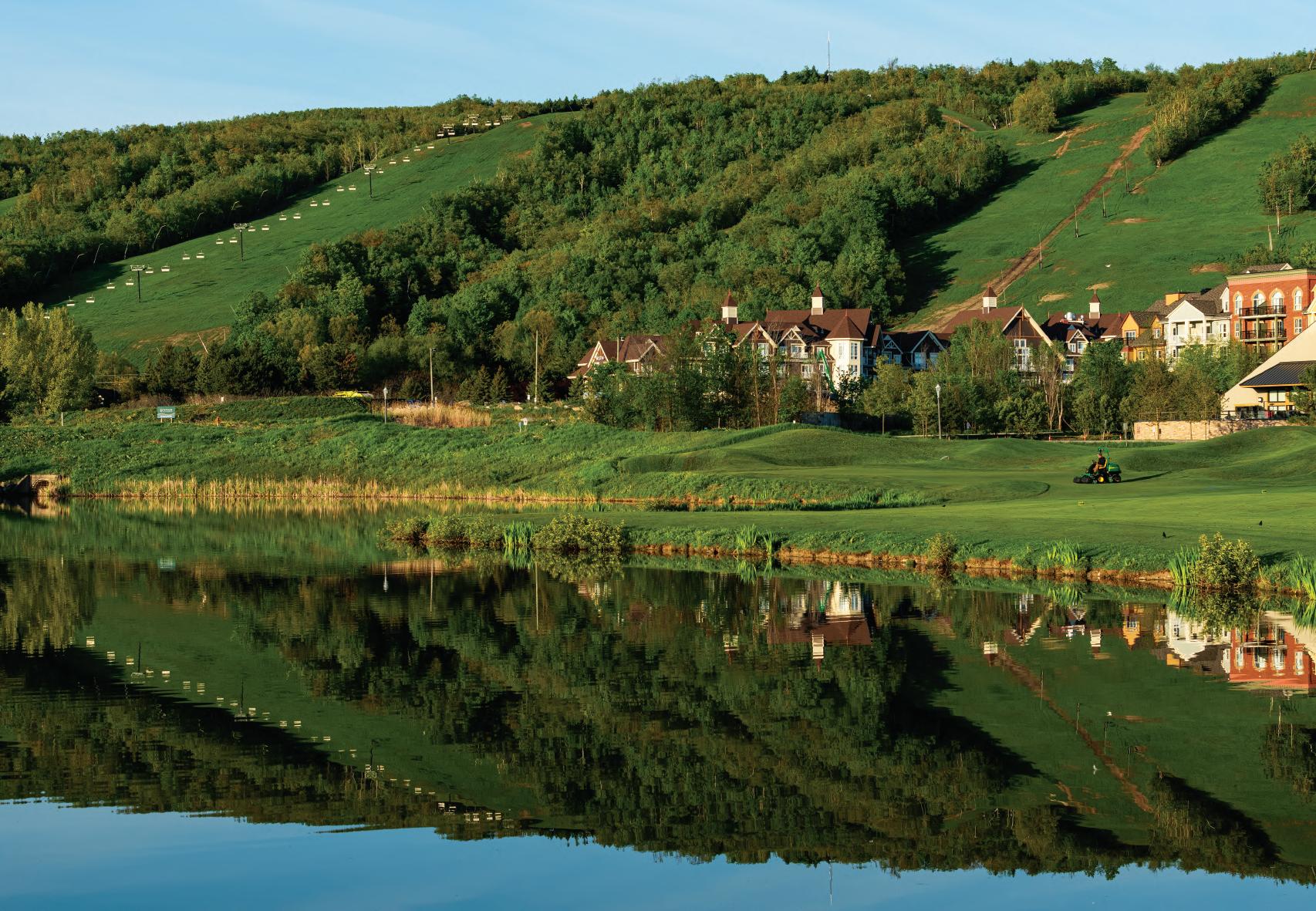
There’s a particular moment in spring when someone says it out loud: “Wouldn’t it be nice to just get away for a couple of days?”
Not a big trip. Nothing complicated. Just a short reset before the calendar fills with summer plans, kids’ schedules, weddings, cottages and everything else the season tends to bring.
Spring at Blue Mountain Resort presents exactly that kind of opportunity. The slopes are quiet, patios are open, and the Village settles into an easy tempo. It’s lively without being crowded—the kind of atmosphere that makes a spontaneous weekend away feel not only possible, but like a very good idea.
The best part? A mini-getaway doesn’t require much planning. Someone finally says what everyone’s thinking: “Let’s just book it.” It’s the kind of small decision that psychologists say can do wonders for stress and mental clarity.
Coffee in hand, you leave your guest suite and start with a wander through the Village. Shops open their doors. Friends claim patio tables. Someone’s dog happily greets passers-by. The Escarpment rises behind it all, still a little rugged from winter but beginning to soften into shades of green.
Soon enough you drift toward the Blue Mountain Village
boardwalk, shrugging off a layer as the sun warms your shoulders. The easy loop winds past shops, spas and restaurants before tracing the edge of Mill Pond, a surprisingly vibrant wetland in the heart of it all. In spring the marsh comes alive—frogs calling from the reeds, blackbirds perched on cattails, turtles surfacing in the shallows. It's peaceful, scenic, and the kind of place where you can lose track of time for minutes or hours.
It turns out those simple moments outdoors are doing more for you than you might think. Canadian researchers have found that spending about two hours a week in nature can lower stress levels and improve mental well-being. Psychologists also note that doing something new, even something as simple as exploring a different place, can boost mood and mental clarity. A weekend away quietly checks both boxes.
From the Village, the Open-Air Gondola carries you to the top of the mountain in minutes. Suddenly Georgian Bay spreads out in front of you, the Escarpment dropping into rolling countryside. Some people head for the trails, others linger at the lookout, leaning on the railing and taking it all in.
Spring invites that kind of unstructured wandering. A short hike. A longer one if you feel like it. Maybe the trails are dry enough for an early-season bike ride. Maybe you just walk until you find a good



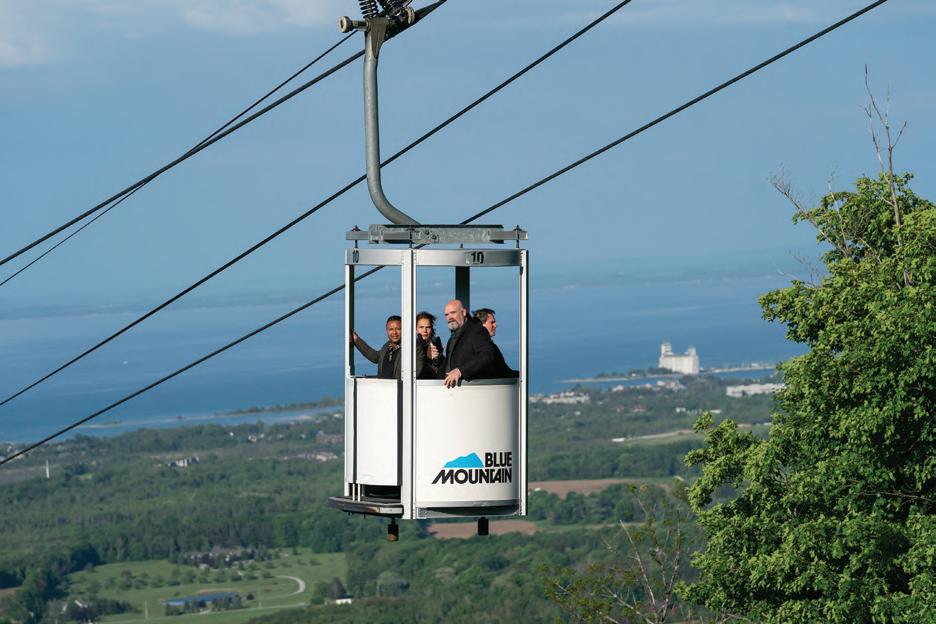

view and sit for a while, listening to birds moving through the canopy overhead. A recent Canadian study published in Communications Earth & Environment found that places with greater tree and bird diversity are linked to better self-reported mental health. Standing atop the Escarpment, it’s not hard to believe.
And for those who measure spring by the return of the fairways, golf season begins again too. Monterra Golf typically opens in late April or early May, depending on the weather. The course winds through rolling terrain, making even a casual ninehole round feel like part of the getaway.
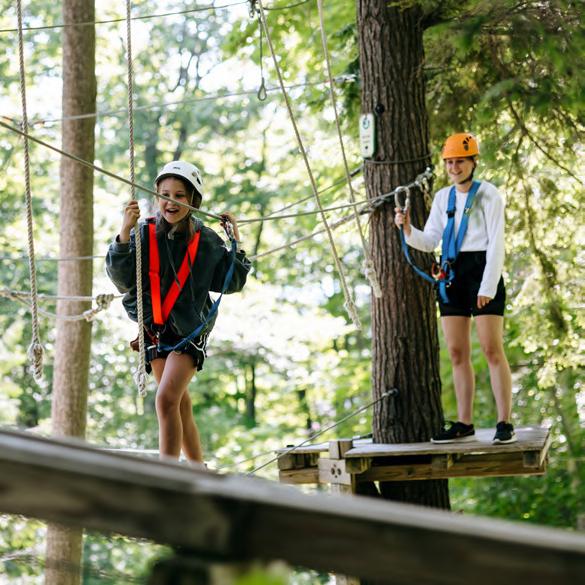
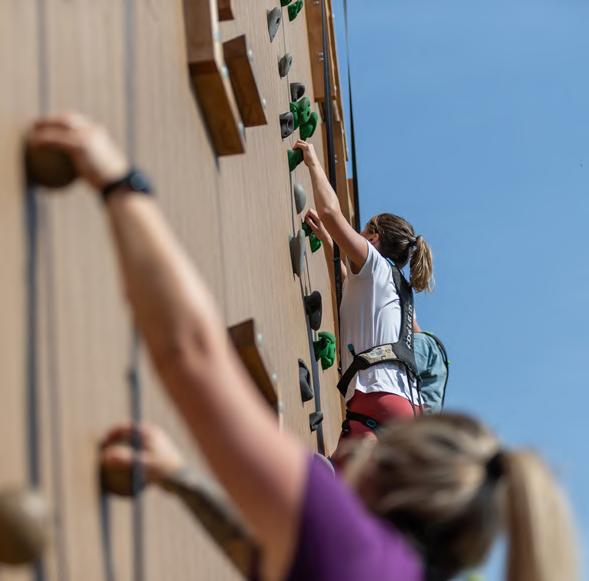
If golf isn’t your game, the Blue Mountain Adventure Park offers plenty of ways to stay outside a little longer—from the Ridge Runner Mountain Coaster to scenic climbing and ropes courses that reopen as the weather warms. Whether it’s a round of golf or a little friendly competition in the park, spring afternoons here tend to stretch out in the best possible way.
Of course, a good reset isn’t only about quiet daytime moments.
Evening arrives gently here. Drinks in the Village, followed
by dinner at The Pottery Alpine Restaurant feels like the perfect end to the day. Tucked into its cozy, chalet-style space, The Pottery is known for its European alpine fare—think cheese fondue, raclette and hearty dishes designed to be shared. Candles flicker on wooden tables, laughter carries across the room, and the pace slows naturally.
By the next morning, something has shifted. Conversations linger longer over breakfast. Phones stay in pockets. The pace feels different—easier. And knowing you still have another day makes it even better.
And that’s really the point of a spring reset. Not a packed itinerary. Not an extended leave... just a small interruption to routine. Sometimes all we need is 48 hours. No flights. No big planning. Just a change of scenery and perhaps a fluffy robe.
Spring doesn’t have to be a bridge you rush across on the way to summer. A short getaway might be exactly what you didn’t realize you needed—a chance to step outside, reconnect with the people you came with, and head home feeling ready for whatever’s next. E




By Anthony Vanderwal | Photography by Clay Dolan
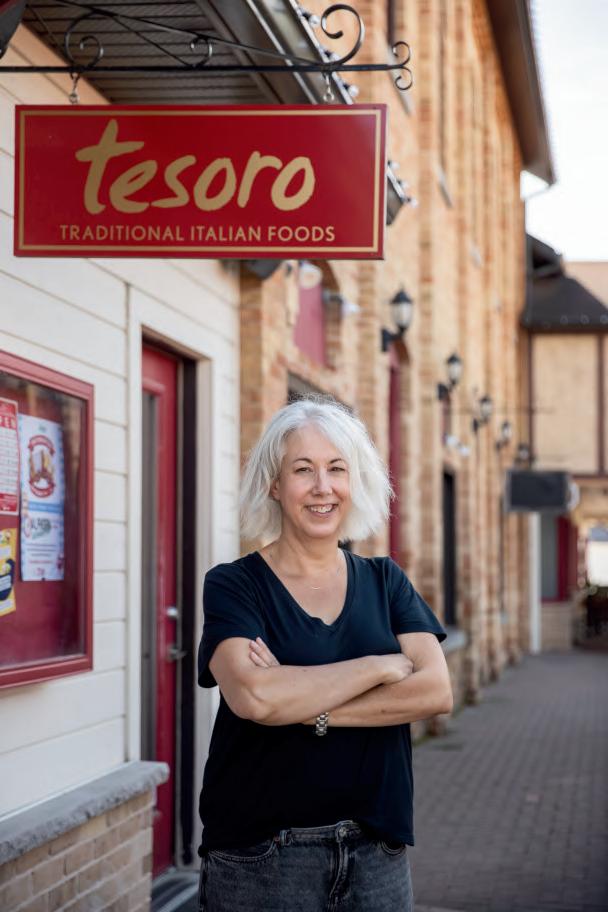
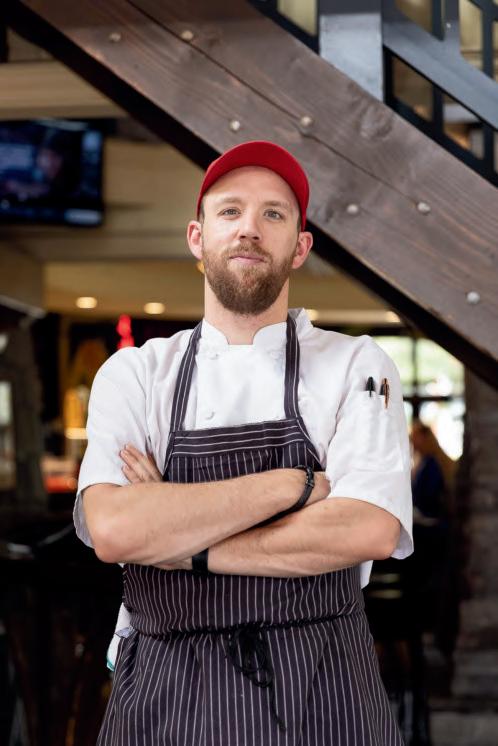
Afavourite among locals, weekenders and visitors alike, Tesoro is 23 years young and still humming. Tucked into its intimate space with an open kitchen at the heart of the room, the restaurant has long been defined by warmth— both on the plate and in the welcome. Chef Anthony Vanderwal (known affectionately as Chef Tony) builds his menus around scratch-made sauces, slow reductions and house-prepped ingredients, elevating rustic Italian comfort food through patience, technique and a deep respect for flavour.
Next door, Tesoro Mercato carries that same spirit into a lively market setting, offering fresh and frozen entrées, Italian pantry staples, desserts, giftware and a daily selection of hot sandwiches, soups and salads.
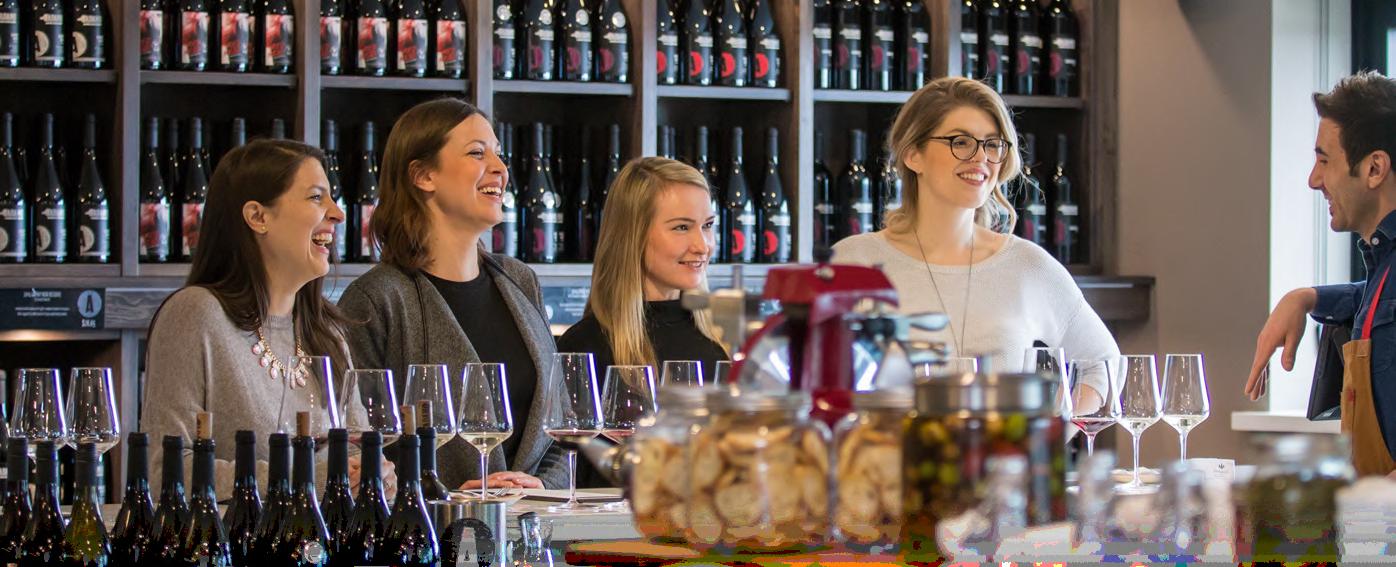
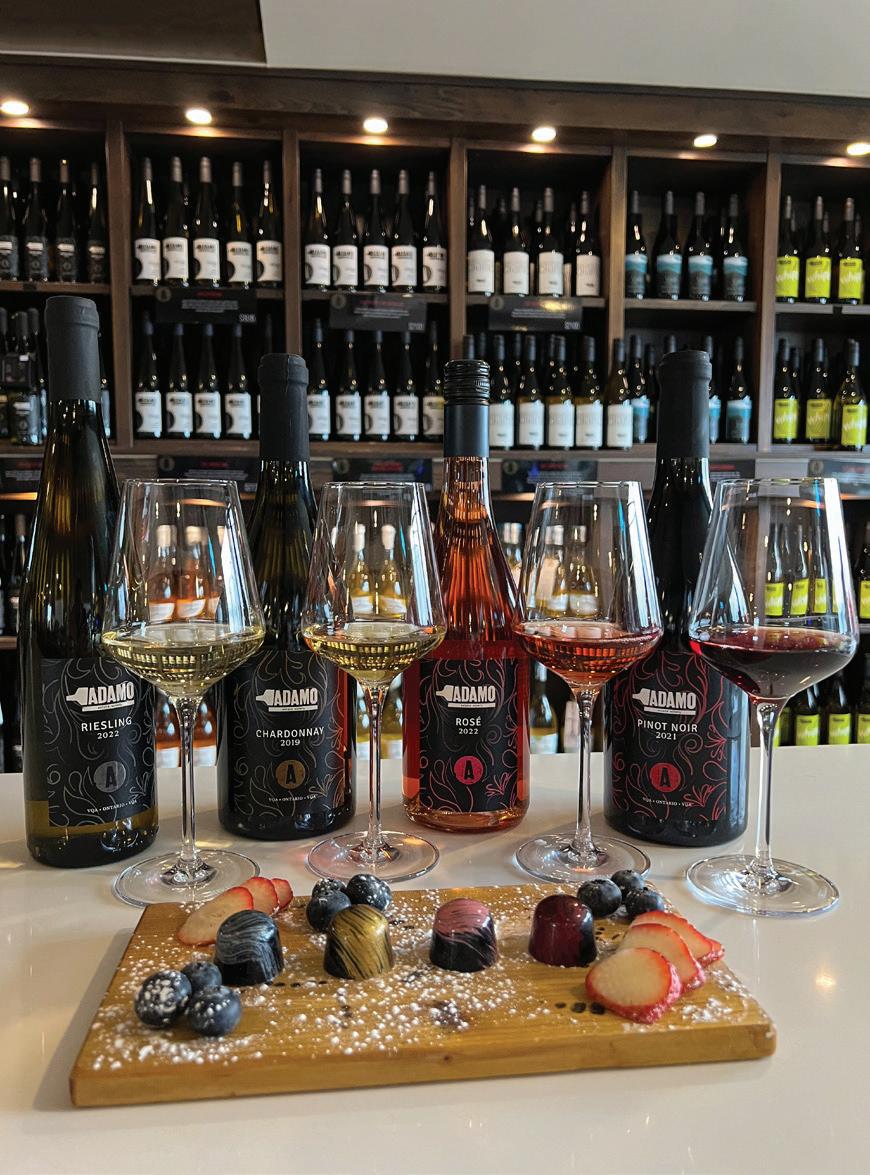
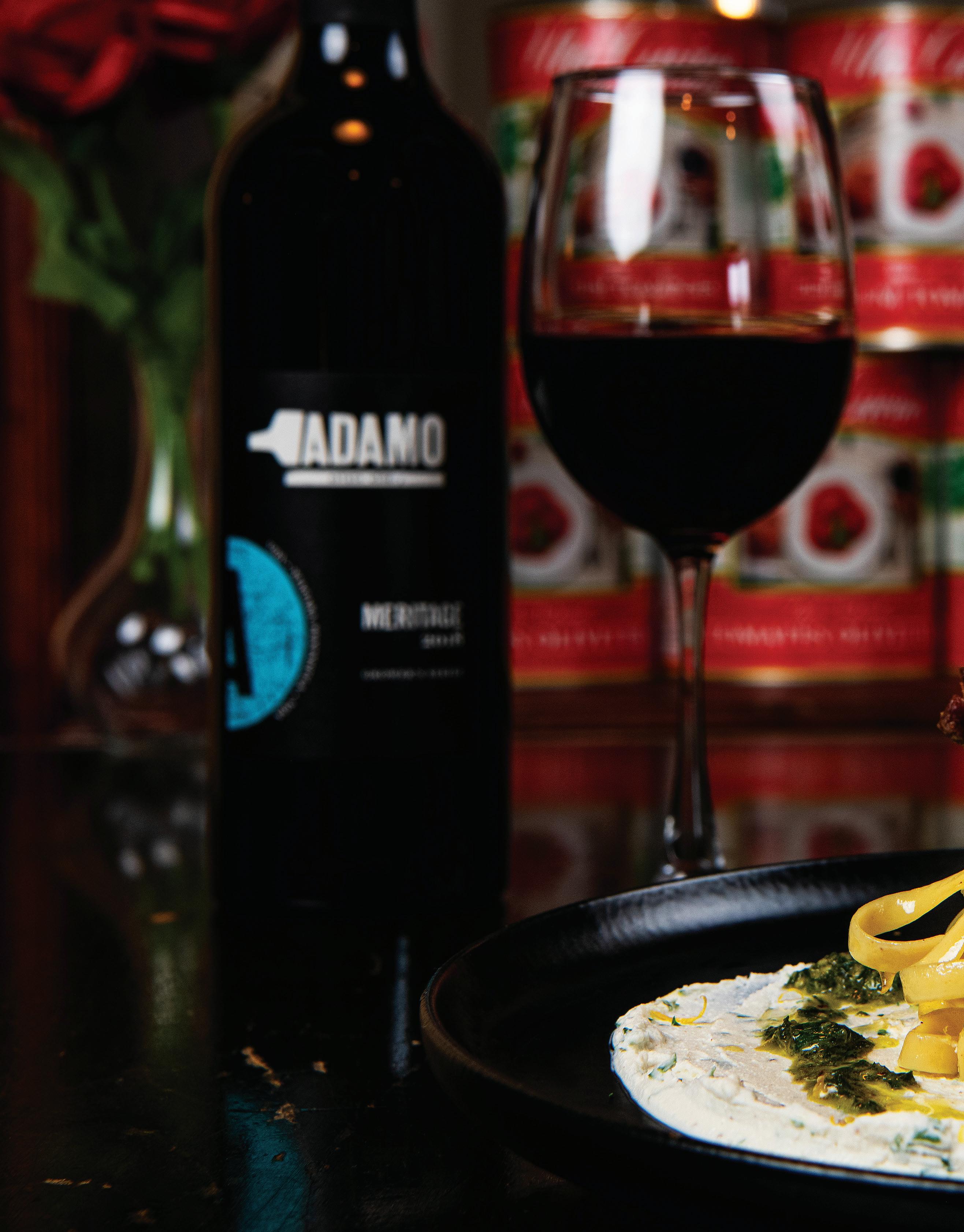
This spring, Chef Tony shares a trio of recipes rooted in the classics—peppery arugula crowned with roasted portobello and goat cheese, mint-bright rack of lamb and silky pistachio-kissed panna cotta—each thoughtfully paired with wines from Adamo Estate Winery.
Recreate the full experience at your own dining table and savour a taste of Tesoro this season.
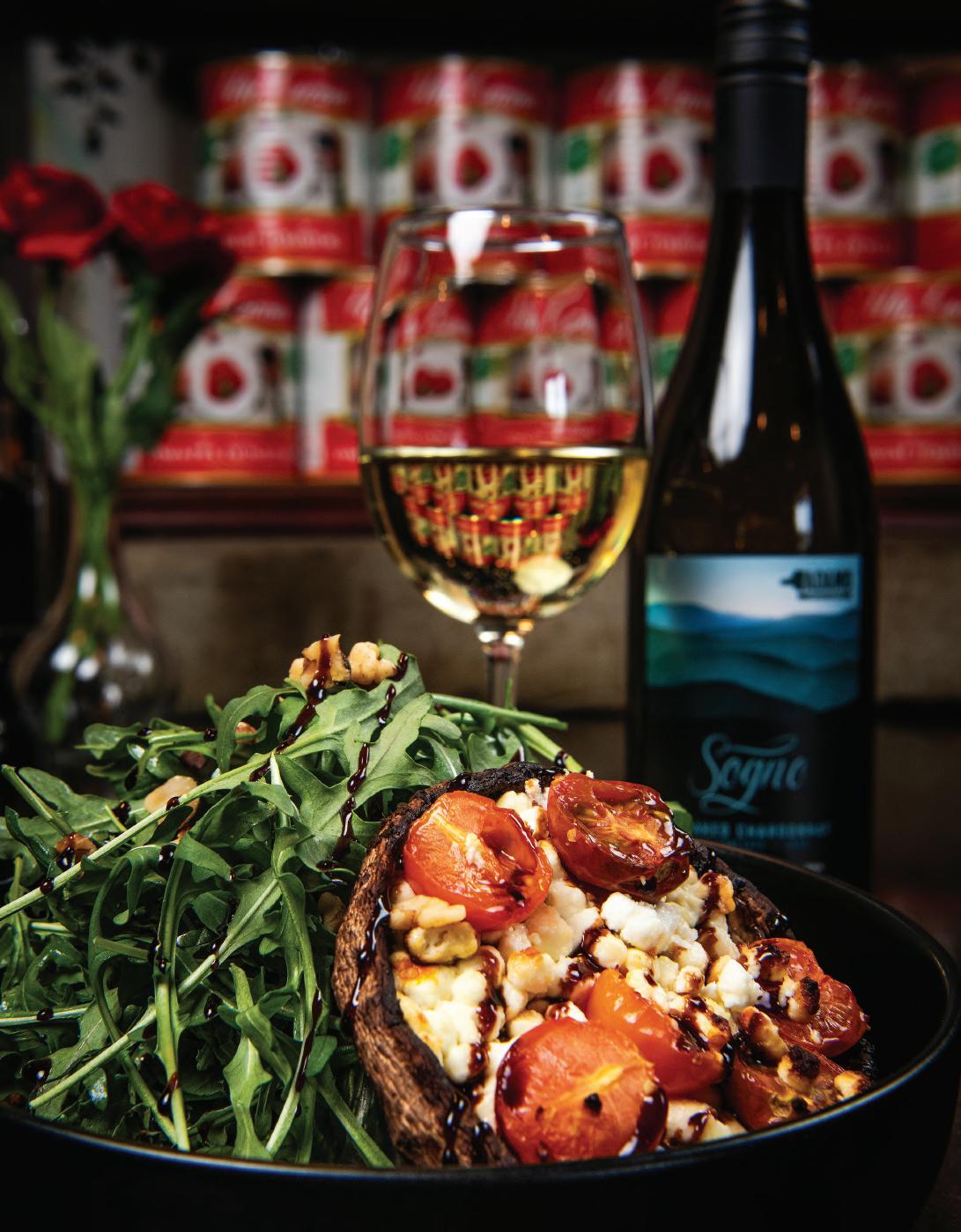
Fresh arugula topped with warm roasted portobello caps, creamy goat cheese and sweet cherry tomatoes—the perfect balance of acidity and brightness. Serves 4
A crisp stainless steel–fermented Chardonnay with bright citrus and stone fruit notes. Its lively acidity lifts the earthy mushrooms and balances the tang of goat cheese, while a subtle creaminess rounds out the dish.
4 portobello mushrooms
8 cherry tomatoes, halved
8 tbsp crushed walnuts
8 cups fresh arugula
4 tbsp honey
4 tbsp balsamic vinegar
4 tbsp olive oil, plus more for brushing
4 tbsp balsamic reduction
Pinch of salt
Pinch of black pepper
4 garlic cloves
1 rosemary sprig
2–3 basil leaves, chopped (optional)
¹⁄₃ cup dry white wine
Goat cheese (enough to fill each mushroom cap)
Preheat oven to 400°F with rack set in the upper-middle position. Remove stems and discard. Using a spoon, scrape out the dark gills from inside each cap.
Brush the inside of each mushroom with olive oil. Season with salt and pepper. Arrange gill-side up on a baking sheet. Crush one garlic clove and divide evenly among the caps. Add a small piece of rosemary to each. Pour white wine around (not over) the mushrooms. Roast 15 minutes, until tender and beginning to brown.
Flip mushrooms, discard any excess liquid and roast an additional 3–5 minutes. Allow to cool slightly. Top each cap with halved cherry tomatoes and goat cheese. Return to oven and roast about 10 minutes, until cheese is soft and warmed through.
Place arugula in a large bowl. Add olive oil, balsamic vinegar and honey. Season with salt and pepper. Toss gently with crushed walnuts.
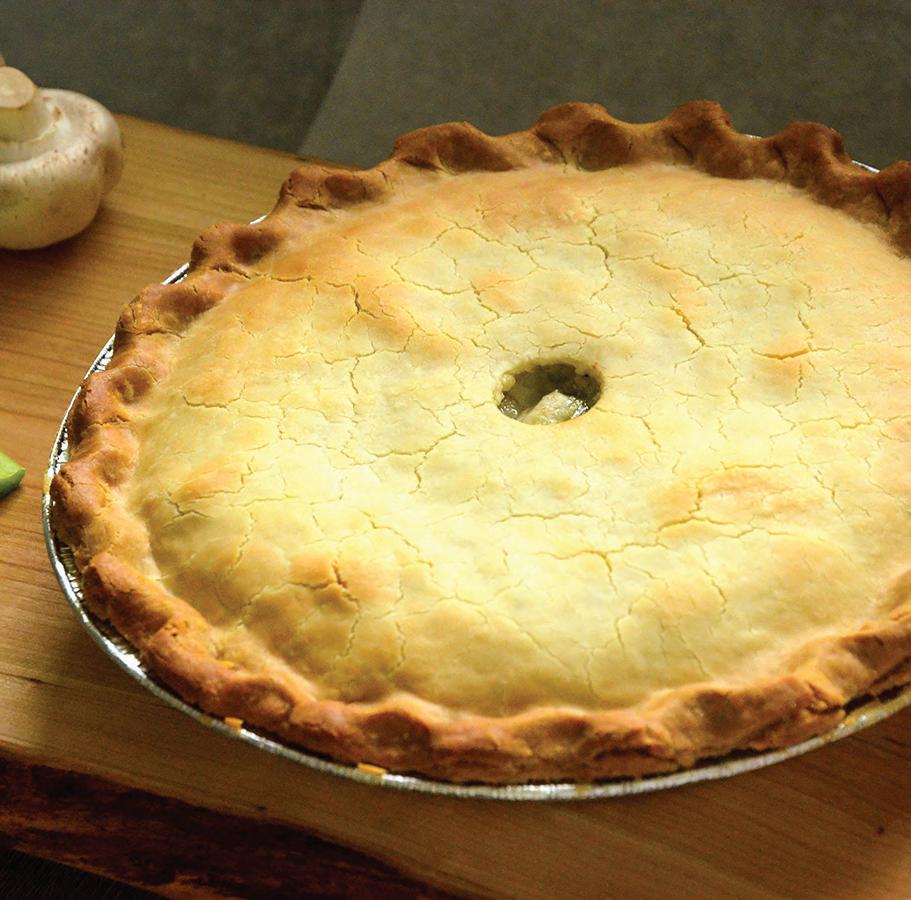
Arrange dressed greens on plates. Top each with a warm mushroom. Drizzle with balsamic reduction and garnish with fresh basil.
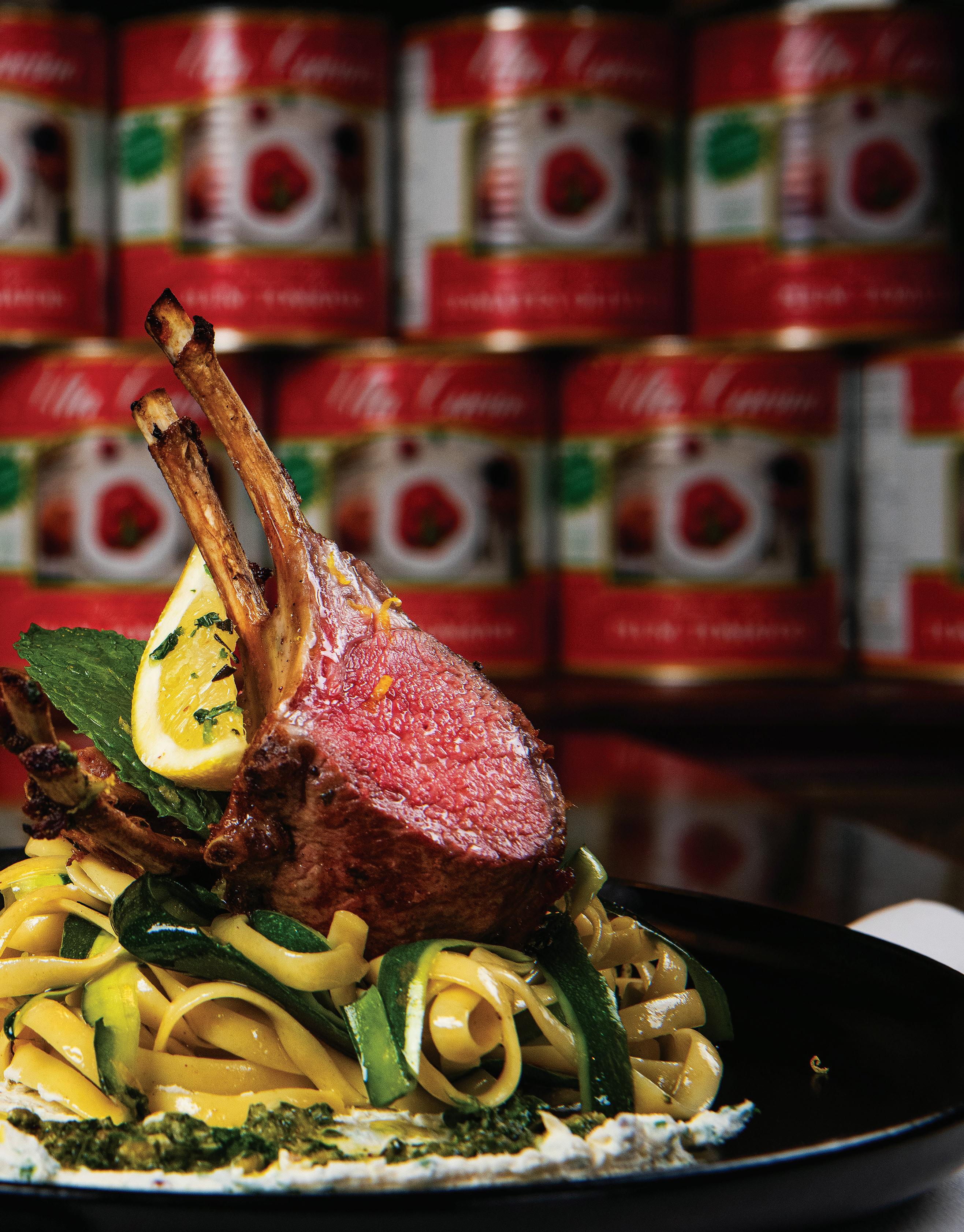
A classic pairing, Chef Tony roasts tender racks of lamb and finishes them with a bright mint pesto, served alongside fettuccine and delicate zucchini ribbons for a dish that is both rustic and refined.
Serves 4
2018 Meritage, Adamo Estate
Winery
A structured Bordeaux-style blend with layered notes of blackberry, cassis, leather and baking spice, aged 16 months in French oak. Smooth tannins and fresh acidity stand up beautifully to Ontario lamb, while hints of mocha, toasted hazelnut and cocoa echo the caramelized sear. Open 30–45 minutes before serving to allow the wine to fully express its depth.


INGREDIENTS
2 racks of lamb
500 g fettuccine
1 zucchini
1 tbsp ricotta
2 lemons
4 bunches fresh mint
4 garlic cloves
2 tbsp crumbled walnuts
1½ cups olive oil
¼ cup dry white wine
1 tsp salt
1 tsp black pepper
MINT PESTO
Combine leaves from 3 bunches of mint, walnuts, garlic, juice and zest of 1 lemon, salt and pepper in a food processor. Blitz while slowly streaming in 1 cup olive oil. Process until smooth.
PASTA
Bring a large pot of salted water to a boil. Cook fettuccine until al dente, 11–12 minutes.
Drain, toss with 1 tbsp olive oil and set aside.
ZUCCHINI
Slice zucchini into long ribbons using a mandolin or vegetable peeler.
LAMB & ASSEMBLY
Preheat oven to 425°F. Season lamb with salt and pepper. Sear in a hot cast iron pan with olive oil until browned on all sides. Transfer to oven and roast until internal temperature reaches 130°F for mediumrare. Rest 10–15 minutes before slicing.
TIP: Cover exposed bones with foil to prevent burning. While lamb rests, heat a sauté pan with olive oil. Add one crushed garlic clove and cooked pasta. Stir until fragrant. Deglaze with white wine and allow to reduce. Fold in zucchini ribbons and season with salt and pepper. Remove from heat. Smear ricotta onto plates. Twirl pasta into a nest at centre. Slice lamb and arrange alongside. Drizzle with mint pesto. Garnish with fresh mint and lemon wedges.

A classic Italian dessert defined by delicate sweetness, silky texture and understated elegance—the perfect finish to a spring meal. Serves 4
WINE PAIRING
2023 Estate Riesling, Adamo Estate Winery
An off-dry Riesling with vibrant acidity and expressive notes of citrus, apricot, green apple and honey. Its balanced sweetness complements the delicate vanilla cream, while the bright acidity cuts through the richness and enhances the nutty pistachio finish. Elegant enough to finish the meal— and refreshing enough to linger in the glass long after dessert.
INGREDIENTS
2 cups 35% whipping cream
¼ cup sugar
1 tsp vanilla extract
2¼ tsp gelatin powder
¼ cup cold water
1¼ cups unsalted pistachios, shelled
1 tbsp coconut oil
4 tsp honey
Pinch of sea salt
4 small mason jars or serving vessels
PANNA COTTA
Pour cold water into a bowl. Sprinkle gelatin evenly over surface and let stand 10 minutes until bloomed and gel-like.
In a small saucepan, combine cream, sugar and vanilla. Heat just below a boil, stirring until sugar dissolves.
Add bloomed gelatin and stir until fully dissolved. Remove from heat.
Divide mixture among jars. Cool to room temperature before refrigerating. Chill at least 2 hours, or up to 24 hours, until set.
PISTACHIO BUTTER
Preheat oven to 350°F. Spread pistachios on a parchment-lined baking sheet.
Toast 8–10 minutes, shaking once, until fragrant. Cool.
Pulse pistachios in a food processor until broken down. Reserve ¼ cup for garnish.
Continue processing remaining nuts until a thick paste forms, scraping sides as needed. Add coconut oil and blend until smooth and creamy.
TO SERVE
Spoon pistachio butter over each panna cotta.
Sprinkle with reserved crushed pistachios. Drizzle with honey and finish with a pinch of sea salt. E


BRINGING YOU AWARD-WINNING THEATRE, MUSIC, PROGRAMMING AND MORE SINCE 1961!
SCAN HERE FOR MORE The Roxy Theatre 251 9 St E, th Owen Sound, ON roxytheatre.ca 519-371-2833










May 14 - Ian Thomas
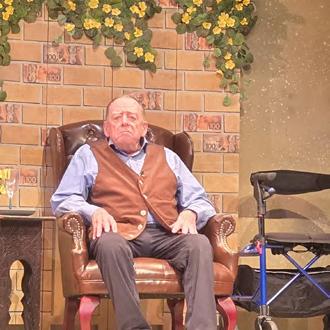
May 21 - Marsh Marigolds: An Agricultural Thriller From the creators of Wingfield Farms
May 23 - Dreamer The Supertramp Experience
Apr. 25 - Tribute to the Music of ELVIS
May 24 - Frozen In Time
May 27 - Forbidden Nights
May 28 - Anthony Tullo Southern rock and country

May
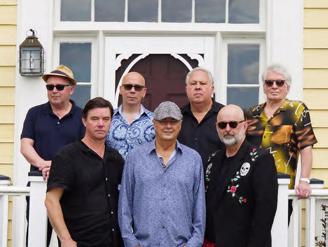
June 27 - The Hogtown Allstars Formerly The Legndary Downchild Blues Band
July 17 - Tribute To The Traveling Wilburys
July 18 - Meaford Beatlemania
July 25 - Piece Of My Heart Janis Joplin Tribute





By Marc Huminilowycz
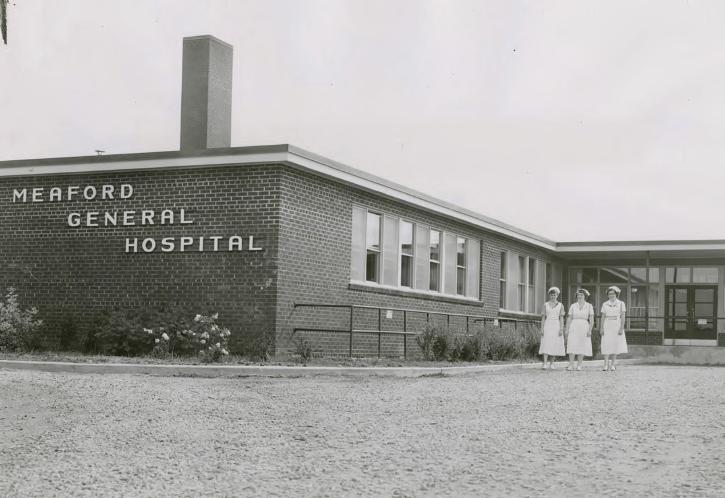
At the top of a hill overlooking the quaint harbour town of Meaford and Georgian Bay stands Brightshores Health System Meaford Hospital, a modest one-storey plus lower-level facility with a stellar reputation in the community for providing capable, compassionate and professional health care to Southern Georgian Bay locals and weekenders for over seventy years.
Meaford General Hospital opened its doors in 1952 to serve the Town of Meaford and the surrounding townships of St. Vincent and Euphrasia, providing essential medical, surgical, and maternity care. In 1998, Meaford joined five other regional hospitals to form Grey Bruce Health Services. The merger allowed the hospital to share resources and specialized staff, secure better funding for diagnostic equipment, and maintain its locally renowned 24/7 Emergency Department. In 2023, the hospital group was rebranded as Brightshores Health System, with Brightshores Meaford Hospital recognized for its top-tier Emergency Services,
critical care and inpatient care, serving residents and visitors in the Meaford, Blue Mountains and Grey Bruce region.
This writer and his wife moved from Toronto to Southern Georgian Bay in 2000. Over the years, we have trusted Meaford Hospital as our go-to destination for top-tier, 24/7 emergency care, diagnostic tests, day surgeries and inpatient care—close to home. Every visit to what we call our “great little hospital” has been a positive experience. Friendly, compassionate and highly competent staff (administration, diagnostic, nursing and physician) have consistently provided us and visiting family with excellent care in a calm, safe and restful space—worlds away from the long ER wait times and the frenetic, impersonal vibe of big-city hospitals. Our ER wait times to see a doctor at Brightshores Meaford Hospital have typically been less than one hour.
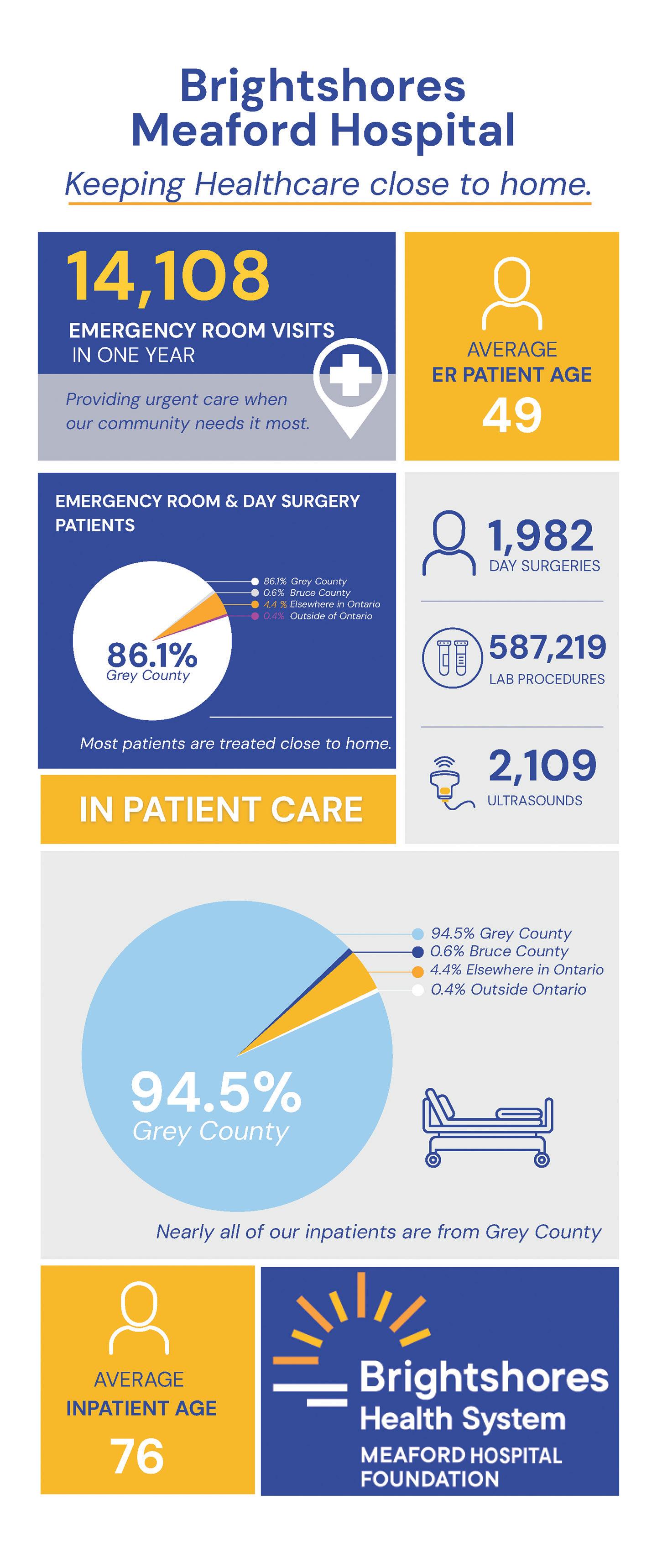
A 15-bed rural facility, Brightshores Meaford Hospital offers the following services today: 24-hour Emergency Department;
Inpatient Department; Day Surgery including Ophthalmology, Orthopedics, Ear, Nose and Throat (ENT); Endoscopy and General Surgery; Medical Imaging (X-Ray and Ultrasound); Laboratory Services (Inpatient and Outpatient); Ambulatory Care Clinics (Dermatology, Urology, Orthopedics, and more); Physiotherapy Services; Diabetes Education; and a helipad for rapid transfer of critically ill patients.
Brightshores Meaford Hospital receives generous support from the community thanks to the tireless efforts of the Brightshores Meaford Hospital Foundation, which has raised millions of dollars for upgrades, including recent investments in medical imaging and facility modernization.
Every year, the Brightshores Meaford Hospital Foundation organizes a series of events to raise funds. These include:
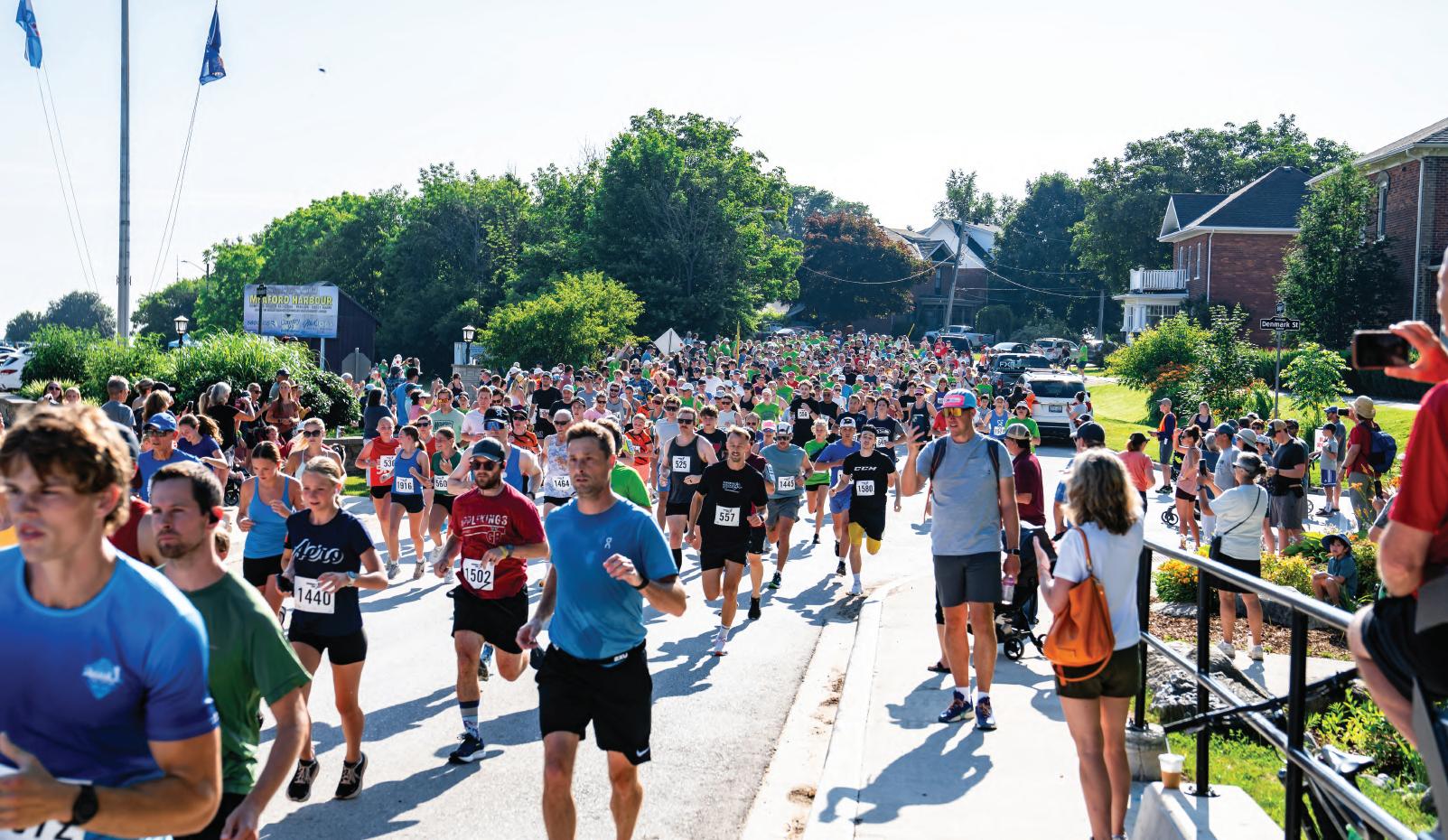
Meaford Harbour 5K Run/Walk
Celebrating its 30th anniversary in 2026, this signature summer event drew more than 500 participants last year and raised $115,000. This year’s event is on Saturday, July 11.
ER Evening of Revelry Gala
Now entering its third year, the gala has quickly become a marquee fundraising event. Last year, the committee launched a multi-year $1 million Emergency Room revitalization campaign, raising an impressive $350,000 at the event. Mark your calendars for this year’s event—Friday, September 11.
Orchard Society
Introduced in 2025, this five-year giving program has already
secured long-term commitments from community leaders, strengthening the Foundation’s ability to plan for future needs.
Radiothon “On Air for Healthcare”
In partnership with Lite 99.3, this community-driven broadcast raised $70,000 last year through a full day of stories and on-air giving.
The Foundation also partners in third-party fundraising campaigns such as Tim Hortons Smile Cookie and a local hockey tournament called Hockey Hits Cancer. The Lora Bay Ladies Member Guest Day has supported the Foundation with funds raised over the past several years.
Organizations like the Rotary Club of Meaford remain steadfast champions of the Foundation’s mission, contributing financial support year after year.
Dr. Giuseppe Costa, MD, FRCSC, an Orthopedic Surgeon with the Brightshores Health System, often works at Meaford Hospital. He emphasizes the importance of community donations to the quality of health care close to home.
“I see firsthand the critical importance of having access to advanced equipment for procedures that restore mobility and improve quality of life,” he said. “Thanks to the incredible generosity of the community and the tireless efforts of our Meaford fundraising team, 2024’s gala event made a tremendous impact,



Living in the Georgian Bay area, we’re privileged to have nature’s playground right outside our doors.
Whether you’re out exploring or just enjoying the views, you can rely on Darryn, Andrew, and the team at Stroud & Scott Wealth Management to keep your wealth plan on track so you can make the most of the outdoors all year long.
Stroud & Scott Wealth Management is a proud member of the Collingwood, Thornbury, and Blue Mountain communities. We provide custom wealth solutions for families and business owners to help you build your net worth, be tax efficient, protect what matters, and build your legacy.

TD Wealth Private Investment Advice 40 Huron Street, Suite 201, Collingwood, Ontario L9Y 1C5
Darryn Stroud, CIM® Senior Portfolio Manager
T: 705-444-1904 / darryn.stroud@td.com
Andrew Scott Investment Advisor
T: 705-444-1524 / andrew.scott@td.com
Jeanine Rayner Client Relationship Associate
T: 705-444-5828 / jeanine.rayner@td.com
Natasha McEachern Client Service Associate
T: 705-444-1337 / natasha.mceachern@td.com
Sarah Pryce Client Service Associate
T: 705-444-6902 / sarah.pryce@td.com

raising funds to purchase a new digital imaging system, the C-Arm, for Meaford Hospital. The equipment is a game-changer, transforming the way we operate by providing real-time imaging that enhances precision, reduces surgical time, and improves patient outcomes.”
“I am continually moved by the support we receive. Every donation, every event, and every volunteer hour reflects a deep commitment to the health of our community. For me and our medical staff, Meaford Hospital is a place to serve, heal, and be part of something special. I’m proud to be part of this team and this community.”
According to Brightshores Meaford Hospital Foundation Executive Director Vince Rogers, planning for the future is vital for meeting the long-term health care needs of the continually growing municipalities of Meaford and the Town of The Blue Mountains.
System to invest in the equipment and technology needed to deliver top-tier care close to home.”
“Our community is growing quickly, and with that growth comes the responsibility of ensuring that the hospital keeps pace,” he says. “From young families to retirees to new entrepreneurs, more people are choosing the area because they want a great quality of life. Access to exceptional care is a vital part of that. Community support
Foundation is what allows
Health
While he acknowledges all of the excellent hospitals in the region, Rogers encourages everyone in the community to consider embracing the Brightshores Meaford Hospital Foundation as one of their charities of choice—whether they take part in one of the Foundation’s fundraising events, organize their own event, or make a donation on their website: mhfoundation.ca. E
We have raised over $12 million dollars, but we still need your help.
The Georgian Triangle Humane Society (GTHS) has officially broken ground on the David & Helen Capin Regional Centre for Pets & People (RCPP).
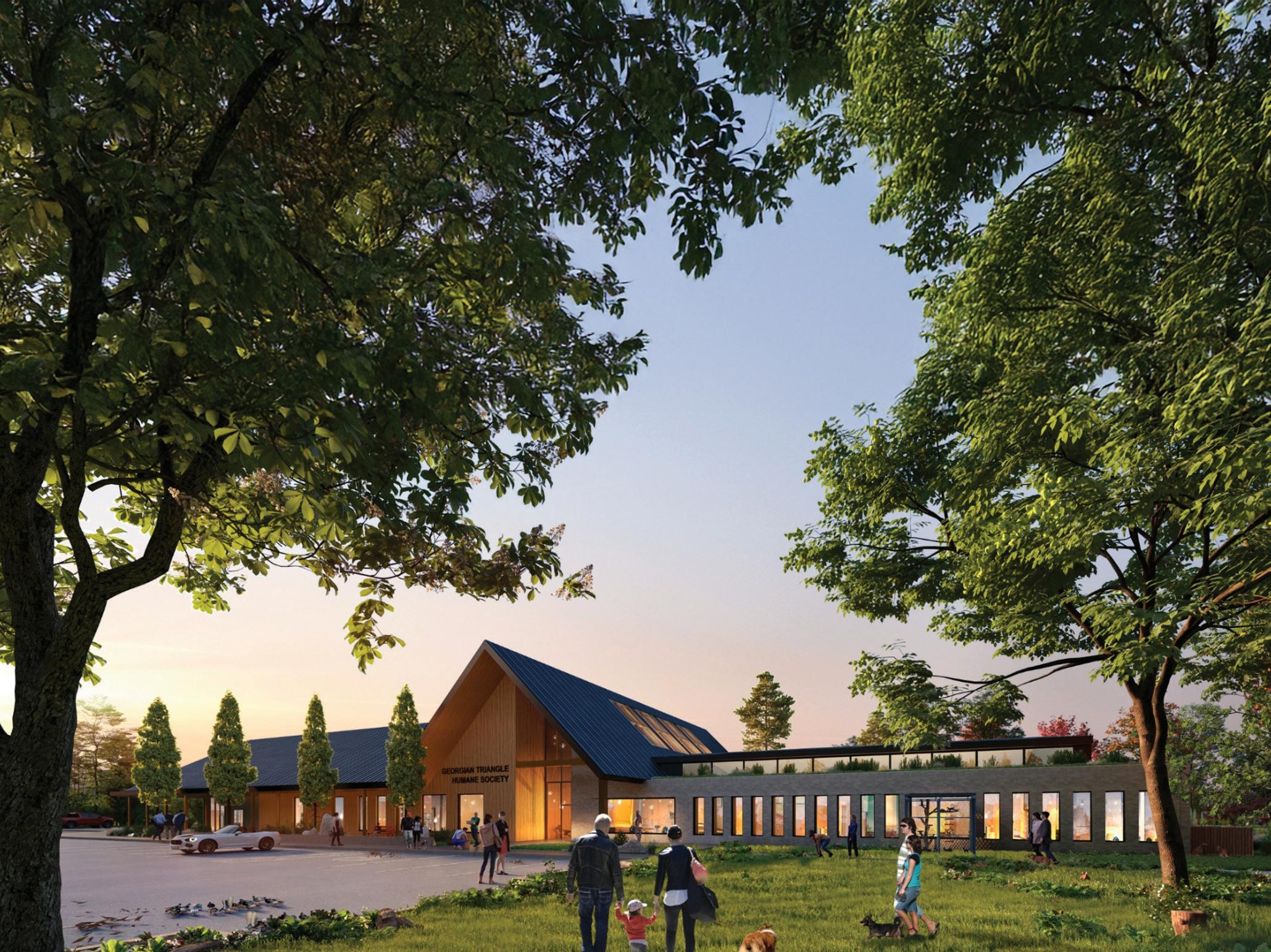
Every gift brings us closer to opening the doors of this life-changing space. With your help, we can ensure that pets and people across our region have the care, compassion, and support they deserve.
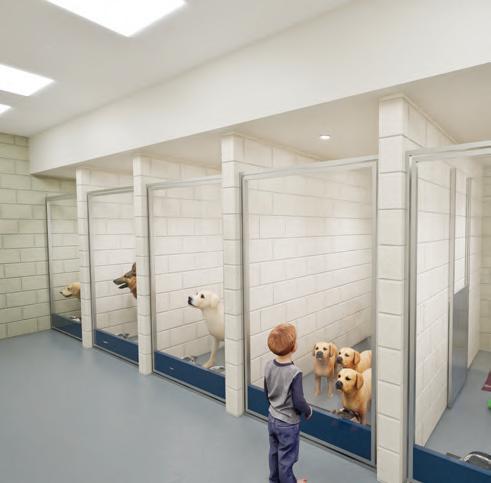
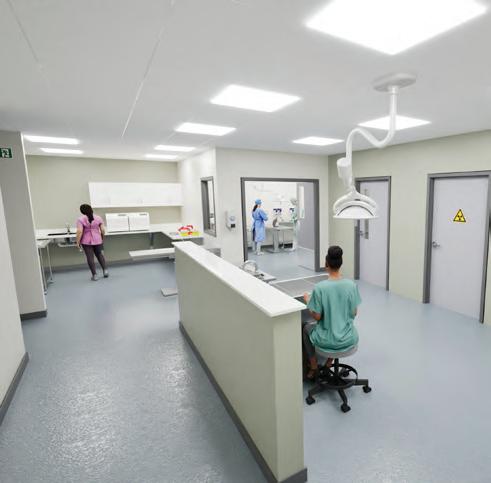
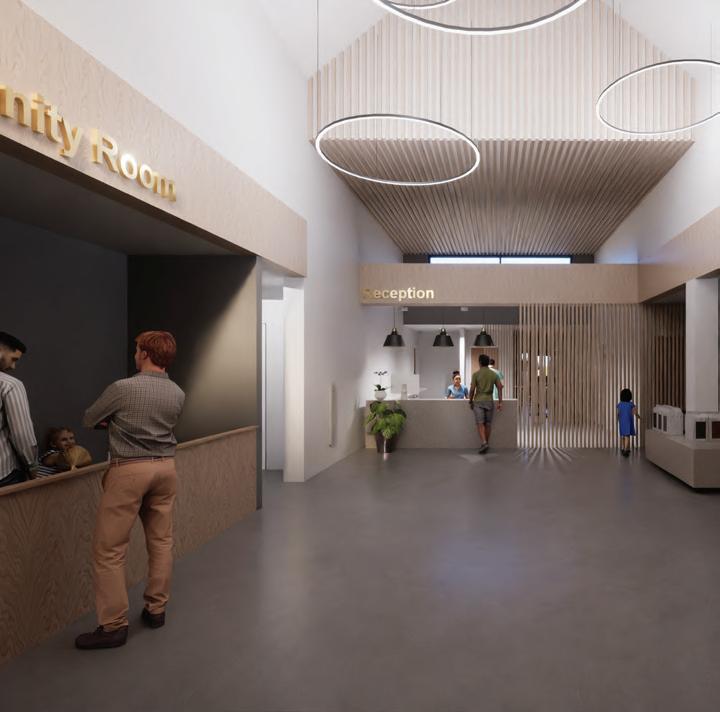
This vital new facility will shelter more animals, support more families in crisis, and meet the growing needs of the South Georgian Bay and beyond.
This transformative Animal Centre is more than just a building. It’s a promise to the thousands of pets and people who depend on us every year.
Naming opportunities are still available. For more information about leaving a legacy and donating, please contact:
Erin Tuckey | CAMPAIGN MANAGER erin.tuckey@gths.ca | 705-445-5204 ex 236
Kayla van Zon | FUNDRAISING CONSULTANT kvanzon@interkom.ca
For three decades Georgian Bay boat builders made yachts that were esteemed and copied around the globe. Almost overnight those businesses disappeared, leaving a legacy of world-class sailboats in their wake.
By Kate MacLennan

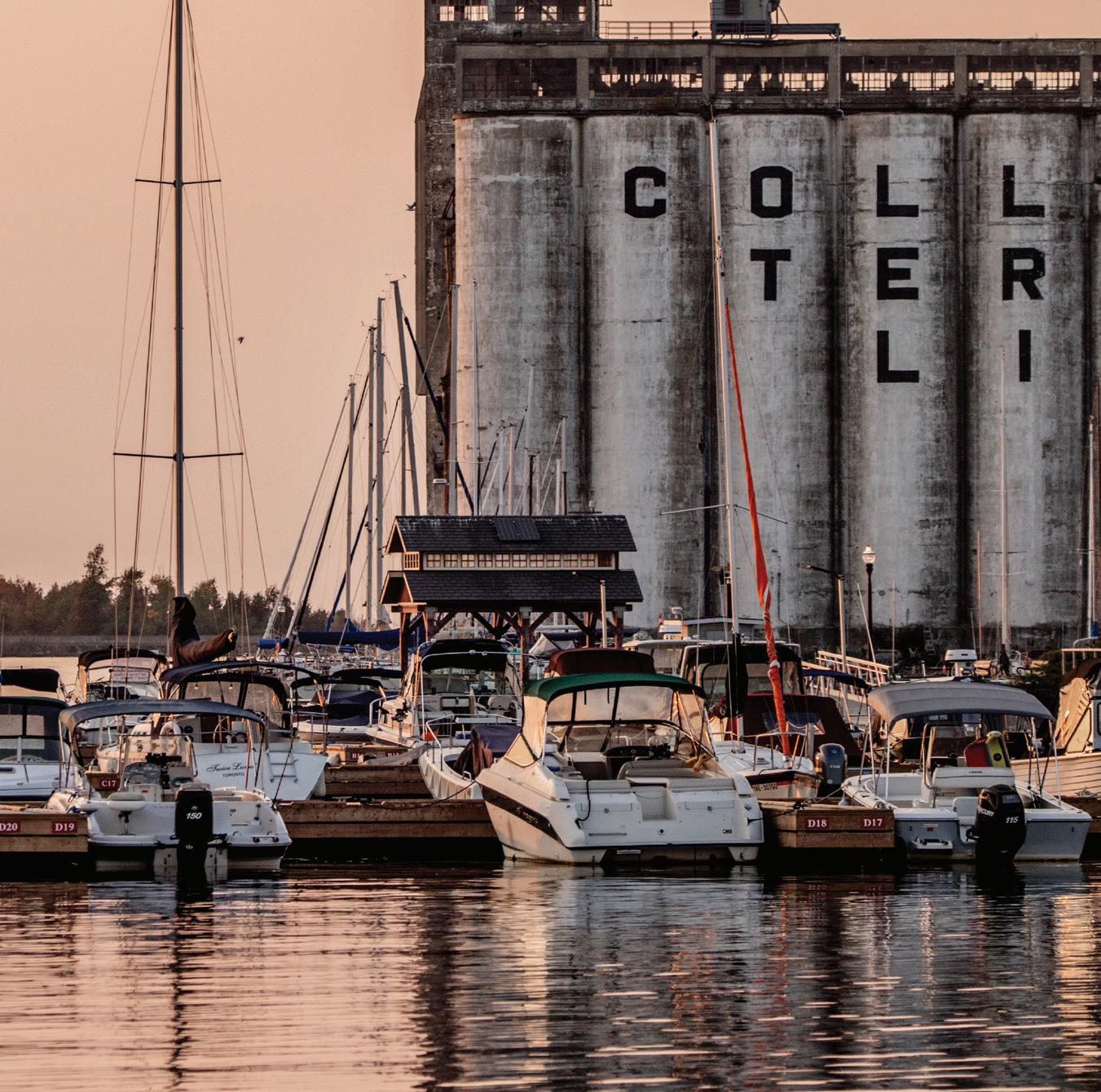
Mere decades ago, on the shores of southern Georgian Bay, a tightly interconnected community of people quietly influenced a global industry. This crew of innovators strove tirelessly to stretch the laws of physics, push the boundaries of material science and hydrodynamic theory, and capture the power, strength, and beauty of nature in the design and function of yachts. Thousands of yachts. Yachts built so well that when you see sailboats on Georgian Bay today, about 70% of them were made right here between 1960 and 1990.
To be considered a yacht, a recreational vessel needs to be longer than 32 feet, but those 20 feet plus are categorized as mini yachts. “The word ‘yacht’ is unfortunate as it often implies rich guys cruising around in Saint-Tropez,” says Dave Harris, principal at Harris & Ellis Yachts. “The people who were building yachts in southern Ontario were engineers, architects, and craftsmen and women who loved to sail and rose to the challenge of making great boats.”
Boat building dates back millennia, but for the purposes of this story we’ll start the clock in 1958, the year the supersonic interceptor aircraft Avro Arrow was designed and built in Malton, Ontario. Around the same time, modest boat yards began to pop up across southern Ontario in converted barns, garages, and basements. The Arrow made big waves in the news, though only
five were ever built before it was cancelled in 1959. Meantime, the feats of engineering that happened in those boat yards sailed silently under the press’ radar.
“The pocket of boat-building talent here included the who’s who of yacht builders and was very well known—outside of Canada,” emphasizes Harris. Among the trailblazers were the prolific duo George Cuthbertson and George Cassian (an aircraft engineer; he’d worked at Avro on the Arrow project). In 1961 the pair, both sailors, formed Cuthbertson and Cassian Design Group, which in 1969 became C&C Yachts in Niagara-on-the-Lake.
C&C was as much a design-build-and-supply shop as a talent incubator. Its associates included George Hinterhoeller, who was known for building the fibreglass race-cruiser Invader 36 (in 1965) and whose techniques with fibreglass were broadly adopted by the industry, as well as Erich Bruckmann, who built the 40-foot racing yacht Red Jacket (in 1966). Red Jacket’s fibreglass construction was touted as revolutionary, and it became the first Canadian boat to win yachting’s prestigious Southern Ocean Racing Circuit (SORC)—and did so handily.
The talent who crossed professional paths with the C&C contingent built businesses around Lake Ontario, Lake Huron, and beyond. Others specifically chose southern Georgian Bay to set up shop. Among them were wooden boat builders Victor


and Hazel Carpenter. The couple had fallen in love with sailing on Georgian Bay and, in 1964, relocated from Michigan to Port McNicoll, where they established Superior Sailboats.
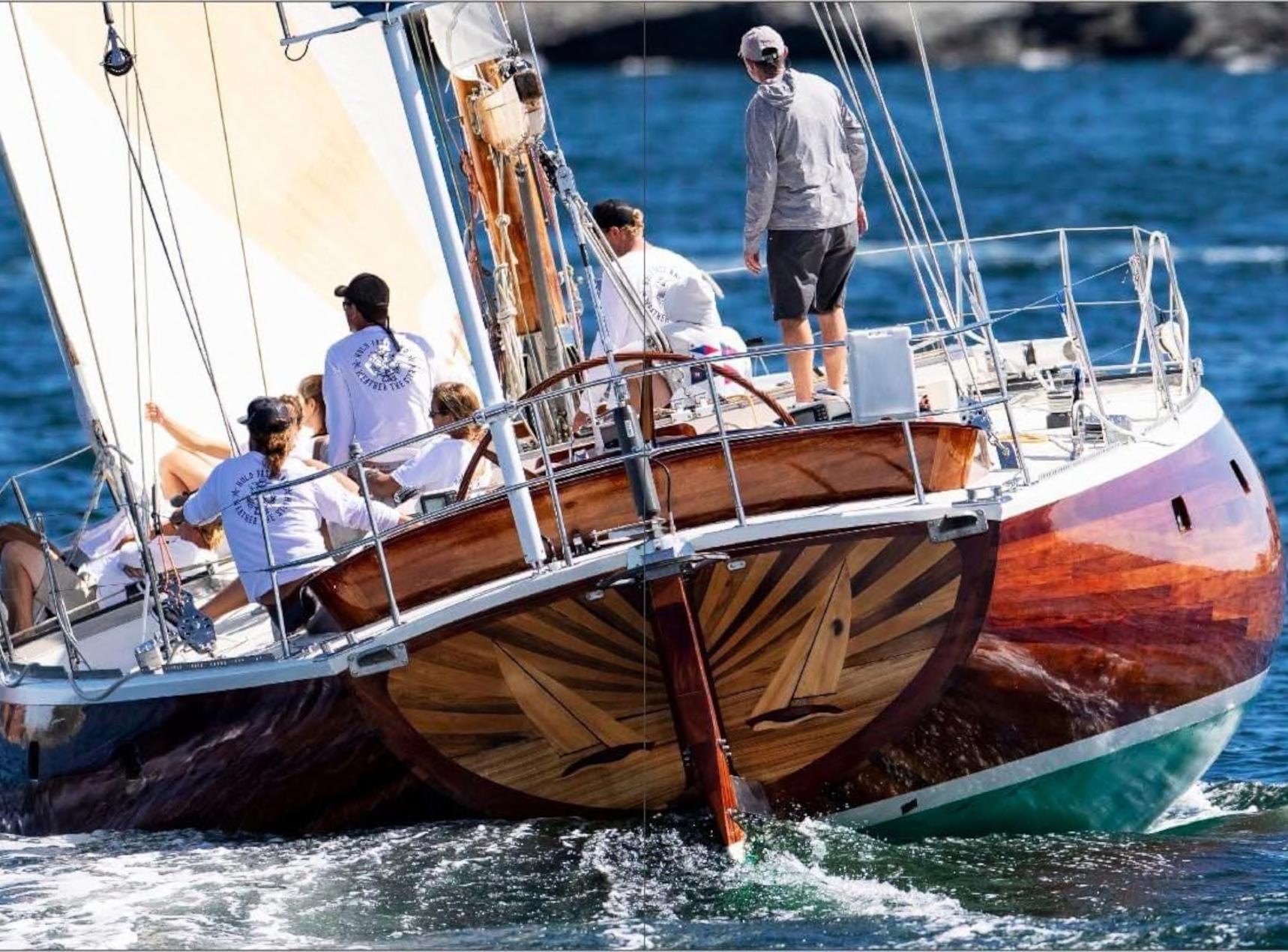
Vic, as he went by, was on the cutting edge of design and building. His boats were known for not leaking (surprisingly uncommon for wooden boats), and he’s generally credited with bringing epoxy adhesives from the auto industry over to the boat industry (though it was an American company who took that technology to the bank). Vic often embraced a popular racing design of the time called the tumblehome and favoured bows that were quite plumb and wider sterns that were sculpted to accommodate artistic woodwork on the transom.
“Those boats are really something. Very fast and beautiful,” says Paul Weitendorf, a long-time member of the Georgian Yacht Club in Owen Sound and the organizer of its current Wednesday night race. “Back in the 1970s a regional sailboat race was run out of Owen Sound, and there’d be several Carpenter boats taking part. When they’d go out to the start line and the gun would go, those boats would be gone, right out over the horizon. They were ahead of their time.”
Ewan Campbell, a yacht broker for Maple Leaf Yacht Sales, says, “At that time New England had no shortage of renowned wooden boat builders, but that end of the market was well-heeled and had a great appreciation for those kinds of boats. So, it didn’t take long for a few of Vic’s boats to make their way down there. His name definitely got around.”
Superior Sailboats were known for custom crafts that often took two or more years to build. One such commission came from Canadian troubadour Gordon Lightfoot, for whom the Carpenters built the 45-foot sloop Golden Goose. The duo’s
masterpiece, however, was arguably Passing Wind, a 62-foot cruiser. The U.S. magazine Artful Living described it: “The one-piece solid slab doors of Honduran mahogany and beautiful inlay work on the counters, tables, and transom are worthy of any art gallery. The boat is built entirely of wood, with oneinch-thick decking constructed from three layers of laminated red cedar and mahogany. Custom hardware and fine leathercovered settees and cushions speak to the owner’s wish to have a competitive ocean racing yacht with sumptuous yet practical accommodations. Passing Wind is spectacular in all facets.”
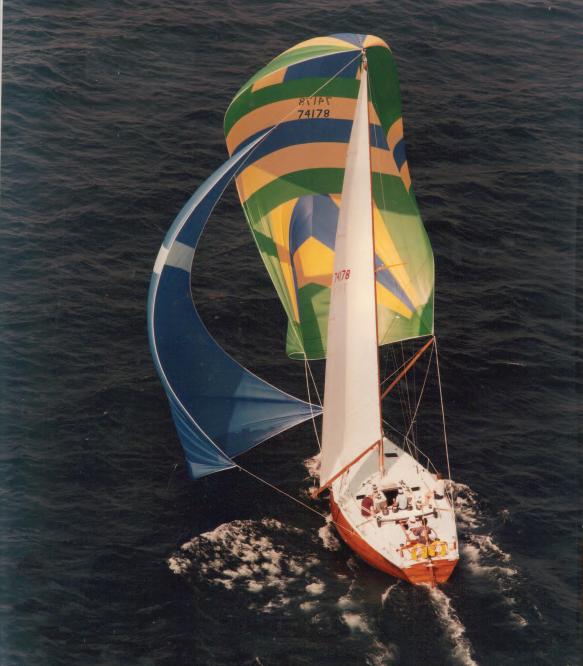
In nearby Midland, the early 1980s saw C&C alumni Bill Goman and Steve Killing join forces under Goman Boats Ltd., which quickly evolved into Express Yachting, specializing in fibreglass boats. Goman is perhaps best known for the Goman 20, a trailerable sloop which, per Canadian Boating digital magazine, “staked out that ill-defined area between daysailer and cruiser and proceeded to make it all its own.” For Express Yachting the pair manufactured the popular race-cruisers Express 20, 30, and 35, designed by Killing.
“Most design work is governed by the rules of racing. If a designer knew how to manipulate those rules, they could design a boat that would be very competitive. If they were also a passionate sailor they could, at the same time, make a boat beautiful and easy to sail. Steve Killing had all that expertise,” says Campbell. Killing was a six-time contributor to the America’s Cup, the world’s oldest, most prestigious sailing race, and a member of the 30-strong design team who worked on New Zealand’s catamaran Aotearoa for the 2013 challenge.
The story of Meaford’s Cliff Richardson Boats began in Pointe au Baril at Cliff’s father Albert’s marina. Brian Laporte,



the office manager at Cliff Richardson Boats and its unofficial historian, says that’s where Cliff developed a passion for boats.
“Cliff had ties to Meaford and Thornbury, so he decided to spend winters here and started to build boats in about 1933. He’d work at his dad’s marina in the summer, build in the winter. His customers then were folks who had summer places around Parry Sound—including families like the Eatons from Toronto and some Americans who came up—and needed power boats; runarounds. Cliff’s mainstays were steel, aluminum, and wood, and he also built for fuel companies like Esso and utility boats during the war. He never did his own line of sailboats, but he worked with other companies to finish a handful of them,” says Laporte.
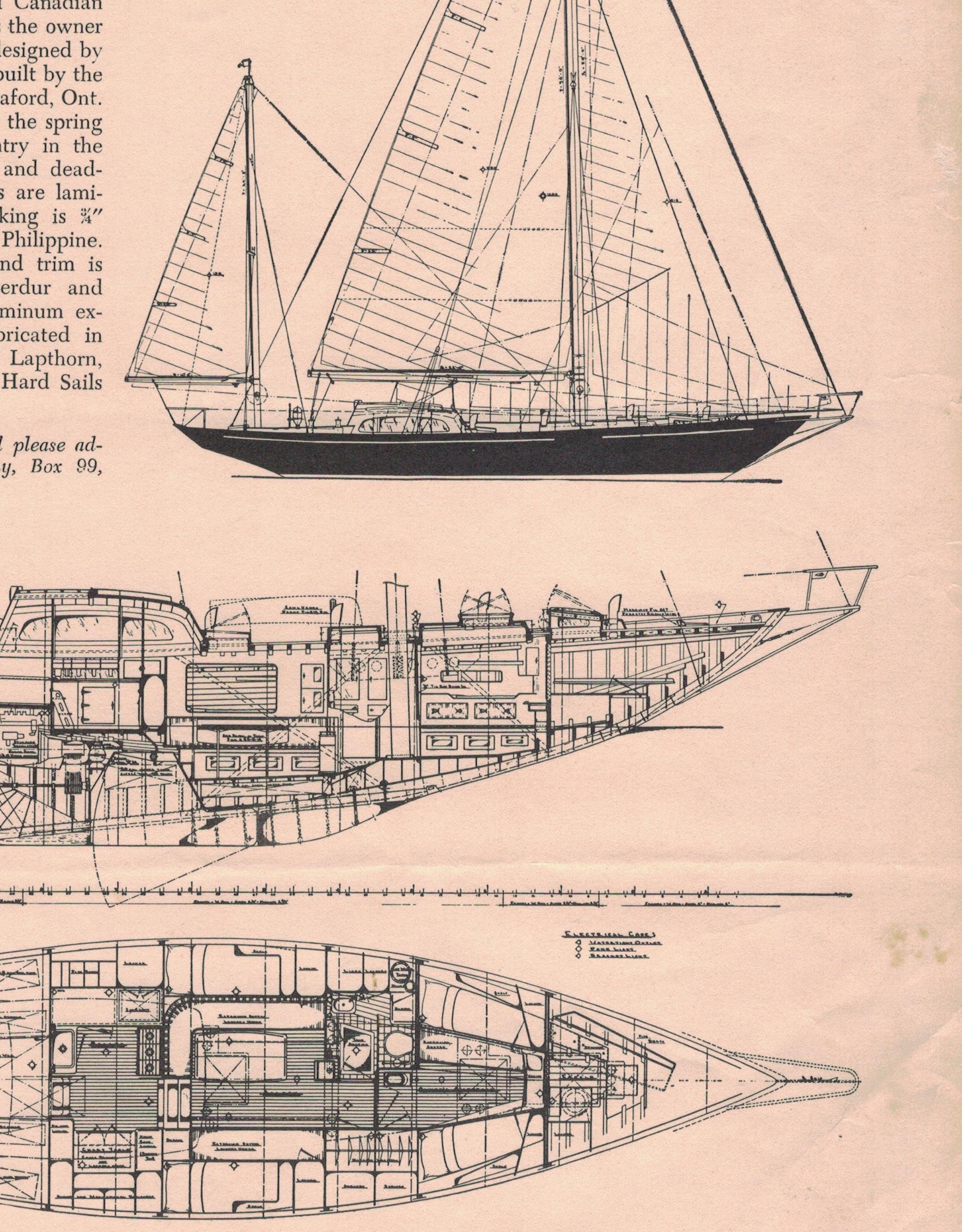
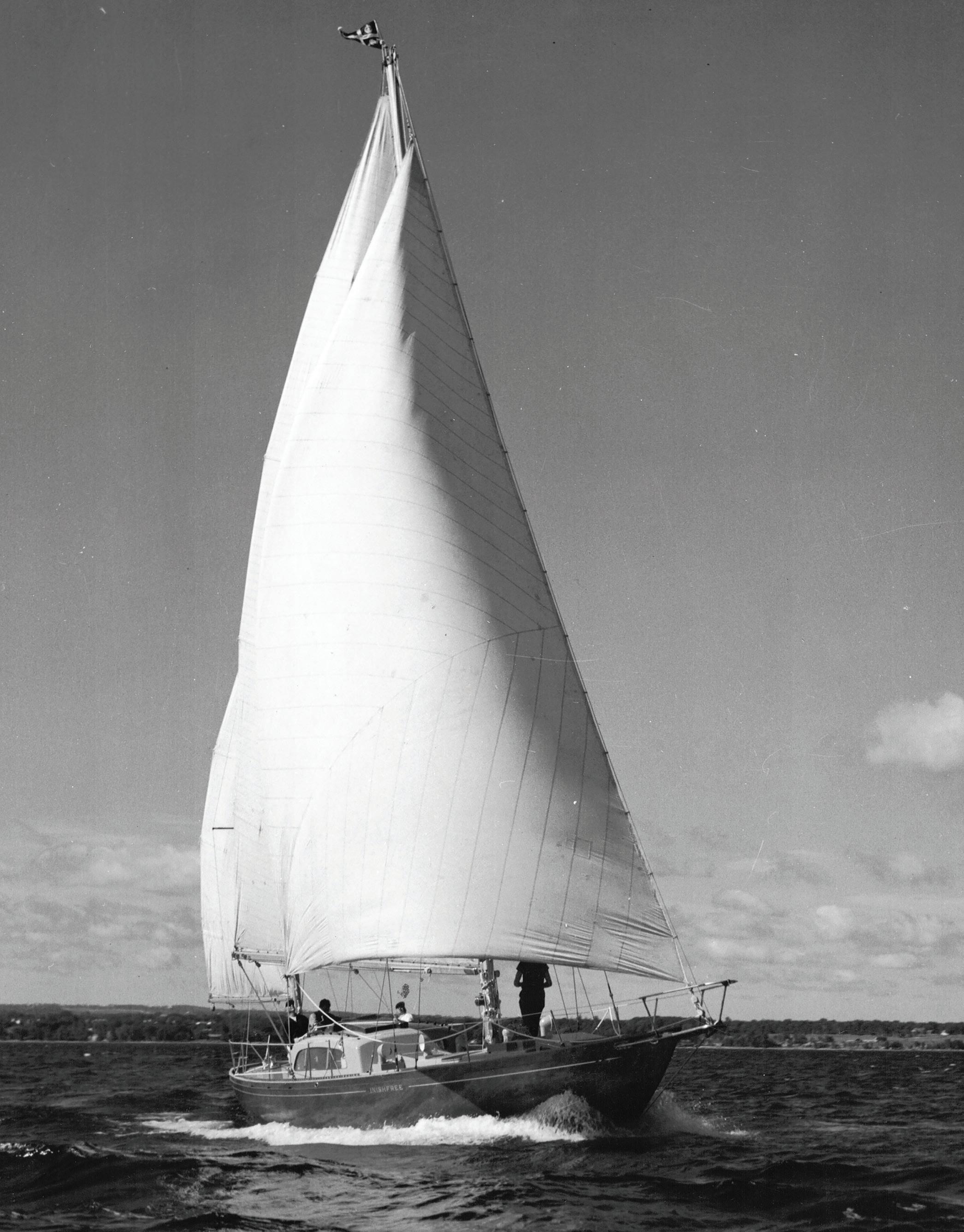
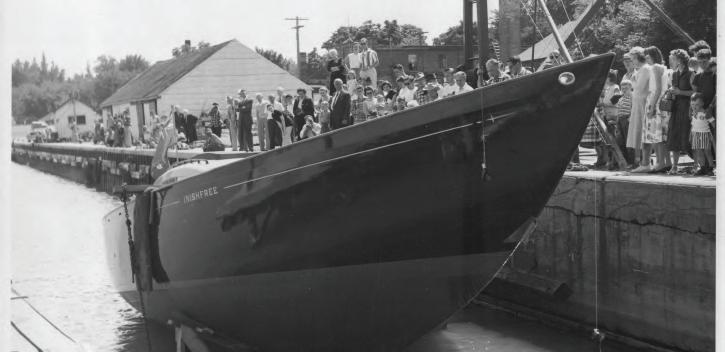
Notably, in the late 1950s Richardson was approached by George Cuthbertson (later of C&C Yachts) to finish Innishfree. Built in Meaford in 1958, the ocean racer became world-class, winning international trophies and announcing Canada as a key player in the racing sailboat business. Around 1980 the company’s focus shifted from building to focus on boat maintenance and storage. Today Cliff’s grandson, David Richardson, is the company’s president.
Just 30 kilometres west of Meaford (by land), Owen Sound
was put on the boat-building map in the 1960s by designers and builders Hubert Vandestadt and Fraser McGruer. “Vandestadt & McGruer were a fine example of carving out a nice little niche in the cruising market and built really good, solid boats. There’s still plenty out there being sailed,” says Campbell.
Vandestadt (who also did a stint working with Cuthbertson) recalls the company’s beginnings like this: “I always had a mind to get into yacht building. I had naval architecture training and was working for an engineering company in Oakville that sent me up to Russel Brothers in Owen Sound to work in its engineering department. That’s when I met Fraser and his cousin Mac, who were already building boats in Owen Sound. Fraser was planning to move to California, but I said, ‘Hey, why not stay and build here.’ So, we did.”
Vandestadt and his wife, Siebea, relocated from Oakville, and Hubert and Fraser got to work in the Vandestadt basement. “The very first job we did with fibreglass, the fumes from the styrene and polyester resin drifted up the stairs where my wife was baking an apple pie. The pie stank and we had to throw it out,” Vandestadt remembers. But the men saw a profitable future in fibreglass boats, so the decision was made to convert the stables of
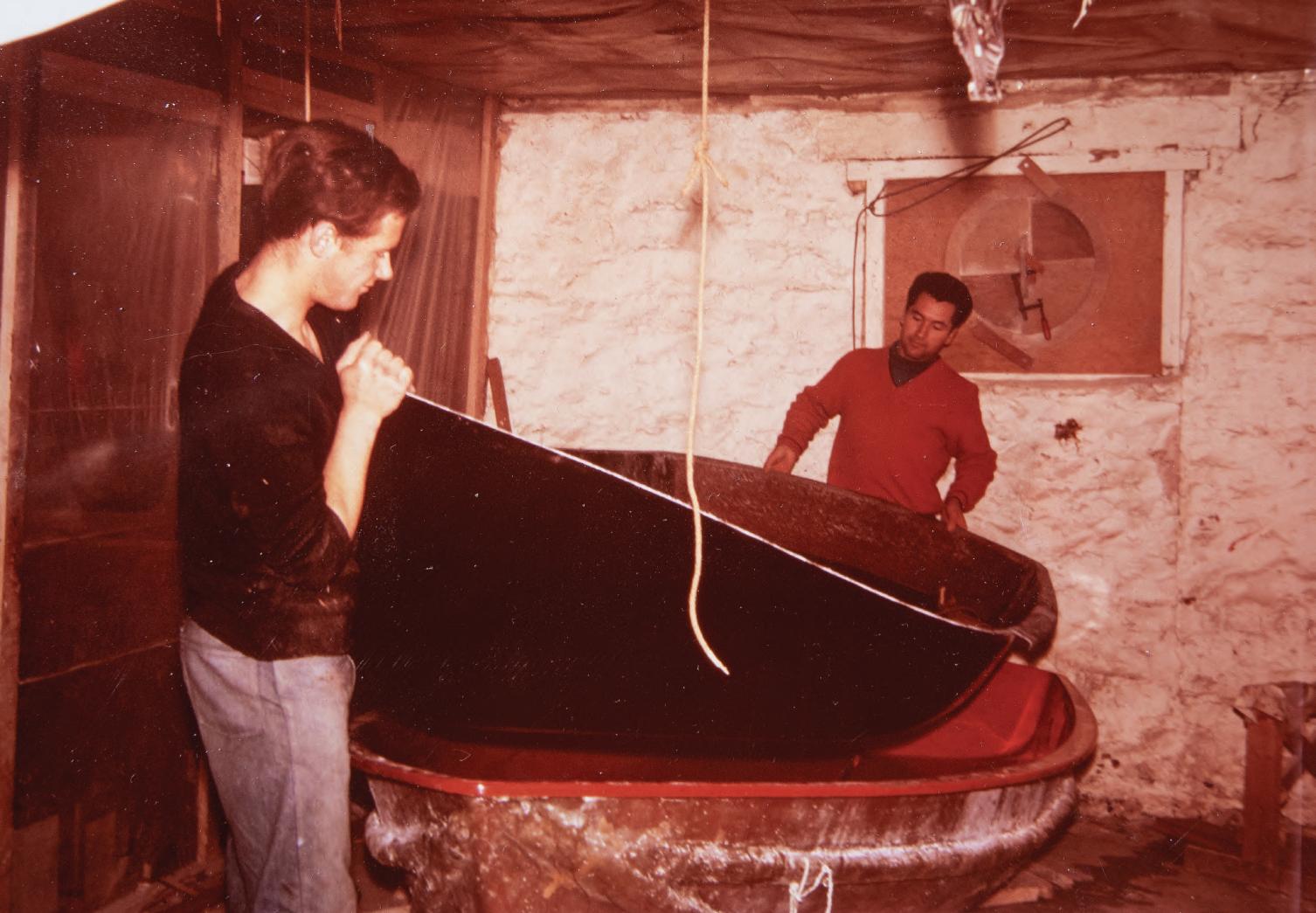





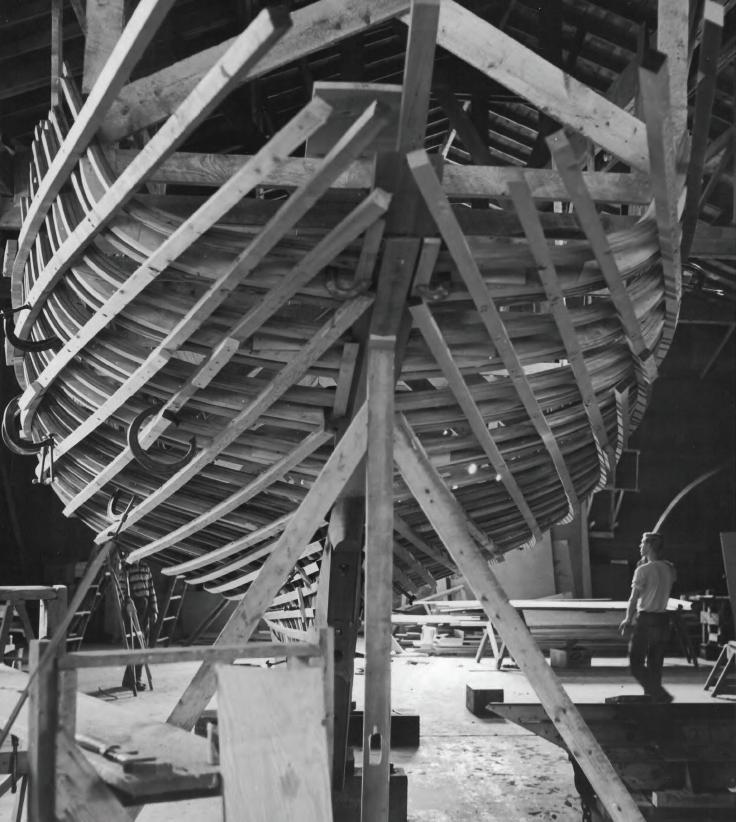
a barn on the Vandestadt property into a workshop.
“There’s an irony to me that when yacht building in southern Ontario really kicked off in the mid-1960s was also when the industry largely transitioned from wood to fibreglass,” says Harris. “Major breakthroughs in fibreglass boat design came from Ontario designers and builders. Their boats won many of the crown jewels of yacht racing. Their techniques made a lasting impact on the way boats are built around the world today. Plus, these guys had the savvy to take these boats to market and make money on them.”
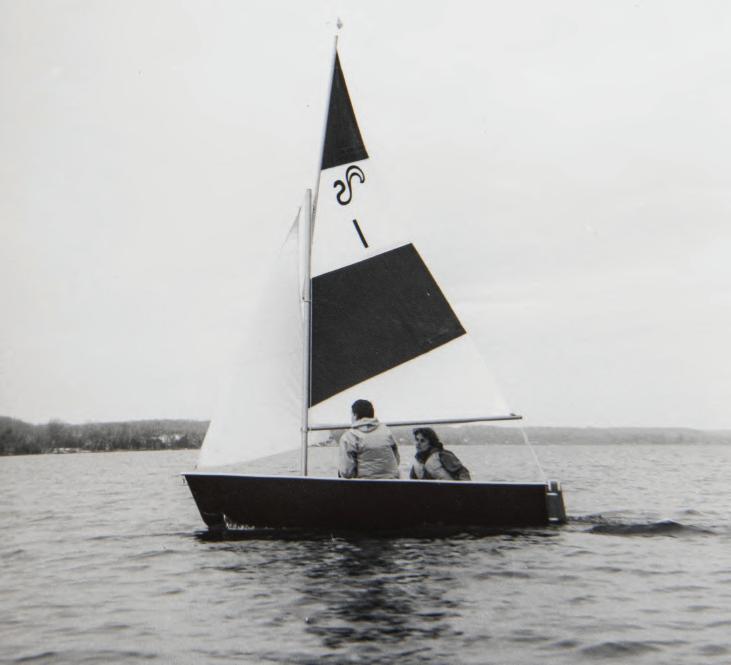
In 1963 V&M started building the Spindrift 13, a dinghy made of marine plywood. They built it complete and in kit form, and at the Toronto boat show that year the little sailboat sold. It was the boost the men needed to quit their day jobs and focus on building, ultimately building 800 Spindrift. Their next project and first fibreglass boat was the 11-foot Skunk (1968), and the company delivered about 1,200 of them. (Its little sister, the 9.5foot Shrimp, would follow years later.) “The Skunk was a success because people could sail it, fish from it, put a motor on it, row it, and it was unsinkable,” says Vandestadt.
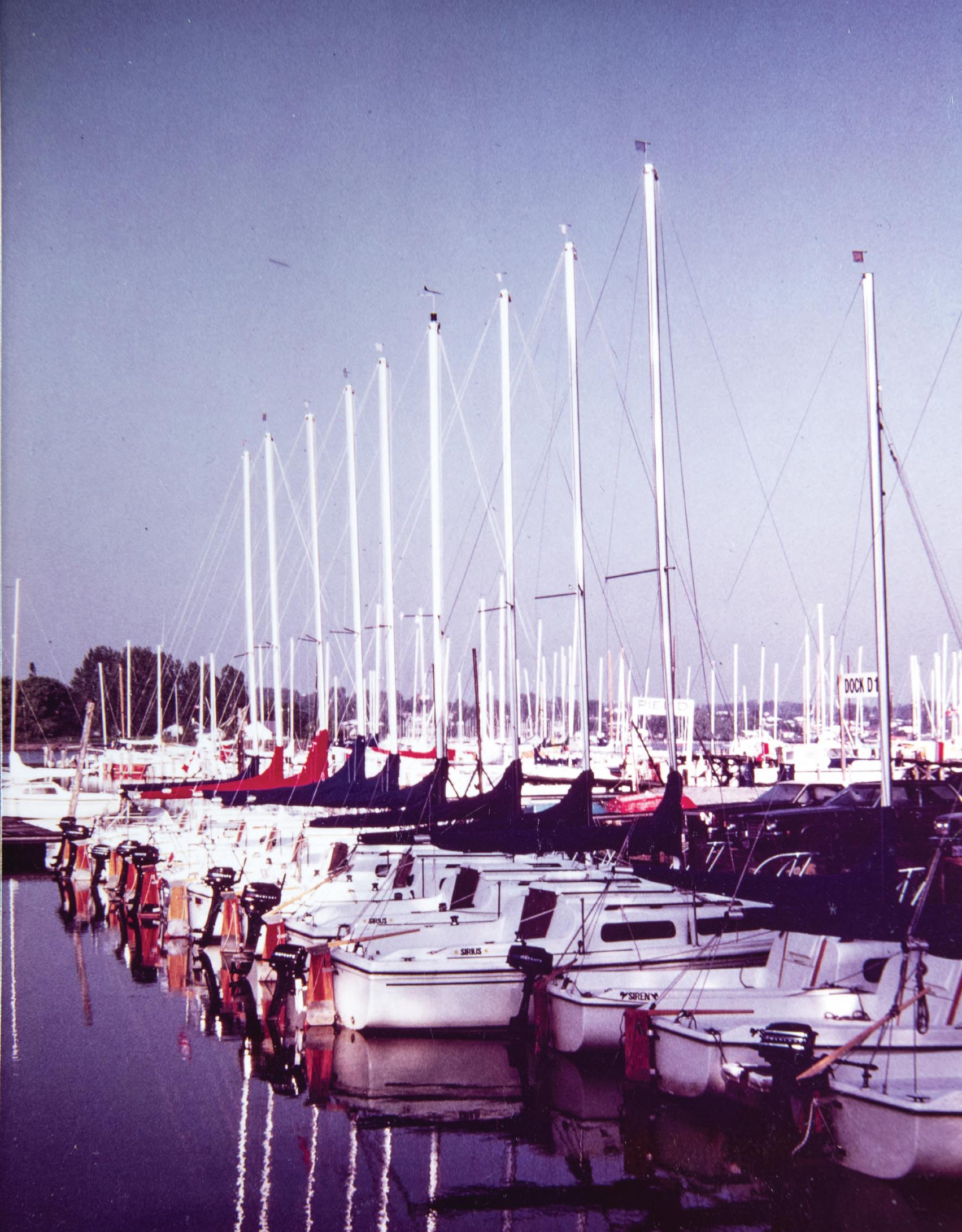
Unsinkable? The world had heard that claim before, but McGruer’s son Brodie McGruer, a boat surveyor, explains: “Up until the Sirius 28, the biggest boat [V&M] ever made, their boats had positive flotation. They injected foam between the hull, liner, and other places for buoyancy so that even if the boat was completely flooded it wouldn’t sink.”
Next V&M introduced the Siren 17 (1974). “It had a cubby
cabin and could sleep four people if you knew each other really well. That year at the Toronto boat show we hadn’t tested it, but we sold 30, which was a huge number for the show and really put us on the map,” recalls Vandestadt, and V&M built about 3,200 all told. Their following release was the Sirius 21 (1976), named after the sky’s navigational star, which featured prominently on its mainsail aesthetic.
Long before V&M introduced its biggest boat, the Sirius 28 (1982; Vandestadt, just shy of his 89th birthday at the time of publication, still sails his Sirius 28 out of the Georgian Yacht Club today), the company had outgrown its stables-turnedworkshop. In 1968 they’d opened a plant in Balmy Beach, just north of Owen Sound, which they had to expand several times throughout the years to accommodate orders. At its height V&M employed more than 50 people working three shifts to fulfill demand for its yachts.
“At one point we had a problem selling boats only because people didn’t have a place to put them,” says Vandestadt. So, in 1981 the men shuffled their finances and started a separate company to develop and build the Owen Sound Marina and Clog & Thistle Restaurant on Owen Sound’s western shore. The marina had mooring for 130 boats (with potential for over 500 more), a full chandlery, boat rentals and sales, including the complete V&M line. The forecast looked like smooth sailing for V&M, and then the proverbial rains came.
Vandestadt and McGruer were still locked into the infamously high interest rates of the early ’80s when fire
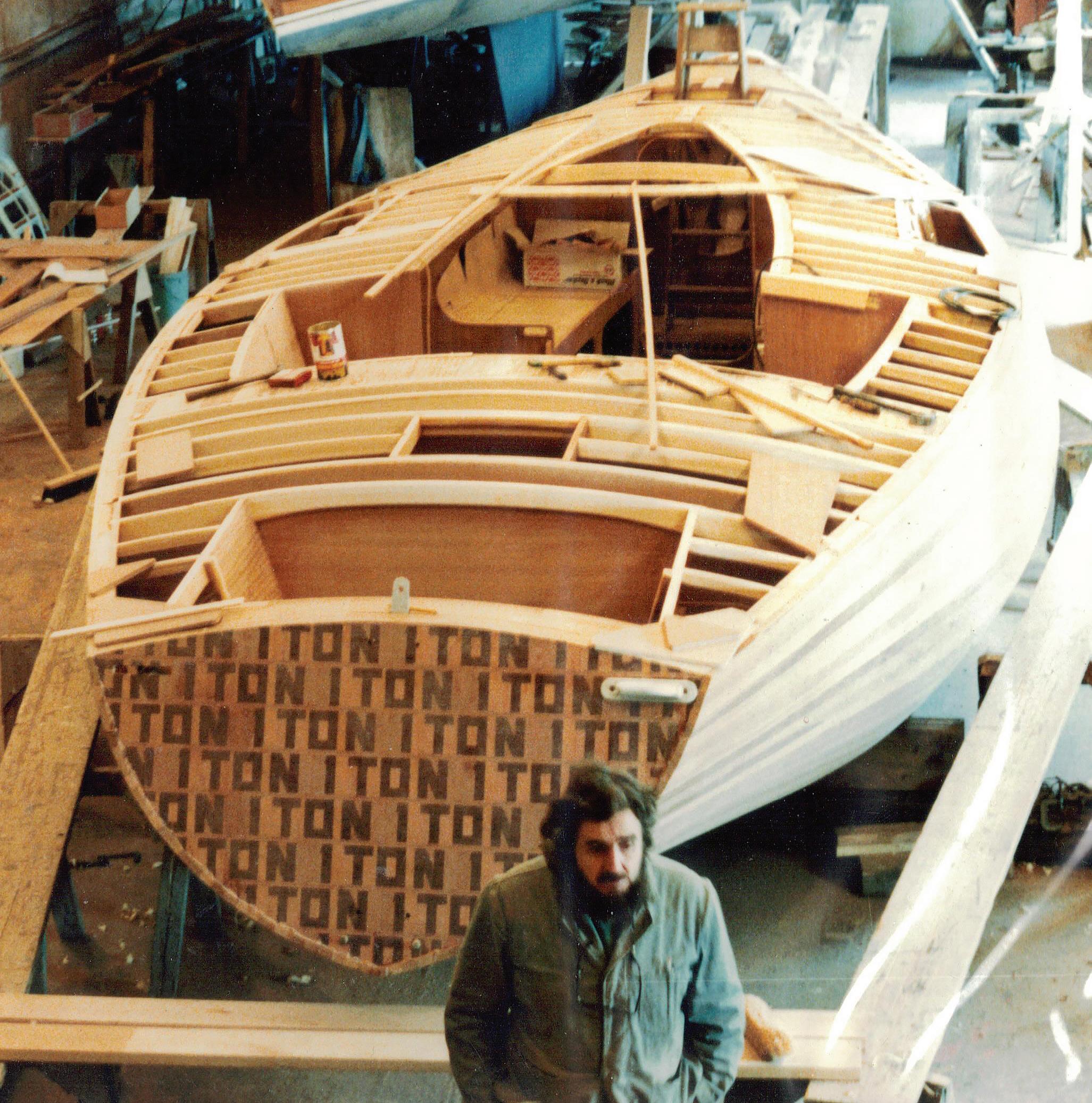
devastated the plant in 1984. The marina was sold. Vandestadt says, “By 1988 we were working without the bank, and it was the toughest time in the history of that company.” By the year’s end V&M would declare bankruptcy. Still, Vandestadt muses, “I enjoyed that stage of my life. It was the most creative time, and we worked with fantastic staff, dealers, clients, designers and builders, selling and servicing boats. I enjoyed those 23 years.”
As the 1990s began, most southern Ontario boat builders were feeling the winds of change. The recession had been crippling for builders and countless potential buyers, and many Canadian companies didn’t have the financial backing to weather the storm. Nor could they compete in pricing with California builders who had access to cheaper labour and could work 12 months a year without steep heating bills. New watercraft such as
windsurfers were rising in popularity, offering people faster, easier, more affordable ways to get onto the water. Plus, sailing takes time, and the shift towards instant gratification that accompanies so much modern technology had begun to creep into homes and lives. The market for yachts was shrinking.
“From the 1960s to the 1990s the southern Ontario boat building business was huge. I don’t think the sailboat market will ever die, but it’s not going to return to what it was,” says Campbell. “That said, sailing is an adrenaline sport and a relaxing activity. For a fraction of what it costs to buy a cottage you can get out on the water and explore. The wind is free and boomers are practically giving away the incredible yachts that were made here. When you think about it, there’s never been a better time to start sailing.”

A civic holiday in Collingwood turned to disaster in 1890 when a fierce fire swept through town, destroying the newly opened Town Hall and the community’s early history.
Script by Ken Maher | Stories from Another Day, a Collingwood Museum Podcast. Photos courtesy of the Collingwood Museum.

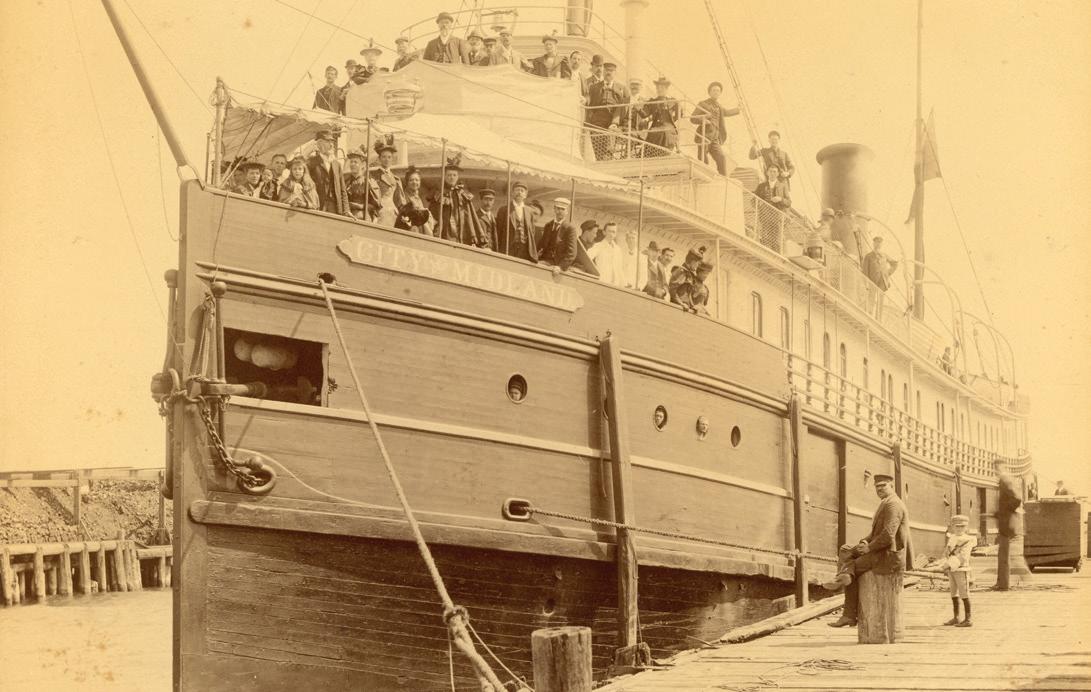
The cool breeze and the sound of gulls were interrupted by a man’s voice carrying over the deck.
“Apparently the good people of Collingwood don’t know that it is a holiday. See their tall chimneys doing tall work!”
Those within earshot looked up to see heavy clouds of smoke in the distance. A goodly chuckle rippled across the steamer decks. But as the City of Midland came closer into Collingwood, unease began to wash over the passengers like a rising wave. As the minutes ticked on, the smoke only grew thicker, darker, and more menacing. The unease among those clustered at the ship’s rails turned to alarm. A fire was raging in the heart of Collingwood.
The day was August 13, 1890, and the stranger’s joking words would prove to be sadly prophetic. It would indeed be a day for tall work. And a day for many tears.
Several of the passengers who watched with growing panic were residents of Collingwood returning home after having spent their holiday out on the bay. Were their homes and businesses in
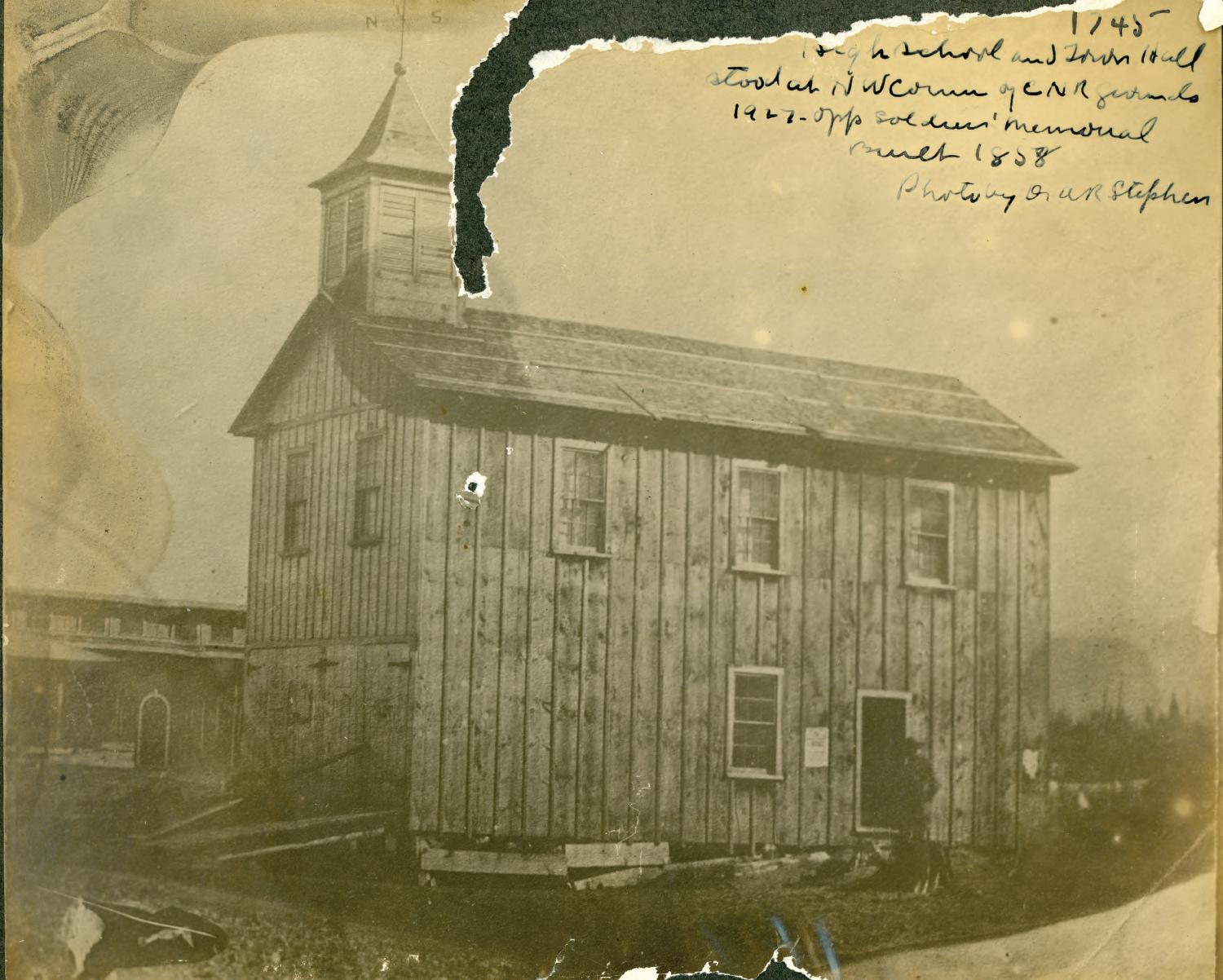
Above: Collingwood’s first town hall, photographed by Dr. A.R. Stephen, from a series documenting early scenes later donated to the Huron Institute. Collingwood Museum Collection, X970.876.1; Huron Institute Collection No. 1745. Below: The steamer City of Midland, built in Owen Sound in 1890, burned in Collingwood’s harbour on March 17, 1916. Collingwood Museum Collection, X974.838.1.

2 DETACHED HOMES

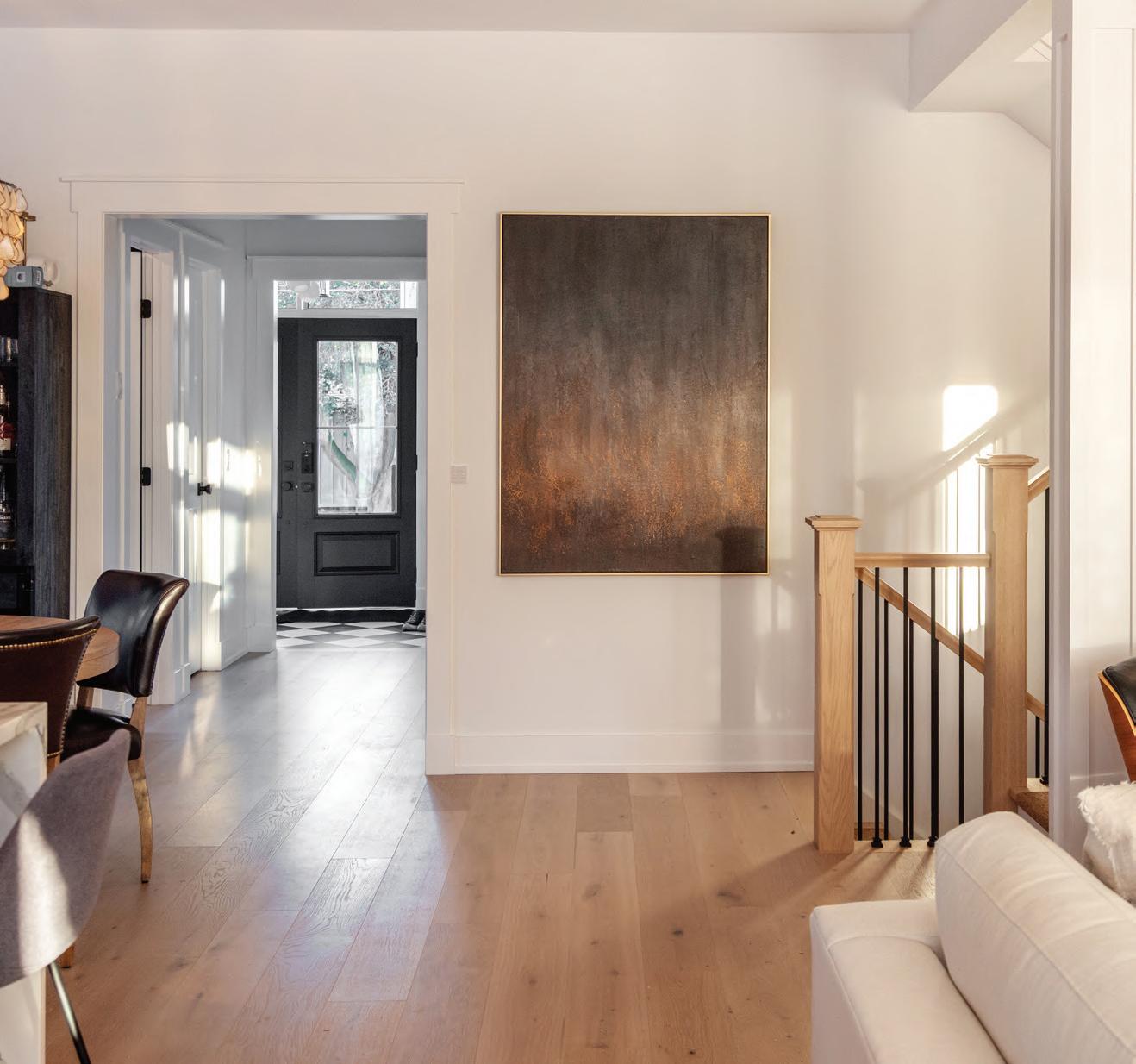

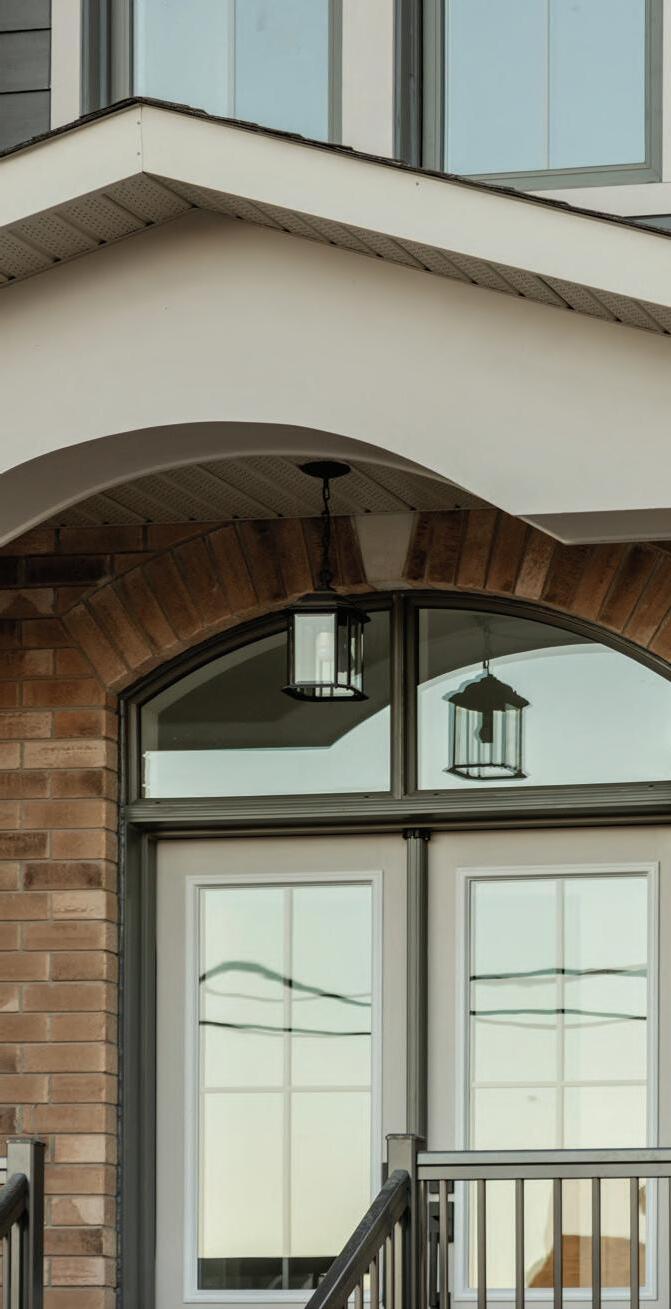
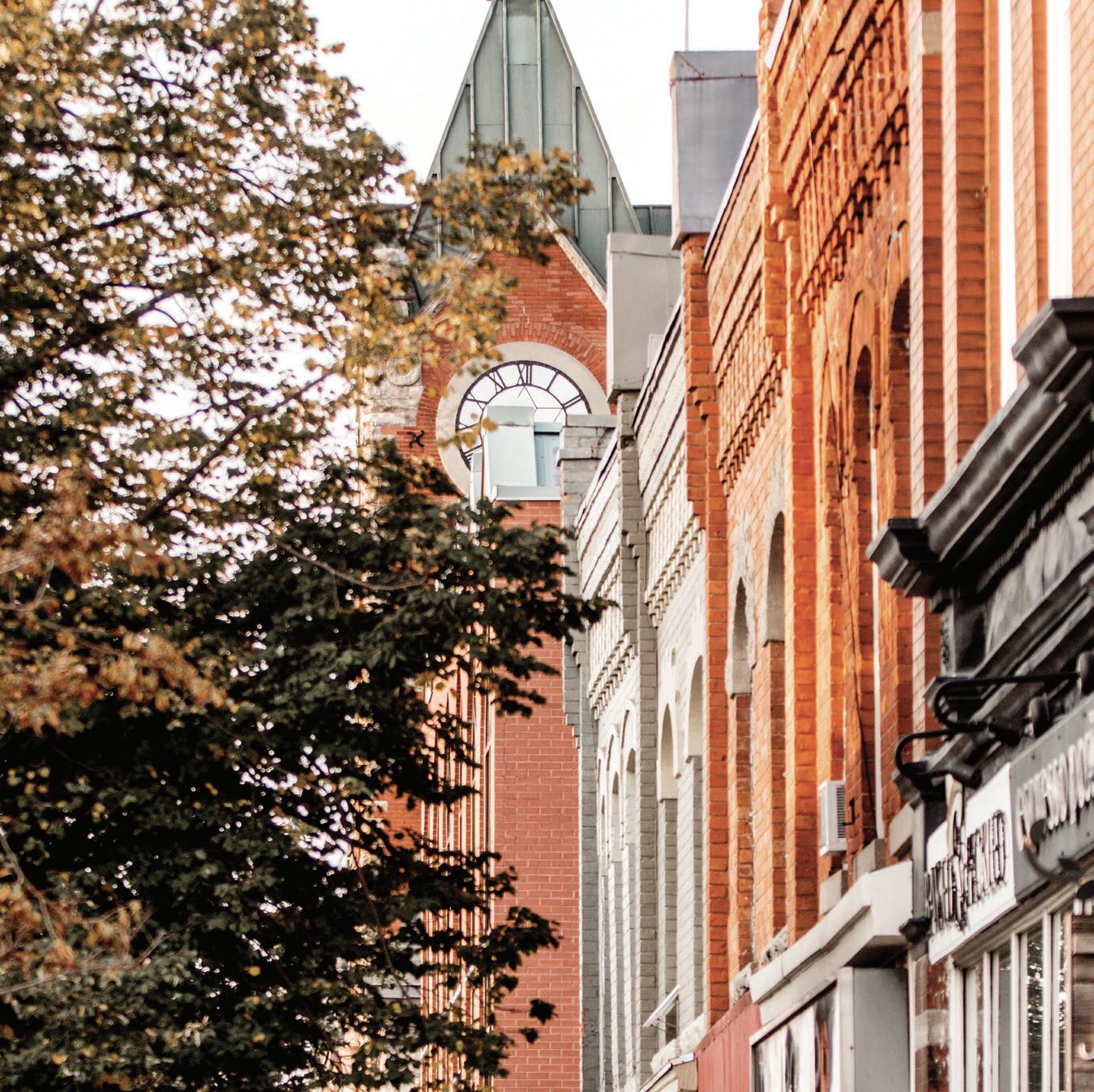
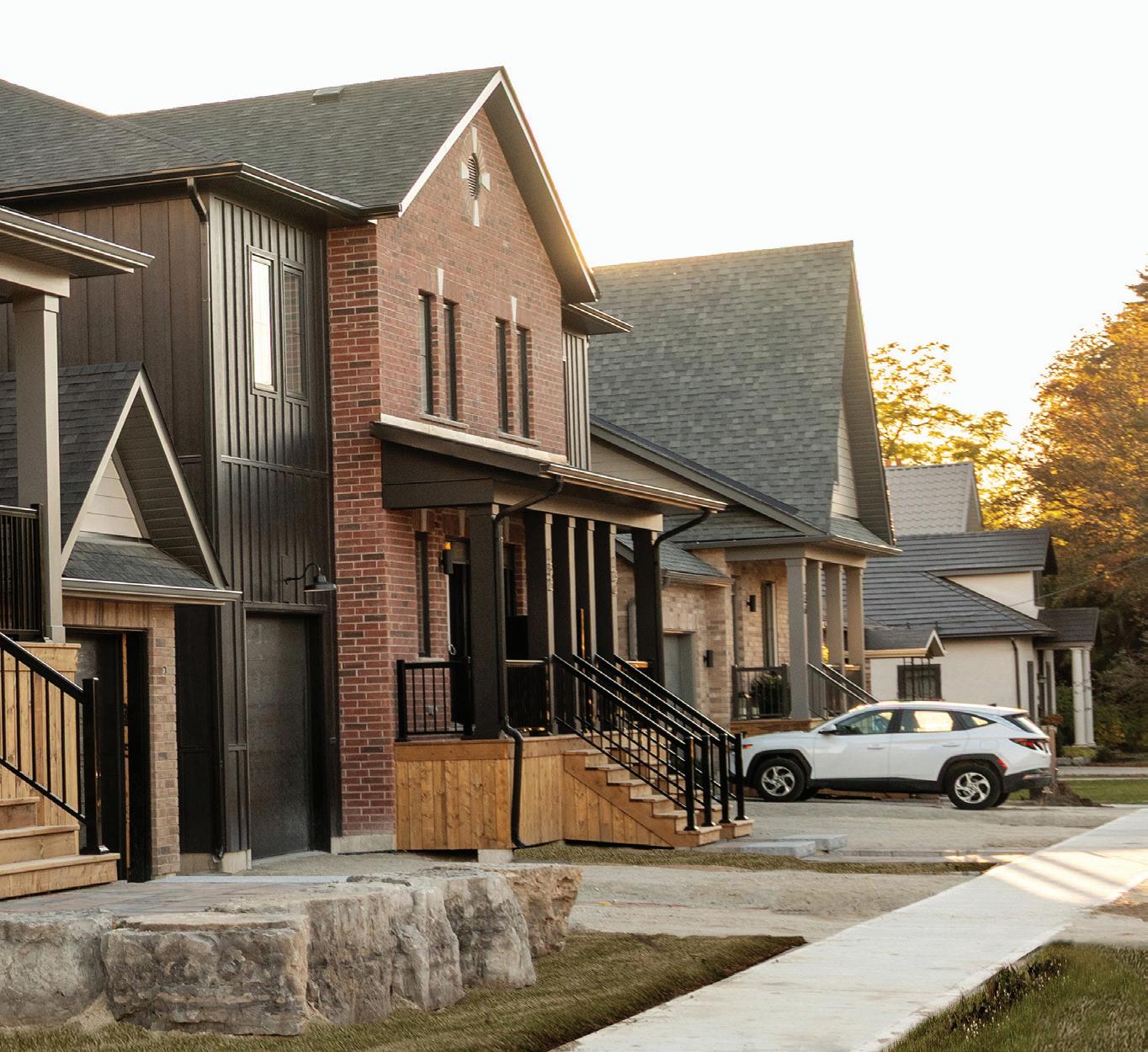
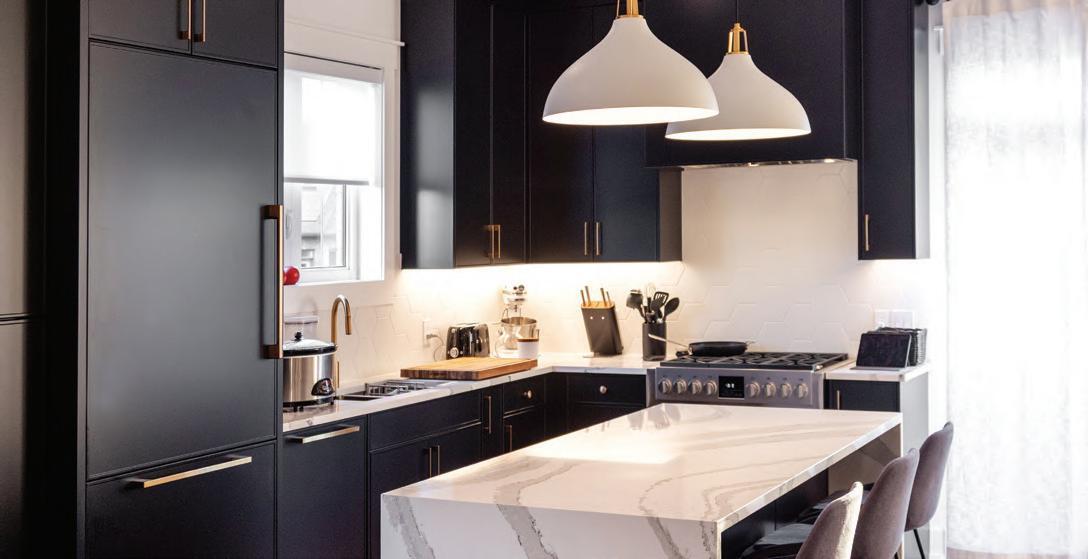
Victoria Annex is coming to life in one of Collingwood’s most sought-after neighbourhoods. With construction nearing completion at 400 Maple Street, a soon-to-be-transformed 19th-century schoolhouse anchors this intimate collection of luxury single and semi-detached homes. Limited to just sixteen residences and steps from Collingwood’s downtown core, Victoria Annex offers a rare opportunity to move into a truly distinctive neighbourhood where history, design, and walkability converge.
OVER $50,000 IN PREMIUM UPGRADES, THOUGHTFULLY SELECTED TO ENHANCE EVERYDAY LIVING. Contact us today at 705.416.2000 • Visit us at 104 Yellow Birch Crescent, Blue Mountains – Windfall Sales Centre.

danger? Were they already in ruin? What would await them when they pulled up to the dock?
The panic beginning to rise in the hearts and stomachs of many was even more understandable if you know that they had already been through this very same nightmare when the downtown had been destroyed by a conflagration… well, that is an equally sad story for another day.
On this day, when the City of Midland and her passengers finally got into the harbour, the news was grim indeed. The new Town Hall, only just opened to the public weeks before, was ruined. The old hall was destroyed. Several smaller buildings—both houses and businesses—had already been levelled to the ground, and the Grand Central Hotel’s barns were no more.
So, what happened?
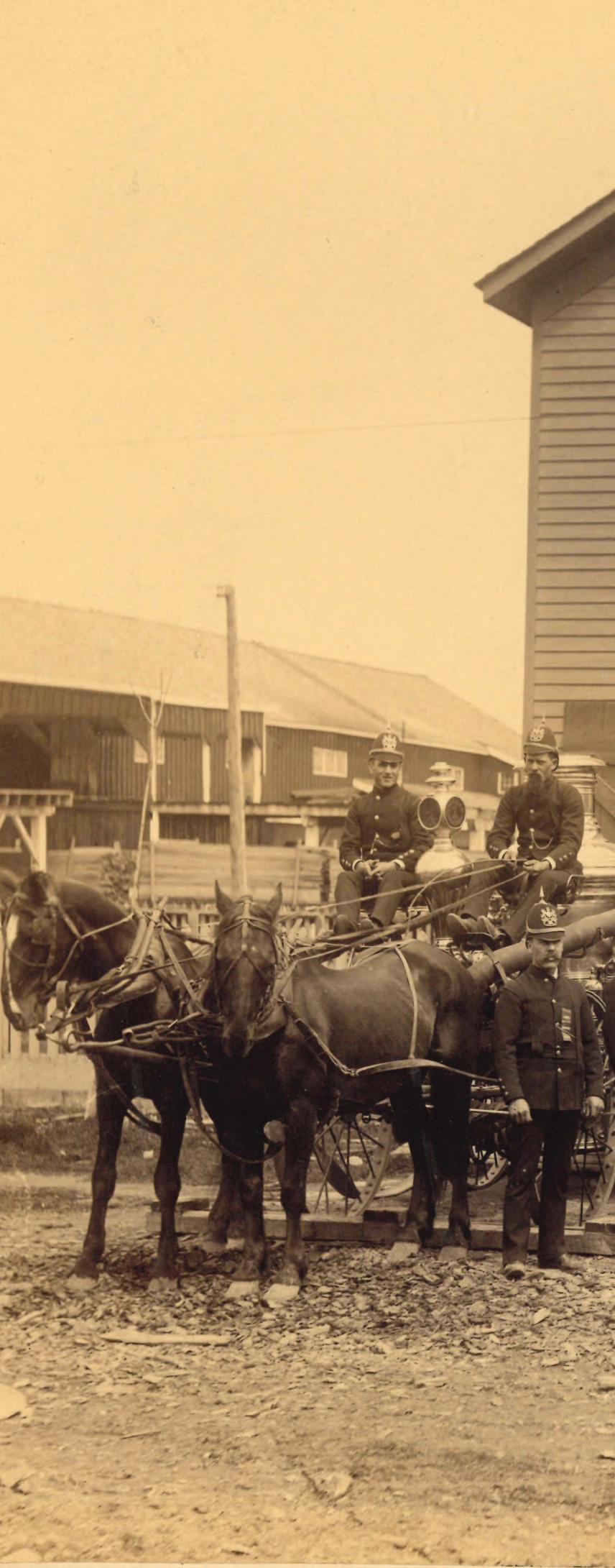
At 3:45 in the afternoon, the fire alarm had gone up. It seems that a fire had begun in the Old Market Building and was already well underway. Because it was a holiday, the town’s firemen were in the Town Park along with nearly all the townspeople. Everyone was enjoying the program arranged for the day.
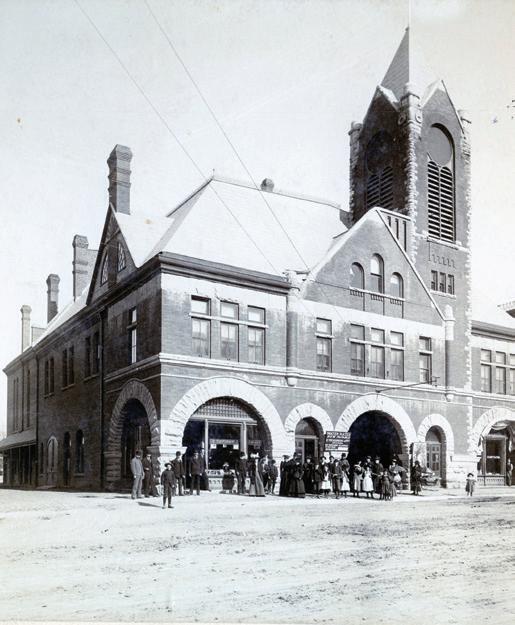
from left: An 1875 lithograph of Collingwood shows the only known depiction of the town’s second hall, a two-storey wooden structure between Hurontario and Ste. Marie Streets. Collingwood Museum submitted photograph. The first brick town hall, where visible lime mortar washing over the brickwork points to early masonry concerns—believed to be the building destroyed by fire in August 1890. Photograph by James Asa Castor. Collingwood Museum Collection, 007.17.4.
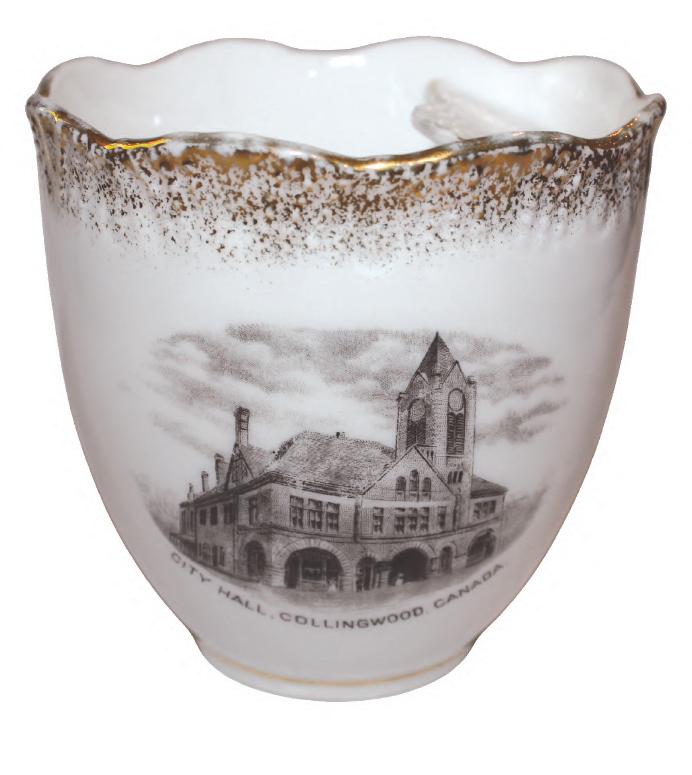
A decorative teacup featuring the current town hall, complete with a built-in mustache guard. Collingwood Museum Collection, X976.123.1a.












60
The alarm brought the fire brigade in great haste, along with many of the townsfolk. The waterworks were deployed with little delay. And this is where things began to go sideways.
As eyewitnesses tell it, for the first hour of fighting the flames, there simply wasn’t enough water pressure. Try as they might, the flames had the best of it. Even then, the heroic people of Collingwood—now joined by firefighters from Meaford and Orillia—may still have saved the day. That is until, without warning, the pressure became all at once too much and fully nine lengths of the fire hose split apart, utterly ruined.
With a heavy heart, the decision had to be made. Fire had already at this point taken hold of the roof of the New Town Hall, which couldn’t be reached, a the town’s pride and joy had to be given up to save lives andå private property. While it was a bitter
call to make, it did mean that a great deal of property was saved which otherwise might have been lost.
And to add one final insult to this day of injury—or perhaps as one final prophetic word to bracket this terrible day—as the smoke cleared and the damage was being assessed, what should be noticed right there adjacent to the burned-out ruins of the new Town Hall?
As the firemen packed up and the confusion died down, a banner strung up across Hurontario Street for the occasion of the civic holiday still remained proudly on display despite all the chaos åThe banner had been hung there by the Collingwood firemen to announce a grand demonstration as part of the town’s program of events for that holiday. As fate would have it, this particular demonstration proved to be much taller work than even they had expected. E
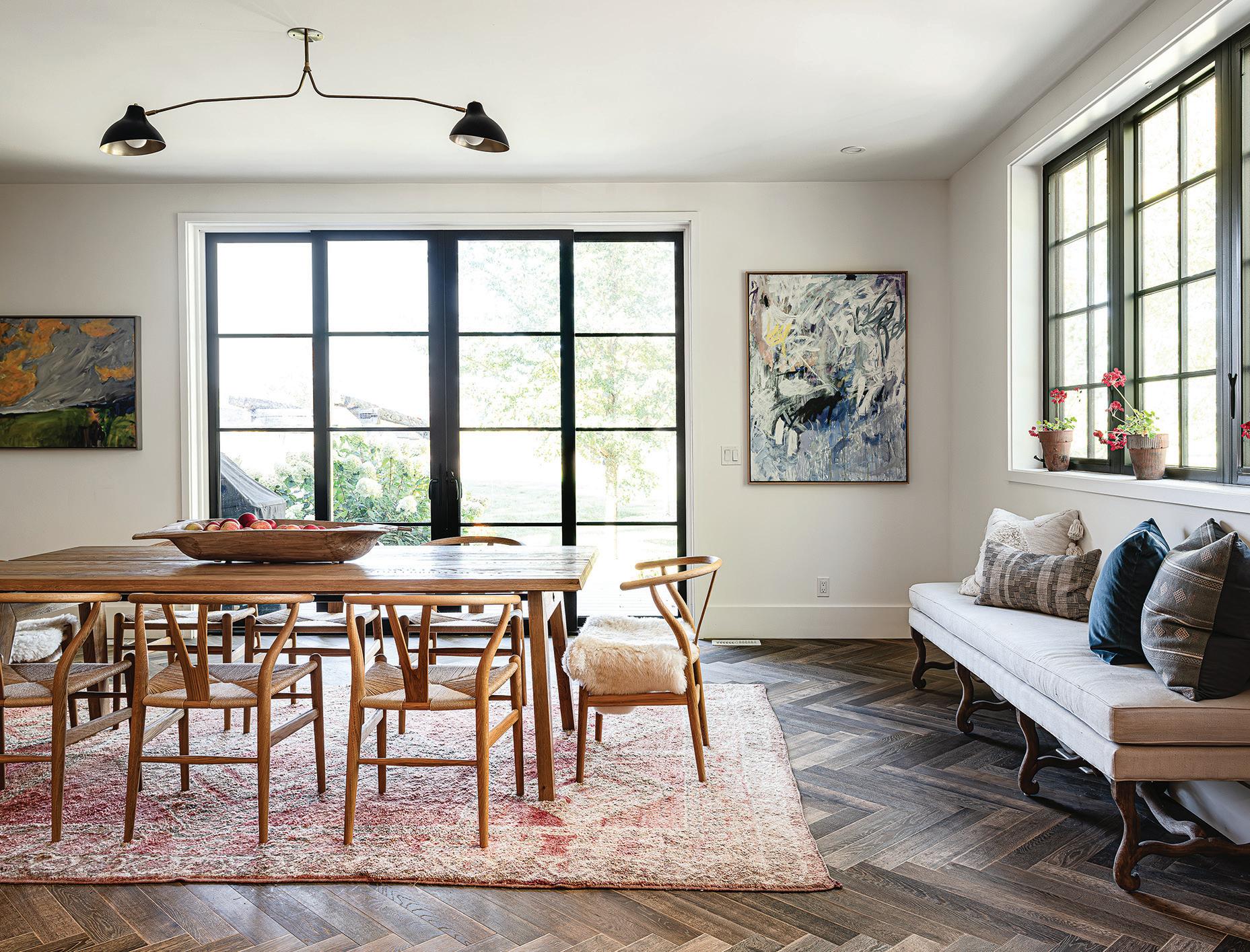
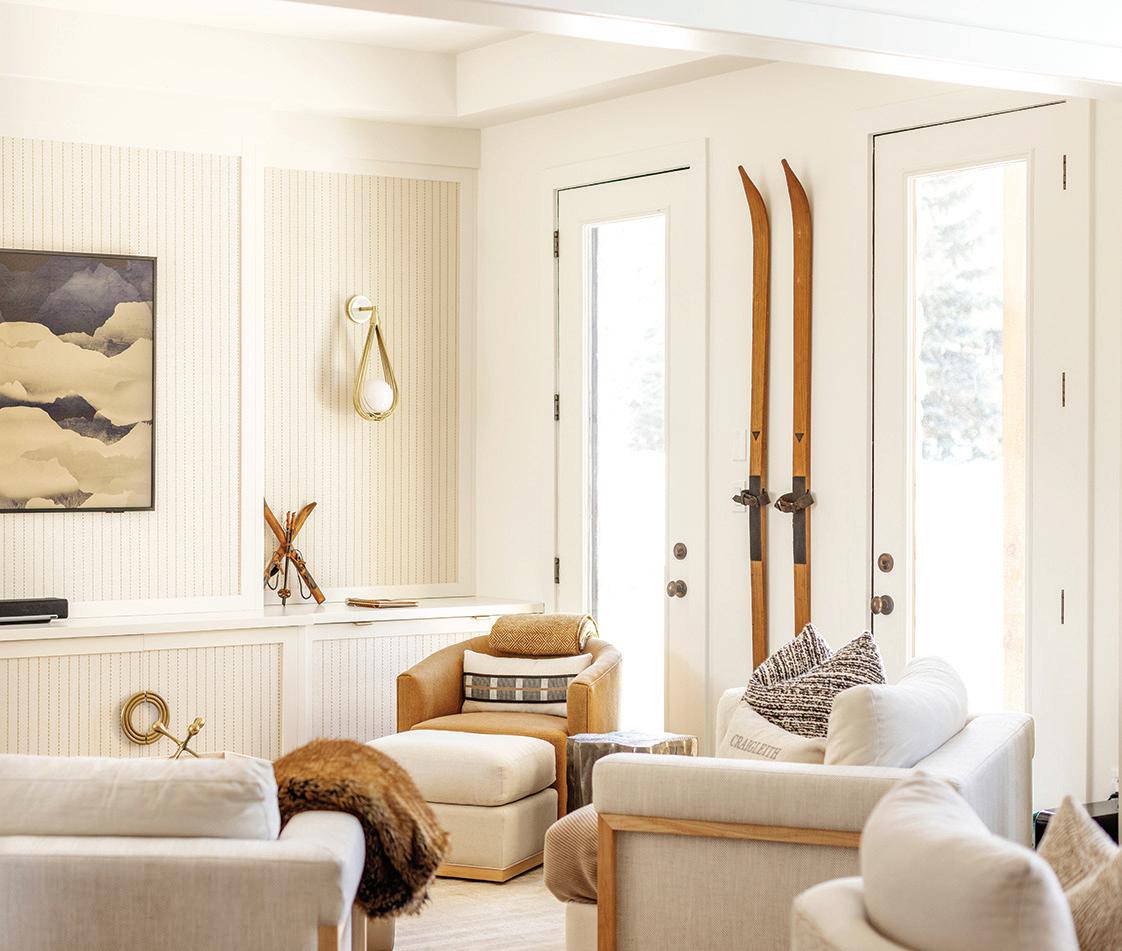
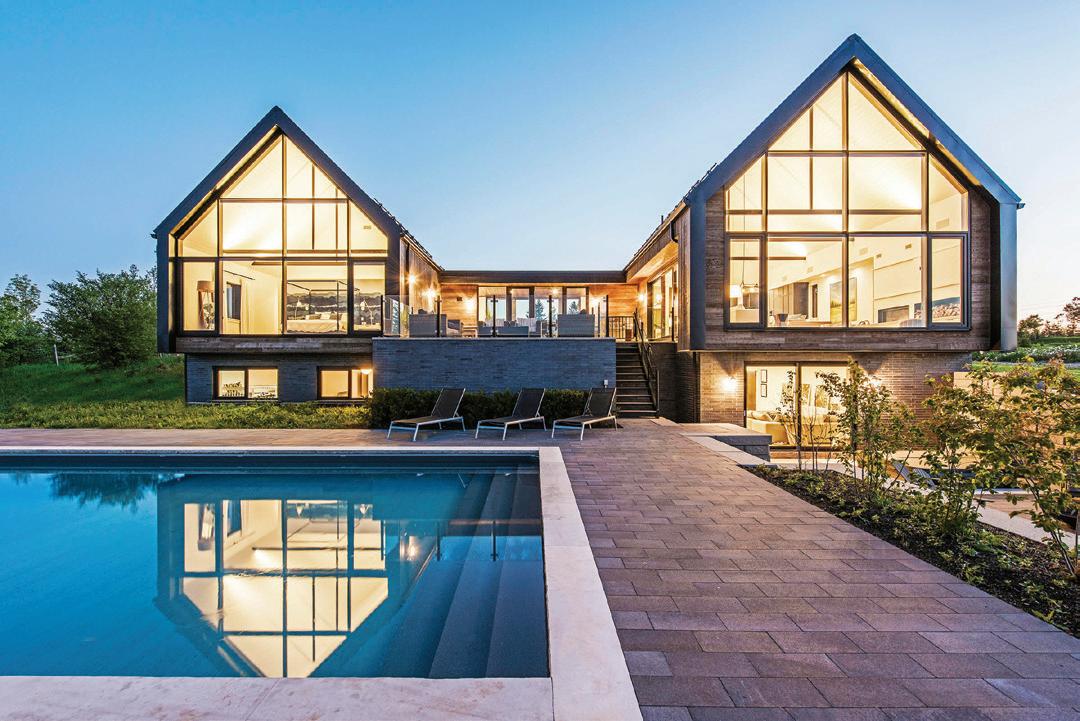
Three Southern Georgian Bay homeowners partner with local pros to modernize outdated homes, blending old and new into modern spaces that suit their 2026 lifestyles.
By Marc Huminilowycz
by Clay Dolan
WHEN LOCAL LUXURY home builder
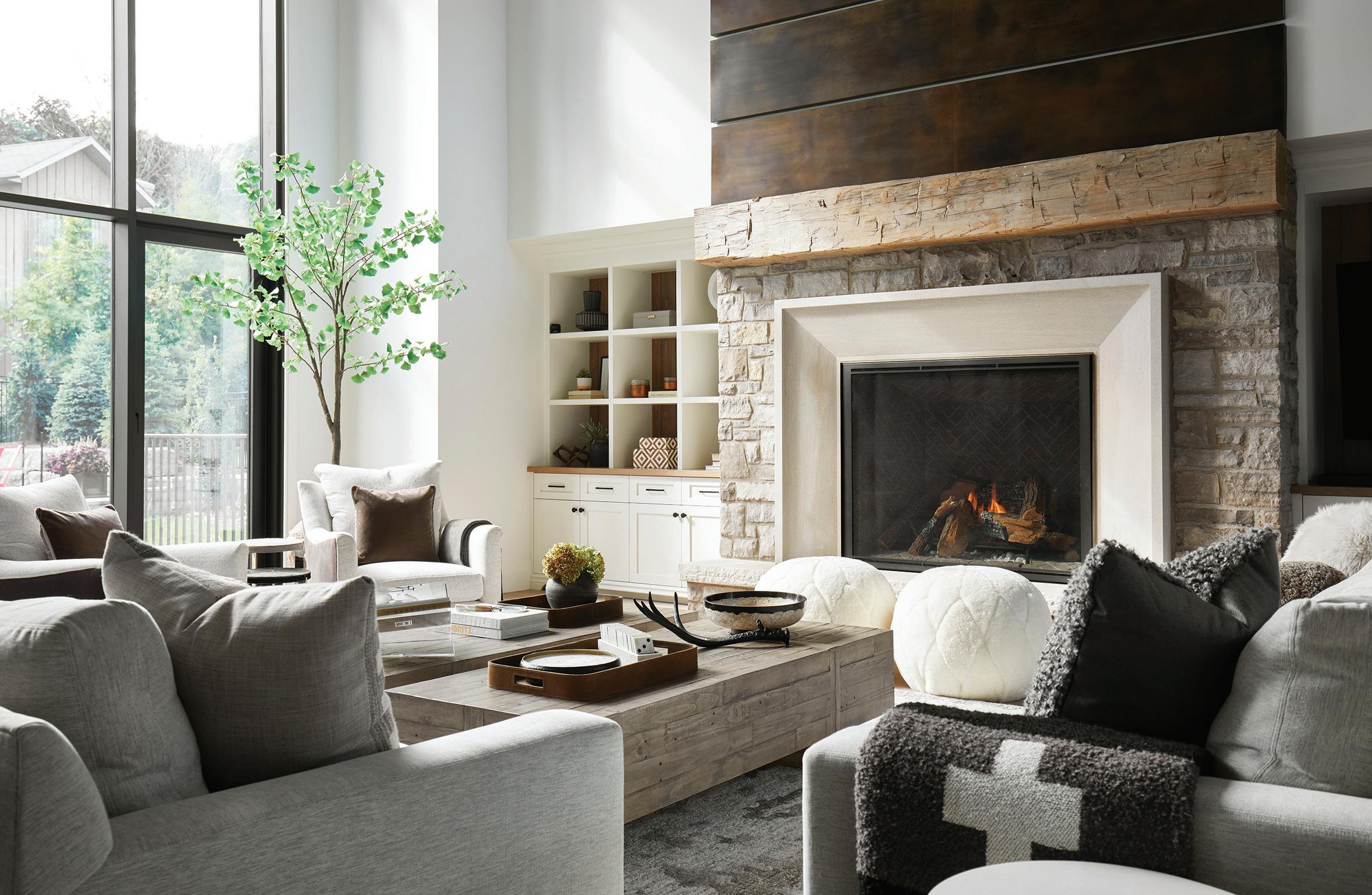
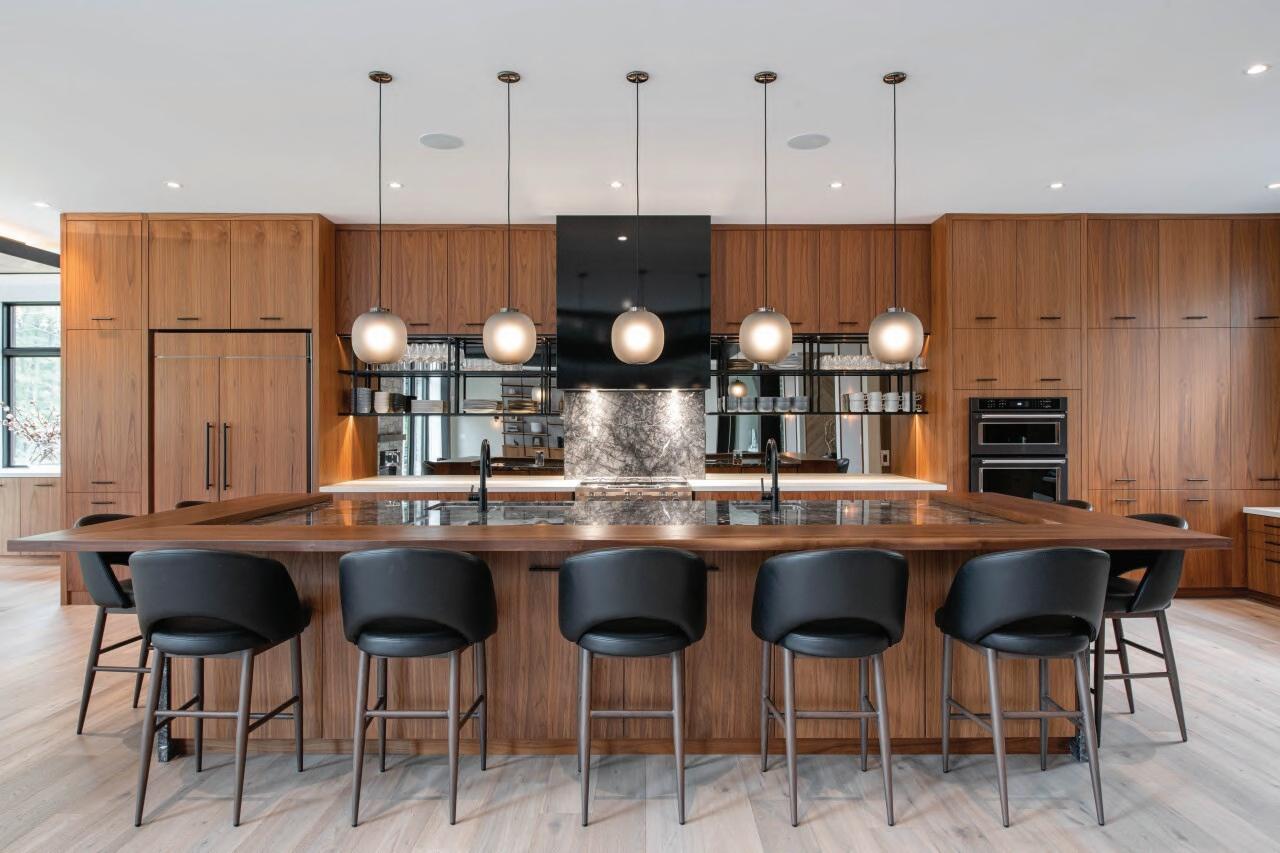
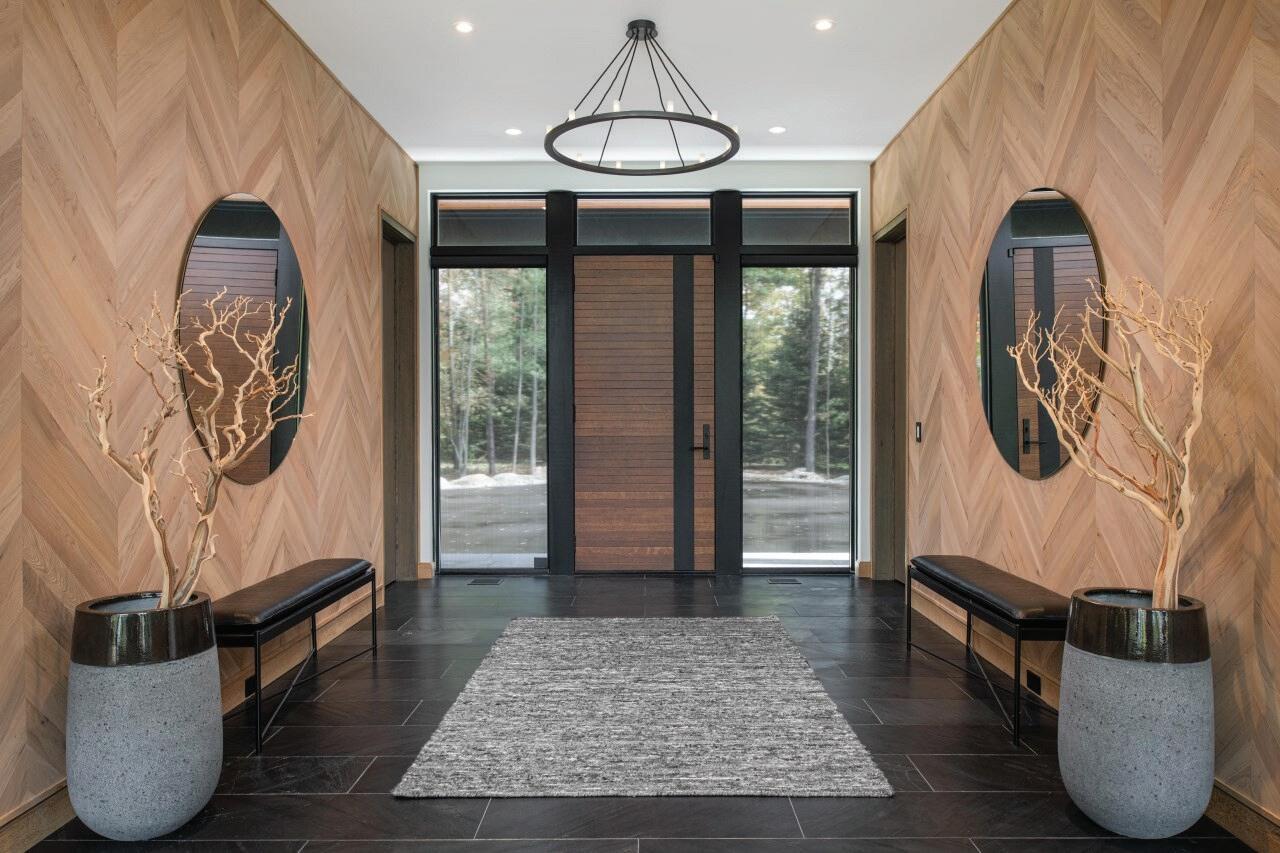
Marty Webster, owner of Websterbilt Inc., decided to renovate his own home on ninety-five acres next to Duntroon Highlands, he chose to pay tribute to the
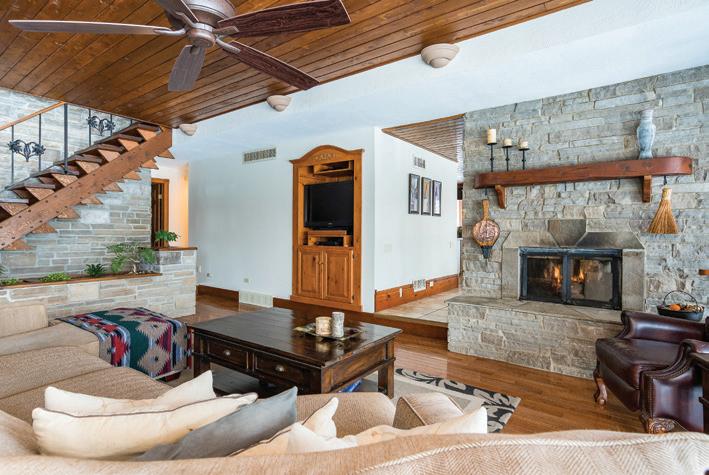
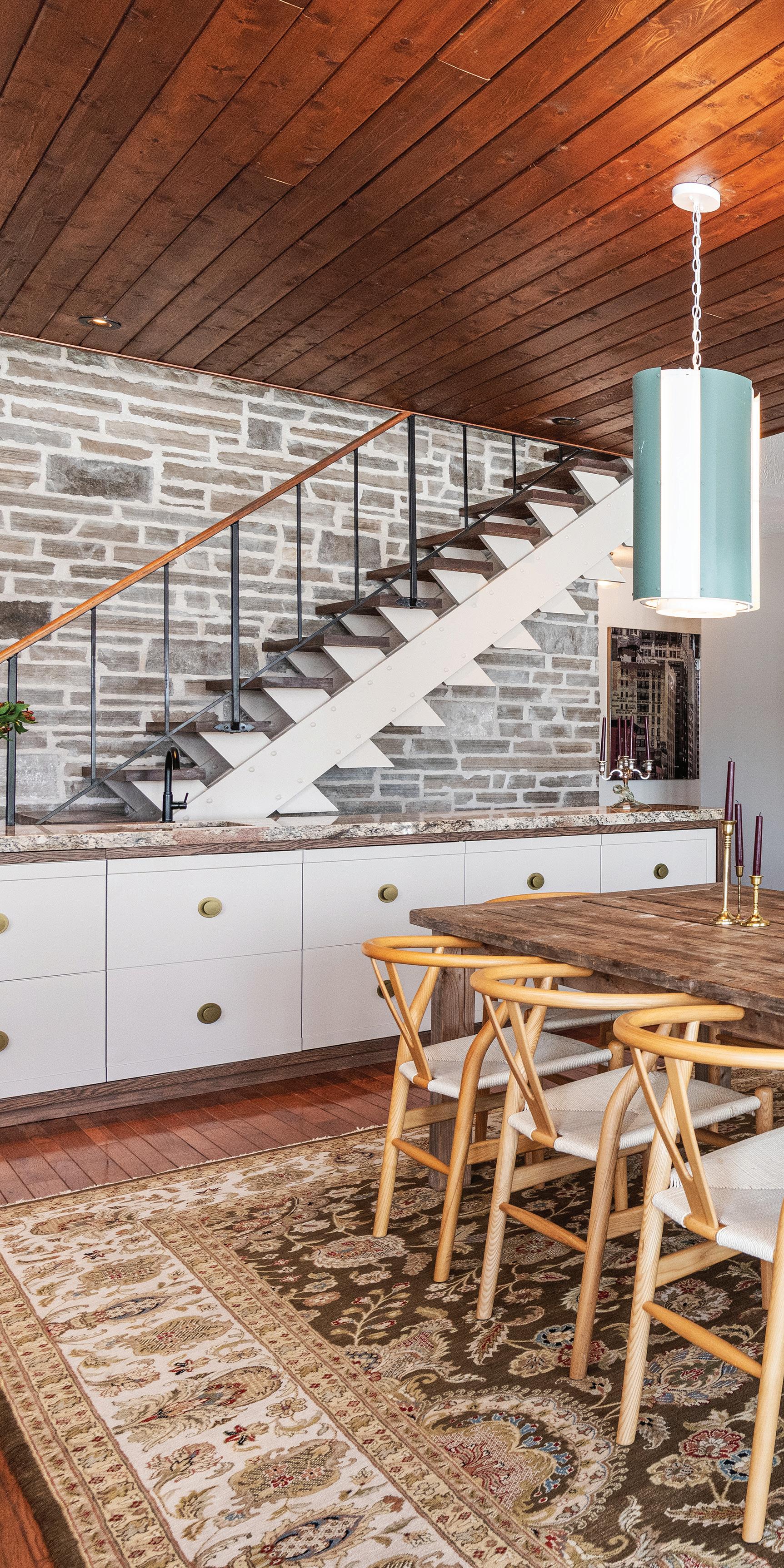
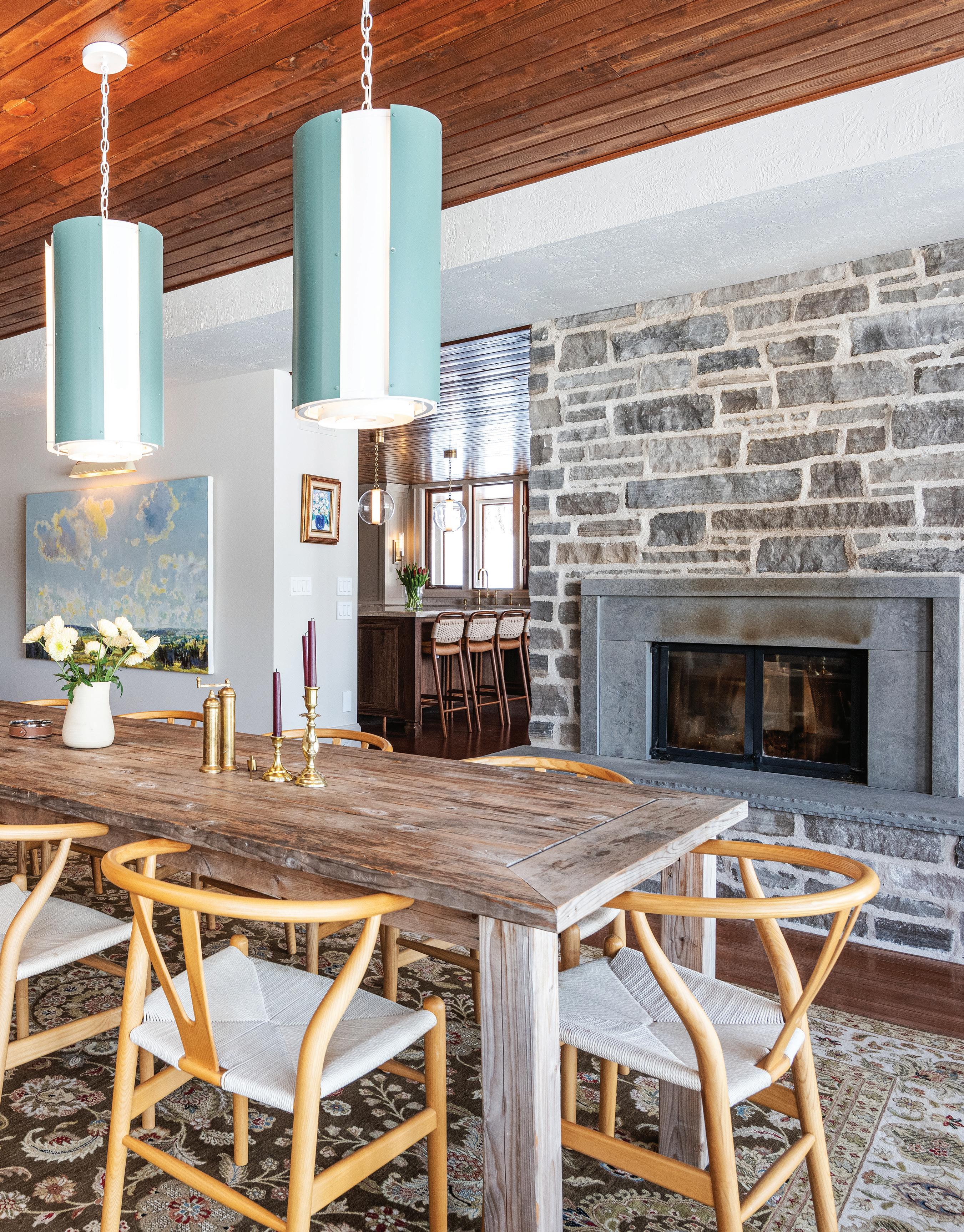
mid-century vibe of his early 1990s home while bringing it up to date.
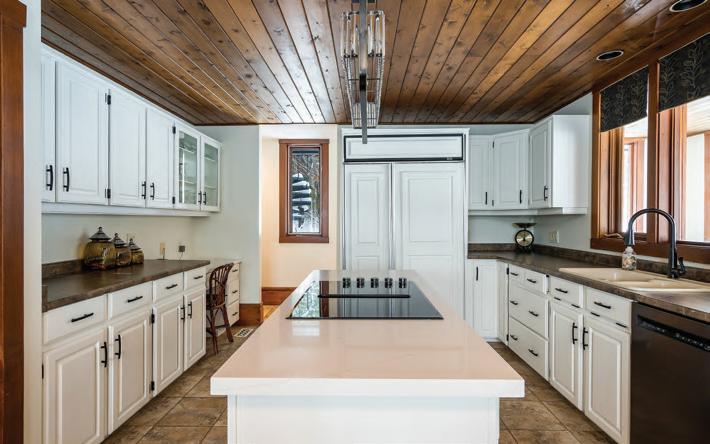
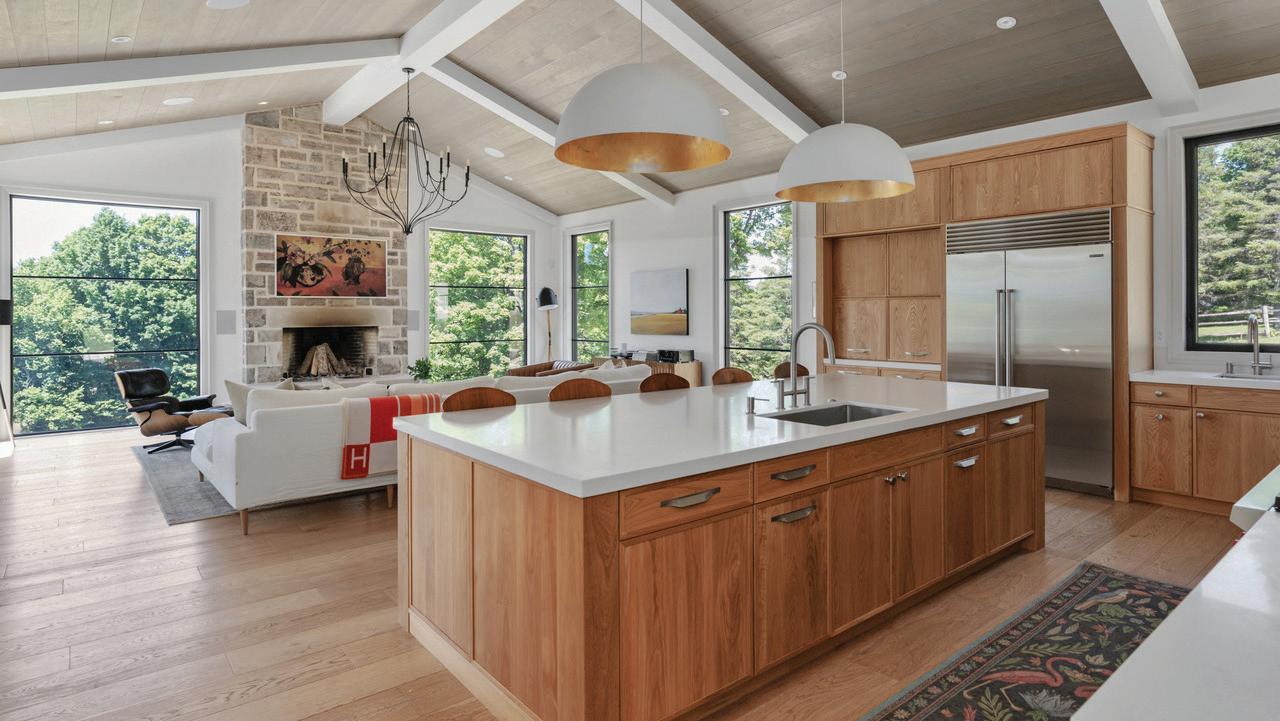
“We loved the character of the home, originally designed by architect Jim Campbell, but we found the interior a bit heavy, with a less-than-desirable flow,” said Webster. “So, we totally changed the floor plan, gutted down to the studs, updated the insulation, and rearranged windows, walls, and doorways. We kept the interesting elevations on the outside—it’s
basically what it was—as well as the wood tones that imbued warmth, cosiness, and grandeur inside the home.”
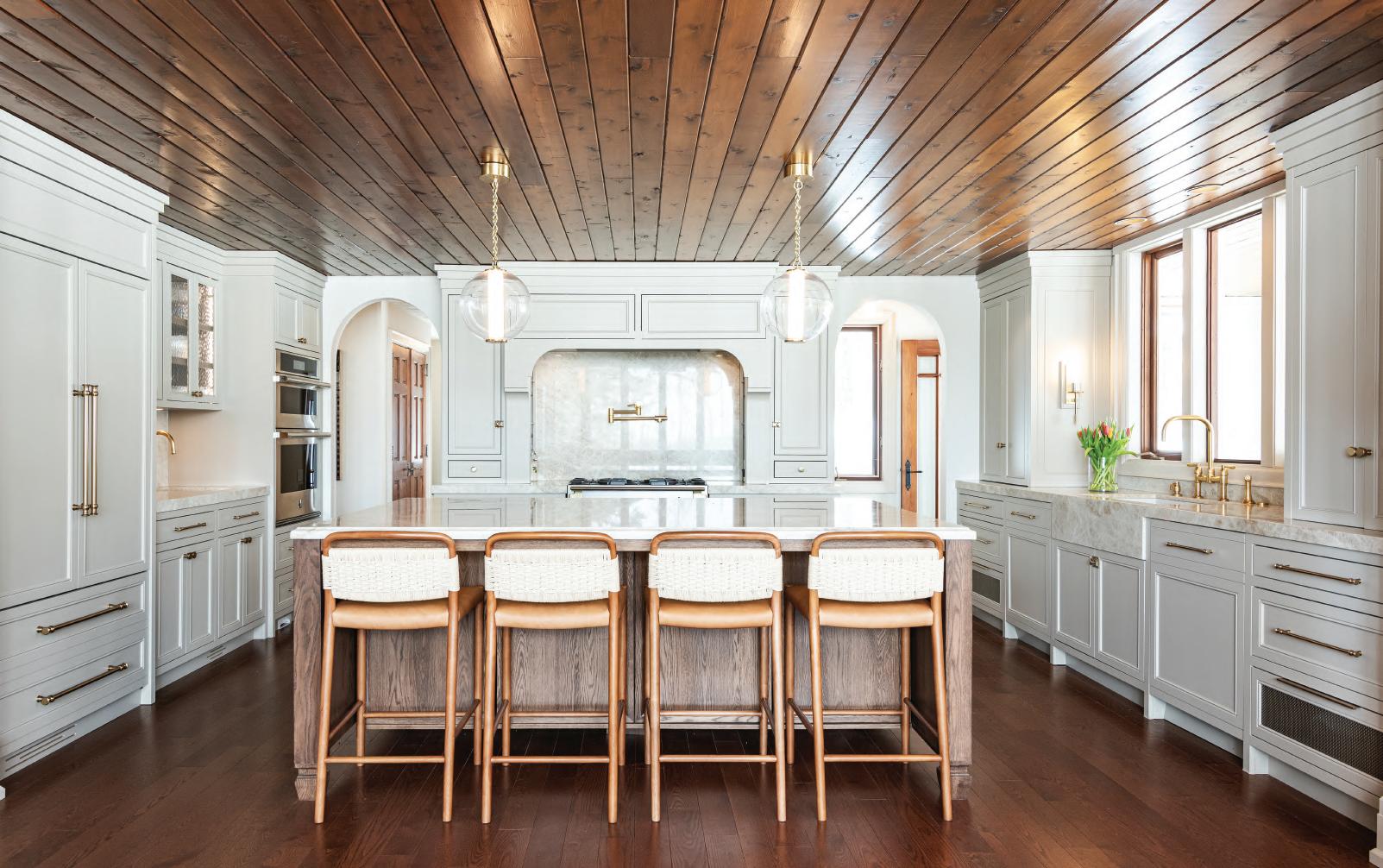
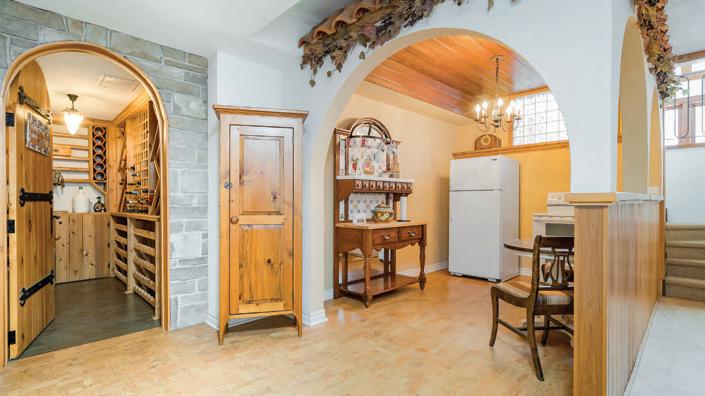
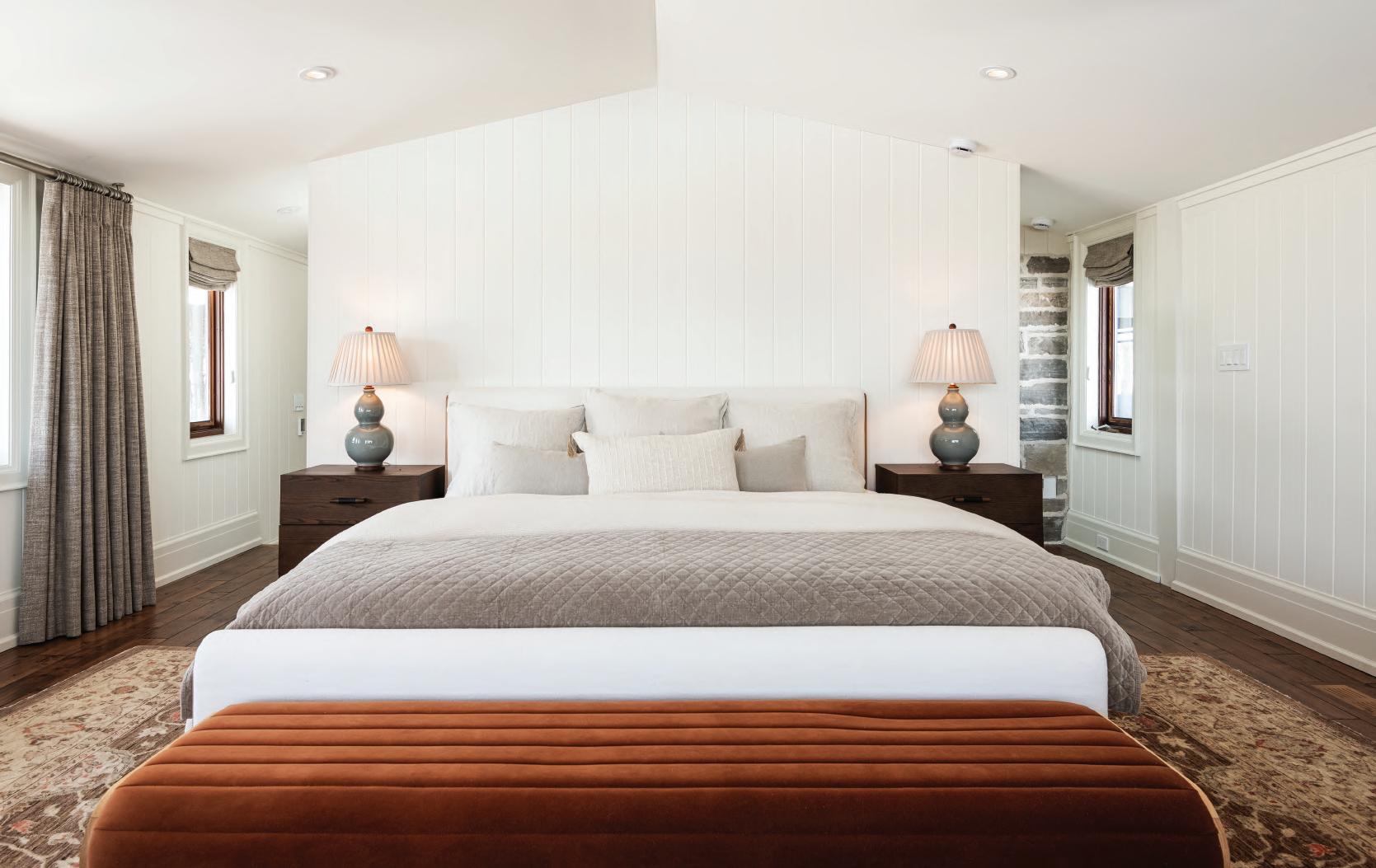
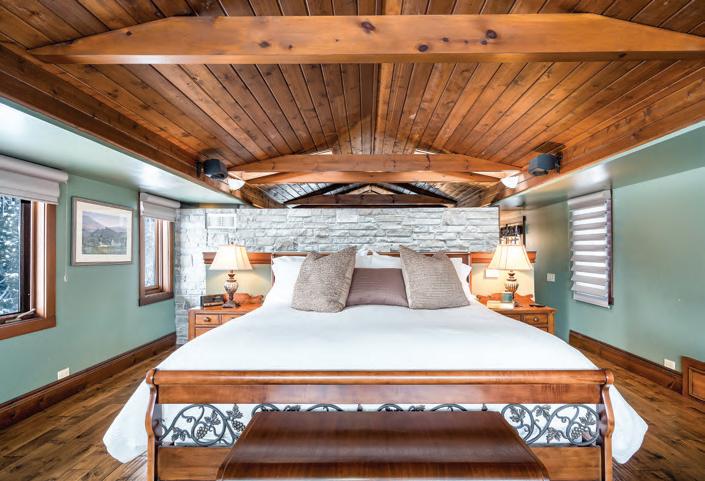
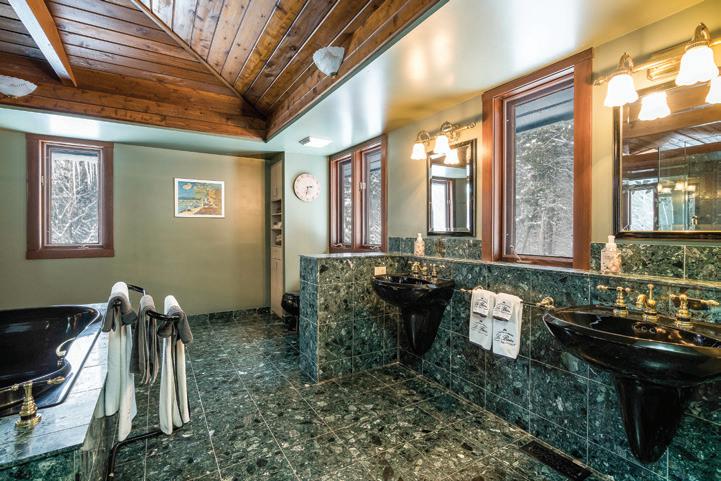
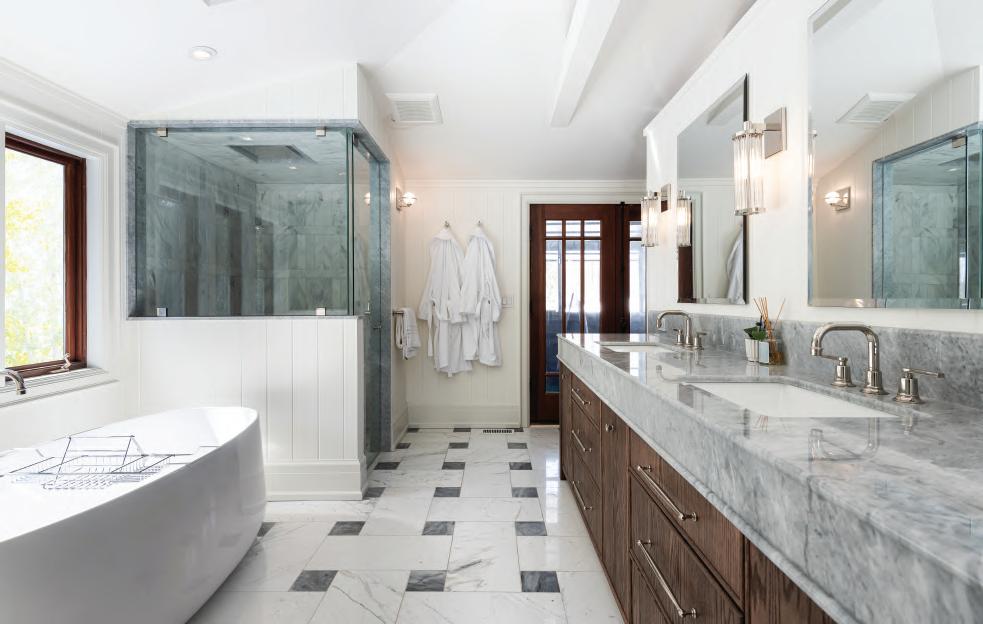
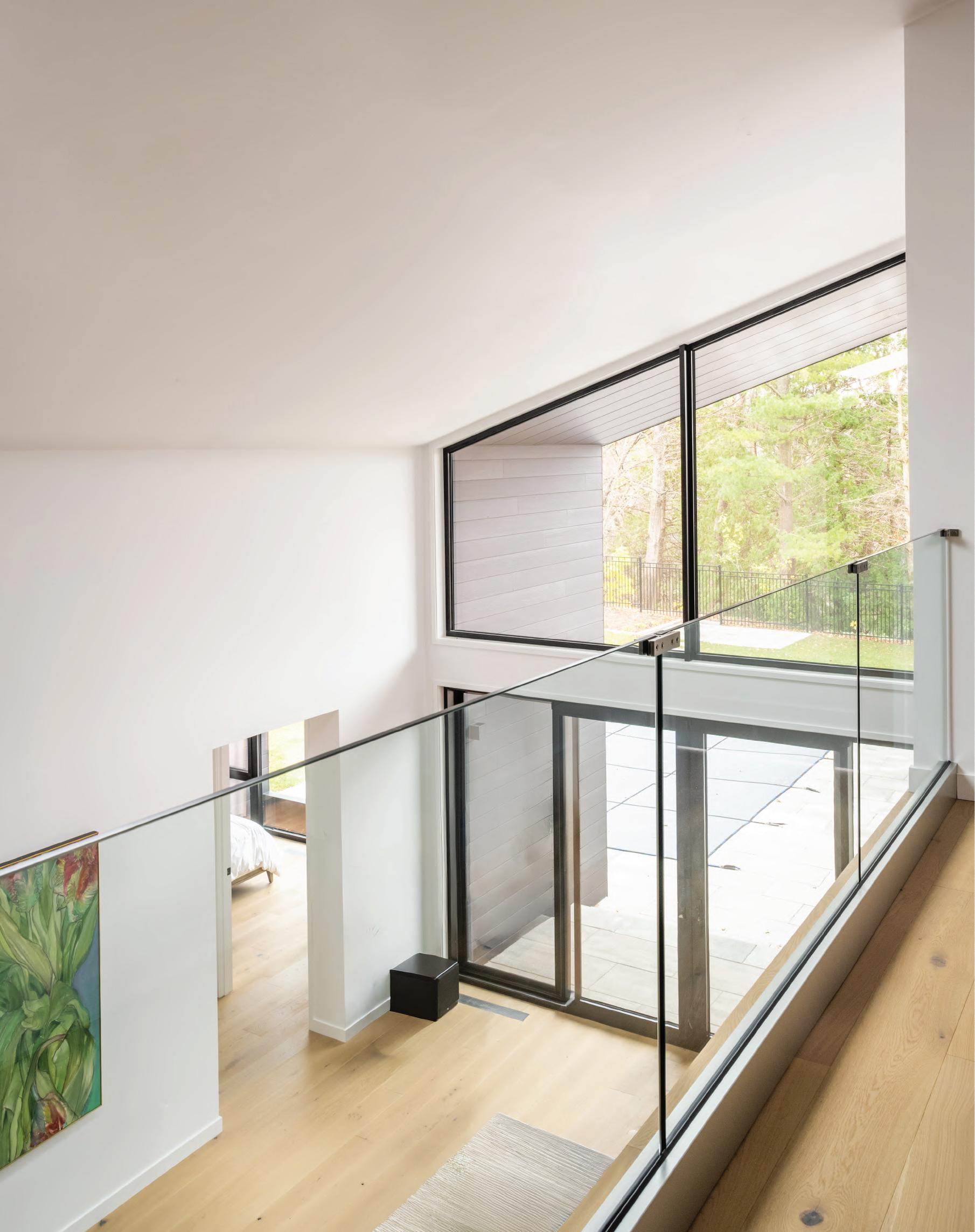
According to Webster, the renovation involved removing a tight laundry room and pantry; doubling the kitchen space; moving mechanicals; adding a bathroom; refreshing a full 800-square-foot loft master bedroom by removing a bulkhead; and adding an ensuite bathroom featuring gold hardware, marble, a tub overlooking the
private yard, a skylight, and a cantilevered door kit to block off the stairwell.
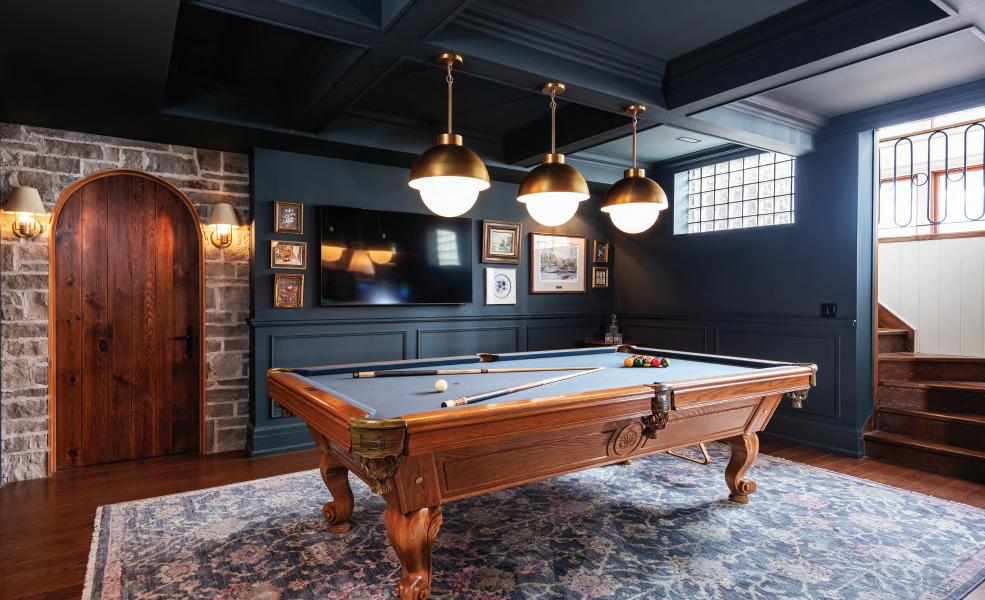
“Jill Maxwell Design was a sounding board, who we referenced frequently during the reno, and we collaborate on many client projects together,” said Webster. “One of my favourite components was remodelling the billiards room that had a moody Ralph Lauren vibe. We gutted the existing tiki bar and bathroom and added new structural beams to reinforce
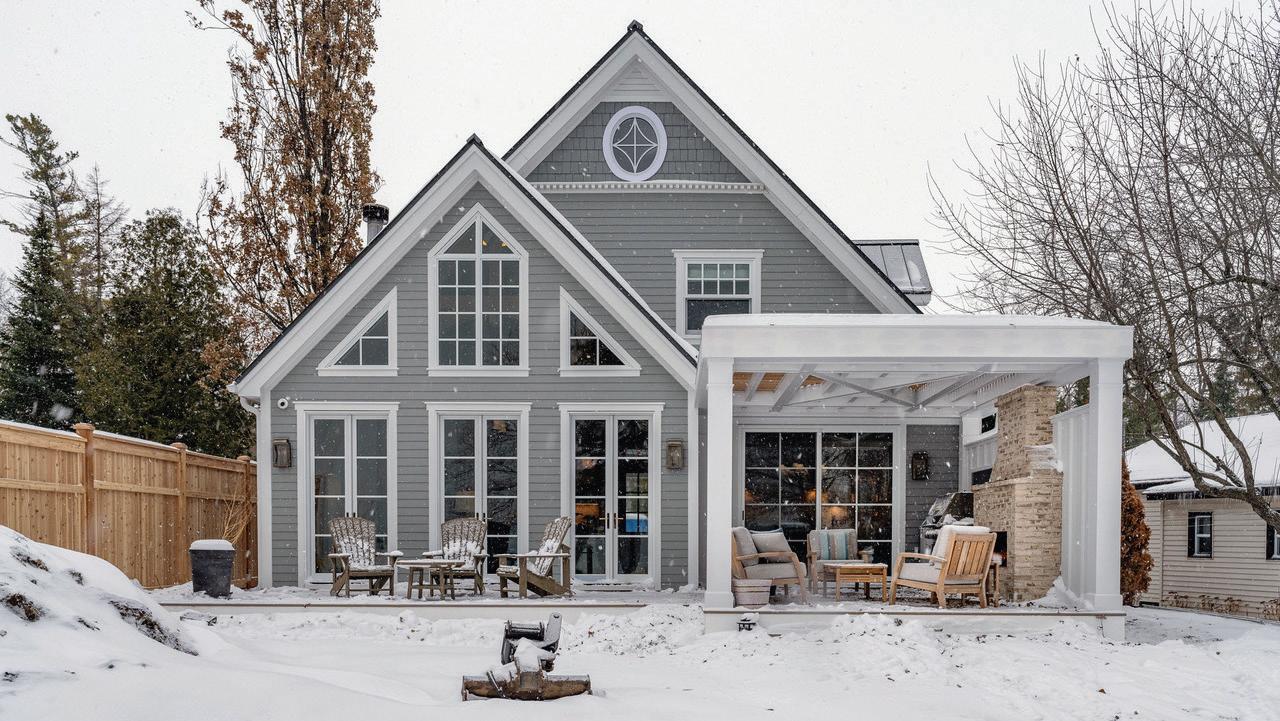
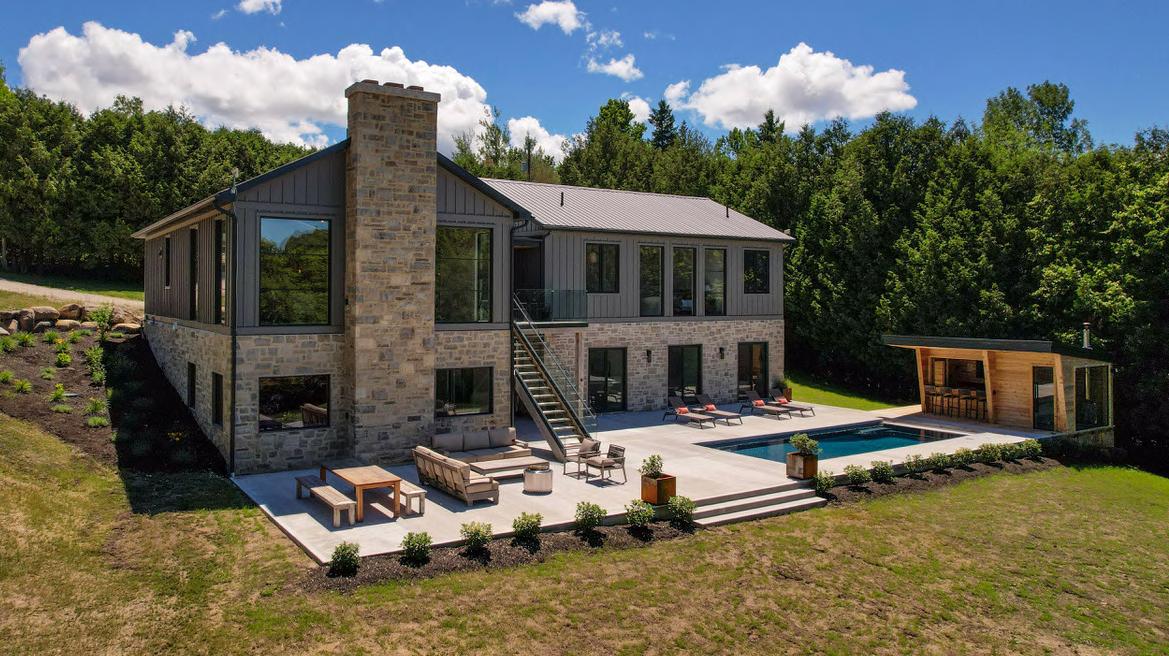
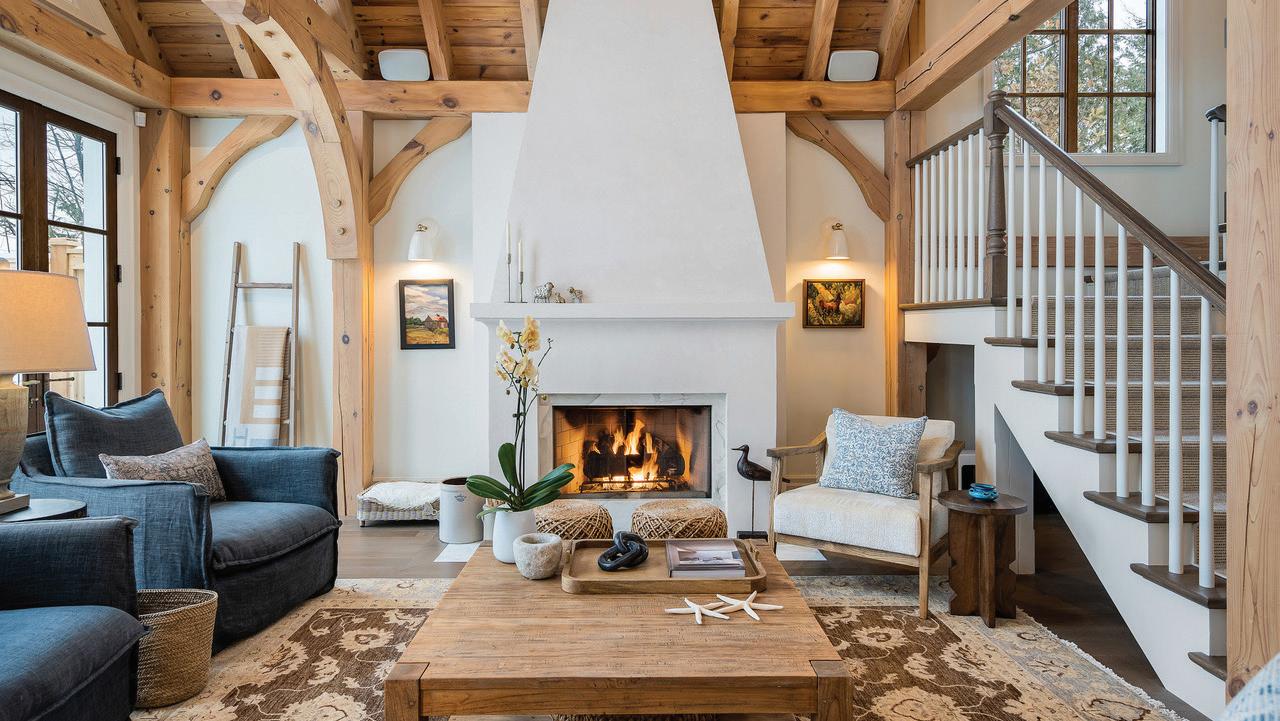
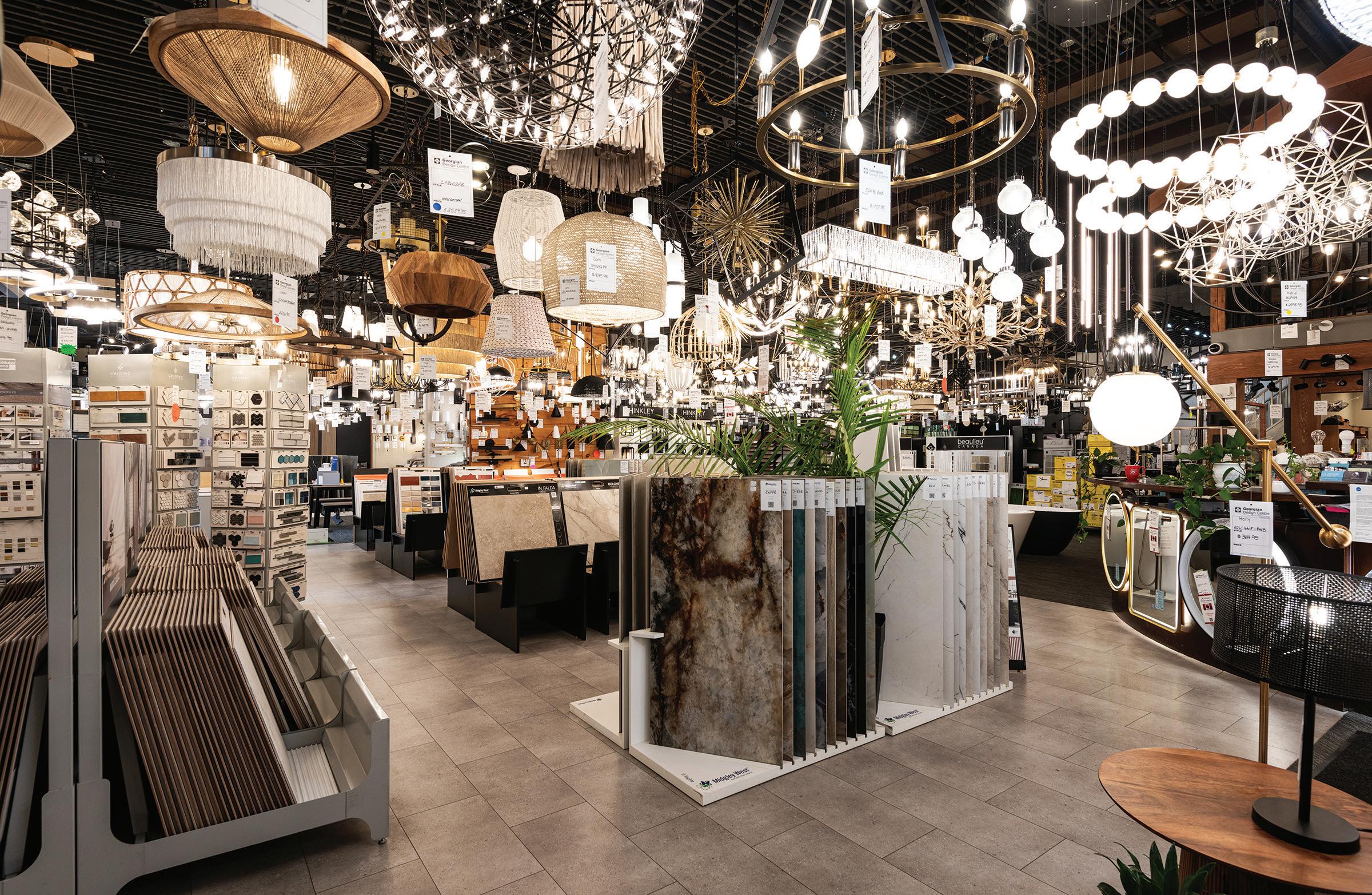



the sagging ceiling. Overall, we kept the original feel of the space, but updated the look and created better flow.”
Builder, Interior Designer, Carpentry: Websterbilt Inc., Creemore
Architect: Rockside Campbell Design, Clearview
Windows: Kolbe Windows, Oakville
Kitchen Cabinetry: Infinite Design & Interiors, Barrie
Countertops: The Granite Company, Alliston
Window Coverings: Your Sweet Home, Toronto
Appliances: Tasco Appliances
Glass: LIV Enterprises
Bathroom Fixtures: TAPS Bath Centre
Flooring: Simcoe Woodcraft, Newmarket
Light Fixtures: Robinson and Union Lighting, Toronto; Prima Lighting, Concord
Electrical: ATP Electric, Singhampton
Plumbing: InTown Plumbing, Wasaga Beach
HVAC: Campbell Mechanical, Singhampton
Drywall: Mudmans Custom Interiors, Orangeville
Masonry: Hart Strong Contracting, Meaford
Tile: BCK Custom Tile, Collingwood

WHAT DO YOU DO when you want to renovate your space, but you and your partner have differing ideas about the look and feel?
One Collingwood couple—he a “winter” person with deep roots in
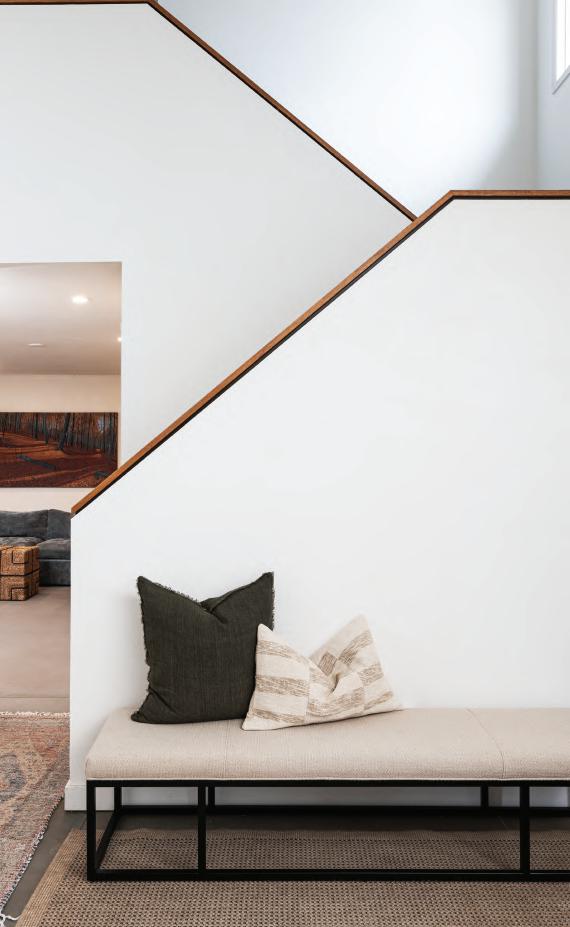
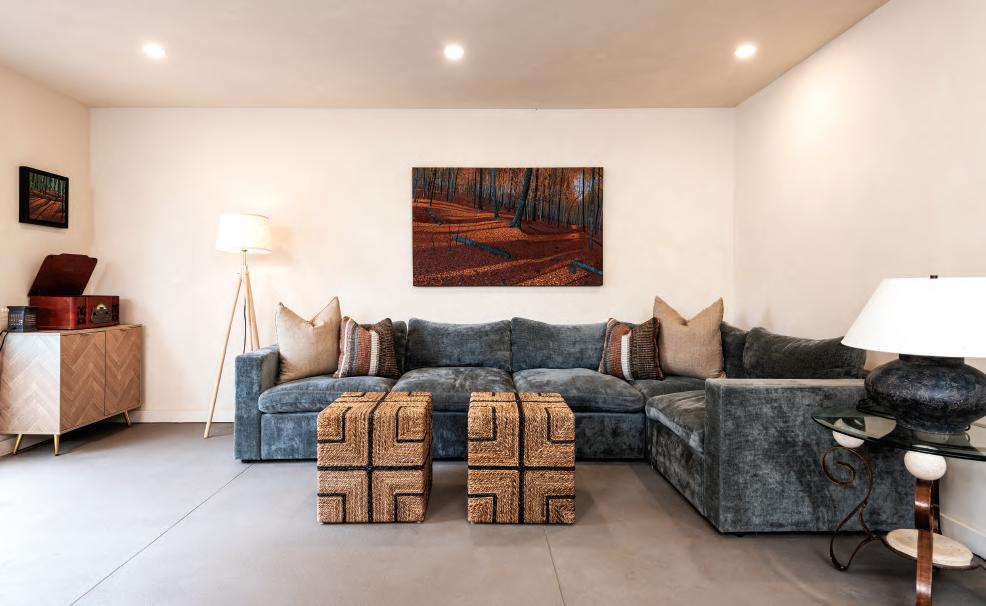
the region who liked a Scandinavian-style chalet; she a summer person who preferred the Mediterranean vibe of southern Spain and France—decided to transform their old home in the desirable Lockhart Subdivision into a statement of their individual tastes.
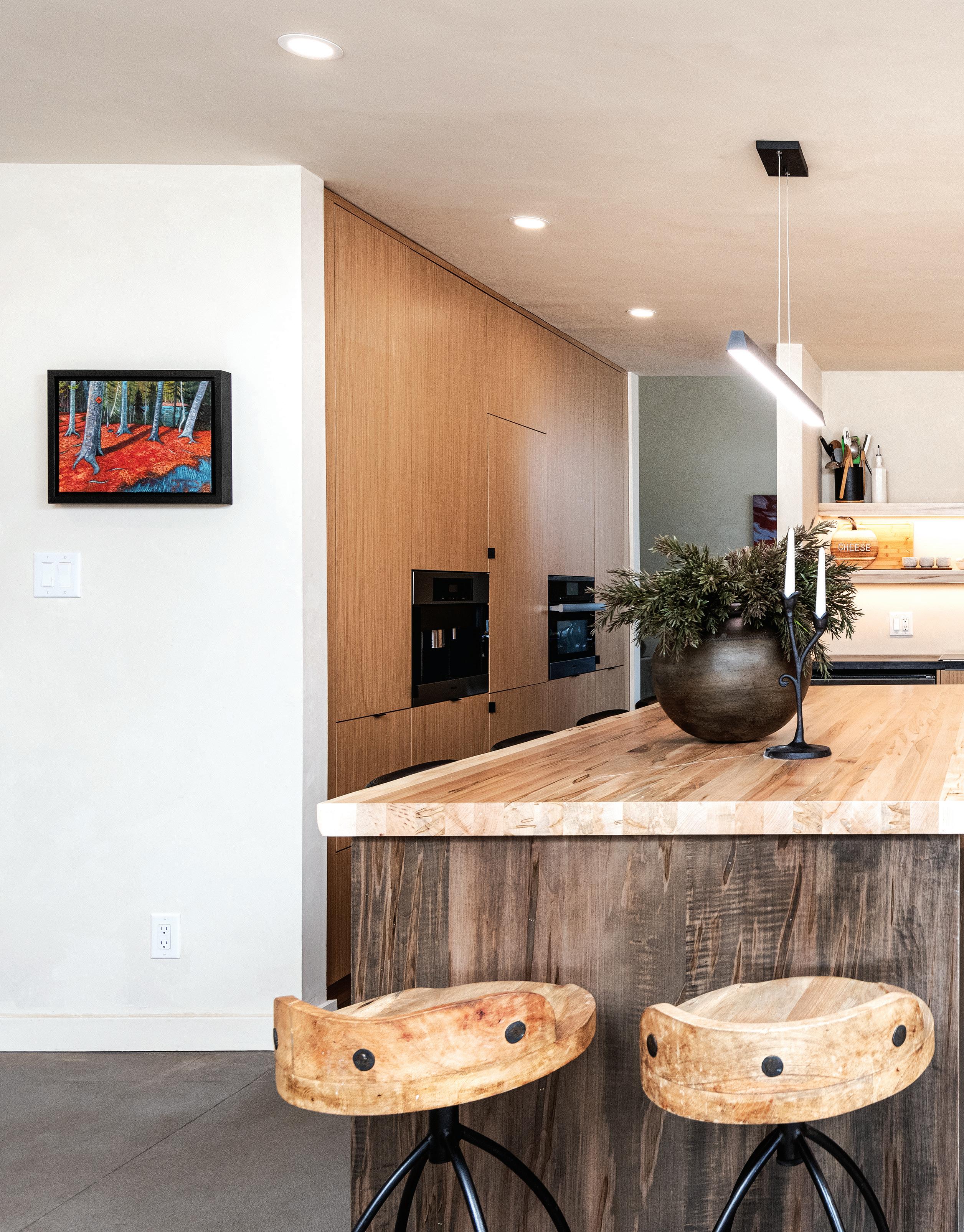
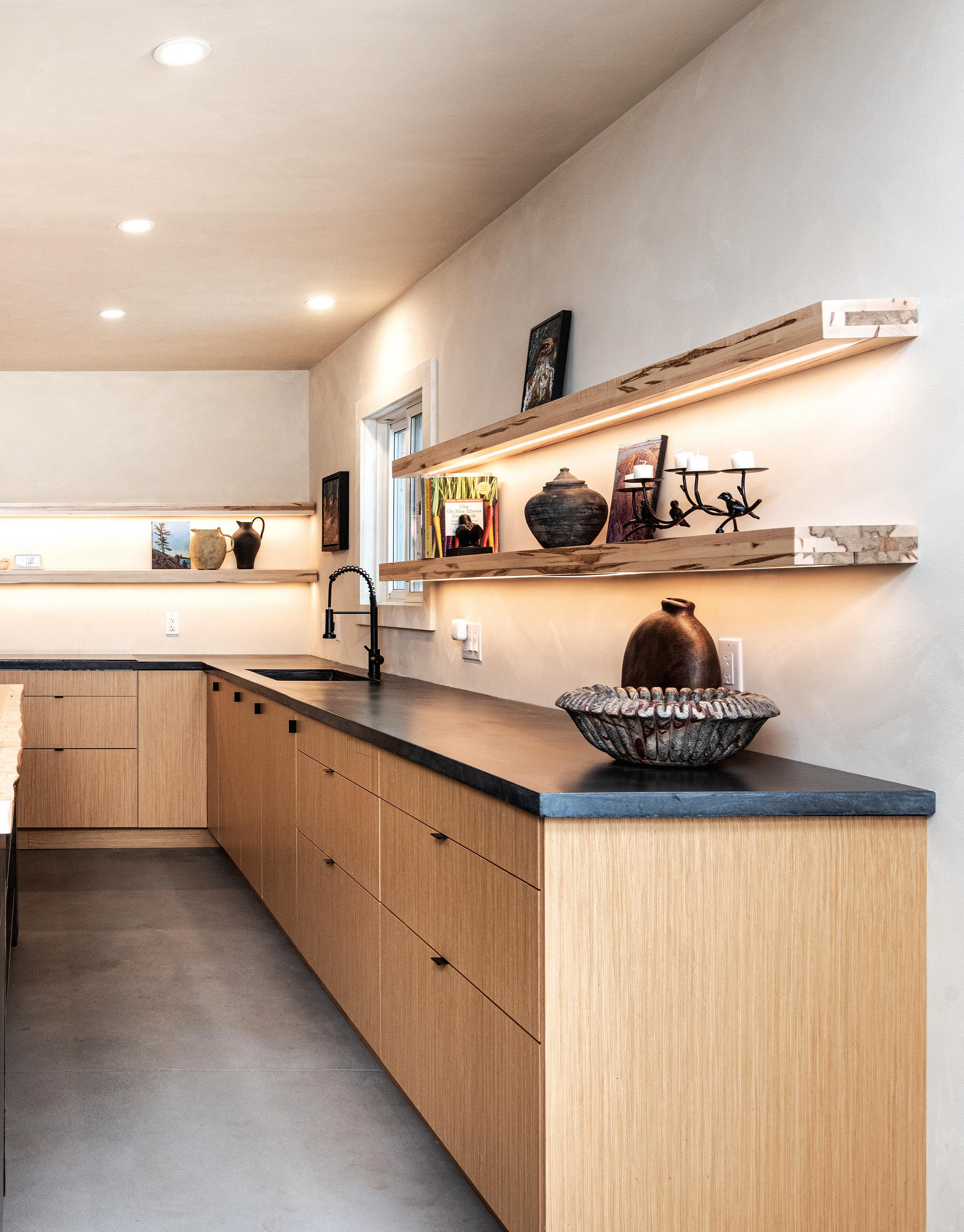
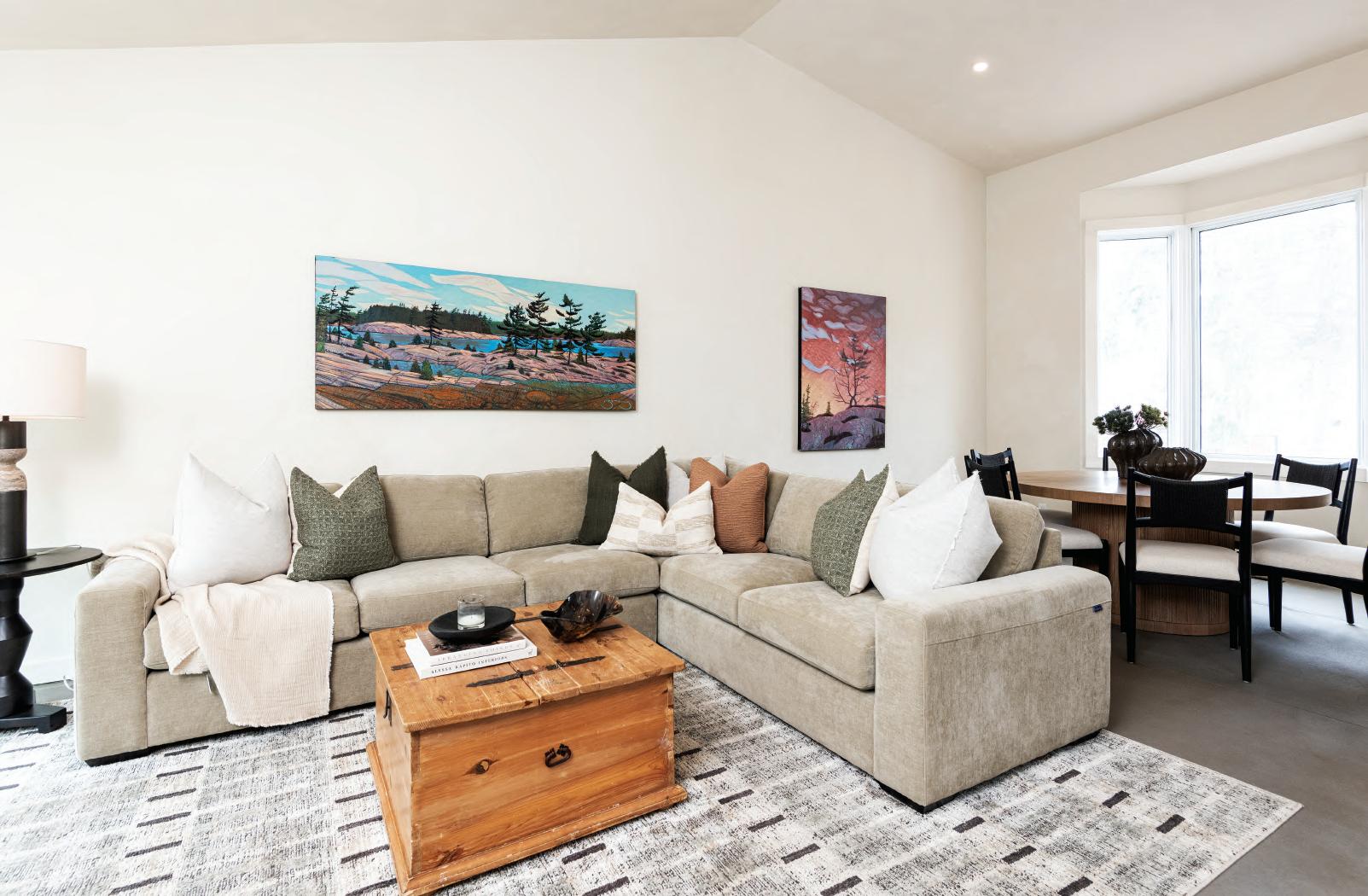
The couple turned to local architect Andrew Slade to adjust the layout of their home and provide a canvas for Van Allan Design to create a unique blend of Mediterranean hacienda and Scandinavian chalet. “We liked the architectural integrity of our home, especially the timeless
staircase, which we kept and added a lime plaster feature on the staircase walls,” said the homeowner.
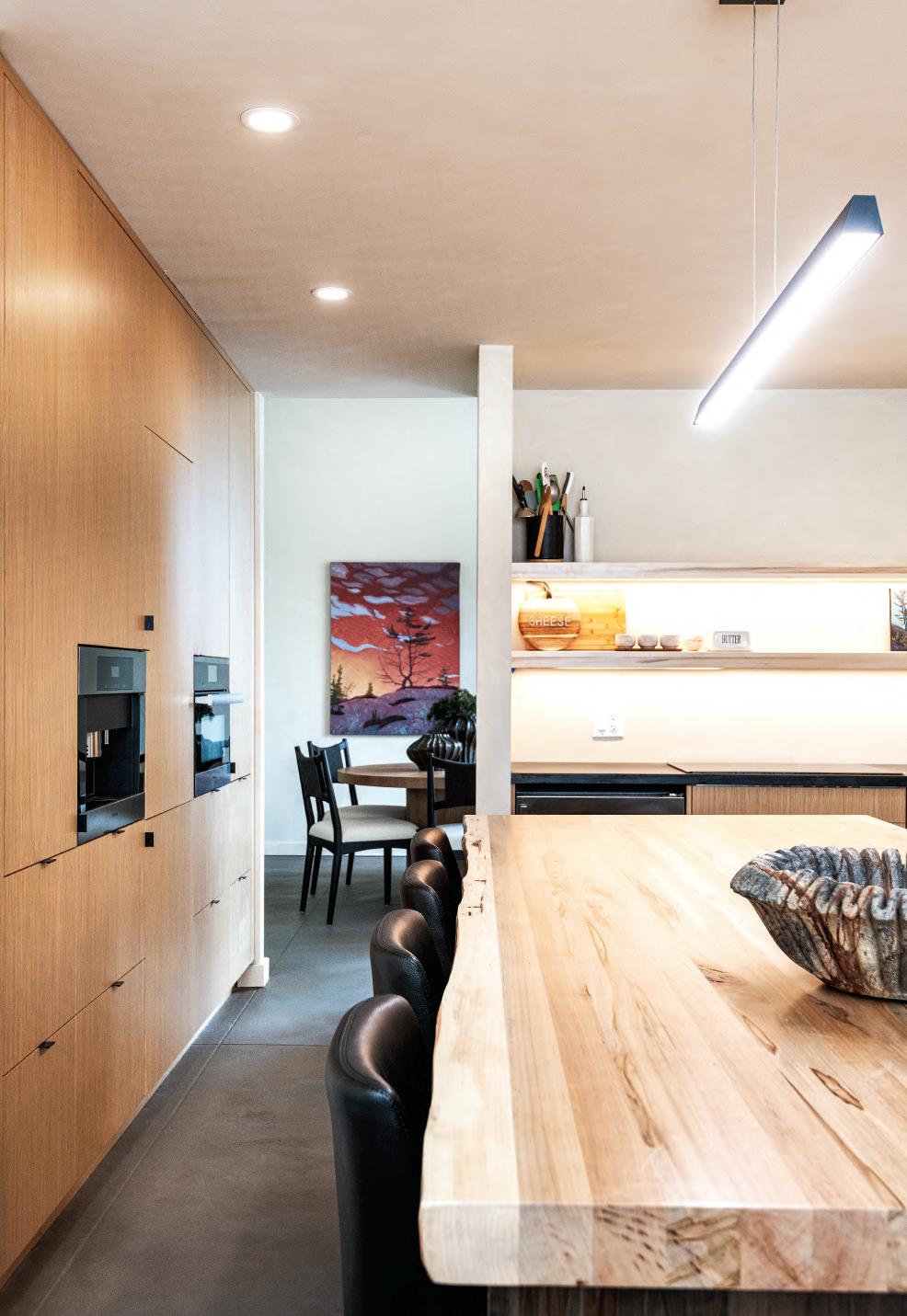
“Hopkins Building and Kostick Demolition took out the entire main floor and disposed of or donated everything old,” the homeowner added, describing the rest of the renovation. An inset fireplace was reduced to capture space. The foyer closet was sealed, which generated a primary feature wall and opened a large cavity in the kitchen. This allowed for an efficient solution for
built-in cabinetry from Allstyle Retrofit and panelled Miele appliances from Tom the Dreamer. Forca microcement flooring was installed on the entire main floor, and the kitchen island and floating hardwired shelves were milled by a local Mennonite craftsman, Samuel Zook.
“I realized that 80% of the renovation was things you do not see,” said the homeowner. “That’s why a big shout-out is due to the many professionals involved in the behind-the-scenes work on our home—like our electrical team, Journey






Electric, who designed lighting which subsequently revealed other installation specs, our plumber, Wilsons Plumbing, who made magic when another firm could not, and our drywall repair genius, Jay Ladouceur.” E
SOURCE GUIDE
Architect: A. Slade Architects, Collingwood
General Contractor: Hopkins Building, Collingwood
Microcement Flooring: Forca Inc., Collingwood
Interior Design, Decor: Van Allan Design Centre
Lighting Fixtures: Georgian Design Centre, Collingwood
Feature Walls: Plaster Masters, Collingwood
Kitchen Cabinets: Allstyle Retrofit, Mississauga
Kitchen Installation: Josh Duits, Clearview
Electrician: Journey Electric, Collingwood
Paintings/Wall Art: Mark Berens, Collingwood
Demolition: Kostick Demolition, Singhampton
Plumbing: Wilson Plumbing Service, Mount Forest
Custom Island & Shelving: Samuel Zook— Represented by Desboro Doors







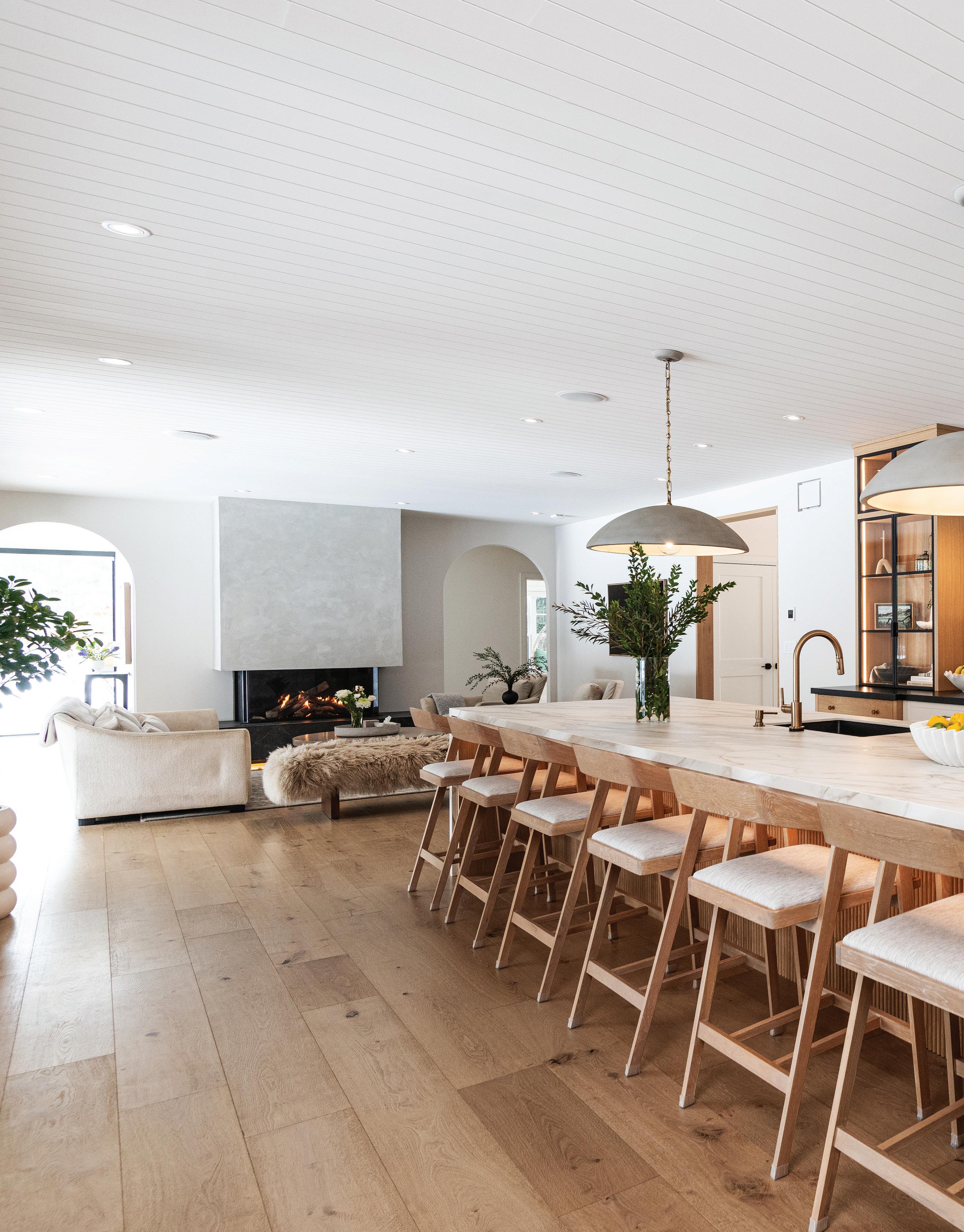
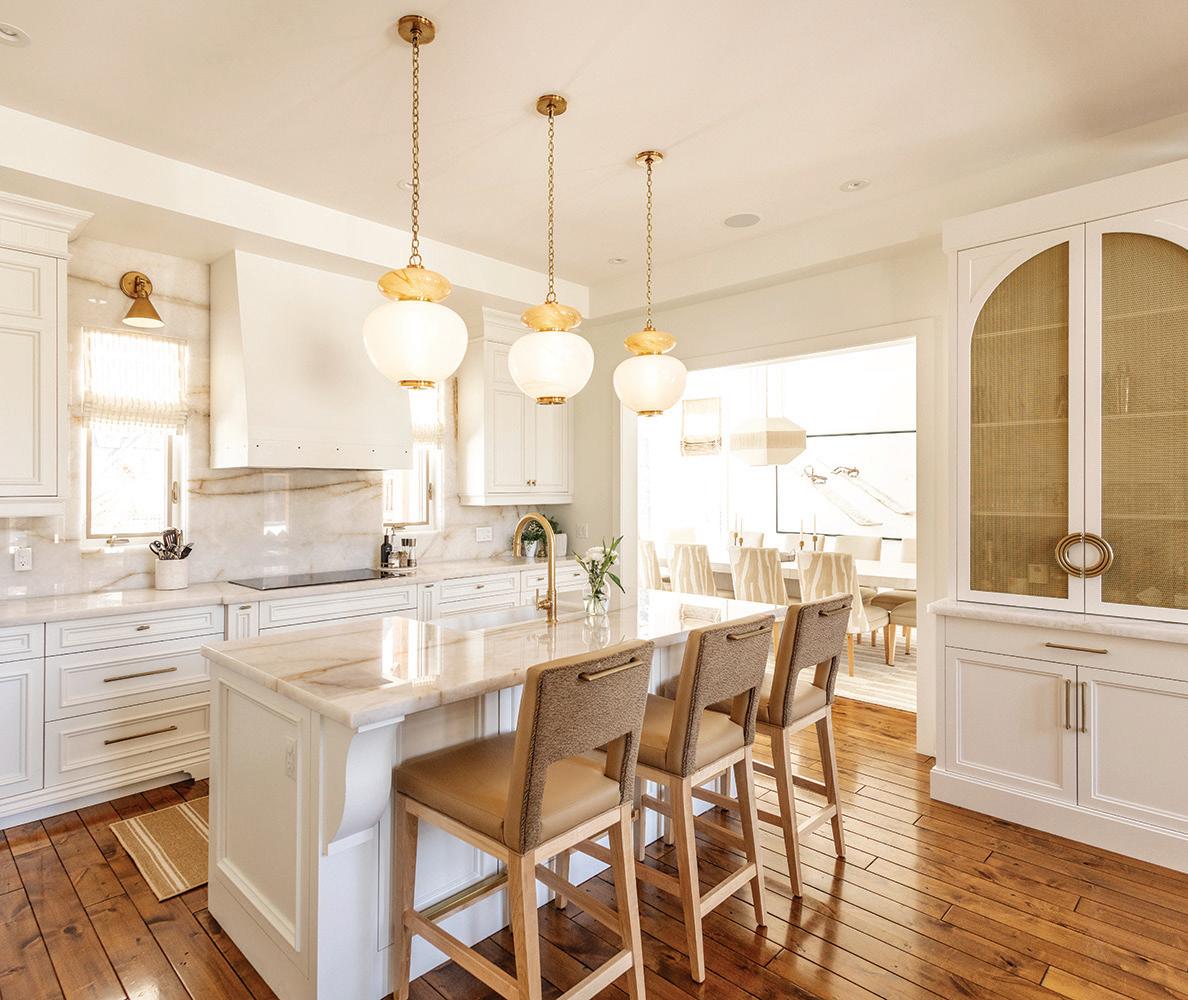
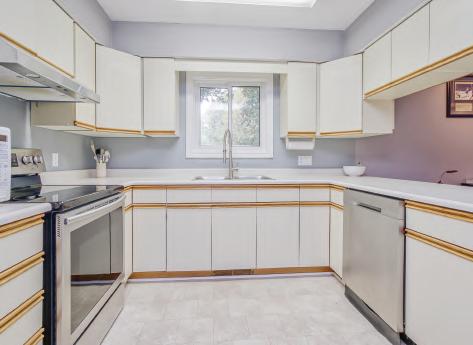
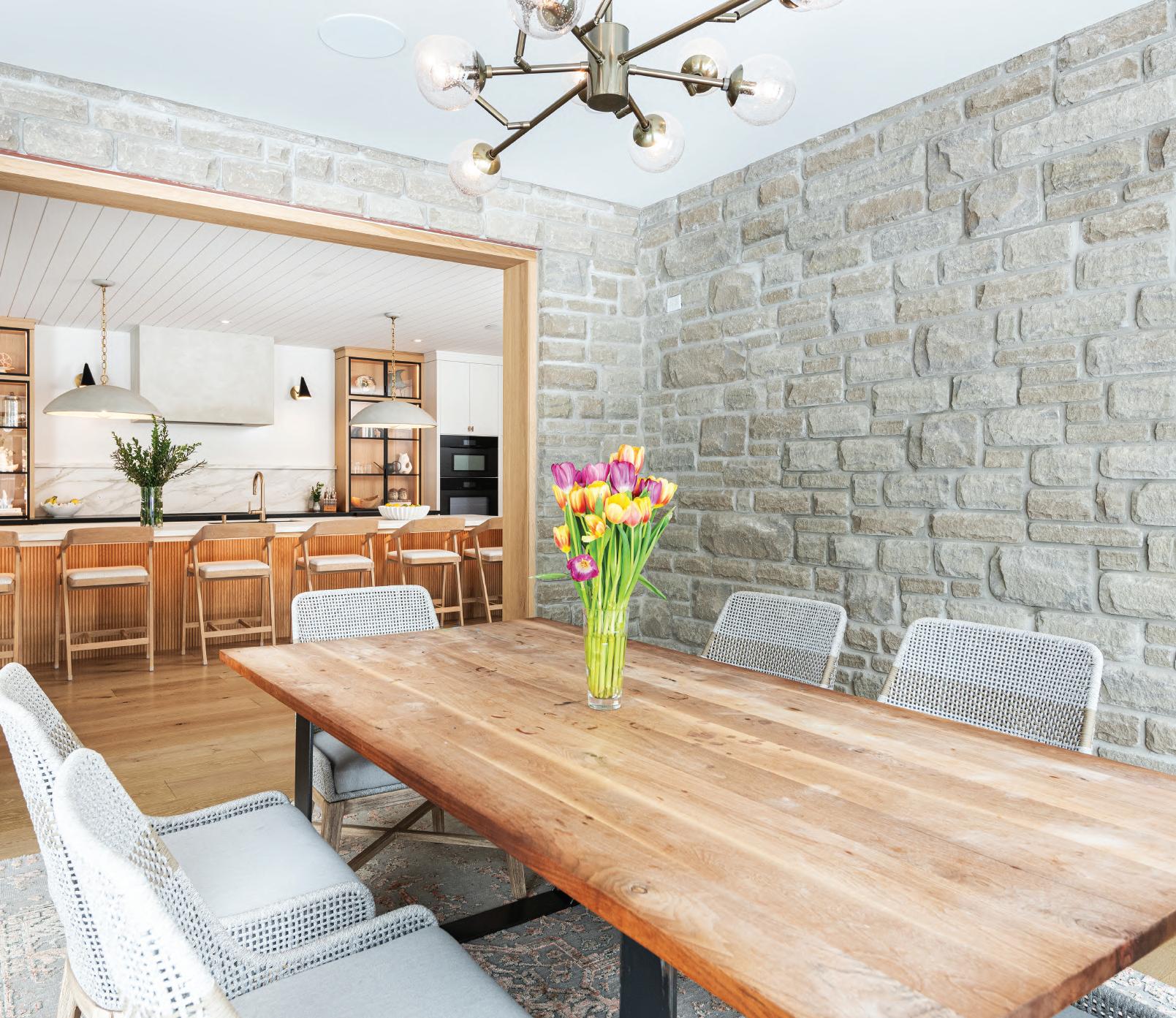
LOCAL RESIDENT Kailee Corkum and her family moved into their 17-year-old Nottawa home in 2020. While they liked the overall layout of the kitchen, their goal was to create a space that felt more like their own.
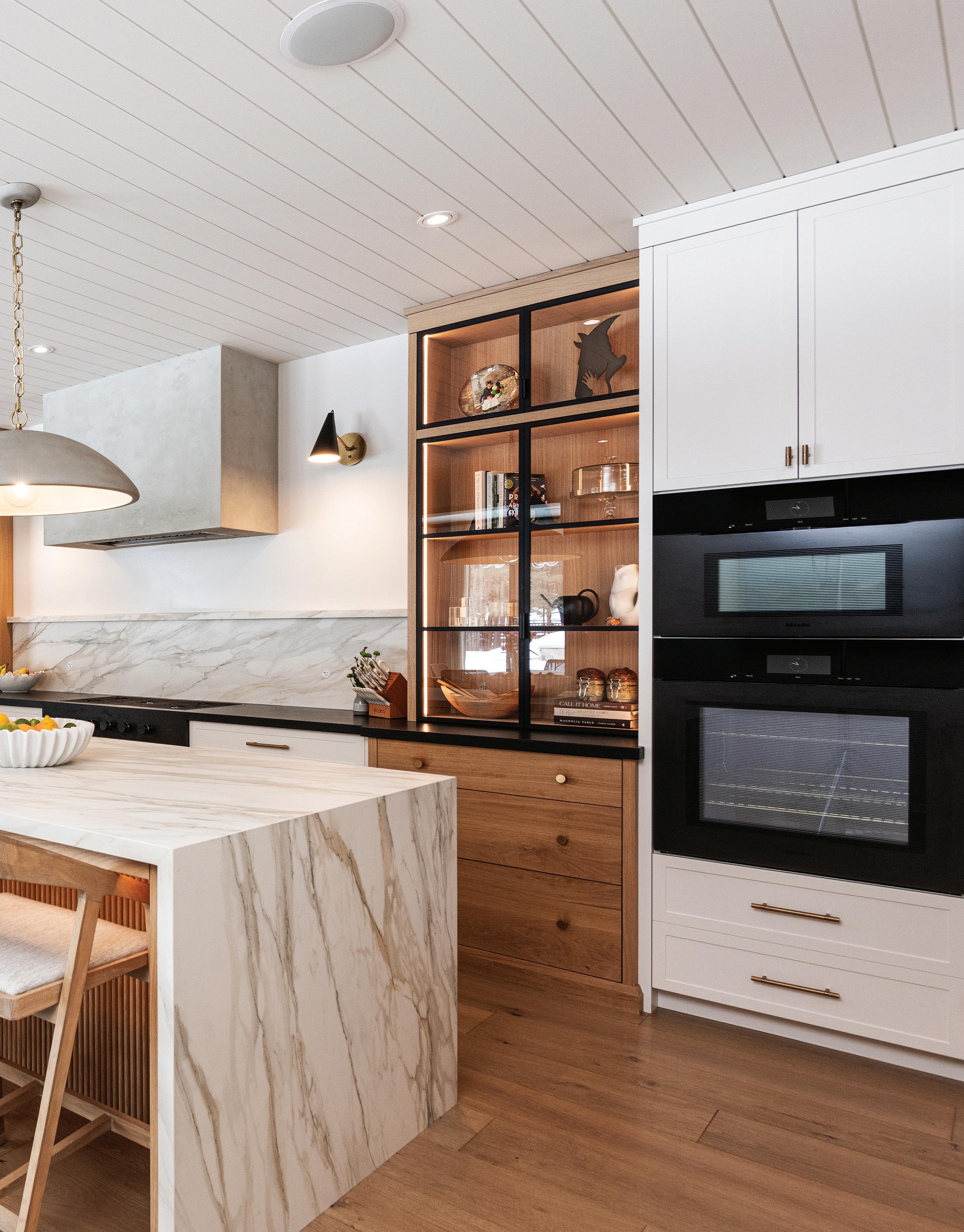
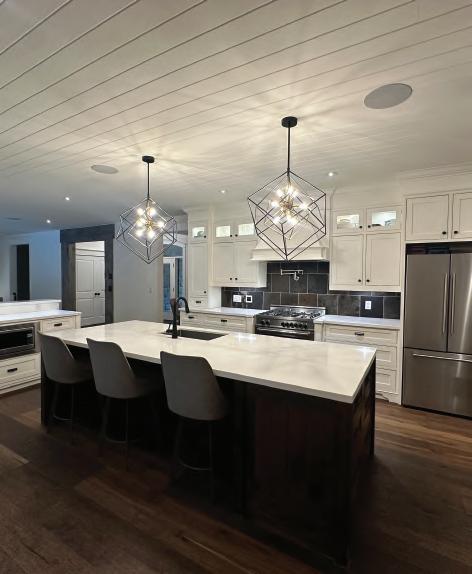
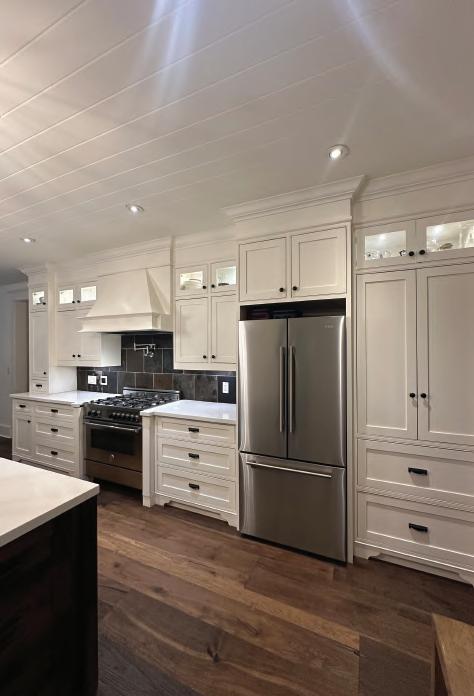
“We were hoping to achieve a more earthy and modern aesthetic that blended well with the natural surroundings outside, while remaining functional for our family of five,” she said. “What we wanted was a larger island to accommodate our family and friends, with lots of storage to keep things clean and clutter-free, as well as a bigger fridge/freezer area to hold all the food needed to feed everyone.”
While the renovation was focused on the kitchen, it was extensive: a fridge from the back wall was moved to a more
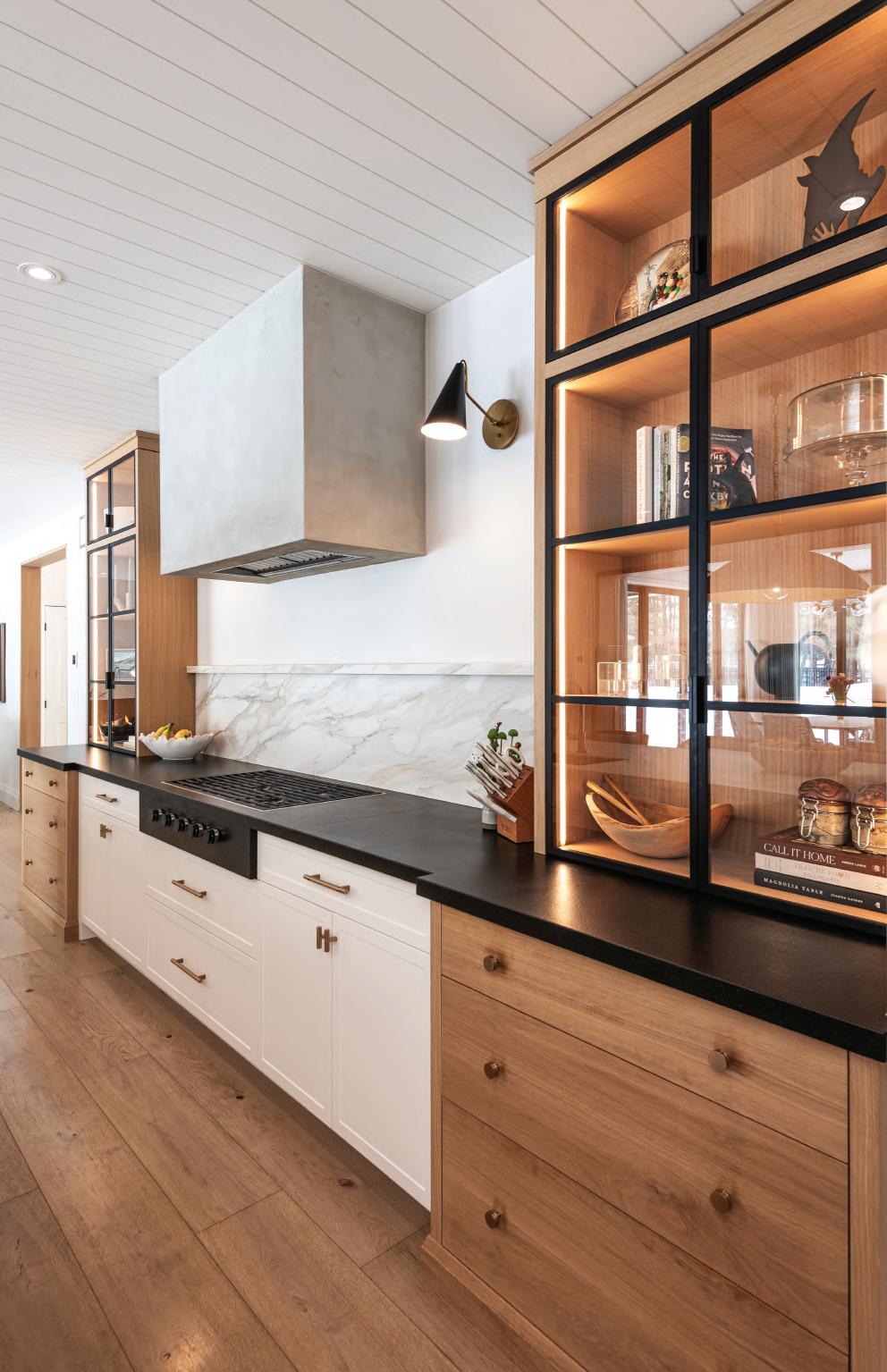
functional space; a sidewall under the stairs was relocated; a doorway was filled in to further expand cupboards and drawers to create more storage space; the island was lengthened to add in a second dishwasher and more seating; a laundry room was relocated and replaced with a butler’s pantry; cabinetry was specially built to hide most smaller appliances; doorways entering the kitchen were arched; and a three-season room off the kitchen was transformed into a dining room.
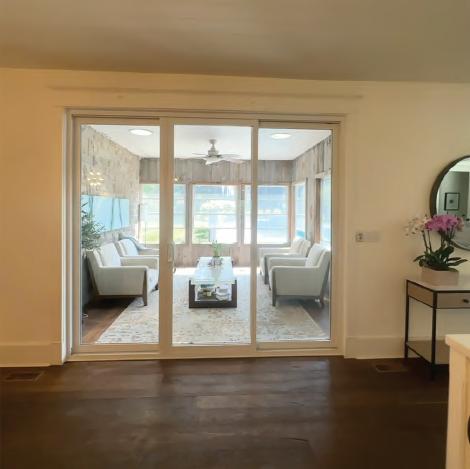
“We found that our new dining room
created a much more cohesive space, with our favourite views of the backyard and sunsets,” said the homeowner. “Kenny Barber did the millwork for the entryway into the room, as well as all the other millwork and cabinetry in our home. There were a couple of wonky walls and ceilingheight discrepancies from one side of the room to the other from the initial build. Kenny took it all in stride and worked his magic. You’d never know the difference!”
“We worked with the absolute best team of people. I just love walking into a
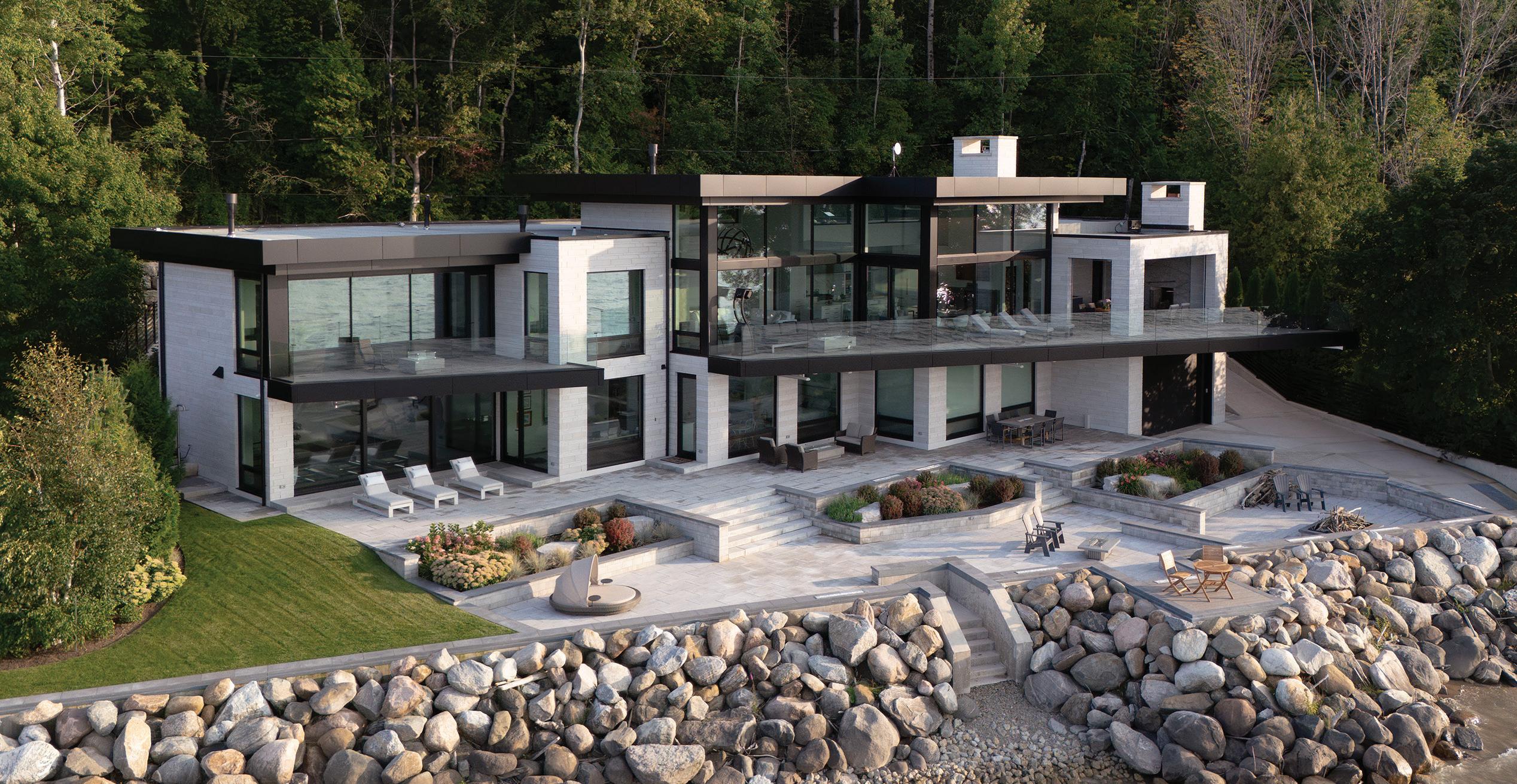
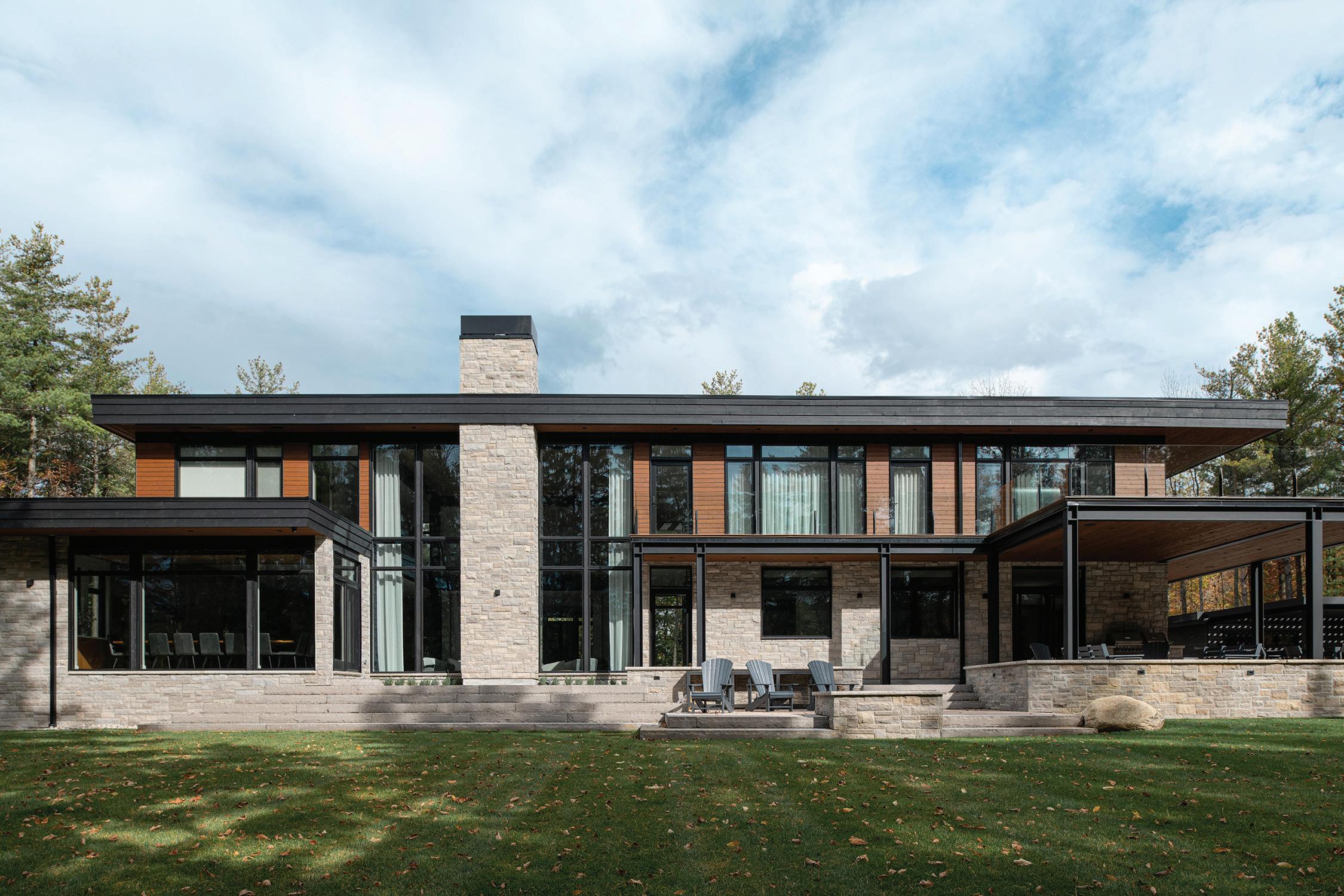
home that feels completely like us,” added Corkum. “It feels like home now and, although the layout remained somewhat the same, the space has been completely transformed. It’s more open and airy, and seems to transition seamlessly with the beauty of the outdoors, which is exactly what we were hoping to achieve.” E
SOURCE GUIDE
Contractor: North Oak Fine Homes—Cutis Barr & Braden Green
Architect: Ron Martin, Collingwood
Designer/Decorator: Kailee Corkum
Millwork & Cabinetry: Barber Millwork, Creemore
Suppliers: Plumbing, Lighting, Flooring—Georgian Design Centre, Collingwood; Appliances—
Chatterson’s, Collingwood
Electrical: Grayley Electric, Collingwood
Plumbing: Osburn Plumbing, Collingwood
Windows/Doors: Marvin Windows & Doors
Custom Glass Work: KP Custom Glass, Creemore
Drapes/Blinds: Linda & Co. Custom Décor, Barrie

A Special Place by Margarethe Vanderpas. Oil on canvas. 36 x 48 in.
Margarethe Vanderpas Gallery & Studio
24 Chetwynd Ln | Lion’s Head 519.433.2840 margarethevanderpas.com
Hand-poured candles crafted for your space, your scent, or your brand. Available in signature blends or custom creations, perfect for thoughtful gifting, retail, or creating a signature atmosphere at home.
Re:mind Wellness
189 High St | Southampton 226.930.5971 remindwellness.ca
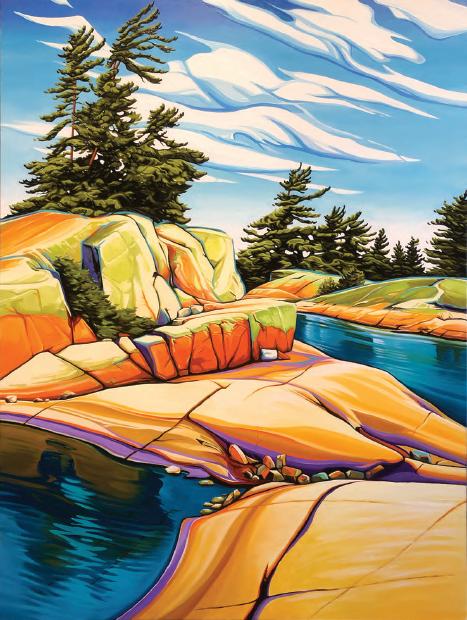
Mixed materials elevate the everyday dining chair. Tone-on-tone weaving on the seat back adds visual interest, while the partially wrapped headrest frame feels organic and unexpected.
Van Allan Design Centre
150 First St | Collingwood 705.293.4663 vanallandesign.com
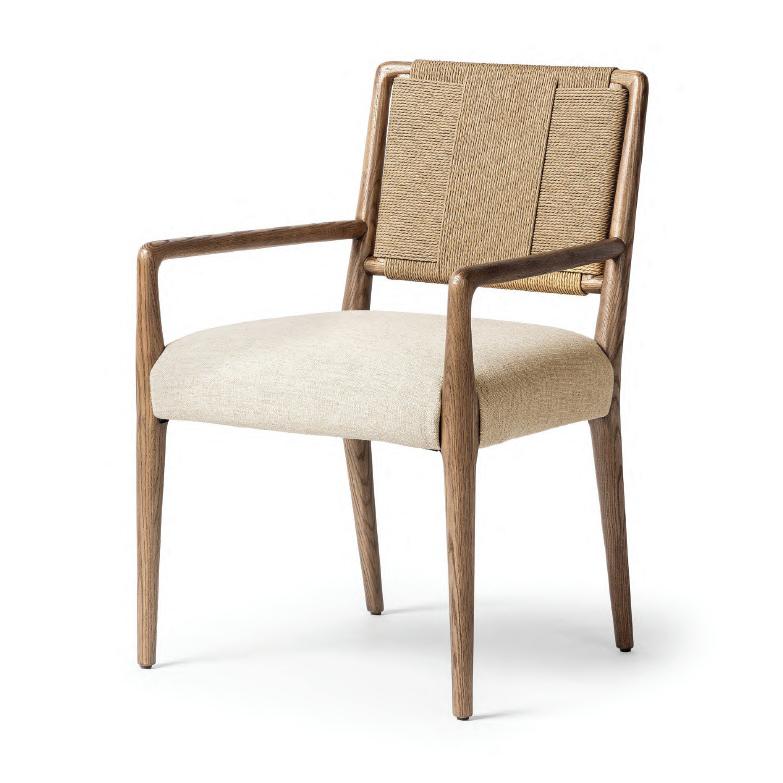
Autumn by Darlene Watson. Acrylic. 148 x 68 in.
Alongside her vibrant works, Darlene also creates original paintings in rich, earthy tones. Commissions are welcome for those seeking a truly personal piece.
Darlene Watson Artist 519-760-0265
darlenewatsonartist.com


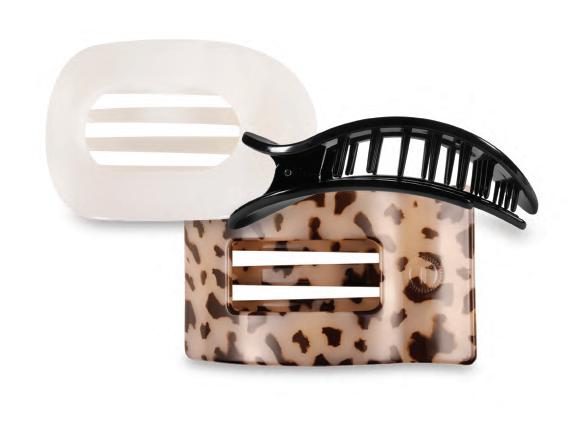
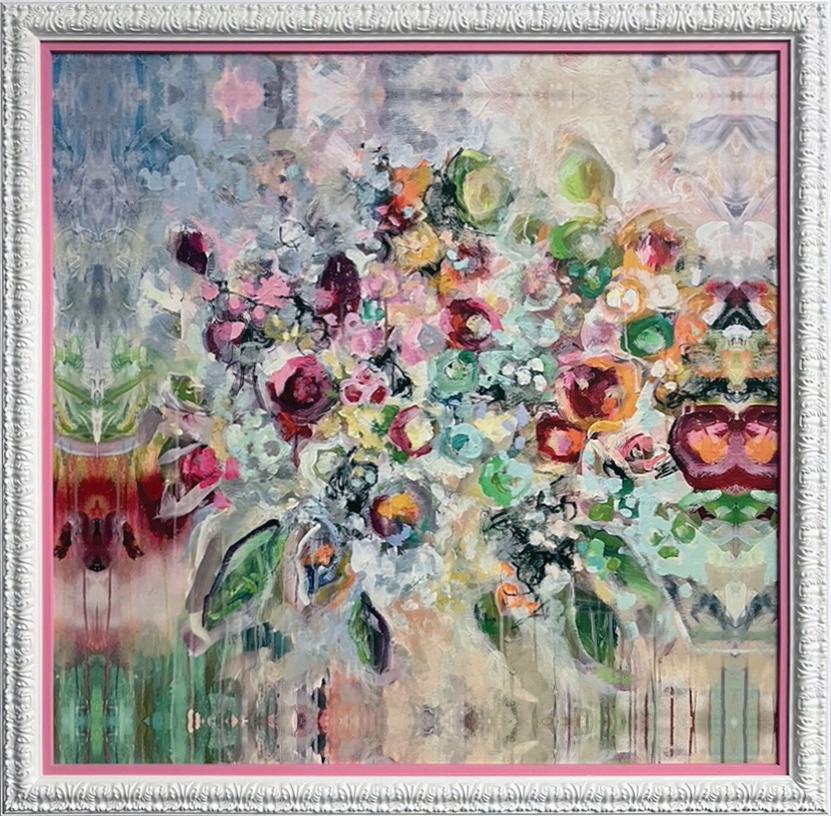
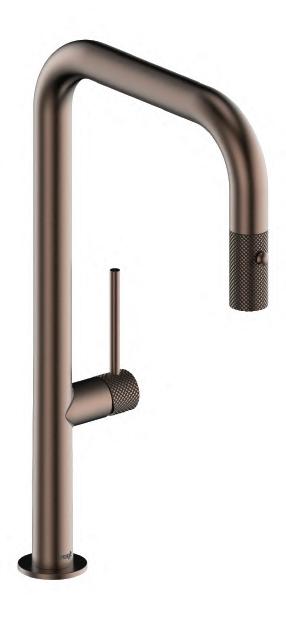
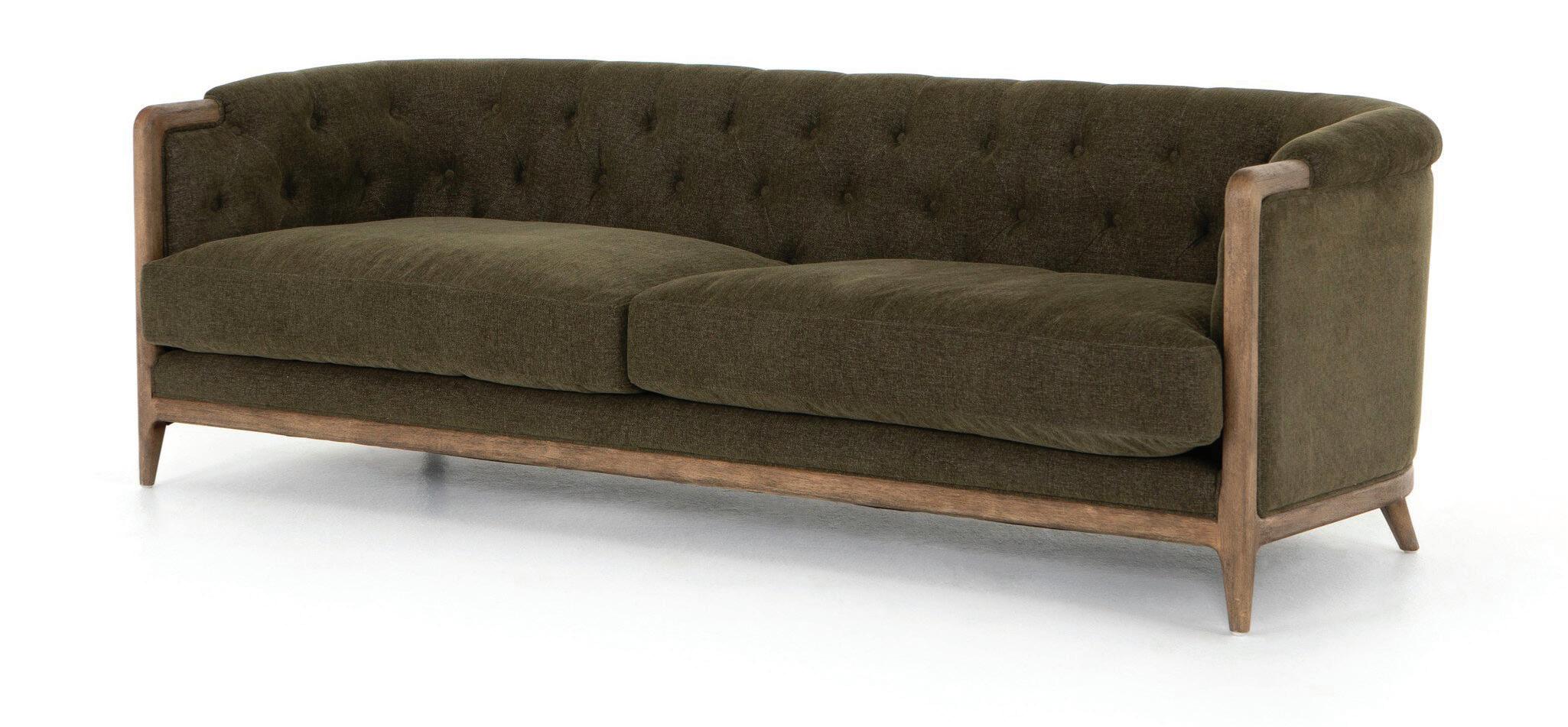
Spring Walk by Jennifer Woodburn. Acrylic on canvas. 30 x 60 in.
Loft Gallery 18 Bruce St | Thornbury 647.296.9797
loftgalleryart.com
Flat-back claw clips designed for comfortable lounging, travel, yoga and everyday wear, made from lightweight, nearly unbreakable material.
Dawe and Company 115 Hurontario St Unit 101 Collingwood daweandcompany.com
Celebrate the arrival of spring with the vibrant energy of Whimsy by V. Drew. This canvas reproduction features bright, bold colours and is finished with double-stacked moulding from Fotiou Frames. Georgian Frame Gallery 20 Balsam St Unit 12 | Collingwood 705.445.4477
Vogt Drava collection kitchen faucet in Cognac Bronze. Bold, beautiful and a stunning focal point in your kitchen, laundry room or bar.
Georgian Design Centre 84 High St | Collingwood 705.444.2100 georgiandesigncentre.ca
Make a statement with this olive green velvet sofa, featuring tufted detailing, sculptural wood framing, and deep, inviting cushions that blend classic sophistication with modern comfort for elevated everyday living. Barebirch
920 2nd Ave E | Owen Sound 226.664.2273 barebirch.ca
The Missing Place by Blu Smith. Oil on canvas. 60 x 60 in.
Nōma Gallery
25 Huron St | Collingwood 705.321.2419 nomagallery.ca
Beautiful ceramic pitchers to enhance any table. Katherine’s Château has a large assortment of pitchers to suit any décor.
Katherine’s Château
Bistro & Home Décor Boutique 243 Ste Marie St | Collingwood 249.882.0159 | katherineschateau.ca
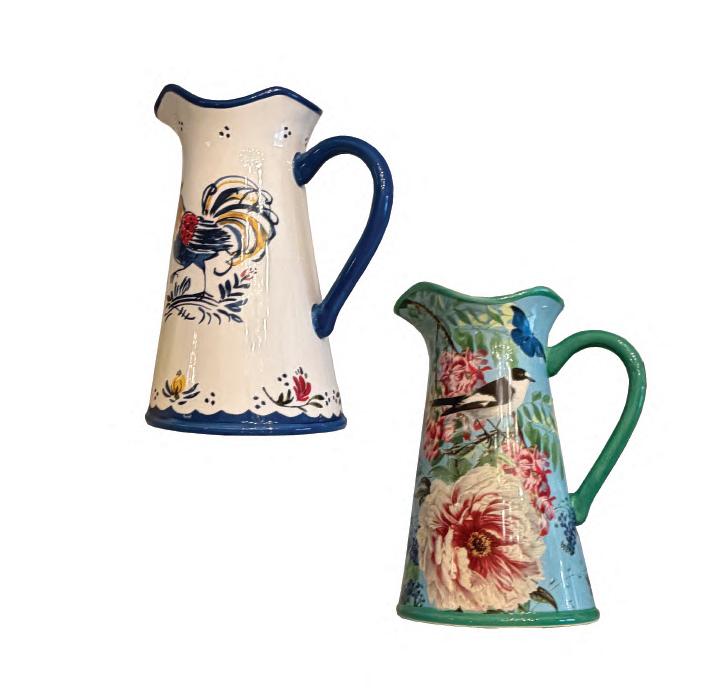

Tame your yard with the Echo PAS2620, a lightweight multi-tool system with interchangeable attachments— including a trimmer, edger, blower and hedge clipper—for a polished, magazine-worthy finish.
Roberts Equipment Chesley, Meaford, Owen Sound & Walton | robertsequipment.com

BARIL Nox Kitchen Faucet— designed for both indoor and outdoor kitchens, available in the exclusive 316L marine grade Stainless Steel finish.
LakeHouse Bath+Kitchen 603 Berford St | Wiarton 519.477.1900 | lakehousebath.ca
Three Brothers by Mark Berens. Oil on canvas. 36 x 36 in.
Mark Berens Fine Art markberensart.com
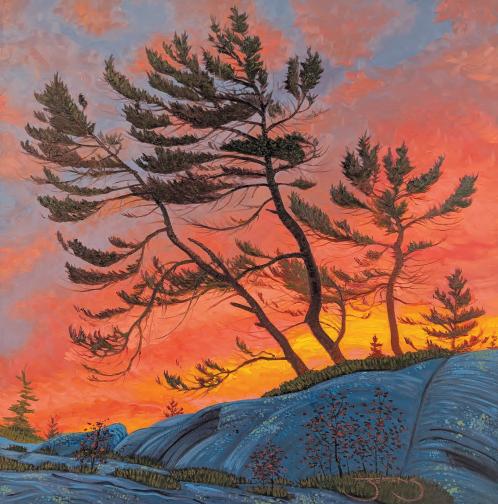

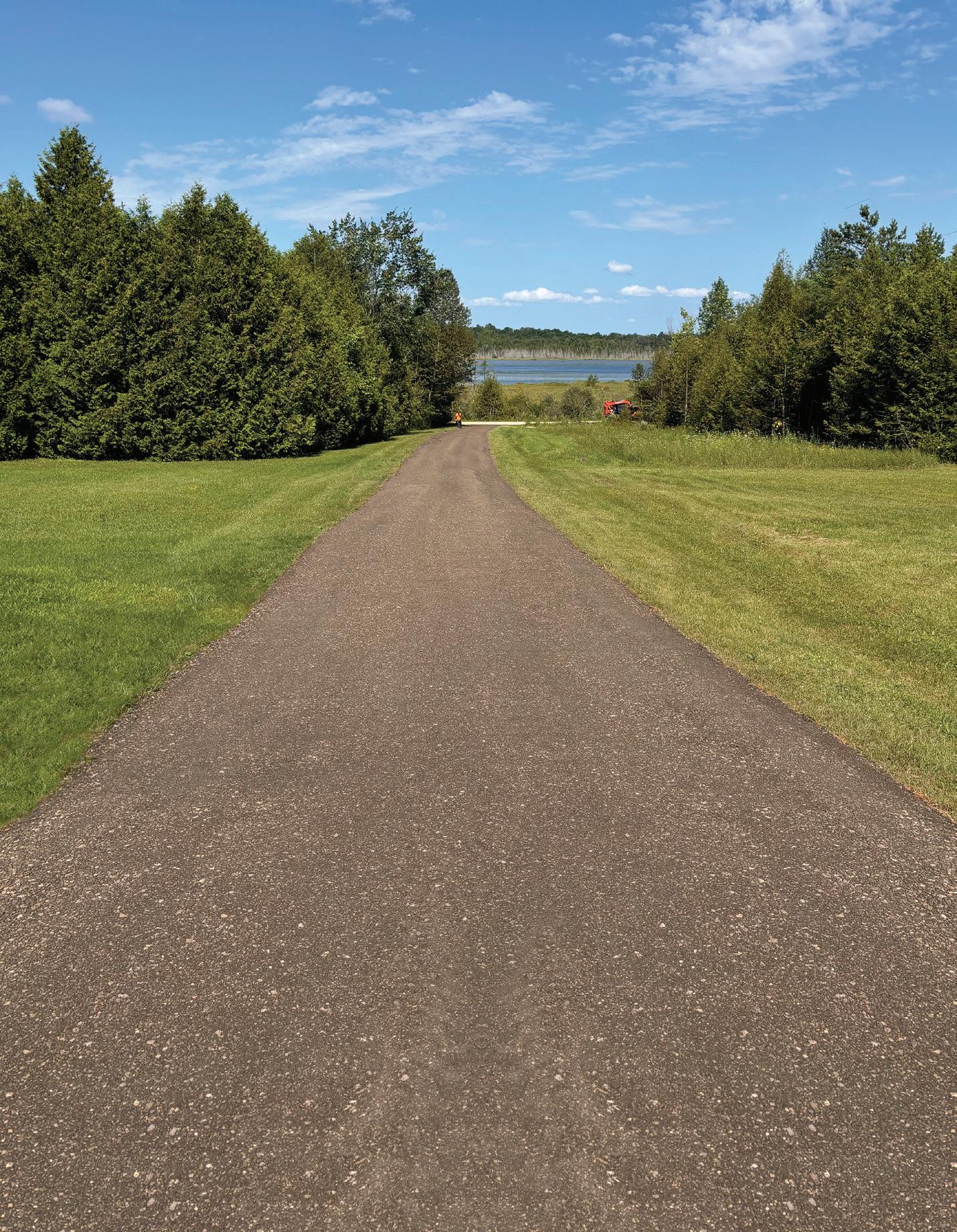

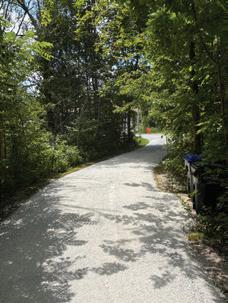
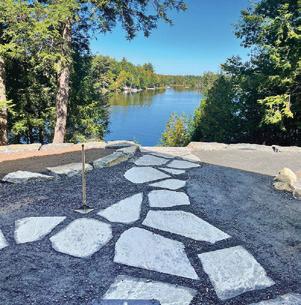

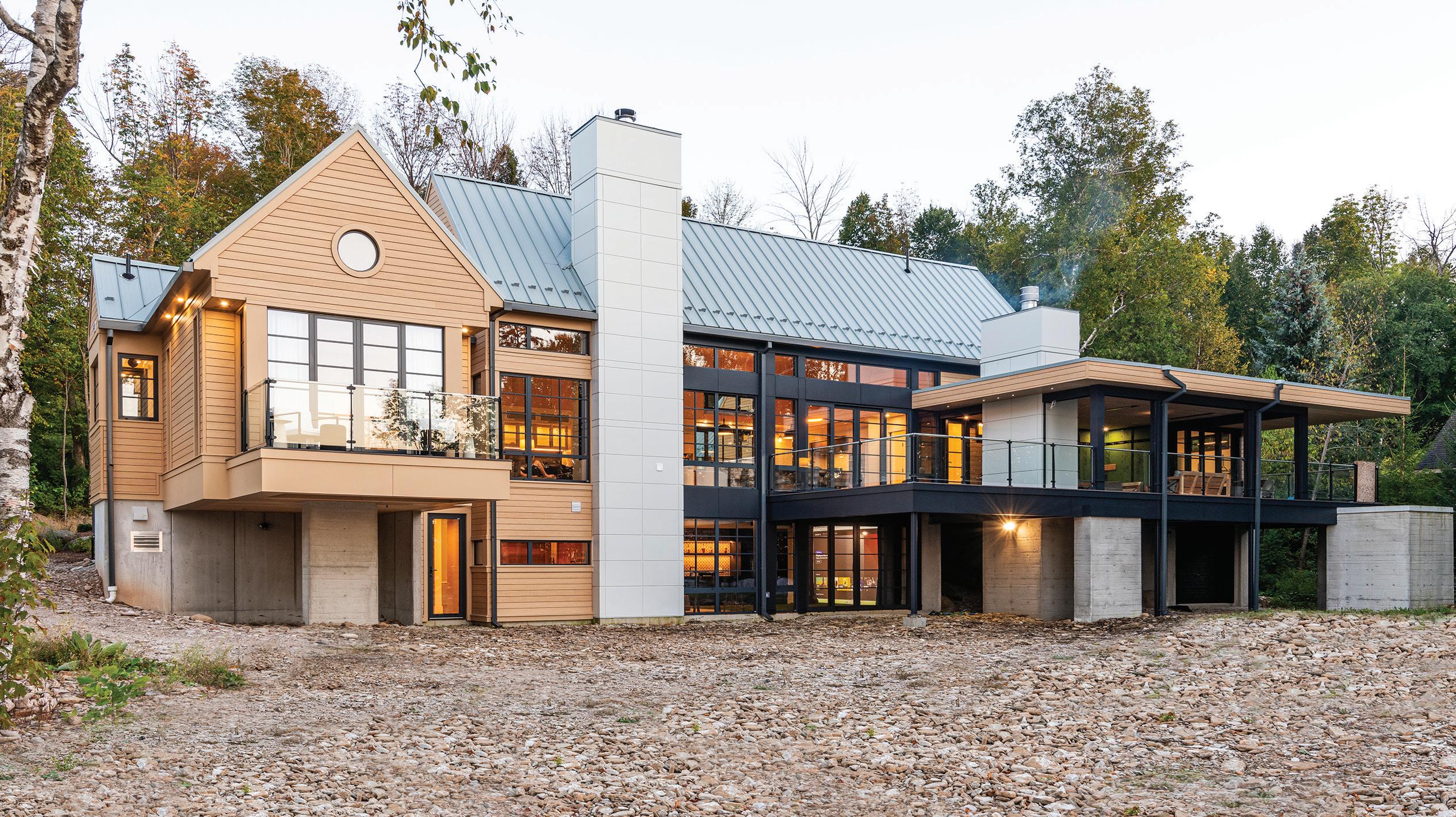

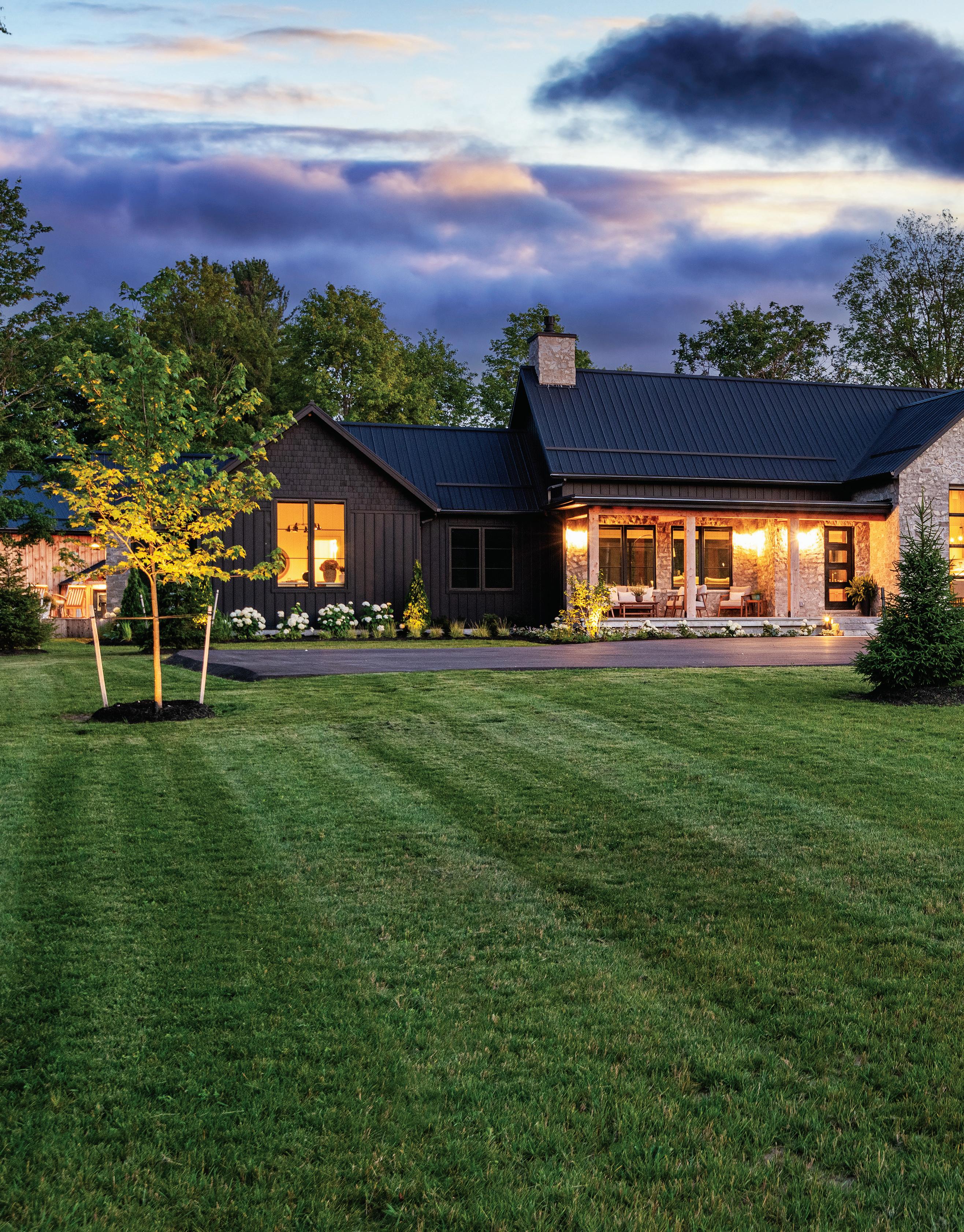
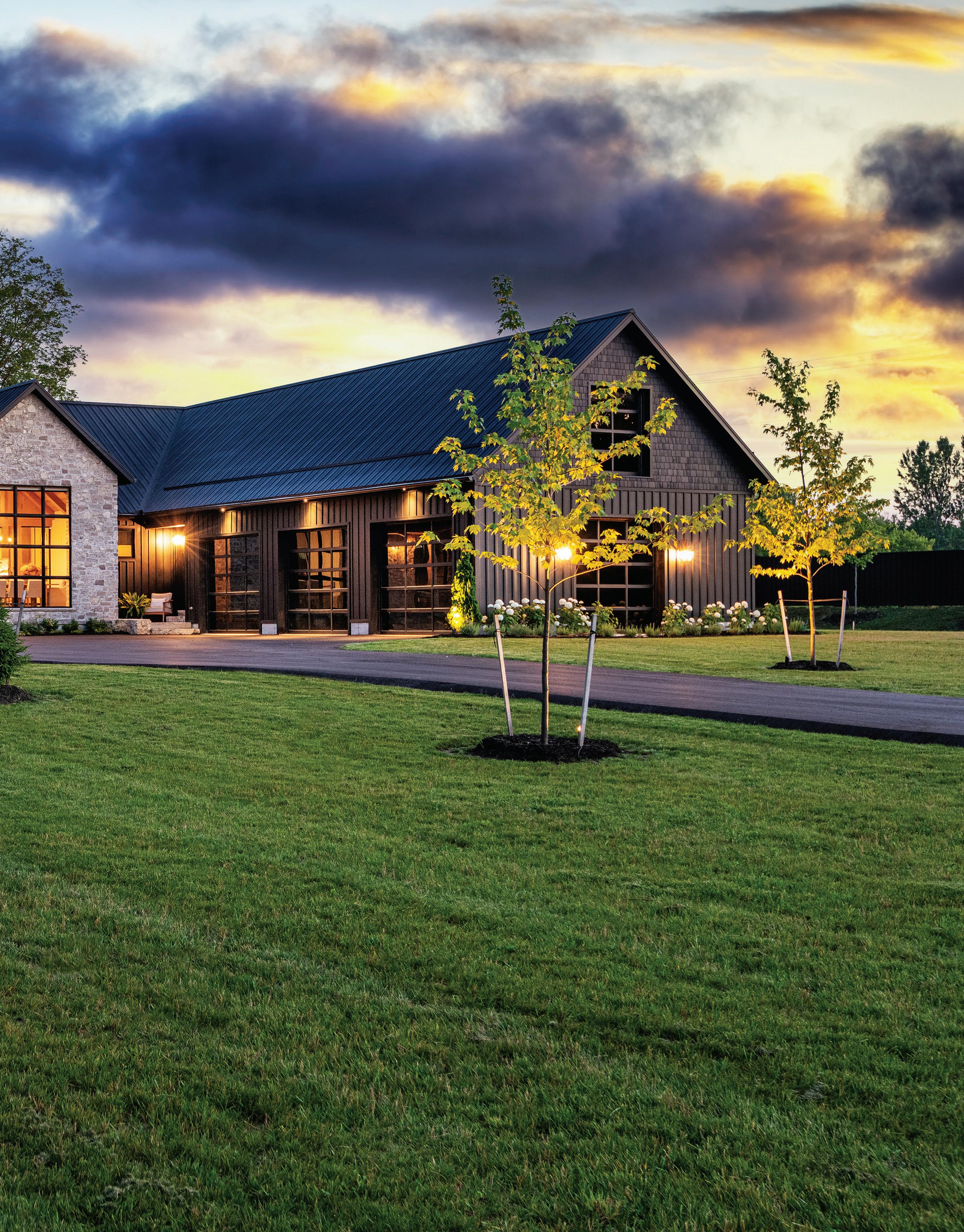
A locally built contemporary country home takes shape on twenty-five wooded acres south of Collingwood—brought to life through family collaboration and local craftsmanship.
By Marc Huminilowycz | Photography by Clay Dolan
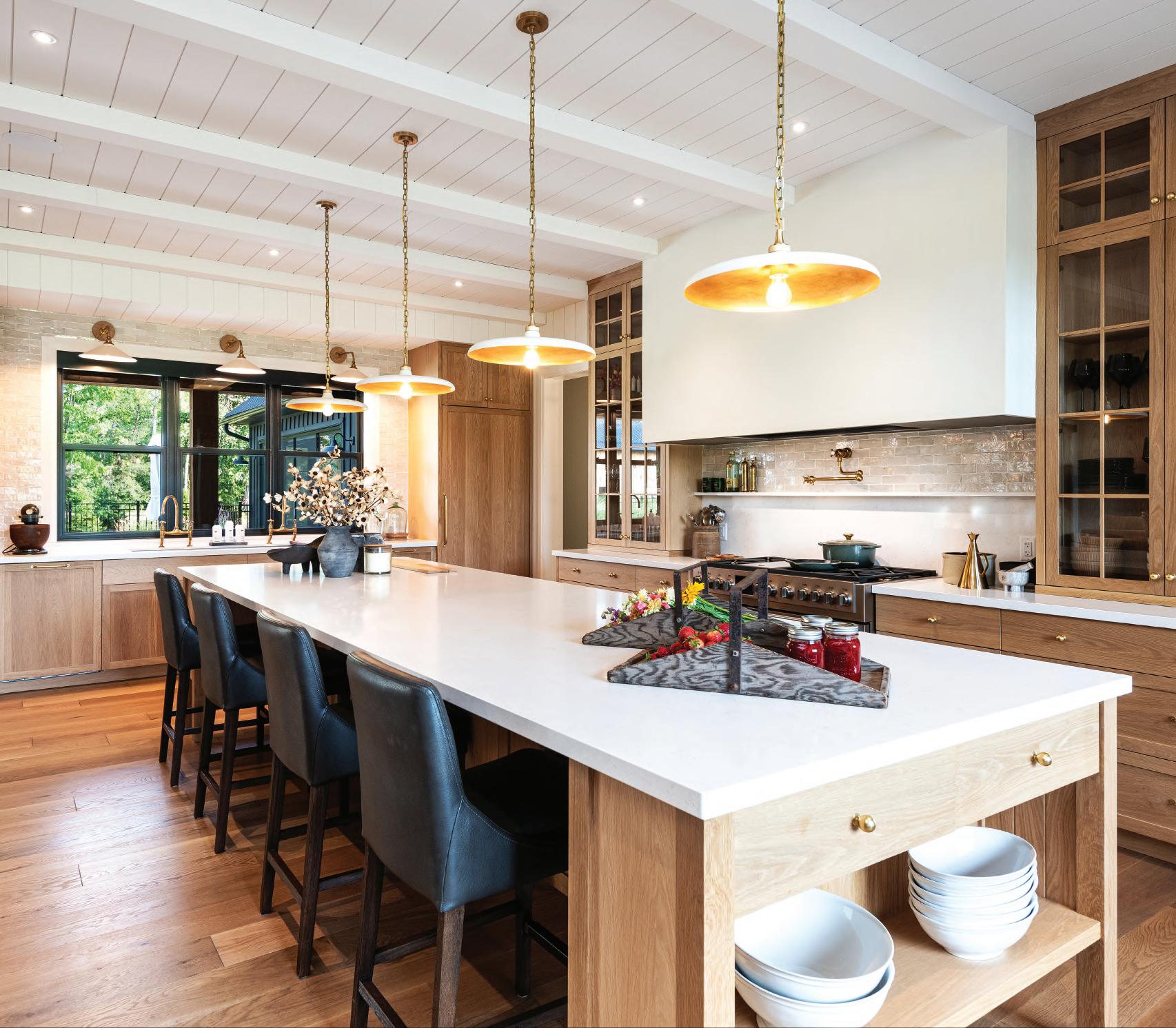
When a local Collingwood couple, Trevor Garbutt and Kathryn Baulke, purchased a twenty-five-acre parcel of wooded land south of town in Clearview Township, they decided to design and build their new dream home themselves—with help from family. Trevor, a successful builder and renovator, owns the construction company used on the project.
For their home’s interior design, the homeowners chose Interiors by AG (a division of AG Designs Co.) in Collingwood, owned and operated by Trevor’s cousin. The interior decoration was an obvious choice—two sibling aunts, affectionately named “Aunt D and D,” who had decorated their four previous homes. Other professionals involved in the project were all local,
including a renowned architectural designer, a skilled millworker, plus all material suppliers and trades—with all work managed and tastefully curated by the couple.
“What we were looking for in the design of our new home was something not too modern, with a country feel, lots of natural features and plenty of natural light. I guess you could call it ranchstyle contemporary country,” said Kathryn. Work began on the home about two years ago, and the couple, along with their young adult son and daughter, moved in last November.
Entering the 5,800-square-foot home, the open-concept design, the natural white oak floors, ceilings and beams, the warm white shiplap on the walls, and the detailed custom millwork create a warm and inviting environment—not rustic, but rural refined. The home is one level with a loft, with no basement
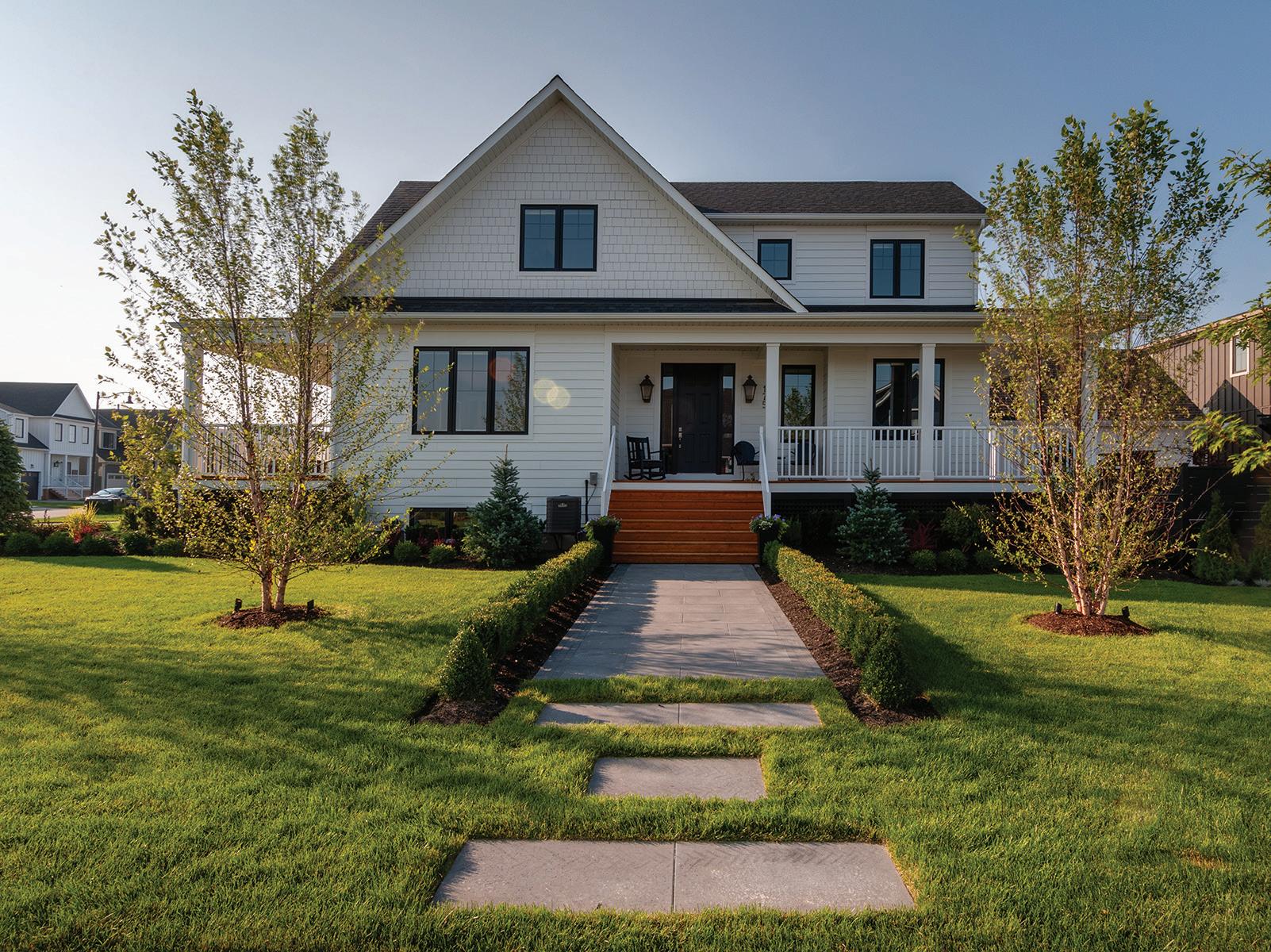
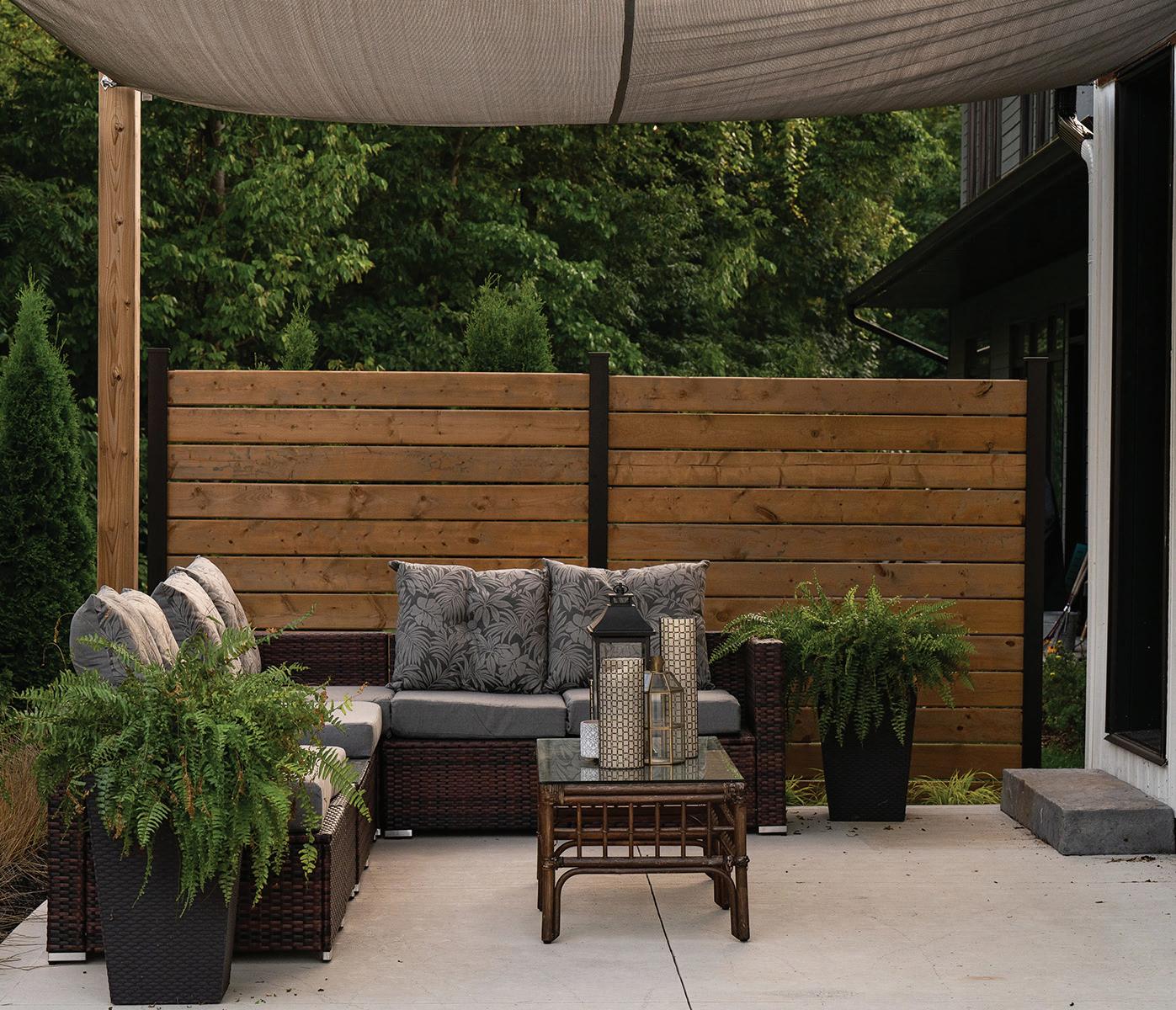

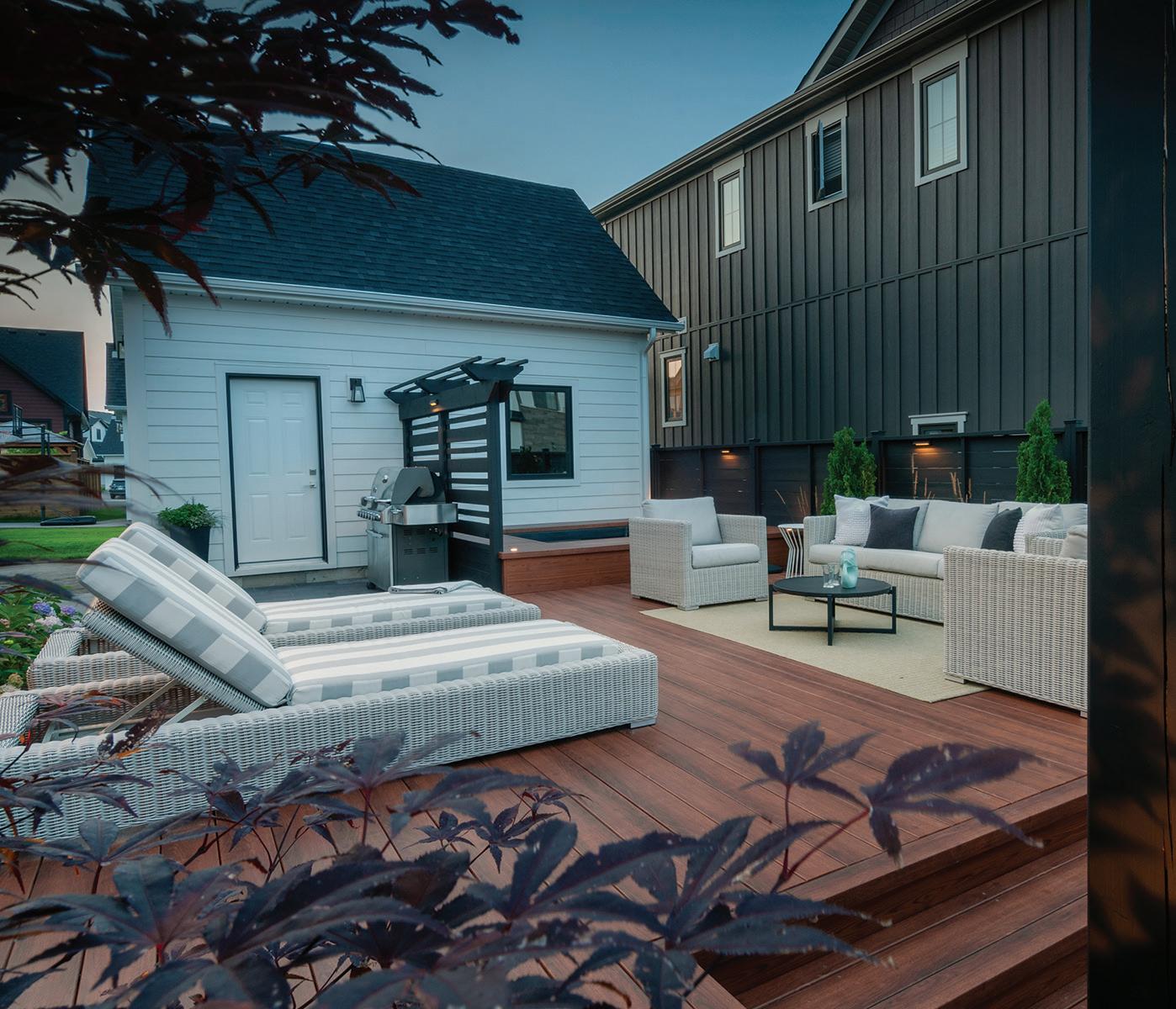
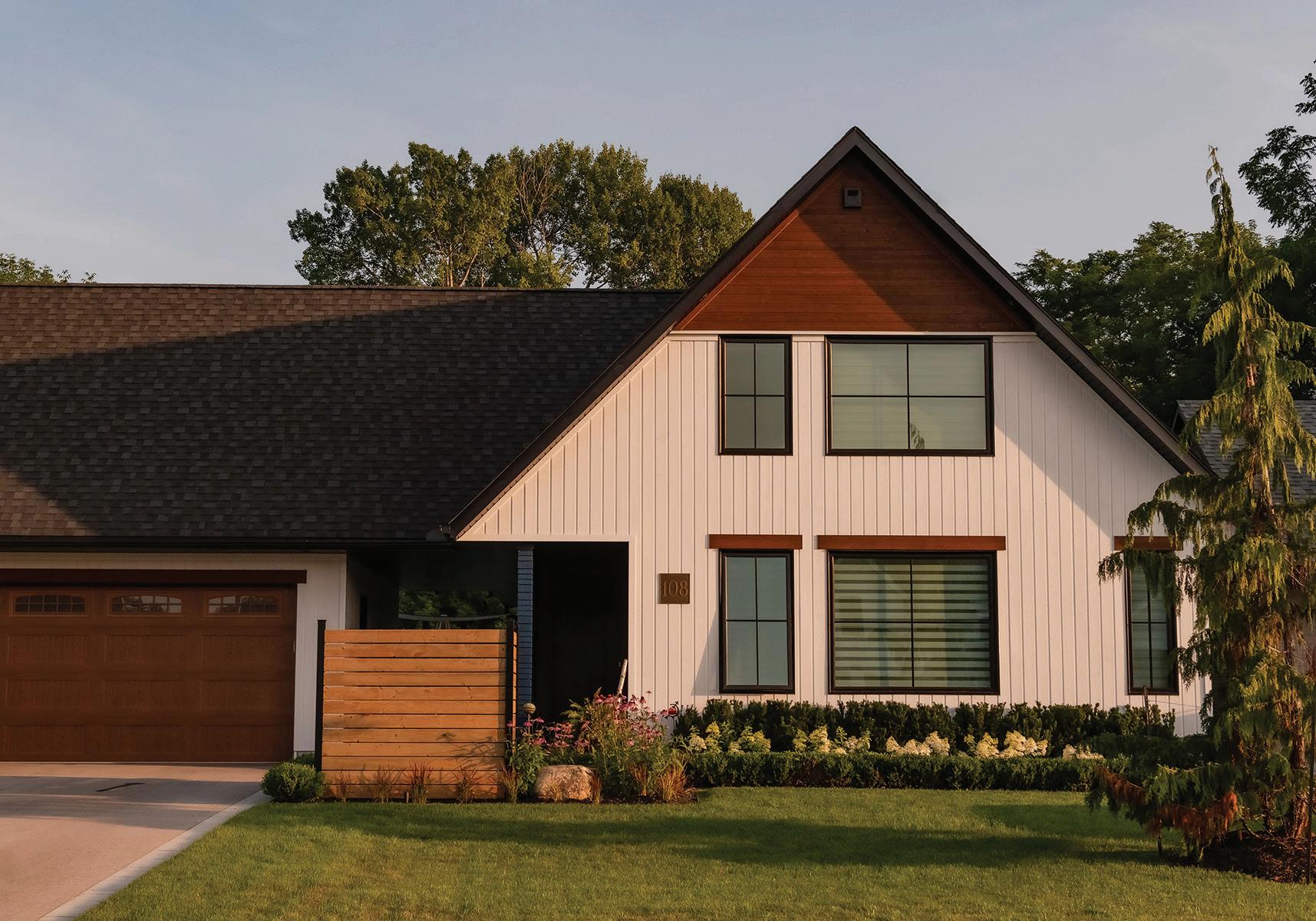
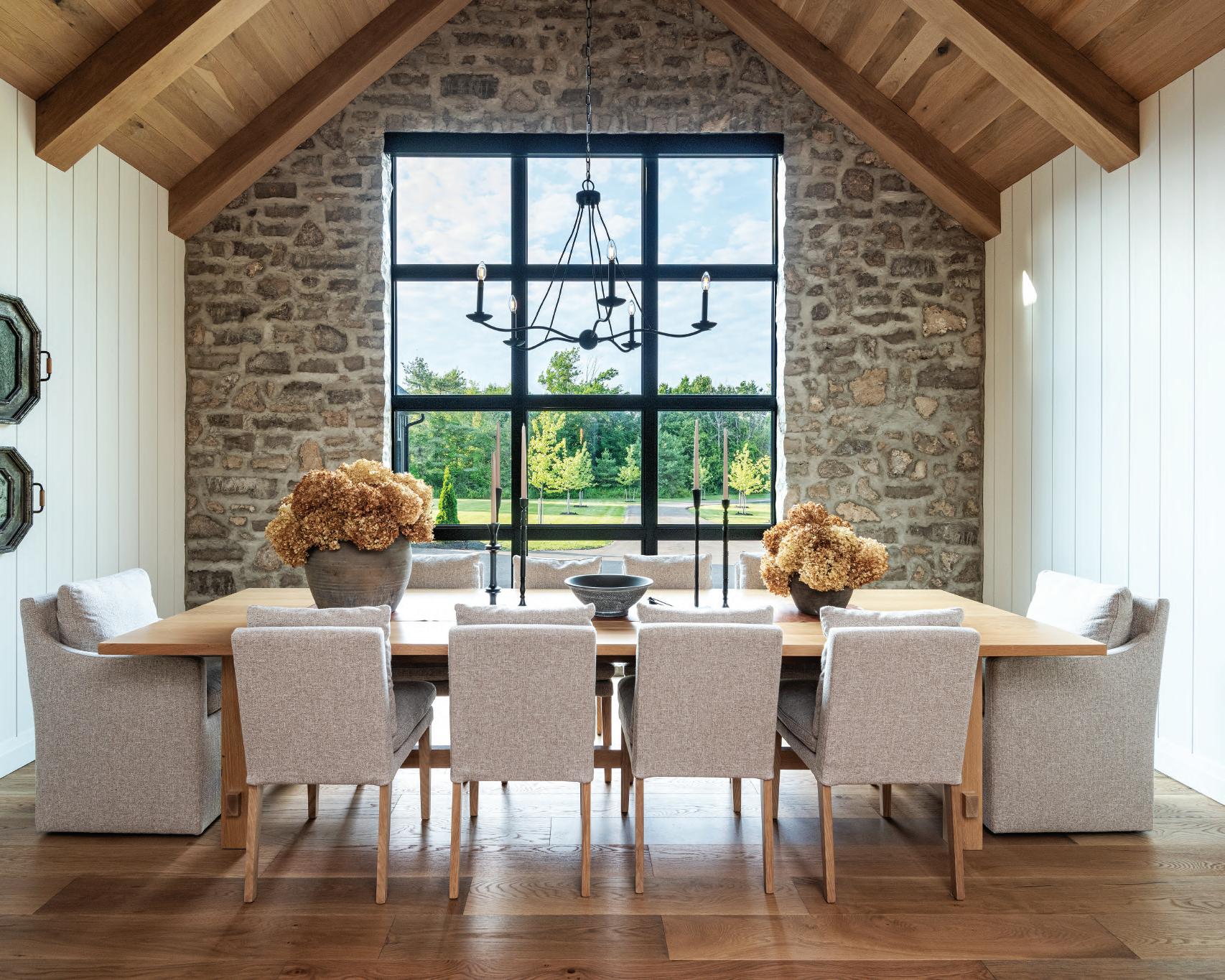
except a crawl space, and radiant in-floor heating.
The couple’s living area on the east side of the home includes the master bedroom with a vaulted oak ceiling and a large ensuite bathroom, a laundry room, a workout room, and the largest walk-in closet this writer has ever seen—really a large clothing and dressing room with stained maple wall units and a large window. This entire living area is surrounded by nature and greenery, with a walkout to a private deck, hot tub and sauna. During the tour of the home, we glimpsed a small herd of deer by the stream in this pristine wooded area. It also features a view and access to the courtyard and pool.
Separating the couple’s living area from the rest of the home is an open-concept kitchen and great room space, including an adjacent windowed dining room with vaulted oak ceiling and a stone-faced wall. In the living room, there is a vaulted white oak beam ceiling, a windowed wall facing north, and a floor-to-ceiling fireplace which looks like it was built with natural stone, but was in fact masterfully crafted to resemble a large country hearth
using carefully cut stone and mortar. The kitchen features a lower ceiling finished in warm white shiplap and beams, with beautiful natural oak custom millwork and cabinetry
Trevor and Kathryn contracted Cedarport Windows and Doors in Thornbury—whom they have worked with on previous projects—for the design and installation of their highperformance, energy-efficient vinyl windows and patio doors manufactured by Strassburger in Kitchener, Ontario.
Off a hallway from the kitchen is a large butler’s pantry, a wet bar and coffee room, a guest powder room and a main laundry area. The west end of the home contains three bedrooms with bathrooms for visiting family and friends, a music room, and a mudroom with garage entrance. From here, a walkout leads to a screened-in Muskoka room with a wood-burning fireplace overlooking the courtyard and pool. A stairwell from this area leads to an extra open space that could be transformed into a fifth bedroom.
From the bedrooms to the great room, the entire home is
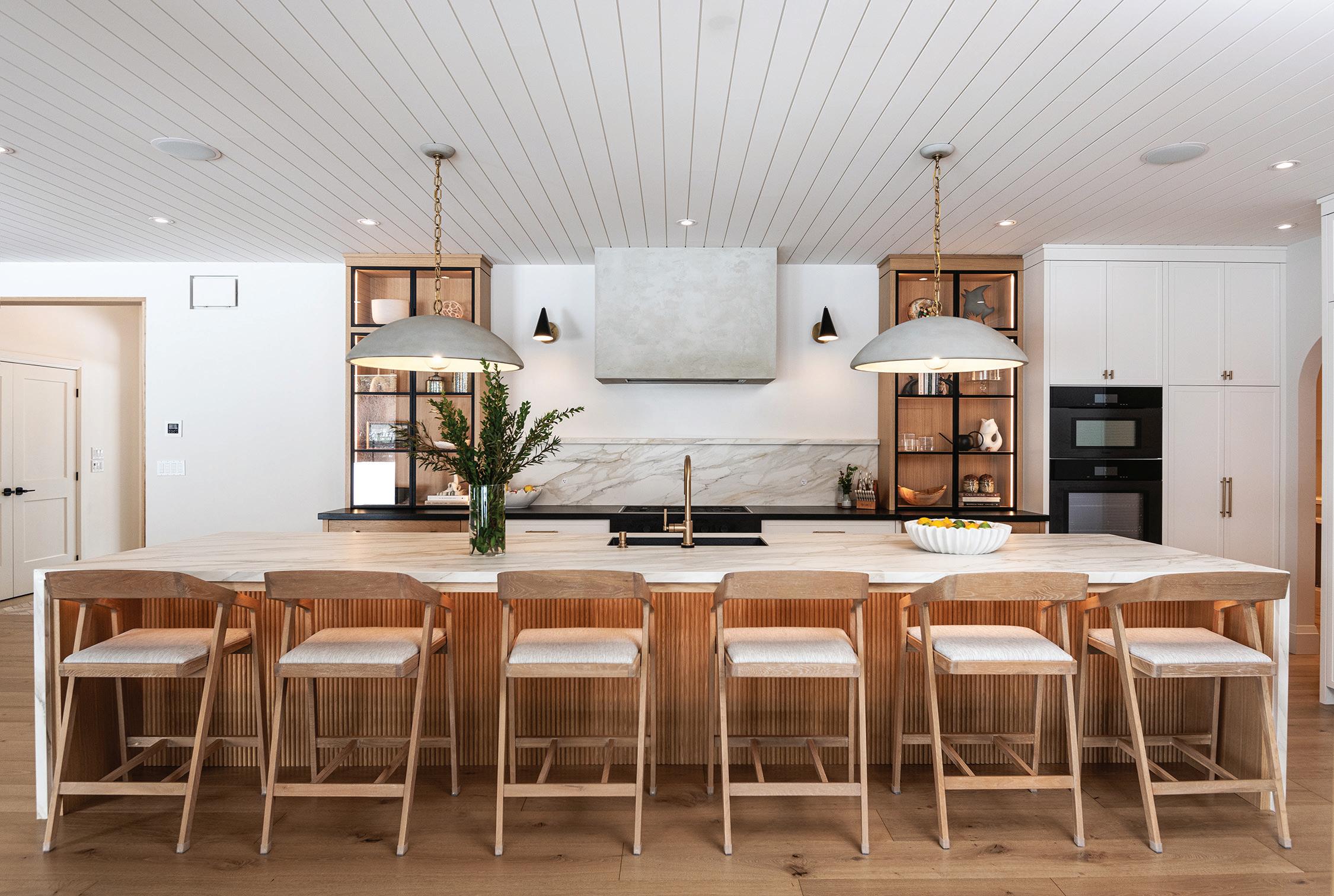
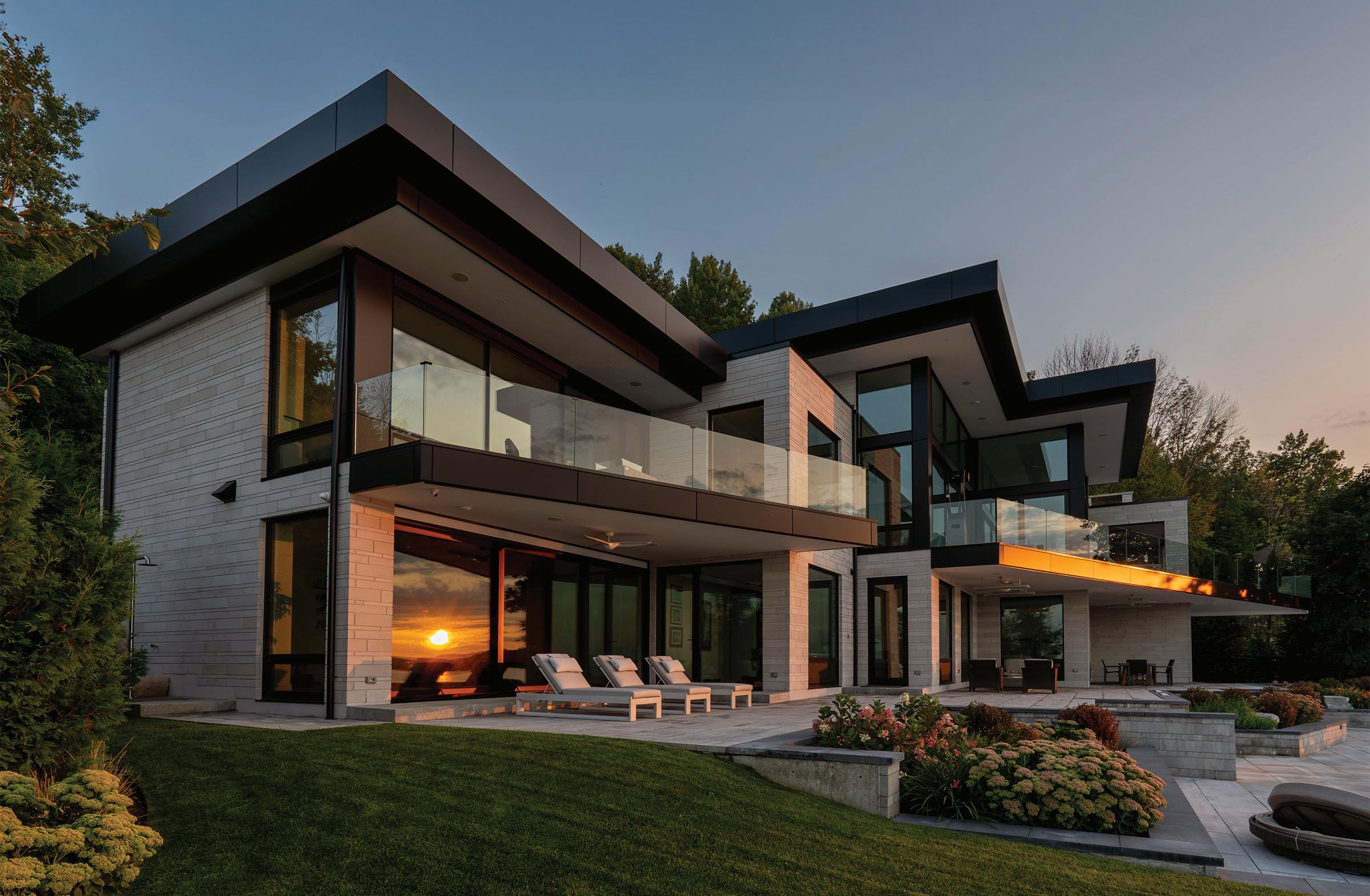
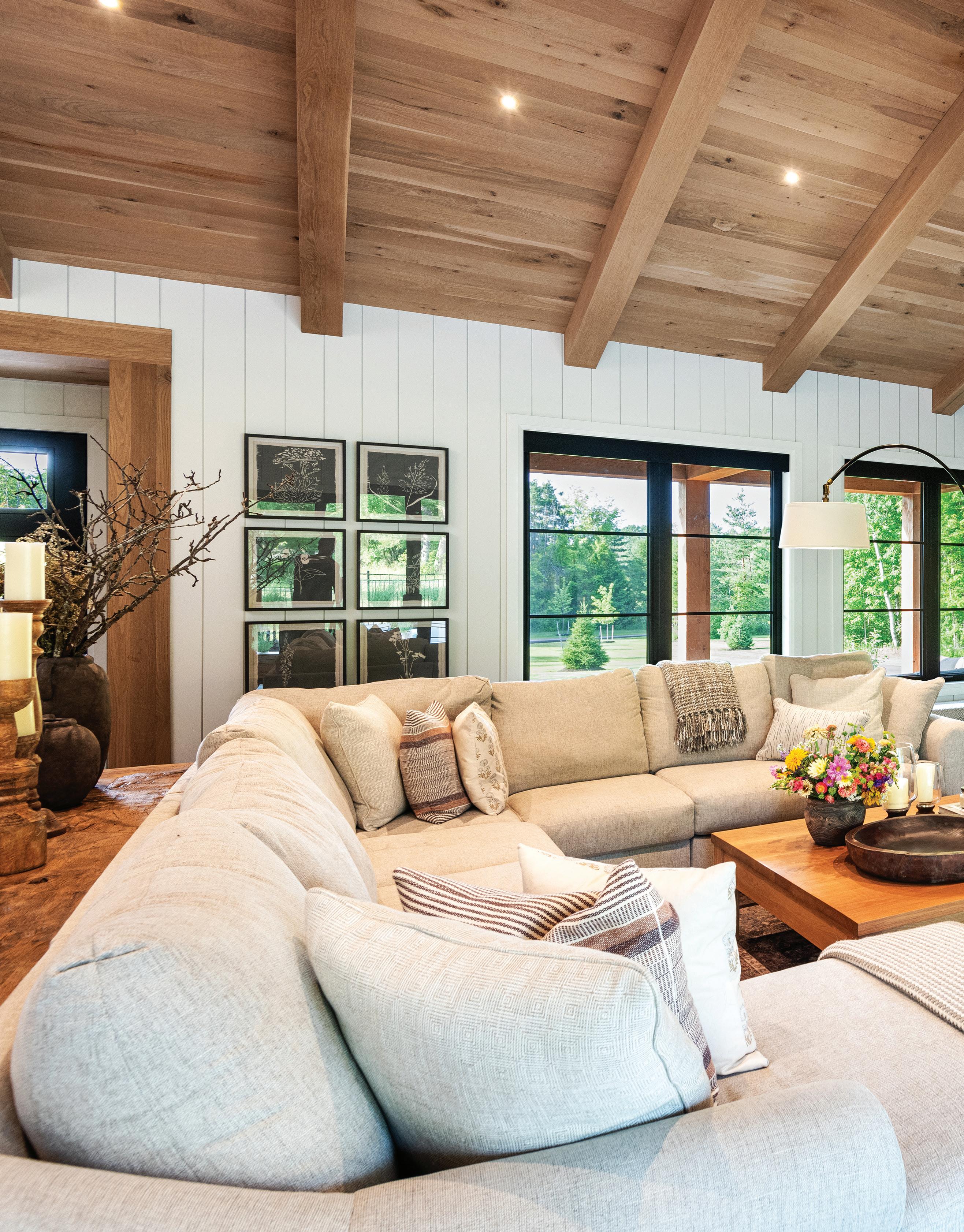
...a floor-to-ceiling fireplace which looks like it was built with natural stone, but was in fact masterfully crafted to resemble a large country hearth using carefully cut stone and mortar.
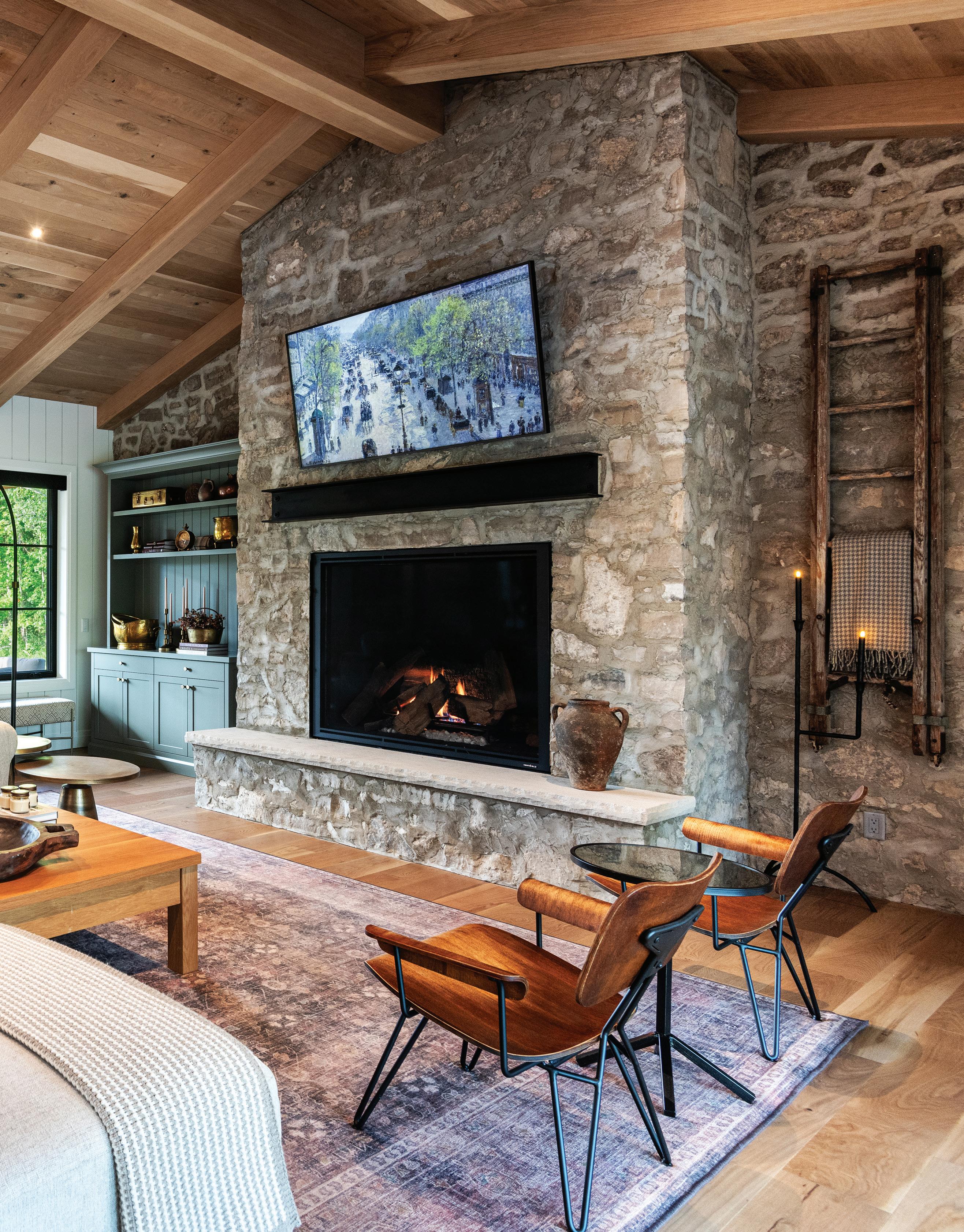
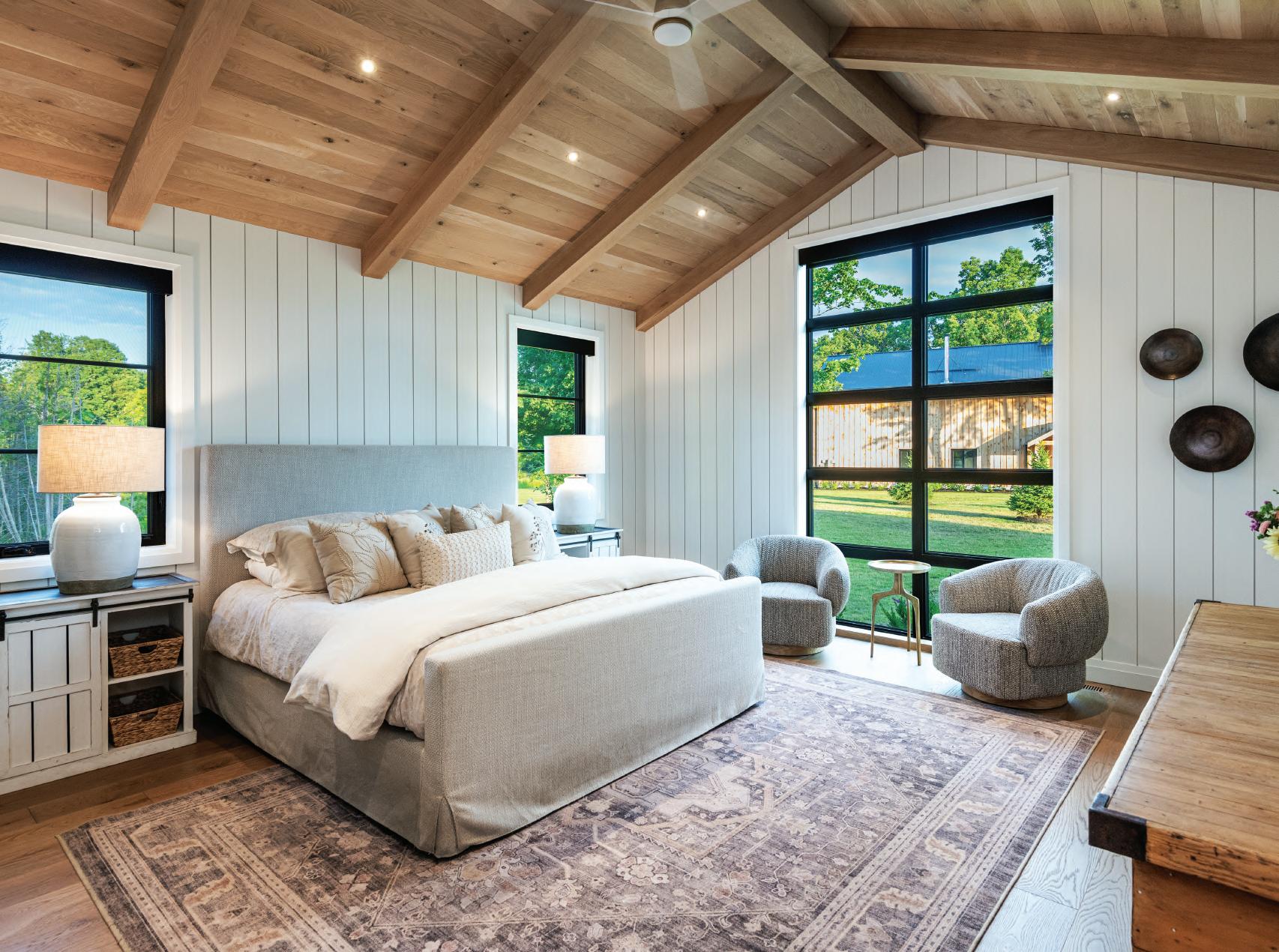
thoughtfully designed for aesthetic appeal, country comfort, excellent flow and functionality, with everything where it should be. A reflection of the couple’s tastes and laid-back lifestyle, its design elements are, as they describe them, a carefully chosen mix of old and new.
“Although aunts D and D are not professional designers, they have great taste and they love to shop for unique antiques and new wall art, rugs, accents and accessories, mostly locally sourced,” said Kathryn.
“This is the fifth house of ours the aunts have worked on, and they really captured the look and feel of what we were looking for,” she added, mentioning some of her favourite design elements: an antique table behind the living room couch, which used to be the couple’s dining room table but is now a “theme table” with decorative items on top; and a distressed antique exterior door with a new mirror, hung horizontally over a bed in one of the bedrooms.
“They love coming in and doing all the placements, choosing the ‘knick-knacks,’ and figuring out which furniture goes where.”
While the aunts took care of the home’s décor, Interiors
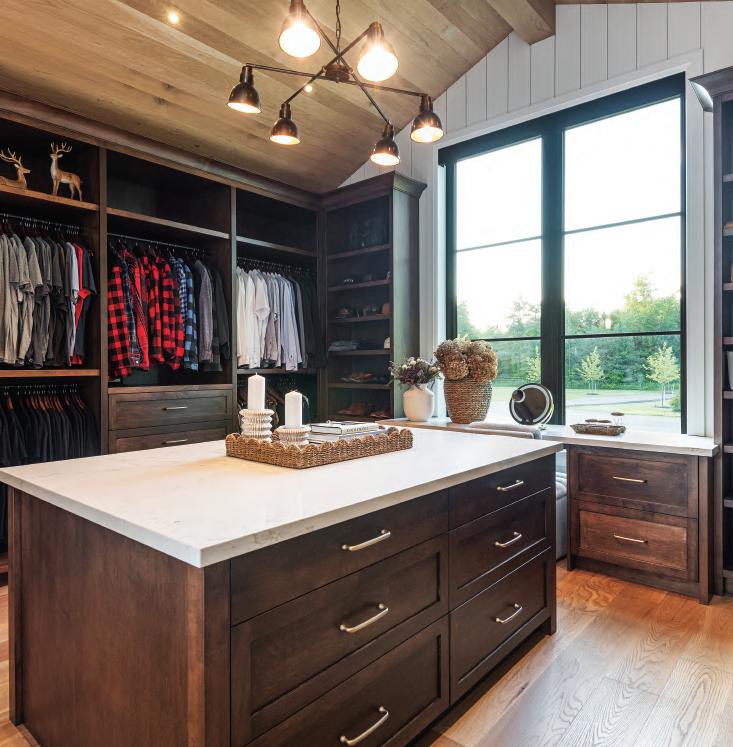
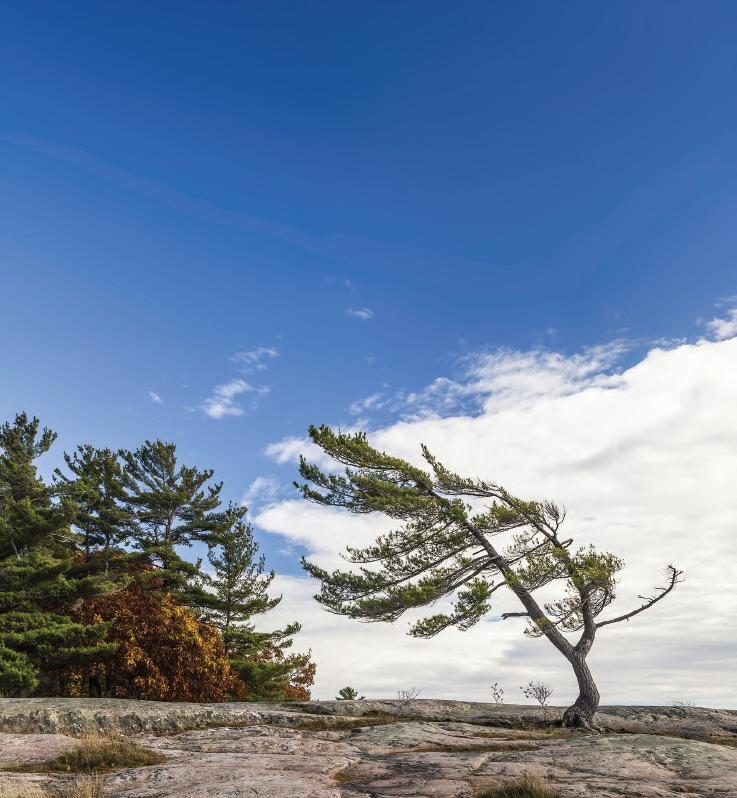
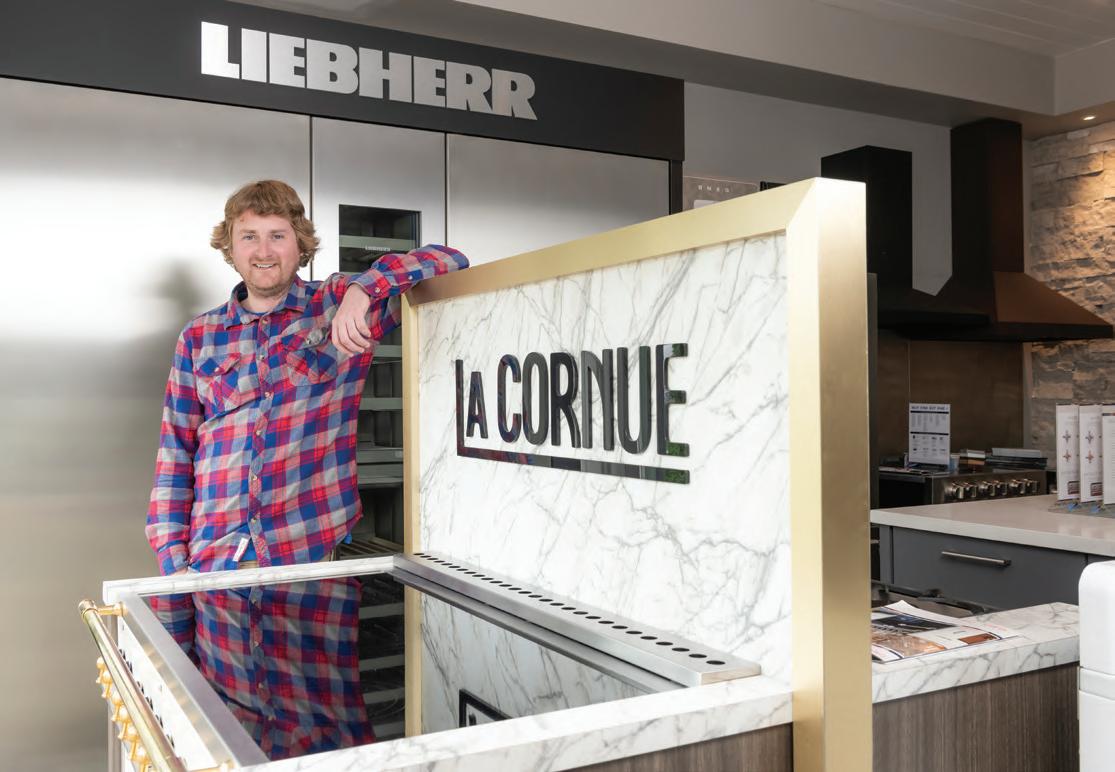

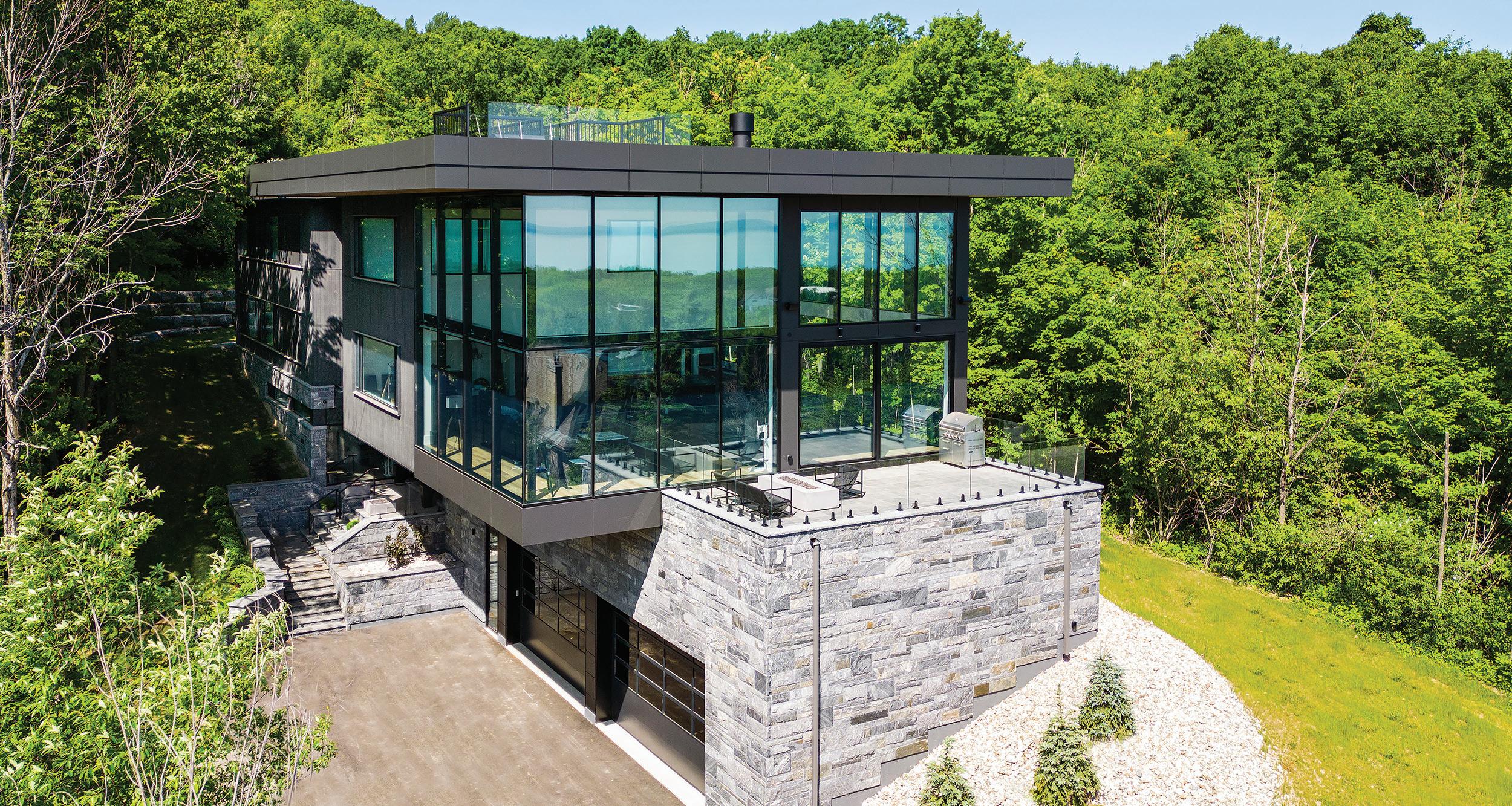
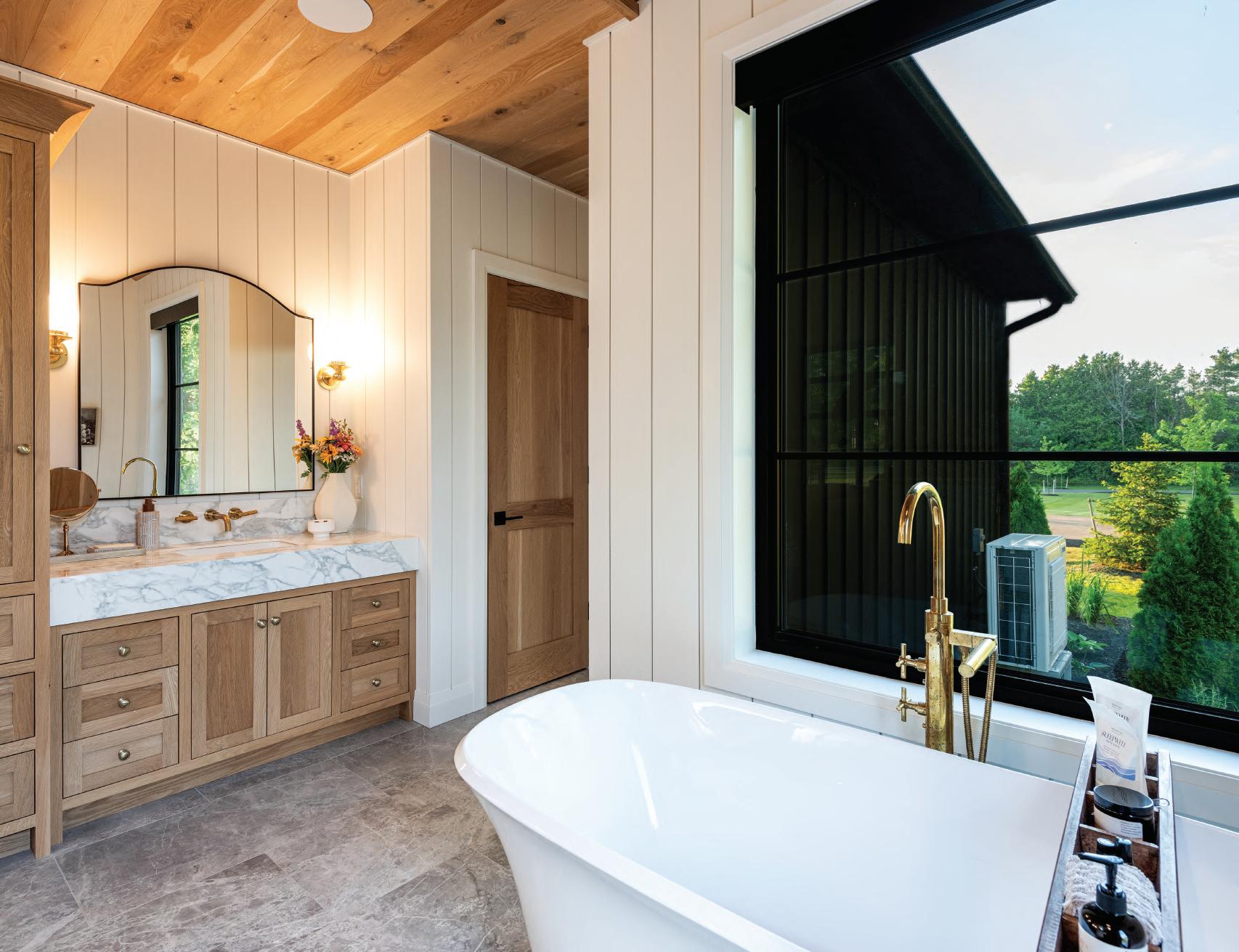
by AG managed the design of all the cabinetry and millwork, choosing the home’s colours, interior and exterior lighting, flooring and tile. By far, the defining design element in the home is the superb craftsmanship in the millwork—cabinetry, built-ins, wall units and some furniture pieces—crafted by Barber Millwork near Creemore. Established in 2006, the company specializes in high-end custom millwork and cabinetry projects in Southern Georgian Bay.
“Our team of highly skilled people is dedicated to the highest standards of quality craftsmanship,” said owner Kenny Barber. “We work closely with clients to create designs that are not only visually stunning, but also functional and durable for years to come.”
“This was our first project with these homeowners. We came to them highly recommended, and they fully trusted us,” Barber added. “Our work is evident throughout the home—in the kitchen, the butler’s pantry, the great room surrounding the fireplace, the Muskoka room, the mudroom, the dressing room, the master bedroom and ensuite, laundry rooms and bathrooms.
It’s all made of specially selected white oak, which was left natural rather than stained and sealed with a water-based finish.”
According to Barber, AG supplied the designs. His crew did the initial measurements, the final shop drawings, the builds and the installations, working closely with the homeowners, who played a big role in the final result.
Away from the home is a large, separate wooden building that resembles a small barn. “It’s my husband’s workshop and storage for tractors, construction equipment, and of course, the toys. It gets used a ton,” said Kathryn.
On the second floor of the building is a games room including a pool table, a TV and a golf simulator, where family and friends gather to relax and have fun.
The result is a warm, relaxed and tastefully designed contemporary country home on twenty-five private acres close to town—designed, decorated and built by family, with a separate play space to unwind after a long day’s work. Here, a local Collingwood family has created the perfect setting to enjoy the pleasures of country living for many years to come. E
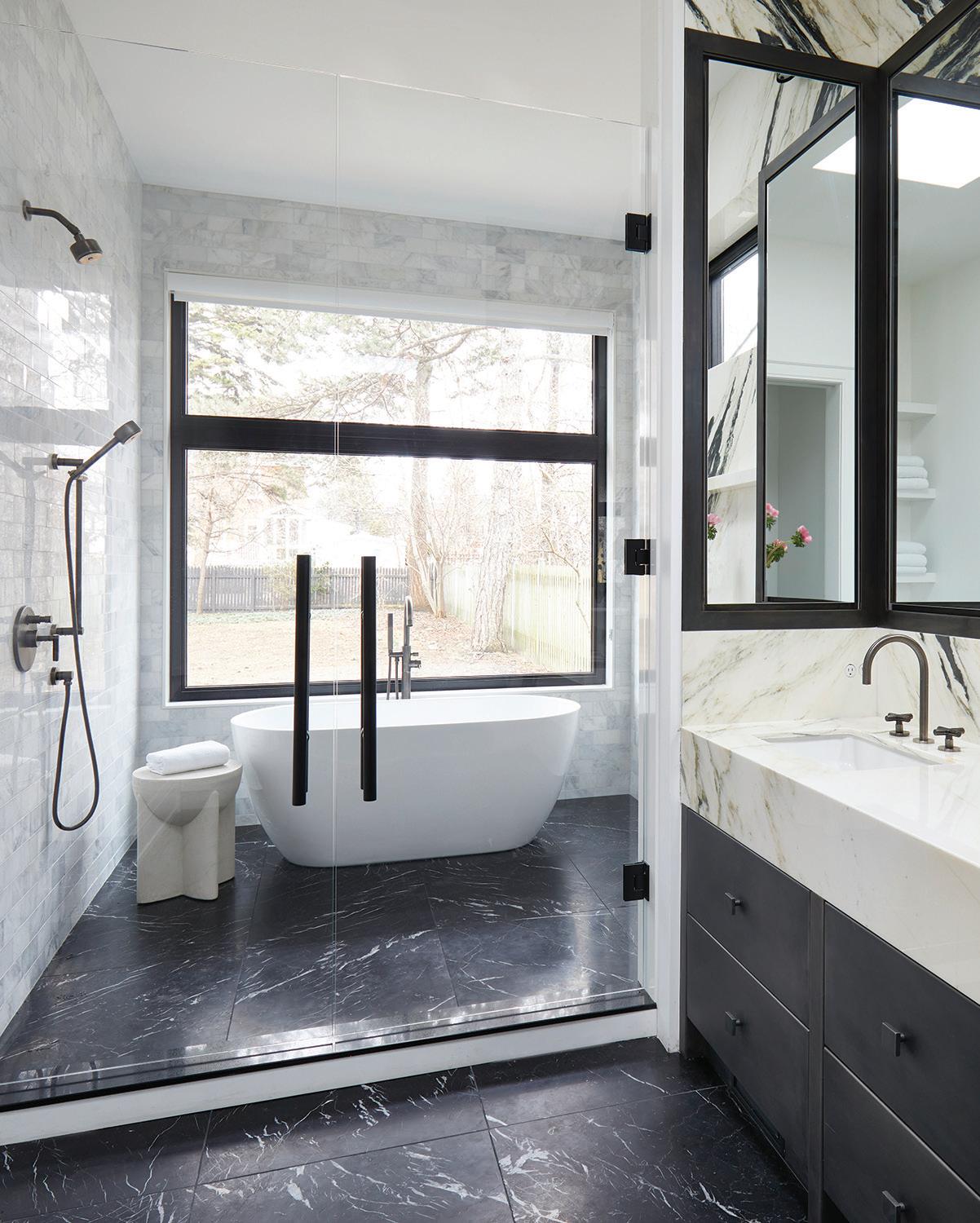
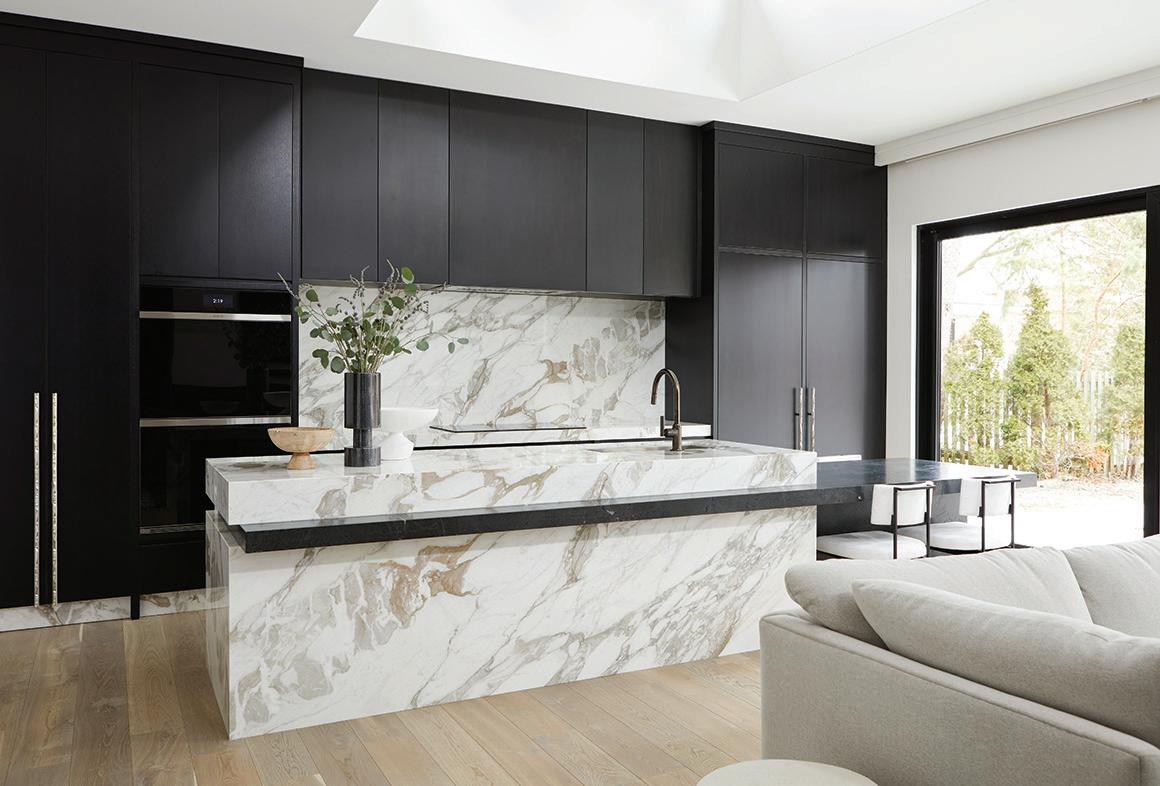
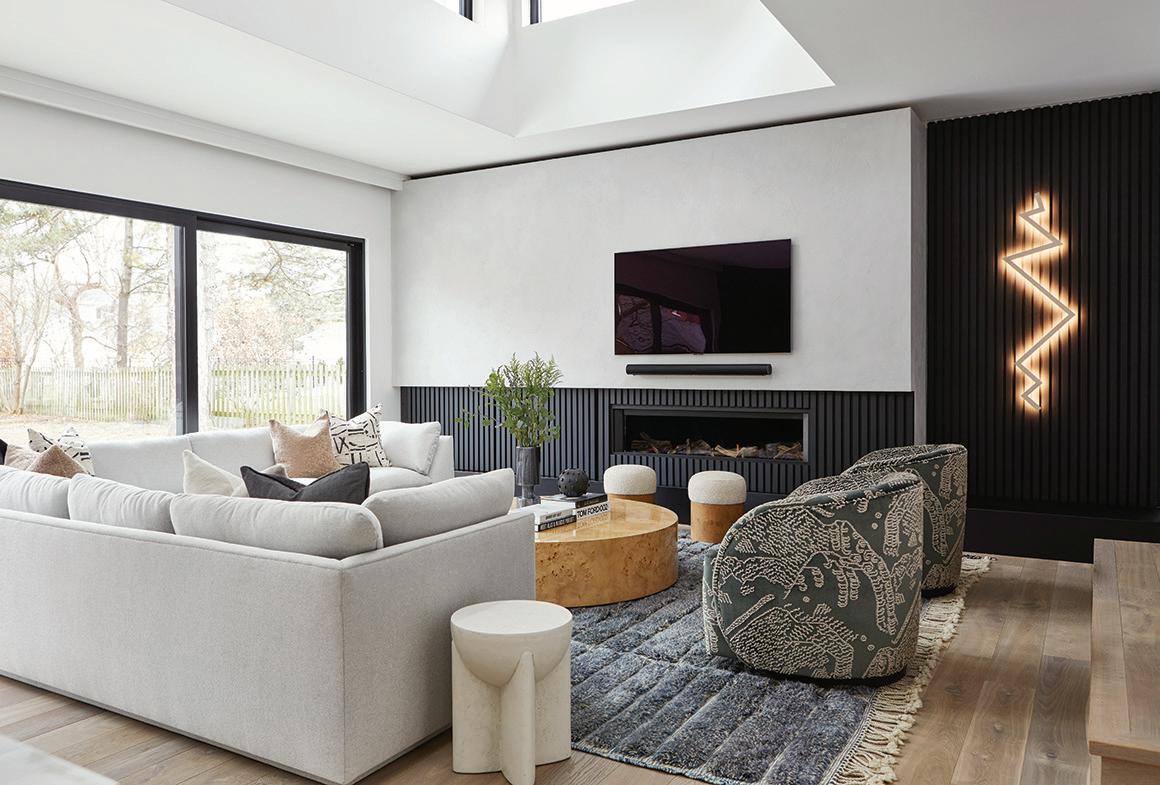
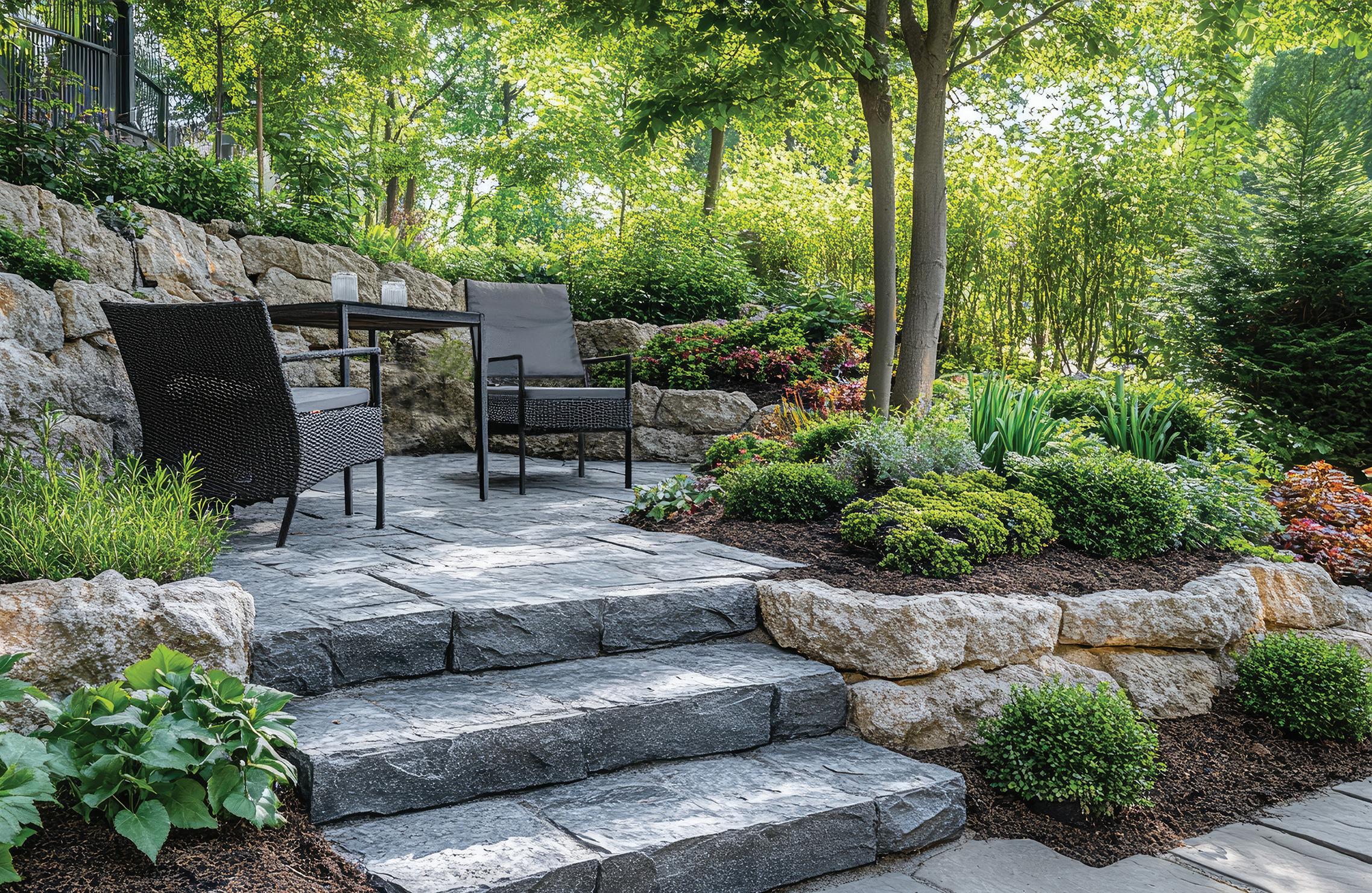
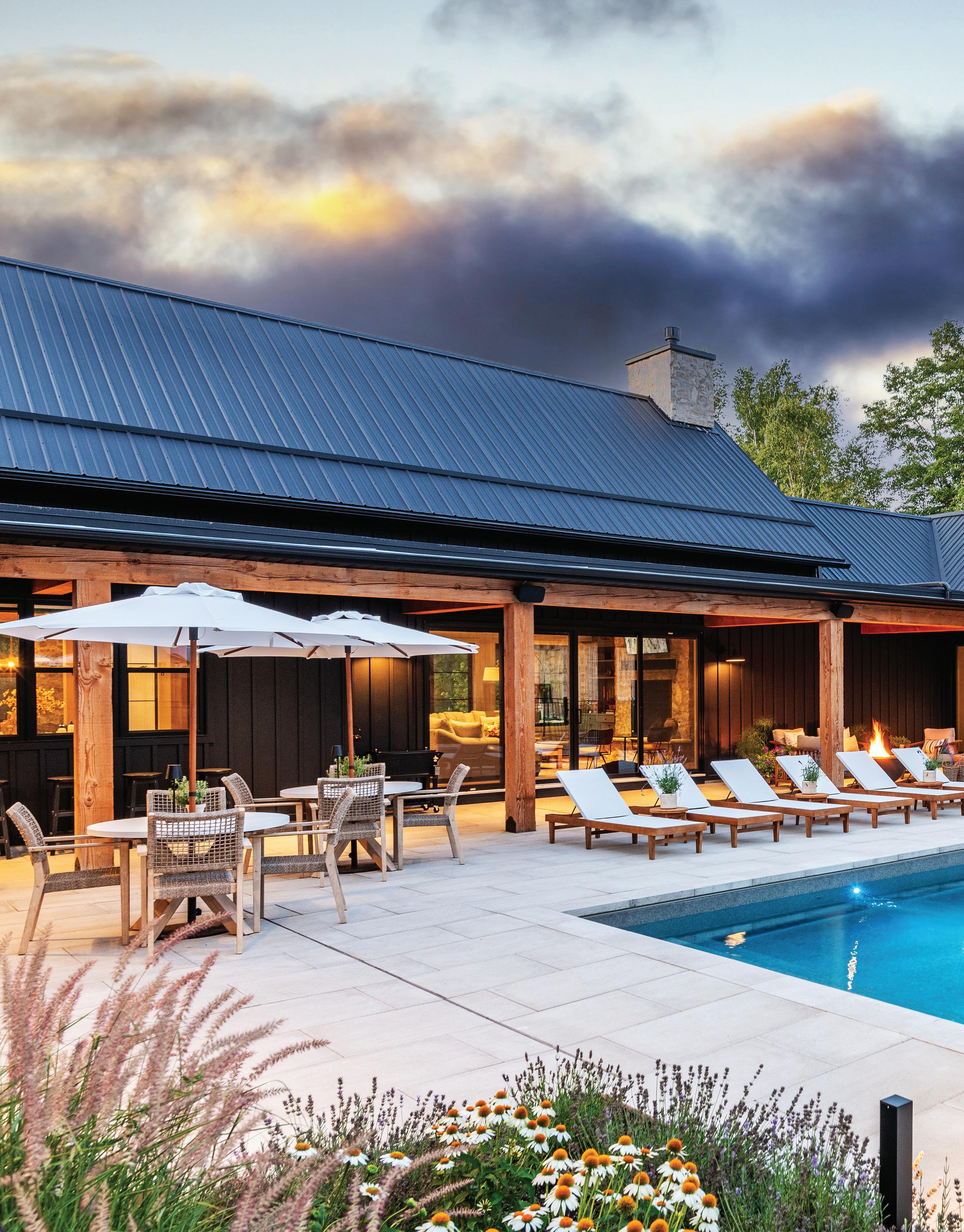
“What we were looking for in the design of our new home was something not too modern, with a country feel, lots of natural features and plenty of natural light.”
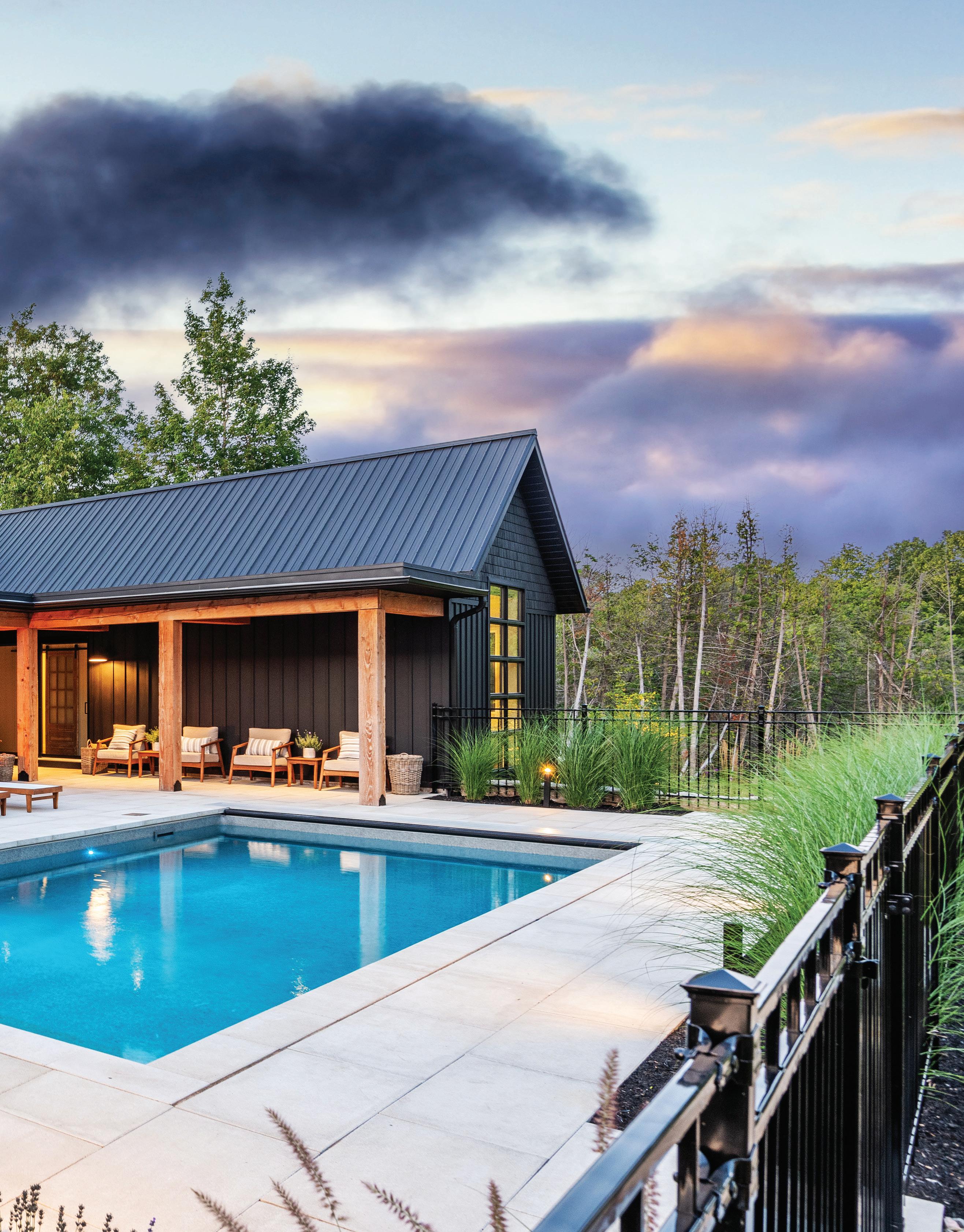
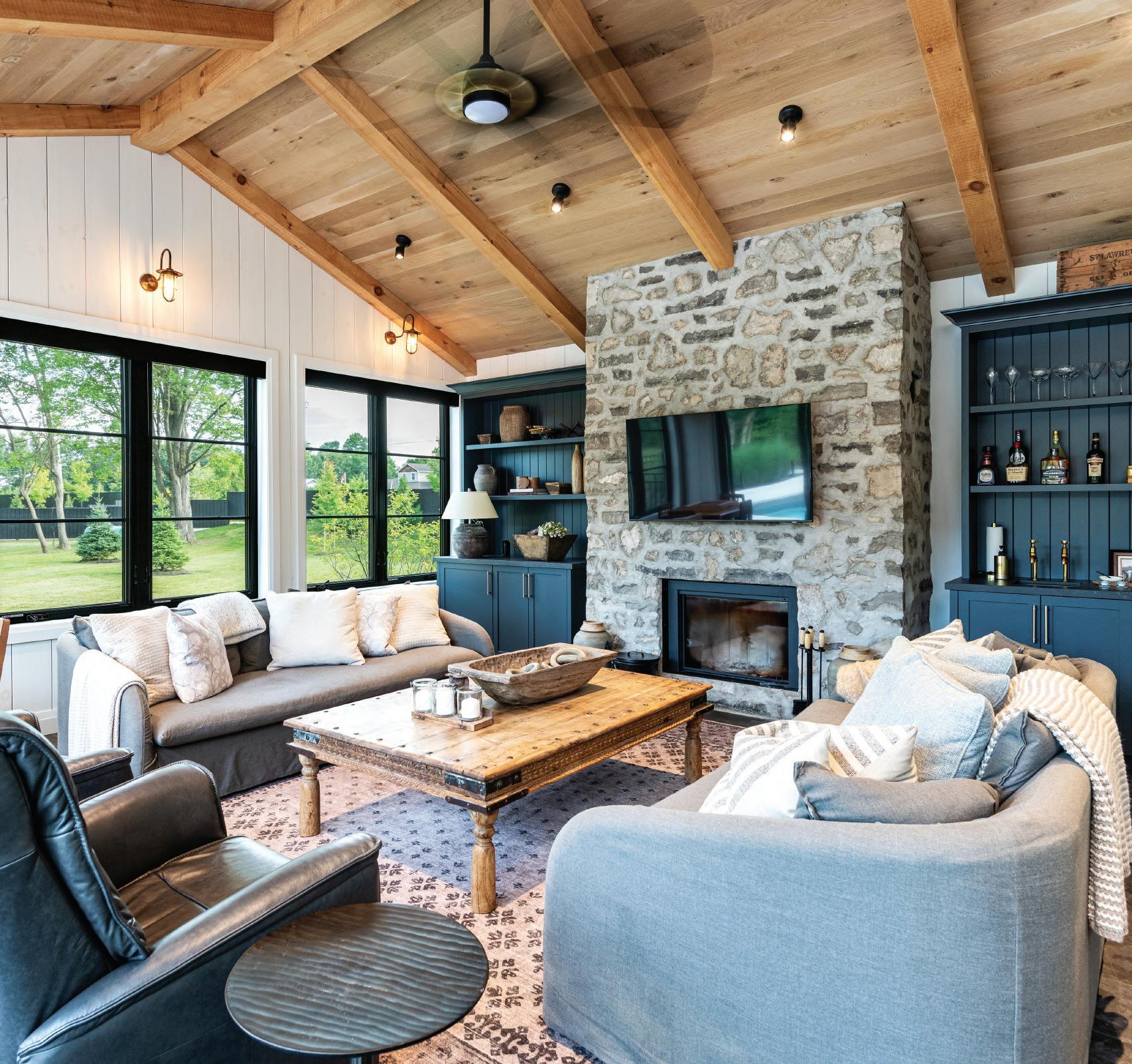
SOURCE GUIDE
Builder – Trevor Garbutt Construction | Collingwood
Architectural Designer – Ron Martin | Collingwood
Interior Designer – Interiors by AG (a division of AG Designs Co.) | Collingwood
Interior Decorators – Diana Garbutt, Debra Cole (Aunts D and D)
Millwork and Cabinetry – Barber Millwork | Creemore
Windows – Cedarport Window and Door Centre | Thornbury
Appliances – Tom the Dreamer Mattresses and Appliances | Collingwood
Bathroom Cabinetry – Designed by AG Designs, built by Barber
Millwork
Bathroom Fixtures, Tile, Lighting – AG Designs
Flooring – Northland Wood Products | Stayner
Landscaping – Design by Moore Outdoor Design and Landscape
Consulting | Clearview; Planting by Triple J Tree Farm | Glencairn
Electrical – Pine Ridge Electric | Collingwood
Plumbing – Current Plumbing | Collingwood
Masonry – Rob Hiltz
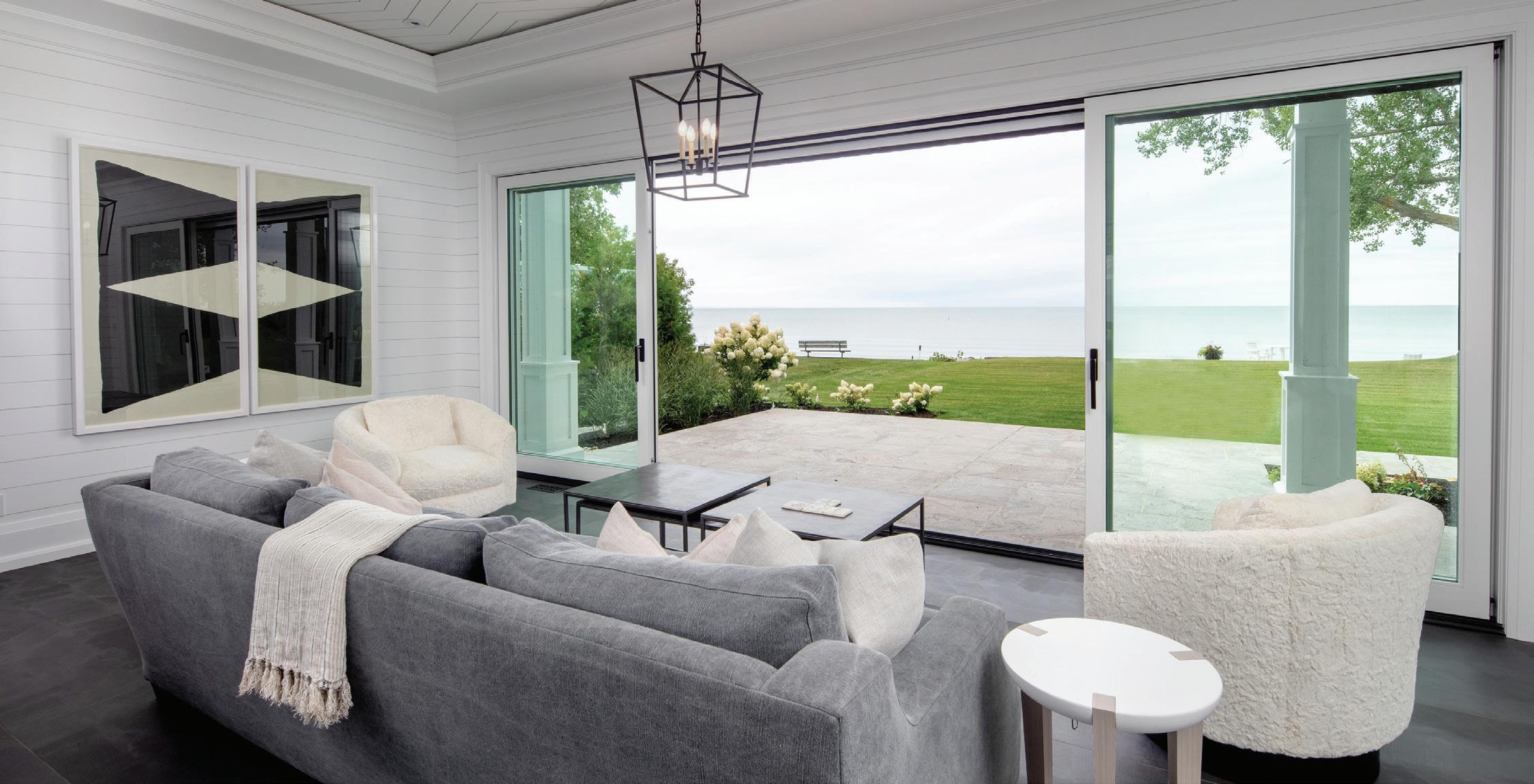




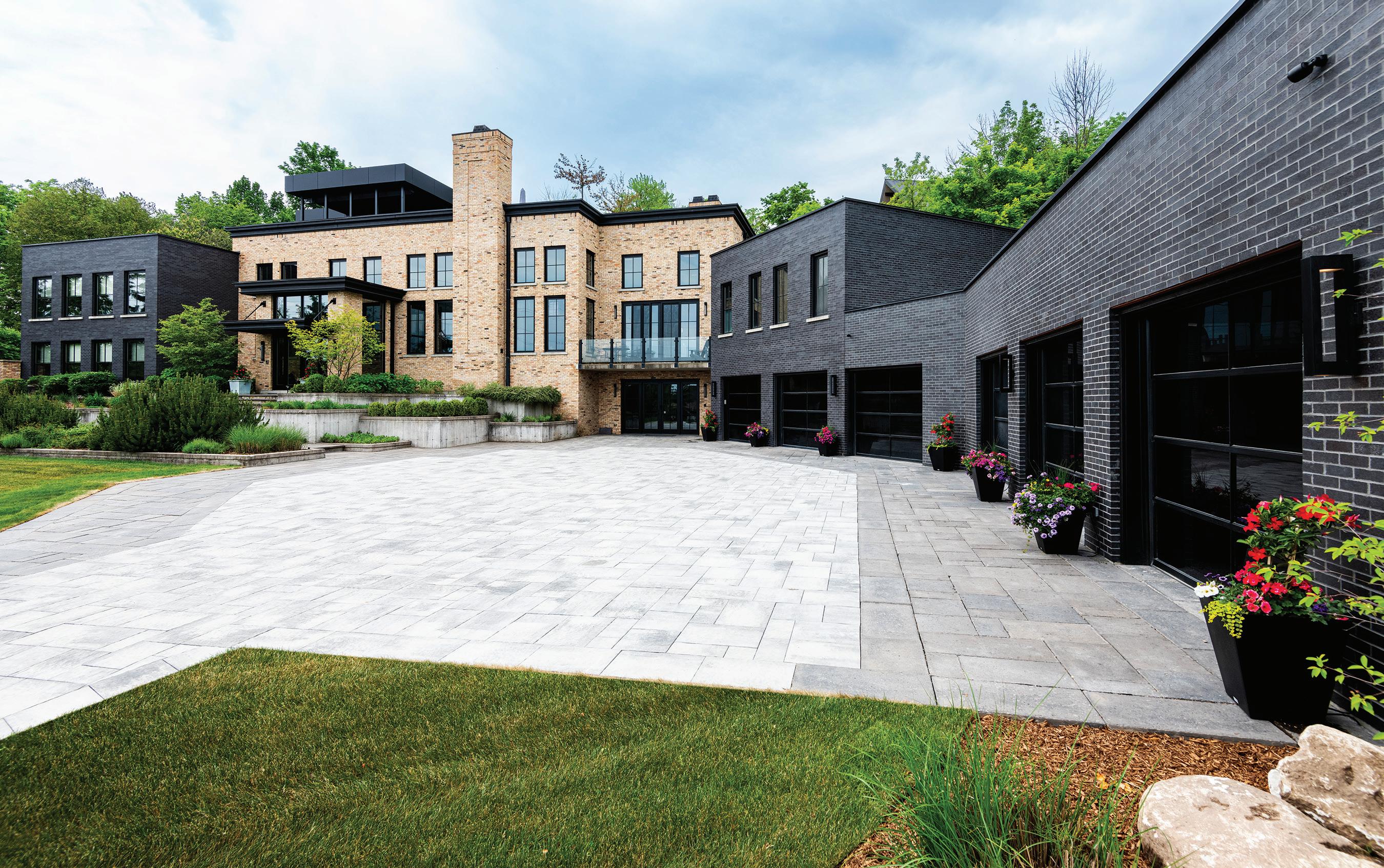
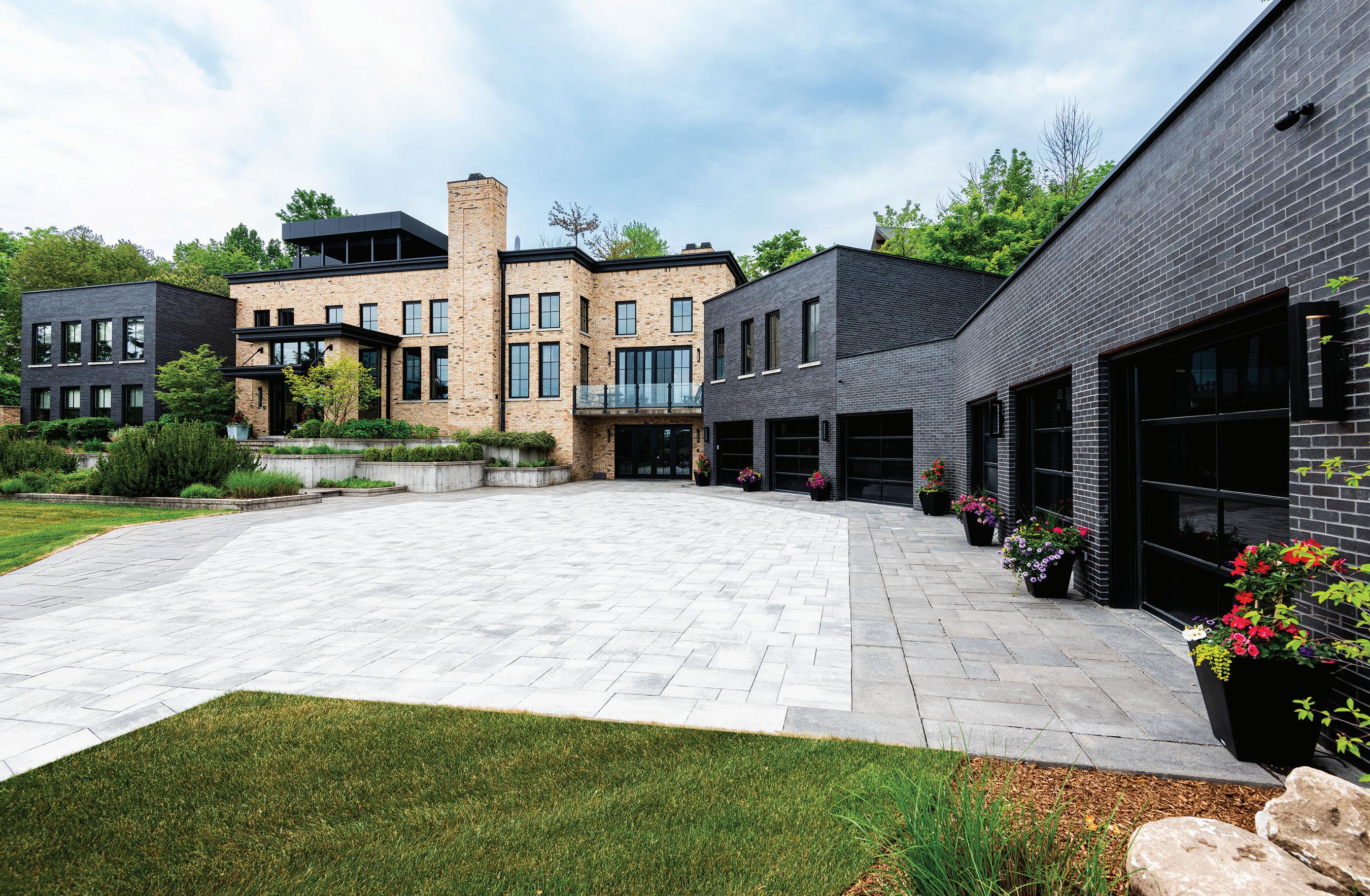
Layered with texture, atmospheric hues, and decorative finishes, Deborah Masters’ work comes alive with detail, mood, and personality—reflecting her lifelong passion for the arts and her deep connection to nature.
By Deena Dolan


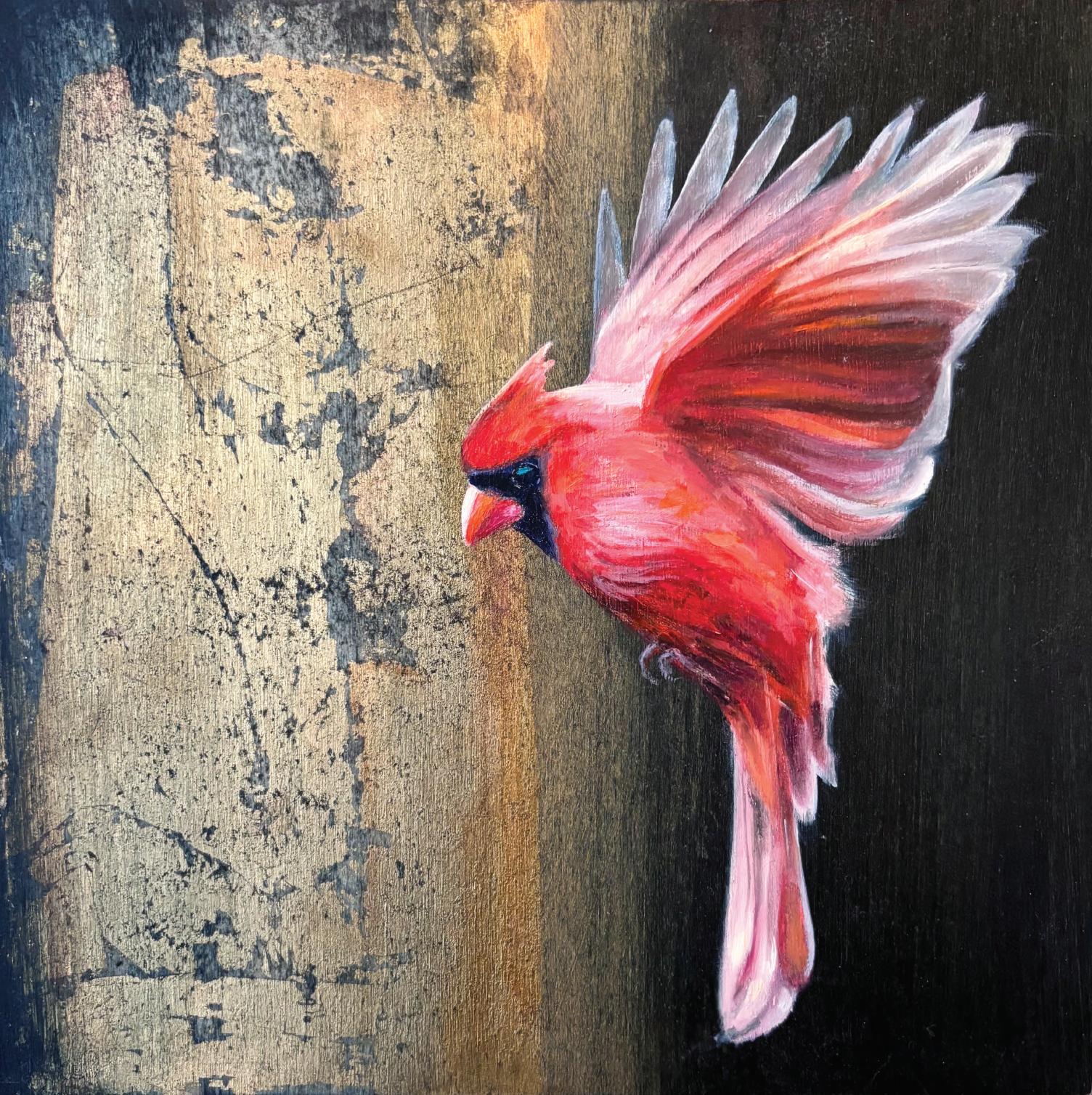
Apassion for the arts is firmly implanted in the DNA of Deborah Masters. Born in England into a family of artists—in fact, generations of artists and artisans—art has always surrounded her. As a child, her immediate family—parents, sister, and brother—immigrated to Canada, a creatively positive move for each of them. Art happened. It was an integral part of daily life. And spectacularly, it continues to this day.
Formal, postsecondary education took place in Owen Sound
in the 1980s, where Deborah earned a fine arts degree at Georgian College in the Design and Visual Arts program. The instructors covered a broad spectrum, including all the basics: photography, line art, graphic design, interior design, and traditional media. She thrived. Furthering her studies of decorative painting, she studied in France and at the Ontario College of Art & Design. Encaustic painting has been used since the time of the Egyptians and lends itself well to collage and textured landscapes. Deborah is skilled


Gallery specializes in world class living and historical artists from across Canada. Its carefully curated collection of artists is constantly evolving as new exhibitions come to fruition. Design consultation, and framing are available through the gallery.
Come experience our 3000 square foot space with views of Georgian Bay in the heart of Collingwood.

25 Huron St., Collingwood, ON (705) 321-2419 | nomagallery.ca
Open 7 days a week | 11am–5pm

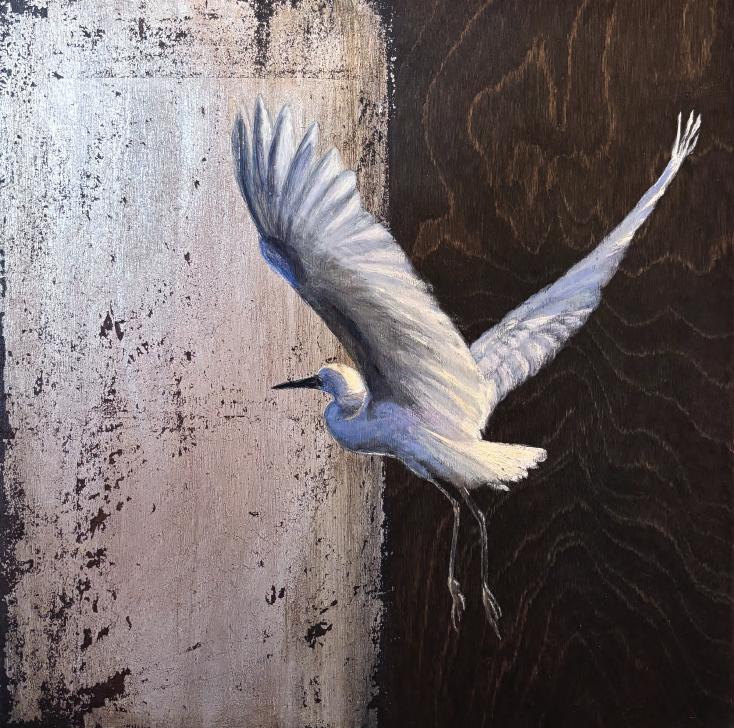
in this process and has given workshops teaching the unique properties of painting in wax.
Residing in Thornbury, Deborah has worn several hats throughout her artistic years. I first knew her as a jewellery designer, as well as a skilled artist and painter who also specialized in home design and decorative finishes. In fact, my home contains a guest bedroom painted by Deborah and Michel LaChance, which emulates an idyllic apple orchard complete with a tiny ladybug sitting atop a light switch. Even after 23 years, I still love this room’s ambiance and will often just sit and admire the calm it exudes.
Each painting of Deborah’s is most definitely a process—one that she has developed through experimentation mixed with knowledge, inspired by various objects such as antique book covers—her vision guides her. Working on custom birch panel boards, her introspective backgrounds are created first. She thoughtfully preserves the grain of the wood so it remains visible, just as it appears in nature. An authentic, antiqued appearance is created using gold leaf. Acrylics are generally used as the first layer, and then countless transparent layers of rich, earthy colours are applied, worked back, and applied again until she is satisfied. “I’m a glazer. I work many layers into my paintings to create the textures, and to define the complexity of nature.” The image itself is then sketched and painted with oils, capturing the necessary details, luminously bathed in light. “I have to be careful not to get lost in too much detail.”
Her process results in a final image that is somewhat haunting. Each critter has a definite attitude. A personality. Often, collectors of Deborah’s work actually give names to the animals and birds in her paintings. Her ability to capture distinct personality traits of
animal subjects has resulted in a series of privately commissioned pet portraits. “Carefully chosen colour palettes, strong light sources, and design are critically important to help create my narratives.”
An extremely gentle and honestly kind woman, Deborah genuinely cares about our environment. Genuinely. As well as her kindness, which is finely woven into her philosophy of life, her deep passion for the survival of nature is a constant driving force in her art. Her sincere concern for the betterment of endangered species, in particular, has resulted in an entire series of works focused solely on these fragile subjects. She strives through her art to ensure that people remain aware of not just the vulnerability of these species, but also to understand their importance in keeping balance alive in the world that surrounds us. “I hope to paint in a way that draws the viewer into the beautiful and sensitive world of nature.” At the same time, she is a perfectionist where her art is concerned. “I have to love everything. It has to be right.”
Deborah and her sister Jessica, who is also an accomplished artist, have often travelled to protected places like Sauble Dunes Nature Reserve, where interesting little subjects like a tiny Plover, among others, have been discovered. A registered charity (#10737 8952 RR0001), Ontario Nature states, “We are facing the largest mass extinction since the disappearance of the dinosaurs more than 65 million years ago. Globally, almost one in eight birds, one in four mammals, and one in three amphibians are in jeopardy. In Ontario, there are about 270 plant and animal species that are at risk, a number which is growing. Their loss or decline affects the functioning and resilience of food webs and landscapes— jeopardizing the well-being of all living beings, including humans.” Ontario Nature has acquired the 26.7-hectare Sauble Dunes





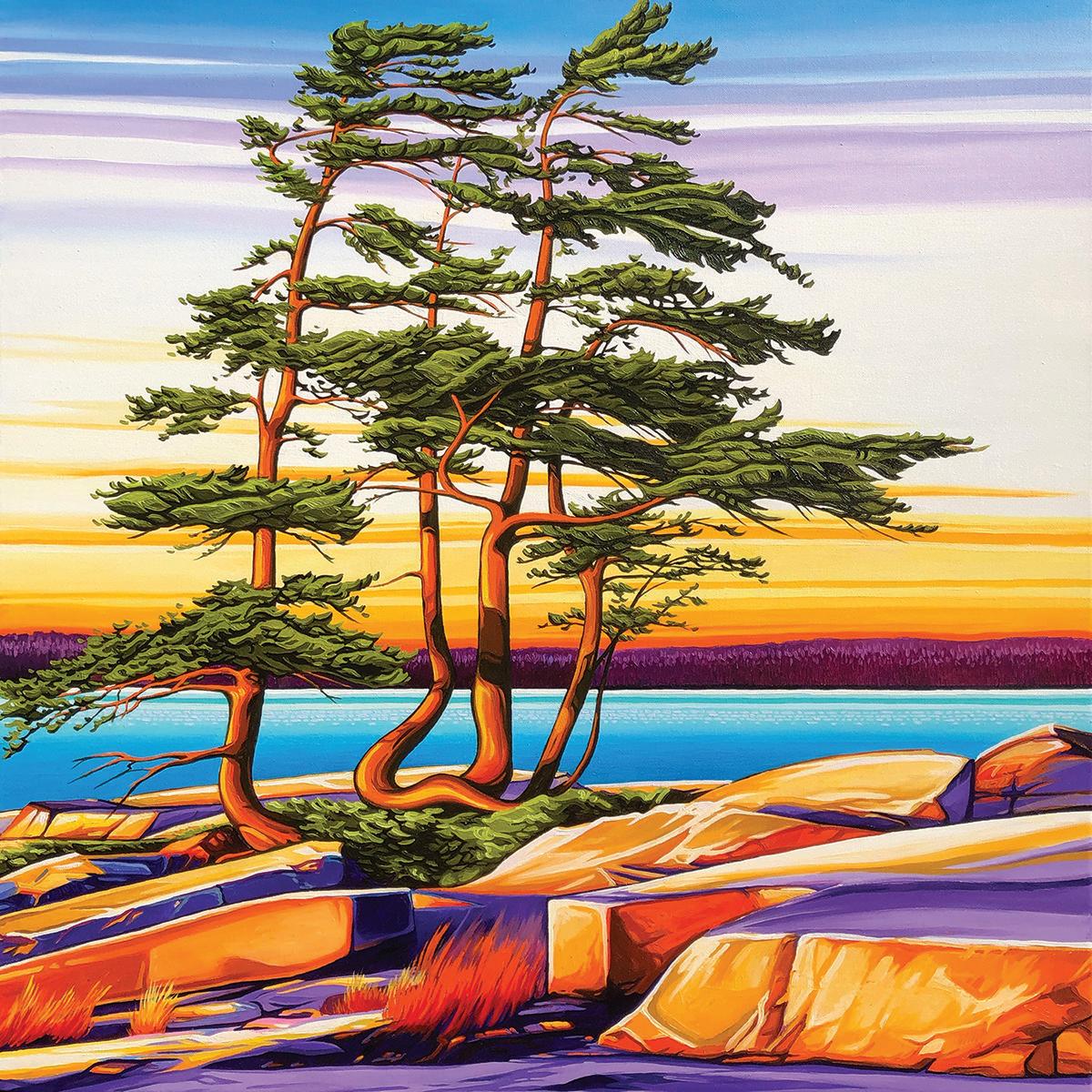

North property, expanding the Sauble Dunes Nature Reserve and strengthening an ecological corridor along the Saugeen (Bruce) Peninsula. The newly protected land connects coastal dunes and wetlands between the Sauble River and Lake Huron, helping
support species at risk and maintain the ecological integrity of the Lake Huron shoreline.
Deborah’s signature process of combining textured backgrounds and Old World finishes alongside her detailed

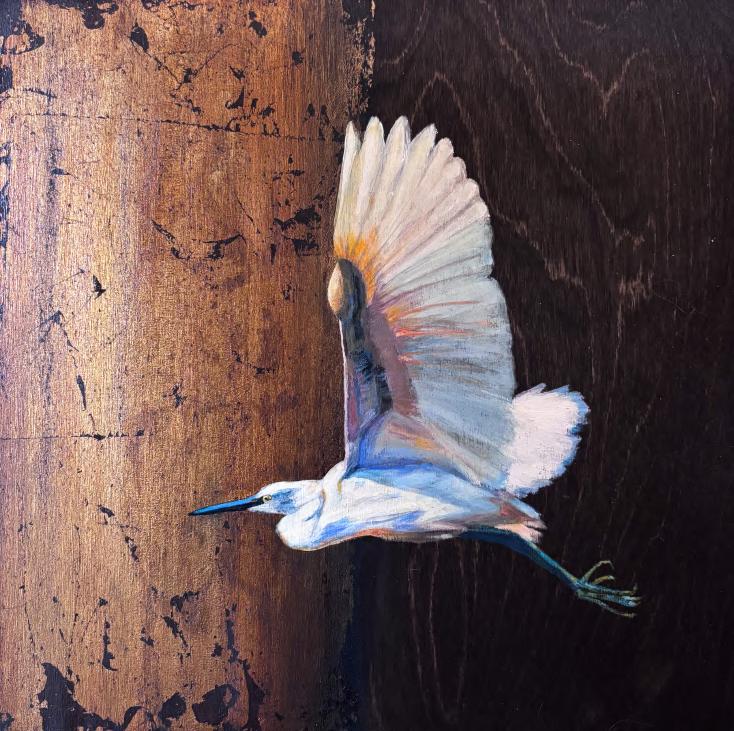
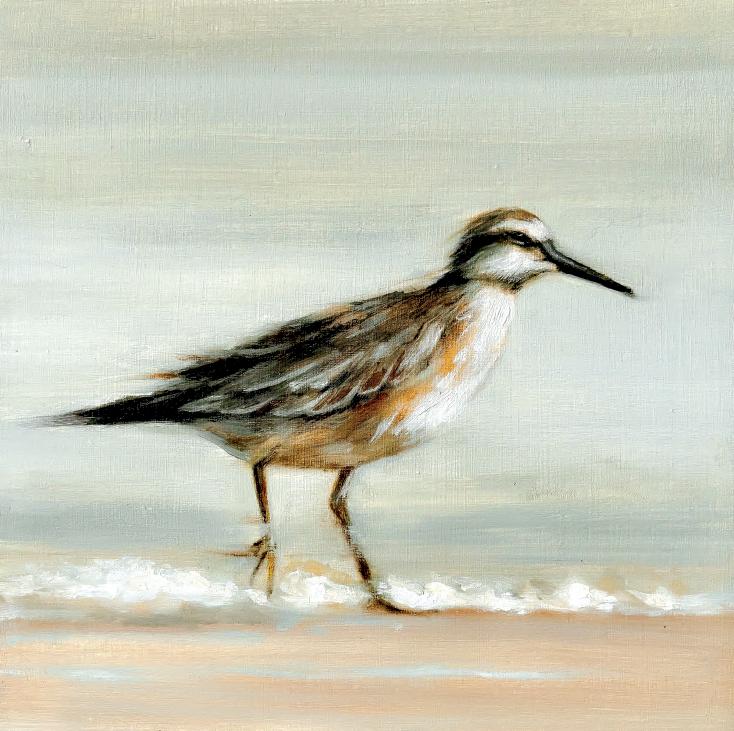
painting style depicts a bit of a conundrum, a vulnerability, so to speak, that reflects the resiliency of nature. Her wish is to inform and inspire the viewer to slow down and reflect on nature and its importance. Joyfully retreating into her work, Deborah describes herself as being somewhat introverted, although she definitely enjoys being around people. Her laughter is infectious. Painting is her way of contributing, and she hopes that her work will impact
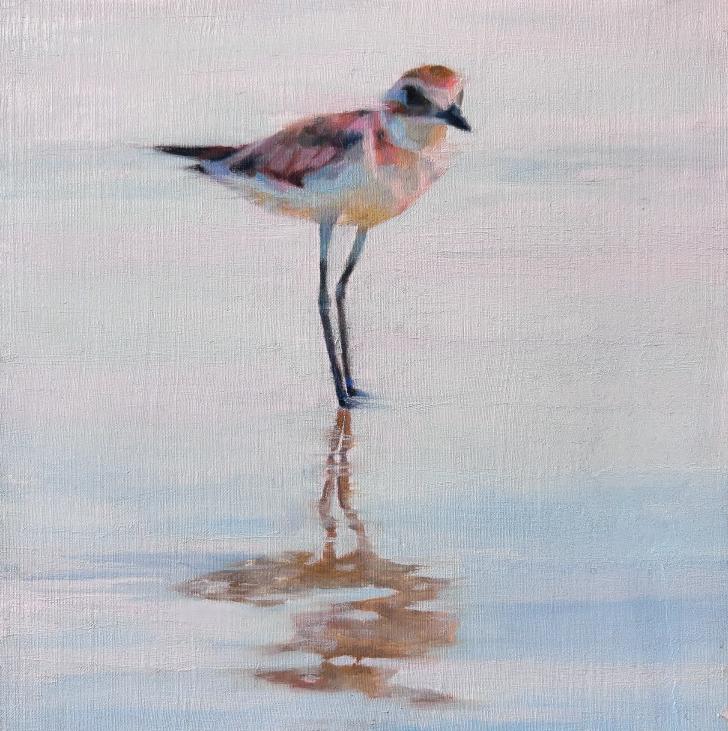
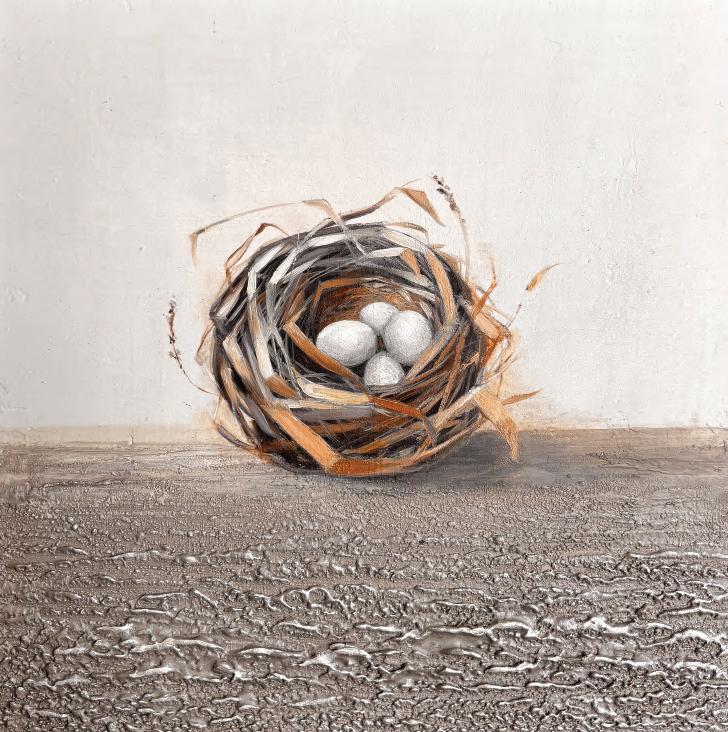
awareness. “If one of my paintings makes someone think or causes even one person to care, then I’ve done my part.”
Deborah Masters Art resides in private collections across Canada, Dubai, and the Turks and Caicos. It can be found locally at Adorn II in Thornbury, Home By Design and Deep Water Gallery in Wiarton, or by directly contacting the artist @deborahmastersart, deborahmastersart.com E





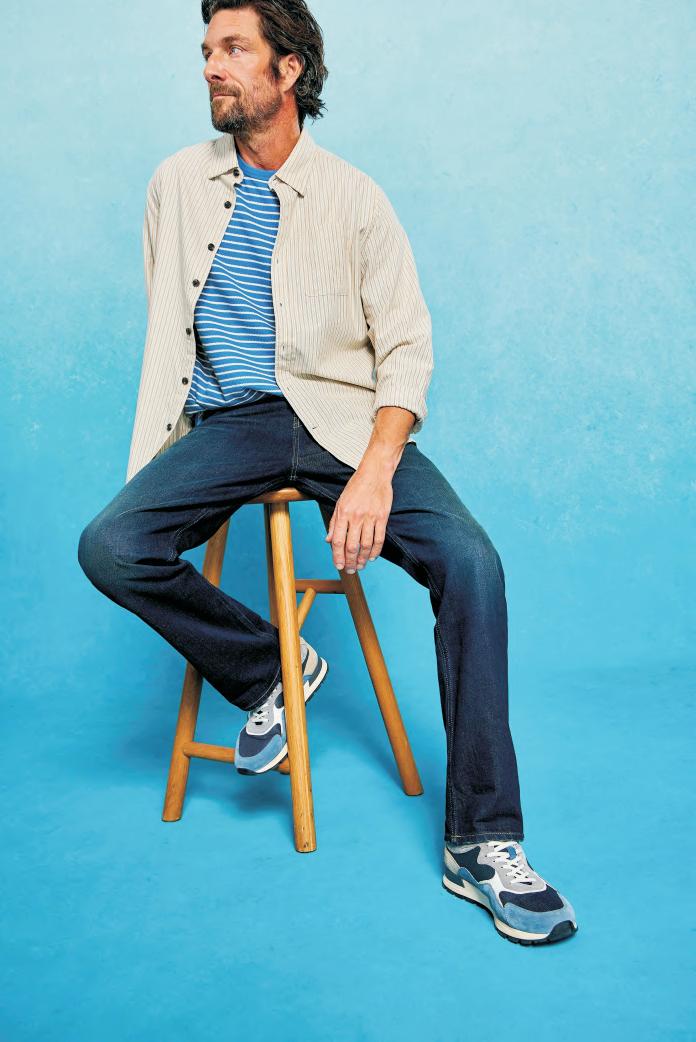




remindwellness.ca | @re.mindwellness Enjoy 15% o your rst online order














Specializing in Bioidentical Hormone Replacement Therapy (BHRT) for Men & Women. Our integrative approach incorporates the latest in medical and evidence-based treatment with a BHRT medical specialist to obtain optimum results. We help our clients get the best out of life by optimizing their health & performance, preventing disease, and slowing the biological aging process.
Our Personalized Medical Programs Include
• In-person and virtual consultations
• Full hormone assessment with a Medical Doctor and/or Nurse Practitioner
• Comprehensive lab testingblood/serum
• We o er all hormones including TRT, HCG, DHEA & Human Growth Hormone
Bioidentical Hormone Replacement Therapy
Specialty Programs
• Hormone Optimization
• Thyroid Balancing
• Lyme Disease Treatment
• Trauma Brain InjuryConcussions
• PTSD
• PCOS - Polycystic Ovary Syndrome
• Menopause (women)
• Andropause (men)

Concierge Service
• All treatment is via custom compounded prescription(s)
• Delivered direct to your cottage, chalet, home or o ce
• Discreet, sealed box
• Free delivery across Canada all provinces - FedEx





For More Information or to Book a Consultation: DONNA A. G. KING M A N
Dir e ctor of Bus i nes s Dev e lop m ent & Co m municat i on s
Canada’s Leading Medical Network for Bioidentical Hormone Replacement Therapy We cover all provinces across Canada Direct Referral to a Clinicwww.trubalancehealthcare.com
BHRT Prescribing CME Accredited Education in Toronto open to all Healthcare Professionals. Book Now!
Telephone: 647.884.0663 (text or call) Email: donna@trubalancehealthcare.com **Some coverage by private insurance companies









What to know about how your gut works.
Digestive complaints are some of the most common reasons people seek help from Naturopathic Doctors (NDs). Whether it’s a serious diagnosis such as IBD (inflammatory bowel disease) or nagging symptoms that impact quality of life, NDs are trained to address these conditions.
Digestion starts in your mouth. Your saliva is rich in enzymes that begin to work on your food as you chew, and the mechanism of chewing is critical for good digestion. Your stomach is expecting you to masticate each mouthful to a paste before swallowing—this increases the surface area of the food for better nutrient extraction and prepares the food for the actions of stomach acid and digestive enzymes.

Dr. Shelby Worts, BSc, ND
Heartburn or reflux, while often considered a condition of too much stomach acid, can in fact be the opposite. Not enough acid can actually slow stomach emptying, leading to the same symptom. There can also be a structural cause, such as a hiatal hernia and/or tension in the diaphragm—the broad, drum-like muscle sitting directly above the stomach.
IBS (irritable bowel syndrome) and many other digestive symptoms can be greatly impacted by stress. There is a remarkable gut-brain connection where our mental-emotional state can affect our digestion, and the health of our gut can impact our mental health.
If you are lacking any part of your digestive system, such as your gallbladder, a portion of your intestines, or if you have had
bariatric surgery, an ND can help support you with these as well.
Bowel movements are ideally once daily, easy to pass, and well formed. If you experience pain, straining, urgency, unformed stool, or you think it’s occurring too often or not often enough, these are worth discussing. An easy way to communicate the condition of your bowel movements to a healthcare provider is by using the Bristol Stool Chart— however, do know you can never tell an ND too much detail about your poop!
Other tips to support better digestion include:
• Allow 3–5 hours between meals
• Finish eating by 7 p.m., or three hours prior to bedtime
• Only eat while seated—not standing, walking, or driving
• Mindful eating: chew well and avoid distractions or emotional conversations
In order to figure out what caused your current symptoms, begin thinking about when they began. Was there a new medication, supplement, or food introduced around that time? Had you been travelling within six months of onset? What else was going on in your life—such as stressors, a move, or a change of job? What makes the symptoms better or worse? These details will help your ND understand the etiology of your symptoms and therefore provide effective treatment advice. E


glasses,

Kayla van Zon
Kayla is the Managing Partner of Interkom, a boutique marketing and communications agency specializing in tourism, culture and communitydriven initiatives across Ontario. She works with municipalities, destinations and arts organizations to build compelling brands, drive visitation and strengthen community impact, while also supporting major campaigns and donor engagement initiatives.
A Simcoe County Realtor®, entrepreneur and mom, April brings a strong eye for design to everything she does. Known for her grounded, approachable style, she helps clients feel confident and prepared at every step in the buying and selling process.
A nature lover at heart, she brings a thoughtful, balanced approach to both her work and daily life.

Clothing, bag, jewellery and shoes from Furbelows, Downtown Thornbury.
Model: April Lightfoot.
Location: The Loft Gallery, Thornbury.
After four years of performing with P&O Cruises, Georgina recently relocated from the UK to Canada to begin a new chapter. Drawn by family and a sense of adventure, she is settling into life in Ontario while continuing to pursue music and explore new creative opportunities.

Dress, bag, jacket and jewellery from Elaine Dickinson’s,

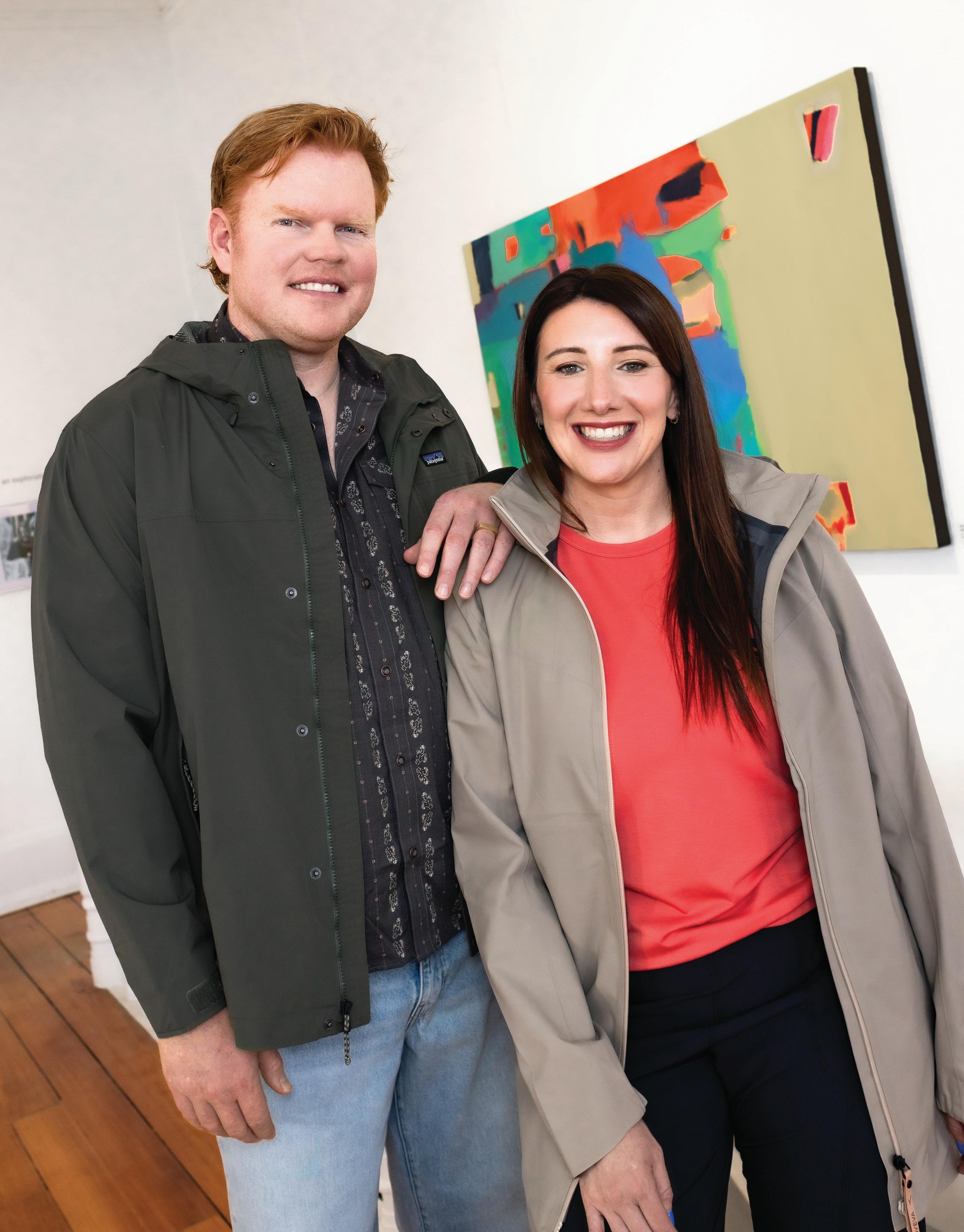
A firefighter with Mississauga Fire, Alex brings dedication, discipline and a strong sense of service to his work. Outside the firehall, he is a personal trainer focused on helping others build strength, resilience and confidence, and is actively involved with the Craigleith Coyotes race crew.

D.C. Taylor Jewellers, Downtown Collingwood: The Miss Mimi Collection, based in Montreal, features handcrafted jewellery designed with intention— understated, modern and quietly striking. Crafted in sterling silver, the collection reflects a refined aesthetic and modern elegance, offering pieces that elevate everyday style with a subtle yet meaningful statement.
Model: Georgina Young.
Location: Nottawa General, Nottawa.
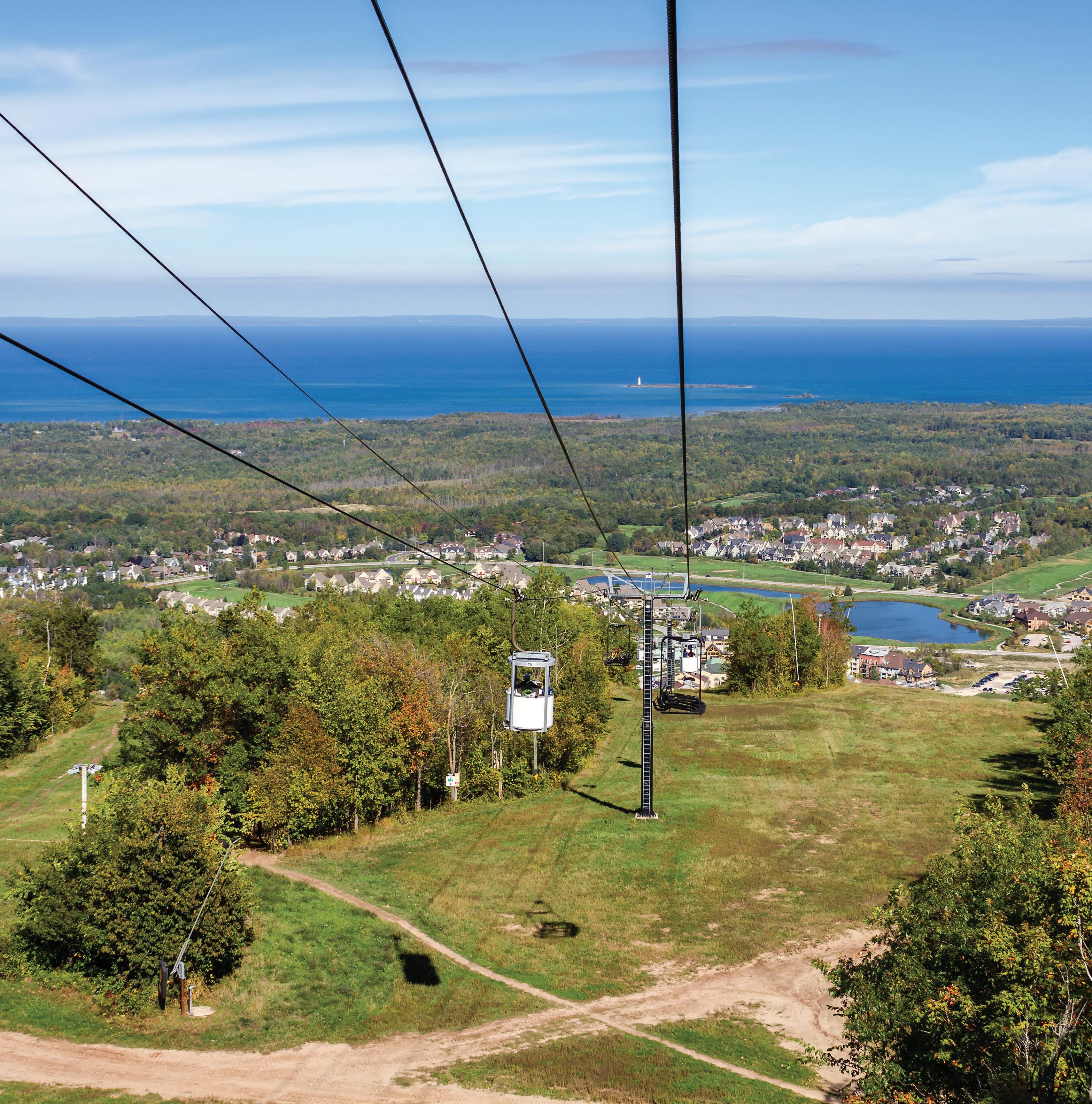

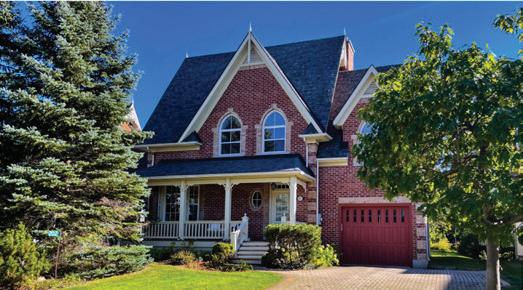

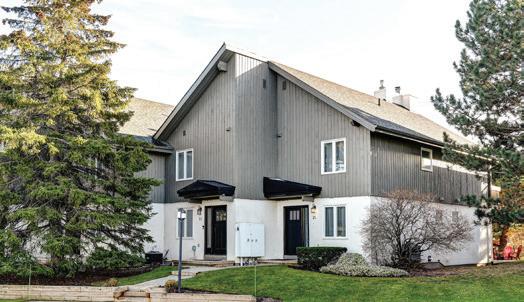
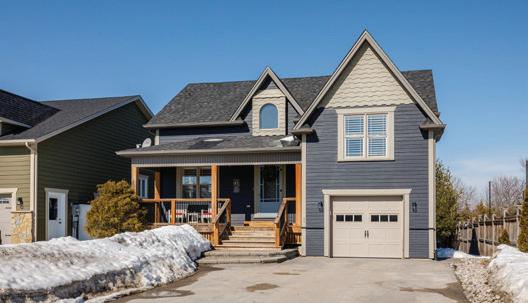
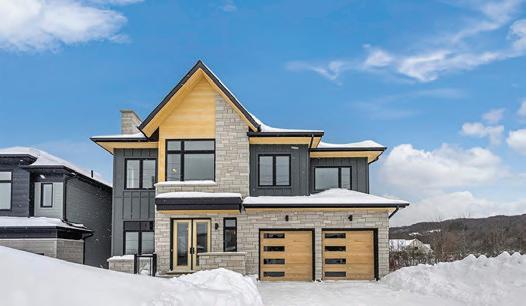
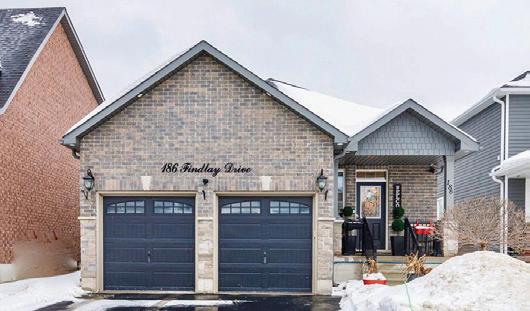

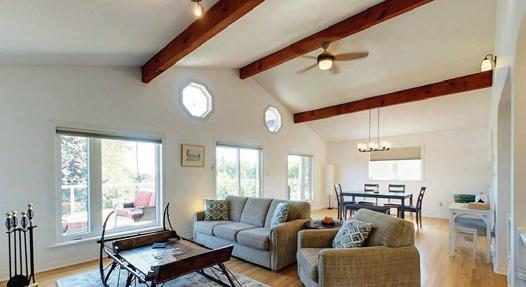
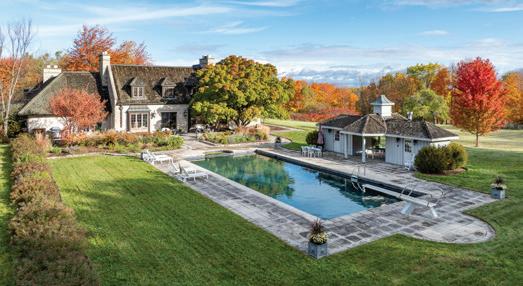
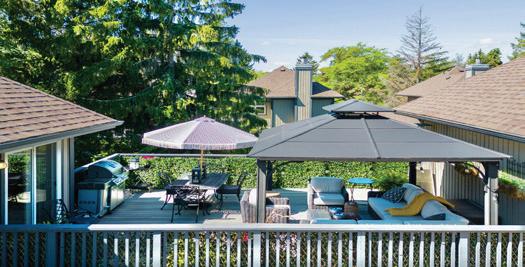
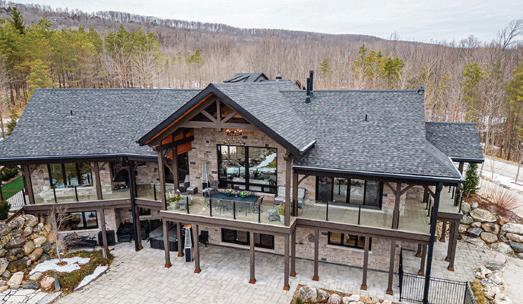
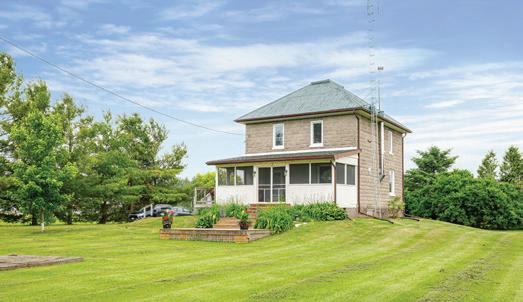
Understanding our local market

By Desmond von Teichman, Broker/Owner Royal LePage Locations North & Royal City Realty & Crown Realty Services
Location, location, location. Literally everyone has heard that expression as it pertains to real estate. There are other factors that influence value, to be sure, but location is a pillar of any real estate value proposition. Think “Waterfront.” Think “Downtown
Walkable.” Think “Uninterrupted Views.” Location is arguably the single most important thing when it comes to real estate value. Why then do we habitually undervalue the concept of “local” when talking about real estate and the real estate market?
This has been very evident this past year. The market in Southern Georgian Bay was unique in Ontario. I can’t tell you how many times friends from the GTA and Golden Horseshoe came up to me in 2025 with sympathy in their eyes and said, “Tough market, eh?”
Tough…yes. It was a tough market. We were managing an enormous change in seller expectations and managing the uncertainty in the minds of buyers. “How far will rates go down? I don’t want to lock in too soon.” “How will US tariffs affect the real estate market?” It was a tough year.
BUT the numbers for the Southern Georgian Bay market were not at all bleak. They were, however, uniquely local. Just like us. Just like this region.
The last Market Watch I wrote at the end of 2024 ended: “In my opinion, demand in 2025 will be on the rise and start to absorb existing supply.
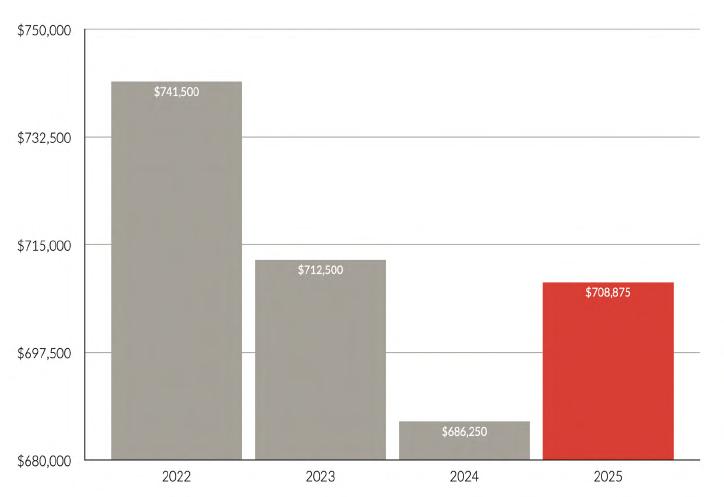
Indicators are that we will see continued price appreciation as we make our way through 2025.”
And that is exactly what happened. Here…locally. In most other markets in Southern Ontario, this was not the case. And people who only listen to the national or provincial-level reporting, or who are mostly familiar with other markets, can be forgiven for missing the complexities and nuances of this local market.
The 2025 macro news cycle spoke about uncertainty and the effect of that uncertainty on buyers, and the resultant decrease in volume, unit sales, and prices. In many other markets, that was indeed the case, but not here. Our market was certainly affected by uncertainty, and it was what I can only describe as “lumpy.” We did not at all follow the traditional seasonality of a normal market. We saw peaks where we expected to see valleys, and valleys where we would ordinarily have predictable volume increases.
But if you look at the year in Southern Georgian Bay as a whole, 2025 saw a substantial increase in volume in the real estate market. Volumes soared in 2024 by 22% over 2023. That number was led by properties on the median end of the market (sub-million-dollar). Unit volume saw an increase that was a touch more modest, but still a notable 16% increase to over 2,100 units.
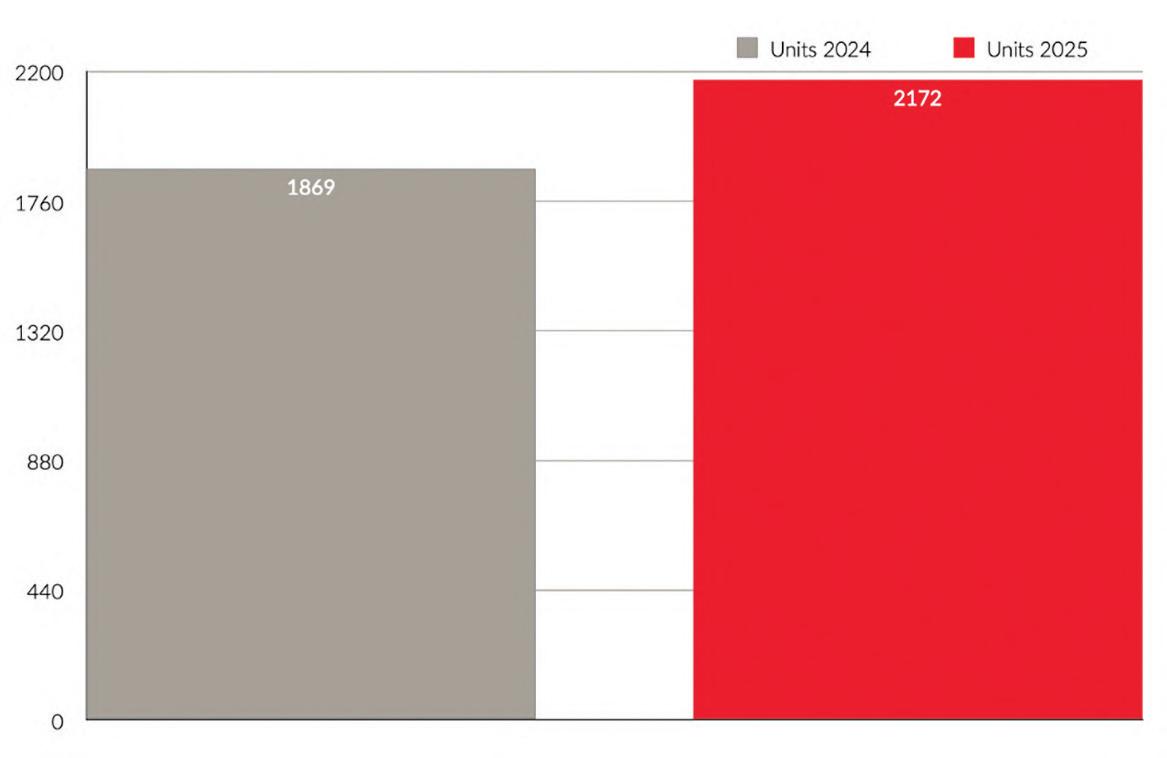
That increase in volumes contributed to a more muted increase in average sale price of just under 6% to just over $832,000. Muted, yes…but still an increase. A microcosm of good news in a province that generally saw decline.
Now…not all segments of the market saw identical trajectories. Like many parts of the province, the condominium market was not as robust as freehold. Single-family dwelling sales last year were up almost 31%, compared to condominium volume, which only rose by 16%. And the average sale price was also affected, with the average sale price of condominiums declining by just about 7%. A decline, to be sure, but not as sharp as demonstrated in many markets to the south.
So…in general, 2025 was not a bad year in Southern Georgian Bay. No question, it was a tough year. No market is immune to uncertainty. But as I have repeatedly indicated in these pieces, the fundamentals of this market are excellent.
What will 2026 bring us? More uncertainty, to be sure, at the time of writing. And the numbers so far in the first quarter give us reason to pause. As of the end of February, all indicators are flat or lagging behind 2025 a touch. Unit sales, for example, are off just under 1% year to date over the same period last year.
But that is the winter market. And what a winter we had! No one can be
blamed for not heading out on a road trip to see a bunch of houses in a blizzard in February.
But as the seasons turn and we head into spring, I am anticipating a steadier and more predictable market—one that starts to normalize into the seasonality we would expect.
External influences aside (and there are many), the fundamentals continue to look good. After a post-pandemic decrease in volumes and prices, the trend lines point to a reversal of this. Interest rates have stabilized. The economists I follow and respect seem to indicate stability for the rest of the year, and a move to increased borrowing rates in 2027. While the market is not yet balanced, it is headed in that direction.
What does that mean? In a buyer’s market, it is a good time to be a buyer. A good time to buy. And our clients are figuring that out.
I have loved seeing the resilience of our country in a time of strife. The resulting Buy Canadian movement has been interesting to watch. I think it is a good metaphor for examining the local market, as opposed to thinking that the same thing is happening everywhere. Right now, in a time of divergent trends, understanding local, consulting local, and shopping local have never been more important. E
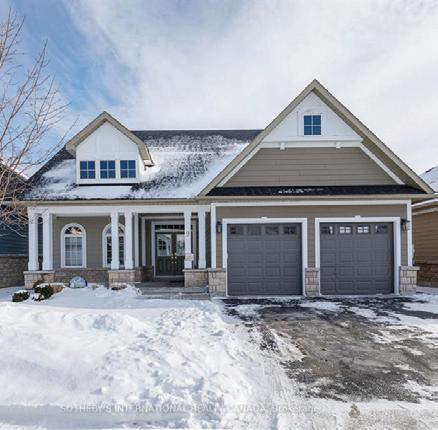
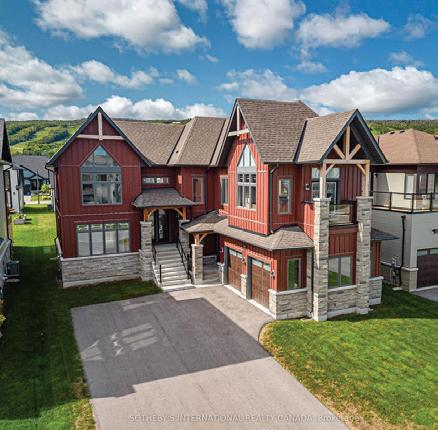
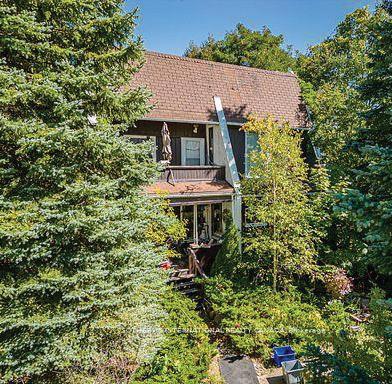
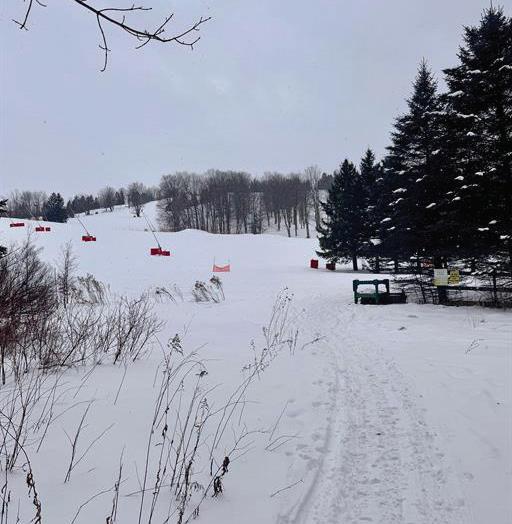
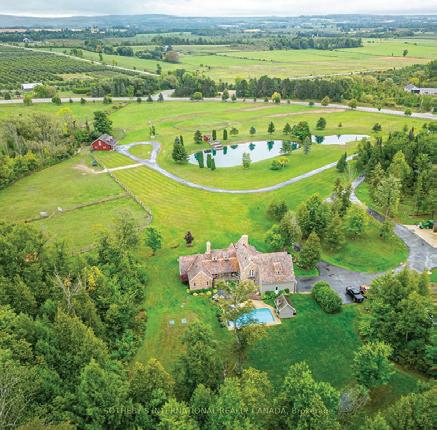

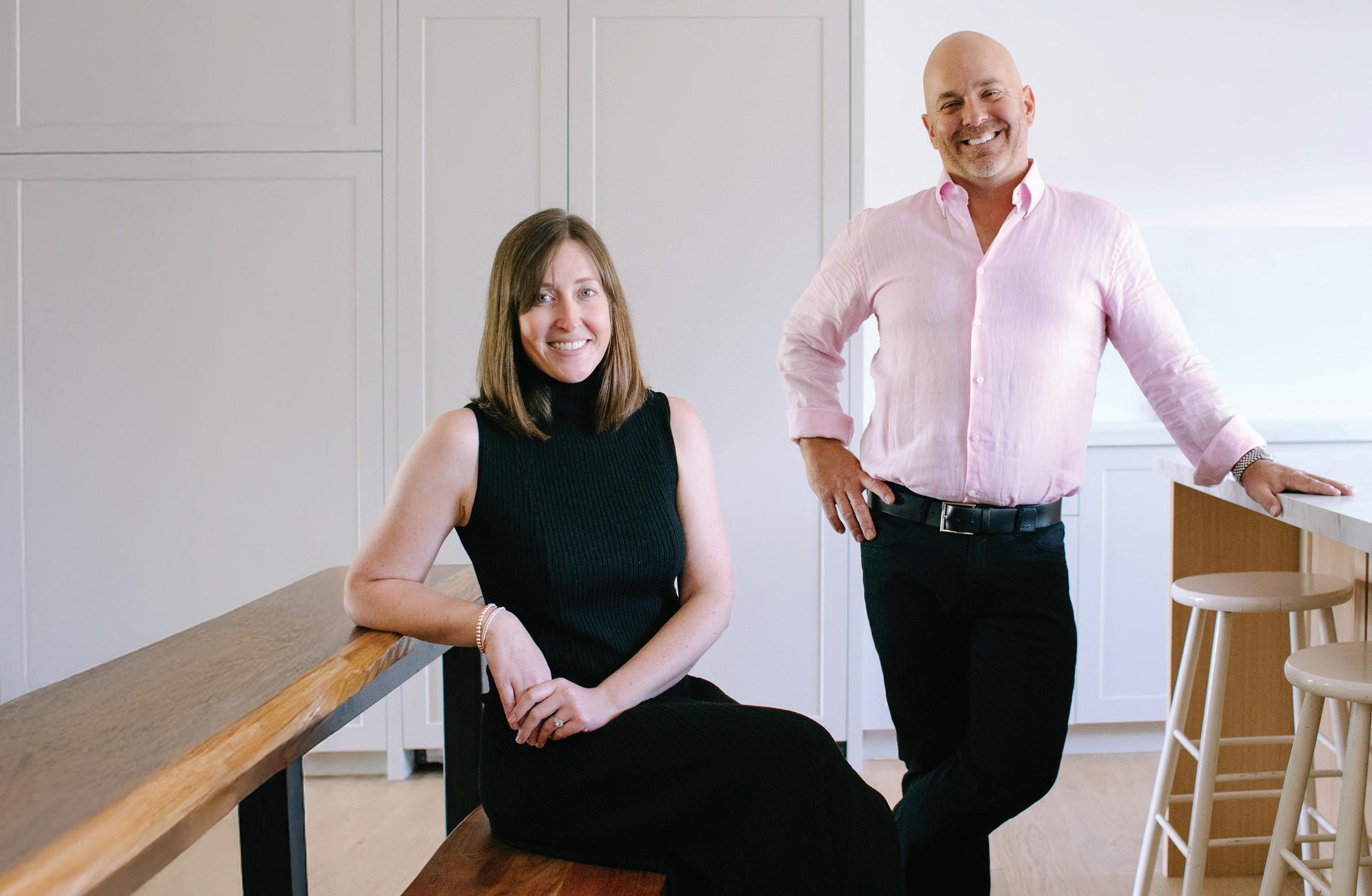


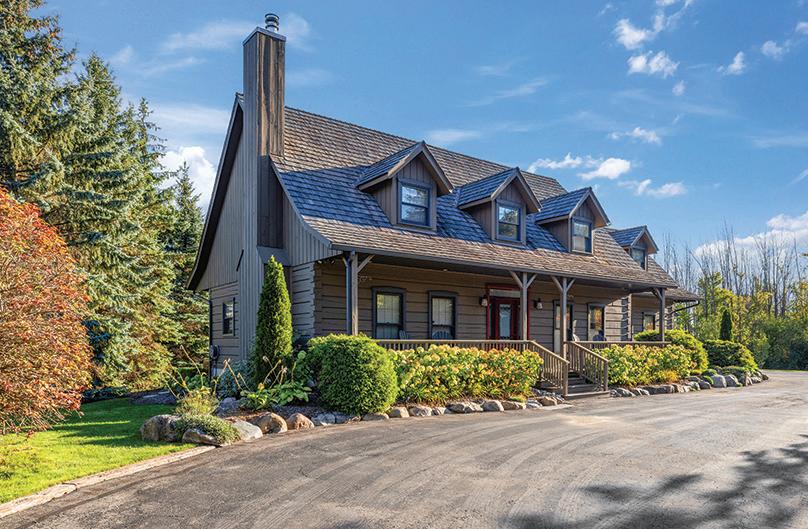
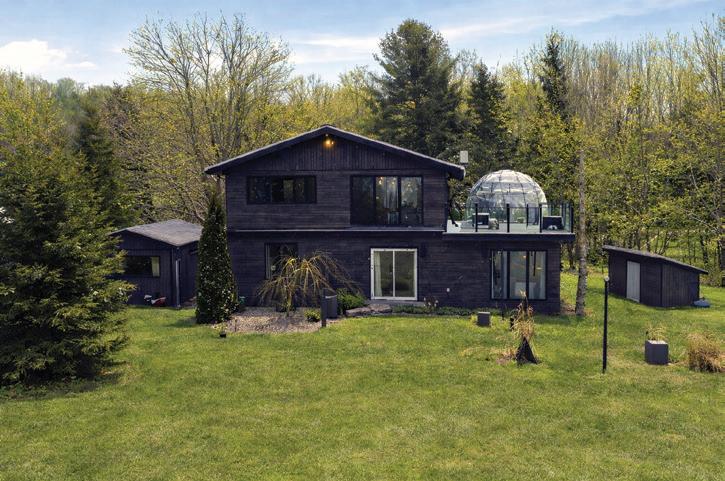
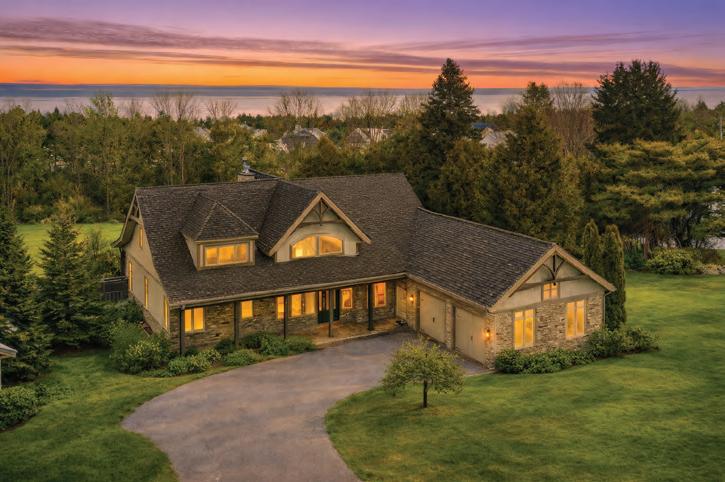
Steps from Georgian Peaks, this warm 5-bed house backs onto the Georgian Trail and features a
fireplace, hot tub, and spacious lower level for après-ski. Large lot, oversized garage, and close to Blue Mountain and Thornbury.
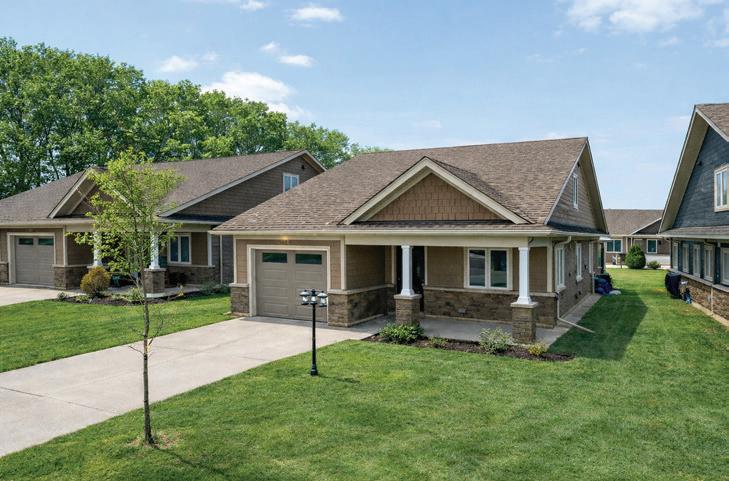
Extensively
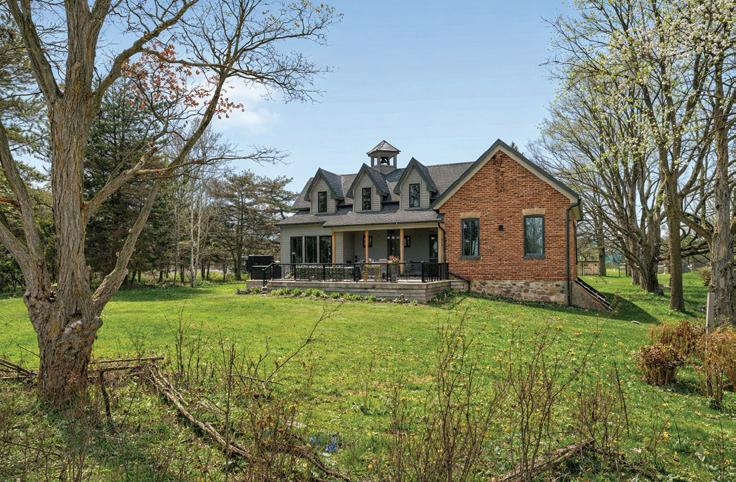
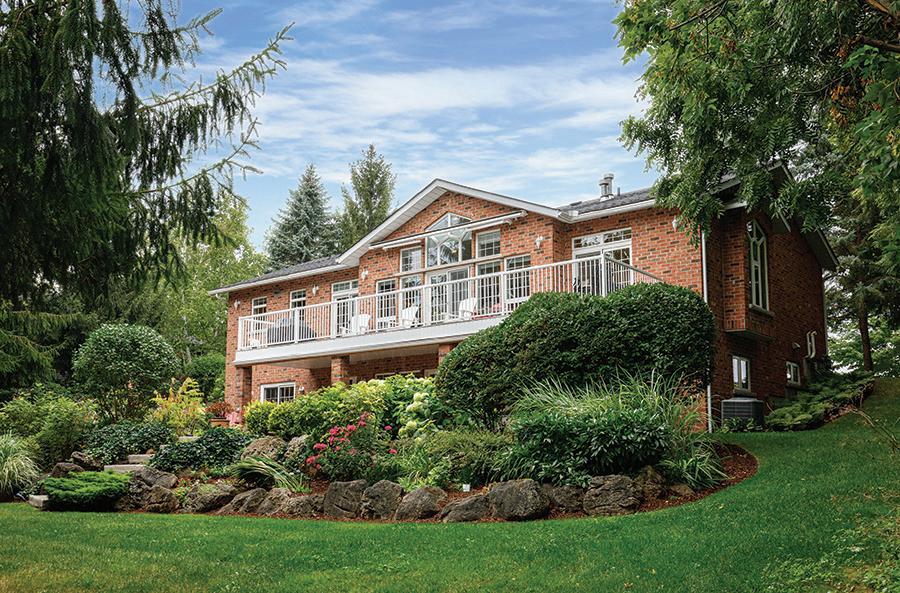





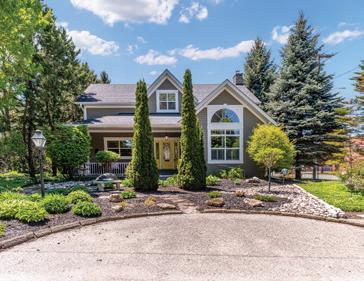
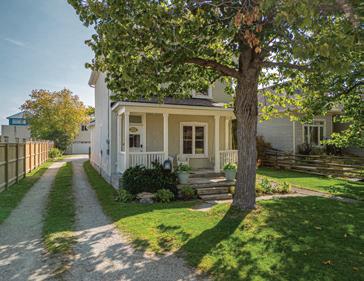
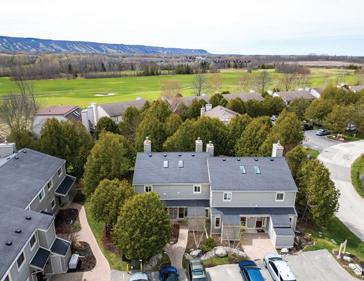
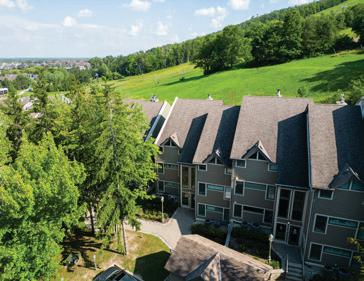
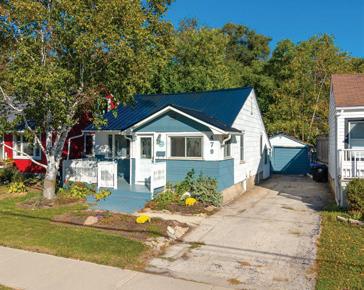
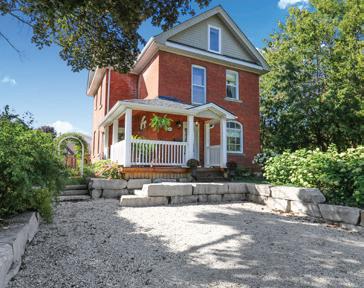

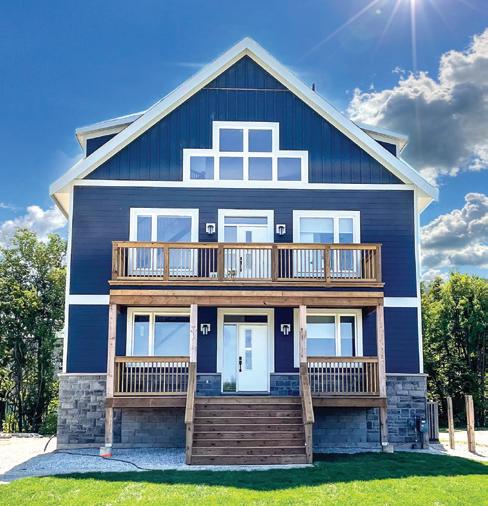
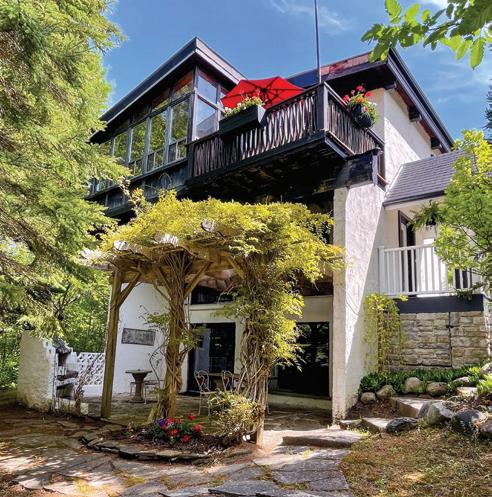



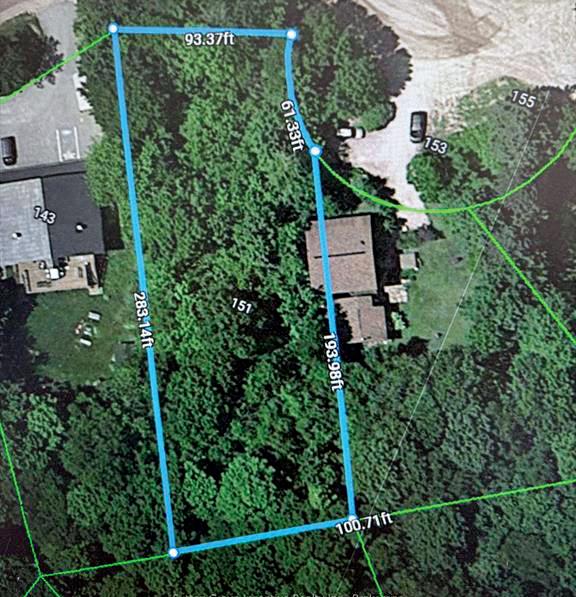
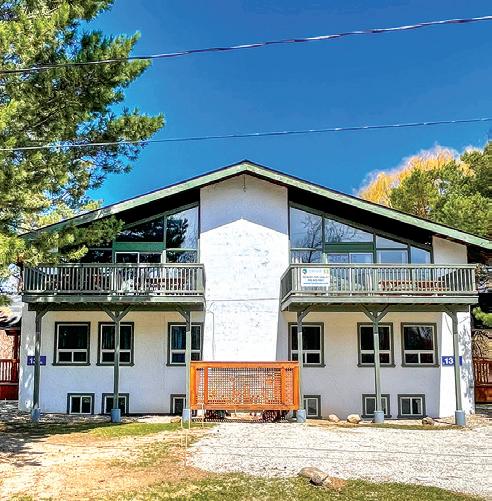
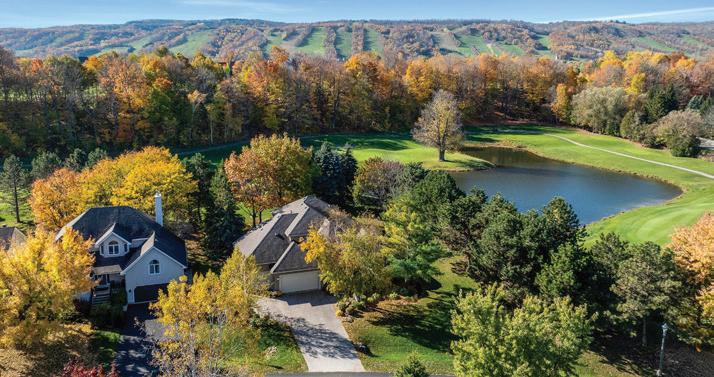
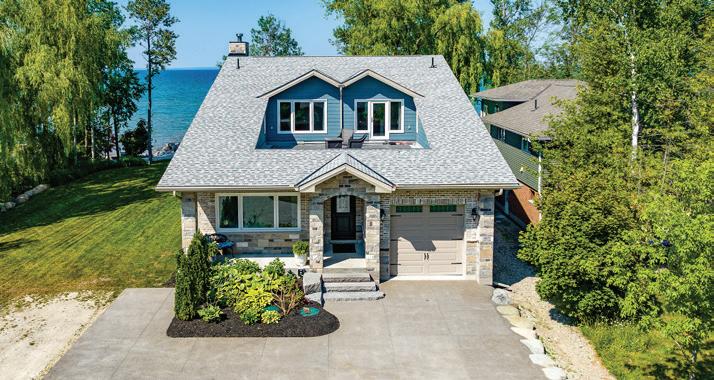
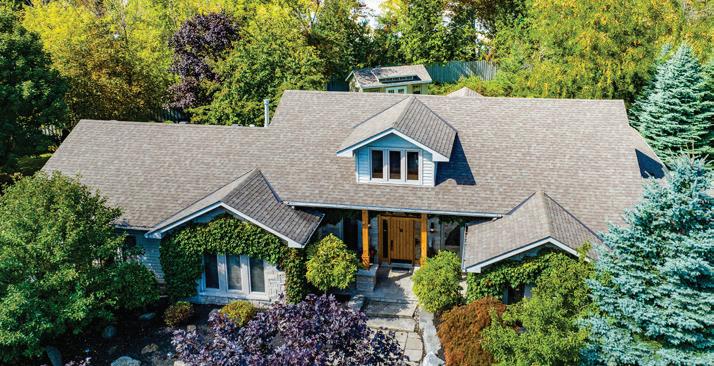
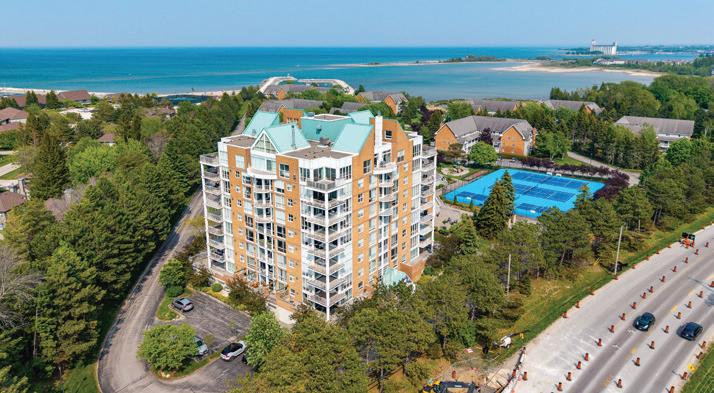
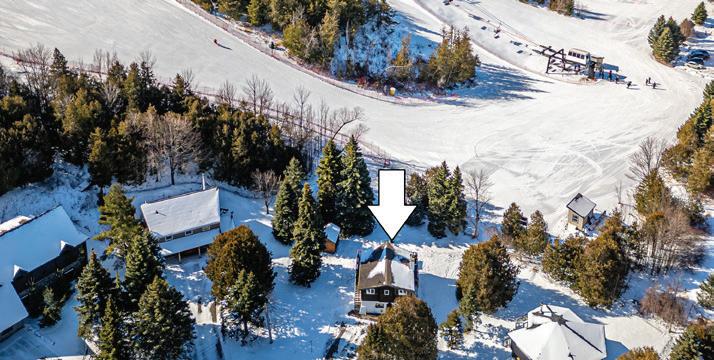
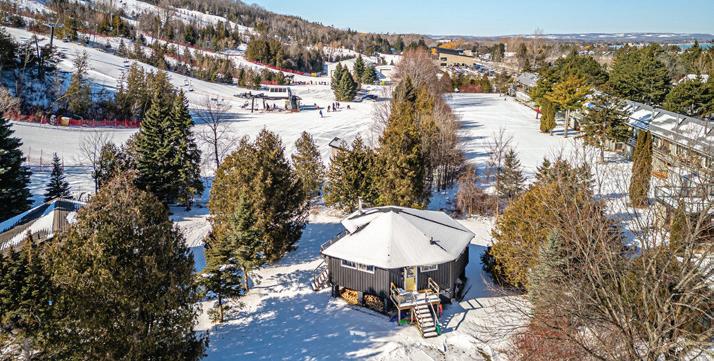
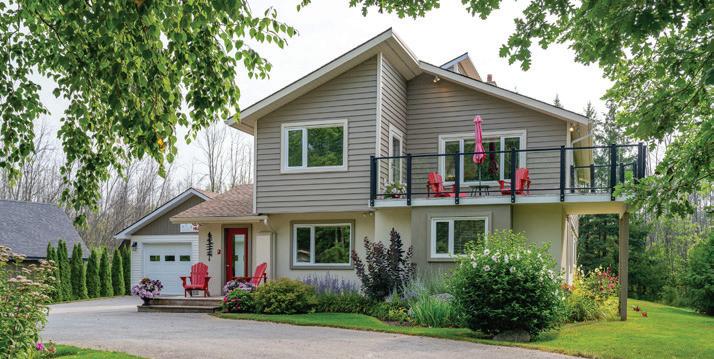
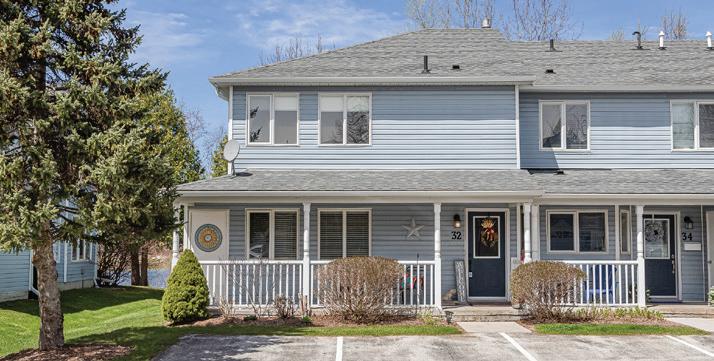
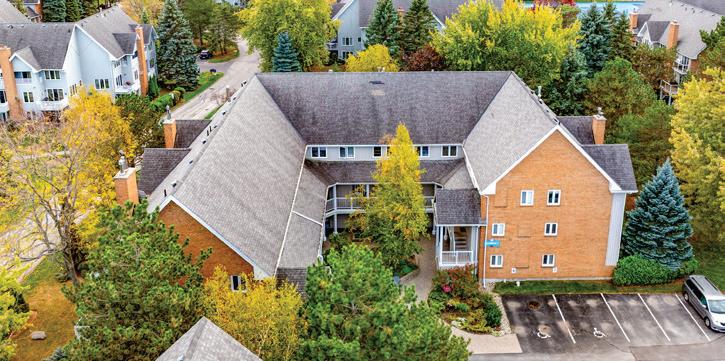
www.ThePicotTeam.com picot@rogers.com |



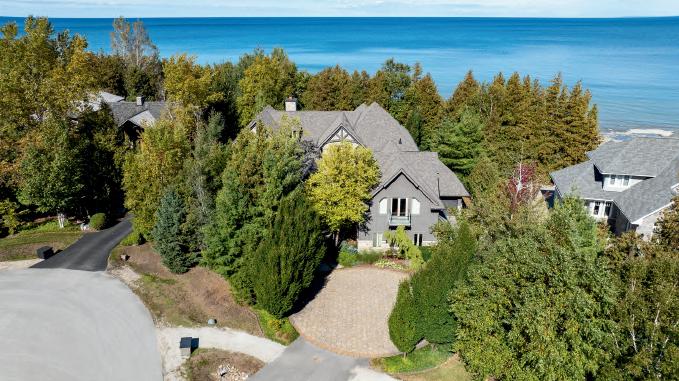
Waterfront - 5 Beds, 4.5 Baths, Pristine Blue Mountains Waterfront Home directly across from Georgian Peaks Ski Club. Gourmet Kitchen, Open Concept Kit/Liv/Dining Main Floor Primary Suite
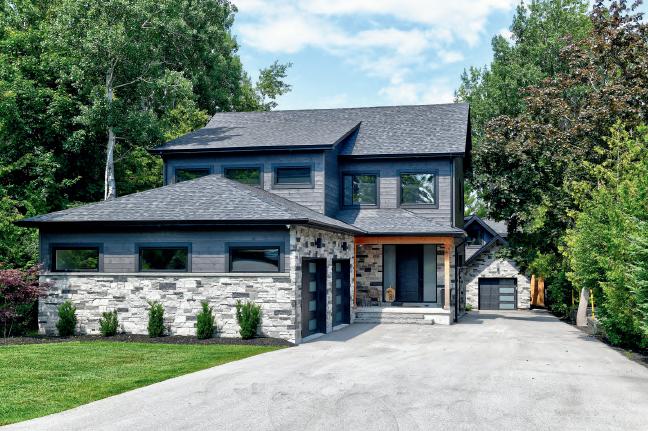

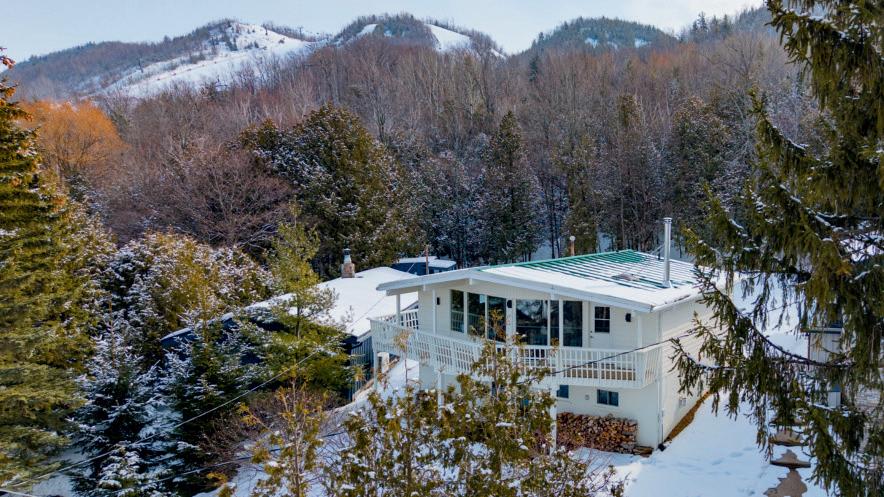

Income Potential - Income potential w/ In-law Suite in main house and additional 2 Bedroom Suite Coach House in detached garage. Stunning home featuring a bright & spacious open-concept kitchen/living/dining.
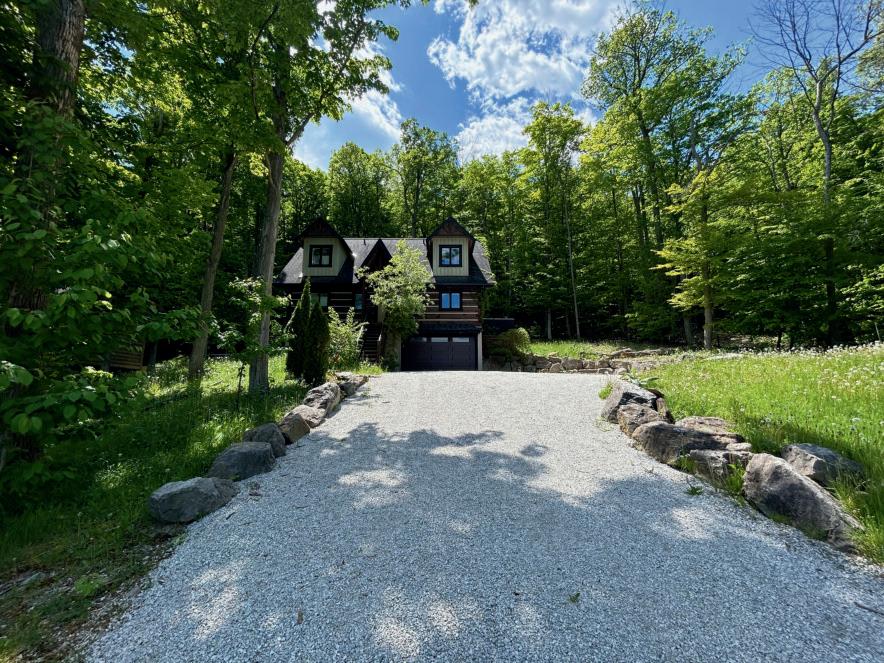

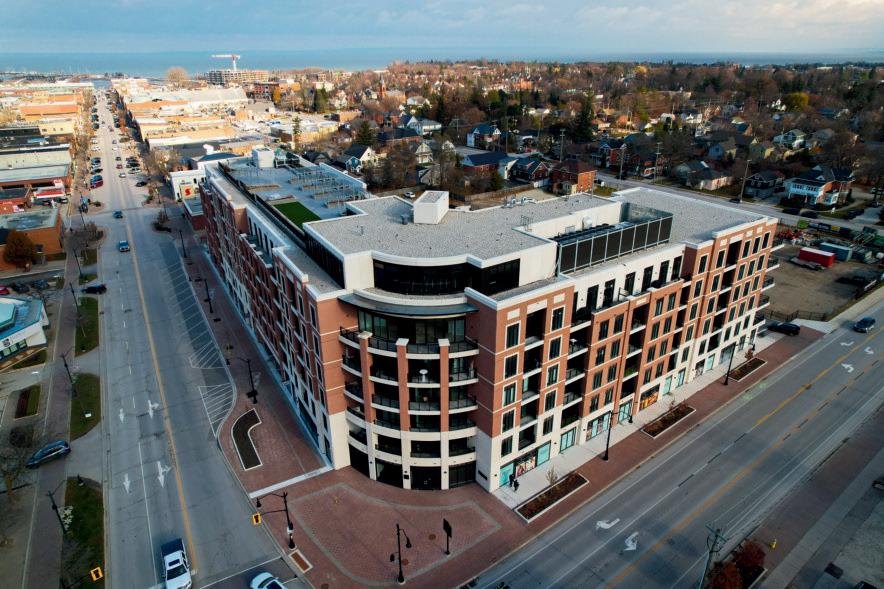
Monaco - Franck Suite located on the Fifth floor w/ almost 1,200 sq.ft, featuring 1 Bedroom+ Office/Den, 2 full baths, large open concept kitchen/living/dining area with walk out to private balcony
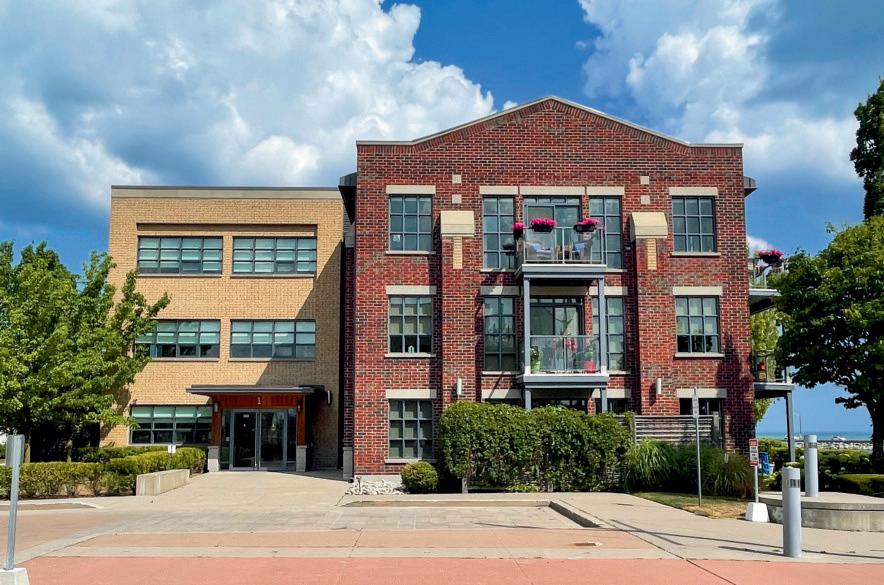
Side Launch Building - 1 Bed. 1.5 Bath Penthouse Condo Unique minimalist style, fully renovated by KDT Designs Two balconies. Year round Escarpment views. Underground Parking.



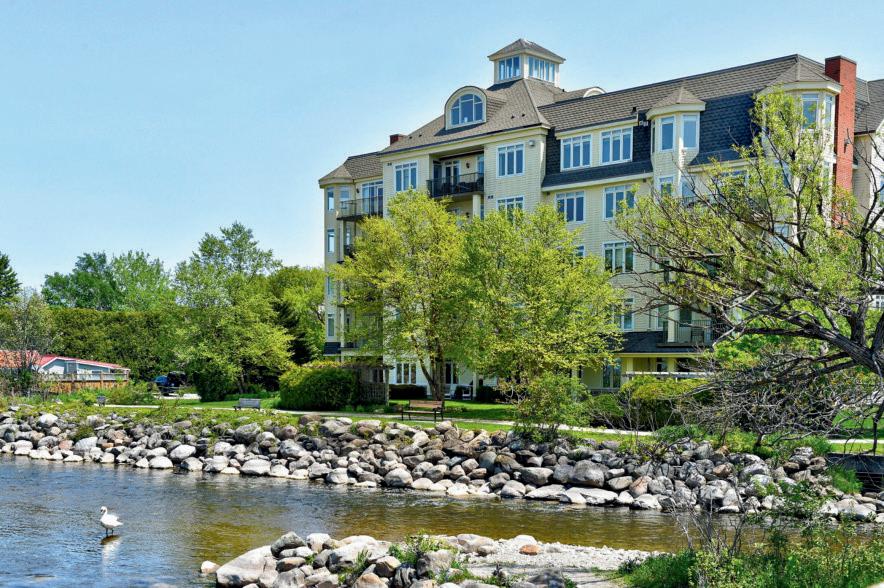
- Waterfront building located in the heart of Thornbury. Ground-floor suite w/ 2 bed + den, 2
The largest non-penthouse unit in the building. Fees include Heat, A/C, Water and Rogers Cable & Internet
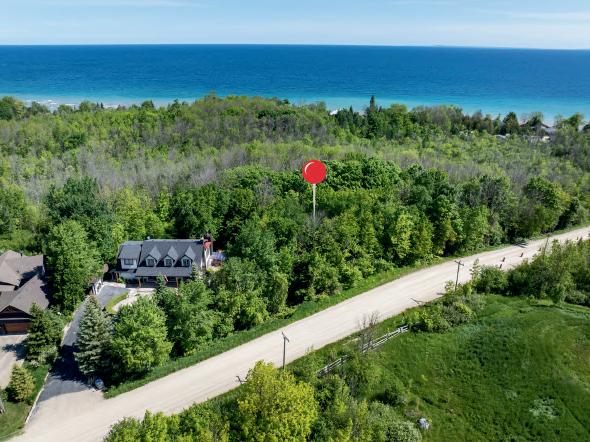
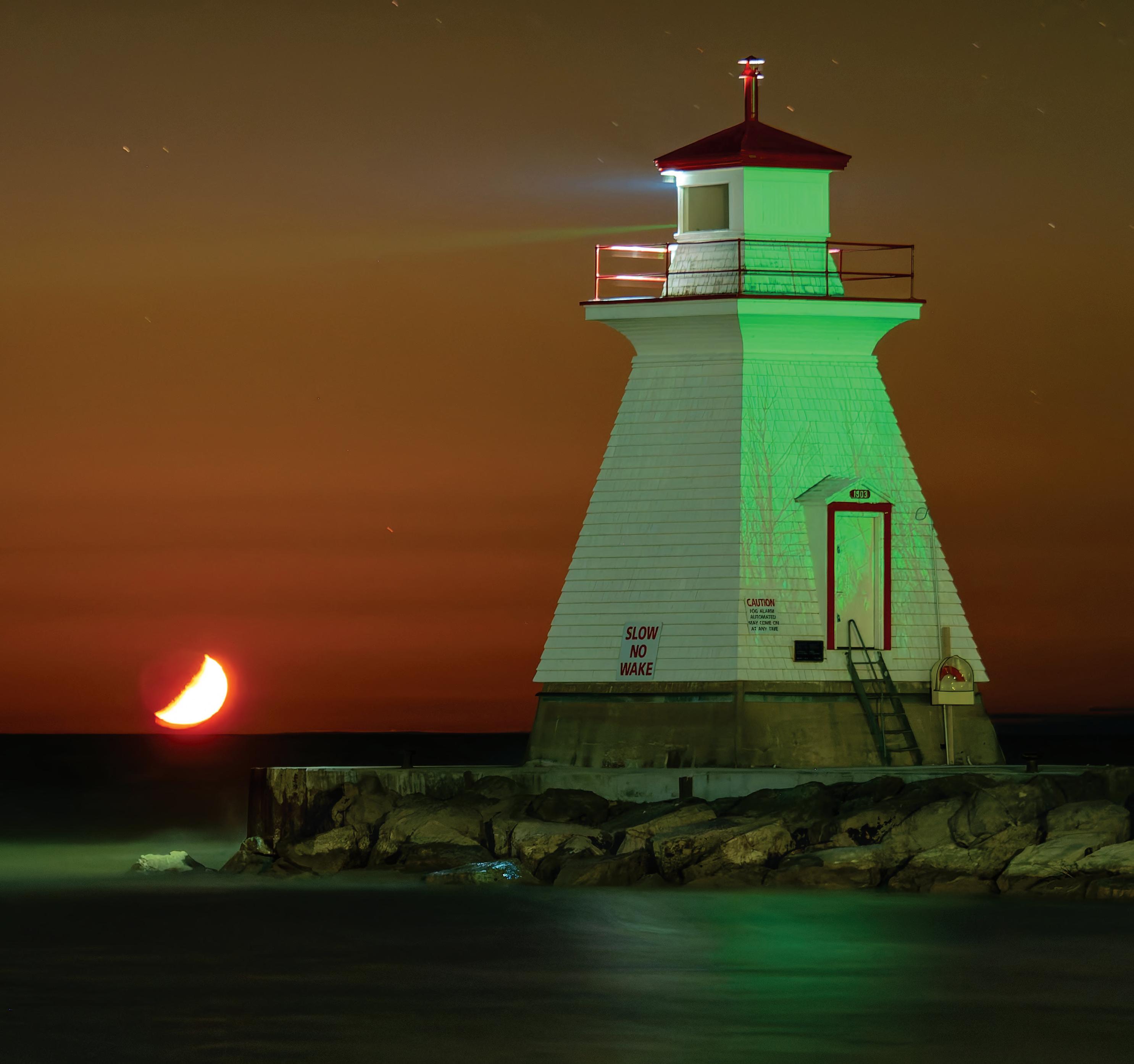
Pat Gillies specializes in wildlife, landscape, and nightscape photography. Since retiring, he has dedicated himself more fully to the craft, finding the Bruce Peninsula an exceptional source of inspiration—its ever-changing light, wildlife, and rugged shoreline offering endless subject matter. “After posting my photos on social media, people started asking if I sell prints. Now I do. Images are available on photo paper, canvas, metal, acrylic, greeting cards, calendars, and even coffee mugs.” His gallery will be open for the Shoreline Artists’ Studio Tour, July 4–5, 2026, from 10 a.m. to 4 p.m. For more information and a tour map, visit shorelineartists.net. Pat’s upcoming exhibit, “In Your Own Backyard,” will be on view at the Southampton Arts Centre (201 High Street, Southampton) from August 19 to September 12, 2026.
“Right place, right time,” says photographer Pat Gillies. “The Northern Lights were predicted to appear in the wee hours, and I headed to the Southampton harbour with hopes of capturing them with the little lighthouse in the foreground. At 3 a.m., the aurora hadn’t shown yet—but the moon was setting, and it looked incredible, so I took the shot.” About ten minutes after the moon dropped below the horizon, the aurora finally appeared, and Pat was able to capture that as well.
You could be featured in an upcoming Aftershot! Tag us on Instagram or Facebook using @EscarpmentMagazine or #EscarpmentMagazine for a chance to be featured — plus, you’ll be entered to win a gift card to a local business!

Together, James and Max have happily taken on the role of problem solvers – designing lifestyle moves, and assisting with life’s tricky moments – like purchasing before selling without financial outlay. We offer guidance on ideal locations, timing, staging, renovations, and storage – to local pickleball, golf, and tennis clubs. We’re also experienced with aging in place options, such as planning for garden suites and the hows and whys of Accessory Dwelling Units. You could say we’re looking out for those who’ve spent their lifetime looking after others. Being in a position to help is our expertise, and our happy place. Give us a call, text, or email. Learn more at: maxhahne.evrealestate.com