My professional experience has always aspired to achieve material outcomes strongly influenced by te- chnical innovation. The clash between that desire and the cultural, climatic, and idiosyncratic characteristics of the South has resulted in this collection of projects: a mixture of technolo- gized localities aimed at re-signifying identity.
This compendium gathers experien- ces operating through three guide- lines: Formal Memory reinterpreted through the digital (The Wall of Shame and Digital Knots); Robotic Material Recomposition (3D Concrete Printing, subtractive machines, and CNC-ma- chined interiors); and finally, Technological Utopia as design research (Li- ma’s transport system and the Lunar Station).
Having operated at the intersection of theory and matter allows me to cross-examine these practices and redefine the role of Latin American— specifically Peruvian—manufacturing in the global landscape
CastroErnesto Peralta presents: Digital research from the South
Towards a InterpretationLayered
Printing
Wasi-Tek
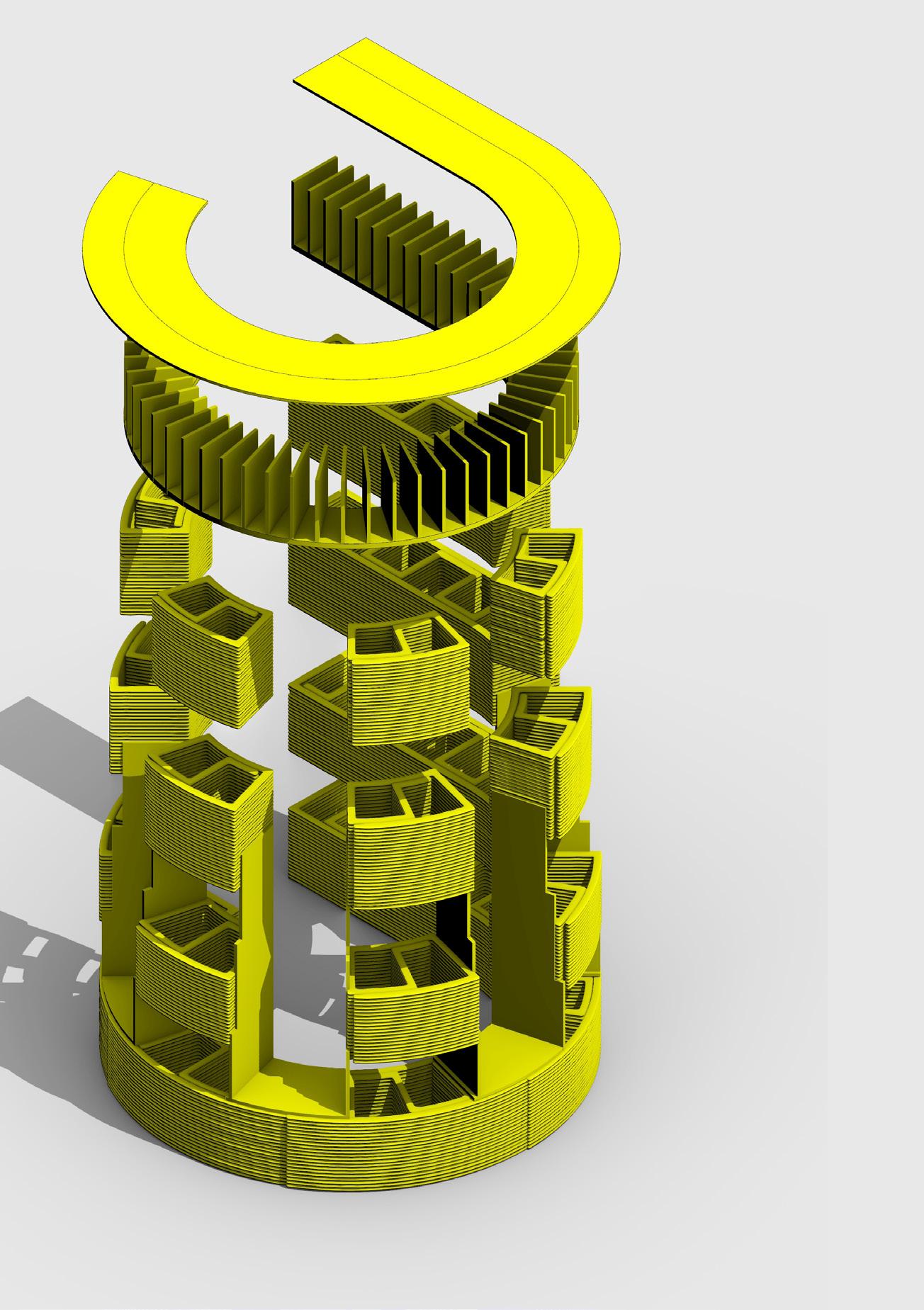
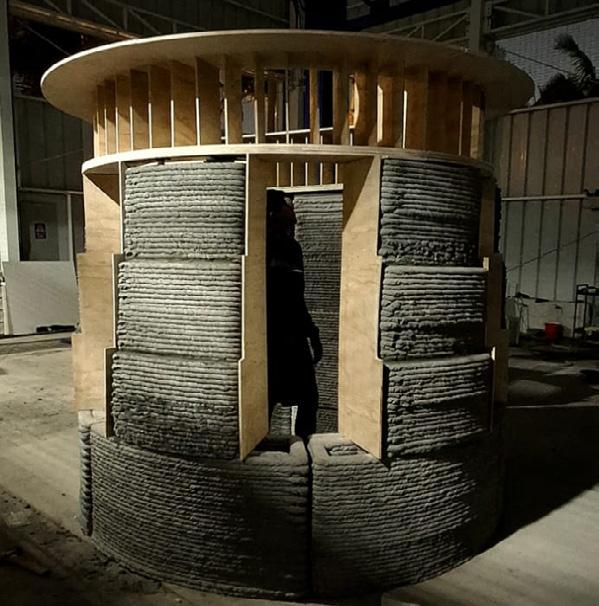
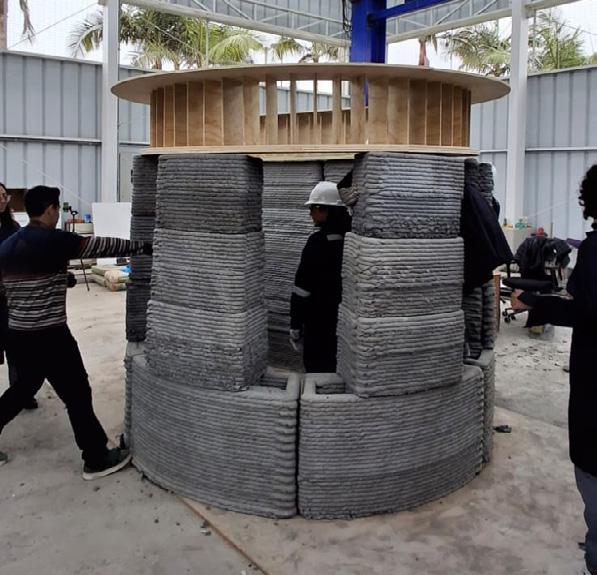
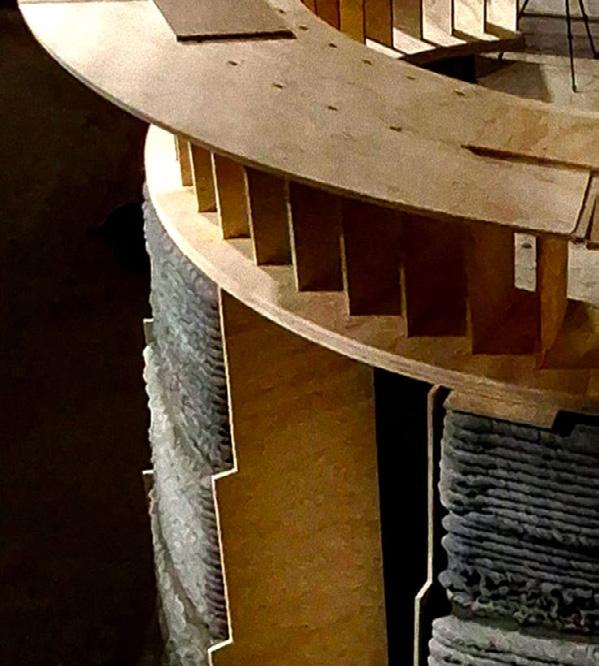
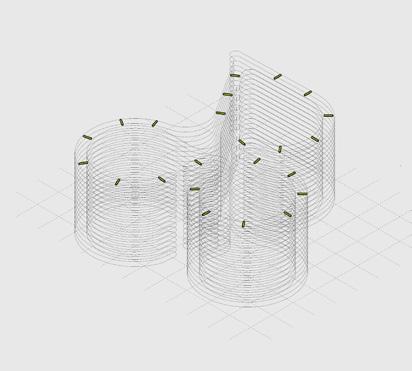
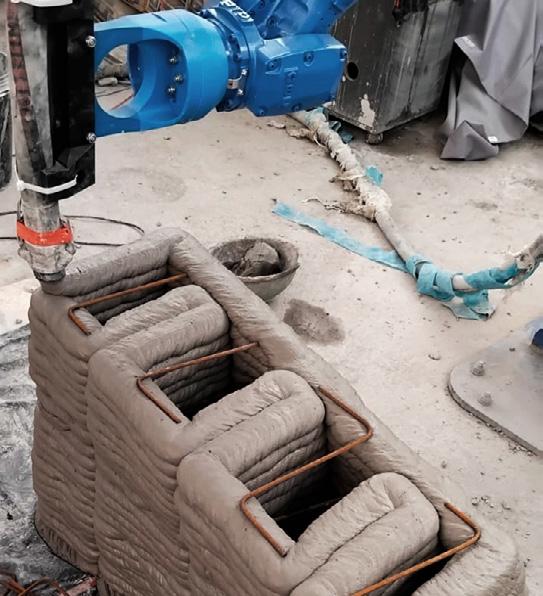
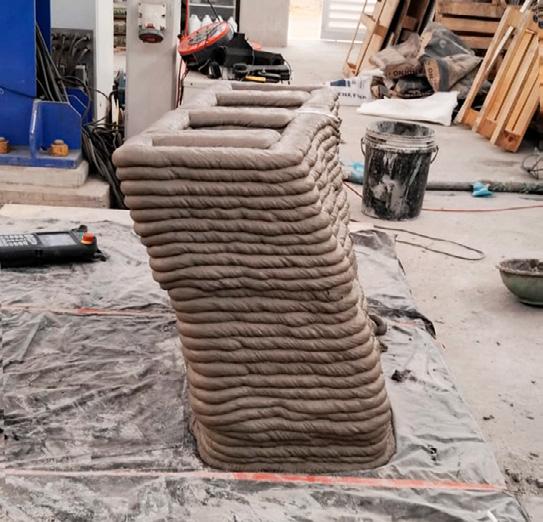
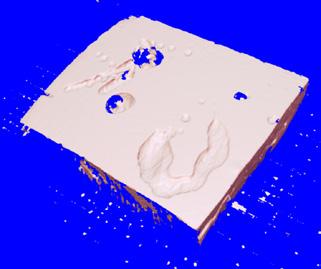
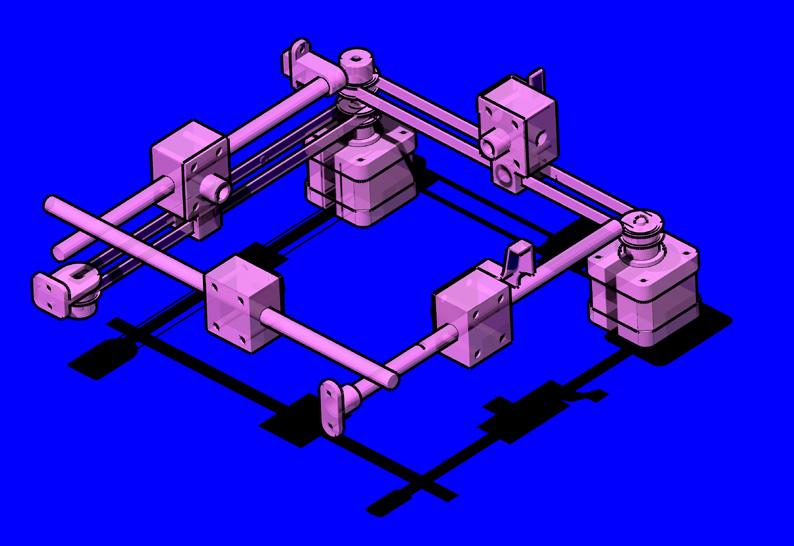
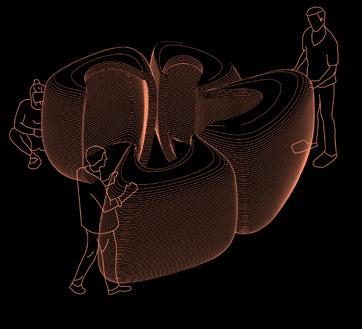
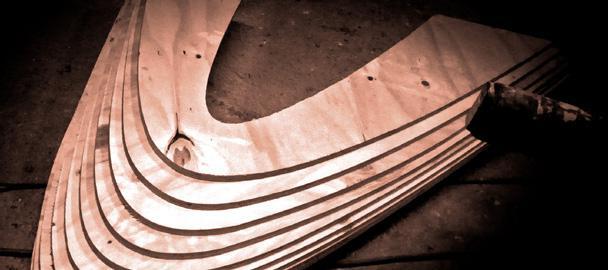
The initial constraints of the Cartesian printers used limited the pro- duction area to 1 m³. To address this, a block-stacking strategy was developed to allow for the pavilion’s growth. Due to the instability of early material mixes, which hindered the printing of complex iterations, a repetitive and stable modu- le was designed. This module featured a 40 cm thickness to ensure structural integrity. This process resulted in the first 3D-printed habitable space made of mortar in Peru.
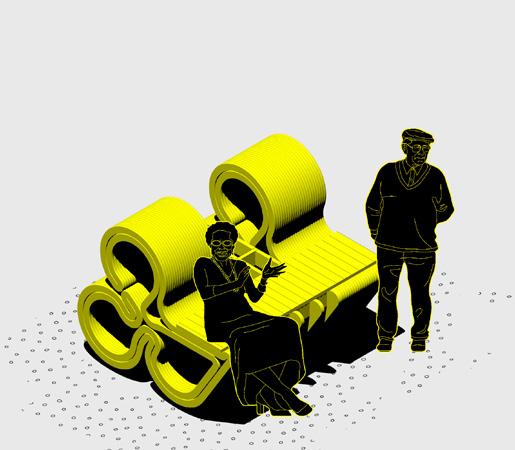
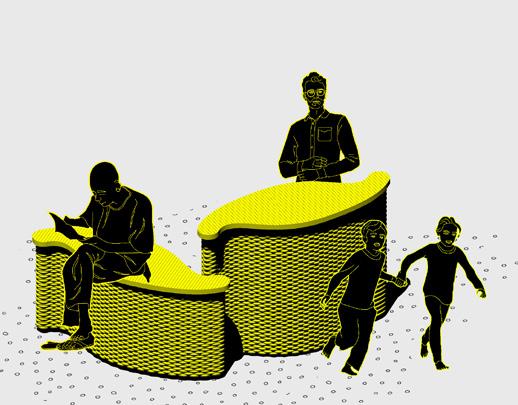
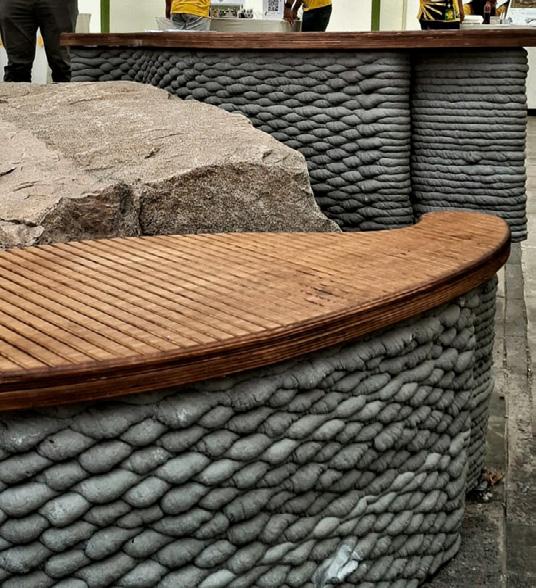
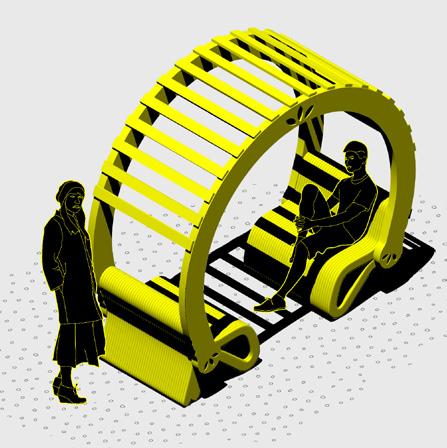
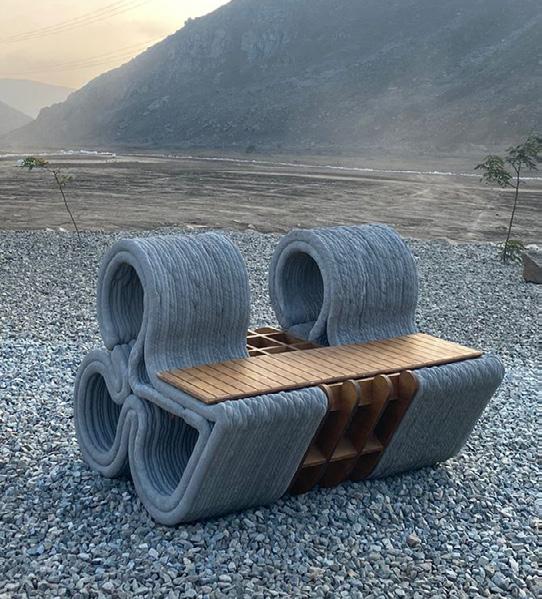
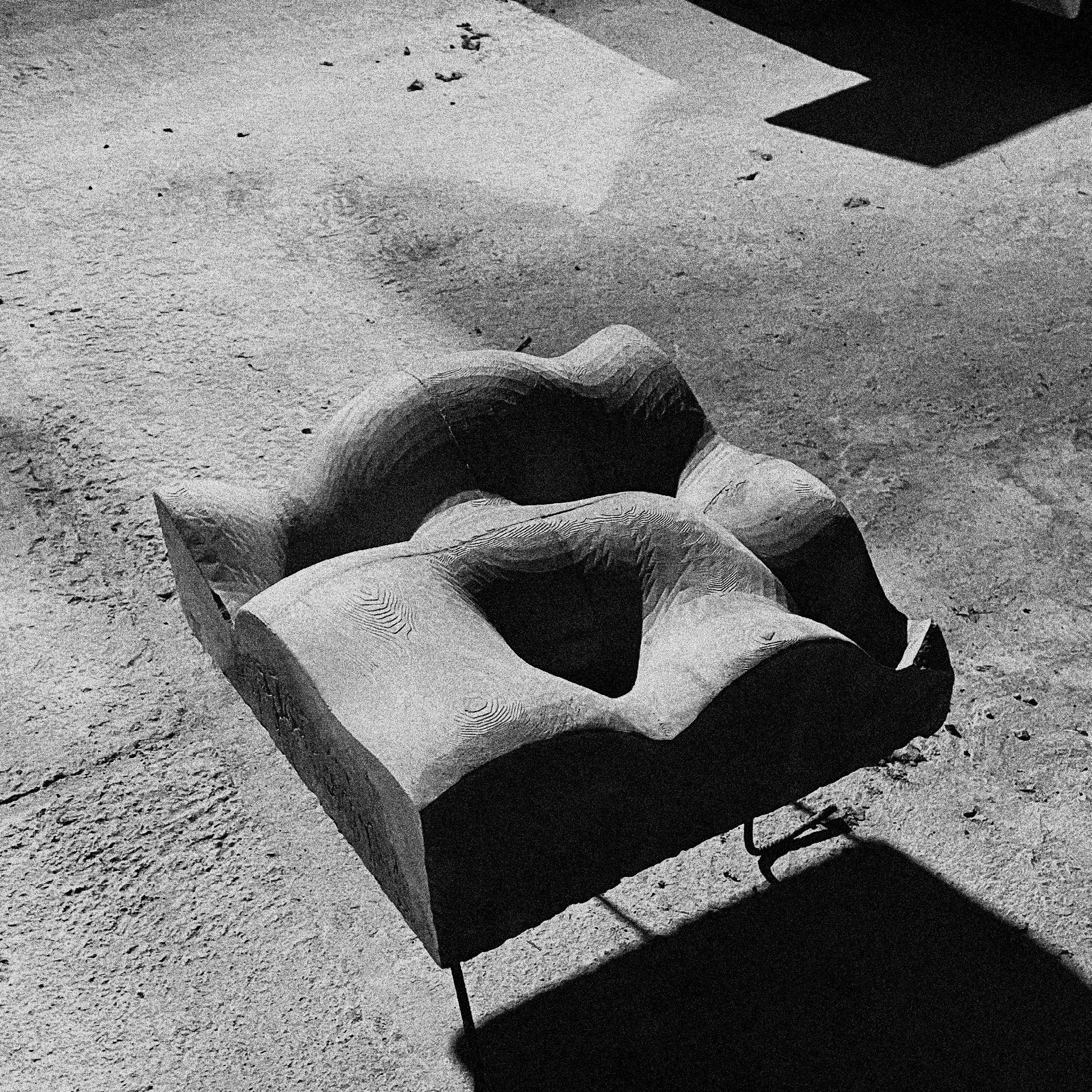
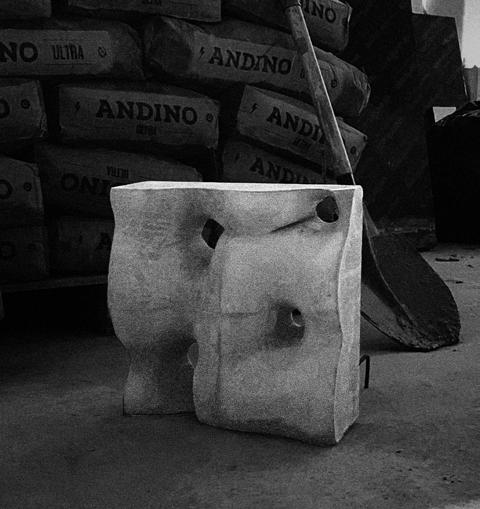
Amancay Benches. Our 3D prin- ting experiments caught the attention of major construction companies, such as UNACEM, the country’s lea- ding cement producer. They commis- sioned us to develop the first training program focused on custom G-code for cementitious additive manufacturing. Subsequently, we fabricated the furniture designed by the program’s participants. The result was three reinterpretations of the Amancaes flower, the most representative natu- ral icon of the Amancay Sanctuary, which now serve as rest areas and contemplation spaces for visitors.
Tikay In colaboration with Nicole Tumba & Claudia Gavidia
Aurea In colaboration with Miguel Garcilazo, Arumi Pala & Nissim Toledo
Ingeniadores In colaboration with Sandra Poma, Isaac Carol & Alexandra Rodriguez
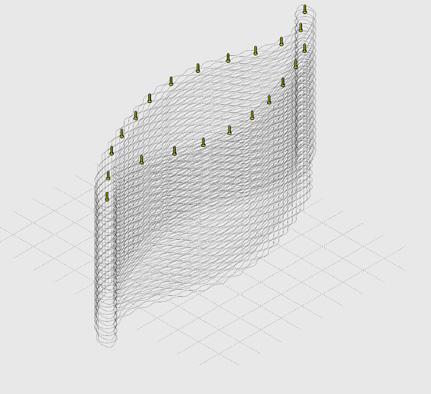
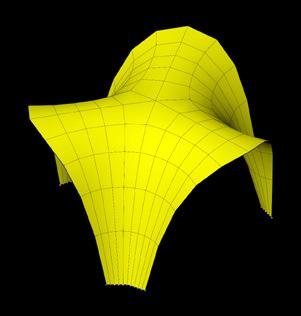
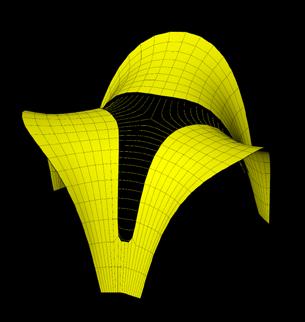
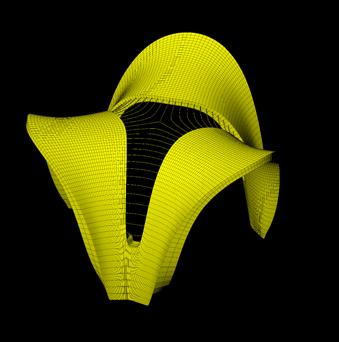
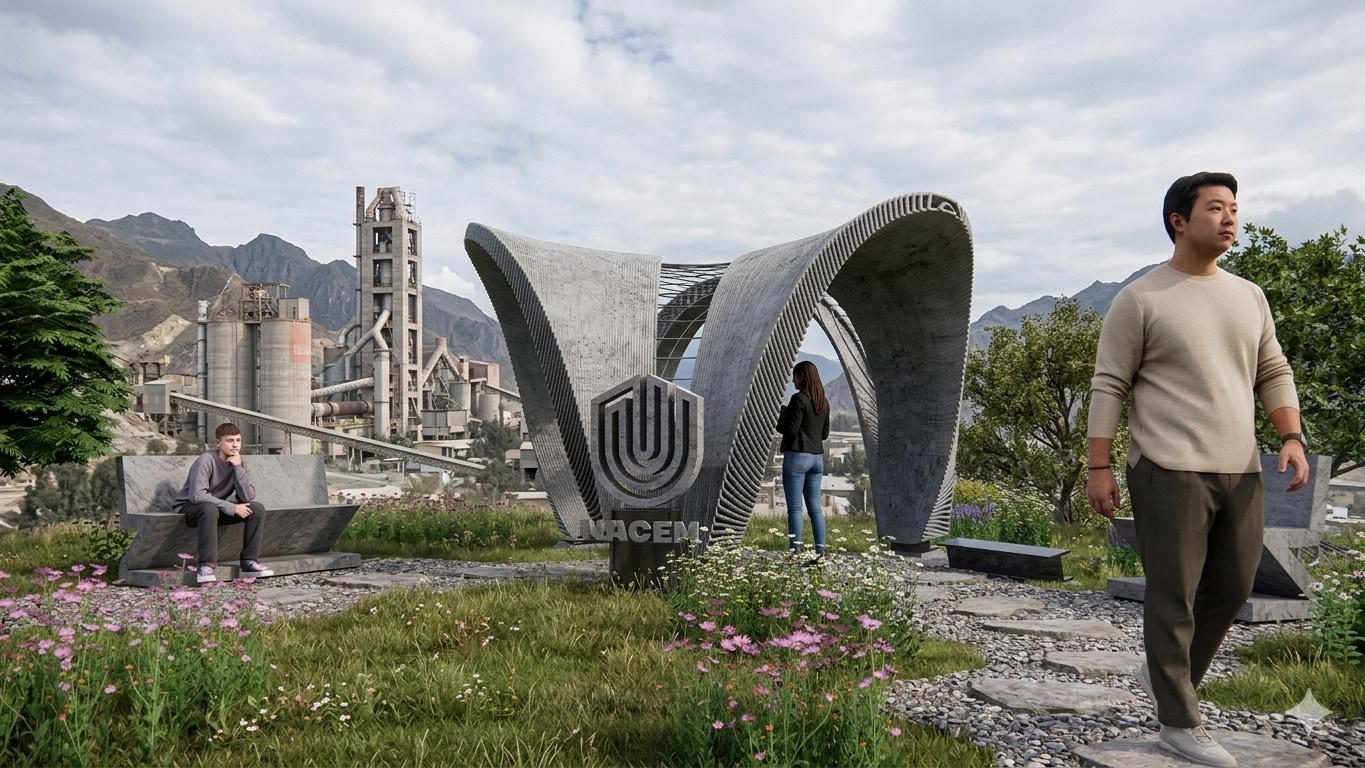
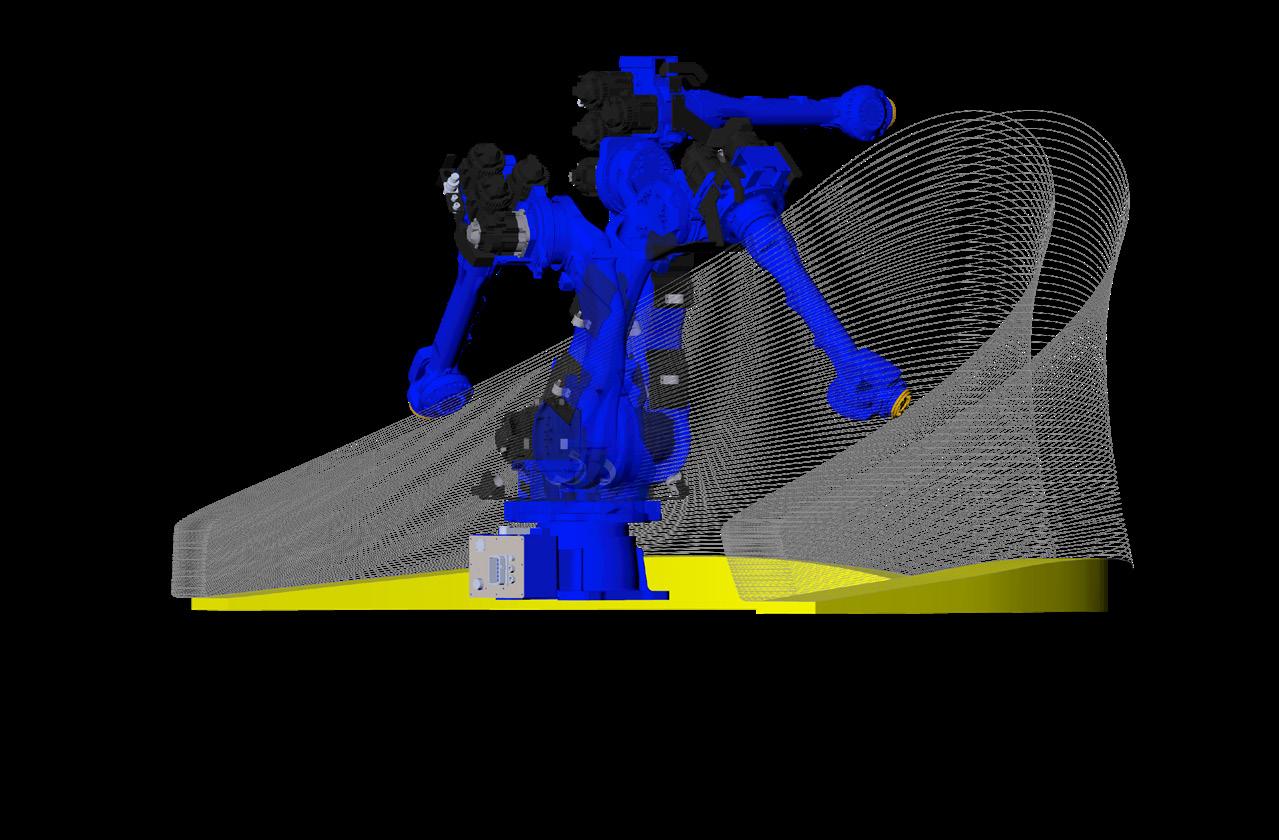
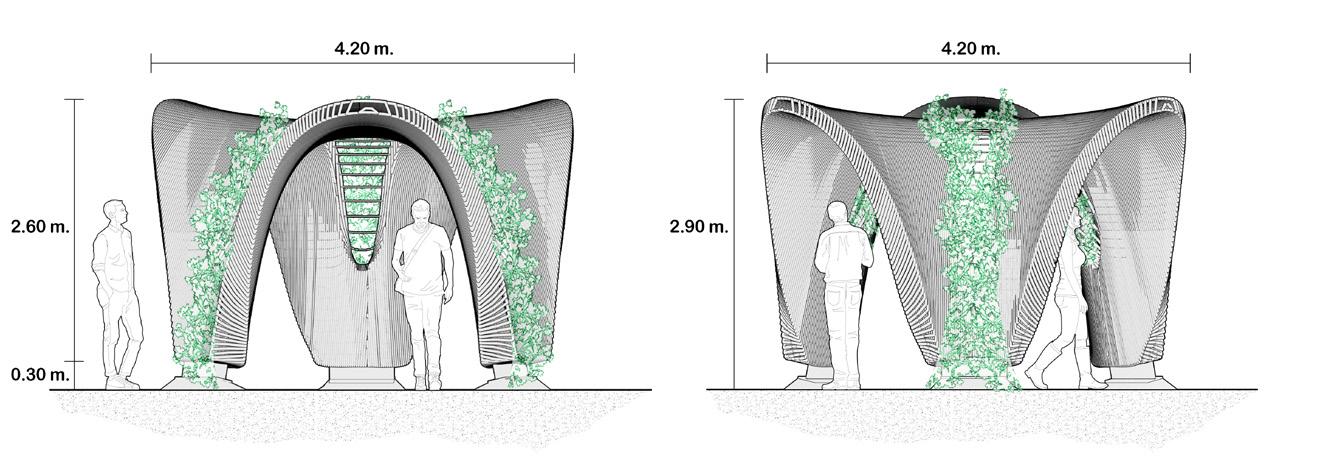
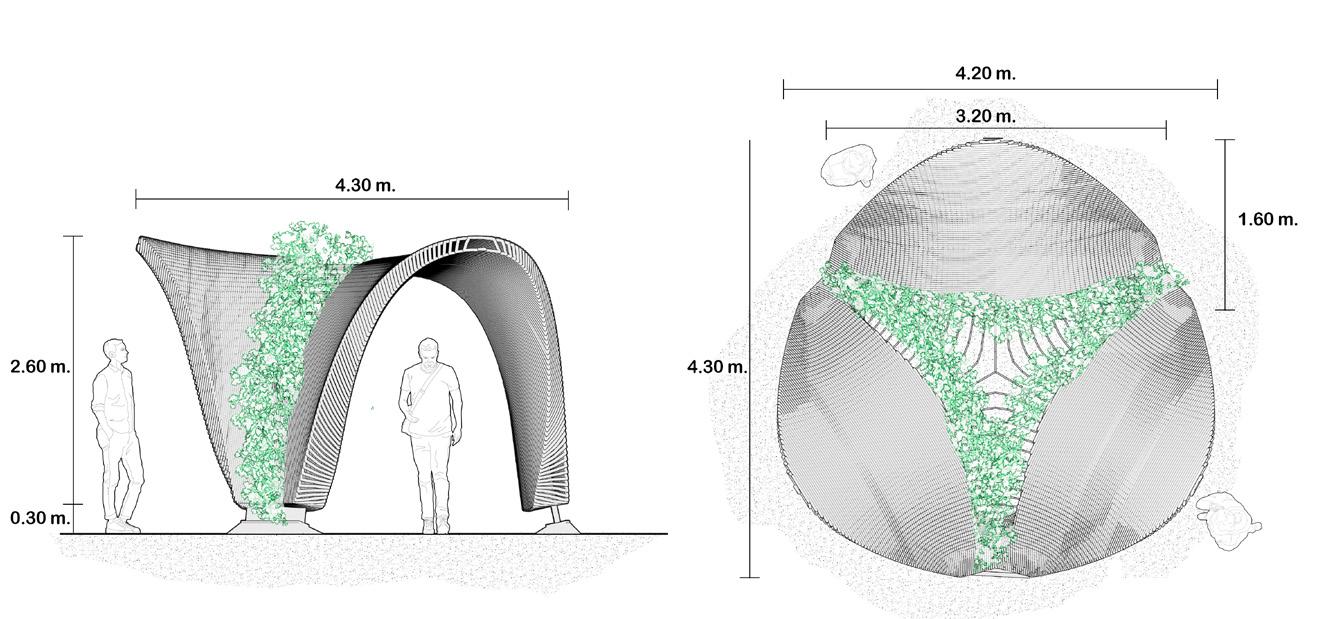
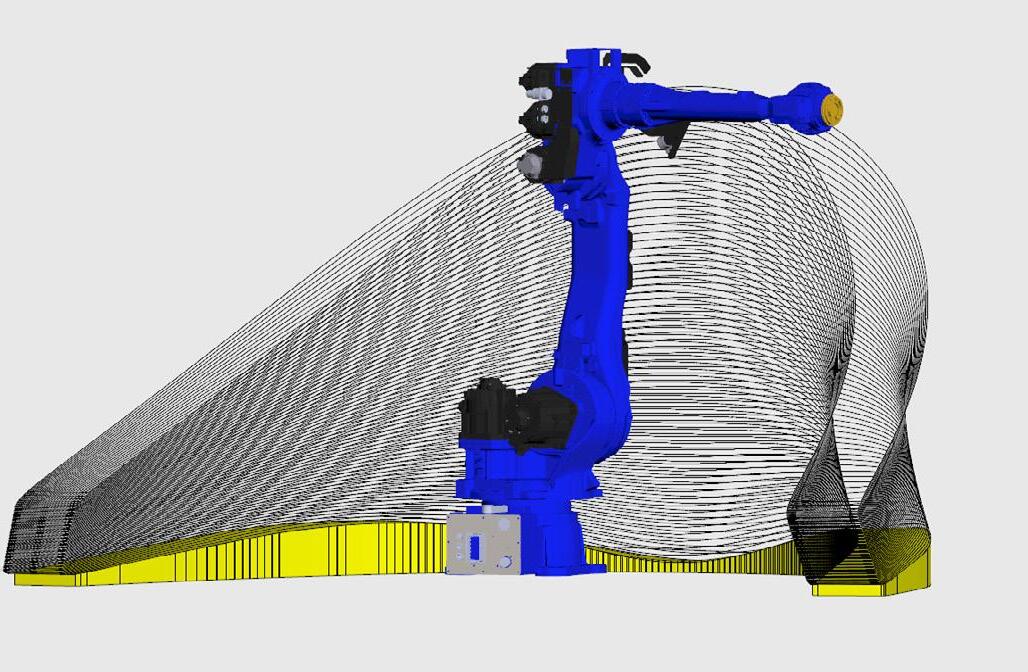
Unacem Pavilion. The commission involves the design of a visitor booth at UNACEM’s cement extraction qua- rry in Peru. In response to the need to efficiently manage visitor flow, provide an observation point overloo- king the processing plant, and ensure sufficient shade for visitors, a single continuous architectural gesture was chosen. This design harnesses the unique possibilities of non-planar 3D printing combined with vegetation as a unifying element. The vegetation introduces a dynamic component that allows visitors to perceive the pas- sage of time and seasonal changes, creating on contrast with the solid, timeless character of concrete.
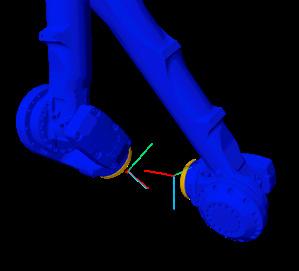
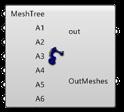
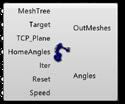
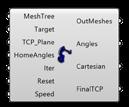
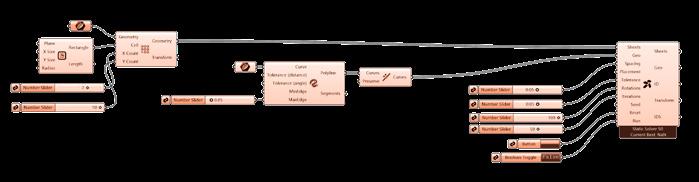
Desarrollo de Plugin para Yaskawa GP50 en Grasshopper
Architectural Plans
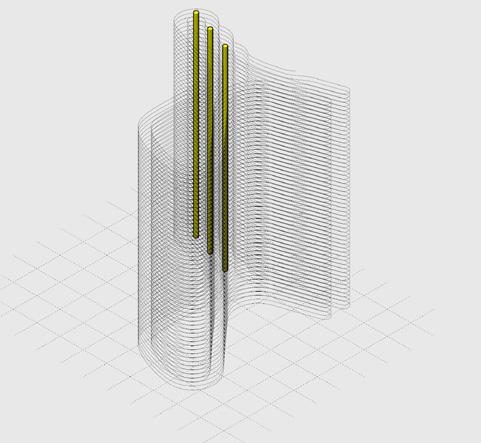
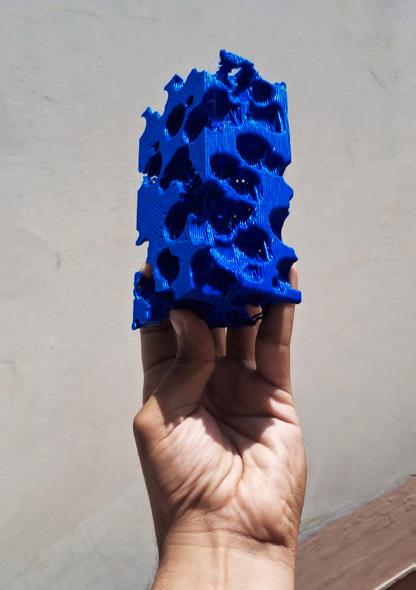
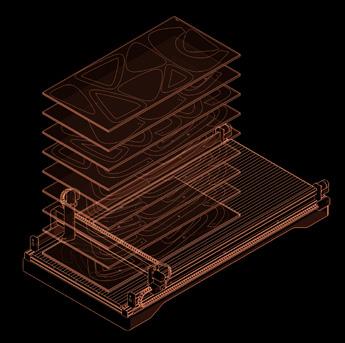
Custom Support for 3D Printing
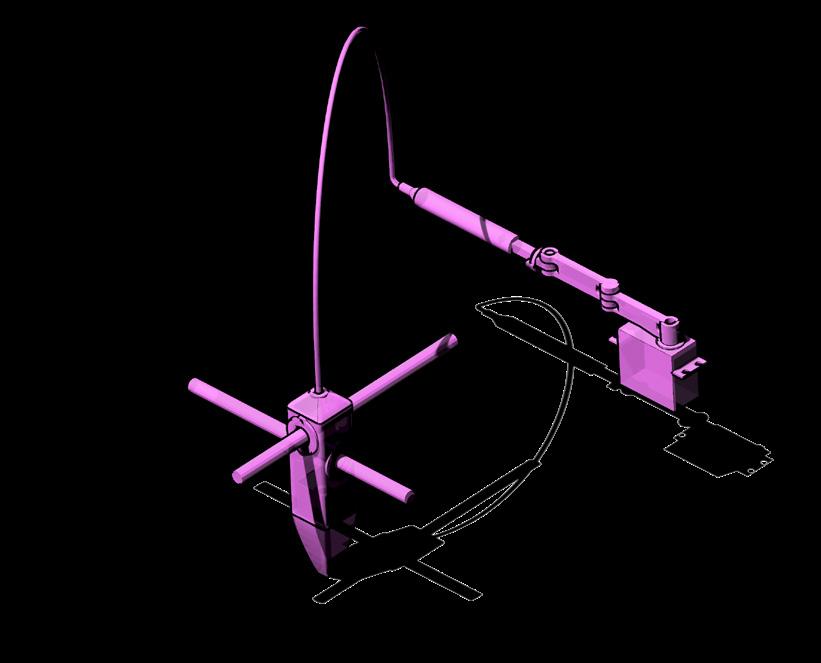
The Machine that Cried
Exothermic Reaction.
Erosion
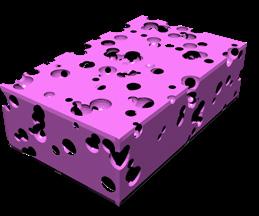
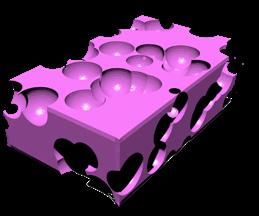
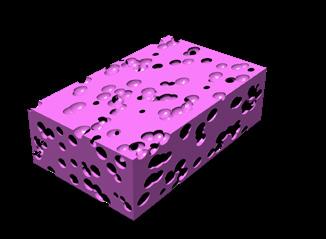
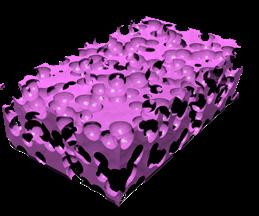
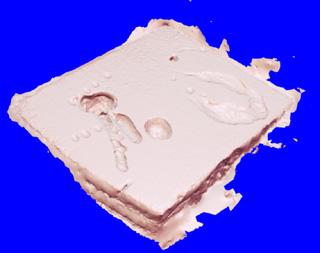
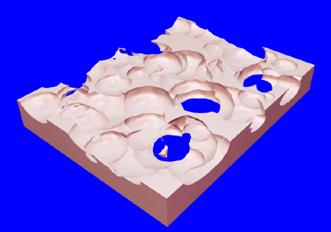
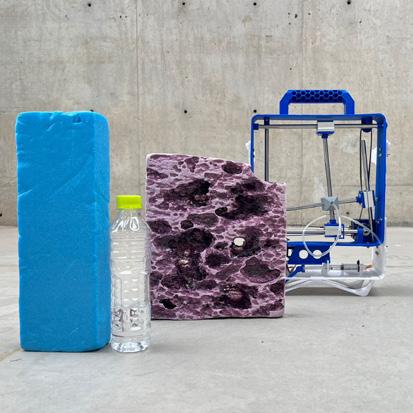
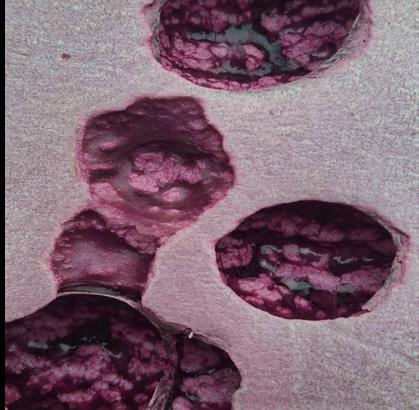
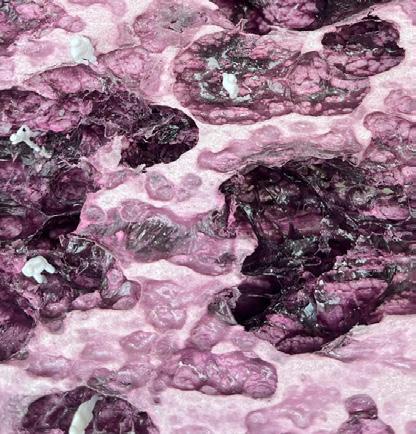
as resistance. The theoretical approach of the project questions the complacent reality in which manufactu- ring finds itself today. The shift from a maker philosophy to becoming a mere producer of objects has led to dehu- manization and to distancing ourselves from the act of making. This search for perfection is revised through the mate- rial reaction generated by the subtrac- tion occurring between the thinner and the extruded polystyrene.
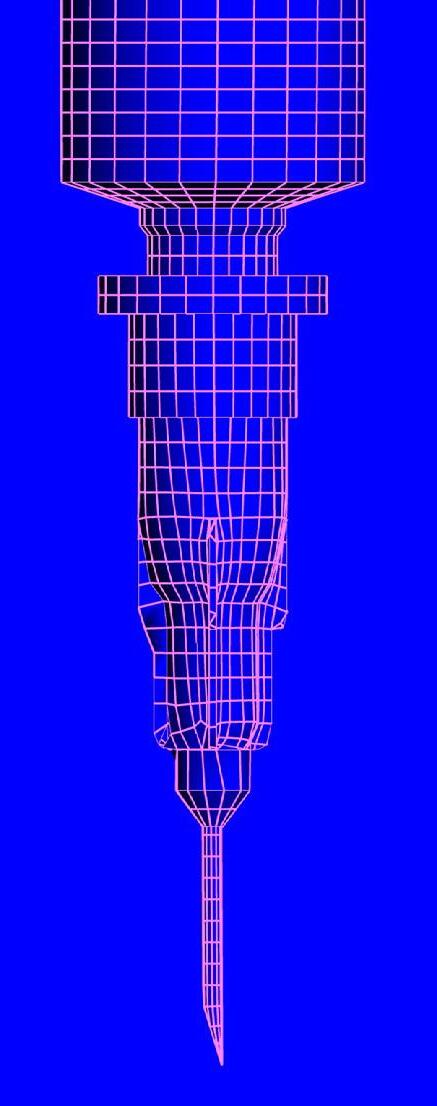
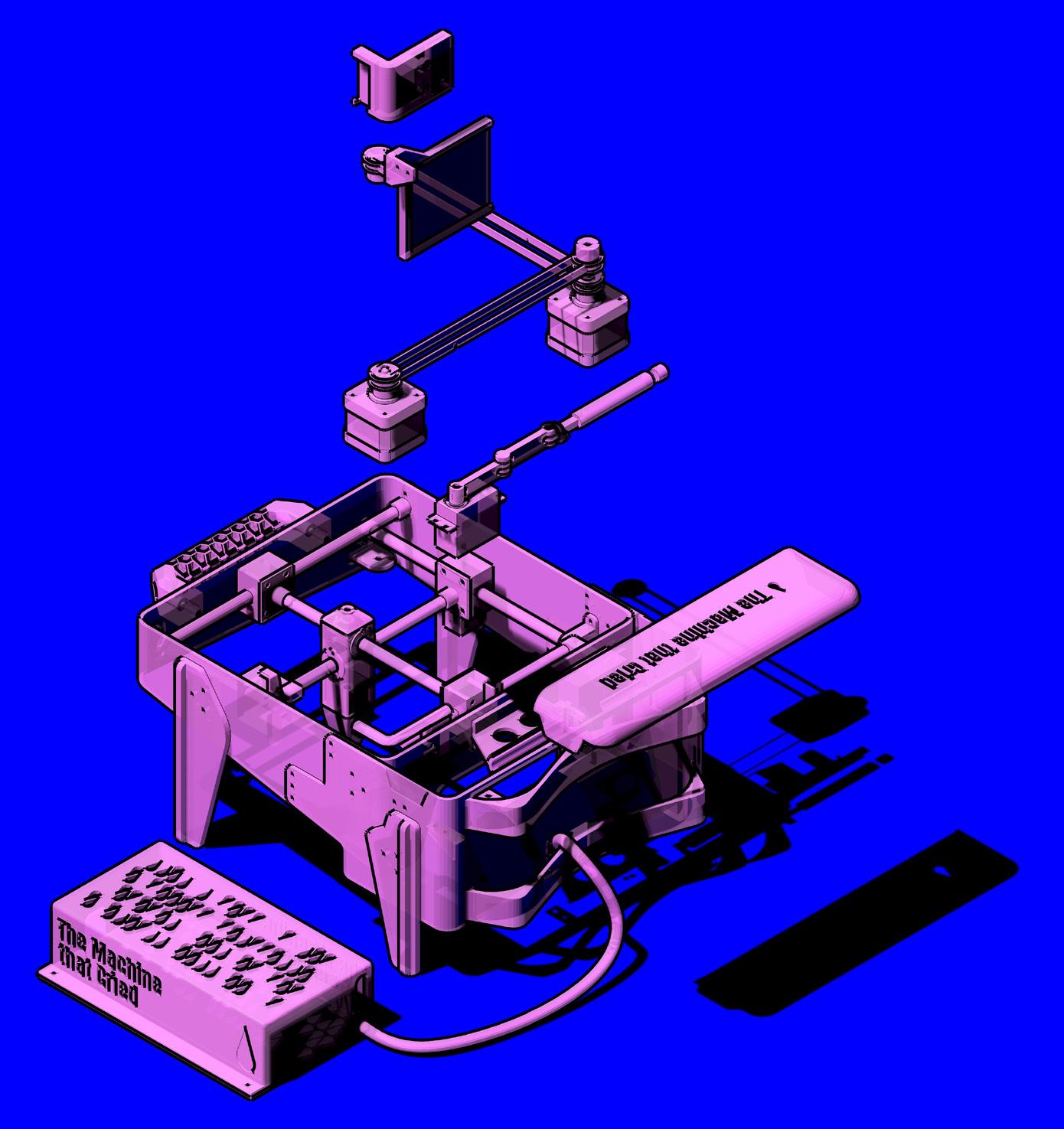
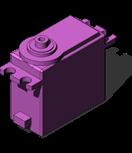
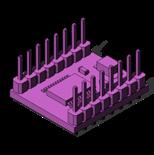
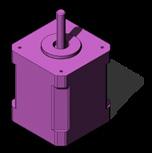
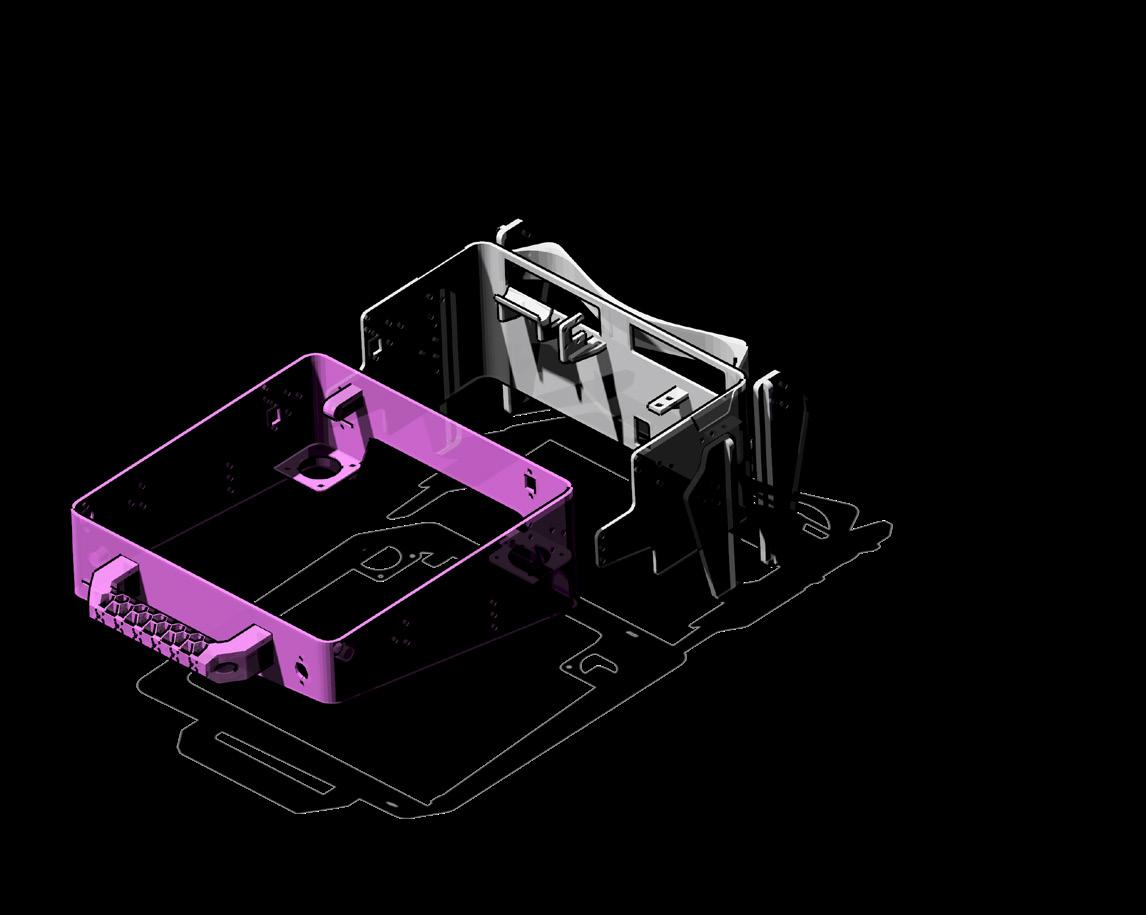
The machine replaces the head of a typical subtractive manufacturing machine with a plunger that de- posits drops of thinner onto foam, leaving a sometimes inadvertent and unpredictable trail that allows editing the surface and eroding it in a controlled manner. This is achieved through a bowden push system driven by a Servomotor that presses a 10 ml syringe, allowing the liquid to be dosed. In a future update, it would be ideal to improve the programming quality to be able to play with parameters.
Machine that Cried
Mechanical Design Electronic Design
Solvente comercial basado en compuestos como tolueno, xileno o hidrocarburos aromáticos. Los cuales permiten una gran capacidad de disolución en espumas como el Polies- tireno
ENABLE_PIN 6 // D6: ENABLE común
AlgaeScape
YAC Competition: Moon Station (MenciónHonrosa)
#define LIMIT_MIN_X 7 // D7: Final de carrera mínimo X #define LIMIT_MIN_Y 8 // D8: Final de carrera mínimo Y
#define SERVO_PIN 9 // D9: Señal del servo
void loop() if (stringComplete) { processGCode(); inputString = “”; stringComplete = false; Serial.println(“Listo para el siguiente comando”);
if (inputString.startsWith(“G1 “)) long targetPositionX = currentPositionX; long targetPositionY = currentPositionY; int xIndex = inputString.indexOf(‘X’); if (xIndex != -1) { int xEnd = inputString.indexOf(‘ ‘, xIndex); if (xEnd == -1) xEnd = inputString.length(); String xValueStr = inputString.substring(xIndex + 1,
(inputString.startsWith(“G1 “)) int targetServoAngle = currentServoAngle; int aIndex = inputString.indexOf(‘A’); if (aIndex != -1) { int aEnd = inputString.indexOf(‘ ‘, aIndex); if (aEnd == -1) aEnd = inputString.length(); String aValueStr = inputString.substring(aIndex + 1,
void moveToPosition(long targetPositionX, long targetPositionY) long stepsToMoveX = abs(targetPositionX currentPo sitionX); long stepsToMoveY = abs(targetPositionY - currentPo sitionY);
AlgaeScape
YAC Competition: Moon Station (Mención Honrosa)
Project Group: E. Castro, F. Vergara, C. Requejo (2023)
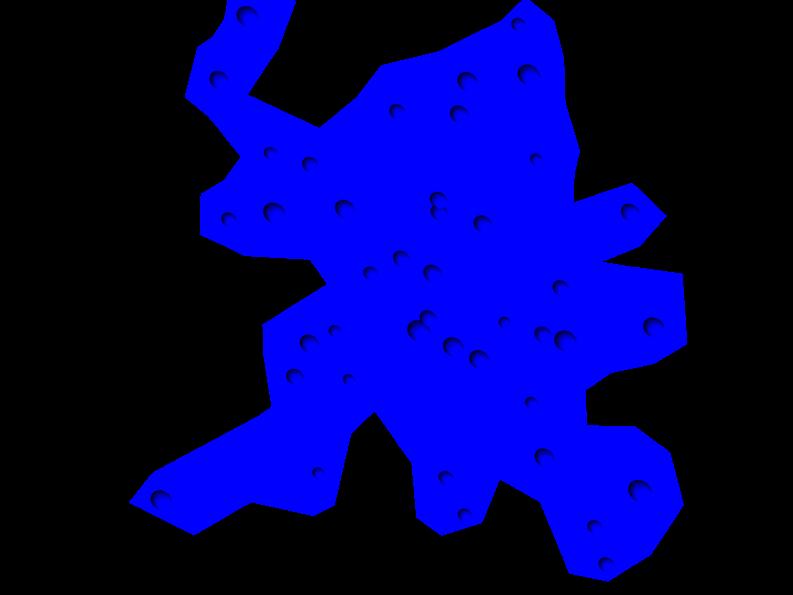
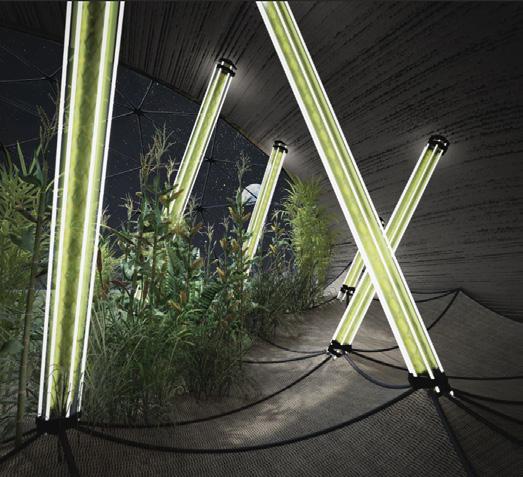
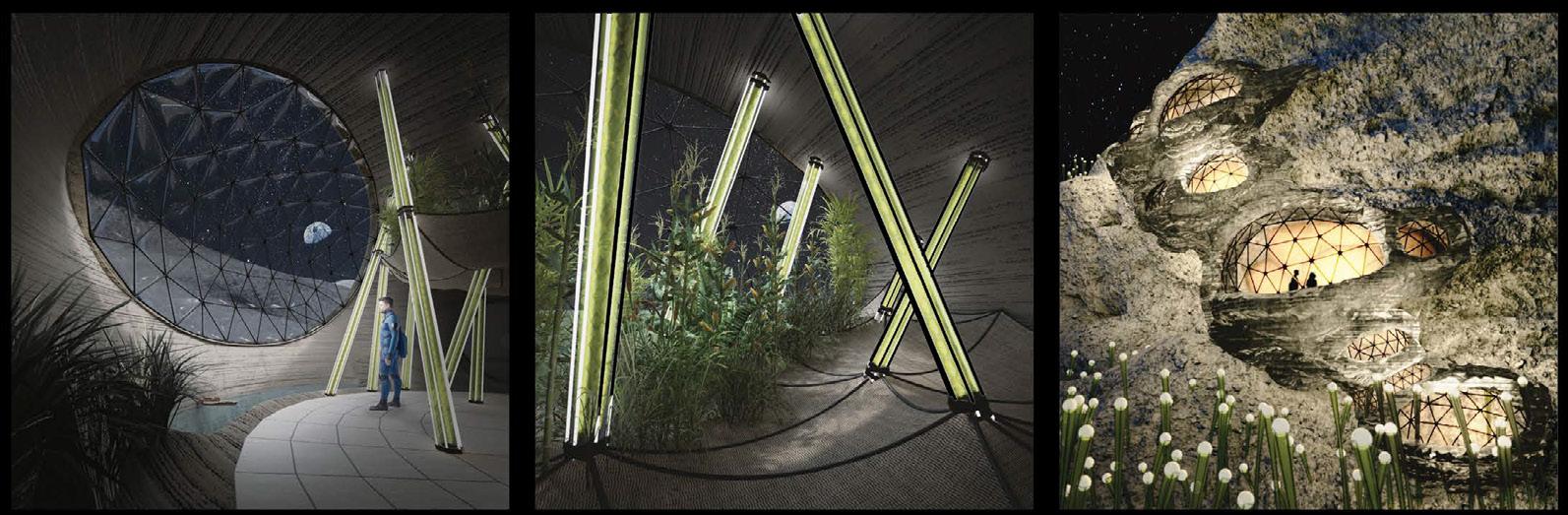
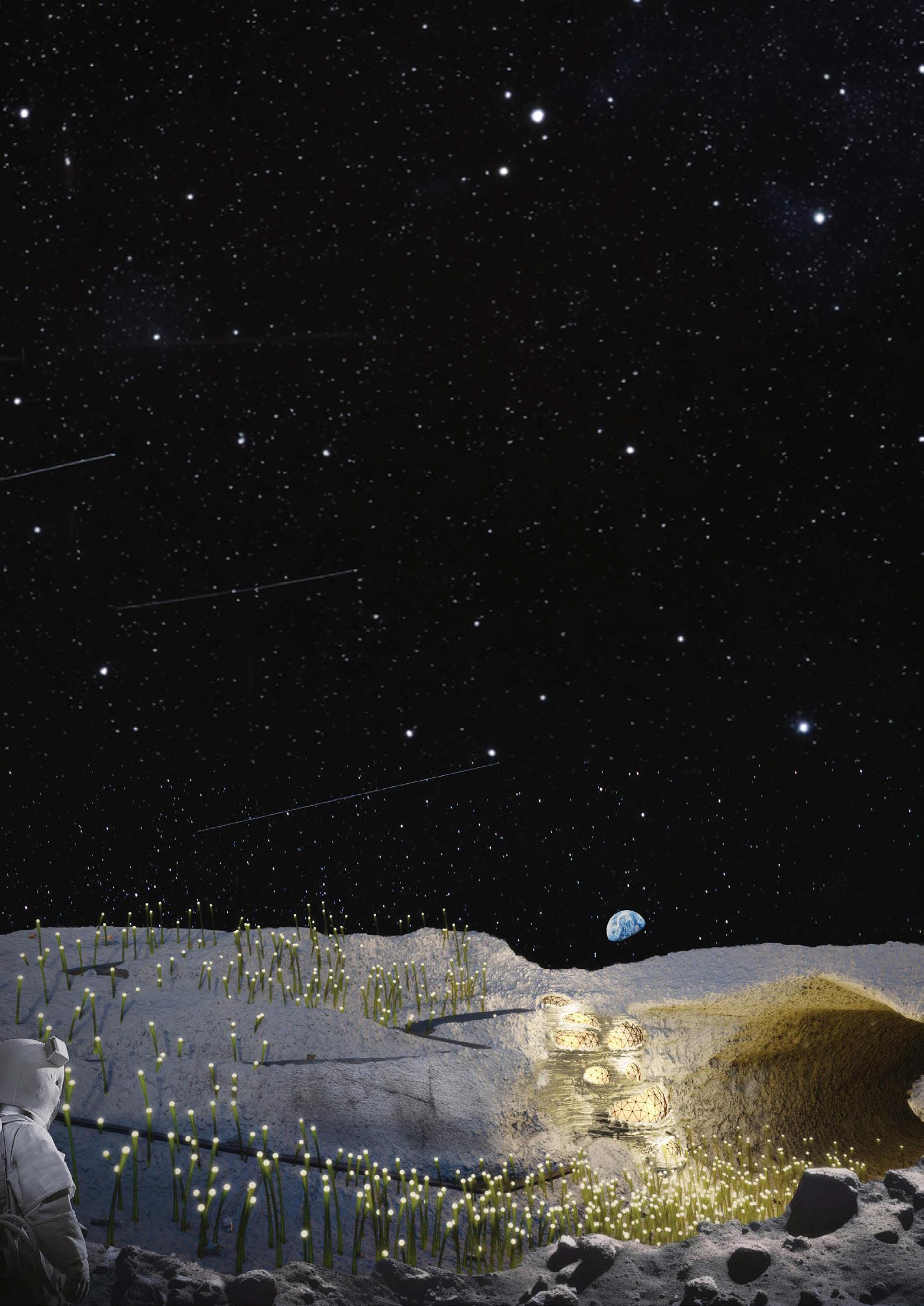
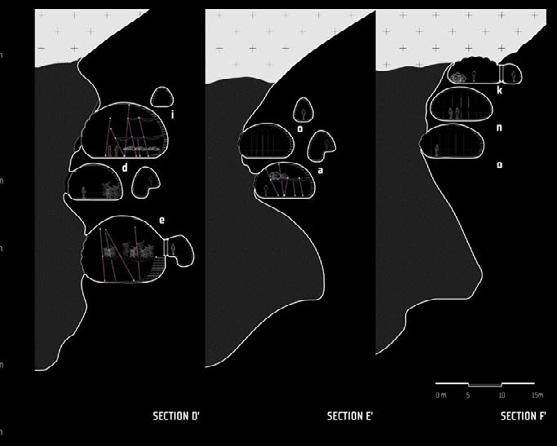
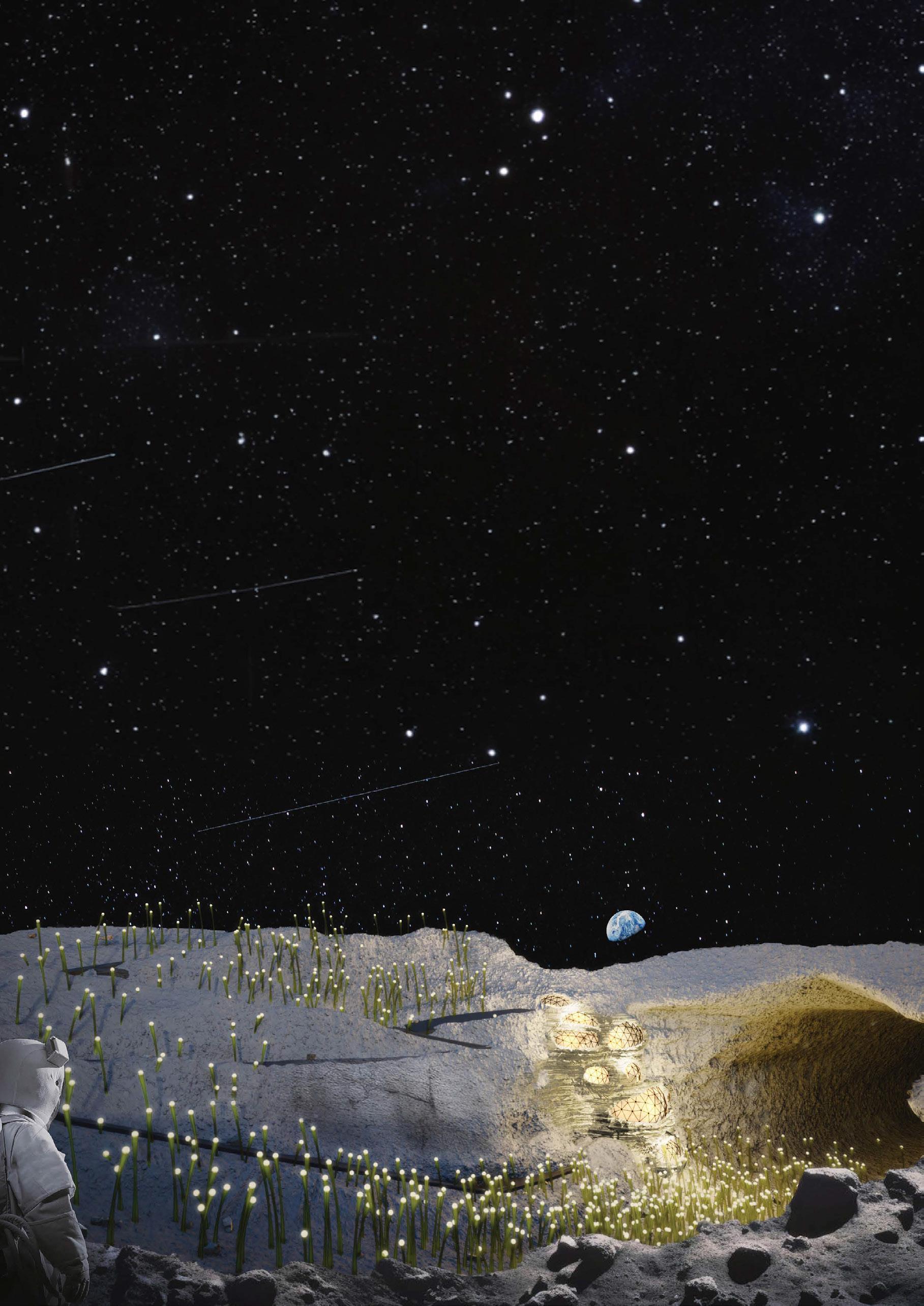
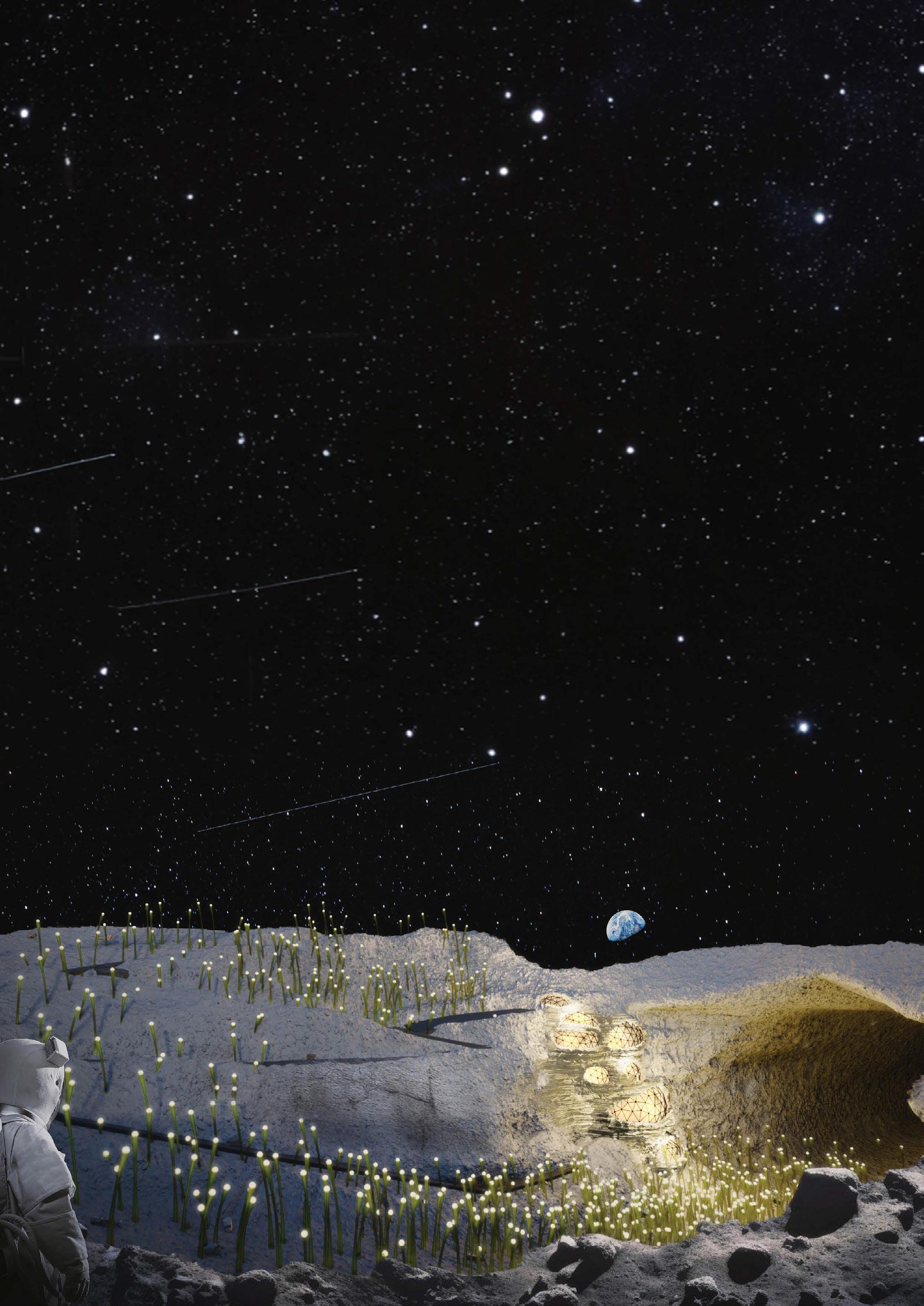
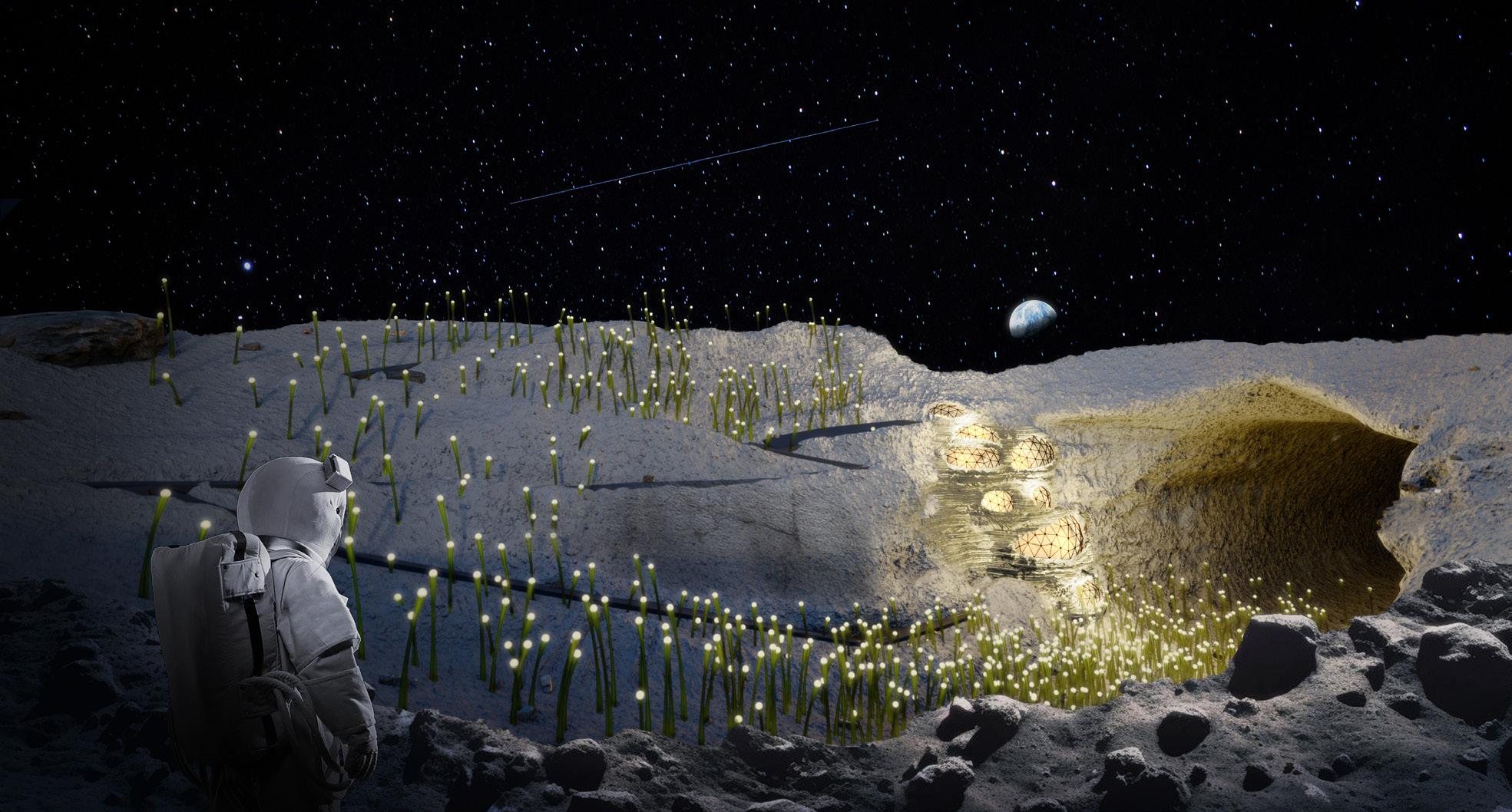
Se visualiza la primera estación lunar dentro del intersticio de un tubo de lava. Integra biorreactores de algas para la producción de biocombustible, optimizados por la menor gravedad lunar para una utilización eficiente del
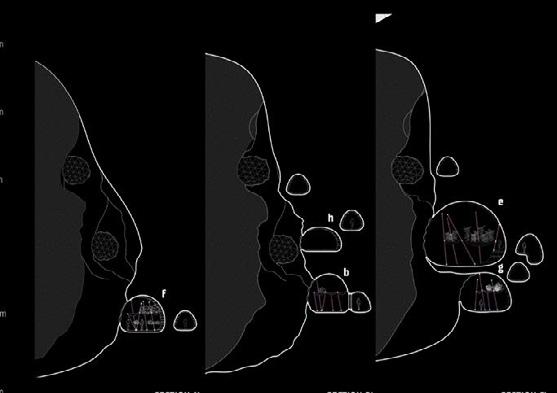
Project Group: E. Castro, F. Vergara, C. Requejo (2023) Sections Plan
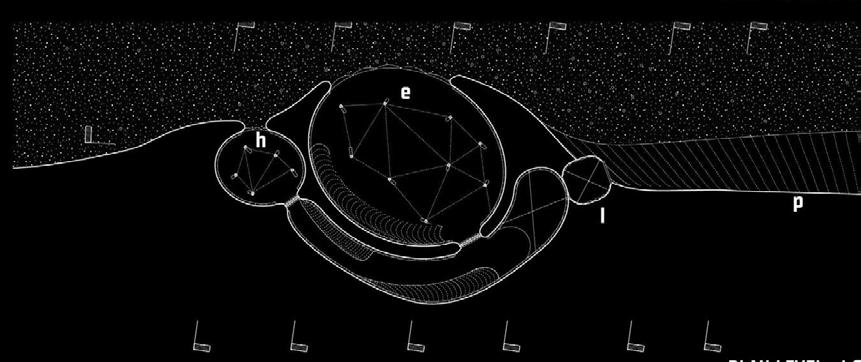
Se visualiza la primera estación lunar dentro del intersticio de un tubo de lava. Integra biorreactores de algas para la producción de biocombustible, optimizados por la menor gravedad lunar para una utilización eficiente del espacio vertical. Esta ubicación estratégica proporciona protección contra los peligros lunares, mientras que las prácticas sostenibles aseguran la viabilidad a largo plazo. Se prioriza el bienestar de los astronautas con espacios habitables cómodos y áreas comunales que abordan los desafíos psicológicos al acercar los ecosistemas a la vida diaria de los astronautas.
Este proyecto simboliza la exploración humana futurista, empujando los límites de la exploración espacial. Va más allá del significado científico y tecnológico, convirtiéndose en un destino icónico que captura la imaginación global. Algaescape representa la cúspide del logro humano, inspirando a las futuras generaciones y consolidando su estatus como un símbolo de nuestra implacable búsqueda de conocimiento y aventura más allá de la Tierra.
bool dirX = targetPositionX >= currentPositionX ? HIGH
Digital-Analogic ThroughInteractions Wood
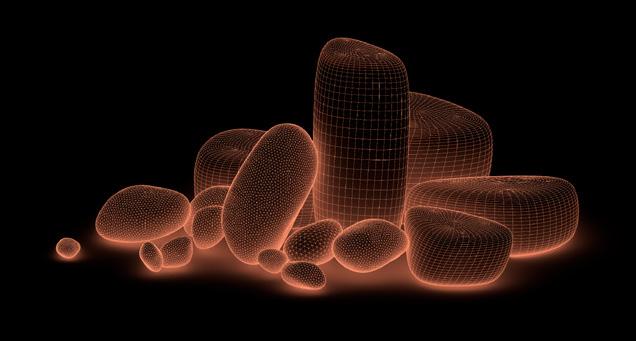
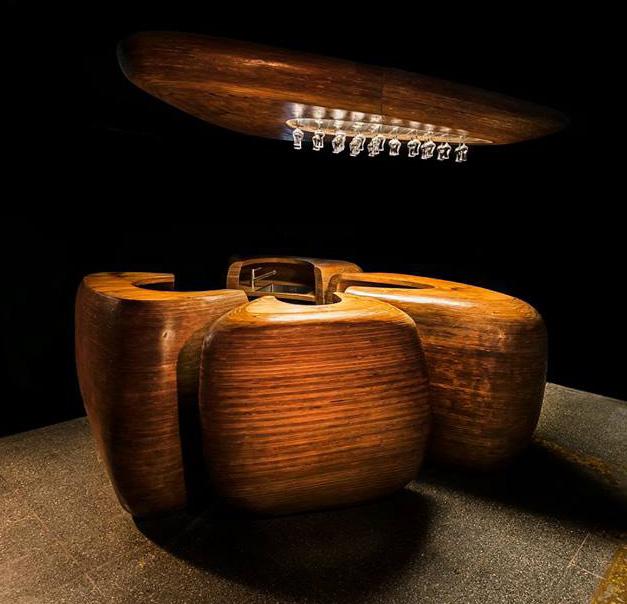
Canto Table. A key element is the accom- panying Canto Table, computationally de- signed to imitate river-worn pebbles (cantos rodados) via rationalized parametric geome- try and digital morphogenesis. Produced with the same hybrid pipeline, they blur lines between natural erosion, computatio- nal design, and human touch. Together, bar and tables form a quiet manifesto of cultu- ral continuity—reframing Peru’s carpentry and Pisco traditions through democratized tools—where digital precision frames and enhances, rather than replaces, the ex- pressive imperfections of the human hand, lending the objects authenticity, depth, and unique material presence.
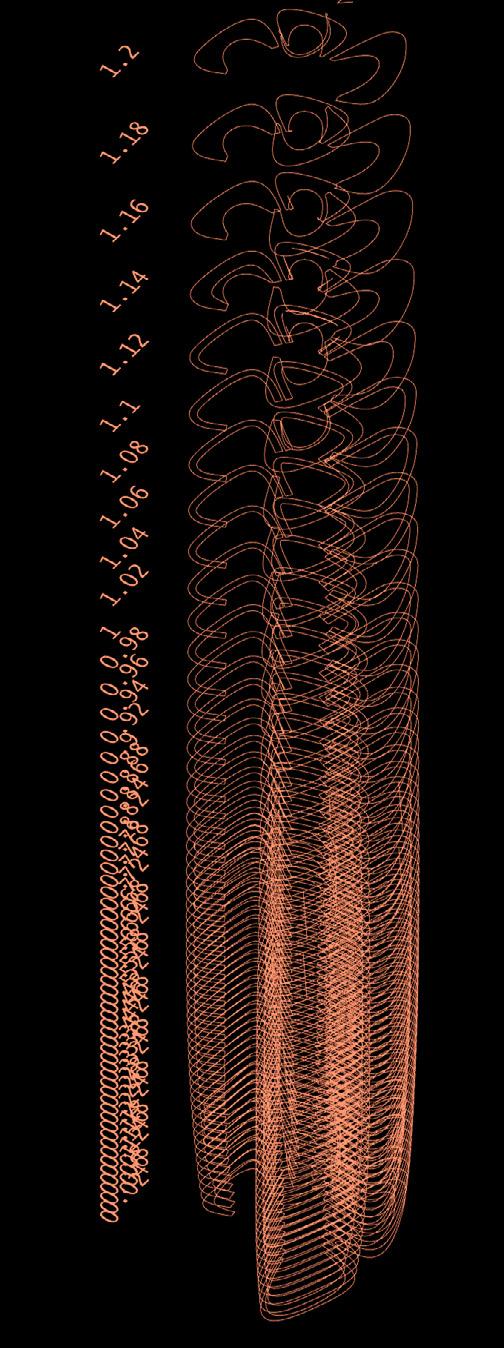
SimulationPhysical of the Act of Knotting Digital Experiments Inspired by the Work of Jorge Eielson
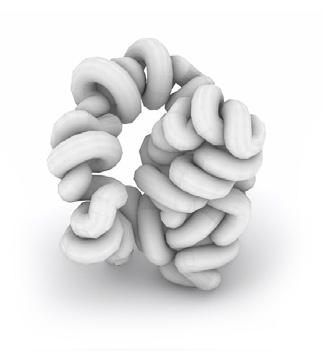
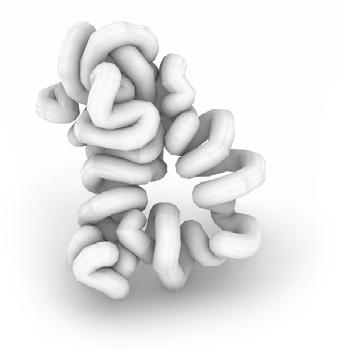
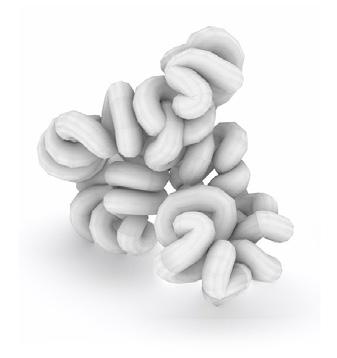
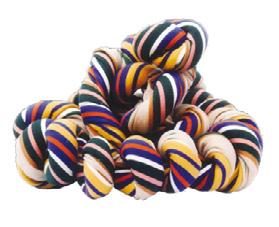
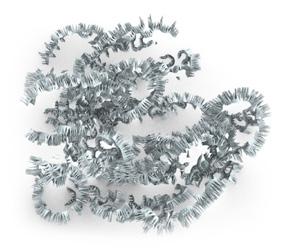
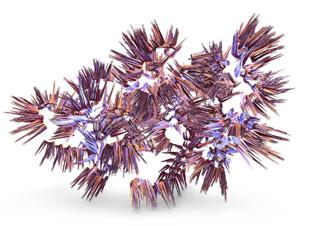
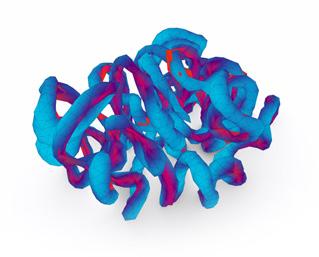
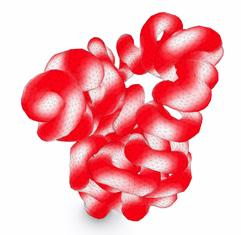
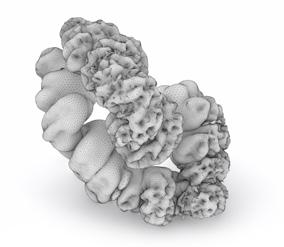
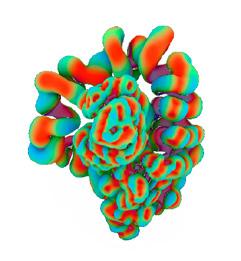
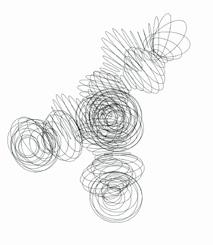
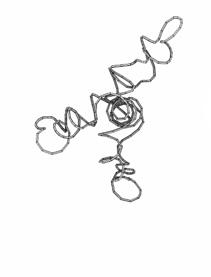
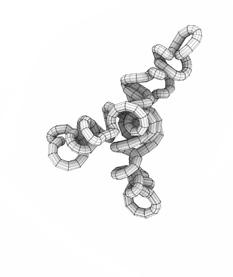
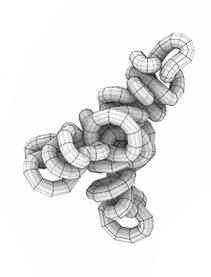
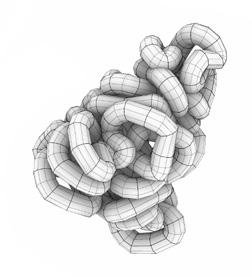
Digital Eirelson. esthetic similarity patterns were identified between the emergent behaviors of differential growth, a process observed in nature that generates complex organic forms through local variations in expansion rates, and the work of the Peruvian artist Jorge Eduardo Eielson (1924–2006). This connection, grounded in formal affinities between material tension and textile torsion, enabled a digital extension of his formal experiments inspired by Andean knots and textiles, particularly his contemporary reinterpretations of the pre-Columbian quipu as a communicative and recording system through “talking knots.”
Eielson Quipu Simulation Script Eielson’s
Formal Transformation Stages
Physical Knot Iterations
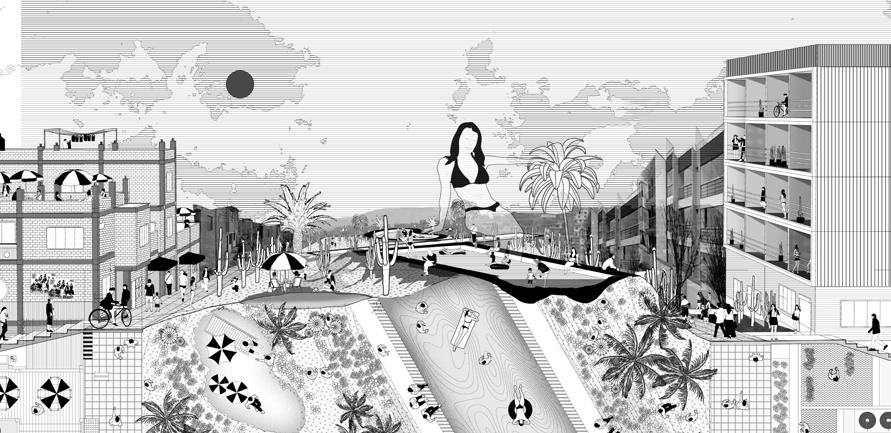
The Wall as Programatic DeviceExperimental Landscape and geometry as an anti-exclusion tool
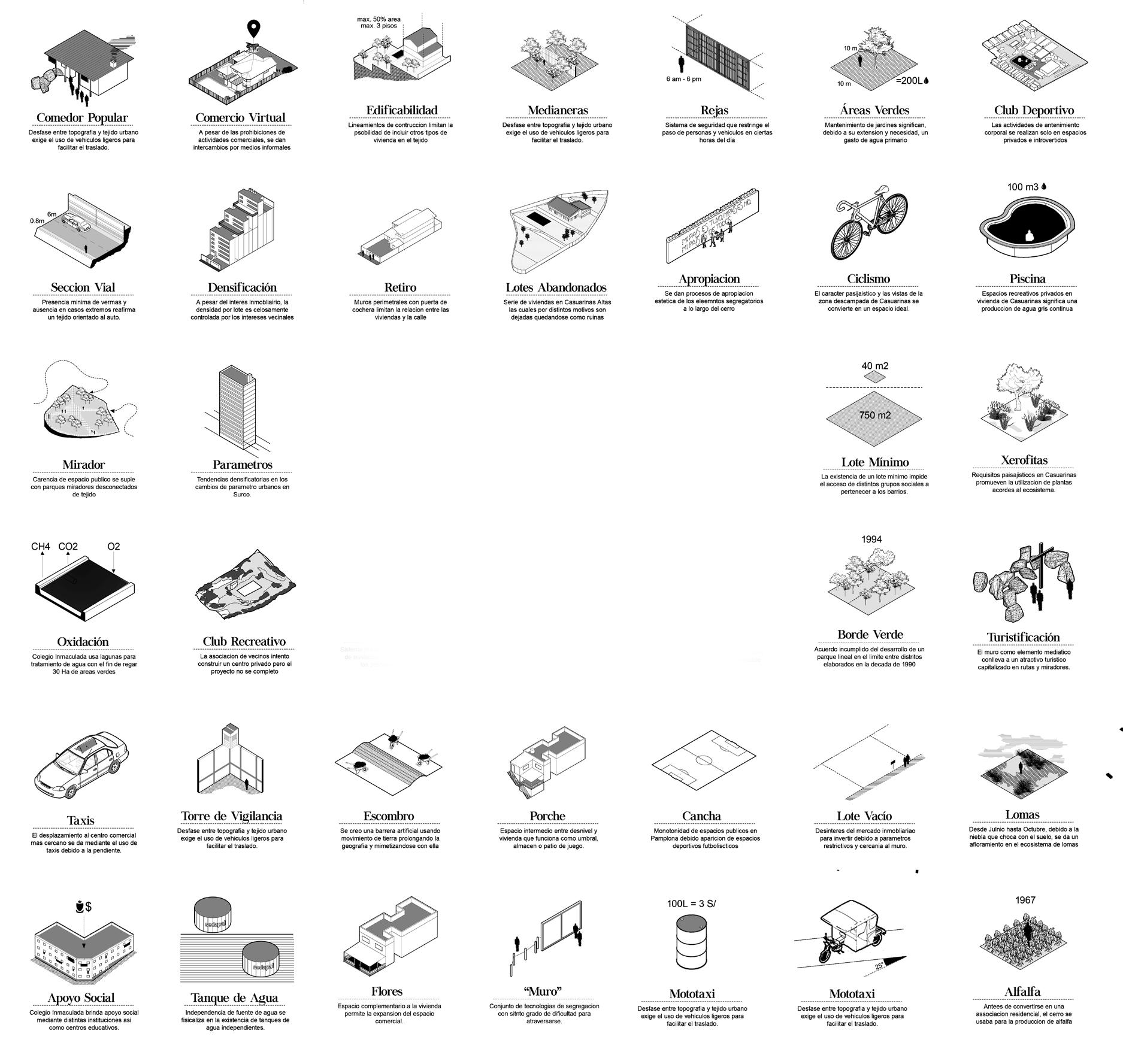
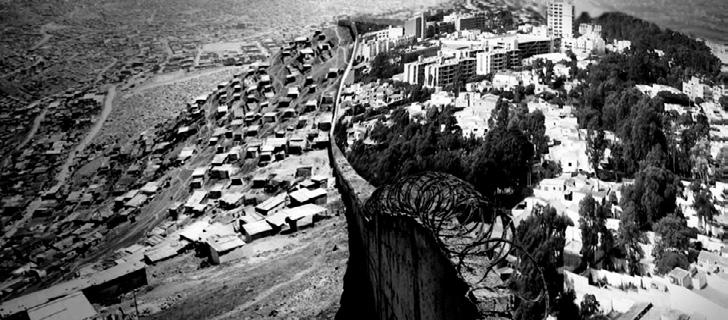
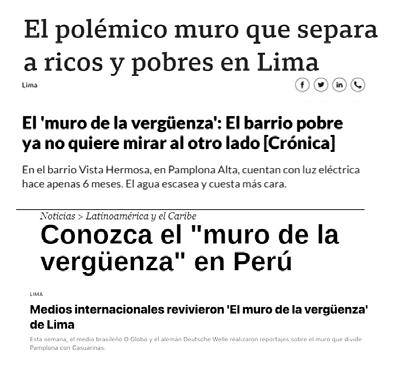
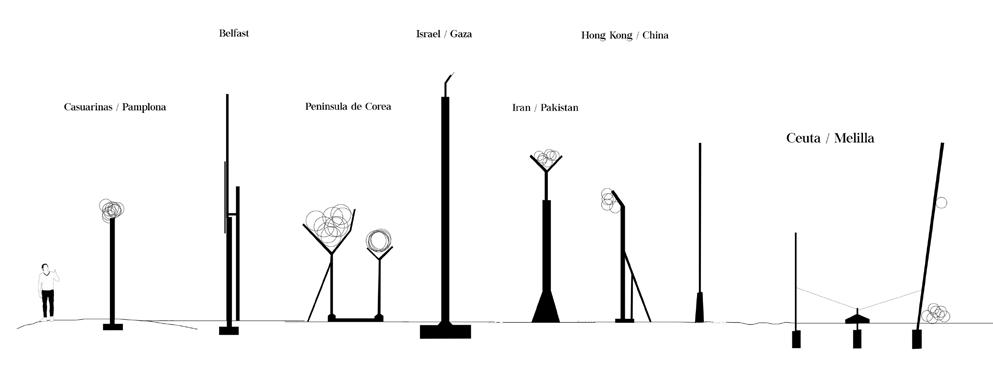
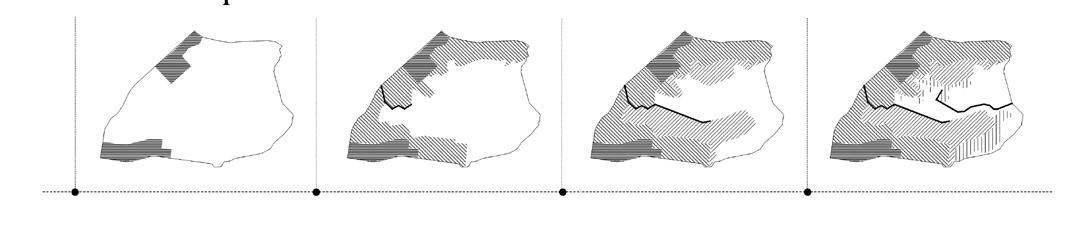
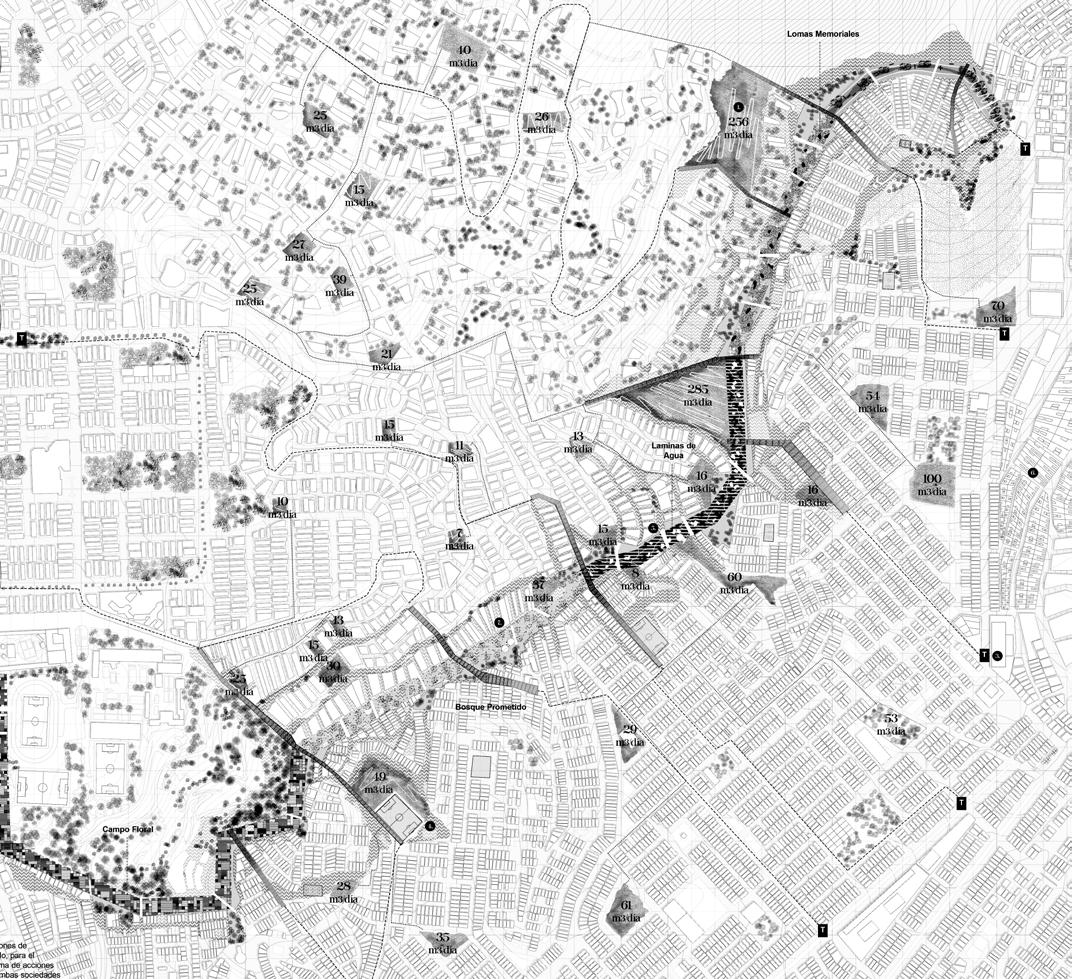
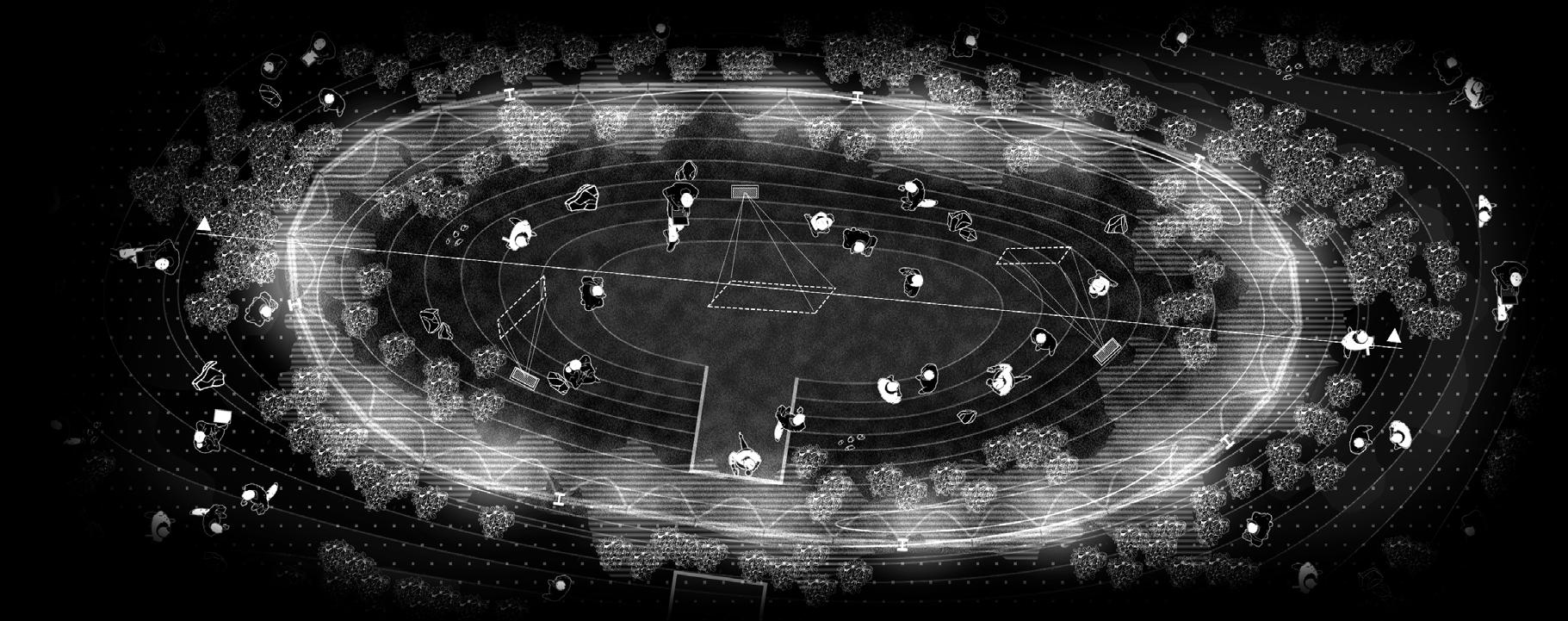
The boundary is deprogramming and walls, fences, and other manifestations are symptoms that seek the unattainable perpetuity of this situation. In response, the programming device pursues a multiscalar and exploratory re- view of the boundary as a theoretical tool and its projective potential. To this end, one of Lima’s urban barriers with the greatest sym- bolic char- ge is taken as a case study: the boundary be- tween San Juan de Miraflores and Santiago de Surco, nicknamed the “Wall of Shame.”
Relational Boundary
The first corresponds to the relational condition and how the manipulation of the spatial mechanisms that support it can be catalyzed to position it as an active urban entity within its context. Subsequently, the condition of delimiting instability is exami- ned, understan- ding space as an uncertain and alien territory. It is by amplifying this uncertainty that the boun- dary is intended to be understood as a liberated place, whose recognition occurs through perception.
(2020). The boundary is often understood as an imaginary restriction of space. Its subsequent physical manifestation carries a negative connotation on urban, territorial, and architectural scales, turning into “spectacular” scenes where segregating technology often becomes the focal point rather than understan- ding the logics that enable its existence. The project proposes to distance the boundary from an objectual vision.
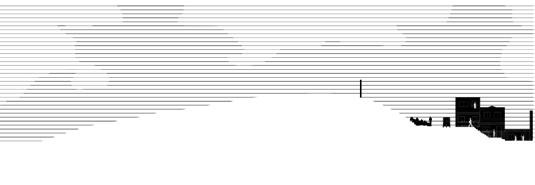
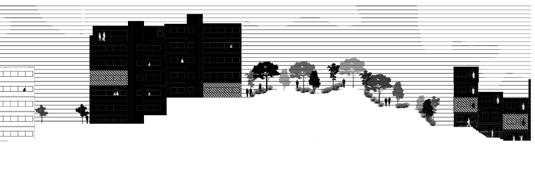
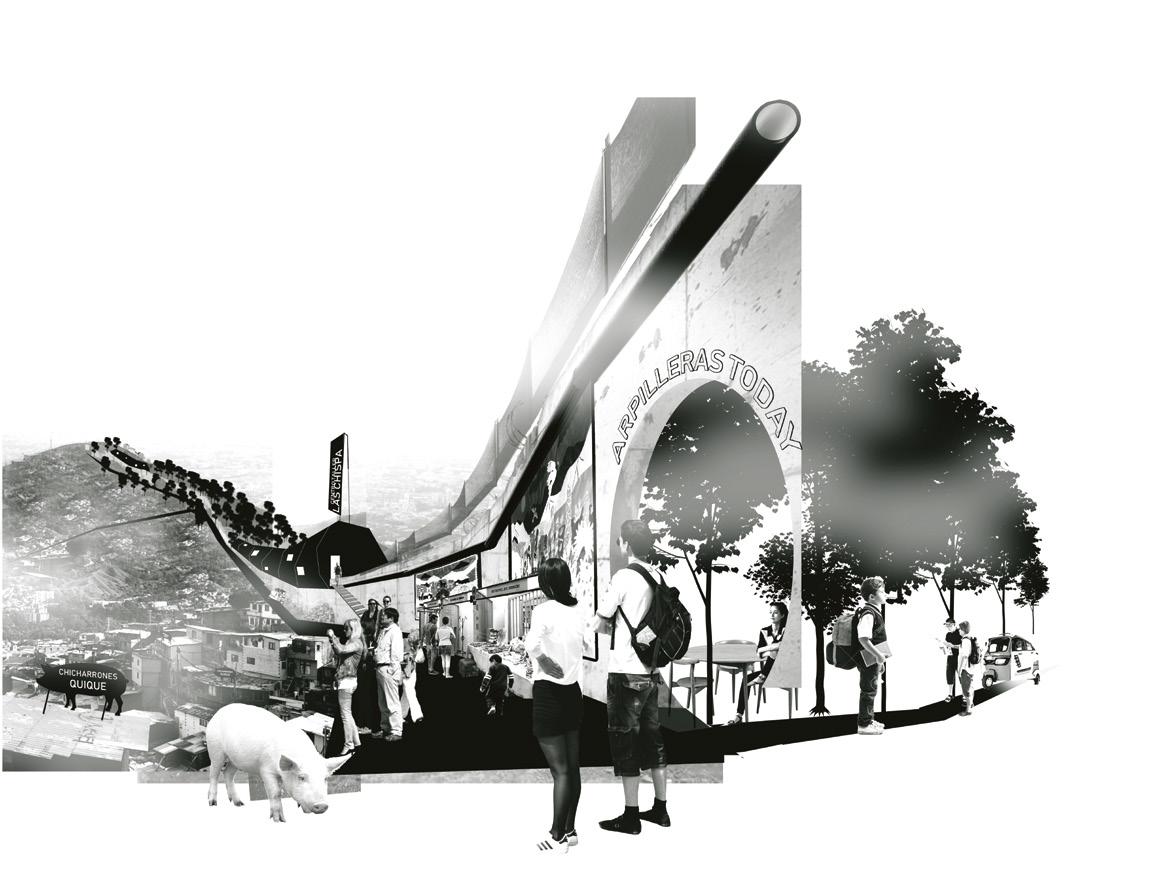
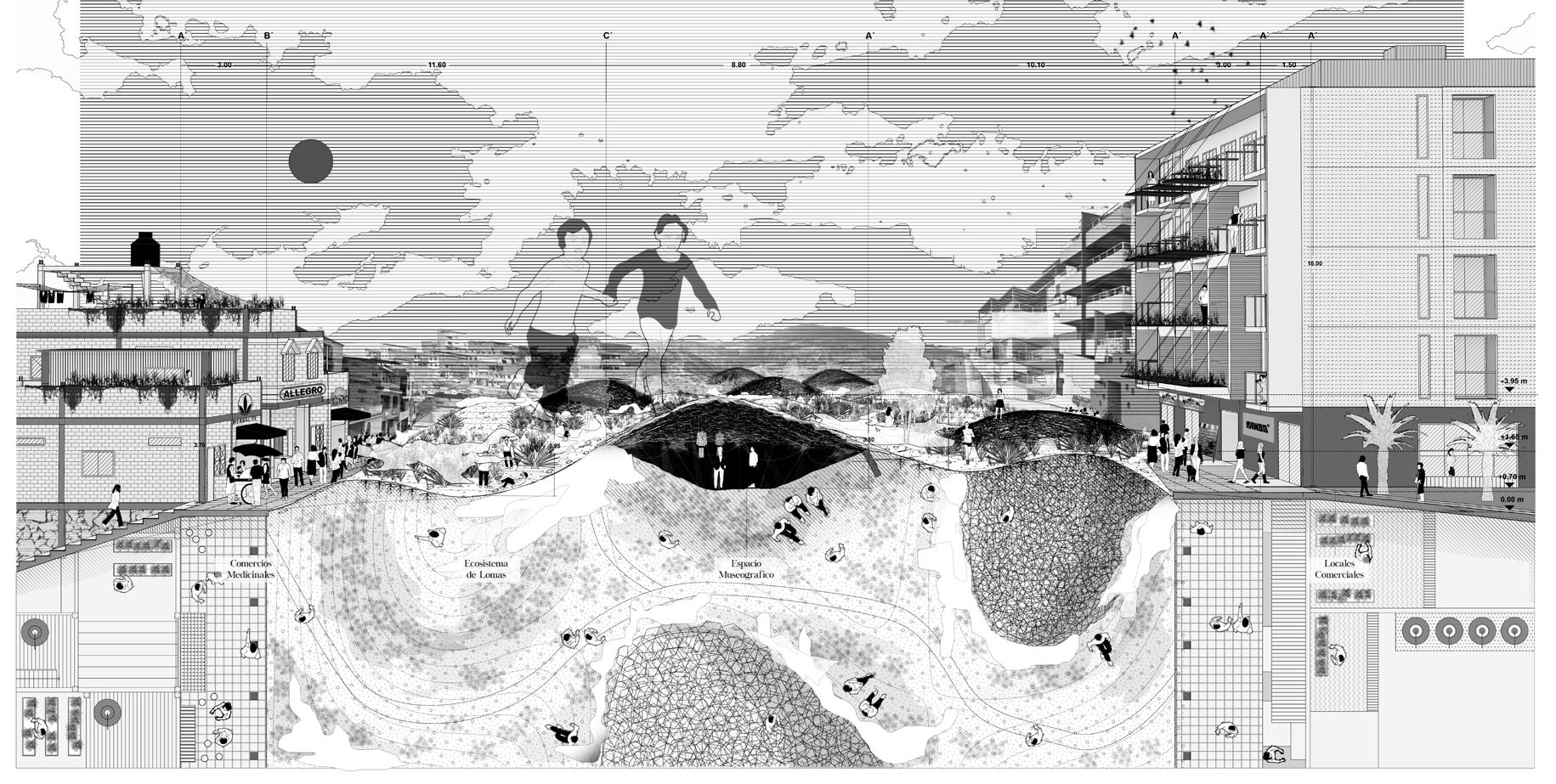
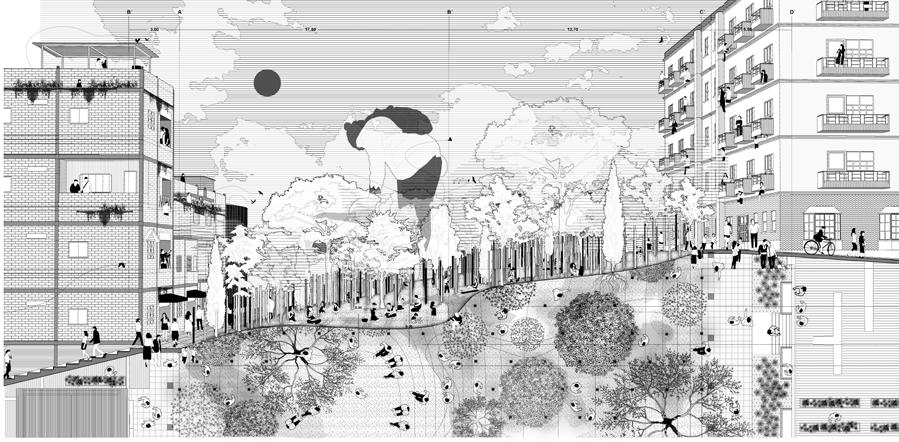
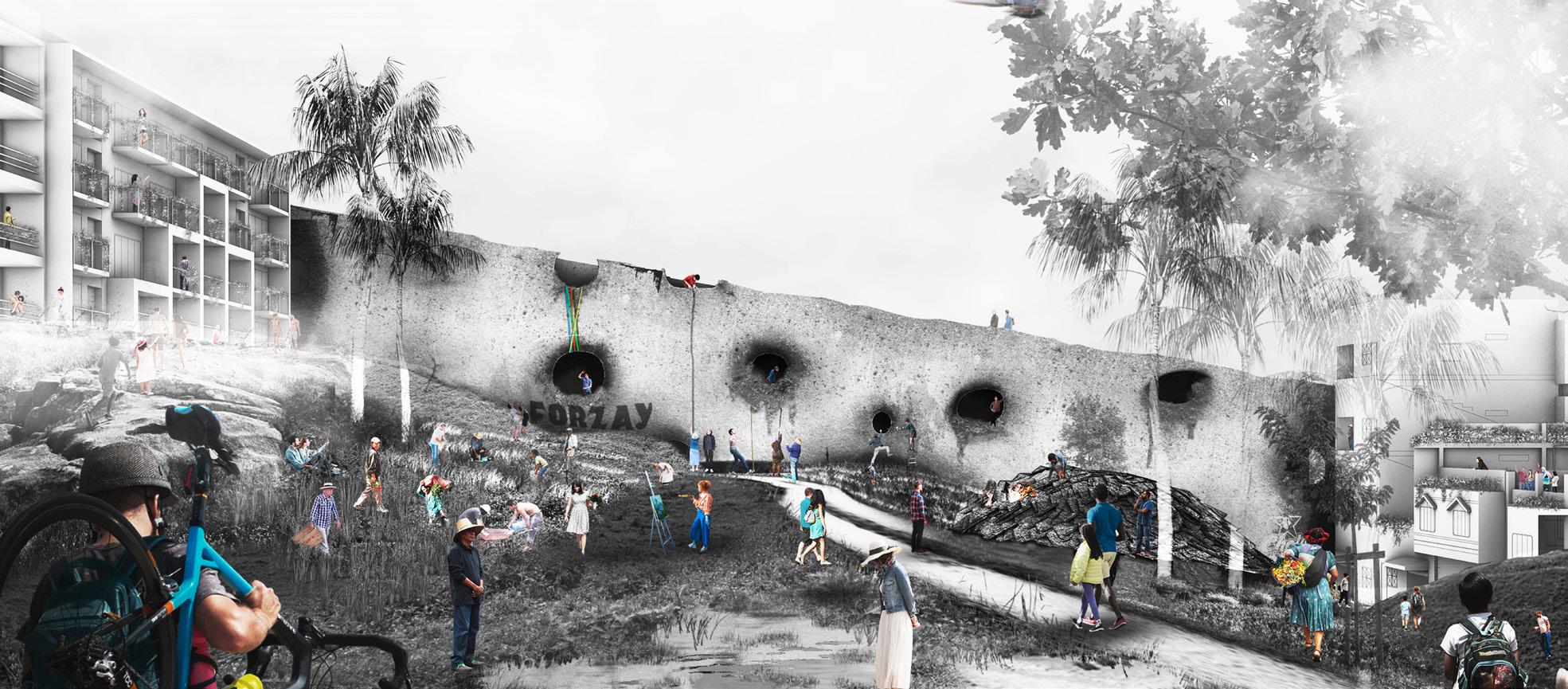
Perceptual Boundary. Finally, the material condition of palimpsest—in which at- tempts at control become scars on the site—is used for a degenerative process of the archi- tectural product. Empha- sis is placed on ruin as symbolic marks of memorial character. The divergence between design operations composes a collage image in which production, leisu- re, and reflection share an orchestrated discomfort, revaluing the boundary as an instrument for producing space.
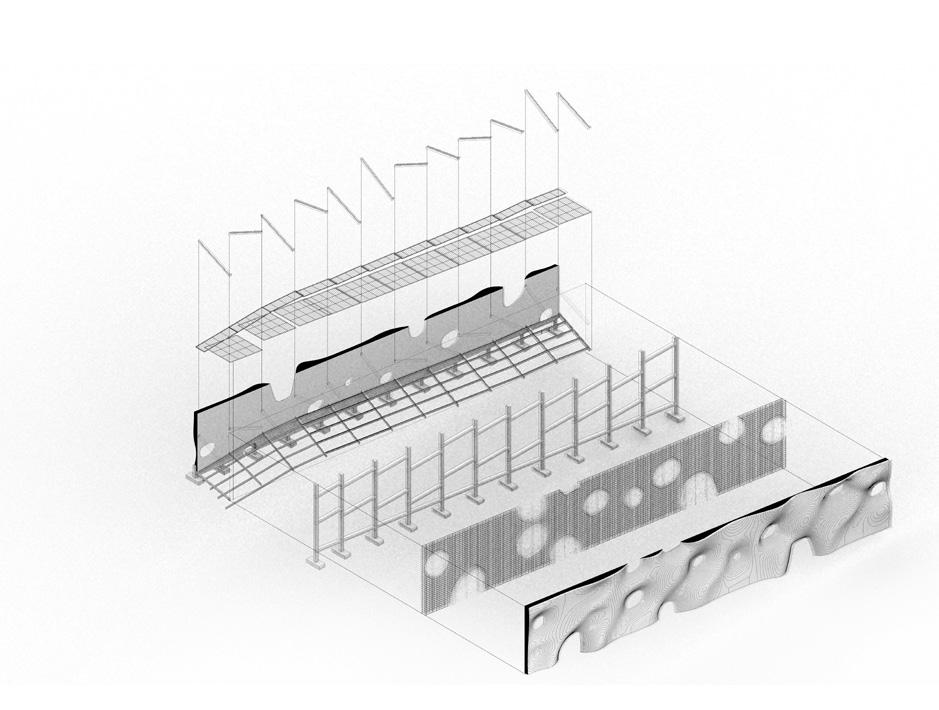
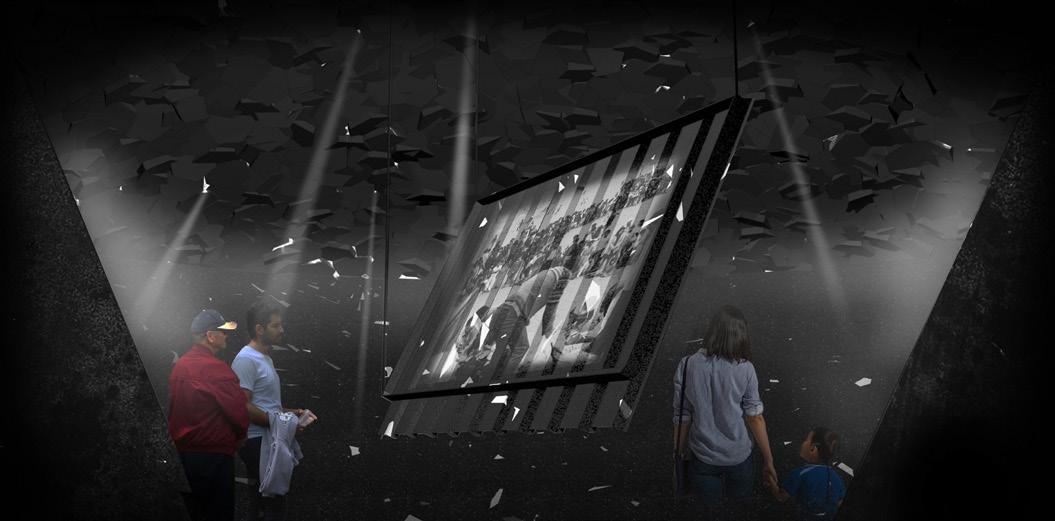
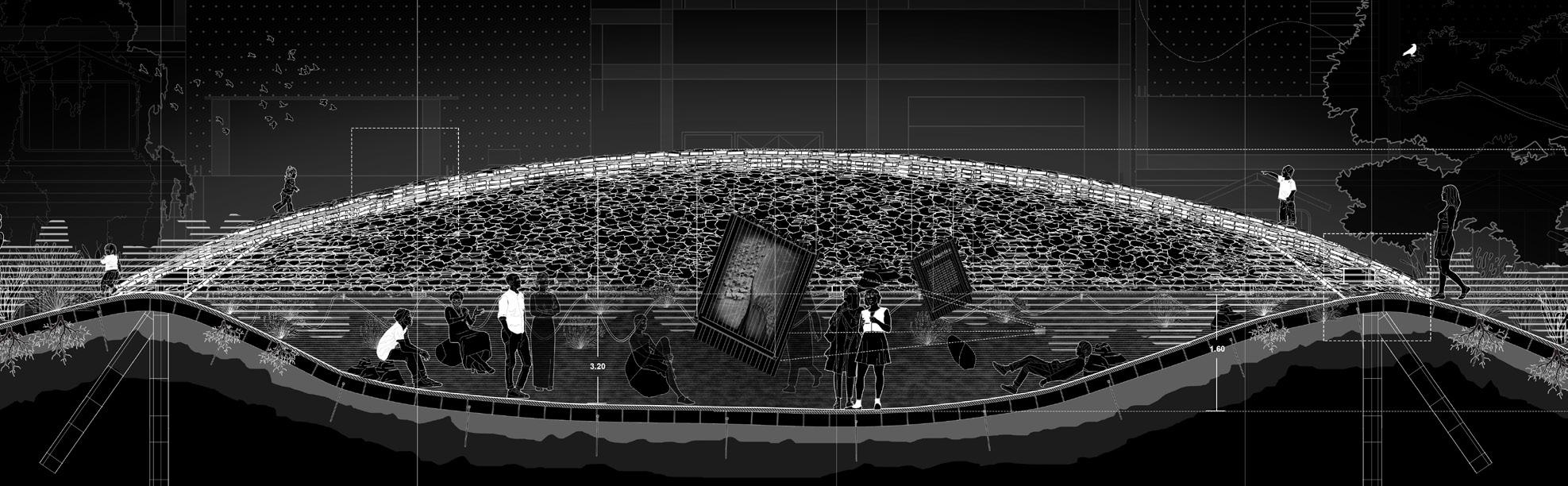
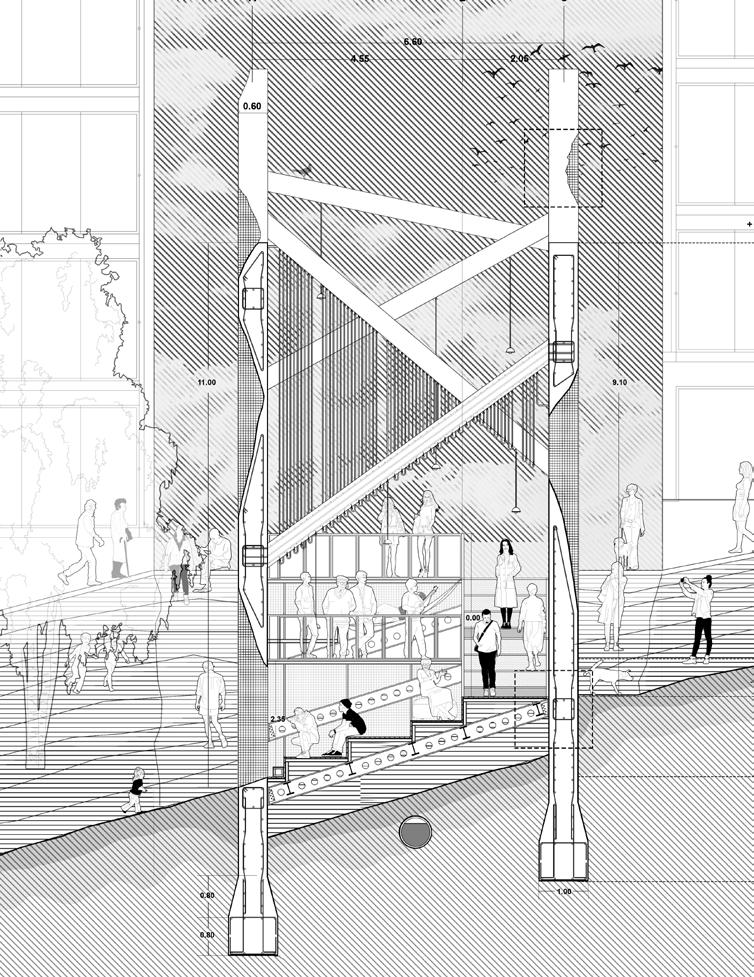
Stone Slab Vaults. As a memorial devi - ce, the construction of semi-subterrznean vaults is proposed, covered with preexisting sections of the wall supported by an upper metal structure. Inside these vaults, projec - tions and museistic collections related to urban segregation, as well as the wall’s own history and sociocultural development in relation to its context, would take place.
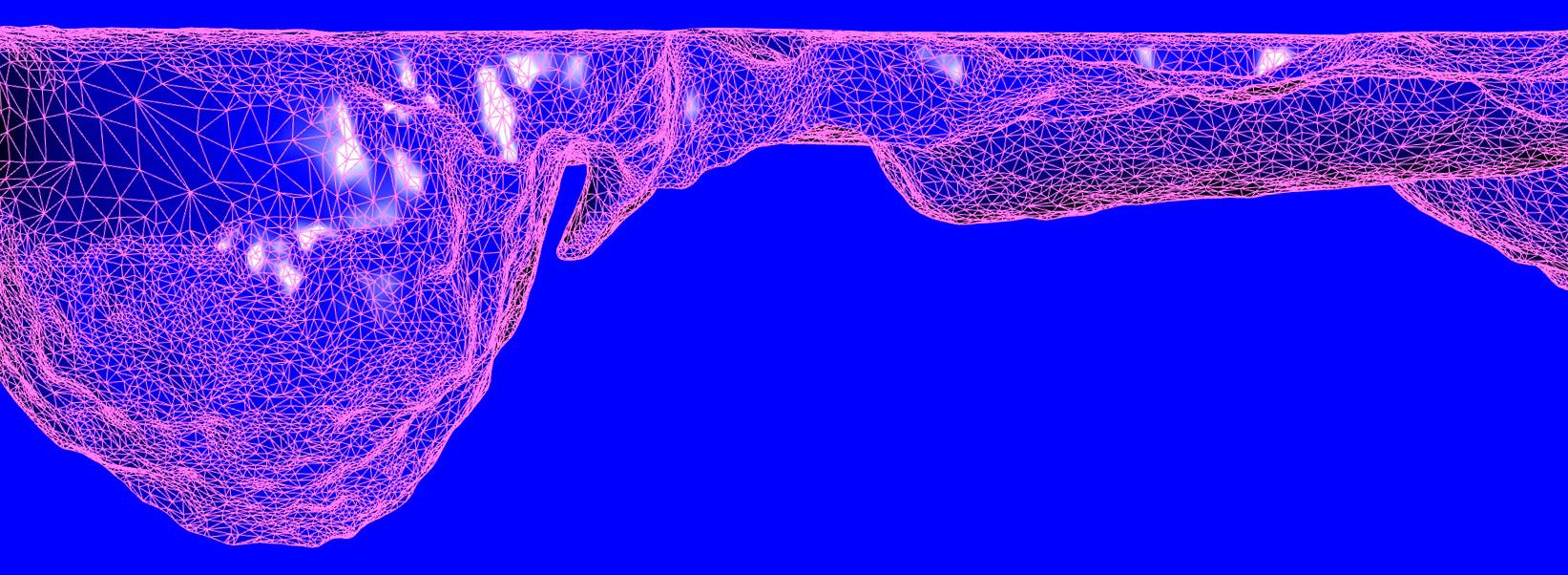
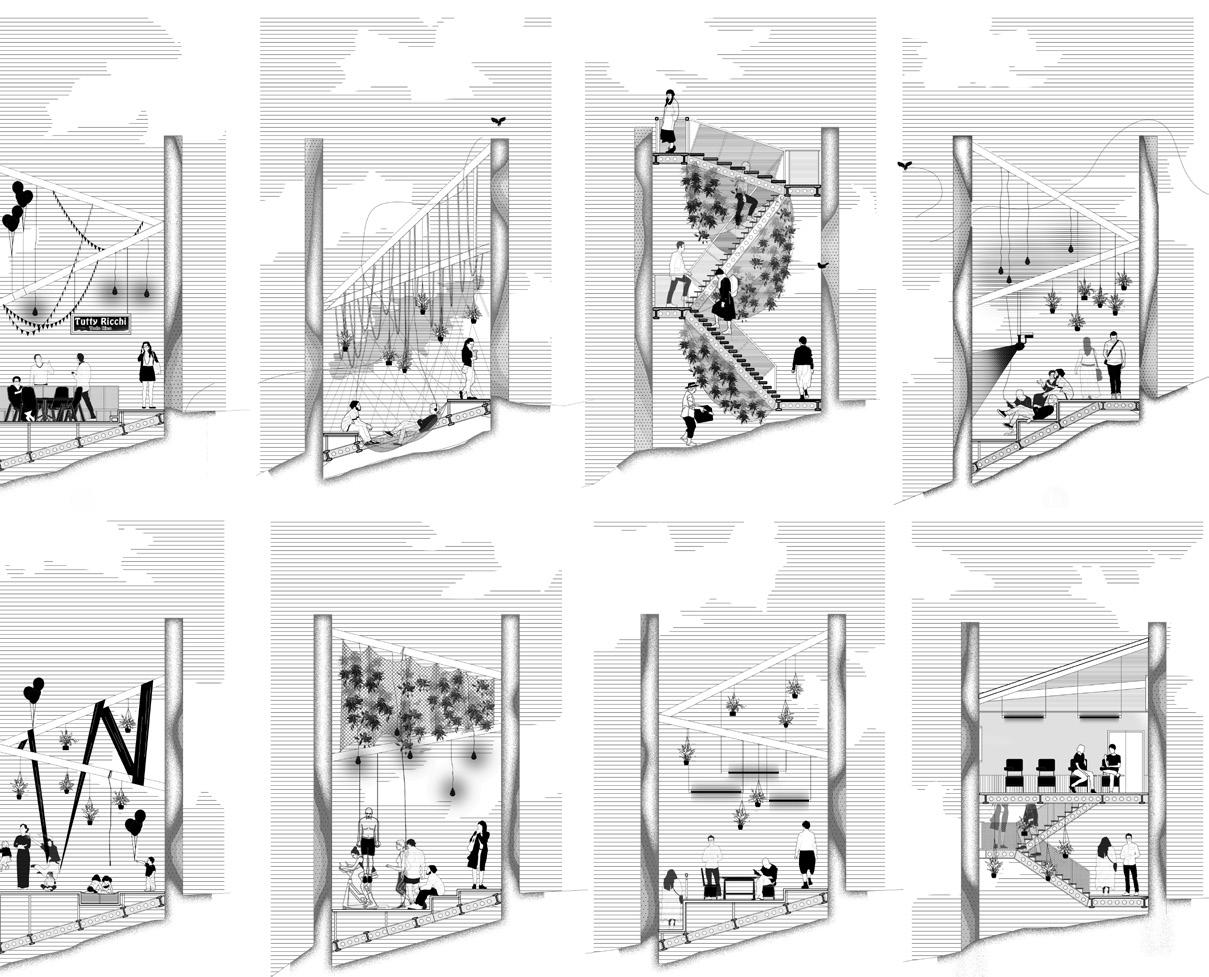
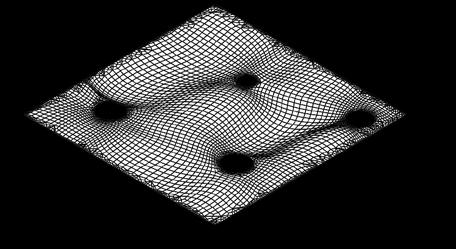
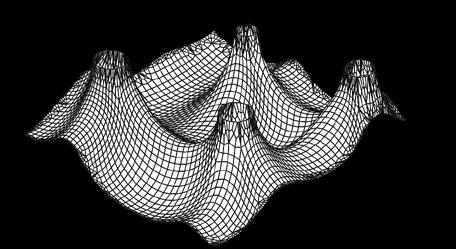
Urban Staples. As sculptural and func- tional elements, literal memories of the wall are erected. However, this new boundary features an organic geometry—as if melting—and per- forations that undermine its divisive mission. t serves as a canvas for community appropriation, with a se- ries of interior platforms that enable a diversity of activities, both local and metropolitan. The physical model is created by means of a pressure si- mulation performed on a subdivided mesh, with the perforations in the wall serving as fixed anchor points.
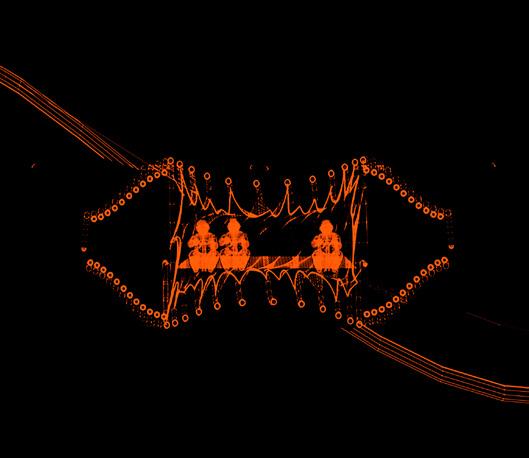
Spirail: TransportiveFlexible System
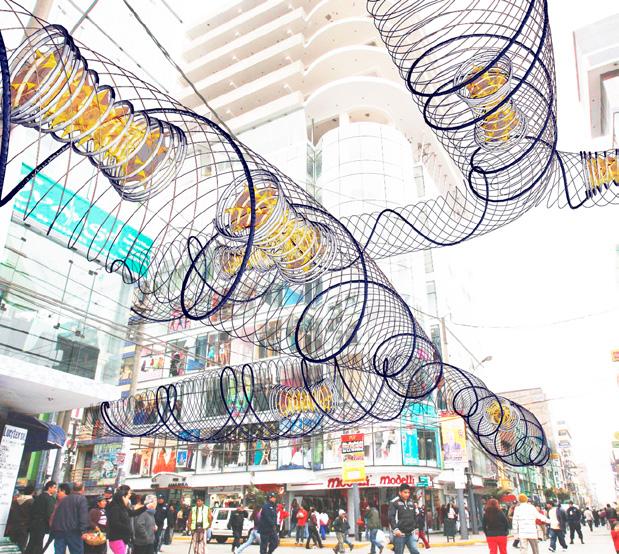
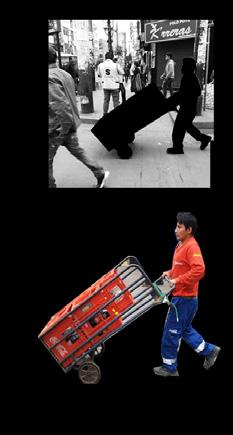
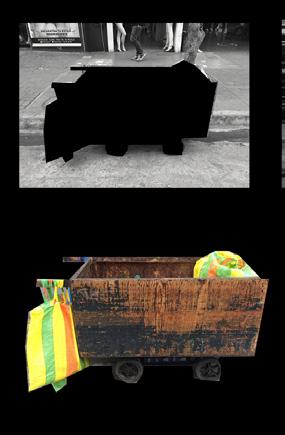
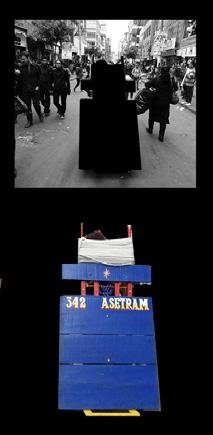
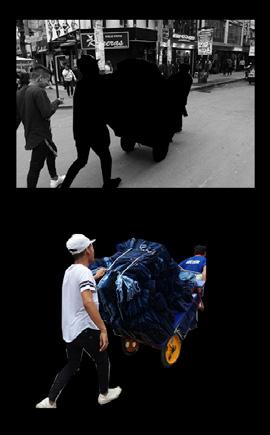
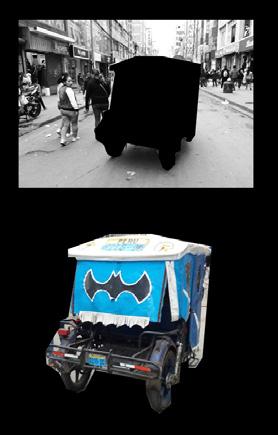
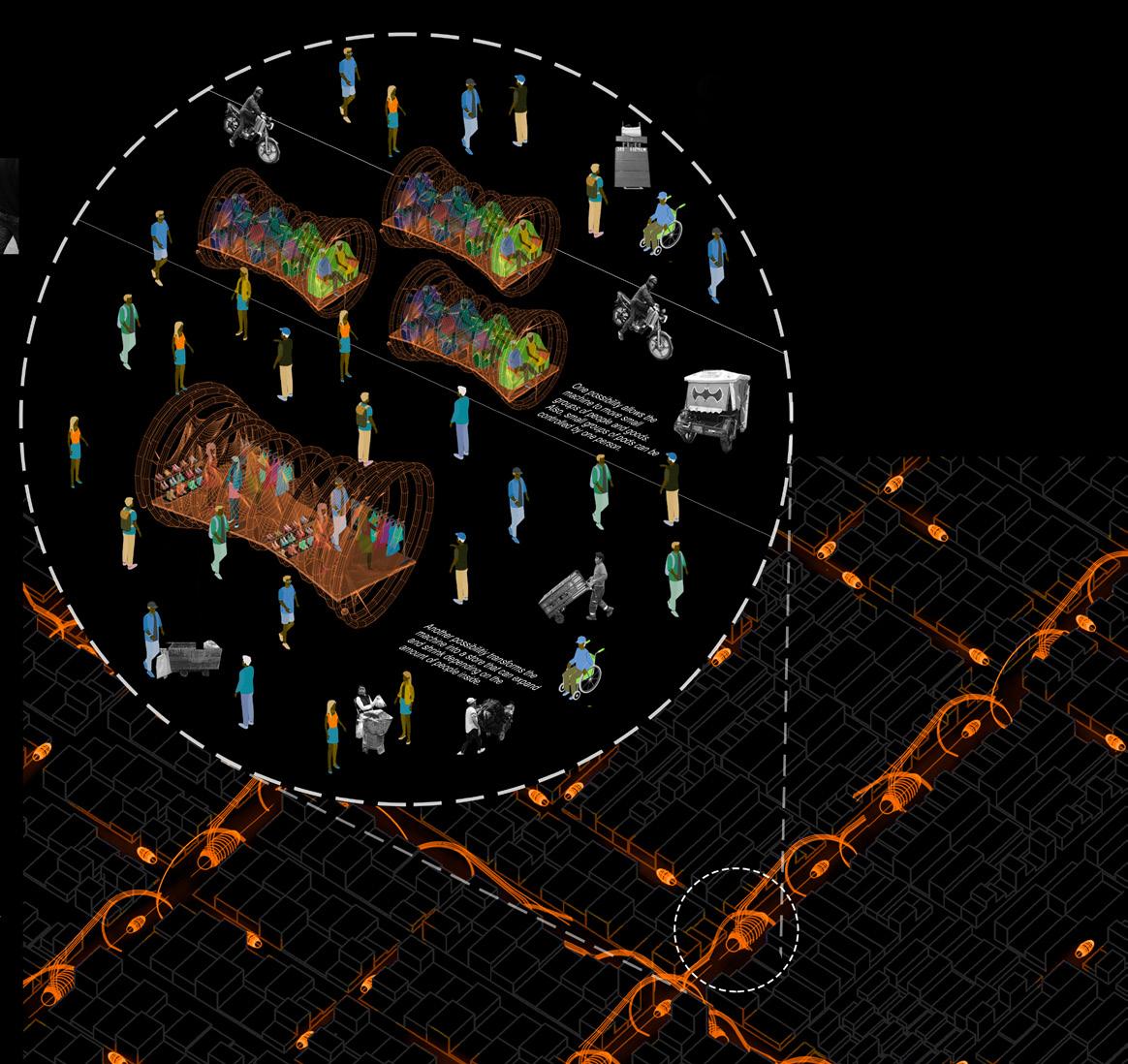
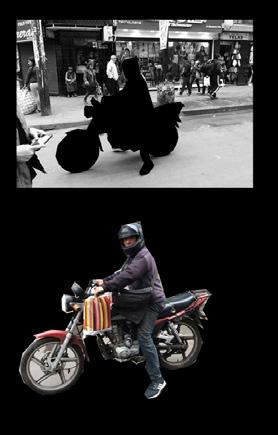
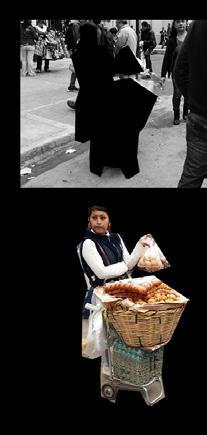
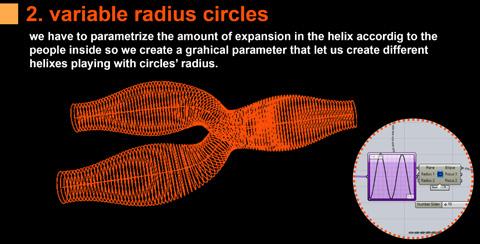
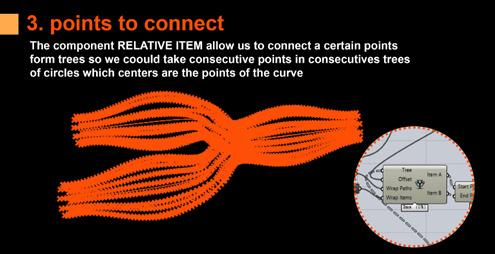
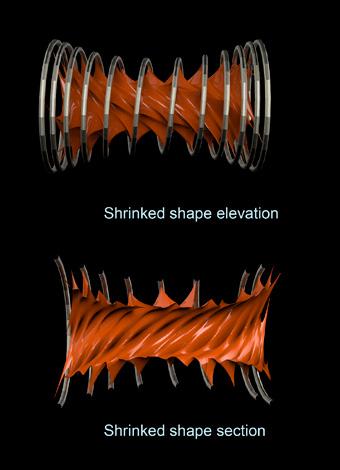
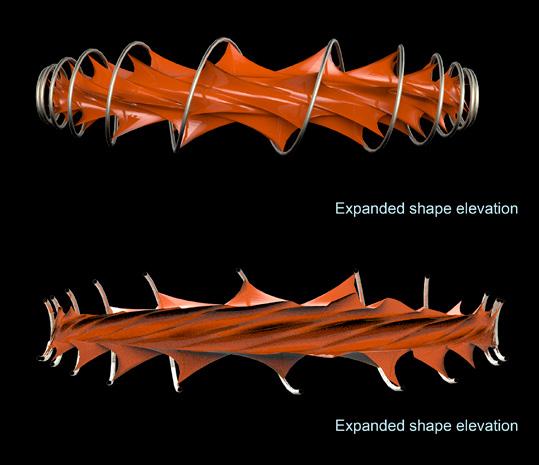
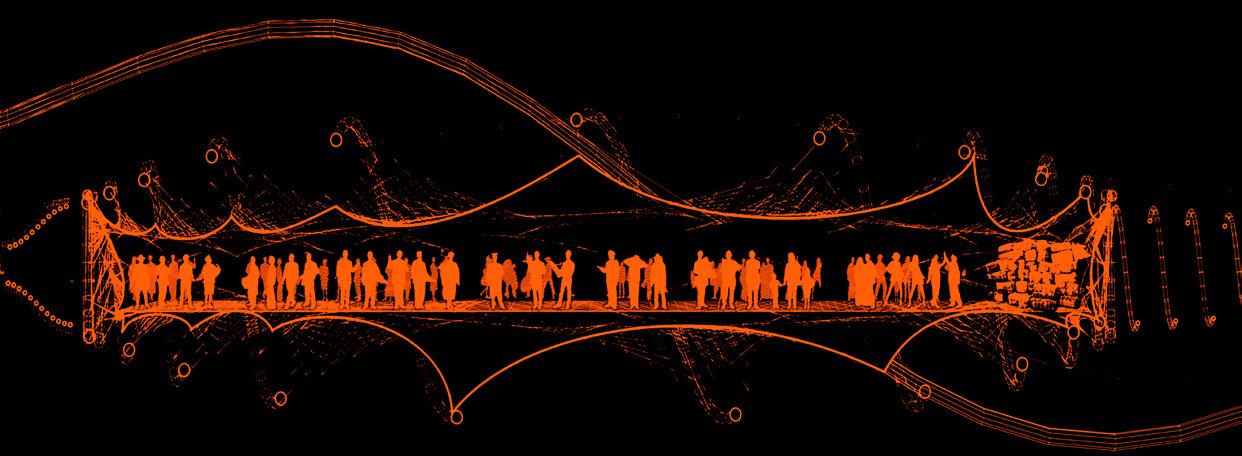
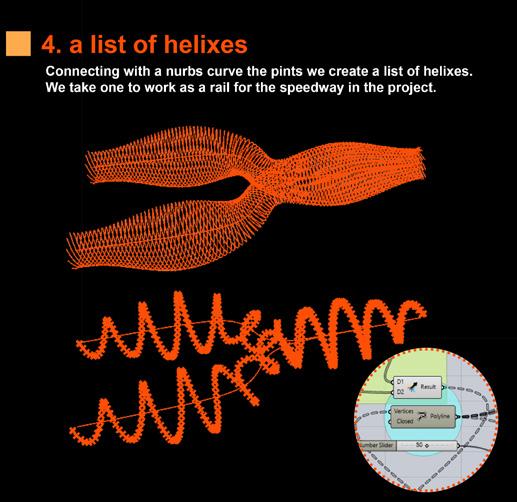
The analysis of transport logics in the Gamarra Commercial Center reflects that there is a tradition of unitary transport for people and cargo. This current situation is addressed by the proposal, allowing the Spirail to contract and expand, functioning as both an individual and a public element.
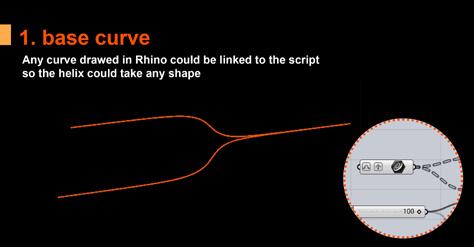
Spiral as an option.
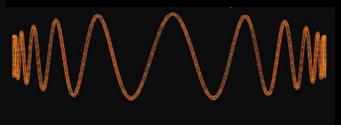
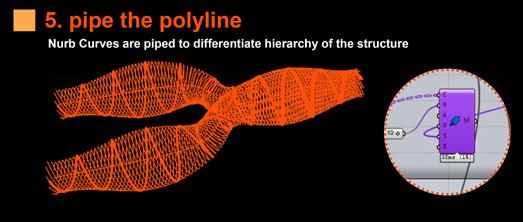
The vehicle is composed of a metallic exos- keleton managed by an interior metallic beam that also functions as a usable floor. The interior is covered by a plastic fiber that can contract and stretch using fixing elements on the perimeter of the structure. The pathways share the morphological ori- gin of the vehicles but develop a particular investigation in which it allows the spirals to bifurcate in order to change tracks or share routes