Erin Sydney Welsh: Championing
Children’s Voices in New York Family Court
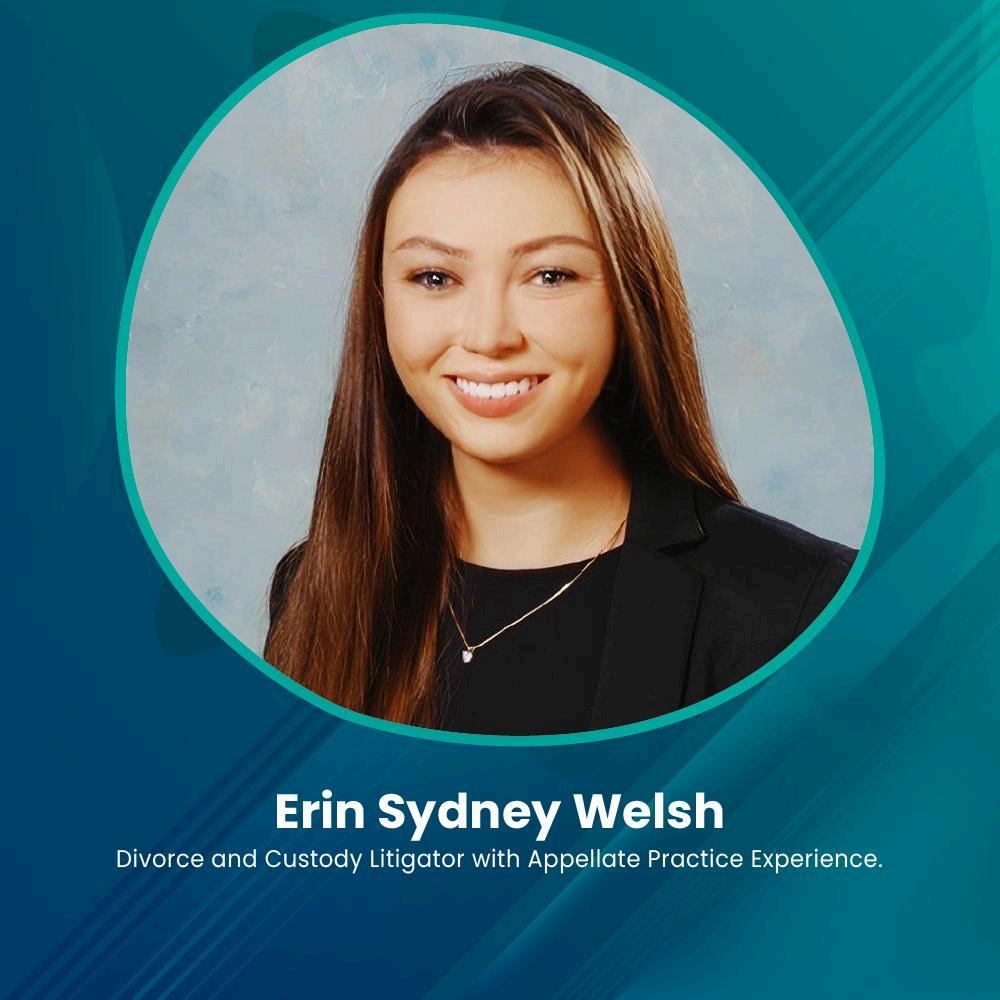
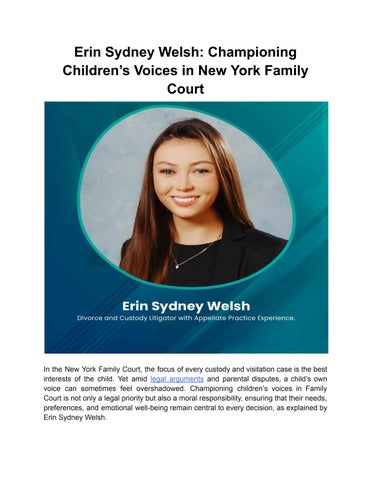
In the New York Family Court, the focus of every custody and visitation case is the best interests of the child. Yet amid legal arguments and parental disputes, a child’s own voice can sometimes feel overshadowed. Championing children’s voices in Family Court is not only a legal priority but also a moral responsibility, ensuring that their needs, preferences, and emotional well-being remain central to every decision, as explained by Erin Sydney Welsh.
New York courts recognize that children are not merely passive participants in custody proceedings. In many cases, the court appoints an Attorney for the Child (AFC) to represent the child’s interests. This attorney serves as an independent advocate, meeting with the child, understanding their perspective, and presenting their position to the court. Depending on the child’s age and maturity, the AFC may either advocate for the child’s expressed wishes or make recommendations aligned with their best interests. This structure ensures that children have a meaningful presence in proceedings that directly shape their lives.
Judges may also conduct in-camera interviews, speaking privately with children in chambers rather than in open court. These conversations provide a safe and less intimidating environment for children to share their thoughts about custody arrangements, living situations, and parental relationships. While a child’s preference is not the sole determining factor, courts give increasing weight to the views of older and more mature children.
Parents play a critical role in supporting their child’s voice. Encouraging honest communication, without coaching or pressure, is essential. Courts are quick to identify signs of manipulation or undue influence, which can undermine a parent’s credibility Instead, parents should foster an environment where children feel safe expressing themselves and reassure them that the legal process is designed to protect their well-being.
Professionals such as forensic evaluators, therapists, and social workers may also contribute insights into a child’s emotional state and developmental needs. Their assessments can provide the court with a deeper understanding of family dynamics and help ensure that decisions promote stability and growth.
Championing children’s voices in New York Family Court means recognizing their individuality, respecting their experiences, and safeguarding their emotional health throughout the legal process. When children are heard in a thoughtful and developmentally appropriate manner, the court is better equipped to craft outcomes that truly serve their best interests and support their long-term well-being.