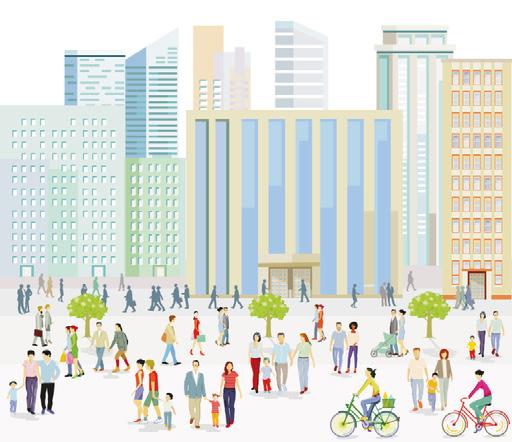
Look carefully
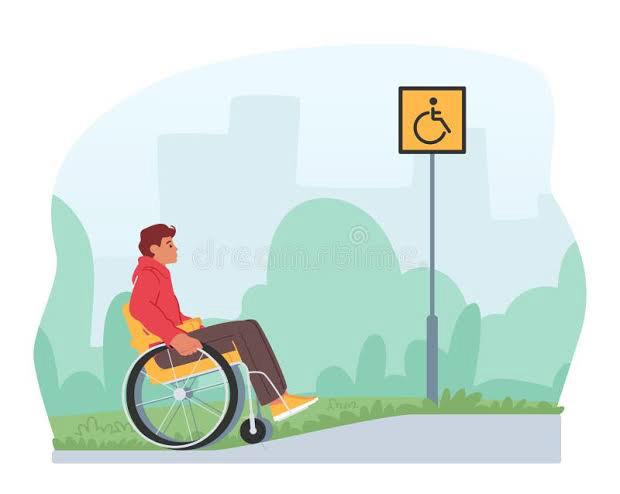
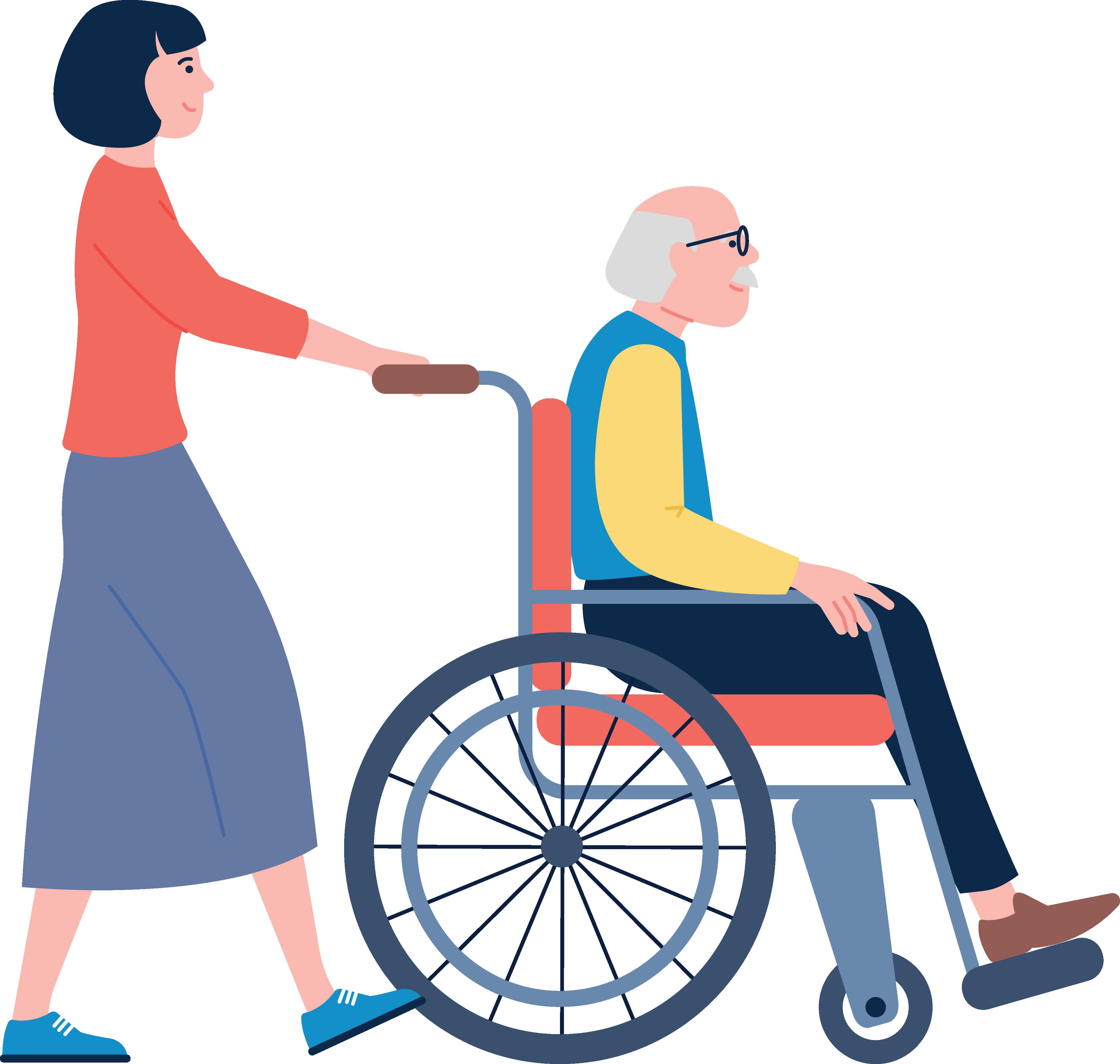
Look for these accessibility features: a white cane a service dog a wheelchair user
Braille curb ramps hearing loop
Many everyday spaces unintentionally exclude people. Here are a few design concepts that can help create more inclusive experiences.
Inclusive design is an approach to create accessible products and experiences that are usable and understandable by as many people as possible.
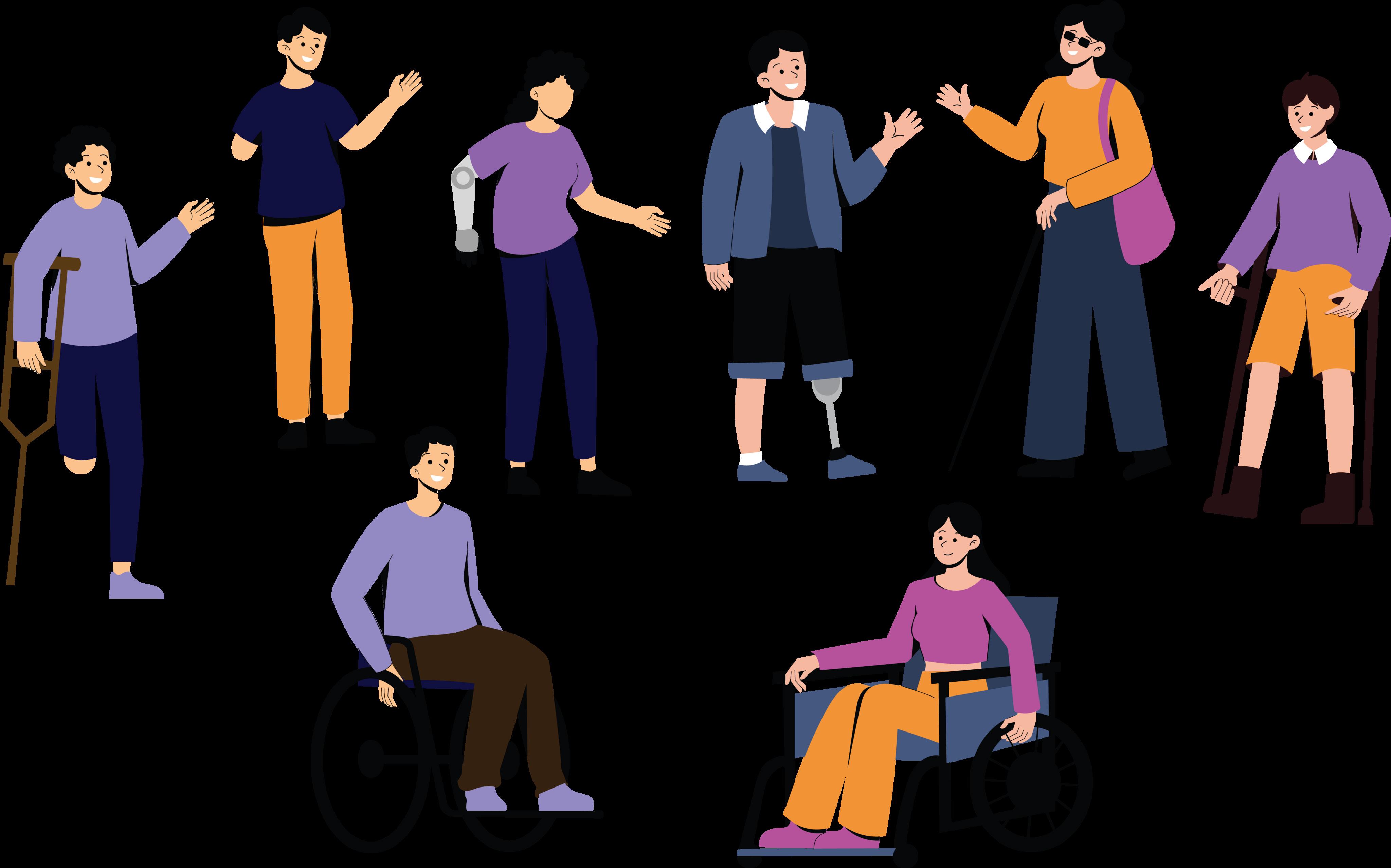
the design of products, devices, services, or environments so that everyone can use them, including people with disabilities.
Designing products and environments to be usable by all people, to the greatest extent possible, without the need for adaptation.


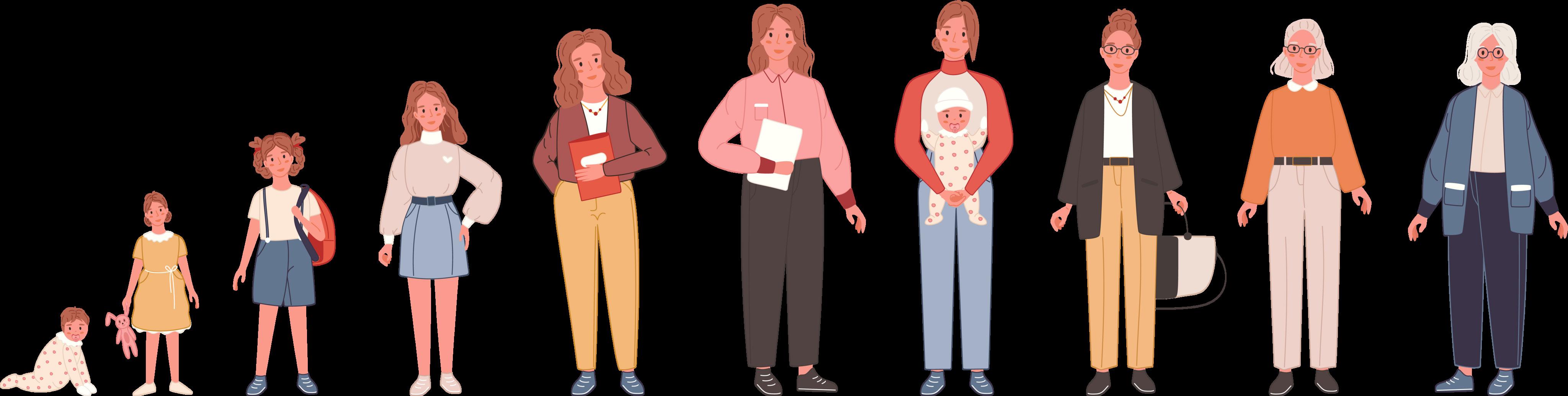
There is no average person
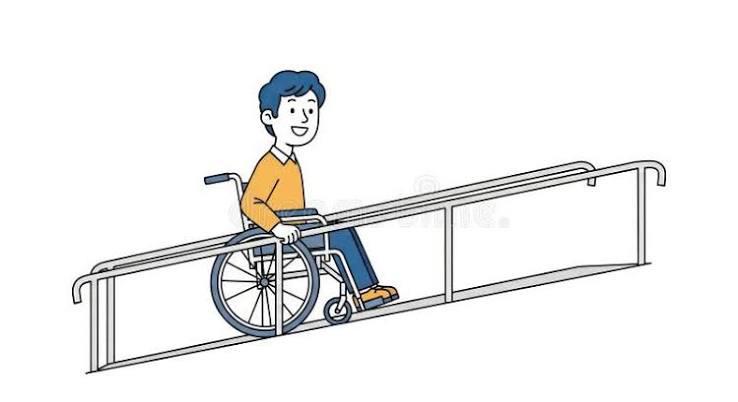

A single step can decide who gets in

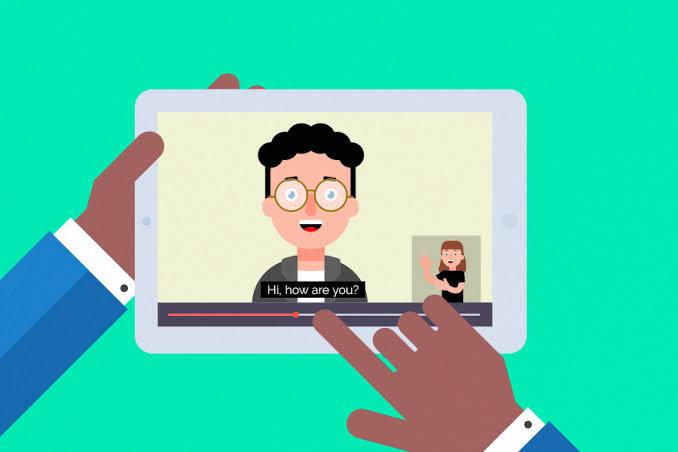

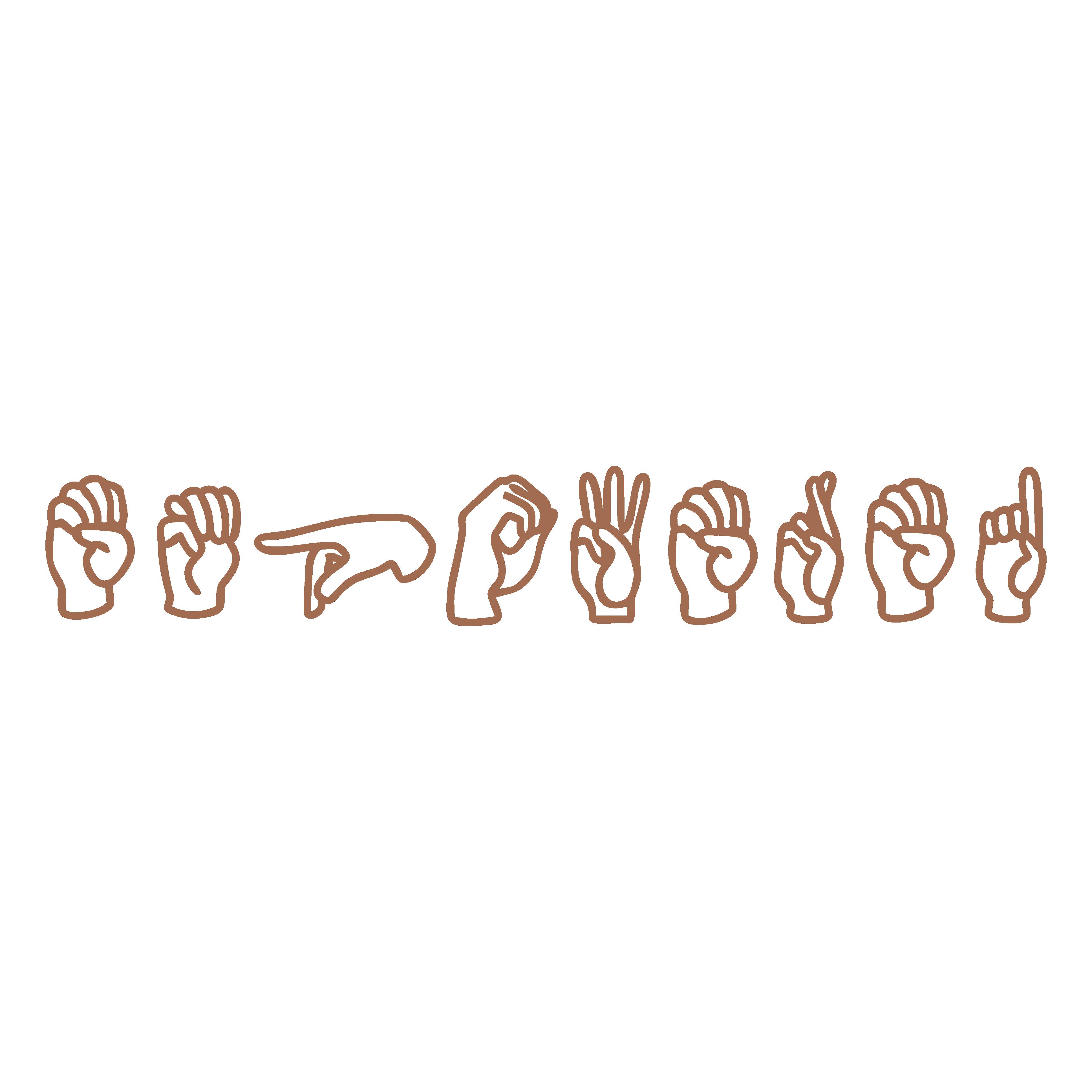
If information can't be seen, it can't be used.



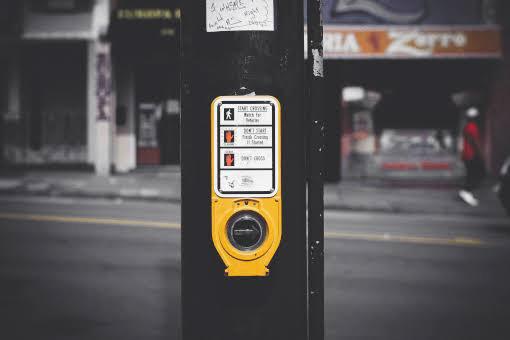
Accessible design helps everyone.


How many of these do you see on a day to day basis?
Holmes, Kat. Mismatch: How Inclusion Shapes Design. The MIT Press, 2018.

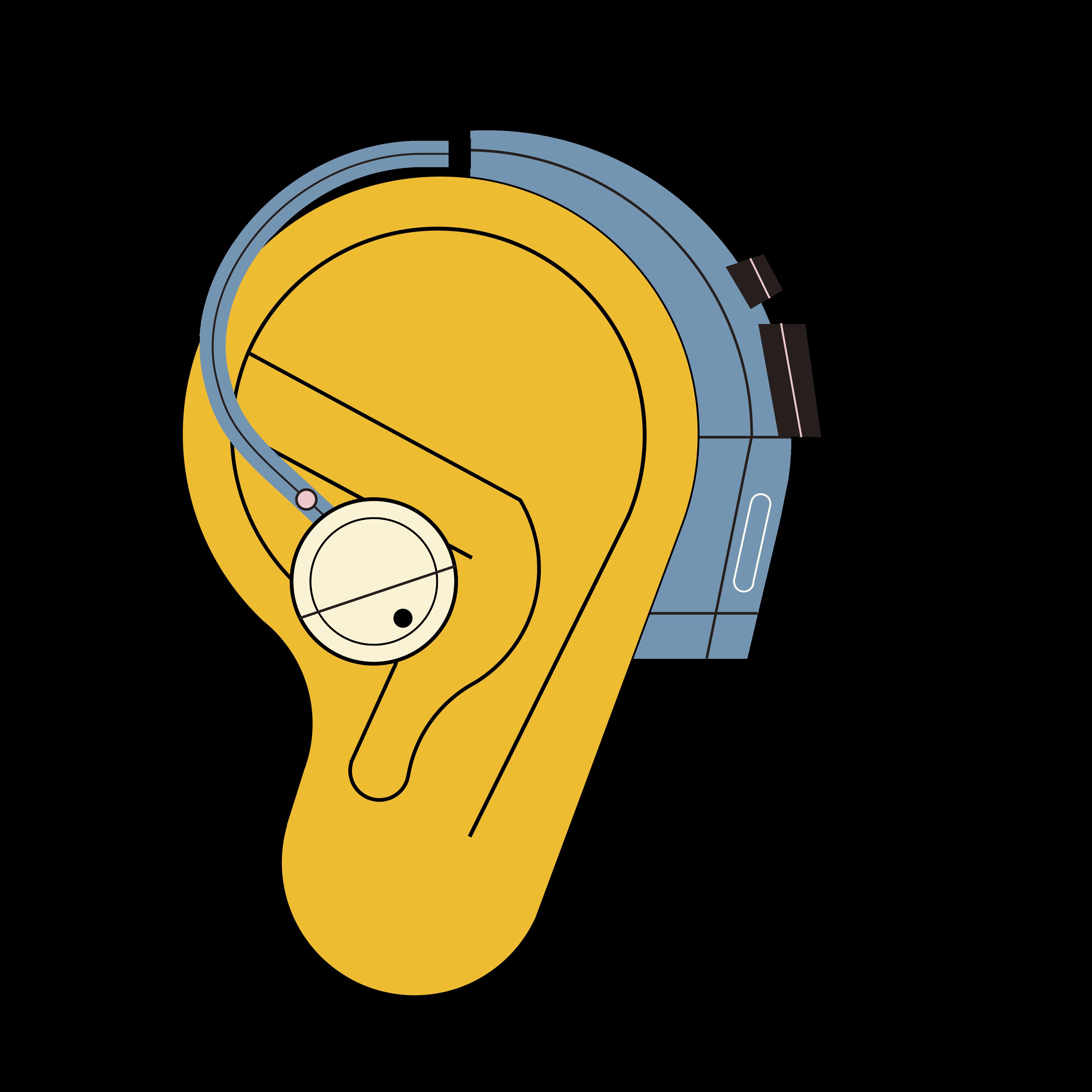


Good design doesn't ask people to adapt—it adapts to people.