SPOMENIK IN FLUX:
2020 MONUMENT CONSERVATION STATUS
Research led by Erika Lindsay student assistance provided by: Aaron Danko
Nyvey Perryman
Aya Elmokadam






Research led by Erika Lindsay student assistance provided by: Aaron Danko
Nyvey Perryman
Aya Elmokadam
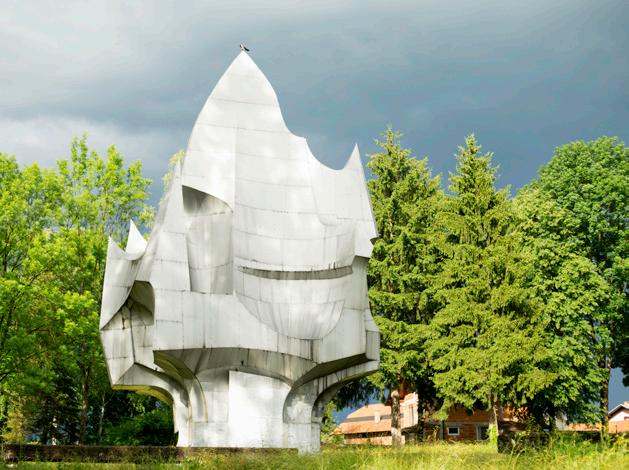
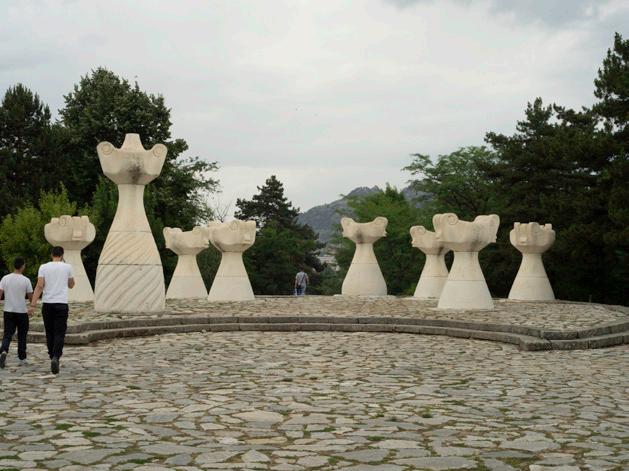
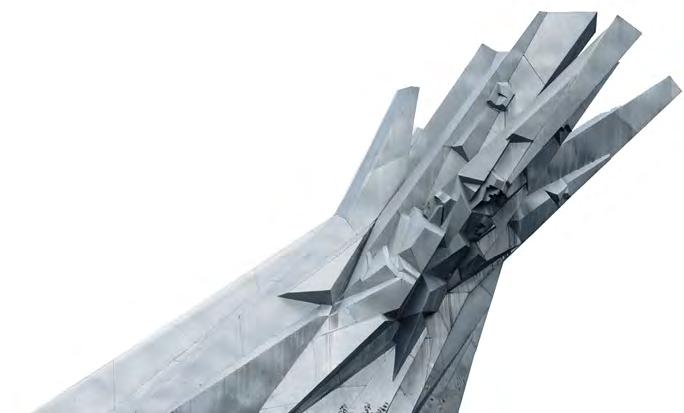
On first view these forms appear alien — built only decades earlier— monuments imagined by artists and designers. As unifying symbols of the Yugoslav nation-building project, they commemorate both the defeat of and losses to fascism. Since their creation, these monuments have withstood the breakup of their commissioning country and ensuing wars. Many have been de-badged — stripped of their commemorative meaning through removal of identifying elements. Layer by layer these monuments are re-inscribed with contemporary meaning as graffiti, attempts at removal, and wartime scars shape new narratives. Transformed through time and circumstance, they wield more power in their ruined state. As they continue to change in their post-socialist context these sites accumulate new meaning — their transformation into multivalent signifiers of memory accommodates open dialogue around the past. What follows is an excerpt from 2016 and 2017 fieldwork performed across the former Yugoslav republics and a contextualization of the circumstances surrounding conservation status of a select group of sites.
Protection Status
35/58 Locally
29/58
50%
National Protection by Country:
The majority of the 58 monuments documented are located in Croatia, Serbia, North Macedonia, and Bosnia-Herzegovina respectively. Only seven were documented in Montenegro followed by four in Slovenia. While a larger number were documented in Croatia, only 39% are protected, compared to 75% in Serbia. Of the seven monuments documented in Montenegro, roughly 14% are protected, in comparison to 100% of the monuments documented in Slovenia.
Monument Sites Across Countries of Former Yugoslavia
Croatia
Federation of Bosnia and Herzegovina
Bosnia-Herzegovina - Republika Srpska
Bosnia-Herzegovina - Brčko District
Slovenia Serbia
Montenegro
North Macedonia
Kosovo
Monument Site
Monument to the Battle of Sutjeska
Sutjeska National Park, Tjentište Bosnia-Herzegovina
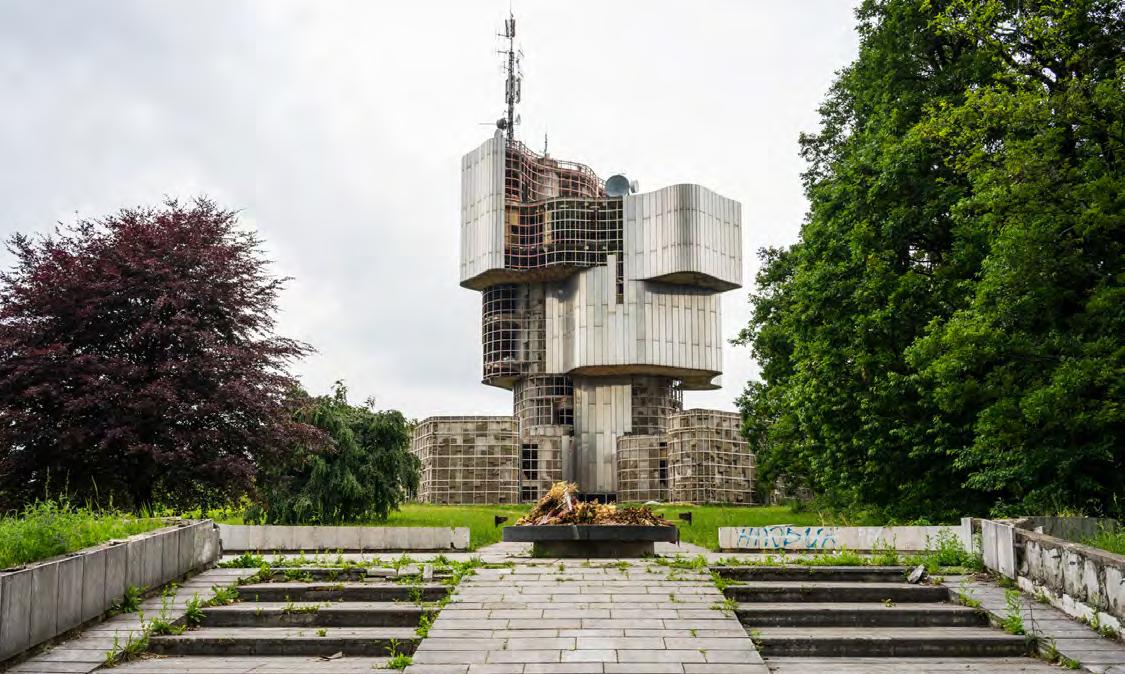
Heritage Loss Risk Factor: MODERATELY HIGH
Built in 1981 and designed by Vojin Bakić, Berislav Šerbetić and Tomislav Odak, the memorial is made of reinforced concrete and stainless steel panels and located in Vojnić, Croatia. The memorial commemorates the uprising of the local serb population who joined partisans and fought against fascism during the night between the 13th and 14th of May in 1942. Petrova Gora is a site of some active commemoration, mainly local events, with no restoration investment, and is not protected as a cultural monument.
Due to controversy surrounding the monument’s papers, the monument’s protection status is unclear. OIV, the Croatian national telecom company currently utilizes the monument to house telecommunications equipment/cell towers. Though the monument was designed by famous sculptor, Vojin Bakić, Petrova Gora is considered at high risk for heritage loss due to numerous negative factors working against conservation of the site including active scrapping of stainless steel facade panels in part due to its remote location and proximity to an economically disadvantaged area.
Spomenik pobjede na Sutjesci | Monument to the battle of Sutjeska | 1971
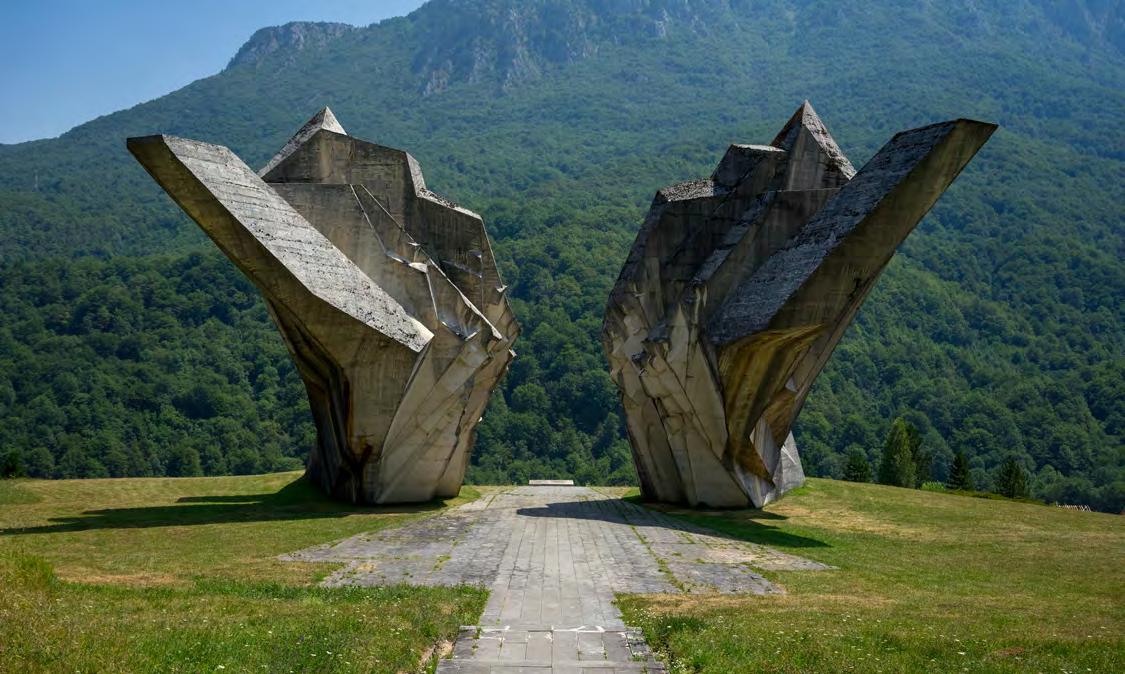
Built in 1971 and designed by Miodrag Živković, Ranko Radović, the memorial is made of reinforced concrete and located in Sutjeska National Park, in Tjentište, Bosnia Herzegovina. The memorial commemorates Operation Fall Schwarz on May 15th to June 16th, 1943. Sutjeska is a site of active commemoration, with local and national events, with major restoration investment, and has been protected as a cultural monument by EUROPARC Federation of Nature and National Parks of Europe, Sutjeska National Park, and the ministry of culture at both the local and regional level.
Though a landslide occurred on the site of the monument in 2018, national civic organizations and local anti-fascist groups have worked to keep the site up. It could be inferred that the monument is well-visited, in part due to its inclusion on the tourism website for the region, its significance as a cultural monument of national importance, and the existence of a gift shop on the site. Given the above factors, Monument to the battle of Sutjeska is considered at low risk for heritage loss as it has many positive forces at work both nationally and locally.
| Makedonium | 1974
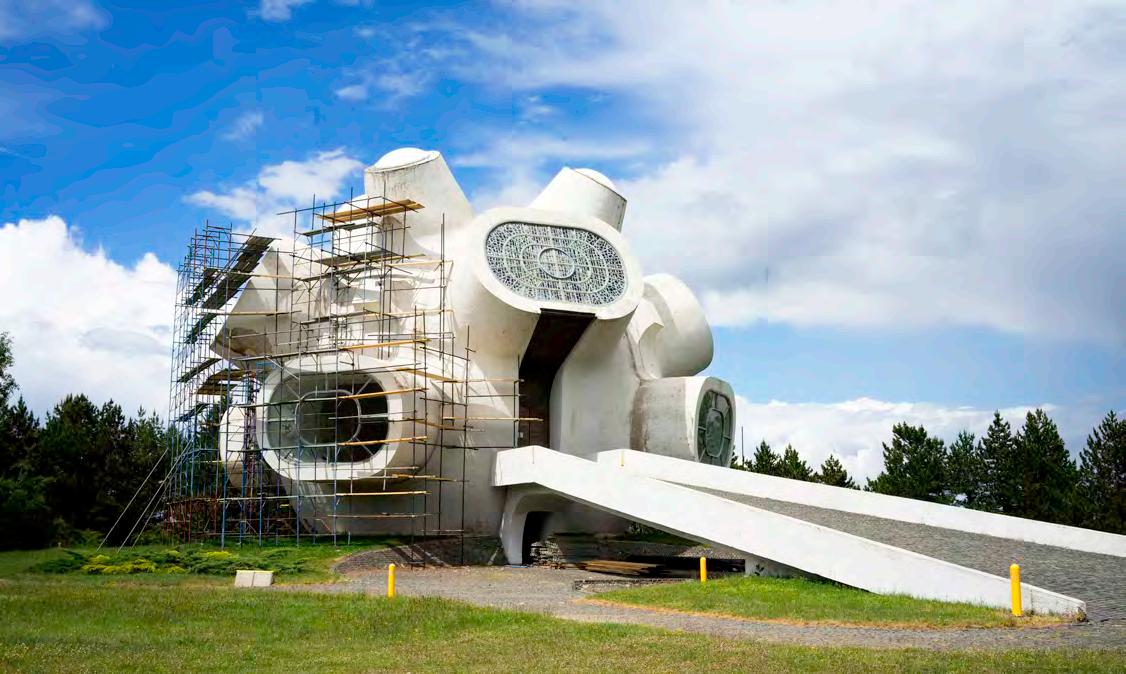
Built in 1974 and designed by Jordan Grabulovski and Iskra Grabul, with amphitheater reliefs designed by Petar Mazev, and stained glass by Borko Lazeski, the memorial is made of reinforced concrete and glass and located in Kruševo, Macedonia. The memorial commemorates the fighters and revolutionaries who participated in the Ilinden uprising on August 2nd, 1903., as well as soldiers of the Macedonia National Liberation Struggle 1941-1944. The Makedonium is a site of active commemoration, with local, regional and national events, with major restoration investment, and has been protected as a cultural monument at the local, regional and national level.
The monument has not been vandalized and underwent a contested state-funded restoration from 2014-2017, it was so contested politicians boycotted the unveiling event, as they felt it should not have been restored — Yugoslav heritage stands in direct opposition to far right nationalist agendas. It could be inferred that the monument is well-visited, in part due to its inclusion on the tourism website for the region, its significance as a cultural monument of national importance, and the existence of a gift shop on the site. Given the above factors, the Makedonium is considered at low risk for heritage loss as it has many positive forces at work both nationally and locally.
| Spomenik Hrabrima
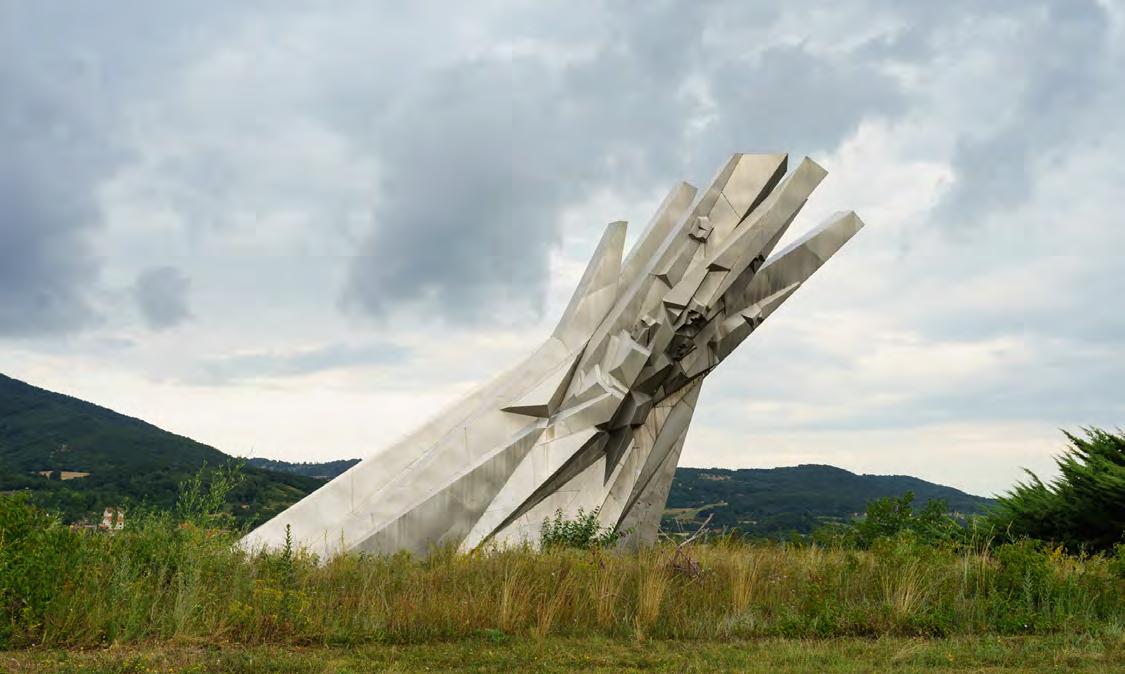
Heritage Loss Risk Factor: MODERATELY HIGH
Built in 1969 and designed by Miodrag Živković & Svetislav Licina, the memorial is made of Aluminum and located in Ostra, Serbia. The memorial commemorates partisan soldiers killed in battle in Čačak, on March 3, 1943. Monument to the Brave at Ostra is a site without active commemoration or official events, with no major restoration or investment, and is not listed as a cultural monument.
Though the monument has been graffitied and de-badged, local antifascist groups work to keep the site up. It could be inferred that the monument is well-visited, in part due to its significance as a cultural monument of national importance. However, the monument does not receive any funding and lacks national protection. In 2005, an orthodox church was built on the monument site, which local antifascist groups opposed. Given the above factors, Monument to the Brave at Ostra is considered at moderately high risk for heritage loss as it has many negative forces at work both nationally and locally.
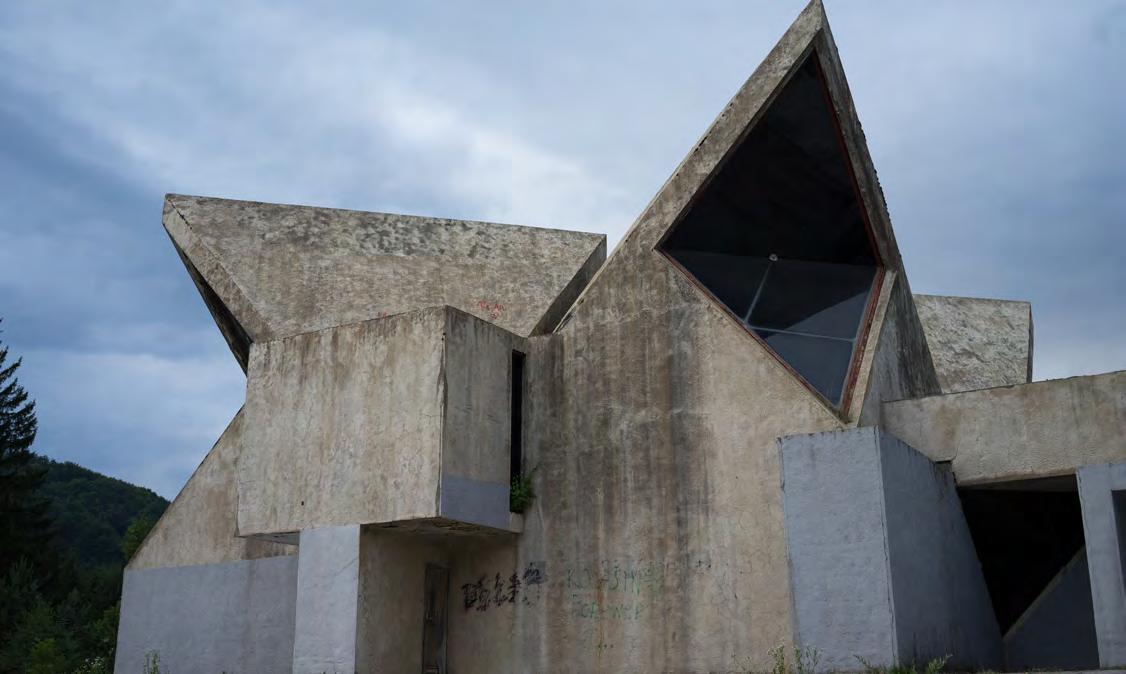
Heritage Loss Risk Factor: MODERATE
Built in 1975 and designed by Marko Mušič, the memorial is made of reinforced concrete and located in Kolašin, Montenegro. The memorial commemorates the first meeting of the National AntiFascist Council of National Liberation (ZAVNO) Montenegro and Boka on November 15th, 1943. Kolašin Memorial Center is a site without active commemoration or official events, with no major restoration or investment, and is not listed as a cultural monument.
Though the monument has been graffitied and physically damaged, local NGOs have worked to keep the site up. It could be inferred that the monument is well-visited, in part due to its inclusion on the tourism website for the region and its central location in the town of Kolašin. However, the monument does not receive any funding and lacks national protection. The building is partially occupied, though most of it is in poor condition and there have been several failed restoration attempts. Given the above factors, Kolašin Memorial Center is considered at moderate risk for heritage loss as it has both positive and negative forces at work locally.
Spomenik
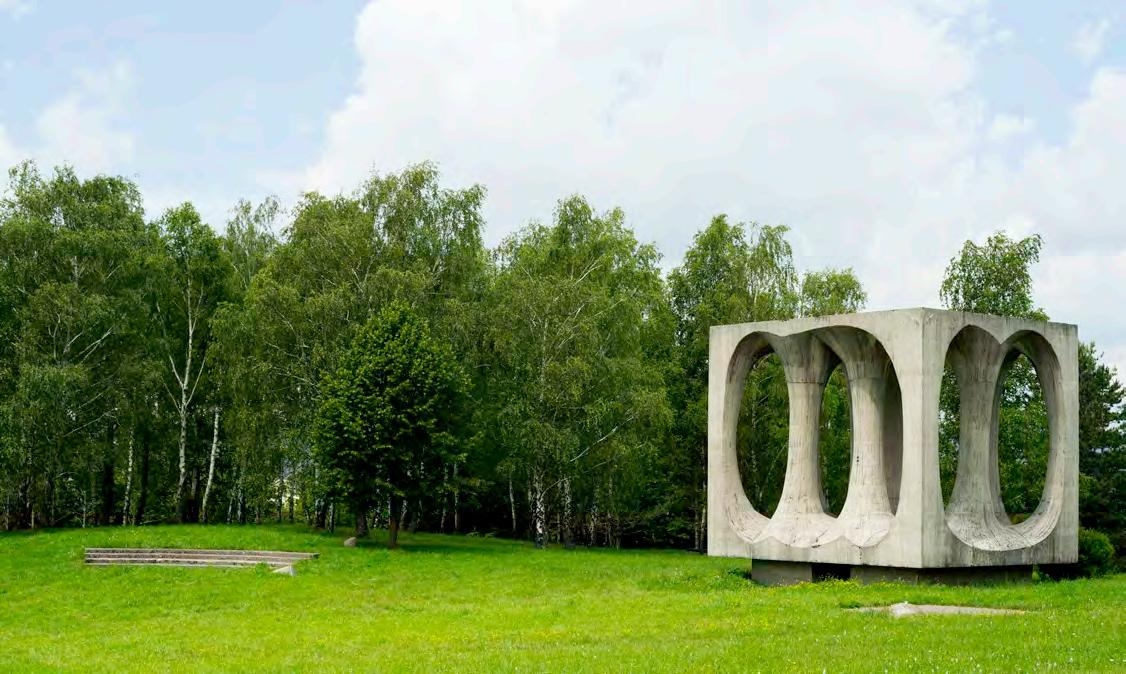
Built in 1965 and designed by Janez Lenassi and Živa Baraga, the memorial is made of reinforced concrete and located in Ilirska Bistrica, Slovenia. The memorial commemorates the fighters of the third overseas strike brigade on May 7th, 1945. Freedom Hill Monument is a site of active commemoration, with local, regional, and national events, with major restoration investment through the ministry of culture, and has been protected as a cultural monument by local government since 1996.
Though the monument has been graffitied, local anti-fascist groups and municipal organizations have worked to keep the site up. It could be inferred that the monument is well-visited, in part due to its inclusion on the tourism website for the region, its significance as a cultural monument of national importance, and its central location in the town of Ilirska Bistrica. Given the above factors, Freedom Hill Monument is considered at low risk for heritage loss as it has many positive forces at work both nationally and locally.
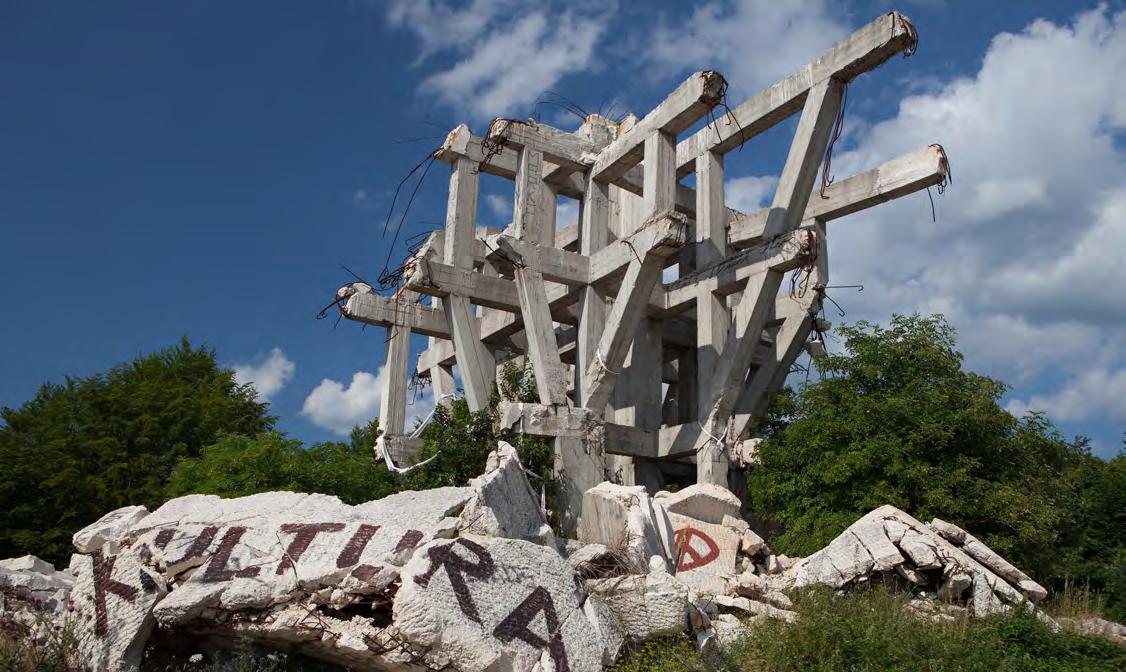
Built in 1978 and designed by Boško Kućanski, the memorial is made of artificial stone of white color, reinforced concrete, and located in Makljen, Bosnia Herzegovina. The memorial commemorates the anti-fascist national liberation struggle of the Second World War (1941-1945). Makljen Monument is a site without active commemoration or official events, with no major restoration or investment, and was protected in its ruinous state.
Though the monument has been graffitied, de-badged, scrapped, and destroyed, national organizations have worked to protect the monument with official protection status. It could be inferred that the monument is well-visited, in part due to its significance as a cultural monument of national importance. However, the monument does not receive any funding and is in a severely neglected state. Given the above factors, Makljen Monument is considered at high risk for heritage loss as it has many negative forces at work both nationally and locally.
Palim Borcima
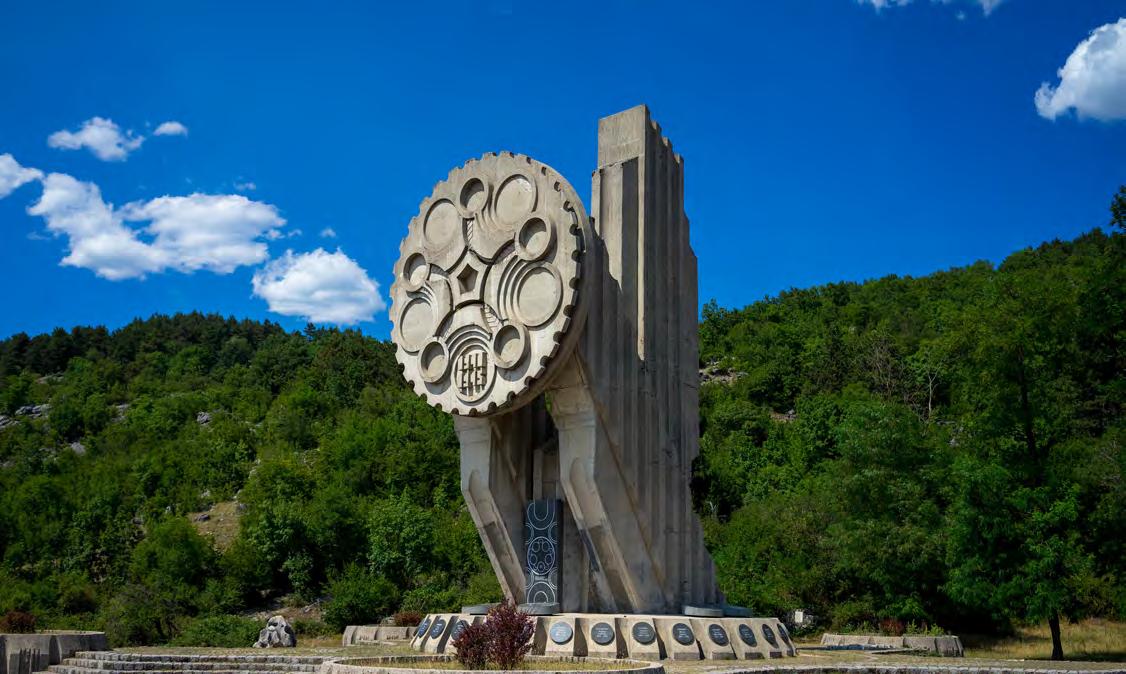
Heritage Loss Risk Factor: MODERATELY LOW
Built in 1987 and designed by Ljubo Vojvodić, the memorial is made of reinforced concrete with black granite plaques and located in Nikšić, Montenegro. The memorial commemorates 32 anti-fascists and patriots shot by the occupiers on Trebjesa hill on May 9th, 1942. Monument to Fallen Soldiers in the Second World War is a site of some active commemoration, with local and national events, with major restoration investment, it is unclear if the monument is listed as a cultural resource.
Though the monument has been graffitied, de-badged, scrapped, and physically damaged, local municipal and anti-fascist groups have worked to keep the site up. It could be inferred that the monument is well-visited, in part due to its inclusion on the tourism website for the region, its location in a city park, and its significance as a cultural monument of national importance. Given the above factors, Monument to Fallen Soldiers in the Second World War is considered at moderately low risk for heritage loss as it has many positive forces at work locally.
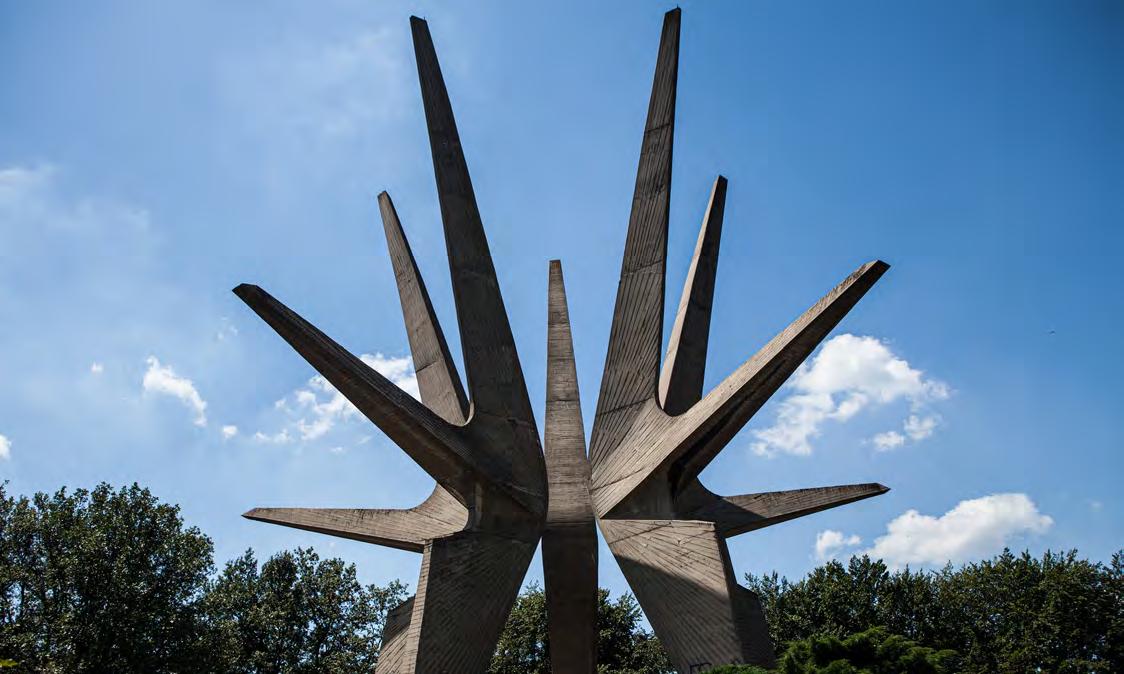
Heritage Loss Risk Factor: MODERATELY LOW
Built in 1970 and designed by Antun Augustinčić, the memorial is made of reinforced concrete and located in Koracica, Serbia. The memorial commemorates a group of partisan fighters in World War II who battled against German occupation in the south of Belgrade on July 2nd, 1941. Monument to the Kosmaj Partisan Detachment is a site of active commemoration, mainly local events, with ongoing small restoration investment for the past decade, and is protected through Kosmaj Mountain Park.
Though the monument has been graffitied, local anti-fascist groups and national organizations have worked to keep the site up. It could be inferred that the monument is well-visited, in part due to its inclusion on the tourism website for the region, its significance as a cultural monument of national importance, and its location inside a national park. Given the above factors, Monument to the Kosmaj Partisan Detachment is considered at moderately low risk for heritage loss as it has many positive forces at work both nationally and locally.
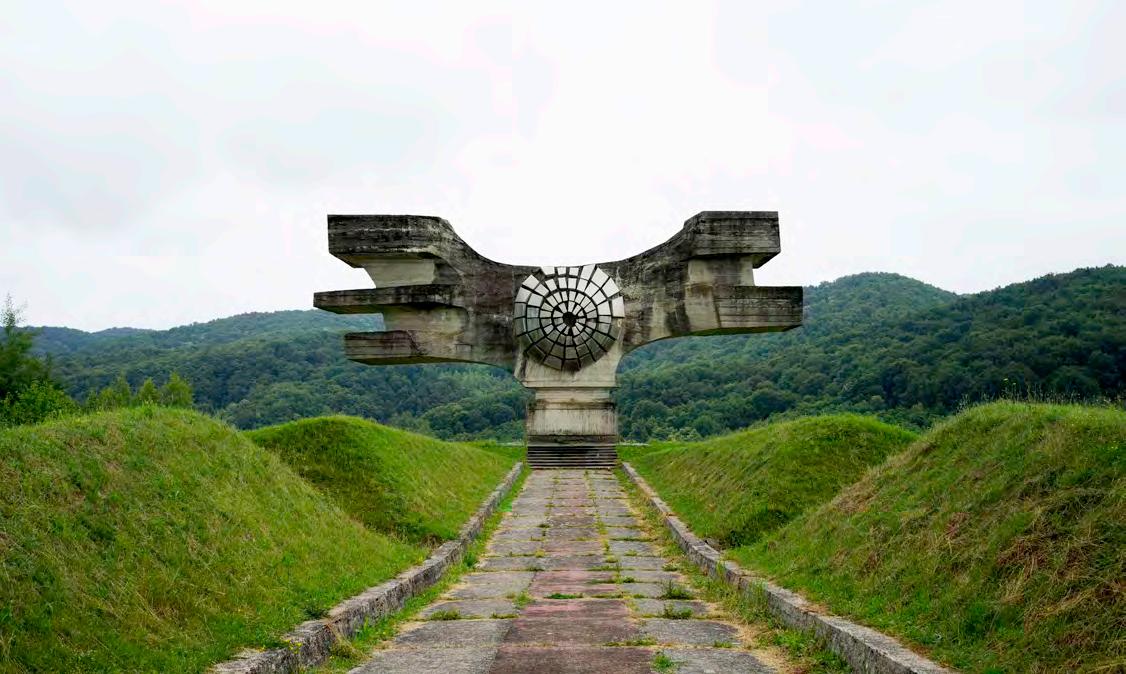
Built in 1967 and designed by Dušan Džamonja, the memorial is made of reinforced concrete and located in Podgarić, Croatia. Dedicated to the people of Moslavina during World War II. Podgarić is a site of some active commemoration, mainly local events, has not had major restoration investment, it is unclear if the monument is protected.
The monument has not been vandalized, which may be due to the number of anti-fascist groups within the area. It could be inferred that the monument is well-visited, in part due to its inclusion on the tourism website for the region, number of events held at the site, and its significance as a cultural monument of national importance. Given the above factors, Monument to the Revolution of the people of Moslavina is considered at moderately low risk for heritage loss as it has many positive forces at work both nationally and locally.
Spomenik Dražgoškoj bitki | Monument to the Battle of Dražgoše | 1976
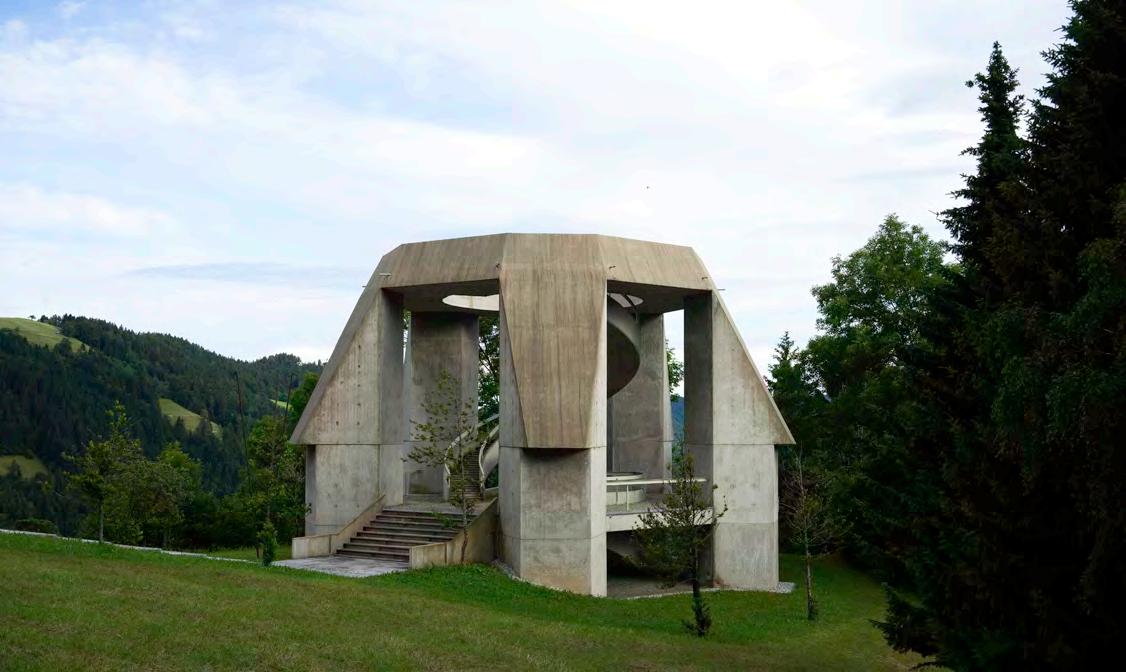
Built in 1976 and designed by Stojan Batič (sculptor), Boris Kobe, and Ive Šubic (architects), the memorial is made of reinforced concrete and located in Dražgoše, Slovenia. The memorial commemorates the Battle of Dražgoše on January 9 - January 11, 1942. Dražgoše is a site of active commemoration, with local, regional, and national events, has had no major restoration investment, and has been protected as a cultural monument since 2002.
The monument has not been vandalized, which may be due to strong local interest from anti-fascist groups. It could be inferred that the monument is well-visited, in part due to its inclusion on the tourism website for the region and its significance as a cultural monument of national importance. Given the above factors, Monument to the Battle of Dražgoše is considered at low risk for heritage loss as it has many positive forces at work locally.
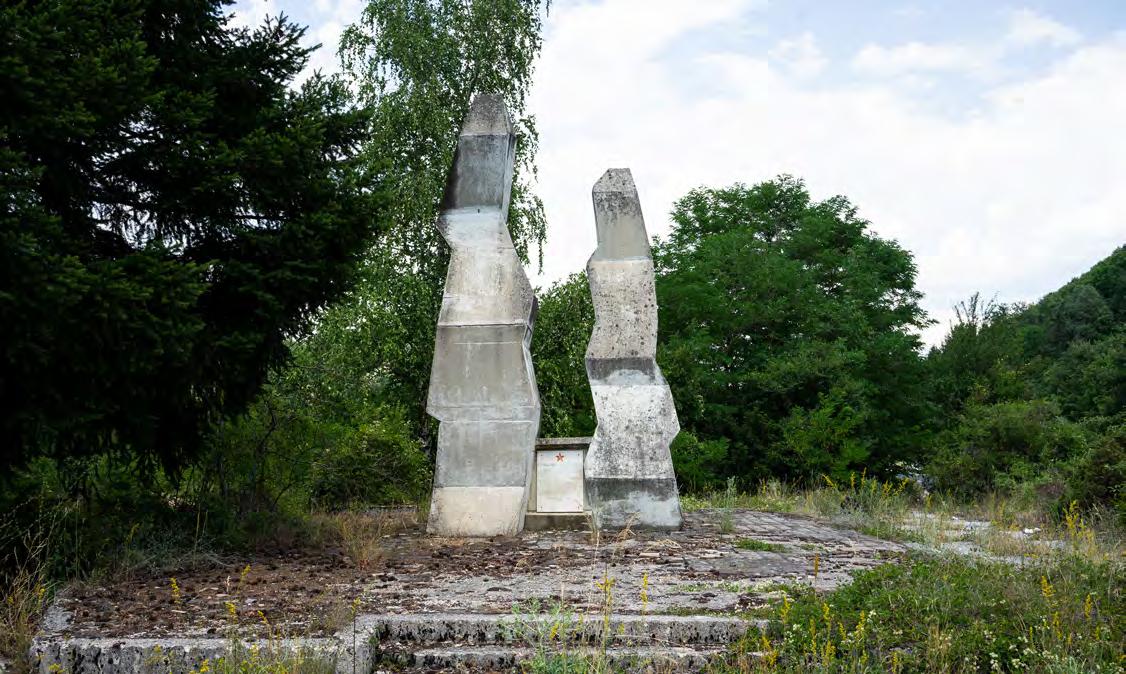
Heritage Loss Risk Factor: MODERATE
It is unknown when the memorial was built or who it was designed by. The memorial is made of reinforced concrete with a marble plaque and located in Botun, Macedonia. The memorial commemorates the uprising in Debarca that led to the first Macedonian free partisan republic, from September 9 to December 5, 1943. Botun is a site of no active commemoration and events, with no major restoration or investment, and remains unprotected.
Though the monument has been graffitied, de-badged, and physically damaged, local nearby residents have volunteered to keep the site up. It could be inferred that the monument is not well-visited, in part due to its neglected state. Given the above factors, Monument to the Uprising in Debarca is considered at moderately high risk for heritage loss as it has many negative forces at work both nationally and locally.
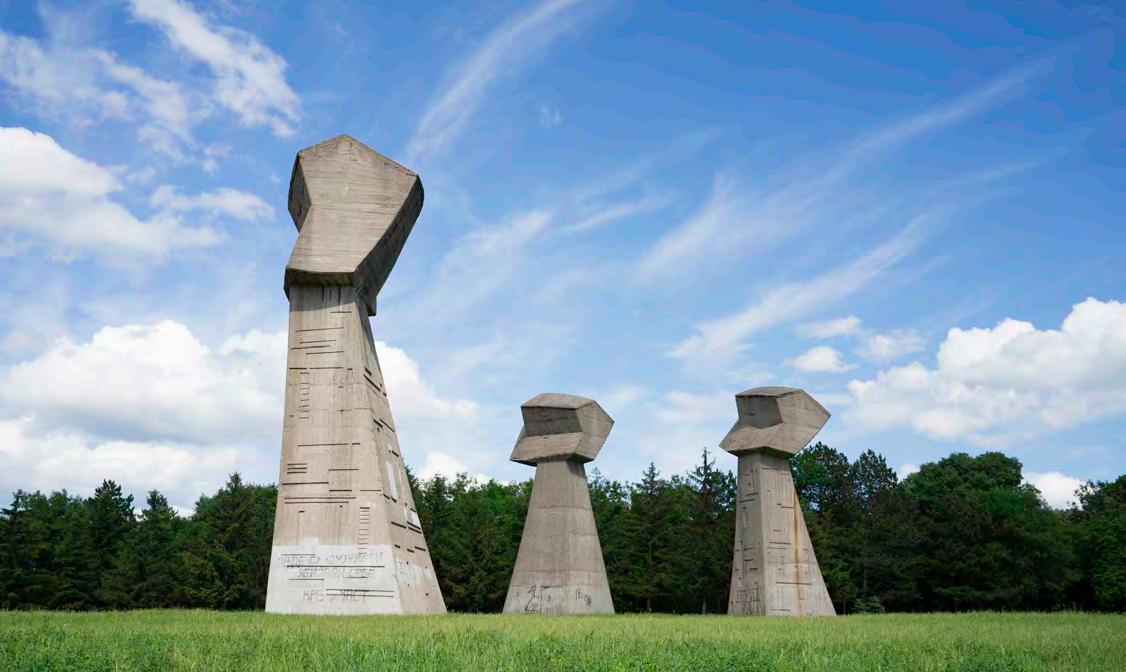
Built in 1963 and designed by Ivana Sabolić and Mihajlo Mitrović, the memorial is made of reinforced concrete and located in Niš, Serbia. The memorial commemorates the shooting and execution of more than 10,000 citizens of Niš and people from Serbia and other parts of the country on October 14th, 1944. Niš is a site of active commemoration, with local and national events, with major restoration investment funded in 2017, and has been protected as a cultural monument since 1982.
Though the monument has been graffitied, local municipal and antifascist groups, have worked to keep the site up. It could be inferred that the monument is well-visited, in part due to its inclusion on the tourism website for the region, its significance as a cultural monument of national importance, and its location within the city of Niš. Given the above factors, Memorial Park Bubanj is considered at low risk for heritage loss as it has many positive forces at work both nationally and locally.
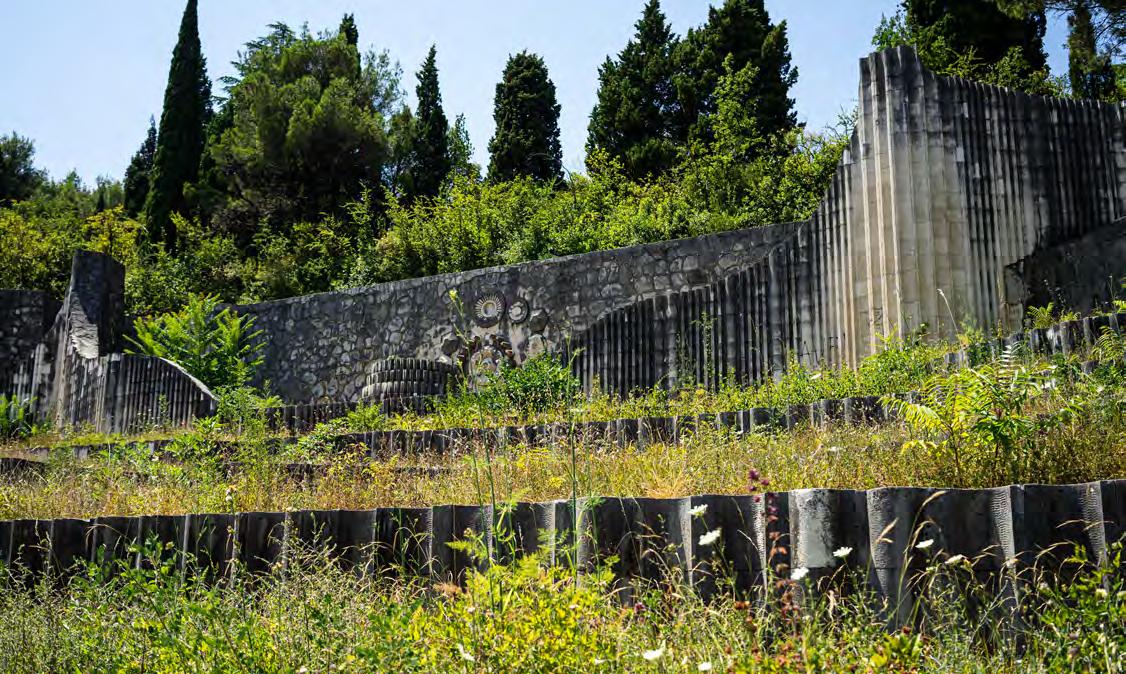
Heritage Loss Risk Factor: MODERATELY HIGH
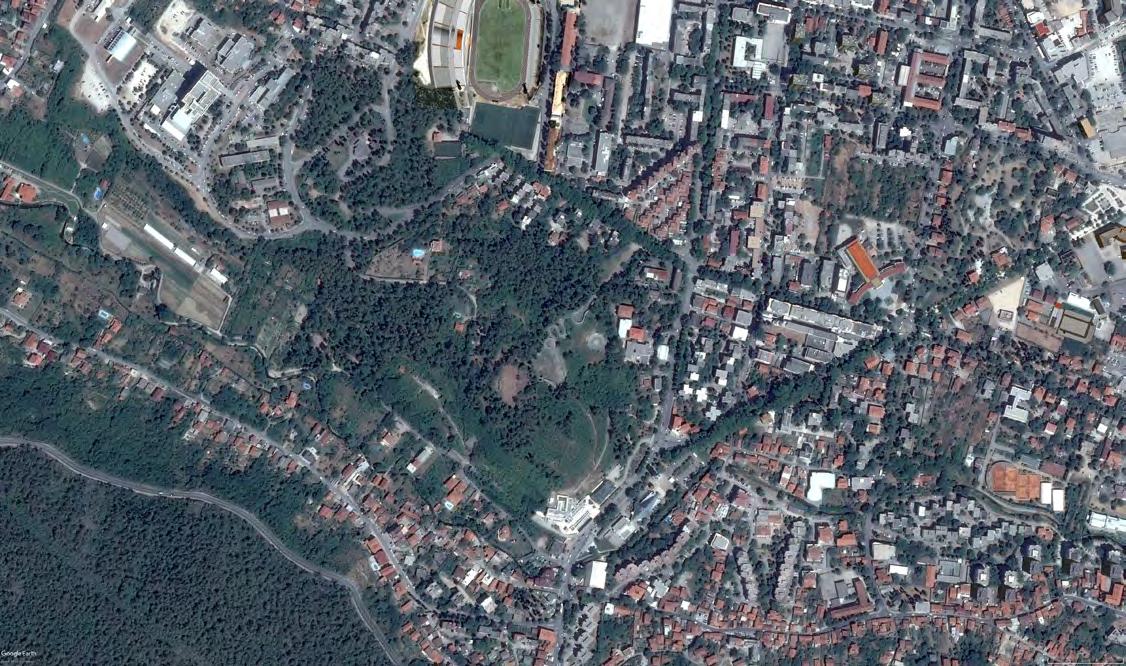
Built in 1965 and designed by Bodgan Bogdanović, the memorial is made of over 12,000 carved limestone pieces, rubble from the town’s destruction during WWII, and traditional stone roof tiles recycled from local houses and is located in Mostar, Bosnia Herzegovina. The memorial commemorates 560 members of Yugoslavia’s National Liberation Army and was built in memory of the deaths of Mostar Partisans, and in honor of all those who in World War II fought against fascism throughout Europe and the world. Mostar is a site of some active commemoration, mainly local events, with major restoration investment, and has been protected as a cultural monument since 2006.
Though the monument has been graffitied, de-badged, scrapped, and physically damaged, local municipal and anti-fascist groups have worked to keep the site up. It could be inferred that the monument is well-visited, in part due to its inclusion on the tourism website for the region and its significance as a cultural monument of national importance. However, the monument does not receive regular funding, is located in a politically divided city, is consistently vandalized, and is in a neglected state. Given the above factors, Partisan Cemetery in Mostar is considered at moderately high risk for heritage loss as it has many negative forces at work locally.
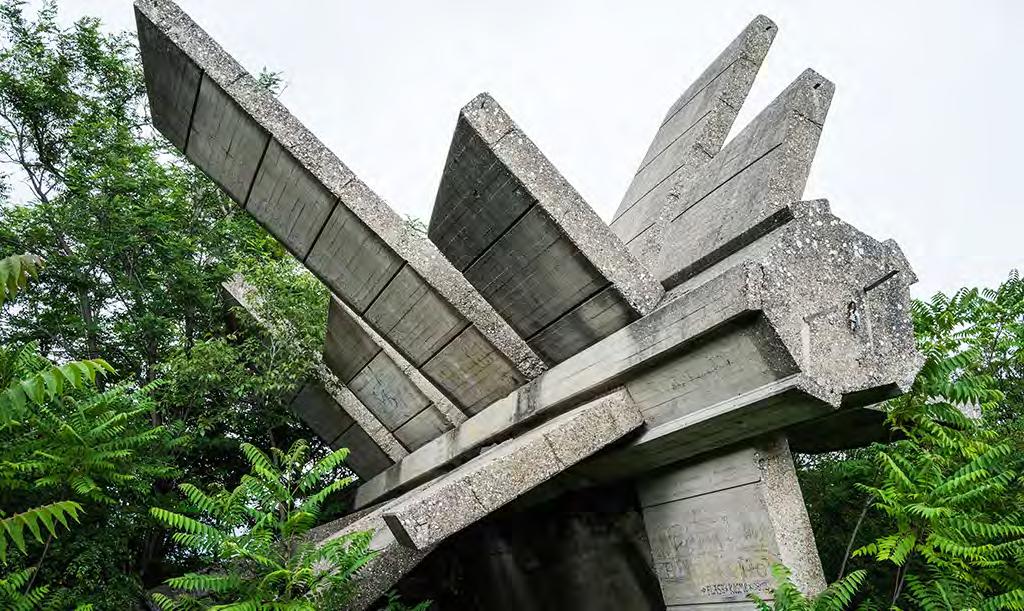
Built in 1969 and designed by Grozdan Knežević and Đorđe Romić, Mihael Kajfeš designed the bronze tablets, the memorial is made of reinforced concrete and located in Knin, Serbia. It commemorates members of the National Liberation War who died during the liberation of Knin on November 25th, 1944. Knin is a site without active commemoration and events and has had no major restoration or investment, and remains unprotected
Since the monument has been graffitied, de-badged, scrapped, and destroyed, there has been a limited effort to keep the site up. During the war in the 1990s, it was toppled after being mined and has sat in ruin since. It could be inferred that the monument is not wellvisited, in part due to its neglected state. Given the above factors, Monument to Liberators of Knin is considered at high risk for heritage loss as it has many negative forces at work both nationally and locally.
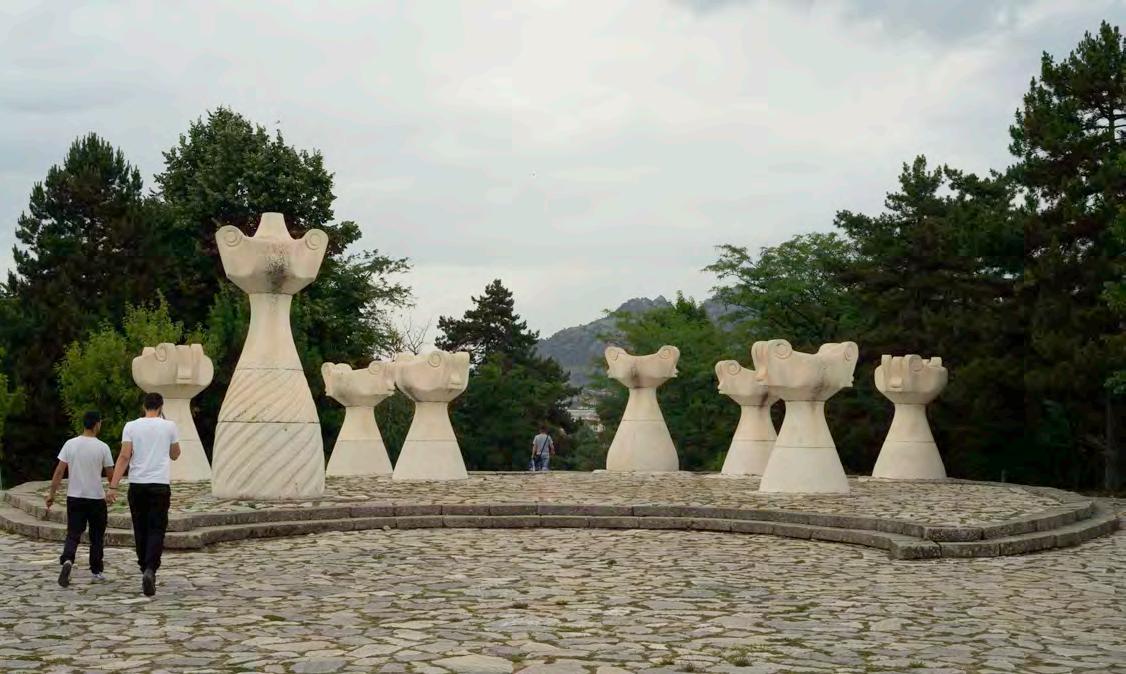
Built in 1961 and designed by Bodgan Bogdanović, the memorial is made of marble and located in Prilep, Macedonia. The memorial commemorates the 20th anniversary of the beginning of the revolutionary struggle against fascism. The remains of 632 of the 650 fighters from Prilep and the Prilep region are buried there. Prilep is a site of active commemoration, with local and regional events, with major restoration investment, though it remains unprotected.
Though the monument has been graffitied, local municipal organizations have worked to keep the site up. It could be inferred that the monument is well-visited, in part due to its inclusion on the tourism website for the region, its significance as a cultural monument of national importance, and its location in the city of Prilep. Given the above factors, Mound of the Unbeaten is considered at low risk for heritage loss as it has many positive forces at work both nationally and locally.
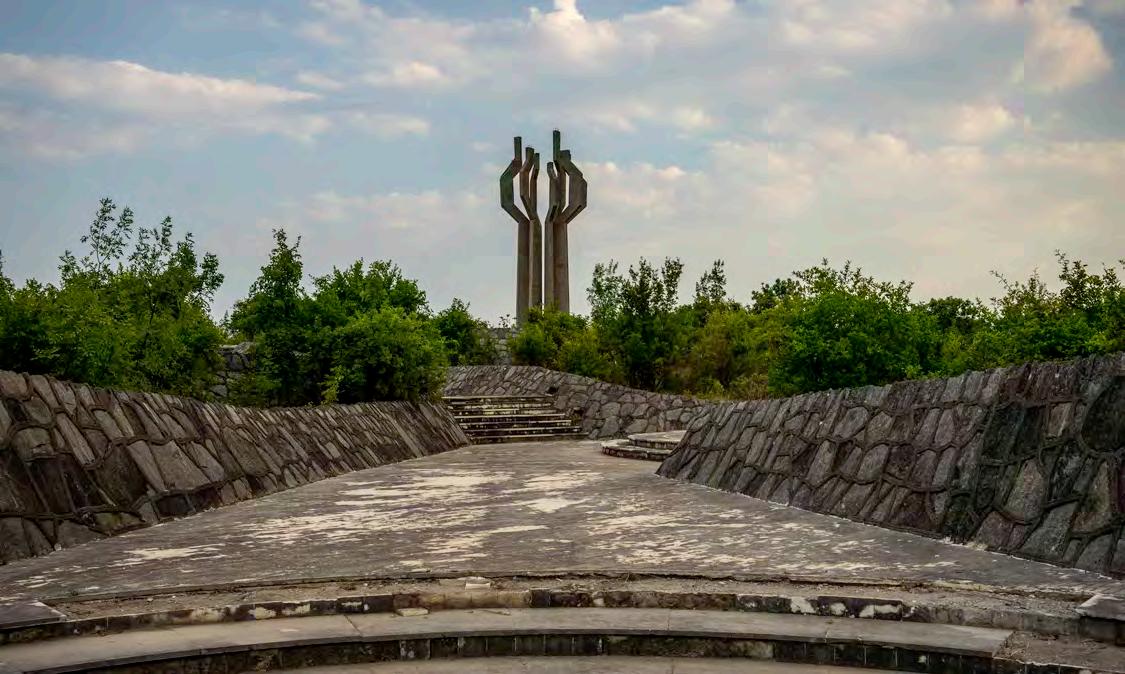
Built in 1980 and designed by Svetlana Kana Radević, the memorial is made of reinforced concrete and located in Barutana, Montenegro. The memorial commemorates the inhabitants of Lješanske who died in the liberation wars of the first half of the 20th century, Balkan Wars (1912-1913), WWI (1914-1918), and WWII (1941-1945).
Barutana is a site of active commemoration, with local and national events, with a major restoration investment in July 2020 though it remains unprotected.
The monument has not been vandalized. It could be inferred that the monument is well-visited in part due to its inclusion on the tourism website for the region and its significance as a cultural monument of national importance among local anti-fascist groups. Given the above factors, Monument to the Fallen Soldiers of Ljesanska Nahija is considered at moderately low risk for heritage loss as it has many positive forces at work locally.
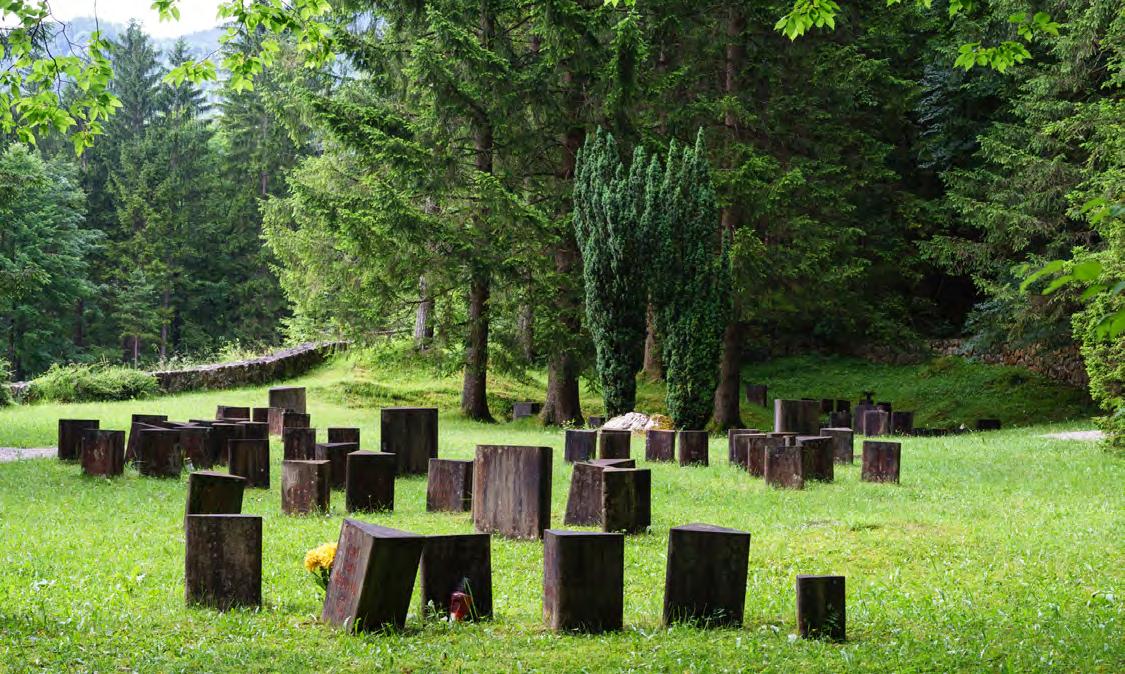
Built in 1953 and designed by Edvard Ravnikar, the memorial is made of granite and located in Begunje, Slovenia. The memorial commemorates 161 prisoners from the Begunje prison shot by Nazis on May 4th, 1945. Begunje is a site of some active commemoration, mainly local events, with major restoration investment by both the ministry of culture and the local museum. It has been protected as a national monument since 1996.
It could be inferred that the monument is well-visited, in part due to its inclusion on the tourism website for the region and its significance as a cultural monument of national importance. Given the above factors, Hostages Burial Site in the Draga Valley is considered at low risk for heritage loss as it has many positive forces at work both nationally and locally.
Spomen groblje Šušnjar |Šušnjar Memorial Complex | 1971
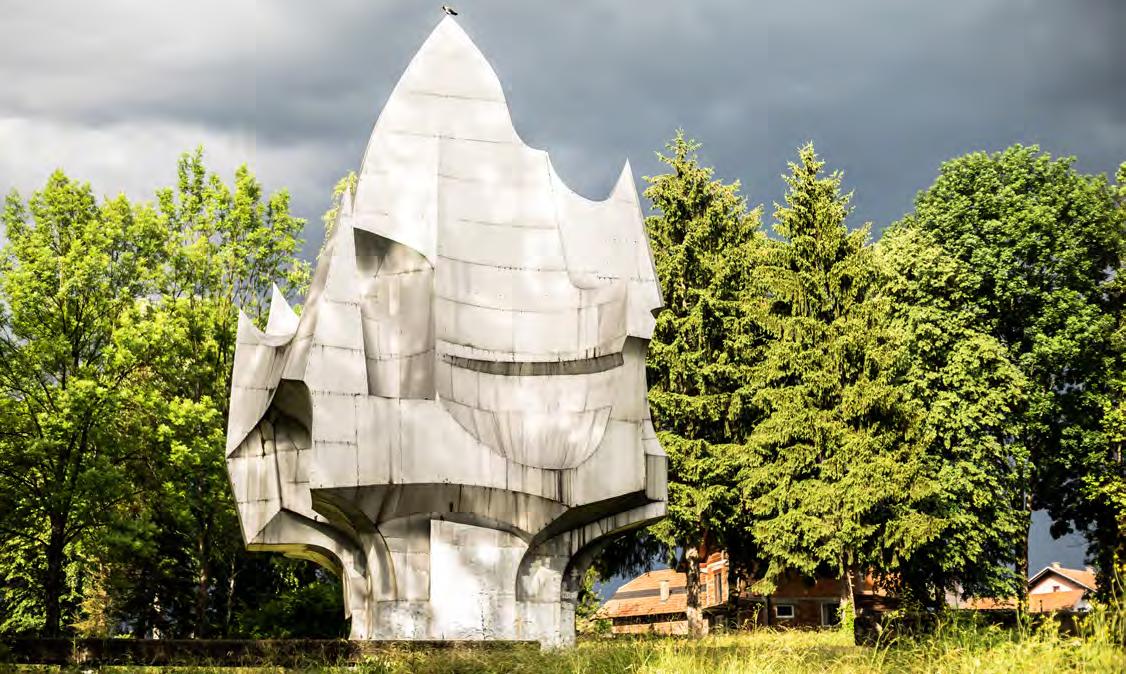
Built in 1971 and designed by Petar Krstić, the memorial is made of aluminum and located in Sanski Most, Bosnia Herzegovina. The memorial commemorates the victims of the Ustasha massacre that took place on August 2, 1941. Sanski Most is a site of some active commemoration, mainly local events, with major restoration investment, and has been protected as a cultural monument since 2003.
Though the monument has been graffitied, de-badged, scrapped, and physically damaged, national conservation organizations have awarded the monument national protection status. It could be inferred that the monument is not well-visited, in part due to its neglected state. Given the above factors, Šušnjar Memorial Complex is considered at moderately high risk for heritage loss as it has many negative forces at work locally.
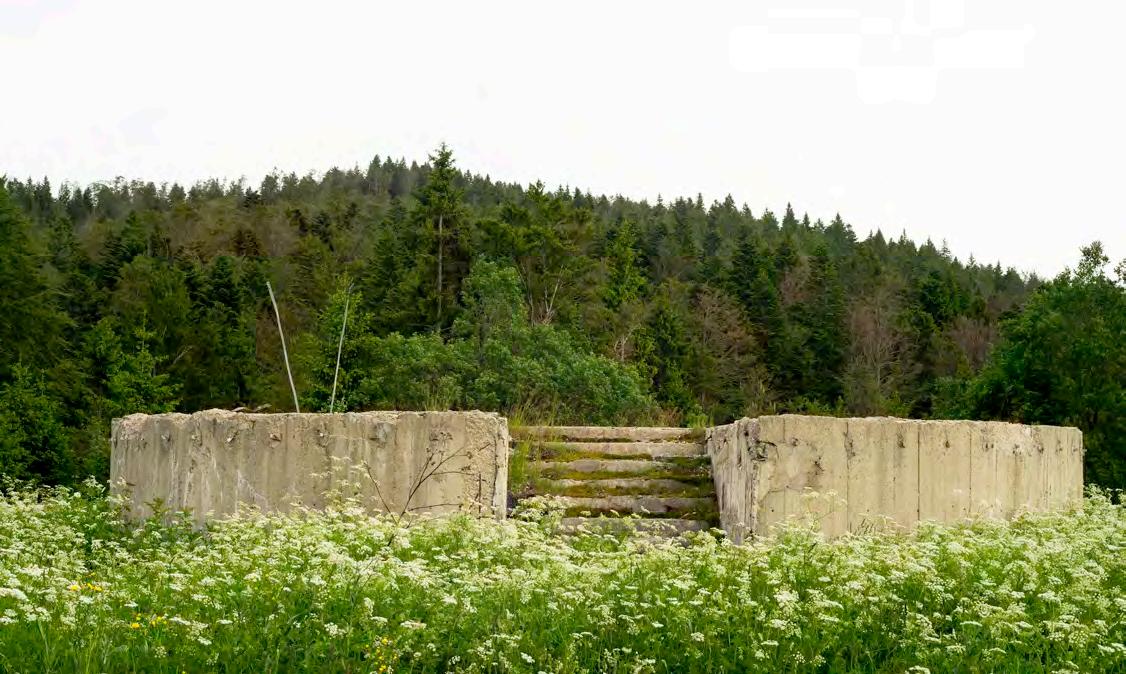
Heritage Loss Risk Factor: HIGH
Built in 1981 and designed by Vanje Radauša (sculptor) and Vladimir Ugrenović and Berislav Radimir (architects), the memorial was made of stainless steel and located in Korenica, Croatia. The memorial was built to commemorate Yugoslavia’s victory in World War II on March 20th,1945. Korenica is a site without active commemoration or events, with no major restoration or investment, and has protection as part of the WWII memorial area of Bijeli Potoci - Kamensko.
Though the monument and all traces of it have been completely debadged, scrapped and destroyed, the site in which the monument stood is designated a landscape of national importance. All that remains is the concrete plinth that the monument once stood on. It could be inferred that the monument is not well-visited, in part due to its neglected state and lack of way finding. Given the above factors, the Central Monument of the Bijele Potoci Memorial Area of Kamensko has been destroyed completely and is well beyond high risk for heritage loss as it has had many negative forces at work both nationally and locally for decades.