Over the past three years, Artificial Intelligence (AI) has become central to nearly every business discussion. However, this disruptive development goes far beyond an industrial or economic revolution—it is also reshaping education, personal relationships, and many other aspects of our lives, influencing how we think, interact, and create value in an increasingly digital environment.
In the recent encyclical Magnifica Humanitas, Pope Leo XIV offers a clear message: technology must always serve humanity and must neither replace nor dominate it. He warns that AI is not morally neutral and, if left unchecked, may increase inequality, manipulate information, and concentrate power. In this context, principles such as ethics, transparency, and responsibility are more important than ever. The Pope’s message reminds us to remain deeply human in a rapidly changing digital world and to guide innovation with strong moral foundations.
Looking back at EREN’s foundational principles, these values are already embedded in our vision. As one of the most powerful tools ever created, AI can be integrated into real estate as a means of amplifying human intelligence.
From this perspective, two key ideas emerge. Firstly, Europe’s rich cultural heritage continues to make it a highly attractive destination for real estate investment—an advantage that should be further strengthened ensuring that innovation preserves the identity, exclusivity, and long-term value of European assets.
And, secondly: as access to information becomes ever more widespread, our clients expect greater insight and added value from real estate professionals. This requires not only technical proficiency in AI, but more importantly a strong grounding in human and ethical principles.
For EREN members, this represents both an opportunity and a duty: to adopt these technologies -without being swayed by the ease of the work, seemingly well done, that the tool can provide- while preserving the common sense, human judgment and market knowledge that remain at the heart of these real estate professionals.
Enjoy your reading of this new edition of Villae International Magazine.

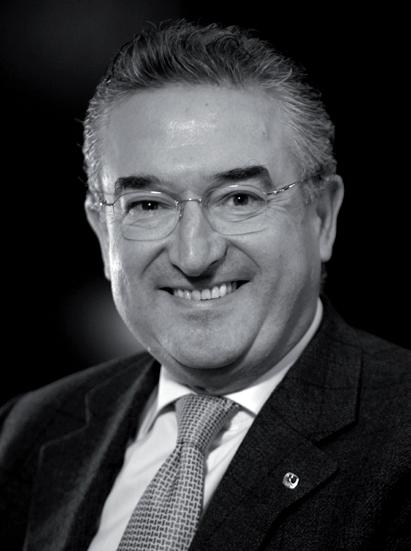
José Ribes Bas. Director
VILLÆ INTERNATIONAL
is a publication of:
European Real Estate Network, Ltd., 837 Salisbury House, 29, Finsbury Circus, London, EC2M 5QQ T: +44 207 592 8905 www.europeanrealestate.org support@europeanrealestate.org
EREN Board of Directors
Ueli Schnorf
Giancarlo Bracco José Ribes Bas bod@europeanrealestate.org
Original Concept by Benedetta Viganò, Diana Morales & José Ribes Bas
Writers
Michel Cruz michel@avanteconsult.com (+34) 610 780 354
Roberto Gómez Calvet rgomez@competecnia.es (+34) 696 770 397
Art director and Design
Magda Gavilán Millá mgavilan@rimontgo.es (+34) 608 162 142
Photo credits
Shutterstock Unsplash Adobe Stock Kaboompics IStock Comporta-Signature.com
Advertising bod@europeanrealestate.org
Editor José Ribes Bas
D.L.: V-757-2006
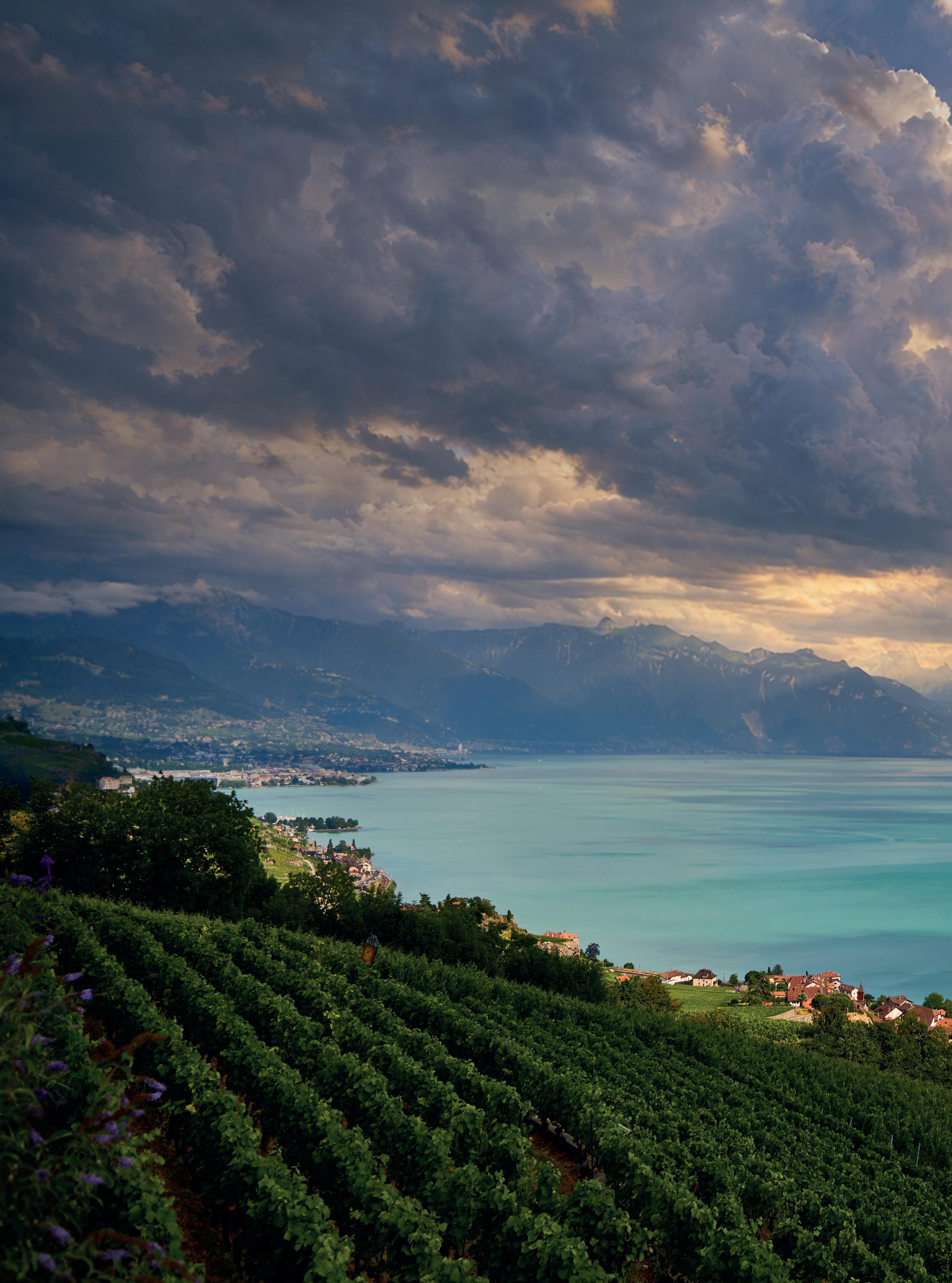
EREN is not a typical international real estate network of the kind that seeks to gain members across the world. This is because its purpose is not to develop a large and growing list of associated agencies. In other words, to us it is not the network itself that is important but rather the collaboration that ensues from it, and for this reason the European Real Estate Network is a private collective of top agencies with a clear focus on high-value relationships.
By Michel Cruz
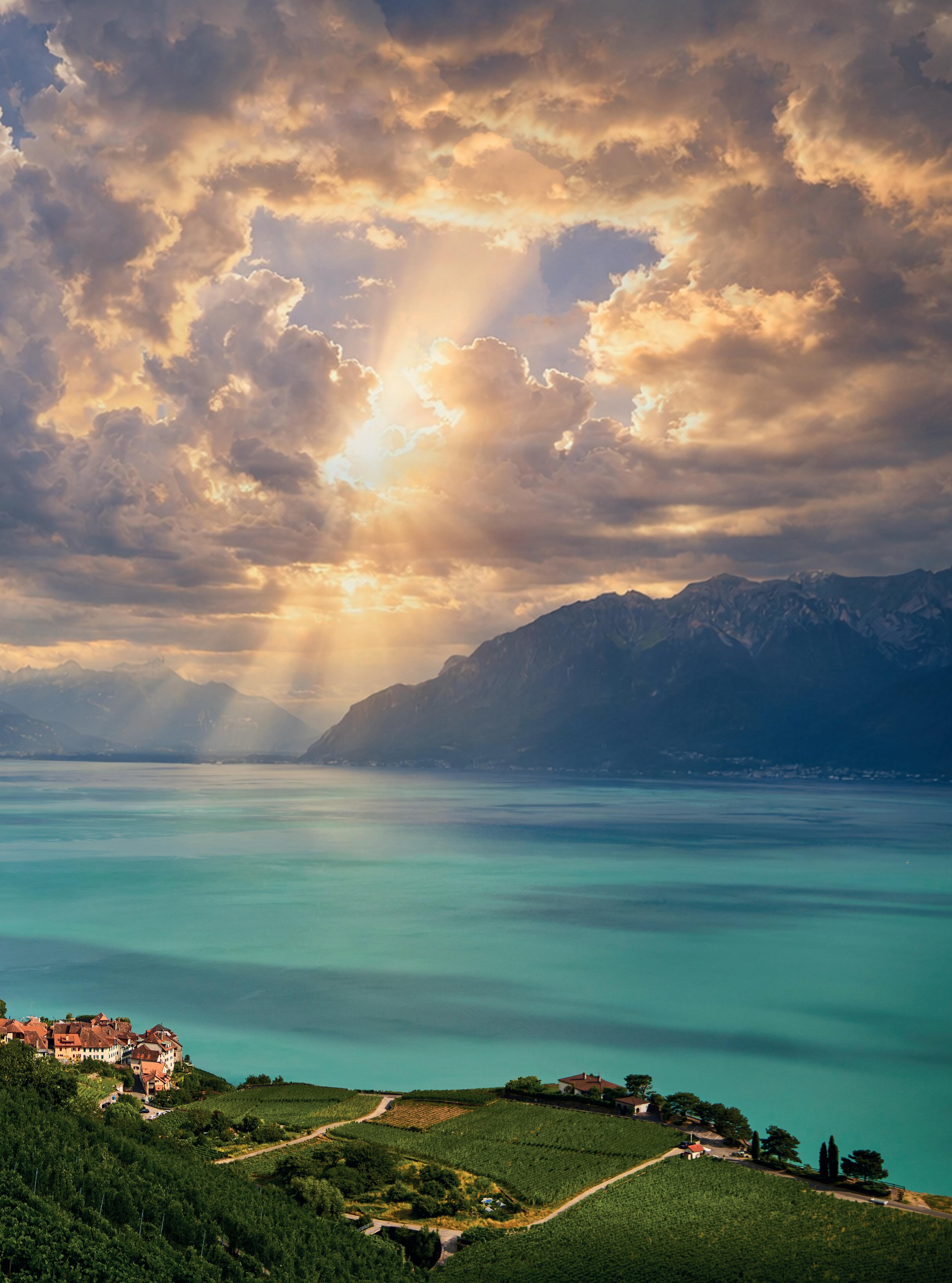
Savoir Faire
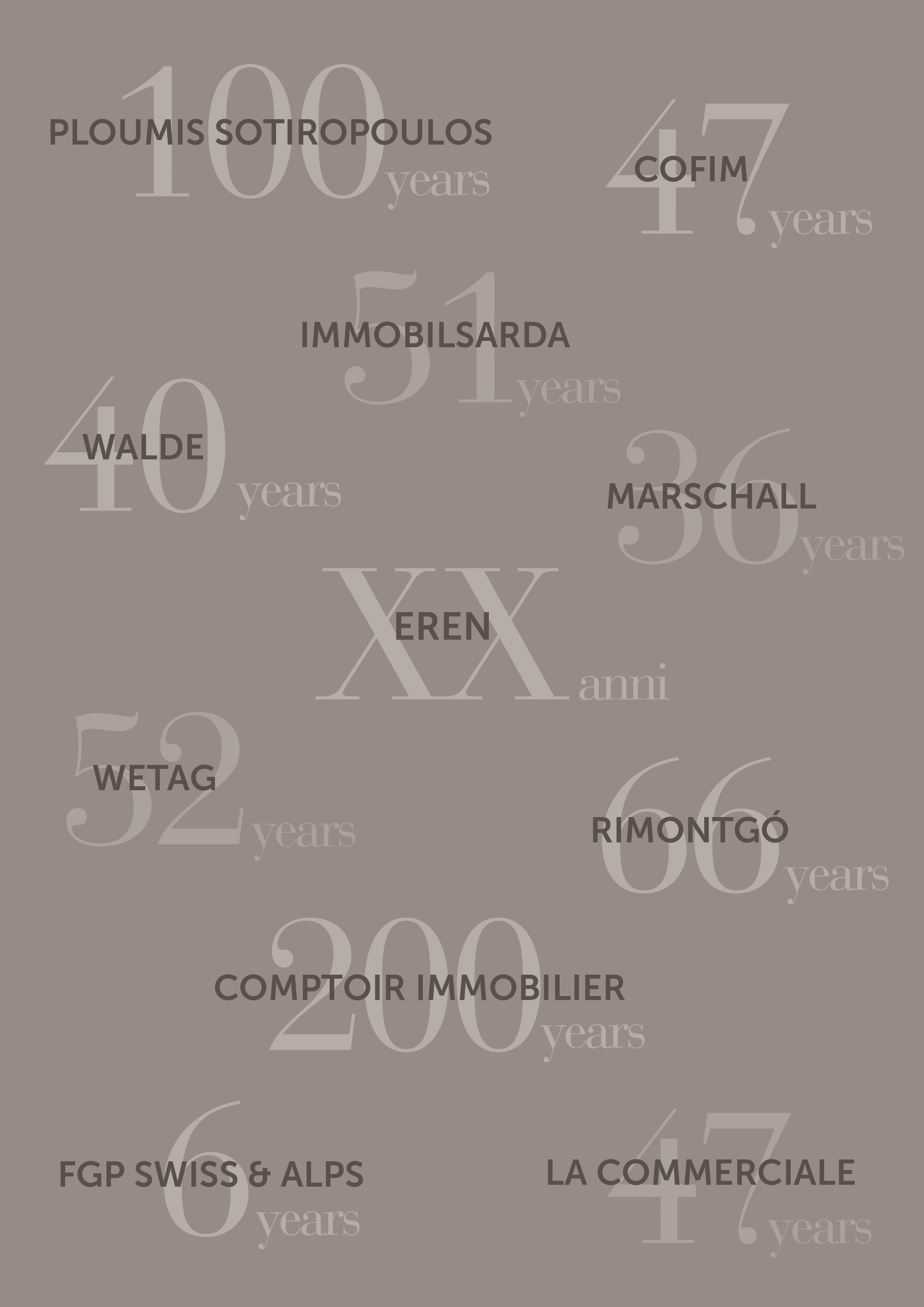
EREN does not go out recruiting, but rather its members find each other by a process of natural affiliation and are invited to join this highly selective collective of professionals with a shared heritage that spans 646 years. What makes this collective stand out is the combined knowledge, networks and multigenerational bonds that have forged EREN into one of the most influential unions in European property.
“We bring together expert local knowledge and impact with internal contacts and reach, and as a result we have the ability to cover every major city or luxury region of Europe and provide an unsurpassed level of service and support.”says José
Ribes Bas, CEO of Rimontgò in Valencia and President of EREN. The members work fluently together on cross-border transactions, providing clients entering into new markets with a high level of personalised advisory services regardless of the country they choose. “In an age of automation, this level of dedicated one-to-one service is ever more valuable,” says José. “We guide our buyers and investors through all aspects of local regulations and particularly show our value in negotiations and when complexities arise in a transaction. This is when our experience and technical expertise show, making it possible for us to create a clear path within complicated situations.”
This, together with a global network built on longstanding relationships of trust gives the members of EREN access to rare and off-market properties and assets in the very finest locations across Europe, and indeed beyond.
EREN combines generations of expertise and trust into a uniquely influential European property network.

Quentin Epiney
FGP Swiss & Alps Geneva, SWITZERLAND
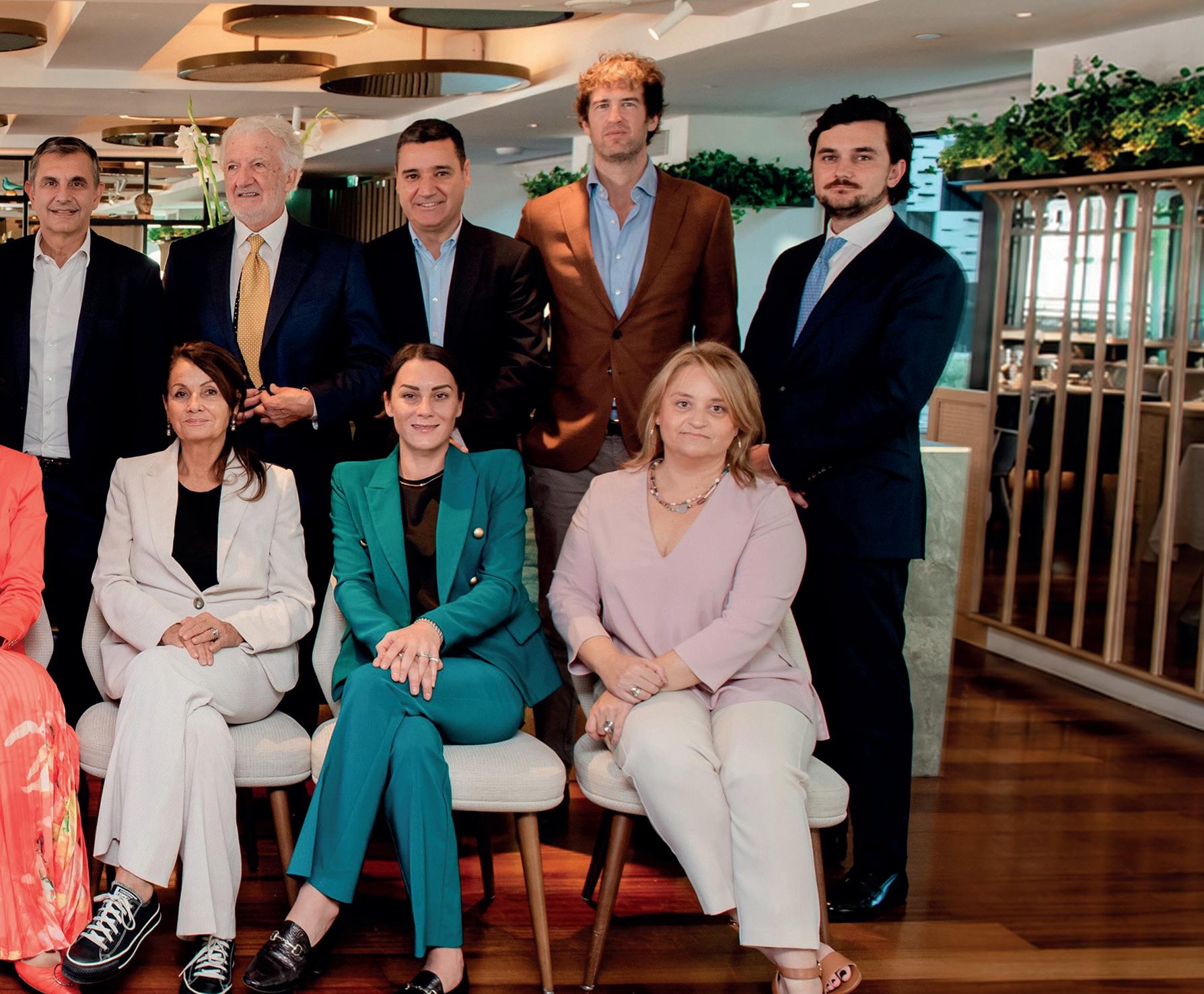
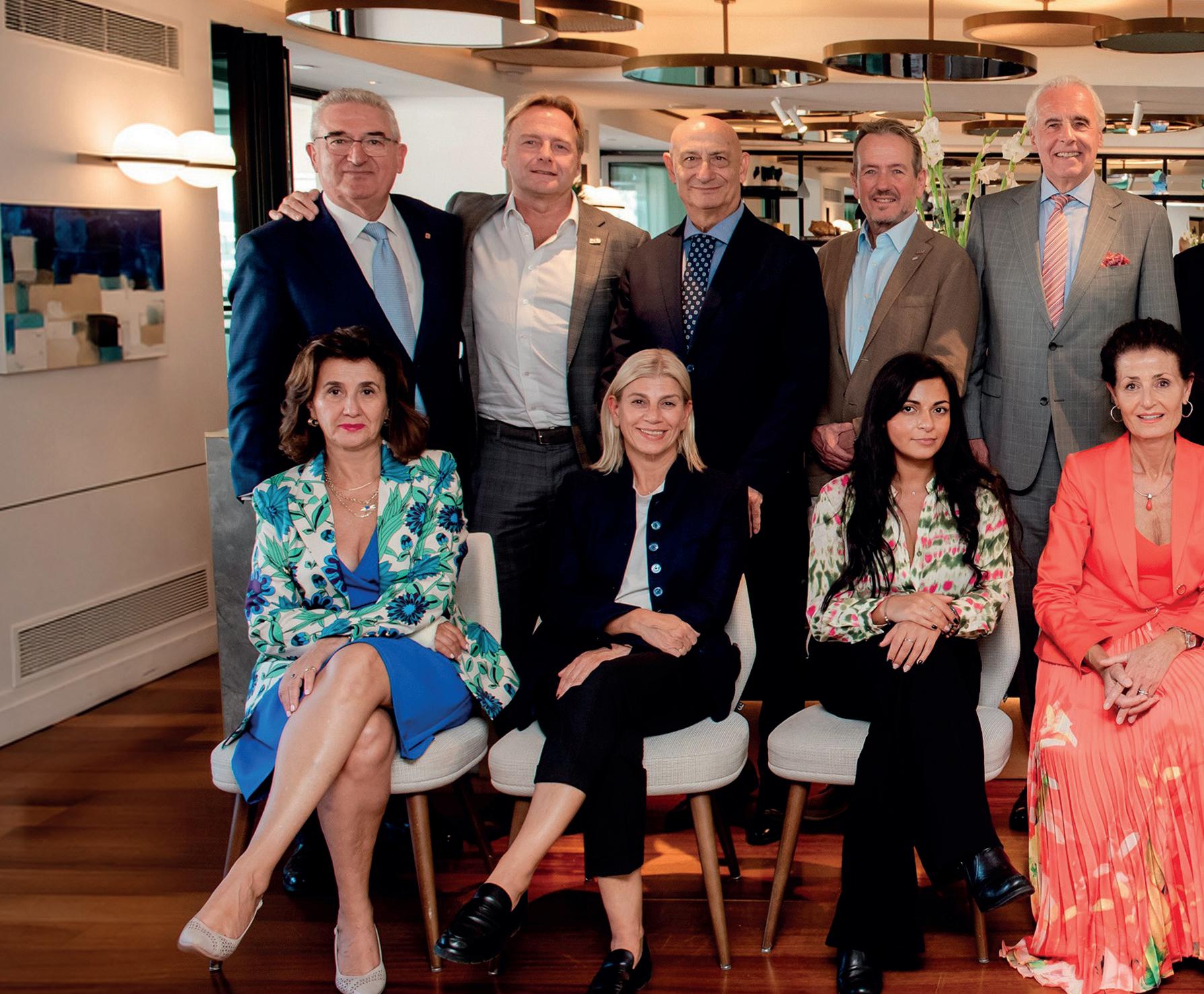
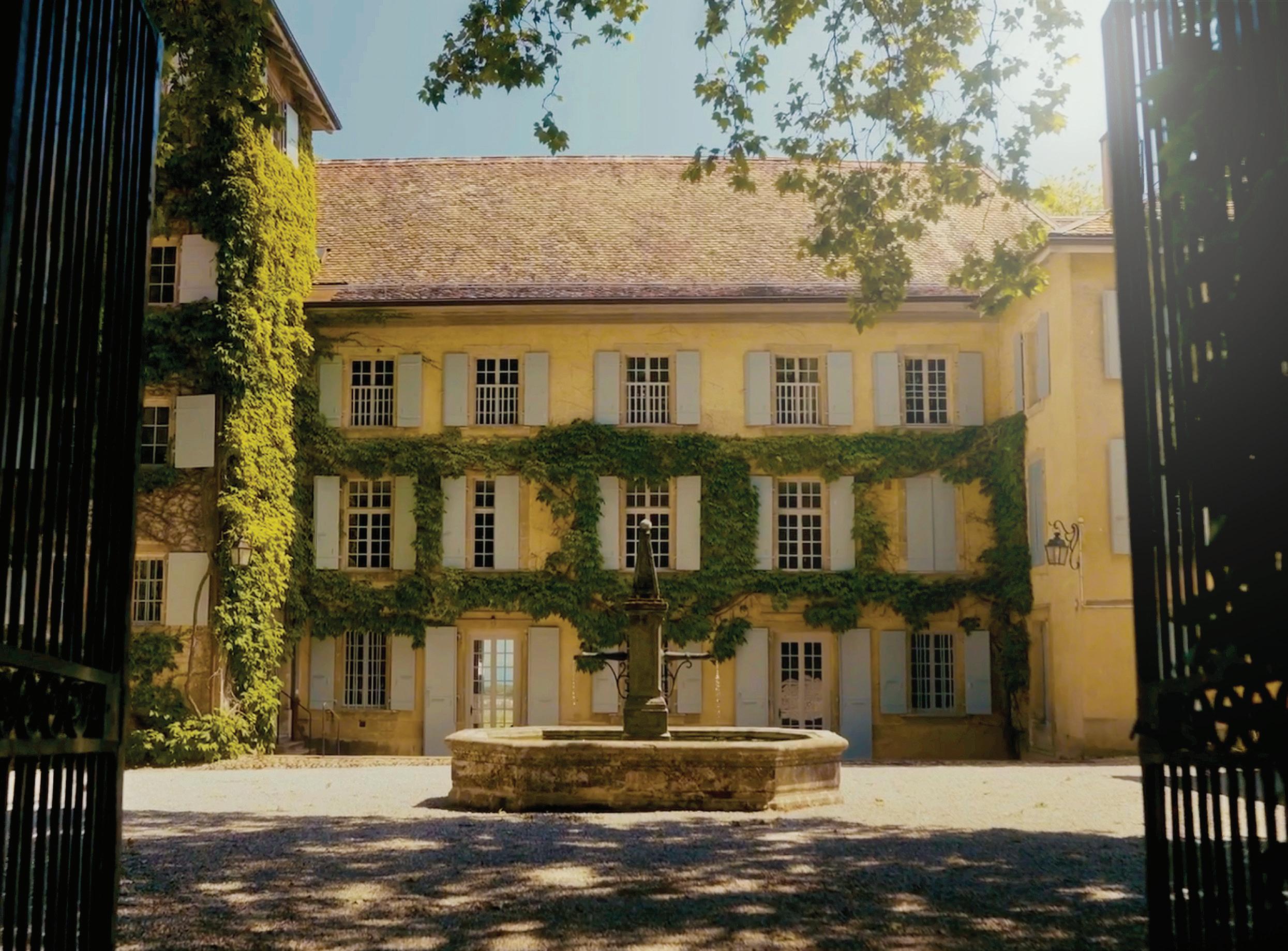
If there is a country that better reflects the principles of EREN is probably Switzerland, and for good reason a great share of its members come from this area. The last EREN annual meeting, held in Geneva in July 2025, brought together its members at Château de Bonmont, a distinctive venue lo-
cated near Lake Geneva. Known for its discreet and serene environment, the hotel provided an appropriate setting for focused exchanges and collective reflection. The event took place on the 1st and 2nd of July and featured a well-balanced program combining working meetings with social activities.
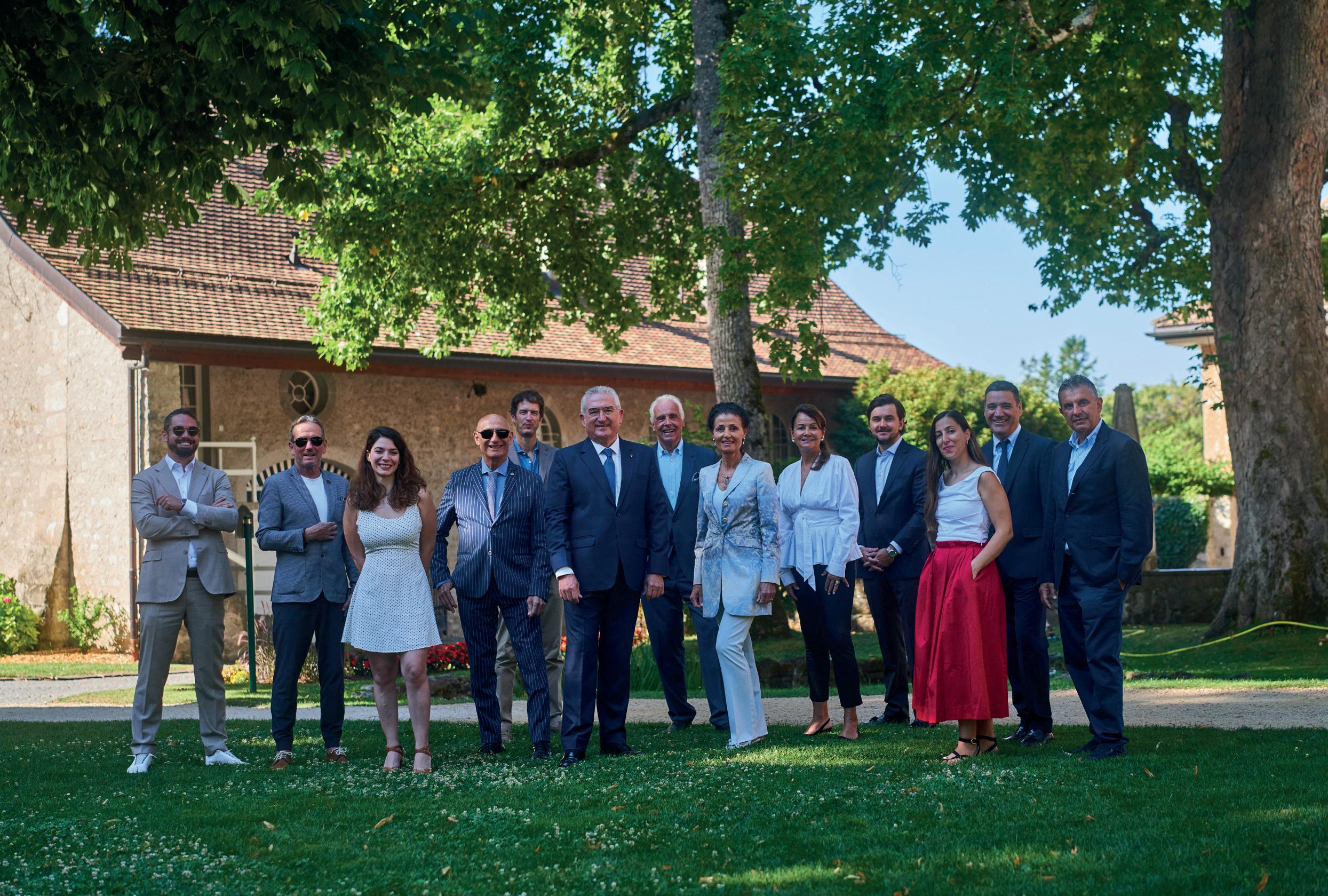
Among the working meetings, we had the opportunity to discuss the present and future of the organization, guided by two important milestones: the twentieth anniversary of EREN’s foundation and the bicentenary of our host partner, Comptoir Immobilien / FGP Swiss & Alps. The extensive experience of its members creates a unique environment for in-depth analysis of current market trends and emerging opportunities. It is not easy to summarize the content of the meetings; however, the main conclusion drawn from the event is that EREN members share a common understanding of the service they provide: a profound knowledge of their local real estate mar-
kets combined with outstanding client care. At first glance, one might assume that EREN’s primary objective is the mediation of top-tier properties, but this is not the case. The true underlying motivation behind all our efforts is to support both sellers and buyers in achieving the best possible value for their assets, whether property or capital. Above all, EREN’s real strength lies in the exchange of information and the sharing of opportunities among its members. This collective approach is widely recognized within the network as the strongest guarantee of sustainable, long-term business success.
The Geneva meeting reaffirmed EREN’s strength as a trusted network, where shared values, deep local expertise, and collaboration create lasting value and a clear vision for the future.

Celia Calabuig Rimontgó Valencia, SPAIN
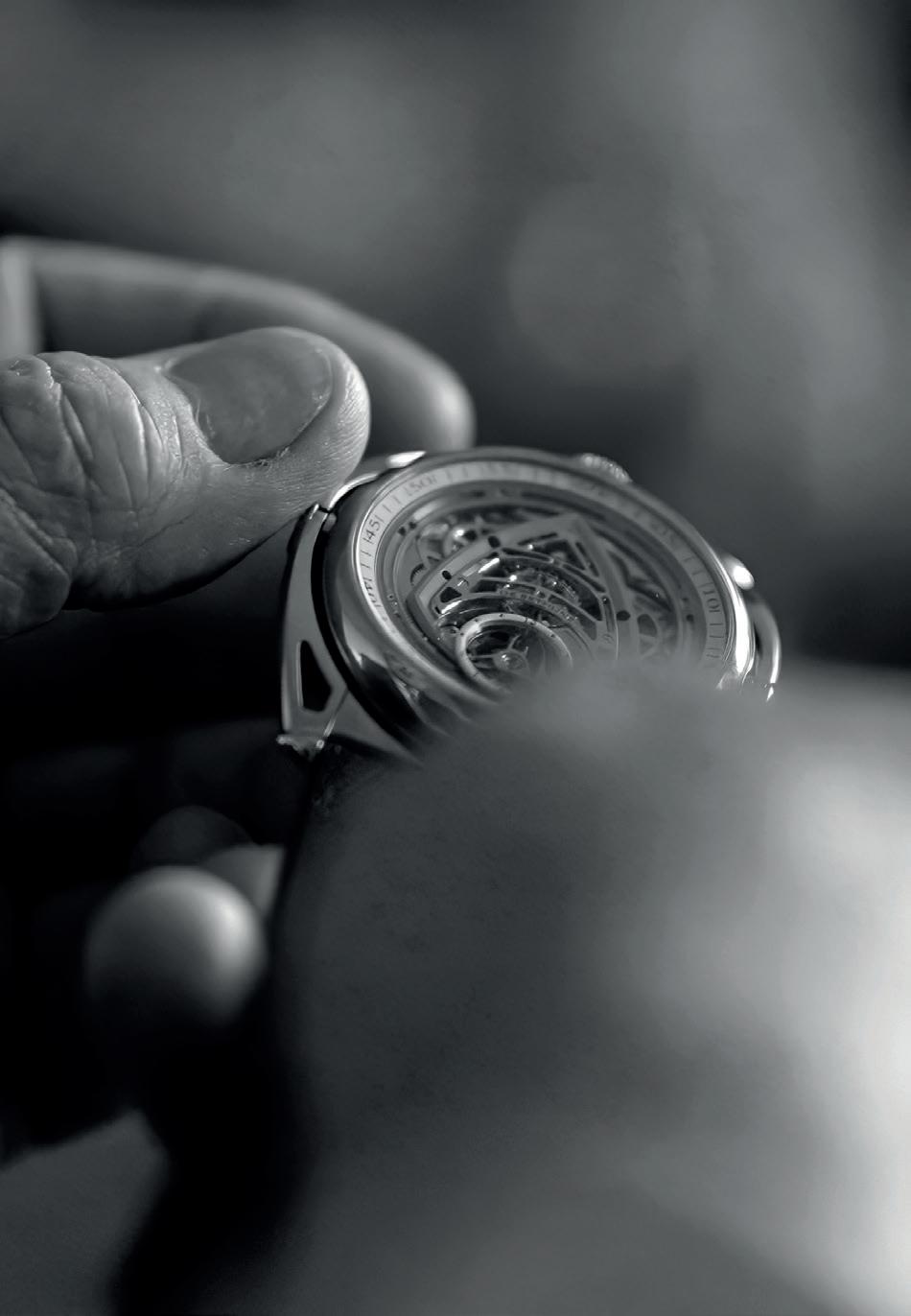
Conferences were held in the mornings, followed by team building and informal activities. On Tuesday morning, the members’ meeting began with a retrospective review of EREN’s history. The second part of the meeting was dedicated to a fruitful discussion on the future of the organization. Following this session, participants visited the design and production facilities of the watchmaker De Bethune. During this visit, we gained valuable insight into the critical role that innovation and singularity play in high-value, lowvolume markets. Discussions with our host highlighted a strong alignment between EREN’s market positioning and the philosophy behind this exceptional product.
In the late evening, the group gathered for dinner at the Baron Tavernier Restaurant in Chexbres. Nestled among vineyards and offering magnificent panoramic views over Lake Geneva, the venue provided an inspiring and serene setting. This shared experience went beyond a social gathering, reflecting the core values of the event: openness, trust, and meaningful connection. In a relaxed and convivial atmosphere, members strengthened personal relationships and engaged in informal exchanges, reinforcing the sense of community that underpins EREN’s collaborative approach. Moments such as these play a key role in fostering mutual understanding and long-term cooperation, which are central to achieving the network’s shared objectives.
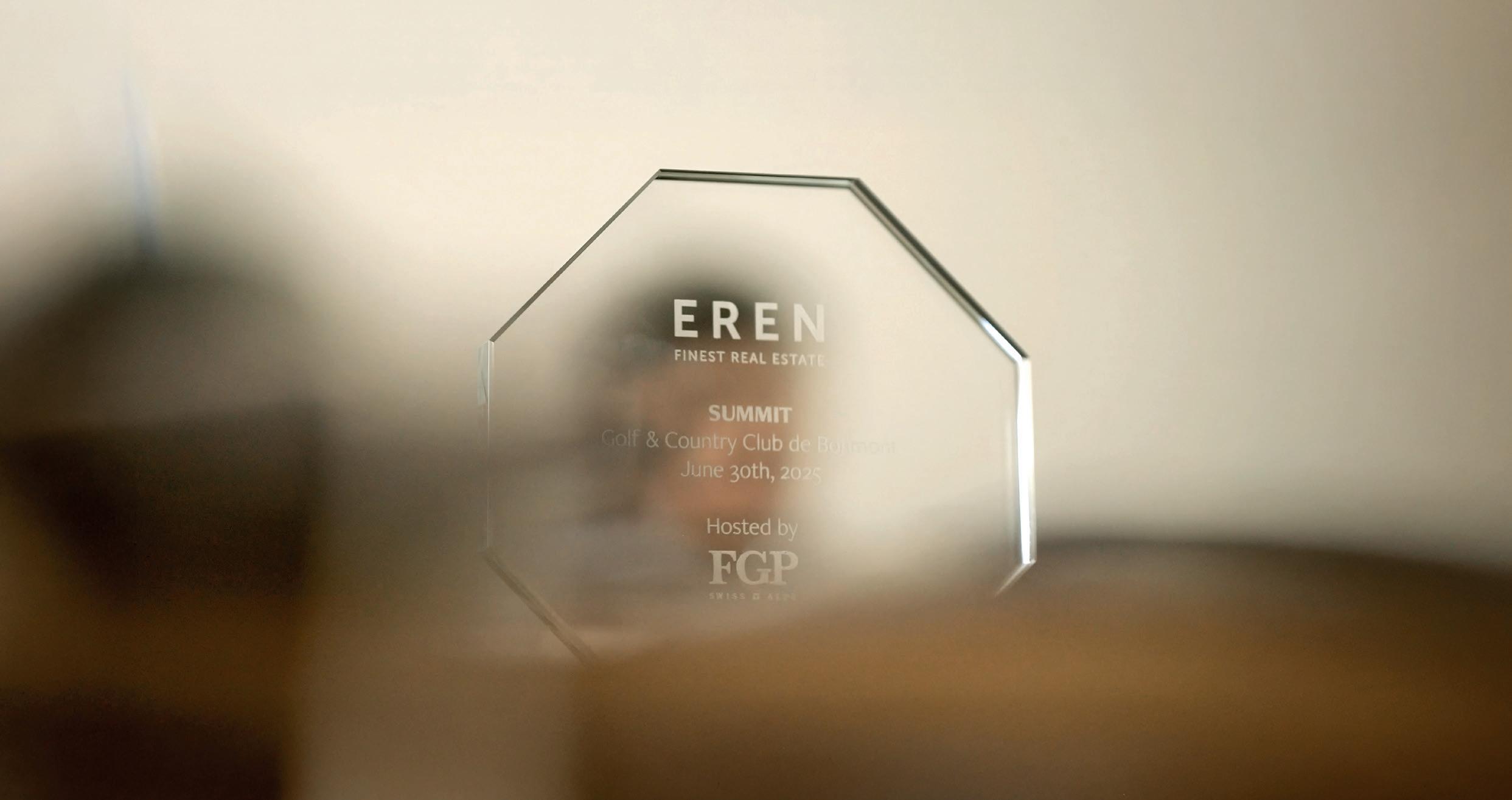
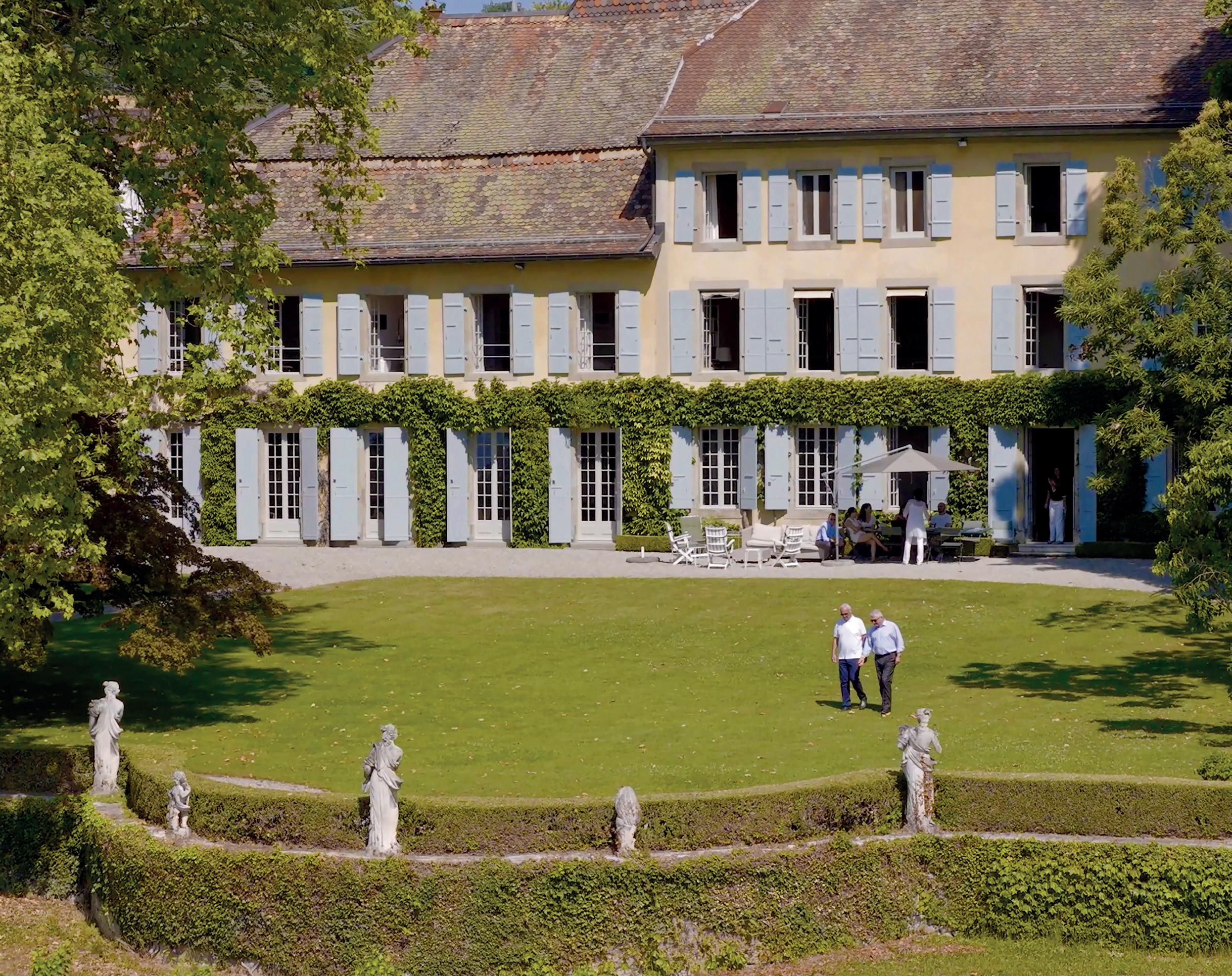
On Wednesday, the group took part in two outdoor meetings. The morning session was held at Château Trevelin, a stylish country residence set within an extensive private estate of gardens, woodlands, and vineyards. In the afternoon, the group moved on to Geneva for a visit to an exceptional, timeless penthouse offering magnificent views over Lake Geneva. During this visit, members had the opportunity to meet and exchange with the representatives of Ultima Collection responsible for the property. Following the visit, an informal yet exquisite cocktail was held on the penthouse’s rooftop terrace, during which valuable insights were shared into the vision behind the project. This exchange highlighted Ultima Collection’s
expertise in blending the comfort and privacy of a private residence with the service standards of top luxury hotels.
Overall, the Geneva meeting reaffirmed EREN’s shared vision and the strength of its network. Through a careful balance of strategic discussions, meaningful exchanges, and carefully curated experiences, the event strengthened bonds among members while reinforcing the core principles that define EREN: excellence, trust, cooperation, and a long-term perspective. Set in an environment that embodies these values, the meeting marked not only a moment of reflection, but also a confident step toward the future of the organization.
Discover the spirit behind EREN through our brand film — a reflection of the people, places and shared values that continue to shape the network across Europe and beyond.
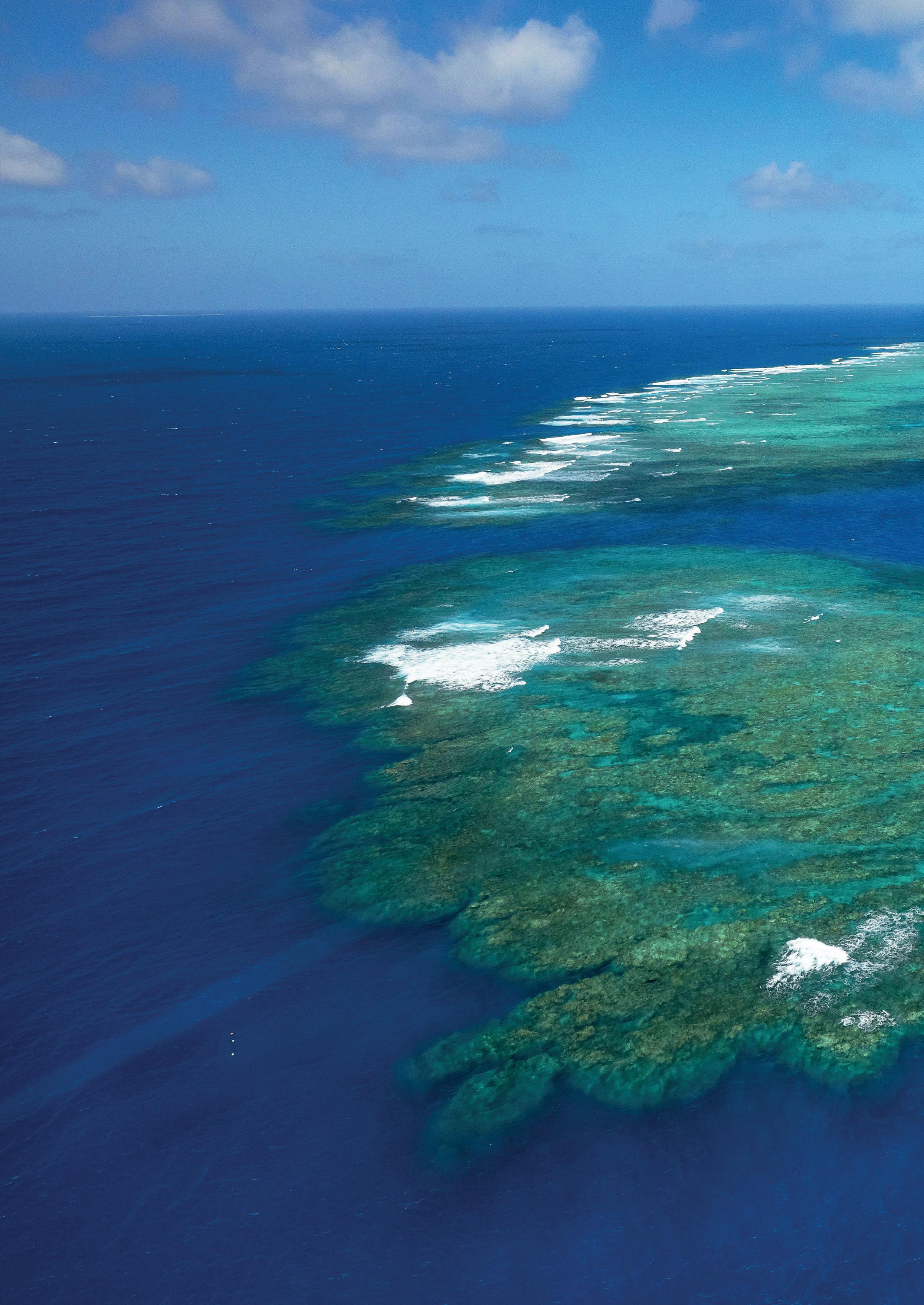
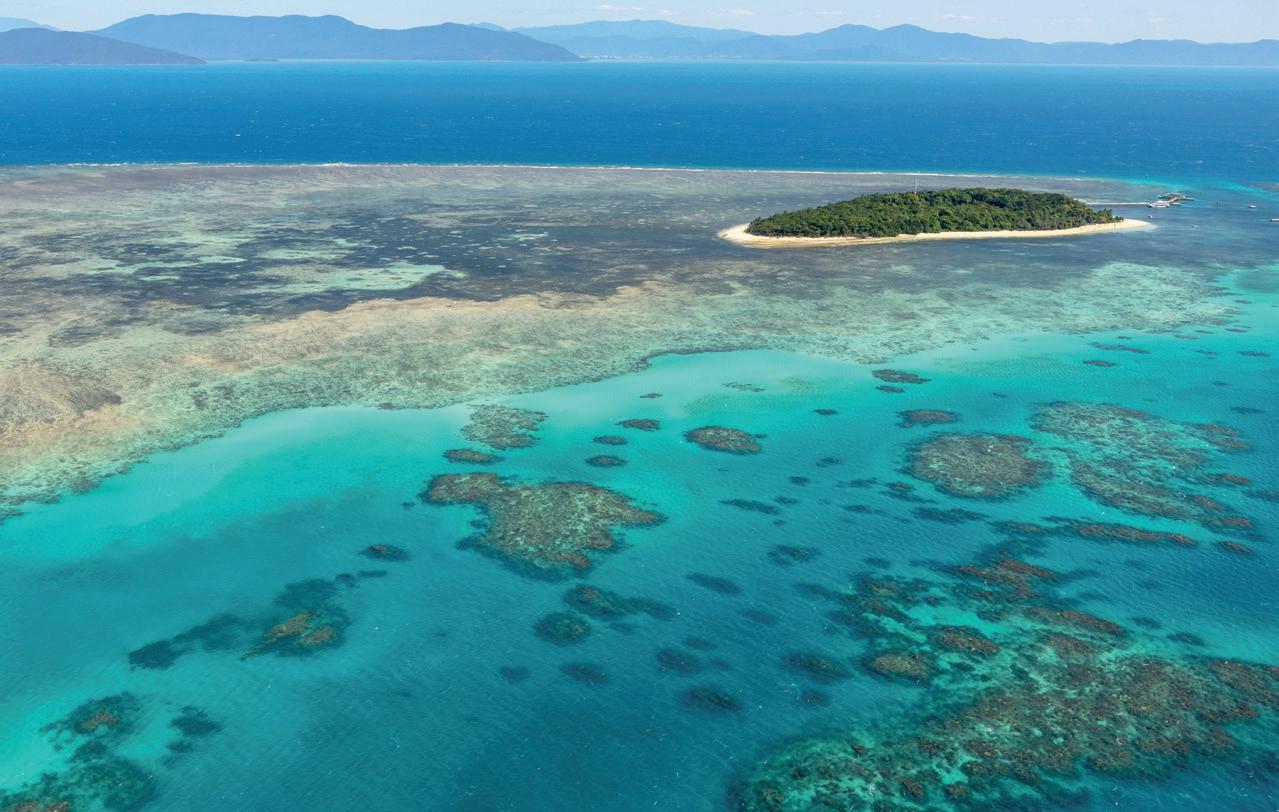
Situated off the coast of Queensland, Australia, the Great Barrier Reef is the world’s largest coral reef system, visible from space. Here, over 900 islands and more than 2900 individual stretches of reef extend over 2300 kilometres and cover an area the size of Germany to produce one of the most beautiful visual spectacles on this planet.
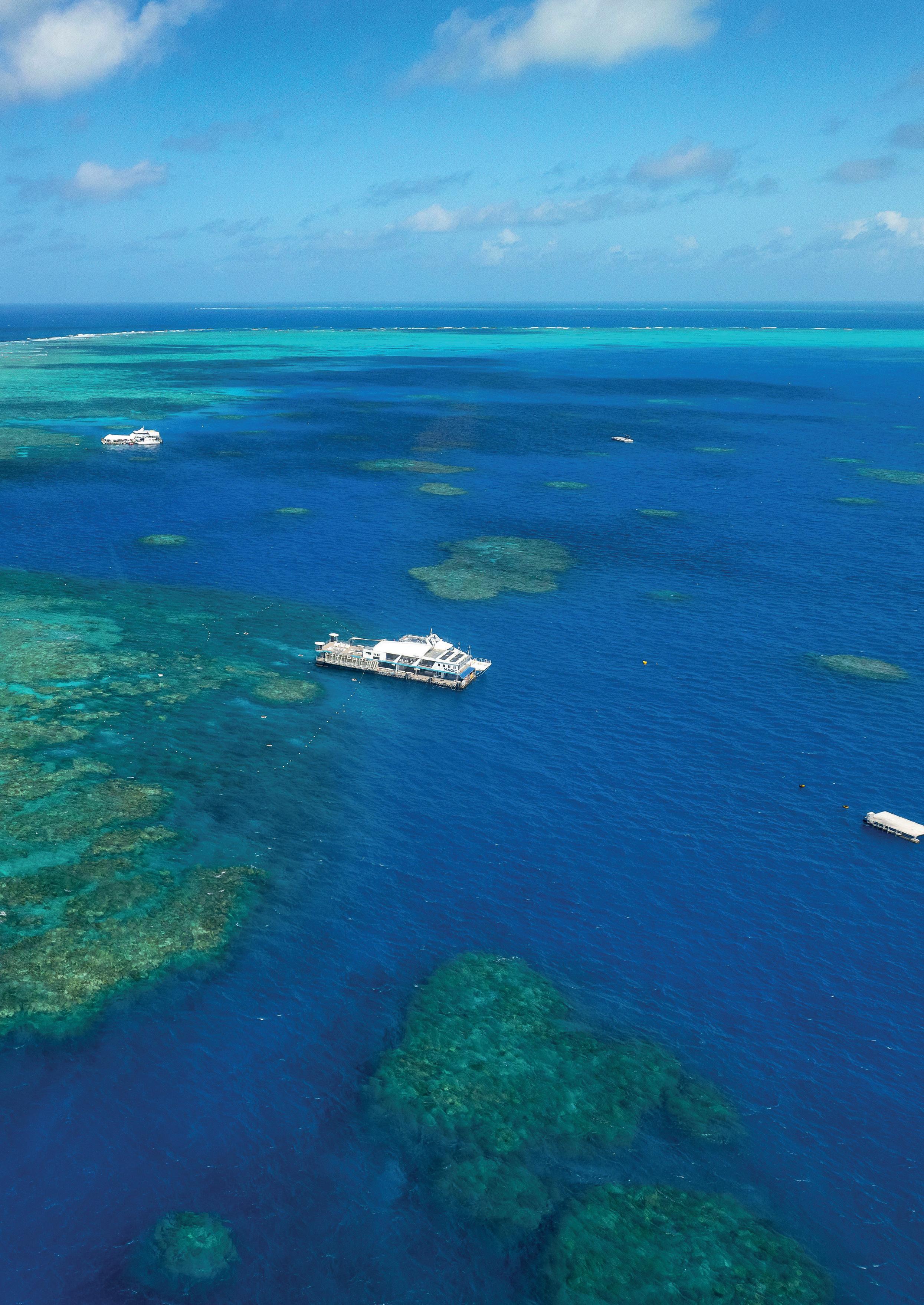
Dive down below the waters of the Coral Sea, some 160 kilometres east of mainland Australia and you enter a wonderworld of vivid colours and textures waving gently as if in slow motion. It looks too bright and beautiful to be true; a kaleidoscope of brilliance created by AI-enhanced virtual reality for a movie such as Avatar, but no, this is a real-world, true-life wonder of nature. First charted by the Royal Navy in the late 18th century, the Great Barrier Reef is a magical world of barrier and fringing reefs, islands and azure waters that has been known to the indigenous Australian Aboriginals and Torres Straits Islanders for millennia.
The sheer magnitude and beauty of this immense phenomenon has impacted all who have gazed upon it under the bright sunlit skies of this tropical region. The first visitors, more commercially minded than romantic, hunted green sea turtles, dugongs and some of the more than 1500 fish species within its 344.000km2 expanse. Whereas the indigenous people had done so on a more sustainable scale the European settlers also fished everything to extinction, so protective measures were gradually introduced leading to the establishment of the Great Barrier Reef Marine Park, one of the largest of its kind on earth.
Today, fishing is more controlled, with only some indigenous groups still granted the right to hunt dugong and green sea turtles. Their declining numbers has caused several groups to renounce their traditional fishing rights in an effort to reduce the pressure on a vital but already fragile ecosystem that is at threat from rising sea temperatures, acidification of the water and pollution coming from the mainland. Tourism, though lucrative to the regional economy, is also managed more carefully now, yet it is estimated that the Great Barrier Reef has lost half of its territory since 1985. This mighty underwater complex is created by untold quantities of coral polyps, a tiny living organism that has seen fit to produce the largest structure created by any living being on earth, humans included.
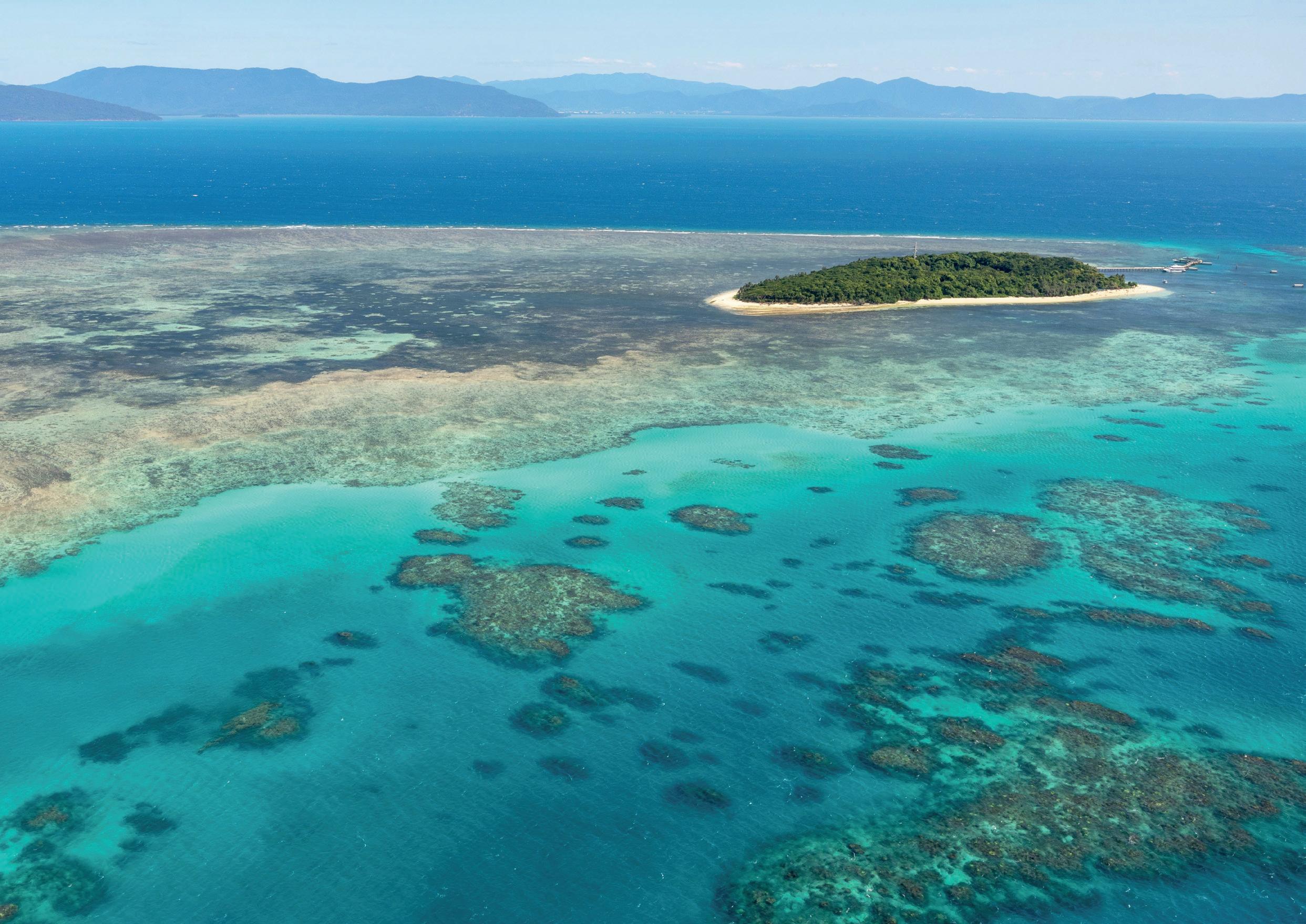
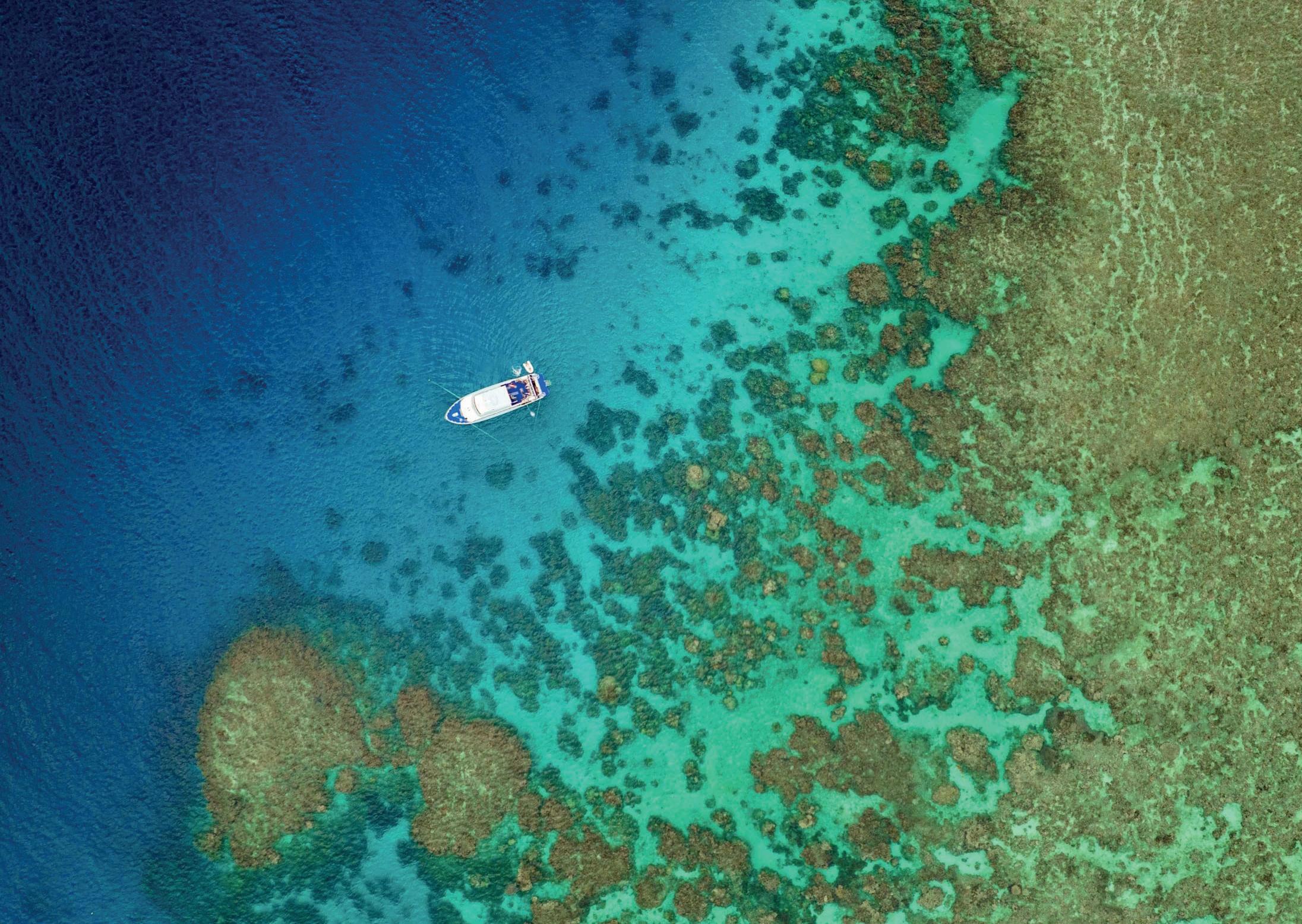

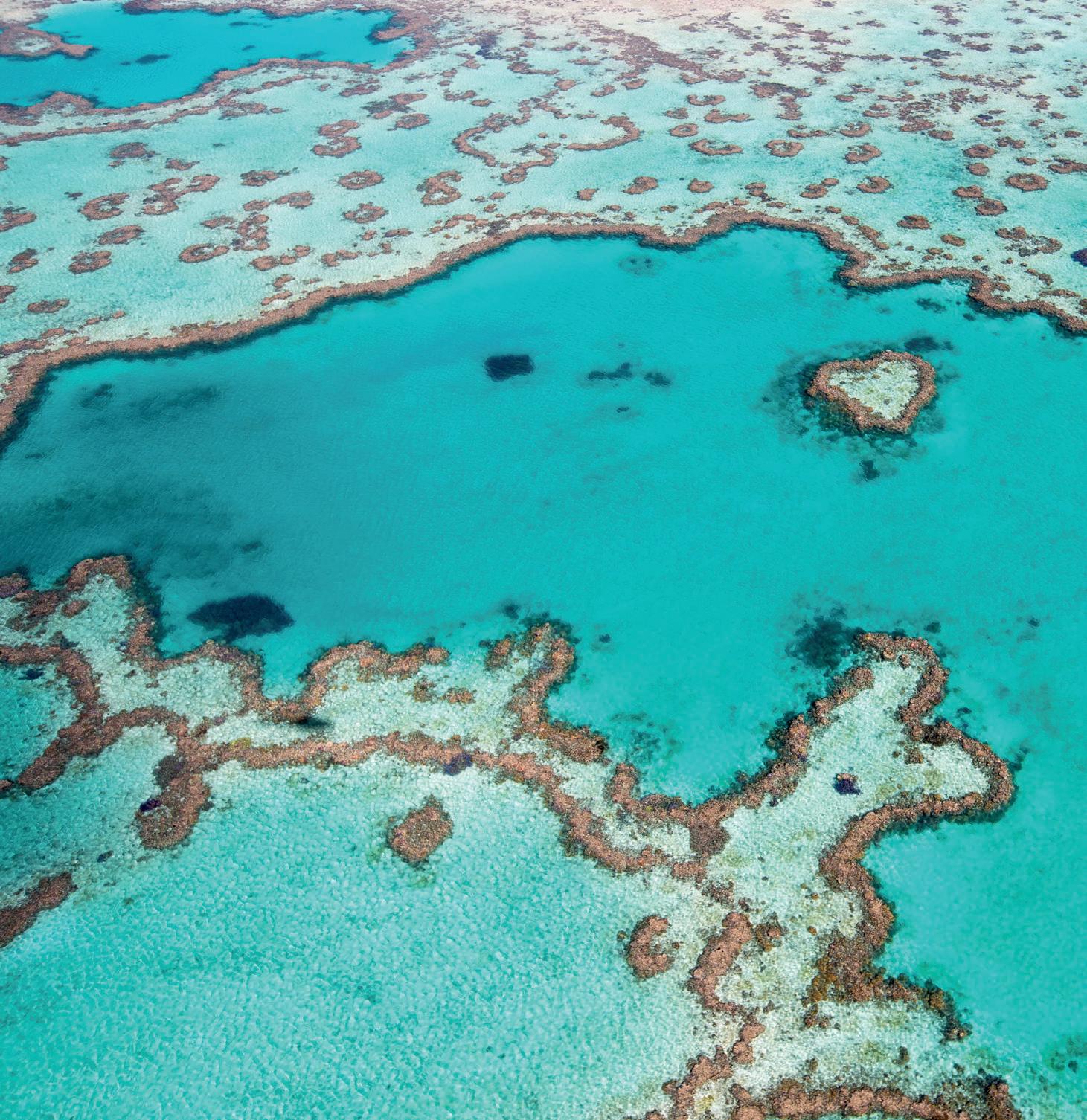
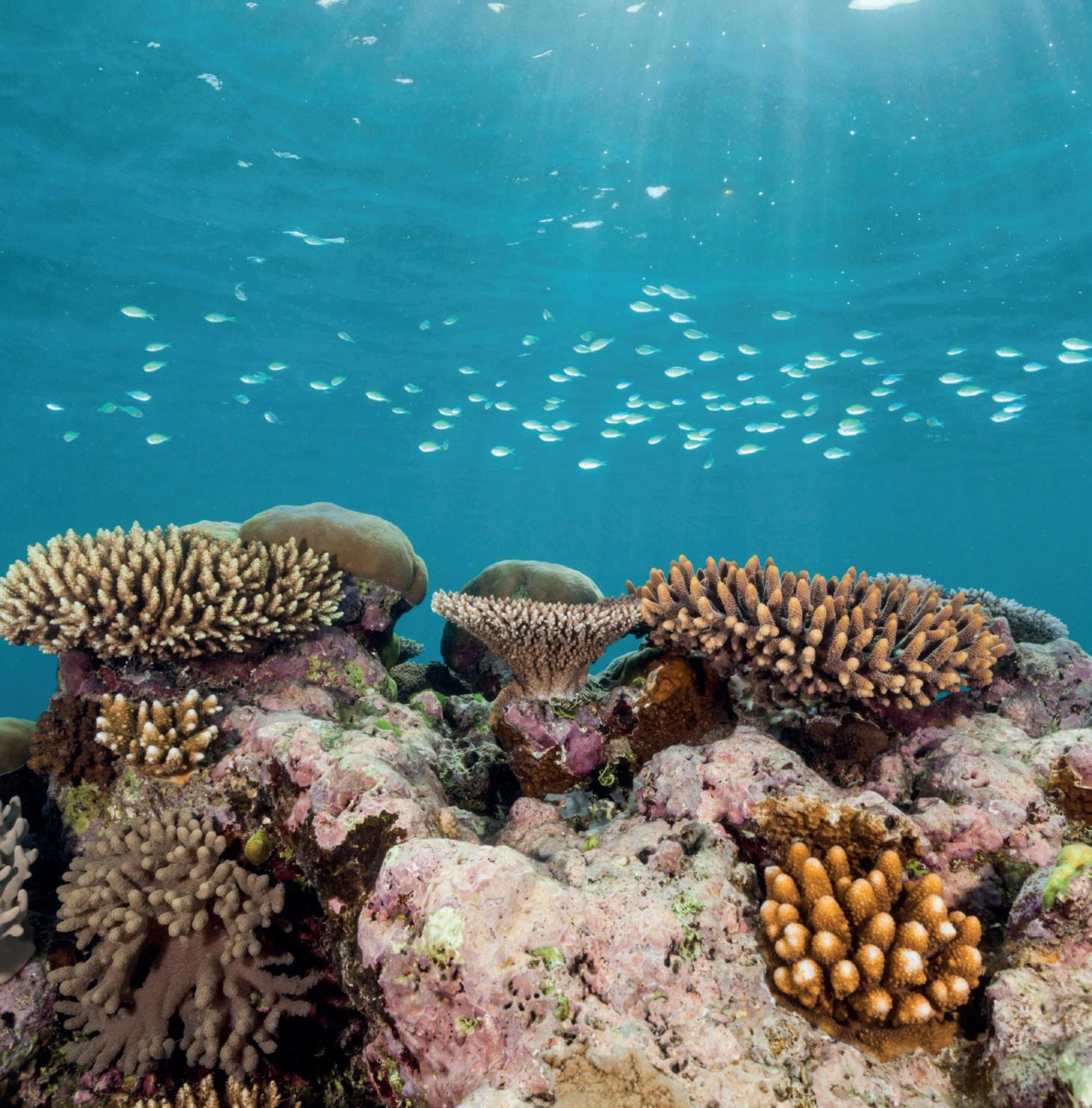
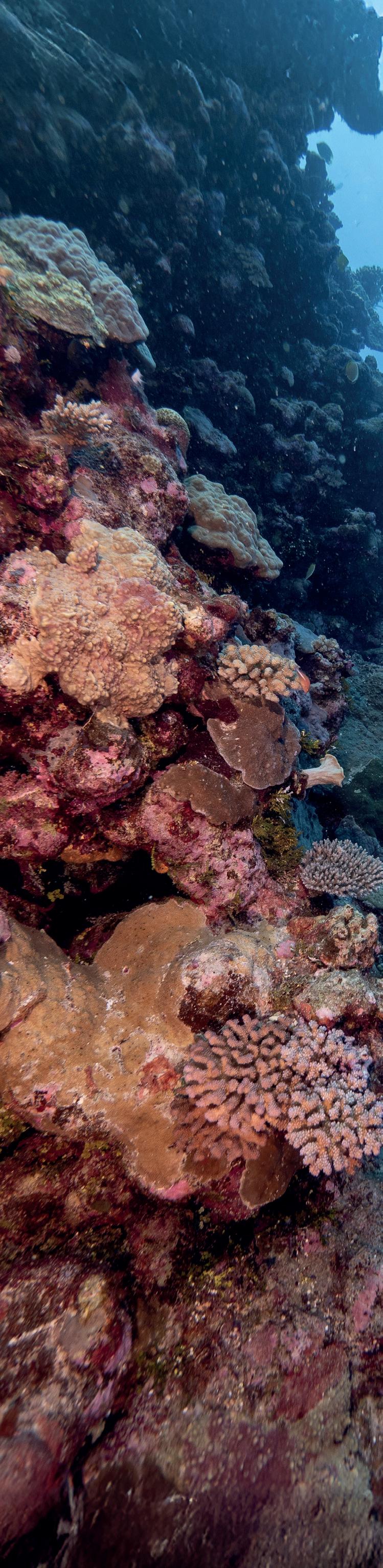
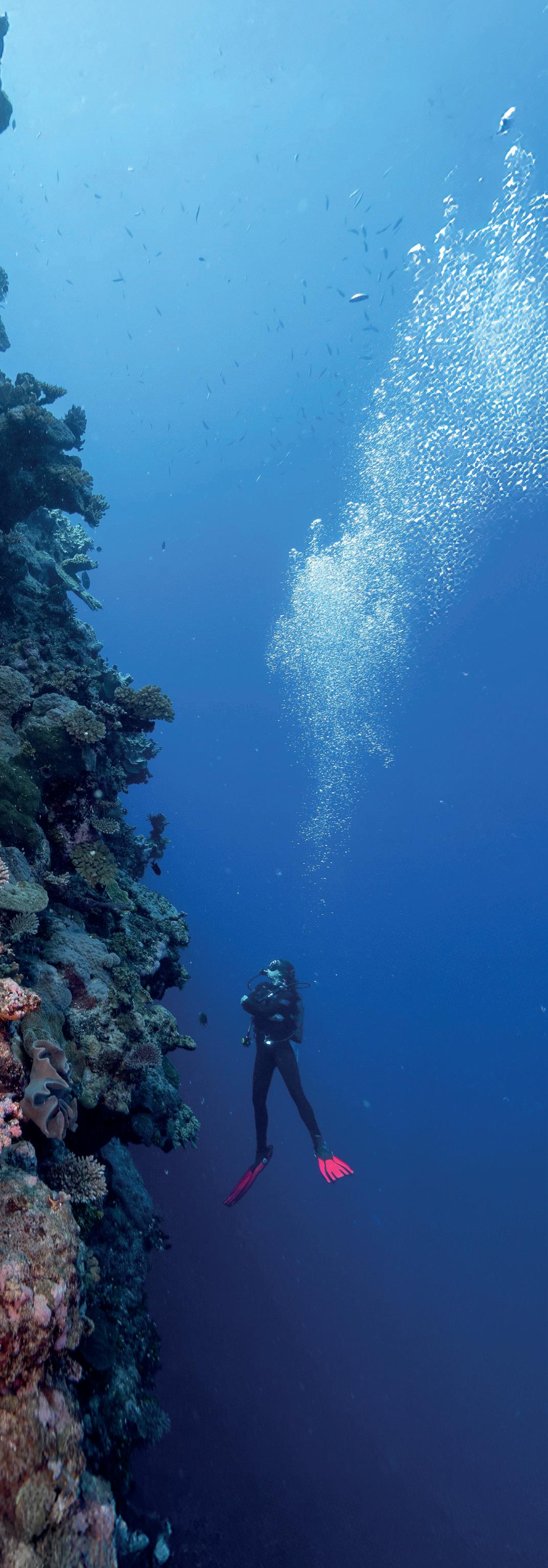
The human heart fills with awe when it sinks below the surface and encounters this environment of otherworldly beauty. The colours and textures alone, swaying in an underwater breeze of tides, is enough to captivate the imagination, so the Great Barrier Reef is not surprisingly a paradise for scuba divers, nature lovers and other tourists who especially flock to the paradisiacal Whitsunday Islands off Queensland. Yet, the sheer splendour of what the UN declared a World Heritage Site in 1981 represents natural beauty at its most delicate, with rising sea temperatures and toxins causing the bleaching of hundreds of kilometres of coral reef.
There are over 70 bioregions within the marine park area, including countless species of fish, turtles, shark, dugong and also saltwater crocodiles, not to mention all manner of seabirds. This paradise needs protecting, if only for aesthetic reasons. There is a chance that this miracle of nature may be lost to us forever within the next few decades, unless the increasingly urgent efforts to save the Seventh Natural Wonder of the World prove successful and succeed in preserving a submarine oasis of untold colours and magic and all the spectacular creatures that rely upon it.
The Great Barrier Reef is a vast miracle of living beauty—at once awe inspiring and fragile—reminding us that nature’s greatest wonders endure only through our care.
Giancarlo Bracco Immobilsarda Sardinia, ITALY
The world of professional sport is a highly competitive, commercialised environment with little time for sentimentality yet there are still competitions that carry forth the tradition of battle done for the sole purpose of honour and pride.
Most of the sports that have grown into huge global enterprises have their roots in the 19th century. From golf, cricket and football to rugby, boxing and even motor sports, the origins of today’s multimillion sporting franchises reach back to an age of
In a sport dominated by big money prizes and legendary titles such as the Masters Tournament in Augusta, Georgia, the Ryder Cup stands proud as not only the greatest trophy in golf but also one that retains is amateur tradition. You see, the star-studded American and European teams that venture out onto the best courses in the world every two years do so entirely for free.
gentlemanly amateurs who participated for the sake of nothing more than the honour of their club or country. The ultimate expression of this involved the pride of two continents.
Golf’s most prestigious competition has been held every two years since the first edition was won by the USA at the Worcester Country Club in Massachusetts, yet the idea arose when the PGA of America sent a team of 12 professionals to meet their British counterparts at Gleneagles in 1921 and again at Wentworth in 1926. The British won on both occasions but couldn’t repeat this at the inaugural Ryder Cup in 1927.
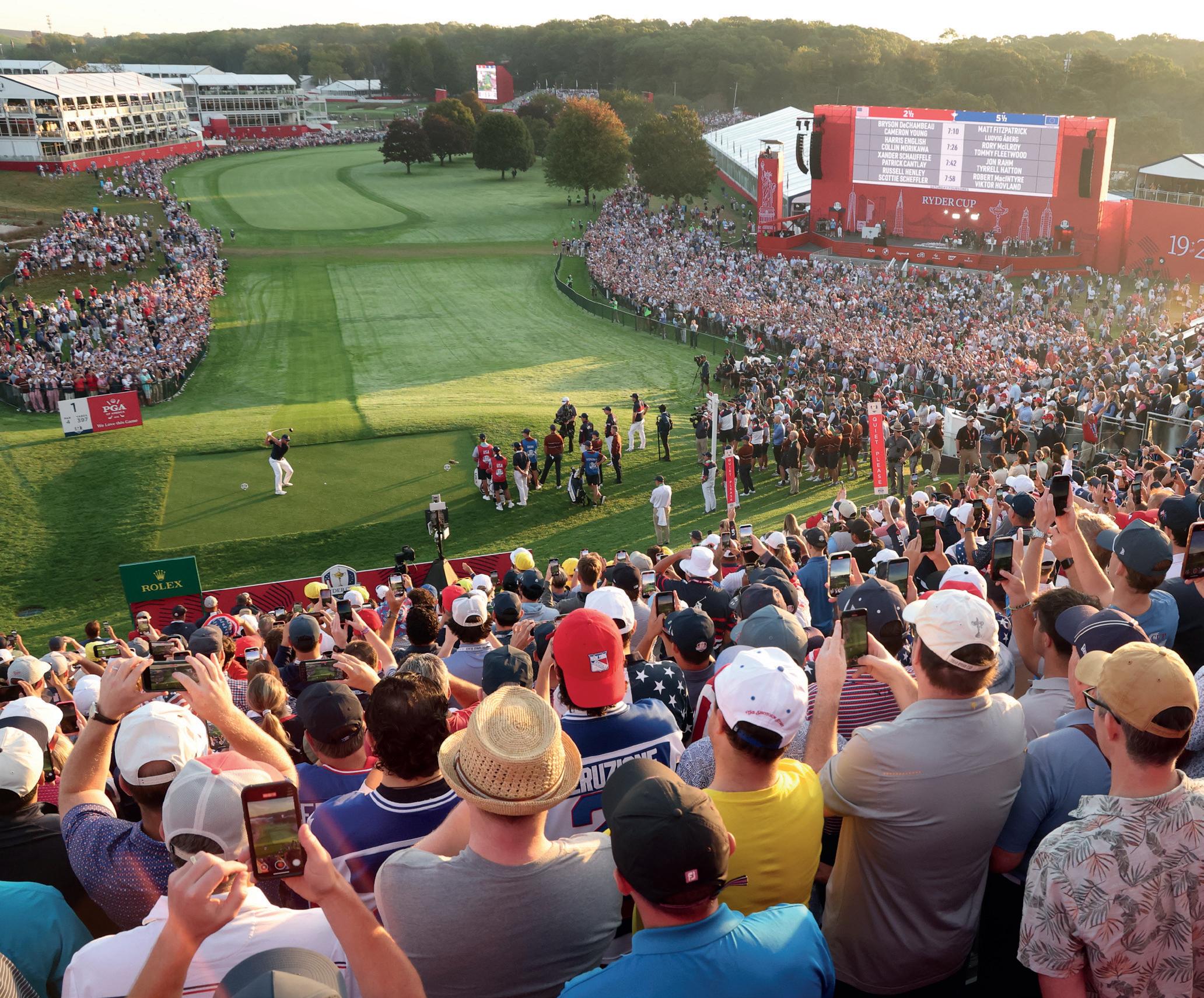
For over a century the Ryder Cup – so named for Samuel Ryder, the English businessman who donated the trophy itself –was fought over between the USA and the British Isles, with the field expanded to the European continent in 1979. The British stars reclaimed their pride in 1929 with victory at the Moortown Golf Club in Yorkshire, but from the fifth edition in 1935 onwards the Americans dominated the competition for over two decades. It would take the British 22 years to win the Ryder Cup back, with the 1957 title marking the last time a purely British team would do so.
American domination would continue for another 28 years, even after the Europeans joined the British, but in 1985 they took their first combined victory and would go on to win
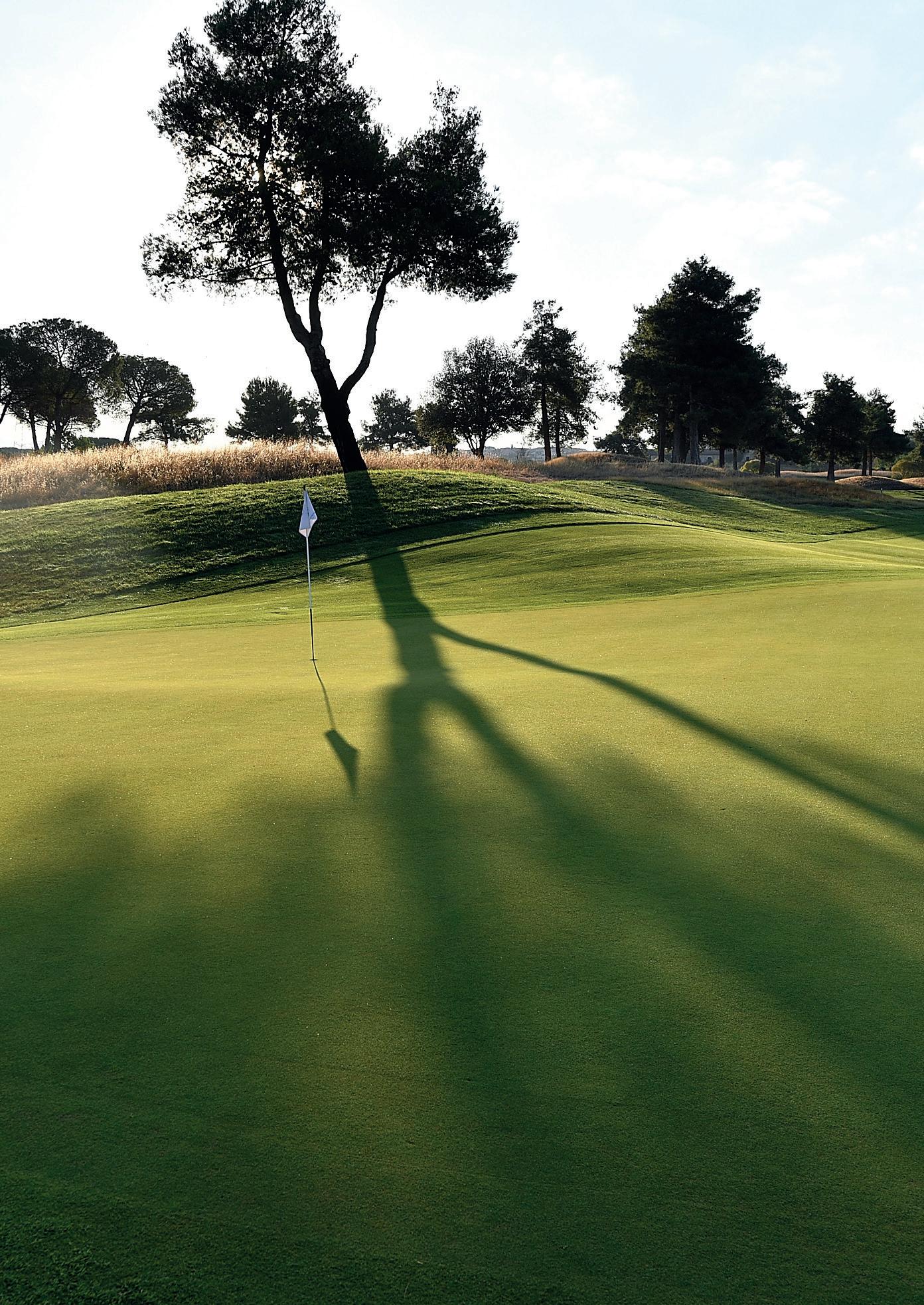
three titles in a row. From then on it has been a far more even competition, with Europe winning the trophy 11 out of a total of 17 times – 9 out of the last 12 competitions held since 2000, including the 2025 Ryder Cup, when they overcame the Americans at Long Island, New York.
Among the most epic battles that have involved the honour of claiming the Ryder Cup are the 1969 play-off between Nicklaus and Jacklin, the rivalry between Seve Ballesteros and Paul Azinger in 1989 and again in 1991, the legendary 1997 edition at the Valderrama course in Sotogrande, Spain, the bad blood of 1999 and the incredible European comeback of 2012. The next edition of this hotly contested trophy will also celebrate its centenary at Adare Manor in Ireland, where holders Europe will seek to expand their grip on one of the most glamorous old-style sporting competitions in the world today.
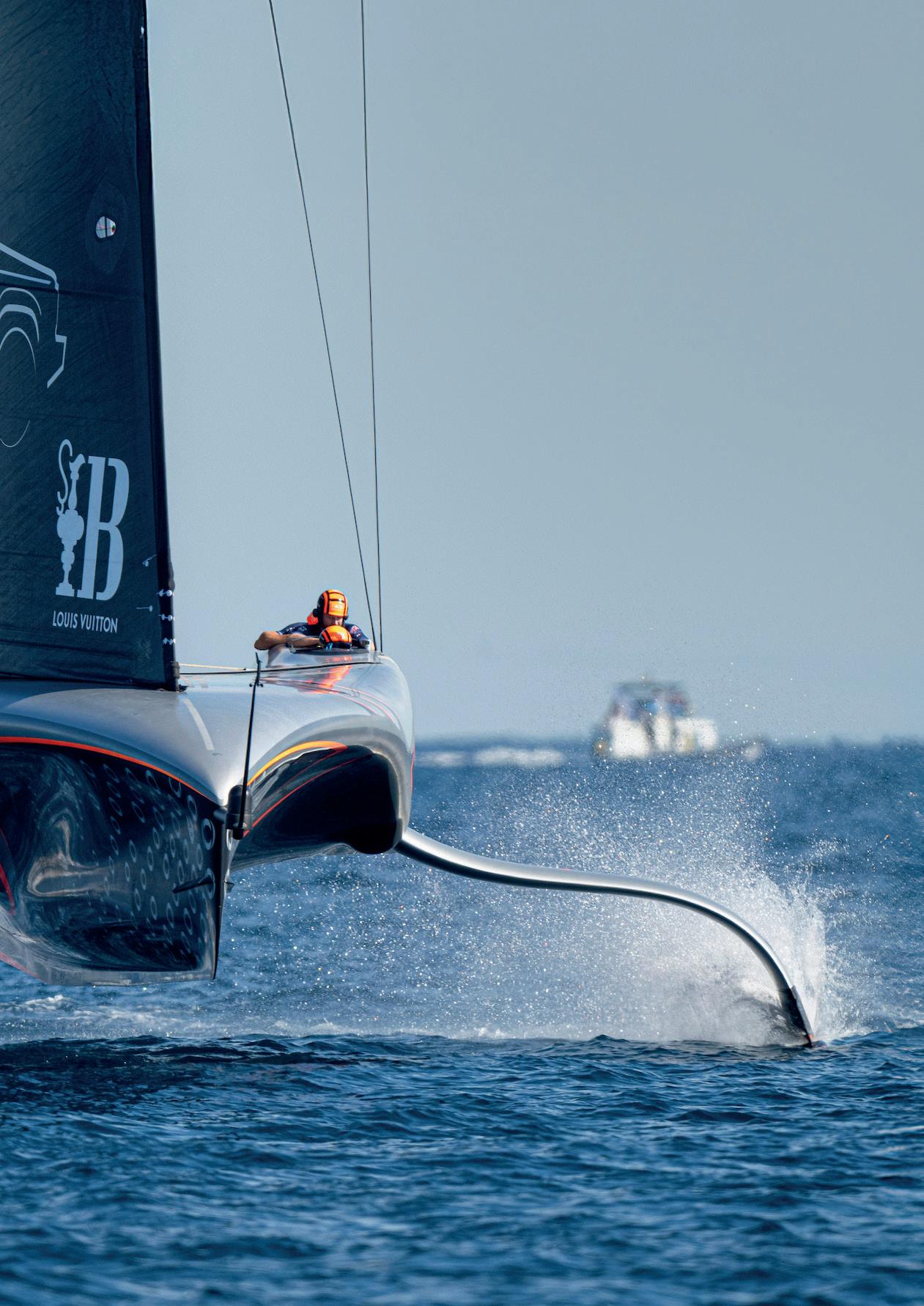
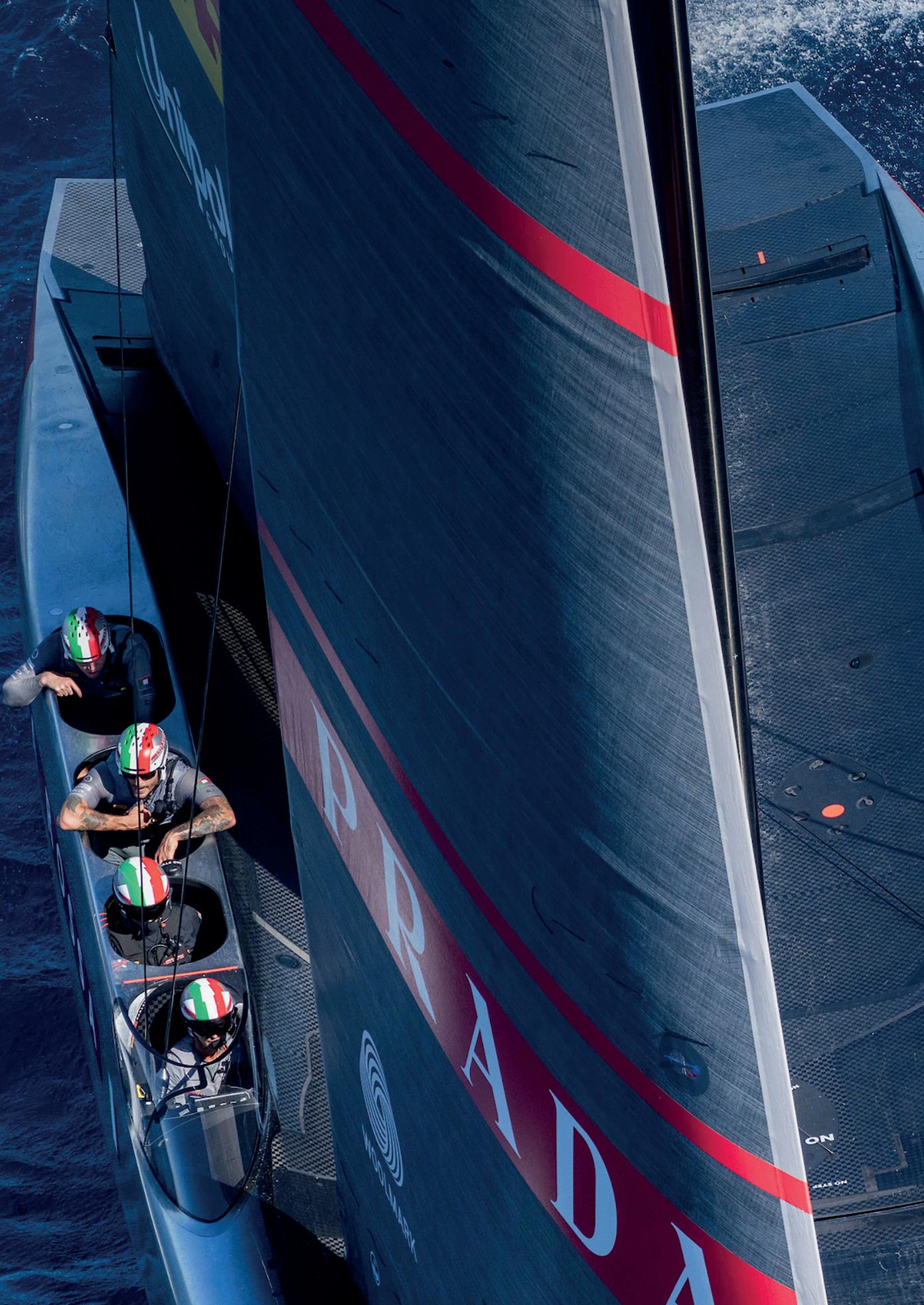
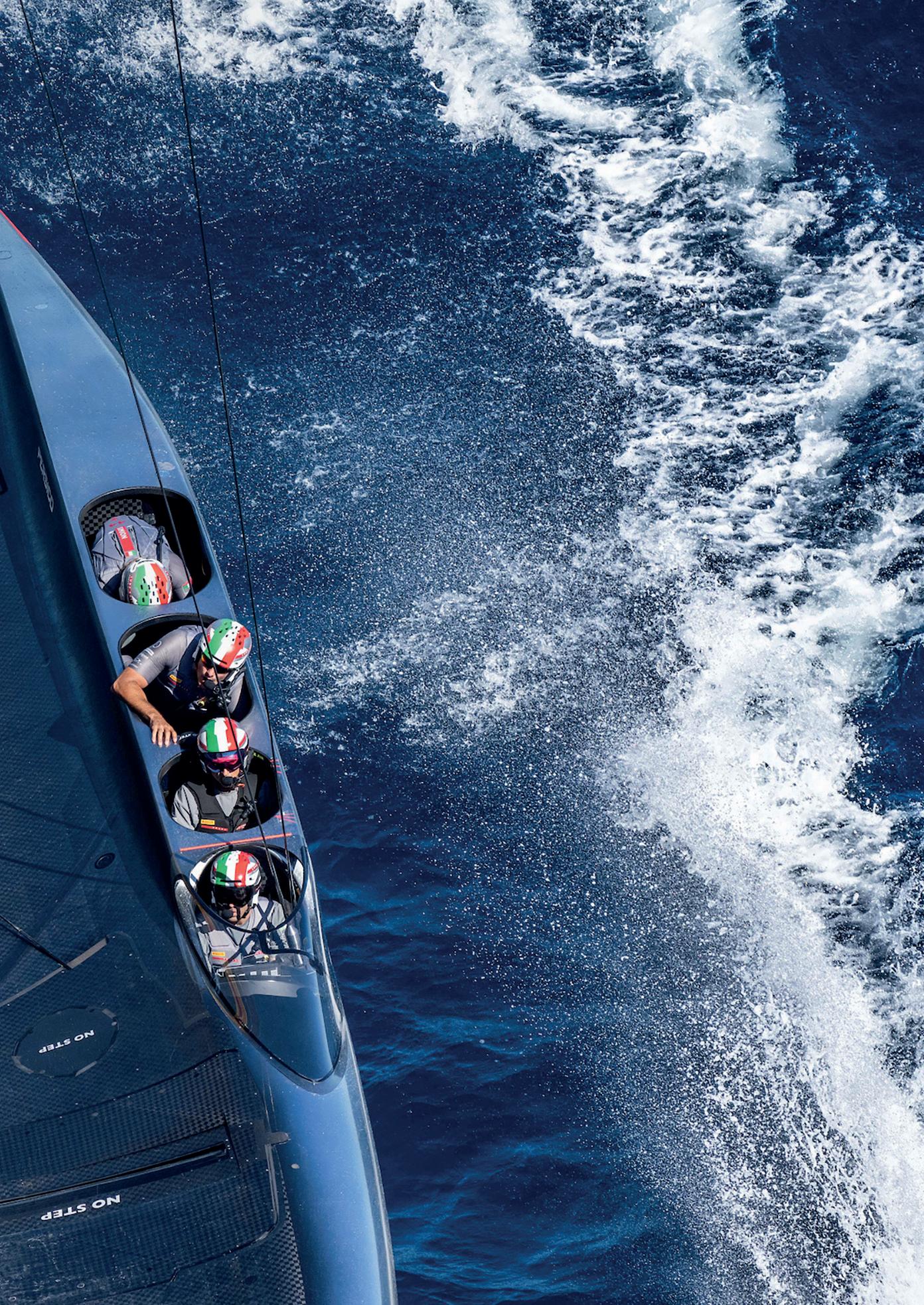
A true sailing tradition, the Americas Cup is also the longest running international sporting competition, having been first contested as far back as 1851. Like the Ryder Cup, it was initially also an Anglo-American affair but eventually expanded outwards to include competitors from around the world. The elaborate trophy, or ‘Auld Mug’ as it is lovingly nicknamed, originally involved just one yacht club team challenging the holder, but since the early 1970s there have been multiple challengers that are whittled down to one through pre-selection races before the final one-on-one showdown begins.
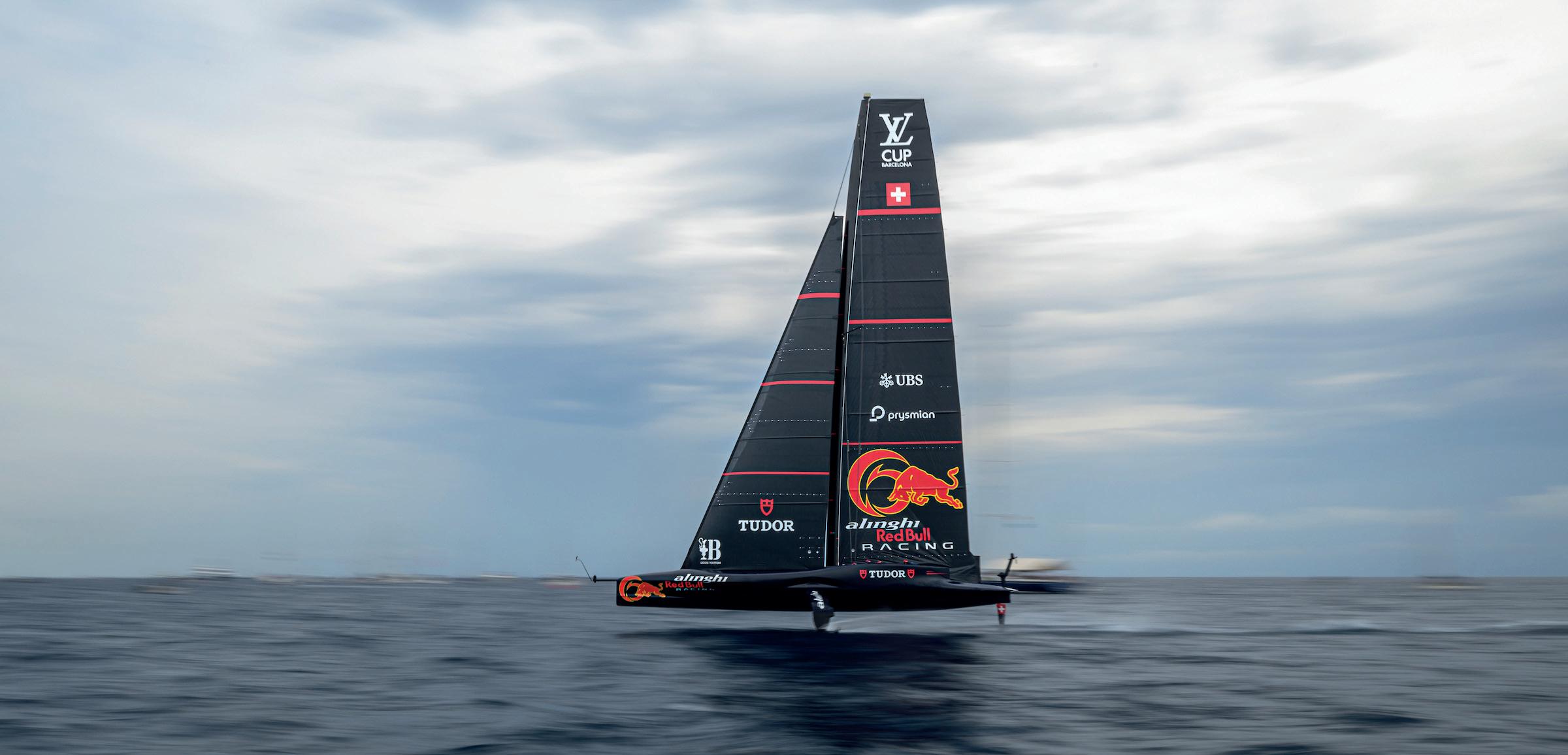
The inaugural race saw the Royal Yacht Squadron be successfully challenged by the New York Yacht Club, which went on to see off all subsequent British, Canadian and Australian challenges until 1983, when the Royal Perth Yacht Club finally broke a monopoly that was more than a century old. Since then, the title has rebounded between the USA, New Zealand and Switzerland, involving the most skilled and professional yachtsmen in the world aboard high-tech sailing ships that employ groundbreaking technology and have taken yachting into the 21st century.
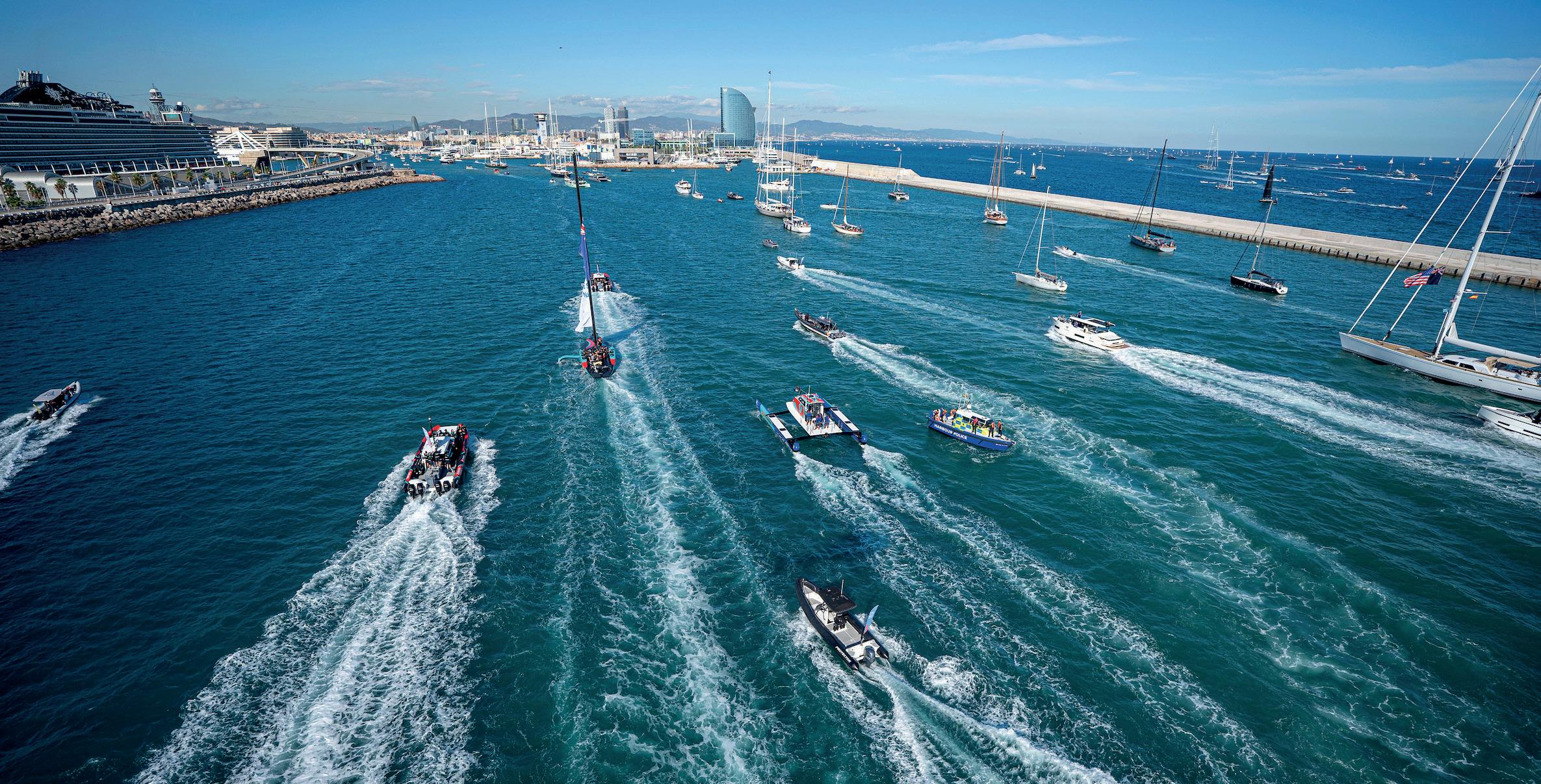
The big budget teams bring glamour to the towns and cities that host the event, such as Valencia, Spain, where the Swiss Société Nautique de Genève defended successfully its title in 2007 yet lost it to San Francisco’s Golden Gate Yacht Club in 2010. The 2027 edition will be played out in the Bay of Naples, Italy, where the Royal New Zealand Yacht Squadron awaits its challenger in one of sport’s classic battles for honour.

by Sébastien Gentilini
FGP Swiss & Alps, Switzerland.
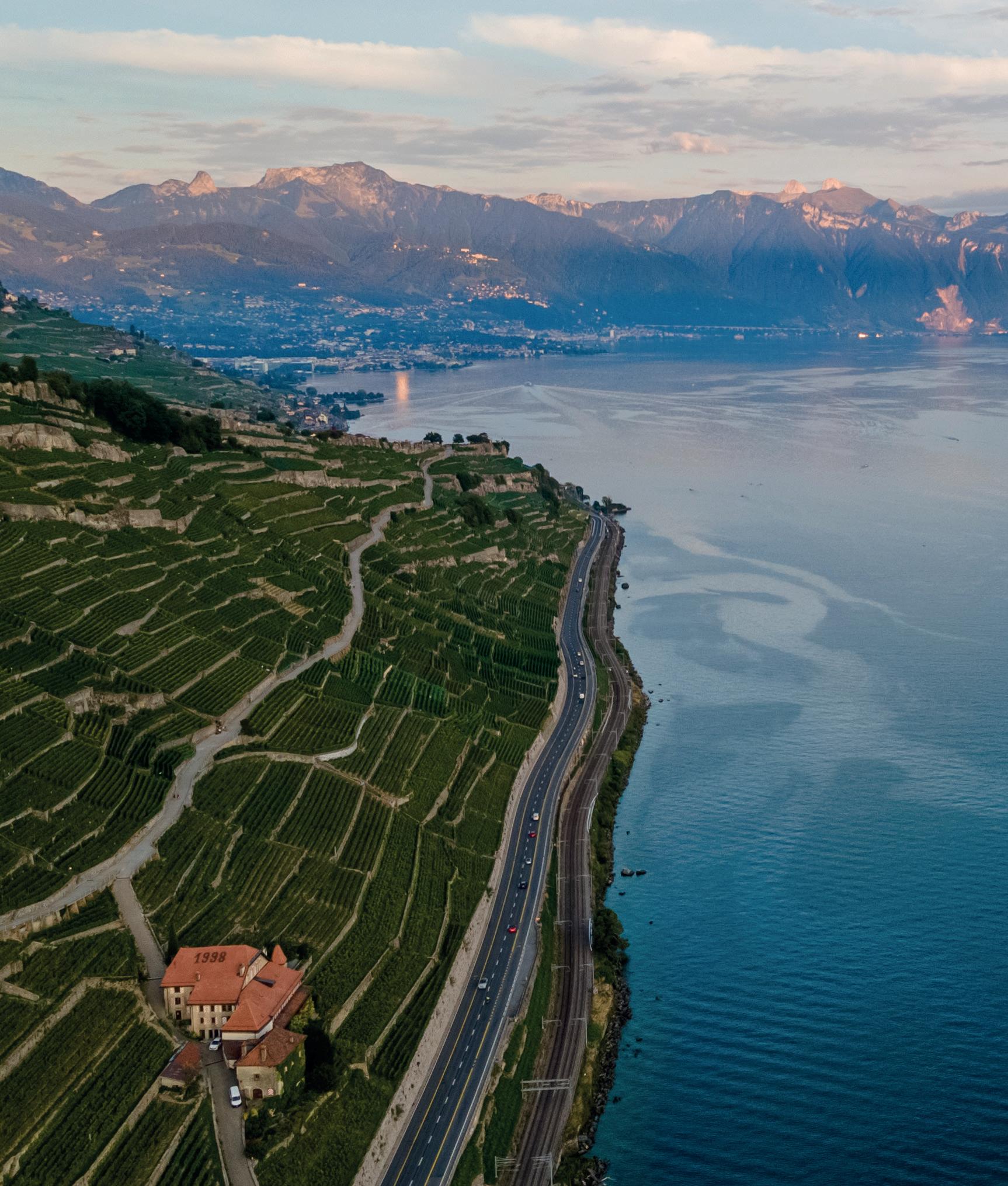
La Côte, the northern shore of Lake Geneva between Geneva and Lausanne, is often considered one of the most desirable areas in French-speaking Switzerland. In your view, what makes this area so unique and attractive on the high-end real estate market today?
SG: La Côte enjoys a truly unique position in western Switzerland, combining immediate proximity to Geneva, with all its international appeal, with the lifestyle and quality of living that extends along the Lake toward Lausanne.
What truly sets the region apart is this rare balance between accessibility, natural surroundings, and overall quality of life. Properties here offer exceptional views over Lake Geneva and the Alps, as well as larger plots than in Geneva, all while remaining just minutes from the international airport.
Today, in the high-end segment, buyers are no longer seeking for a property alone, but for a complete living environment. La Côte responds perfectly to this expectation: low density, discretion, proximity to international schools, and high-quality infrastructure.
How does Forbes Global Properties Swiss & Alps position itself within this unique territory and what is your vision of the evolution of the real estate market in La Côte in the coming years?
SG: FGP Swiss & Alps is a leading player in the luxury segment, connecting this exceptional local market with a highly qualified international and local clientele.
Our strength lies precisely in this dual perspective: an in-depth, granular understanding of the territory, municipality by municipality combined with global reach and visibility.
Looking ahead, I am convinced that the position of La Côte as a safe haven will continue to strengthen.We are already seeing a shift in buyer profiles: more international, more mobile, with increasingly high expectations in terms of quality, energy efficiency and amenities.
The market is likely to tighten for truly premium properties, those that tick every box, particularly along the lakeshore. Scarcity will remain a key driver of value.
What are the expectations of both local and international buyers in this region and how does this influence the way you select the properties you represent?
SG: Buyer expectations have evolved in recent years, particularly in the high-end segment.
Both local and international buyers are primarily seeking consistency: a prime location, strong architectural quality, and a cohesive overall living experience. Key criteria include unobstructed views, privacy, lakefront positioning, proximity to infrastructure and international schools, as well as energy performance and the quality of interior finishes.
We are also observing a growing demand for turnkey properties. Buyers expect fully completed homes, with no compromises and finished to the highest standard.
This influences how we select the properties we represent. We focus on building a diverse portfolio, in terms of property type, from vineyard estates to city apartments, as well as location, whether lakefront or offering panoramic lake views. Equal attention is given to amenities and accessibility, particularly in relation to Geneva, Lausanne or major international schools. Above all we prioritize assets that offer a top positioning within their market.
Our role goes beyond simply marketing properties; it is about curating a portfolio capable of meeting the expectations of even the most discerning clients.
Tourism has always been a top-down sector where innovation and trends trickle down after evolving in the upper segment. This is also true of the latest big development in an ever-diversifying industry.
BY MICHEL CRUZ
Tourism traces its roots back to before Roman times but until the onset of mass tourism in the 1960s it had always been a privileged affair limited to a wealthy few. The great gamechanger that made large scale tourism possible was the onset of jet aviation, but it was also made possible by a new generation of large hotels that could accommodate greater numbers of people and operate on volume rather than high margins. This in turn gave rise to seaside resort towns whose dense concentration of hotels and apartment complexes are now often seen as unfashionable and even harmful to their natural and cultural environments.
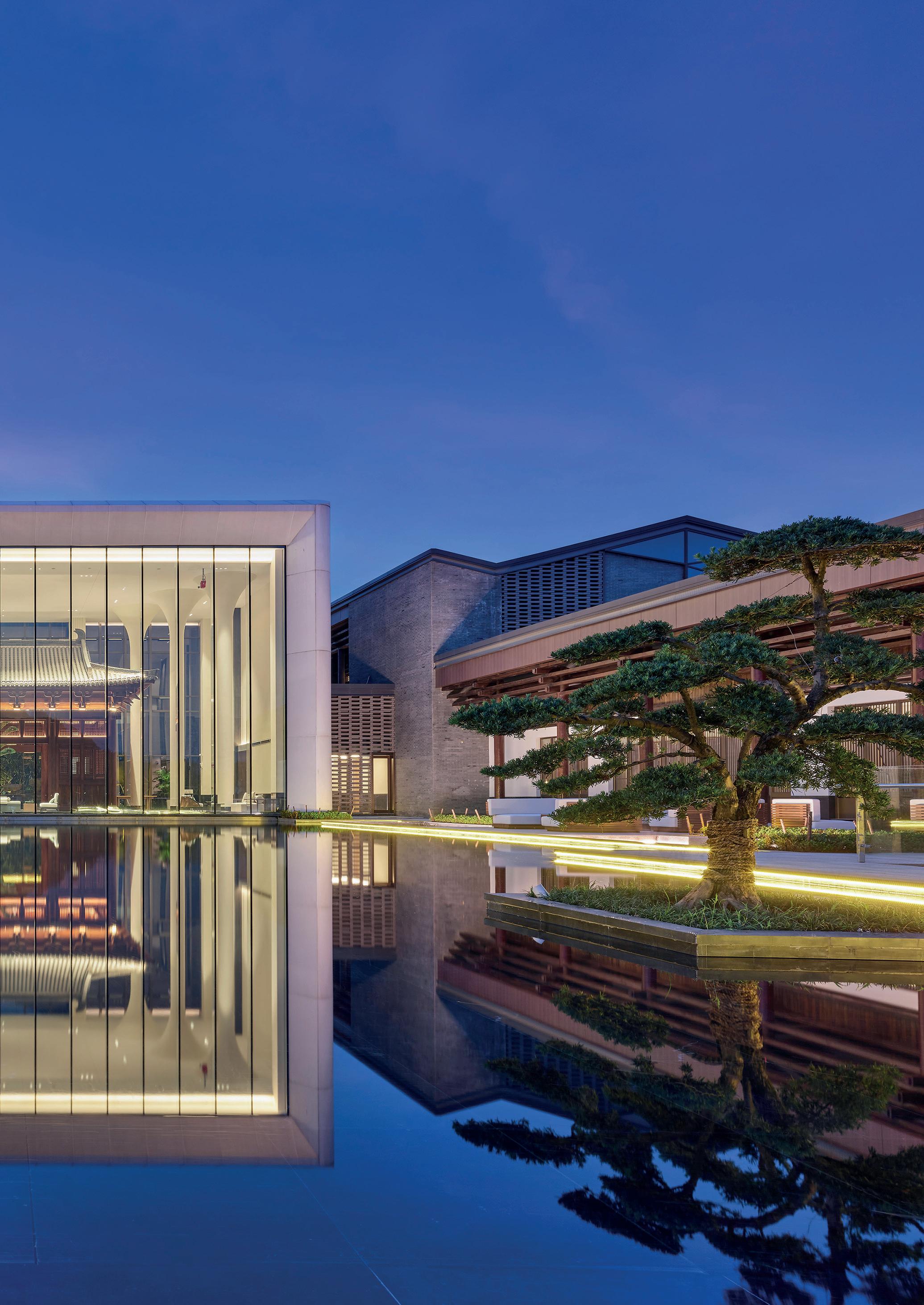
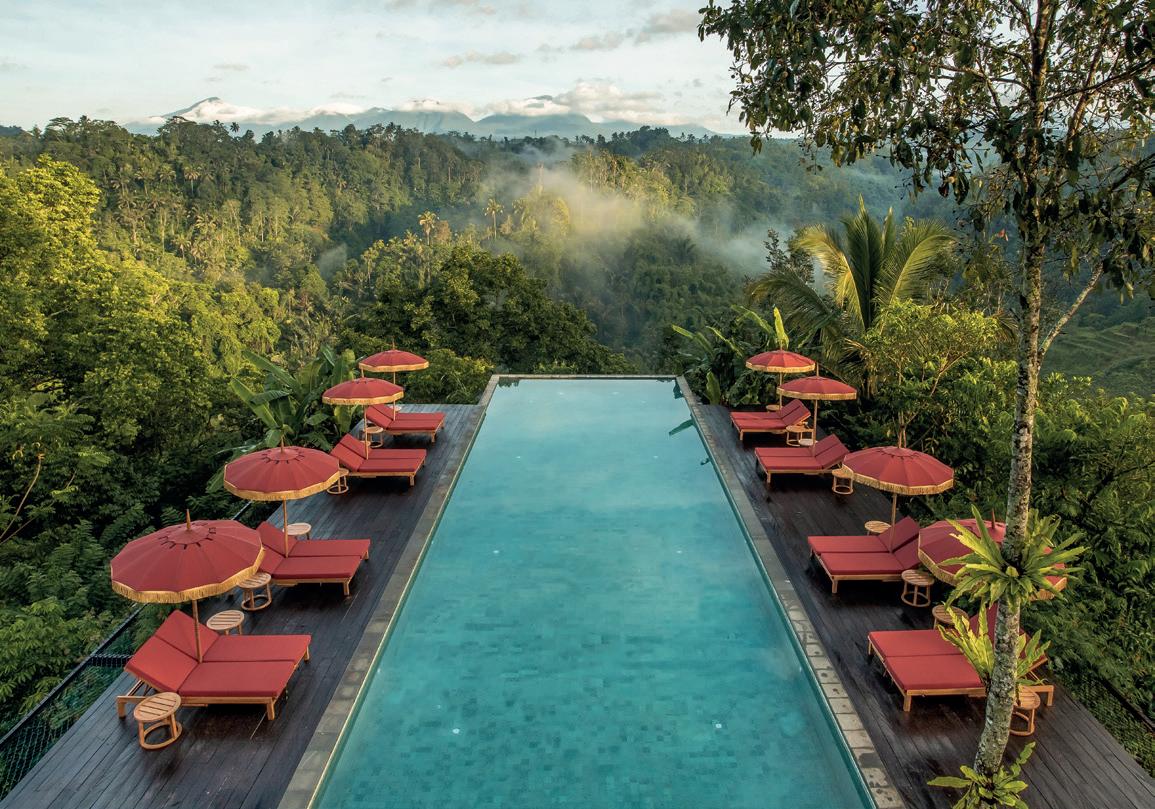
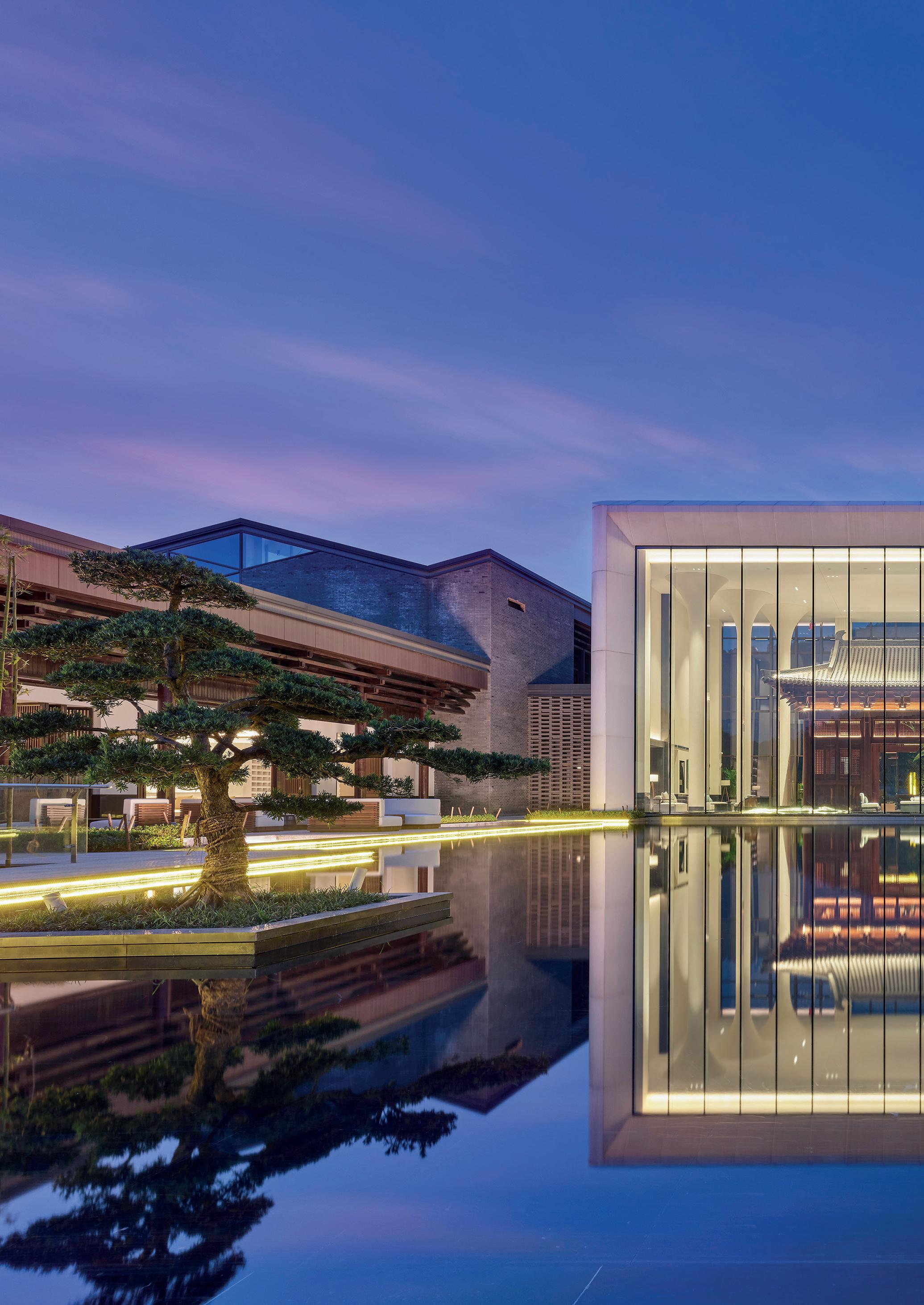
There has been a marked movement where the focus is squarely on a more sustainable model of tourism that is sensitive to the environment and local communities. For now, the focus is again top-down, with the move towards more ecologically responsible tourism and more authentic experiences largely restricted to the upper segment, and one of the main drivers of this new direction has been the fast-growing luxury wellness market.
With time an increasingly rare commodity the focus of modern upmarket tourism is increasingly set upon creating special ambiences, rare experiences and lasting memories. In other words, the goal is increasingly quality over quantity, and this has seen new luxury resorts become smaller in scale and more boutique in style. Yet a resort needs a raison d’être, a theme around which to build its offering of fine accommodation, gastronomy, service, setting and amenities.
To date, the one that has embodied this new form of select tourism most is wellness, in which the spa with its relaxing facilities, its rarefied ambience and its health and beauty treatments forms the core. To this can be added excursions, sports activities and such coached activities as yoga, mindfulness retreats or executive excellence building, as well as quite simply the chance to relax among likeminded people far away from the madding crowd. Those spa hotel brands that had the vision to develop this concept before it became more mainstream are now leading the segment just as others are joining it.
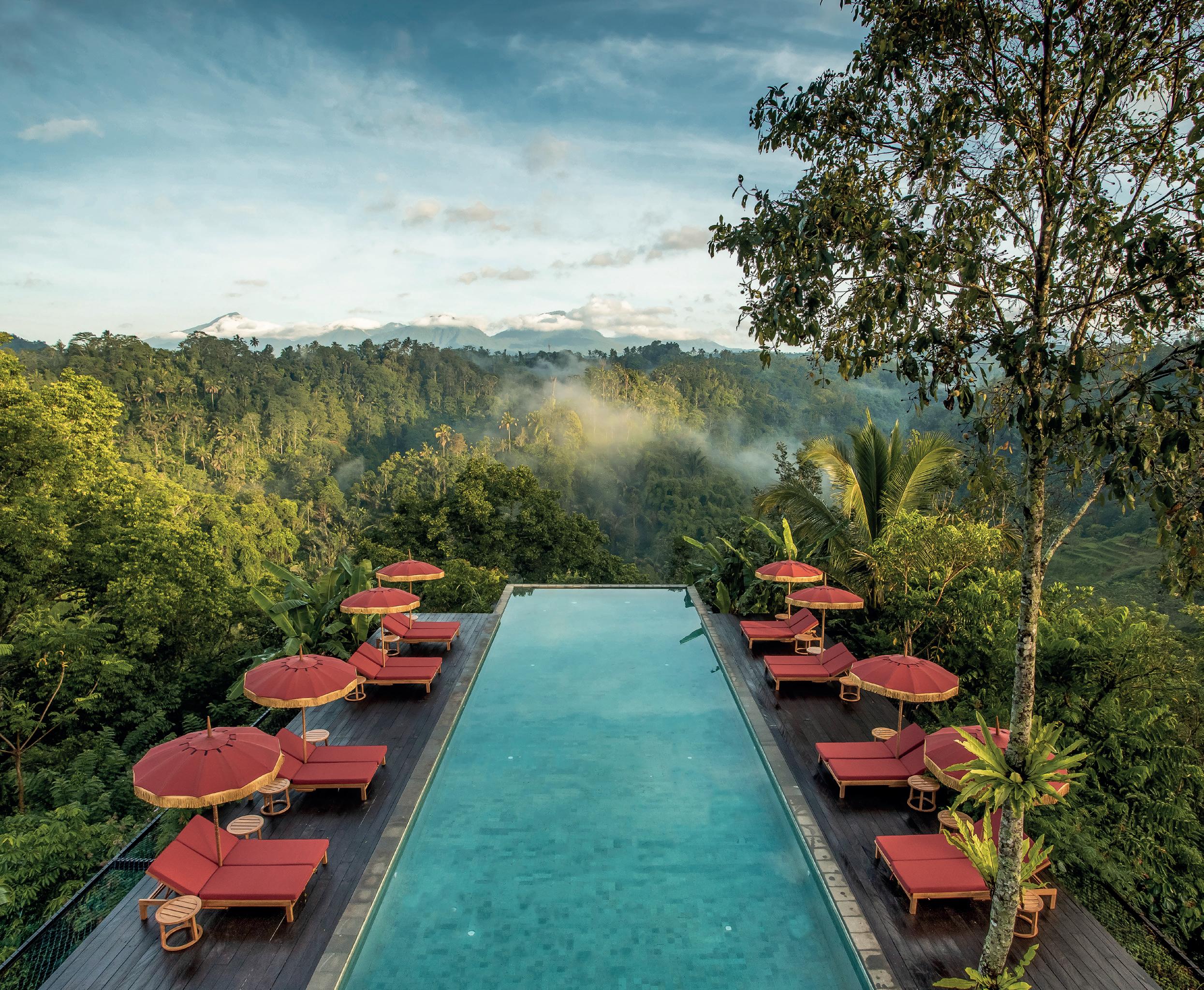
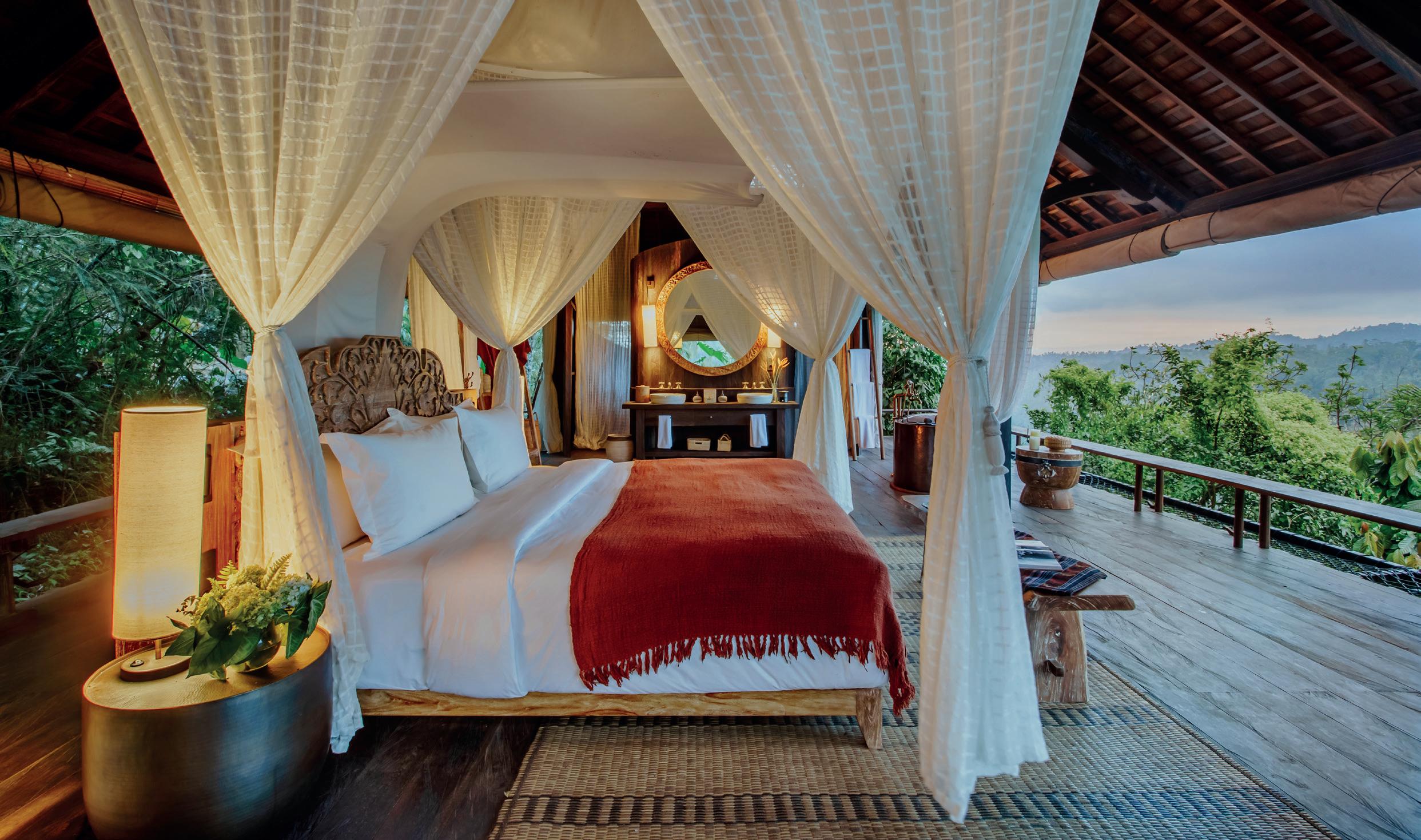
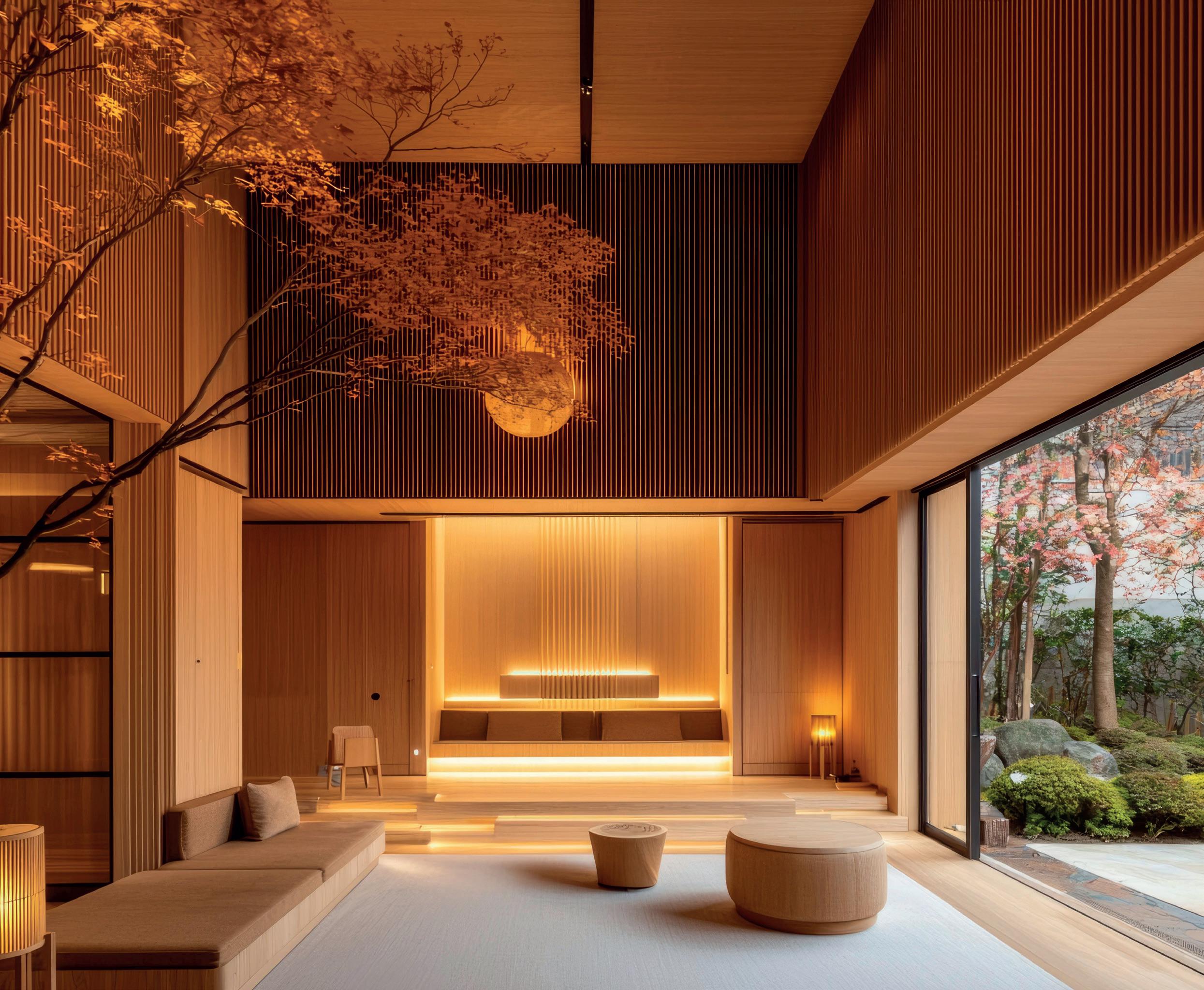
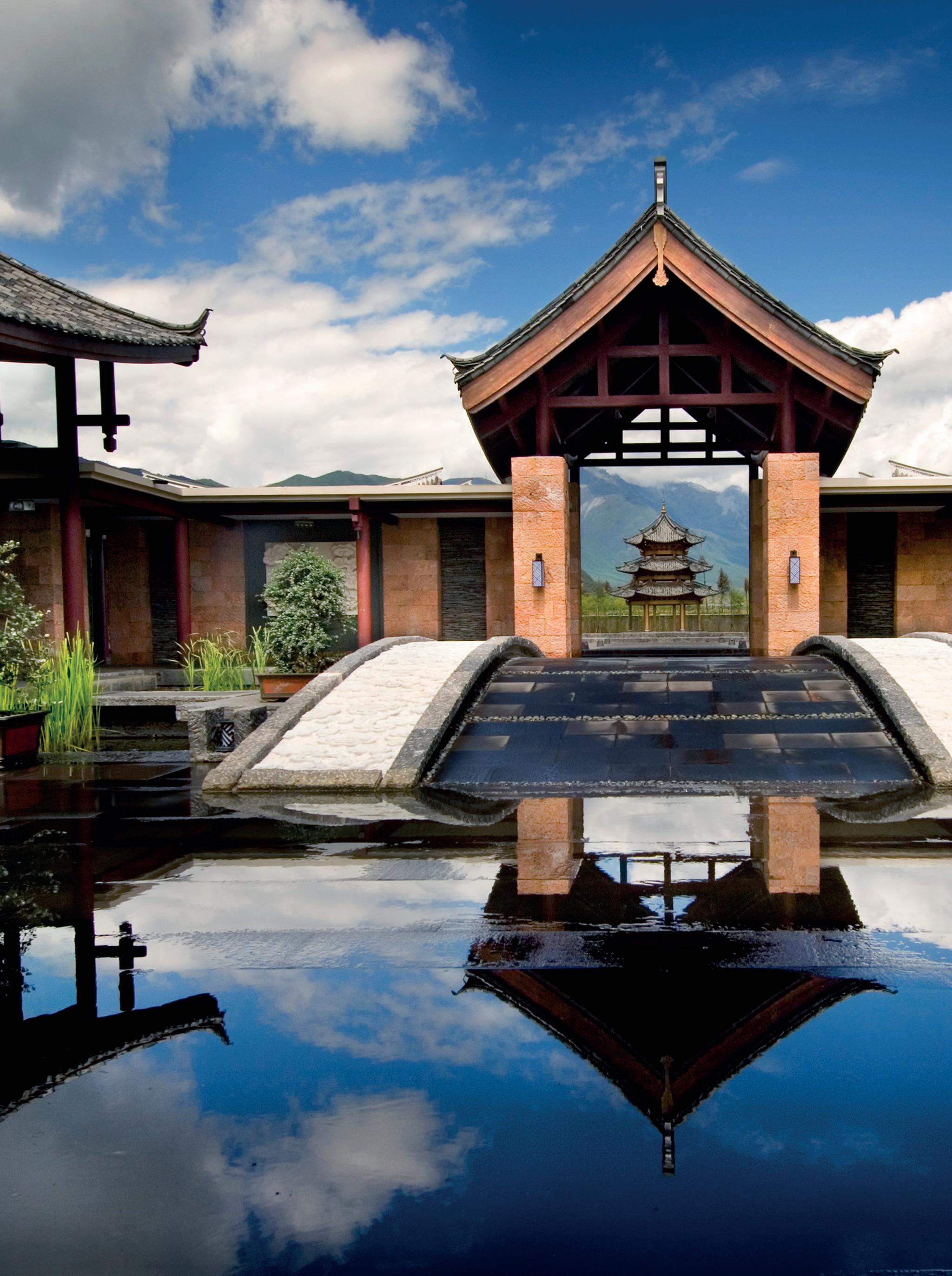
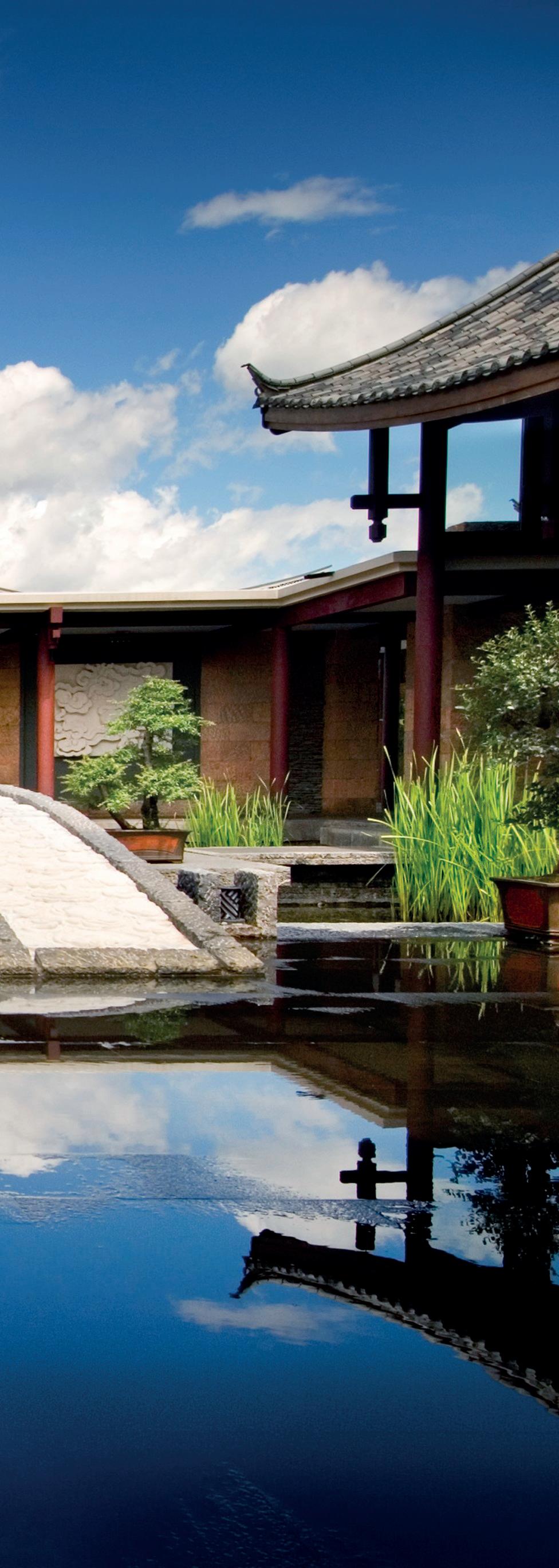
Specialist operators in this space include the likes of Banyan Tree, Anantara, Belmond, Six Senses, Cheval Blanc, Singita and of course Aman, who have perfected the exclusive wellness retreat in paradisiacal settings within Bali, Thailand, Malaysia, the Caribbean, India, the USA, Europe and the Middle East. In what is already a trickling down effect, the major hotel brands have also started to adapt this concept to their own mid to high market segments, introducing brands such as Talise by Jumeirah, Iridium Spa by St. Regis, Sense by Rosewood, Kempinski The Spa, Jiva Spa and by Taj Hotels, to name a few.
The luxury wellness concept may never quite fit with the mass tourist sector but it is already becoming one of the leading forces driving the industry towards a smaller scale, more environmentally sustainable model aimed at giving guests what they need most in the modern world – a sense of wellbeing.
As tourism evolves from mass consumption to mindful experience, luxury wellness now leads the shift toward smaller, more sustainable, and experience driven travel.
Philipp Peter WETAG | Luxury Real Estate Ticino, SWITZERLAND
When the Spanish introduced the cocoa bean to Europe, they initiated a Western love affair with chocolate that has endured for over 500 years and remains as strong as ever.
We associate chocolate with a sweet, creamy delight yet it wasn’t originally so. Cacao, made from the cocoa bean, is actually bitter of taste and required the later addition of sugar and milk to produce the delicacy that is so beloved throughout the world today. Chocolate forms an integral part of our childhood memories and for most of us stays with us throughout our lives, available in a variety of forms that include drinks, bars, sandwich spreads and bonbons, yet as in all fields of human endeavour there are those who have raised it to an art.
The chocolate experience that was first introduced into Europe via Spain was very different from that which most of us have come to expect. Upon conquering Central and South America, the Spanish Conquistadors discovered a cornucopia of wondrous new foodstuffs in the kitchens of the indigenous Aztecs, Mayas and Incas. These included many ingredients that have since become unmissable parts of the diets and culinary traditions of people not just in Europe but across the world, including such mainstays as maize, potatoes and more recently avocados and mangoes.
From sacred, bitter ritual to refined artisan craft, chocolate’s journey mirrors our own-tradition rediscovered, transformed into one of life’s most indulgent pleasures.

Marianne Walde Walde Immobilien AG Zürich, SWITZERLAND


Upon encountering the cocoa bean, the Spanish learned that it played an important role in the culture and traditions of all the major indigenous civilisations of the region, providing a beverage was also used in ceremonial and religious rites. Such was its importance that the cocoa bean was used as a form of currency. The Amerindians consumed it as a hot or
cold drink, an alcoholic one, as well as in solid form, but it was always a bitter delicacy and remained so for a long time after it was introduced into Europe, where it enjoyed popularity in the form of hot chocolate much the way we drink coffee today.
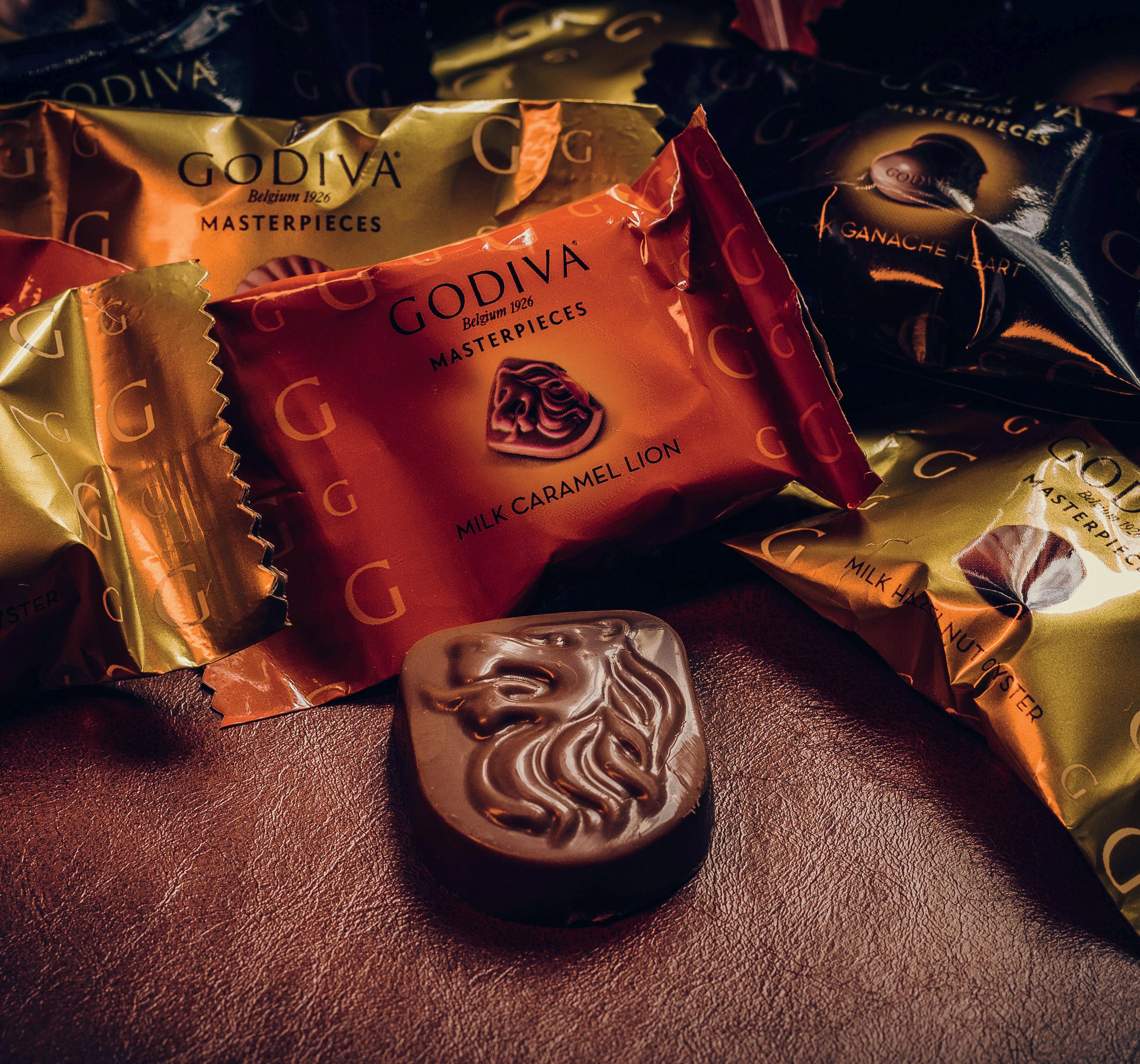
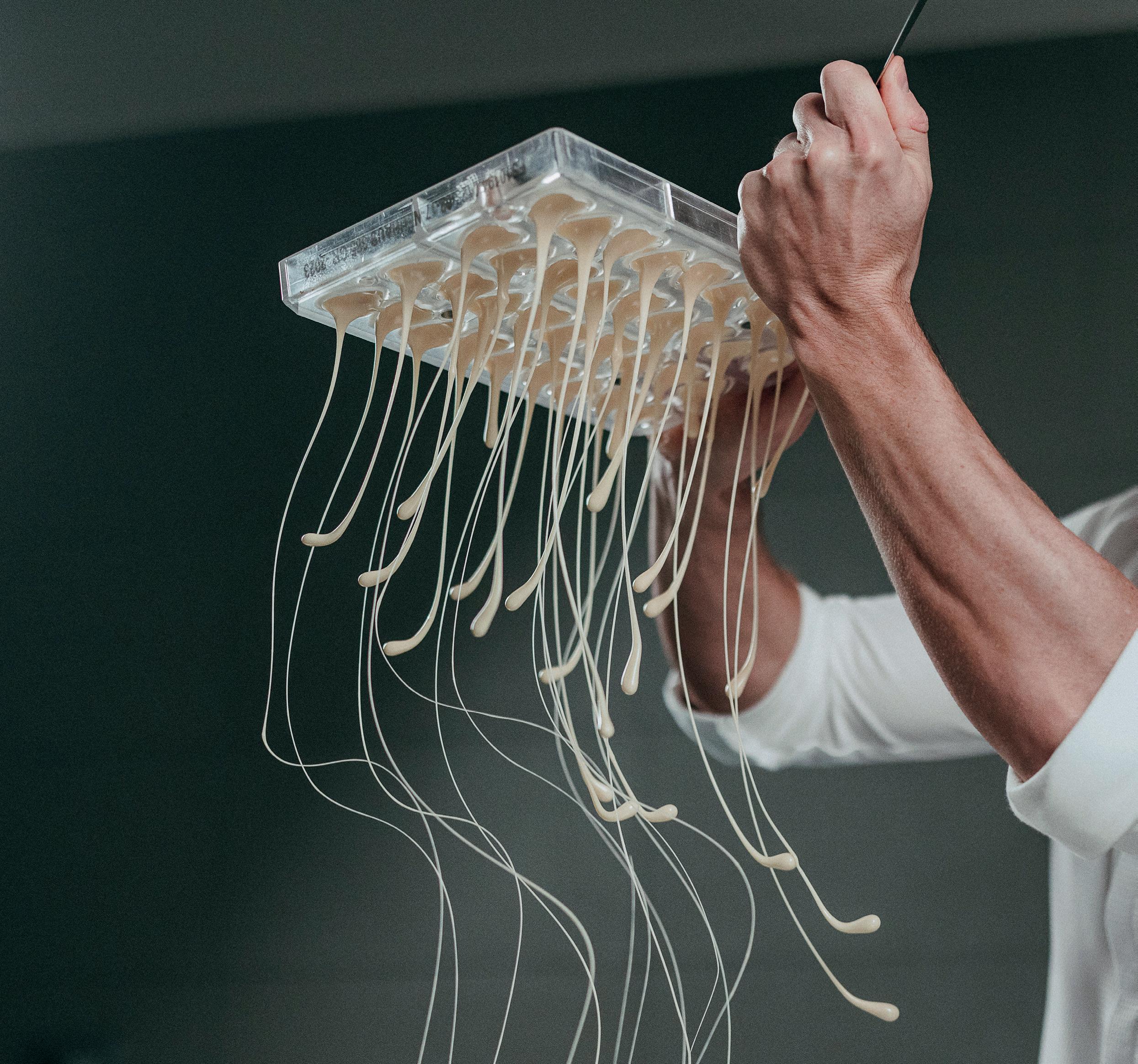
The Europeans, like the Amerindians before them, did add some sweetening ingredients to the mix but it wasn’t until 1828 that chocolate as we know it was born when Coenraad Johannes van Houten patented a new production process that led to the creation of the sweet coco and chocolate bars that we enjoy today. The French had already created the bonbon over a century before, a delicacy of small chocolate
confections infused with sweet fillings consisting of such varieties as nougat, fudge, caramel, butterscotch, marzipan and praline. Between them, these varieties form the backbone of an industry that turns over around $150 billion a year, with major producers such as Lindt, Cadbury, Hershey and Nutella becoming globally recognised brands.
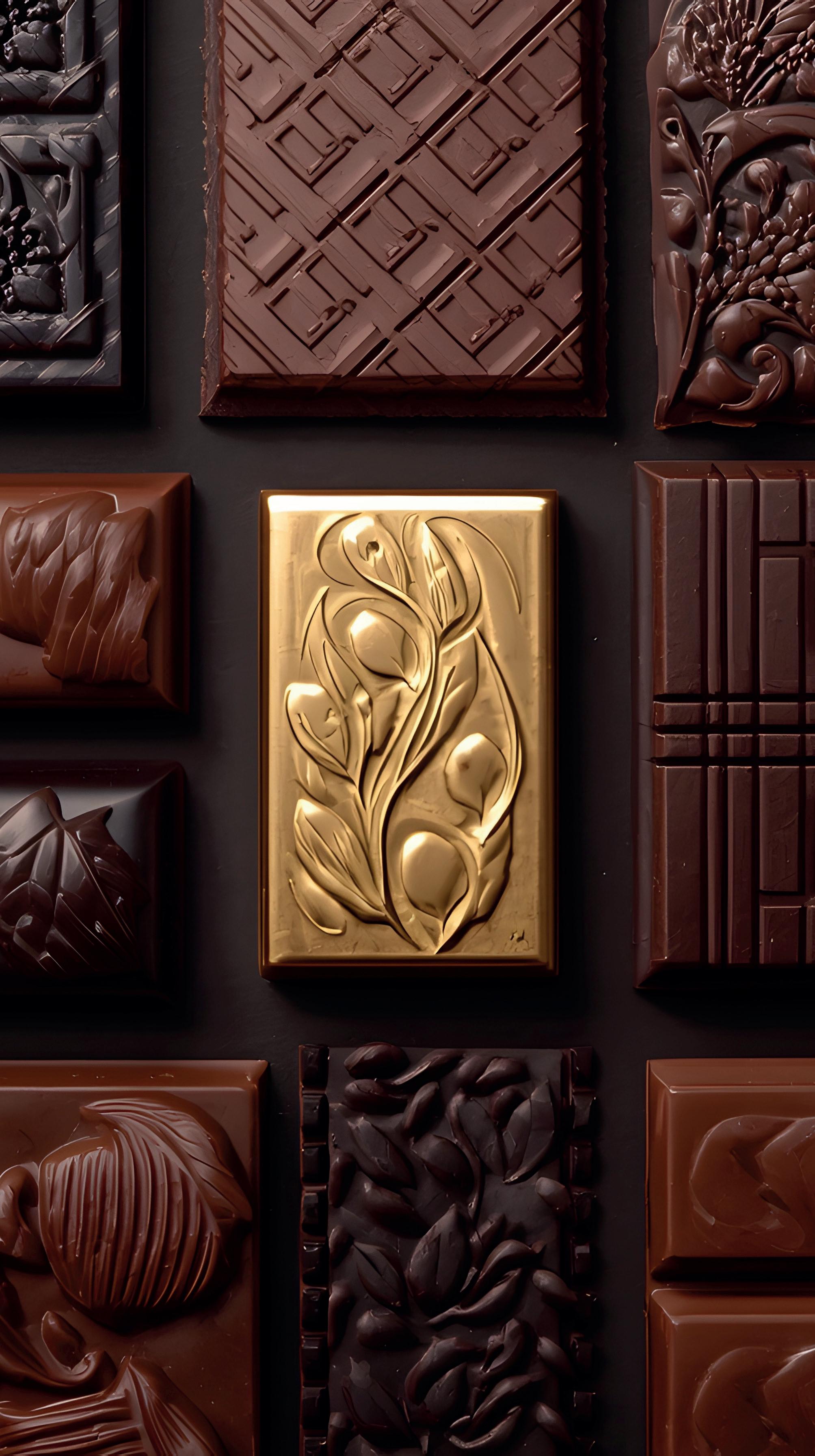

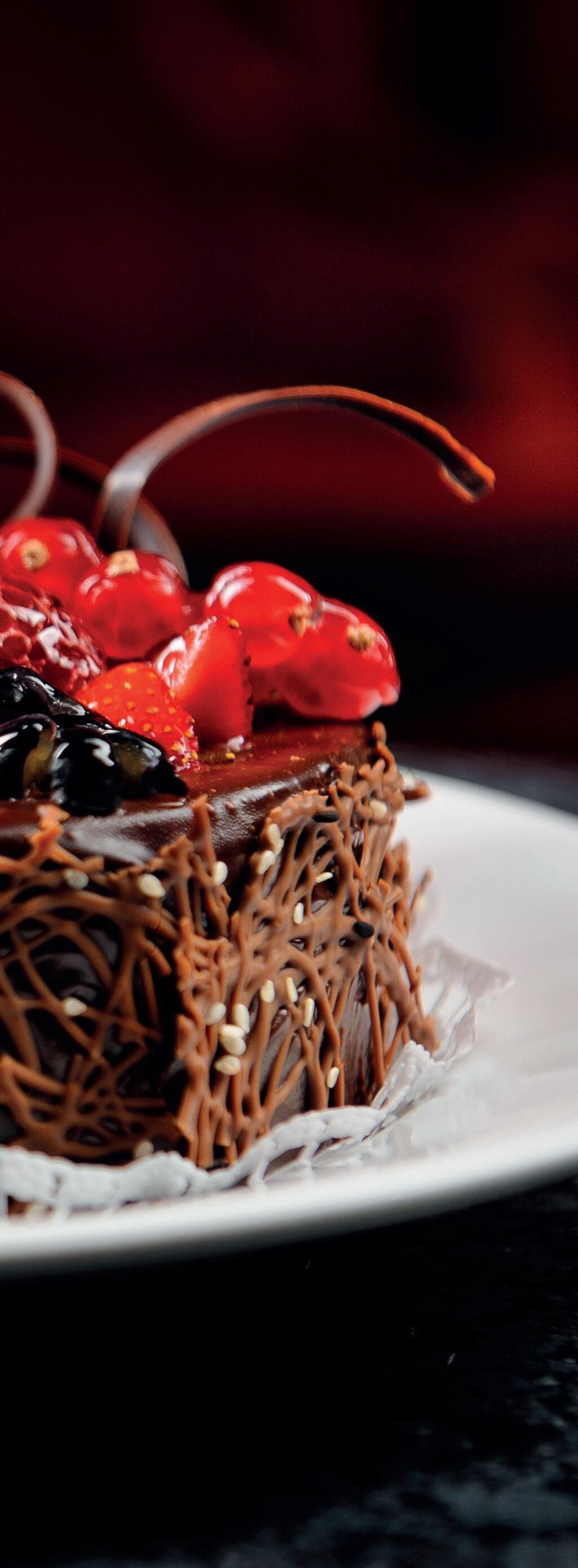
Chocolate raised to an artform
The birth of the chocolate artform followed the use of the once bitter ingredient in delicately crafted bonbons filled with all manner of delicious centres, including alcoholic ones, as well as the fact that chocolate became increasingly prominent in cakes, biscuits and other sweet delights. For French pastry chefs of the classical era, it was a powerful tool in their armament and they rose to the occasion, creating works of art for eye and palate alike. Since then, the Swiss have become famous for quality chocolate, the Italians for incorporating it into breakfast pastries, Belgian brands such as Guylian and Godiva for their filled bonbons and the British for internationally known creations such as Quality Street, Terry’s Chocolate Orange and more…
However, while there has always been a luxury chocolate segment the past few decades have seen the rise of the modern master chocolatier, marked by the creation not only of the finest quality conventional chocolate made from highly specialised bean varieties such as Criollo Chuao and Trinitario sourced from across the globe, but also by the introduction of daring new elements such as chili, salt, matcha and other exotic taste and texture sensations. Luxury chocolate brands such as Valrhona, Domori, Richart, Neuhaus, Lädrach and La Maison du Chocolat have also followed the route of sourcing organically produced and socially responsibly cocoa, and in the process also tend towards reduced sweetening and a higher cocoa content.
In this way, modern chocolate is evolving back to its roots, driven by boutique brands such as Amedei, Vigdis Rosenkilde, Argencove, Slok and Cacaosuyo, forever on the lookout for new directions in which to take one of life’s sweetest pleasures.
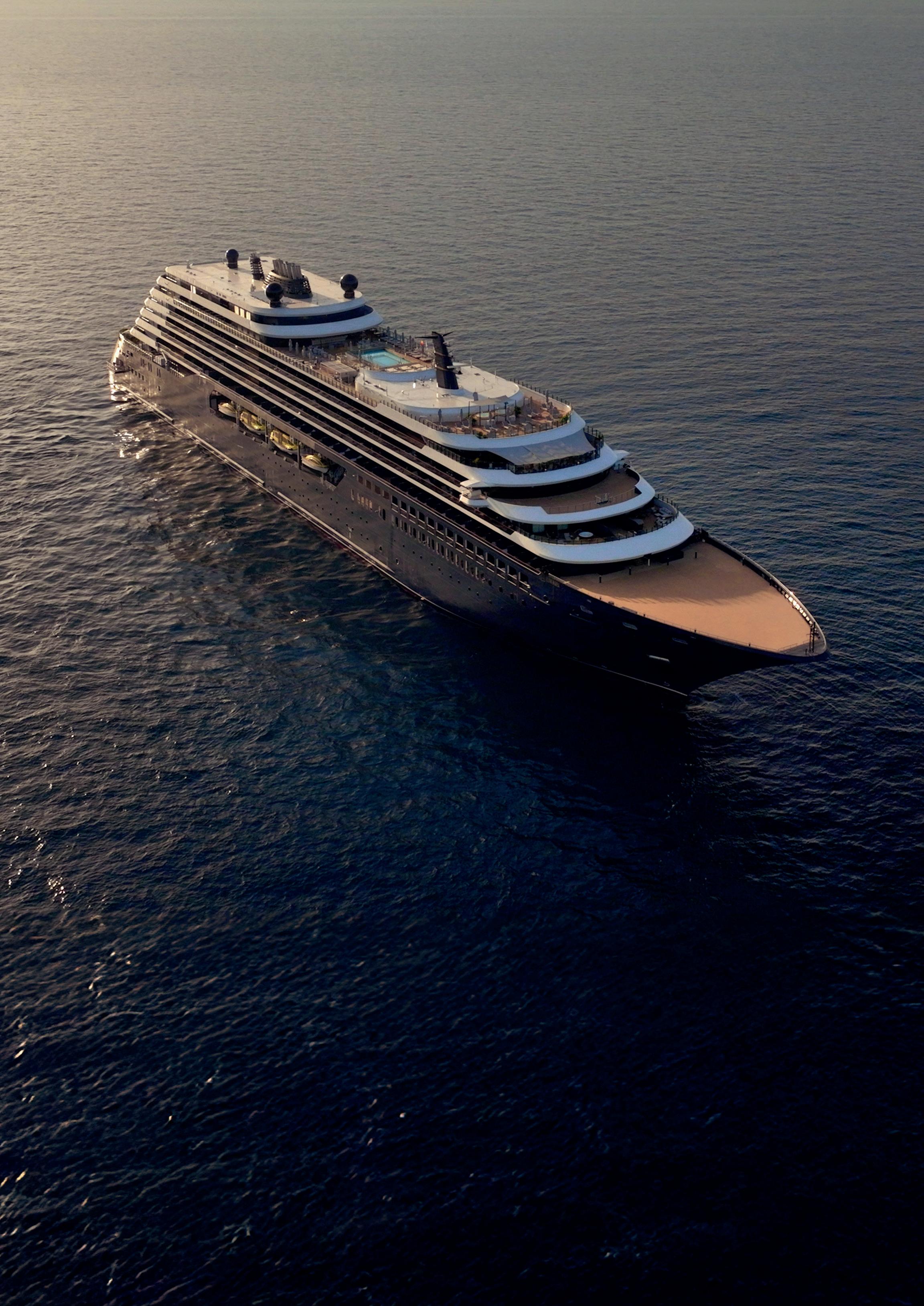
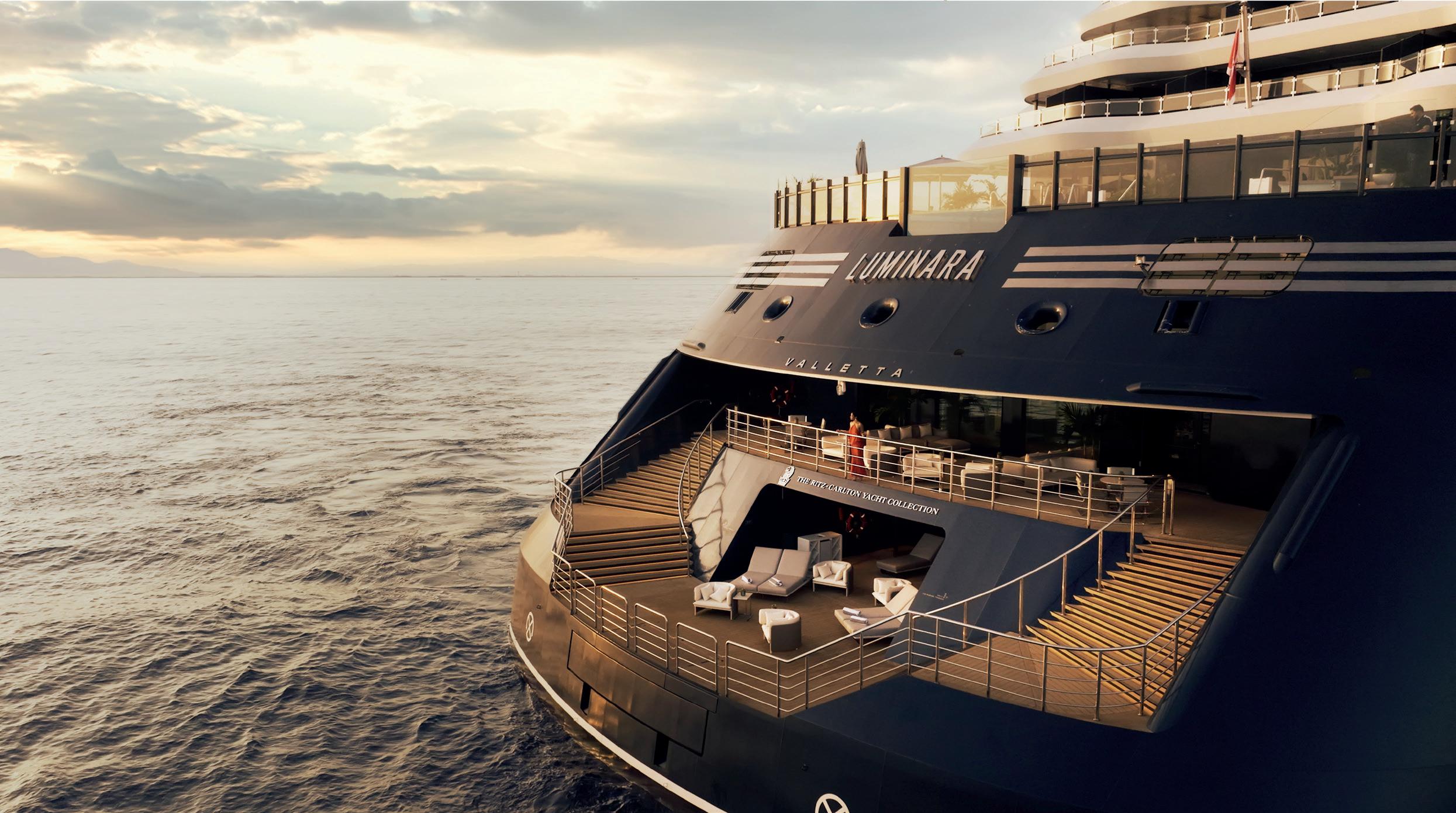
The Ritz-Carlton Yacht Collection proves that a cruise can be an intimate, stylish affair that relives the era of elegant ocean liners.
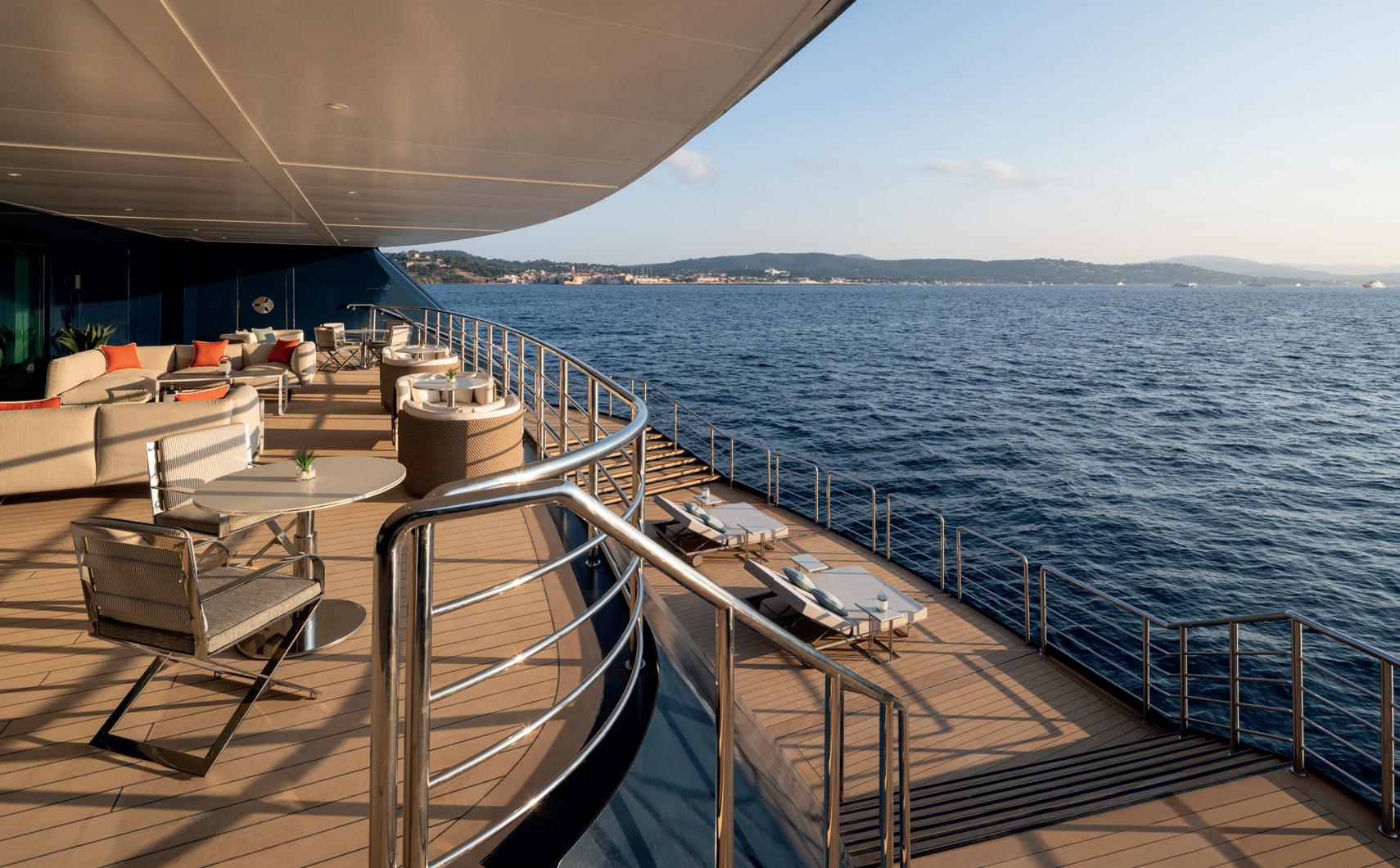
It is heartening to see that the cruise experience has undergone a true revival in recent decades, yet we seem to have veered away from the classic refinement of the ocean liners and into a more accessible tourist equivalent. Where once a 65.000-ton ship carrying 2000 passengers was served by 1000 personnel, now cruise liners surpassing 200.000 tons resemble floating resort hotels filled to the brim with thousands of holidaymakers.
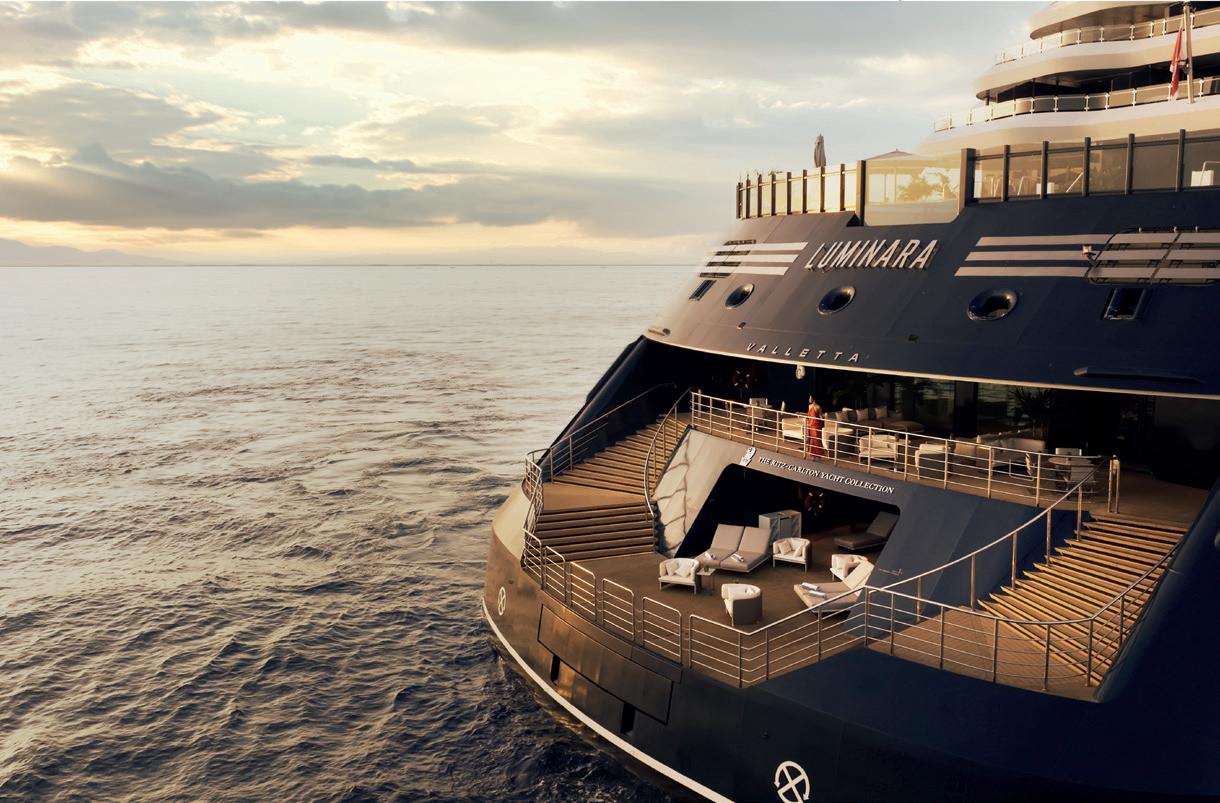
The Ritz-Carlton Yacht Collection is made for those who yearn for something a little more personal and private – the chance to experience floating palace luxury in the most stunning settings imaginable. Far smaller than today’s supersized cruise ships, these vessels with their luxury décor, high crew to guest ratios and select ambience are the boutique form of sea travel; in fact, the next best thing to boarding a superyacht of your own. RitzCarlton have perfected a blend of the luxury cruise and private yachting experience, with all the accompanying style, comfort, opulence and of course personal service.
In doing so, the luxury hotel brand has brought a new level of distinction to travelling the high seas, creating the ultimate jet-set experience in a very wide range of settings. One can choose from touching on all those famous Mediterranean beauty spots to island hopping in the Caribbean, picking your North or South American destination, sailing into Sydney harbour, visiting tropical Pacific islands or arriving at Asian locations such as Hong Kong, Singapore or Tokyo in unforgettable style.
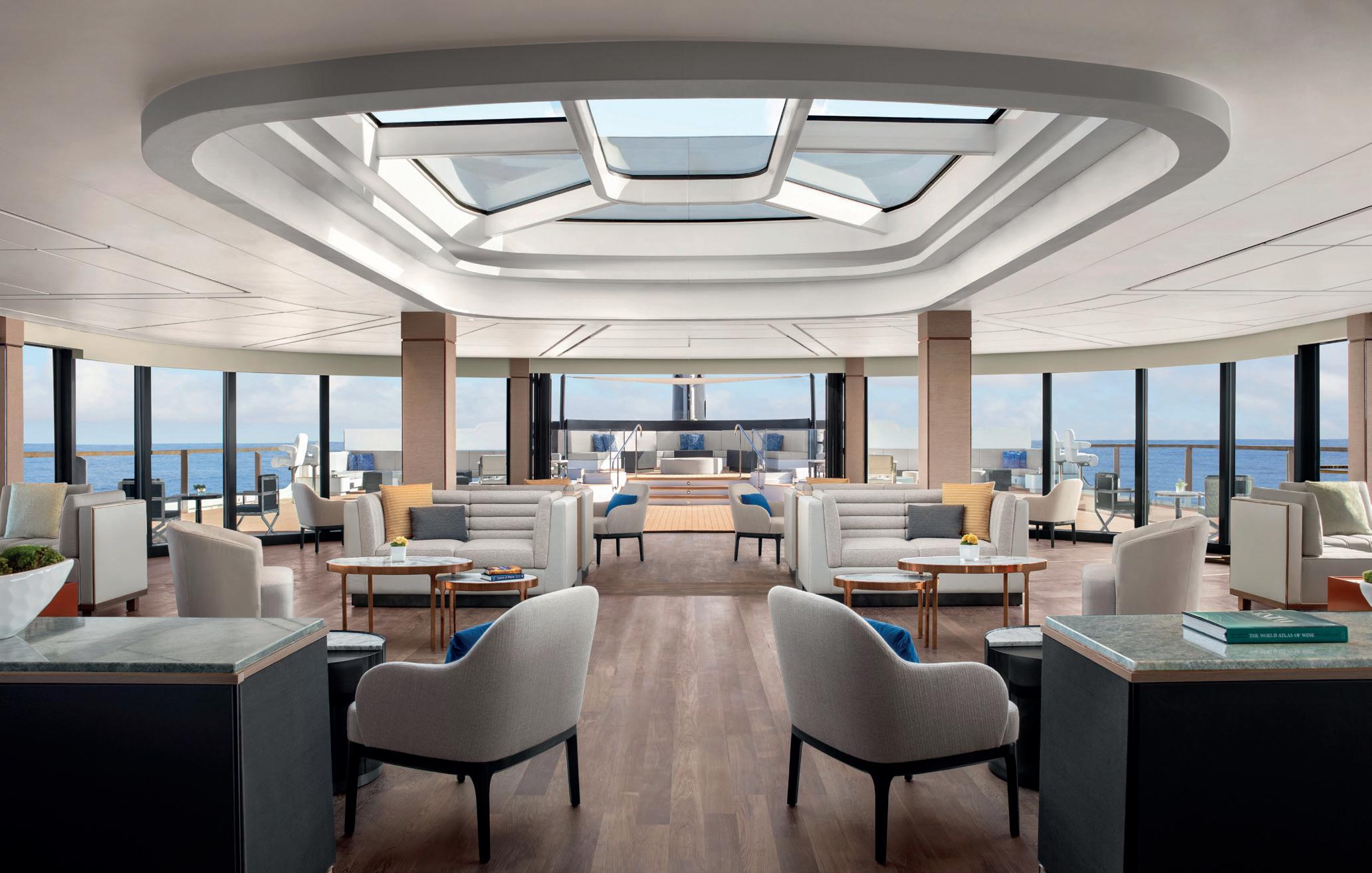
The ships within the collection are beautifully sleek and look like five-star deluxe hotels at sea. This is cruising as it used to be, where the Ilma and Luminara have a full complement of crew but just 224 and 226 suites respectively, and the Evrima no more than 149. Scaled to this size and featuring a highpoint of luxury design and amenities, these ships offer the superyacht sensation as they glide into Portofino, Venice or Santorini with far more discretion and elegance than one of those towering cruise ships filled with noisy tourists.
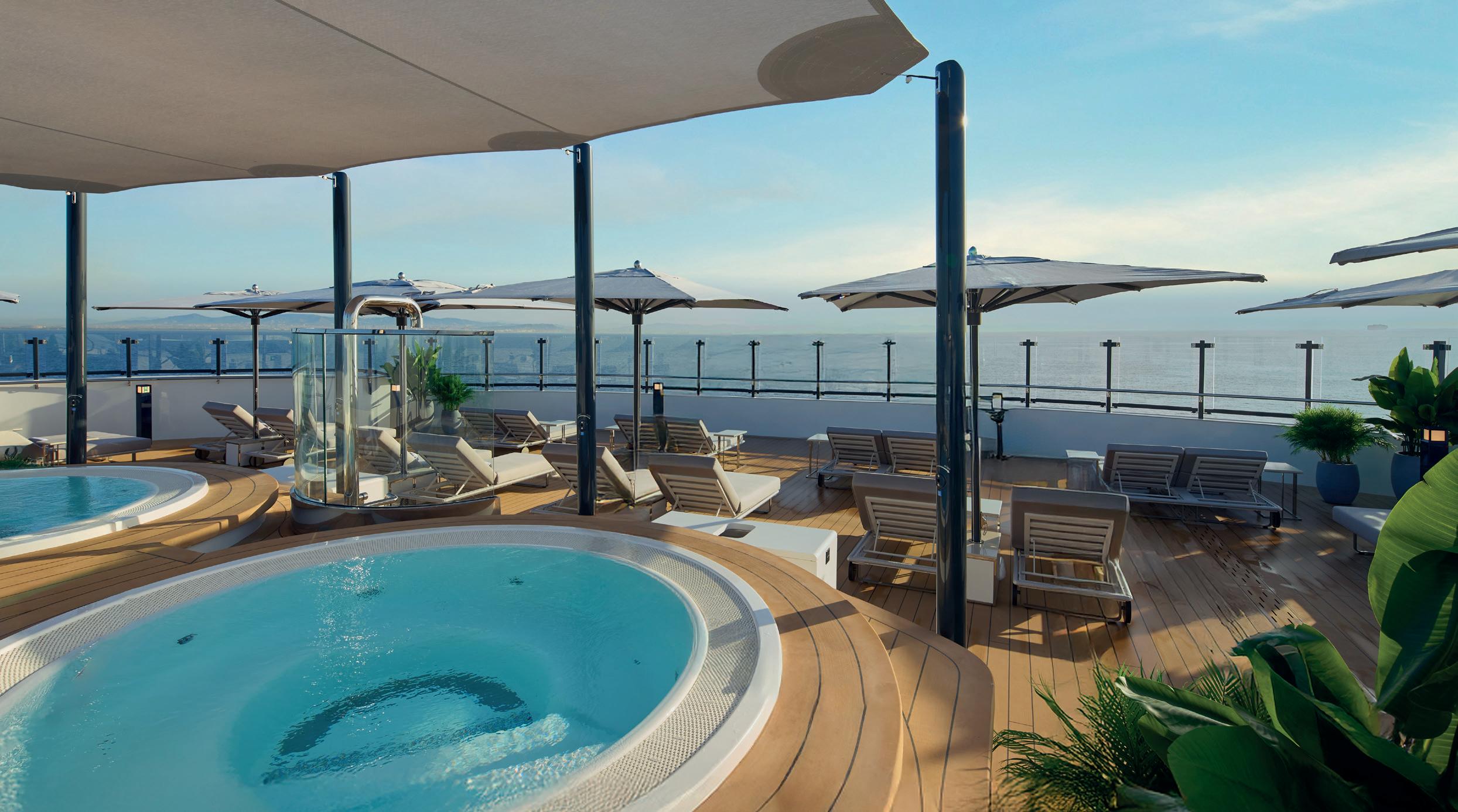
The Ritz-Carlton Yacht Collection provides a different experience altogether, with suites that look not like a cabin or hotel room but more akin to the luxurious penthouses of New York, LA or Miami, complete with villa-standard amenities, space and furnishing, not to mention panoramic private decks. Personal butler service is at your disposal, but you wouldn’t want to deny yourself the exclusive beach club ambience of the pool decks, the Ritz-Carlton spa or the exquisite fine dining restaurants.
If you’ve tasted the pleasures of the Ritz-Carlton brand on dry land, you’ll love the exotic touch that sea travel adds to it. Just imagine sipping a drink as the ship drops anchor in a beautiful bay. The crew sets up a gourmet barbecue on the secluded beach of a pretty cove, before launches take guests ashore to spend an afternoon relaxing, enjoying water sports and finally settling down to a beach dinner as the sun sets in the kind of location that cannot be described in any other way but special.
There is luxury and then there is privileged luxury – creating the kind of experiences you will likely never forget.
by Peter Marschall
Marschall Real Estate, Vienna, Austria.
How would you describe Graz as a city today?
PM: Graz is Austria’s best-kept secret on an international level. As the country’s second-largest city, it combines academic excellence, cutting-edge industry, and a relaxed Mediterranean lifestyle. The historic old town, a UNESCO World Heritage Site, meets bold contemporary architecture and a vibrant culinary scene. Graz feels young, intelligent, and forward-looking, yet deeply rooted in tradition.
What defines the cultural life of Graz?
PM: Graz is one of Austria’s most intellectually stimulating cultural hubs. The city is internationally renowned for the Steirischer Herbst, one of Europe’s most influential contemporary art and culture festivals, which attracts artists, thinkers, and curators from around the world each year. In addition, Graz offers opera, theater, design, and an exceptionally dense museum landscape. Culture here is experimental, progressive, and unmistakably urban.
Who is buying property in Graz?
PM: Buyers are typically international professionals, academics, entrepreneurs, and increasingly senior executives from the industrial and technology sectors. Graz attracts people who value quality of life, education, and long-term stability. Many buyers come from Germany, Switzerland, Northern Italy, and Scandinavia. Compared to Vienna, Graz feels more relaxed and discreet, while still offering a cosmopolitan environment.
How important is Graz as a university city?
PM: Extremely important. Graz is one of Austria’s leading university cities, with institutions such as KarlFranzens-Universität Graz shaping the city’s intellectual and international profile. The large student and research community keeps Graz dynamic, innovative, and demographically young—an important factor for both lifestyle buyers and long-term investors.
What role does industry play in Graz’s international profile?
PM: Graz is a powerhouse, particularly as a research and development hub for the automotive industry. Global players have established major operations here, including AVL List, ANDRITZ and Magna Steyr, one of the world’s most respected engineering and contract manufacturing centers. Since 1979 it has been the exclusive assembler of the iconic Mercedes-Benz G-Klasse – a luxury off-road masterpiece still built in Graz and with production commitments extending well into the next decade.
Which residential areas are particularly attractive?
PM: Prime residential districts include Geidorf and the areas surrounding the historic city center, offering elegant period buildings, green spaces, and proximity to universities and cultural institutions. Properties with views over the old town roofs or toward the vineyards are particularly sought-after. Compared to other European cities with similar quality of life, Graz still offers excellent value in the upper residential segment.
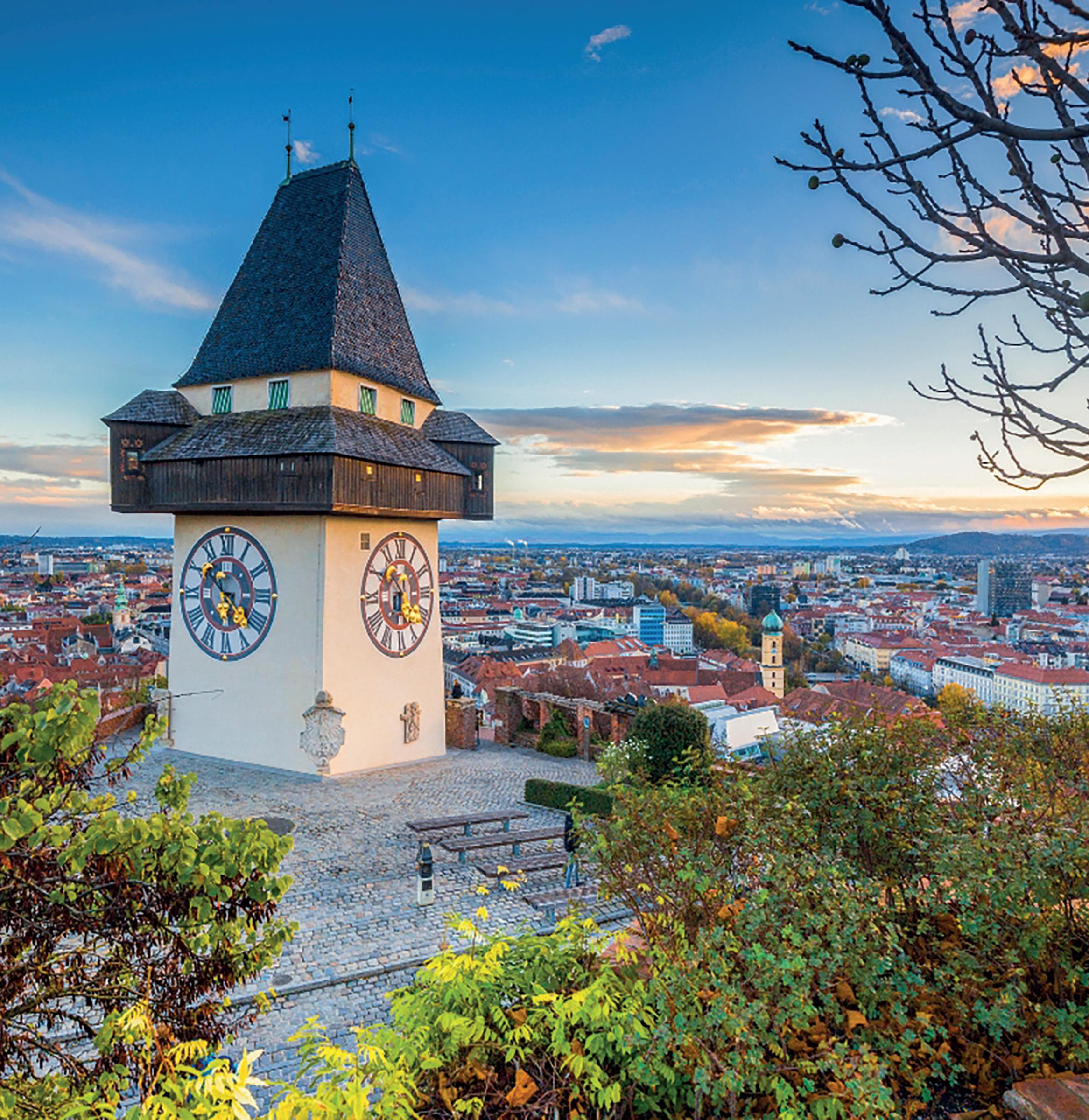
What makes Graz unique from a lifestyle perspective?
PM: Graz has a distinctly Mediterranean flair—open-air cafés, lively piazzas, and a slow, elegant rhythm of life. At the same time, the city lies at the heart of one of Austria’s most celebrated wine regions, with vineyards literally at the city’s edge and world-class wineries just minutes away. Few European cities combine urban sophistication, academic depth, industrial innovation, and wine culture so seamlessly.
How do you assess Graz as a long-term property market?
PM: Graz is a classic long-term market driven by fundamentals: education, research, industry, and quality of life. It is not speculative, but highly resilient. International buyers increasingly recognize that Graz offers something rare—substance, stability, and authenticity—making it one of Austria’s most promising cities for sustainable luxury real estate investment.

We are passing through a unique era of change driven by rapid technological advancements. Known collectively as The Third Machine Age and characterised above all by AI (Artificial Intelligence), it is having a profound impact on the way we do things, the economy and the very fabric of our societies.
To consider how technology and in particular AI will affect sectors such as real estate we need to come to grips with the phenomenon itself. Technology, in some form or another, has been with us for some time, but whereas the First Machine Age replaced farm and factory labour with steam mechanisation, and the second introduced oil and electricity-based mass production, the current transformation is even more farreaching. Previously, brute labour was replaced with skilled craftsmen and then with highly schooled professionals, but now there seems to be no more potential for humans to move upwards as AI can not only match the expertise and operative skills of even the best surgeons, lawyers, accountants and journalists, but increasingly outpace it.

The fear of human redundancy is therefore understandable, but for now the new technologies are there to assist not replace us. They may be transforming industries such as real estate but in the process also offer real opportunities for efficiency and service gains. What is important is to embrace the new tools, not only becoming proficient in their use but also taking the lead to become the ‘architect’, not the ‘operator’. In other words, drive the strategy, don’t restrict yourself to tasks.
As Julia Danyal, founder of AI for Leaders, says: “AI will not replace you – but a leader using AI will.” By this she means people who have moved from “doing the work, to designing the system that does it.” Julia confirms the threat AI poses to jobs, but emphasises that this applies above all to more menial tasks and even managerial supervision, both of which will increasingly be subject to automation. Those in control of the process are much safer and can even gain a strategic opportunity from it.
To do this you first have to create a strategic vision for your realty business that incorporates AI and its growing range of tools, and this in turn requires more than a cursory knowledge of them. It will pay to “master organisational redesign with Stanford or Wharton insights, as true value will live at the intersection of machine capability and your own deep domain expertise. Learn to lead AI-driven agentic workflows that will greatly enhance the operational efficiency and service effectiveness of your business. In this, sources such as Google and OpenAI can take your organisation into a new era where you don’t try to keep up but ‘own the infrastructure’ and have the ability to optimise your digital presence for easy GEO and AEO.”
For years, optimised content in written and visual form combined with keywords formed the basis of Search Engine Optimisation (SEO) – being findable online – but with AI this has shifted to Generative Engine Optimisation (GEO) and Answer Engine Optimisation (AEO). The former involves presenting digital content and brand information in such a way that AI models and search engines such as ChatGPT, Google Gemini and Perplexity can easily access, understand, trust and return results on it. “Become the ‘source of truth’ that gets picked up directly from searches,” says Julia.
AEO is a digital marketing strategy – the SEO of the AI era – that further refines this process by attempting to directly answer relevant questions in AI searches on the likes of ChatGPT, Gemini and Google’s AI Overviews. It therefore prioritises clarity of structure and information to produce optimal results – a process that can in itself be aided by AI tools that can guide you to the most likely questions to prepare for.
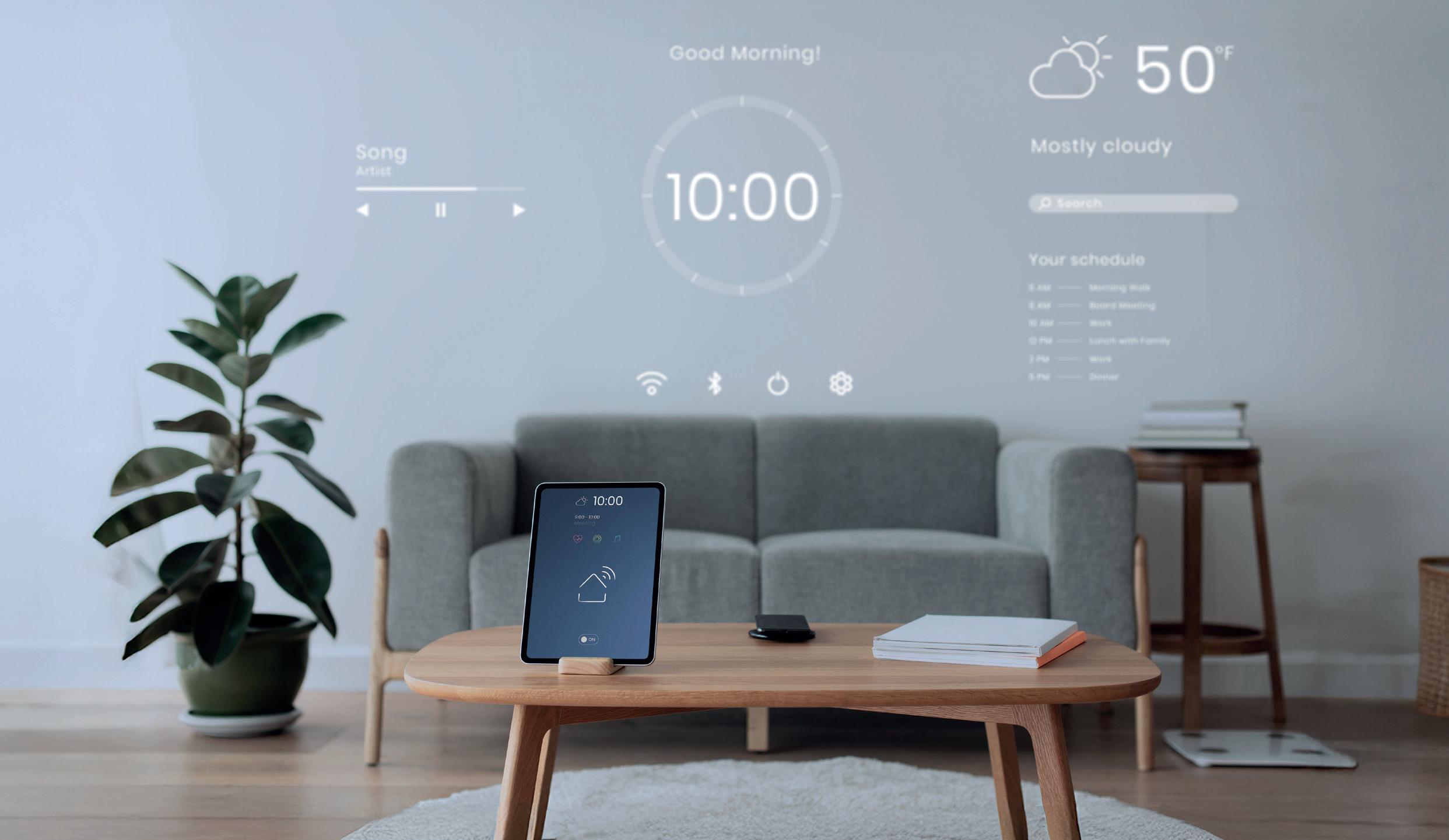
• AI is transforming the real estate industry rapidly by changing how properties are presented, valued, bought/sold and also managed
• Automated Valuation Models (AVMs) build upon traditional models to provide faster and more accurate property valuations, analysing massive datasets of recent transactions, price trends and also locational factors to also provide real time updates that are also particularly valuable for the holiday let sector
• AI also facilitates Predictive Analytics that allow for a much faster and more accurate forecast of market trends, price movements, economic indicators and risk assessment to help investors identify emerging opportunities and optimise their decision-making
• AI also refines property searches, analysing your preferences, search behaviour, budget and lifestyle information to suggest the most relevant listings. Needless to say, this is of great value to agents, quite apart from the fact that AI can also provide automation of routine tasks such as paperwork, document preparation or revision, property presentation as well as rapid initial responses to incoming enquiries
• It is also of value in property management, where smart buildings are more energy efficient, provide faster notice of maintenance or reparation needs, as well as automationassisted tenant management and accounting
• For now, AI is augmenting real estate professionals instead of replacing them, but also providing those industry professionals who successfully embrace the new technology with a significant competitive advantage in the market
• That said, it has the potential to centralise decision-making to the point where everyone ends up reaching the same conclusions and investing in the same places and products – thus greatly reducing the ultimate validity of the information it provides
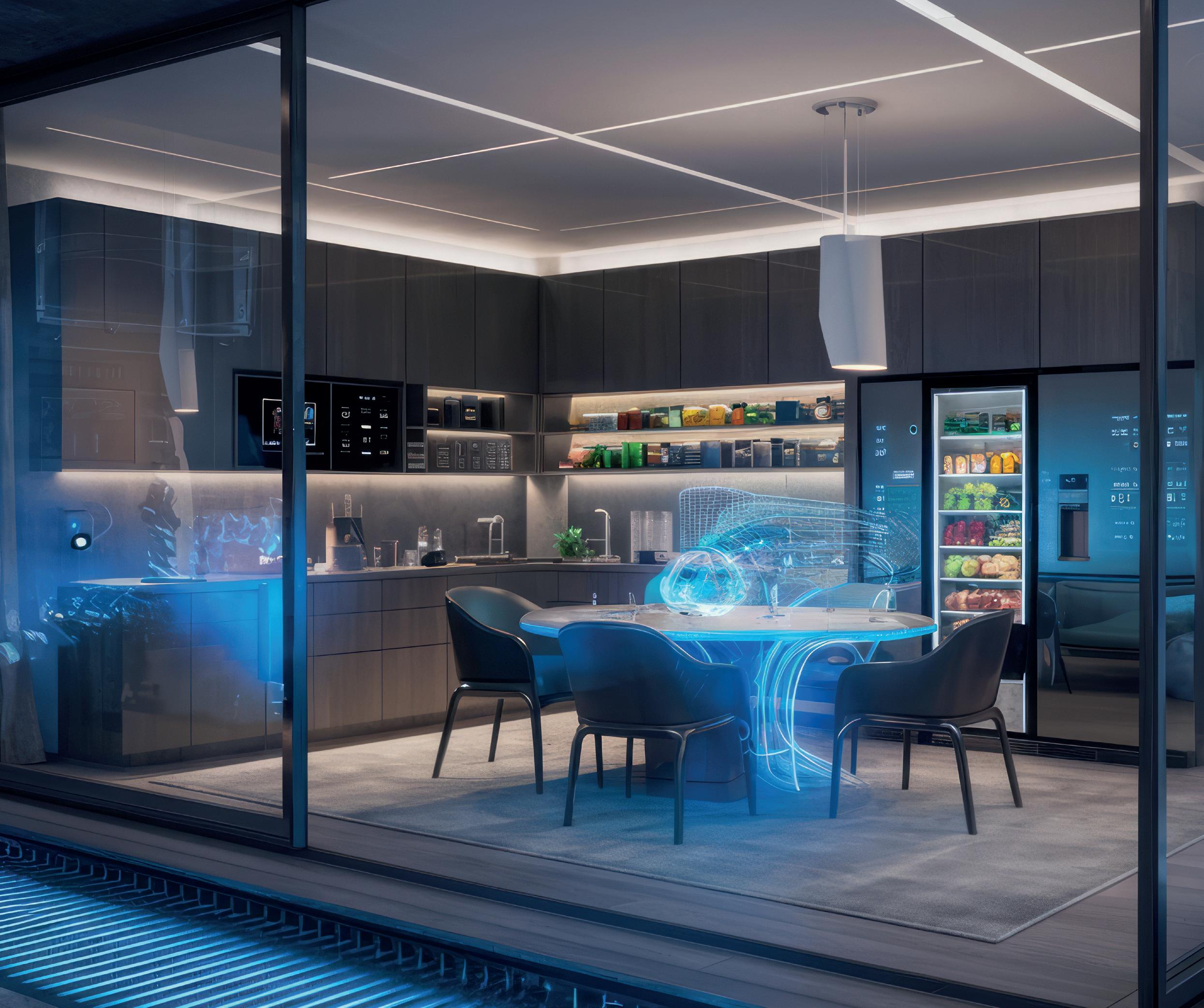
There are furthermore questions about data quality as well as bias/manipulation, transparency, ethical issues, the wider impact on jobs, the economy and society, including possible over-reliance on automated decisions, but it is clear that those who succeed in harnessing these powerful new tools in com-
bination with human know-how and personal client relationships will greatly gain in efficiency, effectiveness and reach. It looks like we have entered a Darwinian period of ‘survival of the fittest’.
In real estate, AI won’t replace agents—but it will replace those who don’t own the systems, the data, and the intelligence shaping tomorrow’s deals.

Fran Belmonte Rimontgó Valencia, SPAIN
WORDS: MICHEL CRUZ

If you fly Business or First Class but are tired of congested airports and crowded aeroplanes there is a highly appealing and increasingly accessible alternative that opens up a whole new world of travel experiences.
The world’s best airlines provide luxury VIP lounges and even private cabins but one thing they can’t get away from is the sheer scale of operations at most international airports these days. To say that this has taken much of the charm away from air travel is an understatement, making private jets seem like an oasis on the horizon. However, where you once had to pretty much own a jet to fly in one, the growth of this form of travel is bringing it ever closer to the discerning traveller.
Photos: Courtesy of LunaJets

Private aviation has reached a critical mass that enables specialist companies to provide both scheduled routes and bespoke ones, with the former now coming within range of a luxury ticket aboard a conventional airline. If you can reserve an empty seat close to take-off time it can even be better priced, so more and more executive travellers are tuning in to this option, and in the process adding further fuel to a quiet revolution that is bringing back the good old days of flying.
“The true value lies not just in smaller aeroplanes that are luxuriously fitted out, have far fewer passengers aboard and provide personal service, but also in the fact that the whole experience takes place within the boutique private aviation terminal that avoids the crowds of the main airport,” says Carlos Matallana, Managing Director of LunaJets, a specialist firm founded by Aymeric Segard in Geneva almost 20 years ago. “The company has grown rapidly since then, outpacing even the private aviation sector as a whole, and we put this down to both our quality and efficiency as well as how flexible and responsive we can be to the needs of private, corporate and institutional clients.”
His team offers these services through the LunaJets, Luna Solutions and Luna Group Charter divisions, which has operational hubs in Geneva, Zurich, Paris, Monaco, London, Riga, Dubai and Madrid. Fascinated by air travel from a young age, Matallana’s career has taken him through airport and airline management roles across the world to heading up this bespoke travel option, which in his view is the most exciting branch within the industry today.
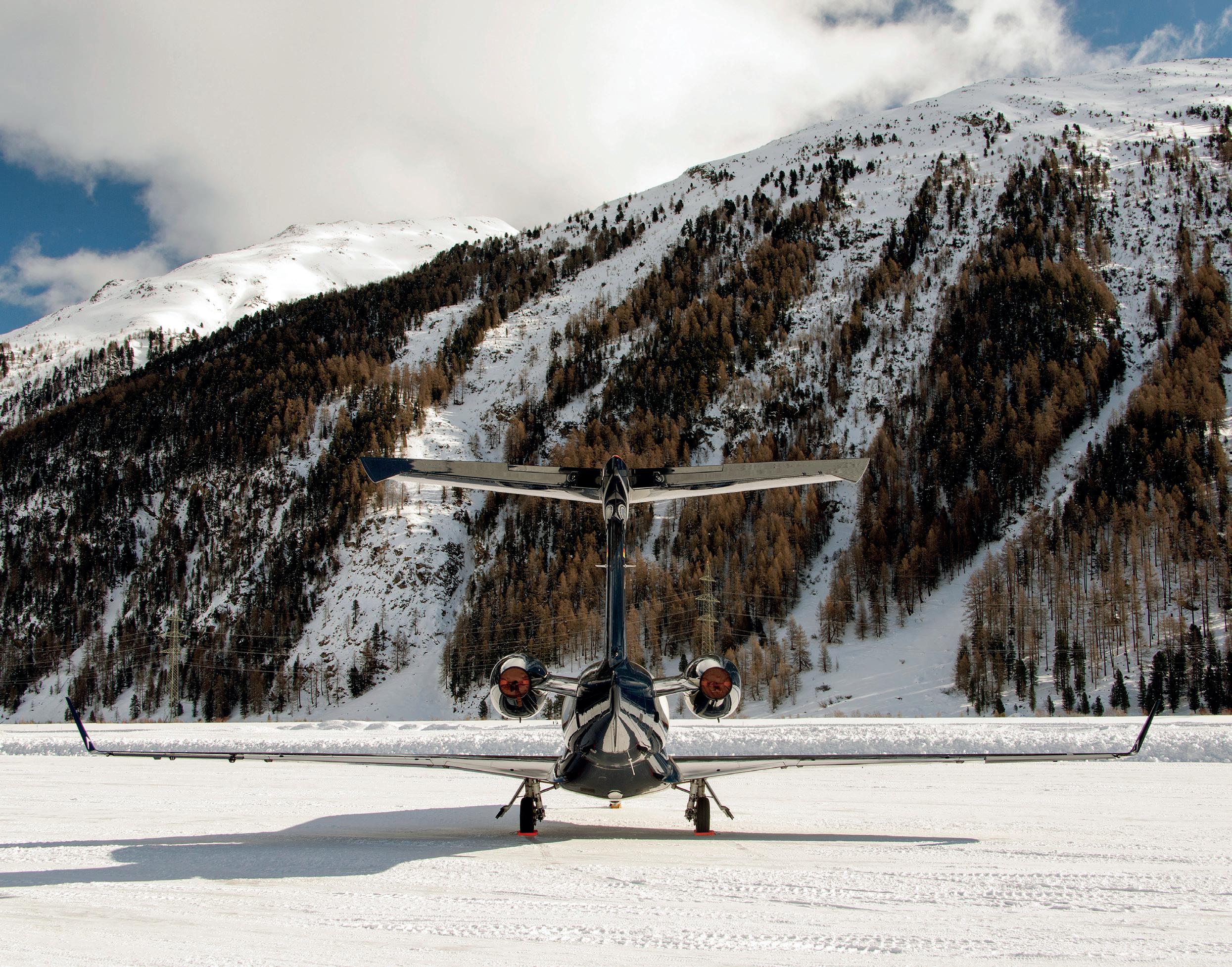
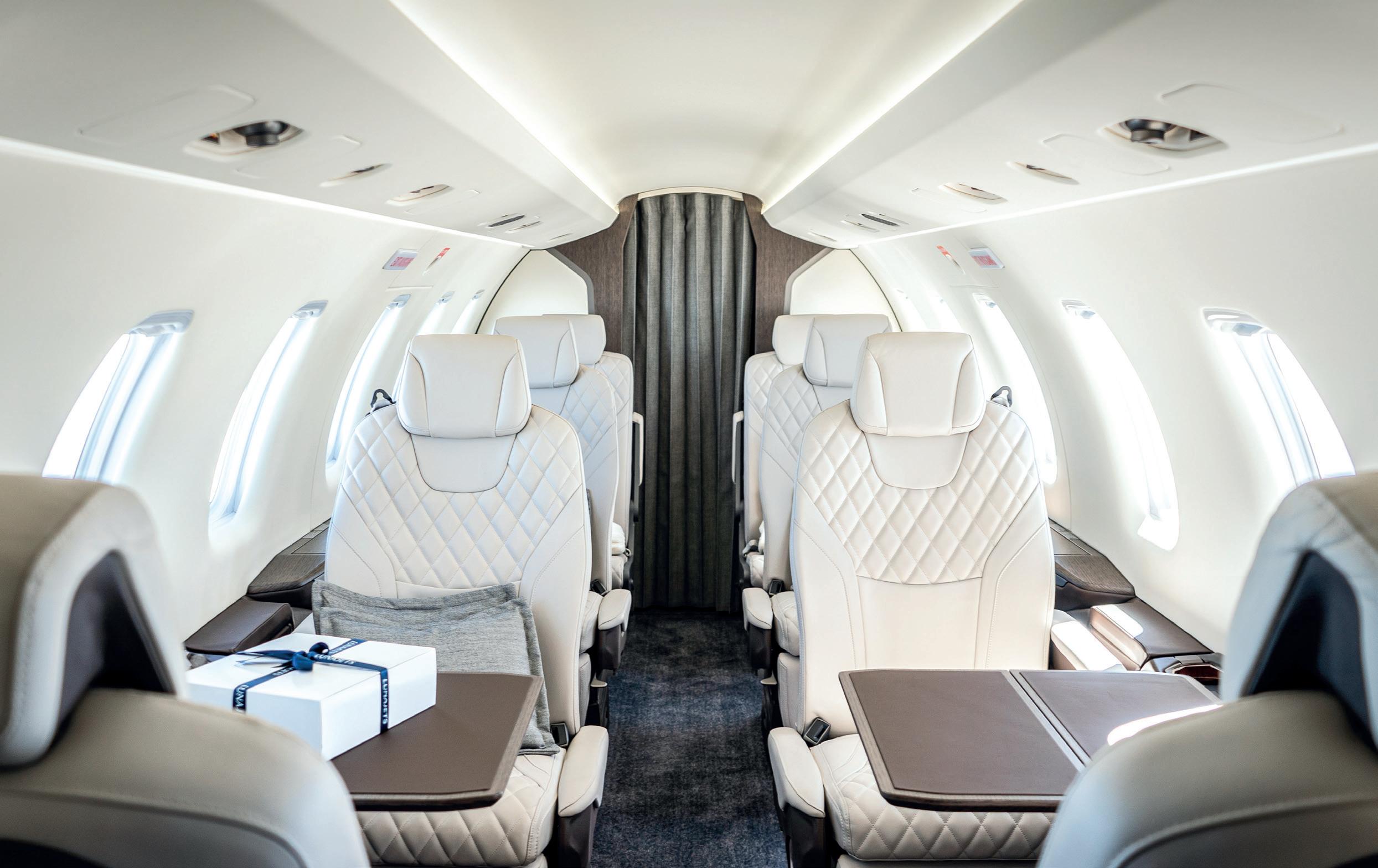
“When we say that we offer bespoke travel options to our clients that are far removed from the world of busy airports, queues and crowded planes, we mean it. With us, you can join a routine flight – but a small, luxurious one that goes straight to the private jet terminal – or actually design your route. There are more options available than you probably imagine and we are masters at getting it all ready in time for your flight and delivering an aviation experience to remember.”
This can even include personalised cutlery, linen, decoration, menus and branding – including on the plane’s fuselage – as well as itineraries designed around your corporate or private preferences. There is a good selection of aeroplanes in different sizes to choose from, some with their own bedrooms, bathrooms, offices, meeting rooms and entertainment areas. They can be tied into specialised theme-based experiences designed to promote your business like no other or create an unforgettable moment. “It is a world removed from what
most of us have come to expect from air travel,” says Carlos Matallana, “but while it may sound like the kind of thing that is reserved for tycoons the options are highly varied and can be surprisingly cost-effective for groups.”
This is partly down to the sizeable fleet and variety of destinations. “If you take a larger plane such as a Boeing Business Jet or an Airbus Corporate Jet and add all manner of personalised details the cost will rise, but it is also possible to follow a fixed route that we operate and use a smaller plane. You will enjoy all the comfort, space, service and time-saving convenience that comes with private air travel, but at a more accessible price. It can really be within the Business Class or First Class range of conventional airlines, only so much more relaxing, elegant and inspiring, also because we are able to touch down at smaller airports that may also be much closer to your actual destination.”
Welcome to travel as it can be…
BY MICHEL CRUZ
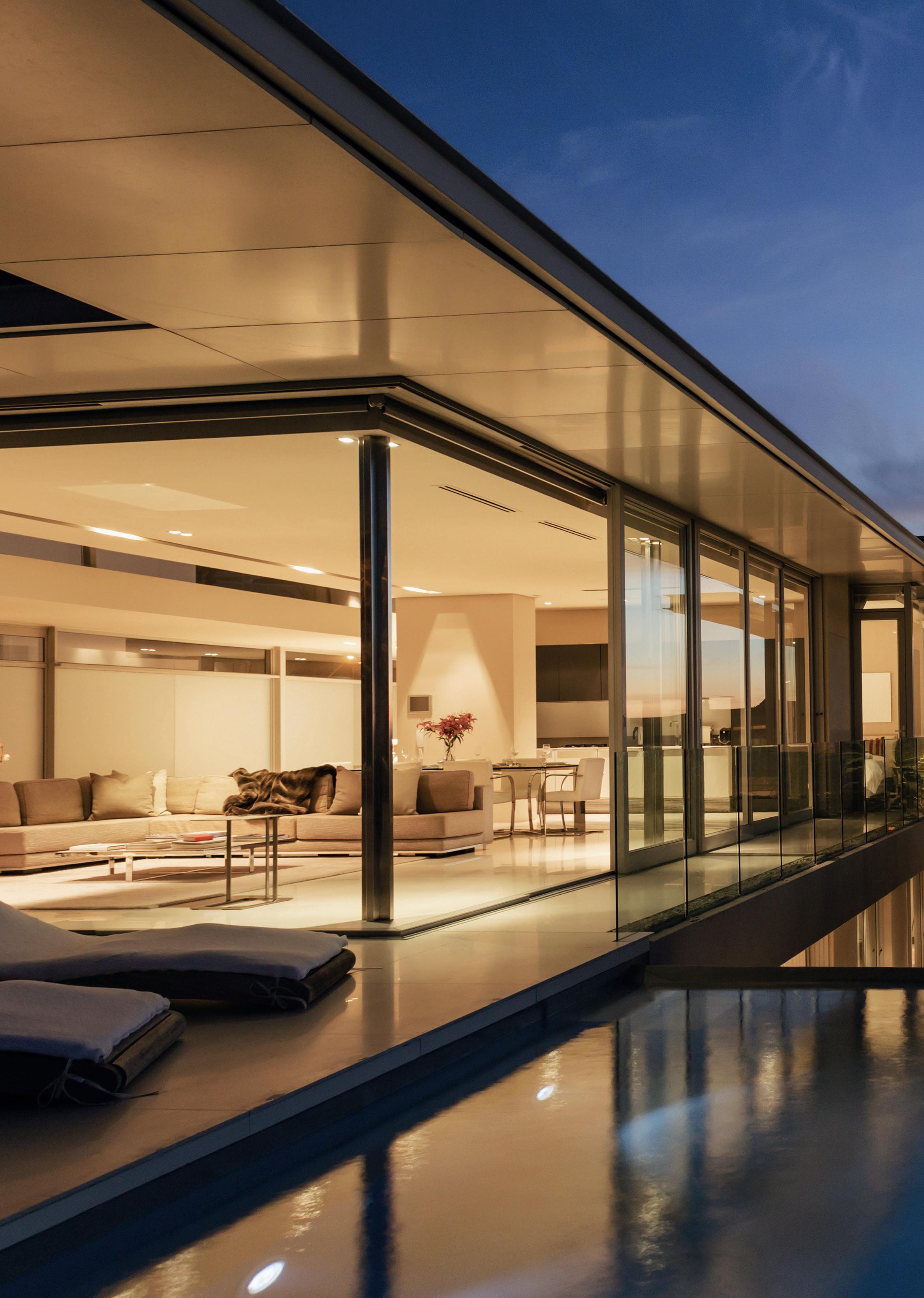
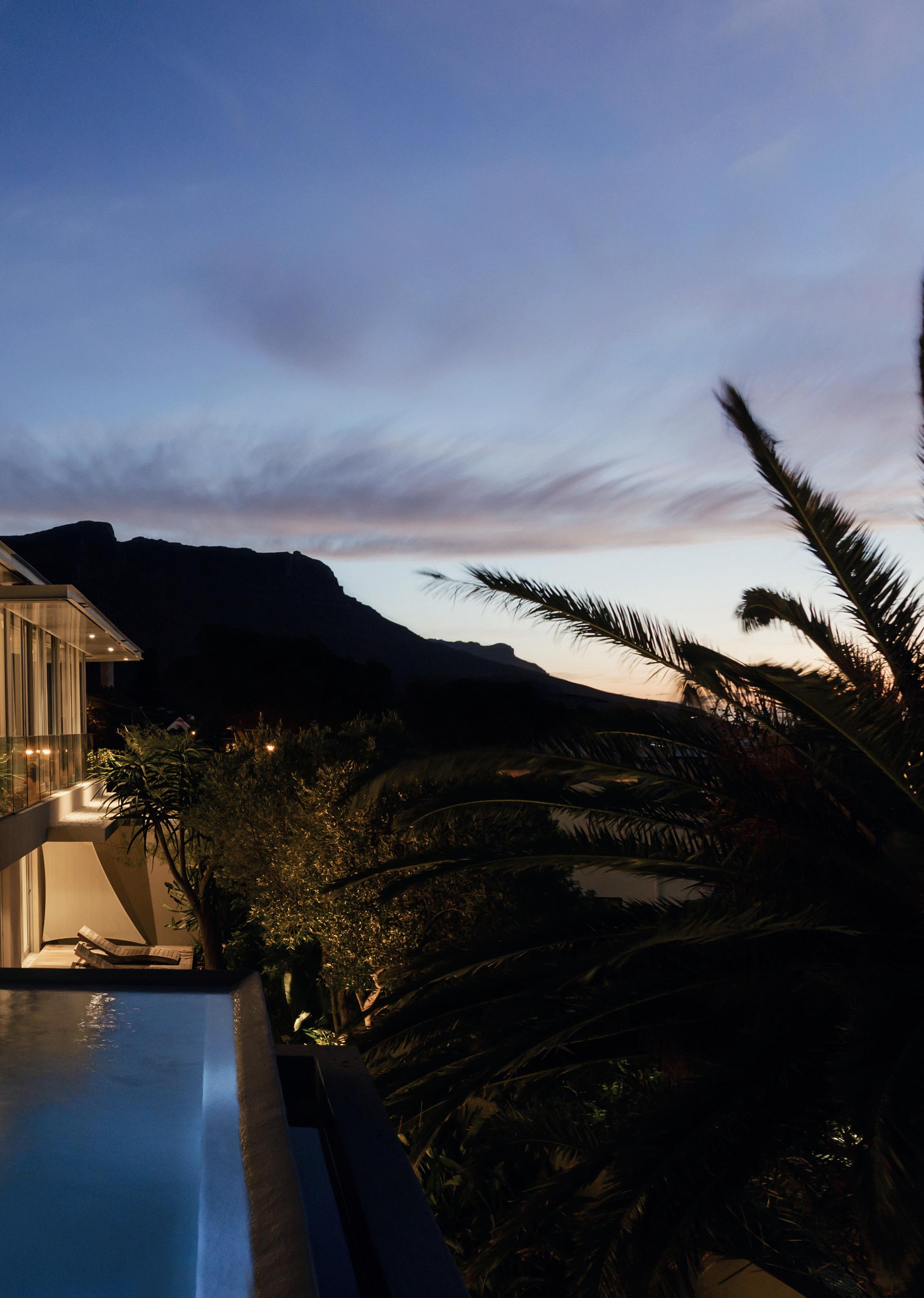
While real estate agents focus primarily on resales and property developers on new construction, there is an important third element to the market: the renovation and modernising of homes.
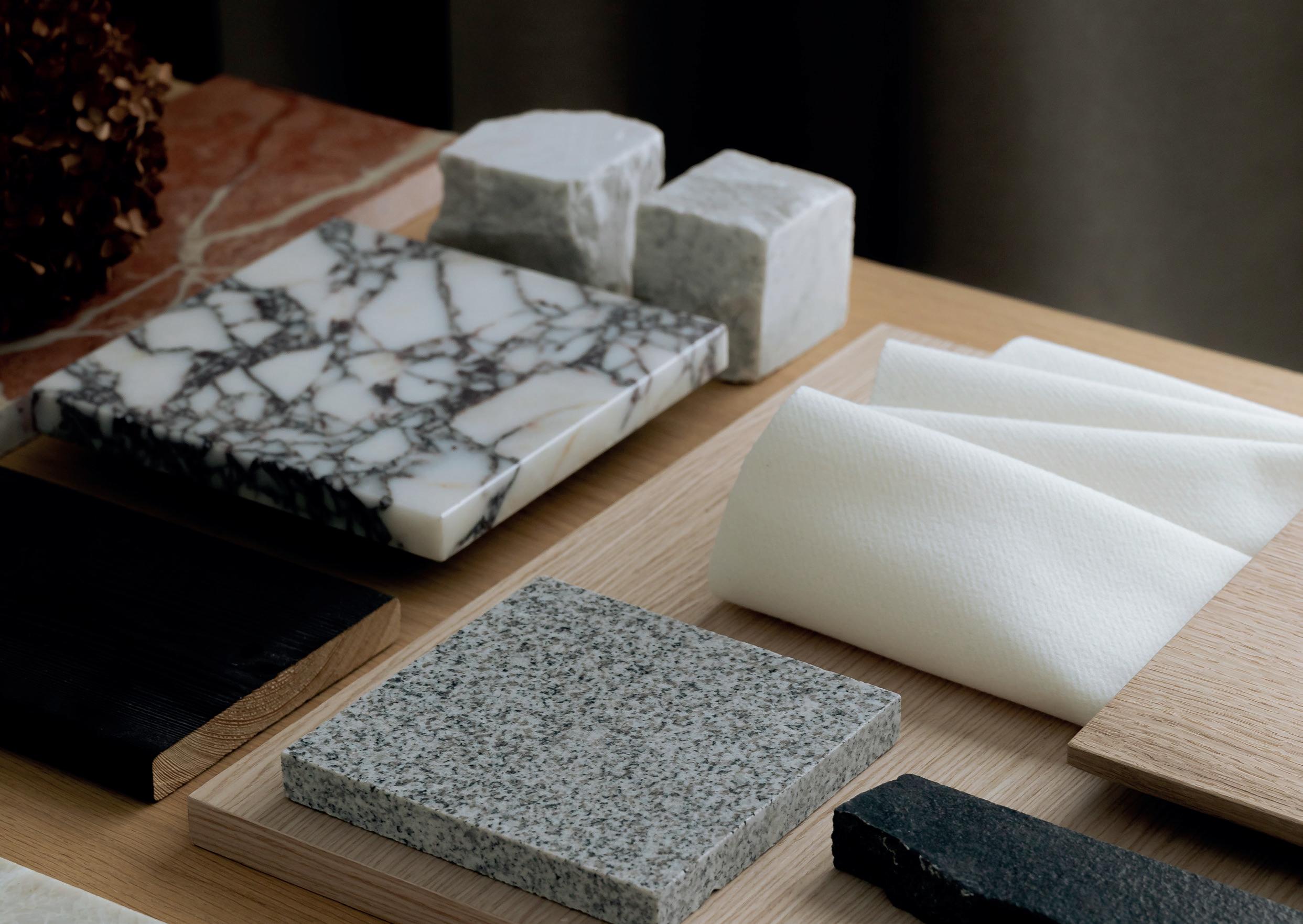
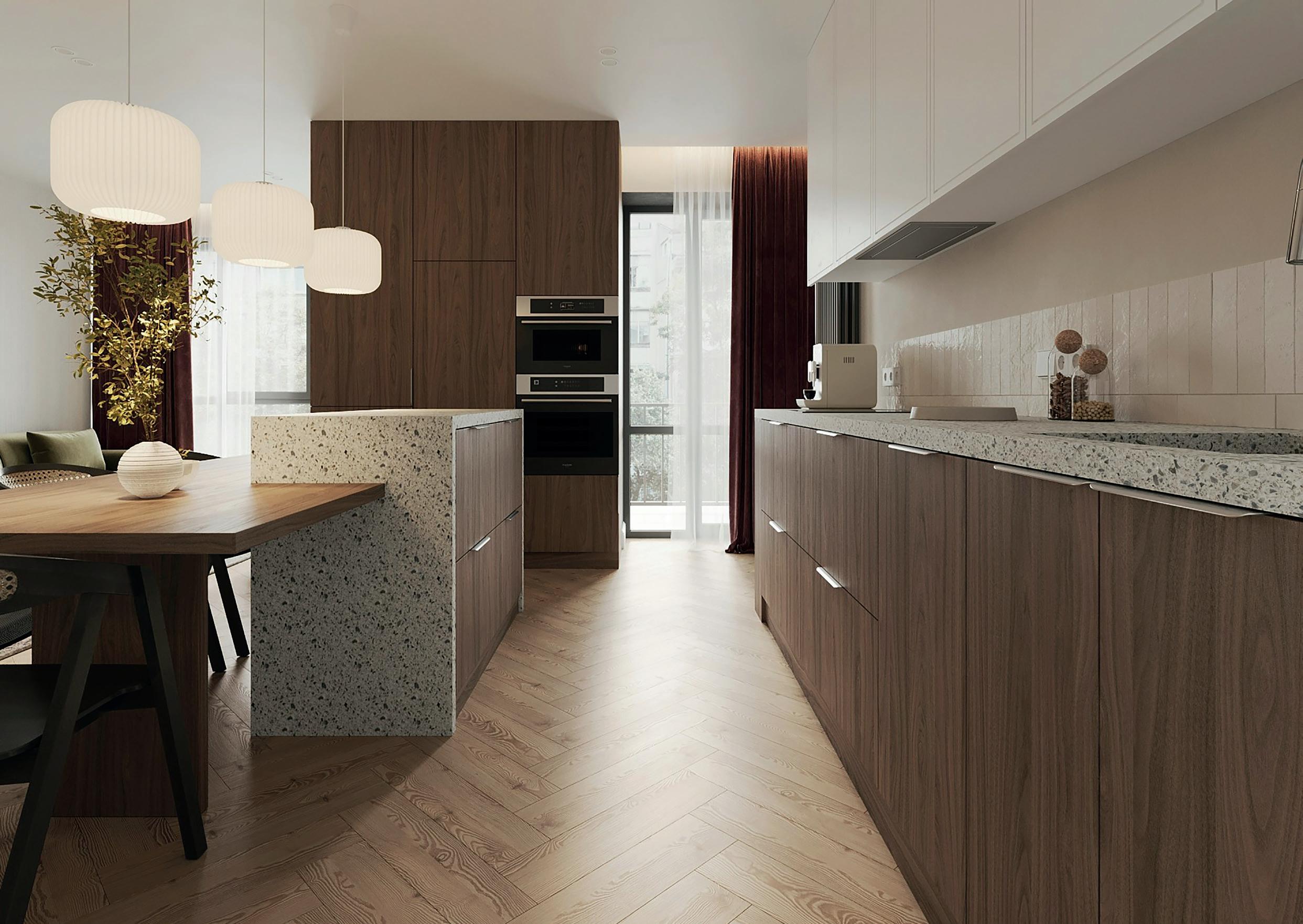
Realtors will naturally concentrate primarily on the sale of existing properties as these tend to make up 90% of the housing stock and 80% of homes for sale at any point in time. Developers likewise exist to create new stock, but there is another increasingly important sector within the industry that has grown out of the informal updating of second-hand homes by private buyers.
In fact, a large proportion of people who buy an existing resale property renovates it to some extent. This can vary from a fresh coat of paint and redecorating to a thorough rebuild and it has been happening for a very long time, so nothing
too new there. However, what is a more recent trend is the fact that the proliferation of modern design and decoration trends has produced a far greater tendency towards comprehensive renovations of homes than we have ever seen before. Where previous generations were satisfied with a refresh of a newly built resale home, today new owners are increasingly likely to want to modernise both the exterior and especially the interior of the house, change the layout into an open plan distribution, create entirely new and up to date kitchens and bathrooms as well as install new floors, façades and often even home automation systems.
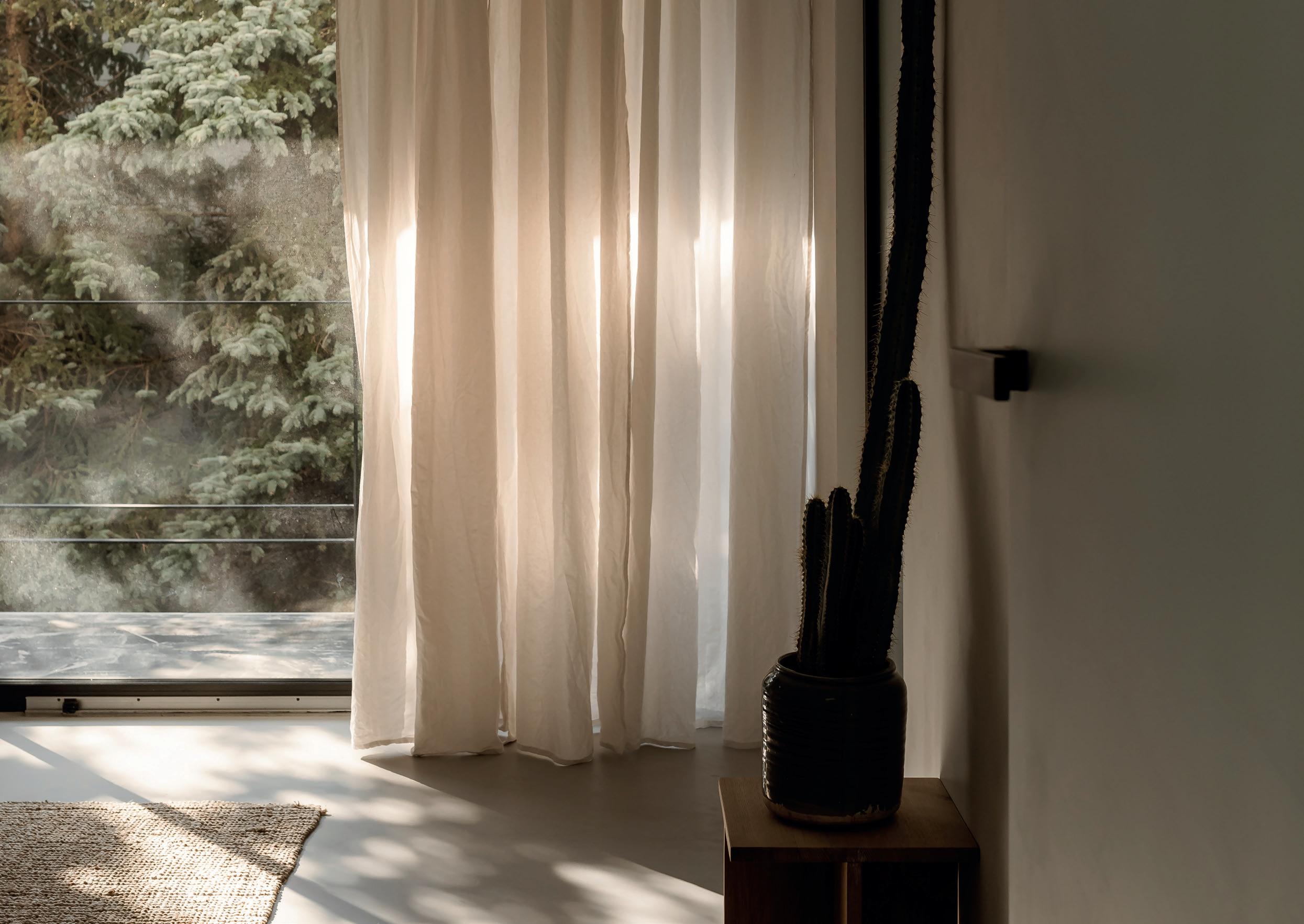
In most markets buyers have traditionally had the choice of either a newly constructed home (often bought off-plan, which can involve a considerable wait) and an existing one. The older properties tend to be better located, closer to beaches, downtown amenities, work and other points of attraction, while new stock normally finds itself a little further out in suburban locations. There is therefore a clear trade-off between new and existing, but some buyers have become wise to a third option that can actually provide the best of both worlds.
In other words, if you wish for a contemporary home with modern comfort, style and amenities combined with a top location (the best settings are usually taken first), then buying a well-located older property with potential for modernising is an excellent solution. Many an astute homebuyer has done exactly this, and in the process has created not just a beautiful modern home in a top location – often conserving its most charming original features – but in the process also optimised their investment, as buying an older property and upgrading it usually maximises the potential increase in value of the property. To achieve this, however, requires the ability to complete the renovation work within a set timeframe – and many is the homebuyer that has gone on to repeat the process and become a private investor/developer.
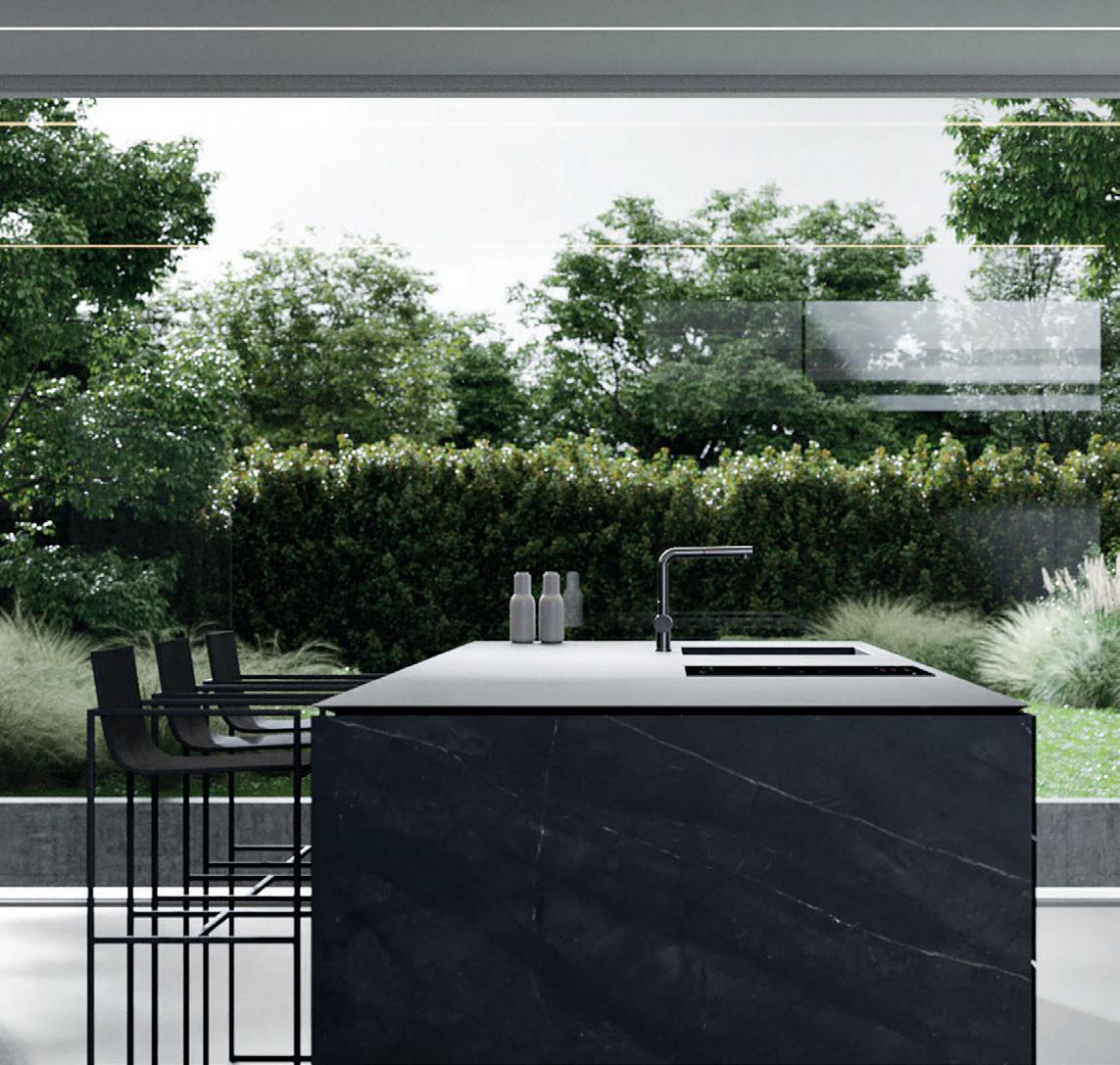

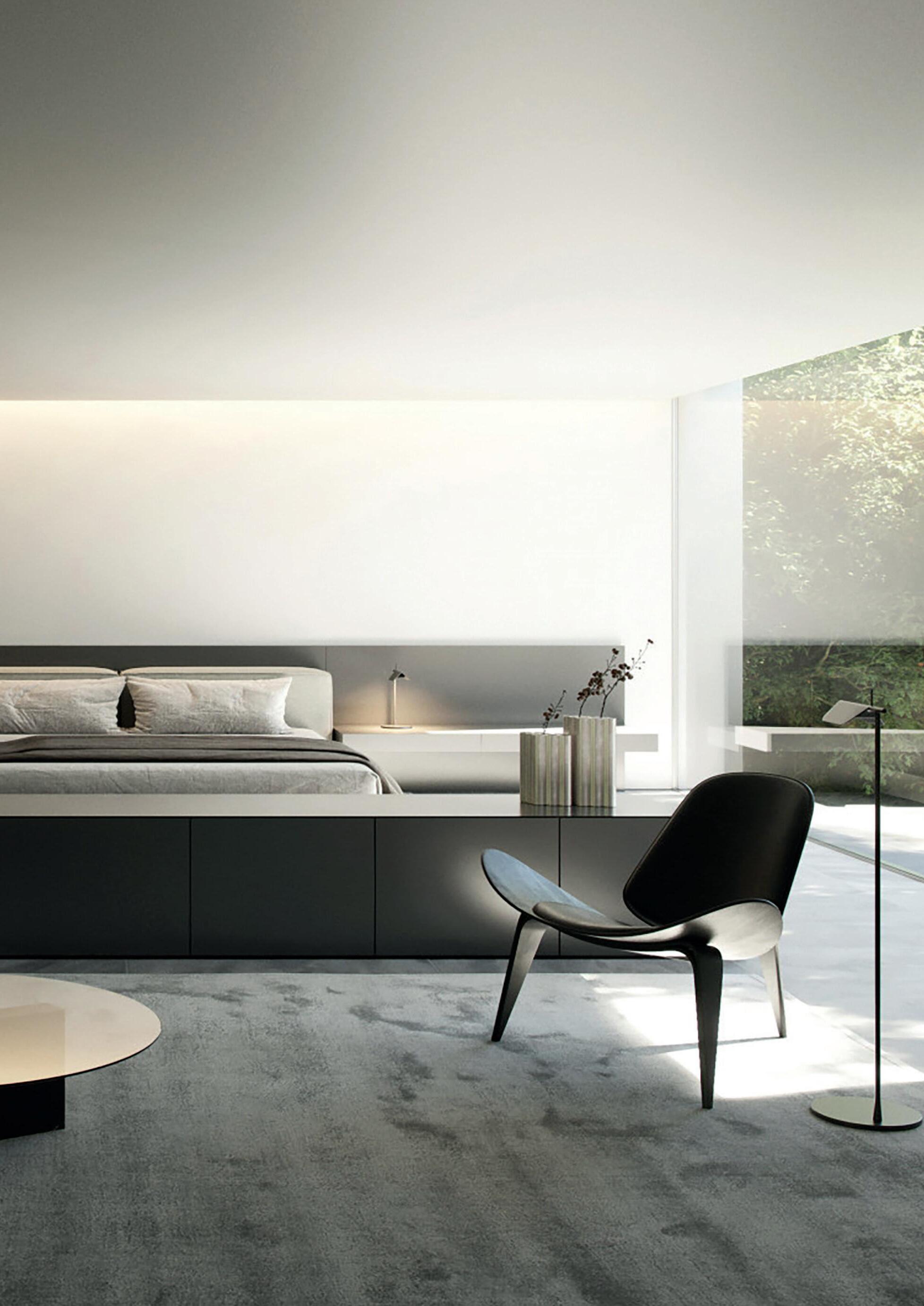
In fact, the formula can work so well that it has also inspired a whole new generation of boutique investors, builders and developers specialised at finding homes with the right potential, redesigning them to blend original charm with contemporary style, amenities and qualities, and then selling them on at a profit. For those who buy such key ready villas (though it can apply to other property types such as lofts too), the convenience of stepping into a beautifully styled and decorated home –often finished right down to cups and saucers, linen and monographed towels – is worth paying the top price.
Successful home renovation, whether for private or commercial purposes – therefore rests on the ability to find the right property at a price that makes renovation a feasible option, be creative enough to maximise the aesthetic and functional potential, and do so within a sensible budget. If these conditions are met, you may just have found the perfect property formula.
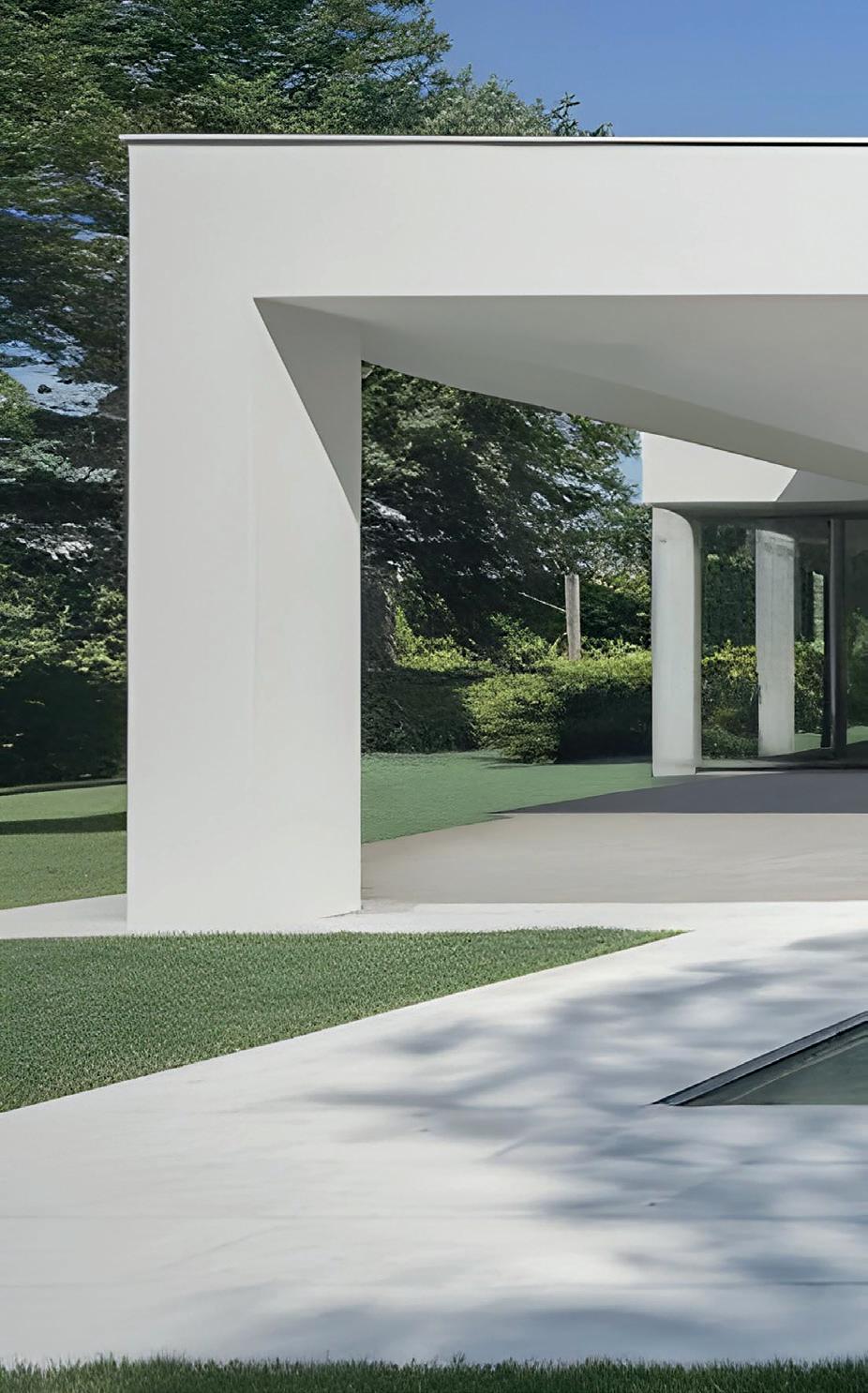
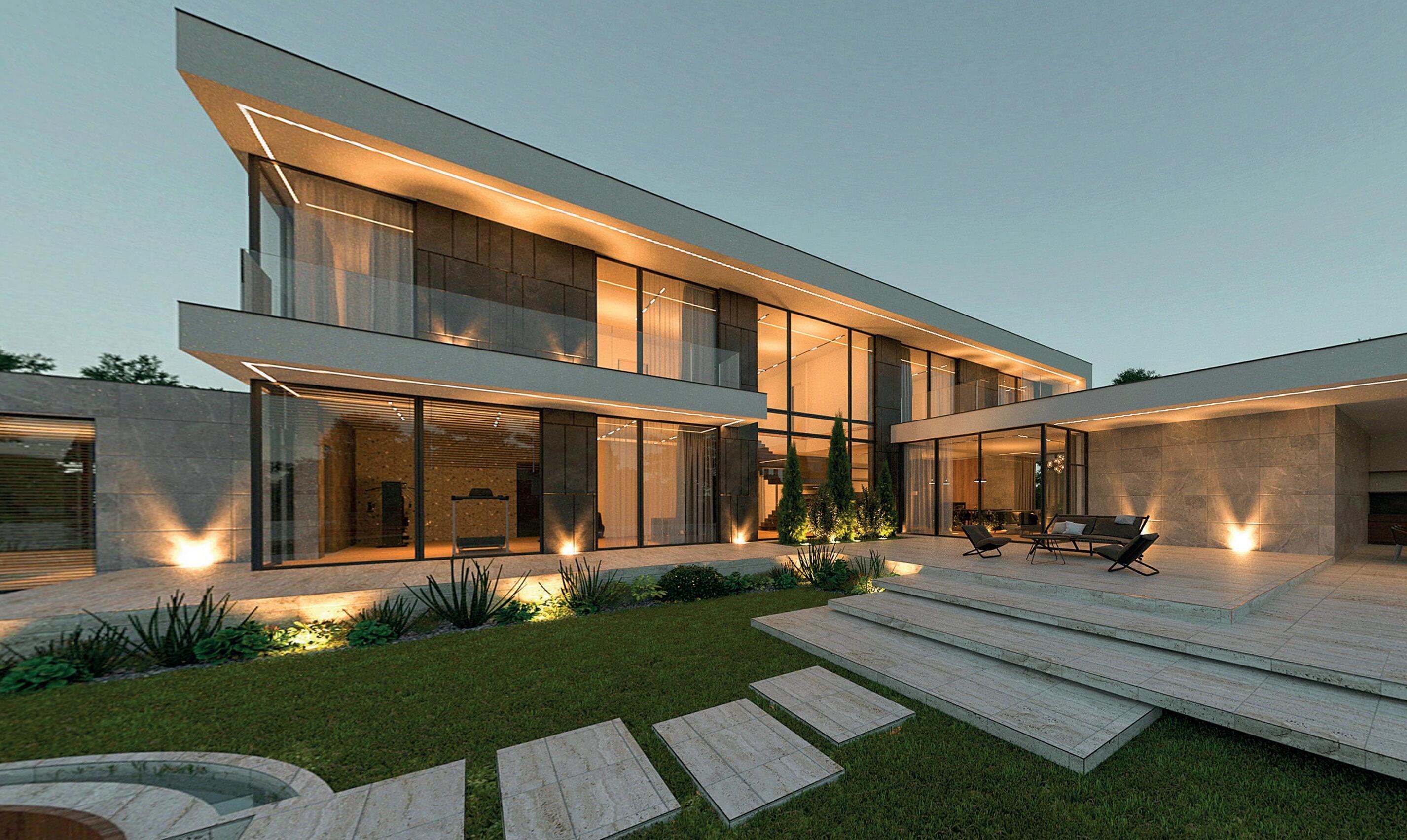
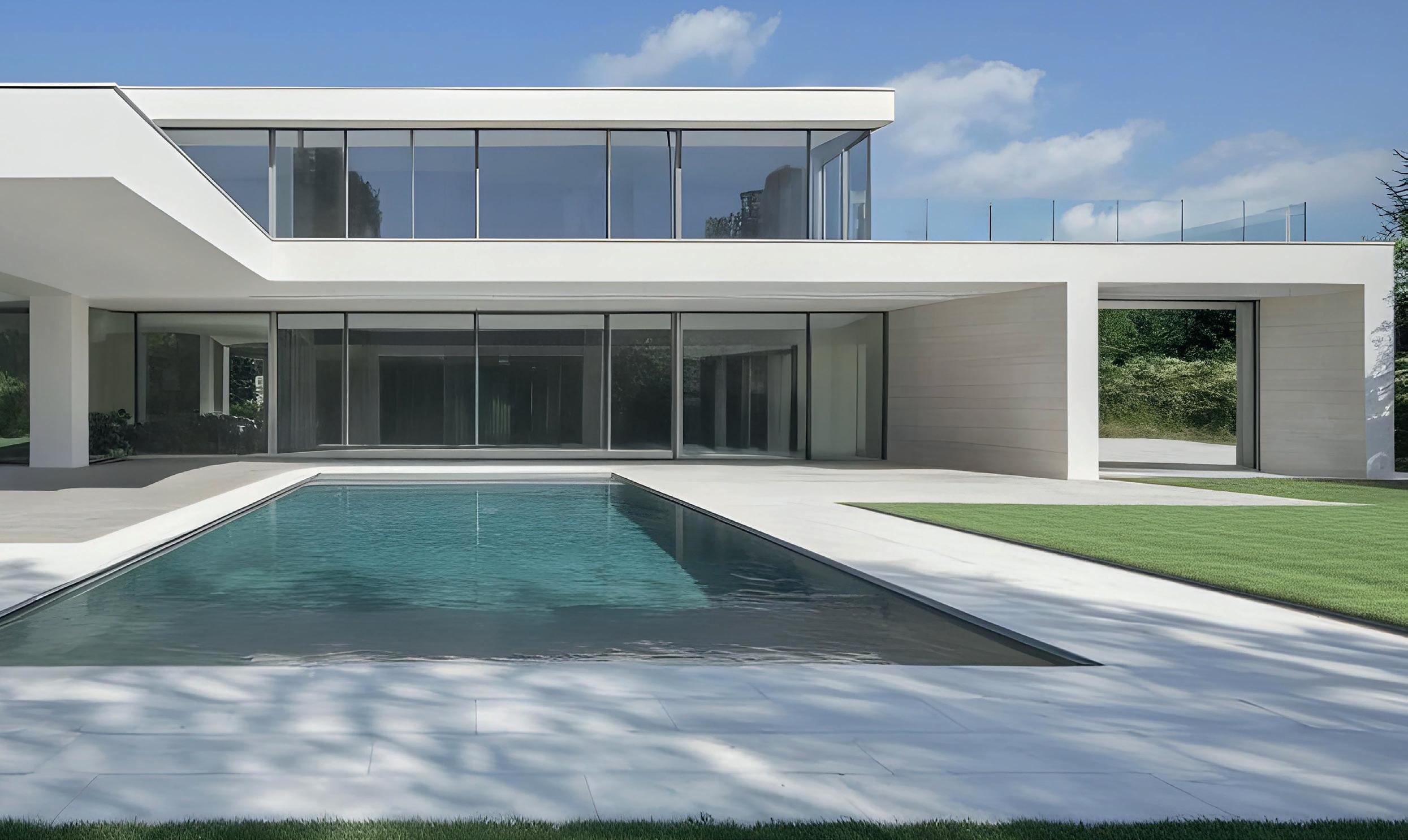
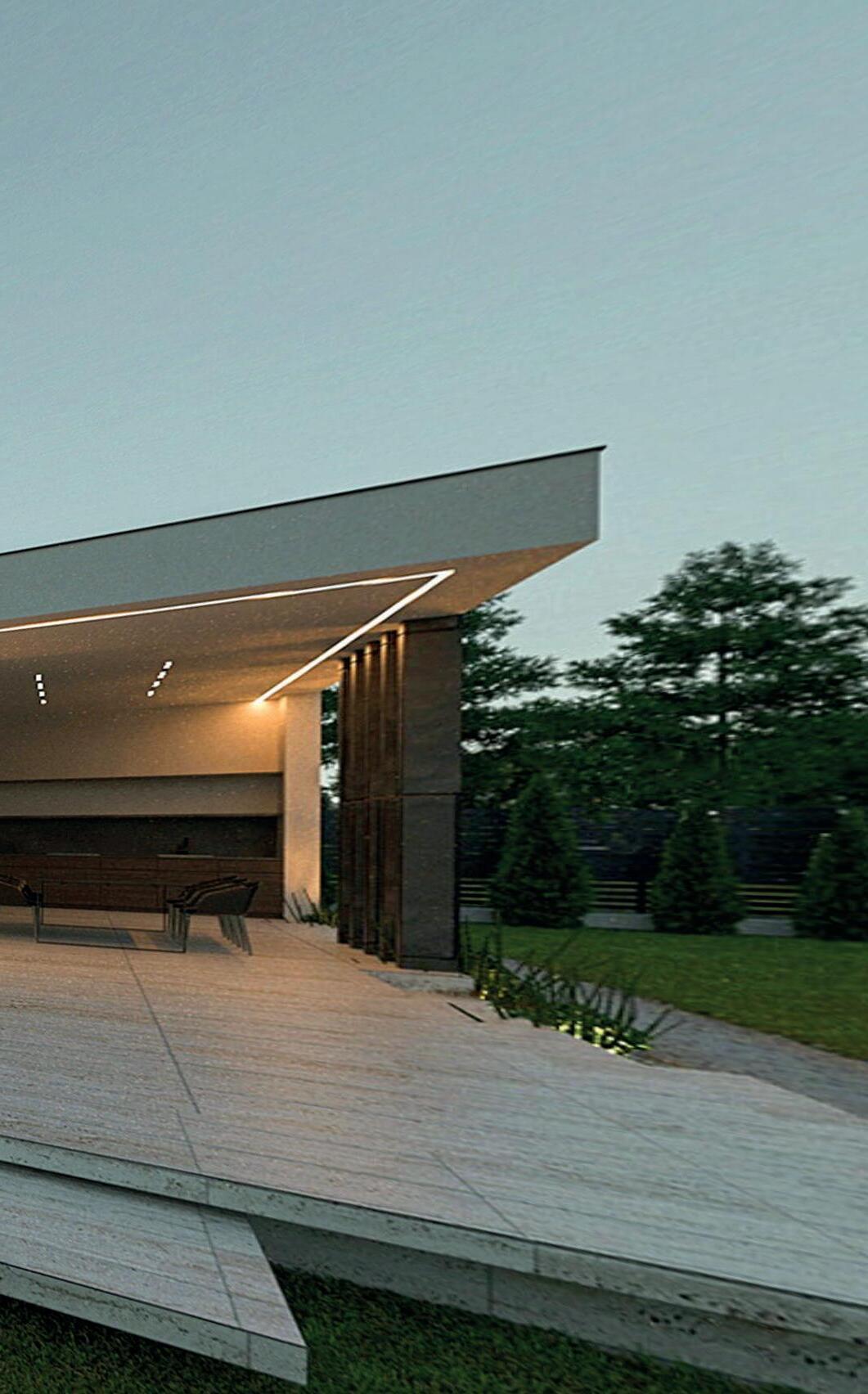
By reimagining well located older homes with contemporary design and modern comforts, renovation has become the smartest way to unite lifestyle appeal, architectural character, and long term property value.

Claudio Walde Walde Immobilien AG Zürich, SWITZERLAND

by Celia Calabuig Rimontgó, Spain.
How would you describe Altos de Valderrama within Sotogrande?
CC: Altos de Valderrama is one of the most discreet and established residential areas within Sotogrande, located next to the renowned Real Club Valderrama. It is defined by low-density planning, private villas set within generous plots, and a natural setting shaped by cork oak forests. The area offers a sense of privacy while remaining well connected to the wider Sotogrande community, including the marina, beach clubs and sports facilities.
What kind of lifestyle does the area offer throughout the year?
CC: Life in Altos de Valderrama is closely linked to outdoor living. Golf is naturally a central element, but the area also provides access to tennis, polo and sailing within Sotogrande. The nearby coastline allows for year-round use, supported by a mild climate. Daily life tends to be calm and residential, with international schools, restaurants and services located a short drive away, making it suitable both for holiday use and longer stays.
Who is typically buying property in this part of Sotogrande?
CC: The area attracts an international profile of buyers, particularly from across Europe and North America. Many are looking for a second residence, although there is also a growing number of families choosing Sotogrande as a primary home. Privacy, security and proximity to outdoor activities are often key motivations, along with the ability to access other destinations in southern Spain with ease.
What characterises the property market in Altos de Valderrama?
CC: The market is centred on individual villas, often built to integrate with the surrounding landscape. Architecture ranges from traditional Andalusian styles to more contemporary designs, with increasing attention to energy efficiency and modern standards. Supply remains limited due to planning restrictions, which helps preserve the overall character of the area. Demand is steady, particularly for well-located plots and renovated homes.
How does Altos de Valderrama fit into the broader appeal of Sotogrande?
CC: Sotogrande combines residential areas, sports infrastructure and a marina environment in a way that is relatively uncommon in southern Europe. Within this context, Altos de Valderrama represents its quieter, more residential side, offering space and privacy while still being part of a wider community. Its proximity to Real Club Valderrama and the natural surroundings make it a consistent choice for those who value a balanced lifestyle focused on outdoor living.
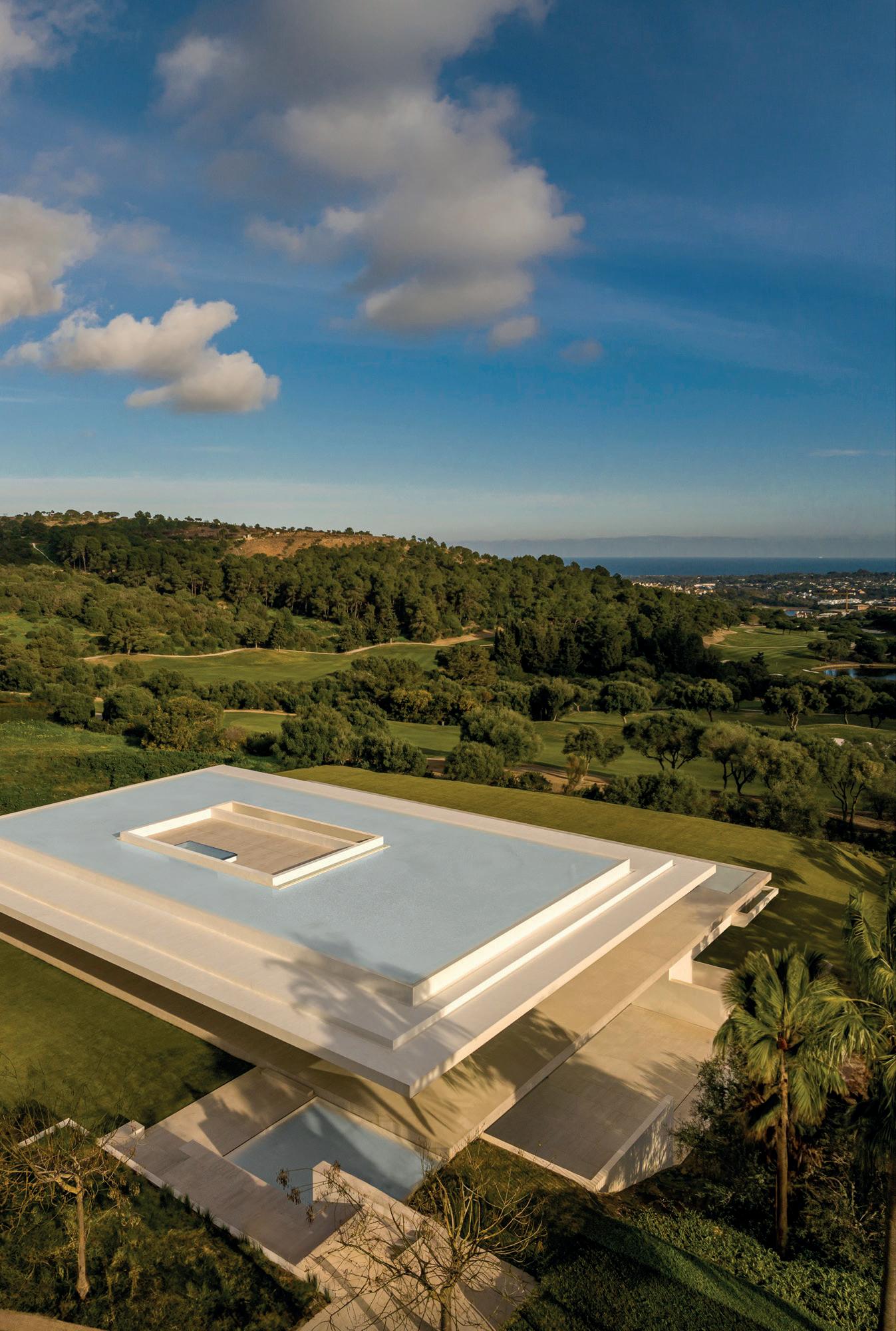
There are properties and then there are homes – places of sanctuary and enjoyment that emanate a sense of homeliness and wellbeing.
By Michel Cruz
What you want from a house determines your choice. Is it a holiday home, an investment or a functional family home? Some homes go a little further than that, beyond merely being stylish, comfortable and practical. Those that belong to this special type of home offer that little extra – a sensory experience that at once calms and revives you the minute you step inside what becomes your personal domain; the place where you feel at your best.
Such a home derives as much from the setting, the garden, views and surroundings as it does from the architecture, interior design and amenities. It is an overall package, a coming together that is as difficult to predict as it is personal. You simply know once you walk into it and take in the atmosphere. Yes, a place of wellbeing can follow location and property criteria but ultimately it is a sensory decision.
Ploumis Sotiropoulos Real Estate
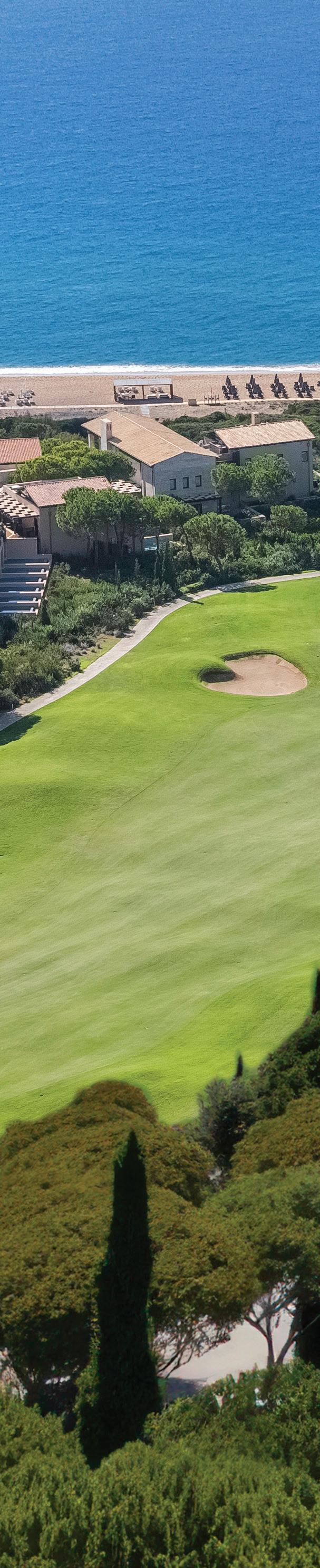
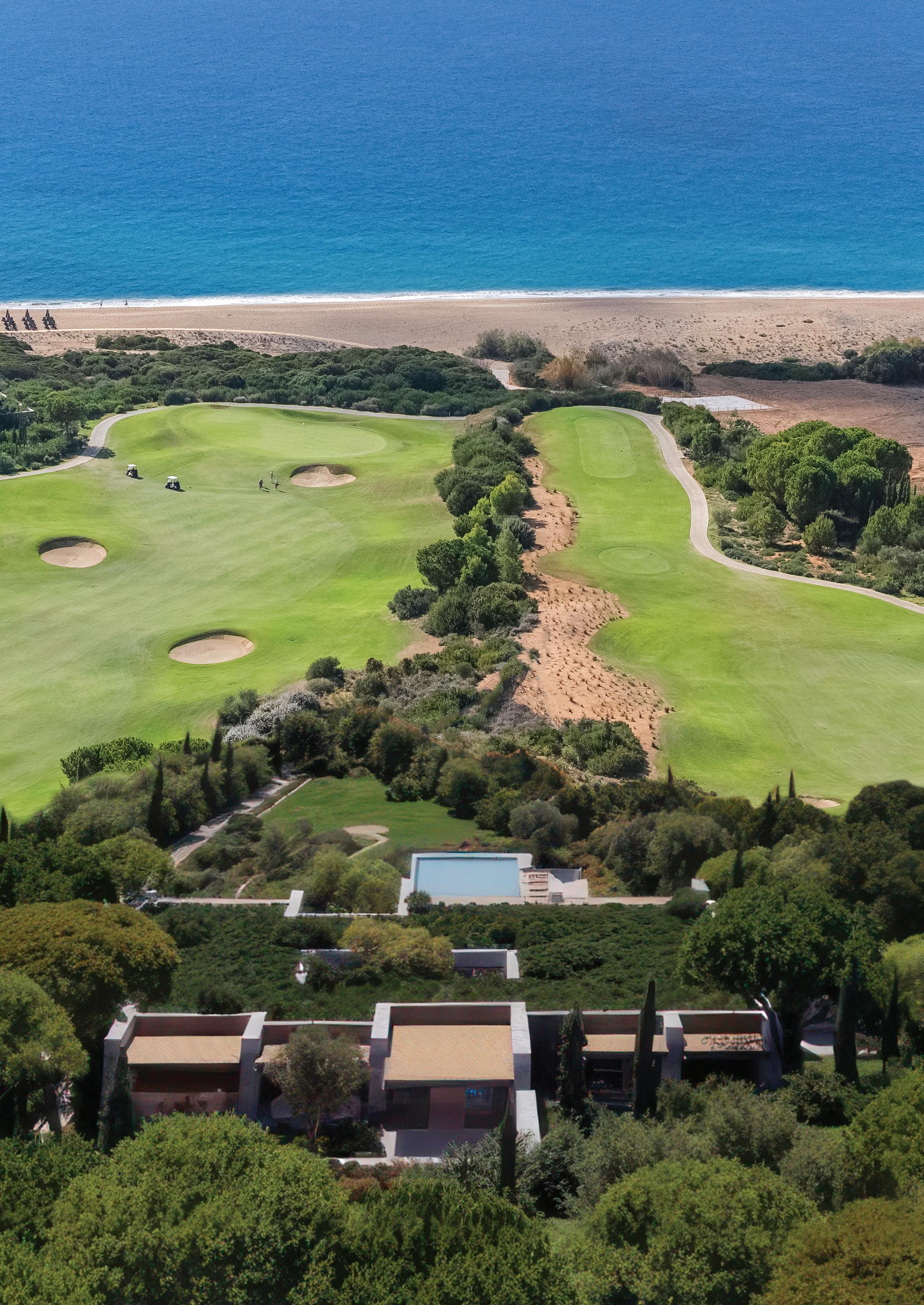
If the hills overlooking the shores of the Costa Navarino on Greece’s classic Peloponnese peninsula could relate what they have seen over the ages it would be an Iliad indeed. These waters have seen the myths and miracles of Greece at its apogee, and today it bears witness to one of the most select coastal areas in Europe. Facing an 18-hole golf course whose greenery flows towards the nearby sea, this villa occupies over two acres of beachside paradise offering the kind of wellbeing that emanates from beautifully proportioned design within an exclusive resort. Everything from spa and fine dining is close by, with Athens within easy reach.
Own luxury in the land of the Gods – Costa Navarino, Greece.
FGP Swiss & Alps
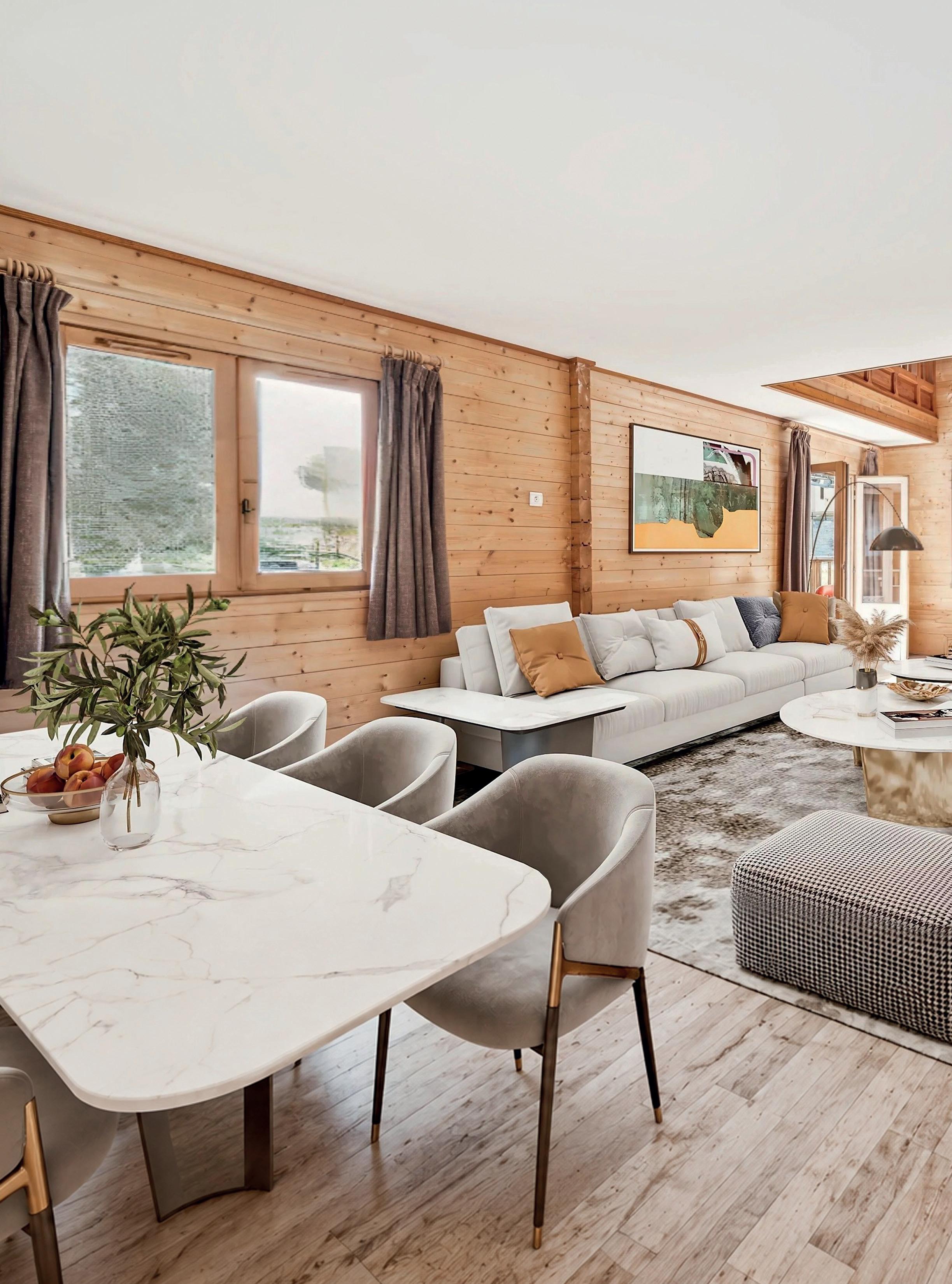
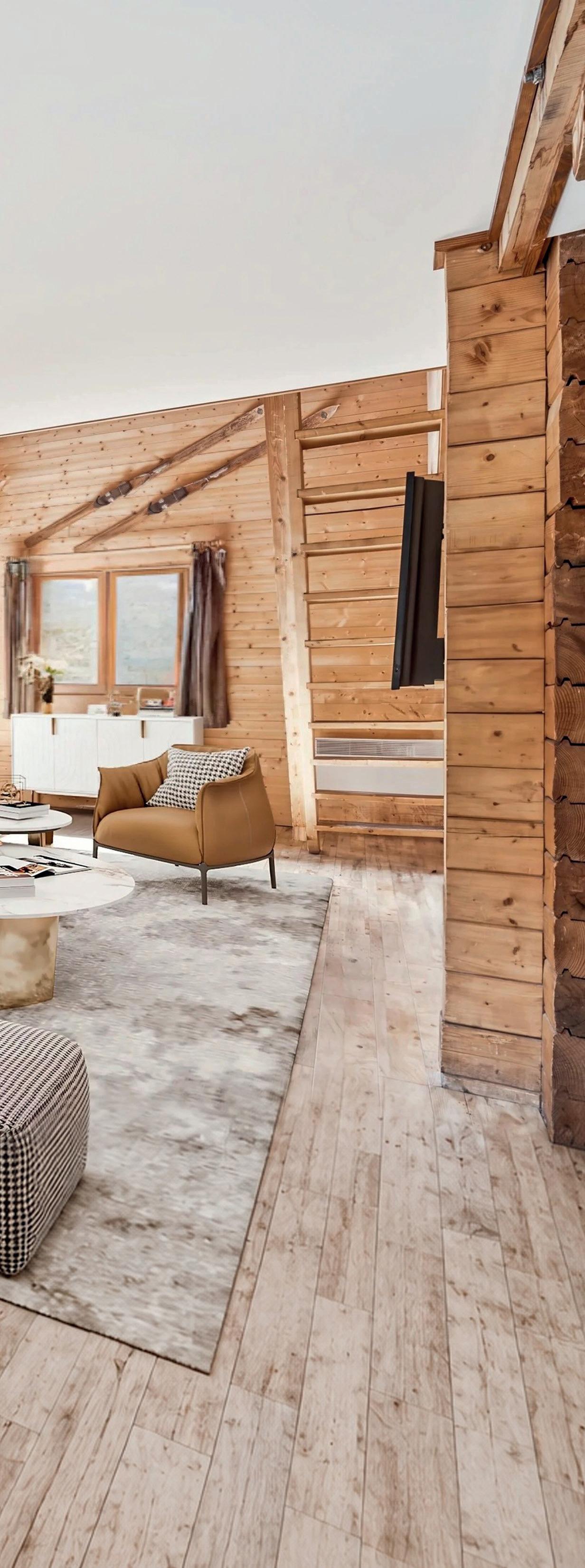
Thinking of an alpine landscape is therapeutic in itself. Crisp green valleys dotted with pretty chalets and backed by majestic forested mountain ranges whose peaks are snowy white. Speaking of which; in winter this paradisiacal scenery turns white and takes on an even dreamier aspect. The setting for our luxurious, stylish yet also authentically charming chalet is Tignes in the French Alps and needless to say the views take in a veritable alpine idyll. This is the place to be restful and active whenever you want, but always surrounded by style, comfort and a sense of wellbeing.
Luxury alpine living today is about combining timeless comfort, privacy, and a deep connection with the surrounding landscape.

Sébastien Gentilini
FGP Swiss & Alps Geneva, SWITZERLAND
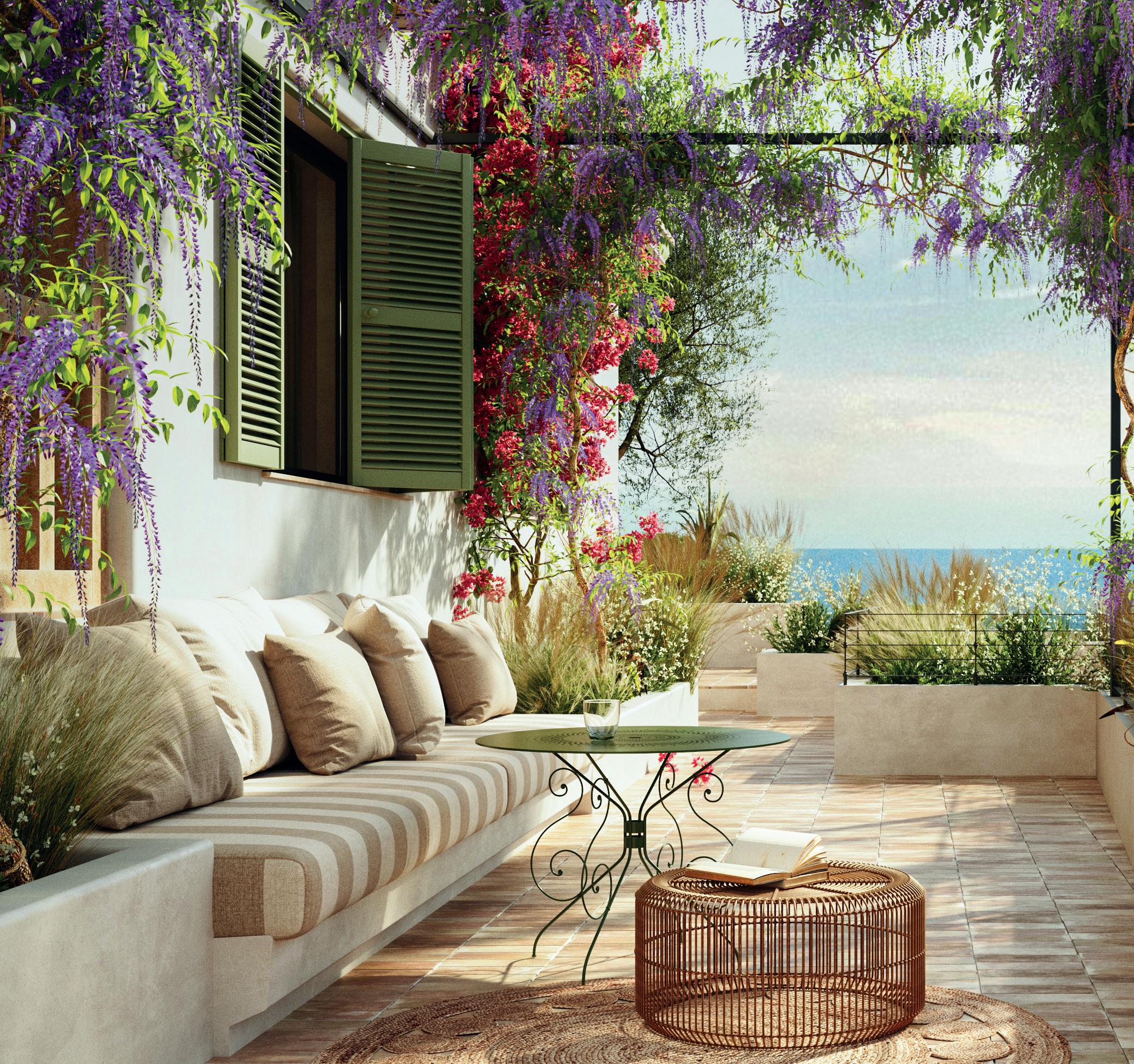
Classic visions of a cliffside villa overlooking the blue of Mediterranean shores and skies look like this uniquely captivating home in Jávea, on Spain’s scenic east coast. You could not imagine a more picture perfect setting and a home that fits it to perfection. The combination of these factors, with herbs and bougainvillea adding further charm to the scene,
is one that immediately fills heart and soul with a calm sense of joy. At your feet are the diversions of the living, but this home offers a sense of personal sanctuary built on stunning views, tasteful design and cosseting natural materials – all ingredients for quality of living.
Mediterranean at its very finest in Jávea, Spain.
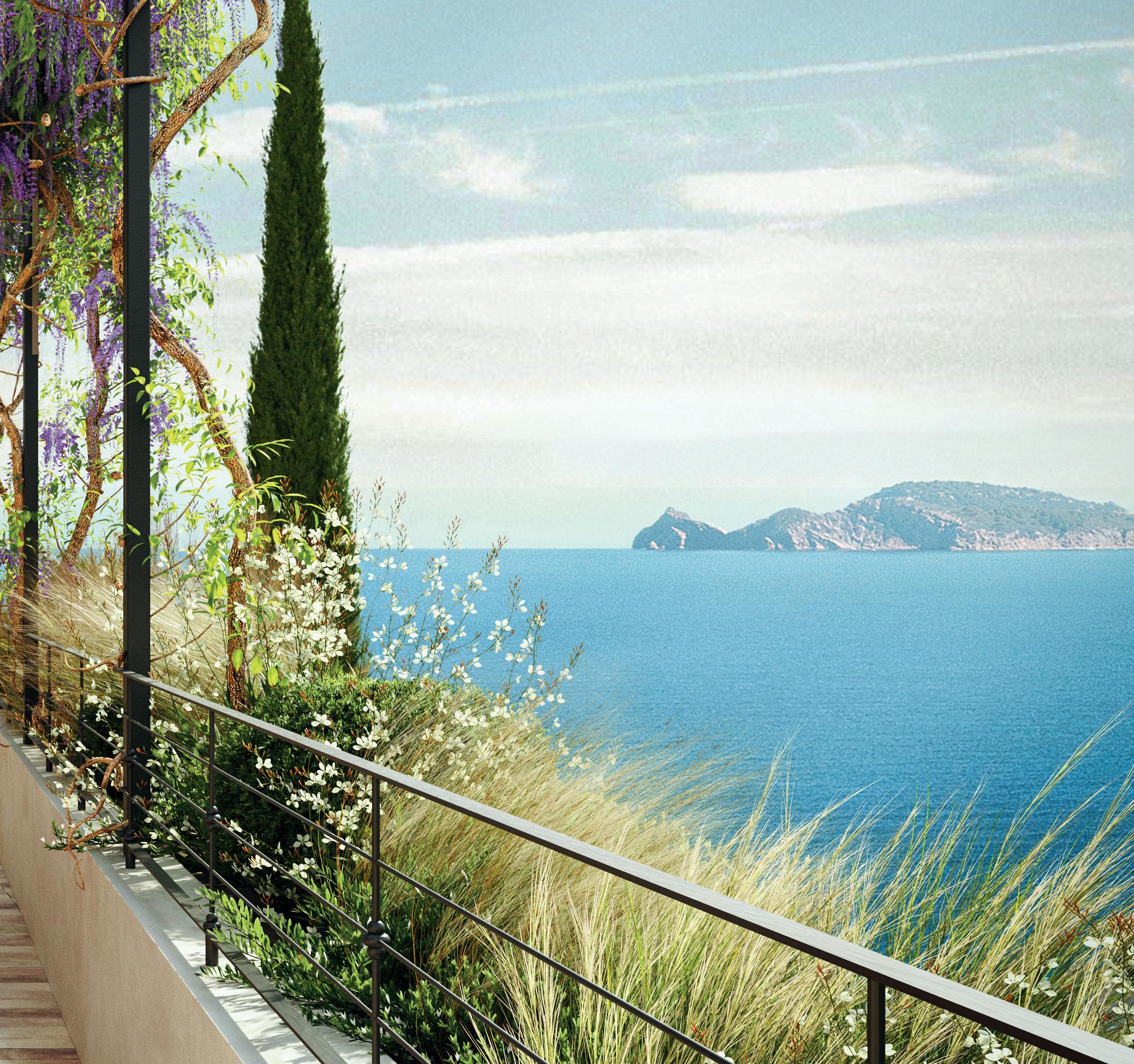
Some homes have the ability to slow everything down the moment you arrive. This villa in Jávea is one of those rare places where the views, the light, and the atmosphere create an immediate sense of peace.

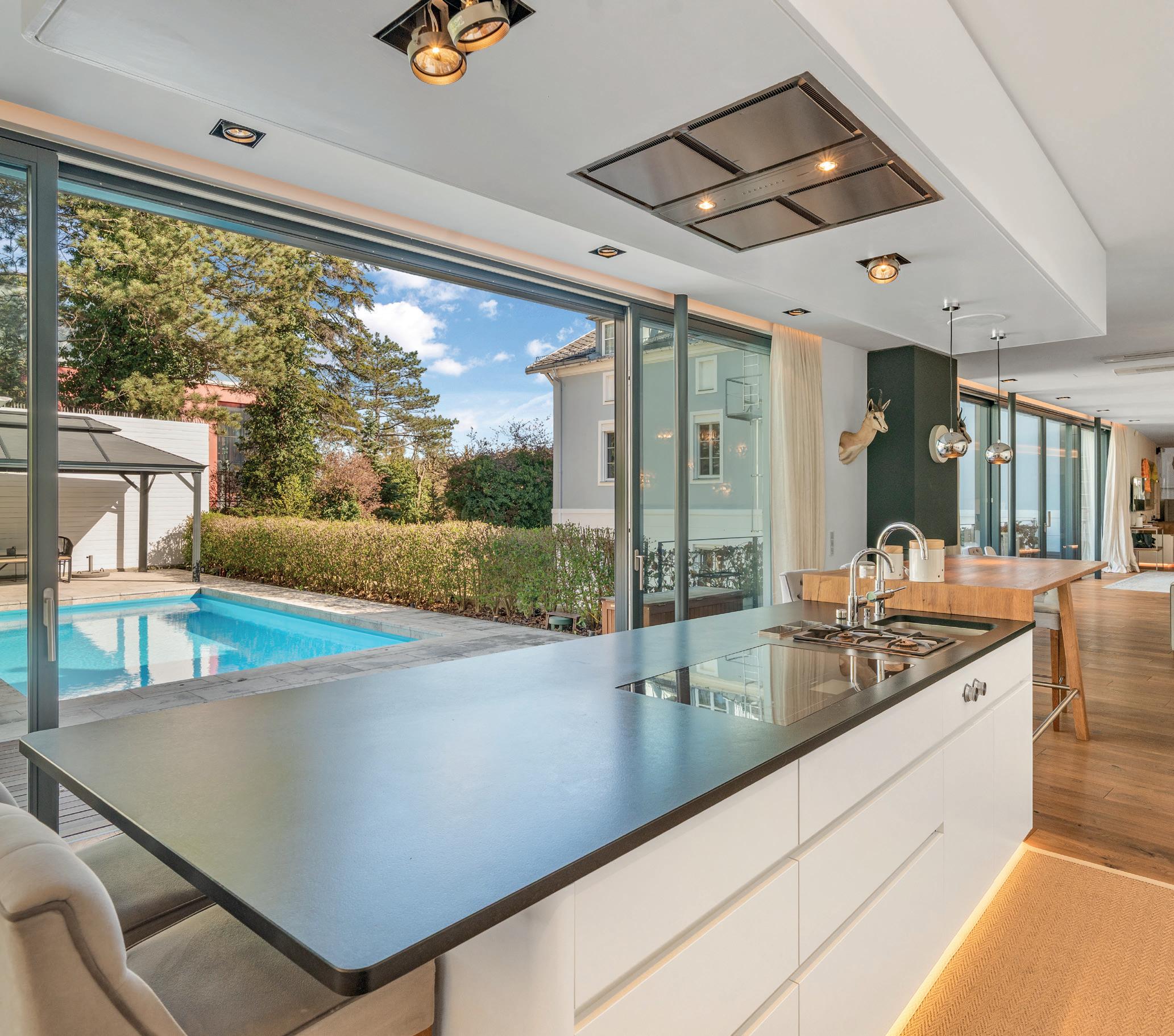
Marschall Real Estate
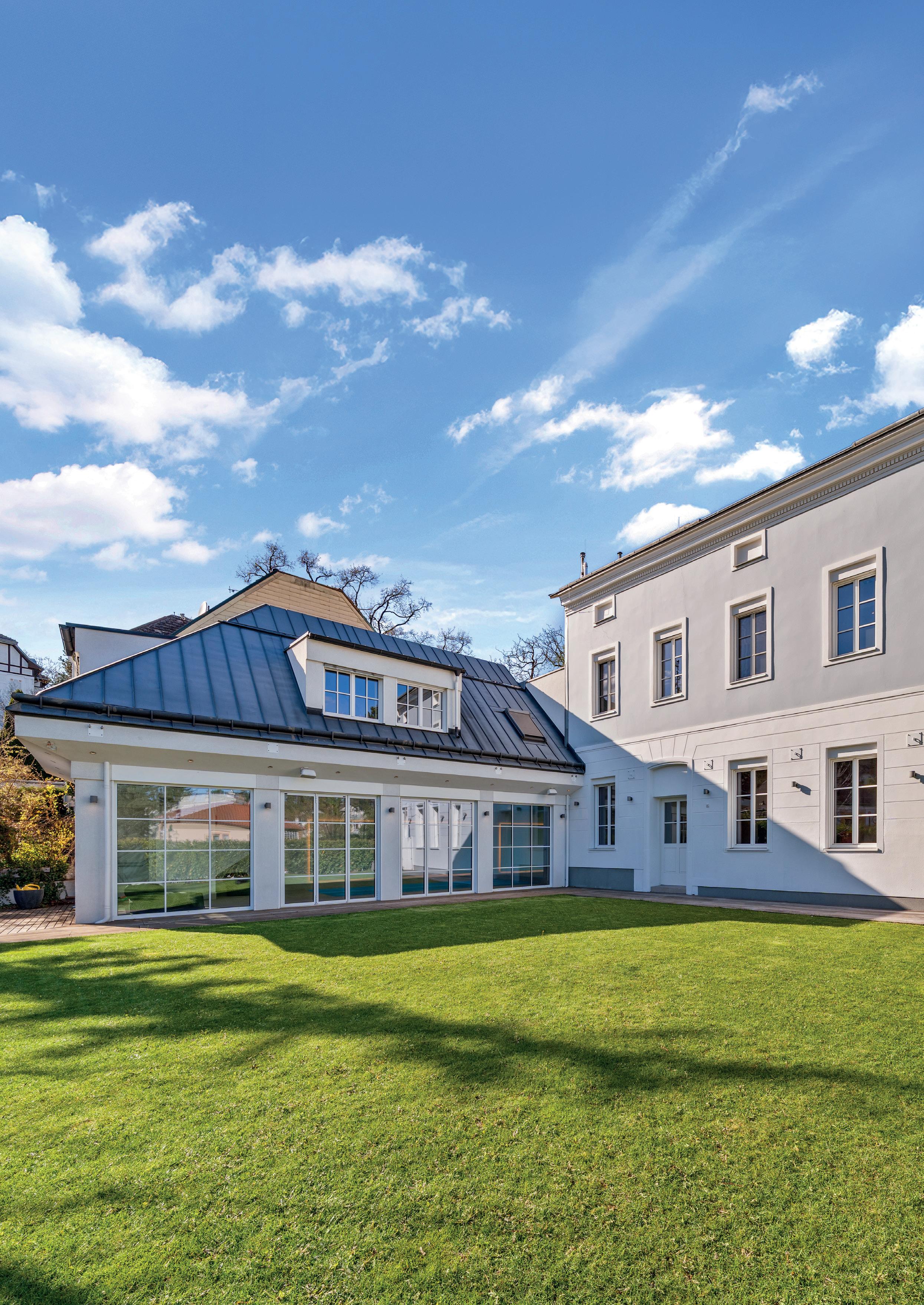
If you are drawn to the romance of historic architecture yet crave the ease of contemporary living, this exceptional garden apartment in the Neustift am Walde wine region offers both in equal measure. Stepping inside, the sense of calm is immediate — generous light, considered space and a seamless connection to the terrace and garden invite you simply
to be. The rare luxury of both an indoor and outdoor pool means that sense of retreat extends through every season. History here does not impose; it enriches, lending depth and character to a home that has been made, above all, magnificently liveable.
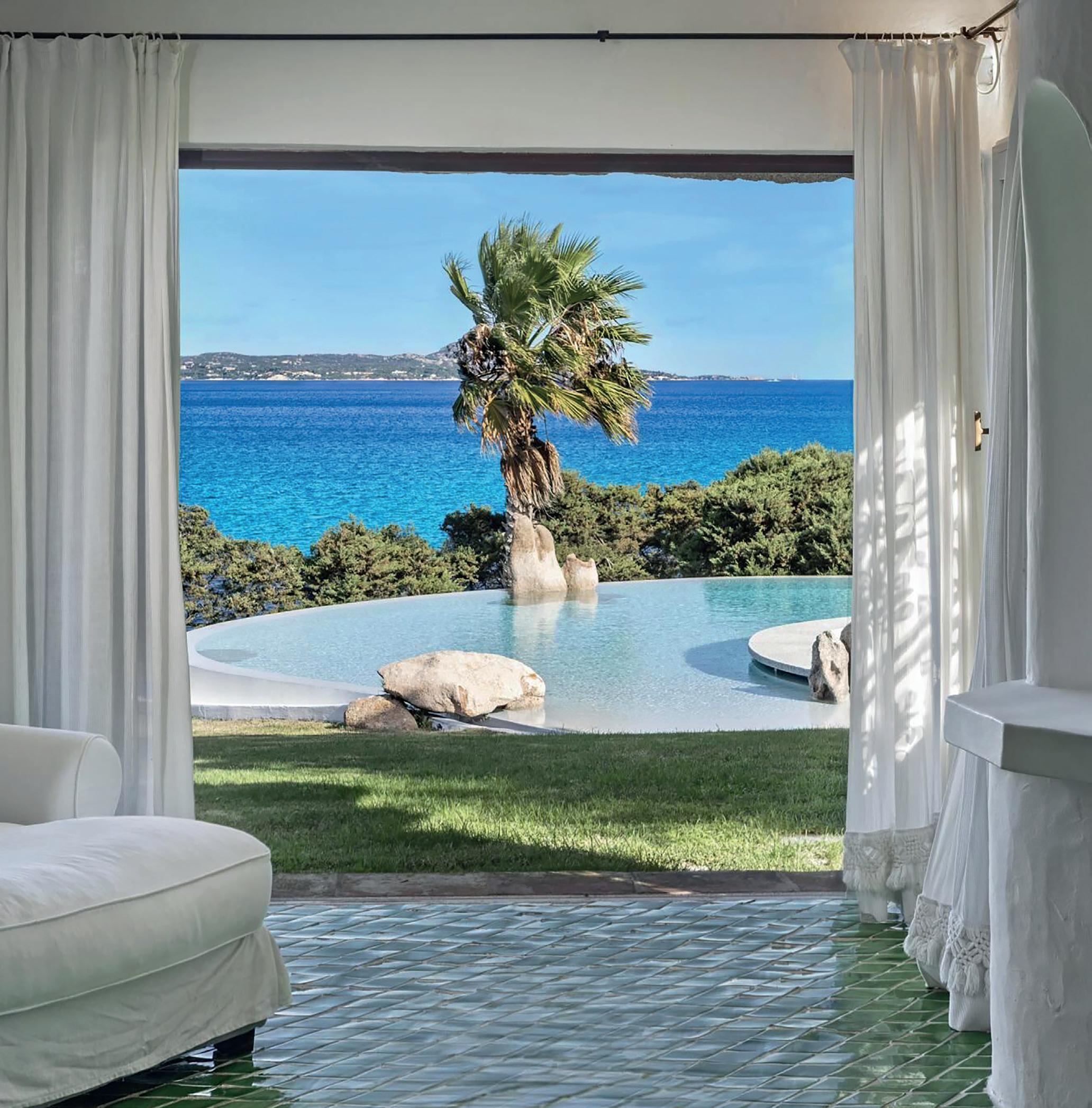
Immobilsarda
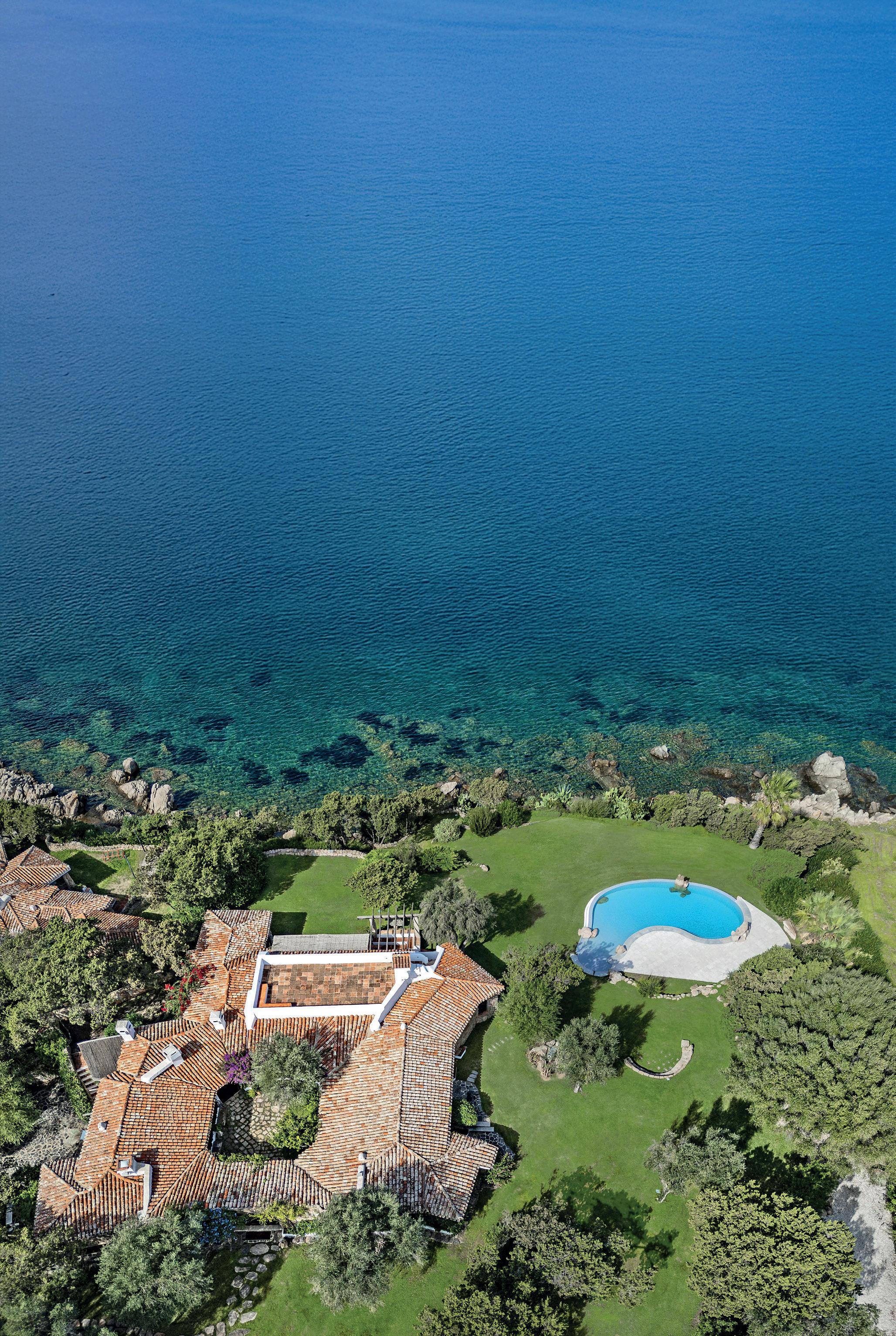
Porto Rotondo is where the nurturing authenticity and beauty of nature meets refined exclusivity. Imagine a private seafront estate where 8,000 m2 of Mediterranean grounds slope gently down to the water's edge, where a private platform offers direct access to the Sardinian sea. Close by is the marina, the boutiques and the restaurants of Porto Rotondo's
celebrated village, but within this secluded coastal sanctuary there is nothing to disturb a sense of wellbeing fashioned by handcrafted terracotta floors, exposed timber beams and panoramic windows that dissolve the boundary between interior elegance and the endless blue beyond.
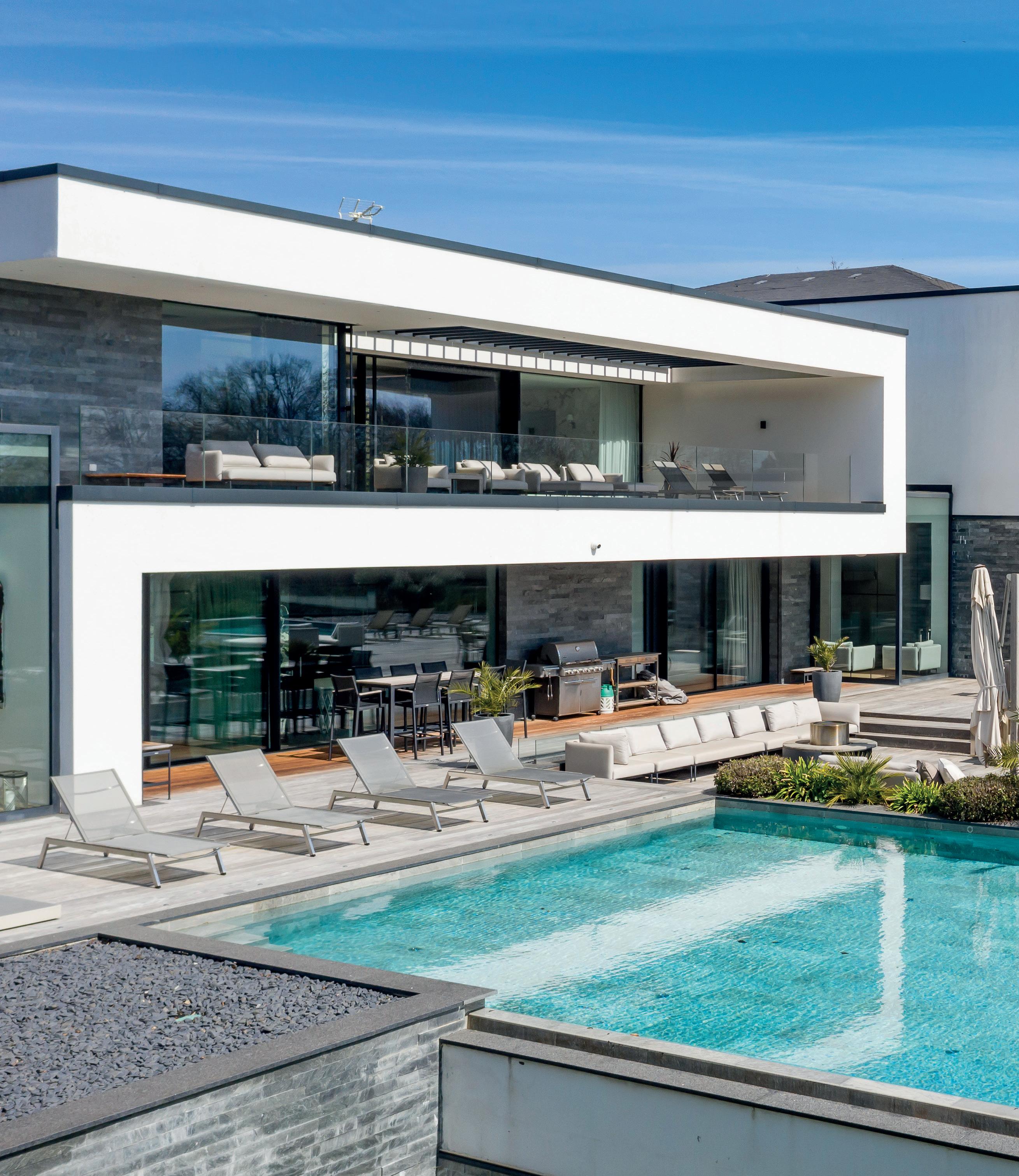
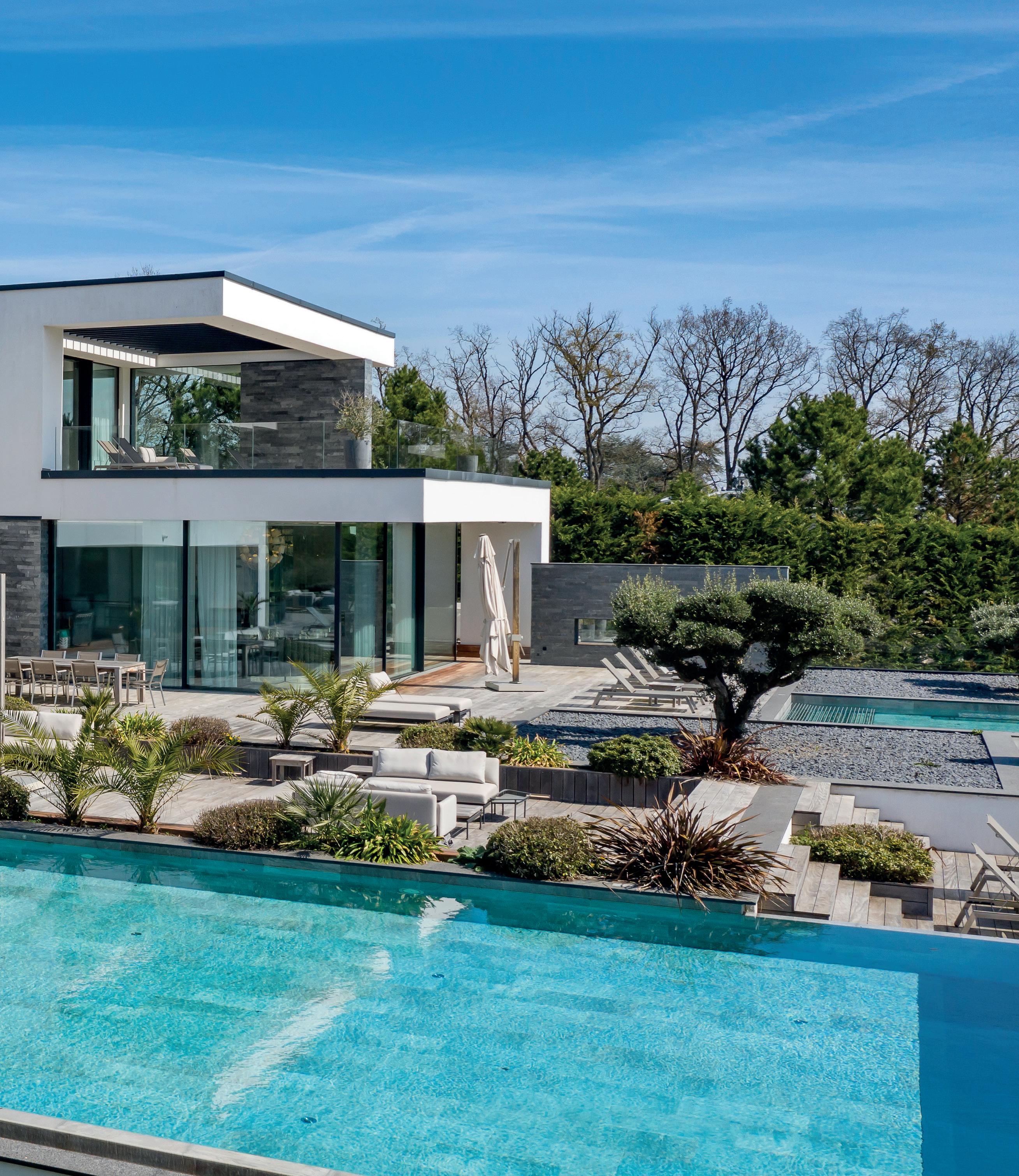
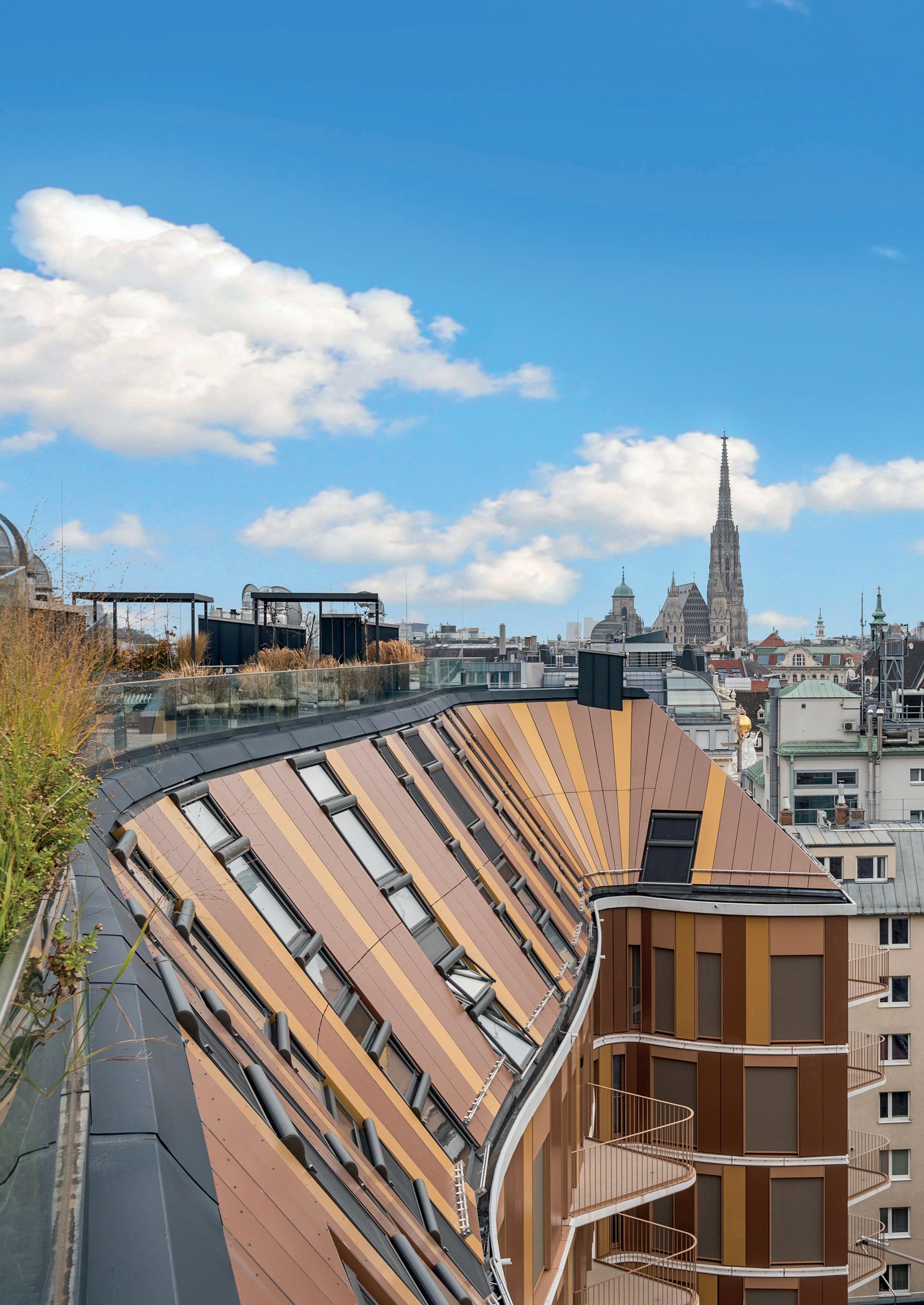
Exclusive penthouse apartment With Terrace and Garage Vienna, AUSTRIA. 4 rooms, 3 bathrs, 217 m² living space, prime City Center location, stunning views Price on request. Ref. MI-2568
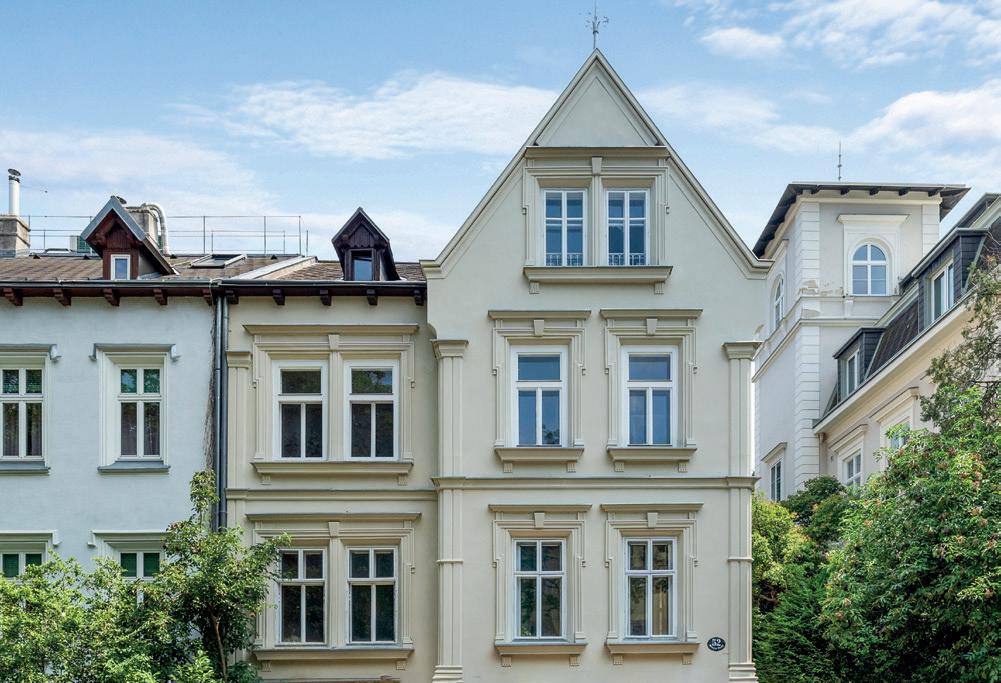
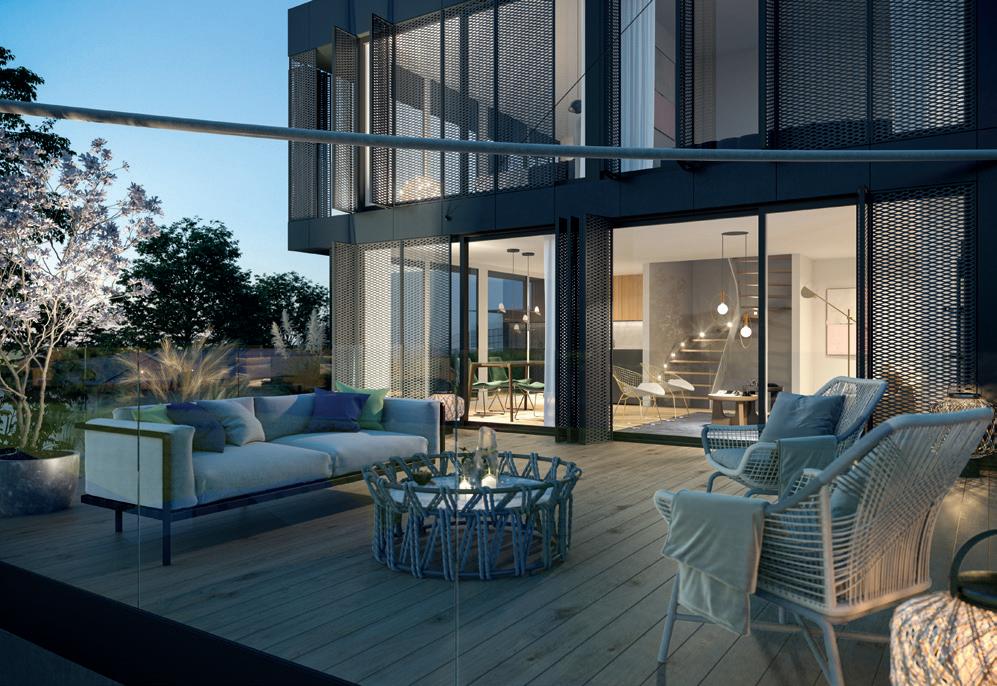
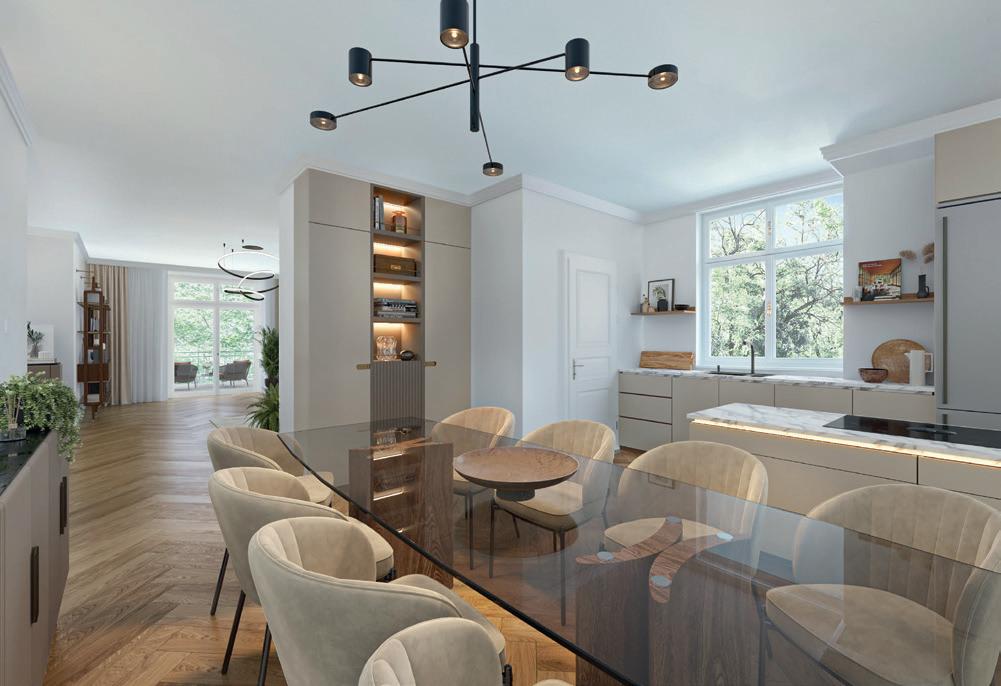
Cottage family villa in Prestigious Location Vienna, AUSTRIA. 10 rooms, 540 m² usable space, private garden
Price on request. Ref. MI-2783
Exquisite penthouse in Cottage Villa Vienna, AUSTRIA. 5 rooms, 3 bathrs, 246 m² on two levels with private elevator, terrace, garage
Price on request. Ref. MI-2558
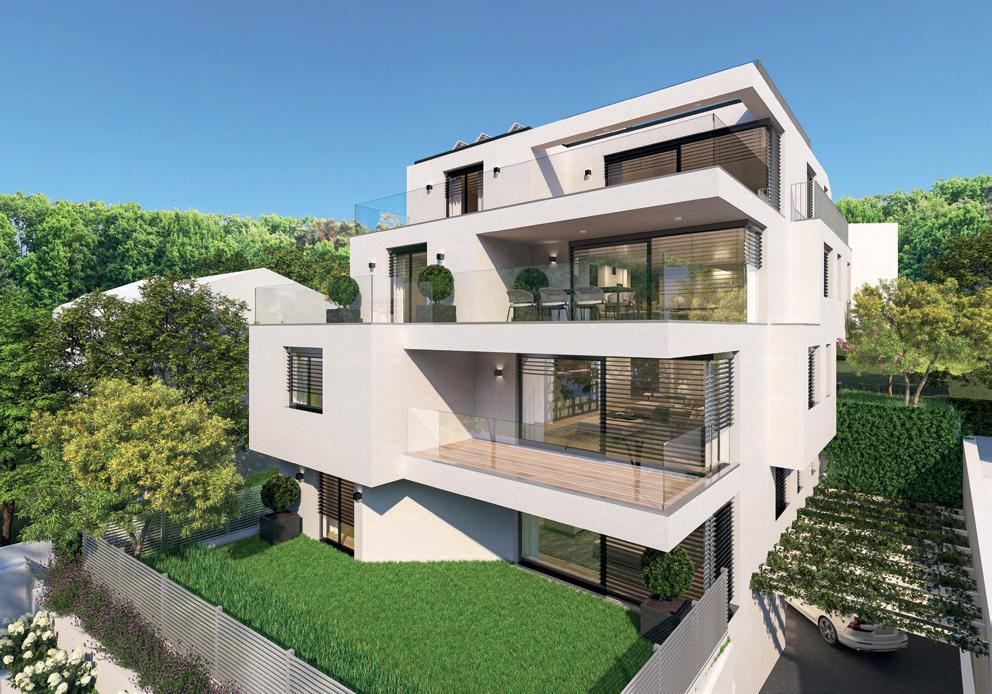
Modern single-family home with Panoramic Views Vienna, AUSTRIA. 4 rooms, 3 bathrs, terrace, pool, sauna, parking spaces
Price on request. Ref. MI-2688
Apartment with rooftop terrace. First Occupancy Vienna, AUSTRIA. 3 rooms, 1 bathr, garage spaces available, green area
Price on request. Ref. MI-2797
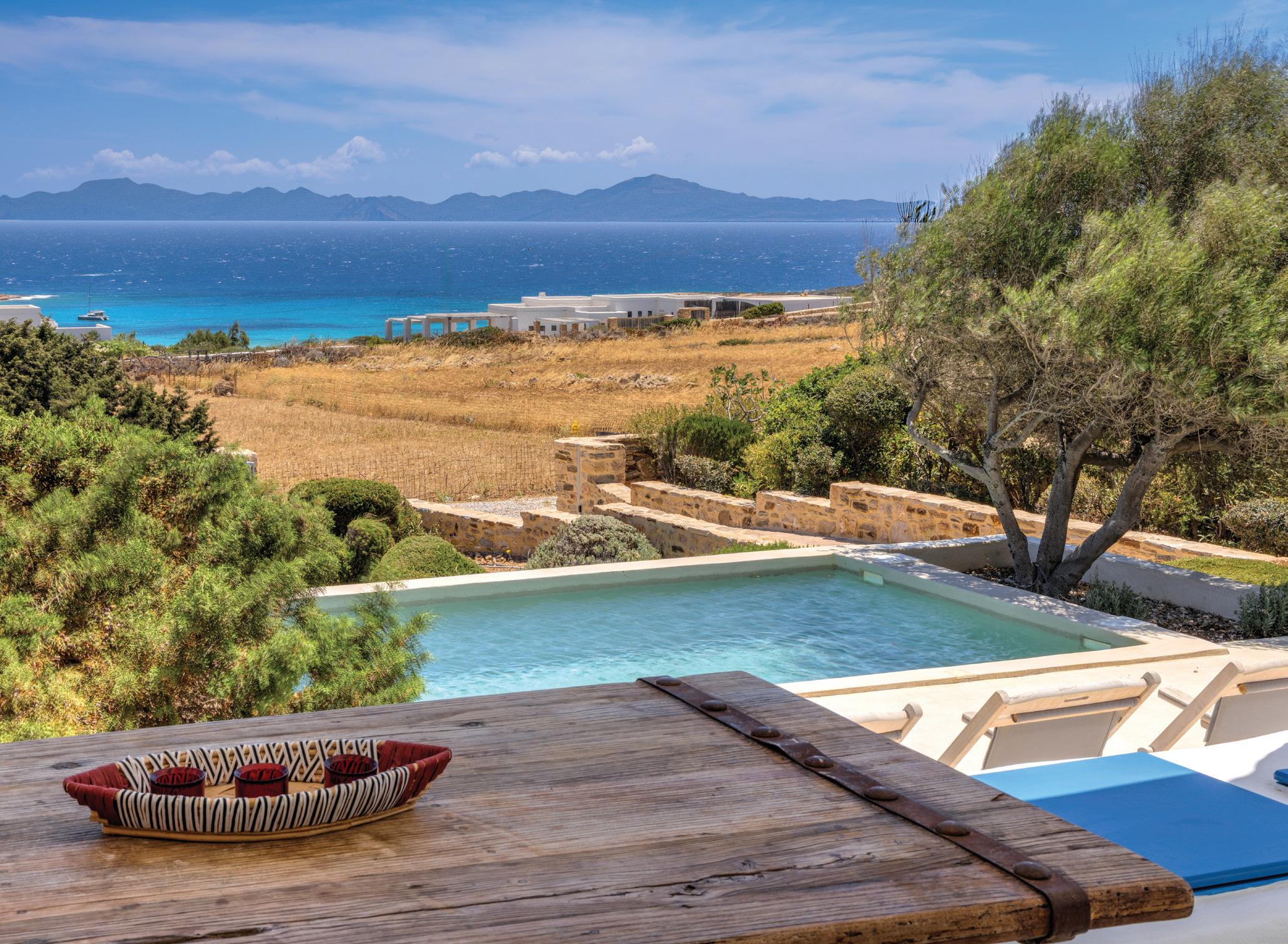
Cyclades, Greece. This serene retreat on a pristine Cycladic island is just steps away from a white sand beach with clear turquoise blue waters. The furnished residence includes 3 main structures and 3 independent cottages. Mature gardens lush with flowers, vegetables, fruit and olive trees enhance a healthy lifestyle, while 2 swimming pools and large terraces offer ample outdoor areas for alfresco dining and entertaining.
13 bedrooms, 11 bathrooms, house: 600 m2, land: 8,014 m2
Price: €5.500.000. Ref: PS8867490
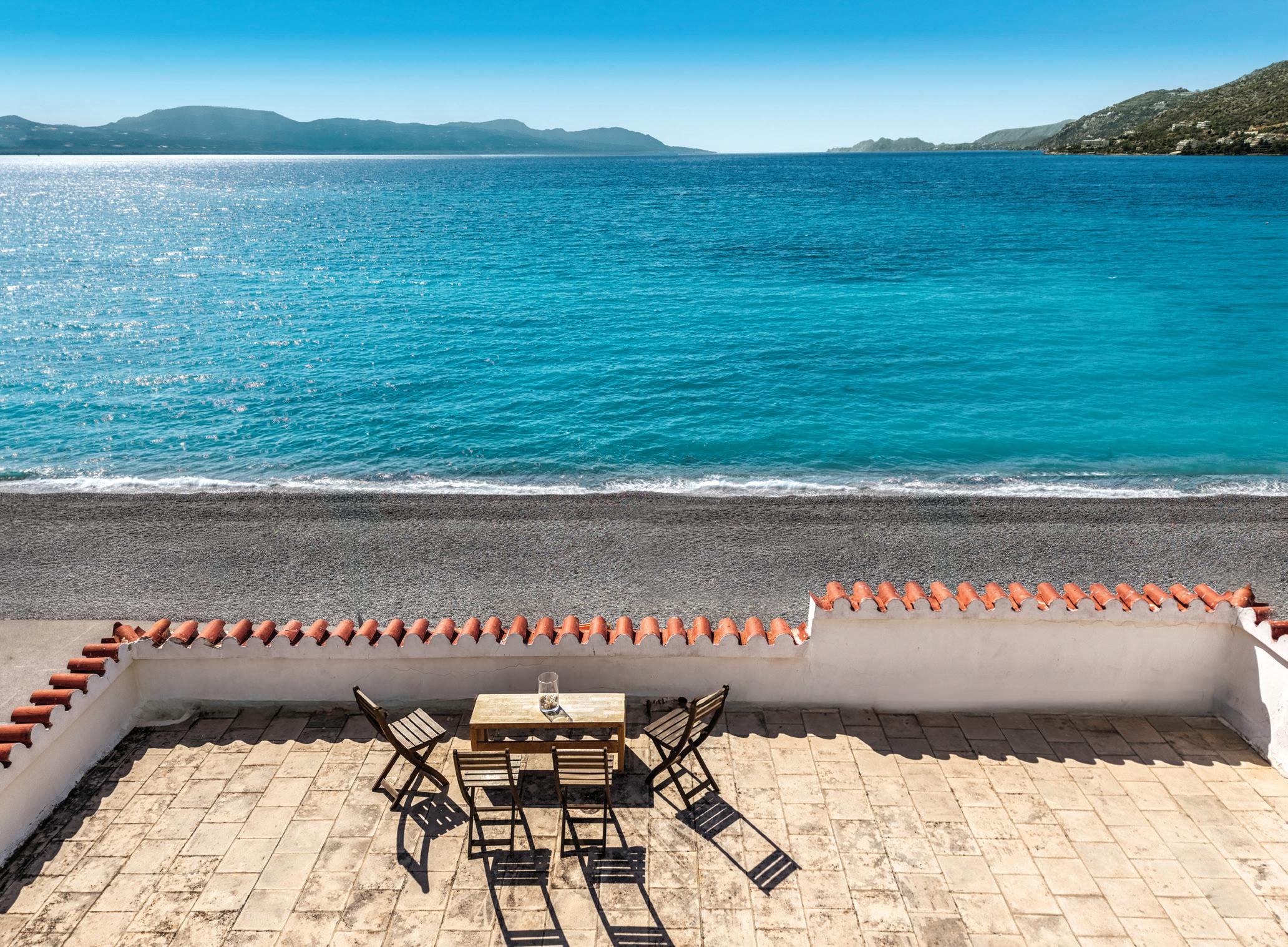
Peloponnese, Greece. Set directly on famous Loutraki Beach, this historic villa stands out as the last remaining private home on the seafront boardwalk. With panoramic views of the bay and beautiful sunsets, it is ideal for continued use as a family home or the site may be redeveloped for a new apartment building or boutique hotel. Athens is only an hour's drive away, making the area easily accessible for year-round enjoyment.
11 bedrooms, 9 bathrooms, house: 377 m2, land: 706 m2
Price: €3.200.000. Ref: PS8867909
PLOUMIS SOTIROPOULOS +30 210 3643112
ps@ploumis-sotiropoulos.gr
www.ploumis-sotiropoulos.com
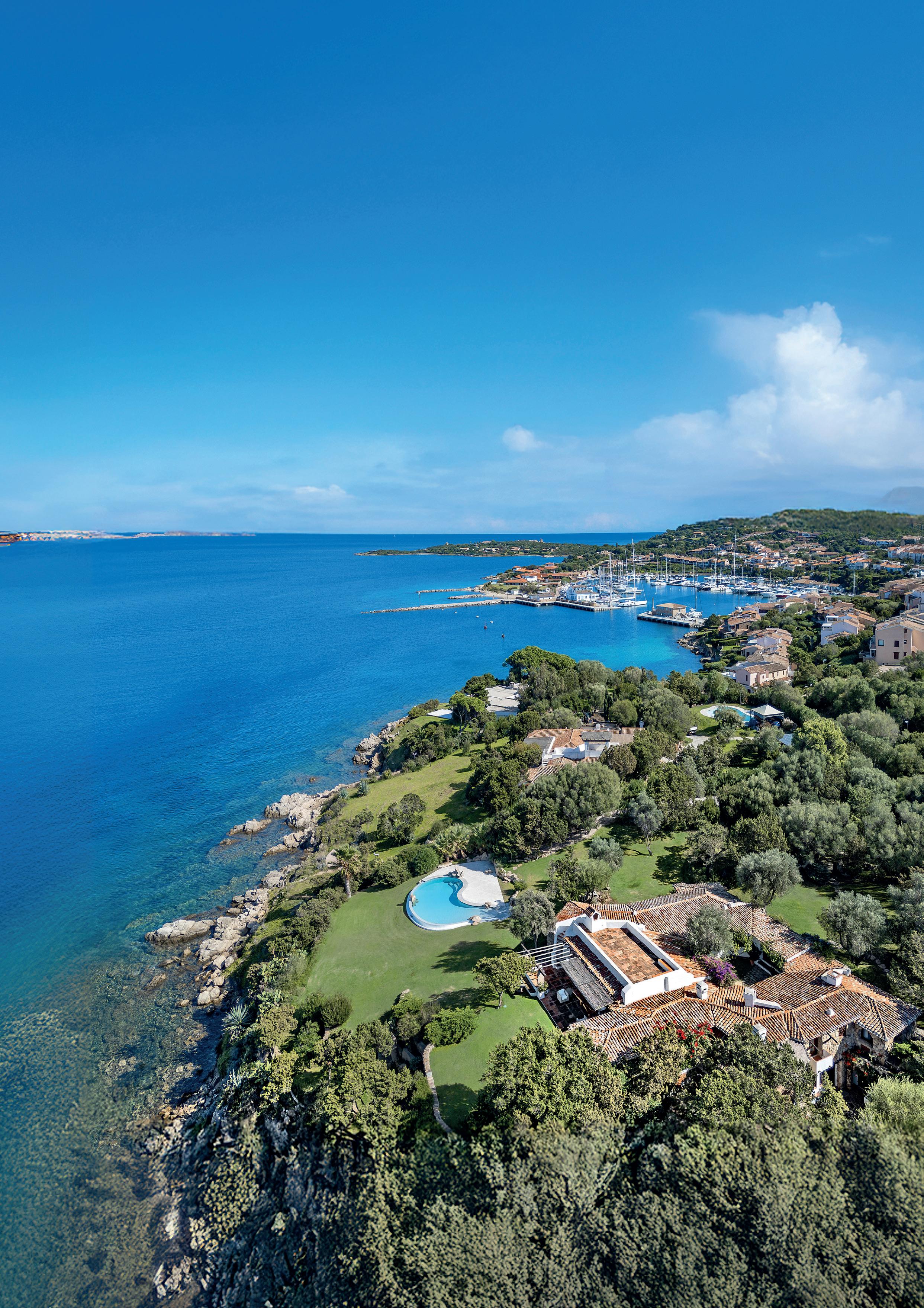
Waterfront Grace is a rare seafront estate in Porto Rotondo, designed by Luigi Vietti, where architectural heritage meets timeless Mediterranean elegance, just a short walk from the centre and its iconic marina. Generous indoor and outdoor living spaces, direct access to the sea, and stunning views complete this exceptional coastal retreat.
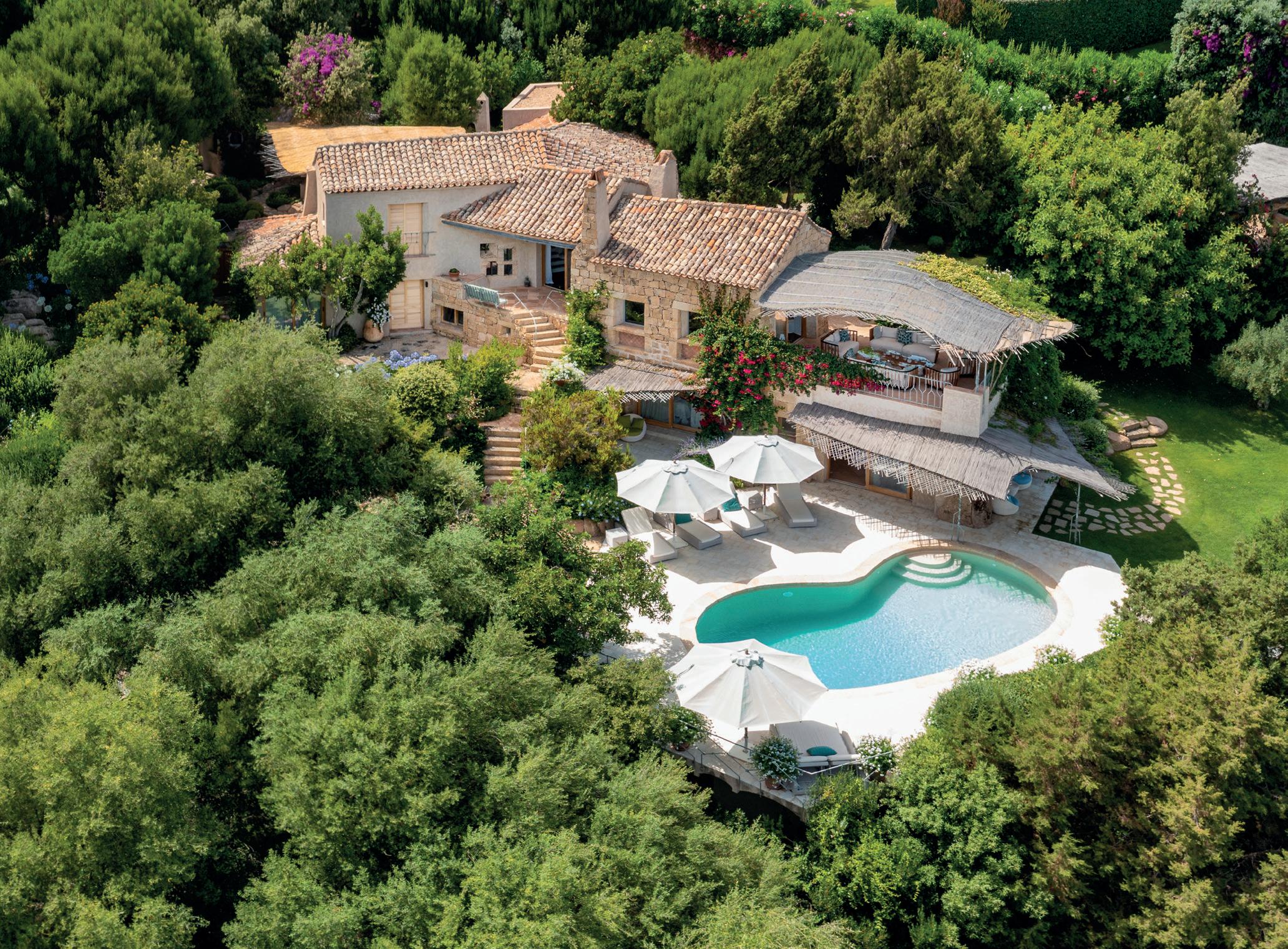
Villa Marem is an authentic architectural retreat in Costa Smeralda, originally designed by Savin Couelle and recently restored, blending heritage and timeless Costa Smeralda style just minutes from Porto Cervo and the sea.
Set within a lush private mediterranean park, it offers refined indoor and outdoor living spaces, a pool, and enchanting views over Pevero Bay.
+39 0789 909000
immobilsarda@immobilsarda.com
www.immobilsarda.com
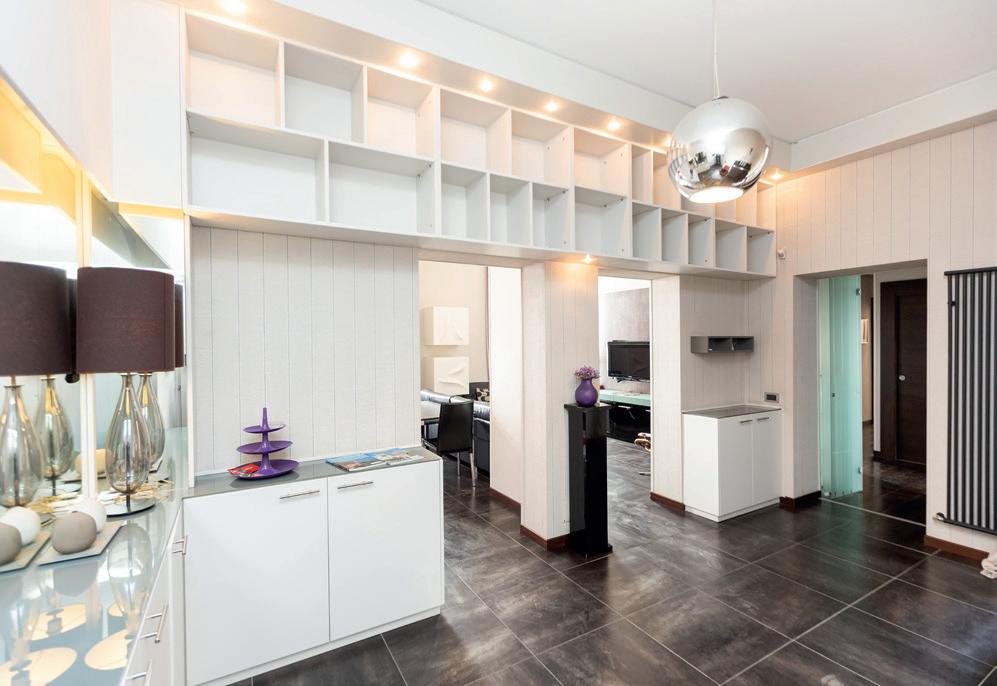
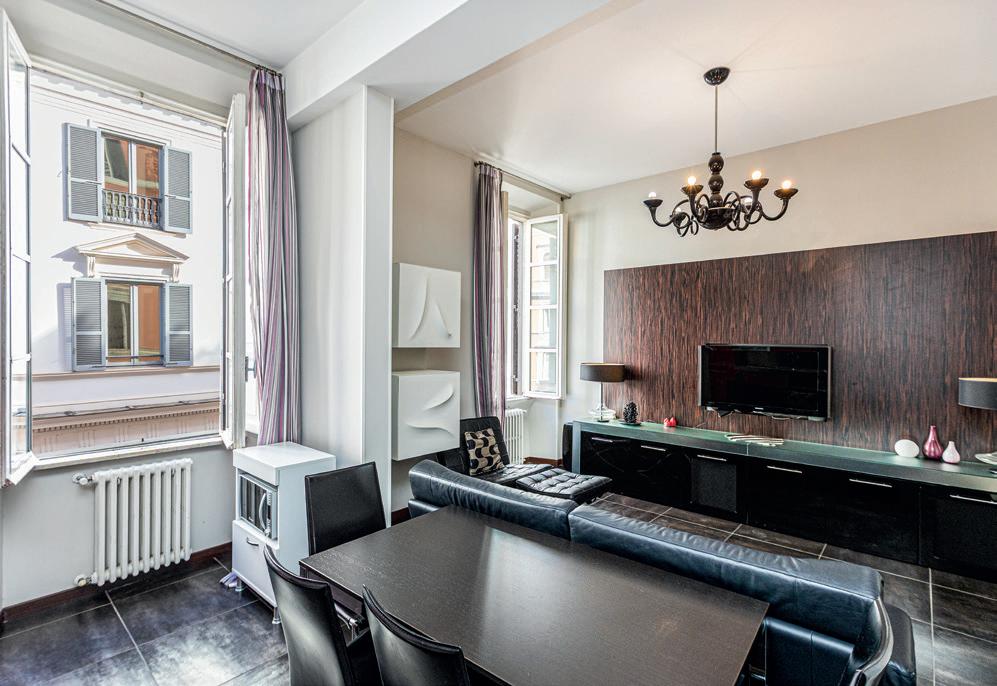
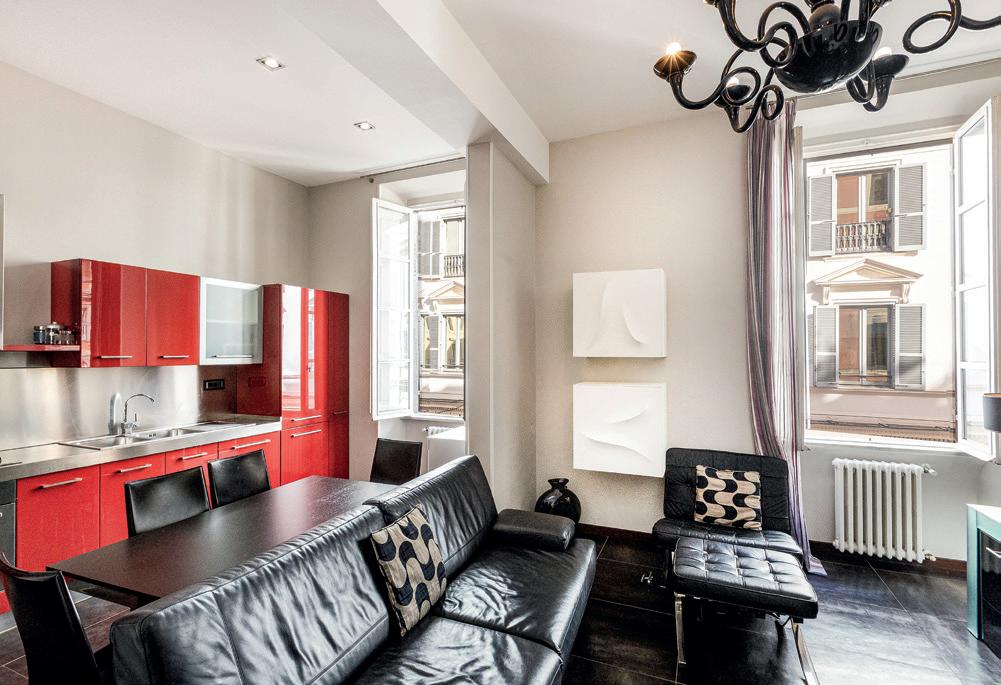
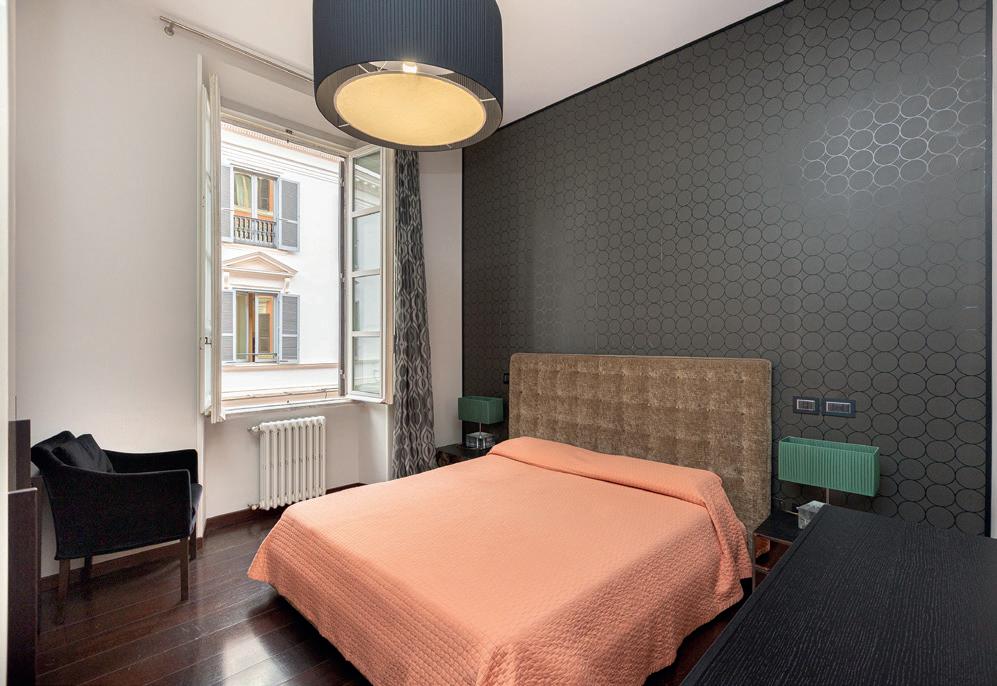
neighborhood.
Rome, ITALY
In the prestigious Ludovisi neighborhood, we are offering a stately, elegantly renovated and furnished apartment located in a splendid building featuring classic Umbertine architecture. The property is located a few steps from Via Veneto, Porta Pia, the Ministry of Economy and Finance, and is also close to Villa Borghese. This apartment represents an excellent long-term investment and a significant source of income today, whether used as high-end guest accommodation or simply offered as a short-term rental or vacation home, suitable for those looking not just for a place to sleep, but a prestigious gem in which to stay in the Eternal City.
Building: 124 m²
Price upon request. Ref. LC463
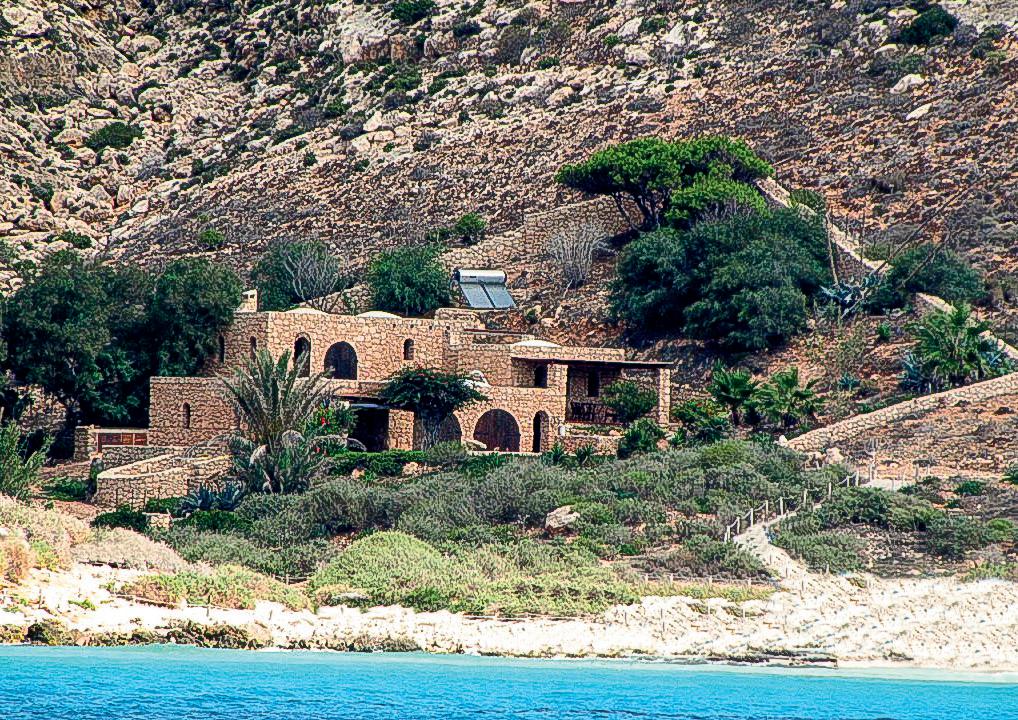
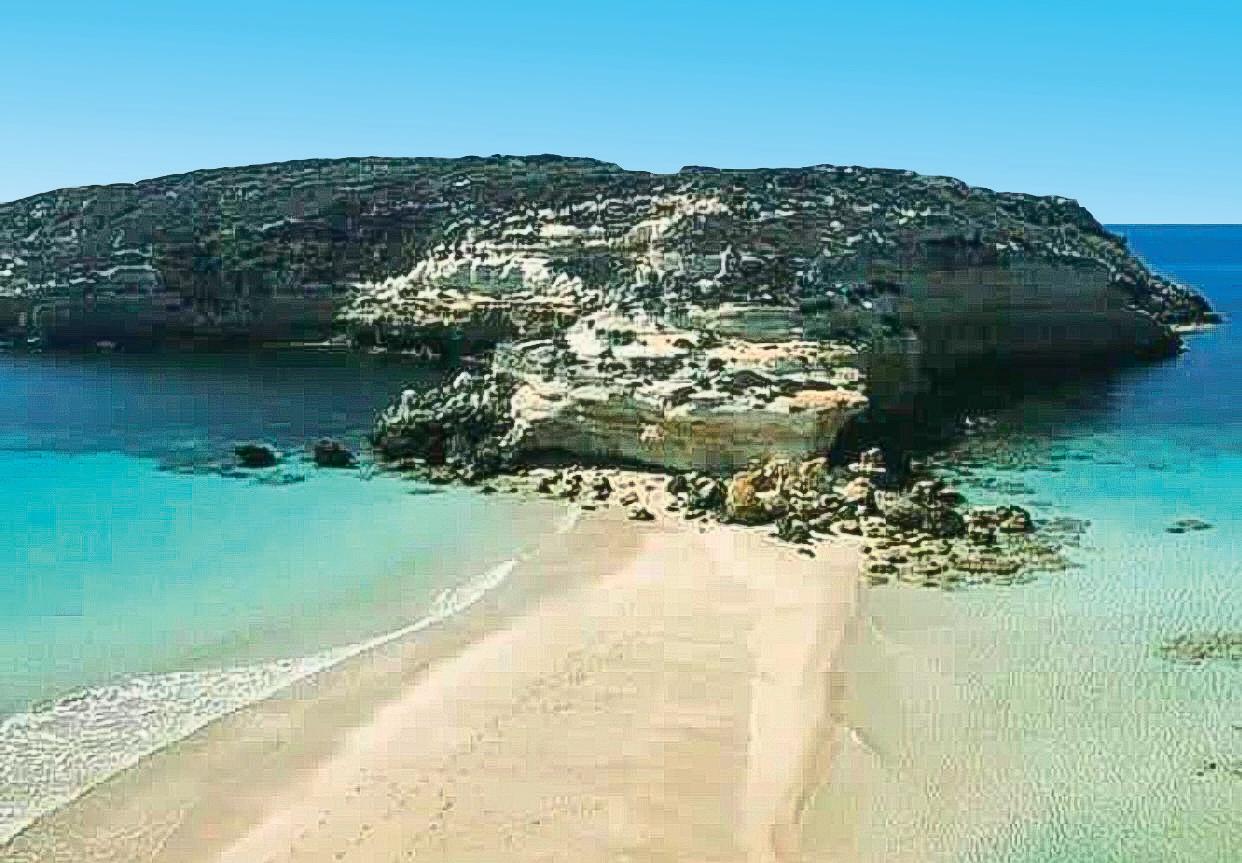
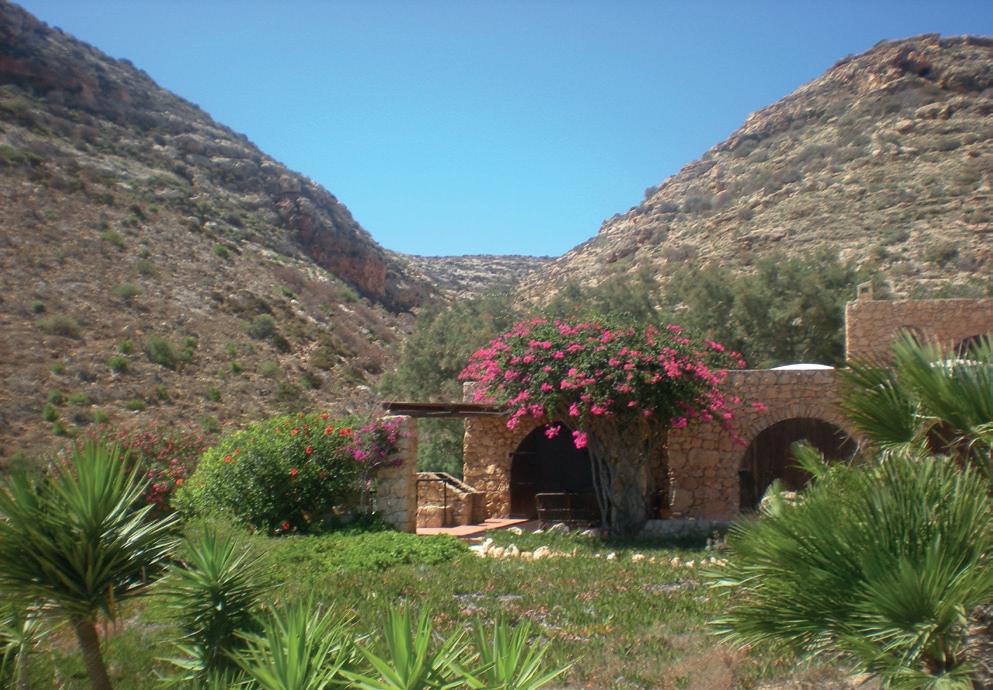
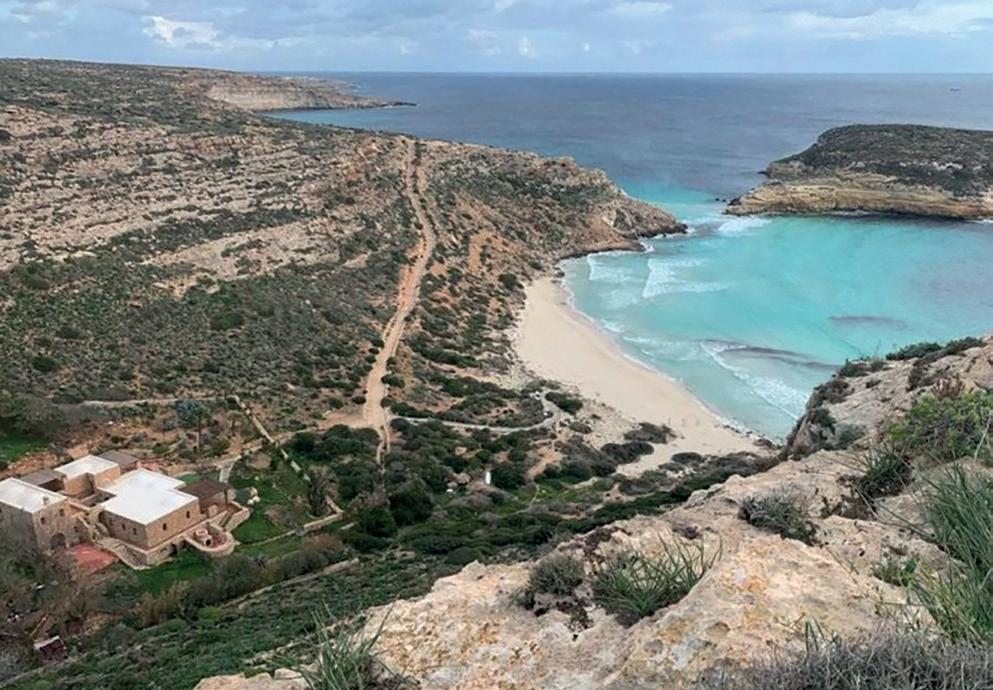
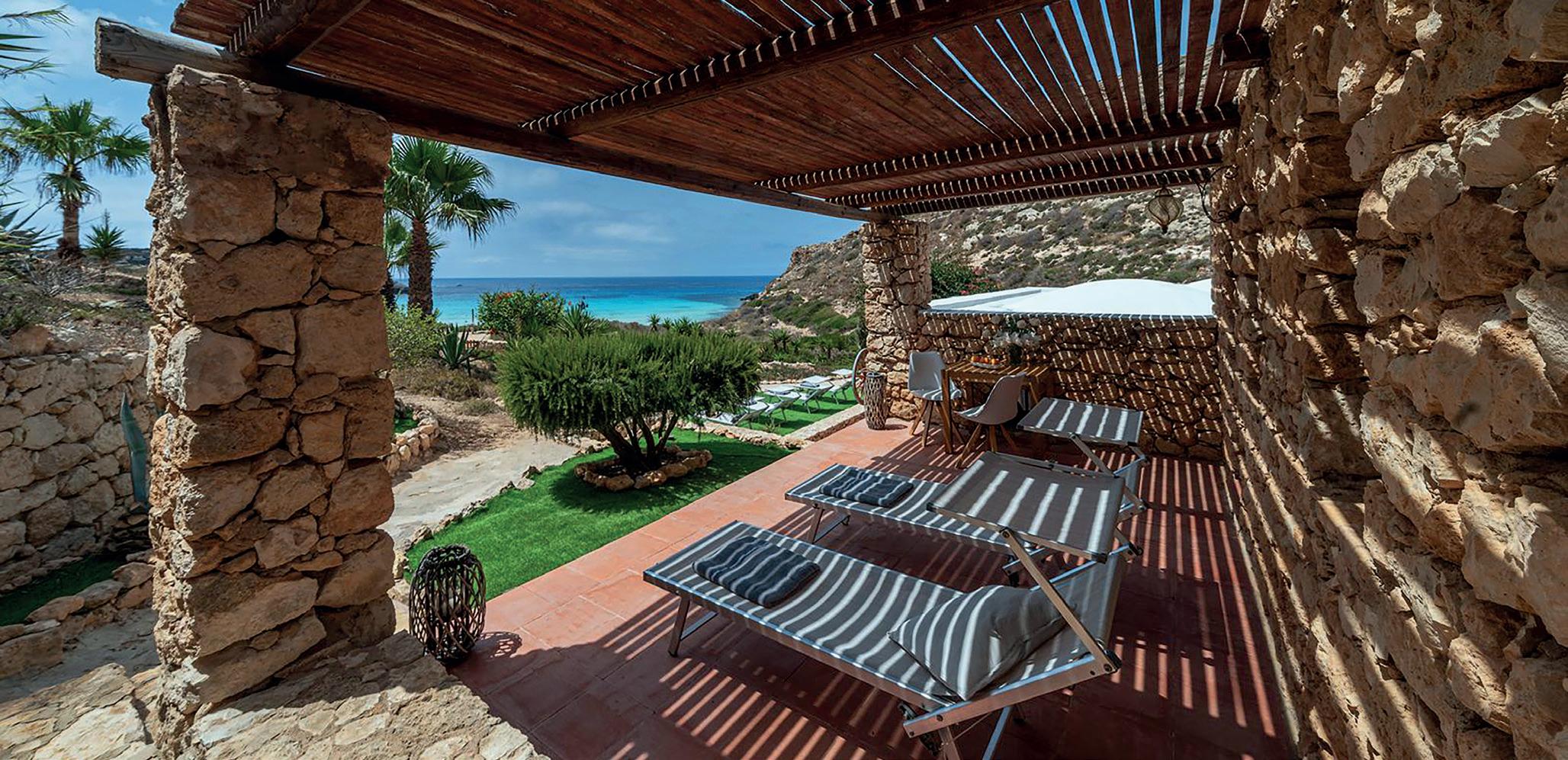
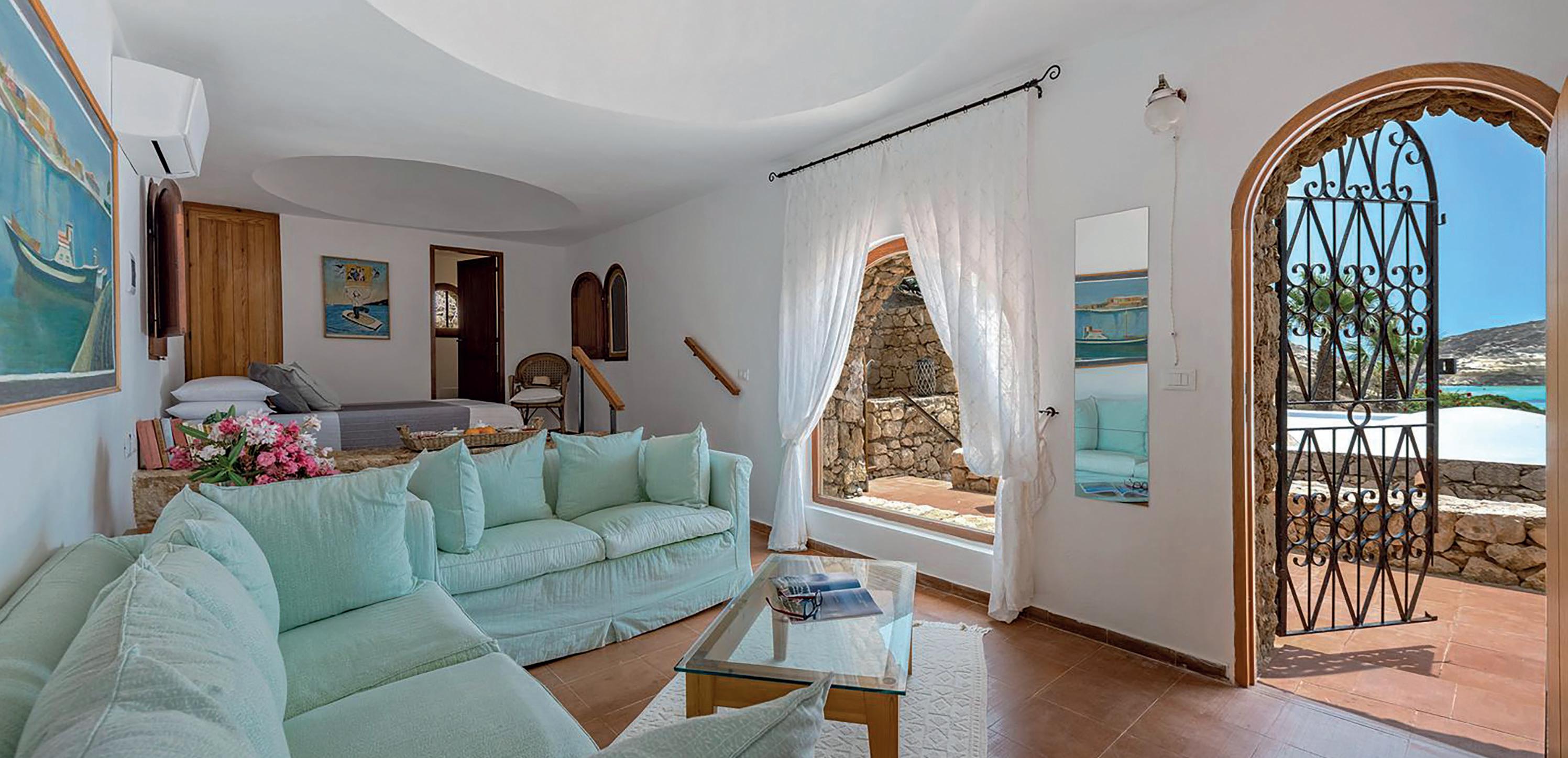
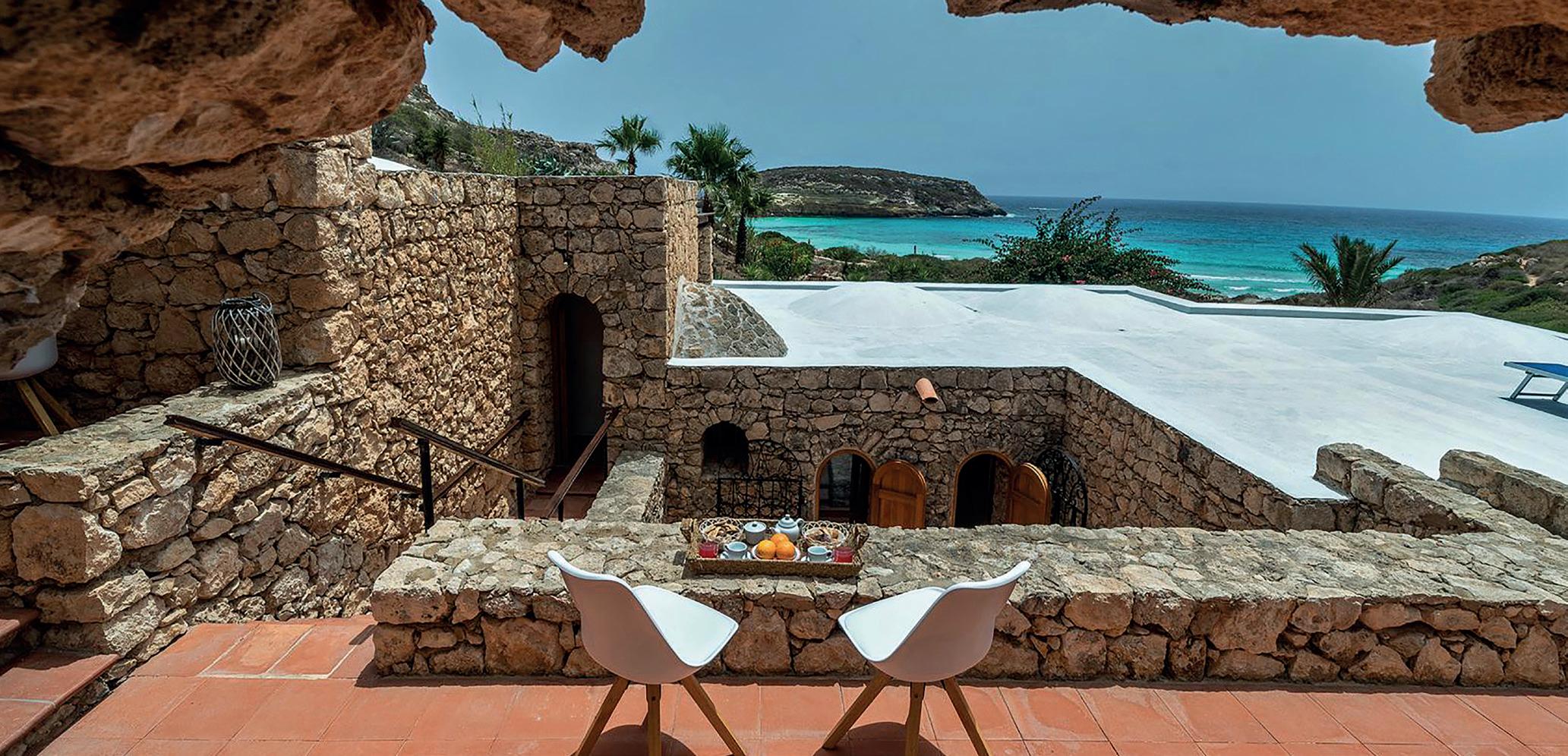
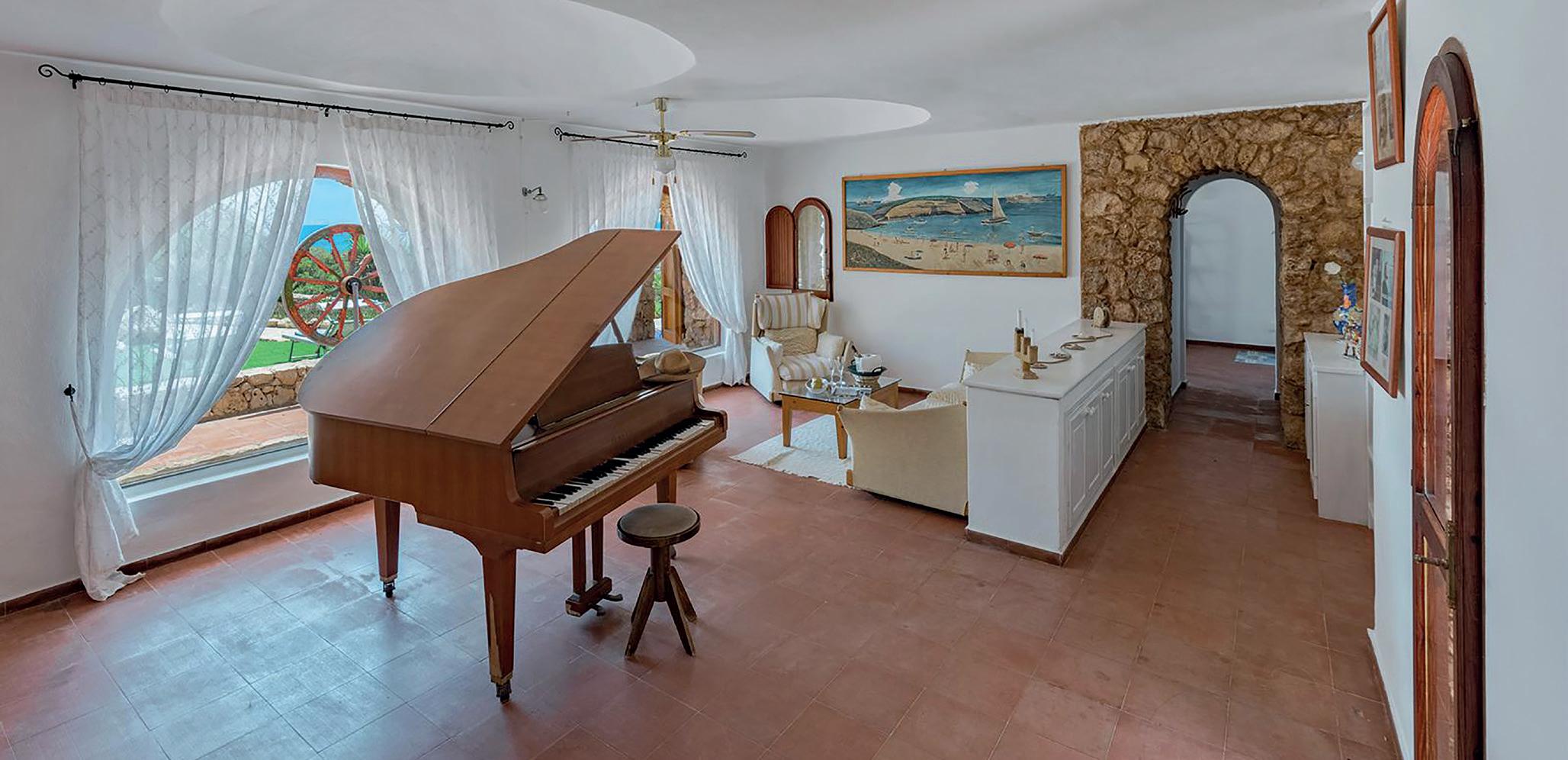
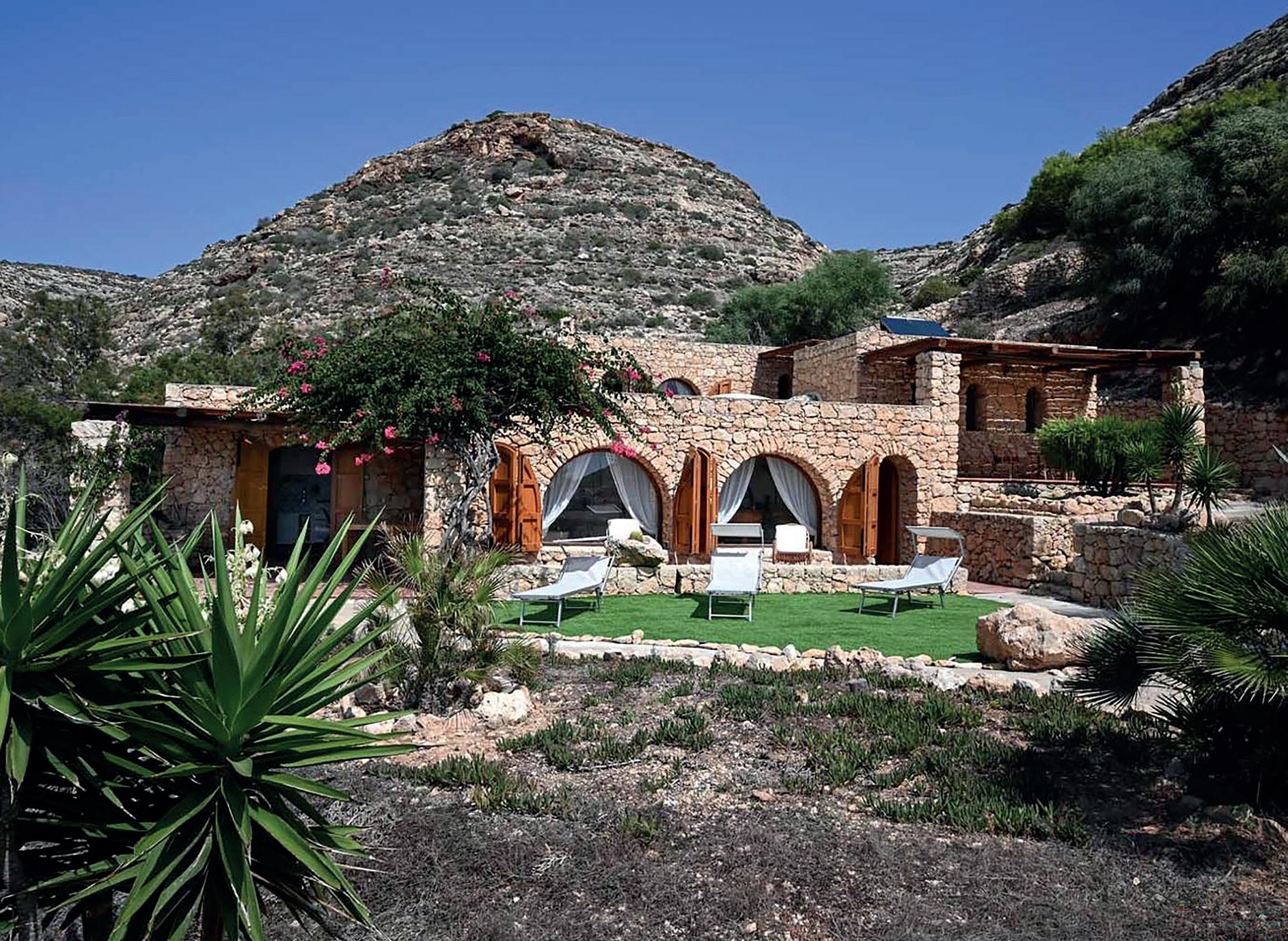
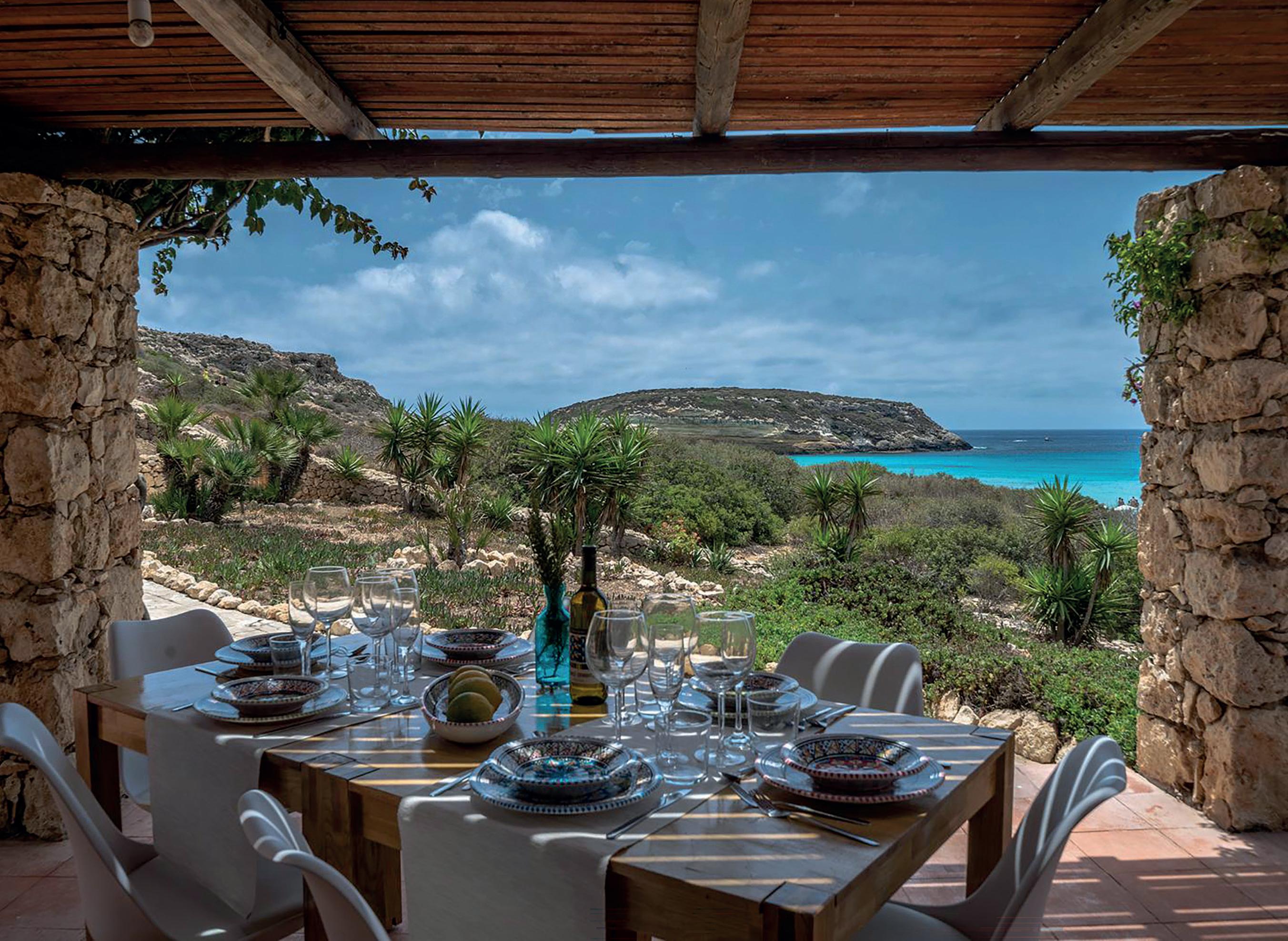
Villa in Lampedusa, in front of the Spiaggia dei Conigli Sicily, ITALY
The villa is situated in the nature reserve of the Lampedusa Island, an area characterized by a land and nature of great value. It is also in front of the Spiaggia dei Conigli, one of the most beautiful beaches of the Mediterranean Sea, which you can access directly from the property. The villa is composed of two buildings and it is surrounded by a magnificent garden encircled by a dry-stone wall and many Mediterranean plants. This property represents a unique opportunity to live in contact with nature in your own heaven on earth.
Buildings: 220 m²; Other surfaces: 120 m²; Land: 1.000 m² Price upon request. Ref. LC390
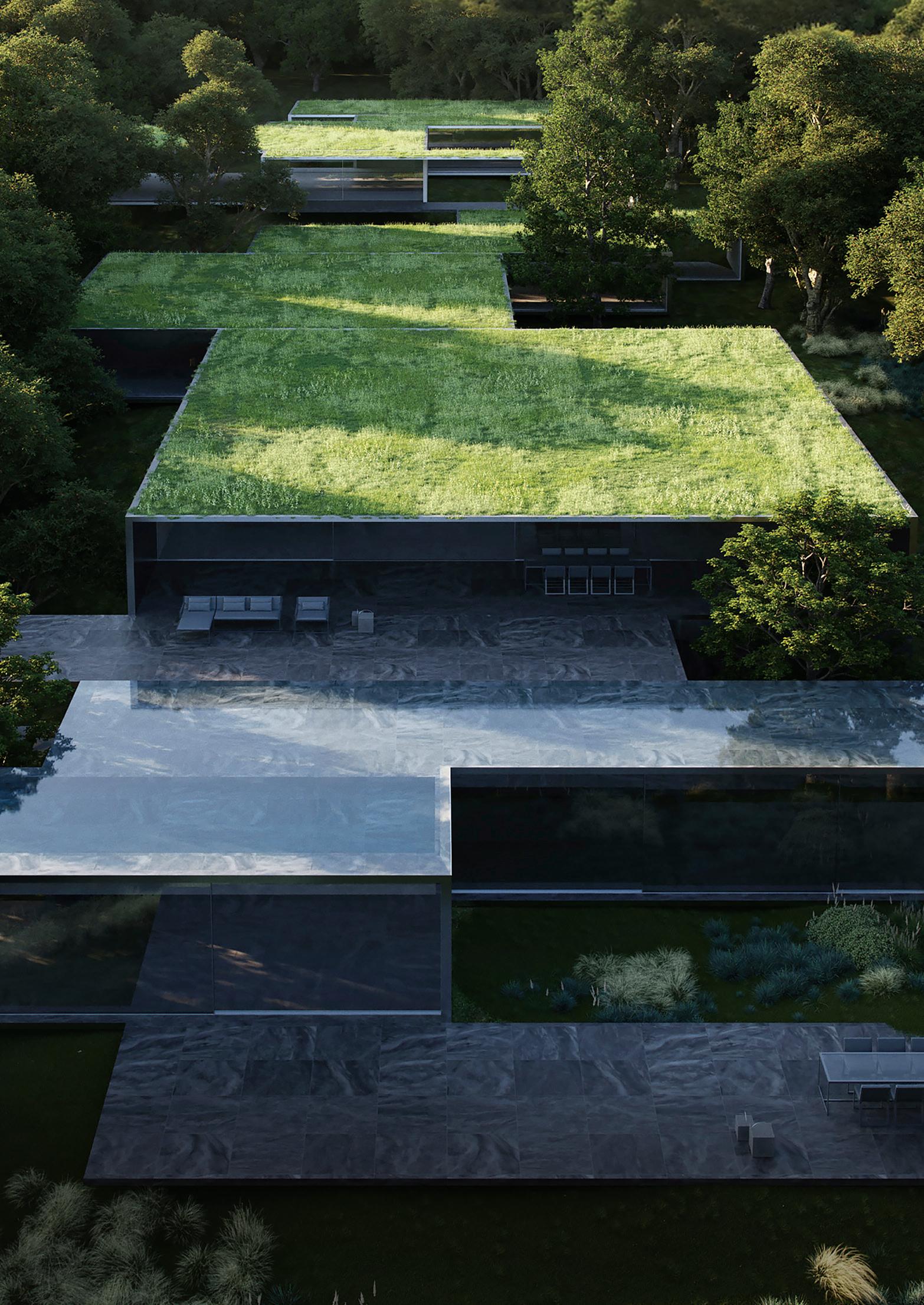
Cork Oak Mansion — Fran Silvestre Architecture
Altos de Valderrama, Sotogrande. A project by architect Fran Silvestre, set among cork oaks next to Valderrama Golf Course. A home conceived not just to be lived in, but to be felt — where forest stillness meets the quiet luxury of eight en-suite bedrooms, a shimmering water mirror and a 152m² wellness sanctuary. Powered by the earth and the sun, a true net-zero home leaving only beauty in its wake.
Plot: 4,047m², built: 1,742m², bedrooms: 8, bathrooms: 8
Price upon request. Ref. RMG V4452
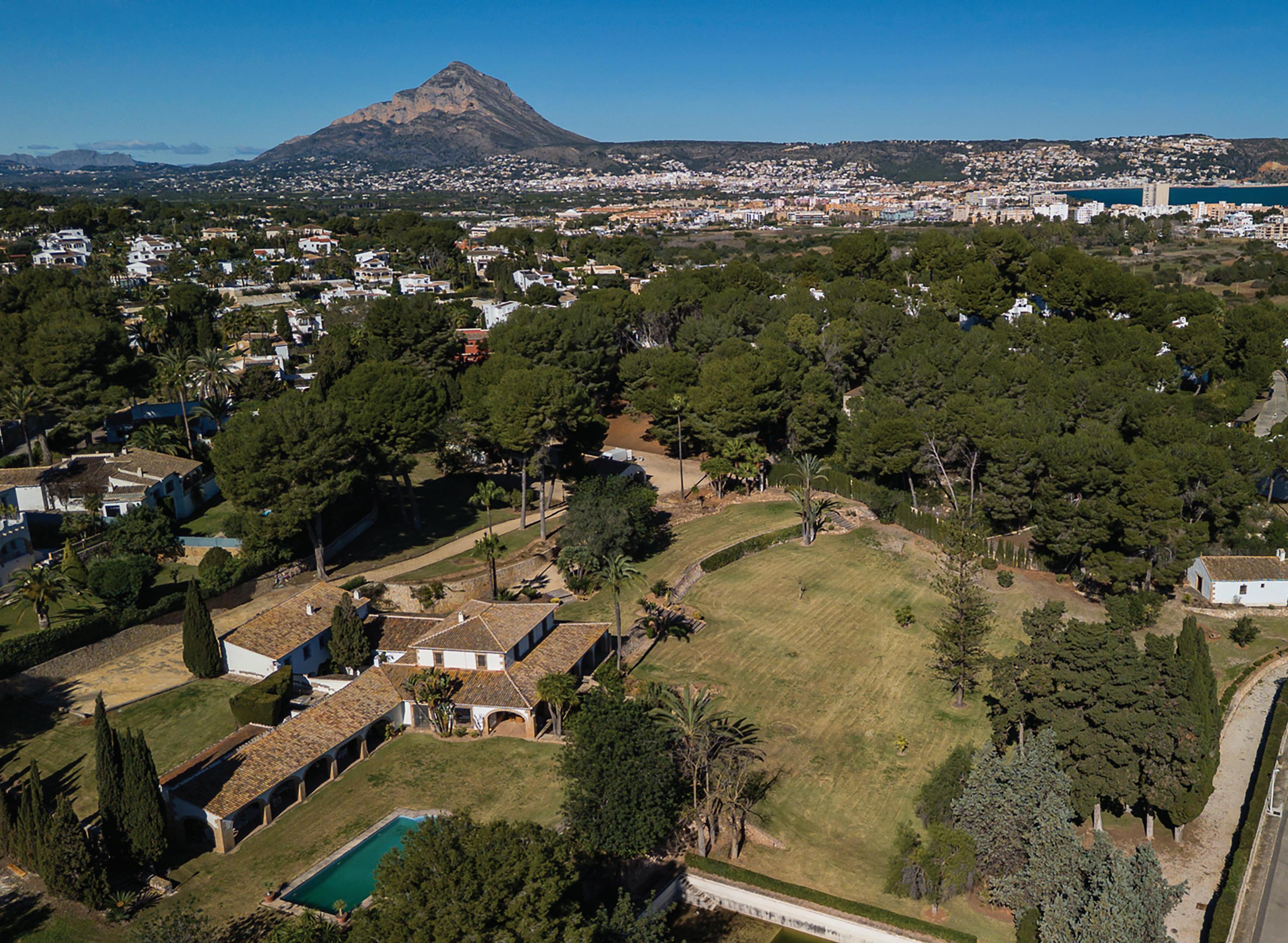
In El Tosalet, one of Jávea's most secluded areas, this estate sits on nearly 20,000m² of gardens with a wide variety of vegetation and fruit trees, supplied by a private well. The main house — 1,199m² across two floors, Mediterranean in character — includes six bedrooms, large covered terrace and pool with changing rooms. A separate caretaker's residence, a chapel and a historic riu rau used as enclosed garage complete the ensemble. The plot has approval for both residential and tertiary development.
Plot: 19,848 m², built: 1,199 m², bedrooms: 9, bathrooms: 6 Price upon request. Ref: RMG 6920
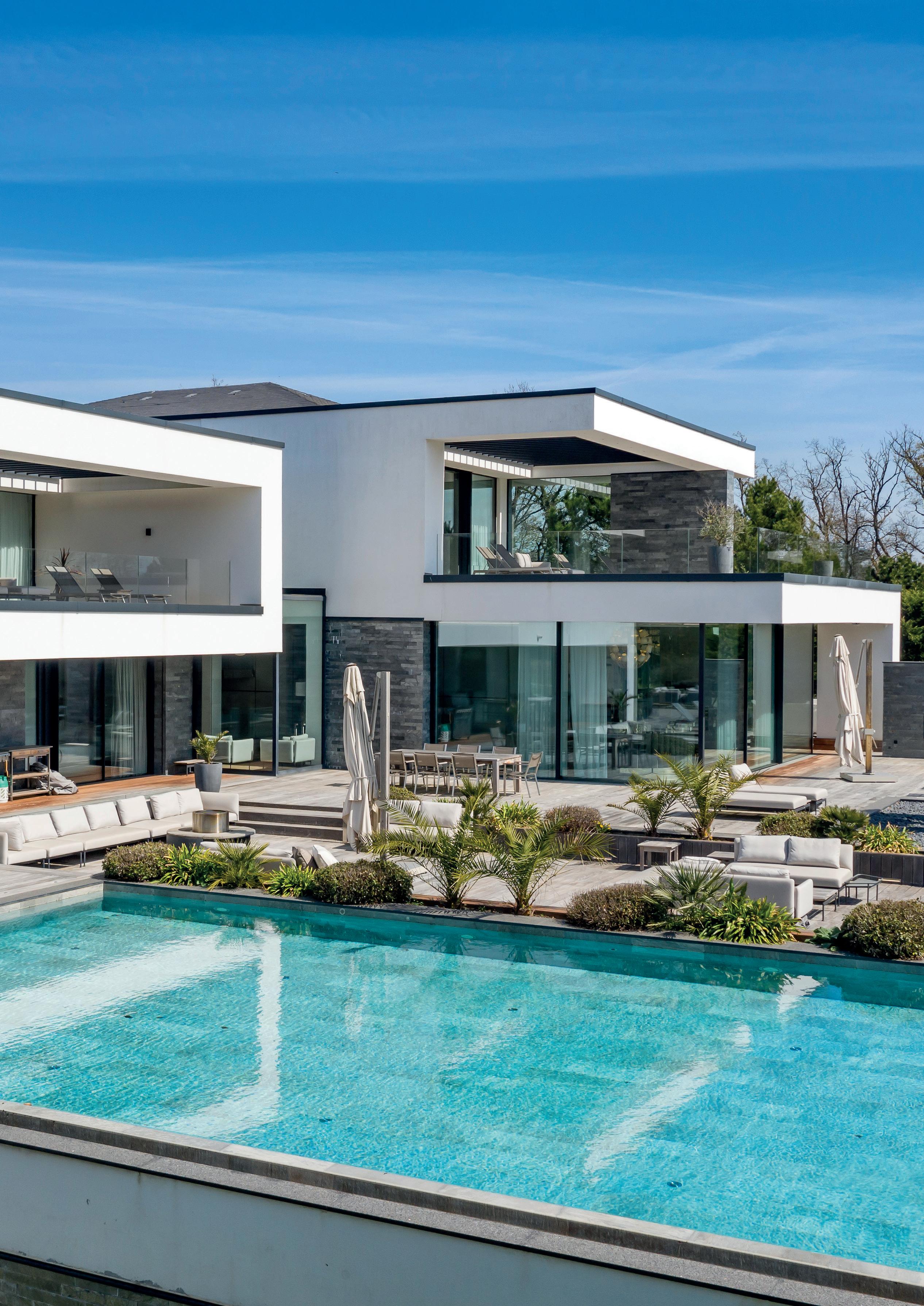
A true architectural masterpiece
Mies, Vaud, Switzerland
9 bedrooms, 10 bathrooms, house: 2,000 m2, land : 8,605 m2
Price upon request. Ref. FGP 85767455
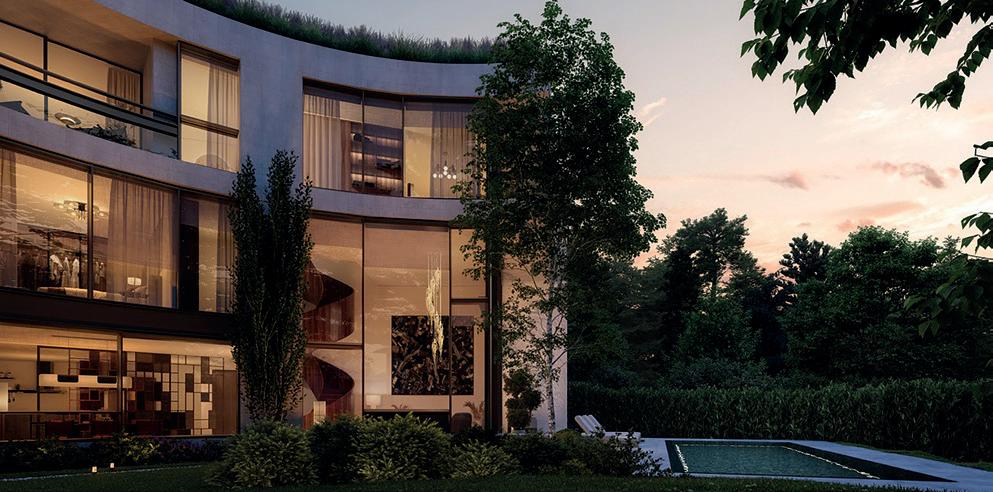
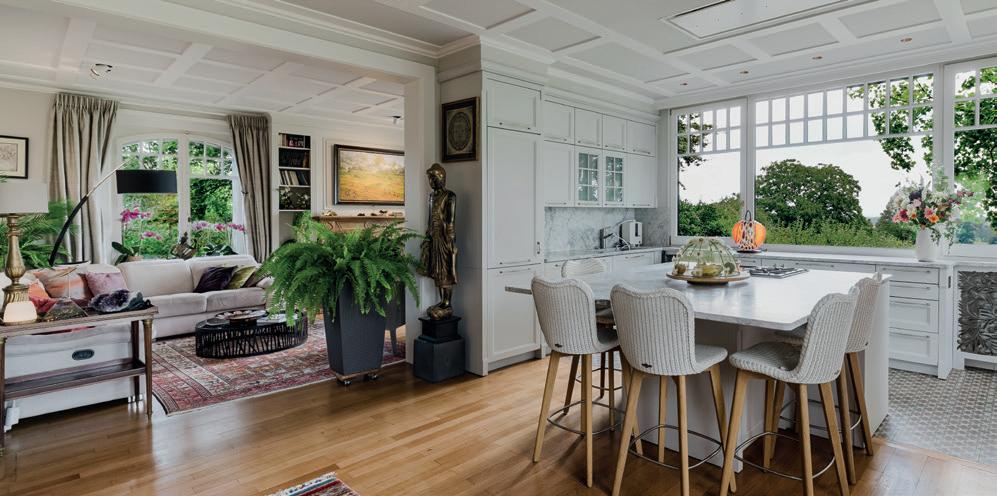
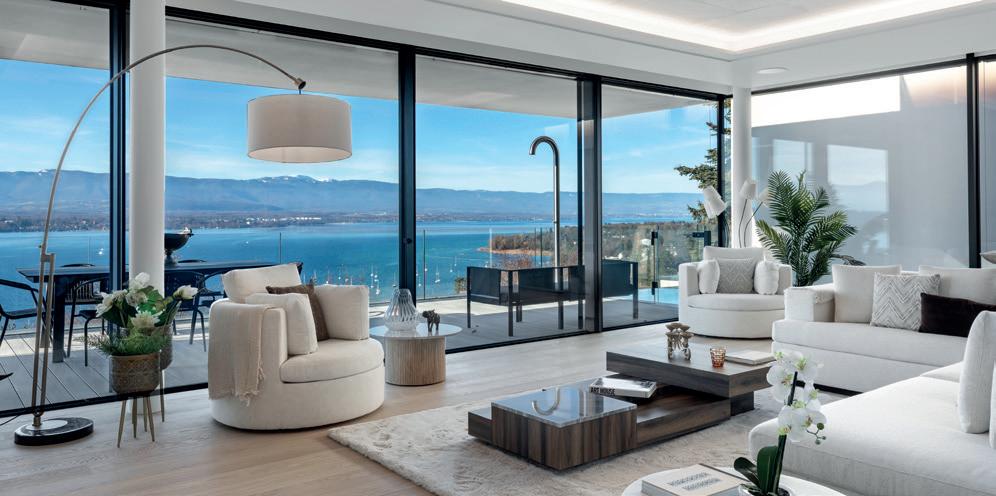
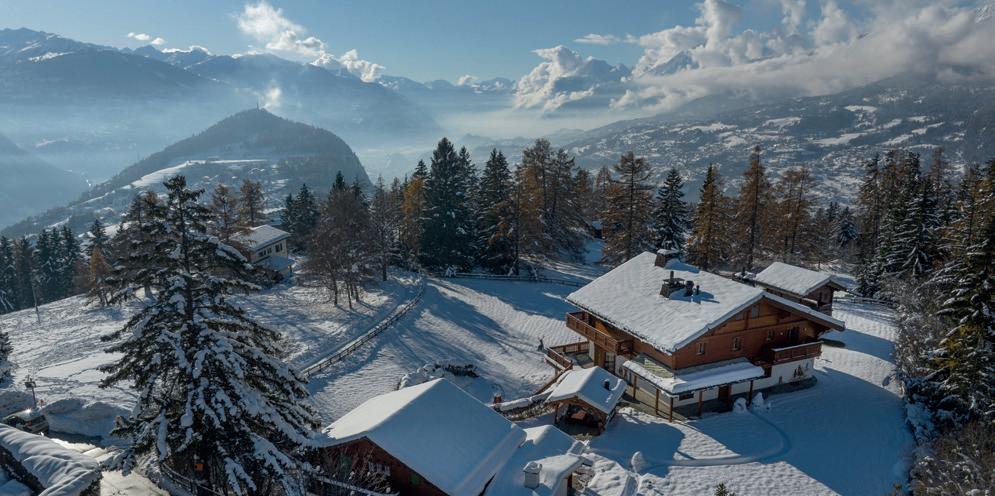
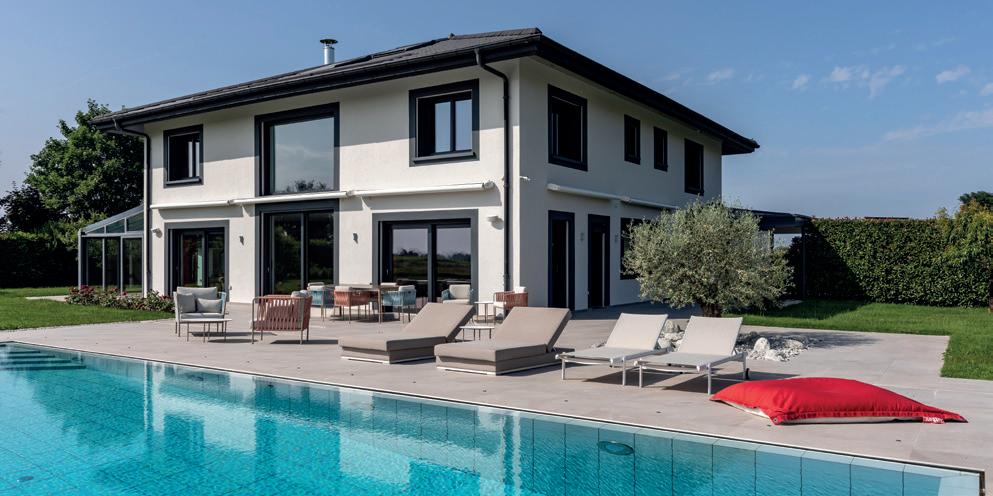
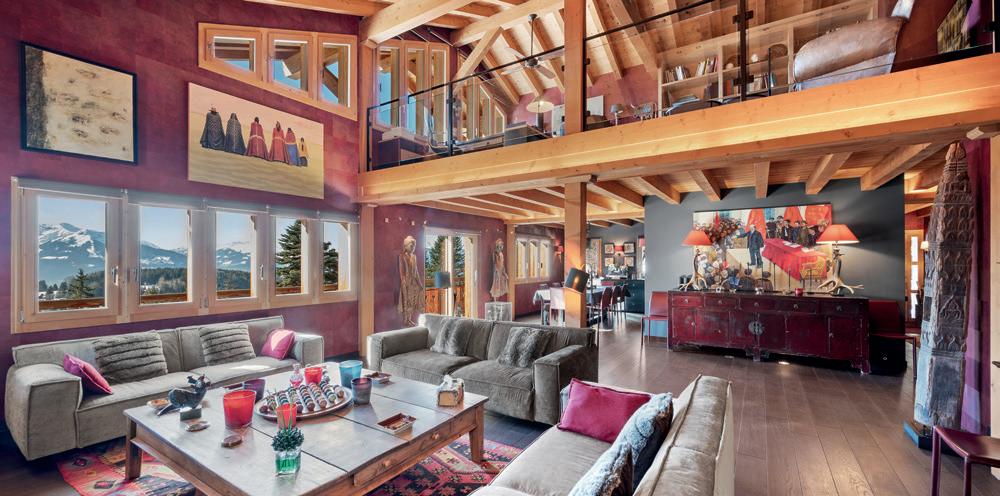
Private Mansions / Prestigious Contemporary Residences
Cologny, Geneva, Switzerland
4 bedrooms, 4/5 bathrooms, house: from 460 m2
Price: From CHF 8,980,000. Ref. FGP 86519727
New contemporary villa overlooking Lake Geneva
Cologny, Geneva, Switzerland
6 bedrooms, 7 bathrooms, house: 690 m2, land 3,150 m2
Price upon request. Ref. FGP 85832664
Gorgeous new villa with private pool
Veigy-Foncenex, Haute Savoie, France
6 bedrooms, 4 bathrooms, house: 411 m2, land 3,142 m2
Price upon request. Ref. FGP 86045820
Tranquil retreat with views of Mont Blanc
Collex, Geneva, Switzerland
6 bedrooms, 4 bathrooms, house: 300 m2, land 2,250 m2
Price: CHF 4,650,000. Ref. FGP 86355106
Exceptional property in the heart of Valais
Crans-Montana, Valais, Switzerland
9 bedrooms, 10 bathrooms, house: 2,240 m2, land 8,461 m2
Price upon request. Ref. FGP 83300579
Ski in/ski out chalet with panoramic view
Gryon, Vaud, Switzerland
6 bedrooms, 6 bathrooms, house: 628 m2, land 1,997 m2
Price upon request. Ref. FGP 85657107
contact@fgp-swissandalps.com
www.fgp-swissandalps.com
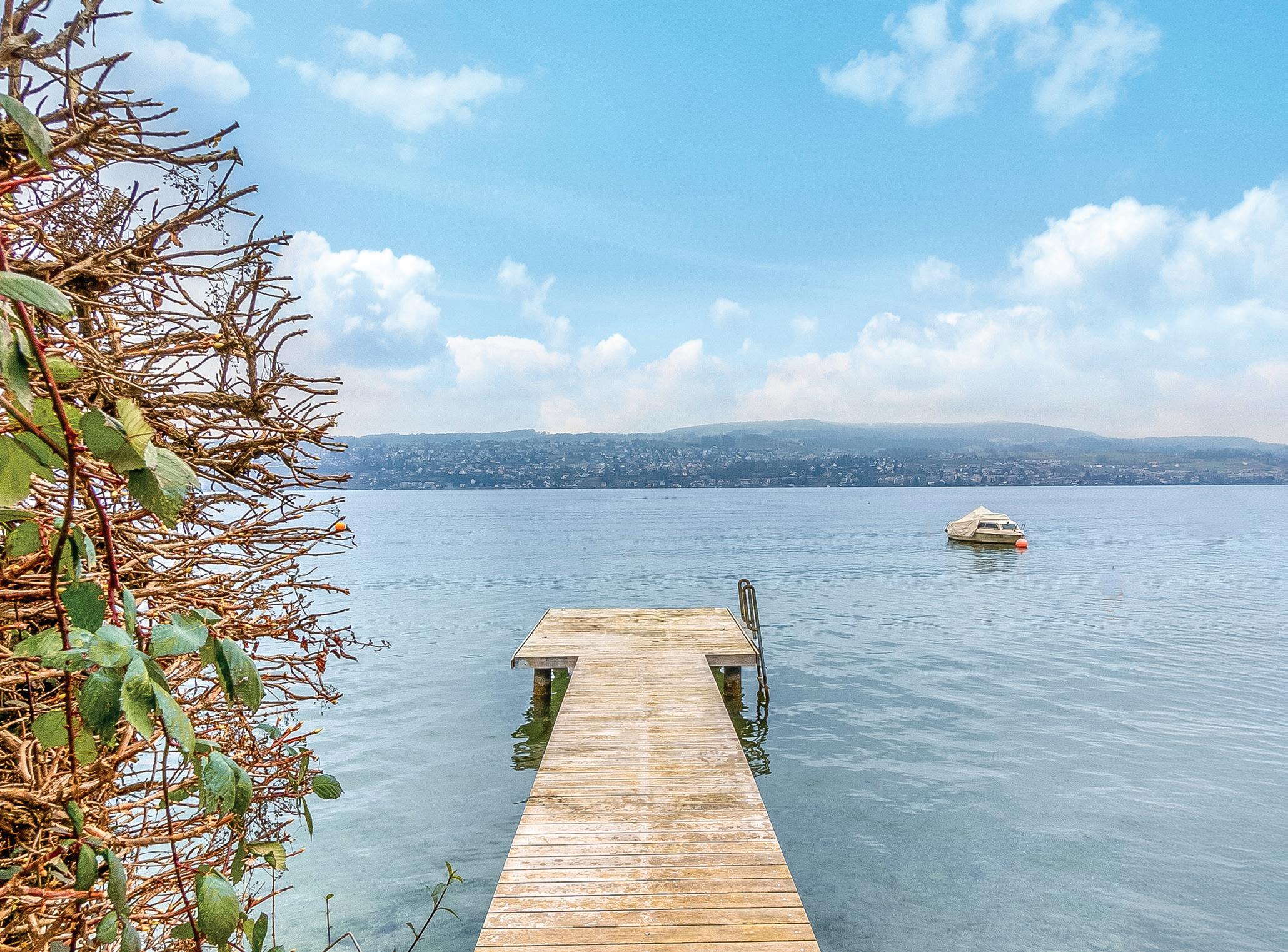
Direct lake access, its own boathouse and a large garden: this 6-room detached house is your gateway to an exquisite paradise. The living space can be significantly expanded through an extension or new construction, offering exceptional development potential.
6 rooms, living space: 210 m², land area: 1,529 m²
Price on request. Ref: WCH 80.76.408
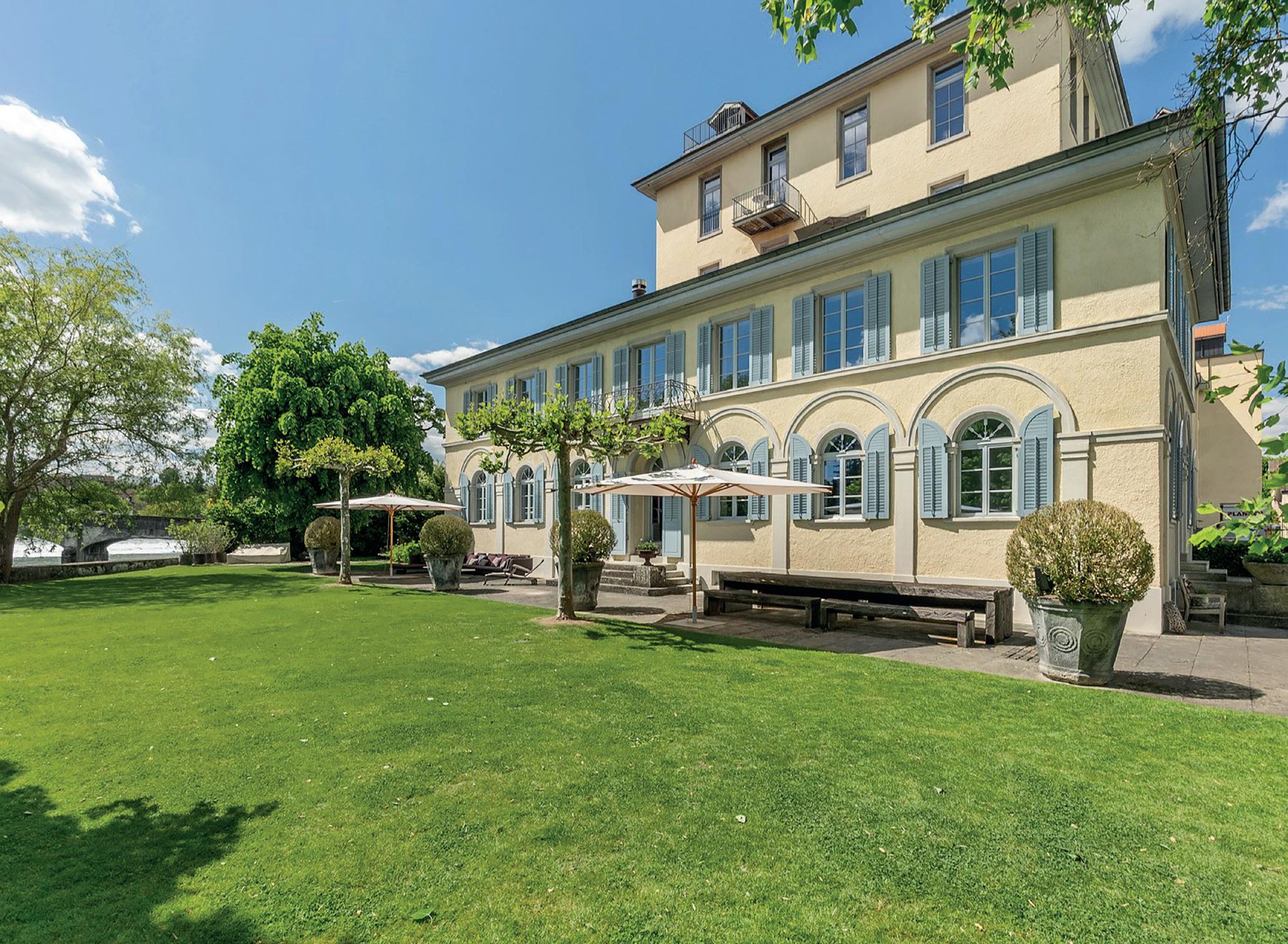
In an exceptional location, a factory owner's villa built in 1830, which is an important witness to Switzerland's industrial history, has been transformed into a luxurious property that leaves nothing to be desired and meets the highest standards.
12.5 rooms, living space: 334 m², land area: 4,587 m² Price: CHF 6,100,000. Ref: WCH 50.78.243
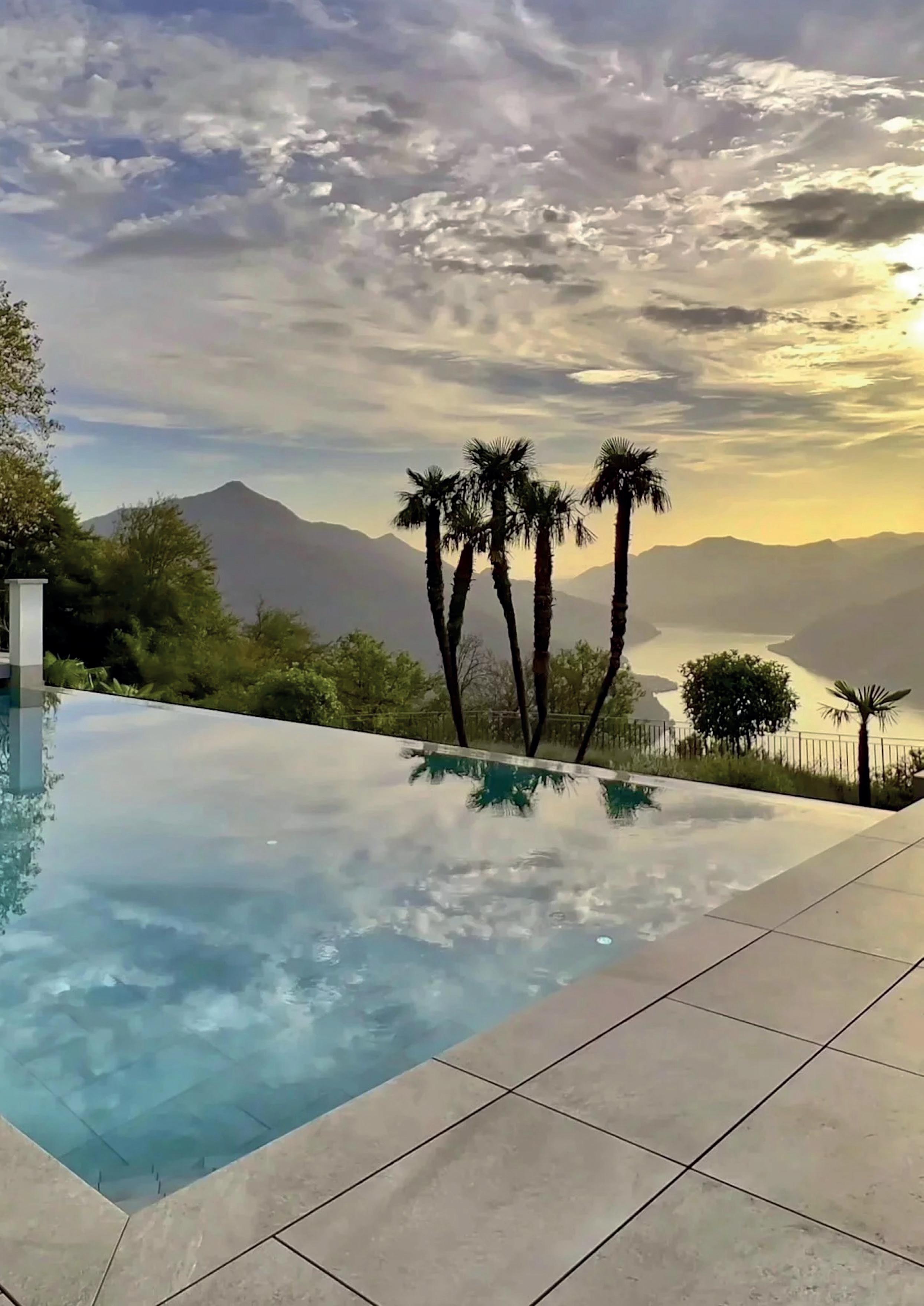
High above Lake Lugano
Splendid isolation
Arogno, Lake Lugano, Ticino, SWITZERLAND
5 bedrs, 5 bathrs, house: 575 m2, land: 6803 m²
Price: CHF 14.000.000. Ref: WE LUX1598
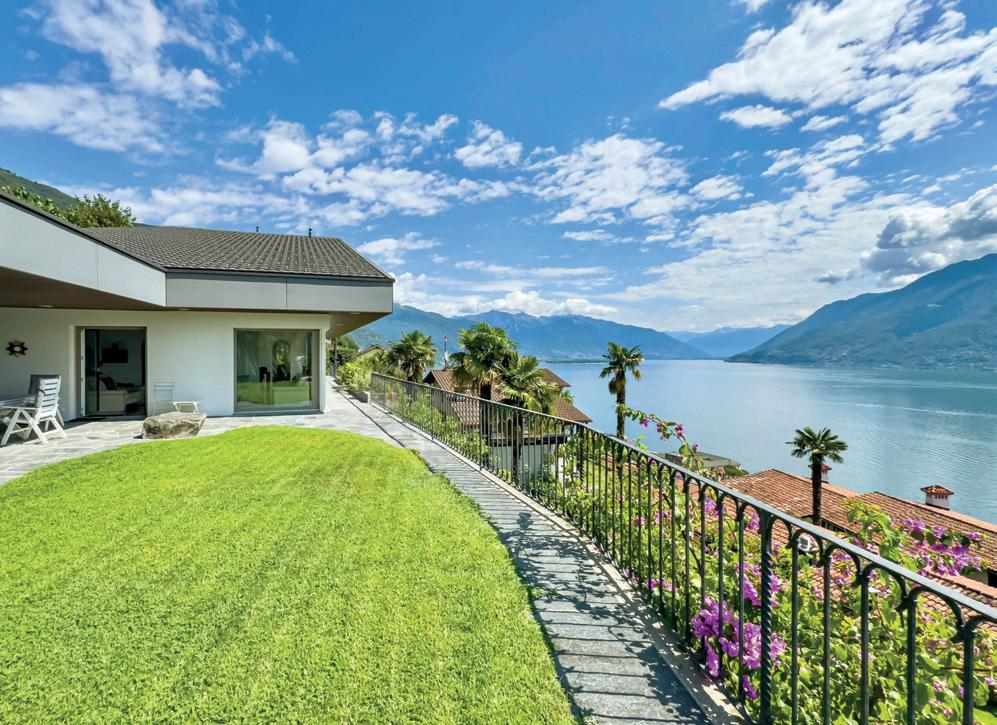
The ideal holiday retreat, where breathtaking views merge with the blue of the sky & the sparkling lake Brissago, Lake Maggiore, Ticino, SWITZERLAND.
3 bedrs, 2 bathrs, house: 234 m², land: 828 m²
Price: CHF 2.800.000. Ref: WE LOC1671
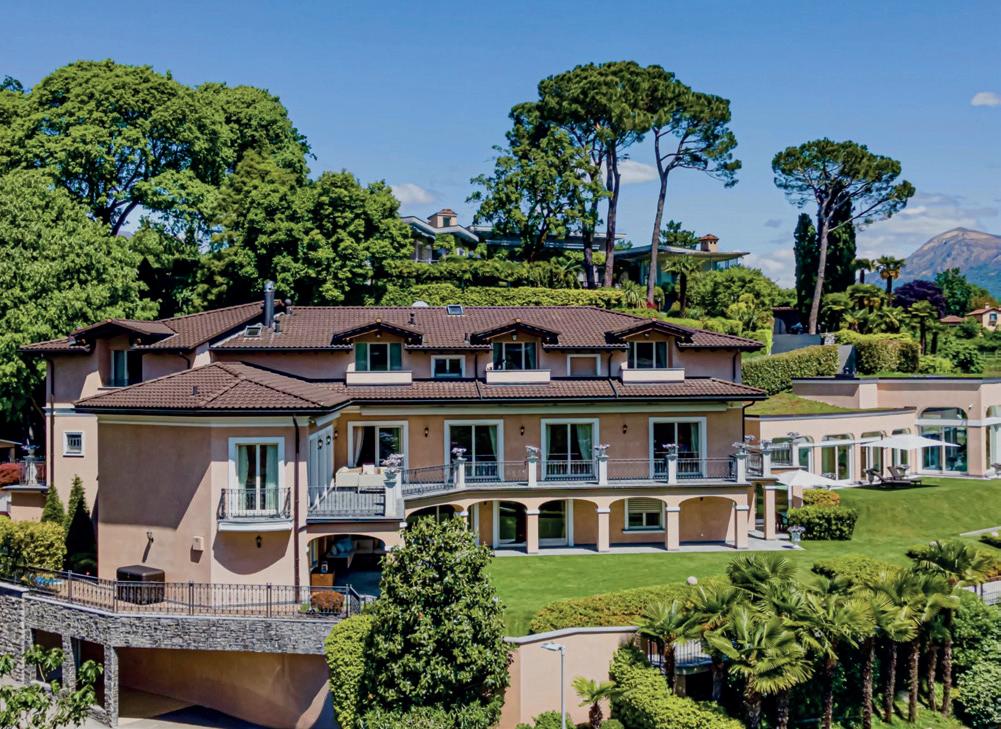
A true gem of peace & luxury with breathtaking lake views Sorengo, Lake Lugano, Ticino, SWITZERLAND.
9 bedrs, 10 bathrs, house: 950 m², land: 3653 m²
Price: CHF 26.000.000. Ref: WE LUX1293
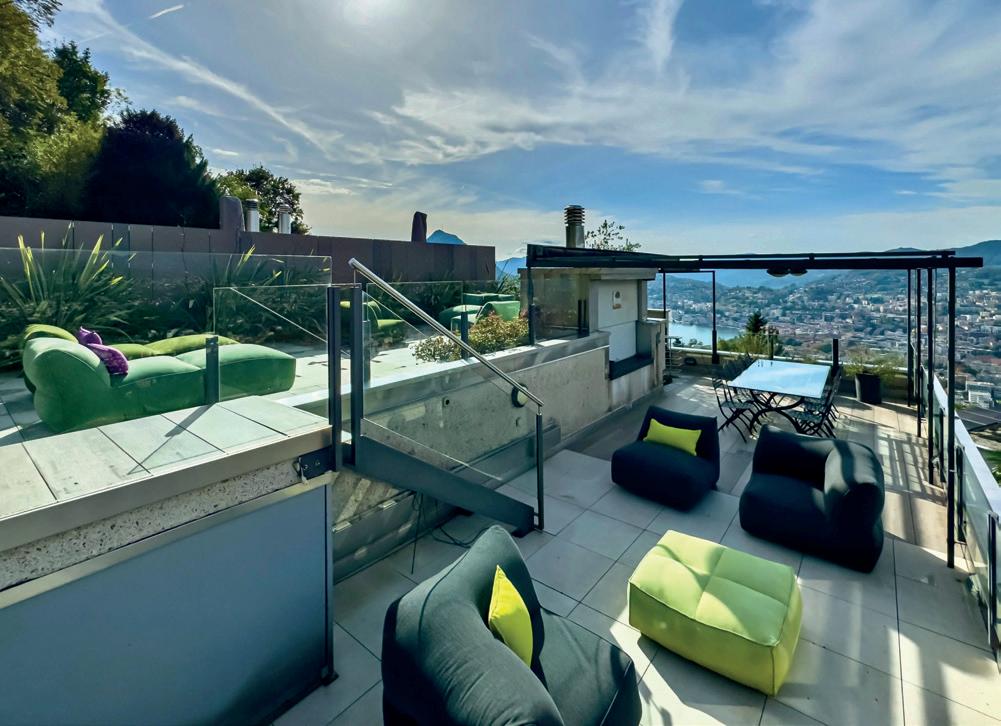
Modern penthouse apartment with stunning lake views & rooftop terrace Aldesago, Lake Lugano, Ticino, SWITZERLAND.
3 bedrs, 2 bathrs, house: 192 m² terrace: 216 m²
Price: CHF 4.820.000. Ref: WE LUG1516
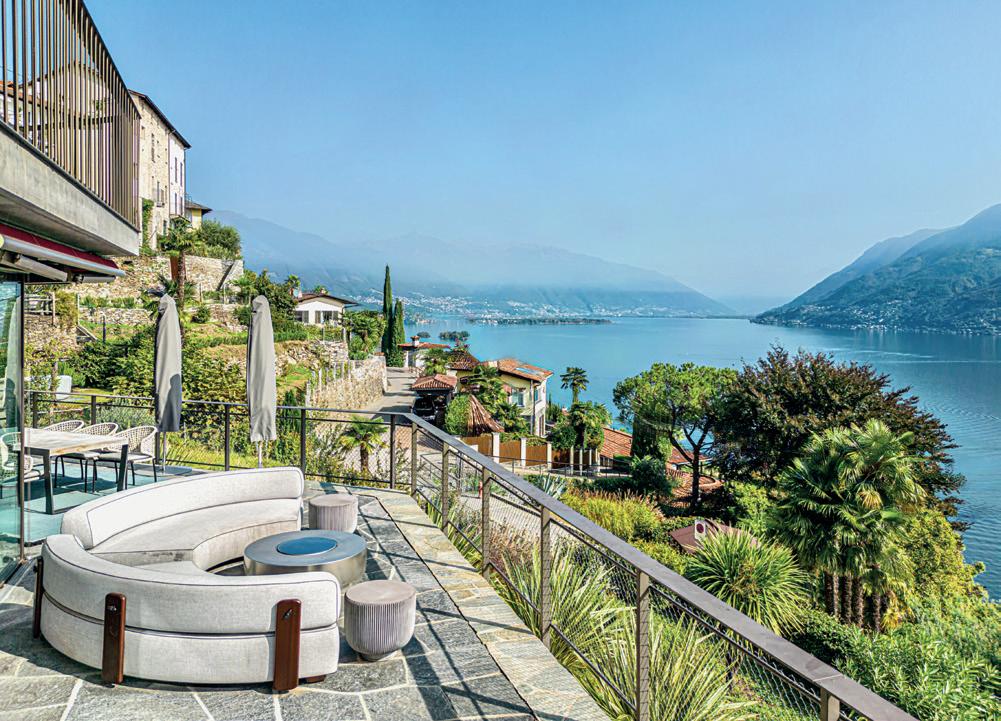
Exclusive apartment with 180° panoramic view on Lake Maggiore Brissago, Lake Maggiore, Ticino, SWITZERLAND.
3 bedrs, 3 bathrs, house: 165 m², terrace: 80 m²
Price: CHF 2.650.000. Ref: WE LOC1350
“The reward for work well done is the opportunity to do more”.
Dr. J.E. Salk
The 2025 Annual Meeting of EREN Real Estate, held in Geneva and hosted by FGP Swiss & Alps, has further underscored the strength of international cooperation within the network.
Building on the momentum of previous gatherings, this year placed particular emphasis on amplifying the voices of its members through a series of in-depth interviews, now available, offering valuable insights into local expertise, shared challenges, and cross-border collaboration. These conversations reflect a cohesive vision: a network that thrives not only on market knowledge, but on trust, dialogue, and the continuous exchange of opportunities across territories.


MARSCHALL REAL ESTATE. Vienna
A modern, dynamic company that combines its technical know-how and knowledge of the local property market with a customerorientated service. Providing a key brokerage and surveying service to private buyers and investors, embassies, trusts and foundations, the firm offers a portfolio of upmarket residential properties, commercial real estate and industrial premises.
Döblinger Hauptstraße 17/III/2
1190 Wien – Austria
Tel: +43-1-533 20 30
Fax: +43-1-533 20 30 30
office@marschall.at www.marschall.at
PLOUMIS SOTIROPOULOS. Athens. Ploumis Sotiropoulos is a full-service real estate brokerage founded in 1924 and offering a wide range of property in the greater Athens area and in selected other areas around Greece.
6 Panepistimiou, 10671 Athens, Greece +30 210 3643112
ps@ploumis-sotiropoulos.gr www.ploumis-sotiropoulos.com
COFIM. Verona
Founded in 1978. Cofim is a leading property firm that specializes in both sales and rentals of residential and commercial properties in the Veneto Region and Lake Garda. Its staff provides to multilingual clients quality service from the very beginning of the sale/rental process over offering a smart marketing plan. Cofim's goal is to satisfy clients offering them an extensive portfolio of properties, from apartments to high-end villas and a wise knowledge of the local territory.
Via Brescia,8. 25019 Sirmione - Brescia +39 – 030 – 337 79 72 info@cofimimmobiliaregarda.it www.cofimimmobiliaregarda.it
Stradone Porta Palio, 16/A. 37122 Verona - Italy
Tel: +39 – 045 – 800 11 99
info@cofimimmobiliare.it www.cofimimmobiliare.it
IMMOBILSARDA.
Sardinia-Costa Smeralda - Porto Cervo.
Since 1974, Property Finder and leading high-end real estate specialist in Sardinia –Costa Smeralda. Providing brokerage and surveying services as well as project management , market research and valuations. As developer, promoter and consultant, Immobilsarda guarantees an invaluable local knowledge, an extensive portfolio of high quality properties for sale and rent, seafront villas and estates, luxury golf resort projects, sustainable developments.
Via Nazionale 28.
07028 Santa Teresa di Gallura - Italy
Tel: +39-0789-754500
Fax: +39-0789-754371
Vicolo degli Archi, 1 07020 Porto Cervo - (OT) - Italy
Tel. +39-0789-909000
Fax. + 39-0789-909022
Piazzetta Mare
07020 Porto Rafael – (OT) - Italy
Tel. +39.0789.700381
immobilsarda@immobilsarda.com www.immobilsarda.com
This property specialist for Rome and the surrounding province of Lazio is a leading brokerage, accredited by the Chamber of Commerce to operate with the Real Estate Stock Exchange of Rome, and entrusted with the sale of luxury city properties, large historical country estates and commercial real estate.
Lungotevere dei Mellini 44. 00193 Rome - Italy
Tel: +39 06 3200613. Fax: +39 06 3218100
lacommerciale@lacommerciale.org www.lacommercialerealty.it
RIMONTGÓ. Valencia, Jávea, Madrid
Rimontgó is a well-established family business that has been building, marketing and selling quality villas and apartments since 1959. Rimontgó’s multilingual team offers a full range of residential and commercial property services, ensuring the company’s success in Spain.
Avenida de Lepanto, 1
03730 Jávea (Alicante) - Spain
Tel. +34 965 791 035
Fax. +34 965 795 129
Po. Amanecer, bl 9, local 10 03730 Jávea (Alicante) - Spain
Tel. +34 966 470 983
Fax. + 34 966 470 983
Gran Vía Marqués del Turia, 62 46005 Valencia - Spain
Tel.+34 963 504 444
Fax. +34 963 504 445
Pº de la Castellana, 18, 7
28046 Madrid - Spain
Tel. +34 667 635 774
rimontgo@rimontgo.es www.rimontgo.com
FGP SWISS & ALPS. Geneva. With origins dating back to 1825, COMPTOIR IMMOBILIER is a leading real estate Group in French-speaking Switzerland. Based in Geneva, the company also operates agencies in the Cantons of Vaud and Valais, employing today more than 320 professionals and active in residential, commercial, and luxury real estate with its Prestige division CI EXCLUSIVE PROPERTIES. This family structure carries strong values with a focus on Service, Performance, Ethics and Sustainable development. Cours de Rive 1, 1204 Geneva. Switzerland
Tel: +41(0) 22 319 89 15 contact@fgp-swissandalps.com www.fgp-swissandalps.com
WALDE IMMOBILIEN AG
Zollikon, Baden, Lucerne, Sursee, Thalwil, Uster, Zurich
Walde & Partner Immobilien are the leading independent real estate agents for prime, exclusive properties in the Germanspeaking region of Switzerland. Founded in 1985, Walde & Partner operates with a staff of 60 at its seven offices in and around Lake Zurich and Lucerne. The Brand Walde & Partner Immobilien stands for quality, professionalism and the highest level of customer satisfaction.
Zollikerstrasse 65
CH-8702 Zollikon - Switzerland
Tel. +41 44 396 60 60
Fax. +41 44 396 60 90
eren@walde.ch www.walde.ch
WETAG CONSULTING IMMOBILIARE SA. Canton Ticino, Switzerland
A leading specialist in high-end real estate in the Ticino region of Switzerland since 1973, Wetag offers a broad range of customized real estate and personal solutions. These include the purchase and sale of residential property, assistance with residence permit applications and also with guidance regarding tax-related or legal issues.
Viale Monte Verità 1
CH-6612 Ascona - Switzerland
Tel: +41-91-791 29 20
Riva Antonio Caccia, 3
CH-6900 Lugano - Switzerland
Tel: +41-91-601 04 50
info@wetag.ch www.wetag.ch
UK
EREN HEAD OFFICE
London 837 Salisbury House, 29, Finsbury Circus, London EC2M 5QQ
T: +44 207 592 8905 bod@europeanrealestate.org www.europeanrealestate.org
The whole is greater than the sum of its parts.
Aristotle.






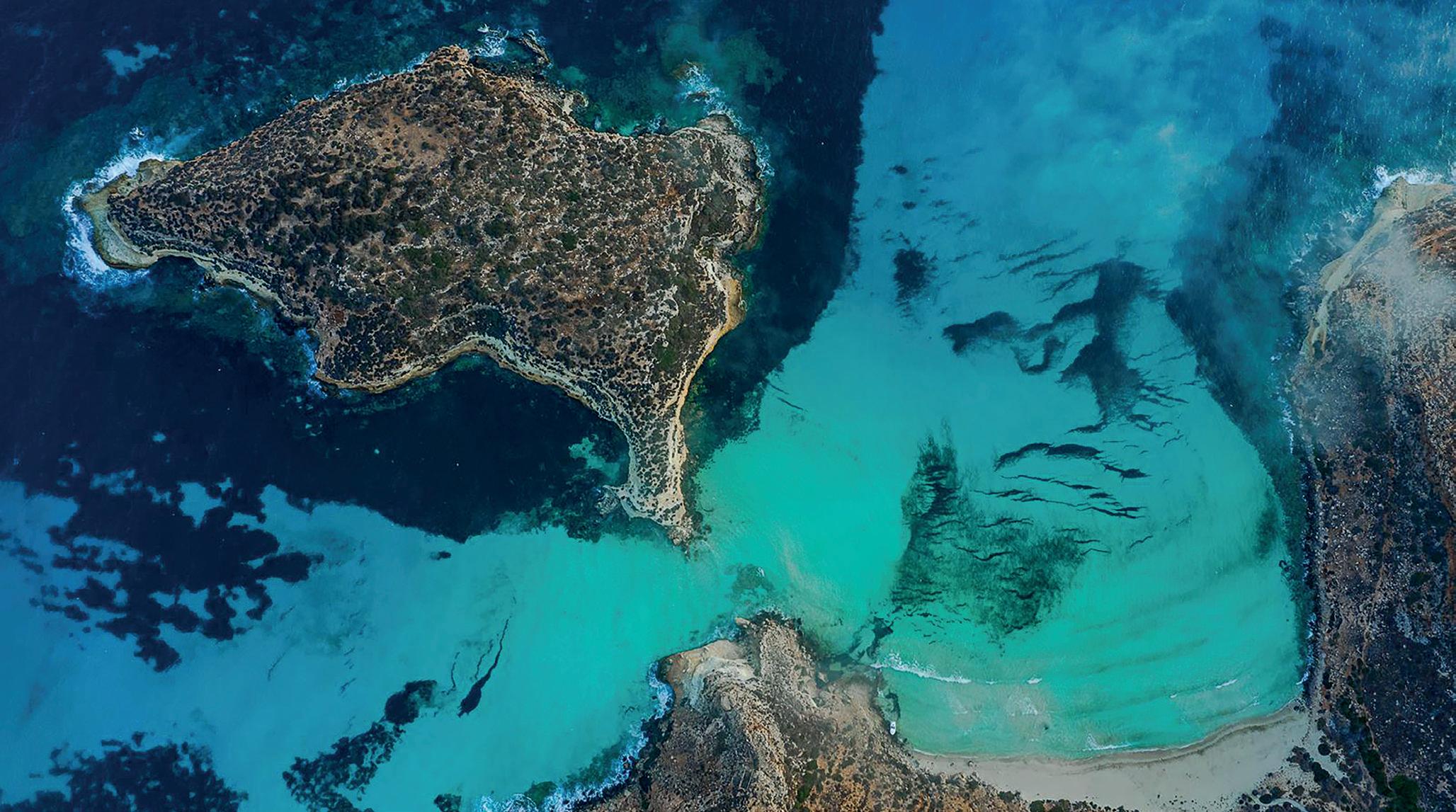
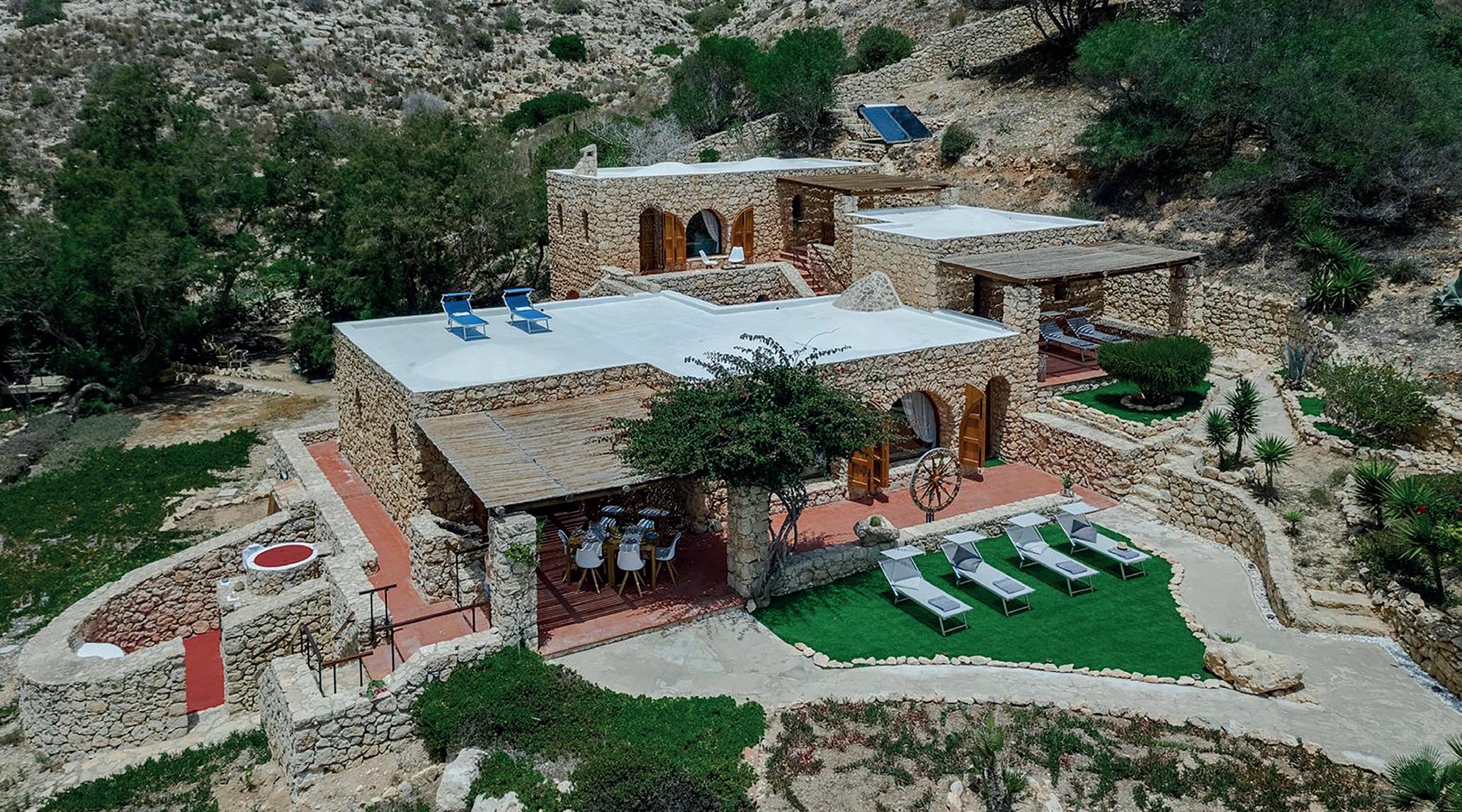
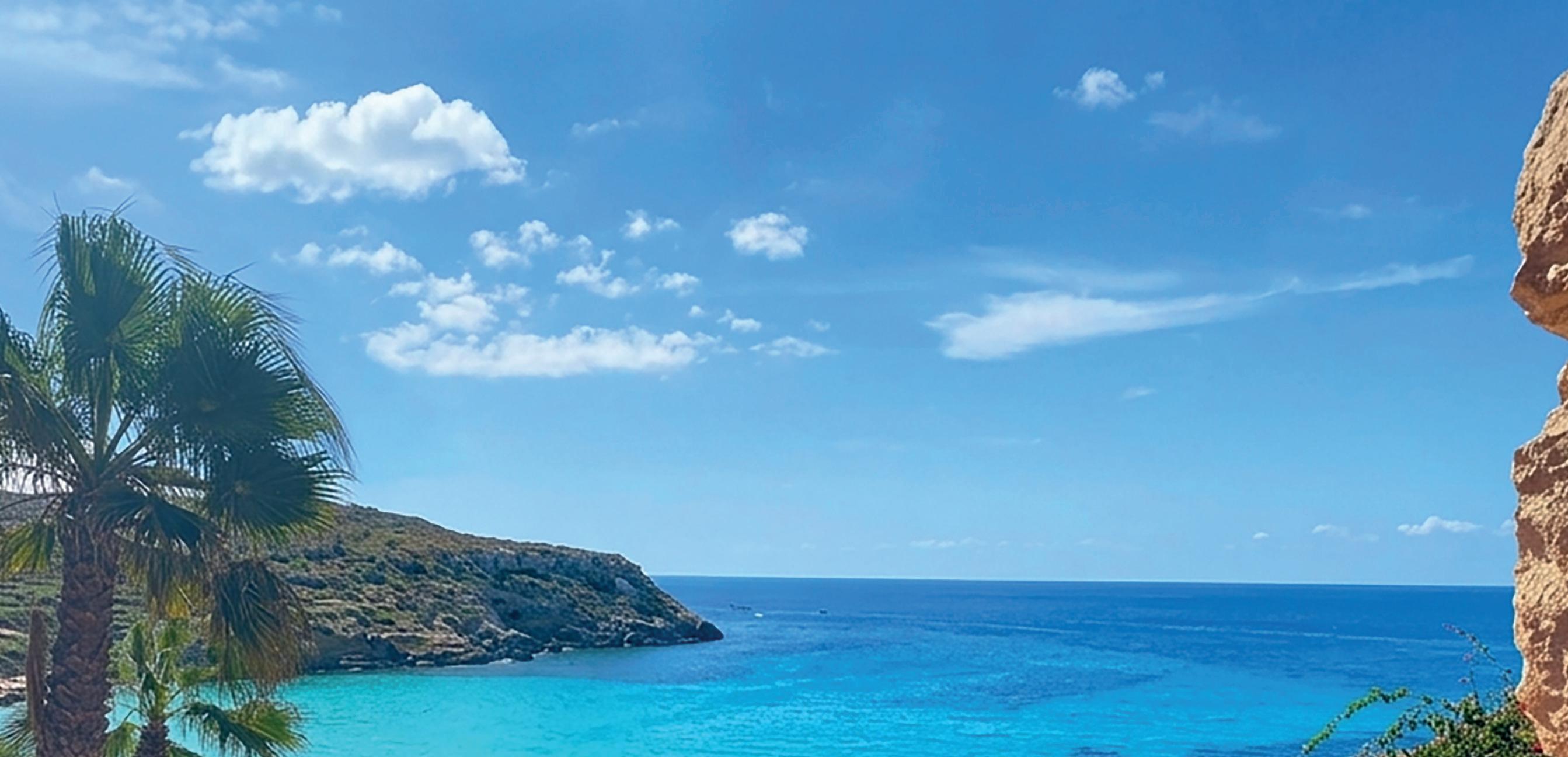
Sicily, ITALY. The villa is situated in the nature reserve of Lampedusa Island, an area characterized by a land and nature of great value. It is also in front of Spiaggia dei Conigli (Rabbits’ beach), one of the most beautiful beaches in the world, which you can access directly from the property.
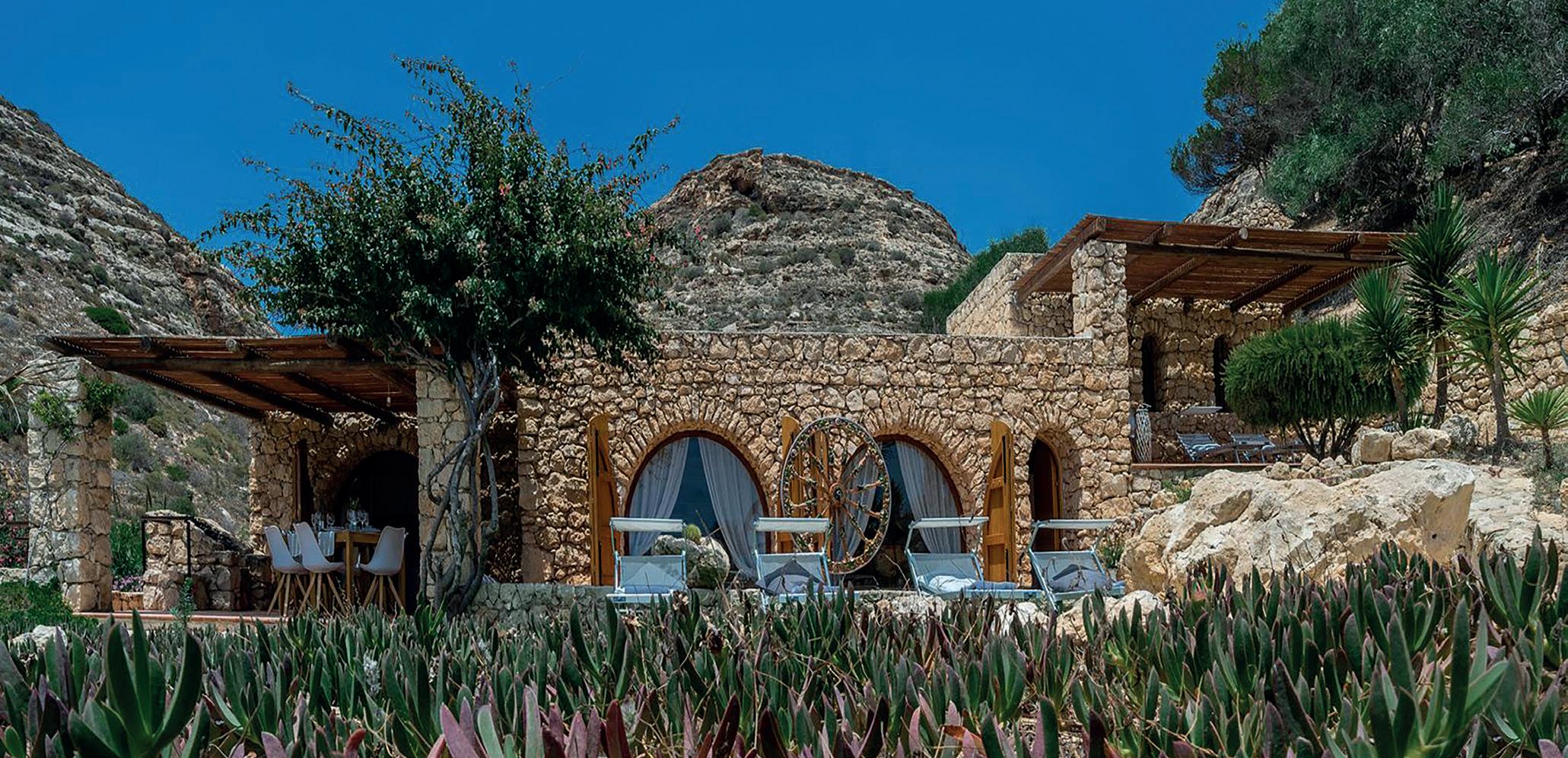
The villa is composed of two buildings for a surface of 220 m² circa. Veranda, terraces and patio, for a total of 120 m² circa, complete the property. It is surrounded by a 1000 m² circa garden encircled by a dry-stone wall and many Mediterranean plants.
This villa represents a unique opportunity to live in contact with nature in your own heaven on earth.
Buildings: 220 m²; Other surfaces: 120 m²; Land: 1000 m² Price Upon Request. Ref. LC390
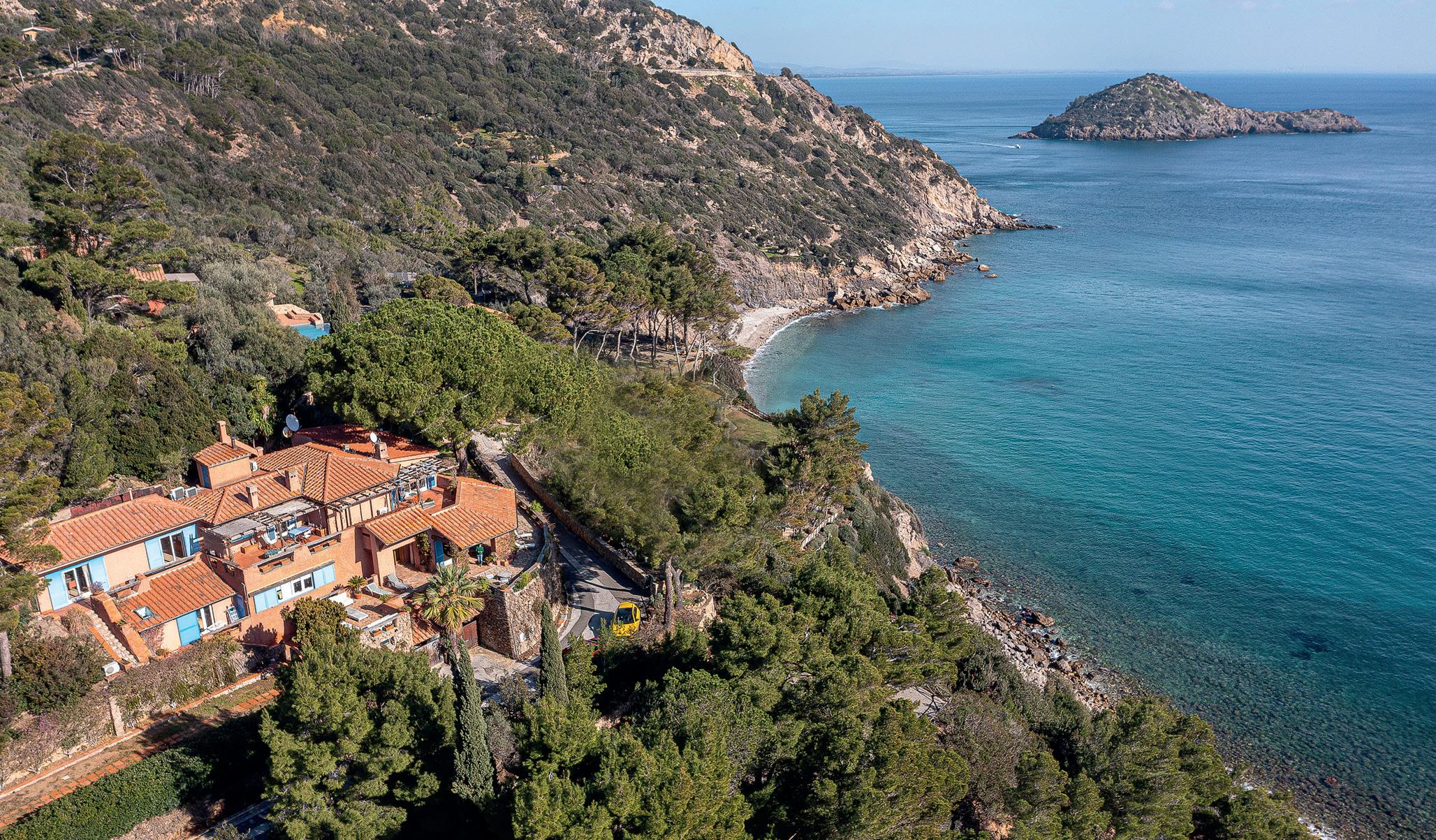
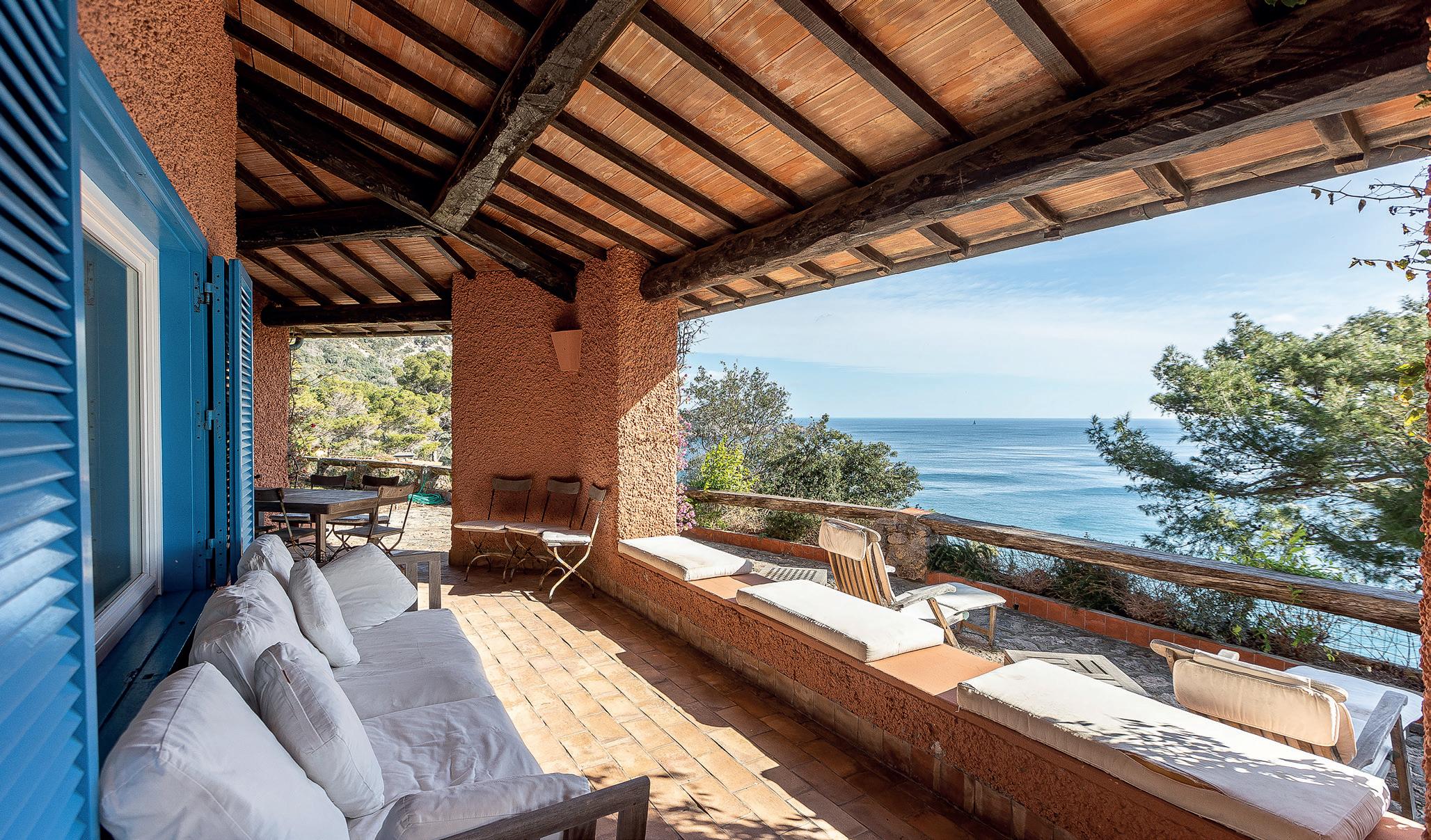
Tuscany, ITALY. On the slopes of Mount Argentario, a magnificent promontory where Etruscan evidence can be found, which overlooks a cobalt blue sea, worldwide known thanks to its beautiful beaches, breathtaking landscapes and its scenic hidden coves, is situated the most exclusive residential complex ever: the Sbarcatello, surrounded by a 42 hectares park in continuity with the Mediterranean maquis of the territory in which it is placed.
Buildings: 600 m²; Other surfaces: 4.300 m²
Price Upon Request. Ref. LC421
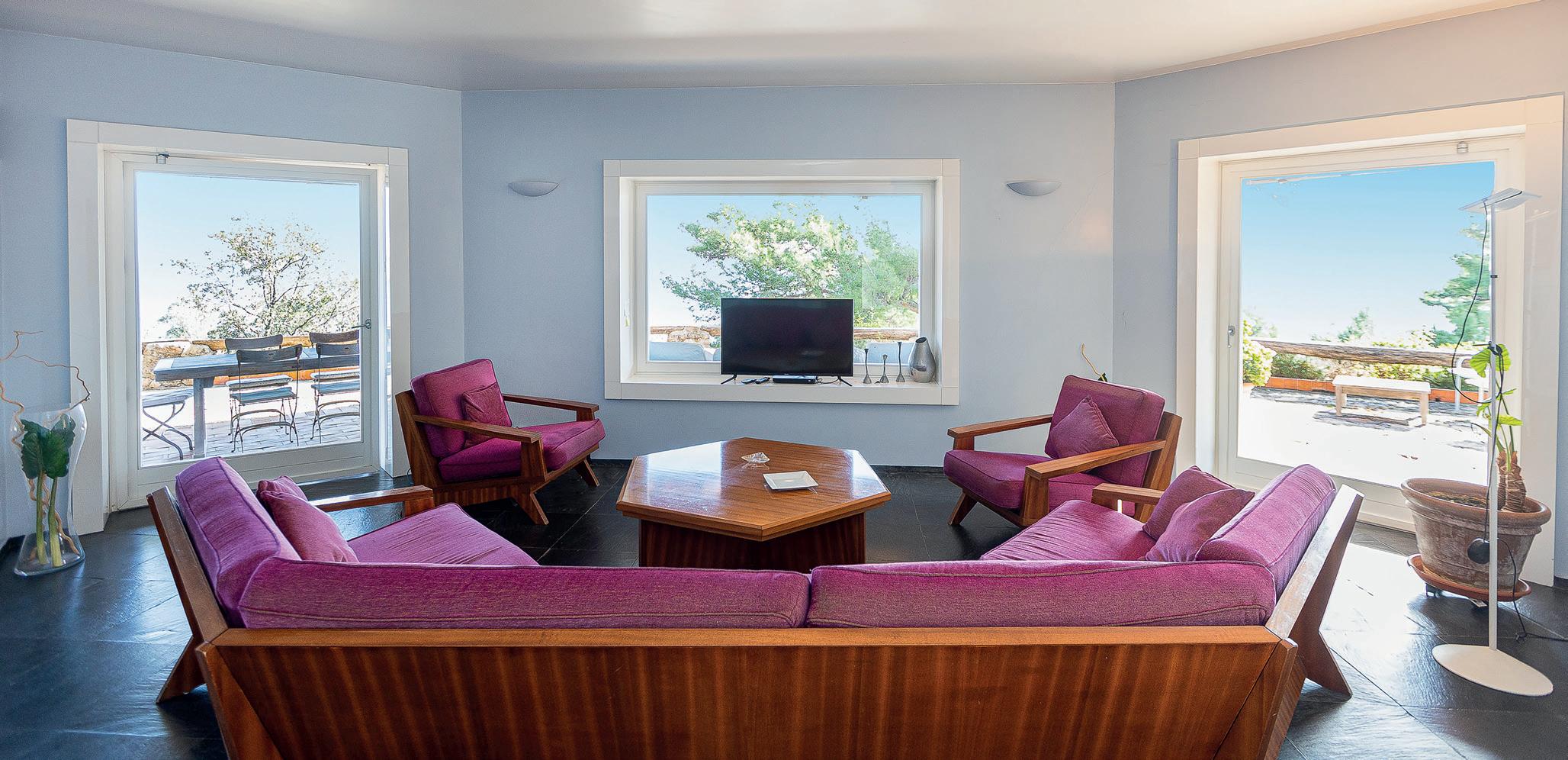
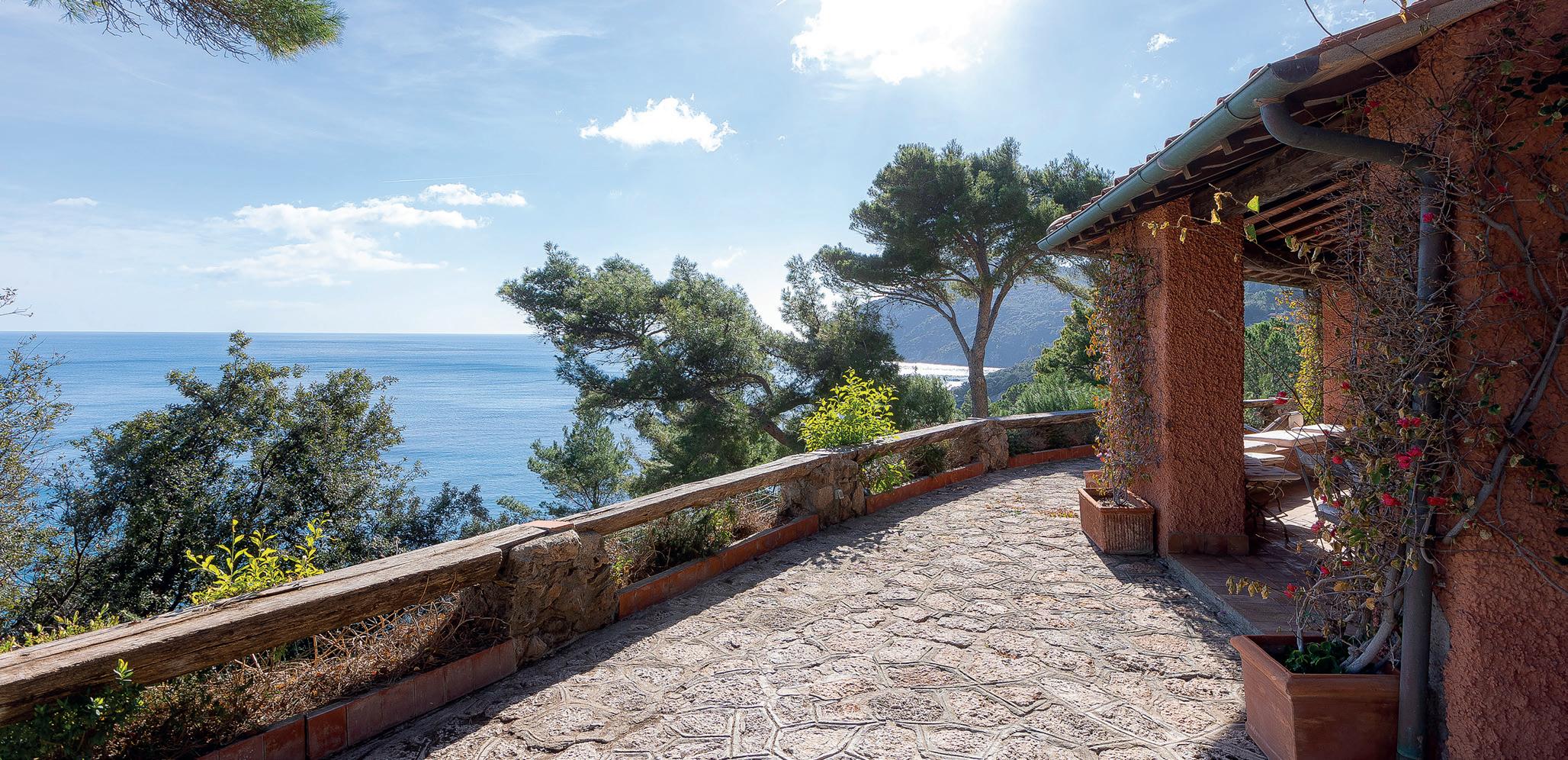
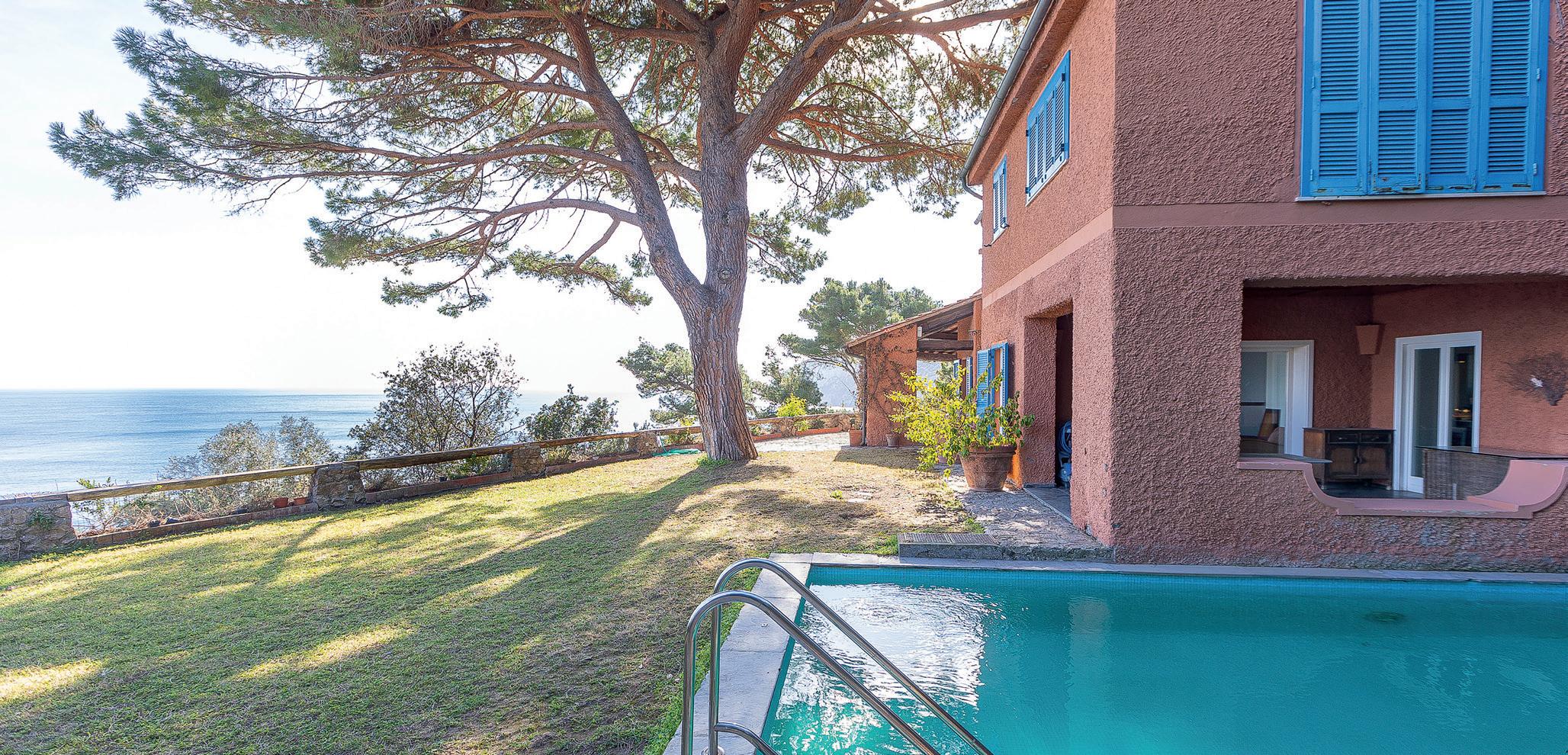
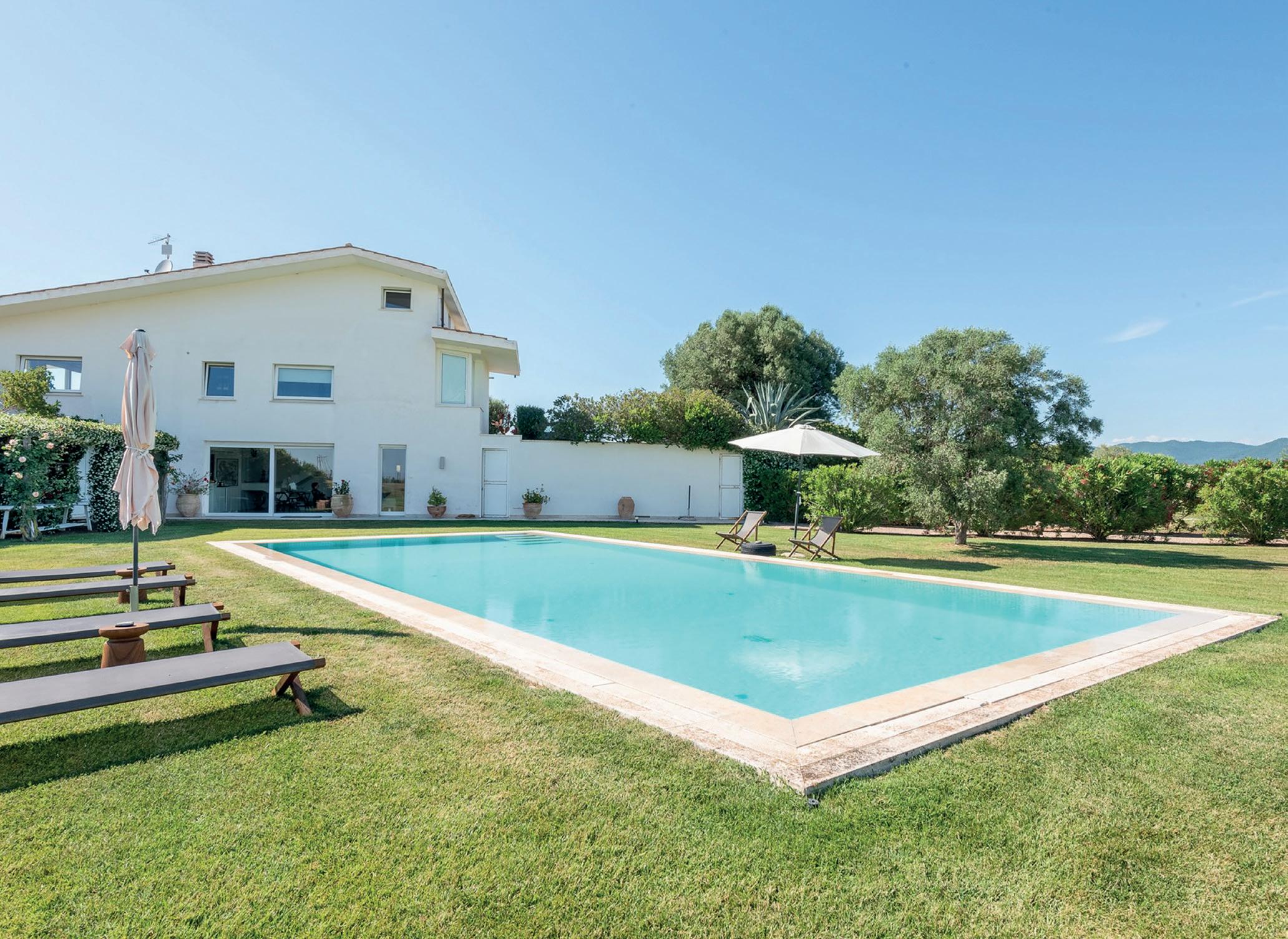
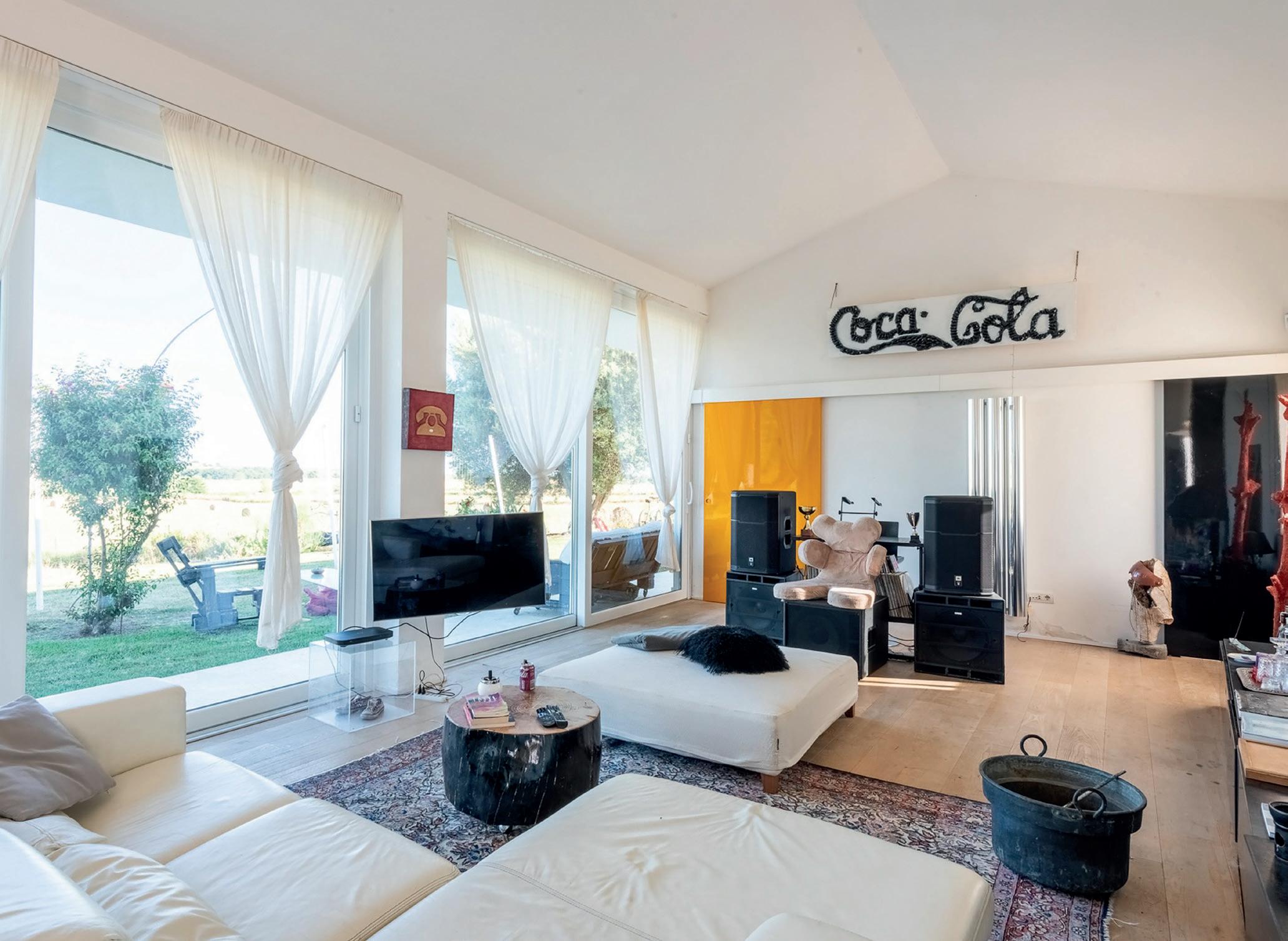
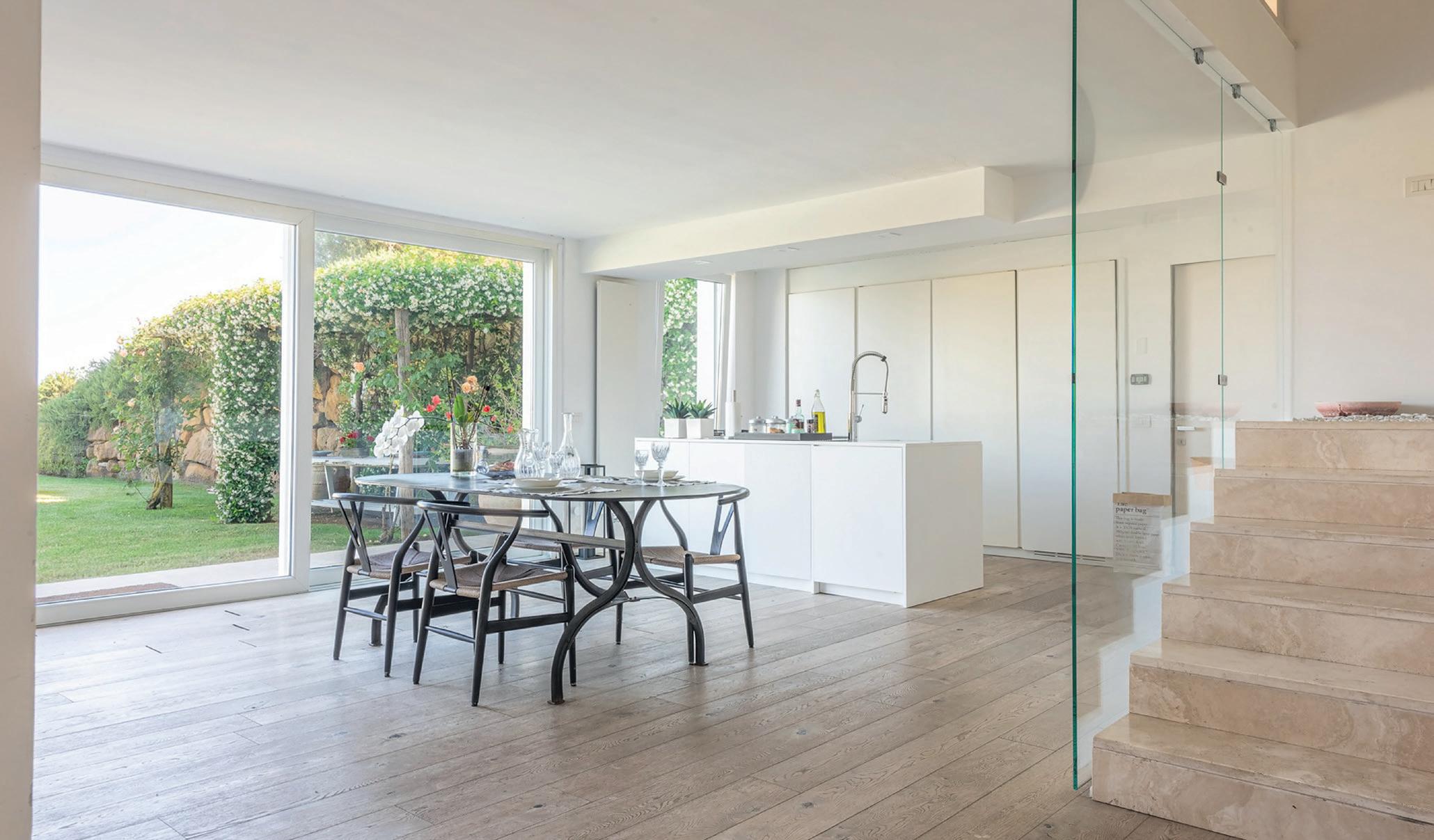
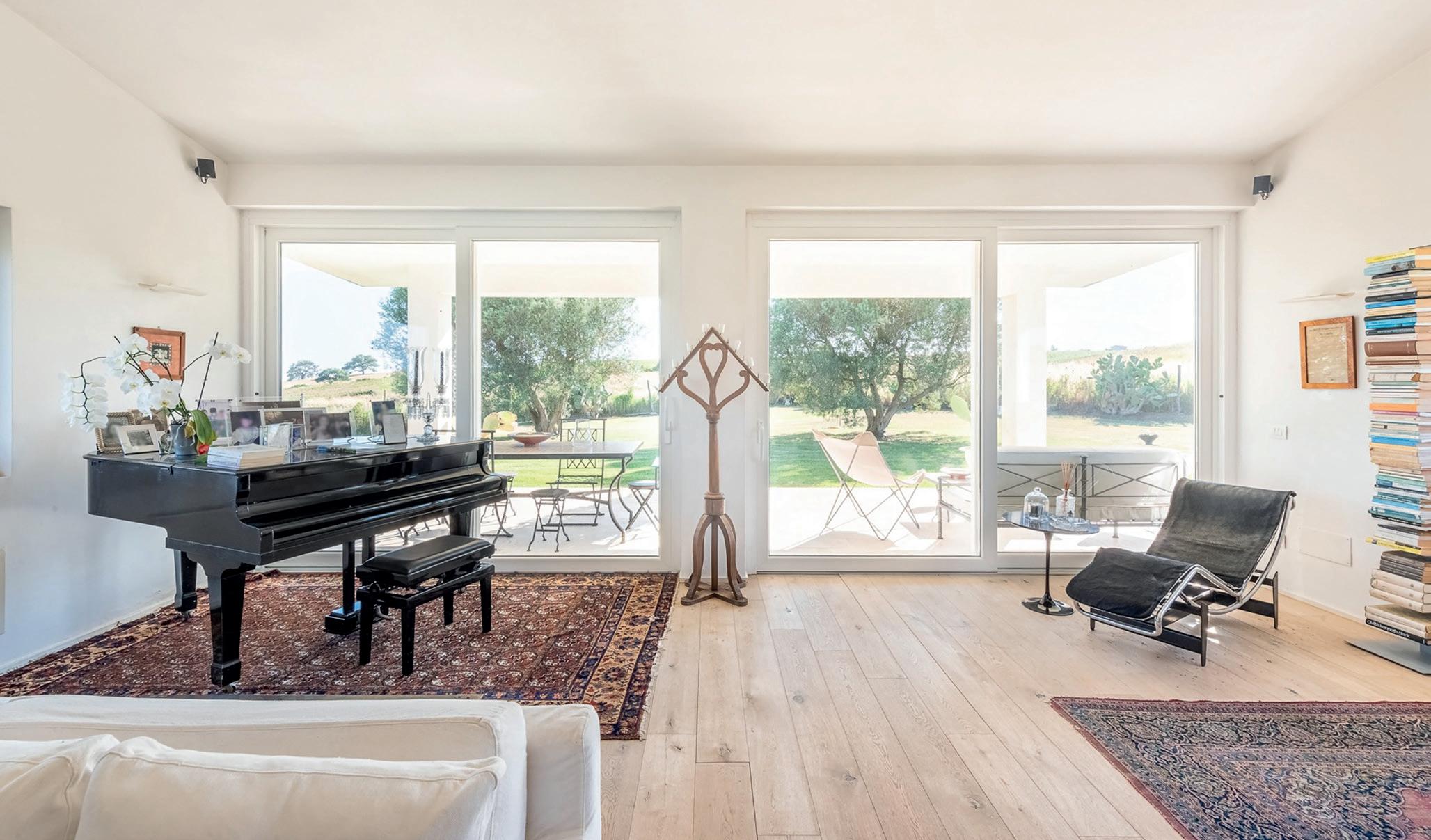
Lazio, ITALY. In the beautiful Tuscany-Lazio countryside, less than a kilometer from the border between Lazio and Tuscany, more precisely on the Pescia Romana hillside, we propose the sale of a splendid Villa of recent construction, which develops over three levels, immersed in a big garden of 3 acres circa on which there are a complimentary estate and a splendid masonry infinity pool.
Building: 365 m²; Other surfaces: 3 ha Price Upon Request. Ref. LC444 Rome
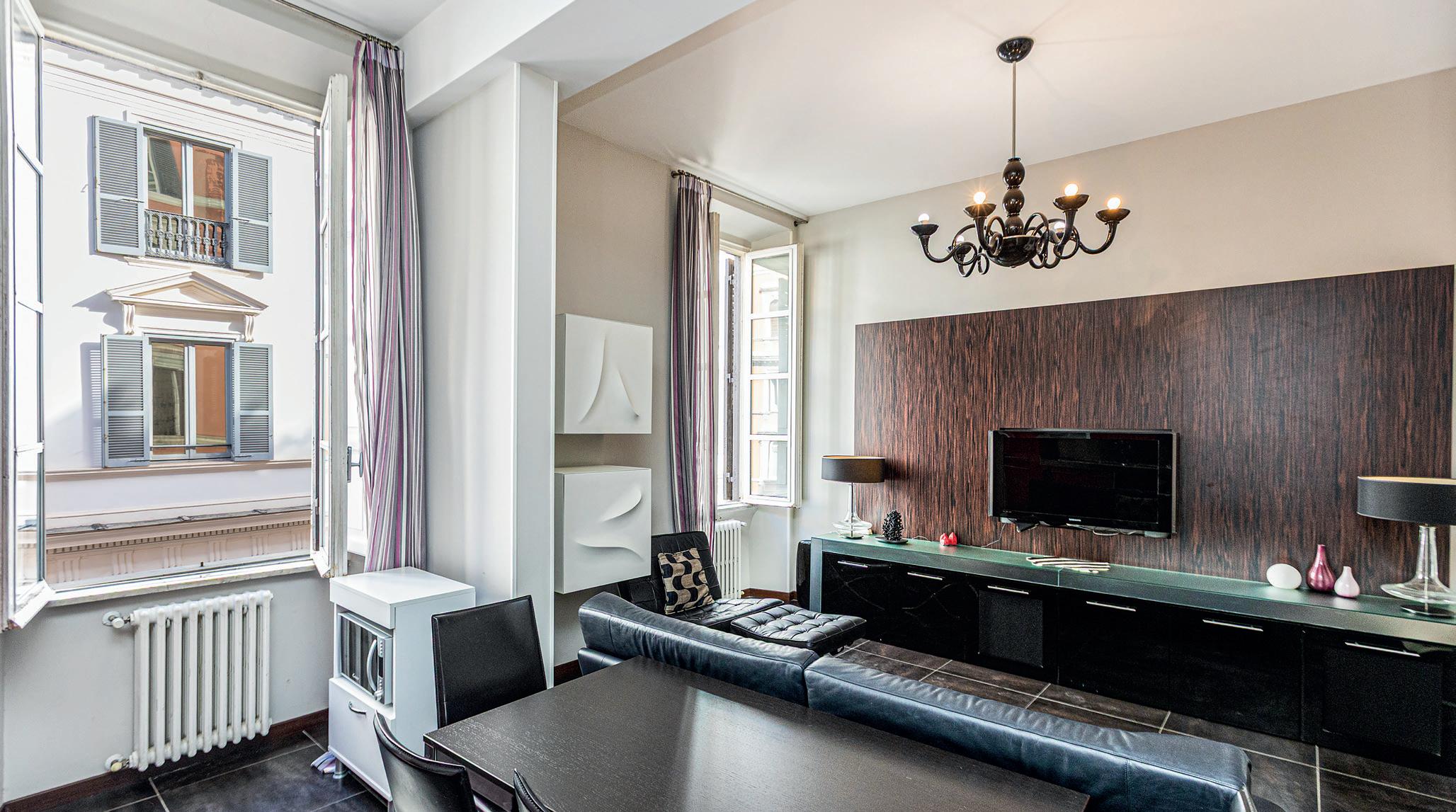
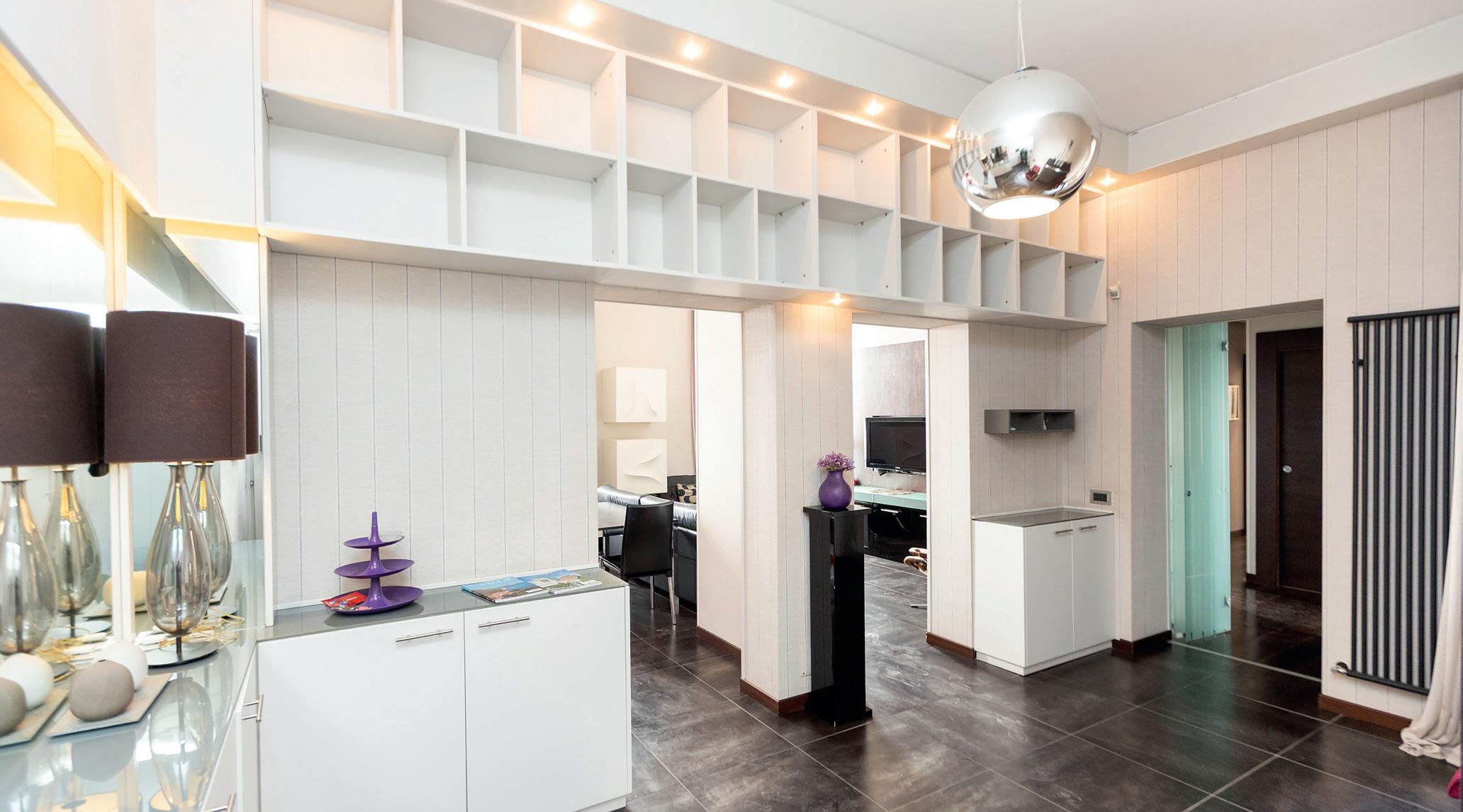
Rome, ITALY. In the prestigious Ludovisi district, one of the most sought-after areas in the center of Rome, we are offering for sale an apartment of approximately 125 m² located on the second floor of a building featuring typical Umbertine architecture, equipped with an elevator and concierge service.
Building: 125 m²
Price Upon Request. Ref. LC463
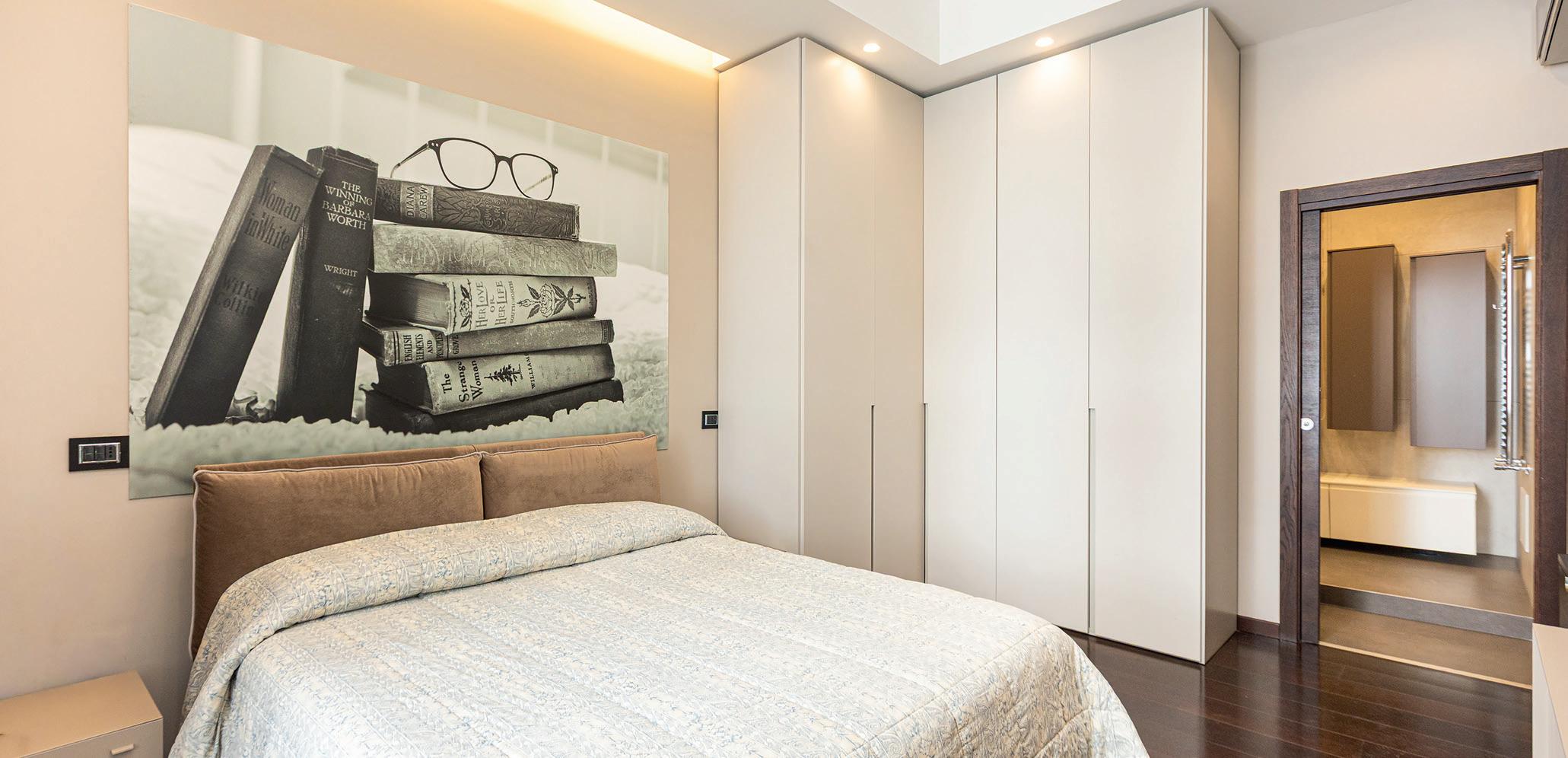
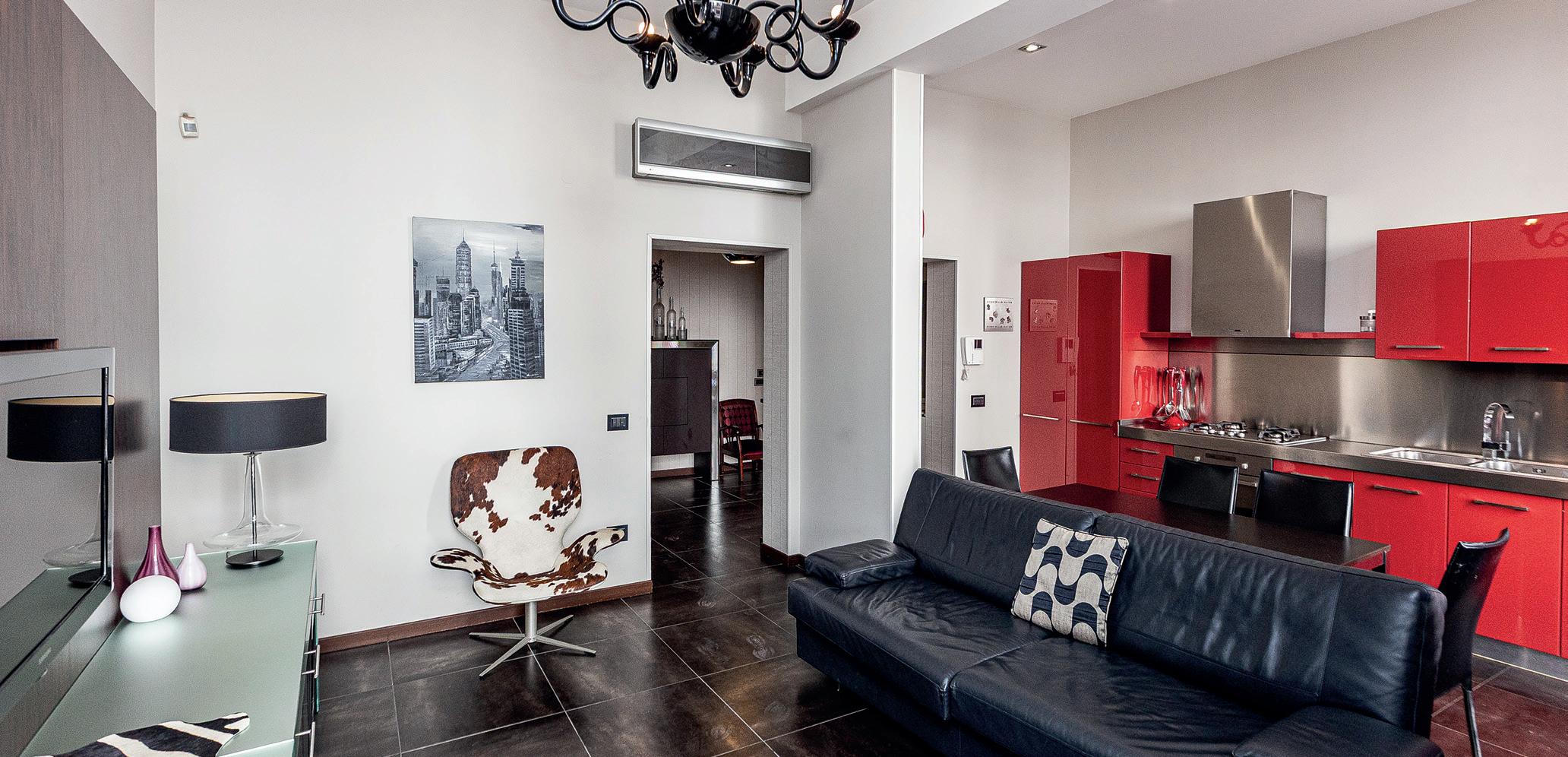
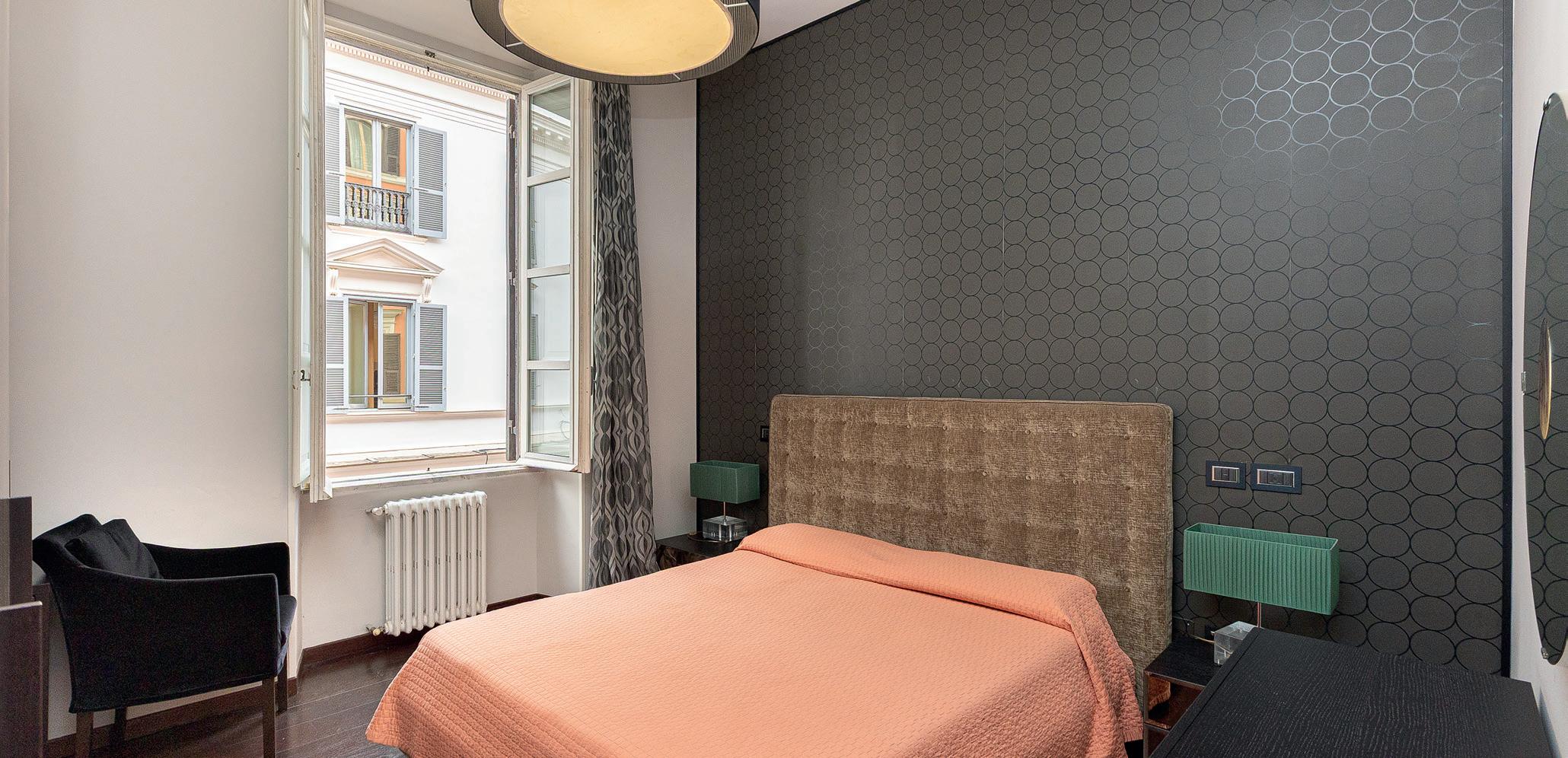
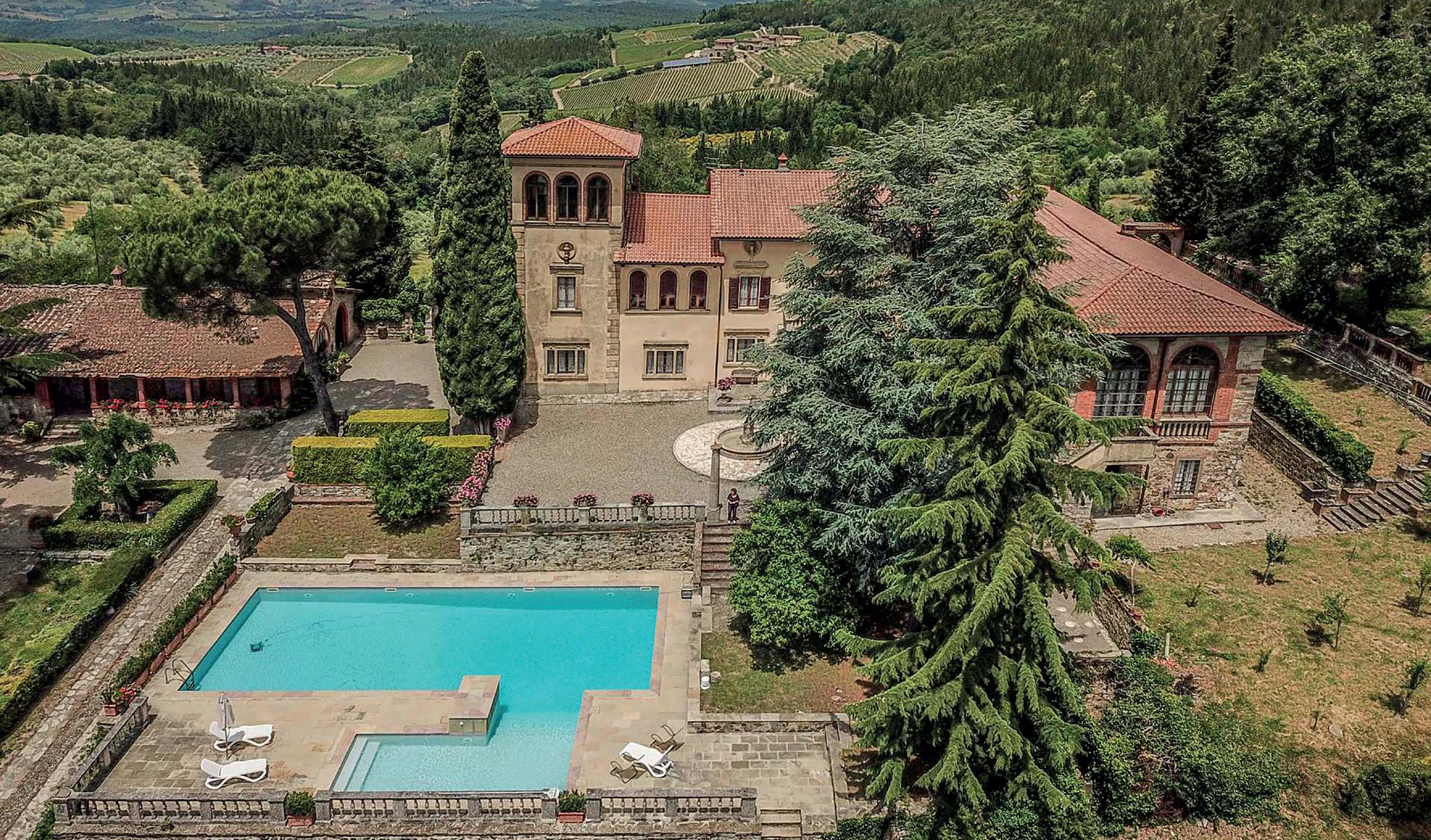
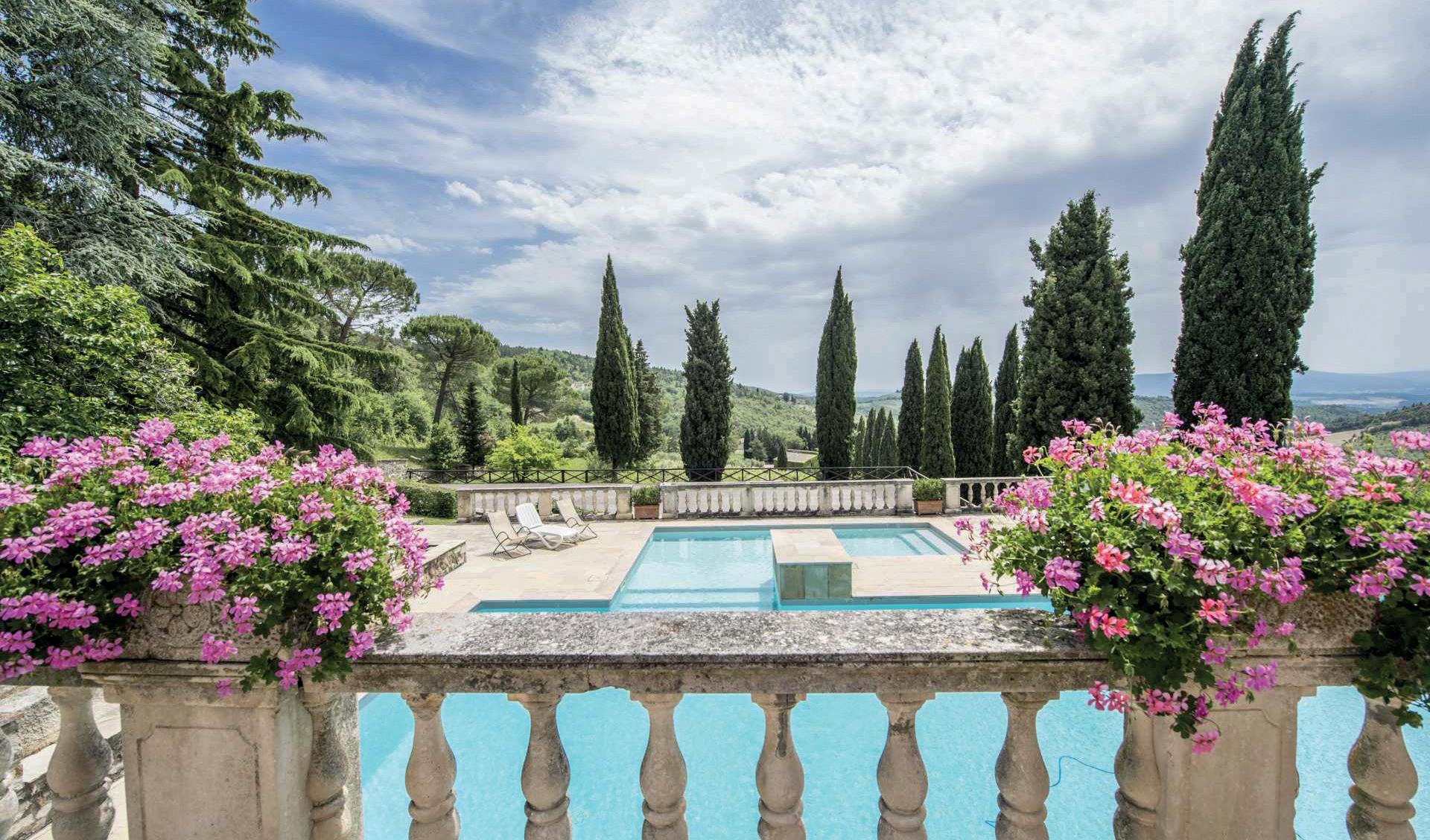
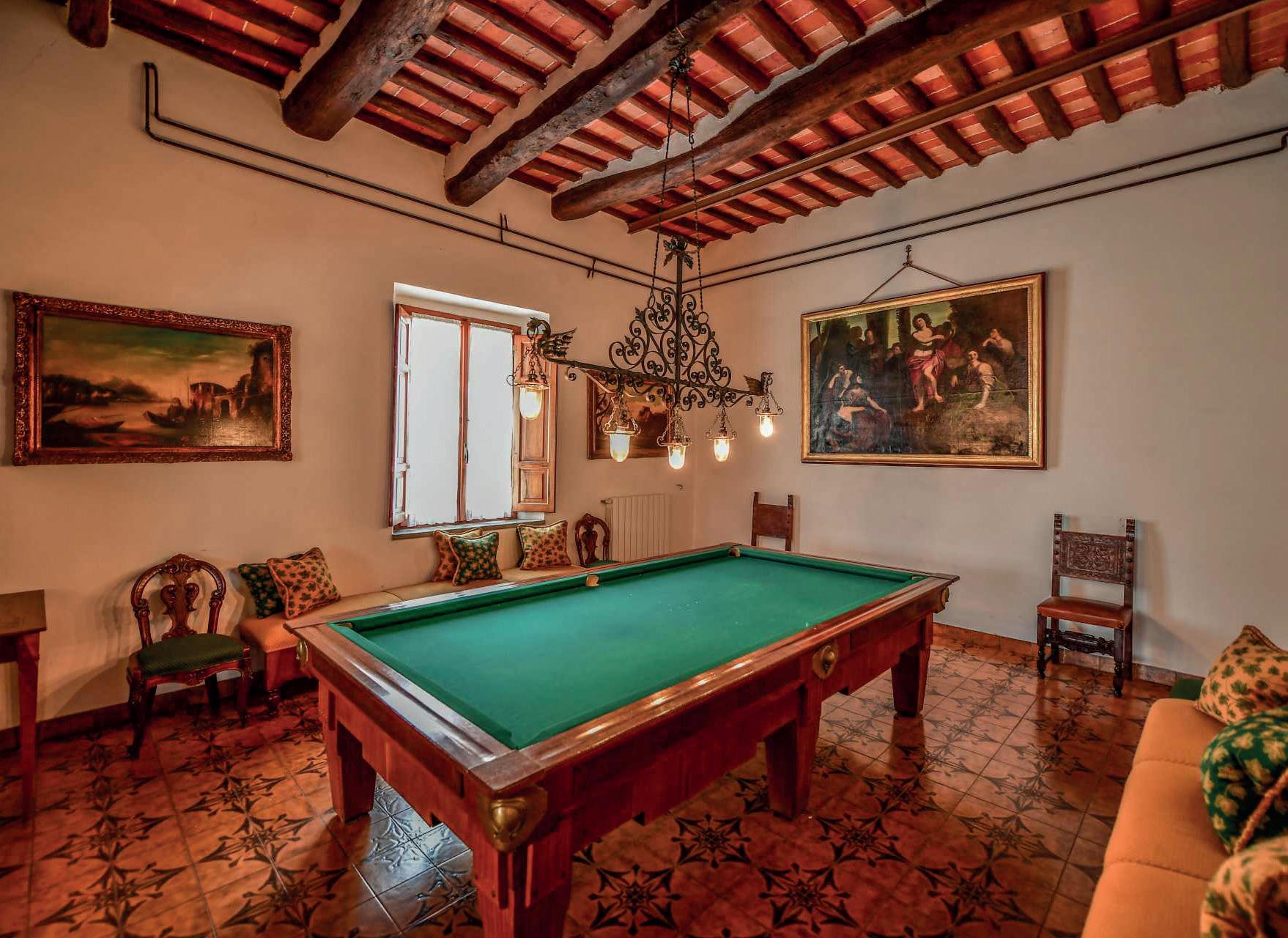
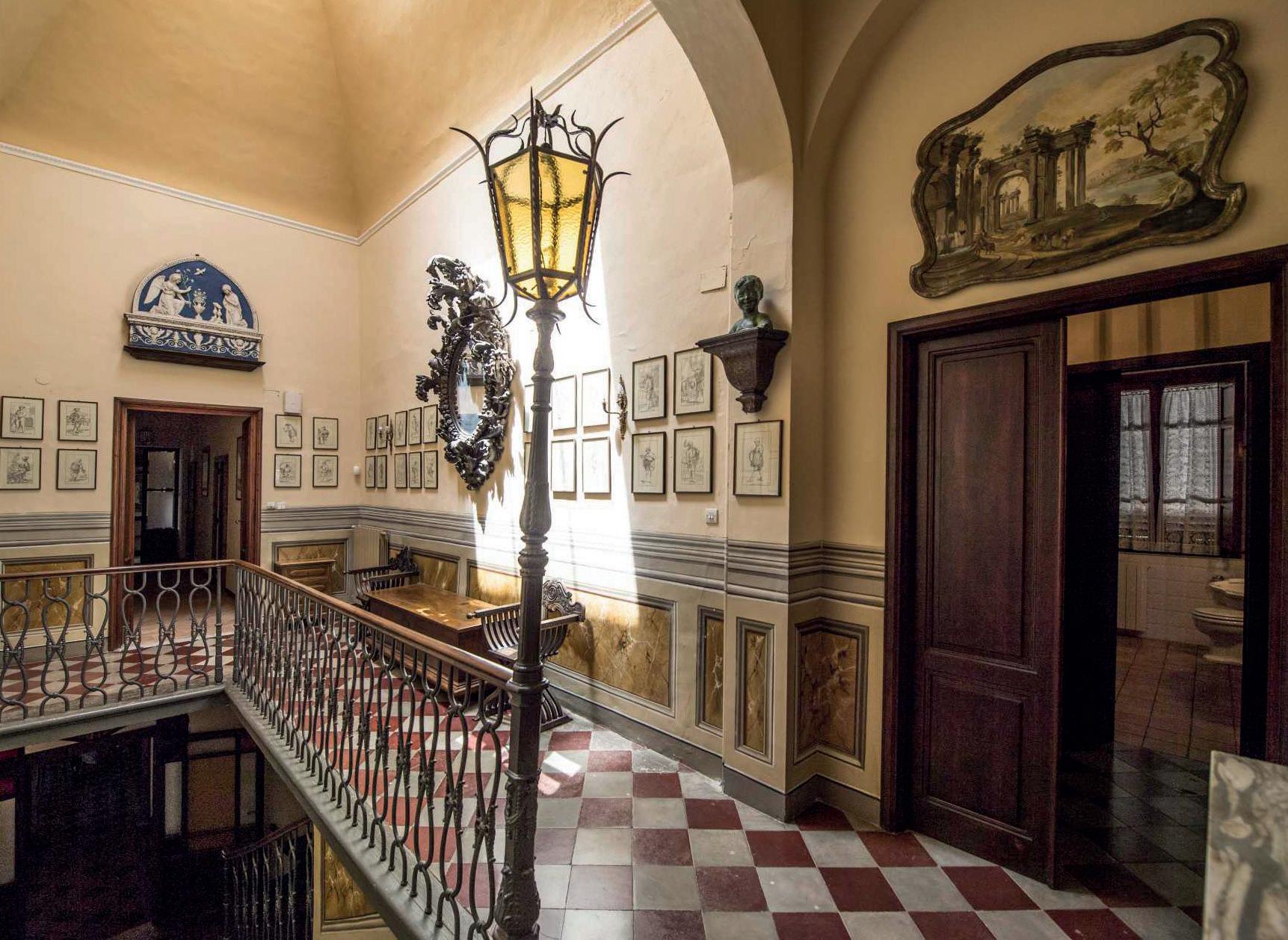
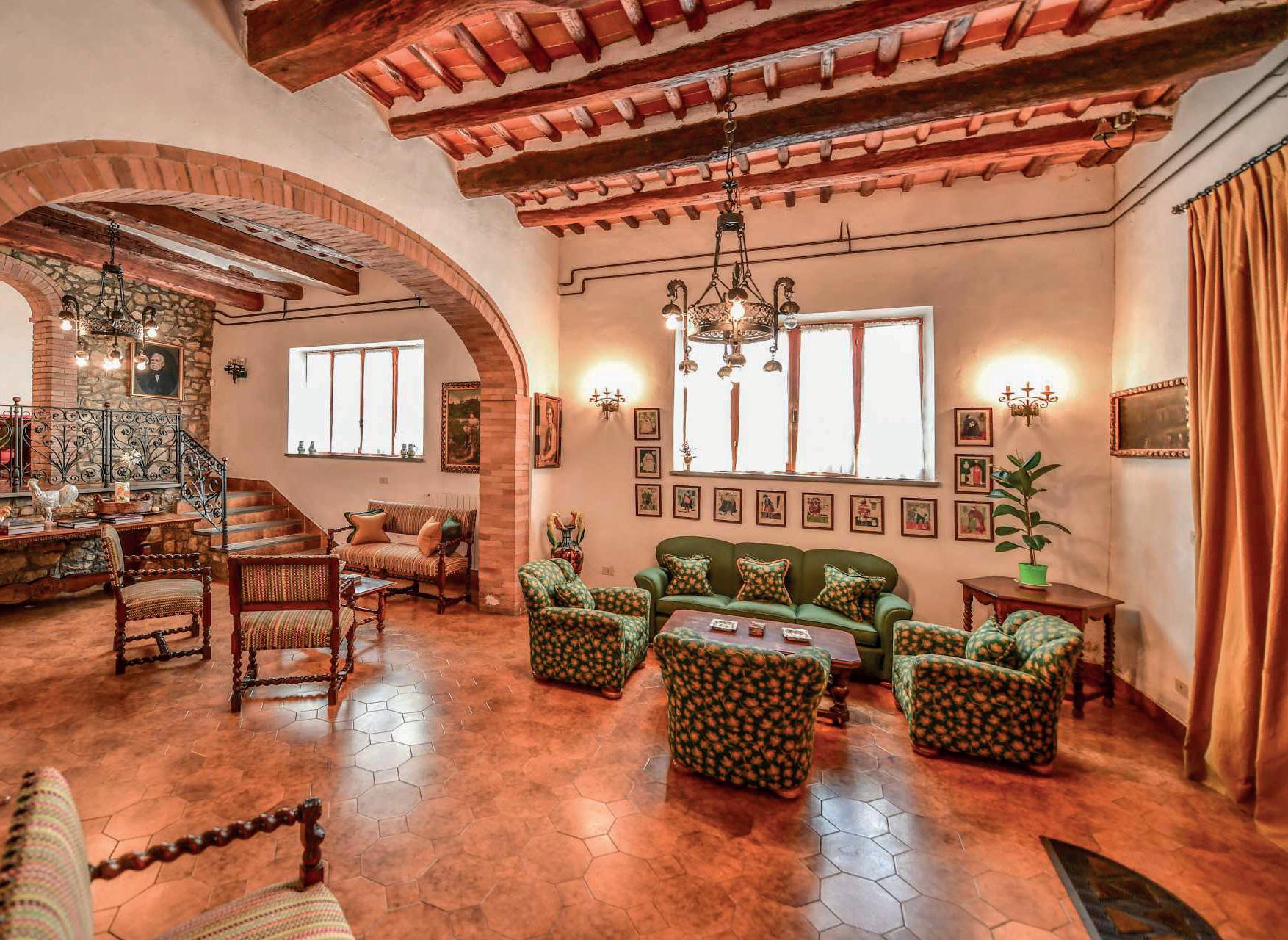
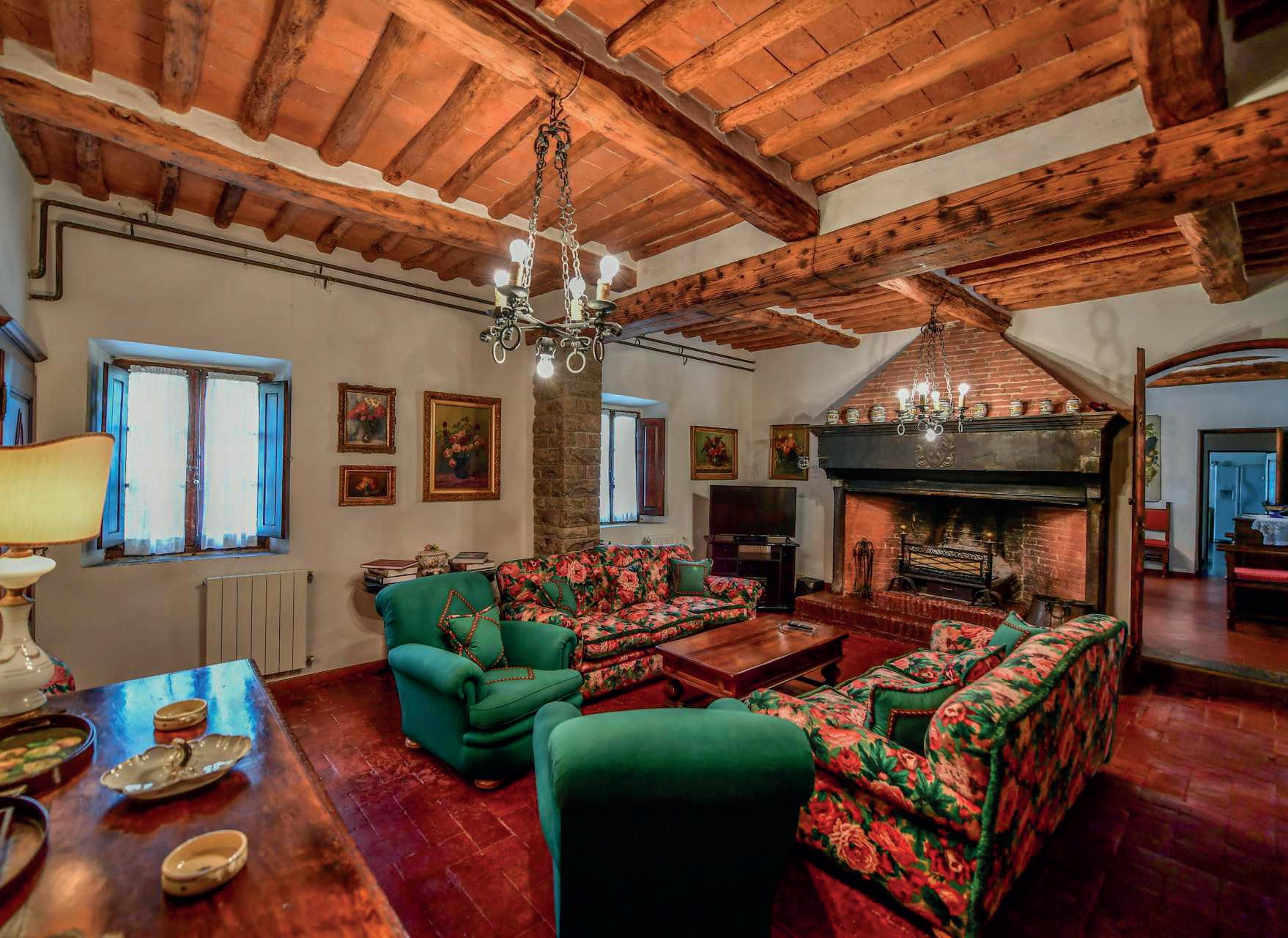
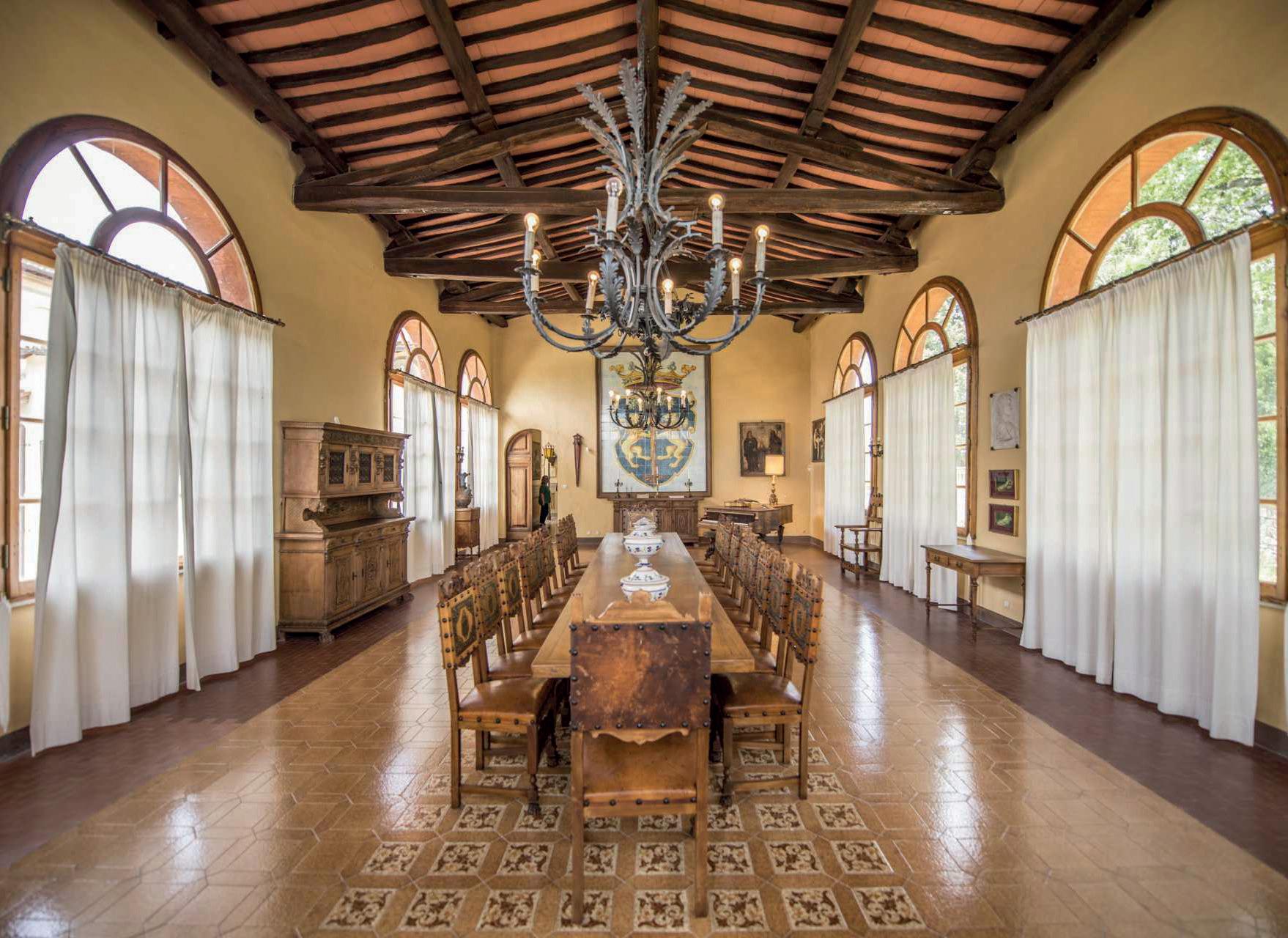
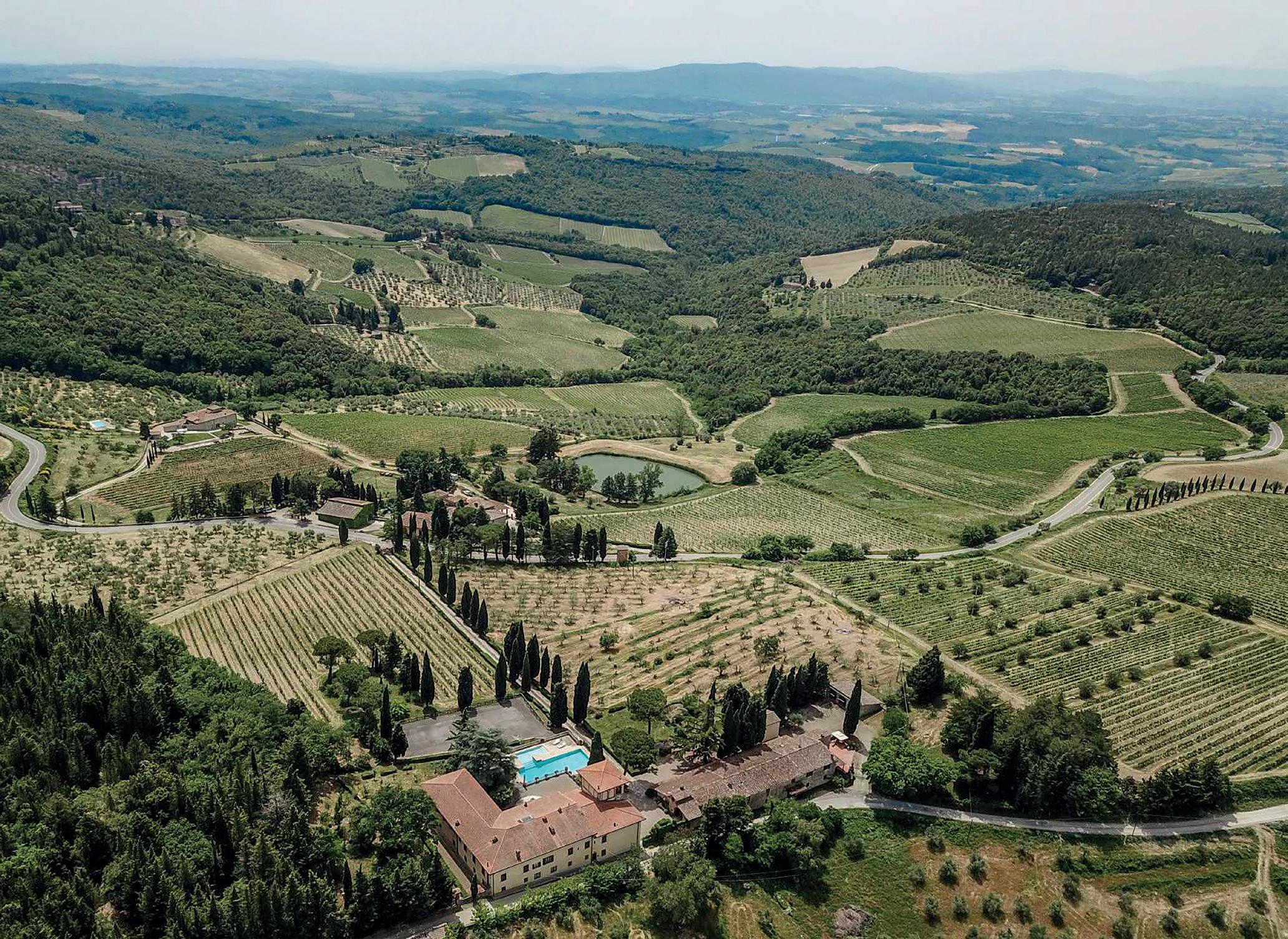
Tuscany, ITALY. In the heart of Chianti, in a panoramic position not far from Castellina, this estate hosts several buildings, including a manor villa, a wine cellar and several stone farmhouses. The property is currently working both as an Agriturismo and as a winery.
Buildings: 4.431 m²; Other surfaces: 158,5 ha Price Upon Request. Ref. LC371
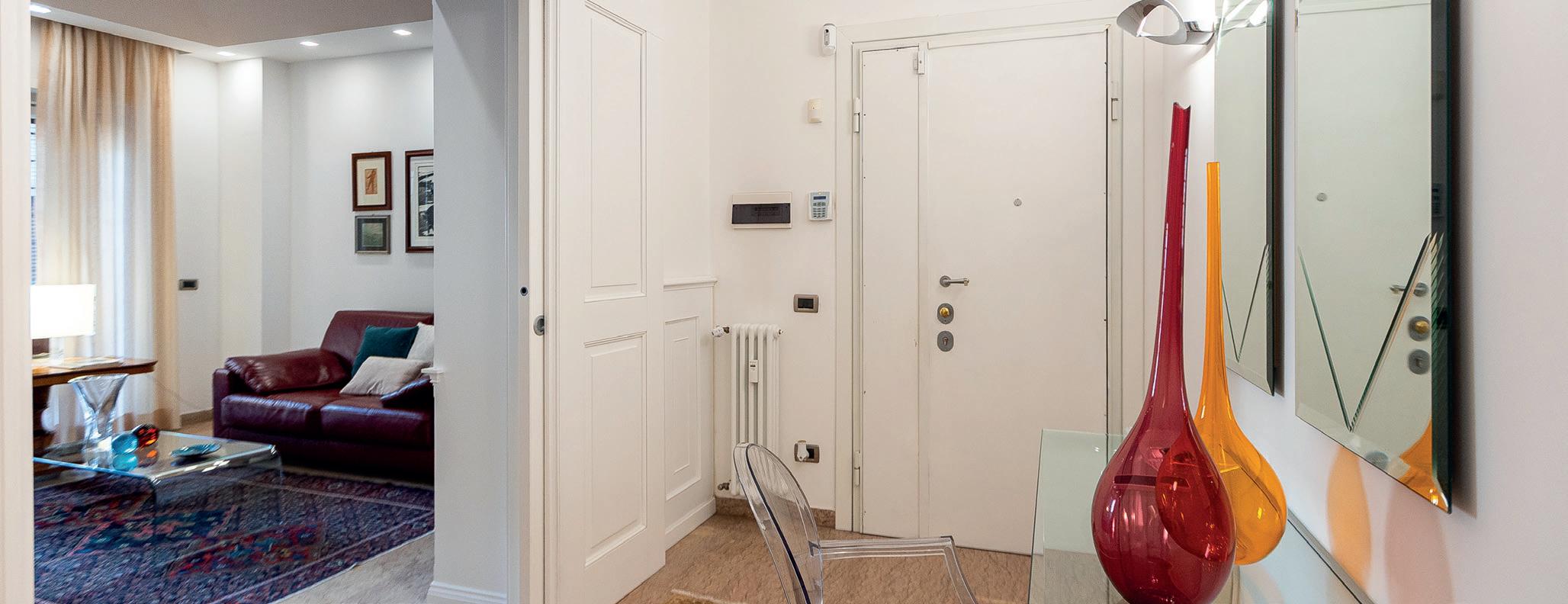
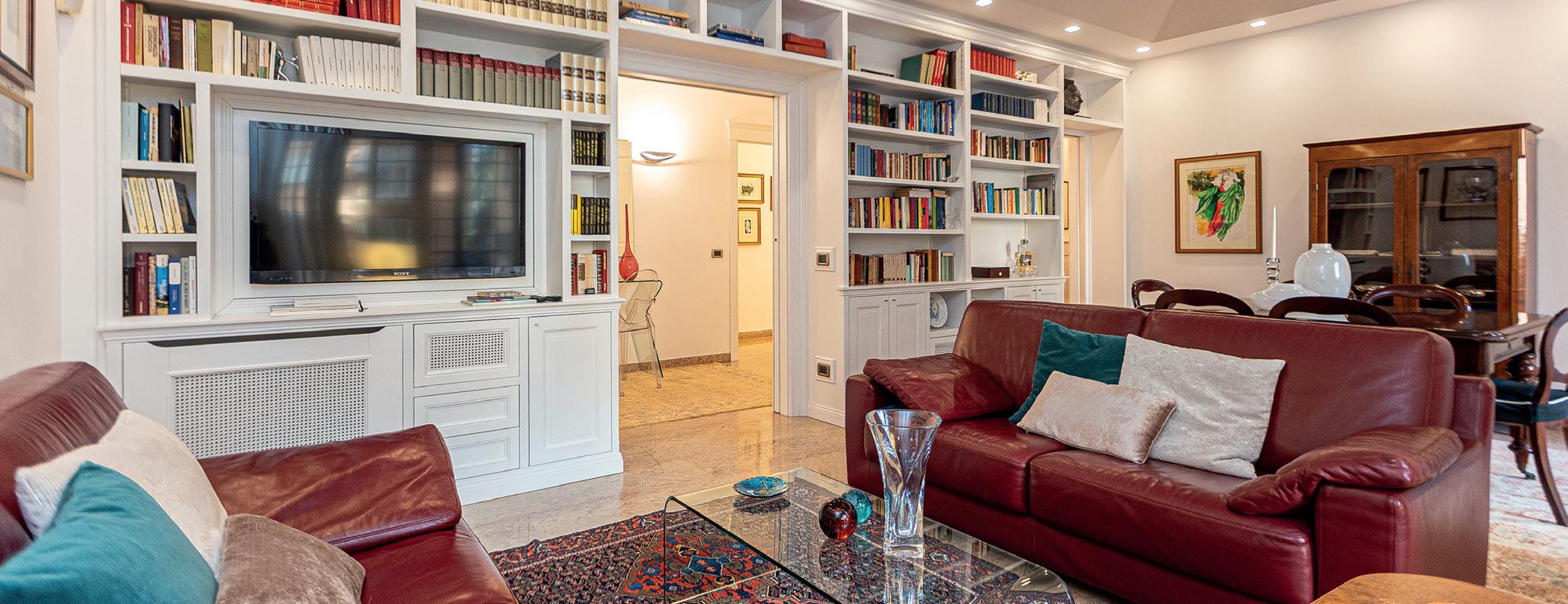
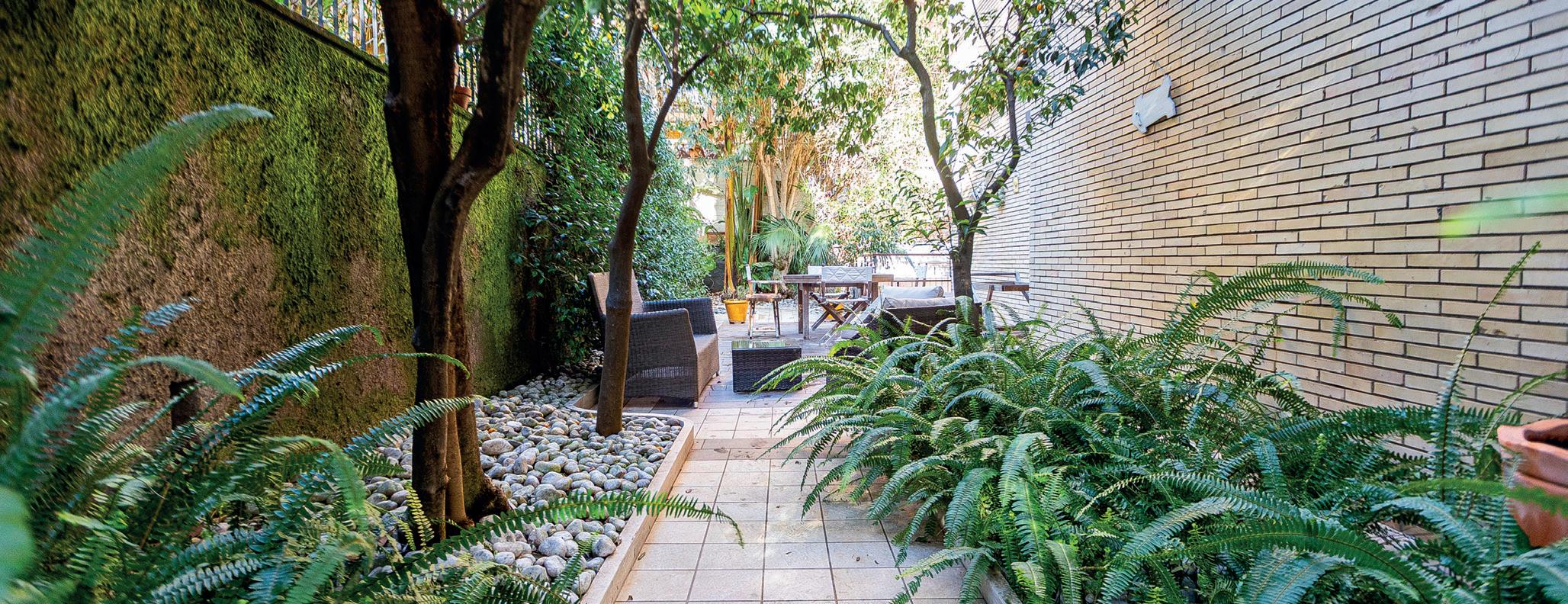
Rome, ITALY. Located on the second floor of a building with concierge service and elevator, we offer for sale a renovated apartment in excellent condition, comprising: an entrance hall, a living room, three bedrooms, a small bedroom, a kitchen, two bathrooms, a balcony of approximately 23 m² and a tree-lined roof garden of approximately 80 m², rich in plants and flowers.
Building: 142 m²; Other surfaces: 103 m² Price Upon Request. Ref. LC462