1.5 The purposes of L’Erbolario SB and Erbolario Franchising p. 20
1.6 Stakeholders and the materiality analysis
2.1 An exceptionally short supply chain
2.2 Natural products designed for consumers’
2.3 Quality of our products and focus
2.4 Purpose 1 Natural beauty
PROTECTION OF THE ENVIRONMENT AND NATURE
3.1 Our energy consumption
3.2 GHG emissions generated by the 3.3 Responsible management of our
3.4 Protection of biodiversity and safeguarding of flora and fauna
3.5 Purpose 2 Good for the planet
Our workforce
Wellbeing in the workplace
Health and safety
Training and development
Purpose 3 Good for the people
CONTRIBUTING TO COLLECTIVE WELLBEING
5.1 Our commitment to the local area and the local community p. 94
5.2 Purpose 4 Good for the community
Letter from the Bergamaschi Family
For the L’Erbolario Group, 2025 was an important milestone in our reporting journey one that reflects the values that have always shaped our history and the way we do business.
This document continues the work of previous Impact Reports, building on the Benefit Company journey of L’Erbolario SB Srl and L’Erbolario Franchising SB Srl. The Group’s strategic direction continues to be guided by the common benefit purposes defined in the Articles of Association Natural Beauty, Good for the Planet, Good for People and Good for the Community. Reviewing this year’s results provides, as always, both a meaningful account of progress and an opportunity to set priorities for the future.
For this Impact Report, we have for the first time adopted a reporting structure in accordance with the GRI 2021 Standards of the Global Reporting Initiative. This decision reflects our commitment to strengthening dialogue with all our stakeholders and maintaining the transparency that has long defined the Group even as changes to the regulatory framework have placed us outside the current scope of mandatory reporting under the Corporate Sustainability Reporting Directive (CSRD). We aim to provide a clearer account of our activities, initiatives and results across the environmental, social and economic spheres in a fully fledged Sustainability Report.
In 2025, also for the first time, we began calculating our indirect greenhouse gas (GHG) emissions, progressively building our understanding of the impacts generated across our value chain.
This initial exercise is part of a broader journey towards greater understanding, and provides a foundation for defining future priorities and actions.
Listening to and dialoguing with our Customers, Employees, Suppliers and Partners remains central to everything we do. The care devoted to raw material selection, attention to detail and the quality of our processes underpin the development of our products and activities, in line with the principles that have shaped the L’Erbolario Group’s identity for more than 45 years.
People remain at the centre. Protecting workplace health and safety, providing continuous training, and promoting an ethical and responsible corporate culture guide our daily decisions in an increasingly complex and constantly evolving economic and social context. Through this Report, the Group reaffirms its commitment to coherent, considered growth and to continuously improving the quality and completeness of its reporting.
In presenting this document, we wish to thank all those who, with dedication and passion, work alongside us every day: our Colleagues, Agents, Consultants, Retailers, Suppliers and Customers, who continue to choose L’Erbolario. Their contribution and our shared values enable us to continue this journey together.
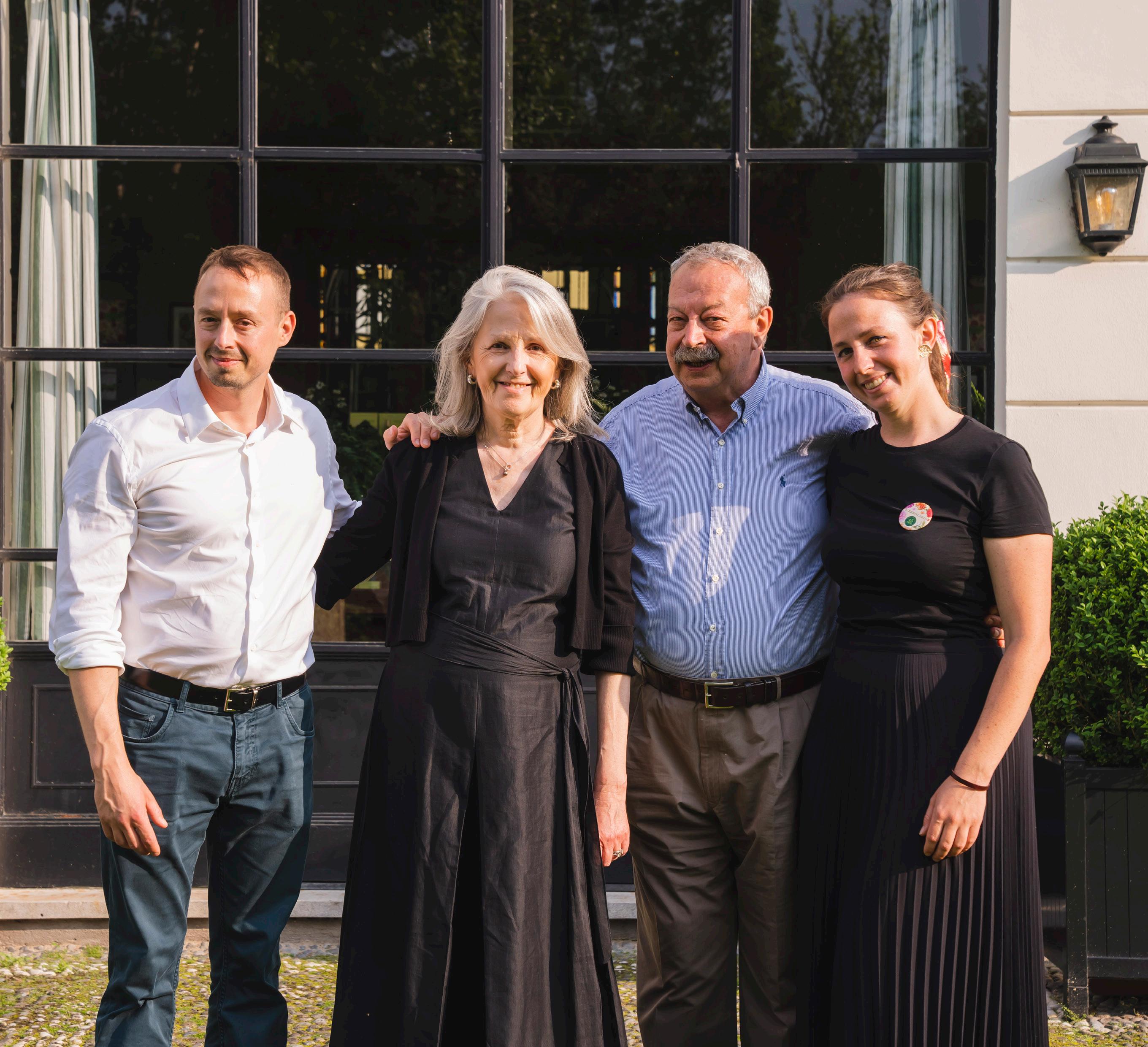
Daniela Villa and Franco Bergamaschi
Founders of L’Erbolario
Giulia Bergamaschi and Luigi Bergamaschi
L’Erbolario’s second generation
1. About us
The L’Erbolario Group was founded in 1978 as a small artisan herbalist’s by Daniela Villa and Franco Bergamaschi, a young couple united since their teenage years by a shared passion for medicinal plants. The name evokes the ancient verb erborare to gather herbs for therapeutic use. Word of mouth and the enthusiasm of its earliest customers drove rapid growth, transforming the business into a structured company that combines artisan tradition with technological innovation, drawing inspiration from the pioneers of Italian phytocosmetics.
Since its inception, the L’Erbolario Group has championed an ethical vision of cosmetics, rejecting animal testing and, since 2006, only using ingredients compliant with the “Stop ai test sugli animali” standard promoted in Italy by LAV Lega Anti Vivisezione through the “LAV Dalla parte degli animali” campaign.
Certified companies guarantee a “Cruelty Free” corporate policy free from cruelty to animals applied to all cosmetic products placed on the market, alongside a continuous commitment to discouraging animal testing on cosmetic ingredients by selecting them according to specific criteria.
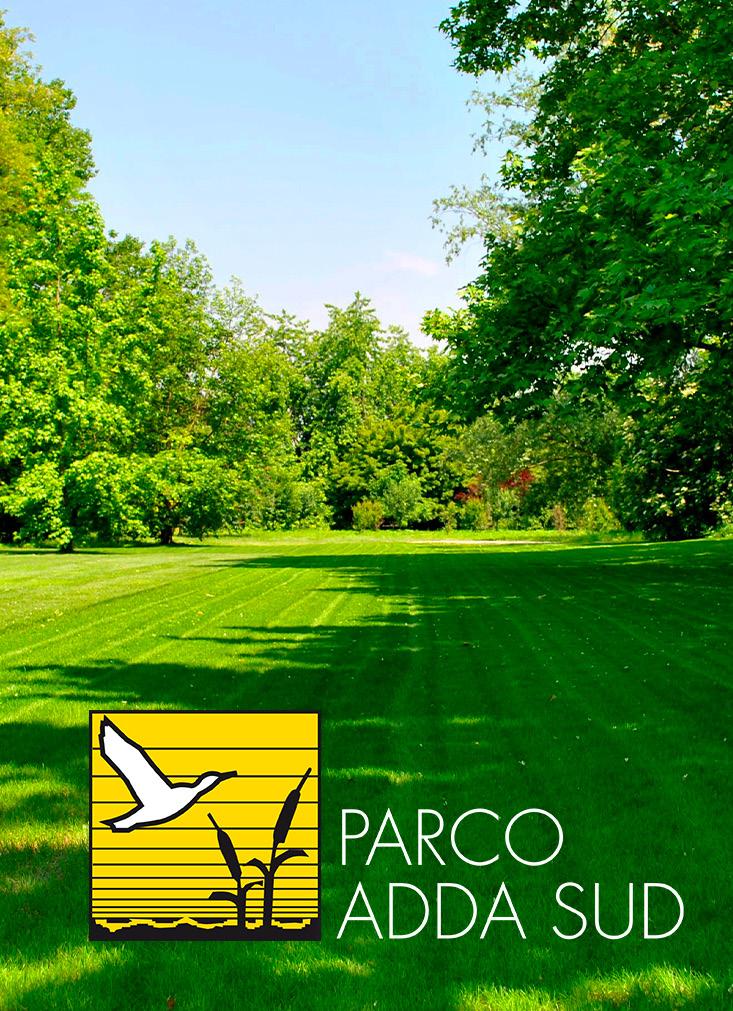
Over time, the L’Erbolario Group has established itself as a benchmark for plant-based cosmetics that embody the values of Italian manufacturing excellence, keeping all production activities at a single site in Lodi, within Adda Sud Natural Park.
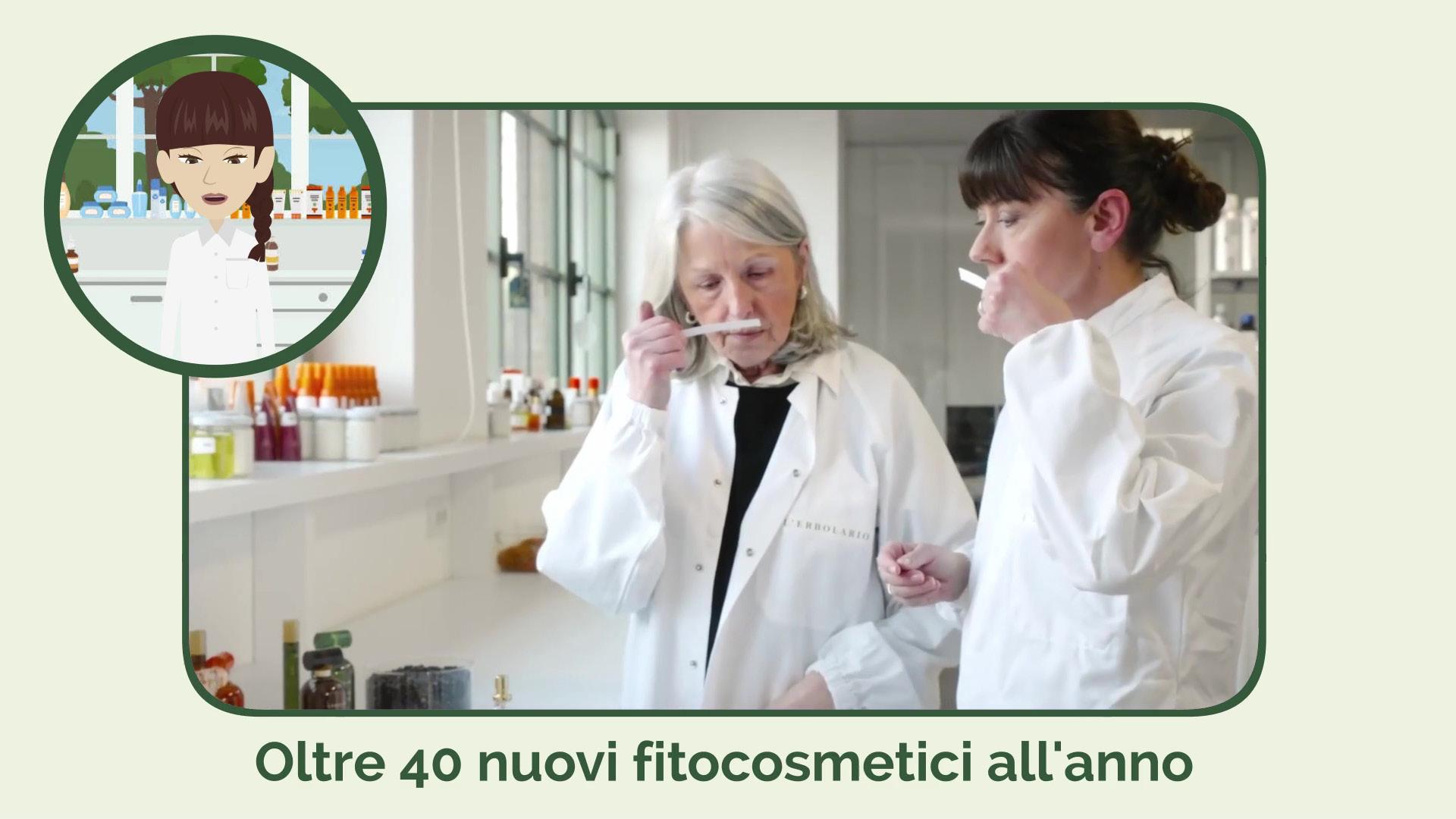
Its production chain is distinguished by two centres of excellence: the Research and Extract Production Laboratory, where more than 350 plant extracts and aromatic distilled waters are developed, and the Research & Development Laboratory, which creates more than 40 new formulations each year. All products undergo rigorous testing to verify their efficacy, safety and tolerability, including monitoring of eight heavy metals to minimise the risk of allergic reactions and protect even the most sensitive skin.
The Group’s commitment to sustainability and innovation dates back to 2002, when it became one of the first Italian cosmetics companies to adopt an ISO 14001-certified Environmental Management System. In 2012, it opened a Logistics Hub free from methane gas, powered entirely by geothermal probes, heat pumps and photovoltaic panels.
1.1 Our History
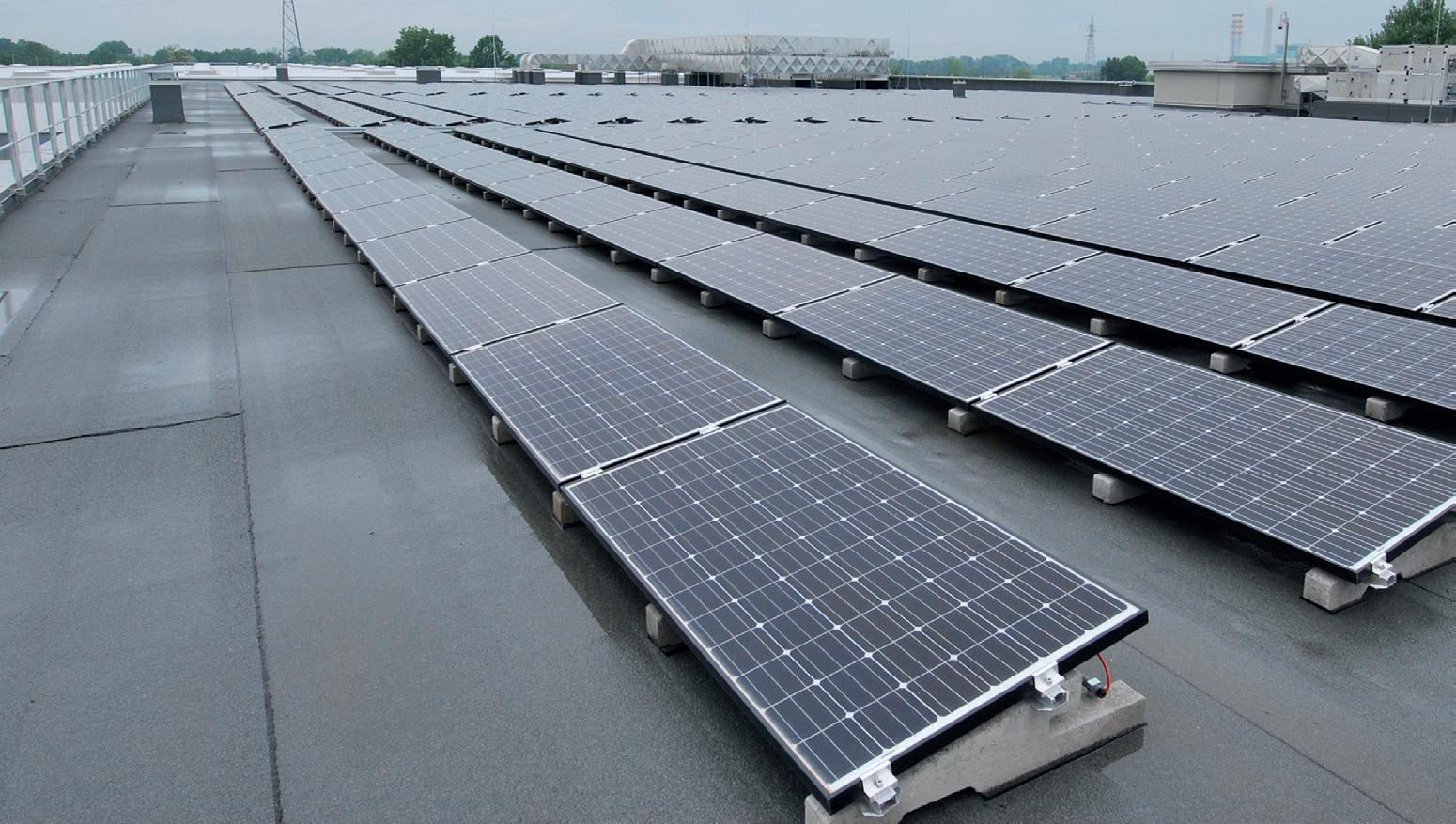
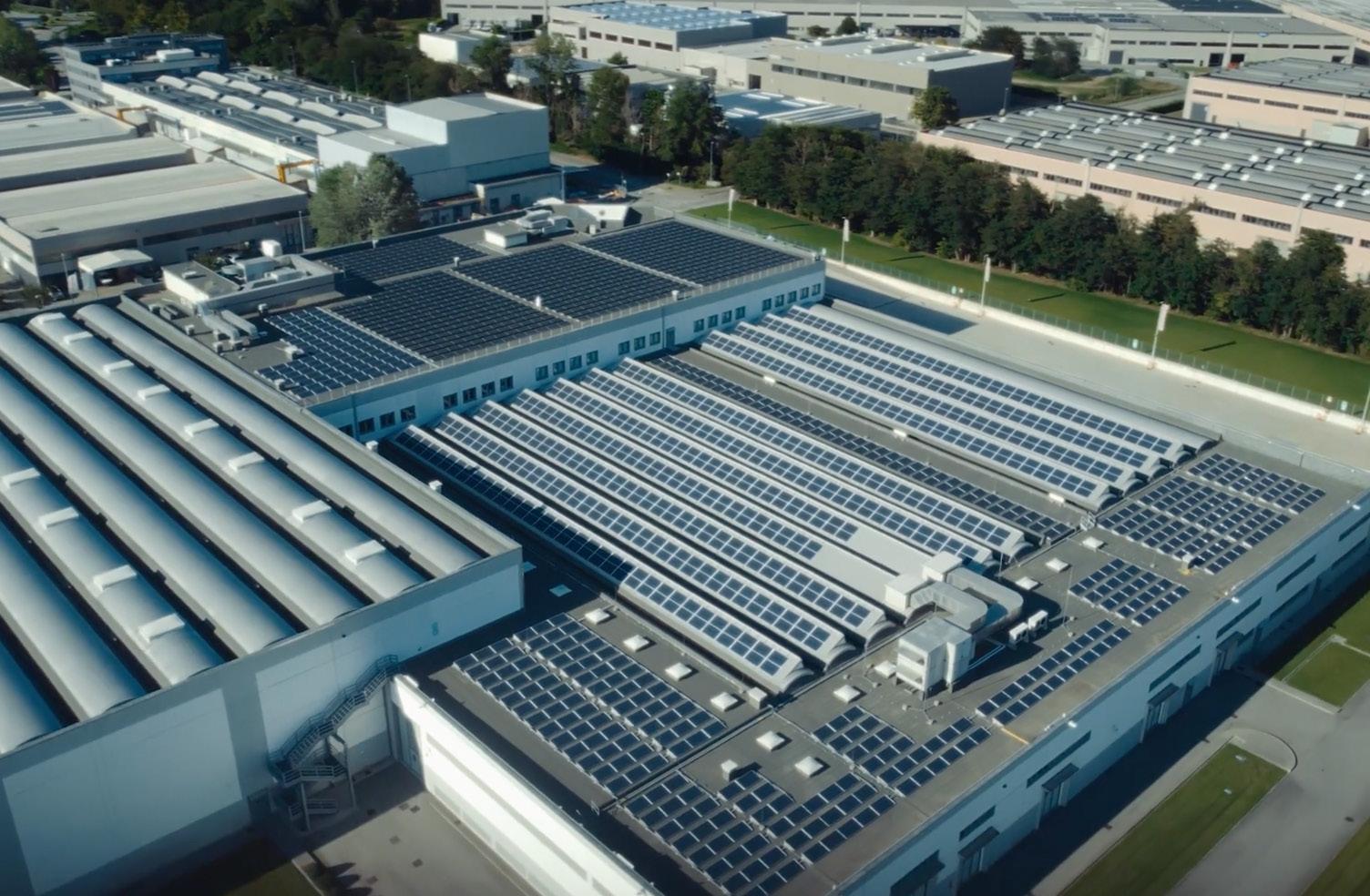
Building on this approach, in 2023, we expanded the photovoltaic system at the Lodi headquarters to a total installed capacity of 1,677 kWp. These initiatives form part of a broader strategy to expand the use of renewable energy and reduce greenhouse gas emissions performance that is now quantified, monitored and reported through a GHG emissions inventory developed and verified in accordance with ISO 14064, which the Group obtained certification for in 2025.
In 2004, Franco Bergamaschi joined forces with Fausto Mearelli, one of the leading experts in phytotherapy, to establish Erbamea Srl now a benchmark in the food supplements sector with more than 650 product lines and a strategic supplier of plant-based raw materials to the Group. That same year saw the founding of L’Erbolario Franchising Srl, a network of single-brand stores united by a distinctive retail concept and dedicated to the sale of L’Erbolario and Erbamea products.
In 2021, the three entities came together under L’Erbolario Holding Srl, with L’Erbolario Srl and L’Erbolario Franchising Srl becoming Benefit Companies (hereinafter also “SB”), deepening their ethical commitment to people, animals and the environment.
Premiata Erboristeria
Artigiana L’Erbolario opened its doors at Corso Archinti 11 in the heart of Lodi’s old town.
L’Erbolario moved to its current home on Viale Milano, within the Parco Adda Sud. Iris our most successful women’s line was launched. chain opened.
L’Erbolario launched its online shop.
2004 2012 2023
Erbamea, our sister company based in Umbria, joined the Group with its phytotherapy products.
The opening of the New Logistics Hub a rare energy class B industrial building and the launchpad for our products across the world. anniversary! 1978 1994 2003 2006 2018
2021 2025
L’Erbolario and L’Erbolario Franchising became Benefit Companies.
L’Erbolario Holding Srl was founded
First calculation of the GHG emissions inventory, based on 2024 financial year data, with ISO 14064 certification obtained for the quantification of the organisation’s Carbon Footprint
4,500 independent retail outlets in Italy
Our presence worldwide
Since opening our first store in Sassari in 2004, the Group’s commercial operations have grown steadily beyond Italy’s borders, with a presence today in 42 countries worldwide. This expansion has been built on a broad and diversified distribution strategy that strengthens brand visibility and brings our products closer to customers. In Italy, an extensive network of more than 4,500 independent retailers including herbalist’s shops, pharmacies and para-pharmacies provides widespread national coverage and makes L’Erbolario products easily accessible across the country. Alongside this, the single-brand channel has grown steadily in importance, becoming an increasingly important expression of the brand’s values and identity.
The network of L’Erbolario branded stores now numbers more than 215 outlets across Italy and abroad, playing a key role in the Group’s positioning and strengthening the brand in both domestic and international markets.
Over time, the Group has built a recognisable and well-established presence far beyond Italy’s borders, supported by a broad portfolio of around 600 products that reflects its ability to meet diverse needs with coherent and distinctive offerings.
The range spans fragrances, cosmetic treatments, sun care, children’s formulations and home fragrances together forming a comprehensive vision of everyday wellbeing. This diversity is expressed in products that combine formulation quality, care for the individual and respect for the environment. Research, herbal tradition and innovation work in constant dialogue across every line, placing respect for nature and a commitment to wellbeing at the heart of everything we offer.
L’ERBOLARIO Holding srl
L’Erbolario Holding Srl (hereinafter also “L’Erbolario Holding”) coordinates a structured and diversified group, featuring stable governance and companies with clearly defined, complementary roles.
100%
L’ERBOLARIO SB srl
100%
L’ERBOLARIO
Franchising SB srl
At the centre of this structure is L’Erbolario SB Srl (hereinafter also “L’Erbolario”), the Group’s principal production and commercial company, responsible for the formulation and manufacture of natural-origin cosmetics. The company was founded to honour the heritage of traditional herbalism while bringing a modern approach to formulation research, offering a comprehensive portfolio of face, body and hair care products. Each product is developed following rigorous quality and safety standards, in keeping with the brand’s identity.
L’Erbolario Franchising SB Srl (hereinafter also “L’Erbolario Franchising”) operates alongside the production company, coordinating and expanding the network of stores operating under the brand. The network encompasses stores directly managed by the Group and outlets run by affiliated partners, each integrated into a uniform and consistent commercial system. The adoption of a structured franchising model with clear processes and readily scalable has enabled the progressive expansion of the brand’s presence, particularly across Italy, supporting stable long-term development and a growth strategy built on continuity, operational reliability and the overall sustainability of performance.
1.2 The Group’s profile
The L’Erbolario Group stands out for the strength of its structure and the ability of its companies to operate in close synergy, ensuring high quality standards and continuous innovation across its various areas of activity.
The entire corporate structure is led by L’Erbolario Holding Srl, which holds 100% of the shares in all the Group’s operating companies: L’Erbolario SB Srl, L’Erbolario Franchising SB Srl, Erbamea Srl and Luigia Immobiliare Srl.
100%
100%
Luigia Immobiliare srl srl
Erbamea Srl (hereinafter also “Erbamea”), dedicated to the production of food supplements and phytotherapeutic products. With a diversified catalogue that includes supplements, medicinal herbs, herbal teas, confectionery and cosmetics, Erbamea enriches the Group’s offering, forging a natural connection between beauty and wellbeing and reinforcing its position as a point of reference in personal care.
Luigia Immobiliare Srl (hereinafter also “Luigia Immobiliare”) completes the corporate structure, and is responsible for managing the Group’s real estate assets. The company guarantees that all spaces used for production, commercial and administrative activities remain fit for purpose, safe and functional, ensuring the operational efficiency and continuity on which the Group depends.
Our value proposition
In 2025, the L’Erbolario Group continued on its path with a keen attentiveness to nature, shaping its business around a respectful relationship with the environment. The responsible management of resources serves as the guiding thread running through the Group’s corporate choices and priorities. This approach supports the company’s evolution over time, fostering a continuous process of improvement and renewal.
“ ”
The responsible management of resources serves as the guiding thread running through the Group’s corporate choices and priorities.
100% MADE IN ITALY
Our phytocosmetics are entirely Italian, formulated and manufactured at our production site in Lodi, set within the Adda Sud Natural Park, in accordance with Good Manufacturing Practice (GMP) guidelines. L’Erbolario has never relocated any stage of its production to third countries.
GUARANTEED QUALITY
Before approval, all our formulations undergo a series of tests to ensure their safety, tolerability, efficacy and user satisfaction.
SELF-PRODUCED PLANT EXTRACTS
In our Extract Laboratory, we produce over 350 extracts and aromatic distilled waters, using exclusively skin-friendly solvents such as water, vegetable glycerine (preferably organically certified) and organic sunflower oil.
In this way, we independently produce the distinctive ingredients that set our cosmetics apart.
We have always supported LAV (Lega Anti Vivisezione Anti-Vivisection League). We reject animal testing and select exclusively cosmetic ingredients that fully comply with the requirements of the international “Stop Animal Testing” Standard.
ENVIRONMENTAL PROTECTION
As far back as 2002, we chose to adopt an Environmental Management System, committing ourselves to improving our environmental performance and energy efficiency. Since 2005, all agricultural activities in our botanical garden have been certified organic by ICEA (the Institute for Ethical Environmental Certification).
ENVIRONMENTALLY SUSTAINABLE PACKAGING
We are constantly seeking out innovative, sustainable packaging solutions, selecting performance packaging made from or plant-based materials. We use exclusively FSC® certified paper in support of the responsible management forest resources.
EIGHT TESTED METALS
ENERGY FROM RENEWABLE SOURCES
We only use electricity from renewable sources, largely self-generated by our 1,677 kWp solar farm. Furthermore, since 2025 all directly managed stores have used electricity from renewable sources.
We monitor the content of at least eight heavy metals (Nickel, Lead, Arsenic, Cadmium, Mercury, Antimony, Chromium and Cobalt) to minimise allergy risks and safeguard sensitive skin.
BIODIVERSITY PROTECTION
To protect and enhance biodiversity in the Lodi area, L’Erbolario has launched a dedicated initiative within its Garden.
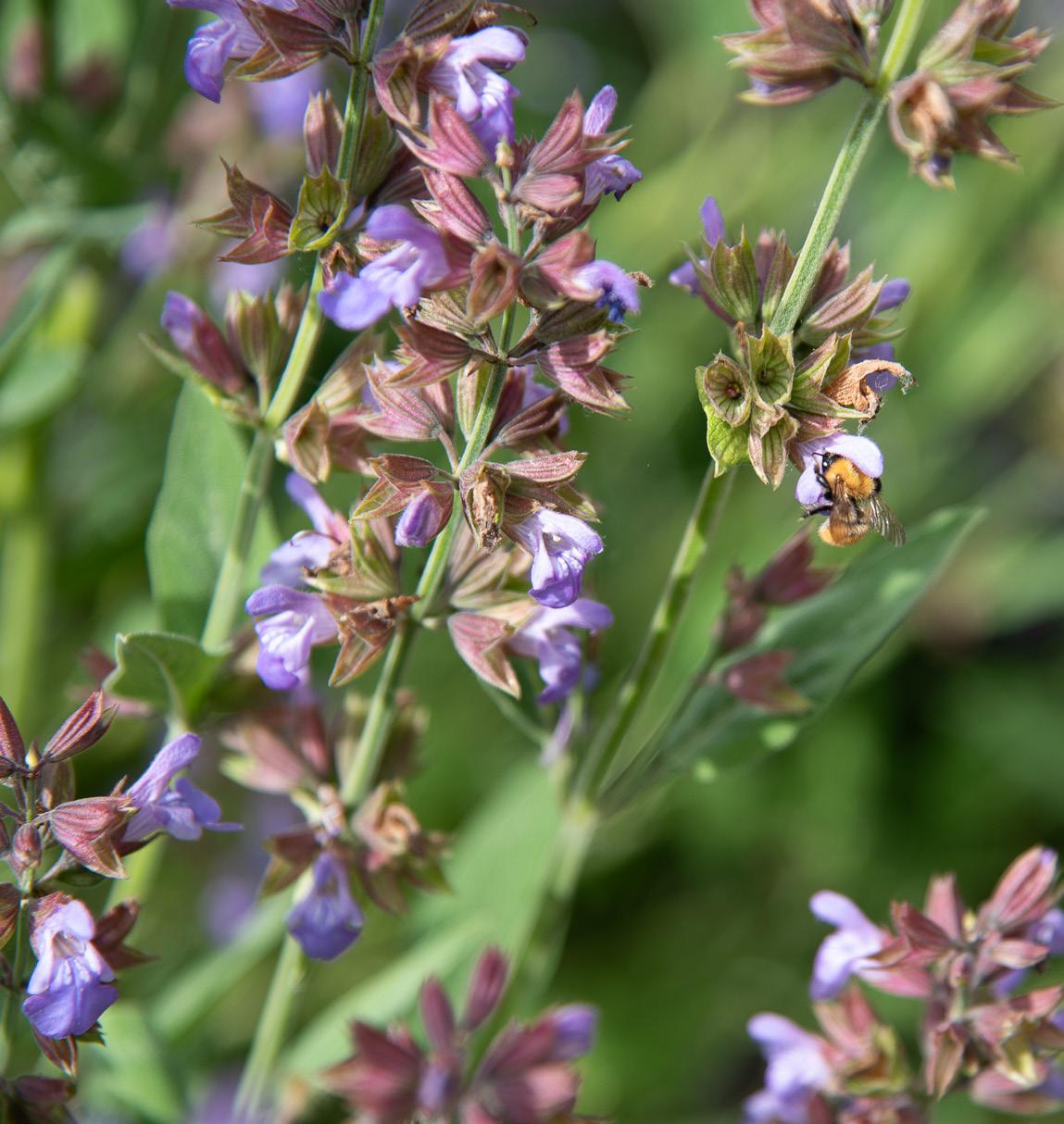
Located within the Adda Sud Natural Park, the production site is surrounded by approximately 200,000 m2 of green space, home to more than 30,000 trees, shrubs and herbaceous plants.
BENEFIT COMPANY
Since 1978 we have advocated ethical cosmetics centred on people, animals and the environment. In 2021 we became a Benefit Company, reaffirming our commitment to steering our activities towards an increasingly sustainable, inclusive and transparent development model.
We have produced an integrated set of procedures, rules and operating practices that serve as a daily reference framework to ensure transparency in decision-making processes, accountability with respect to objectives and overall operational effectiveness. The Group has chosen to operate under a traditional governance and control model, combined with an ongoing commitment to upholding legality and adopting sound operational and behavioural practices designed to prevent non-compliant conduct.
The Board of Directors (BoD) of L’Erbolario Holding, appointed by the Shareholders’ Meeting, is the Group’s highest governing body, responsible for setting its overall direction and holding the broadest management powers. Its members are appointed by the Shareholders’ Meeting in accordance with the company’s bylaws, and the Board is responsible for evaluating and approving the strategic decisions proposed by management, with particular attention to matters of sustainability and long-term value creation. The Group’s bylaws also provide for the possibility of
1.3 Business ethics and integrity
assigning specific operational powers to one or more Chief Executive Officers, with their respective areas of responsibility and scope of action clearly defined. As of 18 November 2025, the Group’s bylaws and governance structure provide for a model based on the distribution of operational powers among several Chief Executive Officers, assigned according to their respective areas of expertise and professional backgrounds. Under this structure, no powers of attorney or operational authority are granted to anyone outside the Board of Directors.
The Board of Directors comprises four members, all with executive functions.
The Chairman, Franco Bergamaschi, serves in an executive role with the broadest powers for both ordinary and extraordinary management. Alongside the Chairman, three Chief Executive Officers have executive powers: Daniela Villa, Giulia Bergamaschi and Luigi Bergamaschi. Under the current structure, there are no directors without executive powers.
The Board of Directors
CHAIRMAN Franco Bergamaschi
CHIEF EXECUTIVE OFFICER
Daniela Villa
CHIEF EXECUTIVE OFFICER Giulia Bergamaschi
CHIEF EXECUTIVE OFFICER Luigi Bergamaschi
In this context, the Group has adopted specific safeguards to prevent and mitigate potential conflicts of interest within the highest governing body. Members of the Board of Directors are required to act in accordance with the principles of fairness, loyalty and transparency, declaring any personal or professional interests that could interfere with the interests of the Group. Such situations are assessed and managed in accordance with applicable bylaws and internal procedures and, where relevant, appropriately disclosed to stakeholders.
Given the Group’s family-owned structure, all members of the Board of Directors are connected to the ownership and therefore cannot be classified as independent directors in accordance with recognised best practices. Members of the Board of Directors remain in office until such time as they are removed.
The Board of Directors possesses a broad range of expertise, encompassing entrepreneurial experience, in-depth knowledge of the cosmetics sector, managerial
and strategic skills, and a well-established sensitivity to sustainability, governance and long-term value creation. With regard to the management of environmental, social and governance (ESG) impacts, the Group adopts an approach grounded in continuous improvement, embedding sustainability principles into its cultural and managerial framework. To this end, the most significant material topics have been identified and submitted to the Board of Directors for review and approval.
To support this oversight, the Board of Directors is kept informed of key regulatory, contextual and market developments in the ESG space through information sessions, in-depth reviews and discussions with management and the relevant corporate functions. Operational activities relating to ESG aspects and material topics are entrusted to the various corporate functions, which ensure continuous monitoring and reporting to senior management on results achieved and any issues arising.
At present, the Holding does not remunerate members
of the Board of Directors, including the Chairman, and therefore has no performance-related pay linked to sustainability objectives.
Alongside the Board of Directors, the Board of Statutory Auditors performs an essential supervisory role: it oversees compliance with legal and statutory provisions, verifies the adequacy of administrative procedures and assesses the soundness of the organisational structure, internal controls and accounting management. The body comprises five statutory auditors, including three standing auditors and two alternate auditors, all male, whose mandate remains valid until approval of the 2026 Annual Financial Statements. These elements reflect the Group’s commitment to maintaining a system of transparent governance oriented towards sustainability, in keeping with its values and with the expectations of a public increasingly attentive to the environmental and social consequences of economic activity.
The Group is a member of associations and participates in sectoral and national initiatives contributing to dialogue and the dissemination of responsible approaches to environmental, social and governance matters. During the reporting period, the Group joined CO₂alizione Italia, a national initiative aimed at accelerating companies’ transition towards climate neutrality, and participated in activities promoted by Confimprese, the retail sector trade association, engaging in campaigns and initiatives to promote energy efficiency and sustainability.
To promote fairness and integrity in corporate processes, and in compliance with Whistleblowing legislation, L’Erbolario Società Benefit S.r.l. and L’Erbolario Franchising Società Benefit S.r.l. have established a dedicated channel for receiving reports of potential breaches of national and European legislation. The system guarantees confidentiality, protection of
the whistleblower’s identity and separate management for each company. Reports are managed by an officer appointed on the basis of their independence expertise. This individual is responsible for analysing report received and forwarding it to the relevant parties, ensuring appropriate and timely Reports involving senior figures, such as members Board of Directors, are forwarded directly to of Statutory Auditors.
A digital platform has been created to facilitate dialogue and support the secure handling of reports, accessible through the official website under the “Whistleblowing” section. The system uses encryption protocols to ensure that the data of the whistleblower, the persons involved and the content of the reports are accessible exclusively to authorised parties. In 2025, in line with the applicable regulatory framework and the control measures in place, the Group recorded
strengthens stakeholder trust, helps prevent potential issues and supports effective oversight of non-compliance risks, contributing to a robust and long-term approach to sustainability.
In 2021, L’Erbolario and L’Erbolario Franchising became Benefit Companies under Italian legislation. In so doing, they incorporated into their articles of association a formal commitment to pursuing common benefit objectives, combining their economic goals with an intention to generate positive value and mitigate potential negative effects on people, the environment, communities and local areas.
Law 208/2015 established a regulatory framework that allows companies to pursue both profit and collective social benefit. The Benefit Company model promotes an approach in which the generation of economic value is accompanied by responsibility towards all stakeholders involved, not solely shareholders.
Among the obligations associated with this legal structure is the appointment of an Impact Manager, responsible for continuously monitoring the effectiveness of initiatives implemented in line with the common benefit objectives and for coordinating data collection, verification and reporting processes.
Up to and including the 2024 financial year, the Benefit Companies used the B Impact Assessment (BIA) a methodology developed by B Lab for the overall assessment of performance across governance, workers, community, environment and customers in support of these activities. The results showed scores of 62 in 2023 and 64.6 in 2024.
In line with the obligations established under Benefit Company legislation, from the 2025 financial year onwards the Group began evolving its assessment and reporting processes. This legislation requires the preparation of an annual report that provides a structured account of performance and impacts, using an external, comprehensive and robust assessment standard. In this context, the Group chose to align its reporting with the Global Reporting Initiative (GRI) standards, adopted as the methodological reference for this document, which has been prepared “in accordance” with the GRI Standards. This approach meets the requirements of Benefit
1.4 Benefit Companies
Company legislation, ensuring transparency, comparability and completeness of information, while aligning with best market practices. As an internationally recognised standard capable of enabling the assessment of performance and impacts, the GRI Standards ensure coverage of all areas required by law.
SB
1.5 The purposes of L’Erbolario SB and L’Erbolario Franchising
Research and development of cosmetic products capable of meeting customer needs, to offer accessible solutions whilst maintaining the highest quality standards in the natural cosmetics sector. Each formulation is designed to meet the highest standards of safety, efficacy and transparency, ensuring an authentic and sustainable wellbeing experience.
Research and production of cosmetics made from plant-based raw materials, aiming to reduce the use of chemical substances and promoting a culture of responsible use of natural resources. This commitment translates into concrete actions to minimise environmental impact throughout the entire product life cycle, through decarbonisation processes, eco-sustainable packaging and innovative solutions that generate measurable environmental benefits.
Creating an inclusive and safe working environment focused on professional and personal growth. Corporate policies support women’s empowerment in the workplace, foster a culture of social justice and help maintain a cohesive internal community united by shared goals. The aim is to contribute to social and environmental regeneration as well as to employee economic wellbeing.
Building a prosperous and responsible local ecosystem through ongoing dialogue with stakeholders and support for organisations, associations and voluntary initiatives. The initiatives undertaken aim to support the local economy and enhance the cultural and environmental richness of the Lodi area, strengthening the bond between the company and the community.
The Sustainable Development Goals (SDGs) are the global reference framework of the 2030 Agenda, comprising 17 goals approved in 2015 by UN member states. Originally created to guide public policy, they now also serve as a tool for companies to interpret and communicate their social and environmental impacts, contributing to major global challenges and the creation of sustainable value.
To guide our initiatives and maximise the value we generate, we have identified the Sustainable Development Goals most relevant to the Group, focusing on the areas where we can make a concrete and measurable contribution, in line with our corporate strategy, our distinctive expertise and our commitments as a Benefit Company.
OBJECTIVE 1
Natural Beauty
Making beauty a quality commodity accessible to all
L’ERBOLARIO SB srl
We are committed to developing products that genuinely meet our customers’ expectations, combining affordability with high quality standards. Each formula is the result of a rigorous research process focused on plantbased and naturally derived raw materials, combined with careful control of production processes, to ensure safety, efficacy and reliability in natural cosmetics. We operate with transparency, clearly communicating the benefits of our formulations and attending to every aspect of the customer experience, which is always at the heart of our business decisions.
L’ERBOLARIO Franchising SB srl
We distribute a cosmetic range designed to meet people’s everyday needs, providing accessible products that comply with the highest standards of quality, safety and performance.
Our communication is grounded in fairness and transparency, clearly presenting the results of our natural cosmetic formulations. We pay close attention to in-store customer experience, ensuring that each visit is a distinctive moment that reflects the values guiding our business.
GOAL 3
RELEVANT SDGs
In developing our formulas, we are guided by the concept of holistic wellbeing encompassing people, animals and the planet. We contribute to Goal 3 by creating GMO-free, microplasticfree products and continuously testing heavy metal content, which in all our products remains below legal limits.
GOAL 14
Our sun care products with sun protection factor contain neither Octinoxate nor Oxybenzone, which are banned under the Hawaii Coral Treaty as they are considered among the principal causes of coral bleaching.
OBJECTIVE 2
Natural Beauty
Making beauty a quality commodity accessible to all
L’ERBOLARIO SB srl
We are committed to investing in the research and development of products made with plant-derived ingredients, aiming to reduce unnecessary chemical use and encourage the responsible use of natural resources. We work to reduce the environmental impact of our products throughout their entire life cycle, supporting design solutions capable of generating positive and lasting effects. We protect biodiversity by cultivating native plant species and promoting a way of life that treats nature as a heritage worth preserving. At the same time, we are steering our business model towards progressive decarbonisation, in line with European and national objectives on climate neutrality and the ecological transition.
L’ERBOLARIO Franchising SB srl
We contribute to fostering an ethical and environmentally responsible culture in the areas where we operate, promoting a way of life built on the preservation of natural resources.
Our store network distributes plant-based products while working to reduce its environmental impact through management choices that reflect the Group’s core values.
energy through photovoltaic self-generation, geothermal energy, electric vehicle charging points and energy efficiency measures. These actions are complemented by the purchase of electricity from renewable sources certified through Guarantees of Origin (GOs), covering a significant share of consumption across our production facilities and directly managed stores, thereby contributing to reducing the Group’s energy footprint.
GOAL 9
We pursue this goal through projects to improve the efficiency of our production systems, focusing on energy (photovoltaic and geothermal), water (osmosis and recirculation), automation and the ergonomics of our packaging lines.
GOAL 12
We also contribute to this goal by developing alternative packaging solutions (e.g. Green PE and Green PET), using recycled materials (e.g. R-PET), trialling refill solutions and designing waterless products.
GOAL 13
With its participation in CO2alizione per l’Italia, L’Erbolario joins other companies in supporting the transition towards climate neutrality, embedding climate action within its articles of association and contributing directly to Goal 13.
GOAL 15
We manage a 20-hectare site within the Adda Sud Nature Park, where we promote biodiversity by protecting local flora and safeguarding soil and water resources. In 2025 we renewed our commitment to the Park Brand initiative, further contributing to Goal 15.
OBJECTIVE 3
Good for people
Promoting wellbeing in a calm, welcoming and stimulating workplace, built on open and friendly relationships
L’ERBOLARIO SB and L’ERBOLARIO Franchising SB srl
We are committed to creating a working environment where everyone feels welcome and safe, encouraging personal and professional growth. We value the contribution of women and promote a culture of social justice, building a community united around shared goals.
Our commitment goes beyond profit: we aim to regenerate society and the environment, generating wellbeing that encompasses not only the economy but also quality of life and the local area.
We promote a welcoming and safe working environment in which every individual can grow professionally and personally. We are committed to raising internal awareness of social justice issues, recognising the value of women’s contributions and fostering a cohesive working community built around shared goals.
Our commitment extends to social and environmental regeneration, aiming to generate wellbeing that is not only economic but also human and rooted in the local area.
GOAL 8
We are committed to creating a working environment based on positive, healthy relationships, with a culture that feels closer to a family than a corporation. We promote the growth and satisfaction of every employee through training, inclusive practices and the safeguarding of a healthy and safe working environment for all, with particular attention to women.
OBJECTIVE 4
Good for the community
Generating value and a positive impact for the local community
L’ERBOLARIO SB srl
We are dedicated to building a prosperous and responsible ecosystem, cultivating ongoing and transparent relationships with our stakeholders. We support associations, organisations and voluntary groups at local, national and international level.
We are also committed to strengthening the economy of the Lodi area by enhancing its natural resources and promoting initiatives that enable people to recognise and preserve the environmental richness from which our story springs.
L’ERBOLARIO Franchising SB srl
Through ongoing dialogue with our stakeholders, we work to build a prosperous, responsible and inclusive ecosystem. Through our network of stores, we generate employment opportunities across Italy, with particular attention to social equity and the advancement of women in the workplace. We also work to protect natural resources and raise environmental awareness in local communities, encouraging them to value and preserve our natural heritage.
GOAL 8
Our activities contribute to the development of the areas where we operate, choosing not to relocate production in order to support the prosperity of local communities. We generate a positive impact through collaborations with organisations and associations, donations and support for cultural and social initiatives, contributing to the creation of decent work and more sustainable growth.
GOAL 17
Aware of the importance of everyone’s contribution, we actively support stakeholders in surrounding communities to amplify our impact. We invest in the creation of shared value at local, national and international level, supporting social responsibility initiatives in collaboration with associations, non-profit organisations and voluntary groups.
Press and media outlets
Suppliers
Retailers (franchisees and third-party distributors)
Regulatory bodies and institutions
1.6 Stakeholders and the materiality analysis
Employees and external collaborators
Board of Directors and corporate bodies
Local communities
Research centres and universities
Trade and industry associations
End consumers
Retailers (franchisees and third-party distributors)
Suppliers
Local communities
Trade and cosmetics industry associations
Press and media outlets
Regulatory bodies and institutions
Research centres and universities
Board of Directors and corporate bodies
Engagement methods adopted
Regular meetings
Communications via the company portal and noticeboards
Questionnaires
Website and online questionnaires
Customer Service
Analysis of website reviews
Monitoring of digital channels and retail outlets
Social networks
Regular meetings
Dedicated communications
Sharing of commercial guidelines
Academy
Website ESG questionnaires
Social and environmental initiatives
Dialogue with local associations
Participation in events and projects
Participation in working groups
Industry meetings
Participation in joint initiatives
Corporate communications
Press releases
Corporate communications
Responses to requests for information
Innovation and product development
Updates on the sustainability strategy
Dedicated meetings
Validation of material topics
Stakeholders
One of our strengths is our constant interaction with our key stakeholders both internal and external, who are able to influence our strategic direction and operational processes. Maintaining relationships with stakeholders based on mutual trust, whilst taking into account their interests and expectations, is an essential element of responsible business management. This close relationship is driven by our desire to maximise the positive impact of our activities and create shared value.
To fulfil our mission, we are committed to maintaining active, ongoing dialogue with all stakeholders, recognising the specific characteristics of each identified category and engaging with them through methods and communication channels tailored to their needs.
In 2025, the L’Erbolario Group updated its analysis of the environmental, economic and social impacts of its activities, continuing the work initiated in 2024 and operating in full compliance with the latest Global Reporting Initiative Sustainability Reporting Standards (”GRI Standards”). The materiality analysis aimed to identify the topics that accurately describe the impacts generated by the organisation on the environment, people and the relevant economic context.
The process began with the direct involvement of Management, which participated in mapping the main stakeholder categories and assessing their capacity to influence the Group’s strategies and operations. This contribution provided the necessary information base for developing the analysis, enabling a clear and coherent scope to be defined for the areas under examination.
On this basis, we extended the analysis to the entire value chain, encompassing not only the activities directly managed by the Group but also those upstream and downstream of its business processes. The contributions and responsibilities of suppliers, business partners, distributors and customers were therefore taken into account, recognising the role each party plays in generating the environmental, social and governance impacts associated with the Group’s activities.
In line with the requirements of the GRI Standards, the analysis examined the full range of significant impacts across the value chain (as shown in the image below), distinguishing between actual impacts that have already occurred and potential impacts associated with situations that may arise over time.
The assessment also considered positive and negative impacts, short- and long-term, intentional and unintentional, and reversible and irreversible, with particular attention to matters relating to the respect for and protection of human rights.
The materiality analysis
Distribuzione
Produzione
The analysis identified a set of material topics the most critical and strategic issues for the Group requiring constant monitoring, integration into operational decisions and transparent reporting as part of our sustainability journey. This was a crucial step in drafting the Impact Report, as it clearly defined the priority areas for the coming years and ensured alignment between our commitments, stakeholder expectations and the actual or potential impacts of our activities.
TOPIC MATERIAL TOPIC
Climate change and Energy
ENVIRONMENT Consumption of natural resources
Below is the list of topics identified as material, grouped by thematic area, emerging from the process of identifying and assessing relevant impacts:
Soil and water pollution
Contribution to climate change caused by greenhouse gas emissions
The production and transport of raw materials, the manufacture of products and cosmetics, office energy consumption and the distribution of products to retail outlets all contribute to the company’s greenhouse gas emissions. Energy consumption by franchisees generates additional emissions, as does the use of products by customers.
The L’Erbolario Group is committed to reducing its impact by using energy from renewable sources at its production site, through self-generation with photovoltaic panels and the purchase of renewable electricity, both for the production site and for directly affiliated stores.
Exploitation of non-renewable natural resources
The use of non-renewable raw materials in cosmetic production may affect their future availability. As these are finite resources, unsustainable use could accelerate their depletion, with significant environmental consequences.
The L’Erbolario Group is committed to identifying more sustainable alternatives and optimising resource use in order to reduce its impact. POTENTIAL
Pollution of soil, groundwater, surface water and air caused by the improper storage and/or use of chemical substances
The use of chemical substances by the L’Erbolario Group and its suppliers in the production of perfumes and phytocosmetic products could have a negative environmental impact. Improper storage or use could result in the release of pollutants into soil, groundwater and surface water.
The L’Erbolario Group continuously monitors the use and emission of chemical substances, applying regular controls, rigorous internal procedures and certified management systems.
POTENTIAL
Impact type legend:
Positive impact
TOPIC MATERIAL TOPIC
Soil and water pollution
IMPACT
Pollution of surface water caused by the release of chemicals after product use
Using L’Erbolario cleansers and cosmetics may lead to the release of chemicals, such as surfactants, into drainage systems. If not adequately treated at water treatment plants, these substances can enter rivers, lakes and the sea, thereby altering aquatic ecosystems.
The L’Erbolario Group applies rigorous quality controls and regular monitoring to ensure the safety and biodegradability of its products.
Deterioration of air quality caused by polluting emissions
Air pollution
ENVIRONMENT
Consumption of water resources
Activities across the upstream and downstream stages of the value chain may have a negative impact on air quality. In particular, growing and processing raw materials can generate polluting emissions from machinery use, energy consumption and the application of fertilisers, crop protection products and chemical substances. In addition, the company’s indirect activities such as the logistics and transport of raw materials and finished products, carried out predominantly by fossil-fuel-powered vehicles contribute to atmospheric emissions of pollutants and particulate matter.
Contribution to water scarcity
Significant quantities of water are required to cultivate raw materials, produce packaging and phytocosmetic products, and support their subsequent use by consumers. Using this resource unsustainably could reduce local water reserves and affect surrounding ecosystems.
The L’Erbolario Group monitors water consumption across its production processes and has introduced waterless product lines to reduce water use in production, helping to decrease water demand throughout the production cycle.
Enhancing and protecting biodiversity
Biodiversity
The L’Erbolario Group makes a positive contribution to biodiversity in the Lodi area through sustainable practices such as planting trees and perennial shrubs within the L’Erbolario park and actively participating in initiatives to protect natural ecosystems. The company also works with environmental organisations to protect biodiversity, safeguard plant and animal species and preserve the balance of natural habitats.
TOPIC MATERIAL TOPIC
IMPACT
Loss of biodiversity in relation to the use of land for agricultural purposes
Land use
ENVIRONMENT
Waste management
The cultivation of raw materials for L’Erbolario products, such as herbs and fruit, can affect natural ecosystems. Converting natural areas into agricultural land, along with deforestation and intensive land use, can reduce soil fertility and compromise biodiversity.
The L’Erbolario Group sources its raw materials with care, promoting responsible farming practices to preserve ecosystem balance.
Contribution to air and soil pollution and land exploitation due to the production of non-recyclable waste
Waste generated throughout the supply chain and in the Group’s direct activities may have a negative environmental impact if not properly managed. Some waste may contain chemicals that could contaminate soil and alter ecosystems if improperly disposed of. Additionally, the accumulation of non-biodegradable materials leads to soil depletion and puts pressure on natural resources.
The L’Erbolario Group applies rigorous internal procedures for waste management and disposal, ensuring full compliance with applicable legislation.
Air and soil pollution and land exploitation resulting from insufficient recycling of end-of-life products
If insufficient quantities of L’Erbolario’s end-of-life products particularly packaging are recycled, this may contribute to air and soil pollution and put pressure on natural resources. Packaging materials that are not recycled can accumulate as non-biodegradable waste, increasing environmental contamination.
To minimise this impact, L’Erbolario products are designed to be easily recyclable, for example through the use of single-material packaging.
TOPIC MATERIAL TOPIC
IMPACT
Negative effects on workers’ health and safety
Workers’ health and safety
SOCIAL Workers’ rights
Workers throughout the value chain, both upstream and downstream, as well as the Group’s own employees, may be exposed to injury risks in the course of their work. These risks may arise from the use of chemicals, the operation of complex machinery, the handling of potentially harmful materials and heavy packaging.
The L’Erbolario Group applies the strictest safety measures to protect the health and safety of its workers, promoting safe and secure working environments.
Human rights violations due to inadequate working conditions
Operating across a complex value chain can expose companies like the L’Erbolario Group to human rights risks, particularly in countries with weaker regulatory frameworks and oversight. Such risks include unethical labour practices, child or forced labour, restrictions on freedom of association and inadequate working conditions, with potential consequences for the dignity, safety and wellbeing of workers throughout the value chain.
Failure to ensure diversity and equal opportunities in the workplace
POTENTIAL
POTENTIAL
Diversity and equal opportunities
Training and development of workers’ skills
A working environment that fails to promote inclusiveness, respect diversity, or provide equal opportunities can give rise to discrimination, resulting in wage disparities and obstacles to professional development. Such discrimination hinders workers’ personal and professional development and violates their right to dignity.
The L’Erbolario Group is committed to guaranteeing gender equality and creating an inclusive working environment, in full respect of the human rights of all employees.
Improving employees’ skills
The L’Erbolario Group supports the professional growth of its employees, retailers and collaborators by providing training courses to develop and consolidate their skills. The company has launched the “Accademia L’Erbolario” training programme for purchasing consultants, retailers, internal collaborators and agents.
POTENTIAL
TOPIC MATERIAL TOPIC IMPACT
Negative effects on consumers’ health
SOCIAL Consumer health and safety
Privacy
SOCIAL
SPECIFIC Relationship with local communities
Without adequate control and monitoring procedures, products failing to meet the required quality, health and safety standards could reach the market, putting consumers’ health at risk.
All L’Erbolario products undergo strict quality and safety checks to ensure that each item meets the high standards required to protect consumer health.
Failure to protect the privacy and security of the personal data of employees and consumers
The L’Erbolario Group collects consumers’ personal data through website registrations, shipments containing sensitive information and loyalty cards, and also holds sensitive data relating to its employees, such as information on health status, trade union membership and religious beliefs.
The company could be vulnerable to cyberattacks that compromise the privacy of its employees and consumers, exposing them to financial and reputational harm through the loss of sensitive data. The L’Erbolario Group adopts advanced security measures to protect information and safeguard everyone’s privacy.
Developing and protecting communities and the local area
The L’Erbolario Group actively contributes to the economic, social and cultural progress of the communities in which it operates, generating employment opportunities, building solid commercial relationships and collaborating with institutions, associations and voluntary groups at local, national and international level. This commitment is also expressed through the organisation of events and initiatives that enhance the customer experience and strengthen the Group’s connection with the local area and its residents. The Group also supports trade associations and donates to charitable organisations, demonstrating a lasting commitment to collective wellbeing and to those who benefit from its products.
The topics identified through the analysis are fully aligned with the common benefit commitments set out in the articles of association and serve as reference points to guide the development of the Group’s sustainability journey in the coming years.
The list of material topics, presented without any hierarchical order, was reviewed and approved by Group Management. The process used to identify and assess impacts and define these topics is described in detail in the Methodological Note, which sets out clearly the phases and criteria underlying the work.
POTENTIAL
POTENTIAL
2. Focus on quality
2.1 An extremely short supply chain
L’Erbolario’s production chain is a clear expression of its operating model.
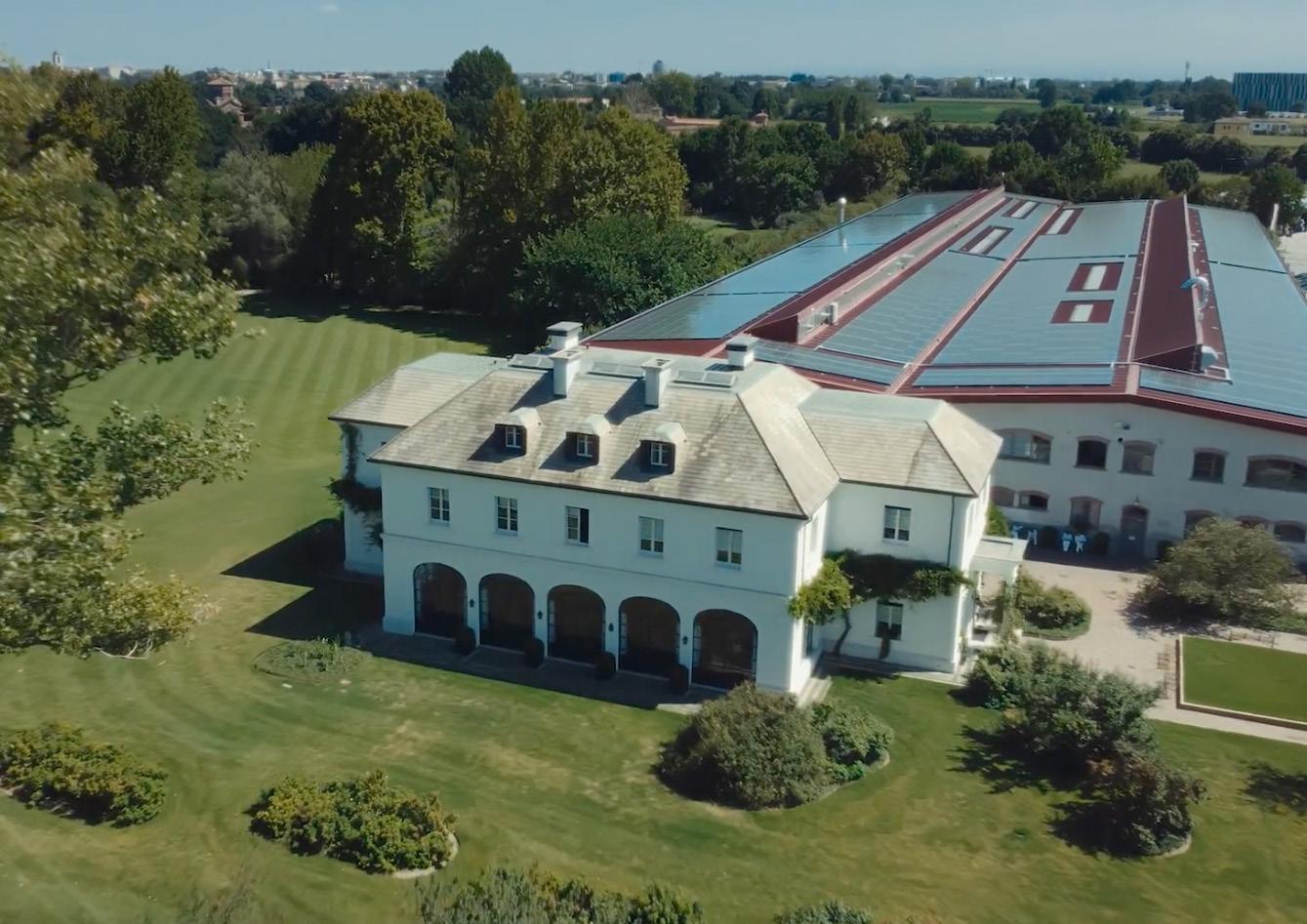
Everything begins at the Lodi headquarters, set within the natural surroundings of Adda Sud Natural Park, where all stages of the production process are concentrated on a single site. This organisation enables continuous and direct oversight of every activity. The choice of a short supply chain not only enables the maintenance of high quality standards but also guarantees consumers an excellent balance between quality and price.
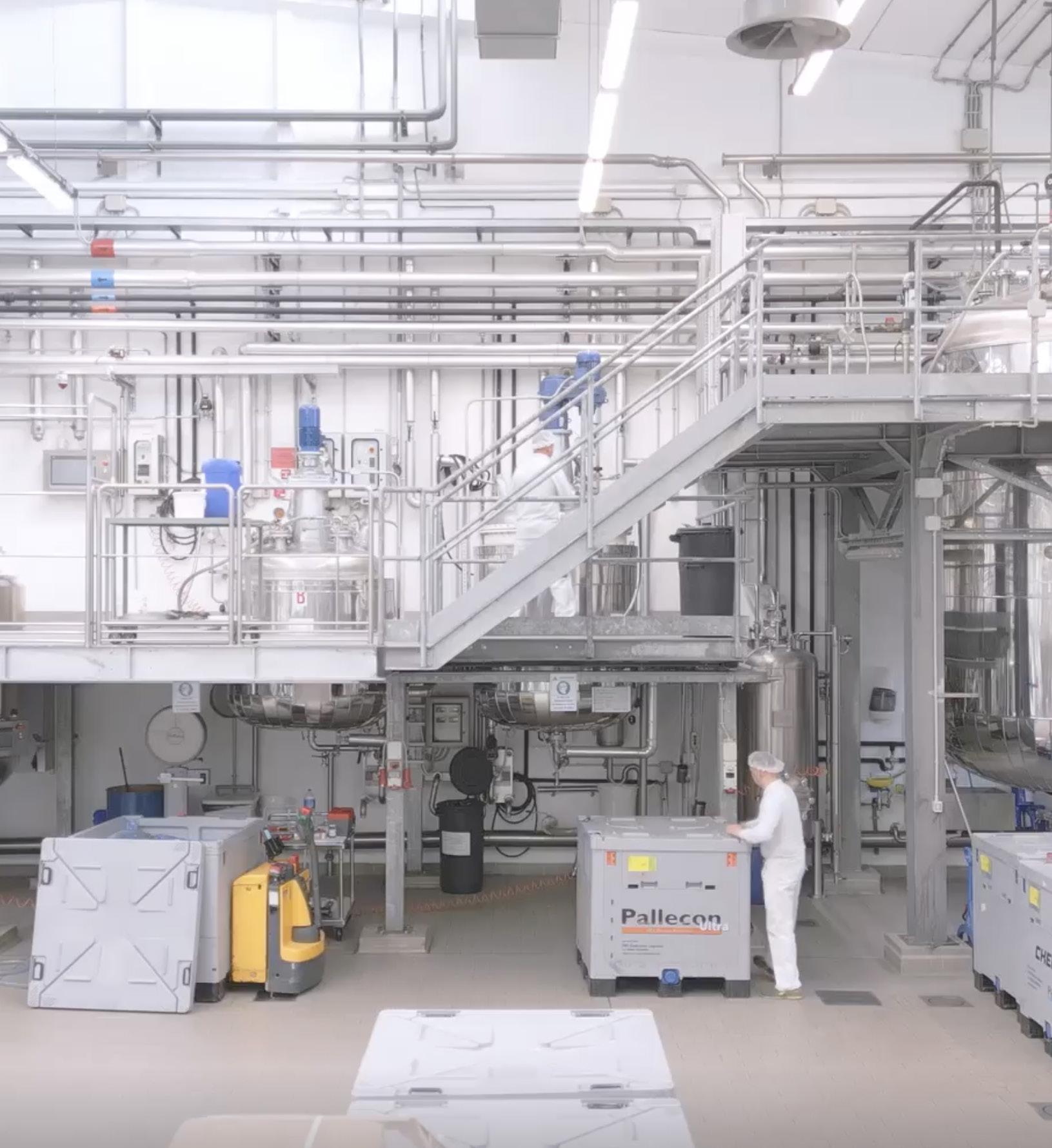
Within the production facility, the entire production cycle is overseen: from the design of cosmetic formulations to the manufacture of semi-finished products, through to packaging and shipping.
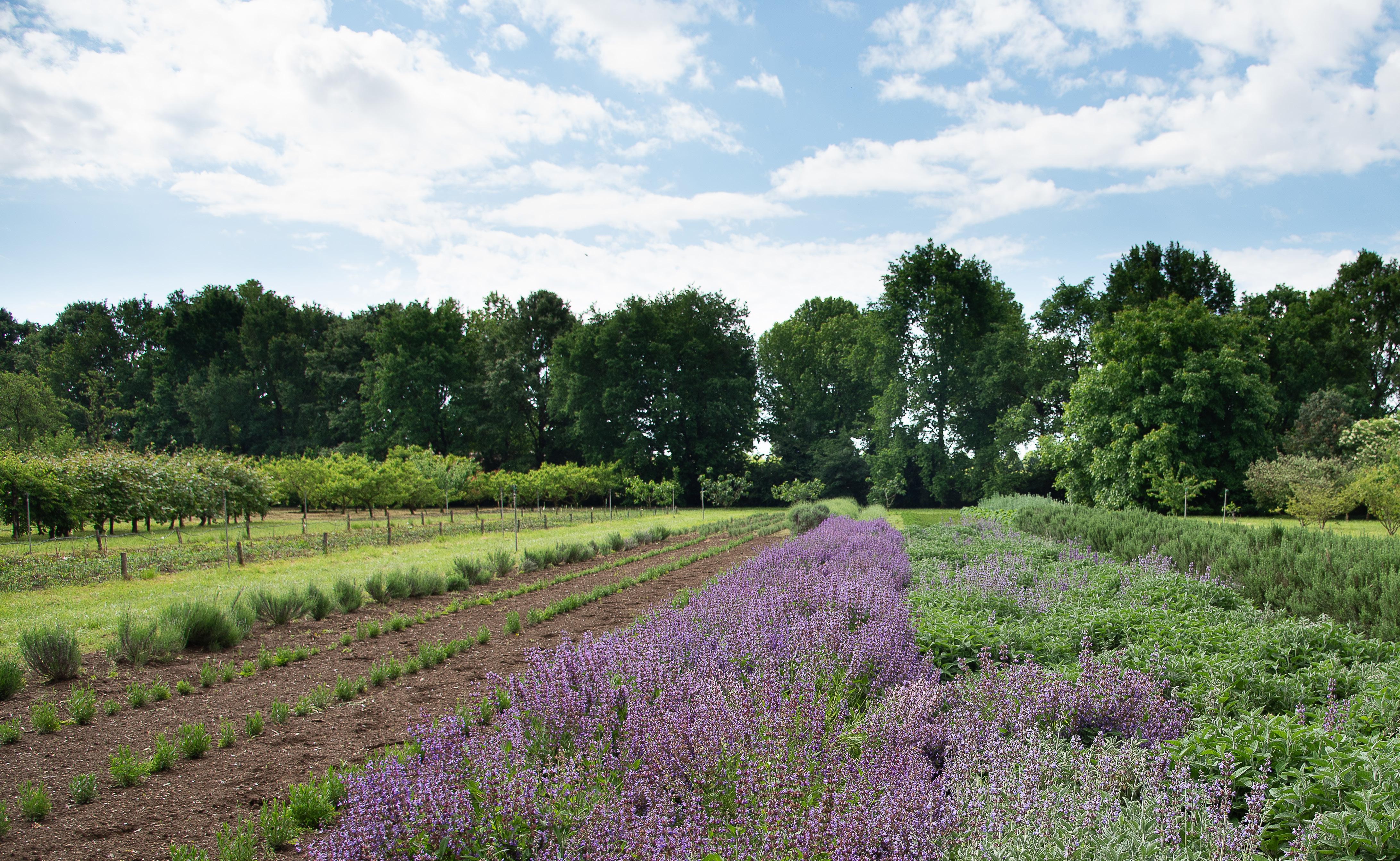
At the heart of L’Erbolario cosmetics are more than 350 extracts and distilled waters produced in-house by the Research & Development Laboratory. For the production of extracts, priority is given to plants cultivated in the L’Erbolario botanical garden, which contains a wide variety of organic aromatic herbs suited to the Italian climate, including mint, rosemary, sage, lavender and wormwood, as well as vegetables, fruit and flowers. In addition, L’Erbolario relies on Erbamea as a trusted supplier of selected plant-based raw materials. These ingredients are processed directly in the Extraction Laboratory, where a team of professionals extracts and concentrates the “soul” of the plants, isolating from the botanical matrix the active ingredients that make L’Erbolario cosmetics unique and distinctive.
For all other raw material requirements, L’Erbolario draws primarily on Italian suppliers, supplemented by a number of foreign suppliers, largely European.
“ ”
The more than 350 extracts and distilled waters produced in-house represent the heart of L’Erbolario cosmetics
1
From 2024, L’Erbolario embarked on a process to strengthen its responsible procurement procedures, reviewing supplier selection and monitoring criteria and introducing an ESG questionnaire for suppliers considered strategic1 . The assessment tool is designed to gauge suppliers’ approaches to sustainability and is structured around four macro areas: environment, social, governance and quality. The questionnaire also requests documentary evidence to support the information provided, offering a structured basis for comparable supplier assessment and supporting purchasing decisions. The objective is to refine the assessment criteria progressively and extend the process to additional supplier categories.
During 2025, L’Erbolario launched ESG questionnaire assessments for nine new strategic suppliers, of which two are still under evaluation, representing coverage of 82% of the 11 new suppliers introduced during the year, all of whom supply raw materials.
In 2025, the commitment to a responsible plant-based raw material supply chain was further strengthened, with particular attention to small Italian agricultural suppliers that promote biodiversity and enhance the local area.
Partnerships were formed with local organisations to support short supply chains and promote local economic development.
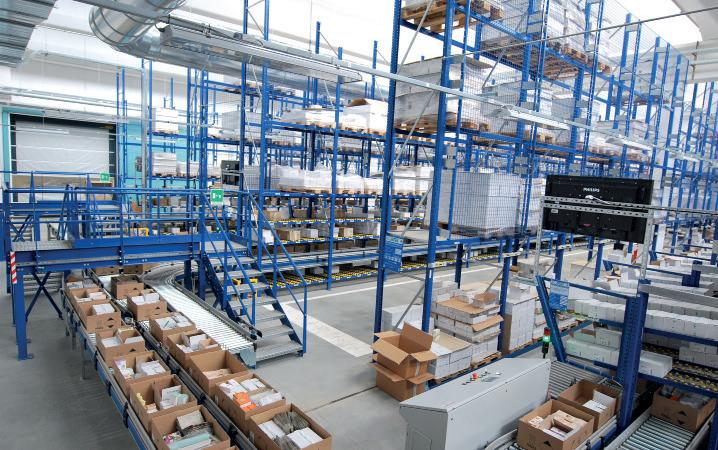
The company’s logistics hub, located close to the production site, is a strategic asset for operational efficiency and reducing environmental impacts. Packaging materials and finished products are managed and stored there. The proximity of the production site to the logistics hub enables transport to be optimised and ensures a constant, well-organised flow: twice a day, a shuttle transfers packaging materials to the production department and
finished products to the logistics hub, reducing journeys and making better use of space.
The logistics hub ships to Italian and foreign retailers, including the single-brand store network of more than 200 points of sale, 79 of which are directly managed. Commercial management coordinates orders from agents, offices and stores in an integrated manner, ensuring operational continuity, traceability of flows and constant oversight throughout the entire value chain.
Distribution logistics are equally well organised: each year approximately 70,000 B2B shipments and 120,000 e-commerce orders are managed in collaboration with selected carriers to ensure reliability, punctuality and accuracy of delivery.
L’Erbolario has always drawn on the exceptional qualities of plants to create highly effective, high-performance products. The excellence of our formulations results from a balanced synergy between several key elements:
The careful selection of excellent raw materials
2.2 Natural products designed for consumer wellbeing
The exceptional care taken at every stage of the development and production of our phytocosmetics 1. 2. 3.
In selecting raw materials, we apply rigorous criteria that consider the safety and environmental impact of each ingredient. This is why we use only GMO-free ingredients and avoid substances such as parabens, sulphated surfactants, chlorinated compounds and nanoparticles. We also exclude Octinoxate and Oxybenzone filters, which are prohibited under the Hawaii Corals Treaty and are considered to be among the causes of coral bleaching resulting from human activity. Our raw materials are selected in collaboration with Erbamea, our subsidiary and supplier of medicinal herbs. This approach reflects a corporate philosophy rooted in the finest Italian manufacturing tradition. All our cosmetics are conceived, formulated and produced entirely in Italy, with no stage of the manufacturing or shipping process ever relocated or outsourced to third countries.
The distinctive properties of the plant-based active ingredients in our self-produced extracts
The Extraction Laboratory specialises in the research, development and production of more than 450 extracts and aromatic distilled waters, using exclusively skin-friendly solvents such as water, vegetable glycerine (preferably organically certified) and organic sunflower oil.
Every stage is managed in-house, from product conception through research to the manufacture of the finished cosmetic. All processing stages take place within the production site located in the Adda Sud Park. Here, the Extraction Laboratory and the Research & Development Laboratory select and combine the finest ingredients to formulate high-performance products, while the Production and Packaging departments transform raw materials into finished products. Finally, from the Logistics Hub, the cosmetic products are shipped to retailers worldwide.
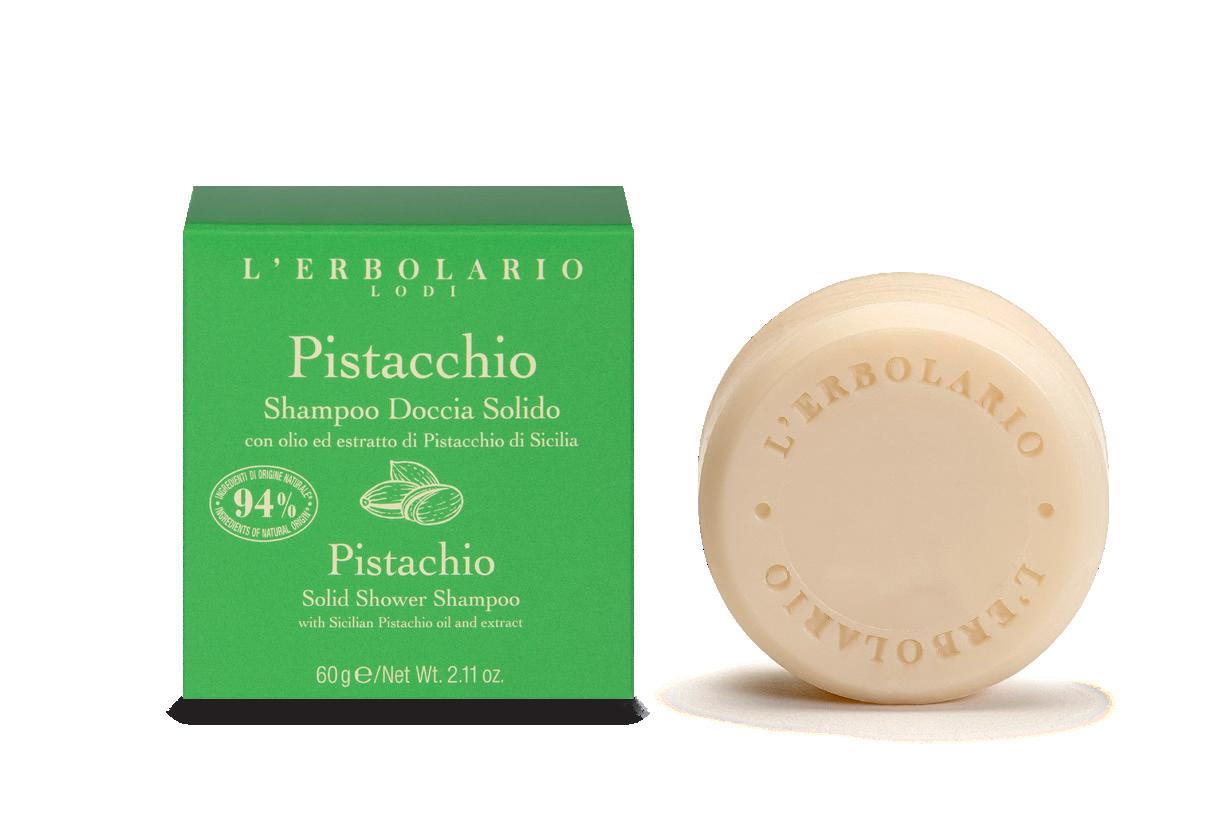
The L’Erbolario Group continuously works to improve its Research & Development and Extract Research & Production processes, aiming to optimise raw material use and make production processes more efficient. This work also encompasses the introduction of solid formulations or formulations with a particularly low water content, developed as complementary alternatives within the cosmetics range. Their physical characteristics allow for a variety of packaging solutions, including paper packaging, selected according to the product type and packaging requirements. Compared with certain traditional
solutions, paper may prove more readily recyclable, in compliance with the materials’ technical specifications and the available collection systems.
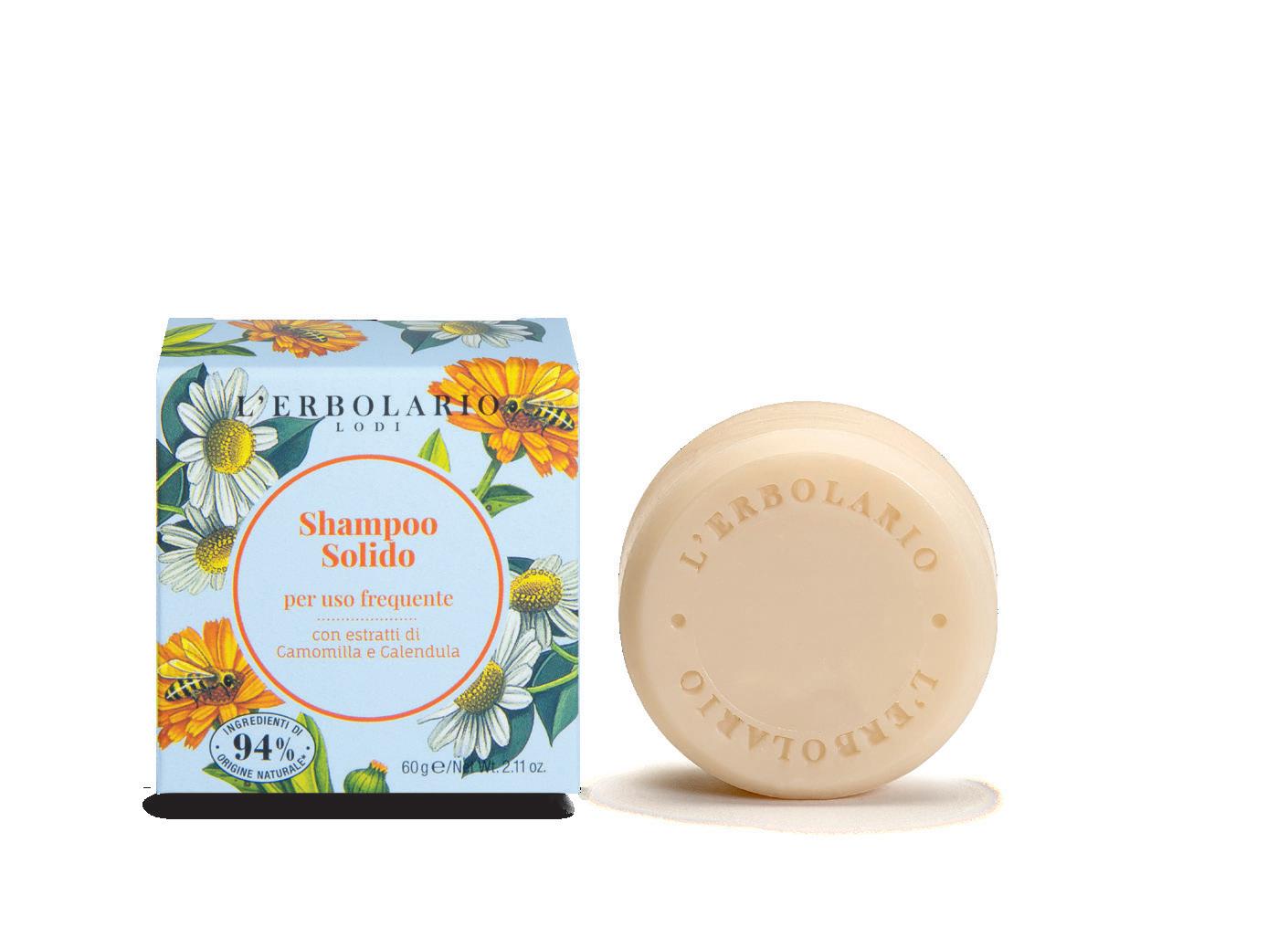
In recent years, the range has expanded with additional “waterless” products. These products represent a key direction for our offering and contribute to the diversification of our cosmetics range.
Solid formulations or formulations with a particularly low water content developed as complementary alternatives within the cosmetics range.
Alongside product innovation, in 2025 L’Erbolario devoted particular attention to improving the sustainability of its packaging, focusing both on introducing new solutions and consolidating projects already under way.
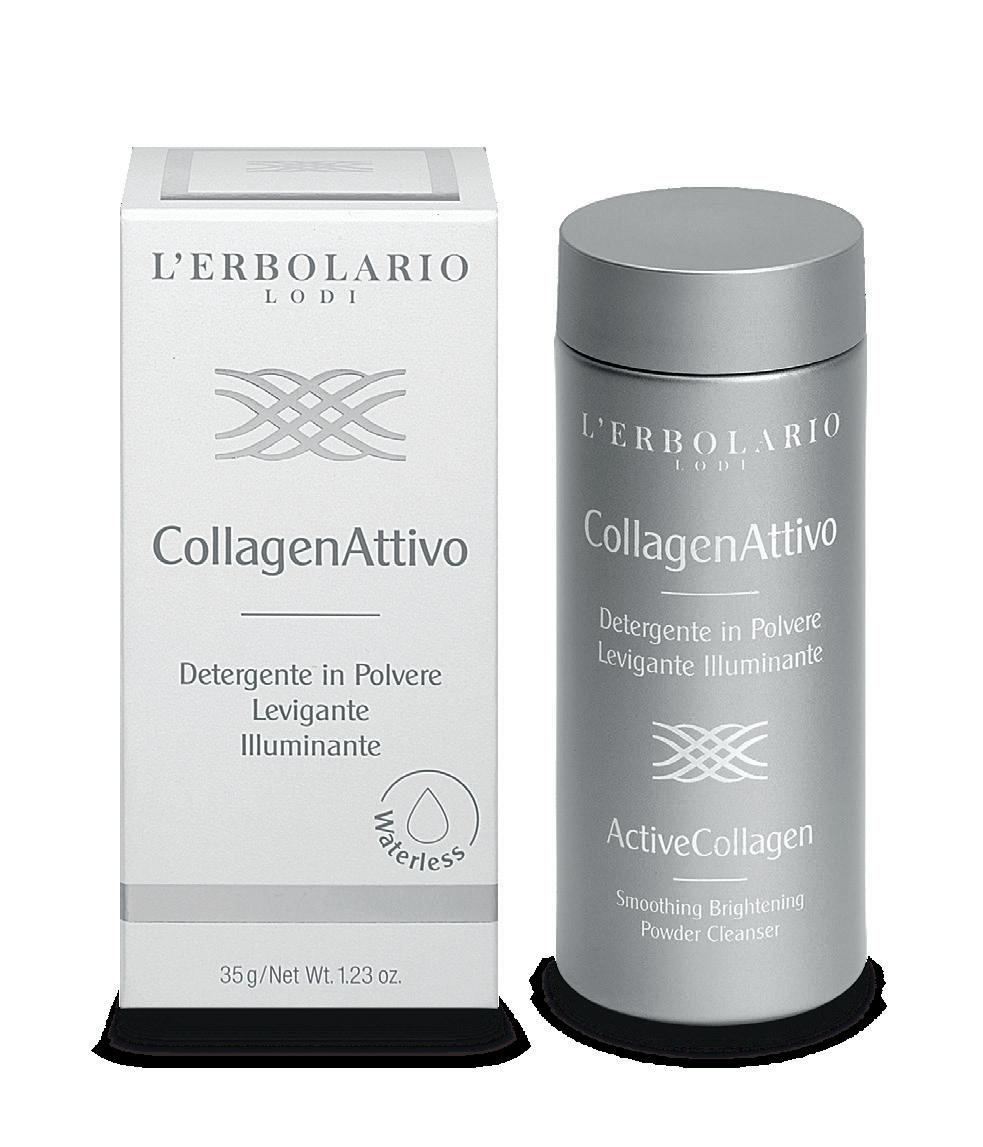
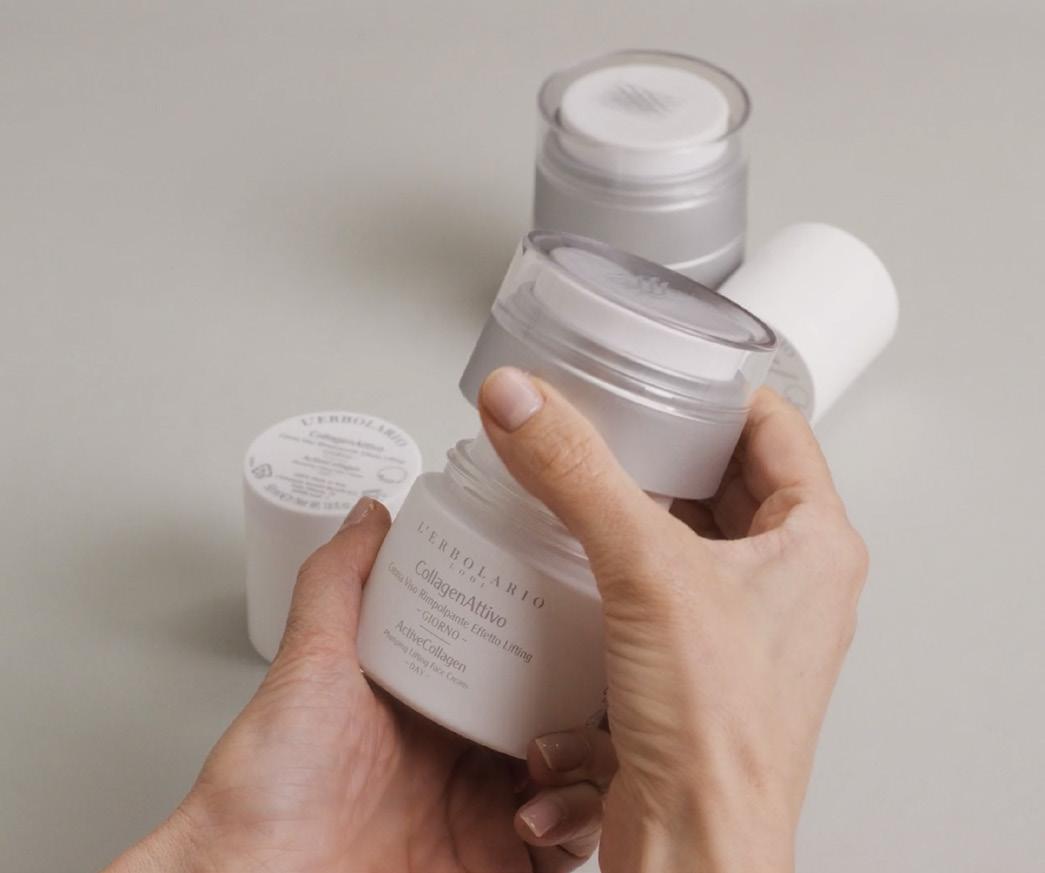
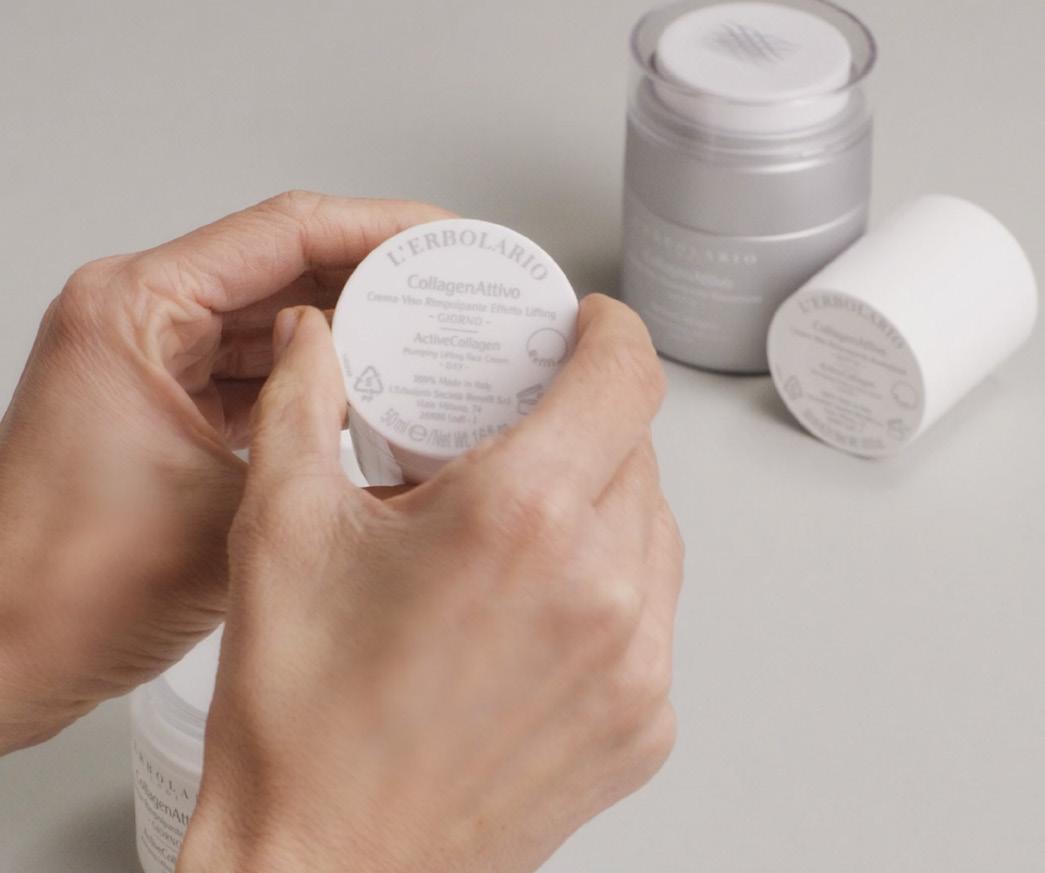
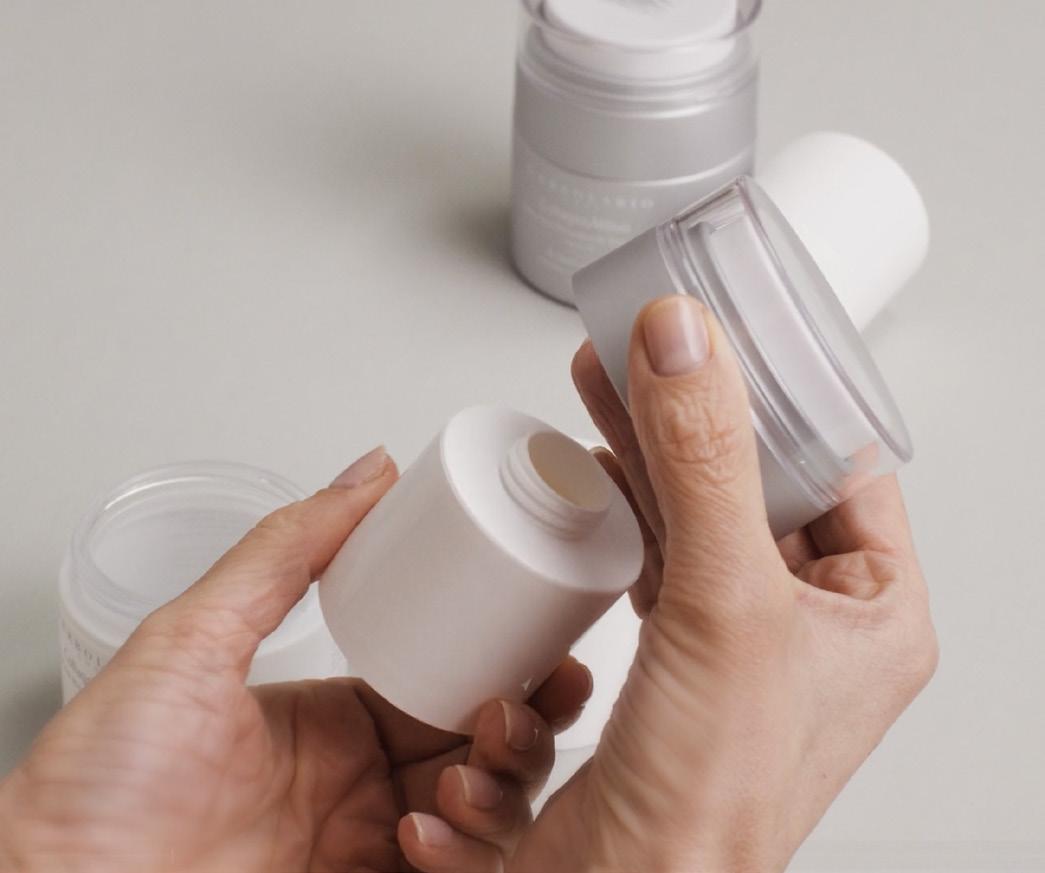
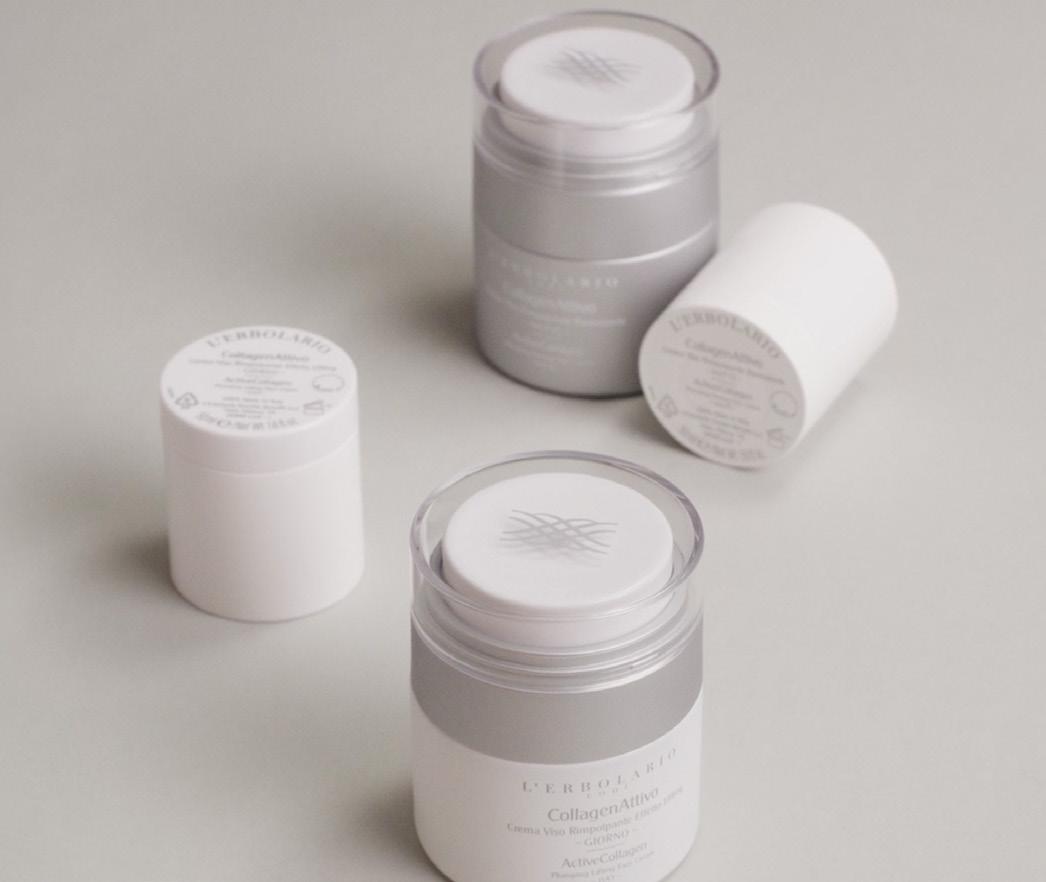
During the year, two refillable packaging formats were introduced for the CollagenAttivo line. The system works by purchasing the complete package initially, then replacing only the inner jar with a refill for subsequent use.
At the same time, the refill range for home fragrances was broadened with five new products, allowing the glass container to be reused with separately purchased refills in 100% recycled aluminium. This solution eliminates the repetated purchase of the primary containers.
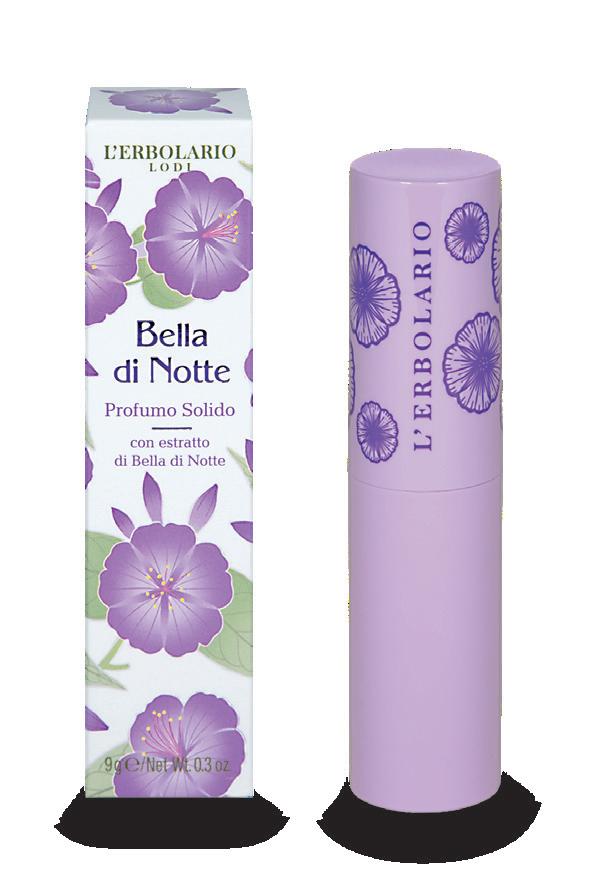
The Body Cream jar in the Bella di Notte line was produced entirely from recycled materials, while the summer Fico line expanded the essential packaging range products without secondary packaging to include five items, further reducing overall material use.
While maintaining product efficacy is essential, From summer 2025, new production methods were
1,200 different raw materials of intermediate equipment, sanitisation operations and operator intervention times. Applicable exclusively to cleansing products, this solution forms part of a broader drive to improve production efficiency, drawing on existing automation systems with particular attention to product consistency and quality continuity.
We use
2.3 The quality of our products and consumer safety
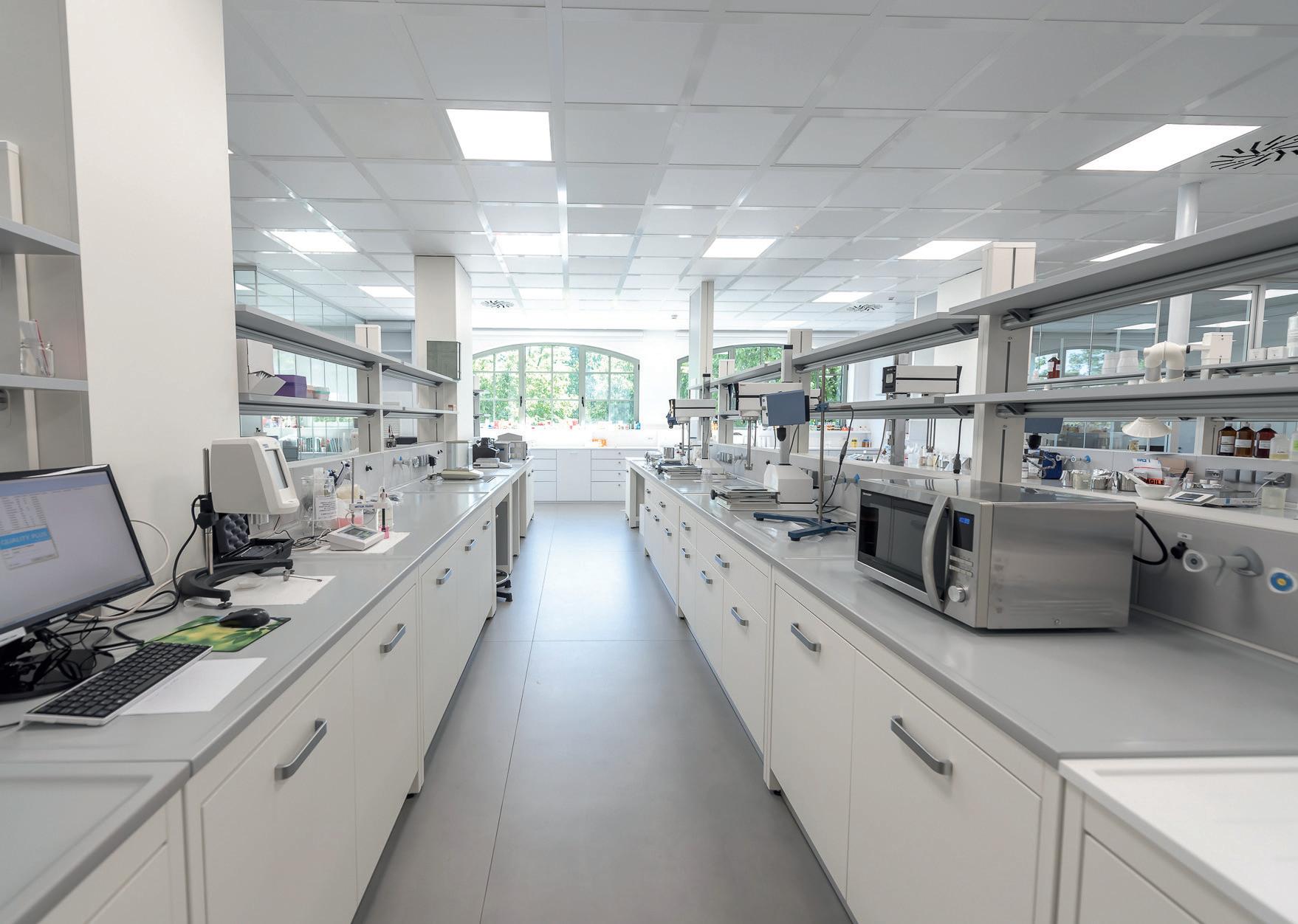
The L’Erbolario Research & Development Laboratory is a multidisciplinary structure that plays a central role in defining, verifying and monitoring product quality standards. An integrated approach enables rapid, effective sharing of expertise and promotes smooth interaction throughout the entire production chain. Raw materials undergo rigorous checks at the Quality Control Laboratory, where various parameters are monitored using advanced analytical instruments. Every stage of the process is carefully supervised, from the receipt of raw materials through to the manufacture of the finished product. This method enables prompt intervention when necessary, ensuring continuous, precise and thorough oversight.
Before approval, all our formulations undergo a comprehensive series of tests to ensure their safety, tolerability, efficacy and sensory appeal. The following tests are carried out:
1. Accelerated stability tests: the product is exposed to various forms of physical stress and monitored over a six-month period to assess its resistance and ability to maintain its characteristics unchanged. These tests simulate the conditions the cosmetic may be subjected to over time, ensuring that quality remains consistent even after an extended shelf life. Should the results prove unsatisfactory, formulation development is restarted.
2. Microbiological stability test: this assessment ensures the absence of microbiological contamination and confirms that the preservative system effectively prevents contamination during use. The product undergoes intensive microbiological stress testing to verify its resistance to potential contaminants.
3. Instrumental clinical test:
all cosmetics undergo rigorous testing, conducted both in vitro and in vivo, to assess tolerability, efficacy and pleasantness of use. Research activities are conducted in collaboration with the Department of Biology and Biotechnology at the University of Pavia and involve healthy volunteers who use the products under medical supervision. The duration of the tests varies depending on the type of cosmetic being analysed.
4. Stability testing in the official packaging: possible interactions between the product and its packaging are analysed to rule out unwanted reactions and ensure the safety of the contents over time.
Once approved, the formulations enter production, where physico-chemical and microbiological quality control continues systematically. Checks are carried out on the semi-finished product at the preliminary stage, during production and upon completion, to ensure full compliance with the established requirements. A further
microbiological analysis is performed when the product is discharged from the plant; only after confirmation of the required parameters is the product packaged and subjected to additional post-packaging microbiological analyses.
To protect consumers and reduce the risk of allergic reactions, even on the most sensitive skin, the content of eight heavy metals monitored in every batch of each of our cosmetic products: nickel, chromium, cadmium, lead, mercury, arsenic, antimony and cobalt. The company continually invests in technological innovation and advanced analytical methodologies, making quality control faster and more effective, improving product safety and increasing operational efficiency.
From the very beginning first as a company, then as a Group L’Erbolario has maintained a clear and unwavering stance against cosmetic animal testing, a commitment that dates back to the creation of its very first phytocosmetic product.
For many years, the company collaborated with LAV (Lega Anti Vivisezione) in support of the abolition of animal testing in the cosmetics sector. In 1992, together with LAV and thousands of Italian herbalist shops, the company organised a campaign sending more than 20,000 postcards to the European Parliament calling for a ban on this practice. September 2004 marked a historic milestone: the entry into force of the ban on animal testing for finished cosmetic products an outcome to which the Group actively contributed. This journey reached its conclusion on 11 March 2013, with the introduction of the total ban on testing cosmetic ingredients within the European Union.
In 2025, the L’Erbolario Group continued to maintain a careful and responsible approach to the health and safety of its products and services, and to the accuracy and transparency of the information provided to consumers, in compliance with regulatory requirements2 .
L’Erbolario is far more than a phytocosmetics brand: it is the expression of a set of values that places the customer at the heart of every decision. These principles, communicated through packaging and all the Group’s communication channels, are also put into practice through the Customer Service function, managed exclusively by in-house staff working in constant collaboration with the various company departments. Every request, report or complaint is handled with care and professionalism, aiming to provide prompt responses and appropriate solutions. Each report is analysed thoroughly to identify potential areas for improvement.
This integrated, structured and proactive approach enables the Group to maintain high standards of quality, safety and satisfaction, strengthening day by day the relationship of trust with those who choose L’Erbolario. Our commitment to the customer is also evident in the shopping experience offered both in our singlebrand stores and through the e-commerce channel, as demonstrated by the prestigious awards received in 2025 under the Insegna dell’Anno programme.
This is a research project involving hundreds of retail brands, measuring consumer appreciation of their preferred and most frequently visited stores. The assessment takes into account factors such as price, product range, welcome, staff expertise, ease of purchase
and overall store appearance. Similarly, for the digital channel (Insegna Web dell’Anno), consumers share their views on price, breadth of offering, service quality, clarity of information, delivery options and the platform’s ease of use.
L’Erbolario received significant recognition in the 20252026 edition of the Insegna dell’Anno awards.
In particular, the company was named Vincitore di Insegna dell’Anno Web and also received the Insegna dell’Anno nella categoria Erboristeria & Benessere award for the ninth time and the Insegna Web dell’Anno nella medesima categoria award for the sixth time. These results demonstrate the consistency of the brand’s performance over time and its ability to respond effectively to consumer expectations.
Relationship with Customers
OBJECTIVE 1
2.4 Natural Beauty
}L’Erbolario specialises in the research and development of natural cosmetic products, combining accessibility with uncompromising quality. The company applies rigorous standards for functionality and consumer protection, placing the customer at the heart of every decision.
Acting in accordance with principles of transparency and ethics, it clearly communicates the value and performance of its plant-based formulations, paying careful attention to every aspect of the user experience.
L’Erbolario Franchising oversees the distribution of natural cosmetics through a structured network of dedicated retail outlets, ensuring an exceptionally high-quality in-store shopping experience, with the utmost attention to the essentials: in-store welcome, purchasing advice, product range and product presentation.
No GMOs Maintain 100%
Products
2025
Goals Update
LAV (AntiVivisection League)
Reef-friendly sunscreens
New lines
Reuse of materials
Low-emission products
Suppliers
Quality of service
% of non-GMO raw materials 100% achieved
Maintain a 100% gluten-free range [Erbamea] % of gluten-free items 100% achieved
Maintain a 99% lactose-free range [Erbamea] % of lactose-free items 100% achieved
Maintain 100% plant-based products [Erbamea]
Maintenance of 100% “LAV Stop ai Test su Animali” certification on all marketed products
% of plant-based products 100% achieved
% of LAV products
achieved
Maintain 100% reef-friendly sunscreens % of reef-friendly sunscreens 100% achieved
Launch of a product line with an organic fig extract
Launch of four new products with sustainability features
Use of individual plants for multiple processes (e.g. distillation of water), reducing waste
Product line launch On/Off
Product line launch On/Off
% of lines using distilled water
Introduction of lines with low-emission production processes (e.g. cold-brew tea) % of lowemission product lines
Expanding the network of medicinal herb suppliers to include those with environmental and sustainability certifications
Promotion of two (2) weekly newsletters, to include content on sustainability and the company’s values, together with the implementation of monitoring indicators for the newsletters
Omnichannel communication
Sending a single communication/newsletter to subscribers across the different touchpoints (website and stores in the franchise network), where a unique ID is held
achieved
achieved
achieved
achieved
% of suppliers with sustainability certifications 100% achieved
No. of newsletters promoted/year
No. of users reached through the newsletters 100% achieved
Newsletter sent 100% achieved
Website optimisation and maintenance
Compliance with European regulations
ErboLIVE project
Analysis and study to improve website usability (replatforming) Study launch On/Off 100% achieved
Adapting the corporate website to meet European accessibility requirements (European Accessibility Act, Directive (EU) 2019/882, “EAA”) On/Off 100% achieved
One live session per month with the brand’s beauty expert, with review of performance indicators No. of live sessions/year 100% achieved
Social networks Implement and maintain a presence on TikTok No. of publications/year 100% achieved
SCOPE 2026 GOALS
No GMOs Maintain 100% non-GMO raw materials
Maintain a 100% gluten-free range [Erbamea]
Products
Maintain a 99% lactose-free range [Erbamea]
Maintain 100% plant-based products [Erbamea]
Setting 2026 goals
LAV (AntiVivisection League)
Reef-friendly sunscreens
New lines
Maintain 100% LAV certification across all products and their marketing
Maintain 100% reef-friendly sunscreen range
Development and launch of eight new products with sustainability features (e.g. solid products, without secondary packaging)
% of non-GMO raw materials
% of gluten-free items
% of lactose-free items
% of plant-based products
% of LAV products
% of reef-friendly sunscreens
Range launch On/Off
Efficiency of manufacturing processes
Replatforming of the Erbamea website
Loyalty Voucher redeemability
In-store customer registration via QR Code
Feasibility assessment of alternative production processes for cleansing products, with the aim of optimising production times and reducing water consumption
Launch of a feasibility study to assess the applicability of ultrasound-assisted extraction to a selected number of extracts
Redesign of the Erbamea website on a more modern, scalable and higher-performance platform
Loyalty Voucher: redeemable online as well as in-store.
Theloyalty voucher is earned by collecting Loyalty Points, one of the rewards available under the L’Erbolario 2026 Loyalty Programme
New customers will be able to register independently in store via a web page accessible by scanning a QR code with their mobile phone.
Launch of study and pilot tests On/Off
Study launch On/Off
Implementation On/Off
Implementation On/Off
Implementation On/Off
SCOPE
2026 GOALS
KPI
Optimisation of the “Abandoned Basket” flow: to remind users which products they left in their basket before leaving the website Implementation On/Off
Improving the online shopping experience
New L’Erbolario 2027 Loyalty Programme
ErboLIVE project
Wishlist: implementation on the website
Implementation On/Off
“Skin Test” study: development of a new test for end users for 2027 Study launch
Implementation of a new loyalty programme (including the L’Erbolario Club)
One live session per month with the brand’s beauty expert, with review of performance indicators
Social networks Maintaining a presence on TikTok
Implementation On/Off
No. of live sessions/year
No. of publications/year
3. Protection of the environment and nature
As a Benefit Company, L’Erbolario integrates sustainable development as a guiding criterion for conducting its business activities and pursuing its common-benefit objectives. In line with the GRI Standards adopted, the organisation identifies and assesses the environmental impacts of its activities within the defined operational scope, focusing on aspects identified as material.
Managing these impacts involves monitoring the effects associated with processes and products, adopting measures to limit them, and reporting regularly through quantitative and qualitative indicators. Awareness of the natural environments in which the organisation operates, combined with the European climate transition targets for 2050, guides internal analysis and the setting of priorities. This framework provides the context in which the Group assesses its progress and identifies the areas on which to focus its next improvement steps.
Since 2002, the Group has maintained a UNI EN ISO 14001 Management System, aimed at continuously improving environmental performance, reducing negative impacts and complying with applicable legislation. This structured approach enables the setting of progressively more ambitious objectives, supporting the continuous improvement of environmental performance.
consumption and emissions reflecting its commitment to responsible resource management. This commitment drives efforts to increase production efficiency and expand the use of renewable energy.
The Group regularly monitors and reports on its total energy consumption, which comprises natural gas, fuel for the company fleet and, predominantly, electricity. This ongoing monitoring enables assessment of energy performance and identification of potential areas for improvement. In 2025, the Group’s total energy consumption recorded a slight increase of 6% over the previous year, rising from 21,485 GJ in 2024 to 22,730 GJ in 2025.
ENERGY CONSUMPTION FROM ELECTRICITY USE
Total electricity consumed by the Group comprising purchases from the grid and self-generation from photovoltaic systems increased by 11% from 11,934 GJ in 2024 to 13,221 GJ in 2025.
The Group sources 96% of its electricity from renewable sources, through a combination of photovoltaic selfgeneration and certified purchases via Guarantees of Origin (GO).
Certified electricity purchased through GO schemes representing 72% of total renewable energy used increased by 22% over 2024.
L’Erbolario and L’Erbolario Franchising both achieve 100% renewable electricity coverage, drawing exclusively on self-generated renewable energy and GO-certified purchases.
Since 2025, all directly managed stores have used electricity from renewable sources.
3.1 Our energy consumption
and consumed
and certified through GO 72%
The Group’s electricity generation from photovoltaic systems representing 28% of total renewable energy used continues to make a stable contribution to overall energy supply. Solar energy is a central pillar of the Group’s energy strategy. Currently, 69% of the energy generated by photovoltaic systems is consumed directly at production sites, while the remaining 31% (1,619 GJ) is fed into the grid, contributing to an improved overall energy mix.
The Logistics Hub, covering an area of 26,000 m², was designed in 2010 using the best energy-efficiency innovations available at the time: no natural gas is used; heating and cooling are provided by an open-loop geothermal heat pump system, delivering efficiency levels superior to traditional solutions.
During summer, cooling is provided through a free cooling system for the areas served by radiant panels, drawing on the naturally low temperature of groundwater from the three extraction wells. Some of the electricity required to operate the Logistics Hub is also supplied by the on-site photovoltaic installation.
ENERGY CONSUMPTION DERIVING FROM FOSSIL FUELS
The Group’s overall fossil fuel consumption remained stable across the three-year period. Natural gas consumption, used for heating work environments and operating production plants, remained substantially unchanged compared with 2024, confirming an overall picture of stability at Group level. Fuel consumption by the company fleet showed a slight increase in petrol use and a decrease in diesel, reflecting greater use of petrol-powered hybrid vehicles compared with the previous year.
In 2025, L’Erbolario Holding and L’Erbolario Franchising company fleets consisted entirely of hybrid vehicles, marking a significant step forward compared with the previous year.
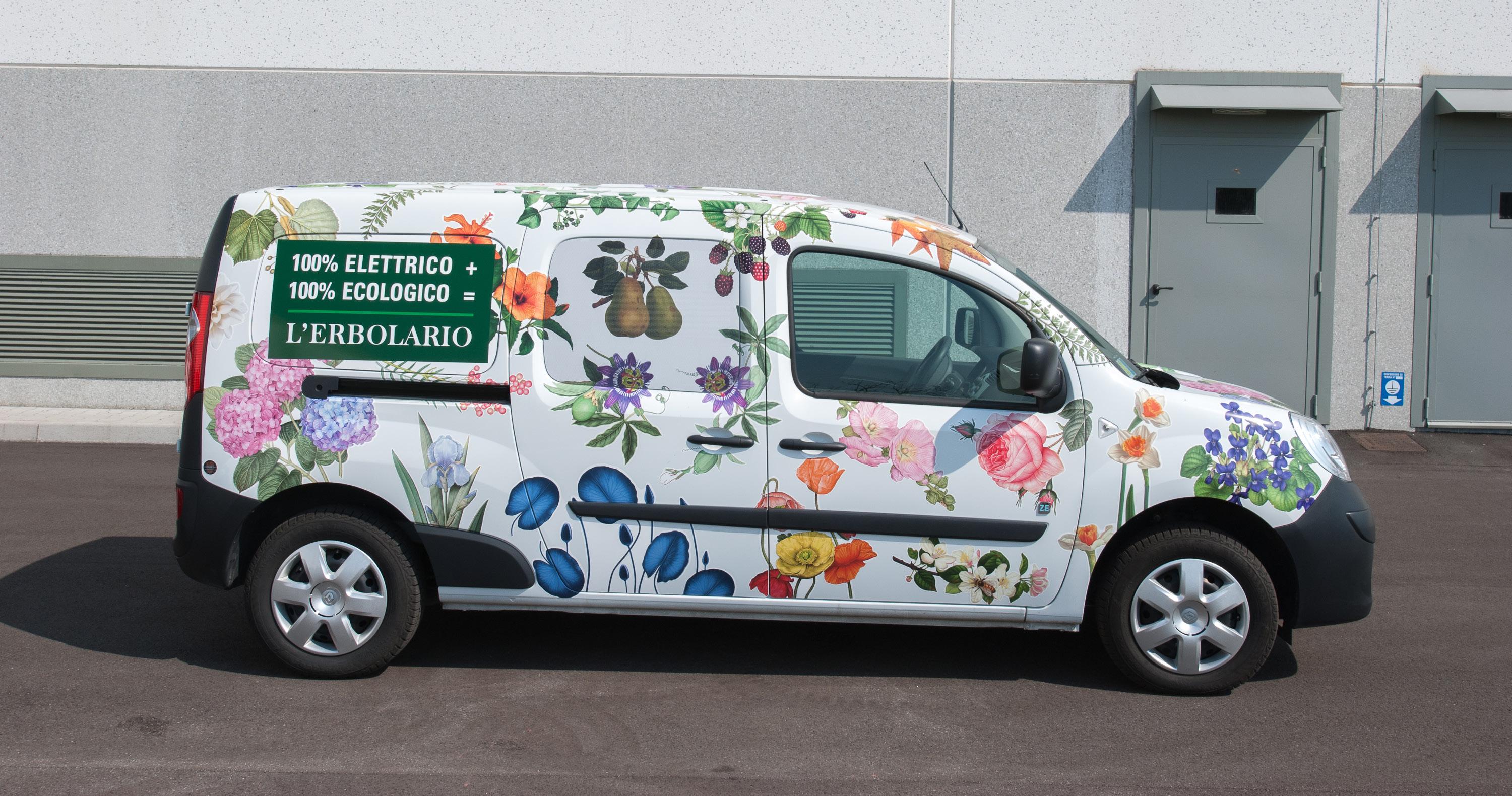
In addition, 76% of L’Erbolario’s company fleet consists of hybrid and plug-in vehicles. This contributes to the progressive reduction of the fleet’s emissions and forms part of the Group’s broader programme of energy-efficiency improvements and direct emissions reduction. Eight new plug-in vehicle models are also planned for 2026.
During 2025, the Group’s total greenhouse gas (GHG) emissions amounted to 15,402 tCO₂e on a location-based basis and 14,936 tCO₂e on a market-based basis.
Of the total GHG emissions calculated using the marketbased method, approximately 96% is generated by indirect Scope 3 emissions, approximately 4% by direct Scope 1 emissions and 0.4% by indirect Scope 2 emissions from purchased energy.
DIRECT GHG EMISSIONS AND INDIRECT EMISSIONS FROM PURCHASED ENERGY SCOPE 1 AND 2
The Group’s direct emissions (Scope 1) come primarily from diesel and petrol used by the company fleet and natural gas used for heating and production.
In 2025, total direct Scope 1 emissions amounted to 565 tonnes of CO₂e.
This figure was 5% lower than in 2024, when emissions amounted to 594 tonnes of CO₂e.
3.2 GHG emissions generated by the Group
Emissions associated with diesel use continued to decrease, standing at 77 tonnes of CO₂e in 2025, a 20% reduction compared with 2024.
Emissions associated with natural gas consumption at 390 tonnes of CO₂e, remained stable compared with 2024. During 2025, no emissions from leaks of refrigerant gas were recorded.
Scope 1 in 2025
Indirect emissions from purchased electricity (Scope 2) continued their downward trend, reflecting the progressive increase in photovoltaic self-generation and the energy procurement methods adopted. These emissions, attributable to energy purchased for plant operations, are calculated using two methodologies: location-based, based on the average carbon intensity of the local electricity grid, and market-based, which takes into account energy procurement choices, including Guarantees of Origin (GO).
In 2025, Scope 2 emissions calculated using the location-based method amounted to 532 tonnes of CO₂e, while Scope 2 emissions calculated
using the market-based method amounted to 65 tCO₂e, showing a 31% reduction over 2024. Electricity generation from photovoltaic systems also contributed to these results.
In particular, for L’Erbolario, self-generation of energy enabled it in 2025 to avoid an estimated 180 tonnes of CO₂e that would otherwise have been generated through fossil fuel use.
Overall, total emissions (Scope 1 and Scope 2) are on a continuous downward trend.
Applying the market-based method, emissions decreased from 689 tonnes of CO₂e in 2024 to 630 tonnes of CO₂e in 2025, a reduction of 9%.
As part of a broader effort to address emissions beyond those directly under the Group’s control, logistics flows to stores were rationalised in 2025. An increasing share of shipments was switched to a standard courier service, improving vehicle load factors and overall distribution efficiency.
INDIRECT EMISSIONS ALONG THE VALUE CHAIN SCOPE 3
From 2025, we began calculating indirect Scope 3 emissions, with the aim of mapping the carbon footprint of activities outside the Group’s organisational boundaries. This category encompasses emissions generated across the Group’s entire value chain, both upstream and downstream.
During 2025, the Group completed the calculation of its first greenhouse gas (GHG) emissions inventory for the 2024 financial year, in compliance with the UNI EN ISO 14064-1:2019 standard. This inventory, covering the 2024 reporting scope, was independently verified by a third party at a reasonable assurance level, confirming both its methodological accuracy and the consistency of the data reported.
The 2025 data were compiled using the same methodology and organisational scope as the certified 2024 inventory, covering all applicable emission categories, and will be verified during 2026.
Obtaining ISO 14064 certification represents a significant milestone in the Group’s environmental journey, providing a solid methodological basis for the annual monitoring of emissions and for establishing future reduction actions along the value chain. The measurement of direct and indirect emissions continues systematically, providing a solid and verifiable basis for identifying the most appropriate pathways to improvement.
The process included quantifying value chain emissions across: purchase of goods and services, capital goods, upstream energy activities, inbound and outbound transport and distribution, waste generated by operations, business travel, employee commuting, endof-life treatment of sold products and franchising. The systematic monitoring of these emissions will enable a deeper understanding of the entire value chain and support the development of targeted strategies to further reduce environmental impact.
The Group’s strategic direction is aligned with European
climate neutrality objectives and the national ecological transition pathway, with zero greenhouse gas emissions as its ultimate target.
In 2025, greenhouse gas emissions Indirect emissions (Scope 3) L’Erbolario amounted to 14.305 tCO₂e.
Environmental initiatives
2025, purchased electricity was again subject to a compensation initiative carried out in collaboration with LIFEGATE Energy, aimed at offsetting the residual impacts associated with the production and distribution of renewable energy. The initiative was implemented through support for Mai Ndombe REDD+ project in the Democratic Republic of the Congo. The project aims to protect a forest area, contributing to the prevention of industrial logging, unsustainable use of woody biomass and slash-and-burn agricultural practices.
The Group’s membership of CO₂alizione Italia, which dates from 2022, continued in 2025. The initiative brings together more than 89 companies committed to the ecological transition and provides a forum for ongoing dialogue on carbon emission reduction strategies.
During 2025, participation in the network’s activities enabled further exploration of topics including climate neutrality in corporate statutes and climate governance, carbon footprint emission reduction targets, and advocacy and stewardship. The dedicated meetings encouraged the sharing of good practices and the experiences of participating companies. The year’s programme was further enriched by webinars technical contributions, adding to the collection of materials available on the online platform.
L’Erbolario Franchising once again took part in the ”M’illumino di Meno” initiative, the Rai Radio2 campaign linked to the National Day of Energy Saving and Sustainable Lifestyles. This continued the commitment shown in the 2024 edition, dedicated to “No borders”, which combined the traditional switching off of lights with projects developed in collaboration with municipalities, schools, universities, research centres and the foreign offices of participating companies. As in previous years, participation in the initiative helped encourage everyday habits that reduce energy consumption.
L’Erbolario Franchising also took part in the “Siamo aperti al risparmio energetico” (“We are open to energy saving”) campaign, promoted by Confimprese under the patronage of the Ministry for Ecological Transition.
The initiative encourages stores to keep their doors closed to reduce energy consumption and raise awareness of sustainability.
3.3 Responsible management of our environmental impacts Input materials
L’Erbolario systematically monitors its input materials, with particular attention to the raw materials and packaging components used in its production processes.
In 2025 the company used a total of 3,151,305 kg of materials for the production and packaging of its main products.
Of these, 1,699,755 kg or 54% consisted of recycled packaging materials, including paper, cardboard and plastic components, purchased by L’Erbolario and Erbamea for packaging and other categories of materials used in the production process or as promotional items.
In addition, the share of recycled materials used in the manufacture and packaging of the main products increased, rising from 2% (63 tonnes) in 2024 to 7% (234 tonnes) in 2025.
Water management
The Group also devotes attention to the responsible management of water resources.
The Group aims to use water consistently with production and operational needs, while continuously exploring opportunities to improve efficiency and reduce consumption.
The Group’s total water consumption used mainly for production activities and sanitary purposes and calculated as the difference between withdrawals and discharges increased slightly by 3%, from 948 m³ in 2024 to 977 m³ in 2025.
Water-related impacts are assessed through regular monitoring of withdrawal and discharge volumes,
analysis of end uses, comparison with historical data and review of the local water context. Wastewater discharges generated by company activities are managed in compliance with the minimum quality standards established by current legislation and the authorisations issued by the competent local authorities.
Compliance with these standards is ensured through periodic wastewater monitoring and maintenance of treatment plants and dedicated infrastructure, to ensure that discharges do not negatively impact water quality or surrounding ecosystems.
Management of pollutant emissions
L’Erbolario holds a Single Environmental Authorisation (AUA) for its Lodi sites and, during the 20232025 period, no exceedances of the limits established by current legislation were recorded.
During the reporting period, L’Erbolario recorded no discharges into water or air that exceeded the prescribed limits, confirming the proper functioning of its treatment and control systems.
Monitoring enables ongoing tracking of parameters over time, ensuring compliance and identifying potential areas for optimisation in discharge management.
A one-off rationalisation of materials that had accumulated over previous years at the Logistics Hub pushed total waste produced in 2025 up from 651 to 833 tonnes (+28%).
The Group adopts a circular-economy approach, aiming to transform waste into resources and progressively reduce it through continuous improvement of recovery processes.
The proportion of waste diverted from disposal remained stable in 2025 compared to 2024 at 79% up from 72% in 2023.
The significant impacts associated with waste stem primarily from the input materials used in production processes, including cosmetic raw materials and packaging materials. Formulation, mixing, packaging and production area management are the main operational stages from which waste originates. This waste represents the output most closely associated with potential environmental impacts, as it may affect soil quality, emissions generated during treatment and the resources required for disposal or recovery. Waste-related impacts are partly attributable to activities carried out directly by the organisation and partly generated by upstream and downstream supply chain activities. The latter mainly concern the production and transport of packaging and raw materials, which contribute to waste generation at supplier sites.
Downstream impacts associated with consumer use and disposal of products primarily concern the management of post-consumer packaging and depend on proper enduser disposal.
During the year, the Group adopted measures to prevent waste generation across the value chain through ecodesign initiatives and packaging solutions that reduce overall material use. In particular, refill solutions were developed for cosmetic products and fragrances for scented wood sticks, enabling the reuse of primary containers and limiting the need for new packaging throughout the product life cycle.
3.4 Protecting biodiversity and safeguarding flora and fauna
Recognising biodiversity as a heritage to be preserved for future generations, L’Erbolario is committed to protecting flora and fauna. While the Group has yet to adopt a formal policy aligned with the Kunming-Montreal Global Biodiversity Framework, it applies internal criteria for raw material selection and uses procedures and exclusion lists to steer choices towards environmentally compliant ingredients and materials
In 2025, this commitment was reflected in a consolidation of operational initiatives, focusing particularly on areas directly connected to the Group’s activities and the territories in which it operates. The aim was to report more systematically on the initiatives implemented and the environmental benefits generated, making a concrete contribution to the conservation of natural heritage and to balanced long-term development.
The Parco L’Erbolario a green area of approximately 200,000 square metres, home to more than 30,000 trees, shrubs and wild herbs has gradually taken on the character of a true nature reserve. The park perimeter, bordered by hedgerows and diverse vegetation, helps create ecological corridors essential for local wildlife, including squirrels, foxes, birds of prey, roe deer and badgers.
The Group also promotes the rational use of water the careful design of planted areas, using differentiated irrigation systems tailored to specific crops and surface areas, contributing to both water efficiency and the conservation of local ecosystems.
At the same time, we supported cultural and educational initiatives throughout the year to strengthen environmental awareness among a broader audience beyond the company community, promoting a culture of environmental stewardship and reinforcing the connection between production activities and the surrounding natural environment.
Although not located directly within a protected area, the Lodi site1 is approximately 12.5 km from the SAC
“Boschi e Lanca di Comazzo” (IT2090002)
,
a Natura 2000 site recognised for the quality of its riparian habitats and the presence of protected species.
Similarly, the San Giustino (PG)2 plant is approximately 13 km from the Natura 2000 site SAC “Alto Bacino del Torrente Lama” (IT5210073).
This proximity inspires the company to operate with care and attentiveness, nurturing its connection with the Lodi area and its natural environment.
The Group has also maintained a deep connection with the local area and its biodiversity, formalising this commitment through membership of the Parco Adda Sud brand. This initiative aims to enhance the Lodi area, promote sustainable development throughout the Park and make it a shared resource for local businesses.
1 The activities carried out at the Viale Milano, Via dell’Agricoltura and Cascina Folla site, covering
materials and finished products, as well as logistics activities for L’Erbolario and administrative activities for the following companies: L’Erbolario Holding, L’Erbolario and L’Erbolario Franchising.
2 The activities carried out at the San Giustino (PG) plant in Via L. Gonzaga, covering an area of 8,218 m2 , mainly include the production of food supplements and phytotherapeutic products by Erbamea.
At Cascina Folla, an integrated planting project was launched to increase the availability of habitats and food resources for local birdlife.
The initiative involved introducing shrubs and small trees selected for their ability to produce fruit and berries in autumn and winter, when natural food sources are scarcer.
The species introduced include cotinus, amelanchier, wintersweet, cornelian cherry, wayfaring tree, alder buckthorn, mahonia, red-berried and orange-berried pyracantha, and sea buckthorn. These species were chosen to provide a continuous food source for birds including blackbirds, thrushes, robins and tits that are most active in the area during the winter months. New bird nesting boxes were also installed to support wildlife, with further installations planned in 2026 as part of the Group’s ongoing commitment to biodiversity conservation.
In 2025, a monitoring survey of the 60 nesting boxes
installed in previous years showed that more than 70% had been used for nesting or as shelter. Beneficiaries included tits, sparrows, small nocturnal birds of prey, tree-dwelling rodents and various overwintering species testament to the effectiveness of these wildlife support measures.
During 2025, green area redevelopment activities continued both within the production hub and along the banks adjacent to the Logistics Hub, with new plant species introduced wherever gaps existed. The final sowing of the flower meadow was also completed, an initiative designed to attract and support pollinating insects.
The expected benefits will become fully apparent from 2026 onwards, with the complete flowering of the sown species. At the Logistics Hub, 3,000 m² of flower meadow were planted using seed mixtures selected for their rich nectar and pollen content, benefiting wild bees, honey bees, bumblebees and other pollinators.
The mixtures include numerous easily recognisable herbaceous and flowering species, among them alyssum, calendula, armeria, stock, forget-menot, California poppy and soapwort, as well as cornflowers, clovers, meadow sage, phacelia and other varieties typical of nectar-rich meadows. The selection of these species characterised by gradual and prolonged flowering creates a rich, colourful and highly attractive environment for pollinating fauna, contributing significantly to the protection of local biodiversity.
The company’s commitment to soil protection also extended to the restoration of banks and irrigation channels, with the aim of preventing erosion and ensuring ecosystem stability. The restoration activities included the bridge crossing the spring-fed watercourse. Previously, the structure slowed the proper flow of water, encouraging the proliferation of filamentous algae; the restoration work re-established more balanced hydraulic and ecological conditions. Restoration work was also carried out on the banks and irrigation channels to prevent erosion and ensure ecosystem stability. In particular, work on the embankments within the Park, along the Molina irrigation channel, continued with consolidation using chestnut poles and subsequent
planting to maintain vegetation cover and geological balance. All areas potentially subject to erosion are included in renaturalisation initiatives, making erosion prevention an integral part of the company’s green area management.
Since 2005, all company agricultural land has been managed organically, with ICEA (Institute for Ethical and Environmental Certification) certification.
ICEA certification was renewed for 2025 for the L’Erbolario and Cascina Folla land, with the exception of the Logistics Hub.
This certification confirms that all agricultural activities except for a small ornamental garden area managed under integrated farming principles meet organic farming criteria and high sustainability standards. Specific practices for the efficient use of water resources are also applied: sprinkler irrigation for ornamental lawns, surface irrigation for permanent grasslands, and drip irrigation for the orchard, ornamental flower beds and tall trees.
OBJECTIVE
2
3.5 Good for the planet
}L’Erbolario stands out as a leading producer of cosmetics based on plant-derived raw materials. The company’s mission includes the promotion of biodiversity through the cultivation of native species and the promotion of a lifestyle inspired by nature.
L’Erbolario Franchising is committed to reducing the emissions impact of its stores, for example by purchasing GO-certified renewable energy, achieving 100% coverage from 2025.
2025 Goals Update
Efficiency of manufacturing processes
Packaging Department: project for the installation of new equipment specifically a collaborative robot for pick-and-place operations for additional production lines. The final details of the project, scheduled for 2025, are currently being finalised.
CIP Cleaning for the Production Department: design studies are nearing completion for the implementation of a plant cleaning system that uses recycled water. The recycling system may also be used to sanitise a plant component currently treated with steam. This solution will initially be implemented at one plant, with the option of extending it to others later.
Analysis of packaging materials used for e-commerce orders processed at the Logistics Hub. On/Off Not achieved4
Schedule the replacement of LED lighting at planned renovation sites, with at least three interventions scheduled for 2025 in Rome, Chieti and Venice.
Implementation of energy-saving measures and efficiency improvements to plant and logistics at the Logistics Hub. LED lighting will be replaced gradually across the various departments, starting with the second floor and rolling out to other departments in due course. The possibility of expanding the photovoltaic system is also under consideration.
Eco-design of the product and packaging throughout the entire life cycle Introduction of two products with refillable packaging.
Eco-design of the product and packaging throughout the entire life cycle
Introduction of five summer products without secondary packaging.
Introduction of five refill-format products made from 100% recycled aluminium.
3 Extension to other plants is under way
4 The analysis has been rescheduled in light of developments in the PPWR (Packaging and Packaging Waste Regulation)
5 Expansion of the photovoltaic system is currently under evaluation
SCOPE 2025 GOALS KPI STATUS
Introduction of products made from 100% recycled plastic, with one product currently confirmed. No. of products 100% achieved
Implementation of the use of paper adhesive tape in the Packing Department. No. of products Not achieved6
Eco-design of the product and packaging throughout the entire life cycle
Production of pouches for limited-edition launches in recycled polyester, already under way and expected to continue. No. of products 100% achieved
Maintaining 100% FSC®-certified paper and cardboard for product packaging and communication materials On/Off 100% paper and cardboard
Reduction in packaging used for e-commerce shipments. On/Off Not achieved7
Climate neutrality Launch of Scope 3 greenhouse gas (GHG) emissions calculation. On/Off 100% achieved
6 It has been decided not to introduce paper adhesive tape in the Packaging Department, as the cost does not justify the investment 7 This objective has been rescheduled in line with developments relating to the PPWR (Packaging and Packaging Waste Regulation)
Strengthening the protection of birdlife by expanding nesting structures within company areas, continuing the work initiated in previous years. On/Off
Protection of biodiversity and wildlife
Restoration and protection of aquatic ecosystems
Setting 2026 goals
Enhancement of spring-fed watercourses
Complete the census of existing nesting boxes (currently 34 units) and establish a structured information base. On/Off
Progressive installation of additional nesting boxes, contributing to habitat improvement and the diversification of species present. On/Off
Continuation of restoration and consolidation work on the banks of the Molina irrigation channel, with measures to address hydrogeological instability and improve the stability of the watercourse. On/Off
Launch of restoration and consolidation work along the banks of other internal irrigation channels to prevent erosion and improve the ecological functioning of aquatic ecosystems. On/Off
Embankment restoration work in the San Grato (LO) area, affected by landslides linked to geological instability, within the Parco Adda Sud. On/Off
New planting initiatives in the spring-fed watercourses at Cascina Folla, including the introduction of experimental species compatible with the local ecosystem. On/Off
Protection of pollinators and plant biodiversity
Monitoring of the flower meadow at the Logistics Hub, to assess its effectiveness in supporting pollinating insects during the 2026 flowering cycle. On/Off
Assessment of the presence and distribution of plant species that support pollinators and seed dispersers, and the possible introduction of native species of high ecological value, to increase biodiversity and strengthen the functionality of local ecosystems. On/Off
Ecosystem services and green area management
Assessment of opportunities to introduce small trees and shrubs in areas where they are lacking, with the aim of enhancing the ecosystem services provided by company woodland including wildlife support, soil stability and biodiversity. On/Off
Energy
Implementation of energy-saving measures and efficiency improvements to plant and logistics at the Logistics Hub. LED lighting will be replaced gradually across the various departments, starting with the second floor and rolling out to other departments in due course. On/Off
Further assessment of the possibility of expanding the photovoltaic system at the Logistics Hub. On/Off
SCOPE 2026 GOALS KPI
Climate neutrality
Lodi site: verification of requirements for expanding the forklift battery charging area for lithium-battery forklifts On/Off
Feasibility study for the expansion of eight electric vehicle charging points On/Off
Introduction of at least eight new plug-in company vehicle models. On/Off
SCOPE 2026 GOALS KPI
Responsible purchasing
Efficiency of manufacturing processes
Environmental initiatives
Lodi site: building adaptation following the redefinition of the intended use of individual premises multi-year objective (20262028) 2026: Start of works On/Off
Renewal of participation in “M’illumino di Meno” On/Off
Introduction of one product with refillable packaging On/Off
Introduction of a bottle made entirely from recycled aluminium On/Off
Certifications
Introduction of new FSC®-certified wooden furnishings for directly managed L’Erbolario Franchising stores On/Off
Replacement of window display signs in directly managed L’Erbolario Franchising stores with LED screens On/Off
Maintenance of UNI EN ISO 14064-1 Organisational Carbon Footprint certification On/Off
Maintenance of ICEA certification from the Italian Association for Organic Agriculture for the L’Erbolario Park On/Off
Maintenance of UNI EN ISO 14001 Environmental Management System certification On/Off
Eco-design of the product and packaging throughout the entire life cycle
Introduction of four products in bottles containing 25% recycled plastic On/Off
Introduction of products made from 100% recycled plastic, with one product currently confirmed On/Off
Introduction of a summer line without secondary packaging On/Off
Introduction of one pouch made from 100% recycled polyester On/Off
Introduction of an R-PET tote bag On/Off
Introduction of promotional items for spring, summer and Christmas launches made 100% from R-PET On/Off
Maintaining 100% FSC®-certified paper and cardboard for product packaging and communication materials On/Off
Our people
People have always been at the heart of the Group, driving its growth with passion and dedication.
“ ”
People have always been at the heart of the Group, driving its growth with passion and dedication. Nurturing their talent, listening to their needs and fostering a sense of shared responsibility means building genuine relationships grounded in transparency and dialogue. L’Erbolario places particular emphasis on the safety and physical and psychological wellbeing of its workers, striving to cultivate a calm, positive and stimulating working environment that encourages personal fulfilment and a healthy work-life balance.
L’Erbolario Lodi Headquarters Via dell’Agricoltura
At the end of 2025, the L’Erbolario Group had 599 employees1, up 3% from the 5802recorded in 2024. This growth is mainly attributable to the expansion of L’Erbolario Franchising and the opening of new stores during the year. As all employees work exclusively in Italy, workforce data are reported for this single geographical area.
In 2025, the workforce comprised 510 women and 89 men, confirming a predominantly female structure, despite a steady increase in the male component over the three-year period. Women account for 85% of employees, while men make up 15%, with 89 employees. Employee numbers grew over 2024, while the gender distribution remained broadly in line with previous years.
The Clerical Staff category experienced the biggest growth, rising from 358 in 2023 to 442 in 2025, followed by Blue-collar Workers, while the Executive and Middle Management categories remained stable. Overall, the workforce continued to grow, with women remaining predominant in the Clerical Staff and Blue-collar Worker categories.
The workforce has a significant proportion of younger employees.
More than half of all employees (54%) fall within the 3050 age bracket, while 24% are under 30. This age profile reflects the Group’s commitment to investing in younger generations, recognising their dynamism and capacity for innovation.
The under-30 age group grew from 105 to 141 employees, driven in particular by Clerical Staff, whose numbers rose from 100 to 137. The 3050 age group fell from 349 to 323, while remaining the largest segment of the workforce.
As at 31 December 2025, L’Erbolario and L’Erbolario Holding together employed 206 people, while Erbamea had 27 employees. L’Erbolario Franchising had 366 employees, of whom 362 were operational at the Lodi offices and within branded stores.
L’Erbolario Franchising and Erbamea operate under the National Collective Agreement for Commerce, Tertiary, Distribution and Services, while L’Erbolario Holding and L’Erbolario apply the Chemical-Pharmaceutical sector agreement.
Management staff are employed under Industrial Executive or Commercial Executive contracts. The Board of Directors expanded from one to four members during 2025. Gender representation is equally split between men and women.
In 2025, the Board of Directors of L’Erbolario Holding consisted of four members with equal gender representation: two female directors (one aged 3050 and one over 50) and two male directors (one aged 3050 and one over 50), unchanged from 2024.
Permanent contracts remained the predominant form of employment, as in 2024.
Fixed-term contracts grew significantly, largely driven by the expansion of L’Erbolario Franchising, where this type of contract is widely used.
The number of men on fixed-term contracts increased from six to seven, while the number of women increased more markedly, from 104 to 114.
Full-time staff total 246 employees, 168 women and 78 men. Part-time employees total 353, 342 women and 11 men.
Overall, headcount grew, particularly in temporary roles, with strong female participation driven by the expansion of L’Erbolario Franchising and the opening of new stores.
Turning to staff turnover, the Group recorded 305 departures in 2025, comprising 292 women (96%) and 13 men (4%).
Of the total, 69 departures were attributable to seasonal employment. Of those leaving, 53% were under 30, 40% were aged between 30 and 50, and 7% were over 50. The great majority 97% left L’Erbolario Franchising stores, where staff turnover is inherently higher, as is typical of the retail sector.
The Group’s commitment to a fair and respectful working environment is further confirmed by the absence of any reports filed through dedicated channels during 20242025, and the receipt of no fines or sanctions for discrimination or human rights violations.
The number of non-employee workers increased by 22%, to 45 in 2025 from 37 in the previous year. Most are based at the Logistics Hub and the majority are temporary agency workers. Several internships were also recorded in 2025 a category absent in both 2023 and 2024.
incidents of discrimination or human rights violations
Employee remuneration
All L’Erbolario Group employees are covered by National Collective Labour Agreements (CCNLs). The organisation fully implements the provisions of the relevant collective agreements governing working conditions, employment terms and salary levels. All employees receive a fair and adequate salary, determined in accordance with the principles of internal equity and external competitiveness, and in full compliance with Italian legislation and the applicable CCNLs.
Salary levels are determined by contractual provisions and also take into account criteria such as individual performance, development potential, the significance of the role held and the level of skills possessed. Internal practices relating to remuneration policies exclude any form of discrimination. As all employees are covered by collective agreements, no individual working conditions exist outside this contractual framework. In addition, the Group has formalised internal practices relating to remuneration policies consistent with the principles of fairness, transparency and alignment with
corporate objectives. Senior executives and members of the highest governing body receive a combination of fixed remuneration, set according to role responsibilities and seniority, and a variable component tied to the achievement of annual and multi-year objectives.
The Group also analysed the ratio between the total annual remuneration of the highest-paid individual and the median total annual remuneration of all employees (excluding the highest-paid individual).
The resulting ratio is 11.29, calculated based on gross annual remuneration, including both fixed and variable components.
CONVENZIONI AZIENDALI L’ERBOLARIO
4.2 Wellbeing in the workplace
People’s wellbeing is a Group priority. The health and quality of life of employees are seen as essential to building a calm, positive working environment that is responsive to individual needs.
Within this context, L’Erbolario, L’Erbolario Franchising and Erbamea provide employees with a system of corporate benefits structured through various agreements, divided between initiatives within the Lodi area and extra-territorial agreements also accessible through digital platforms. These benefits cover numerous retail outlets and companies across a range of sectors, giving employees access to exclusive discounts and preferential terms.
Since 2023, the partnership with Corporate Benefits has broadened and enriched the offering, making it even more accessible through a dedicated platform.
Employee wellbeing is also promoted through collaborations with local organisations and associations. For example, FAI Fondo per l’Ambiente Italiano, of which L’Erbolario has been a Corporate Golden Donor since 2007 provides employees with admission tickets each year to visit protected heritage sites throughout Italy.
Similarly, the Festival of Ethical Photography in Lodi, a partner of L’Erbolario since 2012, offers 200 complimentary tickets each year for access to the festival exhibitions.
Since 2022, employees at the Lodi headquarters have also enjoyed an exclusive guided tour of the exhibition supported by the company at each edition of the Festival.
A second-level agreement with local trade union representatives entitles L’Erbolario employees to a participation bonus linked to specific productivity and profitability targets, which vary by area of activity. For certain middle-management and executive roles, a Management by Objectives (MBO) system has been adopted, with indicators tailored to individual organisational responsibilities.
The DoubleYoU platform was introduced in 2025 to manage and credit participation bonus payments. In the event of full conversion, an additional 10% uplift was provided. The platform offers a wide range of benefits, including fuel vouchers, transport subscriptions and personal services, supporting employees’ wellbeing and purchasing power.
In consideration of the predominantly female composition of the workforce, the performance bonus includes measures designed to address the specific needs of female employees. These include the possibility of taking up to eight hours per month of paid leave for issues related to disabling menstrual conditions. Female employees with children aged between three and eight are also entitled to up to three days of paid leave per year if their child is ill.
In addition, 12 hours of paid leave per year for medical appointments are available to all employees.
Finally, L’Erbolario Holding, L’Erbolario and L’Erbolario Franchising promote flexible working models, offering one day a week of remote working, based on individual agreements with employees whose duties are compatible. This initiative supports a healthier worklife balance and reflects the Group’s genuine care for the wellbeing and satisfaction of its employees.
In 2025, L’Erbolario Franchising launched an incentive scheme for its directly managed stores, recognising and rewarding outstanding sales performance. The initiative, structured as a sales contest, involved regular monitoring performance against predefined targets and of financial prizes to employees in the highest-performing stores, according to transparent and consistent The reward mechanism was calibrated to contractual working hours and actual attendance the period concerned.
Please note that all benefits provided by the are applied consistently across the individual for all employees, regardless of contract type fixed-term or part-time), and no benefits exclusively for full-time staff.
2025 was part of an ongoing drive to progressively improve portal accessibility. The portals already incorporate a range of inclusive features, including clear content readability, appropriate colour contrast, intuitive navigation and compatibility with assistive technologies. User feedback will continue to inform this work, with the aim of making services accessible to as many people as possible.
4.3 Health and safety
The protection of health and safety in the workplace represents not only a regulatory obligation but a structural element of corporate culture.
The Group fosters a safe and healthy working environment through shared responsibility, rigorous process management and continuous improvement, taking a proactive stance on prevention and protection that encompasses both employees and external collaborators.
Occupational health and safety at L’Erbolario is managed through an integrated QAS (Quality, Environment, Safety) system, which defines cross-functional policies and procedures applied at all organisational levels. The system is designed to ensure the identification, assessment, prevention and continuous monitoring of health and safety risks. All Group employees and nonemployees whose workplace is directly managed by the organisation are covered by an occupational health and safety management system, in line with the requirements of Legislative Decree 81/2008 and subsequent amendments.
4.4 Training and development
The Group recognises training as an essential tool for supporting the professional development of its people and strengthening the quality of the service provided.
Launched in 2020, the “L’Erbolario Academy” is a strategic initiative for developing the skills of the sales network and internal staff. The programme, spanning both L’Erbolario and L’Erbolario Franchising, involves the brand’s entire reseller network, including herbalist shops, pharmacies, para-pharmacies and NES (Nuova Erboristeria di Successo) outlets.
The Academy uses the Docebo platform to offer training in product knowledge, customer relationship management and sales techniques, fostering a professional approach in keeping with the brand’s values. The training plan is supported by dedicated learning materials, simulations, videos, quizzes and gamification tools, making the experience engaging and dynamic. It is updated regularly based on user feedback, in a spirit of continuous improvement. One example is the addition of content dedicated to Erbamea, developed in direct response to feedback from the network.
By the end of 2025, 85% of reseller customers were enrolled in the Academy, accounting for 40% of turnover from this category. All NES outlets and chain stores were also active on the platform, with a total of 2,224 registered users, of whom 2,120 worked in the stores. Over the course of the year, 54 hours of training content were delivered via asynchronous e-learning and webinars, generating 8,084 hours of learning reflecting strong participation and broad engagement with digital tools. The training programmes contributed to the development of professional skills and the quality of service provided to end customers, with a further expansion of the training offering already planned for 2026.
hours8,084 of training completed through the Academy
2,224 users
40% of turnover
During 2025 a total of 9,585 hours of training were completed, of which 2,045 hours related to specialist Academy programmes. The content covered, among other topics, phytocosmetics, phytotherapy, sales techniques and updates on the various product categories.
Training hours completed across the company rose by over 90% in 2025, from 5,015 hours in 2024 to 9,585 hours.
The increase was concentrated among Clerical Staff, whose training hours rose from 4,542 to 8,906, driven primarily by L’Erbolario Franchising employees following an expansion of training programmes for this group.
The Company recognises the value of ongoing dialogue as a driver of professional growth and employee wellbeing. Day-to-day work provides regular opportunities for dialogue and feedback between managers and employees, encouraging the sharing of expectations, open listening and stronger professional relationships. While these exchanges have not yet been formalised into a performance review system, they already serve as a valuable space for discussion, supporting skills development and continuous improvement.
2023
OBJECTIVE 3
4.5 Good for people
}L’Erbolario and L’Erbolario Franchising promote an inclusive and safe working environment that fosters both the professional development and personal growth of employees.
This commitment focuses on raising awareness of social justice, recognising women’s contributions in the workplace and nurturing a cohesive internal community united by shared goals.
Priority goes to building positive working relationships and creating conditions in which every employee can reach their full potential, contributing to the company’s results. Individual growth is nurtured by training initiatives and inclusive practices, ensuring a healthy, safe and accessible working environment for all, with particular emphasis on supporting and empowering women.
L’Erbolario Academy and L’Erbolario Digital Academy
2025
Goals Update
Benefits
Launch of a store manager qualification training programme, with an initial six-month phase involving 20 directly managed stores and 30 participants from affiliated stores (pilot project) L’Erbolario Franchising. No. of training hours provided 100% achieved
Assessment of extending portal access to all Erbamea employees and area agents. Portal activation On/Off
achieved for Erbamea.1
Implementation of web accessibility to ensure an accessible experience for all users. On/Off
Training and medical appointments on company premises and, where possible, across Italy. On/Off
100% achieved for in-company training2
L’Erbolario Academy and L’Erbolario Digital Academy
Erbamea products course: launch of a new digital training programme covering the fundamentals of phytotherapy. No. of training hours provided
Sales Style course: continuation of the programme launched in 2025, with targeted updates and in-depth modules. No. of training hours provided
Conversations for Wellbeing: continuation of the existing course, with consolidation of previously developed digital content. No. of training hours provided
Setting 2026 goals
Benefits
Training with “avatars”: continuation of the six webinars delivered in 2025, to ensure continuity and consolidation of skills. No. of training hours provided
Definition and formalisation of a compensation and development policy On/Off
Preventive health screening within the company and, where possible, nationally. On/Off
Enhancement of L’Erbolario employees’ transferable skills through training On/Off
Organisation of a company-wide meeting in collaboration with UNICEF on advocacy and awareness-raising around children’s rights. On/Off
Launch of a financial wellbeing initiative for Group employees, in the form of benefits redeemable at selected retail outlets On/Off
Health and Safety
Improvement of safety systems at the L’Erbolario Logistics Hub by extending mobile network coverage to ensure proper functioning of “man down” devices On/Off
5. Contributing to collective wellbeing
5.1 Local area and community commitment
2
1
The L’Erbolario Group has its roots in a place shaped by people, relationships and communities that have helped define its identity over time. This is why business has never been seen as an end in itself, but as a way of generating shared value while respecting the environment and the communities in which the Group operates.
This commitment also shapes procurement decisions, which prioritise local supply chains and support the economic fabric of the areas where the Group is present. Building long-term relationships with local suppliers means contributing to the economic development of communities while promoting shared values of quality, responsibility and care for people. During the year, a portion of the procurement budget was allocated to local suppliers close to the Group’s principal sites1 . Local suppliers2 accounted for 30% of total expenditure on goods and services at these sites.
This reflects the Group’s deepening commitment to its local roots, recognising that creating value including economic value is not merely a performance indicator but a responsibility towards the community that has always underpinned its growth.
The two principal sites are the L’Erbolario headquarters in Viale Milano and the Erbamea site, which together house the Group’s main production, logistics, research and development and commercial activities.
In line with GRI Standards criteria, suppliers located in the same region as the relevant site are considered local.
The total economic value generated in 2025 amounted to €128,915,4033 , including the value of production from the Group’s industrial activities. Of this total, a significant portion was redistributed to stakeholders including employees, providers of capital and the Public Administration.
The commitment to local communities extends well beyond the economic dimension. As well as distributing value, the Group promotes social and philanthropic initiatives, supports third-sector organisations and encourages participatory processes in which employees, the franchising network and stakeholders help identify local needs and priorities.
The Group’s social action is structured around five priority areas representing the core values of the initiatives supported, giving practical expression to a vision that integrates economic, environmental and social responsibility. Through these initiatives, the Group promotes projects that stimulate dialogue, bring people together, strengthen social cohesion and enhance the cultural and environmental heritage of the local area, reflecting an approach grounded in participation and collective wellbeing.
The Group’s social action is built around the following key areas:
HEALTH PROMOTION AND RISK
PREVENTION
WOMEN’S RIGHTS AND GENDER EQUALITY
SOCIAL INCLUSION AND EQUITABLE ACCESS TO SERVICES
SKILLS DEVELOPMENT, EDUCATION AND CULTURE
SAFEGUARDING ANIMALS, BIODIVERSITY AND NATURAL ECOSYSTEMS
Health promotion and risk prevention
During 2025, the L’Erbolario Group promoted a range of health initiatives aimed at both the company community and the wider local area, to encourage prevention, access to healthcare services, and awareness of socially significant issues.
The Group also made donations and financial contributions to healthcare institutions, associations, prevention projects, sporting initiatives and children’s campaigns.
The health and wellbeing initiative launched with the Cardiology Department of Lodi Hospital at the end of 2024 came to a close in March 2025.
The initiative involved colleagues from L’Erbolario’s Lodi headquarters and L’Erbolario Franchising in a cardiovascular disease prevention campaign, offering free cardiology check-ups including an electrocardiogram at L’Erbolario’s premises.
In total, 207 check-ups were carried out across late 2024 and early 2025.
During the autumn, this commitment was extended to the wider community, with L’Erbolario contributing towards the purchase of a mobile ultrasound scanner for the Cardiology Department at Lodi Hospital. The equipment, donated with the support of local Rotary organisations, enables more timely and flexible diagnoses, strengthening the department’s capacity to intervene effectively and at an early stage in higher-risk clinical situations.
Cancer prevention remained a priority for the Group, particularly given the significant number of women in the workforce 85% of all employees in 2025.
The Group reaffirmed its support for the Italian League for the Fight Against Cancer (LILT) and the Pink Ribbon Campaign 2025, dedicated to breast cancer prevention, recognising the importance of raising awareness and fostering a culture of prevention for a disease with significant social impact.
In particular, 1,500 L’Erbolario products and 1,500 Erbamea products were donated to the “Regali in Rosa” initiative, supported for the fifth consecutive year.
Created by LILT Milano Monza Brianza, ”Regali in Rosa” a fundraising initiative supporting the Pink Ribbon Campaign through the sale of the “Pink is Life” box. The box, available through the Milan Monza Brianza section of the LILT website, contained products dedicated to women’s wellbeing.
Support for women undergoing cancer treatment continued through La forza e il sorriso Onlus: L’Erbolario donated 4,500 products for the bags handed out at the scheduled free beauty workshops.
In 2025, L’Erbolario also supported the ”Beauty Gives Back” charitable initiative promoted by La forza e il sorriso Onlus and Cosmetica Italia during Milano Beauty Week, donating 400 products.
That Christmas, L’Erbolario gave its traditional food hamper to employees with a charitable dimension: for every package purchased, the supplier made a donation to Telefono Rosa, an organisation that supports women who are victims of violence. A total of 677 gift packages were purchased.
In December, an L’Erbolario delegation visited Lodi Prison, bringing 150 gift packages for inmates and prison officers a small gesture of warmth and closeness to those facing a difficult time.
In 2025, L’Erbolario Franchising also promoted several social and healthcare initiatives. As part of its health promotion commitments, the Company supported the Cardio Race event as a sponsor a event aiming to raise awareness of heart health and supporting research into cardiovascular diseases. The event took place in Rome on Sunday 5 October 2025, with a competitive 12.5 km race and a 5 km fun run, involving more than 1,600 runners and over 3,000 visitors, and hosting the Health Village with free preventive healthcare activities. L’Erbolario Franchising distributed 2,000 products to participants on the day.
In the healthcare field, L’Erbolario Franchising supported the Oncology Department of Vicenza Hospital with a donation of 200 products for hospital patients as a gesture of support during their treatment.
Erbamea is an official sponsor of A.S.D. Atletica Pakman, a non-profit amateur athletics association affiliated with FIDAL and active mainly in the Città di Castello (PG) area of Umbria. Erbamea’s contribution primarily concerns sporting and educational activities for young athletes, with particular emphasis on promoting the educational values of sport.
Erbamea’s commitment to the local community also included the fundraising campaign promoted by the
Comitato di Solidarietà Permanente G. Caterbi di San Giustino, in particular supporting the “Cena per il Meyer” initiative in aid of the Anna Meyer Children’s Hospital Foundation ETS of Florence. The company’s donation made a significant contribution to the overall sum raised for the children’s hospital. Erbamea also supported the athletics club Atletica Perugia Team through the Atletica Perugia 20252027 sports project, a three-year programme, promoting sports education, fostering team spirit and supporting each athlete’s personal and sporting development both in and beyond competitive sport.
In addition to these initiatives, Erbamea supported the AIRC Foundation for Cancer Research ETS, which supports the daily efforts of researchers developing new cancer therapies. This support contributes to both laboratory research projects and professional training programmes funded through dedicated grants.
L’ERBOLARIO
CONTRO LA MALNUTRIZIONE INFANTILE
In 2025, L’Erbolario and L’Erbolario Franchising launched a partnership with UNICEF Italia in support of programmes to combat child malnutrition. The initiative was part of a broader programme of awareness-raising and engagement running from May to December, bringing together digital channels, the franchised store network and a special donation on World Children’s Day on 20 November.
The project was structured around three main actions. On 20 May, L’Erbolario donated the entire proceeds from one day of sales on the official erbolario.com website to UNICEF Italia to purchase therapeutic food sachets providing meal-replacement nutrition. This contribution enabled the distribution of 100,500 food sachets and access to treatment for 604 children suffering from severe acute malnutrition. As a second stage, on 21 and 22 June 2025, a charitable initiative was conducted across the entire network of directly managed and affiliated L’Erbolario stores in Italy. For every L’Erbolario product purchased in participating stores during the initiative, €1 was donated UNICEF Italia. Thanks to the funds raised, UNICEF Italia was able distribute 74,285 sachets of ready-to-use therapeutic food (RUTF), enabling treatment for 442 children with severe acute malnutrition. L’Erbolario Franchising communicated and reported on the results the initiative, reflecting the principles of transparency and social responsibility that guide the Company’s work.
To round off its annual commitment, on World Children’s Rights Day 20 November 2025 L’Erbolario made a further donation to purchase and distribute 126,000 therapeutic food sachets, helping to treat 751 children affected by severe acute malnutrition.
Women’s rights and gender equality
During 2025, the Group continued its longstanding commitment to protecting women’s dignity, preventing gender-based violence and promoting a culture of consent. These initiatives built on the Group’s deep-rooted commitment to the local area, and to the community of Lodi in particular. Financial contributions were also allocated to associations, foundations and organisations committed to protecting women’s rights and promoting gender equality.
Alongside local initiatives, the Group strengthened its specific commitment to combating gender-based violence in 2025. Within this context, the collaboration with Amnesty Italia, launched in 2024 through the #IoLoChiedo campaign, formally concluded on 8 March 2025. The communication activities associated with the campaign were relaunched on 25 November, on the occasion of the International Day for the Elimination of Violence against Women, demonstrating a commitment that extended well beyond the partnership’s formal duration.
On the same date, L’Erbolario supported OffiCine-IED, a cultural project promoted by the European Institute of Design and active for more than ten years. OffiCine-IED is a film training workshop that opens professional doors for young talent through direct engagement with industry professionals. The project, developed with the support of L’Erbolario, involved producing the short film “Finché morte non ci separi”, dedicated to preventing genderbased violence and conceived as a creative educational tool to raise awareness among the students involved. The film attracted 6,900 views on YouTube between November and December 2025.
During 2025, L’Erbolario also supported a number of organisations in the Lodi area engaged in raising awareness of women’s rights and combating all forms of discrimination and violence. One these was the social promotion association RumoRossə of Lodi, established to promote initiatives that support the recognition of gender identity rights as acts of creativity and liberation from stereotypes.
The Group also made a symbolic contribution to the Lodi Anti-Violence Centre on International Women’s Day, 8 March 2025.
L’Erbolario’s commitment to this cause included a donation to A.L.I. per le Donne APS, an association dedicated to promoting employment inclusion and professional empowerment for women in vulnerable situations
During 2025, the Group’s social inclusion work focused on improving access to essential goods, supporting people on the path to independence and engaging the wider company community, with particular attention to local needs and people in vulnerable situations.
As part of this, L’Erbolario once again chose to support PizzAut Onlus a social inclusion project aimed at raising awareness among institutions and civil society of the employment inclusion of autistic people. Building on a relationship established and strengthened in previous years, L’Erbolario again worked with PizzAut during the year. At an event at company headquarters, a PizzAut food truck turned a working lunch into a moment of genuine inclusion, while also raising awareness of the project among the Group’s stakeholders.
At the same time, support for the TOG (Together To Go) Foundation through participation in sporting initiatives and awareness-raising activities helped strengthen employees’ direct involvement in solidarity projects. L’Erbolario entered two company teams in the Milano Relay Marathon 2025 in support of the Foundation, contributing to fundraising by purchasing race bibs.
Social inclusion and equitable access to services
Erbamea launched a partnership as part of the “Muoversi e non solo” initiative promoted by the Altomare ODV Social and Recreational Association, a volunteer organisation active in San Giustino and dedicated to supporting adults and young people with disabilities. The contribution enabled the purchase of a new vehicle for use by social services to support the mobility of vulnerable individuals, helping to broaden access to the association’s activities and strengthen inclusion and participation in community life.
Erbamea also joined the programme promoted by the Italian Red Cross for the purchase of charitable panettone and pandoro cakes during the Christmas period. The products came with Italian Red Crossbranded shopping bags and supported the association’s daily work on behalf of people and communities in need.
L’Erbolario renewed its support for the Emporio Solidale del Lodigiano and the Casa della Comunità Foundation, continuing a partnership active since 2023 that addresses local needs and emergency situations.
During 2025, 5,977 products were donated as part of a special fundraising initiative.
As part of its support for social and healthcare initiatives, L’Erbolario Franchising collaborated with the Italian State Police to support initiatives carried out at several hospitals in Rome. The initiative involved direct participation by State Police personnel, including representatives of the Postal Police, who visited hospital wards particularly oncology and intensive care units to offer support, a listening ear and comfort to patients. These visits included the distrubition of gifts provided by the companies involved. L’Erbolario Franchising contributed 4,200 unisex gift kits for patients in oncology and intensive care wards.
In 2025, L’Erbolario Franchising also took part in an institutional initiative promoted by the City of Turin and held at the Lingotto complex, acting as a sponsor by providing gifts for participants. Five hundred complimentary products were provided for distribution as part of this initiative. The message was then taken further through the network of directly managed stores, drawing in the local community.
L’Erbolario Franchising also supported social and cultural events. At the Serata Parioli in Rome, an initiative with a strong community and charitable focus, 700 products were donated.
L’Erbolario Franchising also supported local bodies and organisations including non-profit associations, care
homes and parishes by donating products for charitable raffles, contributing to community cohesion and inclusion at a local level.
A campaign to combat period poverty was also launched in collaboration with the Famiglia Nuova social cooperative ONLUS, a Lodi-based organisation supporting migrants and individuals facing hardship. The initiative involved a donation of 900 intimate hygiene products for women in vulnerable situations, helping to ensure access to essential goods and promote dignity, personal wellbeing and social inclusion.
Overall, the programme developed during the reporting period reflects an integrated commitment that combines social inclusion, material support, individual empowerment and engagement of the corporate community, strengthening the Group’s role as a responsible actor within the social and local context in which it operates.
Skills development, education and culture
Participation in cultural initiatives continued to serve as a strategic means of fostering civic awareness, informed dialogue and an ever-deeper connection with the local area, contributing to culture as a shared and accessible common good.
During the reporting period, L’Erbolario renewed its support for the Festival of Ethical Photography, a nationally significant initiative dedicated to social photography and to raising awareness of human rights, environmental and contemporary social issues. The company also involved employees at the Lodi headquarters, offering dedicated invitations, preferential rates and complimentary tickets to encourage meaningful participation in a cultural event that reflects the company’s values.
Erbamea supported the Valtiberino Choir Association as part of the Pieve Classica music festival, an that promotes young musicians and fosters musical culture within the local area. The project, which features leading figures from the Italian music scene, serves as a programme of cultural promotion and music education for the local community, strengthening the connection between artistic expression, education and the local area.
During 2025, L’Erbolario also renewed its support for the literary festival Il Fiume dei Libri, a cultural event established in 2024, promoting reading, cultural dialogue and civic participation. The initiative, which brings together authors, publishers and members of the public through public events and open discussions, builds on the commitment established during its inaugural edition to promote access to culture and strengthen the vitality of the local community.
Erbamea supported the Lupi & Bufali Association in connection with a musical and cultural event held
at the end of June, providing an opportunity for social interaction and the celebration of local traditions. The association was founded by young people from San Giustino who wanted to revive the community spirit, good humour and friendly rivalry that once defined the town’s traditional neighbourhood match.
The commitment to local cultural organisations continued through support for new partnerships, including that with La Lira di Orfeo, a collective of musicians, artists and researchers active in promoting culture and music in the local area. The support took the form of a financial contribution from L’Erbolario towards the organisation of cultural events and initiatives.
BOOK CITY MILANO
Participation in BookCity Lodi further strengthened L’Erbolario’s presence within the local cultural landscape. On that occasion, the company headquarters hosted four events dedicated to reading and discussion, encouraging interaction between the public, authors and speakers.
BookCity Lodi is part of BookCity Milano, an annual celebration of reading and culture promoted by the City of Milan. In 2025, the initiative included several events at the company’s premises, among them a presentation of “I Corvidi del Parco Adda Sud”, published by L’Erbolario Edizioni, attended by the author Professor Riccardo Groppali. Produced in collaboration with Adda Sud Natural Park, the book combines scientific outreach with local knowledge, celebrating the natural ecosystems surrounding the production site and strengthening the relationship between the company, the landscape and the local community.
A structured internal communications programme newsletters, personalised invitations and dedicated information channels helped extend participation beyond headquarters staff to the wider community, strengthening a sense of belonging and encouraging active engagement with the cultural activities on offer.
L’Erbolario Edizioni also published “Di fiori e di spine”: through hundreds of photographs, Angelo Sganzerla, Art Director at L’Erbolario, reveals his passion for the fascinating world of succulent plants. With its striking photographs full of unexpected detail and text by Giuseppe Barbera and Paolo Inglese, the book explores the historical evidence, botanical studies and intriguing facts surrounding these remarkable plants.
Safeguarding animals, biodiversity and natural ecosystems
the reporting period, the Group continued to and protect its natural capital, working on company green areas and taking action to support biodiversity.
Group’s membership of the Parco Adda Sud Brand the main initiatives in this area a recognition to companies that respect the local environment contribute to safeguarding local ecosystems.
L’Erbolario launched a renaturalisation project approximately 5,000 m² of company grassland. flowering species were sown and a single annual regime adopted, with the aim of supporting pollinators and increasing biodiversity. The project the installation of nesting sites for honeybees, additional 3,000 m² planned in the coming years.
production site on Viale Milano, within Adda Sud Park, encompasses approximately 200,000 green areas and more than 30,000 trees, shrubs herbaceous plants, forming ecological corridors for wildlife.
L’Erbolario has also renewed its long-standing partnership with the FAI (Italian Environmental Fund) as a Corporate Golden Donor. This partnership promotes a culture of environmental and cultural stewardship, while giving Group employees free access to FAI sites across Italy.
}L’Erbolario and L’Erbolario Franchising share a commitment to building a prosperous and responsible ecosystem, promoting ongoing dialogue with their stakeholders and supporting initiatives to protect the environment and enhance natural resources.
L’Erbolario continues to play a central role in promoting the local economy, especially the Lodi area. In 2025, this commitment is reflected in support for initiatives that promote the local area’s economic vitality and in strengthened partnerships with organisations and associations operating both locally and nationally.
L’Erbolario Franchising extends the reach of this mission nationwide and, throughout 2025, continued to create employment opportunities across the country, contributing to the growth of women’s employment and promoting the principles of fairness and social responsibility within the communities in which it operates.
2025 Goals Update
Donations
Partnerships
Maintaining support and creating projects that reflect the core values of respect for people, the environment and animals. Some of the partnerships will be with: ”La forza e il sorriso, FAI”, Festival of Ethical Photography, ASST Lodi, Municipality of Lodi, donations to foundations and reception centres.
Introduction of a new fundraiser. Euros
Collaboration with Amnesty International Italy on the #iolochiedo project.
Maintaining participation in partnership initiatives (e.g. Cosmoprof, Horti Aperti, Orticolario, Milano Beauty Week). On/Off
Setting 2026 goals
Donations
Partnerships
Environmental initiatives
Renewal of the partnership with UNICEF, including employee engagement activities (e.g. internal workshops)
Euros donated and the number of employees involved
Continuation of donations to long-standing projects: La Forza e il Sorriso, FAI, Festival of Ethical Photography, Emporio Solidale and local associations Euros donated
Renewal of contributions to associations active on women’s issues and the prevention of violence (e.g. the Anti-Violence Centre and RumoRossə) Euros donated
Continuation of cultural partnerships
(E.g. Festival of Ethical Photography, BookCity and Lira di Orfeo) On/Off
Renewal of participation in “M’illumino di Meno” On/Off
Annexes
METHODOLOGICAL NOTE
This Impact Report has been prepared in accordance with the legislation governing Benefit Companies, namely Law No. 208 of 28 December 2015, paragraphs 376384, and fulfils the reporting obligations relating to the pursuit of common benefit objectives for the Group’s Benefit Companies: L’Erbolario and L’Erbolario Franchising. The document describes the common benefit objectives pursued, the methods and actions adopted, and any difficulties encountered. It also includes an impact assessment based on an external standard, as required by law, and a section on future objectives.
In addition to complying with the regulatory requirements applicable to Benefit Companies, the document also fulfils the criteria and objectives of a Sustainability Report The document has been prepared in accordance with the Global Reporting Standards (GRI 2021), published by the Global Reporting Initiative in 2016 and updated in 2021, using the “in accordance” option. The document also includes the Group’s impact materiality analysis, carried out in accordance with the GRI guidelines.
The Report presents information relating to the L’Erbolario Group for the financial year from 1 January 2025 to 31 December 2025. Where available, performance figures for the three-year period 20232025 have been included for comparison with previous years.
The reporting boundary for sustainability data includes L’Erbolario Holding Srl, which heads the entire corporate structure, L’Erbolario SB Srl, which represents the manufacturing business, L’Erbolario Franchising SB Srl, which represents the branded store chain, and Erbamea Srl, a leading company in the food supplement sector.
The Sustainability Report provides a transparent overview of the Group’s performance, highlighting strengths, challenges and potential areas for improvement. The data collection and reporting process is structured to ensure consistency, comparability and accurate interpretation of performance information for interested stakeholders.
IMPACT MATERIALITY
The materiality analysis is a key element of the Group’s sustainability strategy: it not only serves as a valuable reporting tool but also helps identify strategic priorities for the Group and its most significant stakeholders, while also providing a means of dialogue with them.
According to impact materiality, a sustainability issue is considered material when it generates significant positive or negative impacts on people, the environment or the economy in the short, medium or long term. The impacts include those related to the company’s own operations and to its value chain, both upstream and downstream, including its products,
services and business relationships. These relationships are not limited to direct contractual relationships but extend to all relationships within the value chain.
As part of the 2025 materiality analysis, the Group’s operating context was examined in detail, taking into account the phytocosmetics and phytotherapy sector, business activities along the entire value chain and the sustainability context. Actual and potential impacts were identified and assessed in terms of their significance throughout the value chain. The most significant impacts were then prioritised to guide the identification of material topics. The significance of an actual impact is determined by its severity alone, whereas the significance of a potential impact is determined by both its severity and its likelihood of occurrence.
To assess the severity of an impact, we considered three elements:
• Severity Measures the intensity of the impact and the external context in which it occurs, including the geographical context.
• Scope Assesses the extent of the impact and the possibility of measuring it across the value chain.
• Irremediability Indicates the degree of difficulty involved in remedying the harm caused by a negative impact.
Each identified impact was classified according to its severity and likelihood into one of the following three categories: very significant, significant or insignificant. Impacts classified as very significant or significant were categorised as material.
THE REPORTING PROCESS AND CALCULATION METHODS
Qualitative and quantitative social and environmental data were collected annually through dedicated data-collection forms and interviews, with active involvement from the relevant company departments. The main calculation methods and assumptions used for the performance indicators in this Report are set out below, supplementing information already provided in the text.
Emissions data:
The main sources used for the calculations are as follows:
• Energy consumption: The Group’s energy consumption was calculated using the gigajoule (GJ) as the unit of measurement. The conversion factors published in the DEFRA (UK Department for Environment, Food and Rural Affairs) database for the 20232025 period were used to standardise the different energy carriers.
• Direct (Scope 1) and energy indirect (Scope 2) emissions: GHG emissions were calculated in terms of CO2 equivalents, in accordance with the GHG Protocol. The Group includes the following emission categories in this document:
Scope 1 direct emissions: for natural gas, petrol and diesel consumption, DEFRA emission factors for the 20232025 period were used; for refrigerant gas leaks from air-conditioning systems, the GWP values provided by DEFRA for the 20232025 period and the IPCC 2024 (AR6) factors were used.
Indirect emissions Scope 2:
- Location-based: these emissions were calculated by multiplying electricity purchased from the national grid by the emission factor published by ISPRA for 2024 and by the EEA (European Environment Agency) for 2023 and 2025.
- Market-based: these emissions were calculated using the factors in the annually updated “European Residual Mixes” document published by the Association of Issuing Bodies (AIB).
• Indirect emissions (Scope 3): Indirect emissions across the value chain were calculated in accordance with the methodology defined by the GHG Protocol Corporate Value Chain (Scope 3) Accounting and Reporting Standard and the related Technical Guidance for Calculating Scope 3 Emissions. The following emission categories were considered:
Purchased goods and services Where available, material weight data were used; otherwise, estimates were made or, where weight data were not available, the spendbased method was applied using DEFRA Standard Industrial Classification (SIC) emission factors expressed in kgCO2e/£, adjusted for 2025 inflation and converted into euros. The same method was adopted for purchased services. Emissions were then calculated by multiplying the weight by the relevant emission factors from Ecoinvent v3.12 (cutoff) and DEFRA 2025, with bespoke factors developed for certain raw materials to improve accuracy.
Capital goods GHG emissions from capital goods were estimated on the basis of the year’s investments in tangible fixed assets, considering additions relating to plant, machinery and equipment. The calculation was performed by applying the spend-based emission factor from DEFRA SIC (2022), adjusting for 2025 inflation and converting it into euros.
Fuel- and energy-related activities not included in Scope 1 and Scope
2 Emissions associated with the extraction, production and transportation of purchased fuels and energy were calculated using 2025 gas, electricity and fuel consumption data provided by the Group companies. Gas volumes were multiplied by the DEFRA 2025 WTT factor for gaseous fuels, while electricity consumption was associated with the DEFRA 2021 UK & Overseas electricity (generation) and UK & Overseas electricity (T&D) factors.
Upstream and downstream transportation and distribution Emissions were calculated for each shipment by multiplying the distance travelled and the weight transported by the relevant DEFRA 2025 emission factor for the mode of transport used. Where weight data were unavailable, estimates consistent with those adopted for Category 1 Purchased goods and services were applied. “Well-to-Tank” (WTT) emissions relating to the entire fuel life cycle were also included.
Waste generated in operations This category includes emissions resulting from the transportation and treatment of waste generated during the reporting year. For
each waste stream, the European Waste Catalogue (EWC) code is used to identify the most appropriate emission factor, selected from Ecoinvent v3.12 (cutoff) and DEFRA 2025. Total emissions are obtained by multiplying the relevant factor by the quantity of waste generated.
Business travel Emissions from business travel were calculated by multiplying the distances travelled by air, rail and car by the relevant emission factors, also taking into account the number of employees involved. Well-to-Wheel (WTW) factors were used for all modes of transport, including both emissions from fuel use (TTW) and those associated with extraction and production processes (WTT), in accordance with DEFRA 2025 values. Emissions related to overnight stays were not included as they were immaterial.
Employee commuting Distances travelled and modes of transport used were collected through a questionnaire. Emissions were calculated by multiplying annual travel distances by the DEFRA 2025 emission factors for the relevant mode of transport, including the Well-to-Tank component and any journeys home during lunch breaks. Emissions resulting from remote working were also taken into account. For employees for whom individual data were unavailable, distances were estimated based on the average values reported by respondents.
End-of-life treatment of sold products The weight and type of packaging materials were identified through the available information systems; where complete data were unavailable, estimates were made based on similar products. The materials were subsequently allocated across the various destination markets based on the Group’s sales volumes, enabling the application of disposal scenarios consistent with prevailing waste management practices in the different geographical areas. Emissions were calculated using disposal factors obtained from the DEFRA 2025 and Ecoinvent v3.12 databases and, where necessary, supplemented with weighted averages to reflect heterogeneous market characteristics.
Franchising In the absence of specific energy consumption data, consumption was estimated using an energy intensity index derived from the ratio of available consumption data to retail floor area, applied to the total area of the franchised stores. Emissions were calculated using a location-based approach, multiplying estimated consumption by the EEA 2025 emission factors and, for foreign countries, by factors from the most recent TERNA database, supplemented by dedicated estimates where official values were unavailable.
For each reporting year, L’Erbolario Group personnel figures (broken down by gender, age, contract type and employment type) are based on data received from L’Erbolario, L’Erbolario Franchising, L’Erbolario Holding and Erbamea, and are expressed as the number of people as at 31 December.
To calculate the ratio between the highest total annual remuneration in the organisation and the median total annual remuneration across the entire workforce, the total amount received by the highest-paid employee was identified, and the median total annual remuneration for all employees was then established. The ratio was then derived by dividing the first figure by the second.
The analysis of the ratio between basic salary and total remuneration for women compared with men, for each employee category and each significant operating site, was conducted by identifying the average remuneration levels of male and female employees within the same professional category. Based on these values, the ratio between the two remuneration components was then calculated to identify any differences at equivalent role level. The turnover rate is calculated by dividing the number of employees who resigned during the year by the total number of employees.
The occupational accident rate was calculated using the following formula: number of accidents/hours worked × 1,000,000. The calculation of frequency rates does not include commuting accidents.
CONTACTS
This Impact Report is available on the website www.erbolario.com. For further information or clarification, please email sostenibilita@erbolario.com.
GRI content index
Statement of use
The L’Erbolario Group has prepared this Impact Report in accordance with the GRI Standards for the period from 1 January 2025 to 31 December 2025
GRI 1 used GRI 1: Foundation 2021
Applicable GRI Sector Standards Not applicable
GRI STANDARD
GENERAL DISCLOSURES GRI 2: General Disclosures
2-1 Organisational details 2 The Group profile Page 12
2-2 Entities included in the organisation’s sustainability reporting Methodological Note Page 113
2-3 Reporting period, frequency and contact point Methodological Note Page 113
2-4 Restatements of information 4.1 Our workforce Annex Page 76 Pages 124, 126 and 127
2-5 External assurance GRI content index
2-6 Activities, value chain and other business relationships
2-7 Employees
1.6 Stakeholders and the materiality analysis Page 28
4.1 Our workforce Annex Page 76 Page 126
2-8 Workers who are not employees 4.1 Our workforce Annex Page 79 Page 126
The L’Erbolario Group’s Impact Report is not subject to external assurance
GENERAL DISCLOSURES GRI 2: General Disclosures 2021
2-9 Governance structure and composition 1.3 Business ethics and integrity Page 16
2-10 Nomination and selection of the highest governance body 1.3 Business ethics and integrity Page 16
2-11 Chair of the highest governance body 1.3 Business ethics and integrity Page 16
2-12 Role of the highest governance body in overseeing impact management 1.3 Business ethics and integrity Page 17
2-13 Delegation of responsibility for managing impacts 1.3 Business ethics and integrity Page 17
2-14 Role of the highest governance body in sustainability reporting 1.3 Business ethics and integrity Page 17
2-15 Conflicts of interest 1.3 Business ethics and integrity Page 17
2-16 Communication of critical concerns 1.3 Business ethics and integrity Page 18
2-17 Collective knowledge of the highest governance body 1.3 Business ethics and integrity Page 17
2-18 Evaluation of the performance of the highest governance body 1.3 Business ethics and integrity Page 17
2-19 Remuneration policies
2-20 Process to determine remuneration
Our workforce Page 80
Our workforce Page 80
2-21 Annual total compensation ratio 4.1 Our workforce Page 80
2-22 Statement on sustainable development strategy Letter from the Bergamaschi Family Page 4
GRI 2: General Disclosures 2021
GENERAL DISCLOSURES
2-23 Commitment
2-24 Embedding commitments
2-25 Processes to remediate negative impacts
1.5 The purposes of L’Erbolario and L’Erbolario Franchising Page 20
1.5 The purposes of L’Erbolario and L’Erbolario Franchising Page 25
1.6 Stakeholders and the materiality analysis Page 26
2-26 Mechanisms for seeking advice and raising concerns 1.3 Business ethics and integrity Page 18
2-27 Compliance with laws and regulations 1.3 Business ethics and integrity Page 18
2-28 Membership associations
1.3 Business ethics and integrity Page 18
2-29 Approach to stakeholder engagement 1.6 Stakeholders and the materiality analysis Page 27
1.6 Stakeholders and the materiality analysis Page 28
403-1 Occupational health and safety management system 4.3 Health and safety Page 85
GRI 403: Occupational Health and Safety
403-2 Hazard identification, risk assessment and incident investigation 4.3 Health and safety Page 86
403-3 Occupational health services 4.3 Health and safety Page 86
403-4 Worker participation, consultation and communication on occupational health and safety 4.3 Health and safety Page 86
GRI 403: Occupational Health and Safety
WORKERS’ HEALTH AND SAFETY
403-5 Worker training on occupational health and safety 4.3 Health and safety Page 86
403-6 Promotion of worker health 4. 2 Wellbeing in the workplace Page 86
403-7 Prevention and mitigation of occupational health and safety impacts directly linked by business relationships
403-9 Work-related injuries
403-10 Work-related ill health
Health and safety Page 86
Health and safety Annex Page 86 Page 127
Health and safety Page 86
DIVERSITY AND EQUAL OPPORTUNITIES
GRI 3: Material Topics 2021
3-3 Management of material topics
Stakeholders and the materiality analysis Page 28
401-1 New employee hires and employee turnover 4. 1 Our workforce Annex Pages 7879 Page 126
GRI 401: Employment
GRI 405: Diversity and equal opportunities
GRI 406: Non-discrimination
401-2 Benefits provided to full-time employees that are not provided to temporary or part-time employees
405-1 Diversity of governance bodies and employees
2 Wellbeing in the workplace Page 83
1 Our workforce Annex Pages 7677 Page 127
405-2 Ratio of basic salary and remuneration of women to men Annex Page 128
406-1 Incidents of discrimination and corrective actions taken 4. 1 Our workforce Page 79
GRI 3: Material Topics 2021
TRAINING AND DEVELOPMENT OF WORKERS’ SKILLS
3-3 Management of material topics 1.6 Stakeholders and the materiality analysis Page 28
GRI 404: Training and Education
GRI 3: Material Topics 2021
GRI 418: Customer Privacy
404-1 Average hours of training per employee per year 4.4 Training and development Annex Page 89 Page 127
404-3: Percentage of employees receiving regular performance and career development reviews 4.4 Training and development GRI content index Page 89
PRIVACY
3-3 Management of material topics 1.6 Stakeholders and the materiality analysis Page 28
418-1 Substantiated complaints concerning breaches of customer privacy and losses of customer data 1.3 Business ethics and integrity Page 18
CONSUMER HEALTH AND SAFETY
GRI 3: Material Topics 2021
3-3 Management of material topics 1.6 Stakeholders and the materiality analysis Page 28
GRI 416: Customer Health and Safety
GRI 418: Customer Privacy
416-2: Incidents of non-compliance concerning the health and safety impacts of products and services 2.3 The quality of our products and consumer safety Page 45
417-2: Incidents of non-compliance concerning product and service information and labelling 2.3 The quality of our products and consumer safety Page 45
RELATIONSHIP WITH LOCAL COMMUNITIES
GRI 3: Material Topics 2021
GRI 204: Procurement Practices
3-3 Management of material topics 1.6 Stakeholders and the materiality analysis Page 28
204-1 Proportion of spending on local suppliers 5.1 Local area and community commitment Page 94
In 2025, no employees received a formal periodic review of their performance and professional development.
products or components, including all types of materials and components other than raw materials that form part of the
3 * The energy consumption data relating to the 2024 financial year have been revised compared with those reported in the 2024 Impact Report as a result of refinements to the calculation methodologies.