COMMUNITY . The Senior Horse Project · Inspired by Generosity · The Power of Shopping Small
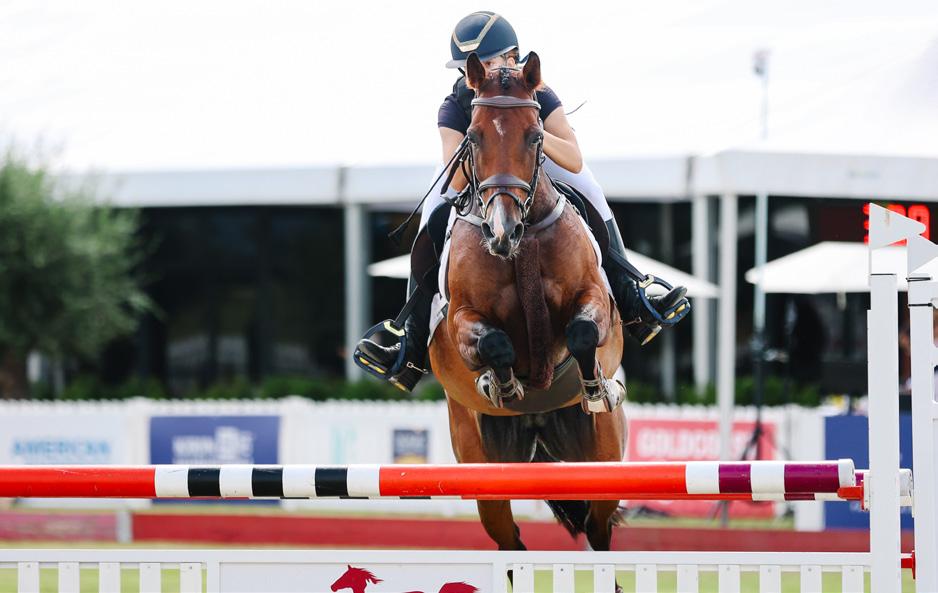
YOUTH . Kate Kyros: Riding the Dream · Oliver Elson: Pathways with Purpose · Valentina Hercus
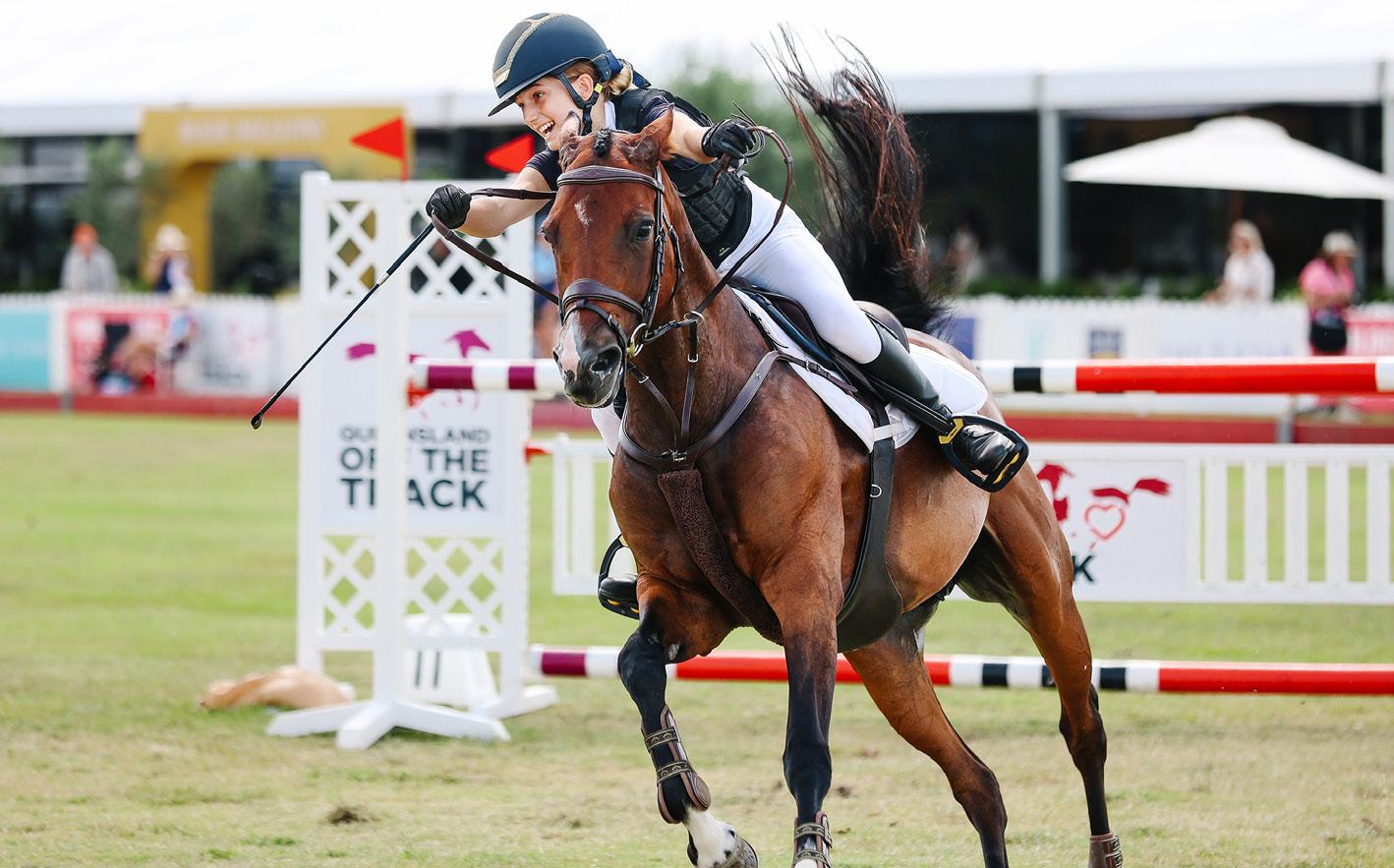
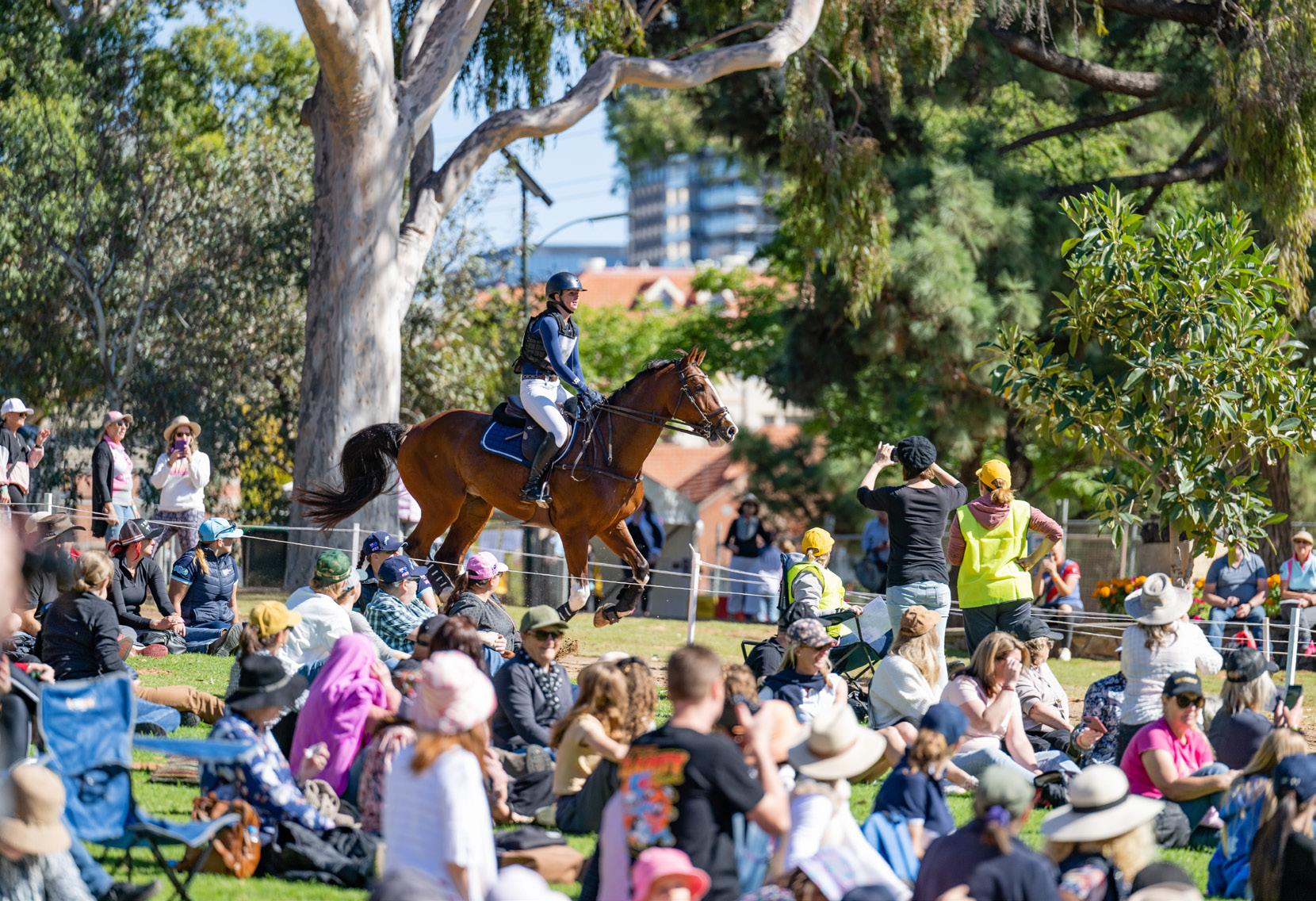
EVENTS . Olivia Rolfe wins QOTT Cup · The Hub’s Top 10 Events · Saddle Up Boonah Super Utility
Apiam’s equine veterinary credentials are well-founded with a growing number of purpose-built dedicated Equine Vet Clinics and Referral Hospitals located in Victoria, New South Wales and Queensland, working alongside our network of mixed practice clinics in delivering quality equine veterinary care.
Scenic Rim Veterinary Service
Beaudesert QLD
Agnes Banks Equine Clinic
Agnes Banks NSW
Hunter Equine Centre
Scone NSW
Victorian Equine Group
Bendigo VIC
Gippsland Equine Hospital
Maffra VIC
Southwest Equine Veterinary Group
Warrnambool VIC
Find out more by visiting
& view
Vet Animal Supplies
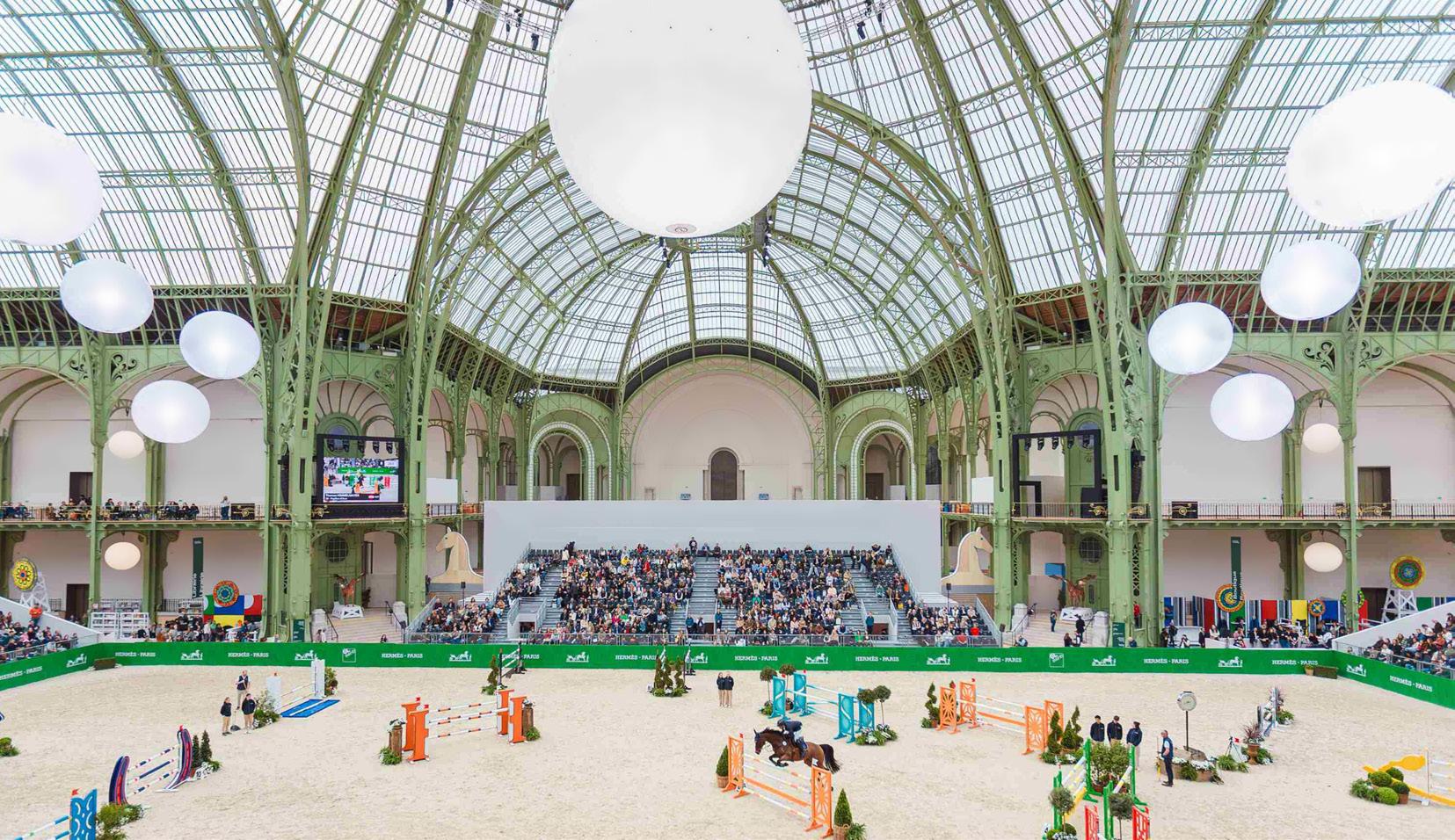
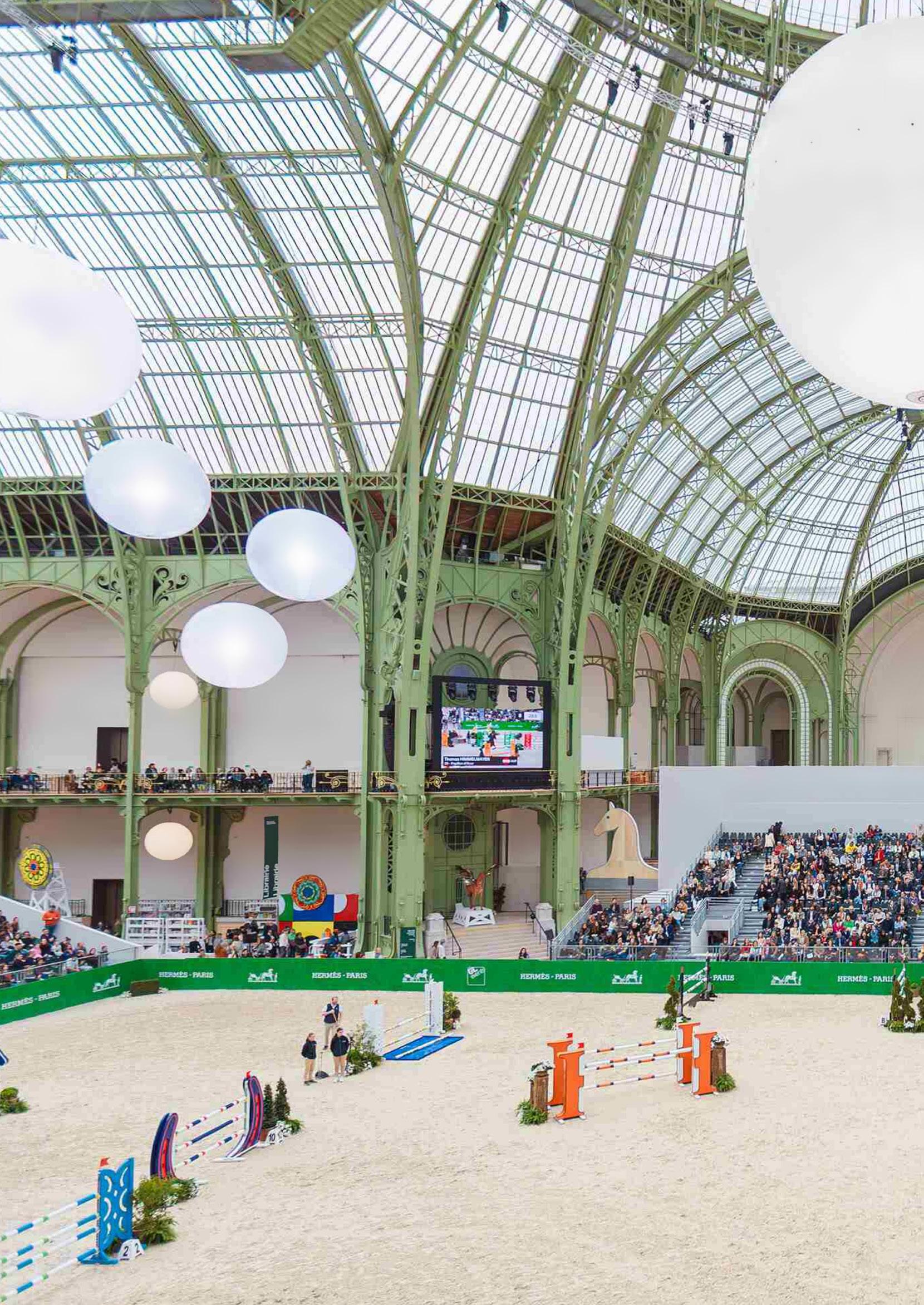
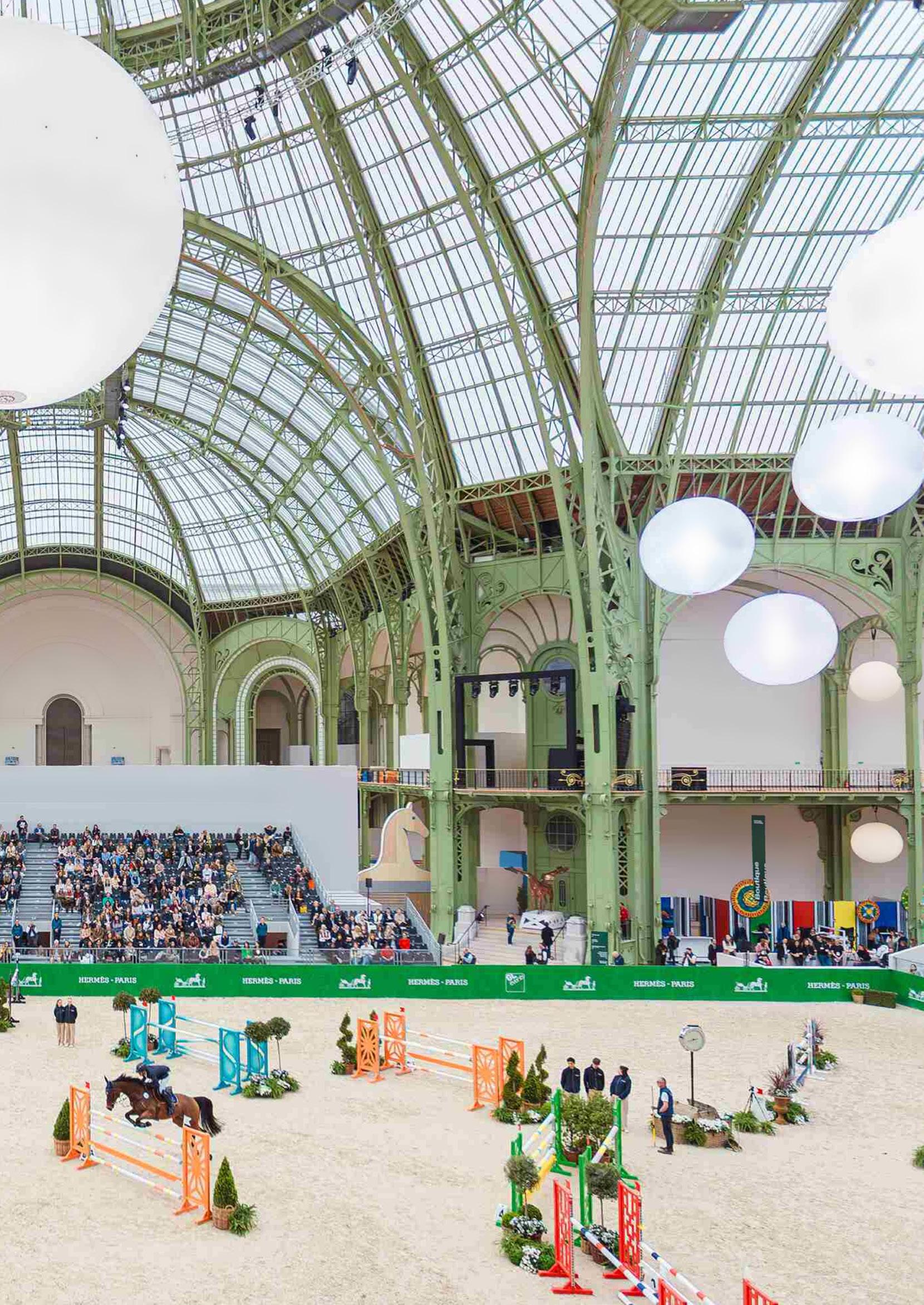
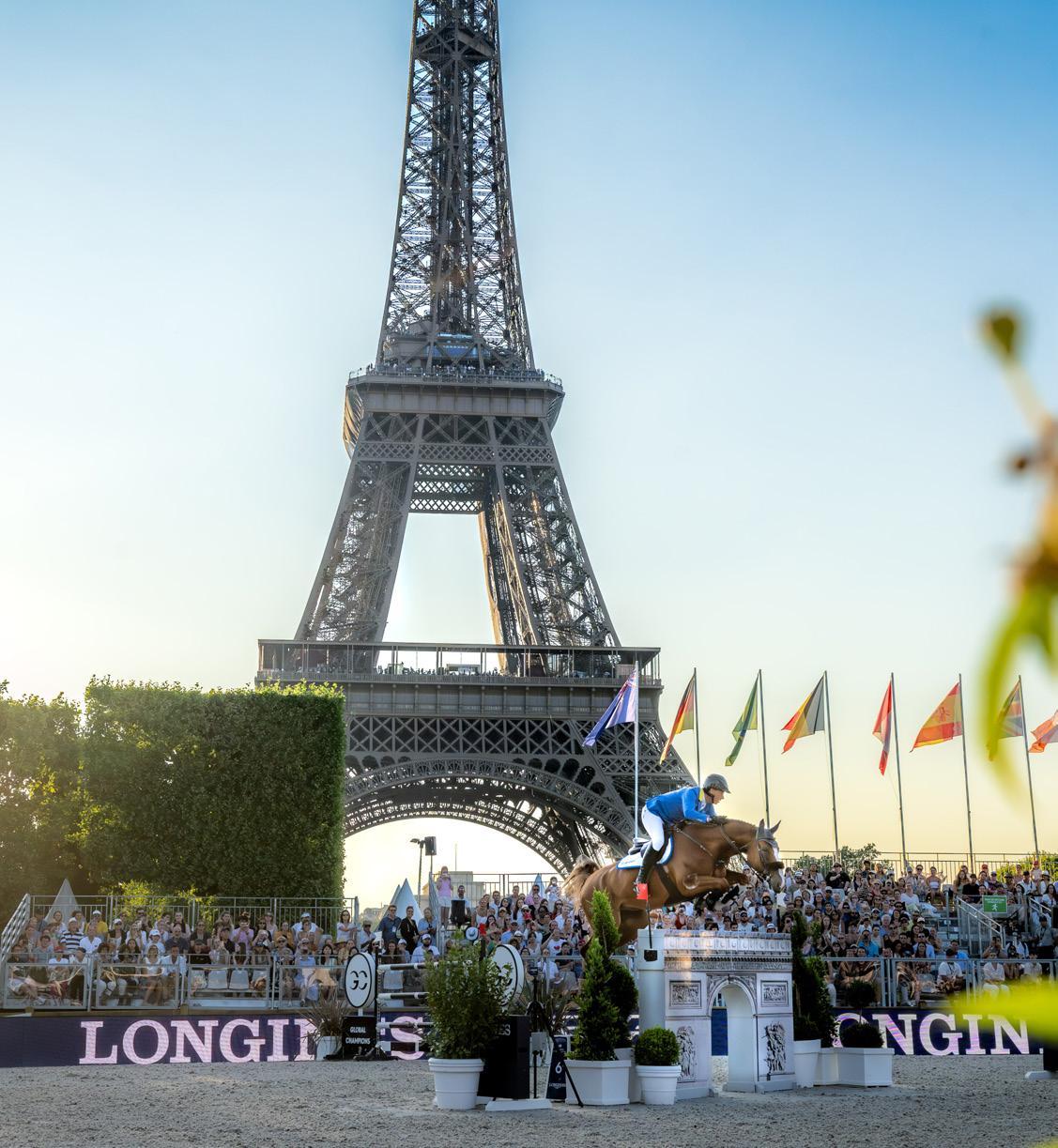
Saut Hermes, Paris
Complete Feed
Redefine Equine Wellness
in Springtime with PONYPLUS
PonyPlus is a low sugar, low starch feed that has been specifically formulated for easy keepers and horses/ponies with metabolic conditions. It is a nutritious and filling feed that will provide your equine with good quality protein, vitamins, minerals, essential fatty acids (Omega 3 & 6) and bulk without oversupplying calories, starch or sugars.
I’ve always loved the feeling that comes with the start of each new year - a sense of fresh beginnings, of hope, perhaps a little cautious optimism, and a reinvigorated desire to be better and to do better.
And of course, the new year is the perfect time to set goals, create vision boards, visualise, and dream the big dreams that help inspire us and keep us on point. But equally important is this: yes, we should pursue our dreams with focus and intention, but we should also leave space for flexibility - and no, that's not code for 'It's too hard, I give up!'
Here's the thing: putting ourselves under pressure with self-imposed demands for perfection can be discouraging and ultimately counterproductive, because if you can be sure of one thing, it's that life will not always go according to plan. And when the unexpected temporarily derails us, rather than drowning in needless self-recrimination, a more flexible mindset encourages us to reset, pivot, and continue onwards to our goal. So, this year, let's set an intention to be kinder, not just to others, but to ourselves too. We deserve it.
And with all that in mind, this year
the Hub team is excited to bring you stories that reflect that spirit of intention, optimism and growth. You’ll see features that explore creativity, renewal, resilience, and reinvention. We'll introduce you to people who are challenging the status quo, and others who are quietly going about transforming their equestrian communities in ways that don't make the headlines even though they absolutely should.
We’ll offer you ideas that spark curiosity, conversations that challenge our collective thinking, expert opinions that educate us, and moments of inspiration that remind us of the reasons why we keep striving to be better riders and horse owners.
And because a new year should come with new beginnings for all of us, here at the Hub we’re making room for that too. We're freshening up our look, expanding our horizons, and giving creativity free rein!
Exciting? We think so!
But on a more personal note, on behalf of our very creative publisher Sam Cavallo and myself, thank you all for being here. Whether you’ve been reading this publication for years, or you’re joining us for the first time, you being here matters.
Every time you read an issue, share an article, comment on one of our socials, or send us a message, you’re helping to build a community that stretches well beyond these pages.
As we head into 2026 together, I hope that every month our magazine offers you inspiration, answers to training or management problems, the odd challenge or two, or simply the opportunity to kick off your boots, sit back, relax, and enjoy the read! I also hope you'll discover new ways of approaching riding and the care of our precious horses that will make your lives as equestrians more fulfilling, more rewarding, and above all, more enjoyable.
It's our aim to create community and connection - not the curated, sometimes superficial version that fills our feeds, but the real kind. The kind that grows from curiosity and shared experience, the kind that reminds us that we're not all alone in our hopes and dreams, or in our uncertainties and doubts.
So here’s to fresh beginnings, imperfect progress and the vision to reimagine what’s possible.
Welcome to a new year. I’m so glad you’re here to share it with us.
AMANDA MAC
EDITOR, EQUESTRIAN HUB
Louisa Nicholson
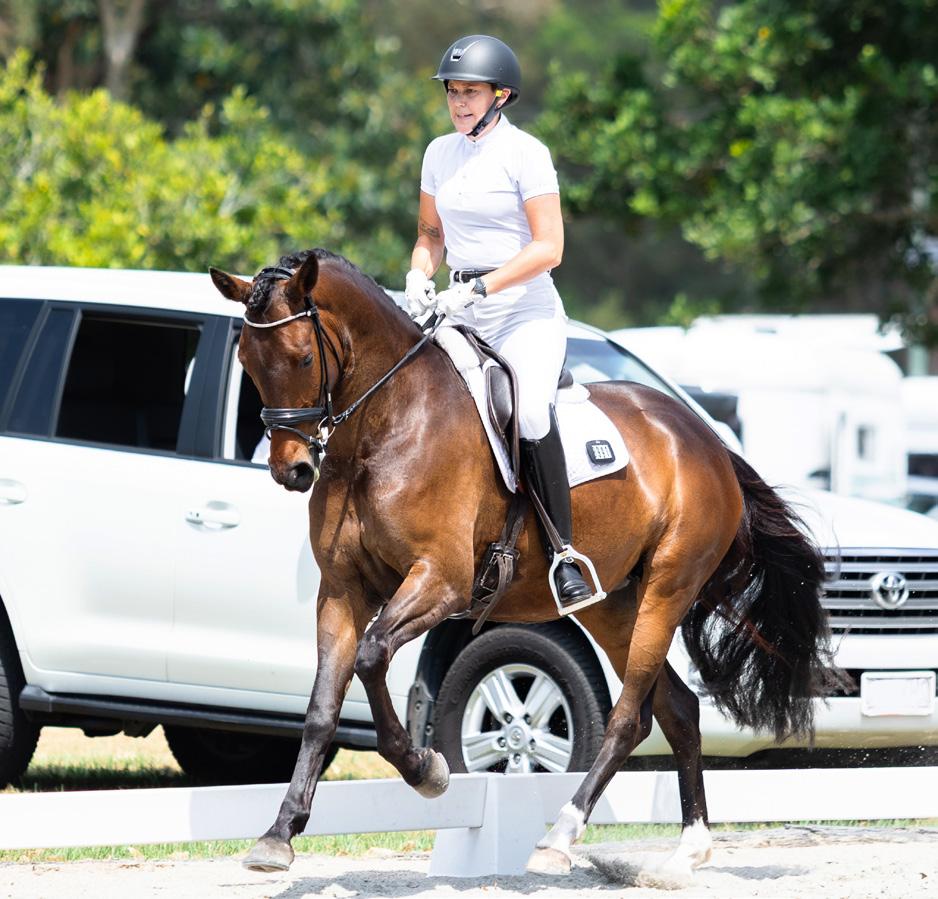
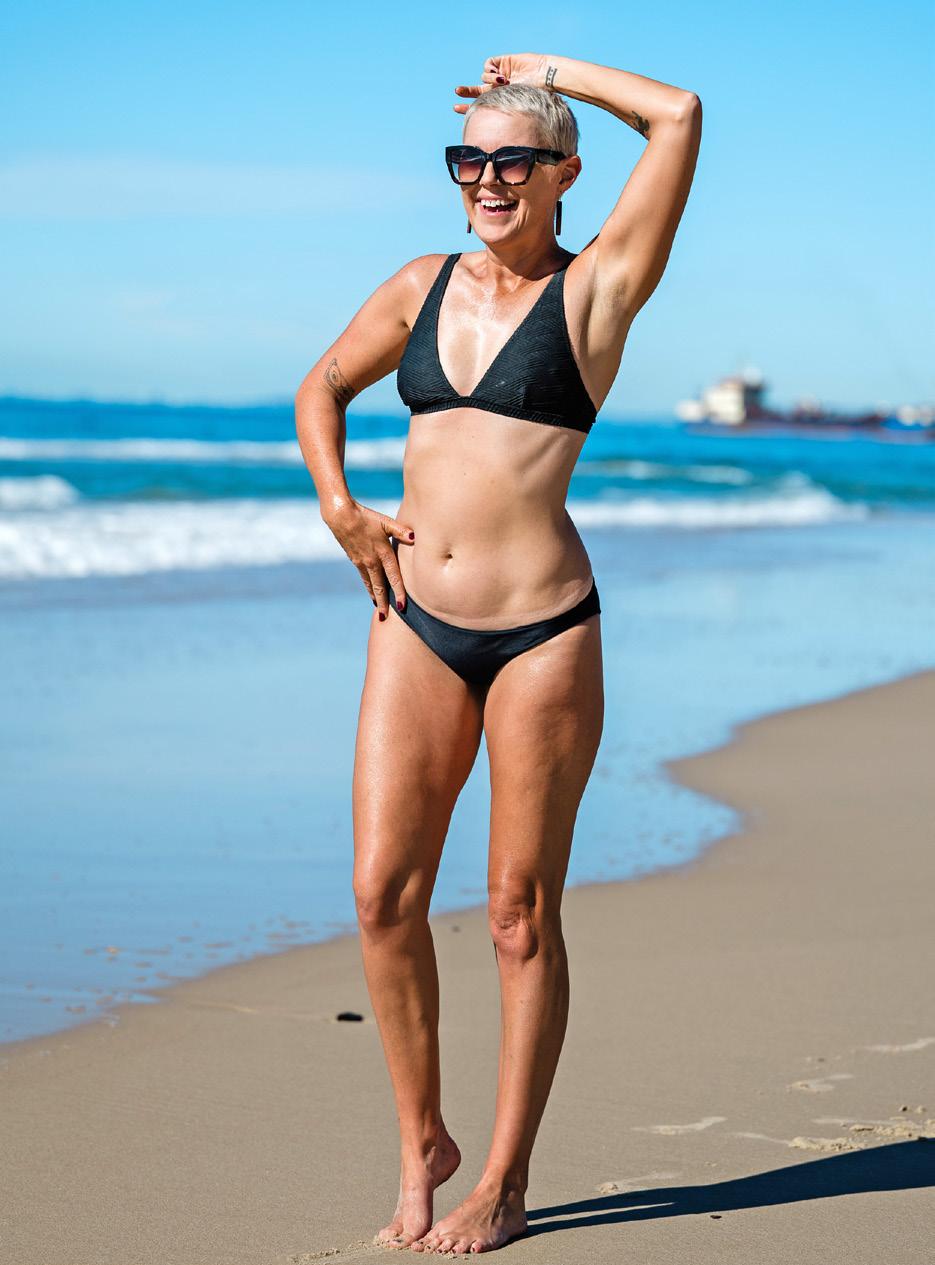
When life threw Louisa Nicholson a curved ball, she was up for the challenge. In mid2024, after a successful course of treatment to clear breast cancer, she decided to set herself up for the rest of her life. Now fit, happy, healthy and in her best shape ever, she’s busy training her horse to compete in next month’s DJWTS Young Dressage Horse competition. Her story in this month's AOR is inspirational - don't miss it!
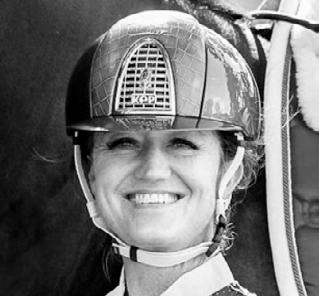
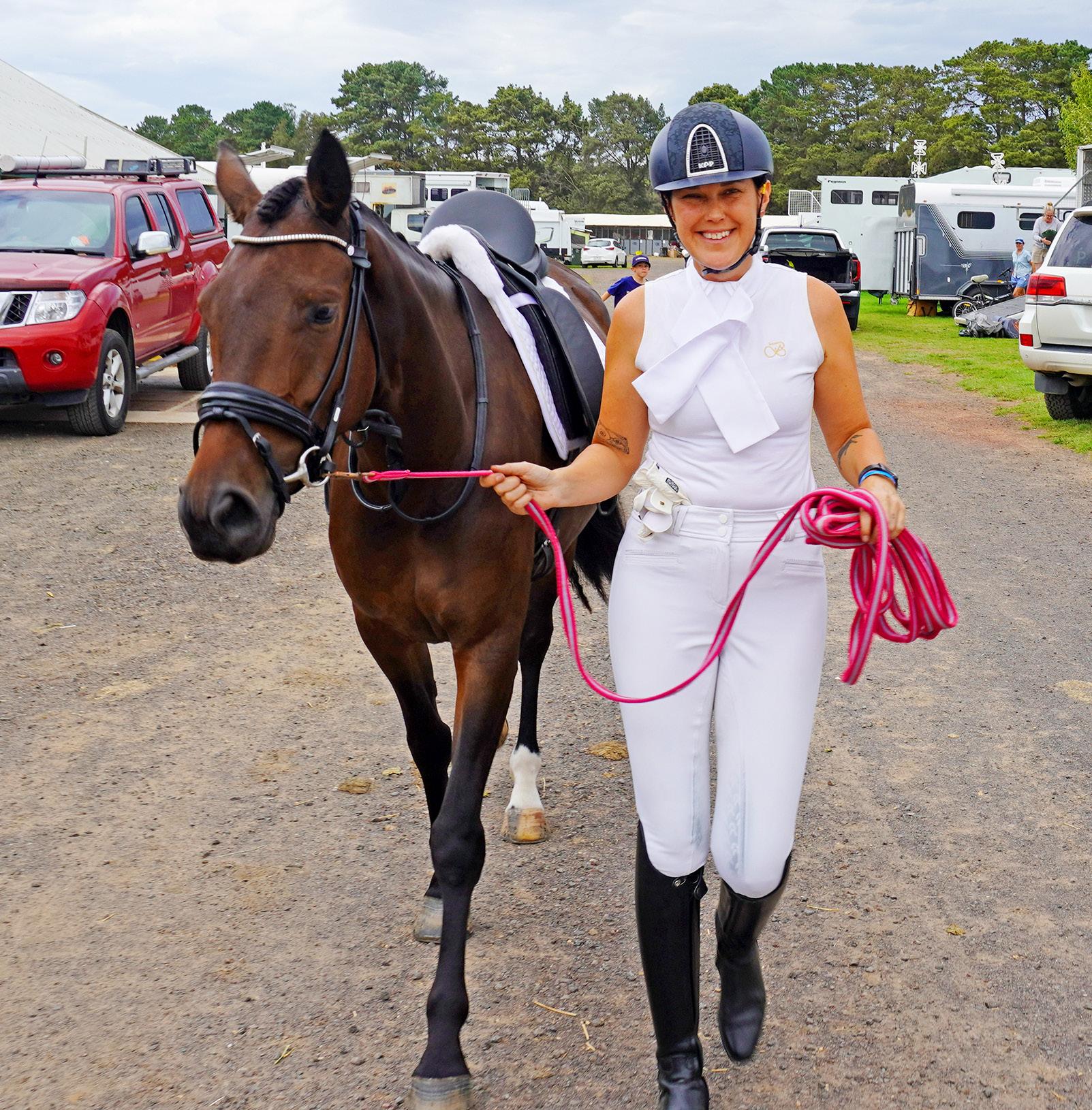
Kate Kyros
OUR CONTRIBUTORS
Dr Andrew Watts B.V.Sc
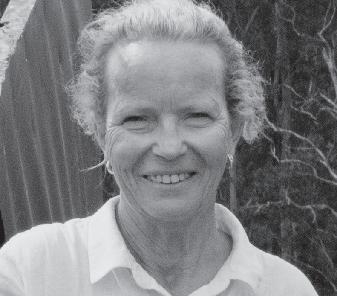
Andrew has more than 30 years experience specialising in equine podiatry and lameness. He spent over 15 years in the Middle East as Chief Veterinary Surgeon and advisor to the Crown Prince in Dubai and The King of Bahrain in the Royal Stables. Returning to Australia, he developed the Vetgold range and in this issue shares a remarkable case history and the outstanding results achieved through targeted treatment.
Nicole Creed
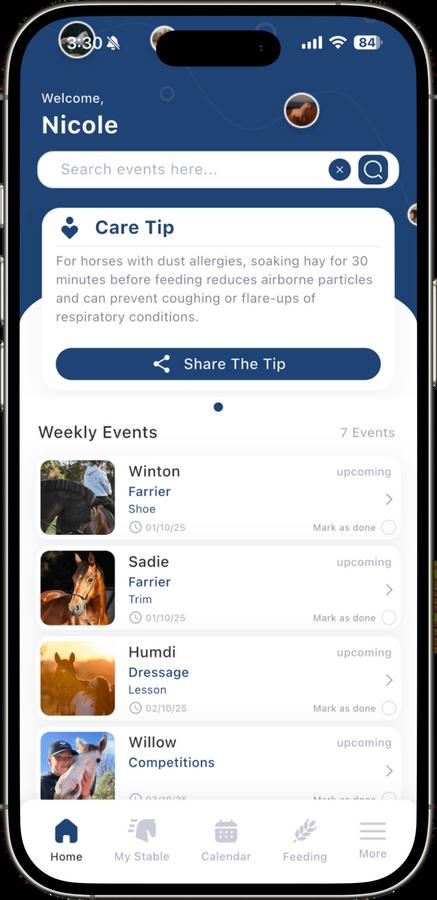
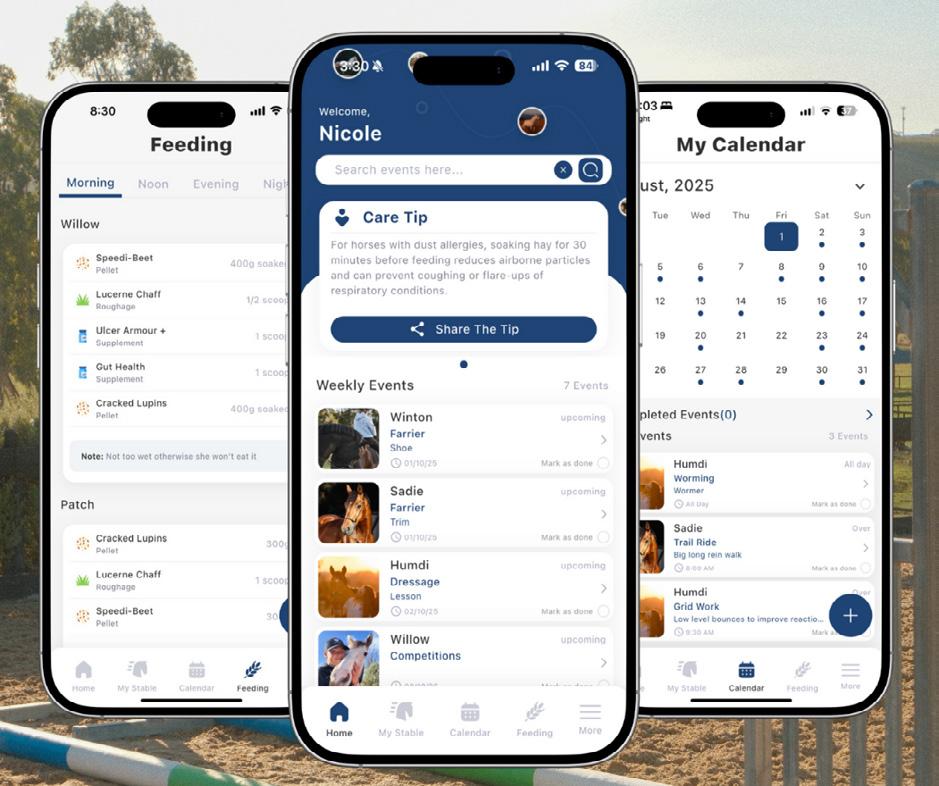
After years of competing and coaching across Australia, the USA and France, Nicole realised that the equestrian world is full of passion but mired in outdated systems. Enter EquiCare. Founded by Nicole, the app is designed to help riders stay organised, and in this issue, she explains why planning enhances horse care by balancing workload and recovery effectively.
Dr Jennifer Stewart B.V.Sc., B.Sc., Ph.D.
With over 40 years’ experience as a veterinarian in mixed and equine practice, Jennifer’s special interest is equine nutrition. She was a Senior Veterinary Officer with the Australian Department of Agriculture, Water and the Environment for 10 years, and a Biosecurity Veterinarian with the ACT Government for two years. This month, she dives deep into the amount and quality of protein your horse needs.
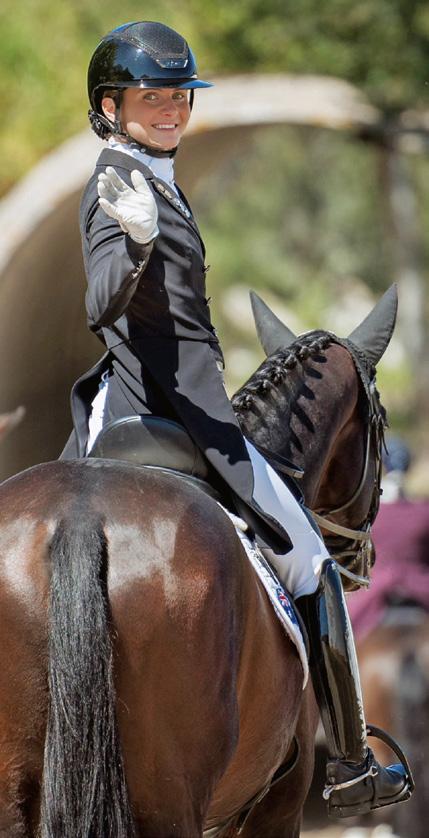
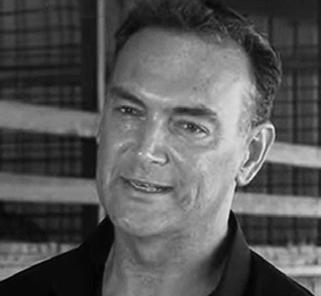
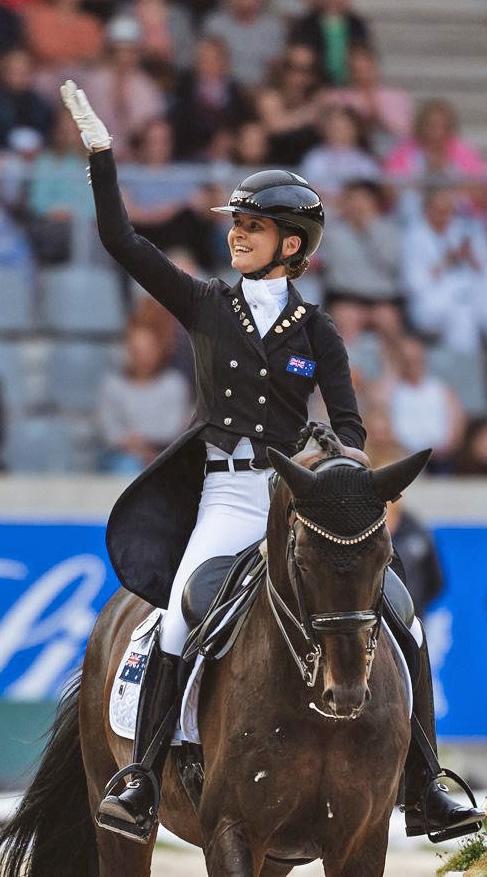
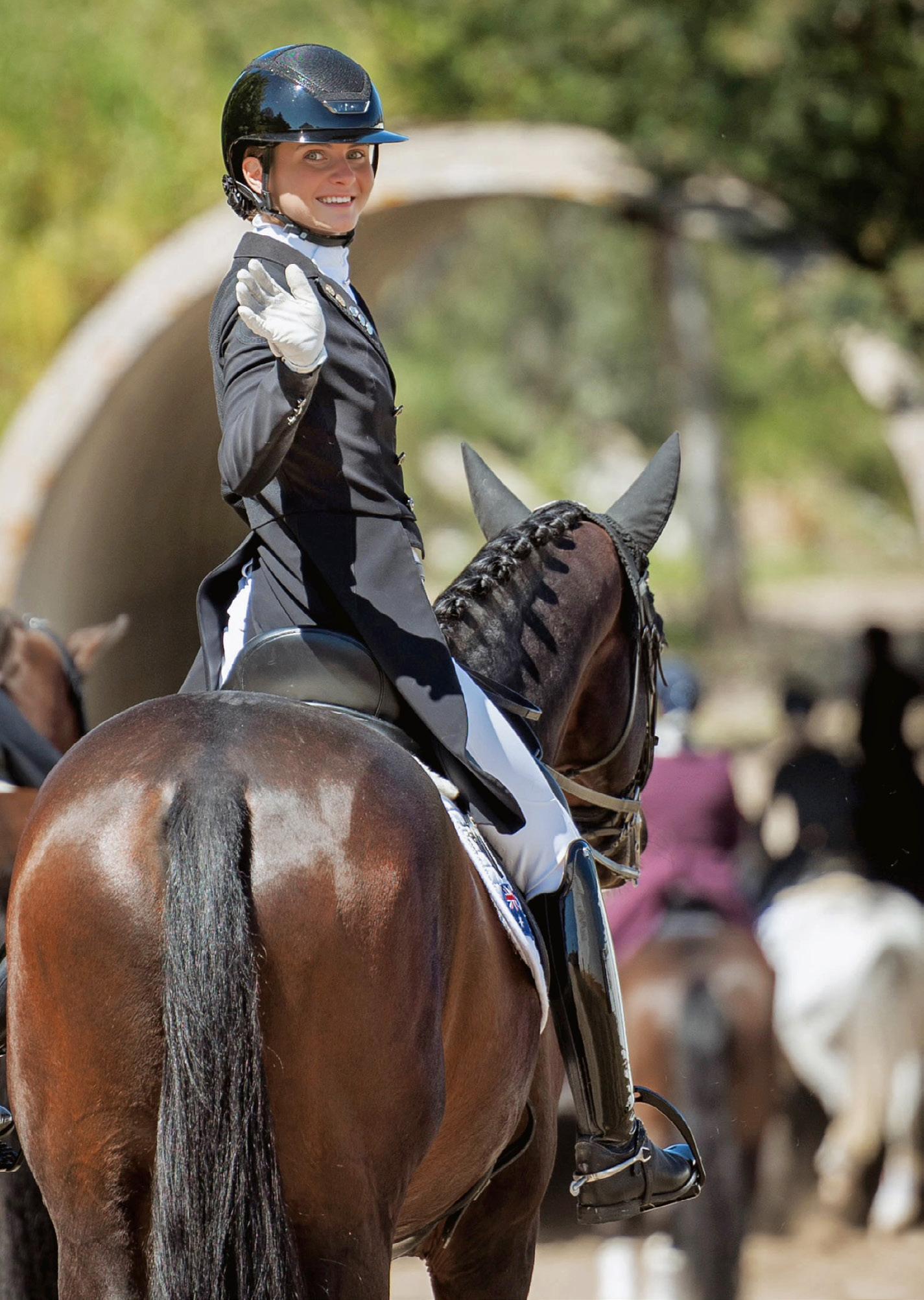
Kate is the most decorated young rider in Australian dressage history. Among her many achievements, she was the first Australian to: win a dressage Nations Cup Gold Medal; be ranked inside the FEI Dressage World Top 10; and to win international dressage competitions across three continents in a single season. Kate brings us up to date with her career in this month’s Postcards.
Anne-Marie Lasserre
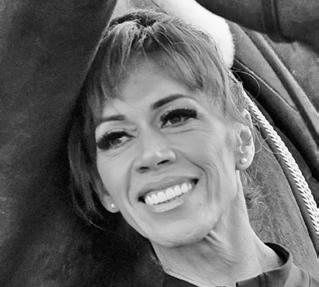
Anne-Marie is a Miss World and Miss Universe Figure Champion. She’s an AOR dressage rider, and a specialist coach in aesthetics, sports performance and nutrition. She is dedicated to empowering equestrians to achieve peak fitness and personal transformation, and in this issue, she offers some excellent advice on starting the year without burning ourselves out.
Nicole Tough
An EA Level 3 Dressage Specialist Coach and EA Level A and YH National Judge, mentor and educator, Nicole has years of experience in training, competing, judging and coaching. She presents seminars and masterclasses, has trained in Germany, Spain and The Netherlands, and has produced nine very successful FEI horses. Thinking of going up a level? Nicole has some invaluable advice.
Rolfe
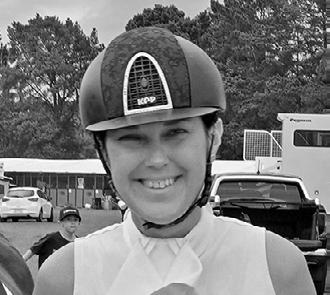
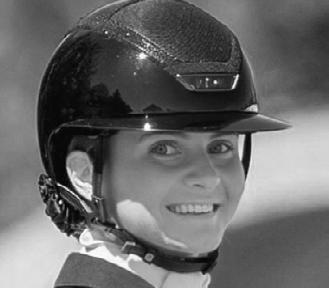
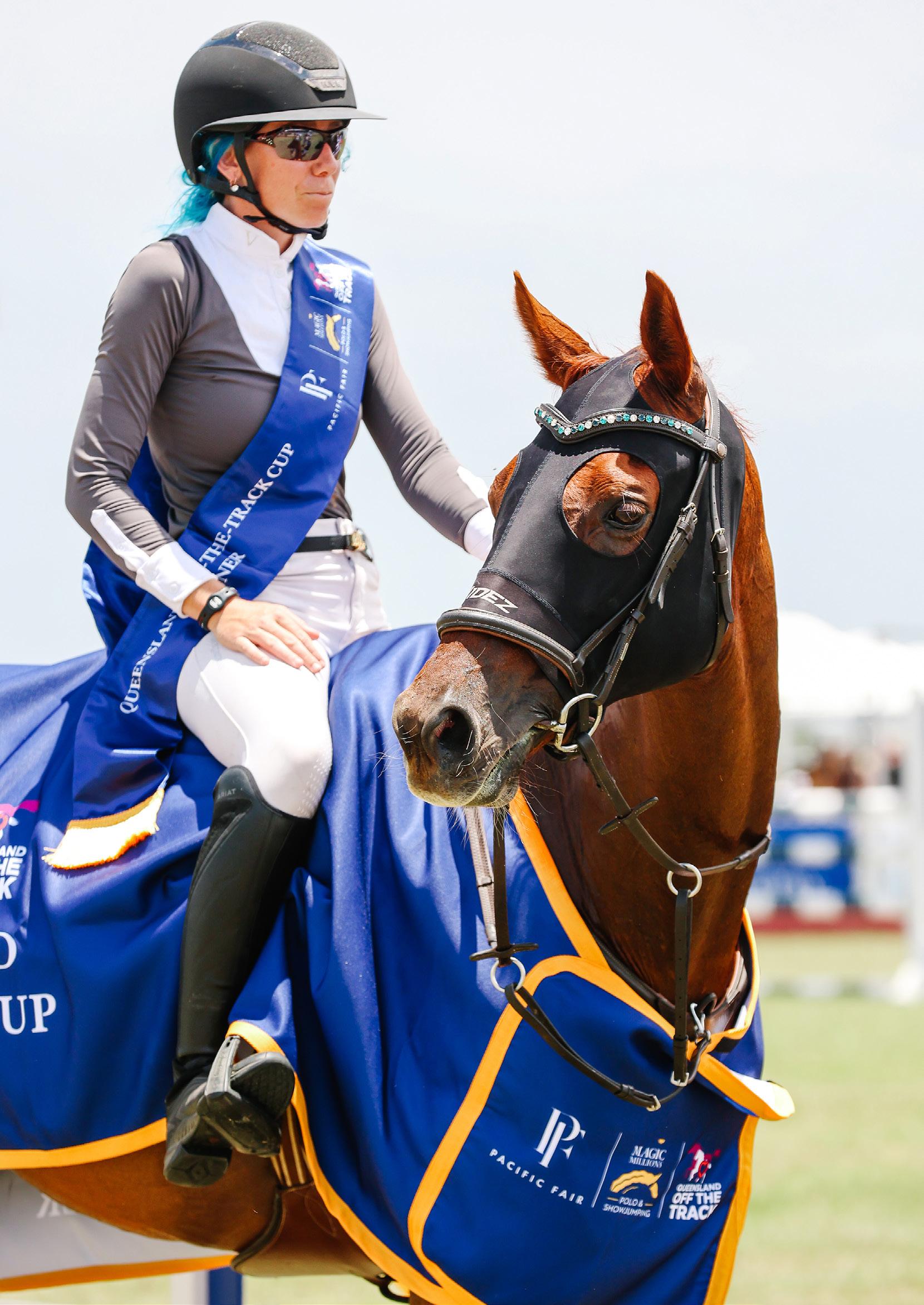
Olivia, an amateur rider, and her OTT Thoroughbred Blue Flame recently took out the coveted - and hotly contested - 2026 Magic Millions QOTT Showcase. The pair have achieved a lot in the past 12 months, culminating in Amateur Champion at last year’s Jumping Queensland Country Championships. However, as Liv explains in this month's Life After Racing, the road hasn’t always been easy.
Olivia
OUR CONTRIBUTORS
Natasha Nichols
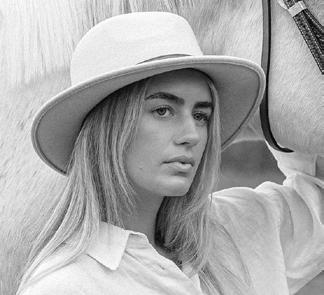
Natasha couldn't find equestrian apparel that matched the way riding made her feel - and so she founded her own label, Stella Cavalla. Rather than clothing that felt stiff and flashy, or simply lacked soul, she created garments that were more elevated, honest, and effortlessand the range of styles she had simply wished existed quickly became something much more. Read about her exciting journey in this issue.
Georgia & David Day
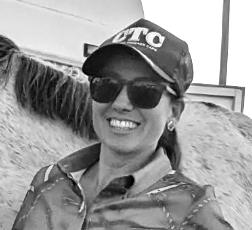
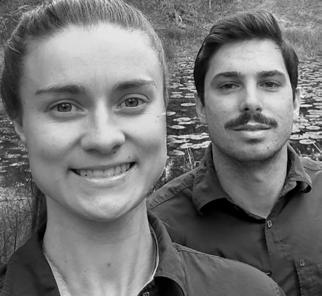
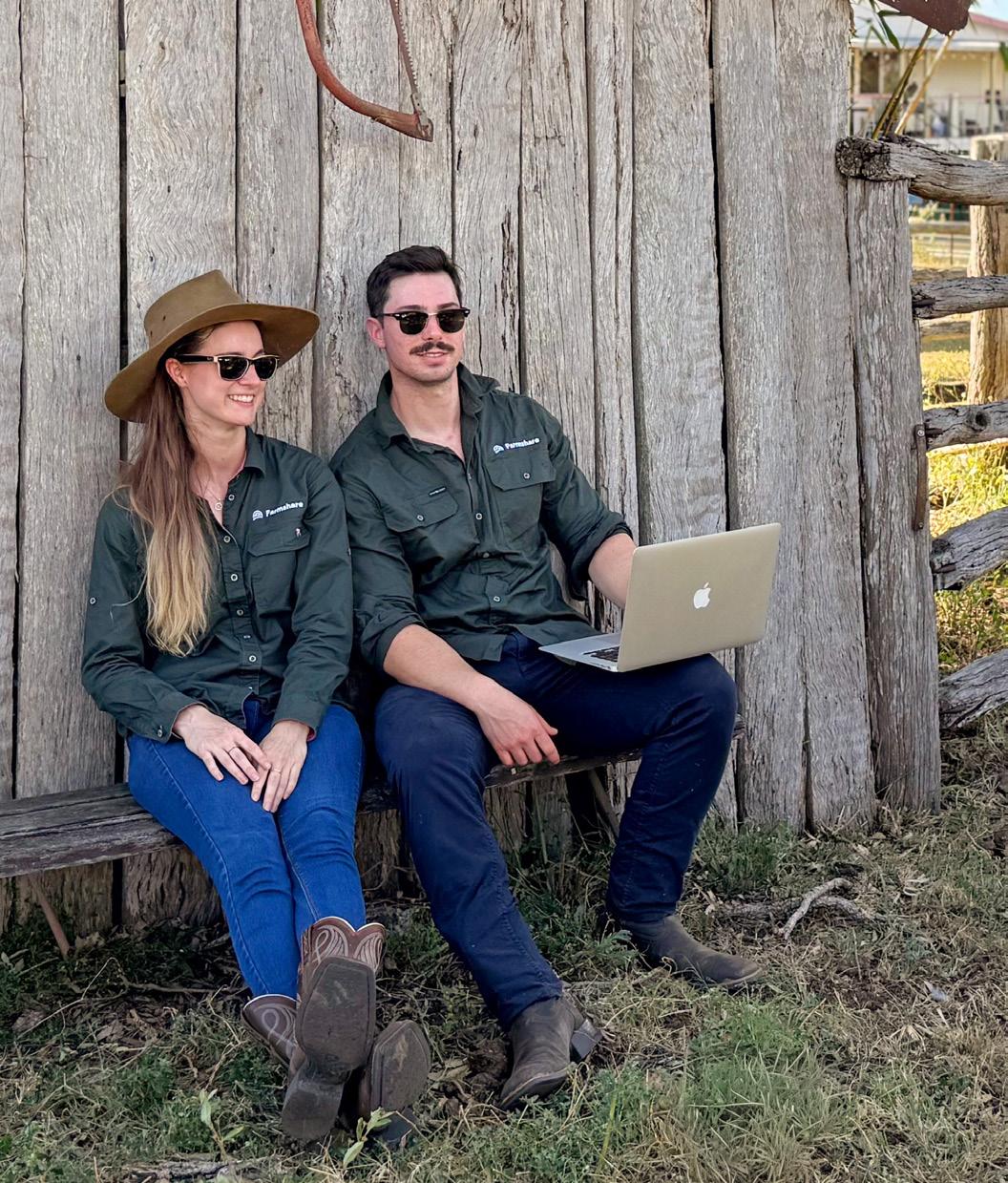
Georgia and David are the driving force behind Farmshare. When bushfires tore through regional Queensland, the couple saw how hard it was for horse owners to find safe agistment in a crisis. Turning that moment into action, they founded Farmshare, a free, community led online platform connecting riders with properties across Australia. Their story is in this issue - and it's inspirational.
Fiona & Anthony Finlay
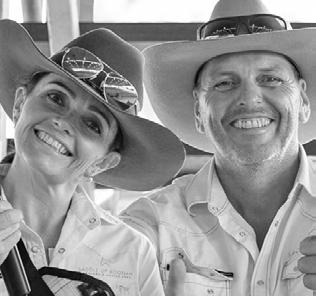
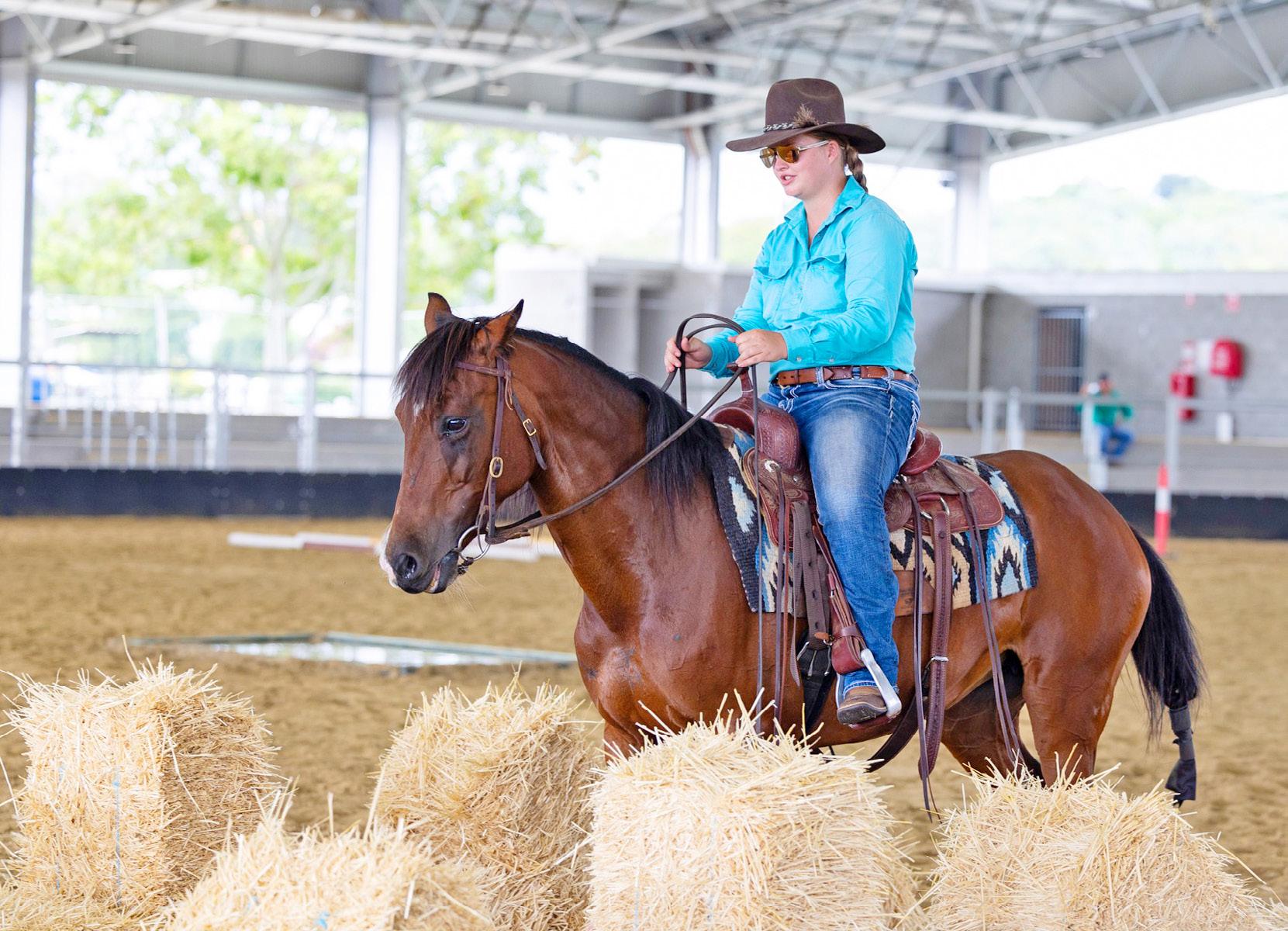
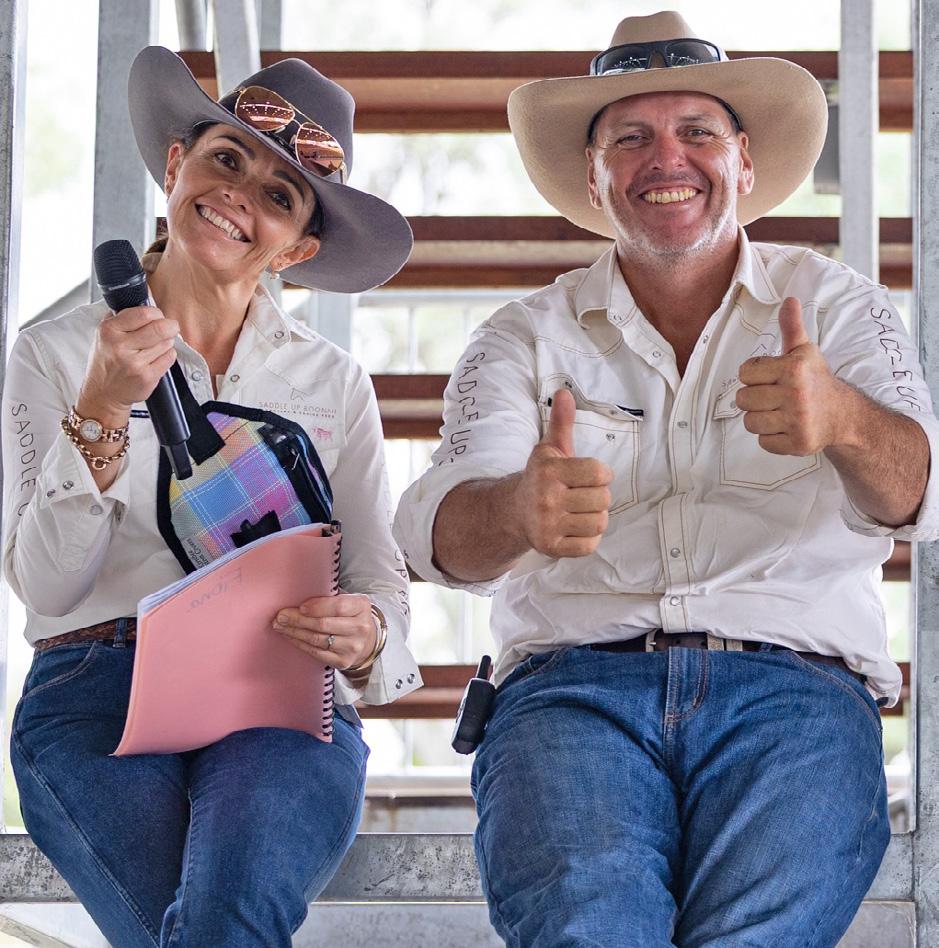
Saddle Up Boonah is an equestrian and rural business in Queensland. Owners Fiona and Anthony have a strong focus on the local equestrian community and support the Junior Show Society, Boonah State High School's Campdraft team, and Boonah's two annual Campdraft events. The couple have just launched the inaugural Saddle Up Boonah Super Utility event, and Fiona's report is in this issue.
Sam Cavallo
Sam is the publisher of Equestrian Hub and Equestrienne Magazine. She has a keen interest in international events and a passion for equestrian culture and lifestyle, with a focus on community, authentic storytelling, and the people behind the sport. She is committed to amplifying grassroots voices and supporting education and positive change within the equestrian community.
MINI NEWS
THE HYGAIN GROUP EXPANDS SUSTAINABILITY EFFORTS
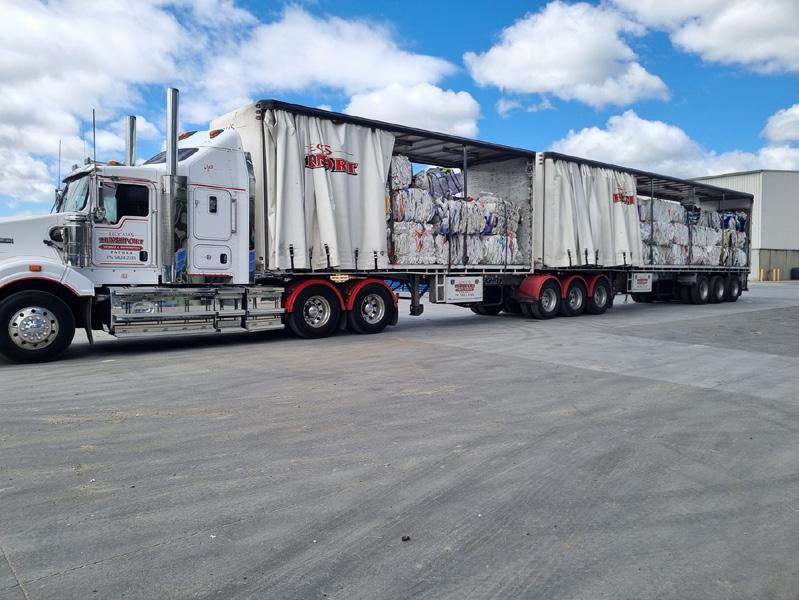
The Hygain Group has partnered with bagMUSTER to improve recycling of Hygain and Mitavite polypropylene feed bags. The program will divert an estimated 45 tonnes of plastic from landfill each year, with bags recycled into products like fence posts and pipes. Customers can also recycle eligible feed bags via bagMUSTER collection sites, supporting a growing circular economy across the Australian equine industry. Customers can find the most up-to-date list of bagMUSTER collection locations at bagmuster.org.au/collection-sites.
OCALA GRAND PRIX WIN
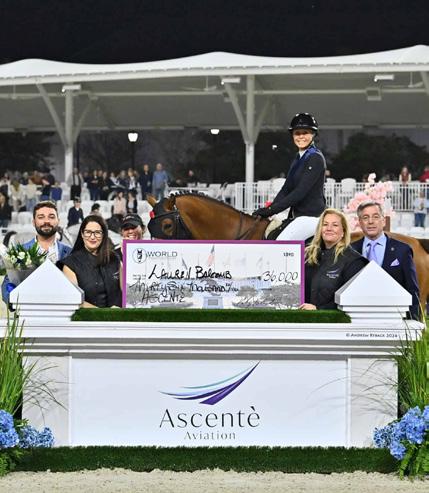
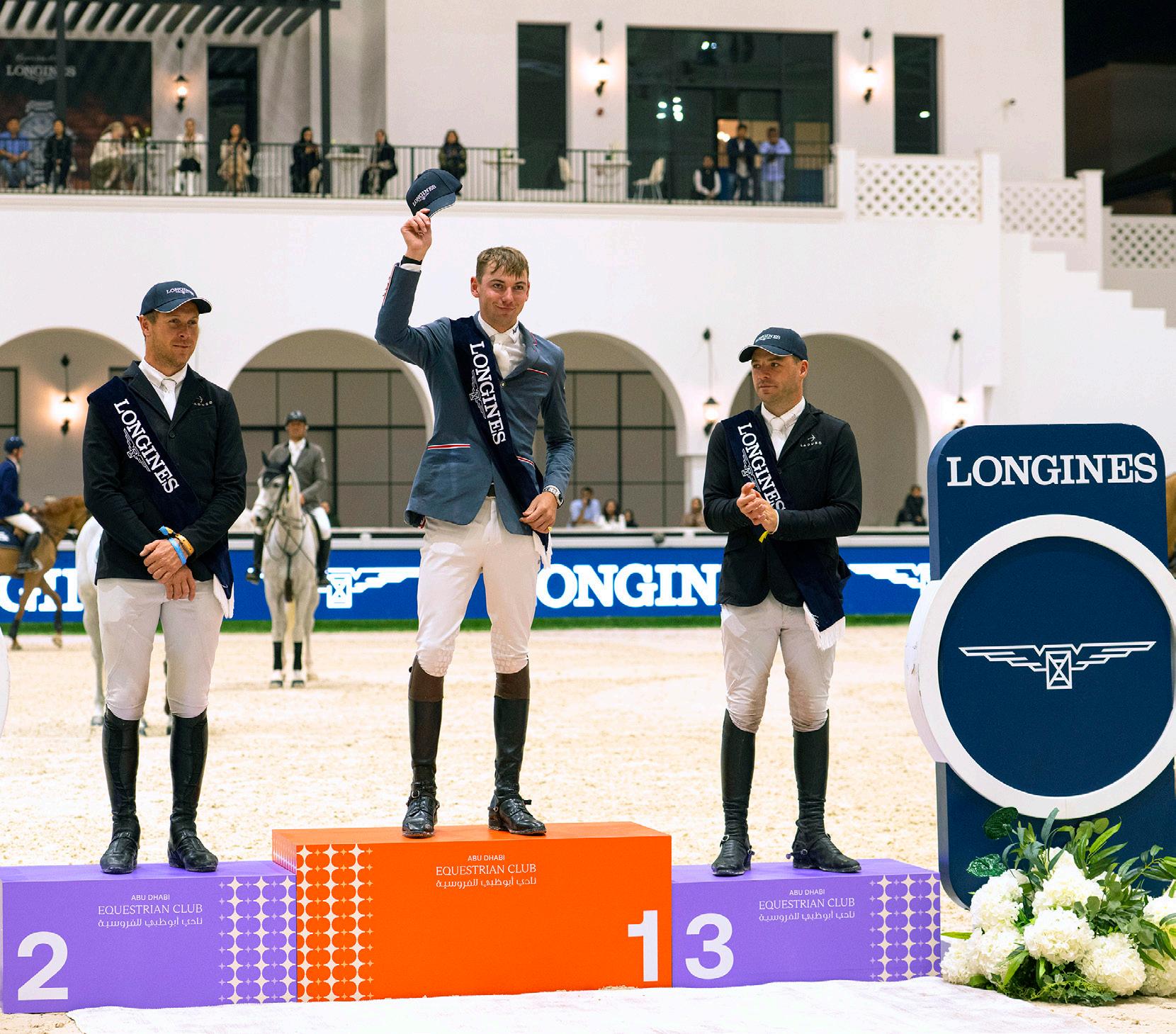
Australia’s Lauren Balcomb and her longtime partner Verdini D’houtveld Z soared to victory in the $120,000
Ascentè Aviation Grand Prix CSI3* at World Equestrian Center – Ocala. One of just four clear rounds, the pair led off the jump-off and delivered an unbeatable time of 44.91 seconds, securing the win and capping off a standout performance under the lights. “He has so much heart – he’s a once-in-a-lifetime horse,” Balcomb said of the 15-year-old gelding. Image by WEC/Andrew Ryback Photography.
STANDING ROCK MAKES SNOW POLO HISTORY
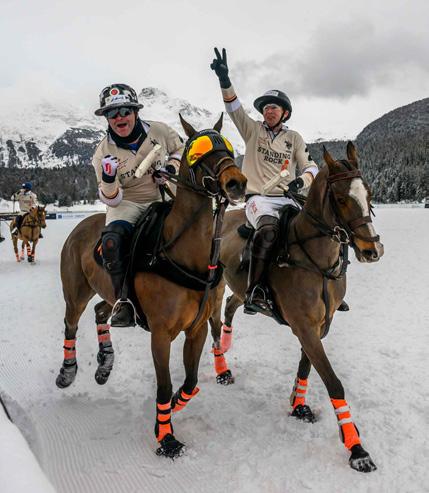
Standing Rock Polo Team has made history with back-to-back victories at the Snow Polo World Cups in Kitzbühel and St. Moritz—the first team to achieve the feat in the same year. Competing before a record crowd of 26,000, the values-led team defeated Flexjet in a thrilling St. Moritz final, with Raul Laplacette named MVP. Founded by Philipp Müller, Standing Rock blends elite performance with a strong commitment to horse welfare, sportsmanship and philanthropy.
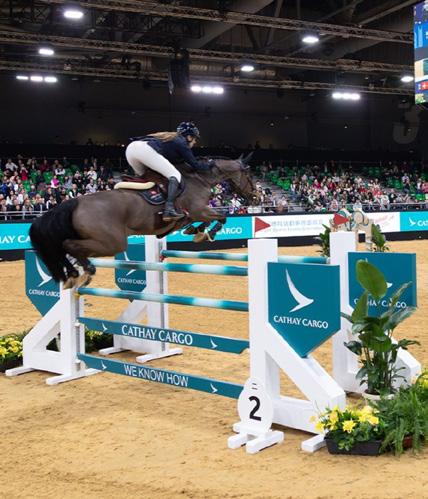
CATHAY CARGO RETURNS TO HONG KONG
Cathay Cargo has transported around 60 elite showjumping horses from Europe to Hong Kong for the 2026 Longines Hong Kong International Horse Show. Flying nonstop from Liège aboard a chartered Boeing 747 freighter, the horses travelled in temperature-controlled conditions supported by CEIVcertified crews and professional grooms, ensuring calm, competition-ready arrivals for one of Asia’s premier equestrian events. Cathay Cargo’s is Asia’s first CEIV Live Animals–certified carrier and a trusted partner for transporting highvalue equine athletes worldwide.
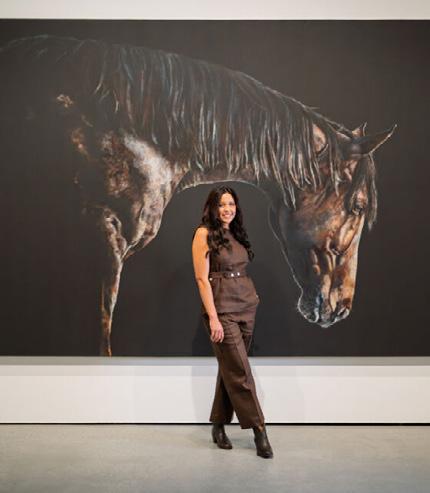
NICOLE SLATER: ROSE GOLD EXHIBITION
HOTA, Home of the Arts presents Rose Gold, the debut solo exhibition from Australian equine artist and Magic Millions ambassador Nicole Slater. Opening ahead of the 2026 TAB Gold Coast Magic Millions Carnival, the exhibition features large-scale equestrian portraits celebrating the beauty, power and presence of horses. Drawing on her life as a passionate Thoroughbred breeder and equine enthusiast, Slater’s works blend anatomical precision with emotional depth. Rose Gold is on view at HOTA Gallery from 13 December 2025 to 8 March 2026.
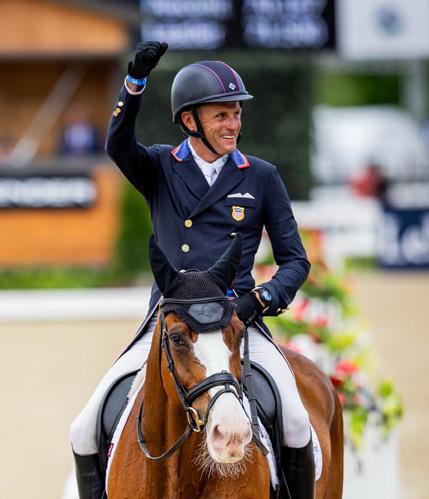
BOYD MARTIN EQUESTRIAN OF THE YEAR
Eventer Boyd Martin has been named the U.S. Equestrian Federation’s International Equestrian of the Year at the 2025 Pegasus Awards in Kentucky. The Australian-born rider topped the FEI world rankings in 2025—the first U.S. eventer to do so in nearly 20 years—recording topfive finishes at 25 international events on 13 horses. Highlights included a national 5* title at Kentucky, podium finishes at Maryland and Pau, and a silver medal with the U.S. team at Aachen.
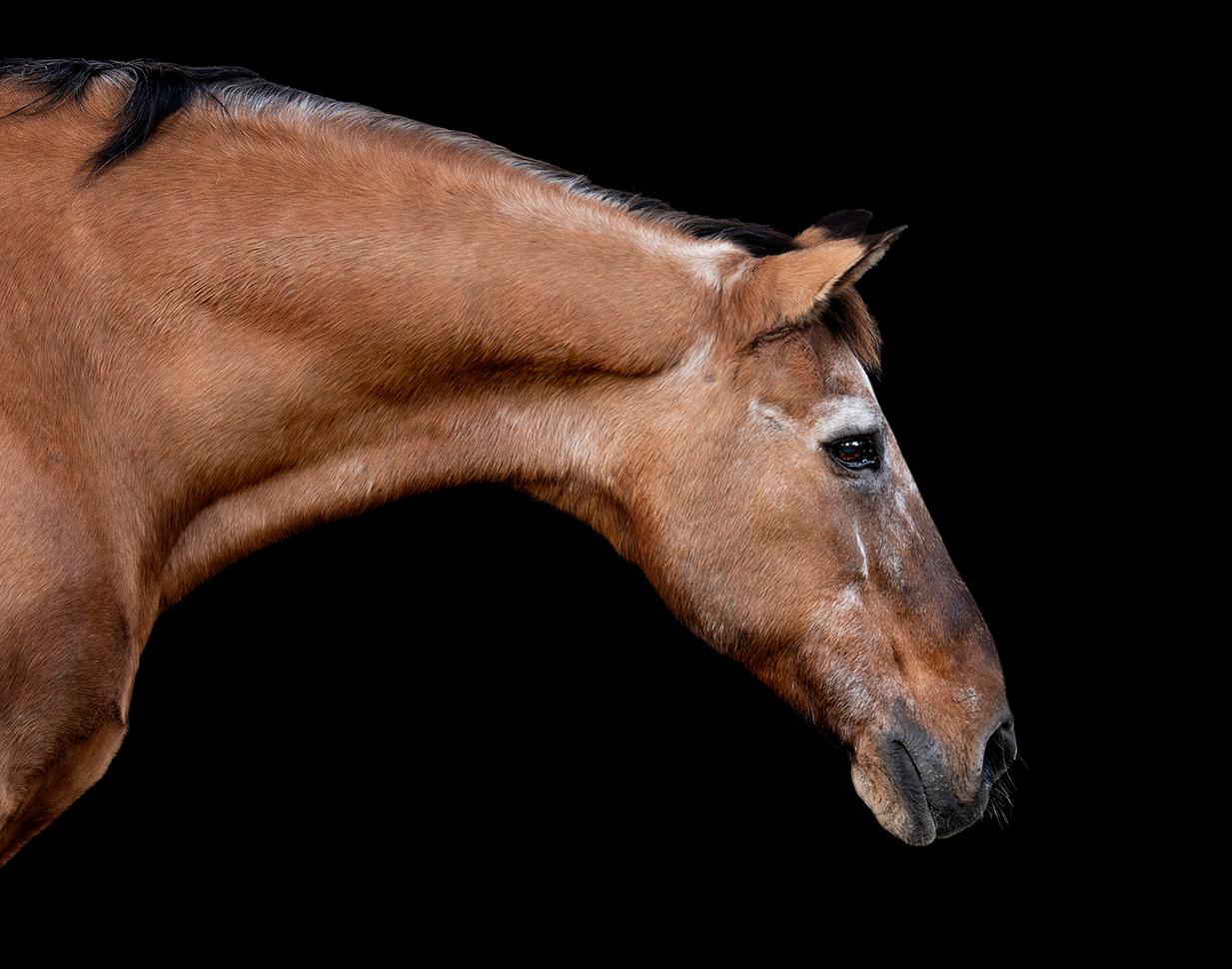
Rachel Flynn's Senior Horse Project
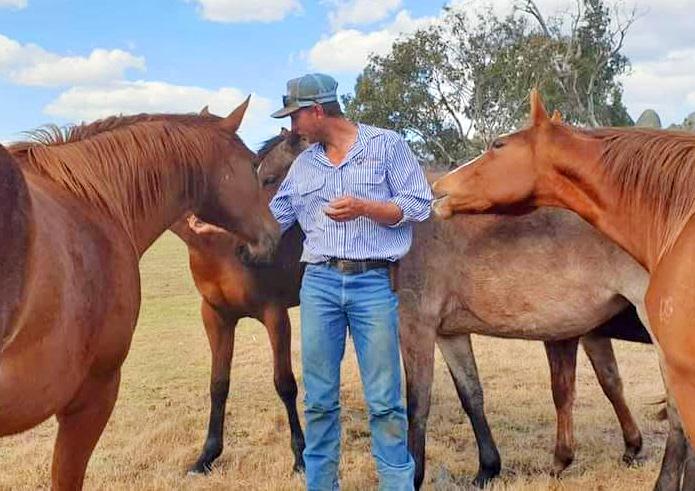
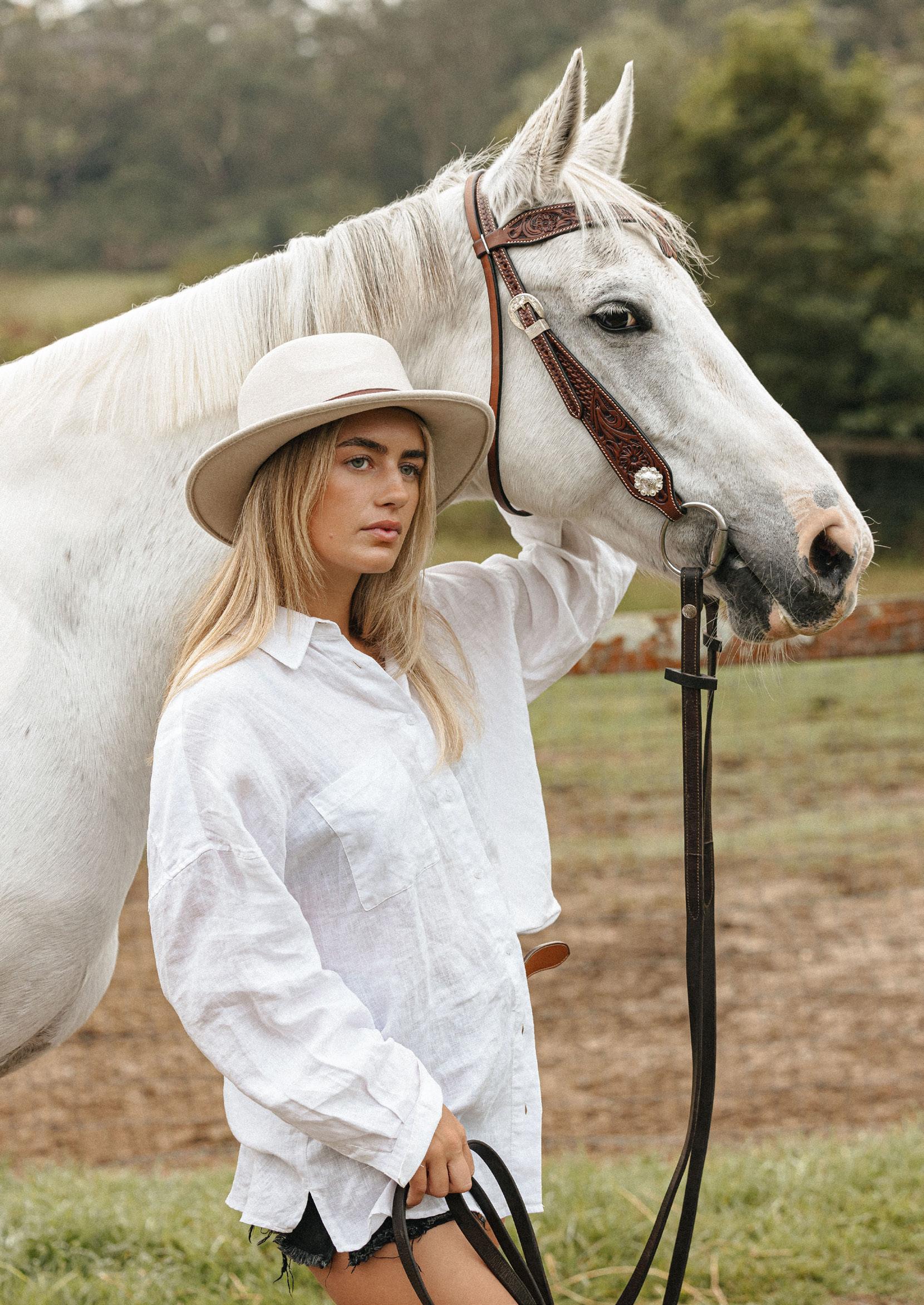
The Senior Horse Project didn’t begin as a concept or a campaign. It began quietly, in the paddock, spending time with my own senior horses.
As horses age, life softens. The pressure comes off, routines slow down, and the relationship becomes less about doing and more about simply being together. It was during those moments that I realised how rarely these years are properly documented. I hear it constantly from horse people: “I wish I’d had proper photos done,” or “I thought we had more time.”
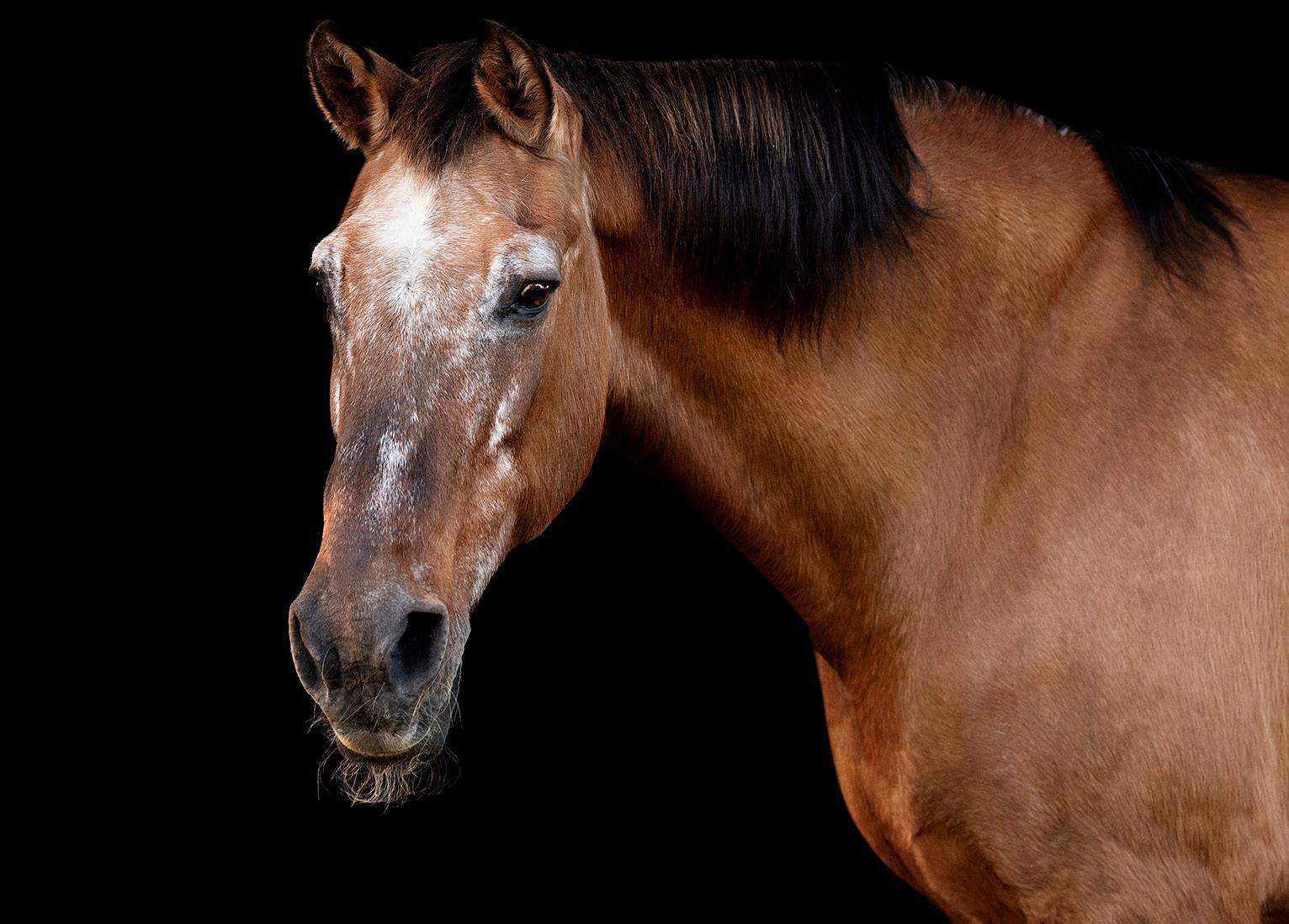
The Senior Horse Project exists to change that. It’s about honouring the horses who have shaped our lives - not just for what they achieved, but for who they are now. Capturing them while their story is still unfolding, in a way that feels true to horse people.
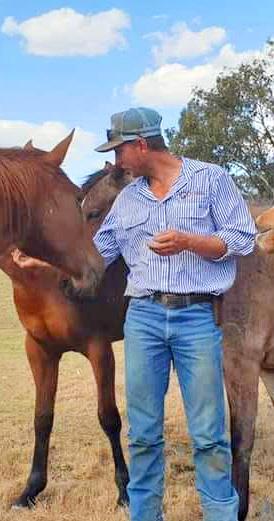
Nugget
Photographing Nugget was deeply personal. At Nugget Rest in Queensland, you immediately sense that this is a place built on partnership and respect. Nugget is not simply a retired performance horse - he is the heart of the property and the foundation of everything that came after him.
Born in 1994, Nugget carried Australian horseman Guy McLean through a career that took them across Australia with an audience around the world. Their bridleless and saddleless performances showed what is possible when horsemanship is built on patience, trust, and an unwavering understanding between horse and human.
For the Senior Horse Project, the goal wasn’t to recreate those moments in the arena. It was to acknowledge the life behind them - the years of shared experience, the familiarity, the quiet confidence that comes from a horse who knows his person completely.
The session was calm and unrushed. Nugget didn’t need directing. He needed time. I watched for the small expressions that horse people recognise instantly - the softness in his eye, the way he stood with Guy, the ease between them. Those are the moments that tell the real story.
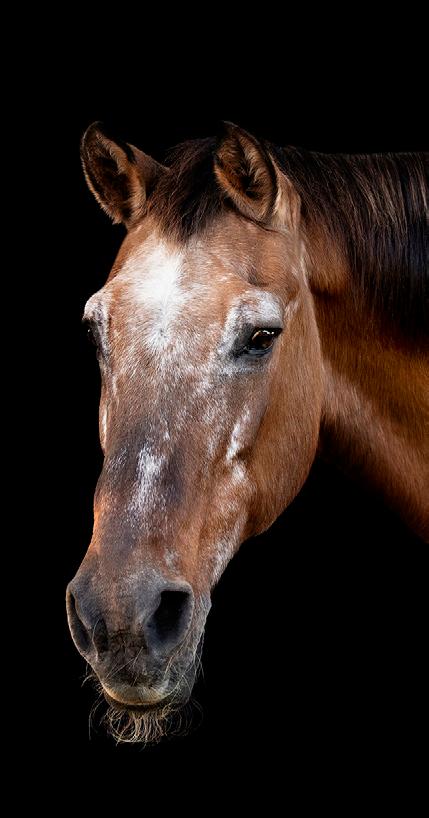
The behind-the-scenes image from the shoot reflects the beauty of the Horse, especially the Senior horse. It shows his old and gentle nature through his eye, his grey hairs, and the space given to allow Nugget to simply be himself. These are often the moments where the strongest photographs are made.
Camera Settings
For Nugget’s portrait, I used the Nikon D5 with a 70mm-200mm lens set to 180mm focal length, an aperture of f/3.5, shutter speed of 1/600 and ISO of 400.
A longer focal length allowed me to step back physically, giving Nugget space while still creating an intimate portrait. Shooting at a wider aperture softened the background, keeping the focus on his expression without distraction.
A faster shutter speed ensured clarity through even the smallest movement - a shift of weight, a flick of an ear - without interrupting the calm rhythm of the session. The technical choices were always made to support the horse, not impose on him.
Behind the Lens
As an international equine and canine photographer from West Gippsland, Victoria, I have been fortunate to travel widely for my work and spend time with many different breeds around the world. Every place and every horse has taught me something - not only about photography, but about how horses carry themselves, connect with people, and express who they are.
My photography is shaped by a life lived with horses - through breeding, training, and simply sharing space with them over many years. That lived experience informs how I photograph. I approach sessions the same way I approach horses in real life: with patience, respect, and an understanding that presence matters more than pressure.
Why these photographs matter Senior horses, like senior pets, are often photographed the least - even though they mean the most. We plan to do it later, until later becomes too late.
A photograph is one of the few things that truly lasts. Long after routines change and paddocks fall quiet, the image remains - a reminder of who they were, how they stood, and the bond that shaped your life.
That is the heart of the Senior Horse Project. To help horse people preserve what matters - while they still can.
To join the Senior Horse & Dog Project, or to nominate a horse or dog who has shaped your life, reach out to Rachel Flynn Photography
From Crisis to Community: The Story of Farmshare
When bushfires tore through regional Queensland, Warwick local DAVID DAY saw firsthand how hard it was for horse owners to find safe agistment in a crisis.
When my wife Georgia and I recognised the difficulties horse owners face in finding safe agistment in times of crisis, we turned that moment into action – and founded Farmshare, a free, community-
led platform now connecting riders with properties across Australia when they need it most.
The Beginnings
Australia is renowned as the land of extremes. While flooding devastated
parts of the country, South East Queensland faced a very different summer in 2024 - hot, dry and primed for disaster. Around Warwick in the Southern Downs, bushfires tore through the region, destroying paddocks and livelihoods.
We were among the fortunate ones. Flames came right to our fence line, but our property remained untouched. Many of our neighbours weren’t so lucky.
Farmers were suddenly desperate for safe refuge for their horses and livestock. In true Aussie spirit, people turned to Facebook, flooding community groups with generous offers of spare paddocks and temporary shelter.
But the information was scatteredburied in comments across different
groups and word-of-mouth threads. In the middle of an emergency, finding the right help quickly wasn’t easy. It became clear there was a need for something centralised: one place where people could easily see who needed help and who could offer it.
Inspired by the generosity around us, and the instinct to help a mate in need, Farmshare was born. My wife Georgia and I set out to build a free, communitydriven platform to help people find local agistment and emergency refuge for livestock when it mattered most.
We were hoping for a handful of listings. Instead, the equine community embraced it far beyond anything we imagined. Today, Farmshare connects more than 250 agistment providers across Australia..
How Farmshare Works Farmshare was built with simplicity in mind. Property owners can list available agistment, including how many horses they can take and what facilities are on offer - without barriers or cost.
For horse owners, the platform makes it easy to search nearby options, compare properties and contact owners directly. For many in the equine community, Farmshare is now the first place they turn when agistment is needed.
The 2025 Victorian Bushfires
As this story is being written, Victorian summer bushfires are once again causing devastation, forcing livestock owners to urgently evacuate horses.
Because this was the very reason Farmshare was created, the team immediately stepped in to help. With existing listings already across Victoria, they called on the community to open their properties for emergency relocation.
The response was overwhelming. Emails, messages and social media flooded in from people wanting to help. Working around the clock, Farmshare quickly created a dedicated emergency
refuge page where offers could be submitted and shared.
Within 48 hours, more than 120 Australian heroes had opened their properties to help relocate animals to safety. “We can’t thank the community enough for the compassion shown during such a difficult time,” the team say. “We hope Farmshare was able to provide practical support when it was needed most.”
The Future of Farmshare
Following the platform’s success, we began exploring other gaps within the equestrian community.
We discovered business owners wanted to connect with riders for services like trail rides, lessons and horse-friendly accommodation. Soon, Farmshare will launch its next evolution - expanding into an all-in-one platform
for booking equestrian services directly through the app.
Despite the challenges of building something entirely new, interest has been strong, with over 1,500 people already on the waitlist.
At its heart, Farmshare remains about people helping people. What began as a crisis response has grown into a platform shaped by real needs and real conversations. As it evolves, the mission stays the same - to remove barriers, support horse owners and keep community at the centre of everything.
Follow Farmshare on their Facebook page, or find and book agistment, horse-friendly accommodation, trail rides, lessons and more through their website
ABOVE: Farmshare founders Georgia and David Day. LEFT: Safe haven when your precious horses need it the most. Farmshare makes it easy to search options, compare properties and contact owners directly.
YOUNG
Magic Moment
To successfully handle the pressure of a major show jumping competition, a cool head and calm composure are essential, and VALENTINA HERCUS has plenty of both.
At just 13, Valentina Hercus is already proving herself as one of Australia’s most exciting young show jumping talents. Here, she shares her journey, her horses and the lessons shaping her future in the sport.
Seven years into her riding journey, Valentina loves the excitement of show jumping and the challenge it brings.
“My favourite thing about it is probably feeling the adrenaline and intensity. I also like the pressure as it pushes me to focus and ride my best.”
Her Horses
Like many young riders, Valentina’s progress has been shaped by the horses she rides - each one teaching her something different.
Troubles, also known as Carousel GV, is a nine-year-old gelding with plenty of spark. “He can be quite hot sometimes which makes him challenging but exciting to ride. He also has helped me develop better focus and control.”
Catalina, registered as Cera Catalina, is an eleven-year-old mare who has been a cornerstone of Valentina’s success.
“She is very reliable and confident to do the job, which I think has also helped me with my confidence on her and other horses.”
Andie, or Caloundra PS, is a nine-yearold mare and the most experienced of the group. “Andie is the most experienced out of all my horses and knows her job well, I just have to keep her motivated as she is colder than the others.”
Together, the horses have shaped Valentina not just as a competitor, but as a rider. “My horses are special to me as they have each teach me something different and help me grow as a rider. Riding them isn’t just about the jumping but the partnership we share.”
Guidance and Support
Behind every successful young rider is a strong support team, and Valentina is quick to acknowledge hers. “I am lucky to have two amazing coaches Anneliese Wansey who is a rider herself and has taught me so much, I hope to ride like her when I am older, and George Sanna who has been a huge supporter and is always guiding me on how to become a better rider.”
Career Highlights
Despite her young age, Valentina
has already collected some standout achievements. “My proudest riding achievements were probably winning Magic Millions on my amazing mare Cera Catalina, but one of my most special memories was winning the Australian Children’s Championship on my mare RBH Chaccarla who was one of the first horses I rode as a child. Another highlight was winning state Junior Champion last year on my gelding Carousel GV.”
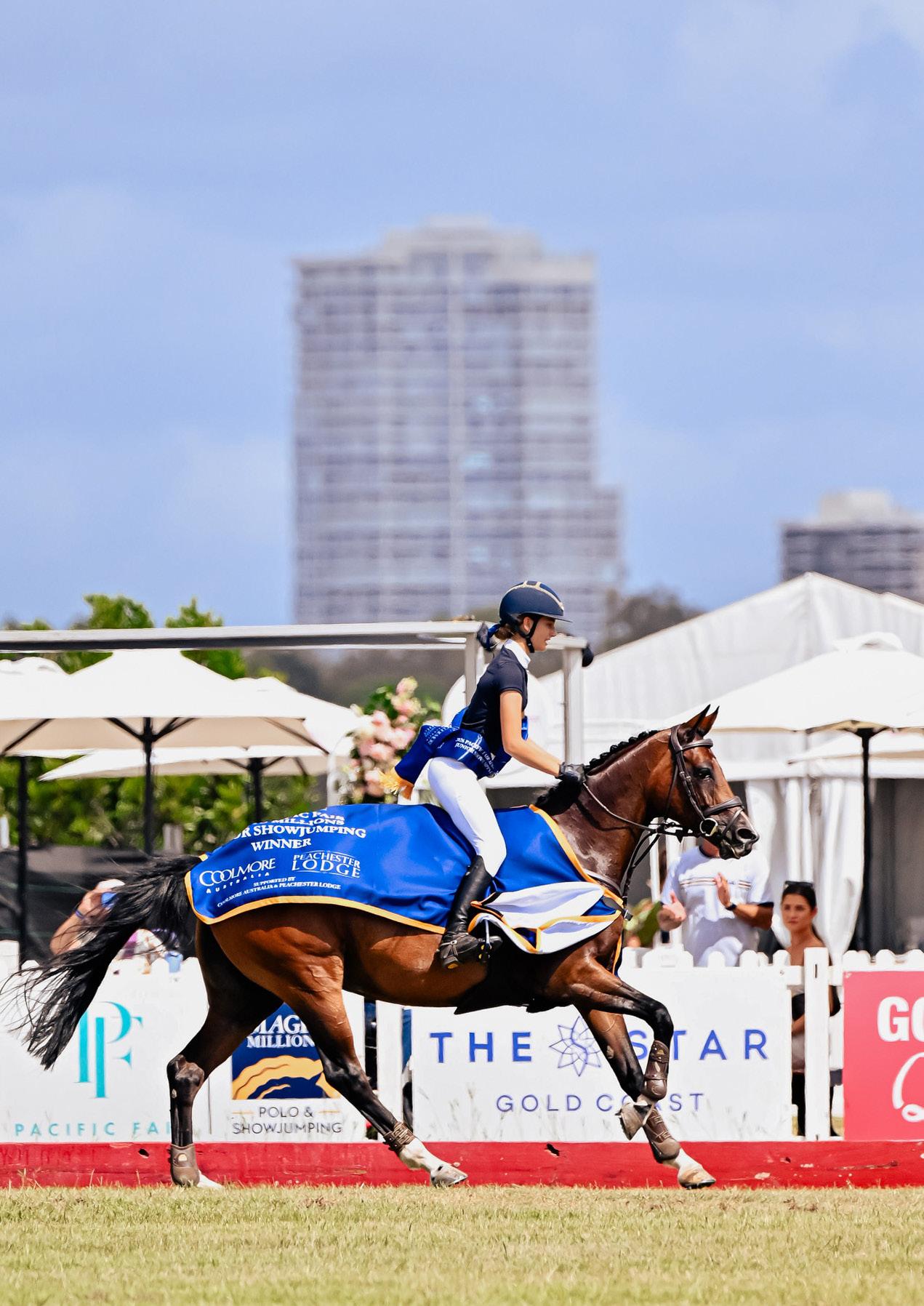
Her Magic Millions success came at the 2026 Gold Coast Magic Millions Carnival - widely regarded as the crown jewel of equine sport in Australia. The Pacific Fair Magic Millions Polo and Showjumping event, run over a single day, stands apart as the richest Jumping fixture in the country and attracts many of the nation’s leading Senior and Junior riders.
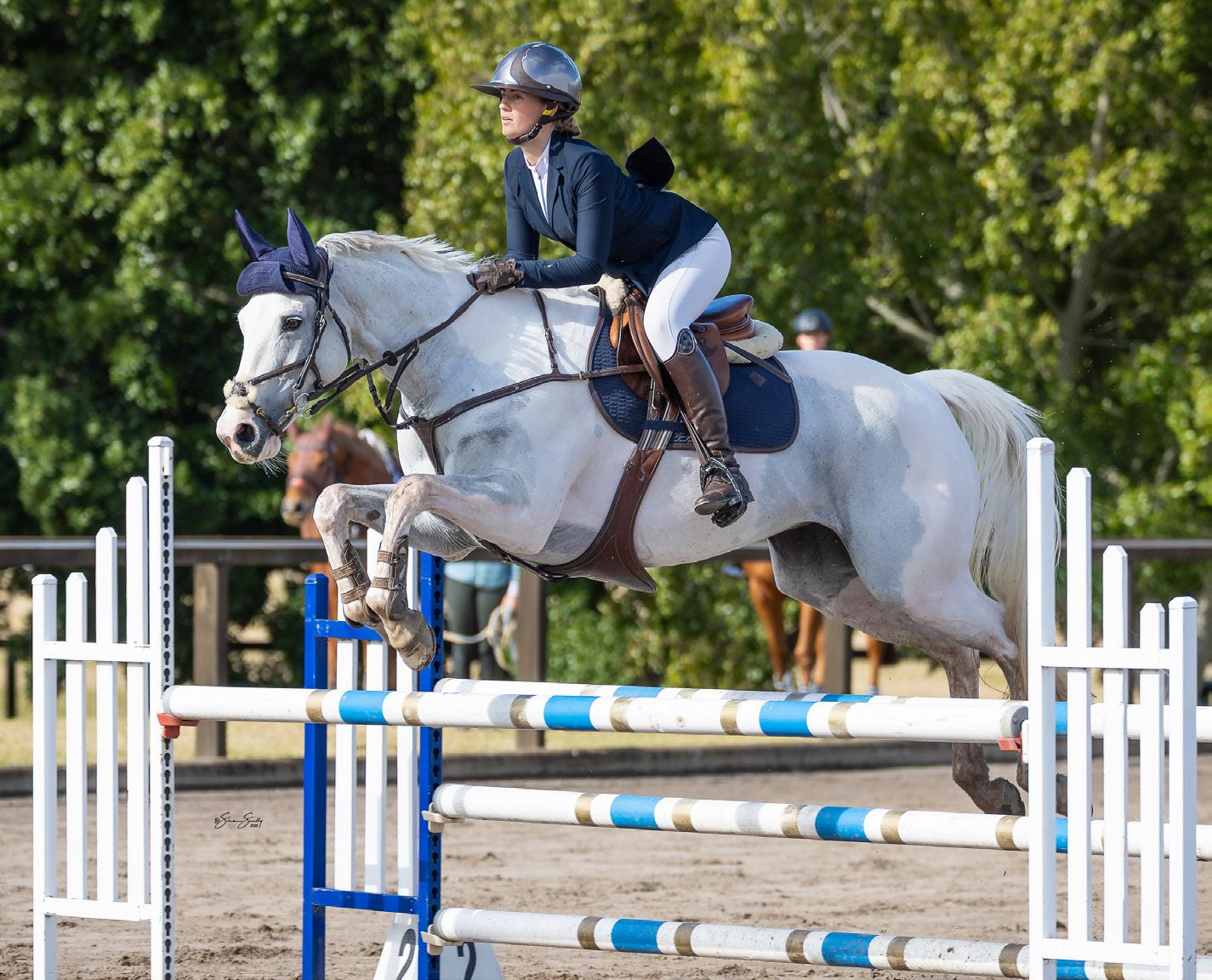
ABOVE: Safely over the last fence and home for the win (Image by Ashley Grant).
LEFT: 2026 Gold Coast Magic Millions Carnival Junior Showjumping winners Valentina and Cera Catalina (Image by Click Capture).
For Junior riders, Magic Millions offers a rare opportunity to compete alongside established names in the sport, in an atmosphere more commonly associated with major international events. Full VIP marquees and packed spectator stands create an electric environment, unlike any other Jumping competition on the Australian calendar.
In a field of exceptional talent, the opening competition delivered quality sport from start to finish, with the top three combinations all producing double clear rounds. Victory went to Valentina and the 2015 mare Cera Catalina, owned by King Ranch Equestrian. The pair were faultless across both rounds, posting a first-round time of 59.69 seconds before producing the fastest clear of round two in 35.33 seconds, finishing on a zero total and claiming the $3,000 winner’s cheque.
Favourite Competitions and Goals
When asked about her favourite show, Valentina doesn’t hesitate. “My favourite show I have attended is Boneo as it has
two amazing arenas and it always draws a crowd which makes it even more exciting when riding.”
Looking ahead, her goals are ambitious but grounded. “My main goal is probably winning or placing in the top 3 in the Australian Junior championship, but I always focus on building a stronger bond with my horses.”
Life With Valentina
Away from competition, Valentina still chooses to spend her time with her horses. “If I am not riding, I still like to be around my horses, teaching them tricks and giving them treats.”
On show days, preparation is key. “I usually walk the course with my coach and visualise myself riding the lines as it helps me feel more prepared. I like to go over the course a couple times to make sure I am confident and ready. I love to wear Maximilian Clothes as they are comfortable and stylish. For accessory’s I have a horseshoe necklace that I always ride with.”
Wisdom Beyond Her Years
Some of Valentina’s strongest guidance comes from close to home. “One piece of advice I have been given is from my dad he always says ‘Don’t think about the result, think about the process.’”
It’s advice she now passes on. “Some advice I would give to other young riders is ‘Don’t rush, just run your own race. In this sport you can’t rush. If you work hard it will all pay off long-term.’”
On tough days, her motivation is clear. “My horses keep me motivated, knowing how much they give to me makes me determined to give back to them.”
And when it comes to inspiration, Valentina looks to those around her. “I am inspired by many top show jumpers but, my coach Anneliese Wansey inspires me a lot as she works hard and I try to follow her lead. I am also Inspired by George Sanna because he is so precise with his teaching and thorough with his advice.”
Summerwood St Elmo’s Fire
Many riders dream of one day meeting their heart horse. JUDY EVANS was lucky enough to find hers in the shape of a purebred Arabian called Elmo.
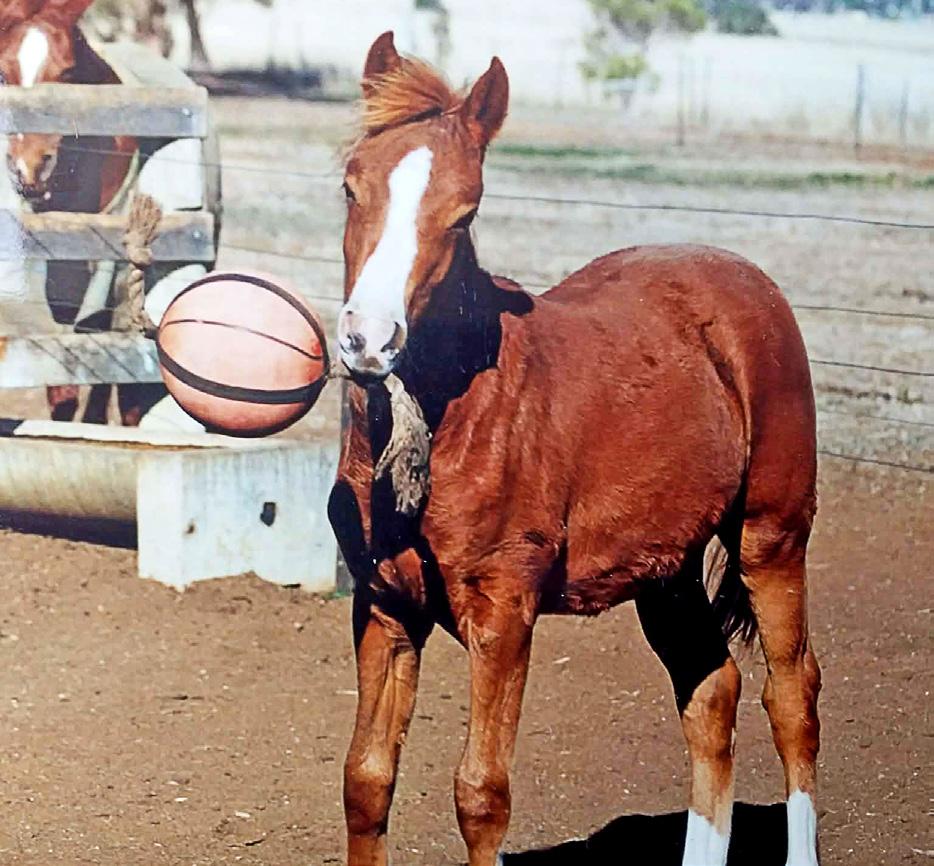
I’ve been lucky enough to have several very special horses in my life, but the king of my heart will always be Summerwood St Elmo’s Fire, a purebred Arabian gelding born on 21 December 2000. He was by Bluegrass Bold as Brass x Santara Park Sarah.
I helped deliver him, pulling off the birth sac so he could breathe - so the first thing he saw was me, telling him how
beautiful he was. From that moment, we shared a very special bond.
As with all my foals, I handled him from birth, teaching him to be a solid little citizen - something vets and farriers always appreciated. By the time he was six months old, I could rug and unrug him in the paddock without a halter, and trim his feet with no restraint needed.
Elmo grew to 15.1½hh, a fabulous rich
red chestnut with a blaze and three socks – I used to say one got lost in the wash. I eventually started him under saddle myself, and for his whole life I was the only person to ride him, apart from two instructors who hopped on briefly during lessons, just to get a feel for him. I think he would have done well in the show ring, but by then my chosen discipline was dressage, plus quiet village rides and bush trails.
Elmo had a real love of tiny ponies and very young children. He would go out of his way to approach parents with a pram, or toddlers in hand, gently reaching out as if to say hello. He was so affectionate.
At fourteen, Elmo was diagnosed with Cushing’s disease - a malfunction of the pituitary gland that brings a range of health issues, including an overly long, thick coat that never fully sheds. To keep him comfortable, I clipped him four or
HEART HORSE
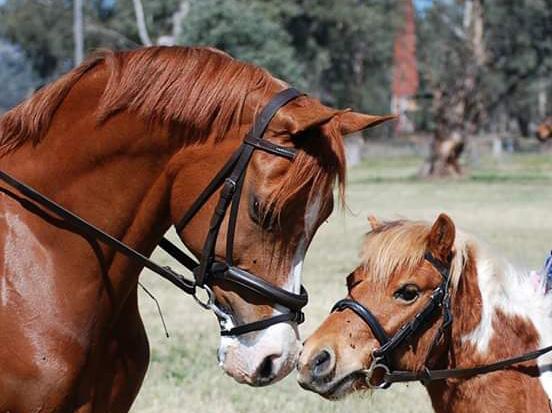
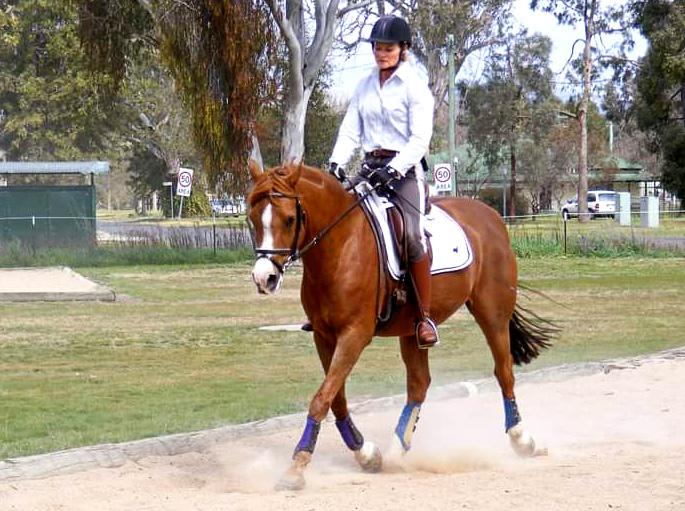
LEFT: Elmo had a soft spot for small ponies. ABOVE: The eye-catching chestnut competed in dressage, and enjoyed quiet village rides and bush trails. BELOW: Handled from birth, Elmo was a confident, playful foal (All images courtesy Judy Evans).
five times a year. He was medicated, but eventually developed laminitis, one of the associated conditions of Cushing’s. His pedal bones rotated so badly that our vet and farrier gave him only a 10–20% chance of pulling through.
But nobody told Elmo that - and he simply refused to give up. With the care of a wonderful farrier and over a year of rehab, he became paddock-sound again and even returned to competition.
He lived another two and a half years before the Cushing’s began to drag him down, and I had to make the decision every horse owner dreads: to have him humanely put to sleep, at almost twenty years of age.
Elmo taught me unconditional love, patience, and dedication. Winning ribbons is just a bonus - the greatest reward is riding a beautiful horse you’ve bred, trained, and loved yourself.
Live A Little
When life threw LOUISA NICHOLSON a curved ball, she was up for the challenge.
Starting anything new can be overwhelming, but as I was forced to learn very quickly, life is for living and it’s your choices that build it!
In mid-2024, after a short, intense – and successful – treatment course to clear me of breast cancer, which included four rounds of chemotherapy, 25 rounds targeted radiation and then starting five years of hormone blockers in May 2024, I decided to make a choice to set myself up for the rest of my life. F*ck cancer and all its hellish side effects, bring on the rest of my life – healthy, fit and happy!
Let’s rewind a few years to early 2023 for a little backstory. I worked alongside a powerhouse human who has been instrumental in resetting my health and fitness, Anne-Marie Lasserre. I have known Anne-Marie for a while through our mutual coach and friend Harvey Besley, and have watched her compete successfully in dressage and showing over the years, while also being aware that her incredible physique and drive come from years on the body building circuit.
We chatted one day about working together to have her help me get fit and lose the five or so kilograms that I just couldn’t move. She asked to see my bloods, so I showed her my latest results – it was then she looked at my hormones and remarked that it was as though my body was fighting a cancer, my estrogen was so high. We laughed. As if I could have had cancer – I was 45 fit-ish, riding competitively, running around after my young son and happily in love with my soon-to-be husband. I was fine!
I wasn’t fine – a randomly-scheduled mammogram and testing a few months later showed early detected hormonepositive breast cancer. Never fear, it was the “best kind” of cancer I could have had. Easily treated.
Fast forward to my active treatment being finished, and I was a few months into my Tamoxifen (cancer blocking hormone) therapy in mid-2024. I was losing a little of the weight I had gained during chemotherapy - at my heaviest I was 80kg - and was trying everything to get below 78kg. No matter what I ate or didn’t eat, or how many Pilates sessions I did, along with riding my two horses (Burrabong Trent and Pier Gynt Donatella), I couldn’t shift any more than that. It wasn’t just some extra ‘fluff’ that was annoying, I wanted to be at my best for my lovely new young horse, Deirdre, as well as Trent, and I wasn’t. Since the Big C, I had really zoned in on – and wanted to shoot to as high as I could with my two horses.
So I called up the Big Gun, Anne-Marie, and enlisted her help. What a game changer! Grateful is an understatement of how I feel.
Anne-Marie looked at my blood test results and checked my body to
determine what my diet was missing and how she could help pinpoint specific exercises to reshape my body. I was sent regular meal plans – each had specific options every three hours for me to follow and eat – all with protein at every step. I was able to contact AnneMarie to swap out any foods I was sick of and as we worked through the next few months, I was given more specific exercises to tone my body and help me be fit and fabulous in the saddle.
We, and yes, I say we - Anne-Marie was on my team every step of the way –shifted kilos and toned muscle as we trained over summer into 2025.
There was a new goal – Deirdre was headed to her first ever competition at end of January 2025 and I was going to qualify for Dressage with the Stars in March. New goal, new plan – we started at the gym once a week, so Anne-Marie could train specific muscles and show me what to do at home, alongside my twice weekly Pilates. Not only was I
ABOVE: Louisa is aiming to compete with 5-y-o Deirdre in next month's Dressage with the Stars (image by EK Photography).
going to get fit and athletic in my white breeches for DJWTS, I had to lose a few centimetres off my calves to fit back in to my expensive Petrie top boots to compete! I was ready to get them altered three weeks out from DJWTS, but Anne-Marie told me she would get me in them and not to do a thing except trust her. I did, and I wore them fitting perfectly at DJWTS, where I was also now down to 68.5kg and feeling terrific!
It didn’t stop there. That goal was unlocked – now what’s the next one?! I am a very goal-driven person. I guess that’s why dressage appeals to me, as you never stop learning even at top levels!
Anne-Marie had suggested a few times that we do a fitness and diet regime for eight weeks, with the end result being a photo shoot on the beach in a bikini. I scoffed at the idea, mostly because my anxieties and insecurities rushed in and told me people would laugh or think I’m foolish – what a silly thing to do. Anne-Marie quickly quashed those thoughts and said something along the lines of ‘stuff everyone else’, so with the support of my incredible husband, Tim, and some very good close friends encouraging me, I took that next challenge.
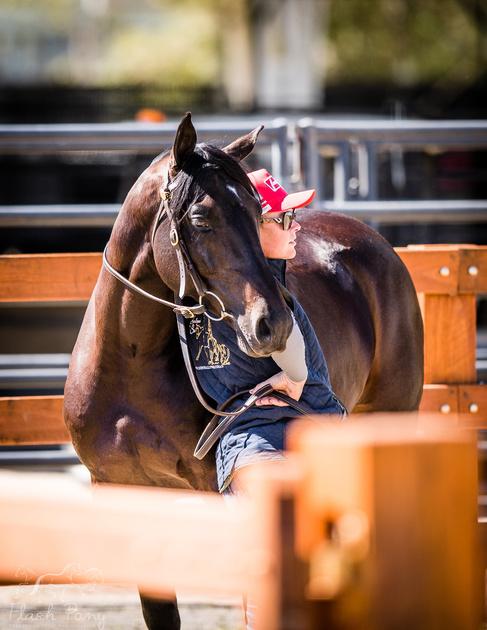
Anne-Marie booked the fabulous Sam Cavallo from Flash Pony as the photographer, Tim came down as lighting man (and moral support – I was literally prancing in front of the camera at Main Beach!) and I had Anne-Marie helping me pose and getting my very best angles.
We bloody did it and I loved the photos! I am strong, I am healthy, I am happy and I am incredibly grateful to have such an incredible human push me and my body back to ultimate health.
I am now 48. It is January 2026 and I have been following a meal plan of Anne-Marie’s and doing Pilates to maintain my fitness the past few months, I have been training my super young horse and have her aimed for
the life she loves.
DJWTS as a 5yo Young Dressage Horse in March. I might even take some more photos to document my body and health before I turn 49 in October. I have some more goals to unlock and I’ll be once again working alongside AnneMarie to be the best version of me – in the saddle and out.
My cancer diagnosis was an unexpected detour in life, but I am fortunate that the cancer was slowgrowing and detected very early –not everyone is as fortunate. I am in recovery and I am very aware of how lucky I am even to have had these choices to make.
Takeaways:
• My first fake tan was at 47.
• My first photo shoot was also at 47.
• I shifted my weight back to 67kg at 47 from 80kg at 46.
• I am the fittest I have been in my life.
• I’m competing my lovely new young horse at national events.
• I have married the love of my life in my third marriage, only days after my breast cancer surgery in 2023.
• I have a 9-year-old son who I would go to the ends of the earth for.
• Most importantly, I choose to be happy and healthy.
What’s life if you don’t live a little?
ABOVE: Beyond fabulous. Louisa is the fittest she has ever been. She's happy, healthy and living
PATHWAYS
A Pathway With Purpose
Inspired by a childhood fascination with training, young horseman OLIVER ELSON shares his journey from Pony Club to apprenticeship, mentorship and a growing vision for the future.
My journey with horses began at a young age when my family moved from Sydney to the Mid North Coast of NSW and purchased a small 2.5-acre block. None of us had owned horses before, so there was a lot to learn. Those early years were spent trail riding with my mum and sister, discovering the basics and simply enjoying time in the saddle.
In my teenage years, I joined our local
Pony Club. I spent two years there before, at 17, my sister booked me into my first clinic with Adele Stock Horses. That experience changed everything. I immediately fell in love with training - watching how soft, willing and responsive the horses were, and realising what was possible with the right approach. From that moment, I was hooked.
For the next three years, I chased knowledge wherever I could find it.
Clinics, lessons, observations - anything that would help me understand horses better and become a more capable rider and trainer.
Finding Direction
I first saw Double Dan Horsemanship on Australia’s Got Talent when I was 11 years old. From that point on, I followed their journey closely, watching their success unfold on social media. Eight years later, I was studying full-time at
university, completing a Bachelor of Sports and Exercise Science with a major in Education. Despite enjoying my studies, my passion for horses never faded.
Eventually, I made the decision to step away from university and pursue an apprenticeship in horsemanship - a leap that felt risky, but necessary. It wasn’t easy, but it was right.
When I met Jaz, now my fiancée, and began working alongside her, I was exposed to a new level of horsemanship and professionalism. The learning curve was steep, but incredibly rewarding. Every day brought new challenges, new lessons and a deeper understanding of what it truly means to work with horsesnot just ride them.
Learning from the Horses
One of the most important lessons I’ve learned is that horses are the greatest teachers. They reflect our timing, our
energy and our mindset. Progress doesn’t come from force or shortcuts, but from patience, consistency and clear communication.
Training isn’t about quick results - it’s about building trust. Some days feel like breakthroughs; others feel like setbacks. But every interaction matters, and every horse has something to teach you if you’re willing to listen.
Legacy of the Horse
The Legacy of the Horse event was a milestone moment in my journey. Competing there wasn’t just about results - it was about being part of a broader horsemanship community that values education, welfare and long-term partnerships with horses.
The event reinforced why I chose this path. It brought together riders and trainers who shared a common goal: to do right by the horse first. Being part of that environment was both grounding
and motivating, and it gave me a clearer sense of where I want to go next.
Looking Ahead
Looking to the future, my goals are clear. Alongside Jaz, I hope to continue building a pathway for young riders and horse people who want to learn, grow and contribute positively to the industry. Clinics, education and mentorship are all part of that vision.
I want to help create opportunities for others the same way opportunities were created for me - through guidance, patience and belief. The journey with horses is never linear, but it is always rewarding for those willing to commit to the process.
Horses have shaped who I am, not just as a rider or trainer, but as a person. From Pony Club days to apprenticeships and beyond, every step has reinforced the same truth: if you put the horse first, everything else has a way of falling into place.
ABOVE: Oliver says horses are our greatest teachers (Image by Liz Speed Photography). LEFT: Hooked on horses.
Riding the Dream POSTCARDS
What starts as a childhood dream can take you further than you ever expect. KATE KYROS shares her journey from Adelaide to Aachen.
The Journey to Germany
The plan was to return to Australia following the 2024 competition season in Wellington, Florida. What Kate didn’t expect was just how successful that season would become - and how it would completely change the course of her journey. “The success and improvement during this season inspired the trip to Germany,” she says. “The opportunity to compete at seven CDIs in three months was extremely beneficial. I learnt so much about competing internationally, riding in the Young Rider and U25 Grand Prix competitions, and my partnership with my two stallions became so strong.”
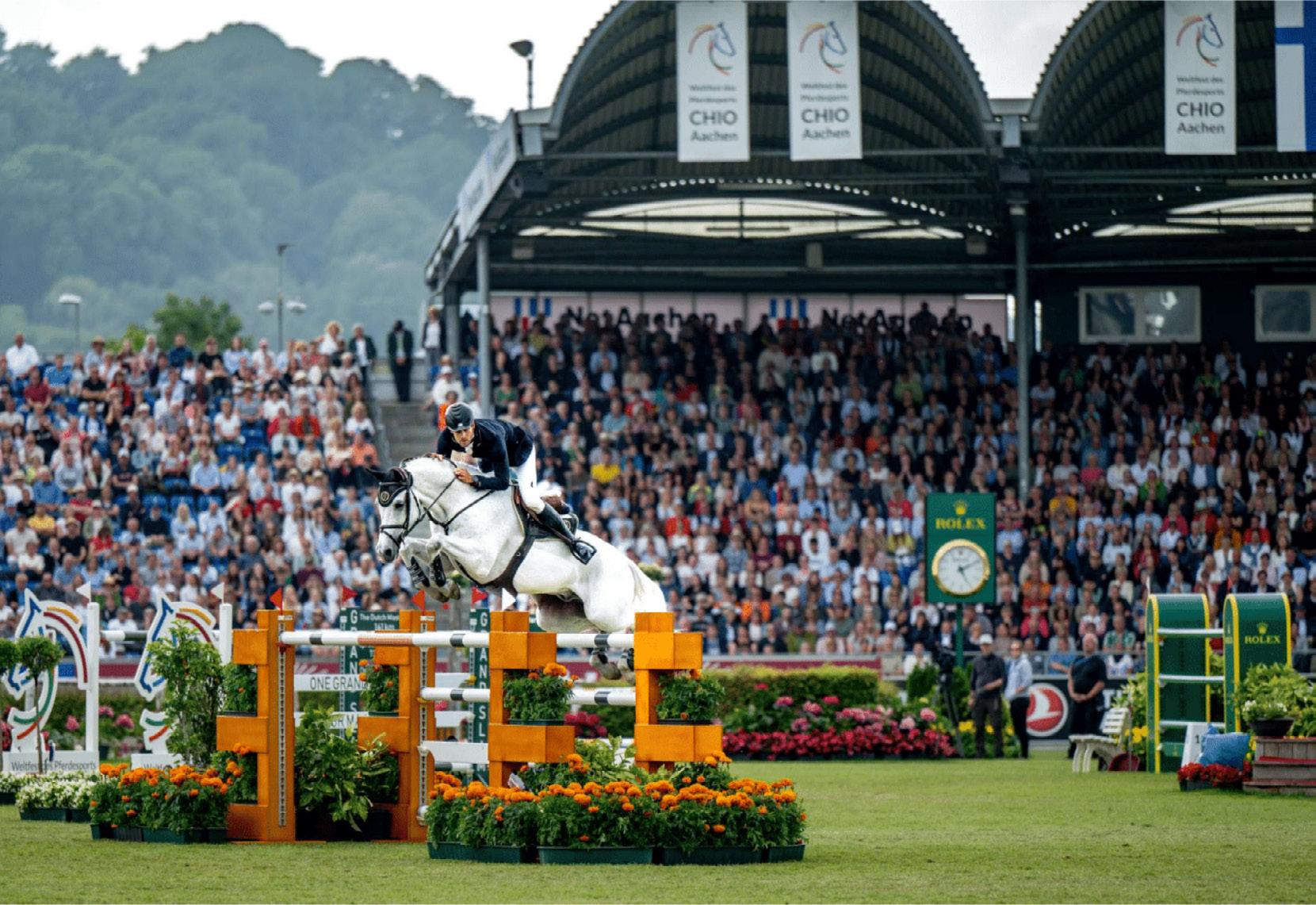
As her scores continued to rise, encouragement came from all directions. Friends, judges and officials urged her to continue on to Europe. Then came the invitation she couldn’t ignore - to compete at CHIO Aachen 2024 in the Young Riders.
Kate did return to Australia after Aachen that year, but something was missing. “I found myself missing the buzz of the European equestrian culture and competitions,” she says. By February 2025, she was back for another seasonand this time, she stayed.
Training at the Highest Level
Being accepted into the Aachen Excellence Program was a moment Kate will never forget. “Overwhelming excitement,” she says. “As an Australian, it is mind-blowing to have the opportunity to train with Isabell Werth and to have so much support as an equestrian athlete.”
The program offers far more than worldclass training. “CHIO Aachen Campus have created an incredible program for
Young Riders - mental coaching, fitness programs, social media workshops and horse health education. Of course, I was ecstatic for the opportunity to train with Isabell, but also to connect with other Young Riders working towards similar goals.”
A typical day is full and varied. “Every day starts with making sure the horses are happy and healthy. Together we feed up, muck out stables and walk the horses,” Kate explains.
Before lunch, there’s always something exciting off-horse. “Some days it has been fitness testing at the university, media training or even a trip to Isabell Werth’s home barn. It’s such an enjoyable experience to share with three other likeminded riders - even though we come from vastly different backgrounds, we have so much in common.”
Afternoons are dedicated to training. “Isabell has the most incredible eye for the smallest details. She comes with so many new training ideas for us to implement. She is so lovely and encouraging, really pushing each horse and rider to reach the best of their ability.”
Evenings finish together. “We have group dinners, telling stories of our equestrian lives, sharing traditions from our home nations and discussing plans for the future.”
Riding Among Legends
Training with Isabell has reshaped Kate’s riding both technically and mentally. “She’s taught me the importance of riding every step - often chanting ‘go, go, go’ or ‘more, more, more’ with each
stride,” Kate laughs. “Her experience training and competing so many horses allows her to adapt to each individual horse. She has a new exercise for everything.”
She says the biggest breakthrough has been connection. “Finding the point where Intro is truly connected and pushing has opened our eyes to his true potential. The sessions have taught me how much I still have to learn as a Young Rider - and what amazing things can happen when I truly ride my heart out every step.”
German dressage culture has been eye-opening. “The scale of dressage in Germany is astonishing,” she explains. “The volume of athletes and level of participation mean the sport is exceptionally well supported and widely recognised - almost like a national sport. You can compete any day of the week. The long history of dressage has built such a strong foundation. It’s encouraging to meet riders from all over the world who have moved here for dressage.”
And the CDIs? “They’re so enjoyable. Sharing stories with other Young Riders who’ve also made huge commitmentswe have a lot of fun together.”
Pinch Me Moments
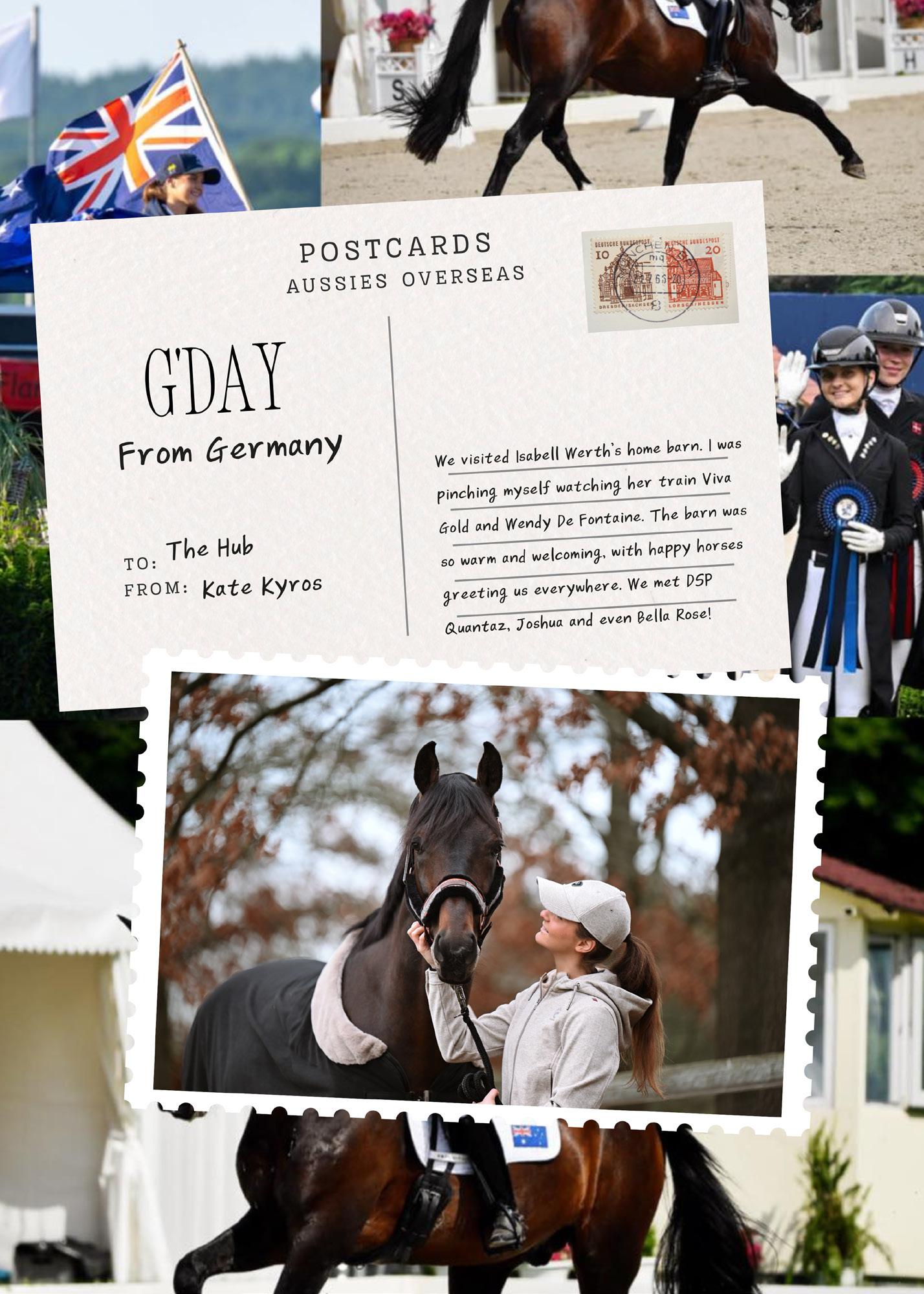
There have been plenty. “At our most recent session, we visited Isabell Werth’s home barn. I was pinching myself watching her train Viva Gold and Wendy De Fontaine.”
Seeing Isabell ride brought everything full circle. “I could make so many connections between her coaching and riding. Seeing it in person gave me such
LEFT: Kate and Intro K brave the weather while attending the prestigious 2026 CHIO Aachen Programme of Excellence (Image by Heather
a clear idea for my training session that afternoon.”
There were legends around every corner. “We met DSP Quantaz, Joshua and even Bella Rose retired in the paddock. The barn was so warm and welcoming, with happy horses greeting us everywhere.”
Life Abroad
Living in Germany has pushed Kate in ways she never expected. “The move has been life-changing. I had to grow up very quickly - tackling German visas, driving on the other side of the car and road, and learning to be
extremely independent. It hasn’t been easy, but the training, experiences and competitions have been so valuable. My improvement and growth with Intro is extremely motivating. There are so many opportunities here - I’m making the most of every day.”
Home still tugs at her heart. “When I landed in Australia for the holidays there were many tears. There’s something about the Australian landscape and culture that can’t be replicated. I miss my friends, the beach, the sunshine, sausage rolls - so many things. Home will always hold a place in my heart. It
was so special to come home like I had never left. I remind myself how lucky I am to have something so hard to say goodbye to.”
Staying connected matters. “I keep in touch with Chris and Victoria Lawrie who taught me from the beginning, as well as Adam Oliver and Heather Currie who sparked my love of dressage. It brings me so much joy to hear from the people who’ve supported me every step of the way. I also love sharing my story on social media and in articles like this.”
Messages from young riders hit home. “I often receive messages from young
Australian equestrians that remind me so much of my younger self. Ten years ago, riding my ponies at local agricultural shows, I could never have imagined this life.”
Career and Future Goals
Right now, Kate and Intro K are stepping up together. “We’re working towards our first year of U25 Grand Prix. Training Intro from small tour to big tour has been incredibly rewarding.”
Next? “I plan to add a young horse to the team very soon. I always loved working with young ponies - watching them grow - so I’m excited for this new challenge.”
Her goals are simple but meaningful.
“My goal is to enjoy this step up with Intro. We’ve created such a close bond over the last three years. There are so many spectacular competitions to aim for, so I’m working hard to grow his confidence.”
As for what’s next? “So much of my journey has been unexpected. Right now, I’m soaking up as much knowledge and experience as possible so I’m ready for whatever comes.”
Reflections and Advice
If this journey has taught her anything, it’s this: “Where there is a will, there is
a way. I’ve grown so much as a person. Moving to the other side of the world in pursuit of a dream - the journey makes you feel unstoppable.”
Her advice to young riders dreaming of Europe? “With an open mind to learning, a coachable attitude and determination, there is so much Europe can offer.”
And if she could send a postcard home right now? “Thank you for believing in me. I would never be here if it hadn’t been for your support.”
Keep up to date with Kate's adventures on her Instagram page
Heather Kyros). MIDDLE: Competing at Aachen (Image by Libby Law Photography). RIGHT: Kate builds a strong connection with all her horses.
Competing at CHIO Aachen in 2025 (Image by Libby Law Photography).
With Intro K at Alter Do Chão in Portugal last year (Image by Carlos Hernâni).
TECH TALK
Planning isn't control, it's care.
Planning enhances horse care by balancing workload and recovery effectively, NICOLE CREED explains.
February is a funny time of year for riders because motivation is high, goals feel exciting again and the season ahead starts to feel real. We ride a little more often compared to the Christmas/New Year period, we push a little harder, and we tell ourselves we’ll ease off later if we need to. And most of the time, it all comes from a good place.
Every rider I know cares so deeply about their horse and is doing their absolute best. This isn’t a conversation about our effort or commitment, but it is about what sits underneath our good intentions once the season actually starts.
Because this is also the time of year
where intensity quietly stacks without realising.
Not necessarily super drastically or recklessly, but just one extra session here, one slightly harder week there, and a few things remembered in our head instead of written down. Until suddenly our horse feels a bit flat, a bit
sore, or just mentally tired, and you can’t quite pinpoint when it changed.
That is where planning matters the most.
Pre-season planning is a welfare decision
Planning training and care in advance isn’t about micromanaging your horse or locking yourself into a rigid program, it’s about fairness.
A plan helps you see the bigger picture. It allows you to balance work and recovery, notice patterns over weeks instead of days, and make adjustments before something becomes a problem.
When training isn’t planned, workloads tend to build up without realising, and it happens to us all. Intensity creeps in because each decision feels reasonable on its own, and there is no reference point to step back and assess the whole picture. A plan doesn’t remove flexibility, it creates it.
When you have something mapped out, you can respond to how your horse is actually feeling rather than guessing. You can say: this week needs to be lighter or we might need to push this goal back or today is a trail ride day, not because you’re behind, but because you’re paying attention.
Consistency protects soundness and structure protects progress.
Where memory quietly lets us down
Most riders still rely heavily on memory to manage all of this.
How many hard weeks in a row has it been? When was the last proper easy week? How long has it been since the saddle was checked or the physio was out? Memory works, until life gets busy.
Stress, fatigue, time pressure and decision overload all reduce how reliable recall actually is. That is not a personal flaw, it’s just human. And February is often when life starts speeding up again.
The issue isn’t that riders forget
ABOVE: The Equicare app is designed to keep you on track.
because they don’t care, it’s that we’re asking memory to manage complex, high responsibility care across weeks and months while everything else competes for our attention.
When information lives in different places, or only in our heads, things fall through the cracks. Not because of neglect, but because the current ‘system’ was never built to support real life.
Planning gives you something to adjust from
One of the biggest misconceptions I see is that planning removes intuition. However, in reality, it actually supports it.
A plan gives context to how your horse feels today, it lets you connect the dots between workload, recovery, behaviour and performance. Without that context, everything becomes reactive. You end up responding to what’s happening right this second, without visibility of what actually led to it.
Horses don’t need perfect programs, they just need programs to start with, thoughtful ones.
They need owners and riders who can make decisions from patterns, not
guesswork. From history, not pressure and from clarity, not overwhelm.
Better systems don’t replace responsibility, they protect it Other high responsibility industries learned this a long time ago. Systems weren’t introduced because people were failing. They were introduced because responsibility grows faster than human recall can keep up these days. Horse care and management is no different.
Better management isn’t about control. It’s about care. It’s about creating an environment where horses can stay sound, confident and consistent across a whole season, not just a good week.
This is exactly why modern horse management tools exist. Not to push our horses harder, but to help riders plan smarter, adjust earlier, and protect the horses we love doing life with. Because when us riders feel organised and clear, our horses benefit tenfold.
And that’s a preseason advantage worth prioritising
Tech Talk is brought to you by Equicare
The Happiest of Outcomes
Established after more than 15 years of rigorous testing Vetgold products have more than proven their value, writes DR ANDREW WATTS.
The Vetgold range of products was established following more than 15 years of rigorous testing. These trials involved numerous supplements sourced globally and were conducted under challenging environmental and clinical conditions in both Dubai and Australia.
Within the competitive world of equine sports, last minute debilitating hoof injuries can have significant consequences. Fast recovery times are vital for horses to return to peak performance. Years ago, we refined a technique to accurately measure horse hoof growth radiographically. This
process was fundamental in determining whether supplements could genuinely influence the rate of hoof growth in horses.
Research findings revealed that the average adult horse grows hoof between 2mm to 5mm every four weeks, regardless of breed. Radiographic measurement offers precision up to 1/100th of a millimetre, proving to be the only reliable method for recording growth rates. Details of the trial methodology are available on our webpage.
Hoof Gold, the first product in the Vetgold range, demonstrated significant
success in increasing hoof growth during trials. Results showed an increase from just over 3mm to more than 13mm in four weeks, representing more than a 400% improvement in growth rate. Enhanced rates of hoof growth are essential for the recovery from any hoof-related condition.
At our podiatry facility, we are presented with a high volume of severe hoof cases. Achieving increased hoof growth rates is a critical element in the rehabilitation process. Total Gold, our newest and most complete supplement, was an integral part of the treatment program in the following case.
VETERINARY REPORT
Clinical Findings 5 February 2025
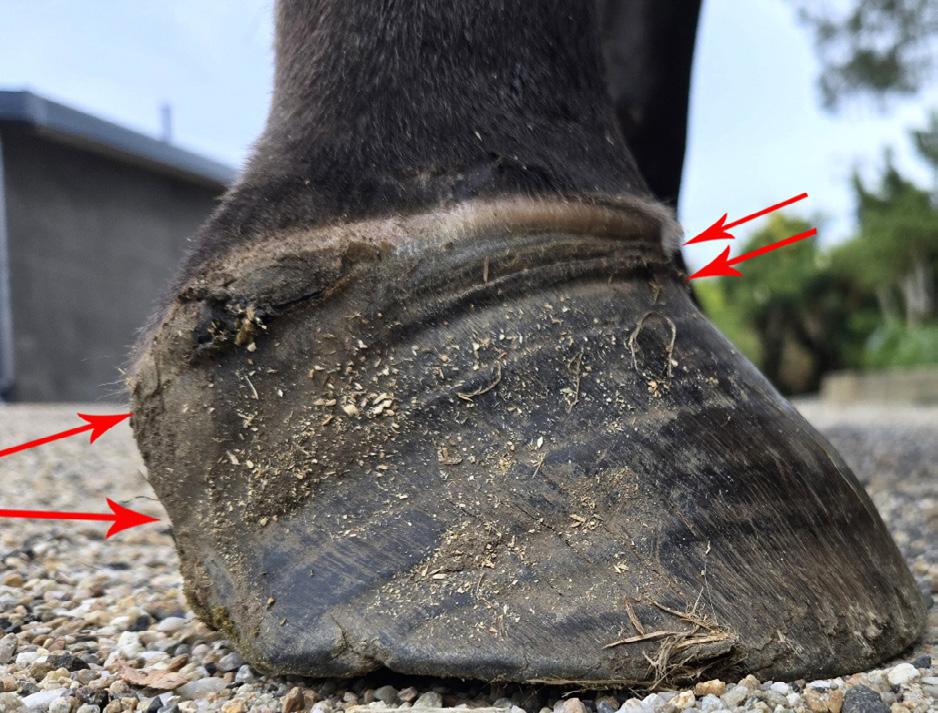
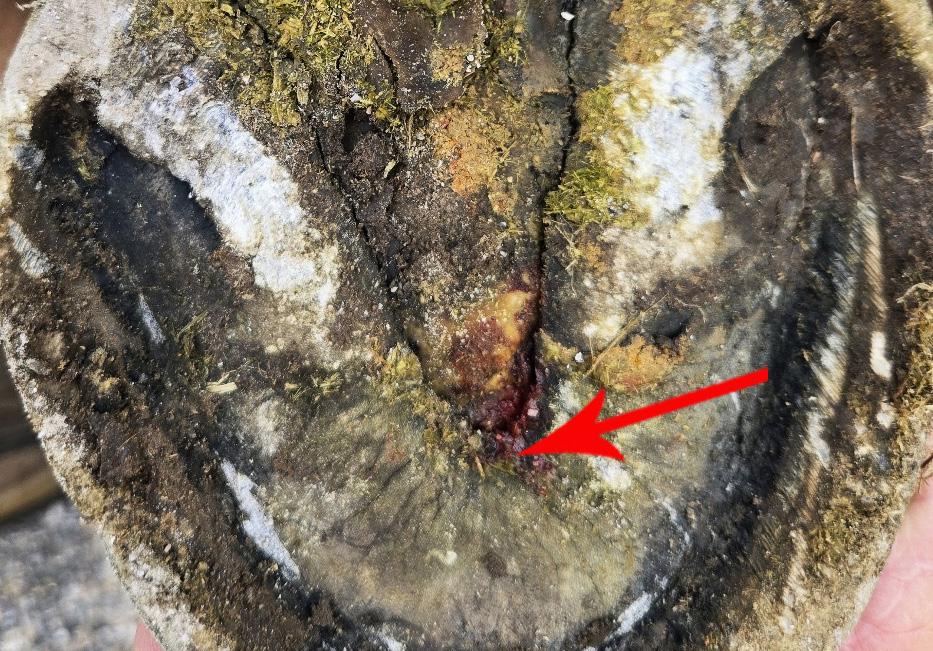
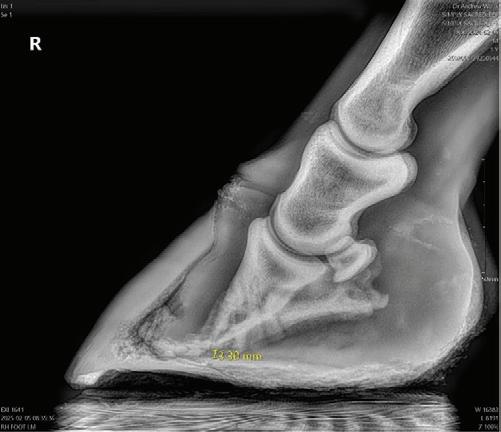
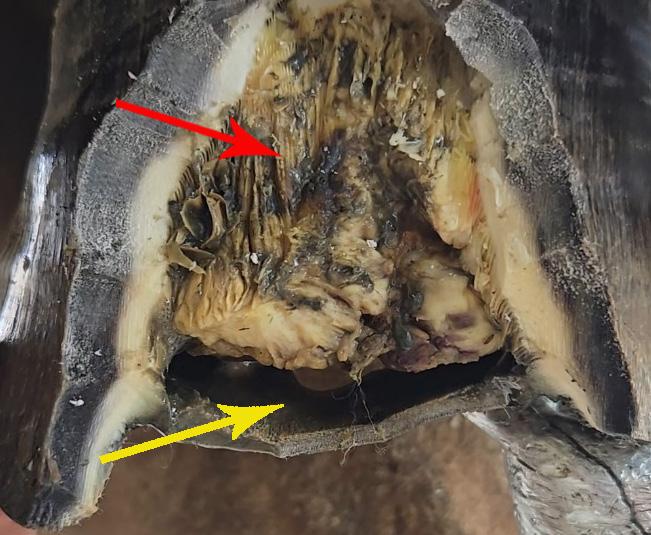
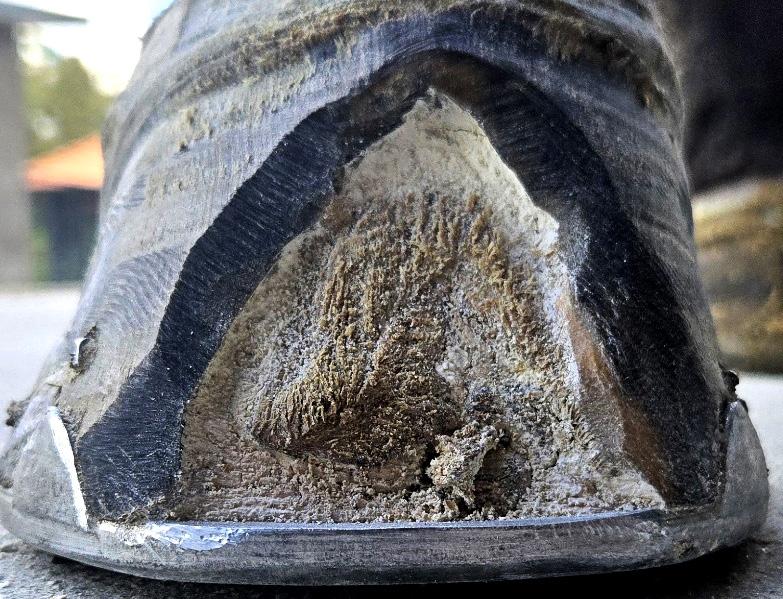
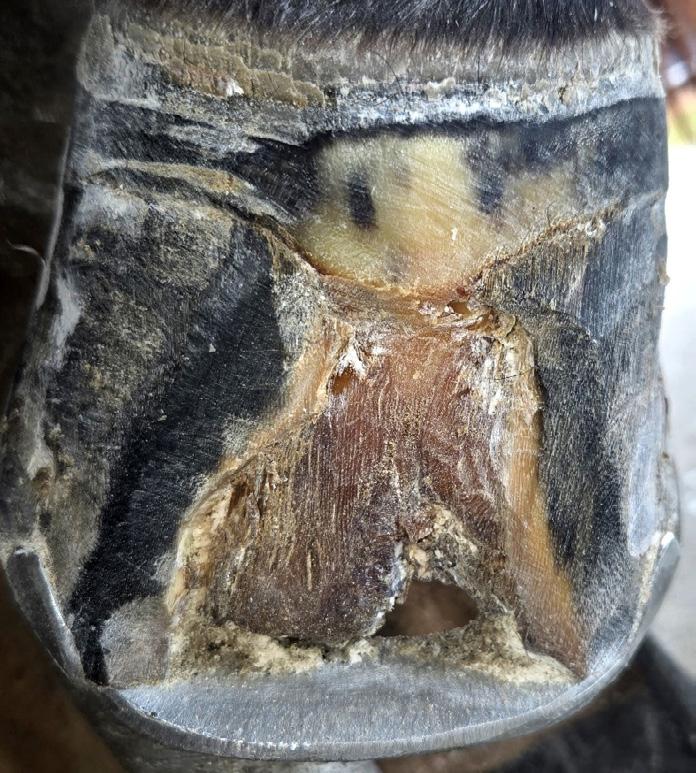
The mare presented with a grade 4 out of 5 lameness in the right hind limb. There was a three month history of lameness accompanied by discharge from a solar abscess. Upon examination (Fig. 1) the hoof capsule of the right hind was distorted. Red arrows show dorsal wall crimping comparative to heels. Noticeable heat was detected in the hoof capsule, and a pronounced digital pulse amplitude could be identified. Notably, there was minimal response to hoof testers around the periphery of the sole. Mild haemorrhage and black purulent discharge was identified at the apex of the frog and discomfort elicited with testers over the entirety of the frog (Fig. 2).
Radiographs 5 February 2025
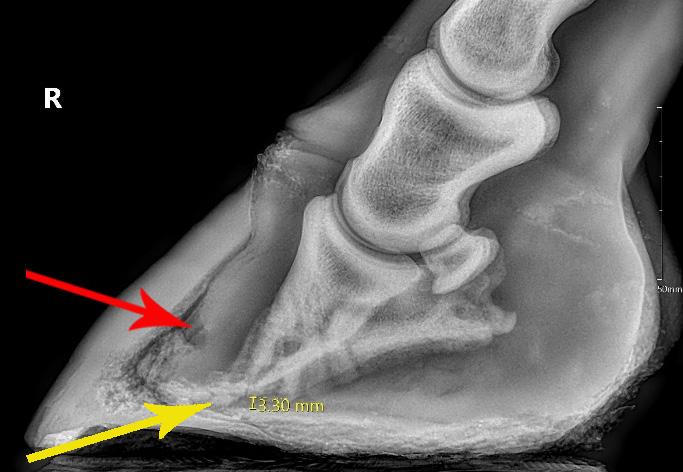
Radiographs revealed severe rotation and sinkage of the coffin bone on the lateral view with only potentially 3.3mm of remaining sole depth in addition to a significant dorsal wall gas cap extending from just below the coronary band (Fig. 3).
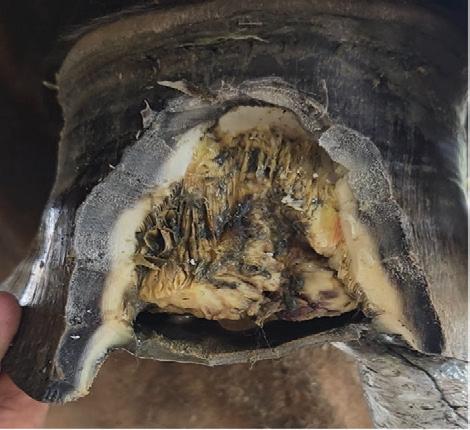
Sole depth measurement, while visible in the initial radiographs, was ultimately misleading. Both the sole and frog were completely under run and delaminated. Surgical removal of the necrotic sole and frog exposed the coffin bone ventrally.
VET VIBES
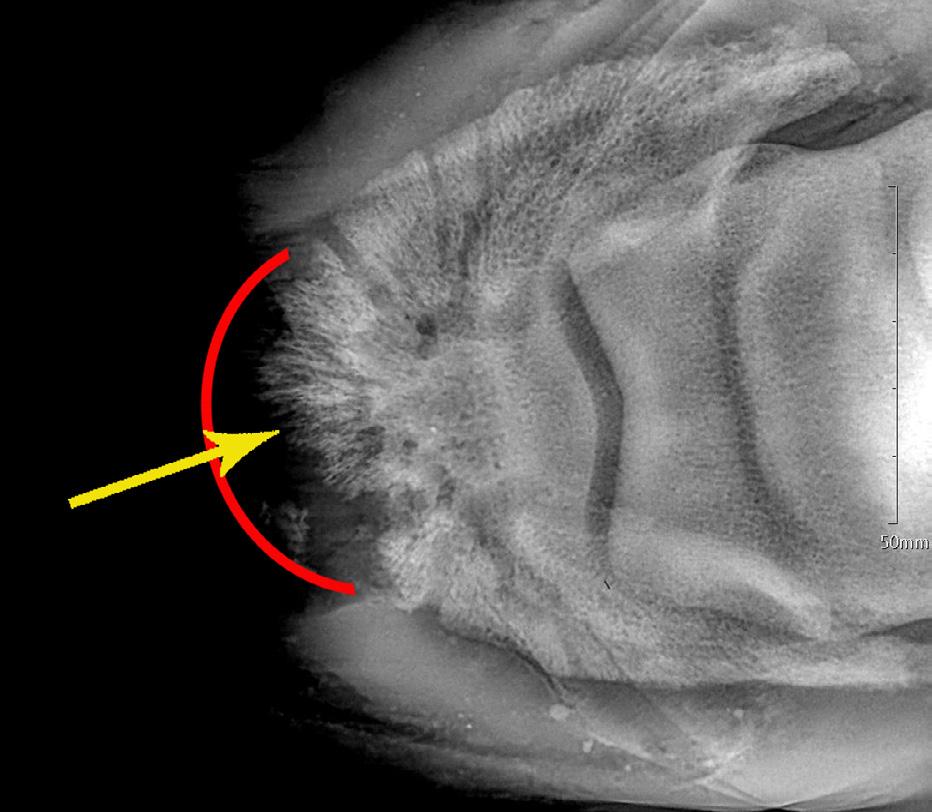
The dorsoventral view displayed extensive loss of integrity of the third phalanx (P3), with total lysis of the coffin bone observed at the toe margin as indicated by the yellow arrow (Fig. 4).
Treatment
The dorsal wall of the affected hoof was surgically resected to allow access to the extensively infected tissue. All infected material was thoroughly flushed and debrided to remove necrotic debris. Secondary to the severe abscessation and pedal osteomyelitis (Fig. 4), only remnants of the sensitive laminae remained visible. The original structure of the laminae was largely destroyed by the ongoing infection.
The ventral sole and frog had become entirely undermined by infection, resulting in total dislocation from the hoof capsule both dorsally and ventrally. A video of the extent of sole loss can be seen on our webpage. Infected material and granulation material at the dorsal coffin bone margin was debrided. The sloughed frog and ventral sole with associated necrotic tissue was surgically removed.
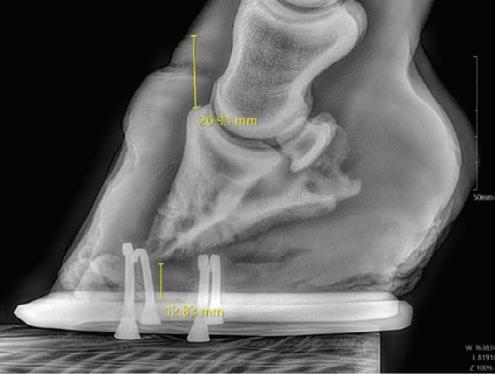
It was estimated that there was less than 15% of the capsular laminae still intact – meaning 85% of the hoof capsule attachment had been lost. Only the medial and lateral walls remained for ventral support. An open heeled alloy shoe was seated out to the solar circumference and applied essentially bracing and supporting the hoof capsule ventrally acting as a bridge underneath the hoof to hold the hoof together to prevent further collapse of the bone through the sole.
The surgical site was thoroughly flushed, debrided and then packed with a mix of procaine penicillin and TMPS paste. Post surgery and post shoeing the mare showed only mild discomfort and was classified 1/5 at the walk. Surgical packing was changed daily for 14 days then every 72 hrs subsequently till reexamination on 14 March. The mare was
placed on a strict low sugar diet and administered three scoops of Total Gold once per day
Comments
Pedal osteomyelitis of this degree associated with severe rotation and sinkage has an extremely low survivability and loss of the foal was predicted.
Clinical Re-Examination 14 March 2025
At five weeks following the initial
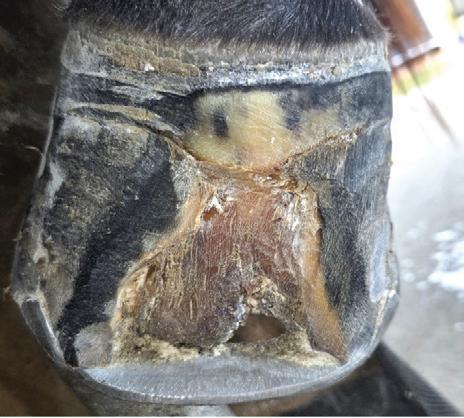
consultation, the mare was re-examined and found to be 0.5/5 lame at the walk. Digital pulse amplitude was low and there was no notable heat in the hoof capsule. The surgery site was dry, free from odour, and showed no exudative discharge (Fig. 6). There were no signs of ongoing infection. The right hind hoof capsule remained significantly compromised but had stabilised since the resection procedure.
Figure 1: R H Lateral 5 Feb 2025 - Arrows show crimping of coronary of the dorsal wall at the coronary band with broadening of growth lines at the heel.
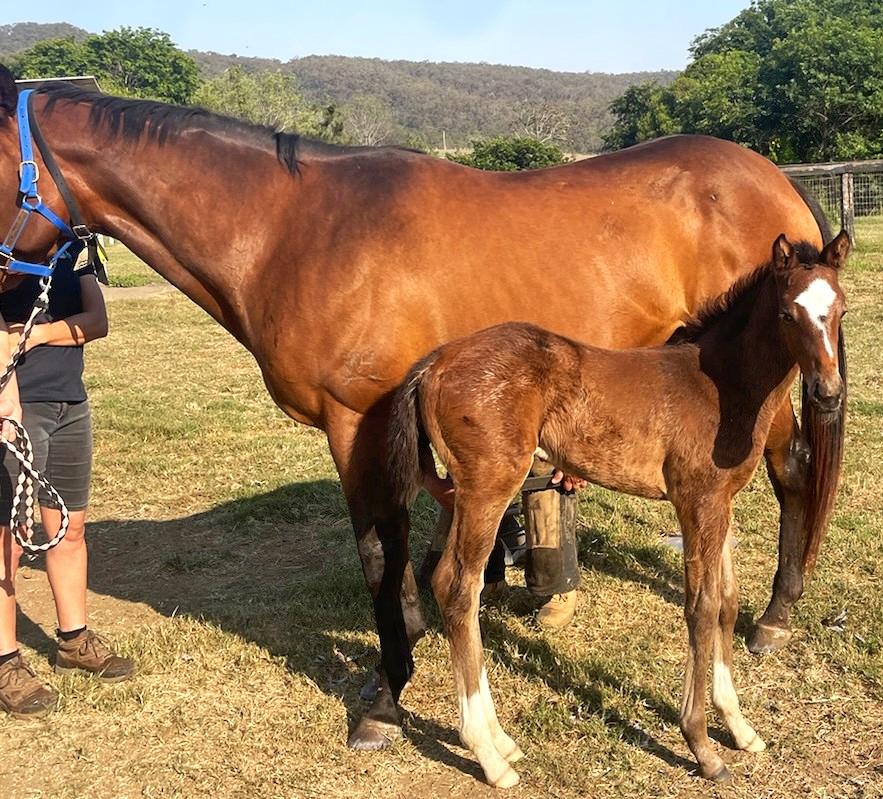
FIG 2: R H Ventral 5 Feb 2025 - Mild haemorrhage and discharge noted at frog apex. LEFT: Despite a possibly dire outcome, mare and foal are doing well.
DAY 1 INITIAL CONSULTATION
Comple t e equine
v i t amin, mineral and amino acid supplemen t . PATENT FORMUL A
Suppor t s hoof, bone, join t , sof t t issue, coa t and all v i t amin, mineral r equir emen t s
Incremental hoof growth had elevated the sole, and the development of new, healthy dorsal wall had increased capsular laminae adherence.
Approximately 40% of the hoof capsule was now attached to the sensitive laminae, an improvement from the previous estimate of 15%.
The frog and most of the sole were drying, with evidence of healthy keratinisation. However, at the toe - where pedal osteomyelitis was previously identified - irregular granulation tissue had emerged and required resection.
The absence of suppurative discharge and stabilisation of the pedal margin indicated that the pedal osteomyelitis was currently under control. Continued careful topical management of the site remained necessary.
Radiographs 14 March 2025
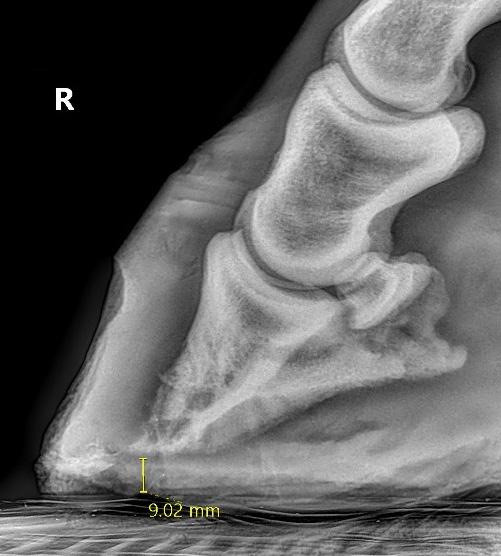
Radiographs were taken to assess the progress of recovery. Lateral views demonstrated an increase in sole depth from an initial measurement of 3.3 mm to 9.02 mm. However, it is important to note that this increase in depth is somewhat misleading. Initially, there was no measurable sole present, and the observed subsequent increase is attributable to significant circumferential wall growth. This growth has mechanically elevated and protected the sole, allowing for its gradual rejuvenation.
Examination of the dorsal wall and sole revealed no evidence of gas lines (Fig. 7). This absence suggests that all infected material has been successfully removed. The dorsoventral radiographic view indicated stabilisation of the pedal margin. Furthermore, a total of 11.21 mm of dorsal wall growth was measured radiographically since the initial consultation.
Clinical Re-examination 14 April 2025
Nine and a half weeks post initial consultation, the mare was observed to be only mildly uneven while walking on her right hind limb. Upon examination,
there was minimal digital pulse and no evidence of increased hoof capsular heat, indicating reduced inflammation. The surgical site appeared dry and clean, with no detectable odour or exudative discharge present, suggesting healthy post-operative recovery.
The sole and frog were meticulously debrided to reveal healthy, newly
keratinised and organised corium. The sole has successfully regrown, and new bars have now formed, demonstrating positive tissue regeneration. The previously irregular granulation tissue located sub-solar and ventral to the osteomyelitis site has since keratinised and was able to be trimmed, further indicating progress in healing.
VET VIBES
FIG 3: R H Lateral 5 Feb 2025 - Red arrow indicates gas cap resulting from severe sinkage and rotation. Yellow arrow shows false apparent sole depth of 3.3mm.
FIG 4: R H Dorsoventral 5 Feb 2025 - The red arc indicates the potential historic normal coffin bone margin, yellow arrow shows significant loss of bone integrity.
Radiographs 14 April 2025
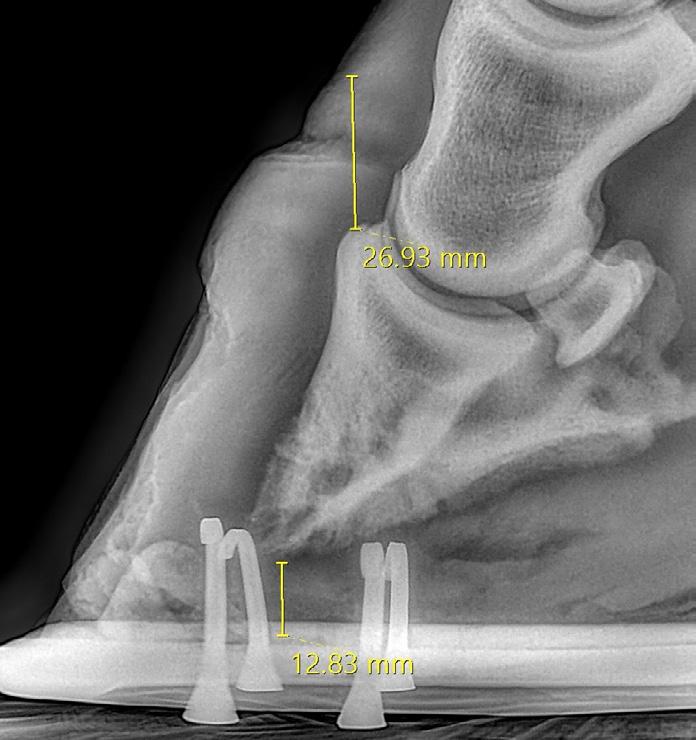
Lateral radiographic views revealed a progressive increase in sole depth, rising from 3.3mm at the initial assessment to 12.88mm after nine weeks. This indicates substantial improvement in the protective sole structure over the observed period.
Measurement of the dorsal wall, as assessed radiographically, demonstrated a total growth of 28.84mm since the initial consultation.
It is important to clarify that the recorded increase in sole depth may be misleading. There was no discernible sole present at the outset; therefore, the subsequent increase in depth is largely attributed to substantial circumferential wall growth. This mechanical elevation of the wall has both protected the sole and facilitated its rejuvenation during the recovery process.
Additional Radiographic Observations
• No gas lines were detected in the radiographic images.
• Increasing sclerosis was observed at the solar margin, specifically at the site previously debrided for osteomyelitis. Incremental density of the P3 margin was also noted. Increased bone density so readily post infection is rarely seen.
Comments
The hoof capsule has stabilised, with an estimated 50 to 60 percent of the sensitive laminae wall now adhering to the coffin bone. Additionally, there is greater than 50 percent adhesion of the sole and frog papillae. The combined growth of both the wall and sole has been remarkable, particularly considering this progress has occurred within just over nine weeks.
Treatment
The previous surgical site underwent further resection, which also included removal of tissue from both the sole and frog. Following the trimming procedure, an aluminium open-heeled shoe was
reapplied. A Castle pad was placed over the area, and the entire sole was then filled with Solepac CS. Additionally, the dorsal wall resection was packed with Solepac CS, which eliminated the need for bandaging.
Clinical Examination 7 October 2025
Happy Endings! At 35 weeks, or
approximately 8.75 months following surgery, the mare has demonstrated a strong and positive recovery. Upon examination, she presented as sound and in good health. She successfully foaled and is now the dam of a beautiful and healthy filly. This marks a significant milestone in her rehabilitation, given her initial presentation with severe, life-
FIG 5: R H Dorsal Wall Resection 5 Feb 2025 - The red arrow shows the remains of the sensitive laminae. The yellow arrow indicates the total loss of adhesion of the ventral sole.
FIG 6: R H Dorsal 14 March 2025 – Five weeks post surgery.
threatening debilitation.
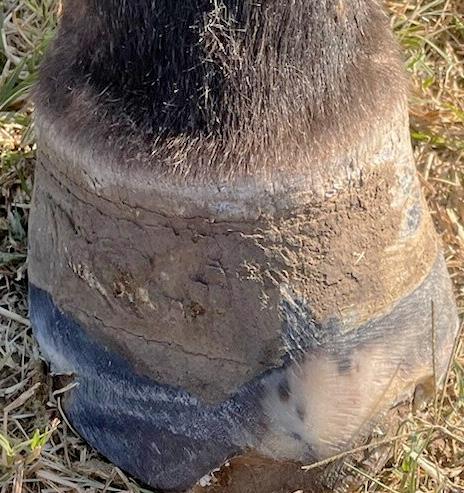
The hoof capsule, as observed in Fig 10, exhibits only minor distal wall changes. This is notable considering the seriousness of her original condition. The nature of these changes is indicative of successful recovery and ongoing health.
Comments
Given the low prognosis for survival and the high risk of foal mortality in this case, Total Gold in addition to the strict treatment regime proved to be invaluable.
To learn more, visit Vetgold's website, enquire by email or scan this barcode.
FIG 7: R H Lateral 14 March 2025 – Five weeks post surgery.
FIG 8: R H 14 April 2025 - 9 ½ weeks post surgery.
FIG 9: R H 14 April 2025 - 9 ½ weeks post surgery.
FIG 10: Dorsal wall – 7 October 2025.
Are You Ready?
Considering going up to the next dressage level? NICOLE TOUGH has some great advice to help you decide whether you and your horse are ready.
At the commencement of the ’26 competition season, it seems an apt time to consider how riders know when they should and/or could go up a level in their dressage journey.
Just as we should not compete simply because there’s an event on, likewise we shouldn’t go up a level because our friends think we should; or we’ve already spent twelve months at our current level and/or we’re getting bored with it; and definitely not because we aren’t scoring what we think we should,
so let’s have a go at the next level!
The reality is just as a show jumper can be overfaced (lose confidence and start refusing) so can a dressage horse. Their lack of confidence and tension may not be as obvious as a show jumper, but for those in tune with their horse, they can feel it.
It may show in the reduced quality of the gaits: the four beat canter, shuffle in between transitions, or that jiggy jog in walk for example. It may show more
obviously with heightened resistance and/or tension, contact issues, crookedness, increased grinding of teeth, swishing of tail, tilting head and so on. These are all signs a horse is not coping in their work.
There are two indicators that our horse is ready to compete at the next level. The first is consistently scoring higher than 66% at our current level, demonstrating a satisfactory mastery of the required movements with confidence, suppleness and impulsion. These horses are truly ready, physically, mentally and technically for the next level. And the second is that at home, our horse can perform all the movements of the next level with selfcarriage, confidence and understanding. These indicators are a blend of score, confidence, consistency, and an understanding of the ‘why’ behind the movements, rather than just doing them. Horses cope mentally when they can physically do the required work with relative ease and harmony. However, when they are finding the work
HANGING TOUGH
physically hard, they will show signs of mentally not coping. It is horse talk. And to be a good dressage trainer, we have to learn to speak ‘horse’.
When we have all the ingredients, we can safely go up a level without compromising our horse’s mental wellbeing.
The bottom line is we should compete at a level when our horse is ready. If we can’t perform a movement or part of the test at home, our horse is not ready. And if we compete anyway, be prepared for disappointment because we are asking them to learn to fly after jumping off a cliff!
We can’t always predict or plan for everything that life throws our way. However, shaping our competitive progress in dressage is something we can prepare for in advance. A good plan is to ride through a test, repeating anything that needs it, once every two to three weeks.
My practise is to train a level above my horses’ competition level. Following
this training program, the competition is the easiest my horse has to work. And if it’s easy, it will look easy; and if it feels and looks easy we should be scoring very well. Added to this, I find it good practise to ride through the test at home, repeating anything that needs it, a month out from the event, and then a week out from the event. Practising the test builds confidence and muscle memory for ourselves and our horse.
In between, we can break the tests down, especially the parts of the test that our horse is finding difficult, and work on an exercise which helps train the specific muscle memory to make the movement easier.
When our horse can confidently do the movements at home, we can hopefully reproduce those movements at an event. The truth is, our horse cannot go better than they go at home. So, if they can’t do aspects of the new level at home, you have a reduced chance of producing the test at a competition. Always remember, if the test is hard at home, it will be much harder at a competition.
Dressage sport training is largely about physical conditioning, developing a body of muscles. We can’t ride once or twice a week, once a month, or for a few weeks in the summer to build a body of muscles, because we lose what we gained while not riding. Neither the horse nor the rider will be posturely strong, flexible or fit enough to do the work, or to evolve and improve. There is no coasting.
Dressage is a sport of development, and training requires discipline, determination and patience. Training a dressage horse is not like inserting a flash drive and hitting the ‘on’ switch!
Remember the Ted Lasso quote: “Taking on a challenge is a lot like riding a horse. If you’re comfortable while doing it; you’re probably doing it wrong.”
This is dressage - if it’s easy, you’re probably doing it wrong!
For more information on lessons or a clinic with Nicole, visit Nicole Tough.
ABOVE: Our horse is ready to compete at the next level when they are consistently scoring 66% at our current level (Image by Amy-Sue Alston). LEFT: At home our horse can perform all the movements of the next level with self-carriage, confidence and understanding.
LIFE AFTER RACING
Beating the Odds
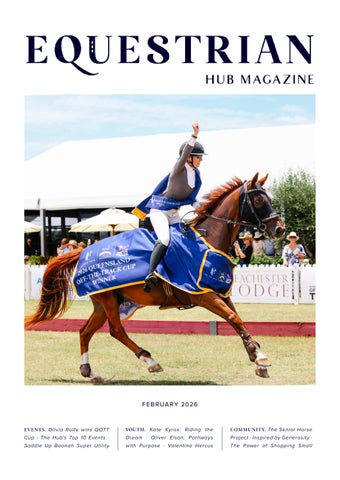
The winner of last month's Queensland Off-The-Track Cup Final, OLIVIA ROLFE didn't have an easy lead up to the competition - and the result exceeded her expectations.
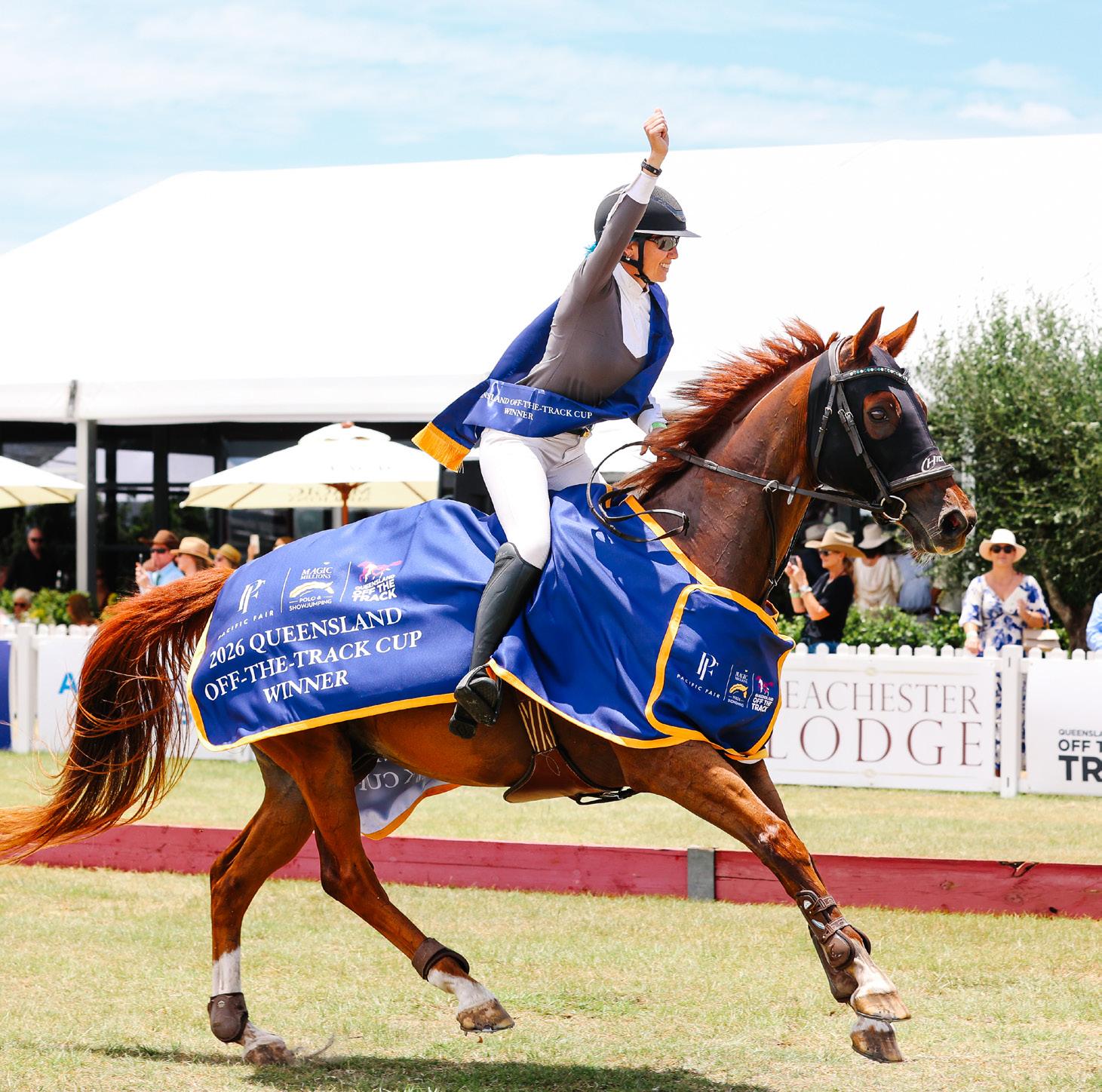
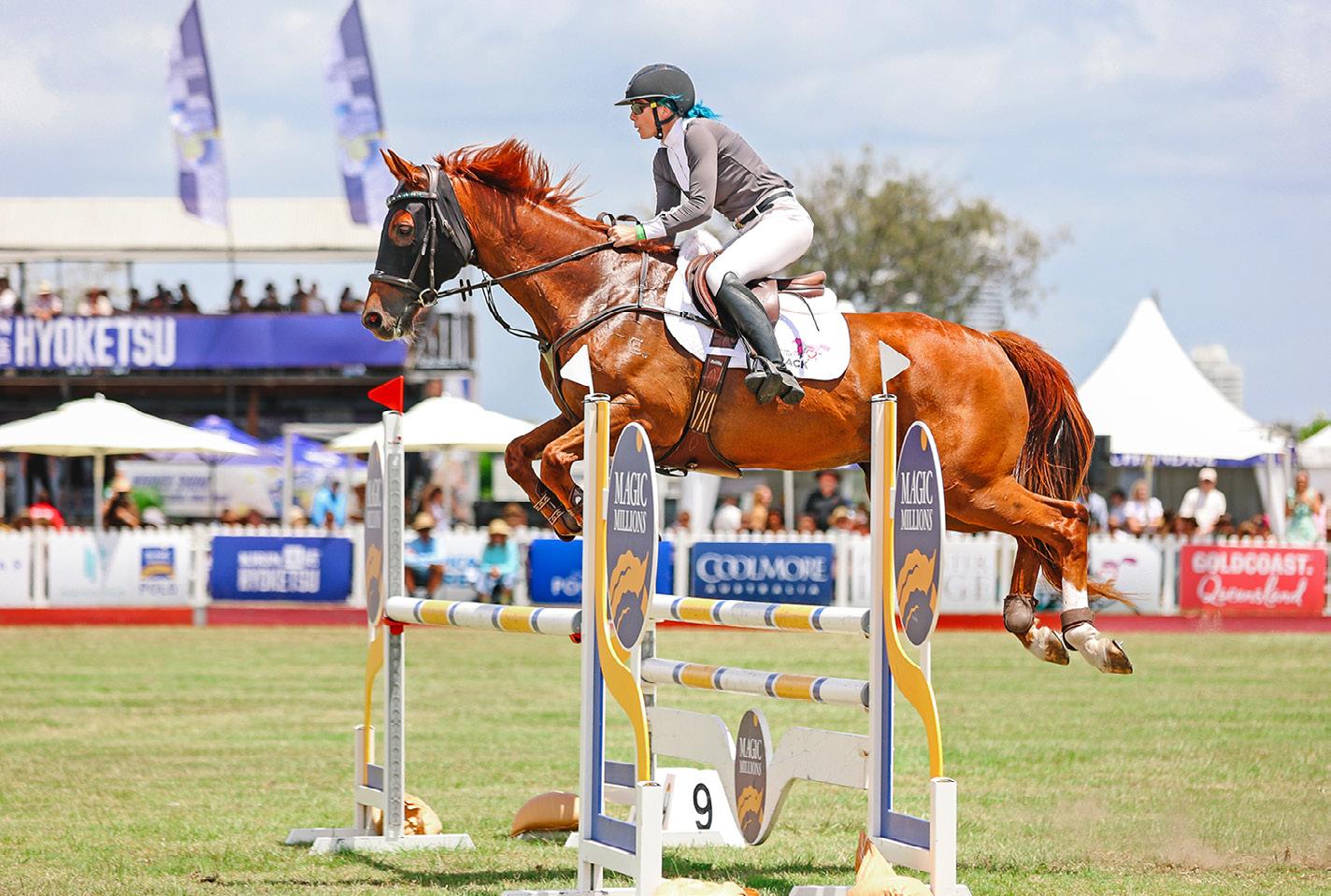
It’s now been several weeks since she and her spicy Thoroughbred Blue Flame won the hotly contested 2026 Queensland Off-The-Track Show Jumping Cup Final on Queensland’s Gold Coast - and Olivia Rolfe is still not quite sure how she feels about it all. “I’m over the moon obviously, but I don’t think I’ve digested it yet,” she says.
And when you consider the chaotic lead up to her win, it’s not surprising that the dust hasn’t settled. Entry to the event – which for the third year has been a highly successful collaboration between Magic Millions and Queensland Off The Track – is gained through one of four state qualifiers held in Queensland, New South Wales, South Australia and Victoria.
But Olivia, a Queensland resident, missed her state's qualifier because, as she does every year, she was taking part in the Shitbox Charity Rally. “I was halfway between Perth and Darwin in a $1,500 car at that point in time,” she laughs.
Throw in a rushed trip to the Summer Classic in Sydney to compete in the December 2025 New South Wales qualifier - Liv's last opportunity to secure a berth in the Cup Final - and the whole project had become quite the challenge!
Nonetheless, Liv and Blue Flame beat the odds and qualified, despite the fact that she “may have fallen off” in the first
round of the weekend. “I'm blaming that on standing on a nail five days before. It was right on the ball of my foot too – so that’s definitely my excuse!" she says.
But that wasn't the last of the obstacles: “When I got home from Sydney, I had to move house. By then there were just two weeks or so to go to Magic Millions, and unfortunately, I got sick over Christmas. At least Blue Flame was nice and fit because he likes to run around a lot at the new property. So I wasn't too worried about his fitness, but I think I only got to ride him twice in the lead up.”
After so many hiccups, a lesser mortal might have decided to withdraw from the event – not Liv!
Although far from confident about the outcome she decided to press on. “It was very much, let's give it a go. I thought that if we could get into the top 10 I'd be super happy, but really I was so pleased just to be there. I knew if we were on our game, we were in with a good chance. But I would have been very happy with top 10, even happier with top four of course,” she chuckles.
But with everything that had been going on in the lead up, not a lot was in Liv’s favour: “Definitely not,” she says, “and I was very stressed, obviously, but still happy to be going. So it was just, let's just show up and see what we can do.”
A great attitude, to be sure – and it paid off with an outstanding win. “I
was literally in a state of disbelief," she recalls. "Everyone was asking me ‘how do you feel’, and I really didn’t know! Like, what just happened? Is this real life? Is it a dream?”
Fortunately, the $16,000 prize purse was definitely not a dream, and the ever-pragmatic Liv has decided to use the money to pay off an old vet bill, and possibly to help bring a disused arena on the new property back into working order.
In case you were wondering, Blue Flame isn’t the first OTT Thoroughbred Liv has owned, not by a long chalk. After a number of obstinate ponies and the odd Quarter Horse or two, she bought an unraced Thoroughbred mare for $300 when she was 13.
Although Liv had never really jumped before (her previous ponies were having none of it) she recalls setting up jumps in the paddock made of drums, sticks and whatever else she could find, and the little mare and Liv learned to jump together. “I think in the end she was jumping up to 110 at Pony Club,” she says. And since those early days, it’s been OTT Thoroughbreds all the way Not that it's all been smooth sailing. In 2021, Liv, at the time a keen eventer, had
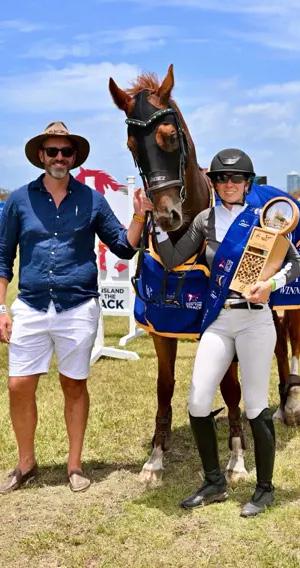
LEFT: Olivia and Blue Flame, 2026 Queensland Off-The-Track Show Jumping Cup Final (Image by Ashley Grant).
LIFE AFTER RACING
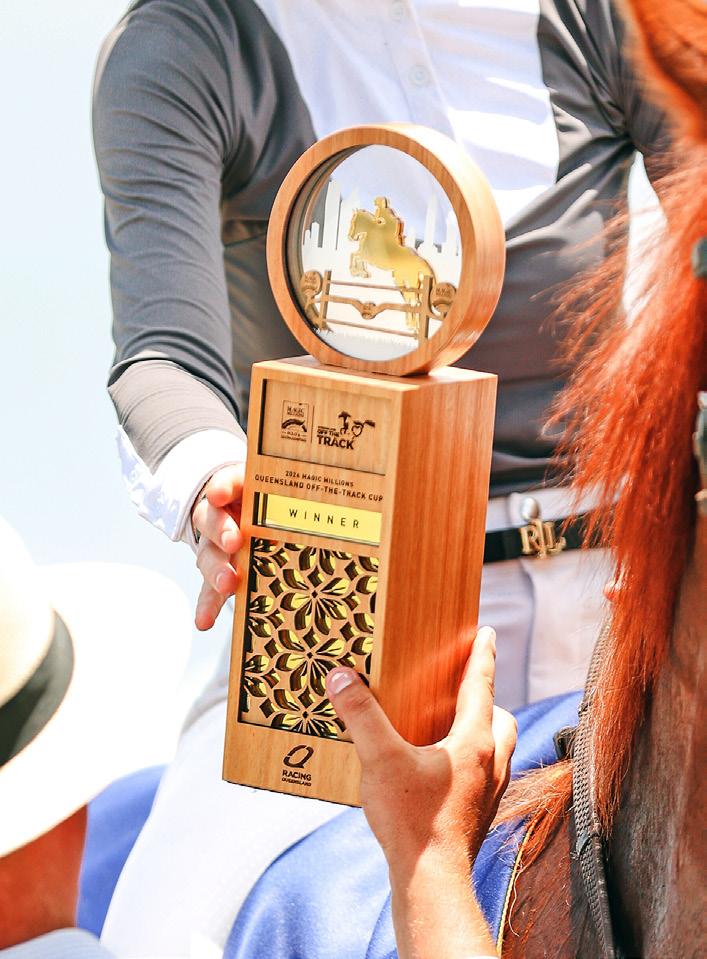
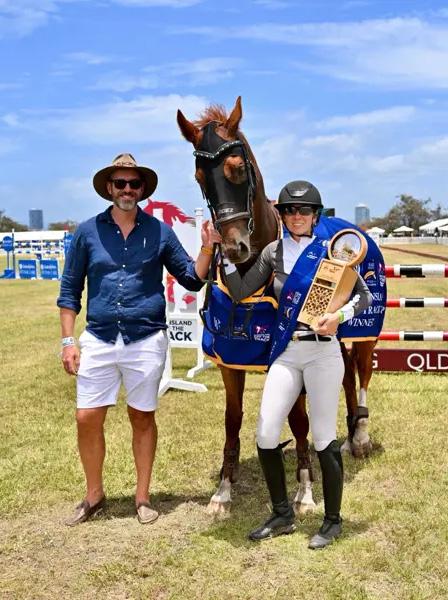
LEFT: An impressive trophy for the tack room (Image by Ashley Grant). RIGHT: After overcoming more than a few obstacles, Liv and Blue's victory was well deserved (Image by Michael McInally Photography).
a bad rotational fall with Elsa, another of her OTTs. “I was fine afterwards. I was straight back on in four weeks with my broken ribs,” she says. “But then COVID started to kick in so I couldn't get back out and compete because everything was cancelled - and that gave me time to process what had happened and I lost a bit of confidence.”
She gradually began to get over the trauma of the accident with the help of Elsa, also shaken by the fall, and Spur Change, an OTT she bought as a four-year-old. Spur Change eventually became a horse who was fazed by absolutely nothing, which was not always the case. “The first time I took him cross country training, I couldn't get him to step over a kopper's log on the ground. He was the most stubborn horse I've ever sat on," Liv laughs.
Fortunately, patience prevailed and Spur Change began to do well in 2* eventing,
winning the 2019 Queensland State Combined Training and Eventing 2*, which, as it turned out, was the last Pony Club state competition that Liv, who had been a long-time member of Wynnum Pony Club, competed in.
With her confidence on the mend, it was the perfect time for Blue Flame to enter the picture. Liv was with her good friend and fellow competitor Sarah Weiss in Maryborough for the 2024 Queensland Country Championships, when Sarah showed Liv an advert for Blue Flame, an OTT who was already a seasoned show jumper. “Sarah had called the owners and was going to fly to Canberra to see him. She said I should go with her. I managed to get the day off work and we both went down and rode the horse, and we both absolutely loved him.”
Clearly an issue that had to be resolved - who was going to buy the horse? "We were sitting at Canberra Airport waiting
for the plane," Liv recalls. "We went back and forth a little bit, and then Sarah said that because I'd never had a horse I hadn't had to make, I deserved to have a really good one that I could just get on and go."
And let's pause for just a minute to acknowledge Sarah's generosity of spirit. She's a friend who Liv says has been one of her biggest supporters for some years now - a great friend to have.
So the deal was done, and after transporting him back to Queensland, a week later Liv and Blue were at their first competition together. “The year was winding down and I wanted to get him out to a few things and have a ride,” she explains.
Although almost banished, the ghost of the rotational fall still hovered. “I was okay in the ring, but I had a bit of an issue in warm ups. If I couldn't see a distance, I'd circle and pull off a jump. But
ABOVE: Liv and her talented 13-year-old OTT Thoroughbred delivered an impressive final round (Image by Ashley Grant).
as long as I just pointed him at the jump and hung on, Blue didn’t have a problem - although he might carry on a bit on the other side if I'd buried him underneath it.”
And Blue certainly doesn't hold back when expressing his feelings. “He's a bit spicy, a bit quick, can get a bit sensitive and upset,” Liv says. “Mud will upset him. Rain will upset him, and if he taps a rail, that will upset him. If you give him a bit of a funny distance, that upsets him too. But the up side is that he’s super careful and does not like touching those rails.”
With their first outing under their belt, their next competition was in January 2025 at Toowoomba - and Blue was feeling particularly expressive! “He was so wild, I could barely flat work him on the first day. I think we cantered sideways all the way back to the stables and I began to wonder what I’d bought!”
After that emotional overshare, Blue settled and the pair went out and
won the 1.0m Thoroughbred class that afternoon, followed by the 105cm championship the next morning, and the 1.0m championship in the afternoon - the start to what proved to be a very successful season.
And in a fairytale finale to their first year together, almost exactly 12 months after Sarah had shown Liv the advert for Blue at the 2024 Queensland Country Championships, Liv and Blue were in Maryborough to compete in the 2025 event - where they made their mark by taking out the Amateur Queensland Country Champion title in fine style.
When it comes to future plans, Liv would like to try for the Magic Millions again, but she has a very balanced approach to life in the arena. "It's more for fun," she says. "I'm past the point of wanting to do extravagant things. I like my Thoroughbreds and I like what I do with them - and I don't really ever sell any.
They just seem to stay with me forever. I've had Blue for a year now, and we've achieved a lot in that time. I've jumped him up to 1.20, and after that confidence knock, to just be cruising around without a care in the world is amazing. So, it's not necessarily about the prizes. It's about the journey more than anything."
For Liv, one of the things she loves about the Queensland Off-The-Track Show Jumping Cup and similar OTT events, is the platform they provide to show just how versatile and athletic the Thoroughbred is, and how capable they are in the sport of show jumping. "It's an amazing opportunity to showcase what they can do after racing, and it's really important for the public to see that," she says.
We couldn't agree more.
You can find Liv and follow her journey on Instagram and Facebook.
FOUNDERS
Made for the Ride
Stella Cavalla was born from my love of horses, photography and fashion — but more than that, it was shaped by the lessons learned in the saddle, writes NATASHA NICHOLS.
Horses have been part of my life for as long as I can remember. Like many riders, they have given me confidence, discipline and perspective, but they have also tested me in ways I never expected. One mare in particular changed everything for me. She wasn’t easy, and she certainly wasn’t forgiving, but she taught me resilience, patience and the importance of trusting myself.
That experience stayed with me. It shaped how I rode, how I thought and ultimately how I created.
Stella Cavalla wasn’t designed to be just another equestrian brand. It came from a desire to create something that felt authentic to modern riderswomen who juggle work, horses, family and ambition, and who want to feel confident both in and out of the saddle.
As a photographer, I was constantly observing riders at competitions and in everyday barn life. I noticed how many women struggled to find pieces that felt practical yet expressive, comfortable yet stylish, and true to who they were.
Designing with Purpose
It’s still very early days for Stella Cavalla, with only a small number of pieces released so far, but the Laila Breeches already feel incredibly meaningful to me.
When I was designing them, I realised there was a real gap in the market for breeches made specifically with jumpers in mind. So many options felt outdated or came in low-waist cuts. And while I love a low-waist moment in fashion, it
just doesn’t belong in activewear. If you look at gym shorts or leggings, they’re almost always high-waisted for support, comfort and confidence - so for me, the decision was a no-brainer.
The entire layout and structure of the Laila Breeches will carry through into our next model, which I’m incredibly excited about. It feels like the foundation of the brand.
I also love our tops for different reasons. The Mesh Training Top is my everyday go-to - from stable chores to Pilates - while the Cypher Top and Dune Mock Neck are pieces I genuinely love riding in. Having recently moved
to Queensland, the climate absolutely influenced their design. Long sleeves that protect you from the sun while still being breathable and comfortable in the heat? Total game changer.
Design Decisions
I’ve always demanded a lot from anything I do. Whatever I create has to be the best it can be, which is both a blessing and a curse. It means the design process can take time, because I’m chasing perfection, but it also means I never settle.
Every piece has to serve a purpose while still being aesthetically strong.
ABOVE: Natasha models her stylish, practical and supremely comfortable Laila Breeches. LEFT: Natasha and Vogue take a moment to relax.
Fit, fabric, movement and longevity all matter, but above everything, the product has to work. It needs to do its job exceptionally well and look good doing it.
My goal is to create true all-rounder pieces that perform, last and feel elevated every time you wear them.
Learning from the Community
The response to the Cypher Top has probably surprised me the most. It was a very clear vision in my head, but I genuinely thought it might be too bold for the equestrian space.
Riders tend to gravitate towards classic black, navy and white, and while I love a timeless all-black outfit, I also wanted to introduce thoughtful design elements that felt fresh.
The Cypher Top does exactly that - it’s symmetrical, intentional and visually striking without being loud. The love it’s received completely exceeded my expectations. It’s become our number one bestseller, and that feedback has given me so much confidence to trust my instincts and lean into my creative direction. It’s reassuring to know I’m heading the right way.
Looking Ahead
The range is constantly evolving - partly because I always want to do better, and partly because my ADHD brain is forever coming up with new ideas. It’s a continuous learning process, but one that’s led to some really exciting designs planned for the year ahead. Moving forward, I want to focus on
creating strong capsule pieces that feel intentional, versatile and timeless.
One of the biggest lessons I’ve learned since launching is the true impact of shopping small. Experiencing first hand what it means when someone chooses to support your brand has completely changed the way I shop in my own life. I’m now far more conscious of where I spend my money and who I support, because I’ve seen just how powerful that decision can be.
Horses have shaped who I am in more ways than I can count. Stella Cavalla is my way of honouring that journey - and the riders who live it every day.
Visit Stella Cavalla to browse the full range.
ABOVE: Horses have always been part of Natasha's life LEFT: Stella Cavalle sponsored rider Ananda Kennard wearing the striking Cypher Top.
It's All About Aminos
The amount and quality of the protein you feed your horse has a significant impact on their wellbeing. DR JENNIFER STEWART explains.
Whether your horse is a champion racehorse, a leisure or performance horse, a backyard pet or an old friend, the amount and quality of the protein you feed will affect them one way or another. Too much, too little, or protein with the
wrong amino acid profile will tax your horse’s system, causing them to be less than they could be.
Proteins are collections of amino acids. Every plant protein has a different combination of amino acids - some of these combinations are very good and
amino acids because body cells and tissues are not just randomly produced - they are assembled according to a detailed predetermined procedure whose sequencing is controlled by the DNA.
For new cells to be synthesized, all of the amino acids in the DNA profile must be available in adequate amounts. If just one amino acid is missing, the creation of new cells stops. The exclusion of even one essential amino acid from the diet, or the reduction of an essential amino acid in relation to the horse’s needs, will reduce total body protein synthesis (cell and tissue building and repair). In every horse, everyday maintenance of body tissues and systems is necessary - but for pregnant mares building a foal’s body; youngsters growing new muscle and bone cells; and for those in work where improvement with training is required, the creation of new cells is your priority.
We often do not realise how much horses need amino acids, because we’re not aware of how busy the equine system is. Every second the bone marrow makes millions of red blood
cells; every four days most of the lining of the gastrointestinal tract and the blood platelets are replaced. Most of the white blood cells are renewed every ten days and the number of muscle cells replaced or created by pregnant and growing horses, and in horses that are training hard or performing, can be staggering.
The deficiency of either a specific essential amino acid or of protein in an animal’s diet can lead to protein deficiency. Generally, low protein intake results in poor hair and hoof growth in horses; reduced growth and failure to reach genetic potential in growing horses; early foetal loss in pregnant mares; slower return to ovulation in foaling mares; low protein concentrations and quality in milk from lactating mares; and reduced muscle mass, response to training and powerto-weight ratio in performance horses.
Pregnant Mares
Progesterone is the key hormone vital for maintaining pregnancy in mares. A common cause of fertility problems is early pregnancy loss and some mares benefit from progesterone therapy for the first 100 days of pregnancy. Correct amino acid intake is also important and high quality protein supplementation has been shown to increase serum progestogen concentrations during the first 30 days of pregnancy. Lactation depresses blood progestogen levels until after foals are weaned, making correct essential amino acid intake especially critical for mares bred on the foal heat.
The majority of foal growth occurs in the last five months of pregnancy and this is when the mare’s amino acid intake directly influences the amount of muscle and bone building in the foetal foal. A deficiency in essential amino acids will limit musculoskeletal development. You can be feeding lots of extra protein and still have deficiencies of specific amino acids, despite the percentage of protein listed on the feed label. Horses require a certain number of grams of protein a day, not a percent. In addition, the feed must contain all 10 essential amino acids.
Growing Horses
Young horses don’t grow only in weight and height – specific tissues have specific periods of maximum development (Fig. 1). Maximum bone growth occurs from 3 months before until around 9 months after birth; maximum muscle development from 2 until 22 months of age. These growth periods provide the opportunity for determining body composition. The amount of protein the body can build is determined by the level of essential amino acids in the diet.
Whether a young horse develops muscle or lays down fat is determined in the first instance by the quality and quantity of protein in the diet - energy, vitamins and minerals play supporting roles. Of the 10 essential amino acids, lysine is the one most widely used in the body, but a deficiency of any single essential amino acid will impose a limit on body protein synthesis. Correctly fed yearlings achieve greater gains in whither height, reach mature height earlier and deposit less fat because their essential amino acid requirements are met.
Although weight and height measure growth, they are not sensitive enough to reveal the effects of lowered amino acid absorption on skeletal or muscle development. Analysis of diets of weanlings and yearlings who are laying down too much cover - instead of gaining in height and muscle development – frequently reveals essential amino acid deficiencies.
Older Horses
Surveys of older horses show that 28% suffer from weight loss and 44% experience muscle loss. The loss of muscle mass and function is common in older individuals of all species and is thought to be due to an imbalance between muscle protein synthesis and degradation rates. Seen as loss of topline, increasing feed intake can result in fat deposition, which is detrimental to health and longevity and disguises the inevitable decrease in muscle mass. When the diet is supplemented with essential amino acids, protein synthesis in skeletal muscle is stimulated, fat scores are lower, and muscle scores improve.
Protein and amino acid requirements are affected by certain diseases and are higher in horses with PPID (Cushings). In addition, insulin is an important regulator of protein metabolism. In horses with hyperinsulinemia, the utilisation of amino acids is increased leading to increased amino acid and protein turnover and highlighting the importance of providing adequate amounts of protein and amino acids in the diet.
In overweight horses, muscle is typically lost during weight management programs and this is particularly relevant to horses with PPID, making it essential to evaluate the quality and quantity of protein intake. In addition, soaking hay to reduce starch/sugar levels results in loss of protein, amino acids, and certain vitamins, minerals, and trace elements. Therefore, a complementary forage
balancer should be provided when feeding soaked forage.
Performance Horses
No matter how balanced the diet, exercise causes a disruption - the more intense or prolonged the effort, the bigger the disruption. During hard training or competitive events muscle tissue is damaged, a normal response to exercise/training and repair. To maintain improvement in muscle size and strength; support recovery after work; prepare for the next event; and alleviate stiff and sore muscles, muscle must be repaired rapidly. Especially in harder work or before and after competition, the diet must be managed with care, with the feed providing the amino acids the muscle needs.
During exercise, blood flow to the working muscles increases and the muscle is programmed to increase its nutrient uptake. If key nutrients are not immediately available, enzymes are released to breakdown other body tissues and ‘donate’ the amino acids, vitamins, minerals and antioxidants to the working muscles. Once these enzymes are triggered, tissue breakdown is irreversible. Protein breakdown exceeds protein synthesis and tissue damage may persist for 3-5 days - longer in young horses.
Horses in work need key nutrients at higher levels as the muscles look for the nutritional support to adapt to work. By ensuring nutrients are available the nanosecond the muscle demands them, instead of tissue breakdown, we can transition the body to muscle building and the bone marrow to increased red cell production.
The increase in muscle blood flow that accompanies exercise creates a window of opportunity to support the exercise effort. Feeding an amino acid balancer 1-2 hours before work ensures the blood is loaded before exercise starts. After work, the muscles must repair strains or tears, create new blood cells and capillaries, and increase
both muscle fibre size and the number of mitochondria (the muscle power stations). The timing and composition of amino acids are the most important factors influencing muscle growth, and feeding an amino acid balancer after work ensures key nutrients are available the instant the muscle demands them, taking advantage of the increased shunting of nutrients into muscle cells that occurs during exercise.
Nutrient uptake immediately after exercise is three to four fold greater than at rest, and in the one to two hours after exercise muscle is primed to reload and refuel. A combination of energy (grains) and amino acid balancer supports the muscle adaptation to exercise and recovery
Sources of amino acids
Horses receive protein from both their hard feed and hay. Lucerne hay is very high in protein and grass, teff and cereal hays are lower. Grain mixes and prepared feeds come in all types, but in general they are a combination of wheat, corn, barley and grain byproducts (also known as cereal co-products). Corn, barley, wheat, oats and their byproducts all contain protein but it is low in essential amino acids. In addition, every amino acid has a ‘melting’ pointcystine decomposes at around 80°C and lysine at 106°C. Many horse feeds go through a heat treatment (micronisation and extrusion) that can destroy some of the most important essential amino acids.
Feed digestibility is important – it doesn’t matter what the percentage protein or amino acid profile is if the feed can’t be digested. Some feedstuffs must be heat treated to destroy antinutritional factors. Plants evolved with antinutritional factors to protect their seeds from digestion in the gut, ensuring they pass safely out in the manure to germinate. In the horse’s gut, antinutritional factors have multiple ways of inhibiting and preventing digestion of peas, beans and seeds – including
binding to and blocking digestive enzymes, interfering with absorption by binding and disrupting the gut lining cells and providing a protective barrier to digestive enzyme action.
The amounts of antinutritional factors vary greatly and can be reduced through processing methods such as soaking, cooking or extruding. Mung and faba beans are especially high in antinutritional factors. Because of poor digestibility, plus interference with digestive enzymes and the gut lining, mung and faba beans are never fed raw to any species and have subsequently been removed from safe feed lists by the ECIR and placed on the exclusion list by The Laminitis Trust.
Protein makes up three quarters of the dry weight of most living cells. Proteins are also involved in the biochemical structure of hormones, enzymes, nutrient carriers, antibodies and many other substances and functions essential to life. Quality protein is essential for maximum performance of any equine athlete and the interaction of amino acids with vitamins and minerals are necessary interactions for improved muscle growth and repair, stronger supportive tissues, an improved carbohydrate metabolism, stronger bones and joints, thicker hoof walls and greater overall soundness.
An understanding of the essential amino acid requirements of horses growing and working under different conditions of pasture, work load and climate, is fundamental to the formulation of a complementary diet balancer.
Dr Jennifer Stewart BVSc BSc PhD is an equine veterinarian, a member of the Australian Veterinary Association and Equine Veterinarians Australia, CEO of Jenquine and a consultant nutritionist in Equine Clinical Nutrition.
All content provided in this article is for general use and information only and does not constitute advice or a veterinary opinion. It is not intended as specific medical advice or opinion and should not be relied on in place of consultation with your equine veterinarian
THE PERFECT COMPLEMENTARY BALANCER FOR ALL HORSES, ALL DISCIPLINES AND ALL DIETS
A concentrated source of essential amino acids for all horses and ponies - breeding, growing, exercising, competing and ageing. Jenquine all-4-feet provides quality protein to support growth, repair and maintenance of all body systems.
Starting the Year Without Burning Out
It's the new year and you're ready to go. But before you bolt out of the starting gate, ANNE-MARIE LASSERRE has some words of wisdom.
And just like that… we’re back in the saddle. January in the horse world is a go-go-go month - not unlike a brand-new pair of white breeches. Full of promise, slightly delusional about how we’re going to fit everything in, and almost guaranteed to show dirt faster than expected.
We start the year convinced this is the year. The year of six-days-a-week Olympic-integrity rides, Pilates at the crack of dawn, colour-coded goal spreadsheets worthy of a well-bred Warmblood’s passport. And then by week two? We’re exhausted, mildly resentful of our horses (who absolutely did not agree to your personal reinvention), and wondering if ambition burns calories - because it certainly feels that tiring.
So how do we start the year right without blowing a tendon - mentally, physically, or financially - before we’ve even made it to a clinic, show or school’s back? The answer isn’t less ambition. It’s better boundaries.
Step One: An Honest Check-In (No Judge, No Jury)
Before setting goals, ask yourself a few uncomfortable-but-useful questions:
• What season am I actually inbuilding, maintaining, or surviving?
• What does my horse need right now, not what I want Instagram to see?
• Am I chasing progress… or punishing myself for last year?
Honesty is wildly underrated in goal setting. If your horse is coming back from a break, your ‘January reset’ doesn’t need to look like a high-performance boot camp. It can look like consistency,
softness and patience - three things that never go out of style.
Step Two: Mind the Body (Yours and Theirs)
We love a fresh start, but bodieshuman and equine - don’t respond well to sudden personality changes. If you haven’t trained seriously in months, January is not the time to declare, “I’m riding every day now!!!”
That’s not discipline. It sounds good in your head and to the family, but it’s laced with burnout. Instead, set minimum effective goals:
• Three quality rides a week beat seven rushed ones - then build to four if energy allows.
• Add a short circuit session after riding to keep things ticking over, or on your horse’s rest day.
• Stretching counts. Walking counts. Rest counts.
Progress isn’t about doing more. It’s about doing enough, consistently.
Step Three: Small Goals Are the Real Power Move
Big goals are sexy. Small goals are loyal. Rather than declaring, “We’re moving up a level this year,” try:
• This month, I’ll improve my transitions.
• This week, I’ll ride with quieter hands.
• Today, I’ll finish on a good note - with an extended cool-downinstead of pushing for a 10 when the 7 was already perfectly controlled tension (and avoiding being led back to the stables on an exploding hair cannon).
Small goals keep you grounded,
adaptable and - most importantly - kind to yourself when life (or weather, or vet bills) intervenes. And it will.
Step Four: Slide Off the Wagon Gracefully
Here’s a radical thought: falling off your routine isn’t failure. It’s feedback. Missed a week? Took a break? Ate the cookie instead of weighing your chia seeds?
Welcome to being human. The goal isn’t perfection - it’s returning to the plan without drama. Ask yourself:
• What made this hard?
• What would make restarting easier?
• Do I need to adjust the goal - or my expectations?
Grace is a strategy. So is flexibility. Be organised, not frustrated, for next time.
Step Five: Keep It Fun, Not Fizz
Motivation built on guilt is like cheap champagne - lots of bubbles, zero substance. Blerrrk. Your goals should feel grounding, not frantic. Energising, not exhausting. If the joy is gone, the system is broken - not you. This year, try aiming for:
• Feeling better, not just faster results.
• Sustainable habits, not hectic bursts.
• Progress that leaves you wanting to come back tomorrow
Because at the end of the day, horses don’t need us perfect. They need us present. And the best goal of all? Still loving the ride - long after January has lost its shine.
Follow Anne-Marie on Instagram.
LEFT: Anne-Marie believes in starting the year right by setting sensible boundaries.
TRAVEL
The Top 10 International Horse Shows Every Rider Should Experience (At Least Once)
Ten events. Five continents. One shared obsession. Welcome to THE HUB'S ultimate horse lover’s bucket list.
They’re places you read about, dream about and save for. The events you plan entire holidays around.
The ones that live on your vision board long before they appear on your calendar.
Not just shows. Moments. Memories. Passport stamps. From champagne hospitality to muddy gumboots, this is our definitive guide to the international horse events every rider should experience at least once. Ten global destinations that promise goosebumps, late night thrills, early morning anticipation, unforgettable performances and stories you’ll carry with you forever.
FEI World Championships – Aachen, Germany. 11–23 August 2026
Aachen doesn’t just host championships — it breathes them.
For two weeks, the city becomes a living, pulsing equestrian village. Flags line the streets. Café conversations revolve around half-passes and triple combinations. You hear languages from every corner of the world, all united by one thing: horses.
Each discipline brings its own crowd, its own rhythm. Dressage fans arrive in tailored blazers and designer sunglasses, studying every movement.
Showjumping nights feel electric, with stadium lights blazing and national pride pouring from the stands. Vaulting and driving add artistry and adrenaline in equal measure.
You can spend an entire afternoon wandering the warm-up arenas, watching Olympic riders quietly fine-tune their horses. No theatrics. Just mastery.
And when medal nights arrive, the
atmosphere shifts. The stadium hums. You feel history being written in real time.
Best moment to watch: The Nations Cup showjumping and the Dressage freestyle finals under lights — electric atmosphere and world-class performances.
Insider tip / when to go: Arrive early in championship week to explore warm-up arenas and smaller classes. Medal days sell out fast.
What makes it unforgettable: National flags, roaring crowds, and history in every stride.
Best place for a selfie: Outside the main stadium gates with the championship banners flying.
Badminton Horse Trials – United Kingdom. 6–10 May 2026
Badminton is a pilgrimage. Fans arrive before dawn, thermoses in hand, folding chairs slung over shoulders. They claim their favourite fence and stay all day — rain or shine.
The estate feels like a country fair with
the reverence of a cathedral. Trade stands buzz. Kids climb fences for a better view. Seasoned eventers debate lines and distances with quiet intensity.
Cross-country day is visceral. You hear hooves thunder long before you see them. Horses fly past, ears pricked, riders balanced and brave. The crowd holds its breath at every combination.
When the last horse finishes, champagne corks pop. Stories are swapped. Memories made. You’ll never feel more alive that at Badminton!
Best moment to watch: Cross-country day — especially at the Lake complex.
Insider tip / when to go: Arrive before 8am to claim a prime viewing spot. Bring gumboots!
What makes it unforgettable: Mud, adrenaline, the sound of champagne corks popping and hooves on raw earth.
Best place for a selfie: In front of Badminton House with muddy boots proudly on display.
LEFT: Aachen - Photo by Helen Cruden. ABOVE: Badminton - Photo by Kirsty Pasto.
Rolex Kentucky Three-Day Event –Lexington, USA. 22–26 April 2026 Kentucky feels like a celebration of everything horse people love.
The trade village is vast. You’ll see teenagers trying on tall boots for the first time. Grandparents buying special gifts. Professionals chatting over iced coffee.
Tailgates dot the cross-country course. Families picnic. Kids sit on shoulders to see over the rails. The energy is warm, welcoming, contagious.
Between classes, riders school quietly in the practice rings — small circles, careful transitions, soft corrections. You realise how much happens away from the spotlight.
Saturday cross-country feels like a festival. Sunday showjumping feels like church.
Best moment to watch: Saturday crosscountry at the Head of the Lake.
Insider tip / when to go: Stay near the Horse Park — traffic can be hectic on cross country day
What makes it unforgettable: Festival vibes, cheering crowds and international stars.
Best place for a selfie: By the iconic Rolex clock near the main arena.
Adelaide Equestrian Festival –Australia 16–19 April 2026
This event is unmistakably Australian. You’ll see Akubras and RM Williams everywhere! City workers wander over on lunch breaks. Kids on scooters race between fences. Babies in prams.. Happy dogs tugging on leads.
The parkland is a sea of campchairs and picnic blankets. Horses gallop past skyscrapers. It honestly is about as good as it gets!
There’s an intimacy here. You are only metres away from the horses as they come bowling through the course. When evening falls, the crowd swells. Music drifts across the showgrounds. People mingle happily around food trucks and bar carts. The city meets
equestrian in the most wonderful way.
Best moment to watch: Late afternoon cross-country as the sun softens over the city.
Insider tip / when to go: Arrive early on Cross Country day for a good spot at the water!
What makes it unforgettable: Urban skyline and big horse show vibes without the longhaul flight.
Best place for a selfie: On the Cross Country course where horses gallop across the road with the city towers behind. Iconic!
Spruce Meadows – Canada. June–July 2026
Spruce Meadows feels like stepping into a fairytale. Castle-style towers rise above immaculate grass arenas. Flowers spill from window boxes. The Rockies loom quietly in the background.
Spectators dress beautifully. Linen dresses and blazers. It feels
sophisticacted, refined, elegant.
Between rounds, people wander manicured gardens, sipping cool drinks, discussing distances like seasoned course designers. The jumps are massive. This is the sport at its finest.
Best moment to watch: CN International Grand Prix.
Insider tip / when to go: Dress in layers — mountain evenings get chilly!
What makes it unforgettable: Castle towers, manicured lawns and elite jumping.
Best place for a selfie: On the stone bridge with The Rockies behind you.
LGCT Rome – Italy. June 2026 (TBC) Rome doesn’t just host showjumping — it stages it.
The Circus Maximus stretches out like an ancient amphitheatre. Sunlight washes over stone ruins. And then — horses.
The contrast is surreal. Two thousand years of history behind a 1.60m oxer.
Evenings are spectacular. Floodlights glow. Music pulses. The vibe is nothing short of magical. The crowd — effortlessly chic in linen suits and silk dresses. If you’ve never heard the term sprezzatura, this is the perfect example.
Between classes, people wander off for fizzy spritz and fresh pasta, then drift back just in time for the next round. This is sport with soul. Unmistakably Italian.
Best moment to watch: Night jumping under floodlights.
Insider tip / when to go: Arrive at dusk with time for aperitivo before classes.
What makes it unforgettable: Ancient ruins + Grand Prix fences = totally Instaworthy!
Best place for a selfie: At the edge of the arena with the Circus Maximus ruins behind.
Saut Hermès – Paris, France. March 2026 (TBC)
Show jumping inside the Grand Palais
Éphémère. Saut Hermès isn’t just a competition — it’s an experience.
Held beneath the soaring glass ceilings of one of Paris’s most elegant venues, this event feels like stepping into a fashion editorial.
The crowd is impeccably dressed. Scarves are silk. The epitome of French chic and equestrian luxe. The champagne flows early, of course!
The sport is elite, but the atmosphere is intimate. You’re close enough to hear hooves on the footing. To see the iconic orange ribbons flutter past on victory laps.
This is showjumping as art.
Best moment to watch: The main Grand Prix classes — when the arena falls silent and every stride matters.
Insider tip / when to go: Make it a long weekend. Pair the event with
Left: Adelaide Equestrian Festival - Photo by Flash Pony. Above: LGCT Rome - Photo by Helen Cruden.
Saut Hermes, Paris.
Photo by Kirsty Pasto.
galleries, shopping in Le Marais and café mornings.
What makes it unforgettable: High fashion meets horsepower in one of Paris’s most beautiful spaces.
Best place for a selfie: Inside the arena with the glass roof overhead — or outside with Hermès branding in frame.
London International Horse Show – United Kingdom. 16–21 December 2026
This one feels like Christmas for horse people.
The arena glows with festive lights. The crowd is cosy in scarves and coats. The orange and clove scented Mulled wine floats through the concourse.
Classes are fast, intense, dramatic. Puissance nights are electric — you feel the crowd surge with every cleared wall.
Between classes, people shop for gifts,
meet friends, take photos by Christmas displays. It feels warm. Familiar. Joyful.
Best moment to watch: The Puissance and the dressage freestyle — both crowd-pleasers in completely different ways.
Insider tip / when to go: Book tickets early — December sells out quickly.
Pair your visit with Christmas shopping and be immersed in the festivities.
What makes it unforgettable: Lights, laughter, and top-tier equestrian sport — all wrapped into one experience.
Best place for a selfie: Under the festive lights inside the arena foyer.
Winter Equestrian Festival –Wellington, Florida (Season: January–March)
The Winter Equestrian Festival isn’t really a show — it’s a whole season.
For three months, the world’s equestrian
community gathers in Wellington. Hundreds of classes unfold across multiple arenas. Riders train, refine, compete, connect and network.
Vendors sell everything from custom saddles to boutique breeches. Cafés buzz with conversation. You can spend an entire day simply standing by the schooling arena.
And when Saturday night comes — the floodlights blaze and the atmosphere shifts a gear to high-stakes sport.
It’s where careers are built. Where horses mature. Where the dream starts to feel possible.
Best moment to watch: Saturday night grand prix under lights.
Insider tip / when to go: Mid-season (February) offers peak competition without opening-week crowds.
What makes it unforgettable: The beautifully designed courses lined with
colourful jumps and flowers.
Best place for a selfie: By the international arena sign at sunset
LGCT Paris – France
19–21 June 2026
Paris is pure theatre. The Eiffel Tower looms overhead. The Seine sparkles nearby. The crowd arrives in couture and loafers, champagne flutes in hand.
Horses warm up in temporary arenas beneath one of the world’s most iconic landmarks. It feels unreal.
When the sun begins to set, the tower lights up. The crowd quiets. Riders enter. Cameras flash.
It’s equal parts sporting final and Parisian soirée.
Best moment to watch: Twilight rounds as the Eiffel Tower lights up.
Insider tip / when to go: Splurge on hospitality tickets for champagne views.
Totally worth it!
What makes it unforgettable: Couture crowds, golden hour light, pure magic.
Best place for a selfie: With a jump and the Eiffel Tower perfectly framed.
Why make the journey?
Maybe you won’t book any of these this year. Maybe they’ll stay on your vision board a little longer. But dreaming — planning — researching — widens our sense of what horses mean across the world and how they connect us to one another.
These events aren’t just spectacles. At the heart of every great horse show is community. From iconic arenas to unforgettable atmospheres, these shows remind us that life really is about the journey, not just the destination.
Standing beside an arena or on course anywhere in the world, you realise something powerful: Different
languages. Different cultures. Different landscapes. Same passion. The international horse community is truly amazing, and you are part of it! The love of the horse is universal.
If one day you find yourself ringside at one of these events, you’ll understand. And chances are, you’ll start planning the next adventure.
Words by Sam Cavallo. Thanks to Helen and Kirsty for the beautiful photos.
One of my favourite selfies! My daughter and I at Versailles for the Paris Olympic dressage, 2024. Book the trip!
Left: London International Horse Show - Photo by Helen Cruden. Middle: WEF, Florida - Photo by Kirsty Pasto. Right: LGCT Paris - Photo by Helen Cruden.
EVENTS
Something Different for Boonah
The inaugural Saddle Up Boonah Super Utility has added a new event to the equestrian calendar.
FIONA FINLAY reports.
Boonah welcomed a fresh addition to the equestrian calendar in January, with the inaugural Saddle Up Boonah Super Utility event drawing riders from across South East Queensland and Northern New South Wales.
Held across two days, the weekend saw 59 horse and rider combinations take part in the Come & Try Day on Saturday, followed by 39 competitors lining up on Sunday. Rider ages ranged from a youngest participant of just 13 years old through to competitors well into their
70s, reflecting the event’s inclusive design and welcoming atmosphere. Super Utility was created to offer riders something different to do with their horses, regardless of breed, background or discipline. Over the weekend, Australian stock
ABOVE: Saturday’s Come & Try Day was run as a guided learning experience, allowing riders to familiarise themselves with the obstacles LEFT: The event attracted riders and their horses from South East Queensland and Northern New South Wales (All images by Buttery Smooth Images).
horses, quarter horses, off-the-track Thoroughbreds, Pony Club mounts, a Percheron cross and a Clydesdale all took part, united by a format that prioritises partnership, adaptability and practical horsemanship.
A Supported Start: The Come & Try Day
Saturday’s Come & Try Day was run as a guided learning experience, allowing riders to familiarise themselves with the obstacles and overall format in a lowpressure setting.
The day was led by Kaz Wakeling, whose background in extreme cowboy racing and cutting shaped a calm, practical approach. Riders were walked through each obstacle, with a focus on what was being asked of both horse and rider, and how those skills translate to everyday riding.
Participants were encouraged to take their time, ask questions and break obstacles down to suit their individual horses. The emphasis was on steady progression rather than perfection.
Kaz was supported by myself and my husband Anthony Finlay from Saddle Up Boonah, along with Belinda Suter from Belz Horsemanship & Training, and Cheryl Ash from the Boonah and Districts Working Horse Association, ensuring experienced support was always close at hand.
The atmosphere throughout the day was relaxed and practical. Some riders were newer to structured arena work, while others were experienced competitors trying something outside their usual discipline. Horses were given time to look and think, and riders worked at a pace that suited them.
For many participants, the Come & Try
Day was a highlight of the weekend, either building confidence to compete on Sunday or providing ideas to take home and continue working on.
Where Super Utility Fits
Super Utility takes inspiration from events such as the Calgary Stampede and the Extreme Cowboy Racing scene in high country Victoria, but it has been shaped a little more to suit Australian riders and horses.
While there is a timed element, speed alone isn’t the deciding factor. The emphasis remains on overall horsemanship, control, accuracy, softness and confidence, with riders rewarded for well-ridden, thoughtful rounds.
The obstacles are designed to be challenging, engaging and fun and are generally more elaborate than those found in a traditional Stockman’s
LEFT & RIGHT: Competition day built on the groundwork laid during the Come & Try Day, which had given riders and their horses a clearer
Challenge utility course. They encourage horses to think and riders to plan, without overwhelming either.
Competition Day
Sunday’s competition day built naturally on the groundwork laid during the Come & Try Day. With a clearer understanding of the obstacles and expectations, competitors were able to focus on riding their patterns and trusting their preparation.
Judging was carried out by highly respected duo within the Stockman's Challenge community - Annemaree and Allen Wallen. Australian Stock Horse Society accredited judges, they are widely known for their work as mentors and coaches, and for running clinics focused on developing capable, confident horse and rider combinations.
Their judging reflected the intent of Super Utility, rewarding horsemanship,
accuracy and partnership rather than speed alone. For many competitors, riding under judges of their calibre added another valuable learning element to the day.
The range of horses and riders remained a standout feature, as did the supportive atmosphere around the arena. With competitors travelling from around South East Queensland and Northern New South Wales, the weekend highlighted strong interest in well-run regional events offering something outside the traditional competition format.
Saddle Up Boonah
Saddle Up Boonah is a family run equestrian and rural retail business based in Boonah on Queensland’s Scenic Rim. The store supplies equine feed and nutrition, essential minerals, Western and English tack, grooming and vet care products, along with rider
clothing and accessories. Alongside retail, the business maintains a strong focus on supporting local riders and equestrian activity.
Saddle Up Boonah proudly sponsors the Junior Show Society, supports the Boonah State High School Campdraft Team and sponsors both the annual Boonah Campdraft events, contributing to the strength of grassroots equestrian sport in the region.
Super Utility is an extension of that broader involvement, offering riders another structured but approachable option to work towards with their horses.
What’s planned for 2026
Following the response to the inaugural weekend, Saddle Up Boonah has confirmed a full calendar of events for 2026:
Super Utility – Teviot Park Indoor
clearer understanding of the obstacles and what was expected of them.
Arena Boonah Showgrounds
• Round 1: 21–22 March
• Round 2: 23–24 May
• Round 3 (Grand Final): 18–19 July
In addition, Saddle Up Boonah will host a three-round Stockman’s Challenge series, sanctioned by the Australian Stockman’s Challenge Association (ASCA).
Stockman’s Challenge – Teviot Park Indoor Arena Boonah Showgrounds
• Round 1: 25–26 April
• Round 2: 20–21 June
• Round 3: 14–16 August (Dates to be confirmed)
The inaugural Super Utility weekend marked a strong start for a new addition to the local equestrian calendar, with solid participation across both days.
Visit Saddle Up Boonah's webpage to browse their extensive range of stock.
BELOW: Fiona and Anthony Finlay from Saddle Up Boonah.
World-Class Show Jumping Takes
Centre Stage at the UAE President’s Cup
The UAE President’s Cup CSI5* delivered five days of world-class show jumping in the heart of Abu Dhabi, bringing together elite international riders, championship-level sport and a vibrant celebration of equestrian culture.
Elite international showjumping returned to Abu Dhabi in spectacular fashion as the 15th edition of the UAE President’s Cup International Showjumping (CSI5)* concluded at the Abu Dhabi Equestrian Club, drawing top riders from across the globe and delivering five days of world-class competition.
British rider Joseph Stockdale claimed the championship title, marking not only his first victory in the UAE but also the first major win of his professional career — a milestone moment on one of the sport’s most prestigious stages.
Held under FEI supervision and sanctioned by the UAE Equestrian and Racing Federation, the CSI5* event ran alongside a CSI2* international competition and a CSIYH1* class for young horses, creating a multi-level showcase of elite sport, emerging talent and equine excellence.
A Championship Atmosphere
This year’s President’s Cup attracted a record-breaking crowd to the Abu Dhabi Equestrian Club, with spectators experiencing far more than just toptier sport. The event blended elite competition with entertainment, lifestyle and cultural programming, reinforcing its reputation as one of the most anticipated fixtures on the international equestrian calendar.
Beyond the arenas, visitors explored the Equestrian Village, featuring curated retail pop-ups, family activities and dining options at The Arcades Courtyard. A Porsche showcase highlighted luxury automotive design, while live performances, traditional Al-Ayyala displays and Oud music celebrated Emirati heritage.
A dedicated children’s zone — complete with pony rides and creative workshops — ensured the event was welcoming for families as well as seasoned equestrian fans.
The CSI5* Grand Prix: A Career-Defining Win
The CSI5* Grand Prix was contested as a single round with a jump-off over 160cm fences, attracting 42 of the world’s top riders. Five combinations advanced to the jump-off, but it was Joseph Stockdale who delivered the only faultless performance within the time allowed.
Riding the 12-year-old Ebanking, Stockdale stopped the clock at 38.12 seconds, securing the win with precision and composure under pressure.
Germany’s David Will finished second aboard Zaccaccero Borussia with four penalties, closely followed by compatriot Maximilian Lill riding Favorite BS. The highest-placed UAE rider was young Olympic talent Omar Abdulaziz Al Marzouqi, who claimed eighth place on Enjoy de l’Amour for Al Shira’aa Stables — a strong result on home soil.
Speaking after the event, Stockdale described the victory as a defining moment, noting his excitement to build on the result as his career progresses.
Strong Performances Across the Program
The CSI5* Mini Grand Prix saw Swiss rider Janika Sprunger take top honours aboard her nine-year-old mare Aganix Rose of Light, delivering a fast and faultless round in 33.48 seconds. Belgium’s Abdel-Qader Saïd placed second, with Germany’s Maximilian Lill again featuring on the podium.
Saturday evening’s final CSI5* competition — a two-phase class over 150cm — was claimed by Alexander McLean (GBR) riding Calcest Heartbreaker Z. He was followed by Henrik von Eckermann (SWE) and Sophie Hinners (GER), rounding out a highly competitive field.
In the CSI2* Grand Prix, Abdel-Qader Saïd secured another victory, this time aboard Max, finishing the jump-off in
32.76 seconds. UAE rider Salem Ahmed Al Suwaidi delighted local supporters with a podium finish, placing third on Kayjacks Z.
One of the most thrilling moments for spectators was the Six-Bar competition, where fences increased incrementally to a formidable 185cm. Italian rider Guido Grimaldi emerged victorious on Capi Blue, showcasing scope, bravery and partnership at the highest level.
More Than a Competition
The championship concluded with a finale ceremony inspired by the journey of the horse — from loyal companion to national symbol — culminating in a striking tableau beneath the UAE flag. The ceremony honoured both equestrian heritage and the patronage that continues to support the sport’s growth in the region.
Anthony Lowry, Director of the Equestrian Academy at Abu Dhabi Equestrian Club, highlighted the event’s commitment to excellence and horse welfare, reinforcing Abu Dhabi’s position as a leading global destination for equestrian sport.
A Global Stage for the Sport
With elite competition, cultural celebration and a clear focus on equine welfare, the UAE President’s Cup continues to set a benchmark for international showjumping events. For riders, owners and spectators alike, it remains a powerful reminder of the sport’s ability to unite performance, partnership and heritage on a global stage.
Abu Dhabi Equestrian Club is a globally recognised equestrian venue. Combining world-class facilities with a rich heritage at the heart of the UAE’s sporting landscape, ADEC is a leading destination for international equestrian sport. Its vibrant calendar of events continues to attract riders and spectators from around the world.
LEFT: Winners of the President’s Cup CSI5* Grand Prix Show Jumping.
P O D C A S T
F r o m t h e A r e n a t o Y o u r A i r P o d s ��
Y o u r h o s t s C h a r l i e B r i s t e r a n d H o l l y H a l l P e r r i n
b r i n g y o u g r a s s r o o t s r i d e r s t o r i e s , e x p e r t
i n s i g h t s a n d i n s p i r i n g c o n v e r s a t i o n s w i t h t o p
i n t e r n a t i o n a l c o m p e t i t o r s
A v a i l a b l e n o w w h e r e v e r y o u l i s t e n
B r o u g h t t o y o u b y
WHAT WE'RE LOVING
Eyes On
Versatile float cameras are invaluable for monitoring the safety of your precious cargo, not to mention giving you much needed peace of mind.
Fully charged, the EasiFloat Travel Pro IP68 gives 7+ hours of transmitting time. The camera connects to your mobile phone or tablet through an app (iOS or Android), but doesn’t use mobile data so remains connected even in areas with unreliable mobile service. The camera can connect to more than one device, and operates in any lighting conditions including complete darkness, with infrared lights providing a 5m range of vision.
Vhedia's Plug & Play Reverse Wireless Camera is an easy option for giving your horse float a battery powered, wireless reverse and inside camera. The camera is both shock and water proof, and for ease of installation attaches with a magnet (a sticker is available for non-metal surfaces). An SD card in the monitor allows you to record footage of your trip, and the unit can take up to four cameras if required.
Perfect for standard cars and trailers, the wireless Equine Eye Voyager camera is magnetic, or can be installed using an adhesive mount. With up to 8 hours battery life, the device live streams video of your horse to your mobile through an app for either iPhone or Android. Delivering superior night vision and audio, the Eye Voyager doesn’t use data or phone signal, so poor mobile reception is never a problem.
At competitions, use the Equicam Wireless WIFI Horse Float & Reversing Camera with your phone (within viewing distance) to check on your horse instead of walking back to the float. The camera is waterproof with a wide-angle lens and night vision. Attach the camera to the back of your vehicle when hooking up your float, to the back of your float while reversing, to the side when your horse is tied to float, or in the float when travelling.
EasiFloat Travel Pro IP68
Plug & Play Reverse Wireless Camera
Equine Eye Voyager Camera
Equicam Wireless WIFI Horse Float & Reversing Camera
Timeless Luxury and Equestrian Excellence
This superb property is located at 25 Lanes Road, Wongawallan QLD. The on-site auction will take place on Friday 27 February at 11:00am.
Peace, privacy and prestige, this extraordinary estate is where lifestyle, luxury and multigenerational living seamlessly entwine.
Tucked away at the base of the Scenic Rim, it sprawls across a lush 7.5 acre landscape bordering Wongawallan Creek.
Impressive in every possible way; from the stately tree-lined driveway to the
magnificent Federation farmhouse main home, two separate self-contained dwellings, and suite of superior equestrian amenities, it's a grand yet graceful escape just 30 minutes from golden beaches.
Timeless interiors enhance the supersized primary residence, showcasing ornate solid timber French doors,
designer lighting and coffered ceilings. A modern kitchen with premium AEG appliances adjoins an expansive openplan living and dining zone.
Enjoy the seamless connection to the outdoors on balmy days. A signature wraparound verandah incorporates an alfresco dining pavilion for entertaining, and multiple peaceful vantage points
to simply sit and savour the serenity. Additionally, take advantage of five bedrooms and four bathrooms, including a spacious master suite with an elegant dressing room and ensuite, alongside a cinema, games room, children's retreat and executive office.
Outdoors, an oversized pool is accompanied by a sauna within the
Two separate stables offer five bays in total, tack and feed rooms.
A cinema and games room add to this property's luxurious appointments.
self-contained one-bed, one-bath pool house. Ideal for a live-in au pair or onsite caretaker, it's complemented by a privately placed three bed, two bath residence – catering for multigenerational family living, or to generate rental income.
Live out your equestrian dreams with an elite array of amenities. Two
separate stables offer five bays in total, tack and feed rooms, while eight fenced paddocks, a sand arena, round yard and high-clearance machinery shed add to the impressive onsite infrastructure.
View the property online, or call Brad Coyne on 0420 588 866 or Kara Christensen on 0411 372 231.
Timeless interiors enhance the super-sized primary residence