


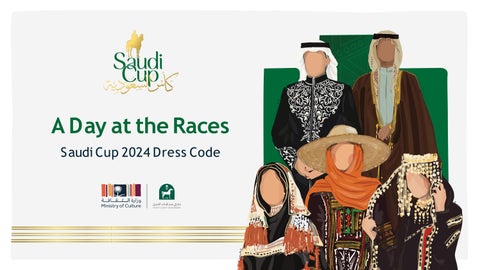
Saudi Cup 2024 Dress Code


We are pleased to welcome you to The Saudi Cup 2024, the world's most valuable horse race valued at $20 million, with a prize of $10 million to the first-place winner.

We encourage our guests to celebrate Saudi culture by dressing in styles inspired by the heritage costumes traditionally worn around the Kingdom.

Traditionally,attendees dress up and look their best at horse races worldwide, and we are embracing this practice for the Saudi Cup 2024.

We are pleased to have collaborated with Saudi heritage fashion expert Dr.LailaAlbassam and illustrator Norah Sahman to bring you the Saudi Cup Dress Code.



Permitted Permitted Not Permitted Not Permitted

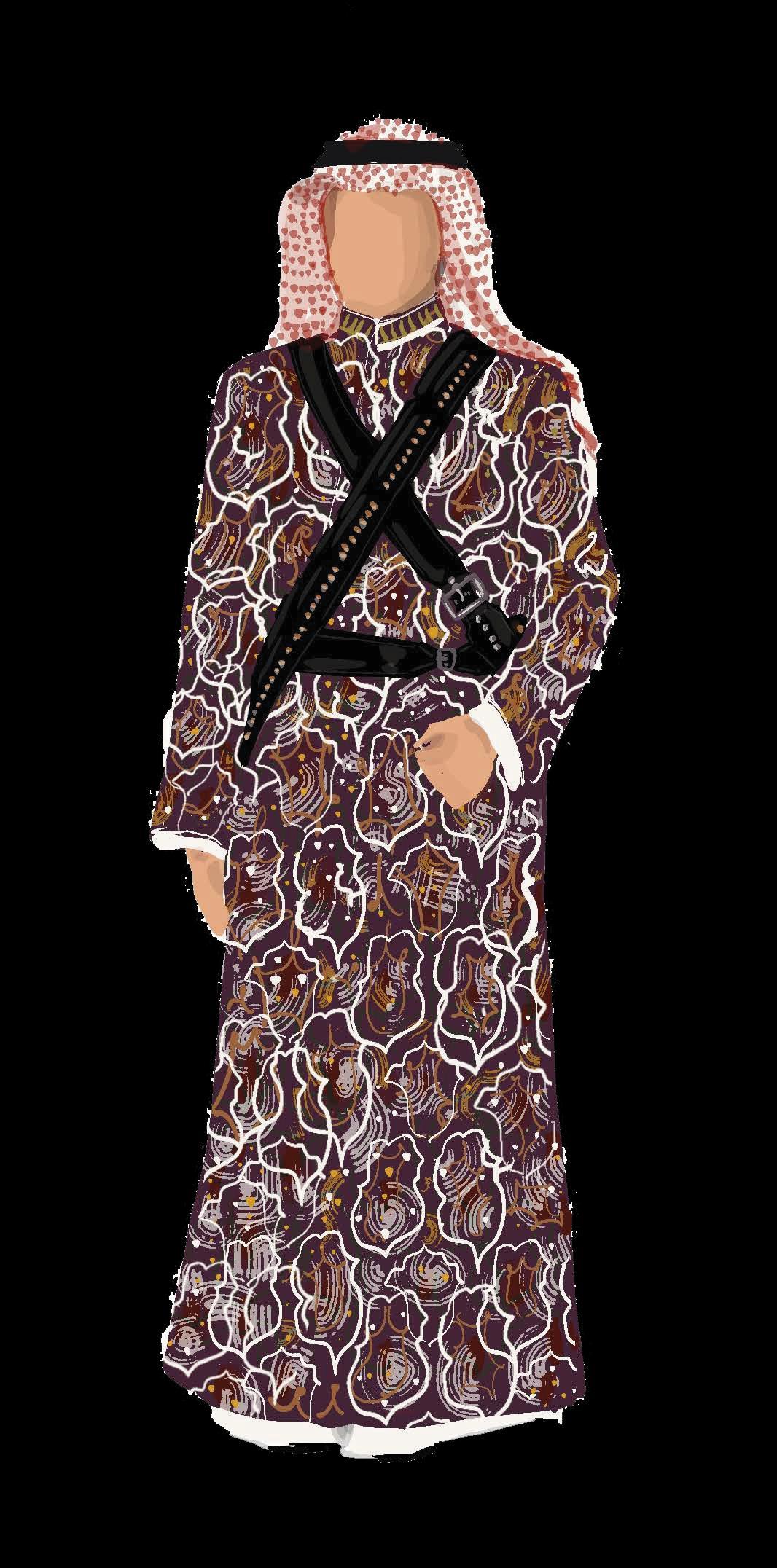
Daglah or sayah, with agal and ghutra or shemagh.
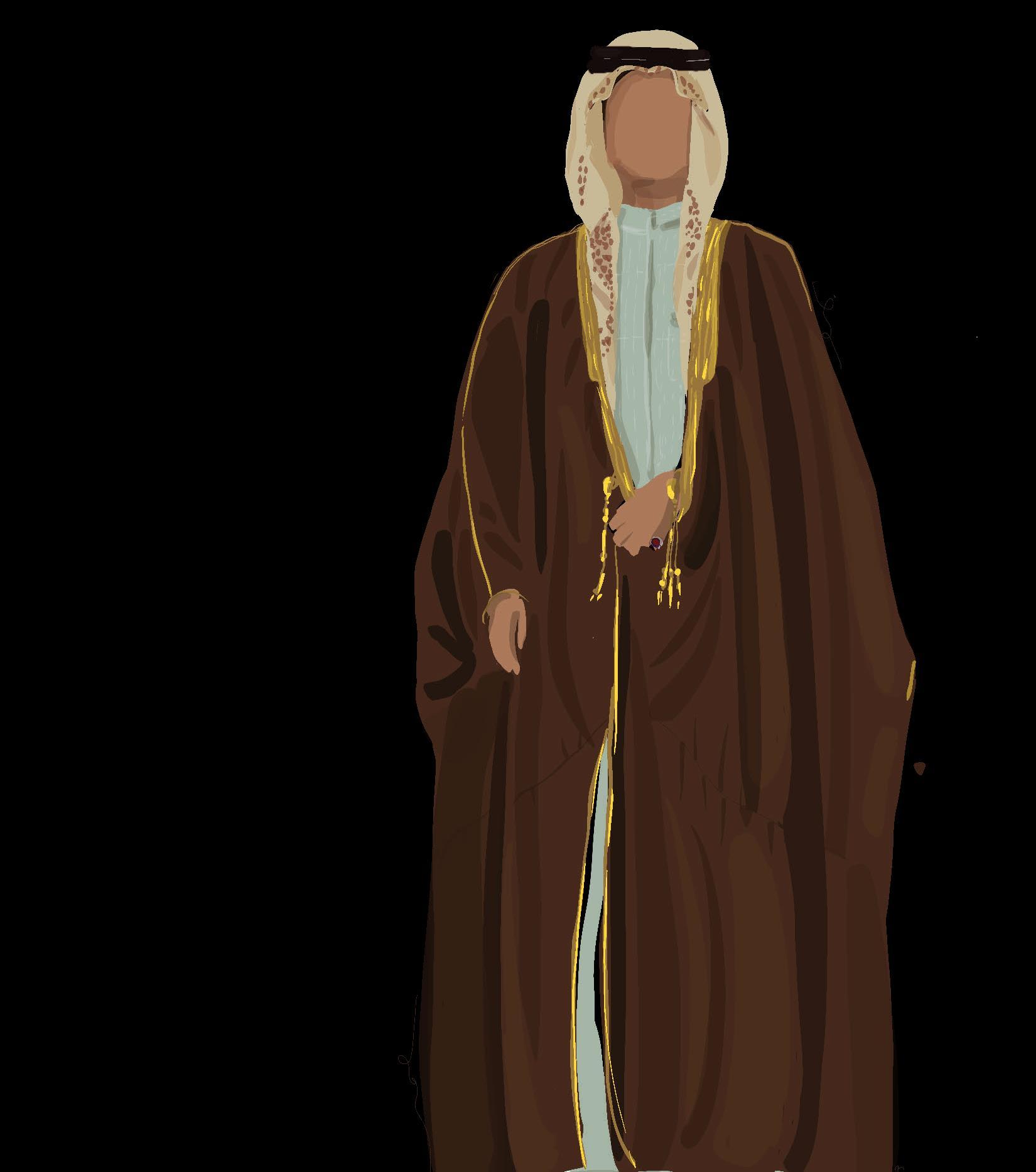
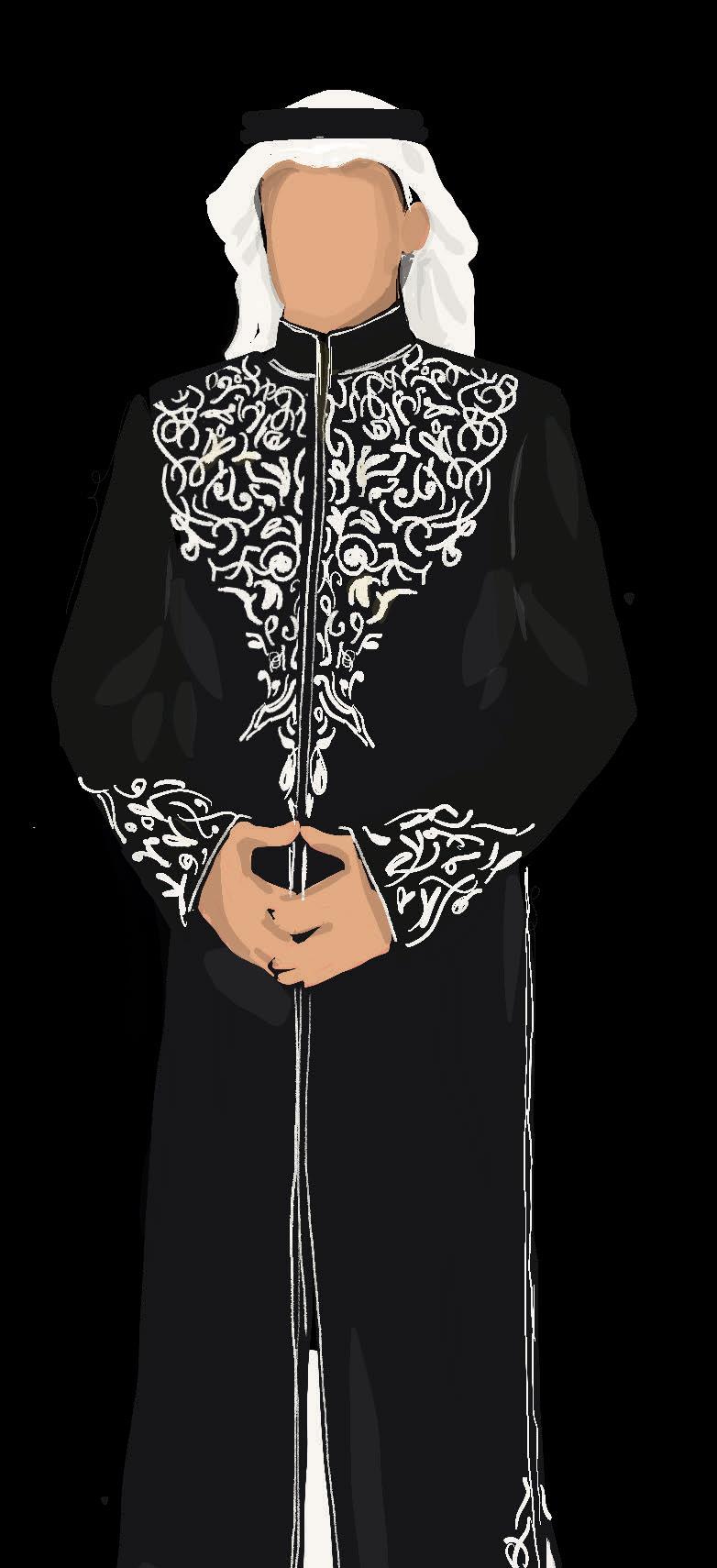
Thobe &bisht, with agal and ghutra or shemagh.
Formal national dress of your country.
Formal dress uniform of any serving military personnel.
Suits including jacket and tie.


Thobe on its own.
Casual attire,whether Saudi or non Saudi.

Jeans, T-shirts, shorts.
Promotional clothing.

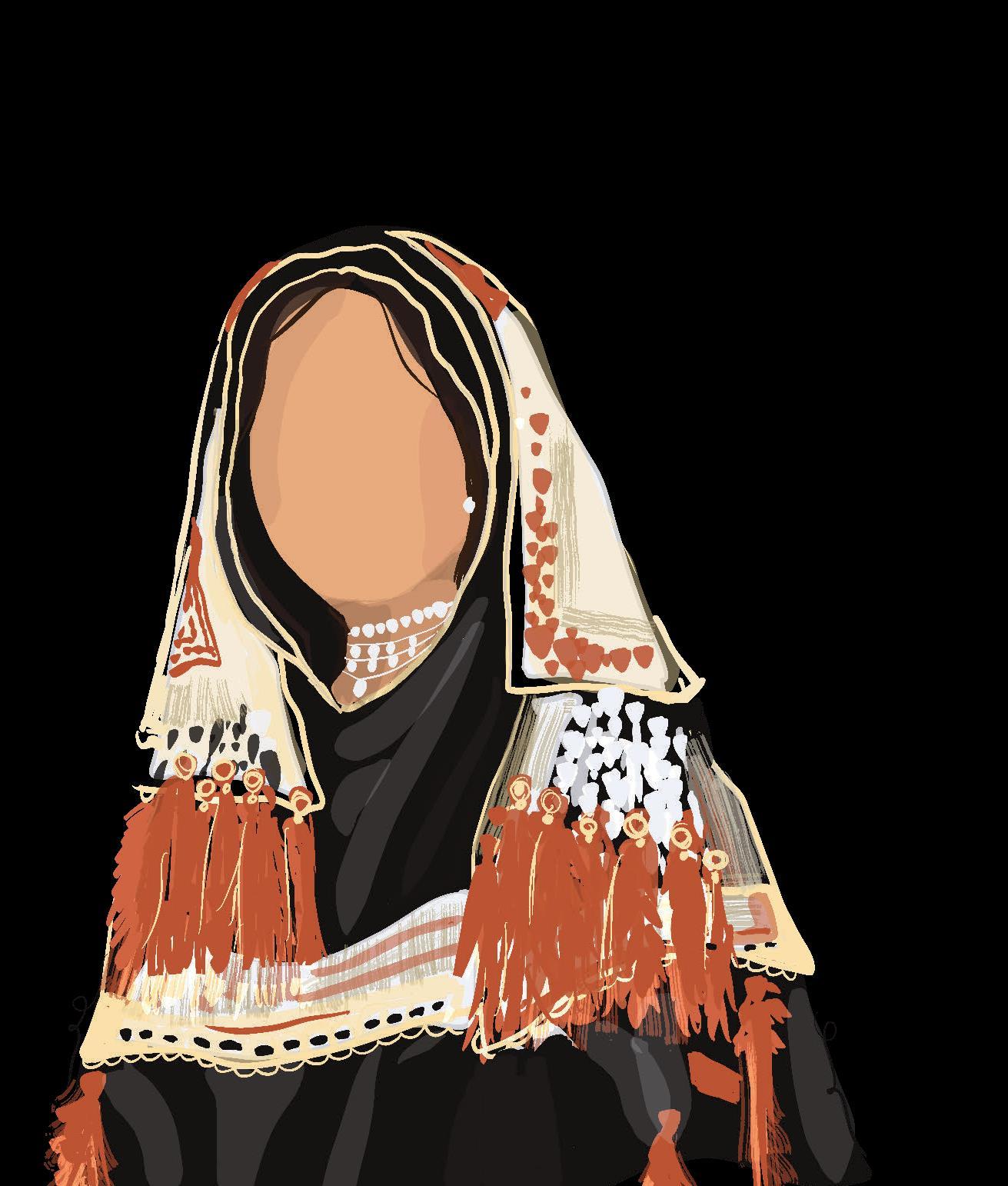
Abaya and Thobe whose designs are inspired by the traditional fashions of SaudiArabia.In terms of lengths and fabrics, a modest approach to out ts should be taken, aligned with Saudi traditions.
Formal national dress of your country.
Formal dress uniform of any serving military personnel.
Smart suit with jacket.

Casual attire,whether Saudi or non Saudi.


Jeans, T-shirts, shorts. Promotional clothing.
Permitted Permitted Not Permitted Not Permitted

Same as Royal Enclosure.
Thobe on its own.
Shirt and trousers (without jacket or tie).

Casual attire,whether Saudi or non Saudi.


Jeans, T-shirts, shorts. Promotional clothing.

Same as Royal Enclosure. Everyday abayas and thobes, do not have to be inspired by traditional fashions.
Casual attire,whether Saudi or non Saudi.
Jeans, T-shirts, shorts. Promotional clothing.
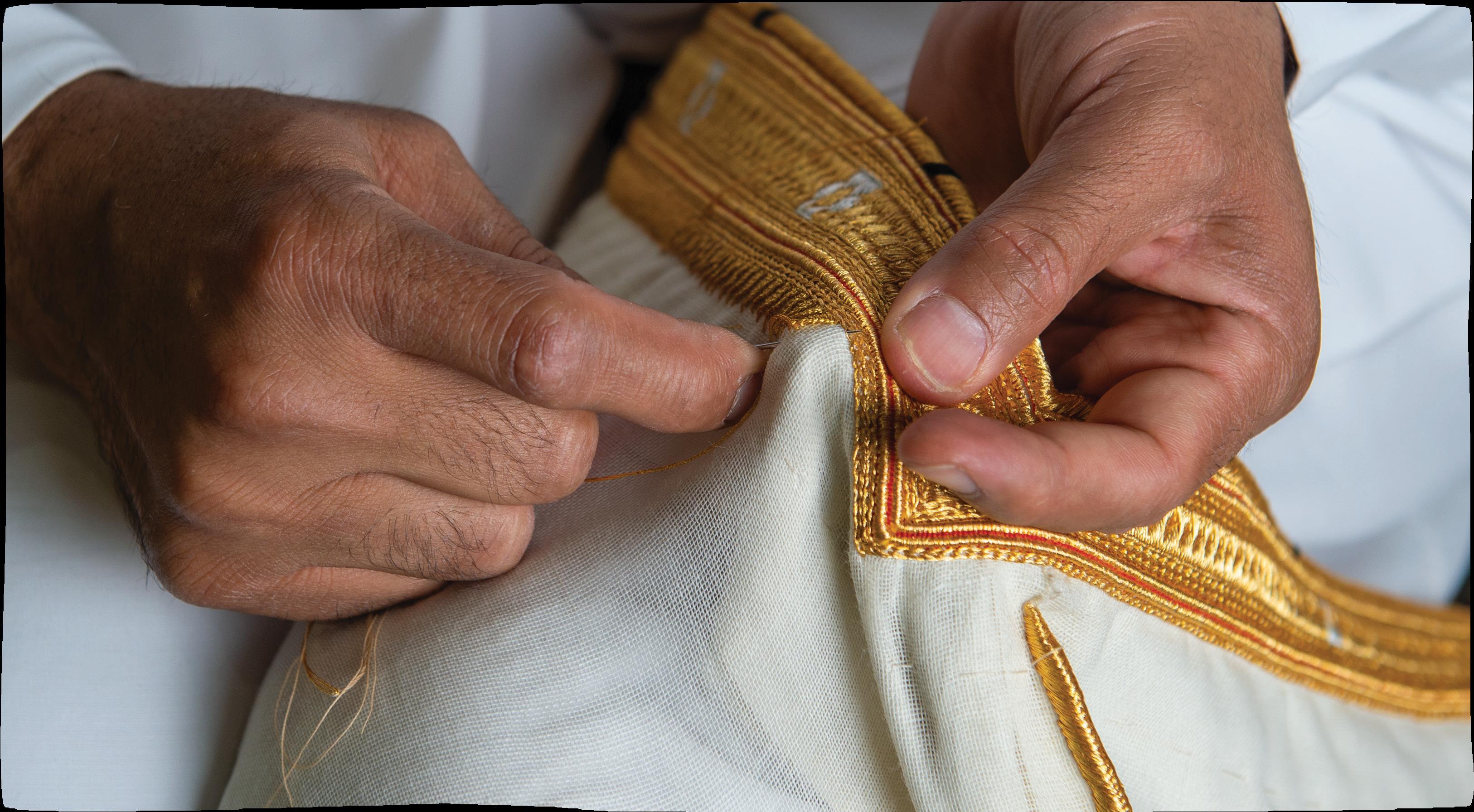
The information set out on the next pages are suggestions for easy ways to dress up or modify an existing outfit to reflect Saudi heritage fashion in your Saudi Cup look.

If you are going to wear a bisht, then make sure that your thobe is eye catching in colour and material. Alternatively,you can wear a smart

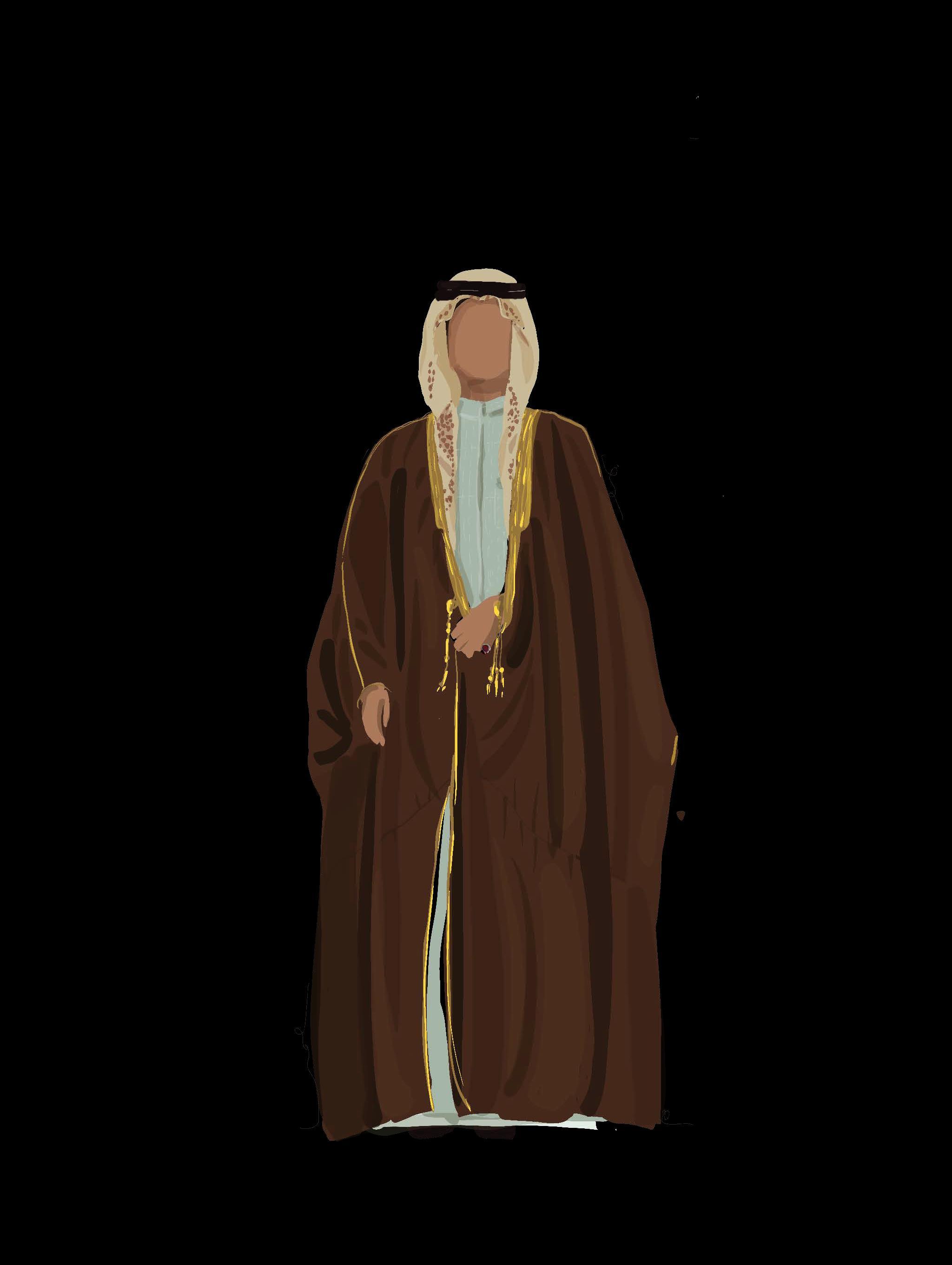
Patterned and embroidered garments worn under the bisht are eye-catching. They allow the wearer to be formal but still stand out.


A sayah is similar to the daglah but is made from patterned fabric. Please note:ammunition belts are not permitted at the Saudi Cup.
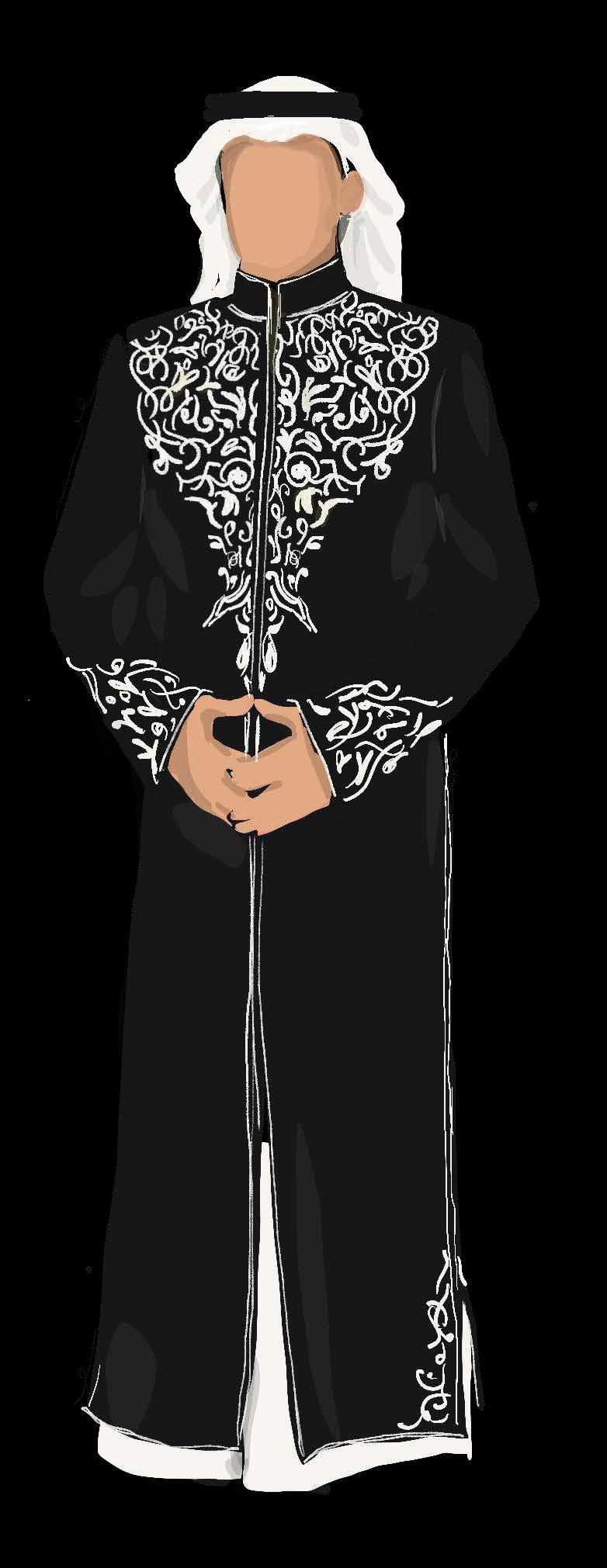
daglah is a floor-length coat, made distinctive by its fitted cut and beautiful embroidery.
The information set out on the next pages are suggestions for easy ways to dress up or modify an existing outfit to reflect Saudi heritage fashion in your Saudi Cup look.

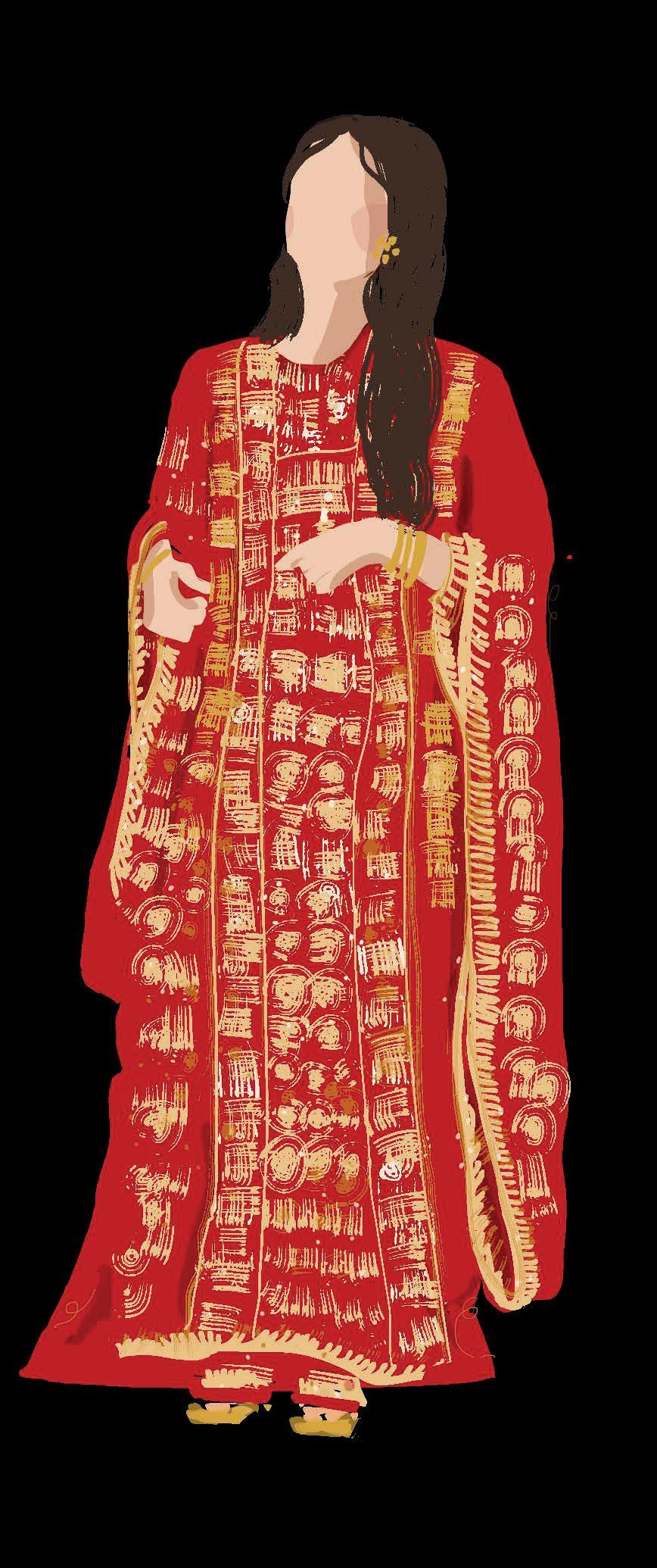
This elaborate and large thobe is an overgarment worn over a traditional darrah by brides. The middle of the 20th century saw great popularity in the use of national symbols as patterns across various media. One of the more visible uses of Saudi’s national emblem, the crossed swords and palm tree,’was in’ women’s costumes. Permitted at the Saudi Cup.

Red has always been a popular colour on both luxurious and inexpensive fabrics.
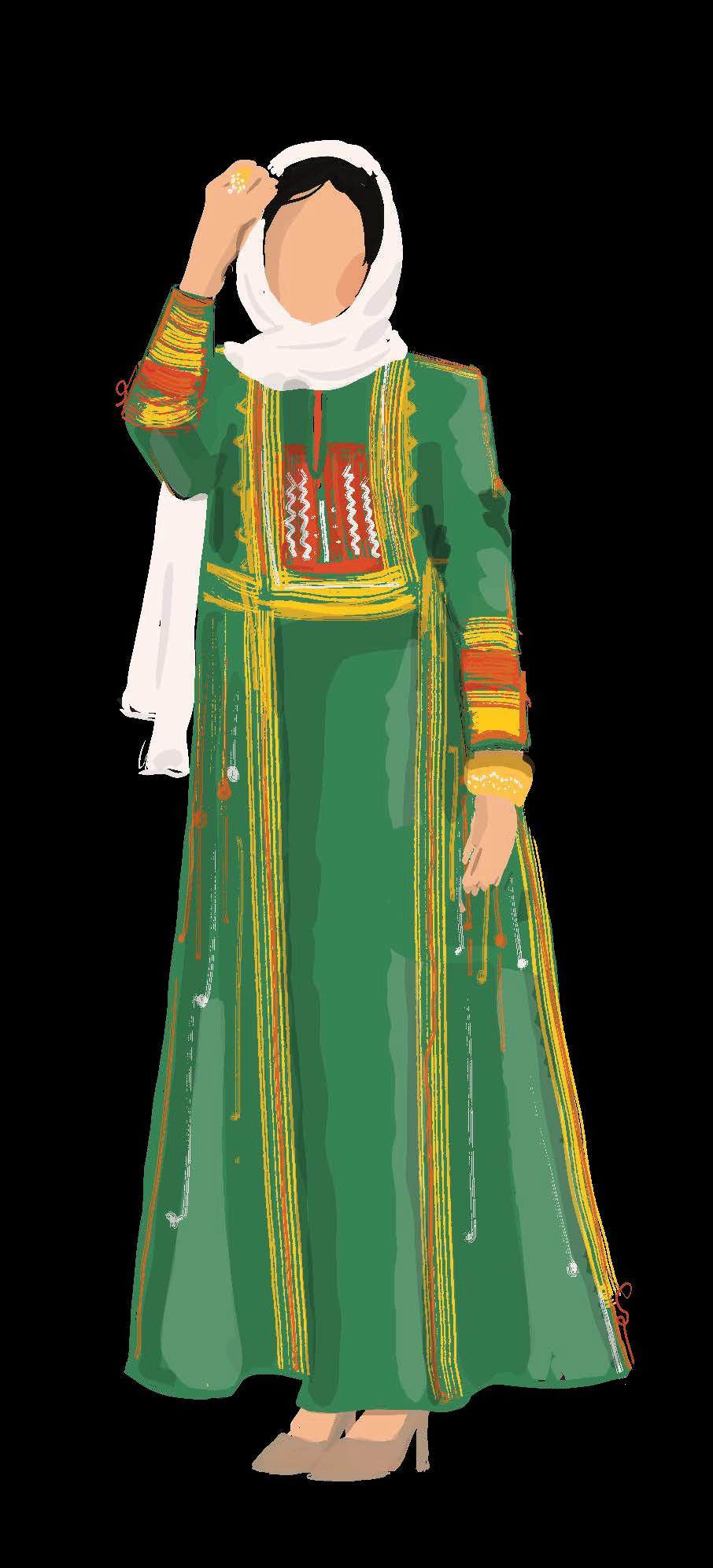
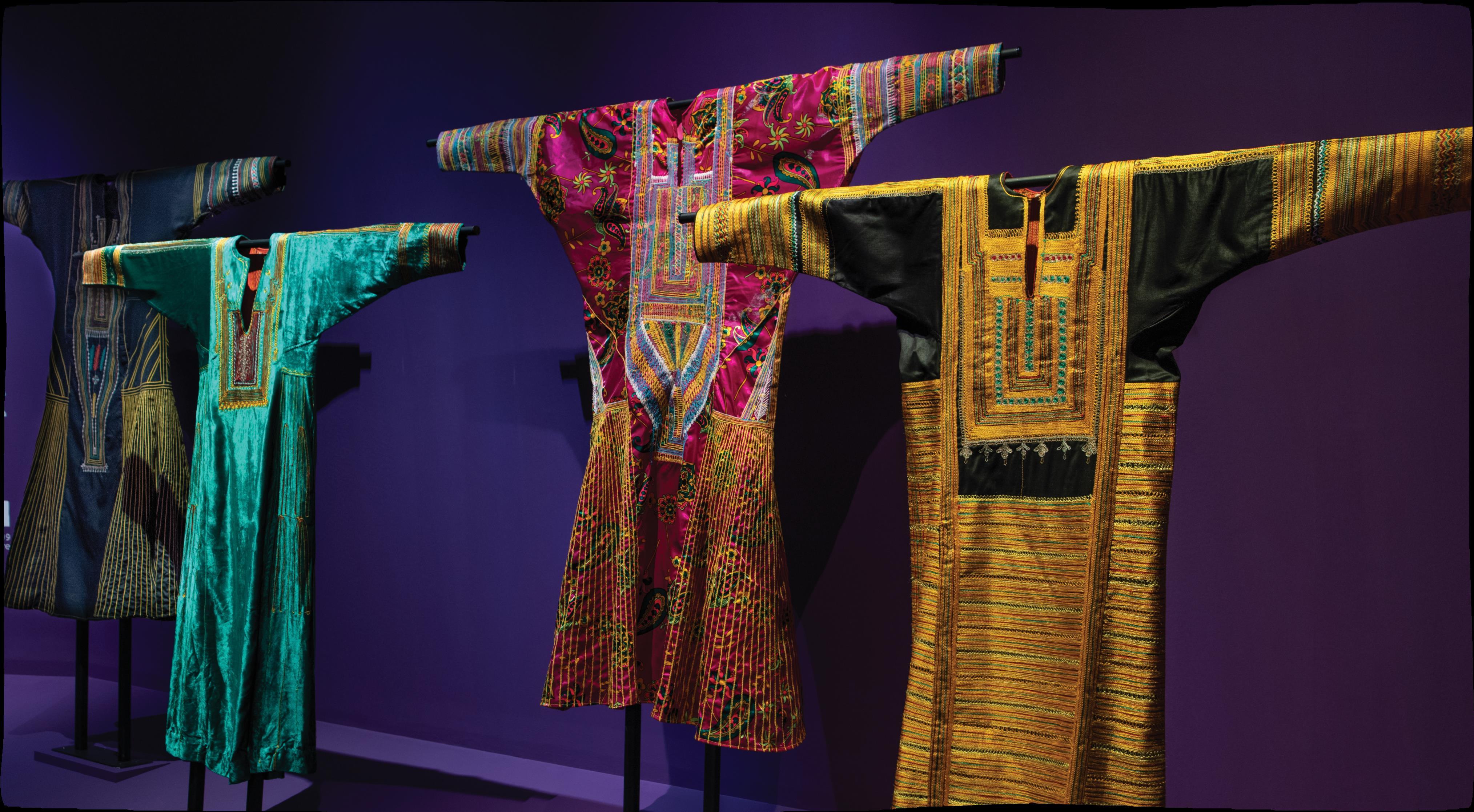
e a thobe using the brightest of colours. This can achieved using a bright abric or by brightly coloured eads embroidered on a colour fabric. This style thobe was worn by the omen in the South.


Use lots of fabric to create a very wide and loose thobe.It can have sleeves so wide they almost touch the floor.

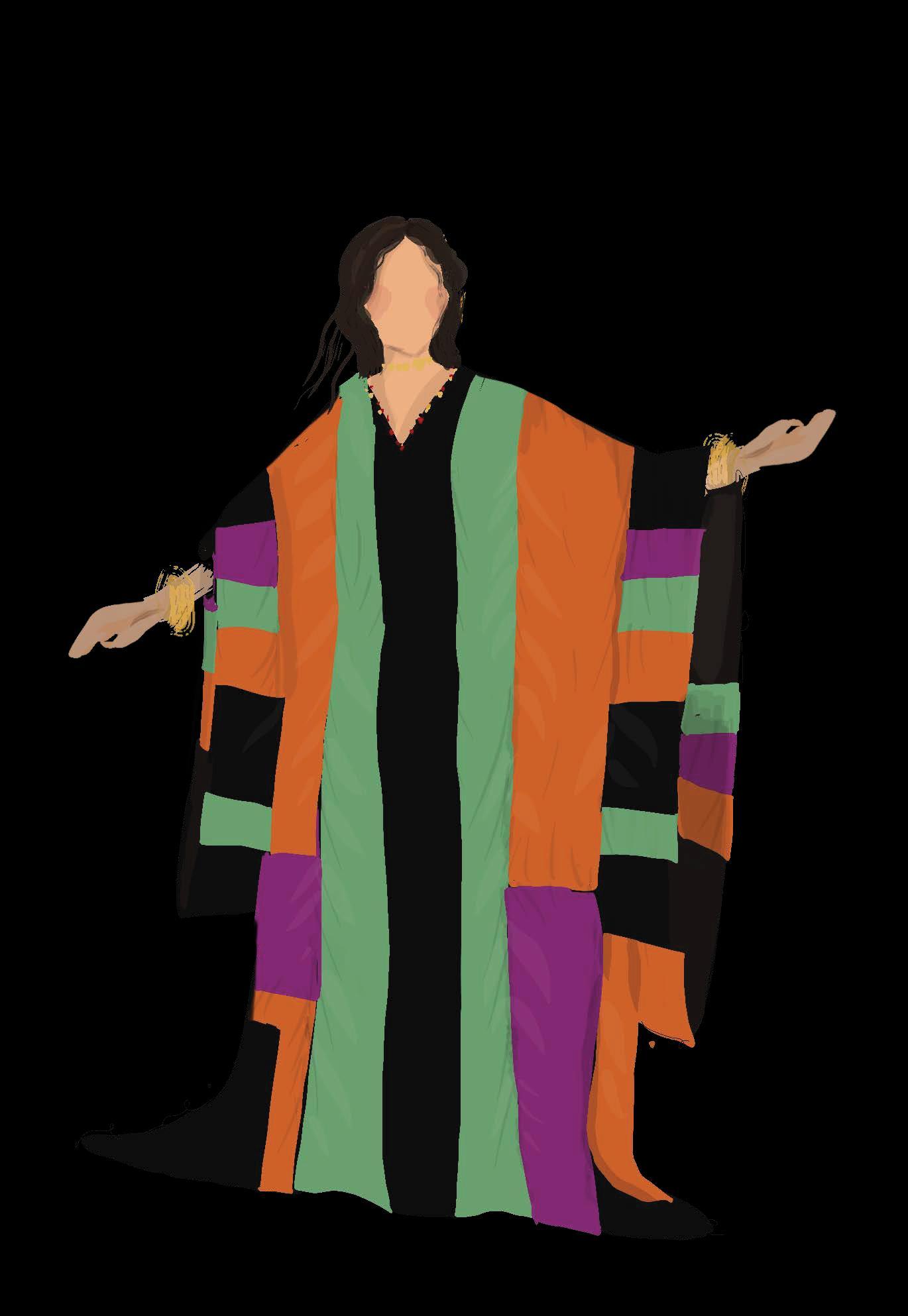
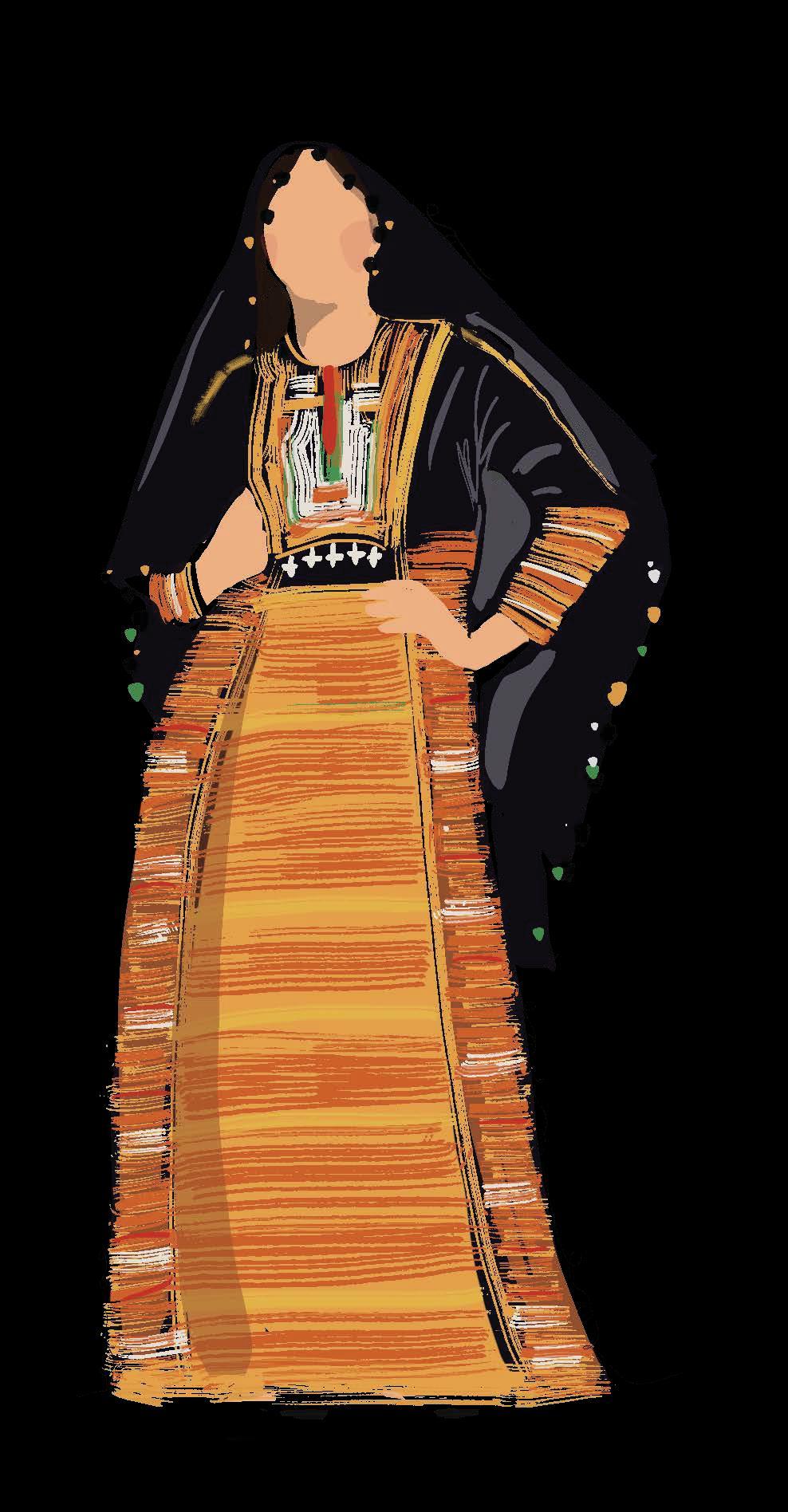
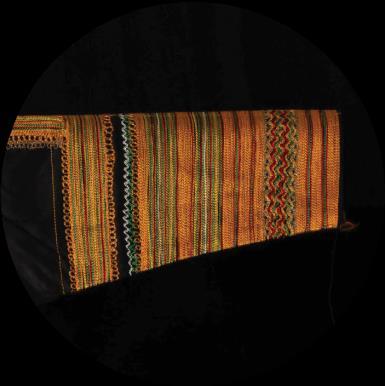
Thobe with background overlaid with bands of red, green, yellow and white embroidery.The extensive embroidery renders added weight to the garment, giving it contours.


Emb oidery metallic th ead.
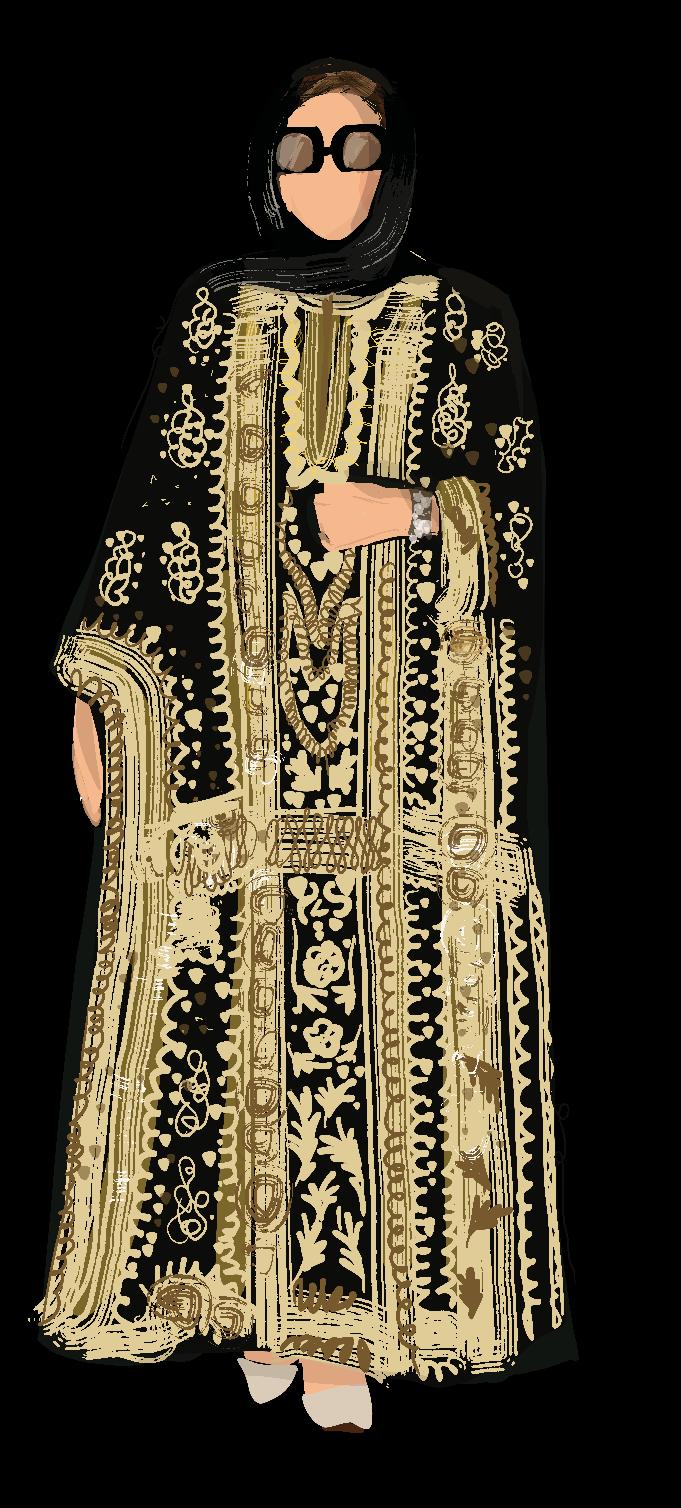
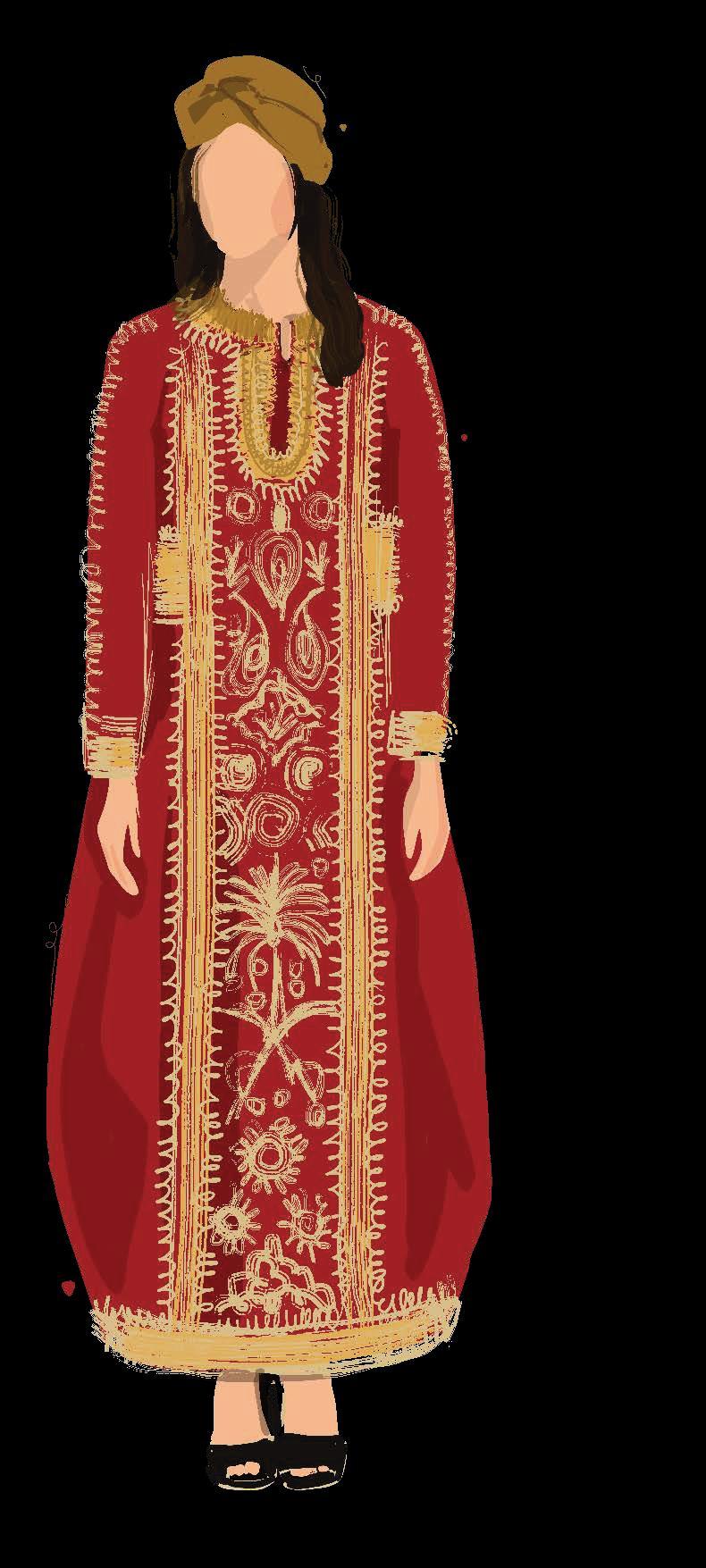
Embroidery that is featured in a panel across the entire vertical length on the front of the garment stands out on a slim-sleeved thobe
Red, and other bright colours, were frequently worn at weddings.


These delicate shapes and subtle colours stand out on the black thobe background.
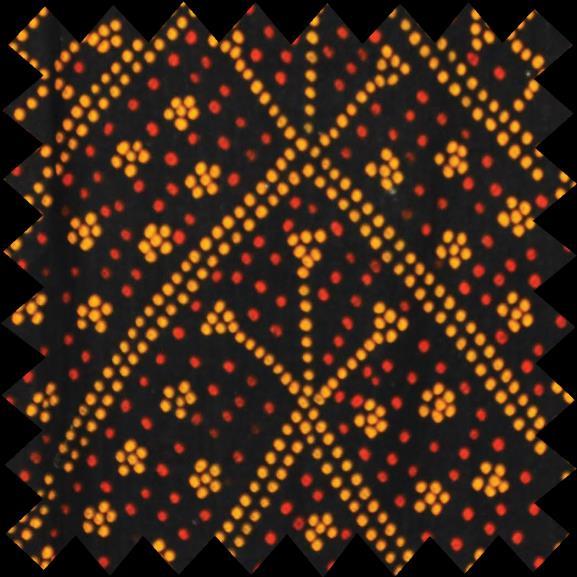

This velvet tunic fastened at the front was worn by a bride from the Northern Region and has distinctive embroidery patterns that are appliquéd across the garment.
The patterns are further surrounded by metallic thread embroidery and trims. The embroidery is reminiscent of a style popular in the Northern Region.
Embroidery - natural colour threads.


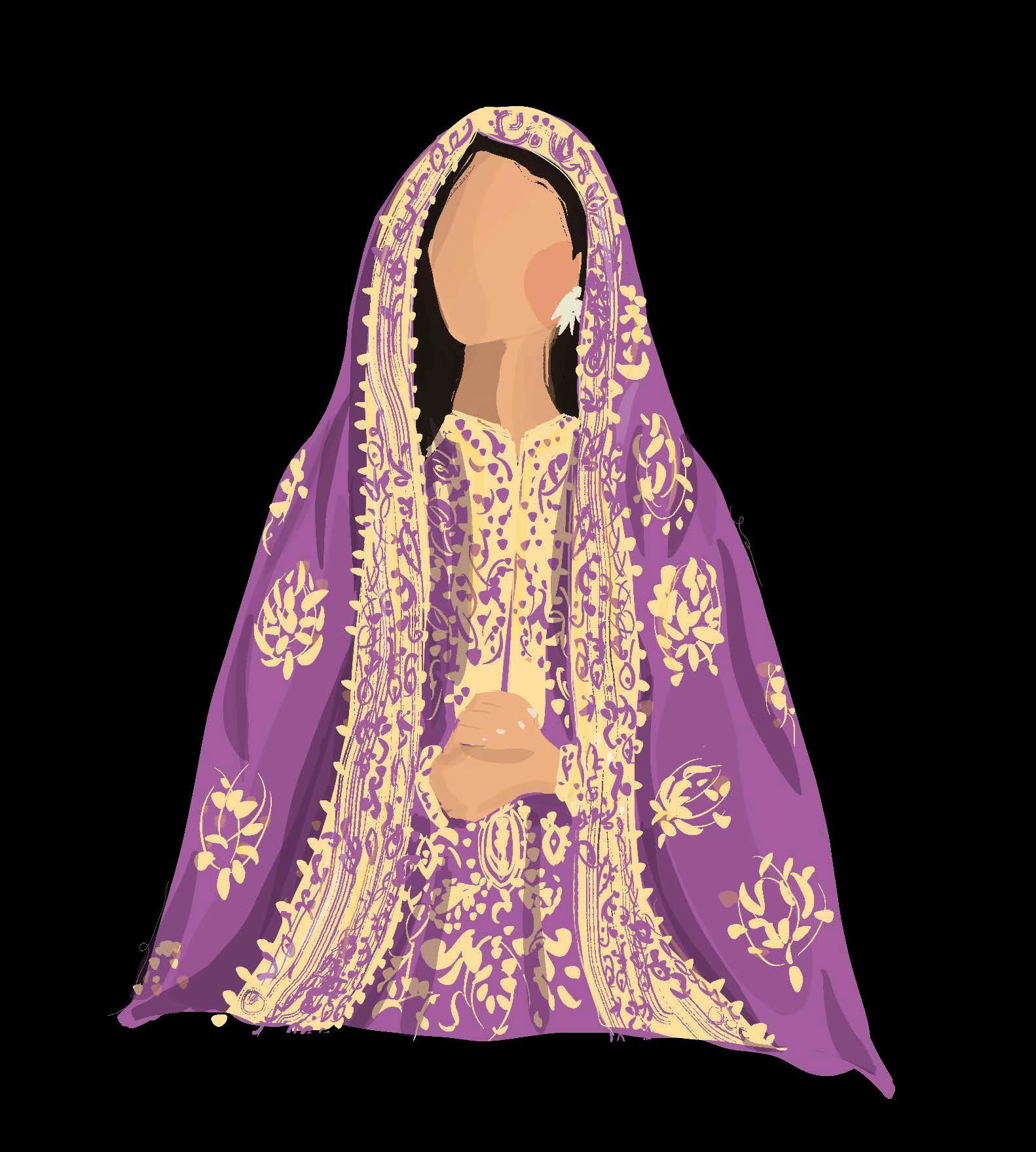
Seven pieces of clothing create this bridal ensemble from Makkah.The use of white is distinctive to this region, and the ensemble comprises a white undershirt, sudairiah, thobe, sirwal (trousers) and almdoura (headpiece and veil). Golden thread embroidery, that mimics floral sprigs, is woven across most of the layers and provides a distinctive look for brides from the region.


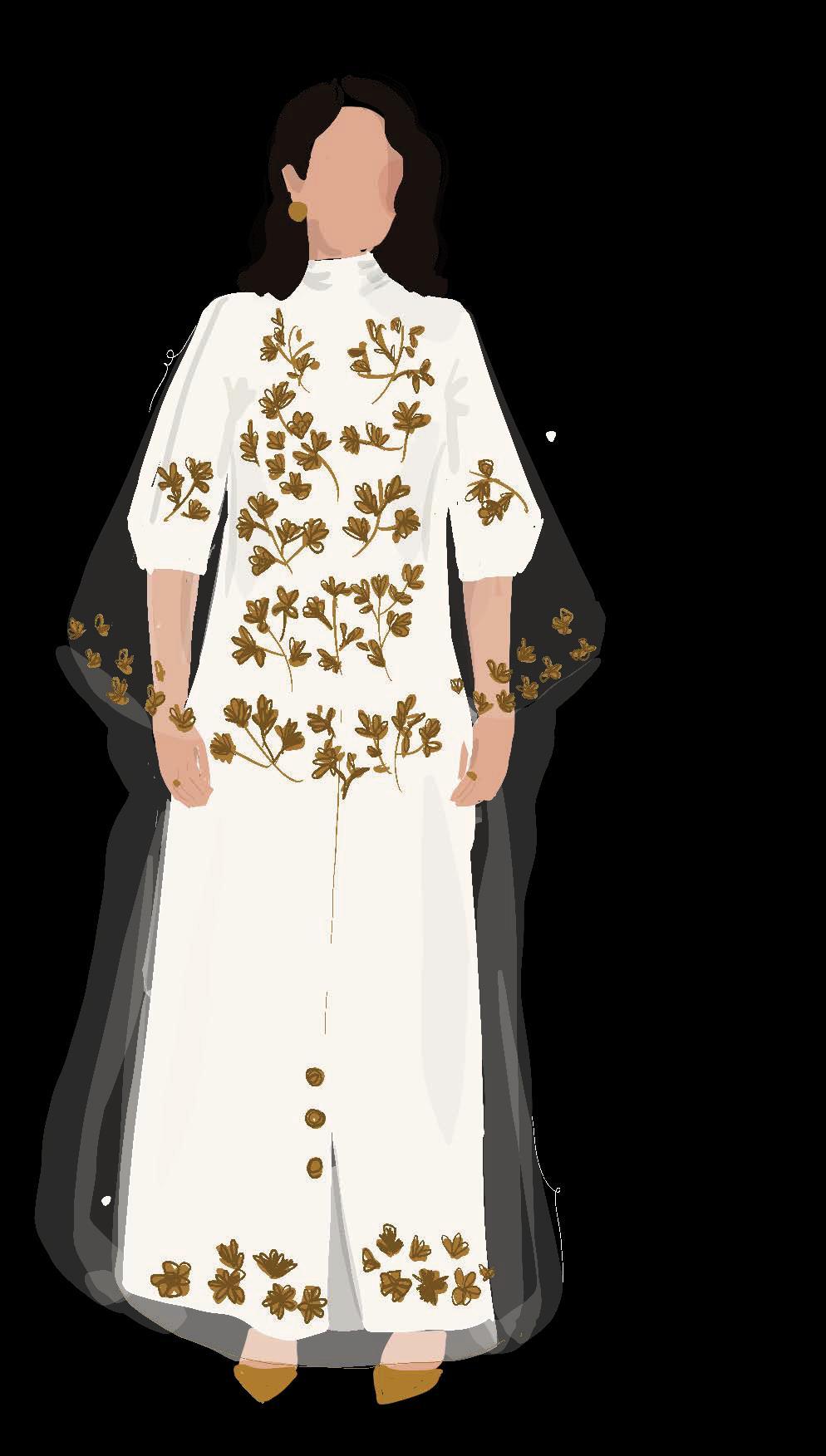
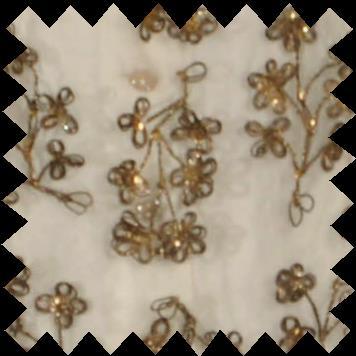
In the cities of the Western Region, such as Al-Madinah and Makkah, women layered white on white.This sort of look can be achieved by layering the same colour in different fabrics, with the more solid fabrics below and more opaque fabrics on top.
Headdresses are another way to celebrate Saudi heritage fashion.
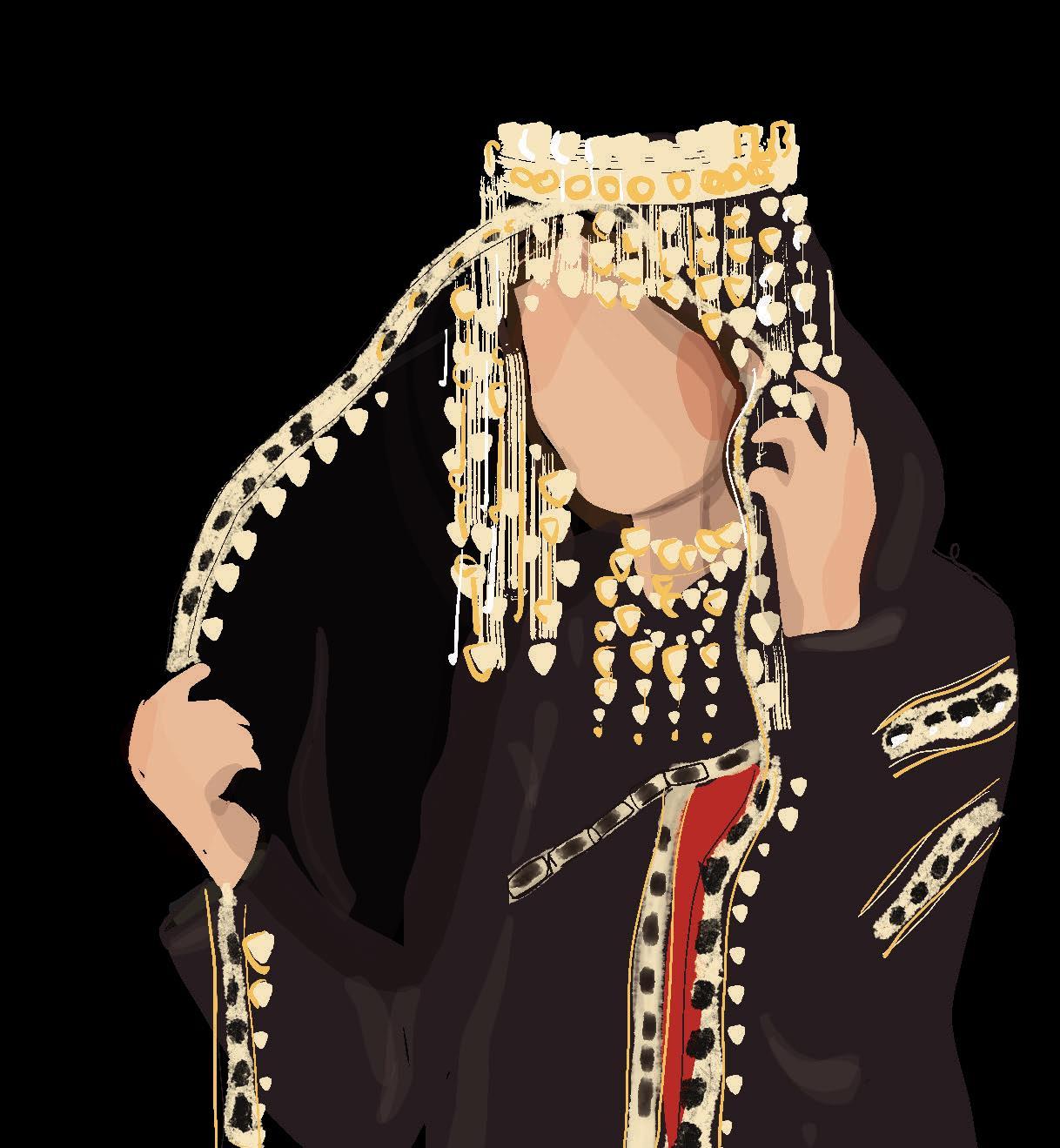
Embroidered head coverings, draped loosely.Draping was popular with brides.

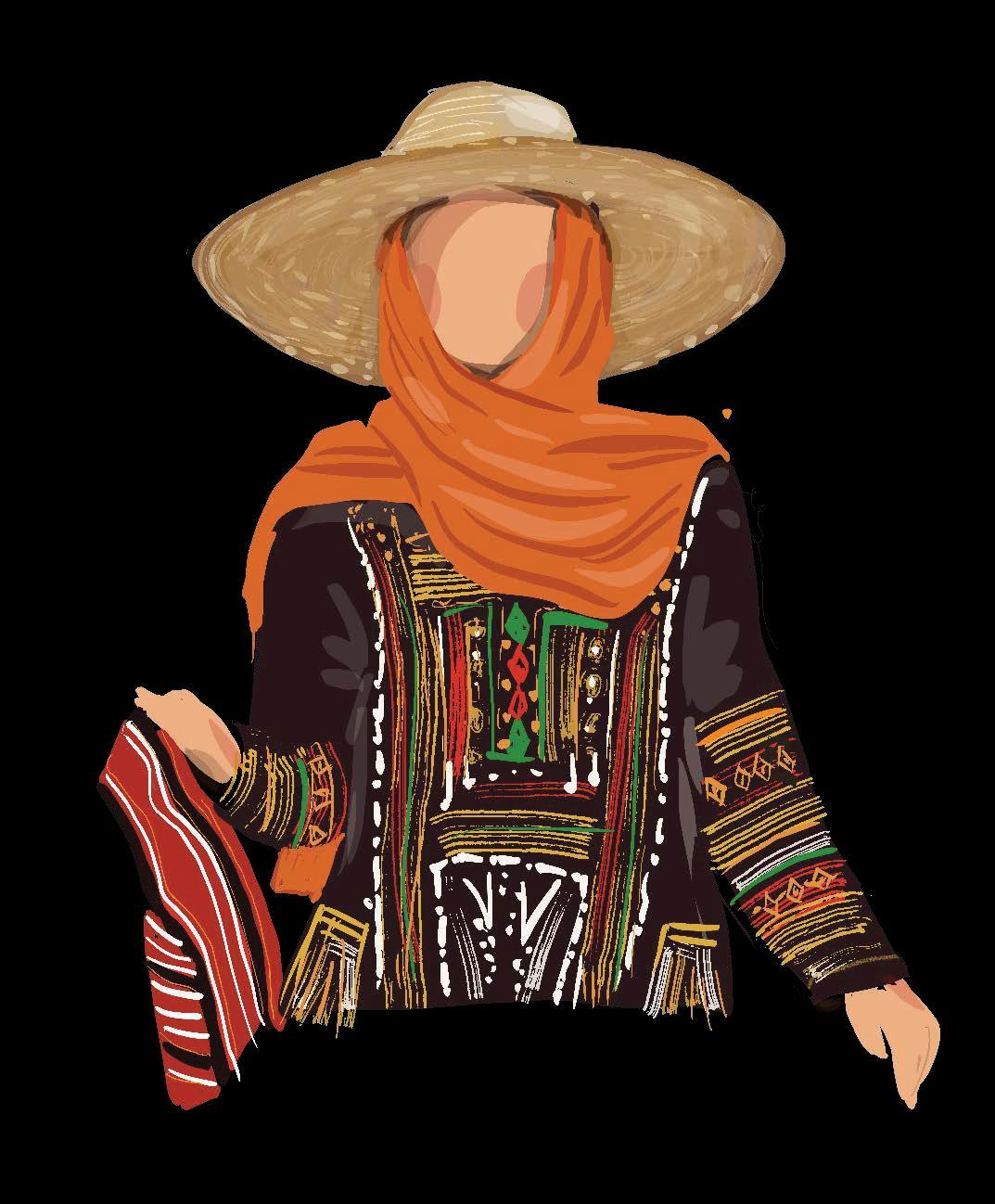
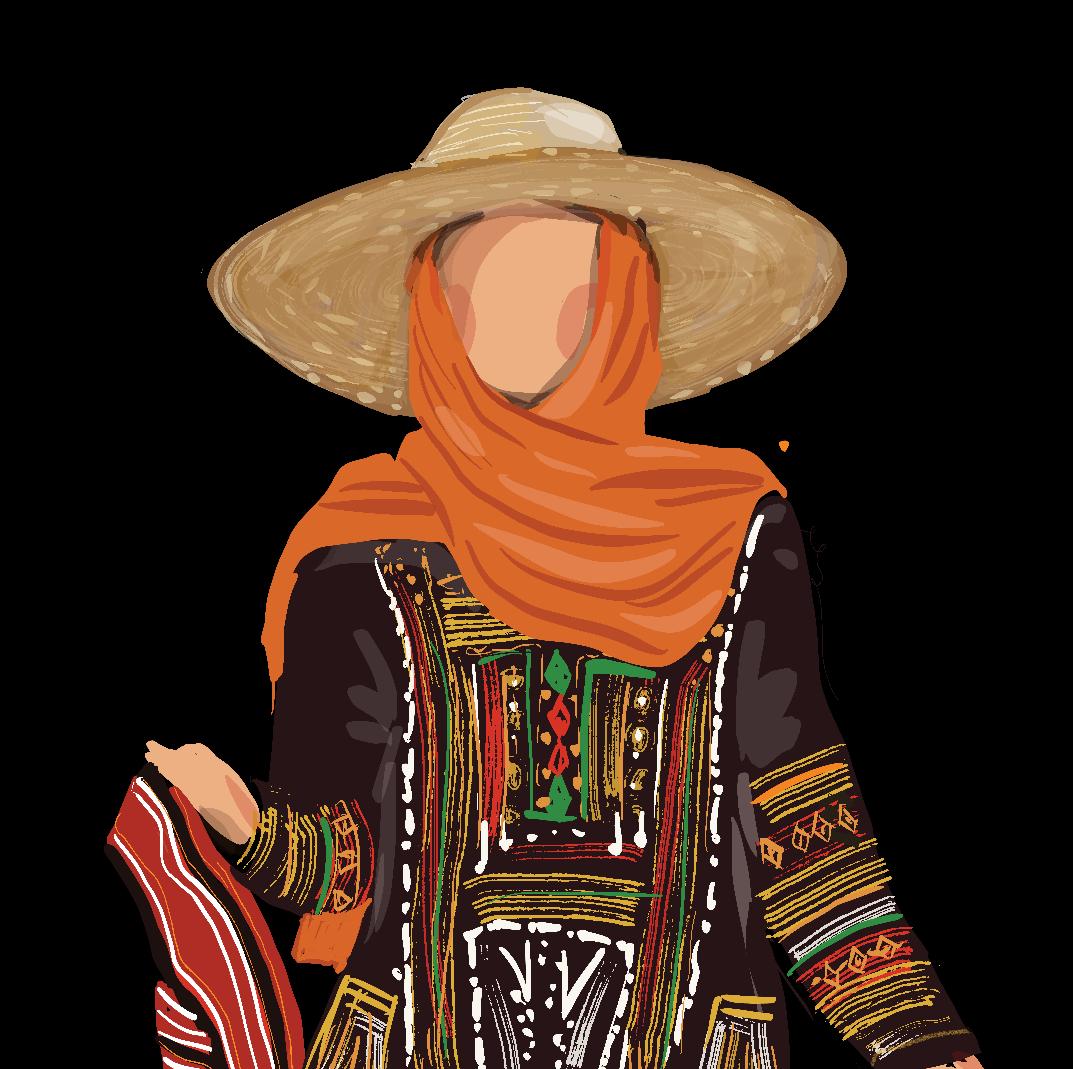
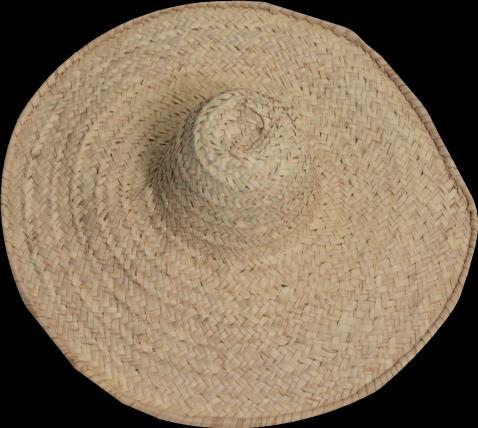
A straw hat over an orange scarf. Asiri women in straw hats.

Take a black cotton scarf and wrap it in an interesting shape of your choice for volume and creat silhouette.
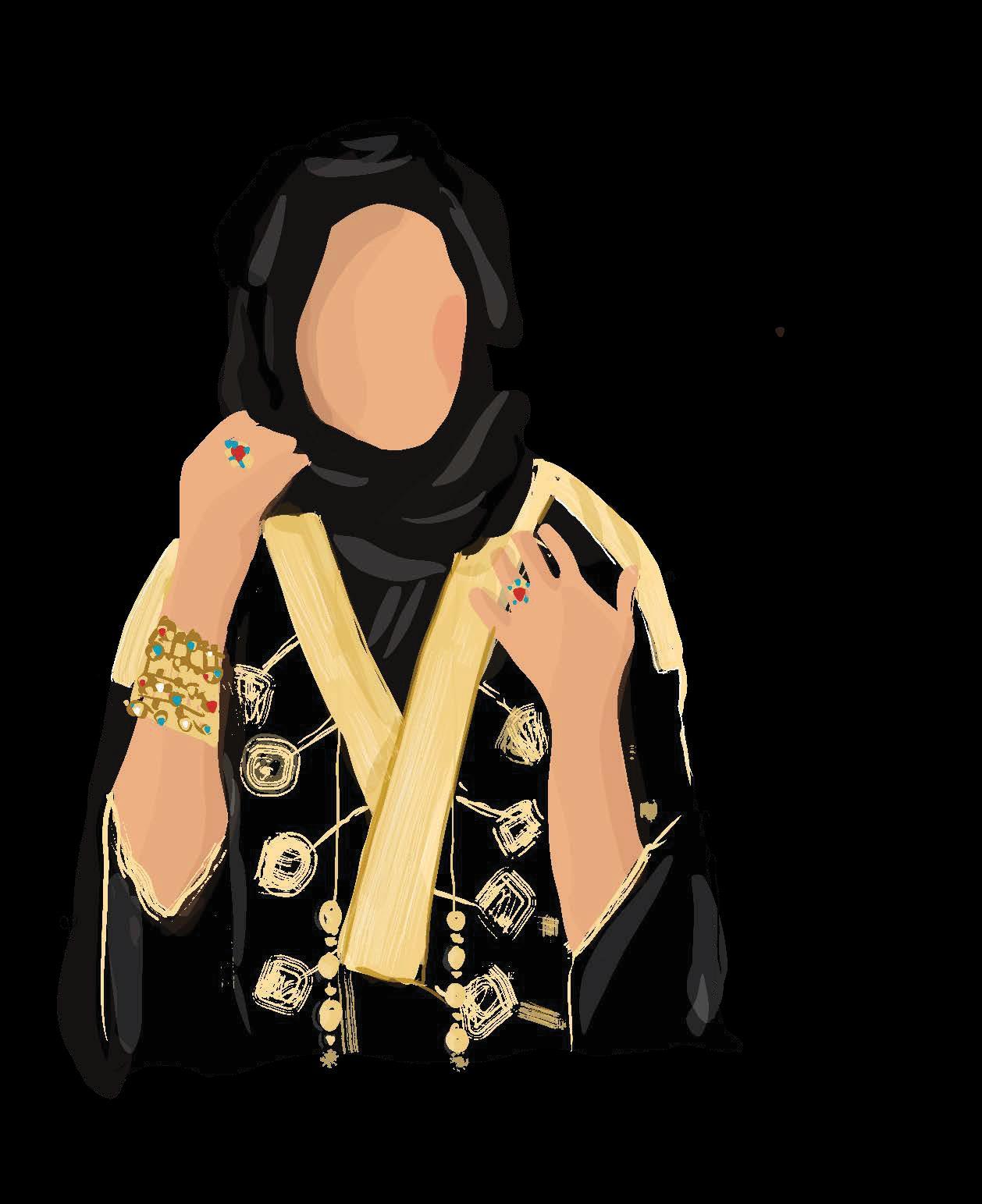
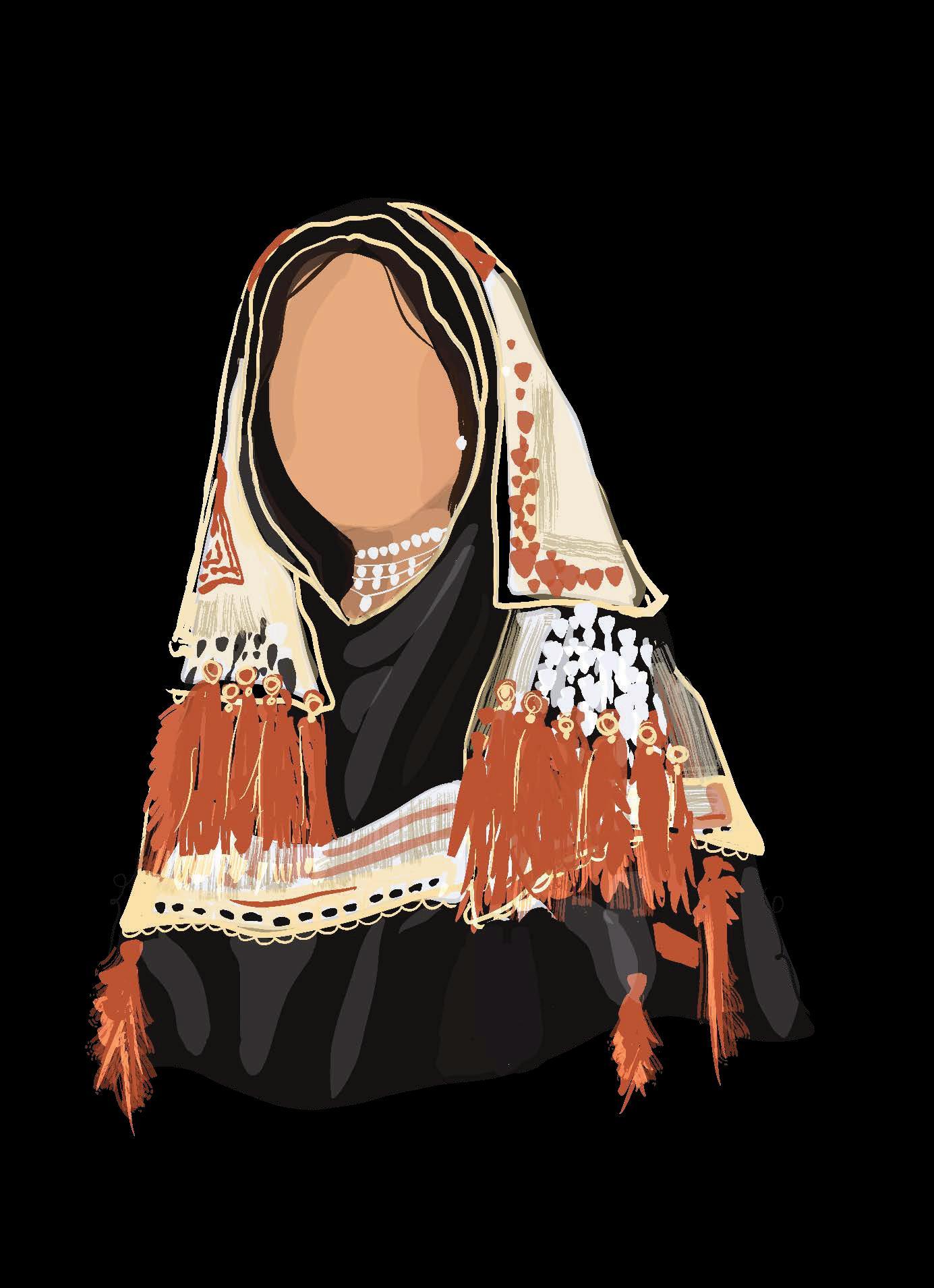
Layer pieces of fabric that have tassels or beading.
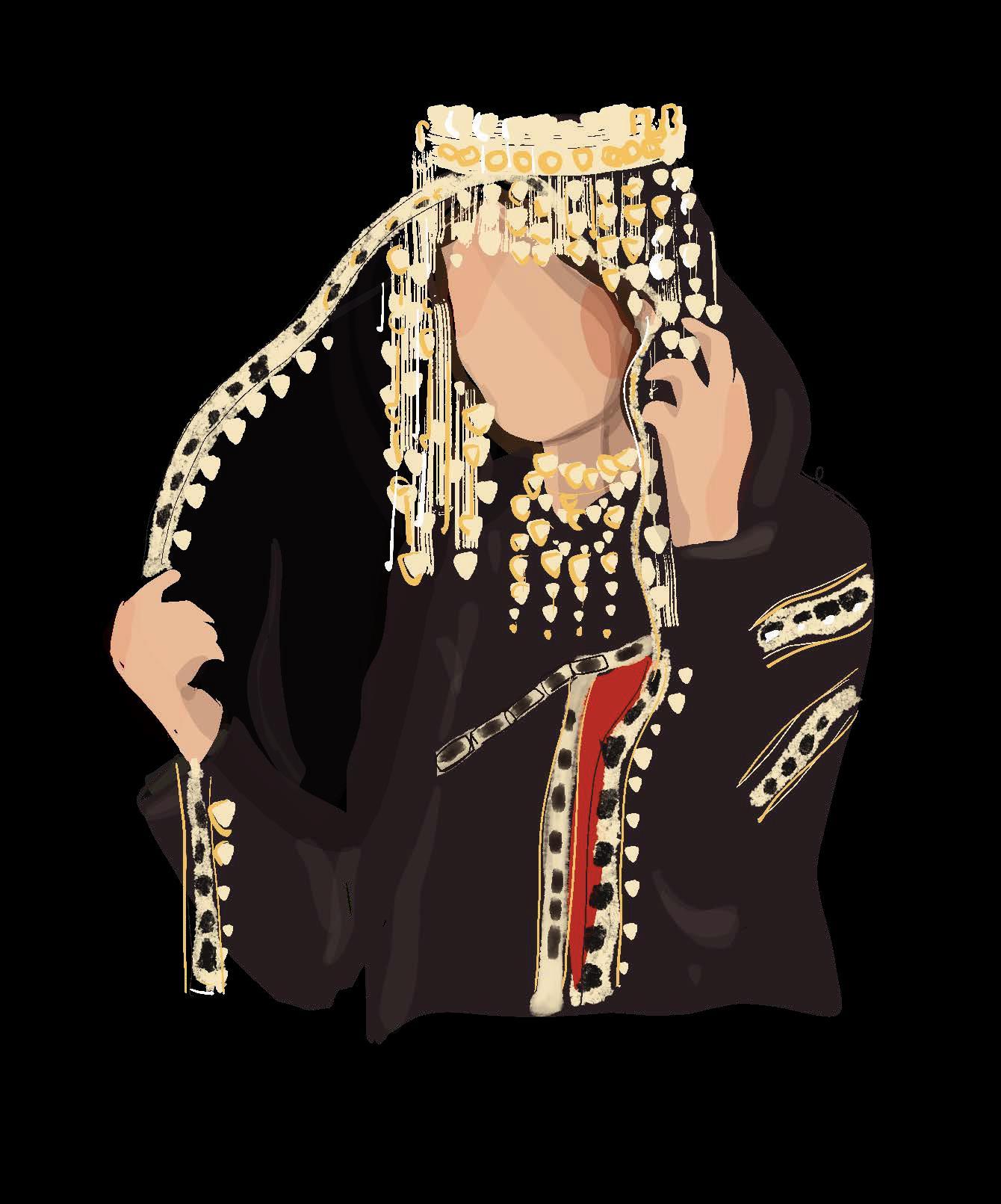
orporate metal wellery into headdresses.


Heritage fashion expertise dlbassam Dr LailaAlbassam Illustrations

norahsahman Norah Sahman
Heritage fashion expertise and images artofheritage mansoojat Art of Heritage Mansoojat Dress Code by Fashion Commission, Ministry of Culture FashionMOC


Photo Credits
We would liketo thank the followingfor use of the photos in this document.
Page 3:Saudi Cup
Page 9:private collections
Pages 12, 13, 14, 15, 16, 17: Art of Heritage Collection, Riyadh
Page 18:TraditionalCrafts of SaudiArabia, John Topham &0thers