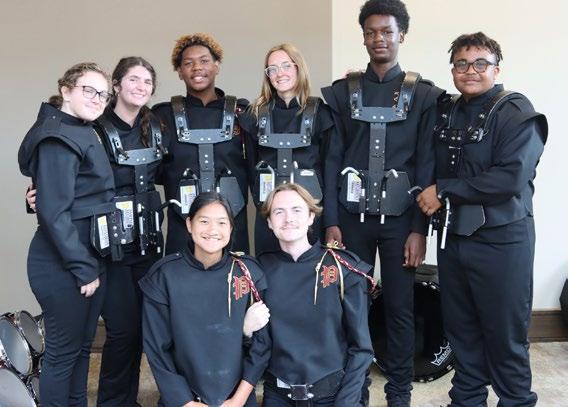
Awelcoming workplace is one where every employee feels respected, supported, and able to do their best work. For disabled workers, this means having access to the tools, resources, and accommodations they need to succeed. Whether it's an accessible workspace, assistive technology, or flexible work arrangements, small adjustments can make a significant difference. When employees feel included and valued, they are more likely to be engaged, productive, and confident in their roles.
Creating an inclusive environment goes beyond physical accessibility—it's also about workplace culture. Coworkers and managers who are understanding, respectful, and open to different needs help build a stronger team. Encouraging clear communication and providing disability awareness training can help eliminate stereotypes and foster a sense of belonging. When people feel comfortable being themselves at work, collaboration becomes easier and workplace relationships grow stronger.
All businesses benefit when they create opportunities for everyone to thrive. Disabled employees bring unique perspectives, problem-solving abilities, and valuable life experiences that can strengthen virtually any organization. A workplace that embraces diversity often sees higher employee satisfaction, better retention, and a more positive overall atmosphere. By making accessibility a priority, companies create a work environment where everyone has the chance to contribute and succeed.
Lisa Petty, Editor Equal Opportunity Employment Journal
The eoejournal is published bimonthly by EOEJournal, Inc. The ownership and management of EOEJ fully and actively support equal opportunity for and advancement of all people without regard to race, color, religion, gender, national origin, sex, pregnancy, citizenship, ancestry, veteran status, marital status, physical disability, mental disability, medical condition, age, gender identity, and sexual orientation or any other characteristic protected by state or federal law.
Advertising and Editorial mailing address:
7000 N. 16th Street Suite 120-315 Phoenix, AZ 85020
Phone: 602-604-9133
Applying for a Healthcare Job When You Are Neurodivergent
In this article we provide some tips and useful considerations for a neurodivergent jobseeker in the healthcare sector.
There are many neurodivergent people working in the healthcar e indsutry. In the medical field, their experiences often make them far more empathetic and understanding with patients which can, in turn, help improve services.
Unfortunately, traditional recruitment processes are often biased towards neurotypical applicants. However, the last few years have seen improvements and commitments from numerous employers to improve neurodiversity within the workplace.
What does ‘neurodivergent’ mean?
Neurodivergent is an umbrella term to describe a range of medically diagnosed conditions including Autism Spectrum Disorder (ASD), Attention Deficit Hyperactivity Disorder (ADHD), dyslexia, dyspraxia and Tourette’s. These conditions describe differences in how the brain processes information compared to those who are ‘neurotypical’.
It can impact on a range of abilities such as socializing, memory, time-keeping, understanding of language and numbers, impulsiveness and control
over the body. It can also cause sensory challenges such as oversensitivity to light, sound or touch. Recent studies estimate that around 15–20% of the population are neurodiverse.
DISCLOSURE
Undoubtedly the biggest decision you will face is whether to disclose your condition.
There is no right or wrong answer to this. There are pros and cons to both and much depends on how confident the organisation, recruiter or supervisor feels in understanding and working with your condition.
If you do disclose, r ecruiters ar e obliged by law (Equality Act 2010) to make reasonable adjustments to their processes to ensure you are considered fairly.
Such considerations might include:
Offering a pre-interview period where you can meet your interviewers, the team where you will be working or view the place where you would be working/interviewed
Sharing questions in advance
Using specific questioning in interviews such as referring to your past experience rather than hypothetical situations
Extra time to answer questions
Not negatively assessing a lack of eye contact or unexpected body language
Providing work trials or work interviews based on portfolios instead of a traditional interview.
Employers can only refuse to make these adjustments if:
Cons of Disclosure:
Many people will make assumptions and ill-informed judgements about what you can and cannot achieve, often based on ‘myths’. For example, it is often assumed that all people with autism have poor empathy skills.
Some employers may dismiss your application instantly. Research shows employers still do not feel confident employing those with neurodiverse conditions
You may feel a discussion about your condition will overshadow or distract interviewers.
When deciding whether or not to disclose it might be helpful to research your prospective employer using tools such as the NHS Workforce Disability Equality Standard reports , any equality policies on their website or through forums and networks (see the resources section at the end of this article for ideas) to get a better understanding of how they perform when employing neurodiverse staff.
Recent studies estimate that around 15–20% of the population are neurodiverse.
• They can evidence it isn’t practical or possible for them to do so
• It would require significant extra resources
• It would have an adverse impact on the health and safety of colleagues.
• You should disclose with at least a week’s notice to give a recruiter enough time to make any adjustments. Detail the specific adjustments that you would find helpful, and why, to avoid measures being put in place that are unnecessary
Pros of disclosure:
Recruiters will be better able to understand behaviour they might otherwise find strange or concerning such as tics or a lack of eye contact.
You will have to do less ‘masking’ (trying to behave as you think you are expected to) which can be exhausting and distracting. It can lead to an honest conversation about the realities of the job and adjustments that will help you thrive in the role. Some neurodivergent people can end up in poor performance procedures which could have been avoided if small changes to their working environment had been made.
It can help recruiters and employers have a better understanding of neurodiversity and the strengths it can bring to a team.
Disclosure Document
Your recruiter or interviewer may have very little understanding of your condition. It might be useful to prepare a disclosure document that includes some background infor mation about the condition and your specific challenges. Frame it in a way that highlights your strengths and abilities as well as challenges. Language can be very important here – use phrases such as attention to detail, high levels of concentration, problem solving abilities, precision and accuracy, honesty and directness, detailed specialist knowledge or lateral thinking.
Remember to stipulate who this infor mation should be shared with. If you are successful in your application, you might prefer to tell colleagues yourself rather than have a manager do it.
Access to work
If you do decide to disclose it is worth making your prospective employer aware of the Access to Work funding available to help workers and employers overcome challenges faced by disabled people in the workplace.
The grant is tailored to your needs and capped at £62,900 per year. Some of the changes it could be used for include: Awareness training for colleagues
Extra capacity to deliver a workplace support plan such as additional supervision, flexible work patterns, providing a mentor or additional time to complete tasks
Purchasing technology such as ‘Brain in Hand’
Creating a designated area for ‘quiet time’ or a designated desk within a hot-desking environment.
Some of these adjustments will benefit everyone in a team which can be a powerful message for recruiters.
Interviews
Planning is essential for interviews (as it is for most parts of daily life when you are neurodiverse). Research the location, plan your travel and allow yourself plenty of time just in case there are unexpected travel delays.
If you have disclosed, ask for interview questions or tasks in advance so you can prepare and practice. If you have not disclosed then you may need to practice the body language that will be expected such as turning to someone when they are talking, leaning in to show interest and engagement and making appropriate eye-contact that is neither too much nor too little.
Consider recording a video of yourself answering a list of prepared questions. Ask a friend to watch it back with you to give feedback on your body language, tone of voice and answers.
Interviews will often begin with ‘small talk’ which those with autism may find difficult. Prepare what you might say in response to questions or comments about the weather or your jour ney to the interview. Remember, while you will be expected to answer such questions, you are not usually expected to ask reciprocal ‘small talk’ questions of the interviewers.
Video Conferencing Interviews
Video conferencing interviews might be easier for some neurodiverse candidates but more challenging for others who need visual cues or struggle with auditory processing. Practice with a friend or a coach and use discreet visual cue cards to help you manage typical questions.
Applying for mental health jobs when you are neurodivergent
Ask questions of the human resources team or recruiter to ensure you are clear what is expected of you on the first day and during the first week. Make sure you write down addresses, the name and phone number of your supervisor and team. Check if the location for the induction is in a different location to your work office.
If you have not disclosed consider and practice the strategies you might need to handle the various challenges you will encounter such as heightened nervous anxiety and sensory overload. Spend some time finding places you may be able to retreat to for short breaks to help you recover.
Unsuccessful Applications
Don’t be disheartened. Research shows non neurotypical people face serious challenges in the workplace and NHS statistics prove NHS staff with disabilities are less likely to be appointed from shortlists compared to colleagues.
You are part of the generation that is having to change attitudes and systems which is no easy job.
Contact and lear n from other neurodiverse professionals in your sector (see resources section of this article). Build up a peer support network that can also provide insights into the best and worst employers for neurodiverse professionals. Remember awareness of neurodiversity is growing each year as the numbers diagnosed continue to increase. Those with neurodiverse family members or friends often end up becoming powerful champions within teams and organisations to improve understanding.
Why Hiring Healthcare Workers with a Disability is a Good Idea
Healthcare organizations have the opportunity to lead by example and demonstrate the immense value that healthcare professionals with disabilities can contribute to the betterment of health care. In an industry that is often focused on providing care and support to individuals with diverse needs, it only makes sense that healthcare organizations should strive to build a workforce that reflects the very communities they serve. In this article, we will explore the benefits of making healthcare settings more welcoming to persons with disability. In the process, we’ll also discuss the challenges that medical students and medical professionals face in navigating through health care and the strategies and reasonable accommodations that healthcare organizations can implement to create a more inclusive and supportive work environment for these individuals.
Inspira Health is the region’s leading network of
delivering the full continuum of
and
care services. We attribute our success to our people. We have employment
/careers
What Does It Mean to Have a Disability?
The Federal Disability Reference Guide by the Government of Canada adapts the World Health Organization (WHO)’s concept of disability and considers it the most widely accepted definition. According to the WHO, disability is a complex interaction between a person’s body and their surrounding society, encompassing impairments, activity limitations, and participation restrictions. It’s caused by various factors and requires an inclusive and accessible environment for full societal participation.
As such, the Canadian government recognizes that disability is a complex phenomenon that isn’t a one-size-fits-all concept. It can happen at any point in a person’s life (i.e., a person can be born with it or develop it later on) and may be exhibited in varying degrees.
Regardless of the contextual differences for disability that also make the services and programs of the Government of Canada that provide for such different from one another, healthcare organizations also have the responsibility to understand the diversity of experiences and needs that healthcare workers with disabilities may have. This is because it will inform their approach to creating an inclusive and supportive work environment.
Why Healthcare Organizations Should Hire More Healthcare Workers with a Disability
The negative attitudes to health professionals with disabilities, whether apparent or hidden, are understandable, especially with the traditional notion of healthcare workers being strong, energetic, and healthy. While healthcare workers recognize the needs of patients with disability, the same can’t always be said
for colleagues with the same health conditions. Healthcare workers with disabilities are often underrepresented and often hide their disability , as some may fear that their disability status may subject them to discrimination and judgment. However, healthcare organizations must step up and provide equal opportunities for their colleagues and exert extra efforts for disability inclusion. After all, healthcare workers with disability are assets that contribute a lot to the healthcare system, rather than liabilities, as one may initially perceive them to be. Here are some reasons why hospital settings and other healthcare facilities must be more welcoming to healthcare workers with disability:
Ethical and Lawful
Hiring healthcare workers with disabilities is not only a right and humane thing to do, but it’s also a legal requirement in many jurisdictions. Canadian legislations such as the Employment Equity Act and the Accessible Canada Act mandate that employers take proactive steps to identify and remove barriers to the employment of individuals with disabilities. By embracing this legal and ethical responsibility, healthcare organizations can demonstrate their commitment to diversity, equity, and inclusion , and set an example for others to follow.
Leads to Enhanced Patient Care
Healthcare workers with disabilities often have a unique understanding and empathy for the challenges faced by patients with similar conditions. These healthcare workers are better equipped to anticipate the needs of their patients and provide more personalized and compassionate support. This can lead to enhanced patient care, HEALTHCARE continued on page 11
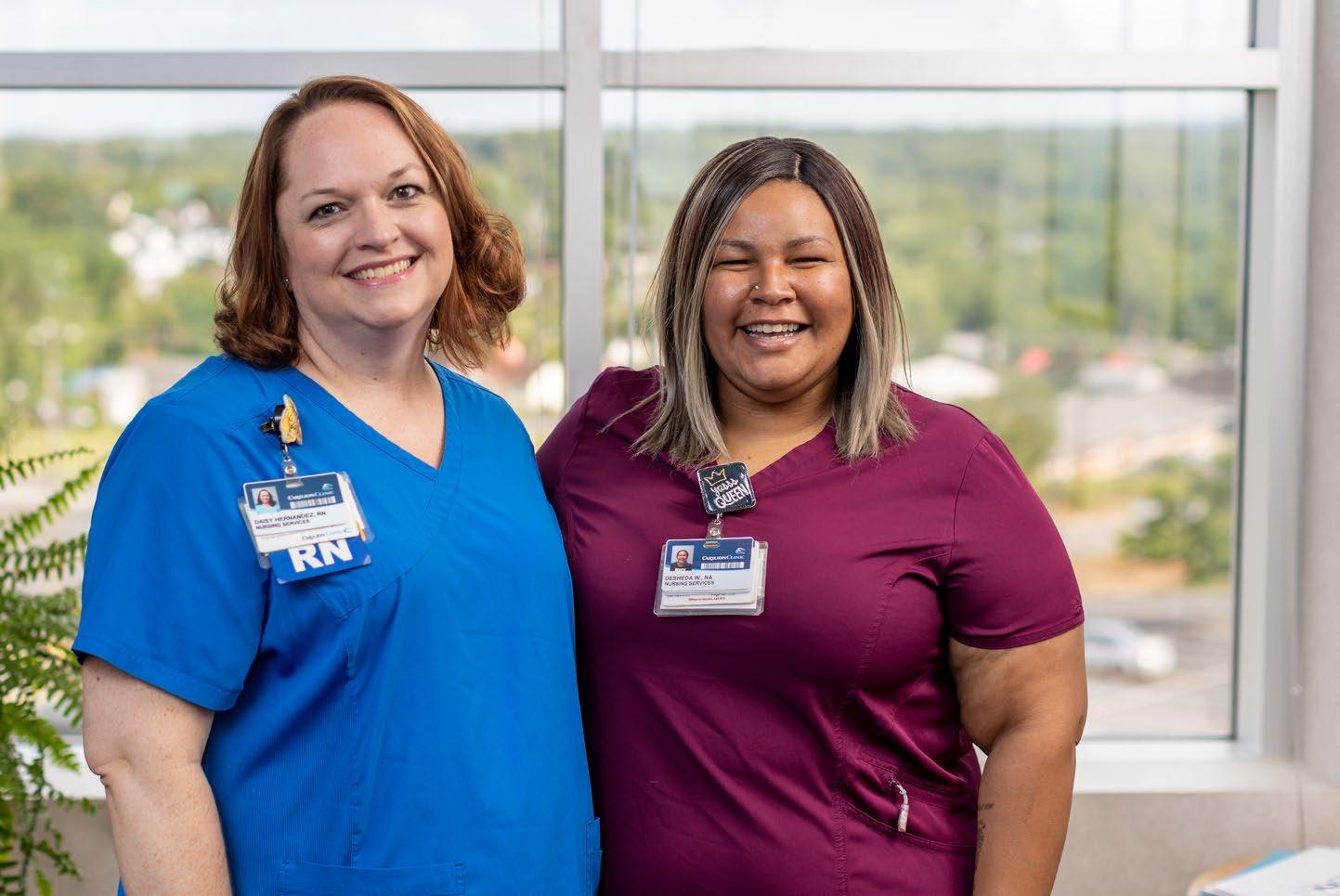
Our compassionate care nurtures lasting connections
Redeemer Health provides compassionate care across every stage of life.
Rooted in the tradition of the Sisters of the Redeemer, our mission to Care, Comfort, and Heal can only be achieved through our dedicated, compassionate employees. Each of us is the product of our experiences and here you will find a place that welcomes you, celebrates your success, and challenges you to do your very best.
ultimately helping bridge health disparities and leading to enhanced health outcomes for patients with disability.
The presence of healthcare workers with disabilities can also help normalize the experience of disability for patients and their family members, fostering a more inclusive and welcoming healthcare environment with enhanced cultural competence.
Helps Reduce Stigma Against Persons with a Disability
By actively hiring and supporting healthcare workers with disabilities, we can help to challenge the negative stereotypes and misconceptions that often surround disability. When individuals with disabilities are visible and successful in their careers, it can help to dispel the notion that they are incapable or “less than” their able-bodied counterparts. This, in turn, can contribute to a more inclusive and accepting society, where individuals with disabilities are valued for their unique strengths and abilities.
Challenges
that
Healthcare Workers
With Disability Face in Entering and Excelling in Their Careers
While the benefits of hiring healthcare workers with disabilities are clear, it’s important to acknowledge the significant challenges they often face in entering and excelling in their careers. Here are some of the barriers that individuals with disabilities face in navigating through the health system as a student or professional:
Technical Standards Required by the Profession
A good deal of healthcare professions have strict technical standards and physical requirements that can pose barriers for individuals with certain types of disabilities. For example, a healthcare worker with a mobility impairment may struggle to meet the physical demands of a role that requires prolonged standing or frequent lifting of patients. Navigating these technical standards can be a daunting and discouraging process for healthcare workers with disabilities.
Inadequate Accommodations
Even when healthcare workers with disabilities are able to meet the technical standards of their profession, they may still face significant challenges in the workplace due to a lack of adequate accommodations. This can include everything from inaccessible workspaces and equipment to insufficient support for their specific needs. Without the proper accommodations, healthcare workers with disabilities may be unable to perform their job duties effectively, leading to frustration and a sense of exclusion.
Fear of Disclosure
Many healthcare workers with disabilities may be hesitant to disclose their condition to their employer, fearing that it could jeopardize their career prospects or lead to discrimination. This fear of disclosure can prevent them from accessing the accommodations and support they need to thrive in their roles, further compounding the challenges they face.
Join a Global Leader in Flavors & Fragrances Be Challenged. Be Rewarded. Be Part of a Great Experience!
Takasago is a major global leader and producer of flavors and fragrances providing innovative solutions in flavors, fragrances, aroma ingredients, and fine chemicals.
For over 100 years, Takasago has invested heavily in research and development to remain at the forefront of innovation in flavors and fragrances. We are committed to sustainability, focusing on natural and environmentally friendly ingredients. Takasago’s corporate culture is shaped by its core values of innovation, customer focus, sustainability, and respect for diversity. The company promotes a collaborative, inclusive environment where employees are encouraged to think creatively while maintaining high ethical standards.
Join Our Growing Team
Takasago is actively seeking motivated individuals to join us in the exciting world of flavors, fragrances, and fine chemicals. Whether you're just starting your career or seeking a leadership role, we have opportunities for you.
Click the link below to view all the exciting open positions and stay updated with new opportunities: Takasago Career Center
Connect with Takasago and Experience the Difference!
Strategies to Help Healthcare Workers with Disability Succeed
To address the challenges faced by healthcare workers with disabilities and create a more inclusive and supportive work environment, healthcare organizations must implement a multifaceted approach that encompasses both organizational and individual-level strategies. This can include the following best practices for a more inclusive healthcare workplace for individuals with disability:
Implement programs and policies that will make the workplace more inclusive and welcoming Healthcare organizations can foster inclusivity and create welcoming workplaces by implementing various programs and policies. Here are some strategies that can be adopted:
• Developing comprehensive accessibility and accommodation policies that clearly outline the organization’s commitment to supporting healthcare workers with disabilities.
• Providing training and education for all employees on disability awareness, inclusion, and the importance of accessibility.
• Establishing mentorship programs that pair healthcare workers with disabilities with experienced, successful colleagues who can offer guidance and support.
• Implementing inclusive hiring practices that actively seek out and encourage applications from individuals with disabilities.
Foster authentic inclusivity among coworkers
• Creating a truly inclusive work environment goes beyond just having the right policies in place. It also requires a concerted effort to foster a culture of acceptance, understanding, and genuine support among all employees. This can be achieved through:
• Organizing team-building activities and social events that celebrate the diversity of the workforce.
• Encouraging open and honest conversations about disability, where employees feel safe to share their experiences and ask questions.
• Recognizing and celebrating the contributions and achievements of healthcare workers with disabilities, both individually and as a group.
Make equipment and tools more accessible for healthcare workers with disability
• Ensuring that the necessary tools and equipment are accessible and adaptable for healthcare workers with disabilities is crucial for their success. This may involve:
• Investing in assistive technologies and adaptive devices that can help to mitigate the challenges posed by certain physical or sensory impairments.
• Designing workspaces and patient care areas with accessibility in mind, incorporating features like adjustable desks, ergonomic chairs, and clear signage.
• Partnering with disability organizations and experts to identify and address accessibility gaps within the healthcare environment.
ieee.taleo.net/careersection/2/jobsearch.ftl
BREAKING INTO ENGINEERING: Tips for Landing Your First Job
Engineering is an exciting field full of innovation, creativity, and problem-solving. Whether you want to become a civil, mechanical, electrical, or software engineer, you’ll work on projects that benefit society.
Many people find that engineering is a rewarding and satisfying profession, but it can be daunting when you first start. The engineering job market is competitive, especially when you have limited experience. But with hard work and the right strategy, you can increase your chances of success and work toward landing your dream job.
jobs is 5% between 2022 and 2023 . Some branches of electrical engineering include control, power, computer, microelectronics, and telecommunications.
This guide provides engineering career advice to help you break into the field. From crafting a strong resume to preparing for your first interview, you’ll learn everything you need to know. With this knowledge, you can confidently start your engineering job search.
Whether you want to become a civil, mechanical, electrical, or software engineer, you’ll work on projects that benefit society.
1. Understand the engineering job landscape
Before job searching, it helps to understand the types of engineering fields and positions available. Starting your search with a clear field or position in mind can help you focus on getting a job within your desired area. You should also keep on top of each field’s projected job outlook to understand current and future demand . Jobs with a good outlook often have more open positions and will continue to grow in the coming years.
Here are the main engineering fields, along with their associated positions and projected outlook:
Mechanical: The mechanical engineering field currently has the best job outlook. By 2032, the U.S. Bureau of Labor Statistics predicts the employment rate will grow by 10% . As a mechanical engineer, you can specialize in aerospace, marine, automotive, heating, ventilation, and air conditioning, and robotics.
Chemical: Chemical engineering is a popular field with a positive job outlook. This field has an 8% predicted change i n employment between 2022 and 2032. While there are many branches of chemical engineering, a few common ones are biochemical, biomedical, pharmaceutical, nanotechnology, and chemical reaction engineering.
Electrical: The estimated growth for electrical engineering
Civil: Civil engineers can specialize in structural, transportation, environmental, geotechnical, and infrastructure engineering. This field’s outlook is the same as electrical, with a 5% estimated growth rate
2.Boost your credentials
You can gain experience and extra knowledge in various ways before applying for jobs. This can make your resume look more impressive and help you stand out from other applicants. Most engineering positions require a degree, but you can also get additional certifications and licenses.
Look into each of the specific fields and see what requirements there are. Completing an internship or apprenticeship before applying for a job is also beneficial. Even attending some extra online courses, seminars, or conferences can help.
3.Craft an effective resume
Your resume is often the first impression potential employers have of you. If you don’t have any relevant engineering experience yet, you’ll need to use your resume to showcase your knowledge and skills. Start by writing a cover letter explaining why you think you’re a good fit for the specific job you’re applying for. You can highlight projects you’ve worked on that match the skills listed in the job description to back your claims.
For your resume, focus on listing your personal information, education, experience, relevant skills, and references. You can also include your personal interests and hobbies, as well as any recent awards or achievements you’ve received. Another engineering resume tip is highlighting soft skills the employer may be looking for, such as communication, problem-solving, time management, and teamwork.
4.Diversify your job search
The most effective way to find any job is to cast a wide net. Look in as many locations as you
At Segal, our mission is to provide trusted advice that improves lives. How? With expert teams delivering innovative solutions that help organizations provide health and financial peace of mind to their people. Our differences make us stronger
We’re one of the largest independent human resources and employee benefits consulting firms today. We’re team-oriented with deeply held values, proud to be making a difference in the lives of so many.
Become a part of something bigger
Segal is actively recruiting top talent. See our job openings on LinkedIn. And visit us at segalco.com/about-us/careers to learn how you can become a part of our team. segalco.com
can to get a good pool of open positions to apply to. While it’s great to focus on your dream field or branch, you should also consider applying for other jobs with a similar skill set requirement. Applying to more jobs can increase your chances of landing one quickly.
The best places to start your engineering job search are: University resources : If you studied engineering at a university, check if they have any job placement services or resources.
Job websites: Look at job websites for graduate engineering jobs. Some employers may also list entry-level engineering positions as “junior” roles.
Networking: Network as much as you can. Attend conferences and career fairs and join professional networks like the American Society of Civil Engineers .
Company websites: If you know exactly which company you want to work for, look for a careers page on their website. You can also apply there directly.
5. Prepare for the interview
Once you’ve received your first interview invitation, it’s time to prepare for success with interview preparation. Begin by familiarizing yourself with the job description and requirements. You can also look into the company online to understand them better. Most interviewers ask similar questions initially , so you can plan some answers in advance. For example, they may ask why you want to work at the company, what your greatest strengths are, and how you overcame a recent challenge.
Rehearse your responses in the mirror and with friends or family. Practice can reduce nerves on the day. Remember to ask the interviewer questions, too. You can ask about their experience at the company and what a typical day looks like for them. Focus on being yourself and highlighting your skills and accomplishments to sell yourself to the interviewer. If the company chooses someone else for the position, the best thing you can do is keep going. Another opportunity is bound to come your way.
Tips for your first day
If you’ve scored your first job, congratulations! Your first few weeks will be full of learning opportunities, growth, and new experiences. Use the following tips to get the most out of this time and make a great impression:
• Get plenty of sleep for your first day so you can be alert and focused.
• Show up with a positive attitude.
• Take detailed notes as you learn new things every day.
• Write down team member names and memorize them as soon as possible.
• Don’t be afraid to ask for help when you’re stuck.
• Tuck your phone away to give colleagues and work your full attention.
Apply for an engineering job at Intuitive. https://careers.intuitive.com/en/ If you’re passionate about making a difference, consider applying at Intuitive. Our engineers help us prove what’s possible in minimally invasive care. As part of our team, you’ll help build complex robotic technology or help shape the innovative software solutions behind them. Your work will directly impact the care doctors can provide to patients worldwide. We have open roles across various engineering fields and positions, including electrical, software, quality assurance, vision imaging, project management, and mechanical design. If you aren’t ready to apply yet, join our Talent Community. We’ll keep you updated on new job openings and company news so you can learn more about what we do.
Popular Careers in the Financial Sector
According to the U.S. Bureau of Labor Statistics, professionals in business and financial occupations earned a median wage of $80,920 in 2024—much higher than the overall median wage across all jobs of $49,500. That makes finance a career that involves not only managing money, but also earning some for yourself.
Yet the financial sector is undergoing a profound transformation. The rise of fintech , the changing nature of investing, and the increasing dominance of data analytics are reshaping traditional roles in ways that can be hard to foresee. Whether you excel at crunching numbers, building relationships, or leveraging technology, the expanding financial sector offers career paths that could align with your strengths and interests. While the average projected growth rate for all U.S. occupations from 2024 to 2034 is 3.1%, the financial careers discussed here are all projected to grow at higher rates.
Required Education and Skills
Most finance roles require a minimum of a bachelor’s degree in finance, accounting, economics, business administration, or a related field. However, the level of education depends on the specific role and the career you want. Here’s a breakdown:
Bachelor’s degree: This is often needed for entry-level positions. According to an analysis of 1,000 financial analyst job postings by 365 Financial Analyst, 38% of such job postings require a bachelor’s degree.
Master’s degree: This is increasingly preferred for advanced roles, with 29% of financial analyst job postings requiring a master’s degree.
MBA or specialized master’s degree: Often beneficial for leadership positions or specialized areas like investment banking. In addition, professional certifications can provide an edge for specific careers:
CFA : Highly regarded in investment management.
CFP : Globally recognized for financial planners.
Financial risk manager (FRM): Valuable for risk-management roles.
Portfolio Management
2024 median annual salary : $161,700
Projected growth rate from 2024 to 2034 : 15%12
Portfolio managers oversee investments for individuals, institutions, and funds. Their primary responsibility is to create and carry out investment strategies that match their clients’ goals, risk tolerance , and market conditions.
The job often involves market research, analyzing economic trends, and making data-driven decisions to optimize portfolio performance. Portfolio managers often specialize in specific asset classes or investment styles, such as stocks, bonds, or alternative investments.
Here in the First National family (First National Bank Texas, First Convenience Bank, First Heroes National Bank, First Community Mortgage and First Community Services), we are fiercely proud of our past and excited about our bright future. Independently owned, with more than 300 locations in Texas, Arizona, Arkansas and New Mexico, we offer growth and advancement in a fun and fast-paced environment. Our company provides and educational atmosphere, enabling employees to achieve their highest career potential. We are pleased you have considered advancing your career with us.
WHY CHOOSE US?
Here in the First Nationalfamily (First National Bank Texas, First Convenience Ba nk, First Heroes NationalBank, First Community Mo rtgage and First Community Servi ces), we are fiercely proud of our past and excited about our bright future. Independently owned, with more than 300 locations in Texas, Arizona,Arkansas and New Mexico, we offer growth and advancement ina fun andfast-pacedenvironment. Our company provides an educational atmosphere, enabling employees to achieve their highest career potential. We are pleased you have considered advancing your career with us.
No matter what your specialty is, chances are there is a position for you with the First National family. Positions range from front-line sales to customer service, clerical, support services and managerial positions. Our account holders are very diverse, and we are proud to accommodate them with a diverse workforce that includes bilingual employees.
Jobs for Disabled Veterans
Transitioning to civilian life as a disabled veteran doesn’t mean leaving your strengths behind. Your leadership, discipline, and problem-solving skills are exactly what today’s employers need.
At Hire Veterans, we specialize in connecting you with meaningful jobs for disabled veterans — from federal noncompetitive appointments to flexible remote jobs for disabled veterans and inclusive private-sector roles.
This guide pulls directly from official U.S. government and nonprofit resources to show you the fastest, most reliable paths to job opportunities for disabled veterans and long-term careers for disabled veterans.
Main Takeaways
Federal agencies offer noncompetitive hiring for veterans with a 30% or higher VA disability rating, so you’re not competing with the general public.
Special authorities like the Veterans Recruitment Appointment (VRA) and Schedule A give you priority access to thousands of federal and contractor positions.
Inclusive employers and veteran-focused nonprofits provide resume help, accommodations, and direct pipelines to disabled veteran jobs, many with remote or flexible options.
Jobs for Disabled Veterans
Let’s take a look at some of the best job opportunities for disabled veterans, including federal jobs, DoD jobs, and more!
Fastest Path: Federal Non-Competitive Hiring Authorities
The federal government is the nation’s largest employer of disabled veterans, and for good reason. If you have a serviceconnected disability rating of 30% or more, you qualify for noncompetitive appointment under Schedule A for 30% or more disabled veterans and the Special Hiring Authority for Disabled Veterans.
You can also use the Veterans Recruitment Appointment (VRA) for positions up to GS-11 (or equivalent) — no written test and no competition required.
How to apply today:
• Create or update your profi le on USAJOBS.gov
• Upload your DD-214 (Member-4 copy), SF-15 (for 10-point preference), and your VA disability rating letter
• Search using fi lters: “30 percent or more disabled veteran” or “Veterans Recruitment Appointment (VRA)”
These authorities are explained in detail on the Office of Personnel Management (OPM) Veterans page and VA for Vets.
Department of Defense Civilian Careers
The DOD Civilian Careers program actively recruits disabled veterans for everything from cybersecurity and logistics to intelligence analysis, and many of the roles are remote or hybrid.
The DoD Job Exploration Tool is a useful five-question survey that instantly matches your military experience to open civilian positions.
The Boise VA Medical Center proudly serves veterans in the Boise, Idaho area, in its main medical center, and in five community-based outpatient clinics.
www.va.gov/boise-health-care/work-with-us/ to view and apply for current open positions.
Page 22 equal opportunity employment journal July 2026
Inclusive Employers & Nonprofit Support
Several veteran-focused nonprofits go beyond federal jobs to place disabled veterans in private-sector and contractor roles:
• American Corporate Partners (ACP): Free one-on-one mentoring with executives from companies like Amazon, Disney, and Verizon.
• Hire Heroes USA: Personalized career coaching, resume rewriting, and mock interviews (100% free).
• Veterati: Unlimited 1-on-1 mentoring calls with civilian professionals.
• FourBlock: Career readiness training with a proven 93% employment rate for graduates.
Many of these organizations partner directly with employers who are committed to hiring and accommodating disabled veterans.
Remote & Flexible Opportunities
Remote work has opened thousands of new doors.
our database daily for candidates exactly like you
Your skills are in demand, and your country still needs you — just in a different uniform. Start your search today at HireVeterans.com.
FAQS | FREQUENTLY ASKED QUESTIONS
What are the special hiring authorities for disabled veterans?
friendly options in IT, admin, and transcription ($34K avg.).
Should I disclose my disability on job applications?
For federal jobs, yes, so that you can claim preference (select “Protected Veteran”). For private sector jobs, it’s optional. You can choose “I won't answer” to avoid bias and then disclose post-offer for accommodations. The U.S. Equal Employment Opportunity Commission protects against discrimination. What documents do I need for veterans’ preference?
Pre-offer questions about disabilities (e.g., post-traumatic stress disorder or injury details) are illegal under the Americans with Disabilities
Use the “Remote” filter on USAJOBS.gov combined with the “30% or More Disabled Veteran” hiring path to find fully remote federal positions.
Contractors supporting the VA, DOD, and other agencies also post remote disabled veteran jobs on ClearanceJobs. com (many require security clearances you already hold).
Conclusion
You’ve already proven you can overcome challenges most people never face. Now it’s time to turn that resilience into a rewarding civilian career. Take one action today:
• Update your USAJOBS profile
• Schedule a free mentoring session with ACP or Hire Heroes USA
• Register your resume at HireVeterans.com — employers search
Noncompetitive paths include Veterans Recruitment Appointment (up to GS-11), 30%+ Disabled Veteran Authority (any position), and the Veterans Employment Opportunities Act of 1998 for merit promotions. Apply via USAJOBS. gov with DD-214, SF-15, and VA letter. What jobs are best for disabled veterans?
High-demand roles include IT specialists, customer service reps, security officers, logistics coordinators, and administrative assistants. You can use military skills translators on CareerOneStop.org.
Are there remote jobs for disabled veterans?
Yes—filter "Remote" + "30%+ Disabled Veteran" on USAJOBS.gov for federal roles; sites like FlexJobs, Remote OK, and ClearanceJobs list 200+ veteran-
To use your veterans’ preference, you’ll need your DD-214 (Member-4), SF-15 (for 10-point), and VA disability letter (30% or more). Upload these documents to your USAJOBS profile. Can employers ask about my disability during interviews?
No. Pre-offer questions about disabilities (e.g., post-traumatic stress disorder or injury details) are illegal under the Americans with Disabilities Act. Post-offer medical exams are permissible, as well as disclosure to seek accommodations. Self-identification for affirmative action is voluntary.
About Hire Veterans
Connecting Great Companies with Top Military and Veteran Talent Since 2003! HireVeterans.com is recognized by industry experts as a market leader in top jobs for veterans and their family members. For job seekers, we offer the very best and relevant career opportunities offered by world-class, veteran-friendly companies who want YOU! We also offer veteran-friendly employers access to our vast network of veteran resumes and job postings so your organization can efficiently and effectively hire top military and veteran talent worldwide.
Come join our team of almost 2,000 collaborative, purposedriven professionals who are creating the clean energy system of the future. Together, we can lead the transition to a carbon-free, economically vibrant New York through customer partnerships, innovative energy solutions and the responsible supply of affordable, clean and reliable electricity. Think big, do good and help create a clean energy future!
At the New York Power Authority (NYPA), we work for the greater good and a stronger, sustainable New York.
The Phoenix Union High School District is searching for the best-qualified applicants in all fields , but particularly in mathematics , science , special education , and ELD (English Language Development) .
Come join one of the most progressive portfolio districts in the country. Fill out an application on our website at pxu.org or contact us at (602) 764-1101.
The Phoenix Union High School District is an Equal Opportunity Employer.
AI Skills Increasingly Crucial for Cyber Pros Looking for Jobs and Advancement
Cybersecurity, like overall tech hiring, has slowed over the last six months as businesses reassessed their budgets amid a slowing U.S. economy, while at the same time, the federal gover nment also reduced agency funding and positions. Still, the CyberSeek job board currently lists more than 514,000 open cyber positions.
A look at the open position numbers shows that the cybersecurity profession has reached a major milestone – CyberSeek found that 10 percent of all these available security positions specifically state that the job requires candidates to have some type of artificial intelligence (AI) skill to be considered.
“Over the past 12 months, approximately 10% of employers recruiting for cybersecurity positions cited AI as a requirement. For other segments of employers, it may be an implied skill requirement not explicitly mentioned in the job listing,” according to CyberSeek, a joint initiative of NICE (a program of the U.S. National Institute of Standards and Technology focused on advancing cybersecurity education and workforce development), analytics fir m Lightcast, and CompTIA.
The Ohio Valley Educational Cooperative (OVEC) is a consortium of 14 school districts serving over 150,000 students in north central Kentucky. OVEC's mission is to make educators’ work more fulfilling and sustainable through intentional opportunities, resources, and relationships. Established in 1976, the cooperative provides a vehicle for conducting regional planning, development, and implementation of educational programs on a continuing basis. OVEC offers programs that serve member school districts, their student populations and families.
“Over the past 12 months, approximately 10% of employers recruiting for cybersecurity positions cited AI as a requirement."
MINORITY RECRUITMENT
The Kentucky Educational Development Corporation (KEDC), a cooperative of school districts is actively seeking certified minority teachers and administrators for elementary, middle, and secondary positions. KEDC’s Districts are located across Kentucky. Visit www.kedc.org for a list of participating school districts.
Individuals interested in obtaining an application should send a letter or postcard to:
While generative AI, agentic AI and other versions of these technologies are viewed as ways to automate many manual security processes, the CyberSeek numbers, along with other research data, show that AI is driving cybersecurity professionals to quickly develop new skill sets to meet the evolving demands of these types of jobs.
“Use of AI in security operations roles, like any other technology, will require new skills and training,” according to Gartner. “Senior analyst roles and staff with programming/code-first skill sets are more likely to offer value to the SOC organization when considering how to use automation and AI on a day-to-day basis.”
A Shifting Job Landscape Focuses on AI Skills
Cybersecurity experts have noted that while AI is changing the market and the skill sets that security professionals need to pursue an open position or a potential career path, it’s not yet clear how the technology will ultimately affect the job market and hiring.
It’s not yet clear how AI technology will ultimately affect the job market and hiring.
The integration of AI into core business operations has significant implications for the workforce. This includes security practitioners, as well as legal, compliance, and risk teams, which will now require upskilling in areas such as AI technologies and data governance.
With research showing that 64 percent of organizations are planning to add AI-powered platforms to their security stack in the next year, professionals must start to cross-skill in these technologies, said Nicole Carignan, the senior vice president for security and AI strategy, and field CISO, at security firm Darktrace.
“As AI becomes further embedded across the cyber landscape, it’s reshaping the structure, skillsets and strategies of all areas of the business, in particular the SOC,” Carignan told Dice. “The tools used by attackers and defenders are evolving rapidly, and AI offers critical support in helping teams keep pace. When implemented responsibly, AI can augment the existing cyber workforce – expanding situational awareness, accelerating mean time to action, and enabling SOC teams to be more efficient, reduce fatigue, and better prioritize cyber investigation workloads.”
Another cyber expert, Bugcrowd CEO Dave Gerry, noted that while AI might seem like a worthy security investment for an organization with a limited budget, the deployment of these platforms and virtual chatbots still requires human oversight and supervision. This means investing in training and ensuring cyber pros have these skills.
“AI has the potential to level the playing field for these underresourced operations, but only if it's deployed safely, securely, and with the right human oversight,” Gerry told Dice. “Without the combination of clear guardrails and experienced staff to monitor the outcomes, there is a risk of automation of failure at scale.”
“Realizing this benefit requires a workforce that understands how to effectively use, operationalize, govern, and most importantly, trust these technologies. It’s not enough to simply deploy an AI solution – security practitioners must understand how the underlying machine learning techniques function, what their strengths and limitations are, and how to evaluate their outputs,” Carignan added. “Without explainability and trust, AI risks exacerbating alert fatigue rather than solving it.”
HEALTHCARE continued from page 13
One of the key ways to challenge the stigma and biases surrounding healthcare workers with disabilities is to actively support their career advancement and representation in leadership positions. This can include:
• Implementing inclusive talent management and succession planning processes that actively identify and develop the leadership potential of healthcare workers with disabilities.
• Offering specialized training and mentorship programs to help healthcare workers with disabilities build the skills and confidence needed to take on management and executive roles.
• Celebrating the success stories of healthcare workers with disabilities who have risen to positions of leadership and using their experiences to inspire and encourage others.
Inclusive and Culturally Competent Medical Practice and Work Environment With Caring Support
Hiring healthcare workers with disabilities is not only the right thing to do, but it also contributes to the enhancement of healthcare practices to the greatest extent. By embracing the diversity and unique perspectives that these individuals bring to the table, healthcare organizations can create a healthcare work environment that truly values and supports the unique contributions of healthcare workers with disabilities, ultimately leading to enhanced patient care, increased job satisfaction, and a more inclusive and equitable industry as a whole.
At Caring Support, we support health promotion efforts and the creation of programs that can help healthcare organizations create a more inclusive and supportive work environment for healthcare workers with disabilities. We designed our comprehensive services to effectively contribute to the success of healthcare workers in Canada by helping them in different aspects of their careers, from their healthcare education through our various educational programs, to their job search and their duty essentials. Our healthcare-focused services also help in the effective communication among healthcare professionals and prospective employers.
Reach out to our team today to partner with us and gain helpful guidance on your journey towards an inclusive and positive healthcare workplace.
To become a portfolio manager, you typically need a bachelor’s degree in finance, economics, or a related field.13 You would then gain experience in financial analysis or investment management.
Most portfolio managers obtain advanced certifications, with the CFA designation being the industry’s gold standard. The CFA curriculum covers investment analysis, portfolio management, and ethical standards.14 Other relevant certifications include the CFP and FRM designations.
Financial Planning
2024 median annual salary : $102,140
Projected growth rate from 2024 to 2034 : 10% Financial planners help individuals, families, and businesses manage their finances and achieve long-ter m financial goals. They create financial plans, advise on investments, and provide retirement, tax, and estate planning services. Financial planners also stay up-to-date with the latest industry developments and economic policies to offer their clients the best available options.
The CFP designation is the industry’s gold standard, though planners who began as analysts might have a CFA. The median total compensation for financial planners was $185,000 in 2024, with CFP professionals earning 13% more than other financial planners, according to the CFP Board.
The Bottom Line
The financial sector offers diverse career paths, from highstakes investment banking to client-focused financial planning, each with a mix of rewards and demands. While six-figure
We are looking for high energy, dedicated employees to serve the students of the Houston County School District.
employment
The financial sector offers diverse career paths, from high-stakes investment banking to client-focused financial planning, each with a mix of rewards and demands.
salaries are more common than in other fields, success requires more than just following the money.
The most satisfied finance professionals are those who align their roles with their skills and lifestyle preferences, whether that’s the intense dealmaking environment of M&A, the analytical focus of quantitative trading, or the relationship-building aspects of wealth management.