Sulo Group - Creating solutions for today's waste to be tomorrow's resource
Imprint
Published by
Sulo SAS
1 rue du Débarcadère 92700 Colombes, France info@sulo.com
Publication Date
June 2025
Editorial Office
Sulo SAS Quality, Health, Safety and Environment Department
Design and realization
Sulo SAS External Group Communication
Photo Credits
Cover, P. 21, P. 33, P. 50 Shutterstock, Inc.
P. 5, P. 21, P. 30, P. 33, P. 34 Sulo France SAS P. 61 Molok Ltd.
I.1 Editorial
Sulo: A New Step Toward Circularity and Responsibility
Within Sulo we share a strong ambition around sustainable development. Our teams take concrete commitments, and CSR is fully integrated into our strategy. Sustainability is inherent to how we act, how we decide, and how we envision the future.
For the years to come, we want to integrate CSR responsibility and continuous improvement into all our activities. This evolution is made possible thanks to the commitment of our employees and the support of our main shareholder, Latour Capital, who drives us to move forward with pragmatism, ambition, and a long-term vision.
The year 2024 also emphasized the growing importance of addressing climate change in all its dimensions. In terms of adaptation, storm Dana put our operations in Spain to the test. Thanks to the rapid mobilization of our local teams and the solidarity of all across the Group, we were able to restore our activities within controlled timelines, demonstrating our collective ability to face extreme weather events. On the mitigation front, our commitment was further strengthened with the validation of our emissions reduction pathway by the Science Based Targets initiative (SBTi) in 2025, confirming our determination to take concrete action to limit our carbon footprint and support our partners in their own transition efforts.
With our customers, we continue to actively support the transition towards a circular economy. The acceleration of Pay As You Throw (PAYT) systems is a major contributor to the reduction of waste at the source. We offer comprehensive, turnkey solutions that combine equipment, digital tools, and service delivery to help municipalities and operators achieve their reduction targets and engage users more effectively.
In 2024, we also crossed a symbolic and historic threshold: over 80 % of the material used in our plastic waste container production is now recycled. SULO leads the industry in this field — a testament to our long-term investments and unmatched expertise in the use of recycled plastics.
This commitment is driven by a strong conviction: the circular economy is built through concrete, practical solutions, close to local needs and realities.
Finally, none of this would be possible without the dedication of our teams. Safety, social dialogue, and the continuous improvement of working conditions are at the heart of our culture.
Sulo is fully committed to transforming today’s waste into tomorrow’s resources. We are progressing with responsibility, ambition, and determination.
Sulo is fully committed to transforming today’s waste into tomorrow’s resources. We are progressing with responsibility, ambition, and determination.”
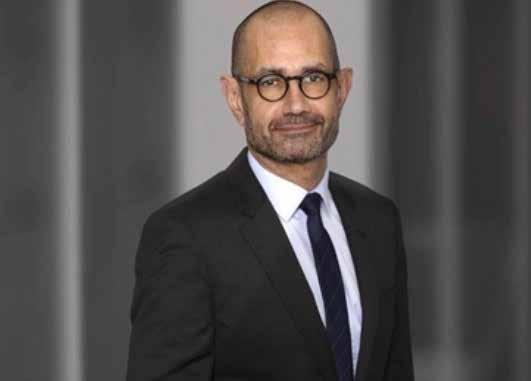
Thierry Koskas
THIERRY KOSKAS President of the Sulo Group
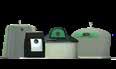
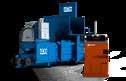
Leader in comprehensive waste management solutions, Sulo provides an extensive range of products including bins, voluntary deposit containers, balers, and compactors, all designed to enhance waste sorting and recycling for municipalities, businesses, and individuals.
Recognised as a significant contributor to the circular economy, we proficiently recover and upcycle plastic waste, produce high-quality solutions with recycled content, and assist our customers in achieving their sustainability objectives through innovative waste management technologies.
REPRESENTED IN
NUMBER 1 IN EUROPE IN WASTE PRE-COLLECTION
SOLUTIONS
2.300 EMPLOYEES
90/100
GENDER EQUALITY INDEX IN FRANCE
72% OF SULO EMPLOYEES TRAINED IN 2024
-12% SAFETY FREQUENCY RATE (FR2) VS 2023
-49,5% SCOPE 1 & 2 (MARKET BASED) VS 2023
+0.5% SCOPE 3 EMISSIONS VS 2023
80% OF RECYCLED MATERIAL IN OUR TOTAL PLASTIC CONSUMPTION
I.3 Context and Main Challenges
The challenges of climate change and resource scarcity are becoming increasingly pressing. As extreme weather events multiply, the waste management sector must demonstrate both resilience and mitigation efforts. The recent storm Dana, which severely impacted our Ribarroja plant in the Valencia region, served as a stark reminder of the need to anticipate and integrate climate risks into our operations.
At Sulo, we believe that our responsibility goes beyond waste collection: it also encompasses building robust infrastructures, reducing our climate footprint, and promoting sustainable solutions that can withstand future environmental challenges.
In this context, we are taking concrete action to limit our impact on the climate by reducing greenhouse gas emissions across our value chain — from eco-design and the use of recycled materials to local production and optimized logistics.
With the United Nations predicting a 70% increase in global waste generation by 2050, we have adopted the circular economy as a guiding principle. Now more than ever, we are committed to helping transforming today’s waste into tomorrow’s resources and creating a sustainable, circular lifecycle for our products and services.
In Europe, waste management is governed by the EU Waste Framework Directive, which establishes key concepts and targets for sorting, recycling, and recovery. Countries such as France, Belgium, Germany, and Spain have made significant progress in implementing separate collection schemes, particularly for organic waste.
However, deploying efficient, differentiated waste collection remains complex and costly, especially in regions still lacking adequate infrastructure. At Sulo, we are committed to supporting municipalities and private operators with tailored, high-quality solutions. Technological innovation also plays a key role, particularly in improving traceability and advancing the “polluter pays” principle promoted by the revised Directive. Digital tools and data-driven management are helping to optimize collection logistics and reduce waste volumes, directly contributing to the EU’s ambition to cut household food waste by 40% by 2030.
I.4 Our CSR Strategy
In 2024, we continued to strengthen our Corporate Social Responsibility (CSR) approach by complementing the materiality assessment conducted in 2023 with a double materiality analysis. This approach enables us to better understand how environmental and social issues influence our activities, and how our activities, in turn, impact our stakeholders and the environment. It provides a solid foundation for a strengthened roadmap aligned with international frameworks, including the United Nations Sustainable Development Goals.
Our CSR strategy is structured around six key pillars:
Safety,
— Reduction of our carbon footprint, Increased use of recycled materials in our production processes, Optimization of resources such as waste and water, Promotion of gender equity,
Inclusion of people with disabilities.
Although the application of the Corporate Sustainability Reporting Directive (CSRD) has been postponed through the Omnibus Act, we are maintaining our trajectory and continuing to develop and enhance our sustainability actions and reporting processes.
2024 also marked an important milestone, with the definition of our decarbonization targets in accordance with the Science Based Targets initiative (SBTi) requirements, providing a clear and structured framework for our future actions.
I.4.1 CONTRIBUTING TO THE UN SUSTAINABLE DEVELOPMENT GOALS
Our corporate social responsibility (CSR) strategy is aligned with the United Nations’ 17 Sustainable Development Goals (SDGs) for 2030. These interconnected goals provide a unified framework for advancing peace and prosperity for people and the planet, now and in the future.
Through our initiatives, we seek to contribute, at our level, to advancing these global priorities by embedding sustainable practices across our operations and value chain.
Sustainable cities & communities
Good health & well-being
Decent work & economic growth
Climate action
Industry, Innovation & Infrastructure
Responsible consumption & production
We support sustainable cities and communities by helping them manage waste effectively to minimize their environmental impact.
We prioritise safety and well-being through our zero-accident strategy, fostering a culture of health and safety while promoting decent work opportunities that drive sustainable economic growth and prosperity for all.
In order to mitigate climate change, we aim to reduce our carbon emissions. We have calculated our Group Carbon Footprint using the GHG Protocol methodology, and our emissions reduction targets, submitted to the Science Based Targets Initiative (SBTi) in 2024, were officially approved in 2025.
We lead the market with our recycled plastic bins and follow the 3Rs: reduce, reuse and recycle. We aim to minimise the use of resources, extend the life of our products and recycle materials effectively.
Clean water & sanitation
Responsible consumption
& production
Life below water
Life on land
Gender equality
Reduced inequalities
Partnerships for the goals
We exist to help communities, businesses and households sort their waste so that it can be recycled rather than sent to landfill. We are also committed to reducing our own waste by reusing, repairing and recycling our products. We are also reducing our water consumption, ensuring adequate wastewater treatment and working to prevent resin pellet loss.
We are committed to increasing the number of women in leadership positions and closing the gender pay gap. Our regionspecific initiatives focus on improving the inclusion of people with disabilities and strictly prohibit all forms of discrimination. We also actively engage with and support local organisations that employ people with disabilities and those excluded from the labour market.
I.4.2 DOUBLE MATERIALITY ASSESSMENT
The implementation of the European Corporate Sustainability Reporting Directive (CSRD) represents a major evolution in sustainability disclosure, expanding both the scope and the level of detail expected from companies. However, the recent adoption of the Omnibus Act has introduced a degree of uncertainty, particularly regarding the timeline and practical modalities of the directive’s application.
In this evolving context, Sulo Group continues to actively prepare for alignment with CSRD requirements. We have already taken significant steps and remain vigilant regarding future regulatory developments. At the same time, we are strengthening our internal ESG processes by developing dedicated tools, systems, and resources to ensure clear, consistent, and reliable reporting aligned with the directive’s key objectives.
Our journey began with a materiality assessment published in our 2022 ESG report and the Double materiality assessment in 2023. This initial work helped define our CSR priorities by analysing sector-specific impacts and gathering feedback through regular dialogue with key stakeholders. It also included an assessment of the likelihood and severity of different sustainability topics for our business.
Building on these efforts, we conducted a double materiality assessment (DMA) in mid-2024 to gain a deeper and more nuanced understanding of the issues that are most relevant to us.
This in-depth analysis, detailed below, allowed us to identify potential material impacts for our stakeholders and assess the financial implications for our business.
Methodology
With the help of ESG consultants, we identified and scored 135 Impacts, Risks and Opportunities (IROs), of which 15 were deemed material. They were then submitted to our majority shareholder, Latour Capital.
This rigorous process has enabled us to identify critical areas that require strategic attention and resource allocation to ensure that our ESG efforts are both impactful and aligned with stakeholder expectations and financial sustainability.
This structured approach underlines our commitment to integrating ESG considerations into our business strategy, promoting transparency and driving long-term value creation for all stakeholders. The DMA has served as the basis for defining our new strategic plan for 2025.
contribute to limit the increase in the global average temperature to well below 2 °C and to pursue efforts to limit it to 1,5 °C above pre-industrial levels, as set out in the Paris Agreement (Regulation (EU) 2020/852).
I.4.3 OUR STAKEHOLDERS
Through careful analysis of our ESG priorities, we ensure that the issues we address reflect the voices of our stakeholders, both inside and outside the organisation. By addressing the concerns of our partners, communities, investors and employees, we are creating a future of responsibility, innovation and shared growth.
Suppliers
Communities
Partnerships with associations
Employees
Our employees are central to driving our ESG efforts. Through regular consultations and the establishment of a European Works Council, we ensure their voices are heard and integrated into decision-making. This platform strengthens communication across the organization and empowers employees to contribute to sustainability initiatives and workplace improvements.
Customers
Customer expectations for responsible practices are rising, and we continuously incorporate their feedback into our products and services. By aligning our ESG goals with customer values, we enhance trust and deliver solutions that promote sustainability and social responsibility.
Suppliers
We collaborate closely with our suppliers to encourage ethical sourcing, resource efficiency, and fair labor practices. By working together, we create a sustainable and resilient supply chain that upholds our shared commitment to reducing environmental impact.
Global Executive Committee
The Global Executive Committee plays a crucial role in steering our ESG strategy. By setting clear priorities and leading by example, they ensure that sustainability and responsible governance are embedded at the highest level of the organisation. The Global Executive Committee regularly reviews our ESG performance, ensures alignment with corporate objectives, and drives initiatives that foster long-term value creation for all stakeholders.
Investors
As ESG performance becomes increasingly important to investors, we provide transparent reporting and regular updates on our sustainability strategies. This open dialogue ensures that our long-term goals align with their expectations for responsible corporate governance and risk management.
Communities
We are committed to supporting local initiatives that promote social inclusion and environmental protection. By funding these projects, we contribute to the well-being of communities while supporting sustainable and responsible development.
II. Governance
Addressing our collective CSR challenges is key to creating a more sustainable future for ourselves and for generations to come. As a leader in the waste management industry and the circular economy, our mission is to help transform today’s waste into tomorrow’s resources. Guided by our core values, we strive to set new industry standards and make a positive impact on the environment and society. By advancing our practices and embracing cutting-edge solutions, we aim to lead the way in sustainable waste management.
II.1 Corporate and CSR Governance
Sulo’s governance structure continues to evolve to support the Group’s strategic ambition and sustainability goals. A new Global Executive Committee, composed of six members — the President and five Vice Presidents — was established to coordinate and align strategic initiatives across the organisation. Chaired by Thierry Koskas, this committee plays a central role in steering the Group towards its long-term vision.
The Global Executive Committee members are directly involved in shaping the Group’s CSR roadmap. To support this ambition, the QHSE/ESG department was reinforced in early 2024 with the arrival of a Group ESG Manager, marking a new step in the structuring of our sustainability governance.
In addition, a network of ESG Champions was created within each entity of the Group to strengthen local engagement and implementation of our CSR strategy. This network acts as a key relay between operational teams and Group management, ensuring alignment and fostering the exchange of best practices. The ESG Champions Committee meets on a quarterly basis to monitor progress, share feedback, and coordinate actions across all sites.
Group Vice-President
Southern Europe
President of the Sulo Group Governance issues
Group Vice-President
Nordics & Compacting
ESG Manager
Group Vice-President Organisation & Human Ressources
Employees issues
/ CSR Team
QEHS Director / Leader ESG Agenda
Group Vice-President
Operations Environemental and safety issues
QEHS ESG Coordinator
Group Vice-President
Finance, IT & Legal Governance issues
To ensure effective governance of ESG matters, we have established three distinct committees, each responsible for overseeing specific aspects of our sustainability strategy.
Mission
• Define the safety and sustainability strategy
Global Executive Committee
Environmental, Health and Safety Committee
Ethics Committee
• Raise employees´ awareness of CSR issues
• Ensure that Group policy is deployed locally
• Deal with non-ethical issues
• Review the training program
• Bi-monthly
• Every three months
• Global Executive Committee members
• One-off participants invited according to the agenda
• Global Executive Committee members
• QEHS Director
• Every four months • 5 members: President, VP Finance, HRD, Group General Counsel and Group Compliance Manager
Remuneration dependent on ESG performance
Part of the variable compensation for executive Directors depends on the Group’s performance, measured against specific numerical targets.
Safety at work
Reduction of carbon footprint
Recycling of plastic materials
Ressource optimization
Gender diversity
II.2 A Decentralised Organisation
Our decentralised organisation harnesses the intelligence, expertise and empowerment of our teams. This management model ensures that decisions are well suited to the local context and empowers each employee to make an active contribution to the Group. At the same time, we are organised to maximise synergies between different areas, ensuring that the Group operates more effectively as a cohesive unit. These synergies, managed centrally, enhance collaboration, innovation and market responsiveness.
Levers steered by Group management
ESG and Safety priorities
Developing future leaders
Product development/innovation
Purchasing Reporting, strategy and acquisitions
Sulo brand
II.3 Our Sustainable Business Model
WASTE REDUCTION
Added value through:
— IoT-enabled containers with RFID chipsfor automated identification
— PAYT
— Weighting System
Promote of waste reduction
COLLECTION & SORTING
Added value throught :
Citybac® wheeled bins
Made from recycled and recyclable plastic, robust, with RFID option, they are the foundation of efficient waste collection.
Voluntary drop-off containers
Tailored to all waste streams (packaging, glass, residual waste, paper, biowaste), they enable clean and structured local sorting.
Underground and semi-underground systems
Aesthetic, hygienic, and space-saving, these modern solutions integrate seamlessly into urban landscapes while increasing collection capacity.
At SULO, our business model is designed to create sustainable value — economically, environmentally, and socially — by supporting local communities, protecting natural resources, and contributing to a circular economy. Our activities revolve around long-term partnerships with public and private stakeholders to improve waste management systems in a responsible and inclusive way. TRANSPORT
1
6
RECYCLING
5
MAINTENANCE & REUSE
4
Metal containers
Simple, safe, and user-friendly
Direct influence on the quality of collection and sorting purity
TRANSPORT & LOGISTICS WASTE REDUCTION
COMPACTION
Added value through:
— Balers & compactors for commercial customers: volume reduction, storage costs reduction, transport efficiency
Direct influence on transport
COLLECTION & SORTING
COMPACTION
SULO AS AN ENABLER
Added value through: Digital tools for fill level measurement and route optimisation Traceability of empties (pay-as-you-throw models)
Optimisation of efficiency, routes & emissions
MAINTENANCE & REUSE
SULO products themselves: Easy to maintain and Repairable Reusable Recyclable
Refurbished Products
Bins and Containers Made from PCR/PIR
Conservation of resources & energy savings in recycling
ECO-DESIGN AND CIRCULARITY
Added value through:
— Cradle-to-cradle thinking Products made from recyclate - and recyclable again Take-back systems (container recycling, e.g. at municipal utilities)
Contribution to a genuine circular economyno downcycling
WIDEST RANGE OF PRODUCTS & SERVICES
Tailored Solutions to meet the specific needs of our Customers
5
• Recycling Banks
• Undergroundsystems
• Semi-Undergroundsystems
• Side-loadingcontainer Voluntary deposit
Service & Digital Waste
• Services for waste containers and compactors (including rental, installation, maintenance and dismantling)
• Cutting-edge digital solutions for waste management
II.3.1 OUR ACTIVITIES
As a diversified group, Sulo features a wide range of brands that are leaders in their respective sectors, all committed to optimising the sorting, collection and management of waste for public and private customers.
Our core business, which generates 60% of our sales, is focused on the manufacture and sale of products designed to improve waste management, including high quality bins, voluntary waste deposits and compactors. These products are designed with sustainability in mind, often using recycled materials to minimise their environmental impact.
Our products, combined with complementary services such as digital waste management technology, equipment maintenance and pay-as-you-throw solutions, aim to improve the efficiency of waste collection and sorting. We also extend our reach by trading products through retail brands (San Sac, Rubaek, EnviroPac and TWS) and online shops, providing tailor-made, sustainable solutions to meet the diverse needs of individuals, businesses and municipalities.
II.3.2 OUR EXTERNAL GROWTH STRATEGY
To consolidate our status as a leader in waste pre-collection, we are strategically acquiring small to medium size companies through 3 development priorities:
Waste containers manufacturers and distributors to strengthen our leadership position across Europe.
— Service companies and digital solution providers to secure a stronger presence in these fast-growing markets.
Waste compaction producers and distributors to strengthen our position and expand our influence in this sector.
II.3.3 OUR GLOBAL FOOTPRINT
II.3.4 OUR CERTIFICATIONS
Certifications provide a structured framework for systematically managing and continuously improving our ESG performance. To support our strategy, we undertook an ESG evaluation with EcoVadis, a leading evidence-based ESG assessment platform. This evaluation, together with the double materiality assessment conducted in 2024 helped us to refine our roadmap.. This will make our approach more robust and streamline local action plans for our countries and manufacturing sites.
Ten of our main facilities are already ISO 14001 certified, some also have Blue Engel certification (Herford) and ISO 50001 certification (Herford and Langres). In addition, some sites are recognised for their commitment to recycling with the More label.
We are particularly proud that Sulo was the first French company to obtain the AFAQ certification for circular economy. This achievement, which follows the XP X30-901 standard, is in line with Sulo’s Circular Eco approach.
Main markets: 37% France, 27% Nordics
> 15.000 customers: 50% public sector & 50% private sector
8 factories
II.4 Company values
At Sulo, our company culture is driven by core values that promote respect, continuous improvement and commitment at all levels to ensure a safe and thriving working environment.
II.4.1 SAFETY IS OUR FIRST PRIORITY
At Sulo, we believe that safety is a top priority, and we aim for a zero accident and zero workrelated illness objective.
Our aim has always been to create a strong safety management culture using the ‘stop, think, act’ method, and to implement high levels of safety standards.
Safety is more than a goal; it is how we do business. Our main sites have an Occupational Health and Safety Management System compliant with the ISO 45001 standard. This system continuously raises awareness to identify and treat hazards and risk of all jobs in our sites or by customers. Through ongoing dialogue and involvement of all employees in each Sulo premise, we create the conditions to have safe working conditions and behaviours.
To make safety a daily reality across the group, we take a pragmatic approach, provide clear guidance and ensure it remains at the top of everyone’s agenda.
Joining the Safety League
The Safety League recognises Group entities (services, production or support) that have demonstrated a strong commitment to safety and have achieved the milestone of more than one year without an accident. In 2024, 20 Sulo subsidiaries were members of the Safety League representing around 40 % of the Group Employees.
II.4.2 DEFINING OUR VALUES TOGETHER
Our most valuable asset is our people. In 2019, we asked our employees to define which are the best conditions for driving business performance and to set goals aligned with our core values. Through participative workshops in Germany, Spain and France, over a hundred Sulo employees brainstormed to define twenty key behaviours that should be applied to ensure we strive and remain resilient in challenging times.
The result of this collaborative reflection was four core values, each paired with a key supporting attitude and backed by behaviours that promote mutual respect, continuous improvement, and dedication to our mission.
Our four guiding value pairs
Responsibility & Care
We lead by example, demonstrating respect and a positive attitude, complying with laws and procedures, minimising environmental impact, prioritising safety and ensuring the wellbeing of our colleagues.
Innovation & Customer Orientation
We are solutions oriented, collaborate across departments, are open to new ideas, respect customer specifications and treat both internal and external customers with professionalism to ensure the best results for the business.
Excellence & Commitment
We strive to exceed objectives, improve processes, encourage teamwork, take responsibility for our decisions and continually seek personal and professional growth.
Team & Trust
We work together openly and respectfully, trusting each other’s skills, encouraging crossdepartmental collaboration, valuing diverse opinions and supporting initiatives for optimal results.
II.5 Responsible Business Conduct
Our commitment to responsible business conduct is guided by our comprehensive Code of Conduct and related policies, which ensure ethical practices at all levels of our operations.
POLICIES
Code of Conduct
Our Code of Conduct, updated in 2024 to align with our core values, outlines the mandatory guidelines for all employees. It provides guidance on appropriate behaviour in all interactions with colleagues, customers and partners. All employees with ethical decision-making responsibilities (Sales, IT, HR, Finance, Purchasing, etc.) are required to sign it, and managers are responsible for ensuring their teams have the necessary information and resources to comply. They are also asked to complete regular training courses on Code of Business
Conduct related topics, including a training of key basic principles included in the induction program of all new Sulo managers.
Supplier Code of Conduct
In 2023, we formalised a procurement process to increase the transparency of our suppliers’ CSR performance. This process includes the mandatory signing of the Supplier Code of Conduct as well as a CSR risk analysis based on criticality, sector and location. It is followed by CSR assessments for at-risk suppliers and the implementation of corrective action plans to ensure continuous improvement and ethical alignment.
Human rights in the value chain
By signing our Supplier Code of Conduct, the supplier commits to uphold fundamental human rights in relation to working conditions, in particular by prohibiting all forms of forced or compulsory labour, child labour and discrimination in employment and working conditions. In addition, the supplier will ensure equal pay for equal work and guarantee freedom of association and protection of trade union rights throughout its value chain.
Anti-corruption
Our anti-corruption policy provides guidance to employees on accepting and offering gifts, entertainment and avoiding facilitation payments. We train managers and employees whose positions may expose them to bribery risks and enforce a zero-tolerance policy.
Fair Competition
Sulo operates in various national and international markets, all of which fall under competition or antitrust laws. These laws prevent agreements between competitors that restrict market access or control prices. Antitrust laws apply to both sales and purchasing.
Whistleblowing System
Any behaviour that appears to be inappropriate or in breach of the Code of Conduct, must be reported to the line manager or through the internal whistleblowing system, which is accessible to all employees. They can report concerns without fear of sanction or discrimination, and their identity is confidential unless otherwise required by law
2024 Achievements
In 2024, a new dedicated training programme on fair competition was launched specifically for the sales teams, to strengthen their knowledge of competition law principles and reinforce best practices in their daily activities.
II.6 Data Protection
Sulo is strongly committed to the responsible use of data, particularly given our access to sensitive municipal information. All personal data — any information that can identify an individual — must be collected, processed, used, and stored lawfully and for clearly defined, legitimate purposes. Data should only be retained for as long as necessary and must be securely destroyed in compliance with GDPR regulations once it is no longer needed.
Employees are responsible for maintaining the confidentiality of personal data, promptly reporting any incidents of loss or misuse, and ensuring that data subjects are afforded their legal rights, including access to their data, the ability to correct inaccuracies, and the right to object to certain uses. In addition, any transfer of personal data abroad requires prior approval from the Group Legal Department to ensure compliance with all applicable regulations.
These principles were formalized in a Group-wide Data Privacy Policy deployed in 2024. This policy establishes a framework for ensuring the proper application of GDPR requirements and clearly defines the roles and responsibilities at each organizational level.
To complement our data protection efforts, Sulo has also reinforced its cybersecurity governance. Our Group-wide cybersecurity policy, both preventive and curative, includes the following key measures:
Awareness campaigns and mandatory cybersecurity and GDPR training for all employees,
— Guidelines for appropriate behaviour outlined in the internal Code of Conduct,
— Regular compliance audits conducted by an external Data Protection Officer,
Implementation of systematic anomaly and breach detection tools,
Definition of a standardized operating procedure to be activated in the event of a cyberattack or data breach.
This comprehensive approach enables us to minimize risks, protect our stakeholders’ data, and ensure the continuity of our operations in a secure digital environment.
2024 Achievements
III. Environmental Performance
At Sulo, we approach environmental performance through two complementary lenses: the impact of our solutions, designed around circular economy principles, and the environmental footprint of our own operations. This dual commitment guides our efforts to reduce emissions, preserve resources, and support communities in improving waste management.
III.1 Driving Sustainability with the 3Rs
Our commitment to sustainability is a fundamental part of our corporate culture. We are at the forefront of the circular economy, leading the market by incorporating an average of 80% of recycled plastic materials in our bins. Our approach is based on six key areas embedded in the overarching principles of the 3Rs (reduce, reuse, and recycle) through: design, production, transport, usage, recycling and material. Our goal is to continually minimize the use of resources, extend the life of our products and effectively recycle materials.
We work towards a sustainable future through continuous improvement to reduce the environmental footprint of our business (operations and services).
Design
Our products are designed to be durable, reusable and recyclable, while minimising resource use throughout manufacturing, transportation, and maintenance. From the early design phase, we apply eco-design principles and integrate recycled materials into our calculations. We also use numerical simulation tools to optimise product structure and industrial performance, ensuring functionality, material efficiency and reduced environmental impact.
Production
We optimise material flow, use modern injection moulding techniques and recycled material, and reduce both cycle time and energy consumption. For our Molok Domino semiunderground containers, we have also developed low carbon concrete wells reducing CO2 emissions by 50%.
Transport
Our bins are designed to minimize the amount of empty space when stacked, thus optimizing container loading. Underground and semi-underground containers can be delivered in parts to be assembled locally. Our products can also be equipped with RFID tags to monitor and optimise collection routes.
Usage
Damaged bins are disassembled, and their components reused or recycled whenever possible — but our priority remains extending product life through a full range of maintenance services. We also continuously improve the energy performance of products that require electricity to operate, such as compactors and balers, to reduce their consumption and environmental impact. In addition, digitalisation enables us to optimise usage patterns and services, including through pay-as-you-throw (PAYT) schemes, which help minimise waste generation at source.
Recycling
At the end of our products’ life cycle, their components are recycled and can be returned to the manufacturing process as secondary raw materials.
Material
We recycle both our old products and other sources such as households plastic waste to produce waste containers that are made from 80% recycled plastic.
III.1.1 REDUCE
Reduction is a cross-cutting priority in the development of our products and services. It translates into eco-design, improved recycling processes, transport optimisation, and the integration of incentive-based mechanisms such as pay-as-you-throw (PAYT), which encourages waste reduction at source.
We start to develop life cycle assessments (LCA) to ensure product durability, quality, and compliance with applicable standards. Our efforts aim to reduce the use of virgin plastic, residual waste volumes, CO2 emissions, and the overall environmental impact of our solutions throughout their life cycle.
Eco design: less is more
We integrate sustainability principles from the earliest stages of product development, aiming to reduce environmental impacts without compromising on performance, durability, or regulatory compliance.
As an active member of the Pôle Éco-Conception Association located in France, we foster a culture of continuous improvement and best practices exchange in product design. To reinforce this approach, we are currently developing an Eco-design checklist. This tool will allow for systematic evaluation of each product stage — from raw material selection to endof-life — guiding our teams toward more sustainable design decisions.
2024 highlights:
— The launch of our new 370L bin, specifically designed to facilitate efficient separation of waste fractions. This innovation supports higher recycling rates, reduces reliance on landfilling, and improves collection efficiency.
— Our Molok Domino semi-underground containers now feature low-carbon concrete wells. These are composed of steel production slag and cement, bound by a low-carbon adhesive that emits less heat. As a result, emissions are reduced by up to 50% compared to the 2019 reference model.
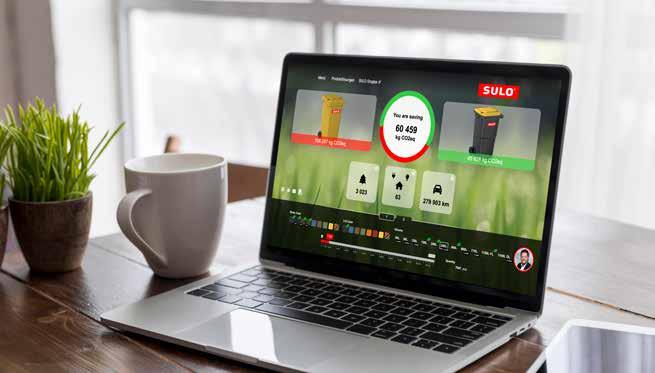
We also help customers make responsible choices, with our CO2 Savings Calculator, a product configuration simulator that calculates and compares emissions for each configuration.
— We completed the transition from virgin plastic to recycled plastic for machine covers manufactured at our Orwak site. This shift contributes directly to the reduction of primary resource consumption and CO2 emissions.
— We also help customers make responsible choices, with our Bins CO2 Savings Calculator, a product configuration simulator that calculates and compares emissions for each configuration.
Increasing recycling efficiency to reduce raw material consumption and waste sent to incineration
Through innovative processes and technologies, we improve material recycling and reduce our environmental impact.
2024 highlights:
— The demetallization line installed in Herford has increased the production of recycled material on site. By becoming less sensitive to the quality of the materials we use, we are broadening our supply base and converting more waste into quality material. In addition, this demetallization process extends the lifespan of our machines by preventing damages from metallic particles mixed with recycled plastic.
Transport: reducing the carbon footprint
More than 95% of the recycled plastic used in our European production sites is sourced locally within Europe, helping to reduce transport distances and associated emissions. Our bins are specifically designed to optimise truck space and decrease load volume by up to 50%. For underground and semi-underground containers, components are shipped separately and assembled at local service points. In the Nordic region, concrete wells are also produced locally to further minimise transport needs.
In 2024, we initiated the deployment of EcoTransit (a recognised digitalised tool within Supply Chain) to better monitor and assess the carbon footprint of our transport and logistics activities.
III.1.2 REUSE
At the heart of Sulo’s commitment to reuse is the durability of products and the reusability of components. Our aim is not only to make products, but also to maintain them by focusing on a lifecycle that adds value time and time again.
100% repairable and reusable products
Our waste containers are designed with removable parts that are interchangeable between models, such as the wheels or the lids. This modularity facilitates efficient maintenance service, a feature we extend to our entire product range, from compactors to different types of containers.
Focus - Second life Programme in France
We have successfully extended the service life of our products through the Second Life programme in France. By incentivising maintenance teams to reuse components, we achieved strong results: in 2024 alone, over 98,000 wheels, 32,000 lids, 21,000 wheel-axles, and 23,000 bodies were reused — representing a 10% increase compared to 2023.
Focus - Cameleon service in France
CAMELEON offers a solution for the replacement of underground voluntary waste deposit containers by reusing existing concrete casings. Designed to meet 80% of the needs of the French market, it fits seamlessly into existing infrastructures, providing a tailor-made solution without major civil engineering works, making the process faster, cheaper and more environmentally friendly.
III.1.3 RECYCLE
Increasing the share of recycled materials in our production processes remains a top priority, both to reduce the use of non-renewable resources and to ensure consistently high product quality. To support this goal, we have integrated part of the recycling process directly into our manufacturing sites. These in-house capabilities — including metal extraction, colour and polymer separation, granulometric sorting, dust removal, blending, and homogenisation — allow us to secure a stable supply of high-quality secondary raw materials.
In 2024, we reached our global target of 80% recycled plastic in bin production — a major industrial milestone. A new goal of 82% has been set for 2025. To support this trajectory and encourage wider use of recycled materials, we are rolling out a customer-oriented roadmap that includes ecocolour ranges, product promotion efforts, and third-party certification of recycled content.
In recent years, the Group has invested more than 4M€ to improve our products’ recycling rate and quality:
— In 2024, a metal extraction line was commissioned in Herford, improving plastic decontamination and protecting moulding equipment. This also avoid landfill or incineration of lower-grade recycled plastic.
In Ribarroja, a new industrial mixer was installed in early 2024 to boost recycling performance.
Following the acquisition of Molok, focused efforts are underway to increase the use of recycled plastic in their production. This underscores the importance of cross-site knowledge sharing and accelerated innovation across the Group.
Focus – A Key Milestone: 80% Recycled Plastic in Our Bin
In 2024, Sulo reached its target of using an average of 80% recycled plastic in the production of wheeled bins and voluntary deposit containers — a key milestone in our circular economy strategy. This recycled input comes from diverse sources, including household plastic waste, disused bins, and industrial waste, and is processed internally at our sites to ensure quality and traceability. The result: robust, eco-designed bins that help preserve natural resources, and reduce CO2 emissions.
Focus - Metroplast
Metroplast is transforming the production of voluntary deposit containers — essential for waste sorting in public spaces — by reaching an average of 87.6% recycled plastic in its products. Previously, only 20–50% could be used, but thanks to a €400,000 investment in advanced micronisation technology, the site can now manufacture containers with up to 100% recycled LDPE.
This innovation has resulted in a two-thirds reduction in CO2 emissions, saving approximately 900 tonnes per year. It also boosts productivity, addressing rising LDPE costs and stricter environmental requirements in public tenders.
Where does our recycled plastic come from?
We use approximately 46.000 tonnes of recycled plastic each year to manufacture new waste containers — and this material comes from waste itself. By sourcing raw materials close to our production sites, we help reduce both plastic pollution and CO2 emissions.
The origin of the recycled input depends on product type, colour, and manufacturing location. On average, a Sulo bin is made from:
Bottle caps from community services: 0-5%
Disused bins: 20-60%
Industrial and commercial plastic waste: 0-15%
Household plastic waste: 40-65%
Focus - DIN CERTCO Certification
Recycled materials play a central role in the manufacturing process. To ensure transparency and credibility, third-party certification by DIN CERTCO has been obtained. This independent organisation verifies the recycled content of bin bodies by colour. For example, the certification confirms a minimum of 97% recycled plastic in grey bin bodies.
Focus - Citybac®
The eco-designed Citybac® bins are a testament to our commitment to sustainability, as they can be made entirely from 100% recycled content. On average, 80% of Sulo’s wheely bins are crafted using recycled material, reflecting our dedication to environmental responsibility.
The eco-designed Citybac® product range offers three different sizes, ranging from 120 liters to 360 liters, catering to various needs. One of the standout features of these bins is their lightweight body, which not only reduces material consumption but also improves stacking efficiency. This design enhancement saves an impressive 20% of truck space, making transportation more efficient and reducing the workload on collection staff.
Additionally, the Citybac® wheely bins are designed with sustainability in mind beyond their initial use. The lid and wheels can be easily removed and reused on another bin body, promoting a circular economy and extending the lifespan of the components..
Citybac®, the 3Rs in practice
— Reduce: Plastic consumption, the need for virgin plastic and CO2 emissions for transportation
— Reuse: Spare parts from damaged bins
— Recycle: Plastic waste and old bins
Focus - Eco-Colours
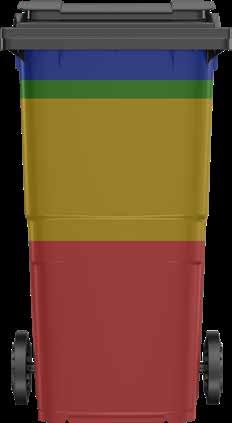
In 2024, we launched new eco-designed colours made from recycled plastic. These darker shades make it possible to use up to 100% recycled material where only virgin plastic was previously allowed. This initiative reduces our dependency on specific recycled inputs and enables the recycling of end-of-life bins (blue, green, and brown).
Focus - The BAC TO BAC project, circularity in action
Launched in France and the Benelux in 2022, the BAC-TO-BAC project is a circular initiative that transforms end-of-life bins into new ones. In 2024, over 3,500 tonnes of recycled material from discarded containers were successfully reintegrated into our production processes — a clear step forward in our closed-loop manufacturing efforts.
The BAC-TO-BAC double loop:
1. Collection of disused HDPE waste bins
2. Dismantling at our service points. Reusable axles, lids and wheels are stored as spare parts for future use (manufacturing or repair).
3. Sanitising and Recycling of the bins (crushing, decontamination, sorting).
4. Manufacture of new bins
III.2 Empowering Communities to Improve Waste Sorting
III.2.1 BINS, VOLUNTARY DEPOSIT, AND COMPACTING SERVICES
Our mission is to help citizens and businesses sort and reduce waste volumes through our products and services, including bins, voluntary deposit systems, containers and compacting services, provided to both public and private sectors.
Our products and services:
— Waste Furniture: Large volume containers and underground voluntary deposits.
Compacting Services: Our compactors reduce waste volume by an average of 65% and up to 90%, allowing for more waste to be stored, maximising truck loads and reducing transport emissions.
— Maintenance and cleaning: Comprehensive cleaning and maintenance services are provided to ensure product longevity and continuity of service.
Our operating model is based on simplicity, availability and efficiency. From product design to maintenance, everything is organised to provide continuous service. Our products make sorting easy and encourage and educate people to contribute. To maintain momentum, we make sure there are no interruptions. In France, for example, the Sulo agency network intervenes on average every 4 minutes to ensure that the bins remain in operation.
In 2022, we launched the Sulo Academy. This online platform provides guidance on the use of SULO products and general waste management knowledge. The platform offers 88 courses on topics ranging from sustainable bin production to the circular economy. It is accessible to all SULO employees, customers and exclusive partners. In 2024, these courses have been viewed 1300 times.
III.2.2 Complying to the new regulations on organic waste
Organic waste, including food and garden waste, remains a priority of European legislation aimed at reducing landfilling and promoting recycling through composting and biogas recovery. Member States were required to transpose the directive into national law by 2023.
In France, the AGEC law has made source separation of organic waste mandatory as of 31 December 2023, with the ambition of covering nearly one-third of the population through pay-as-you-throw schemes by 2025.
Sulo supports local authorities in implementing these regulatory changes by providing a range of tailored solutions.
Our offer includes:
— Equipment for home pre-sorting
— Composters for households
— Infrastructure for door-to-door collection
— Voluntary drop-off points
— Digital tools to monitor performance and support behaviour change
III.2.3 Digitalising waste management
SmartSULO is the intelligent digital service that helps turn today’s waste into tomorrow’s resources. It integrates both software and hardware solutions, enabling municipalities to monitor and optimise their waste collection processes, improve efficiency, reduce environmental impact, and support sustainable practices. Through real-time data insights, and now with the help of Artificial intelligence developed specially through our experts, it also helps educate waste producers (companies, households) through monitoring of waste disposal practices and enables regulators to monitor waste generation.
The SmartSULO hardware solutions can be installed on bins, containers, and waste collection trucks for identification and data collection purposes to monitor waste collection activities. It is accessible via the SmartSULO application for real-time monitoring, adjustment of waste collection activities and pay-as-you-throw management (see below).
Main functionalities :
Geolocation
Bin Identification (RFID)
— Bin Weighing
— Filling level measurement for underground and semi-underground containers
— Navigation
Access control for UGS and semiUGS and containers shelters
Pay-as-you-throw
The main benefit is to enable municipalities to make data-driven decisions. For example, access controllers on underground and semi-underground containers record, communicate, and regulate usage, including access authorization, deposit recordings, and access hours, ensuring efficient resource use. The weighing system offers accurate tracking and reporting of waste collected which can be used for educational or pay-as-you-throw schemes, getting municipalities ready to comply with waste management and reduction target of EU regulations.
Focus - Pay-as-you-throw
Incentive or pay-as-you-throw pricing is an interesting way to reduce waste at source. This involves linking the amount of tax charged for household waste collection to the amount (volume or weight) of residual waste produced by each household. The main benefits are to
— Raise user awareness of the need to reduce overall waste
— Improve sorting efficiency
Improve waste recycling
Reduce the amount of unsorted waste sent to landfill or incineration
Control costs by improving and optimising waste collection.
Most local authorities that have implemented this approach in France have seen an average 30%1) reduction in the amount of residual households waste collected, as well as a reduction in the total amount of household waste handled.
Focus – Smart waste collection powered by AI
In 2024, Sulo started to develop a smart waste collection solution combining intelligent onboard cameras with bin weighing systems. The goal: detect sorting errors in real time and correlate them with weight data so that municipalities can take appropriate actions.
The technology enables targeted feedback to users while optimising collection routes.
Deployed in a forward-thinking area with extended sorting rules and incentive-based pricing, this pilot project demonstrates a concrete step toward connected, data-driven and more efficient waste management.
It highlights how digital innovation can support circular economy goals.
Digitalisation key figures (France, Benelux and Germany):
— 1.5 millions bins equipped with RFID identification annually in France, BNL, Germany - 14 millions since 2014
— 2.000 waste collection vehicles equipped with RFID readers in countries France, BNL and Germany.
— 6.100 voluntary drop-off facilities equipped with digital access control in France and BNL.
III.3 CLIMATE STRATEGY: MITIGATION & ADAPTATION AND CARBON EMISSIONS
III.3.1 OUR CLIMATE STRATEGY
Climate change brings both the need to mitigate our impact on the environment and to adapt to the growing consequences of a changing climate. Sulo’s environmental strategy is built on these two complementary priorities.
Our mitigation efforts are structured around a clear Green House Gases emissions reduction trajectory aligned with the near-term targets of the Science Based Targets initiative (SBTi). This framework guides our roadmap across scopes 1, 2 and 3 and anchors our ambition to contribute meaningfully to limiting global warming to 1.5°C.
At the same time, climate adaptation has become an operational priority.
We already have a climate risk analysis for our production sites, but we must now update it and adapt our activities with the assumption that some risks previously considered moderate could become more severe. This more cautious approach is essential to strengthening the resilience of our operations and infrastructure.
Through these combined efforts, Sulo aims to contribute to global climate goals while ensuring the long-term resilience of its operations and services.
III.3.2 NEAR-TERM TARGETS COMMITMENT TOWARD SBTI
In 2024, Sulo submitted its near-term science-based targets to the Science Based Targets initiative (SBTi). These targets were formally validated in early 2025, confirming their alignment with the 1.5°C trajectory.
Sulo commits to reduce absolute scope 1 and 2 GHG emissions 42% by 2030 from a 2021 base year.
Sulo also commits to reduce scope 3 GHG emissions from purchased goods and services, and upstream transportation and distribution 51.6% per million EUR of value added within the same timeframe.
Scope
III.3.3 MITIGATION PLAN
In line with our targets, Sulo is actively reducing greenhouse gas emissions across all scopes. Our approach is structured around operational actions, procurement decisions, and logistics transformation:
Scope 1 – Direct Emissions
• Route optimisation for service and delivery vehicles
• Progressive transition to low-impact fuels (e.g. HVO100, biogas)
• Deployment of electric vehicles, where infrastructure allows
• Optimization of natural gas use through efficiency improvements
Scope 2 – Indirect Emissions from Energy
• Improving energy efficiency across our plants
• Increasing our share of certified renewable electricity
— Scope 3 – Indirect Emissions in the Value Chain
Scope 3 represents the majority of our carbon footprint. We focus on three main levers:
• Materials:
- Increased use of recycled plastic in our products (80% in 2024, target 82% in 2025)
- Development of containers that reduce total plastic consumption
• Purchased goods and services:
- Priority given to lower-impact steel, wheels, and components
- Supplier evaluations progressively integrated into our procurement process
- Carbon cost integrated into strategic purchasing decisions to steer choices toward lower-emission
• Freight:
- Work with logistics partners to adopt alternative fuels and electric vehicles, where feasible
This comprehensive mitigation plan enables Sulo to reduce emissions at every step of the value chain, in line with the 1.5°C trajectory.
III.3.4 CLIMATE ADAPTATION
2024 clearly demonstrated that Sulo is already directly affected by the consequences of climate change. The impact of Storm Dana on one of our production sites was a reminder that extreme weather events are no longer isolated nor distant risks — they are immediate and operational.
To respond proactively, we are launching a dedicated climate adaptation strategy in 2025. This strategy will be implemented in two key phases:
1. Reinforcing site-level resilience
— We will reassess physical climate risks at each production site, using multiple future scenarios to identify potential vulnerabilities
— Based on these findings, we will define and prioritise the adaptation measures needed, whether structural (CAPEX) or organisational (team preparedness)
— We will then deploy action plans to strengthen the resilience of each site and establish investment roadmaps to support implementation
2. Extending the analysis across the value chain
In a second phase, we will broaden our adaptation efforts beyond production sites to cover key suppliers, logistics flows, and service operations, ensuring continuity throughout our ecosystem.
This structured approach will ensure that Sulo is better prepared to manage climaterelated risks — including safety of our value chain suppliers, staff and customers as a top priority, and a long-term objective of securing our operations and value creation capacity.
III.3.5 CARBON EMISSIONS
III.3.5.1
Carbon footprint assessment
As part of our climate strategy, we have been monitoring our greenhouse gas emissions since 2021 using the GHG Protocol methodology, supported by a specialist third-party consultancy.
In 2024, we rebased our 2021 emissions data in the context of our near-term target submission to the Science Based Targets initiative (SBTi). This update ensures alignment with the Group’s current operational perimeter, including entities acquired and divested since 2021. All emissions since that year have been recalculated accordingly.
We also shifted from a location-based to a market-based accounting method, enabling a more accurate reflection of our renewable electricity sourcing in our footprint calculations.
This revised baseline provides a robust and harmonised foundation for tracking our progress across scopes 1, 2 and 3, in line with our validated SBTi near-term targets.
Scope 1: Direct emissions
Emissions related to flows concerning activities directly controlled and operated by the company, mainly fuel consumption for maintenance and cleaning tours and transportation for the commercial team.
Scope 2: Indirect emissions related to energy
Emissions related to the purchase and use of electricity, steam, heating, and cooling.
Scope 3: Other indirect emissions
Emissions generated outside the sites and activities directly controlled by the company but linked to its value chain. These include the production of raw materials (plastic, steel), purchased goods and services, upstream and downstream transport, product use, end-oflife treatment, as well as business travel, employee commuting, and investments.
Total emissions in teqCO2 -Market based
Emissions in teqCO 2 - Market Based
Across all three scopes, our emissions were reduced by 14.2% over the 2021–2024 period.
Breakdown of Scope 3 Emissions
of scope 3 emissions
Purchases are our main source of carbon emissions, mainly metal containers, plastics, steel and wheels.
2024 achievements
Scope 1 & 2: 8.533 tCO2eq
— Target: -5% (vs 2023)
— Achieved: -49.5% through the purchase of Renewable Energy Certificates (REC)
— 2025 target: -5% in absolute
Scope 3: 304.831 tCO2eq
— Achieved: +0.5% in absolute vs 2023
— 2024 target: -3% in absolute > Not achieved
— 2025 target: -7.75% in intensity per million EUR of value added
Breakdown
Since 2021, we have significantly reduced our global greenhouse gas emissions, with a 14.2% decrease on a market-based basis. This reduction is particularly notable for scopes 1 and 2, which have fallen by 72%. Scope 3 emissions have also decreased in absolute terms by 9%.
Although we did not reach our absolute reduction target of 3% for GHG emissions in 2024, our trajectory remains aligned with the commitments validated by the Science Based Targets initiative (SBTi).
In 2025, we are aligning our scope 3 target with a trajectory expressed in intensity, measured per million euros of value added.
III.3.5.2 Renewable Electricity Sourcing
We have purchased sustainable electricity for our service points and plants. As a result, in 2024, our facilities in Langres, Bort-les-Orgues, Herford, Metroplast, Valencia, Sävsjö and Molok, as well as several Service Points in France, Norway, Sweden, and Spain, are 100% powered by renewable electricity. While we continue to improve energy efficiency throughout our production processes, the gradual electrification of our operations is leading to an overall increase in electricity consumption.
Renewable
electricity
2024: 300K€ spend to increase the share of renewables in our energy mix at group level
Some of our facilities have installed solar panels: in 2024, the production of electricity reached 68.5 MWh.
III.3.5.3 Transport and distribution
This year was once again dedicated to implementing measures to reduce our carbon emissions from transport and distribution, which account for 13% of our total CO2 emissions.
Optimised routes for compacting maintenance services in France
SAVN, our French compaction after-sales service uses a solution called IRIS live, which allows us to coordinate interventions at customer sites with the nearest available personnel using a geolocation system for workshop vehicles.
3-years action plan
— Making plans to purchase more environmentally friendly vehicles
— Optimising truck loading and routes
— Improve the monitoring of our CO2 emissions from transport through the deployment of Ecotransit.
— Sourcing transport services using low-emission fuels such as biofuels
Focus - Multilocal assembly for underground and semi-underground waste solutions
Since 2023, Metroplast and Molok are delivering disassembled solutions to service points to save space in delivery trucks and reduce the number of trips needed, thus reducing fuel consumption and CO2 emissions. In addition, when delivering semi-underground containers to Norway, Metroplast uses a local supplier for the concrete well instead of shipping it from France.
A greener fleet: company cars
We are committed to making our fleet greener.
In France, we have a fleet of 120 company cars, and in 2024, 46% of renewals were fully electric and we started offering eco-driving training to all our employees.
In Madrid, service vehicles are fully electric.
— Germany is transitioning to electric vehicles
— Sweden’s fleet is nearly all-electric.
III.4 Waste and Water Management
III.4.1 WATER
We continue to optimise water use across our production sites, none of which are located in water-stressed areas. Wastewater is treated in closed-loop systems and reused in technical processes such as mold cooling and bin cleaning. Quarterly reporting and local action plans are in place to improve water quality and reduce overall consumption.
In 2024, our water reduction target was not met due to an exceptional water leak at our Herford facility. The issue was caused by excessive pressure in the system, leading to a burst pipe. In response, adjustments were made to control systems and pump settings to stabilise pressure and prevent future incidents. A faulty pump was also repaired to stop uncontrolled drainage, restoring proper water flow management.
These corrective measures are part of our ongoing efforts to strengthen operational resilience and reduce resource consumption.
Water Consumption for Operations and Services
New ambition: In 2025, our ambition is to return below 2023 levels, with a reformulated target of 49,000 m³.
The values for 2024 are compared to 2023 and the target for 2025 is based on 2023 consumption.
This reflects our renewed commitment to sustainable resource management and continuous improvement.
III.4.2 WASTE
We are enhancing waste sorting and tracking at all our sites to ensure that every material stream follows the most appropriate treatment route — whether through recycling, reuse, or energy recovery via incineration. In 2024, we began recycling the residual dust from the depollution process at our Langres site, contributing directly to the achievement of our annual waste reduction target.
Waste production:
III.4.3 MICROPLASTIC POLLUTION
As part of our ISO 14001 certification, extensive analyses and audits have been conducted across all our production sites. Yet, preventing microplastic pollution across the entire value chain remains a key environmental challenge.
Currently, four of the six facilities using plastic pellets are certified under the Operation Clean Sweep (OCS) programme.
2025 Objectives
— Achieve full OCS certification across all six production sites handling plastic pellets.
— Ensure REACH compliance for microplastics losses, including preventive measures and documentation.
— Extend our efforts across the value chain, involving suppliers, transporters and recyclers in our prevention strategy.
Focus - Operation Clean Sweep
The Herford, Langres, Bort-Les-Orgues and Ribarroja plants are engaged in Operation Clean Sweep (OCS), an international initiative that aims to prevent plastic pellet loss and keep microplastics out of the environment. While the remaining French facilities are not yet certified, they comply to the national regulation requirements with regular third-party audits.
Ribarroja and Herford successfully underwent third-party OCS audits in 2024, Langres and Bort-Les-Orgues in early 2025. The methodology is based on a structured seven-step approach:
1. Commitment to eliminate pellet losses
2. Identification of key leakage points
3. Root cause analysis by zone
4. Implementation of targeted, effective solutions
5. Staff awareness and accountability
6. Regular internal audit schedule
7. Independent third-party verification
IV. Social performance
At SULO, people are at the heart of our business strategy. We are committed to protecting their health and safety, supporting their professional development, and promoting wellbeing through diversity, equality, and inclusion. These commitments extend across our supply chain and align with the principles of the United Nations Sustainable Development Goals (UN SDGs) and International Labour Organisation (ILO) standards.
To assess the effectiveness of our initiatives, we monitor a defined set of key performance indicators (KPIs), including:
— Number of workplace accidents and the Group Frequency Rate 2 (FR2),
— Percentage of women recruited into management team positions,
— Number of employees with disabilities,
— Volume of purchases made from organisations employing people with disabilities
These indicators enable us to track our progress over time, identify areas for improvement, and ensure that our actions are both meaningful and measurable.
employees
81% employees participated in the engagement survey : +15% vs average companies
working hours of training
IV.1 Employee Health and Safety
SAFETY IS STRATEGIC FOR SULO
Safety is managed at the Global Executive Committee level through the Corporate EHS Steering Committee which meets quarterly. Each meeting is usually followed by a general communication within the Group to share results and key decisions, with the aim of engaging all stakeholders in achieving excellence. A publication called FOCUS SAFETY is specifically dedicated to this communication.
ZERO accidents
ZERO work-related illnesses
Employee involvement is essential to achieving our safety objectives, so we regularly share updates and celebrate milestones. In 2024, we maintained our program to train all Managers to our Safety Management System, Legal Responsibility, EHS Compliance, Incidents investigation, analysis and risk detection and positive Safety Visits. We have also been ensuring that all employees and temporary workers take regularly part to EHS actions related to their activities.
In 2024, our sites continued to define their local action plans, implement visual management and assess their performance through the SAFETY MY PRIORITY program. Local safety meetings are organised with managers and employees to share updates on their programs.
Between April and June 2024, we celebrated EHS Days across the Group. These events were an opportunity to share best practices, raise awareness of SULO’s priorities — caring for people and protecting the planet — and engage employees around health, safety, and environmental challenges.
Focus - EHS Days in France 2024
In France, a variety of initiatives were organised locally to address the specific needs of each site, combining training, awareness-raising activities, and innovative approaches to promote a strong safety and inclusion culture.
— Diversity and Inclusion:
• Theatre performance on disability and workplace diversity.
— Road Safety and Musculoskeletal Disorders (MSDs):
• Interactive workshops on road risk prevention and ergonomics.
— Immersive Risk Training:
• Escape games and investigative workshops on accident prevention.
— Gestures and Postures:
• Practical sessions on everyday ergonomics to prevent injuries.
— Major Risk Awareness:
• Emergency management training sessions (Langres site).
— Environmental Responsibility:
• Board game “Save the Planet” to promote environmental challenges and solutions.
In addition to an ambitious internal safety strategy, SULO is also involved on a wider scale. Since 2022, we are a member of the ICSI association, which works to improve corporate safety, promote open public debate and disseminate safety culture to a wide audience.
2024 ACHIEVEMENTS
In 2024, we achieved a 12% reduction in our frequency rate (FR2) compared to 2023. A total of 32 accidents were reported, thoroughly analysed and their causes successfully addressed. Looking ahead, we have set an ambitious target for 2025: a frequency rate below 6, which means reducing number of accidents ≤25.
2025 OBJECTIVES
— ≤ 25 accidents with a FR2 <6
— Launch of 3 new Safety Standards and action plans regarding
• Machinery Safety and Log Out Tag Out,
• Working with Contractors Safety Management,
• Acting as Contractor Safety Management
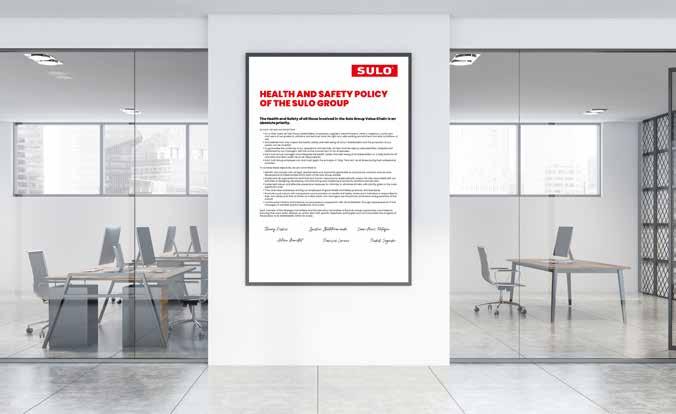
— Launch of new Health and Safety Policy and ‘Beyond Safety Program”: goal is to have Local Managers acting as Safety Leaders in their scope on a daily basis and employees applying Stop, Think, Act at all times during their professional activities
— Proactive Health and Safety Coaching
IV.2 Building a Meaningful Employee Experience
In early 2025, SULO conducted an employee satisfaction survey to assess perceptions of the work experience during 2024. The results indicate a high level of engagement and satisfaction among employees. Respondents reported feeling secure in their roles, empowered to make decisions, and encouraged to take initiative. They also expressed that their contributions are valued, their work is meaningful, and that they feel well integrated within their teams — reflecting a positive, inclusive, and supportive workplace culture.
This survey is carried out every 18 months and serves as a key tool to identify areas for improvement. Insights gathered are used to define targeted action plans that support employee wellbeing and strengthen our organisational culture. One of SULO’s key strengths lies in its corporate mindset, which fosters open dialogue and transparent communication, enabling constructive change in a climate of mutual respect.
Since 2020, our quarterly internal newsletter, Inside, has played a central role in engaging teams across the Group. It provides updates on key performance indicators, company news, strategic developments, and results from internal initiatives — helping to maintain a sense of connection, transparency, and shared direction.
Engagement survey 2024-2025:
1.989 people participated (+ 36% vs 2023)
81% of the workforce (+15% vs similar companies, +4% vs 2023)
+9% commented their answers vs 2023
Overall commitment: 7.2/10 (+0.6 points vs 2023)
Focus – Promoting Group-wide social dialogue
The European Works Council (EWC), established in December 2023, remains an integral part of SULO’s governance structure and reflects the Group’s ongoing commitment to strengthening social dialogue and employee engagement at a transnational level.
This governance body ensures structured and regular exchanges between employee representatives from all European countries where SULO operates and the Group’s executive management. It plays a key role in fostering effective participation on strategic and ESGrelated topics, including workplace safety, inclusion, employee experience, and the Group’s long-term direction.
Composition: The Council is composed of 15 employee representatives and 15 substitutes, with at least one representative per country, appointed in line with national legal frameworks.
Objectives:
— Receive regular updates on the company’s overall strategy
— Be consulted on transnational matters with significant impact
— Contribute to the development of the Group’s strategy and ESG policies
The EWC complements existing national employee representation bodies (such as local and central works councils), in full compliance with national regulations. Its creation reflects the Group’s ambition to maintain a unified, transparent, and respectful social dialogue across all European operations.
IV.3 Talent Management
We are committed to helping our people develop their careers and enhance their employability. Our training policy is designed to help everyone find their place and grow. This starts with the induction of new employees, which is organised at a local level and focuses on providing essential information on health and safety, ethics, and compliance, as well as an overview of the company’s activities and values. We also conduct annual reviews to identify training needs and define an employee development programme, primarily through our online training platform.
In 2024, 30.364 working hours of training sessions were provided and 65% of the workforce was trained.
hours (incl. Mandatory training)
In an effort to make training accessible and dynamic, most entities have implemented an online training platform to best meet the specific needs of its employees for soft and hard skills courses. This flexible approach, which reflects our decentralised organisation, is more responsive to employee needs and brings resources to areas where training is not otherwise available, or to structures without an HR function where training plans are difficult to implement.
To ensure our global HSE framework and core values are shared and adhered to by all employees, local training programmes incorporate the Group‘s HSE management system and any necessary training for regulatory compliance.
Focus - Promoting a Learning Culture in Germany, Poland and Sweden
To strengthen our learning culture and support individual development, we deployed the GoodHabitz e-learning platform in Germany, Poland, and Sweden (ILAB and A.T.S.) in 2024. The platform offers a wide range of soft skills training and self-assessments in multiple languages and utilizes many different learning formats that are made available to all employees in all functions and roles.
In parallel, we worked with line managers to develop skills matrices tailored to each area of the organization, identifying the key competencies needed now and in the future. This structured approach enables more personalized training paths and helps align learning with business needs.
As of today, around 280 employees are actively using the platform across our entities.
IV.4 Diversity, Equality and Inclusion
At Sulo, we prohibit any discrimination based on gender, age, lifestyle, actual or perceived membership in a particular ethnic group or nation, health status, disability, religion, political opinion or trade union activity. Ethics, human rights, and the fight against all forms of discrimination are values that apply to our own activities and those of our subcontractors and are set out in our Code of Conduct, to which every employee is committed, and our Supplier Code of Conduct, to which our partners must commit.
In 2024, we started to:
— Train managers in France for DE&I (Diversity, Equality & Inclusion)
— Write a DE&I charter that every manager will have to sign in 2025
Gender equality
To comply with the French law of September 5th, 2018 on the elimination of the gender pay gap, SULO France has improved gender parity, achieving a score of 90/100 in the 2023 Gender Equality Index. In addition, women are considered for management positions, with more than 30% of management positions.
Target achieved: in 2024, 53% of vacant leadership positions were filled by women 2025 target: Maintain the objective to fill more than 50% of vacant leadership positions with women
Employees with disabilities
Sulo promotes initiatives to support people with disabilities or those excluded from the labour market, either by employing them directly or by contracting with organisations that employ them.
Group Spending:
2022: 570K€
2023: 721K€
2024: Target 875k€: target reached — 2025: Target of 950k
Total number of employees with reported disabilities
December 2023: 55 people
53 (objective: +10% vs. 2023 –not achieved)
Target 2025: 59
While efforts were made to increase the inclusion of people with disabilities, the retirement of several employees with disabilities during the year contributed to a decline in total numbers. As the 2024 objective was not met, the Group is committed to intensifying its efforts in 2025 through new awareness initiatives, partnerships with inclusive employment organisations, and reinforced recruitment measures aimed at promoting workplace accessibility and inclusion.
Focus – Diversity, Equality and Inclusion in France
SULO France collaborates with various social and inclusive employment initiatives:
In Bort-les-Orgues, a partnership with the Jacques Chirac Foundation enables the integration of 10 workers with disabilities assigned to our plant to produce wheels for our bins.
In Langres, wheel assembly for four-wheel bins is subcontracted to an adapted company (EA) based in Saint-Dizier, representing a total value of €280,000.
In addition, subcontracting certain tasks to prison workshops strengthens our commitment to inclusive and socially responsible supply chains.
In addition, SULO France aims to create a disability-friendly culture that makes it easier to recruit people with disabilities and encourages employees to report a disability if they have one so that we can adapt their workplace.
Action plan in France
To deepen this commitment, several initiatives were launched in 2024: Opening of a dedicated information line for employees with disabilities,
Deployment of a “Fresque de la Diversité” workshop, with the ambition to expand it to other sites,
Extensive training and awareness programmes:
In 2024, 100% of France-based network managers (26 employees across three sessions) completed mandatory training on diversity and harassment, Organization of awareness-raising events, including:
• Cécifoot (blind football) sessions,
• Theatre workshops on disability and sexism,
• Blind massage sessions,
• Campaigns addressing domestic violence,
• Workplace health initiatives such as Movember (prostate cancer awareness) and Pink October (breast cancer screening support).
2025 Objectives for France
— SULO to become a signatory of the French Diversity Charter,
— Deployment of a new e-learning module, focused on harassment and discrimination prevention,
— Establishment of a formal partnership with the “Marché de l’Inclusion” platform to further strengthen our responsible sourcing efforts.
In addition, SULO France aims to create a disability-friendly culture with 2 goals: promoting the recruitment of people with disabilities and encouraging actual employees to report an existing disabilities so that we can adapt their workplace.
Focus - Working with prison inmates
SULO France outsources the entire production of its wooden composters to prison workshops, which manufacture over 30,000 units per year. This activity is certified under the PePs label — the first and only programme that guarantees responsible and inclusive production conditions within correctional facilities. The label ensures that inmates are fairly paid, receive appropriate training, and that labour standards are fully respected. SULO France is proud to be among the first companies to have obtained and upheld this certification.
Focus: Diversity, Equity and Inclusion in Spain
In 2024, SULO Ibérica strengthened its commitment to diversity, equity and inclusion through several key initiatives:
— Signing of the Diversity Charter in Santa Catalina, Increase in female leadership representation, reaching 37.5% of management positions, Delivery of leadership and wellbeing training sessions for managers, Reinforced partnerships with local social inclusion organisations, Organisation of awareness activities, including a conference with Clara Garrido for International Women’s Day, a community waste collection event, and workshops during Safety Week.
These actions are consistant with the objectives set in 2023 and demonstrate SULO Ibérica’s ongoing commitment to create a more inclusive and socially responsible workplace.
IV.5 Sustainable Supply Chain
We promote social and environmental responsibility throughout our operations and actively engage our suppliers, service providers, and subcontractors in this commitment.
Our adherence to the Science-Based Targets initiative (SBTi) drives us to set ambitious and measurable targets for Scope 3 carbon emissions reductions. In parallel, we strengthen the assessment and continuous improvement of ESG practices across our supply chain.
These commitments have led to the development of a Sustainable Procurement Policy, ensuring that our suppliers meet rigorous environmental and social responsibility standards.
Purchasing @ Sulo
Purchasing meets the needs of the Group’s industrial, service, and distribution activities. It covers five main categories:
Production (raw materials, energy, components),
Equipment (machinery, civil engineering),
Logistics, Trade,
Services (human resources, IT, environment, health and safety, marketing, communication, finance, audit).
The supply chain for industrial sites is predominantly local, with less than 4% of production purchases made outside Europe. More than 8,000 companies supply the Group’s sites, with the top 500 suppliers accounting for over 80% of the Group’s purchases.
Purchasing policy
The Sulo Group’s purchasing policy favours the establishment of medium- and long-term contracts and partnerships with suppliers.
Given the increasing complexity of global supply chains and emerging risks, we have strengthened our sustainable purchasing approach to integrate key CSR standards: Regulatory compliance, Integrity and business ethics,
— Human rights and working conditions,
— Health and Safety protection, Environmental protection, Adherence to the principles of the Global Compact, Inclusion of an internal carbon cost in strategic procurement decisions to support loweremission choices.
Since 2023, a formalized purchasing process has been developed to increase transparency on the CSR performance of our suppliers in a dynamic of continuous improvement. It comprises four main stages:
1 2 3 4
Mandatory signature of the Supplier Code of Conduct for strategic suppliers.
CSR risk analysis by supplier (based on criticality for the Group, sector of activity and location).
CSR assessments for suppliers identified as being at risk.
Corrective action plans or delisting.
2024 Achievements
— CSR risk analysis initiated for all suppliers with annual sales exceeding €100,000,
70% of targeted spend assessed.
— External CSR evaluation completed for more than 35% of spend assessed.
— Mapping of supplier ISO certifications completed:
81 suppliers certified ISO 9001,
54 suppliers certified ISO 14001
Based on the results of these assessments, the Purchasing department will define a corrective action plan with suppliers. In case of non-compliance with the action plan within a defined implementation period, a supplier delisting policy may be applied, under which the supplier will no longer have access to the Group’s tenders.
2025–2026 Roadmap
To build a more resilient and sustainable supply chain, SULO has defined the following objectives:
2025: Ensure all strategic suppliers undergo an external CSR assessment,
2026: Support strategic suppliers in developing and implementing ESG improvement plans based on their evaluation results.
Focus: Integrating a Carbon Cost into Strategic Purchasing
As part of our broader climate strategy, Sulo has introduced an internal carbon cost into its strategic purchasing process. This approach aims to better account for the greenhouse gas emissions associated with the goods and services we procure—especially in categories with significant Scope 3 impact.
By assigning a carbon value to purchasing options, we can:
Compare suppliers and materials not only by cost and performance but also by their climate impact,
Reinforce consistency between operational decisions and the Group’s decarbonisation targets.
This internal pricing mechanism is being gradually implemented across high-impact procurement categories and complements our existing supplier CSR assessments.
To support our sustainable procurement initiatives, Sulo ensures that all purchasing teams are continuously trained in responsible procurement practices.
This training is delivered through a certified programme accredited by the CPD Certification Service, the world’s leading provider of continuing professional development certification.
The programme enables buyers to better understand the environmental, social, and ethical challenges specific to their functions and to apply these principles in their daily activities.
Looking ahead, one of the key challenges for our purchasing teams will be to improve the accuracy and completeness of Scope 3 CO2 emissions data across our supply chain.
This effort is critical to achieving the carbon reduction targets defined as part of Sulo’s Science-Based Targets (SBTi) commitment.
Methodology
Reporting period : The analysis convers the 2024 financial year, i.e., January 1, 2024, to December 31, 2024
Methodology
This CSR report has been prepared with care and honesty, adhering to principles of transparency and accountability. We employed a methodical approach to assess and report on our economic, environmental, and social performance. All data presented was collected from various departments and entities within the company, verified, and consolidated to ensure the accuracy of the information.
Our approach is based on internationally recognized standards, including the Sustainable Development Goals (SDGs) and the Global Reporting Initiative (GRI) guidelines, to ensure consistency and comparability of results. In addition, we have proactively considered the requirements of the upcoming Corporate Sustainability Reporting Directive (CSRD) to ensure future compliance.
We have also been transparent in presenting both the challenges and the progress made, avoiding any exaggeration or understatement of impacts. Therefore, this report provides an honest assessment of our actions, the risks we face, and the opportunities we are embracing to contribute to more sustainable development.
Perimeter
This report covers Sulo’s worldwide plants and offices located in the following countries: Belgium, Chile, Denmark, France, Finland, Germany, Japan, Mexico, The Netherlands, Norway, Poland, Singapore, Spain, Sweden, Switzerland, United Kingdom and United States.
Most indicators are published at consolidated level, and some are published on a limited scope. In that case, this is explicitly mentioned in the report.
When we mention Sulo in the report, it refers to the whole Group. When we refer to a specific geographical area or legal entity, we explicitly mention it in the report.