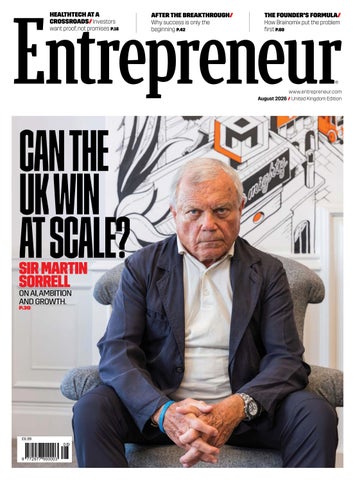
CAN THE UK WIN AT SCALE?




ODE TO BAG END
Limited Edition
Make ever y epic writing journey a cosy one Hobbiton handcraft from the makers of the world’s most magical pens.



The Mirra 2 Chair just keeps getting better. How? We updated the chair so it’s 30 percent lighter than the original Mirra - and the chair’s nylon base and spine are now 100 percent recycled content. We also gave it a fresh, inspired colour palette so it can look professional, casual, or sporty. One thing that hasn’t changed is the flexible yet supportive design that allows your body to move naturally and freely - the way it was meant to move.
The Mirra® 2 Chair is turning heads again
FEATURES EDITOR Patricia Cullen patricia.cullen@bncb2b.com
CEO Wissam Younane wissam@bncpublishing.net
MANAGING DIRECTOR Rabih Najm rabih@bncpublishing.net
ART DIRECTOR Simona El Khoury
EDITORIAL TEAM Tamara Pupic, Aalia Mehreen Ahmed
MEDIA SALES MANAGER Olha Kovalova olha.kovalova@bncb2b.com
CONTENT MANAGER Viktoria Walkowiak viktoria@bncb2b.com
REGIONAL DIRECTOR Andy B
CONTRIBUTING EDITOR Omar Hamdi
CONTRIBUTING WRITERS
Lucius Cary, Dr Evelyn Okpanachi, Anoop Antony, Daniel Honeywell and Pip Wilkins
SUBSCRIBE
Contact subscriptions@bncb2b.com to receive Entrepreneur United Kingdom every issue.
COMMERCIAL ENQUIRIES sales@bncb2b.com
Access fresh content daily on our website
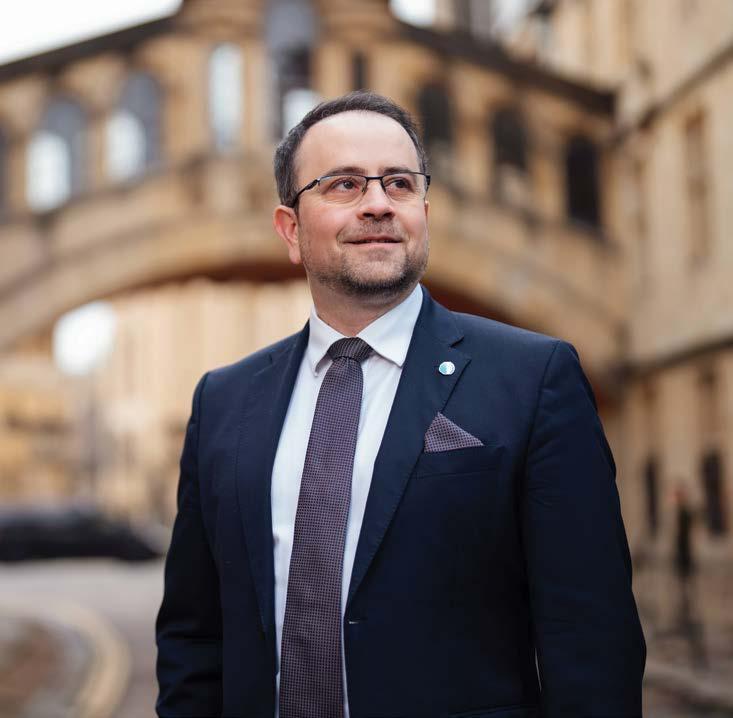
↑ Michalis Papadakis, CEO and Co-Founder at Brainomix
THE BUSINESS OF BREAKTHROUGHS
Entrepreneur United Kingdom
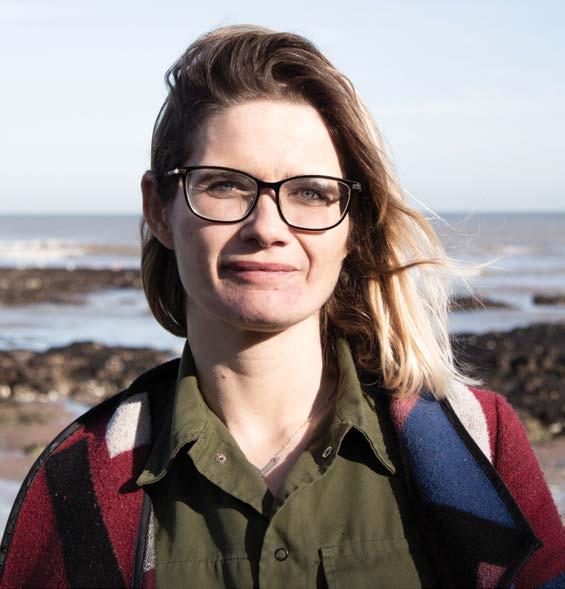
There is something uniquely British about creating the future. For centuries, the UK has been responsible for some of the world’s most important scientific discoveries and technological breakthroughs. Our universities, researchers and entrepreneurs continue to push the boundaries of what is possible. Yet one question continues to surface: why do so many of our greatest innovations succeed on the global stage under someone else’s ownership?
It was a question that stayed with me after sitting down with Sir Martin Sorrell for this issue. Few people have witnessed the evolution of technology, business and global markets as closely as he has. His view of artificial intelligence is both exciting and pragmatic. AI, he argues, is not the strategy - it is the accelerator. Businesses that simply layer AI onto outdated systems
will fall behind. Those prepared to rethink how they operate, make decisions and serve customers will shape the next decade. Nowhere is that more evident than in healthcare and biotechnology.
Throughout these pages, Entrepreneur UK meets the founders, investors, clinicians and innovators redefining one of the world’s most important industries. Professor Dame Anna Dominiczak discusses the extraordinary potential of precision medicine. Tim Rea from BGF and John DiGiovanni of Inflexion explain how investment priorities are changing as healthtech matures, while Dr Louise Newson explores how technology is transforming women’s health through better education, data and personalised care. James Chilvers from J.P. Morgan Private Bank reminds us that building a successful business is only one chapter in an entrepreneur’s journey, and Lucius Cary makes a compelling case that the UK’s greatest challenge isn’t scientific discovery - it’s commercialisation.
What struck me throughout these conversations was the sense that we are approaching a defining moment. Artificial intelligence, genomics, digital health and biotechnology are converging in ways that were unimaginable just a few years ago. The opportunities are extraordinary, but they will belong to those who can pair innovation with execution, ambition with resilience, and groundbreaking science with sustainable businesses. This August issue celebrates those people. The entrepreneurs challenging convention. The investors backing bold ideas. The scientists changing lives. And the leaders asking not simply what is possible, but how the UK can shape the industries of tomorrow - not merely watch them flourish elsewhere. I hope these conversations challenge your thinking and inspire your ambitions. The future of healthtech and biotech is already being built. The only question is: by whom?
Enjoy this issue, and wishing you a wonderful summer.
Patricia Cullen
Features Editor, Entrepreneur United Kingdom
EMPOWERING THE VISIONARIES OF THE UNITED KINGDOM

UNITED KINGDOM
In the Loop /

Why Innovation Doesn’t Scale Alone
Why biotech’s future depends on more than scientific breakthroughs
by PATRICIA CULLEN
For decades, the UK has produced worldclass science. It has long excelled at scientific discovery, producing research that consistently ranks among the most influential in the world. Its difficulty has been translating that strength into companies capable of competing on the global stage. As investment pours into life sciences and health technology, the challenge is no longer simply generating breakthroughs, but creating the conditions for them to reach patients and markets. For Zeynab Al-Khero, international
commercial growth strategist, founder of ZALK Consultancy and Executive Director of Global Chamber London, scientific excellence is only the starting point. Lasting success depends on the commercial pathways, partnerships and resilient leadership needed to carry ideas from discovery to impact. Her view has been shaped by years spent working across international markets, connecting founders with investors, regulators, healthcare systems, governments and strategic partners across the UK, Europe, North America and the Gulf. Rather than seeing innovation as a straight line from laboratory to market, she describes it as a network of interdependent relationships, where
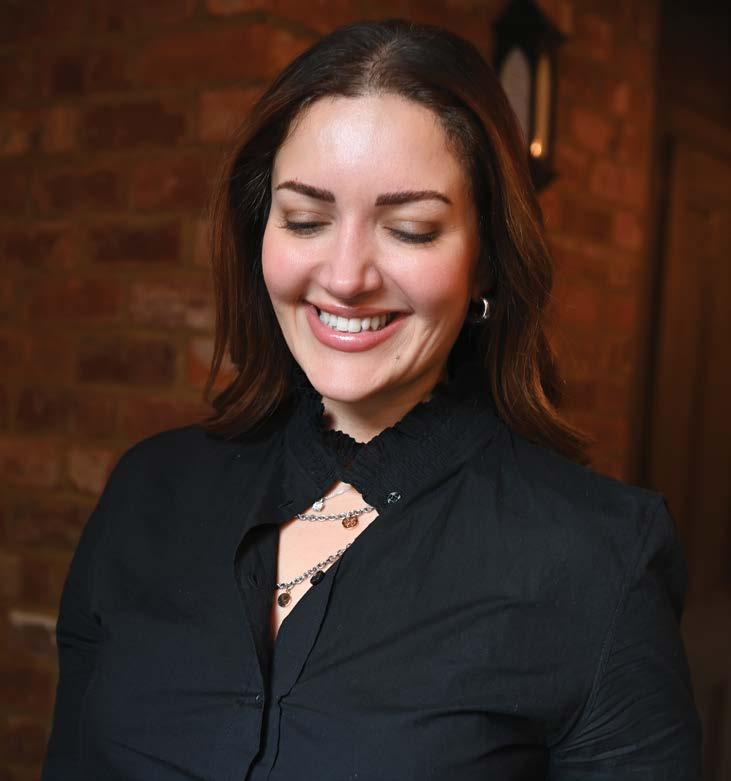
commercial success depends on far more than the strength of the idea itself.
Innovation doesn’t scale alone
The UK remains one of the world’s most respected life sciences ecosystems, anchored by leading universities, strong clinical
“
CAPITAL MATTERS
- BUT SO DO TRUSTED PARTNERSHIPS, MARKET ACCESS, LEADERSHIP, REGULATION, TALENT, DATA, CUSTOMERS AND CREDIBILITY”
Panel: Entrepreneurs over
In the Loop /

→ Zeynab Al-Khero, international commercial growth strategist, founder of ZALK Consultancy and Executive Director of Global Chamber London
infrastructure and consistent global investor interest. But Al-Khero believes there is a persistent misunderstanding at the heart of how many founders approach scaling. They assume that if the science is strong enough, and the funding is there, everything else will follow. Her view is more demanding.
“Capital matters - but so do trusted partnerships, market access, leadership, regulation, talent, data, customers and credibility.” These elements are not support functions. They are the conditions that determine whether innovation survives contact with the real world. In biotech and healthtech, companies do not simply compete on technology. They compete on their ability to navigate complexity: clinical validation, regulatory approval, procurement systems, reimbursement structures, institutional trust and patient confidence - all at once. “You need investors. You need clinical credibility. You need regulatory understanding. You need commercial partners and patient trust. Without that, even the best
Funding helps a business hire, build and survive - but it doesn’t automatically create trust, market access or partnerships”
technology struggles to scale,” she adds. Increasingly, those pressures are not local. They are global from the outset. A product developed in London is often designed with Riyadh, Dubai or New York in mind before it even reaches the market. A Cambridge-based AI diagnostic may require NHS validation to unlock international credibility. A US digital health platform may seek UK clinical adoption not as an end market, but as a signal to the world. Innovation today is not anchored to geography. It is anchored to ecosystems.
The invisible infrastructure of commercial growth
In conventional start-up thinking, competitive advantage is often reduced to intellectual property, proprietary algorithms or access to capital. But Al-Khero challenges that framing. “Relationship capital is one of the most undervalued commercial assets,” she explains. Markets, she argues, do not move purely on product merit. They move through networks of trust - the
accumulated credibility of people, institutions and partnerships that make adoption possible. For Al-Khero, trust is the foundation beneath those networks - the factor that allows partnerships to endure, innovation to move across borders and companies to build sustainable growth over time. Technology creates attention. Relationships create movement. In regulated industries such as healthcare, this becomes even more significant. Trusted connections can create momentum that money alone cannot buy, opening opportunities that traditional sales cycles often struggle to reach. “Introductions accelerate trust. They open markets, unlock investment, and create distribution channels.”
Scaling, in this view, is not simply about visibility or growth; it is about embedding a company within networks that already carry authority. “A founder might have exceptional technology, but they still need partners in New York, Riyadh, Dubai or London to move from interest to execution,” she says.

→ At a Gala and Award Ceremony in London
In the Loop /
Investment is only the beginning
Across the start-up ecosystem, fundraising is often viewed as a moment of validation - proof that a company has moved beyond its earliest uncertainties. But Al-Khero argues that capital alone does not solve the harder challenge of commercialisation.
“Funding helps a business hire, build and survive - but it doesn’t automatically create trust, market access or partnerships.” This distinction is particularly important in healthcare, where scaling depends on system readiness as much as product readiness. Every market brings its own regulatory frameworks, procurement processes, reimbursement models and cultural expectations. A solution that succeeds in one country may struggle in another if those conditions are misunderstood. Even well-funded companies can falter without the infrastructure needed to support growth. “Capital accelerates what already works. It doesn’t replace strategy.” Investment, in other words, is a multiplier - not a foundation.
The invisible infrastructure of ecosystems
In an era where investment conversations, partnership discussions and expansion strategies increasingly begin online, geography matters less than the infrastructure surrounding an idea. What determines whether a company succeeds is not only the strength of its technology, but the investors, regulators, partners and institutions that help carry it into the real world. For Al-Khero, this is where many businesses falter. “Innovation rarely fails because the idea is weak. It fails because the ecosystem around it is,” she says.
Where UK credibility meets global demand
The UK continues to hold a distinctive position in global innovation. Its advantage lies not only in scientific excellence, but in the reputation attached to its institutions, healthcare system and regulatory standards. For Al-Khero, the next challenge is converting that trust into overseas potential. “The UK has strong credibility

→ Zeynab Al-Khero, speaking at an International Women's Event
in science and healthcare. The opportunity is turning that credibility into real market access.”
The Gulf Cooperation Council region represents one of the most significant opportunities, with governments investing heavily in healthcare transformation, digital infrastructure and preventative health as part of long-term national strategies. But Al-Khero cautions against viewing these markets as simple expansion opportunities. Success requires patience, local understanding and genuine commitment. “They are relationship-driven ecosystems. It’s about trust, local partnerships and long-term commitment - not transactional entry.” For many UK founders, this requires a different approach to international growth. Markets cannot be entered through replication alone. “What works in London won’t automatically work in Riyadh or Dubai,” she says. Expansion, she argues, is not a matter of copying a model from one country to another, but adapting it - commercially, culturally and relationally. “You have to listen before you pitch.”
Leadership as a commercial variable
If ecosystems determine whether innovation can scale, leadership determines whether organisations can withstand the pressures of growth. For Al-Khero, leadership is too often treated as secondary to strategy rather than a factor that shapes performance. Her concept of conscious leadership challenges that assumption. “Leadership starts in the body before it shows up in the boardroom.” She argues that the quality of decision-making is closely linked to how leaders manage pressure and uncertainty. Stress, burnout and reactivity are not simply personal challenges; they can become organisational risks. A leader operating under constant strain can narrow their thinking, weaken trust and affect the culture around them. “We often
think resilience means pushing through. But sometimes resilience means pausing before your body forces you to stop.” Her perspective was shaped by years in high-pressure corporate environments, where long hours were often mistaken for effectiveness. “I thought the more hours I worked, the better I’d perform. In reality, my decisions got worse.” The lesson, she says,
WE OFTEN THINK RESILIENCE MEANS PUSHING THROUGH. BUT SOMETIMES RESILIENCE MEANS PAUSING BEFORE YOUR BODY FORCES YOU TO STOP.”
was not about lowering ambition, but about building a more sustainable approach to leadership.
The
wellness economy as economic infrastructure If leadership shapes an organisation’s ability to withstand pressure, then the way businesses
think about human performance becomes a strategic question. Wellness has traditionally been treated as separate from ‘serious’ business. That separation is dissolving. “The future of wellness isn’t separate from business performance. It’s becoming part of it,” she says. The global wellness economy is now valued in the multi-trillion-dollar range, but its significance lies less in its size than in how it is becoming integrated into the way organisations operate. Workplace performance, leadership capability and organisational resilience are increasingly understood as functions of human sustainability. Burnout, in that context, is not an individual issue. “Burnout is a business risk,” warns Al-Khero. This reframes wellness as operational infrastructure rather than an employee benefit - a factor that can determine whether companies are able to sustain growth.
The end of the lone founder myth
The mythology of entrepreneurship still celebrates the lone visionary. Healthcare dismantles that narrative entirely. No therapy reaches patients without regulators, clinicians, investors, procurement systems and institutional confidence. Innovation is not individual genius - it is coordinated infrastructure. The companies that define the next decade of biotech and healthtech will be those that understand growth requires more than scientific discovery. It requires the ability to navigate complexity, build lasting partnerships and sustain the people behind the innovation. As Al-Khero argues, “the companies that will win the future are the ones that understand growth is both commercial and human.” The hardest part of innovation has never been the moment of discovery; it is the long journey that follows, where ideas must earn their place in the world.
Healthtech at a Crossroads
As investment becomes more selective, founders must prove they can build businesses - not just breakthrough technology. by
PATRICIA CULLEN
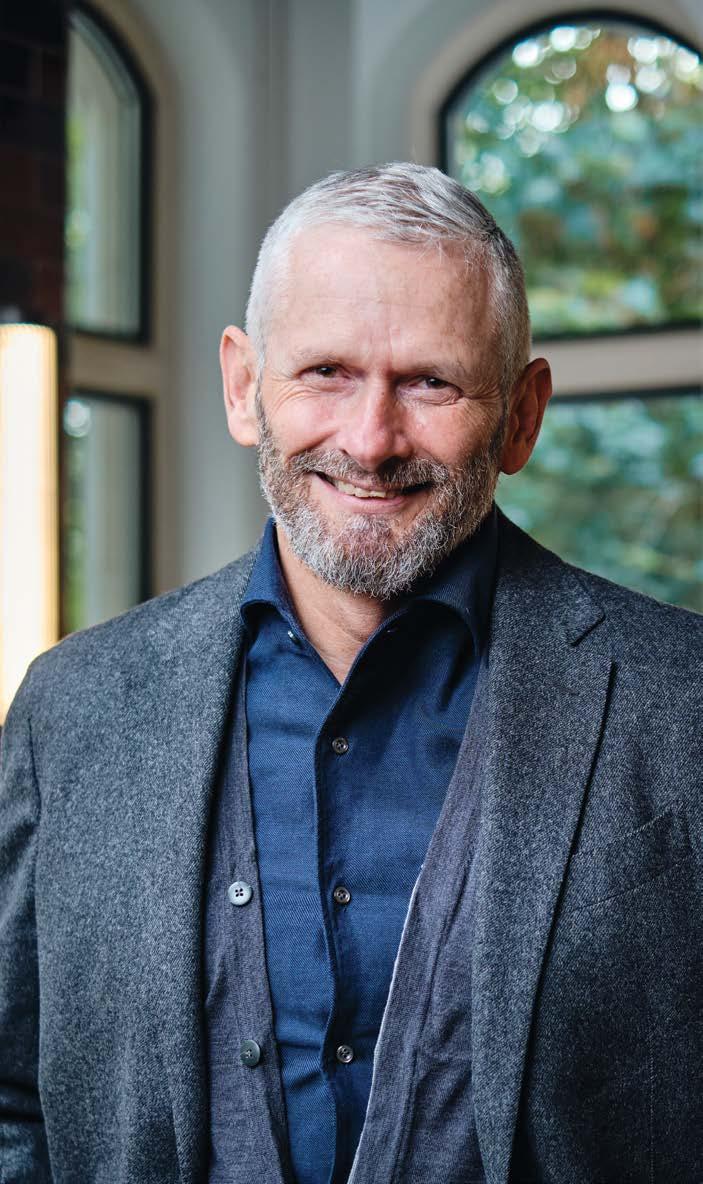
→
Rea,
Health-tech has never lacked ambition. Every year brings promises of revolutionary diagnostics, AI-powered healthcare, breakthrough medical devices and technologies capable of transforming patient outcomes. Yet while innovation continues at pace, investors are no longer chasing possibilities alone. They want evidence, commercial discipline and founders who understand that scientific brilliance is only one part of building a successful healthcare business. That marks a significant shift from the exuberance of 2020 and 2021, when digital health attracted unprecedented levels of investment and many businesses found raising capital easier than proving long-term viability. Today’s market is more cautious, but far from pessimistic. Investment is still flowing into HealthTech - just with much higher expectations. For Tim Rea, co-head of Early Stage at BGF, the most active growth capital investor in the UK & Ireland, that evolution reflects a market that has matured rather than contracted.
Tim
co-head of Early Stage at BGF

HealthTech is a broad category, spanning everything from digital products and diagnostics to medical devices and technologies supporting drug development. At BGF, they invest across both health technology and services, which gives them a unique perspective on where innovation is creating real commercial value. “We’re seeing strong momentum in technologies supporting drug development, where the UK has a world-class research base, outstanding scientific talent and an increasingly mature funding ecosystem. Businesses that improve the efficiency of drug discovery remain highly attractive. Our recent investments in Trimtech, a company developing novel small molecule therapies that target protein aggregates associated with neurodegenerative diseases, and T-Therapeutics, a University of Cambridge spin-out developing T-cell receptor treatments for
“WE’RE SEEING STRONG MOMENTUM IN TECHNOLOGIES SUPPORTING DRUG DEVELOPMENT, WHERE THE UK HAS A WORLDCLASS RESEARCH BASE, OUTSTANDING SCIENTIFIC TALENT AND AN INCREASINGLY MATURE FUNDING ECOSYSTEM”
cancer and autoimmune disease, are evidence of this,” says Rea.
Britain’s life sciences sector has long punched above its weight internationally, and investors continue to see opportunities where scientific excellence meets commercial execution. Universities remain prolific generators of intellectual property, while spin-outs are attracting increasing attention from venture investors looking for globally scalable businesses. Rea believes medical technology is also entering a renewed period of growth. “There is also renewed activity in medical devices and diagnostics, stimulated by innovation coming from the academic ecosystem – including initiatives from the likes of King’s College – as well as commercial success stories such OrganOx, one of BGF’s most successful investments. There is no shortage of scientific innovation, but investment will flow to businesses that translate technical breakthroughs into clinically relevant products with a clear commercial pathway.” The distinction is important. Scientific innovation alone has rarely been enough to build enduring companies. Today’s investors are looking for founders who understand regulation, reimbursement, procurement and the long road from laboratory discovery to widespread clinical adoption.
That commercial awareness is something Rea believes many founders still underestimate when approaching investors. “The biggest misconception is often that investors are simply waiting for the next great pitch. In reality, most are reviewing dozens of new opportunities every week while supporting existing portfolio companies. Founders need to make it as easy as possible to understand why their business matters. More fundamentally, it’s important for founders to understand that a successful fund
In the Loop /

isn’t built on every investment delivering a modest return. Individual investments need the potential to deliver exceptional returns, so investors are looking for long-term value rather than just incremental growth. The best founders approach fundraising by understanding the investor’s perspective. Just as when selling a product, it’s important to understand the problem the other person is trying to solve. If you understand what investors need to achieve, your conversations become far more productive.”
That advice reflects a broader change across venture capital. Investors have become increasingly selective, focusing less on compelling narratives and more on whether businesses have mapped a realistic path towards becoming sustainable companies. The ability to communicate that journey clearly has become just as important as the underlying technology. The point at which many businesses lose investor
confidence, Rea argues, often comes well before the technology itself has failed. “Confidence is often lost when founders haven’t thought far enough ahead. It’s common to see businesses raising capital based on the assumption they’ll be acquired after the next milestone, rather than building a company capable of creating long-term value. Some companies might get lucky with an early exit, but it’s not something that should be planned for.
For Medtech companies in particular, demonstrating a credible route to sustainable unit economics and commercial scalability is essential. Experienced investors typically begin by understanding what a successful business ultimately needs to become, before assessing the steps and timeframe required to get there. Where that pathway has not been carefully considered, questions may arise around whether the company can achieve its long-term ambitions. “The strongest
“JUST AS WHEN SELLING A PRODUCT, IT’S IMPORTANT TO UNDERSTAND THE PROBLEM THE OTHER PERSON IS TRYING TO SOLVE. IF YOU UNDERSTAND WHAT INVESTORS NEED TO ACHIEVE, YOUR CONVERSATIONS BECOME FAR MORE PRODUCTIVE”
companies also recognise the importance of building experienced leadership around them. Founders don’t need all the answers themselves, but they do need to bring in people who have successfully navigated the next stage of growth before.” That emphasis on leadership represents another shift in investor priorities. While founders remain central to a company’s success, investors increasingly look for teams capable of navigating regulatory hurdles, international expansion and complex healthcare procurement systems. Experience is becoming as valuable as invention.
The cooling of investment markets since the pandemic has only reinforced those expectations. “The investment landscape has become significantly more selective. Investors are looking for much stronger validation before committing capital, which inevitably makes fundraising more challenging for earlier-stage businesses. This creates a
difficult dynamic. Investors want stronger proof points before investing, but many companies need funding to generate them. Digital health has undergone an even more significant change. While the sector saw considerable momentum and optimism in 2020 and 2021, investors are now taking a more measured approach. The potential for digital technologies to improve healthcare delivery and patient outcomes remains clear, but businesses must demonstrate how that value can be captured sustainably. “Software businesses often face relatively low barriers to entry, which creates a risk that larger incumbents replicate successful products rather than acquire them. As a result, investors are placing much greater emphasis on defensibility, commercial differentiation and longterm competitive advantage,” he adds.
For digital health companies in particular, the days of being rewarded simply for digitising existing processes appear to be over. Investors now want evidence that software creates lasting competitive advantage rather than temporary novelty. Nowhere is that discipline more visible than in how companies approach pilot programmes. For many health-tech founders, securing an NHS pilot has traditionally been viewed as the breakthrough moment. In reality, pilots often become an expensive holding pattern, generating positive feedback but little commercial momentum. Rea describes the phenomenon bluntly. “Many healthtech
businesses become trapped in what I call ‘the eternal pilot.’ In these scenarios, initial customer engagement is positive, but the company hasn’t defined exactly what evidence the pilot needs to generate to justify broader adoption. The businesses that scale successfully enter every pilot with a clear commercial strategy. They understand what success looks like, which data they need to collect and how they’ll use that evidence to support wider customer adoption. Ideally, by the end of the pilot, the customer should feel that can’t imagine operating without the product.
Companies also need to think carefully about market strategy. There are lots of great problems to be solved in the NHS, which provides valuable opportunities for clinical validation and product development, but it’s rarely sufficient on its own as a route to scaling globally. The most ambitious companies are typically building for international markets from the outset while using NHS partnerships to strengthen their proposition.” It is advice that reflects one of the UK’s recurring health-tech challenges. The NHS remains one of the world’s most valuable environments for validating innovation, yet its procurement structures can make national scaling slow. Increasingly, successful founders are using the NHS as a proving ground while designing businesses capable of serving global healthcare markets from day one. Despite tighter investment conditions, Rea remains
optimistic about where the sector is heading. Drug development technologies continue to attract significant attention, driven by advances emerging from British universities and research institutions. At the same time, investors are beginning to look beyond treating disease towards understanding the biological mechanisms that cause it.
“One of the most exciting areas is the application of technology to drug development. We’re seeing a steady flow of genuinely impressive innovation from UK research institutions and early-stage companies, and that momentum shows no sign of slowing. Looking further ahead, I think we’ll see greater focus on ageing as a biological process that can be understood and treated, rather than just managing associated diseases. Advances in this area could reshape approaches to a range of
age-related conditions over the coming decade.
Neurostimulation is another area with significant potential, where innovative medical devices are being developed to treat everything from autoimmune diseases to depression. I expect continued progress as the underlying science matures.”
The health-tech investment story, then, is no longer one of speculative enthusiasm or easy capital. It is becoming a market defined by evidence, commercial clarity and resilience. Scientific breakthroughs remain essential, but they are only the beginning. Increasingly, the companies attracting investment are those able to demonstrate not only that their technology works, but that it can survive the realities of modern healthcare systems, build sustainable businesses and ultimately improve patient outcomes at scale.
“ONE OF THE MOST EXCITING AREAS IS THE APPLICATION OF TECHNOLOGY TO DRUG DEVELOPMENT. WE’RE SEEING A STEADY FLOW OF GENUINELY IMPRESSIVE INNOVATION FROM UK RESEARCH INSTITUTIONS AND EARLY-STAGE COMPANIES, AND THAT MOMENTUM SHOWS NO SIGN OF SLOWING
The Real Healthcare Revolution Is Access
by ENTREPRENEUR UK STAFF
Innovation in healthcare is increasingly being driven not by new medicines but by better access to existing ones. As digital care becomes more commonplace and patients expect simpler, faster routes to treatment, healthcare providers
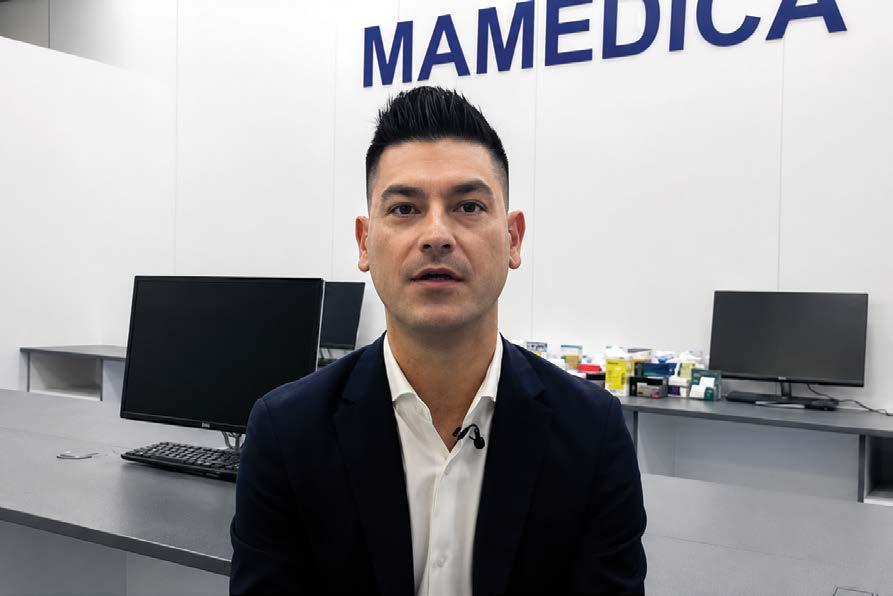
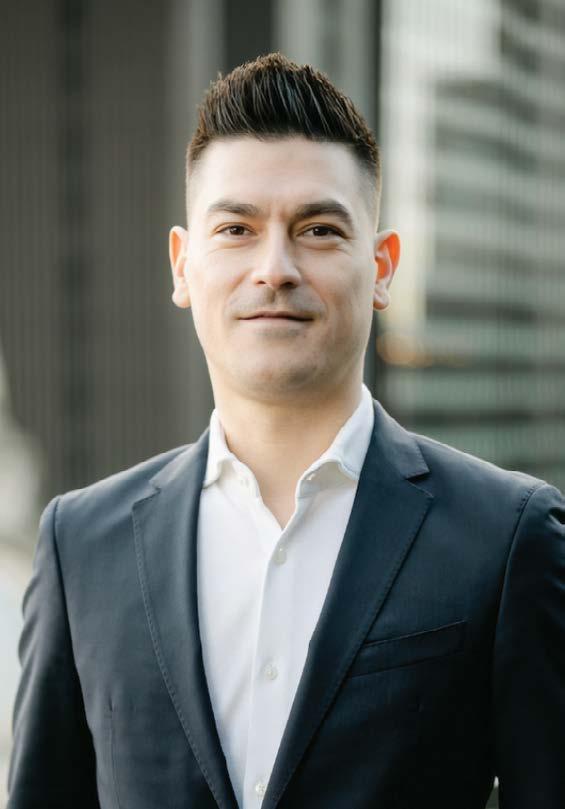
are rethinking how services are delivered. Jon Robson, CEO of Mamedica a UK specialist medical cannabis clinic, explains why improving the patient journey may prove just as transformative as the next medical breakthrough.
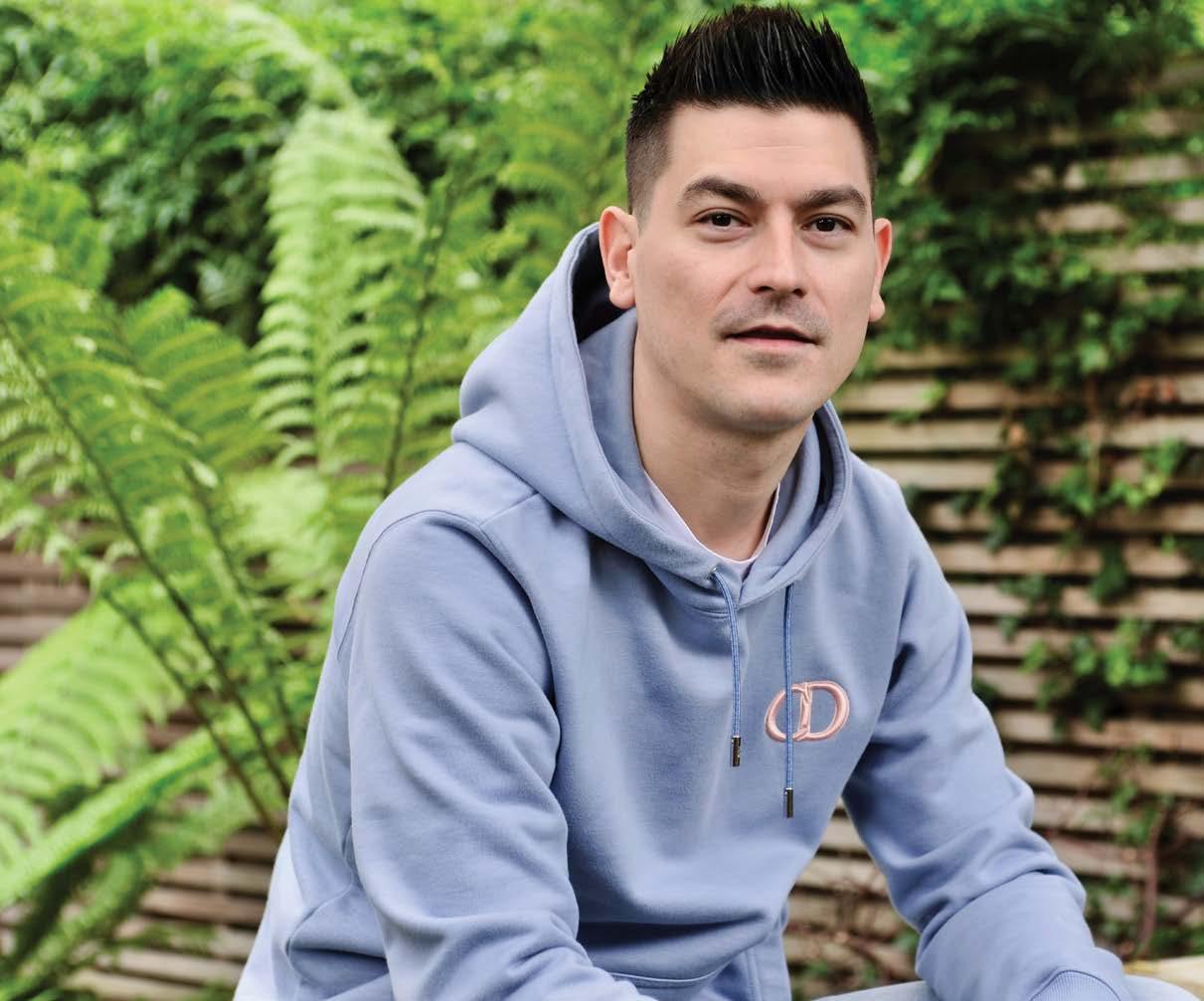
→ Jon Robson, CEO of Mamedica

“
SOMETIMES THE REAL BREAKTHROUGH IS MAKING AN EXISTING TREATMENT PATHWAY ACCESSIBLE TO THE PEOPLE WHO MAY BENEFIT FROM IT. THAT IS WHERE TECHNOLOGY CAN DO REAL GOOD, NOT BY REPLACING CLINICIANS, BUT BY MAKING THE ROUTE TO SPECIALIST CARE CLEARER, FASTER AND MORE MANAGEABLE FOR PATIENTS”
What gap in healthcare access made you believe Mamedica was needed?
Medical cannabis has been legal in the UK since 2018, but for many patients, awareness and access have not kept pace with the change in law. People living with chronic conditions have often tried multiple conventional treatments without knowing that medical cannabis could be a legal option, whether they may be eligible, or how to access a clinically credible pathway to speak to the right specialist. My motivation came from seeing that disconnect first-hand and looking closely at the patient journey. If this is a regulated medicine, the pathway should not be so difficult for people to understand and navigate. That was the starting point for Mamedica - to build a service that is safe, specialist-led, regulated and designed around the patient experience, from eligibility screening through to prescribing and the vital ongoing support. In healthcare, innovation is not always about inventing a new treatment. Sometimes the real breakthrough is making an existing treatment pathway accessible to the people who may benefit from it.
That is where technology can do real good, not by replacing clinicians, but by making the route to specialist care clearer, faster and more manageable for patients.
Why is healthcare innovation increasingly about access and delivery rather than clinical breakthroughs? Clinical breakthroughs will always matter, but a treatment only has impact if patients can access it safely and consistently. In many areas of healthcare, the infrastructure, clinicians and regulatory framework already exist, but the delivery model has not caught up with how patients live. People are managing work, caring responsibilities, mobility issues, pain, anxiety, fatigue and complex medical histories. If the system requires them to fight through layers of uncertainty before they even know whether a treatment is appropriate, innovation is being blocked at the point of access. That is why the next phase of healthcare innovation is increasingly about delivery. Remote consultations, secure digital onboarding, digital consent, structured follow-up and patient-reported

“
SCALING A REGULATED HEALTHCARE BUSINESS IN
THE UK HAS REINFORCED
THAT
TRUST HAS TO BE BUILT INTO THE OPERATING MODEL FROM DAY ONE”
outcomes can make healthcare easier to access without lowering clinical standards. At the heart of Mamedica’s digital pathway is Pharmedica, our proprietary healthcare platform built to manage cannabis-based prescriptions in line with UK regulation, while securely connecting patients with specialist clinicians and pharmacists. Its role is not to replace clinical judgement, but to make access to it faster, clearer and more joined-up across the care journey.
What does “removing friction” in patient care actually look like in practice? When we talk about removing friction, we are really talking about taking unnecessary stress out of the patient journey while keeping the right clinical safeguards in place. That starts with helping patients understand whether they may be eligible before they spend time and money
unnecessarily. It also means making the medical-records process clearer and offering discreet, convenient consultations with specialist doctors where remote care is clinically appropriate. A lot of the patient experience is shaped by the small details. Technology can bring repeat prescriptions, delivery updates, key documents and patient information into one place, so people are not left trying to manage different parts of the process on their own. These details may not seem glamorous, but together they make care feel safer, clearer and more predictable. In regulated healthcare, frictionless care does not mean careless care. It means building a pathway where compliance, clinical governance and patient experience work together. The patient should feel that the process is simple, but behind that simplicity there has to be structure, safety, documentation and specialist oversight.
Where do traditional healthcare pathways still fail patients most often?
The NHS is under enormous pressure, and clinicians are doing very difficult work every day, so this is not about criticising individual healthcare professionals. The issue is that some pathways were not designed for the reality of long-term, complex or treatment-resistant conditions. Patients can move through multiple appointments, medications and waiting periods without feeling that all appropriate options have been clearly explained to them. When it comes to medical cannabis, that gap
is particularly visible because NHS access remains extremely limited, and many patients are still unsure whether medical cannabis is legal, whether they may be eligible, whether their GP can help, or whether they need to see a specialist. The most common gap is clarity. Specialist providers like Mamedica can complement the wider healthcare system by giving eligible patients a regulated, clinically led route into assessment where conventional options have not provided adequate relief. Better access is not about bypassing the system; it is about creating
a more transparent and responsible route through it.
How are regulated treatment areas like medical cannabis changing expectations around patient access and clinical acceptance in healthcare more broadly?
Medical cannabis is changing expectations because patients increasingly want convenience, legitimacy and clinical safety to work together. They want digital access, but they also want to know the service is properly regulated, the clinicians are specialists, and prescribing
decisions are being made responsibly. That shift matters because medical cannabis has been legal and specialist-prescribed for years, yet many patients still experience confusion, stigma or practical barriers to access. Patients also increasingly expect more visibility over their own journey, from understanding treatment options and pricing through to tracking prescriptions, delivery and ongoing care in one centralised place. To date, Mamedica has supported more than 15,000 patients through a structured digital pathway covering eligibility screening, specialist consultation, prescription management, dispensing, delivery and follow-up. That scale shows demand is not marginal. There is a substantial group of patients looking for safe, regulated access when other treatments have not worked for them. Recent patient data from across the sector also shows why the conversation is moving forward. In a survey of more than 6,000 patients from Mamedica, Alternaleaf, CB1 Medical and Curaleaf, 97.6% reported symptom improvement, 92.3% reported improved sleep and 93.5% reported improved day-to-day functioning. That should be acknowledged responsibly, with the clear caveat that patient-reported data is not the same as definitive clinical efficacy evidence. The sector needs to recognise real-world patient experience while continuing to call for stron-
ger research, careful patient selection and ongoing monitoring.
What role does patient education play in improving access and longterm care success?
Patient education is one of the most important parts of access, because if someone does not know medical cannabis is legal, does not understand the eligibility criteria, or feels too much stigma to ask a question, the pathway might as well not exist. A major part of Mamedica’s role has been to explain that this is not recreational cannabis and it is not about replacing clinical judgement. It is a regulated treatment option that may be considered by a specialist doctor for eligible patients, often after conventional treatments have not provided adequate relief. Good education also protects patients. It helps people understand that medical cannabis is not suitable for everyone, that proper clinical assessment matters, and that ongoing monitoring is part of responsible care. It also gives patients practical confidence around how prescriptions work, what to expect from a consultation, how follow-up is managed, and why a regulated supply route is different from self-medicating through unregulated sources. Long-term success depends on patients feeling informed and supported, not simply processed. In a regulated area like medical canna-
bis, education is not a marketing exercise. It is part of the care model.
What have you learned about scaling a regulated healthcare business in the UK?
Scaling a regulated healthcare business in the UK has reinforced that trust has to be built into the operating model from day one. You cannot separate growth from governance, because the clinical model, pharmacy infrastructure, compliance standards, data systems, patient support and communications all have to scale together. That is particu-
larly true in medical cannabis, where the policy environment allows access, but public understanding and clinical acceptance are still catching up. The opportunity is not simply to meet demand; it is to build the infrastructure that turns a regulated treatment area into a safe, consistent and credible patient experience. For Mamedica, that means combining specialist prescribing, appropriate patient selection, secure dispensing, robust documentation and ongoing clinical oversight with a digital pathway that makes access
clearer for patients. Growth only works if patients, clinicians, regulators and the wider healthcare system can trust the model. In a misunderstood and highly regulated market, that trust is built through discipline, transparency and patient outcomes, not speed alone.
What’s the biggest misconception founders have when building in regulated healthcare markets?
One of the biggest misconceptions is that regulation is simply a hurdle to get through. In healthcare, regulation is part of the product because patients are trusting you with their health, their data, their safety and often a condition that has already made life difficult. Founders can also overestimate demand and underestimate trust. In medical cannabis, demand is clearly there, but demand alone does not build a healthcare company. The harder part is creating a service that patients, clinicians and regulators can believe in at scale. The best healthcare innovation does not work around compliance; it makes compliance easier for the patient to experience. Clear onboarding, responsible prescribing, secure documentation, better follow-up and useful patient data are not back-office details. They are what make access safe, scalable and sustainable.
INNOVATION AT SCALE
TURNING SCIENTIFIC BREAKTHROUGHS INTO HEALTHCARE IMPACT AT SCALE
by PATRICIA CULLEN
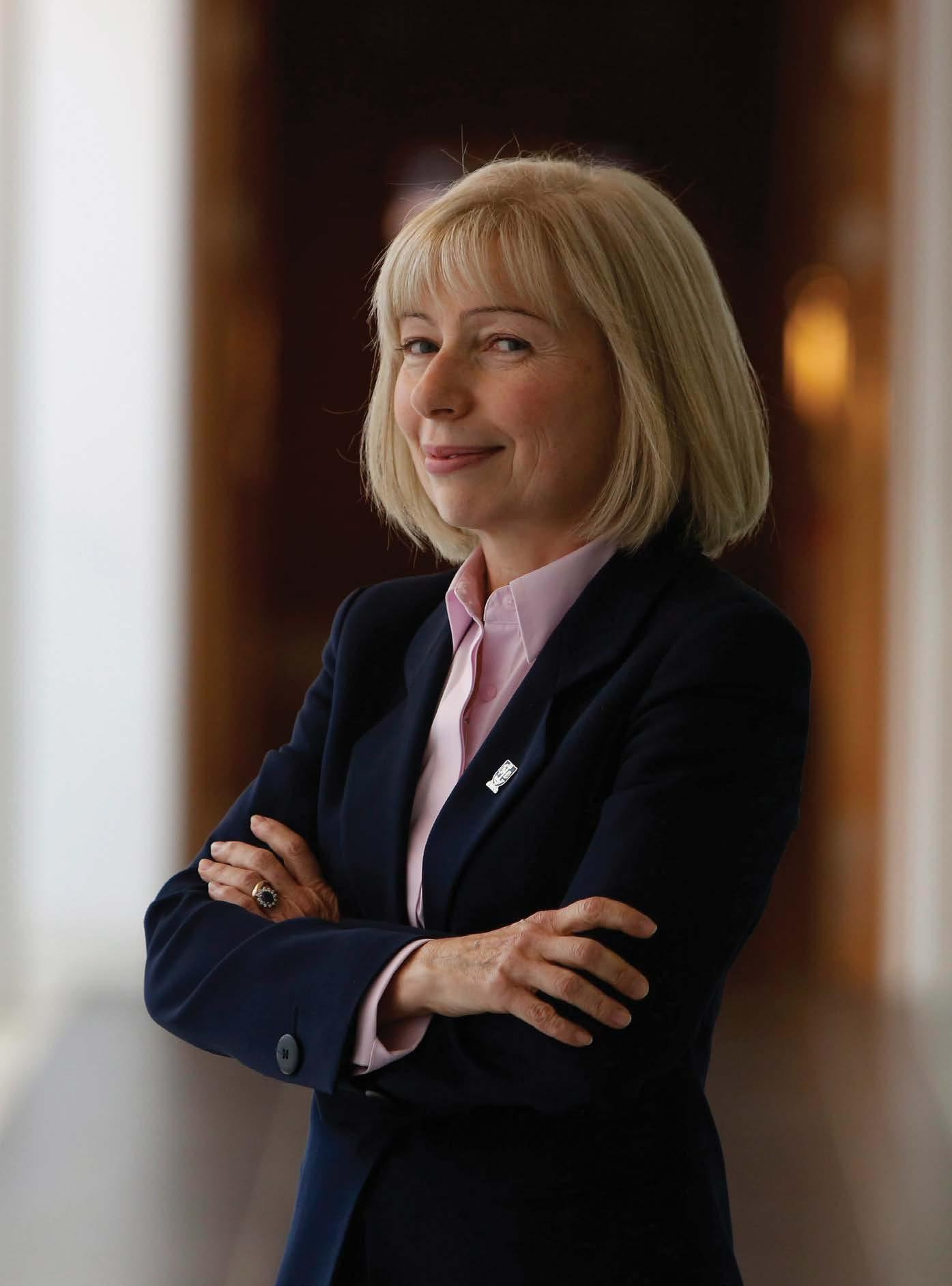
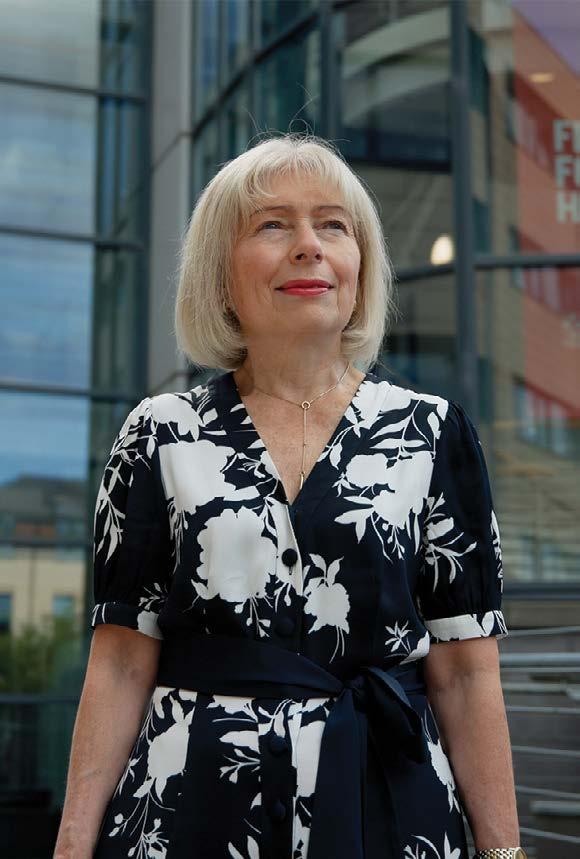
Breakthrough discoveries are only the beginning. For Professor Dame Anna Dominiczak, the future of healthcare will depend not just on scientific excellence, but on the ability to translate research into meaningful change for patients and populations. The Regius Professor of Medicine at the University of Glasgow and Chief Scientist (Health) for the Scottish Government argues that the next era of healthcare innovation will be defined by smarter partnerships, digital infrastructure, evidence-led decisionmaking and the ability to take proven ideas from the laboratory into everyday clinical practice.As the UK seeks to maintain its position as a global leader in medical science, Dominiczak believes the challenge is no longer discovery alone - but adoption at scale. From precision medicine and artificial intelligence to prevention and early diagnostics, she outlines why building a truly modern healthcare system requires collaboration between academia, industry and the NHS, alongside a willingness to stop what does not work and invest in what can deliver lasting impact. Entrepreneur UK finds out more…
Is the UK still a leader in medical innovation, or falling behind in delivering it at scale?
I believe that the UK and Scotland are leaders in medical innovation at the level of discovery research, clinical and population health research, application of precision medicine as well as translation from the bench to the bedside. I also agree that the most difficult step of health innovation is the adoption at scale for all patients and populations to benefit. It is difficult, but all 4 Nations of the UK are making progress, at times working in collaboration. One good exemplar here is the Accelerated National Innovation Adoption (ANIA) pathway and the Innovation Design Authority (IDA) in Scotland.
Is the NHS reaching a point where data and digital infrastructure are as critical as clinical capacity?
This is a difficult question as both are very much connected. Data and digital always require skilled people to design, operate and utilise systems. The vice versa is also true, skilled, motivated, research and innovation driven people understand the need and essential nature of data and digital. This is a virtuous circle.
What is stopping biomedical research from becoming real patient impact at scale?
As mentioned above, biomedical research is very strong in the UK and in
Scotland. But there is a need for translation of research discoveries into new drugs and new health technology innovations. This must be enhanced by a readiness and ability to change relevant clinical pathways to lead to adoption at scale. For all the above, we need partnerships between academia, industry and the NHS, aptly described as a triple helix partnerships.
Is UK healthcare innovation being funded and prioritised in the right way to drive impact?
I think we need to invest in
health innovation as much as possible, especially in prevention, early diagnostics and better, more precise and thus more effective treatments. This is the only way to improve the NHS, to help patients and communities, but also to invest in our economy. Early prevention is the major way to prevent ill health, assure healthy workforce and increase productivity. There must be more focus and more emphasis on research enabled health innovation. This is an under-appreciated macro-economic force for good.
Can the UK maintain its global position in medical science if delivery of innovation continues to lag behind discovery?
Yes, but not forever. I regularly participate in major international scientific meetings in my area of research, cardiovascular medicine, and I see very clearly that UK biomedical science is leading on discovery research, clinical trials and all other aspects of clinical and public health research. There is also major strength in guidelines and the use of health data and AI in clinical research. Innovative studies such as Our Future Health are leading internationally in precision public health. This will last for years to come. I think the next step should be the development and investment in well designed pathways to adoption such as the Scottish Accelerated National Innovation Adoption (ANIA) pathway and the Innovation Design Authority (IDA). In many aspects of these adoption pathways, it would be helpful and efficient to collaborate across UK and internationally. We have already started these processes, but more could be done.
What does it take to turn scientific ambition into real-world healthcare delivery at system level?
It is essential to stop doing things that have looked like good ideas a few years back but have not worked. This is the only way to release
the necessary financial resources to innovate at scale. Then we need to assemble collaborative, multidisciplinary teams to encourage a holistic approach to health innovation, remembering that the innovation, even the best AI driven innovation, will only work if we change the entire clinical pathway not just force the technological innovation or new pharmacological intervention on top of old clinical pathway. So, the system requires good and thorough horizon scanning, early prioritisation to progress to a fast strategic case, that would allow inform decisions which innovations would be realistic to adopt at scale. Those selected innovations then undergo a detailed value case development, which is a business case with the patient / community in the centre, full health economic assessment, and
financial assessment. This then allows an informed decision to go ahead into adoption at scale or not. What I briefly described here is the ANIA/IDA pathway we currently use successfully in Scotland.
What will define a truly modern, evidence-driven healthcare system in the next decade?
I think that ANIA and IDA as described above are the start of what could be a blueprint for a modern research evidence-driven healthcare ecosystem. It must be informed by excellent real-time electronic health data, machine learning and artificial intelligence. We have evidence that it works, but we need to do more, bigger and better. This would require a learning health system, where each innovation pathway is underpinned
by well curated research evidence, careful value cases and intelligent, collaborative prioritisation. This should be followed by full benefit realisation programme and a long-term assessment. It will also be very important to introduce into this process a value procurement. In addition, stopping things early, if they do not work, is equally important to facilitate accelerated progress. There is also an obligation on all of us to design health innovation in such a way that it reduces health inequalities, this is very important and must be actively included in each step of the innovation pathway. The challenge is great, as far as I am aware no country worldwide has achieved all these components successfully. Thus, national and international collaboration will be a key element of the future success.

“I think we need to invest in health innovation as much as possible, especially in prevention, early diagnostics and better, more precise and thus more effective treatments ”
→ Professor Dame Anna Dominiczak. Photograph: Paul Watt
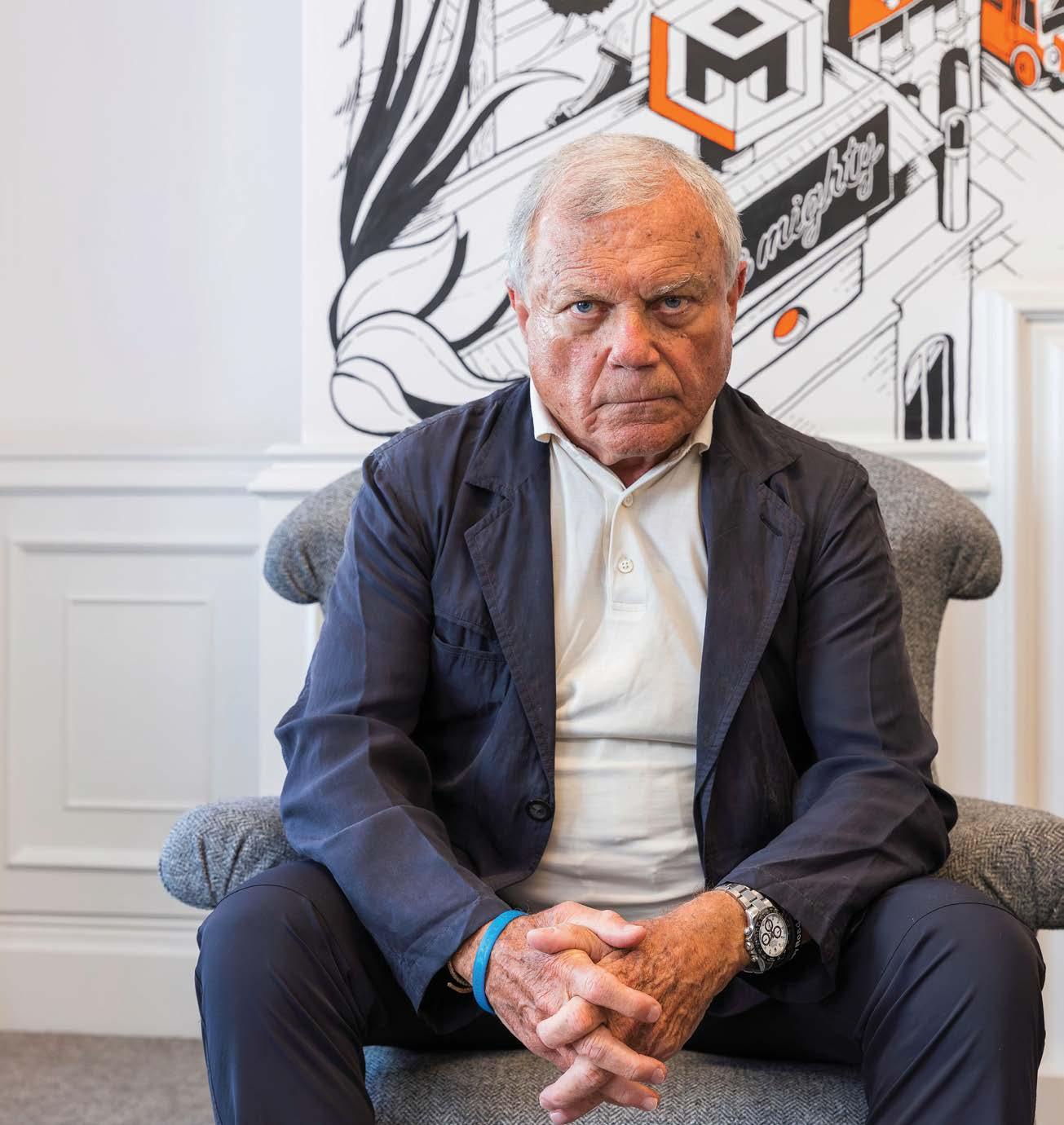
CAN THE UK WIN AT SCALE?
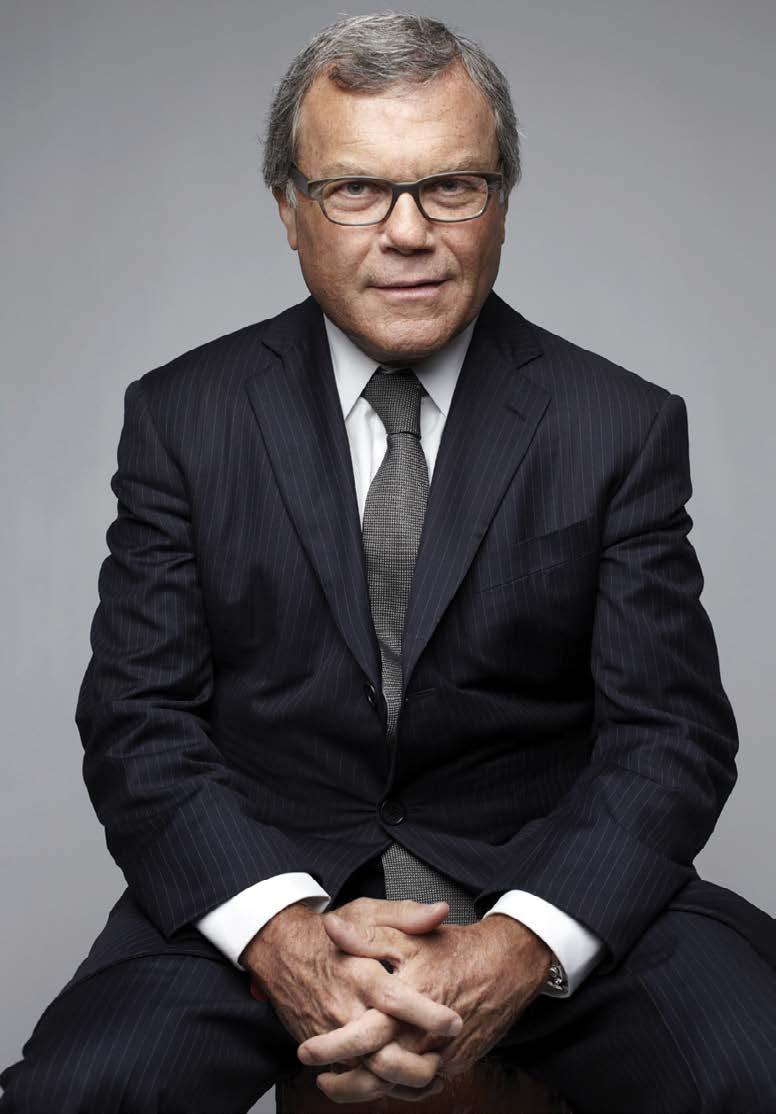
Sir Martin Sorrell on AI, ambition and why the UK risks inventing the future for everyone else.
by PATRICIA CULLEN

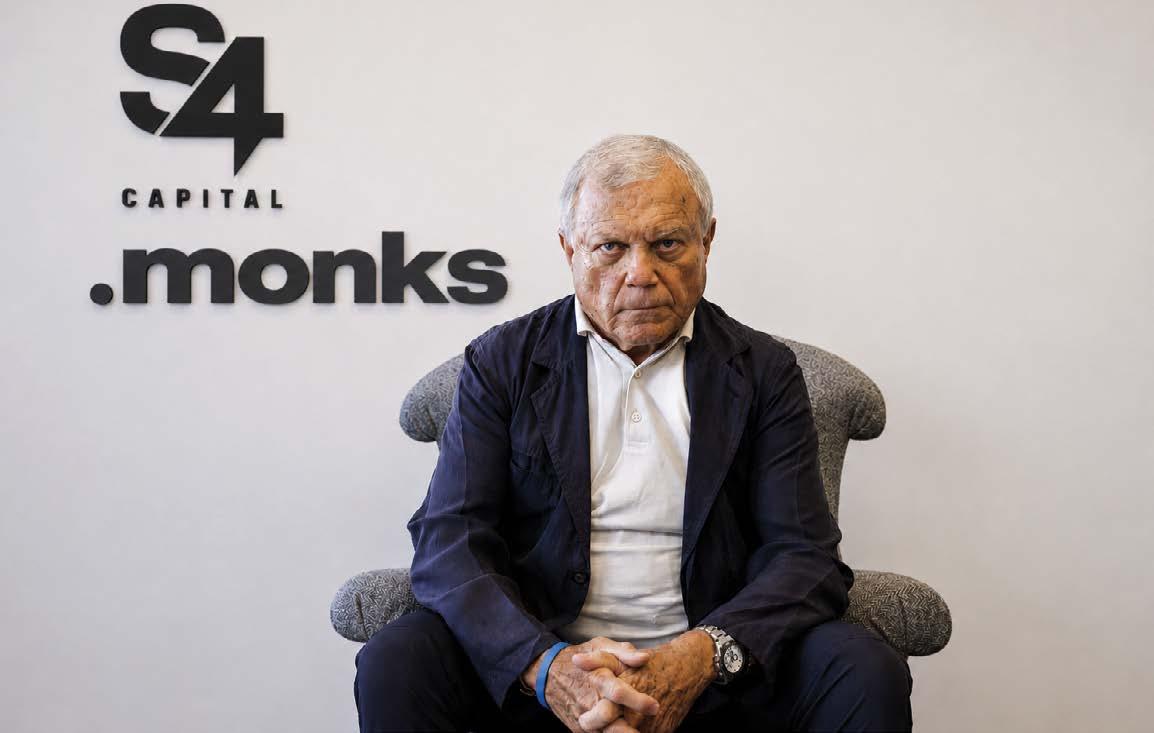
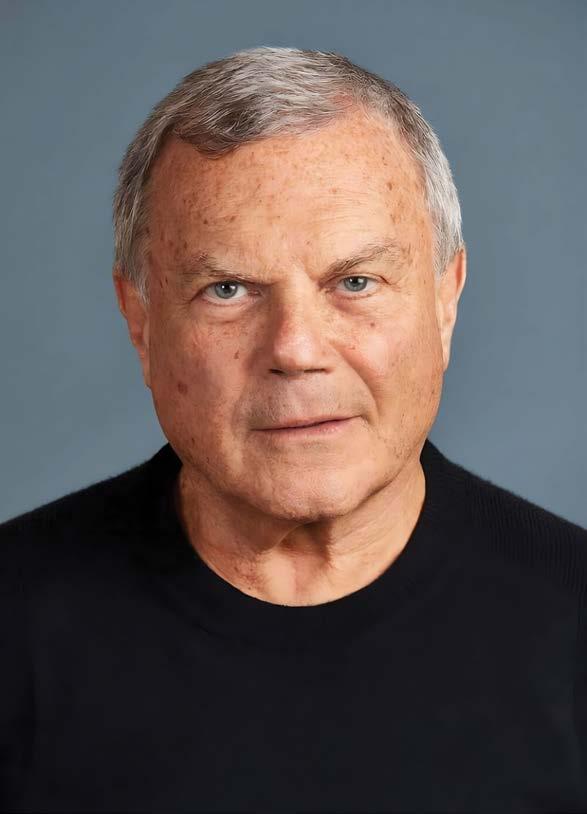
→ Martin Sorrell, advertising’s great disruptor

The UK has never struggled to invent the future. From the Industrial Revolution to modern computing, its universities, laboratories and entrepreneurs have always produced discoveries that have transformed the world. The problem has always been turning invention into ownership. Too often, UK breakthroughs are conceived here, financed elsewhere, scaled overseas and eventually absorbed by global giants.
THE AMERICANS INNOVATE. THE CHINESE IMITATE. THE EUROPEANS REGULATE”
Few people have watched that pattern unfold more closely than Sir Martin Sorrell. After building WPP into the world’s largest advertising and communications group and later founding S4 Capital for the digital age, he has spent four decades tracking the movements of capital, technology and consumer behaviour before they become obvious. Now his attention is fixed on artificial intelligence (AI). For Sorrell, AI is not another technological cycle; it is the infrastructure of the next global economy. Its impact will be felt across every industry, from marketing and retail to healthcare and biotechnology, transforming how companies operate, create and compete. But he believes many businesses are approaching it backwards.
“There is no point automating chaos,” he argues. The winners will not be those that simply add AI to existing systems, but those that first redesign how they work. AI is not a strategy. It is an amplifier. In healthcare and life sciences, where regulation remains essential, the principle is no different. The future belongs to
WE HAVE ALL THESE WONDERFUL UNIVERSITIES, THE SCIENTIFIC CAPABILITY IS THERE”
organisations that can combine first-party data, intelligent workflows and personalisation at scale. The advantage will not come from having the biggest budgets, but from learning, adapting and executing faster than everyone else.
The advertising industry has undergone a historic shift. A $1.2tn global market, it is now roughly three-quarters digital - a figure Sorrell expects to approach 80% by the end of the decade. But he challenges one of the biggest assumptions of the digital age: that media has become more fragmented. In reality, he argues, it has become more concentrated. Google, Meta, Amazon and TikTok now control an extraordinary share of global advertising spend, with algorithms increasingly determining where attention flows and how brands reach consumers. “The options are actually becoming fewer,” Sorrell says. For businesses, this changes the nature of marketing. The old model of broadcasting one message to millions is being replaced by personalised communication at unprecedented scale. AI makes it possible to create, test and optimise
thousands of variations of content in real time -something once available only to the world’s largest companies. But as access to these tools becomes universal, a new question emerges: if everyone has the same technology, where does competitive advantage come from? For Sorrell, the answer remains human. AI can accelerate creativity, but judgement, originality and strategic thinking will determine who stands apart.
He recalls a conversation involving Coca-Cola’s leadership shortly after generative AI began transforming creative industries. If everyone can produce competent advertising using the same software, how does a global brand remain distinctive? The answer, Sorrell believes, is reassuringly human. AI raises the
}}
“
IF
YOU’RE
A YOUNG
ENTREPRENEUR, RUNNING A SUCCESSFUL BUSINESS, WHY WOULD YOU NECESSARILY STAY?”
baseline. It improves average work. It accelerates production. It expands possibilities. It does not eliminate judgement. Taste. Curiosity. Original insight. For all AI’s astonishing capabilities, someone still has to ask the right questions, understand human behaviour and recognise an idea worth pursuing. Creativity does not disappear; it simply migrates higher up the value chain.
Ironically, as machines become more capable, original human thinking may become more valuable. Sorrell acknowledges AI’s potential to transform employment, with automation likely to replace many routine roles while reducing demand for some forms of labour. Although
economists debate whether new industries will offset these losses, he remains cautious. He sees AI as a starting point, not the endpoint. Beyond it lies quantum computing - a technology he believes could surpass today’s advances and fundamentally reshape what businesses consider possible. Against this backdrop, Sorrell sees the UK’s economic debate as too focused on decline rather than growth. While other nations compete to lead emerging technologies, the UK remains absorbed by taxation, regulation and shortterm pressures instead of productivity, investment and innovation. He argues that history rewards countries willing to embrace technological change before certainty arrives.
That is the challenge the UK now faces. It possesses exceptional universities. It continues to attract remarkable scientific talent. Its researchers remain among the world’s most respected. What it has yet to demonstrate, Sorrell argues, is the same determination to build enduring commercial champions around those discoveries. The country has become remarkably good at inventing the future. It has become considerably less effective at owning it. The uncomfortable truth, according to Sorrell, is that the UK’s problem has never been intelligence. It has been conviction. For decades, the country has excelled at producing breakthrough research while repeatedly failing to build the businesses that commercialise it. The names are familiar enough to have become almost folklore. Cambridge researchers develop world-changing technologies. University spinouts pioneer remarkable discoveries. Young founders create companies capable of redefining industries. Then, almost inevitably, American investors arrive with deeper pockets, larger ambitions and markets willing to reward risk rather than merely tolerate it.
The technology leaves. The wealth follows. The UK congratulates itself on another brilliant invention while surrendering ownership of its future. Sorrell has watched
the cycle repeat often enough that it no longer surprises him. “We have all these wonderful universities,” he says, “the scientific capability is there.” What is missing, he argues, is everything that comes afterwards. History is littered with examples of countries that pioneered technologies only for others to capture their commercial value. Innovation alone does not create prosperity. Markets do. Capital does. Leadership does. A culture that celebrates entrepreneurial ambition rather than viewing it with suspicion does. It is here that Sorrell believes the UK has drifted off course.
Sorrell believes the issue is cultural as much as economic. While America celebrates entrepreneurship, the UK often views commercial success with suspicion, influencing where talent and investment flow. Despite world-class
strengths in medical research, genetics, pharmaceuticals and AI, founders often look abroad to scale. Sorrell argues that while regulation is necessary, the UK has become better at managing risk than pursuing opportunity. He recalls the national conversation surrounding AI. While other countries debated how quickly AI could accelerate economic growth, the UK appeared more interested in how it should be regulated. He understands the argument. Powerful technologies require guardrails. AI presents genuine ethical questions around privacy, misinformation and security. Governments have responsibilities that private companies do not. Yet there is, he believes, an important distinction between regulating innovation and leading it. “The Americans innovate,” he says. “The Chinese imitate. The Europeans regulate.”
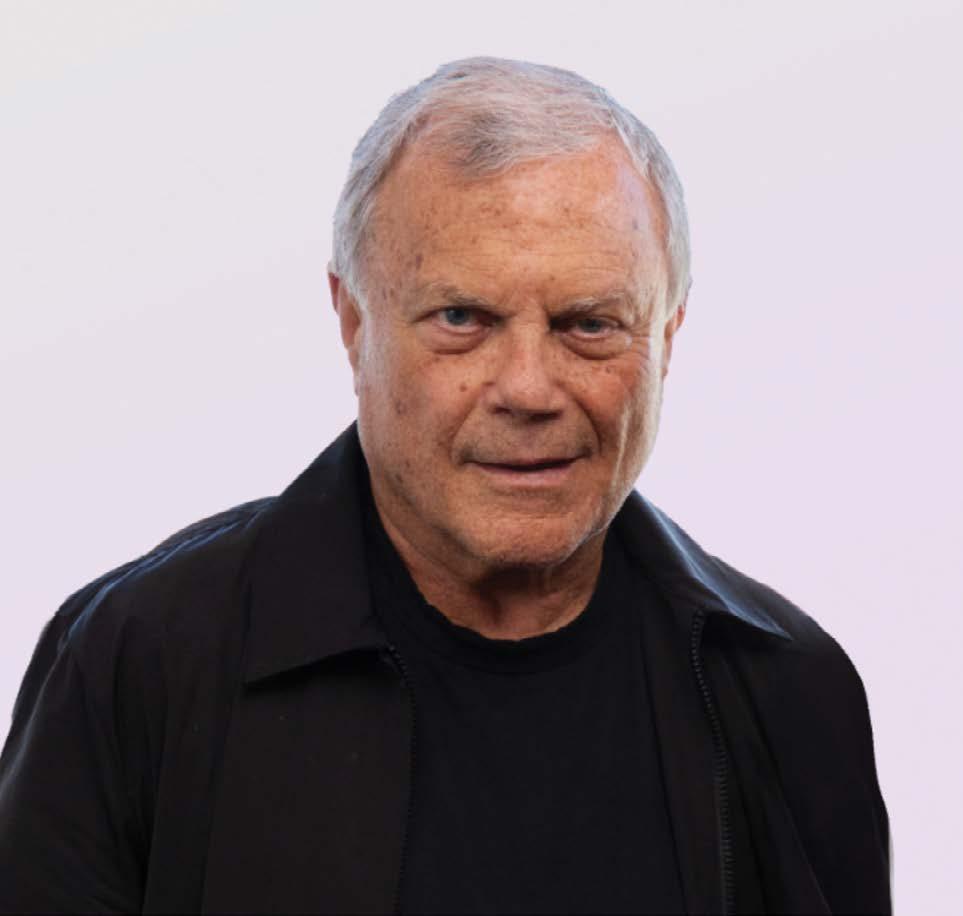
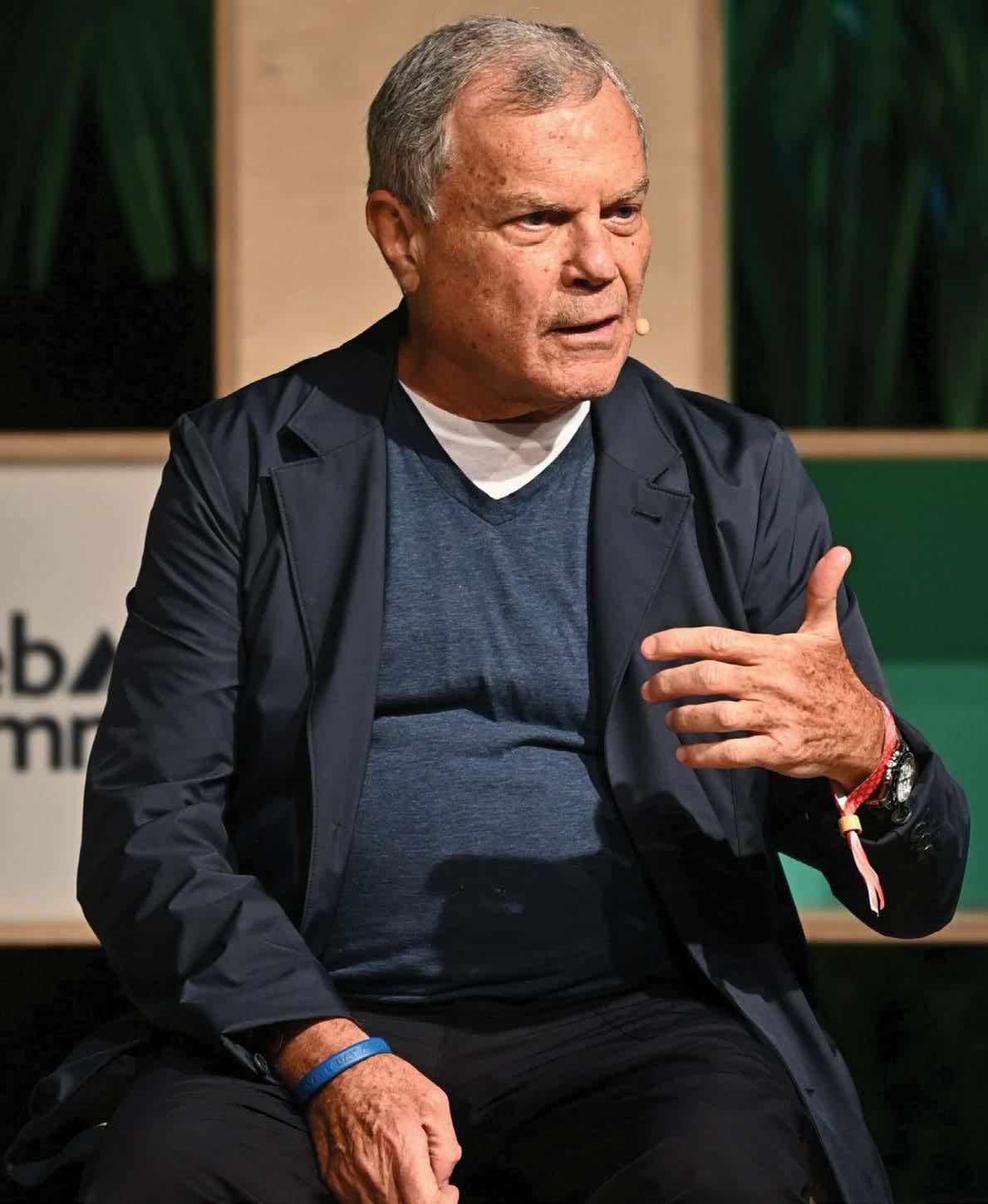
→ Martin Sorrell, from WPP to S4 Capital
Sorrell maintains the UK often regulates new industries before building them, putting opportunity at risk. He extends this criticism to finance: despite vast institutional capital, too little reaches high-growth companies. Instead, investors favour safer assets such as property and government-backed investments. While logical individually, Sorrell believes this limits national economic ambition. Every pound invested in certainty is a pound not invested in tomorrow. Sorrell argues the UK celebrates entrepreneurship while its financial system rewards caution over ambition. The contradiction is measurable: London’s global financial standing has declined, major technology companies increasingly list elsewhere, and venture capital lacks the scale of Silicon Valley.
For founders building global businesses, these signals matter. Capital is more than money; it is confidence, and once lost, it is hard to recover. Sorrell argues the challenge is growing because entrepreneurship itself has changed. The digital economy has removed geographic limits: founders can operate anywhere, teams and investors are global, and talent and capital are increasingly mobile. Governments, however, often still assume entrepreneurs are tied to one place. “If you’re a young entrepreneur,” Sorrell asks, “running a successful business, why would you necessarily stay?”
For founders, the decision is not just about tax but the
“
THE BIG CHANGE IS SHIFTING FROM A TIME AND MATERIALS MODEL TO AN OUTPUT-BASED MODEL”
wider environment: regulation, investment access and the cultural attitude towards wealth creation. Sorrell argues that as talent and capital become
more mobile, many choose to build elsewhere. He warns this matters because emerging industries - AI, quantum computing, synthetic biology, precision
medicine and advanced manufacturing - will shape global economic power. Countries that lead them will attract investment and talent; those that fall behind may become dependent on others. Yet Sorrell does not see the UK’s decline as inevitable. He sees a country with world-class universities, scientific expertise and global connections, but one that has failed to turn those strengths into greater economic success. The opportunity, particularly in healthcare, remains significant. He believes the next decade will bring major opportunities in healthcare as biotechnology, AI, personalised medicine and preventative care converge. The winners will not just create treatments but reshape how healthcare is delivered. Sorrell highlights weight-loss medicines as an example of technology with wider economic impact, potentially reducing healthcare costs and shifting focus from treating disease to prevention. But he argues opportunity will be unevenly distributed: the US will remain dominant through capital and innovation, while regions such as Latin America, the Middle East and Asia-Pacific offer significant growth potential. The message for founders is clear: competition is intensifying. Success requires more than great technology; companies must understand where capital, customers and supportive markets are emerging. “Be efficient,” Sorrell says. In the AI era, that means more than cutting costs - it means
redesigning organisations around a new operating model. This is the shift many healthcare founders have yet to fully embrace. For decades, professional services followed a simple model: more people and more hours meant more revenue. AI disrupts that equation by shifting value from effort to outcomes. Sorrell sees this already transforming marketing, where traditional agency models are being replaced by faster, more automated, output-based approaches. “The big change,” he says, “is shifting from a time and materials model to an output-based model.” The impact goes beyond pricing. Companies built around selling hours often resist efficiency, while outcome-based businesses make it central. Sorrell argues the winners will not just use AI to work faster - they will rethink why work is done that way in the first place. The UK needs more than policy changes - it needs confidence.
Building globally significant companies must become an expectation, not an exception. Technological revolutions require leadership, risk-taking and the willingness to embrace uncertainty. Sorrell points to Silicon Valley and China as examples of ecosystems built on ambition, arguing that the UK has the talent and ideas but lacks urgency. Yet he remains convinced of its potential. Countries are transformed not only by governments, but by entrepreneurs, investors and scientists willing to take risks. The challenge is creating an environment where they choose to stay. His message to healthtech and biotechnology founders is simple: think ambitiously, act despite uncertainty and do not wait for perfect conditions. The greatest companies are often built when technology, timing and determination align. Sorrell has built his career by anticipating major shifts, from
global advertising to digital media and data. Now he sees AI transforming how companies are built and operated. In this new era, speed, adaptability and creativity may matter more than size and legacy. For entrepreneurs, it is an opportunity; for governments, a warning: capital and talent move to where they are welcomed. The final question, then, is not whether the UK has the capability to compete. It does. The question is whether it has the confidence to do so. As Sorrell puts it, the raw material is there. The universities. The scientists. The entrepreneurs. The ideas. What is missing is belief. His final message to founders is simple: “Be bold.” But listening to him, it sounds less like advice for entrepreneurs than a challenge to an entire country. A reminder that the future rarely belongs to those who merely understand change. It belongs to those willing to build it.
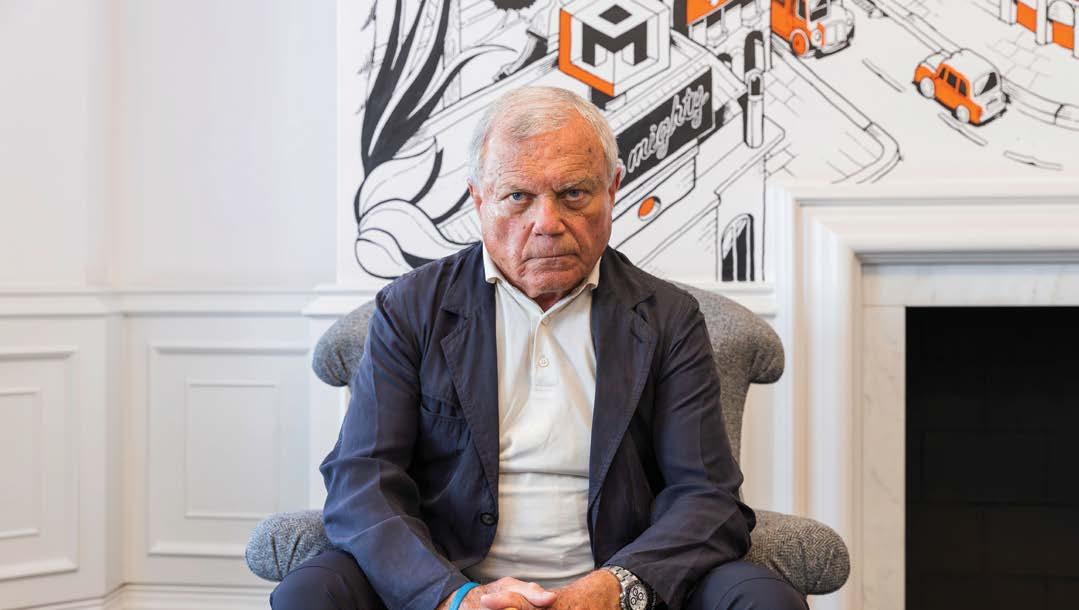
↓ Martin Sorrell, a force in global advertising
‘T/Digital
A Change Is Coming
Rethinking the future of women's health. by
ENTREPRENEUR UK STAFF
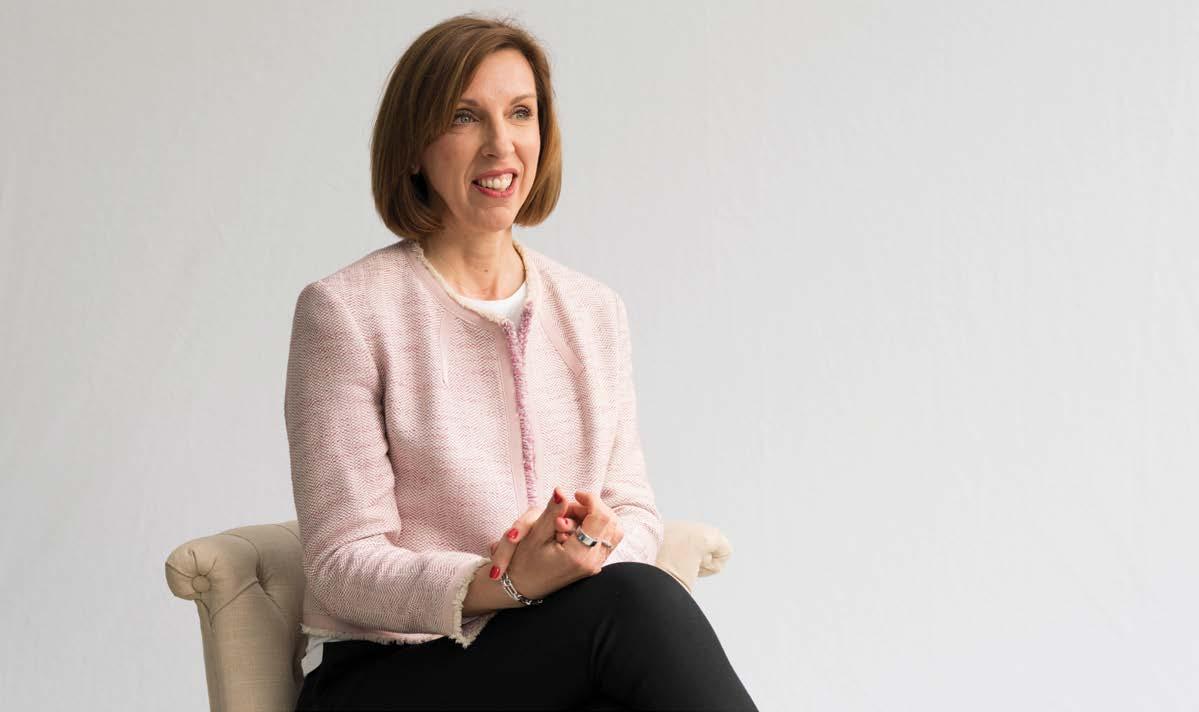
For decades, women’s hormone health has been overlooked, under-researched and too often misunderstood. That is beginning to change. From artificial intelligence and real-world health data to better clinician education and more personalised care, a new wave of innovation promises to reshape how hormone-related conditions are diagnosed and treated. Dr Louise Newson, hormone health expert and founder of the Balance app, explains why the next breakthrough in women’s health may not be a new
medicine, but a better understanding of the women who need it.
Women’s health is finally attracting major investment. What breakthrough do you believe will have the greatest impact on women’s health over the next decade?
AI has significant potential in the field of women’s hormone health. Women’s hormone health has a profound impact on our society: hormone-related conditions such as PCOS/PMOS and endometriosis affect up to one in ten women while up to one in five new mothers will experience postnatal depression. Some 90% of women are thought to experience premenstrual
symptoms, and every woman will become perimenopausal or menopausal during their lifetime. I believe AI has enormous potential in healthcare, identifying symptom profiles, helping with diagnosis and ultimately helping us to tailor hormone treatment more effectively.
How do you see AI transforming the diagnosis and treatment of menopause and hormone-related conditions - and where should we be cautious?
Hormone health has for so long been a taboo subject, particularly menopause, or only the preserve of a very few doctors, so anything that can open up
↓ Dr Louise Newson, hormone health expert and founder of the Balance app
the conversation in a considered way is a positive. I think that with trusted source material, AI has huge potential to spread knowledge, information and break down research about hormone health for women and anyone who has a friend, colleague or loved one coping with hormonal change. There’s a
often sent for multiple, often costly and unnecessary tests and investigations. That’s why listening to our patients and picking up on the nuances of what they tell about their symptoms, their health and their worries is so important when making a diagnosis and finding the right treatment for them.
“We need to keep patients at the centre of everything we do and adopt a more can-do attitude. While we need to be aware of existing guidelines, we should see them as that: a guide”
lot of outdated guidelines and misinformation out there, so AI needs to link to the right source material and be evidence-based, but it harnesses huge potential for information to be digested and shared quickly in an easy-to-understand format. We have to view AI as a support for, not a replacement for clinicians. We need to remember the importance of human connection and individualised care: as a clinician, the best tools I have at my disposal in the consulting room are my ears. Symptoms of hormone change can overlap with so many other conditions, and women are inappropriately prescribed painkillers for aches and pains, antidepressants for hormonerelated low mood and are
Your digital platforms generate extensive real-world health data. What’s the most surprising insight you’ve uncovered, and how could it shape future research?
On my Balance app, the symptom tracker is an incredibly useful tool for our users, allowing them to track the type, severity and frequency of their symptoms, and assess whether hormone treatment is helping them. Perhaps one of the most surprising findings for others that has really helped bust the stereotype that menopause is not just about hot flushes. Out of 131 million symptom logs on our Balance app, the most common symptom recorded is actually brain fog, followed by anxiety and low mood. Hot flushes were
ranked number 10 most commonly recorded, while night sweats were down in 34th place! I’m not minimising the impact of hot flushes and night sweats, but in my clinical experience, menopause is far from a single-symptom issue and we need innovation to reflect reality, not stereotypes.
If you had £100m to invest in women’s health innovation today, where would you put it - and why?
Education tools for clinicians. One of the most positive shifts in recent years is that women are more proactive in seeking out information for themselves, through social media and apps like Balance. Women are better informed about their hormone health and hormone treatments than ever before, and as clinicians we need to receive better training and education about hormones including prescribing hormone treatments. For decades education in medical schools and other training faculties about menopause and wider hormone health has been vanishingly small – when I look back to my own training, it probably amounted to an hour or two at most. This education gap has harmed women, resulting in fragmented care, delayed diagnosis and prescribing of inappropriate medications without treating the hormonal cause.
The UK is a leader in life sciences but often struggles to scale innova-
tion. What needs to change for Britain to become a global leader in women’s health?
We need to keep patients at the centre of everything we do and adopt a more can-do attitude. While we need to be aware of existing guidelines, we should see them as that: a guide. We need to use our clinical experience, professional curiosity to think about how we can best help our patients, and innovation is part of that.
If we spoke again in 20 years, what do you think medicine will understand about women’s hormones that it doesn’t fully grasp today?
I think that society is finally realising the very deep societal and economic impact that poor menopause and wider hormone healthcare can have. However, while conversations around menopause and wider hormone health are finally opening up, some stubborn misconceptions prevail. Hormone changes are often viewed through the lens of a collection of temporary symptoms that when are expected to put up with or ‘get through’. But there’s more to hormone health than the here and now symptoms: low hormones can have real implications for our long-term health and wellbeing, increasing risk of disease. We need to collectively make that shift from thinking beyond lifespan to health span: that is staying in good health for as long as possible throughout our lives.
‘T/Funding
Building the Next Generation of Healthcare Leaders
Why scale, resilience and focus define healthcare winners. by ENTREPRENEUR UK STAFF
Healthcare investment is entering a more mature phase. The focus is moving beyond breakthrough ideas alone towards the businesses that can turn innovation into sustainable, essential services. John DiGiovanni, Partner and Head of Healthcare at Inflexion, a growth-focused private equity investment firm, explores what makes a healthcare company truly investable, why operational discipline matters as much as innovation, and how private equity is identifying the platforms shaping the future of the sector.
What makes a healthtech or biotech company attractive to private equity compared with venture capital investors?
Venture capital underwrites the science or innovation while private equity underwrites the business. We look for companies that have already proven demand through recurring revenue, profitability or a clear path to it, and a customer base that genuinely can’t function without them. We then use our capital and playbooks to accelerate an established model, rather than funding a bet on whether one exists. In healthcare, that often means the enabling infrastructure around innovation rather than the molecule or device itself.
Where do you typically see healthtech
businesses struggle when trying to scale beyond early growth?
The most common failure point is mistaking a product for a platform. One strong offering sold brilliantly by the founder doesn’t automatically translate into a repeatable commercial engine, an international footprint or a second product line. The other is underestimating how much organisational infrastructure (such as finance, quality control, regulatory, and professional sales leadership) is needed before the business can truly and reliably scale.
How has the definition of a “successful healthcare company” changed for investors over the past decade?
A decade ago success was largely a growth story, whereas today it’s a resilience and cashflow story. Investors now want demand rooted in structural necessity rather than discretionary spend, defensibility rooted in proprietary data, regulatory expertise or scientific depth (moats that hold up as AI compresses commodity services) and profit to prove the business can be self-sufficient over time.
Where are you currently seeing the most compelling opportunities for growth across healthcare markets?
We like the infrastructure that enables innovation to reach patients: areas like clinical trial services, market access and health economics, medical device
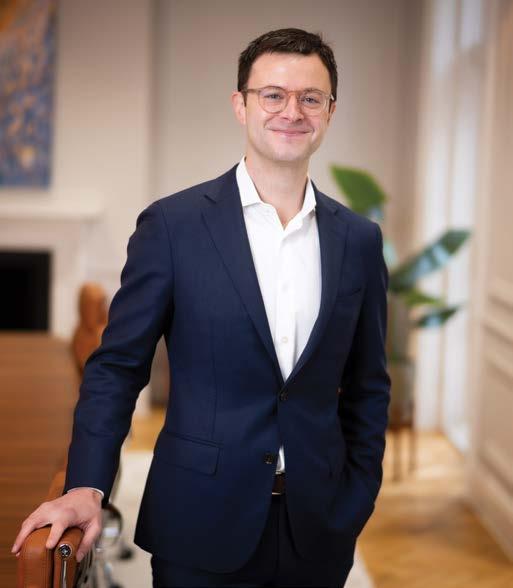
→John DiGiovanni, Partner and Head of Healthcare at Inflexion
consumables, clinically oriented healthcare IT and occupational health. These are fragmented, mission-critical markets where demand is driven by the rising complexity of therapies rather than the fate of any single drug, and where well-run platforms are increasingly scarce and valuable.
How important is regulatory maturity when assessing whether a healthcare business is ready to scale?
It’s close to a prerequisite. In healthcare, regulatory capability isn’t just compliance overhead, it’s often the moat itself. We’d rather back a company that has over-invested in quality and regulatory early than one that’s grown fast on foundations that may not survive regulatory scrutiny or policy change.
If you were advising a HealthTech founder today, what is the biggest mistake you see them make when trying to scale?
Chasing breadth before depth. It’s often tempting to expand into new products, segments or geographies before optimising the one that matters most. The healthcare buyers who matter (pharma, providers, payors) reward proven, referenceable depth in a niche far more than a wide but shallow offering. The founders who build category leadership in one lane create far more optionality and value than those who diversify early.
After the Breakthrough
Why success is only the beginning.
by PATRICIA CULLEN
The UK’s life sciences sector is built on ambition. Across the country, founders are developing breakthrough innovations in AI diagnostics, precision medicine and novel therapeutics. But behind every scientific advance lies a demanding journey of uncertainty, fundraising and relentless perseverance. For most entrepreneurs, the goal is clear: solve an important problem, build something transformative and scale it successfully. Far fewer consider what comes next. What happens when the funding is secured, the company is sold, or the breakthrough finally arrives?
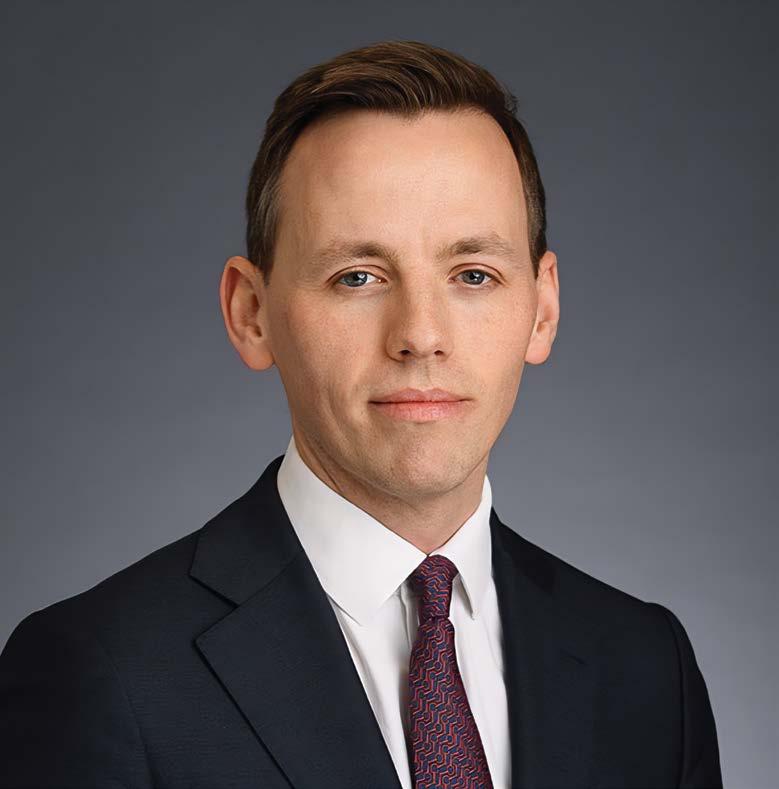
→ James Chilvers, Head of UK Wealth Advisory at J.P. Morgan Private Bank
It’s a question James Chilvers, Head of UK Wealth Advisory at J.P. Morgan Private Bank, and his team of wealth advisors based in London and Manchester, explore every day. Working with entrepreneurs through investment rounds, business sales and other major liquidity events, he helps founders prepare not only for the transaction, but for the life that follows. “Many entrepreneurs spend years preparing their company for an exit,” he tells Entrepreneur UK. “Far fewer spend the same amount of time preparing themselves.” As more founders reach these defining moments, the conversation is shifting beyond wealth to family, identity, succession and purpose. For Chilvers, success isn’t measured by the size of an exit, but by what founders build afterwards - whether that’s a family legacy, a philanthropic mission or a foundation for future generations. The most important planning, he argues, begins long before the deal is done.
The moment every founder prepares for
Entrepreneurs are natural planners. They map product launches, fundraising rounds and expansion strategies years in advance, anticipating uncertainty at every turn. Yet one of the biggest transitions they will ever face - selling or stepping away from the business – is often the least planned. “The importance of preparing well in advance of an event, whether it’s an investment in the business or the disposal of the business, really shouldn’t be understated,” says Chilvers. “It’s about understanding what success
actually means before it arrives.” For many founders, an exit is far more than a financial event. A business is often inseparable from their identity, built through years of sacrifice, resilience and purpose. That’s why, Chilvers argues, preparation starts with the people around you. “Do they have the right lawyers, the right tax advisers, accountants? And what are other people thinking about as they approach these big moments in their lives?” Building a company and navigating life after one require different skills. The most successful founders recognise this early, assembling trusted advisers just as carefully as they once built their leadership teams. Eventually, the question changes. It is no longer How much can I build? but What do I want this wealth to achieve? For some, that means launching another venture or backing the next generation of innovators. For others, it means creating opportunities for their family, preserving values and building a legacy that extends well beyond the business itself.
The emotional side of success
The financial mechanics of an exit can be complex, but the emotional impact can be even greater. For many founders, their company is more than a business - it is part of their identity. “A lot of entrepreneurs’ businesses are like their third or fourth child,” says Chilvers. So while the outside world sees an acquisition, investment or listing as the ultimate achievement, founders often
face a more personal question: what comes next? Who am I without the business? How do I spend my time? What gives me purpose? Chilvers believes
means taking time to reflect. “We sometimes say, take a break,” he explains. “Make sure the money you’ve received is held somewhere secure, pause and reflect,
requires something different: perspective, purpose and preparation.
The legacy question For many entrepreneurs,

“MANY ENTREPRENEURS SPEND YEARS PREPARING THEIR COMPANY FOR AN EXIT, FAR FEWER SPEND THE SAME AMOUNT OF TIME PREPARING THEMSELVES”
founders should prepare for life after an exit as carefully as they prepare for the deal itself. For some, that means starting again. For others, it
and think about what the longer-term goals are.” Building a company requires relentless focus. Building a meaningful life beyond it
building a company is the defining challenge of their lives. But for families who experience significant success, another challenge }}
‘T/Exit

emerges: what happens when the person who created that success is no longer the person responsible for it? It is a question becoming increasingly important across the UK’s innovation economy. As more founders in technology, healthcare and life sciences reach major milestones, the conversation is shifting from creation to stewardship. How do you preserve the values that built a company? How do you prepare the next generation for opportunity without removing ambition? And how do you ensure wealth becomes a source of purpose rather than a source of conflict? These are conversations Chilvers is having more frequently with entrepreneurs. “The successful families are the ones who work on this proactively,” he says. “It’s not something that happens overnight.”
For years, conversations around family wealth often focused on structures, tax and inheritance. Today, Chilvers believes the most important discussions are much broader. They are about communication.
Values. Responsibility. And understanding what money is actually intended to achieve.
The challenge of inherited success
One of the biggest misconceptions about wealth, Chilvers says, is that transferring assets also transfers success. It doesn’t. Founders build resilience through risk, failure and uncertainty. The next generation inherits a very different starting point. “The concern for the wealth generator is often how the next generation will behave around the wealth,” Chilvers explains. “But for the next generation, the
question is often: what are my responsibilities?”
Children of successful entrepreneurs inherit more than opportunity - they inherit expectations. How do they define success when their parents have already achieved something extraordinary? How do they build an identity of their own? These are not financial questions, Chilvers argues, but deeply human ones. Historically, many families believed the best way to protect children was to protect them from knowledge of wealth itself. Chilvers believes that approach can create more problems than it solves. “Trying to hide the fact that you’ve been successful can actually be counterproductive,” he says. In today’s world, information is difficult to contain. Children often discover family circumstances through friends, social media or the wider
“Start to think about what thevisionvalues, and purpose are for yourandfamily, how youbeginmight to communicate that to the next generation
community. The more effective approach, he believes, is age-appropriate education. That does not mean discussing complex financial details with young children. It means helping them understand the values behind money. Why did the family build what it built? What opportunities should wealth create? What responsibilities come with it? What is money for - and what is it not for?
Those conversations, Chilvers argues, help create something far more valuable than financial knowledge. They create context.
Innovation with purpose
Stewardship is especially relevant in sectors like biotech and healthcare, where founders are often driven by a mission to improve lives rather than simply build successful businesses. When those companies succeed, the question becomes how that impact can continue. For some, that means backing the next generation of innovators. For others, it means supporting research, education or healthcare through philanthropy. “The UK does an amazing amount of this,” says Chilvers. “Perhaps we don’t always shout about it.” Through J.P. Morgan’s philanthropy advisory work, families are encouraged to think beyond how much they can give to where they can make the greatest difference.
Entrepreneurs are building businesses in an era of rapid change, from AI and biotechnology to economic uncertainty. For founders, the pace can be relentless. Chilvers believes the answer is the same discipline that built the business in the first place. “Entrepreneurs are very good at thinking strategically about their businesses,” he says. “The challenge is applying that same thinking to their wealth and their families.” Long-term planning helps founders look beyond short-term uncertainty, providing a framework for better decisions and greater confidence as circumstances evolve. Ultimately, Chilvers believes an exit is not an ending but a transition. The qualities that build a company - vision, resilience and patience - don’t disappear; they evolve. Founders become stewards, mentors and custodians of the opportunities their success creates. His advice is straightforward: prepare early, build the right team, have the difficult conversations and think beyond the transaction.

“Start to think about what the values, vision and purpose are for your family,” he says, “and how you might begin to communicate that to the next generation.” Because the true measure of success is not simply what a founder creates, but what endures long after they step away.
The measure of what remains Entrepreneurship is often measured by moments of acceleration: the breakthrough, the funding round, the acquisition, the valuation. The headlines celebrate what founders create. But the truest measure of success may be what happens afterwards. For Chilvers, the conversation is increasingly shifting from ownership to stewardship. The most successful founders are no longer asking
only how to maximise value, but how to preserve it, share it and use it with purpose. That shift is especially relevant in sectors such as biotech and healthcare, where businesses are built to create lasting impact. A scientific breakthrough may begin in a laboratory, but its legacy can continue through the lives it improves, the companies it inspires and the innovators it enables. The founder’s role doesn’t end when ownership changes - it evolves. The drive that once built a business becomes a responsibility to shape what comes next. In the end, the greatest achievement of entrepreneurship may not be creating something valuable, but creating something that continues to create value long after the founder has stepped away.
Commercialisation
Britain doesn’t have a science problem – it has a commercialisation problem
by LUCIUS CARY
Britain has a world-class scientific heritage stretching back to the founding of the Royal Society in 1660. From Robert Hooke and Isaac Newton to an extraordinary record of Nobel Prize winners, the UK has consistently produced scientific breakthroughs that have changed the world. Yet despite this strength, Britain has failed to build globally significant science companies. The problem is not scientific talent but commercialisation. For decades, Britain has developed an overly bureaucratic, risk-averse culture that makes it unnecessarily difficult for innovative businesses to secure investment, grow and remain British-owned. My own career has repeatedly illustrated this.
In 1978, after experiencing first-hand how difficult it was to raise capital for a new business, I launched Venture Capital Report (VCR). The idea was simple: publish investment opportunities from entrepreneurs seeking funding and distribute them to paying investors. Each company profile outlined the business, market, management team, financial projections and proposed investment structure. The timing could hardly have been worse. Britain suffered from high taxation, weak private investment and extensive state control. The top rate of tax reached 98%, leaving little private capital available for investment. Intellectual property created in universities was effectively controlled by Government, while sectors including nuclear power, telecommunications, steel and car manufacturing were dominated by state-run organisations.
During my apprenticeship at Harwell in the 1960s, then Europe’s largest research establishment, I saw the limitations of this model. With thousands of staff but little incentive to innovate or reward exceptional performance, bureaucracy replaced entrepreneurship. Britain pioneered civil nuclear technology, yet today imports nuclear power stations. Large state bureaucracies rarely create globally competitive businesses because they reward process rather than results.
Against this backdrop, I was astonished to discover my proposed magazine was technically illegal. A solicitor confirmed this, but believing Britain desperately needed more entrepreneurial activity, I decided to publish it anyway.

The first issue appeared in December 1978. Following Margaret Thatcher’s election in 1979, the Government became far more supportive of enterprise. The Cabinet Office subscribed to VCR, and I was regularly invited to Downing Street to discuss the practical obstacles facing entrepreneurs with successive Chancellors. Those discussions helped shape initiatives including the Business Start-up Scheme, the Loan Guarantee Scheme and the Business Expansion Scheme. Meanwhile, VCR connected entrepreneurs directly with serious investors. More than 900 investors subscribed, each paying £350 annually, enabling founders to avoid months approaching people who lacked either the capital or commitment to invest.
In the late 1980s, seeing that VCR was having a good effect,
→Lucius Cary, Founder and Managing Director, Oxford Technology
the Government decided to launch 5 regional lookalikes. I was invited to give the launch speech. But on examination the Government lawyers concluded this would be illegal. Soon afterwards, I received a letter from Michael Heseltine, then President of the Board of Trade, saying: “We very much like what you are doing... But we think you are illegal. Don’t worrycarry on and we will change the law.” The concepts of the “sophisticated investor” and the “high-net-worth individual” were introduced, creating the legal framework that still underpins private investment in young companies.
A much bigger breakthrough came in 2012 with the introduction of the Seed Enterprise Investment Scheme (SEIS). It remains the Government’s most effective initiative for encouraging investment in start-up businesses. Investors receive income tax relief equal to 50% of their investment, while capital gains are tax free if the
could market the fund only to “professional investors”, defined as people who had made ten similar investments every quarter, for each of the last 4 quarters. “But not a single person in the world has done this.” “That’s your problem. Those are our rules.” This perfectly illustrates Britain’s regulatory problem. One part of Government introduces policies to encourage entrepreneurship, while another creates regulations that make those policies difficult to implement. More than a decade later, repeated requests for meetings with policymakers at the Treasury and HMRC have gone unanswered.
Every year, we receive 1,000+ approaches from science entrepreneurs and invest in around five of them. We get actively involved.The founders won’t have negotiated a sales contract before. Early-stage investing inevitably involves failures, but SEIS substantially reduces investors’ downside risk through generous tax relief while
FROM ROBERT HOOKE AND ISAAC NEWTON TO AN EXTRAORDINARY RECORD OF NOBEL PRIZE WINNERS, THE UK HAS CONSISTENTLY PRODUCED SCIENTIFIC BREAKTHROUGHS THAT HAVE CHANGED THE WORLD”
investment succeeds. The impact was transformative. Before SEIS, raising modest seed funding remained extremely difficult. Afterwards, many innovative companies could realistically secure around £250,000 to prove their technology and begin building a business. Thousands of companies have benefited. In 2012 I had already spent almost thirty years investing in science start-ups through Oxford Technology, having launched our first specialist seed fund in 1983 because science entrepreneurs rarely attracted conventional investment. When SEIS was introduced, I approached the Financial Conduct Authority (FCA) to establish an FCA-approved science start-up fund. Despite my experience, I was told I
preserving the possibility of exceptional returns. In our best investment to date, an investment costing £12,458 after tax relief has already returned £139,638 tax free, with potential milestone payments increasing the total return to £1.79m. The scheme clearly works. Yet one flaw continues to undermine its long-term impact. While capital gains from SEIS investments are tax free, dividends are taxed at an investor’s highest marginal income tax rate. Faced with the choice between heavily taxed dividends or a tax-free capital gain through selling the company, investors opt to sell. The result is that many successful British science companies are acquired by overseas buyers long before reaching their full potential. Instead of
growing into major UK-owned businesses, they become subsidiaries of larger international companies. The tax system unintentionally encourages short-term exits rather than long-term ownership. The evidence for SEIS is compelling. The 75 science companies in which Oxford Technology invested after 2012 employed 130 people at the initial investment, an average of less than 2. By Q4 2025, they employed 994 people in highly skilled, well-paid roles, generating substantial PAYE and other tax revenues that far exceed the initial tax relief provided to investors. SEIS is therefore not simply a cost to the Exchequer but an investment that creates innovative businesses, skilled employment and future tax receipts. Britain’s scientific excellence is beyond question. Our universities continue to produce outstanding research and talented entrepreneurs. What holds us back is not science but the regulatory and commercial environment surrounding it. If Britain wants to build the next generation of worldleading science companies, government policy must consistently support long-term investment rather than encouraging early exits. Britain does not have a science problem. It has a commercialisation problem. Fixing that and aligning tax policy would do more than any new research programme to secure the country’s long-term prosperity.
Lucius Cary is the founder and Managing Director of Oxford Technology, one of the UK’s longest-established early-stage venture capital firms specialising in science and technology start-ups. In 1978, Lucius founded Venture Capital Report, a publication that connected entrepreneurs with private investors. The Cabinet Office subscribed and Margaret Thatcher used to invite him to meet her Chancellors to explain the practical problems faced by entrepreneurs seeking to raise capital. This led to various government initiatives (e.g., the Business Start-up scheme) that sought to foster a more enterprising business culture in the UK.

The Future of Medicine May Begin Before We Get Sick
For decades, healthcare has been built around treating disease once it appears. Dr Mohammed Enayat believes the next revolution will come from identifying decline before it becomes illness — shifting medicine from reaction to prevention. There is a quiet paradox at the centre of modern medicine. We have never been better at treating disease, yet much of healthcare still begins at the moment something has already gone wrong. A patient arrives with high blood pressure that has been building for years. Blood sugar has gradually drifted upwards. Muscle mass has declined, sleep has deteriorated, energy has faded and metabolic health has slowly changed - often long before a formal diagnosis is made. Medicine is remarkably effective at responding to these events. But increasingly, a different question is emerging: what if healthcare could intervene before the disease begins?
For Dr Mohammed Enayat, a GP, longevity medicine specialist and founder of HUM2N, a next-generation longevity clinic in London, that question became impossible to ignore during his years in general practice. “After years in general practice, I became increasingly aware that so much of what we were doing was reactive,” he says. “Patients would come in once symptoms had already appeared, once blood pressure was already high, once blood sugar had already crept up, or once energy, sleep, hormones or mood had been declining for years.”
General practice, he stresses, remains one of the most important parts of healthcare. But the pressures placed
Why prevention is medicine’s next revolution. by PATRICIA CULLEN
on modern health systems often leave little room to explore the deeper causes behind declining health.
“General practice is incredibly important, but the system often does not allow enough time to ask why something is happening in the first place,” he says. That realisation shifted his focus towards longevity medicine - a field that has attracted both excitement and scepticism in equal measure. For some, longevity is associated with extreme interventions, expensive treatments and the pursuit of living forever. For others, it represents something far more practical: extending the years people spend living independently and in good health. Enayat is firmly in the latter camp. “Longevity medicine felt like a more proactive way of practising medicine,” he says. “It is not about chasing youth or trying to live forever. It is about helping people stay well, strong, independent and metabolically healthy for as long as possible.”
The distinction between lifespan and healthspan is becoming increasingly important. Living longer does not automatically mean living better. The challenge facing ageing societies is not simply adding years to life, but ensuring those years are productive, active and free from preventable disease. Modern medicine, Enayat argues, has historically focused on managing the consequences of ageing rather than understanding its underlying biology. “In
many ways, modern medicine is still largely managing the consequences of ageing rather than ageing itself,” he says. “We are very good at treating disease once it has declared itself, but less good at identifying the biological processes that are driving decline years before a diagnosis is made.”
Ageing is the greatest risk factor for many of the conditions placing pressure on healthcare systems worldwide, including cardiovascular disease, type 2 diabetes, dementia, frailty and some cancers. Yet these illnesses
are often treated separately rather than as connected outcomes of shared biological changes. “Ageing is the biggest risk factor for many chronic diseases,” Enayat says. “Yet clinically, we often treat these as separate conditions rather than looking at the shared underlying drivers such as inflammation, insulin resistance, loss of muscle mass, poor sleep, stress, hormonal change and declining mitochondrial function.” The emerging opportunity lies in detecting those changes earlier.
Advances in diagnostics,
wearable technology, imaging and biomarker testing are creating a more detailed picture of individual health than was previously possible. Instead of waiting for a patient to cross a diagnostic threshold, clinicians can increasingly identify patterns of risk.
“We now have better diagnostics, wearable data, biomarker testing and imaging, which means we can understand a person’s risk profile much earlier,” says Enayat. “The opportunity now is to use that information responsibly and translate it into meaningful, }}
→
Dr Mohammed Enayat, a GP, longevity medicine specialist and founder of HUM2N

WE ARE VERY GOOD AT TREATING DISEASE ONCE IT HAS DECLARED ITSELF, BUT LESS GOOD AT IDENTIFYING THE BIOLOGICAL PROCESSES THAT ARE DRIVING DECLINE YEARS BEFORE A DIAGNOSIS IS MADE”
evidence-based action.” Yet despite these advances, healthcare systems have been slow to embrace predictive and preventative medicine. The reason, Enayat believes, is structural. “The biggest reason is that healthcare systems are built around acute care,” he says. “They are designed to respond to illness, not necessarily to prevent it.”
That approach works well for emergencies - infections, trauma, heart attacks and serious disease. But chronic illness develops differently. It often emerges gradually over decades, shaped by genetics, lifestyle, environment and social factors. Prevention requires time and continuity. “It means looking at nutrition, movement, sleep, stress, hormones, metabolic health, family history and lifestyle,” Enayat says. “Those conversations do not fit easily into a ten-minute
appointment.” There is also a financial challenge. Prevention requires investment today for benefits that may only become visible years later - something that does not always align with short-term healthcare pressures. “It can be difficult for systems to invest in prevention when the financial benefits may not appear for years,” he says. “But clinically, it is one of the most important shifts we can make.”
As healthcare systems around the world face rising costs and ageing populations, the argument for prevention is increasingly moving beyond medicine and into economics. Keeping people healthier for longer has implications for workforce participation, productivity and public spending. The question is whether healthcare can move from a model of treating illness to one of maintaining health. “I think we are moving in that direction,” Enayat says. “There will always be acute illness, and there will always be conditions we cannot predict or prevent. But for many chronic diseases, waiting until someone is unwell before acting is becoming harder to justify.” The ability to identify risk earlier changes the relationship between doctor and patient. “If we can see that someone is developing insulin resistance, losing muscle mass, carrying high levels of visceral fat, becoming hypertensive or showing early cardiovascular risk, then we should not be waiting for a major event before taking action.”
For Enayat, the future of healthcare is about helping people understand their own health trajectory. “The future of medicine should be about
identifying risk earlier, intervening earlier and helping people understand their own health trajectory before disease becomes established.” Despite the excitement around longevity, he believes the biggest misconceptions are often the simplest.
“The biggest myth is that longevity is about expensive treatments, extreme biohacking or trying to reverse ageing overnight,” he says. “In reality, the foundations are often very simple, but they require consistency.” Those foundations are familiar: exercise, nutrition, sleep, stress management and social connection.
“Strength training, good metabolic health, adequate protein, restorative sleep, stress regulation, sunlight, social connection and not smoking will outperform most trends,” he says. “The basics are not glamorous,
THE NHS GIVES US POPULATIONLEVEL REACH, STRONG PRIMARY CARE INFRASTRUCTURE AND THE ABILITY TO DELIVER PREVENTION AT SCALE IF THE MODEL IS SUPPORTED PROPERLY”
but they are powerful.”
One of those basicsmuscle - is an area where he believes healthcare needs to change its thinking. “I would also make strength and muscle a much bigger part of medical conversations,” he says. “Muscle is one of the most important organs of longevity, yet it is still under-discussed in routine healthcare.” For the UK, the challenge is balancing innovation with accessibility. The NHS provides a unique platform for populationlevel prevention, but increasing demand and
limited capacity make transformation difficult.
“The UK has some real strengths,” Enayat says. “The NHS gives us population-level reach, strong primary care infrastructure and the ability to deliver prevention at scale if the model is supported properly.” However, he warns that pressure on services can push prevention down the agenda. “The system is under enormous pressure, and when services are stretched, prevention can easily be pushed aside in favour of immediate

demand. That is understandable, but it is also part of the problem.”
The future, he believes, lies in finding a balance between innovation and evidence - embracing new tools without allowing longevity medicine to become exclusive or driven by hype. “That caution can be a strength when it protects patients from over-testing or unsupported claims, but it can also slow innovation,” he says. “The ideal future is a balance: evidencebased longevity medicine that is not elitist, not trend-led and not reserved only for those who can pay privately. Prevention should be part of mainstream healthcare, not a luxury add-on.” For more than a century, medicine has measured success by its ability to fight disease. The next era may be defined by something different: the ability to preserve health before disease takes hold. The greatest transformation in healthcare may not come from discovering a cure after illness arrives. It may come from changing the moment at which medicine begins.

Aged just 37, doctors told my sister to give up. Rosie’s chronic fatigue had already taken her job, her independence, whole stretches of time she still cannot account for. The advice from the NHS was not medical, it was procedural: apply for benefits, get on the council housing list, come to terms with the fact that this was her life now. Just give up. We didn’t. Zoom out, and this is a familiar shape in health and biotech founder stories: the moment the science clicked, the sensor that shouldn’t work, the trial result nobody expected. We tell those stories because they are the easy part to tell. What we talk about far less is what actually carries an idea like that out of a lab, or in our case out of a family crisis, and into a company people trust with something as personal as their health. I have built two businesses at that intersection now, and both taught me the same thing from different directions. The idea is rarely the constraint. What decides everything is whether the people around it actually believe in what they are building, enough to keep believing when the data disappoints, the funding slips, or the science simply does not cooperate. Holding it together under pressure is the minimum bar. What you actually need is belief that survives contact with reality, the grit and resilience to stay in it for years rather than months, and the integrity to get there without cutting corners on the people you set out to serve.
Conviction before the proof exists
In 2014 I founded Zedsen, we had sensors that could read what was happening inside the body without a needle or a scan. John Sculley, who ran Apple and Pepsi, mentored me while the technology was still unproven. Not because the data existed yet but because of the vision and the conviction of the people building it. One of the most experienced operators I have ever met bet on the people before he bet on the roadmap. I saw the same pattern again, closer to home, at Naya Health. Professor Alexander Sack is one of the most respected names in neuromodulation research anywhere in the world. He joined us before we had opened a clinic room, before we had treated a patient, before there was any proof our model would work. He joined because of the vision we described to him. Conviction, not evidence. If the only people you can attract need the proof first, you are probably not describing the vision clearly enough.
Purpose first, red lines second
by DANIEL HONEYWELL
GREATER THAN THE SUM
Rosie is the reason those red lines exist. My wife and co-founder, Emily Honeywell, is an investor and serial entrepreneur in health and wellness in her own right, and leads brand and patient experience at Naya. It
ONE OF THE MOST EXPERIENCED OPERATORS I HAVE EVER MET BET ON THE PEOPLE BEFORE HE BET ON THE ROADMAP” “
was as much her conviction as mine that set the terms for what we’d build. Together we spent a long time at the dinner table discussing the Japanese concept of Ikigai, the intersection of what you love, what you’re good at, what the world needs, and what you can be paid for, working out what we actually wanted to build. Underneath it had a thick red line with two rules: “only work with people we like, and never lose control of the mission.”
They might be the simplest of rules but they are the hardest filter we apply. We turn down commercially attractive opportunities, and brilliant people, if they don’t clear that bar. When things get difficult, and in health they always do, you need total trust in the people either side of you. A CV will not tell you whether someone is still honest with you at 2am after a bad result. We hold the same line on
money. We believe in purpose driven businesses, and profitability has to work in service of that purpose and the patients it exists for, not at their expense. If a decision would improve a margin but quietly worsen someone’s experience or their outcome, we do not make it. That’s not a line for a pitch deck – it’s the only way trust survives contact with a P&L.
What purpose means when it’s not a slogan
Rosie was one of our first patients, when the company was barely formed. Her sparkle is back. She’s well on the road to recovery. Internally, we still ask “what Rosie would need” before we ask what the market needs. That question has produced outcomes I still find hard to describe without emotion. A lawyer, bedbound for five years, back at work. An investor, bedbound for a decade, now walking five kilometres a day and about to take his first holiday in ten years. A woman so consumed by anxiety she couldn’t leave her house, who called us in tears to say we’d given her back her spark, then stood up and gave a speech in front of a hundred people at her father’s birthday, the exact goal she’d set when she first came to us. Purpose that specific doesn’t evaporate when a quarter goes badly. Instead, we find it is the reason a bad quarter doesn’t break the team.
Culture is what happens when the science doesn’t cooperate
Every founder hits a version of this, science or not: the trial that stalls, the pilot customer who doesn’t convert (despite you doing everything to make it happen), the model that doesn’t scale the way the deck said it would. Building anything new rewards patience and punishes ego in roughly equal measure, and most cultures aren’t built for that combination. I’ve watched brilliant teams fracture, not because the work failed, but because the failure exposed a culture with no honest way to metabolise it. No room to say that didn’t work without someone’s ego or status taking the hit.
The founders I respect most treat a failed experiment and a successful one the same way: as data, reviewed openly, no hunt for someone to blame.
Why the people matter more than the résumé
Healthcare, like most ambitious entrepreneurial journeys, sits at the collision of disciplines that don’t naturally speak the same language. Clinicians think in patient outcomes. Engineers think in iteration speed. Regulators think in risk. Investors think in timelines (and risk!). The companies that become greater than the sum of their parts are the ones where leadership actively translates between those worlds, and where every hire has already cleared the harder test: do we trust this person when it matters, not just when it’s easy.
What I’d tell the founder I was If I could go back to the day we sat with Rosie’s diagnosis, I would not tell myself to work faster on the science. I’d tell myself to spend more time on who we brought in, at every stage, whether they joined on conviction alone or joined once the proof points started to line up. Expertise is easy to check on a CV. Belief, determination and integrity are not, and they are what actually decide whether a breakthrough becomes a company that lasts, or stays a very good idea that never quite finishes becoming one. The science gives you a chance and an opportunity. Belief, resilience and integrity decide whether you make it. Rosie decided we should take it. So we did.

Daniel Honeywell is the CEO and co-founder of Naya Health, a health tech company developing the next generation of brain health assessment and care. A healthcare entrepreneur and category builder, he previously scaled Zedsen to a valuation of more than £120m.
Building Better Health
Why wellness needs a rethink.
by PATRICIA CULLEN
Wellness is being reshaped by data, devices and digital health tools promising optimisation at every level. But as technology accelerates, a sharper question is emerging: are we actually becoming healthier, or simply more measured? Hannah Lanel, founder of The Fore, an integrated wellness platform redefining how modern health is delivered, challenges the industry’s fixation on optimisation. A nutritionist and behavioural science specialist, she argues that the real gap in health is not information, but integration - and that people are too often treated as fragmented symptoms rather than whole individuals. The Fore brings together nutrition, movement, therapy, recovery and behavioural science in one model, reflecting a wider shift towards personalised, evidence-led wellbeing. Lanel discusses the limits of optimisation culture, why behaviour matters more than data alone, and how the future of wellness may depend less on technologyand more on how we learn to live with it.
What market gap led you to build The Fore?
The Fore was built to address what we believed was the biggest gap in the industry: the absence of an integrated, personalised, efficient and not overly complicated approach to wellness. We believe that wellness should work for you, not the other way around. Our philosophy is that every body tells a story and no two people have the same biology, history, behaviours or goals, so why should they receive the same advice? Additionally, all too often, people are treated as a collection of symptoms rather than as whole individuals. They move between practitioners, receive conflicting and confusing advice that they are then expected to piece together alone. I created The Fore to bring together nutrition, movement, therapy, recovery and behavioural science under one roof, allowing every aspect of a person’s health to be considered as part of a connected whole.
Which area of healthtech or wellness innovation feels most overhyped right now?
I think the current obsession with optimisation is one of the most overhyped trends in healthtech. We have more devices, more data and more biomarkers than ever before, yet we’re not necessarily becoming healthier. Wearables, continuous glucose monitors, AI health coaches and endless tracking all have enormous potential, but somewhere along the way we’ve started believing that if something can be measured, it must be optimised, and in doing so we’ve begun outsourcing our agency over our own health. I don’t think we’re suffering from an information deficit. We’re suffering from an interpretation deficit. People don’t need another metric. They need help understanding which metric actually matters, and then turning that insight into meaningful, sustainable action. We’re walking
around in the most sophisticated biological machines on the planet, yet many people no longer recognise when they’re genuinely hungry, tired, stressed or full because they’re waiting for a device to tell them. At its extreme, this relentless pursuit of optimisation begins to resemble a form of digital orthorexia, where the pursuit of perfect health becomes unhealthy in itself. Technology should help us reconnect with our biology, not disconnect us from it. The goal isn’t to become better at tracking health. It’s to become better at living it.
How do you keep your approach evidence-based in such a fast-moving industry?
We don’t chase trends. We ask a much simpler question: What does the evidence actually say? The wellness industry moves incredibly quickly, but popularity has never been a reliable indicator of effectiveness. We rely on high-quality scientific evidence, including systematic reviews, metaanalyses and established clinical guidelines, rather than single studies, influencer opinions or the latest social media trend. That said, evidence doesn’t exist in isolation. The strongest research in the world still has to be applied to the person sitting in front of you. At The Fore, we combine the best available scientific evidence with clinical expertise and the individual’s lifestyle, health history, goals and preferences. Two people
with the same diagnosis may need entirely different approaches because their lives, motivations and barriers are different. We also recognise that science is constantly evolving. Being evidence-based doesn’t mean becoming fixed in your thinking. It means being willing to adapt as better evidence emerges, while remaining
aren’t already doing it. Knowledge has never been the biggest barrier to better health. Most people already know they should sleep more, eat more vegetables and exercise regularly. The challenge lies in motivation, habits, environment, identity and competing priorities. When you understand how people make decisions in

transparent about what we know, what we don’t know and where the science is still developing. Ultimately, we’re evidence-led, but people-centred. Science provides the foundation, but it’s understanding the individual that turns evidence into meaningful and lasting change.
What does behavioural science unlock that most health businesses overlook?
Most health businesses focus on telling people what to do. Behavioural science focuses on understanding why they
the real world, you stop designing programmes for perfect humans with unlimited willpower and start creating systems that work for busy, imperfect lives. That’s where lasting change happens.
How do you see wellness platforms fitting into the wider UK healthtech ecosystem?
I think the future lies in integration rather than competition. Wellness platforms shouldn’t be trying to replace healthcare; they should be extending it. The NHS faces extraordinary
pressures, particularly around chronic disease, where lifestyle factors play a significant role. Technology-enabled wellness platforms can provide ongoing education, coaching, monitoring and behaviour change support between clinical appointments, helping people stay healthier for longer and making interventions more effective when medical treatment is needed. The greatest opportunity is creating a continuum between prevention, early intervention and clinical care rather than treating them as separate worlds.
Where will the biggest shift in health and wellness come from next: technology, regulation, or consumer behaviour? Consumer behaviour will ultimately determine whether any innovation succeeds. Technology will continue to advance rapidly, particularly through AI and personalised health, and regulation will become increasingly important as the industry matures. But neither matters if people don’t engage with healthier behaviours in ways that fit their everyday lives. I think we’re moving away from the era of optimisation and towards one of practicality. People are becoming more sceptical of miracle solutions and more interested in approaches that are realistic, evidencebased and sustainable. The businesses that thrive will be those that make healthy choices feel easier, not more complicated.
The Future of Healthcare Is Predictive
by ANOOP ANTONY
For two years, I ran a clinical EEG practice. Patients would come to me after something had already gone wrong: a seizure, a head injury, a cognitive decline that had progressed far enough to finally demand attention. My job was to read the signal after the event, to explain, retrospectively, what the brain had been doing when things fell apart. It didn’t take long to realise the more interesting question was the one nobody was asking: what if we’d been reading that signal all along? What if the warning had been there, quietly, weeks or months before the event that brought someone into my clinic? That question is, in miniature, the shift now underway across the whole of healthcare. We are moving from a system built to react to illness towards one built to anticipate it, and the technologies making that possible are neuroscience, wearable sensing, and the kind of data fusion that lets us see patterns no single measurement could reveal on its own.
The reactive model is running out of road
Modern medicine has always been extraordinary at treatment and mediocre at prediction. We are world-class at responding to a heart attack, a stroke, a
breakdown, and comparatively poor at telling someone, with any real confidence, that they were heading towards one. Even preventative medicine, as currently practised, tends to mean population-level guidance: eat less of this, exercise more of that, get screened at this age. Useful, but blunt. It says almost nothing about you, specifically, this week. The reason is simple: until recently, we didn’t have continuous access to the data that would let us say something specific. A blood test is a snapshot. A GP appointment is a snapshot. Even an annual health check is, at best, a single high-resolution photograph of a process that is constantly moving. You cannot predict a trajectory from one photograph. You need the video.
What’s changed is the video
Wearables have quietly solved a huge part of this problem. Heart rate variability, sleep architecture, movement patterns: these used to require a hospital visit and now sit passively on someone’s wrist, updating by the second. Consumer EEG, which not long ago was confined to research labs and clinical suites, is now light enough and cheap enough to sit comfortably on someone’s head for a 90-second reading in their own home or on the sidelines of a training pitch. Individually, each of these signals is interesting but limited. Heart rate variability alone can

tell you about autonomic stress, but not why. EEG alone can tell you about cognitive load, but not how sustainable it is. The real predictive power comes from fusing them, from building a system that treats a person’s neural activity, their autonomic nervous system, and their behaviour as three views of the same underlying story, cross-referenced against each other in something close to real time. This is where I think the genuinely interesting innovation is happening: not in any single sensor, but in the architecture that combines them. A system that can say, with some precision, “your subjective sense of alertness and your objective neural signal are starting to diverge, that gap is often what precedes fatigue-related decline” is doing something no wearable or EEG device could do in isolation. It’s not measuring more; it’s understanding differently.
Prediction only matters if it’s personal The other shift, and arguably the more important one, is the move away from population norms and towards the individual baseline. Most existing health metrics tell you how you compare to an average person of your age and sex. That’s a reasonable starting point, but it’s also nearly meaningless if what you actually want to know is whether you, specifically, are drifting from your normal. A resting heart rate of 58 might be a red
The best predictive systems will do more interpreting and less reporting, turning a wall of raw data into something closer to a sentence a good clinician or coach might say to you: you seem more fatigued than usual this week, and it’s showing up before you’d notice it yourself”
flag for one person and an entirely unremarkable Tuesday for a trained athlete. The same is true, more subtly, of neural and cognitive metrics: what matters is not where you sit on a bell curve of strangers, but whether today’s version of you looks like last month’s version of you, and if not, why. Building genuinely personalised baselines, ones that update continuously as more data arrives, and that get more accurate over time rather than staying fixed, is, to me, the real frontier of predictive healthcare. It’s a harder engineering problem than population benchmarking, but it’s the only version of prediction that actually respects how different one person’s normal is from another’s.
Where this goes next
This is the territory I’ve spent the last few years building in, on two different fronts. Through NeuroX, our neurofeedback clinics, we’ve seen firsthand how continuous
neural monitoring can catch patterns in conditions like ADHD, stress and insomnia long before they’d otherwise surface in a conversation with a clinician. And through Neve, we’ve been applying the same underlying philosophy to elite athletes: fusing neural, autonomic and behavioural data into an individual baseline, so a divergence from someone’s own normal shows up as a signal worth acting on, rather than getting lost in a population average. Different contexts, same conviction: the earlier and more personal the signal, the more useful it becomes. I don’t think the endpoint of this shift is a world of anxious selfquantification, where everyone is drowning in numbers they don’t know what to do with. Quite the opposite. The best predictive systems will do more interpreting and less reporting, turning a wall of raw data into something closer to a sentence a good clinician or coach might
say to you: you seem more fatigued than usual this week, and it’s showing up before you’d notice it yourself. That’s the real promise of predictive healthcare: not more data, but earlier, more personal, more human insight from the data we’re already collecting. The clinics of the future won’t just be places you go when something’s wrong. Increasingly, they’ll be systems working quietly in the background of daily life, occasionally tapping you on the shoulder before you’d have thought to ask. Having sat on both sides of that transition, as a clinician reading signals after the fact and now as someone building systems to read them before the fact, I’m convinced this is one of the most consequential shifts healthcare will go through in the next decade. Not because the technology is dramatic, but because it finally lets medicine ask the question it was always meant to ask: not “what happened?” but “what’s about to?”

Anoop
Antony is a neuroscientist and founder & CEO of NeuroX and Neve Intelligence. Combining experience across clinical neuroscience, academic research, and neurotechnology, he develops intelligent health technologies that integrate brain, physiological, and behavioural data to transform how health is measured, understood, and managed.

Nobody Told Us About Franchisingand That’s Costing a Generation
It’s an indisputable fact that the age young people are going into business is getting younger and younger.
THE GOOD/
Some lucky teens are earning fortunes as influencers as soon as they master the art of holding a phone and for some that will set them up for life, but for the majority they are still going to need a regular form of income after they leave school, so, what should they do? Go to university? Get a job? Start their own business? Or something else?
THE BAD/
For those who choose uni, they are looking at graduating with approximately £47,900 of student debt and for those who decide to start their own business, according to Experian analysis of UK company data, that could be a disastrous choice as 50% of all start-ups will fail within three years.
THE UGLY/
Then there’s the ones who won’t get jobs at all. The youth unemployment rate currently sits at 16.2% for ages 16 – 24 , the highest it has been for over a decade and most worryingly, the number of young people not in Employment, Education or Training (NEET) has hit over a million people for the first time since 2013.
THE SOLUTION/
But the good news is, there is a safer way for young people to be successfully self-employed, but it remains one of the UK’s most untold and misunderstood success stories.
BUSINESS FORMAT FRANCHISING
/
Put in its simplest terms, franchising is when a person buys the rights to run a branch of a national business in their local area; but rather than simply being a manager, they physically own the business. Yes, they have to follow a proven model on how to run it, but how successful it is, how they interact with their customers, how they build their position in their local community, how large they build it, is all entirely up to them. In return they are taught everything they need to know to run the business, from marketing and accounts to sales and employing staff. In the majority of franchises, no experience in the field is necessary, age is not a barrier and financial help is often available.
LOW FAILURE RATE/
One of the best, yet least talked about aspects of franchising is that, according to our most recent survey in October 2024,
sponsored by NIC Local, franchise businesses have a less than 6% commercial failure rate and have done for over 20 years a figure that is unheard of in other business sectors.
GETTING ON THE RADAR/
So how do we get franchising on these entrepreneurial young people’s radars, so they know there are other options other than becoming an influencer, going to university or simply ‘getting a job.’ We believe it starts at school.
MEMBER
POLL/
In June 2026 we asked our members ‘Should franchising be taught as part of formal education?’ 120 people responded and of those who did, 98.5% of them said yes, they thought it should be taught in either school, college/university or both.
LACK OF KNOWLEDGE/
Heather Alexander, a franchisee business partner of Swimtime in Edinburgh admitted; “I was 45 before I understood franchising, as no one had explained it to me. If I had known earlier, I would have gone into franchising instead of doing the job I was in. I get more satisfaction, and I can work around my day to suit my life.”
NO CAREER PATH/ Georgia Pennington, a franchisee with domiciliary care company Home
Instead agrees, saying: “I left school at 16 and joined the British Army because I wasn’t sure what career path I wanted to pursue. Providing young people with the chance to learn about running their own business, franchising, and alternative career paths, would give them a broader range of options and help them make more informed decisions about their future.”
NO BUSINESS BACKGROUND/ “To be honest I had no idea about franchising until I bought my own,” said Manjula Halai owner of a Mini
But the good news is, there is a safer way for young people to be successfully self-employed, but it remains one of the UK’s most untold and misunderstood success stories” “
First Aid franchise in Southport, Wigan and Leigh. She continued: “I am not from a business background at all. However, touching on the subject at college would have been beneficial.”
THE DEGREE GAP/
Even doing a business-related degree at university isn’t a guarantee of learning about franchising. Jessica Bonnard founder of the Language for Fun franchise admitted: “My degree in marketing from Lancaster University was a great experience but left me ill-equipped to work in, let alone run, an SME. If I had known about different options, I’m sure I would’ve been attracted to the idea of franchising at that point.”
LACK OF RECOGNITION/
Many who work in the industry are also unhappy at the level of exposure franchising gets in the UK, despite making a significant contribution to the UK economy. Jo Styles, CCO at SmartPA said: “Franchising contributes £19.1 billion to the UK economy and employs hundreds of thousands of people, yet it gets minimal mention in most business courses. Closing that gap in education could open doors for a generation of entrepreneurs, who want the security of a proven model alongside the ambition of running their own business.”
A PARENT’S VIEW/
Kate Dilworth, associate director of network development at the Right at Home franchise echoed the view of
many parents who work in the industry: “Franchising is a fantastic springboard for driven young people with business ambition. Raising the required investment is often cited as a barrier, but joining an established brand and following a proven model should encourage confidence in potential investors. Personally, I’d rather support my child to raise the finance to grow their own business than see them encumbered with university debts that carry no guarantee of a job after graduation.”
PUTTING IT INTO ACTION/
In response to the poll and the many comments left, the BFA are developing a resource pack for members to deliver lessons about franchising in their local schools, colleges and universities. The pack will include lesson plans, video testimonials and fact sheets, developed by the BFA, to help put franchising on younger people’s radars at a crucial time. CEO of the BFA Pip Wilkins QFP said: “We know franchising isn’t a sexy subject, but for young people these days, making money definitely is. We’re not expecting them all to rush out and buy a franchise when they leave school, but we’d like them to at least know franchising exists, to be introduced to the concept and to understand that safer, supported self-employment is an option for them as they consider their career options.”

Pip
Wilkins, CEO, The BFA (British Franchise Association)
S/Purpose
The Founder’s Formula
Michalis Papadakis did not set out to build an artificial intelligence (AI) company. He set out to solve a healthcare problem. His journey from Oxford research to building an international health technology company has reinforced a lesson familiar to many founders: innovation is only the beginning. Lasting businesses are built around purpose, evidence and the ability to adapt.
For many entrepreneurs, the starting point is a market opportunity. For Papadakis, it was a clinical problem that could not be ignored. After more than two decades working within Oxford’s academic and research ecosystem, his career had been shaped by a single question: how can innovation close the gap between medical capability and patient outcomes? When he arrived in Oxford, Papadakis joined the university as an academic and became involved in stroke research through the Oxford Stroke Laboratory, exploring how new approaches
could help transform the way patients are diagnosed and treated.
Stroke is a race against time. Although life-saving treatments exist, many patients still miss out because diagnosis and treatment decisions can be delayed, particularly when specialist expertise is not immediately available. That gap between what medicine can achieve and what patients receive became the foundation for Brainomix, the Oxford-based healthcare technology company Papadakis co-founded. “The idea back then, and what drove me and
How Michalis Papadakis built Brainomix by putting the problem before the technology by PATRICIA CULLEN
→ Michalis Papadakis, CEO and Co-Founder at Brainomix
the other co-founders to create Brainomix, was starting from the clinical unmet need,” says Papadakis. “How do we use innovation? How do we use AI? How do we ultimately develop a technology that helps frontline clinicians with diagnosis and treatment decisions?” For Papadakis, this principle has remained central to the company’s journey. Brainomix was not built around AI as an end in itself; it was built around solving a healthcare challenge. “The technology
was a means to an end, and the end is the clinical unmet need,” he says. That philosophy has guided Brainomix through more than a decade of development, taking it from an academic spin-out into an international medical technology company. Today, its AI-powered imaging solutions are used across hundreds of hospitals, supporting clinicians in analysing patient scans and making faster, more informed treatment decisions.But for Papadakis, the company’s
biggest achievement is not simply developing advanced technology - it is proving that the technology delivers meaningful impact. “One of the most important things we have achieved is evidence,” he says. “We don’t just claim that we are improving patient care, but we can back it up with hard evidence.” That evidencefirst approach has become a defining principle of how Papadakis believes founders should build, particularly in complex industries such as health-
BE VERY CLEAR ON YOUR VISION, ON YOUR ROADMAP AND ON YOUR PATHWAY, BUT ALSO LISTEN, LEARN AND ADAPT”
care. Innovation cannot rely on promise alone; it must demonstrate value to regulators, clinicians and healthcare systems before it can achieve widespread adoption. “Scientific rigour is a driver. It is a must,” says Papadakis. “Ultimately, the evidence is what convinces healthcare systems to create a budget.”
For founders, particularly those building deep technology companies, this is one of the biggest lessons: a great idea is only the beginning. Turning innovation into a sustainable business requires proving that it creates measurable value. The challenge, however, extends far beyond the science. Scaling healthcare technology means navigating }}
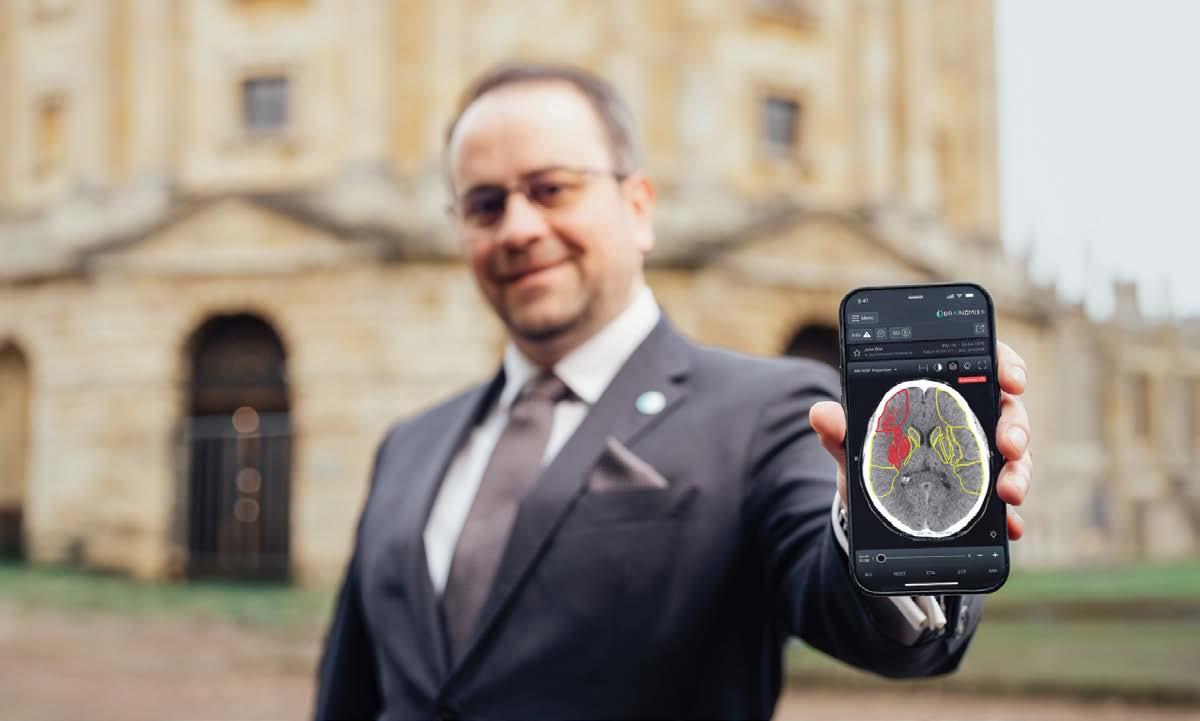
regulation, procurement and the complex realities of large healthcare systems. Papadakis believes the UK has significant advantages, particularly through its world-class research institutions, access to talent and investors, as well as growing expertise in health technology. Brainomix has benefited from being part of the Oxford ecosystem, bringing together specialists across artificial intelligence, medicine and engineering. “Being based in Oxford and being a spin-out from the university, it is a privilege,” he says. “We have access to high calibre talent and expertise to ensure that what we are developing is technologically robust and clinically relevant.” However, he believes the journey from breakthrough innovation to widespread adoption still needs to become easier for companies operating in healthcare. “The thing that is missing is having an end-to-end pathway from regulatory clearance to deployment and ultimately to reimbursement and procurement,” he says. For entrepreneurs, this highlights a reality that is often underestimated: building a healthcare company requires understanding not only the technology, but also the systems and people that determine whether that technology creates real impact. Another important lesson from Brainomix’s journey has been building
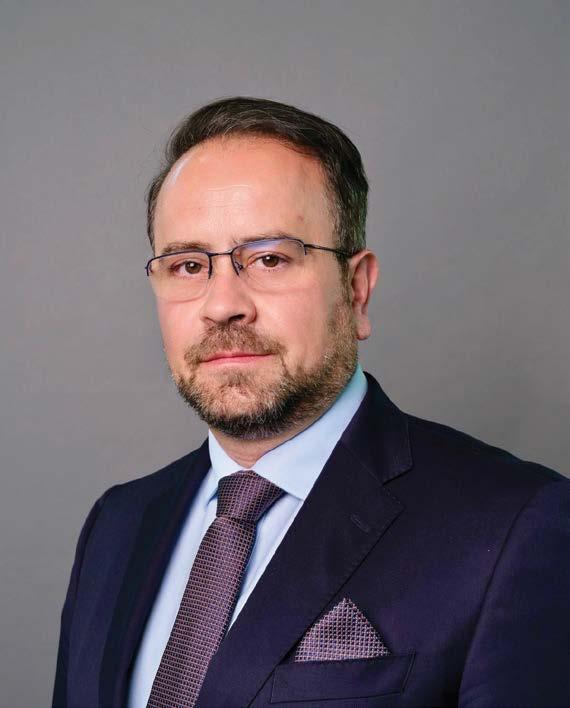
trust around artificial intelligence. When the company began more than a decade ago, AI in healthcare was still met with uncertainty, with some clinicians concerned that technology could replace rather than support medical expertise. Papadakis says the company’s role was to demonstrate a different vision. “The purpose of this technology is not to replace a physician, but to assist and augment them,” he says. That belief has shaped how Brainomix approaches product development. For Papadakis, even the most advanced technology will fail if the people using it do not trust it or cannot easily
integrate it into their daily work. “One lesson that was underestimated when we started is the importance of how this technology is presented to the physician,” he says. “The user interface, the interaction between the physician and the machine, is as important as performance.” It is a lesson that extends far beyond healthcare. For founders building technology companies, success depends not only on what a product can do, but on whether people understand it, trust it and can use it effectively. Looking ahead, Papadakis sees AI playing a transformative role in creating more personalised
medicine. The next generation of healthcare technology will combine different sources of information - from medical imaging and clinical data to biomarkers and genetics - to deliver more precise insights and support better treatment decisions. Brainomix is already expanding beyond stroke, applying its technology to other serious conditions where earlier diagnosis could significantly change patient outcomes. “It is extremely promising,” says Papadakis. “The pace and timing is unclear, but it will be a game changer.” After more than a decade building a company at the intersection of science, medicine and technology, Papadakis’s advice to aspiring entrepreneurs comes back to one principle: purpose. “Be clear on why you are doing what you are doing,” he says. For Papadakis, that clarity of mission is what allows founders to navigate the uncertainty and challenges of entrepreneurship. “Technology is not the end product. It is a tool to solve a real clinical problem.” But purpose must be matched with the ability to evolve. Building a lasting company requires conviction in the problem being solved, while remaining open to changing how that solution is delivered. “Be very clear on your vision, on your roadmap and on your pathway, but also listen, learn and adapt,” he says.

DOWNLOAD YOUR DIGITAL EDITION HERE

Why the UK’s Biggest Innovation Challenge Isn’t Talent - It’s Adoption
Great science is everywhere, but bringing discoveries to market remains the hard part by
PATRICIA CULLEN
The UK has no shortage of breakthrough ideas. The challenge is turning those innovations into businesses and technologies that reach the market and create real-world impact. For Anna Wallace, CEO of the Centre for Finance, Innovation and Technology (CFIT), the barrier is not talent or technology - it is translation.
“The UK has incredible science, technology and entrepreneurs,” she explains. “The challenge is organising markets so innovation can be adopted at scale.” That challenge is particularly relevant for healthtech and biotech founders, where regulation, investment and trust often determine whether a promising idea moves beyond the lab. Established by HM Treasury three years ago, CFIT was created to tackle these systemic barriers by bringing together industry, regulators and government to help innovation reach the market.
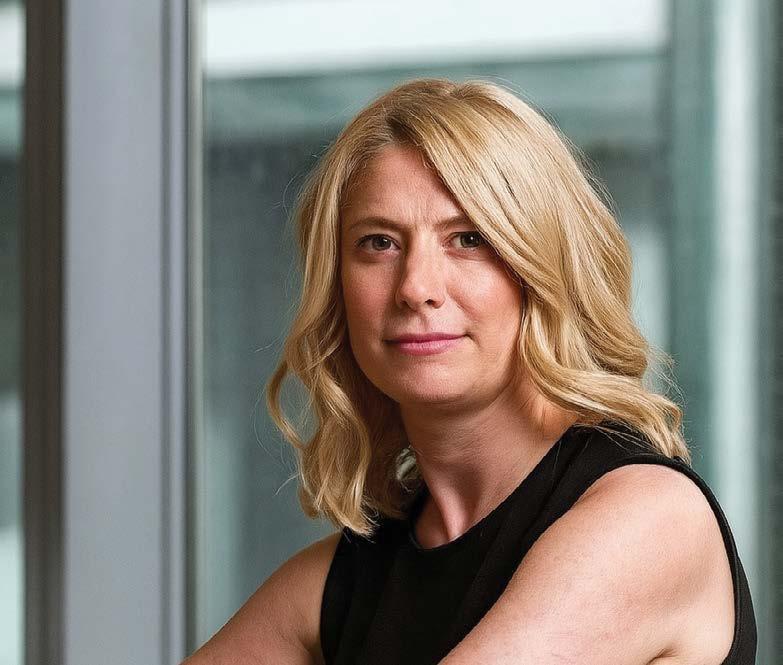
→ Anna Wallace, CEO of the Centre for Finance, Innovation and Technology (CFIT)
Innovation Needs an Ecosystem
For founders, the biggest challenge is rarely the idea itself. Building a breakthrough product is only the first step; getting investors, regulators, institutions and customers to trust and adopt it is where many companies struggle. Wallace argues that successful innovation depends on the infrastructure around the technology - trusted data, common standards, effective governance and collaboration between organisations that may never have worked together before. That is where CFIT aims to play a role. Rather than acting as another regulator, the organisation positions itself as the “connective tissue” between government, regulators, investors, established institutions and start-ups. Its role is deliberately focused and time-bound: bringing the right players together to solve barriers that individual businesses cannot tackle alone. “We’re not a permanent market actor,” Wallace says. “We’re creating the blueprints, governance structures and proof-of-concept work that gives markets confidence to adopt innovation.” The approach has clear parallels for healthtech and biotech founders, where scaling often requires alignment between start-ups, regulators, healthcare providers and investors. A technology may be scientifically viable, but without trust across the wider ecosystem, adoption can remain out of reach.
Confidence Attracts Capital
Access to funding remains one of the biggest frustrations for UK entrepreneurs. Wallace believes founders often
misunderstand what investors are actually backing. “Investors aren’t just funding innovation,” she says. “They’re funding confidence that it can scale.” That insight has significant implications for highly regulated industries like biotech and healthtech. Venture capital firms are naturally more cautious when regulation is uncertain. “If an investor has the choice between a regulated health technology and an e-commerce platform using similar technology, they’ll often choose the less regulated opportunity because the pathway to scale is clearer.” This is where regulators can play a surprisingly important role. Wallace, who previously established the Financial Conduct Authority’s Innovation Hub and Regulatory Sandbox, argues that regulators don’t simply enforce rules - they influence investor confidence. Greater regulatory clarity, proportionate oversight and early engagement with innovators can reduce uncertainty, making capital more willing to flow into complex sectors.
The Hidden Reason Businesses Miss Out on Finance
Perhaps the interview’s biggest surprise comes from CFIT’s research into SME lending. Every year, around 700,000 SME lending applications fail, representing an estimated £90bn economic cost to the UK. However, Wallace says the issue isn’t necessarily a lack of available capital.
CFIT’s research found that 65% of declined businesses had readily fixable issues affecting lender confidence. Many of these problems have little to do with the quality of the business itself. Late filing of accounts, excessive reliance on overdrafts and missed supplier payments all create negative signals within financial systems, even when businesses have strong products and commercial potential. The organisation estimates that improving these areas could help around 200,000 businesses gain access to approximately £5bn in additional lending. For healthtech and biotech founders - many of whom understandably focus almost exclusively on science and product development - this serves as an important reminder that financial readiness matters just as much as technical excellence. “The financial data around your business is incredibly important,” Wallace says. “Not all entrepreneurs are focused on it because they’re focused on their product.”
Why Sandboxes Matter
Wallace is widely recognised for creating the FCA’s pioneering Regulatory Sandbox, a model that has since been adopted internationally. Its purpose wasn’t to relax regulation, but to help regulators understand emerging technologies before imposing rules. Rather than forcing companies to wait years for policy to evolve, innovators could test products with real custom-
ers under regulatory supervision. “It changes the regulator’s understanding,” Wallace explains. “Instead of comparing something they know against something they don’t, they gain evidence and confidence.” The principle translates directly to healthtech. Much like clinical trials allow healthcare innovations to demonstrate safety and effectiveness before widespread adoption, regulatory sandboxes enable emerging technologies to prove their value in controlled environments. Wallace believes future innovation ecosystems will increasingly rely on collaborative testing between regulators, established organisations and start-ups rather than expecting founders to navigate complex systems alone.
Another major lesson from financial services is the power of data sharing. Data infrastructure is becoming as important as the technology itself. Wallace points to Open Banking as an example: its success came not just from new products, but from creating trusted frameworks for sharing data securely. She believes the same principles will be vital in healthtech, where interoperability and patient data remain major challenges. “The success wasn’t the technology,” Wallace says. “It was the governance, trust and common standards underneath it.”
Wallace’s message to healthtech and biotech founders is clear: break-
“Investors aren’t just funding innovation, they’re funding confidence that it can scale
through technology alone is not enough. The companies that succeed will be those that understand the wider systems around themfrom investors and regulators to healthcare providers and customers. The UK has no shortage of scientific ambition; the challenge now is building the trust, infrastructure and collaboration needed to turn that ambition into lasting impact. In the next era of innovation, the winners may not simply be those with the most advanced technology, but those best able to bring an entire ecosystem with them.
/Technology
AI Won’t Transform HealthcareLeaders Will
by EVELYN OKPANACHI
Artificial intelligence is often presented as the next great transformation in healthcare. From clinical decision support and predictive analytics to automated administration and AI-powered service desks, its potential is significant. However, my experience leading complex digital transformation across the NHS has reinforced one central truth: AI will not transform healthcare on its own. Leaders will. Healthcare organisations are under increasing pressure to improve patient outcomes, enhance staff experience and deliver more efficient services within significant financial and workforce constraints. In response, many organisations are racing to procure the latest AI technologies. Yet buying an advanced tool is not the same as achieving transformation. Technology creates value only when it is supported by strong leadership, effective governance, reliable data, capable teams and a clear understanding of the problem it is intended to solve. I have seen this through programmes involving electronic patient record consolidation, infrastructure integration, service management transformation and the implementation of an AI-powered chatbot within an NHS IT service desk. In each case, technology was only one part of the journey. The more challenging work involved aligning different organisations, systems, processes and cultures around a shared purpose. Implementing an AI
chatbot, for example, is not simply a matter of connecting a tool to a service management platform. Leaders must determine which requests the chatbot should resolve, how it will access accurate knowledge, when issues should be escalated to human agents and how success will be measured. They must also address information governance, cybersecurity, accessibility, equality, workforce impact and user confidence. Without this foundation, AI may simply automate inefficient processes, reproduce poor-quality information or introduce new risks at greater speed. Effective leadership begins with people and outcomes, not technology. Leaders must ask whether a proposed solution addresses a genuine problem, improves staff or patient experience and supports organisational priorities. They must establish clear accountability and governance to ensure that innovation remains safe, ethical, transparent and measurable. Cross-functional collaboration is equally important. AI cannot be owned solely by digital or IT teams. Successful adoption requires clinical leaders, operational services, information governance, cybersecurity, finance, workforce teams, suppliers and end users to work together. Each brings a different perspective on value, risk and practical implementation. This is particularly important in healthcare, where a technical decision can affect clinical pathways, staff responsibilities, patient

communications and business continuity. Strong leaders create the conditions for these interdependencies to be identified early rather than discovered after implementation. The workforce must also be taken on the journey. Concerns about AI replacing jobs, reducing professional judgement or creating additional workload should not be dismissed as resistance to change. They are legitimate questions about trust, accountability and skills. Leaders must respond through honest communication, meaningful engagement and co-design. Staff need to understand why AI is being introduced, how decisions will be made and how their expertise will shape the solution. Training should also help people understand how to challenge AI outputs and recognise when human intervention is required. Ultimately, the greatest advantage in health technology will not belong to the organisation that purchases the newest AI product first. It will belong to the organisation that can govern innovation responsibly, build strong foundations, mobilise multidisciplinary teams and translate technology into measurable improvements for patients and staff. AI can accelerate change, but it cannot provide purpose, judgement, courage or accountability. Those remain leadership responsibilities. Healthcare will not be transformed by algorithms alone, but by leaders who ensure that technology works for people.
Dr Evelyn Okpanachi is a health technology and digital transformation specialist with over 20 years’ experience leading complex NHS programmes, AI innovation and large-scale organisational change.
→ Dr. Evelyn Okpanachi, co-founder of Royal Leadership Consults

Everybody sits.