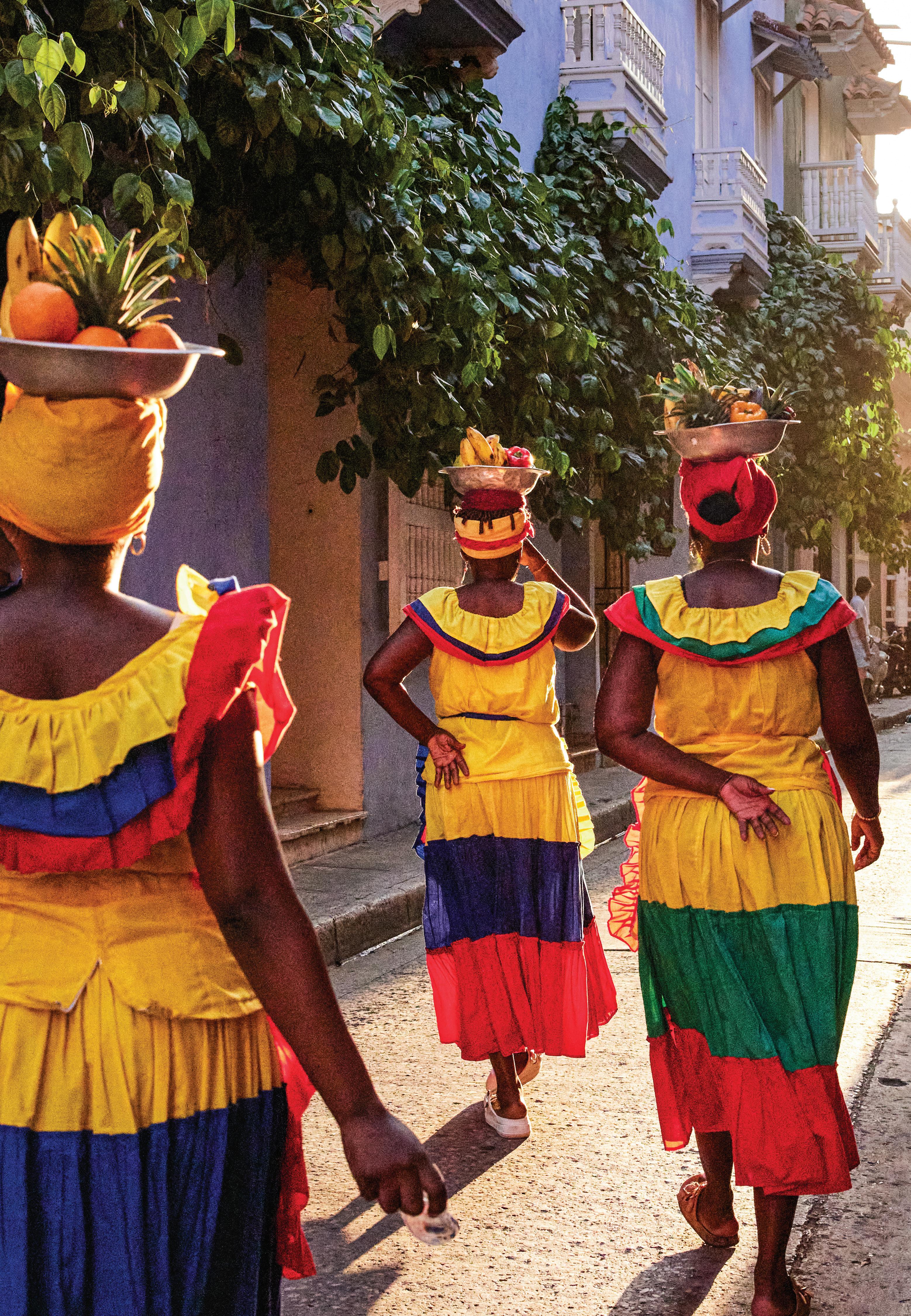
COLOMBIA AT ITS CORE
From the streets to fine dining rooms, fruit is the star of the country’s cuisine
From the streets to fine dining rooms, fruit is the star of the country’s cuisine
Upgrade your travels with Ensemble, a leading North American organization of top-tier travel agencies. Enjoy access to exclusive perks, exceptional amenities and extraordinary experiences, on land and at sea.
CONNECT WITH YOUR ENSEMBLE TRAVEL ADVISOR TODAY.
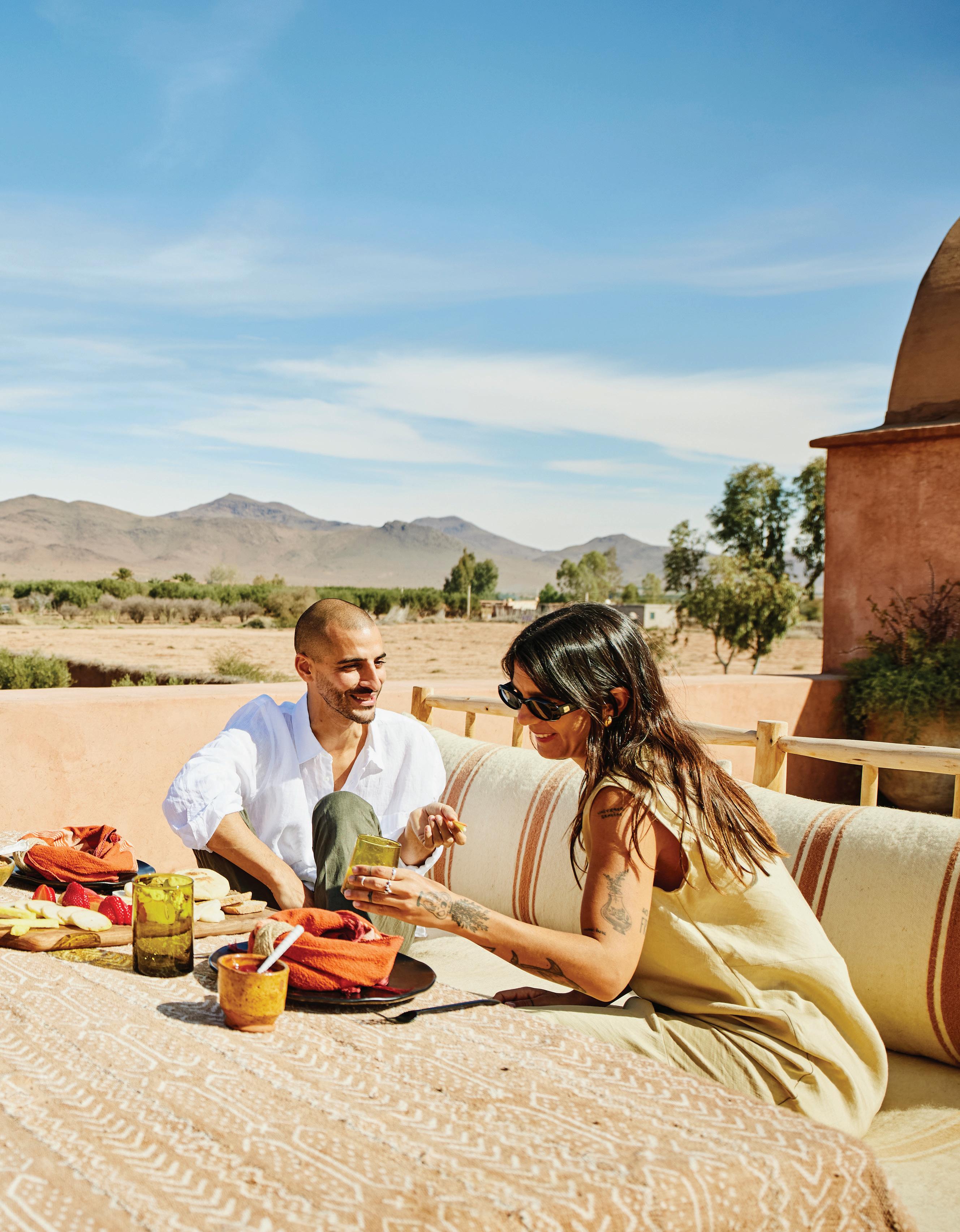
For a new generation of local chefs, Colombia’s abundance of native fruits is both the core of the cuisine and an opportunity to create bold new flavors.
34 Savoring Mallorca
Join photographer Maya Visnyei on her sun-drenched Mediterranean holiday, where orchard tours, beach days and seafood feasts set the unhurried pace.
42 Seoul Food
On a week-long trip to Seoul, writer Renée S. Suen moves between lively markets and Michelin-starred restaurants to uncover the past, present and future of hansik (Korean food).

52
From vintage shopping to an underground spa, here’s how to soak up Toronto at its most vibrant.
59 Try This
Taste cacao with an artisanal chocolatier in Jamaica.
60 Port of Call
Everything you need to plan your pre- or post-cruise stay in Cape Town.
Exclusive offers from Ensemble partners.
72 Outtake
One more moment in travel.
EDITORIAL
Editorial Director
Dominique Lamberton
Managing Editor
Simone Olivero
Managing Editor, Digital Robert Liwanag
ART
Creative Design Director
Stefanie Sosiak
Photography Director
Lori Morgan
CONTRIBUTORS
Simon Bajada, Jane Broughton, Elizabeth Chorney-Booth, Christian Heurtelou, Jessica Huras, Kari Medig, Leah Rumack, Renée S. Suen, Maya Visnyei
RESEARCHERS
Tara Dupuis, Corinna Reeves
COPY EDITOR
Christopher Korchin
PROOFREADER
Diane Carlson
PRODUCTION
Senior Director, Brand & Marketing
Valerie Lenoir
SALES
Senior Director, Partnership Marketing & Engagement
Danielle Clement
Director, Partnership Marketing (Land)
Franca Iuele
Senior Account Manager (Cruise) Jocelyn Saldana
Account Manager, Cruise Partner Relations
Nicole Baker
Sustainable Practices
Range is printed by Ensemble’s business partner, which is an eco-friendly company that holds ISO 14001 (2015) certification, an internationally recognized standard for Environmental Management Systems (EMS), verifying that an organization identifies, manages and reduces its environmental impact. Ensemble’s print partner has also documented an annual negative carbon footprint continuously since 2011, and all paper used in the production of Range is both FSC- (Forest Stewardship Council) and SFI- (Sustainable Forestry Initiative) certified.
2 QUEEN STREET EAST, 18 TH FLOOR
TORONTO, ON M5C 2G7
Publisher Jeff Willner
President
Michael Johnson
SVP, Marketing Shahla Lalani
SVP, Operations
Kristina Boyce
SVP, Commercial Daniel Finkel
VP, Destination & Specialty Partnerships
Amy Bailey
VP, Cruise
Rachel Grogan
VP, Member Relations
Mark Stubbert
Ensemble is a leading travel organization comprised of top-tier travel agencies throughout the U.S. and Canada. As a valued client of one of our member agencies, you gain access to exclusive perks, amenities and experiences as well as expert advice and exceptional customer service from the foremost authorities in the travel industry. ensembletravel.com
Range : Volume 14 (Summer 2026).
All rights reserved, Ensemble Travel Ltd.
No part of this publication may be reprinted or otherwise duplicated without the permission of the publisher. Range is published on behalf of Ensemble Travel Ltd. member agencies.
TICO: #50022140 | CST: 2141530-70
Registration numbers vary by agency.
Advertising and marketing inquiries can be sent to marketing@ensembletravel.com
For editorial inquiries, please email range@ensembletravel.com.


Please contact your Ensemble travel advisor to plan your next vacation. SPECIAL FARES ON



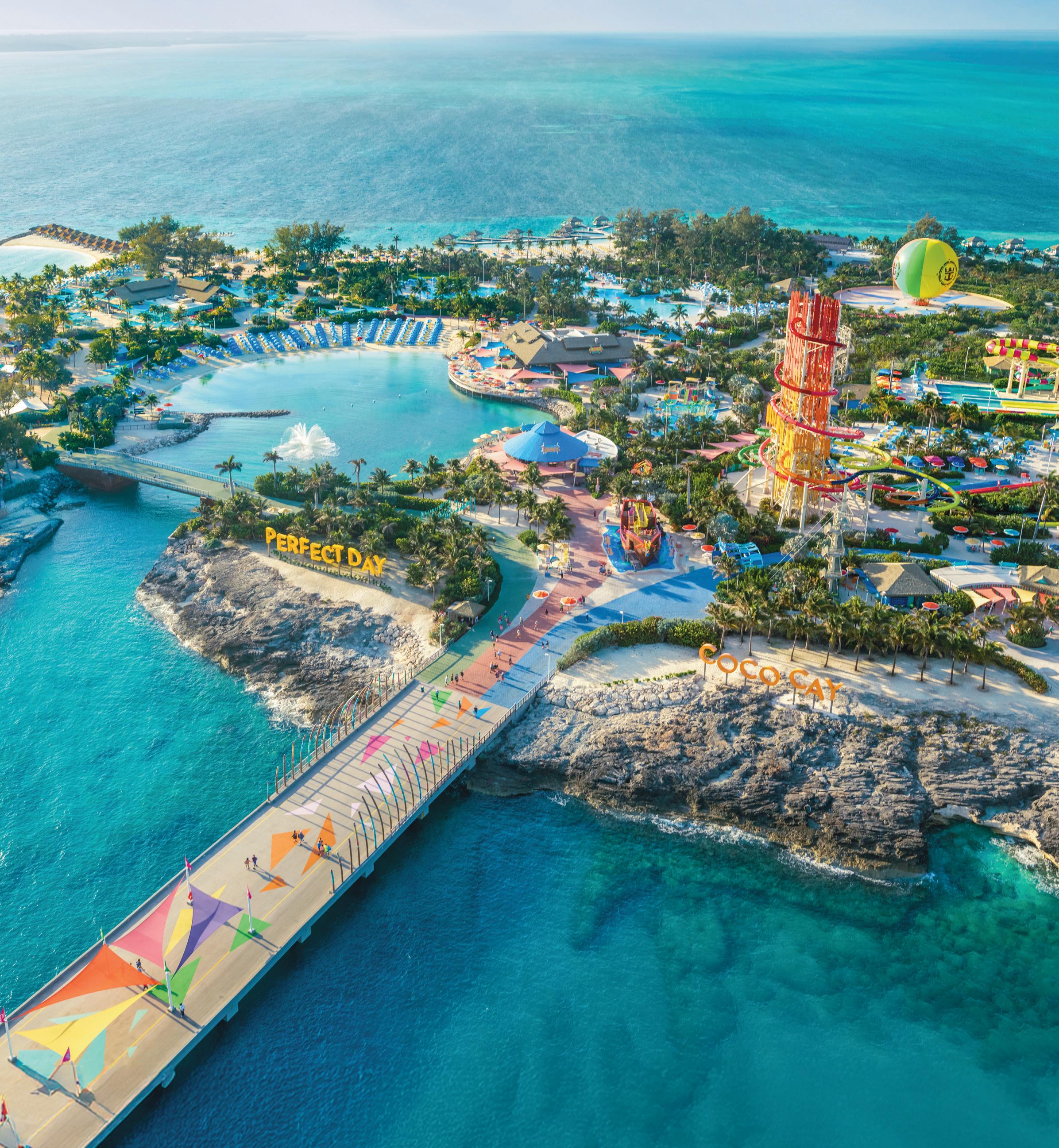
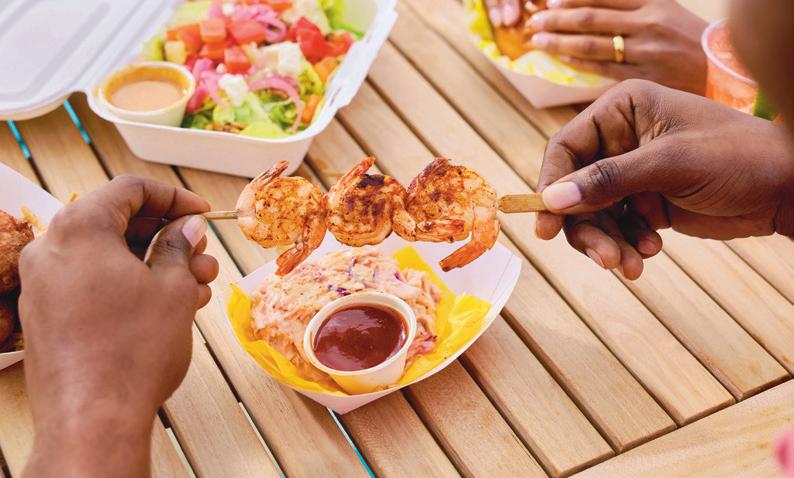
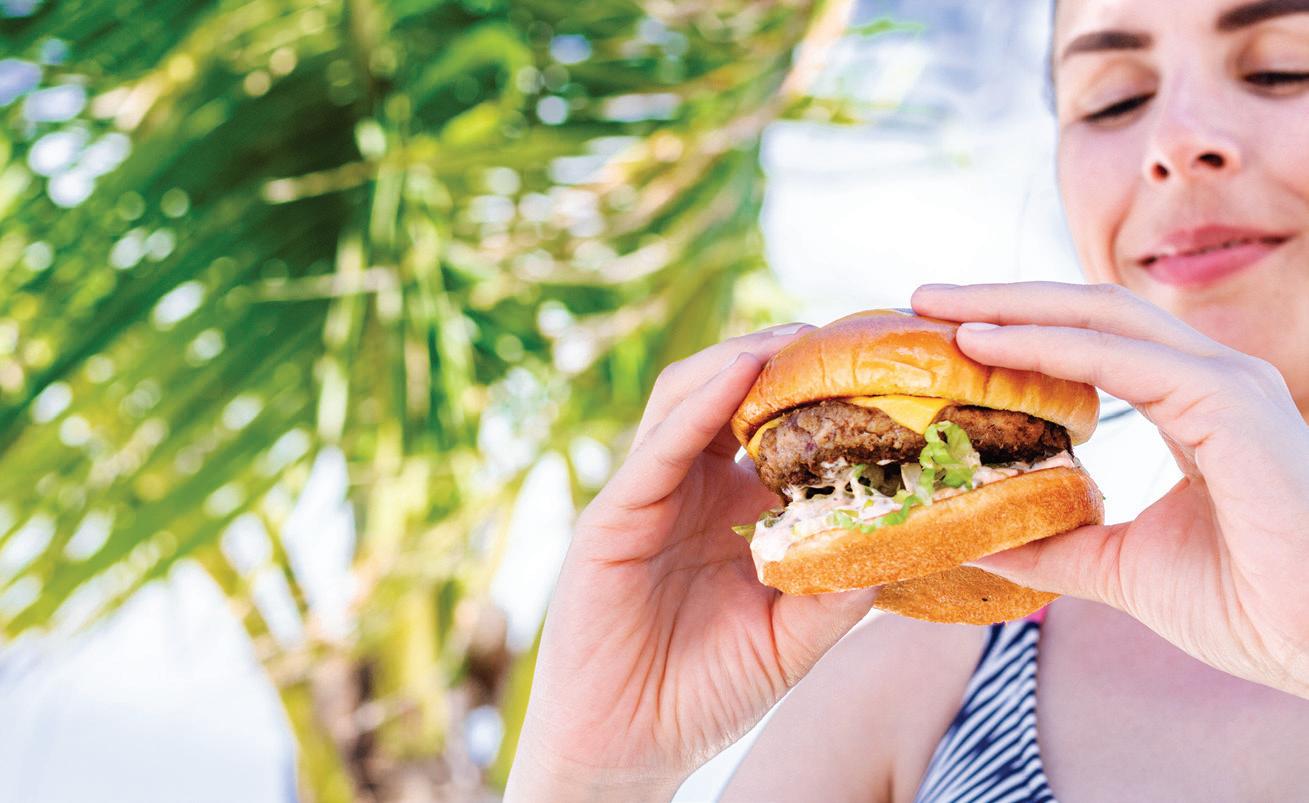
Treat your taste buds to the most mouthwatering beach days you’ve ever had at our award-winning Perfect Day at CocoCay and the exclusive Royal Beach Club SM Paradise Island. Unlimited beachside bites burst with local flavor, like Shrimp on a Stick brushed with guava glaze and the refreshing Pineapple Dole Whip. Score a “Secret Sandwich” at the Snack Shack or head to the taco bar, where the freshest ingredients come together masterfully in every bite. Grab your favorite tropical libation, like the top-rated Paradise Punch, and upgrade your beach days with local cuisine you’ll be dreaming about.
Please contact your Ensemble travel advisor for more details or to book.


A few years ago, I stood in an aisle of a Zurich location of Swiss supermarket chain Migros, contemplating mustard varieties. Charmed by the colorful tube packages, I added two (one Dijon and one with herbs) to my basket, which was quickly filling up: A packet of shelf-stable rösti, bag of fruit muesli and single-serve pot of cheese fondue were among the items I’d already plucked from the shelves.
As someone who has been making grocery store visits part of my travels for as long as I can remember, I’m not surprised that #supermarketsafaris and #grocerystoretourism are trending among travelers. A trends report released at the end of last year found that up to 77 percent of travelers enjoy browsing the aisles when abroad (if that’s you, we’ve rounded up four must-visit stores, from Venice to Auckland, on page 16).
Some travelers are motivated to shop at local grocers to save money by cooking their own meals, while others want to sample snacks they won’t find at home. For me, grocery stores offer immersion into everyday life (I love the way writer Richard Morgan described them as a city’s “secret museums” in a 2019 piece in New York magazine) and are places where I can procure my favorite kind of souvenirs: edible ones. A banana macadamia-nut pancake mix purchased at Island Gourmet Markets in Maui is just one of the examples you’ll find in my pantry.
Whether it’s wandering store aisles, sampling a city’s street eats or securing a spot at a Michelin-starred restaurant, our stomachs often lead the way when we’re discovering new destinations. We let them guide us as we planned this issue of Range, too. In the following pages, you’ll find fresh inspiration for navigating the world through your taste buds, from a vibrant exploration of Colombia’s native fruits by writer and photographer Simon Bajada to a deep dive into modern-day hansik (Korean cuisine) in Seoul by Renée S. Suen. As you plan your next trips, make sure they are as delicious as possible by implementing some of the strategies food writer Elizabeth Chorney-Booth shares on page 25. I know I’ll be referring to them when I head to Beijing and Shanghai later this year. Until then, for a quick (and tasty) escape, all I have to do is open my pantry.
Dominique Lamberton Editorial Director
us online!
Find more immersive stories, plus expertly curated travel guides and exclusive offers, at rangetravel.com
Elizabeth Chorney-Booth
WRITER
Hometown and home base Calgary
The most unexpected places I’ve discovered while traveling are the quiet towns high in the mountains of Abruzzo, Italy, where there wasn’t much sightseeing but there was always at least one fantastic restaurant.
When I’m not writing for Range, I’m the restaurant columnist for the Calgary Herald , and my work has been published in The Globe and Mail and CNN Travel. I love traveling for concerts and finding weird and wonderful pop-culture oddities around the world.
Local Flavors — page 25
WRITER AND PHOTOGRAPHER
Hometown Adelaide
Home base Stockholm
The most delicious meal I’ve had on my travels was a supra in the home of a cheesemaker in the Georgian mountains, where I was photographing rare cheeses. A supra is a feast with plenty of homemade dishes served with chacha, a traditional Georgian brandy.
When I’m not collaborating with Range , I’m likely writing cookbooks or photographing food in my studio. My words and images have been published by Phaidon and Saveur . Outside of work, I love to swim, surf, skateboard and make playlists.
A Fruity Revolution — page 26

WRITER
Hometowns Vancouver and Calgary
Home base Toronto
My top travel memory is a five-day food tour in the Catalonia region of Spain. During the day, we dined on big tasting menus and then kept things light in the evenings. I met so many locals I still stay in touch with a decade and a half later.
When I’m not writing for Range , I serve as the mid-USA and -Canada academy chair for The World’s 50 Best Restaurants and contribute to publications like Toronto Life and The Globe and Mail . I also like coaxing new (or any) words from my parrot, Geordi.
Seoul Food — page 42
Every dish, every destination… unforgettable.
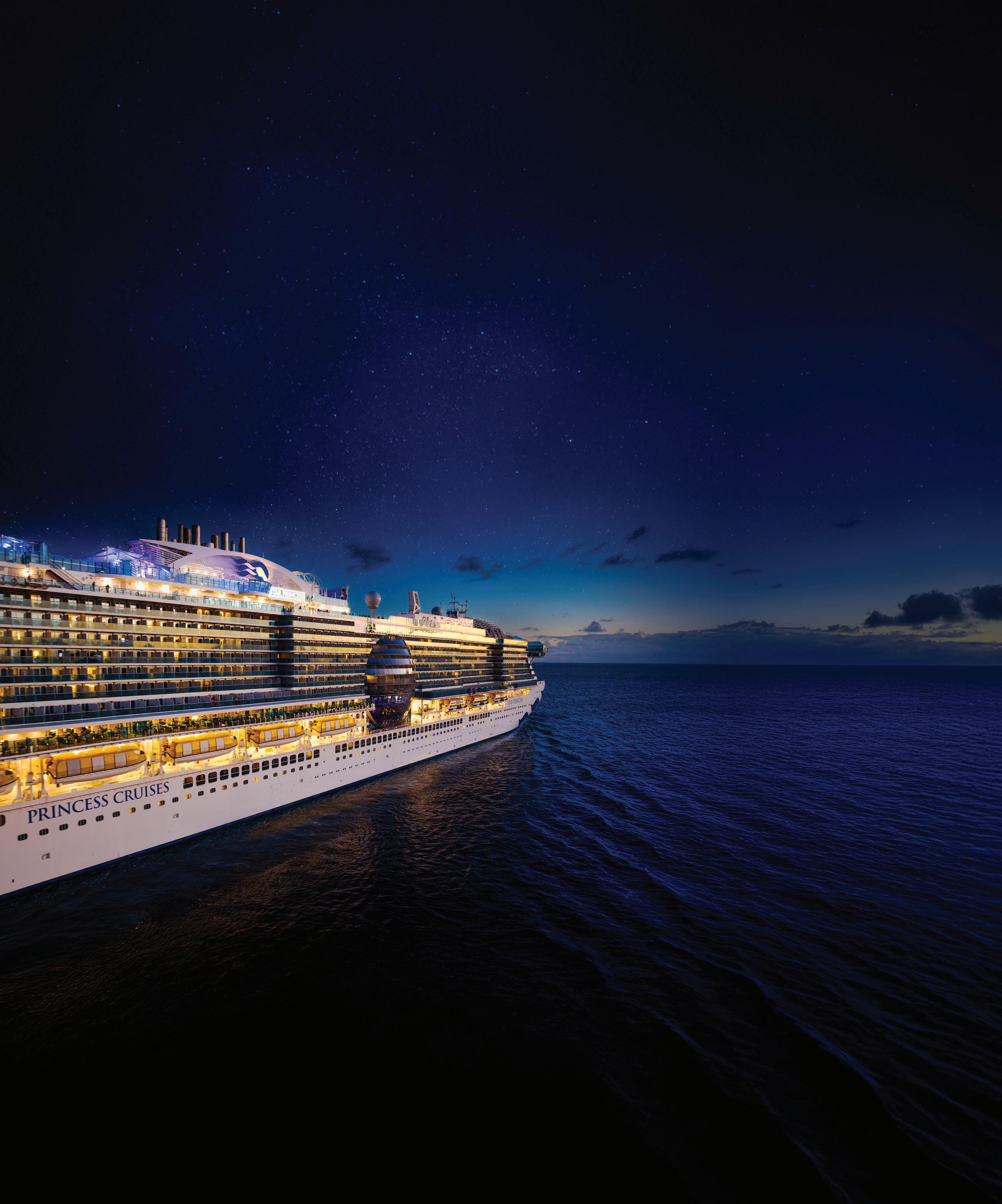
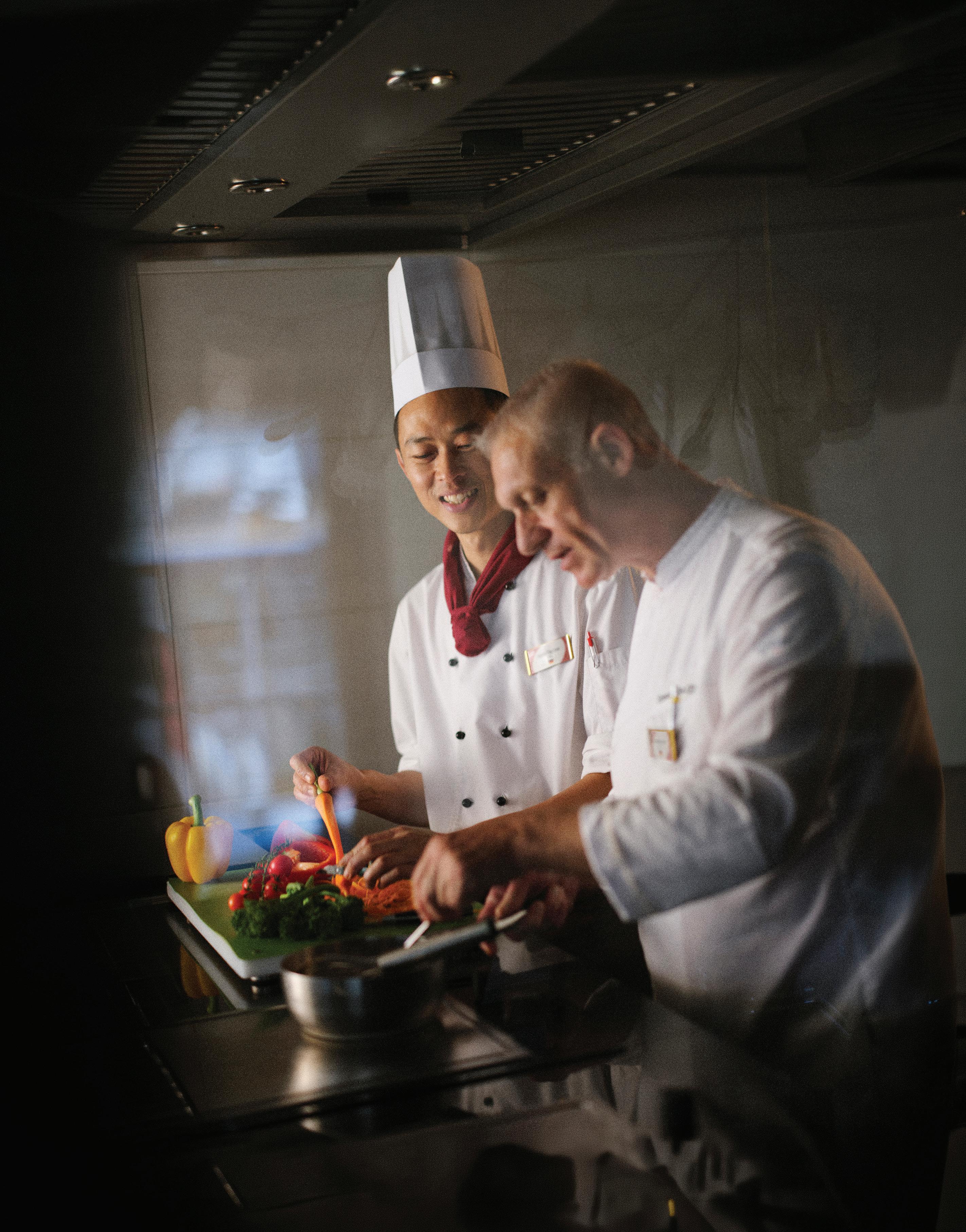
Savor the extraordinary with Princess, where every meal is a celebration of fresh, local ingredients that reflect the heart of each destination. Expert chefs and mixologists craft dishes that honor the traditions and flavors of each destination, elevating dining beyond the plate. From the sizzling theater of Umai Teppanyaki to the artistic elegance of Love by Britto, each experience immerses you in a world of taste, aroma and visual delight. Indulge in 360, a seven-course sensory adventure where fine dining and entertainment meet in perfect harmony.
On Star Princess® and Sun Princess®, dining is more than a meal — it’s an immersive celebration of taste, culture and craftsmanship.
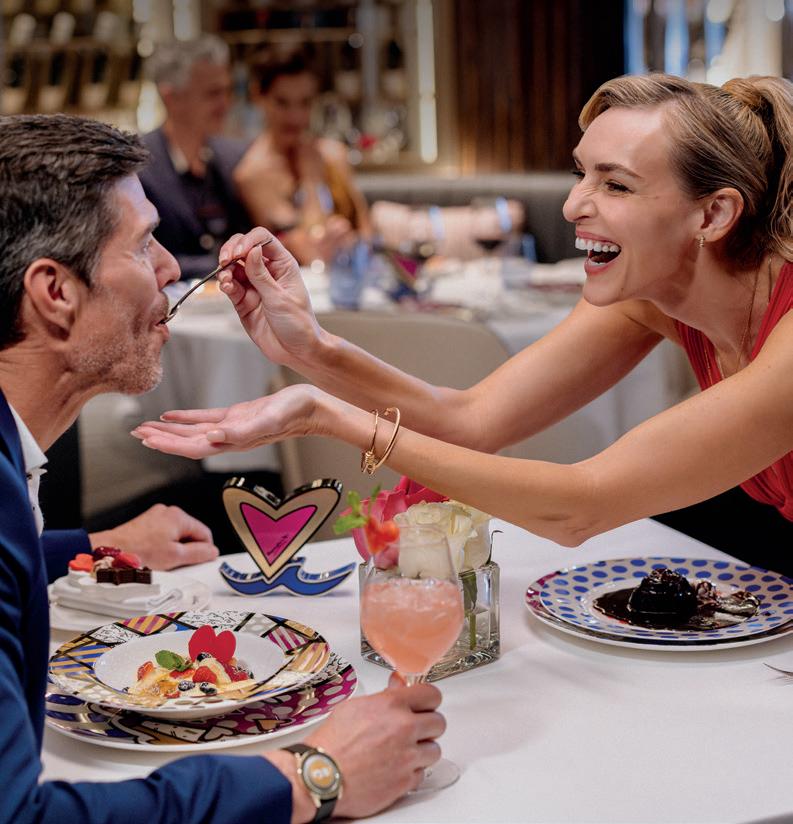
Princess has received the prestigious Wine Spectator Award of Excellence in the 2025 Restaurant Awards. Dining rooms across all 16 ships, including 15 main dining rooms and the Sanctuary CollectionSM Restaurant on Sun Princess have been recognized for outstanding wine lists.

PLEASE CONTACT YOUR ENSEMBLE TRAVEL ADVISOR FOR MORE DETAILS.

















At AmaWaterways, the culinary approach begins with farm-to-ship dining, using fresh, local ingredients that re ect the regions you visit. Building on this foundation, AmaWaterways is rolling out enhanced menus inspired by each cruise region, a wider rotation of regional wines and an all-day selection of light bites and sweets available in the lounges.
For a limited time, save up to $2,500 per stateroom on select 2026 and 2027 departures. Please contact your Ensemble travel advisor for more details.

ON THE RADAR
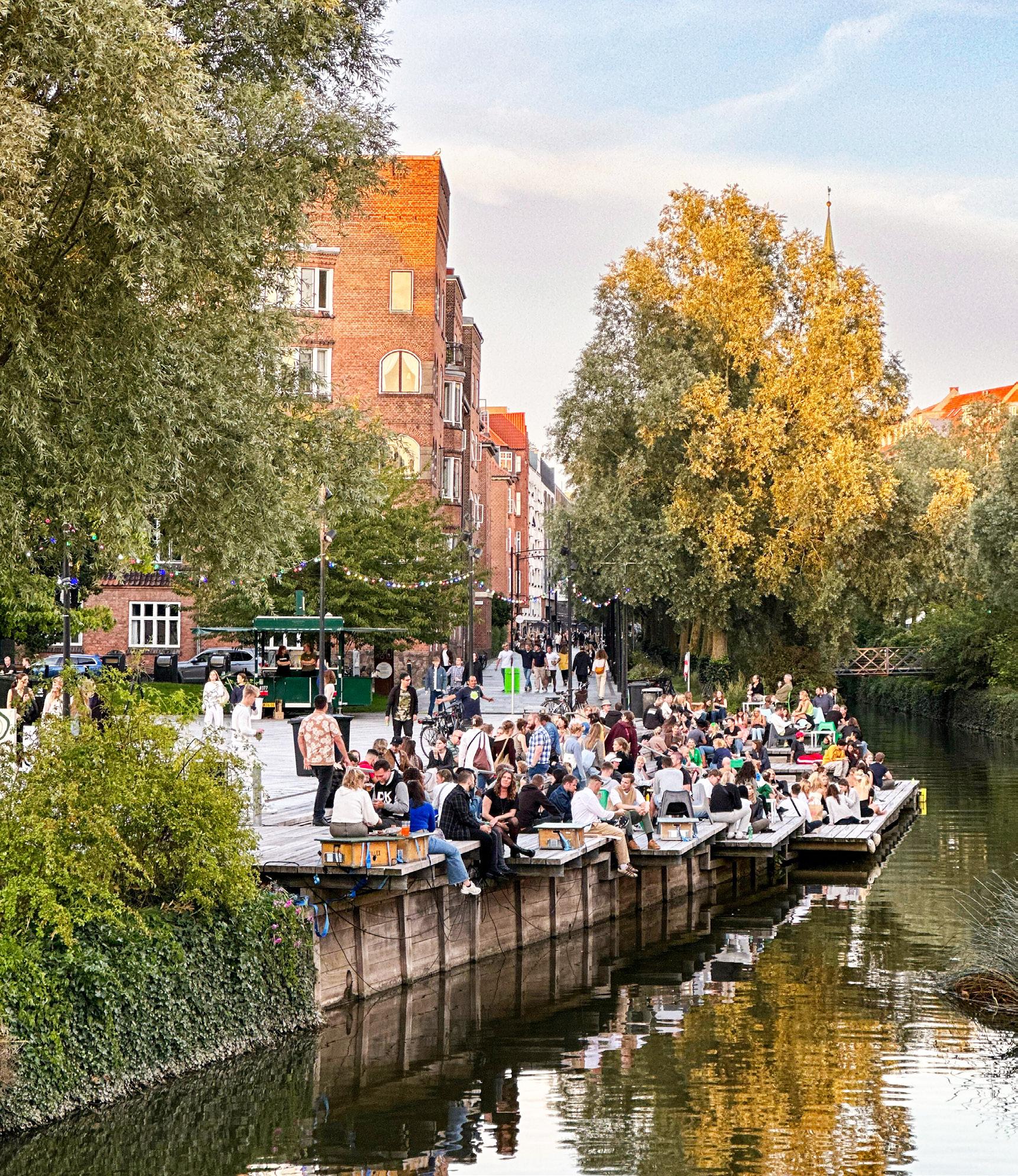
Feeling blue? Head to the Nordics: Finland, Iceland and Denmark are the top-three happiest countries according to the 2026 World Happiness Report. The rankings are based on a survey of more than 100,000 people in over 140 countries who were asked to rate their lives on a scale of zero to 10, where a 10 is the best possible life. Between the close proximity to nature — in Finland, you’re never more than a 10-minute walk from a park or forest — and the many health benefits of the Nordic diet (emphasizing whole foods like rye bread, fatty fish and local berries), it’s no surprise Finland has topped the leaderboard since 2018.
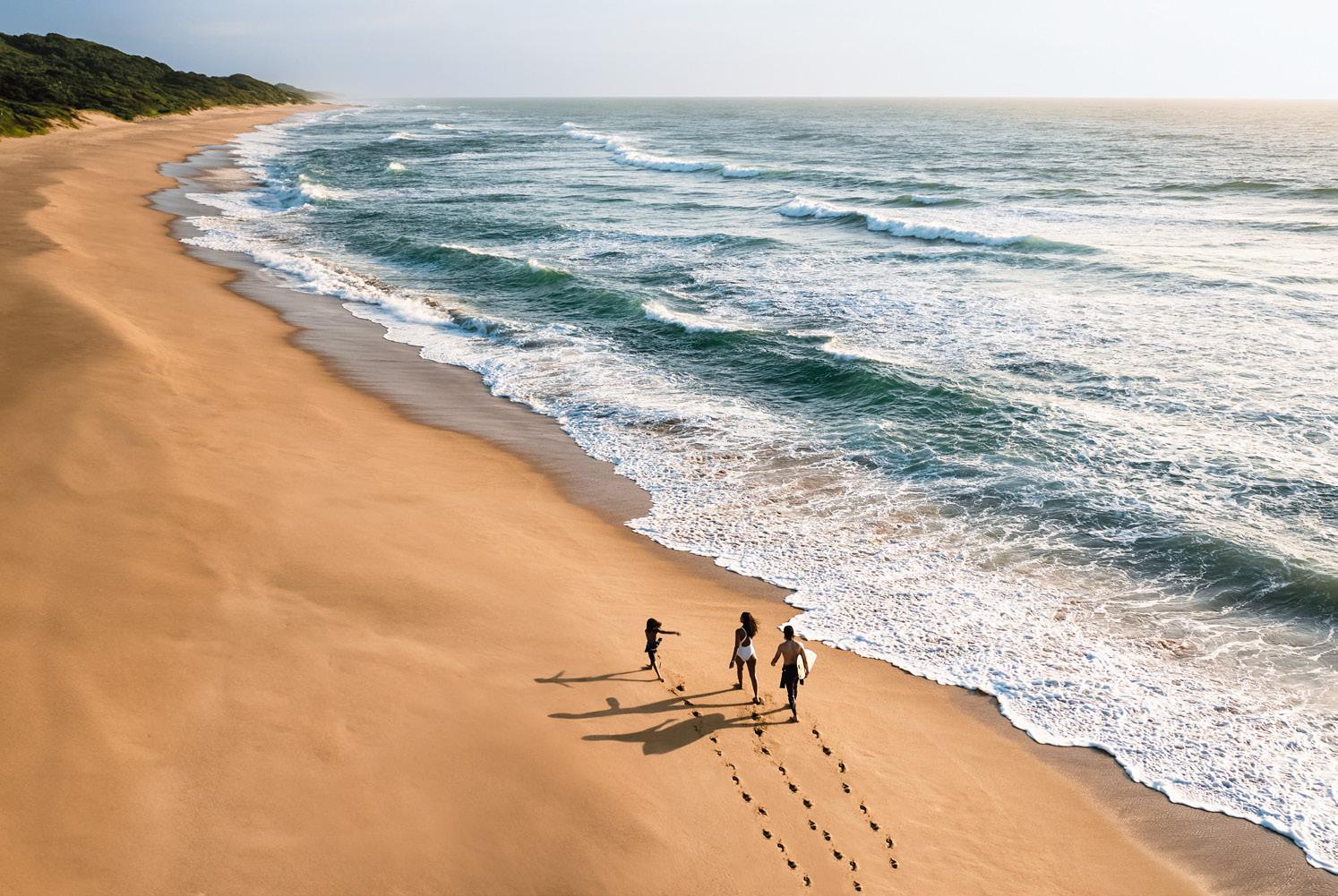
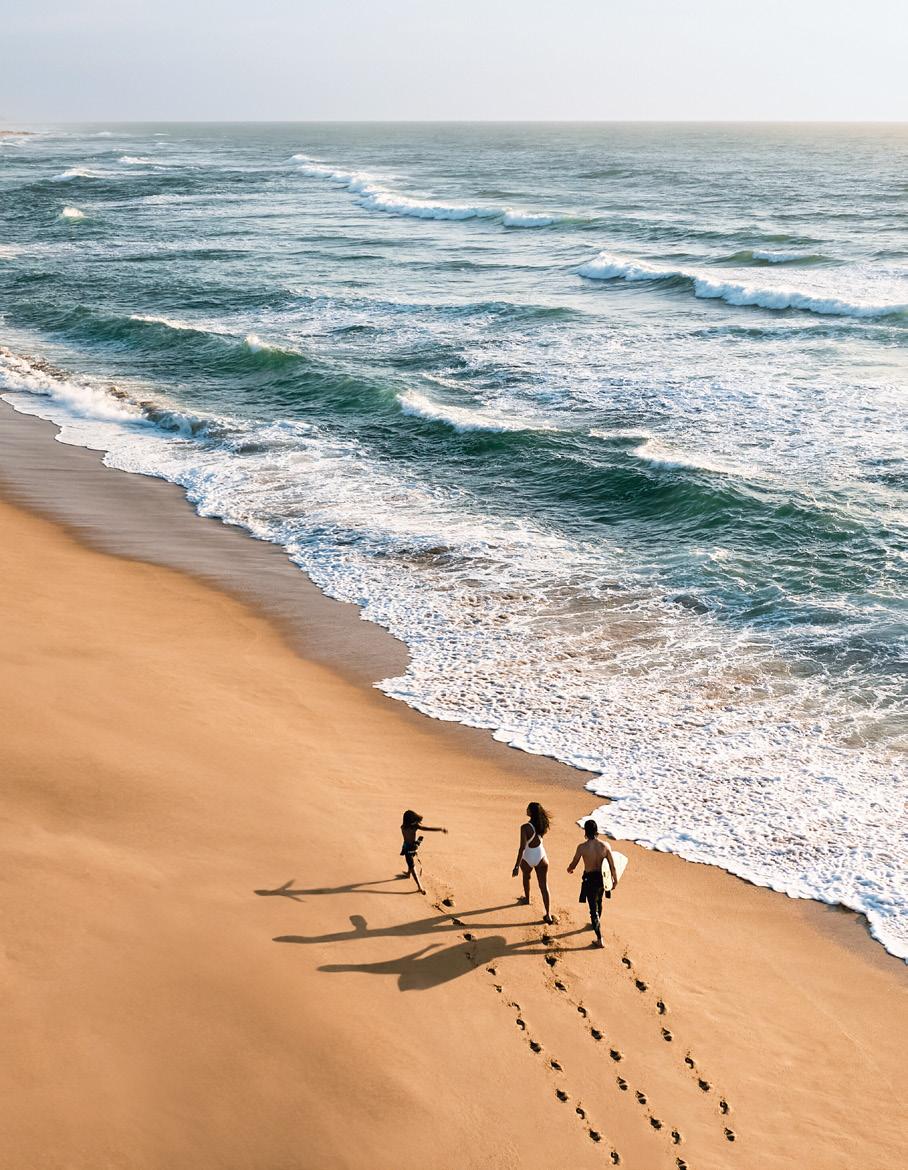
The Big Five and the beach are all within reach at Club Med’s first South African resort, in KwaZuluNatal. At the beachfront property that sits along the pristine Indian Ocean coastline, enjoy all-inclusive lessons at Club Med’s first-ever surf school, then travel 45 minutes by plane to the Vikela Safari Lodge, set within a 44,500-acre private reserve, where experienced rangers take you on thrilling bush rides to see lions, elephants, leopards and more.
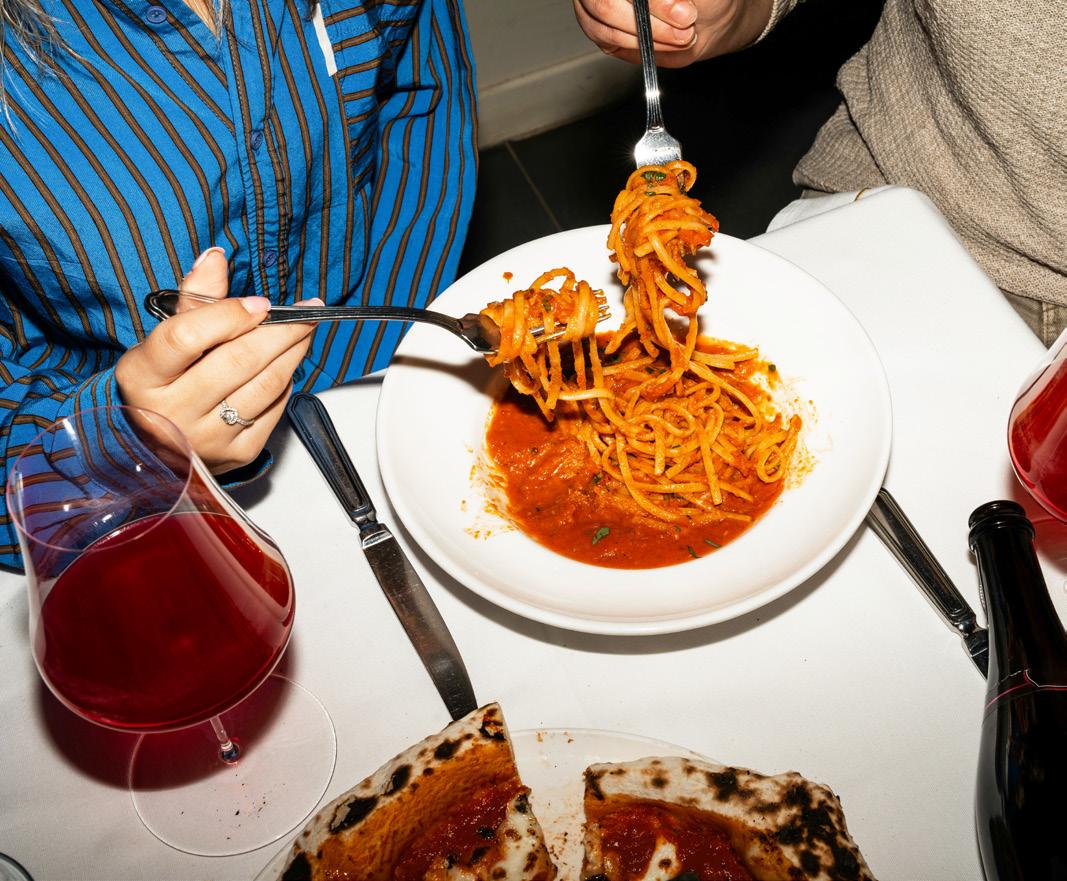
In Italy, there’s no greater compliment than clearing your plate. Translated as “to be a good fork,” the term is used to describe someone who eats with pleasure. But if you really want to do as the Italians do, fare la scarpetta (“make the little shoe”) by using a chunk of bread to mop up any remaining sauce on your plate — buonissimo!
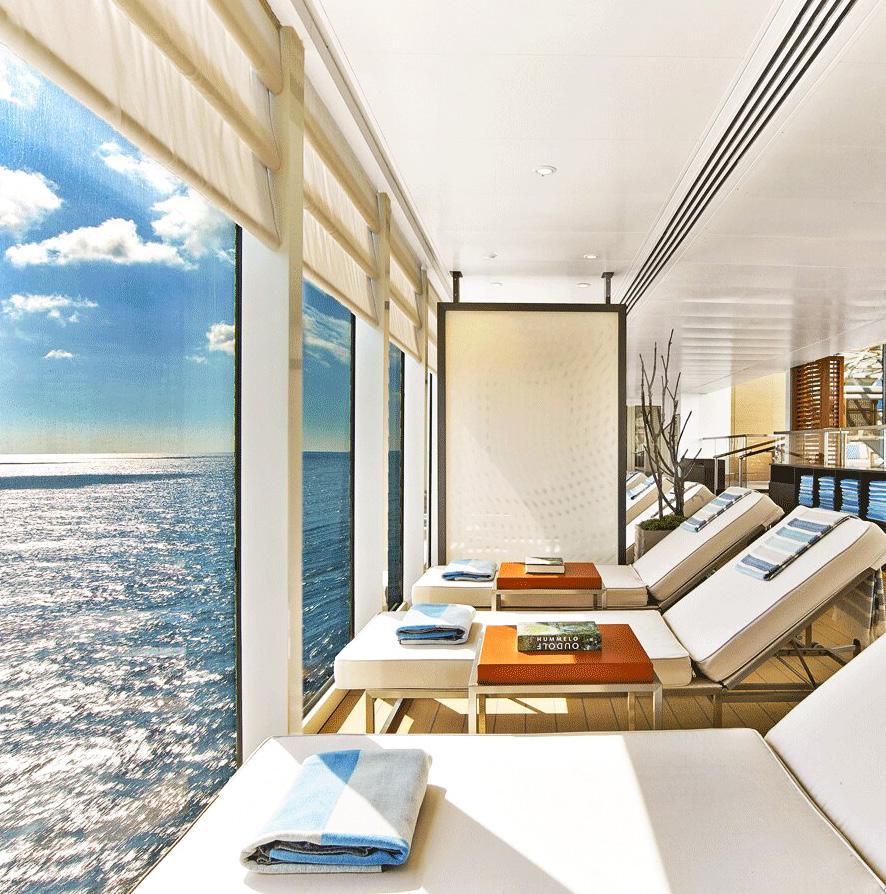
Viking will welcome a hydrogen-powered cruise ship, the world’s first, to its ocean fleet at the end of 2026. The 499-stateroom Viking Libra, currently under construction by Italian shipbuilder Fincantieri, will be equipped with a hybrid propulsion system using liquefied hydrogen and advanced fuel cells, allowing it to operate with zero emissions in protected areas (such as Norway’s fjords). In 2027, Viking Astrea will join the fleet — and the cruise line has ordered two additional hydrogen-powered ships for completion by 2031.
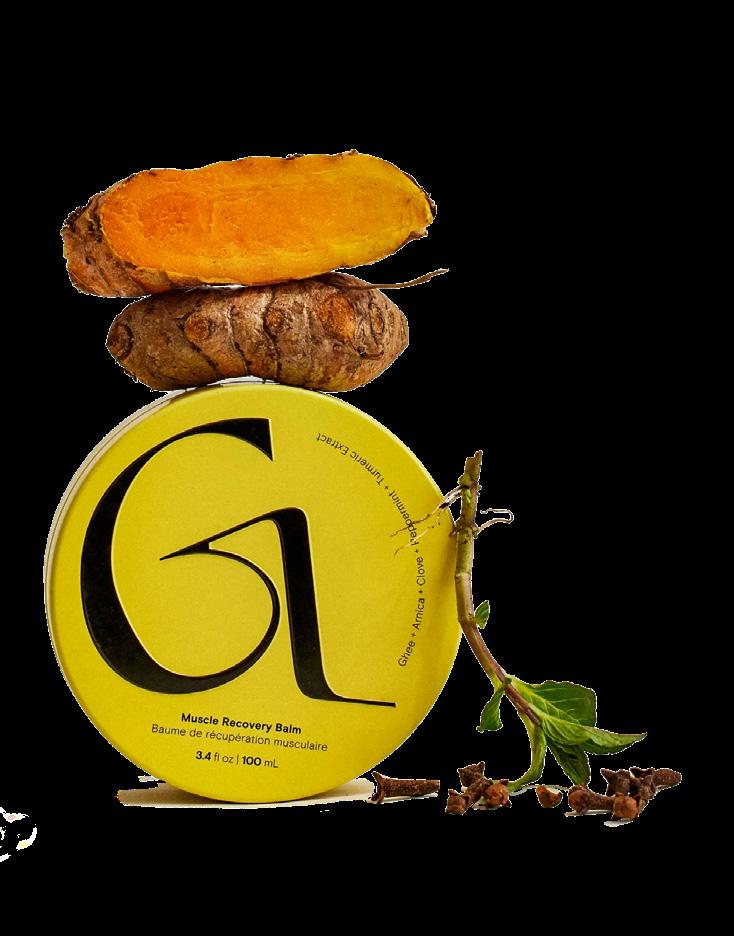
The latest product from Ghlee — a skincare brand starring ghee, the clarified butter that originated in ancient India — is a soothing muscle balm. Infused with arnica and turmeric extracts, and enhanced with olive oil, coconut oil and shea butter, this salve will both relax weary limbs and hydrate skin after a long flight or busy day of sightseeing.
Muscle Recovery Balm, US$38, ghlee.com
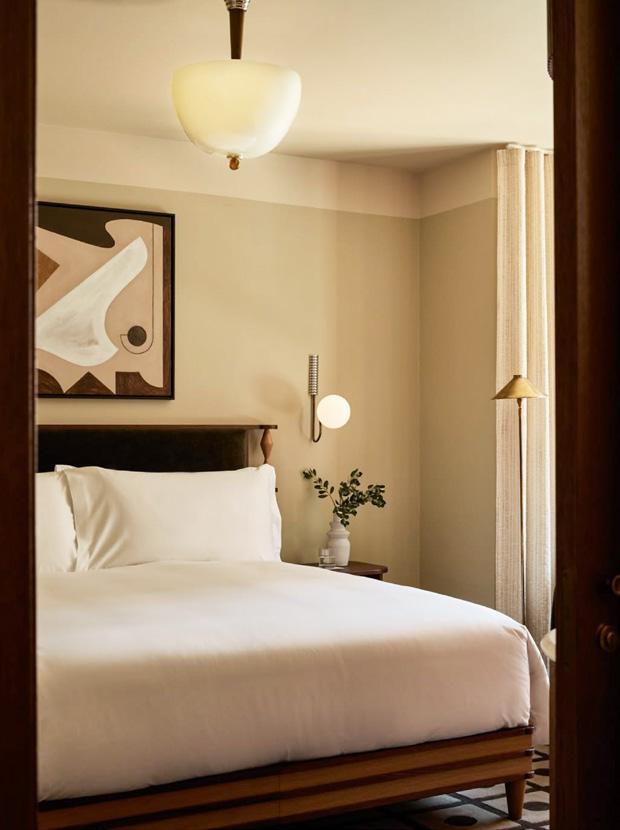
This boutique property’s refined design takes inspiration from its creative surrounds in Fitzrovia. After a day spent exploring the eclectic neighborhood, retreat to the wellness floor, where a sauna, salt room and ice lounge await.
ANDAZ LISBON
Set in Baixa, Lisbon’s historical center, this contemporary hotel’s 170 rooms and suites bring the city in, featuring cork accents, textile pieces by local artists, azulejos (ceramic tiles) and views over the bustling Rua Augusta pedestrian promenade.
RESIDENZA DEL CARDINALE MELIÁ COLLECTION, MILAN
Stay in the heart of the city — across the street from the Pinacoteca Ambrosiana gallery and steps away from the Duomo di Milano — at this sophisticated 28-room property located within a 13th-century palace.

READING LIST
MIDNIGHT SUN BY TRINE HAHNEMANN
Bring Nordic flavor to your afternoon fika (coffee and treat break) or late-summer barbecue with simple, seasonal dishes from the author of Copenhagen Food Savor rhubarb and ryebread crumble, fennelcured salmon, apricot almond cake and more.
SPAIN MY WAY BY JOSÉ ANDRÉS AND SAM CHAPPLE-SOKOL
Chef José Andrés invites home cooks to his native Spain with a collection of his most beloved dishes. Tortilla Española, paella Valenciana and the popular burnt Basque cheesecake are broken down in his signature style, ready to add to your repertoire.
Immerse yourself in Japanese culture through a blend of traditional touchpoints (like manga and anime) and cutting-edge technology (like AI and robotics) at MoN Takanawa: The Museum of Narratives. Designed by Kengo Kuma, the architect behind Japan National Stadium, the nine-level museum is in Takanawa Gateway City, a new development where the south entrance to old Edo historically stood. Be sure to visit the striking spiral building’s sixth-floor terrace, where an ashiyu (foot bath) is the ideal spot to soak in the view.
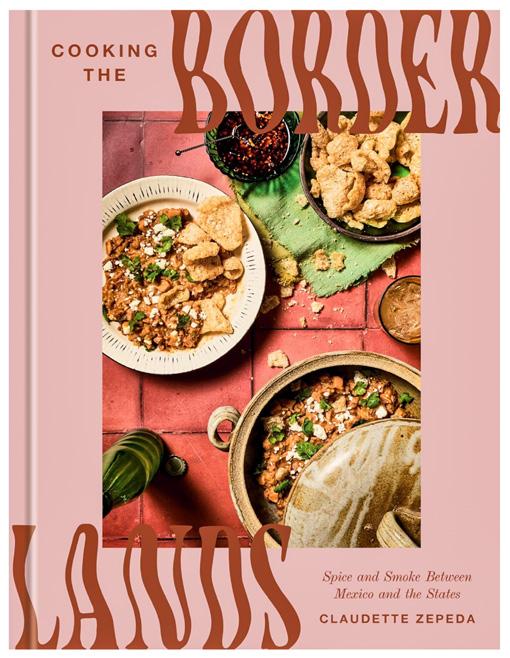
COOKING THE BORDERLANDS BY CLAUDETTE ZEPEDA
A nod to her Tijuana–San Diego upbringing, this new book from Claudette Zepeda highlights the complex flavors of the Mexico–U.S. border region with recipes like esquites (street corn) and camarones al ajillo (Bajastyle garlic shrimp).
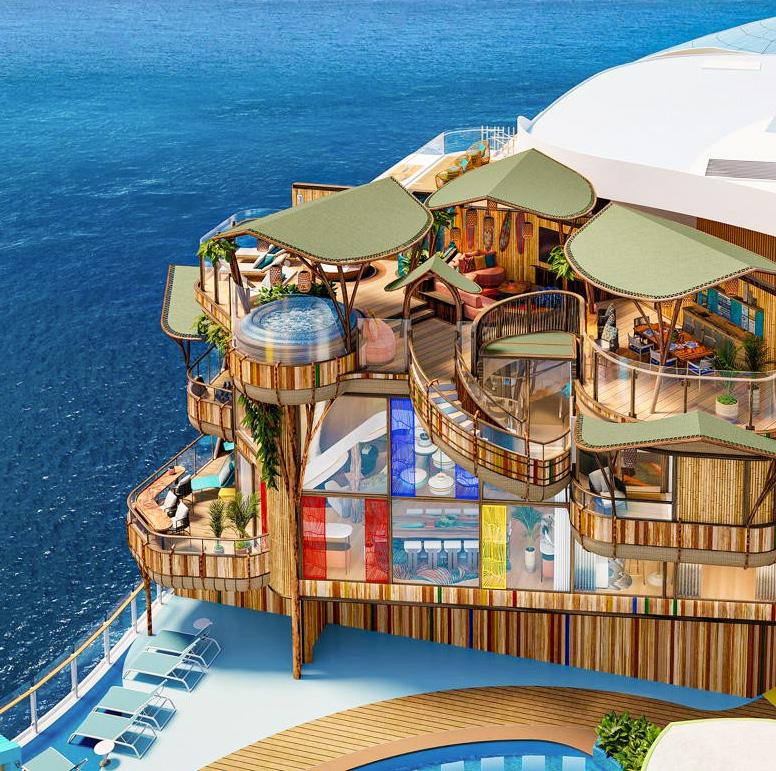
Hero of the Seas, Royal Caribbean’s newest ship launching in 2027, is shaping up to be the ultimate family vessel. In addition to nine pools and new waterslides (get ready for the first funnel raft slide at sea), the megaship will feature a variety of family suites, including the three-level Ultimate Family Treehouse. Bring the whole extended crew (it sleeps 12!) to fully maximize its amenities, from the rooftop terrace with private whirlpool to the two-storey game room hideaway.
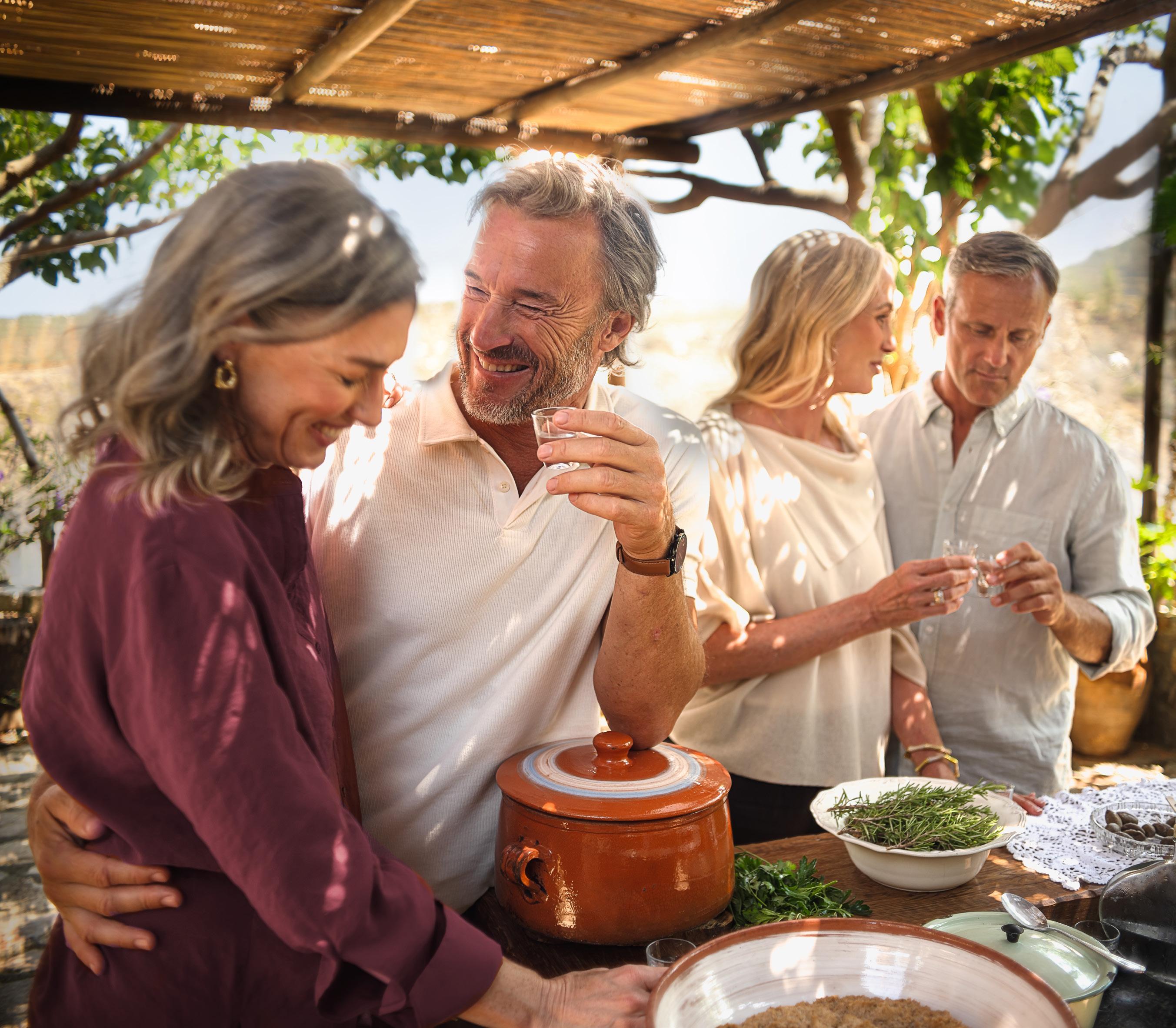
In the Mediterranean, S.A.L.T. Experiences invite you to discover the region’s rich cultural tapestry through privileged access to local food artisans and traditions. On these thoughtfully designed Shore Excursions, you can learn about timehonored cheese-making traditions in Mykonos or immerse yourself in Croatian cooking in Dubrovnik. In the Tuscan countryside, tradition meets innovation as one of Italy’s most talented young chefs transforms local ingredients into culinary masterpieces, paired with biodynamic wines from his vineyard. Each S.A.L.T. Experience reveals centuries of culinary wisdom — shared by the people who continue to preserve traditions in the Mediterranean.
Save up to 40% and receive exclusive benefits such as a dedicated onboard host or shipboard credit when you reserve your suite by September 8, 2026.

Contact your Ensemble travel advisor to book your All-Inclusive Silversea Voyage.

Whether you’re gathering supplies to cook a meal or searching for souvenirs, these grocery stores give you a taste of what’s local.
By Dominique Lamberton
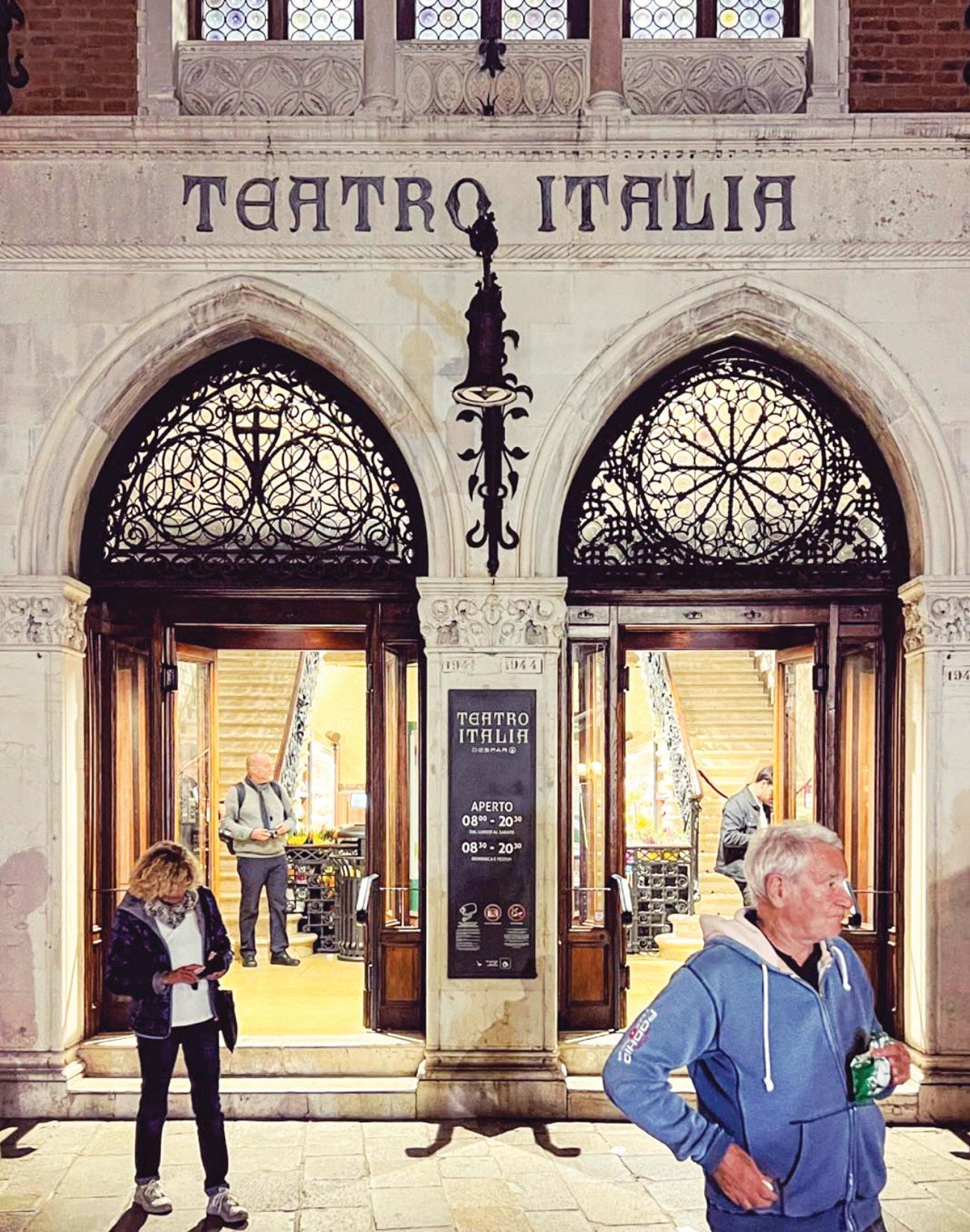
If you’re adding a grocery store to your list of essential stops in Venice, it must be impressive. Housed in the historic Teatro Italia, a neo-Gothic and Italian art nouveau theater and cinema that opened in 1916, this location of supermarket chain Despar will have you perusing pasta brands and salumi varieties beneath original moldings and grand chandeliers. Above the main aisles, The Allegory of the Glory of Italy, a restored fresco keeps watch over shoppers — and don’t miss the deli section, which has taken over the area that was once the stage for opera and theater performances.
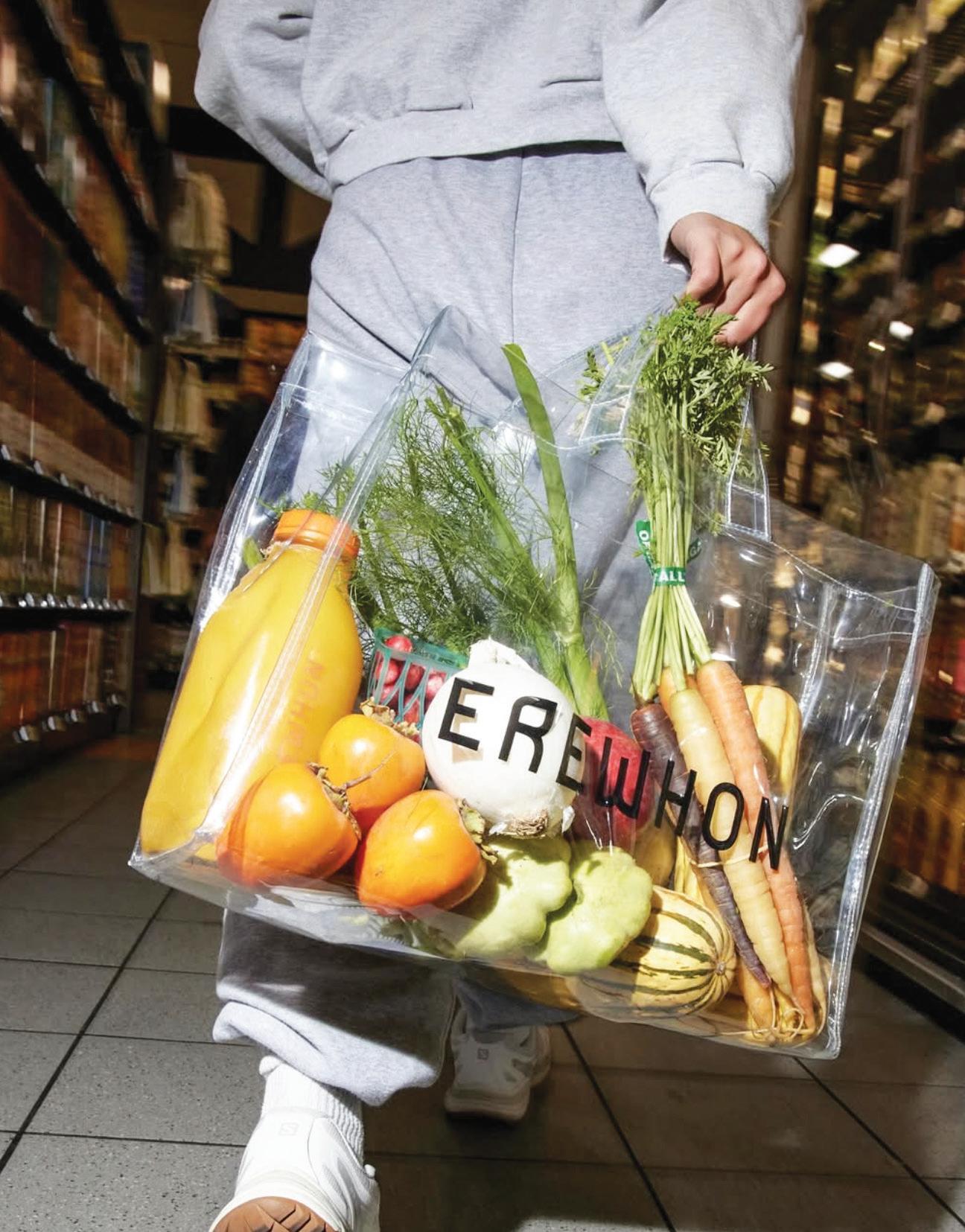
This luxury grocer’s claim to fame is a pink (and pricey) smoothie developed with model and skincare-line founder Hailey Bieber. The Strawberry Glaze Skin Smoothie, which features an artful smear of coconut cream inside the cup, is a blend of berries, almond milk, bananas, avocado, dates, maple syrup, collagen peptides and sea-moss gel. If you go to one of Erewhon’s 14 (and counting) locations to try it, be sure to explore beyond the Tonic Bar — from jars of granola and packages of kale chips to organic produce, it’s a great place to fuel up before hitting the city’s trails.
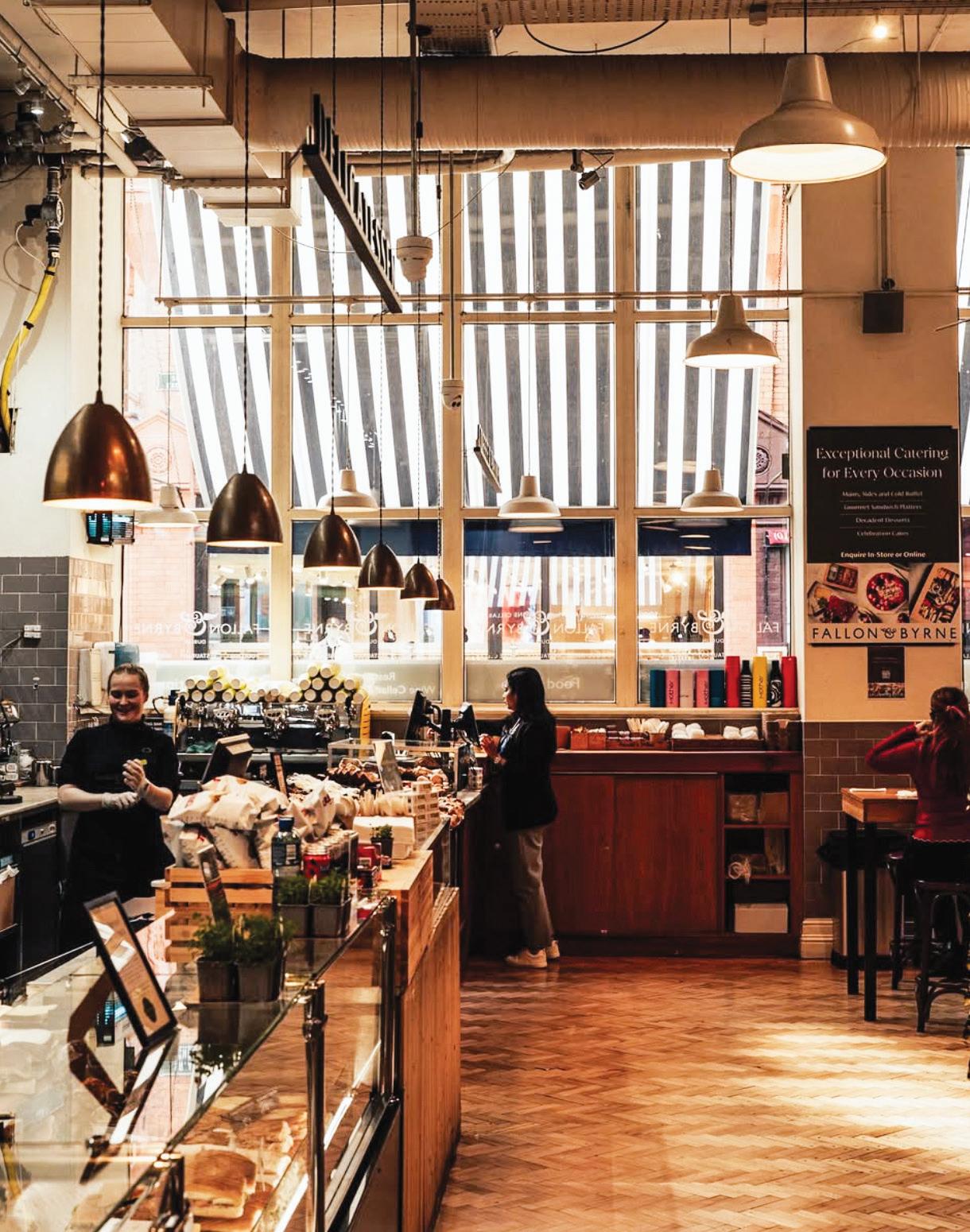
A one-stop shop for Irish fare, Fallon & Byrne is home to a food hall, restaurant and wine bar. The ground floor’s grocery shelves contain a curated selection of domestic and international products, from Seymour’s Original Irish Shortbread to Spanish conservas, while the produce, bakery, cheese and charcuterie sections teem with fresh options. Load your basket with a wedge of clothbound cheddar, loaf of 7 Seed Soda Bread and jar of Irish Black Butter (a preserve made from Armagh Bramley apples), then head to nearby St. Stephen’s Green to savor your local spread.
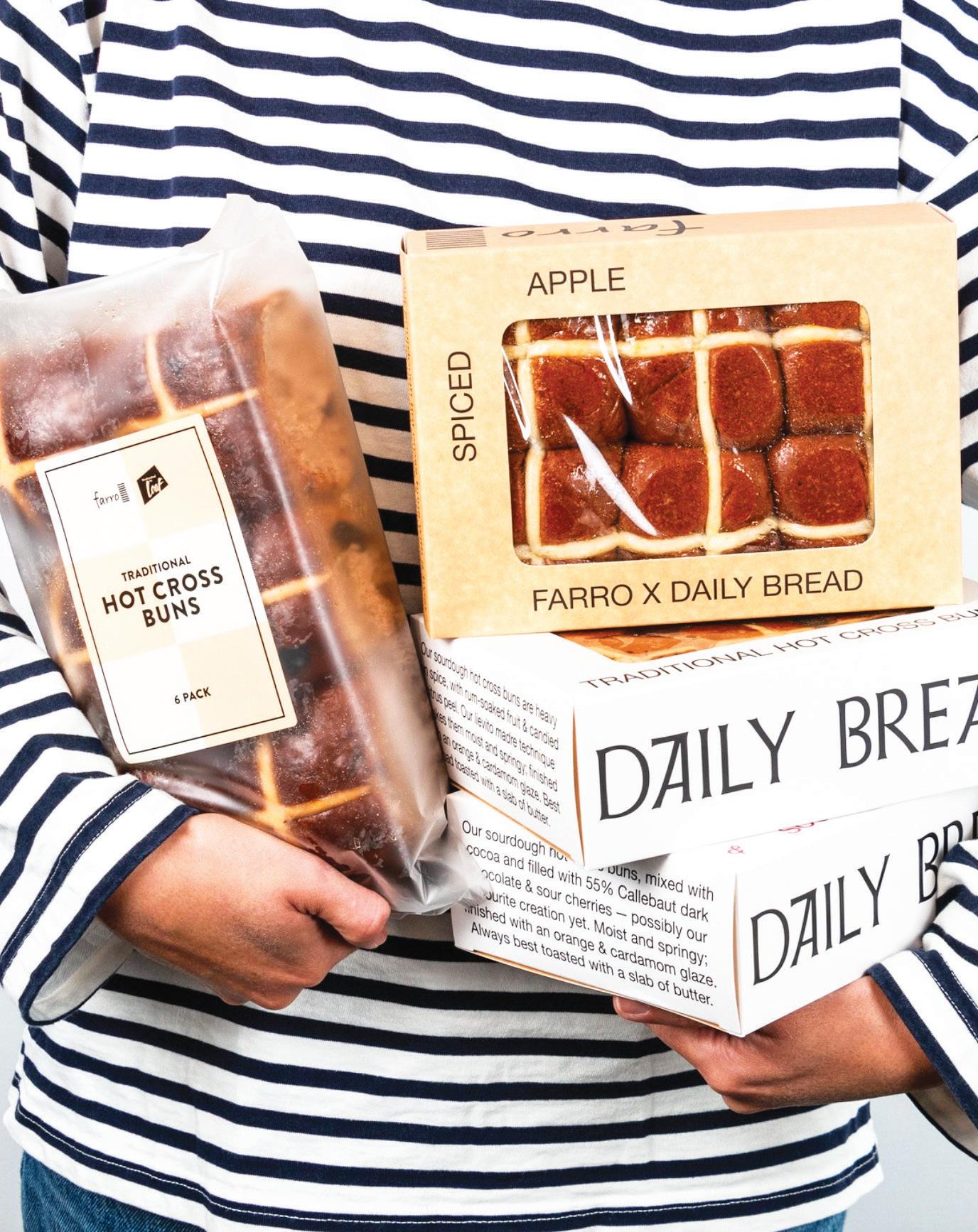
For a crash course in New Zealand-made products, grab a cart at Farro. The Auckland-based grocer carries items from more than 500 independent and artisanal Kiwi brands, including sourdough bakery Daily Bread and Moana New Zealand, the country’s largest Māoriowned fisheries company. The seven-store chain also produces its own line of house-brand products, featuring ready-made meals, baked goods and pantry staples — stow its Crunchy Anzac Biscuits or Tangy Passionfruit & Lime Sauce in your suitcase for a taste of New Zealand at home.
Take your wine to go with this oenophile-approved gear, ideal for vineyard visits and cellar stops.
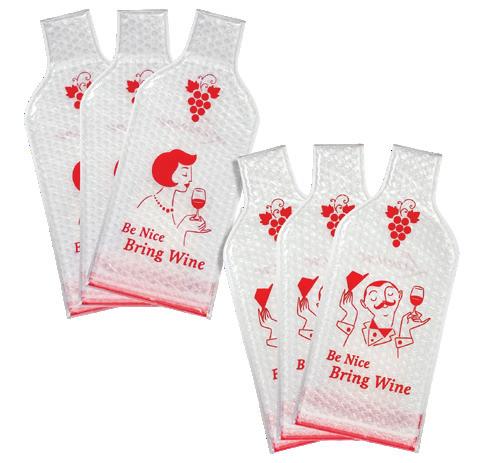
Each cushioned wine sleeve is made from anti-cut plastic, four layers of bubbles and a leakproof triple-seal closure to protect your precious bottles (and your suitcase!).
Wine Cush, €30/set of 6, lazenne.com

These recycled cork-soled shoes are light, durable and cushioned. Each sole is made from grounddown corks collected from bars and restaurants across North America. Jasper Chukka, US$145, yoursole.com

Made from buttery-soft leather, this slim journal is a place to chronicle each sip. Record details like the level of acidity, color, clarity and flavor notes such as tobacco and plum.
Wine Logbook, US$179, lucrin.com

With a classic wine-glass silhouette, weighted base, thin lip (ideal for sipping) and splash-resistant lid, this stainless-steel wine tumbler lets you imbibe anywhere. Ruby Wine Tumbler, US$30, fellowproducts.com
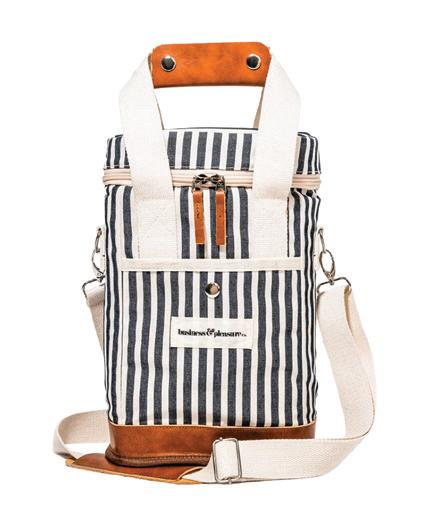
Two bottles, a slim ice pack and a bottle opener fit in this premium canvas tote with vegan-leather accents. The insulated lining ensures bottles are always perfectly chilled.
The Wine Cooler Tote Bag, US$89, businessandpleasureco.com

Discover the difference between Saint-Émilion and Pomerol, and find popular wine routes, top restaurants, must-visit châteaux and more with this handbook to Bordeaux.
Bordeaux: The Smart Traveller’s Wine Guide by Georgie Hindle, US$18, bookshop.org
There’s nothing quite like privately guided travel that’s customized exactly the way you want, especially when your passion is food and wine. In over 120 countries worldwide, Kensington delivers a truly personal journey rich in unforgettable moments and lasting memories.
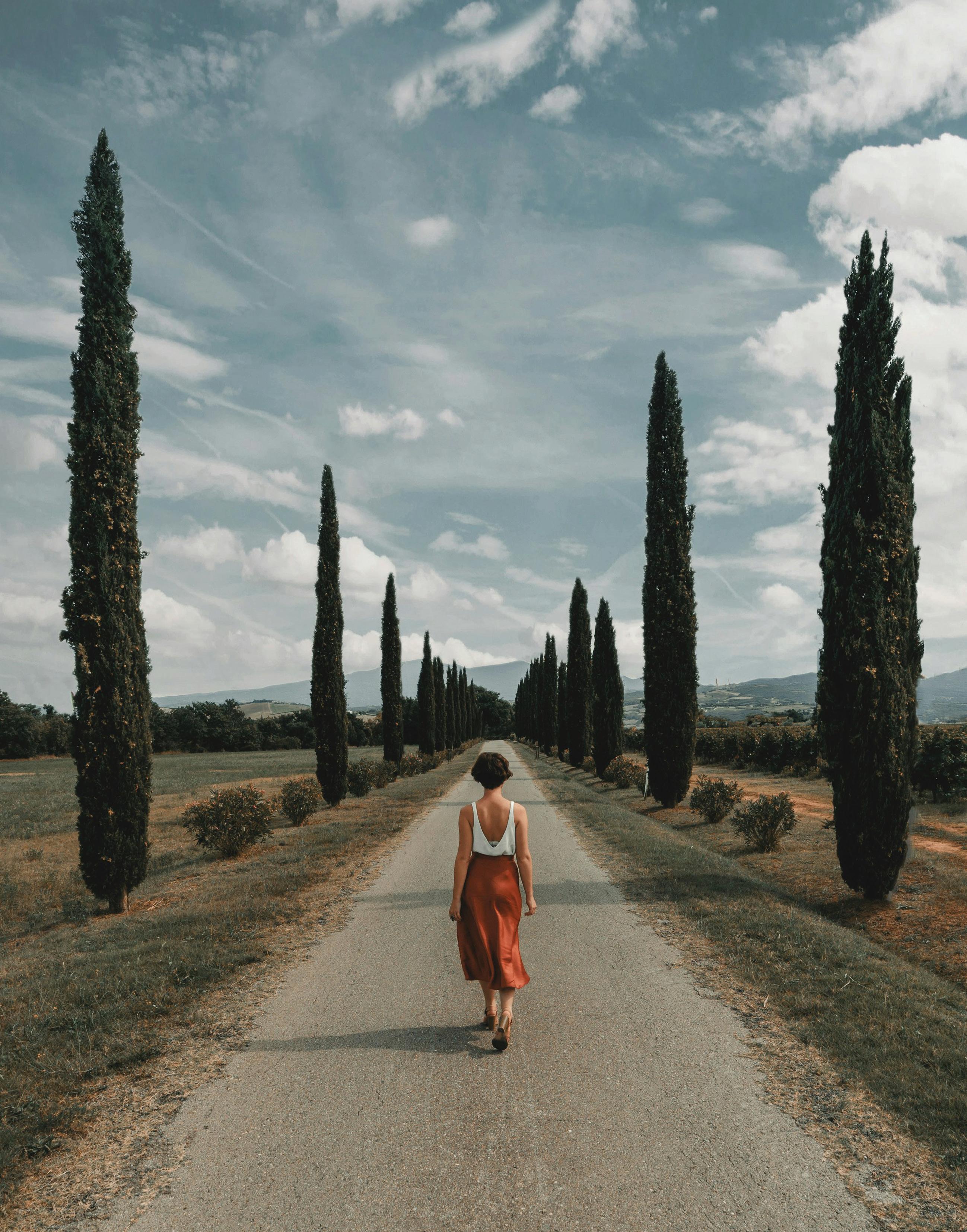
Please contact your Ensemble travel advisor for more details.

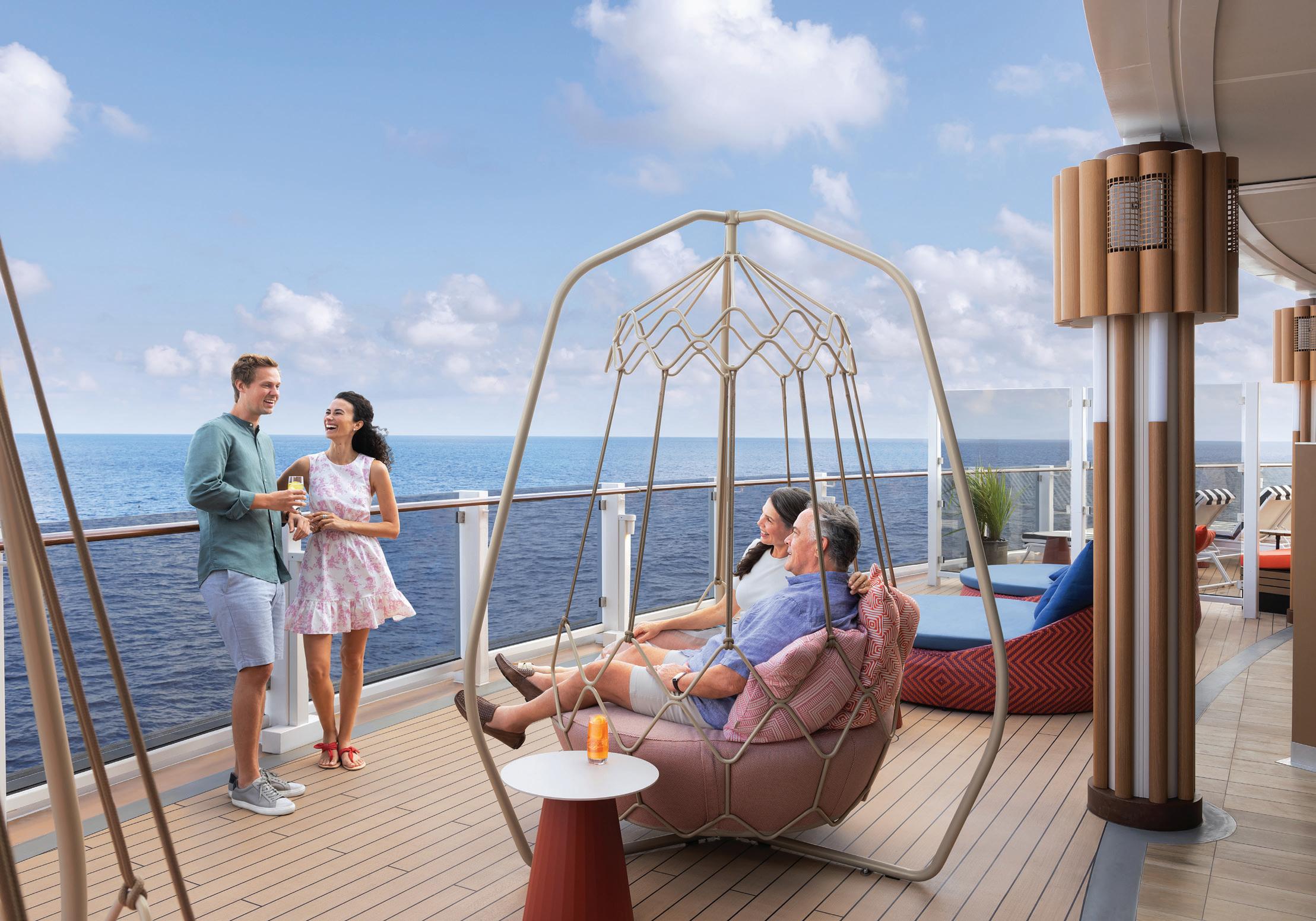
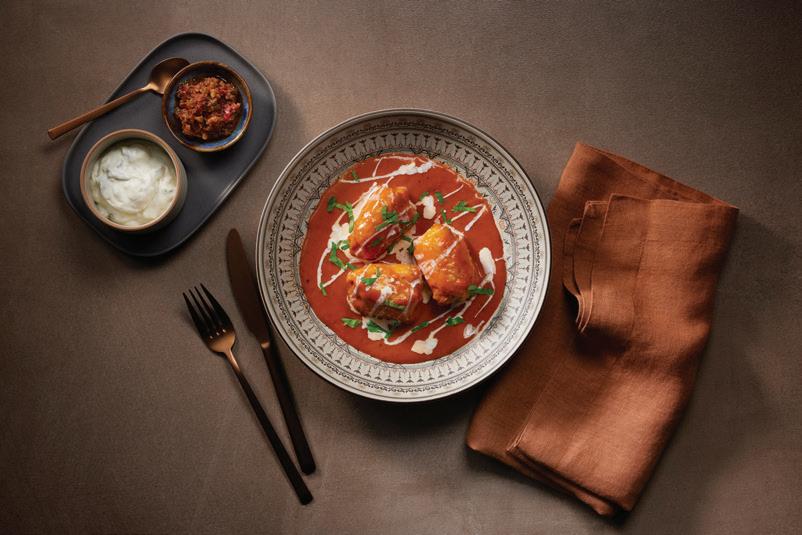
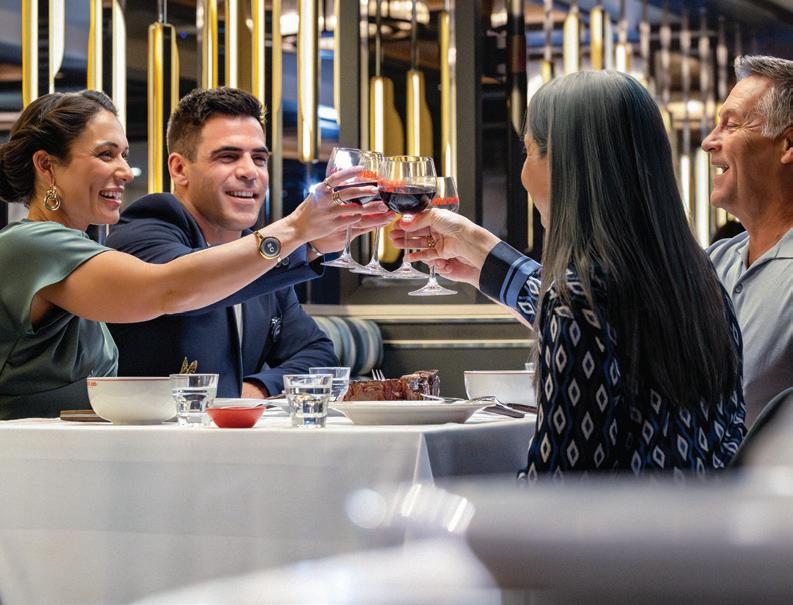
Our ships offer every cuisine imaginable, and we make it easy to dine where and when you want, so everyone’s happy. Whatever you’re craving, we’ve got it. Satisfy your inner foodie with dishes from around the world and let your mood guide your moment.With no set dining times and an endless array of both complimentary and specialty restaurants — not to mention a multitude of bars & lounges — you have the freedom to eat and drink what you want when you want.
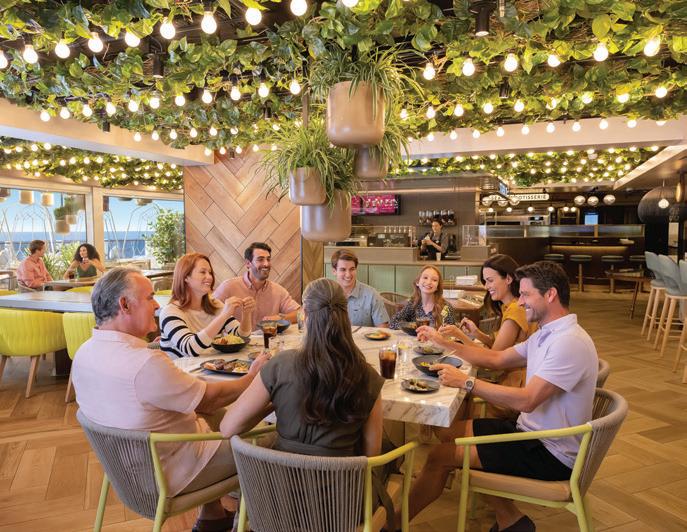
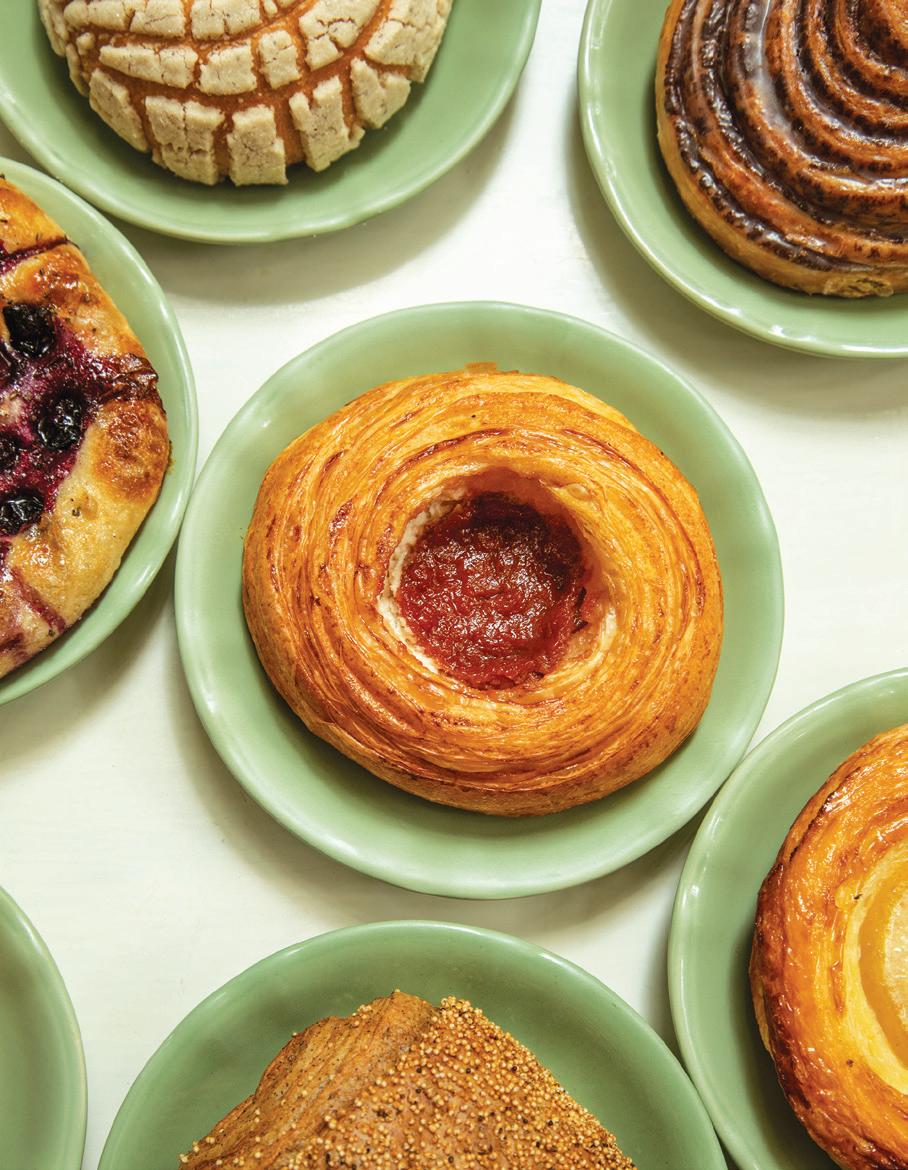
Along the storied streets of Roma Norte, managing editor Simone Olivero sets out on a quest for the perfect pastry.
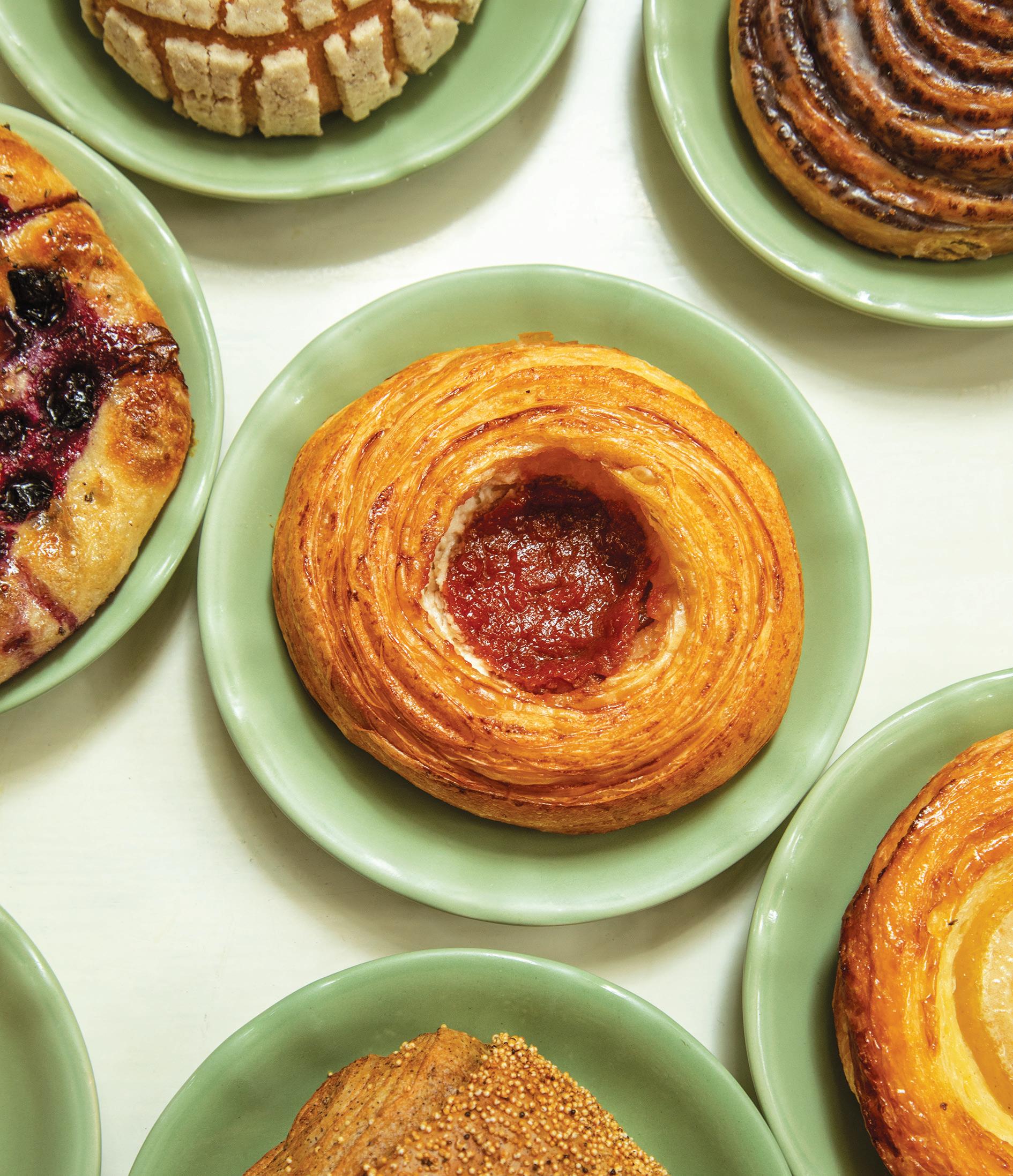
Don’t miss the concha, a Mexican brioche-style bun with a shellpatterned sugar crust, in flavors like blue corn and hoja santa, an anise-like herb.
When crowds swell, enjoy your pastries on a bench in Plaza Río de Janeiro around the corner. The large central fountain features a replica of Michelangelo’s famous David
It’s 7:30 on a Tuesday morning and a steady line is forming on the sun-dappled sidewalk outside Panadería Rosetta. The aroma hits me first — roasted butter and something nutty — but I shake the distraction. I’ve come for one thing: the rol de guayaba, or guava roll.
Rumblings of the humble bakery reached a peak in 2024 after owner and acclaimed chef Elena Reygadas earned a Michelin star for Rosetta, the upscale Mexican restaurant a few doors down in one of Roma Norte’s iconic mansions. In 2012, Reygadas opened Panadería Rosetta to expand on the restaurant’s inventive bread and pastry offerings. The guava roll has been a signature from the start, a twist on ate con queso, a dessert that pairs fruit paste (usually quince or guava) with Manchego or queso fresco.
My roll is still warm as it’s handed to me in a waxed-paper envelope. Its exterior has the signature crackle of a French croissant, but it’s the cream-cheese custard and rich, caramelized guava-preserve filling that hits just right. A long-time staple in Mexican cuisine, guava is a dreamy peachy-pink color, the flavor sweet yet tangy with a hint of salt. Addictive in its simplicity, the pastry symbolizes the perfect marriage of Mexican and European styles — just like the city.
Panadería Rosetta Colima 179, Roma Nte., Cuauhtémoc

From home cook to “Lumpia Queen,” Abi Marquez is redefining how Filipino food is shared and celebrated, one viral video at a time.
By Robert Liwanag
Growing up in the province of Laguna, about 26 miles south of Manila, Abi Marquez was makulit, a Tagalog word that conveys mischief, stubbornness and boundless energy. “I was definitely a loud child,” she says. “Whenever I saw a camera, I’d immediately put myself in front of it and do a quick pose.” Even then, food was central to her world: The chicken at supper had to be perfectly crispy, and the rice impeccably fluffy. By high school, that knack for performance and love of cooking began to merge with storytelling.
When Marquez launched her YouTube channel in 2012, her idea was simple: create traditional Filipino dishes like lumpia (fried pork spring rolls) using non-traditional ingredients such as peaches and mangos. It worked. One video of Marquez attempting to cook marshmallow-filled lumpia drew one million views in two hours. It wasn’t long before viewers dubbed her “Lumpia Queen.”
Today, Marquez has 4.6 million followers on TikTok and more than two million on YouTube, and she was named Foodie Creator of the Year at the TikTok Awards in 2023. While her viral recipes have won her legions of fans, her content also spans vlogs and celebrity appearances from the likes of Gordon Ramsay — all while retaining her signature energy.
Range What kinds of stories are you trying to tell with your content?
Abi Marquez In the beginning, I wanted to show people how freeing it can be to experiment and make mistakes in the kitchen — that you can have a kimchi bottle explode in front of you and still push through. Then I realized that someone watching my videos might be seeing a Filipino kitchen for the first time. I think that’s the appeal of my videos: They’re fun, raw and cross cultures.
R Lumpia is a common introduction to Filipino cuisine, alongside lechon and chicken adobo. What should people try next?
AM Start with our sour soups to discover just how diverse Filipino food really is. Sinigang, a tamarind-based soup featuring pork, tomato and string beans, is the famous one, but cansi, a batwan fruit-based beef soup, is just as good. Filipino chefs use many different fruits as souring agents. Meanwhile, a popular street food called sisig (minced pork and chicken liver) showcases our nose-totail approach, where nothing goes to waste.
R Are you mindful of Filipino food’s Malay, Chinese and Spanish influences when you reinterpret it for a modern audience?
AM Yes. I love sharing content from other Filipino food creators and journalists who document ingredients that haven’t been widely recorded before. They help preserve our culture so current and future generations can learn about it. I’m also very careful about what I call “authentic” or “Indigenous” in my videos. Whenever I make a claim, I spend a lot of time beforehand making sure that it’s accurate. When you have a large platform like I do, you have that responsibility.
R How can visitors to the Philippines connect to the place in a more meaningful way?
AM Go to a grocery store or a local market. See what produce is available and talk to as many people as possible. What do you eat every day? What does your pantry look like? Which ingredients are considered a luxury? When you take the romanticism out of the equation, what’s it really like living here? Those are the questions that I would be asking. And beyond the usual sights, make sure to book a cooking class.
Read the full interview at rangetravel.com.


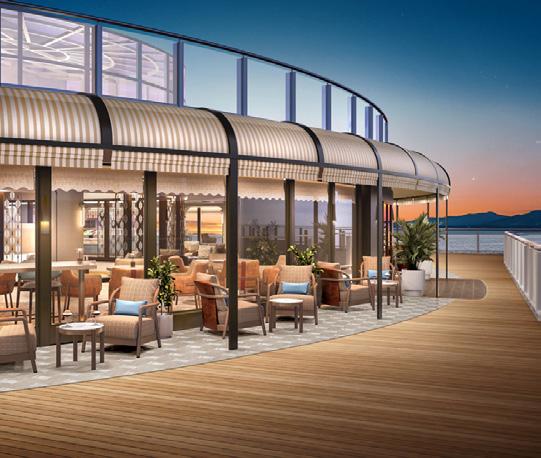
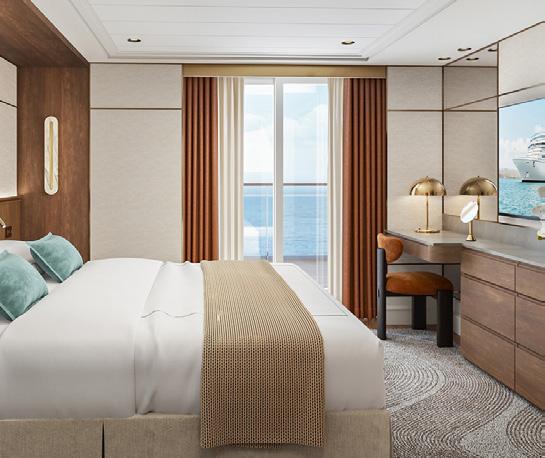
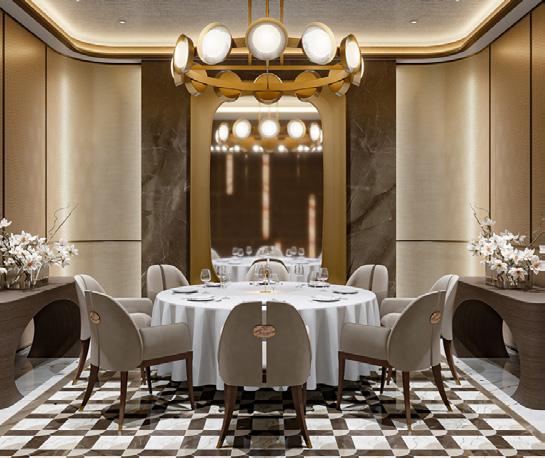
Oceania Sonata invites you to discover the world in perfect cadence. A true masterpiece of design, she will deliver a symphony of unforgettable experiences that captures the essence of refined seagoing luxury. Every detail considered. Every moment uniquely yours .

RESERVATION NOW OPEN
PLEASE CONTACT YOUR ENSEMBLE TRAVEL ADVISOR FOR MORE DETAILS.
How do you find a true taste of place? For food writer Elizabeth Chorney-Booth, it takes research, planning — and an openness to being surprised along the way.
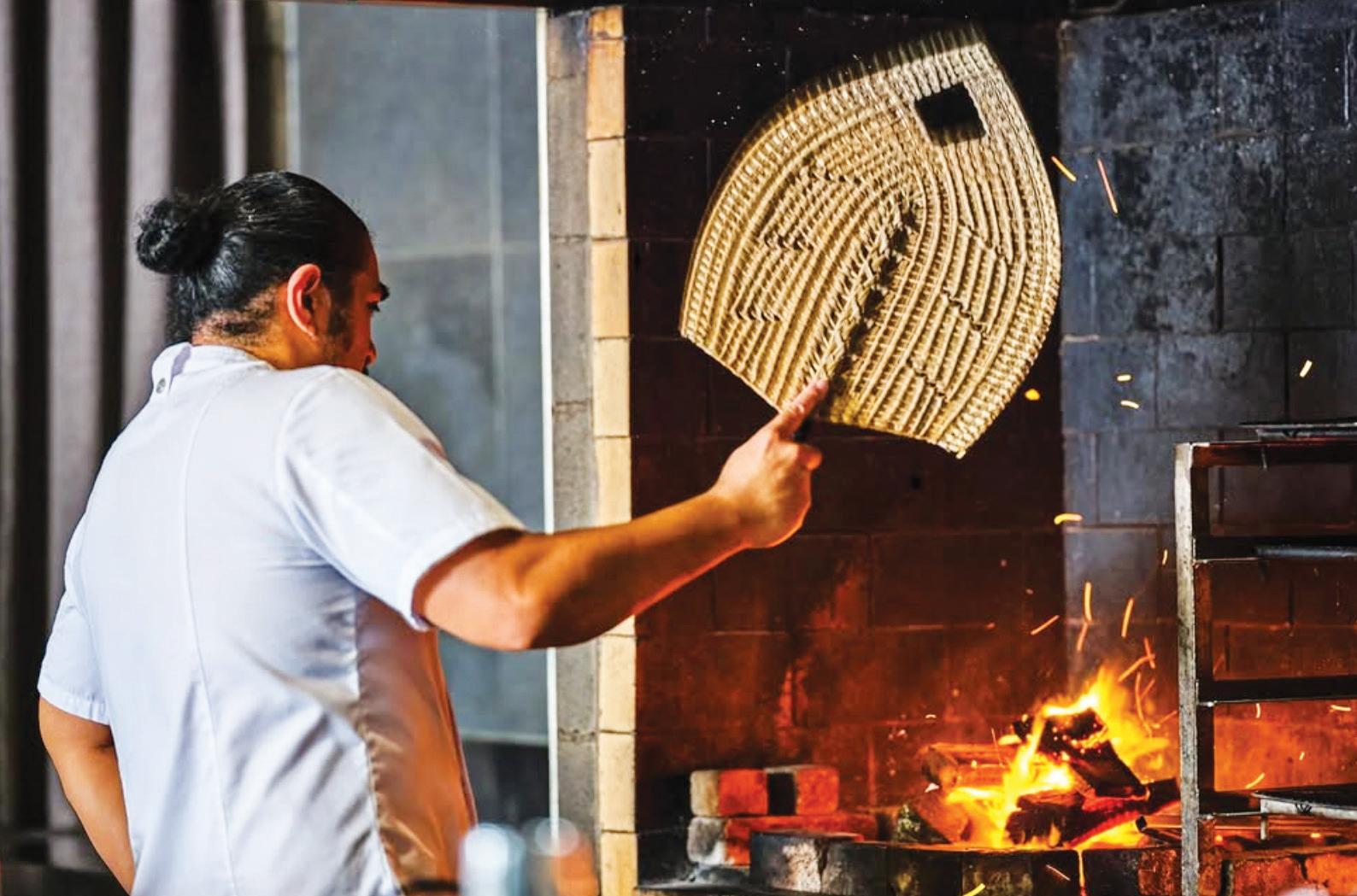
On a trip to Auckland earlier this year, I sat on the edge of my stool at Tala (pictured), a 20-seat restaurant that bills itself as the world’s first Samoan fine- dining experience. Chef Henry Onesemo’s eyes twinkled as he told us about eating palolo — tiny wriggling sea worms — back home in Samoa. I eyed the plate of silvery strands and Onesemo laughed, explaining he’d recreated the texture and flavor of the worms with the more palatable Kiwi ingredient of whitebait (tiny immature fish) and a dollop of caviar.
I popped the bite in my mouth and could practically taste the ocean. I may not have been on the island nation of Onesemo’s childhood, but given that New Zealand has a Samoan population rivaling that of Samoa itself, and whitebait is a local delicacy that Kiwis anticipate every spring, this was clearly a dish that could only come from this place.
My meal at Tala didn’t happen by accident. I made the reservation more than a month in advance, after weeks of combing through Kiwi publications and foodie Instagram accounts, consulting friends and other journalists, and
peeping at online menus. As a food writer, I experience destinations through my taste buds, so research is essential to find flavors that truly represent the place I’m visiting.
This meticulous planning has led to spectacular meals, but it’s not enough to simply search for a destination’s most highly rated spots. On a recent trip to Dublin, I ate at one of the city’s top restaurants, the two-Michelin-starred Chapter One. While it was exquisite and highlighted many local ingredients, little about the plates of Hokkaido scallops with frozen ginger pearls and creamy chawanmushi (Japanese egg custard) screamed “Ireland” to me. Instead, I found that at Spitalfields. I chose the cozy gastropub because of its Michelin Bib Gourmand designation, with reviews promising warm Irish hospitality. It certainly delivered: I chatted with the friendly staff as I tucked into triple-cooked chips and deviled eggs, and sipped a pint of Guinness. I only wish I’d had a friend with me so we could have split the traditional cock-a-leekie pie for two.
A curious food explorer must also be open to discovering delicious surprises upon arrival.
My first mouthful on that trip to Auckland was at a coffee shop near our vacation rental. A plate of scones came with a schmear of bright yellow butter so rich and creamy, it put French butter to shame. It wasn’t a house specialty, this is just what New Zealand butter is like: high-fat, grass-fed and deeply flavorful. The discovery led to an order of bread and butter whenever it was on a menu.
Ultimately, what I love about exploring a place through its food is how it connects me to every part of the destination — its culture, history and, especially, its people. On my last day in Auckland, as my husband and I sat in Depot, a laid-back seafood restaurant near Waitematā Harbour, I felt a hand on my shoulder. It was chef Onesemo, who recognized us from our visit to Tala almost a week earlier. He hugged us both before retreating to his own table, which, like ours, was filled with Pacific oysters, lemony snapper sliders and green-lip New Zealand mussels. Not only had I figured out how to take a bite out of Auckland, but here I was, eating just like one of the city’s great chefs.
Words
Bajada
Colombia’s remarkable biodiversity has made conditions ripe for native fruits, leading to a new language of taste and technique for the country’s top chefs.
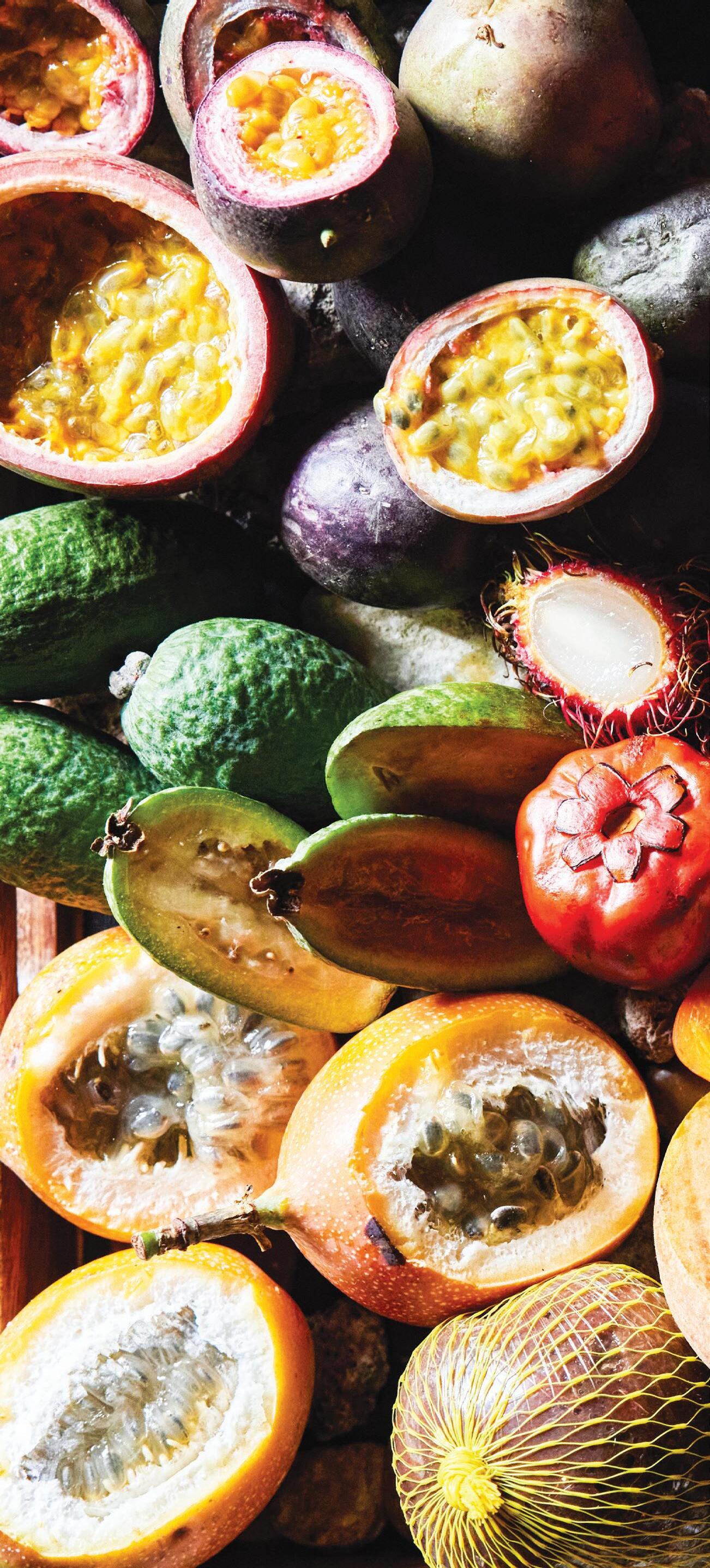
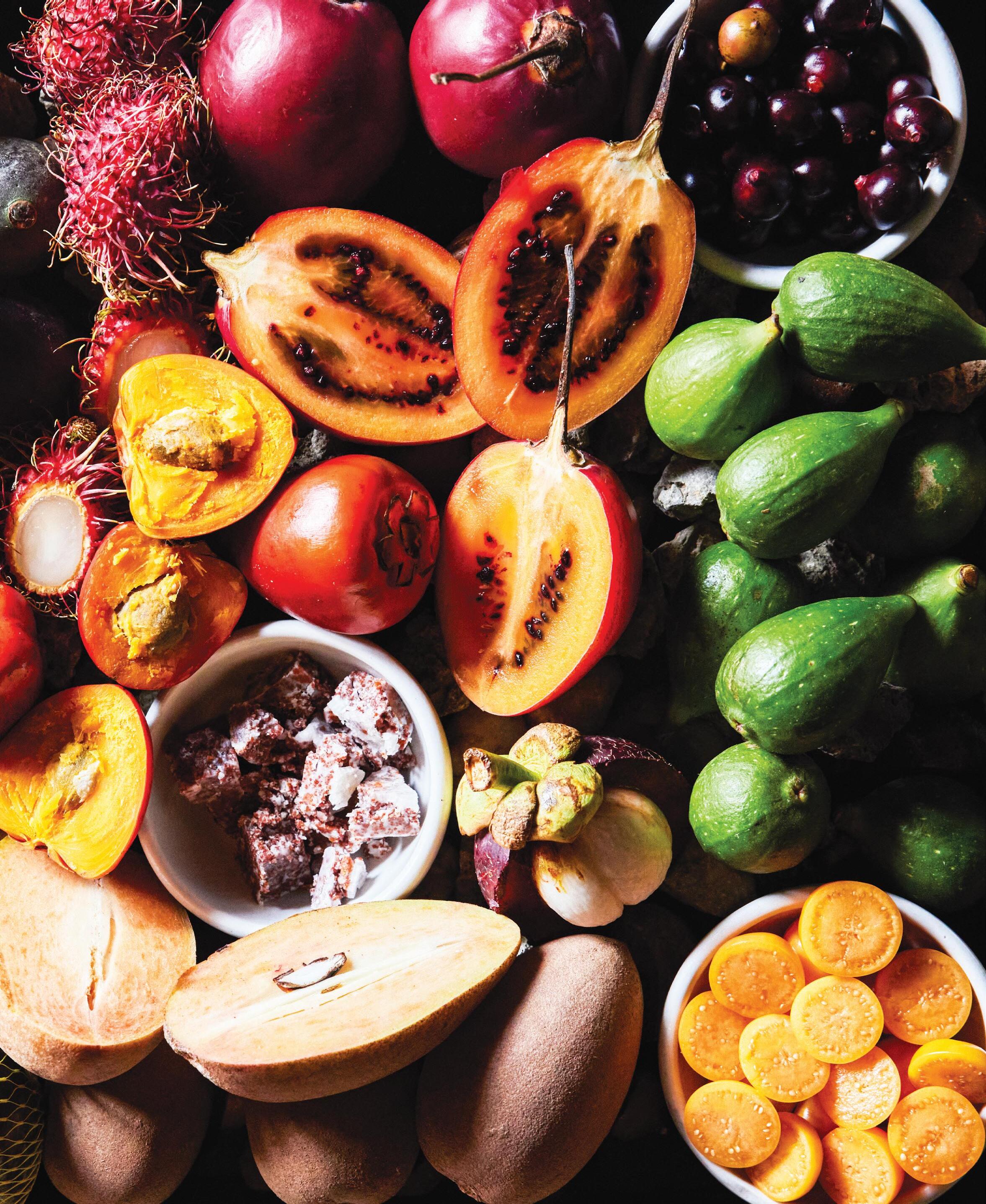
OPENING SPREAD
Native Colombian fruits including feijoa, lychee and tamarillo.
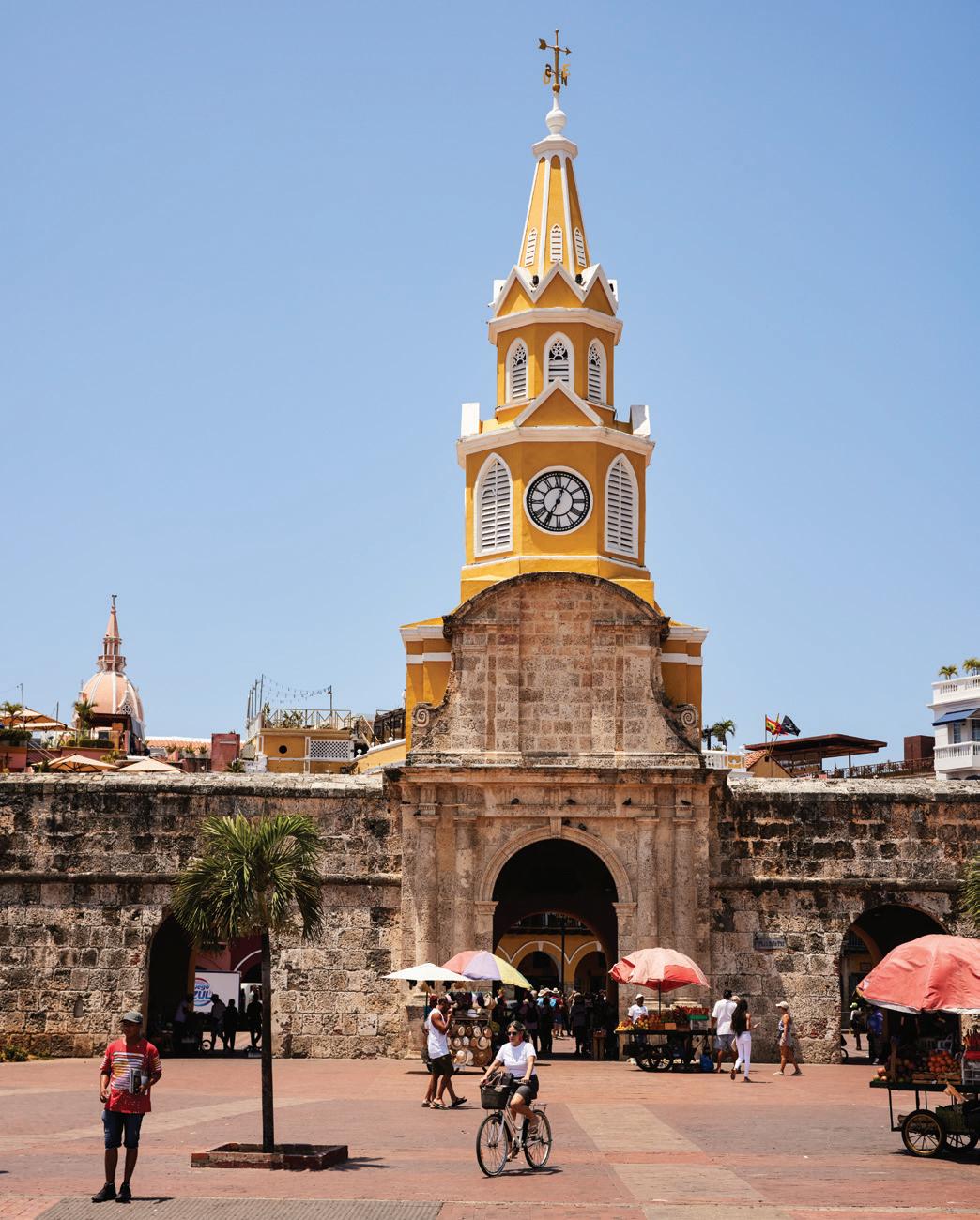
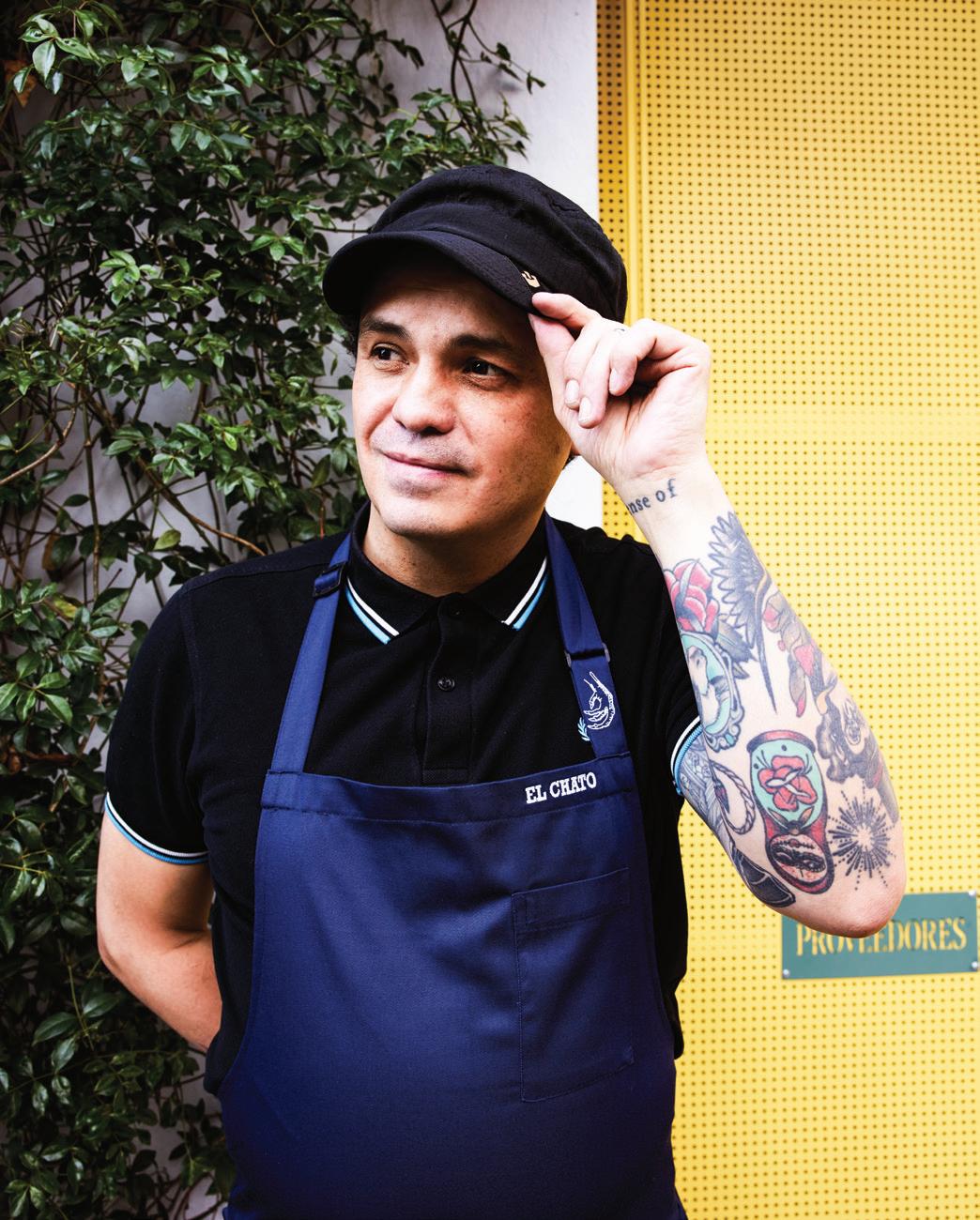
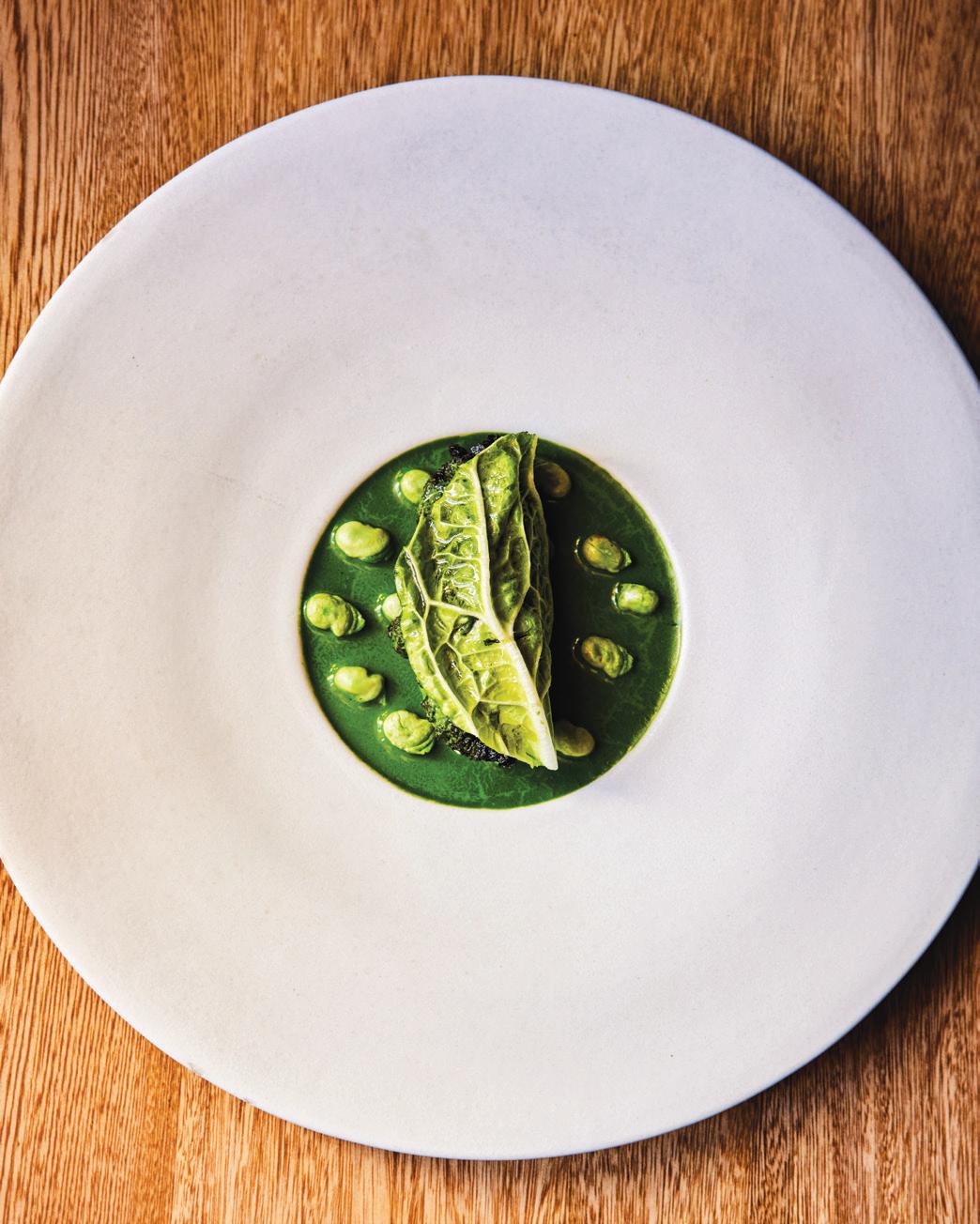
THIS SPREAD, CLOCKWISE FROM TOP LEFT
Fruit vendors outside Monumento Torre del Reloj in Cartagena; El Chato’s vibrant chicken and cabbage dish; juice stands in Cartagena’s Plaza de la Trinidad; chef Álvaro Clavijo.
“If you were to eat two different Colombian fruits every day for three years, you’d never try the same one twice.”
Inside the calm, contemporary dining room of El Chato, located 8,660 feet above sea level in Bogotá, environmental engineer and fruit researcher Gian Paolo Daguer, a.k.a. el señor de las frutas (“the lord of the fruit”), speaks about the spread in front of us. His words dissolve into the thin air as I stand transfixed by the kaleidoscope of color and form. On the table, more than 30 Colombian fruits, including feijoa, borojó, varieties of passion fruit, a kind of lychee and tree tomato (tamarillo) are arranged like precious artifacts. Some I recognize, most I do not. Three years. The number is just as intoxicating as the aroma rising from the table.
This rainbow display is a visual representation of Colombia’s biodiversity — according to Daguer, an author devoted to documenting and promoting native and rare Colombian fruits, there are more than 2,000 native varieties. The country offers a sensory universe that even veteran botanists struggle to fully grasp. For Daguer, it’s a lifetime’s work — and still only in its infancy.
Colombia stretches across tropical lowlands, arid deserts and glacier-capped Andean peaks — mountains that soar higher than 16,000 feet. Along the Pacific coast, dense mangroves and swamps (some of the wettest places on Earth) keep much of the region wild and sparsely inhabited. But it’s the Andean heartland, with its diverse ecosystems, volcanic soils and “eternal spring” climate that feeds the nation. Here, fruit doesn’t just grow, it thrives, spilling out onto market stalls and into kitchens across the country with effortless abundance.
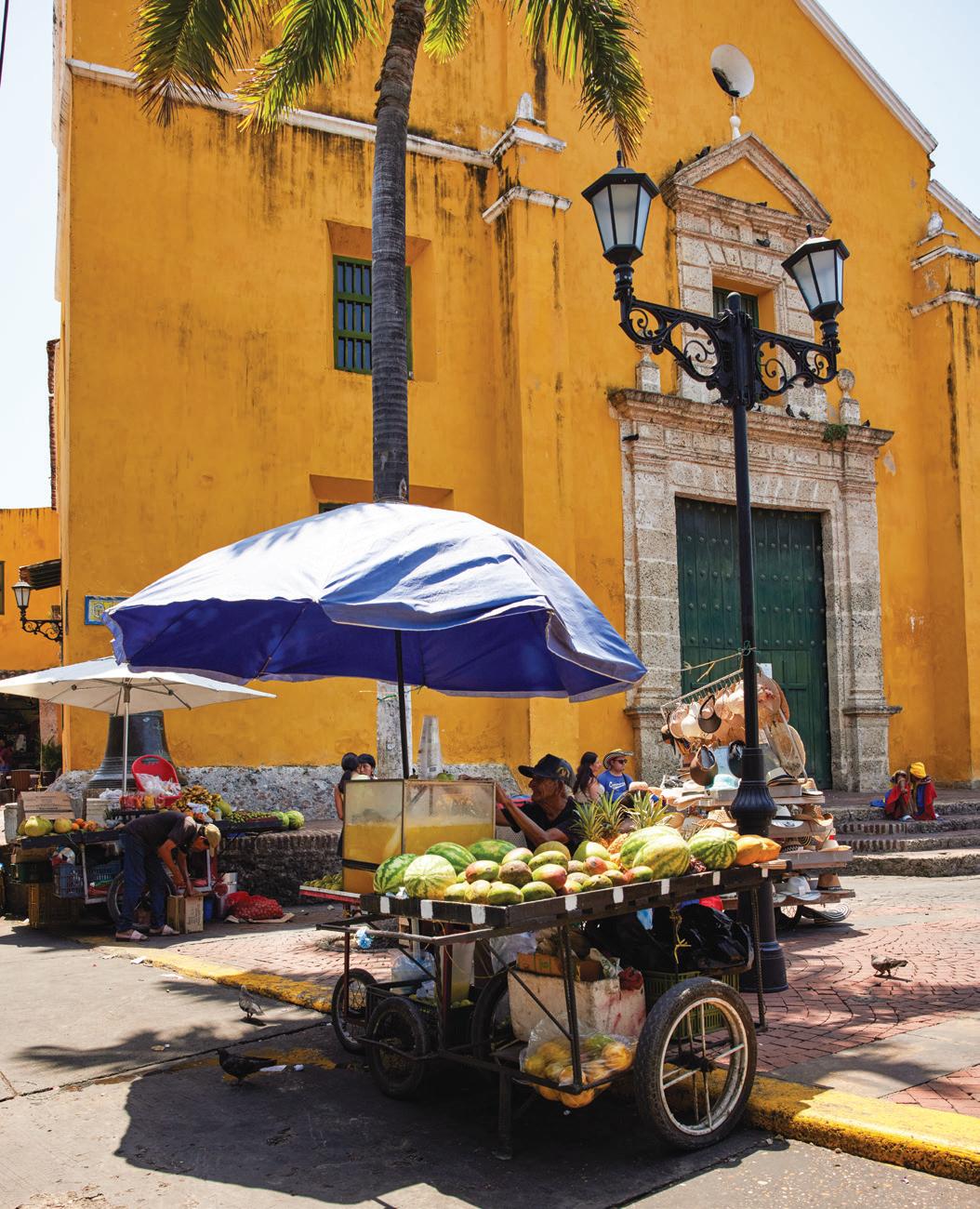
For a new generation of Colombian chefs, fruit is more than tradition — it’s an opportunity to experiment and create bold new flavors.
Fruit is woven into everyday life. Where a North American might reach for coffee or a European for wine, Colombians pour juice — fresh, vibrant, ever-present. Breakfast, lunch or a midafternoon pause: There’s often a glass of lulo or guava juice within reach. Fruit salsas — bright, sharp and spicy — accompany meats and, in the Amazon, fish. On the Caribbean side of the country, fruit vinegars season slow-cooked stews. Across coastal regions, fermented drinks and wines emerge from mango, tamarind and star fruit. Yet for a new generation of Colombian chefs, fruit is more than tradition — it’s an opportunity to experiment and create bold new flavors.
Álvaro Clavijo, one of Colombia’s most internationally recognized chefs, has spent years unlocking these opportunities at El Chato, which placed first on Latin America’s 50 Best Restaurants list in 2025. Clavijo is known for elevating overlooked Colombian ingredients, but increasingly his focus is on fruit.
Working closely with Daguer, Clavijo has built a menu that feels like a translation of Colombia’s biodiversity. “Experimenting with fruit has taken time and patience,” he tells me. “But now we understand how to get the best from each of these ingredients.”
Clavijo’s discoveries feel almost alchemical. Add acid to the intensely astringent mamoncillo and it transforms into something spicy, lively, entirely new. Cook earthy and prune-like borojó slowly with onions and it deepens into a rich, umami-laced sauce. Clarified fruit juices become dynamic building blocks for the kitchen to use at will.
On a recent trip to Denmark and Italy, Clavijo developed an interest in vinegar. After returning home, he read the ingredients on a Colombian
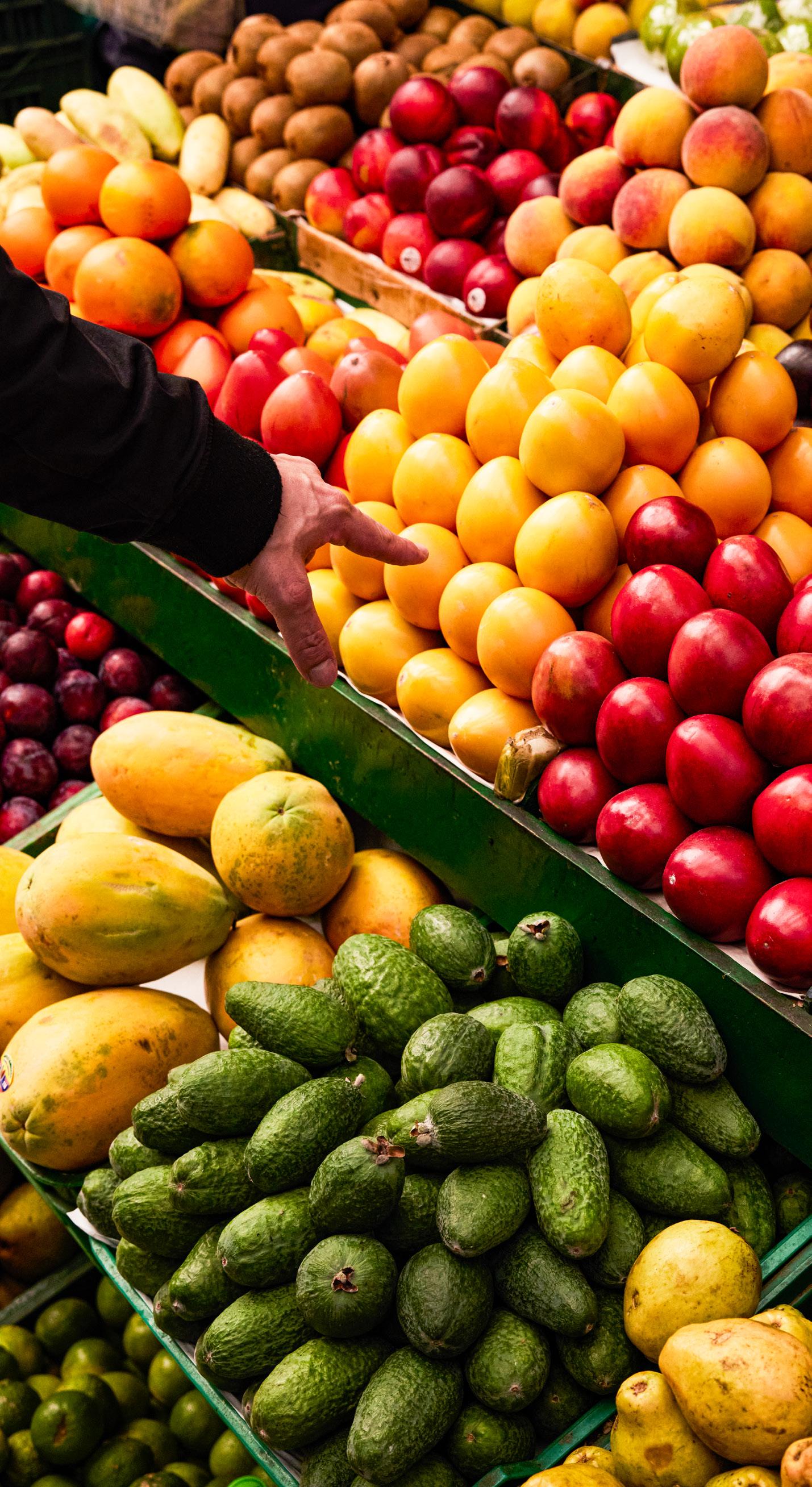
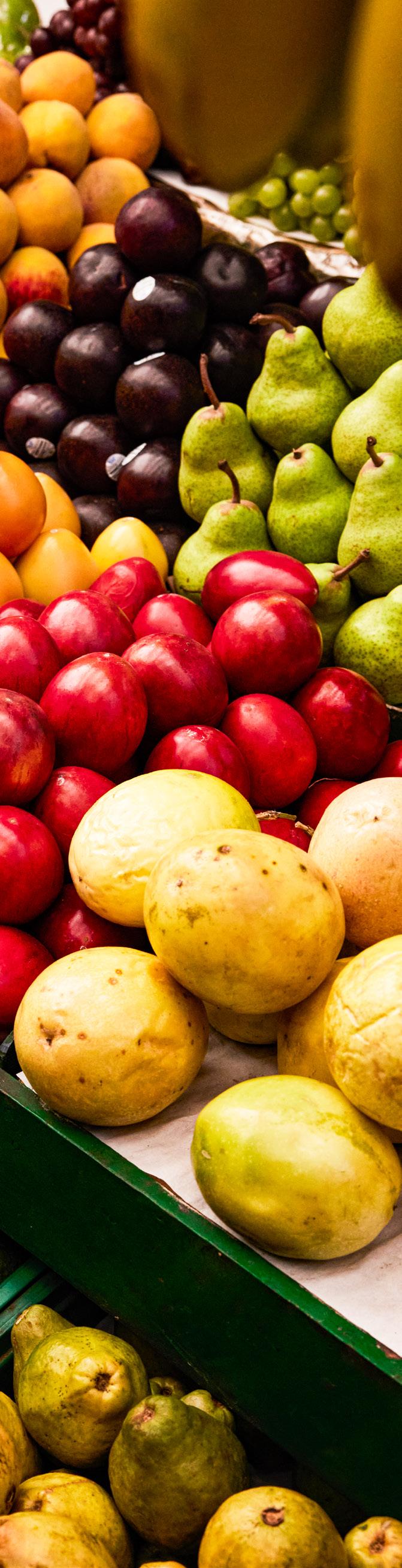
Wander through any market, from Bogotá’s high-altitude Plaza de Mercado Paloquemao to those in Caribbean coastal towns, and you’ll encounter fruits you might never have seen before. Here are some to look for.
LULO
Sharp and citrusy, like lime softened by pineapple. It’s delicious whirled with milk and sugar.
Creamy and perfumed, a blend of strawberry and banana with a whisper of acidity. Try it fresh or in a smoothie.
FEIJOA
Floral and cool, reminiscent of guava crossed with mint — it’s lovely as a jam or in desserts.
BOROJÓ
Earthy and deeply complex, often described as chocolate meeting prune with a fermented edge. Borojó is great blended into milk due to its chocolate notes.
Bright and tart, bursting like a tiny sun on the tongue. Eat it fresh and find it in cocktails.
ZAPOTE
Rich and custard-like, with notes of sweet potato and caramel. Zapote is truly memorable when eaten fresh at its ripest.
PREVIOUS SPREAD, CLOCKWISE FROM TOP LEFT
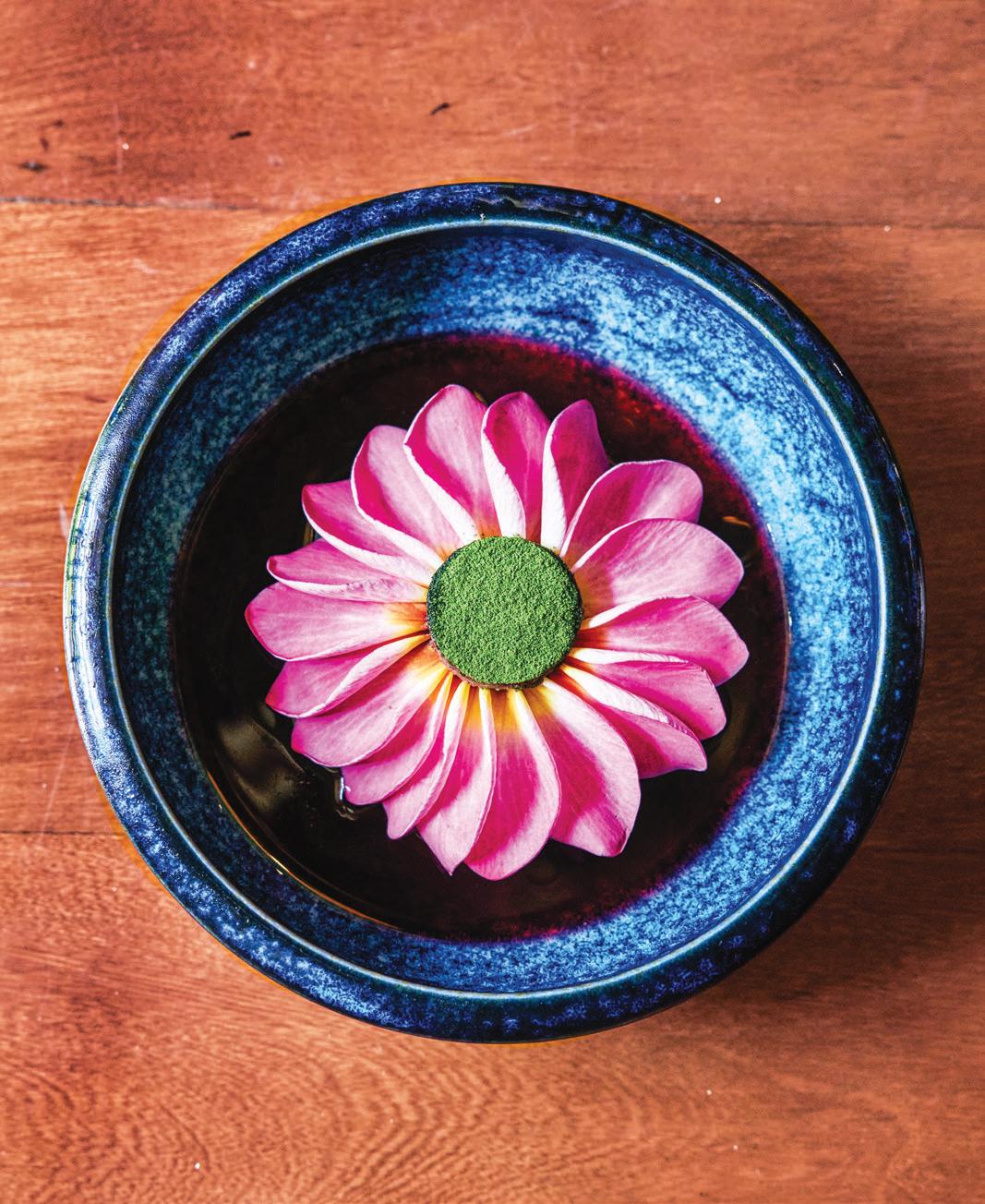
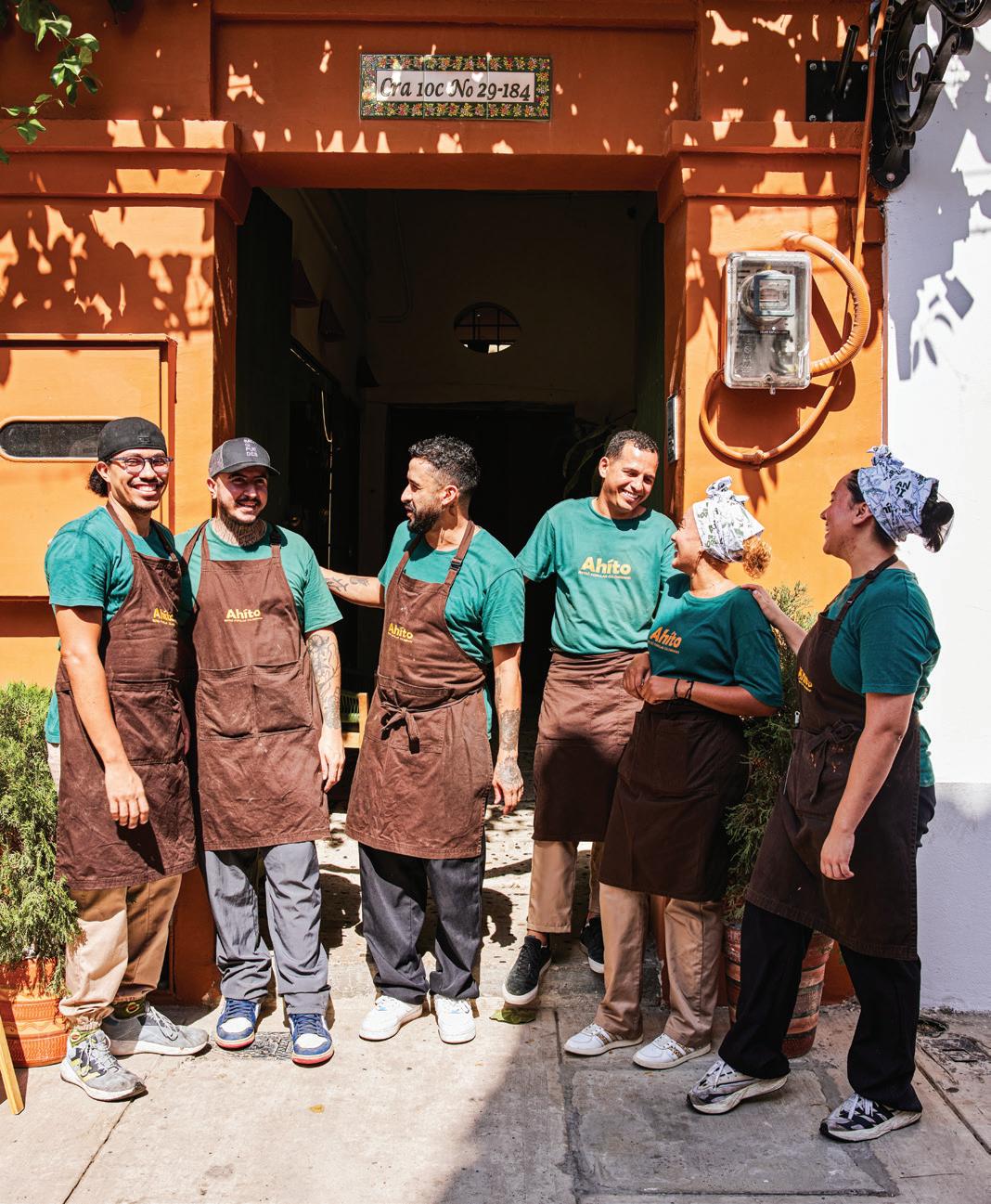
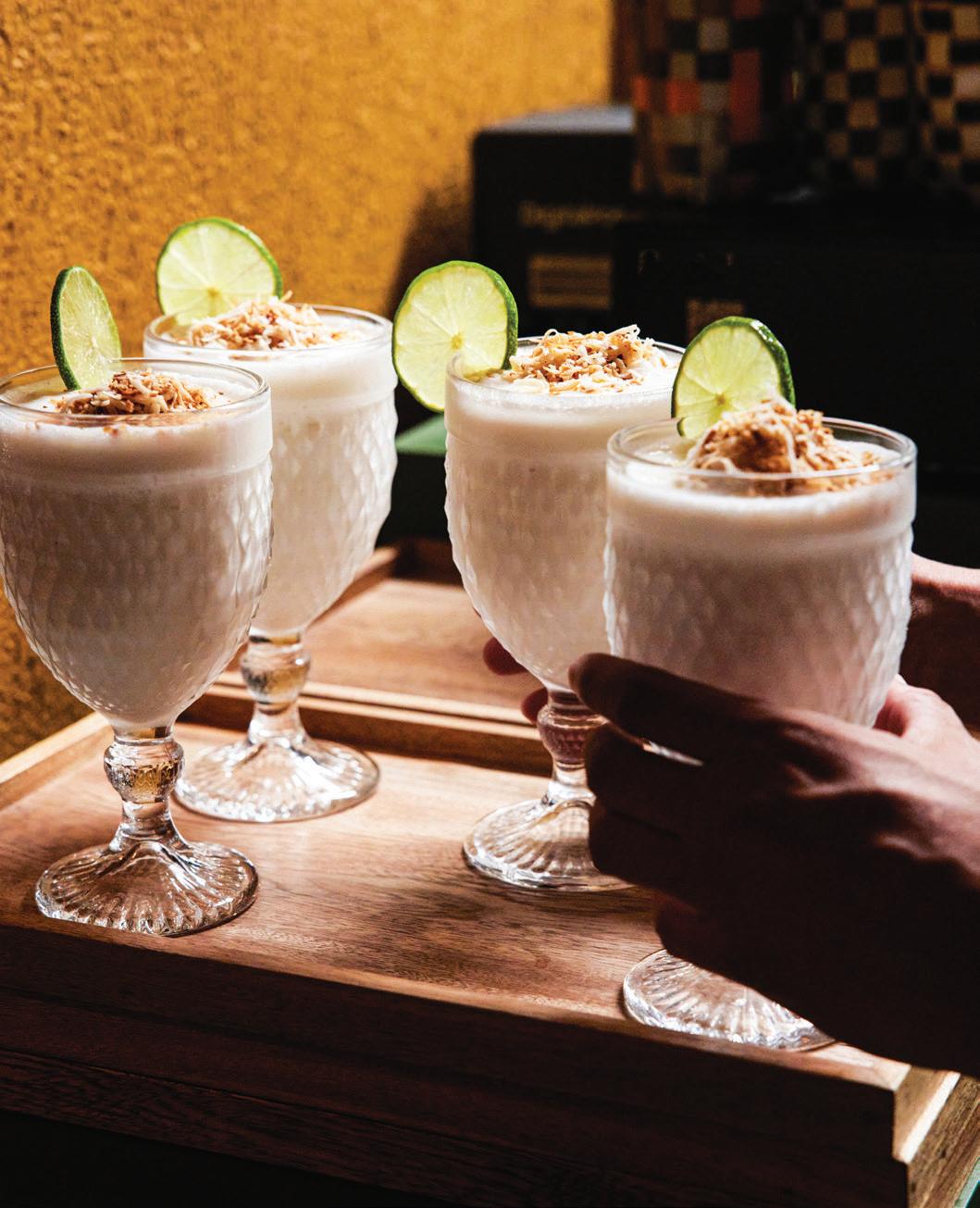
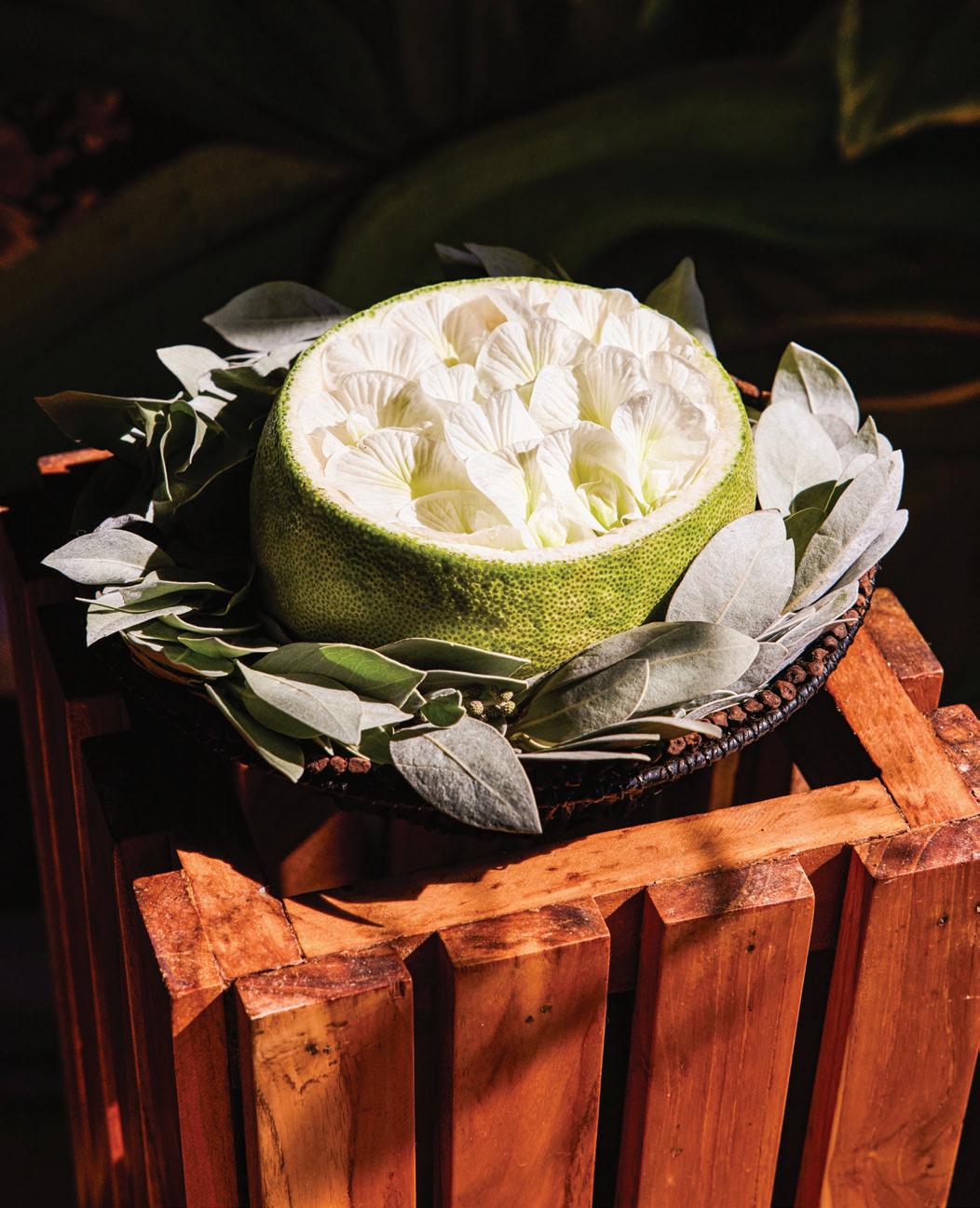
Celele’s escabeche (fish marinated in vinegar) topped with pink petals; a colorful display at Bogotá’s Paloquemao fruit market; limonada de coco with fresh lime and coconut at Ahíto; coconut sorbet at Celele is served in a hollowed out pomelo; the staff of Ahíto.
bottle, which simply stated: fruits. “What fruits?” he wondered. This prompted him to start distilling. One result is a vinegar made from gulupa, a wild passion fruit that mysteriously evokes flavors of tonka bean — nutty, vanilla-rich, with a flicker of spice. Even the drinks at El Chato echo Colombia’s biodiversity. A vermouth infused with guava, herbs and almond leaves is mixed with local wine, balancing the sweetness of a spectacular dessert made from the sharp and citrusy lulo fruit.
For Clavijo, it’s important that diners don’t just taste Colombia’s biodiversity, but learn about it, too. Before each course, a small presentation arrives — raw ingredients laid out in the middle of the table, which helps diners comprehend the different elements in the dishes they’re about to enjoy. Almost always, fruit plays a role, like the chontaduro (peach palm fruit) that accompanies crab and plantain. “It’s endless what we can create with these fruits,” Clavijo tells me. “I might even start a fruit-vinegar company.”
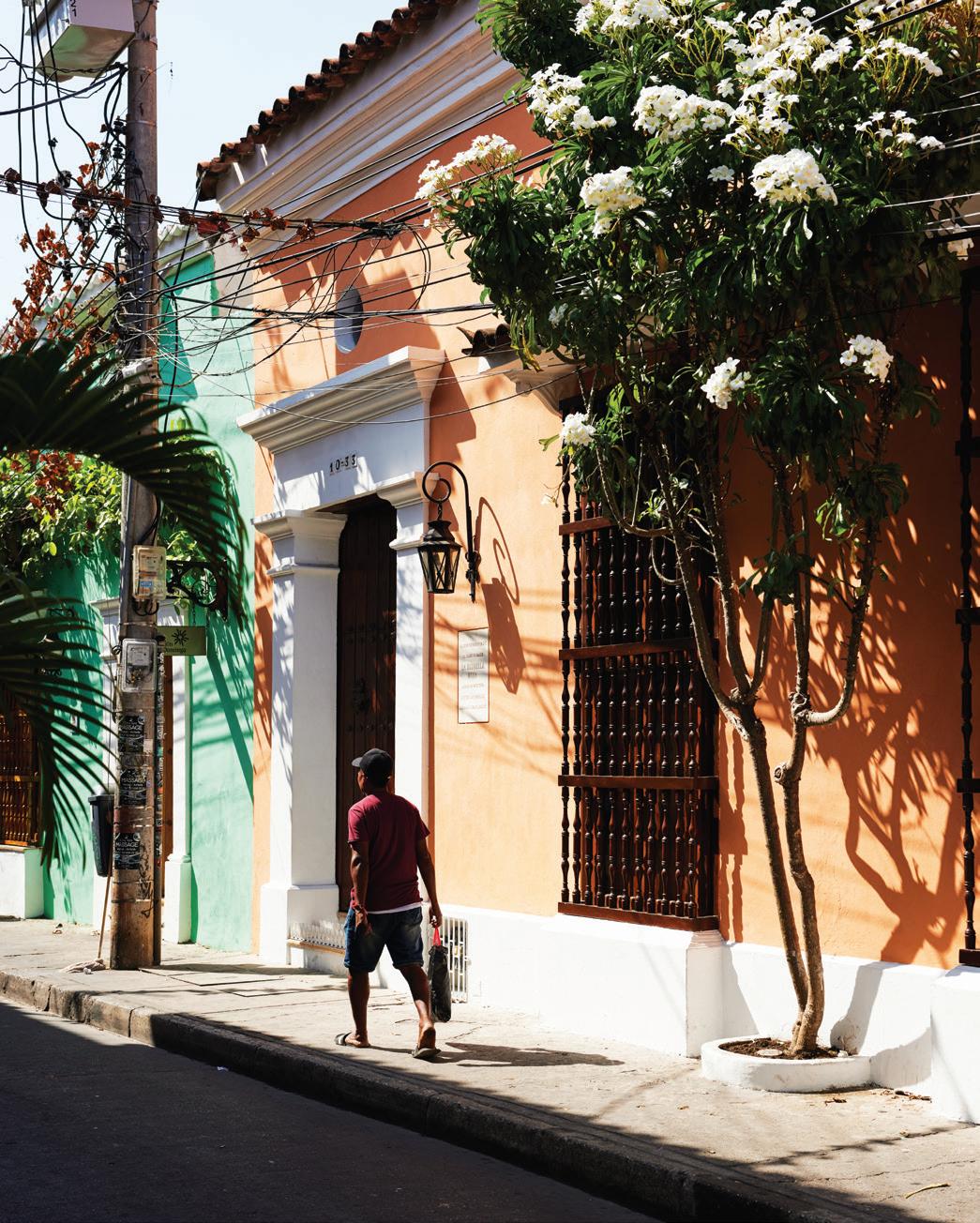
Continuing on my fruit journey, I head to the Colombian Caribbean. Just a 90-minute flight away, yet worlds apart, Cartagena unfolds along the coast in a wash of color and heat. Palm trees sway lazily above Spanish-style facades painted in sun-faded blues, yellows and pinks. Life spills into the streets, where palenqueras, Afro-Colombian women from San Basilio de Palenque, the first free African community in the Americas, artfully balance bowls of fresh fruit on their heads, and street vendors sell cold, freshly mixed juices to tourists and locals alike.
Celele is my first stop. Here, cultural and culinary research is translated into a refined dining experience known for inventive plating, Indigenous Caribbean ingredients and always-evolving seasonal menus (in 2025, Celele placed fifth on Latin America’s 50 Best Restaurants list). When I arrive, I find chef-owner Jaime Rodríguez sitting in front of the
THIS SPREAD, CLOCKWISE FROM TOP LEFT
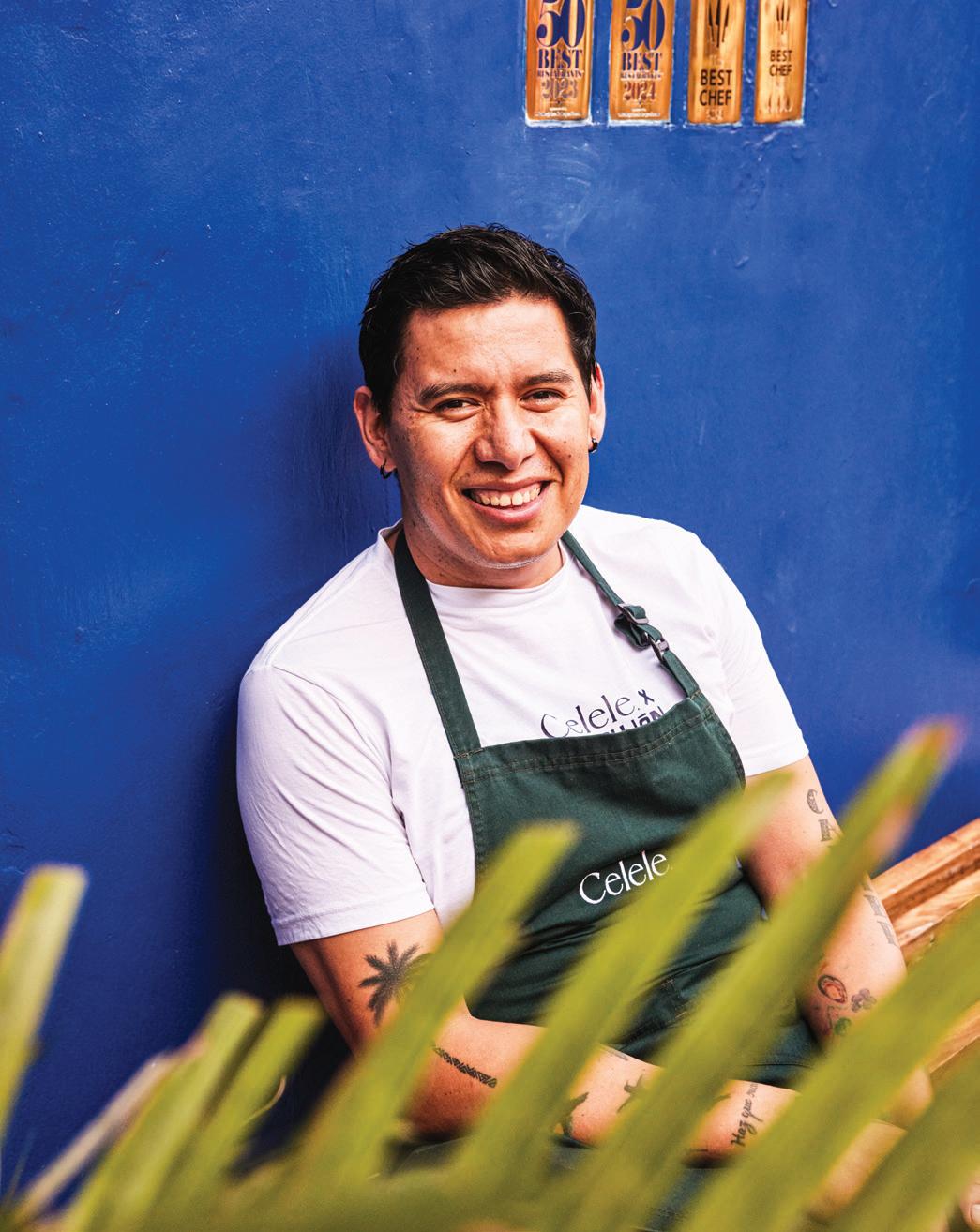
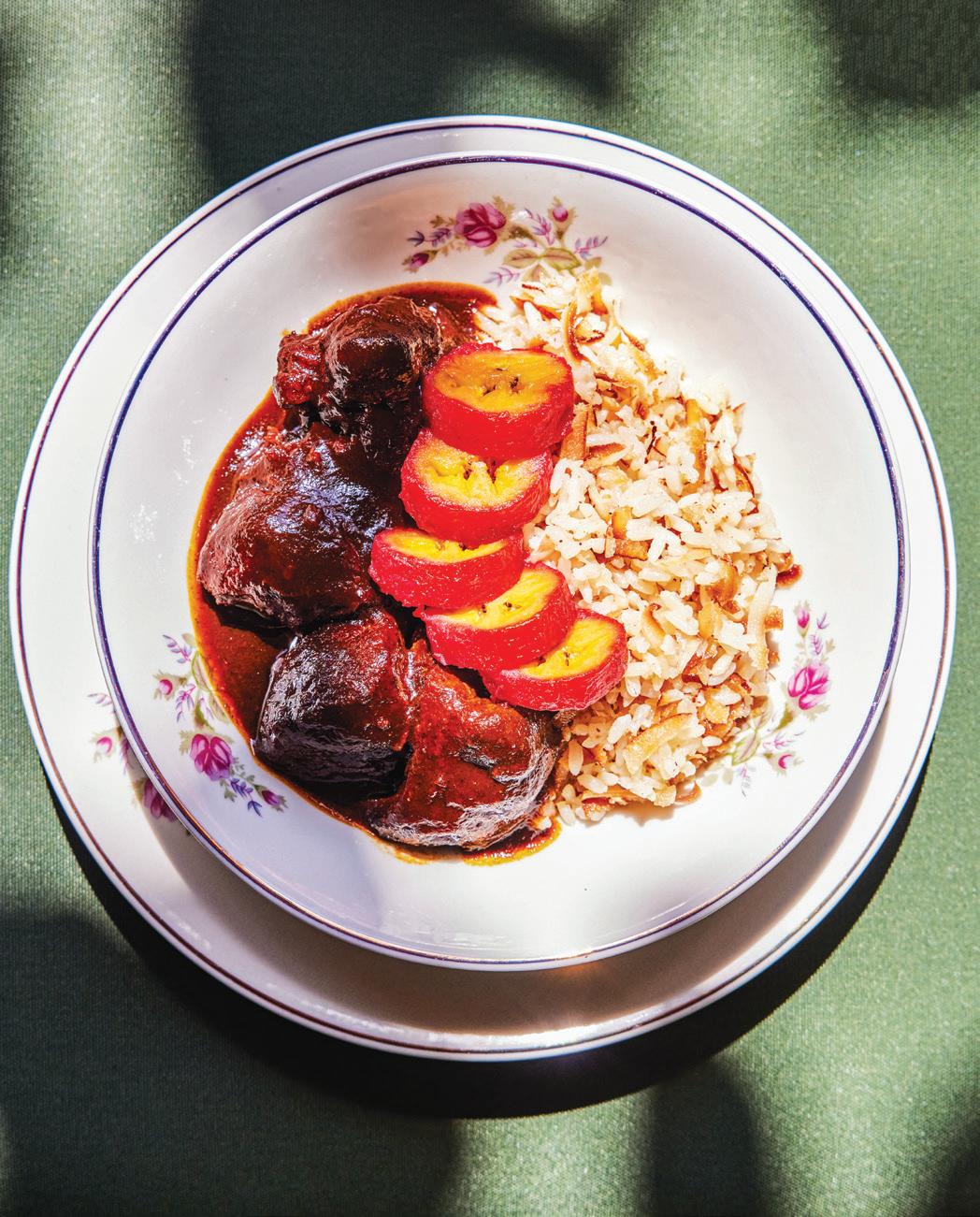
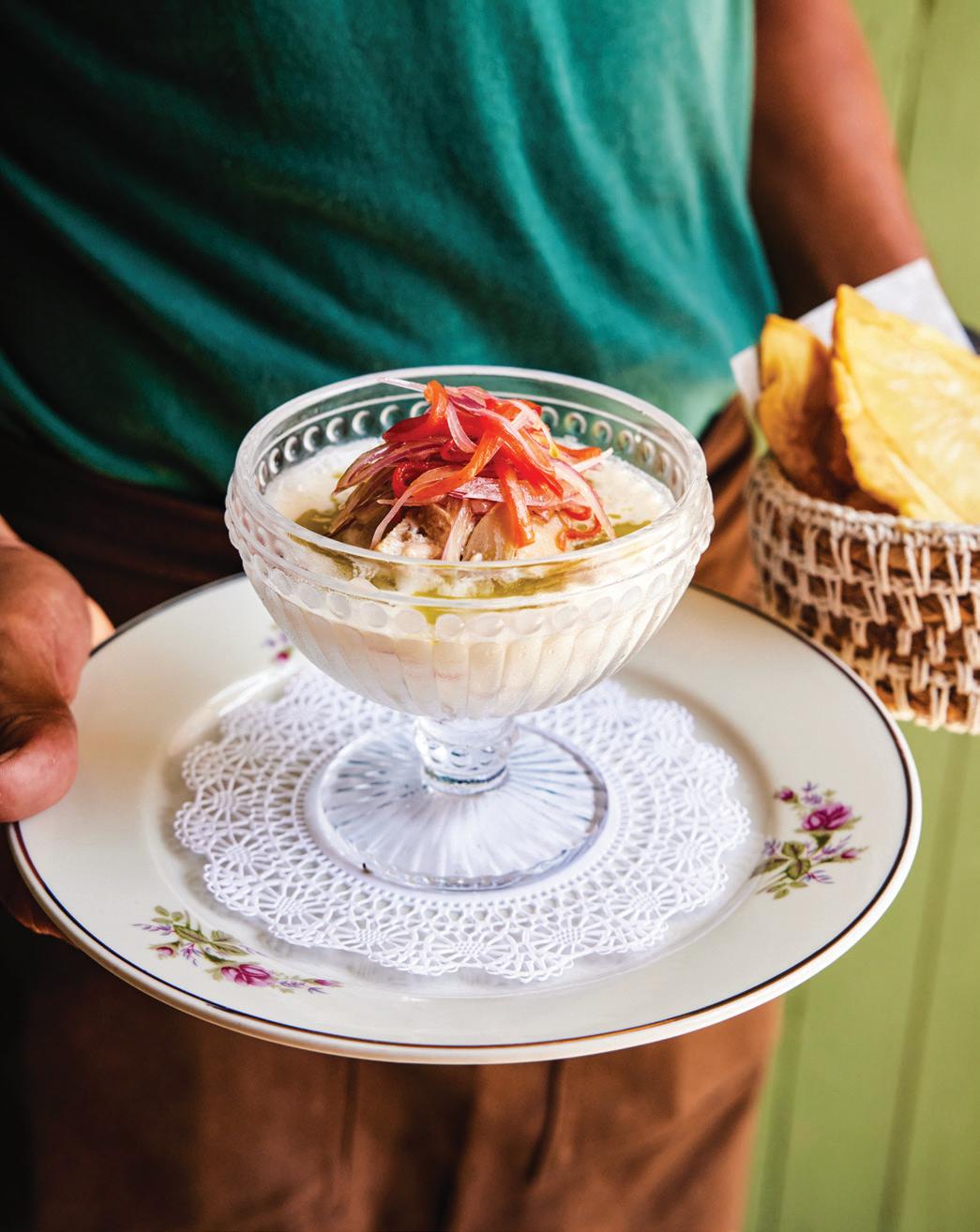
Chef Jaime Rodríguez in front of Celele; snail ceviche, made with coconut milk and breadfruit, from Rodríguez’s Ahíto; Cartagena’s picturesque Getsemaní neighborhood; at Ahíto, sweet plantains share the spotlight with braised beef in a main.
restaurant’s cobalt facade, and we jump right in. He tells me about visiting the market in Muzo, Boyacá, as a child, where he would buy 10 different fruits from a selection of at least 60 — rose apple, feijoa and sour guava were some of his favorites. For Rodríguez, who’s also behind Cartagena’s more casual Ahíto Bistro Popular Colombiano, fruit isn’t an accent, it’s the foundation. “The world of fruit is as important as the plant world, and in many ways even more expansive in its possibilities,” he says. His confit hen proves the point: banana flesh brings sweetness, while the banana peel contributes caramel notes and a crisp texture. The peel is also used for texture in a mille-feuille dessert. In Celele’s Caribbean flower salad, which resembles a piece of art more than it does food, cashew appears in multiple forms — pickled cashew fruit, whole nut and a silky cream — each expression revealing something different but coming together to make a truly memorable dish. As I devour the art, I spot Rodríguez in the open kitchen, beaming in my direction. I give him a big thumbs-up.
Later, seeking refuge from the late-afternoon heat, I take a seat at El Barón, in the shadow of the Cartagena cathedral, for a cocktail. Founder Juan David Díaz and bar manager Diana Paola “Luna” Orellano treat fruit like gold. The more exotic soursop, corozo and golden berry become extracts, liqueurs and infusions. Pineapple is distilled into the Rosarito cocktail, which combines mezcal, cilantro, lime and spicy bitters. The discarded skins are reborn in a delicate flavored water for another cocktail. Nothing is wasted.
Rodríguez joins me for a drink. Just as I’m about to ask whether he thinks there are still discoveries to be made in a country whose ingredients he’s revered for more than a decade, he sips his cocktail and freezes. “What’s in this?” he asks, hurrying off to consult Díaz and Orellano. I guess I have my answer.
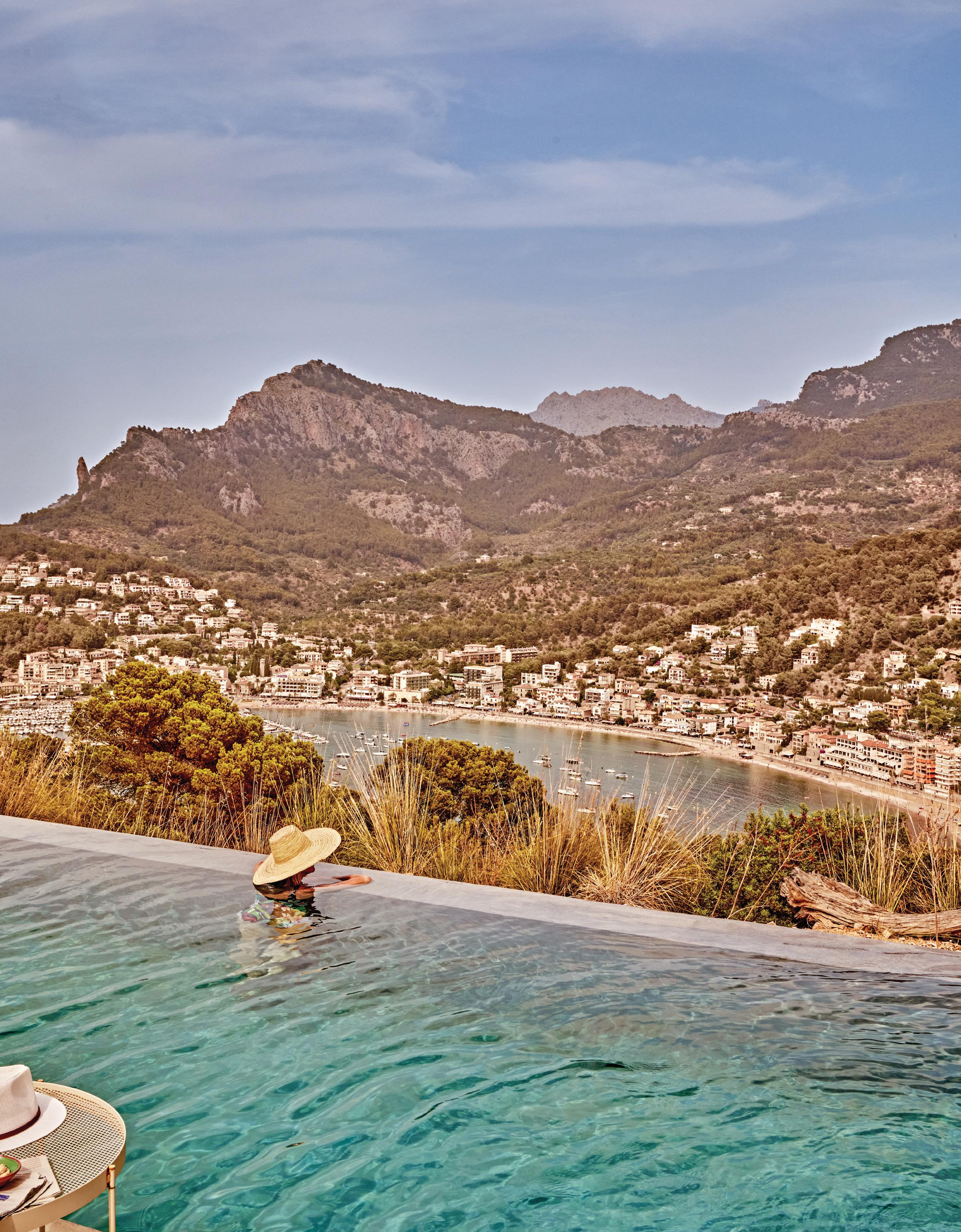

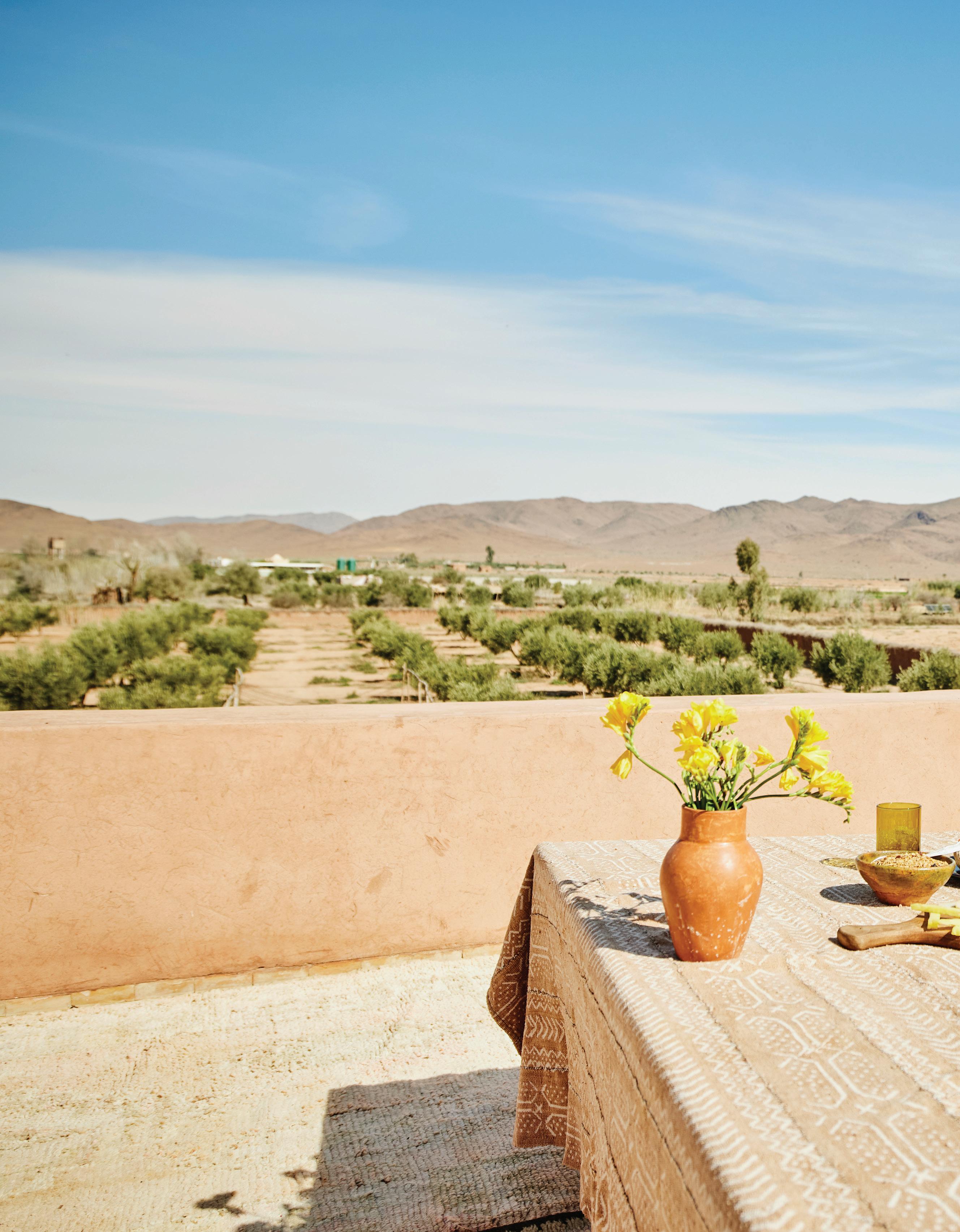
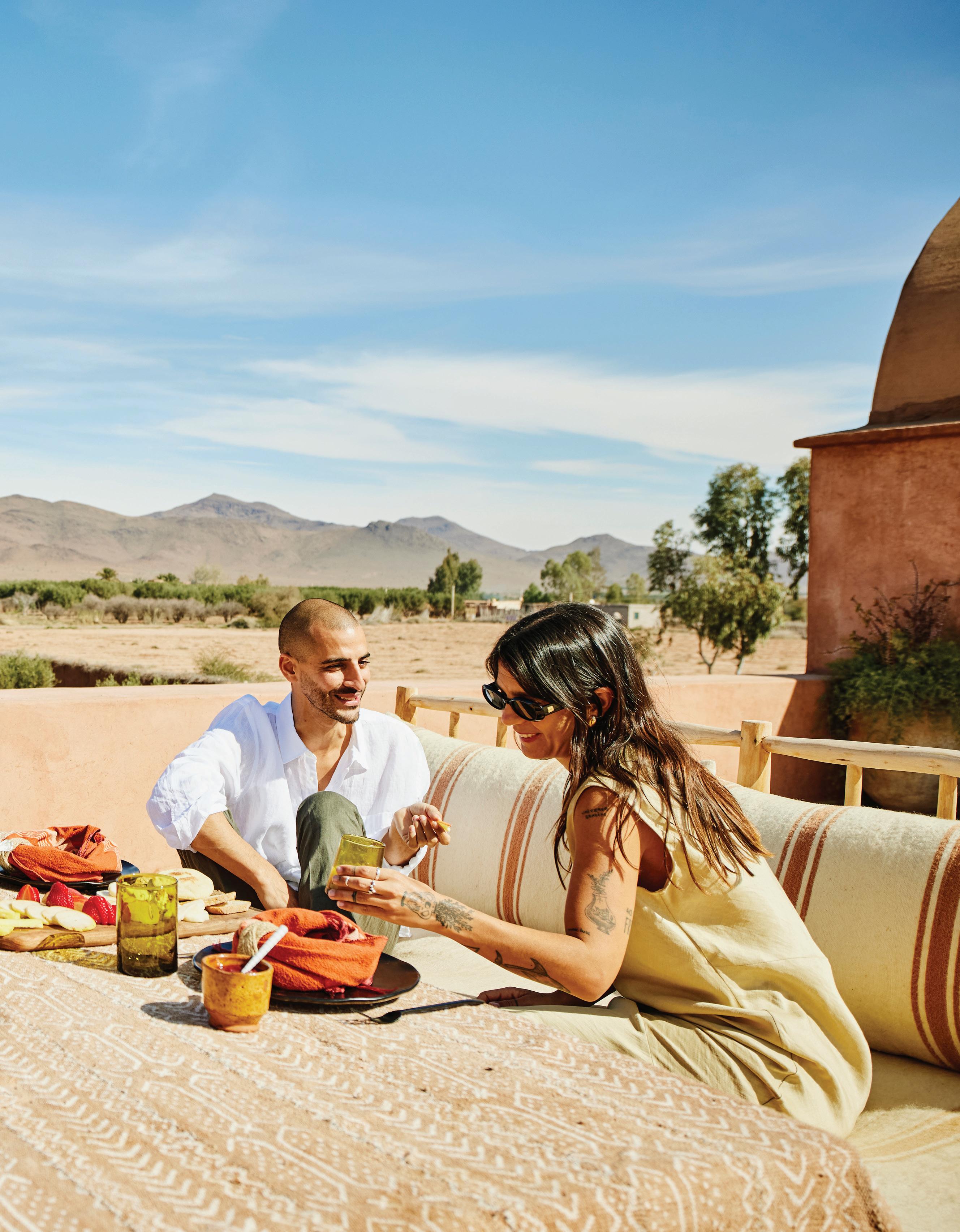
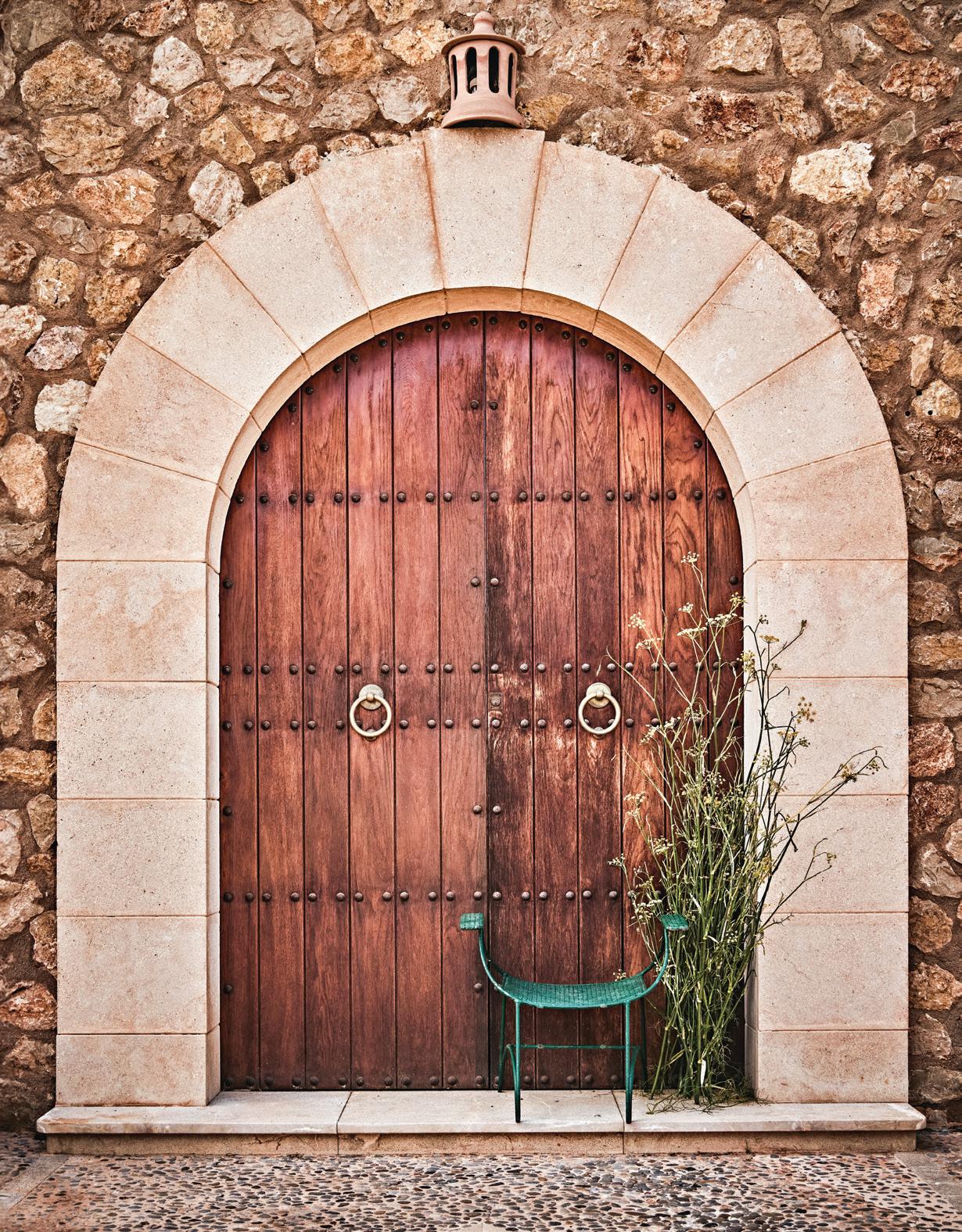
Maya Visnyei arrived in Mallorca with a plan to chase the pleasures of a Mediterranean summer: rocky beaches, local markets and long lunches of grilled seafood. Over two weeks with two friends, she moved between the island’s rural south and mountainous north, swimming in glassy waters and plucking oranges straight from trees. Along the way, she found her camera drawn to Mallorca’s colors and textures, from ocher soils and honey-hued limestone houses to silver-green olive trees and steep asphalt roads curling through the mountains.
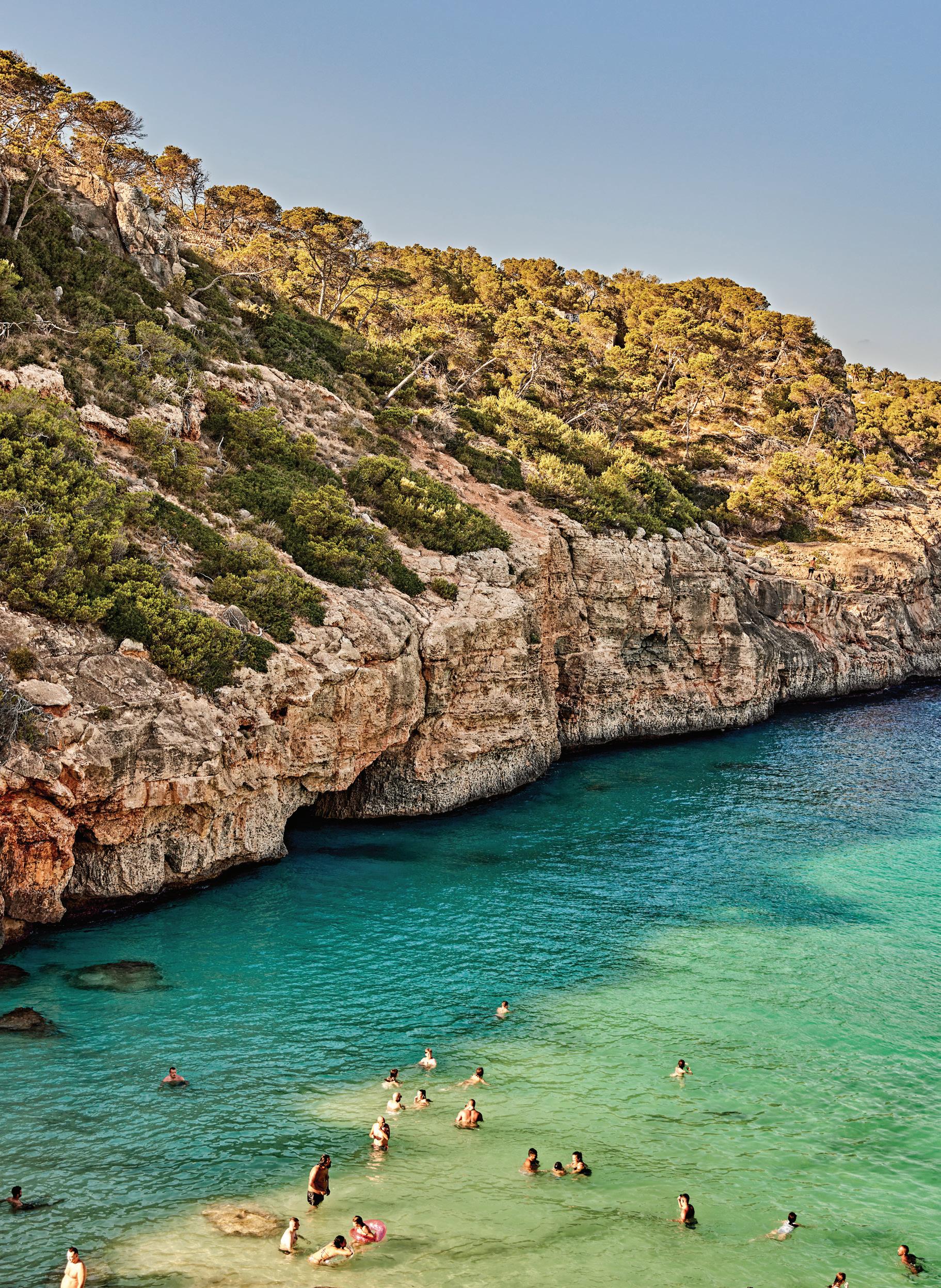
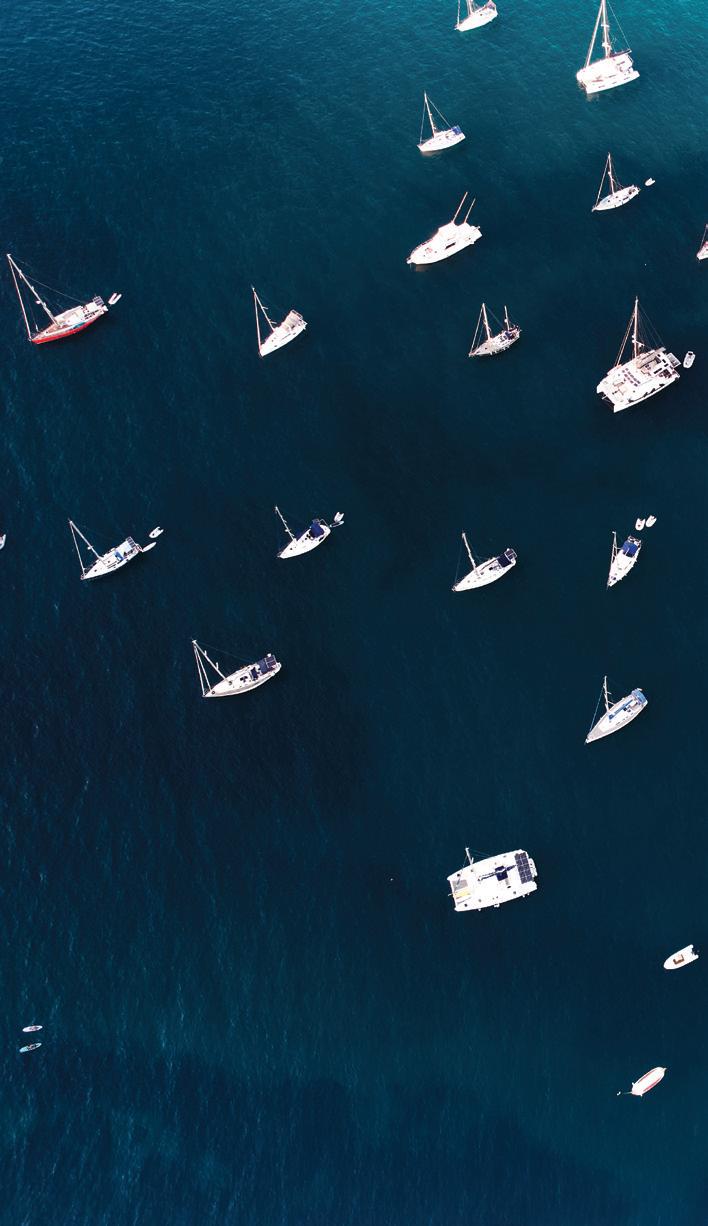

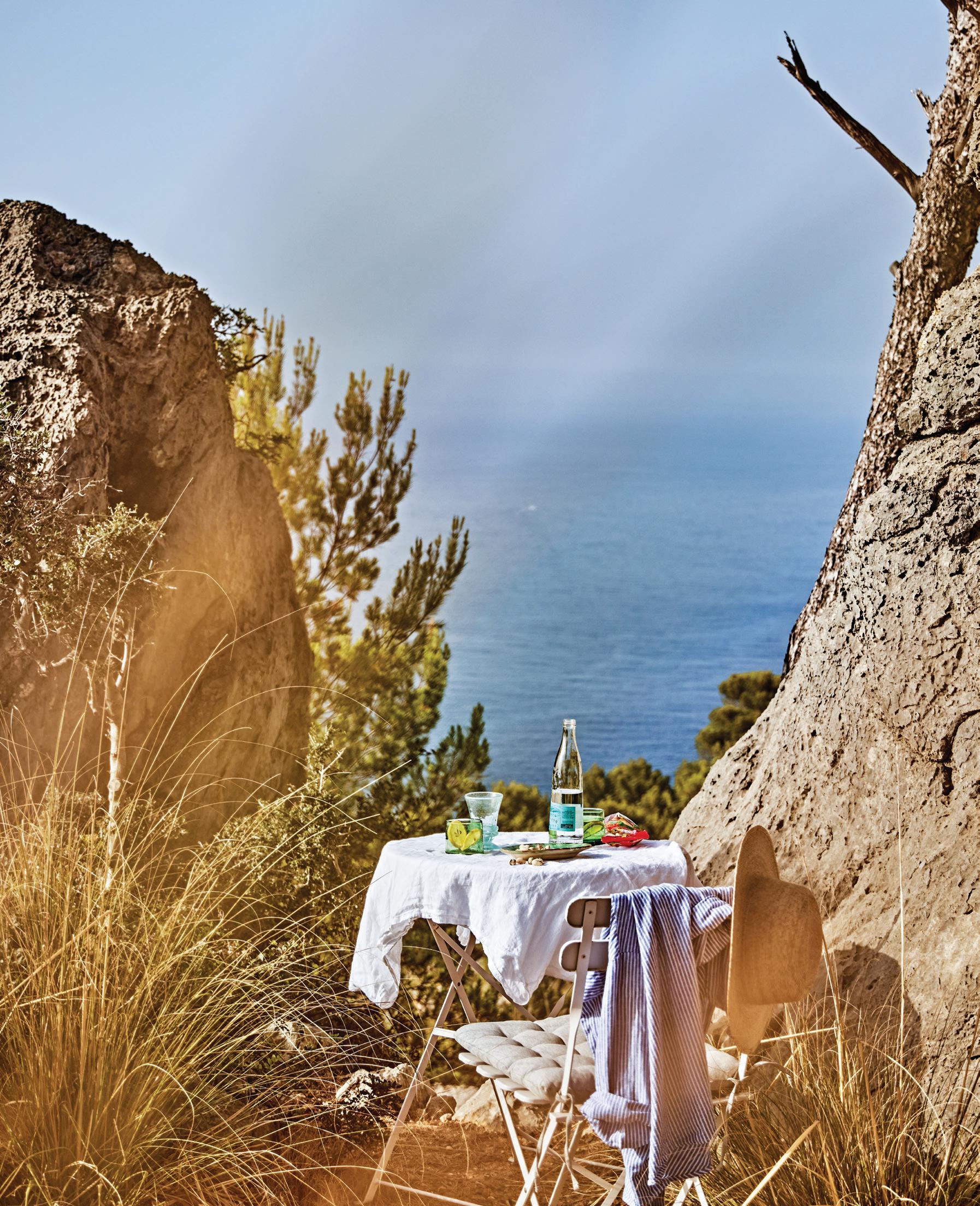
Visnyei and her travel companions divided their stay between two corners of Mallorca, beginning near Santanyí, a 40-minute drive southeast of Palma, where the island felt quiet and open. Their days were spent watching the sun rise over coves carved into the coast and drying off after swims on pale ribbons of beach. “The island has a really local vibe,” Visnyei says. “Every day, a guy would bring his sheep right through the property of our vacation rental.” For the second half of the trip, they drove north to Sóller, where the landscape rose into olive groves and citrus orchards. Here, they rented a spot on the side of a mountain, reached by a winding road, with views over the town and port below (the two are linked by a must-ride vintage tram). “Sóller is great for shopping for handmade shoes and clothes — I bought a pair of Mallorcan sandals,” says Visnyei.
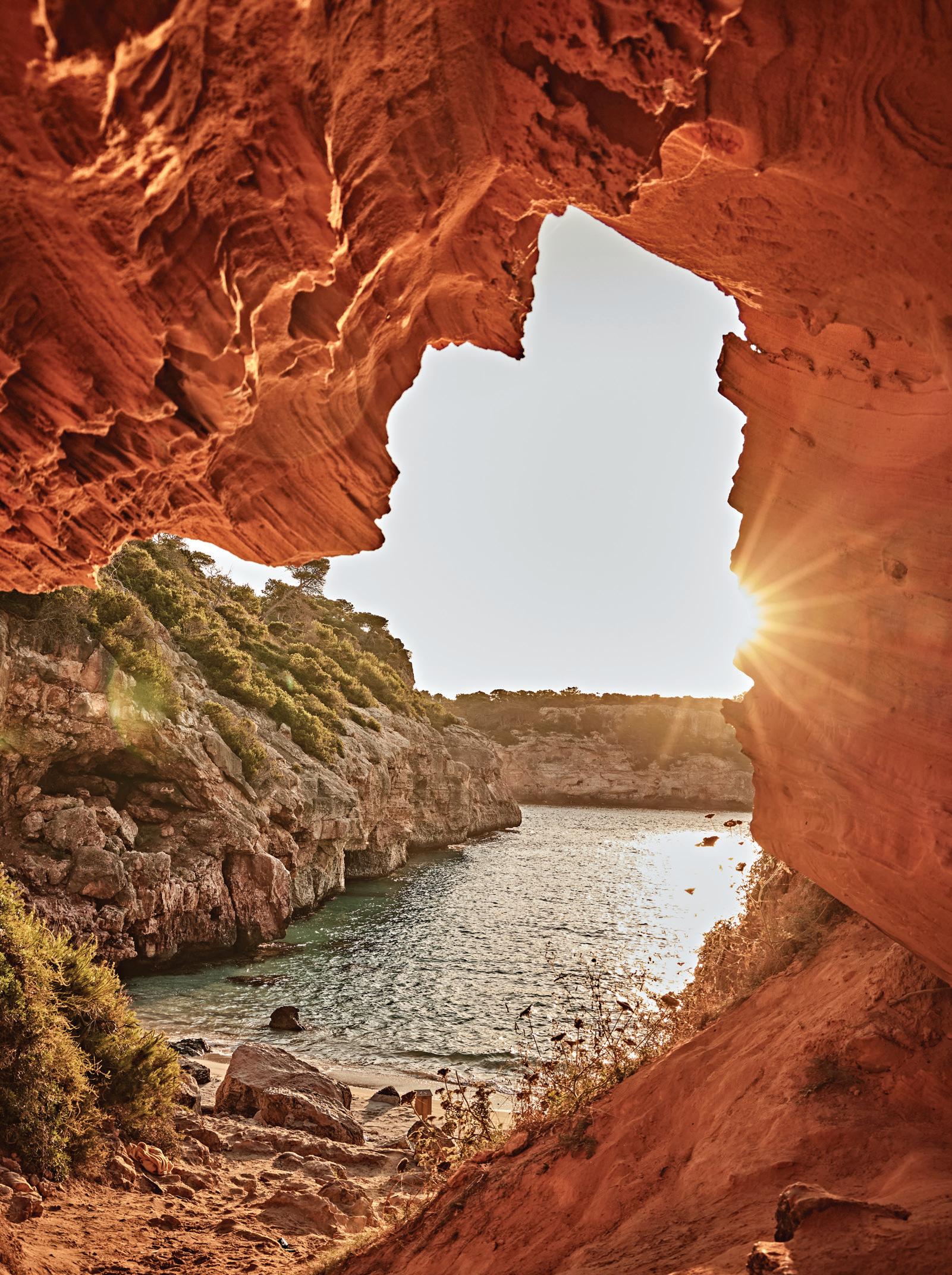
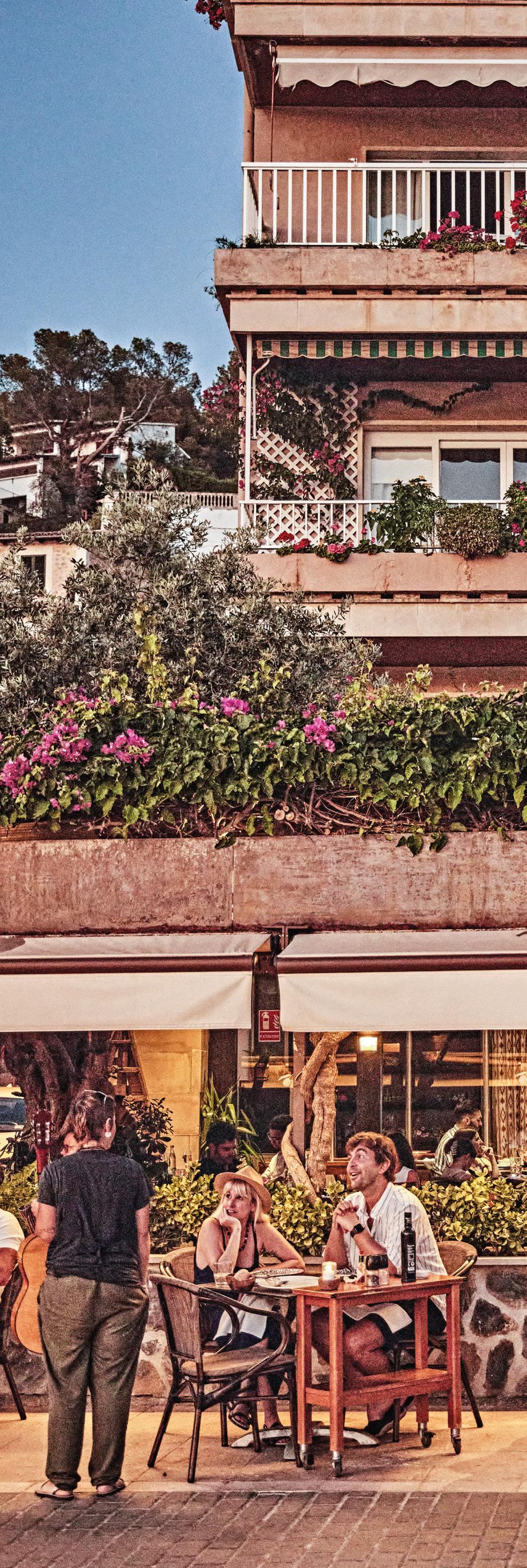
Each day, the trio took their cues from the island’s heat and light, rising early to explore while the morning was still cool. In Deià, a mountain village on Mallorca’s northwest coast, they spent hours walking among limestone houses, small galleries and cafés framed by bright bougainvillea. Near Sóller, a guided tour through the orchards ended with harvesting and eating oranges from the surrounding trees. By early afternoon, they would return to their rental to swim, cook and stretch leisurely lunches into the hottest hours of the day. “The luxury of being there for two weeks was that we could take our time,” says Visnyei. Some of her favorite moments came when walking the Port de Sóller promenade at dusk, watching the light shift as people picnicked on the beach and families spilled onto café patios. “There were a few tourists, but, mostly, I felt like we were experiencing how Spaniards live and spend their summers.”
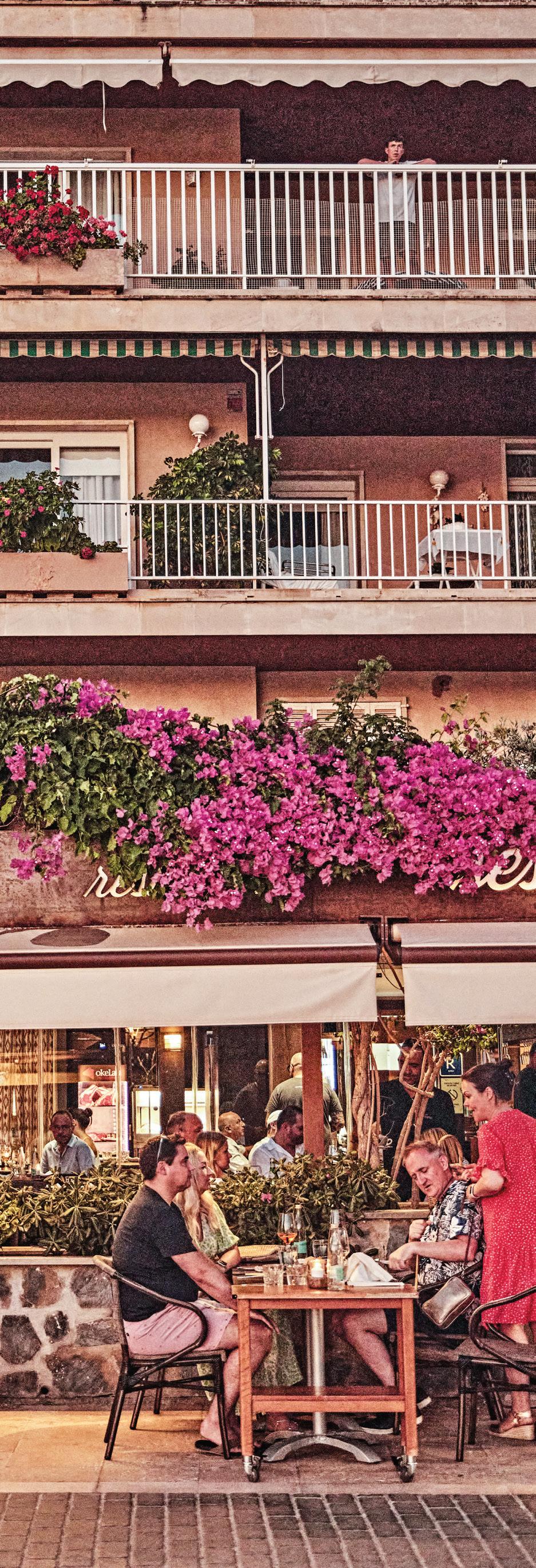
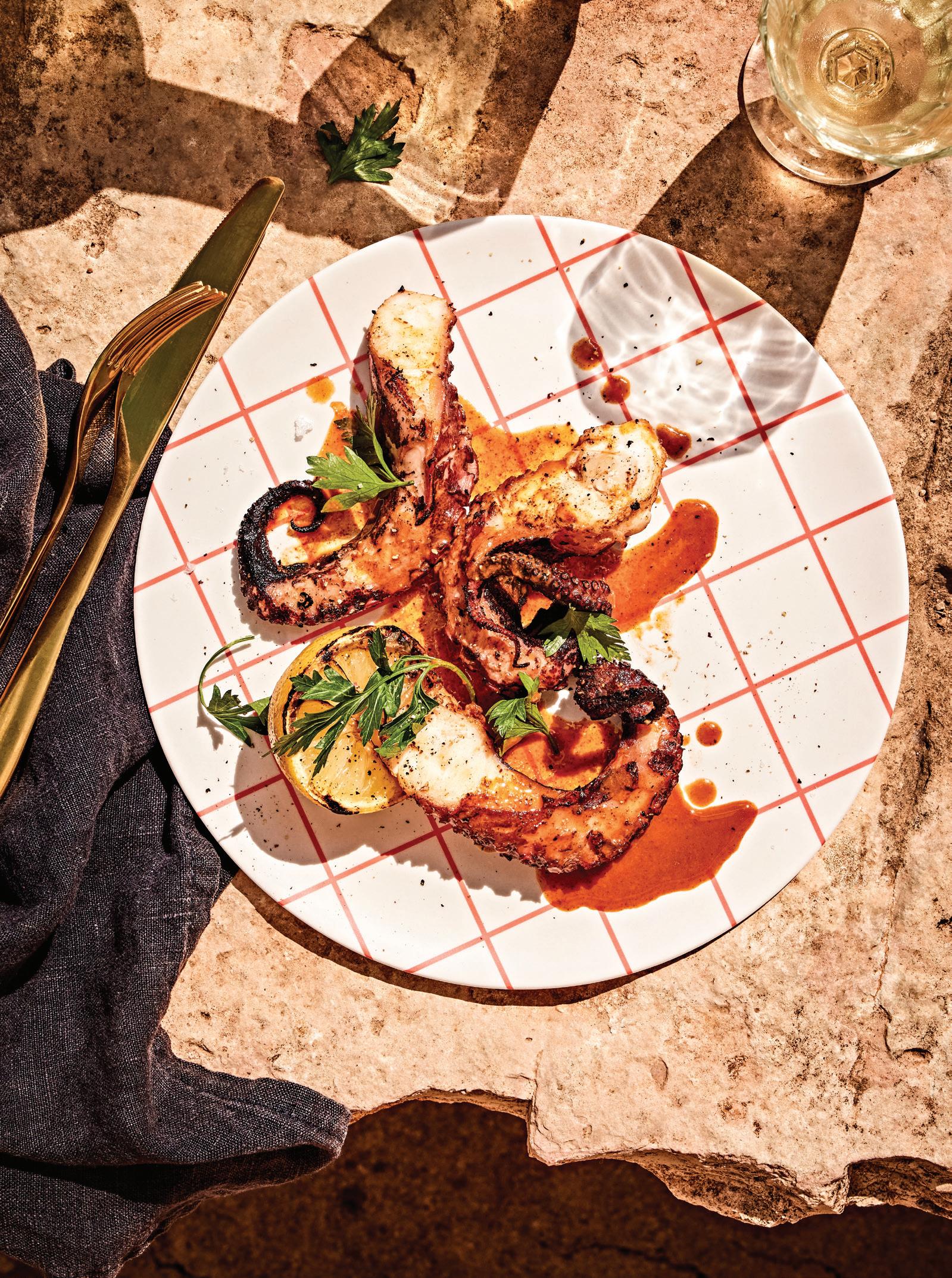
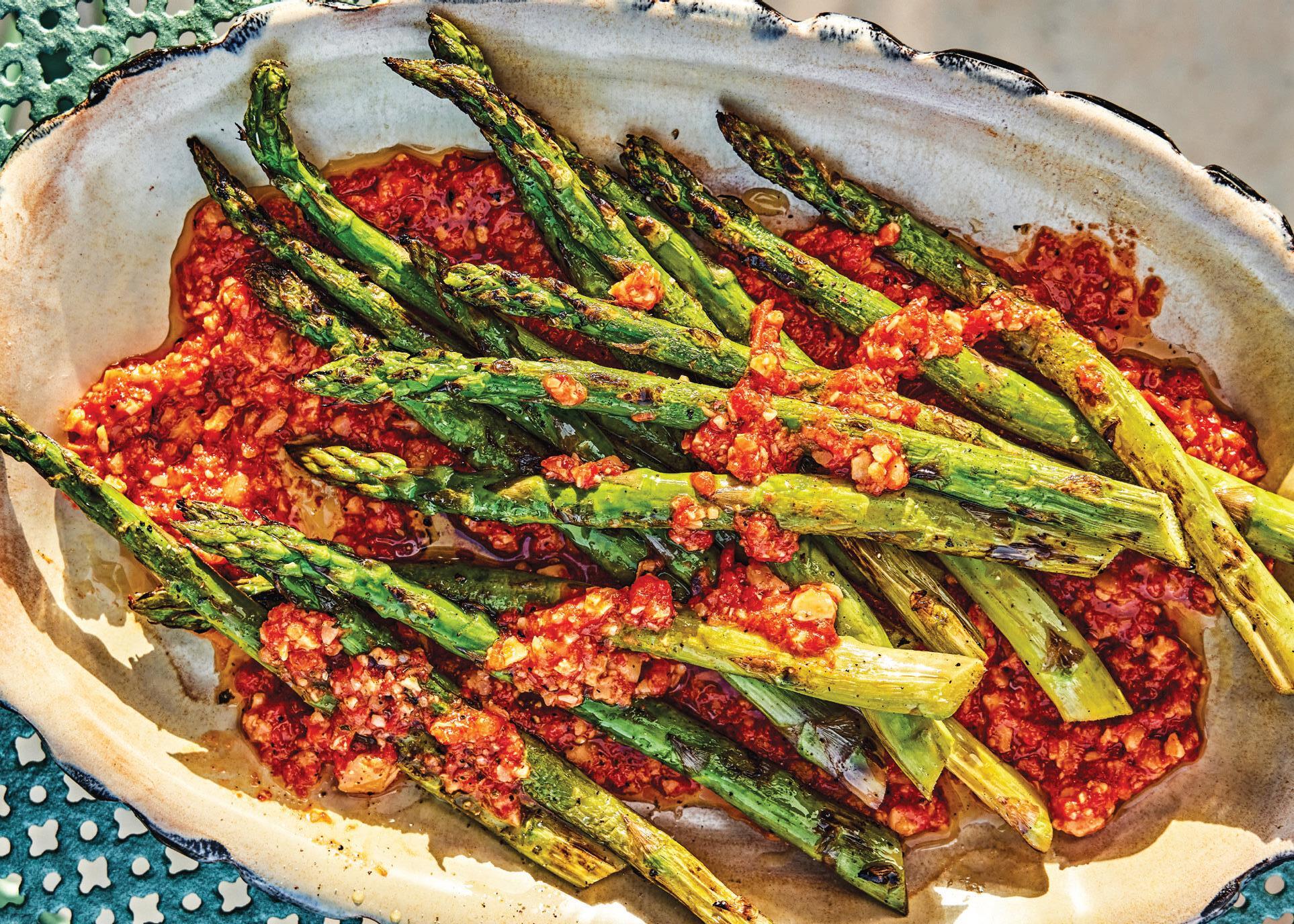
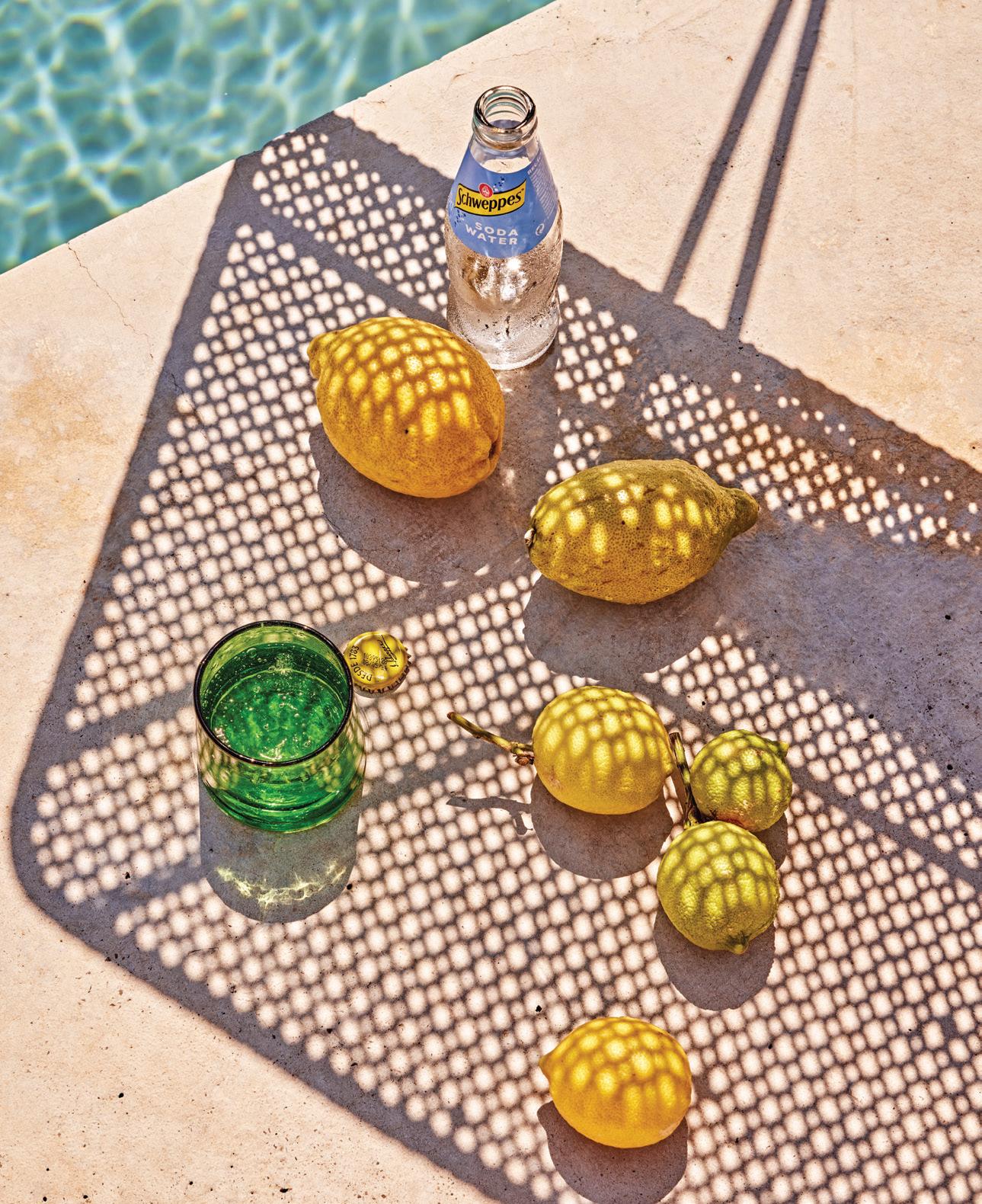
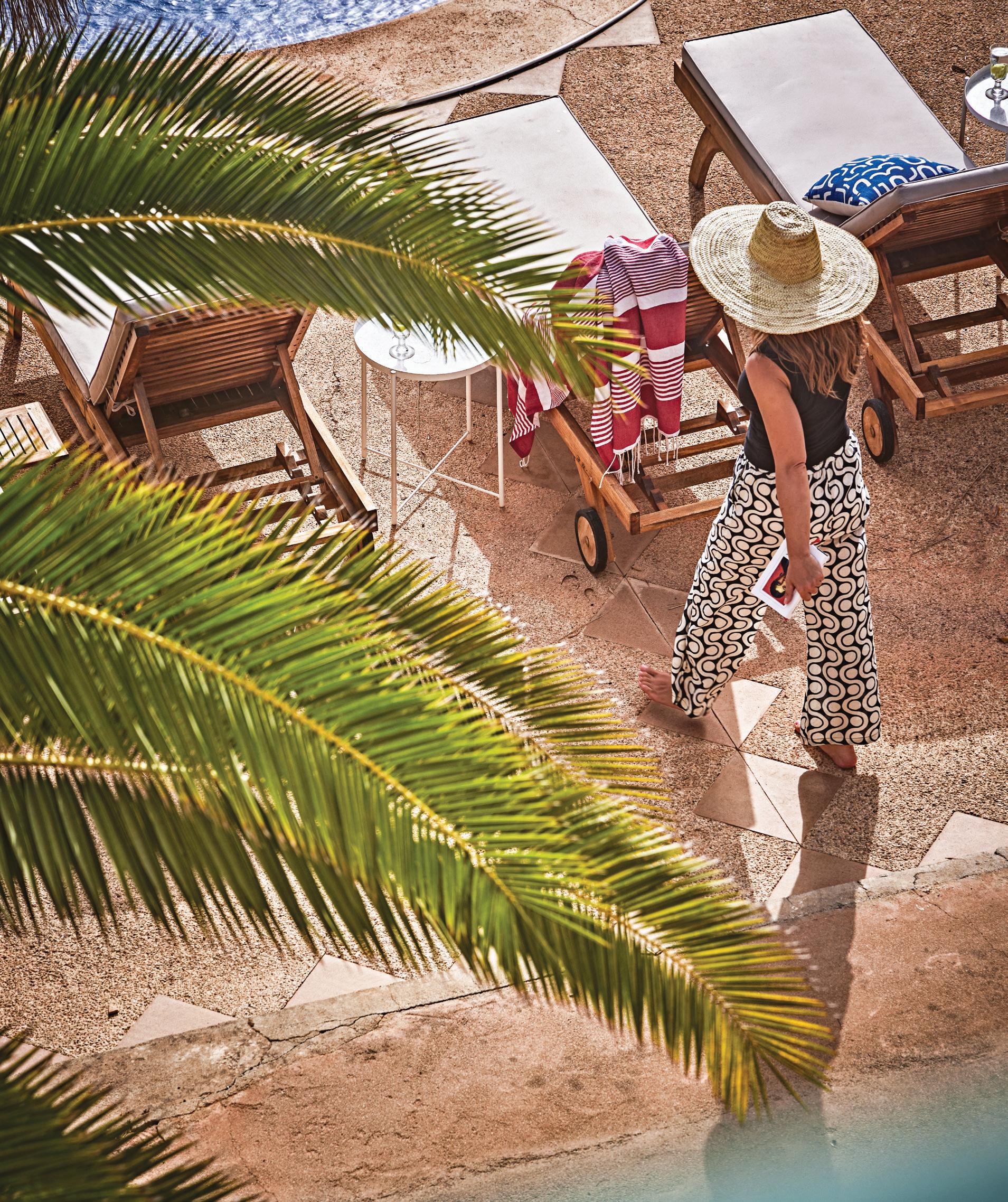
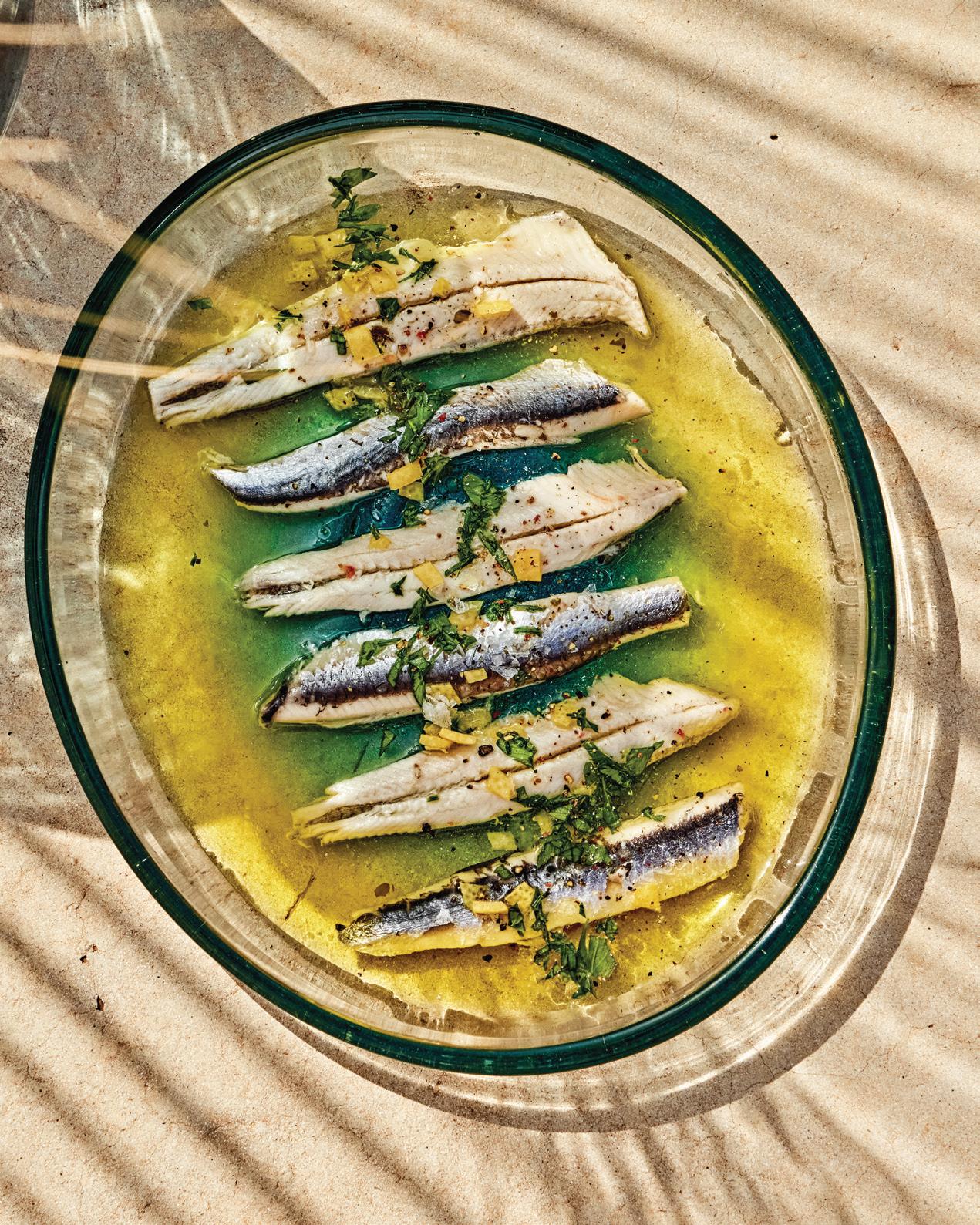
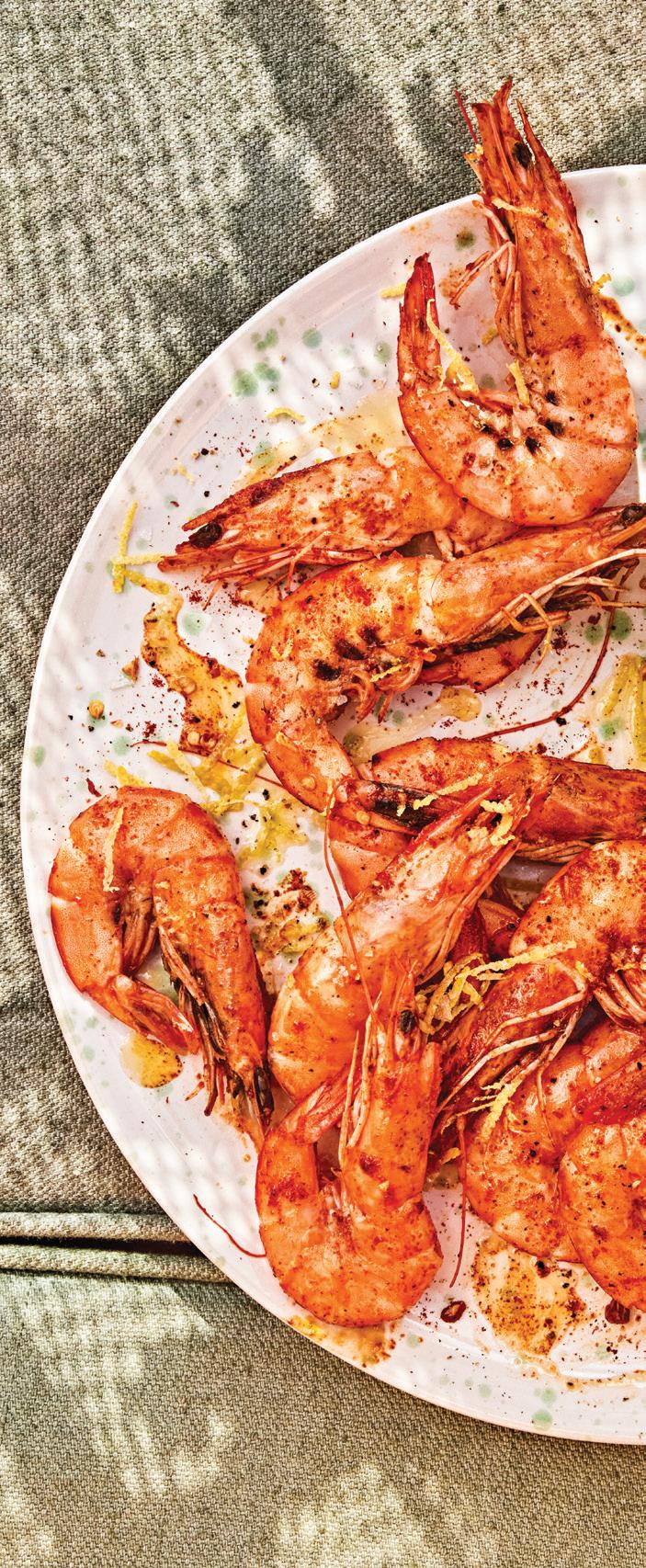
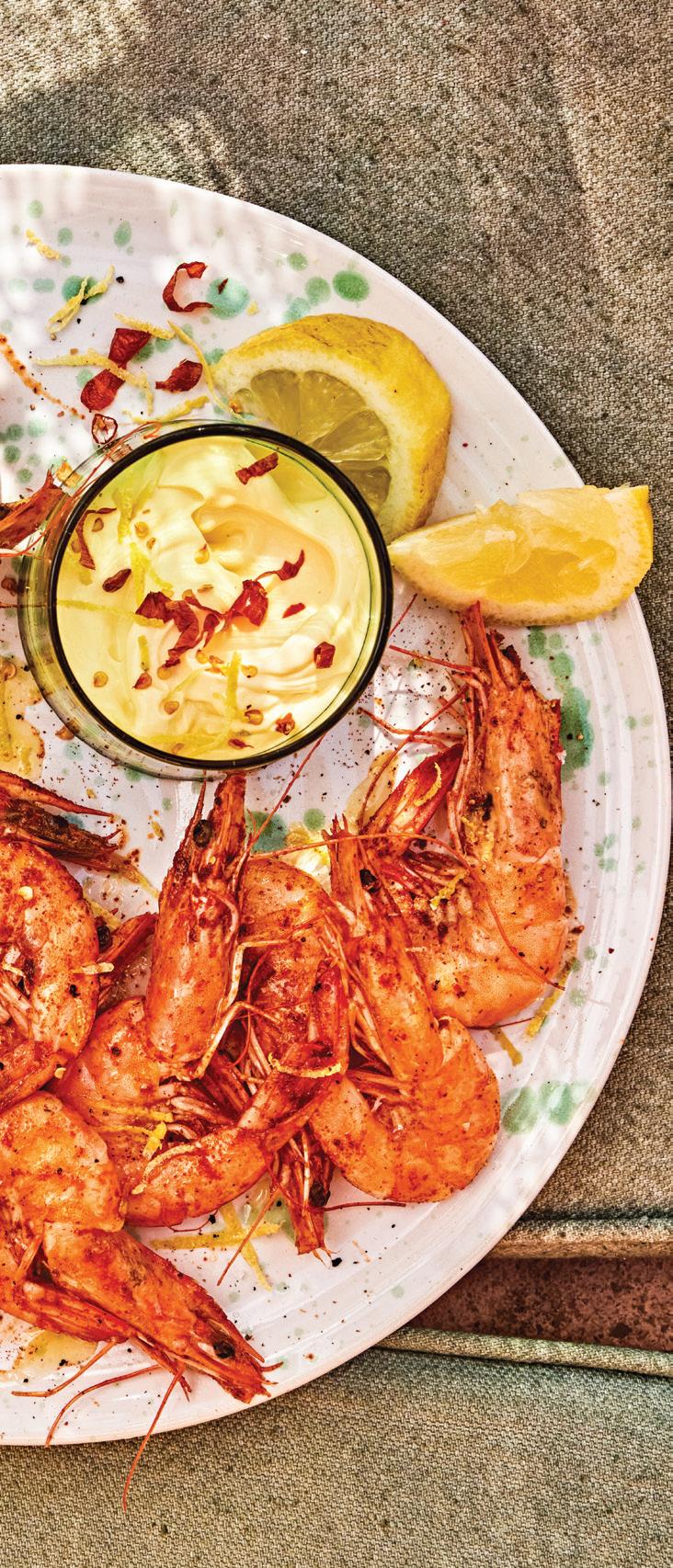
With a grill at their disposal and markets close by, Visnyei and her friends cooked more than they dined out, building meals around just-caught fish, local produce and whatever else called to them that morning. Meals featured white anchovies glossy with olive oil, garlicky shrimp served with a squeeze of fresh lemon, charred octopus dusted with smoked paprika, asparagus dragged through romesco sauce and bottles of crisp local white wine (there are more than 100 wineries, or bodegas, on the island). “So much of our inspiration came from the things we saw in the markets,” says Visnyei. “The variety in the seafood is incredible — everything is so fresh.” For her, Mallorca’s allure was as much in those unhurried hours as in its enchanting beaches and towns: “It makes you want to cook, swim and just hang out, talk and take it all in.”
By Renée S. Suen Photos by Kari Medig
Once defined by scarcity, Korean cuisine has captivated the world. Our writer travels to Seoul to trace its evolution — and meet the chefs balancing tradition and innovation to shape where it goes next.

Korean cuisine has evolved from royal court feasts once reserved for nobility into the practical, nutritionally balanced home-cooking style that spread with postwar modernization.
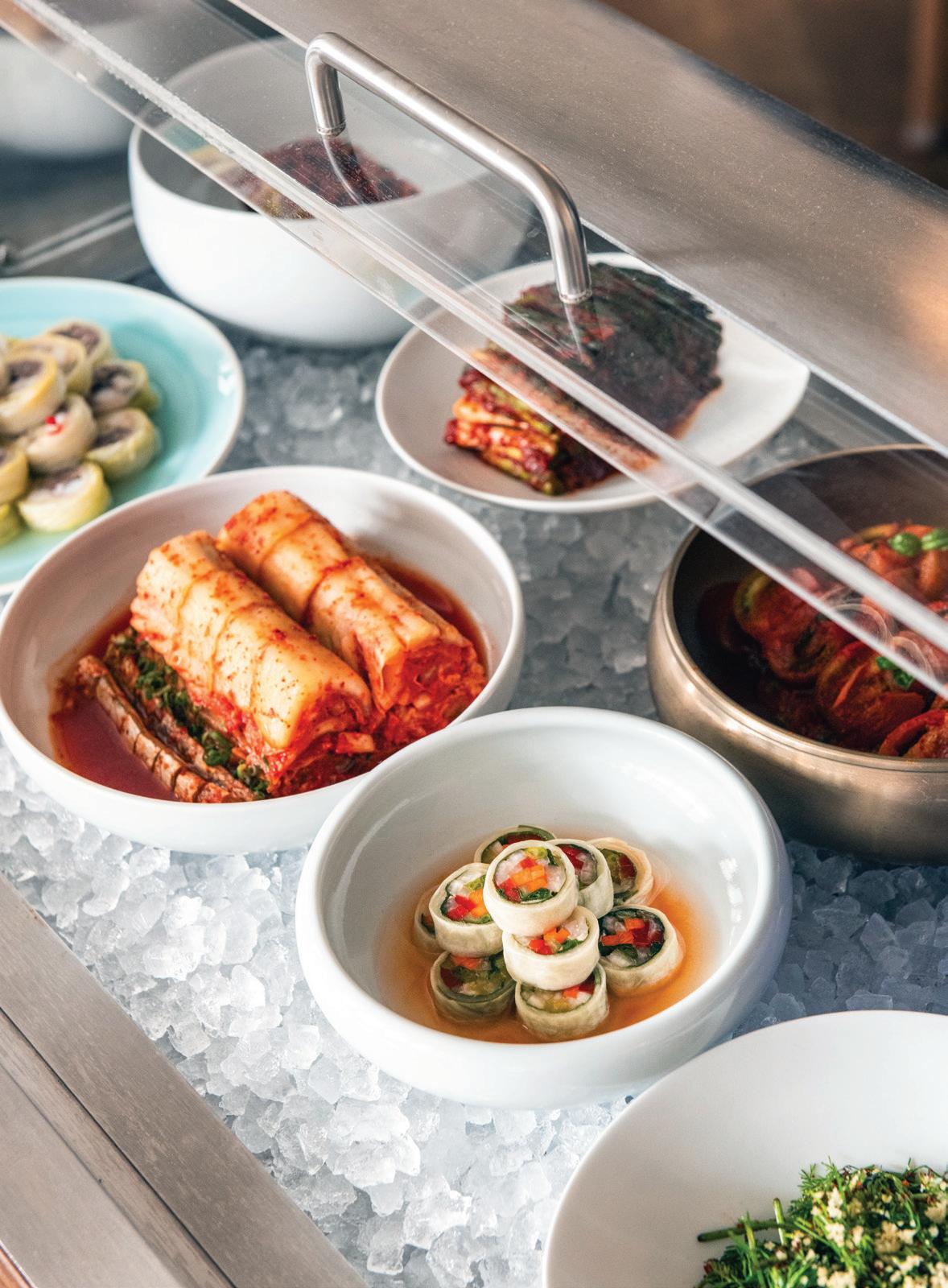
Isee it coming from the other side of the elegant, pared-back dining room — a wooden cart topped with a dome cover, silver on one side, clear on the other, so diners can view the contents inside. Its wheels come to a halt as it reaches my table. The server slides open the lid, revealing eight ceramic dishes on ice, each filled with pristine piles of fermented ingredients in colors ranging from white to green to fiery red.
gives the monochrome bite an earthy depth.
OPENING SPREAD, FROM LEFT TO RIGHT
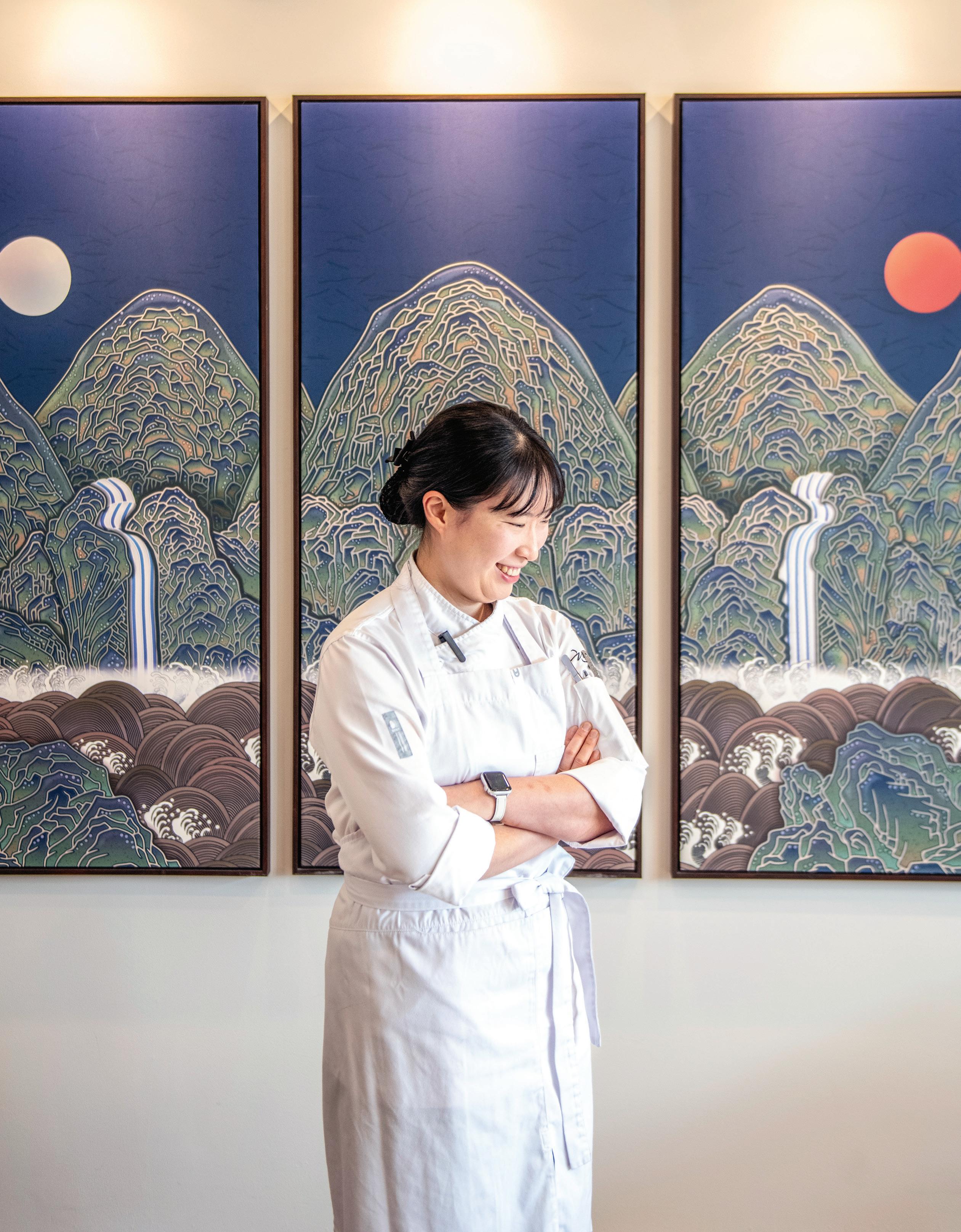
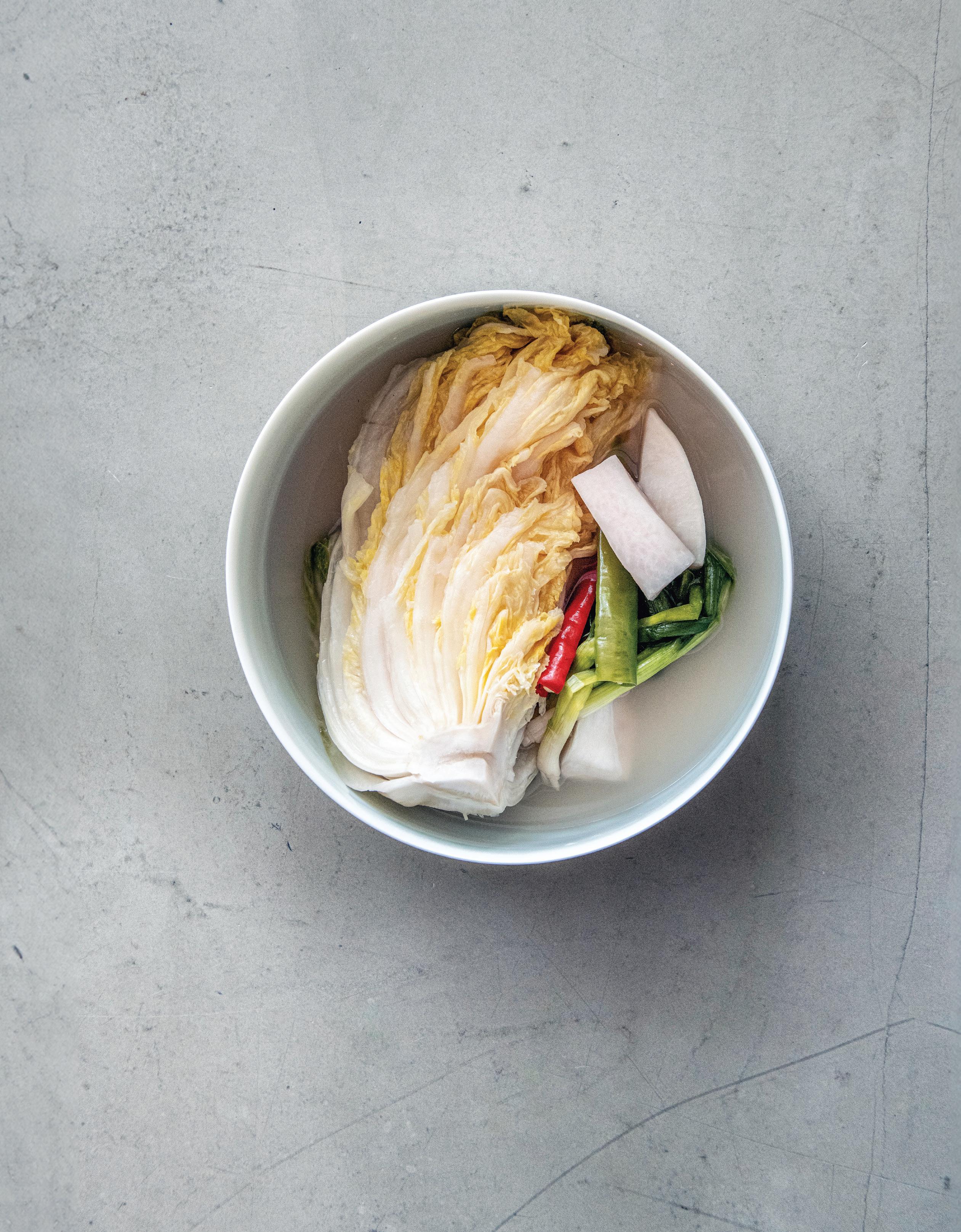
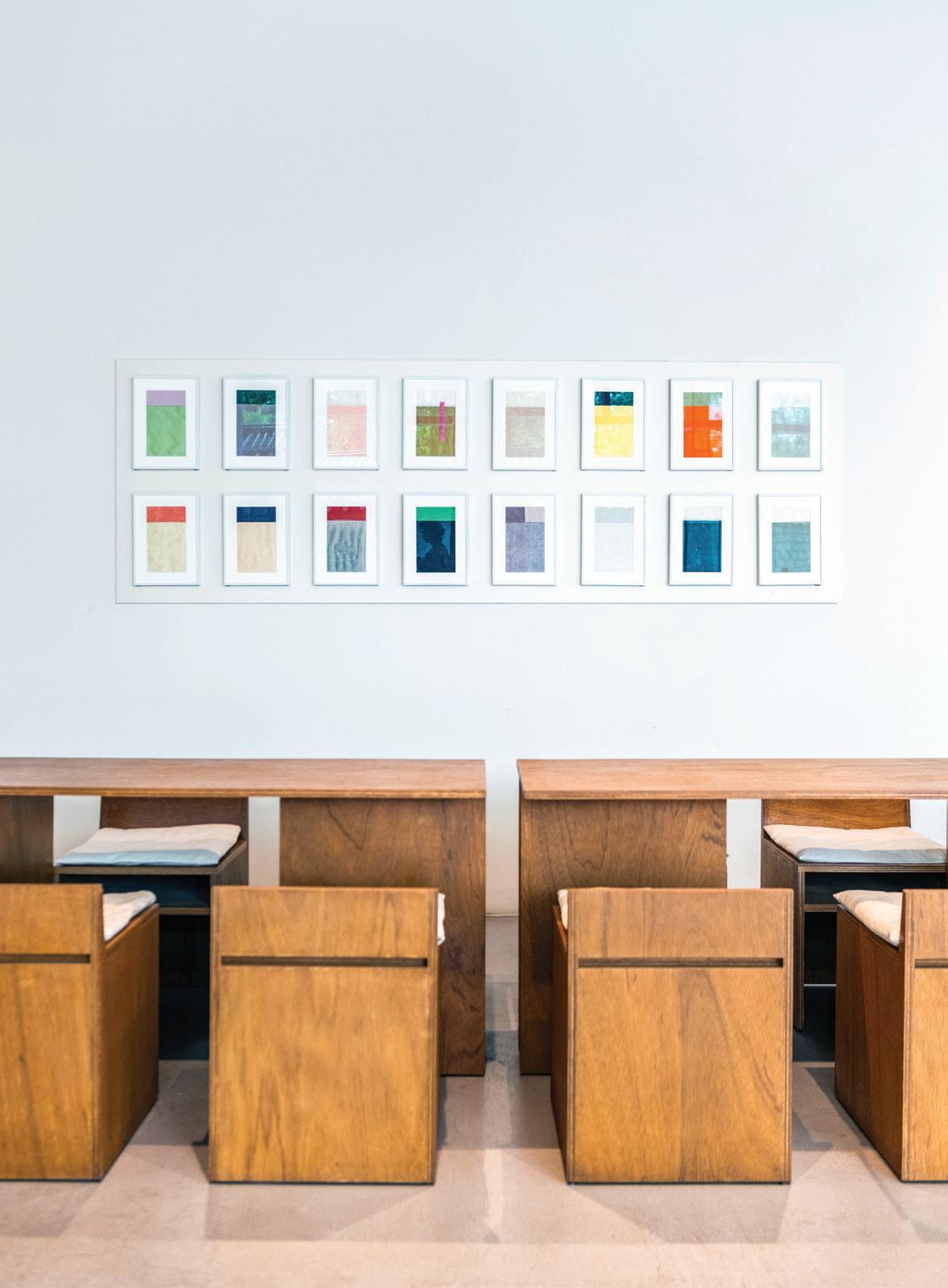
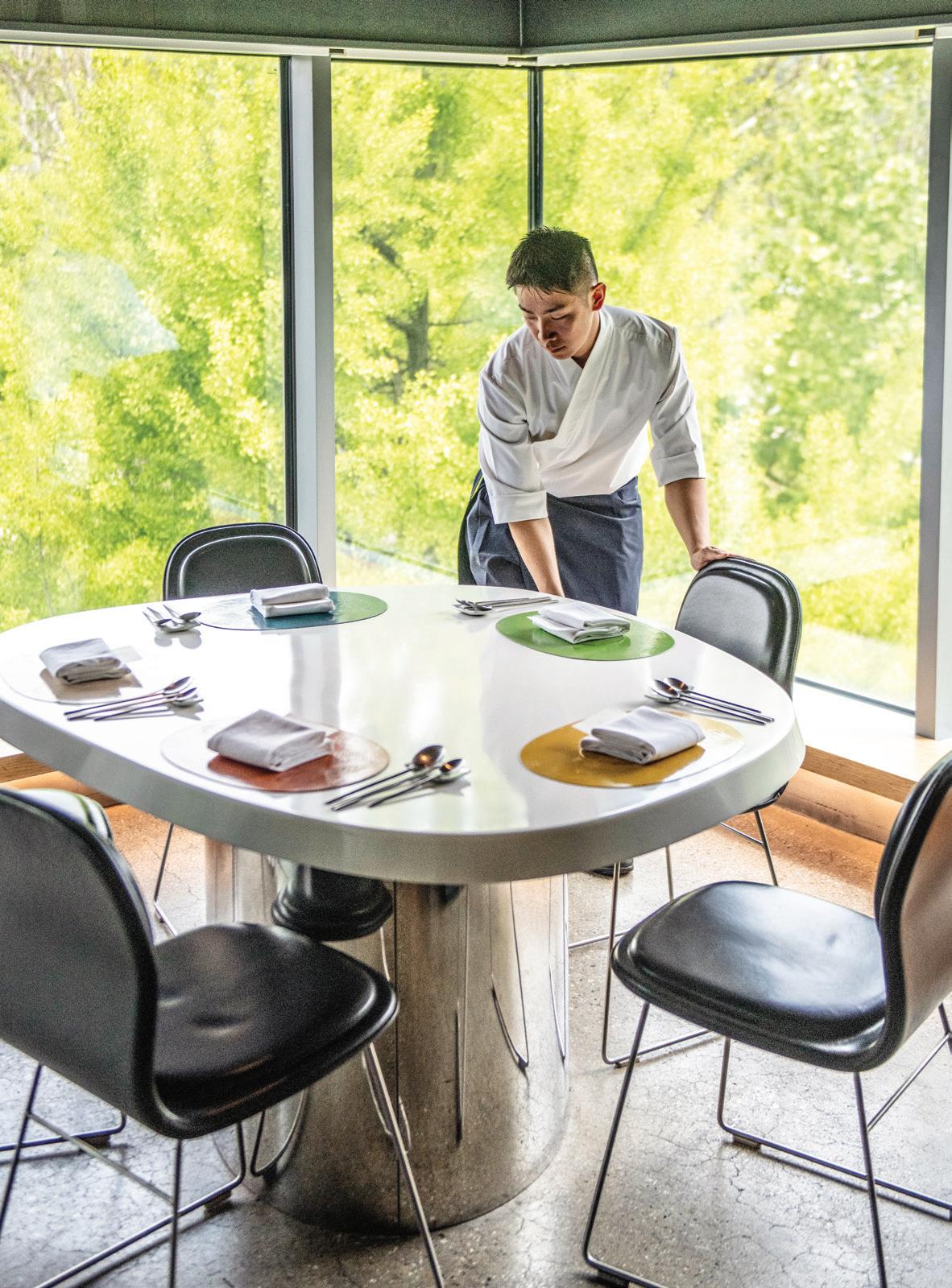
Head chef Jae-bin Lee in Kwonsooksoo’s minimalist dining room; traditional ingredients shine in Onjium’s baek kimchi (white kimchi).
OPPOSITE PAGE, CLOCKWISE FROM TOP LEFT
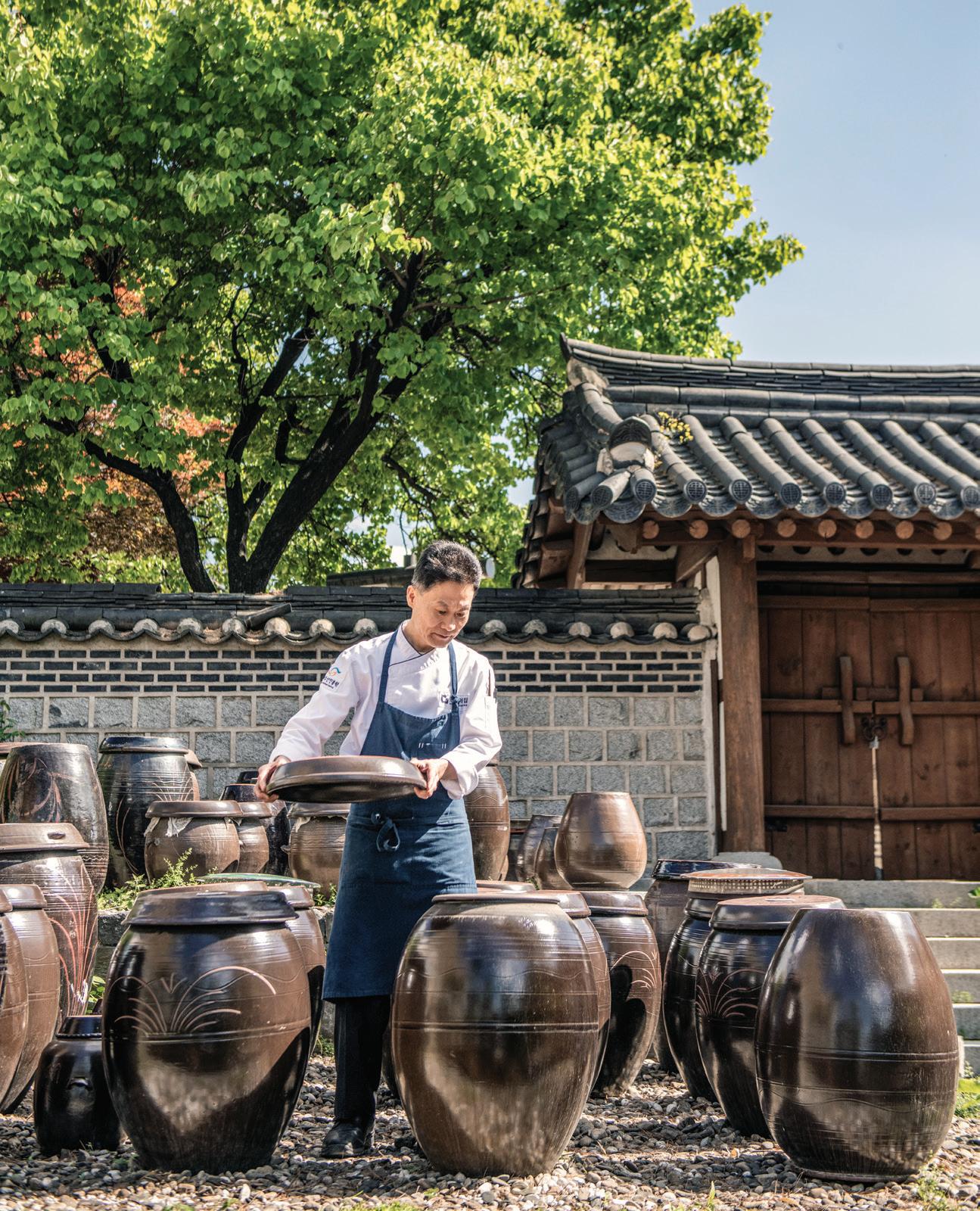
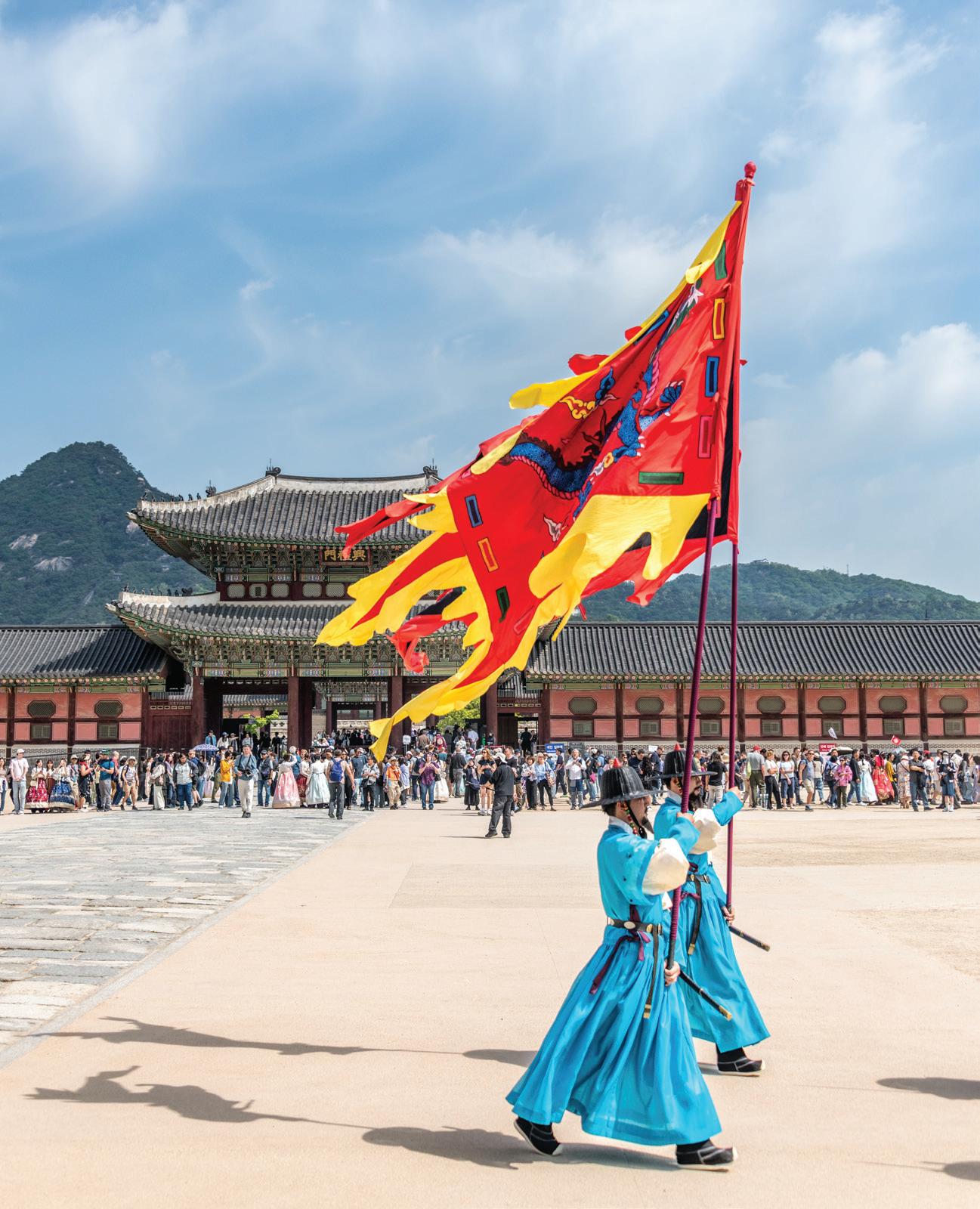
Kwonsooksoo’s signature kimchi cart; a chef at Korea House checks out the jangdokdae, an outdoor space where earthenware jars (onggi) are used for fermenting; tourists dressed in hanbok (traditional clothing) take in Gyeongbokgung Palace; Onjium is a contemporary multi-level space across the street from Gyeongbokgung Palace.
The French have cheese trolleys; servers at Chinese restaurants roll dim sum from table to table; and at Kwonsooksoo, a two-Michelin-starred restaurant in Seoul’s central Gangnam district, it’s the kimchi that’s presented with ceremony, gliding around the room so diners can select the perfect ferment to pair with their beef tenderloin and goatsbeard pot rice. Up to 14 regional or rarely seen varieties rotate daily, from cutlass fish to bitter godeulppaegi, a historically high-end kimchi made from narrowleaf hawksbeard, an edible invasive dandelion-like plant. “Kimchi deserves its own spotlight,” says executive chef and owner Woo-joong Kwon, the mastermind behind the kimchi cart — and here it shines.
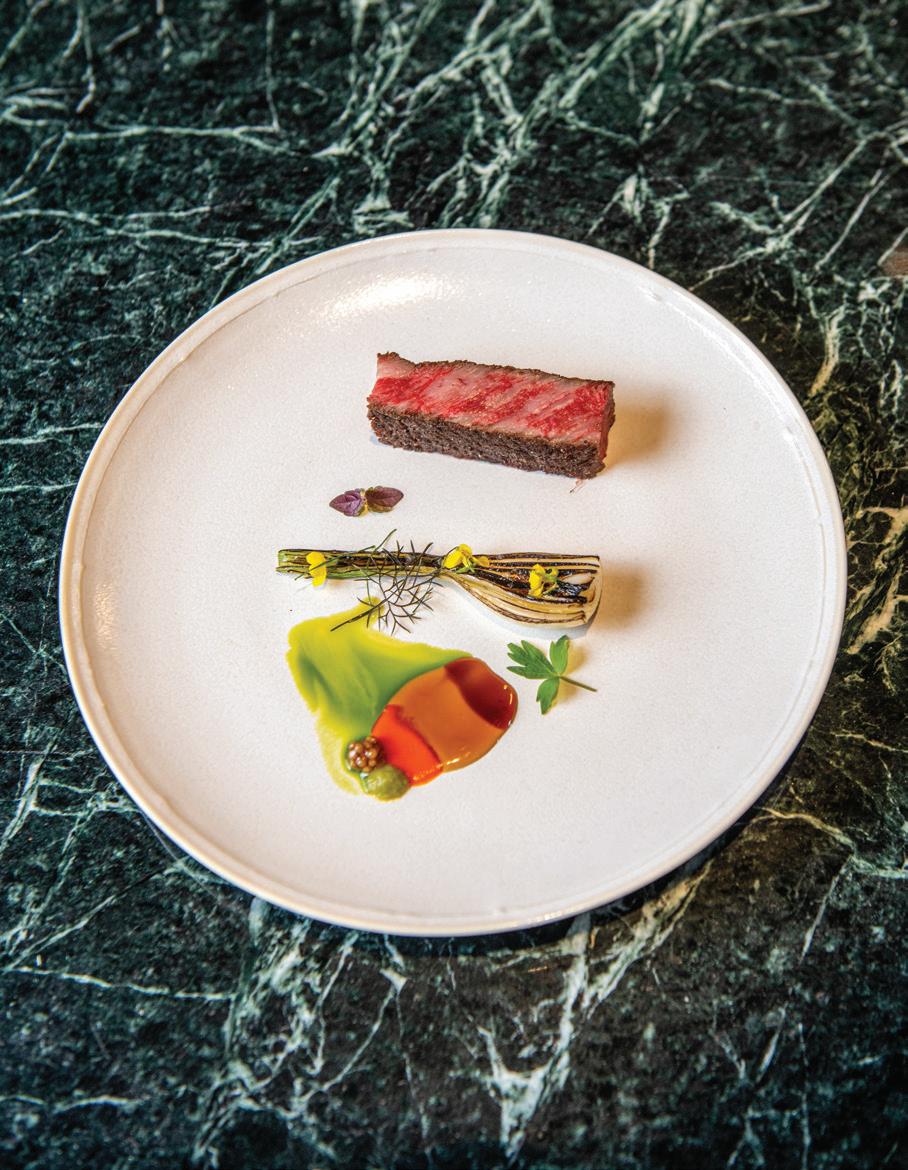
The abundant kimchi offering is just one of the ways chef Kwon and his team elevate classic, home-cooked Korean dishes. Hyper-seasonal ingredients, such as deodeok (Korean bellflower root), are coaxed into the most refined, delicious versions of themselves, and Korean pantry staples are made entirely from scratch. Jang (fermented soy-based sauces and pastes), jeotgal (salt-fermented seafood) and jangajji (pickled vegetables) — I’m tasting it all from a dok-sang, an individual tray table that nods to Korea’s floor-sitting dining tradition. Tender abalone crowned with caviar is finished tableside with drops of 45-year-aged soy; drizzled with perilla oil, a plump rice cake beneath wafer-thin rice chips hides a black-garlic core that
My meal at Kwonsooksoo is one of my first experiences of hansik (Korean cuisine) since touching down in Seoul, and it’s dismantling everything I thought I knew about the food I grew up enjoying in North America, where Korean culture has exploded in recent years. The craze for everything from K-pop and K-dramas to K-beauty has fueled international interest in the vibrant, layered flavors of Korean cuisine. Jjapaguri’s cameo in Parasite turned the local comfort snack — a mashup of black bean- and spicy seafood-flavored instant noodles — into a mainstream talking point. In 2025, New York City’s Atomix, from Korean chef Jung-hyun “JP” Park, took the number-one spot on North America’s 50 Best Restaurants list, underscoring the growing influence Korean flavors have on the world stage.
There are multiple reasons behind the cuisine’s appeal, says Jung-yoon Choi, a chef-researcher in hansik and chairperson of the Nanro Foundation, a nonprofit initiative focused on researching Korean food culture and supporting its future. Besides delivering “bold, complex flavors with acidity, spice, umami and texture,” it offers an interactive and social way of eating, she says. “Pop culture has made hansik visible, health has made it relevant and flavor plus experience make it memorable.”
I want to go beyond the KFC (Korean fried chicken), H Mart snacks and street-food corn dogs (gamja) that are becoming ubiquitous in cities around the world, and experience Korean cuisine in its home. Over a week in Seoul, I become a student of hansik, tracing its history and meeting the chefs leading the city’s burgeoning fine-dining scene who pair their Korean roots with international training — rethinking fermentation, applying Western techniques with
CLOCKWISE FROM TOP LEFT
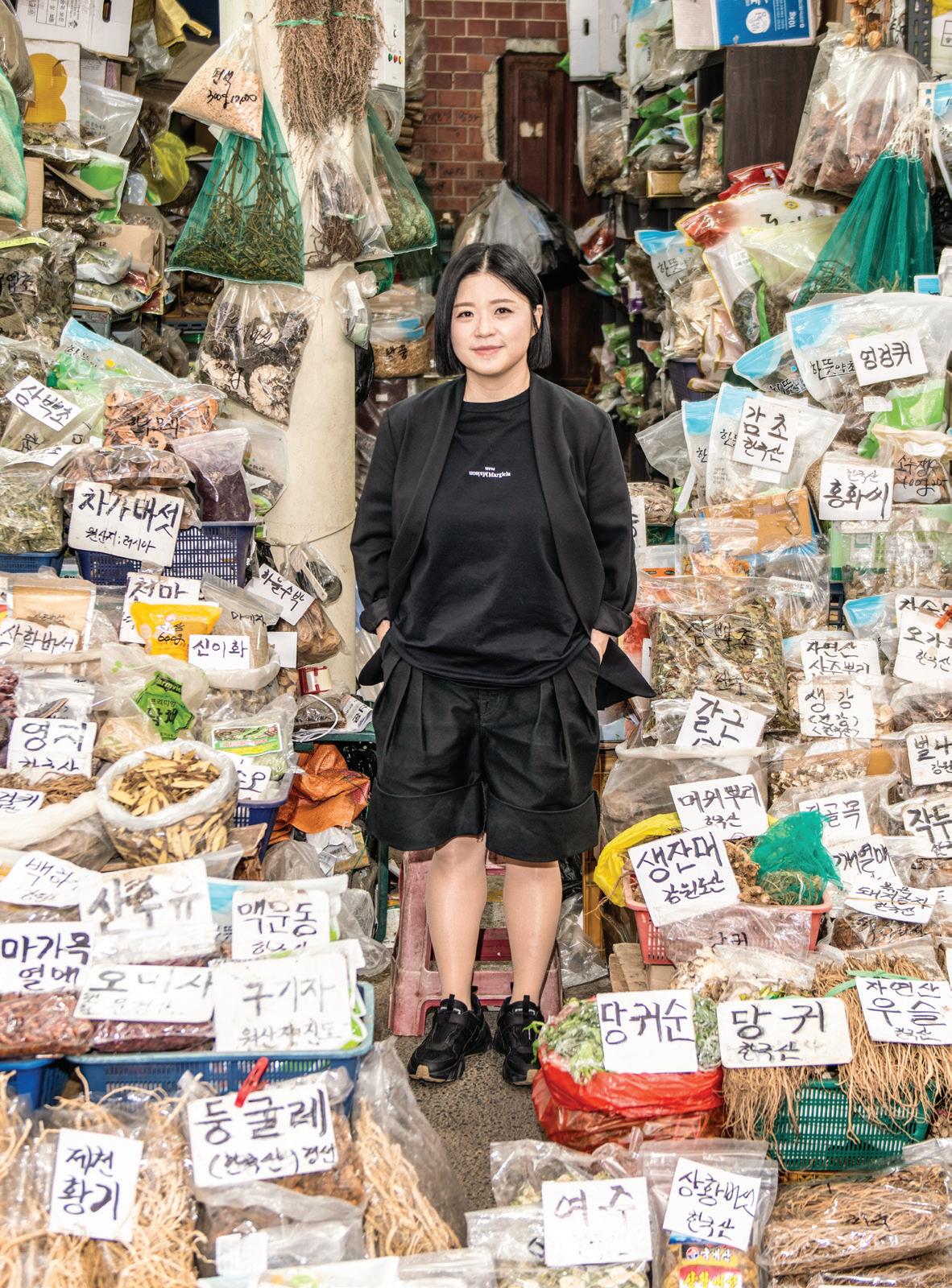
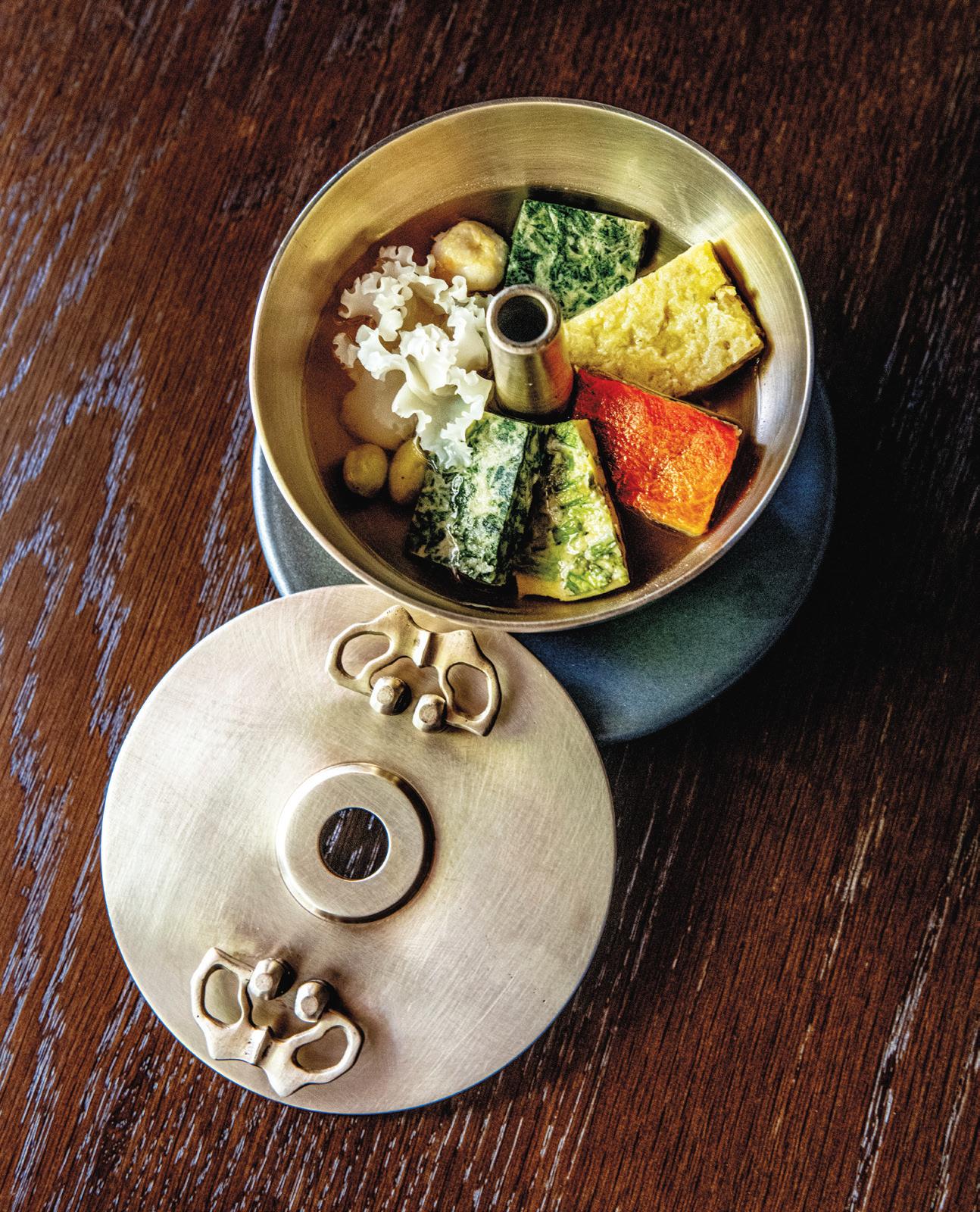
Jung-yoon Choi at Gyeongdong Market; the changing of the guard at Gyeongbokgung Palace is a brilliant display of Joseon-era customs; at Korea House, sinseollo, or royal hot pot, features seasonal ingredients; Onjium’s fourth-floor dining room looks out over the leafy grounds of Gyeongbokgung Palace.
In Korean culture, especially at the hansik table, how you eat is just as important as what you eat. Here are a few tips.
SPOON AND CHOPSTICKS ONLY
Use spoons for rice and soup, chopsticks for side dishes. Only use one type of tool at a time, setting one down before picking up the other.
PLACE CUTLERY ON A NAPKIN
Most Koreans will rest utensils, parallel to one another, on a napkin instead of directly on the table, for both cleanliness and convenience.
BOWLS STAY ON THE TABLE
Bowl lifting is a no-no, so be sure you’re using your spoon for rice and soup.
TWO HANDS ALWAYS
Using both hands shows respect when accepting a bowl or drink, especially from an elder or someone in a senior position.
coursed service and incorporating non-traditional ingredients — to inform where it goes next.
I begin my immersion at Korea House, a cultural complex where visitors can dine on a multi-course hanjeongsik (feast) and see music and dance performances. An abbreviation of Hanguk eumsik, hansik has evolved from royal court feasts once reserved for nobility into the practical, nutritionally balanced home-cooking style that spread with Korea’s postwar modernization in the 1960s and ’70s and continues to define how Koreans eat today. Over a 17-dish hanjeongsik, I learn how early Korean meals relied on whatever the land allowed — especially during the Japanese occupation of Korea (1910–1945), the Korean War (1950–1953) and the lean postwar years, when scarcity made bap (rice) central to the meal and fermentation essential for survival before refrigeration. Banchan (side dishes), which are mostly plant-based and add color, variety and nutrition, might feature spring herbs and winter roots, but were created with whatever could be grown, foraged or stored across Korea’s mountainous terrain and four distinct seasons. The meal was rounded out with guk (soup) or jjigae (stew), and the occasional protein.
Armed with this background, I join chef Sung-bae Park of Michelin-starred Onjium on a shopping trip to Gyeongdong Market, a maze almost five times the size of Seoul World Cup Stadium. My senses go into overdrive as we wander the sections filled with pristine produce, piles of roots and mushrooms, pouches of medicinal teas, pans glistening with kimchi and sacks of beondegi (silkworm pupae), a classic snack. Fall is persimmon season, and I’m entranced by the jewel-like towers of ripe fruit, but it’s the intoxicating perfume of cold-pressed perilla oil that leads me to pull out my wallet.
We return to Onjium together, where I see these ingredients come to life and discover just how deep hansik’s roots run. In their restaurant, located directly across from Gyeongbokgung Palace, one of five grand palaces of the Joseon era, Park and his co-owner and co-chef, Eun-hee Cho — an educator and certified practitioner of Korean royal court cuisine — reinterpret Joseon-era royal and noble family dishes for the modern diner. The restaurant is also committed to preserving Korean history and culture, offering regular classes. I learn that hansik traces back 5,000 years to Gojoseon, Korea’s first recorded kingdom, though most surviving records come from the Joseon dynasty, when Confucian order shaped the table, dishes were refined as expressions of status, preservation techniques were perfected and the bap-centered meal structure took form. Prized for delicate flavor balance, Joseon-era royal cuisine was designated by the South Korean government as an Important Intangible Cultural Property in 1970.
On the roof deck, rows of earthenware jars brim with aged ferments: doenjang (soybean paste), gochujang (red chili paste), ganjang (soybean sauce), seasonal kimchi and a new umami-rich, cod-based jang the team is developing. Cho, who was named Asia’s Best Female Chef 2026 at the Asia’s 50 Best Restaurants awards in Hong Kong earlier this year, sees fermentation as the foundation of Korean cooking, its taste developed by yangnyeom (seasoning) like soy sauce, soybean paste, chili paste and vinegar. “We make our own soy sauce, soybean paste and chili paste, which allows us to build flavors infused with both craftsmanship and sincerity, creating a taste unique to Onjium,” she says.
Onjium’s tasting menu follows the Korean aesthetic principle of balance: Geom i bul lu, Hwa i bul chi,
“Fermentation is both the beginning and the flowering of Korean culinary culture. It’s a heritage we must continue to preserve, study and carry forward.”
CLOCKWISE FROM TOP LEFT
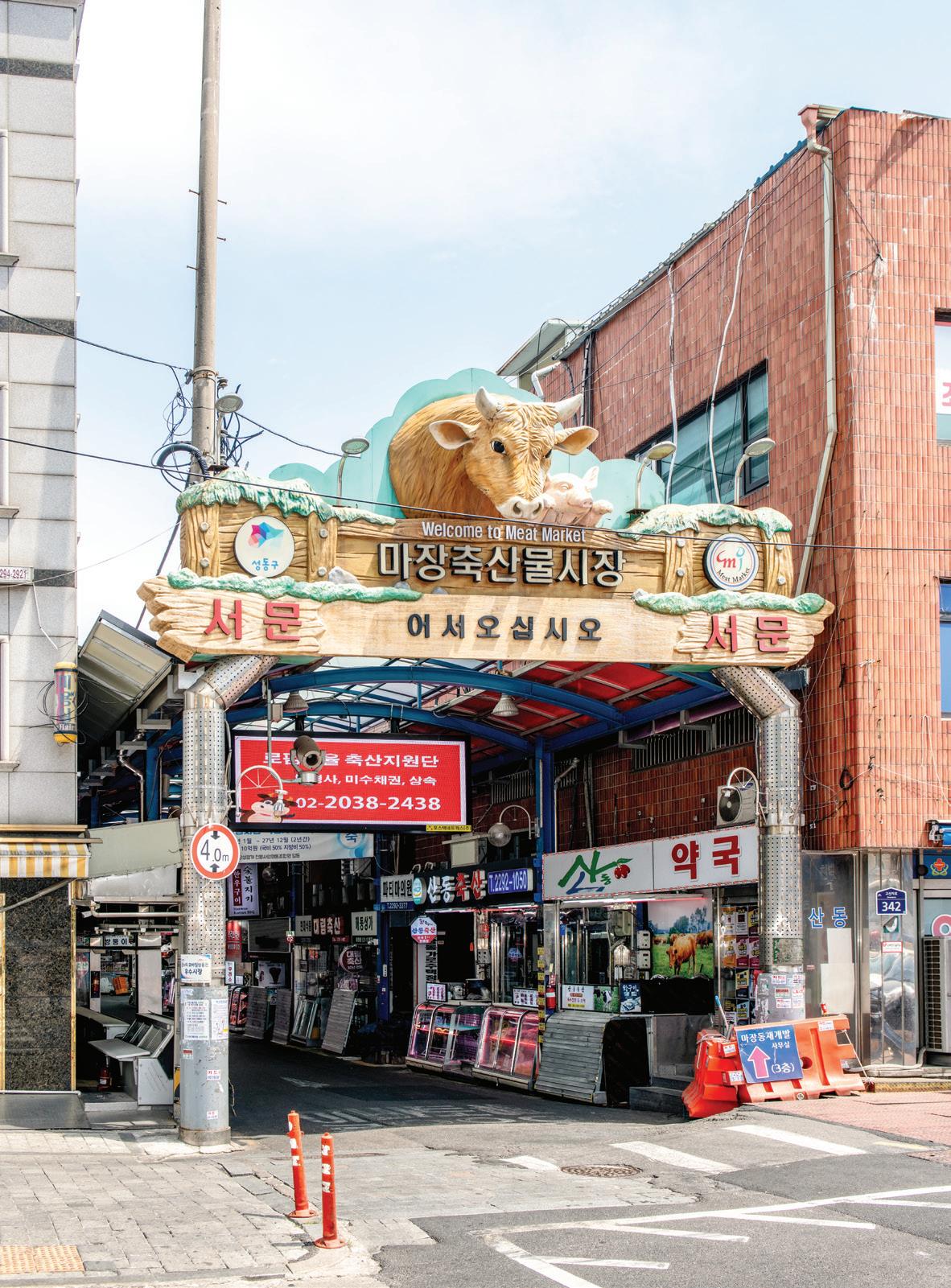
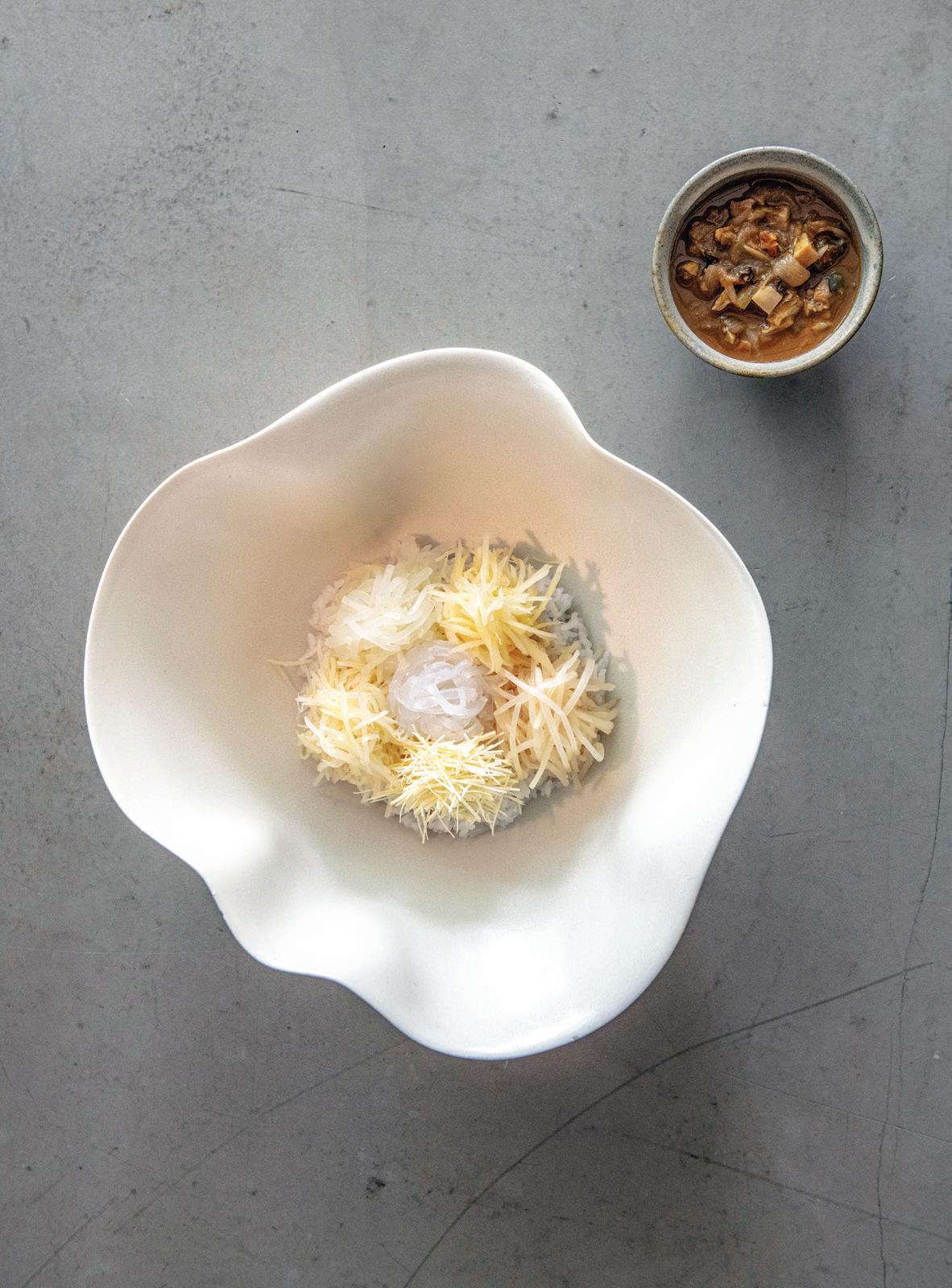
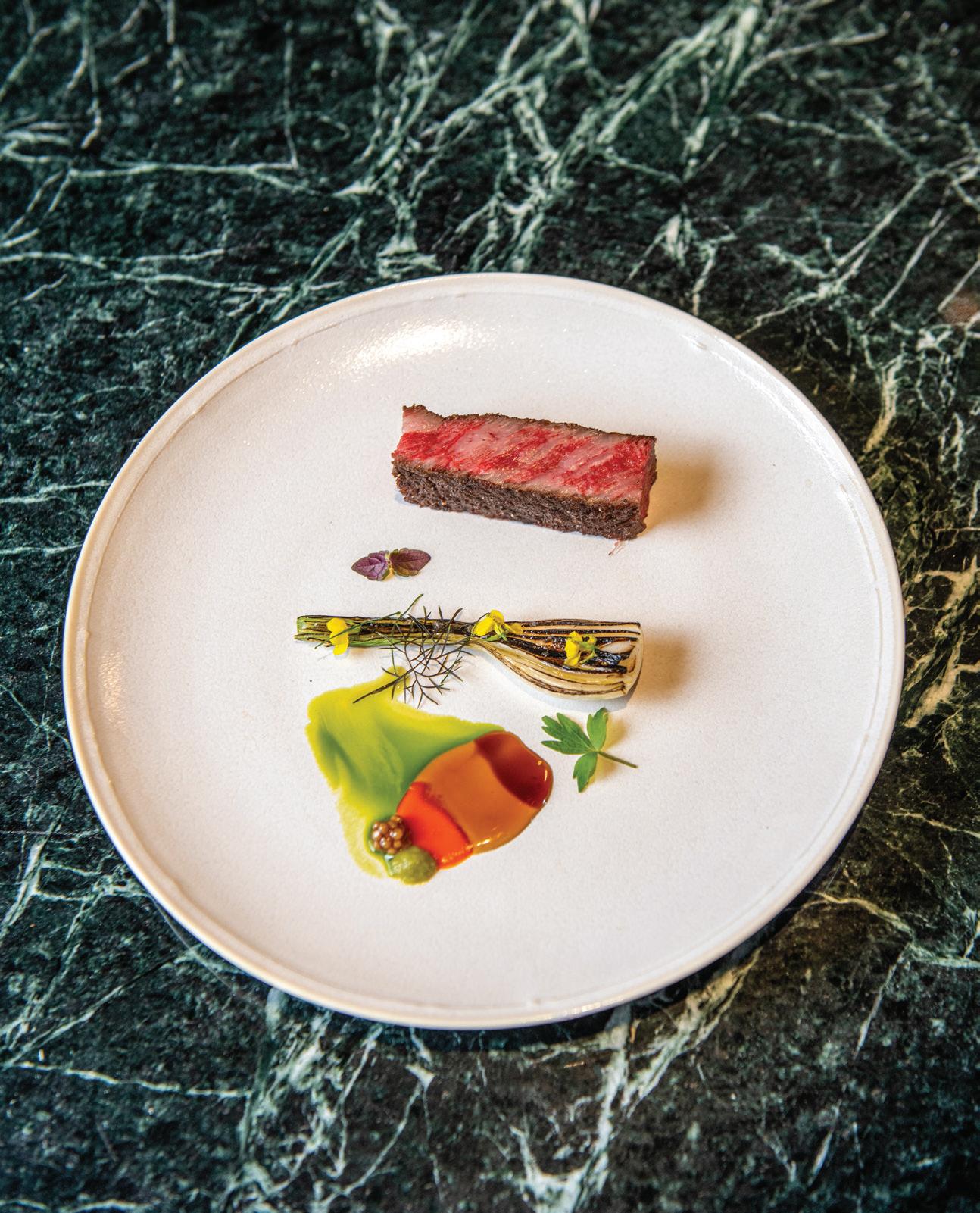
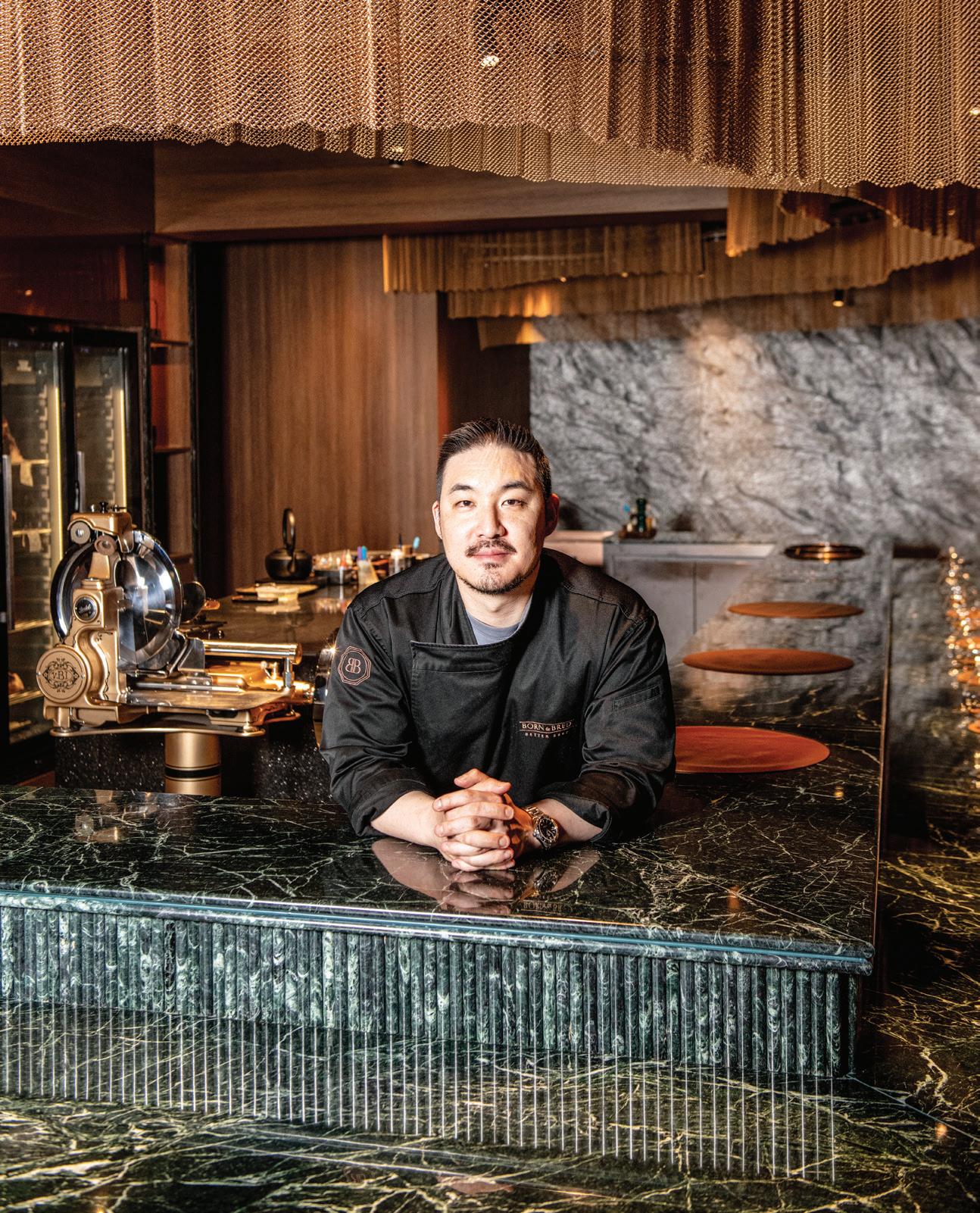
Welcome to Majang Meat Market; striploin, young onion and pickled sauce at Born and Bred Original; chef Kyung-hwan Min behind the counter in Born and Bred Original’s second-floor dining room; Onjium’s baekhwaban, or white bibimbap, features seasonal white vegetables and is served with doenjang (soybean paste).
which translates to “frugal but not shabby, splendid but not extravagant.” In the light-filled dining room, I’m served jeonbok jimm, a delightful autumn-only steamed abalone dish that’s concealed by a tangle of shredded mushrooms, followed by a pale, blossom-like baekhwa (white flower) bibimbap — which, in old records, was called hwaban (flower rice) because its colorful toppings resembled a bloom — that’s adorned with seasonal white vegetables and served with doenjang. “Fermentation is both the beginning and the flowering of Korean culinary culture,” says Cho. “It’s a heritage we must continue to preserve, study and carry forward.”
While Onjium honors the history of hansik, Korean barbecue (K-BBQ) represents its values of balance and communal dining. Technology and commercialization aided the evolution of ancient neobiani (marinated beef slices) into today’s bulgogi (barbecued beef) and samgyeopsal (grilled pork belly). My first K-BBQ experience is at the boisterous Geumdwaeji Sikdang (Gold Pig Restaurant), where pork belly sizzles to perfection before it’s eaten as ssam (wrapped in leafy greens). At the legendary Byeokje Galbi, chef Won-suk Yoon continues the restaurant’s legacy of using the Haeundae Cut — a diamond cutting technique — on short ribs from Hanwoo cattle sourced daily at auction.
But it’s in an intimate restaurant in the middle of Korea’s largest meat market where I understand that savoring beef is a cultural experience. I meet up with Choi again to roam the lofty corridors of Majang Meat Market, pausing to peer at glass cases displaying premium Hanwoo beef, the vendors presenting their marbled treasures like luxury goods. Standing out from the market stalls is the sophisticated brick facade of Born and Bred Original, located just steps
away from the butcher shop that founder Sang-won Jeong’s father still operates. Inside, executive chef Kyung-hwan Min explains that K-BBQ is more than tabletop grilling: “It’s a culinary culture built on cuts, aging, marinades, grilling techniques and banchan,” he tells us. Unlike American barbecue’s low-and-slow methods with big cuts, K-BBQ is fast, high-heat grilling of thin slices, typically tableside, to preserve the meat’s natural aroma, texture and the nuances of fat distribution.
On Born and Bred Original’s intimate second floor, the tasting-menu experience takes diners from lean, mild cuts toward richly marbled ones from the highest grade of Hanwoo beef, each prepared on grills at the open-kitchen counter. “Hanwoo pairs exceptionally well with Korean sauces,” Min says, explaining how he calibrates soy, doenjang and gochujang to each cut’s fat content and aroma to create a well-balanced dish. Hanwoo’s beefier profile — unlike buttery-rich Wagyu — makes Min believe that K-BBQ can become its own global category. “Just as sushi represents a high-end branch of Japanese cuisine, Korean BBQ is evolving to be recognized as high-end Korean cuisine.”
As Choi and I step back into the crisp night air, surrounded by dimmed storefronts in Majang-dong, she tells me she hopes hansik is more than a fleeting trend on the world stage. “Fashion passes,” she says. “I want hansik to become permanent.”
After my week in Seoul, I can see how a cuisine once shaped by scarcity now permeates global pop culture not by chance, but because it’s inherently dynamic. Park spoke of hansik’s harmony with nature, time and human intention, while Cho shared how its future is in rediscovering Korea’s deeply flavorful past. Still, it’s the idea that hansik spans the past, present and future that continues to ferment in my mind.

Our elegant ships are the home of fine dining on the ocean
DINING WITH CRYSTAL IS THE ULTIMATE GOURMET EXPERIENCE – AND IT’S ALL INCLUDED IN THE PRICE. NINE DISTINCT OPTIONS INCLUDE THE ONLY NOBU AND BEEFBAR RESTAURANTS AT SEA, ITALIAN CUISINE BY THE MICHELIN-RATED ALAJMO BROTHERS, AND TASTING MENUS PAIRED WITH AN EXTENSIVE CHOICE OF WINES IN THE VINTAGE ROOM.
PLEASE CONTACT YOUR ENSEMBLE TRAVEL ADVISOR FOR MORE DETAILS.

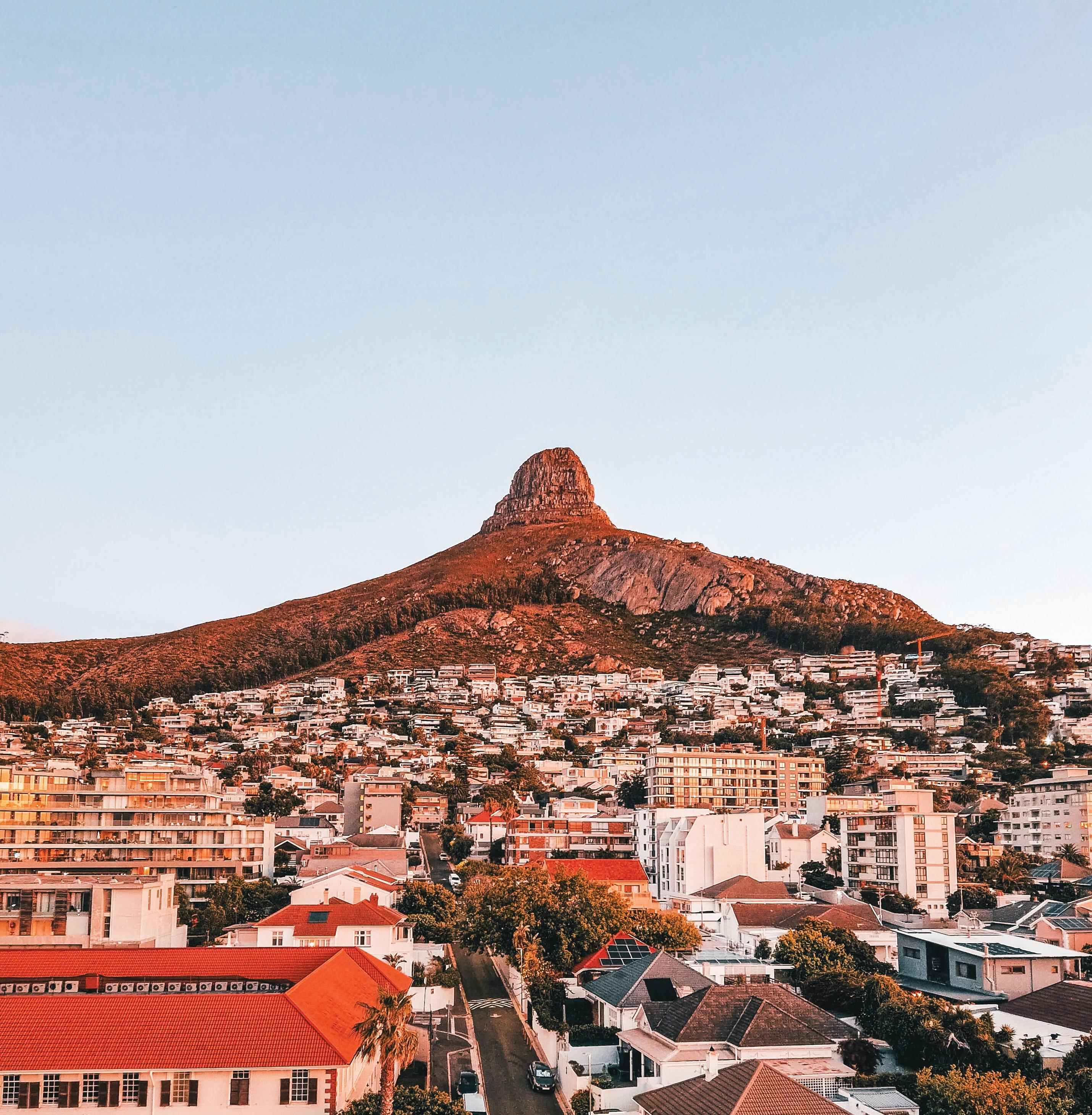
Soaring 2,195 feet above sea level, Lion’s Head — so named by 17th-century Dutch settlers due to its resemblance to a crouching lion — is part of the dramatic system of mountains, including iconic Table Mountain, that surrounds South Africa’s legislative capital. Discover a unique view of the city at night with a full-moon hike to the peak, or head to Sea Point, a suburb between Signal Hill and the Atlantic Ocean known for its lively restaurants and walkable streets, where the summit creates an impressive backdrop. For more on how to explore Cape Town during your port stay, turn to page 60.

Whether you know it as Hollywood North or the 6ix, Canada’s largest city is a hotbed of art, culture and fine dining — with a side of sports.
By Leah Rumack
Toronto has always been a city of “you had to be there” moments, but lately it feels as though the rest of the world has finally caught on. Between the electric hum of the Michelin Guide dropping stars like confetti across the dining scene and the high-stakes party of the FIFA World Cup, the 416 is vibrating at a different frequency. But to truly understand the soul of this place, one must look past the giant concrete needle in the sky. Toronto is a sprawling patchwork of neighborhoods that feel like distinct villages, each with its own rhythm. Yes, travelers should absolutely fight for a seat at the Rogers Centre to catch a Blue Jays game — the team is coming off a legendary run that had the whole city holding its breath — but if you want to experience Toronto like a local, plan your day around an east-to-west jaunt through some of its liveliest locales.
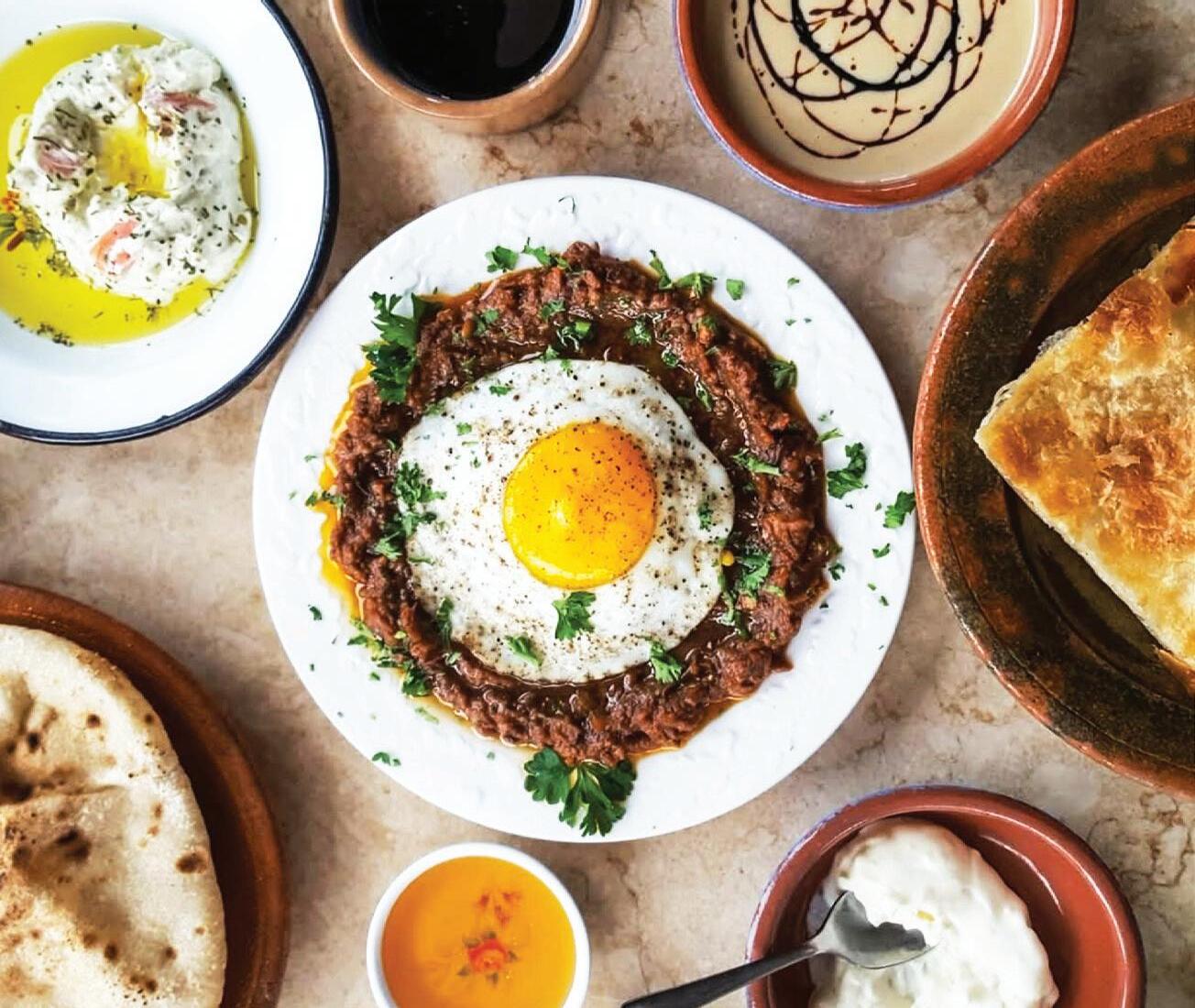
I begin my day at Maha’s in Leslieville. This isn’t just brunch; it’s a pilgrimage.
The beloved Egyptian spot serves up mind-twisty dishes like the Basturma Scramble, featuring thinly sliced cured beef, fenugreek, garlic and Egyptian spices sautéed in butter, then mixed into a fluffy three-egg scramble served with charred balady bread and a side of salata balady, a fresh chopped salad with cucumbers, tomatoes, onions and a light dusting of cumin. The space is tiny, aromatic and buzzing with the kind of energy that only comes from a family-run institution that refuses to compromise on their roots — or their painfully democratic no-reservations policy.
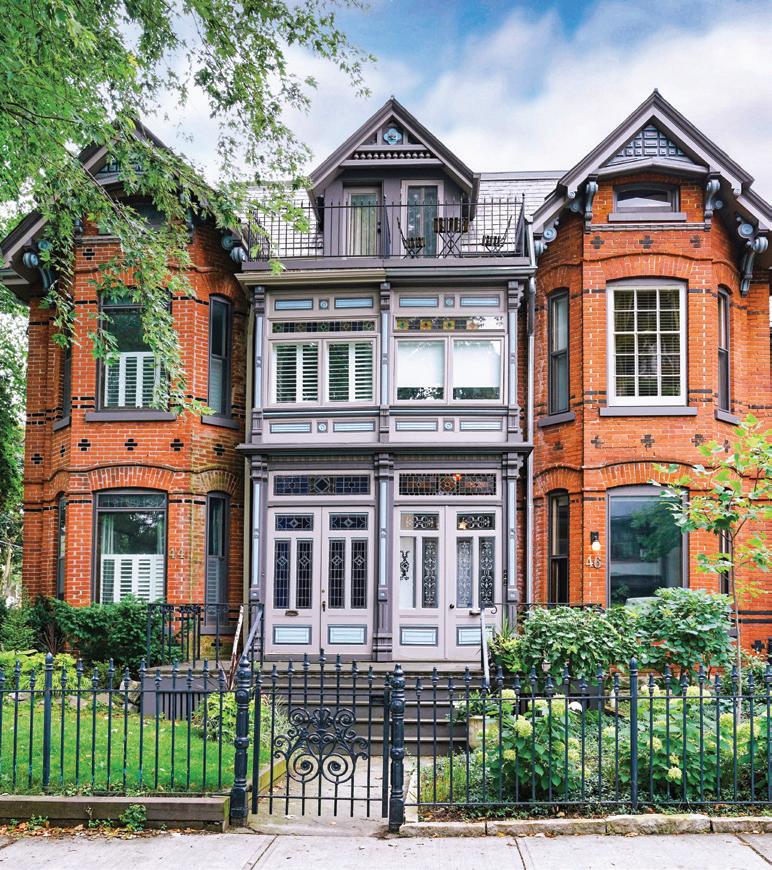
Once equipped with a respectable food coma, I head west to Cabbagetown. It’s a great place to digest while wandering through one of the densest collections of original Victorian-style homes in North
America. The architecture here is pure eye candy, with gingerbread trim and stained glass that could tempt anyone to hire a heritage contractor. It’s also remarkably quiet for being so close to the core — a leafy sanctuary where the houses seem to whisper stories of the city’s 19th-century elite.
Before the afternoon rush hits, I make my way to the Bata Shoe Museum at the tip of the University of Toronto campus for a dose of highbrow culture — because seeing Elton John’s platforms in person is basically a fundamental human right. This summer, the Bata is hosting Rough & Ready: A History of the Cowboy Boot and Unearthing Vindolanda: Footwear from the Edge of the Roman Empire, which is the first time this hoard of nearly 2,000-year-old treasures from an auxiliary fort just south of Hadrian’s Wall in Northumberland has landed on North American shores. (Hot tip: Sundays are always free!)

01
02 In Cabbagetown, Victorian homes command attention with bay windows and gingerbread trim.
03 A rare pair of sneakers designed by Jean-Michel Basquiat is on display at the Bata Shoe Museum.
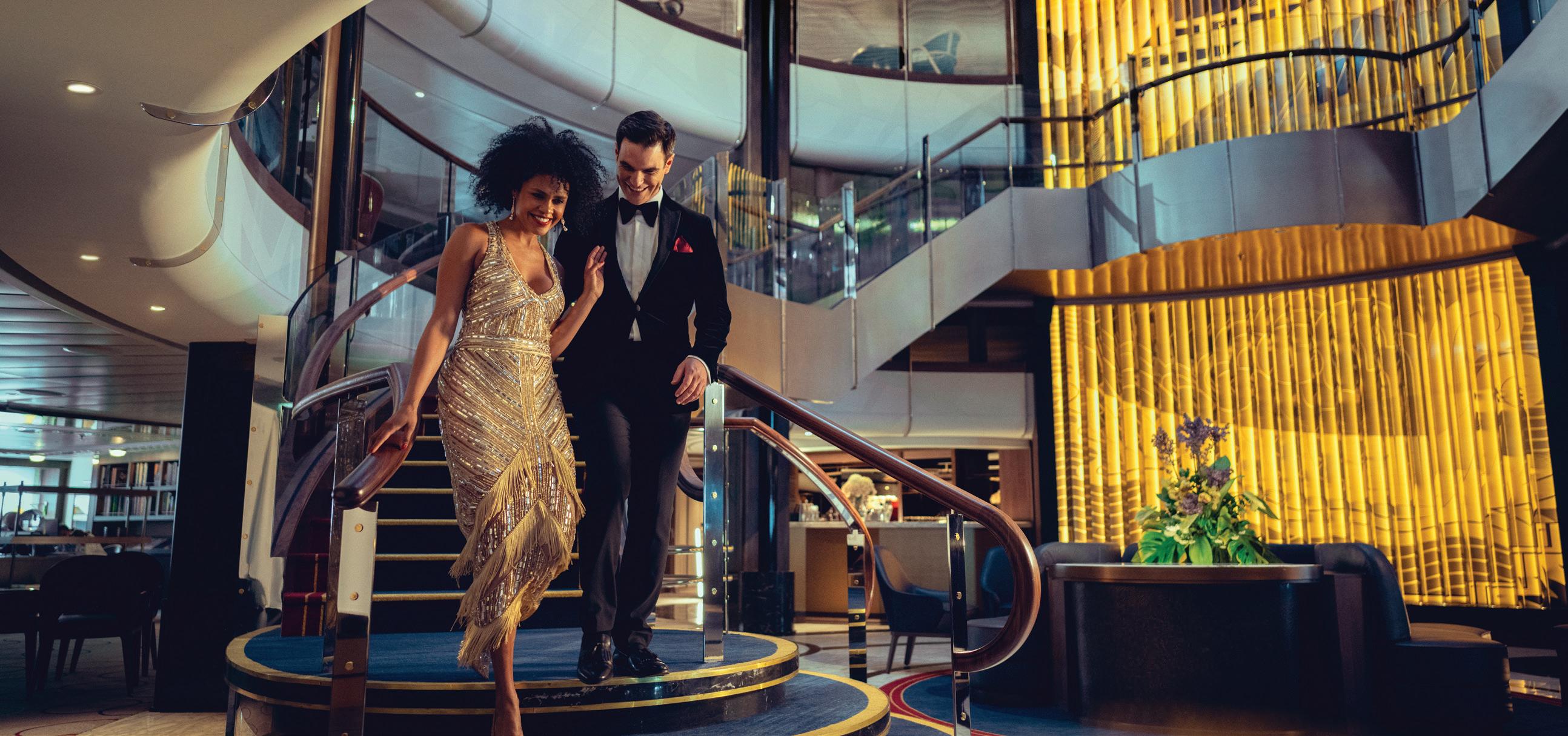
From the moment you step on board a Cunard® Queen, every detail is designed to transform travel into something extraordinary — from stylish surroundings and White Star Service™ to world-class dining and uniquely inspiring enrichment. Here, the voyage is not simply a means to an end, but a destination in itself. Whether crossing oceans or discovering new shores, every moment at sea invites you to slow down, indulge, and experience the timeless art of ocean travel.
Eastern Caribbean 12 nights
Roundtrip Miami
Nov 26, 2026 w Q632
Balcony Fares from*
US$2,605 CA$3,490

Canary Islands Celebration 14 nights
Roundtrip London
Dec 20, 2026 w H701
Balcony Fares from*
US$5,840 CA$7,358
South America
20 nights
Rio De Janeiro to San Antonio
Feb 8, 2027 w H705
Balcony Fares from*
US$7,485 CA$9,431
These voyages include an Ensemble exclusive Shore Experience, a welcome aboard cocktail party, and the knowledge of an experienced Ensemble Host.
Please contact your Ensemble travel advisor for complete details.
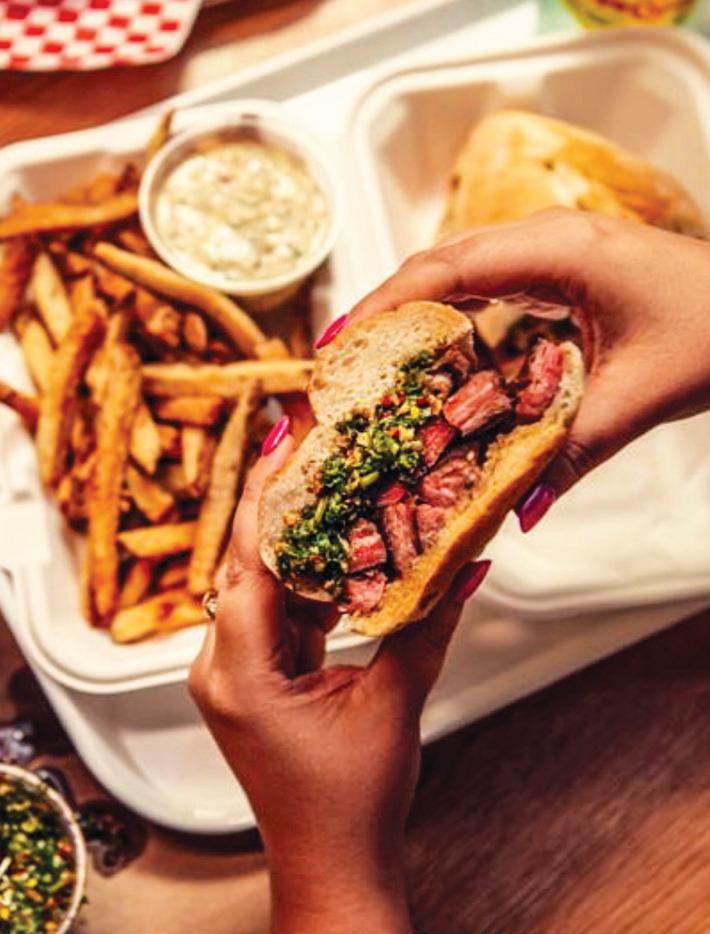
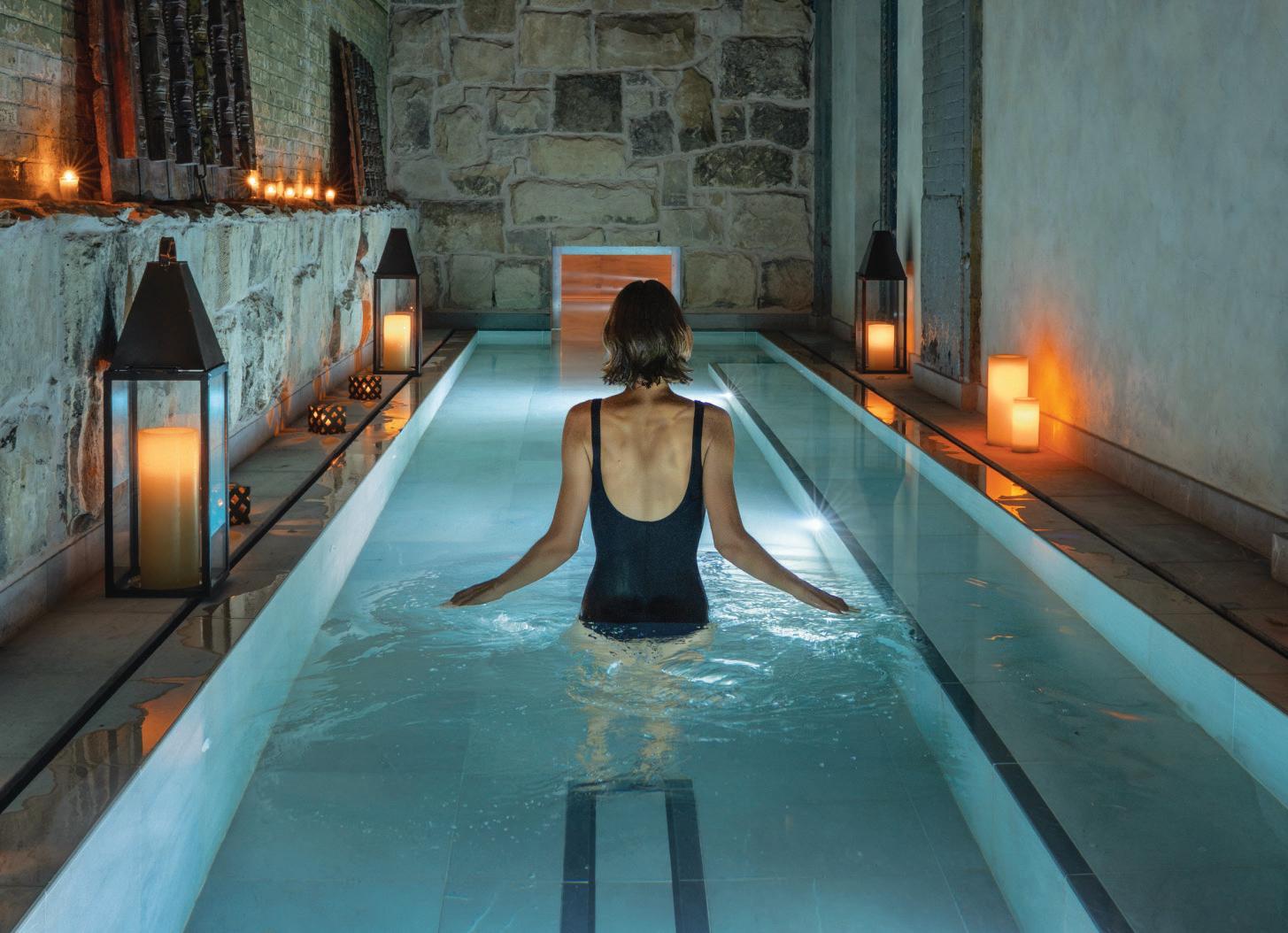
It’s only a 30-minute walk through the U of T campus and Chinatown to The Well, the indoor-outdoor mall in King West that’s the city’s newest architectural flex. Sure, there’s shopping and a bevy of sit-down restaurants, but the sort-ofsecret Wellington Market Food Hall is the true hidden gem for a quick lunch. This is no sad suburban-mall food court — it’s a 70,000-square-foot curated collection of Toronto’s best local stalls. I decide on a juicy steak sandwich topped with bright, fresh chimichurri from Bear Steak Sandwiches and keep it moving: I’ve got an appointment with the recently opened Aire Ancient Baths just down the street. Aire is both inconspicuous (you enter through a side door off an alley) and completely over the top. This subterranean temple of orange-scented relaxation moves guests through a thermal water circuit in a candlelit, cavernous space decorated with heavy pottery and oldtimey doors and shutters meant to evoke the brand’s Spanish roots. For the ultimate Roman-emperor experience, you can literally bathe in red wine, soaking in
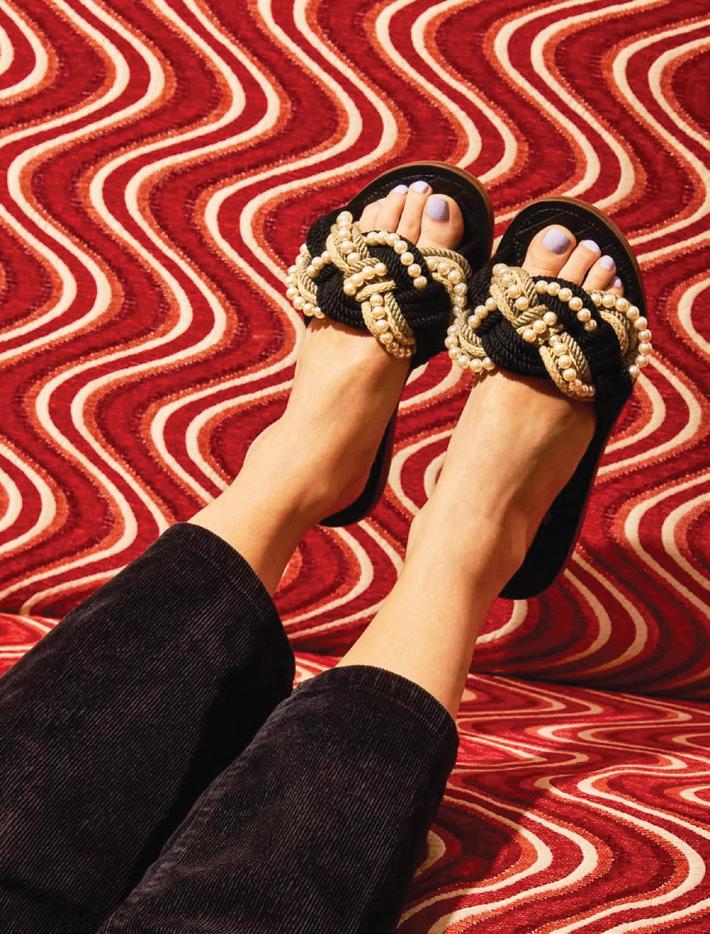
05 Find well-preserved pieces like Chanel slides at I
06
antioxidant-rich grapes. My dip in the waters feels decadent and lush, and it’s a superb way to reset the nervous system before I hit the West End pavement.
Walking along Queen West, I grab a flat white at Found Coffee then watch the city’s hippest squirrels and their fashionable humans picnicking in Trinity Bellwoods Park. After a quick loop of the Dog Bowl — downtown’s premier spot for canine-watching — I embark on a retail marathon on Ossington Avenue, where the curation is as tight as the espresso pours.
The stroll begins at I Miss You Vintage, a high-end resale archive where you’re just as likely to find a pristine ’90s Prada slip as you are a rare Chanel clutch. Just down the block, the vibe shifts to the sleek minimalism of Mejuri, the Toronto-born powerhouse that basically invented the concept of (mostly) affordable everyday fine jewelry. At Telegramme, the graphic, locally themed prints manage to be Toronto-proud without a hint of cheese (a perfect souvenir, perhaps?). And finally, I wrap up my West End retail pilgrimage at Rotate This, an old-school vinyl institution where the staff knows everything and the crackle of the needle on a fresh record is the only soundtrack I need.
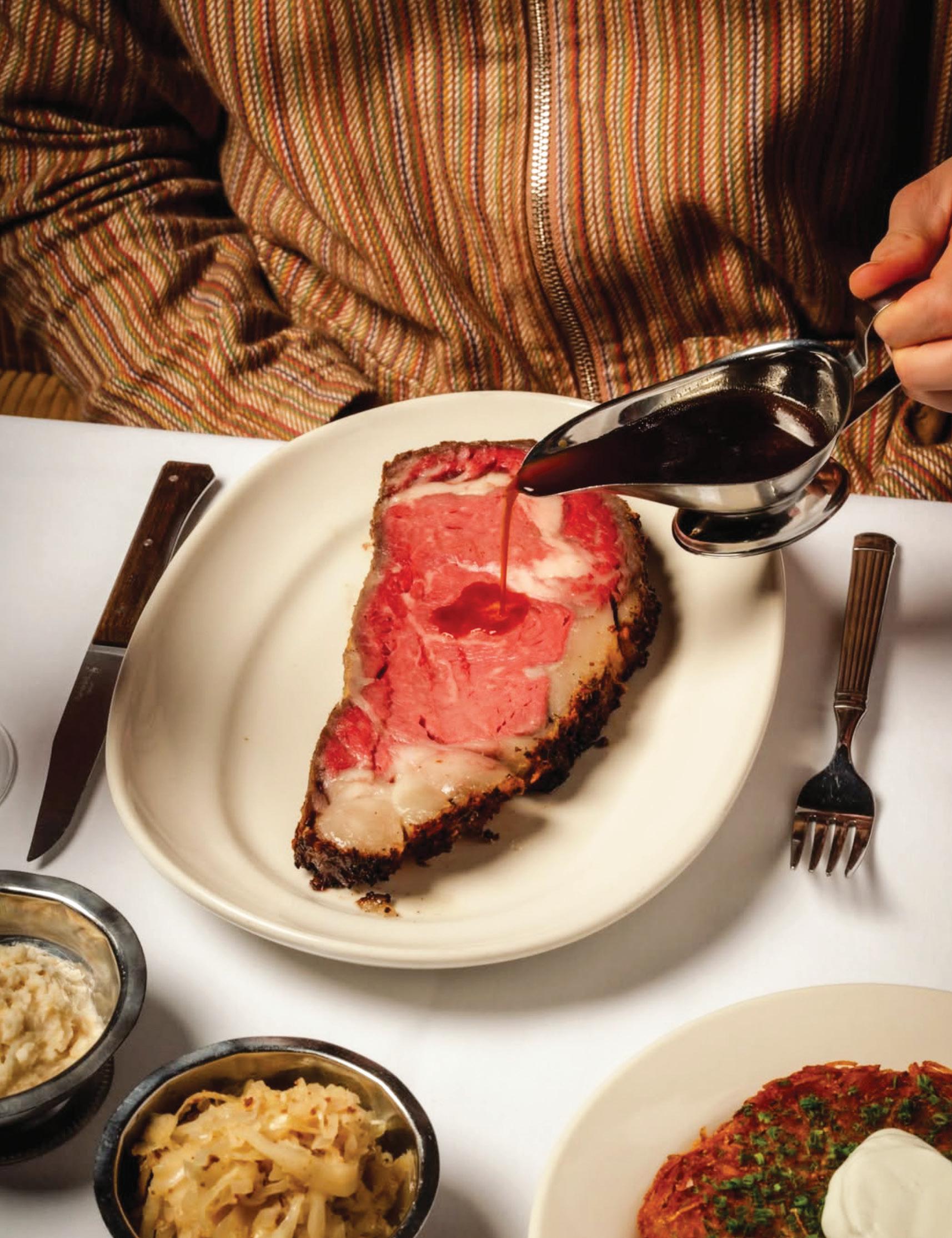
For dinner, I secure a spot at Linny’s, a modern take on a classic steakhouse. This is light-on-its-feet, Jewish-inspired comfort food at its most elevated. Don’t skip the challah service or the pastrami, a smoky, tender homage to the great delis of the past. For dessert, the chocolate babka is rich, pillowy and decadent enough to share (though I do not).
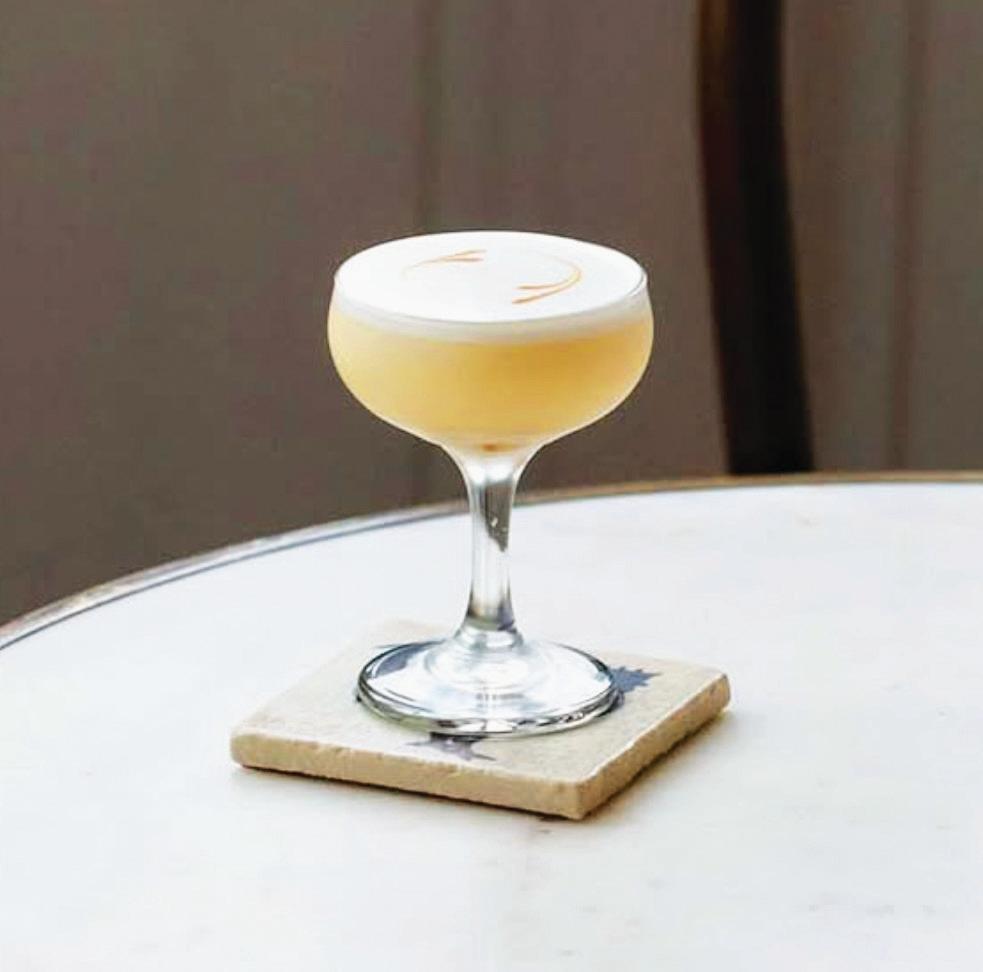
An after-dinner stroll leads me to Little Italy, where I slide into Bar Pompette for a cocktail. The seasonal menu at this charming boîte is a study in flavor and chemistry. I order the Cornichon, a crisp, clean approach to a martini that uses a pickle distillate and
07 On Sundays, Linny’s serves prime rib with a gravy boat of warm au jus.
08 Bar Pompette’s 11am in Marseille is made with pastis, beeswax, roasted almond orgeat, lemon and egg white.

dill oil to flip the dirty-martini script on its head. For something more crushable, try the Figalo — a rich Armagnac highball lifted with fig leaf and a hit of lactic acid for a bright finish.
Not quite ready to turn in, I make a final stop at Library Bar inside Fairmont Royal York (this place is booked and busy, so make a reservation in advance). It’s the ultimate Toronto spot where the martinis are legendary — order the world-famous Birdbath Martini, made with ice-cold Quill gin or vodka — and the lighting is low enough to hide the fact that my step count has reached five digits.
The grand 1929 hotel is pure historic-palace energy tucked right into the city’s frenetic core. A recent multimillion-dollar glow-up polished its art-deco bones to a high shine, from the soaring, hand-painted lobby ceiling to the iconic four-faced clock. Expect the kind of white-glove service that makes you feel like royalty.
Ask your Ensemble travel advisor about exclusive amenities at this property.
Fully enjoy the moment. Leave everything else aside. Discover an unforgettable travel experience of luxurious relaxation – with the rst 6 star slow luxury cruises on Europe’s most beautiful rivers. Please contact your Ensemble travel advisor for more details.


From the dramatic fjords of Iceland to the remote shores of Greenland, this 21-day cultural crossing invites you to experience the North Atlantic through its flavors.
Savor regional specialties ashore, from freshly caught seafood to time-honored Nordic favorites. Then return to onboard cuisine inspired by the destinations you explore. Through Destination Dining™, our chefs bring each region to life using fresh, responsibly sourced ingredients, creating dishes that reflect the journey from port to plate.
With our Have It All Early Booking Bonus, enjoy added value including a beverage package, specialty dining, shore excursions, and more — designed to enrich every day of your journey. Now is the perfect time to plan ahead.
Contact your Ensemble travel advisor to plan your journey, and secure the best value with early booking.
Eyja örður
Grundarfjörður
Akureyri
Nanortalik (Ilivileq)
Qaqortoq (Julianehåb)
Ísafjörður
Ísa arðardjúp
Reykjavík
Prince Christian Sound
St. Anthony Halifax Húsavík Seydisfjörður
Lerwick, Shetland Islands
St John’s
Portland
BOSTON
21-DAY CULTURAL CROSSING WITH ICELANDIC FJORDS & GREENLAND
Amsterdam to Boston Zuiderdam
2027 Aug 14

Fares are subject to full terms and conditions.


Discover the history of the island one flavorful bite at a time through a cacao tasting with an artisanal chocolatier.
By Robert Liwanag
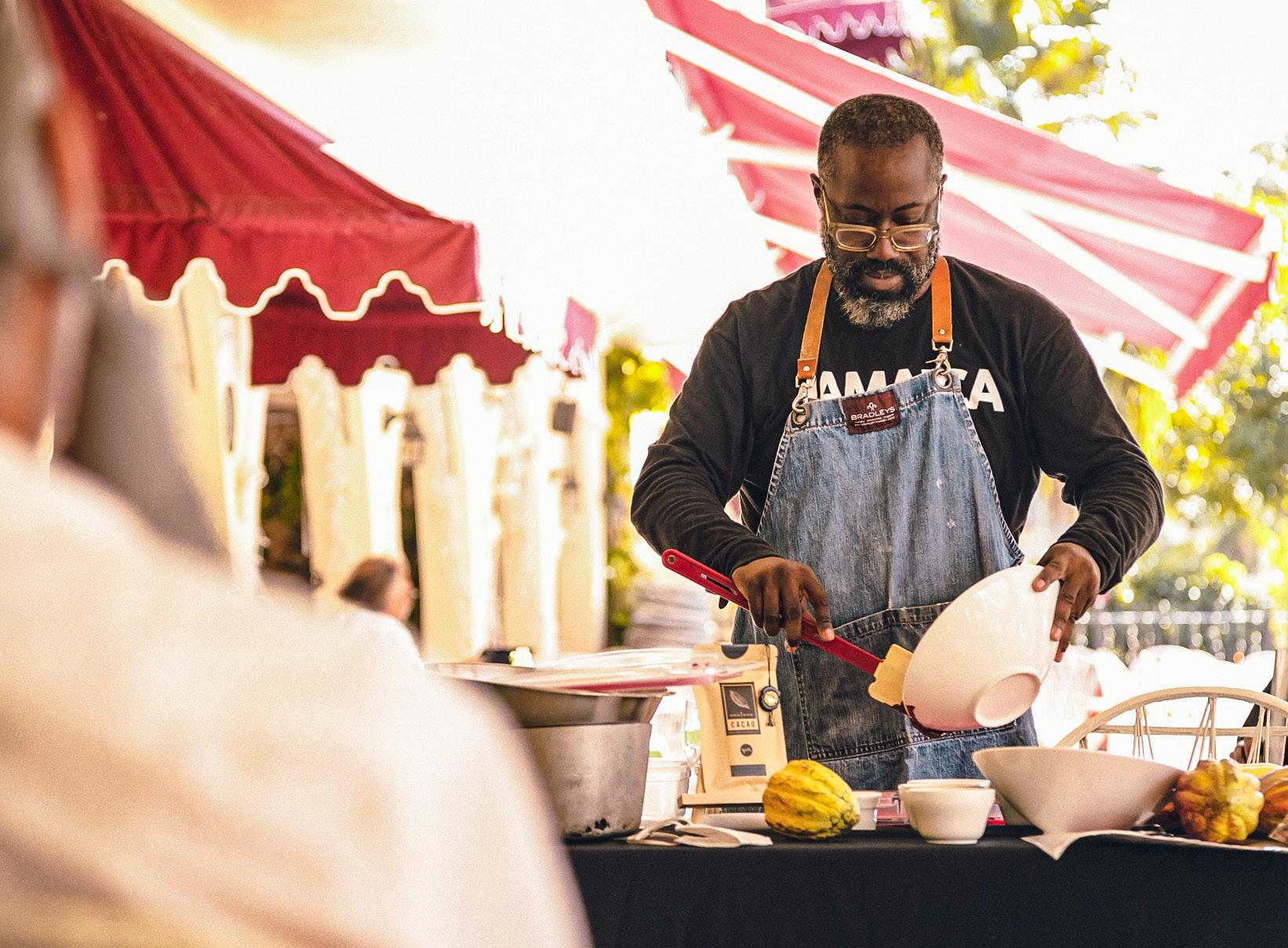
You know Jamaica for its sugar, rum and coffee, but cacao has been part of island life since the 15th century, long before the arrival of English colonists or chocolate becoming a global mainstay. Adventure-tour operator Island Routes highlights this heritage in its chocolate-tasting experience. “Visitors to Jamaica don’t always want to do horseback riding, kayaking or ziplining,” says David Black, the company’s vice-president of sales. “They want more immersive experiences that really connect them with the culture, the people and the food.”
Tastings can be customized for couples, small groups and families alike. And, notably, they aren’t location-specific: Guests can partake while on the beach at Jamaica Inn, in a workshop in Falmouth or almost anywhere they choose across
the island. Nick Davis (pictured), co-founder of artisanal chocolatier One One Cacao, often leads the experience, teaching the basics of chocolate making, as well as discussing cacao’s role in Jamaican agriculture, how soil shapes flavor and how fermentation and roasting turn the colorful fruit into chocolate. Then, it’s time for samples: Chocolate lovers taste cacao in different forms, compare dark-chocolate percentages and try bars infused with hazelnut or oats.
There may even be a sip of iconic Appleton Estate rum between bites to reset the palate before the next piece. Like wine, each bar has a profile — some deeper, some fruitier. The best part? Even those who arrive at the tasting loyal to milk or white chocolate tend to leave the experience with a whole new favorite.
Founded in 2009, Island Routes offers more than 500 engaging day tours in nine destinations, including Barbados, Saint Vincent and the Grenadines, and the Bahamas. Prefer something more tailored? Ask your Ensemble travel advisor about designing a private or bespoke experience.
DURATION
45–90 minutes
WHEN TO GO
January–April
UPGRADE
The experience is fully customizable around dietary preferences, favorite chocolate flavors and large groups.
Contact your Ensemble travel advisor to book this experience.
Tucked between the distinctive flat-topped Table Mountain and the icy Atlantic, South Africa’s secondlargest city is its most striking — a picture-perfect destination to explore before or after a cruise.
By Jane Broughton

Few cities balance wildness and sophistication as effortlessly as Cape Town. Table Mountain sets the backdrop, flanked by Lion’s Head and Devil’s Peak, and beyond the walkable center and busy harbor’s V&A Waterfront lie Table Bay and Robben Island, where Nelson Mandela was imprisoned for 18 years. World-class restaurants, edgy design studios and lively wine bars abound — but Cape Town proper is just the beginning. The Cape Peninsula stretches south, a coastal route leading to surfers’ paradise Muizenberg, quaint Kalk Bay, Boulders Beach (home to a colony of endangered African penguins) and the Cape Point Nature Reserve. Those who need to move are in good company — Capetonians surf, hike and free-dive with gusto. This is a destination that rewards the active traveler as generously as it does the bon vivant.
Currency
South African rand (ZAR)
Language
English, Afrikaans and isiXhosa
Tipping
10%–15% is customary in restaurants and cafés.
Average daily highs range from 68°F/20°C in June to 82°F/28°C in January.

The Cape Floral Region Protected Areas, covering more than 2.7 million acres and home to Table Mountain National Park, is one of the most biodiverse zones on Earth.
Every day at noon, two cannons fire from Lion Battery on Signal Hill, a tradition unbroken since 1806, when ships in the harbor set their chronometers to it.
Robben Island, a UNESCO World Heritage Site, is famous for being the site of a jail that incarcerated political prisoners during apartheid. Today, it’s a living museum where visitors take tours to uncover its 500-year history.

Founded by two surfers, Sealand handcrafts its gear from upcycled materials such as discarded yacht sails. Weather-resistant and built to last, the color-blocked bags, clothing and hats have become local cult items, beloved by surfers, hikers and design-conscious travelers alike. Find the flagship store at the V&A Waterfront.
EVERY WEEKEND
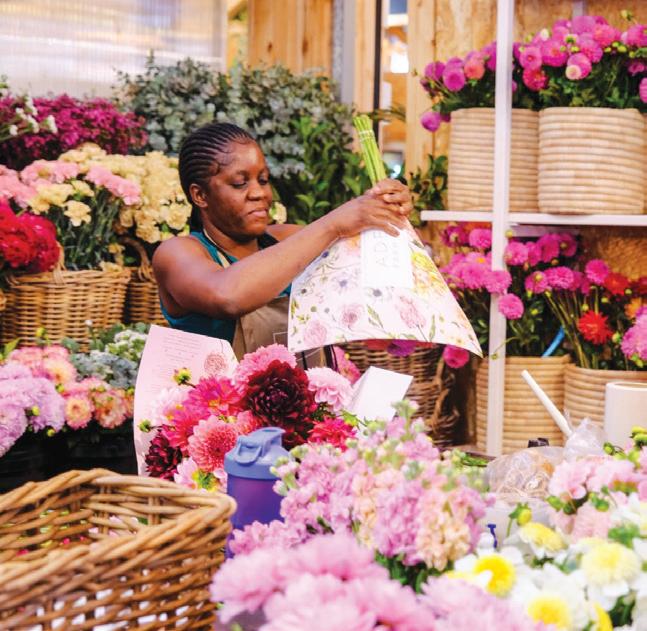
Launched in 2013, this bustling community market has grown into one of Cape Town’s great weekend rituals, where shoppers peruse goods from more than 100 vendors. At the end of 2025, it moved into a purpose-built timber barn in the V&A Waterfront, with views of Table Bay and Robben Island. Come for the organic produce, pastéis de nata and natural wines, stay for the people-watching.

A sub loaded with polony (bologna), masala steak or Vienna sausages and slap chips (fries doused in vinegar and salt), the Gatsby is the city’s go-to handheld meal, made for sharing. EAT THIS
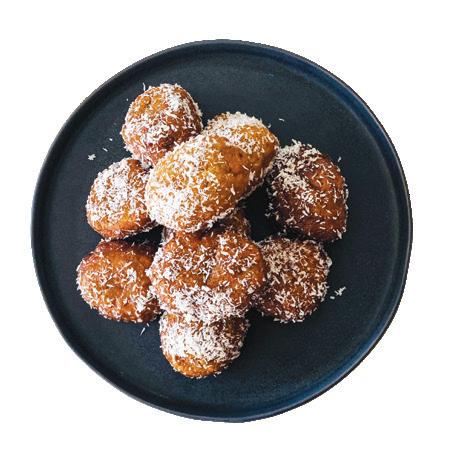
The Cape Malay answer to the koeksister (a braided donut drenched in syrup after frying), this local version is round, spiced with ginger, cinnamon and naartjie peel, and rolled in desiccated coconut.
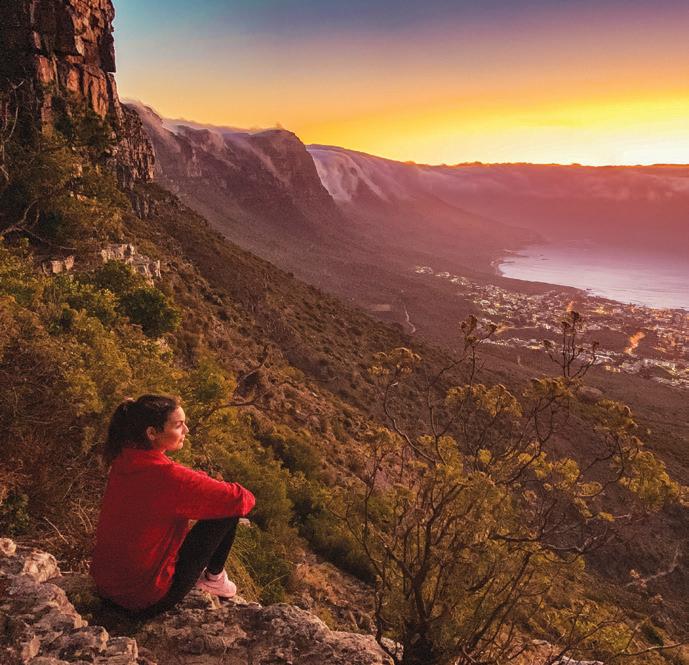
Trade the cable-car queues for a short walk and you’ll be rewarded with one of the greatest urban lookouts on the continent. A 20-minute climb up stone steps from Tafelberg Road, not far from the Table Mountain Aerial Cableway, delivers a panorama of Lion’s Head, Camps Bay and the Twelve Apostles, with the Atlantic crashing onto the coast below.
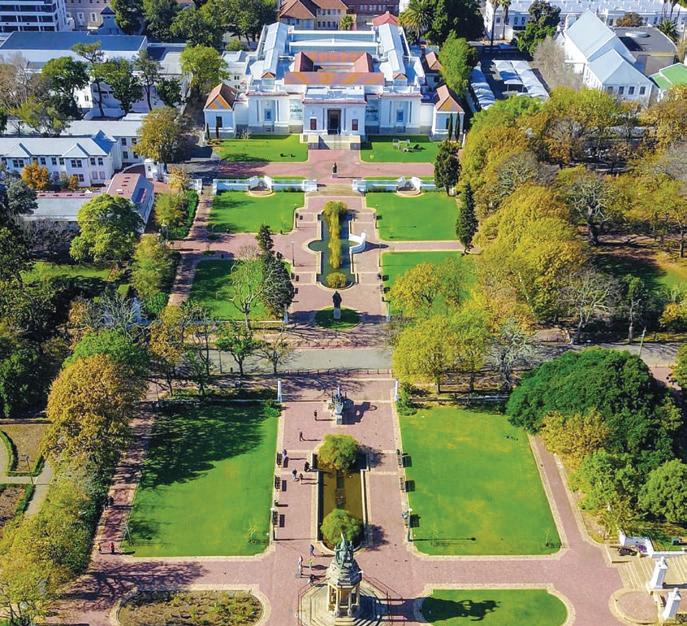
In the heart of the Cape Town Central Business District (CBD), the Company’s Garden is South Africa’s oldest cultivated garden, planted in 1652 to supply Dutch East India Company ships with fresh produce and prevent scurvy on long sea voyages around the tip of Africa. Today, it’s a leafy central park surrounded by some of the city’s top cultural institutions, including the Iziko South African National Gallery.
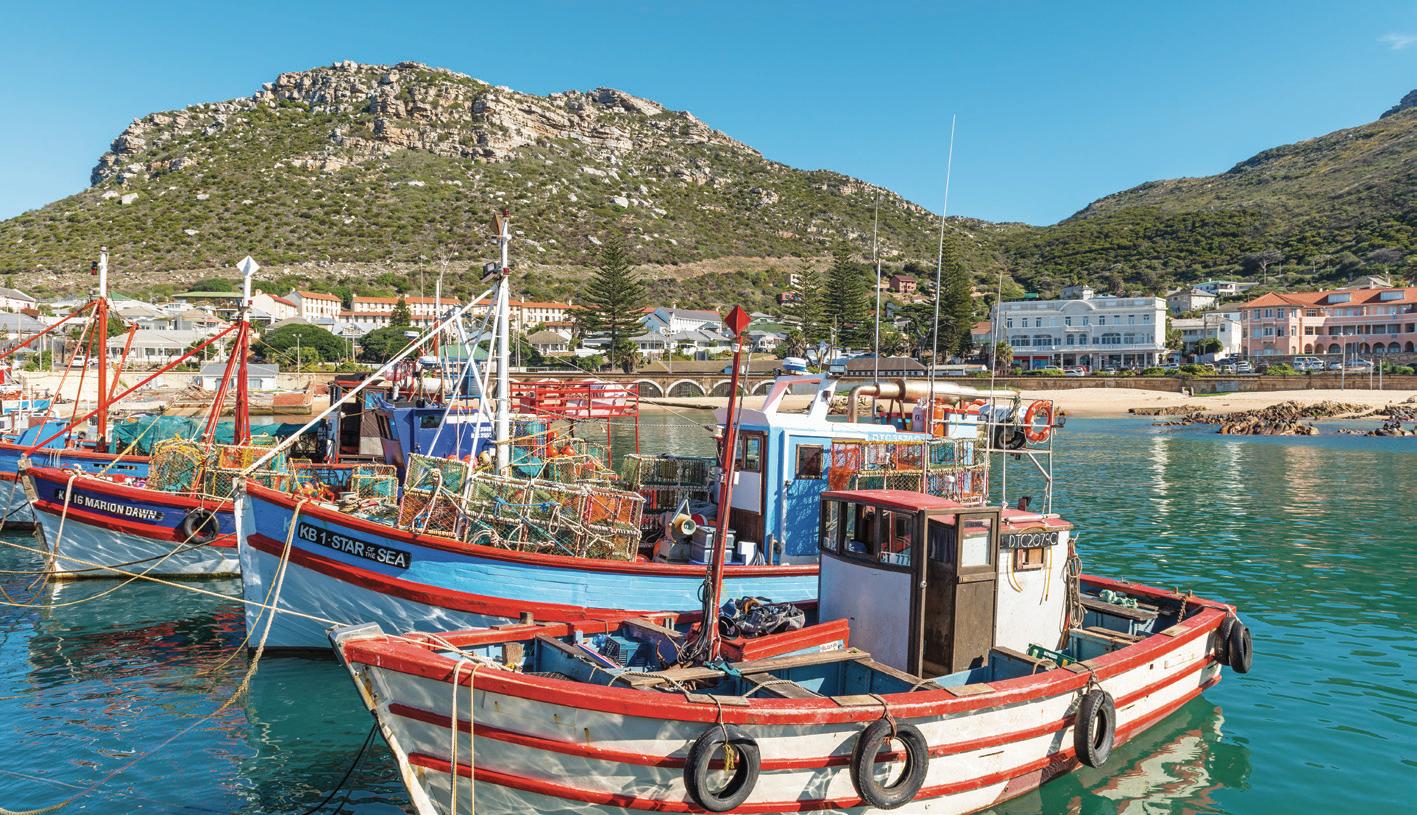
About 30 minutes south of the city center, Kalk Bay is designed for slow exploration. Take the train that runs from the CBD to Simon’s Town — at Muizenberg, the carriages hug the False Bay coastline for one of the most scenic commutes in the country. Disembark at Kalk Bay (where the station opens directly onto the main street lined with cafés, antique shops and galleries) to discover a bohemian enclave where locals take sunrise dips in the tidal pools and you can choose from one of the laid-back restaurants overlooking the sea.
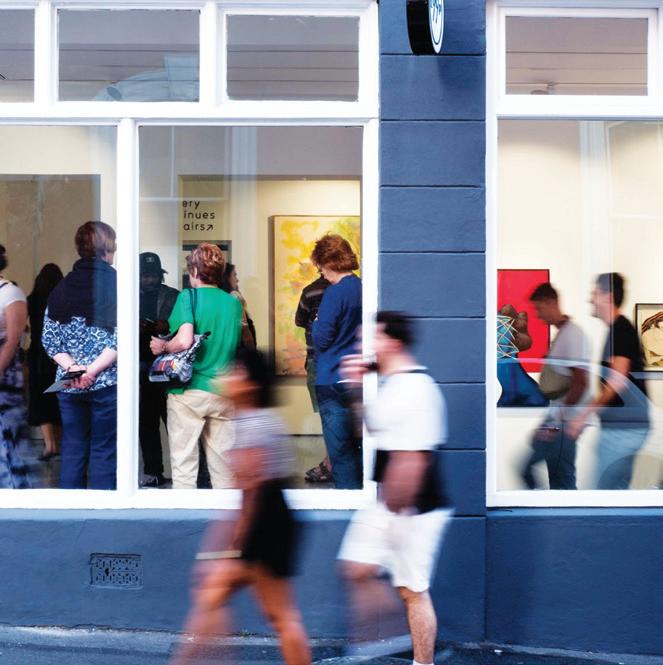
On the first Thursday of every month, Cape Town’s city center transforms into a sprawling, street-level arts and culture event. Shops and galleries on Church, Loop and Bree Streets stay open late, restaurants run specials, bars fill and pop-ups spill onto the pavement. It’s part gallery crawl, part street party — and entirely free.
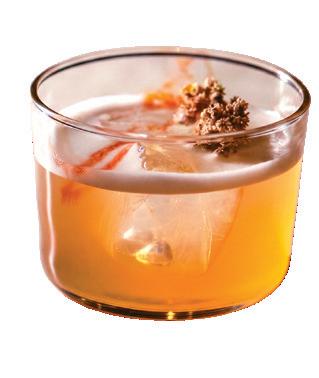
Cape Town’s bar scene punches well above its weight. At Talking to Strangers, the White Sangoma (a sangoma is a traditional African healer) is a master class in local storytelling: Scotch, imphepho (a sacred herb), vanilla, marshmallow, lemon and bitters combine in a single smoky glass.
WHERE TO STAY
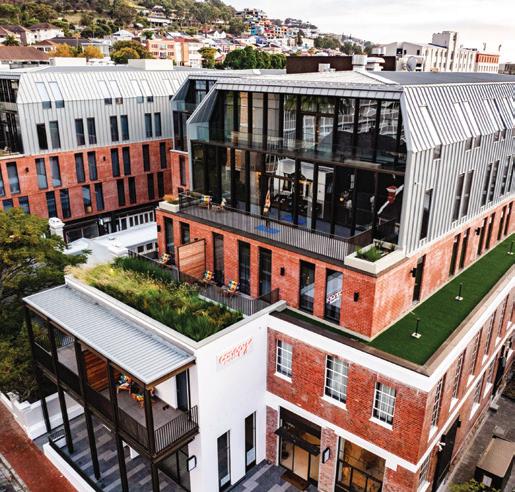
Housed in the century-old Longkloof Studios, originally a tobacco factory, this is the city’s most characterful midrange stay. The industrial-warehousemeets-pop-art vibe is provocative and fun, with neon signs (“Have a wicked day, my sweet” reads one outside the elevator), local artwork (including a hand-drawn mural by Lerato Nkosi) and a giant beaded giraffe named Gerry.
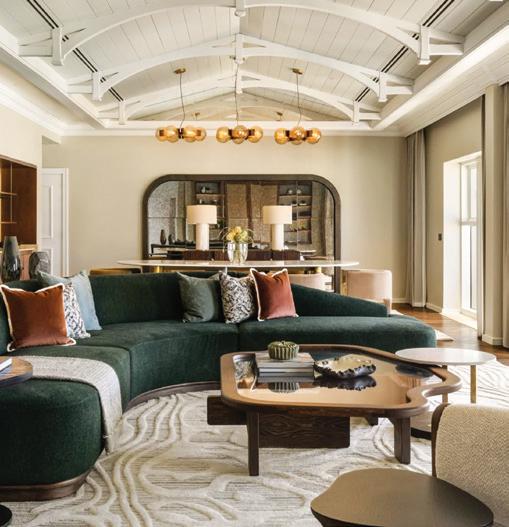
Fully refurbished in 2025, this property sits at the heart of the V&A Waterfront. The lobby lounge is a see-and-be-seen space with grand Table Mountain views, while Le Bistrot de JAN, a collaboration with chef Jan Hendrik van der Westhuizen, deserves its own visit. Deep-blue walls and velvet booths complement honest bistro classics, from chicken pie to steak Florentine to share.
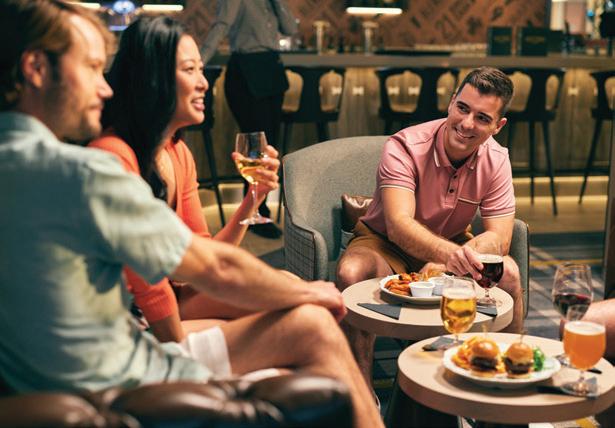
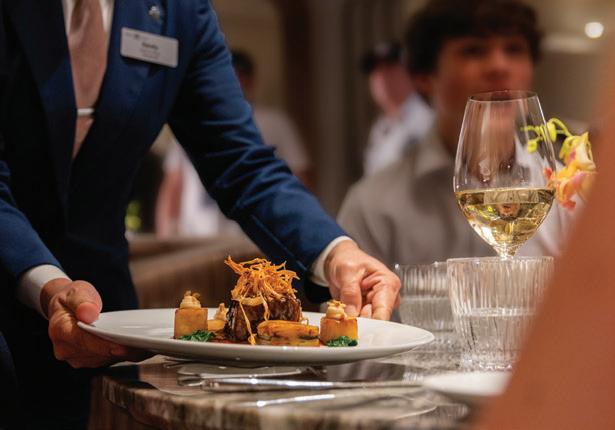
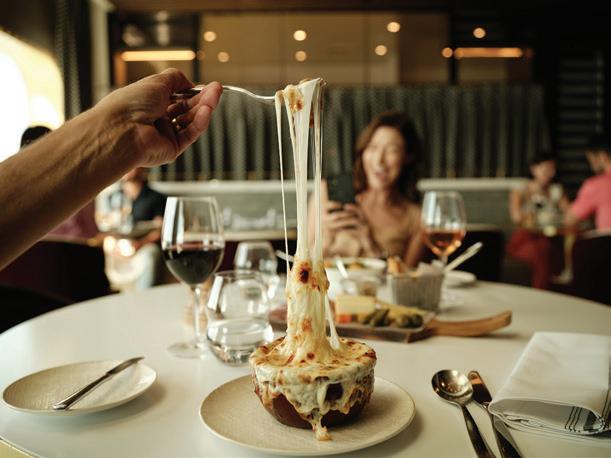
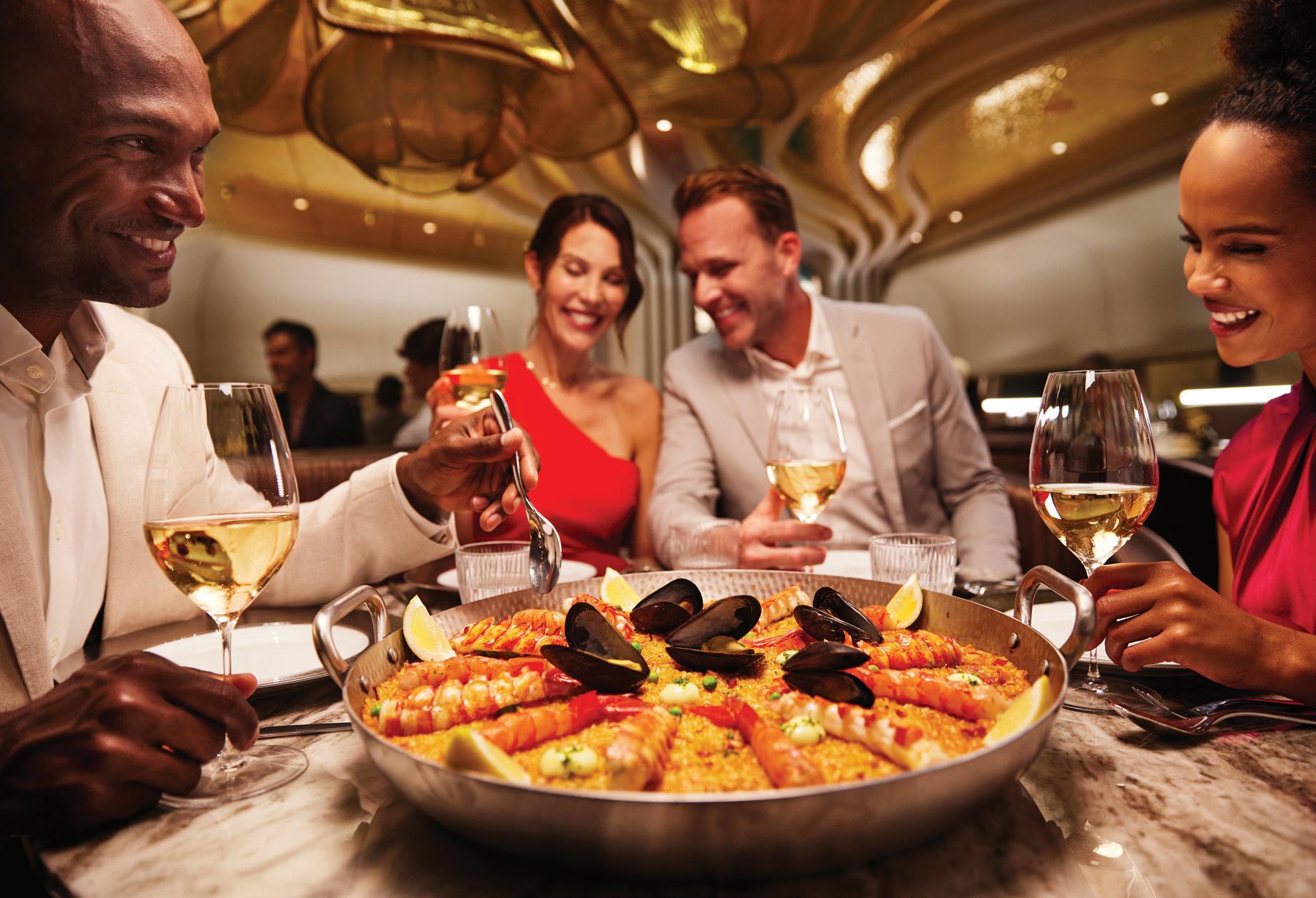
Are you all about food and wine? If delicious eats and exceptional wines are a top priority on your vacation, we’ll be the perfect match. Our menus are globally inspired, locally sourced, and made fresh daily—most importantly, they’re really good. Our onboard sommeliers pour wines as exciting and diverse as the regions we visit. In fact, we’ve earned 118 Wine Spectator Awards of Excellence and 15 Best of Awards of Excellence—the most in the cruise industry.
With so many restaurants serving daring new dishes and classics done right, you’ll wish there were more meals in the day. But hey, who’s really counting?
When you plan your Celebrity cruise with your Ensemble travel advisor you can expect personalized service, experienced and knowledgeable travel experts and when booking a veranda or above enjoy an exclusive $100 onboard credit per stateroom.
Please contact your Ensemble travel advisor for more details.





Century Cruises has been China’s premier river cruise line for 30+ years, welcoming tens of thousands of North American travelers each year. Our modern, eco-conscious ships and attentive service provide exceptional value for couples, families, groups, and incentive travel.
Century Cruises has been China’s premier river cruise line for 30+ years, welcoming tens of thousands of North American travelers each year. Our modern, eco-conscious ships and attentive service provide exceptional value for couples, families, groups, and incentive travel.
Now sailing Europe and the Nile, Century extends its signature hospitality and elevated Asian service to the world’s most legendary rivers—delivering curated journeys shaped by culture, authenticity, and extraordinary attention to detail.
Now sailing Europe and the Nile, Century extends its signature hospitality and elevated Asian service to the world’s most legendary rivers—delivering curated journeys shaped by culture, authenticity, and extraordinary attention to detail.

PLEASE
Discover a range of journeys — from an adults-only Caribbean cruise to a two-week exploration of Scotland — and take advantage of exclusive offers only available when you book with your trusted Ensemble advisor.
Today’s travelers want a trip that fits them. That’s where Globus comes in: With multiple touring styles, built-in free time and deeply personal experiences, Globus has evolved the traditional tour into something smarter and more flexible. These aren’t just tours — it’s a better way to travel, where planning feels easier and every day feels like your own.
The Best of Italy
11 DAYS
DATE : March 17, 2027
ITINERARY
Rome, Italy (overnights) ê Pisa (Florence), Italy ê Montecatini Terme (Tuscany), Italy (overnights) ê Venice, Italy (overnights) ê Assisi, Italy ê Pompeii/ Naples/Capri, Italy (overnights) ê Sorrento, Italy ê Rome, Italy
ENSEMBLE
EXCLUSIVE OFFER
US$100 excursion credit per person
From US$4,779 | CA$6,643 per person. Fare includes taxes and fees.*
Croatia Island Hopper
10 DAYS
DATE : April 24, 2027
ITINERARY
Sarajevo, Bosnia ê Herzegovina, Bosnia (overnights) ê Konjic, Bosnia ê Mostar, Bosnia (overnight) ê Brač, Croatia (overnight) ê Hvar, Croatia (overnights)
ê Ston, Croatia ê Dubrovnik, Croatia (overnights)
ENSEMBLE
EXCLUSIVE OFFER
US$100 excursion credit per person
Scottish Highlands & Islands
14 DAYS
DATE : May 8, 2027
ITINERARY
Glasgow, Scotland (overnight)
ê Edinburgh, Scotland (overnights)
ê Inverness, Scotland (overnight)
ê Thurso, Scotland (overnights)
ê Isle of Skye, Scotland (overnights) ê Oban, Scotland (overnight) ê Glasgow, Scotland
ENSEMBLE
EXCLUSIVE OFFER
US$100 excursion credit per person
Scan for more information.
From celebrated culinary experiences onboard to destinations known for their rich food and wine traditions, these itineraries invite travelers to explore the world through taste — one unforgettable sailing at a time. Whether you’re savoring wine-paired dinners as the Mediterranean coastline drifts by or discovering the bold flavors of a new port of call, every sailing transforms each destination into something truly extraordinary.
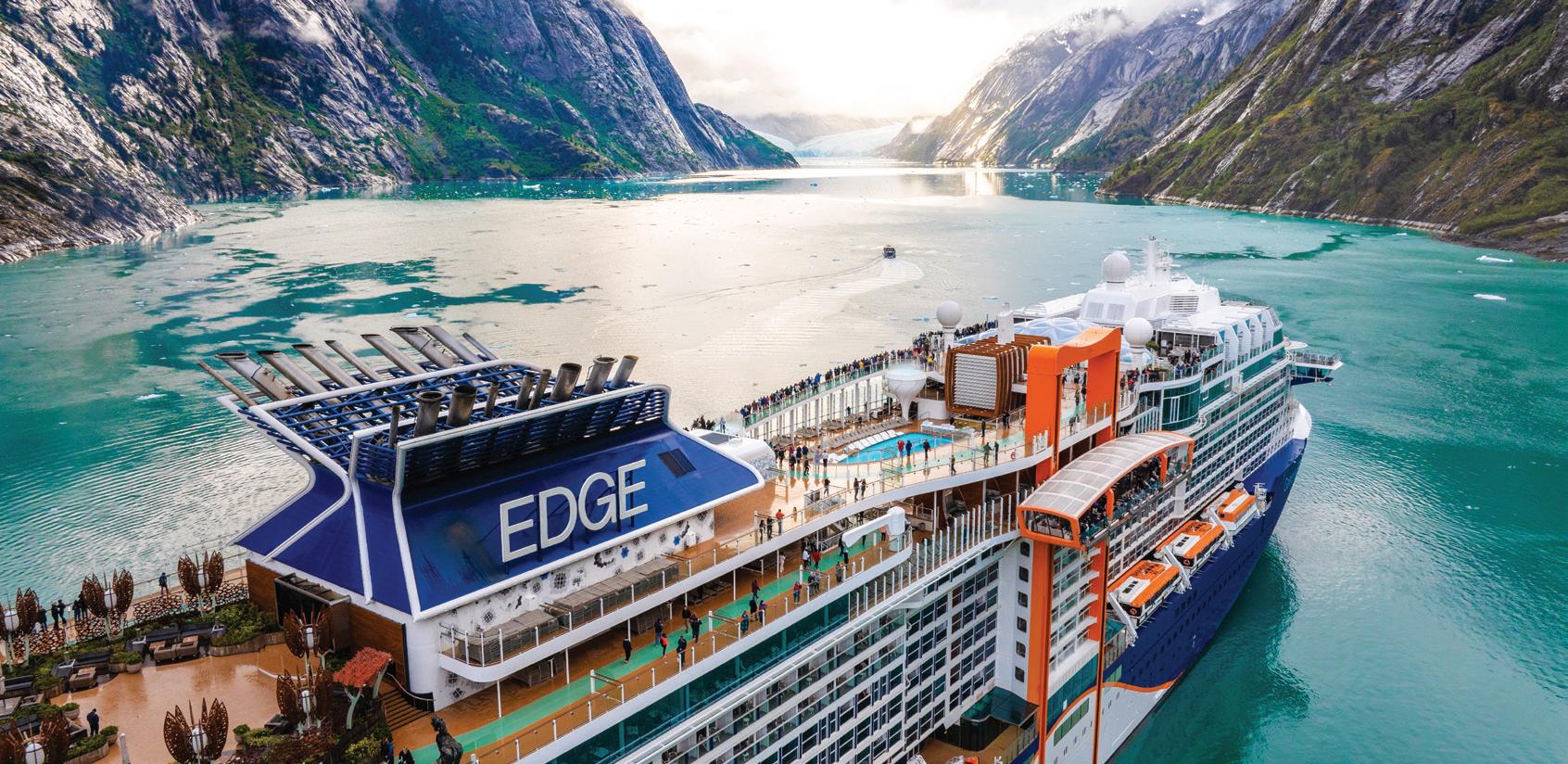
14 NIGHTS
DATE : September 12, 2026
SHIP : Celebrity Apex
ITINERARY
Southampton, England ê Days at Sea ê Cadiz (Seville), Spain ê Cagliari, Sardinia ê Civitavecchia (Rome), Italy ê La Spezia (Florence), Italy ê Villefranche (Nice), France ê Barcelona, Spain
ê Day at Sea ê La Coruna, Spain
ê Southampton, England
ENSEMBLE
EXCLUSIVE OFFER
Book a Veranda or higher and receive a US$100 onboard credit
Alaska Dawes Glacier
7 NIGHTS
DATE : October 7, 2026
SHIP : Celebrity Edge
ITINERARY
Seattle, Washington ê Day at Sea
ê Ketchikan, Alaska ê Endicott Arm, Alaska ê Juneau, Alaska ê Skagway, Alaska
ê Cruising Alaska Inside Passage
ê Day at Sea ê Victoria, British Columbia ê Seattle, Washington
ENSEMBLE
EXCLUSIVE OFFER
Book a Veranda or higher and receive a US$100 onboard credit
St. Thomas, San Juan & Bahamas
7 NIGHTS
DATE : December 13, 2026
SHIP : Celebrity Beyond
ITINERARY
Fort Lauderdale, Florida ê Day at Sea ê Puerto Plata, Dominican Republic ê Charlotte Amalie, St. Thomas ê San Juan, Puerto Rico ê Day at Sea ê Nassau, The Bahamas ê Fort Lauderdale, Florida
ENSEMBLE
EXCLUSIVE OFFER
Book a Veranda or higher and receive a US$100 onboard credit
Scan for more information.
US$4,328 | CA$5,849 per person (Veranda), based on double occupancy. Fare includes taxes and fees.*
From US$2,781 | CA$3,759 per person (Veranda), based on double occupancy. Fare includes taxes and fees.*
From US$2,200 | CA$3,022 per person (Veranda), based on double occupancy. Fare includes taxes and fees.*
Stroll through Gaudí’s Barcelona, savoring tapas and bold reds, then cook authentic paella in a Malaga home. Southern Europe’s warm winter weather lets you soak up the sights, from the Alcazaba walls and Picasso’s art to vistas of Africa from Gibraltar.
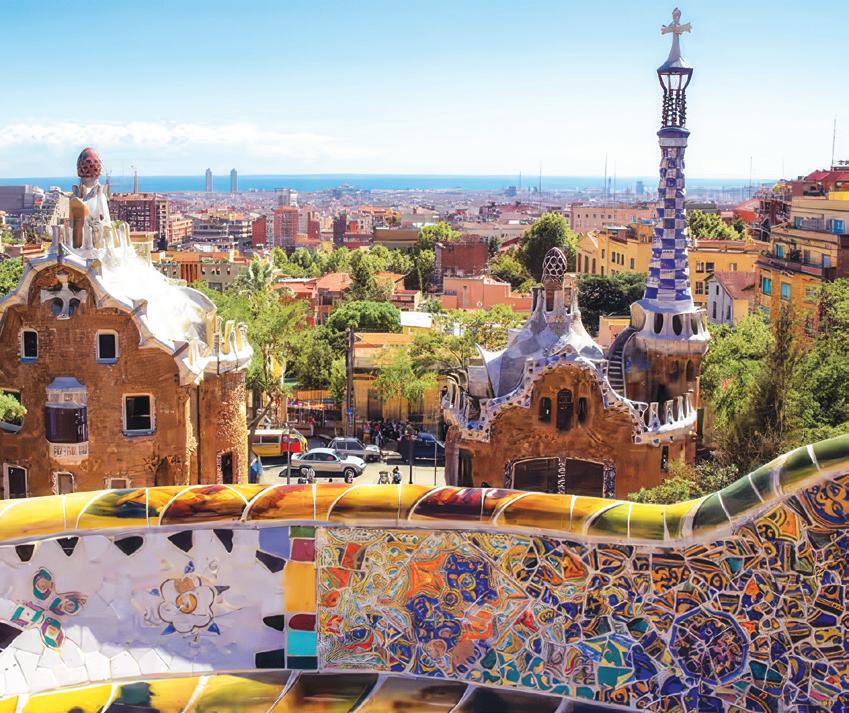
9 NIGHTS
DATE : January 6, 2027
SHIP : Star Explorer
ITINERARY
Barcelona, Spain (overnight) ê Valencia, Spain ê Cartagena, Spain ê Gibraltar, U.K. ê Malaga, Spain (overnight) ê Day at Sea ê Palma de Mallorca, Spain ê Barcelona, Spain
ENSEMBLE EXCLUSIVE OFFER
US$100 onboard credit per person, up to US$200 per stateroom
Scan for more information.
This round-trip voyage from Miami begins with a tranquil day at sea before exploring the crystal-clear waters of George Town, Grand Cayman, and the lush waterfalls of Ocho Rios, Jamaica. Then, sail on to Nassau and our exclusive Beach Club at Bimini.
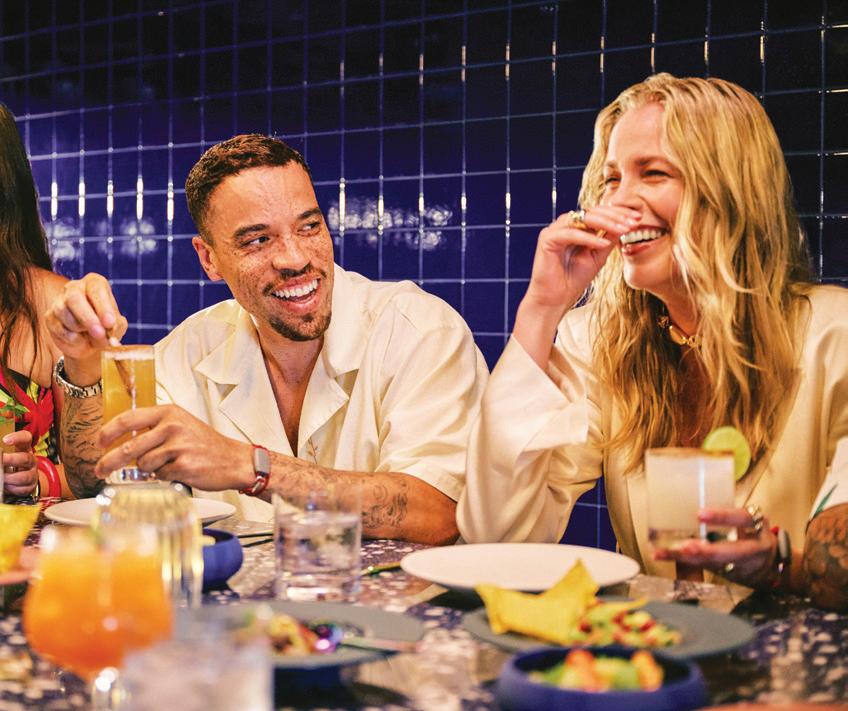
Western Caribbean & Bimini Beach Club
7 NIGHTS
DATE : February 7, 2027
SHIP : Resilient Lady
ITINERARY
Miami, Florida ê Day at Sea ê George Town, Grand Cayman ê Ocho Rios, Jamaica ê Day at Sea ê Nassau, The Bahamas ê The Beach Club at Bimini, The Bahamas ê Miami, Florida
SPECIAL OFFER
Free Balcony upgrades + 70% off 2nd sailor
Scan for more information. From US$5,379 | CA$7,359 From US$1,341
person (Sea Terrace), based on double occupancy. Fare includes taxes and fees.*
Plan ahead and secure your 2027 trip while the best dates are still available — now with 10% off select departures. Choose from more destinations and itineraries, with early pricing and added value on select guided tours. Book now and travel with confidence, knowing your trip is in expert hands.
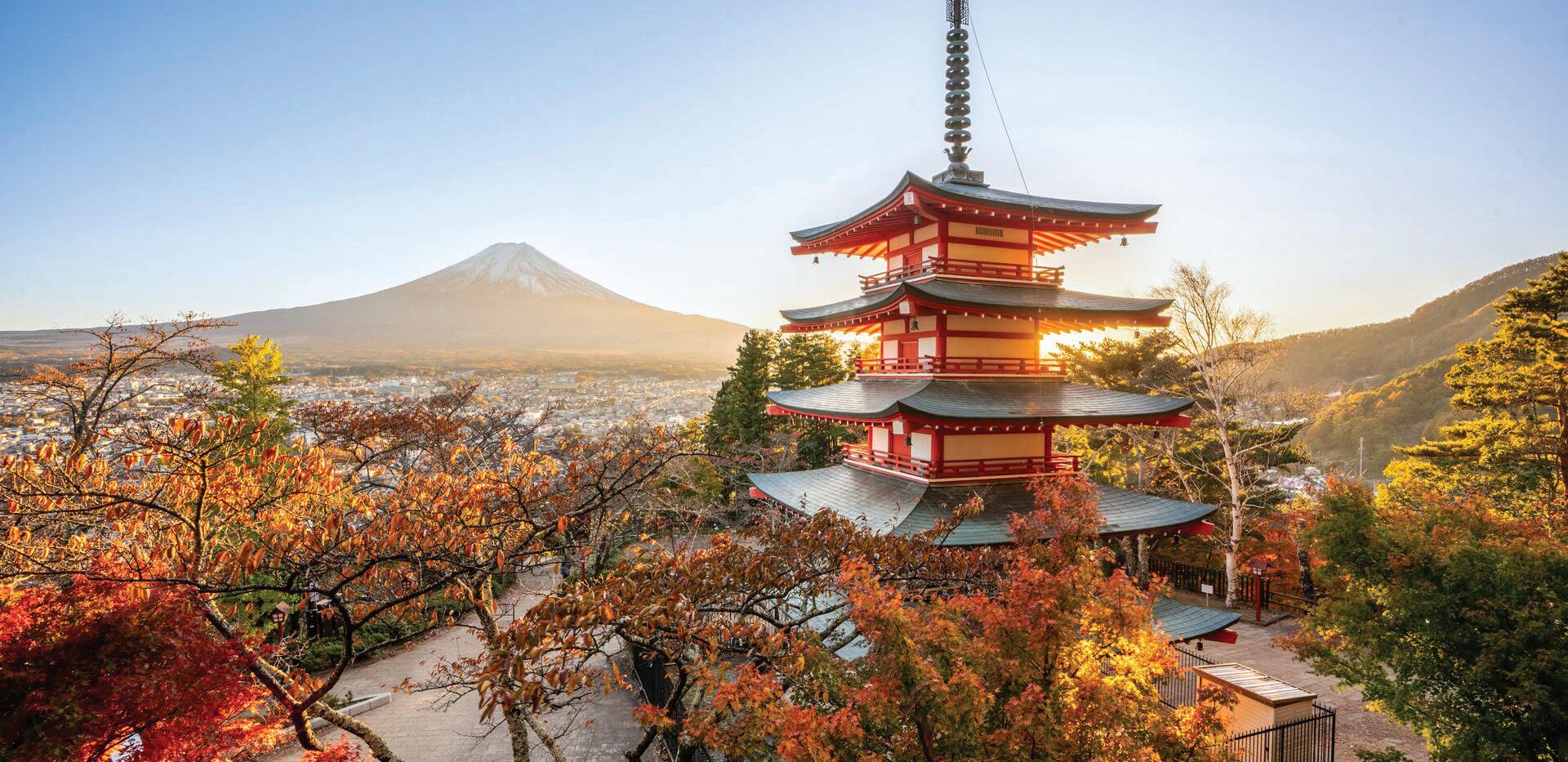
13 DAYS
DATE : March 24, 2027
ITINERARY
Tokyo, Japan (overnights) ê Yamanakako, Japan (overnight) ê Takayama, Japan (overnight) ê Kanazawa, Japan (overnights) ê Kyoto, Japan (overnights)
ê Kotohira, Japan (overnight)
ê Hiroshima, Japan (overnights)
ê Osaka, Japan (overnight)
SPECIAL OFFER
Book early and save 10% on select departures, with added value across a range of destinations, itineraries and guided tours.
8 DAYS
DATE : April 4, 2027
ITINERARY
Zurich, Switzerland (overnight)
ê St. Moritz, Switzerland (overnight)
ê Zermatt, Switzerland (overnights)
ê Geneva, Switzerland (overnight)
ê Lucerne, Switzerland (overnights)
ê Zurich, Switzerland
SPECIAL OFFER
Book early and save 10% on select departures, with added value across a range of destinations, itineraries and guided tours.
13 DAYS
DATE : April 11, 2027
ITINERARY
Paris, France (overnight) ê Lyon, France (overnight) ê French Riviera, France (overnights) ê Carcassonne, France (overnight) ê Biarritz, France (overnight)
ê Bordeaux, France (overnights)
ê Loire Valley, France (overnight)
ê Omaha Beach, France (overnight)
ê Paris, France (overnights)
SPECIAL OFFER
Book early and save 10% on select departures, with added value across a range of destinations, itineraries and guided tours.
Scan for more information.
From US$6,525 | CA$9,135 per person. Fare includes taxes and fees.*
From US$4,748 | CA$6,345 per person. Fare includes taxes and fees.*
From US$4,316 | CA$5,805 per person. Fare includes taxes and fees.*
Winter reveals a quieter, more authentic Mediterranean, with fewer crowds and a slower pace. Smaller ships bring you closer to each port, with longer stays and overnights to connect you with local culture, cuisine and daily life — all complemented by effortless, all-inclusive luxury on board.
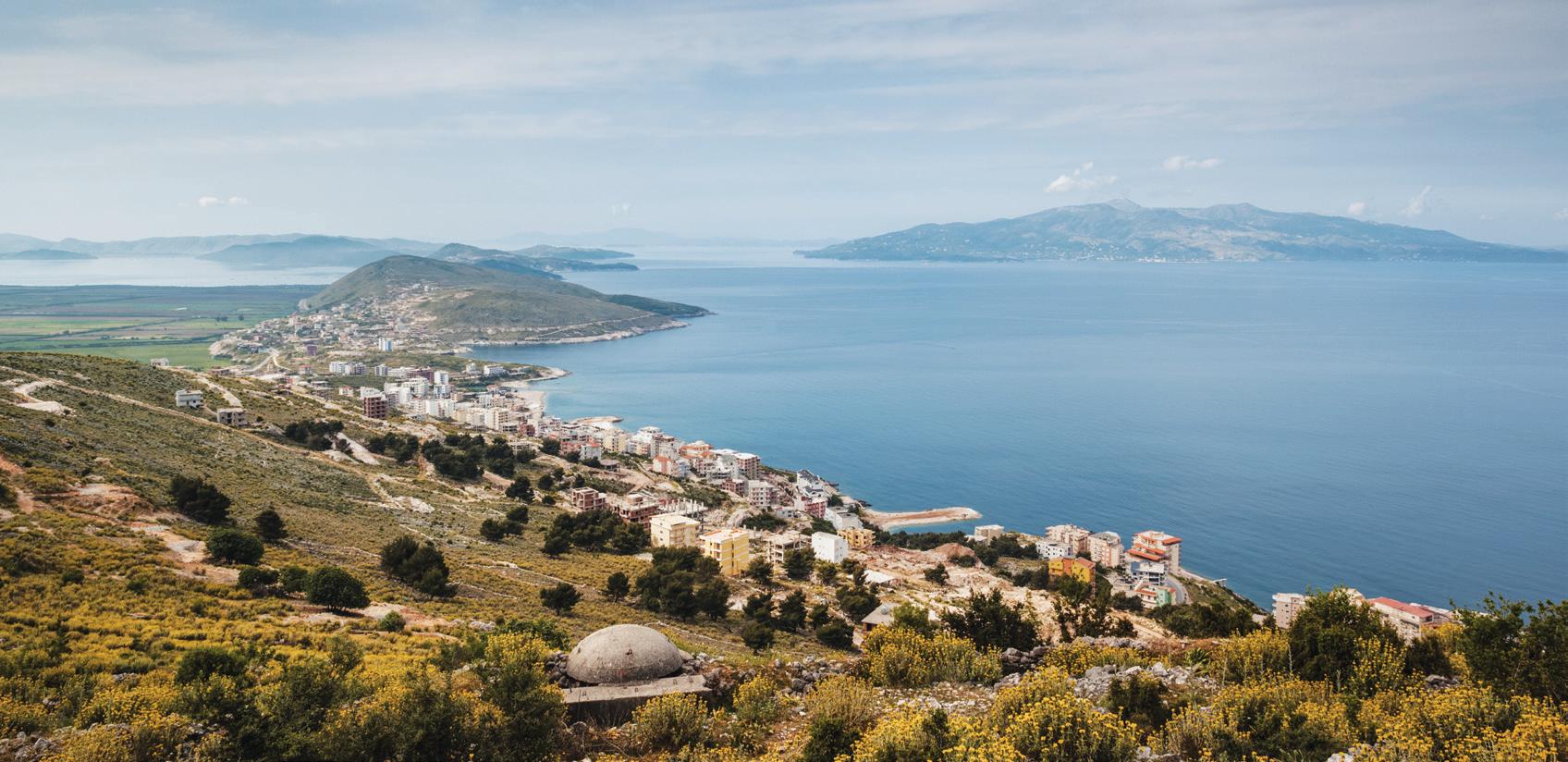
A Journey of Whitewashed Isles & Emerald Bays
10 NIGHTS
DATE : November 9, 2026
SHIP : EXPLORA II
ITINERARY
Piraeus (Athens), Greece ê Syros, Greece
ê Paros, Greece ê Argostoli, Kefalonia, Greece ê Kotor, Montenegro ê Bari, Italy
ê Sarandë, Albania ê Santorini, Greece
ê Piraeus (Athens), Greece
ENSEMBLE
EXCLUSIVE OFFER
Up to US$300 Journey Experience Credit per suite
From US$5,390 | CA$7,875
per person (Ocean Terrace Suite OT1), based on double occupancy. Fare includes taxes and fees.*
A Journey to Santorini, Sicily & the Riviera
10 NIGHTS
DATE : November 29, 2026
SHIP : EXPLORA II
ITINERARY
Piraeus (Athens), Greece ê Santorini, Greece ê Valletta, Malta ê Messina, Sicily, Italy ê Naples, Italy ê Civitavecchia (Rome), Italy ê Livorno (Florence), Italy ê Villefranche-sur-Mer (Nice), France ê Barcelona, Spain
ENSEMBLE
EXCLUSIVE OFFER
Up to US$300 Journey Experience Credit per suite
From US$5,360 | CA$7,310
per person (Ocean Terrace Suite OT1), based on double occupancy. Fare includes taxes and fees.*
A Journey of Atlantic Light & Volcanic Shores
12 NIGHTS
DATE : December 9, 2026
SHIP : EXPLORA II
ITINERARY
Barcelona, Spain ê Ceuta, Spain
ê Casablanca, Morocco ê Arrecife, Lanzarote, Spain ê Puerto del Rosario, Fuerteventura, Spain ê San Sebastián de La Gomera, Spain ê Funchal, Madeira, Portugal ê Lisbon, Portugal
ENSEMBLE
EXCLUSIVE OFFER
Up to US$300 Journey Experience Credit per suite
From US$6,435 | CA$8,775 per person (Ocean Terrace Suite OT1), based on double occupancy. Fare includes taxes and fees.*
Scan for more information.
Unlock an unforgettable summer with Royal Caribbean® — because everything you need for the best vacation ever is included in your cruise fare. Savor all-you-can-eat dining, splash in complimentary pools and adrenaline-amping waterslides, and enjoy award-winning entertainment, rock climbing, ice skating, mini golf and more. Level up your summer vacay game with more included than you ever imagined.

Perfect Day at CocoCay & Bahamas
3 NIGHTS
DATE : August 20, 2027
SHIP : Jewel of the Seas
ITINERARY
Fort Lauderdale, Florida ê Perfect Day at CocoCay, The Bahamas ê Nassau, The Bahamas ê Fort Lauderdale, Florida
ENSEMBLE
EXCLUSIVE OFFER
US$100 onboard credit
Western Caribbean
6 NIGHTS
DATE : August 22, 2027
SHIP : Icon of the Seas
ITINERARY
Galveston, Texas ê Day at Sea ê Puerto Costa Maya, Mexico ê Roatan, Honduras ê Cozumel, Mexico ê Day at Sea ê Galveston, Texas
ENSEMBLE
EXCLUSIVE OFFER
US$100 onboard credit
Perfect Day at CocoCay & Bahamas
5 NIGHTS
DATE : August 28, 2027
SHIP : Harmony of the Seas
ITINERARY
Port Canaveral (Orlando), Florida
ê Day at Sea ê Nassau, The Bahamas
ê Perfect Day at CocoCay, The Bahamas
ê Day at Sea ê Port Canaveral (Orlando), Florida
ENSEMBLE
EXCLUSIVE OFFER
US$100 onboard credit
From US$653 | CA$899
per person (Oceanview Balcony), based on double occupancy. Taxes and fees included.*
From US$1,322 | CA$1,821
per person (Oceanview Balcony), based on double occupancy. Taxes and fees included.*
From US$789 | CA$1,081
per person (Oceanview Balcony), based on double occupancy. Taxes and fees included.*
Scan for more information.
Of the city’s five historic royal residences, Gyeongbokgung Palace is the most spectacular. Visitors come to the Joseon-era site to take tours and witness the changing of the guard, but it was those dressed in rented hanbok (traditional clothing) that caught photographer Kari Medig’s eye. “I loved how elegant this mother and daughter looked amid the 600-year-old architecture,” he says.

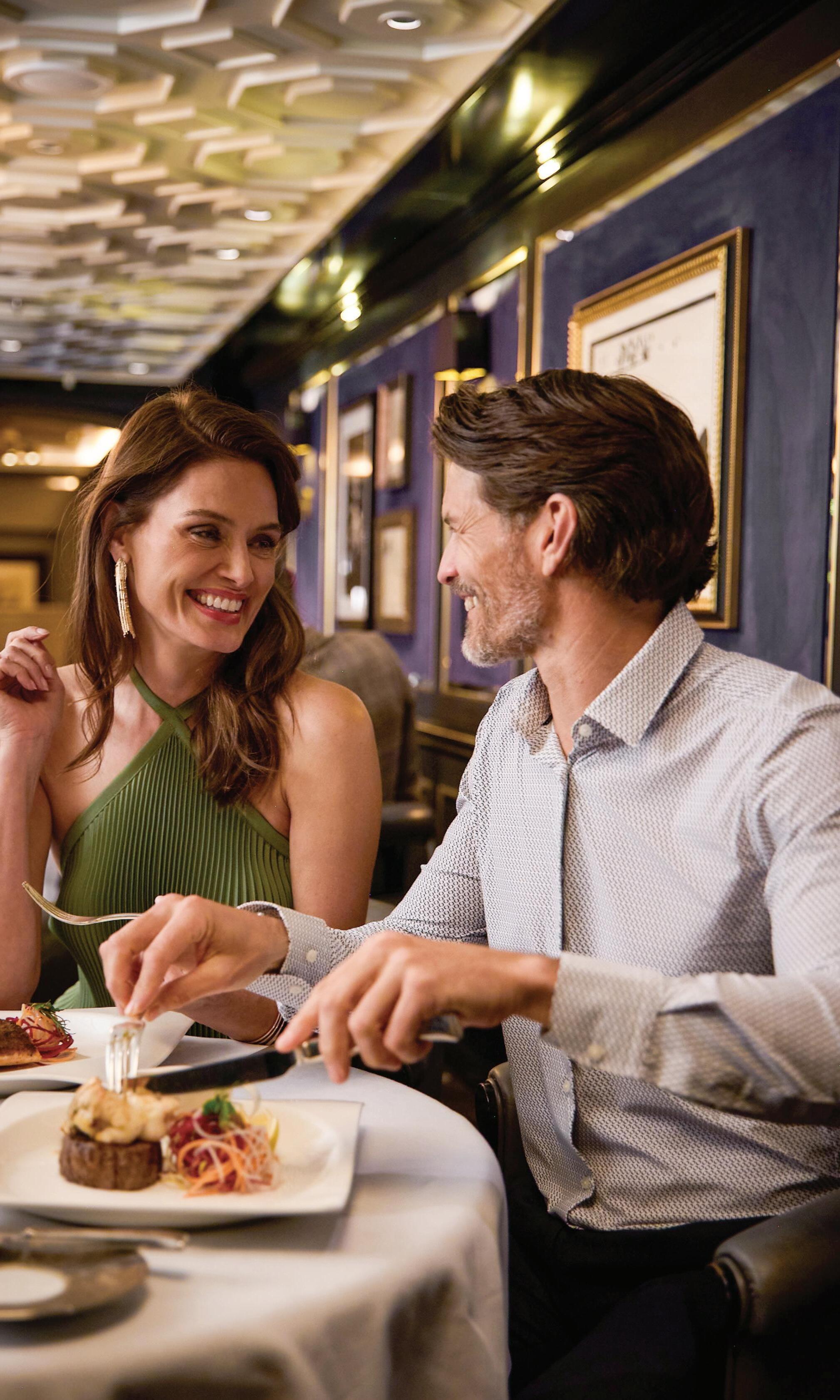
Spaciously Intimate All-Suite, All-Balcony Ships
Welcoming No More Than 822 Guests
Nearly One Dedicated Crew Member Per Guest
Exquisite Fine Dining, Wines and Spirits
Sailing the World with Over 3,400
Included Excursions
One All-Inclusive Fare
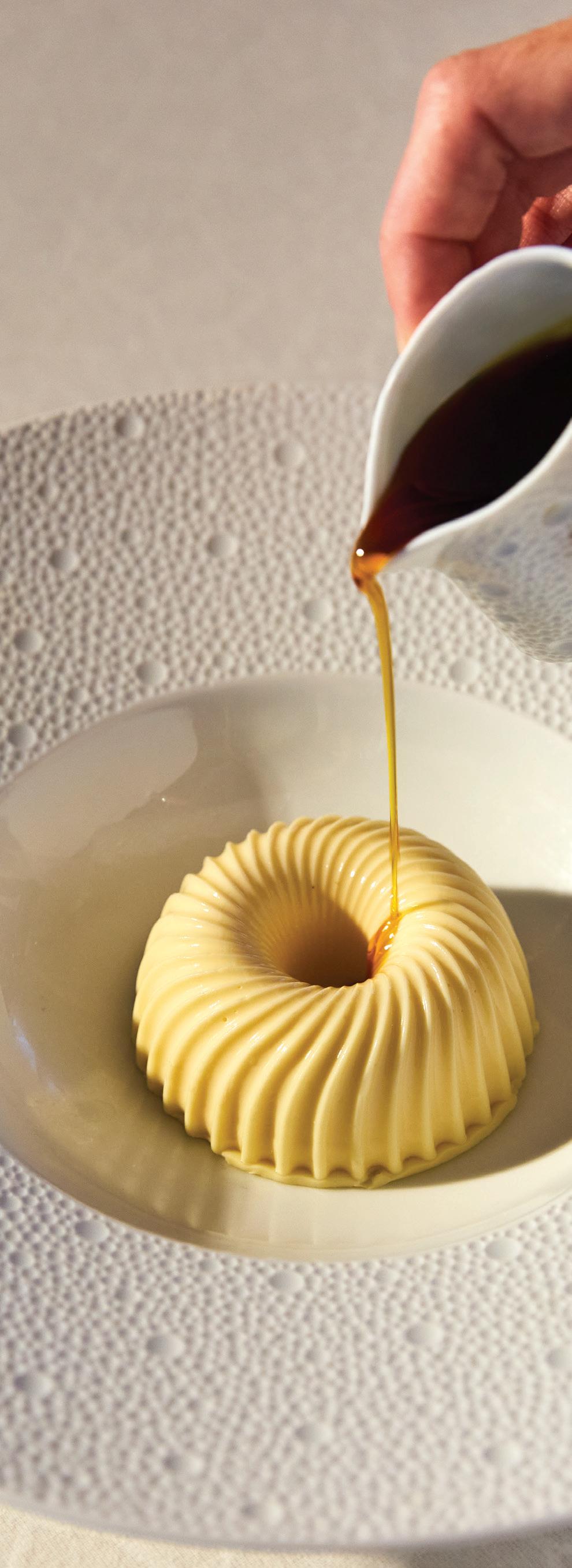

Thank you for traveling with us in the latest issue of Range by Ensemble. Start planning your next journey — beyond these pages — with your trusted Ensemble travel advisor .