








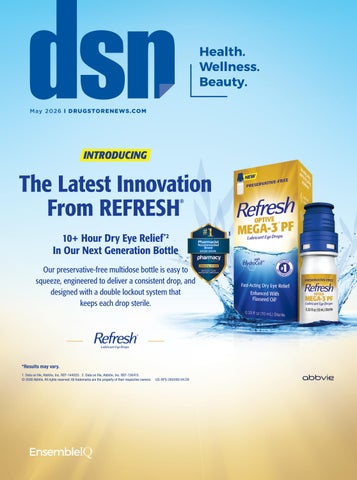

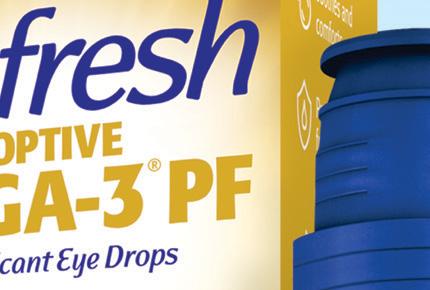
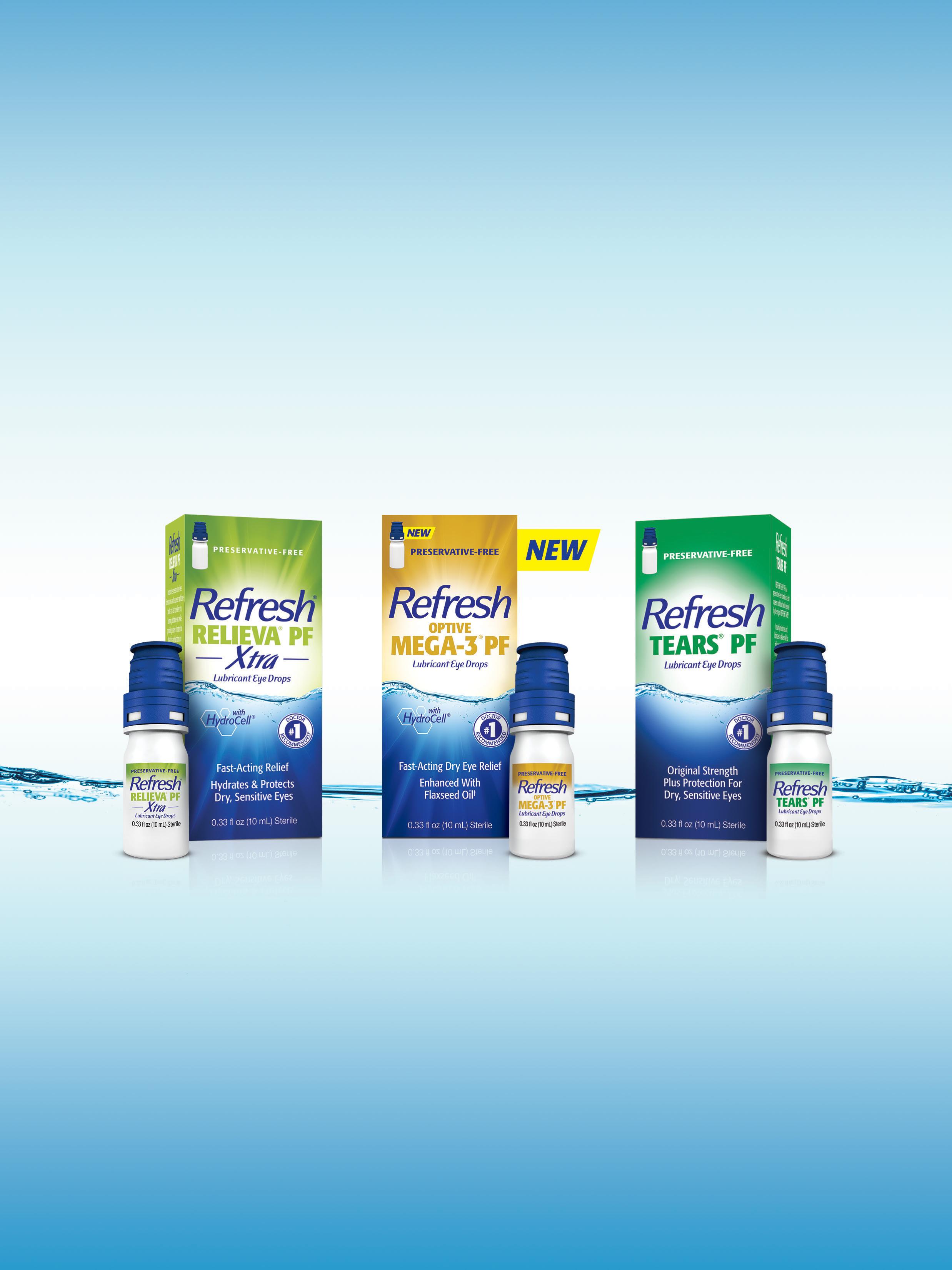
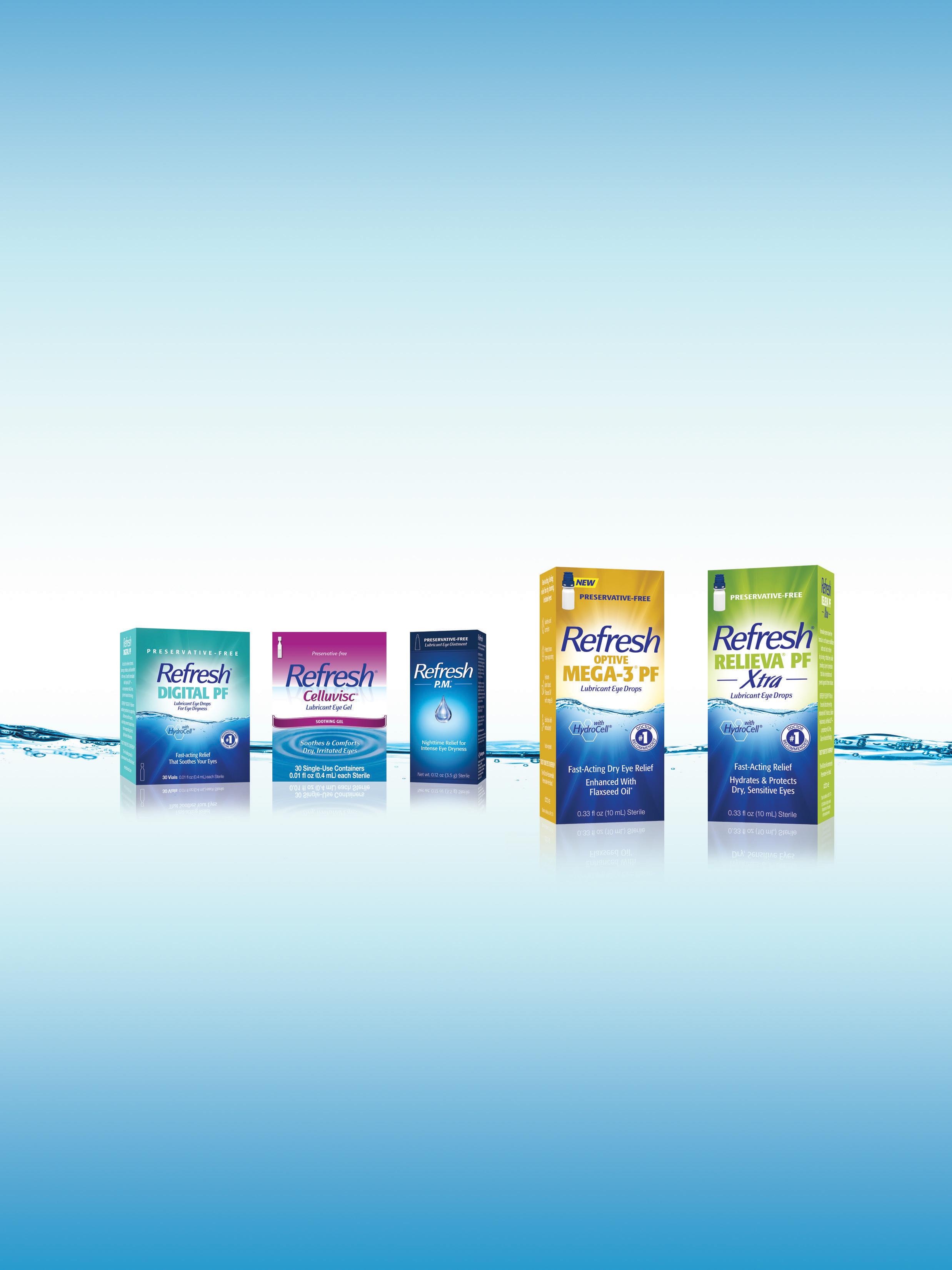
10+ Hour Dry Eye Relief *2 In Our Next Generation Bottle








Our preservative-free multidose bottle is easy to squeeze, engineered to deliver a consistent drop, and designed with a double lockout system that keeps each drop sterile.


may vary.

















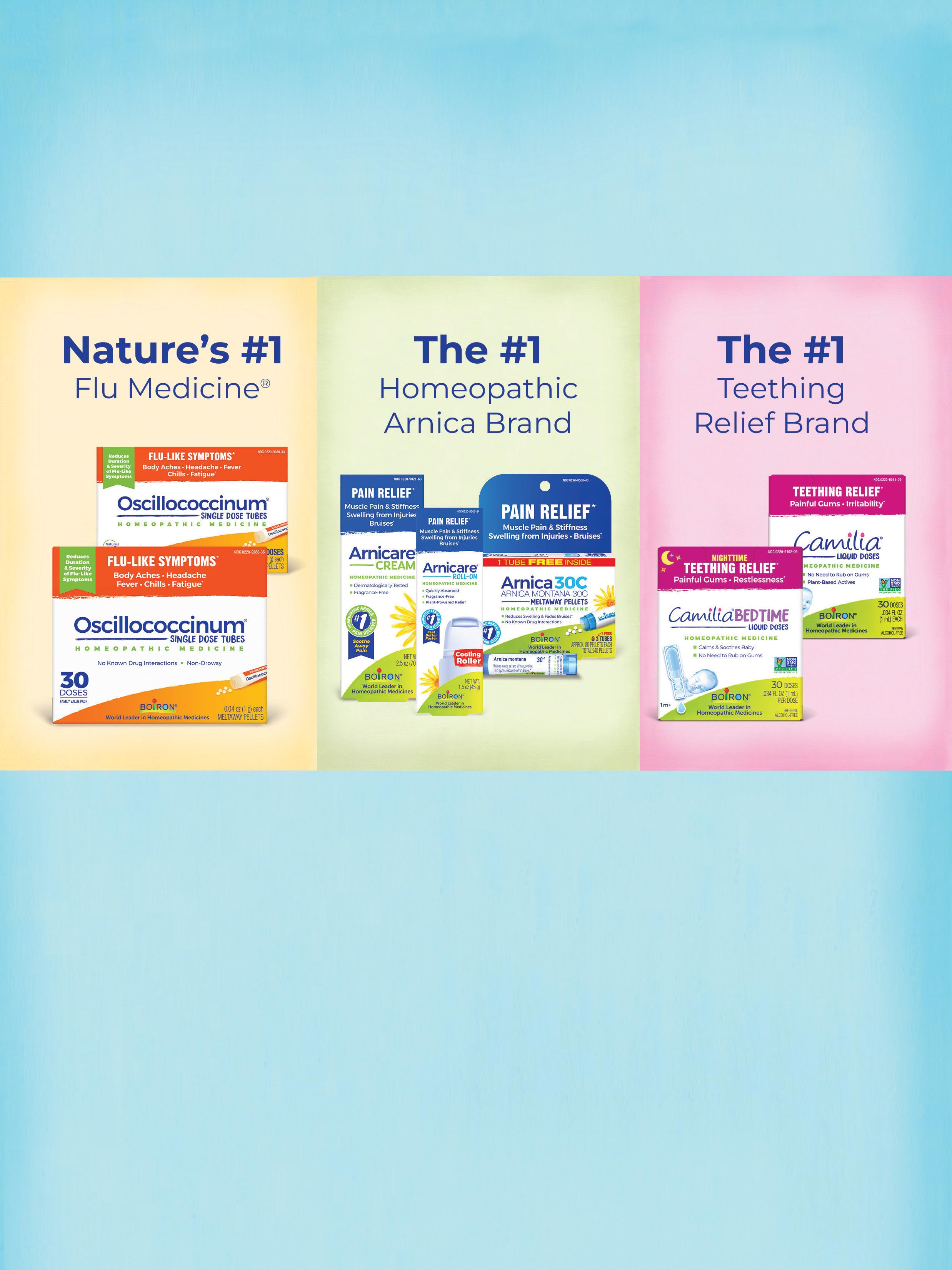
For almost a century, Boiron has provided families with the purest medicines made from the earth’s best resources. From our renowned Arnicare® line, to trusted Oscillococcinum® and Camilia® brands, our expanding range meets the diverse needs of your customers.
*CLAIMS BASED ON TRADITIONAL HOMEOPATHIC PRACTICE, NOT ACCEPTED MEDICAL EVIDENCE. NOT FDA EVALUATED.

help your patients deliver their insulin correctly1
Experts recognize that specific device characteristics can help improve the injection experience and how insulin is administered.2
Nano™ 2nd Gen Pen Needles have 4 key features that experts recommend:2*
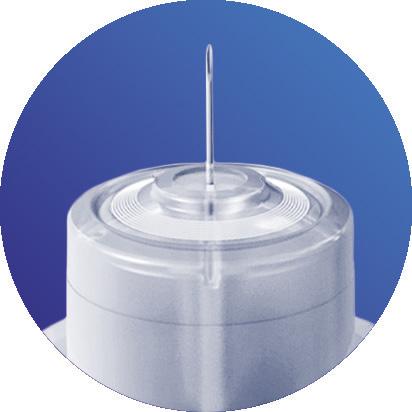








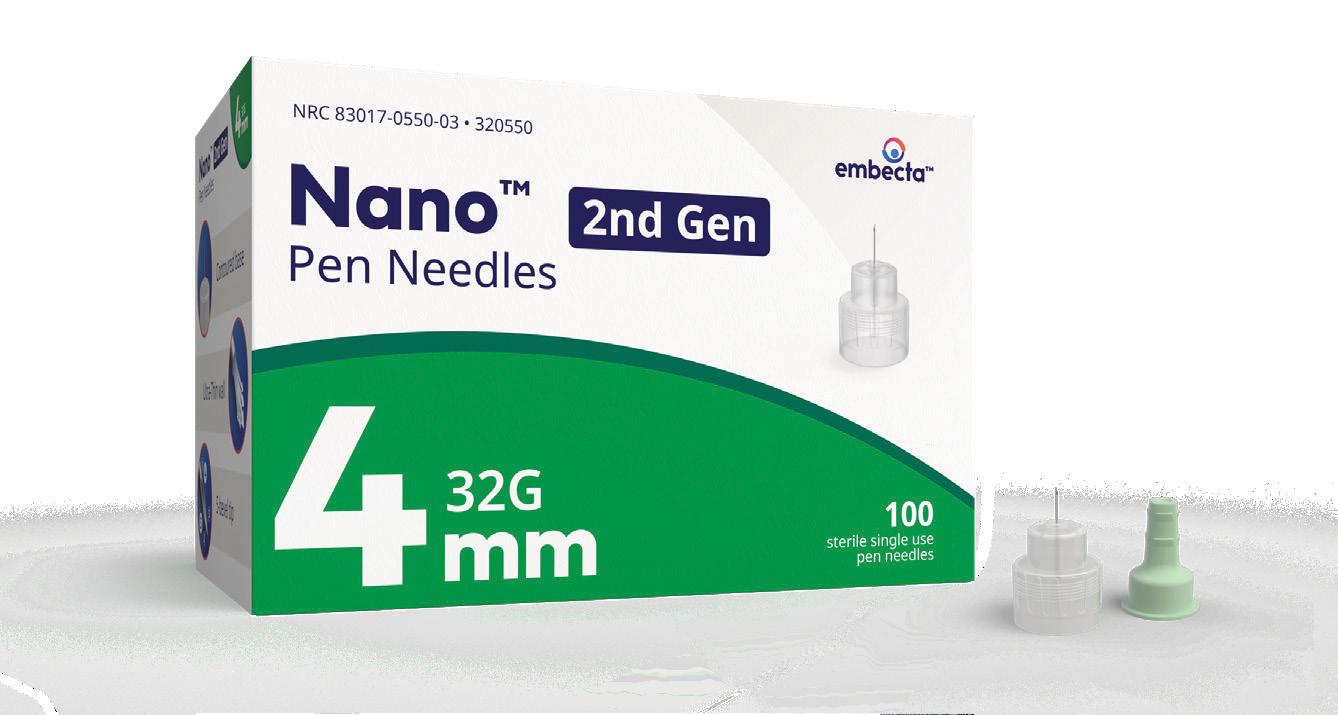




Consider dispensing Nano™ 2nd Gen Pen Needles –the only pen needle fully aligned to expert recommendations2*†
In April 2025, an updated set of global best practices for insulin injection technique and education was published in Mayo Clinic Proceedings. These recommendations, known as FITTER Forward (and included in the ADA 2026 Standards of Care as best practices for insulin administration4), highlight the importance of pen needle technology and proper injection technique.
Experts recommend a 4mm x 32G pen needle with these key features2*:
• Contoured needle base
• 5-bevel tip
• Ultra-thin wall technology
This is the first time that FITTER diabetes experts have made specific recommendations about pen needle technology beyond needle length and gauge, and how certain product features can impact insulin delivery and the patient experience.
Learn more about the FITTER Forward recommendations at www.fitterdiabetes.com
*A contoured-base pen needle distributes pressure more evenly, reducing the risk of intramuscular injections. While flat-base pen needles are available, currently there is little to no evidence supporting their impact. See reference 2. †Patent information provided upon written request. ‡226 patients with diabetes on insulin treatment were studied with a 150 mm visual analog scale (mean scores of >0 mm; clinically significant difference of ≥5 mm). Nano™ 2nd Gen demonstrated superiority vs. all comparator groups combined for feeling more comfortable throughout injection experience and for overall ease of use. [Comfort (P <0.05) (Mean +18.0 mm, 95% CI, +11.6 to +24.3 mm)]; [Easier (P <0.05)(Mean 19.9 mm, 95% CI, +13.8 to +25.9 mm)]. §embecta’s use of third-party trademarks does not indicate any relationship, sponsorship, or endorsement between embecta and the owners of these trademarks.
1. Rini C, Roberts BC, Morel D, et al. Evaluating the impact of human factors and pen needle design on insulin pen injection. J Diabetes Sci Technol. 2019;13(3):533-545. 2. Klonoff DC, Berard L, Franco DR, et al. Advance Insulin Injection Technique and Education with FITTER Forward Expert Recommendations. Mayo Clin Proc. 2025; 100(4):682-699. 3. Compatibility Confirmation for Pen Needles/1490TH-0004-20. 18 November 2025. 4. American Diabetes Association Professional Practice Committee for Diabetes* . 9. Pharmacologic Approaches to Glycemic Treatment: Standards of Care in Diabetes-2026. Diabetes Care. 2026;49(Supplement_1):S183-S215. doi:10.2337/dc26-S009
FITTER Forward is sponsored by embecta. embecta, the embecta logo and Nano are trademarks of Embecta Corp. © 2026 Embecta Corp. All rights
2604606607N2GFFDSN

Facebook.com/DrugStoreNews linkedin.com/company/drug-store-news/ instagram.com/dsn_media
30 INSIDE BEAUTY
From AI to peptides, here’s what you need to know to be successful in 2026 and beyond.
36 SUPERMARKET REPORT
Supermarket pharmacies are catapulting ahead with innovative services and programs that connect to food.
42 HEALTH I EYE & EAR
The OTC ear- and eye-care categories are transforming to better align with shopper needs.
50 HEALTH I IMMUNITY
With bogus ingredients claims around immunity supplements, legitimate companies are using education to help consumers make wise choices.









































Will it help move the needle for pharmacy?

“The question, then, remains: How will the MAHA movement affect pharmacy and its plan to become more integrated into the U.S. healthcare system?”
On Jan. 17, 2025, Steve C. Anderson, president and CEO of the National Association of Chain Drug Stores, sent a letter to Presidentelect Donald J. Trump. It was not a congratulatory missive about the election results. Rather, it was a four-point plan to make America healthy again—pharmacy edition.
Among Anderson’s recommendations to the White House, enact PBM middleman reform to lower Americans’ costs and ensure pharmacy choice; partner with pharmacies to address the chronic disease crisis; stop the system from cheating seniors out of access to pharmacy care services; and remove unnecessary regulatory burdens standing between consumers and pharmacy care.
But there is a wrinkle. The face of the MAHA movement, of course, is none other than Robert F. Kennedy Jr., the U.S. Secretary of Health and Human Services, an official who believes vaccines cause autism, canceled contracts and slashed $500 million in funding for the further development of mRNA vaccines and said that no vaccine is safe and effective.
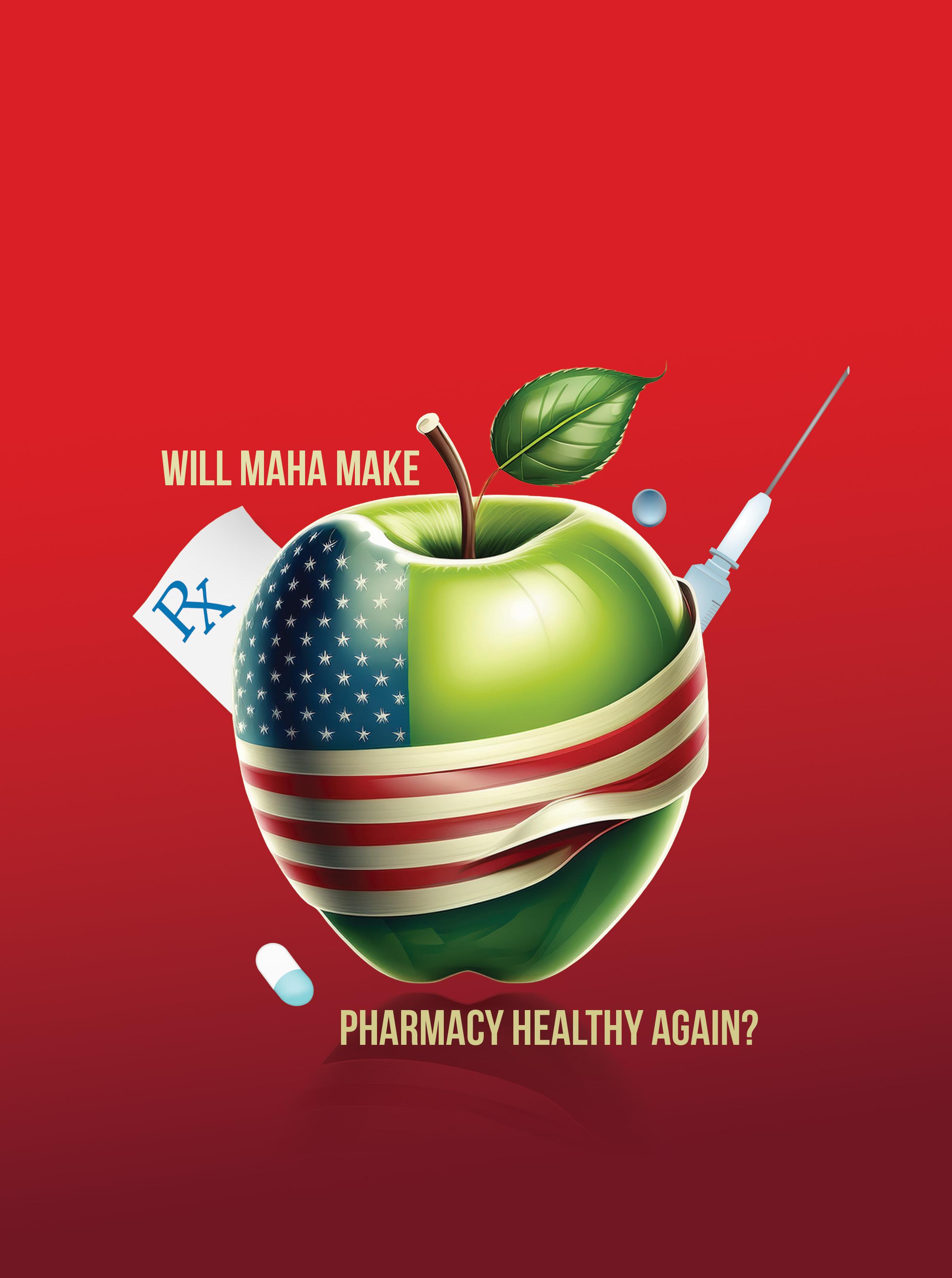
The question, then, remains: How will the MAHA movement affect pharmacy and its plan to become more integrated into the U.S. healthcare system? Bonus question: Can it make pharmacy healthy again? Our cover story this month (page 20) makes an attempt to find out if the movement will help or hurt retail pharmacy.
While it may seem to be at odds with retail pharmacy’s agenda, the MAHA movement may offer some ways for community pharmacy to be considered a more important part of the country’s healthcare system. The movement might also help persuade the government to expand pharmacists’ scope of practice on a national level.
“There’s also the opportunity side—clinical services that fit the MAHA mood, nutrition and supplements, a front-end rethink with less junk and more health, and indeed an imperative for retail pharmacy to choose what kind of health destination it wants to be,” our contributor writes.
Pharmacy already has a major success in the current administration.
“The first and biggest win on the NACDS list,” our writer says in the article, “was the PBM Reform Act of 2025 and subsequent omnibus legislation signed in February 2026, which lowered prescription drug costs and—heard over the din of champagne corks popping in pharmacies across the land—reduced the power of pharmacy middlemen.”
Community pharmacy is hoping to see more of this momentum.

8550 W. Bryn Mawr Ave., Ste. 200 Chicago, IL 60631 773.992.4450 Fax 773.992.4455 www.drugstorenews.com
516.650.2064 jkenlon@ensembleiq.com
EDITORIAL Editor-in-Chief, Editorial
Nigel F. Maynard nmaynard@ensembleiq.com
Managing Editor Julianne Mobilian jmobilian@ensembleiq.com
Senior Editor Sandra Levy slevy@ensembleiq.com
Beauty Editor Gisselle Gaitan ggaitan@ensembleiq.com ADVERTISING
212.756.5155 atomas@ensembleiq.com
swerner@ensembleiq.com
DESIGN/PRODUCTION/MARKETING
Art
Catalina Gutierrez cgutierrez@ensembleiq.com
Production
mrubio@ensembleiq.com
Marketing
kabrahamsen@ensembleiq.com
SUBSCRIPTION
Subscription



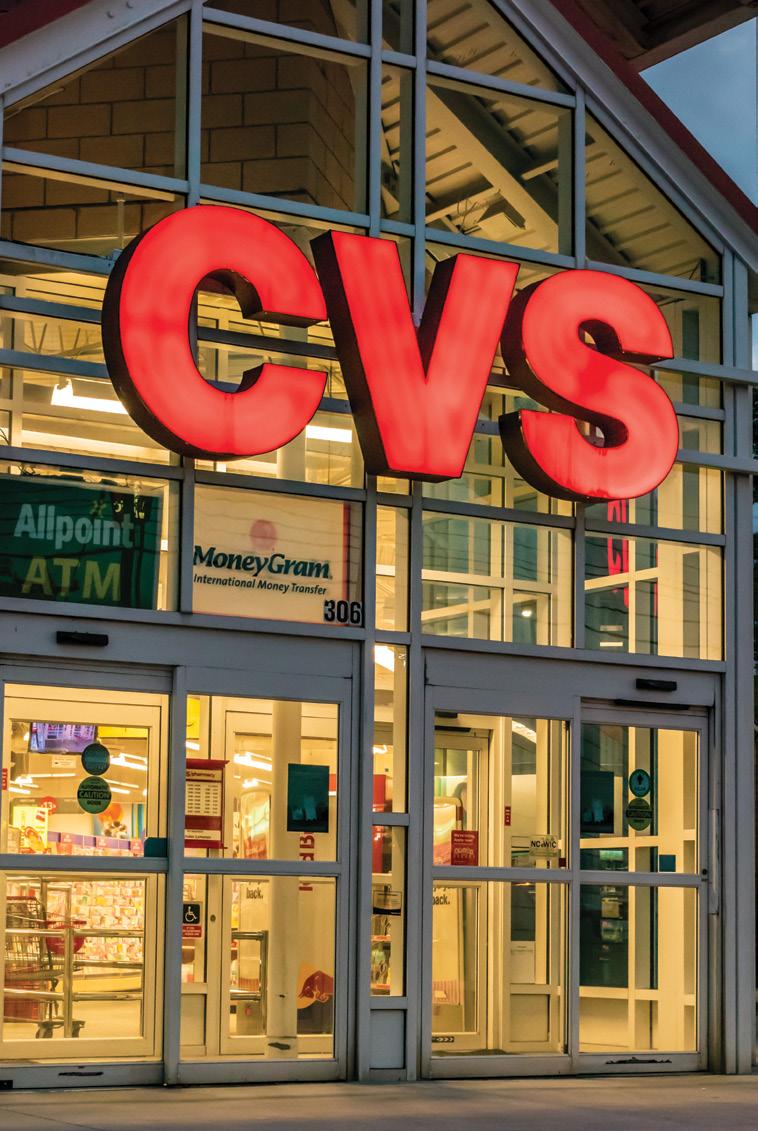
Walmart recently celebrated the grand opening of its third owned and operated milk processing facility.
The plant, in Robinson, Texas, will create more than 400 new jobs, strengthen Walmart’s end-to-end supply chain for affordable milk and advance the company’s long-standing commitment to U.S. manufacturing and local sourcing, per the retailer. The facility represents more than $350 million in investment.
CVS Health announced updates to its most common commercial template formularies that will expand the use of lower-cost biosimilars. Intended to be implemented across multiple therapeutic categories, the updates will favor interchangeable biosimilars over select reference brands.
Effective July 1, the targeted updates will increase adoption of Food and Drug Administration approved biosimilars with no clinically meaningful differences from the reference product and, in many cases, designated as interchangeable.
As part of these updates, CVS Caremark will transition from Stelara (ustekinumab) on its most common commercial template formularies to preferring lower-cost, interchangeable biosimilar alternatives—Pyzchiva and Yesintek. With this change, most members will pay $0 out-of-pocket for their therapy.
“Our formulary plays a critical role in addressing rising drug costs without compromising clinical quality,” said Joshua Fredell, senior vice president, CVS Health. “Expanding adoption of FDA-approved biosimilars allows us to deliver significant savings for clients while supporting broader, more affordable access to proven therapies.”
In addition to changes involving Stelara, CVS Caremark is expanding biosimilar coverage across select specialty categories, including treatments for multiple sclerosis and rare blood disorders, such as biosimilar alternatives to therapies like Tysabri (with biosimilars Briumvi and Tyruko) and Soliris (biosimilar Epysqli). These biosimilars meet the same FDA standards for safety, effectiveness and quality as their reference products and, where applicable, are designated as interchangeable.
These updates are part of CVS Caremark’s broader formulary strategy, which prioritizes affordability, access and value.
Sourcing milk directly from local dairy farmers, the Robinson facility will process and bottle a variety of milk options—including gallon, half-gallon, whole, 2%, 1%, skim and 1% chocolate milk—for Walmart’s Great Value and Sam’s Club Member’s Mark brands. The new operation will supply more than 650 Walmart stores and Sam’s Clubs across the South Central United States, the retailer said.
“The opening of our new facility in Robinson, Texas, will help us deliver more of what our customers want—fresh, affordable food and quality they can trust,” said John Laney, executive vice president, food, Walmart U.S. “It will bolster our capacity to meet the demand for high-quality milk, make our supply chain more resilient, while increasing freshness by reducing the time from dairy farm to shelf, bringing more consistency, more transparency and more value to our customers. We’re excited about what this means for Walmart customers, regional farmers and the Robinson community.”
It follows the company’s investment in its first milk processing facility in Fort Wayne, Ind., and its second facility in Valdosta, Ga., which opened last year. In addition, Walmart has two case-ready beef facilities in Thomasville, Ga., and Olathe, Kan.
These efforts support Walmart’s commitment to U.S. manufacturing and its pledge to invest $350 billion in products made, grown or assembled in the United States by 2031, the retailer touted.
The opening of our new facility in Robinson, Texas, will help us deliver more of what our customers want—fresh, affordable food and quality they can trust.”
— John Laney, executive vice president, food, Walmart U.S.


Ahold Delhaize USA is expanding its partnership with Uber Eats to bring in-demand grocery delivery to customers across the Northeast and Mid-Atlantic. Through the collaboration, nearly 2,000 stores—operated by Food Lion, Giant Food, Giant Co., Giant and Martin’s, Hannaford and Stop & Shop—are now available on the Uber Eats marketplace.
Customers can shop the brands directly in the Uber Eats app, providing another channel online access to thousands of items, such as fresh foods, pantry staples, household essentials and alcohol at select locations, with on-demand and scheduled delivery options. In conjunction with the launch, Uber and Ahold Delhaize USA brands will offer a special promotion for customers’ first order on the Uber Eats platform.
“Customers expect flexibility in how they shop, and that means being wherever they are—whether through our own brand experiences or trusted marketplaces like Uber Eats,” said Keith Nicks, chief commercial and digital officer, Ahold Delhaize USA. “This partnership reinforces our brands’ commitments to being leading omnichannel retailers, making it even easier for customers to access the brands they know and trust.”
“Partnering with trusted local retailers like the Ahold Delhaize USA brands allows us to bring fresh, affordable groceries and everyday essentials to more customers,” said Hashim Amin, head of grocery and retail for Uber in North America. Amin added, “With nearly 2,000 stores now available, customers can shop the brands they know and love, whether they’re planning ahead or ordering on-the-go.”
Customers can open the Uber Eats app, tap “Grocery” and select a nearby Food Lion, Giant Food, Giant or Martin’s, Hannaford or Stop & Shop location and browse a wide assortment of items, add products to cart, choose a delivery time and place the order. Orders are then tracked in real time to customers’ doorsteps. Eligible orders at participating locations also support SNAP/EBT payments, enabled through Uber’s partnership with Forage.
Ulta Beauty and NIQ announced a partnership focused on strategic data collaboration.
This new deal will work to expand industry visibility into the U.S. beauty marketplace and strengthen decision-making for brands and retailers.
Under the agreement, Ulta Beauty will share sales data for inclusion in NIQ’s forthcoming Full View of Beauty channel, for omnichannel measurement across prestige and mass beauty and wellness.
In addition, Ulta Beauty will use NIQ as a primary beauty insights panel provider, using NIQ’s Omnishopper and Digital Purchases insights to support enterprise-wide insights and analytics, the companies noted.
“As the largest specialty beauty retailer in the U.S., Ulta Beauty plays a defining role in where the category is headed,” said Jacqueline Flam, managing director, beauty and health, NIQ. “This collaboration accelerates our mission to democratize access to beauty data, giving brands of every size the clarity and confidence to turn insight into action through NIQ’s Full View of Beauty.”
As Ulta Beauty’s primary beauty insights panel provider, NIQ will power shopper insights through Omnishopper, which reflects consumers’ total trip behavior across online and offline environments. This is supported by Digital Purchases, which provides granular visibility into e-commerce transactions.
“Ulta Beauty is a leading authority on beauty and consumer trends, informed by our nearly 47 million loyalty members and unmatched insight into how consumers discover, explore and shop the category,” said Lauren Brindley, chief merchandising officer, Ulta Beauty. “Our collaboration with NIQ will help translate that insight into smarter decisions for our business and our brand partners, reinforcing our commitment to building brands and driving growth across the beauty ecosystem.”
As the largest specialty beauty retailer in the U.S., Ulta Beauty plays a defining role in where the category is headed.”
— Jacqueline Flam, managing director, beauty and health, NIQ
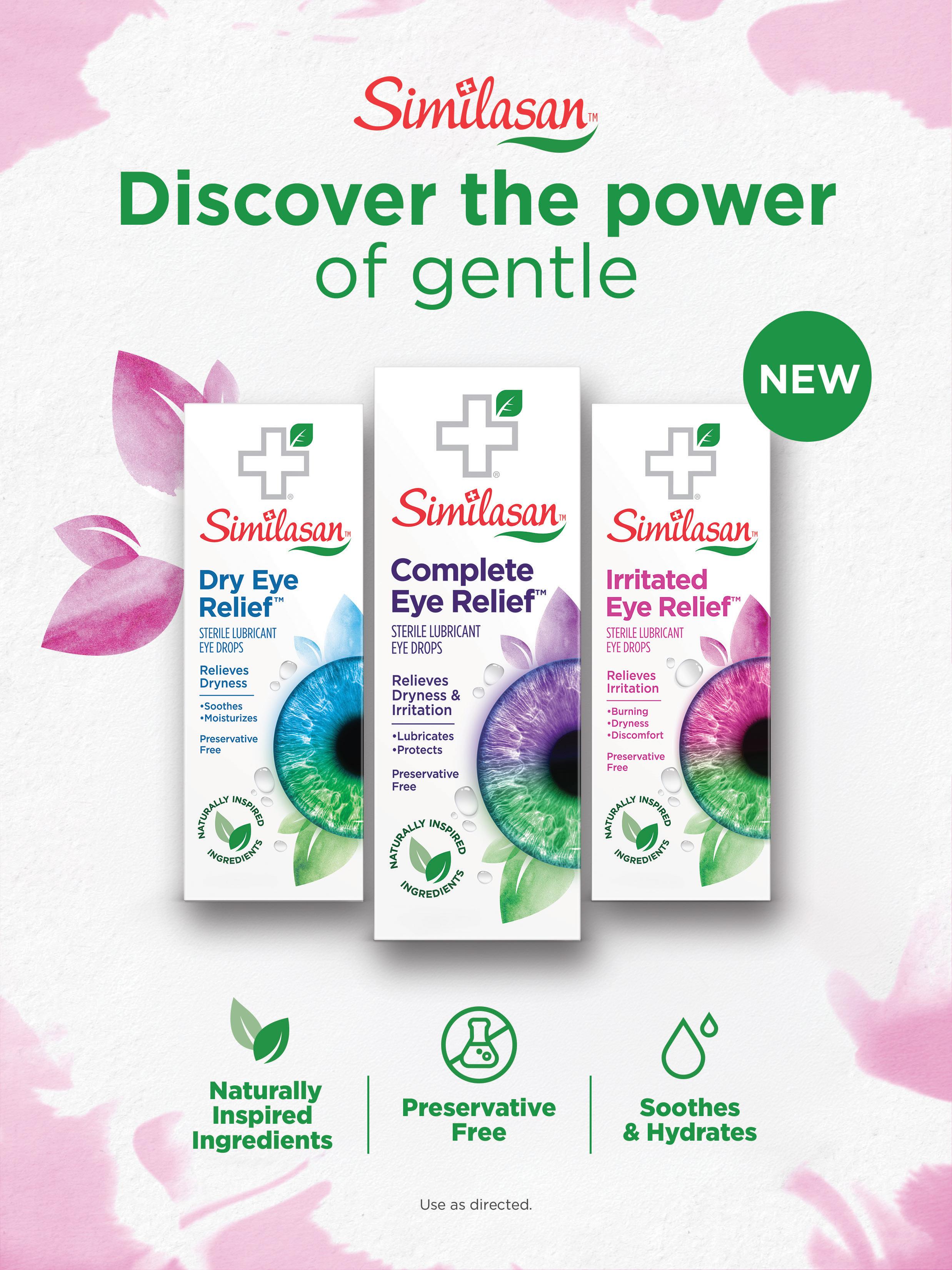
1
HRG’s five notable products from April
2
3
April Product introductions remained largely unchanged from their March totals.
In April, product suppliers introduced 112 new products, four fewer products than the 116 they unveiled in March. Waukesha, Wis.-based HRG reviewed 14 products in the health category (compared to nine in March), 12 products in the beauty aisle (compared to 13 last month) and 86 new options in the wellness space (compared to 94 products in March) to see which ones stood out as Products to Watch.
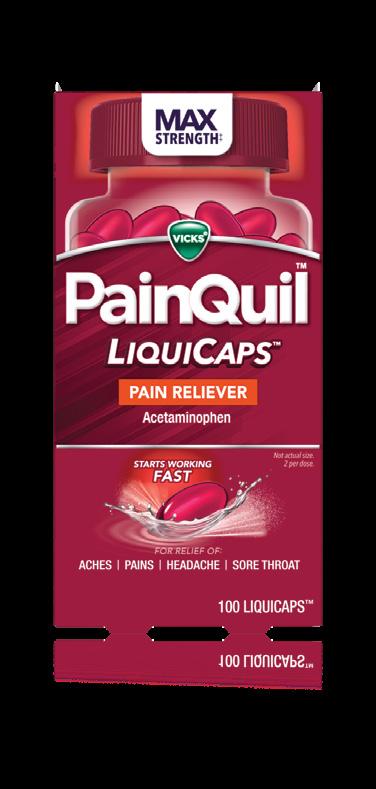
Procter & Gamble said its Vicks Max Strength PainQuil LiquiCaps contain 500 mg of acetaminophen for fast-acting pain relief. The caps are intended for the temporary relief of minor aches and pains, including headaches, backaches, muscular aches, sore throat and other minor ailments. Company materials indicate that the LiquiCaps are easy to take and non-habit forming. One pack contains 100 liquicaps.
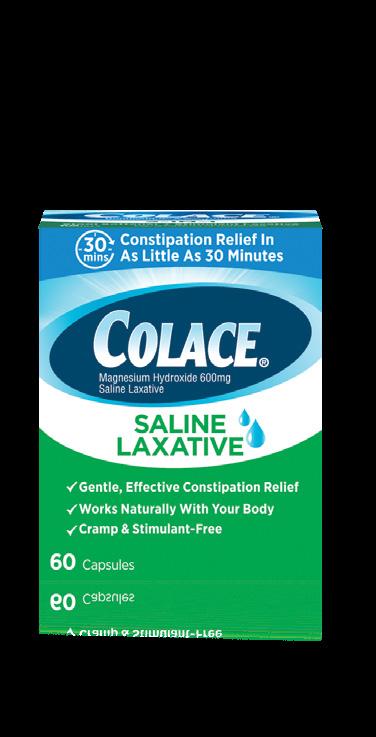
Colace Saline Laxative Capsules by Arcadia Consumer Healthcare is the only saline laxative in capsule form, the company claims. Materials state it is formulated with 600mg of magnesium hydroxide for gentle, effective constipation relief that is cramp and stimulant free. Designed to work naturally with the body, capsules are free of sugar, dyes and artificial colors. One pack contains 60 capsules.
4
5
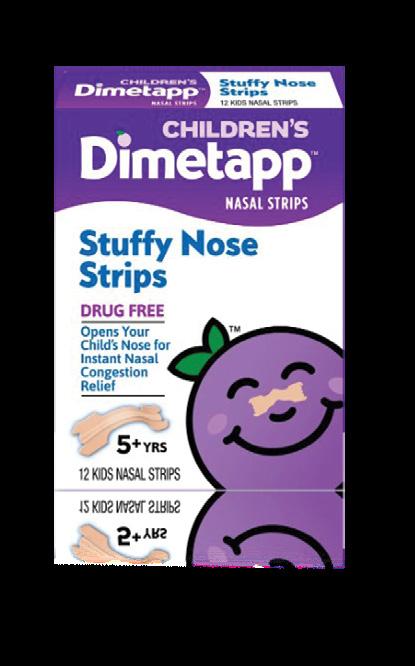
Foundation Consumer Healthcare’s Children’s Dimetapp Stuffy Nose Strips relieve nasal congestion for up to 12 hours. The company designed the strips with children in mind, so they are uniquely sized and made with a flexible, spring-like band that gently opens the nose. Company materials indicate that the nasal strips are made with breathable, form fitting material which is drug free and hypoallergenic. One pack has 12 strips.
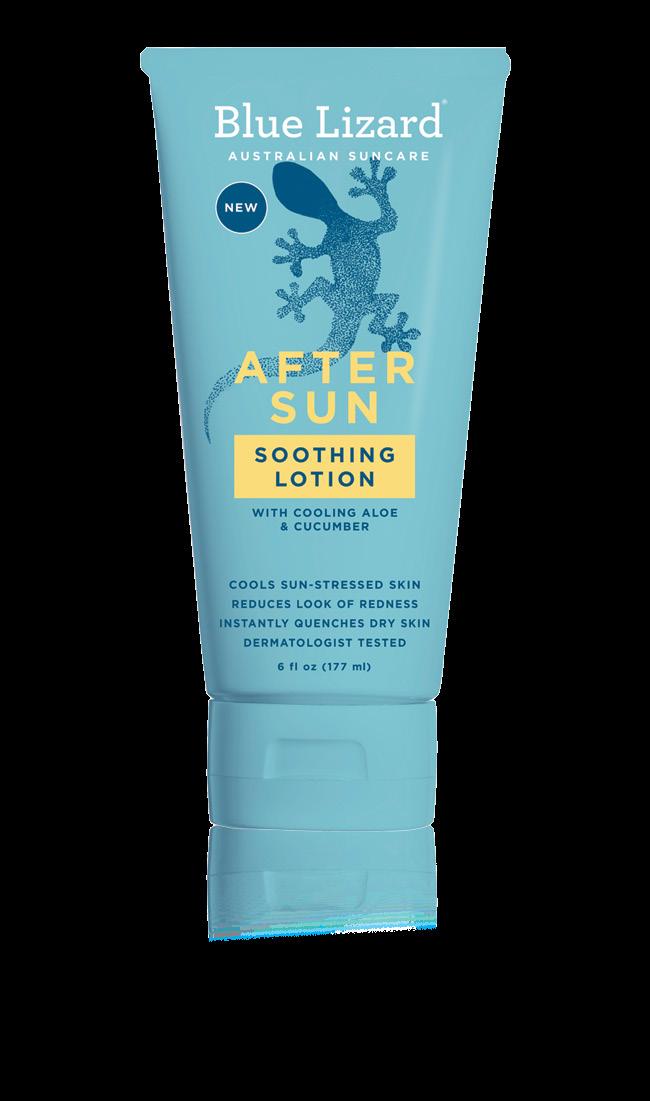
According to Revance Consumer, Blue Lizard After Sun Soothing Lotion cools sun-stressed skin. The lotion contains aloe, humectants and shea butter to replenish skin and lock in hydration. Cucumber extract and beta glucan help calm and soothe skin and reduce the look of redness for a healthier appearance. The lotion also has antioxidant-rich Australian desert peach and lime extracts to help replenish skin. The product comes in a 6-oz. tube.
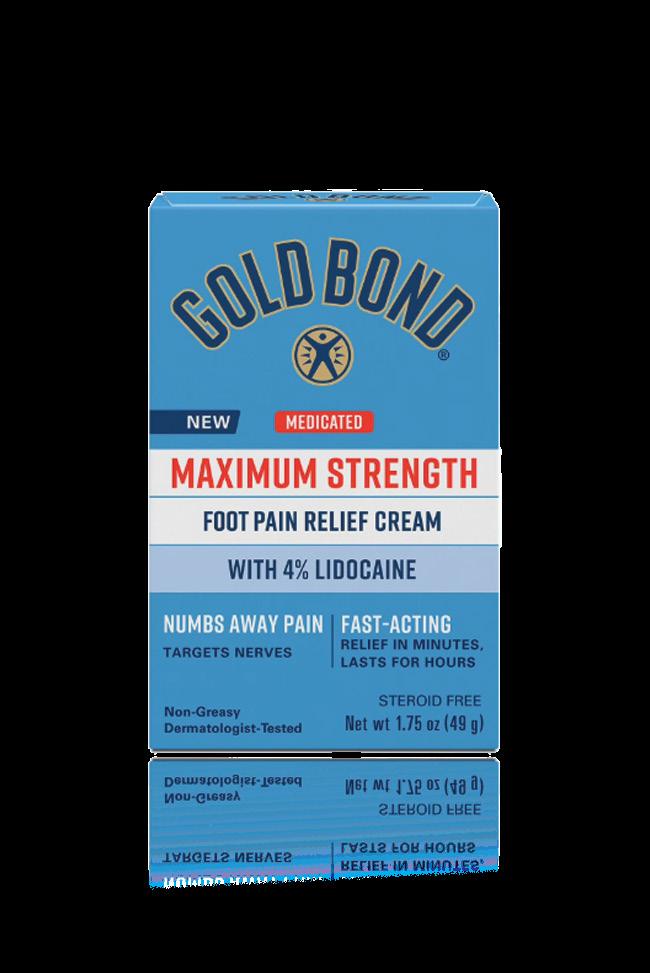
Opella said that its Gold Bond Maximum Strength Foot Pain Relief Cream is steroid-free and contains 4% lidocaine. The cream targets aggravated nerves to soothe foot pain and discomfort upon contact. It’s formulated to be fast-acting and provide relief within minutes that lasts for hours, the company claims. Materials indicate the multi-action formula delivers multiple benefits: numbs pain, relieves itch and hydrates the skin. It comes in a 1.75-oz. bottle.
As third-party growth slows on Amazon, brands are reassessing first-party and hybrid paths to scale
By Jason Reiser

If you sell on Amazon as a third-party (3P) seller through the Amazon Marketplace, you know the drill. Build the listing, dial in ads, earn reviews, watch velocity climb and think you’ve cracked it.
And then your Amazon honeymoon ends.
Growth slows, costs rise and the questions start to come: Should I stay in the Amazon Marketplace and keep trying to scale as a 3P seller? Or would I be better off as a first-party (1P) direct supplier, where Amazon buys inventory directly from me? Would the 1P model, where inventory becomes PO-driven and Amazon owns the retail rules day to day, even work for me? Yes, 1P can unlock purchase orders that move numbers. But it also comes with a different operating cadence: forecasting, purchase order cycles, compliance, chargebacks and extending payment terms in a way that turns sporadic volume into consistent, scalable revenue. Here’s the reality: The capabilities that got you traction in 3P are not the ones that win in 1P. In 3P, you can outwork the system with content, conversion and media. In 1P, you win with operational discipline.
But if all of that still sounds like the “promised land” and fits your model, the next question arises: How do I even get an invitation to become a 1P vendor to Amazon?
Jason Reiser, CEO, Market Performance Group
There is a third way, and what I’ll call democratizing 1P: creating a practical path to vendor-style scale without waiting for Amazon to tap you on the shoulder, and without rebuilding your company into a wholesale operations and finance organization overnight.
So what does that look like?
Brands are using operating partners who already have vendor-grade infrastructure and established 1P relationships, and can selectively bring new assortment into that 1P motion.
Product gets produced, staged and stored in the right places, and positioned to support sell-through. The partner runs the vendor cadence day to day (forecasting, POs, compliance, chargebacks). You keep your team focused on product and demand.
The other piece is capital, and it’s not optional. In 1P, payment terms can stretch 60 to 90 days, while inventory is funded months ahead. For a brand growing 40% year over year, that timing gap can strangle cash flow. Capital support matters because it bridges that gap so growth isn’t limited by balance sheet timing.
One important nuance: this isn’t automatically “better” for every brand. Some will do better under 3P. Others under 1P. The right answer is math, not emotion: margin structure, ad efficiency,
cost-to-serve, returns and chargebacks, and what happens to total contribution when you shift models.
Quick fit checklist. You’re a stronger candidate for a partner-enabled 1P path if you have proven velocity, a SKU set that can support forecasting and wholesale cadence, enough margin to absorb wholesale terms, and a real constraint (ops bandwidth, vendor readiness, or capital timing) blocking the next stage of scale.
In some cases, brands are leveraging partners (including firms like MPG) to pressure-test 3P vs. 1P vs. hybrid models and to fill the operational gaps that often stall progress—such as vendor cadence, supply chain and compliance requirements, warehousing and inventory flow, and the working capital constraints created by extended payment terms.
And for anyone who assumes 1P is automatically a margin killer, it’s more nuanced than the hot take suggests. One industry survey found 56% of surveyed vendors reported profit margins with Amazon that were equal to or above those with other retailers.
So, now that the honeymoon is over, are you trying to scale Amazon on a model that still fits the business you’re building, or are you forcing a structure that’s quietly capping your growth?
By Joe Toscano, Vice President, Trade & Industry Development at Purina
Since its founding in 1926, Dog Chow® has played a pivotal role in transforming the way Americans view dogs – not just as working animals, but as members of the family. By pioneering nutrition research and inventing modern kibble, Dog Chow made it practical and affordable for American households to welcome dogs as cherished companions, shaping the deep human-canine bond we treasure today. From the “chow lines” that supported American troops after World War I to the pets we feed today, it is a 100-year legacy of care, confidence and commitment that spans generations – and we’re proud to continue that mission.
A key part of that legacy is our Service Dog Salute™ program, launched in 2018 to support U.S. Veterans living with PostTraumatic Stress Disorder (PTSD). PTSD service dogs are more than companions. They are lifesaving partners trained to reduce anxiety, stress and suicidal ideation while helping Veterans regain independence and confidence. Research shows these dogs can lower cortisol levels, improve sleep, strengthen family relationships and restore a sense of daily purpose. Yet the need far outpaces the availability of these highly trained dogs, and training them comes at a significant cost.
That’s why Dog Chow is committed to action. To date, our Service Dog Salute program has donated over $1.8 million to train and care for PTSD service dogs, advocate for supportive legislation, fund research and raise awareness about the critical role these dogs play in Veterans’ lives. We partner with six incredible nonprofit organizations across the country to ensure that qualified Veterans receive these life-changing companions at no cost. Every donation, volunteer hour and act of support helps more dogs find their Veteran partners, and more Veterans find hope.

Dog Chow’s commitment to Veterans reflects our broader belief that dogs change lives. Over the last century, we’ve been proud to support the men and women who serve our country and the dogs who stand by them. From supplying military chow lines and supporting explorers’ sled dogs to pioneering the Service Dog Salute program, our mission has always been simple: provide the nourishment, care and respect that dogs and the people who love them deserve.
As Dog Chow celebrates its 100th anniversary, we invite dog lovers everywhere to join us in honoring this legacy. Whether it’s learning more about PTSD service dogs, donating to one of our partner organizations or volunteering time to support Veterans in need, there are many ways to make a meaningful difference.
Dogs have lived alongside humans for 15,000 years, but it’s the last century that transformed them from animals into family


members. And the Service Dog Salute program is proof that dogs can do even more. Dogs never waver in their devotion and neither does Dog Chow. A century of trust, care and partnership isn’t just history. It’s proof that, when we work together, we can change lives and families, one dog and one Veteran at a time.
Learn more about the Service Dog Salute program and how to get involved at DogChow.com/Vets.

The Make America Healthy Again movement may have already provided retail pharmacies with the biggest economic life saver ever—along with the cultural cue to think about redefining pharmacy’s place in the healthcare system
By Taffel Sturgeon
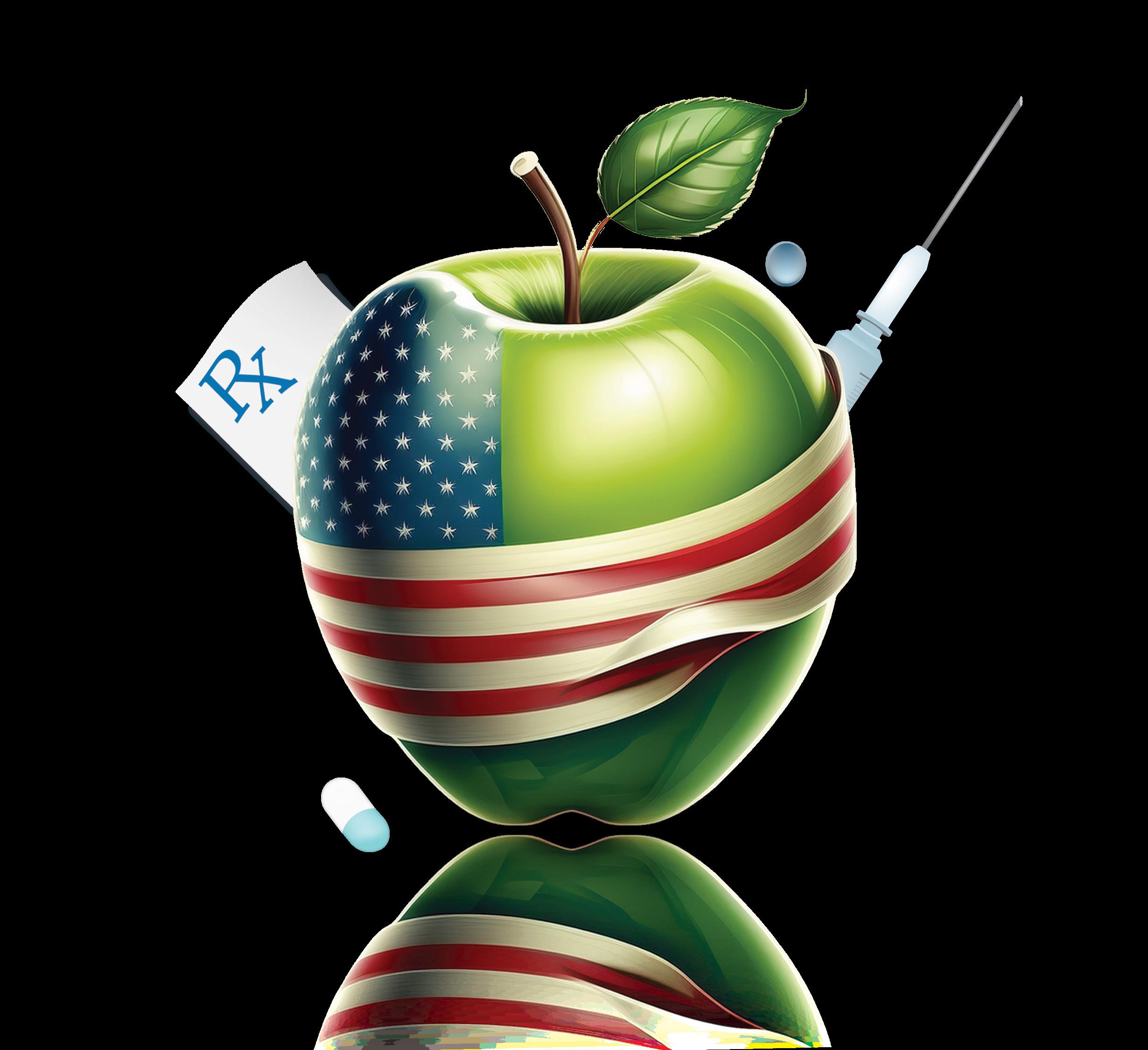
Participating pharmacies signal an early shift toward positioning the pharmacy as a destination for prevention and chronic disease support—not just dispensing.

























“PBM reform moves the system toward more transparency, fewer spread opportunities and a clearer path to enforcing reasonable contract standards.”
—
Jeremy Faulks, Thrifty White Pharmacy

Disruption. If there’s one word to describe Robert F. Kennedy, Jr.’s, Make America Healthy Again movement, it’s disruption. And any time there’s a disruption in the force, it’s wise to fall back on the age-old aphorism: Where some prosper, others perish.
Another word that may come to mind when medical professionals think of RFK, secretary of the U.S. Department of Health and Human Services, is vaccines. That’s the flash point.
There’s also the opportunity side—clinical services that fit the MAHA mood, nutrition and supplements, a front-end rethink and more health and an imperative for retail pharmacy to choose what kind of health destination it wants to be.
The winners will be the retailers that can defend evidence-based care, support chronic-disease screening, grow supplements and embrace vibes-based wellness.
Since the Trump administration took office, community pharmacy can boast one big national legislative victory that they will long savor (with caveats).
On the eve of the Trump administration assuming office, on Jan. 17, 2025, the National Association of Chain Drug Stores sent a letter to the president-elect, enumerating “four wins to make America healthy again.”
The first and biggest win on the NACDS list was the PBM Reform Act of 2025 and subsequent omnibus legislation signed in February 2026. It lowered prescription drug costs and—heard over the din of champagne corks popping in pharmacies across the land—reduced the power of pharmacy middlemen.
“Stop the rip-off,” wrote NACDS president and CEO Steven C. Anderson in the letter to Trump. “It is time to stop the pharmacy
benefit manager middlemen from inflating Americans’ drug prices, from barring access to Americans’ pharmacy of choice, and from forcing pharmacies out of business.”
To help push the PBM reform over the finish line, the NACDS noted an astonishing anecdote that complex negotiations between PBMs and Medicare Part D plans resulted in a single drug having 2,200 different price points with a spread of thousands of dollars depending on the location of the beneficiary.
But while PBM reform has long been a complaint of pharmacy managers—right up there with reimbursements—the seminal legislation has not yet been a financial silver bullet.
“PBM reform doesn’t magically fix the economics overnight,” said Jeremy Faulks, director of specialty pharmacy at Thrifty White Pharmacy, a chain of 88 drug stores serving the upper Midwest, “but it moves the system toward more transparency, fewer spread opportunities and a clearer path to enforcing reasonable contract standards.”
For pharmacies, said Faulks, that means less surprise margin volatility and a better chance to plan staffing, inventory and clinical services with more confidence.
Off the front lines, trade groups have the same type of response—a clear win but not exactly a panacea. That’s because while PBM reform improves reimbursement transparency, it does not directly pay for preventive services. So what still needs to happen—at the federal or state level—to make services like screening, counseling and chronic disease support financially sustainable for pharmacies?
“At the federal level,” said Andrea Pivarunas, senior director of public affairs at the National Community Pharmacists Associa-
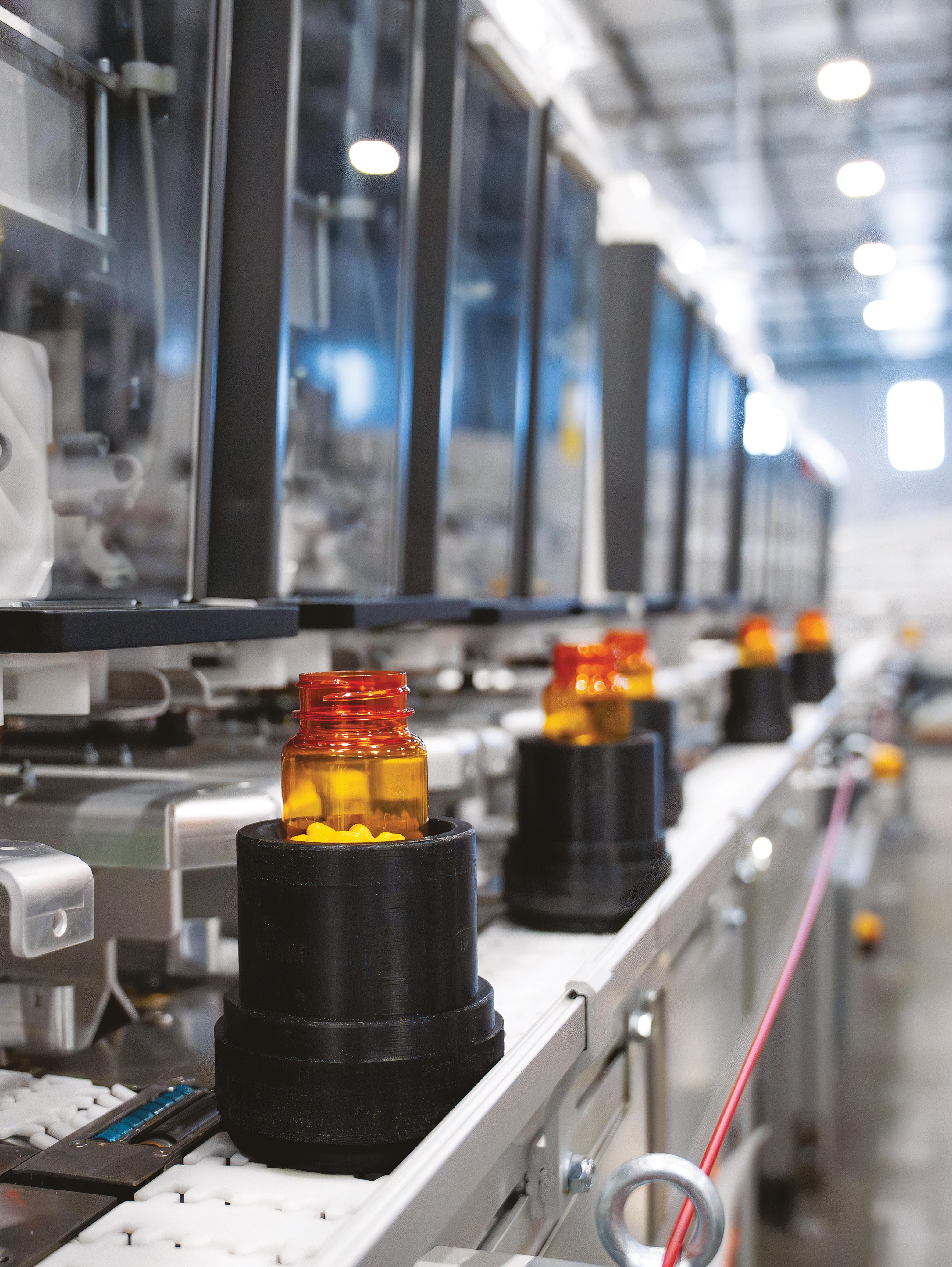
Less Complexity. More Time.
Connect with Us at

Transform pharmacy by automating virtually every aspect of prescription filling and pickup. NACDS Annual April 18-21, 2026 Palm Beach, FL


Access to Pharmacist Services (ECAPS) Act remains critical.”
The bill would establish a Medicare Part B payment pathway for pharmacists’ services, particularly for testing, screening and treatment of common conditions.
“At the state level,” Pivarunas continued, “broader payment parity for pharmacistprovided services is essential.”
That includes, she said, recognizing pharmacists as providers (where not already done) and ensuring Medicaid and commercial plans reimburse for services such as counseling, point-of-care testing and chronic disease management at rates comparable to other qualified providers.
In a word: reimbursements.
A road map to legislation
Next on the list are policies that enhance Americans’ access to pharmacist-provided services. One roadmap, authored by The Milken Institute and endorsed by NACDS, is the Advancing Health Through Expanded Access to Pharmacy-Based Care report.
This action plan identifies 13 priority services centered on chronic disease
For the first time in years, pharmacies may have both the financial breathing room and the cultural momentum to redefine their role.
and behavioral health and reproductive and sexual health that build on existing pharmacy workflows. These ideas address pressing public health needs by providing screenings, medication management, immunizations and holistic interventions aimed at medical and social needs.
“By advancing payment models, standardizing credentialing and leveraging technology,” said Anderson, “we can empower pharmacists to deliver the full spectrum of clinical services that communities demand.”
It urges federal and state leaders to create the necessary pathways for payment for pharmacists’ clinical services, and to align scope-of-practice laws and regulations so that patients can benefit fully from pharmacists’ singular education and training.
In a word: reimbursements.
In many ways, retail pharmacy has already begun testing the model that MAHA is now accelerating. The NACDS “Nourish
My Health” campaign, launched in 2023 with participation from more than 10 chain pharmacy companies, mobilized pharmacies to expand preventive screenings, nutrition education and wellness offerings.
You might say that “Nourish My Health” was basically MAHA before MAHA had a name.
Since its launch, the initiative has galvanized thousands of pharmacy locations to reach millions of Americans with more than 60,000 biometric screenings—baseline wellness tests designed to flag conditions and comorbidities before they become cataclysmic for patients.
Participating pharmacies have also expanded guidance on vitamins, supplements and healthier product options, signaling an early shift toward positioning the pharmacy as a destination for prevention and chronic disease support— not just dispensing.
“Pharmacies are the ideal destination,” said Anderson, “for comprehensive services that include nutrition information and education.”


In an industry defined by evolution, these leaders are the architects of change. We invite you to stand with us as we celebrate the women who aren’t just navigating the landscape of health and beauty — they are redefining it. NOMINATE NOW!
The supplement opportunity
Most mom-and-pop health-food stores rely on high-margin di etary supplements to keep them afloat. Purveyors provide valu able education to customers of the value that vitamins, minerals and herbs provide—to fill nutrition gaps in Americans’ typically unhealthy diets, but also to help customers avoid pharmaceuti cals and their much-ballyhooed alarmism around undesired side effects.
“For many Americans, meeting nutrient recommendations through food alone is challenging—sometimes due to limited food sources, increased nutritional needs during certain life stages, or other real-world barriers,” said Steve Mister, president and CEO of the Council for Responsible Nutrition, a supplements trade group. “By appropriately recognizing dietary supplements as a way to help fill nutrient gaps, the agencies have taken an important step toward improving public health and ensuring the Dietary Guidelines are both evidence-based and practical.”
The new Dietary Guidelines released by Health and Human Services make particular mention of key supplement nutrients that are needed by various populations:
• For birth-4 years: vitamin D
• For older adults: vitamin D, calcium, vitamin B12 and protein
• For vegetarians: vitamin D and E, choline and iron
• For vegans: vitamins A, D and E, B6 and B12, riboflavin, niacin, choline, calcium, iron, magnesium, phosphorus, potassium, zinc and protein.
Redefining the access point

For the first time in years, pharmacies may have both the financial breathing room and the cultural momentum to redefine their role.
Receiving reimbursement for services beyond writing scripts is not just a laudable goal but would also signal that pharmacies offer services that can truly help the health of patients. Providing vaccines is the obvious example. But so too are a litany of other services for which pharmacies are uniquely positioned to help. So what should pharmacies actually look like to serve the health needs of Americans?
Addressing the chronic disease epidemic is one of the primary targets of MAHA. If there’s one thing COVID revealed, it was the underlying unhealthiness of Americans—three primary comorbidities of obesity, diabetes and cardiovascular disease invariably led to worse outcomes. These diet-related comorbidities are a bull’s-eye for MAHA.
Many pharmacies also have food offerings within their broader retail stores, while some grocery stores with pharmacies also offer dietitian services. Promoting access to nutritious foods and encouraging uptake of healthcare services to better prevent and
manage chronic diseases are core to the value that pharmacies provide.
But let’s be real here. Some drug stores are not inaccurately described as a convenience store with a pharmacy in the back. Walk in and the first things on offer are impulse-buys–such as sweets, and snacks. There is a clear opportunity for pharmacies to champion chronic-disease management by promoting access to nutritious foods.
So who’s ready to take that step and risk losing high-margin if unhealthy offerings? Think about it this way: Is a convenient purveyor of junk food ready to be a true healthcare provider?
That does not mean pharmacies must become health-food stores tomorrow, but it gives them cover to test smaller junk-food footprints, cleaner snacks, protein and hydration sets, healthy grab-and-go, and more overt “food as health” merchandising.
The identity shift
That’s the challenge. That’s the opportunity. Yet instead of biting that bullet, for now, pharmacies seem to be falling back on offering blood-glucose monitoring and other services.




ing measles, whooping cough and hepatitis B.
The messaging encouraging vaccine hesitancy is revealing itself in the data. In New York state, for example, the tripledemic—flu, RSV and COVID—has blown up. RSV cases are up 35% in the Empire State, flu cases are up 30% and COVID cases are up 15%.
“We’re definitely seeing more questions—not just about vaccines, but about ‘clean’ products, ingredients and alternatives in general,” said Faulks. “On ‘alternatives,’ we steer to what’s appropriate for the patient: sometimes that’s a different OTC choice, sometimes it’s dosing/avoidance counseling, and sometimes it’s ‘this needs a clinician visit.’”
But the news is not entirely bleak. In 2023 the Food and Drug Administration approved a new vaccine against RSV that, importantly, is approved for pregnant women and provides protection to the newborn for six months after childbirth.
That evidently appeals to women who would prefer to take a jab themselves rather than have one administered to their newborns. Prior to the 2025-26 winter season, RSV was the leading cause of hospitalizations among infants, with about 80,000 cases nationwide. The Cohen Children’s Medical Center in New York reported a precipitous drop in RSV patients from up to 300 a month in December 2024 to fewer than 50 a month in 2025.
“We’re not yet seeing a lot of RSV in our pediatric population—which is great news,” said Annemarie Stroustrup, M.D., MPH, senior vice president of pediatric services at Northwell Health, a conglomeration of emergency departments, urgent care centers, primary care practices and pharmacies in the New York City region. “Part of that is because there are new products on the market for babies and pregnant women to get vaccinated against RSV.”
“The goal to ‘Make America Healthy Again’ is a tall order,” agreed Anderson. “It’s time to rely on pharmacies as a healthcare destination—starting with baseline screening for blood sugar, blood pressure and cholesterol and continuing with a plan to reduce and manage risk.”
Pharmacies do report offering screenings to help identify people who are at-risk of chronic diseases and to help link them to follow-up care for further evaluation and treatment.
“There’s growing momentum behind pharmacy-led wellness models that include screening for high blood pressure and potentially A1C/blood glucose/ cholesterol, brief coaching, medication optimization, and coordination with the broader care team,” said Faulks. “These types of services are being more standard as we continue our shift to grow clinical services and expand patient access.”
Imagine your store undergoing the identity shift from “dispensing” to “local healthcare access.” Pharmacies can be the place where a patient gets screened, gets coached, gets a rapid pathway to treatment when appropriate and gets help staying adherent to therapy—especially in communities where primary care access is tight.
“We’ll carry some OTCs and key vitamins and supplements,” said Faulks, “but overall, we want our pharmacies to be seen as the most accessible healthcare professional in town.”









From AI to peptides, here’s what you need to know to be successful in 2026 and beyond
By Faye Brookman

The outlook for the remainder of 2026 and beyond is for beauty to remain one of the fastest growing categories in mass. Despite concerns about the economy, taxes and war, consumers continue to spend on their appearance.
Mass retail posted a 5% dollar increase and a 2% uptick in 2025 versus the year before, according to Chicago-based market research firm Circana. That was better than prestige, which rang in at 4% gains in units and dollars for a total of $36 billion.
To keep dollars flowing into mass-market channels, retailers and brands are racing to bring newness to market faster, while delivering a more elevated, seamless shopping experience. It’s a tall order, especially as the pool of beauty competitors continues to expand rapidly.
Gap and Old Navy are re-entering the beauty space (the Gap assortment is under the direction of Estée Lauder alum John Demsey). K-beauty doors like Miniso and Olive Young are expanding (Olive Young has a partnership with Sephora, too).
Dollar stores, club stores, off-pricers and supermarkets are all looking to ride the strong beauty wave.
“We expect mass beauty to be very resilient,” said Peri Edelstein, senior partner and managing director at Boston
Consulting Group. She feels the mass market has a competitive edge thanks to the blurring of beauty and wellness along with competitive price points. What will be important, she added, is for mass retailers to convey that they can keep up with innovation against specialty and online competitors.
Ecommerce is growing rapidly and could become the beauty industry’s largest producer by 2027, according to Circana. In just a few years, TikTok Shop has nabbed 6% of beauty sales, per NielsenIQ.
Beauty, however, is a tactile experience, and mass marketers hope they can become the destination for items—if not the discovery point. Younger shoppers could lead a resurgence to shopping IRL. PwC research found that 61% of Gen Z prefers to discover new products in-store. “TikTok hasn’t replaced retail. Mass retailers are where brands really scale,” said Raina Vaughan, vice president of sales at PLTFRM, adding that consumers might discover an item on TikTok but venture to a store to purchase.
Retailers and brands are pushing the envelope to court shoppers for makeup, skin care, hair, fragrances and body care needs.
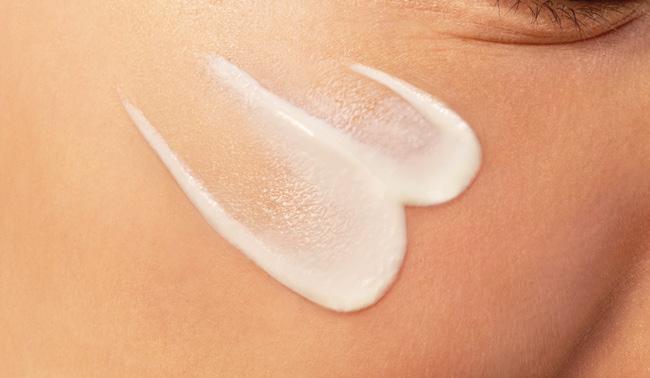
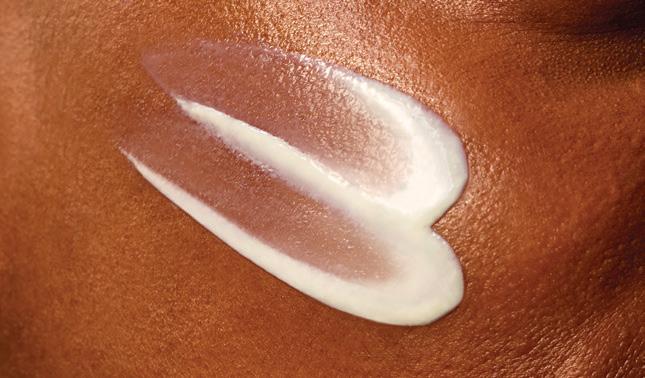
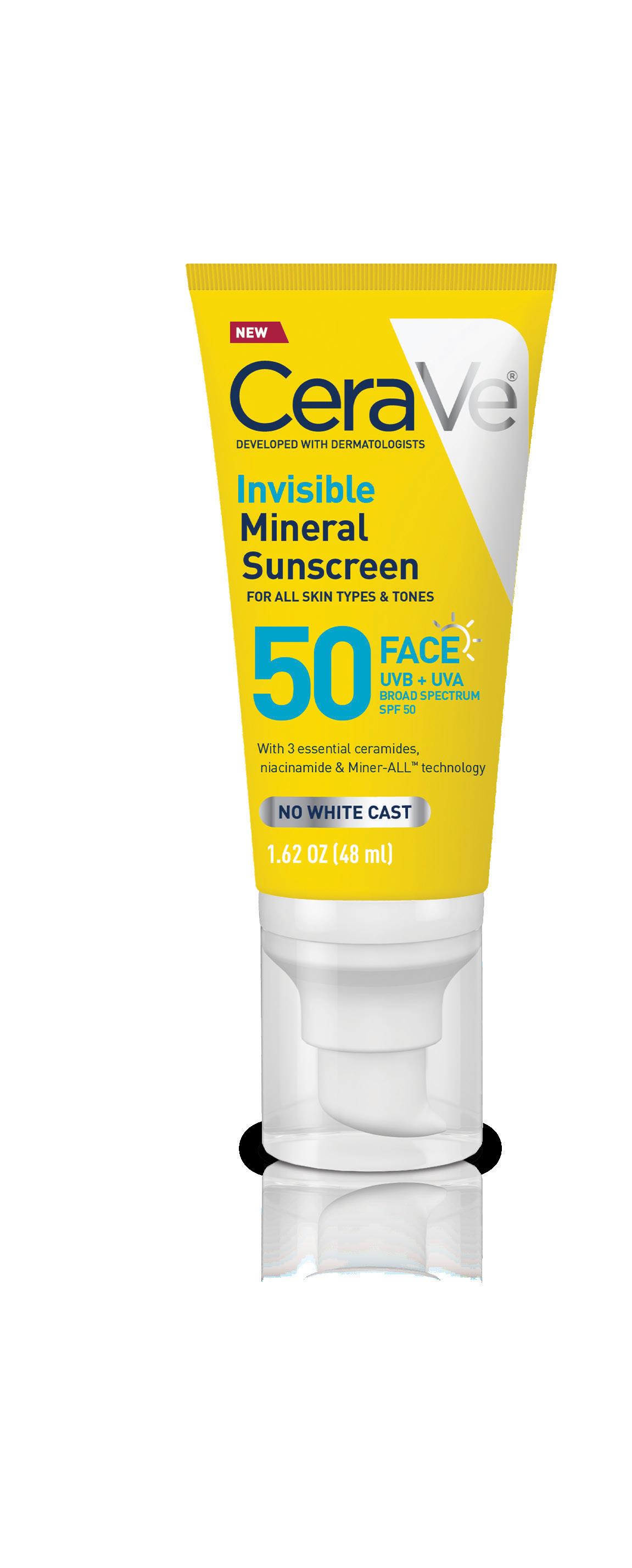
New CeraVe Invisible Mineral Sunscreen SPF 50 combines low-whitening mineral UV filters with skin-identical ceramides to help protect the skin barrier while remaining comfortable on even the most sensitive skin.
Ceramides 1, 3, & 6-II help restore and maintain the skin barrier
Miner-ALL™ Technology minimizes white cast for a more transparent finish across a range of skin types and tones
Niacinamide (vitamin B3) helps calm and soothe the skin
MVE® Technology continually releases moisturizing ingredients for long-lasting hydration
Weightless protection with 94% experiencing zero white cast1




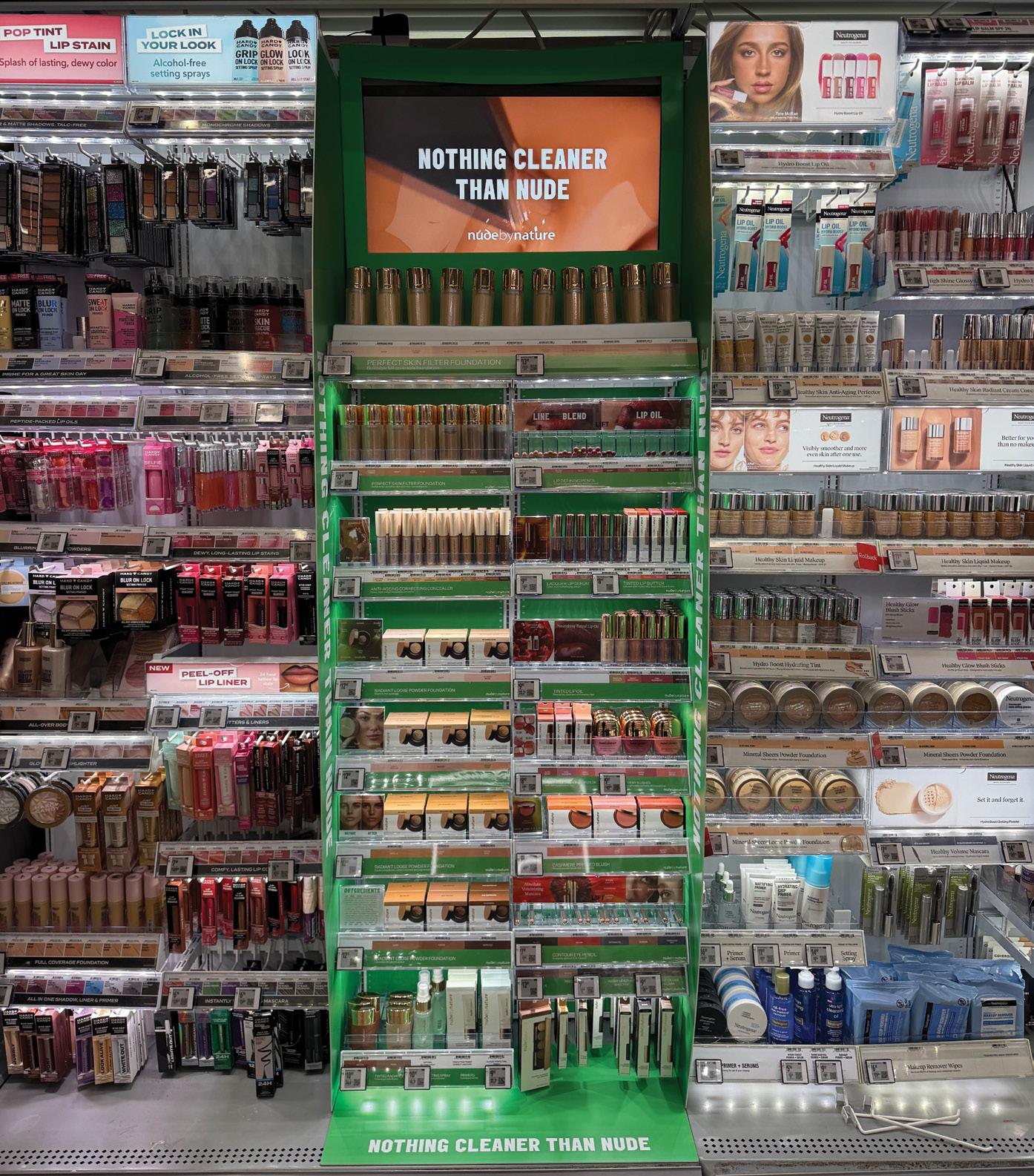
Walmart is ramping up its beauty offering with Beauty Bars, expanded marketplace access via Walmart Connect, more than 70 new brands and moving beauty to the front of stores. The assortment blends emerging names like Dabble & Dollop and Bali Body with the addition of derm favorite La Roche-Posay, now in 1,500 doors. Beauty Bars are gaining traction: after a 35-store pilot, Walmart plans 450 nationwide. Stores with Beauty Bars produced double the sales of traditional departments, according to Walmart’s VP of beauty merchandising Vinima Shekhar.
Target is replacing the former space allocated to Ulta Beauty with its own Beauty Studios slated for 600 stores and more than 60 high-end brands. The retailer also plans to use beauty advisors to assist shoppers.
CVS continues its evolution, moving one of its most productive categories, skin care, to the front of the store. Based on success, CVS is broadening its Epic Beauty Sales to more than 30 Navarro stores in Florida. Minis have also been a hit with CVS customers, so the retailer plans to expand the presentation of small versions of brands like Lume and Batiste to 2,700 doors.
Brands are also getting a glow up. Kiss Beauty Group is the new corporate identity for the former Kiss Products. The move better showcases the breadth of the company’s portfolio that stretches beyond its iconic nails to include lashes and textured hair items.
“This isn’t about introducing something new—it’s about making visible what we’ve built,” said John Chang, CEO of KISS Beauty Group. “We’ve developed a platform with deep capabilities across the entire value chain. This identity defines that foundation and reflects where we’re going next.”
Onyx Professional recently overhauled its lineup, including a unified, elevated packaging system for its foot, nail and skin care products. Foot care is Onyx’ sweet spot.
“The skinification of foot care is reshaping mass beauty. Consumers are no
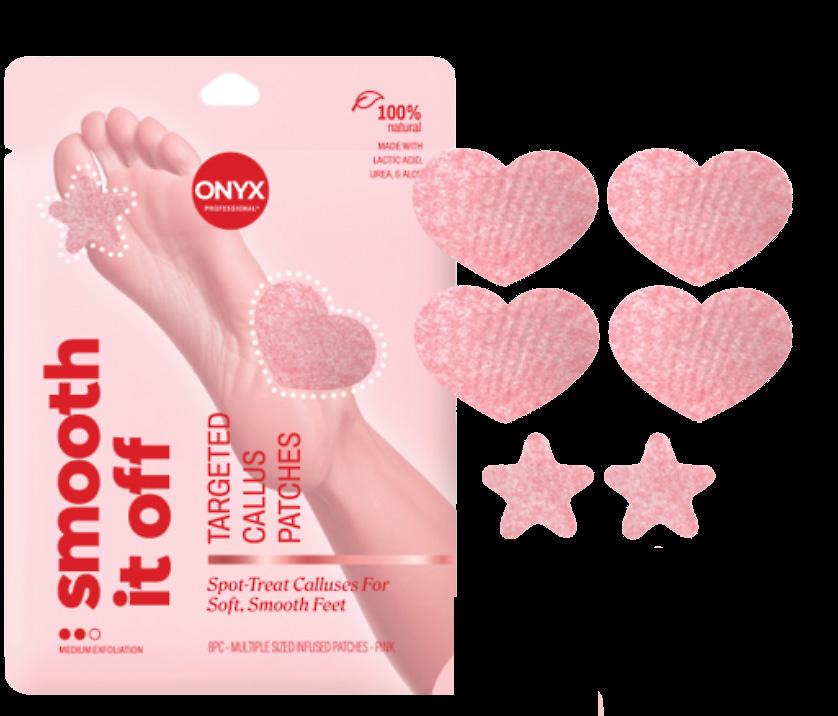
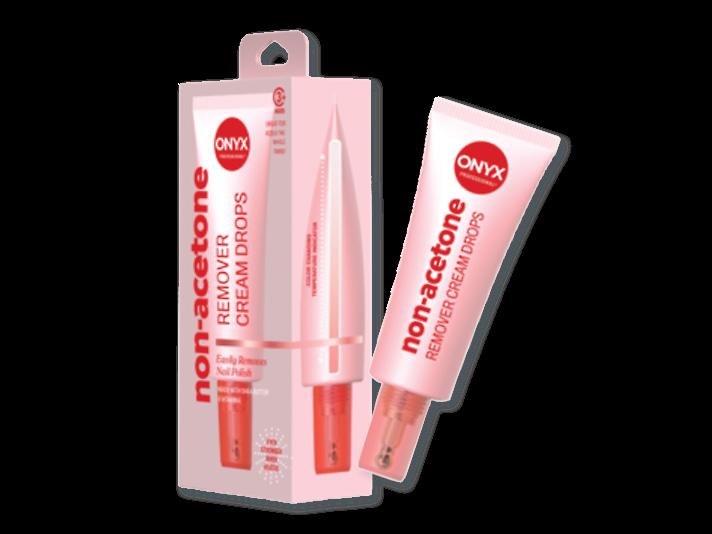
longer treating feet as an afterthought,” said Sandra Abdallah, Onyx Professional’s CEO. “Onyx is not following the shift, it is structurally aligned to lead it, repositioning everyday care categories as treatment-driven, routine-based and culturally relevant.”
Building on 17 consecutive quarters of growth, Milani unveiled a new campaign called What’s Inside is Everything. It marks the first major initiative under Milani’s refresh, which includes a refined brand presentation alongside new ingredients and updated packaging for its Baked Collection.
NYX Professional Makeup, known for its cosmetics line, is expanding into body care and fragrance with Fat Oil Body Collection. Body care, according to Larissa Jensen, senior vice president, global beauty industry advisor at Circana, is one of the fastest-growing segments in the mass market. Fat Oil Body is launching on TikTok Shop to gain exposure and plans to roll out to retailer stores.
Mass merchants, especially those with pharmacies, are well positioned to win share of the $2 trillion wellness economy tracked by the Global Wellness Institute,
according to Boston Consulting’s Edelstein. Beauty is no longer about anti-aging; the focus has shifted to aging well and prevention rather than repair. Peptides are playing a larger role.
“Peptides continue to play a significant role in skin care formulations,” said Deborah Dixon, owner of Precious Mineralz. “Precious Mineralz already offers products with peptides, such as our Renewing Face Cream, Under Eye Correction Cream, Eyelash Booster and Eyebrow Booster. We will continue to offer products with them for both women’s and men’s products.”
Experts explain that peptides work by instructing the body’s systems to perform tasks such as stimulating collagen production. That’s important for youthful skin and especially crucial to the one in eight Americans on GLP-1 (according to KFF Health Tracking) medication to avoid Ozempic Face.
Peptides are playing a key role in the healthy hair movement. “The latest wave of hair regrowth innovation is shifting from traditional treatments to advanced, biology-driven solutions. One of the most talked-about breakthroughs is exosome therapy, a regenerative approach that uses cell-derived vesicles to

TRANSFORMATIVE RESULTS FOR YOUR HAIR AND SCALP
help reactivate dormant follicles, reduce inflammation and improve hair density without surgery,” said Colleen Camp, a certified trichologist.
She notes that modern peptides— like copper peptides and biomimetic complexes—are often combined with actives, such as caffeine, niacinamide and plant extracts for a multi-targeted, scalpfirst approach.
Camp highlights Keranique as a brand embracing these advancements, pairing clinical ingredients with technologies like AI scalp analysis and microneedling. Anchored by 2% minoxidil (the only FDAapproved topical for women) and peptides, biotin and a keratin amino complex, these innovations aim to strengthen hair, reduce breakage and support long-term follicle health, according to Camp.
Shalimar Dalal Maakar, founder and
CEO of Obliphica Professional, likens hair care to the overall longevity movement.
“Consumers are shifting from repair to proactive hair wellness,” she said. “The expectation has moved beyond cosmetic results to solutions that support the scalp environment and improve hair quality over time. The brands that will lead this category are not just improving how hair looks, they are fundamentally improving the condition in which hair grows.”
No discussion of the future is complete without spotlighting the impact K-beauty has had on ingredient stories such as the industry’s current obsession with PDRN (sourced from salmon DNA).
The ability of mass merchants to move with agility to respond to K-beauty innovations will be critical in the next year, experts predict. Target just made a splash with the national rollout of the viral
megahit brand Medicube. Sephora has its deal with Olive Young, and Ulta Beauty continues to expand its assortment in stores and through its online marketplace. Industry observers believe the drug chain has opportunities to go deeper into K-beauty.
“K-beauty is not just shaping beauty trends in the U.S,” said Anna Mayo, VP beauty vertical at NielsenIQ. “It’s a global phenomenon with widespread global impact.” K-beauty brands have achieved 53% global value growth since last year and 131% versus two years ago. Seventy percent of sales are skin care, but cosmetics is growing 58%, and hair care is up 36%.
AI will have a big impact on the future of beauty from both a retailer and brand perspective, experts said. For brands, AI can create and understand ingredients without extensive testing and trial, according to Joshua Britton, founder and CEO of Debut, a biotech company. That saves time and money while delivering better results, he added.
Makeup brands continue to use AI for virtual try-ons, which are a plus for selfservice retailers. Consumers are also turning to AI to help select what brands to buy. E.l.f., for example, is recommended by 4 out of 5of the leading AI engines, according to Avio’s “Beauty Brands: AI Visibility Report” from April 2026. There are AI tools that also help consumers easily find scents they like, which would be useful in self-service stores.
Retailers are harnessing the power of AI, too. Walmart’s Shekhar said the chain uses AI to make predictive decisions so its teams can focus on the customer experience and loyalty. The AI assistant Sparky is already influencing behavior, and those using Sparky have about 35% higher basket sizes.
CVS uses AI to analyze purchasing activity to better target product suggestions. The ExtraCare loyalty program is powered by AI to offer hyper personalized coupons. The technology has also been useful as CVS continues its assortment optimization efforts.











Supermarket pharmacies are catapulting ahead with innovative services and programs that connect to the grocery aisles
By Sandra Levy




It’s no secret that food as medicine has become the mantra of many supermarket pharmacies. What’s lesser known is the extent to which supermarkets have rolled out services and programs that are cementing the pharmacy-food connection. From pharmacists working closely with dietitians and nutritionists to providing nutrition counseling in the aisles, supermarket pharmacies are stepping up their efforts to improve patients’ wellbeing and health.
DSN called on supermarket pharmacy executives to learn how they are connecting their pharmacists with nutritionists, dietitians and the grocery aisles for the benefit of their customers and patients.
Nick Koch, director, pharmacy and wellbeing, Giant Co. At Giant and Martin’s, our pharmacy and wellbeing team works to improve customer health by connecting medication expertise with practical nutrition support, creating a seamless experience for anyone who needs guidance on how food choices can support their wellbeing.
Pharmacists provide counseling, devise education and medication reviews, while our registered dietitians lead virtual wellbeing classes, meal-inspiration sessions and in-store Talk and Tour experiences that teach customers how to read labels, plan balanced meals and use our Guiding Stars system to identify nutrient-dense foods.
Our most collaborative offerings are co -hosted virtual classes where pharmacists and dietitians present together, combining medical insight with real-life food strategies in a way that customers find both approachable and actionable.
Our dietitians and pharmacists also partner in the community by co -leading health events and workshops that bring real-life nutrition and health guidance directly to the neighborhoods we serve. Our dietitians have also presented directly to our pharmacy managers at their annual meeting to ensure that nutrition guidance remains closely linked to the pharmacy’s everyday engagement with customers. This coordinated approach empowers individuals to make informed decisions, build confidence in their health journey and access practical tools that fit their routines.
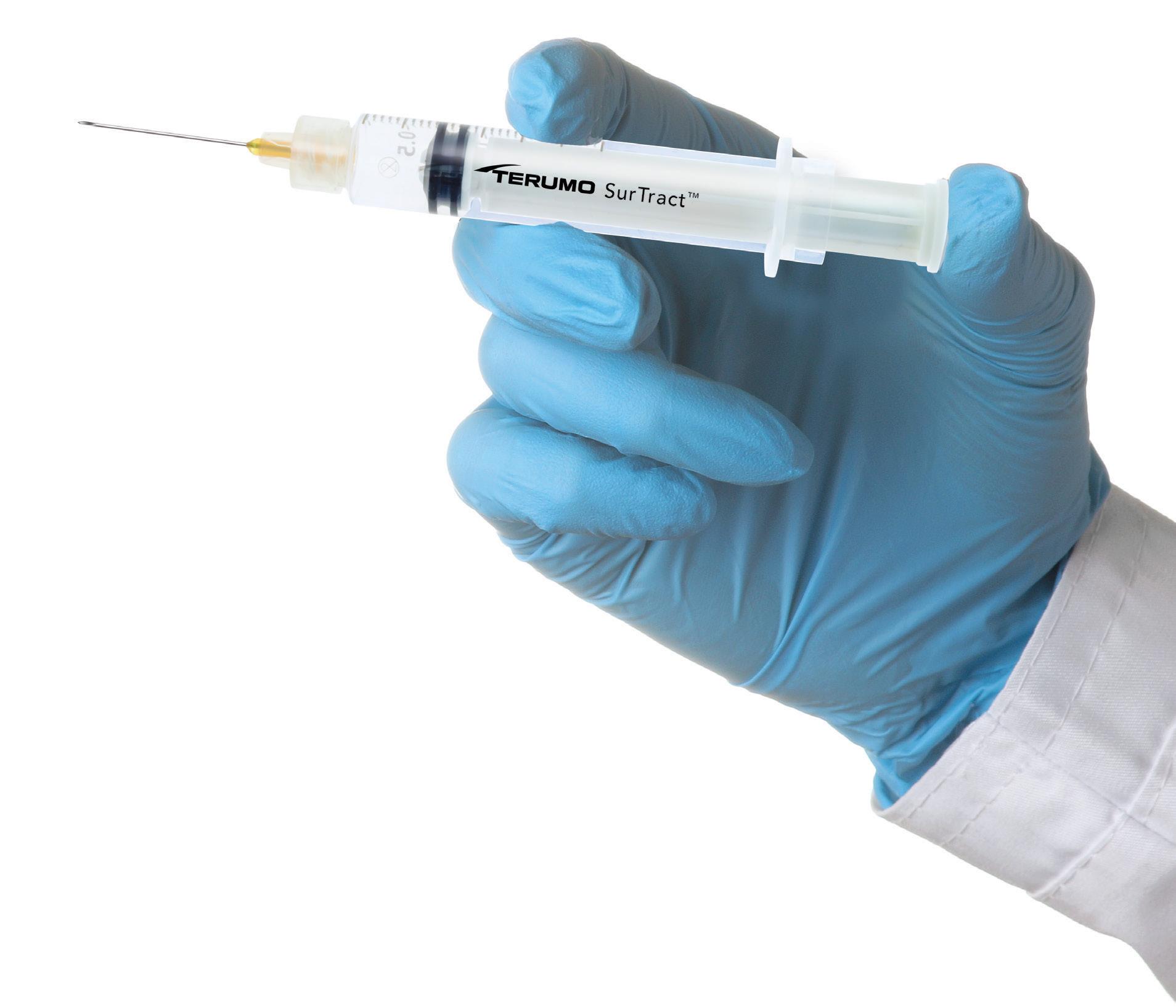
You shouldn’t have to choose between clinical precision and safety. With Terumo’s innovative SurTract™ hypodermic line, you don’t have to.
Engineered with an automatic retraction mechanism. The needle withdraws inside the syringe barrel the moment the injection is complete –reducing the risk of needlestick injuries.*
Kevin Host, senior vice president, pharmacy, Walmart U.S.
At Walmart, we see a clear connection between pharmacy, nutrition and overall health and we’re focused on making that easier for customers to act on in their everyday lives.
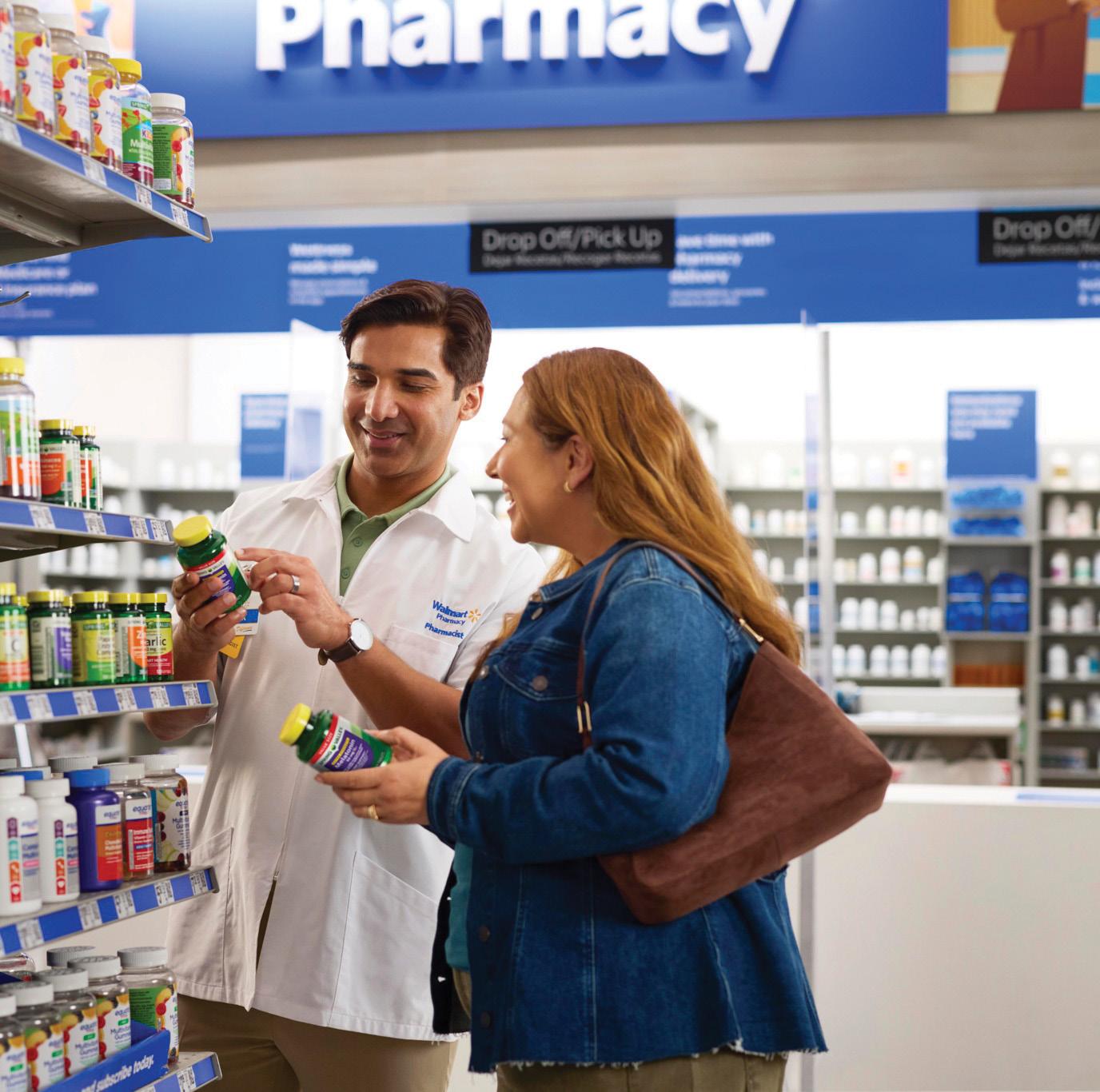
Our pharmacists, across nearly 4,600 locations, are often the most accessible healthcare professionals our customers interact with, and they serve as trusted advisors, helping customers manage medications while also guiding them toward over-the-counter solutions and healthier choices that support their goals. We’re also expanding how we connect that experience to nutrition in more practical ways. Through tools like our Nutrition Hub, powered by Walmart Everyday Health Signals, customers can opt in to receive personalized food and recipe recommendations that align with their wellness goals, whether they’re managing cholesterol, diabetes or simply looking to make better food choices.
In our pharmacies, we’re also able to support that more directly through point-of-care testing, including A1C and cholesterol screenings. That allows our pharmacists to help customers better understand their health and connect those insights to everyday decisions around food and wellness.
In addition, the Better Care Services platform helps connect customers to virtual providers, including nutrition and wellness support, allowing them to move from care to medications to nutrition in a way that fits naturally into their routine. Ultimately, our goal is to meet customers where they are. By bringing together pharmacy, nutrition and digital tools, we’re helping make healthier choices more accessible and easier to maintain over time.
Angie Nelson, vice president, pharmacy, Hy-Vee
Since the early 2000s, we have offered both pharmacy and dietitian services within our grocery stores, as well as HealthMarket departments that offer or-

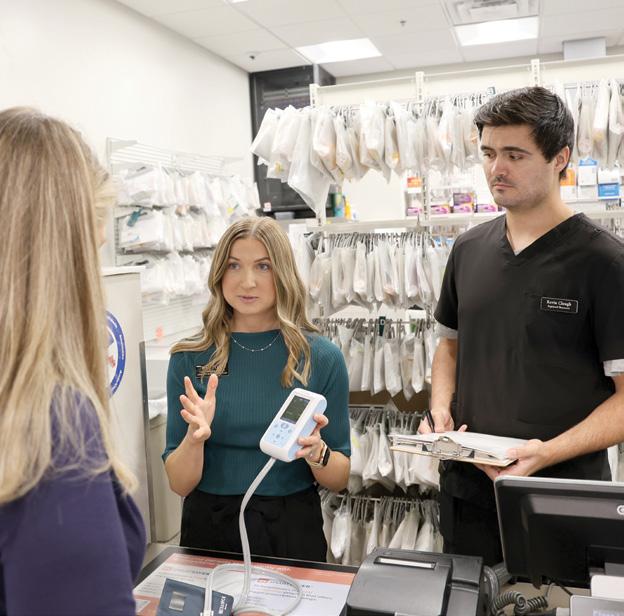
ganic and specialty items to help support different dietary needs. Over the years, we’ve continued to invest heavily in this area, adding virtual dietitian services, health screenings, food health scores, medically tailored meals and more. Having these services easily accessible within the grocery store setting has transformed Hy-Vee into a central point of care for our patients. This allows our pharmacy and dietitian teams to meet individuals where they’re at and work together to build a holistic plan to help them prevent, manage and/or treat chronic conditions through nutrition and medication. Our dietitian team, especially, plays a key role in helping customers make healthier and more informed decisions within the grocery aisles.
As we continue to advance our Food is Medicine program, we have been bringing our pharmacists and team of registered dietitians alongside each other in more ways to help patients better manage their conditions. One great example of this is with GLP-1 patients. Adjacent to our in-store pharmacies, we’ve added GLP-1 displays that feature products that can
help individuals manage any potential side effects. Additionally, our team of registered dietitians offer personalized nutrition counseling to help GLP-1 patients develop a nutrition plan that will fit their individualized needs.
Most recently, we’ve been conducting a pilot with evermore (formerly known as Soda Health) that uses dietitian and pharmacy interventions, as well as nutritional rewards, to help improve health outcomes in at-risk Medicaid patients with uncontrolled diabetes. From this ongoing pilot, we’ve already seen record engagement and improved HbA1c levels. Pilot participants have also reported an increase in their consumption of fruits and vegetables. This pilot demonstrates the impact that pharmacists and dietitians can have when working together in retail.
Katie Thornell, director of pharmacy operations, Stop & Shop
At Stop & Shop, helping our customers live healthier lives is central to how we show up in our communities. Our phar-
Community pharmacy plays a critical role in addressing today’s healthcare provider shortages and access challenges.
At DSN, we’ve launched #FillHealthcareGaps to promote community pharmacy as a solution to the healthcare supply shortage and to ensure the world sees the clinical impact you make every day.

WE WANT TO HEAR FROM YOU
Share a meaningful experience related to the #FillHealthCareGaps cause. Let your story inspire others!

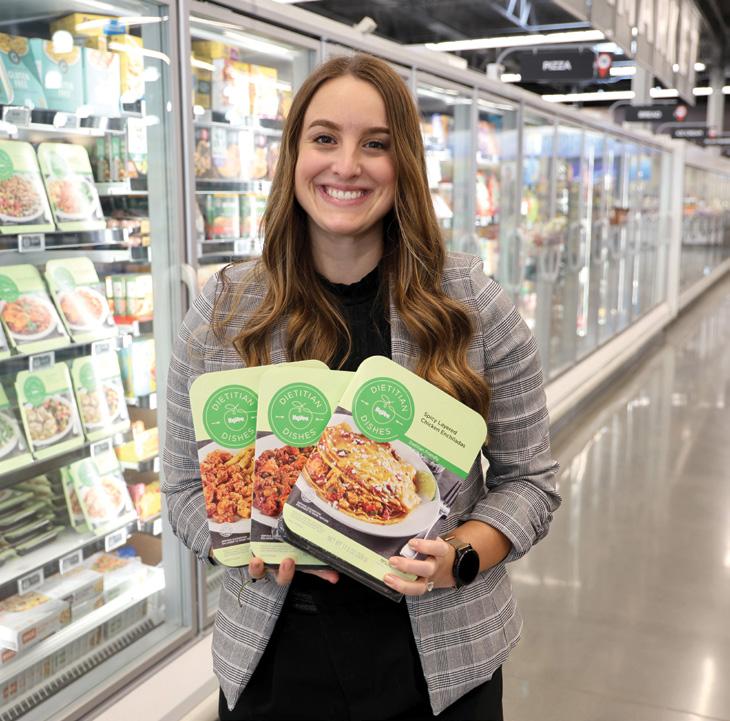

From pharmacists working closely with dietitians and nutritionists to providing nutrition counseling in the aisles, supermarket pharmacies are stepping up their efforts to improve patients’ wellbeing and health.
macists work hand in hand with our team of registered dietitians, nutrition partners, to connect medication support with everyday nutrition guidance.
Together, these teams offer free webinars on heart health, diabetes, obesity and other key topics, giving customers simple steps they can put into practice. In our pharmacies, targeted prints help identify customers who may benefit from nutrition coaching and guide them to nutrition partners resources that support whole-person wellness. Targeted prints are printed one-pagers that the pharmacists may include with patient prescriptions based off their inferred disease state being treated by the medication they are filling. These prints have QR codes that will bring them to nutrition partner resources pertinent to their health. If our clinical pharmacists believe a patient is a candidate or may benefit from nutritional support while doing
comprehensive medication reviews, they will provide resources and referrals to our nutrition partners and their educational webinars.
This year, our nutrition partners will join our pharmacy manager meeting to deepen collaboration and further reinforce how our teams can work together to connect shoppers with nutrition resources.
Aaron Sapp, vice president of pharmacy and wellness, Wakefern Food Corp.
Because ShopRite pharmacies sit inside the supermarket, pharmacists can work with other departments to help guide customers through their broader health journey, connecting medication support with food choices.
One recent example of this is the new Wellness Your Way kits ShopRite pharmacies offer people who fill a GLP-1 medication for the first time.
The starter kit is a limited time offering that pairs clinical pharmacy guidance with nutrition-focused tools. The kits contain product samples of protein shakes, hydration products, collagen and a wellness guide created by ShopRite’s registered dietitian with recommendations on protein intake, hydration and nutritious recipes. Beyond pharmacy counters, ShopRite reinforces wellness messaging in store and online, offering dietitian-approved tips, recipes and product recommendations that support healthy eating and wellness goals. Customers can visit ShopRite’s always-on landing page for weight management at shoprite.com/wellnessyour-way, and ShopRite’s Wellness Your Way nutrition guide can be found at shoprite.com.
Together, these efforts create a more streamlined connection between medicine, food and nutrition—helping customers make healthier decisions every day, right where they shop.
The OTC ear- and eye-care categories are transforming to better align with shopper needs
By Kathie Canning
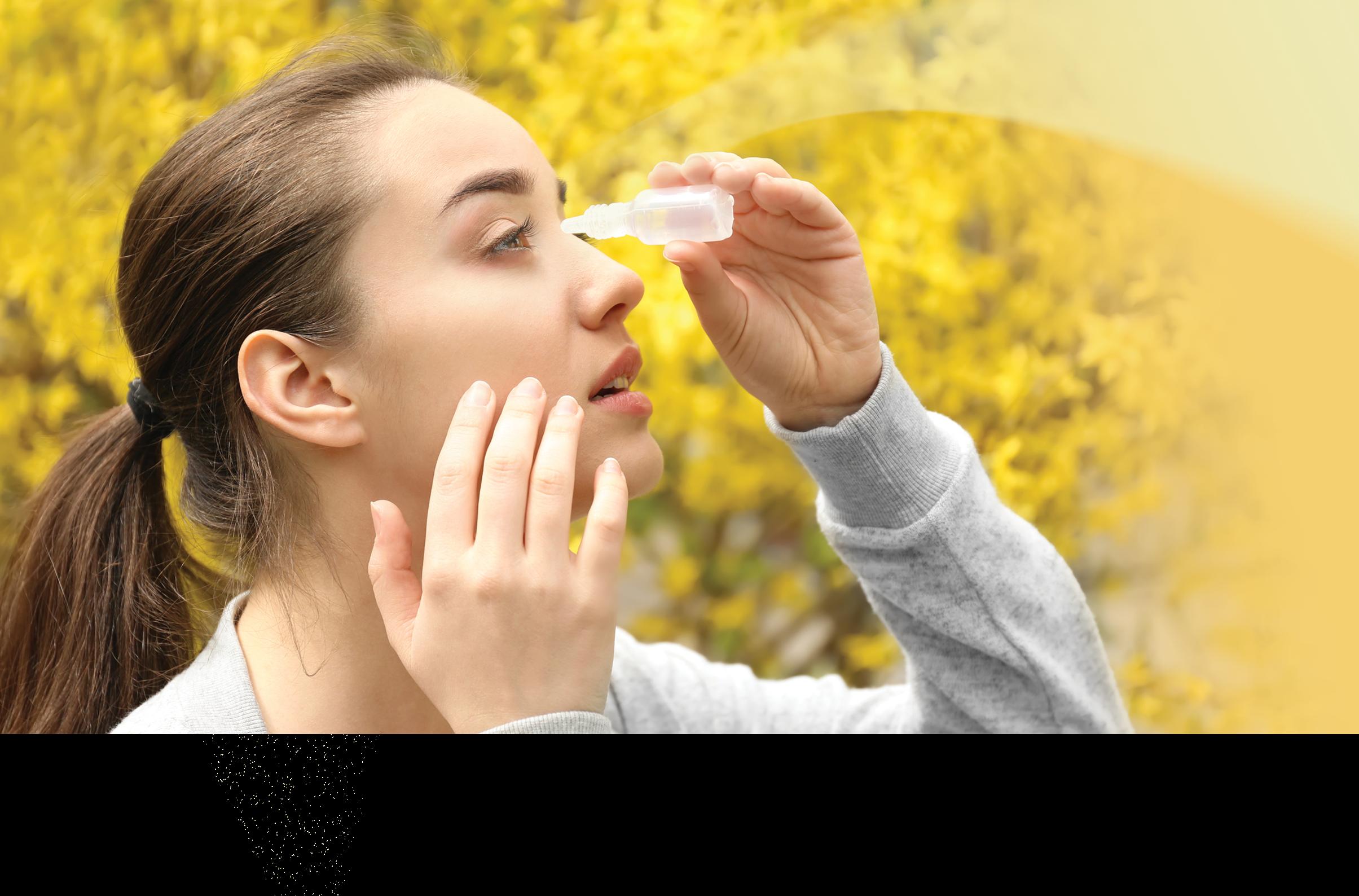
Whether aiming to remove ear wax buildup, lubricate dry eyes or tackle another ear or eye issue, consumers increasingly are turning to OTC solutions. Such products are convenient and accessible. What’s more, the OTC ear and eye care spaces are undergoing a transformation in recent years to better align with shopper needs.
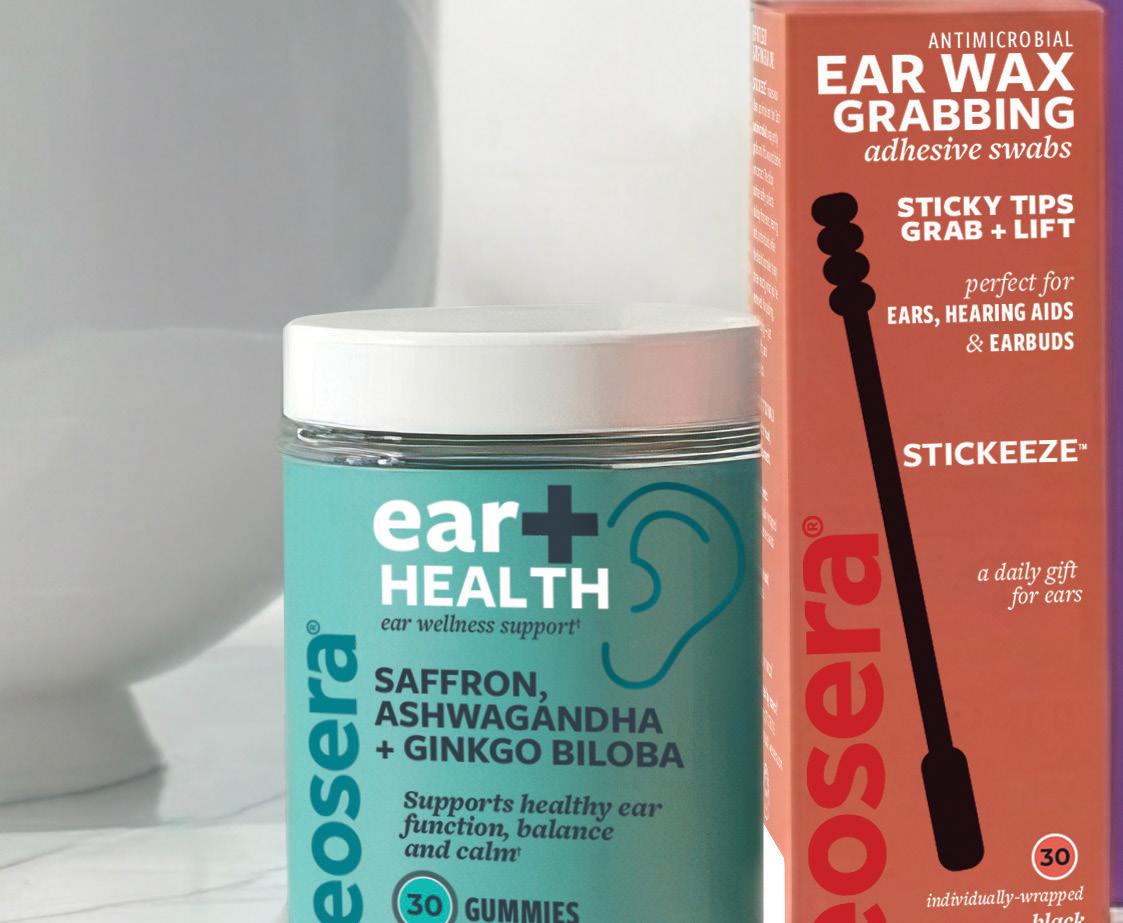
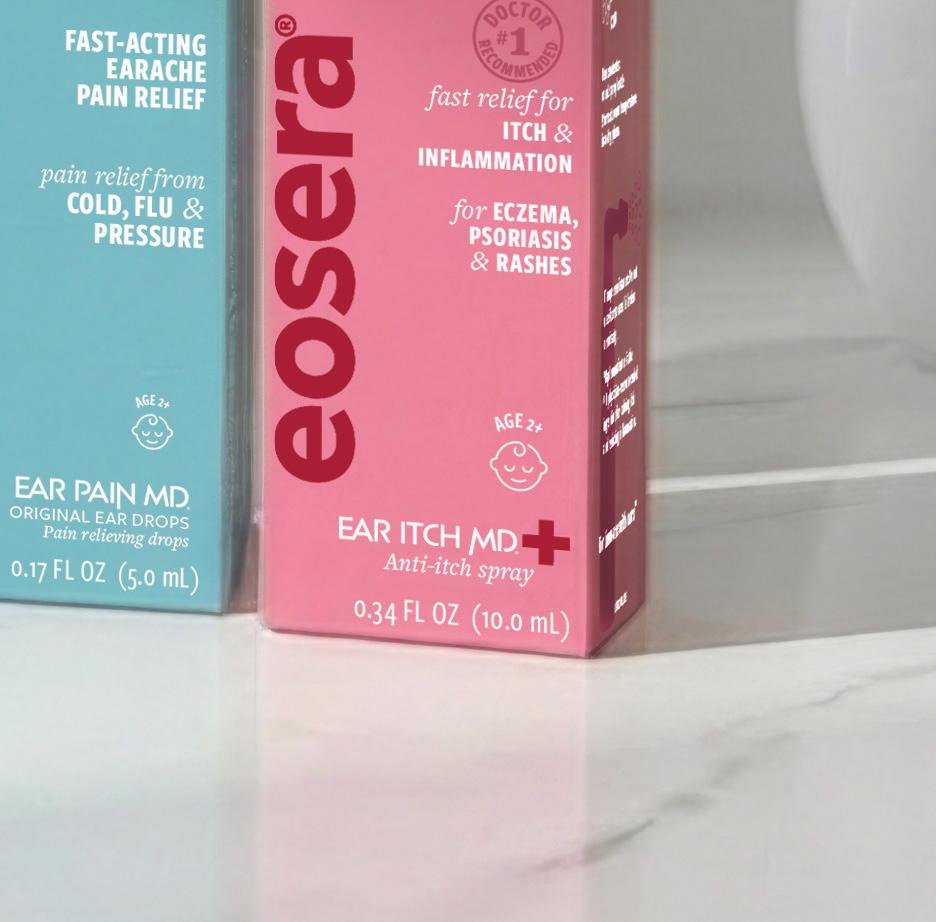
Traditionally offering few options, the ear-care aisle is “finally catching up to where consumers already are,” said Elyse Stoltz Dickerson, CEO and founder of Eosera. “Consumers now expect the same kind of targeted, ingredient-transparent solutions in ear care that they already get in skin care and oral care,” she explained. “They’re coming in with specific concerns like pain, itch, wax and daily maintenance, and they want products designed for each.”
“
Consumers now expect the same kind of targeted, ingredient-transparent solutions in ear care that they already get in skin care and oral care.”
—Elyse Stoltz Dickerson, CEO and founder, Eosera

We’re seeing that consumers are willing to pay a premium to prioritize eye care even while cutting back on other items.
—Scott Berg, general manager, consumer eye care, AbbVie
EarAcheRx Doctor Easy
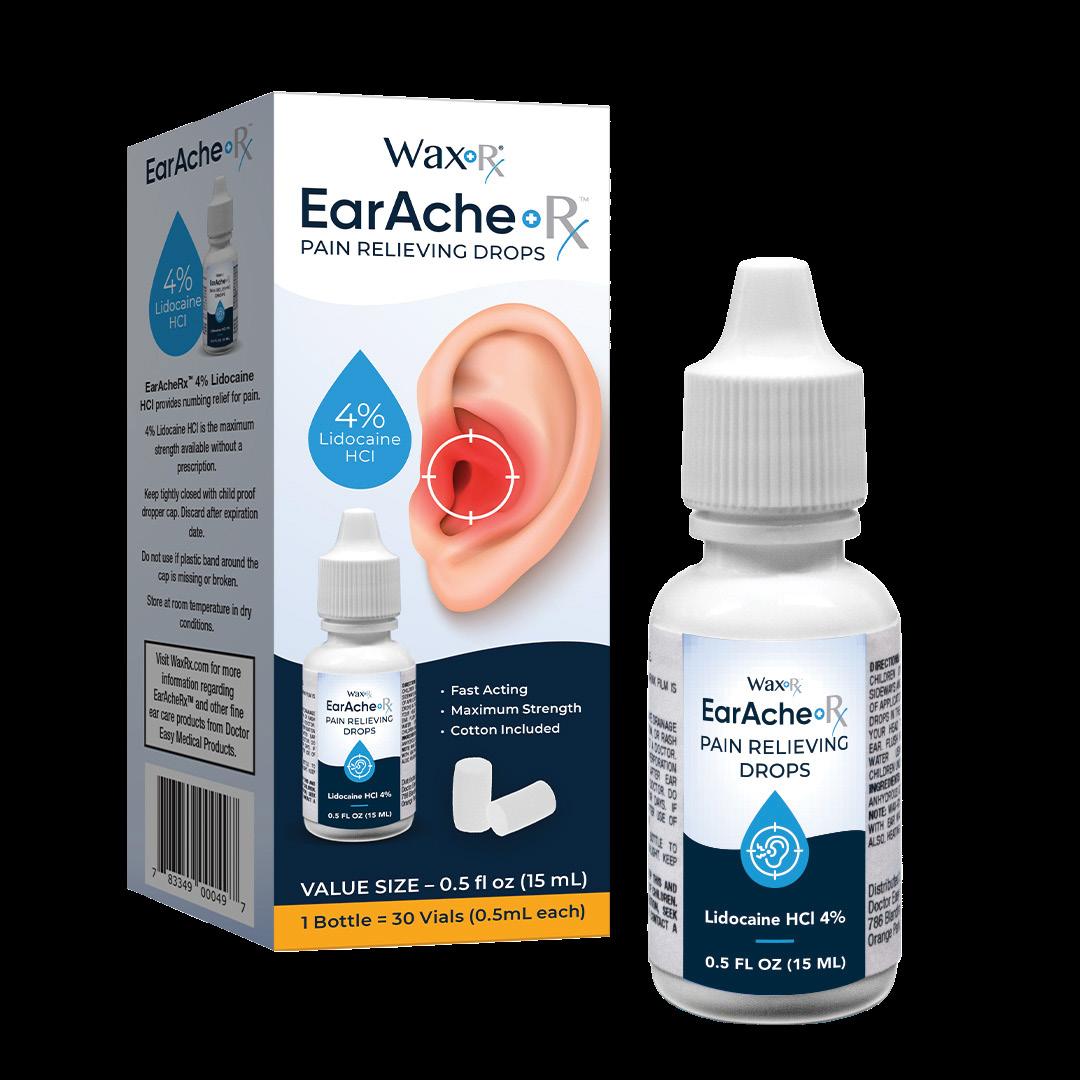
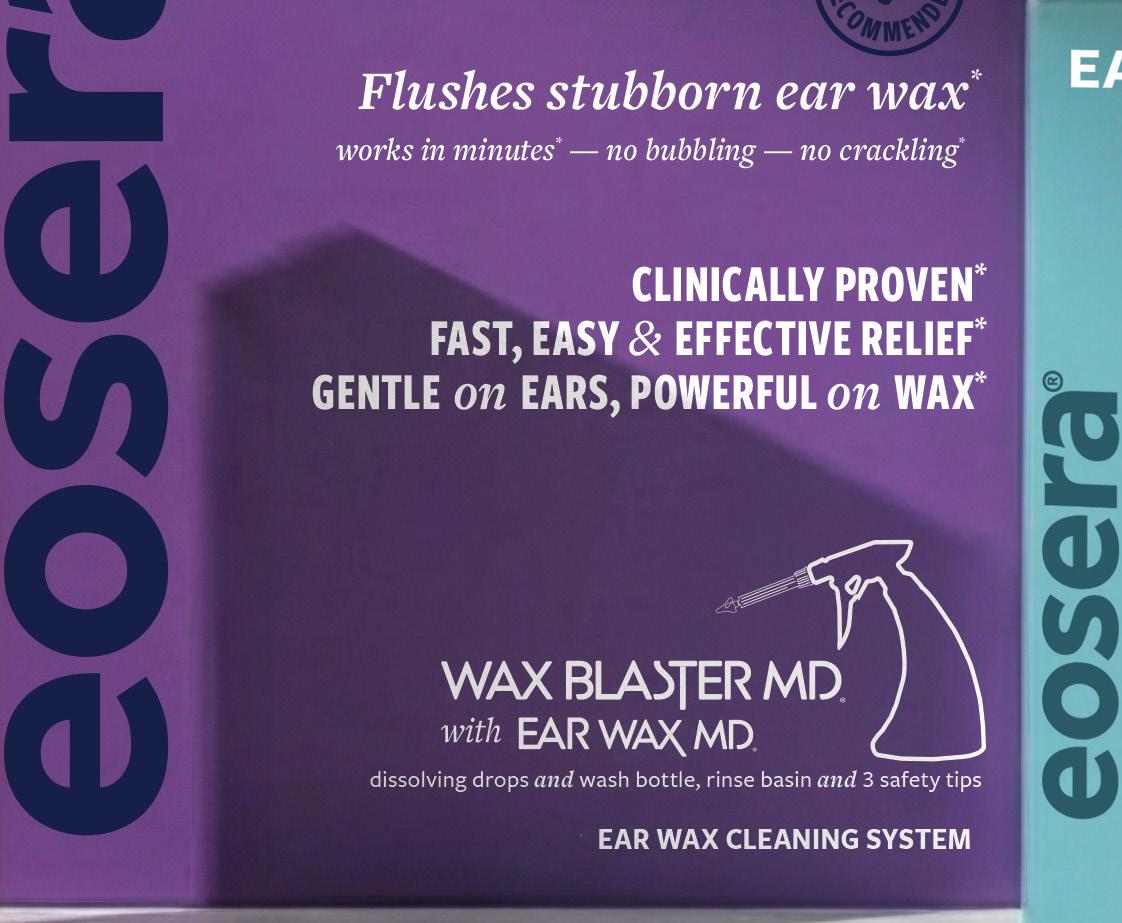
Dickerson noted that Eosera’s 2026 portfolio relaunch is designed for this transformation. The company is in the midst of introducing seven new products, including Ear Pain MD Plus and a line of antimicrobial swabs. The former combines lidocaine-based pain relief with an antimicrobial that addresses infection risk; it is the first ear-care product made for chronic skin conditions, such as psoriasis and eczema in the outer ear canal.
“For category managers, this is an incremental growth story, not a sharetrading exercise,” Dickerson said. Helping to fuel the transformation is the increased usage of devices, such as earbuds and OTC hearing aids. She noted that such usage increases wax buildup and ear irritation.
“It’s pulling younger consumers into the ear-care aisle for the first time while bringing older consumers back more often,” she said. “The brands and retailers that meet this moment with
real innovation, not just repackaged legacy formulas, are going to capture disproportionate category growth.”
Innovation must be effective, of course.
“When products don’t work as advertised, consumers lose trust,” stressed Marsha Garcia, senior executive officer for Doctor Easy Medical Products.
“To defend their hard-won reputation as first-line medical providers, pharmacies should take care to select effective products from reputable manufacturers with roots in the clinical setting.”
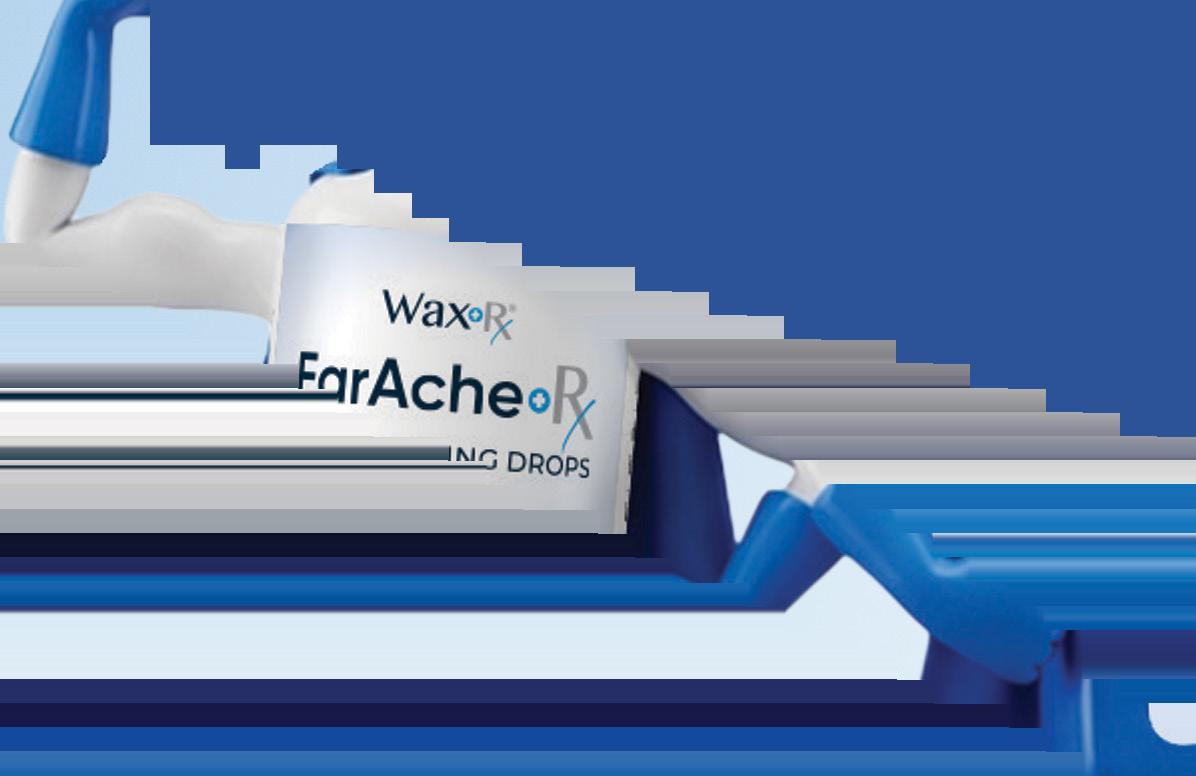
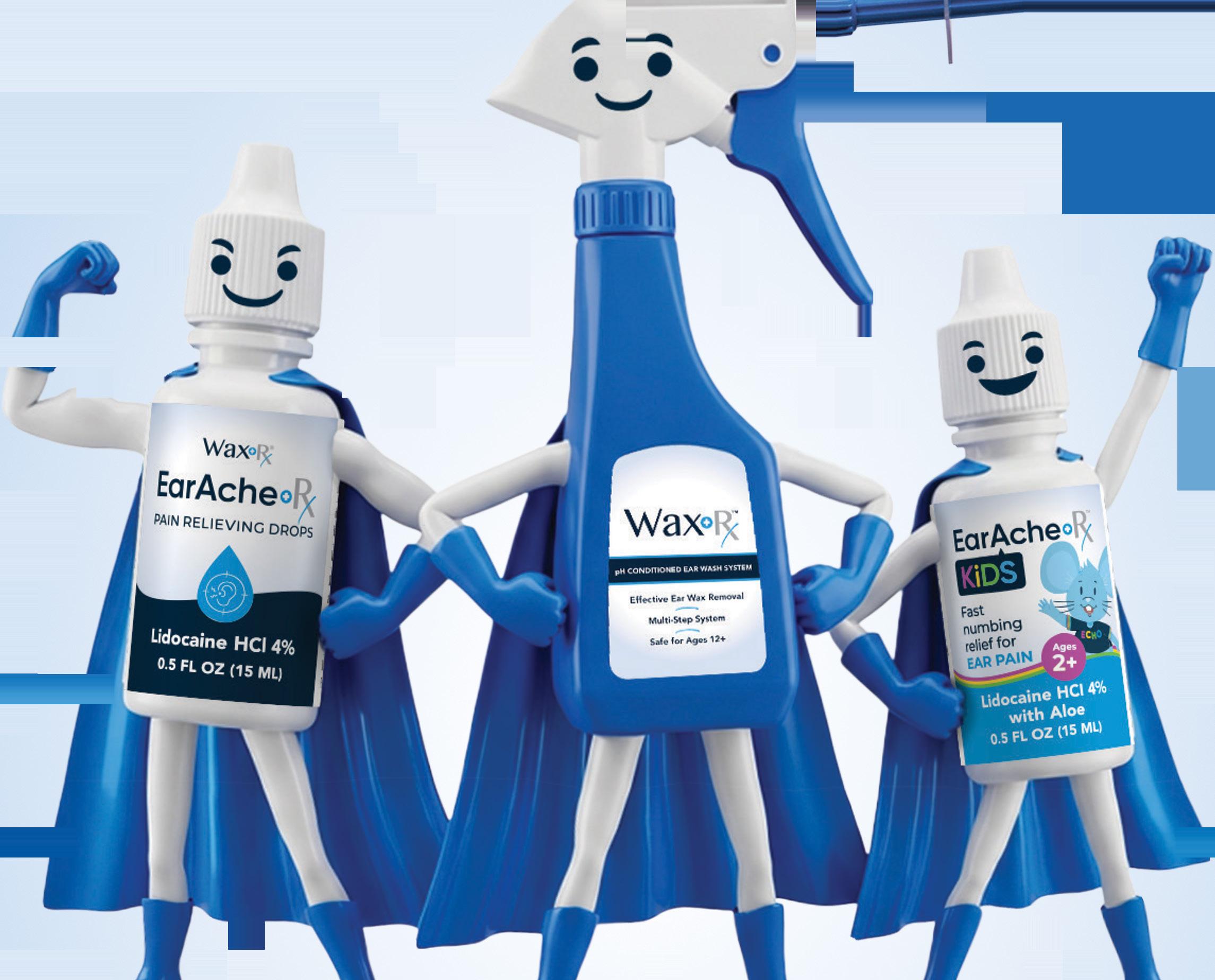
She noted that Doctor Easy has offered clinical medical products for more than 30 years. The company’s most recent innovations, EarAcheRx and EarAcheRx Kids, both feature lidocaine for immediate ear pain relief.
The eye-care category is evolving, too, in response to consumer wants and needs.
As John Ferris, president, consumer for Bausch + Lomb, pointed out, consumers are taking a more proactive approach to eye health. And even though factors such as economic strain, population shifts and changing shopping patterns have compressed consumer spending overall, demand within the eye care category appears to be strong.
“We’re seeing that consumers are willing to pay a premium to prioritize eye care even while cutting back on other items,” said Scott Berg, general manager, consumer eye care for AbbVie.
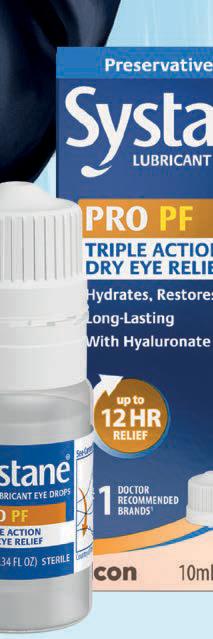
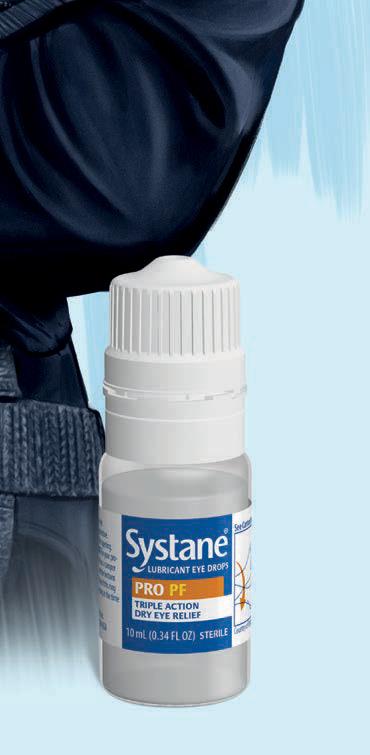
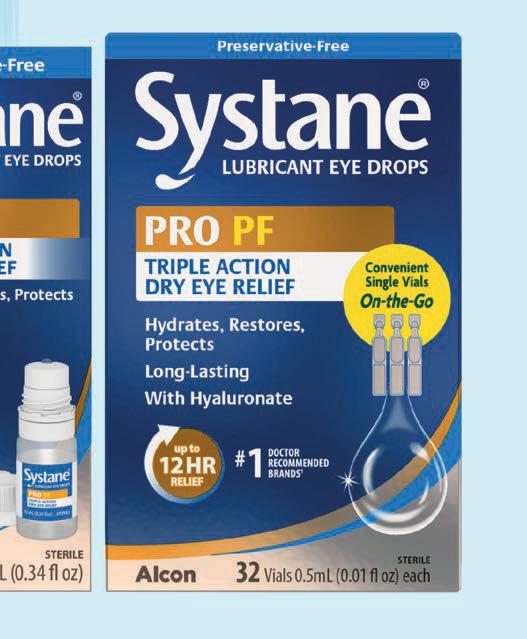
Dry eye continues to be one of consumers’ most common issues, increasingly impacting younger adults because of environmental stressors and screen time, Ferris noted. And preservative-free eye drops are gaining momentum, Berg added, particularly for consumers with sensitive eyes.
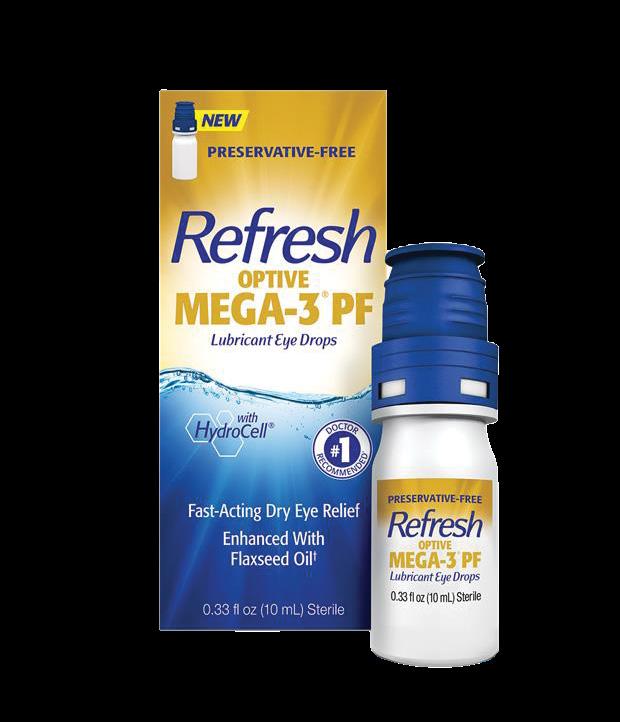
This spring, AbbVie introduced Refresh Optive Mega-3 eye drops in a multi-dose bottle as an alternative to the brand’s






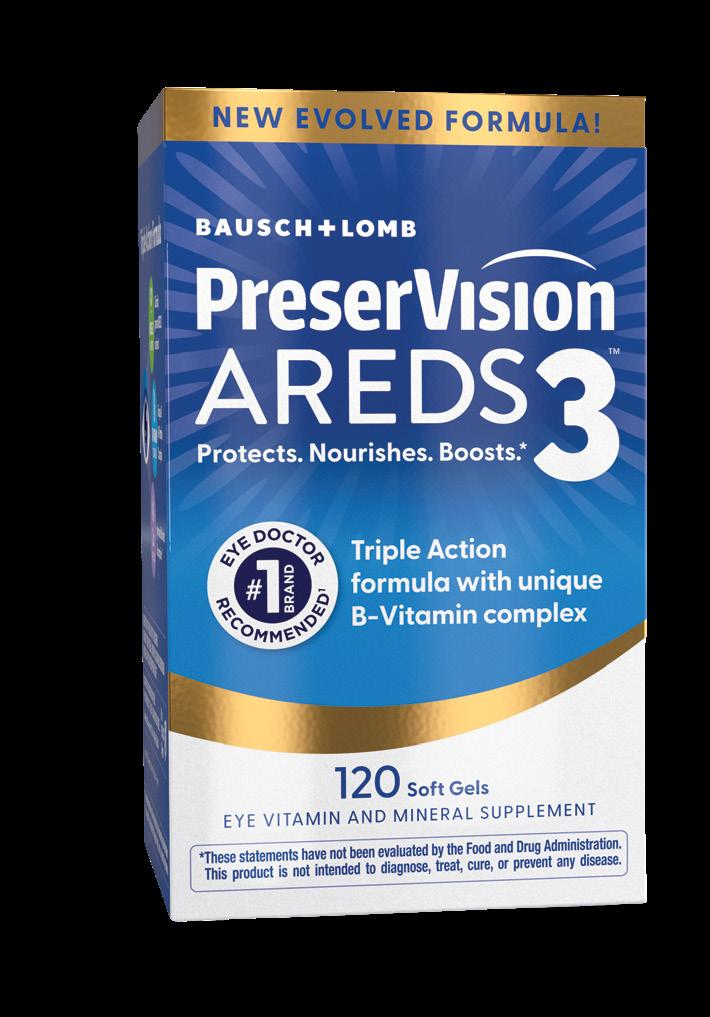
PreserVision AREDS3 Bausch + Lomb
single-use vials. According to Berg, the product features the same preservative-free, triple-action relief to lubricate and hydrate dry, irritated and burning eyes.
“The formula supports all three layers of the tear film, helping provide long-lasting comfort for dry eye symptoms,” he said, “including those associated with meibomian gland dysfunction, which is when oil glands in the eyelids don’t work properly, often leading to evaporative dry eye.”
Ferris agreed that demand for preservative-free formulations continues to rise. To help meet that demand, Bausch + Lomb is launching Blink Triple Care preservative-free eye drops this year.
The product’s water-based, lipid- and hyaluronate-containing formula is designed to provide “immediate, long-lasting relief” for dry eyes, slow down tear evaporation and boost hydration.
Also new here are TheraTears Dry & Tired Eye preservativefree lubricant eye drops from Prestige Consumer Healthcare. According to the company, the drops address dryness related to digital device use, screen time and eye strain. They contain twice the hydrating ingredient found in TheraTears original preservative-free lubricant eye drops and provide all-day comfort via single-use vials, the company said.
Preventive eye health is also gaining momentum among consumers, as more people think ahead about their long-term vision, Ferris noted.

8 Eargo
“As a result, there’s growing interest in clinically backed nutritional support,” he said.
On the preventive eye care front, Bausch + Lomb is launching PreserVision AREDS3 formula eye vitamins. They combine a “unique” B vitamin complex that supports macular health, Ferris explained, with the National Eye Institute’s recommended “clinically proven AREDS2 nutrients” to help reduce the risk of moderate-toadvanced age-related macular degeneration progression.*
Despite the consumer-driven transformation of the ear- and eye-care categories—or perhaps because of it—browsing the ear- and eye-care aisles is not necessarily a shopper-friendly experience. On the ear-care side, many shoppers don’t know the category even exists until they need a product within it, Dickerson pointed out, and then they discover “almost no guidance” when they find the shelf.
“Ear care is typically buried in a small section with minimal signage, no education and a handful of SKUs that all look the same,” she said. “Consumers are standing there in pain or discomfort trying to figure out which product is right for them, and the shelf isn’t helping.”
Pharmacies could remedy this issue by brand-blocking, she noted, which allows shoppers to see the entire assortment from































































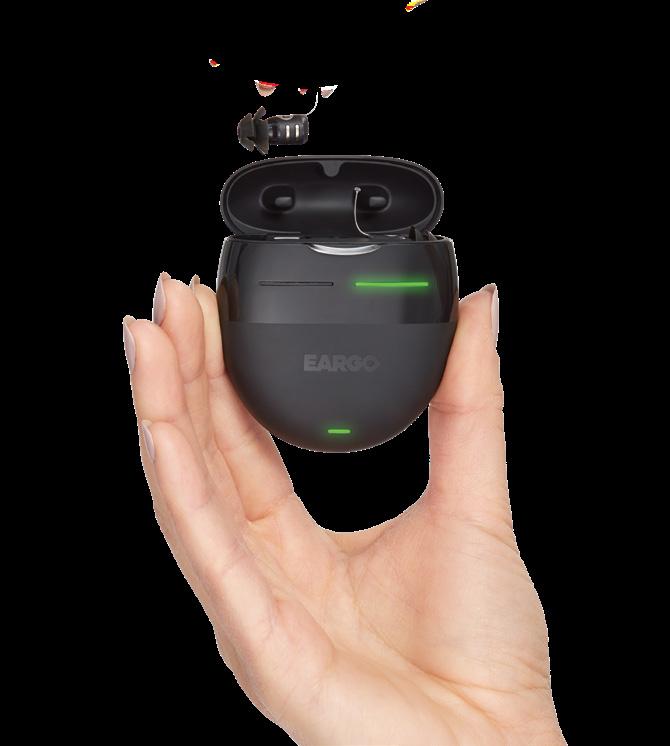
In late 2022, disruption hit the U.S. ear-care category with the introduction of OTC hearing aids. Since then, hearing aid companies have invested in a number of technological advances designed to improve the user experience.
Heather Andrews, Au.D., CCC-A, a licensed audiologist with Zepp Clarity, pointed to mobile apps and Bluetooth connectivity as notable advances.
“Many OTC hearing aids now pair seamlessly with smartphones, allowing users to fine-tune settings such as volume, frequency balance and listening modes in real time,” she said. “Bluetooth connectivity has significantly enhanced both performance and battery efficiency.”
Self-fitting technology and artificial intelligence also have made waves in the category, Andrews noted.
“Modern OTC devices often include in-app hearing assessments and guided setup processes that automatically adjust overall amplification settings to best match an individual’s hearing loss,” she explained.
“AI-driven sound processing can automatically adapt to different listening environments such as quiet rooms, crowded restaurants or outdoor settings, enhancing speech clarity while reducing background noise.”
Brian Maguire, chief commercial officer for LXE Hearing, added remote customer support via smartphone apps, video or phone calls to the list of advances.
“Users can successfully navigate their hearing journey without in-person visits by leveraging real-time guidance from product experts,” he said. This delivers “convenience, greater access to care and peace of mind for users living far from audiology clinics.”
The latest introduction from LXE Hearing, Eargo 8, “raises the bar for performance and user experience,” Maguire added. In addition to a two-year warranty, it includes smart sound adjust, which analyzes the environment and adjusts automatically to noise levels; device scan, which helps users monitor the health of the device and pinpoint maintenance needs; a sleek extended-life charging case providing two weeks of recharges; and lifetime support from the brand.
Despite the growing popularity of OTC hearing aids, however, the devices have limitations, Andrews pointed out.
“OTC devices are intended for adults with self-perceived mild to moderate hearing loss and no medical ‘red flags’ as defined by the U.S. Food and Drug Administration,” she said. “There will always be a need for prescription hearing aids.”
“one trusted brand” next to another. Doing so makes it easier to search the shelf by need state, compare options and locate the appropriate product quickly. Expanding the space and giving innovative brands enough room “to tell a complete product story” also could help address shopper frustration and promote category growth.
Another shopper hurdle within the ear-care aisle is the presence of ineffective products on shelf, Garcia maintained.
“Cheap knockoffs or gimmicky consumer-focused products may impact short-term sales but damage long-term relationships,” she said. “Quality is key.”
In the eye-care aisle, meanwhile, shoppers might find themselves overwhelmed. It is difficult for many shoppers to match their symptoms to the appropriate product, Ferris pointed out. And when products are hard to find (or not well-organized or even locked up), they might opt for an online purchase.
Community pharmacies also could improve the shopping experience by offering “symptom-based navigation,” education that’s “clear and approachable, and digital tools that steer shoppers to the appropriate product, he said.
Speaking of education, consumers want science that’s “simple, clear and trustworthy,” Ferris noted. Products must be explained in an easy-to-understand way as consumer discovery moves to social platforms and AI-driven search efforts.
“We work closely with retailers to share insights and streamline the aisle so consumers can find what they need quickly, whether they’re shopping instore or online,” Ferris added.
*AbbVie noted that these statements have not been evaluated by the FDA and that the “product is not intended to diagnose, treat, cure or prevent any disease.”



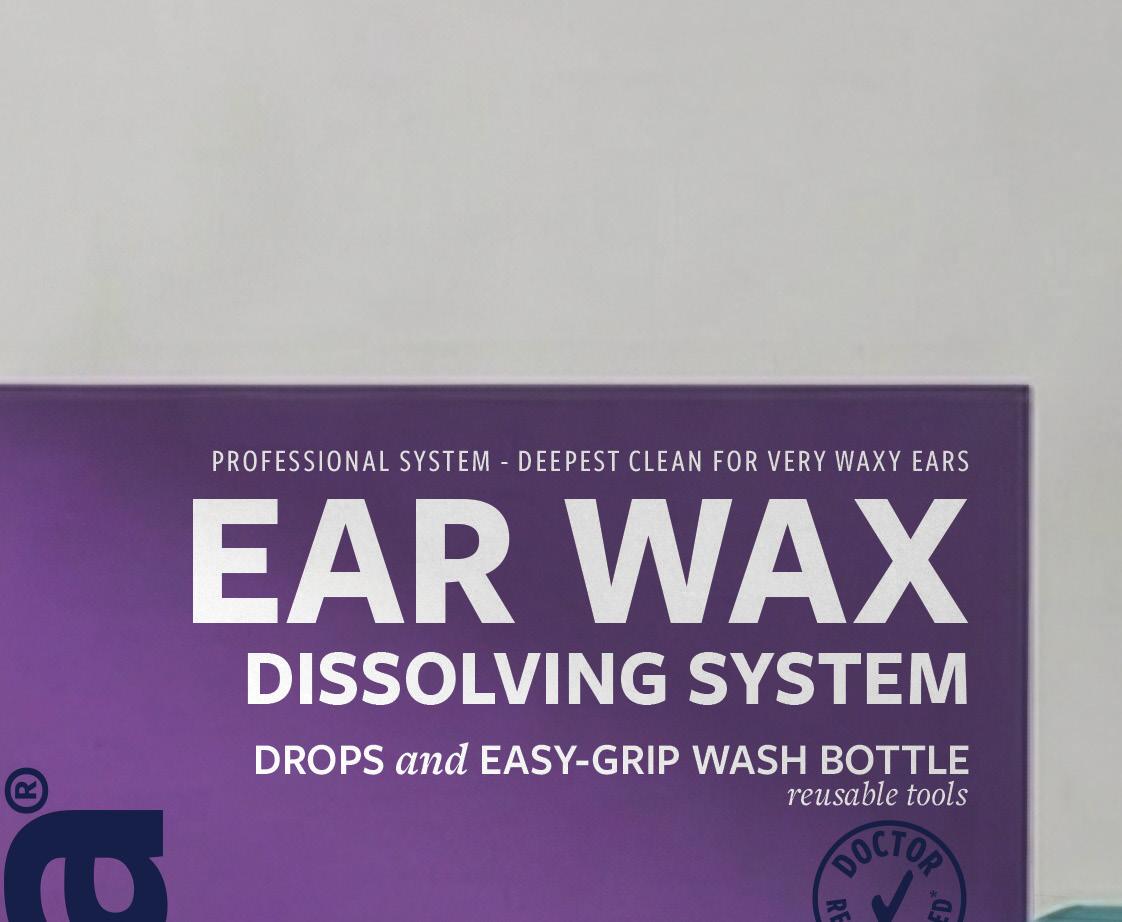

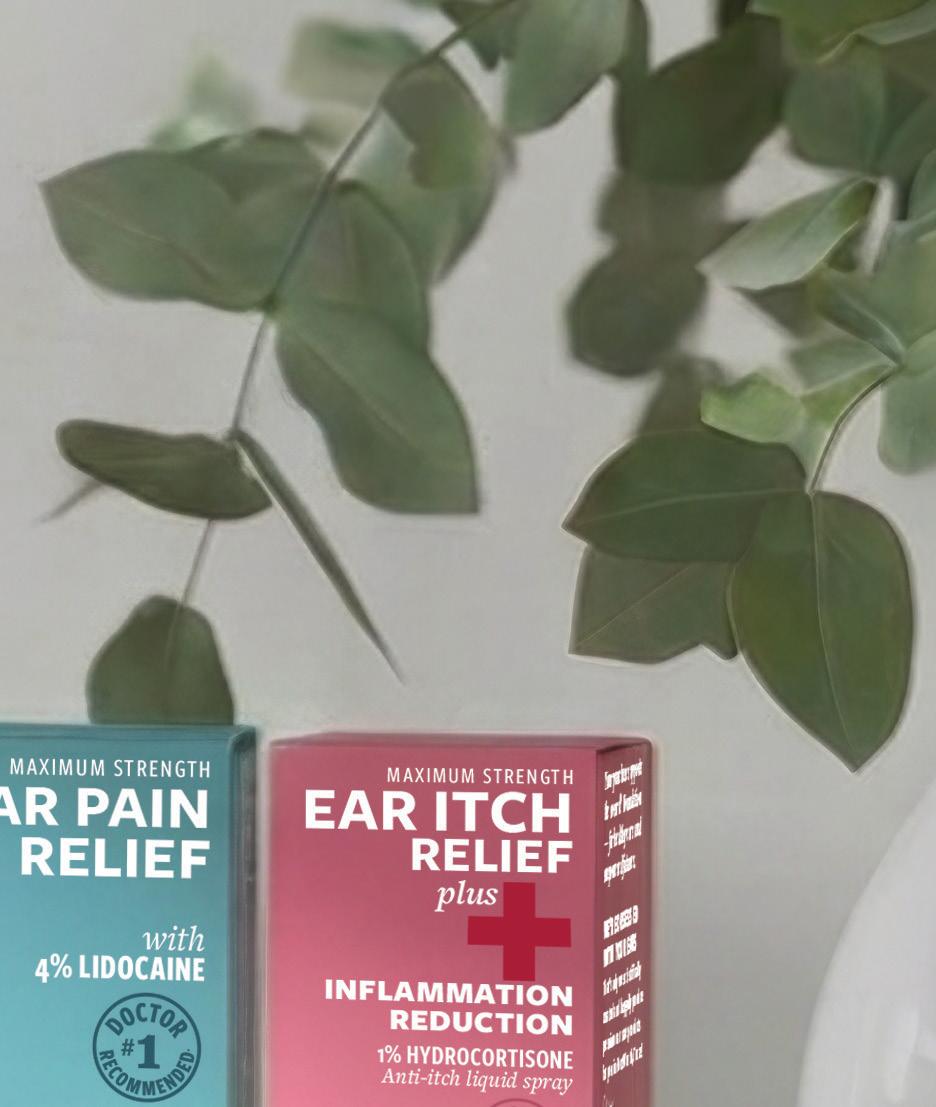
“The ear care category has lacked meaningful innovations for a long time. We’re here to redefine it, and we’re just getting started!”

Elyse Stoltz Dickerson, Founder & CEO






With bogus ingredients claims around immunity supplements, brands are using education to help consumers make wise choices
By Debby Garbato

Consumers expect to get what they pay for. But this is not always so in immunity supplements, where products may have smaller amounts of—or completely lack—ingredients listed on labels. This has made third-party testing and shopper education increasingly important for many manufacturers and retailers seeking to retain their reputations
The problem increased dramatically during the COVID-19 pandemic, which spurred a barrage of immune supplements claiming to cure almost everything. Many are offered by a rising tide of third-party online sellers, which are not evaluated by e-commerce retailers. According to LegitScript.com, thirdparty sales on Amazon alone grew at a 52% compound annual rate last year compared to 25% for first-party sales.
Some experts are finding the bad apples. A study published by PubMed Central analyzed 30 immune supplements purchased from Amazon. Seventeen had inaccurate labels, 13 were misbranded and nine contained additional components not claimed on the label.
Online or off, these types of findings can make shoppers mistrust the category.
“Shoppers are increasingly focused on whether immunity supplements are backed by credible science and have
concerns about exaggerated advertising claims, ingredient quality and overall transparency,” said Katherine Rizcala, project and sales operations manager, Mason Vitamins. “Retailers are applying stricter standards, particularly in the drug channel. Concerns grew significantly during the pandemic, when demand surged and the market became saturated with ‘immune support’ products that were not always well substantiated.”
Consumers also become confused by the sheer number of products available. According to the U.S. Food & Drug Administration, more than 25,000 supplement labels in the United States include the terms “immune” or “immunity.” “While brand awareness remains strong, it is highly fragmented, with many consumers shopping by ingredient or benefit rather than brand,” said Kimberly Vigliante, SVP of wholesale sales and marketing, Piping Rock. “This makes education especially important—not just to differentiate products, but to help consumers connect the dots between different aspects of health.”
In 2024, immune supplements generated $8.4 billion in U.S. sales, said S&S’ Insider Report. It is expected to reach $17.4 billion by 2032, growing at a CAGR of 9.6%.



























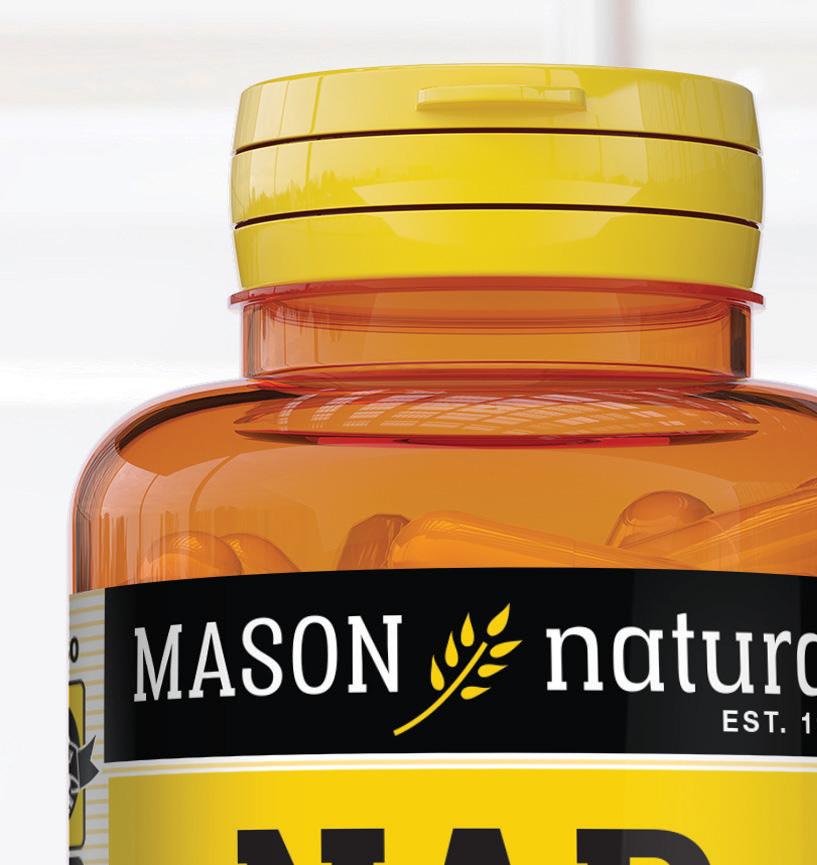

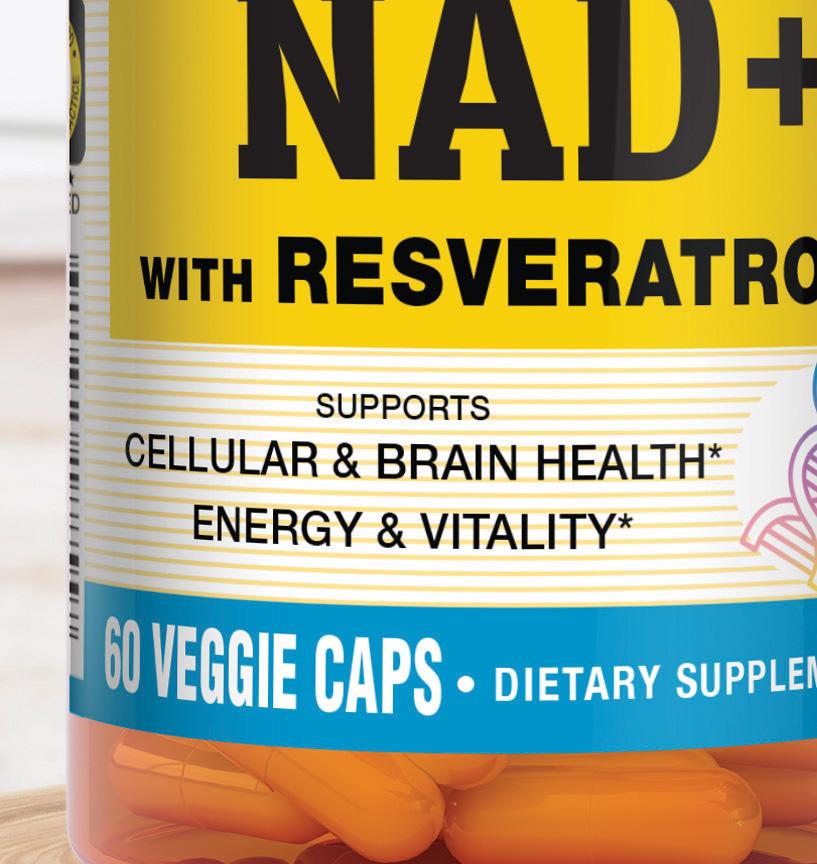








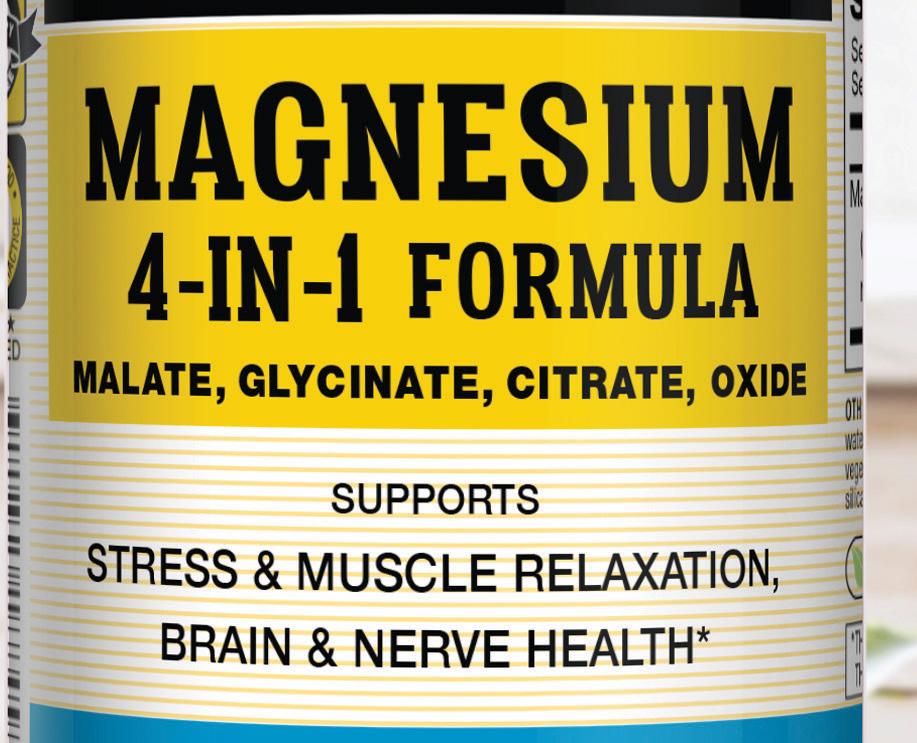











Many retailers have guidelines regarding ingredients. CVS, however, lists criteria on its website in an easy-to-find, obvious format (www.cvs.com/content/testedtrusted). Among other requirements, it notes, “the vitamin or supplement needs to contain the dietary ingredients and the amount per serving listed in the Supplement Facts Panel. We require thirdparty laboratory testing. Products must be tested for specific identified harmful contaminants and must not exceed set standards.”
Trusted third-party testing organizations include Underwriter Laboratories, Eurofins, NSF International Pharmaepeia, International and US Pharmacopeia, said Jason Pellegrini, CEO of Quantum Health, which makes brands like SuperLysine+ tablets and TheraZinc.
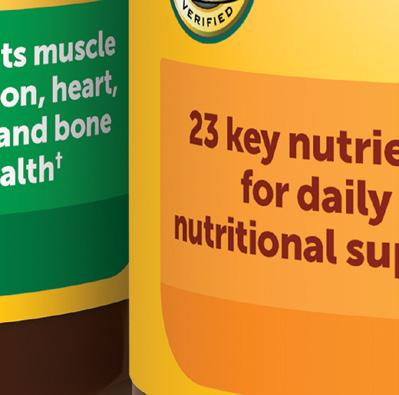
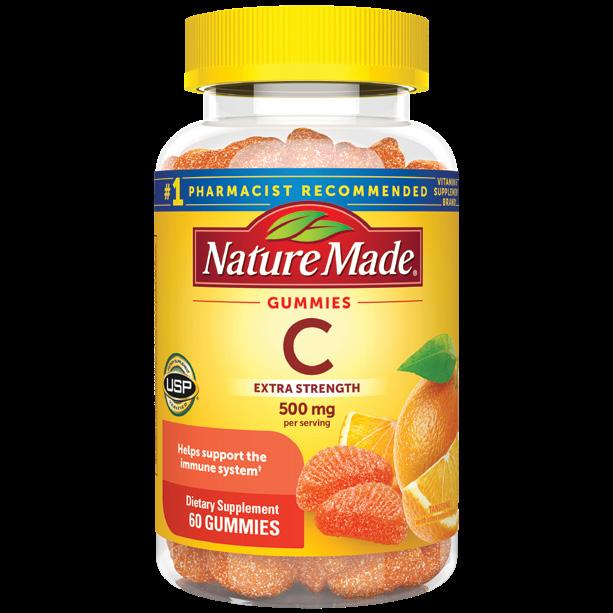
Successfully tested products use the tester’s symbol on labels. Pharmavite’s Nature Made brand was first to earn the USP Verified Mark, said Theresa McArdle, senior director, brand marketing. Today, the brand has more than 200 USP-verified products.
Among suppliers, Nordic Naturals is one of the most stringent. The company’s website allows consumers to check product evaluations. Nordic has 50-plus published studies and 25-plus in progress. Sports products are certified by NSF. Fish oils are backed by Friends of the Sea, guaranteeing that fish come from healthy fisheries.
On YouTube, a dietitian specializing in gut health outlines the benefits of Omega 3. In another YouTube video, an unaffiliated individual from We Tried It discusses Nordic’s D3’s clean ingredients, benefits, small pill size and an orange flavoring with no aftertaste.
Quantum also makes research available. And it educates shoppers about products and ingredients via labels, QR codes, its web site, social media and influencers. “We try to be super clear and consistent across channels,” said Pellegrini. And it depicts real people suffering from various conditions. “On social media, we find people who actually have cold sores.”

While this sounds gross, “it works,” added Pellegrini, “not that people like looking at cold sores.” It also provides educational classes for pharmacists.
Nature Made uses multiple communications vehicles. “There isn’t a one size fits all,” said McArdle. “Different resources connect differently with people, depending where they are on their health/wellness journey. Some may only follow their doctor’s advice. Others may take supporting health/wellness into their own hands, turning to everything from TikTok to apps to personalized blood tests to determine needs. We want to meet people where they are with credible, easy to understand information.”
Mason uses multiple educational platforms, which includes print ads, flyers and product-specific content.
“We clearly communicate benefits that make products unique so consumers can clearly understand what sets one option apart from another,” said Rizcala. “For example, we highlight how products containing quercetin, NAC and selenium offer both immune support and other benefits.”
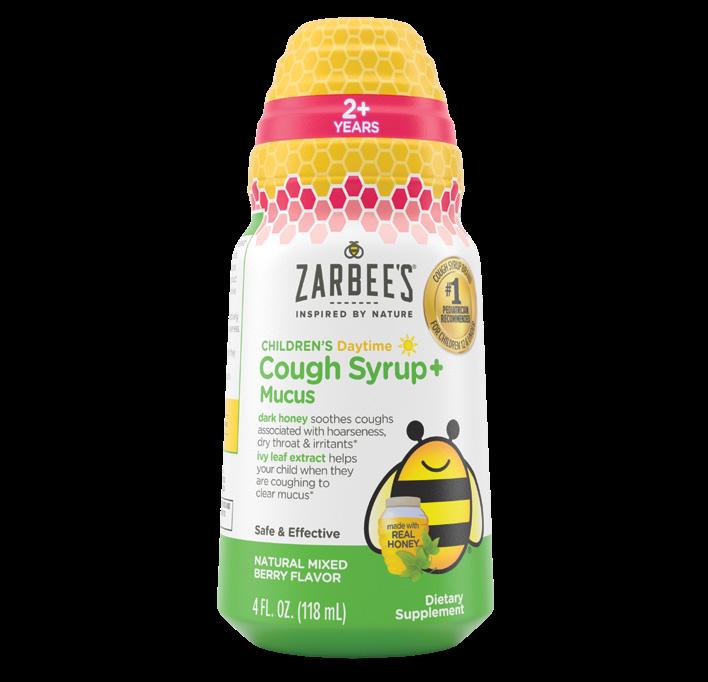
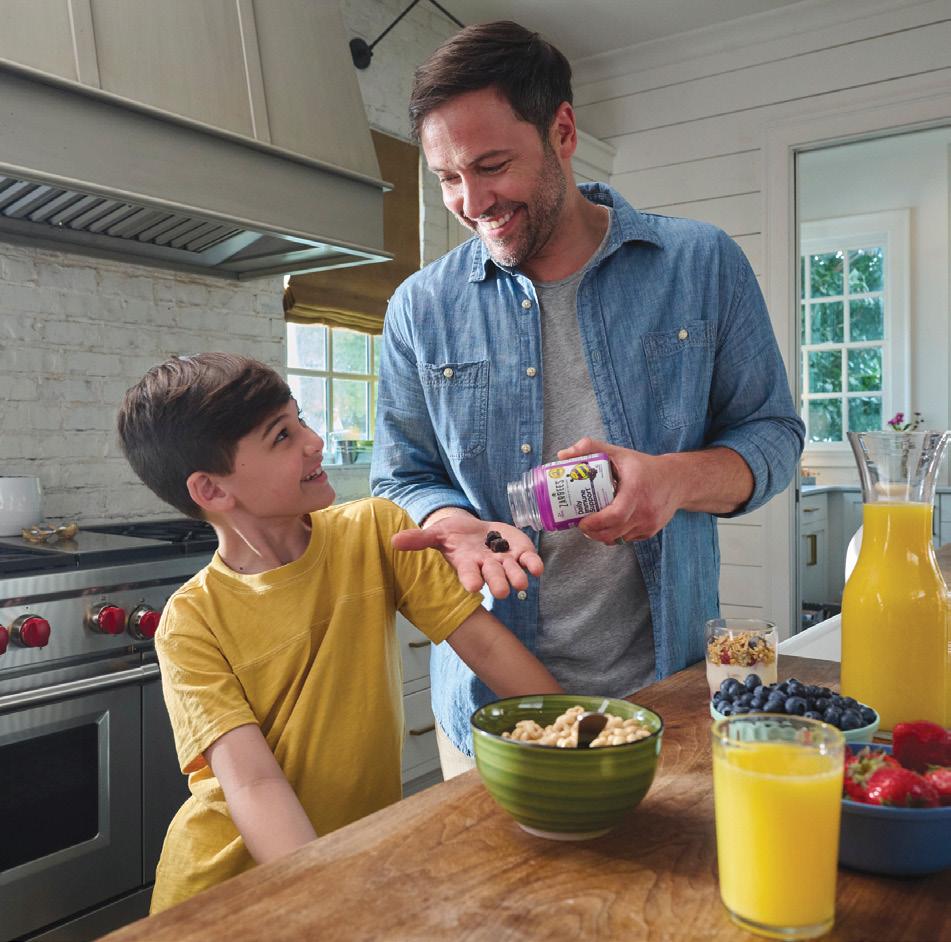
Zarbee’s emphasizes how ingredients are inspired by nature, with its children’s supplements free of artificial flavors, dyes, drugs or alcohol. Its Children’s Daily Immune Support Gummies, for example, are sugar free and contain elderberry, zinc and vitamins C and D3.
“Shoppers don’t just want to understand what’s in a product, they want to be assured of what’s not,” said Katiria Butler, head of U.S. Zarbee’s. Zarbee’s uses multiple educational platforms and collaborates with pediatric professionals. Efforts are paying off. In 2025, Zarbee’s received the coveted Good Housekeeping Parenting Award.
Consumers’ quest for knowledge should continue growing, with good education giving suppliers a competitive edge.
“Brand awareness is high, but differentiation is limited since many products rely on similar core ingredients,” said Rizcala. “Brands that clearly explain their science, source and value—while maintaining credibility—are better positioned to earn consumer trust and drive purchase.”

Parents look for health and safety claims in skin care and other items
By Nora Caley

Daily skin care routines, barrier support benefits and the need for moisturizer are not just for adults. Skin health treatments are a big trend in infant and baby care products, as are items that contain safe and effective ingredients and perform a myriad of tasks.
Consumers, especially young parents, are reading labels and carefully selecting items that have various “free-from” and other claims.
According to Mintel’s “A Year of Innovation in Baby Personal Care, 2026,” 34% of U.S. Gen Alpha parents say their children, who are aged 0 to 15, have sensitive skin. To meet demand for proactive daily skin care, manufacturers launched baby care products that have “clinical barrier-repair solutions,” according to the report. In 2025, 24% of launches had skin-disorder claims and 19% explicitly targeted eczema, up from 17% and 10%, respectively, in 2021.
Other trends that are driving innovation in baby and infant products include premium, natural, allergen-free, fragrance-free and claims such as dermatologist and pediatrician recommended.
Consumers expect a lot from infant and baby products.
“Parents are looking for a variety of innovations including, ‘free’ formulations, homeopathic, sustainably sourced, environmentally friendly packaging, as well as organic,” said Rob Hooper, director of OTC brand sales for Sun Pharma. “Parents understand more and more the early contact with certain medicines and treatments will have a longer-term impact on how they treat issues in the future.”
Sun Pharma makes the bébé Bottoms brand of diaper rash solutions. Among the newest products is bébé Bottoms Diaper Rash Crème Spray with 10% zinc oxide, organic chamomile and calendula.
Another trend is the demand for accessible, user-friendly products. This generation of parents feels comfortable with gadgets and products they can quickly figure out. “They want to easily understand the ingredients used as well as a very intuitive but safe method to dispense or use the product,” Hooper said. “In this age of intuitive use items—cell phones, large screen
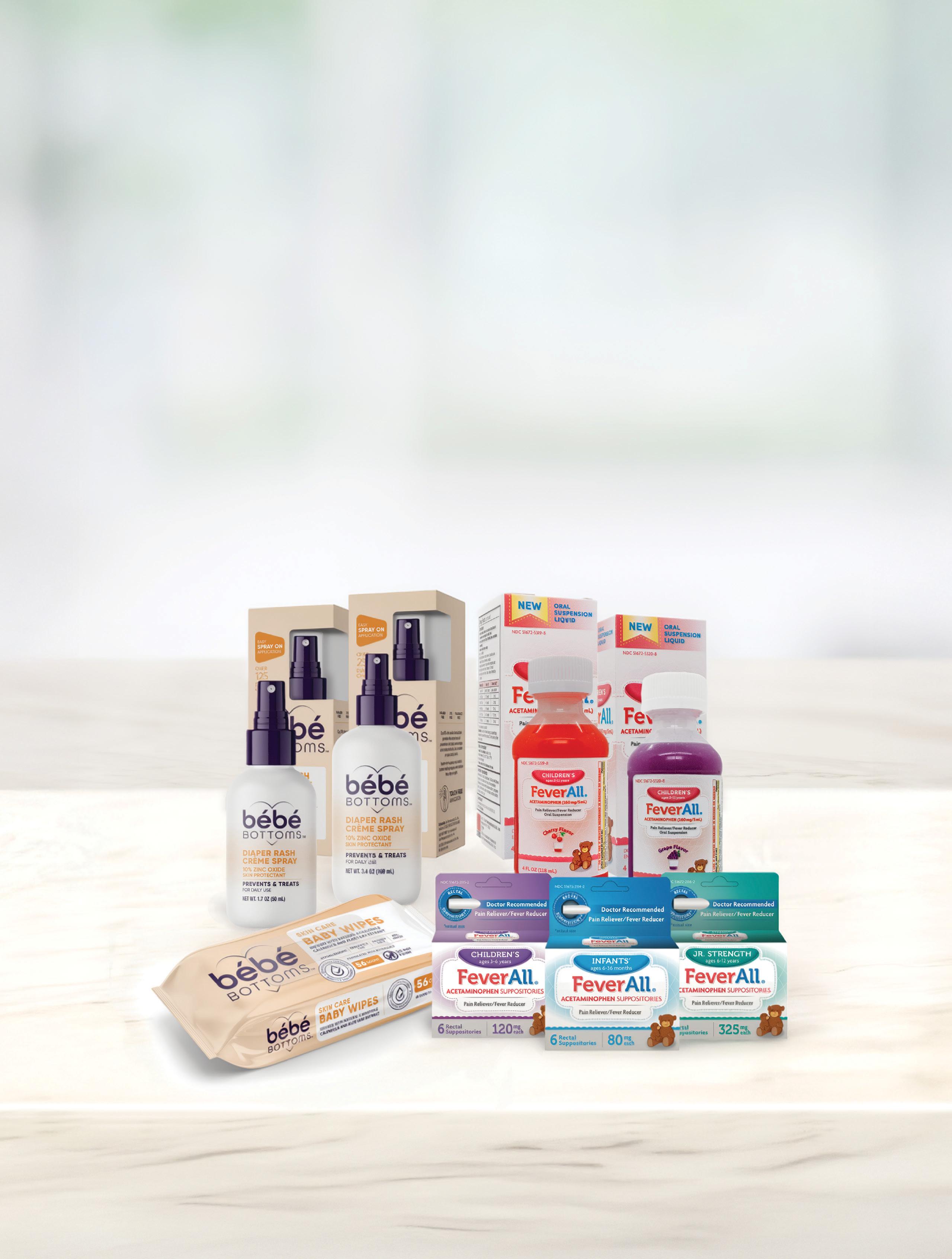

TVs—this all trickles down to products we use and the baby category is no different.”
Quick results are crucial in baby products, as no one wants to try a variety of items to see what might work. “Parents today are looking for baby products that combine proven performance with simplicity, favoring solutions that work quickly, are gentle on skin and make daily routines easier,” said Jim Creagan, president, CrossingWell Consumer Health. “The most attention is going to products that deliver fast, effective relief while also protecting and preventing irritation, all in one step.”
Creagan added that the baby products category is seeing premiumization, as parents are willing to trade up for products that deliver better results. At the same time, they expect value.
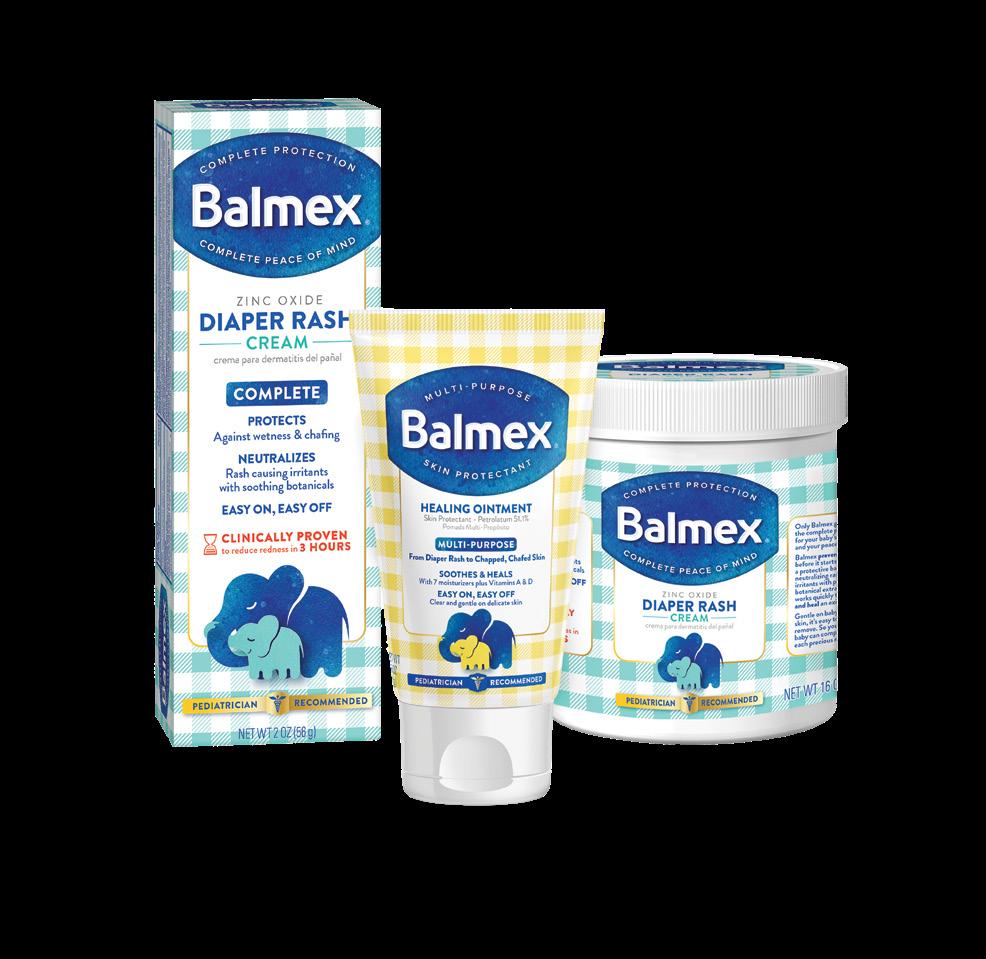
CrossingWell makes Balmex products, including Complete Protection Diaper Rash Cream, which Creagan said is clinically shown to reduce redness quickly while protecting against multiple causes of diaper rash, and Multi-Purpose Healing Ointment, designed to treat a range of everyday skin irritations.
“This approach reflects a clear focus on fast-acting, multi-functional care that simplifies routines without compromising performance,” Creagan said.
Beyond discomfort or irritation, skin health is important because of its effect on overall health.
“Parents are fundamentally different consumers than even five years ago,” said Jennifer Foley, president and general manager of WaterWipes Americas.
“The most attention is going to products that deliver fast, effective relief while also protecting and preventing irritation, all in one step.” —Jim Creagan, president, CrossingWell Consumer Health
Last fall, WaterWipes upgraded its wipes to be stronger, thicker and softer, with an embossed texture and 99.9% water purity.
The wipes are certified as “microbiomefriendly” by MyMicrobiome, which means the wipes help preserve the skin’s natural balance and protective barrier. They are also plant-based, another trend that is gaining popularity in foods and nonfoods.
Foley said the three main trends in the baby product category are ingredient transparency and clean formulations, multi-functional simplicity that addresses a need and doesn’t create one and products backed by science.
Bonding with baby
Baby products can also play a role in bonding with the infant. “Parents look at care as overall wellness—from the physical to the emotional,” said Patricia Popowich, brand director for Aquaphor
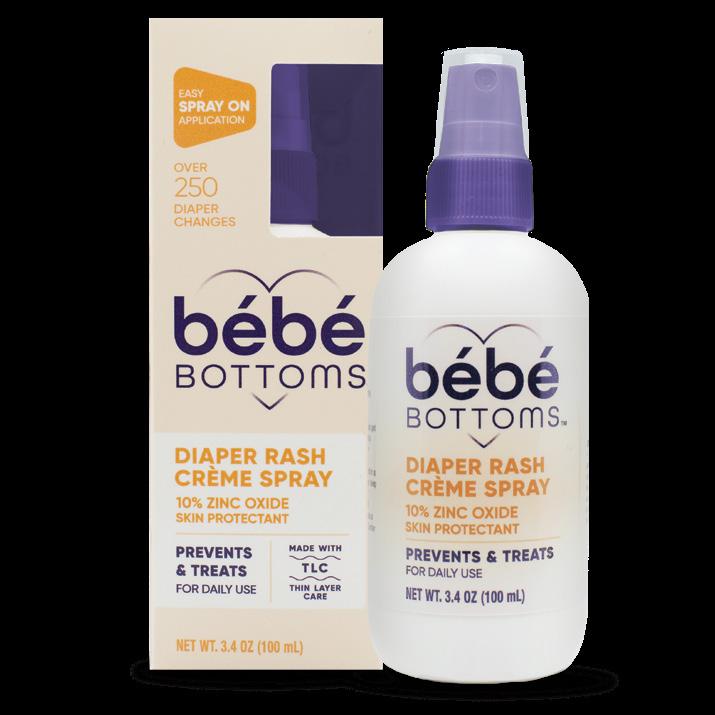
at Beiersdorf. “They are increasingly turning to brands who help transform routine care into rituals of connection or greater meaning.”
Those rituals were a focus of the Aquaphor Baby Skin-to-Skin Study 2026, which found that 95% of parents said skin-to-skin time has positively contributed to their bond with their baby, and 84% of parents with newborns engage in dedicated skin-to-skin time at least once a day.
Aquaphor launched its Baby Sensitive Lotion, designed to nourish a baby’s delicate skin while promoting daily skincare rituals around “the power of touch.” The brand’s first-ever baby lotion has provitamin B5 and ceramide NP, glycerin and hyaluronic acid, and is hypoallergenic, fragrance-free, parabenfree and dye-free. “For babies’ skin, what you leave out matters just as much as what you put in,” Popowich said.
33,000+






















Retailers need to enhance their physical presences with improved spaces that drive customer experience
By David Orgel

What is the outlook for physical stores in this era of omnichannel and online shopping?
In 2026, it’s crucial to make the most out of each location. This requires emphasizing creative approaches for store development, including new units and remodels. Food and drug retailers, regardless of their individual store count strategies, need to enhance their physical presences with improved spaces that drive customer experience and fill unique local market niches. Those in the spotlight for recent creative moves include CVS Health, Walmart, Target and Spartan Nash.
CVS Health is branching off from its traditional store design with a new “pharmacy-only” apothecary format, in which pharmacy is the center of the action rather than just one component of a larger store. The company expects to open about 20 pharmacy-only locations by the end of the year. The new format, in a roughly 3,000-square-foot-space, is part of a broader CVS effort to realign its retail footprint and improve access to medicine. The strategy is patient-centric, as CVS has cited a continued strong customer interest in face-to-face care.
Spartan Nash, the multi-state retailer that is now part of C&S Wholesale Grocers, is pursuing a unique remodel strategy across its local banners that is far from one-size-fits-all. The retailer is focused on upgrades that ensure it meets the needs of each locality—across store banners ranging from Family Fare to Martin’s Super Markets. The strategy is to ensure stores are modern, well run and emphasize an optimal mix of products for different shopper bases.
When Walmart announced its latest round of Neighborhood Market remodels this year, it assured shoppers that speed and minimal disruption would be paramount. In a notice called “Moving Fast to Serve You Better,” Walmart outlined the rapid remodel program that would temporarily close certain sections while keeping others open to support customer experience.
The big upside for shoppers is new spaces that are brighter and offer reconfigured layouts based on how customers shop today. Walmart said it is taking a smart approach by “rethinking how we remodel our stores” and taking the opportunity to “identify best practices for the future.”
Target Emphasizes Sustained Investments
Target announced its intention to open more than 30 new stores in 2026, and it put the emphasis on sustained investments that include plans to add more than 300 new stores by 2035.
The company positions the store as an anchor for today’s omnichannel shopping behaviors: “an easy, inspiring and friendly experience that keeps guests coming back, whether they’re stopping in, picking up or shopping digitally.”
As retailers aim to enhance their store spaces, they need to consider the optimal design approaches that will meet the mood of today’s shoppers. In a recent column in Progressive Grocer, store designers from the firm HFA Architecture + Engineering advised a minimalist aesthetic for grocers in the face of higher prices and trading down behaviors by some shoppers.
They offered thoughtful advice that is worth considering: “It might be time to take inspiration not from premium specialty stores, but from top-performing discount chains.”
What’s the upshot of the points I have outlined? Retailers are smart to optimize their store bases, and they need to ensure the changes will meet the shifting needs of their customers and communities.



















Only Rhinase® moisturizes BOTH upper and lower nasal passages for complete nasal relief from dryness.






































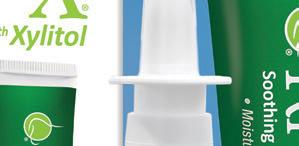














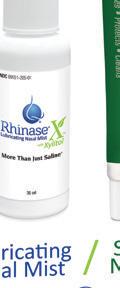

















CPAP/BiPAP, and colds & flu.
















































Rhinase® with Xylitol provides natural and drug-free relief from upper and lower nasal dryness and irritation caused by dry room air, seasonal allergies, chronic





Offer your customers an alternative to products that include unwanted steroids and dyes, or a saline-only product that may not work as well.