Making a few changes to your site can help you feature prominently in AI searches.
61 VACCINE REPORT
Consider initiatives that aim to address the challenges in retail pharmacy vaccine programs.
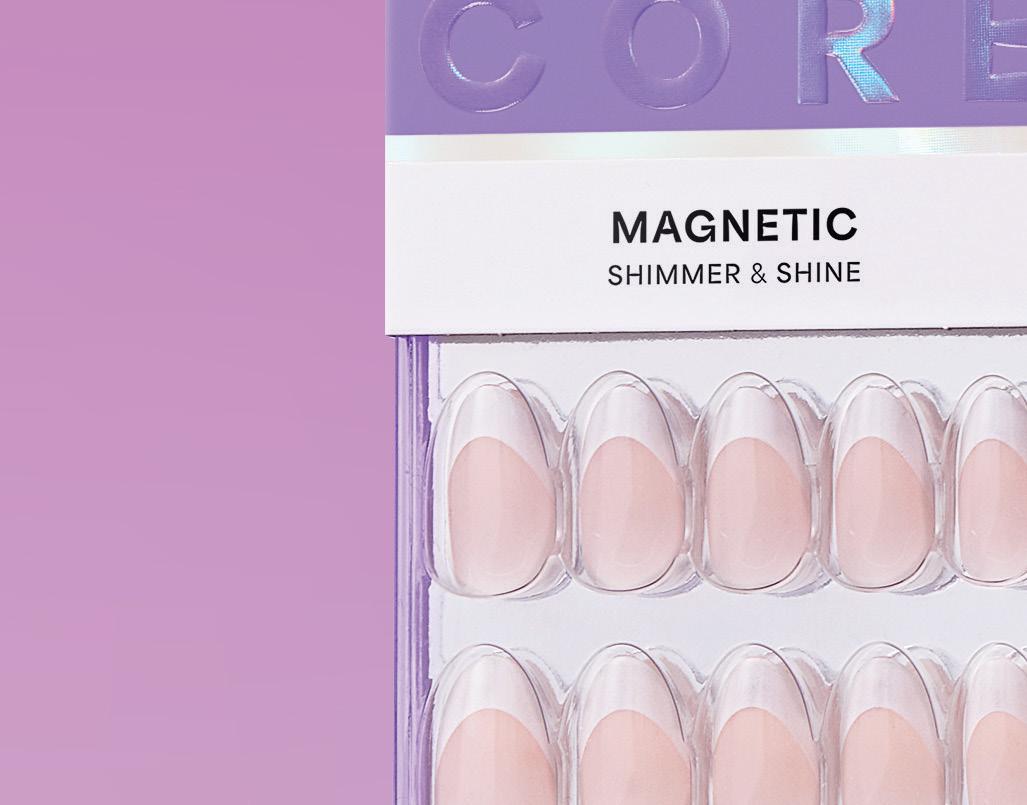
66 INSIDE BEAUTY: MAKEUP TRENDS
New brands, artificial intelligence and value could fuel growth in the category.
74 INSIDE BEAUTY: MEN’S GROOMING Men are interested in more than razors and deodorant.
78 PERSONAL CARE
Higher tariffs, inflation and steeper crude oil prices are presenting price challenges for health and beauty care suppliers and retailers.
Check out the latest products and services at TSE.
Front of the Line
Can community pharmacies revive the front end?
The pressure on the front-end is happening in two key areas: reactive health and beauty care and food-and-beverage categories, according to Sally Lyons Wyatt, global executive VP and chief advisor, Circana.
The news about the front end is not that great. A variety of factors have converged at an inconvenient time when the industry can least afford it.
For starters, organized retail theft is on the rise, forcing stores to lock up beauty and OTC products and leading to a bad user experience for shoppers. Another issue is that customers are increasingly purchasing beauty and personal care items from big box stores or via e-commerce giant, Amazon, which is reportedly now the largest beauty retailer in the United States. Finally, traditional pharmacy front ends are finding it harder to compete on e-commerce pricing for front-end goods.
The result of these forces is reduced foot traffic to the pharmacy front-end departments.
But the situation is not hopeless. We went looking for ways pharmacies can shift the momentum in their favor and staunch the proverbial bleeding. Our cover story this month (page 40) surveys the front-end landscape and looks at some solutions for rethinking nonpharmacy categories.
The pressure on the front-end is happening in two key areas, said Sally Lyons Wyatt, global executive VP and chief advisor for consumer goods and foodservice at Circana: reactive health and beauty care categories and food-and-beverage categories. The declining trip frequency, weaker impulse conversion and reduced relevance are happening because some shoppers no longer see pharmacies as the primary destination, Lyons Wyatt told us.
She suggested that in order to bolster the performance of the front end, drug stores need to make those assortments “more intentional,” which could involve positioning the store as a destination for acute health needs, building curated wellness solution sets and using the pharmacy and clinic traffic to drive front-end sales.
Another source said retailers need to focus on both the shopper experience and the consumer segments that are driving growth in beauty care sales, making shopping as easy and engaging as possible by reducing barriers to browsing and product discovery.
Time will tell if any of these strategies will ultimately work, but with its legacy and importance in the lives of consumers, pharmacies have an advantage; retailers just need to leverage it.
8550 W. Bryn Mawr Ave., Ste. 200 Chicago, IL 60631 773.992.4450 Fax 773.992.4455 www.drugstorenews.com
BRAND MANAGEMENT
Senior Vice President & Publisher John Kenlon 516.650.2064 jkenlon@ensembleiq.com
EDITORIAL
Editor-in-Chief, Editorial Director Nigel F. Maynard nmaynard@ensembleiq.com
SUBSCRIPTION SERVICES List Rental mbriganti@anteriad.com
Subscription Questions contact@drugstorenews.com
CORPORATE OFFICERS
Executive Officer Jennifer Litterick
HY-VEE OFFERS 30-MINUTE GROCERY DELIVERY AT ALL LOCATIONS
Hy-vee has launched a new “fast-fulfillment” option at all of its stores, allowing online customers to get orders picked up or delivered in as little as 30 minutes.
Shoppers select “Get it faster” at online checkout to access the service. From there, they can choose between in-store pickup or delivery for a flat $4.95 fee.
The rapid-fulfillment launches alongside an existing promotion. Through Sept. 6, Hy-Vee is waiving delivery fees on online orders of $75 or more, with the discount applying automatically at checkout for qualifying purchases.
“Hy-Vee is committed to finding new ways to make our customers’ lives easier and happier,” said Hy-Vee e-commerce VP Dan Gubbins. “By offering online pickup and delivery or ders in as fast as 30 minutes, we’re giving busy customers back valuable time in their day so they don’t have to worry about waiting for their groceries or other essentials.”
Hy-Vee also recently launched a GLP-1 wellness program to guide new users through their nutrition journey and any potential side effects they may experience. The six-week program, which is self-guided and entirely online, includes three one-on-one visits with registered dietitians – either in-person or online – as well as video modules intended to assist with goal setting and other support. Anyone 18 or older is eligible.
CVS PHARMACY OFFERS PET MEDICATIONS
CVS Health is expanding into pet medications. The company announced that common prescription medications for dogs and cats are now available at its approximately 9,000 pharmacy locations nationwide. Pet owners can fill prescriptions for select pet-only medications, including antibiotics, allergy, flea and tick control, insulin and pain relievers.
Pet prescriptions are eligible for many of the same pharmacy services as their owners’, including automatic refills and prescription syncing. Select medications may also be available for delivery.
Pet owners who would like to fill their pet’s medication at CVS Pharmacy simply need to present a written prescription or ask their veterinarian to contact the pharmacy directly. Once CVS Pharmacy receives the prescription, the pet owner can choose to pick it up in-store or opt to have it delivered, if eligible.
Pet owners can add their pets to their CVS.com profile and manage eligible pet prescriptions through the CVS Health app. Additional enhancements to help make the new service even more convenient for pet owners and veterinarians, including electronic prescription capabilities, will be added in the coming months.
In addition to prescription pet medications, pet owners can find a variety of products,including shampoo, wet and dry food, dental treats and more in the pet section of CVS Pharmacy stores and on CVS.com. The retailer’s own Pet Central brand includes a variety of products for dogs and cats, including grooming tools, and toys, with new items coming in September.
This story originally appeared in DSN’s sister publication, Progressive Grocer
isn’t new to The Compliance Team.
We’re the only CMS-approved, DMEPOS accreditor with annual, onsite survey experience. In fact, we specifically designed and implemented an annual, CMS-approved DMEPOS Accreditation Program that for over 14 years helped providers stay compliant.
Experience matters. Our team has the knowledge
TCT’s annual DMEPOS Accreditation Program includes:
• Easy-to-understand, CMS-approved standards.
• Simplified accreditation process.
• In-house support team experienced in annual DMEPOS accreditation. Annual accreditation
and experience to support our current and transitioning providers with a CMS-approved, annual DMEPOS Accreditation Program.
Let’s get started! Find out more about our annual accreditation program and be confident you’re CMS compliant. Contact us at 215.654.9110 or team@thecomplianceteam.org.
A trusted leader in DMEPOS accreditation for over 30 years!
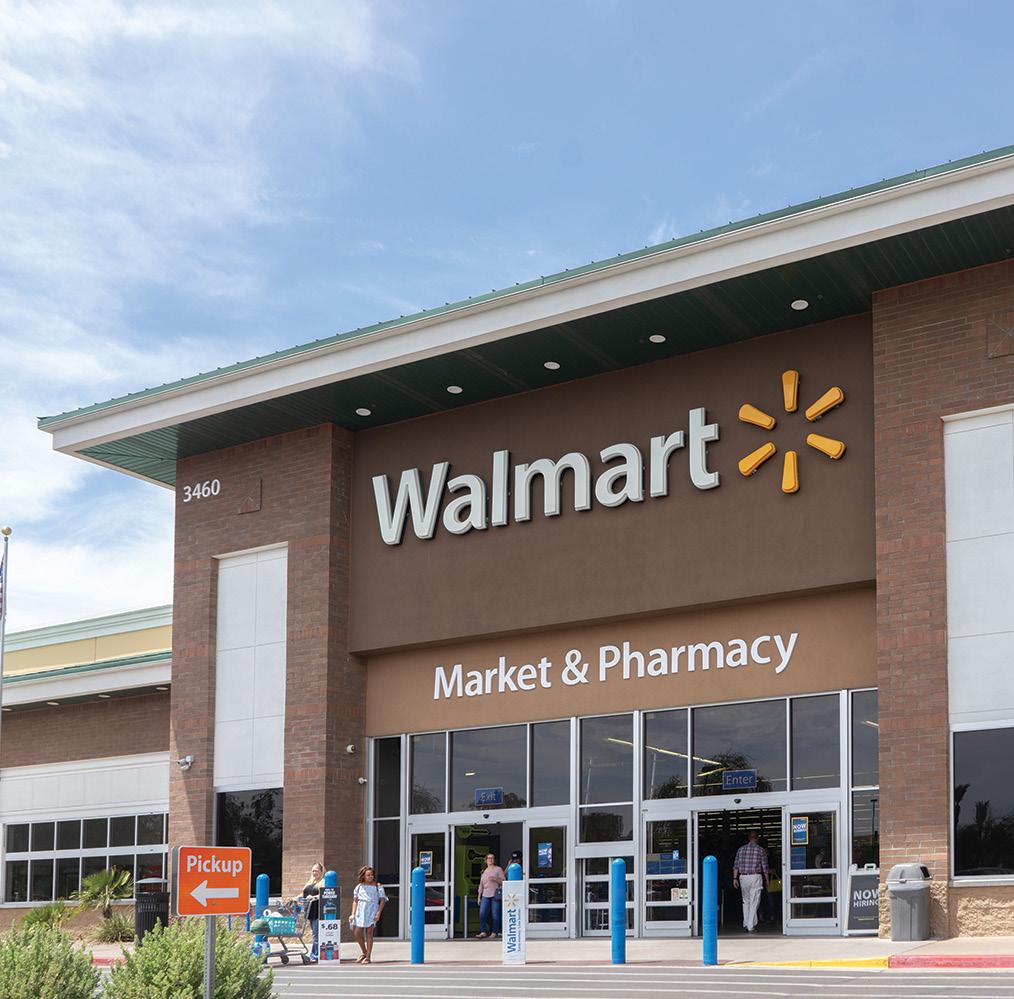
Walmart U.S. COO Kieran Shanahan is stepping down from his role and is being replaced by Kyle Kinnard.
WALMART’S COO STEPS DOWN
Walmart U.S. COO Kieran Shanahan has stepped down from his role and has been replaced by Walmart International COO Kyle Kinnard, effective immediately, according to an internal memo.
Kinnard has been with the retailer for more than 25 years and has served in various roles, including EVP of health and wellness for Walmart U.S., according to the memo. He started with Walmart as an hourly associate at a Sam’s Club store in Arkansas.
Shanahan left the company after a 29-year tenure. He also started as an in-store associate, under the Asda banner. In addition, Walmart appointed Juan Galarraga to oversee its international business in Latin America as the new EVP and regional general manager of Latin America. The moves are two of several recent workforce-related changes at Walmart.
Steve Schrobilgen was named EVP and chief operating officer of Sam’s Club recently, following Tom Ward’s retirement from the position. Sam’s Club also announced that EVP and Chief Experience Officer Diana Marshall planned to leave the company.
In May, Cedric Clark, Walmart’s EVP of U.S. store operations, left his position after about 15 years with the company. That month, Walmart also eliminated 1,000 roles from its workforce.
Walmart’s leadership under CEO John Furner, who took the helm in February, is reportedly fueling an AI-driven transformation across the business.
This story originally appeared on sister publication Progressive Grocer.
ADVANTAGE YOU!
Leading The Way In The Evolving Generics Marketplace
You need a partner with vertical manufacturing strength, a deep pipeline of products, and the passion to deliver for your patients. Camber is a leader in product approvals and launches, many of which are large molecule, specialty, and complex generics.
We’re also leaders in responding to the needs of our customers. Our commitment to quality and consistent supply are your distinct advantage.
Camber is growing to meet the needs of an aging population. Let’s grow together!
“This store is very unique, serving as a central hub for several neighborhoods across the city and Baltimore County while also creating the iconic Preakness Stakes Floral Blanket for more than 25 years”
— Kimberly Carr, Giant Food
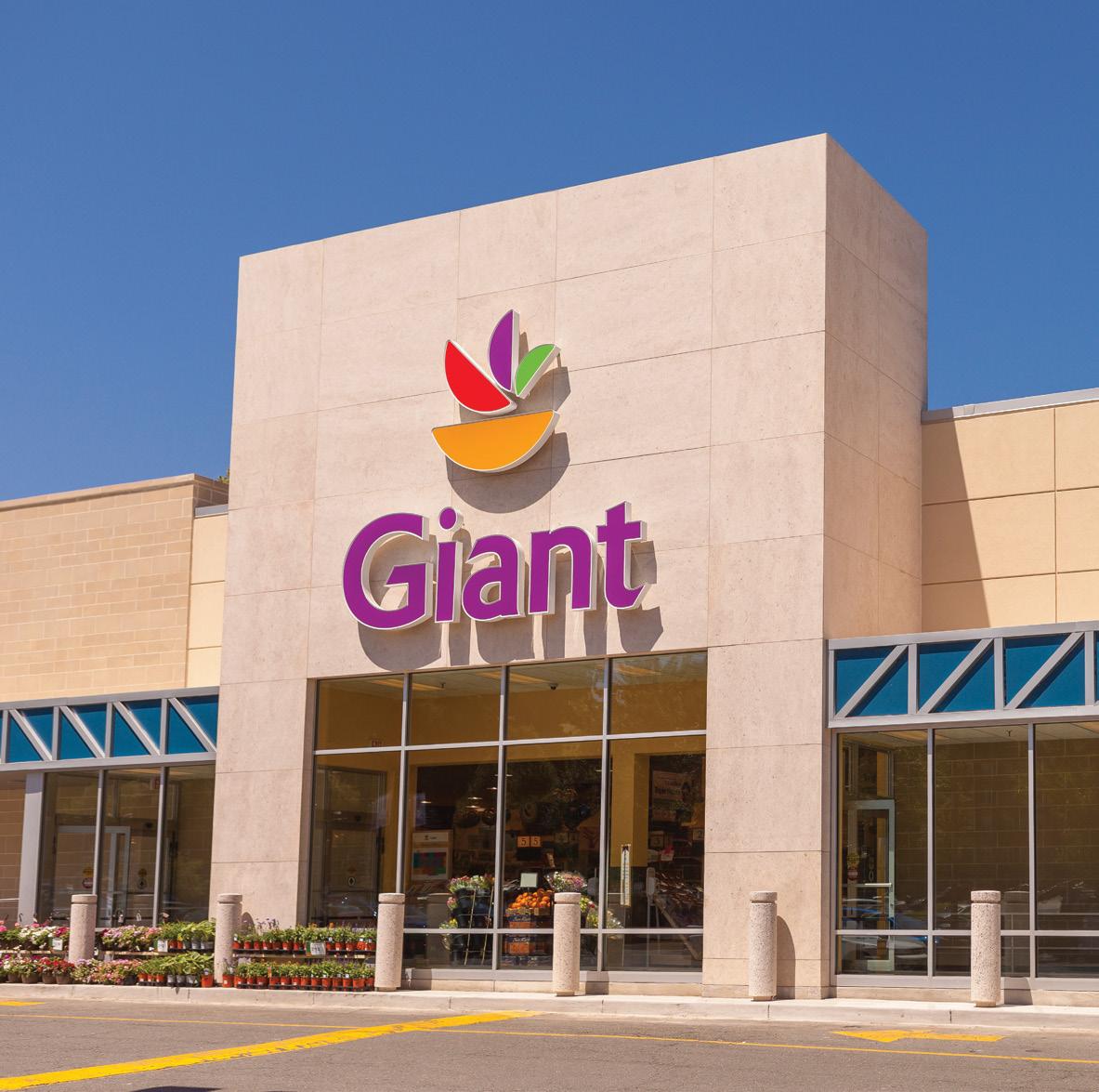
GIANT FOOD OPENS REMODELED STORE IN BALTIMORE
Giant Food opened its newly remodeled Maryland store located at 6340-50 York Road in Baltimore on July 19. The grand reopening showcased modernized amenities, including an expanded seafood department, a broader selection of international foods, a Ledo Pizza Corner Shop, a full-service sushi bar with in-store chef and a variety of prepared food offerings.
“This store is very unique, serving as a central hub for several neighborhoods across the city and Baltimore County while also creating the iconic Preakness Stakes Floral Blanket for more than 25 years,” said Kimberly Carr, Giant Food #108 store manager. “We look forward to welcoming the community into our beautiful, enhanced Giant Food.”
In support of Giant Food’s commitment to being a better neighbor, Giant presented a $1,000 donation to a local nonprofit organization, St. James African Union Methodist Protestant Church. The store will host a school supply drive, inviting customers to donate items that will benefit the church and the youth in the Baltimore community.
Customers had opportunities to sample Giant’s private brand products and products from partners like Boar’s Head and they received a free reusable bag at checkout.
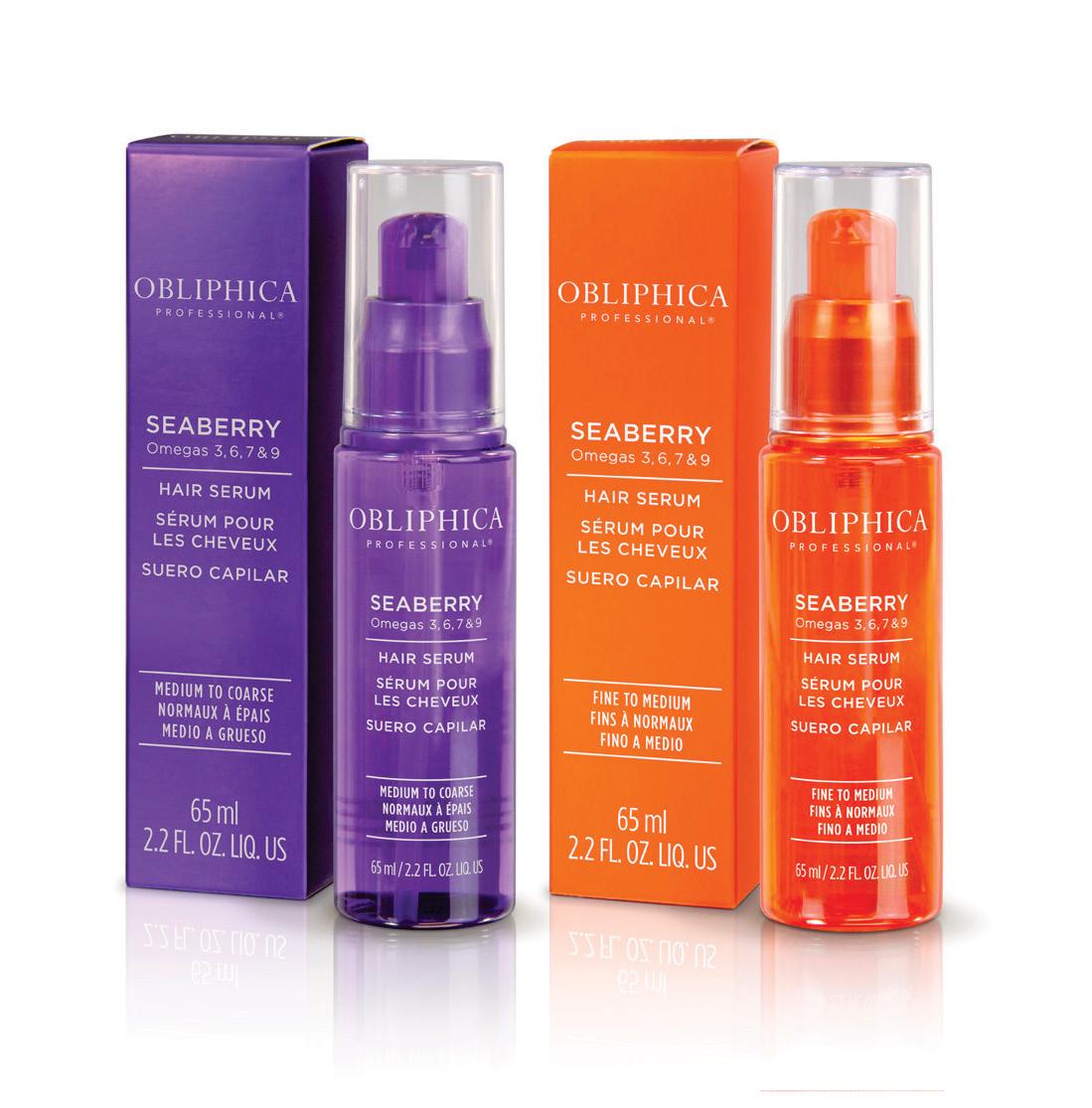
FOR HAIR AND FOR YOUR BUSINESS.
Omega-rich hydration.
Antioxidant protection. Rejuvenating care.
FROMTHEVERYFIRSTUSE.
To tranform your bottom line, Obliphica Professional offers generous sampling, beautiful displays and comprehensive conmer media support
obliphica.com | 855-330-5530
“Community pharmacists are often the most accessible healthcare professionals in the communities they serve”
— Sid Tenneti, senior vice president and interim president, pharmacy and consumer wellness, CVS Health
CVS PHARMACY OPENS FIRST PHARMACY-FOCUSED LOCATION IN HOUSTON
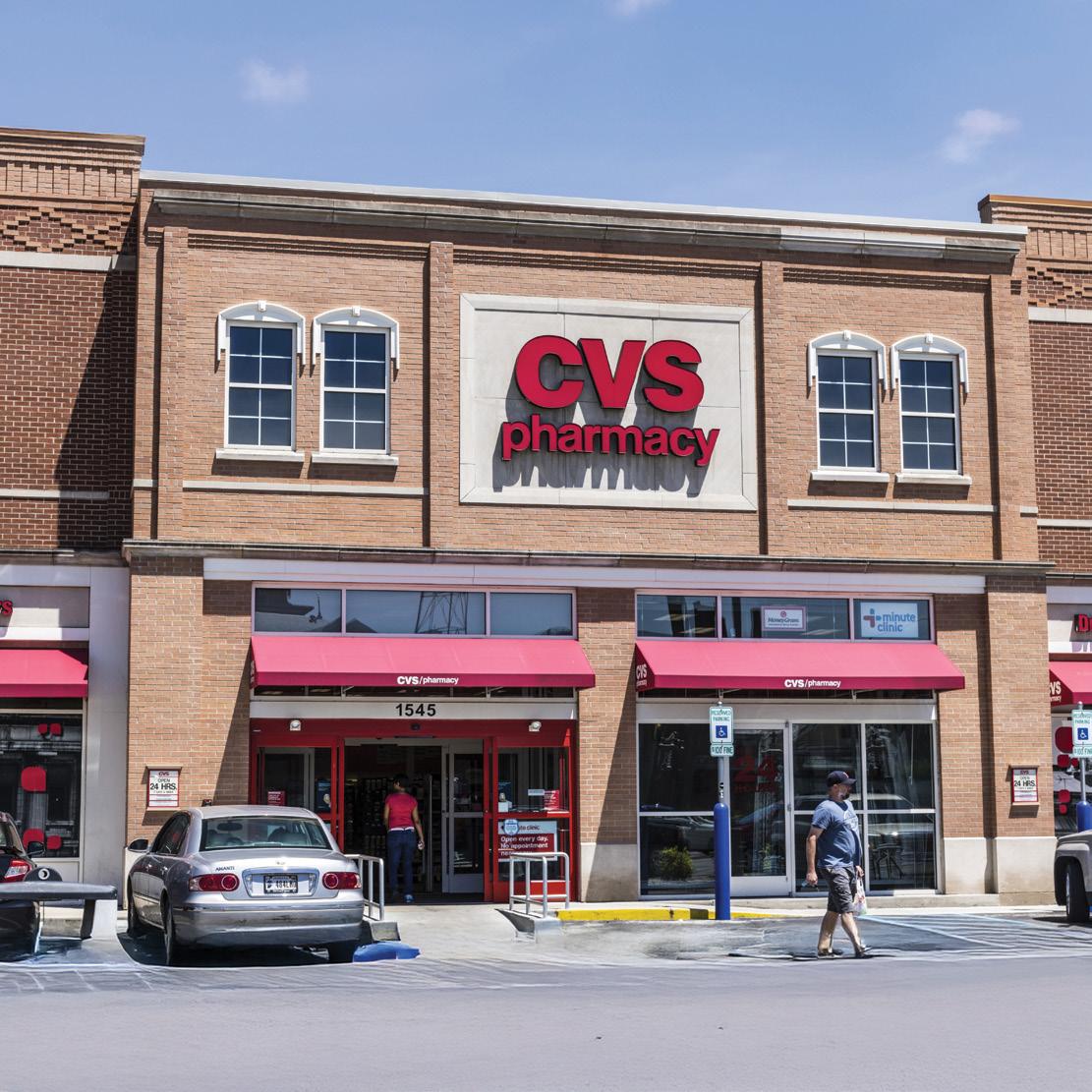
CVS Health unveiled its first pharmacy-focused store in Houston. The new pharmacy, located at 8503A Gulf Freeway in south Houston, will help bridge gaps in pharmacy care and make it easier for community members to access medications, immunizations and other healthcare services.
Nearly 20 pharmacy-focused locations will open in select communities across the country, offering a full-service pharmacy with a customized selection of over-the-counter products. With footprints averaging around 3,000 square feet, the pharmacy-focused locations will help ensure patients have access to prescription medications and the advice and counsel of their neighborhood CVS pharmacist, the retailer said.
“Community pharmacists are often the most accessible healthcare professionals in the communities they serve,” said Sid Tenneti, senior vice president and interim president, pharmacy and consumer wellness, CVS Health. “Our new pharmacy-focused locations optimize how we engage with communities by expanding access to trusted care, clinical expertise and personalized support. We help people get the guidance, medications and pharmacy care services they need where, when and how they need it most.”
The pharmacy-focused locations are just one component of the company’s work to reinvent pharmacy. By taking a customized approach focused on the diverse needs of the communities they serve, CVS Pharmacy has worked to strategically realign its retail footprint over the last few years. The
smaller pharmacies will help the company better support its patients in those communities, ensuring its footprint is the right size and scale and addressing shifts in the pharmacy industry, the company said.
These smaller neighborhood pharmacies join several other formats already in place across the country. They include CVS Pharmacy’s traditional full-service front store and pharmacy locations, store-in-store pharmacies, such as those inside Target and Schnucks grocery stores, CVS Pharmacy stores that feature a MinuteClinic retail medical clinic and sideby-side CVS Pharmacy and Oak Street Health care centers, primarily located in neighborhoods with high Medicaid populations.
The company has opened pharmacy-focused locations in Birmingham, Ala., Chicago, Detroit and Washington. In addition to the new site near the Gulf Freeway, two additional pharmacy-focused locations are planned in the greater Houston area over the next year. The company also plans to open more than 40 new CVS Pharmacy locations, including traditional stores and pharmacies, in Target.
CVS Health noted that the 2025 CVS Health Rx Report highlighted that 80% of patients prefer face-to-face pharmacy care. Nearly half (48%) would switch pharmacies if limited to digital-only options. The overwhelming majority of pharmacy professionals (97%) also say in-person interactions remain vital, the retailer said.
HY-VEE INTRODUCES GLP-1 WELLNESS PROGRAM
Hy-Vee is introducing a new GLP-1 wellness program designed to help individuals maximize the benefits of their GLP-1 treatment through better nutrition choices and targeted side effect management. The six-week, self-guided online program includes three one-on-one check-ins with a Hy-Vee registered dietitian (in-person or online) and 10 video modules and will offer personalized goal setting and support.
The program will cover a variety of weight management topics, including managing common side effects, meeting protein needs and hydration strategies, among others.
Hy-Vee’s GLP-1 wellness program follows the recent launch of Medicare’s new GLP-1 Bridge program, which is in effect nationwide until Dec. 31, 2027.
The Medicare GLP-1 Bridge program is designed for Medicare patients who are prescribed GLP-1 treatment solely for weight loss or weight management, providing eligible patients access to certain GLP-1 medications for $50 per month at pharmacies across the nation, including Hy-Vee’s more than 270 pharmacies.
Those who are prescribed a GLP-1 to treat other conditions, such as diabetes or sleep apnea, do not qualify for the special pricing under the Medicare GLP-1 Bridge program. Meanwhile, free signup for Hy-Vee’s GLP-1 wellness program is available to the first 1,000 individuals to pre-register online using the discount code GLP1FREE at checkout (normally a $49 value). Customers can also enroll in the program using HSA or FSA funds.
Hy-Vee’s new GLP-1 wellness program is the latest in a series of moves the company has made to cater to today’s
health-conscious consumer. For example, the Midwest grocer recently collaborated with The Kroger Co. to co-host the 2026 Nourishing Change Conference in Iowa.
The event brought together more than 1,200 leaders across science, retail, health systems, policy, technology and community to turn ideas into action and accelerate solutions that improve how people eat, access care and live healthier lives.
“Hy-Vee is introducing a new GLP-1 wellness program designed to help individuals maximize the benefits of their GLP-1 treatment through better nutrition choices and targeted side effect management.”
Launched earlier in the year, Dietitian Dishes is Hy-Vee’s new line of “medically tailored meals” that bring the expertise of its on-staff registered dietitians to the dinner table. Nutrientdense and made with whole-food ingredients, Dietitian Dishes cater to consumers across a spectrum of health conditions, from diabetes to heart disease.
Additionally, Hy-Vee recently introduced a new private label brand called Nothing But The Truth, a health-forward product line designed to meet the growing consumer demand for transparency, taste and value in the better-for-you food space. Nothing But The Truth was developed by Hy-Vee’s team of registered dietitians and, according to the company, features products made with high-quality ingredients that are primarily organic, plant-based, non-GMO, low in sugar and high in protein.
This story originally appeared on sister publication Progressive Grocer.
MINERAL PROTECTION WITH MINIMAL WHITE CAST
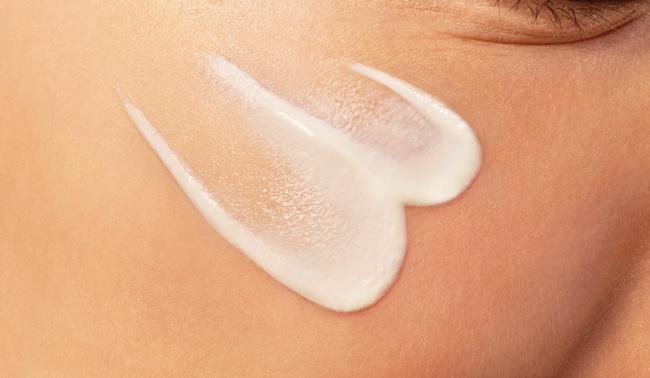
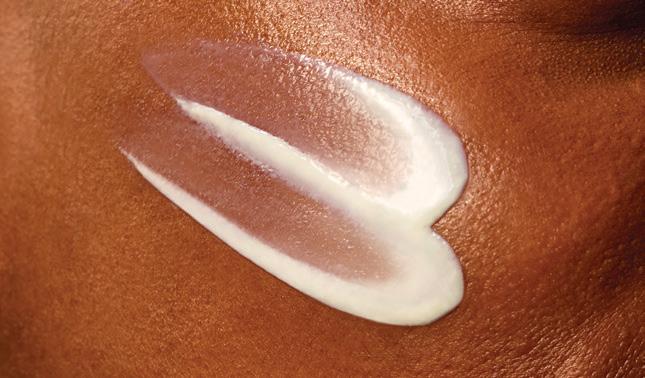
New CeraVe Invisible Mineral Sunscreen SPF 50 combines low-whitening mineral UV filters with skin-identical ceramides to help protect the skin barrier while remaining comfortable on even the most sensitive skin.
Ceramides 1, 3, & 6-II help restore and maintain the skin barrier
Miner-ALL™ Technology minimizes white cast for an enhanced transparent finish across a range of skin types and tones
Niacinamide (vitamin B3) helps calm and soothe the skin
MVE ® Technology continually releases moisturizing ingredients for long-lasting hydration
Weightless protection with 94% experiencing zero white cast1
WALMART, SAM’S CLUB LOWER PRICES ON GROCERY, HOUSEHOLD ESSENTIALS
This summer, Walmart and Sam’s Club are helping customers and members save more with thousands of lower prices through Walmart’s signature Rollbacks and Sam’s Club offers across stores and clubs nationwide. Consumers can expect savings in grocery, household essentials, outdoor living, toys and apparel.
“Customers count on Walmart to deliver the value they need every day, and summer is no exception,” said Julie Barber, EVP and chief merchant, Walmart U.S. “This summer, we’re making even more investments in price, with thousands of Rollbacks across the products customers are shopping for most including beef, fresh produce and beverages, grills, pools, toys and summer fashion apparel. Whether they’re stocking up for a backyard barbecue, heading out on vacation or simply shopping for the week ahead, we’re helping everyone save more for every occasion.”
Plus, customers and members don’t have to be in store to take advantage of the summer deals. They can also shop for savings on Walmart.com, SamsClub.com and through the Walmart and Sam’s Club apps, with pickup and delivery options available in many locations.
According to the 2026 Consumer Expenditures Study, U.S. shoppers continue to feel the pinch of high prices and inflation, and they’re looking for better deals when grocery shopping. Even wealthier shoppers are flocking to Walmart for more budget-friendly groceries.
But it’s the lower-income households that are really tightening their purse strings amid serious financial strain, which is taking a hit on retail sales in general.
About one-third of consumers estimate that they bought fewer groceries in the past year, with 66% citing inflation/high prices as the reason.
Along with Walmart, other food retailers are implementing their own pricing strategies to help consumers stay within budget in a challenging environment. These retailers include Amazon, Kroger, Wegmans, Stop & Shop, SpartanNash and ShopRite.
This story originally appeared on sister publication Progressive Grocer.
Choose Nature Made® to Fuel Growth
“Kroger is one of the most respected companies in America, with a long-standing commitment to its associates and the communities it serves”
— Emilee De Martino, Kroger’s vice president and chief people officer
KROGER NAMES EMILEE DE MARTINO EXECUTIVE VP, CHIEF PEOPLE OFFICER
Kroger is welcoming Emilee De Martino as its next executive vice president and chief people officer. De Martino succeeds Tim Massa, who will retire Sept. 18.
De Martino joins Kroger from McDonald’s, where she most recently served as senior vice president and chief people officer for international operated markets. In that role, she led people strategy across 19 countries and a workforce of more than 750,000 employees, working closely with business leaders to drive growth, transformation and an elevated employee experience.
During her eight years at McDonald’s, De Martino made significant contributions to the company, including shaping and embedding the company’s People Brand Standards and Values across the global system and advancing enterprise transformation efforts to fuel sustainable growth. Known for her commitment to talent development and employee experience, she fostered a high-performing, people-first culture, contributing to record levels of restaurant crew retention across the International Operated Markets.
“Emilee is a proven leader with a track record of building strong people organizations at scale,” said Greg Foran, CEO of Kroger. “Her experience leading transformation across one of the world’s largest workforces, combined with her commitment to developing talent, makes her exceptionally well-suited to lead the next chapter of our people work at Kroger.”
Prior to McDonald’s, De Martino served as vice president of change and culture at CNA Financial, where she led organizational transformation initiatives, including multiple system transformations, organization redesign and modernization efforts throughout the company. During her tenure, De Martino played a critical role in harnessing culture, talent and leadership development to drive performance.
Before joining CNA Financial, De Martino worked in management consulting at Accenture and Mercer, advising global organizations on human capital strategy, change management and large-scale transformation.
“Kroger is one of the most respected companies in America, with a long-standing commitment to its associates and the communities it serves,” said De Martino. “I am honored to join an organization where people are central to the strategy and excited to work with associates across the business to continue building Kroger as an employer of choice.”
De Martino plans to begin her time at Kroger by engaging with associates in stores, distribution centers, manufacturing facilities and offices across the country. She holds a bachelor’s degree in business administration and management from Fort Hays State University and a Master of Business Administration from Kansas State University.
“District pharmacy supervisors represent a meaningful investment in our pharmacy teams and the patients they serve, building on Walgreens strong legacy of pharmacist-led care in local communities”
— Lisa Tomic, vice president, pharmacy operations, Walgreens
WALGREENS ADDS 300-PLUS DISTRICT PHARMACY SUPERVISOR ROLES
Walgreens is rolling out more than 300 new district pharmacy supervisor roles nationwide. Developed based on direct feedback from team members, the newly created role will give pharmacies hands-on leadership to support staff and ensure patients get the best possible care, Walgreens noted.
The supervisory roles will be responsible for the following areas:
Operational and clinical leadership: Guides day-to-day pharmacy operations while upholding medication safety, clinical standards and regulatory requirements
Talent development: Builds and maintains a strong Pharmacy Manager pipeline
Patient and customer advocacy: Creates a seamless, personalized experience for the patient
Field alignment: Shares on-the-ground insights with regional leaders to drive consistency across stores
“District pharmacy supervisors represent a meaningful investment in our pharmacy teams and the patients they serve, building on Walgreens strong legacy of pharmacist-led care in local communities,” said Lisa Tomic, vice president, pharmacy operations, Walgreens.
Tomic added, “By placing a dedicated pharmacist leader in every district, we are strengthening clinical quality, providing more hands-on support for our teams and creating a more consistent, high-quality experience for patients across our pharmacies.”
WAKEFERN FOOD TO IMPLEMENT CENTRAL-FILL PHARMACY SYSTEM WITH IA
Wakefern Food, the retailer-owned supermarket cooperative, today announced plans to implement a centralized pharmacy fulfillment system in partnership with iA.
The facility will streamline prescription dispensing and backend pharmacy operations to allow more personalized patient care across ShopRite Pharmacies.
The 12,000-square-foot centralized fulfillment center, which is expected to open early next year, will serve pharmacies at 149 ShopRite stores and two The Fresh Grocer locations in the Northeast. The fill center will operate at a Wakefern facility and help free up store pharmacists to spend more time consulting with patients, answering questions and connecting them with nutrition resources to support their wellness goals. The technology will also work in tandem with ShopRite’s digital tools, including the ShopRite Rx app
As retail pharmacies continue to face industry pressures— including reimbursement challenges, rising prescription volumes and increasing operational complexity—enhanced centralized fulfillment models are being adopted to enable more scalable and efficient prescription dispensing, while allowing pharmacy teams to focus more on patient-facing care.
New team members will be hired to operate the Wakefern centralized pharmacy fulfillment system, which will fill
thousands of prescriptions each day and support more efficient backend pharmacy operations.
“Our ShopRite Pharmacies sit at a unique intersection of medicine and food—two essential drivers of everyday health,” said Aaron Sapp, vice president of pharmacy and wellness at Wakefern. “This centralized fulfillment system will help better coordinate our behind-the-scenes pharmacy operations, allowing our pharmacy teams to focus on delivering more personalized care to the customers we serve in stores every day.”
“We’re proud to partner with Wakefern as they advance their ShopRite Pharmacy operations through a centralized fulfillment model,” said Tom Utech, iA CEO. “This approach combines intelligent software and data-driven insights to enhance consistency, improve efficiency and give pharmacy teams more time to focus on what matters most—caring for their patients.”
Wakefern is the largest retailer-owned supermarket cooperative in the United States, encompassing member companies that independently own and operate nearly 380 supermarkets under the ShopRite, Price Rite Marketplace, The Fresh Grocer, Dearborn Market, Gourmet Garage, Fairway Market, Di Bruno Bros. and Morton Williams banners.
J.D. POWER STUDY: CARE, CONVENIENCE FUEL INCREASE IN MAIL ORDER PHARMACY SATISFACTION
The landscape of pharmacy customer satisfaction is undergoing a notable transformation, according to the J.D. Power 2026 U.S. Pharmacy Study, indicating divergent trends between mail-order and brick-and-mortar pharmacies.
Fueled by live-agent support and digital convenience, mail-order pharmacy satisfaction increased by 2 points from 2025 (on a 1,000-point scale) to 699. Brick-and-mortar establishments’ satisfaction declined by 7 points year over year to 669 in 2026, largely due to weakening customer trust and perceptions of value. This shift underscores a critical demand across both segments for an integrated experience that effectively combines accessible person-to-person service with seamless digital solutions, J.D. Power said.
“In today’s pharmacy environment, the direct human interaction and effortless convenience are non-negotiable when it comes to customer satisfaction,” said Meaghan Hafner, senior director of healthcare solutions at J.D. Power. “Whether customers are interacting with a pharmacist over the phone for a mail-order prescription or picking up medication at a brick-and-mortar location, they value empathetic, knowledgeable staff and easy access to services. Digital tools, when integrated effectively, enhance this experience. Pharmacies that successfully deliver personal touches and digital efficiency will build lasting loyalty.”
Hafner added, “Additionally, study data shows that while mail-order pharmacies are making progress through enhanced personal and digital interactions, the declining
“In today’s pharmacy environment, the direct human interaction and effortless convenience are non-negotiable when it comes to customer satisfaction,”
—Meaghan Hafner, senior director of healthcare solutions at J.D. Power.
ability to effectively resolve problems poses a significant risk. Meanwhile, brick-and-mortar pharmacies face an urgent need to rebuild trust and demonstrate value to customers, even as their digital offerings show promise.”
Study Rankings:
Good Neighbor Pharmacy ranks highest among brick-and-mortar chain drug store pharmacies with a score of 748. Health Mart (747) ranks second and CVS Pharmacy (653) ranks third.
Sam’s Club ranks highest among brick-and-mortar mass merchandiser pharmacies for an 11th consecutive year, with a score of 786. Costco (770) ranks second.
H-E-B ranks highest among brick-and-mortar supermarket pharmacies with a score of 773. Wegmans (749) ranks second and Publix (741) ranks third.
Amazon Pharmacy ranks highest in the mail order segment with a score of 745. Kaiser Permanente Pharmacy (733) ranks second and Walmart Pharmacy Mail Services (714) ranks third.
The U.S. Pharmacy Study, now in its 18th year, measures customer satisfaction with brick-and-mortar and mail-order pharmacies. The 2026 study is based on responses from 14,144 pharmacy customers who filled a prescription within the past 12 months and was fielded from May 2025 through May 2026.
1
New and Noteworthy
HRG’s five notable products from July
2
3
Product introductions increased for the third straight month in July, surging past the total number of items that suppliers unveiled in June.
In July, product suppliers unveiled 329 new products, 144 more items than the 185 they presented in June. Waukesha, Wis.-based HRG reviewed 67 products in the health category (compared to eight in June), 134 options in the beauty aisle (compared to 137 products in June) and 128 products in the wellness space (compared to 40) to see which ones stood out as Products to Watch.
Here are the top five products:
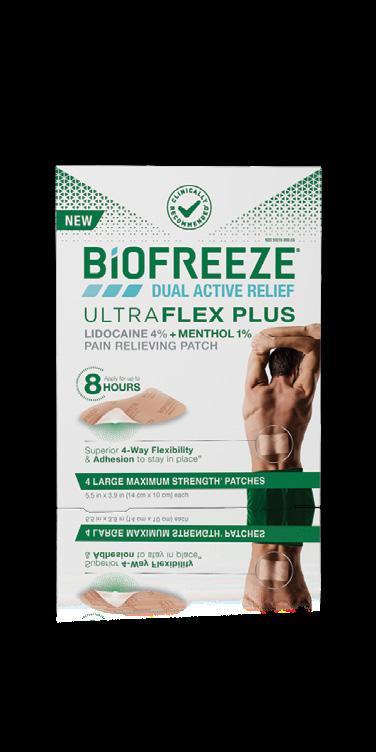
1. Biofreeze UltraFlex Plus Lidocaine Menthol Patch 4ct
According to the package, Reckitt’s Biofreeze UltraFlex Plus Lidocaine Menthol Patch has four-way flexibility and adhesion* to stay in place. The dual active pain relief patches contain 4% lidocaine to block pain and 1% menthol to soothe. Each large maximum strength** pain patch is also mess-free, the brand said. Four patches come in a pack.
*vs hydrogel patches
**Maximum strength lidocaine and menthol combination
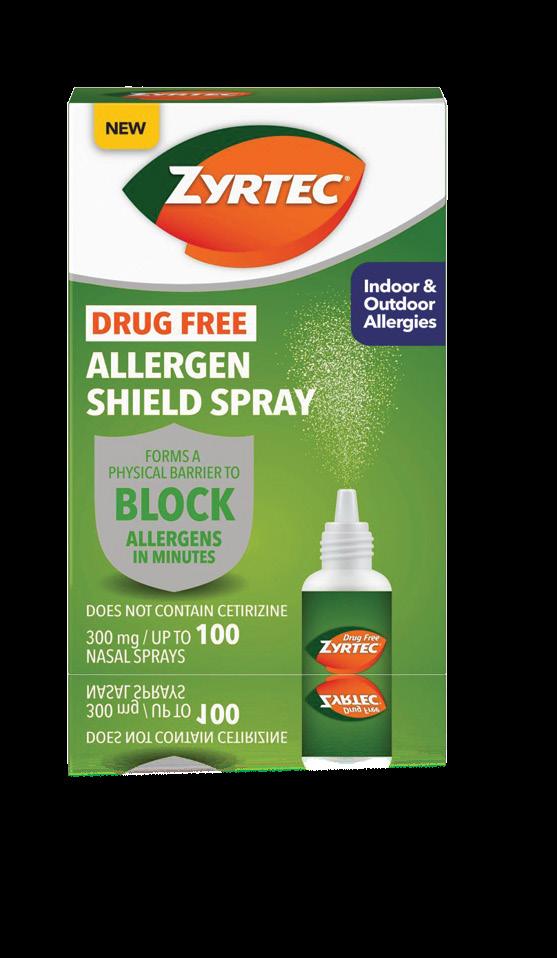
2. Zyrtec Allergen Shield Spray
Kenvue’s Zyrtec Allergen Shield Spray is a drug free allergy product for indoor and outdoor use. The shield spray creates a protective physical gel barrier to block allergens in the nasal cavity within minutes, the brand said, and prevents and shortens symptoms using hydroxypropyl methyl cellulose technology. One bottle provides 100 nasal sprays.
4
5
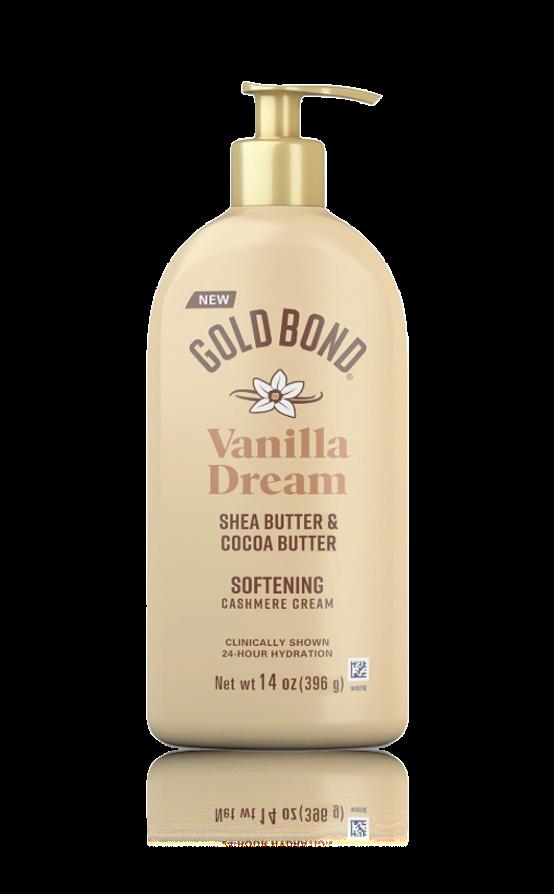
3. Gold Bond Cashmere Cream Body Lotion
Gold Bond said its Cashmere Cream Body Lotion is formulated with premium ingredients to keep skin looking and feeling its best. It contains vitamin C, hyaluronic acid, niacinamide and cocoa butter to smooth, hydrate and soften skin. The lotion has been clinically proven to deliver 24-hour hydration, the company claimed. It comes in a 14oz. bottle (Vanilla Dream scent).
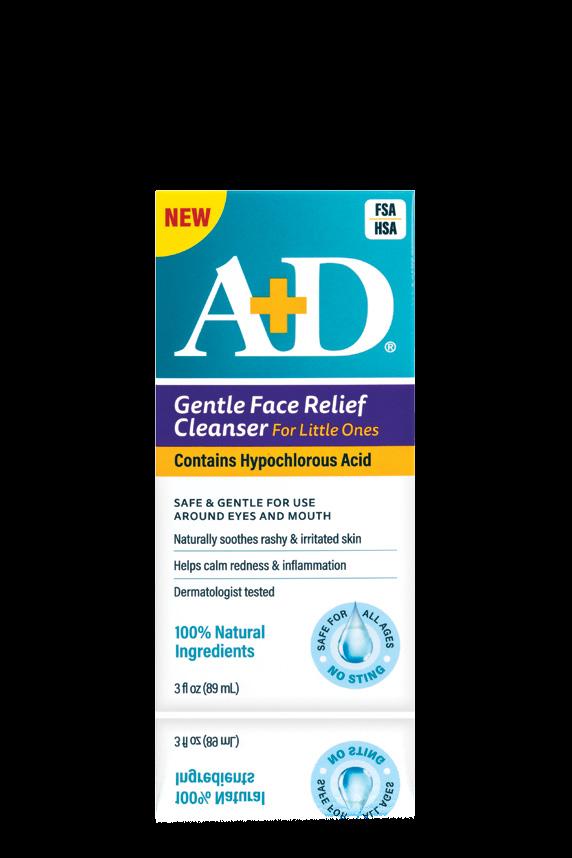
4. A+D Gentle Face Relief Cleanser
Designed for little ones, Wellspring’s A+D Gentle Face Relief Cleanser provides cooling, gentle and effective relief for irritated skin, the company said. The package states that the cleanser contains hypochlorous acid and 100% natural ingredients that are safe for face and body. It helps reduce redness and inflammation of rashes and irritations, soothing and naturally healing sensitive skin. It is safe and gentle for use around eyes and mouth and is dermatologist tested. It comes in a 3-oz. bottle.
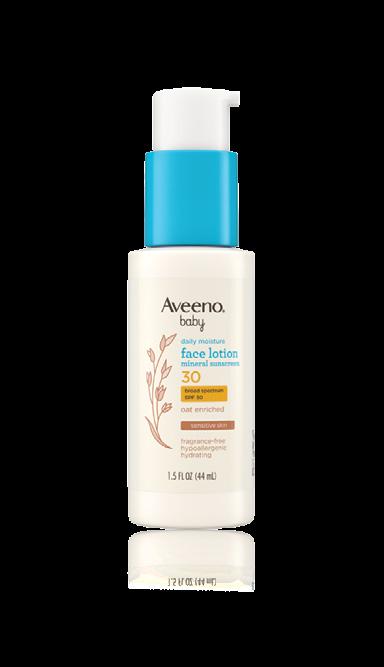
5. Aveeno Baby Daily Face Moisturizer SPF 30
Kenvue said it developed Aveeno Baby Daily Face Moisturizer SPF30 for children’s sensitive faces. According to the company, the product is lightweight, easily absorbed and provides 24-hour moisturization. The oat-enriched, broad spectrum SPF 30 formula helps to protect sensitive skin and strengthen the skin’s barrier, per the brand. It comes in a 1.5-oz. bottle.
Central Fill: Future Vision to Everyday Reality
As prescription volumes rise and pharmacy workloads grow, central fill is helping pharmacies improve efficiency and expand patient care services
By Alex Hennum
Community pharmacy is in the middle of a meaningful shift.
Staffing shortages, rising dispensing costs, complex supply chains and record prescription volumes coincide with higher patient expectations and an expanding clinical role for pharmacists. Changing consumer behaviors and ongoing complexity across the drug supply chain are adding to the pressure on dayto-day operations. At the same time, the demand for pharmacies and their services is high and still climbing. Pharmacies serve as the most accessible healthcare setting for patients.1 In this environment, pharmacies are evaluating methods that allow them to meet demand while maintaining focus on patient care.
Centralized fulfillment, which shifts prescription dispensing to automated off-site facilities, has moved beyond a future-oriented concept. It has become foundational to modern pharmacy operations.
These models reflect a broader shift toward holistic systems and processes that better balance operational efficiency with patient care. As a result, patients can experience fewer disruptions to obtaining medication and more predictable access.
Alex Hennum is vice president and general manager of automated prescription solutions at McKesson
By moving high-volume, repetitive dispensing to centralized facilities, pharmacies can reduce operational burden and better manage workflows. This approach allows routine tasks to be handled at scale, which can help alleviate pressure on pharmacy teams. Some organizations are adopting service-based models, including McKesson’s Central Fill as a Service, to expand capacity without significant upfront infrastructure investment. The use of central fill continues to expand across the industry to accommodate rapidly rising prescription demand and cost-to-dispense.
For independent pharmacies, the implications are significant. Central fill solutions can create additional capacity within the pharmacy, allowing pharmacists to reprioritize clinical services like immunizations, adherence programs and patient counseling. These interactions remain an important part of care delivery, especially in communities where the local pharmacy serves as a primary point of access. In many cases, this shift empowers community pharmacies to continue serving patients while also adapting to changing market dynamics. Central-fill solutions are also adaptable. Different modules can be leveraged
independently or in tandem to support routine, high-volume dispensing, address specialized fulfillment needs and serve as part of a broader continuity strategy during operational disruptions. In practice, many approaches bring together automation, technology, staffing and logistics to support different pharmacy operating models and workflow needs.
As the industry continues to evolve, central fill will increasingly be considered a crucial facet of core pharmacy infrastructure. Within broader operational workflows, it can support pharmacies long-term as they manage complexity, maintain access to care and sustain or expand clinical services, while preserving the pharmacist’s pivotal role as a trusted local care provider.
Reference
1. Wittenauer, Rachel, Parth D. Shah, Jennifer L. Bacci and Andy Stergachis, “Locations and Characteristics of Pharmacy Deserts in the United States: A Geospatial Study,” Health Affairs Scholar, April 16, 2024, https://academic.oup.com/healthaffairsscholar/ article/2/4/qxae035/7630415.
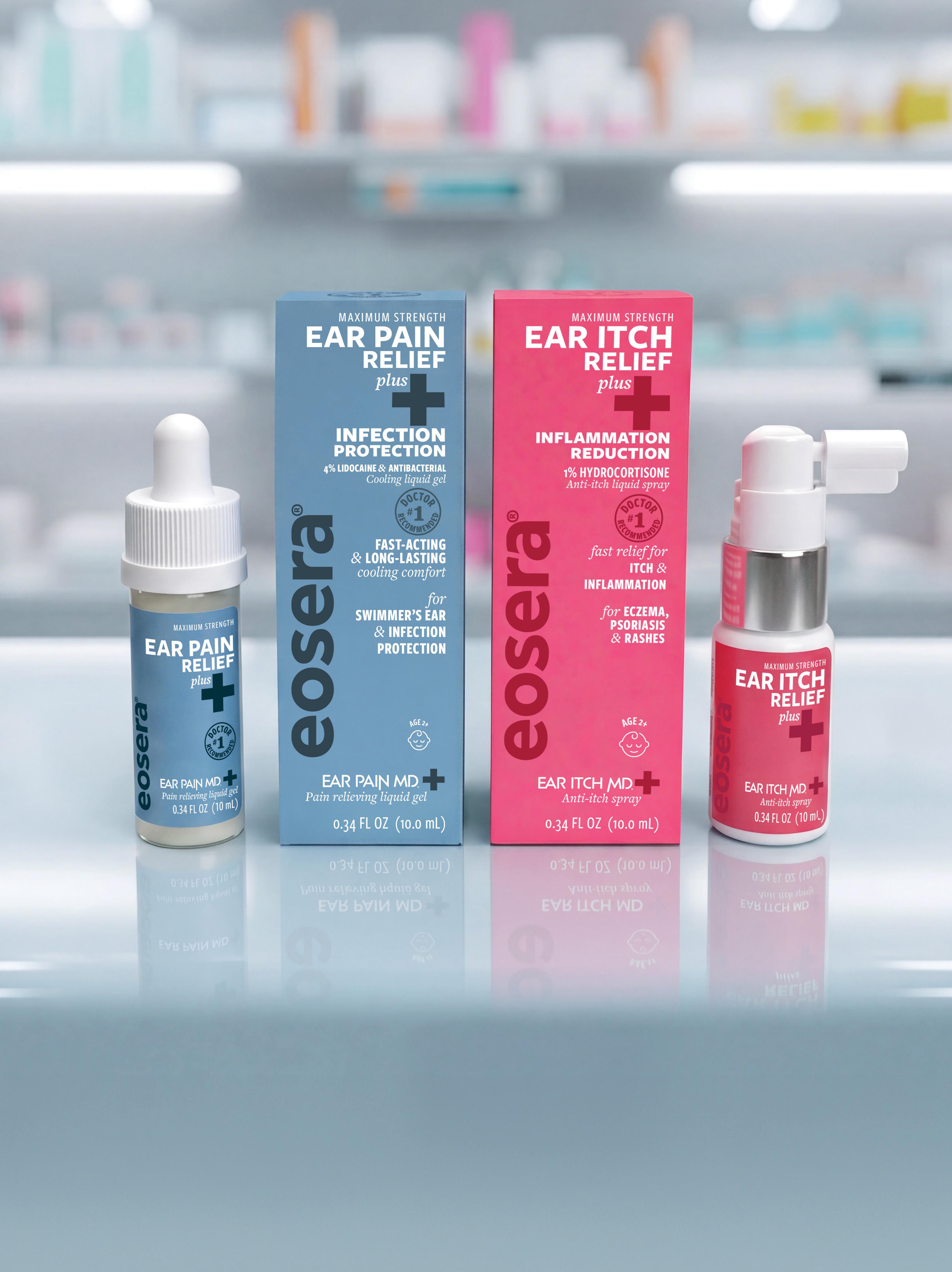
Targeted solutions for every ear problem
EAR PAIN MD®+PLUS
A powerful 4% lidocaine formula with thymol to guard against infection
Perfect for:
· Swimmer’s ear
Infection protection
· Painful earaches
EAR ITCH MD®+PLUS
An advanced anti-itch ear spray with 1% hydrocortisone for inflammation reduction
“This kind of shelf velocity tells us we're solving a real consumer problem, and that's what we're all about.”
Elyse Stoltz Dickerson, Founder & CEO
New!
New!
How the FDA is Opening the Door to Biosimilar Access
By Matt Erick
Matt Erick is chief commercial officer of advanced markets at Biocon
“Biologics have revolutionized care for diseases like diabetes, cancer and autoimmune disorders, providing options that my grandfather could never have imagined. Yet their high costs prevent many patients from accessing them.”
I’m a second-generation pharmacist, following my grandfather who practiced behind the pharmacy counter decades before me. I’ve seen firsthand how that counter is more than a business; it’s a place of trust.
Today, that trust is more vital than ever. Rising prescription costs create barriers for many seeking life-sustaining medications. Pharmacists aren’t just dispensing medications; they’re helping patients navigate affordability, offering lifelines to accessible care.
We’ve all experienced that moment: a patient picks up a critical prescription, such as insulin, only to be confronted by an unaffordable price tag or lack of insurance coverage. That’s when a pharmacist needs to step in, explaining generic or biosimilar options or savings programs.
Biologics have revolutionized care for diseases such as diabetes, cancer and autoimmune disorders, providing options that my grandfather could never have imagined. Yet their high costs prevent many patients from accessing them.
Change is on the horizon. Biosimilars,
affordable, high-quality alternatives to biologics with comparable safety and efficacy, are breaking down these barriers. And they are providing access to medicines some patients could not afford.
The FDA recently moved to advance biosimilar development by streamlining clinical pharmacokinetic testing, cutting study costs and drug development timelines. This builds on a previous effort to simplify biosimilar studies and reduce duplicative clinical testing, lowering barriers for entry and increasing competition.
Even more importantly, recent FDA draft guidance proposes to eliminate the statutory distinction between biosimilars and interchangeable biosimilars. If finalized, this will simplify pharmacy substitution and bolster access to affordable medications.
The industry is already responding. CVS Caremark recently announced plans to transition from Stelara to lower-cost, interchangeable biosimilars, including Biocon’s Yesintek. This move is significant: One of the largest PBMs in the country is recognizing the potential of biosimilars for cost
savings. Most patients will have $0 out-ofpocket costs for this therapy. This is just a first step as our industry further realizes the full potential of biosimilars.
The progress we’re seeing across regulatory and industry fronts is expanding patient access while reducing costs and supporting more sustainable healthcare delivery, especially when stakeholders, including pharmacists, are equipped to bring biosimilar options to patients.
Pharmacists are uniquely positioned to normalize biosimilar use, dispel misconceptions and educate patients about biosimilars. The biggest thing we can do is recommend biosimilars whenever possible. Choosing biosismilars first puts patients first.
Temporary incentives from originators do not solve systemic issues. Prioritizing biosimilars offers enduring solutions.
The FDA has paved the way, but it’s up to us as pharmacists to lead the charge. Let’s turn this progress into real-world impact, redefine healthcare affordability and ensure patients have access to the medications they need.
Quest Products fuels its next phase of growth
CEO Mike Brennan discusses Stick-On Melts technology, retail partnerships and what’s next for the consumer healthcare company
DSN: Quest Products has experienced significant growth in recent years. Can you tell us about that growth and what the future looks like?
Mike Brennan, CEO of Quest Products, LLC: The consumer healthcare industry is undergoing one of its most significant transformations in decades. Consumers are becoming more proactive in managing their health, retailers are looking for true category innovation rather than incremental line extensions, and healthcare professionals continue to play an increasingly important role in influencing overthe-counter purchasing decisions.
Quest has positioned itself at the intersection of those trends by combining proprietary innovation, strategic acquisitions, domestic manufacturing, and clinically supported healthcare solutions. That strategy has enabled us to surpass $100 million in annual revenue, and we believe it will allow us to exceed $200 million in annual sales within the next 3-4 years.
A major driver of that growth has been the expansion of our proprietary OraCoat® Stick-On Melts® platform. What began with OraCoat® XyliMelts® for Dry Mouth has evolved into an innovation platform addressing multiple consumer healthcare needs, including dry mouth, fresh breath, mouth sores, and now heartburn relief. XyliMelts is expected to surpass $50 million in annual revenue, has become the #1 Dry Mouth
Mike Brennan, CEO of Quest Products, LLC
product on Amazon, and continues to experience strong growth within Total US Nielsen database, highlighted by tremendous growth at Walmart, Walgreens, CVS, and other leading retailers.
Beyond oral care, brands including Alocane®, Clinere®, and Enemeez® continue to be category leaders and important contributors to our growth. Strategic acquisitions have expanded our portfolio with Tecnu® Poison Ivy Treatments, LiceFreee!®, and Doctor Butler’s® hemorrhoid and personal care products.
Rather than building a collection of unrelated brands, we’ve intentionally assembled leadership positions across attractive healthcare categories where we can leverage our innovation capabilities, commercial expertise, Healthcare Professionals, and manufacturing infrastructure to create long-term value for consumers and our retail partners.
Quest’s strategy is scalable globally, not just in the U.S. Another important contributor to our growth has been our expanding international business. Today, international markets account for nearly 15% of Quest’s revenue, and we’ve delivered double-digit international annual growth by partnering with distributors and retailers who recognize the global demand for differentiated consumer healthcare products. We believe our proprietary technologies,
clinically supported brands, and U.S.manufactured products are well positioned for continued expansion across international markets.
DSN: What differentiates Quest Products from other companies of similar size?
MB: One of the most significant transformations over the past decade has been our evolution into a vertically integrated consumer healthcare company.
As supply chains have become more complex, manufacturing has evolved from an operational necessity into a strategic competitive advantage.
Today, Quest operates three FDA U.S. manufacturing facilities located in the Phoenix, Portland, and Seattle regions, producing more than 77% of our annual product sales internally. Our Oregon facility is currently undergoing a major expansion that will double manufacturing capacity and provide additional flexibility for future growth.
Continue to full story here
THE BATTLE FOR THE FRONT END
Retailers are rethinking non-pharmacy categories to support overall health and wellness positioning
By Mark Hamstra
As retail pharmacies strive to provide a broader range of health services, the effort is impacting their front-of-store categories.
CVS, for example, is eliminating much of its front end completely in its test of a new small-format store that is narrowly focused on pharmacy, immunizations and medication adherence support. These stores have a narrowly curated front end assortment that includes cold and flu treatments, pain relievers and other health and wellness items.
In fact, analysts have identified the front end as a key opportunity for pharmacies to rethink their assortments and merchandising strategies, with an eye toward supporting the retailers’ overall healthcare-focused positioning.
“The biggest threats [to growing front-end sales] are declining trip frequency, weaker impulse conversion and reduced relevance in categories where shoppers no longer see drugstores as the primary destination.”
— Sally Lyons Wyatt, global executive VP and chief advisor, consumer goods and foodservice, Circana
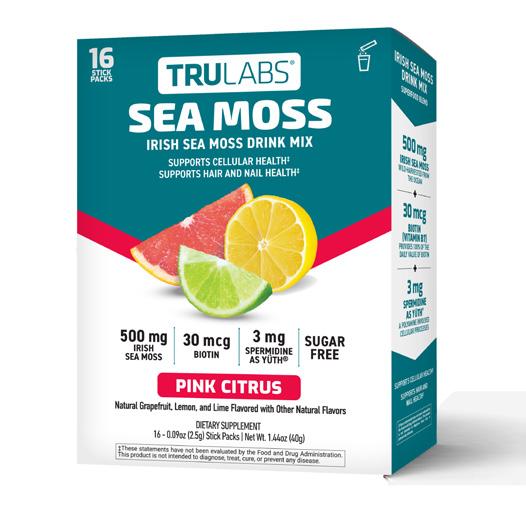
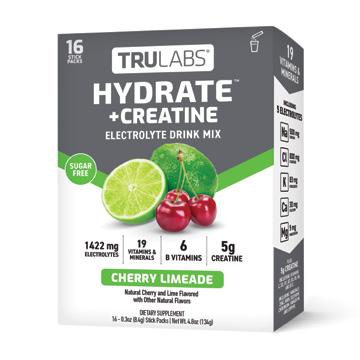
SUPPLEMENTS YOU’LL LOVE TO DRINK
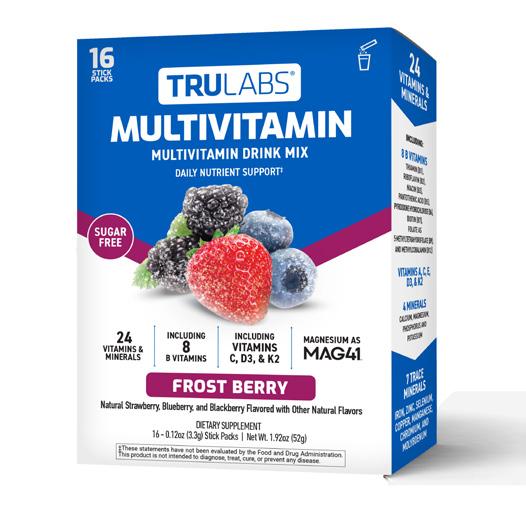
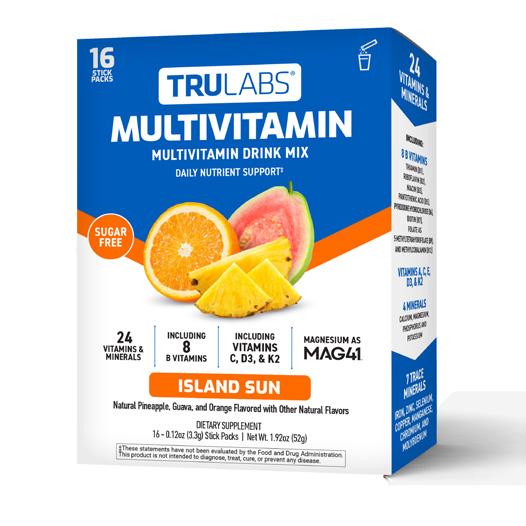
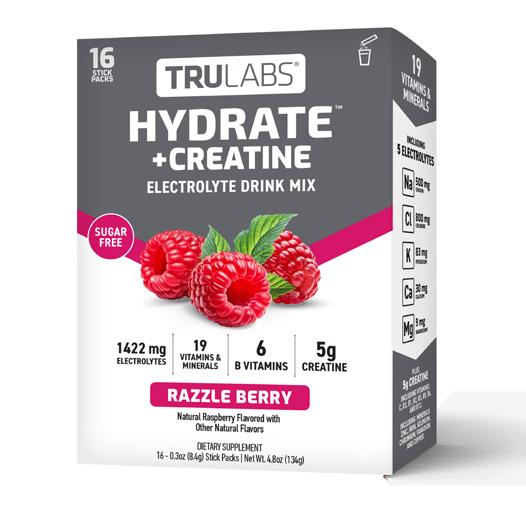
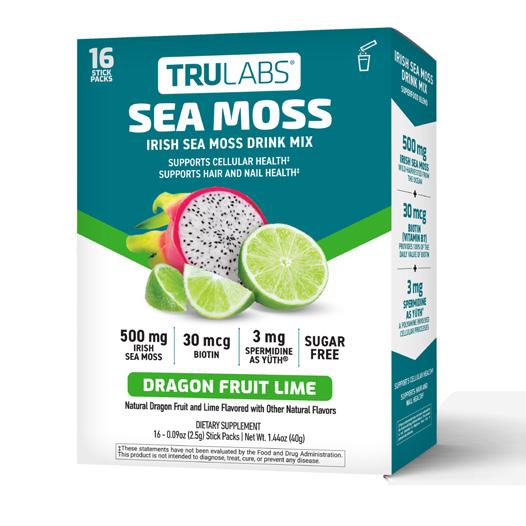
DAIRY-FREE, GLUTEN-FREE, SOY-FREE, SUGAR-FREE, AND VEGAN
MULTIVITAMIN, BUT DRINKABLE. WE MADE SEA MOSS TASTE GOOD. WE PUT CREATINE IN HYDRATE. YOU’RE WELCOME.
500 mg Irish Sea Moss, Wild-harvested from the Ocean
30 mcg Biotin (Vitamin B7), Provides 100% of the Daily Value of Biotin
3 mg Spermidine as Yüth®, a Polyamine Involved in Cellular Processes
Supports cellular health and hair and nail health‡
‡These statements have not been evaluated by the Food and Drug Administration. This product is not intended to diagnose, treat, cure, or prevent any disease.
executive VP and president of pharmacy and consumer wellness at CVS, attributed the company’s sales gains to improved value propositions, more localized assortments and better customer service. These efforts are resulting in growth in the retailer’s customer base, increased trips and increased retail market share, he said.
Two key pressure points
Pharmacy retailers are facing pressure on front-of-store categories in two key areas, said Lyons Wyatt of Circana: reactive health and beauty care categories that are dependent on acute need states and food-and-beverage categories that have historically helped drive front-end trips and impulse purchases.
“In HBC, categories like cough/cold/flu, allergy and analgesics remain more episodic, while proactive wellness areas are performing better,” she said. “In food and beverage, the softness is broader across legacy traffic drivers such as beverages, candy, snacks, dairy/juices and alcohol, signaling pressure on everyday relevance and trip conversion.”
“While drug stores might see themselves as venues for product discovery, obstacles such as locked cases to deter theft have made discovery and new-customer acquisition more challenging”
— Manola Soler, managing director in the consumer and retail group at consulting firm Alvarez & Marsa
brand.
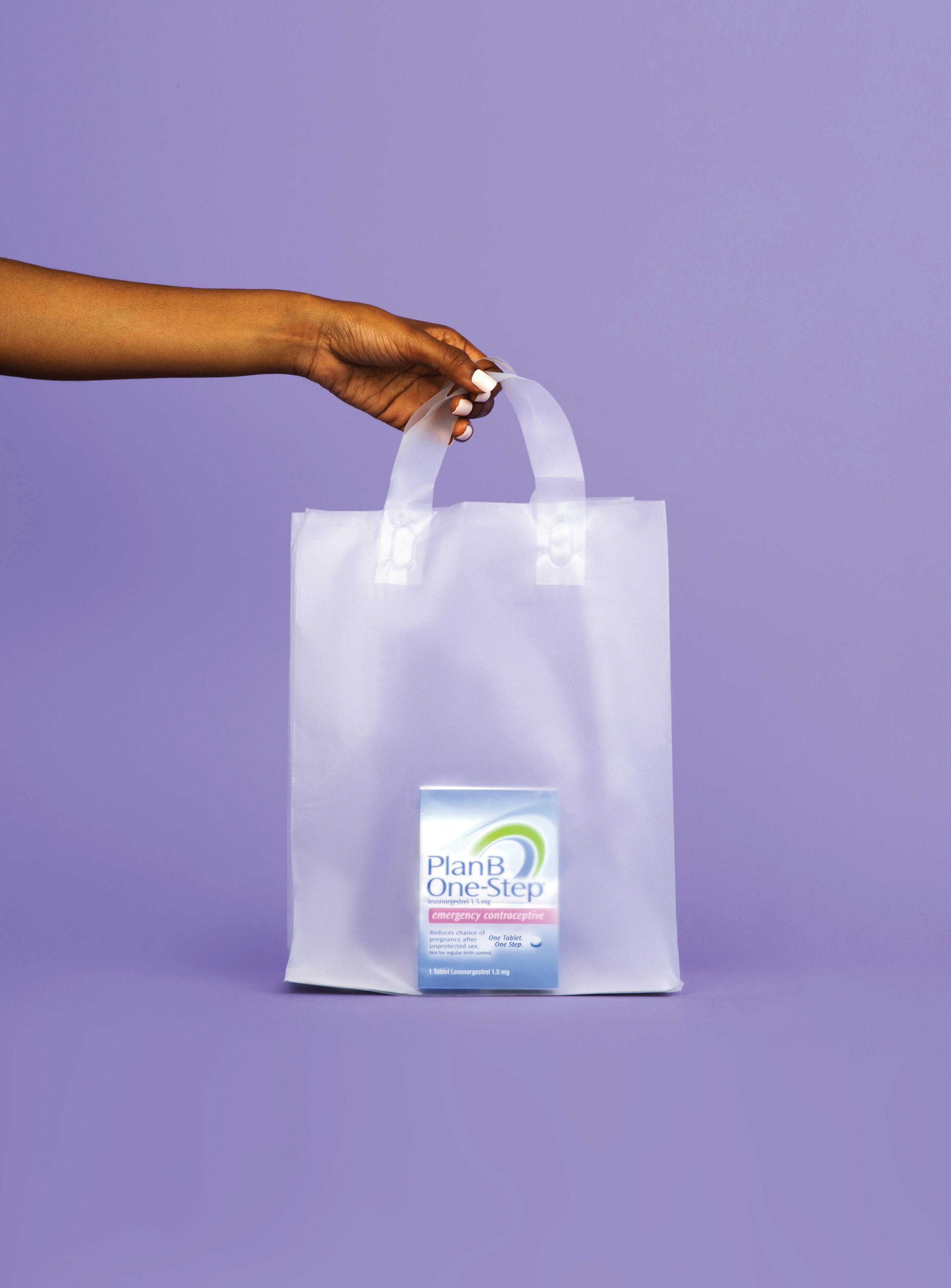
delaying ovulation. Did you know...
40%*
of women will leave and go to another store – or buy nothing – if Plan B isn’t available. 95%* of women purchase Plan B within 24 -hours of needing it. On-shelf availability is priority #1.
32%† of adults aren’t sure if emergency contraception is legal in their state. Plan B is legal and available in all 50 U.S. states with no Rx, no ID, no age requirement. Plan B One -Step is the
In the beauty care category, digital platforms have been grabbing share away from all brick-and-mortar retailers.
She suggested that in order to bolster the performance of the front end, drug stores need to make those assortments “more intentional.” That could involve positioning the store as a destination for acute health needs, building curated wellness solution sets and using the pharmacy and clinic traffic to drive front-end sales.
“The risk is not just category decline; it is that shoppers have fewer reasons to browse the front end,” Lyons Wyatt said. “The biggest threats [to growing front-end sales] are declining trip frequency, weaker impulse conversion and reduced relevance in categories where shoppers no longer see drug stores as the primary destination.”
Meanwhile, food-and-beverage categories also face intense competition from other channels that offer sharp pricing and more selection, including mass merchants, traditional grocery stores, membership clubs and online retailers.
“Within food and beverage, the biggest opportunity is not for drug stores to become a full grocery replacement; it is to sharpen the channel’s role as an immediate-consumption, convenience, wellness and impulse destination,” Lyons Wyatt said.
She said assortments should be curated around “missions where the channel can still win.”
“Drug stores should focus assortment, merchandising and promotion on high-velocity, mission-relevant items, while using pharmacy, clinic and wellness adjacencies to connect food-andbeverage categories to hydration, energy, protein, recovery and better-for-you snacking occasions,” she said.
Online competition for beauty care
Meanwhile in the beauty care category, digital platforms have been grabbing share away from all brick-and-mortar retailers, including drug stores. Although mass retail recorded year-over-year beauty category sales gains of 7% in the first quarter, to $18.1 billion, according to Circana, online retailing continues to loom large among the industry’s challenges.
“Digital is outpacing physical retail across both the mass and prestige tiers of beauty, as players like Amazon and social commerce platforms such as TikTok Shop expand their footprint across the beauty spectrum,” said Manola Soler, managing director in the consumer and retail group at consulting firm Alvarez & Marsal.
Δ
Empowering through HEALTHIER LIVES NUTRITION
CONNECTING HEALTH AND BEAUTY CARE
Drug stores are in a unique position to leverage the growing synergies between beauty and wellness because of their status as trusted destinations for consumers’ health and personal care needs, said Larissa Jensen, beauty industry advisor at Circana.
“We’re seeing higher-income consumers increase their spending at drug stores, and these same shoppers are often prestige beauty buyers who are also highly engaged in wellness categories such as vitamins and supplements,” she said. “By creating stronger links between health, self-care and beauty through merchandising, education and product assortment, drug stores can better meet evolving consumer expectations and capture additional beauty spending.”
The subset of beauty care products that offer therapeutic benefits, including hair care and skin care, present ongoing opportunities for drug store retailers, said Colleen Volheim, category research and analysis manager at Hamacher Resource Group .
“Brands with a treatment focus tend to do well in independent pharmacy,” she said. “These products aren’t typically found on the shelves of mass stores and locally consumers can only find them at their community pharmacy, where consulting is available to ensure they are selecting the right product to treat their condition.”
Manola Soler, managing director in the consumer and retail group at consulting firm Alvarez & Marsal, agreed that drug stores have “an underleveraged credibility advantage in wellness positioning.”
“Because they’re already trusted destinations for pharmacy and health needs, they have a more believable platform than pure beauty retailers to extend into wellness-adjacent beauty categories like skin health, supplements, sleep and self-care products,” she said. “These are categories where credibility and trust matter to the purchase decision.”
Amazon in particular — which Soler said is estimated by some industry observers to have become the largest beauty retailer in the United States — poses what she described as a “structural” threat.
“Amazon has built high retention through a frictionless, convenient experience that includes the ability to subscribe to recurring beauty purchases,” she said. “This means a meaningful share of its growth comes from existing customers buying more, rather than new customer acquisition.”
While drug stores might see themselves as venues for product discovery, obstacles such as locked cases to deter theft have made discovery and new-customer acquisition more challenging, said Soler.
“The move may be a necessary response to shrink, but it is one that adds real friction to the browsing and discovery experience that drives beauty’s traditionally high impulse-purchase rate,” she said. “Whether the answer is staffed beauty sections, digital tools like in-aisle screens or virtual try-on, or smarter, lower-friction lock systems, drug stores need to solve for browsing and discovery without simply removing the barriers that protect margin.”
OTHER OPPORTUNITIES IN BEAUTY CARE
In addition to the opportunities to connect their health and wellness positioning with therapeutic beauty care products, pharmacies also have opportunities to drive beauty care sales by leveraging their loyalty programs and focusing on private label and other low-cost alternatives, as well as trends in premiumization, said Manola Soler, managing director in the consumer and retail group at consulting firm Alvarez & Marsal.
“Drug stores sit on a deep well of consumer purchase data through their loyalty programs, which gives them a real opportunity to develop private label and personalized beauty programs the way Target has done with its owned beauty brands, turning data into differentiated assortment rather than just promotional targeting,” she said.
In addition, Soler described drug stores’ convenience as “a durable advantage.”
“Drug stores are positioned for the fill-in, need-it-now beauty trip in a way that big-box and online retailers aren’t, particularly when that trip is bundled with a pharmacy visit or another errand,” she said.
Another opportunity for the drug store channel is to capitalize on what Soler described as the rise of “dupe” culture.
“As consumers increasingly seek lower-cost alternatives to prestige products, drug stores’ traditional value positioning becomes especially relevant,” she said, adding that retailers need to actively spotlight these items through their assortment and merchandising “rather than burying them in commodity-style aisles.”
On the flip side of that trend, Soler cited the opportunity for retailers to lean into the premiumization trend in historically low-price categories.
“Hair care has undergone its own ‘skinification’,” she said, “and lip care has moved from basic lip balm to lip masks and treatments at meaningfully higher price points. Drug stores can capture incremental dollars by building out a stronger masstige assortment in these categories rather than treating them as commodity basics.”
Focus on shopper experience and Gen Z
Larissa Jensen, beauty industry advisor at Circana, said retailers need to focus on both the shopper experience and the consumer segments that are driving growth in beauty care sales.
She agreed that drug stores need to make beauty care shopping as easy and engaging as possible by reducing barriers to browsing and product discovery. They should look closely at the demographic trends that are driving success in the current environment, she said.
“For example, Gen Z households are fueling growth across several categories,” Jensen said. “The success of acne care brands shows the power of ingredientfocused education, strong social media engagement and modern branding. Drug stores can apply those lessons across their beauty departments.”
She also encouraged retailers to tailor their assortments and messaging to target key demographics, including Gen Z, middle-income households and higherincome consumers.
“Featuring digital-first, ingredientconscious and socially relevant brands can help build excitement,” Jensen said. “And, investing in omnichannel capabilities like click-and-collect, loyalty programs and targeted digital promotions will be critical to increasing trip frequency, strengthening customer engagement and driving beauty sales growth.”
Challenges in diabetes, feminine care products
Similar to the barriers that locked cases pose for sales of some front-end products, moving diabetes management products behind the pharmacy counter has also pressured sales of those items due to the access barrier that creates, said Colleen Volheim, category research and analysis manager at Hamacher Resource Group.
However, she said, smaller-quantity packages offered at a lower price point, and specifically for patients who prefer to pay cash, provide an alternative that can help retailers regain sales of these products.
Meanwhile, HRG also reports seeing a decline in paper feminine hygiene product sales, Volheim said. Products such as menstrual cups and reusable period underwear, as well as cycle regulation, have eroded the share of traditional disposable hygiene products.
Retailers can seek to recapture these sales by devoting space that had been designated for disposable hygiene products to reusable items, she suggested, adding that there have been several new products introduced in that subcategory that are meeting a need. In addition, products that support GLP-1use, and other products that support women’s health, also present growth opportunities for drug stores, Volheim said. Vitamins, dietary supplements and products that promote digestive health can be effective in combating side effects of GLP-1s, for example, she said.
Amid a strong focus on women’s health over the past few years, new and innovative products that seek to address symptoms associated with perimenopause and menopause also present opportunities for retailers, said Volheim.
“These products span the categories of home diagnostics and patient aids for daily living, vitamins and dietary supplements, feminine care, family planning and beyond,” she said.
Volheim suggested that retailers review their front-end assortments to determine where they can add products that support these wellness initiatives and health conditions.
“The best place to start is with a space-to-sales analysis of the affected categories,” she said. “Once it’s determined which slow-moving items can be removed, stores should consider their patient/customer base, narrow down the areas of support that make sense to meet their needs, and refer to a trusted resource for product types or products to add to encourage front-end sales.”
Retailers can then promote their refreshed assortments using window, counter and shelf signage, as well as by referring products directly to patients who pharmacists know could benefit from them. Promoting the new products heavily on social media channels is also a good way to increase awareness among existing and potential new customers, Volheim said.
Providing Quality Medicines Since 1932
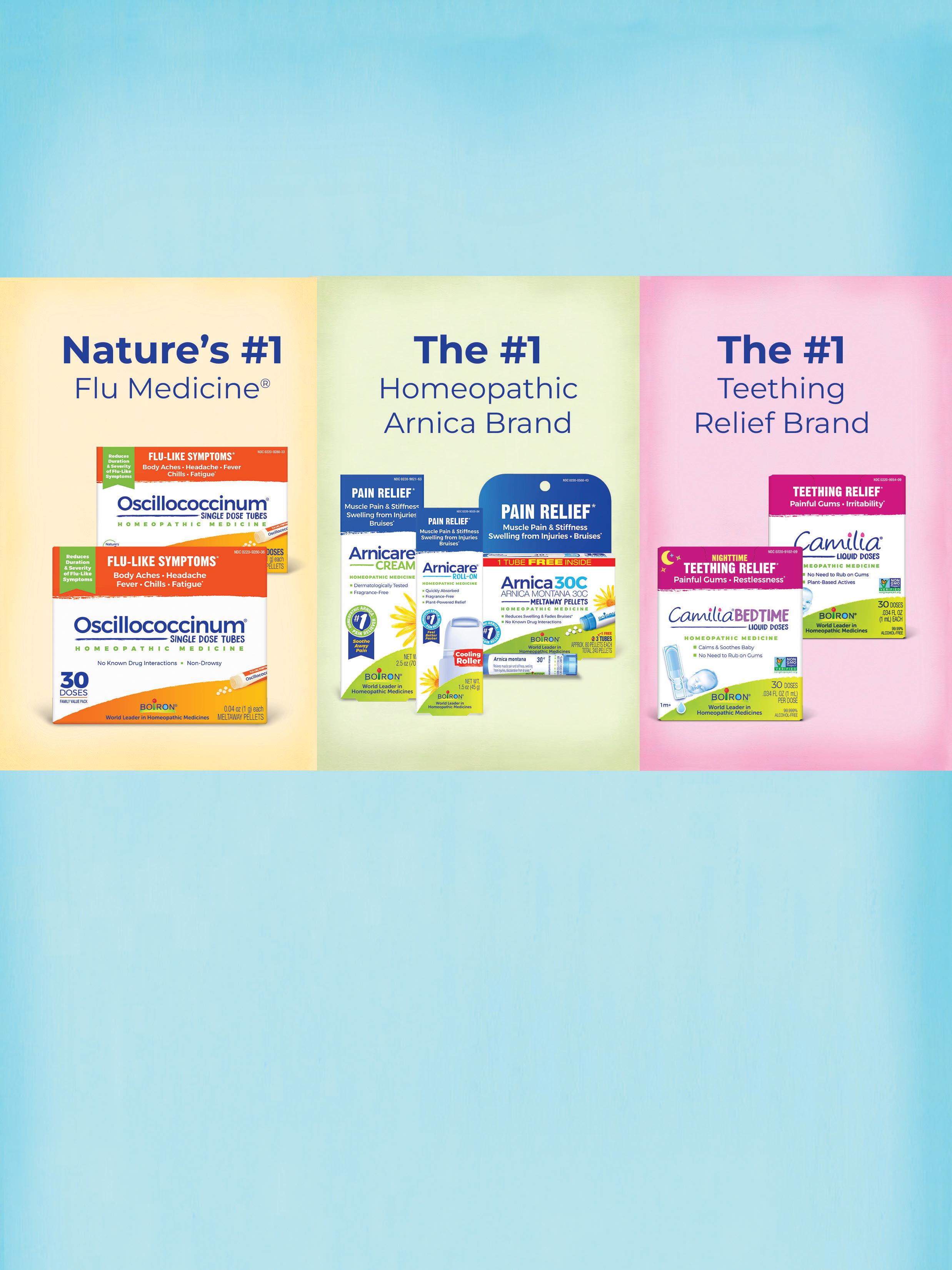
For almost a century, Boiron has provided families with the purest medicines made from the earth’s best resources. From our renowned Arnicare® line, to trusted Oscillococcinum® and Camilia® brands, our expanding range meets the diverse needs of your customers.
*CLAIMS BASED ON TRADITIONAL HOMEOPATHIC PRACTICE, NOT ACCEPTED MEDICAL EVIDENCE. NOT FDA EVALUATED.
OPTIMIZING FOR AI
Making a few changes to your site can help you feature prominently in AI searches
By Amanda Baltazar
AIis changing the way many things are done, including how Americans search for information.
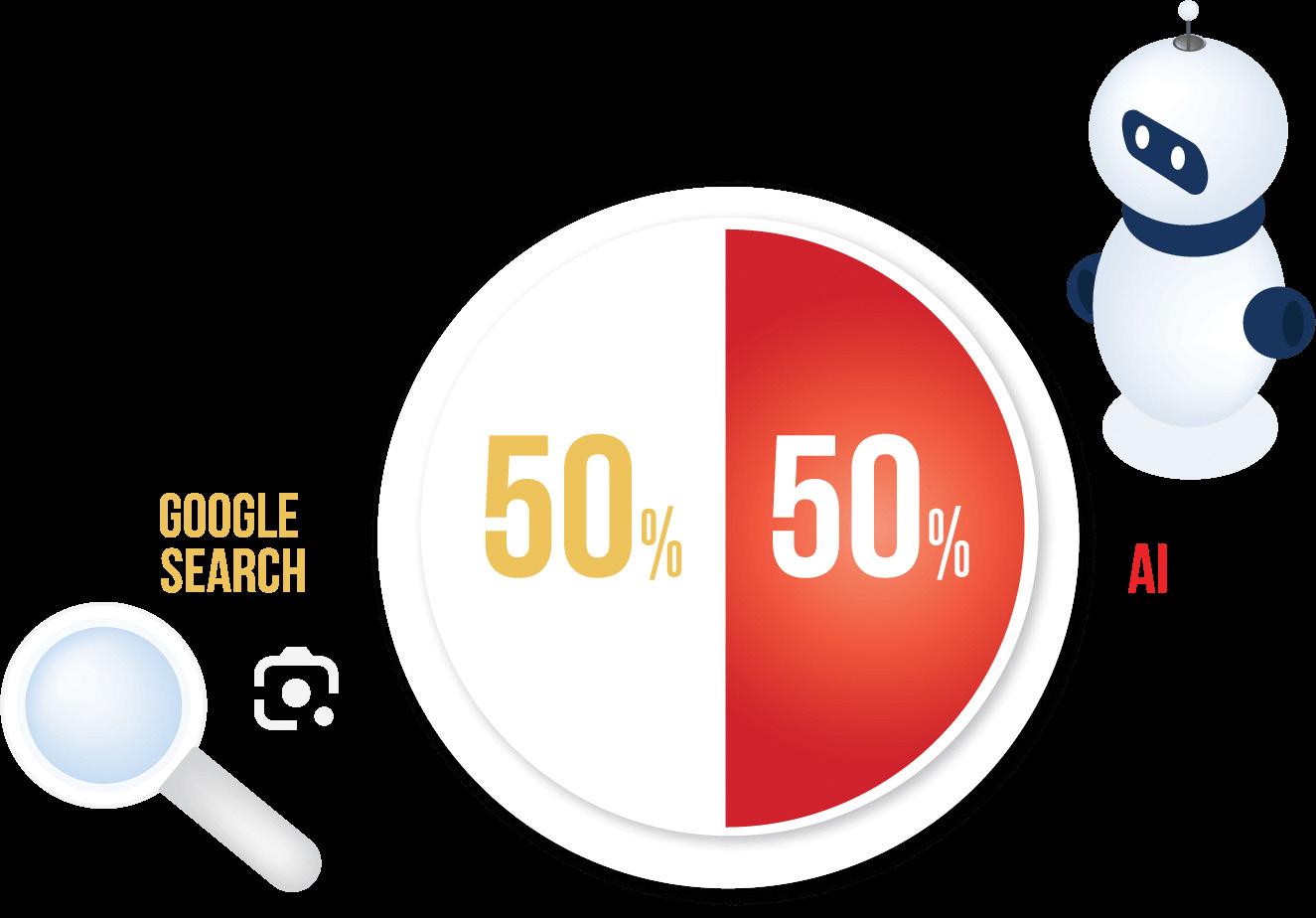
Fully 50% of internet searches are now conducted through AI, according to McKinsey and Company, and these searches are different from Google searches. AI trawls websites for information in very different ways, so it’s important for pharmacies to understand how this works and optimize their websites for it.
How AI searches are different
Before AI searches became possible through websites like Gemini, ChatGPT, Claude and Perplexity, most consumers used search engines by looking for keywords, such as “pharmacy” or “ibuprofen,” and they did so mostly through Google.
Search engines look for these words on a website and the more they’re used, the higher in the results a website ranks. Companies use SEO, or Search Engine Optimization, to ensure their website is fully optimized for this. “Keywords haven’t gone anywhere, they pin down meaning,” said Duane Forrester, AI expert and author of The Machine Layer.
Keywords haven’t gone anywhere, they pin down meaning.”
— Duane Forrester, AI expert and author of The Machine Layer
internet searches
Source: McKinsey and Company.
“They tell a system what you stock, who you serve, the area you cover and the problems you solve.”
AI searches look for information differently and use GEO (Generative Engine Optimization), which focuses on what task a searcher is trying to complete. These tasks could be booking a vaccine appointment, finding store hours or buying shampoo.
And because consumers searching through AI tend to use whole sentences instead of just keywords, GEO looks for phrases on websites, and the more meaningful and authoritative those phrases are, the more AI values them because it understands natural language processing.
So pharmacies should fully cover all major topics to provide a depth of information, said Kevin Indig, a growth advisor who helps companies define growth strategies. The SEO keywords should still be there, but included within the GEO.
What changes should you make?
To optimize your website for 2026 and beyond, first know that you need to be the authority on everything covered within it.
Next, think about the questions shoppers might be posing. For example: How quickly can I get photos printed at my local drug store? Or: What times are available for a flu shot at my pharmacy?
Then set out to answer all the questions you can think of, through your website, authoritatively. You can include longform writing, charts, videos and lists since AI can look through all of these. And while you may be keeping SEO keywords in
mind, you can also think in terms of long-tail keywords, which are phrases, not single words. Instead of focusing on the word “pharmacy” you might include “Our pharmacy hours are 9 to 8.”
“GEO pays off when your site answers the whole question a shopper is asking—not just about the product, but everything wrapped around it: What their insurance covers, what it’ll cost, whether it’s in stock, how fast they can get it, and how close you are,” explains Forrester.
It’s important, he said, to ensure your website follows Google’s E-E-A-T standards:
• Experience: It clearly shows how shopping will go for consumers in your store
• Expertise: It shows depth of information.
• Authoritativeness: To demonstrate you are a trusted source, include quotes from customers, surveys or industry statistics.
• Trustworthiness: Consumers will trust you more if everything is transparent on your website, from which services are offered at the pharmacy to the cough and cold products you carry.
“The point of GEO is to make your site is something AI systems can read, trust, and rely on when they’re answering a real question,” said Forrester.
And offer linked topics that offer more detail. Under Cough and Cold, for example, you can include linked topics on what causes coughs and colds, cough and cold prevention, etc. These subtopics rank highly in AI searches.
Build trust through a reliable website. “Trust comes from being consistent, being complete, and never saying one thing on one page and contradicting it on another,” Forrester said. “Refreshing your key pages a few times a year usually beats pushing out a blog post every week.”
Writing
your website
Websites that are clearly and simply written without flourishes appeal most to AI search engines.
The writing should be organized under descriptive headings that answer questions. Eliminate the sub-heading “Homepage,” which doesn’t answer a question and instead include Hours, Location, Vaccinations, Manage Prescriptions.
And under each topic, make sure articles and links are well organized and everything is easy to understand.
It’s a good idea, according to Forrester, to copy and paste the text from each page of your website into an AI search engine and then ask “What other questions might shoppers have?” Based on the response, you can add answers.
Here are the top three things Forrester suggests pharmacy operators do to take uncertainty out of their websites:
1. Build out your pharmacy services page so it answers everything before a customer has to call. Spell out how refills work, how to transfer a prescription from another pharmacy, which insurance plans you accept, typical turnaround time, whether you offer drive-through or delivery and your pharmacy hours (which often differ from store hours). Go deep into commonly asked questions and provide detailed answers.
2. Create a plain “how our pharmacy works” page and link it throughout the site. “This earns real trust because it answers the anxious question every patient has: Can I get my medication when I need it?” he said. Cover turnaround for new prescriptions versus refills; what to do about vacation or early-refill overrides; how you handle prior authorizations; and how auto-refill works.
3. Make your services-and-offerings page genuinely useful. List the vaccinations you provide, any health screenings (blood pressure, A1C, and so on), compounding, durable medical equipment, accepted insurance and savings or generic programs and a clear note on what’s actually in-store.
These three changes, said Forrester, “don’t depend on blogging constantly. They depend on clarity. Clarity is what both people and AI reward.”
“The point of GEO is to make your site something AI systems can read, trust, and rely on when they’re answering a real question”
—
Duane Forrester, AI expert and author of The Machine Layer
Content variety
Google is unable to search through video and audio files, but AI can. It can also analyze photos, and if they’re accompanied by informational captions, even better.
Include as much variety in your content as you can, from videos explaining how to use an inhaler, to podcasts about diabetes and photographs showing makeup ranges. AI search engines value these highly because they recognize that they add layers of information and depth to your website’s content.
Videos and podcasts are particularly valuable because they keep website visitors on your site for more time. AI search engines recognize this and will boost your ranking accordingly.
AI also understands that by offering content in different formats, your website is making it easier to understand, especially if it’s something complex like using a CGM for people with diabetes.
The difference you can see
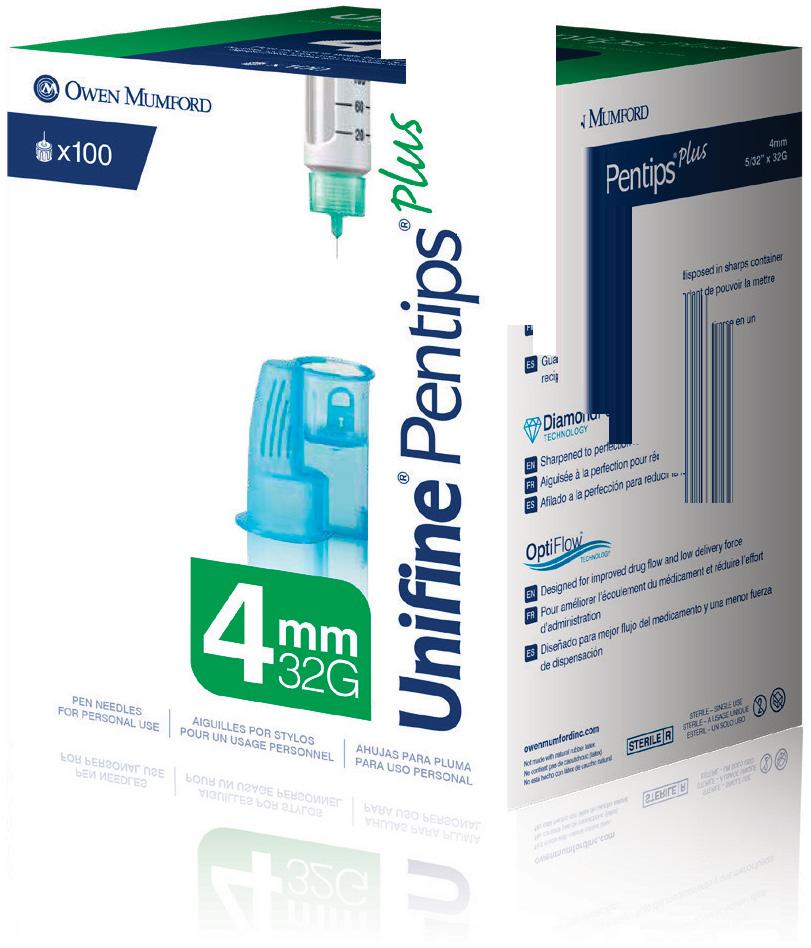
The only pen needle Plus a built-in remover.
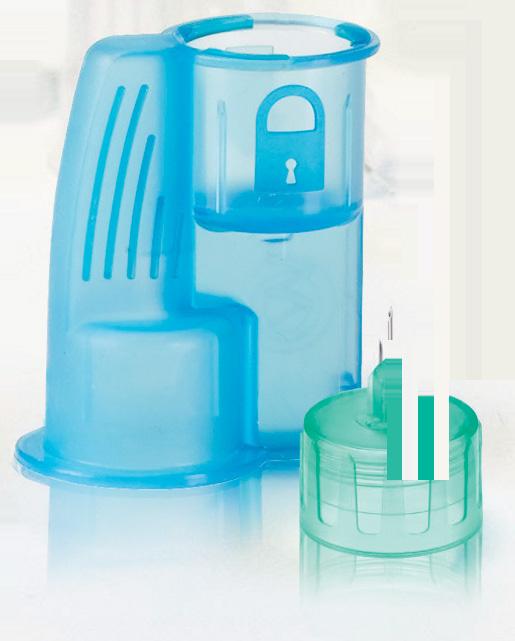
Unifine® Pentips® Plus is designed with colored hubs and a built-in remover to help make living with diabetes easier, safer, and less stressful. ur colored hubs provide enhanced contrast and improve visibility for patients, allowing them to see and handle their pen needle more easily1. The built-in remover is easier to grip, while offering added convenience and a safer disposal option when on-the-go2
Patients prefer Unifine® Pentips® Plus.2,3 See why!
1.Data on file. 2. HWR (2014) Impact of Unifine Pentips Plus on pen needle changing behavior amongst people with diabetes medicating with injectable formats. 3. Versus standard pen needle. UPPRET/ MI/0326/1/US
Bonus points
AI especially loves:
Lists and tables. These make it easy for consumers to compare products—and they make it easy for AI too. And on top of that, AI understands that this makes your website easy to use. Lists could compare different ingredients and the benefits of products such as allergy medications or eye drops.
How fast your pages load, how easily they can be crawled and have content identified—essentially, how navigable the site is—matter here too. “That’s a GEO factor because structured information is information an AI can take in quickly and trust,” Forrester said.
A crawlable website, which should have page headings that are clear: Pharmacy, Immunizations, Beauty, etc., and bonus points are given for subheads—Beauty’s sub-heads might include Makeup, Hair Care, Skin Care, for example. Timeliness. It’s important to make sure your website is timely. In the fall, feature information about flu shots and cough and cold, and highlight sunscreen in the spring, for example.
FAQ pages. These can be really helpful to customers—and AI. Track real customer questions that come in over time then feature FAQs based on them. Write the questions in the way customers ask them, then provide answers.
The more you understand how AI works, the more you can optimize your website and bring in more customers and revenue.
A success story?
Your website is ready and optimized for GEO so you need to track that it’s working. Once it’s up and running, check how much business has come through your website and how many customers have contacted you through it. You can also check which pages have resonated most with shoppers and which pages they’ve spent their time on.
Finally, act like a drug store shopper. Select an AI search engine, ask some questions that a customer might pose and see if your store features in the responses. It’s also important to check which pages are being linked to your questions, through the AI search engine.
AI isn’t a technology to be feared. The more you understand how it works, the more you can optimize your website and bring in more customers and revenue.
The Power of Pet Fandom: Purina’s Partnership with U.S. Soccer Celebrates the Teammates Behind Every Team
By Joe Toscano, Vice President, Trade & Industry Development at Purina
Sports have always brought people together. Whether it’s gathering around the television, wearing team colors on game day, or cheering alongside family and friends, fandom creates powerful connections and shared experiences. For millions of Americans, there is one teammate who never misses a match, never questions a coaching decision, and is always there to celebrate a win or provide comfort after a tough loss: their pet.
At Purina®, we believe pets and people are better together. That belief has guided our work for more than a century and continues to inspire new ways to celebrate the special role pets play in our lives. It is also what makes our partnership with U.S. Soccer such a natural fit.
Bringing Pets into the Beautiful Game
As soccer continues its rapid growth in the United States and excitement builds around the sport’s biggest moments, we saw an opportunity to ensure pets are part of the experience.
As the first-ever Official Pet Care Partner of U.S. Soccer, Purina is helping bring together two incredibly passionate communities: soccer fans and pet lovers. While they may seem like distinct groups, they share a lot in common. The teams we support and the pets we love become part of our identities. They create connection, community, and a sense of belonging.
Together with U.S. Soccer, we’re creating new ways for fans to celebrate alongside their pets while reinforcing the powerful role animals play in our lives.
Spotlighting the Team Behind the Team
One of the centerpieces of the partnership is Purina and Pro Plan’s new national campaign—For the Team Behind the Team.
The campaign features U.S. Men’s National Team star Weston McKennie alongside his dogs, Lola and Sky, and celebrates the loyal companions who support us through every win, loss, and milestone. As a pet parent himself, Weston understands firsthand the role nutrition plays in helping dogs live active, healthy lives.
The campaign highlights a reality familiar to pet owners everywhere—no matter how big the stage, the bond we share with our pets remains constant.
Creating Retail Excitement Through Beggin’®
For retailers, one of the most exciting elements of
the partnership comes from Beggin’, the Official Dog Treat of U.S. Soccer.
To celebrate the partnership, Beggin’ introduced limited-edition U.S. Soccer Crest-Shaped Dog Treats, giving pet parents a fun way to include their dogs in match-day traditions. Made with real bacon and shaped like the iconic U.S. Soccer crest, the treats tap into the growing consumer desire to share cultural moments with pets.
Beggin’ also launched the Beggin’ XI Contest, a nationwide search for the ultimate roster of soccer-loving dogs. The contest invited fans to showcase their dogs’ personalities and team spirit while driving engagement around both the sport and the category.
Programs like these create opportunities for retailers to connect with consumers through timely, culturally relevant moments while driving excitement at shelf.
A Portfolio-Wide Celebration
But it doesn’t end with Beggin’. The partnership extends across our entire Purina portfolio. This summer, Purina introduced the first-ever National Pet Kit, allowing pets to show their support for the U.S. Men’s and Women’s National Teams alongside their families.
Friskies® is bringing its new Certified Frisky platform to the pitch by celebrating cat-like
moments of soccer brilliance and rewarding fans when the U.S. Men’s National Team scores with 1 million cans of Friskies wet cat food over the course of the summer. Cat Chow® brought therapy cats to U.S. Soccer fan events, creating moments of calm and connection amid the energy of match day. Together, these activations demonstrate how pets are increasingly part of the cultural moments consumers care about most.
A Shared Opportunity
Whether it’s sports, entertainment, travel, or everyday life, pet parents are looking for new ways to include their pets in the experiences that matter to them.
For retailers, that presents an opportunity to connect with shoppers through meaningful moments that strengthen the human-animal bond. If you want to get more involved in helping us bring this exciting partnership to life, reach out to your Purina representative today.
At Purina, we’re proud to partner with U.S. Soccer during a transformative period for the sport in America. More importantly, we’re proud to celebrate the pets who stand beside us every day as loyal companions, devoted supporters, and teammates in every sense of the word.
SOCIAL AI
Most customers will check your website first, but many of them—especially younger ones—will also visit your social media sites, so optimizing them for AI searches can be a great complement to your website.
AI search engines are increasingly trawling through social media sites and checking shares and comments and paraphrasing what they find in the answers they generate for shoppers. They especially like content that’s shared many times as this shows it’s relevant and authoritative. And the more diverse the content a retailer features on social media—which could include photos, videos, reviews—the broader the picture AI gets about your drug store.
Social media can reinforce consistent messaging, credibility and real-world proof through reviews, said Kevin Indig, a growth advisor.
“Social media builds credibility by reinforcing the same message and add ing real-world proof through reviews and testimonials,” Indig said. “But the fundamentals remain the same: clearly explain what you offer, use consistent naming, demonstrate trust, and answer common customer questions. Every channel should tell the same story.”
“Social media builds credibility by reinforcing the same message and adding real-world proof through reviews and testimonials.”
— Kevin Indig, growth advisor
Give it a Shot
Consider initiatives that aim to address the challenges in retail pharmacy vaccine programs
By Kathie Canning
These days, most U.S. retail pharmacies offer some form of a vaccination program. But running such a program is certainly no walk in the park. Challenges on both the pharmacy side and patient side pose a threat to success.
Among the challenges retail pharmacies face on the vaccine front are labor shortages, fragmented regulatory policies and navigation of complicated reimbursement models, said Sandra Canally, RN, founder and CEO of The Compliance Team.
Another hurdle is workflow disruption, explained David Pope, PharmD, chief pharmacy officer of XiFin. “Pharmacists often need to leave their workflow to conduct manual state registry searches and eligibility checks while the patient is at the counter or on the phone,” he said. “This fragmented process creates inefficiencies, increases wait times and can ultimately lead to missed vaccination opportunities.”
And frequently changing guidelines make operations more difficult, too. According to Gold Eneyo, PharmD, director of clinical services for pharmaceutical solutions organization at Cencora, pharmacy staff can find it difficult to determine which recommendations to follow.
“
Since immunization certification is designed to focus on operations across the pharmacy, it can also help address the staffing shortages as new, more efficient processes, procedures and training are developed and put in place.”
—Sandra Canally, RN, founder and CEO, The Compliance Team
And such staff often are clinically capable but not fully trained in vaccine counseling, added Eleonora Fedonenko, M.D., a board-certified internist and medical director of Your Laser Skin Care. Moreover, vaccine-management adds to the workflow, said Pankti Shah, PharmD, medical writer and pharmacovigilance expert instructor for Pharmalink Academy.
“There are special requirements to handle, monitor the storage temperature [and] track the expiration of vaccines and forecast demand,” she pointed out.
Patients Have Pain Points, Too
Challenges on the patient side of things also can adversely impact retail vaccine programs.
Access and confidence continue to be barriers, Pope noted. “While pharmacies are among the most convenient healthcare settings, many patients still face uncertainty around vaccine eligibility, timing and necessity, particularly for adult immunizations,” he said. “At the same time, disparities in access and awareness continue to affect underserved populations, making it more difficult to close immunization gaps at the community level.”
Pope added that adult immunization rates currently do not meet public health targets. For example, the flu vaccination rate falls far short of the 70% goal. “These persistent gaps underscore the need for more proactive tools that help pharmacists identify and act on vaccination opportunities in real time,” he said.
Thanks to frequently changing recommendations and misinformation, some patients are hesitant to receive COVID vaccines or are confused as to their eligibility for them, Eneyo added.
“This uncertainty, coupled with varying levels of health literacy, poses significant challenges for increasing vaccine uptake among patients,” she explained.
Another issue—which Fedonenko calls “underdiscussed”—are language barriers. “A patient who can’t fully understand the consent process or post-vaccine
The CareAlerts solution uses smart clinical messaging technology to inform pharmacists, directly within their existing workflows, about patient-specific vaccination opportunities.
instructions is far less likely to return for a second dose,” she maintained.
Enhance the Program
Retail pharmacies could invest in a number of initiatives to address vaccine program challenges. For example, Good Neighbor Pharmacy—a cooperative network of independently owned and operated pharmacies—provides business coaching to streamline workflows and enhance productivity, Eneyo noted.
“Members also have access to Good Neighbor Pharmacy University, our learning management system, which offers a wealth of educational resources focused on immunizations, billing and reimbursement strategies,” she said. “These resources are specifically designed to help pharmacies navigate the complexities of vaccine-related reimbursements and maximize their success in this area.”
One external vaccine-related resource that aims to help drug stores in multiple areas is The Compliance Team’s Immunization Certification Program,
which provides quality standards, educational support and best practices, Canally said.
“Not to be confused with the immunization delivery certifications that pharmacists and technicians must go through to administer vaccines, The Compliance Teams’ Immunization Certification Program verifies and validates the pharmacy and all its staff ‘as a whole’ for quality, safety and efficiency,” she explained.
The program encompasses proper patient intake and administration, safe vaccine handling and storage, safe sharps handling/disposal, infection control, communication with registries and communication regarding appointments for additional doses, Canally said.
“Since immunization certification is designed to focus on operations across the pharmacy, it can also help address the staffing shortages as new, more efficient processes, procedures and training are developed and put in place,” she added.
Think Outside the Vaccine Program
Today’s retail pharmacies are also dealing with rising prescription volume, a reality that adds yet another challenge in meeting the demand for vaccines, said Tom Utech, PharmD, CEO of pharmacy fulfillment company iA. The result can be workflow bottlenecks and less time with patients.
Centralized fulfillment is a prescription-related initiative that could, indirectly, help retail pharmacies improve their vaccine programs. The initiative eases some of the pressure related to increasing prescription volumes (and staffing shortages), freeing up more time for patient vaccinations, he noted.
“At iA, we’re seeing strong momentum around centralized fulfillment as a foundational strategy to support clinical service expansion, including vaccines,” Utech said. “Our solutions help pharmacies reduce dispensing burden, improve workflow predictability and create the operational capacity needed to scale immunization programs effectively.”
Expand the Immunization Base
To help identify and act on opportunities for the 2026-2027 “vaccination season,” retail pharmacies could look to the XiFin Empower CareAlerts solution. According to Pope, the solution uses smart clinical messaging technology to inform pharmacists about “patient-specific vaccination opportunities directly within their existing workflows.” Time-consuming manual registry lookups and eligibility checks are eliminated.
Via API-based interoperability, the solution integrates with a pharmacy’s management systems, electronic health records and scheduling tools while linking to state and jurisdictional immunization registries, he explained. It leverages guidelines from the Advisory Committee on Immunization Practices and the Centers for Disease Control and Prevention to identify patients who might be “clinically eligible for vaccines” and creates alerts in the pharmacy’s chosen workflow location.
“By delivering real-time immunization alerts at the point of care, CareAlerts enables pharmacists to close vaccine care gaps, engage patients more effectively, help reduce adult immunization confusion and support broader community health needs,” he explained. “CareAlerts technology successfully increases companion immunizations, as indicated by a 17% uptick among pharmacies using [the] technology.”
Pope pointed to other recent CareAlerts-technology-related success stories, including a supermarket that saw immunizations increase by 20,000 within one week compared to the prior year; a pharmacy chain that expanded immunizations by 600,000 year over year and a retail pharmacy that delivered an additional 232,000 vaccinations to “eligible but underserved patients” last year.
Targeted education and marketing, too, could draw in additional patients. Education should help patients understand which vaccines are available, as well as provide comprehensive information concerning costs, eligibility and vaccination requirements, Shah said.
“Vaccine safety and side effects are a concern to some, along with … whether or not a pharmacy is an appropriate location to receive a vaccination,” she added. “Innovative outreach efforts by retail pharmacies that encourage point-of-care vaccination services and address safety and side effect concerns might help to gain acceptance for vaccination services offered at pharmacies.”
Eneyo noted that Good Neighbor Pharmacy locations are able to leverage “targeted flu vaccine marketing campaigns” that position each pharmacy as the “trusted local resource” for flu vaccines each fall.
“This campaign emphasizes the convenience, affordability and expert care Good Neighbor pharmacies provide to enhance community awareness and encourage greater vaccine uptake,” she said.
Centralized fulfillment could help retail pharmacies ease some of the pressure related to increasing prescription volumes and staffing shortages.
More Time. Built for Scale.
Orchestrated Pharmacy Fulfillment
Optimizing Central Fill
Enable pharmacists to focus more on patient care. Visit us at Booth 2131
Mass Makeup’s Wake Up?
New brands, artificial intelligence and value could fuel growth in the category
By Faye Brookman
Skin care and fragrances are showing a revival in mass market. Can makeup be next? Cosmetics has been a more challenging category for mass merchants to siphon off sales from specialty beauty retailers than skin care and scents.
But an influx of new brands, curated assortments, the use of AI and new energy from heritage companies could provide a spark to return mass sales growth. Ongoing economic concerns could also fuel a mass resurgence.
For now, however, consumers—especially Gen Z—still like carrying a premium brand in their handbag.
“Cosmetics is a category where the range between mass and class is less pronounced than categories like skin care,” said Sydney Wagner, equity analyst for Jefferies. “The trade-up is a smaller jump and many consumers feel it is worth spending on prestige.
Those sentiments are reflected in the first quarter of 2026 results reported by Circana, a Chicago-based market research firm that compared the period from January through March versus the year before. Makeup overall was the softest-performing category, according to Larissa Jensen, Circana’s SVP, global beauty industry advisor. Prestige sales were up 5%, but mass rose 2%.
Melissa Munnerlyn, chief marketing officer and co-founder of
Daash Intelligence, highlighted a few trends from her platform, which analyzes weekly, SKU-level sales data for the beauty, personal care and wellness industries. Prestige, she said, dominates dollar growth, but mass is the winner for units. She sees a shift in how consumers shop, becoming more intentional about how they spend. “Performance is becoming more important than promises,” she said.
The focus is on products that solve needs and provide benefits like brightening or long wear.
The good news for mass brands is that consumers don’t always see enough difference in products to justify paying more. Munnerlyn also sees a blurring of the lines between makeup and skin care with consumers looking for skin care benefits from cosmetics and makeup benefits from skin care. “It’s hard to tell what’s driving the growth. Are people getting more foundation, or are they getting more skin care that gives those same benefits?”
Beauty insiders think some of those trends combined with economic uncertainty could fuel mass makeup sales. “The mass channel has become more appealing for shoppers to get newness that wasn’t there in the past,” said Peri Edelstein, senior partner and managing director at Boston Consulting Group.
Mass market beauty brands and retailers are working overtime
to change the conversation. AI could just be the category equalizer. According to BCG Research, 75% of respondents in a survey used AI to research beauty topics and 25% said AI is their primary research source.
Walmart is leaning into AI, according to Vinima Shekhar, vice president of merchandising and beauty. She said the chain’s AI assistant Sparky influences behavior and the use of the tool results in 35% higher basket sizes. Additionally, she said the retailer’s Beauty Bars are expanding to more than 400 stores and have already helped double sales. As new stores open and are remodeled, beauty is moving to a more prominent position in layouts. This year, the retailer added new makeup brands such as Nude by Nature and Pacifica.
Sparky continues to evolve, said Shekhar, allowing consumers to get recommendations for products that can suggest beauty products that complement an outfit.
As Target remakes its stores following the departure of Ulta Beauty, more masstige brands are entering assortments. Brands such as Laura Geller and Morphe are available in stores or online. Later this year, Target will launch its Beauty Studios, which are expected to take the makeup selection to the next level.
“With Target Beauty Studio, consumers will discover incredible prestige brands, an elevated experience and personalized support to easily find something new and exciting every time they shop at Target,” said Amanda Nusz, Target’s senior vice president of merchandising, essentials and beauty, in a release about the plans for the rollout to 600 doors.
CVS is also putting muscle behind its Epic Beauty Events to drive customers to its shelves, as well as its mini beauty program that includes makeup brands such as NYX, according to Michelle LeBlanc, vice president of merchandising, beauty and personal care and Hispanic Strategy Team.
LeBlanc added that CVS strives to offer a balance of new and heritage brands and credited the OG companies that are stepping up their innovation. Examples
Mattifying set MOIRA
of new products include MOIRA Cosmetics created by Christine Ko (sister of NYX founder Toni Ko) which just debuted in 495 CVS locations. Heritage brand Revlon continues to stage a hopeful comeback (under the direction of CEO Michelle Peluso, the former chief customer and experience officer at CVS).
In addition to new items such as its Glimmer Super Balm and Revlon PhotoReady Insta-Sculpt, Revlon tapped actress Teyana Taylor to star in its latest Be Unforgettable campaign highlighting the Super Lustrous Lipstick range.
Another heritage brand, Physicians Formula, is riding on the current nostalgia craze with a throwback campaign celebrating a 2016 hit—its Butter Bronzer. The Markwins owned brand sells about 1.5 million Butter Bronzers worldwide each year.
Milani continues to be one of the strongest growing mass market brands. To keep the momentum going, the brand launched a new campaign called What’s Inside is Everything, which chief marketing officer
Jeremy Lowenstein said is a step forward in the brand’s refresh and evolution.
“We kicked off the campaign with our iconic Baked Collection, a cornerstone of the Milani portfolio and the leading franchise in baked powders and blushes within mass cosmetics,” Lowenstein said.
“The collection has relaunched with refreshed packaging, new skin-nourishing ingredients and expanded shade offerings designed to flatter a wide range of skin tones and undertones.” Other new items include the new Make It Last Moisture Boost Alcohol-Free Setting Spray and Highly Rated Fan Club Fanning Mascara. The What’s Inside Is Everything campaign will continue to unfold throughout the year.
Experts are mixed on what trends will drive makeup for the second half of the year and into 2027. Some see the clean girl aesthetic sticking around; other portend bold looks that will require refreshes to makeup bags.
What industry observers do agree on is that dupes have gained credibility, with
Mascara Milani
brands such as Kiko Milano and MCoBeauty becoming increasingly popular among consumers. Future Market Insights pegs dupe sales at $4.1 billion last year, with projections to reach $14.8 billion by 2036.
A recent interview with Charlotte Tilbury, creator of her luxury eponymous brand, has sparked a debate that some content creators say could ultimately benefit mass marketers selling dupes. Tilbury criticized dupes. “When you dupe, you dupe the consumer,” she said in an interview with the BBC.
On YouTube, creator Jen Phelps said Tilbury’s war on dupes could have a reverse effect and drive people to the look-alikes.
While there will always be luxury consumers, she said, there are some people who can’t afford premium brands and dupes democratize the category.
On Instagram, influencer Nina Pool said her research found that Tilbury’s Lip Cheat Lip Liners are made at the same facility as Kiko Milano, whose liners she said reached the market first. “I want to [help] make brands accessible to everyone because everyone deserves to look beautiful.”
What industry observers do agree on is that dupes have gained credibility including Kiko Milano and MCoBeauty. Future Market Insights pegs dupe sales at $4.1 billion last year, with projections to reach $14.8 billion by 2036.
A recent interview by Charlotte Tillbury, creator of her luxury eponymously named brand, has sparked controversy that some content creators could benefit mass marketers selling dupes. Tilbury faulted dupes. “When you dupe, you dupe the consumer,” she said in an interview with the BBC. On YouTube, creator Jen Phelps said Tilbury’s war on dupes could have a reserve effect and drive people to the look-alikes.
While there will always be luxury consumers, she said, there are some people who can’t’ afford the premium brands and dupes democratize the category.
On Instagram, influencer Nina Pool found through her investigations that Tilbury’s Lip Cheat Lip Liners are made at the same facility as Kiko Milano who had their liners on the market first. “I want to [help] make brands accessible to everyone because everyone deserves to look beautiful.”
Gain direct access to the leaders shaping the future of health, wellness, and beauty. Join our curated, small-group sessions for candid insights, strategic perspective, and real-world wisdom from the industry’s most accomplished voices.
BUILT ON PARTNERSHIP: Firstline Brands Celebrates 40 Years of Retail Excellence
The company reflects on four decades of growth, discussing retail partnerships, innovation, and the evolving needs of today’s beauty consumer
DSN: Firstline Brands celebrates 40 years in business this year. What does this milestone represent for the company?
Joni Odum, president and CEO of Firstline Brands: Celebrating 40 years is both a proud milestone and a reflection of the trust we’ve built with our retail partners and consumers. As a family-owned company, we’ve grown by staying focused on what matters most: delivering quality, value, and innovation while remaining agile enough to evolve alongside changing consumer needs. Our portfolio has expanded over the years to serve women, men, tweens, and active consumers through brands that address a variety of hair textures, styling routines, and everyday beauty needs. Our Evolve®, WavEnforcer®, Camryn’s BFF®, Sleek® and Dri Sweat® brands continue to answer the call for texture-inclusive solutions that make daily styling a breeze. Forty years of continuous growth speaks to our commitment to helping retailers succeed while providing consumers with products they can rely on.
DSN: In today’s competitive retail environment, what makes Firstline Brands a strong partner for drugstores and pharmacies?
JO: Drugstore and pharmacies are looking for partners who understand the consumer and the business of retail. Firstline Brands has built its reputation on dependable execution, consistent product quality, and strong customer support. We recognize that on-shelf availability, trend-right assortments, and speed to market are critical to success. Our team works closely with retailers to deliver merchandising solutions that maximize
Joni Odum, President/CEO of Firstline Brands
productivity and keep pace with evolving shopper preferences. Our goal is to make it easy for our partners to offer trusted, affordable solutions that encourage repeat purchases and strengthen category performance.
DSN: Innovation has always been part of the Firstline story. What are you most excited about today?
JO: Today’s consumers expect products that make their routines easier while delivering performance and style. That expectation drives our innovation strategy. We continue to invest in product development that addresses real consumer needs, from styling tools that simplify wash day to accessories designed for comfort, durability, and everyday wear. By combining consumer insights with thoughtful design, we’re introducing products that help retailers stay relevant in a rapidly evolving beauty category while creating solutions and excitement on the shelf.
DSN: As Firstline Brands looks ahead, what priorities will shape the company’s next chapter?
JO: We’re entering our next chapter with the same entrepreneurial spirit that has guided us for the past 40 years. We remain committed to investing in our brands, supporting our retail partners with meaningful category solutions, and delivering products that meet the needs of today’s textured hair consumer. Our success has always been built on partnership, and we’re excited to continue growing alongside our retail customers for many years to come.
The New Men’s Playbook
Men are interested in more than razors and deodorant
By Faye Brookman
Gen Z men are having a profound impact on the men’s grooming category, and they are bringing older shoppers along with them. Male influencers are proliferating, bringing such terms as “looksmaxxing” and “manosphere” into the vocabulary. Thanks to social media, men now have permission to go beyond shaving to skin care, fragrances and even cosmetics.
The global men’s grooming market size was valued at $298.9 billion in 2025 and is projected to reach $506.7 billion by 2033, according to Grand View Research.
NielsenIQ reported that men’s personal care sales in the United States increased 4.2% in 2025. The category was a bright spot against total beauty’s 3.3% gains as tracked by NIQ.
The growth of the men’s market has pushed brands to take a deep dive into the modern male and how they shop. Like their female counterparts, men are interested in wellness.
“One trend I’m seeing is that men’s grooming is becoming much more connected to overall wellness than it was even a few years ago,” said Juan Morillo, office manager for OKAY
“
One trend I’m seeing is that men’s grooming is becoming much more connected to overall wellness than it was even a few years ago.”
—Juan Morillo, office manager for OKAY Pure Naturals
Pure Naturals. “It’s no longer just about looking good,” he said. “Men are paying more attention to things like scalp health, hair thinning, skin health, stress, sleep and nutrition, and they’re starting to recognize how all of those things work together. A guy concerned about his hair, for example, is often also looking at lifestyle factors that may be contributing to the issue.”
Morillo added that men want simple routines and easy to use products that fit into their daily lives. “They’re becoming much more educated consumers and are asking more questions about ingredients, benefits and long-term results,” he said.
Colleen Camp, certified trichologist, agreed men’s grooming routines are evolving, especially in the hair segment. “Men are looking for more than basic hair care such as scalp health, preventative products, nutritional support and cosmetic solutions for thinning hair.” Rather than relying on a single product, many men are adopting layered routines that promote healthier-looking hair while improving the appearance of fullness,” she said.
She suggested a comprehensive hair wellness routine from BosleyMD that includes a DHT-blocking shampoo and conditioner, Healthy Hair Men’s supplements for nutritional support, evidence-based topical treatments when appropriate and BosVolumine Hair Thickening Fibers for immediate cosmetic enhancement.
There’s a bevy of new items hitting shelves that reflect the new male landscape. Sol de Janeiro, for example, just announced its entrance into the men’s business with Cheiroso mists for men. Every Man Jack is undergoing a packaging redesign across its core line of products. The brand is also transitioning key SKUs to recyclable PET bottles made with 50% post-consumer recycled materials.
Just for Men, the men’s hair coloring brand, has a new product called Gray Reverse Daily Hair Serum designed with a dye-free formula, as well as peptide technology to help gradually restore hair’s own natural color from root to tip, according to the company.
Dr. Squatch is now catering to the younger set with the introduction of Lil’ Squatch, the brand’s first-ever line of natural bar soaps designed for kids.
“There’s a real gap between baby wash and the adult aisle, and no one’s speaking directly to that kid in the middle who wants something that feels like theirs,” said John Ludeke, the company’s chief brand officer. “Products are generally low quality, using cartoons to get kids excited, or else a bit boring and designed to engage the parents more than the kids who actually use the products in the shower and/or bath. We built trust with parents by making men’s personal care simpler and cleaner. Lil’ Squatch is us bringing that same standard to their kids, starting with our iconic natural bar soap.”
Hair growth products BosleyMD
Ian Michael Crumm Tells Why He Created Boys In Beauty
The celebrity esthetician created a community to connect men in the beauty industry
The men’s grooming business is undergoing dramatic changes bringing new growth opportunities for retailers to meet new demands. Sensing the need for a community to share ideas, celebrity esthetician Ian Michael Crumm founded Boys in Beauty. He spoke with Inside Beauty about why he created Boys in Beauty and what trends are driving the men’s care business.
Inside Beauty: What’s the creation story behind Boys in Beauty?
Ian Michael Crumm: Boys in Beauty came from something I kept noticing as both a creator and licensed esthetician. I’d attend brand launches and media events where the creator and editor community was overwhelmingly female. Every so often I’d meet another male creator, editor, founder or executive, and we’d immediately connect because we’d all shared a similar experience navigating beauty.
It made me realize culture was already shifting. Men were engaging with beauty in new ways, but there wasn’t a platform bringing together the people helping drive that change.
That’s why I created Boys in Beauty—Where Industry Drives Culture. We connect creators, founders, executives, clinicians, marketers and brand leaders around one goal: advancing the conversation around the modern male beauty consumer. Then we amplify those conversations through community, events, education and storytelling. Our mission is simple: connect the industry, shape the conversation and help normalize men’s participation in beauty.
IB: What’s different about the men’s market today compared to just three or five years ago?
IMC: The conversation has matured.
A few years ago, brands were still trying to convince men that skin care was for them. Today, we know men care about beauty. The question is how they’re engaging with it.
The biggest shift is realizing there isn’t one male consumer. Some want a cleanser and SPF. Others have a full routine, get treatments or wear makeup. Most fall somewhere in the middle, and that’s the audience the industry has largely overlooked.
The brands that will win are the ones that stop marketing to one version of masculinity and start reflecting how different men actually engage with beauty.
IB: What categories have the most potential? Which brands are getting their marketing right?
IMC: Skin health continues to lead, especially SPF. It’s one of the easiest entry points because it’s rooted in prevention. Once someone builds that habit, they’re often more open to skin care as a whole.
Hair health is another major opportunity. Innovation around scalp care, hair longevity, and hair loss is accelerating, and consumers are far more comfortable having those conversations.
From a marketing perspective, I don’t think brands need more products just for men. The bigger opportunity is simply showing men in beauty campaigns. When men see themselves represented alongside women, beauty feels more inclusive instead of segmented.
IB: How can retailers better merchandise assortments for today’s male shopper?
IMC: I don’t think we need bigger men’s sections. We need fewer barriers.
Merchandise around skin concerns, routines, ingredients and wellness instead of gender. Acne is acne. SPF is SPF. Healthy skin isn’t a men’s category. Beauty is for everyone.
Education matters just as much. Historically, the beauty industry hasn’t spoken to men the same way it’s spoken to women. Many men are interested. They just haven’t always been invited into the conversation.
The retailers that make beauty easier to understand and shop will build loyal customers.
IB: How can the mass market capture more of the opportunity?
IMC: Mass retail has a huge advantage because it’s where most beauty journeys begin.
The opportunity is to keep beauty simple with clear education, affordable entry points and easy routines. Help consumers understand what a product does, why it matters, and what comes next.
Men don’t need another aisle labeled “for men.” They need to see themselves reflected in the brands they already know and trust.
The retailers that make beauty easier to understand and easier to shop will be the ones that grow the category.
33,000+
WHEN THE PRICE ISN’T RIGHT
Higher tariffs, inflation and steeper crude oil prices are presenting price challenges for health and beauty care suppliers and retailers
By Debby Garbato
“It’s always something. If it’s not one thing, it’s another,” quipped Gilda Radner’s famous character Roseanne Roseannadanna during late 1970s “Saturday Night Live” episodes. Today, health and beauty care suppliers are making similar remarks about concurrent cost increases, which are coming from seemingly everywhere. This is prompting some to seek alternative manufacturing and raw materials resources, increase pricing or take other actions to maintain margins and appease retailers and consumers.
Inflation and higher tariffs dominate the conversation. The heaviest tariffs are being levied on Chinese-made goods, particularly health and beauty care’s plastic packaging, where China dominates, followed by raw materials and finished products from China. Plus, stiffer oil prices have increased transportation costs and global plastic pellet (resin) prices everywhere.
“There’s been many different supply and costs of goods pressures,” said Todd Bahler, VP of marketing at Discount Drug Mart. “There’s no one issue. It’s all different combinations of
The tariff story is a packaging story before it’s an ingredient story. The bottle is often more exposed than what’s inside, making packaging the leading cost driver.”
—Catherine Nekavand, partner at Alix Partners
things. It’s been compounding for the last few years, ever since COVID. Costs are coming on the manufacturer and retailer sides. Every year, it’s something different, depending on the product.”
Cost increases began in late 2021 and rose further during the first half of 2022, said Ryan Grogman, managing partner at Retail Consulting Partners. “Eighteen to 20 months ago, costs finally started steadying,” he added. “Then tariffs again put prices on the rise during the past nine to 12 months. It’s hitting the category hard, changing unit economies across the board.”
Tariffs on imported, finished goods in cosmetics, bath and personal care increased 7% to 10% in 2025 and are continuing to climb into 2026, said Doug Hermanson, principal economist at Kantar, an AI-driven brand intelligence company. Added Grogman, “combined, tariff hikes and 5% to 10% inflation on raw materials often means it costs significantly more to get products on shelves versus a year ago.”
According to data compiled by the U.S. Census Bureau and the Federal Reserve Bank of St. Louis, personal care prices increased 3.25% due to tariff increases, making health and beauty care number three among categories most affected. It was preceded by pharmaceuticals (4.25%) and housewares (3.75%). Estimated effects were computed using U.S. imports and effective tariffs between May and July 2025 (see chart).
Retail Consulting Partners’ research found that unadjusted year-over-year retail health and beauty care sales increased anywhere from 1.31% to 12.25% between November 2025 and April 2026. Most increases, assumes Grogman, resulted from higher costs. While food price increases have been apparent, Grogman said health and beauty care is being hit harder by increased tariffs. “Food has a strong domestic agricultural base; beauty relies on complex, international chemical supply chains and specialized, imported packaging [like glass and customized plastics] that are heavily tariffed. And food is a weekly, essential purchase that’s more front and center in the news.
Health and beauty care is purchased less frequently, resulting in significant sticker shock compared to weekly, slower food price increases.”
PLASTIC & PETROLEUM PESTILENCES
Regardless of where products are manufactured, 50% of plastic packaging used in health and beauty care comes from China, said Catherine Nekavand, partner at Alix Partners. This includes caps, pump dispensers and specialized packaging features, making this area extremely vulnerable. “The tariff story is a packaging story before it’s an ingredient story,” she added. “The bottle is often more exposed than what’s inside, making packaging the leading cost driver.”
Bodycare, soap and shower gel are frequently U.S.-made and are less vulnerable to tariff issues, Nekavand said. They can, however, incur additional costs using foreign-made packaging. Petroleum prices are not helping. In
2020, the average annual price per barrel for crude oil was $39.19; by 2025, it was $64.19. Then things got even worse. The most recent one-year high occurred in April 2026, when crude oil pricing reached $106.88 per barrel. This stemmed from geopolitical tensions in the Middle East, leading to partial closure of the Strait of Hormuz. As of July 27, the price per barrel was $90.
Consequently, plastic pellet prices skyrocketed this past spring, followed by a summer drop. Affected plastics are frequently used in health and beauty care packaging, including: polyethylene terephthalate (PET-for making clear bottles), polypropylene (PP-jars, caps and lip balms), polyethylene (PE-flexible squeeze tubes) and acrylonitrile butadiene styrene (ABSrigid compacts and mascara cases).
Continued fluctuations could wreak further havoc, particularly if oil prices surge again. “Transportation costs are holding steady,” said Hermanson. “But a spike in oil prices could add costs.”
Shampoo and Conditioner Discount Drug Mart
SPECIFIC PRODUCTS & INGREDIENTS
In addition to much plastic packaging, nine out of 10 raw materials come from China, said Nekavand. But various parts of production can be spread far and wide.
“It can be heavily globalized,” said Perry Kramer, managing partner at Retail Consulting Partners, “particularly in cosmetics, skincare and fragrance. They’re bearing the brunt. A face cream may rely on European botanicals, specialized Chinese [dispensing] pumps and U.S. manufacturing, meaning tariffs and shipping inflation hit from multiple angles.”
Items dependent on a specific fragrance can incur particularly high costs, with little leeway to change suppliers. “[This includes] anything with specialized components that are hard to source in the U.S.,” said Hermanson. “If the whole business is built around something smelling a certain way, it’s massively risky to change suppliers. ”
Dr. Bronner’s pure castile soaps rely on signature scents and natural ingredients. Marc DeRosa, VP of sales, said Bronner’s “biggest ingredient” is coconut oil. With no domestic sources, ingredients must be imported from Sri Lanka. Last year, the tariff increased 30%. Bronner’s also imports Indian peppermint oil, for which tariffs rose 50%, he added.
Savvy consumers are buying more bar soaps, which generate less waste than liquid soaps, said DeRosa. Bronner’s even created a successful six-pack for Costco, priced at $19.99 (bars are usually $5.49 each).
INDIE CLAIMS & INGREDIENTS
“Indie” brands may use costly ingredients, creating challenges for companies and entities that have acquired indies. “Indies are struggling because they lack the massive purchasing power and agile supply chains of legacy giants to absorb hits,” said Kramer. “For major suppliers that acquired indies, the math has suddenly changed, forcing them to rapidly strip costs and integrate smaller brands into larger corporate supply chains.”
But Bahler said some indies have strong followers who will pay more. Dr. Squatch, which was acquired by Unilever last summer, produces handmade men’s soaps and other products with unique scents and natural ingredients. “Dr. Squatch is a premium brand,” added Bahler. “People with better disposable income are willing to purchase it.”
Larger companies have economies of scale. “If you acquire a smaller brand, instead of an on-demand supply chain, your goal is to boost production to a much higher degree,” said Hermanson. “You can increase margins and buy in bulk up front.”
Higher pricing and online influencers, however, have made consumers scrutinous about indie product claims. “Social media—specifically TikTok—has democratized beauty education,” said Kramer. “Influencers and cosmetic chemists are teaching shoppers how to read ingredient labels, making them incredibly savvy.”
Last year, Procter & Gamble faced lawsuits and regulatory challenges involving its Native brand. Disputes primarily centered on so-called false advertising claims regarding Native
Since President Trump began rolling them out, we haven’t seen the types of tariff swings and costs we did then. But inflation is still happening. And higher fuel costs hit many categories.”
—Todd Bahler, VP of marketing, Discount Drug Mart
deodorant’s 72-hour odor protection, PFAS in its toothpaste and regulatory disputes over “simple ingredient” labels. While accusations were dismissed, suppliers must be more careful.
“Big suppliers are realizing that when they scale an acquired indie brand, the original ‘clean,’ ‘simple’ or ‘natural’ marketing claims are heavily scrutinized by regulators and class-action lawyers, forcing everyone to aggressively audit labels,” said Grogman.
POSSIBLE SOLUTIONS
Some increases are passed on to consumers, or retailers and suppliers bear the brunt. “We’ll absorb some, manufacturers absorb some before prices increase,” said Bahler. “Retailers must maintain certain margins. What’s passed on depends on how large the increase is, the item and category.”
Nekavand said consumers generally tolerate increases of 8% to 10% “before trading down.” Hence, suppliers are taking steps to eliminate or reduce increases. Some have moved production to Mexico to avoid tariffs. “Putting Chinese goods on a plane to the U.S. used to be cheaper than manufacturing in Mexico,” added Nekavand.
SKU rationalization can also help. “They’re killing off slowmoving shades and sizes,” said Kramer.
Some suppliers have reduced package sizes to maintain prices. “They’ll take out an ounce or two but [the] packaging looks identical,” said Bahler. “But they’re trying to keep the same content.”
Nekavand believes suppliers must be careful when enacting this “shrinkflation” strategy. “Shrinkflation is the most tempting lever and the most dangerous,” she said. “Today’s consumer is in“
formed, reads labels and posts receipts.”
Using cheaper ingredients, however, seems like a last resort. “Changes are subtle, since chemists are great at masking cheaper filler ingredients,” said Grogman. “However, hyper engaged consumers on TikTok and Reddit often spot changes immediately, sparking viral backlash.”
IT’S ABOUT MORE THAN SUSTAINABILITY
Making bottles domestically from post-consumer recycled is not just about sustainability. It could reduce materials costs by 20% to 40%, particularly for commodity plastics like PE and PP. But mainly “green” companies do this, said Atlantic Packaging. Dr. Bronner’s 100% PCR bottles, for example, are locally sourced and domestically produced, “so there’s no tariffs on them,” said DeRosa.
The number of large companies using PCR plastic to a significant degree is limited, said Atlantic. And most entities have not met their PCR packaging goals. L’Oreal, Aveda and Unilever are among those whose PCR footprint is 30% or more.
Over the past 15 months, tariff shifts have become less dramatic. But there are still cost challenges. “Since President Trump began rolling them out, we haven’t seen the types of tariff swings and costs we did then,” said Bahler. “But inflation is still happening. And higher fuel costs hit many categories.”
The bottom line is that nothing stands still in a global economy. “Winners are the ones who optimize sourcing and efficiency,” said Nekavand. “Rules can change faster than they can reset shelves. Tariffs go up and down.”
2025 TARIFF INCREASES
Source: Kanatar
Estimated Price Effect of Tariffs by Product Category with Perfect Pass-through Sector Insights Year-Over-Year in Retail Sales, Unadjusted
Source: Retail Consulting Partners
Sources: U.S. Census Bureau, Federal Reserve Bank of St. Louis.
2026 NACDS Total Store Expo Product Showcase
Here are some of the products and services attendees can see at this year’s show
By Nora Caley
The National Association of Chain Drug Stores will hold its annual Total Store Expo on Aug. 15 to 17 in Boston. The gathering of retail executives, health and wellness suppliers and other industry profressionals is a good time to network, but it’s also an ideal time to see what’s new from exhibitors. Here are some of the products and services that will b at the event.
Amneal Booth #301
Amneal said it offers the only generic beclomethasone dipropionate HFA inhalation aerosol (therapeutically equivalent to QVAR 40 and 80). Available in 40- and 80-mcg strengths, the Amneal product is also the only beclomethasone to utilize a hand-breath-actuated inhaler, per the company. This type of actuator can accommodate use with a spacer or holding chamber and delivers a consistent dose regardless of the patient’s inhalation strength.
Anda Booth #853
Anda is a trusted pharmaceutical distribution partner for retail pharmacies. It provides access to products from more than 400 manufacturers, including generic, brand, biosimilars, specialty, OTC and vaccine products. Competitive pricing, flexible ordering options and reliable delivery help pharmacies optimize inventory, improve efficiency and better serve their patients.
Boiron Inc.
Booth #138
Arnicare Roll-On from Boiron offers relief for muscle pain, stiffness, swelling from injuries and bruises.* Powered by Arnica, this nongreasy homeopathic gel contains a cooling metal roller with a hygienic on/off applicator, providing a targeted, soothing massage. Leak- and mess-free, it’s portable and ideal for travel or on-the-go use. The product is free of fragrances, dyes and parabens.
*Claims are based on traditional homeopathic practice, not accepted medical evidence. Not FDA evaluated.
The Compliance Team
Booth #1220
DMEPOS/Rx Compliance Certification from The Compliance Team is for exempt pharmacies not required to attain CMS-approved, DMEPOS Accreditation but recognize the value of third-party validation in standardizing quality processes and services. Exempt Pharmacies still must meet CMS supplier and quality standards. This certification addresses the processes that are still required by CMS to be 100% compliant for dispensing DMEPOS products.
CoverMyMeds
Booth #222
CoverMyMeds helps pharmacies prepare for what’s next by connecting the workflows that matter most across ePA, claims routing, adjudication, prescription automation and affordability. The network simplifies complex processes, is built to support faster determinations and gives pharmacies time where it matters most, caring for their patients. The result is a more integrated experience that benefits both pharmacies and the patients.
Eagle Labs
Booth #1269
Copper peptides are transforming modern skincare, according to Eagle Labs, which will showcase its copper peptide formula. The company said this sought-after ingredient can elevate product lines, and the active drives next-generation formulations. Copper peptides are used to aid in boosting collagen, enhancing firmness and refining skin texture.
The Emerson Group
Booth #138
Lipo, which claimed it is the No. 1 overall ear health brand, expanded its lineup with the launch of its Earwax Cleansing Kit. This advanced solution effortlessly emulsifies earwax in three minutes while helping prevent future wax build-up, the company touted, the company said. The convenient kit offers an easy, at-home regimen with broad consumer appeal.
EnlivenHealth, A Division of Omnicell
Booth #553
EnlivenHealth, a division of Omnicell, helps pharmacies deliver smarter, more scalable patient care with AdhereIQ. It transforms med sync into a patient-driven, automated experience that boosts adherence and increases fills, the company said. By reducing returnto-stock and streamlining the entire process, pharmacy teams can scale adherence programs without adding staff burden.
i-Health Inc., A Division of DSM
Booth #1727
The company’s Culturelle Kids Probiotics + Electrolytes Hydration Super Duo Packets combine electrolytes and probiotics in a convenient formula designed to help keep kids hydrated while supporting digestive health and a balanced microbiome. I-Health said the easyto-mix packets make daily hydration simple for home, school or on the go, offering a trusted solution for everyday wellness support.* *These statements have not been evaluated by the Food and Drug Administration. This product is not intended to diagnose, treat, cure or prevent any disease.
Knapp
Booth #2131
Knapp’s Multi-Site Control Center extends the company’s end-toend pharmacy fulfillment approach by connecting real-time system monitoring, expert support and coordinated incident management into a centralized service model. The result is more predictable operations, fewer disruptions, improved script fulfillment performance and a more reliable pharmacy experience for both retailers and the patients they serve, the company said.
LifeLab Health
Booth #2350
Several years ago, LifeLab Health launched NuSyllium, an organic, GMO-free psyllium fiber product. With a focus on innovation, the company has continued to expand the line by introducing NuSyllium Ultra Sugar-Free. It contains 7 g of fiber per dose, which the company said is twice the amount of fiber found in the leading non-organic fiber brand.
Mason Vitamins
Booth #1622
Mason Vitamins NAD+ with Resveratrol delivers a trend-forward solution for consumers focused on energy, longevity and overall vitality. This synergistic formula pairs NAD+ precursors with antioxidant-rich resveratrol to support cellular health and metabolic function. With strong consumer interest in healthy aging, this product offers standout shelf appeal at an accessible price point, the company said.
Nature Wins
Booth #825
Nature Wins Hydrate Complete is a hydration powder formulated to replenish more than electrolytes by replacing the nutrients lost through sweat. Each serving contains 40 essential nutrients, including 11 minerals, 11 vitamins, 17 amino acids and betaine to support hydration, energy, recovery and cardiovascular health. Hydrate Complete is naturally flavored and sweetened with allulose and monk fruit.
Not Just a Patch
Booth #1275
Not Just A Patch said Air is its thinnest, strongest continuous glucose monitoring patch yet. The ultra-thin, breathable overpatch keeps Dexcom, FreeStyle Libre, Medtronic and Simplera sensors secure for 15-plus days through showers, sweat and workouts. Air taps a fast-growing, high-repeat category with strong retail margins and healthcare-professional marketing driving shelf demand, the brand said.
Pharmavite
Booth #563
Nature Made said its Digestive Enzymes provides a clinically studied blend of five enzymes to break down a range of foods that commonly cause digestive issues, while helping to ease occasional bloating and abdominal discomfort when the user takes one chewable tablet with each meal, three times daily.*
*These statements have not been evaluated by the Food and Drug Administration. These products are not intended to diagnose, treat, cure or prevent any disease.
ScriptPro
Booth #2439
ScriptPro provides operational, financial and clinical solutions backed by 30 years of pharmacy innovation. The full-size and compact robots deliver dependable, direct-to-vial dispensing that prevents cross-contamination. Available in six sizes to fit a range of volumes and pharmacy layouts, they automate up to 75% of prescriptions and operate quietly. By streamlining workflows and reducing bottlenecks, ScriptPro robots help maintain consistent operations and free staff for higher-value services.
Surescripts
Booth #773
Pharmacists are no longer the endpoint in the prescription workflow— they’re fully integrated members of patient care teams. Surescripts is helping free up time by simplifying prescription workflows and connecting pharmacists with essential clinical information so they can deliver safer and better-informed patient care. Surescripts Health Information Network Interconnect helps get pharmacies connected to the interoperability ecosystem.
Trividia Health
Booth #1223
With manufacturing facilities in Fort Lauderdale, Fla., Trividia Health claimed it is the largest U.S. manufacturer of store brand products for people with diabetes. The company said it has delivered solutions for the past 40 years, and offers a full portfolio of products for wellness, including blood glucose monitoring, sharps, nutrition, ketone testing and home A1C testing. Trividia Health has comprehensive national coverage, True Ways to Save co-pay savings program and OTC cash options.
TruLabs
Booth #1055
TruLabs just launched Hydrate + Creatine, a sugar-free drink mix delivering 5 g of creatine monohydrate, 1,422 mg of electrolytes, and 19 vitamins and minerals. Sweetened with monk fruit and Reb M (stevia-free), these on-the-go sticks contain 5 calories and come in two flavors: Cherry Limeade and Razzle Berry.
XiFin
Booth #1823
The XiFin Empower AI ecosystem is the No. 1 client-rated revenue cycle management solution, according to the company. Powered by AI, it streamlines end-to-end medical billing within the pharmacy workflow. It helps improve insurance capture, interpret payor responses, prioritize reimbursement opportunities, reduce denials and documentation burdens, automate appeals and accelerate payment— driving stronger financial performance and operational efficiency, the company said.
Xtreme Beauty International/Okay Pure Naturals
Booth #663
One of Okay Pure Naturals’ best-selling soaps, the Okay Turmeric Soap Bar (5.5 oz) is formulated with turmeric and nourishing ingredients to help cleanse and refresh the skin. Made in the United States and suitable for all skin types, this rich-lathering bar supports a healthy-looking complexion and delivers a proven consumer-favorite skincare solution for today’s wellness-focused consumers, according to the company.
A Wider Health Portfolio
Retailers continue to expand their solutions to meet consumers’ current and future needs
By David Orgel
The health and wellness story at retail keeps taking on new plot lines. Consumers are proactively focusing on their health and expect improved solutions from the stores they shop.
That is why grocery and drug stores need to keep expanding their health portfolios to meet changing needs. The most successful retailers will monitor not just where consumers are, but where they are headed.
The latest retail strategies include actively supporting customers who take GLP-1 medications, expanding healthcare roles in communities, offering new hybrid health solutions in-stores and via telehealth and further integrating retail and clinical care.
Why the Stakes are Higher
A recent healthcare study from Circana found the U.S. consumer healthcare market advanced by 3% in 2025 to $107 billion, surpassing overall retail growth. This development reflects a growing consumer focus on proactive health and holistic well-being—favoring prevention, daily wellness routines and self-directed care over reactive treatment, according to Circana.
Supporting Consumer GLP-1 Needs
As consumers become more proactive about health, one of the most quickly advancing consumer health trends has been the use of GLP-1 medications. A new initiative from Walmart – expanded weight management support services for GLP-1
David Orgel is an award-winning business journalist, industry expert and speaker. He is the principal of David Orgel Consulting.
customers – is one of the latest examples of how retailers are adding solutions for these consumers. The company’s Better Care Services platform now includes solutions that bring together virtual care, nutrition services and pharmacy access in one experience. The initiative connects customers to curated third-party providers alongside pharmacy services, nutrition insights and delivery options.
Stepping Up as a Community Partner
Some retailers are pursuing broad health programs that benefit entire communities. The Giant Company recently said that six of its stores in Allentown Pennsylvania and across the greater Lehigh Valley have become Blue Zones Project approved.
As part of this approval process, Giant implemented various initiatives to enhance customer well-being. These include holding in-store nutrition tours led by registered dietitians, using the Guiding Stars program to help shoppers easily identify healthier options and promoting locally sourced products via dedicated signage and seasonal displays.
Hybrid Approaches to Health Care
Sam’s Club is taking a hybrid approach to hearing health to benefit customers. The company has picked NationsBenefits to manage its hearing centers and integrate technology into hearing care services. The partnership adds a digital support system to Sam’s Club hearing health offerings,
including advanced tele-audiology tools that allow patients to make adjustments remotely and receive expert guidance via their smartphones following an initial fitting. The retailer’s club stores have on-site hearing centers that offer consultations and diagnostic screenings that can be tied into regular shopping trips.
Integrating Retail and Clinical Care
The Kroger Co. continues to broaden its health portfolio as it pursues integrated programs to connect retail and clinical care. These strategies were outlined by Kroger Health President Colleen Lindholz in a recent interview with Progressive Grocer.
Among the strategies are vaccines; medication adherence and compliance programs; testing and treating for strep, flu and COVID; and patient referrals to dietitians for nutrition support. Importantly, Kroger’s efforts show how the retailer is helping to close gaps in care that arise when customers are unable to see their primary care doctor or want to avoid emergency rooms.
Retailers Have Good Stories to Tell
It’s evident the health and wellness story at retail continues to take on new plot lines. The new initiatives show growing scale and success. This will enable the retailers to become better storytellers by outlining how they are stepping up to the challenge.
Only Rhinase® moisturizes BOTH upper and lower nasal passages for complete nasal relief from dryness.
CPAP/BiPAP, and colds & flu.
Rhinase® with Xylitol provides natural and drug-free relief from upper and lower nasal dryness and irritation caused by dry room air, seasonal allergies, chronic
Offer your customers an alternative to products that include unwanted steroids and dyes, or a saline-only product that may not work as well.