







































help your patients deliver their insulin correctly1
Experts recognize that specific device characteristics can help improve the injection experience and how insulin is administered.2
Nano™ 2nd Gen Pen Needles have 4 key features that experts recommend:2*









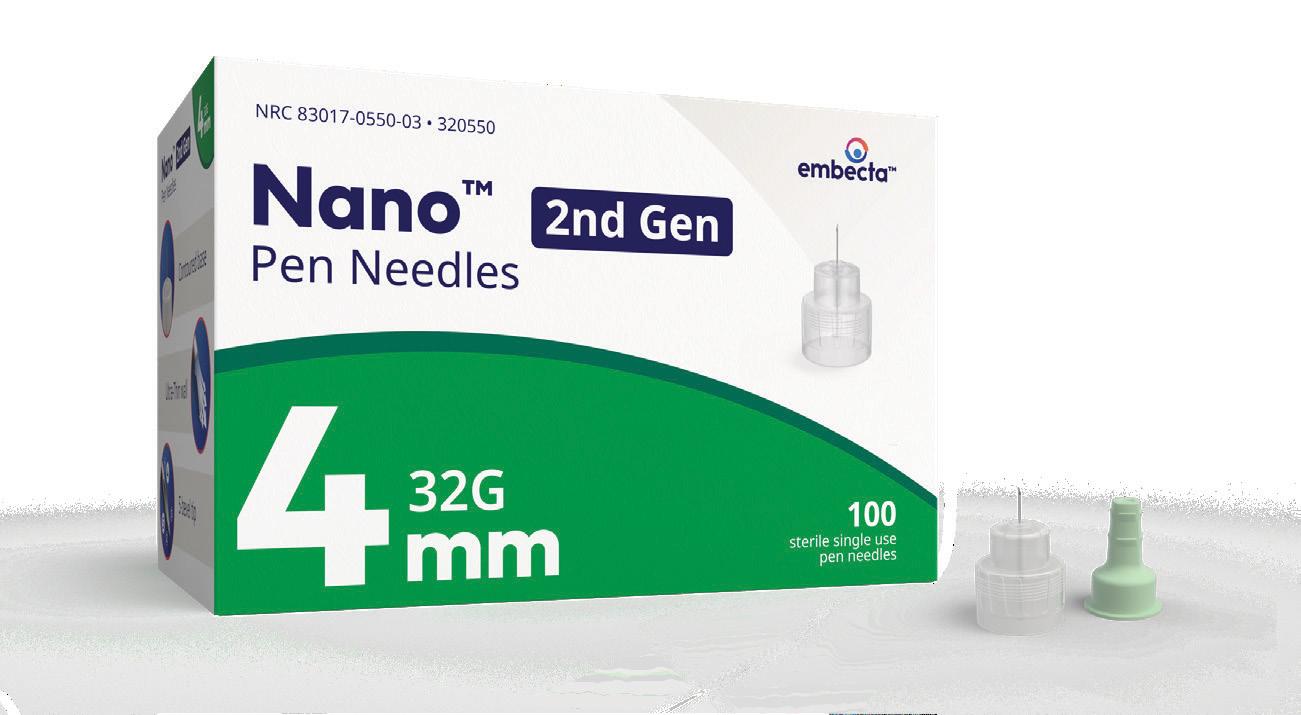




Consider dispensing Nano™ 2nd Gen Pen Needles –the only pen needle fully aligned to expert recommendations2*†
In April 2025, an updated set of global best practices for insulin injection technique and education was published in Mayo Clinic Proceedings. These recommendations, known as FITTER Forward (and included in the ADA 2026 Standards of Care as best practices for insulin administration4), highlight the importance of pen needle technology and proper injection technique.
Experts recommend a 4mm x 32G pen needle with these key features2*:
• Contoured needle base
• 5-bevel tip
• Ultra-thin wall technology
This is the first time that FITTER diabetes experts have made specific recommendations about pen needle technology beyond needle length and gauge, and how certain product features can impact insulin delivery and the patient experience.
Learn more about the FITTER Forward
*A contoured-base pen needle distributes pressure more evenly, reducing the risk of intramuscular injections. While flat-base pen needles are available, currently there is little to no evidence supporting their impact. See reference 2. †Patent information provided upon written request. ‡226 patients with diabetes on insulin treatment were studied with a 150 mm visual analog scale (mean scores of >0 mm; clinically significant difference of ≥5 mm). Nano™ 2nd Gen demonstrated superiority vs. all comparator groups combined for feeling more comfortable throughout injection experience and for overall ease of use. [Comfort (P <0.05) (Mean +18.0 mm, 95% CI, +11.6 to +24.3 mm)]; [Easier (P <0.05)(Mean 19.9 mm, 95% CI, +13.8 to +25.9 mm)]. §embecta’s use of third-party trademarks does not indicate any relationship, sponsorship, or endorsement between embecta and the owners of these trademarks.
1. Rini C, Roberts BC, Morel D, et al. Evaluating the impact of human factors and pen needle design on insulin pen injection. J Diabetes Sci Technol. 2019;13(3):533-545. 2. Klonoff DC, Berard L, Franco DR, et al. Advance Insulin Injection Technique and Education with FITTER Forward Expert Recommendations. Mayo Clin Proc. 2025; 100(4):682-699. 3. Compatibility Confirmation for Pen Needles/1490TH-0004-20. 18 November 2025. 4. American Diabetes Association Professional Practice Committee for Diabetes* . 9. Pharmacologic Approaches to Glycemic Treatment: Standards of Care in Diabetes-2026. Diabetes Care. 2026;49(Supplement_1):S183-S215. doi:10.2337/dc26-S009
FITTER Forward is sponsored by embecta. embecta, the embecta logo and Nano

Facebook.com/DrugStoreNews linkedin.com/company/drug-store-news/ instagram.com/dsn_media
22 REX AWARDS | BEAUTY
These manufacturers are recognized for innovations in beauty
26 INSIDE BEAUTY I MULTICULTURAL
The industry is adapting to meet the needs of an increasingly diverse consumer base
30 INSIDE BEAUTY I NAIL CARE
Tracking the trends reshaping the nail category
34 INSIDE BEAUTY I SUN CARE
This summertime essential is now a part of everyday skincare
36 PHARMACY: TECH & AUTOMATION
AI is informing better decision making and helping pharmacists focus on patient care
42 PHARMACY: GENERICS
What’s new in the world of generic drugs?
50 HEALTH: DIGESTIVE PRODUCTS
Probiotics built digestive health, but the concern is becoming broader
54 HEALTH: FEMININE CARE
New products treat women’s health concerns with clean ingredients

HEALTH: DIABETES CARE
Today’s customer is savvier and better educated about supplies and disease nuances
Who are the pharmacists of tomorrow, and what are they learning in school?

“ Increasingly, schools are working more closely with retailers and their associations to evolve their training and encourage more students to consider retail residencies and careers. ”
In 2022, The Pharmaceutical Journal published a survey concluding that nearly a quarter of pharmacists aged between 55 and 64 years are planning to retire within the next year. At the time, it meant the profession could lose more than 1,500 pharmacists in the next 12 months. The Bureau of Labor Statistics appeared to support those findings. The agency says around 9% of currently practicing pharmacists report plans to retire or exit the labor force within a given year.
This begs the questions: Who are the pharmacists of tomorrow? And how has education evolved for this new generation of professionals?
Our cover story this month (page 16) gives us a glimpse into nextgen pharmacists as well as explore how universities are evolving their education to train the profressionals of tomorrow.
“The nation’s pharmacy schools are taking steps to better prepare their students for careers in retail pharmacies, and even to encourage such careers,” our contributor writes this month. “Increasingly, schools are working more closely with retailers and their associations to evolve their training and encourage more students to consider retail residencies and careers.”
Some schools, such as the University of North Carolina’s Eshelman School of Pharmacy, have been expanding the availability of the internships it offers in the retail pharmacy space. The school is especially interested in community pharmacies in rural areas, given that so much of the state’s population lives in regions that are often underserved.
Meanwhile, the University of Maryland School of Pharmacy has evolved its training to meet the demands of the modern pharmacy environment. The school’s new M-Pact curriculum allows students to tailor their coursework to meet individual learning objectives and prepares students for potential careers as independent pharmacists. In addition, the school is incorporating artificial intelligence and expanded scope of practice.
But the pharmacy business is evolving at a pretty fast clip. It remains to be seen what retail pharmacy and regional chains will look like in the next five, 10 or 15 years. Also important is the viability and importance of pharmacy in rural areas, which have been closing at an alarming rate.
Either way, young pharmacists will have their work cut out for them to help solve some of the problems the industry is facing. Luckily, they’ll be well prepared to tackle the problems.

8550 W. Bryn Mawr Ave., Ste. 200 Chicago, IL 60631 773.992.4450 Fax 773.992.4455 www.drugstorenews.com
BRAND MANAGEMENT
Senior Vice President & Publisher John Kenlon 516.650.2064 jkenlon@ensembleiq.com
EDITORIAL
Editor-in-Chief, Editorial Director Nigel F. Maynard nmaynard@ensembleiq.com
Managing Editor Julianne Mobilian jmobilian@ensembleiq.com
Senior Editor Sandra Levy slevy@ensembleiq.com
Beauty Editor Gisselle Gaitan ggaitan@ensembleiq.com
ADVERTISING SALES & BUSINESS Sales Account Manager Alex Tomas 212.756.5155 atomas@ensembleiq.com
Regional Manager Steven Werner 312.961.7162 swerner@ensembleiq.com
DESIGN/PRODUCTION/MARKETING
Art Director Catalina Gutierrez cgutierrez@ensembleiq.com
Production Manager Maria del Mar Rubio mrubio@ensembleiq.com
Marketing Manager Kathryn Abrahamsen kabrahamsen@ensembleiq.com
SUBSCRIPTION SERVICES List Rental mbriganti@anteriad.com
Subscription Questions contact@drugstorenews.com
CORPORATE OFFICERS Chief Executive Officer Jennifer Litterick

Walmart announced that it will acquire Vibe.co, a selfserve, connected TV advertising platform designed to simplify advertising for small and mid-sized businesses and mid-market brands.
The transaction is subject to customary closing conditions, including the expiration or early termination of the applicable waiting period under the Hart-Scott-Rodino Antitrust Improvements Act of 1976, as amended. Terms of the transaction were not disclosed.

As demand for GLP-1 medications continues to increase, CVS Health unveiled a comprehensive approach to GLP-1 support spanning its more than 9,000 pharmacy locations and MinuteClinic, available virtually in nearly all states.
New offerings include expanded pharmacy support designed to help patients access these treatments and stay on them, and a new $49 MinuteClinic virtual visit that connects eligible adults with licensed clinicians who can evaluate and, where clinically appropriate, prescribe GLP-1 therapy.
The new approach combines lower-cost access, personalized pharmacist support and over-the-counter products to help manage common side effects, which are three of the biggest barriers patients face when starting GLP 1 therapy, the company noted.
CVS Pharmacy offers a broad range of GLP 1 prescription medications, including both injectable and oral options from multiple manufacturers, along with new digital resources available on CVS.com. Together with guidance from neighborhood pharmacists, these tools are designed to support patients from their first dose through ongoing treatment.
To help address cost concerns, CVS Pharmacy will begin participating in the Centers for Medicare & Medicaid Services Medicare GLP 1 Bridge program starting July 1. Through the program, which runs through Dec. 31, 2027, eligible Medicare beneficiaries can access certain GLP 1 medications for $50 per month, offering more predictable and affordable pricing for patients who qualify.
For those who are not eligible, CVS Pharmacy accepts a wide range of third-party prescription discount cards, manufacturer coupons and manufacturer vouchers to help reduce out-of-pocket costs. At CVS Pharmacy, the out-of-pocket cost for a GLP-1 medication can be as low as $25 a month through commercial insurance with a manufacturer coupon for eligible patients, or $149 for those without insurance who utilize a manufacturer voucher for qualifying medications and doses.
The acquisition advances Walmart’s strategy to build more accessible, full-funnel advertising solutions through Walmart Connect, its commerce media business. By combining Vibe.co’s self-serve CTV platform with Walmart’s commerce audiences, closed-loop measurement and growing media ecosystem, Walmart Connect aims to help more advertisers launch CTV campaigns and better measure their business impact.
“Walmart Connect is focused on making commerce media more accessible, more measurable and easier to activate for advertisers of all sizes,” said Ryan Mayward, GM and senior vice president, Walmart Connect U.S. “Vibe. co has created a purpose-built platform that simplifies streaming TV advertising, and together, we can help more businesses connect with customers across streaming environments while measuring the impact of those campaigns through Walmart’s commerce capabilities.”
Vibe.co’s platform offers self-serve campaign activation, direct supply partner integrations, advertising technology and performance-driven optimization that helps advertisers access premium connected TV inventory more efficiently. The combination is expected to support broader adoption of the CTV ad media among advertisers across Walmart Connect and the broader connected TV ecosystem. The platform can deliver easier campaign activation, greater transparency and stronger measurement between media investment and commerce outcomes.
Walmart noted that advertisers continue to navigate a fragmented media landscape where CTV can deliver reach and impact but often remains complex and costly to buy. Walmart Connect and Vibe.co aim to reduce friction across planning, targeting, ad content creation, activation, measurement and optimization, making CTV more accessible to advertisers without large media teams or specialized resources.








Klarna and Ulta Beauty have formed a partnership to offer flexible payment options to consumers who do their shopping via Ulta.com or the beauty retailer’s app.
“Our digital channels play an increasingly important role in how guests discover, explore and shop beauty,” said Jodi Williams, vice president of e-commerce at Ulta Beauty.
“Partnering with Klarna allows us to enhance that experience with more payment flexibility at checkout, supporting a seamless journey that gives guests more control over how they shop Ulta Beauty online and in our app.”
Shoppers can now utilize Klarna payment options at checkout, opting for pay in full, split purchases into four interest-free installments or longer-term financing for larger purchases.
“Ulta Beauty is where millions of Americans turn for everything beauty and wellness has to offer, from emerging to established brands across all price points,” said David Sykes, chief commercial officer at Klarna. “Whether a guest is checking out on Ulta.com or tapping through the Ulta Beauty app, they now have the power to pay in full, split their purchase into four interest-free installments, or select financing, giving them the freedom to choose what works best.”
*Correction:
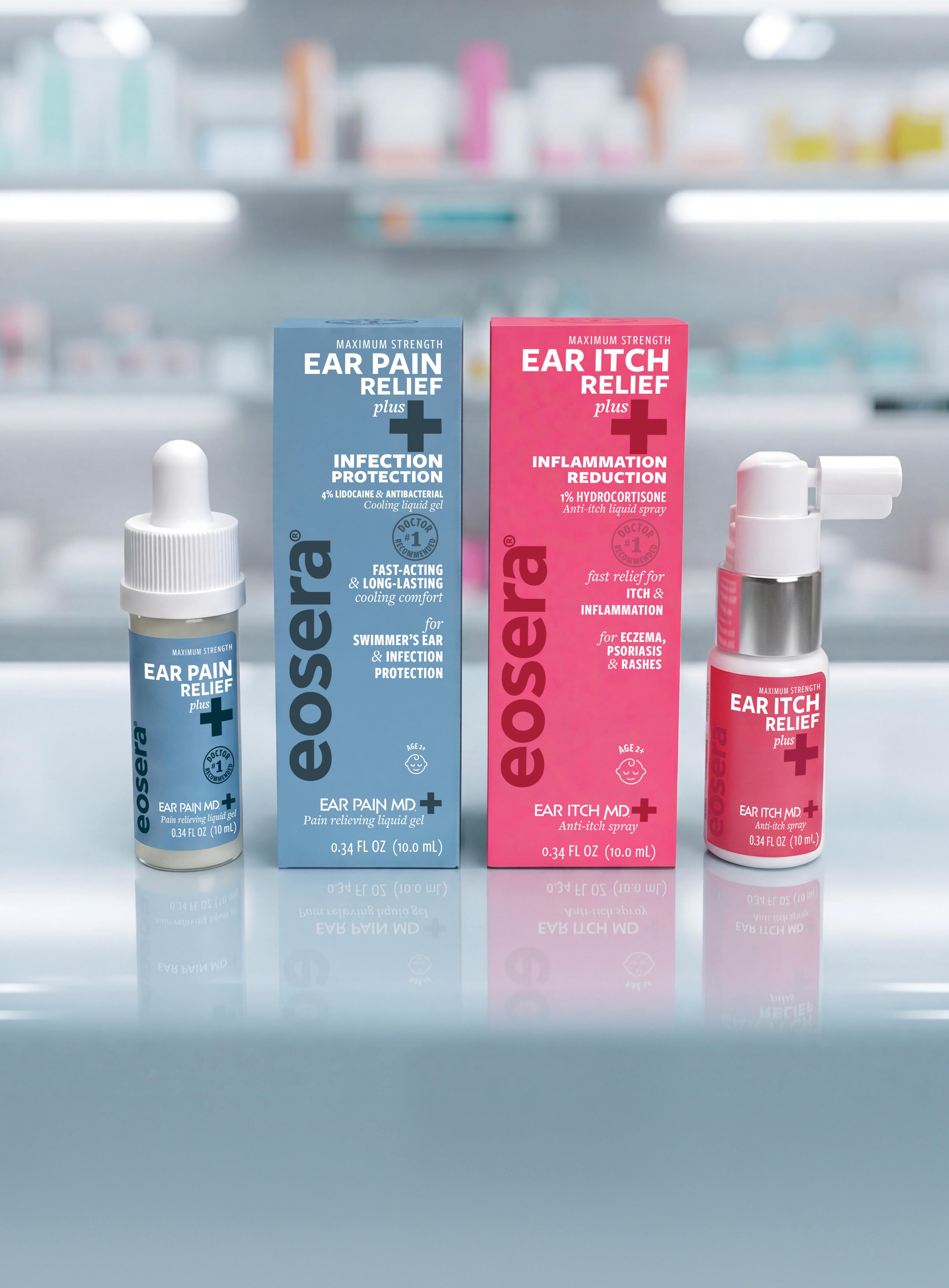
A story in the May issue, “Change Is in the Air,” incorrectly stated that Ear Pain MD Plus is designed to address chronic skin conditions such as psoriasis and eczema in the outer ear canal. That indication applies to Ear Itch MD. The story has been corrected and DSN regrets the error.
A powerful 4% lidocaine formula with Thymol to guard against infection
Perfect for:
Swimmer’s ear
· Infection protection
Painful earaches
An advanced anti-itch ear spray with 1% hydrocortisone for inflammation reduction
Perfect for:
Eczema, dermatitis, psoriasis
· Itchy, inflamed ears
“The ear care category has lacked meaningful innovations for a long time. We’re here to redefine it, and we’re just getting started!”
Elyse Stoltz Dickerson, Founder & CEO

1
HRG’s five notable products from June
2
3
Product introductions grew for the second straight month as suppliers rush to meet consumer demand.
In June, suppliers introduced 185 new products, 32 more than the 153 they unveiled in May. Waukesha, Wis.-based HRG reviewed 8 products in the health category (compared to 14 in May), 137 products in the beauty aisle (compared to 33) and 40 products in the wellness space (compared to 88) to see which ones stood out as Products to Watch.
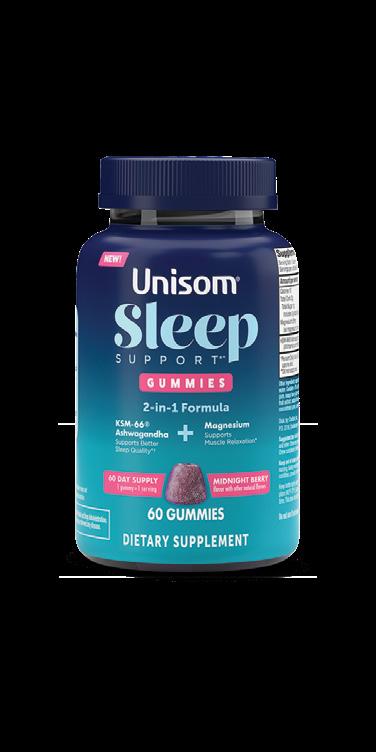
Opella said its Unisom Sleep Support Gummies contain a 2-in-1 formulation that features a combination of magnesium and ashwagandha. The magnesium supports muscle relaxation and promotes muscle and nerve health, while the ashwagandha supports better sleep quality and helps calm occasional stress.* The gummies are free from melatonin, artificial dyes and artificial flavors. One bottle contains 60 gummies in a Midnight Berry flavor.
*These statements have not been evaluated by the Food and Drug Administration. This product is not intended to diagnose, treat, cure or prevent any disease.
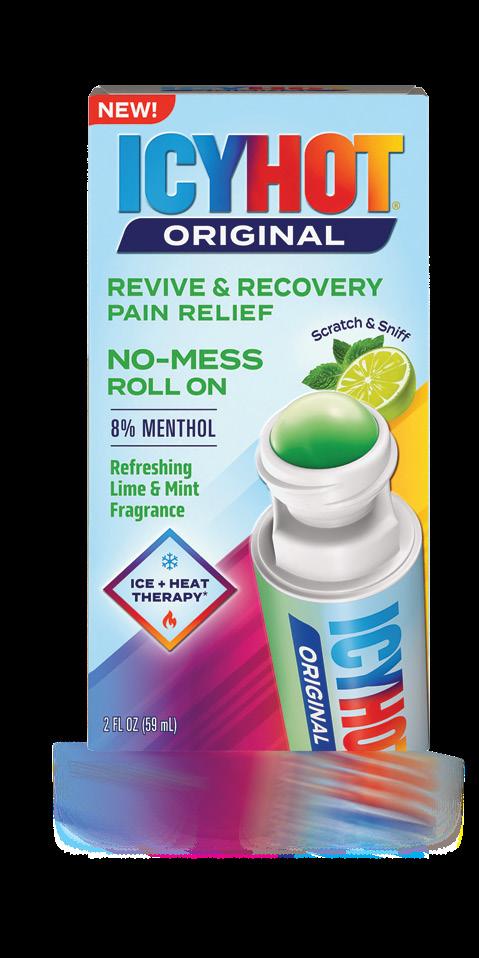
Opella has introduced Icy Hot Revive & Recovery Pain Relief No-mess Roll On in a lime and mint scent. The brand said the product is made with renewable ingredients, seven essential oils and one biotechnology ingredient. It’s designed to relieve minor muscle aches and joint pains associated with arthritis, backache, strains, sprains and bruises. The roll on comes in a 2-oz. bottle and contains 8% menthol.
4
5
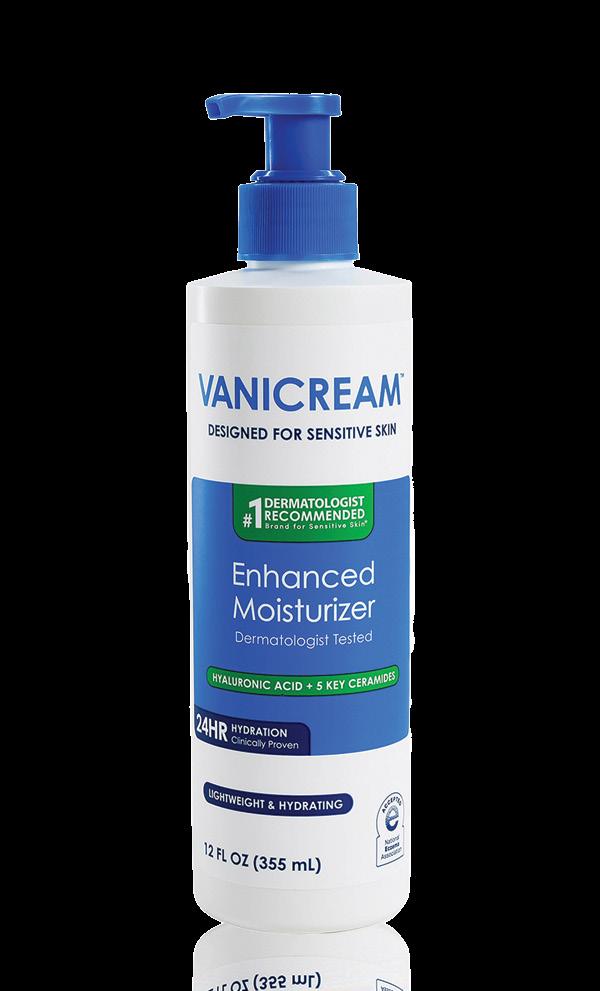
Pharmaceutical Specialties, Inc, said its Vanicream Enhanced Moisturizer lotion is a silky, lightweight product that provides effective hydration day and night for sensitive skin. It’s formulated with hyaluronic acid, five key ceramides and glycerin to hydrate and retain the skin’s moisture and support a healthy skin barrier. The brand added that the lotion delivers 24-hour hydration to leave the body and face feeling soft and moisturized. It comes in a 12-oz. bottle.
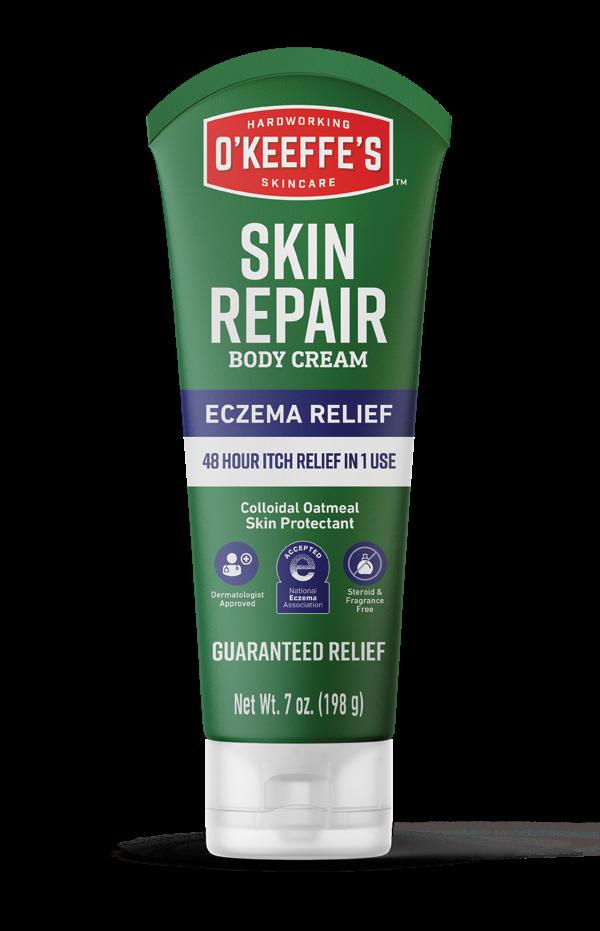
O’Keeffe’s Skin Repair Eczema Relief Lotion is an all-over body cream with 2% colloidal oatmeal skin protectant. It is designed to provide instant relief and moisturize extremely dry, itchy, irritated skin caused by eczema flare ups. According to materials, the lotion is dermatologist approved, steroid and fragrance free, unscented and non-greasy. It also is accepted by the National Eczema Association, hypoallergenic and safe and effective for people with diabetes. It comes in a 7-oz. tube.
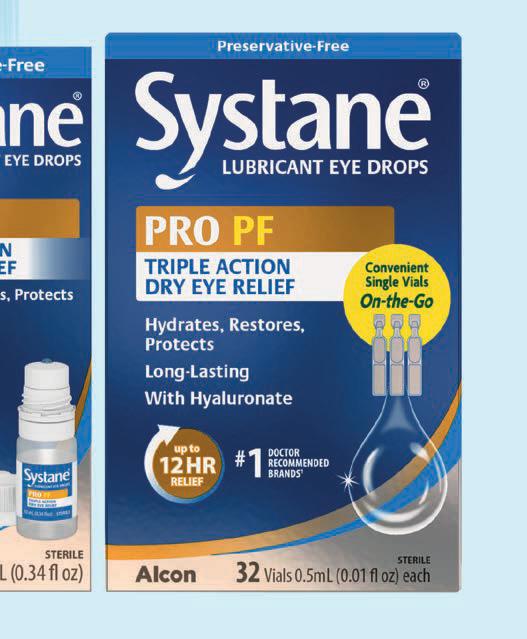
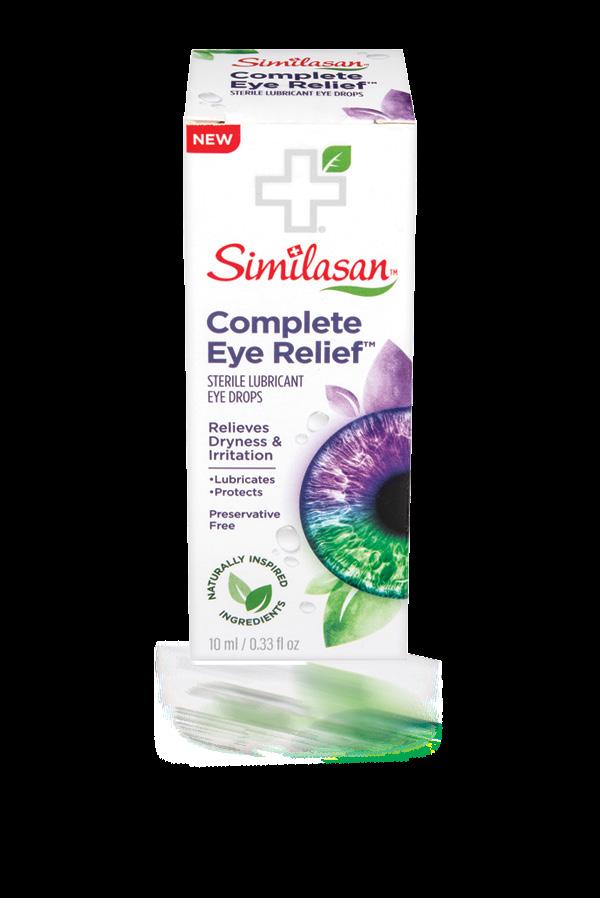
Similasan said its Complete Eye Relief Drops to address multiple common eye discomforts in one formula. According to the company website, the eye drops instantly relieve dryness and irritation, lubricate and protect eyes with a moisture barrier to lock in lasting hydration. The drops are preservative free and enhanced with ectoin, a high-performance hydrator and natural moisturizer, the brand added. The drops come in a .33-oz. bottle.

Retailers are evaluating which suppliers can help drive smarter category decisions
By Jason Reiser

There was a time when a supplier could walk into a retailer meeting with a strong story, a few solid charts and a shelf recommendation that looked good on paper and leave feeling pretty good about the conversation. Those days are over.
Retailers are now navigating changing shopper habits, faster merchandising timelines, nonstop digital commerce and growing pressure to make smarter, faster decisions. That has fundamentally changed what they need from suppliers. Category leadership is no longer just about shelf layout or showing up for a line review. It is about helping retailers grow the category in ways that are measurable, executable,and relevant across the entire shopper journey.
The pressure is higher because the shopper path is more fragmented than ever. Shoppers move fluidly across physical stores, retailer apps, search, social platforms and digital marketplaces, often within the same purchase cycle. Digital behavior is now embedded even in everyday categories, which changes what retailers need from suppliers. At the same time, many consumer products companies are operating in a tighter growth environment, with price carrying more of the load than volume in many categories. This
Jason Reiser is chief executive officer of Market Performance Group.
makes every assortment decision, modular change and merchandising investment more important. Growth is harder to come by, so suppliers need a clearer point of view and a stronger case for action to stay relevant.
I’ve seen that evolution from both sides of the table, and our Deep Dive Category advisory team sees it every day across retailers and categories. One thing is clear: the brands creating the most value today are the ones that turn category thinking into real-world execution.
They aren’t just bringing recommendations. They’re bringing a stronger point of view, better proof and a clearer path to action. That’s what merchants want. In a tougher market, it can make a real difference in growth and credibility.
You can see that especially clear at Walmart, where the scale is massive, the pace is fast and execution gaps show up quickly. Across retail, merchants increasingly want partners who understand how the physical shelf, digital shelf and operational execution work together and how to measure the business impact across all three.
And this is where many brands lose ground. Even the right recommendation can stall if the support behind it is
inconsistent. The modular strategy may be right, but the submission is late.
The analytics may be sound, but the digital shelf does not align with the in-store story. The reset happens, but the follow-through is uneven. When any one of those breaks down, the gap becomes the story, and credibility starts to slip.
That’s why the strongest brands are approaching category captaincy differently now. They’re treating it less like a presentation and more like a business capability. It starts with an unbiased, shopper-led story that is building a foundation of stronger first-party insights and omnichannel analytics, carried through into assortment strategy, modular development, digital shelf health, and post-reset follow-through—a full cycle process. Put simply, the category story has to work everywhere the shopper sees it. If it only works in one place, it’s not enough.
Retailers are not simply evaluating products anymore. They are evaluating which suppliers can help drive smarter category decisions and execute them consistently across channels. That is the new category conversation. The question is whether brands are still preparing for the old one or ready to lead the one retailers are having now.




























Retailer-university partnerships help pave the way for careers in community practice
By Mark Hamstra

“Catalyst Events are one way we are bringing together payers, providers and pharmacists to advance the practice of pharmacy and build more sustainable business models in the community pharmacy setting.”
— Mary McClurg,
professor, executive vice dean and chief academic officer, UNC Eshelman School of Pharmacy



Gone when completed
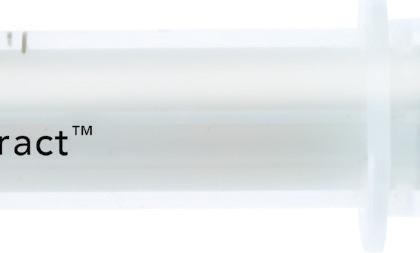
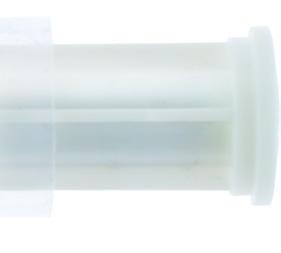
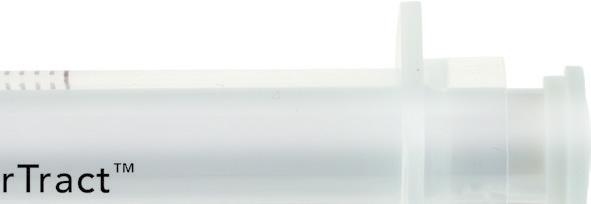
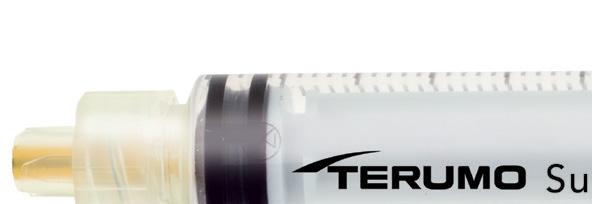
Terumo’s innovative SurTract™ safety syringes and needles provide a passive safety system, while minimizing patient discomfort during injection*.
Once the plunger is fully depressed, you’ll hear a “click” followed by automatic needle retraction into the plunger body – reducing the risk of needlestick injuries.*

The nation’s pharmacy schools are taking steps to better prepare students for careers in retail pharmacies, and even to encourage it. Increasingly, schools are working more closely with retailers and their associations to evolve their training and encourage more students to consider retail residencies and careers.
The University of North Carolina’s Eshelman School of Pharmacy, for example, has been expanding the availability of the internships it offers in the retail pharmacy space, said Mary McClurg, professor, executive vice dean and chief academic officer at the school. “It’s one of our fastest growing internship areas,” she said.
During the past two years, the school has seen 12 of its graduates enter post-graduate, year-one residencies in community pharmacy and 12 others secure direct-hire positions in community pharmacy, said McClurg. That’s about 9% of the total number of students who graduated during that time.
Community pharmacy in rural areas is an area of particular focus for the school given that so much of the state’s population lives in rural areas that are often underserved. The school makes an outsized effort to ensure that students are aware of the opportunities that are available to them in these settings, McClurg said.
The school also offers an increasing number of what it calls “Catalyst Events,” featuring various members of the healthcare community, including physicians, payors and community pharmacists. These events, which take place in communities around the state, allow local clinics and pharmacies to highlight best practices and successful team-based care examples, with the goal of improving outcomes and potentially impacting policy change, she said.
“The Catalyst Events are one way we are bringing together payors, providers and pharmacists to advance the practice of pharmacy and build more sustainable business models in the community pharmacy setting,” said McClurg.
The school also has introduced a Business of Healthcare certificate program that aims to provide pharmacy students with training in management, financial operations and leadership skills that could be applied in modern pharmacy settings, she said. The certificate program includes seminars where pharmacy owners and others in the industry discuss their real world business experiences.
The Eshelman School of Pharmacy was one of the first schools to participate in the Walgreens Community Practice Shared Faculty program, through which Walgreens pharmacists spend one day per week mentoring and training student pharmacists. The program was developed in collaboration with the Walgreens Deans Advisory Council, which works with pharmacy schools to identify ways to attract, retain and develop future pharmacists.
At the University of Maryland School of Pharmacy, Dr. Agnes Ann Feemster, associate dean for faculty and academic affairs, said the school has evolved its training to meet the demands of the modern pharmacy environment. It recently introduced what it calls the M-Pact curriculum, which allows students to tailor their coursework to meet individual learning objectives and prepares students for potential careers as independent pharmacists.

The COVID-19 pandemic reinforced that pharmacists need to be “flexible, adaptable and comfortable making decisions in fastchanging environments,” Feemster said.
“Because of that, there has been a shift away from traditional lecture-heavy models toward a more student-directed, competency-based approach that emphasizes critical thinking, problem-solving and practical application,” Feemster said. “These skills are essential in today’s retail settings.”
Feemster listed several areas where the University of Maryland has boosted its curriculum to support careers in the modern community pharmacy:
» Digital health and artificial intelligence: Students are now regularly exposed to digital therapeutics, clinical decision support tools and emerging uses of AI. “The goal is to help them understand when and how to use these tools to support patient care and improve workflow,” said Feemster, adding that the school has also added a master of science degree in AI for drug development.
» Pharmacogenomics and precision medicine: The school has expanded its focus on pharmacogenomics so students can begin to incorporate genetic information into medication decisions.
» Expanded scope of practice: “We intentionally train students in areas like point-of-care testing, immunizations, and managing common acute conditions,” said Feemster. “Just as importantly, we focus on the communication and clinical reasoning skills needed to deliver these services in a busy retail environment.”
» Team-based, community-focused care: Students learn how community pharmacists fit into larger care teams and how they can collaborate effectively within their communities by participating in interprofessional education and practice experiences.
» Early and longitudinal experiential learning: The school’s new curriculum, PharmD M-Pact, provides opportunities for students to experience practice settings earlier and more often, including community pharmacy. This “helps them explore career paths sooner and build confidence interacting with patients,” said Feemster.
» Innovation and “pharmapreneurship”: “We’re also encouraging students to think beyond traditional roles: how they can create, lead, and expand services within community pharmacy settings as practice continues to evolve through a new seminar series in the M-Pact curriculum,” she said.
» Competency-based education and Entrustable Professional Activities: “We use EPAs to define the core tasks that graduates should be able to perform independently, such as delivering patient-centered care, managing medication therapy and collaborating with other providers,” said Feemster. “This approach helps ensure that students are not just learning concepts but are truly practice-ready and able to carry out the day-to-day responsibilities expected in community pharmacy.”
“Overall, our M-Pact curriculum is designed to be more flexible and integrated, with a strong emphasis on real-world application,” she said.
Recent PharmD graduates embrace community pharmacy
Recent pharmacy school graduates who have launched their careers as retail pharmacists report that they were well-prepared for their new roles.
They chose to work in retail settings because of the opportunities it provides for direct patient interaction and the positive impact they can have on their patients’ health.

Olivia Leonardis Walgreens Pharmacy manager, Old Bridge, N.J
“I enjoy the opportunity to build meaningful relationships with patients and use my clinical knowledge to help improve health outcomes through education, medication management and patient-centered care. I believe that accessibility and consistency in patient relationships are key to empowering individuals to take an active role in their health.”
“Community pharmacy appealed to me because pharmacists are among the most accessible healthcare professionals,” said Olivia Leonardis, a Walgreens Pharmacy manager at a store in Old Bridge, N.J. “I enjoy the opportunity to build meaningful relationships with patients and use my clinical knowledge to help improve health outcomes through education, medication management and patient-centered care. I believe that accessibility and consistency in patient relationships are key to empowering individuals to take an active role in their health.”
Leonardis, who earned her PharmD degree from the University of Pittsburgh School of Pharmacy, said the job has largely aligned with her expectations, which she attributes in part to the fact that she spent eight years working at Walgreens and several independent pharmacies as a technician and intern.
“I was fortunate to have mentors who regularly involved me in both clinical decision-making and business operations, allowing me to see the full scope of the pharmacist’s responsibilities before graduation,” she said.
Leonardis also said her education at the University of Pittsburgh prepared her well for the role.
“What made my experience so valuable was not only the quality of the curriculum, but also the people,” she said. “I learned from exceptional clinicians, educators and leaders who challenged me to think critically and continually grow as a healthcare professional.”
The school embraced innovative learning methods, such as simulation-based education and virtual reality, to prepare students for real-world practice, she said. In addition, the school’s close relationship with the Pennsylvania Pharmacists Association and other professional organizations provided networking and other opportunities.
“These connections helped me build a professional network, explore diverse career paths, contribute to legislative and advocacy efforts and give back to the community,” said Leonardis. “Most importantly, the program continually pushed me outside of my comfort zone.”
She said the pressures of pharmacy school helped her develop resilience that continues to pay dividends in her work as a pharmacist. “The ability to stay focused, adapt and perform under pressure is just as valuable during a busy 12-hour shift as it was during pharmacy school,” she said.
“There has been a shift away from traditional lecture-heavy models toward a more student-directed, competencybased approach that emphasizes critical thinking, problem-solving, and practical application.”
— Dr. Agnes Ann Feemster, associate dean for faculty and academic affairs, University of Maryland School of Pharmacy
Although Leonardis had nothing but praise for her education at the University of Pittsburgh, she said she’s identified some areas where pharmacy education overall could stand to evolve to meet the changing demands of the profession.
“One area where pharmacy education could improve is in how career paths are discussed and valued,” she said. “Throughout pharmacy school, there was often an unspoken pressure, primarily from peers, to pursue post-graduate training such as residencies or fellowships.”
Leonardis said she’d like to see pharmacy programs place more emphasis on the value of all career paths available to PharmD graduates.
“I also believe there are misconceptions about community pharmacy that deserve to be challenged,” she said. “Community pharmacists serve as the final safety checkpoint before medications reach patients, identifying potential errors and preventing harm. They navigate complex federal, state, local and corporate regulations while providing accessible healthcare services and trusted guidance to their communities. For many patients, community pharmacists are among the most familiar and trusted healthcare professionals they encounter.”


Lee relishes patient interaction
Peter Lee, who works as a pharmacist at a CVS in Nicholasville, Ky., said he chose a career in retail pharmacy because he wants to be of service to his patients and to the community. His desire stems in part from the challenges that he saw his parents face when interacting with medical professionals because of their limited English speaking skills.
“I did rotations in a hospital, and honestly, sitting in front of a computer and looking at a patient’s chart isn’t really me,” he said. “I like the patient interaction in a retail setting.”
Lee is currently in the CVS PMEL training program to become a pharmacy manager, after he graduated from the University of Kentucky with a PharmD degree last year. He had worked as a pharmacy technician for about a year before going to school to become a pharmacist.
The experience working in retail as a technician and then an intern helped shape his expectations for the demands of the profession, he said.
He said his pharmacy education at the University of Kentucky prepared him well for his position as a retail pharmacist, but there are still a lot of nuanced situations that pharmacists have to deal with every day.
“School prepares you to have a blackand-white answer, but in practice there are a lot of gray areas,” he said.
He said he understands why some people might have a negative impression of retail pharmacy as a career.
“You have to handle a lot of people’s frustrations,” said Lee. “If they can’t get their medications, or they have problems with their insurance … I feel like I can help them traverse these problems and find an answer.”
Fahmie cites strong support from CVS Elisa A. Fahmie is working as a district support pharmacist for CVS after completing a residency program at the company’s headquarters in Rhode Island. She completed most of her PharmD degree studying remotely at the Lake Erie College of Osteopathic Medicine in Lake Erie, Pa., after previously working as a pharmacy technician for more than 10 years, first at Publix Super Markets and then at CVS. While she continues to work for CVS, she’s also starting a second, one-year residency in a corporate hospital system setting to further explore that aspect of pharmacy and expand her education.
Fahmie said the training she’s had during her residency at CVS has helped her
There is often a subtle bias against pursuing a career in retail pharmacy that has emerged on the campuses of pharmacy schools, said Lee Vermeulen, executive VP and CEO at the American Association of Colleges of Pharmacy.

To counter these negative perceptions about the community pharmacist profession, the industry needs to celebrate those graduates who take the “direct-to-practice” career path, in which they may opt to forgo a residency in a hospital and instead choose a retail pharmacy career, he said.
One of the ways that pharmacy schools can encourage more students to think positively of retail pharmacy careers is to hire more teachers who have a background in retail pharmacy, said Vermeulen. While European pharmacy schools commonly have a significant number of faculty from community pharmacy backgrounds, that segment of the profession is vastly underrepresented at most U.S. schools, he said.
“Some schools are doing an amazing job, and they’ve got large groups of faculty who are from that setting and are advancing community practice, but it’s not enough,” he said.
Pharmacy schools have also reduced the amount of focus they place on entrepreneurship. In the past, schools often emphasized training pharmacists to become pharmacy owners, but curricula have shifted toward other areas of pharmacy.
Overall, however, Vermeulen said he thinks pharmacy schools are doing a good job preparing students for retail pharmacy careers.
“I think the core curriculum has actually been doing a really good job of preparing practice-ready pharmacists, whether they’re going into hospitals or health systems or going into community pharmacy or any other career paths,” he said. “I think what we’ve seen over the last several decades has been a shift in focus, to preparing students for that wide range of practices, and we reached a point where community practice has been given less attention, to the point of even discouraging pharmacists from practicing in a community pharmacy setting.”
The AACP and its member schools are making an effort to reverse that trend, however, in part through partnerships with pharmacy retailers and pharmacy associations. With the support of AACP, schools are also focusing on some of the key areas of concern for the retail pharmacy industry, such as how to bill for the care that pharmacists provide and how to counsel patients interested in self-care with over-the-counter products.
The AACP is also working with retailers to help their preceptors—the professionals who train and mentor future pharmacists during residencies or internships—better convey the opportunities for an exciting and rewarding career in a retail pharmacy setting.
“We have to get the message out that you’ve got to be part of the solution and you’ve got to be excited about our profession,” said Vermeulen. “We’ve got to make community pharmacy cool again.”

significantly. In particular, she cited the retailer’s Pharmacy Manager Emerging Leader program.
“It prepares you for retail management — people management, inventory management, all the different areas of pharmacy leadership — and in many different aspects of pharmacy that we will use throughout our careers,” she said.
She also said her time at CVS also included exposure to different areas of pharmacy practice, including working in the company’s Minute Clinic and Oak Street Health divisions. In addition, CVS also covered the cost of a training program that helped Fahmie prepare to take the North American Pharmacist Licensure Examination, commonly known as NAPLEX.
Fahmie said retail pharmacy had a reputation as a challenging work environment, but her work as a pharmacy technician helped prepare her for the role.
“The [reputation] is that retail is a busy work environment, which wasn’t a surprise to me because I worked in a community setting before,” she said, adding that the elevated pay structure reflects the high volume of work. “It’s also something that you’re able to handle right out of school, versus a lot of the clinical or hospital settings.”
Working in retail also provides Fahmie with the opportunity to interact directly with patients, which is an aspect of pharmacy that she enjoys.
BEAUTY
DSN’s Retail Excellence Awards recognize manufacturers for innovations in beauty
By Nora Caley
In the midst of economic uncertainty, consumers are putting on a brave face, but they’re also putting on a refreshed, smooth and on-trend appearance. According to Circana, prestige beauty dollar sales grew by 6% to $8.1 billion in the first quarter of 2026 compared to the same period last year, and mass retail sales rose by 7% to $18.1 billion.
Fragrance, facial skincare, hair treatments and personal care products like body lotion and washes performed well. Consumers prioritized self-care, elevated routines and wellness-driven products, while seeking value. Here are this year’s winners of DSN’s REX Awards—Beauty:

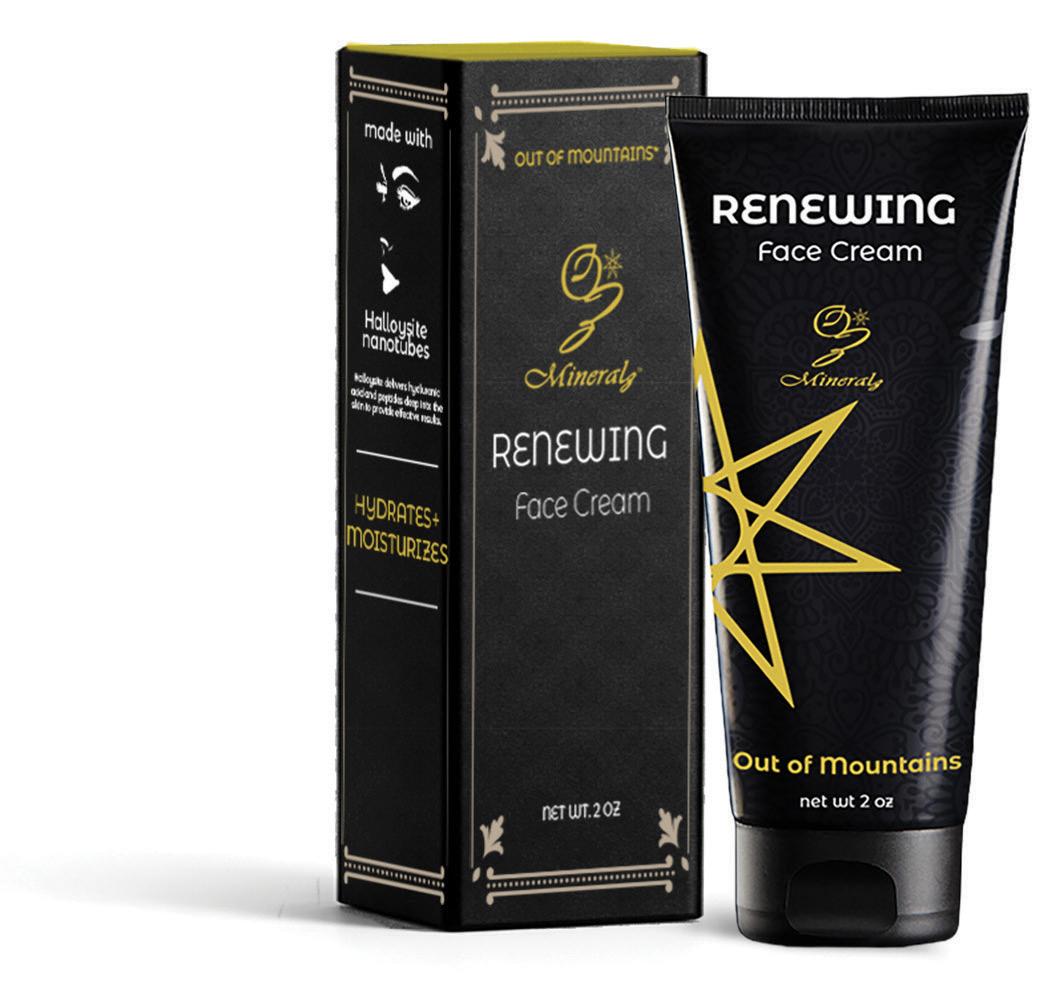
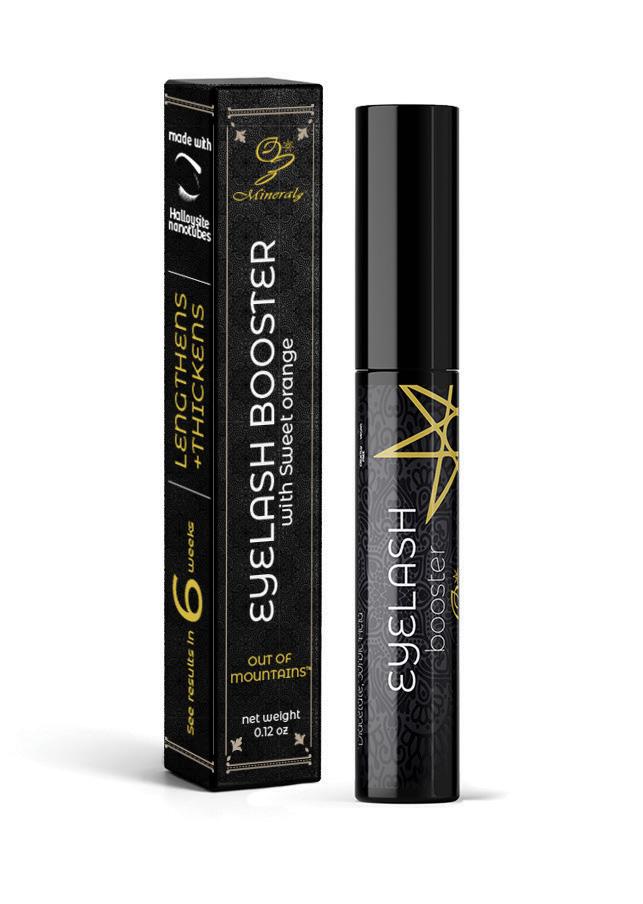
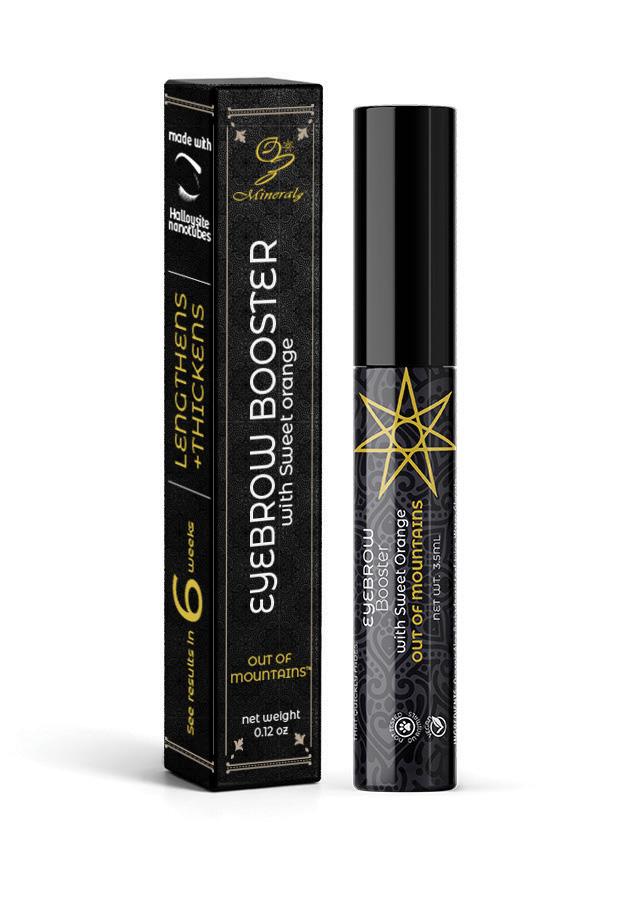
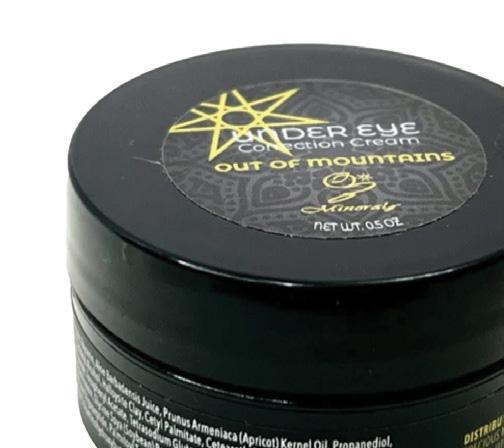
With a miner on the label to distinguish it from the women’s line, Out Of Mountains is a men’s skincare and grooming line from Precious Mineralz. The products include unscented and scented versions, and the coconut lime verbena scent has been very well accepted, the company said.
Products in the new line include Element DefianceFace and Body Lotion, Butt and Body Scrub, Whisker Mines Beard Oil and more. All products except the beard oil contain halloysite, a nanotubular kaolin clay.
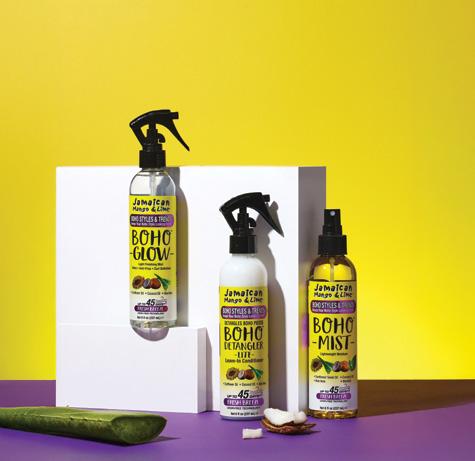
Last summer, Jamaican Mango & Lime launched its Boho Styles & Trends Collection, designed to help consumers maintain the popular boho braid style. This year the brand expanded the collection with products for moisture, manageability and scalp comfort. Each product is formulated with aloe vera, coconut oil and sunflower seed oil to deliver lightweight hydration and care without weighing down braids or curls. The new products are Boho Glow lightweight finishing mist, Boho Mist daily hydrating spray and Boho Detangler Lite weightless detangling spray.
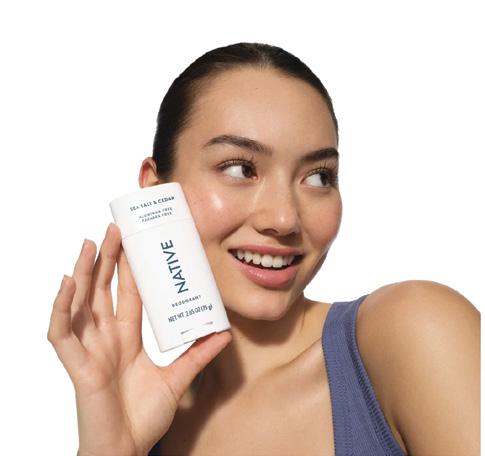
Native upgraded its deodorant offerings earlier this year. The company said the updated deodorant, available in stick and spray formats, delivers up to 72 hours of enhanced odor protection while remaining gentle on skin.
The deodorant stick is free of aluminum, parabens, phthalates, ozokerite and baking soda, and provides a smooth glide. The deodorant spray is free of aluminum and chemical propellants, dries quickly with no white residue and contains Vitamin B3. Both are vegan and cruelty free.
Vitamin and nutritional supplement company Nature’s Bounty introduced AgeDefying Skin Renewal. The supplement helps target five key signs of aging, including

FOR HAIR AND FOR YOUR BUSINESS.
Omega-rich hydration.
Antioxidant protection. Rejuvenating care.
FROMTHEVERYFIRSTUSE.
To tranform your bottom line, Obliphica Professional offers generous sampling, beautiful displays and comprehensive conmer media support
obliphica.com | 855-330-5530
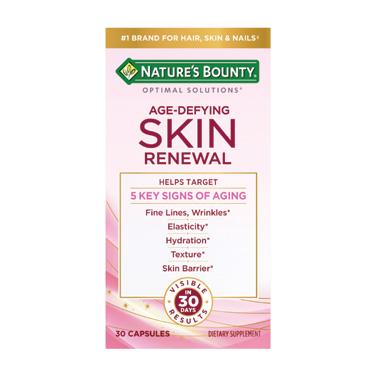
fine lines and wrinkles, elasticity, hydration, texture and the skin barrier. * The brand said the science-backed formula features clinically studied ceramides to reinforce the skin barrier and green tea extract to help fight free radicals in the body.*
Ceramides are naturally found in the skin and support skin hydration by helping to form a lipid barrier within the skin to retain moisture. Designed to fit into a daily nutrition routine, Nature’s Bounty Age-Defying Skin Renewal includes ceramides to support skin hydration, elasticity and appearance.*
*These statements have not been evaluated by the Food and Drug Administration. This product is not intended to diagnose, treat, cure or prevent any disease.
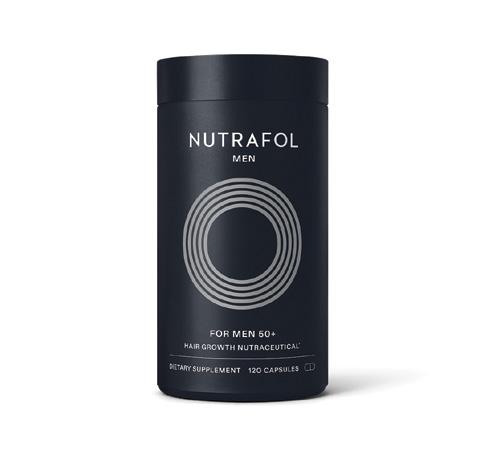
The hair growth supplement brand Nutrafol launched Nutrafol Men 50+ Hair Growth Nutraceutical. The company said that while hair thinning in men has long been addressed with generalized offerings, its Men 50+ product recognizes that hair health changes with age and requires targeted, whole-body support.
Nutrafol Men 50+ Hair Growth Nutraceutical is physician-formulated and clinically tested and is NSF certified for sport, which means it does not contain any of 290 substances banned by major athletic organizations. Key ingredients include Saw Palmetto, Moldavian Dragonhead, Spermidine and a blend of standardized probiotics, antioxidants and vitamins to replenish common nutrient gaps in men 50+.*
*These statements have not been evaluated by the Food and Drug Administration. This product is not intended to diagnose, treat, cure, or prevent any disease.
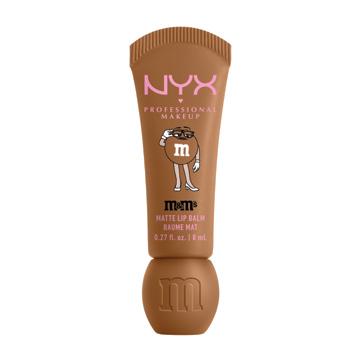
Combining nostalgia, pop culture and beauty, NYX Professional Makeup teamed up with Mars to release a special-edition collection, M&Ms Smushy Surprize Matte Lip Balm blind bags. The collaboration marked a first for the makeup brand, as it entered the mystery collectibles space, attracting Gen Z consumers who enjoy unboxing collectibles on TikTok.
The product lineup includes seven matte lip balms inspired by M&Ms spokescandies Green, Red, Yellow, Blue, Purple, Orange and Brown. Each package includes a surprise shade, and fans who collect all shades have a chance to win prizes. The accessibly priced, hydrating matte lip balms feature a milk chocolate scent.
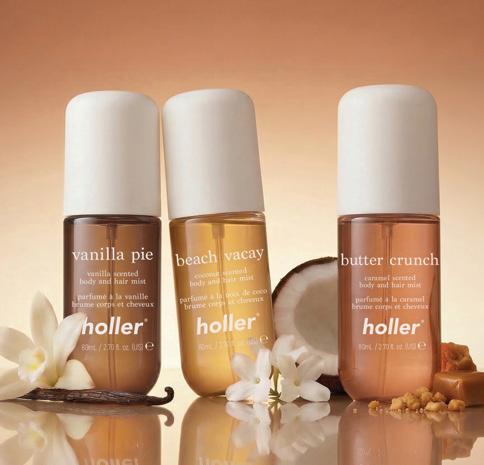
Holler introduced Mood Moment Mists, a fragrance collection featuring body and hair mists. The mists are dual-action formulas that serve as both a refreshing body spray and a lightweight hair mist. Holler Beach Vacay Body and Hair Fragrance Mist, Coconut Scented provides a tropical escape with fresh Hawaiian-inspired notes that evoke vacation. The lightweight, long- lasting scent is designed for everyday wear, with a lasting coconut, florals and musk scent that lingers from day to night without feeling heavy. The mists are also available in Vanilla Pie, Hazey Amber, Butter Crunch and Sunset Peach.
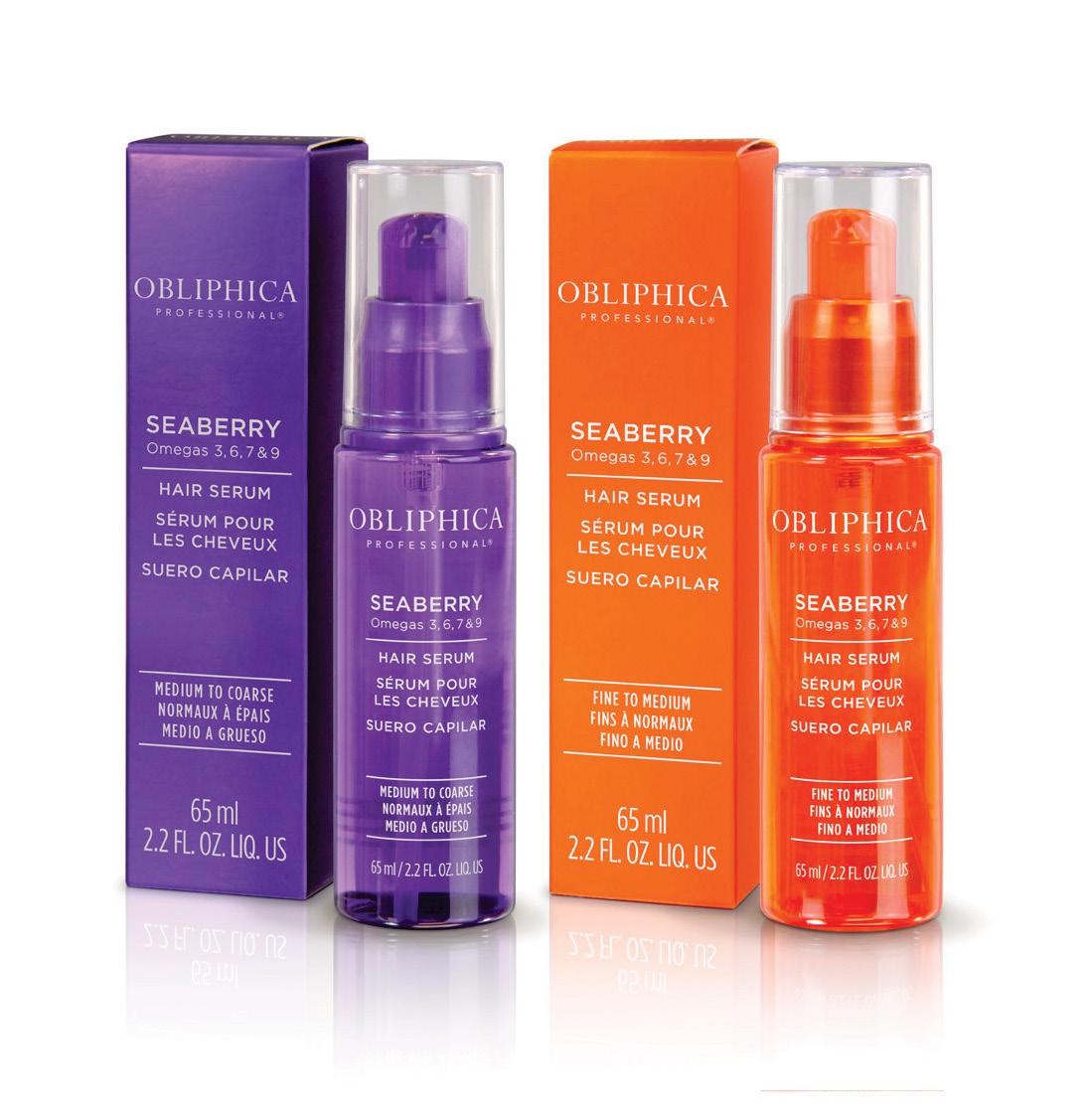
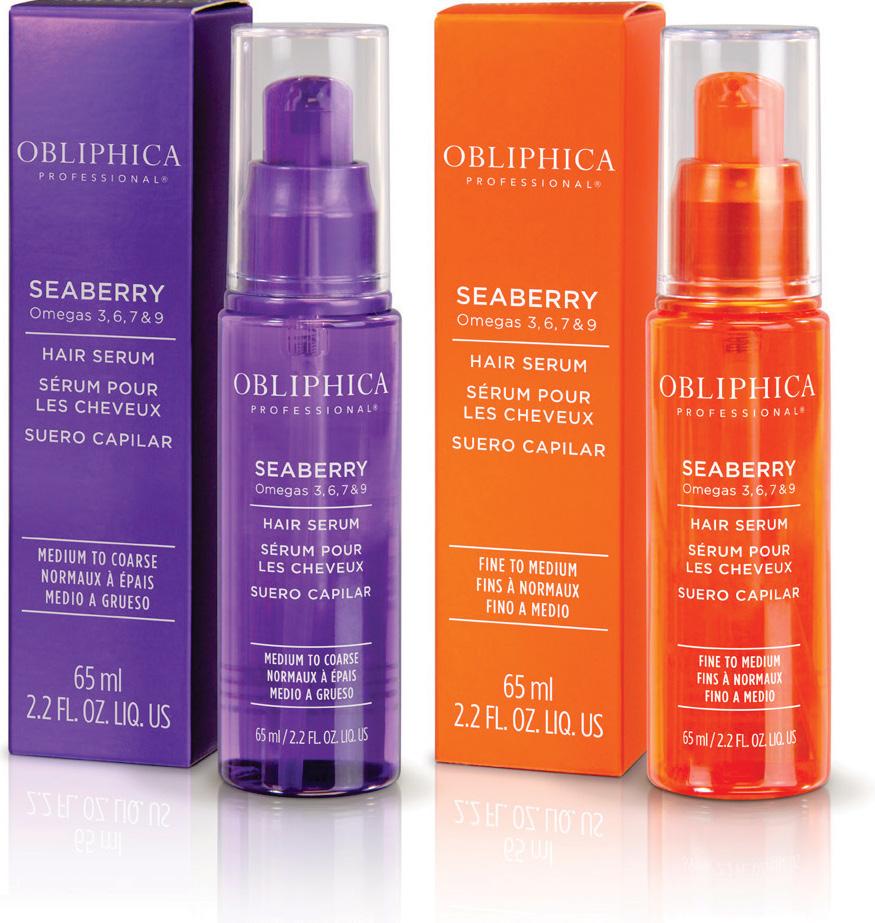
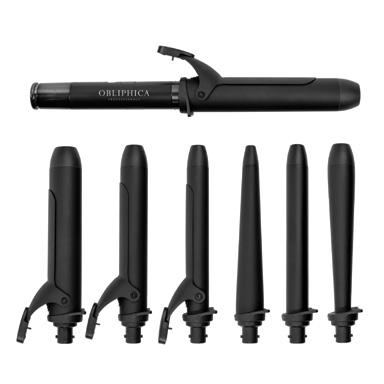
Obliphica Professional has a portfolio of hair care products across three categories. Scalp and hair treatments feature seaberry oil, which contains antioxidants, omega fatty acids and other bioactive compounds. Obliphica combines this botanical ingredient with modern science to deliver scalp treatments that support long-term hair health, strength and shine.
In hot tools, Obliphica partnered with Enzo Milano to develop products such as the G6 and G6+ Flat Irons, SX Smart Comb and BX Hot Air Brush. The Enzo Milano Collection of professional hot tools are engineered for all hair textures, with customizable heat, material performance and user safety.




















From localized assortments to AI-powered shade matching, the industry is adapting to meet the needs of an increasingly diverse consumer base
By Faye Brookman
he beauty industry’s continued growth is being fueled in large part by multicultural consumers.
“Despite ongoing economic pressures, beauty continues to outperform many other industries, reinforcing its role as a driver of growth across U.S. retail,” said Larissa Jensen, Circana’s global beauty advisor.
Mass market beauty sales, according to Circana, grew 5% to $72.7 billion in 2025. Two of the fastest-growing segments, hair and fragrance, over-index with multicultural shoppers.
More proof of the spending power of Black and Hispanic shoppers that Jensen shared is that they spent commensurately more on TikTok compared to other ethnicities in the fourth quarter of 2025.
The multicultural population has increased by more than 2 million people to represent about 43% of the U.S. population, according to the American Community Survey conducted in 2023.
With the growth also comes challenges of serving the needs of a wide variety of shoppers in finite space. AI and other technology tools help retailers fine-tune assortments, but building a sense of community has emerged as a factor in making sure all shoppers feel seen.
“At the end of the day, you have to listen to the consumer and
what they’re looking for and what’s important to them,” said Jeremy Lowenstein, chief marketing officer of Milani.
Many industry experts point to advancements CVS has made in merchandising for multicultural consumers.
“From a multicultural perspective, our community presence is one of our biggest strengths. With more than 9,000 stores nationwide, we’re able to localize assortments in ways that reflect the needs and preferences of the communities we serve, rather than taking a one-size-fits-all approach,” CVS Pharmacy said in an email to DSN.
“Our Hispanic-format stores, especially Navarro, take that localization a step further, reaching Hispanic and Latino customers through tailored store environments, bilingual signage and store colleagues, and a product assortment with brands like Dr. Simi that feels relevant to these communities,”
the company added.
In March, CVS expanded its Epic Beauty sale to more than 30 Navarro stores in Florida for the first time. The event was promoted in Spanish and English across multiple marketing channels, including Hispanic content creators, paid media and in-store communications.

CVS Pharmacy updated DSN on several initiatives, including the rollout of its mini program.
DSN: Update us on the mini program which debuted last year.
Michelle LeBlanc, VP of merchandising, beauty and personal care and Hispanic strategy team, CVS Pharmacy: We created our on-the-go beauty minis experience to meet a very clear consumer need: to make discovery and trial more accessible. As part of that, we now have more than 60 SKUs from 35 brands across skincare, haircare, body care, cosmetics and suncare and we are expanding the experience in more than 1,200 additional stores this summer.
What’s especially exciting is the breadth of the assortment. Customers will see everything from discovery-driven and trending brands to established favorites, including Vacation, Batiste, Mario Badescu, Lume, NYX and Tree Hut featured in our displays.
This expansion builds on the strong momentum we’ve seen since launching the experience into approximately 2,700 stores in October 2025. Year-todate in 2026, minis are performing well with sales up year over year, which tells us these products, and the convenience, value and discovery they offer, are resonating with consumers.
DSN: Do the minis encourage full-size sales or are they an impulse purchase?
ML: Our minis assortment creates opportunity for discovery by giving customers access to trending products and brands in trial sizes at an approachable price point. They’re also often the starting point for building longer-term routines. Customers have the opportunity to experiment with new brands and categories before moving to the full-size product.
What also makes our approach different is the combination of product discovery with education and support in-store. Our Beauty Consultants provide personalized recommendations and informed guidance that help customers better understand how products fit into their routines. When paired with instore education, minis can help move customers from inspiration to adoption.
DSN: Can you discuss CVS’ cross-generational beauty discovery opportunities?
ML: We see beauty as inherently cross-generational, but we’re aware that what customers are looking for often depends on the stage of life they’re in. For instance, we know younger consumers tend to be more discovery-led—they want to experiment, explore new brands and engage with the products and trends they’re seeing across social media. At the same time, more established customers are often looking for solutions that feel credible, effective and easy to incorporate into their routines.
With that, what makes CVS uniquely positioned is our ability to bridge both sides of that customer equation so they can discover what’s new while still feeling confident in what they’re purchasing. Everything from our curated assortment to our Beauty Consultant program is designed to make beauty feel easier to navigate, more approachable and grounded in expertise.
DSN: How do you balance trends and staples?
ML: We pay close attention to trends and cultural shifts, but our strategy isn’t about reacting to every viral moment. Our approach always starts with what will resonate, deliver results and fit naturally into customers’ rituals and routines long-term and we filter all of that through a lens of credibility, accessibility and everyday usability. The goal is to identify the trends and products that have the potential to drive ongoing engagement.
That’s also where formats like minis become especially valuable. They give customers a way to discover and experiment with trending products and brands, while also giving us the ability to test demand and scale thoughtfully based on sustained consumer interest.
“
Our Beauty Consultants are also highly representative of the customers shopping our stores, with 36% identifying as Hispanic and nearly half being multilingual,”
— Michelle LeBlanc, VP of merchandising, beauty and personal care and Hispanic strategy team, CVS Pharmacy
“Our Beauty Consultants are also highly representative of the customers shopping our stores, with 36% identifying as Hispanic and nearly half being multilingual,” CVS said in the email.
“That allows us to create a more personalized and culturally relevant in-store experience through informed recommendations and a deeper understanding of local customer needs.” Reaching the Latina consumer is important, according to Circana research. Hispanic shoppers’ average beauty spending is higher compared to nonHispanic customers, sparked by more units purchased and more trips per consumer. Together, mass marketers and pharmacies account for 30% of where the cohort shops for beauty, according to Circana. Hispanic consumers are willing to buy brands from Latina-owned brands, but at this point dollar shares of Latina-owned brands are low—suggesting a market opportunity. Latina women want products that understand their hair traditions, textures and ingredient stories, according to Juan Morillo, office manager for OKAY Pure Naturals.
Continue to full story here




GUARANTEED ONE-ON-ONE MEETINGS BETWEEN QUALIFIED BUYERS AND SELLERS FEATURING
Tracking the trends reshaping the nail category
By Faye Brookman

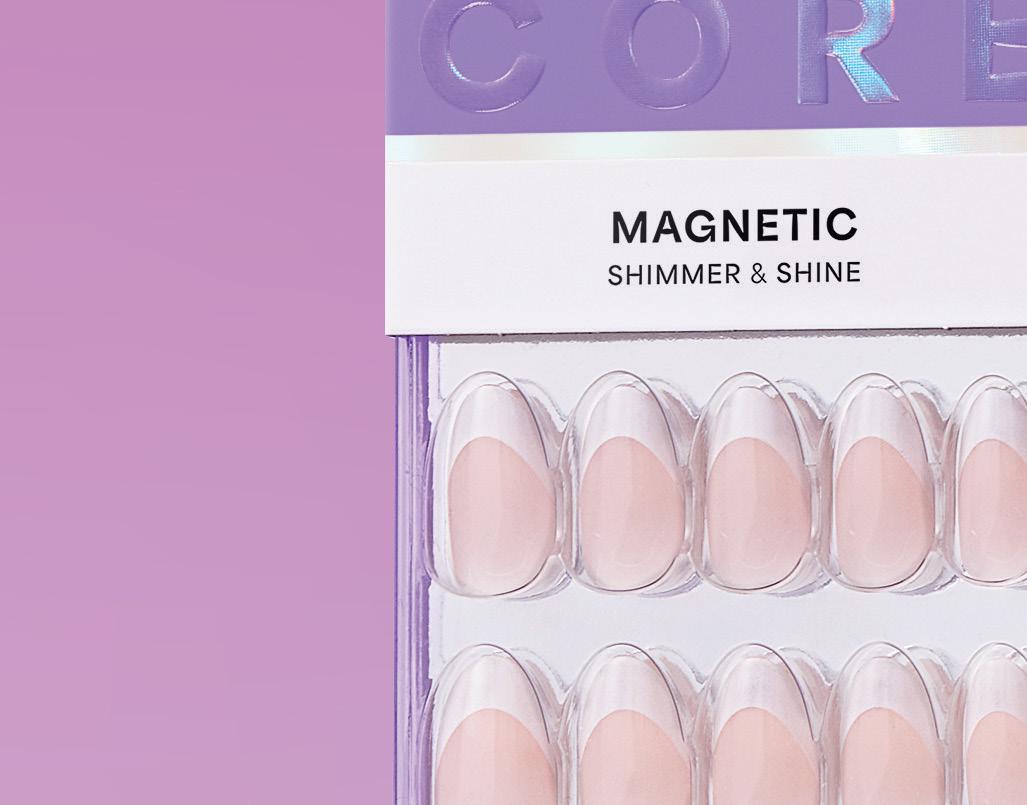
What makes artificial nails so attractive, especially to younger customers, is how quickly they can be changed to keep up with trends. TikTok and other social media posts can ignite nail color trends in seconds.
Consumers have spoken, and their preferences have rewritten the rules of merchandising in the nail category. While there are still ample choices of lacquers in mass market stores, the majority of retail space is now devoted to artificial nails and nail accessories.
Sales of nail products hit $2.3 billion in the past year, according to Circana year-end data. That’s up 2%, but the growth was propelled by artificial nails and accessories, which grew 12% to more than $800 million in 2025. That’s bigger than the $747.7 million spent on nail polish, where sales declined 3%.
Artificial nails are having more than a moment thanks to improved technology, new brands and growing acceptance from younger consumers. A shift from salon nails to do-it-athome also boosted artificial nails and at-home manicure tools, such as clippers and files.
“Press-on manicures and pedicures continue to gain traction as a convenient, at-home beauty solution,” said Kristin Giarrusso, director of nail marketing at KISS Products. “They allow consumers to build a flexible nail wardrobe, switch looks frequently and skip dry time entirely.”
Melissa Munnerlyn, cofounder and chief marketing officer of Daash Intelligence, an AI-powered marketing and intelligence
platform, confirmed shopper interest. “There’s a big boom in press-ons. Artificial nails outpace polish because you can do designs that would be hard and expensive to recreate [with polish],” she said.
Munnerlyn added that economic pressure also fuels sales of press-ons, which are also convenient for extending time between salon visits. Store checks validate the new nail landscape, which requires an assortment of tried-and-true polishes and innovations.
The assortment includes KISS, Plum and Olive & June.
At Walgreens, the major nail color brands are Sally Hansen, OPI and essie. The majority of footage is allocated to Olive & June gel polish, DIY mani kits and press-ons. Sally Hansen’s largest space is devoted to its Miracle Gel as well as its Salon Perfect Press-on nails.
Market leader KISS Products commands the largest footage, which spans its imPress and KISS brand.
Target also offers Olive & June, KISS artificial nails as well as Chillhouse Chill, a brand Kiss acquired late last year. The brand got its start in SoHo and maintains its flagship as a test track for new items. Chillhouse is also sold at CVS, Walmart and Free People.
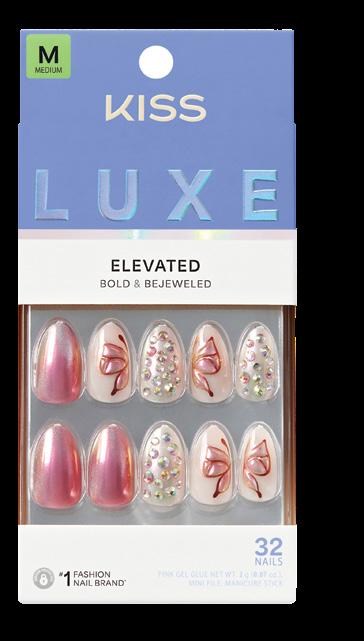
Walmart is the launch pad for KISS Luxe, a high-glam collection to look and feel like a custom salon set.

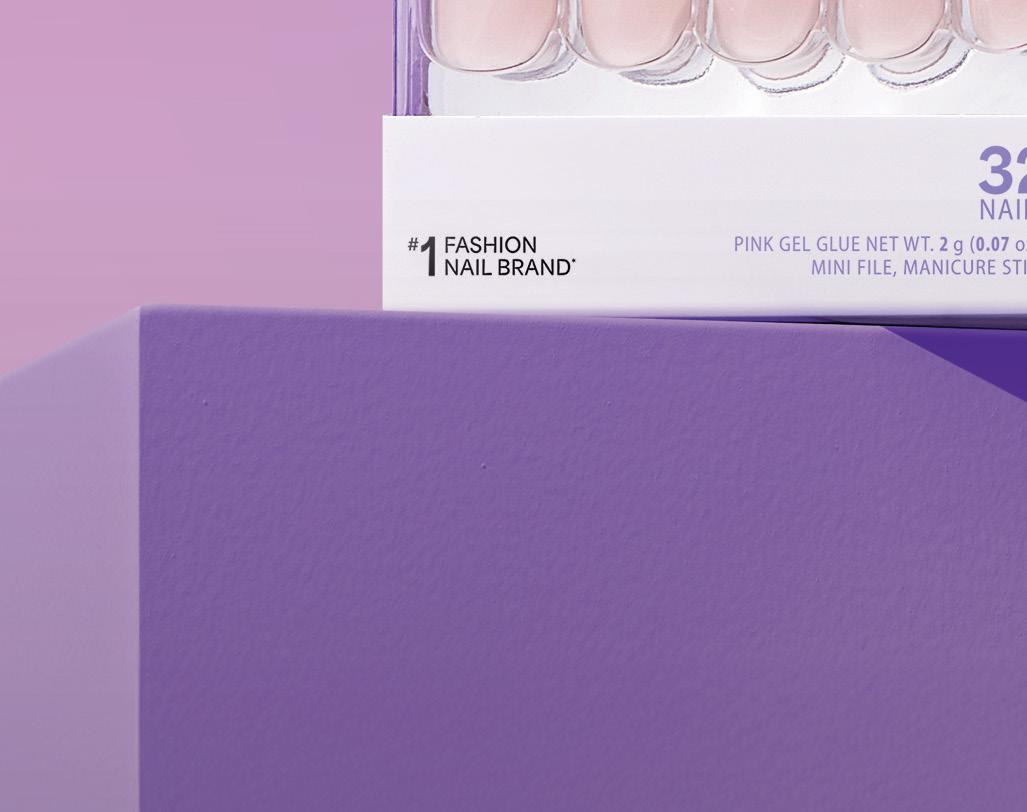



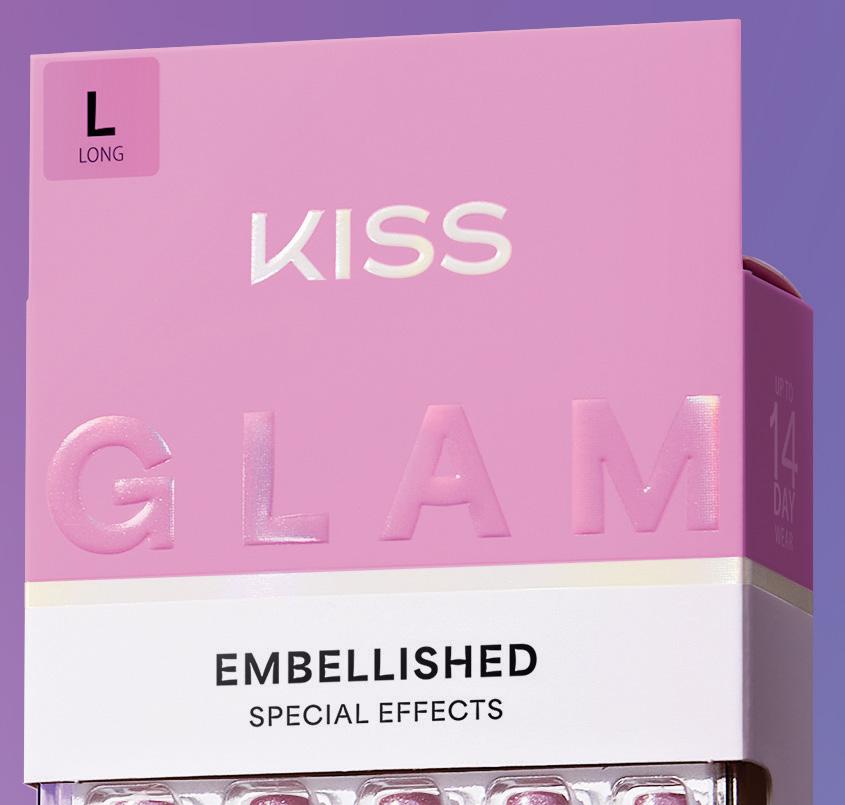
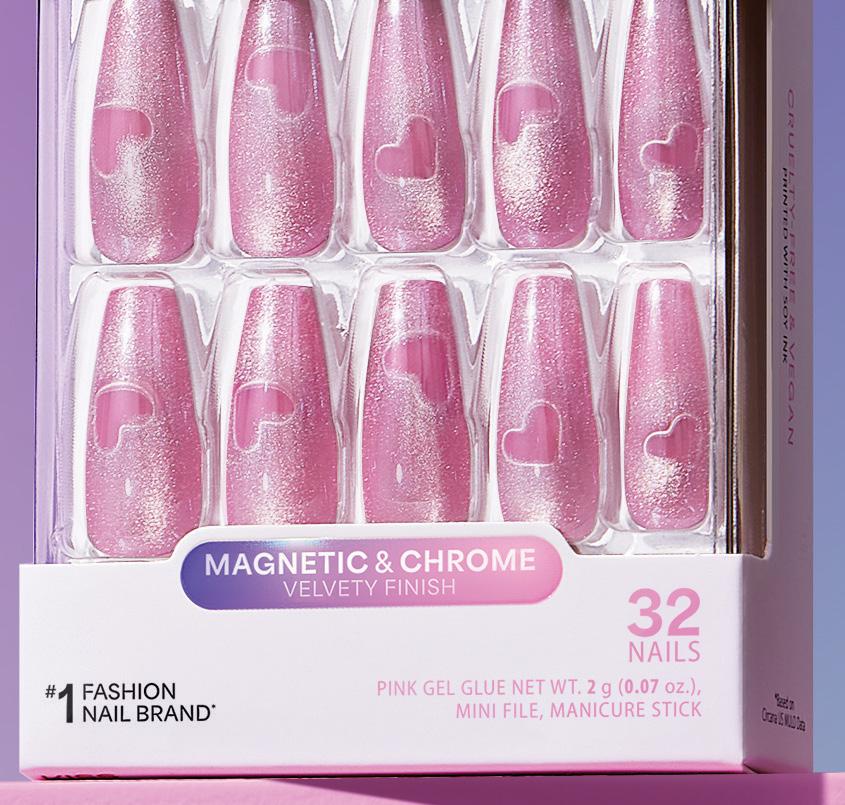


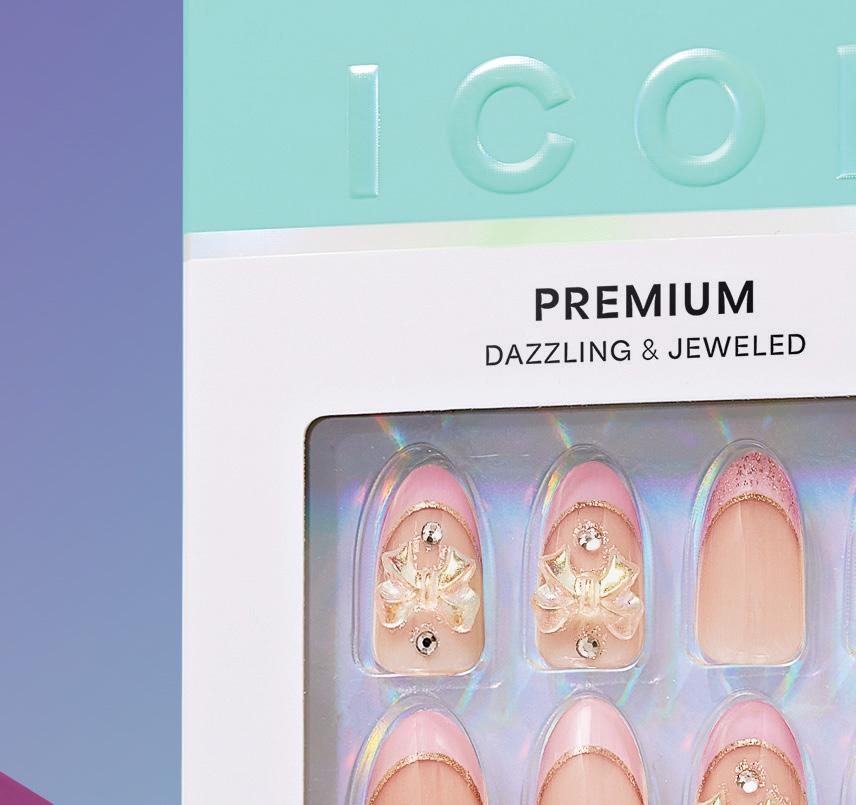






What makes artificial nails so attractive, especially to younger customers, is how quickly they can be changed to keep up with trends. TikTok and other social media posts can ignite nail color trends in seconds.
Munnerlyn pinpointed some of the current trends sending shoppers to nail aisles including “milky” nudes or special effects like chrome silver nails. On her radar are nails that look like metals or are made of metals. She also noticed sculptured looks that were big at May’s Met Gala, including one that was dubbed Wolf Claws.
KISS continues to bring the latest nail trends to mass through its namesake brand and ImPRESS nails. For summer, the company is highlighting tropical-inspired looks, elevated classics and coordinated sets, such as Melting + Cherry On Top, featuring juicy berry tones and a high-shine finish. “Consumers are updating classic nail styles with more expressive, trendforward interpretations,” Giarrusso said. For toes, KISS Core’s Step Into Style offers a subtle design upgrade, while KISS Luxe’s Jasmine Skies combines colorful gradients with seashell-inspired accents. KISS Glam’s Summer Drip refreshes the classic white French manicure with vibrant tropical florals.
KISS is also seeing demand for milky and pearlescent finishes. KISS Glam’s Stardust Wonder delivers an iridescent glow, while KISS Drip’s Dancing Heart pairs a matte green base with dimensional accents for a tropical look that transitions from day to night.
Celebrities are also talking about and posting about artificial nails. As she jetted off to Turks & Caicos in June, Kylie Jenner showed off what could be the trend of summer, pearlescent baby pink polish with rhinestone tips.
Activations also help build traction for nail styles. Sabrina Carpenter teamed up with KISS for an immersive speakeasy experience dubbed “The Pretty Girl Parlour” at Coachella.
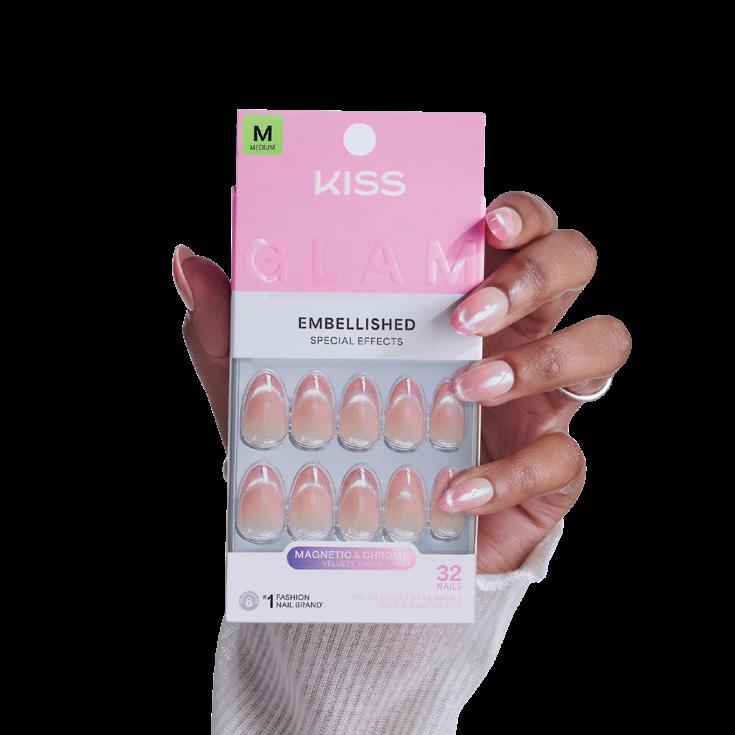
“Press-on manicures and pedicures continue to gain traction as a convenient, athome beauty solution. They allow consumers to build a flexible nail wardrobe, switch looks frequently and skip dry time entirely.”
—Kristin Giarrusso, director of nail marketing at KISS Products
Partnerships are also taking over the category including Olive & June’s latest collaboration with lifestyle digital creator Avery Woods at Ulta Beauty. Olive & June also had a successful tie-up with Bubble Skin Care.
Nails.Inc and Smucker’s collaborated on a limited-edition press-on collection featuring gel-like formulas enhanced with a berry scent.
Baked by Melissa teamed up with essie for a Gourmet Grocery nail polish collection.
“We are seeing a shift from nails as self-care to nails as making a fashion statement,” Munnerlyn said. While mass marketers control the business, she noted that higher-ticket products are emerging and getting the attention of specialty
retailers such as Sephora. “Trends usually go from prestige to mass; press-ons is the opposite. Pay attention to what is trending and be at the forefront,” she advised mass marketers.
Anything is game in nail care. Munnerlyn recently saw a barcode that can be stamped on fingernails allowing access to the wearer’s business card.
Looking into the future, robots could take over the manicure landscape. Ulta Beauty is testing out robotic manicure devices from 10Beauty that deliver salonquality manicures in about 25 minutes. The kiosks are now in place in select Ulta Beauty locations. Social media posts have mostly been favorable about the process, which costs $30.















































What was once a summertime essential is now a part of everyday skincare
By Nora Caley

t’s always sunny in the sun care category, as consumers rethink how they use sunscreen. SPF products have evolved from an occasional item for outdoor activities to an important component of everyday use. Product innovation and clear messaging about preventing skin cancer and other damage are helping drive sales in sun care products. According to Circana, dollar sales of sun care products in mass stores totaled $2.69 billion for the 52 weeks ending April 19, up 6.5% compared to the same period the previous year. Only part of the increase was due to higher prices, as unit sales were up 6.1%.
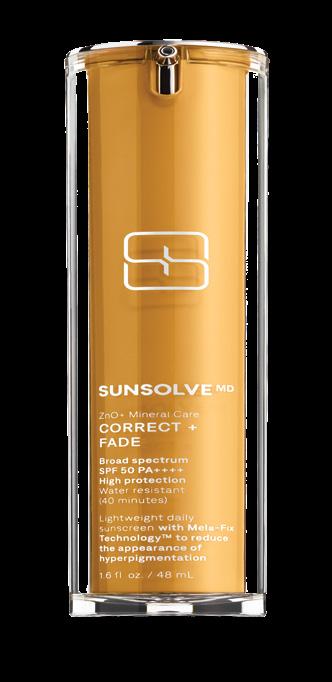
Perceptions are changing about sun care. “Consumers are no longer viewing SPF as a seasonal beach product,” said Portia Dieguez, co-founder and chief strategy officer of the clinical SPF skincare brand SunsolveMD by TheSolveMD. “It has become a daily skin health product integrated into broader wellness and preventative skincare routines.”
Ingredients matter. Mineral-based sunscreens contain zinc oxide or titanium dioxide that reflects ultraviolet light, working as a shield on the skin, but they often leave a white cast. Chemical-based sunscreens contain avobenzone, oxybenzone or octinoxate and absorb UV rays but may cause an allergic reaction or irritation, according to Cleveland Clinic.
Manufacturers are developing products that go beyond protection from sunburn and sun cancer and meet additional consumer demands. “Some of the most important areas of innovation include advanced mineral technologies with improved cosmetic elegance, skin-tone adaptive tint systems, barriersupportive formulations, antioxidant protection and products designed for specific skin concerns such as hyperpigmentation, acne-prone skin, rosacea or post-procedure recovery,” Dieguez said.
The choices could be overwhelming, and the right merchandising can help retailers simplify the purchase decision. Instead of
isolating the products as seasonal items, Dieguez recommends integrating SPF into the broader skincare set, alongside treatment categories such as pigmentation, sensitivity, acne and healthy aging.
Sun care and beauty
Sun care as self-care reflects a larger movement. “The biggest trend we see affecting the entire beauty market, sun care included, is the dual consumer focus on wellness and longevity,” said Yoana Dvorzsak, vice president of innovation and product integrity at Solésence. “SPF-infused products are crossing categories to become daily health and wellness staples that transcend the traditional sun care category.”
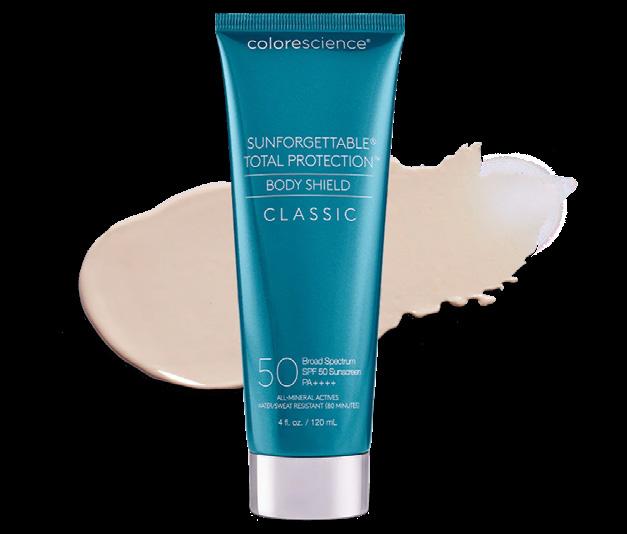
Dvorzsak points to multifunctional skincare and cosmetics products that position SPF as a core benefit, such as moisturizers, tinted serums, skin tints and daily wear lip oils. Consumers are purchasing makeup that features SPF, and they are also shopping for sunscreen to address other skin concerns, such as premature aging and hyperpigmentation. Among the company’s offerings is the Solésence Kleair zinc oxide based platform.
Retailers can benefit by emphasizing unique finishes and textures, highlighting multi-functional products and positioning sun care products as something consumers can fit into their daily routine. “The best SPF is the one you will use every day,” Dvorzsak said.
Emerging segments
Male shoppers are also interested in sun care. “For men especially, SPF has been the last holdout in the grooming upgrade,” said John Ludeke, chief brand officer at Dr. Squatch. “Most guys have already traded up their deodorant, body wash, and skin care, but sunscreen still feels too clinical, too greasy or not built for them.”
Men want many of the same features women want in sun care, such as lotion, sprays, sticks and facial moisturizers that are easy to apply, lightweight and non-
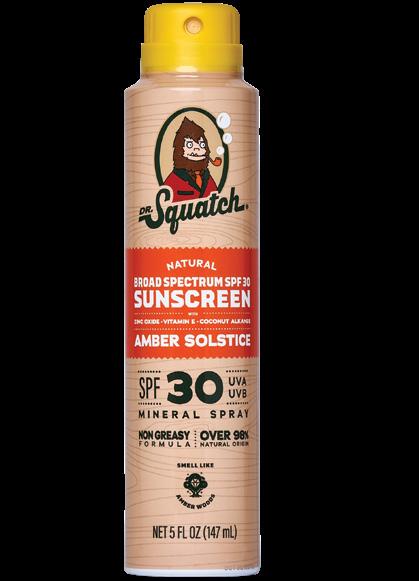
greasy. Dr. Squatch entered the category recently with SPF 30 Mineral Spray Sunscreen with broad-spectrum UVA/ UVB protection that uses zinc oxide as the active ingredient and is available in Coconut Castaway and Amber Solstice. “If SPF smells good, feels good and is easy to use, guys will actually make it part of their routine,” Ludeke said.
Ludeke also recommends merchandising sun care not as a seasonal endcap but within skin care, body care, men’s grooming, travel and outdoor activity sets, and making the category easy to navigate.
“Consumers don’t need to be overwhelmed with science on the shelf,” Ludeke said. “They need to understand what to use, how to use it and why it belongs in their regular routine.”
Retailers can include after sun products in the set. “More participation in outdoor recreation is leading to increased sun
exposure,” said Jeff Featherstone, senior vice president of sales for Quest Products, which makes the SunBurnt brand. “Social media, and dermatological recommendations are driving demand for innovative after sun care solutions.”
Like other beauty and wellness segments, the consumer trends driving innovation include demand for natural and organic ingredients, such as botanical extracts and plant-based components and multifunctional items. The brand created SunBurnt Body Wash with hyaluronic acid, calendula, echinacea and cucumber to cool, hydrate and rejuvenate skin.
There is opportunity in the segment. “After Sun is underdeveloped in the U.S. versus international where the segment is three times the size of here,” Featherstone said. “Developing the U.S. to mirror the international after sun business is worth over $200 million.”

As pharmacies face mounting operational complexity, labor constraints and increasing pressure to improve efficiency, AI is poised to help streamline workflows, improve visibility and support better-informed decision-making.
While AI is generating significant interest, industry leaders emphasize that success depends on thoughtful implementation, strong data foundations and a clear understanding of where AI can deliver measurable value.
“In environments where multiple processes run in parallel and influence each other, AI enables real-time orchestration,” said Brian Sullivan, principal of pharmacy solutions for North America at KNAPP. “Overall, we’re embedding intelligence into every step of the value chain, not just automating tasks.”
KNAPP is applying AI across forecasting, fulfillment, robotics, computer vision and transportation management. Its offerings use predict order volumes and product flows, prioritize fulfillment activities, optimize picking and packing operations and improve delivery routing and truck loading efficiency.

Overall, we’re embedding intelligence into every step of the value chain, not just automating tasks.”
—Brian Sullivan, principal of pharmacy solutions for North America at KNAPP










Less Complexity. More Time.




Transform pharmacy by automating virtually every aspect of prescription filling and pickup. Visit us at Booth 2131





When teams spend less time on manual processes and navigating disconnected systems, they can focus more on meaningful interactions with patients. The goal is to strengthen the human connection, not replace it”
—Eddy Sookswat, SVP, commercial strategy and innovation, McKesson
Among the applications Sullivan highlights are KNAPP’s AIenabled vision systems that verify blister packaging and validate medications without manual intervention. The company’s Pickit-Easy robots leverage years of operational learning, allowing new installations to reach target productivity levels more quickly.
According to Sullivan, customers have reported measurable results, including a 60% drop in complaints through AI-enabled quality control and a 25% reduction in fleet size through route optimization initiatives.
While results can be significant, Sullivan cautioned against viewing AI as a universal solution. Instead, pharmacies should take a thoughtful approach to analyzing where it should be applied.
“Despite the current hype, not every process requires AI,” he said. “It’s critical to carefully evaluate where it truly adds value and delivers ROI.”
For Eddy Sookswat, senior vice president of commercial strategy and innovation at McKesson, one of the greatest opportunities for leveraging AI is reducing operational hurdles that can distract pharmacists from patient care.
“One area where we’re seeing meaningful progress is in
reducing the day-to-day friction that pulls pharmacists away from patients,” he said.
McKesson is using AI and analytics to provide greater visibility into product movement, inventory and workflow data.
According to Sookswat, that visibility can help pharmacies identify potentially affected products more quickly and support follow-up actions whether items are on shelves, awaiting pickup or already dispensed.
The approach can also reduce manual work associated with high-pressure situations, such as recalls and product issues, while providing pharmacies with more timely information for decision-making.
“When teams spend less time on manual processes and navigating disconnected systems, they can focus more on meaningful interactions with patients,” said Sookswat. “The goal is to strengthen the human connection, not replace it.”
As AI adoption expands, Sookswat stressed the importance of ensuring the technology complements rather than complicates existing workflows and workforce issues.
“One of the biggest challenges is making sure these tools simplify workflows instead of adding more complexity,” said

You need a partner with vertical manufacturing strength, a deep pipeline of products, and the passion to deliver for your patients. Camber is a leader in product approvals and launches, many of which are large molecule, specialty, and complex generics.
We’re also leaders in responding to the needs of our customers. Our commitment to quality and consistent supply are your distinct advantage.
Camber is growing to meet the needs of an aging population. Let’s grow together!


Sookswat. “There’s also a trust component. Pharmacy teams need to understand how AI is being used and be confident that clinical judgment remains central to decision-making.”
As reimbursement requirements become increasingly complex, pharmacies are facing growing administrative burdens related to claims processing, denials management, appeals and payer communications. Interpreting evolving payer requirements, managing documentation and resolving claim exceptions can consume staff time and impact revenue.
To address these challenges, XiFin recently introduced Empower AI, a suite of predictive, generative and agent-based AI capabilities designed to support workflows ranging from patient intake and eligibility verification to claims processing, denial management, appeals and post-adjudication correspondence.
The platform targets reimbursement activities, such as payerplan mapping, interpretation of unstructured payer responses, claim exceptions and complex documentation requirements.
“These capabilities help minimize friction, including unexpected costs, by enabling more accurate upfront estimates and clearer communication throughout the care journey,” said David

“
AI presents a powerful opportunity for pharmacy, but success depends on thoughtful application.”
—David Pope, chief pharmacy officer at XiFin
Pope, chief pharmacy officer at XiFin. “From a reimbursement perspective, AI can enhance accuracy and consistency by interpreting complex payer requirements, identifying denial patterns and generating more complete documentation.”
Pope noted that data quality remains a critical factor in the successful deployment of AI and the realization of maximized results. To that end, many companies are shoring up their data to realize AI’s full potential, he said.
“Rich, relevant, complete and trusted data are foundational to success,” Pope said. “AI depends on accurate, wellstructured information, and many organizations are investing in stronger data governance and interoperability to unlock its full potential.”
Ultimately, Pope said, the value of AI lies in its ability to improve operational performance while supporting pharmacy teams to improve the patient experience.
“AI presents a powerful opportunity for pharmacy, but success depends on thoughtful application,” he said. “The goal is to ensure these technologies support pharmacists, enhance decision-making, and strengthen patient care.”
































What’s new in the world of generic drugs?
By Kathie Canning

More good news for patients? The FDA grants approval to numerous new generic drugs each year. And last October, the agency took action to make it faster and less costly to develop biosimilar medicines, defined as “lower-cost generic alternatives to biologic drugs that treat serious and chronic diseases.” In its


%
U.S. adults take one prescription drug every day


draft guidance, the FDA proposed updates to simplify biosimilarity studies and reduce unnecessary clinical testing. Through a separate initiative, the agency said it also plans to make it easier for biosimilars to be developed as interchangeable with brand-name biologics.
A number of pharmaceutical companies, too, are committed to the development of effective, affordable generics, as evidenced by some noteworthy recent approvals.
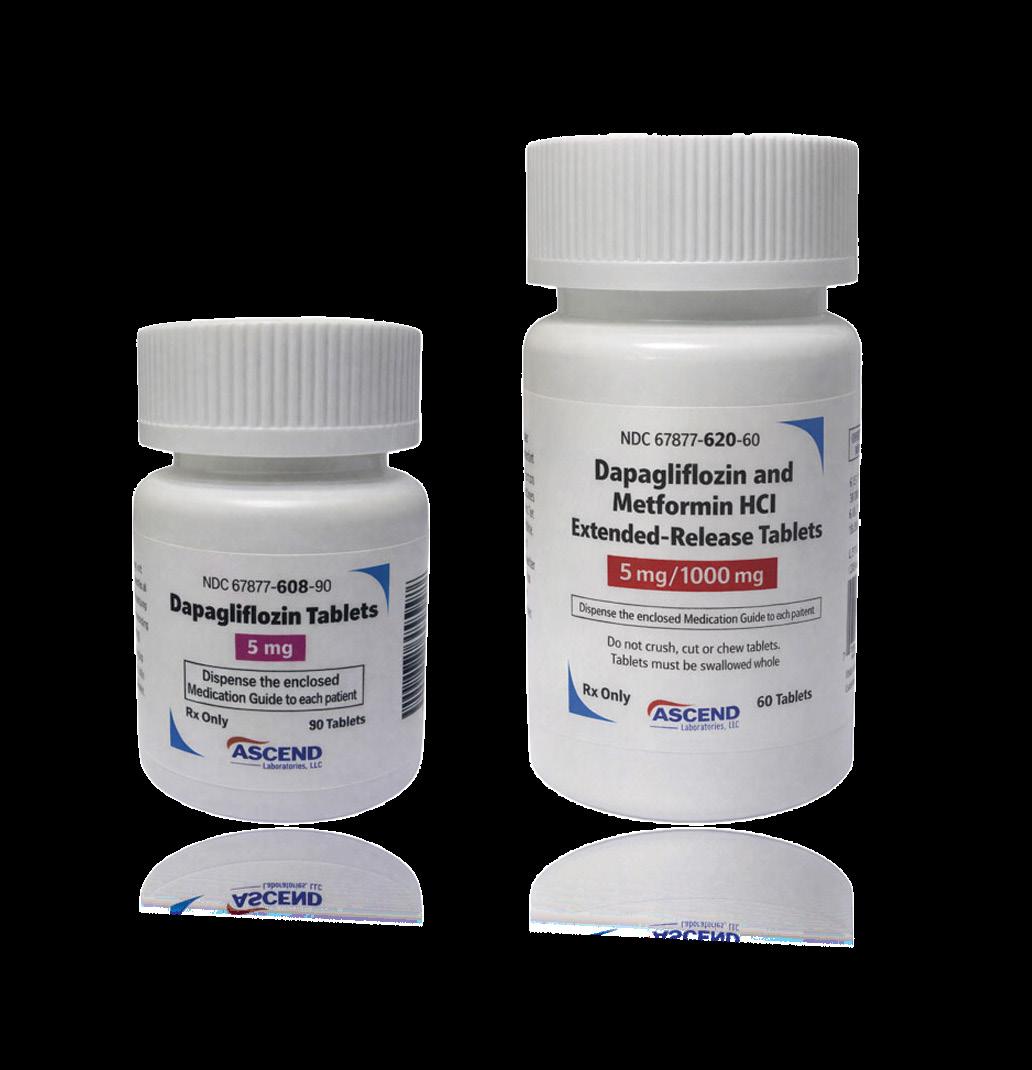
Ascend Laboratories has introduced generic versions of two brand-name type 2 diabetes treatment drugs: sodium-glucose cotransporter 2 inhibitors Farxiga (dapagliflozin) and Xigduo (dapagliflozin and metformin). The FDA-approved formulations mark the beginning of what the company expects to be a robust year for new product approvals, said John Dillaway, executive vice president.
“These new Ascend approvals bring to market a cost-saving alternative for millions of people being treated for diabetes,” he noted. “Farxiga is one of the most widely prescribed drugs in this category, and this cost-saving alternative will be widely welcomed by patients.”
Also new on the type 2-diabetes treatment front is dapagliflozin metformin ER (extended release) from Sun Pharma, said Rick Ascroft, CEO of the company and a pharmacist by training. Manufactured at Sun Pharma’s New Jersey facility, the combination therapy presents patients with type 2 diabetes a cost-effective alternative to the branded version.
“Having affordable options supports both patients on long-term combination therapy and pharmacies facing sustained prescription demand,” Ascroft explained.
Sun Pharma boasts recent generic approvals aimed at patients who need treatment for neurological conditions and/or behavioral health issues. The company recently introduced perampanel tablets for seizure disorders, as well as a lamotrigine orally disintegrating tablet for epilepsy and bipolar disorder, Ascroft noted.
“Perampanel and lamotrigine ODT expand generic options for complex conditions like epilepsy and bipolar disorder, where consistent treatment access is crucial,” he pointed out. “The orally disintegrating version of lamotrigine also provides a practical solution for patients, including children and older adults, who struggle with standard tablets.”
In addition, Sun Pharma launched deflazacort oral suspension, a generic corticosteroid for the rare pediatric condition of Duchenne muscular dystrophy.
“For families managing this rare disease, generic availability can reduce the cost of long-term therapy while giving pharmacies a reliable option to support these patients,” Ascroft explained. “Across all these launches, the underlying goals are the same: to ensure that critical therapies are affordable, accessible and consistently available for patients and the retail pharmacies that serve them.”
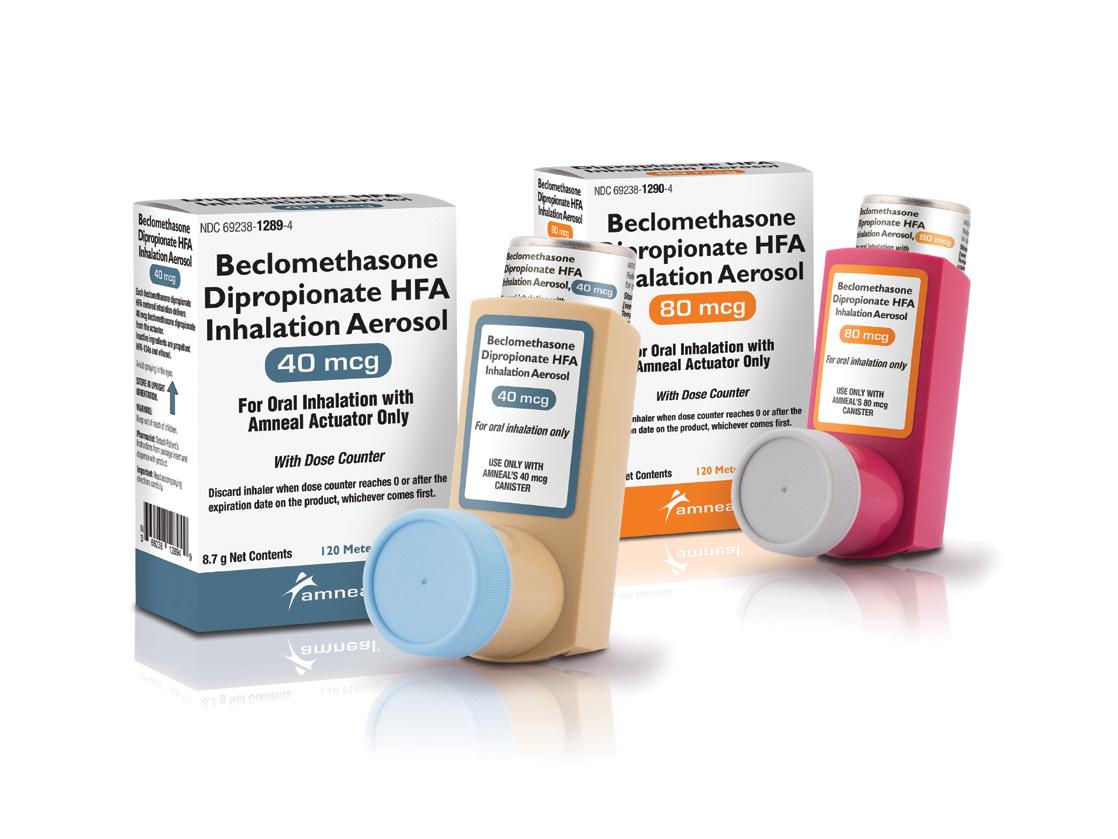
Affordable asthma maintenance treatment was top of mind for Amneal Pharmaceuticals with the recent approval and launch of its beclomethasone dipropionate HFA inhalation aerosol. The product, available in 40-microgram (mcg) and 80-mcg per-actuation strengths, is a therapeutic equivalent to brand-name drug QVAR, said Andy Boyer, executive vice president and chief commercial offer, generics and biosciences.
“The product utilizes a hand-breathactuated device in which the canister is depressed before inhaling,” he explained. “This type of actuator is compatible with spacer/holding chamber use and delivers a consistent dose, regardless of the patient’s inhalation strength, which may benefit patients with limited inspiratory flow.”
The device type was discontinued for QVAR, Boyer noted, which created a potential void in patient alternatives.

Patients deserve more than just high-quality, affordable medicine—they deserve smarter solutions. YARAL Pharma—reimagining what a generics company should be.
Limited inactive ingredients to support tolerability.


Exceeding performance targets with 95% on-time shipping to customers*.


Innovative options—including topical systems, softgel capsules, and orally dissolving films. d anced ivery Syst


panded Por fo ffordable t


Quality, affordable treatments across multiple therapeutic areas.


s ed Par nersh d to creatin

Committed to creating long-term value with distributors, pharmacies, and healthcare providers.


“The FDA continues to approve 12-15, and sometimes more, manufacturers on the same molecules, putting unsustainable price pressure on manufacturers.”
—John Dillaway, executive vice president, Ascend Laboratories
“We believe restoring this option, especially as an affordable generic, helps fill a meaningful gap for patients and health care providers,” he said.
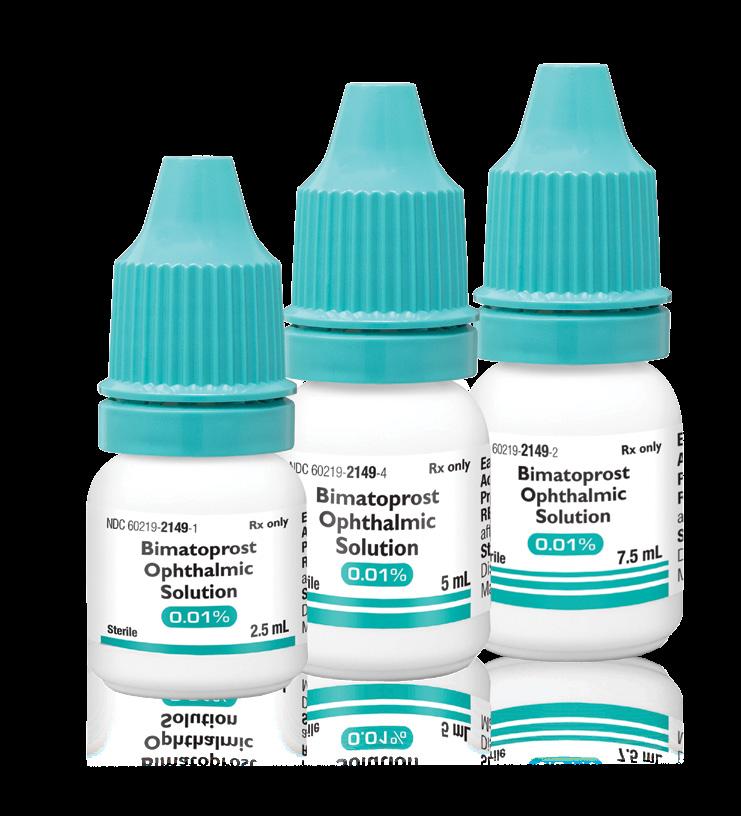
Also new from Amneal is bimatoprost ophthalmic solution 0.01%, a generic equivalent to Lumigan that is available in 2.5-millileter (mL), 5-mL and 7.5-mL sizes. The product “is indicated for the reduction of elevated intraocular pressure” in patients having ocular hypertension or open-angle glaucoma, Boyer said.
“Bringing a second generic alternative to market offers a competitive option for pharmacies and their patients, helping support affordability and access,” he added.
More in the Works
Still other pharmaceutical companies are gearing up for major generic drug launches. For example, Hikma Pharmaceuticals is “deepening its commitment to complex and differentiated generic medicines,” said Christopher Edlin, vice president, R&D, respiratory, nasals, semi-solids and liquids. Hikma’s product development pipeline includes inhalation platforms, nasal sprays, novel drug/device combinations and modified-release tablets.
“The company’s U.S. generics business, recently rebranded as Hikma Rx to better reflect its evolving focus, now counts roughly a quarter of the pipeline in the filed or approved/tentatively
approved stages, with the remainder in active development,” Edlin stated.
Inhalation is a key area of emphasis for Hikma, he added. In fact, the company announced that it is in advanced development of a generic version of the brand-name soft mist inhaler Respimat.
“The company has also signed an exclusive co-development and license agreement with an established partner to accelerate its generic Ellipta dry powder inhaler program—a platform with a market opportunity of approximately $11 billion—leveraging expertise built through its successful launch of generic Advair Diskus,” Edlin said.
Yet another respiratory initiative, awaiting finalization of a partnership agreement, will target low-global-warming-potential pressurized metered-dose inhalers, he added.
Beyond respiratory, meanwhile Hikma has been expanding into nasal sprays. Generic midazolam and esketamine nasal sprays (referencing Nayzilam and Spravato, respectively) are currently awaiting FDA approval, Edlin noted, while Hikma is planning to submit an epinephrine nasal spray for approval this year.
“The company is also investing in new oral drug delivery technologies, including hot melt extrusion, modified and extended-release platforms and liquid-filled capsule technology,” he added, “and recently launched authorized generics for both immediate release and extended-release tapentadol in the U.S. market.”









In February, the White House announced the launch of TrumpRx.gov, a platform designed to give Americans direct access to lower prices on dozens of common, high-cost brand-name prescription drugs. Secured through landmark “Most-Favored-Nation” pricing agreements with pharmaceutical manufacturers, the deals ensure Americans pay prices aligned with the lowest prices in other developed nations.
The TrumpRx platform was expanded in May to include more than 600 generic medications. In a May 18 fact sheet outlining the expansion, the White House said that “Americans will be able to clearly and transparently understand the most competitive cash prices of their medications without insurance middlemen, encouraging them to compare against co-pays offered by their insurance company.”
The Association for Accessible Medicines applauded the move in a May 18 press release.
“AAM is thankful to the president and the administration for recognizing the importance and value generic and biosimilar medicines provide to American patients, and we look forward to continuing to work together to advance cost-saving solutions,” said John Murphy III, president and CEO of AAM. “Generics and biosimilars are the single greatest area of potential savings for patents in the health care ecosystem.”
Camber Pharmaceuticals also has many drug launches on the horizon. The company is on track to introduce 35 new medicines this year, including generics, specialty and over-the counter products, said President Kon Ostaficiuk.
“These launches support Camber’s mission to expand patient access to high-quality, affordable medications while helping improve supply stability across the health care system,” he said.
Many of the products to be launched represent limitedcompetition, complex or specialty medications that play an important part in patient care, he added.
“Camber’s vertically integrated model, supported by our parent company Hetero, strengthens supply chain reliability from API [active pharmaceutical ingredient] manufacturing through finished product distribution, helping support more consistent product availability,” Ostaficiuk said.
Despite the lineup of new and up-and-coming generic drugs, the industry is not without its issues.
“The generic pharmaceutical industry continues to face challenges, including global supply chain disruptions, geopolitical instability, increasing regulatory requirements, pricing pressures, rising manufacturing and logistics costs, and limited supplier redundancy for certain raw materials and APIs,” Ostaficiuk stressed. “These issues can impact product availability for pharmacies, hospitals, distributors and, ultimately, the patients throughout the U.S.”
A tightly consolidated buy-side market, where the majority of market share is controlled by three gigantic group purchasing organizations, is another issue, Dillaway said. And pharmacy benefit manager reform is a hot topic on the drug store side.
“The FDA continues to approve 12-15, and sometimes more, manufacturers on the same molecules, putting unsustainable price pressure on manufacturers,” he explained. “Meanwhile, drug stores continue to complain that their reimbursement from PBMs is, in too many cases, less than they have paid for these medications threatening their very survival.”
More balanced approaches across the supply chain are needed to resolve these and other challenges, Ascroft said.
“Manufacturers, payers and policymakers need to prioritize reliability and quality alongside pricing supporting investments in resilient supply chains, diversified manufacturing networks and strong quality systems,” he maintained. “For retail pharmacies, better alignment across the industry on these priorities could improve predictability, stabilize supply and, ultimately, help maintain access and affordability for patients.”
“The orally disintegrating version of lamotrigine provides a practical solution for patients, including children and older adults, who struggle with standard tablets.”
—Rick Ascroft, CEO, Sun Pharma



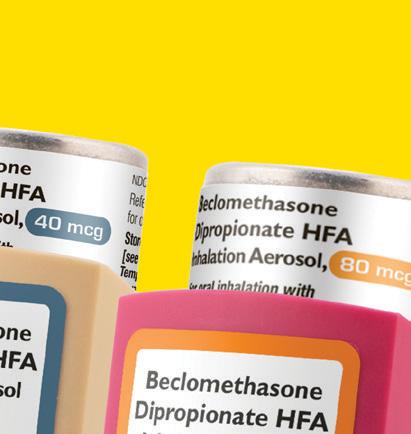
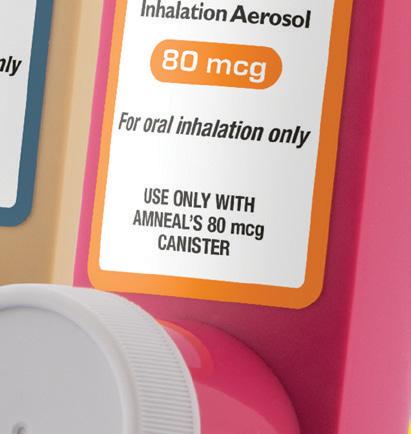




Probiotics built digestive health, but the concern is becoming broader
By Taffel Sturgeon

Supplements for digestive health have a probiotics problem—but not because probiotics aren’t working. Quite the opposite.
Over the past two decades, probiotics have evolved from a niche supplement ingredient into a household word. Today, shoppers can find probiotics in supplements, foods, beverages and even pet products.
Yet as digestive health becomes a legitimate topic of conversation in polite company, retailers increasingly face a question: Has digestive health become synonymous with probiotics, and if so, is that helping or limiting the category’s future growth? “Both,” said Mike Bush, author and advisor to probiotics brands, who built GanedenBC30, one of the world’s most recognized probiotic ingredients.
“The science behind many probiotic strains is amazing and some of the newer discoveries that are coming out relating to stress, mood, kidney and metabolic health are groundbreaking,” Bush said. “But there are also those players that are capitalizing
Digestive health is expanding beyond the microbiome into symptom relief, digestive comfort, motility and personalized wellness.
on the real science behind well- studied strains while putting out products with generic strains and zero science, capitalizing on the hard work of others while selling to consumers who don’t know better.”
The easy way to tell whether a probiotic product is scientifically validated is by looking at the Supplement Facts panel to see if a probiotic is a specific strain—delineated by numbers and/or letters after the general genus and species, like Lactobacillus rhamnosus HN001.
Digestive health has come a long way from the days when the large intestine was viewed largely as the body’s final stop before waste elimination. Digestive concerns were often reduced to constipation, diarrhea and occasional stomach upset.
Category evolution
The category’s modern transformation began almost 20 years ago when actress Jamie Lee Curtis appeared in Dannon Activia commercials promoting the yogurt’s probiotic-forward digestive
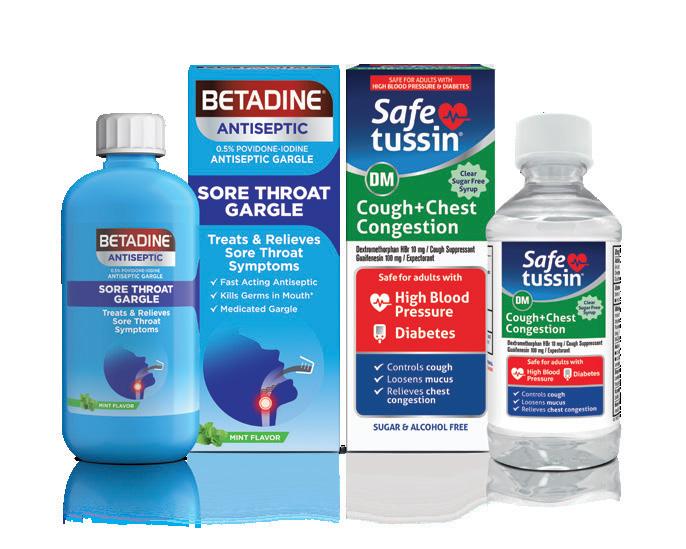
benefits. The campaign introduced millions of consumers to such concepts as gut bacteria and bloating relief, along the way coining the term “regularity.”
Today, probiotics have become so influential that the European Union has effectively banned the word itself. Regulators there see the word “probiotic” as an implied health claim, preventing manufacturers from using the term on labels because no probiotic health claim has been authorized.
Even the science surrounding probiotics continues to evolve. Reviewing probiotic use for chronic constipation, the International Scientific Association for Probiotics and Prebiotics concluded that evidence remains mixed regarding which strains (there are so many) or dose are most effective, settling simply on a fourweek course of treatment.
In 2023, the Nordic Naturals brand expanded beyond its omega-3 roots with a multi-benefit probiotic line targeting digestive health, immune support and women’s wellness. The products feature a dozen or more strains and high-potency formulations containing up to 90 billion colony-forming units.
At the same time, other companies are taking digestive health in very different directions.
In 2019, homeopathic specialist Boiron launched a digestive medicines portfolio focused not on the microbiome but on specific complaints. Products such as Gasalia, Acidil and Diaralia address gas and bloating, indigestion and diarrhea, respectively.
The approach anticipated a growing shift in consumer behavior: many shoppers are not searching for an ingredient; they’re searching for relief.
One emerging area is targeting the function and performance of the digestive system, with a focus on motility—the wave-like muscular contractions known as peristalsis that move food through the digestive tract. Slow transit time can contribute to bloating, fullness, constipation and digestive discomfort.
Boiron Gasalia: A homeopathic solution covering symptoms consumers care about.
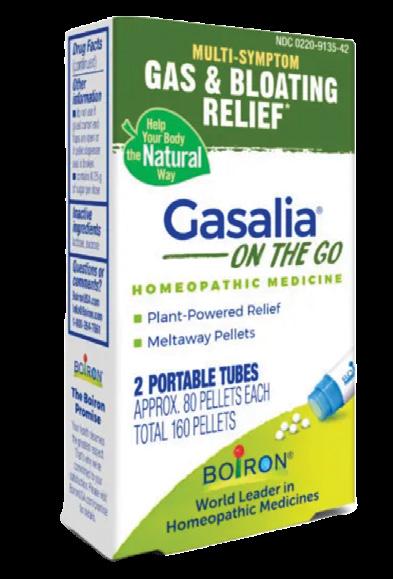
Culturelle Digestive Daily Probiotic: Uses Lactobacillus rhamnosus GG, the most wellstudied probiotic strain.
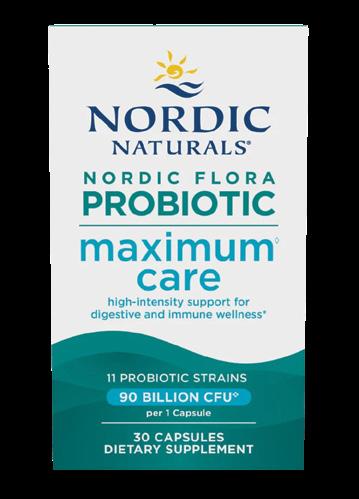
Nordic Naturals Nordic Flora Probiotic Maximum Care: A whopping 11 strains and 90 billion CFUs.
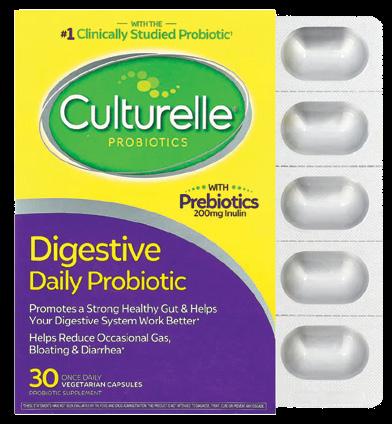
New ingredients are being developed to address those concerns. Digexin, a botanical ingredient introduced by NXT USA, has demonstrated improvements in digestive transit time, bloating and bowel regularity in clinical studies. Research shows participants experienced four-hour faster transit time, along with reductions in fullness and bloating.
“‘May help with occasional constipation, bloating and gas’ has long been the province of every probiotic,” said Eric Anderson, managing director of NXT USA. “Digexin approaches digestive wellness through digestive movement rather than microbiome modulation.”
For retailers, the category’s evolution presents a merchandising challenge.
Traditionally, digestive health has been organized around product types: probiotics, enzymes, fiber products and OTC digestive aids. But consumers increasingly shop based on outcomes such as bloating relief, regularity, digestive comfort, micro-
biome support or symptom-specific needs. Despite growing competition from enzymes, postbiotics, symptom-targeted products and motility-support ingredients, Bush remains optimistic about probiotics’ future.
“I believe consumers see ‘biotics’ in general and relate the ingredient callout as an ingredient that supports wellness, in particular digestive and immune health,” he said. “Outside of that, there are still massive growth opportunities for condition-specific strains and metabolite-focused (postbiotic) ingredients and products. The winner will be the early adopter who gets messaging right.”
For now, probiotics remain the category’s dominant ambassador. But as digestive health expands beyond the microbiome into symptom relief, digestive comfort, motility and personalized wellness, retailers may need to rethink whether digestive health is one category—or many.

By Amanda Baltazar

Wsome might say it’s about time.
Consumers are becoming more comfortable talking about everything from stopping periods to starting them and continuing them, along with keeping vulvas and vaginas healthy. And most of the new items on the market feature clean ingredients, too.
Good Clean Love sells products for vaginal health. Its best seller is Almost Naked, a personal lubricant. Other products include Relief for itching; Balance, a wash; and Restore for dryness, odor and discomfort.
The company doesn’t shy away from what its products are for, and makes sure the products’ names and the icons on the packaging are clear and show the benefits of using them.
Caroline Goodner launched FemiClear in 2019 to help women with conditions that are typically treated with prescriptions. Goodner, the CEO, wanted to offer women something less harsh than a pharmaceutical or antibiotic. The company’s products
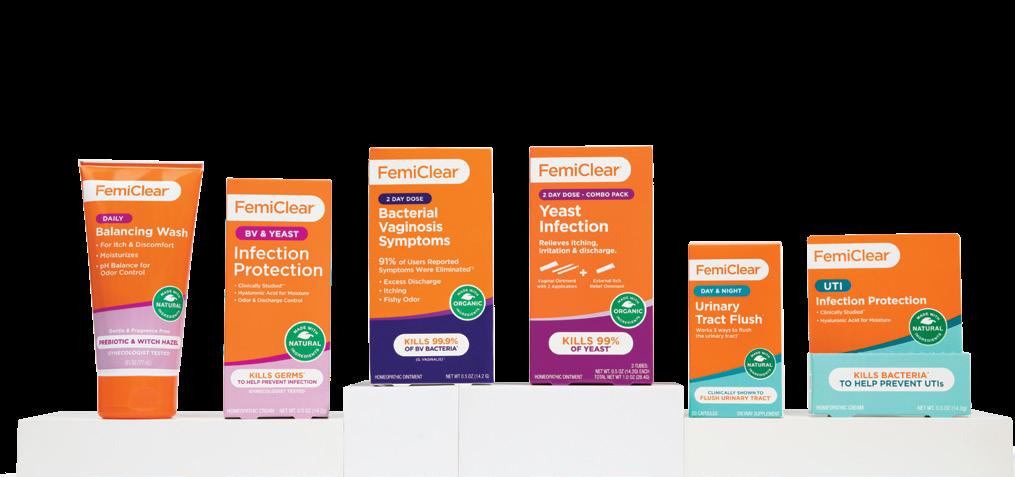
“
Even though half of the population will go through menopause, it’s been very under-talked-about until very recently.”
— Caroline Goodner, CEO,
FemiClear
Ba cke d by 3 0 + Ye a rs of Gut H e al th S ci enc e

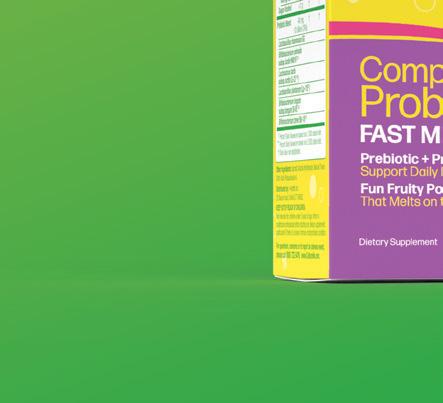



A del i c i ou s fr u it
p owde r th a t me l ts on th e tongu e w ith
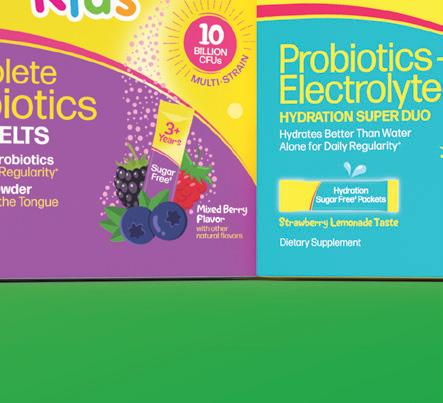
p rob i oti c s to sup p o r t
k i d s’ dail y re gu la ri t y, *
p lu s a p re b i oti c
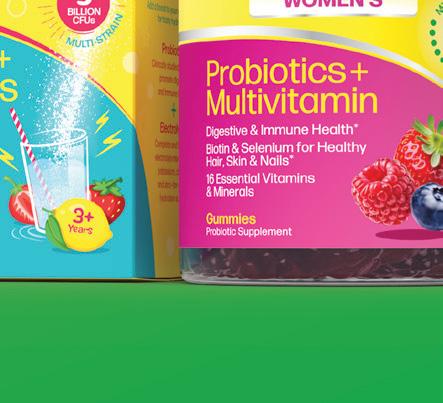
F UN - c ti onal hyd ra ti on p ac ket s fo r k i d s mad e to s u p p o r t di g e sti ve & immun e h e al th . *
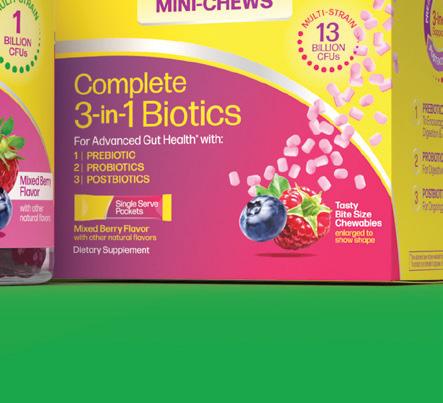
A mul ti - ta s k i ng gum my fo r wome n d e si gn e d fo r d ig e sti ve & immun e h e al th












Inn ova t i o n F o cus e d on Ad va n ci n g P ro bi oti c S o l utions . r ommended ra


H yd ra te s b et te r th a n wa te r al on e * I r re si sti bl e m i n i - c h ew s w ith m e g ab i oti c
pl u s rad i a nt h ai r , sk i n & n a i l s *





An easy-to-use at home menopause test that provides guidance into what stage of menopause you are in










A great tasting vaginal probiotic in a new mini chew format, perfectly portioned in single-serve sachets for daily vaginal health support*

b ene fi t s . Ju st te a r & en j oy fo r p owe r f ul d i g e sti ve s u p p o r t *








Clinic ally proven rhapontic rhubarb for relief of 12 major menopause symptom s, * now in a gre at tasting gummy




treat conditions such as bacterial vaginosis, genital herpes and yeast infections.
Winx Health hit the market in 2019 with a pregnancy testing kit, and the company now offers the morning after pill; products to treat UTIs and bacterial vaginosis; and supplements for vaginal and urinary health.
The product packaging is bold, bright and no-nonsense. “We wanted to make this as easy as humanly possible for people to understand,” said Jamie Norwood, cofounder. “Normally, it’s the drug name first and not symptoms on the boxes. We wanted to change that … and that landed us with a super clear, super simple design.”
Along with making it easier for women to understand, Winx wanted its products to be more accessible. Customers can buy them online or in stores (at Walmart and Walgreens). If they need a prescription, it can all be done through Winx Health’s telehealth platform, and the company can even set up a doctor consultation for complicated cases.
Clean ingredients
What’s important to these companies and the women who buy their products is that they are not harmful. Most conventional products aren’t formulated for the female body. Instead, they can disrupt the vaginal microbiome, strip away natural defenses and increase the risk of infections.
Because of this, Good Clean Love’s products are all scientifically researched and tested. “We work hard to show what makes us different from everyone else,” said Ashley Brown, head of sales. “We have put in the money and the time to show we have products with the closest pH to the body.”
FemiClear’s formulas are made with clean ingredients, reflecting a broader shift among women who are paying closer attention to what they use in and on their bodies. Goodner said the brand is committed to supporting that standard with products that avoid synthetic chemicals, antibiotics and antifungals.
Winx is also very ingredient-focused. “We developed [our supplements] in partnership with OB/GYNs, and they are vegan, free of dairy, GMOs, gluten,
“
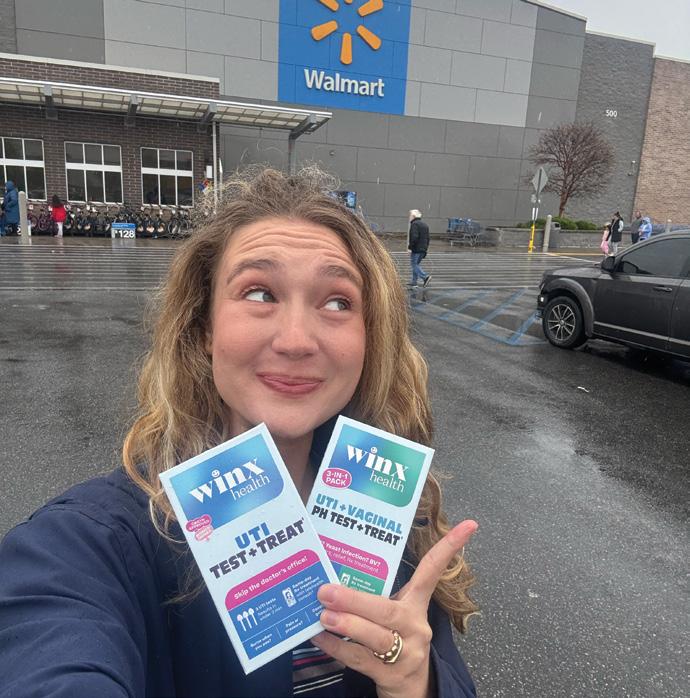
The conversation is becoming more open. If young girls start seeing these products when they go to their local drug stores it will educate them in a way we didn’t used to have.”
— Jamie Norwood, co-founder, Winx Health
soy and artificial colors,” said Norwood. “It was important that they provide real vaginal and urinary health benefits without any unnecessary ingredients.”
E-comm v. retail stores
Good Clean Love’s products are sold in pharmacies, mass merchants and online. Sales are about evenly split between traditional shopping and e-commerce. In store, the products are usually merchandised in the feminine hygiene section with washes or close to sexual health, condoms, etc.
The bulk—around 70%—of FemiClear’s sales are in traditional retail stores. Ideally, they’re placed in the same aisle as period care, but within their own section, Goodner said. And in a perfect world the products are grouped to create a strong brand block. “When it’s brand-blocked the consumer can notice it,” she said.
Winx’s sales are split between e-commerce and traditional in-store shopping. In Walgreens and Walmart, the products are in women’s wellness and intimate wellness, near period care, though the morning after pill is in the sexual health aisle.
Slowly consumers are becoming more open to discussing women’s health, Goodner
said and menopause is perhaps leading the way. “Even though half of the population will go through menopause, it’s been very under-talked-about until very recently.”
She pointed out that there was even a commercial for Veozah hot flash medication during this year’s Super Bowl. “So the conversations are happening more easily, and we want to beat that drum and for people to normalize it.”
Social media can help remove some of the stigma from these conditions, Goodner said. FemiClear works with content creators and features its products on TikTok Shop, and the company has its own TikTok platform.
The best avenues for getting the word out are social media and YouTube, Brown says, and Good Clean Love also works with a lot of influencers. Founder Wendy Strgar also creates posts talking about the products and the technology behind them. “People love to hear Wendy talk because the passion comes through,” said Brown.
The conversation is becoming more open,” said Winx Health’s Norwood. “If young girls start seeing these products when they go to their local drug stores it will educate them in a way we didn’t used to have.”
Today’s customer is savvier and better educated about supplies and disease nuances
By Debby Garbato

“An educated consumer is our best customer,” clothing retailer Sy Syms famously said in a1974 ad. While the off-price clothing chain is long gone, Syms’ iconic, universal slogan continues to impact retail. And it rings truer today than ever when it comes to people with diabetes.
Educational internet content and sophisticated device technology are helping diabetes consumers better understand, monitor and control various aspects of the disease. Customers carefully research products’ uses and benefits, sometimes spending more on items that are extremely accurate, comfortable and user friendly.
“People are more conscientious,” said Brandon Faber, director of sales, Allison Medical Inc. “There’s more information at their fingertips. They look for content about diet, weight loss, product quality and what insurance will cover if they switch brands. GLP-1 is also having a huge impact.”
There’s more information at their fingertips. They look for content about diet, weight loss, product quality and what insurance will cover if they switch brands. GLP-1 is also having a huge impact,”
—Brandon Faber, director of sales, Allison Medical Inc.
As for products, modern glucose meters require tiny blood drops, yielding readings in five seconds, while continuous glucose monitors have evolved into over-thecounter items. This has eliminated much of the guess work around traditional testing. Some products sync directly to smart phone apps, letting users archive data or share them with healthcare providers.
Pen needles have grown significantly. They are more convenient, discreet and easier to use than traditional vials and syringes. Dialing mechanisms provide very accurate dosing. Insulin pumps, which provide tight blood sugar control, have been simplified. Initial models required complex programming.
“When I started in this business 15 years ago, 75% of business was in insulin syringes, 25% in pen needles,” said Faber. “Now, it’s the opposite. There’s been a complete shift. Pens are very automated and easy to use.”
In decades past, diabetes was not discussed much. Some patients were even ashamed of it. Many people assumed all diabetes was caused by unhealthy diets or sedentary lifestyles.
“There’s less shame and people share more openly,” said Patricia Gaillard, marketing director, HTL-Strefa. “There’s support groups and online communities.”
Part of that consciousness is around diabetes’ progression and GLP-1’s implications. “There’s more understanding around pre-diabetes,” said Gaillard. “People know they’re higher risk and can sometimes take steps to ward off the disease.”
While the internet is a great information source, it is soddened with influencers and self-proclaimed diet and exercise gurus. “It can be hard to know what’s a reliable source,” said Sarah Hanssen, VP of sales and marketing at Ultimed. “You can find every viewpoint on diet and lifestyles. Everybody needs something different. There’s many myths.”
Supermarkets are helping by hiring more registered dieticians, said Hanssen. Dieticians offer individualized meal planning, recipes, in-store product wellness tours and other health information. Sometimes,
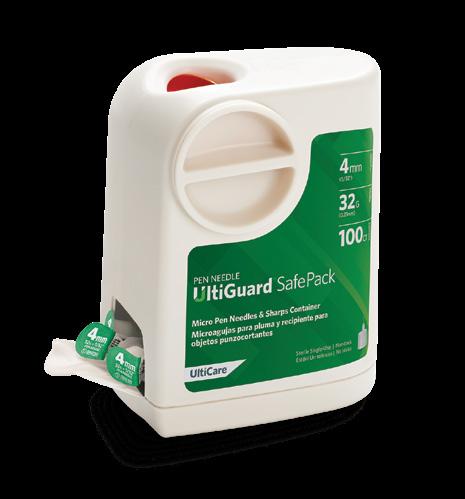

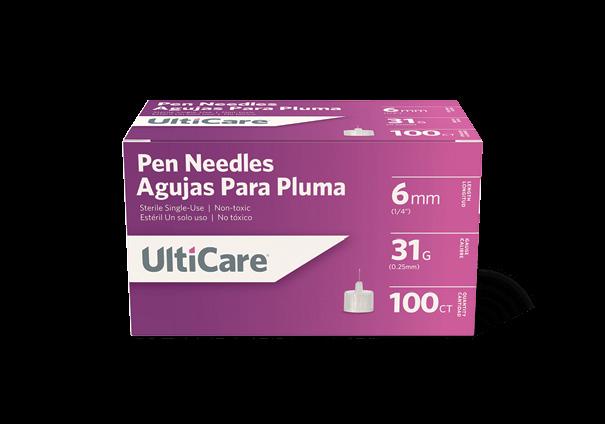
education prompts people with diabetes to spend more on products, even if the extra cost is not covered by insurance. “There’s more purchasing for cash and buying out-of-pocket,” said Gaillard. “They do research and know the brand they want.”
On the opposite end are uninsured people and others who must save money. The past five years have seen more private label glucose meters, pen needles and syringes, she added.
Patients are embracing technologies that let them better track and measure disease variables. “They’re very interested in innovation and want products to interconnect,” said Gaillard. “They don’t like friction.”
CGMs, for example, were not available 10 years ago. “Now, they’re more aware of their numbers and can share readings with doctors,” she added.
Looking forward, technology continues creating in-roads. Clinical trials, for example, are testing AI-powered software using reinforcement learning. Systems automatically analyze glucose history and meal detection to adjust insulin dosing in real-time, eliminating the task of manual patient calculations, says an article by the University of Virginia’s Center for Diabetes Technology.
Twenty-first century technology has significantly impacted needles, resulting in more user friendly, comfortable products:
• HTL-Strefa offers Droplets, which marketing director Patricia Gaillard said is the thinnest, shortest pen needle available, reducing pain and injection anxiety.
• Allison markets Sure Comfort, a premier line of syringes, pen needles and lancets designed to maximize injection comfort and dose accuracy. Needles are tri-bevel cut and electro polished to eliminate microscopic burrs. Director of sales Brandon Faber said they are “highly profitable” for retailers.
• Ultimed’s UltiGuard SafePack is an all-in-one system that pairs 100 pen needles or syringes with an FDA-cleared sharps container. It dispenses fresh needles from the bottom and safely secures used sharps through a top drop-androll mechanism. “It eliminates the question of what to do with used sharps,” said VP of sales and marketing Sarah Hanssen. SafePack measures 5.3” long, 3.6” wide and 6” tall. Packaging information is in English and Spanish.
Pharmacists are being asked to do more with less. AI can help.
By Garry Marshall

Marshall is senior director of pharmacy strategy at Wolters Kluwer Health.
“With capacity freed up, pharmacists are positioned to build stronger patient relationships and take on a more active role in care delivery”
Talk to most retail pharmacists today and you’ll likely hear from most of them that this isn’t what they signed up for. They went to school and trained for years because they wanted to help patients. The reality is they’re spending most of their shifts on data entry, prior authorizations and pill image verification. It’s driving burnout and pushing pharmacists away at a rate the industry can no longer afford to ignore.
One study found that more than half of pharmacists (51%) experience burnout because of excessive workloads and long working hours. Pharmacists are too often being asked to do more with less.
AI, if implemented responsibly, can change this not by displacing pharmacists, but by returning them to the work they trained for and reallocating their responsibilities to take on a more patient-facing role.
Look at the dispensing workflow for example. Prescription intake, data entry, prior authorization support and pill image verification are all tasks that consume hours, add little clinical value and pull pharmacists away from engaging with patients. AI is a perfect fit for these nonclinical, standardized steps. The pharmacists are still in control with an oversight role over AI, and when this happens, it creates real downstream opportunity.
With capacity freed up, pharmacists are positioned to build stronger patient relationships and take on a more active role in care delivery. They could spend more time recommending the right OTC product when a medication depletes key nutrients or offering A1C testing and blood pressure monitoring to help manage chronic conditions.
We’re also going to need them to be offering these essential services as part of the care team because a projected physician shortage of up to 86,000 doctors is expected by 2036, according to the Association of American Medical Colleges Pharmacists, particularly in rural communities, are well positioned to fill that gap.
But AI in pharmacy demands guardrails. A January 2026 Coalition of Health AI survey found that 93% of patients have at least one concern about AI in healthcare. That doesn’t mean we should be slowing down as an industry, but AI must be deployed responsibly and transparently. That will require grounding AI in current clinical evidence and content created and vetted by medical experts versus the content sources from the internet.
AI won’t fix pharmacy on its own, but when it’s built on clear guardrails and designed to support clinical judgment rather than substitute for it, it can finally shift the balance of the job. It’ll give pharmacists more time and purpose to focus on improving patient care.

Regardless of the dosage form, our mission is to provide best-in-class products that consistently meet or exceed expectations. Fueled by investment and innovation, Dr. Reddy’s has built a strong pipeline for new products, delivering more choices to fill unmet patient needs. Not everyone can manufacture high-quality, complex dosage forms. But then again, not everyone is Dr. Reddy’s.