Regardless of the dosage form, our mission is to provide best-in-class products that consistently meet or exceed expectations. Fueled by investment and innovation, Dr. Reddy’s has built a strong pipeline for new products, delivering more choices to fill unmet patient needs. Not everyone can manufacture high-quality, complex dosage forms. But then again, not everyone is Dr. Reddy’s.
www.drreddys.com
isn’t new to The Compliance Team.
We’re the only CMS-approved, DMEPOS accreditor with annual, onsite survey experience. In fact, we specifically designed and implemented an annual, CMS-approved DMEPOS Accreditation Program that for over 14 years helped providers stay compliant.
Experience matters. Our team has the knowledge
TCT’s annual DMEPOS Accreditation Program includes:
• Easy-to-understand, CMS-approved standards.
• Simplified accreditation process.
• In-house support team experienced in annual DMEPOS accreditation. Annual accreditation
and experience to support our current and transitioning providers with a CMS-approved, annual DMEPOS Accreditation Program.
Let’s get started! Find out more about our annual accreditation program and be confident you’re CMS compliant. Contact us at 215.654.9110 or team@thecomplianceteam.org.
A trusted leader in DMEPOS accreditation for over 30 years!
Hemp-derived CBD started as a provocative, non-euphoric cannabis medicine, shifted to a cultural sensation, died a sudden death. Legal and regulatory changes are poised to bring it back
42 INSIDE BEAUTY: HAIR CARE
Brands are putting an emphasis on hair health rather than just shiny locks
46 INSIDE BEAUTY: MEN’S GROOMING
Younger men shop differently than older cohorts and represent tremendous potential for mass retailers
50 PHARMACY: GENERICS REPORT
Manufacturers are looking beyond volume-driven competition toward complex generics, differentiated delivery systems and biosimilars
56 REX AWARDS: OTC
DSN’s Retail Excellence Awards recognize innovation in over-thecounter products
62 HEALTH: DIABETES CARE
U.S.-based diabetes products companies are partnering with charity groups to distribute supplies to those in need
68 HEALTH: VMS REPORT
An expanding array of vitamin, mineral and supplement options is helping consumers meet trending health and wellness goals
Meeting the Market
The aging population in the United States presents a challenge and an opportunity for community pharmacy
“RETAIL PHARMACIES ARE UNIQUELY POSITIONED TO MEET THE NEEDS OF OLDER CONSUMERS AND THEIR FAMILY CAREGIVERS”
— Rita Choula, AARP
By 2030, every member of the baby boom generation—those individuals born between 1946 and 1964—will be 65 years or older. By 2050, the boomer population will be between 82 million and 90 million, according to the Population Reference Bureau.
And though the average American’s life expectancy lags behind other developed countries, we are living longer than ever—79, as of 2024 numbers. Unfortunately, the aging population and the volume of older Americans will be a strain on an already teetering healthcare system.
According to a report “The 2030 Problem: Caring for Aging Baby Boomers” by the National Library of Medicine at the National Institutes of Health, the aging population will affect the U.S. healthcare system and will require shifts in public policy—including a payment and insurance system for long-term care and access to affordable care.
Our cover story this month (page 26) examines the role for community pharmacy in this coming wave. One opportunity for pharmacy is in at-home long-term care, especially since more Americans prefer to grow old in their own homes.
The George Washington University in D.C. said the concept of aging in place emerged in the 1970s “but grew significantly in the 1990s and 2000s, driven by desires for independence, comfort and the advancement of home-based care technologies.”
It turns out that pharmacies are built for this moment. “Retail pharmacies are uniquely positioned to meet the needs of older consumers and their family caregivers,” Rita Choula, senior director of caregiving at AARP, told our reporter. “Many of these pharmacies already are a trusted source of care in communities across the country.”
Naturally, there will be issues to resolve–regulatory compliance and accreditation, staffing, technology integration—but the upside for pharmacies is well worth the effort and will be another opportunity for the industry to meet the moment.
8550 W. Bryn Mawr Ave., Ste. 200 Chicago, IL 60631 773.992.4450 Fax 773.992.4455 www.drugstorenews.com
BRAND MANAGEMENT
Senior Vice President & Publisher John Kenlon 516.650.2064 jkenlon@ensembleiq.com
EDITORIAL Editor-in-Chief, Editorial Director Nigel F. Maynard nmaynard@ensembleiq.com
Bloomberg reported that the drug store chain is eliminating 469 jobs in its home state of Illinois, and plans to cut another 159 positions in Texas, where it is closing a distribution center.
According to the media outlet, Walgreen’s new private-equity owners Sycamore Partners are looking to cut costs. The New York-based private-equity firm completed its $23.7 billion acquisition of the retail pharmacy company in August 2025. The deal followed a tumultuous few years for Walgreens that included more than 1,000 store closures as it struggled with slowing retail sales, growing online competition and other challenges in its business.
Sycamore has now set about trimming costs by cutting staff and taking away paid holidays for some employees while working to boost store sales by adding products like electronic cigarettes, Bloomberg reported.
“Walgreens is reorganizing several areas of the business to best position the company for growth and deliver results where they matter most: in our stores and with our customers and patients,” a Walgreens representative wrote in a letter notifying the Illinois Department of Commerce and Economic Opportunity about the layoffs.
Bloomberg also reported that the company is slowing down its store closures. Walgreens plan to shutter less than 100 locations this year, fewer than previously planned, and open four new ones, a company spokesperson said.
This story originally appeared in DSN’s sister publication Progressive Grocer
STEVE ANDERSON TO RETIRE AS PRESIDENT, CEO OF NACDS AFTER TWO DECADES
Steve Anderson announced that he will retire as president and CEO of the National Association of Chain Drug Stores, effective Dec. 31, concluding 20 years of service.
The NACDS Board of Directors has begun a national search for his successor.
Rick Gates, chair of the NACDS board of directors and senior vice president and chief pharmacy officer of Walgreens, praised Anderson’s legacy of leadership and impact.
“Steve Anderson’s leadership of NACDS over the past two decades has been extraordinary,” Gates said. “He took the helm at a challenging moment, and rebuilt NACDS into one of the strongest, most respected healthcare trade associations in the nation. Under Steve’s leadership, NACDS became financially strong, strategically focused, and nationally influential.”
“During his tenure, pharmacies moved from being underappreciated in the healthcare system to being recognized as essential, frontline providers of care in communities across America,” said Gates.
Under Anderson’s leadership, NACDS strengthened its institutional infrastructure and long-term viability. During the financial crisis and its aftermath (2008–2012), Anderson
Steve Anderson President and CEO of the National Association of Chain Drug Stores
the relief you need to get through the moment
Use as directed. HALLS cough drops temporarily relieve coughs and soothe sore throats. HALLS cough drops cool nasal passages. Does not contain a nasal decongestant.
group
stabilized and rebuilt the association’s financial footing, positioning NACDS for enduring strength and sustainability. At the same time, he advanced the NACDS Foundation as a respected, research-driven organization supporting evidence-based policy and informed healthcare decision-making, the organization said.
Gates emphasized Anderson’s role in enacting recently passed pharmacy benefit manager reform. “Steve’s leadership helped bring long-overdue transparency and accountability to the PBM market. These efforts represent a major victory for pharmacies and patients alike.”
In announcing his retirement, Anderson reflected on his tenure with gratitude.
“It has been the honor of my professional life to serve as President and CEO of NACDS,” Anderson said. “For more than two decades, my purpose has been to help strengthen and advance pharmacy—so it can continue to serve communities, support American families, and play its essential role in a rapidly changing healthcare landscape.”
“I am deeply grateful to the NACDS Board of Directors for its partnership, leadership, and trust over the years,” Anderson continued. “I had the privilege of working with multiple NACDS Boards throughout my tenure, and that collaboration was central to everything we achieved. NACDS has always been at its strongest when the Board, our members and our extremely talented staff team aligned around a shared mission.”
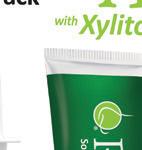
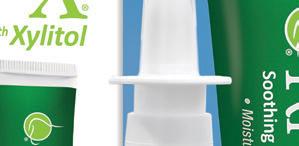
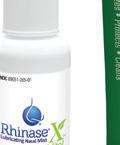
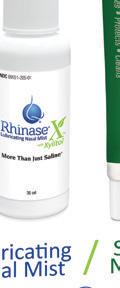
RHINASE X VALUE COMBO PACK EARNS BUYER RECOGNITION AT ECRM COUGH, COLD, PREVENTATIVE & ALLERGY SESSION
Drug-free respiratory relief products took center stage at ECRM’s 2026 Cough, Cold, Preventative & Allergy Session in Dallas, Texas, where the Rhinase X Value Combo Pack from Profounda Health & Beauty Inc. earned second place in the event’s Buyer’s Choice Awards.
The annual ECRM session connects suppliers with retail buyers across cough, cold and allergy categories, with awards determined by attending buyers.
The Rhinase X Value Combo Pack is positioned as a drug-free nasal moisturizer designed to address both upper and lower nasal congestion linked to dryness. The solution uses dual salts and dual wetting agents and is formulated to align with the nose’s natural pH. Unlike standard saline sprays, the product is designed to both help protect against environmental irritants such as dirt, debris and pollen while also retaining moisture in the nasal cavity, per the company.
The combo pack format offers consumers an extended-use option during allergy season or in dry climates. The
formula incorporates a hypertonic level of potassium and a hypotonic level of sodium, working with the body’s natural sodium-potassium pump to support moisture balance at the cellular level, per the brand. The product is marketed as safe for all ages, including expectant mothers.
WALMART DATA VENTURES DEBUTS SCINTILLA IN-STORE PLATFORM
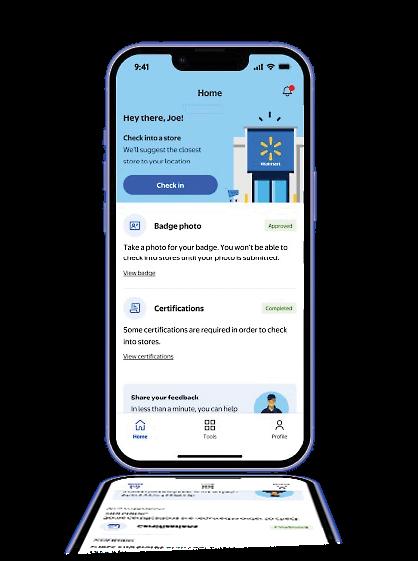
Walmart Data Ventures is introducing Scintilla In-Store, which the company touts as a transformative platform that connects data to action at the store level.
As the newest addition to the Scintilla portfolio, Scintilla In-Store unifies essential tools, real-time data, actionable metrics and supplier-assigned tasks in a single app. By integrating these capabilities, the platform helps reduce out-of-stocks, streamline execution and delivers a seamless omni-shopping experience.
Building on the vision of Scintilla, Walmart’s first-party insights platform that transforms granular data into actionable intelligence for suppliers and merchants, Scintilla In-Store now brings this ecosystem into Walmart’s stores. While Scintilla and Scintilla In-Store are separate platforms, they share a unified goal: developing innovative, data-driven tools and insights solutions that benefit everyone in the retail ecosystem.
The platform gives field representatives on-demand visibility across the store. They can also help ensure that items shifted on the shelf during busy shopping periods are accurately reflected in Walmart’s inventory systems. With this information, field representatives can resolve issues in real time, the retailer said.
MAC COSMETICS MAKES ITS SEPHORA DEBUT
After announcing plans to roll out to Sephora stores in 2026, MAC Cosmetics has made the expansion official.
The beauty brand’s products rolled out to Sephora stores and Sephora at Kohl’s on March 2, and will continue expanding throughout the year.
To mark the launch, the brand is also debuting a new global campaign starring Chappell Roan, Gabbriette and Quenlin Blackwell.
The creative spotlights the versatility of MAC, capturing talent transforming from soft, barely-there everyday beauty to unapologetic, bold glam, portrayed side by side to underscore the full range of what its cosmetics can do, the brand noted.
“With this campaign, we’re celebrating two iconic brands coming together. I wanted to highlight the true versatility of MAC,” shared MAC Global Creative Director Nicola
Formichetti. “We’ve long been known for bold makeup, but that’s only part of the story. This campaign reveals the full spectrum of who we are. At the center is Chappell Roan, stripped back from her theatrical signature, revealing a softer, magnetic presence that makes the contrast even more powerful. That shift from minimal to maximal is the essence of MAC. It reflects the complete range of looks you can create and the freedom of expression that defines us. Now, we’re proud to bring that full spectrum of beauty into Sephora, a space where everyone can explore and express their own range.”
Photographed by Richard Burbridge
DSN’s Issue Summit explores a better healthcare experience for patients
Leaders highlighted how their companies are making health care more accessible, convenient and affordable
By Sandra Levy
At DSN’s 27th annual Issue Summit, speakers explored the ways their companies are providing a better healthcare experience for patients. Two leaders focused on AI’s impact on pharmacy and health care.
The first panel entitled, “Next-Gen Healthcare: Will AI Make Us Better Or Just Different? The Future of Human Expertise in Pharmacy & Healthcare,” featured Yin Aphinyanaphongs, director of operational data science and machine learning at NYU Langone Health.
Aphinyanaphongs described two AI models in the pharmacy arena that are in production at NYU Langone Health.
The first AI model involves when a physician writes a progress note. “We read the progress notes looking for critical medications that should be given so that the provider has written a note with intent to give a critical medication. We actually identify that intent and compare it to whether the order is placed or not,” he said.
The second model involves the capacity of AI to reconcile discharge summaries and medications in the after-visit summary.
Moderated by Craig Ford, vice president of pharmacy markets at
LexisNexis Risk Solutions Health Care, a fireside chat titled, “From Counter to Care: How Technology is Redefining Pharmacy,” featured Teginder Singh, representing Google for Health.
The conversation highlighted a pivotal industry shift: moving from reactive prescription filling to proactive, data-driven patient care supported by robust cloud and dependable, data-rich AI infrastructure.
Another discussion, “The Bridge Between Pharmacy & the Community,” featured Kim Jay, training manager, consultant and senior CHW for the National Association of Community Health Workers. The panel was moderated by Niki Shah, vice president of impact innovation and activation at McKesson.
Jay explained that community health workers in the retail space serve as a liaison working in partnership with pharmacies to make sure patients understand the information that’s been provided to them. “We like to ensure when they leave that window receiving that medication they understand that information completely,” Jay said.
Another discussion, “Prescriptions, Meet Expectations: How Amazon is Redefining the Pharmacy Experience for the Digital
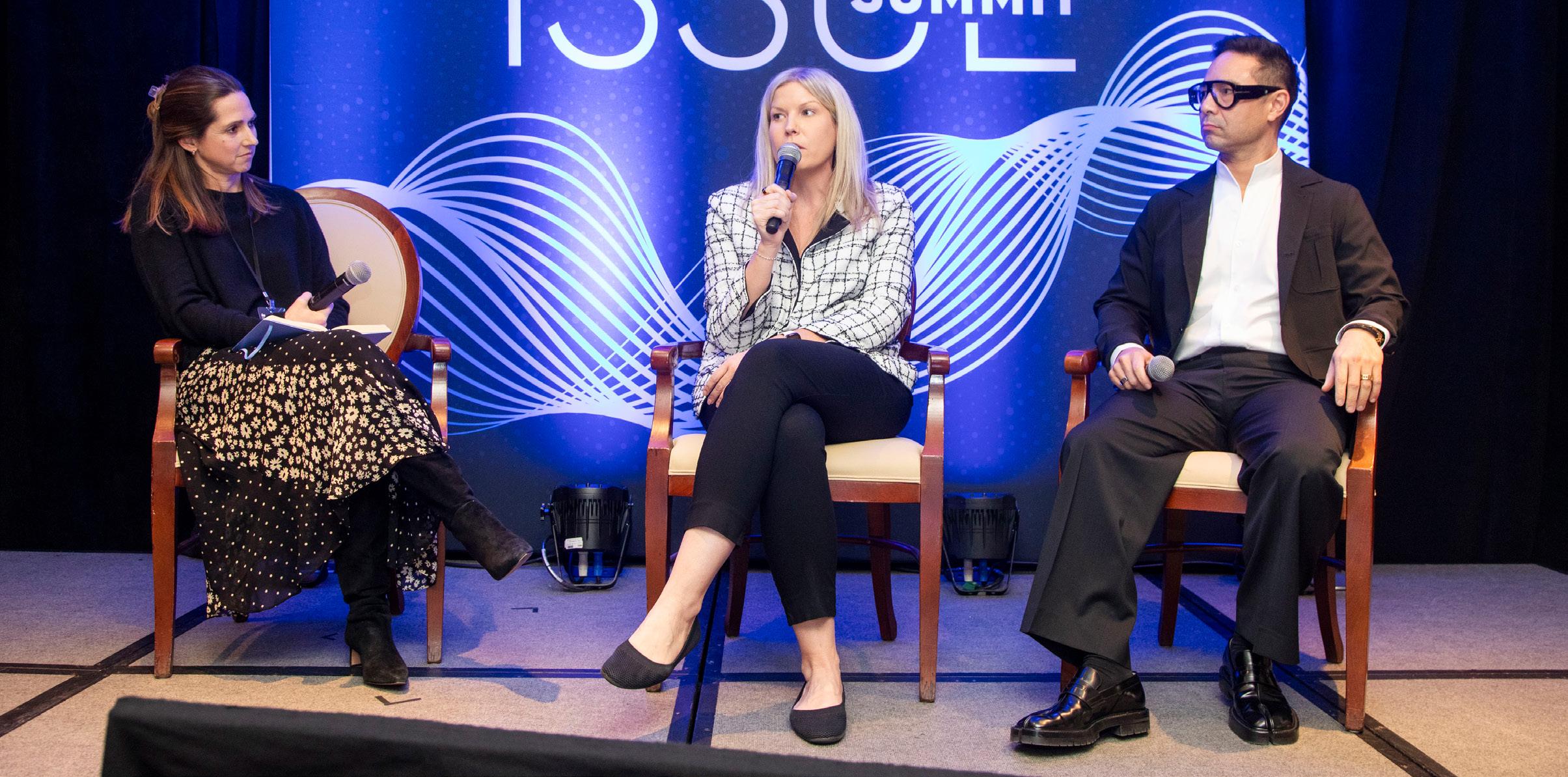
Meg Gomsak, L’Oréal Dermatological Beauty; Lisa Smith, Walmart; and Dr. David Luu, Longevity Docs, talk about reinventing the pharmacy experience.
Age,” featured Tanvi Patel, vice president and general manager at Amazon Pharmacy.
Brian Sullivan, principal, pharmacy solutions, North America at KNAPP, who moderated the discussion, asked Patel to describe how Amazon pharmacy is moving forward from traditional pharmacy.
When Amazon enters a space like pharmacy, it is looking at what the experience looks like for the customer, Patel said “We drive to the pharmacy, the pharmacy has to be open, we don’t know if the medication is going to be available, we don’t how much we are going to pay, there’s a lack of transparency, we’re standing in line and having very private conversations in very public spaces,” Patel said.
“What do we have? Do we have the core competencies? Do we have the capabilities to change that for the consumer? Amazon comes at it as a logistics company, as a customer first company, as a retailer.”
In a discussion entitled, “Delivering Better Patient Outcomes Through Access,” Leor
Shtull-Leber, head of strategic operations at Uber Health, emphasized that our country has a food insecurity issue, which is affected by access and transportation issues.
Pointing out that two thirds of people who miss their doctor appointment cite transportation, Shtull-Leber said, “This has an impact on patients’ health and also on our healthcare system. Missed appointments cost money. Twenty three percent of appointments are missed. If someone doesn’t have a way to get to a doctor, they may not also have a way to get to their pharmacy. A third of prescriptions end up not being filled. We can use Uber’s logistics platform to bring convenience and simplicity into the healthcare world by getting people where they need to go.”
Yet another discussion, “The New Front Door for Women’s Health,” featured Katie Scanlon, vice president of pharmacy at Publix, and Isha Vij, vice president of employer growth at Maven Clinic. The panel was led by Reema Jweied-Guegel,
enterprise strategic relationships, senior director of AARP.
Scanlon pointed out that as we look at women’s health, there is an overemphasis on reproductive health despite the fact that cancer and cardiovascular disease are the top causes of death for women. “A lot of times we think of women’s health and it is specifically reproductive health,” she said.
Emphasizing that menopause is a very important topic, Scanlon said that for 20 years women weren’t being treated appropriately. “There is a study from 2002 that set the standard of care so our physicians have not been trained in HRT. As clinicians we have to question the standard of care and understand what drove that and are we missing anything?” she said.
Vij took the discussion further, explaining that one in three U.S. counties doesn’t have a practicing OB/GYN. Vij said digital health platforms, like Maven Clinic, help fill those gaps. “Our hope is that giving them 24/7 access to this type of care will help them manage their symptoms, and help them be better prepared, whether it’s parenthood or navigating menopause symptoms, or perimenopause,” she said.
In response to Jweied-Guegel’s question, How do you engender trust for women in Publix? Scanlon said that pharmacists are accessible and people trust their pharmacist.
“They don’t need to make an appointment. We have extended hours of operation. It’s not an additional trip. They are already coming to the grocery store. Just by being there is the first step and having that relationship where you know this patient, you’re checking in with them, having those touch points, everything from medication adherence to wellness checks and screenings. Through the test of time, pharmacists have continued to be that most trusted professional because of access and the level of training that the pharmacist has,” Scanlon said.
A panel, “Connecting the Aisles to Support Better Health,” featured Aaron Sapp, vice president of pharmacy and wellness at Wakefern Food Corp., and Kaity Whitmire, DMM Baby, HBA,
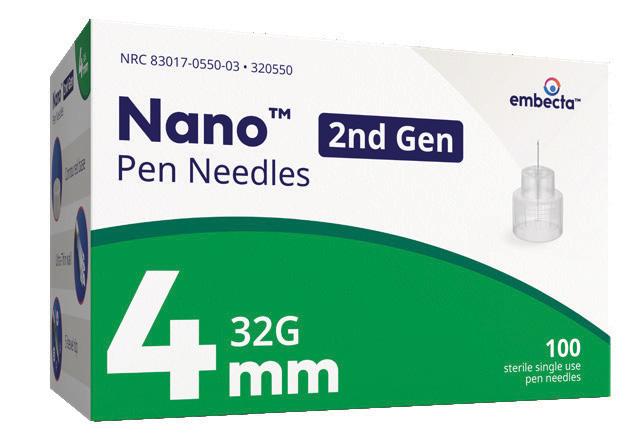
Hilary Johnson, Embecta
Colleen Hole, Healthcare Strategic Advisor
LEXISNEXIS® RISK SOLUTIONS
The healthcare industry’s trusted provider of identity solutions.
Provide Positive Digital Experiences Without Sacrificing Security
As more patients access their medical records digitally, cybersecurity threats continue to grow. While consumers expect a near-seamless digital experience, ensuring strong identity verification measures without adding excessive friction is critical for both security and user satisfaction.
Our sophisticated identity solutions allow you to build a custom identity verification and authentication solution that delivers the ideal experience for patients, with confidence for your data security team.
For more information, visit lexisnexis.com/healthcare/identity-verification
OTC, at Sam’s Club. Nigel Maynard, DSN’s editor-in-chief and editorial director moderated the panel.
Noting that most larger retailers have their own private label, Sapp said, “What are you doing with your private label brand? Are you marking it heart healthy, low sodium, gluten free? Those things help various health conditions and help patients to have healthier outcomes.”
Whitmire emphasized the importance of educating members in simple terms to make better choices today to remove the potential for chronic diseases. “We found we can’t use very clinical words,” Whitmire said, citing the category of fiber as an example.
“Instead of being super clinical we talk about how fiber helps lower your cholesterol or helps you feel fuller longer. We saw over a 20% increase in purchase intent when we started to do these things,” Whitmire said.
A discussion entitled, “Understanding Hospital @ Home: Rethinking Care Delivery & Pharmacy’s Role,” featured Hilary Johnson, head of marketing at Embecta and Colleen Hole, a healthcare strategic advisor who helped Atrium Health start its hospital at home program.
Hospital at home was created as a response to the capacity bed crisis during the COVID-19 pandemic, Hole said, adding, “We were very successful in that first year taking care of about 2,500 really sick COVID patients who would have otherwise been in a bed tying up a precious hospital bed. The program is over five years old, and it is the largest hospital at home program in the country.”
Next, Johnson provided the case study of an elderly male diabetes patient with comorbidities to illustrate the need for patients and pharmacists to receive diabetes education.
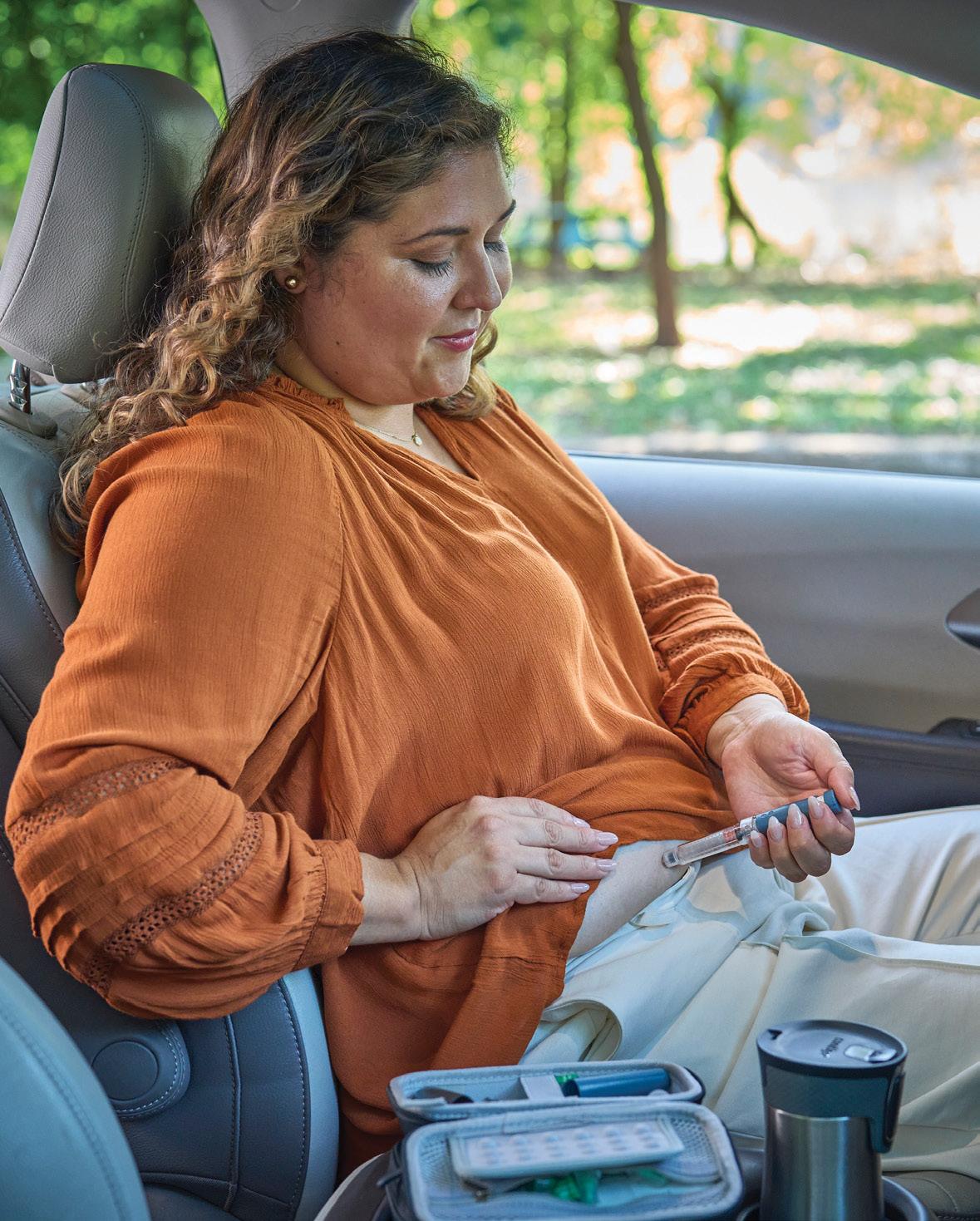
Johnson emphasized studies show that 40% to 45% of patients who are on insulin haven’t received education on how to inject. “Our focus on education is taking the most recent insulin delivery recommendations and making sure providers know what they are and creating simple tools to describe to patients these common concepts so it’s easier for them to understand.”
Finally, a discussion, “Scripted for Success: Reinventing the Pharmacy Experience,” that was sponsored by The Emerson Group, featured Dr. David Luu,
founder Longevity Docs, and Lisa Smith, vice president pharmacy clinical and specialty services at Walmart. The discussion was moderated by Meg Gomsak, director, integrated health at L’Oréal Dermatological Beauty.
Smith pointed out that Walmart has 4,000 stores in medically underserved areas. “We are looking at how we serve those patients differently. We have 95% or better of the country—much of it being rural that can receive same day delivery of our pharmacy prescriptions and that includes the full basket of what you can get at Walmart, making healthcare affordable and accessible especially for our rural communities.”
Lastly, Dr. Luu said there is a huge transition occurring, from health care to actual sick care. “The future will be focused on longevity. Everyone wants to live longer, and they especially want to live better today. The transition will come for us, pharmacists, physicians and hospitals to understand what it is to serve this population and to talk to them before they get sick and to educate them,” he said.
Aaron Sapp, Wakefern Food Corp.
Kaity Whitmire, Sam’s Club
IMPROVE
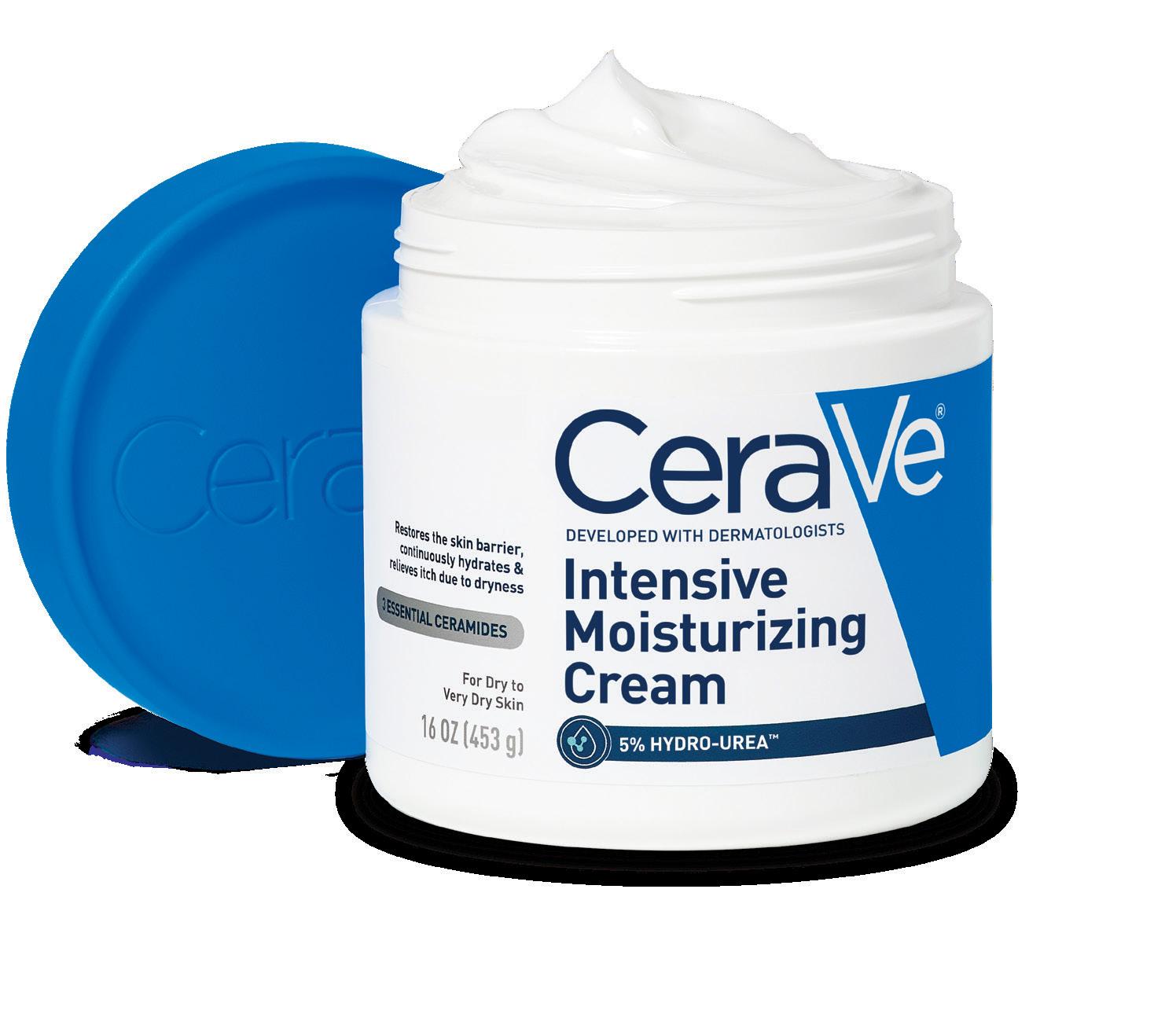
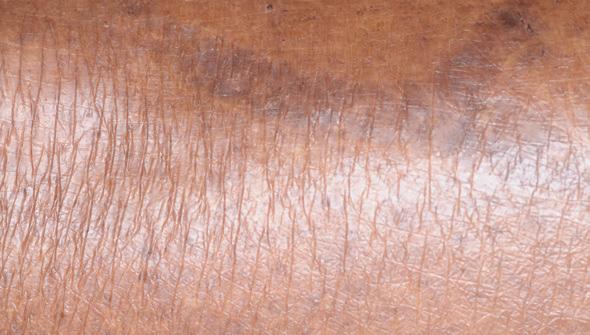
SEVERE DRY SKIN RESTORE THE SKIN BARRIER AND
CERAVE INTENSIVE MOISTURIZING CREAM IMPROVES VISUAL SIGNS OF SEVERE DRY SKIN1
BASELINE
Formulated with the Hydro-Urea™ complex and CeraVe skin barrier technologies to help replenish natural moisturizing factors (NMFs), restore the skin barrier, and provide 72-hour hydration for patients with severe dry skin. WEEK 1
5% Hydro-UreaTM helps restore skin’s water-binding capacity and replenish NMFs
Ceramides 1, 3, & 6-II help restore and maintain the skin barrier
MVE ® Technology continually releases moisturizing ingredients for longlasting hydration
Hyaluronic acid helps maintain hydration
Shea butter helps hydrate and soften dry skin
New and Noteworthy
HRG’s five notable products from February
1
2
3
After seeing strong gains in January, product introductions plummeted by almost 60 percent for the month of February.
In February, suppliers introduced 184 new products, which is 319 items fewer than the 503 products they introduced in January. Waukesha, Wis.-based HRG reviewed 14 products in the health category, 111 items in the beauty sector and 59 products in the wellness aisle to see which ones stood out as Products to Watch.
1. Vicks ZzzQuil Night Pain Nighttime Sleep-Aid Pain Reliever Chill Mint
Procter & Gamble said the Vicks ZzzQuil Night Pain Nighttime Sleep-aid Pain Reliever is designed to help with falling asleep faster when pain is preventing sleep. The maximum strength pain reliever is non-habit forming and is formulated with 1000 mg of acetaminophen for pain and 50 mg of diphenhydramine HCI. It comes in a 12-oz. bottle.
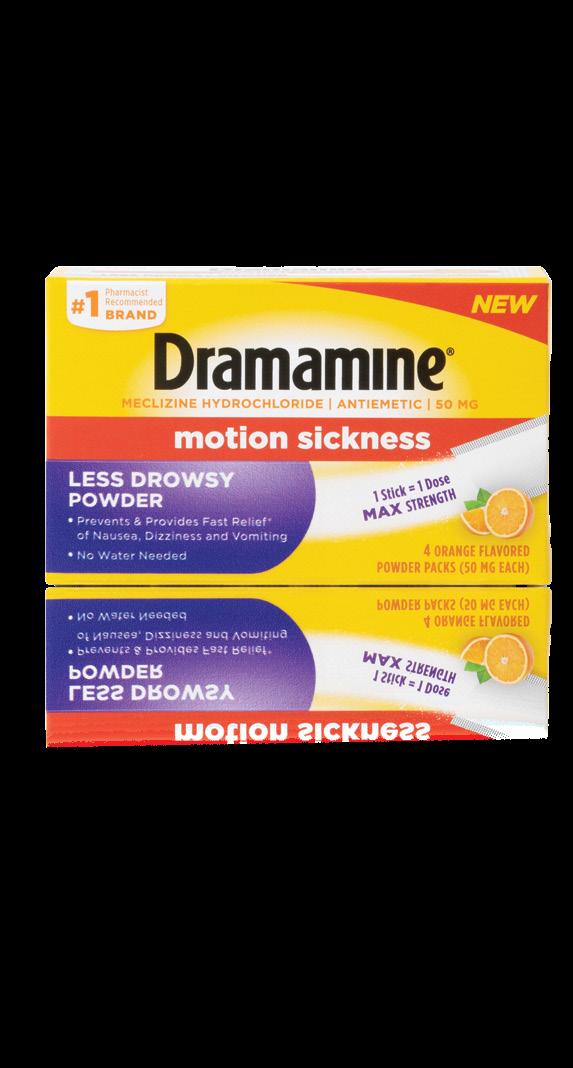
2. Dramamine Motion Sickness Powder Sticks Orange
Prestige Consumer Healthcare states that the Dramamine Motion Sickness Powder Sticks prevent and relieve nausea, dizziness and vomiting. The powder stick, which is designed with on-the-go packaging, is formulated to be less drowsy and is maximum strength. Water isn’t required for the single dose powder sticks. One pack contains four sticks.
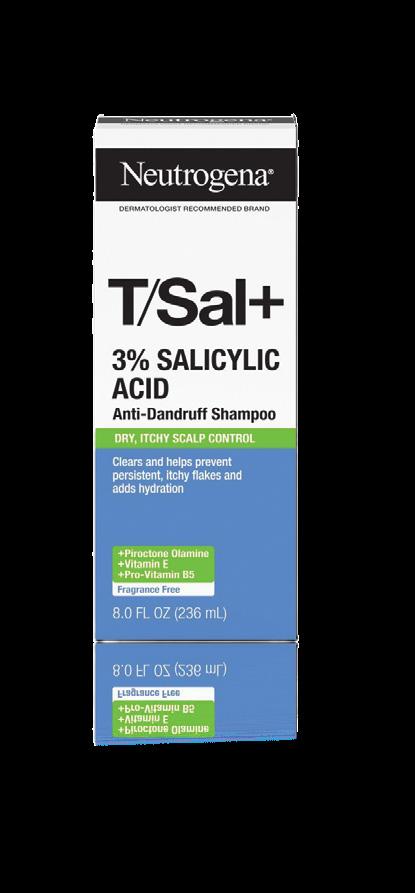
Kenvue’s Neutrogena T/Sal+ 3% Salicylic Acid Anti-Dandruff Shampoo clears and prevents scalp build up and persistent, itchy flakes. The company said the shampoo contains follicle-clearing salicylic acid for oily scalps as well as piroctone olamine, vitamin E and pro-vitamin B5. The product’s fragrance-free formula adds hydration and treats dandruff, psoriasis and seborrheic dermatitis. It comes in an 8-oz. bottle.
4. Debrox Ear Cleansing Wipes
According to Prestige Consumer Healthcare, Debrox Ear Cleansing Wipes gently cleanse ears by removing wax, dirt and buildup from the outer ear. The pH-balanced formula is less invasive than cotton swabs, has been clinically tested for safety and is safe for daily use, the company said. Support documents also indicate that the individually wrapped wipes are easy to use and leave ears moisturized. A pack contains 12 wipes.
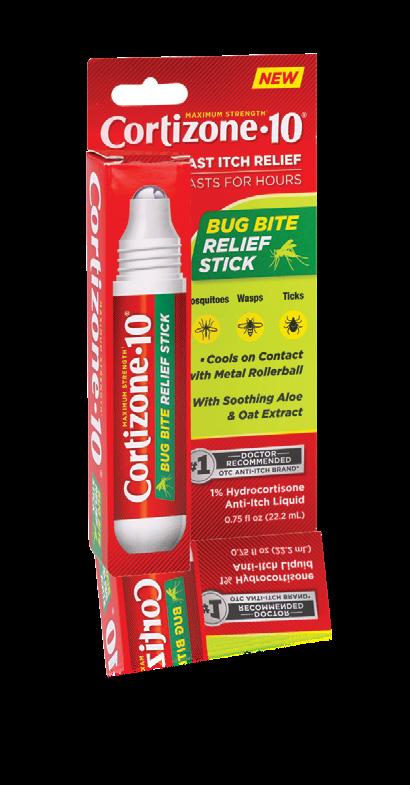
5. Coritzone-10 Bug Bite Relief Stick
Opella’s Coritzone-10 Bug Bite Relief Stick temporarily relieves itching associated with minor skin irritations, inflammation, rashes, and mosquito, wasp and tick bites, the company said. The maximum strength stick contains 1% hydrocortisone anti-itch liquid with soothing aloe and oat extract. The brand said the product cools on contact with the metal rollerball for fast itch relief that lasts for hours. It comes in a stick weighing .75 ounces.
Providing Quality Medicines Since 1932
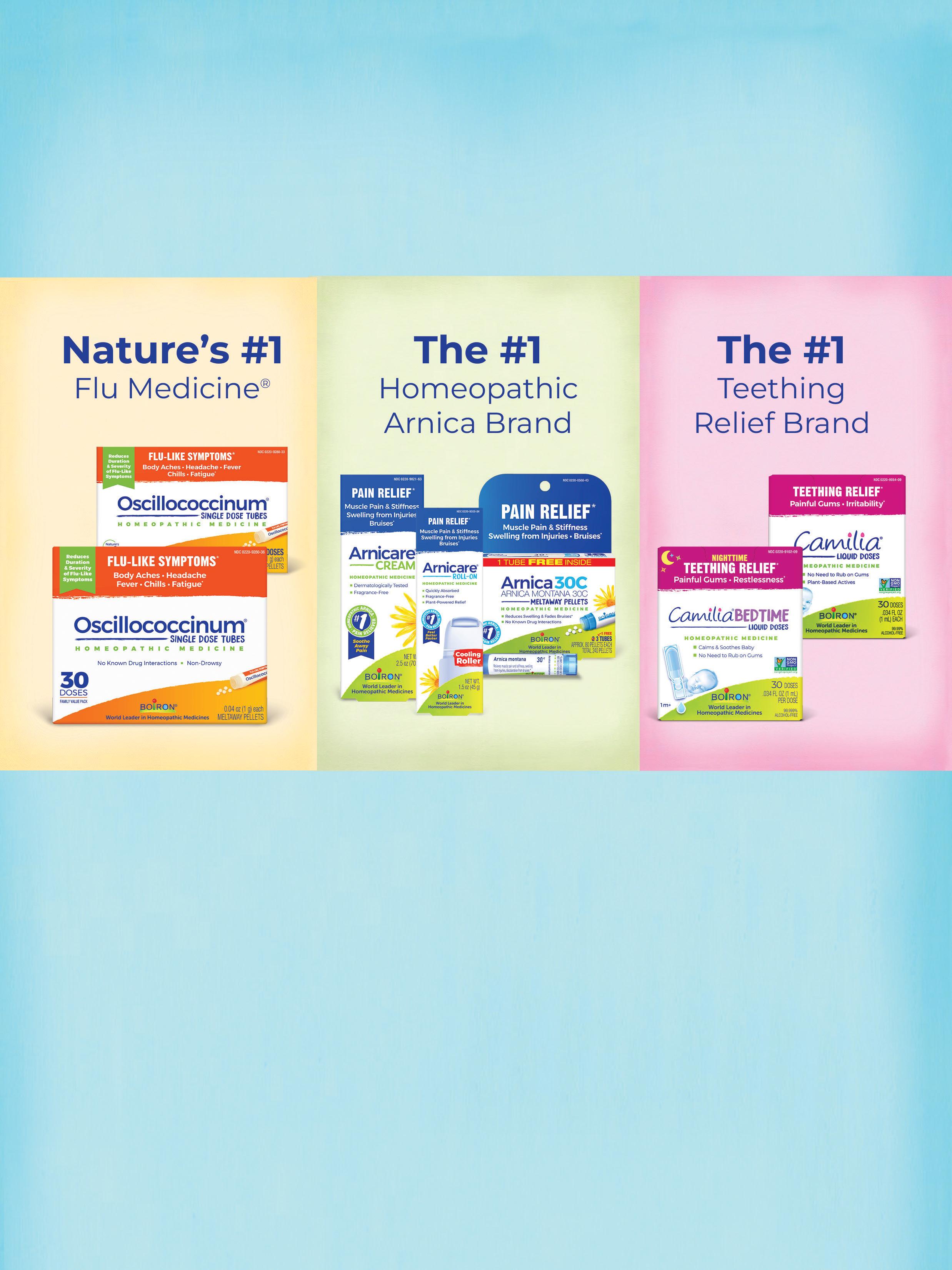
For almost a century, Boiron has provided families with the purest medicines made from the earth’s best resources. From our renowned Arnicare® line, to trusted Oscillococcinum® and Camilia® brands, our expanding range meets the diverse needs of your customers.
*CLAIMS BASED ON TRADITIONAL HOMEOPATHIC PRACTICE, NOT ACCEPTED MEDICAL EVIDENCE. NOT FDA EVALUATED.
How Agentic Commerce is Shrinking the Shelf
Will your brand make the cut?
By Jason Reiser
If your ecommerce plan still assumes the shopper will land on your product page, you’re betting on a path to purchase that’s getting shorter by the day. Up until recently, digital commerce was predictable. Search, browse, product page, cart, checkout. If you controlled the shelf and the story, you had a fighting chance.
Welcome to agentic commerce, where AI doesn’t just recommend; it curates options, builds carts and is starting to complete checkout. More consumers are beginning their shopping inside AI experiences that feel less like search and more like a conversation, and more of those conversations are ending in transactions. Instead of using keywords, shoppers describe real situations in natural language: “What’s a low sugar electrolyte for workouts?” “What’s a detergent for sensitive skin?” AI interprets the context, narrows options and recommends a small set or single best answer. And in some cases, can execute the purchase without the shopper ever visiting a website.
This isn’t creeping in slowly. AI adoption has reached roughly 800 million global users in just three years, outpacing the internet’s early curve. At the same time, mobile commerce and AI engagement are no longer siloed: nearly two-thirds of purchases now occur on mobile devices, more than one-third of adults report having used AI guidance while shopping and trust in agent-led purchasing is high among consumers who engage.
Here’s why this matters for brands. When AI surfaces fewer options, visibility stops being about winning a page and starts being about being understood in a structured, machine-readable way.
We humans tolerate messiness. A shopper might squint at an image, guess a
size, shrug at a slightly wrong title and still buy. Agents don’t. If availability is wrong, pricing is messy, attributes are incomplete or item setup is stale, you don’t just lose conversion. You risk not being recommended at all. That’s the shift. This isn’t a lower rank problem. It’s a visibility problem.
You’re competing to make the cut.
And the pipes are getting built to make this mainstream. OpenAI and Stripe introduced the Agentic Commerce Protocol, and Google introduced the Universal Commerce Protocol, designed to connect agent driven discovery to cart, checkout and post purchase workflows without forcing retailers to rebuild their stacks.
Retailers are rolling out their own agentic experiences too. Amazon has Rufus inside the Amazon Shopping app. Walmart and Target have partnered with OpenAI to enable shopping experiences inside ChatGPT. Different wrappers, same direction: The agent is becoming a real gatekeeper, influencing what makes it into the cart and sometimes completing the purchase.
Jason Reiser is chief executive officer of Market Performance Group.
Here’s what it looks like when it works. A clean beauty brand partner applied AI forward practices and saw a 101% sales increase on a hero bundle by upgrading imagery, refining backend data, rewriting copy and updating content regularly. Not glamorous. Very effective. When content is built to be interpreted cleanly and kept current, performance follows.
So where should you start, without boiling the ocean? Pick a handful of SKUs and the missions they should win: Replenishment, routine personal care and wellness, meal planning and pantry building, seasonal needs. Then get ruthless about pack and variant logic, decision attributes, taxonomy mapping, item content syndication and governance that keeps your brand source of truth aligned with retailer item setup. Here’s the question I leave you with. If a shopper describes the consumer need-state you should own, in plain language, will your product even be eligible to show up as the answer? Because in an agent-driven world, you’re either in the set, or you’re not in the conversation at all. Time to tighten up your item discoverability for agentic commerce.
The Digital Cure for Pharmacy Deserts
By automating routine dispensing and administrative tasks, AI frees pharmacists to focus on what matters most: patient care
By Asher Perzigian
What happens when a patient needs blood pressure medication but the closest pharmacy is more than an hour away? This is the reality for 16 million Americans. Nearly half of U.S. counties are now classified as pharmacy deserts, and the trend is accelerating as national chains close thousands of locations. Communities are left vulnerable, disconnected from essential healthcare resources and facing a crisis that extends far beyond inconvenience.
When patients can’t access their medications, adherence drops. That means more emergency visits, worse health outcomes and billions of dollars in avoidable healthcare costs each year. Pharmacy deserts don’t just impact individuals; they strain the entire healthcare system.
The solution to this massive challenge starts with reimagining the pharmacy’s role. Pharmacies shouldn’t be the final stop in care, they should be part of the journey from the start. When pharmacists, providers, payers and patients are connected from the outset, we see higher adherence, better outcomes and lower costs. In fact, patients who receive interventions at a pharmacy have 3% higher medication adherence and nearly 3% fewer emergency visits.
Asher
Perzigian is managing director of Accenture’s strategy and consulting health practice. Shreya Nayak, manager at Accenture, contributed to this piece.
Technology is the game-changer. E-commerce and home delivery are already making medications more accessible, especially for those in remote or underserved areas. By 2026, half of all over the counter (OTC) sales will happen online, and mobile pharmacy purchases are growing rapidly. Telepharmacy, 24/7 access to a pharmacist via video or chat, means expert guidance is available no matter where a patient lives.
Artificial intelligence is poised to take this further. By automating routine dispensing and administrative tasks, AI frees pharmacists to focus on what matters most: patient care.
That means more time for counseling, chronic disease management and preventative services like vaccinations. The result? Improved outcomes and a lighter load on the healthcare system.
The appetite for innovation is there. Nearly 80% of U.S. adults say they’d share their health data for a more connected, seamless experience. Pharmacists have an opportunity, and a responsibility, to lead this transformation.
Pharmacy deserts are a serious challenge, but technology gives us the tools to solve it. By embracing innovation and putting pharmacies at the center of care, we can ensure every patient, regardless of ZIP code, has access to the medications and support they need.
HOME-BOUND
What’s the role of community pharmacy for older consumers who want to live out their lives at home?
By Mark Hamstra
As the U.S. population ages, retail pharmacies have opportunities to secure a more important role in meeting the healthcare needs of the elderly patients in their communities.
These older consumers increasingly want to live out their lives at home, which often requires unique pharmacy services, from delivery and special prescription packaging to consultation and medication therapy management.
Community pharmacists are ideally suited to meet these demands, and more and more retailers are finding ways to provide these services in ways that benefit their patients and their bottom lines.
“Retail pharmacies are uniquely positioned to meet the needs of older consumers and their family caregivers,” said Rita Choula, senior director of caregiving at AARP. “Many of these pharmacies already are a trusted source of care in communities across the country. These existing relationships give them an important opportunity to play an even bigger role in supporting the needs of their customers.”
By 2031, there will be more people in the United States over age 50 than under age 18, according to U.S. Census data presented in a recent AARP report.
“From a business perspective, it positions pharmacies as essential healthcare hubs in the aging-in-place movement.”
— Michael Wysong, CEO, CARE Pharmacies
31,200+ Social Followers
33,000+ Circulation
145,000+
Homebound elderly patients and their caregivers often face significant challenges that can affect their access to and quality of care, said Tim Weber, national VP of community pharmacy solutions—strategy, innovation and data at Cencora, parent of the Good Neighbor Pharmacy network. These challenges include keeping up with the management of complex, chronic conditions and multiple medications, as well as fragmented care coordination, particularly after hospital visits, he said.
“These gaps can contribute to missed follow-up appointments, medication errors, caregiver burnout and avoidable emergency-room visits and hospitalizations,” said Weber.
Retail pharmacies help address these needs by bringing care into the home through long term care (LTC) at-home programs, pharmacist-led medication coordination and reviews, medication synchronization and medication adherence programs, and delivery of prescriptions and other items, he said. Retail pharmacies can also help coordinate care across providers, educate caregivers, connect patients to safety and social support.
Ed Vess, a pharmacist who now serves as director of pharmacy professional affairs at RedSail Technologies and previously was a pharmacy consultant and operations manager in long-term care, said community pharmacists are ideally positioned for elder care because of the frequency with which they interact with their patients.
“Typically, they’re seeing those patients on a monthly basis, while those patients might only see their physician once or twice a year,” he said. “That gives the pharmacist a great opportunity to intervene, and when necessary, hopefully make some small corrections before large corrections are needed.”
Opportunities for retail pharmacies
Michael Wysong, CEO of CARE Pharmacies Cooperative, said there are numerous benefits for pharmacies who add elder care at home.
“First, it allows providers to leverage their trusted reputation in the communities in which they live,” he said. “In many cases pharmacy is viewed as the most trusted, accessible and empathetic partner
CAREGIVERS ARE PART OF THE HEALTHCARE TEAM
It’s important for pharmacists to keep in mind that family caregivers are an important part of the patient’s healthcare team, said Rita Choula, senior director of caregiving at AARP.
Caregivers often have to navigate a complex, fragmented healthcare system, she explained, and community pharmacists can help by offering guidance on medication management – especially complex routines and side effects. They can help communicate with prescribing healthcare professionals, serving as a hub for preventative care such as vaccines and in-store screenings and providing information about such services as caregiver support and fall-prevention.
“When retailers design their space and practice with caregiver/patient dyad experiences and needs in mind, everyone benefits,” she said, noting that the in-store experience can go a long way toward retaining patients who might otherwise switch to online pharmacy platforms.
“Long wait times, lack of positive, informative communication with pharmacy staff and inconvenient hours can all drive consumers away from that instore visit,” Choula said.
A recent AARP report highlighted the increasing role of caregivers, noting that 63 million Americans are currently serving in this role.
Only Rhinase® moisturizes BOTH upper and lower nasal passages for complete nasal relief from dryness.
CPAP/BiPAP, and colds & flu.
Rhinase® with Xylitol provides natural and drug-free relief from upper and lower nasal dryness and irritation caused by dry room air, seasonal allergies, chronic
Offer your customers an alternative to products that include unwanted steroids and dyes, or a saline-only product that may not work as well.
TIPS FOR GETTING STARTED IN ELDERLY HOME CARE
Retailers looking to scale up their home elder care/LTC at home should consult with groups that specialize in these services, such as the Community Pharmacy Enhanced Services Network, which offers a training program called LTC@Home, and various national and state associations that can provide information, guidance and training.
“Getting involved and networking with people who already have the experience … is going to save a lot of time, money, effort and headaches,” said Ed Vess, director of pharmacy professional affairs at RedSail Technologies. “Getting to know people who have been successful at it, who can give you some pointers and walk along the path beside you, can help you avoid some of the mistakes that they may have made.”
Additionally, industry sources suggested the following:
• “Start by assessing your current capabilities,” said Michael Wysong, CEO of CARE Pharmacies. “Do you have the staff, technology, and infrastructure for services like home delivery, infusion, or compounding?”
• Focus on building relationships with local physicians, home health agencies, and senior living communities to generate referrals, Wysong said.
• Wysong also suggested that retailers invest in patient education and technology for remote monitoring, he said.
• Start small: “Begin with medication management for a few homebound patients, and scale as you gain experience,” Wysong suggested. Rannon Ching, who previously had been a pharmacist at Tarrytown Pharmacy in Austin, Texas, but recently left to launch his own businesses providing vaccines and consulting, agreed that starting small was good advice, suggesting at-home vaccinations, medication synchronization services, and blister packaging and potential points of entry into the realm of elder care.
focused primarily on improving patient outcomes.”
Focusing on elderly care solutions also provides opportunities for retail pharmacies to diversify their revenue streams by offering services such as home infusion, hospice and medication synchronization, Wysong said. These services can generate higher margins and foster long-term patient relationships, he said.
Providing elder care services also improves adherence, reducing hospital readmissions and supporting chronic condition management, said Wysong.
“From a business perspective, it positions pharmacies as essential healthcare hubs in the aging-in-place movement, tapping into the booming senior population,” Wysong added. “Retailers can leverage this to negotiate better contracts with payers and differentiate themselves from big chains, ultimately driving growth and sustainability in a challenging market.”
CARE Pharmacies, a member-owned cooperative serving 170 independent retail pharmacy locations across 23 states, supports its members with accreditation assistance for providing LTC at home, enabling retailers to qualify for reimbursement through Medicare Part D.
Wysong cited one CARE Pharmacies member in the Midwest that expanded into home infusion and hospice services and partnered with local home health agencies. This enabled the retailer to grow its patient base by 30% in two years, he said, adding that the retailer also drove improved patient satisfaction and reduced readmissions.
Another CARE Pharmacies member on the East Coast focused on aging-in-place programs, offering medication synchronization—the bundling of multiple medications for chronic conditions to facilitate the logistics of pick-up—and at-home consultations for seniors, which resulted in stronger community ties and increased revenue from specialty prescriptions, Wysong said.
Implementing LTC at home
Weber of Cencora described LTC at home as the most significant initiative that Good Neighbor Pharmacies have implemented to address the needs of elderly patients and their caregivers. The program is designed to provide a higher level of care coordination and pharmacy services to patients, he said.
“For home-bound elderly patients who meet the [Medicare] requirements, pharmacies operating an LTC-at-home program provide medications packaged in patient-friendly, adherence-supporting blister card or pouch packaging, provide delivery to the patient’s home, education and coordination with a caregiver, access to a 24/7 on-call pharmacist, and support for complex disease state medication regimens,” Weber explained. Pharmacies often work with the patient and caregiver to identify and correct medication-related problems that result from the fragmentation of care among different healthcare providers, he said.
Rannon Ching, who recently left his role at Tarrytown Pharmacy in Austin, Texas, to launch two businesses of his own specializing
in vaccine services and pharmacy consulting, said retailers have opportunities in the formally recognized LTC at home space and in what described as “LTC-adjacent” services.
For example, a retail pharmacy can still provide services such as medication synchronization, home delivery, and testing and other preventative services for patients who are able to come to the store and are therefore ineligible for LTC at home reimbursement.
“That all points back to the opportunity that pharmacy has to reduce the healthcare burden and the healthcare costs, which will have to be recognized by actuaries at some point,” said Ching.
Training staff to suggest non-pharmacy add-ons such as OTC medications, HBC items or greeting cards, for example, is another service pharmacies can provide for older patients and their caregivers. These patients might not know how to navigate Amazon, for example, and suggesting items they might need along with their medications can provide a valuable service as well as boost pharmacy revenues.
Ching said he thinks of elder care as being like a Venn diagram, where there are services that help the patient and services that benefit the retailer. Where they overlap is where the ideal opportunities lie.
Overcoming challenges to home care
The biggest hurdles that retailers need to overcome to provide at-home care include regulatory compliance and accreditation, which can be complex and resource-intensive, Wysong said.
Staffing is another challenge. “Finding pharmacists and technicians trained in infusion, hospice or specialty care isn’t easy, especially in rural areas,” Wysong said.
These services also require technology integration for electronic health records, remote monitoring and secure delivery logistics, which add costs. In addition, coordinating care with
“This offering gives pharmacies an opportunity to demonstrate their role in improving health outcomes.”
— Tim Weber, national VP of community pharmacy solutions — strategy, innovation and data, Cencora
ADVICE FROM AN MTM SPECIALIST
Lynn Harrelson, a geriatric integrative clinical pharmacist and internationally recognized expert who provides medication therapy management (MTM) services for elderly patients through her firm, Louisville, Ky.based Senior Pharmacy Solutions, said she learned early in her career that MTM provides tremendous benefits in terms of both improving patients’ quality of life and reducing costs.
“We have a situation in our country where the patient goes through all of these appointments and tests and delays in order to get their medicine, and then once the finally get the prescription, they think that their road to recovery is complete,” she said, noting that often their challenges are just beginning.
She also described a “push-button” mentality among consumers who can suffer from bypassing the community pharmacist when they order their subscriptions by mail.
“We have completely eliminated the professional interaction with who I consider the most important person in the healthcare industry when it comes to getting the benefits of all of the expenses you have incurred in your healthcare,” she said.
One of the keys to success in providing MTM services to the elderly, she said, is that pharmacists need to be able to communicate effectively with prescribers, who may resist being informed by a pharmacist that their patient may need to change their medication regimen. That involves using the right tone and choosing the right words, she explained.
In addition, pharmacists—especially young pharmacists who may be new to the profession — should also be aware of how they are communicating with elderly patients, Harrelson said. Pharmacists need to ensure that patients understand exactly how to take their medications—she suggests having patients repeat the instructions back to the pharmacist to demonstrate their understanding, for example.
The store environment also should reflect the needs of older patients, she said, including enough chairs for them to sit down and a private consultation area where pharmacists can discuss medications and payment information with their patients. Other considerations include minimizing the background noise that can interfere with older patients’ hearing, and ensuring the visibility of signs and displays that take into account the compromised eyesight that afflicts many older patients.
“I actually think the opportunity for community-based pharmacists is phenomenal,” said Harrelson. “I have always considered the community-based pharmacist as the triage health officer in the community.”
A broad range of pharmacy solutions
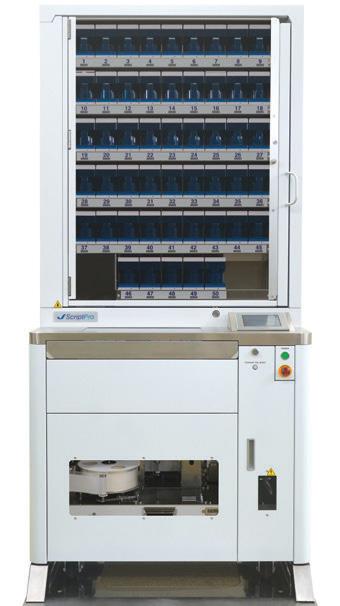
CRS 150 – Compact powerhouse. 150 vials hourly in just 9.5 sq. ft.
SP 200 – Precision dispensing with 6- or 12-Slot patient organization system. Fills, labels, and collates up to 150 vials per hour.
ScriptPro delivers operational, financial, and clinical solutions backed by 30 years of pharmacy management expertise. Trusted by thousands of retail pharmacies worldwide, we streamline operations, reduce wait times, and lighten staff workload with advanced robotics and integrated software. Our technology automates vial filling, inventory, payments, eligibility, reimbursement,
800.606.7628 | scriptpro.com
MP 100 – From cassette to patientready in seconds. 54 pouches per minute.
and more – freeing pharmacists to focus on patient care. Whether you’re a chain or an independent pharmacy, ScriptPro helps pharmacies thrive today and in the future.
Script your success story with a tailored strategy session. Contact us today!
HY-VEE OFFERS A RANGE OF SERVICES FOR ELDERLY PATIENTS
Hy-Vee has invested in a variety of tools to help make its pharmacy and nutrition services more accessible to elderly patient populations, who traditionally struggle with access to care, said Tina Potthoff, senior VP of communications at the West Des Moines, Iowa-based retailer. The include services around prescriptions, such as:
• Pharmacy family accounts, which allow family members and caregivers to manage prescriptions and submit refill requests within the Hy-Vee mobile app, both for themselves and for those they care for.
• Non-child-resistant caps, designed for people who struggle with arthritis or weakness.
• Talking prescription labels, which are available at all Hy-Vee pharmacy locations, enable patients who may be visually or print-impaired to scan a prescription label (with either a free ScripTalk reader or using the ScripTalk mobile app) and have the medication information read aloud. The prescription labels are available in 26 languages.
• Free home delivery, which is available for eligible prescription orders across the U.S., including an options for same- or next-day prescription delivery for those in a hurry. Hy-Vee also offers the following vaccine services geared for elderly patients:
• Walk-in availability, which Potthoff said drives a significant amount of patient traffic, especially in older patient groups who may struggle to schedule an appointment online.
• Scheduling assistance for those who prefer to schedule an appointment in advance, Hy-Vee offers vaccine scheduling services through its customer care call center to assist patients who may have technology and/ or language barriers. Patients can speak with a live agent to schedule vaccines for flu, shingles, RSV, COVID-19 and others.
• Drive-thru flu shot clinics, offered every fall to provide a way for patients to get their annual vaccine without having to enter the store.
• Onsite vaccine clinics, through which Hy-Vee pharmacies work with long-term care facilities within their communities to offer immunizations onsite.
• Large-print vaccine consent forms, which Potthoff said has been integral in serving older patient populations. In addition, Hy-Vee also offers dietitian services that can be of use to elderly patients:
• Personalized nutrition counseling, including both in-person and virtual dietitian services that are tailored for each individual.
• Medically tailored meals, a new line of frozen meals that Hy-Vee developed called Dietitian Dishes that are designed to support gluten-free, heart-friendly and diabetes-friendly diets. Each entrée can be prepared in a microwave in five minutes or less. In addition, Hy-Vee also works with a licensed online insurance company to help Medicare- eligible customers find the right Medicare plan for them, Potthoff said.
multiple stakeholders—physicians, caregivers, payers—can place further demands on retailers.
Collaborating with other members of the local healthcare ecosystem is an important element of home elder care, however.
“Pharmacies can partner with caregivers and visiting nurse programs to perform regular medication checks and reviews,” said Weber of Cencora. “By working alongside physicians and remote patient monitoring services, pharmacies can also help detect changes in a patient’s health status between visits and appointments, helping to enable more timely interventions.”
Weber said the ability to provide elderly home care is important for several reasons. “Most importantly, it delivers meaningful benefits to the surrounding community,” he said.
In addition, elderly home care supports patient retention for retailer pharmacies while creating an opportunity to attract new patients, he said.
“This offering gives pharmacies an opportunity to demonstrate their role in improving health outcomes—and can open the door for conversations with local health plans about reimbursement for medication management activities associated with elderly home care,” Weber said.
ADVANTAGE YOU!
Leading The Way In The Evolving Generics Marketplace
You need a partner with vertical manufacturing strength, a deep pipeline of products, and the passion to deliver for your patients. Camber is a leader in product approvals and launches, many of which are large molecule, specialty, and complex generics.
We’re also leaders in responding to the needs of our customers. Our commitment to quality and consistent supply are your distinct advantage.
Camber is growing to meet the needs of an aging population. Let’s grow together!
BOOM, BUST AND REBIRTH OF CBD
Hemp-derived CBD started as a non-euphoric cannabis medicine, shifted to a cultural sensation and had a sudden death. Legal and regulatory changes are poised to bring it back
By Taffel Sturgeon
Remember when CBD promised to be the biggest wellness category of the century? In the heady days before the pandemic, the hemp-derived cannabinoid was the talk of the town. The non-intoxicating cousin to get-high THC was the active ingredient that launched more than 3,000 mom-andpop companies.
The hemp-derived CBD revolution was started the year after Colorado legalized marijuana for the fun of it, in 2012. The seven Colorado-based Stanley brothers developed CBD as medicine to solve problems no drugs could. CNN featured a young girl, Charlotte Figgi, whose
debilitating epileptic seizures were stopped cold with CBD. The Stanley brothers named their company after her, Charlotte’s Web.
Desperate parents by the hundreds moved to the Rocky Mountain state to avail their epileptic children of this miracle compound derived from—gasp!—hemp. That’s only a half-step away from marijuana, you know.
“We were founded on a 15,000-patient waiting list,” said Jared Stanley, who sits on the board of Charlotte’s Web. “Consumers came to CBD looking for relief, full stop.”
The landmark 2018 farm bill legalized hemp farming, leading to more than half a million acres planted, and with advocates trumpeting 25,000 uses of the hemp plant— from concrete to clothes, food to medicine—it seemed the sky was the limit for the cannabis plant.
True, drug stores and other mainstream FDM channels missed out on much of the boom, what with the FDA declaring it illegal as a dietary ingredient and thus theoretically outlawing CBD in supplement formats. This limited the mass market channel to noningestible topicals like creams, lotions, balms and salves.
“We’re super safe with topicals; every state allows topicals,” said Mike Baghoomian, CEO of Muscle MX, which sells in bricks-and-mortar outlets nationwide, including
pharmacies, medical equipment supply stores, health-food stores and smoke shops. Its products are positioned for targeted relief, like Bengay, and for mood, recovery, mobility and sleep. “There’s opportunity with topicals, and there’s a huge market still.”
CBD died slowly, then all at once
The FDA tried its level best to put the genie back in the bottle, concluding at the end of a boisterous three-hour public meeting in the spring of 2018 that it would take three years for the agency to write a rule legalizing CBD—one of more than 100 cannabinoids in the plant.
In that three-year interregnum, COVID hit and consumers quickly turned their supplement spending to anything that said “immunity” on it. That, the lack of regulatory clarity and uneven quality products—turns out, hemp does not grow like a weed after all—all conspired to collapse the CBD market.
Market data tracker Brightfield had optimistically forecast CBD sales to hit an eye-watering $22 billion by 2022, but today it stands at only $2 billion, half of which is from the FDA-approved CBD isolate drug, Epidiolex. Brightfield noted 90% of wellness consumers use it for chronic pain, anxiety and depression, joint pain and inflammation and to help with sleep.
“That bright window of 2018-19 was actually a small one,” said Steve Hoffman, managing director of Compass Natural, a Colorado-based marketing and PR firm that once represented many CBD companies in the market. “It’s a much-diminished market but there’s still a market out there. Everyone’s trying to operate in the loopholes.”
Annie Rouse is one of them. The Kentucky entrepreneur was a hemp pioneer, starting CBD brands and building an online CBD store, Anavii Market, stocked with CBD brands. Today, Anavii is mostly THC brands and her company has shifted to offer THCforward beverages, Cannabuzz, under the “chaotic” aegis of three Kentucky regulatory bodies. “The market shifted,” said Rouse, “because people want to feel something when they consume it. CBD is so subtle.”
Death knell—or resurrection?
In just the last six months, a flurry of activity could radically reshape the market—it could either completely dismantle the CBD industry or finally get pharmacies involved in ways it could have scarcely imagined.
First, the Congressional law that re-opened the federal government last November contained a proviso that redefined CBD products as having no more than 0.4 mg THC per container. That law, which takes effect Nov. 12, 2026, would “shut down the hemp industry across the United States,” according to Sen. Rand Paul (R-KY). “The number put forward in this bill will eliminate 100% of the hemp products in our country.”
In just the last six months, a flurry of activity could either completely dismantle the CBD industry or finally get drug stores involved in ways it could have scarcely imagined.
But then, one month later, President Trump issued an executive order to accelerate the rescheduling of marijuana in the Controlled Substances Act, from Schedule I—no medical use and highly addictive—to Schedule III. (The Biden Administration initiated the review process in 2023.) This change would help businesses and researchers, and allow for potential Medicare coverage for CBD products.
And in January 2026, bipartisan legislation was introduced in the U.S. House of Representatives that would mandate the FDA (again) to regulate cannabinoid hemp products.
Also in January, other legislation was introduced to push back the hemp ban two more years, which would allow for more thoughtful legislation that addresses concerns about THC leaking into legal CBD products and allows for consumer access to these products.
“There is strong momentum in Congress to enact a legislative fix prior to the November 2026 effective date, and then we have the president’s December 2025 EO urging Congress to re-examine the hemp definition, which is a pretty powerful nudge,” said Rend Al-Mondhiry, attorney at the Amin Wasserman Gurnani law firm, which has represented many CBD companies, as well as mainstream dietary supplement companies. “I’d say the chances that something is passed are solid.”
CBD redefined and redefined again
Retail pharmacies who lament missing the CBD boom can console themselves that they avoided the CBD bust. The irony is that CBD may finally arrive in stores—just not the way anyone expected.
That’s because CBD’s original pioneer is preparing for what could be the most consequential chapter of the category—one that may finally bring CBD fully into the drug store channel.
And that’s because the Trump executive order directed Medicare to develop a model that allows patients to receive up to $500 annually in hemp-derived CBD products.
“That signal matters,” said Stanley. “The message is clear: The future of CBD is moving toward medical channels, not novelty retail.”
And that plays right into the hands of Charlotte’s Web, which in 2023 partnered with AJNA Biosciences to launch DeFloria. The company aims to have its hemp-derived, full-spectrum CBD go down the path of botanical drug development to treat symptoms of autism spectrum disorder.
The FDA’s botanical drug pathway was established in 2003 and expanded in 2016 to support complex, plant-based medicines. This was a seismic shift in FDA’s thinking, because pharmaceuticals tend to be a synthetic single molecule that can be easily identified and characterized. Herbs are nothing like that—natural, multifarious molecules that work together and that also tend to be as variable as a field of dandelions.
THE LIFE AND TIMES OF CBD: A TIMELINE
2012
Colorado and Washington legalize adult-use marijuana
2013
Charlotte’s Web CBD features on CNN as a revolutionary anti-seizure medicine.
2014
Farm Bill legitimizes hemp commercialization, and the green rush is on.
2018
FDA approves CBD isolate drug, Epidiolex, and declares CBD illegal as a dietary ingredient. This stifles inclusion in foods and beverages, prevents FDM stores from stocking CBD products except for topicals.
2019
Hemp acreage planted peaks at 511,000 acres.
2020
COVID devastates CBD market as consumers turn to immunity supplements.
2023
Charlotte’s Web partners with AJNA Biosciences to launch DeFloria, which develops a CBDbased drug for autism-related irritability.
2024
Hemp acreage planted falls to 32,694 acres.
2025
Federal law re-defines CBD out of existence by end of 2026. President Trump announces cannabis re-scheduling process should accelerate, and CBD to qualify under Medicare.
2026
DeFloria in Stage 2 clinical trials, hoping for commercialization by 2030.
DeFloria has already cleared the biggest barrier to entry for a botanical drug: Its Investigational New Drug has been cleared, which means the company can initiate a Phase 2 clinical program to evaluate efficacy and dosing.
“That’s a critical milestone,” said Stanley, now the CEO of DeFloria. “It confirms the agency is comfortable with our product characterization, safety profile, and trial design.”
If all goes well, DeFloria plans on Phase 3 human clinical trials in 2027, FDA review in 2029 and FDA approval in 2030.
Today, only two FDA-approved drugs exist for irritability associated with autism, both can carry serious side effects, and many families cycle through multiple pharmaceutical options with limited success or tolerability. Stanley argues that the space is ripe for a differentiated therapy—and that the national conversation around autism is accelerating.
“Autism is clearly top of mind for the current administration,” he said, “and is increasingly treated as a national public-health priority.”
Real pharmacy CBD
For retail pharmacy managers, the implications are bigger than one company’s reinvention. If Charlotte’s Web and DeFloria succeed, it would underscore a future in which cannabinoids don’t live as wellness products on an endcap but rather as physician-directed therapies, potentially reimbursed by insurance, and integrated into the health-care economy in a way CBD at retail never achieved.
Which tees up the real takeaway: CBD didn’t die because people stopped needing relief. It sagged because the market got ahead of the science, and the science got tangled in regulation. What Charlotte’s Web is betting now is that the category’s future will be smaller, slower and far more serious—a correction, not a comeback.
The CBD boom may be over. But for drug stores, the era that matters most may be just beginning.
“Consumers came to CBD looking for relief, full stop.”
— Jared Stanley, Charlotte’s Web & DeFloria
Does Hair Care Have a Place in Wellness?
Brands are putting an emphasis on hair health rather than just shiny locks
Hair care brands are increasingly positioning scalp care, treatments, tools and ingestibles as part of a holistic wellness routine as the hair category earns a spot in the $2 trillion U.S. wellness economy measured by the Global Wellness Institute.
“As consumers think more holistically about their health, everyday rituals like hair care are being reexamined through a wellness lens. The scalp is where that shift begins,” said Juan Morillo, office manager for OKAY Pure Naturals.
Janell Stephens, founder and CEO of Camille Rose, added, “The conversation around hair has expanded into wellness, culture and identity. Hair care is no longer just about styling; it’s part of a broader self-care ritual. Consumers are seeking products that delight the senses while remaining safe and effective, and they are looking to brands that reflect their values and heritage.”
Hair wellness starts at the scalp. “The skin is the body’s largest organ, and that includes the scalp,” said Esther Garcia, general manager, CeraVe U.S. “For us at CeraVe, maintaining a healthy skin barrier is essential to overall health, impacting both how we look and how we feel. When it comes to hair care, we want our consumers to have access to products that support their scalp without compromising hair care performance.”
Beyond scalp care, Carolina DelRio, general manager for beauty at C.O. Bigelow Apothecary, pinpoints other skin influences such as gua sha that are transitioning to hair care, she said. Noah Rosenblatt, president of BEAUTYSPACE, added peptide bond multipliers to the list of hair wellness innovations. Ulta is building up its Wellness Shops that were introduced in 2021. Four stores are piloting 300- to 600-square foot Wellness by Ulta Beauty boutiques with wellness advisors on hand to help with discovery, including hair care.
Target, soon to be without its Ulta partnership, is doing its own treatment to be a bigger player in wellness. The retailer said it is introducing a 30% expansion in the space with new items and exclusives.
“About 70% of guests are already shopping wellness and we’re bringing them even more newness and value by adding some of the most trusted, relevant and inspiring brands across our assortment,” said Target’s Lisa Roath, executive vice president and chief merchandising officer of food, essentials and beauty.
The assortment stretches from apparel to groceries, but also clean, scalp health and targeted treatment hair care. Two new brands with hair items include NatureLab Tokyo, haruharu wonder and most recently, Odele. Target’s Amanda Nusz, SVP of merchandising, essentials and beauty, said 70% of guests add at least one wellness item per shopping trip.
Target just put the finishing touches on new merchandising for hair care. Calling the refresh its biggest transformation in years, Target said the planogram now groups hair based on textures, routines and needs.
On the brand side, many companies are leaning into a wellness proposition. Here are brands to watch in hair wellness:
CeraVe:
CeraVe first expanded into hair care in 2024 with the launch of Gently Hydrating and Anti-Dandruff lines bringing the brand’s dermatological expertise in the skin barrier to hair care. “We’re continuing to innovate in the space and expand our hair care portfolio with targeted solutions to address specific scalp concerns,” said CeraVe’s Garcia. In December 2025, CeraVe introduced Oil Control Balancing Shampoo and Conditioner designed for normal to oily scalps—the most common scalp type, affecting roughly one in three Americans. “This line is formulated to instantly remove excess oil and purify the scalp, while maintaining hydration and without disrupting the scalp’s protective barrier,” she said.
Lola From Rio:
“Our Rapunzel Tonic fits into a healthy scalp ritual, and Ela É Carioca Protein is made to help protect hair through real life, whether that’s workouts, sun, or beach days. It’s really about caring for your hair in a way that fits your lifestyle,” said Katherine Morón, CEO and founder of Tu Azul, the exclusive distributor of Lola From Rio in the United States.
Obliphica:
“Our entire philosophy is built on the understanding that the scalp is an extension of the skin and must be treated with the same level of care. We’re formulating with powerful natural actives such as Seaberry [sea buckthorn] to help restore balance and protect the scalp’s biome—preserving the integrity of the hair at every stage of life,” said Shalimar Dalal Maakar, CEO of Obliphica Professional.
OKAY Pure Naturals:
“Our new Batana Collection is rooted in an ingredient that has been used for generations and is known for its deeply nourishing properties. Batana oil supports the look and feel of dry, damaged, or stressed hair while helping care for the scalp. It delivers a rich, sensorial experience that aligns perfectly with today’s demand for ritual-based wellness,” said Morillo.
Camille Rose:
“Our newest launches include the Curl Love Shampoo & Conditioner and the Guava Slip Collection. Both lines were developed to meet real needs in the textured hair community,” said Stephens.
The Beachwaver Co.:
“We have a line of vegan, custom formulated stylers including hairsprays, dry shampoo, purple toning shampoo and conditioner, mousses, pre-braid prep, texture spray, heat protectant and more. We created it all to strengthen-while-youstyle,” said Sarah Potempa, CEO and cofounder of The Beachwaver Co.
Pacific World:
“At Dippity-Do Girls With Curls, we see wellness reflected in the ingredients curl consumers love most. Our newest 2026 Ultra Hydrating collection features coconut for deep moisture, aloe for soothing hydration, and almond oil for softness and manageability—all supporting the curl-care rituals shoppers are building into their everyday well-being routines,” said Marci Miguel-Richards, marketing director, hair, at Pacific World Corporation.
Firstline Brands:
Firstline Brands views hair wellness as the intersection of health, culture and routine, according to Lakisha Jackson, growth and partnership director at Firstline. “Wellness is not only what is applied, but also how hair is treated daily.” The company recommends retailers merchandise hair care as a wellness system, not a fragmented aisle, with tools, accessories and treatments—along with educational materials.
HEALTH & BEAUTY CARE
GROWTH Week
Ponte Vedra Beach, FL
May 31 - June 5, 2026
Reaching Gen Z Men at Mass
Younger consumers shop grooming differently than older cohorts and represent tremendous potential retailers
Gen Z men, typically considered ages 14 to 29, embrace grooming products and shop differently from other generations.
They aren’t afraid to talk about skin care and fragrance use. Rather than rely on moms, girlfriends, wives or other female influences, they make their own decisions.
Like their female counterparts, Gen Z men are on TikTok and Instagram, where they see more male influencers.
According to a study from Just for Men and Talker, men are devoting 56% more time on grooming and spending more on products than five years ago.
Moreover, research from Bread Financial and Ulta Beauty noted that men are actually outspending women on monthly grooming needs—an average of $90 versus $80. Gen Z drives much of that growth. The high-usage items include hair care, skin care, bath and body and fragrances.
“We’re excited to see younger generations redefining beauty as a source of joy and connection,” said Kelly Mahoney, senior vice president of customer and growth marketing at Ulta Beauty, announcing the study. “Our research reveals that consumers, especially Gen Z and millennials, find happiness in shared beauty experiences, from collaborative beauty rituals among friends to discovering the latest trends together.”
Many brands and retailers view men as a key to building sales in 2026. “Despite economic uncertainty, beauty spending remains resilient, particularly among Gen Z and millennials, and men, who are outpacing women in their beauty and grooming purchases,” said Valerie Green, executive vice president and chief commercial officer at Bread Financial.
Many mass marketers still merchandise men’s products with the same approach that’s been used for years. Is it time to change things up?
Michelle LeBlanc, vice president of merchandising for beauty, personal care, and Hispanic strategy team at CVS Health, said her company is among the retailers looking to broaden efforts to reach men this year. Target also continues to add more men’s products, including Dr. Squatch, which debuted last year, and men’s scents in its Fine’ry range. Dwayne “The Rock” Johnson’s Papatui is also a core part of the men’s department.
What will it take for the mass market to siphon sales from e-commerce sites, Amazon and TikTok Shop? Here, several companies discuss their products that can help bring men into mass doors.
Skin Care
The men’s skin care segment will hit $16 billion by 2032, according to Allied Market Research. “Men are participating in the face category like never before,” said Lauren Lynch, brand director at Beiersdorf’s Nivea brand. “They are less influenced by some of the traditional masculine cues. They are looking for evidence of performance and personalization.”
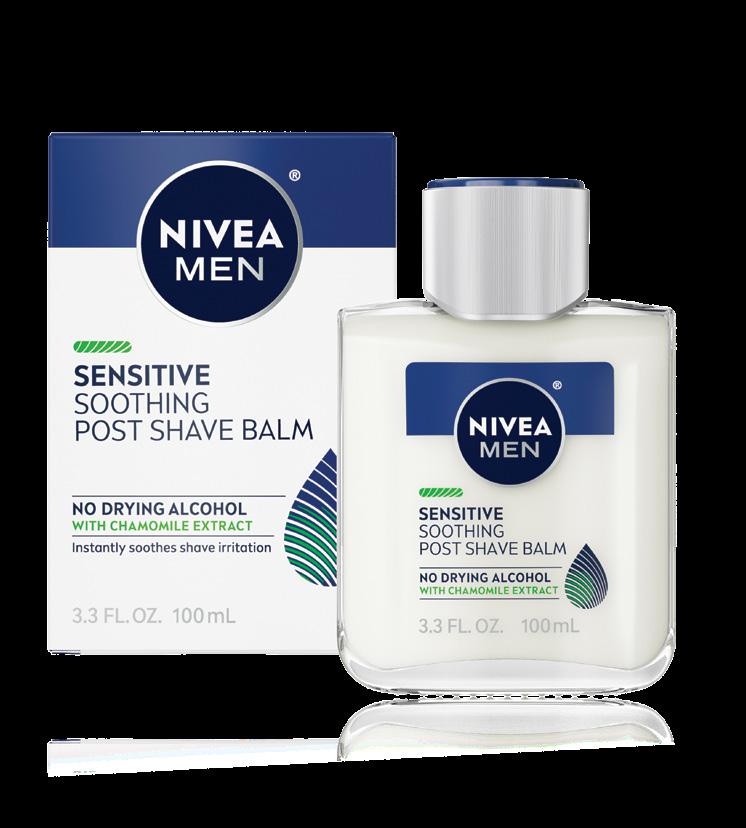
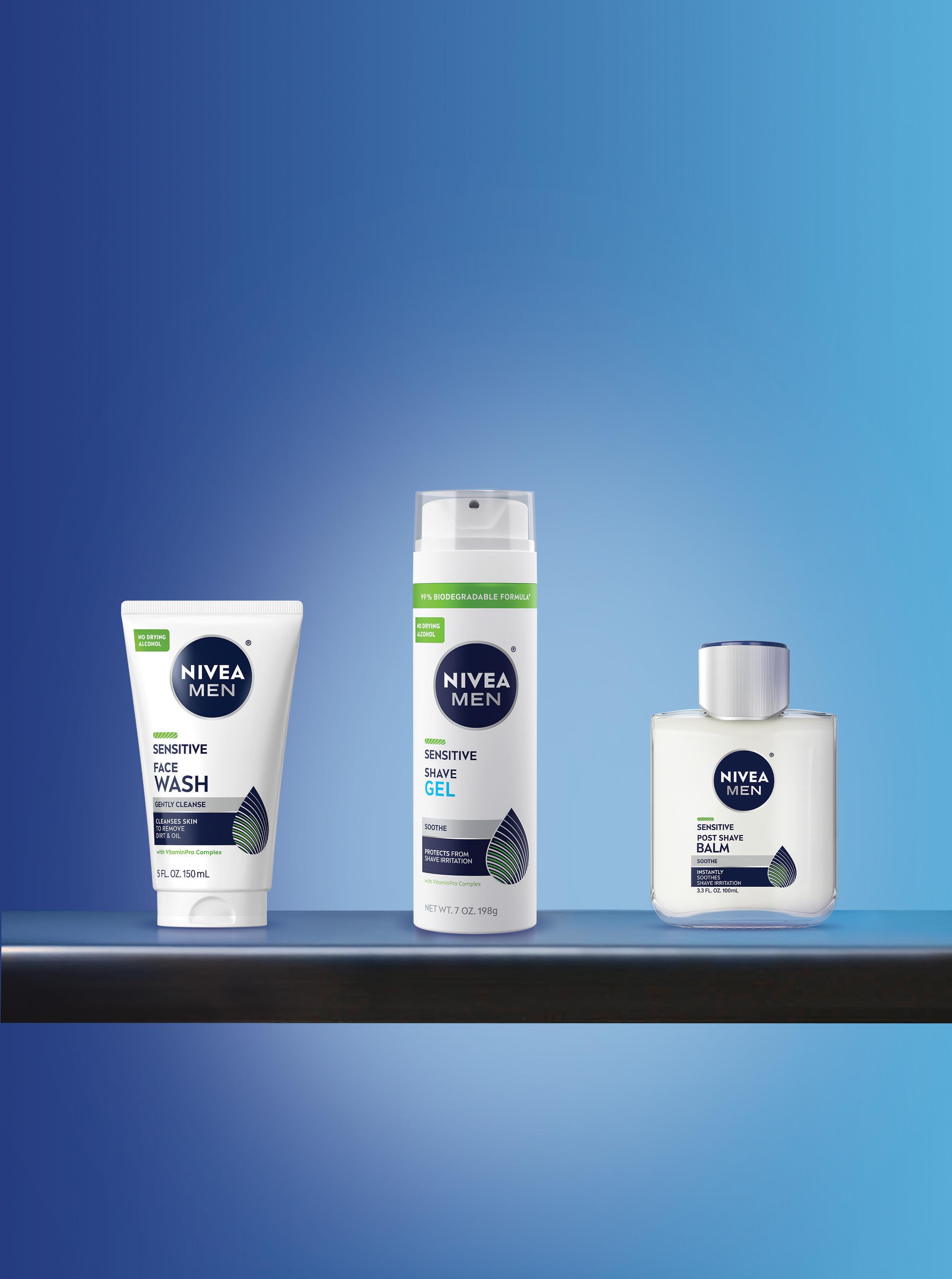
Nivea’s lineup includes Advanced Age Serum, Sensitive Soothing Post Shave Balm, Sensitive Shave Gel and more.
“As men of all ages become more engaged in skin care, they’re looking for solutions that are simple, effective and easy to integrate into their routines. This evolving demand is creating strong momentum in the category,” said Tim Meyer, vice president of commercial sales and strategy.
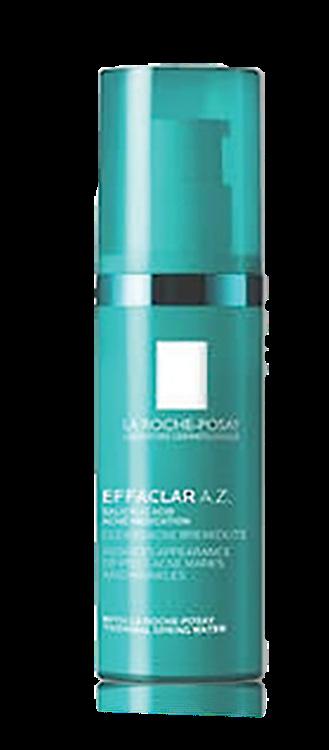
One of La Roche-Posay’s newest items is its Effaclar A.Z. Gel Azelaic Acid Acne Treatment. “My favorite user for this product is men,” said Emanuella Louis, public relations manager for La RochePosay. “Men like products that are simple, no fuss. A lot of them get irritation from shaving, especially men of color. Men also don’t like products that are shiny and greasy. This is one product that targets all of these areas. You can get the guy in your life this and sunscreen and you’re done.”
Nivea
Sensitive Soothing Post Shave Balm
La Roche-Posay
Effaclar A.Z. Gel Azelaic Acid Acne Treatment
Hair Care
“Male Gen Z is reshaping the hair care category. This consumer values functionality, simplicity and authenticity over traditional grooming cues,” said Juan Morillo, office manager for OKAY Pure Naturals. “Lightweight, multiuse products and clean formulations fit naturally into their routines. Brands that avoid overly gendered language and focus on clear benefits and modern design are best positioned to connect with this audience.”
Don’t forget men’s hair accessories, especially for those with textured hair, added Landria Jordan, innovation and marketing director for Firstline, which creates products that make it easy for men to adhere to grooming rituals. “The tools we create are designed to simplify styling while supporting scalp and hair health. By combining smart design with intentional functionality, our tools reduce the time and effort it takes to maintain hair while supporting healthier routines. Our maintenance caps help preserve the work behind a style, keeping hair protected and looks intact longer.”
Guys and Gadgets
Men’s grooming opportunities aren’t only in skin and hair. The “skinification” of oral care has men looking for tools to improve their smiles. AquaSonic is gaining headway on retail shelves based on success as the No. 3 oral care brand on Amazon. The brand just launched in 1,400 Walmart stores with its AquaSonic Precision Rechargeable Cordless Water Flosser with travel bag and two standard flossing tips. “Men like shopping stores and seeing and touching the product,” said Arsalan Rahbarpoor, president and cofounder of AquaSonic and Pure Daily Care.
Pure Daily Care also sells skin care tools. And although skin care devices are primarily used by women, Jonathan Cohen, chief marketing officer of AquaSonic, said vanity and exposure on social media are attracting men to tools. “Men are talking about skin care concerns and aging on TikTok,” he said.
NuDerma High Frequency Wand was the number one facial beauty device brand on TikTok Shop on Black Friday and Cyber Monday, according to the company. The brand also offers complementary topical skin care products.
Generic drugmakers redefine value
Manufacturers are looking beyond volume-driven competition toward complex generics, differentiated delivery systems and biosimilars
By Julie Gallagher
After years of intense price competition, the generics industry is entering a period of recalibration. While generic medicines continue to dominate the prescription drug market, persistent shortages, mounting supply chain pressures and growing product complexity are challenging the long-held notion that lower price alone defines success. As the market evolves, manufacturers are being forced to rethink how they balance affordability with quality, access and reliability.
At the same time, opportunity is emerging in areas that move beyond traditional generics. Complex formulations, differentiated delivery platforms and biosimilars are increasingly viewed as key growth drivers—offering the potential to meet the needs of underserved populations and improve patient outcomes. Though these categories demand greater investment, advanced R&D capabilities and more sophisticated manufacturing strategies, they offer a path toward more sustainable value creation.
DSN asked several pharmaceutical company executives about the greatest areas of opportunity, how their organizations are positioning to capitalize on them and what changes they believe are necessary to build a more resilient, patient-focused generics ecosystem.
Stephen Beckman, YARAL Pharma
Andy Boyer, Amneal Pharmaceuticals, Inc.
Rahul Mitall, Dr. Reddy’s Laboratories
Scott Hettenhausen, Camber Pharmaceuticals, Inc.
Ahmed Rifayee, Dr. Reddy’s Laboratories
If you are searching for a reliable supplier on top of all today’s important issues, look no further than Ascend Laboratories.
DSN: What is the greatest area of opportunity in the generics space?
Stephen Beckman, CEO, YARAL Pharma Inc.: It’s moving beyond a purely commodity mindset and refocusing on value—specifically the balance of access, quality, reliability and the right price. Generics already make up more than 90% of all prescriptions, but the industry has pushed price competition so far that it has created supply issues and, in some cases, unsustainable economics.
Where I see real opportunity is in complex generics and differentiated delivery platforms that solve real problems for specific patient populations. Instead of trying to be everything to everyone, it’s about focusing on “the right marbles, not the most marbles.”
When you invest in the right products, especially those designed to meet the unique needs of underserved patient populations who are often overlooked in the generics space, you can create a more sustainable model and improve patient outcomes at the same time.
Andy Boyer, executive vice president, chief commercial officer, Generics & Biosciences, Amneal Pharmaceuticals, Inc.: The biggest opportunity in the generics space is strengthening access by improving reliability. As products become more complex and supply chains remain under pressure, access today is about more than price.
Pharmacies and patients need confidence that essential medicines will be available consistently and at scale. Manufacturers that can combine affordability with dependable supply are best positioned to support the healthcare system over the long term.
Scott Hettenhausen, vice president of Rx sales, Camber Pharmaceuticals Inc: The greatest area of opportunity in the generics space is strengthening supply reliability while expanding access to complex and specialty generics. Persistent drug
shortages have underscored the importance of redundancies, diversified manufacturing and backup production plans, shifting customer expectations toward partners that can consistently deliver product, invest for the long term and reduce supply chain risk.
At Camber Pharmaceuticals, this opportunity is reinforced by the strength of our parent company, Hetero, one of the world’s largest producers of active pharmaceutical ingredients and finished dosage forms. With vertical integration across more than 90% of its portfolio—from key starting materials through finished products—Hetero enables greater control over quality, scale and continuity of supply, while supporting continued investment in complex generics that address critical patient needs.
Rahul Mitall, head of strategy and innovation, and Ahmed Rifayee, director financial planning and analytics, Dr. Reddy’s Laboratories: Complex generics continue to stand out as one of the most attractive opportunities in the generics space. The market is increasingly shifting toward highbarrier products—formulations that require advanced R&D capabilities, specialized manufacturing, greater capital and longer lead times to bring to market.
These products tend to have higher barriers to entry, limiting competition; first-to-market advantages, enabling disproportionate returns sustained over longer horizons; and sharper differentiation today compared to the past, as price erosion and commoditization intensify in plain vanilla offerings.
While complex generics have always been important, the contrast between them and traditional low-complexity products has grown much more pronounced in recent years. This widening gap makes complex generics one of the most compelling strategic levers available to manufacturers right now.
The second major opportunity in my view lies in biosimilars-a space that is becoming increasingly competitive. Although it requires a longer planning and investment horizon, robust
DOING THINGS DIFFERENTLY
At YARAL Pharma, we believe patients deserve more than just medicine—they deserve smarter solutions. That’s why we’re reimagining what a generics company can be.
Optimized Formulations
Limited inactive ingredients to support tolerability.
Advanced Delivery Systems
Innovative options—including topical systems, softgel capsules, and orally dissolving films—designed for real-world needs.
Reliable Supply & Service
Exceeding performance targets with 95% on-time, in-full delivery*.
Expanded Access
Quality, affordable treatments across endocrinology, pain & inflammation, and more.
Trusted Partnerships
Committed to creating long-term value with distributors, pharmacies, and healthcare providers.
R&D capabilities, and commercial readiness well in advance, the payoff can be substantial, particularly for companies that have first-to-market positions. With numerous biologics facing loss of exclusivity over the coming years, biosimilars have the potential to deliver sustained growth and long-term value.
DSN: Are you currently or do you plan to capitalize on that area of opportunity?
Beckman: Yes—that’s really at the heart of what we are focused on at YARAL Pharma. We’re very intentional about building a focused portfolio centered on complex generics and advanced delivery technologies where we believe we can make a meaningful difference. Through platforms like PEARLtec, as well as orally dissolving films and topical patches, we’re not just thinking about getting a product approved, we’re thinking about how it’s used, how patients experience it and how it fits into real-world care.
Boyer: Yes. We are investing in complex generics, injectables and vertically integrated manufacturing to support reliable supply and predictable execution. By pairing scale and precision with long-term planning, our goal is to help ensure affordable medicines remain consistently available to pharmacies and patients when they are needed. This focus is central to Amneal’s strategy and reflects how we are evolving as a company.
Hettenhausen: Camber Pharmaceuticals, together with our parent company Hetero, has a comprehensive risk-mitigation strategy in place to ensure consistent supply and long-term reliability. This includes diversified manufacturing, redundant production capabilities and proactive planning across the supply chain.
In 2026, the organization plans to further strengthen these efforts through additional technology transfers, expanded production capacity across multiple Hetero manufacturing facilities and continued investment in more challenging ANDAs (abbreviated new drug application).
In addition, Camber plans to open a dedicated refrigerated storage facility in New Jersey in early 2026. This investment will provide multiple cold-storage options, enhance distribution flexibility and enable faster delivery of specialty and temperature-sensitive products to customers.
Mitall and Rifayee: Absolutely, yes. Dr. Reddy’s has some high-potential assets in the pipeline in areas such as long-acting peptides, drug device combinations, ophthalmic among others that we believe have the potential to be limited competition in nature-precisely the type of complex products that align with the opportunity areas described above. Our investments in the biosimilars space reflect our confidence in the category’s future relevance and our intent to be a meaningful player as the market expands. Our approach remains balanced and focused on strengthening our pipeline organically, while staying open to targeted acquisitions that could complement our long-term strategy.
While generic medicines continue to dominate the prescription drug market, persistent shortages, mounting supply chain pressures and growing product complexity are challenging the long-held notion that lower price alone defines success.
DSN: What’s one thing in the generics space you’d like to change?
Beckman: I’d really like to see the industry stop defining success by price alone. Price matters, access matters, but so do quality, continuity of supply, service and patient outcomes. Bottom line, a truly sustainable generics company will need to do things differently by delivering value across the entire supply chain, especially to pharmacies and patients and by looking at how generics are delivered through a new lens. We need to move away from a “lowest price” mindset and toward a “right price” mindset—one that allows companies to reinvest, innovate and support the long-term health of the supply chain. When we listen more closely to pharmacists, providers and patients, and make more thoughtful choices about which products we bring to market, we can build a generics ecosystem that works better for everyone.
Boyer: One thing I would like to see change is the industry’s tendency to prioritize short-term economics over long-term sustainability. A more balanced approach, one that values reliability, quality and supply continuity alongside affordability, would better support pharmacies, patients, and the healthcare system as a whole. Building a more sustainable generics ecosystem is critical to preserving access to essential medicines over time.
Hettenhausen: Across the generics industry, we would like to see a greater emphasis on patient outcomes and access to affordable, high-quality care, rather than an over-reliance on shortterm business metrics such as profitability and revenue. When patient needs are prioritized first, the long-term benefits—for patients, healthcare systems and manufacturers alike—are substantial and sustainable.
Mitall and Rifayee: If I could change one thing in the generics space, it would be the overall sustainability of the marketplace. Over the years, elevated price erosion and competition—especially in traditional oral solids—have created an environment where lowest price often overshadows long-term value. This dynamic can disincentivize players from investing in innovation.
REX Awards 2026: OTC
DSN ’s Retail Excellence Awards recognize innovation in over-the-counter products
By Nora Caley
Consumers are seeking relief from pain, illness and other ailments, in easily available products. According to Mordor Intelligence, the U.S. over-the-counter drug market was valued at $44.68 billion in 2025 and will grow to an estimated $46.62 billion in 2026. The growth will be driven by consumers’ increasing self-care habits and wider availability through e-commerce sales, private label offerings and telehealth. Here are this year’s winners of DSN’s REX Awards – OTC products.
Doctor Easy Medical Products EarAche Rx
Ear washing is a method invented by Doctor Easy Medical Products founder Teddy Garcia, M.D., to remove ear wax impactions. The company makes ear wash products for clinical settings and in-home use.
Last year Doctor Easy launched EarAche Rx and EarAche Rx Kids, 4% Lidocaine Pain Relieving drops. The products offer numbing relief for ear pain on contact. The products include cotton plugs.
Eosera Ear Wax MD Single Use Drops
As consumer use of earbuds, headphones and hearing aids increases, so does the need for products to dissolve ear wax. Eosera has expanded its ear care portfolio with two affordable ear wax removal solutions.
Eosera Ear Wax MD Kit with Single Use Drops and Rinse Bulb includes Eosera ear cleaning drops and a rinsing bulb for irrigation. The formula features a dual-action technology designed to break apart and dissolve ear wax in minutes rather than days. One vial typically contains enough drops to treat both ears, though individual results may vary. Eosera Ear Wax MD Single Use Drops is intended for consumers who already own an irrigation device. The package includes five single-use vials of Ear Wax MD.
FemiClear Bacterial Vaginosis Regimen
FemiClear Bacterial Vaginosis Symptoms and FemiClear BV & Yeast Infection Protection Vaginal Cream is a regimen designed to provide multi-symptom relief and address recurrence for bacterial vaginosis, which affects nearly one in three women.
The brand said FemiClear’s BV Symptoms product is clinically proven and science-backed to rapidly kill 99.9% of the bacteria that causes BV, using a natural formulation designed to relieve symptoms like odor, discharge and irritation with just two doses. FemiClear’s BV & Yeast Infection Protection Vaginal Cream was developed as a preventative solution to help reduce the risk of infection.
FemiClear: The #1 Growth Driver in Feminine Care. Outperforming the category across key time periods.
10 years of Organicare innovation –and just getting started. CELEBRATING WOMEN’S HISTORY MONTH Woman-Led. Science-Backed. Category-Driving.
Good Clean Love Naked Coconut Personal Lubricant
More than 20 years ago, Wendy Strgar set out to develop personal lubricants that would provide an alternative to available products designed to alleviate vaginal dryness. Good Clean Love products do not contain harmful ingredients such as parabens, petrochemicals or synthetic fragrances, and are safe for delicate vaginal tissue.
Among the newest products is Good Clean Love Naked Coconut Personal Lubricant, made with organic coconut oil. The product contains hyaluronic acid and is pH balanced.
For innovation in the itch-relief category, Kingsway Pharmaceuticals found a trusted OTC oral ingredient and formulated it into a topical cream. PBZ OTC Antihistamine Itch Relief Cream provides fast itch relief without steroids and is gentle enough for kids as young as two years old.
The active ingredient is tripelennamine HCl, which, according to a Kingsway clinical trial, significantly reduced histamine-induced itch, lowering itch scores by about 65%.
La Roche-Posay Cicaplast Balm B5 UV SPF 50
La Roche-Posay makes Cicaplast Balm B5 UV SPF 50, a soothing therapeutic multi-purpose cream with broad spectrum SPF 50. It relieves and hydrates dry, cracked skin while helping protect skin exposed to the sun. The balm provides immediate and long-lasting, all-day hydration for cracked, chapped, chafed skin while decreasing the risk of skin cancer and early skin aging caused by the sun.
Mucinex Clear & Cool Saline Nasal Spray
Mucinex Clear & Cool Saline Nasal Spray is a new drug-free solution that helps consumers break through stubborn sinus congestion. Formulated with saline and menthol, new Mucinex Clear & Cool Saline Nasal Spray is designed to deliver relief with an instant cooling sensation, helping consumers clear their nasal passages and feel refreshed.
The spray’s two-in-one nozzle features a Power-Jet setting that helps clear tough congestion and a gentle mist option that soothes and relieves everyday nasal discomfort.
Natural Vitality Max Calm Magnesium Citrate + Glycinate Powder
Natural Vitality reformulated its Calm Magnesium Citrate Raspberry-Lemon Powder, which is now Max Calm Magnesium Citrate + Glycinate Powder. The product builds on Calm’s foundation of ionic magnesium citrate with the addition of magnesium glycinate. The brand said the product is revitalized to deliver a more enjoyable experience and to meet consumer demand for convenient wellness solutions that become daily rituals.
Starface Star Wash and Star Cream + Salicylic Acid
Starface, known for its hydrocolloid patches, offers its bestselling Hydro-Star + Salicylic Acid in new forms, Star Wash and Star Cream + Salicylic Acid.
Star Wash + Salicylic Acid is a foaming cleanser for breakout-prone and sensitive skin. This oil and microplastic-free, mica-based formula helps minimize breakouts with pore-clearing salicylic acid, hydrating hyaluronic acid, and soothing glycerin. Star Cream + Salicylic Acid is a lightweight, hydrating moisturizer for breakout-prone and sensitive skin. This oil-free formula is made with niacinamide, hyaluronic acid and salicylic acid to help minimize breakouts and unclog pores.
C a Fa
Refreshed look for easy ear care shopping
“When every item is a clear solution to a real ear care need, shoppers get it quickly — and that’s when the shelf really works.”
Elyse Stoltz Dickerson, CEO
by ears!
NEW FOR 2026
Charity Begins at Home
U.S.-based diabetes products companies are partnering with well-entrenched charities to distribute supplies to those in need
By Debby Garbato
In April 2023, Sudanese military forces started a civil war, plunging the North African nation into chaos. Since the conflict started, more than 130,000 people have died, 12 million have been displaced, supply chains have been disrupted and 70% of hospitals have been destroyed, according to the International Rescue Committee. This has left people without medical care and supplies, including life-sustaining insulin and products used to monitor and treat diabetes.
Sudan has one of the region’s highest diabetes rates. In 2024 and 2025, 10% of adult hospital deaths were caused by diabetes. Sudan is not alone. In Ethiopia, people face poverty, food scarcity and limited access to basic services. According to Life for a Child, a philanthropic organization that helps support more than 60,615 children and young people with diabetes supplies in under-resourced countries, one in three Ethiopians with type 1 diabetes dies without a diagnosis.
These are not the only barriers to diabetes management. Natural and human-made disasters destroy homes and belongings, leaving people without medical supplies, regardless of income. And poverty is not limited to developing countries.
In JAMA Internal Medicine, Yale researchers noted that 25% of U.S. patients with diabetes use less insulin than prescribed to save money. Many are low income and uninsured. According to the American Diabetes Association’s “Economic Report,” diabetes medical costs increased 35% in the United States over the past 10 years.
Manufacturers of diabetes supplies want to help, with many partnering with Life for a Child and other charities to get products to the people and places where they are sorely needed.
“It’s the right thing to do,” said Chris Woeste, general manager, North America, at HTL-Strefa. “It’s all about serving people who need treatment, whether it’s disaster relief or something else.” For the past three years, HTL-Strefa has worked with Convoy of Hope, donating vaccination products, pen needles and safety lancets wherever needed.
“Donations go to Africa, Europe or elsewhere,” Woeste added. “In the U.S., we provide products to clinics and pharmacies helping low-income people. But recipients aren’t always low income. There was a bad hurricane in Florida and wildfires in California last year. People’s supplies were wiped away by nature.”
Experts recommend a contoured needle base1*
Nano™ 2nd Gen Pen Needles help patients deliver
their insulin correctly2
Nano™ 2nd Gen is the only contoured base pen needle†, helping to compensate for too much injection force, a common challenge for patients injecting insulin.2,3‡§
Conventional 4mm pen needle
Skin Fat (target zone)
Nano TM 2nd Gen Pen Needle
(target zone)
Nano™ 2nd Gen Pen Needles are estimated to reduce intramuscular injection risk by 2-8x vs 4mm posted base pen needles.2¶
Intramuscular injections have been shown to lead to increased pain and greater risk of hypoglycemia. 4
Consider dispensing Nano™ 2nd Gen Pen Needles. Help your patients experience the difference of a contoured needle base.
*A contoured-base pen needle distributes pressure more evenly, reducing the risk of intramuscular injections. While flat-base pen needles are available, currently there is little to no evidence supporting their impact. See reference 1. †Patent information provided upon written request. ‡230 patients with diabetes surveyed as part of a crosssectional observational behavioral study in Canada. §To precisely locate injection depth, 1188 injections were administered in swine across a range of clinically relevant injection forces using 20µl of iodinated contrast delivered with BD Nano™ 2nd Gen vs three 4mm posted-hub pen needles. Measurements were obtained via fluoroscopic imaging. BD Nano™ 2nd Gen more closely achieved the 4mm target injection depth with less variability (P=0.006). ¶ To precisely locate injection depth, 1188 injections were administered in swine across a range of clinically relevant injection forces using 20µl of iodinated contrast delivered with BD Nano™ 2nd Gen vs three 4mm postedhub pen needles. Intramuscular injection risk was calculated through an in silico probability model, using needle penetration depth and published average human tissue thickness measurements.
1. Klonoff DC, Berard L, Franco DR, et al. Advance Insulin Injection Technique and Education with FITTER Forward Expert Recommendations. Mayo Clin Proc. 2025; 100(4):682-699. 2. Rini C, Roberts BC, Morel D, et al. Evaluating the impact of human factors and pen needle design on insulin pen injection. J Diabetes Sci Technol. 2019;13(3):533-545. 3. Bari B, Corbeil MA, Farooqui H, et al. Insulin injection practices in a population of Canadians with diabetes: an observational study. Diabetes Ther. 2020;11(11):2595-2609. 4. Frid AH, Kreugel G, Grassi G, et al. New insulin delivery recommendations. Mayo Clin Proc. 2016;91(9):1231-1255.
and Nano
EXCESS PRODUCT
Embecta Corp. also wanted to help fellow humans. Plus, it wanted to utilize an excess of 15 million units of syringes and pen needles that remained after its spinoff from Becton, Dickinson and Company (BD) in 2022. Subsequently, North American branding was changed from BD to Embecta.
On November 14, World Diabetes Day, Embecta announced a “significant expansion” of its partnership with humanitarian aid organization Direct Relief, to which it donates BD products. Direct Relief is active in 90 countries, including the United States
“We’re a leading manufacturer and are very focused on how we can give back to the diabetes community,” said Hiliary Johnson, Embecta’s head of global and U.S. markets. “Packaging and labeling changed to Embecta. Leftover BD product presented a unique opportunity. We wanted a global partner which could get it to those in need.”
According to Brea Burkholz, senior manager, public relations, Direct Relief, the 78-year-old charity works in 45 countries, supporting more than 53,000 children and young adults with type 1 diabetes with insulin and other products. Direct Relief also partners with Life for a Child.
In the United States, Embecta supports community health clinics. When BD branded products are exhausted, Johnson said Embecta will continue donating supplies.
Trividia Health has partnered with Life for a Child “for many years,” said Annmarie Ramos, director, global product management. Meters, test strips and lancet donations help children and youth “with limited resources.” Trividia’s newsletter said products have reached 25,300-plus children in 26 “under-resourced” nations. Trividia also supports training children in diabetes self-management.
In the United States, Trividia supports the National Association of Free & Charitable Clinics.
PERSONAL EXPERIENCES
For some companies, philanthropy is faith-based. Allison Medical, Inc., for example, is named after CEO Lance Ferrin’s sister, who died unexpectedly of sepsis. Allison supplies general use syringes along with pen needles and lancets for people with diabetes. It donates products and currency, giving away “a minimum of 10% of profits,” said Ferrin. “Our mission statement is to make people’s lives better through products. We try to do business with integrity, trusting and honoring God. We don’t focus on politics. We treat everyone fairly.”
In the United States, Allison supports clinics for low-income individuals. Internationally, it partners with Compassion International. This evangelical organization works with local churches and helps people with medical supplies and other necessities in 29 countries. Allison also donates to Project C.U.R.E., which delivers medical supplies worldwide.
HTL-Strefa began working with Springfield, Mo..-based Convoy of Hope after Woeste’s church partnered with the faith-based charity on a donation program. “I met their president and felt very comfortable, with 95% of donations going straight to people in need,” he added. Since 1994, Convoy of Hope has helped more than 350 million people with medical supplies and other essentials.
PARTNERSHIPS
Suppliers do not distribute products directly because philanthropic partners know the ropes in countries where they operate. They have established distribution networks, know where there are people in need and can navigate complex political, social and economic environments.
“Convoy of Hope’s experts ensure the right people get products,” said Woeste. “If they don’t have a need, they’ll find another non-profit somewhere that does.”
Ferrin echoed some of his thoughts. “It’s very hard. That’s why we partner. You
WALMART’S PRIVATE LABEL INSULIN
In the 1990s, common insulin types cost roughly $20 to $35 per vial, or as low as $2 to $4 per unit in Medicaid reimbursements, making insulin affordable for most. Today, due to limited competition, more costly analogs and other factors, prices can exceed $200 per vial, presenting major hurdles to low income, uninsured people.
Using its size and scale, Walmart works directly with insulin manufacturer Novo Nordisk to offer insulin products under its own private ReliOn label. Products save customers up to 75% off the cash price of branded analog insulin.
ReliOn Novolog (insulin aspart) injection analog insulin in vials and FlexPens, as well as ReliOn NovoLog Mix 70/30 (insulin aspart protamine and insulin aspart injectable suspension), are available at Walmart and Sam’s Club pharmacies nationwide to anyone with a prescription, regardless of insurance status.
Walmart also offers about 30 other products under its ReliOn brand, including ketone and blood glucose test strips, blood glucose meters, alcohol swabs and insulin pen needles.
could donate stuff to people you think need it and they sell it. It’s important that there’s good organizations.”
Direct Relief works with myriad clinical partners to place donations, ranging from ministries of health to communitybased and specialty care clinics, said Hollie Harper, Direct Relief’s corporate engagement manager. “When offers like Embecta’s come, our clinical pharmacy team reviews offers, letting us assess where products are needed most.”
This lets Embecta focus on everyday business. “I don’t have to coordinate with multiple diabetes groups individually,” said Johnson. “In some cases, we don’t even sell in these countries. It can be difficult to get marketing authorization.”
Most suppliers stage little or no publicity around philanthropic acts. “We don’t do it to build our brand,” said Ferrin. “We want to do the right thing for everybody.”’
Philanthropy, however, buoys internal morale. “Employees feel great about what we do,” noted Woeste.
THE COST OF DIABETES IN THE U.S.
• After adjusting for inflation, the direct medical cost of diabetes increased by 7% between 2017 and 2022.
• National health care costs attributable to diabetes have increased by $80 billion in the past 10 years— from $227 billion in 2012 to $307 billion in 2022.
• On average, people with diagnosed diabetes have medical expenditures 2.6x higher than those without diabetes.
• The inflation adjusted cost of insulin increased 24% from 2017 to 2022.
• Spending on insulin tripled in the past 10 years— increasing from $8 billion in 2012 to $22.3 billion in 2022.
• After adjusting for inflation, the total cost of insulin and other diabetes medications increased 26% from 2017 to 2022.
• Annually, women with diabetes spend more on average than men on health care expenditures.
• Black Americans with diabetes pay the most in direct health care expenditures.
• People with diabetes ages 65+ spend roughly double on per capita annual health care expenditures than other adults 18+.
• $106.3 billion (26%) of the total estimated national cost of diabetes can be attributed to lost productivity at work, unemployment from chronic disability and premature mortality.
Source: American Diabetes Association
In an industry defined by evolution, these leaders are the architects of change. We invite you to stand with us as we celebrate the women who aren’t just navigating the landscape of health and beauty — they are redefining it. NOMINATE NOW!
On Target
Vitamins, minerals and supplements expand to help consumers meet trending health and wellness goals
By Kathie Canning
An apple a day is said to keep the doctor away, but today’s consumers aren’t necessarily buying into that proverb. To maximize health and wellness, they increasingly are looking to augment their diet with vitamins, minerals and/or supplements.
And according to a December 2025 report from Precedence Research, consumer interest in supplements isn’t expected to taper off anytime soon. The global supplements market, including vitamins, minerals and more, is expected to expand at a compound annual growth rate of 7.8% between 2026 and 2035, reaching more than $430 billion.
Going for Gut Health
Consumers usually have specific health and wellness goals in mind when purchasing vitamins, minerals or supplements. One major trending goal is gut-health support.
“As consumers remain committed to proactive health and wellness through vitamin and supplement routines, probiotics and their gut health benefits continue to be a topic of cultural conversation and interest,” said Theresa McArdle, senior director, brand marketing for Pharmavite.
McArdle noted that almost 75% of U.S. consumers experience digestive discomfort at least once per month, citing a 2024 report from Mintel.
Interest in gut health continues to rise as consumers better comprehend the physical, emotional and cognitive interconnectivity of the body, said Mohini Joshi, vice president of holistic health brand experience and strategy for Nestlé Health Science U.S.
“The gut-brain axis and microbiome are increasingly recognized for their roles in immune support, mental health and broader ‘360-degree wellness,’” she noted.
Recognizing the need for probiotic options “that are effective, enjoyable and easy to incorporate” into consumers’ daily routines, Pharmavite launched Nature Made Probiotic + Prebiotic Fiber gummies in 2025, McArdle said. And the company’s 2026 innovation pipeline will expand further on guthealth-focused support.
And Nestlé recently introduced Nature’s Bounty Prebiotic+Postbiotic+Probiotic gummies that provide tripleaction support, Joshi explained. “Prebiotics nourish and help to increase your beneficial gut bacteria,” she noted. “Probiotics
“Consumers are moving away from single-ingredient products and instead are seeking formulas that address multiple wellness priorities at once, such as beauty, health and performance.”
—Kimberly Vigliante, senior vice president of sales and marketing, Piping Rock Health Products
help to relieve occasional gut discomfort like gas and bloating. And postbiotics support immune health for everyday wellness.” *
Metabolic Health Matters
Another trending area of interest is metabolic health.
“Metabolic health represents the next major category evolution because it underpins nearly every wellness outcome consumers care about,” said Courtney Roundy, CEO of Tecton Ketones. “Unlike protein, probiotics or adaptogens, it is not a single benefit or use case: Metabolic health governs how efficiently the body produces energy, regulates blood glucose, fuels the brain, responds to stress and recovers from physical demand.”
Rising interest in supplementation here can be attributed to several factors, he noted. First, consumers are undergoing “metabolic dysfunction” earlier in life— think prediabetes, weight management challenges, insulin resistance and more.
Consumers also are rejecting “rigid diet culture,” Roundy explained, in favor of personalization, performance and flexibility. And finally, “science is converging on metabolic flexibility as a core health marker,” meaning the capability to switch efficiently between fuel sources such as ketones and glucose is now acknowledged as being central to long-term cognitive resilience, physical performance and health.
Magnesium supplementation meshes with the strong interest in metabolic health. As noted by The Synergy Company, magnesium is “a powerhouse mineral” that’s responsible for more than 300 critical body biochemical processes. This year, the company launched Vital Ocean magnesium. The product contains an organic seaweed-based formula sold in a capsule format, and delivers “a bioavailable whole mineral matrix to restore energy, cultivate calm and fuel cellular vitality while honoring your body’s natural rhythms.”
And Roundy noted that exogenous ketone supplementation meshes well with the overall trend. It allows consumers to get the benefits of ketone metabolism directly, instead of forcing their bodies into ketosis.
Tecton Ketones’ products focus exclusively on metabolic health, he explained, with an approach that starts with a bioidentical exogenous ketone.
“From that metabolic foundation, we build targeted formulations by pairing the ketone with complementary ingredients tailored to specific use cases, including cognitive support, blood glucose and GLP-1 metabolic support, and sports performance,” Roundy said. “Cognition, glucose regulation, GLP-1 support and athletic performance are often treated as separate categories at retail, yet they share a common metabolic bottleneck.”
Looking for More
Speaking of multiple outcomes, multifunctionality is another significant category trend.
Nature Made
Probiotic + Prebiotic Fiber
Pure Synergy
Vital Ocean Magnesium
et al. BMJ Open, 2021
Murphy RA,
“Consumers are moving away from single-ingredient products and instead [are] seeking formulas that address multiple wellness priorities at once such as beauty, health and performance,” noted Kimberly Vigliante, senior vice president of sales and marketing for Piping Rock Health Products.
Another noteworthy trend is toward the “convergence of beauty and performance,” Vigliante said, where ingredients normally associated with performance—for example, creatine—are being included in formulations that support healthy hair, skin and/or nails. The trend has gained traction from breakout-ingredientrelated “education and peer-driven discovery” on social media platforms, such as TikTok. And both women and men are embracing ingredients such as collagen for joint health support and muscle health in combination with resistance training.
“We’re also seeing growing demand for simple, mixable powders that fit easily into daily routines and offer flexibility, transparency and clean labeling without unnecessary complexity,” Vigliante noted.
Piping Rock tapped into this demand with the introduction of NeoCell Creatine + Multi Collagen powder, which combines creatine and several types of collagen “to support beauty, strength and everyday performance,” she said. The product reflects the increasing crossover between performance and beauty and also broadens the relevance of collagen beyond the traditional female base.
“As men become more engaged in proactive health, performance optimization and overall appearance, we’re seeing increased interest in performance-based collagen formulations
that support how they perform and feel,” Vigliante stated.
Formulations to support healthy aging are of high interest as well.
“A major area of momentum is around cellular energy and renewal, often grouped under the broader ‘longevity’ trend,” Joshi explained. “Ingredients like nicotinamide riboside and Urolithin A have entered the mainstream conversation for their potential role in supporting healthy aging.”
The larger longevity space continues to grow, too, she noted. And there’s also increased demand for “proactive, tailored care” that considers individual needs centered on gender, race, life stage and more.
“Women’s wellness is an especially strong area of growth, as women increasingly seek education and solutions for menopause, reproductive health, hormonal balance and nutritional gaps,” Joshi said.
Nestlé had women’s wellness in mind with the introduction of Nature’s Bounty Optimal Solutions Advanced Menopause Relief and Nature’s Bounty Optimal Solutions Advanced PMS Relief supplements. The former is a once-per-day plant-based product featuring Siberian rhubarb—which the company claimed is “clinically shown to alleviate menopause symptoms such as hot flashes, anxiety and night sweats.” It also contains saffron extract, which aims to promote a positive mood.”* The latter features the plant-based ingredients chasteberry and curcumin, as well as magnesium and vitamin B6. Two capsules a day provide relief for PMS symptoms such as bloating, cramping, back discomfort and irritability.* *Nestlé noted that these
Tecton Ketones
Metabolic Health Offerings
ADDRESS THE INTIMIDATION FACTOR
With an ever-expanding range of options—to support numerous health and wellness goals—the vitamin, mineral and supplement aisles can be a bit intimidating for shoppers. But retailers could take steps to simplify the shopping experience.
When it comes to vitamins, for example, “there’s a real opportunity to shift from ‘endless choice’ to ‘confident guidance’ by bringing clearer organization to the aisle, using simpler, more human language and offering small touchpoints of support,” said Theresa McArdle, senior director, brand marketing for Pharmavite.
Product fragmentation in-store is also a hurdle for the larger category, noted Courtney Roundy, CEO of Tecton Ketones. Retailers could help consumers by reorganizing the products around functional outcomes instead of traditional ingredient categories.
“This approach mirrors how consumers think,” he said. “They do not experience ‘vitamin deficiency’ in isolation: They experience fatigue, brain fog, poor recovery or blood sugar swings.”
As wellness goals become more complex, spanning multiple goals, retailers also could simplify the shopping experience with “clear, intuitive navigation” such as in-aisle education, signage and engaging displays, added Mohini Joshi, vice president of holistic health brand experience and strategy for Nestlé Health Science U.S. Digital tools spell opportunity, too.
“Technology and AI can simplify comparisons, deliver targeted recommendations and improve the shopping experience overall, reducing confusion at shelf—providing a useful starting point for conversations with a health care provider or pharmacist,” she said.
statements have not been evaluated by the FDA. This product is not intended to diagnose, treat, cure or prevent any disease.
Consider Overload Potential
Of course, many consumers have multiple health and wellness goals in mind when shopping the vitamin, mineral and supplement space. Overdoing any particular ingredient is a legitimate concern. But retailers could help here.
“Education and clear product architecture are critical,” Vigliante pointed out.
Pharmacists and other in-store health professionals could play a critical role, Roundy said. For example, when they are educated about ketone metabolism, they could help shoppers understand how supporting metabolic health could simplify supplementation.
“Instead of adding another pill for energy and another for focus, consumers can start with a metabolic foundation and layer selectively only if needed,” he said.
And transparency is important, Joshi noted. That means nutrient levels and benefits should be clearly communicated on pack, in aisle and via health-care-provider education.
“Ultimately, strong partnership between suppliers and drug stores, grounded in shared understanding of consumers’ needs and closing education gaps, empowers shoppers to pursue multiple health objectives with confidence and care,”she said.
“Metabolic health represents the next major category evolution because it underpins nearly every wellness outcome consumers care about.”
—Courtney
Roundy, CEO, Tecton Ketones.
Retail at AI Crossroads
Companies need to curate AI usage for their unique needs and focus on solutions that drive ROI
By David Orgel
Artificial intelligence has entered a new phase at retail.
Higher levels of investment and usage are increasing expectations.
AI is already resetting everything from operations to shopper buying journeys. Agentic AI is quickly becoming the next big thing.
Amid all the changes, grocery and drug store retailers—including Walmart, Target, CVS Health and Walgreens–are playing up their growing AI investments.
The opportunities are compelling, and retailers have arrived at a crucial juncture. Increasingly, they will need to curate AI investments based on their specific goals and focus on solutions that drive clear ROI.
Stepping Up AI Usage
AI already has made major inroads across retail channels. Honeywell research revealed that 85% of surveyed global retail executives (including in the United States) have already developed AI capabilities and solutions, with 60% actively expanding them. Top focus areas include hyper-personalized customer experiences, supply chain and last mile operations and inventory and demand forecasting.
Embracing the Agentic Opportunity
Agentic AI is increasingly in the spotlight for its ability to drive change across retail and its potential to act semi- or fully autonomously.
Retailers from Walmart to Amazon are now showcasing their AI shopping assistants that support consumers in their shopping journeys by helping them research items, find bargains and check out.
Agentic AI is also driving change in retail operations. Walmart is using it in a range of associate tools that will help automate day-to-day tasks and free up associates to spend more time with shoppers.
Emphasizing Unique Approaches
Retailers are choosing diverse AI strategies and relaying how these initiatives will drive differentiation and returns on investment.
CVS Health is partnering with the University of Maryland School of Pharmacy to enhance pharmacy operations, an initiative that will help show how AI can augment the pharmacist’s role.
Target has partnered with Google to roll out a new AI-led shopping experience that allows customers to browse and buy products directly from Google Search and the Gemini app, without leaving the platform.
Walgreens Advertising Group , the retail media arm of the pharmacy chain, has expanded its retail media ecosystem with Rokt, an e-commerce technology company employing machine-learning and AI to make transactions more relevant to shoppers.
Sam’s Club is providing front-line managers with enterprise-grade AI tools to help make real-time decisions for uses ranging from staffing adjustments to digging through P&Ls.
Rethinking Traditional Practices
AI is poised to reinvent many traditional retail practices, some of which haven’t
David Orgel is an awardwinning business journalist, industry expert and speaker. He is the principal of David Orgel Consulting.
changed in decades. Consider the case of category management. AI can take this practice to a new level, according to a Progressive Grocer interview with Dr. Brian Harris, who is widely recognized for his pioneering role in the creation of category management in the 1980s. By leveraging AI, category management can move beyond mostly analyzing the past or present and providing more accurate projections, said Harris, who is now president and co-founder of the startup IntentAI.
Keys to Retail Success
How can retailers navigate the quickly changing AI landscape to capture meaningful opportunities?
Here are a few thoughts:
1. Curate AI usage for each organization’s individual needs. This will not look the same for any two companies.
2. Encourage AI experimentation across organizations but emphasize realistic AI solutions with proven ROI.
3. Maintain the trust and engagement of shoppers and employees as AI plays bigger roles.
FOR HAIR AND FOR YOUR CHAIN’S BUSINESS.
Omega-rich hydration.
Antioxidant protection. Rejuvenating care.
To tranform your bottom line, Obliphica Professional offers generous sampling, beautiful displays and comprehensive conmer media support