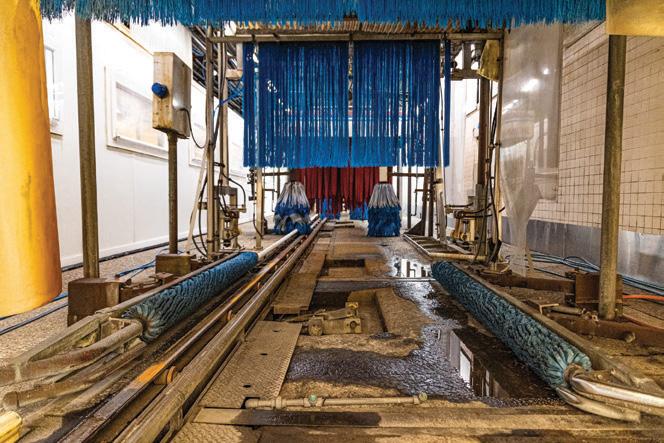
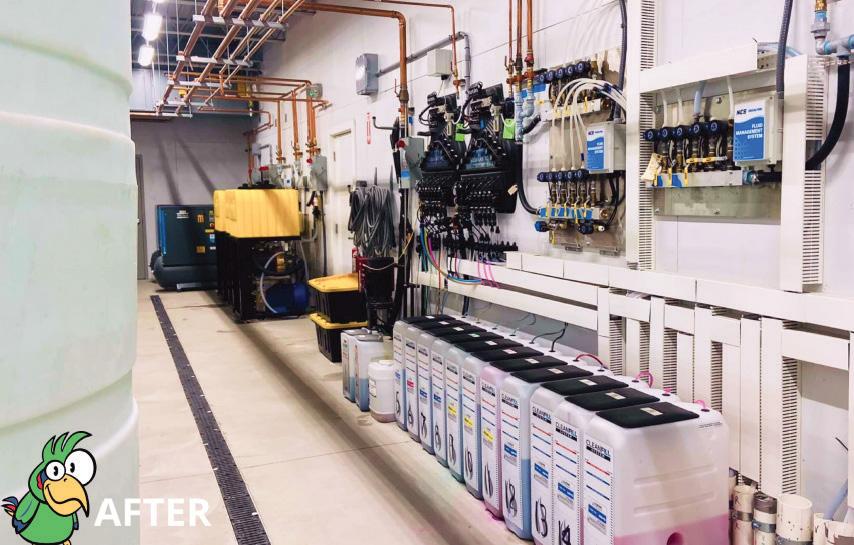
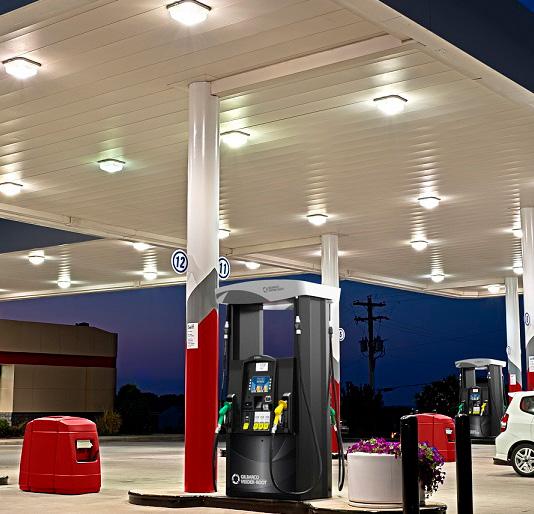
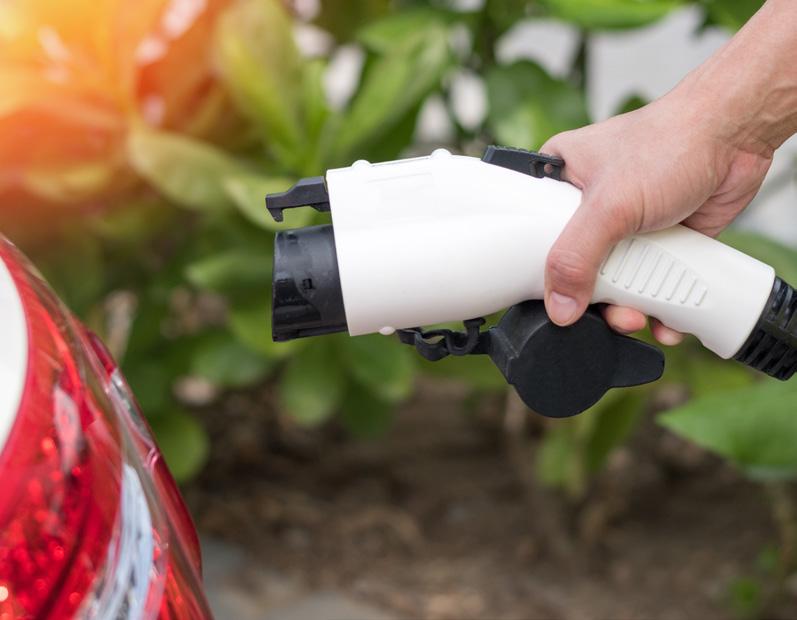
Our experts share best practices to update your wash.
STEP 2
Proposal & Financing
Receive a full package proposal with financial options.
STEP 3
Site Conversion
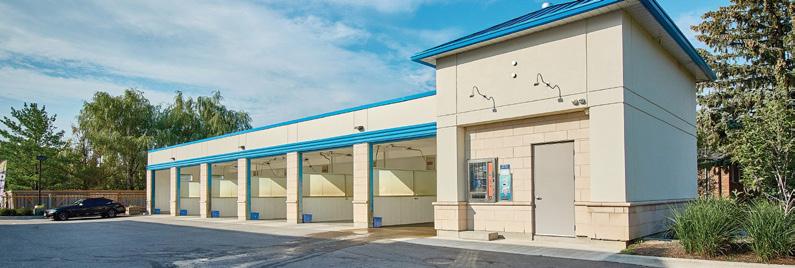
Our e icient project plan will get you back up and running quickly.
Scan the QR code or visit ncswash.com/canada to learn
STEP 4
Grand Re-Opening
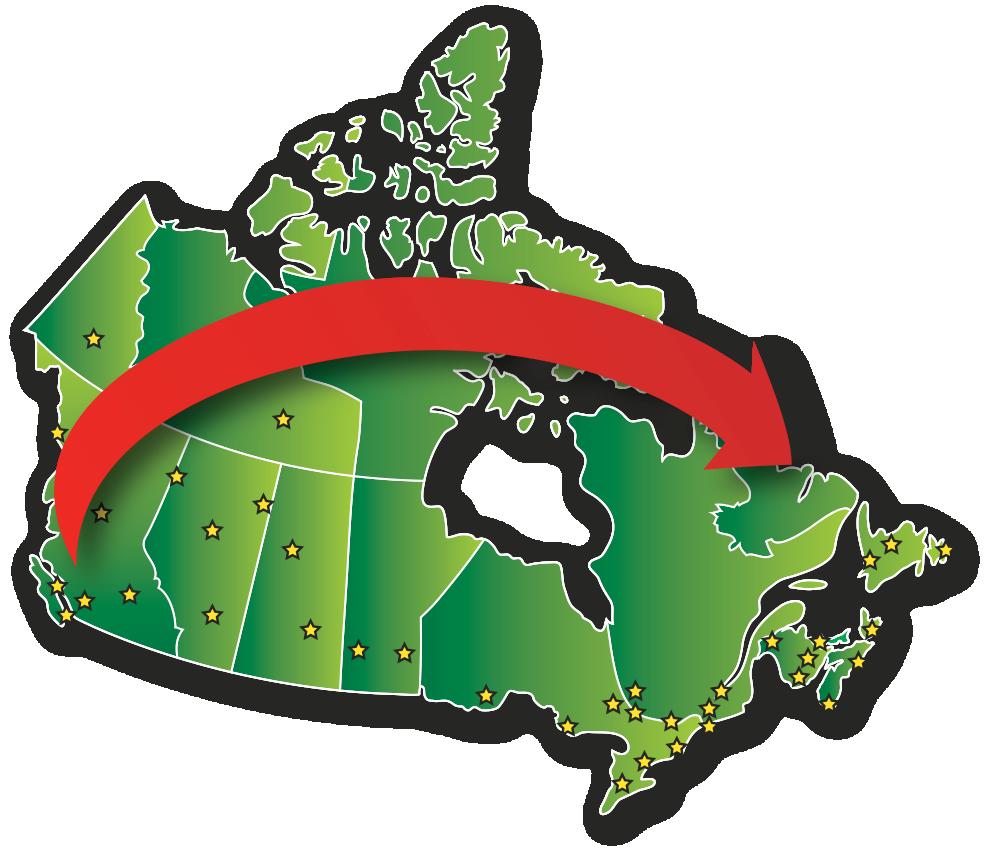
Relaunch your wash and boost revenue by up to 150% (see case studies at ncswash.com).
CONTENTS
Canada’s Most Proven Process for Site Renovation
help streamline c-store and gas operatio
store formats, a new distribution partnership and a passionate leadership team, INS Market is focused on national growth, with plans to open 50 stores in 20
14 2026 C-Store IQ National Shopper Study
On a mission: Data-driven insights into the evolving wants, needs, perspectives and habits of today’s convenience and forecourt customers
25 2026 Tobacco + Vaping Report
STEP 1
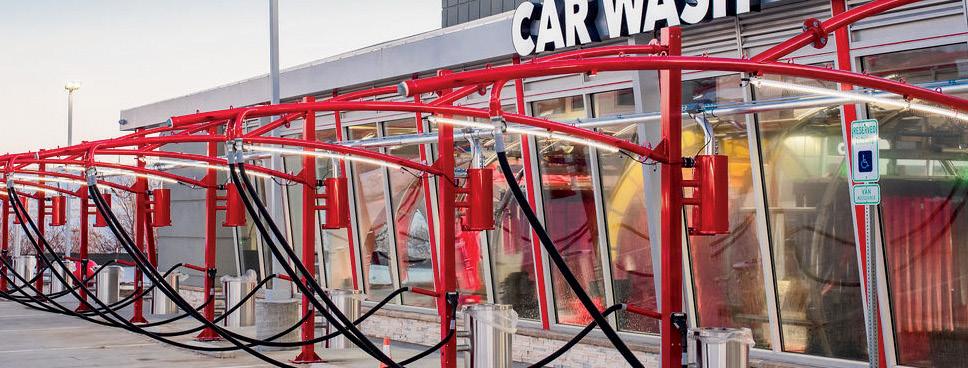
Reimagine Your Wash
Nicotine’s new frontier: As traditional tobacco volumes slide, contraband persists and federal regulations tighten, Canada’s convenience channel is navigating a high-stakes transition Plus, C-store IQ Nicotine Report
Our experts share best practices to update your wash.
30 BevAlc Feature
Ground zero: The rising popularity of low- and non-alcoholic beer, wine and RTDs represents real opportunity for c-stores, as makers redefine the category with innovation
33 Category Check
Sugar and spice: Innovation and insatiable consumer demand for better-for-you options, bold flavours and blasts from the past are turning gummy candy into a grown-up, deliciously lucrative category
37 What’s In Store?
Our e icient project plan will get you back up and running quickly.
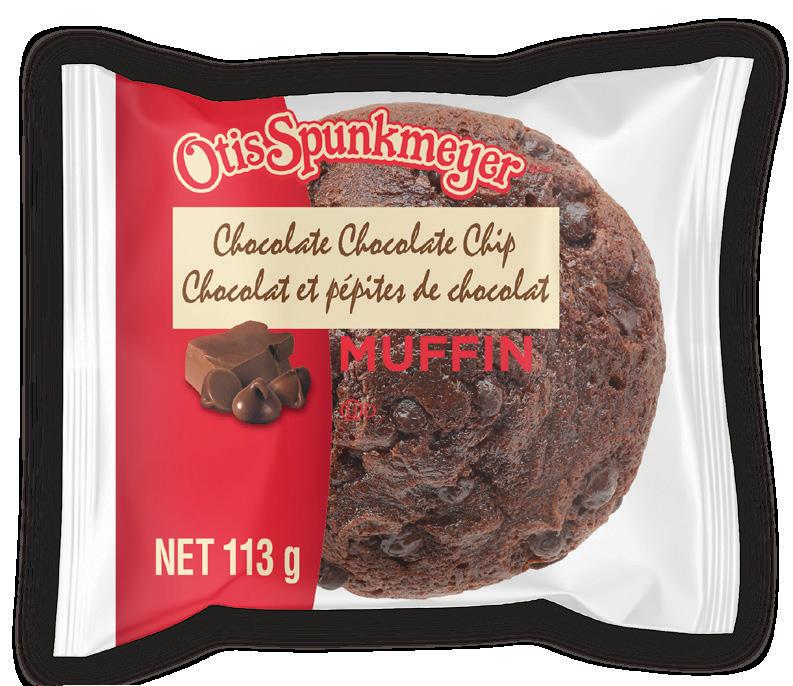
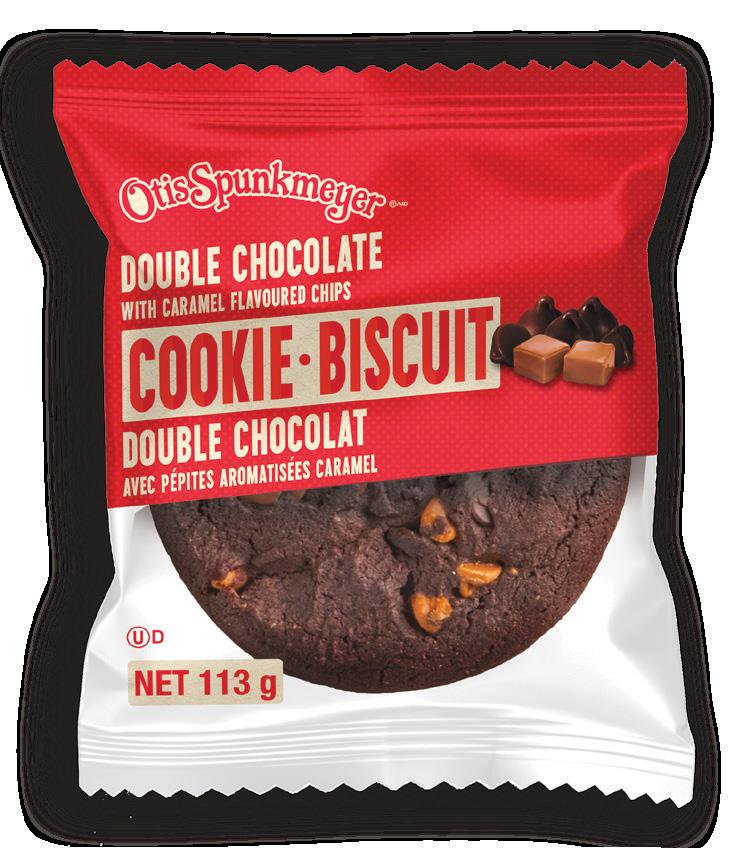
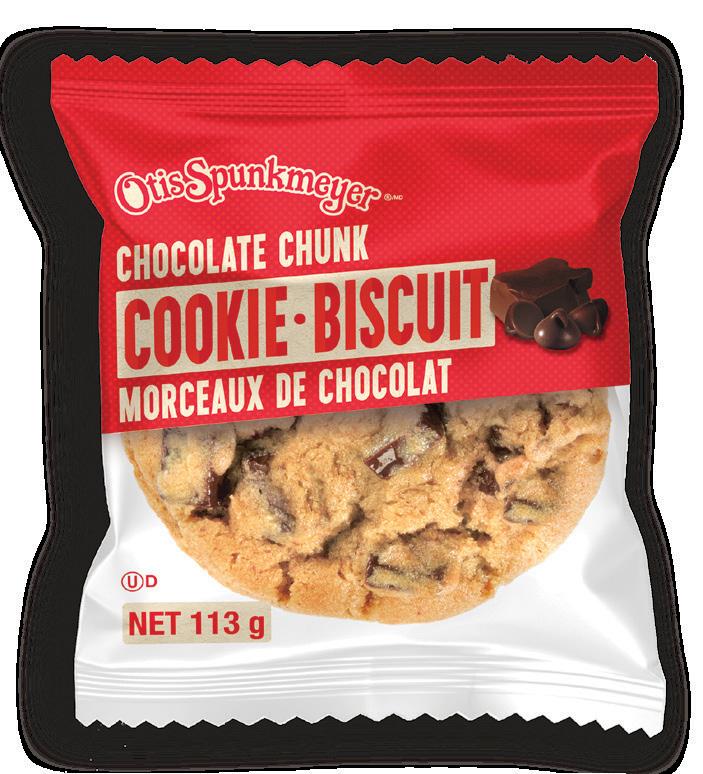
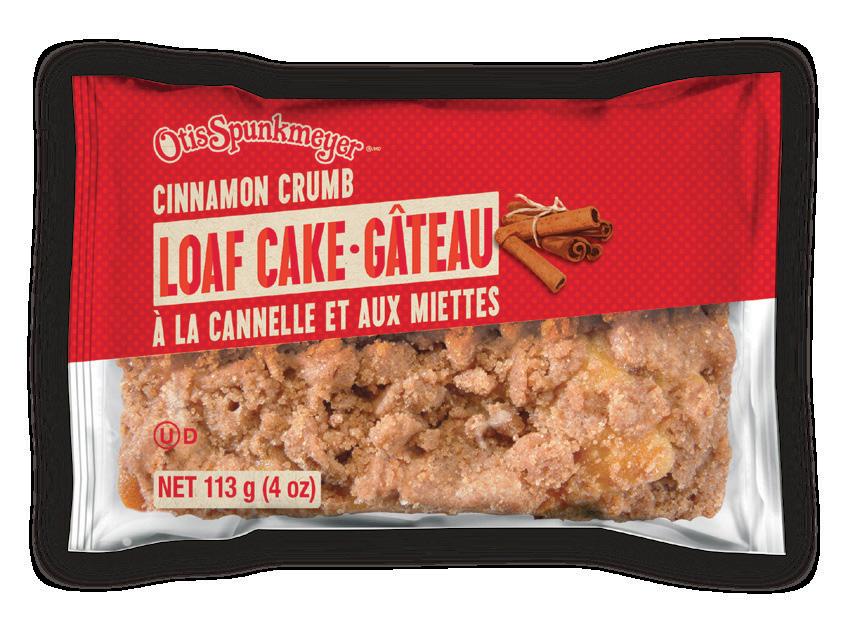
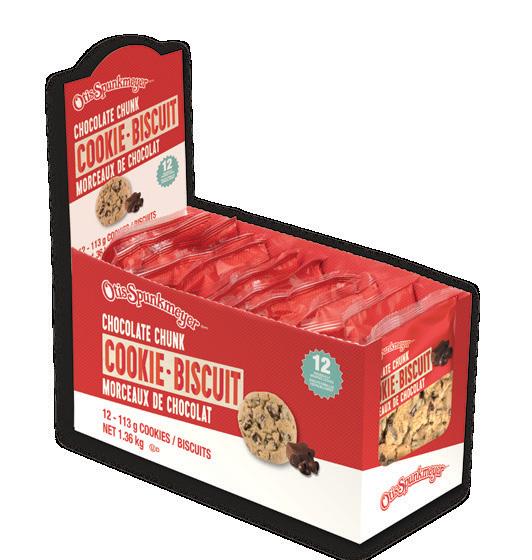
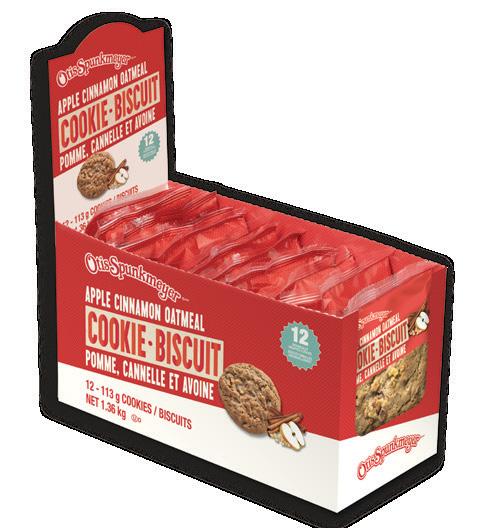
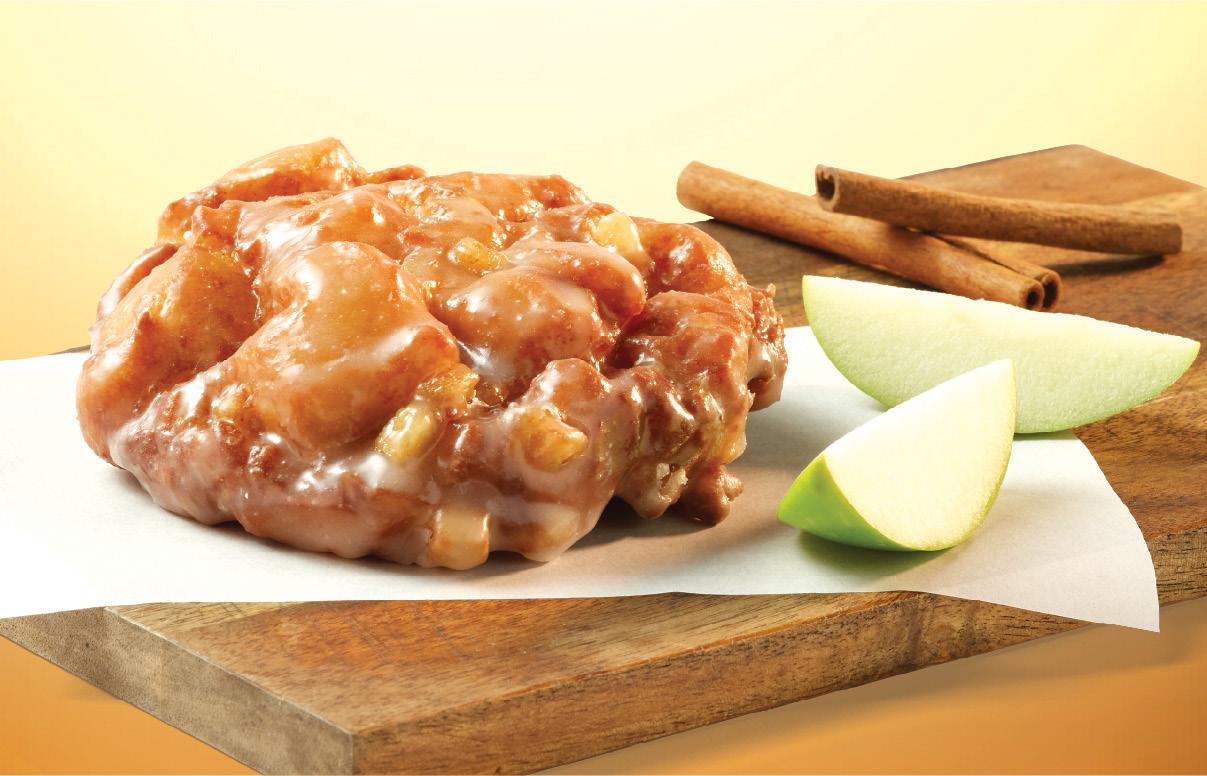
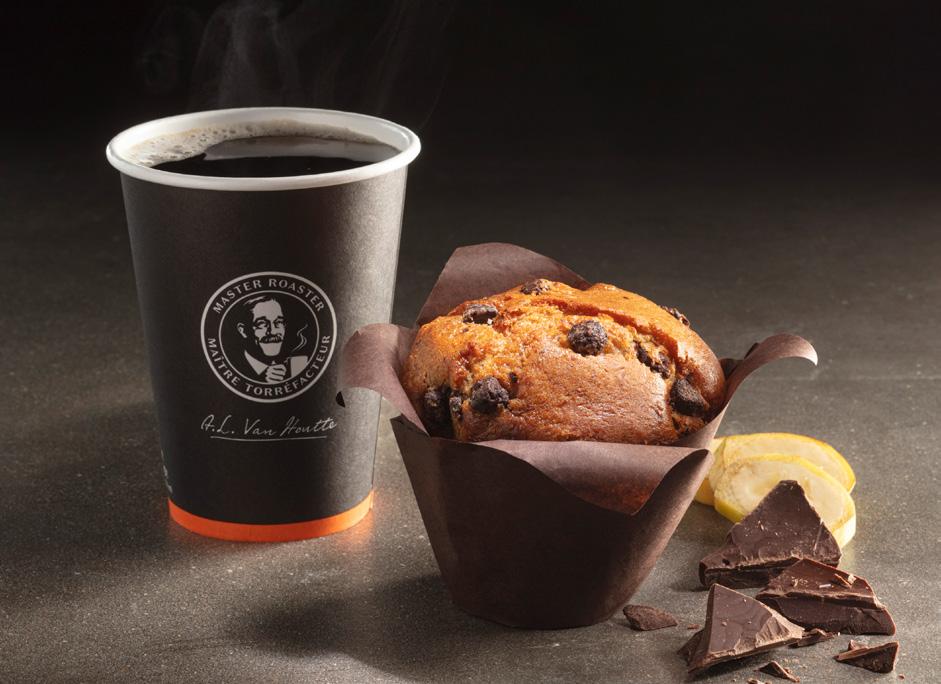
Sweet spot: From muffins and cookies to seasonal treats, baked goods are proving to be a high-margin, impulse-driven category that keeps c-store shoppers coming back for more (especially when paired with a strong coffee program)
CSNC EDITORIAL ADVISORY BOARD
Comprised of leading retail executives and convenience operators, this volunteer group of industry champions offer advice, key insights and on-the-ground perspectives that serve as an invaluable resource to ensure content is relevant and meets the needs of the industry. Want to join? Reach out to Michelle Warren mwarren@ensembleiq.com
Robbie Broda, Quickie Convenience
Marc Goodman, 7-Eleven Canada
Leslie Gordon, Circle K
Laurie & Randy Ure, Ure’s Country Kitchen
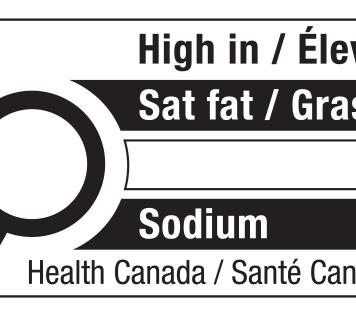
The skinny on front-of-package labels: how sugar, sodium and sat-fats data is really influencing
Leadership Perspective
Beverage alcohol belongs in the convenience basket: Ontario consumers are signalling strong support for modernized alcohol retail, with convenience stores increasingly viewed as a preferred channel for beer, wine and ready-to-drink beverages—other provinces should take notice
45 Charging Ahead
Proposal & Financing
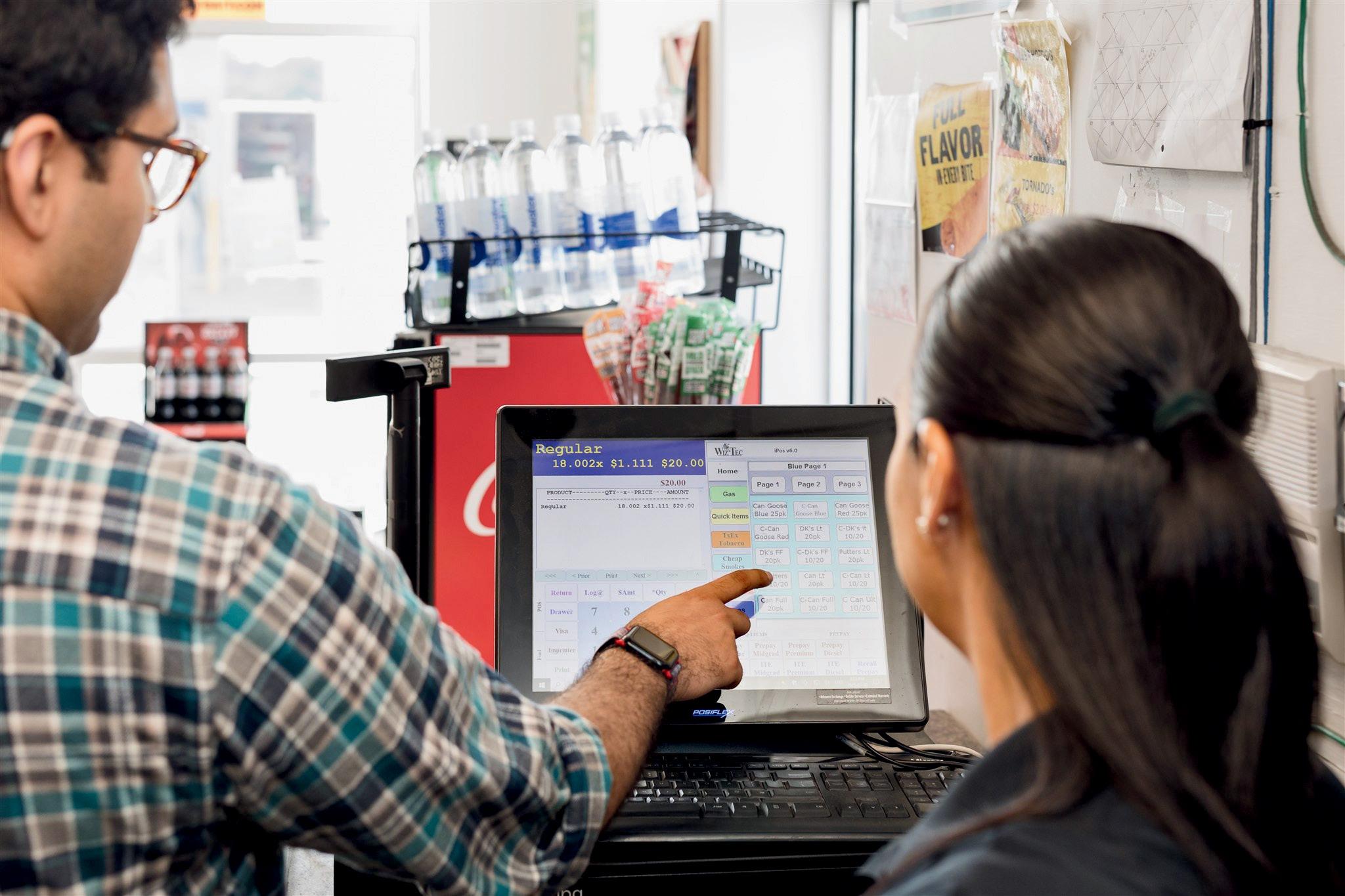
Receive a full package proposal with financial options.
What does dropping tariffs on Chinese electric vehicles mean for Canada? Far from an existential threat, inexpensive EVs could change the auto marketplace for the better
Chemical reaction: From advanced coatings to sensory enhancements, car wash operators are using new chemistry and technology to add value, improve results and elevate the customer experience
Grand Re-Opening
2026 C-StoreIQ National Shopper Study EV Report: Charged for growth
Relaunch your wash and boost revenue by up to 150% (see case studies at ncswash.com).
The Convenience U CARWACS Show Let’s go! Agenda and show highlights
NEWSLETTERS
The latest news, information, category trends, expert insights and more delivered to your inbox.
All Convenience: Mondays and Wednesdays
All OCTANE: Monthly, third Thursday New on Shelf: Monthly, first Thursday Don’t miss out! Sign up today at CCentral.ca/signup
OCTANE
2300 Yonge Street, Suite 2900, Toronto, ON M4P 1E4 416-256-9908 | (877) 687-7321 | Fax (888) 889-9522 www.CCentral.ca
ADVERTISING SALES AND BUSINESS SALES DIRECTOR Julia Sokolova 647-407-8236 | jsokolova@ensembleiq.com
NATIONAL ACCOUNT MANAGER
Roberta Thomson 416-843-5534 | rthomson@ensembleiq.com
ACCOUNT MANAGER Holly Power 416-910-1085 | hpower@ensembleiq.com
DESIGN | PRODUCTION | MARKETING CREATIVE DIRECTOR Nancy Peterman npeterman@ensembleiq.com
ART DIRECTOR Jackie Shipley jshipley@ensembleiq.com
SENIOR PRODUCTION DIRECTOR Michael Kimpton mkimpton@ensembleiq.com MARKETING MANAGER Jakob Wodnicki jwodnicki@ensembleiq.com
CORPORATE OFFICERS
CHIEF EXECUTIVE OFFICER Jennifer Litterick
CHIEF FINANCIAL OFFICER Jane Volland
CHIEF OPERATING OFFICER Derek Estey
CHIEF PEOPLE OFFICER Ann Jadown
SUBSCRIPTION SERVICES
Subscription Questions contactus@ccentral.ca
Subscriptions: Print $82.00 per year, 2 year $151.00, Digital $47.00 per year, 2 year $88.00, Single copy $15.40 Outside Canada $126.00 per year, 2 year $233.00, Single copy $20.50, Groups $57.96
Email: csnc@ccentral.ca
Phone: 1-877-687-7321, between 9 a.m. to 5 p.m. EST weekdays Fax: 1-888-520-3608 | Online: www.ccentral.ca/subscribe
WELCOME TO THE annual Consumer Insights issue, which features all-new data and valuable insights from the sixth C-store IQ National Shopper Study.
Again, this year, we surveyed 2,000 c-store shoppers to find out more about their wants, needs and habits. Many thanks to the research team at EnsembleIQ, our parent company, for keeping the annual study current. This year we added several new questions that dig deeper into shoppers’ behaviour, including value-driven purchases and perceptions of store brand/private label products.
The results are fascinating, as the convenience-gas channel positions itself as a multi-purpose destination driven by a younger generation of consumers, technological integration, category expansion and evolving foodservice expectations (more on p. 14).
As always, our team will continue to dig deep into the data throughout 2026—in the magazine and online, as well as at events—to highlight shoppers’ habits and expectations around key categories, including beverage alcohol, as well as sustainability, technology, fuelling, loyalty programs and more.
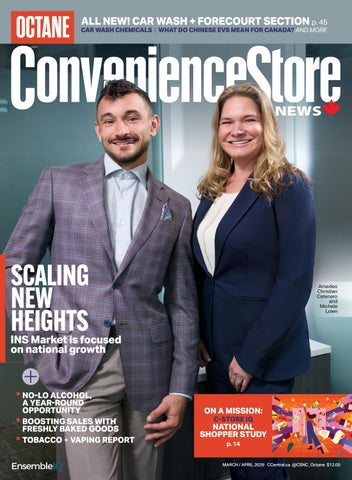
We are also pleased to feature the INS Market leadership team on our cover. Theirs is an interesting story of pivoting and reinvention in response to changing consumer habits. From selling magazines to creating a booming franchise program, find out what’s next for INS Market (p. 10).
Looking for more inspiration and insights to shape your strategy in 2026 and beyond? You won’t want to miss The Convenience U CARWACS Show on March 10th and 11th in Toronto. In addition to exploring the Trade Show and connecting with key suppliers, I encourage you to register for the C-store IQ Conference. The CSNC editorial team is pleased to curate two days of engaging sessions with experts and industry leaders, who will be discussing the important issues and opportunities shaping the channel (check out the Show Preview on p. 52).
We look forward to seeing you there! CSNC
MICHELLE WARREN Editor & associate publisher
THE BUZZ
CROSS-CANADA ROUND-UP / PEOPLE / PLACES / NEWS & EVENTS
Column catch up
CICC Connects by Anne Kothawala: “Resilient reinvention—the channel is changing, but we aren’t powerless”
Operational Excellence by Wendy Kadlovski: “Time to review your retail business’s online presence”
Workplace Wellness by Denise Lam: “Selling alcohol? Strategies to keep staff safe”
How has your convenience business adjusted to Canada’s single-use plastics ban—and what are your plans going forward?
We’re still adapting and evaluating options (Costs, supply availability or customer reaction are influencing our next steps.)
We see sustainability as a strategic opportunity (Actively reducing single-use plastics and using it to strengthen brand trust and loyalty.)
The ban has been disruptive and costly (Higher costs, operational challenges and customer pushback are limiting further action.)
Wendy Kadlovski
Anne Kothawala
Denise Lam
Read more!
READER POLL
BY WENDY HELFENBAUM
Into the fast lane
WHEN SELF-CHECKOUT machines were first introduced in the United States in the late 1990s and in Canada shortly after that, they were heralded as a solution to labour shortages, rising operating costs and customers wanting to get in and out of a store as quickly as possible. Research shows that most Canadians select self-checkout over standing in line waiting for a cashier to scan their items— especially if they are buying less than 20 items.
While grocery stores and pharmacies across Canada, the United States and the United Kingdom have gone all-in on the trend, it’s not as common to see self-checkout options in the convenience and gas space. But one technology company believes self-service in retail has become a necessity.
The drive for efficiency
“When organizations started adopting self-checkout, repurposing labour was one of the key reasons they did it, but nowadays, I think retailers’ motivation is a little bit different,” says Nino Hoerttrich, head of global retail marketing for Diebold Nixdorf, which is based in North Canton, Ohio. The company has focused its attention on leading-edge self-checkout technology geared towards retailers.
A wealth of scalable options
Busy retailers want user-friendly technology solutions, especially ones that can seamlessly integrate with systems they’re already using, says Hoerttrich.
“From a technology perspective, we’re seeing the demand for self-service environments that are easy to use and easy for customers to access, like larger screen sizes and easy user interfaces,” he explains.
“When shoppers have a pleasant experience the first time they use a self-service technology, they will do it again. If they have a very disruptive journey full of friction, they probably will not return.”
Because Diebold Nixdorf’s products are modular, retailers can customize the solution that suits their needs, he adds. “It’s almost like a Lego approach: you can build it so it fits the purpose of the store environment best.”
“In all the segments we’re covering— general grocery, convenience, fashion and apparel, and quick-service restaurants—we see a lot of motivation from retailers to automate things, especially in Europe and North America. Self-service and self-checkout then becomes something customers expect.”
Hoerttrich says smaller-footprint c-stores and gas stations with few staff members are installing self-service checkouts so they can assign their people to other tasks rather than sitting behind the counter checking people out.
“Late at night, or for 24-hour operations, there’s often only one person managing the store, taking care of customers, and making sure shelves are filled, so we’re taking away one of the tasks that keeps staff from other tasks,” adds Hoerttrich, who is based in Paderborn, Germany.
To figure that out, Diebold Nixdorf’s advisory service team works with retailers based on their basket sizes, throughput and customer demographics to identify a good checkout mix, then they build the ‘checkout zone’ with the perfect ratio between traditional and self-checkout units, he explains. “You’re also able to identify some KPIs, which helps retailers understand where they need to improve or what is already working very well in their checkout processes.”
Setting goals—such as reducing queues for standard transactions or freeing up more time for staff to tackle other tasks beyond checking out customers—is also part of the process.
“We work with our retail customers to identify their expectations, goals, pain points and challenges in their daily operations. Then, we build on that understanding to find a good technical solution set up. Technology is usually the last building block of the journey,” he notes.
Consumers are mostly on board
Some research from 2025 in the grocery space revealed more than 60% of shoppers now expect an alternative to queuing up in a line behind a manned counter. Yet there will always be consumers who aren’t tech-savvy,
or who don’t wish to use self-checkout, says Hoerttrich.
“This is not a bad thing; everyone should be able to check out using the process they prefer. In our advisory service, we never say we want to automate the entire store, or that we believe self- checkout is the only option,” he says.
“It’s important to understand your customer’s behaviour and what the shoppers in this environment want. You need the right mix between a traditional checkout, self-ordering, self-checkout, and using a mobile device to scan articles and check out.”
Overcoming the hurdles ahead
Most Canadians are familiar with how a traditional self-checkout works: Scan your items, check out and leave—but friction points remain, such as handling non-barcoded or age-restricted items.
“Those are the kinds of things we can solve with our advanced AI camera vision technology, which can support the entire process by either video recognition of the face that does an age estimation, or by recognizing fresh produce and multiple non-barcoded items all at once,” says Hoerttrich.
There’s even a way to address retail shrinkage that happens either by mistake when a customer forgets to scan an item, or out of frustration after a shopper tries multiple times and then either leaves it behind or puts it in their bag: 36% of consumers reported leaving a store with an unscanned item without realizing it, according to a recent LendingTree survey, while 15% admitted they gamed the self-checkout system to steal.
“Shrinkage is also a big topic in retail environments, including the convenience space; people think they scanned something, but they didn’t, or they don’t find the right article within the menu. We call that ‘frustration shrinkage’,” says Hoerttrich.
“With our AI platform, we’re helping retailers prevent shrinkage and loss at the self-checkout.”
From self-checkout options powered by AI to traditional POS solutions with click and connect, Hoerttrich says investing in a platform with a modular approach can streamline operations while delivering exceptional customer experiences. Some of the benefits c-store and gas retailers can expect include an end-to-end solution to manage inventory, pricing and suppliers, and real-time reporting analysis that provides insights into business KPIs. CSNC
Nino Hoerttrich
PROTEIN
PROTEIN
PROTEIN
SCALING NEW
HEIGHTS
Spurred by smart technology, flexible store formats, a new distribution partnership and a passionate leadership team, INS Market is focused on national growth, with plans to open 50 stores in 2026
BY CHRIS DANIELS • PHOTOGRAPHY MIKE FORD
FROM DOWNTOWN OFFICE towers and Toronto’s PATH system to hospitals, universities and bustling street-front neighbourhoods, INS Market is increasingly hard to miss. The franchised convenience store chain operates 110 locations across Canada, with 50 more planned this year. Growth is supported by new transit partnerships, including Calgary Transit, and flexible store formats.
Those formats run the gamut, from compact kiosks under 100 sq. ft.—the smallest, at just 57 sq. ft., is tucked beneath a staircase in Toronto’s Hudson’s Bay Centre at Yonge and Bloor—to a sprawling 2,500-sq.-ft. store in Streetsville, Mississauga, Ont., which opened last year as the brand’s largest location to date. As of press time, the Canadian-owned and operated company had new stores under construction at Ajax GO Station and York University, and outside the Greater Toronto Area in cities from Halifax and Ottawa to Winnipeg, Calgary and Vancouver.
A newly announced national distribution partnership with Sobeys is also reshaping the business, giving INS Market faster replenishment from coast to coast and access to a broader grocery and fresh assortment. (More on that later.)
For a franchisor scaling at this pace, it’s notable that INS Market’s head office numbers just 10 people. At the company’s bright, modern
headquarters on Toronto’s Queens Quay near Lake Ontario, CSNC sat down with two employees of that lean team: Michele Lown, senior vice-president, and Amedeo Christian Catenaro, senior director of franchising, real estate and marketing, to discuss how the company manages rapid growth, supports franchisees and navigates product innovation across its expanding network.
Lown is tenured, celebrating her 23rd year with INS in 2026. “There are others on the team who’ve been with us 10, 15 years,” she notes. Catenaro, now in his third year with the company, represents newer blood, recruited from a real estate firm located down the hall. “I kept running into Michele and Tiina Kamagianis, director of training and onboarding, in the elevator. They called
me the ‘elevator guy’ for about a year before I officially joined the team,” he recalls with a laugh.
INS’s culture is hands-on and team-driven, rooted in a fully in-office model—no hybrid work here. Knowledge flows both ways: seasoned leaders share hard-earned expertise, while newer hires bring fresh thinking. Conversations move quickly across merchandising, operations, real estate and franchise support. “Decisions are made within minutes,” says Lown. “If a store has a challenge, we get in a room and solve it—no waiting for Zoom calls to be set up or 16 layers of approvals.”
“It also helps that we genuinely like each other,” she adds, describing a collaborative philosophy that extends beyond the office. Some
employees head together to the rock-climbing gym just downstairs after work. The parallel fits: the team is scaling thoughtfully, relying on trust, communication and deliberate moves rather than speed alone. (Tech adoption also plays a role; please see sidebar.)
From magazines to Market
INS Market is owned by The Davis Group of Companies—which also operates the Kindling Cannabis retail dispensaries in southwestern Ontario—and was originally created by CEO Sam Davis as International News in 1994, at a time when print media drove daily foot traffic. “It was magazines, magazines, magazines,” recalls Lown. “‘Where’s your People magazine?’ If you didn’t have People, you weren’t doing business that day.”
MICHELE LOWN Senior vice–president
AMEDEO CHRISTIAN CATENARO Senior director of franchising, real estate and marketing
At its peak in 2014, International News had roughly 200 locations nationwide, with some dedicating more than 16 feet of wall space to print media.
But as consumer habits shifted online, the retailer shrank its store count, streamlined operations and overhauled its merchandise mix. Rebranded as INS Market in 2017, the reset laid the foundation for the urban convenience concept now in expansion mode, with Davis stepping back from day-to-day operations.
INS Market first had to survive the pandemic, however. “Obviously, things happen—COVID hit, and we had to shrink a little more,” says Lown. “But last year we started ramping back up. And this year is going to be tremendous.”
Game-changing partnerships
INS Market’s partnership with Sobeys Wholesale is transforming operations. “It’s allowing us to carry a broader grocery assortment, including more fresh items and even dairy,” says Lown. “Their team is incredibly collaborative—we meet weekly and are always asking, ‘What can we do to support you? How can we help?’”
Sobeys Wholesale, as a coast-to-coast wholesale distributor across Canada, has dramatically shortened delivery times. “Orders that once took seven to 10 days can now reach our stores within 24 hours, whether in Alberta, B.C., Nova Scotia, Manitoba or Quebec—it doesn’t matter,” says Lown.
That has been a “game changer” for national growth. “Before, you might build a store in Alberta, plan deliveries seven to 10 days out, and then a snowstorm hits—leaving your merchandise team on the ground with no product,” she explains. “This partnership lets us move faster and operate much more efficiently.”
Zakir Hossain, a franchisee since 2003 when the banner was International News, now runs five INS Market stores in Toronto, including his original Harbourfront location and one in Scotiabank Arena. He says the partnership with Sobeys Wholesale is a major upgrade from the supplier used after COVID.
“We struggled a lot with that supplier,” says Hossain. “This is a good move. The product is fresh and high quality, and the pricing is more competitive than with the previous vendor.” While the partnership is still in its early days, Hossain says he plans to “experiment with the product selection from Sobeys because I believe they’re the right vendor for us.”
INS Market is also driving traffic through other partnerships, such as LCBO and PepsiCo, as well as its Frito-Lay division, and is in the midst of preparing a major collaboration with Coca-Cola for the 2026 FIFA World Cup, which Canada will co-host alongside the U.S. and Mexico. Thirteen games will be played in Toronto and Vancouver from June 11 to July 19.
“We have a lot of locations in those cores, and some very exciting initiatives planned for World Cup festivities,” says Catenaro. “It’s really our franchisees’ interpersonal skills and customer service that shine— especially in hospitals, transit hubs and vibrant communities. Initiatives like this with our partners help drive growth, engage consumers and bring them back into stores for repeat visits.”
Franchise-first, big ambitions
Despite its small head office, INS Market punches above its weight. “We’re not afraid to take on major initiatives,” says Catenaro. The company has deliberately chosen to remain a franchise-only business. “We’ve tried corporate-owned stores in the past. It’s not what we want to do,” Lown says, emphasizing the focus on empowering franchisees.
The staff count is growing, with the recent hire of a new franchise manager. But as Lown notes, success is less about size than fit. “We’ve had expansions and contractions, but having the right people—whether it’s 100 or 15—is what counts. And the team we have now just gels together.”
SMALL TEAM, SMART TECH
ALONGSIDE AN ALL-IN TEAM PHILOSOPHY, INS MARKET TAPS TECH AND DATA TO PUNCH ABOVE ITS WEIGHT
Planogram punch
Using VisualTouch, a Vaughan, Ont.–based POS system, INS Market analyzes sales data and tailors offerings by location.
This precision is crucial as key categories—foodservice and grocery via Sobeys Wholesale, plus beverage alcohol—expand. In Ontario, home to about 80 of 110 stores, all locations now carry beverage alcohol excluding sensitive sites, such as campuses and hospitals. Franchisees who secured licenses early reported traffic gains of 20% to 30%.
Planograms are shared via QR codes. “Everything is built in two-foot sections,” says SVP Michele Lown. “We focus on top sellers. A 400-sq.-ft. store gets the essentials, while a 600-sq.-ft. location gets the full lineup.”
Prime real estate
INS Market has added a new tech layer to support expansion: CoStar, a commercial real estate platform that tracks leasing trends and upcoming listings, and informs site-selection decisions.
“We’ve been introducing tech steadily over the past few months to drive growth,” says Amedeo Christian Catenaro, senior director of franchising, real estate and marketing. “Platforms like CoStar help us identify prime locations and act quickly when opportunities arise.”
Learning on the go
A new mobile-first learning management system (LMS) is in the works that aims to modernize franchise training, replacing static manuals and one-time training sessions with on-demand, continuous learning for new and existing franchisees.
“The LMS centralizes operational guides, brand standards, product updates and best practices,” says Catenaro, “while giving franchisees the flexibility to learn at their own pace.” Content will be refreshed in real time, allowing INS Market to roll out new initiatives, procedural changes or promotions without version-control issues.
Eye on the store
The head office has centralized access to a network-wide CCTV system, providing continuous, high-resolution coverage across all stores. Remote access to live and recorded feeds lets the operations team assess incidents, respond to safety concerns and support franchisees in real time.
The system also tracks customer behaviour—traffic patterns, dwell times and movement flow—to help improve the shopping experience. Footage is stored via DVR for loss prevention, incident review, training and compliance. It also supports the responsible sale of beer and wine, ensuring adherence to age-verification rules, regulated hours and checkout procedures, especially during high-traffic periods CSNC
ON A MISSION
Data-driven insights into the evolving wants, needs, perspectives and habits of today’s convenience and forecourt customers
BY MICHELLE WARREN • ILLUSTRATIONS BY YUKAI DU
THE CONVENIENCE-GAS channel is evolving into a multi-purpose destination driven by younger generations, technological integration, category expansion and evolving foodservice expectations. Overall, shopping frequency remains consistent, with 50% of shoppers saying they visit a c-store once a week or more—43% report shopping at a chain convenience store, while 36% shop at an independently-owned c-store. However, on a more granular level, there are shifting habits, driven largely by younger c-store shoppers (by younger, we mean generation Z and millennials, while older is generation X and boomers), with younger shoppers showing a particular affinity for chain c-stores—48% of gen Z and 50% of millennials report shopping at a chain convenience store once a week or more. In addition, a growing number of shoppers report
making daily trips to chain c-stores—8% compared to 6% a year ago—driven by gen Z (11%) and millennials (9%). This increase likely reflects the growing role of c-stores in younger shoppers’ daily routines, driven by convenience, smaller missions and expanded foodservice offerings, according to new insights from the 2026 C-store IQ: National Shopper Study. This report marks the sixth installment of Convenience Store News Canada’s annual shopper study, offering a comprehensive analysis of shopper preferences and behaviours. The study establishes a measurable baseline, providing valuable insights into evolving trends and consumer expectations as we move into 2026.
Led by EIQ Research Solutions (also owned by parent company, EnsembleIQ), we surveyed more than 2,000 shoppers across the country to capture valuable insights into Canada’s ever-evolving convenience and forecourt landscape.
Frequency of shopping store type
What ‘convenience’ means to shoppers
Convenience, redefined by generation
An increasing share of shoppers report visiting the same c-store every trip (72% compared to 68% in 2025), driven largely by loyal gen Z shoppers—a notable 78% say they visit the same store. “This likely reflects gen Z’s preference for convenient, habitual destinations that consistently meet expectations,” according to researchers.
While the definition of “convenience” itself has remained largely stable compared to last year, a closer look at the data reveals that how convenience is valued varies meaningfully by age. Younger shoppers and older shoppers are not looking for the same things—and operators who assume a onesize-fits-all approach risk missing the mark.
Boomers, for instance, continue to define convenience through fundamentals: proximity and extended hours remain their top drivers, reinforcing the importance of location and reliability. For gen Z, however, convenience is more about the experience. Easy to shop and friendly staff are top of mind, signalling that younger shoppers place as much value on how a store feels as on how close it is.
This generational divergence underscores an important takeaway: convenience is no longer just about saving time—it’s about reducing friction in different ways for different shoppers.
The mission is expanding
Gas remains the primary reason shoppers visit convenience stores, though its dominance has softened to 43% of visits, down from 46% last year, as errands and latenight snack runs maintain their position among the top occasions.
As mentioned, younger shoppers are expanding the role of the c-store in their daily routines. Gen Z and millennials are significantly more likely to rely on convenience stores for lunch, snack breaks, dinner purchases and late-night eating, particularly when travelling to and from work or school. These behaviours highlight the growing importance of foodservice and grab-and-go offerings as traffic drivers.
Digging into dayparts
Overall daypart shopping is statistically comparable to last year, with trips peaking from 4:00 p.m. to 6:59 p.m. However, generational differences are pronounced.
Boomers, for instance, skew to daytime visits. As the sun fades, it’s a different story. From late afternoon onward—4 p.m. to 7 p.m.—gen Z, millennials and gen X visit
Occasions typically shop at c-store
To purchase gas
Running errands
Late-night snacking
Special trips from home
Afternoon snack/break
Travelling for pleasure
Travelling to/from work or school
To purchase hot beverage/breakfast
To purchase lunch
Travelling for business
While working from home
To purchase dinner
Time of day when typically shop at convenience stores
2026
ONLY PURCHASE GAS/ PAY AT PUMP
“I have 2 kids in car seats so pay at the pump is way easier for me.”
NO REASON TO/DON’T NEED ITEMS SOLD IN-STORE
“Just don’t need anything.”
“Pas besoin de rien et trop cher.”
Reasons choose to not shop in-store at convenience stores
STORES
“The
“I
“Prices are always higher.”
“Too expensive and when I go out cheaper alternatives are available.”
SAFETY/UNPLEASANT
at similar rates—after which gen Z and millennials dominate evening and latenight traffic.
This reinforces the c-store’s role as a flexible, after-hours destination for younger shoppers, particularly those balancing work, school and non-traditional schedules—if you are or live with a gen Z, you know that “dinner time” can be any time, with many opting for a late-night bite.
When they are purchasing fuel, younger shoppers are more likely to do so daily, often making smaller, routine fill-ups that combine convenience and quick purchases to fit their on-the-go lifestyles and budgets.
Fast in, fast out—hold on Speed remains central to the c-store value proposition. Three-quarters of shoppers (75%) complete their trip in under five minutes, a figure that has held steady year over year.
“Just easier to do curbside or delivery.”
“I have other things to do.”
“Some can be unsafe.” “It’s so flipping scary.” TOO BUSY / NO TIME TO GO IN-STORE
Usage of expanded service at convenience stores
61%
Longer visits, however, skew younger. While 34% of shoppers browse a bit for 5 to 15 mins, digging deeper into the data shows 44% of gen Z and 40% of millennials are likely to browse to purchase meals and snacks, or shop multiple categories. Notably, while only 4% of shoppers report staying more than 15 minutes to eat and drink, that rises to 5% among millennials and 8% among gen Z—again, meaningful signals of opportunity for foodservice and in-store experience.
As in prior years, the top reasons shoppers avoid going inside remain practical: they don’t need anything or find prices too high. Use of pay-at-the-pump and overall trip convenience also play a growing role.
Key traffic drivers
Expanded services are a key traffic driver for c-gas, with most shoppers regularly using
2026 C-STORE IQ NATIONAL SHOPPER STUDY
at least one. Traditional ATM and car wash services remain the most common, however use of money transfer, Bitcoin ATMs and EV charging has also increased year over year.
Gen Z are most likely to use all services listed except for car wash and copy/fax (which makes sense with the proliferation of technology in their palm of their hand). Indeed tech-enabled options like mobile payment and self-checkout have grown notably since 2025.
Overall, proximity, extended hours and fuel remain the top drivers of c-store visits, though a dip in the influence of fuel is worth examining. To compensate, operators will need to lean more heavily on other drivers, such as loyalty programs, promotions and foodservice to influence store choice and visits. In some provinces, burgeoning categories (notably beverage alcohol) are also vital attractions.
Gen Z and millennials are especially responsive to coupons, quality foodservice, mobile app offers, social media promotions, self-checkout, drive-thrus and mobile ordering. These shoppers are not just looking for convenience—they’re looking for value, relevance and digital engagement.
When it comes to getting shoppers from the pump in-store, loyalty programs and pre-paying for fuel are the top lures, with loyalty programs increasing in influence and taking the top spot in 2026. Mobile continues to gain importance year over year, driven largely by gen Z adoption.
Social touchpoints
Two in five shoppers (39%) follow a c-store on social media, with engagement highest among gen Z (50%) and millennials (48%). Facebook and Instagram lead overall among all generations, though millennials are more likely to follow on Facebook and LinkedIn, while gen Z and millennials are active on Instagram and TikTok.
This fragmented platform usage reinforces the need for targeted, channel-specific social strategies rather than a one-platform approach.
Positive experience evolving
The overall importance of the shopping experience is statistically comparable year over year; however, the share of shoppers rating it very important is trending upward and remains an area to watch, particularly among millennials.
Data shows a shift in what defines a positive experience, with employee helpfulness and cutting-edge technology gaining.
Factors influencing convenience store visit
Proximity/close by Longer hours
To purchase gas Loyalty program
Has products I can’t buy anywhere else Coupon
Quality of foodservice
Word of mouth
Gas price app
Mobile app offer
Social media promotion/messaging
Private label brands
Self check-out/contactless shopping Drive-thru
Mobile ordering
Outdoor ad
Text message Email Radio or TV ad
Curbside pickup
None of the above
Aspects
Video displays on pump
Ability to order by mobile Pump toppers
Audio feed with messages
None of the above
Feels
2026 C-STORE IQ NATIONAL SHOPPER STUDY
Factors that describe a positive shopping experience
Products
Price
Loyalty/rewards program
Variety
General convenience
Quality
Employee friendliness
Speed of shopping trip
Employee helpfulness
Importance of a positive shopping experience
Areas where convenience stores must improve to encourage more shopping
Price of products
Variety of products
Products
Local or Canadian-made products
Friendliness of employees
Variety of prepared food/beverages Speed of shopping trip
Helpfulness of employees Look and feel of store
Organization of the store
Larger
Commitment
Purchased
Purchased
Gen Z and millennials are more likely to value stores that feel safe and secure, offer delivery or curbside pickup, provide self-checkout and embrace advanced technology.
Encouragingly, when it comes to the store shoppers visit most often, store “report card” ratings are improving across the board, with gains in look and feel, loyalty programs, self-checkout, local/Canadian-made products, healthier options and pricing perceptions.
Price is paramount when it comes to driving visits and convenience retailers face stiff competition from the likes of dollar stores and discount retailers. Shoppers still perceive convenience as a more expensive shopping option, saying the top area for improvement is pricing, cited by twice as many shoppers as the next item.
Nine-in-10 shoppers notice the same or more price increases compared to a year ago and this can prompt troubling reactions— most say they will leave without buying or shop elsewhere. Younger shoppers, however, are more likely to adapt—choosing lower-priced brands, private label or different product types.
Private label perceptions
With the increased price sensitively and focus on value, new this year, we asked: For which of the following categories have you purchased store brand or private label products at convenience stores in the past month?
What we found is that private label is gaining relevance in this value-driven environment. Packaged snacks and candy are the most common private-label purchases— core c-store categories with room to grow.
Perceptions of quality vary by age. Most shoppers see store brands as comparable to name brands (55%), though about a quarter view them as lower quality (27%). Older shoppers are more favourable (61% of
2026 C-STORE IQ NATIONAL SHOPPER STUDY
gen X and 64% of boomers say quality is about the same), while millennials are more critical, with 31% saying quality is much or somewhat lower.
Availability is non-negotiable
Availability continues to be a critical loyalty factor. Four in 10 shoppers say they are highly likely to visit a different store if needed items aren’t available—a figure that jumps to 78% when including all levels of likelihood.
Millennials are the most sensitive to outof-stocks, while boomers are more inclined to stay put, reinforcing how flexibility and immediacy shape younger shoppers’ habits.
Sensitivity is different among the younger cohort: millennials are significantly more likely than gen Z to say they are ‘extremely likely’ to visit a different store.
Of note, access to local or Canadian-made products is gaining importance, particularly among older shoppers.
“Elbows up:” A shift towards made-in-Canada loyalty
New this year, the study explored changes in purchasing behaviour tied to the made-in-Canada and buy-local movments, prompted by increasing tensions with the United States. We asked shoppers: Compared to a year ago, which of the following changes, if any, have you noticed in the products you buy at convenience stores in Canada?
The results point to a clear shift: more than one-third of shoppers (36%) say they are deliberately buying more Canadian-made products than a year ago, while 27% are consciously purchasing fewer U.S.made items.
This trend reflects a growing emphasis on supporting domestic products, influenced by economic, cultural and trade considerations—and presents a meaningful merchandising opportunity for operators.
The bottom line
The data in the 2026 C-store IQ National Shopper Study paints a clear picture: convenience stores continue to play a vital role in Canadians’ daily lives, but expectations are rising—especially among younger shoppers. As fuel’s influence softens, success will hinge on experience, value, foodservice, digital engagement and relevance.
Operators who understand generational differences—and respond accordingly— will be best positioned to capture trips, build loyalty and remain indispensable in an increasingly competitive retail landscape. CSNC
This is a topline report, and we will continue to dig deep into the data throughout 2026. UP NEXT: In the May/June Issue, we will share the C-store IQ Purchasing Report, which analyzes categories and how shopper habits are changing, including the C-store IQ Beverage
Report. As well as more key insights with the C-store
VOTED BY 4,000 CANADIANS*
VOTED BY 4,000 CANADIANS*
OREO Cakesters
Crave Bowls
OREO Cakesters
Crave Bowls Logan & Cove
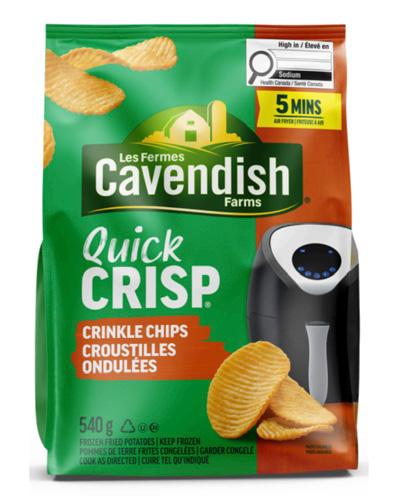
Cavendish Farms Quick Crisp Crinkle Chips
NICOTINE’S NEW FRONTIER
As traditional tobacco volumes slide, contraband persists and federal regulations tighten, Canada’s convenience channel is navigating a high-stakes transition
BY CHRIS DANIELS ILLUSTRATION BY YUKAI DU
IT’S A PUBLIC HEALTH success story: fewer Canadians are smoking. But some government measures—high taxes and strict regulations— have had an unintended consequence: a thriving contraband market.
Legal tobacco sales have plummeted far faster than smoking rates as a result, leaving the convenience channel to absorb steeper losses than expected while following the law.
According to data from NielsenIQ, cigarette sales fell 8.2% year over year in 2024, to $3.3 billion. Other tobacco products (non-combustible) dropped 10% from 2023, to $241.5 million.
In December 2025, Statistics Canada reported that the total number of cigarettes sold decreased 15.8% to 931 million compared with December 2024.
Fawwaz Mlatoom, owner of Mobile Convenience in Ottawa, says his sales “are down about 20% versus a year ago in every area of the category–vaping, cigarettes, all of it.” While he sus pects the economy is playing a role in that pullback, recent news coverage has highlighted the scale of the illicit tobacco market.
In July 2025, Ontario Provincial Police seized 17,820 kilograms of contraband fine-cut tobacco valued at about $4.4 million after stopping a speeding big rig.
Last fall, Kelowna RCMP’s Crime Reduction Unit confiscated over 7,400 cartons of contraband ciga rettes—1.5 million individual cigarettes—along with nicotine pouches and cannabis products during a home seizure. “The retail value of the contraband cig
arettes alone is estimated to be in excess of $750,000,” the RCMP reported. The items were also found alongside cocaine and a firearm.
A 2024 EY Canada report commissioned by the Convenience Industry Council of Canada estimates that the illegal tobacco industry in Canada is worth about $1.3 billion.
Eric Gagnon
“Canada’s contraband nicotine market has exploded into the Wild Wild West: a no-risk, high-reward free-for-all where bad actors are limited only by their imagination—and occasionally by a rare, small financial slap when caught,” says Jeff Brownlee, vice-president of communications and stakeholder relations, CICC.
“The real challenge today is the illicit market,” agrees Eric Gagnon, VP, corporate and regulatory affairs, Imperial Tobacco Canada. “Sellers operate without age-verification, product standards and in direct unfair competition with responsible retailers
who follow the rules.”
Gagnon notes the contraband market includes nicotine pouches, like its Health Canada-approved nicotine-replacement therapy Zonnic. “By removing its sale from convenience stores, the Government of Canada has unintentionally fuelled a booming illegal market for nicotine pouches,” he says.
Two provinces have taken action in trying to police it.
In 2025, Alberta introduced administrative penalties equal to three times the evaded tax on contraband tobacco, collectible directly from assets, property or income. Brownlee calls these penalties “game changing” and adds: “We also secured new mandatory reporting requirements to expose the market’s massive scale to law enforcement and governments.”
Ontario, meanwhile, has promised to strengthen fines and enforcement, such as supporting police with training for legally sound roadside searches of suspected contraband tobacco.
Looking ahead, the CICC is pushing for expanded powers and dedicated resources for municipal and provincial police, a crackdown on the e-commerce channel where Canadian youth can order illegal nicotine products online, and mandatory training for all nicotine retailers through its proven ID Please program.
“There’s zero standardized, government-mandated certification for selling age-restricted tobacco, vapes or pouches,” says Brownlee. “That’s a dangerous gap.”
The ID Please program would include a secure, real-time electronic database of certified staff, accessible to inspectors via mobile for instant compliance checks. “By requiring only certified personnel to handle sales, provinces can slash underage access, boost enforcement efficiency and rebuild consumer trust in a safer retail environment,” he says.
It would also position c-stores as active partners in government efforts, helping enforce the rules, protect consumers and fight back against contraband.
Up in smoke: a squandered cessation opportunity
In January, Health Canada released a progress report on the Canada Tobacco Strategy (CTS), a federal initiative launched in 2018 aimed at reducing tobacco use to less than 5% of Canadians by 2035. The report serves as a midway evaluation, showing both the progress achieved and the challenges that remain.
In 2024, only 13% of Canadians used a tobacco product—a steep drop from 29% in 2001. About 11% of adults reported smoking cigarettes, and roughly 300,000 Canadians who smoked in 2023 quit in 2024, representing around 8% of all smokers.
The report highlights a range of supports available to help smokers kick the habit, including counselling, prescription medicines and Health Canada–authorized nicotine replacement therapies (NRTs). However, more than half of successful quits in 2024 were achieved without formal supports, while NRTs such as nicotine gum and the flavoured nicotine pouch Zonnic accounted for about 25% of quits.
Health Canada also recognized the role of a legal vaping market in helping some adults transition from smoking. “While not an approved cessation therapy, approximately 21% of Canadians who quit smoking in 2024 said they used an e-cigarette to help them stop,” the report notes—a significant share.
Despite steady progress, the report warns that Canada is still on track to fall short of its 2035 target if current trends continue, leaving hundreds of thousands of Canadians still smoking.
Imperial Tobacco Canada seized on this conclusion—and Health Canada’s recognition of nicotine gum, vaping products and pouches as tools to help people quit—to stress the importance of getting reduced-risk products into smokers’ hands, including through convenience stores.
“Reducing the smoking rates down to roughly 11% over the last few decades was the easier part. The remaining smokers are harder to reach, more dependent, and more likely to face social, geographic and economic barriers to quitting,” says Eric Gagnon, VP, corporate and regulatory affairs, Imperial Tobacco Canada, in an op-ed shared with CSNC. “The final stretch to 2035 will require adaptation, not complacency.”
As he points out: “Health Canada, anti-smoking organizations, including Imperial, all agree that youth must absolutely be protected, smoking must continue to decline, and policies must be grounded in evidence. Where discussion is needed is on whether current approaches are fully supporting how adults actually quit. I would say we are missing that mark and the government agrees.”
This is where c-stores can play a role, not only in supplying reduced-risk nicotine products but helping educate smokers. “Canada needs a regulatory framework that protects youth, gives adult smokers access to authorized cessation products where they buy their cigarettes, and severely penalizes anyone selling illegal products,” Gagnon told CSNC in an email interview.
Fawwaz Mlatoom, owner of Mobile Convenience in Ottawa, says right now law prevents him from “offering a customer any tobacco asset.” That includes not only risk-reduced products, but also cheaper cigarette brands. “But if they ask, do you have something with less risk or something cheaper, we can make suggestions, but they have to ask first.”
Of course, even if they did, c-stores can’t offer products like Zonnic. Currently only sold in pharmacies, its manufacturer, Imperial Tobacco Canada, continues to advocate for the sale of nicotine pouches where cigarettes are sold.
While there was risk that nicotine gums could face the same federal restrictions as nicotine pouches, “measures have been more focused on newer formats,” says Shawhin Kanai, director of sales at Vancouver-based Sesh+Products. “Nicotine gum remains an established smokingcessation format and continues to be available broadly at retail.”
Sesh+ has grown distribution over the past year to over 5,000 locations, from over 4,000, “which has translated to solid and consistent sales growth and strengthened brand recognition, particularly in the c-store and fuel retail channels as well as pharmacies.” (Sesh+’s lifetime sales are well north of $1 million.)
“Biggest opportunities include ongoing expansion in the c-store channel,” says Kanai, acknowledging he’d like to see staff be freer to make adult consumers more aware of Sesh+. “It can play a key role by making adult tobacco users aware of Sesh+ as an effective alternative available right on the shelf. Emphasizing the product’s benefits, flavour options and growing presence in stores helps encourage trial.”
Shawhin Kanai
Club and caffeine: Nuvona’s bold move
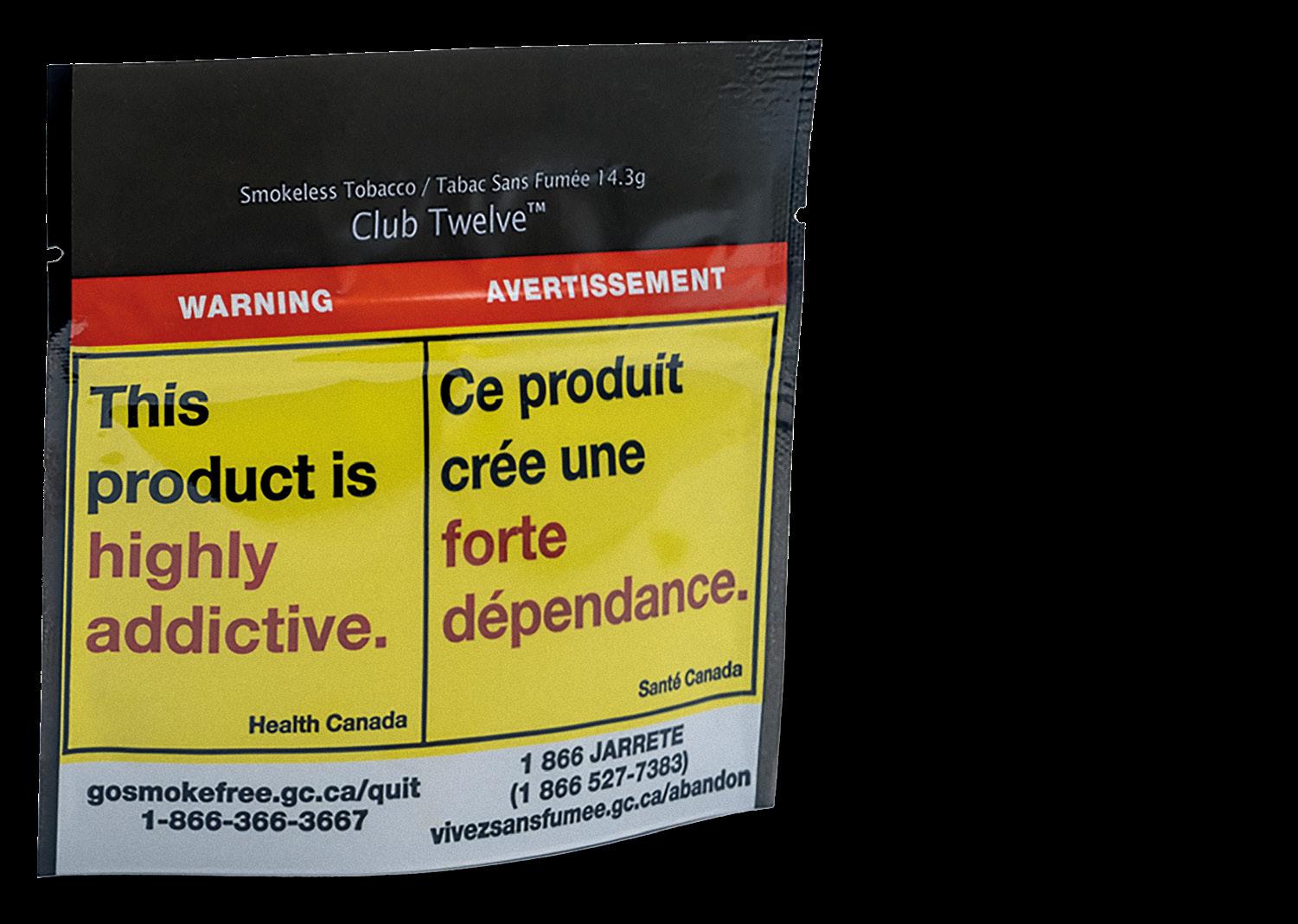
It’s been almost two years since National Smokeless Tobacco Company rebranded as Nuvona, reflecting its expansion beyond traditional tobacco. That growth includes the launch of nicotine-containing white pouch brand Club, as well as Proper Wild Energy shots—plant-based, non-nicotine beverages with organic caffeine.
The company also continues to offer its longstanding moist smokeless tobacco products, Copenhagen and Skoal. While Copenhagen and Skoal deliver the classic smokeless tobacco experience using traditional cured tobacco leaf, Club pouches are spit-free and discreet, containing finely ground tobacco and nicotine rather than whole leaf.
“Nuvona now reflects a modern distributor with a focused but diversified portfolio,” says Nuvona president JF Turcotte. “Our new portfolio demonstrates that we can execute across categories while maintaining strong compliance and customer service standards.”
He connected with CSNC to share insights into the company’s new identity and what lies ahead.
The rebrand marked a shift beyond smokeless tobacco. What does diversification look like for Nuvona?
Diversification for Nuvona reflects how adult tobacco and nicotine preferences are evolving. Traditional smokeless tobacco continues to serve a defined group of adult consumers. Club pouches give adult consumers looking for a modern white pouch a legal, compliant option available through established convenience retail channels. Smokeless products are not disappearing, but they are becoming a smaller part of a broader, more modern oral category.
Some stakeholders see smokeless products as part of a harm-reduction continuum, while others remain skeptical. How does Nuvona position itself in that debate?
Tobacco products exist on a continuum of risk, with different products presenting different risk profiles. Nuvona’s role in the discussion has been to engage constructively at both the provincial and federal levels to ensure policymakers understand the science, and the real-world implications of regulation and enforcement.
How is Nuvona helping retailers manage regulatory complexity while still growing the category?
Tobacco and nicotine fall within one of the most complex regulatory environments in Canada, and so retailers need certainty that the products they carry are compliant. Compliance is central to how Nuvona operates and a key differentiator for us in the market. We focus on products, packaging and labelling that align clearly with current rules, supported by compliance guidance to our customers. Our approach is to reduce regulatory risk and complexity for retailers by prioritizing compliance at every stage.
What would success look like for Nuvona in Canada over the next three to five years?
Success would be remaining a trusted partner in a complex and evolving market. That includes maintaining leadership in smokeless tobacco, responsibly growing the Club brand of products, and thoughtfully expanding in non-nicotine categories like with Proper Wild energy shots. Ultimately, success is helping retailers bring more adult consumers into stores through well-performing, responsibly managed categories.
A ‘BRIGHT SPOT’ IN CIGARETTE SALES
Unlike Imperial Tobacco, JTI-Macdonald and Rothmans, Benson & Hedges, Century Tobacco Company (CTC) focuses squarely on selling cigarettes, under the brands Darts, Platinum, Rally and Bravo 1, without positioning itself as advancing for a smoke-free future or diversifying beyond traditional tobacco.
CSNC spoke to both c-stores and wholesalers who said CTC’s brands “are the one bright spot” for tobacco sales. As Steven Bouchard, national sales and marketing director, CTC, notes, c-stores can “effectively triple their profit per pack sold while simultaneously lowering overall inventory costs.
“Fewer stock-keeping units, competitive wholesale pricing and strong consumer uptake translate into faster turns and improved cash flow,” explains Bouchard.
While some large multinationals point to high taxation as driving some Canadian smokers to contraband, Bouchard highlights another factor: restrictive agreements that limit retailer flexibility—binding stores to specific floor pricing, narrow product selections and inflexible terms.
“In today’s tobacco and legal landscape, such practices raise serious questions and, in our view, approach the edge of what should be considered acceptable,” he says.
CTC is also leaning into the buy Canadian movement. “As a 100% private Canadian business, Century Tobacco Company offers something increasingly rare in this industry: products that are genuinely made in Canada, by Canadians, for the Canadian market,” says Bouchard, adding the company promotes its maple leaf roots on its website and other trade communications, emphasizing it manufacturers its tobacco products from a 30,000-sq.-ft. manufacturing facility in eastern Ontario CSNC
JF Turcotte
NICOTINE REPORT
CIGARETTE USE AMONG convenience shoppers is up slightly year over year, and convenience stores remain the primary purchase destination for smokers, according to new data from the 2026 C-store IQ National Shopper Study, which surveyed more than 2,000 convenience and gas customers across Canada.
Three-quarters of smokers say they purchase cigarettes at convenience stores, reinforcing the channel’s central role in tobacco sales.
Millennials are playing an outsized role in cigarette purchasing. More than one-third (34%) say they smoke regularly, and 79% report buying cigarettes at convenience stores. The cohort also over-indexes on vaping and e-cigarette use, with 19% reporting regular use compared with the 16% overall average.
Generation Z, however, continues to drive the vaping subcategory. Nearly three in 10 gen Z shoppers (29%) say they use vaping or e-cigarette products regularly.
The data also suggests a shift in where consumers are buying these products. Fewer users report purchasing from specialty vape shops,
down nine percentage points year over year to 53%, narrowing the gap with convenience stores and signalling a growing opportunity for the channel.
Brand loyalty remains strong across both cigarette and vape users. More than one-third of users (36%) say they are likely to switch stores if their preferred brand is unavailable. That figure rises to 43% among millennials, underscoring the importance of in-stock execution and assortment discipline.
Smoking cessation products also present a potential growth area: gen Z (13%) and millennials (11%) are the most likely to purchase cessation aids. Nearly half of these shoppers prefer to buy such products at convenience stores, while purchases at grocery stores continue to decline.
With appropriate regulations in place, the findings suggest convenience stores are well positioned to capture a greater share of the cessation category, particularly given their established role as a primary destination for smoking-related products CSNC
1.
2.
3.
GROUND ZERO
The rising popularity of low- and nonalcoholic beer, wine and RTDs represents real opportunity for c-stores, as makers redefine the category with innovation
BY MICHELE SPONAGLE
JUST OVER A year ago, when Convenience Store News Canada examined the low- and no-alcohol category, sales forecasts looked rosy. Sales had reached $199 million (June 2023–June 2024), leaping more than 24% year over year. Fast forward to 2026 and the ‘mindful drinking’ momentum has caught fire in Canada.
The country has claimed a spot among the top 10 international markets for what’s known as NoLo products. Here, the growth rate has been pegged at around 7.5%. And in Ontario alone, the LCBO saw sales of non-alcoholic beverages nearly double from $5.7 million in 2023 to $10 million in 2024. Globally, the category is worth $13 billion.
It’s clear what began as a niche market has become a full-blown movement, stretching beyond Dry January. And c-stores need to be a part of it.
Cheers to wine innovation
Why are consumers reaching for NoLo wines? “Health and wellness continue to dominate purchase motivations, and brands are stepping up with premium, bettertasting options across a wider range of grape varietals,” says Courtney Henderson, marketing director, VQA, Andrew Peller Ltd.
White, sparkling and rosé wines remain consumer favourites. Notably, the category is being led by younger shoppers, especially generation Z and millennials, who often live in urban centres, have diverse backgrounds and seek products that cater to their dietary or lifestyle needs.
“Better-for-you (BFY) consumers shop across more categories than typical wine drinkers, and their buying moments often align with convenience-store missions: quick trips, flexible hours and impulse-friendly occasions,” explains Henderson. “This creates a strong natural alignment between the category and the channel. We continue to see consumer demand growing. Our Honest Lot wines containing zero grams of sugar per serving perform very well consistently in the c-store channel.”
With innovation playing a key
role in attracting and retaining BFY shoppers, the category is expected to see ongoing product introductions and strategic line extensions. To meet consumers where they are, Andrew Peller will introduce new brands that align with the BFY segment. Beginning spring 2026, the company’s Zero State VQA, crafted from 100% local grapes, along with the domestically produced Laylow, will be available in Ontario.
The new year remains a notable period, as consumers reset their health goals; however, emerging data shows that occasion-based and time-of-day consumption trends are becoming increasingly influential in driving sales throughout the year.
“All indicators suggest the category will remain relevant well into the future,” says Henderson. “With health and moderation maintaining priority status for consumers, no- low-alcohol products will adapt and diversify, but continue to be a key pillar in the beverage market.”
Courtney Henderson
The new buzz on beer
While NoLo wine and RTDs sell well, the bright, shining star in the category is beer, dominating with 76% of sales. It’s no wonder brewers large and small are innovating and expanding their offerings.
In October 2025, Labatt Breweries of Canada announced the launch of Michelob Ultra Zero, a non-alcoholic beer with just 30 calories a can, designed to appeal to consumers with active lifestyles. This latest entry joins Corona Cero, already ranked as the No. 1 non-alcoholic beer in Canada, in Labatt’s portfolio of moderation-driven choices.
In a release, Doug Port, the company’s vice-president, readyto-drink and non-alcoholic beverages, said: “Labatt’s commitment to Canadian consumers drives us to innovate and expand in categories where we see demand growing. With the non-alcoholic beer segment continuing to gain momentum in Canada, this is the ideal time to debut another alcohol-free beer with Michelob Ultra Zero.”
and Mindful Margarita.
January has become the highest sales month for Collective Arts’ non-alcoholic purchases since Dry January has become a trend across North America. “Coincidentally, it’s also the slowest month for alcohol sales,” adds Murray. “The non-alc category grows every year, but expect Dry January and Sober October to be c-stores’ biggest months for sales.”
Sales growth through the year
Phil LeBeau, CEO, Partake Brewing, also sees sales spike in January, as people reset and focus on balance. “But summer is just as strong,” he adds. “Patio season, road trips and cottage weekends all fuel steady demand as moderation becomes more of an everyday mindset.”
for hockey fans, Partake will continue its partnership with the PWHL and promises more news on that front.
Despite the shift, non-alc beer makers still face challenges. “The main one is perception,” says Allard. “Many consumers still expect non-alcoholic beer to lack flavour or authenticity. Once they taste a craft-quality product like ours, that perception changes instantly. Education and trial are key. The product speaks for itself once it’s in people’s hands.”
Redefining beer as consumers know it
The market is also shifting as it grows. According to Kevin Murray, director, sales, Canada for Collective Arts: “Your average consumer is now a non-alcoholic consumer.
“Non-alcoholic continues to grow across Canada, especially in Ontario. We’ve seen 13% growth at the LCBO this year, with our own brands growing up to 436% within grocery stores. Over the last 10 years, we’ve seen a decline in total alcohol sales—an average of -1.7% per year. As consumers drink less, but continue to enjoy a great beverage, non-alcoholic options become a basket builder.”
He thinks c-stores are well positioned for success with non-alc products: “Convenience stores are all about immediacy and discovery. Shoppers can grab a single can, try something new and add a refreshing option to their basket without committing to a full case. It’s an easy way to explore the category.”
He points out that beer, RTDs and wine account for the bulk of non-alcoholic beverages purchased with alcoholic ones. “Consumers still want to enjoy a beverage at a special occasion, but sometimes they don’t want alcohol in it,” says Murray. “Motivations for non-alcoholic consumption are usually social. For example, if you’re the designated driver but don’t want to feel left out at the party, many choose a non-alcoholic option.”
Collective Arts offers its award-winning Non-Alcoholic Hazy Pale Ale on GMS, the No. 1 craft non-alc beer in Ontario. Most consumers purchase it alongside its bestselling IPAs. Other top non-alc choices include, Guava Gose and the new Origin of Darkness Coffee Nitro Stout, brewed in collaboration with 49th Parallel Coffee Roasters. C-stores can stock them along with Collective Arts’ top-selling zero-proof RTDs, including Perpetual Paloma, Mellow Mojito
Another driver is product quality. “People are drinking more intentionally,” says LeBeau. “They want craft-quality flavour, better-for-you ingredients and options that fit more of life’s moments, from weeknight dinners to early mornings. It’s no surprise the category keeps growing faster than traditional beer as quality improves and curiosity builds. The consumer is remembering they like beer for the refreshing, great product it is and low-alc options provide that experience without the headaches.”
Partake prides itself on being proudly Canadian and unapologetically craft focused. “Our beers are award-winning, approachable and low in calories,” he notes. “We brew non-alcoholic beer that tastes like real beer.”
In 2026, the company is focusing on new pack formats and new styles that are flavourful and fun.
Curious consumers keen to explore
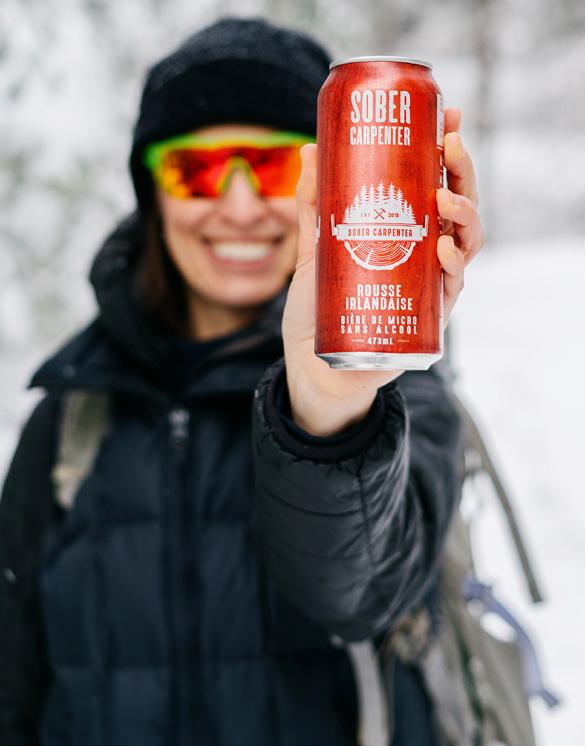
Martine Allard, marketing director, Sober Carpenter, says the company is seeing consumers move beyond curiosity into true exploration. They aren’t just looking for substitutes anymore. They’re seeking quality, craft and variety.
The new year marks an expansion of its lineup, with seasonal and limited-edition brews highlighting the creativity and craftsmanship behind non-alcoholic beer. Of note
In the eyes of Jeff Dafoe, president, Premier Brands, Ltd., the NoLo movement is reshaping the entire beer category. “The next steps in Canada’s beer evolution aren’t only being driven by bold flavours and higher ABVs. It’s being reshaped just as powerfully by 0% ABV. Once a niche curiosity, non-alcoholic beer has emerged as one of the fastest-growing segments in beverage retail.”
He goes on to say: “NA beer is no longer an alternative. It’s an expectation. As C&G stores expand their beverage-alcohol footprint, NA beer is earning a place beside newly added beer assortments, capturing consumers who want flavour, refreshment and wellness-driven choices without compromise.”
He feels the stigma once attached to “near beer” by consumers is gone because today’s no-alc offerings deliver full-flavoured authenticity, brewed with the same care as their alcoholic counterparts. “Health-conscious shoppers, designated drivers, and weekday moderates are fueling steady double-digit growth. The message is clear: moderation is not abstention. It’s a choice,” explains Dafoe.
For retailers, non-alcoholic beer is a category-building opportunity. “Experience shows that if positioned in the beer section, NA beers offer high margins, strong turns, cross-merchandising potential,” he explains. “Cold-box placement and seasonal tie-ins such as Dry January and Dry Oktoberfest promotions can unlock a new layer of consumer engagement and profitability.”
For suppliers, innovation is driving momentum. Dafoe emphasizes that de-alcoholization technology, flavour stability and style innovations are unlocking world-class results. Premium designs, functional ingredients and lifestyle branding are elevating shelf presence and consumer perception.
“Non-alcoholic beer is redefining what ‘beer’ means to Canadians, he says. “As health, convenience, and flavours converge, C&G retailers have a unique opportunity to lead and profit from this transformation.” CSNC
Jeff Dafoe
Kevin Murray
Phil LeBeau
100% European Premium Gummy Mix
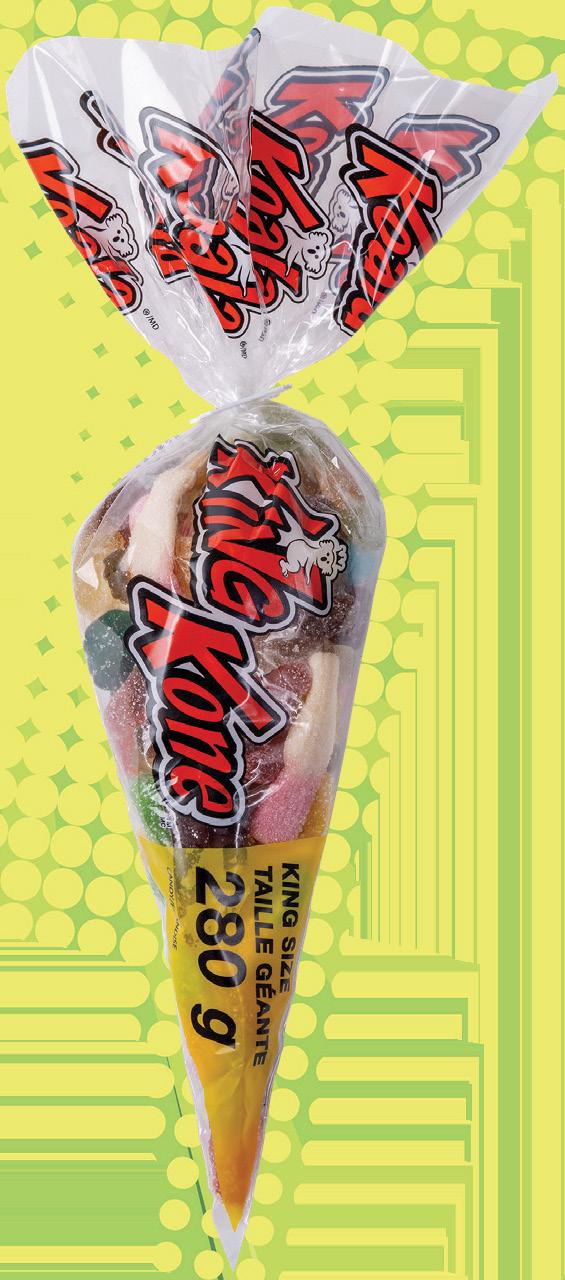
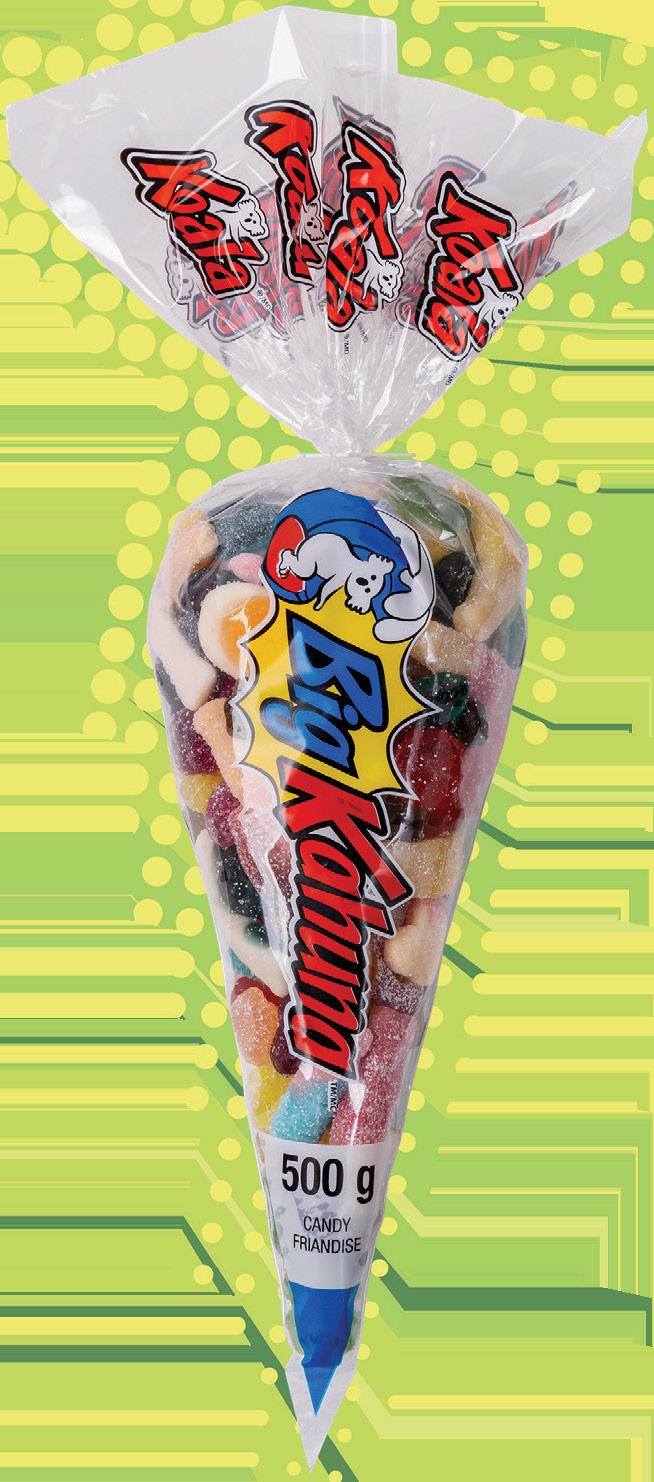
the Kone earn Top
Display the Kone leader, earn more margin Top seller in C&G
CATEGORY CHECK
BY MICHELE SPONAGLE
SWEET & SPICE
Innovation and insatiable consumer demand for better-for-you options, bold flavours and blasts from the past are turning gummy candy into a grown-up, deliciously lucrative category
C-STORES HAVE ALWAYS known that candy is dandy as a sales driver, but recent data shows that one category is growing faster than all others—gummies. Consider the stats. In 2021, the market was valued at US$363 million in Canada, in 2025 it hit US$550 million and by 2033 it’s expected to soar to US$1.2 billion, according to data from Cognitive Market Research.
For c-stores owners, those numbers look pretty sweet, but there are burning questions. How do you capitalize on the trend and make it work in your location? What to stock and who are the consumers ready to buy gummies? Spoiler alert: It’s probably not the ones you may think.
With that in mind, CSNC tapped into the expertise of top gummy makers and distributors to get their thoughts. Here’s what they said:
Adam Ableman COUNTRY MANAGER
VIDAL CANDIES CANADA
Vidal Candies is a family-owned Spanish producer that has been making high-quality candy since
1963. It has built a strong reputation for its bold flavours and unique shapes available in more than 90 countries. In Canada, Vidal has traditionally sold bulk and private label.
Standing out Many Canadian consumers have enjoyed our candies for years and have never heard of Vidal. We are now launching Vidal-branded products in the Canadian marketplace, focusing on delivering innovation that differentiates us from traditional gummies. Customers and consumers are always looking for new and exciting experiences. It is our goal to satisfy that need.
Trend watch We’re seeing increased demand for premium and imported products that offer a fun, sensory experience. There is also continued growth in shareable formats and grab-and-go packs for convenience stores. As well, consumers are increasingly drawn toward sour, vegan and nostalgic products.
Global influence While gummy candy has traditionally been popular
with kids, the category has expanded significantly among teens and adults. Today, multiple age groups enjoy gummies. Our diverse population also creates a market for flavour diversity so we’re seeing increased demand for non-traditional flavours with international appeal.
C-store strategy I am a big believer in co-creation and working closely with our retailers to develop formats and assortments that perform well in high-traffic convenience store environments. Investing in innovation, distribution programs and retailer-specific marketing programs are key elements in Vidal’s go-to-market strategy.
Enduring appeal Gummy candy is a perfect fit for convenience stores because it is affordable, indulgent and highly impulsedriven. Shoppers often look for a quick treat, and gummies deliver on flavour, fun and satisfaction. Its wide appeal across age groups, combined with frequent innovation and eye-catching packaging, helps keep the category strong and relevant in this channel.
Adam Ableman
CATEGORY CHECK
Molly Clinton HEAD OF MARKETING
HUER FOODS
Last fall, Huer Foods, known as “Canada’s gummy candy innovator,” partnered with Frank’s RedHot, part of McCormick & Company, Inc., to introduce Frank’s RedHot Spicy Gummy Bears. Consumer enthusiasm sparked robust sales, media buzz and strong influencer engagement.
Gummy love Gummies are having a bit of a moment. What used to be a very familiar, nostalgic category is suddenly full of surprises and consumers are loving that. Brands are pushing flavour in unexpected directions, especially with sweet-and-spicy combinations. Gummies are also becoming more about the experience. Shoppers are gravitating toward products that are playful, shareable and inspire conversation.
Bear necessities The launch of Frank’s RedHot Spicy Gummy Bears was driven by the rapid growth of the sweet-and-spicy (‘swicy’) confection category and its ability to attract new consumers to the candy aisle. This opportunity was first validated through the success of our award-winning Sweet ’N Spicy Chamoy line in Canada, which demonstrated strong consumer demand for a well-balanced combination of sweetness and heat. Building on that momentum, partnering with Frank’s RedHot, the GOAT [greatest of all time] hot sauce, was a natural next step. Its iconic, highly recognizable flavour and credibility in spice, combined with Huer’s confection expertise, created the perfect platform to elevate “swicy” candy to the next level.
Sweet meets spicy = swicy The primary target for this product is spice-loving millennials and generation Zs—shoppers who over-index in hot sauce usage and actively seek bold, adventurous flavours. These consumers have extremely high household penetration of hot sauce and are driving the broader ‘swicy’ trend.
Go for bold Consumers are more curious about flavour than ever. They’re seeking snacks that feel exciting and memorable, products that offer a sense of discovery and give them something fun to share and talk about with friends and family. We believe bold flavour isn’t about pushing boundaries for the sake of it, but about creating moments of joy.
Boost sales In the c-store channel, visibility and impulse are everything. We’ve seen the strongest results with partners who use our point-of-sale materials to stop consumers in their tracks, particularly prepack displays and clip strips. These placements are highly visible, easy to shop and help the product stand out. Success has also come with simple two-for programs at the till. This is an impulse-driven item shoppers are naturally curious about. Once they try it, it quickly becomes a repeat purchase.
Mark Elliott KEY ACCOUNT MANAGER REGAL CONFECTIONS
Founded in 1962 in Montreal, Regal Confections is a leading importer, manufacturer and distributor of well-loved brands, like Tootsie, Pez and McCormicks, plus a wide range of licensed products. It continues to be a major player in the gummy candy space.
Proven performance Gummy and sugar candy has proven to be popular due to increased innovation, with an incredible variety of options available. Gram for gram, gummies also haven’t had the same sort of inflationary pressures that have affected the chocolate category. Especially in the summer during driving season, gummies are a great sharable snack.
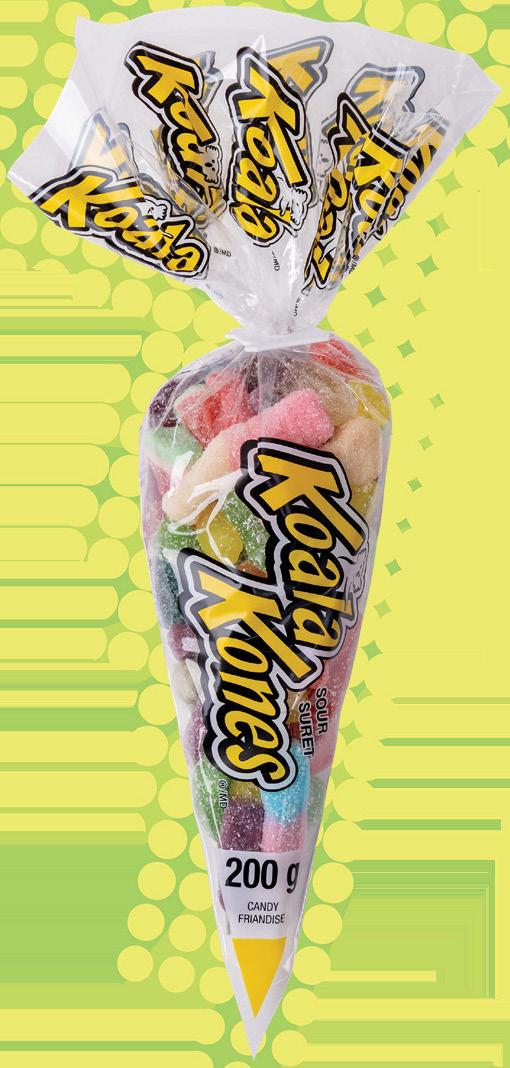
Must-stocks Regal Confections now carries a wide variety of gummy candy that compliments our extensive novelty and seasonal businesses. We recently purchased Quebecbased Mondoux, and have added the national Sweet Sixteen brand to our mix. That has been added to our popular Squashies, McCormicks, Efrutti and Koala gummy lines.
New and notable Although not brand new, our Squashies line of gummy candy is growing rapidly and we are adding new flavours to the lineup. Manufactured in the UK, Original Raspberry, Bubblegum and Cherry/Apple were available in 2025. This year, we’re introducing Sour Cherry/Orange. They are a whipped gummy that has added much needed innovation to the gummy category. Once you have established a popular line, adding flavours is a great way to increase sales.
Future forecast We feel the gummy category will continue to expand, both in sales and offerings in 2026. More Canadians are staying at home in the summer and travelling locally will remain a trend, impacting the retail environment. Planning ahead of the summer and making sure you carry the best items will allow you to take advantage of the traffic.
Changing perceptions Gummy candy at one time was considered “kids candy.” However, over the years as those kids have grown up, gummies have become a staple purchase among adults as well. Marketing now targets adult demographics just as much as kids, as seen in the Haribo ads with adults eating the gummies while talking in “child-like” voices.
Boost sales Carrying a wide variety of types (textures and flavours) is important to appealing to a wide cross section of candy buying customers. Size and price point is also proving to be critical in the current environment. Many customers are gravitating to reasonable sizes because they come with a lower retail price point. Also remember that sour gummy flavours continue to be bestsellers.
Brian Potvin PRESIDENT FOODFLUENCY INC.
Touted as the world’s best, Albanese gummies have won the loyalty of consumers, thanks to their soft texture, vibrant colours and trueto-fruit flavours. Made by Albanese Confectionery, founded in 1983 in Hobart, Indiana, they offer classic and sour varieties.
Trend watch Gummy candy has officially grown up, and everyone wants a piece. Once the sweet domain of kids’ lunchboxes and birthday party loot bags, gummies have skyrocketed to become the number one mostcraved treat across all age groups. The chewy craze is universal. What started as a childhood classic has evolved into a full-blown multigenerational obsession.
New and notable Peach Rings perfected. Albanese doesn’t mess around when it comes to flavour. It’s our whole thing. These juicy little rings are gluten-free, fat-free and low in sodium, but bursting with real peach flavour that’s straight from nature’s playbook. No fake
Mark Elliott
Brian Potvin
Molly Clinton
stuff, no weird aftertaste—just pure, fruity goodness. And it’s not just Peach Rings. Every Albanese gummy is crafted with flavour so bold it could only be inspired by nature’s best.
Must-stocks For c-stores, top-sellers include 12 Flavour Gummi Bears, Sour 12 Flavour Gummi Bears, Peach Rings and 12 Flavour Worms.
Appealing to modern consumers
Kids who grew up loving gummies didn’t outgrow the craving. They just levelled up their expectations. Now they want the same fun, nostalgic experience, but with higher-quality candy that matches their grown-up standards. Our packaging speaks directly to that modern consumer, reflecting who’s buying it today and how they want to shop.
Peak sales The summer is a great time for gummies. Unlike chocolate, they won’t melt. They’re the perfect grab-and-go treat for road trips, beach days, camp snacks and everything in between. Consumers can toss a bag in their backpacks, leave some in the car and pack them for picnics. They stay chewy, fruity and fun no matter how hot it gets. Summer snacking doesn’t get easier.
David Scholtens CEO SCHOLTENS
CANDY
Scholtens Inc. is a family-owned, Canadian company based in Burlington, Ont., operating in the candy business since 1910. It’s well known in c-stores for its candies, nuts and trail mixes sold under the popular Cottage Country brand.
hard candies—have launched gummy versions to capture revenue from this growing category.
New and notable Cottage Country Candy has successfully launched a line of peeling gummies—mango and banana flavours—made with real fruit juice. Ours are the only ones in the Canadian market that come with each piece pre-wrapped—a safe and sanitary format for all to enjoy. We also continue to promote three SKUs of sugar-free gummies, which are growing in popularity.
tariffs on U.S. goods. To thrive, we needed to partner closer with EU and domestic suppliers to provide the product needed to satisfy our consumers. But with change comes opportunity and, for us, this has kept us on our toes.
Sour power Sours have always been important to the Scholtens Candy company and have made a significant impact on the growth of sales under our Cottage Country brand, now found across Canada and in select U.S. states. Sour lovers are loyal consumers and continue to purchase the items they know and love. We continue to provide sour items in various flavours and formats, and they continue to perform well.
Must-stocks Top-selling gummies under the CC brand outside of the staple Bears and Worms would be our exclusive Premium Gummy Mix, a blend of European-made quality gummies, like sharks, frogs, butterflies, eggs, pineapples and fruit cocktail. Customers are often undecided as to their favourite gummy, so purchasing a mix can check all the boxes.
Trend watch People seem to love having the option to “play with their candy” so we’re seeing growing popularity in peeling gummies. As well, spicy gummies are big, featuring Mexican-inspired flavours like chamoy and tajín. And major brands, like Skittles, Jolly Rancher and Life Savers—traditional
Top tips for sales Focus on the merchandising of the products/gummies you are looking to promote. Presentation is everything for increasing the sales of impulse items like these. People might not come to your store exclusively for gummies, but there is a high probability they’ll leave with them as an incremental, additional sale. Merchandising services come free of charge if you sign up for service programs with national DSD companies like the Cottage Country brand offers.
Proven c-store performers Gummies continue to have strong sales in c-stores due to the innovation and excitement that companies have continued to promote with their gummy products. They keep it current and fun. Also, gummies are now made in all formats to meet the needs of any consumer, including those looking for sugar- free, pork gelatine-free or simply softer or harder gummies.
Potential hurdles for makers The costs of producing quality product are challenging, along with gelatin supply and price fluctuations for sugar. Difficulties faced during COVID have settled down and there is calm in the market. For us, importing quality gummies into Canada from the U.S. was an issue when the Canadian government imposed reciprocal
Roanna Wang DIRECTOR, BRAND MANAGEMENT SMARTSWEETS
Talk about a sweet success story… Vancouverite Tara Bosch launched SmartSweets in 2015 as part of her own quest to kick sugar. In its first year, the company showed sales of $1 million in low-sugar candy. In 2020, it was acquired by TPG Growth for US$360 million.
Standing out SmartSweets is a trailblazer in the better-for-you candy space and the original innovator of low-sugar candy. We were the first to dramatically reduce sugar in gummies while delivering the taste, texture and joy that people expect from candy. Over time, that leadership has built strong consumer trust. Shoppers know the SmartSweets pinky promise of innovating the delicious candy they know and love with no artificial sweeteners, added sugar, sugar alcohols or synthetic dyes.
Trend watch The gummy category is growing rapidly and ever evolving. Consumers are expecting more from what they eat, even with candy. Lower sugar and simpler ingredients are increasingly important. At the same time, shoppers show curiosity and openness to new and exotic flavours, while still gravitating toward nostalgic and familiar gummy formats.
New and notable We launched two new SKUs that consumers are loving—Wild Berries and Sour Gummy Worms. Up next is our latest seasonal expansion with Strawberry Hearts for Valentine’s. We are excited to expand our innovation and lean even further into seasonal offerings throughout 2026.
Who’s buying Gummy candy is appealing to a broader audience than ever before, with strong growth among younger consumers. Many are gravitating away from traditional chocolate and toward gummies because they’re more playful, customizable and fun. Gummy candy has become a go-to choice across more occasions and its versatility— especially in better-for-you formats—has helped expand the category well beyond its traditional audience. CSNC
David Scholtens
Roanna Wang
WHAT’S IN STORE?
SWEET SPOT
From muffins and cookies to seasonal treats, baked goods are proving to be a high-margin, impulse-driven category that keeps c-store shoppers coming back for more (especially when paired with a strong coffee program)
BY CHRIS DANIELS
A CUSTOMER WALKS in to pay for gas, pick up a lottery ticket, or grab a morning coffee—and stops short. Hmmm… the sweet smell of chocolate chip cookies! Wafting from a portable convection oven, the aroma even makes nearby thaw-and-serve doughnuts seem freshly baked, transforming a self-serve coffee corner into an unexpected mini-bakery.
Core-Mark recently rolled out this program across its network of independent convenience stores in partnership with cookie and muffin brand Otis Spunkmeyer. It paired in-store branded ovens with merchandising support to spark impulse purchases and elevate perceptions of freshness.
This innovation shows c-stores chasing a slice of Canada’s booming multi-billion-dollar coffee-and-bakery market. In Canada, coffee generated more than $2 billion in foodservice sales over the 12 months ending November 2025, according to Ipsos Foodservice Monitor. Baked goods added up to another $1 billion.
“With the cost of living remaining high, coffee and bakery are categories where Canadians are changing habits,” says Emma Balment, director of food and beverage, Ipsos. “They’re sourcing from home more often, but also increasingly turning to the more eco-
Clockwise from top: A cinnamon-glazed apple fritter is 7-Eleven Canada’s top bakery item; pairing coffee with fresh baked items increases basket size; Groupe Beaudry’s La Cour aux Saveurs foodservice concept attracts midafternoon snackers, too
WHAT’S IN STORE?
nomical convenience and gas channel.”
Many c-stores have already upped their java offering, introducing specialty coffees and fresher options that younger generations crave. Now, chains are raising their bakery game as well.
7-Eleven Canada has enhanced its program, one of the few chains with on-site facilities. “In most stores, muffins, cookies, croissants and pastries are baked in-store during every shift to ensure freshness,” says Benny Cheng, corporate executive chef, 7-Eleven Canada. “Doughnut items are delivered daily.”
“We have evolved our bakery program so that our customers can enjoy savory or sweet, oven-fresh products, baked in-store or thaw and serve, anytime of the day,” says Cheng. “Seasonal items are added to the assortment to keep customers coming back to try something new.”
Its top seller? A cinnamon-glazed apple fritter, though cookies and croissants also perform strongly. Freshness remains a priority: unsold products go into Too Good To Go surprise bags for purchase on the Too Good To Go app, reducing food waste while letting customers enjoy baked items at a discount and driving sales.
Merchandising is also key to success. “Given the strong affinity between fresh baked goods and hot beverages, most 7-Eleven Canada stores feature a bakery case near the check-
when a coffee to go becomes an experience that stays.
The A800 Fresh Brew is built for busy operators. With three bean options and fully automatic brewing, you’ll serve hot or iced coffee customers crave—fast. Boost sales, improve efficiency, and keep them coming back for more.
out, adjacent to our coffee bar,” says Jeff Monachello, senior director of merchandising at the chain.
For c-stores without the space or resources to bake on-site, competing against QSRs isn’t easy. “Freshness and spoilage remain the biggest challenges,” says Jeremy Poty, regional foodservice growth manager, Core-Mark Canada. Still, pastry and bakery orders have grown about 10% annually, helped by innovations in pre-packaged items.
“Retailers are also investing in larger, more prominent displays for freshly baked pastries and thaw-and-serve doughnuts, elevating the category beyond a simple add-on,” says Poty. “We’ve also seen a notable shift toward in-store preparation and baking, moving away from strictly pre-packaged products to deliver a more premium, freshly made experience.”
Citing Core-Mark’s program with Aspire Bakeries, which owns the Otis Spunkmeyer brand, he says, “Customers respond strongly when they can see products being prepared instore, reinforcing perceptions of freshness and quality. Equally important is the sensory experience; the aroma of freshly baked cookies has proven a powerful trigger that draws customers toward the bakery area.”
In Quebec, Groupe Beaudry has rolled out a bakery-fresh program using small countertop ovens that bake muffins, croissants, Danishes and cookies. First tested in its Beau-soir convenience store banner last autumn, the program has since expanded to additional banners, including Super Sagamie.
“Bakery sales jumped 20% to 25%,” says Serge Nadeau, vice-president, business solutions at Groupe Beaudry, when locations switched from pre-packaged items to oven fresh. At just under $4,000 per c-store, the oven quickly pays for itself by driving sales and customer traffic.
“Retailers already see strong margins on coffee—around 65%—and adding fresh baked goods increases basket size even further,” Nadeau says. “Pairing coffee with fresh pastries boosts both coffee and bakery sales. It turns the store into a regular destination, especially in the morning, which is why the oven is up and running by 7 a.m.”
Under its La Cour aux Saveurs (“The Court of Flavours”) foodservice concept, new varieties are introduced regularly, like a pineapple, coconut and lime muffin, with seasonal items rotating throughout the year. Pumpkin spice launched last fall, and maple-flavoured baked pastries will appear during Quebec’s syrup season from late February to April, in partnership with Nutrifrance.
Getting into the category has also presented another opportunity: the mid-afternoon snacking crowd. “While regular-sized pastries like muffins and croissants sell well in the morning with coffee, we’re finding consumers want smaller options to satisfy their cravings in the afternoons,” says Nadeau. “And so, we’re developing smaller items to capture that traffic. It’s a category that’s really heating up.”
Jeremy Poty
Serge Nadeau
Jeff Monachello
Next-level chill
With c-stores increasingly expected to serve as quickservice meal and snack destinations, “both fresh baked and individually wrapped bakery items play a pivotal role in that evolution,” says Paul Stippich, senior director of marketing, Otis Spunkmeyer.
While the company’s portable commercial convection cookie ovens (model OS-1) have become more popular with c-stores, Stippich says “the biggest shift we’ve observed is the move toward dependable, thaw-and-serve offerings that provide fresh-baked quality with no onsite labour.”
To that end, Otis Spunkmeyer provides individually wrapped cookies and muffins that “extend freshness, minimize contamination risk and help retailers better manage inventory,” he says. “For operators with fluctuating traffic patterns, this makes the category far easier to execute profitably.”
“Packaging is just as important as flavour in this channel,” Stippich adds. “We’ve invested in packaging technology that locks in freshness and allows the baked goods to be shipped frozen, to thaw when needed.”
Otis Spunkmeyer individually wrapped 4 oz cookies have a 60-day ambient shelf-life after thawing, while individually wrapped 4 oz muffins and loaf cakes have a 30-day ambient shelf-life after thawing.
Shelf life
Bakery items don’t wait around—when they linger, freshness suffers. Smart merchandising keeps products looking appealing, easy to grab and, most importantly, moving. Here’s how.
Leverage checkout counter
Feature individually wrapped bakery items at checkout to capture graband-go snacking occasions. Otis Spunkmeyer’s Caddy Packs, for example, are designed for countertop placement in high-traffic areas.
“They help operators merchandise our individually wrapped cookies, brownies and loaf cakes in a countertop-ready carton that keeps product fresh, reduces handling and maximizes visibility in small-footprint selling spaces,” says Paul Stippich, senior director of marketing.
Jeremy Poty, regional foodservice growth manager at Core-Mark Canada, says its vendor support programs, like SmartStock, help manage inventory levels, reduce waste and ensure products on shelf remain as fresh as possible. “These programs allow us to stay proactive, minimize spoilage and consistently deliver high-quality bakery products to retailers.”
Edit product assortment
Experts recommend curating a mix of top sellers—cookies, muffins, brownies and pastries that balance indulgent treats with everyday staples— and rotating limited-time flavours to create excitement. “When the display looks full, fresh, and simple to navigate, the category performs significantly better,” notes Stippich.
“Cookies and doughnuts continue to be the strongest performers across the category,” says Poty. “Recently, there has been growing momentum around individually wrapped bakery items, particularly from brands such as Otis Spunkmeyer and Shires Bakery.”
And, he says, “we’re also seeing early interest in alternative offerings, including cleaner-label and better-for-you options, signaling room for future growth.”
Stippich agrees. “Indulgence drives most c-store bakery sales, but many retailers are starting to request a more balanced assortment that meets a range of lifestyles,” he says. That can mean portion-controlled treats for calorie-conscious shoppers, whole-grain muffins for those seeking more fibre, lower-sugar options for health-minded customers, or products made with simpler ingredients. CSNC
Paul Stippich
CONSUMER CORNER
BY EMMA BALMENT
The skinny on front-of-package labels
Here’s how sugar, sodium and sat-fats data is influencing c-store customers
CANADIANS ARE A “food literate” bunch and have been for as long as Ipsos FIVE has been tracking their consumption attitudes and behaviours (over a decade for anyone counting). By 2025, seven out of 10 Canadian adults could be dubbed as “food literate,” professing they frequently read the nutrition facts tables or ingredients lists on their foods and beverages. That behaviour is common across all cohorts from boomers (74%) to generation Z (68%). What’s more, this food-literate crowd recruited another 11% of Canadians over the past year. And what are they typically looking for is calories, sugar, sodium and fat in that order of importance.
Over the same period, Ipsos FIVE has observed consumers self moderating consumption of foods high in sugar, sodium and fat. For example, they have reported consuming chocolate, potato chips and sugary drinks less frequently (not to mention alcohol). Instead, they seek out more protein, fibre and low-calorie hydration. Or when they do indulge, they may choose a betterfor-you variant like dark chocolate, snacksize portions, legume chips, vitamin- or protein-infused beverages, as well as cognitively stimulating coffee. This trend has been driving innovation in packaged foods and beverages for the past decade. That’s not to say true indulgence in sweet, salty, creamy treats is not still a massive cash cow. Consumers are just being more discerning in their choices and moments of pure indulgence: choosing quality over quantity
Along comes front-of-package label regulations
It’s 2026, and all applicable foods and bever-
ages must now bear front and centre a label declaring if they are high in sugar, sodium or saturated fats. For clarity, the front-ofpackage (FOP) labels being referred to are those regulated by the Government of Canada, a policy that took effect in January 2026 after the industry was given several years to prepare. These new regulations are clearly disruptive, time consuming and costly for the manufacturers and retailers who must mobilize their operations to comply. But how disruptive will they be to the consumer and to sales of categories that must bear the badge of FOP?
In the absence of crystal balls and clairvoyance, we can best predict future behaviour by observing past behaviour and assessing consumer intentions. Fortunately, this is what Ipsos FIVE data has been tracking in preparation for this event. As you now know, Canadians are already a food literate consumer on the lookout for sugar, sodium and fat. Furthermore, 80% already use this information to influence their purchase decisions. Those who believe FOP labels will influence their purchase decisions are those who already use nutrition information to make decisions.
It’s reasonable to assume that the greatest impact of FOP labels will be simply to help consumers make their decisions more quickly and easily and enable a set of behaviours that have long existed. To effect, we can expect consumption trends to stay the course.
There is, however, a potential for FOP labels to gradually encourage some previously disinterested consumers to become more food literate. Historically, 30% of Canadians pay no mind to nutrition or ingredients information on packaging. Of those hold outs, about 40% do admit these new FOP labels could make
them think twice: they may start weighing that information against purchases or at the very least start paying more attention to the contents of what they put in their mouth. If FOP encourages more food literacy, they could in turn nurture a group of customers more inclined to manage sugar, sodium and saturated fats. That in turn could put more pressure on already challenged confections, snacks and soft drinks.
Keep calm and carry on
Over the past decade, Ipsos has heard and echoed market sentiments of “disruption,” “crisis” and “uncertainty.” In 2026 we would like to encourage a narrative of “endurance,” “resilience” and “adaptation”. This is not mere sentimentality. Consumer and market data has revealed and justified these themes for the Canadian economy.
Convenience stores and their suppliers of sweet and savoury treats, you may stay the course. Retailers and manufacturers have driven innovation that caters to consumer demand for health, wellness and mindful indulgences for over a decade. Continue to nurture the consumer trends that balance indulgence with wellness. If you have been catering to these trends over the past decade, you have stocked more nutritious snacks and beverages; you have offered portion-controlled treats; you have proliferated low calorie and functional beverages; and you have offered more fresh meals and snacks. If you have not already jumped on the band wagon, let this be your sign. Manufacturing partners have prepared for this day. There are solutions ready for retailers to not just endure but to lead this trend in consumer behaviour. CSNC
Emma Balment is director, Ipsos, market strategy and understanding, Food and Beverage Group. Leveraging a team of industry experts and powerful syndicated data sets such as the FIVE Consumption Tracker, and the Foodservice Monitor, Emma specializes in uncovering growth opportunities for manufacturers, retailers and foodservice operators. emma.balment@ipsos.com
LEADERSHIP PERSPECTIVE
BY MARC GOODMAN
Beverage alcohol belongs in the convenience basket
Ontario consumers are signalling strong support for modernized alcohol retail, with convenience stores increasingly viewed as a preferred channel for beer, wine and ready-to-drink beverages—other provinces should take notice
ONTARIO SHOPPERS HAVE sent a clear message through their purchasing decisions: they want beer and wine to be available where they already shop. When the Ontario government modernized alcohol retail rules and gave consumers that option, behaviour followed immediately. Foot traffic in convenience stores has increased, basket size has grown and the industry is reaching new customers.
The lesson from this regulatory change is clear: convenience combined with disciplined operations and trained teams attracts customers and moves market share.
Other provinces should take note. The same convenience retail channel that is trusted to carry other age-restricted products is now applying its responsible retail rigour to beverage alcohol sales; and the controlled convenience option is improving the shopping experience.
Consumers led the change
If you’re living in Ontario, it’s hard to imagine going back to the old days of buying alcohol. The pandemic was the game changer. It opened the door for bars and restaurants to sell alcohol with takeout and delivery orders and raised questions about the retail side of the business. On the minds of policymakers was the question of when regulatory modernization would catch up to consumer demand. Consumers were ready for change.
In 2019, Canadian opinion research firm Abacus Data found that about one in two
Ontarians (51%) supported expanding alcohol sales into convenience stores. That support continued to grow. By 2023, 71% of Ontarians said they trusted convenience and grocery stores to sell beer and wine, and 57% said they would buy it at a convenience store, based on Leger market research for 7-Eleven Canada.
When Ontario introduced a formal licensing pathway for c-stores in September 2024, consumer behaviour validated the change. By mid-2025, c-stores had placed hundreds of thousands of wholesale orders through the provincial supply system.
What makes convenience a trusted retailer
Convenience stores have a strong track record with age-restricted products. Modern convenience retail is highly structured, trained, audited and standardized. That is precisely why convenience retail is trusted to sell beer and wine.
The beverage alcohol category in our stores is now established in Alberta and Ontario, moving beyond “net new” to a consistent driver of foot traffic and sales. The category has required a different approach in each province but is founded on consistent standards and trained teams.
In Alberta, 7-Eleven Canada’s licensed restaurants operate with defined dining areas, commercial kitchens, Smart Serve-trained teams, ID verification protocols, limited hours and internal compliance checks. Adult
customers have responded positively to the option of pairing beverage alcohol with their meal. In Ontario, when the government opened a retail licensing pathway for c-stores, 7-Eleven Canada was prepared to move through the process quickly because the systems and training were largely already in place.
Alcohol comes with a higher duty of care, and every convenience store must treat it that way. For 7-Eleven Canada, the objective is not to drive consumption; it is about serving customers responsibly and delivering on brand promise to keep them coming back to our stores.
The path forward
The Convenience Industry Council of Canada reported that average sales in the convenience channel increased by 12% in Ontario in 2025, driven by higher foot traffic. One year in, and the data shows that consumers continue to welcome a more convenient way to purchase beverage alcohol.
But there is still work to do. There are kinks in the distribution system that need to be ironed out to improve consistency with product deliveries and reduce disruption at stores. We continue to learn and monitor the preferences of our local customers, so we provide the right product mix to meet consumer expectations.
Ontario has shown a path forward; the opportunity now is for other provinces to get on board and recognize that alcohol modernization is a winning policy supported by consumers who crave convenience and businesses that want the chance to compete. CSNC
Marc Goodman is the vice-president and general manager of 7-Eleven Canada.
EXHIBITOR SPOTLIGHT
NEW PRODUCTS & EQUIPMENT
FEATURED AT THE SHOW
BACARDI CANADA
Discover Bacardi’s Wine and RTD Portfolio
Martini Sparkling wines brings vibrant Italian elegance with crisp, fruit-forward bubbles for easy celebrations.
Martini Vermouth offers timeless sophistication, balancing botanicals and wine for classic cocktails. Martini Vermouth is the #1 vermouth brand in Canada! martini.com
REV energizes the RTD space with bold flavour and ranks as a Top 15 Ready -To-Drink brand in Ontario!
Bacardi RTDs deliver effortless rum enjoyment, combining iconic heritage with convenient, modern, ready-to-drink refreshment. bacardi.com
905.451.6100
bacardilimited.com
GEMSYS MONEY HANDLING SYSTEMS INC.
Cash loss and counterfeit aren’t always obvious in convenience and gas bars — until they hurt. Want to see how operators are getting ahead of it? Come talk to us at Booth #429
Gemsys’ Intelligent Cash Depositories validate and secure bills instantly, while cash recyclers count, dispense, and balance automatically.
GEMSYS has a full line of equipment that is suited for car wash and convenience store operators. Less risk, more control.
Stop by for a live demo or reach out to Gemsys. gemsysinc.com/convenience-car-wash Sales@gemsysinc.com 1.800.465.0465
BLACK FLY BEVERAGE COMPANY
Black Fly is the #3 RTD Brand in Convenience
Black Fly’s Blueberry Citrus Vodka King Can delivers bold flavour and strong value in a new 710mL format. Made with real blueberry and lemon juices and 7% vodka, this refreshing combo offers an extraordinary flavour profile consumers love. Gluten-free. Vegan. Kosher. Exclusive to Convenience. This SKU is built to drive impulse sales and category growth.
BLUEBERRY CITRUS KING CAN (710mL)
SKU: #51348
Suggested Retail: $4.75 ONLY AVAILABLE IN CONVENIENCE NOW AVAILABLE IN GMS blackflybooze.com
yourself to exceedingly tasty mini cake slices from the UK, now available in Canada. Individually wrapped in unique snap-off pods for easy, on-the-go snacking, these beautifully decorated cakes are made with high quality ingredients and come in six irresistible flavours: Vanilla, Chocolate, Lemon, Salted Caramel, Strawberry & Crème - plus a limitededition seasonal favourite, Pumpkin Spice.
BUSINESS SERVICES
The ABS Meter Efficiency Valve (MEV) is a patented solution designed to reduce water costs. This innovative solution improves car wash water meter accuracy and prevents overbilling - a gamechanger for water-intensive facilities. Customers report between 5-15% savings on average, turning water efficiency into significant savings.
Contact Active Business Services to learn more. activebusinessservices.com/ meter-efficiency-valve
and convenience operations on a modern technology platform.
• Robust promotions
• Full cycle inventory management
• Dynamic reporting
• PA-DSS certified
• Loyalty and gift card options
• Wayne and Gilbarco Pay at the Pump
• Contactless payment options
• Fleet card management and control
• Customized solutions available • 24/7
EXPANDING OUR NATIONAL FOOTPRINT
Local response. National reach. One partner for every site you operate.
We’re pleased to announce the acquisition of MI Petro, further expanding our on-the-ground presence across Western Canada. By joining forces, we’re strengthening our ability to support your petroleum, car wash, and EV sites with faster response times, deeper local expertise, and one trusted national partner for your entire network.
See our full Canadian service coverage at petroservice.com
OCTANE
CHARGING AHEAD
What does dropping tariffs on Chinese electric vehicles mean for Canada?
Far from an existential threat, inexpensive EVs could change the auto marketplace for the better
EARLIER THIS YEAR, Prime Minister Mark Carney reached a deal with China to allow nearly 50,000 Chinese-made electric vehicles (EVs) into Canada and dropped the 100% tariff on such vehicles to 6.1% starting in March. In five years, the number of vehicles allowed in will rise to 70,000 vehicles.
China will, in return, commit to dropping tariffs on Canadian canola and other fish and agricultural products that are important to such provinces as Alberta and Saskatchewan.
The announcement caught many by surprise, and some were not pleased. Ontario’s Premier Doug Ford called it a threat to the province’s auto industry. Some auto parts manufacturers and suppliers argue that reducing tariffs will stall or even derail EV manufacturing here. Then there are the more “paranoid” musings of some on talk radio who warned of security threats, Chinese spying and how such vehicles can be “controlled” by the Communist Party of China with a push of a button.
Let’s cut through the fog of commentary and get to the crux of the announcement.
First, while the tariffs will come down in March, it does not mean there is going to be a flood of Chinese EVs. While nearly 50,000 vehicles sound like a lot, it is a relatively small number of the overall vehicles sold in Canada: Last year, there were some 1.9 million sold and of that only some 6% were fully EV. Even at 70,000 vehicles, these Chinese-based makers will only have a very small slice of Canada’s overall auto market.
If any of the Chinese automakers, including BYD, Geely, Xiaomi and NIO, wish to come here, the number of vehicles allowed would need to be split between them, creating a set of unique challenges. To sell in Canada, one needs to have a dedicated dealership and maintenance network.And
the numbers right now look to be too small to make it profitable to set this up.
As well, the vehicles coming into Canada from China will likely be those made in China by well-known automakers that already have a presence in Canada—think Tesla, Volkswagen and Volvo.
This is not to suggest that vehicles made by Chinese brands will not in the future be sold in Canada. I believe they will be sold here and will be successful.
Let me explain.
In the current North American automotive market, all the major automakers currently building or selling vehicles have largely stopped building and selling smaller, inexpensive vehicles. The compact reasonably priced family car has been supplanted by large and much more expensive crossovers and SUVs, as well as trucks. These vehicles sell at higher prices and have more advantageous margins to the automakers. Step into any dealership today, you will find the average sticker price for a new gasoline powered vehicle starting at around $50,000. Even EVs on the low end start at a little over $40,000 and the price rapidly goes up.
And with today’s vehicle financing rates, it is not uncommon for consumers to be paying close to $1,000 a month in vehicle payments. Is it any wonder that North American consumers feel either squeezed out of buying a new vehicle or must take on near-ruinous vehicle payments?
Many Chinese EVs start at prices—when converted to Canadian dollars—lower than $30,000. These are not “cheap” vehicles, where people use that word as a pejorative, suggesting poorly made and sub-standard. Anyone who has had a chance drive a vehicle made by BYD, Greely or any of the others finds they are well-made, equipped with all
BY TOM VENETIS
the latest technologies and features familiar to anyone in North America, and well-appointed with stylish interior designs and plenty of comfort. The only thing “cheap” about them is their price.
Under the new Canadian tariffs, Chinesemade EVs fit nicely into a market segment that North American automakers have largely left; and I am certain Canadians looking to purchase a new vehicle, and considering an EV, would not hesitate to purchase. Even on the luxury end of the electric vehicle market, the Chinese automakers are selling vehicles equally to what the European and North American automakers are producing and selling them for much more reasonable prices in Europe and South Asia. There is history to back this up. In the 1970s, when Japan began to export their vehicles to North America, they were dismissed by the automakers here as “cheap” and unappealing to consumers. That changed when the oil crisis hit and that small, well-made and fuel-efficient Japanese vehicle, priced much more reasonably than the Big Three automakers’ vehicles, sold well. So well, they soon began to capture greater market share, eventually forcing the Big Three automakers to start building better quality, smaller and more fuel-efficient vehicles as well.
That could happen here. If Chinesemade electric vehicles sell well and grow in numbers and over time sell more higher-end electric vehicles, followed by Chinese firms building plants here in Canada, then other automakers will follow to build quality, but less expensive, EVs to stay competitive and meet consumer demand. Remember Elon Musk promising that soon there would be a $35,000 Tesla? It’s happening and that $35,000 Tesla is made at the automaker’s plant in Shanghai. OCTANE
CHEMICAL REACTION
From advanced coatings to sensory enhancements, car wash operators are using new chemistry and technology to add value, improve results and elevate the customer experience
BY TOM VENETIS
THE CAR WASH is a rather mundane affair for most people. You take your vehicle through a tunnel (or sit in a touchless wash) and at the end of the process, you have a clean vehicle. Simple and easy.
“What people want—and what our goal is to provide as a car wash operator—is a clean, shiny and dry vehicle at the end of the wash,” says Matt Verity, a consultant with MV Property Solutions Inc.
Achieving that outcome relies on using the right formulations of cleaners and soaps, and car wash operators have a broader array of chemical formulations than ever before. Increasingly, what is capturing operators’ attention are products infused with graphene and ceramic, which add an extra level of protection and shine to today’s vehicles.
“Ceramic and graphene products are currently the hottest offerings in the car wash industry. The value of both products resonates with customers as well as car wash operators,” says Rob Raskell, director
of distributor development with Sonny’s CarWash Chemistry by Diamond Shine.
“When applied correctly, these products add an impressive layer of protection to customers’ vehicles against many day-to-day environmental forces.”
Take a perennial summer issue: bugs. Most drivers have experienced returning from a road trip with their vehicle covered in insects. While it may seem minor, over time this can damage a car’s exterior paint and finish.
“When bugs are crushed on your vehicle, proteins latch onto the paint and begin to break down the surface, making it weaker and more prone to rust,” Raskell says. “The same concept applies to bird droppings. Oils and tar also have a negative effect, as they attract additional road and airborne debris, which degrades vehicle surfaces.”
Shay Baig, marketing manager with Transchem Group, says advances in graphene and ceramic formulations have also enabled
operators to offer higher-quality vehicle cleaning at competitive price points—and to do so quickly.
“Ceramic and, more recently, graphene have emerged as some of the highest-performing options on the market,” Baig says. “Wash operators often have only seconds to demonstrate the value of a premium wash, and ceramic and graphene products clearly signal superior shine, finish and quality.
“While there are differences between the two, their performance is quite similar. Properly applied, either option delivers comparable levels of shine, protection and durability. One advantage of graphene is that it is newer technology, making it a stronger marketing tool. Offering something consumers may not have experienced before—and perceive as higher value—can help drive top-tier wash package sales.”
Matthew Bristow, director of chemical sales for North America at Mark VII Equipment, says improved chemical formulations
are particularly important in Canadian regions where vehicles are exposed to wide temperature swings, harsh weather and frequent dirt and debris.
“In areas where vehicles face demanding cleaning conditions, achieving an effective wash becomes even more critical,” Bristow says. “This is especially true for touchless systems, where presoak chemistry must be tailored to local soil types and environmental factors. Without a properly cleaned surface, even the most advanced protective technologies—such as graphene and ceramic coatings—cannot perform to their full potential. Proper preparation is essential.”
New formulations are also improving the drying process. Advanced agents help water sheet off vehicles more quickly while adding another layer of shine, making cars “pop” as they exit the wash.
“Advanced rinse aids bond more effectively, allowing air dryers to maximize results,” Bristow says. “Some formulas add anti-static properties, reducing post-wash dust. Emerging nano-bubble technology also helps break down mineral hardness
and reduce scale buildup, enhancing overall drying performance. When paired with profiling dryers that adapt airflow to vehicle shape, the result is a faster, spotless finish.”
What’s that smell?
For most people, getting a car wash is a routine task. Some operators, however, are rethinking that experience by introducing seasonal lighting and scent enhancements.
ScrubaDub Car Wash, a New Englandbased chain, made headlines after adding a pumpkin spice scent to its wash. The added fee was donated to a local nonprofit that provides meals to critically ill individuals. Other operators have introduced holiday-themed scents, such as gingerbread during the Christmas season.
Raskell says a growing number of operators are adopting scent schedules. “They change scents periodically. We’re seeing a shift toward more earthy scents, as well as fragrances tied to holidays or specific times of year.”
Baig notes that scent is a powerful way to add value to the customer experience. “Our senses play a huge role in perception,” he
says. “Whether it’s nostalgia, pleasantness or perceived effectiveness, people respond strongly to scent.”
“Scents also help operators create a lasting impression, differentiate from competitors and even mask odours inside the wash,” Baig adds. “Operators have many options—from stronger-scented products to seasonal offerings or even on-brand fragrances, such as mango or coconut for a tropical-themed wash.”
Adding a sensory layer can help car wash operators stand out and build brand loyalty, while also encouraging customers to trade up to premium wash packages that feel more personalized.
“Scent layering is becoming increasingly popular,” says Bristow. “Operators are using different scents at each wash stage to create a memorable experience. Custom scent branding is growing quickly, with unique fragrances tied to membership tiers or premium packages. Precision scent delivery systems now allow operators to fine-tune intensity based on customer feedback, creating a more immersive and personalized wash.
OCTANE
2026 C-STORE IQ NATIONAL SHOPPER STUDY
EV REPORT
11%
CHARGED FOR GROWTH
A GROWING NUMBER of convenience-gas shoppers (nearly 40%) say they are likely to purchase an electric vehicle (EV) in the next two to three years, with a significant increase versus a year ago among those who say they are “extremely likely” to do so—a key strategic planning point for operators. Likelihood to purchase is comparable across generations (excluding boomers) indicating steady interest.
14% Generation Z
16% Millennials
13% Generation X
6% Boomers
Overall, 5% of shoppers say they are “extremely likely” to purchase vs. 3% in 2025, according to new insights from the 2026 C-store IQ National Shopper Study.
OCTANE, in tandem with Convenience Store News Canada and our sister brand EIQ Research Solutions, surveyed more than 2,000 consumers across the country to capture valuable insights into Canada’s ever-evolving convenience and forecourt landscape.
Data reflects notable generational differences in both ownership and the importance of access to charging at convenience stores: 11% of c-gas customers say they currently own an EV, however that rises to 19% for generation Z and 14% among millennials
In addition, three-in-four (75%) shoppers think it’s important for c-gas operators to feature EV chargers, with 46% calling it
Importance
“extremely/very important.”
Millennials are the most likely to say that having EV charging at a c-store is “extremely important” and 21% note chargers are something they use “every time” they visit,
Frequency for charging when making convenience store stop
compared to gen Z (11%) or gen X (7%).
Obviously, a convenient location is top of mind for shoppers when choosing where to charge their EV, followed by proximity to other stores and free Wi-Fi. Older gener-
75% of shoppers say it’s important for c-gas operators to feature EV chargers, with 46% calling it ‘extremely/very’ important
to explore innovative solutions, connect with our team, and discover what’s shaping the
of your
ations favour more traditional features, including location and close to other shops, while gen Z and millennials prioritize amenities that support children and pets, reflecting their life stages. OCTANE
Stop by, let’s start the conversation, and see how we can help you stay ahead.
Compliance isn’t a deadline. It’s the backbone of your business — every signature, every test, every inspection.
According to your provincial regulations, your tanks and lines aren’t “just equipment” — they carry your liability. Our fuel management services give you the proof you need: real images, clear reports, compliance surveys, and
LET’S GO!
Be there when the convenience, forecourt and car wash industries come together for two incredible days of valuable learning, product discovery, networking and celebration. Each day will kick off with action-packed education sessions at the C-store IQ Conference, followed by the Trade Show from 12 to 5 p.m. As Canada’s largest and best-attended industry event, you don’t want to miss it!
2026 HIGHLIGHTS
C-store IQ Conference Education Sessions: Canada’s convenience and fuel industry is entering a new era—one defined by innovation, agility and opportunity. The 2026 C-store IQ Conference brings together national leaders, disruptors and decision makers to explore the big issues, as well as categories, technologies, trends and strategies driving growth in a rapidly evolving retail landscape. Over two mornings of high-impact keynotes, expert panels and collaborative discussions, attendees will gain the insights, tools and inspiration to navigate change, harness innovation and position their businesses for success in 2026 and beyond.
*Space is limited, registration required
Trade Show: Find everything you need to run your business, from the latest snacks to technology and more. This is a unique opportunity to meet with key new and leading vendors, suppliers and experts all under one roof, both days from 12 p.m.
BevAlc Alley: Sample beer, wine, cider and RTD products, while connecting with suppliers to discuss innovations and opportunities, plus, explore the latest age-verification solution providers in this special section of the Trade Show floor.
Grab-and-Go Pavillion: Discover all things foodservice, from equipment to packaging, display, food favourites and product—all in one essential section.
Industry Dinner: Join your peers on March 10th at 5:00 p.m. for a cocktail reception, followed by dinner. New this year, the must-attend event will feature the 2026 Future Leaders in Convenience + Car Wash Awards presentation. Plus, a keynote by Michael “Pinball” Clemons! *This is a ticketed event: Registration required.
Future Leaders in Convenience + Car Wash Awards: Be there when the industry comes together to celebrate 2026 FLICC winners from across Canada during the Industry Dinner on March 10. Winners will be called to the stage to receive their awards and be photographed. *Included with Industry Dinner registration
Car Wash Education: The Canadian Car Wash Association is presenting an informative morning of insights and sessions designed to help car wash operators maximize results, plus don’t miss the annual Car Wash Tour on Wednesday March 11, 2026.
MARCH 10
Relentless adaptation: 4 lessons to thrive in our AI future in 2026 & beyond AMBER MAC
Host of The Amber Mac Show podcast on SiriusXM
Building bridges: Leadership, culture and momentum under pressure
MICHAEL “PINBALL” CLEMONS
General manager, Toronto Argonauts, Canadian Football Hall of Fame Member
AGENDA
TUESDAY MARCH 10
8 a.m. to 9:00 a.m. Registration opens | Breakfast
*only for those registered for the C-store IQ Conference or Canadian Carwash Association Education Sessions
9:00 a.m. to 12 p.m. C-store IQ Conference Education Sessions
Relentless adaptation: 4 lessons to thrive in our AI future in 2026 & beyond
Amber Mac, host of The AmberMac Show podcast on SiriusXM
Pouring profits: NIQ data on c-store beverage alcohol sales
Gabriel Moreau, vice-president, sales, NielsenIQ
Championing convenience: Fireside Chat with Anne Kothawala, president and CEO, Convenience Industry Council of Canada
Jay Meloff, strategic enterprise account executive, Axon
Security & loss prevention retail panel: Jeff Brownlee, VP of communications & stakeholder relations, CICC, will moderate this discussion with David Button, president, North Sun Energy; Michael Carroll, director - corporate retail, McDougall Energy; Amedeo Catenaro, senior director of franchising, real estate & marketing, INS Market; and Jay Meloff, Axon
The shopper shift: Insights from the C-store IQ National Shopper Study 2026
Beth Brickel, VP, research, EnsembleIQ
The future of liquid fuels in Canada: Navigating risks and unlocking opportunities in Canada’s liquid fuel sector
Bob Larocque, president and CEO, Canadian Fuels Association, and Tiina McCombie, market director, energy fuelling, National Energy Equipment
*Sponsored by National Energy Equipment
8:00 a.m. to11:30 a.m. Canadian Carwash Association Education
Emcee: Jeremy Enns, owner-operator, Enns Wash & Shine
Opening remarks & year in review
Under the hood: Where the Canadian car wash industry is headed Presenters: Lars Hecht, owner/consultant, Car Wash Consulting and Ryan Mallough, VP, legislative affairs & communications, Canadian Federation of Independent Business (CFIB)
Peer mentor circles
Associate members (vendors) show and tell videos
CCA Awards + networking
12 p.m. to 1 p.m. Lunch
*only for those registered for the Education Sessions
12 p.m. to 5 p.m. Trade Show
5 p.m. to 6 p.m. Exhibitor Cocktail Reception *Sponsored by Juul Labs
5 p.m. to 8 p.m. Industry Dinner and Future Leaders in Convenience + Car Wash Awards *ticketed event
8 a.m. to 9:00 a.m. Registration opens | Breakfast
*only for those registered for the C-store IQ Conference Education Sessions
9:00 a.m. to 12 p.m. C-store IQ Conference Education Sessions
The on-the-go revolution: Navigating snack and beverage occasions in a GLP-1 era
Kevin Lacey, SVP, sales team leader (CPG & Pharma), Environics Analytics
Snacking & beverage panel: Curtis Davison, VP, general manager, Canada - Jack Link’s Protein Snacks; Ransom Hawley, founder & CEO, Caddle; Alexandre Roberge-Marin, customer team lead Circle
K Canada - Beverages and Foods, PepsiCo; Luisa Wright, national category manager foodservice & dispensed beverages, Petro-Canada, a Suncor business
Reality check: Economic confidence and convenience retail
Lisa Covens, SVP, Leger
Values that drive value: How social impact efforts are shaping core business strategy
Social impact panel: Leila Fenc, executive director of the PetroCanada CareMakers Foundation; Roxanne Joyal, founder & CEO, &Back Coffee; Kathy Murphy, VP of public affairs, Coke Canada Bottling; Rick Rabba, president, Rabba Fine Foods
Serving value, driving growth: Winning the foodservice opportunity
Jeremy Poty, regional foodservice growth manager, Core-Mark Canada
Retail EV(olution): Preparing your c-gas site for the future of charging
Expert roundtable discussion: César Nivar, a leading expert in helping organizations strengthen their networks, elevate performance, and prepare for the future of energy and mobility, in discussion with James Jennings, master electrician/operator, Elite Energy; Mike MacKay, EV charging specialist with National Energy Equipment; and Scott Negley, senior director, product management, Wayne Fueling Systems and Dover Fueling Solutions
12 p.m. to 1 p.m. Lunch
*only for those registered for the Education Sessions
12 p.m. to 5 p.m. Trade Show
JUST TAP N GO!
the Canadian
DEDICATED TO SHARING KNOWLEDGE AND BEST PRACTICES IN THE CARWASH INDUSTRY
March 2026
BOARD OF DIRECTORS - 2025/2026
PRESIDENT: Michael Saunders - Mark VII Equipment
TREASURER: Matt Verity
- Matt Verity Consulting
VICE PRESIDENT: Jason Hands - Sunoco LP
VICE PRESIDENT: Rudy van Woerkom - Belvedere Technical Services
PAST PRESIDENT: Karen Smith - Valet Car Wash
Travis Braithwaite - ClearWater CarWash
Jeremy Enns - Enns Wash and Shine
Steve Hebb - Kilworth Car Wash
Michael Howe - WashLinks
Katarina Popovic - Suncor Energy Inc.
NATIONAL OFFICE
Heidi Loney Executive Director
Brynne Wrigley Director of Events
Constance Wrigley-Thomas, CAE Director of Operations
BOARD OF DIRECTORS - 2025/2026
PRESIDENT: Michael Saunders - Mark VII Equipment
On behalf of the Canadian Carwash Association (CCA), I would like to extend a warm welcome to our attendees, exhibitors, and tradeshow partners to the 2026 CARWACS Show. We are thankful for your time, your interest in our evolving and exciting industry, and your contributions to making the CARWACS 2026 the best one yet
When the CCA started this show 50 years ago, the imperatives were to share advancements, offer everyone the opportunity to network, and provide education unique to our industry This year ’s CARWACS will continue to provide these opportunities, starting with the Car Wash Education on March 10 Industry experts will present and lead discussions about new developments, as well as delve into what are now industry best practices.
Day Two offers the annual CCA Bus Tour in the morning, so you are back in time for the 12 noon show start Combining the opportunity to network with more education and knowledge, the Bus Tour allows you to see equipment in action and talk to those involved with various aspects of the industry We are looking forward to the conversations and collaboration as vendors, operators, and investors tour together.
Please stop by booth 300 to learn more about the CCA, the benefits of membership, and meet those who support the Association. We would love to hear your feedback and answer any questions to help you derive as much benefit from your investment in your CCA membership
Our charitable support for the Canadian Spinal Research Organization continues this year with the annual Carwash For A Cure event (save the date – May 8 & 9, 2026) You can make a donation at our booth with the simple tap of your card. Your collective support for this organization is only one example of impressive results when everyone gets involved Thank you in advance for your support
TREASURER: Matt Verity - Matt Verity Consulting
VICE PRESIDENT: Jason Hands - Sunoco LP
VICE PRESIDENT: Rudy van Woerkom - Belvedere
To register for any of our events during the show, including the Car Wash Education (March 10) and the CCA Bus Tour (March 11), please visit our website at www.canadiancarwash.ca
Technical Services
PAST PRESIDENT: Karen Smith - Valet Car Wash
Travis Braithwaite - ClearWater CarWash
Contact Info
Jeremy Enns - Enns Wash and Shine
Steve Hebb - Kilworth Car Wash
3228 South Service Road, Suite 109 Burlington, ON L7N 3H8
Michael Howe - WashLinks
(905) 331-1768
Ayaaz Jamal - Express Auto Wash
office@canadiancarwash.ca
Katarina Popovic - Suncor Energy Inc
Finally, we extend our thanks to our dedicated volunteers who make our contribution at the show possible and, as always, thank you for your continued involvement, passion, and commitment to the Canadian Car Wash community I look forward to seeing you at the show and collaborating with you as we collectively strengthen our industry