


WHAT’S NEXT IN CONVENIENCE AND FUEL RETAILING
WHAT’S NEXT IN CONVENIENCE AND FUEL RETAILING
SMALL OPERATORS MUST NAVIGATE THROUGH NUMEROUS CHALLENGES TO ATTAIN BUSINESS SUCCESS











Start treating your loyalty program as a lever to lower your customer’s cost of living
YOU CAN’T WATCH a news program these days without seeing a report related to affordability. That’s because many Americans are struggling as the baseline cost of everyday life — housing, utilities, food, etc. — has permanently shifted upward while wages have not. The recent spike in fuel prices caused by the war with Iran made an already bad situation worse.
Convenience Store News recently surveyed more than 1,500 consumers who shop a c-store at least once a month for our annual Realities of the Aisle Study, and 53% described their financial situation as either much/ somewhat tighter or unchanged from a year ago. Meanwhile, the percentage reporting significant or slight improvement dropped 7 points to 46%.
When asked what a positive c-store shopping experience means to them, 54% cited the price of products — landing this at No. 1 on the list. This factor is even more important to Generation X (55%) and baby boomer shoppers (62%). What’s more, price/value was selected as the most important attribute for purchasing c-store prepared food. At the same time, nearly half of the study participants reported noticing more price increases at c-stores vs. a year ago.
There’s no denying that price consciousness remains a challenge for convenience retailers. But for those operators that have loyalty programs, this can be an opportunity for turning lemons into lemonade. Just remember that customers need relief now, not 1,000 points from now.
In our Realities of the Aisle Study, respondents expressed dissatisfaction with current c-store loyalty programs. “Rewards feel slow to earn, and offers aren’t always relevant to what I actually buy,” said one shopper. “You have to spend too much to get any benefit,” said another.
To deliver affordability, consider instant member-only pricing, lower redemption thresholds, and the option of smaller, incremental discounts. To maximize relevance, consider AI-driven personalized offers that have the added bonus of building deeper guest relationships.
Getting people to sign up is just the beginning. If you start treating your loyalty program as a lever to lower your customer’s cost of living, they will benefit and so will you.
For comments, please contact Linda Lisanti, Editor-in-Chief, at llisanti@ensembleiq.com.
EDITORIAL EXCELLENCE AWARDS (2016-2026)

2021 Jesse H. Neal National Business Journalism Award
Finalist, Best Infographics, June 2021
2018 Jesse H. Neal National Business Journalism Award Finalist, Best Editorial Use of Data, June 2017
2023 American Society of Business Press Editors, National Azbee Awards
Silver, Data Journalism, January/April/June 2022
2023 American Society of Business Press Editors, Upper Midwest Regional Azbee Awards Gold, Data Journalism, January/April/June 2022 Bronze, Diversity, Equity and Inclusion, March 2022

2016 American Society of Business Press Editors, National Azbee Awards Gold, Best How-To Article, March 2015 Bronze, Best Original Research, June 2015
2016 American Society of Business Press Editors, Midwest Regional Azbee Awards Gold, Best How-To Article, March 2015 Silver, Best Original Research, June 2015
2020 Trade Association Business Publications

Intl. Tabbie Awards Honorable Mention, Best Single Issue, September 2019
2016 Trade Association Business Publications
Intl. Tabbie Awards Silver, Front Cover Illustration, June 2015

2025 Eddie Award Honorable Mention, Folio: Business to Business, Retail, Full Issue, September 2024
Business to Business, Magazine Section
2024 Eddie Award, Folio:
Winner, Business to Business, Retail, Single Article, May 2024
Honorable Mention, Business to Business, Magazine Section
2023 Eddie Award Honorable Mention, Folio:
Business to Business, Retail, Full Issue, September 2022
Business to Business, Retail, Single Article, March 2023
2022 Eddie Award, Folio:
Winner, Business to Business, Retail, Single Article, March 2022
Winner, Business to Business, Food & Beverage, Series of Articles, October 2021
Honorable Mention, Business to Business, Retail, Single Article, September 2021
2020 Eddie Award, Folio:
Business to Business, Retail, Series of Articles, September 2019
2018 Eddie Award Honorable Mention, Folio: Business to Business, Retail, Website
Business to Business, Retail, Full Issue, October 2017
Business to Business, Editorial Use of Data, June 2017
2017 Eddie Award, Folio:
Winner, Business to Business, Retail, Single/Series of Articles, May 2017
Honorable Mention, Business to Business, Retail, Single/Series of Articles, June 2016
Laura Aufleger OnCue Express
Richard Cashion Curby’s Express Market
Billy Colemire Majors Management
Robert Falciani ExtraMile Convenience Stores
Jim Hachtel Core-Mark
Chris Hartman Rutter’s Faheem Jamal CPD Energy Corp./
The 2025 U.S. non-alcoholic beverages (NABs) category reveals a dynamic and evolving market shaped by consumer demand for hydration, energy, and functional benefits. While hydration remains the top priority (50%), energy (39%), meal pairing (37%), and relaxation (36%) also rank highly among consumer expectations. Gen X leads in beverage engagement, with 90% purchasing three or more types, driven by established habits and financial stability. In contrast, Gen Z and Millennials show less loyalty to traditional beverages like coffee and milk, favoring functional and niche options that offer innovation and 1convenience.
Despite the rise of functional claims, flavor (60%) and affordability (40%) remain the primary purchase drivers, with nearly half of consumers feeling overwhelmed by excessive product claims. Simplicity and credibility are increasingly valued, as only 16% of carbonated soft drink consumers perceive functional sodas as healthy.
Younger consumers are open to multifunctional beverages but demand clear, proven benefits. Traditional NABs like coffee, bottled water, and dairy milk continue strong household penetration, yet over half of consumers also purchase sports and energy drinks, indicating a split between classic and functional 1preferences.
Product launches with health claims—such as vitamin fortification (+55%) and sugar-free options (+52%)—have surged, enhancing the appeal of NABs across occasions. However, fewer than 40% of consumers compare prices or calorie counts, suggesting strong brand loyalty and a focus on taste and convenience over nutritional metrics.


The morning show admits c-stores have become a culinary destination

I’VE OFTEN BEEN CRITICAL of the way consumer media portrays convenience stores — especially convenience store food. For decades, television producers and newspaper reporters seemed convinced that every c-store menu consisted of a roller grill hot dog of questionable age, a stale ham sandwich, and coffee old enough to have witnessed multiple presidential administrations.
So, I was pleasantly surprised when I recently watched a segment this week on NBC’s “Today” show, titled “Gas Stations Go Gourmet: Why They’re Now Culinary Destinations.”
The good news is that the mainstream media has finally noticed what those of us in the convenience industry have known for years. The bad news? They’re about a decade late.
Positive national media coverage helps validate the tremendous investments c-store retailers have made.
The segment described convenience store food as being at a “crossroads.” In reality, though, the industry passed that crossroads years ago and is well down the highway. Consider the numbers: foodservice now accounts for nearly 28% of in-store sales at convenience stores and almost 39% of in-store gross margin dollars, according to NACS. Twenty years ago, foodservice represented just 11.9% of in-store sales. Prepared food alone has become the industry’s most important traffic driver and profit generator.
That kind of growth doesn’t happen because customers are settling for mediocre food. It happens because convenience retailers have fundamentally changed the game.
The “Today” show rightly highlighted industry leaders such as Wawa, Sheetz, Casey’s and Buc-ee’s. Those brands deserve every bit of the recognition they’ve received. They’ve helped redefine consumer expectations and prove that convenience stores can compete directly with quick-service restaurants. But they’re hardly alone.
The report also highlighted lesser-known operators like Fuel City in Texas and Mendez Fuel in Miami — examples of the creativity that has spread throughout the channel. Across the country, convenience retailers are serving everything from kimchi fried rice and mahi-mahi tacos to fresh salads, gluten-free offerings, artisan pizzas, hand-breaded chicken, barbecue brisket, and chef-inspired limited-time offers.
And importantly, they’ve expanded far beyond breakfast. For years, many convenience retailers built their foodservice reputation around morning coffee and breakfast sandwiches. Today, consumers are increasingly stopping in for lunch, dinner, snacks, beverages, and even destination meals.
In fact, many chains now view fast-food restaurants — not other convenience stores — as their primary competition. That’s a remarkable shift from where the industry stood even 10 years ago.
To be fair, the “Today” show segment is still good news. Consumer perception often lags reality, and positive national media coverage helps validate the tremendous investments c-store retailers have made in equipment, culinary talent, store design, technology and training.
So, welcome to the party, Al, Savannah and Craig. We’re glad you’ve finally arrived. Just understand that convenience stores aren’t becoming culinary destinations. They already are.
For comments, please contact Don Longo, Editorial Director Emeritus, at dlongo@ensembleiq.com.



COVER STORY
18 Turning Obstacles Into Opportunities
Small operators must navigate through numerous challenges to attain business success.
DEPARTMENTS
E DITOR’S NOTE
4 Affordability & Loyalty:
The Perfect Pairing
Start treating your loyalty program as a lever to lower your customer’s cost of living
VIEWPOINT
6 ‘Today’ Show’s Big Discovery: Convenience Stores Sell Good Food
The morning show admits c-stores have become a culinary destination.
11 CSNews Online
17 New Products
TWIC TALK
48 A Crisis of Confidence in the Workplace
Nearly half of women suffer from imposter syndrome, but companies can provide support.
STORE SPOTLIGHT
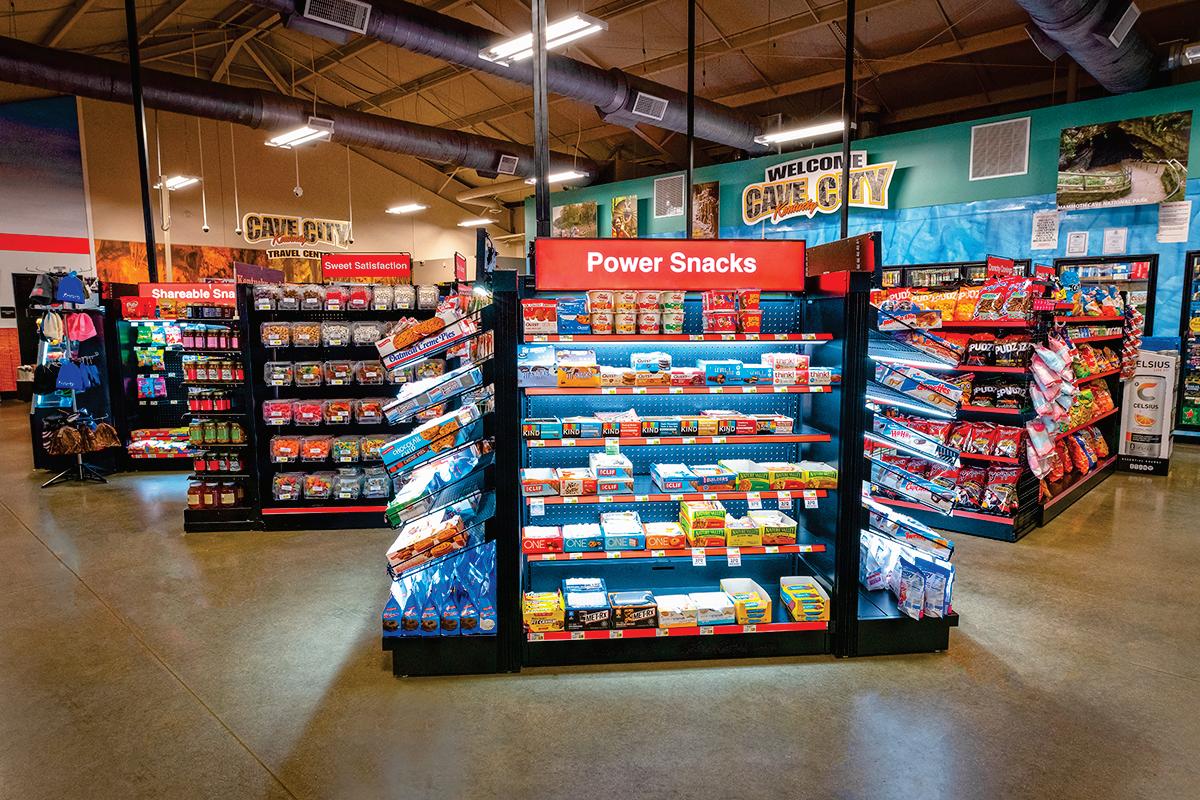
66 Where Food Takes Center Stage
WARNING: This product contains nicotine. Nicotine is an addictive chemical.


By Angela Hanson
The
However,


8550 W. Bryn Mawr Ave., Ste. 225, Chicago, IL 60631 (773) 992-4450 Fax (773) 992-4455 WWW.CSNEWS.COM
BRAND MANAGEMENT
SENIOR VICE PRESIDENT/GROUP PUBLISHER, CONVENIENCE NORTH AMERICA Sandra Parente sparente@ensembleiq.com
VICE PRESIDENT OF CONTENT & EDITORIAL DIRECTOR, CONVENIENCE GROUP Michelle Warren mwarren@ensembleiq.com
EDITORIAL
EDITOR-IN-CHIEF Linda Lisanti llisanti@ensembleiq.com
EXECUTIVE EDITOR Melissa Kress mkress@ensembleiq.com
MANAGING EDITOR Danielle Romano dromano@ensembleiq.com
SENIOR EDITOR Angela Hanson ahanson@ensembleiq.com
EDITORIAL DIRECTOR EMERITUS Don Longo dlongo@ensembleiq.com
CONTRIBUTING EDITORS
Renée M. Covino, Tammy Mastroberte
ADVERTISING SALES & BUSINESS
ASSOCIATE BRAND DIRECTOR Rachel McGaffigan - (774) 212-6455 rmcgaffigan@ensembleiq.com
ASSOCIATE BRAND DIRECTOR Ron Lowy - (330) 840-9557 - rlowy@ensembleiq.com
ACCOUNT EXECUTIVE & CLASSIFIED ADVERTISING Terry Kanganis - (917) 634-7471 - tkanganis@ensembleiq.com
DESIGN/PRODUCTION/MARKETING
ART DIRECTOR Cristian Bejarano Rojas crojas@ensembleiq.com
PRODUCTION DIRECTOR Pat Wisser pwisser@ensembleiq.com
MARKETING MANAGER Jakob Wodnicki jwodnicki@ensembleiq.com
SUBSCRIPTION SERVICES
LIST RENTAL mbriganti@anteriad.com
SUBSCRIPTION QUESTIONS contact@csnews.com
CORPORATE OFFICERS
CHIEF EXECUTIVE OFFICER
CHIEF FINANCIAL OFFICER
CHIEF PEOPLE OFFICER
CHIEF OPERATING OFFICER



Jane Volland


Small Operator Academy is a free education program designed to help the industry’s single-store owners and small chains stay competitive. In this video interview, Terry Hoffman, people operations leader at Zelmo’s Zip In, discusses how the 10-store chain reduced turnover with structured onboarding, mentorship and leadership academy programs that develop frontline employees into future leaders.
For more exclusive content, visit the Small Operator Academy section of CSNews.com.
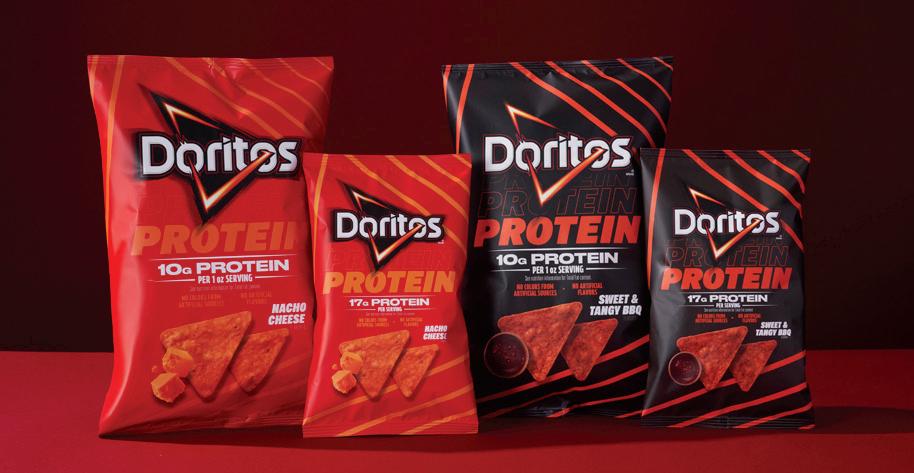
Offering a new take on the iconic snack, Doritos Protein brings together bold flavor, iconic crunch and 10 grams of protein per 1-ounce serving. Using dairybased protein (casein) as its source, the product comes in two varieties: classic Nacho Cheese and fan-favorite Sweet & Tangy BBQ. Two sizes are now available in select retailers and markets: 7 ounces for a suggested retail price of $4.89 and 12.75 ounces for $7.39. Later this year, Doritos Protein will also be available in a single-serve size with 17 grams of protein per bag.
PepsiCo Inc. Purchase, N.Y. pepsico.com
Kicked off in June 2023, the plan consisted of three pillars: accelerate the food business, grow the number of units, and enhance operational efficiency. “I’m extremely proud of the growth of the organization, as well as meeting and exceeding our financial goals,” said President and CEO Darren Rebelez.
The retailer once again reigned supreme in USA TODAY’s 2026 10Best Readers’ Choice Awards. Kwik Trip also claimed the top spot in the Best Gas Stations for Food category. Royal Farms ranked No. 2 in both categories.
Nancy Jones will succeed Nate Brazier as CEO with the support of a strengthened executive team. The new model enables greater alignment, faster decision-making and continued operational excellence, according to the company.
The Hy-Vee Fast & Fresh stores, which will be rebranded to Pump & Pantry, are located across Iowa, Nebraska and Minnesota, including 15 locations in the Des Moines metro area. The deal also includes five in-store Starbucks locations and seven in-store Smokey Row coffee shops.
The company entered Indiana with a grand opening in Whitestown on June 30. The 53,000-square-foot travel center sits off Interstate 65 and is about one-third larger than Wally’s existing locations in Illinois and Missouri.
Innovation was on full display at the 2026 Sweets & Snacks Expo, held recently in Las Vegas. From protein-packed snacks and probiotic treats to texture-driven confections and products inspired by viral internet culture, exhibitors demonstrated how the industry is adapting to changing consumer preferences while finding new ways to keep familiar brands relevant. The biggest trends spotted on the show floor included: function meets indulgence; texture takes center stage; a new spin on familiar favorites; snacking goes viral; bold flavors break boundaries; and value remains top of mind.

Retail industry groups say the settlement covering more than 12 million merchants falls short
A PROPOSED $38-BILLION settlement that would resolve a class-action antitrust lawsuit over the swipe fees charged to retailers when they process Visa and Mastercard credit cards received preliminary approval despite objections from retailers and industry advocacy groups.
In his June 9 ruling, U.S. District Judge Brian Cogan said he found that the settlement — which covers more than 12 million merchants — is “fair, reasonable and adequate,” and indicated that he is likely to eventually grant final approval. His ruling came nearly two years after a proposed $30-billion settlement was rejected by another judge for being too small.
The new settlement would lower swipe fees by 0.1 percentage points for five years, with standard consumer rates being lowered to no more than 1.25% for eight years. Merchants would be able to choose whether to accept cards in distinct categories: commercial cards, premium consumer cards (including rewards cards, which are the dominant card type in the market), and standard consumer cards. This would reportedly end the “Honor All Cards” rule that requires merchants to accept all Visa and Mastercard cards or none.
The Merchant Payments Coalition (MPC), which represents convenience stores, gas stations, restaurants, supermarkets and other businesses, criticized the preliminary approval, stating that the settlement fails to provide adequate relief.
“The vast majority of merchants oppose this proposed settlement,” said MPC Executive Committee member and NACS General Counsel Doug Kantor. “We expect many more objections to be filed that will present the court
with clear evidence of the profound problems with this settlement that would make the already broken credit card market even worse. We are hopeful that the judge will refuse to grant final approval, and that merchants will have their day in court.”
According to MPC, the settlement fails to address price-fixing by Visa and Mastercard and applies only to card-issuing banks’ portion of swipe fees. Because it does not limit the portion that goes to Visa and Mastercard, the reductions could be entirely wiped out.
The National Retail Federation also pushed back against the settlement, stating that it “offers no meaningful relief and leaves intact the underlying system that enables Visa and Mastercard to dictate the rules and costs that merchants and consumers must bear.”
The Retail Industry Leaders Association (RILA) spoke out against the swipe fee deal as well, but noted this is not the end of the case. “RILA intends to continue to advocate on behalf of retailers to obtain a different resolution. One that delivers lasting competition, meaningful fee relief, and a fairer payments marketplace for retailers and the customers they serve,” said General Counsel Monica Welt. “We look forward to presenting our arguments at the next stage in this litigation.”
Buc-ee’s marked two major expansion milestones in June: breaking ground on its first North Carolina location in Mebane on June 10, and opening its first Arizona travel center less than two weeks later.
Kwik Trip Inc. is making plans to add Nebraska to its operating footprint, where the operator expects to use the Kwik Star banner. No date has been announced yet for when the retailer will enter the state.
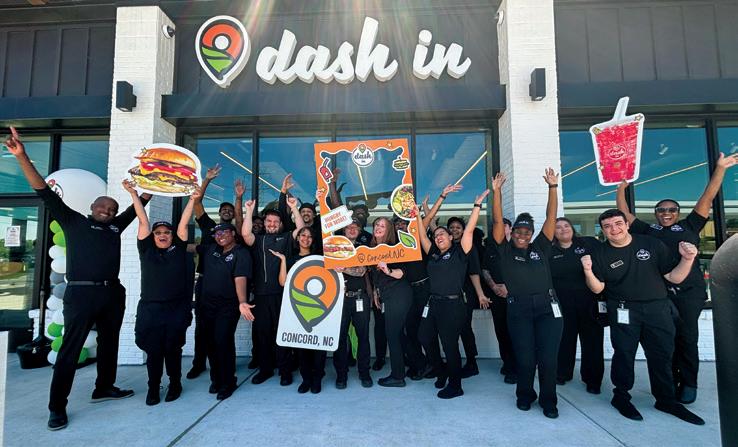
On June 8, Dash In cut the ribbon on the chain’s first North Carolina store. The first 100 guests in line received an exclusive Gold Tumbler, unlocking free tap wall beverages for an entire year.
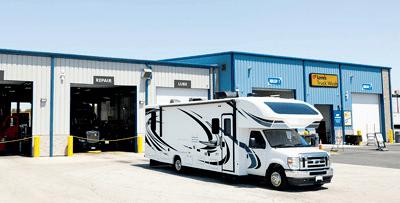
Love’s Travel Stops is rolling out light mechanical work and oil lube services for RV motorists at select Love’s Truck Care locations. The move builds on Love’s recent addition of RV tires and batteries.
Kwik Trip Inc. will close 13 Kwik Spirits and Tobacco Outlet Plus locations this summer as alcohol and tobacco sales continue to decline across the country. Kwik Trip debuted the store format in 2022.
InConvenience Inc is partnering with Lula Commerce to power third-party delivery on DoorDash, Uber Eats and Grubhub. The pact also brings a branded first-party ordering experience to the retailer’s network through Lula Direct.
Dolly’s Tennessean Travel Stop debuted on June 24 in Cornersville, Tenn. The travel center experience is a partnership between global superstar Dolly Parton, Danny Nozell and Gregory H. Sachs, owner of the Tennessean Travel Stop brand.
Stewart’s Shops is investing $55 million in expansion this year. As part of the initiative, the retailer is in the process of rebranding and introducing ice cream counters at several of the Jolley Stores it acquired.
Campbell Oil Co. acquired John’s Fuel Service in North Carolina. This move expands the company’s dealer division, tank wagon fuel operations and growing jobber network.
Sheetz Inc. launched a hiring initiative for its new distribution center in Findlay, Ohio. Construction on the $169-million facility remains on track for completion this fall.
double kwik is celebrating 60 years in business with a new campaign, “Keepin’ it Kwik since ‘66.” The chain is marking the occasion with customer rewards, charitable giving and a free hometown concert.
Kwik Stop is upgrading the Kwik Stop Rewards mobile app, powered by Liquid Barcodes. Now, rewards members can earn loyalty points, get fuel discounts and play daily games.
Only 38% of convenience store shoppers and 49% of fuel shoppers regularly use a loyalty program.
— Upside
Six in 10 consumers will not try a private label product priced above $15.
— Curion
More than two-thirds of consumers say they look to beverages as snacks. — Circana 2/3






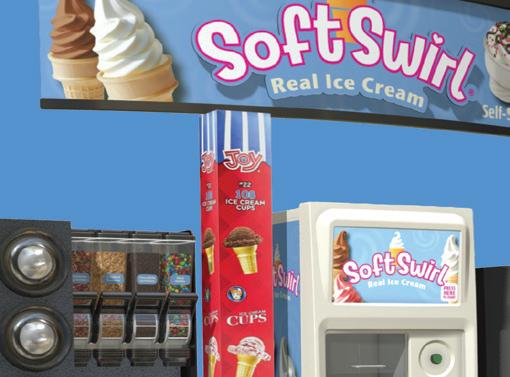
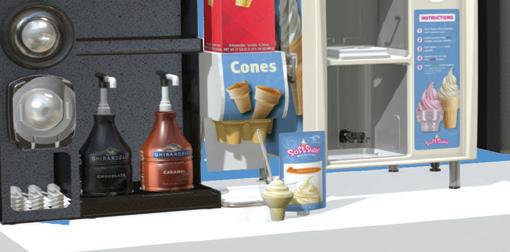
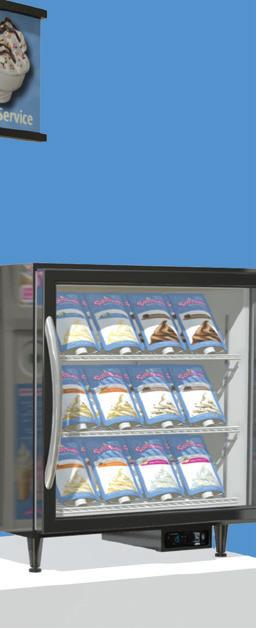
SOFT SWIRL is a revolutionary, retail-ready solution that delivers premium soft serve in under 20 seconds. Available in eight delicious flavors, it’s a turnkey way to drive foot traffic, boost basket size and maximize ROI.
• Plug-and-play operation – No plumbing, water or drainage required.
• Effortless maintenance – Simple wipe-down cleaning with minimal labor. NO disassembly required to clean.
• Zero waste – Portion-controlled servings using a standard electrical outlet.












































































































































































































































































Ben Lucky joined Onvo as senior director of foodservice. His role will focus on developing signature food concepts, strengthening operational execution and enhancing the travel plaza operator’s overall foodservice offering.
Madison Capital Group added two senior leaders to support its fast-growing brands, Fresh Stop and Links Car Wash. Justin Boruchov joined as managing director of finance, and Jeff Guyette was named chief development officer.

Jeremy Osterstock is Pilot Co.’s new chief financial officer. Former CFO Joe Lillo will remain with the travel center operator as interim controller during the transition.


Prairie City Bakery appointed Janine Borel to the role of vice president of sales. She succeeds Anna Masur, who is retiring after 16 years with the company.
Borel started at Prairie City Bakery in July 2025 as director of national accounts, center store.
Richard Poye joined VideoMining as head of retail strategy and engagement. His background includes executive merchandising leadership roles at RaceTrac Inc. and MAPCO, along with leadership positions at Circle K, H-E-B and Unilever.
Flexeserve Inc. expanded its sales organization with two new team members. Scott Turbeville came onboard as sales manager, national accounts, and former Operations Coordinator Rachel Chin moved to a new role as sales coordinator.



Farm Rich Bites
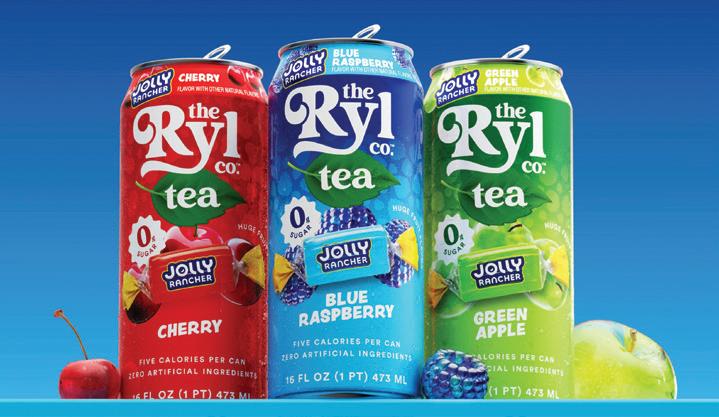
Ryl Tea teams up with The Hershey Co. to bring Jolly Rancher Candy’s iconic fruit flavors to iced tea for the first time. Available in Blue Raspberry, Green Apple and Cherry varieties, each flavor is brewed with real tea and crafted to reflect the unmistakable taste of Jolly Rancher Candy in a smooth, refreshing, ready-to-drink canned format. All three beverages are zero sugar, five calories or less, and deliver vitamin C and antioxidants. The collaboration taps into growing consumer interest in iconic flavors reimagined for today’s lifestyles.
THE RYL CO. • MORRISTOWN, N.J. • DRINKRYL.COM
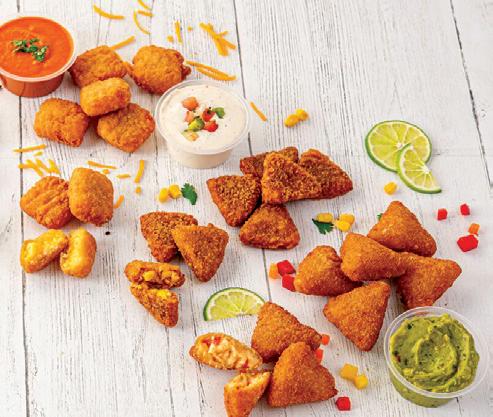
Created to help convenience stores capitalize on the growing demand for portable, snackable menu options, Farm Rich Bites come in five nostalgic and global flavors: Grilled Cheese Style Bites, Queso Dip Bites, Mexican Street Corn Inspired Bites, Fried Cookie Dough Bites, and Fried Brownie Bites. The bites offer a quick heatand-serve format that keeps labor minimal and quality reliable, according to Rich Products Corp. They arrive frozen and ready to cook in an oven or fryer. Each 2-pound bag contains approximately 40 to 50 pieces and there are five bags per case, with a frozen shelf life of 540 days.
RICH PRODUCTS CORP. • BUFFALO, N.Y. • RICHSUSA.COM/BUSINESS-SOLUTIONS/CONVENIENCE
Pop Secret Microwave & Ready-to-Eat Popcorn
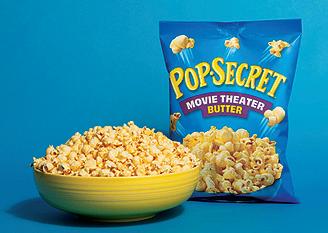
Pop Secret is stepping into the convenience channel with the rollout of Microwave Popcorn and Ready-To-Eat Popcorn bags. The initial launch includes microwave favorites such as Homestyle, Butter and Double Butter, plus ready-to-eat varieties such as Sea Salt and Movie Theater Butter. The new offerings aim to give convenience store customers both grab-and-go snacking and take-home options for movie night. With strong brand recognition and broad consumer appeal, Pop Secret popcorn provides convenience retailers with a versatile snack that works across impulse purchases and at-home entertainment occasions, according to the brand. OUR HOME • BOONTON, N.J. • POPSECRET.COM
ChargePoint introduces Express Solo, billed as the world’s fastest standalone electric vehicle (EV) charger for passenger vehicles. In a single compact cabinet, Express Solo is capable of delivering charging speeds of up to 600 kW for a single EV, and can simultaneously charge two EVs. It can deliver any combination of power levels up to 600kW per port, an industry-first innovation, according to the company. ChargePoint’s Express architecture, debuted by the Express Solo, addresses the four main challenges to scaling DC fast charging: grid constraints, faster charging speeds, reliability and cost, the company added.
CHARGEPOINT INC. • CAMPBELL, CALIF. • CHARGEPOINT.COM/PRODUCTS/STATIONS/NEXT-GEN
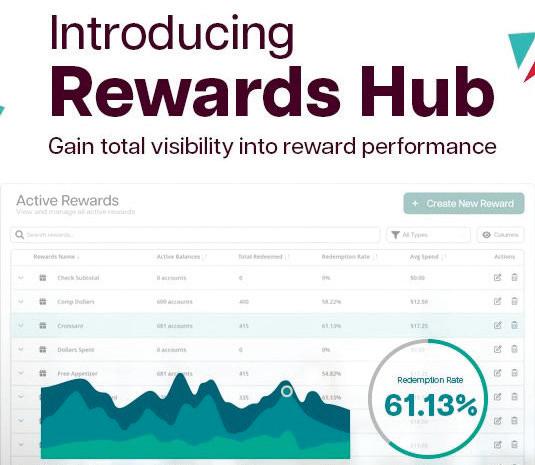


Paytronix, an Access company, released Paytronix Rewards Hub, an upgrade to its guest engagement platform that delivers a modern and intuitive user interface for enterprise-grade loyalty program management. The new hub serves as a self-service center for all rewards management, giving marketing teams more control of their program and easier access to reward data. Available to loyalty customers on Access Identity, the hub is designed to deliver agility without complexity, speed to market, data-driven decision-making, and operational independence. Throughout the remainder of 2026, Paytronix will continue with phased updates that will provide additional support and changes to managing loyalty tiers, clubs, point multipliers and more.
PAYTRONIX • NEWTON, MASS. • PAYTRONIX.COM
SMALL OPERATORS MUST NAVIGATE THROUGH NUMEROUS CHALLENGES TO ATTAIN BUSINESS SUCCESS
By Linda Lisanti
AN INCREASINGLY competitive landscape and persistent financial pressures are making things difficult for the U.S. convenience store industry’s small operators (1-20 stores). Refusing to be defeated by adversity, though, these resilient business owners are pivoting and pushing forward.
“Big chains are growing stronger and efficient, while small chains like us are facing
higher pressure on customer retention and sales volume,” said one of the retailers who took part in Convenience Store News’ 2026 State of the Small Operator Study, which looks at how the convenience channel’s smaller retailers are performing vs. their larger counterparts.
Among the industry’s small operators, total dollar sales in 2025 increased by a
greater margin than total unit volume, indicative of the inflationary environment. While 66% reported that their per-store dollar sales rose last year, only 55% said the same of their per-store unit volume.
For these retailers, sales and volume growth both were driven more by in-store merchandise than motor fuels. Just 33% of small operators reported that their motor fuel dollar sales rose in 2025, while 45% reported volume growth for the category. On the other hand, 49% and 55% reported growth for in-store merchandise sales and unit volume, respectively.
More than 90% of this year’s study participants indicate they sell both motor fuels and in-store merchandise at their stores. While their sales composition is pretty evenly split between the two categories,

in-store merchandise is a greater contributor to gross profit (59% vs. 41%).
The profit composition for small operators is in line with the total industry. In 2025, the gross profit dollar mix industrywide was 61% in-store vs. 39% fuel, according to the latest Convenience Store News Industry Report. It’s a different story on the sales side, however, where the industrywide split is weighted more toward motor fuels: 40% in-store vs. 60% fuel. In-store did again attain a bigger slice of the pie than the prior year.
While total U.S. convenience store sales declined for a third consecutive year in 2025, and many of the major product categories struggled to post growth, foodservice was a notable exception. The category’s share of in-store sales hit a five-year high of 23.29%.
Just like their larger chain competitors, the industry’s small operators are leaning
The profit composition for small operators is in line with the total industry.




OCTOBER 8, 2026, LAS VEGAS, NV
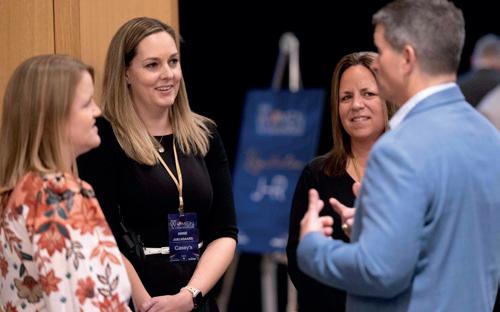
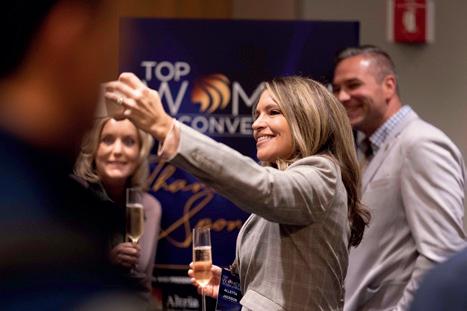
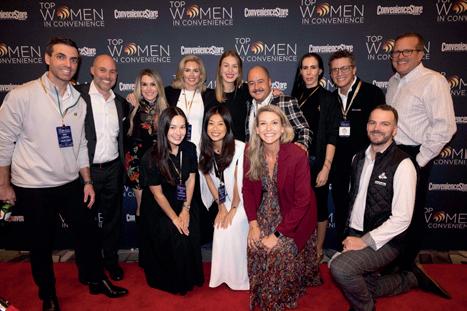
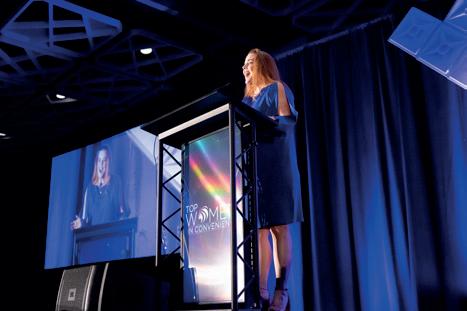
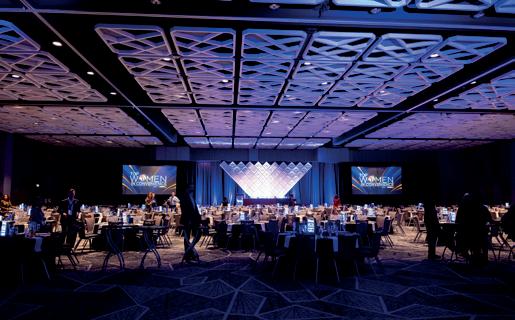
You’re invited to an unforgettable evening celebrating the women who are driving the future of the convenience industry.
The 13th annual Top Women in Convenience Awards Dinner Gala and Ceremony takes place on October 8th at the Westgate Hotel & Casino. csnewstwic.com
Secure your seat in the most prestigious room in the industry

TWIC Connections is a brand-new event that will bring together the 2026 class of TWIC honorees and TWIC alumni from past years for professional development, networking and community connections, hosted as a lunch on October 8. EXCLUSIVELY FOR TWIC


heavily into foodservice. Nearly all the small operators surveyed (96%) offer some form of foodservice, with 45% describing their offering as robust. Reflecting on 2025, 57% of those offering the category reported increases in both per-store foodservice sales and unit volume year over year. Retailers said hot prepared food, particularly sandwiches and breakfast items, drove the most growth.
“More ready-to-eat options attract customers, and they spend more when food quality looks fresh,” one small operator remarked. Another shared: “We are constantly trying new things. I think that makes people interested. Then, they keep coming back to see what we have and if
In-store product categories that performed well for small operators in 2025 were packaged beverages, alternative snacks and salty snacks.
their favorite item has become a permanent item.”
Other product categories inside the store that performed well for small operators last year — those with the highest percentage of respondents reporting both sales and volume increases — included packaged beverages, alternative snacks and salty snacks.
Checking in on performance so far this year, 59% of respondents indicate that their year-to-date sales and profit performance is better than in 2025. This is a significant change from last year’s study when, at this point, only 29% expressed a positive point of view.
More than five in 10 of the small operators surveyed said their foodservice performance this year is trending better than last year, while 35% report status quo. The same holds true for in-store merchandise: 49% report better performance and 36% report status quo.




Q: ImageWorks Display turns 30. What does that say about what’s ahead?
A: It shows how quickly we’ve evolved to meet the market. Twenty years ago, we were building our reputation in tobacco fixtures – that reputation has led to us being in 60% of the top 200 U.S. convenience stores. Over the last five years, we’ve expanded into center store and broader stock solutions. Today, the focus is growth through innovation—new products, new services, and new ways to help customers solve bigger challenges.
Q: Is that what’s turning IWD into a whole-store solutions partner?
A: Absolutely. More customers are seeing the value of working with one trusted source across multiple categories. That’s where we’re headed—helping retailers think beyond a single fixture and giving them coordinated solutions that improve consistency, execution, and speed.
Q: Convenience stores are demanding environments. How does that shape product design?
A: C-store is all about constraints. You’re designing for high traffic, fast restocking, limited labor, and tight footprints. That means solutions have to be durable, adaptable, and easy to work with in the field. If a system can flex across different store sizes and changing categories, it delivers long-term value.
Q: What has kept ImageWorks’ back bar systems at the top of the market?
A: It starts with quality—and it has from the beginning. Early on, one of our largest clients expected a 10-year lifespan, and that shaped our standard. From Xulta
Classic to Xulta Impact, we’ve built around durability, flexibility, and the willingness to adapt as retailer needs and category trends change.
Q: Beverage is a major focus in convenience right now. How is ImageWorks responding?
A: Beverage has been one of our biggest focuses this year. Consumer behavior is shifting—large-format retailers win on cases, so c-store customers are moving toward six-packs and single-serve, and that means our systems have to adapt to them. We’re enhancing solutions like Bev, Strong, and Chill while developing new products that combine features across systems to better serve single-serve, multi-pack, ambient, and cooler applications.
Q: What does success look like for the next 30 years?
A: Success means customers choosing us—and being glad they did. Recognition like Maverik recently naming us their Best Merchandising Execution Partner is exactly the kind of outcome we work toward. For the next 30 years, we want more of that—broader adoption of our product lines, stronger service capabilities including field support, and customers who see ImageWorks as both a product and service partner across the whole store.
To keep the momentum going, small operators are focusing their investments this year on more customer-facing initiatives. Top priorities are developing/ enhancing loyalty programs, expanding merchandise assortments, and digital marketing/personalization efforts.
When asked to explain their motivation, the comments from respondents included:
• “Customer retention and repeat visits are very important.”
• “To retain more customers and encourage them to buy more and increase average ticket size, loyalty programs are very beneficial.”
• “We are in the process of taking the next step with our loyalty program, going from a very lackluster program and app to something that is more mainstream and competes with the bigger chains.”
• “We must keep up with trends in the



market and figure out what new products are out there and selling. Large chains have a tremendous amount of data they can leverage. We do not, so we must figure out our product mix differently.”
• “It is a low-cost way to boost sales by adding popular new items and meeting evolving customer needs.”
In addition to these priorities, investing
in supply chain operations has become much more important to small operators this year. It went from being ranked No. 13 out of 15 in last year’s study to emerging as the No. 2 ranked investment area this year.
At the same time, small operators cite supply chain issues as one of the biggest challenges they’re currently facing and a threat to their 2026 sales and profitability. They want better support from their supplier partners, with the top pain points being product availability, out-of-stocks,
Develop/enhance loyalty program
Supply chain & logistics
Expand merchandise assortments
Digital marketing/personalization
Develop/expand fresh prepared food programs
Store remodeling
Training & retention programs
Develop/enhance social media strategy
Technology
increase
for current operations
the customer experience









Inflation & economic issues
Increasing operational costs
Supply chain issues/out-of-stocks
Motor fuel prices
Labor turnover & hiring
Industry consolidation & competing with larger chains
Competition from outside the industry
Foot traffic declines
Changing consumer expectations of “convenience”
Keeping up with emerging technologies
Insufficient attention from suppliers that favor larger chains
The rise in e-commerce
Trust/reputation
Declining tobacco sales volume
Increasing pressure to invest in foodservice
Tobacco regulation
Crime/theft
poor communication, inferior service, and high/increasing costs.
“We do not get the support we want — slow replies and a communication gap,” one small operator explained. Another lamented: “[The larger chains] receive more beneficial pricing and access to
products that a single-store operator cannot get.”
Along with supply chain difficulties, small operators continue to grapple with the same top two challenges as last year: inflation and economic issues, and increasing operational costs, also a byproduct of inflation. Doubtful they’ll see much improvement in these areas for the remainder of this year, they’re concentrating on customer retention and increasing basket size. CSN



















































The industry is encouraged as more communities reject Nicotine-Free Generation policies
By Renée M. Covino
THEY ARE FLANKED by words like “free” and “freedom,” but generational tobacco bans — also referred to as lifetime tobacco bans and Nicotine-Free Generation (NFG) policies — which prohibit the sale and use of nicotine products to anyone born after a specific date have been dubbed by critics as not only a radical shift in tobacco control, moving from age-based restrictions to cohort-based prohibition, but also a move that lacks sound logic.
“There’s only one rational outcome and that is a flourishing black market,” said Agustin Rodriguez, a partner specializing in tobacco at the national law firm of Troutman Pepper.
The National Association of Tobacco Outlets (NATO) is fully engaged in this issue, educating lawmakers and regulators that these proposals are veiled prohibitionist policies that target legal age adults and would create an illicit marketplace. Since 2020, several towns have adopted these policies, but the good news is that more recently, localities have been rejecting them over concerns about unintended consequences, according to NATO Executive Director David Spross.
In the United States, the Nicotine-Free Generation movement has been focused
primarily in Massachusetts localities. NATO has tracked 24 cities that have adopted it, eight more that are considering it, and four that have rejected it. “Several other communities have discussed, but have decided not to move forward at this time,” Spross relayed.
The New England Convenience Store and Energy Marketers Association (NECSEMA) is closely monitoring the situation. “We are remaining vigilant, but are seeing some encouraging signs as an increasing number of communities are rejecting NFG policies, especially when they go to town meeting votes or are subject to full public hearings,” NECSEMA Executive Director Peter Brennan told Convenience Store News. “The reality is that the more people learn about these overreaching policies, the less they like them.”
The following Massachusetts towns have rejected NFG: Ashland, Barnstable, Bellingham, Franklin, Lynnfield, Milton, Montague, Peabody, Rockland, Westfield, Westminster, Whatley and Worcester. In addition, the town of Manchester-by-the-Sea voted down NFG at a town meeting, but the local board of health has refused to honor the vote to rescind the policy it previously passed with little public debate, Brennan said. The town of Stoughton also recently delayed a vote; it and several municipalities are considering town meeting votes rather than implementing this at the board of health level.
“We consider this trend to be positive as no community has passed an NFG policy at a town meeting,” Brennan said, adding that “it is troubling that so many communities are leaving these decisions to unelected, local boards












“This policy removes the freedom of choice to use a legal product.”
— David Spross, National Association of Tobacco Outlets
that frequently plot behind doors with anti-tobacco crusaders with little or no public input.”
Also promising is that since the Supreme Judicial Court of Massachusetts allowed towns to enact NFG, all 351 municipalities in the state have been contacted by advocates pushing for adoption of the policy, but 275 towns have not considered it at all. Of the 76 towns that have considered it, 51 have either rejected it outright or taken no action.
“We have been able to significantly slow down adoption of this policy through outreach and education efforts to residents and local officials,” Brennan said. “While advocates will claim that they have momentum in this fight, the truth is that while we may lose the occasional battle, we are winning the war.”
Brennan and other critics of generational bans point to
several major issues and challenges:
Enforcement difficulties: Verifying birth date and preventing illegal sales can be complex, especially in tourist-heavy areas. “It puts a heavy burden on retail environments, which already have high turnover; it’s inviting error and displacing sales to online vendors and others that don’t have the same kind of birth year restrictions on them,” Rodriguez warned.
Black markets: Restricting legal access may drive tobacco sales underground, increasing unregulated and potentially more harmful consumption, according to Spross. NFG policy will not curb usage of nicotine products in a certain town; instead, it will merely change the point of purchase. “Consumers will go across city/ town lines to purchase their preferred nicotine products, and the policy would create an illicit, unregulated market.”
Equity concerns: Adults born after the cutoff may face lifelong restrictions, raising debates about fairness and personal freedom. “In some localities that adopt this policy, 21-year-old adults will be able to purchase alcohol and cannabis, but they won’t be able to buy a tin of nicotine pouches or a cigar because they were born after a certain date,” Spross explained. “This policy removes the freedom of choice to use a legal product.”
Impact on harm reduction: Generational bans that include vaping and nicotine alternatives may remove safer cessation options, potentially undermining public health goals. “What really concerns me the most is not the [generational bans] concentrated on combustible tobacco but rather, the rules covering oral nicotine and vaping products,” noted Rodriguez. “They

Generational tobacco bans are popping up across the globe, and some worry that more global activity could impact the fight against these policies in the United States.
• The Maldives became the first country to implement a nationwide generational tobacco ban, effective Nov. 1, 2025. The law prohibits anyone born on or after Jan. 1, 2007 from purchasing, using or being sold any tobacco products, including vapes and e-cigarettes.
• The United Kingdom is advancing a generational smoking
ban, preventing anyone born on or after Jan. 1, 2009 from legally smoking. The bill also includes measures to regulate vaping products, restrict advertising, and gradually raise the legal age for tobacco sales.
• New Zealand passed a generational tobacco ban in 2022, but repealed it in 2024 over concerns around fiscal impact and increasing crime.
Sources: NATO, CNN, NBC News
are falsely conflating all nicotine products in tobacco use.”
NATO is leading a coalition of industry allies to oppose these measures in the U.S. and urges retailers and adult tobacco consumers to get engaged by going to citizensforadultchoice.com. Tobacco/nicotine retailers also should engage with local regulators who need to understand the negative implications of these proposals, according to Spross.
For now, there’s differing opinions on whether a statewide generational ban is likely in Massachusetts. Spross and Brennan believe it’s unlikely. “As of now, we don’t believe there is support for a statewide ban as evidenced by the large cities and towns that have rejected NFG,” Brennan said.
Troutman Pepper’s Rodriguez is a bit more cautious. “I think statewide adoption is a real risk, but it’s not real
“While we may lose the occasional battle, we are winning the war.”
— Peter Brennan, New England Convenience Store & Energy Marketers Association
imminent,” he stated. “The immediate risk is a patchwork of local bans. You might see state bills that stall in committee.”
His caution is rooted somewhat in recent global activity. “There’s some insanity happening in foreign countries,” he said. “They don’t have the same protections of rights and it’s put much more in the hands of unelected bureaucrats, so we’re seeing some fairly drastic measures that seek to marginalize a legitimate industry and are fueling black markets.”
For its part, NECSEMA is continuing to educate and encourage the public to attend meetings and contact their public officials to express opposition to policies that Brennan said are often being crafted behind closed doors and sprung upon the public with little to no discourse.
“Our members also provide testimony regularly at public hearings to let officials know the impact on small businesses and the unintended negative consequences of NFG policies,” he said. “But it’s not only retailers and customers who are expressing opposition, it’s also regular citizens who want their local government to be transparent and their civil liberties to be protected.”

Additionally, Brennan cautioned CSNews readers to be aware of a related concern: health boards that are targeting nicotine pouches, including capping the amounts permitted, pushing these products to adult-only stores, and considering outright bans.
“We are also seeing local health officials conduct random, unscientific ‘smell’ tests in which untrained officials are sniffing nicotine products and pulling them from retailers’ shelves if they subjectively believe they contain a scent in violation of the state’s flavor bans,” he said.
Brennan referred to these moves as outrageous regulatory overreaches, which the association intends to expose — and ultimately demand fairness. “This is dangerous because these are products used by many to quit smoking,” he said. CSN





As foodservice competition grows and economic challenges intensify, convenience retailers are working to become part of consumers’ regular routines
By Angela Hanson
Cautiously optimistic, convenience store operators are banking on long-term investments in prepared food and dispensed beverages
By Angela Hanson
CONVENIENCE STORE RETAILERS may be grappling with increasing economic and operational challenges, but food-focused operators are not focusing on today at the expense of tomorrow. The importance of the foodservice category as a competitive differentiator both within and outside the convenience channel is pushing operators to make strategic moves for the longterm viability of their prepared food and dispensed beverage programs.
FROM A DISTANCE, the current state of the foodservice category is rosy, and convenience store operators are doing everything right. Sales and profits are up, with most retailers predicting continued increases throughout 2024, and companies are investing in new technology, equipment and menu innovation to ensure success in the years to come.
According to Part 2 of the 2026 Convenience Store News Foodservice Study, c-store retailers are planning for the future by investing in foodservice program attributes that encourage customers to make regular visits, while leveraging their competitive advantages in the process.
“What is driving sales here is an increased presence in our community,” said one surveyed retailer. “Our two stores are located in areas where our residents enjoy businesses that are involved, and they patronize accordingly.”
Operators are most concerned with improving profitability, with just under half of study participants citing this as their top foodservice priority over the next year, followed by increasing customer counts (cited by 40%). Other top priorities include menu
Improving
However, taking a closer look reveals obstacles that even the best-designed food program can’t ignore. Economic difficulties and concerns about the future are prompting consumers to tighten their purse strings, while rising costs have slowed profit growth compared to last year. Meanwhile, employee recruitment and retention remain a struggle despite some easing of the labor crunch.






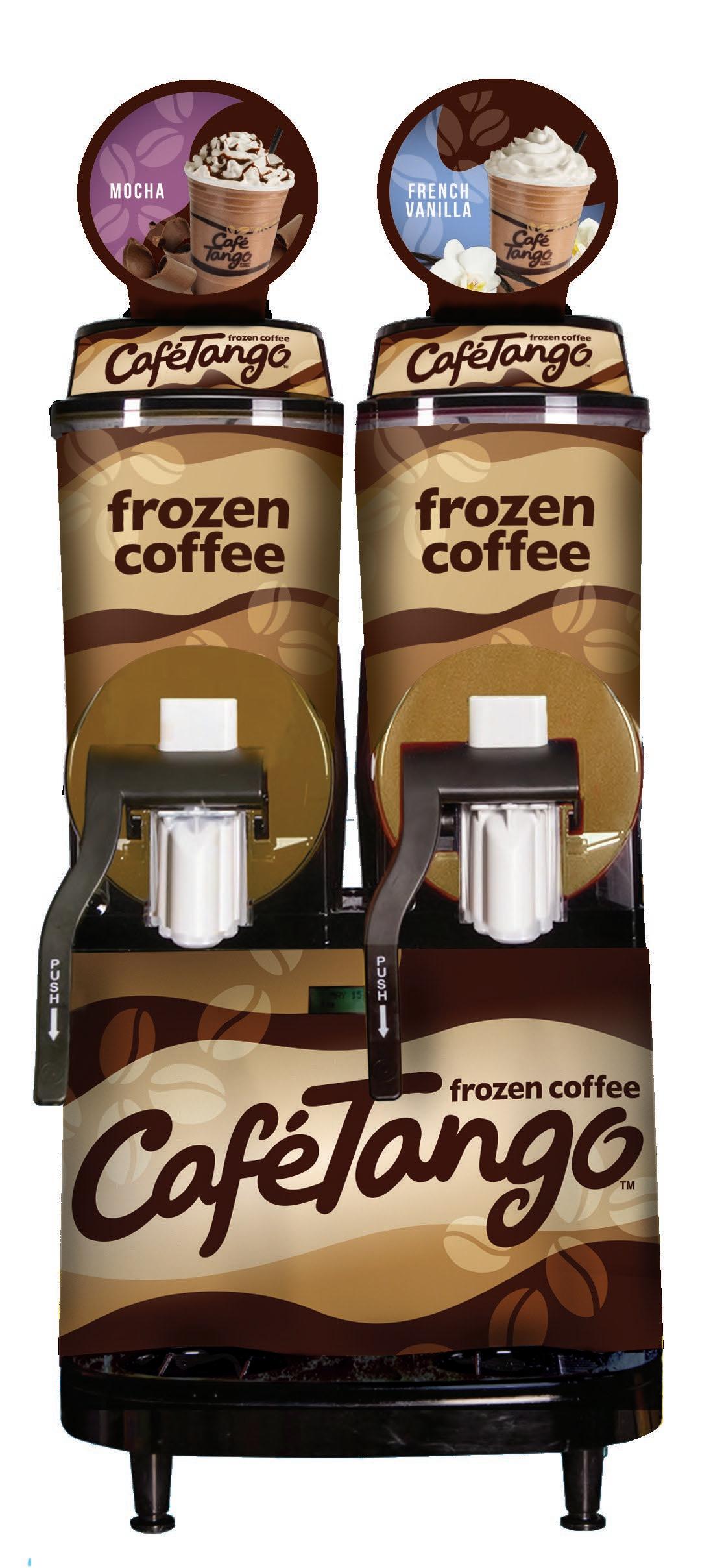
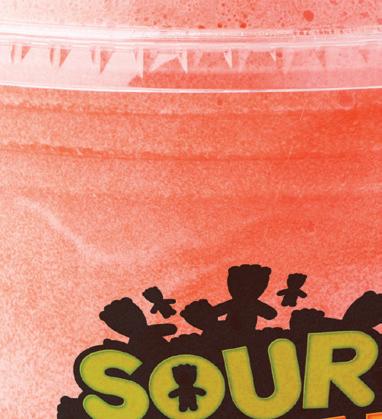
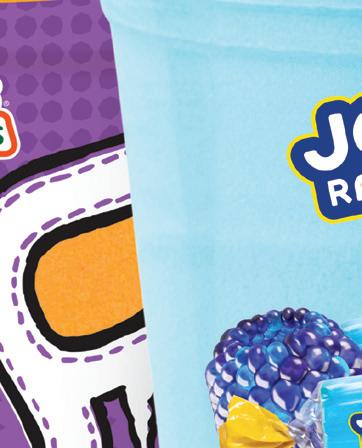
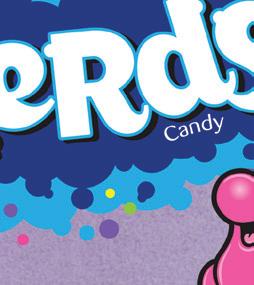
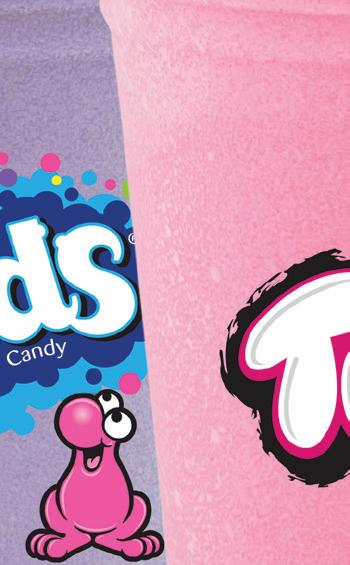
Sunny Sky Products® brings Nerds®, Trolli®, JOLLY RANCHER®, SOUR PATCH KIDS® and Jarritos® into bold, ready-to-serve beverages that simplify execution and spark customer excitement.
These licensed brands help operators stand out with craveable flavors, recognizable names and built-in consumer appeal.




































More retailers are embracing their role as dining destinations, with 67% now offering in-store seating.
innovation (30%) and fundamentals such as employee training (29%) and operational efficiencies (23%).
Loyalty programs are also a priority for approximately three in 10 study participants, as retailers plan to offer more and better deals to members. “We will be increasing the amount of offers we give on our loyalty program and include on our mobile app,” noted one retailer.
In terms of overarching foodservice program enhancements, c-store operators are most likely to be planning menu changes, new marketing efforts and program expansions.
Upgrading the Experience
Convenience retailers are leaning into the in-store
experience when it comes to foodservice amenities: 67% offer in-store seating — a 16-point jump year over year — indicating they are embracing the ability to serve as a dining destination, not just a carryout option.
Looking ahead, operators are split on which amenities they intend to add. Common answers include third-party delivery (19%), outdoor seating (14%), take-home/heat and eat dinner solutions (14%), meal kits (13%) and catering (13%). Large operators are particularly interested in take-home dinner solutions, while small operators are keen on adding outdoor seating.




RightBytes® is an all-in-one AI platform that connects and simplifies foodservice data so convenience store operators can make faster, smarter decisions.
Know how much to make
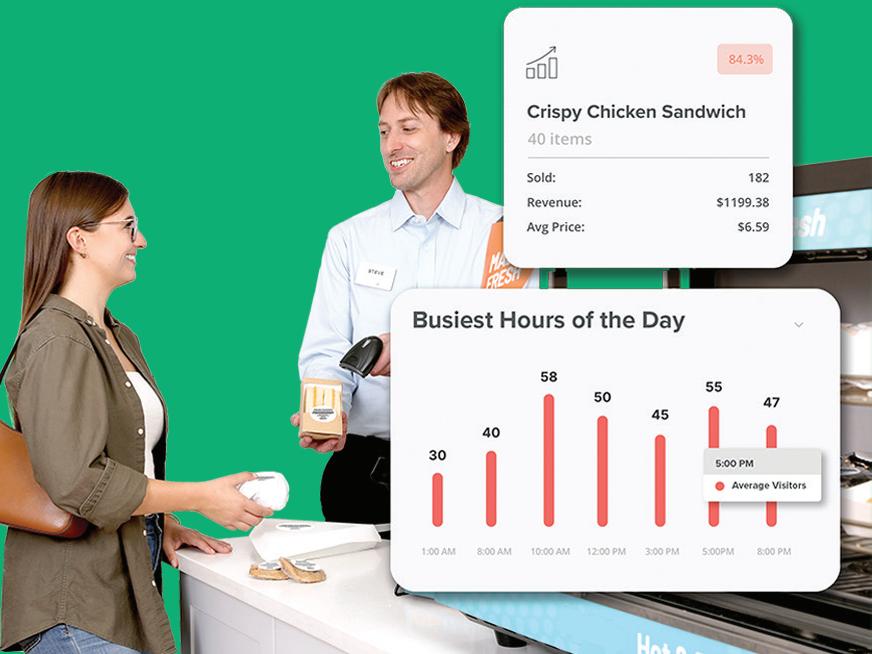
Sell more by being prepared and reduce unnecessary waste

Turn operational data into actionable insights across multiple locations Stop guessing and start making decisions with confidence
RightBytes includes Max Profit, your builtin digital assistant who helps you instantly interpret complex data
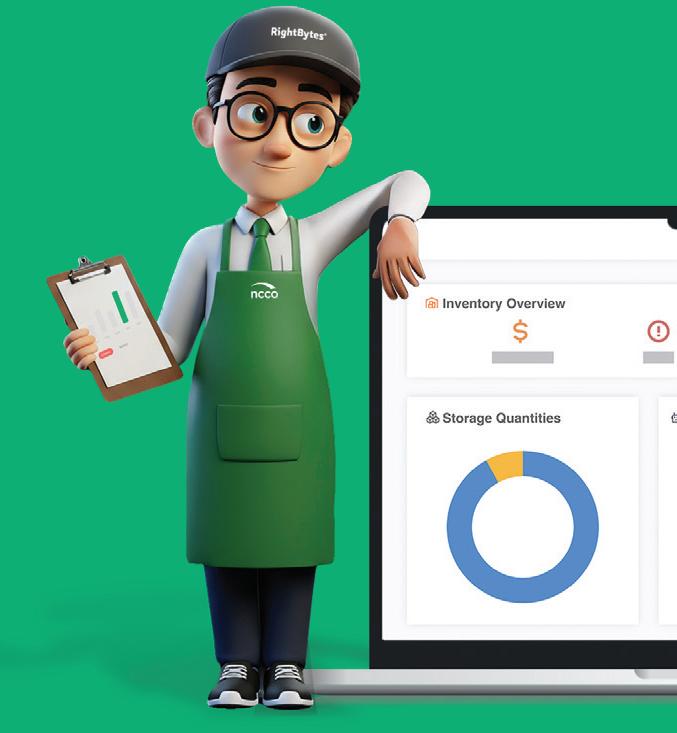
Want to sell more food? Scan the QR code to get started.
In regard to foodservice ordering, placing orders by phone remains the most widely offered method, cited by 46% of respondents, compared to order ahead via app (24%) and via computer (19%). Future plans largely involve removing friction from the ordering experience, with retailers reporting they intend to add order ahead via app (24%), at-pump touchscreen ordering (19%), and in-store touchscreen ordering (17%).
C-store operators are also taking steps to upgrade their foodservice equipment, with approximately four in 10 reporting plans to do so within the next year. Respondents list new coffee machines, fryers, grills, hot cases, and equipment that provides automation as some of the upgrades they want to implement. “We plan to add to our [made-to-order] menu, so new equipment may be needed for different/new menu items,” one retailer remarked.
Technology is expected to play a role in foodservice program enhancements. Retailers say they will use tech for both customer-facing initiatives such as loyalty programs/apps, online and kiosk ordering, digital menuboards and promotions, as well as back-end operations such as analytics, kitchen and inventory management, and label printers.
Retailers’ planned investments are backed by optimism that foodservice will continue to perform well — although expectations for 2026 are tempered compared to 2025. Nearly three-quarters of study participants expect their foodservice sales to increase this year, down from 83% that said the same in last year’s study, while 21% expect their sales to stay the same.
There’s more hesitancy around foodservice profits, with just 64% expecting their category profits to increase this year, down from 77% last year, and 29% expecting no change. Large operators are more optimistic than small operators about both sales and profits.
Large operators are also more likely to say they’re increasing foodservice promotions in 2026: 60% vs. 33%, respectively. Overall, retailers report the most effective promotion type is bundling/meal deal (57%), beating out price discount (54%) for the first time.
In terms of promotional channels, social
Other c-stores Fast casual chains (Panera
Chain
competition is heating up as more c-store retailers enhance their programs.
Consumers have less disposable income
Increasing competition for foodservice business
Supplier price increases
Inflation & national economic issues*
Difficulty in hiring & retaining employees
Training employees on foodservice operations*
Lower foot traffic in stores
Finding the right products/programs
Negative consumer perceptions around c-store foodservice
Lack of funding to invest in foodservice program
Operational inefficiencies at store level
Supply chain
Lack of alternative shopping options
media remains the most widely used, followed by loyalty programs and at-pump/outdoor signage, which saw a 6-point jump from a year ago. Usage of radio promotions also rose 12 points this year vs. last year.
Although the competitive lines are blurring, convenience retailers still view other c-stores as their main foodservice competition (71%). The 14-point jump from a year ago signals that intra-channel competition is heating up as more retailers enhance their programs.
Competition in general is a growing concern: 50% view increasing competition as one of their biggest obstacles to foodservice success — up from 34% that said the same last year.
Only one obstacle ranked higher, as 51% pointed to consumers having less disposable income as their biggest challenge. A year ago, this was the third most-cited
*New response added in 2025
obstacle, behind supplier price increases and inflation/national economic issues. These are still major concerns today.
In fact, concerns about inflation and economic issues have grown vs. last year. When asked how economic issues will affect their company in 2026, 42% said very or slightly negative, up from 32% a year ago. Operators say they’re using a combination of promotions and cost-management strategies to overcome the challenges posed by economic turbulence.
“I plan to be very aggressive with our vendors and work hard on cost as it relates to my core items,” said one study participant. Another said: “Promotional strategy is key — keep our name in front of the customer with prices that are affordable on products in high demand.” CSN



Nearly half of women suffer from imposter syndrome, but companies can provide support
By Melissa Kress
MERRIAM-WEBSTER defines imposter syndrome as a psychological condition that is characterized by persistent doubt concerning one’s abilities or accomplishments accompanied by the fear of being exposed as a fraud despite evidence of one’s ongoing success.
In a recent survey, MyPerfectResume found there is a growing disconnect between how employees feel and how they believe they are expected to perform. Notably, the national survey of more than 1,000 employed U.S. workers uncovered that:
• 43% of workers experience imposter feelings at work.
• 66% feel pressure to appear more confident or knowledgeable than they actually are.
• 74% cite pressure or comparison — including high expectations, peer comparison or personal perfectionism — as a driver of self-doubt.
• 58% say self-doubt or imposter syndrome has negatively affected their career growth.
While imposter syndrome is not an issue exclusive to women, the research does show that women tend to feel
it more than their male counterparts. For instance, 45.6% of women say they always, often or sometimes feel like they’re pretending to be more competent or confident than they feel, compared to 38.9% of men. Additionally, while 22.1% of men say their success is entirely due to skill, just 16.6% of women say the same.
To gain more insight into imposter syndrome in the workplace, Convenience Store News recently sat down with Jasmine Escalera, a career expert with MyPerfectResume.
CSN: We often hear from women that they struggle with imposter syndrome, but it’s not exclusive to women, is it?
ESCALERA: The gender difference data is really interesting, and it very much aligns with what you typically see when it comes to imposter syndrome. Yes, across the board, men and women are
“What we notice typically in women vs. men is women pull back, whereas men pull forward.”
— Jasmine Escalera, MyPerfectResume
both experiencing symptoms of imposter syndrome. What we notice typically in women vs. men is women pull back, whereas men pull forward.
Essentially, what that means is women experience it more by second guessing themselves. They experience it more by avoidance, so avoiding new responsibilities and feeling like, oh, I need to get the next certificate, or I need to get the next degree, or I’m not ready for that. We also see that women hold back in speaking up. Women also have much more comparison; they’re comparing themselves to others in the workplace more. Whereas, men usually pull forward. They’re the ones that are going to be a bit more boisterous. They’re going to really go after what they want, even if they don’t think they have the skills for it.
CSN: That’s interesting, and sometimes they say women can be pushy.
ESCALERA: I think what you see is such an interesting thing. We tell women, go for it, step into that boardroom, be yourself. And then, when those women do that, they often do experience a lot of backlash. You have had women in the workplace who have been called aggressive for doing the very same thing that men would do.
There was a really fascinating Harvard Business Review article written that says we shouldn’t actually be labeling women with imposter syndrome because this is an environmental effect. It’s a systemic issue of a workplace that simply wasn’t created for women. And there’s a lot of truth to that because you have women who are experiencing imposter syndrome for a variety of different reasons, traditionally because they don’t see themselves enough in the boardroom, in the leadership roles, they’re not getting paid enough. So, if you tell me I’m not enough from the start and you’re trying to tell me to move up the corporate

ladder, those two things don’t make sense.
CSN: Is imposter syndrome becoming normalized in the workplace?
ESCALERA: I think a lot of things are becoming more normalized simply because we have the verbiage to talk about it and the platform to talk about it. I had no idea that imposter syndrome existed when I was in my 20s and I was starting out in my career. Imposter syndrome just was not a thing. But as I started to grow in my career and things like LinkedIn and social media became more popular, I think that opened up the area for a lot of different things — like toxic workplaces, flexibility in your job, wellbeing, pay. For us to really start to see it clearly and for imposter syndrome to come to the forefront.
CSN: Is imposter syndrome all internal, or are there external factors that affect a woman’s confidence in the workplace?
ESCALERA: It’s a balance of both. As women, we just have a lot of societal pressures, a lot of cultural pressures, a lot of family pressures, and those can exemplify in terms of doubtful mindsets and feeling like I’m not as successful as I should be or feeling like I’m faking it. I think those are the internal mindsets. But the external world, your company for example or your workplace environment, can for sure continue to trigger those internal responses. What I used to tell people a lot was, ‘Look, you can be the most empowered, confident version of yourself,
but when you step into a workplace that doesn’t allow you to really bring that out, allow you to shine in the way you want to shine, it’s simply not going to work.’
forward to today, the way that we approach team members and hear from them has to change given that we’re at 642 locations and growing. So, as we think about that, one of the things that we devised is culture tours and it’s a different way that I can go out and visit with team members across the organization. It’s purely a means of having a little bit of a structured setting wherein they let me know, “Hey, here are some suggestions.” And really it’s a path forward so that everybody can think about ways to improve the business. These are the folks that are close to the customer, so naturally I think they’re the ones that would have ideas on how to make things better for the customer but also how to make the organization better.
CSN: Can you highlight some of Love’s most valuable I&D initiatives to date?
The environments that really cultivate or can trigger imposter syndrome are environments that are extremely competitive — competitive fields and competitive environments. Those are the things that are going to trigger your doubt, your perfectionism, your feeling as though you have to perform confidence even if you don’t necessarily feel it, which are all feelings of imposter syndrome. Environments where you don’t see enough of you represented are ultimately going to make you feel like I’m not seen here, I’m not valued here, my opinion doesn’t matter here.
LOVE MEYER: In terms of I&D initiatives, we became more purposeful in hearing from groups within Love’s. We talked about the culture tours, but this is really standing up employee resource groups as a way to hear from groups that are traditionally called underrepresented. So, we have a women’s ERG, a Black ERG and a veteran’s ERG. We’re using these groups as a way to elevate the respect part of what we’re doing within Love’s. We’re excited about those, but know that’s one part of our I&D journey.
forward to today, the way that we approach team members and hear from them has to change given that we’re at 642 locations and growing. So, as we think about that, one of the things that we devised is culture tours and it’s a different way that I can go out and visit with team members across the organization. It’s purely a means of having a little bit of a structured setting wherein they let me know, “Hey, here are some suggestions.” And really it’s a path forward so that everybody can think about ways to improve the business. These are the folks that are close to the customer, so naturally I think they’re the ones that would have ideas on how to make things better for the customer but also how to make the organization better.
CSN: Your I&D efforts extend outside of the company and into the community. Can you talk about some of those programs?
I think environments, also, where leadership isn’t exemplifying vulnerability. If your leadership doesn’t have a growth mindset — meaning we’re growing and on that pathway, we make mistakes because we’re humans, but we figure it out as a team, that comradery — if your company doesn’t show that and your leaders don’t show that, then you’re going to feel like you can’t
express that vulnerability in the workplace.
CSN: So, what can leadership do to not only make it easier to admit to yourself that ‘OK, this is imposter syndrome,’ but help overcome it or combat it?
ESCALERA: I think one of the things that companies can really do is acknowledge that it is a problem, right? Acknowledge that people are experiencing imposter syndrome in your company, and acknowledging that means you’re opening up the conversation to it.
There can be education around what imposter syndrome is, how it shows up, and that allows at least people to understand that hey, in this culture, in this environment, we understand that you might be experiencing this and we want to tell you what it is, how it can show up. That way, we foster that connection of conversation.
We also announced this spring the Love Family Women’s Center at Mercy Hospital Oklahoma City. The 200,000-square-foot facility is able to better serve more women and the multifaceted care they need. There’s two other things: one is our years-long partnership with Urban League of Oklahoma City, and then for our 60th anniversary [this year], we’re doing a special donation to DonorsChoose. We’re able to donate $60,000 to DonorsChoose and that’ll fund 188 school projects at Oklahoma City-area schools. I am so happy and thrilled to be able to do that.
CSN: In your experience, what has the return on investment (ROI) been from your inclusion and diversity efforts?
CSN: Can you highlight some of Love’s most valuable I&D initiatives to date?
LOVE MEYER: In terms of I&D initiatives, we became more purposeful in hearing from groups within Love’s. We talked about the culture tours, but this is really standing up employee resource groups as a way to hear from groups that are traditionally called underrepresented. So, we have a women’s ERG, a Black ERG and a veteran’s ERG. We’re using these groups as a way to elevate the respect part of what we’re doing within Love’s. We’re excited about those, but know that’s one part of our I&D journey.
LOVE MEYER: One that we announced earlier this spring is a partnership with Oklahoma Sooners Women’s Softball (OU). I’d say that OU softball is one of the winningest programs in softball history. … One of the things we got to know of the team is their way of operating both on and off the field, and the values alignment with Love’s, pardon the pun, was strikingly similar. That was one of the prime drivers of our decision to give the $12 million gift toward Love’s Field, one of the largest philanthropic gifts that’s been given to women’s sports. But also, the way that we’ve been able to elevate women’s athletics through this donation.
Founding & Presenting Sponsor: TWIC Awards & Founding Sponsor: TWIC Mentorship Program Gold Sponsors Silver Sponsors
CSN: Your I&D efforts extend outside of the company and into the community. Can you talk about some of those programs?
LOVE MEYER: One that we announced earlier this spring is a partnership with Oklahoma Sooners Women’s Softball (OU). I’d say that OU softball is one of the winningest programs in softball history. … One of the things we got to know of the team is their way of operating both on and off the field, and the values alignment with Love’s, pardon the pun, was strikingly similar. That was one of the prime drivers of our decision to give the $12 million gift toward Love’s Field, one of the largest philanthropic gifts that’s been given to women’s sports. But also, the way that we’ve been able to elevate women’s athletics through this donation.

Sponsors
LOVE MEYER: Yeah, it’s interesting. People talk about ROI a lot, rightly so. And I think what a lot of companies are realizing is that it’s hard to tie ROI directly to I&D. A lot of times people talk about metrics and numbers. And for us, we really think that it goes back to how we cultivate that culture statement of respecting and taking care of each other. Ultimately, we’re more focused on the outcome as opposed to the metrics that get us there and that’s helped us be successful for 60 years. I fully am optimistic and know that we’ll be able to get there and be able to be successful on our own journey, the same as we’ve done with other parts of the business. CSN
THE 2026 CONVENIENCE STORE NEWS TOP WOMEN IN CONVENIENCE PROGRAM IS SPONSORED BY:
We also announced this spring the Love Family Women’s Center at Mercy Hospital Oklahoma City. The 200,000-square-foot facility is able to better serve more women and the multifaceted care they need. There’s two other things: one is our years-long partnership with Urban League of Oklahoma City, and then for our 60th anniversary [this year], we’re doing a special donation to DonorsChoose. We’re able to donate $60,000 to DonorsChoose and that’ll fund 188 school projects at Oklahoma City-area schools. I am so happy and thrilled to be able to do that.
CSN: In your experience, what has the return on investment (ROI) been from your inclusion and diversity efforts?




LOVE MEYER: Yeah, it’s interesting. People talk about ROI a lot, rightly so. And I think what a lot of companies are realizing is that it’s hard to tie ROI directly to I&D. A lot of times people talk about metrics and numbers. And for us, we really think that it goes back to how we cultivate that culture statement of respecting and taking care of each other. Ultimately, we’re more focused on the outcome as opposed to the metrics that get us there and that’s helped us be successful for 60 years. I fully am optimistic and know that we’ll be able to get there and be able to be successful on our own journey, the same as we’ve done with other parts of the business. CSN
Other things companies can do are leaders can start to exemplify empathy, emotional intelligence and vulnerability. When leaders do that, it allows workers to feel as though I can do that, too. Other things that are really helpful are constructive feedback, and not just the kind of feedback of things you should work on, but really thinking about career path, really thinking about skillset development, really thinking about where the person feels they need to work on themselves in terms of their job, and supporting and helping them and guiding them in that. CSN Founding Sponsor: TWIC Mentorship Program & TWIC Allyship Award



The Top Women in Convenience program is part of The Convenience Inclusion Initiative, a Convenience Store News platform that champions a modern-day convenience store industry where current and emerging leaders foster an inclusive work culture that celebrates differences, allows team members to bring their whole selves to work, and enables companies to benefit from diversity of thought and background.
•
•













•
•
•













































































































Lightning-fast
Chip
Seamless
One-time
Emailable
A
Access
Free

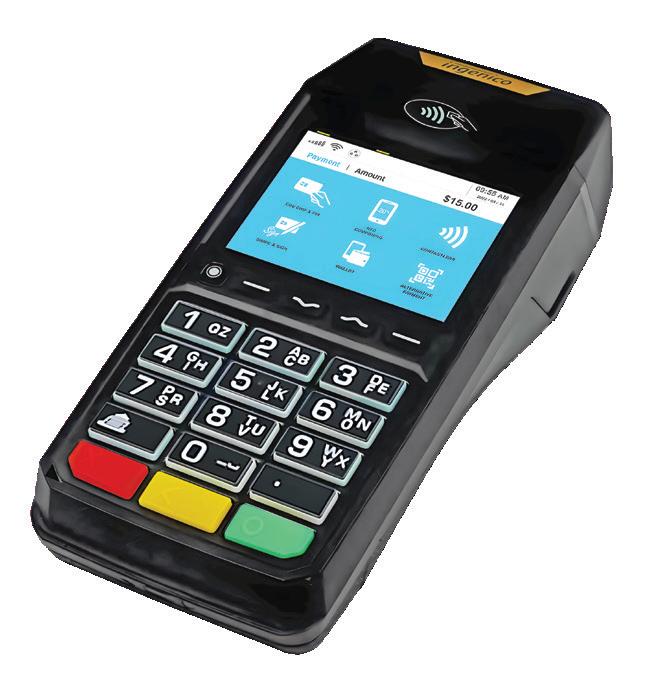
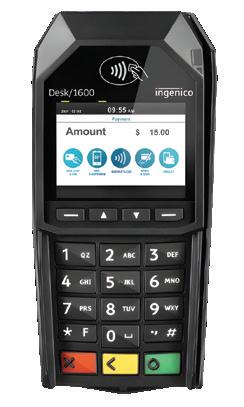
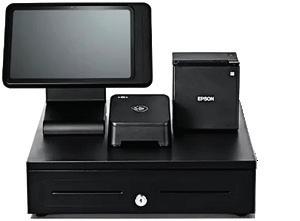




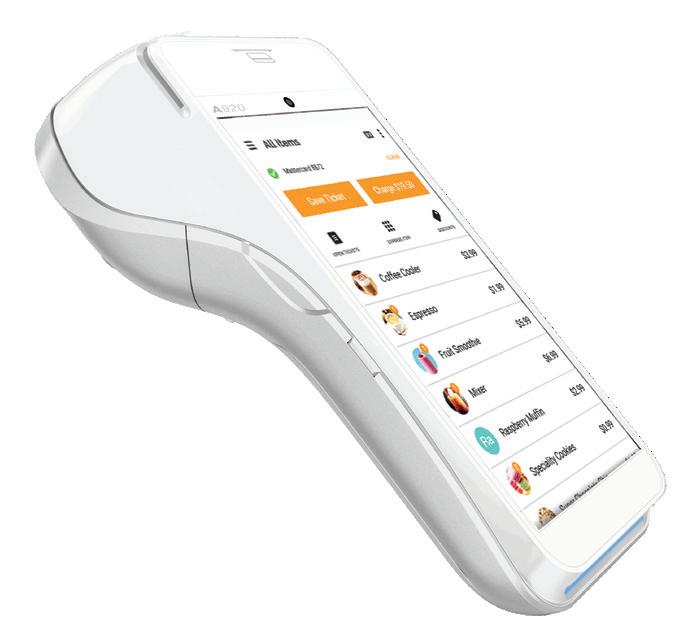
• Reduce your credit card processing fees
• Rates as low as 0%-0.05%*


• Switch now & get your FREE terminal with 5G/ Wifi*
• We will BEAT any rate!
• We offer processing for High-Risk locations

• Tobacco rebate programs
• Refer a customer get $250-$500



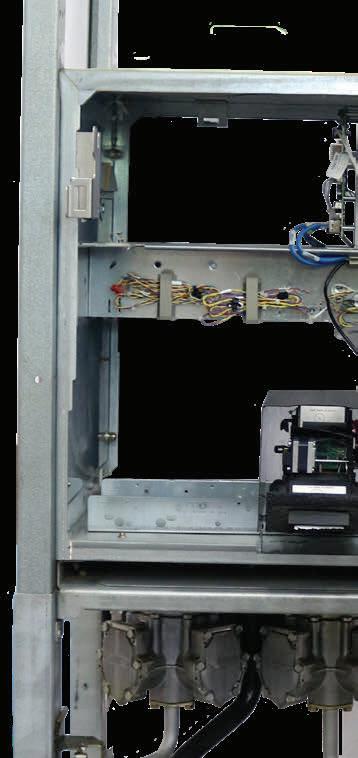
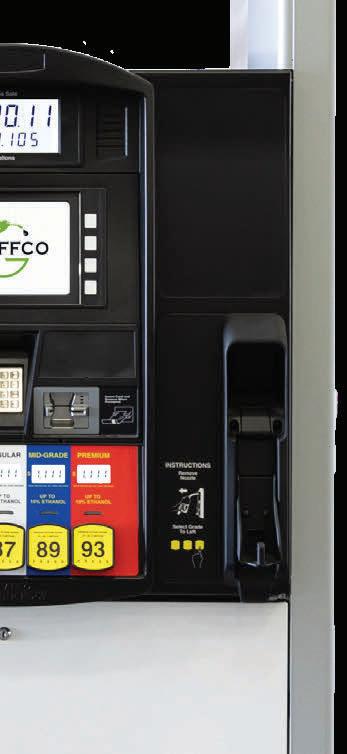
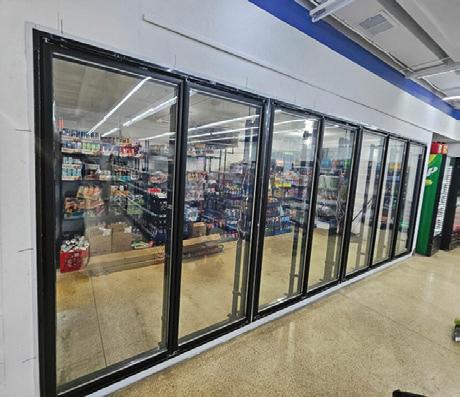






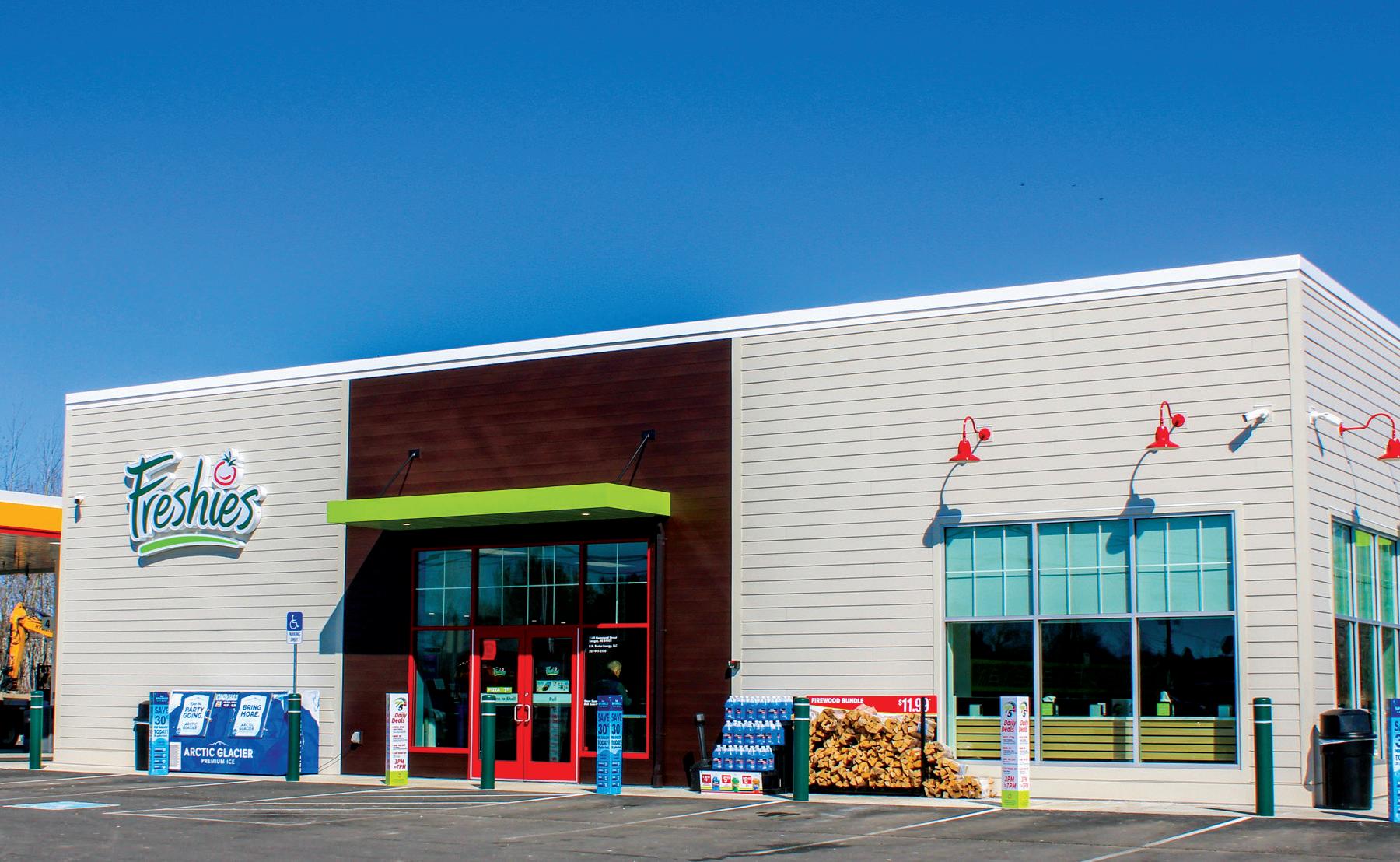
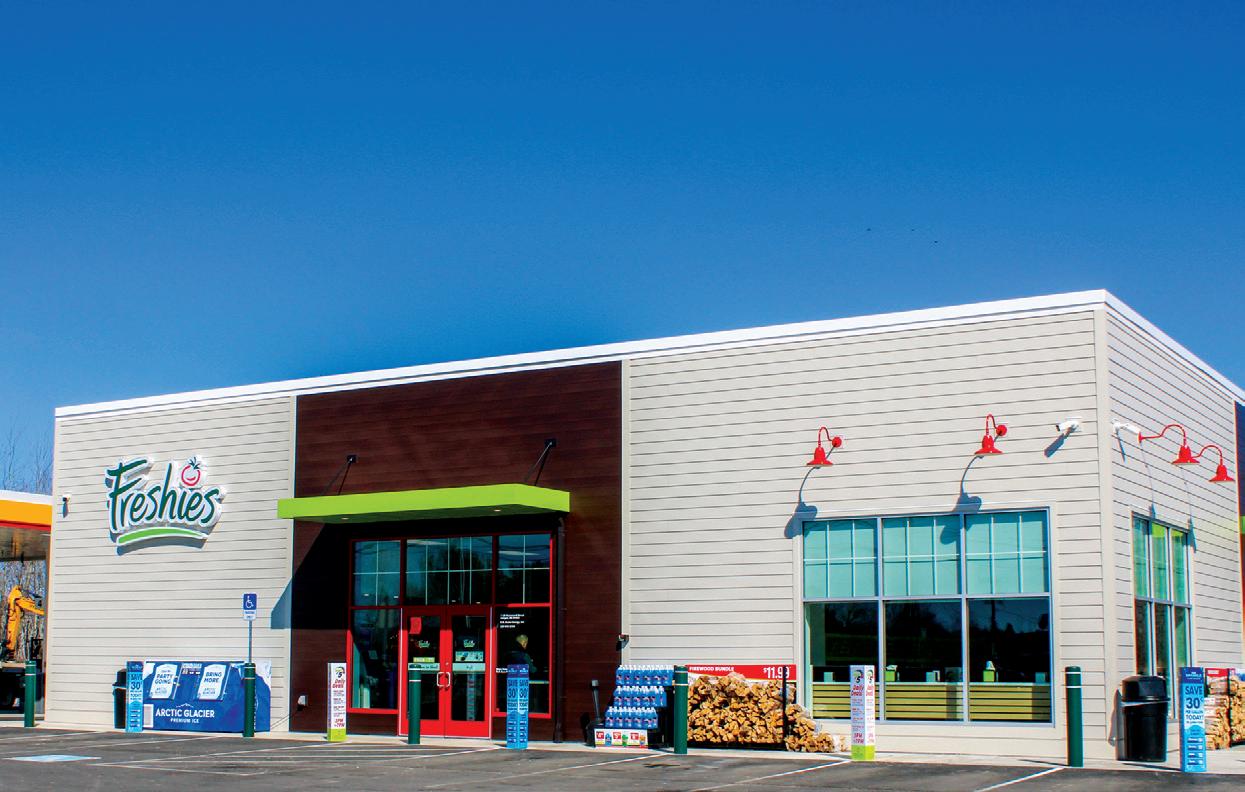
FRESHIES, as its name suggests, is rooted in keeping things fresh.
The brand, which was built around fresh, made-onsite food and a genuine commitment to quality, originated in 2004 when R.H. Foster Energy LLC recognized a shift in what Maine convenience customers were looking for. In 2016, Freshies transformed from a fresh food deli label into a full store brand. The chain currently operates more than 20 locations.
Now, the Hampden, Maine-based retailer is once again breathing new life into the brand with the recent debut of the Freshies 2.0 concept, a comprehensive reimagining of the customer experience at the Freshies flagship store on Hammond Street in Bangor, Maine.
In partnership with Paragon Solutions, which worked with R.H. Foster on the 2016 transformation, the companies set out to honor the equity already built into the Freshies name while rethinking the experience from the ground up. The process included customer research in the form of shop-alongs across multiple Freshies locations, and what that research revealed shaped every decision.
“The Freshies brand has always stood for something real in our communities. We didn’t want to walk away from
that — we wanted to build on it,” said Robert Tracy, executive vice president of R.H. Foster.
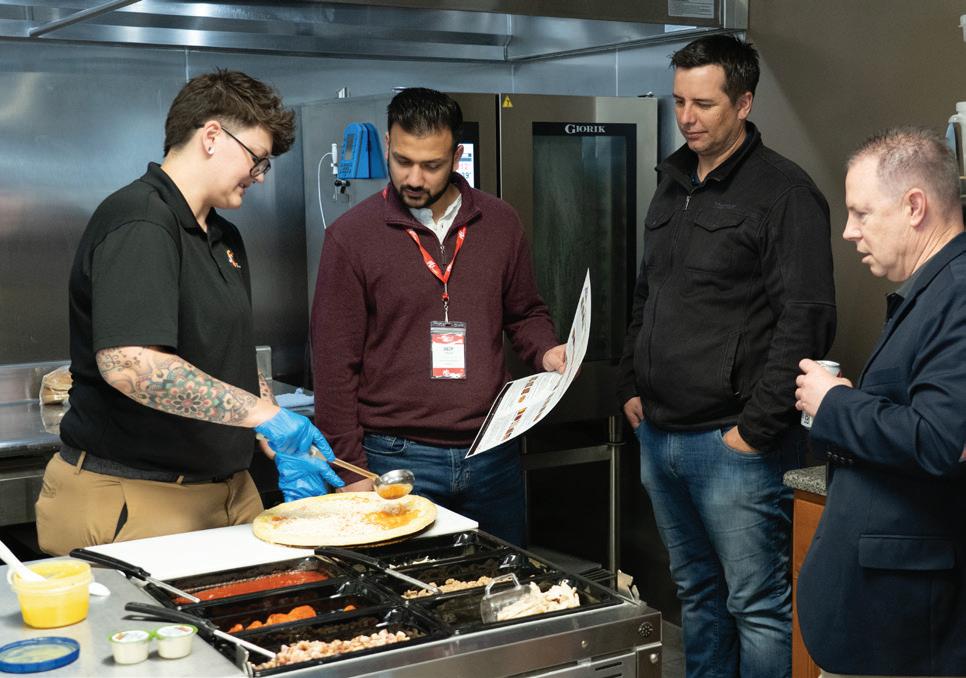
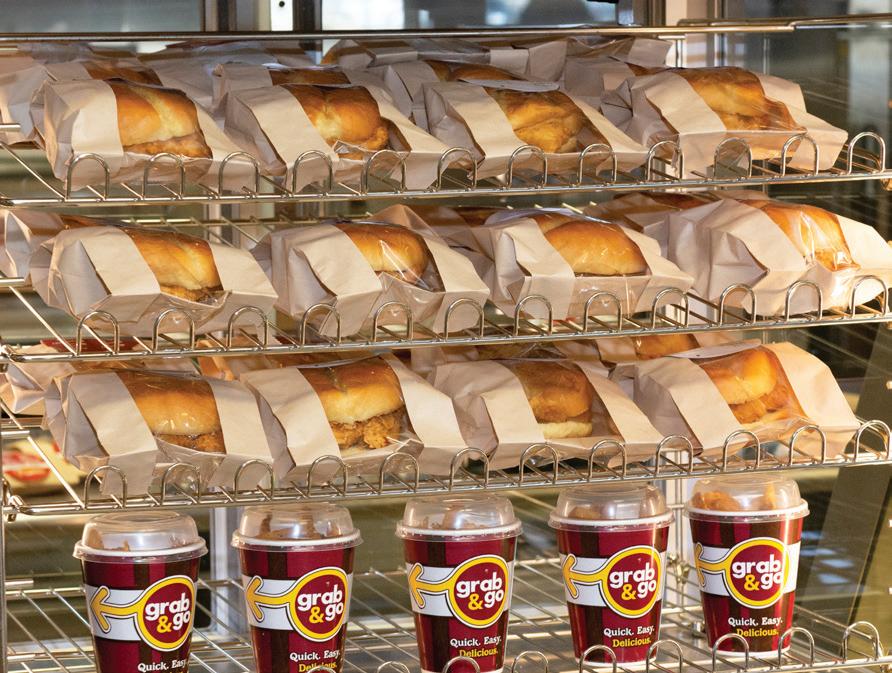
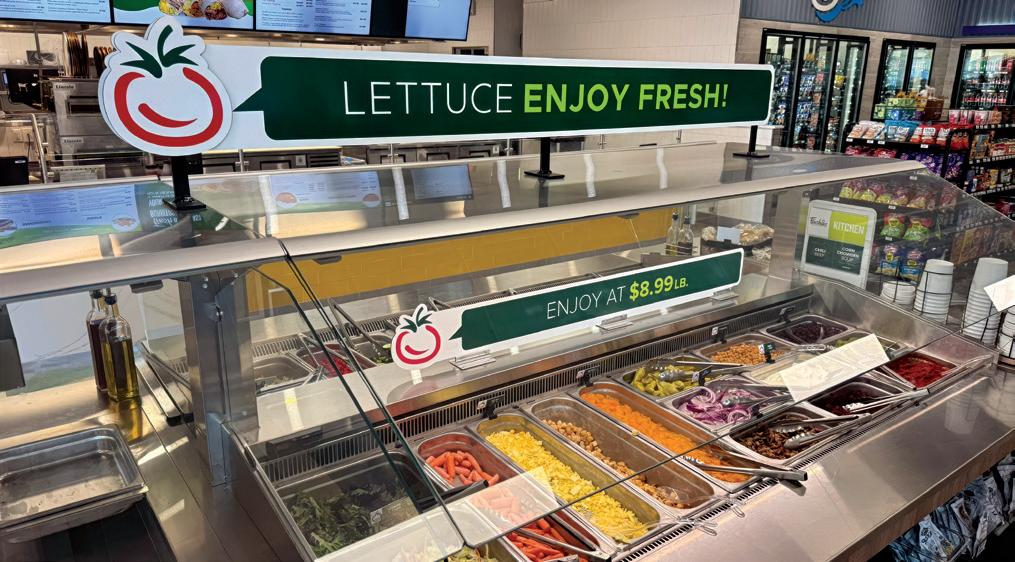
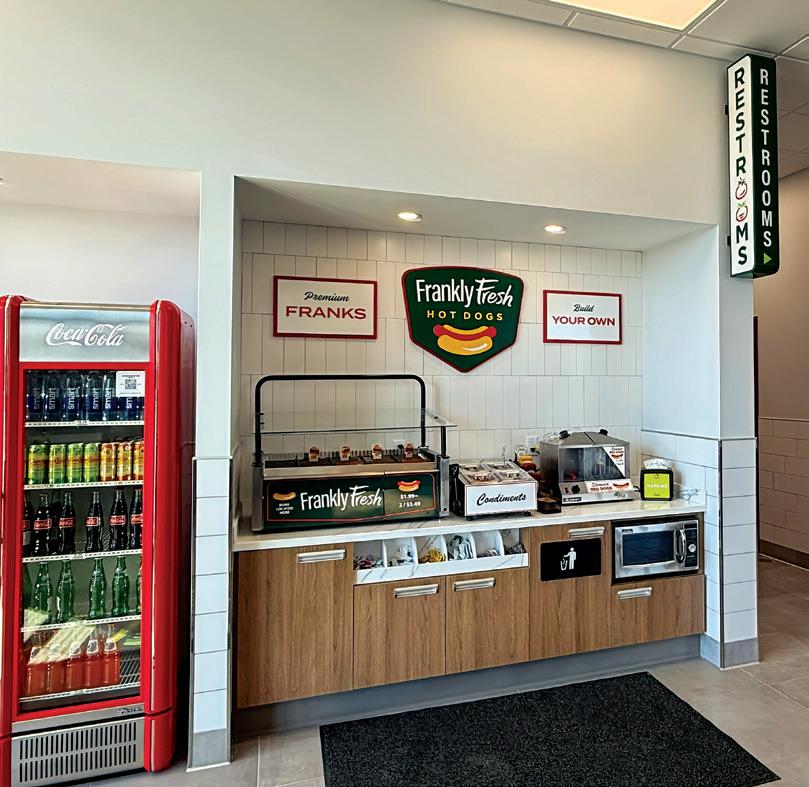
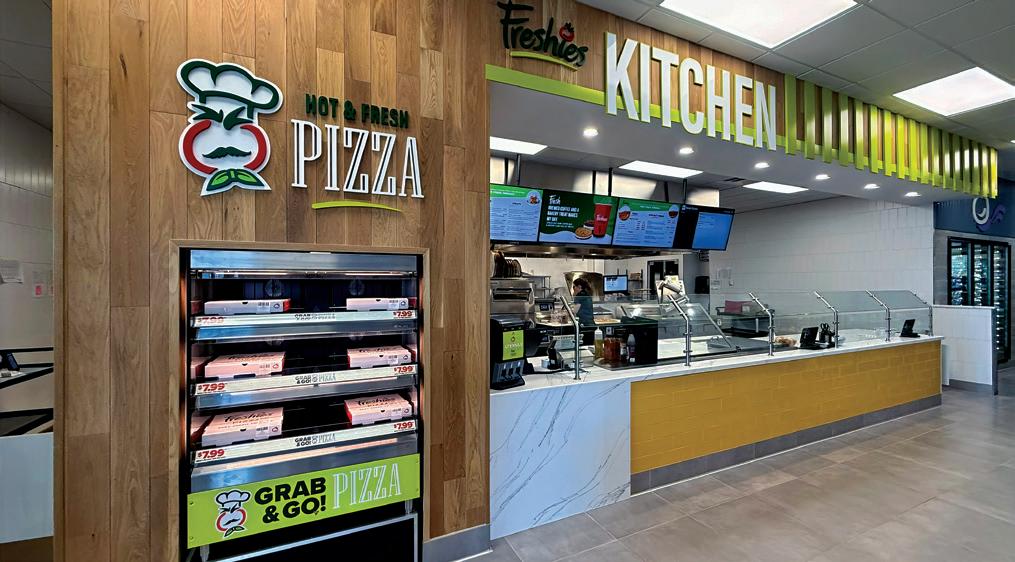
The result, Freshies 2.0, expands and elevates every category that matters most to the chain’s customers. The concept features a refined visual identity, as well as an elevated foodservice presentation built around proprietary branded programs such as Sweet Treats Bakery, Frankly Fresh Hot Dogs, and a new Grab & Go Pizza destination. The new store also features an enhanced coffee program, a new beer cave, expanded parking, and additional fuel options — all within an environment that’s designed to feel “unmistakably Freshies.”
“R.H. Foster didn’t come to us with a problem. They came to us with a higher standard. Freshies was already known for great food — the ask was how to make that the first thing every customer sees, feels and remembers when they walk in the door. Hammond Street answers that question,” said John McCauley, partner and director of brand design at Paragon Solutions.
Notice of Class Action Settlement
Authorized by the U.S. District Court, Eastern District of New York — Notice of Class Action Settlement — Si desea leer este aviso en español, llámenos o visite nuestro sitio web.
TO: All merchants in the U.S. who accepted Visa or Mastercard credit or debit cards at any time since December 18, 2020. This notice (“Notice”) is authorized by the Court to inform you about an agreement to settle the equitable relief claims in a class action lawsuit, called In re Payment Card Interchange Fee and Merchant Discount Antitrust Litigation, No. 05-md-01720 (BMC)(JAM)(E.D.N.Y.). The lawsuit claims that Visa and Mastercard, separately, and together with certain banks, violated antitrust laws and caused merchants to pay excessive fees for accepting Visa and Mastercard credit and debit cards, including by adopting interchange rules and rates, and other network rules, which the lawsuit has claimed constituted unlawful price fixing, unreasonable restraints of trade, and monopolization.
The defendants say they did nothing wrong. They maintain that their business practices are legal, justified, and the result of independent competition, and have benefitted both merchants and consumers. The Court has not decided who is right because the parties agreed to a settlement, which was preliminarily approved by the Court on June 9, 2026.
A. What Merchants Will Get from the Settlement
During the lawsuit, the Court previously certified an Equitable Relief Class under Federal Rule of Civil Procedure 23(b)(2) and has now preliminarily approved a settlement of the Class claims (the “Rule 23(b)(2) Class Settlement” or “Settlement”). Under the Settlement, Visa and Mastercard have agreed to substantive changes to the Visa and Mastercard rules applicable to merchants who accept their cards as a form of payment.
The Class includes all persons, businesses, and entities that accept any Visa-Branded Cards and/or Mastercard-Branded Cards in the United States at any time during the period between December 18, 2020 and the date of preliminary settlement approval, or June 9, 2026. The Court has set November 16, 2026 as the date for a final approval and fairness hearing (the “Fairness Hearing”) in connection with the Settlement, after members of the Class have had the opportunity to evaluate the Settlement and exercise their rights, as set forth in the Notice. Further information regarding the Settlement and the Fairness Hearing will be posted on www.InterchangeEquitableReliefSettlement.com.
Under the Rule 23(b)(2) Class Settlement, Mastercard and Visa will modify certain rules to preserve, establish, or expand the circumstances in which merchants can, among other things, do the following:
•Decline acceptance of Visa- or Mastercard-Branded Commercial Credit Cards and/or Premium Consumer Credit Cards.
•Surcharge customers a fee for the use of any Visa or Mastercard-Branded Credit Cards, including based on the type of card used (e.g., a different surcharge for rewards and non-rewards cards).
•Offer discounts to customers who do not pay with Visa or MastercardBranded Credit Cards, or based on the financial institution that issued the Visa or Mastercard-Branded Credit Card.
•Decline acceptance of Visa or Mastercard-Branded Cards at all outlets that operate under the same trade name or banner, even if that merchant accepts those same cards at outlets that operate under a different trade name or banner.
•Engage in Pilot Programs whereby they accept Visa or Mastercard-Branded Credit Cards at some but not all outlets operating under the same trade name or banner for a limited duration or test out various acceptance, surcharging and discounting options at some but not all outlets operating under the same trade name or banner, including not accepting Commercial or Premium Consumer Credit Cards, for a limited duration.
•Accept some digital wallets at brick-and-mortar locations but decline others and enable some digital wallets for on-line transactions but not enable others, and “steer” among the cards within a digital wallet under the same rules that govern steering among traditional cards.
•Receive the benefit of credit interchange rate reductions: Visa and Mastercard will reduce published and negotiated Credit Card interchange rates for U.S. merchants.
•Receive the benefit of Credit Card interchange rate caps: The Settlement Agreement reduces and caps “Standard” Consumer Credit Card rates at a specified level and otherwise caps Credit Card interchange rates, such that neither Visa nor Mastercard will increase any of its published Credit Card interchange rates above the rates effective as of March 31, 2025 and each will reduce its network-wide average Credit Card interchange rate to or below the specified level.
•Form Merchant Buying Groups that meet certain criteria to negotiate with Visa and Mastercard.
•Receive access to a Merchant Education Program, established and administered under the Settlement Agreement, to help understand and maximize the benefits of the rule changes, including how to effectively “steer” in States that restrict surcharging.
B. Monetary Aspects of the Rule 23(b)(2) Class Settlement
There is no monetary payment to members of the Class in this Settlement. This Rule 23(b)(2) Class Settlement concerns only the Equitable Relief Claims set forth in the lawsuit. Claims for monetary damages arising out of the defendants’ alleged antitrust violations are the subject of a separate settlement for the Rule 23(b)(3) Class. For information concerning the separate Rule 23(b)(3) Cash Settlement Class, please visit the website: www.PaymentCardSettlement.com The Settlement does provide for Visa and Mastercard to make certain payments into the Rule 23(b)(2) Class Settlement Escrow Account, which money will be used to pay:
• The cost of settlement administration and notice, as approved by the Court,
• The cost of Merchant Education Program expenses, as approved by the Court,
• The cost of an Independent Auditor who will ensure that Visa and Mastercard comply with the credit card interchange-rate reduction commitments, and
• Attorneys’ fees and expenses, including any named Class Representative service awards, as approved by the Court.
The money in this fund will be distributed only if the Court grants final approval of the Settlement, and the money for attorneys’ fees and expenses, and service awards to Class Representatives, will be distributed only if the Settlement has become final and all appeals are exhausted, and the Court approves the application for attorneys’ fees and expenses, and Class Representatives’ service awards. Attorneys’ fees and expenses, and service awards to the Class Representatives: For work done through final approval of the Settlement by the Court, as well as any work they will be required to do in the future, Class Counsel will ask the Court for attorneys’ fees and reimbursement of reasonable and necessary litigation expenses, and any service awards to the named Class Representatives that the Court may award, in an amount not to exceed $206,000,000. The Settlement Agreement requires Visa and Mastercard to pay these fees and expenses separately from the other Settlement financial obligations and they will not reduce any other benefits of the Settlement; members of the Class will not be required to pay any amount toward these fees and expenses.
C. Legal Rights and Options
Merchants who are included in this lawsuit have the legal right to Object to the Settlement. The deadline to object is: September 14, 2026. To learn how to object, visit: www.InterchangeEquitableReliefSettlement.com or call toll-free: 877-318-7713.
Note: You cannot elect to be excluded from the Rule 23(b)(2) Class Settlement. For more information about these rights and options, visit: www.InterchangeEquitableReliefSettlement.com or call toll-free: 877-318-7713.
D. If the Court Grants Final Approval of the Settlement
If the Court grants final approval to the Settlement, members of the Rule 23(b)(2) Class will be bound by the terms of the Settlement and will release all claims against all released parties listed in the Settlement Agreement. The Settlement will resolve and release any claims by payment card acceptors against Visa, Mastercard and other defendants that were or could have been alleged in the lawsuit, including any claims based on interchange or other fees, no-surcharge rules, no-discounting rules, honor-all-cards rules, and any other network rules. The Settlement will also resolve any payment card acceptor claims based upon the future effect of any Visa or Mastercard rules as they were or are in place on December 18, 2020 and up to the Settlement Final Date (as defined in the Settlement Agreement), the modified rules provided for in the Settlement, or any other rules substantially similar to those rules. The release will not bar claims involving certain specified standard commercial disputes arising in the ordinary course of business.
For more information on the release, see the Superseding and Amended Rule 23(b)(2) Class Settlement Agreement at: www.InterchangeEquitableReliefSettlement.com.
E.
On November 16, 2026 at 11:00 am ET, the Court will hold a hearing to decide whether to approve the proposed Settlement, Class Counsel’s request for attorneys’ fees and expenses, and service awards for the named Class Representatives. The hearing will take place at:
United States District Court for the Eastern District of New York U.S. District Judge Brian M. Cogan 225 Cadman Plaza East Brooklyn, NY 11201
You do not have to attend the Court hearing or hire an attorney, though you may do either at your own expense. The Court appointed the law firms of Hilliard Shadowen LLP; Grant & Eisenhofer P.A.; Freed Kanner London & Millen LLC; and Nussbaum Law Group, P.C. to represent the Class (“Class Counsel”).
F. Questions?
For more information about this case (In re Payment Card Interchange Fee and Merchant Discount Antitrust Litigation, MDL 1720), you may: Call toll-free: 877-318-7713
Visit: www.InterchangeEquitableReliefSettlement.com
Write to the Class Administrator: Interchange B2 Class Administrator, P.O. Box 6340, Portland, OR 97228-6340 or Email the Class Administrator: info@InterchangeEquitableReliefSettlement.com