






































































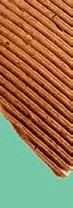
▼ Artognou slate
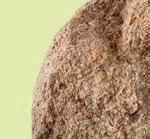




















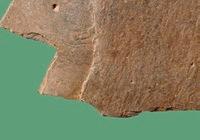
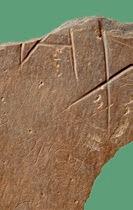
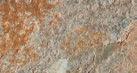
This piece of slate has two names scratched into it in 6th-century letters: ‘Artognou’ and ‘Colianuus’. We think they might have been people who lived in the settlement.




Long before the days of ‘add to basket’, it all started with barter
Do you get pocket money each week? You probably have to earn it by doing something in return – keeping your room tidy, perhaps, or walking the dog. This is trade, and it’s been around for as long as humans have.
It started as bartering (swapping) something you had for something you wanted – tools for food, for example.
With time, people travelled to di erent countries and continents to trade goods. They also invented money – a reliable and portable way to pay for what they needed.
Before high streets, supermarkets and shopping centres, people bought food, clothes and household goods at weekly local markets. And today, you can order almost anything you want from anywhere in the world and have it delivered to your door. What would our ancestors think?


Did you know? People were trading stone tools in Britain 6,000 years ago!


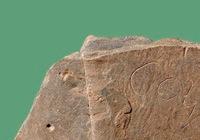


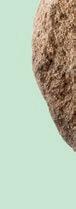



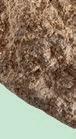
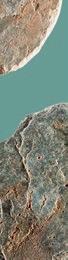
▲ Quern stone






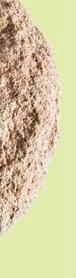
Quern stones were used to grind grain into our. This is a ‘rotary’ design: grain was poured into the hole in the middle, and another stone was put on top and moved around in a circle.
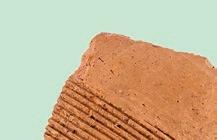
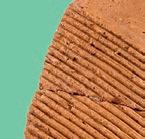
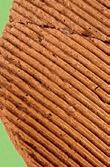
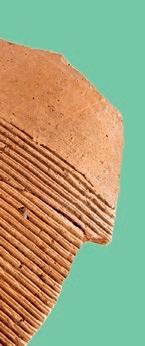
This is a piece of amphora – a cone-shaped jar with a narrow neck and two handles – dating from the 5th or 6th century. It was made in Greece, and used for transporting things like wine and olive oil.






Objects








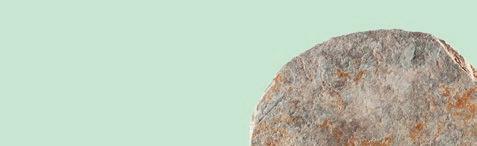


Stoppers were used with beeswax to seal amphorae. These were made from local slate, which means the jars were being reused here.



















Fragments of glass found here came from a bowl, a stemmed drinking glass and a ask that were probably made in southern France. Glass was rare at the time, which tells us that important people were living at Tintagel.









found at this Cornish site tell us about the kinds of goods that were being traded in post-Roman Britain
What were goods traded for?
Ships arriving at Tintagel brought luxury goods from across the Mediterranean – but what were they traded for? No one knows for sure, but it was most likely a metal called tin, which was mined locally. It was mixed with copper to make bronze and was very valuable.


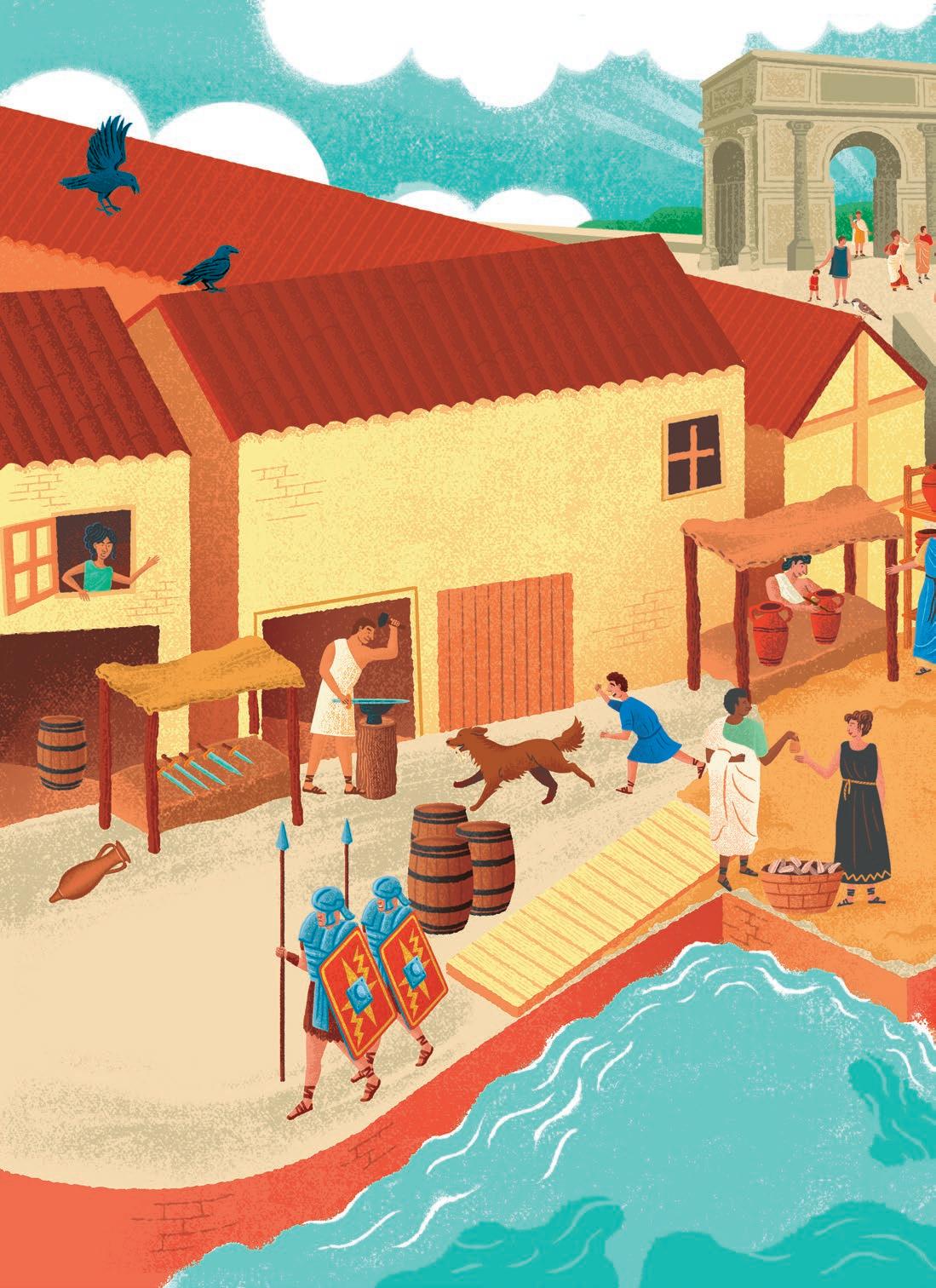
Richborough Roman Fort – or Rutupiae, as it was known – was the site of Emperor Claudius’ invasion in AD 43. It became famous across the empire as the o cial entrance to Britannia.































A 25m-tall arch towered over the town. It was built around AD 90 using expensive white marble from Carrara in Italy. A major road, Watling Street, led from the foot of the arch to important places, including Londinium (London).
The streets of Richborough were lined with shops, houses and storehouses, as well as public buildings such as temples. On the seafront there was a mansio, a hotel where o cial travellers could stay, bathe and pick up fresh horses.




Richborough was a busy Roman trading port for 350 years. We think it might have looked something like this
Glossy red Samian ware pottery was imported from Gaul (France) in large quantities and sold throughout Britannia. Fragments of brightly coloured glassware made in Italy by expert cra smen have also been found at Richborough.
Richborough was known for its local oysters, which were exported back to Italy. Other goods that made their way through the port included a gemstone called jet from Whitby in Yorkshire, which was used to make jewellery.


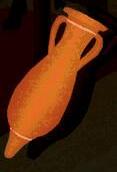
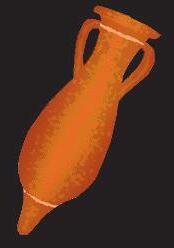
Large ceramic jars called amphorae were used to transport wine, olive oil and other luxuries. The Romans introduced more than 50 foods to Britain, including fruits like gs, grapes and apples; vegetables like cucumber and celery; nuts like almonds; and herbs and spices like coriander and dill.
Can you nd 5 amphorae hidden in the illustration?











Paying for things today usually involves a phone or a piece of plastic.
But bronze, silver and gold coins have been around for centuries



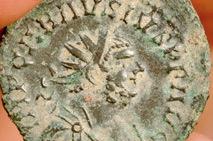
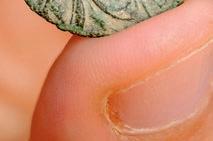












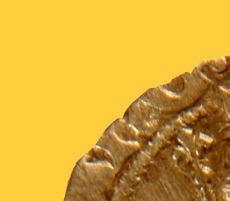


Some of the earliest coins found in Britain were made for Iron Age Celtic tribes such as the Durotriges and Corieltravi. Almost 5,000 silver and gold Corieltauvian ‘staters’ were found in Hallaton, Leicestershire in 2000.


When the Romans arrived in AD 43, they brought their own coinage with them. The most common was the silver denarius, a twosided coin with a bust of the ruling emperor on one side and an image on the reverse, o en an animal or god.













We’ve been spending a penny since the early 700s, making it the oldest coin still in circulation today. When the Royal Mint was founded in the 880s, its rst coin was a silver penny of the Anglo-Saxon king Alfred the Great.



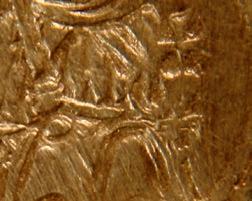




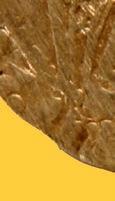
William the Conqueror kept the Anglo-Saxon coinage system a er his 1066 invasion. His silver ‘bonnet’ penny (named a er the crown he’s wearing) was unusual in that it showed him front-on, rather than the usual sideways pro le.

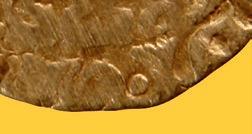


The rst handwritten banknotes were issued when the Bank of England was established in 1694. Printed £10 notes were introduced in 1759, £5 in 1793 and £1 in 1797. Your parents or grandparents may remember £1 notes: they were in use until 1988.
The rst Tudor king, Henry VII, demanded ‘a new money of gold’ to show o his wealth and power. His gold sovereign, introduced in 1489, was the largest and most valuable coin ever issued.


A new system of coins was introduced in the UK on Decimal Day, on 15 February 1971. The penny and pound were kept, but old coins including shillings, sixpences and crowns were replaced with 2p, 5p, 10p and 50p pieces.
2 th ent
Under King Charles II, coins began to be milled –made by machines – instead of being hammered by hand. The process made it easier to make them all the same size and weight, and harder to forge or ‘clip’ bits of the precious metal away.


Penny puzzler
In my pocket, there’s a half crown, two bob, a sixpence and three thrupenny bits. How much do I have in pence?










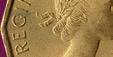
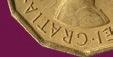



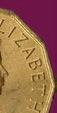
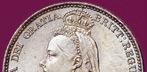


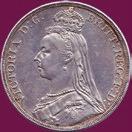


Half crown 2 shillings and 6 pence Crown 5shillings


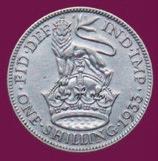
Threepence or ‘thrupenny bit’ 3p Sixpence 6p Shilling or‘bob’ 12p
















The average Briton ate 2kg of sugar a year in 1700, 8kg a year in 1800 – and 40kg a year by 1900!
The Caribbean produced 80–90% of the sugar eaten in western Europe. Almost every island was covered with plantations and re neries.


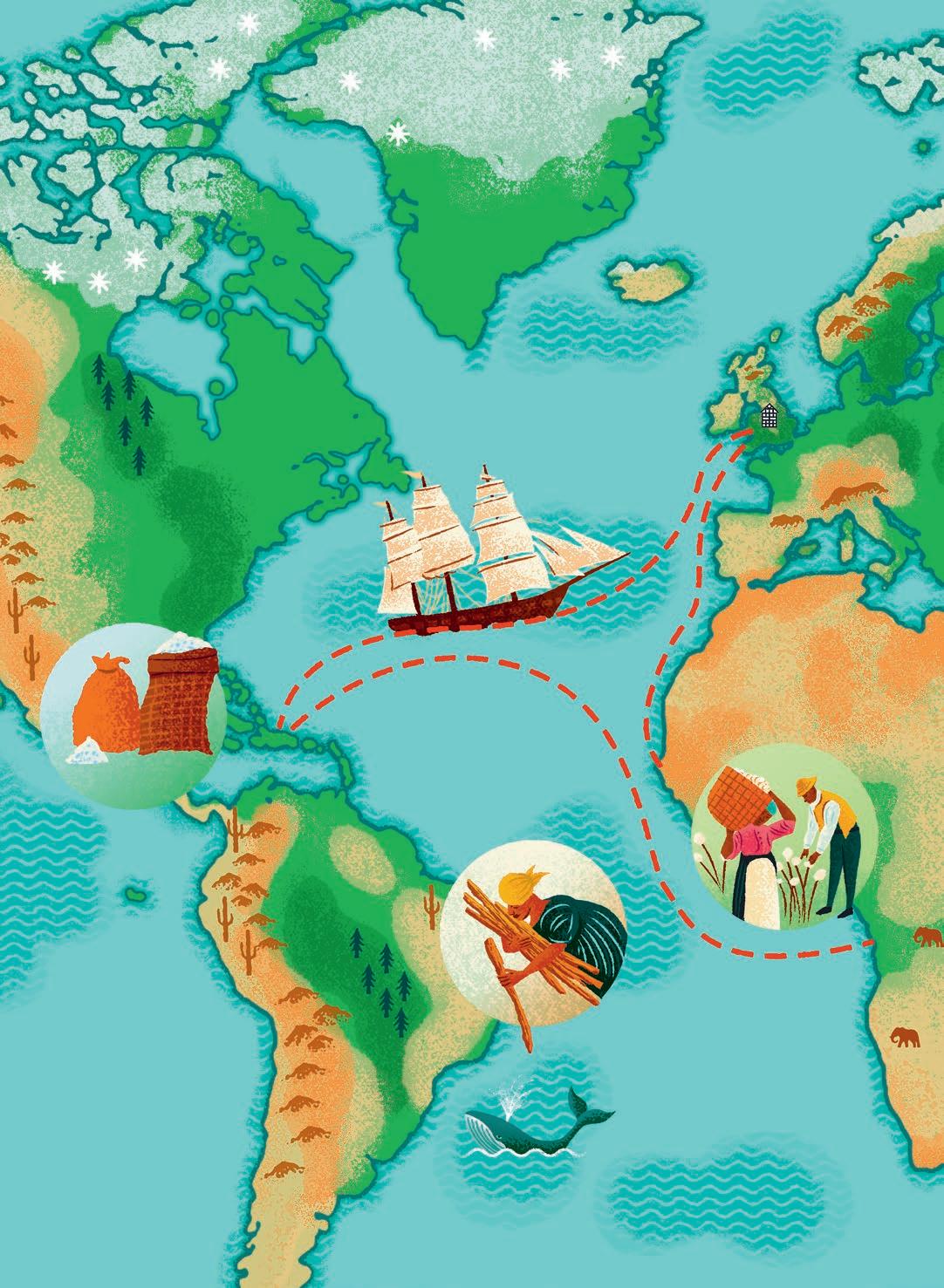
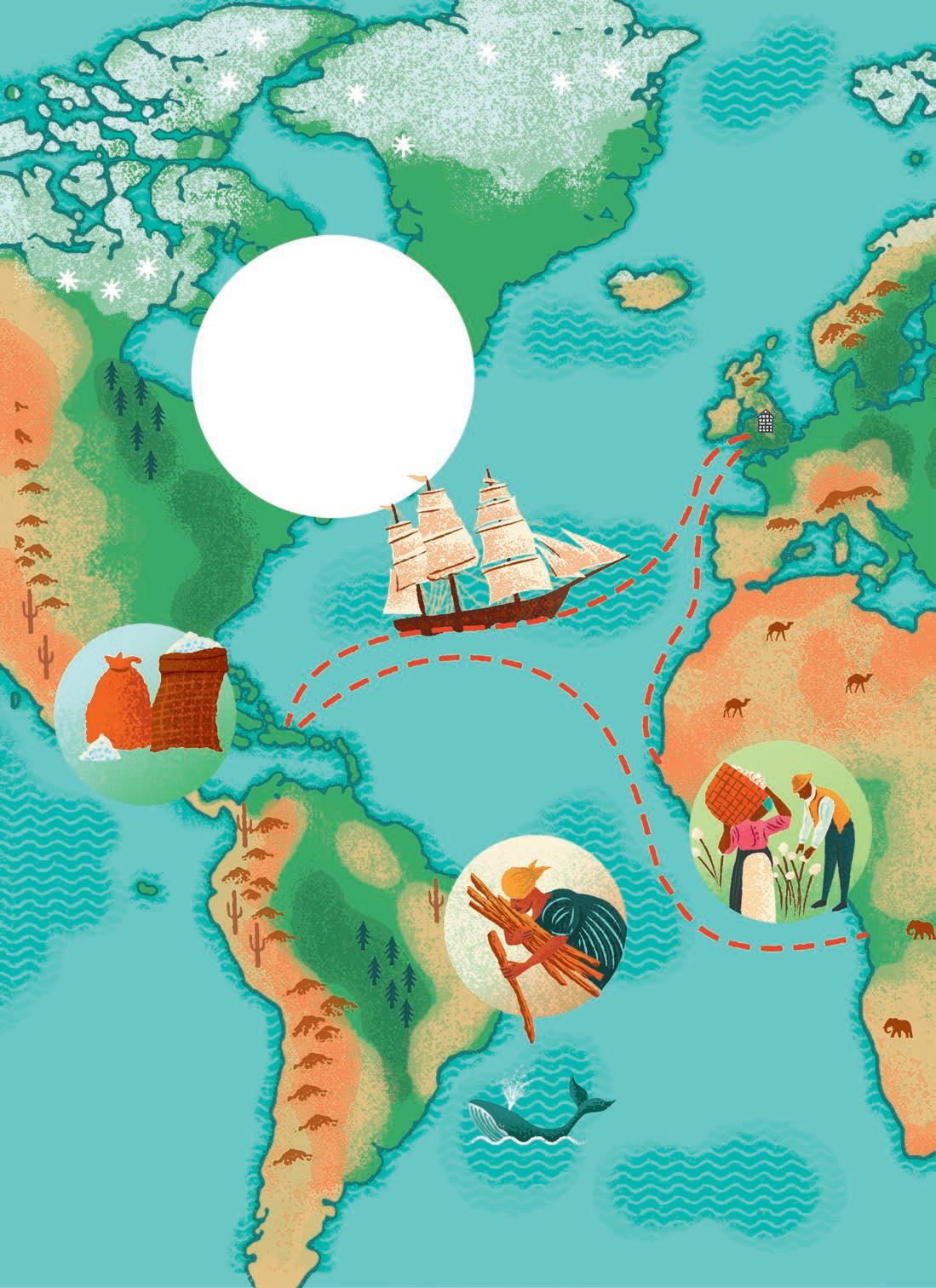






Goods including sugar, tobacco, cotton, co ee and rum were brought back to Britain from the Caribbean.
Enslaved people were transported to the Americas. They were forced to work hard on plantations and were o en badly treated.



British-made goods were shipped to Africa to exchange for enslaved people. This was the rst stage of Triangular Trade.
Before 1700, 80% of British exports went to Europe. By 1800, 60% were being exported to America and Africa instead, mainly textiles, tools and household goods.










By the 1820s, raw cotton had become Britain’s biggest import –and cotton textiles its biggest export.














A

The British East India Company dominated trade between Asia and Europe from the mid-18th century, with hundreds of ships bringing tea, spices, silk, cotton and porcelain.

The next
very
Enslaved people were taken from Africa across the Indian Ocean to work on plantations in India and Indonesia.





From medieval marketplace to penny bazaar: where would you rather go to spend your pennies?





le


Youcouldbuyalmost anythingattheweekly outdoormarket,frommeat and breadto furniture and cloth. Stalls were o en set upinthegroundsofcastles orchurches,beforeo cial marketplacesanddays werecreatedbycharter.









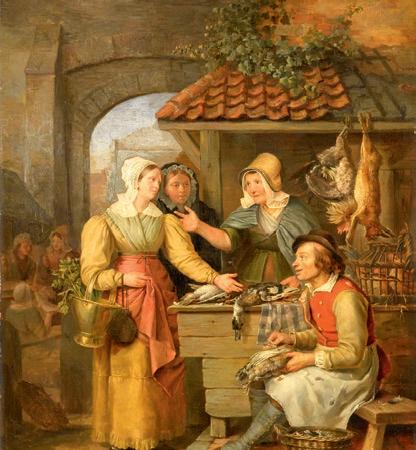


Fromthe17thcentury, some stallholders started tobuildmorepermanentstructuresthatprovided better shelter and could belockedatnight. Customers andshoppedthroughahatch werehadtohaggle–there no xedprices.


Fromthe 1600s, some stallholders started to buildmorepermanentstructuresthatprovided better shelter and could belockedatnight. Customers andshoppedthroughahatch werehadtohaggle–there no xedprices. Fact le Highstreets


44

Customerservice:20


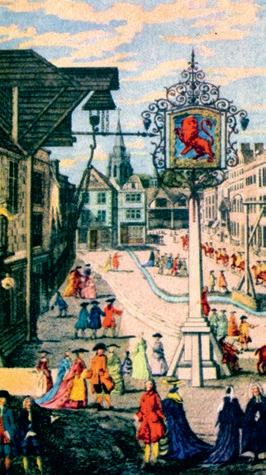
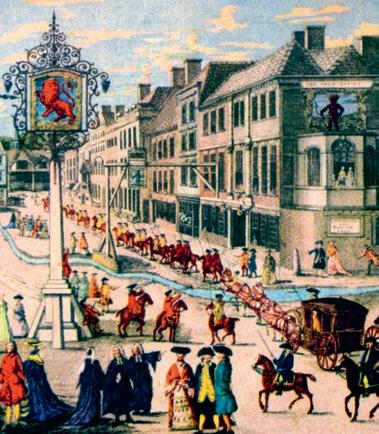
Bythemid-1700s, werefashionablehighstreets shopsfullofindependentsellingexcitingthingslikebooks,toys,clocksand perfume.Windowdisplays wheretemptedcustomersin, personaltheyweregiven service.






Harrods, founded in 1834, is one ofthe oldest department stores in Britain. It used to sell exotic animals – Stephen Courtauld, who lived at Eltham Palace, bought his wife Virginia a lemur there in the 1920s!




Covered marketplaces and arcades arrived in the early1800s,followed by‘big shops’.Abit like department storestoday,they were lots ofsmall shops within one big one, andthey became somewhere to gofora dayout.


Sandhill in Newcastle was a busy shopping area in the mid1700s. There was a co ee house on the ground oor of Bessie Surtees House at the time.


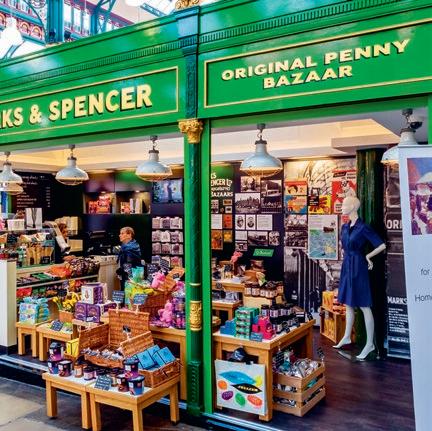


Chains started appearing on high streets by the early 1900s. Most started as grocers, o ering goodvalue, reliable food. There were also ‘penny bazaars’ such as Marks & Spencer, which sold all kinds of things for a penny.


It’s 1914 and skilled workers at the JW Evans factory in Birmingham’s jewellery quarter are producing their latest design
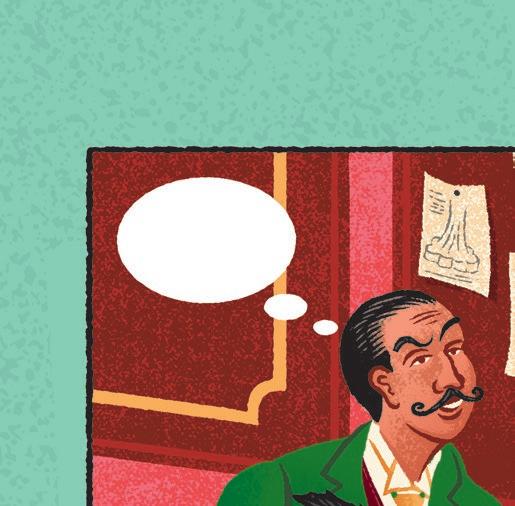
We’ll need three dies for this one
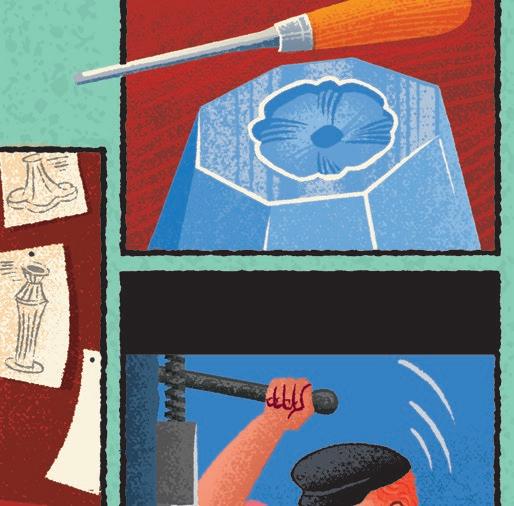
The dies for each part are made from steel, the design carefully hand-carved in reverse by skilled cra smen.

Factory owner Jenkin Evans draws out a new piece, a Chippendale candlestick, in his pattern book. A talented artist, he produces more than 300 new designs every year.
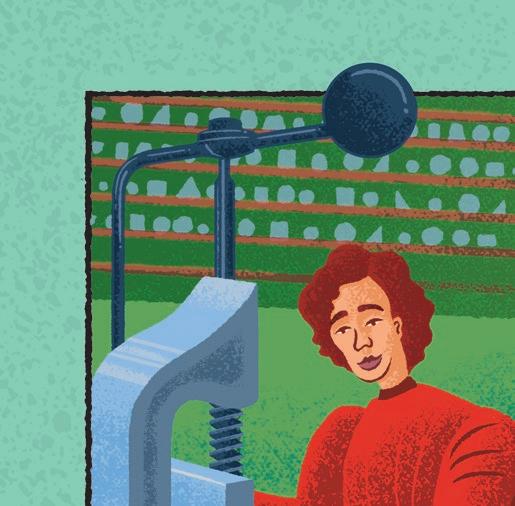
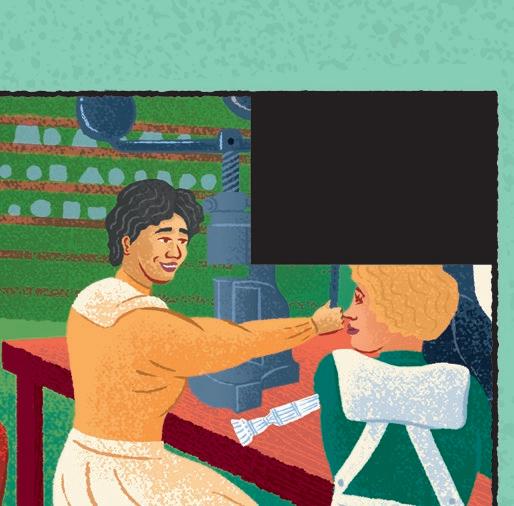
In the press shop, stampers – usually women – use y presses and cutting tools to trim the spare metal from the sides of each piece.
A dropstamper hammers a thin sheet of silver into the die to make a pressing.
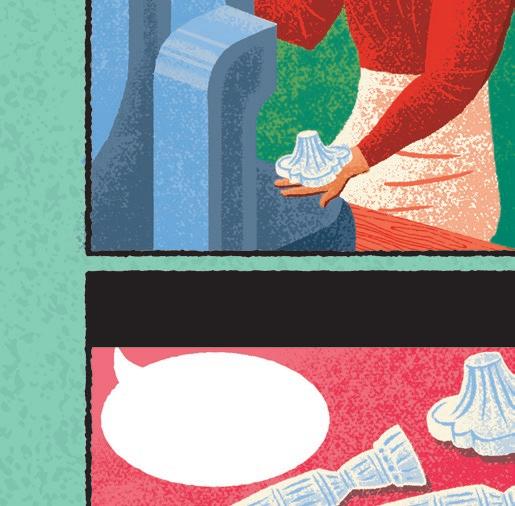
Next, a silversmith trims and solders the stamped parts together to make up the candlestick.
These stampings are really good, so this should be straightforward
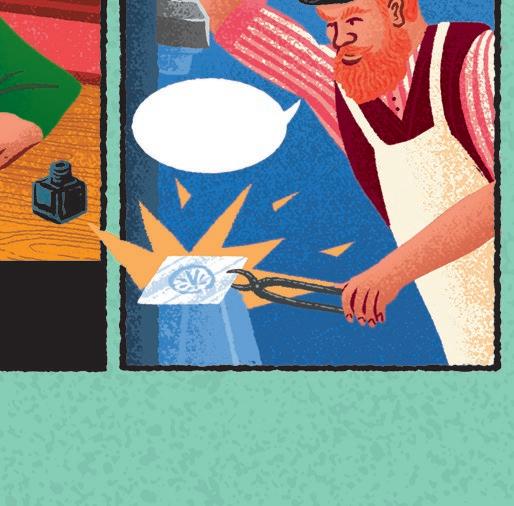
One more blow should do it
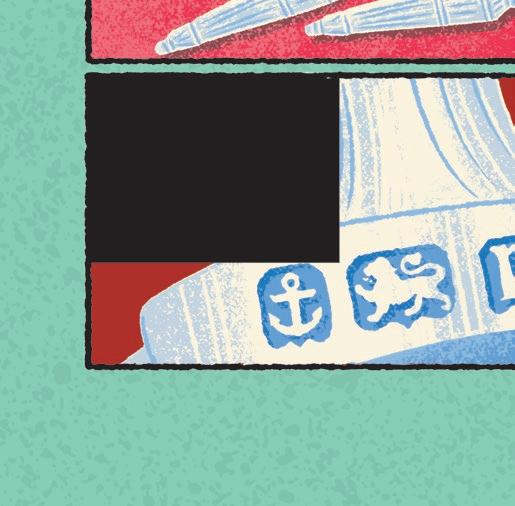
The candlestick is sent to the Birmingham Assay O ce to be hallmarked with the maker’s name, silver quality, the year and the symbol for the city, an anchor.
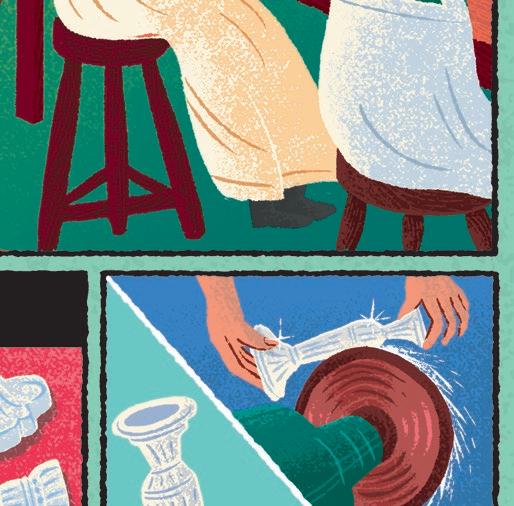

A polisher sands the candlestick to remove any small imperfections before polishing it to a shine. Finally, it’s cleaned and plated: adding a thin top layer of silver with a chemical process called electroplating.
















































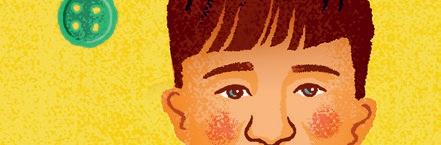








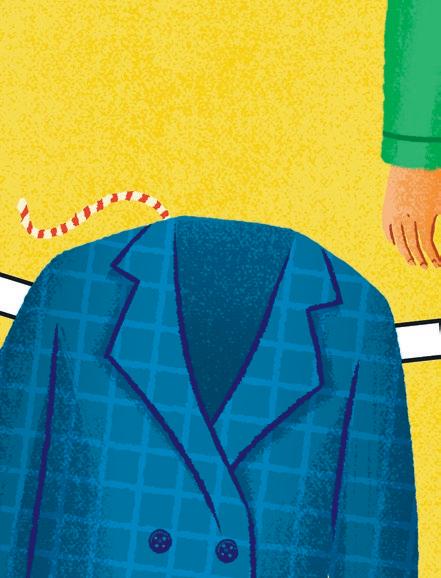
meant shopping for clothes and food was very di erent
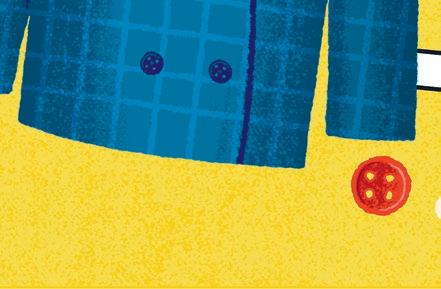
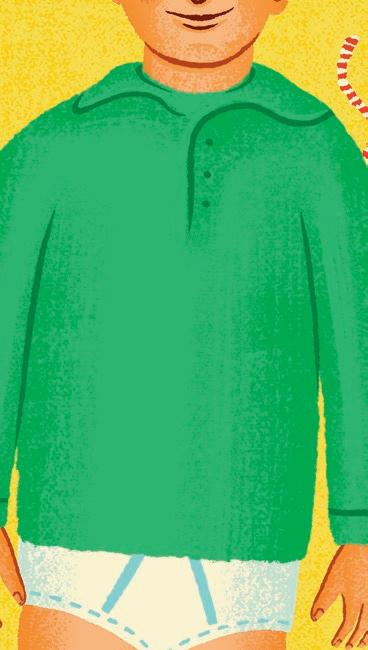
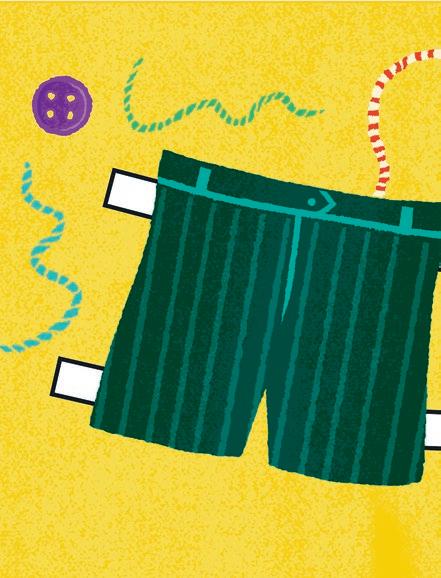
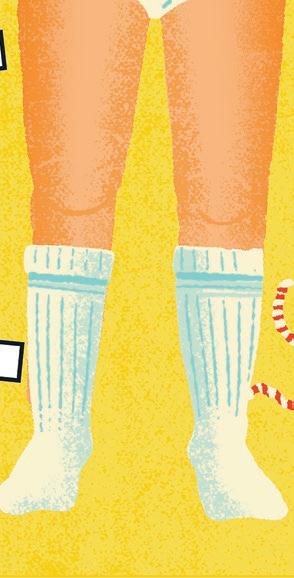
in June 1941. At rst, people were given 66 coupons a year – enough for just one new out t. Children were to allow for growth. People still had to pay for clothes, but they needed enough coupons for each item too.































loaf tin
400g malted wholegrain bread our
100g strong white our
½ tsp dried instant yeast

1½ tsp ne salt
350ml water








mixing bowl, and pour over the melted butter
or margarine and water. Mix together well with your hands – it will be very sticky, but keep going for a minute or two until you have a messy dough with no oury patches.



30g unsalted butter or margarine, melted
An adult to help!




Cover the bowl with cling lm or a tea towel, and leave somewhere cool to rise for 8 hours (or overnight).


the middle. Turn it over so the tucked edges are underneath. Oil the loaf tin and line it with baking will
Once the dough is risen and bubbly, wet your hands and ease it out onto the table or work surface. Knead for 30 seconds, then shape it into a fat sausage by gently pulling the edges in towards the middle. Turn it over so the tucked edges are underneath. Oil the loaf tin and line it with baking paper. Transfer the dough to the tin and cover loosely with lightly oiled foil. Leave somewhere warm to rise for around 40 minutes – it will pu up again to around 1½ times its original size.



190°C/170°C fan/gas 5.
Half- ll a roasting tin with just-
boiled water and put it on the bottom shelf – this will help the bread to rise nicely. Once the dough is proved, make a few cuts in the top with a sharp knife, then bake on the shelf above the water for 30 minutes.
Try our modern version and see what you think and jam or honey!


Remove the tin of water and bake for another 15 minutes, until the loaf is golden, crisp and risen. Remove from the tin and cool completely on a wire rack. For the full wartime experience, leave the bread overnight before slicing thinly – but we recommend trying it as soon as it’s cool, with lots of butter and jam or honey!













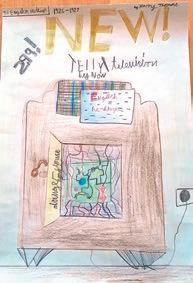








Design your own coin! The ancient Greeks and Romans started the trend for putting portraits of themselves on coins – draw your own with a self-portrait on one side and anything you like on the other!
Did you know that busts on old coins usually face right? It’s now tradition to alternate with each new monarch, so Queen Elizabeth II faced right, and King Charles III faces le . Which way will you face? What image will you choose for the reverse? And what will the words around the edge say? The closing date for entries is midnight on Sunday 10 May 2026. Visit english-heritage.org.uk/kids for details on how to enter.