Happy Hunting
With Turkey Hunter Tim Martin




PUBLISHER
Jocelyn Engle
CONTRIBUTORS
Evan Buck
George Deibel
Jake Boyer
Jeff Falk
Jessica Aiello
Matt Schenck
CREATIVE
Melissa McKee
ADVERTISING SALES MANAGER
Greg March ADVERTISING



PUBLISHER
Jocelyn Engle
CONTRIBUTORS
Evan Buck
George Deibel
Jake Boyer
Jeff Falk
Jessica Aiello
Matt Schenck
CREATIVE
Melissa McKee
ADVERTISING SALES MANAGER
Greg March ADVERTISING
Welcome to the second edition of PA Outdoors — and our first issue of the spring season.
Earlier this year, I attended the NRA Great American Outdoor Show, held February 7–15 at the Pennsylvania Farm Show Complex & Expo Center in Harrisburg. The scale of the show continues to reflect the strength of the outdoor community, within our state and nationwide. With exhibitors spanning fishing, hunting, boating, conservation, and more, it’s a clear reminder that as the seasons change, excitement for the outdoors remains constant.

As we head into spring, many are preparing for trout season, scouting for turkey, and planning the months ahead. This issue is a testament of that momentum.
Inside, you’ll find a personal story centered on turkey hunting, a thoughtful look at wildlife watching across our region, and a year-round perspective on trout fishing in Pennsylvania waters. We’ve also included highlights of annual events, helpful resources, and updates to keep you informed and prepared.
Of course, one of the strongest parts of this publication continues to be you — our community of avid outdoorsmen and women. We’re proud to feature submitted photos of your trophies, from fish to deer and black bear and everything in between. Your stories and experiences help shape these pages and represent the tradition and responsibility that come with time spent outdoors.
Thank you for continuing to read and contribute. We look forward to sharing more throughout the season.
See you outdoors!

Jocelyn Engle Publisher jrengle@engleonline.com













BY JEFF FALK
Water, which chemically is made up of two molecules of hydrogen and one molecule of oxygen, covers about 71% of the world’s surface.
There’s something indescribably special about being on the water, about being around the water, about being in the water. Pennsylvania offers a wealth of unique opportunities and water-related activities for the outdoorsy types.
The role of the Pennsylvania Fish and Boat Commission (PFBC) is to protect and preserve those water resources and assure that everyone has equal access to them. The 160-year-old agency’s mission also includes promoting and advocating for anglers, boaters and outdoor activities related to water.
“Getting outdoors is important; it’s where we can get away from the hustle and bustle of our everyday lives,” said Mike Parker, who’s been PFBC’s communications director for eight years. “There’s a calming effect when you’re on the water. There’s a challenge to catching fish, and you can keep and eat fish in Pennsylvania. It’s a fun way to spend time. Fishing is
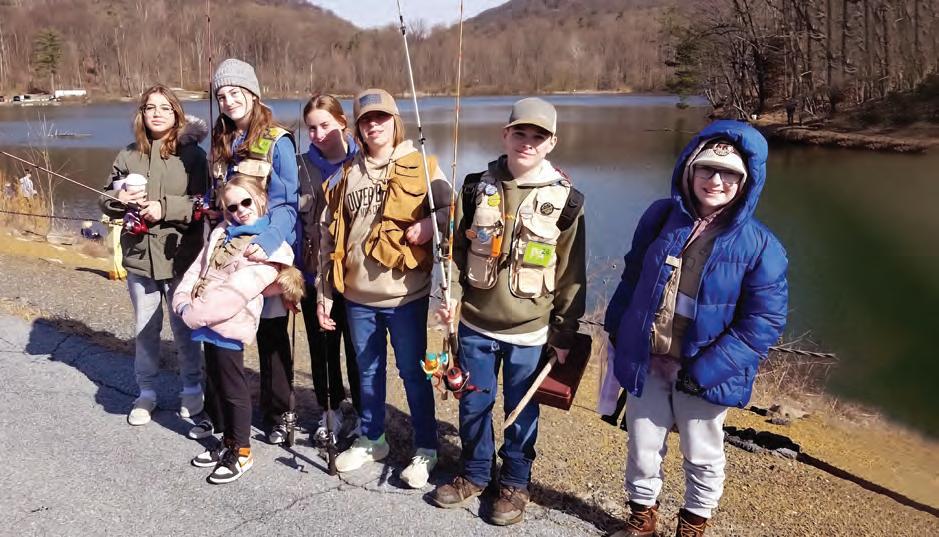
PBFC sponsors a host of youth days across the commonwealth.
a lifetime activity. It’s something you can start at a very young age and continue through retirement.”
“You can get out of it what you put into it,” continued Parker. “The opportunities come in different sizes. When people spend time along the water, they start to appreciate the treasure that’s in their backyard. (We at the PFBC are) the ones entrusted with the funds and expertise. But it’s the people out on the water who help us accomplish our mission.”
Headquartered at 1601 Elmerton Ave., Harrisburg, PFBC operates six regional offices across the state – in the southeast in Lititz, in the northeast in Sweet Valley, in the southcentral in Newville, in the northcentral in Bellefonte, in the southwest in Somerset and in the northwest in Meadville. An independent commonwealth agency, PFBC is overseen by a board of 10 volunteer commissioners who are appointed by the governor and approved by the senate.
PFBC sponsors and conducts a number of programs and activities, including education programs, trout stocking, habitat and conservation, grant programs and access and facilities management. The commission also operates 12 fish hatcheries throughout the state.
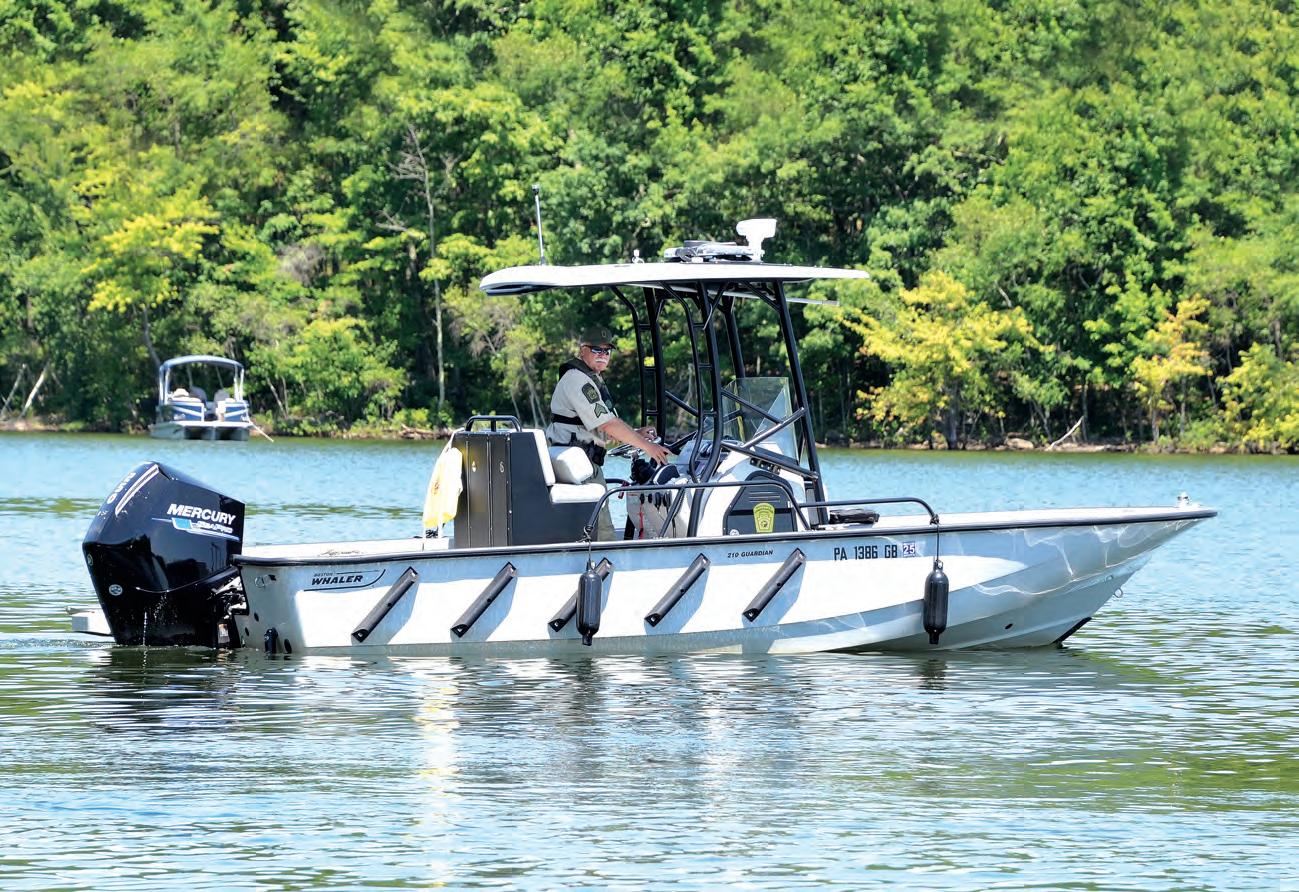
“Boaters and anglers are who we serve,” said Parker. “We have a law enforcement component to what we do. Our waterways
conservation officers are the faces of our agency. They live locally in their districts, and no one knows their waterways better. In different areas, we have educators, and they regularly put on different programs that are free to the public. We do a lot of inperson events, and we do a lot of online events. We can be that introduction to learn how to do these things.”
“Our mission is to protect, preserve and enhance the aquatic resources of Pennsylvania and provide fishing and boating opportunities,” Parker continued. “Protect means to make sure our resources, including fish, reptiles and native species, are here now and for future generations. Where there are opportunities to harvest these animals, it’s done in a way that’s sustainable. Our job is not only to manage resources in Pennsylvania, but also to make them better.”
PFBC employs 400 individuals, including educators, conservation officers, administrative staff, fish culturists, biologists and engineers.
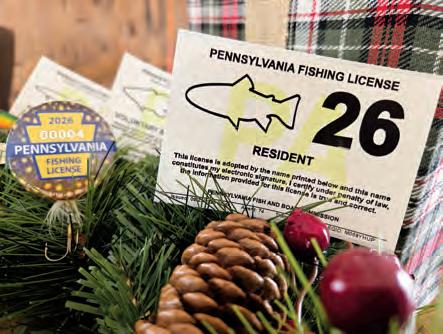
The independent government agency does not receive tax revenue through the Pennsylvania General Fund, but instead is user-funded through fishing licenses, boat registrations and launch permits. One-quarter of PFBC’s operating budget is funded through federal excise tax on fishing and boating equipment and accessories.
“For a lot of people, our agency is where you buy your fish license, boat registration and launch permits,” said Parker. “When you buy a license, it goes to our programs. Through that money, we do all sorts of things. The thing is, it’s affordable. With fishing, if you buy your license early in the year, it’s good for the entire season. The more you use it, the more value it has.”
In 2024, 824,000 Pennsylvania adult residents age 16 and up purchased fish licenses. But with the participation of younger anglers, PFBC estimated a total of just under 1.5 million residents got their lines wet.
During that same time period, PFBC issued about 280,000 boat registrations.
“It’s a lot of people,” said Parker. “One of the things that makes Pennsylvania a great state is the resources, the amount of water we have and the great public access we have. It’s one thing to have water resources, but if you don’t have access, what’s the point? That’s what our agency is for.”
“It’s a very diverse group of people (using water resources),” added Parker. “It’s families; it’s men and women. It’s that person who fishes one day of the year to the person who fishes every day of the year, and everyone in between.”
Pennsylvania is home to 86,000 miles of rivers and streams, a total length of fresh water that is second only to Alaska in the United States. There are also 4,000 lakes and ponds in the state, both natural and manmade, some of which are managed by PFBC.
“We’re not coastal, but the water is there,” said Parker. “There’s a lot of public access, so it’s up to you to create your own waterway experience. We’re a freshwater state, and we’re a
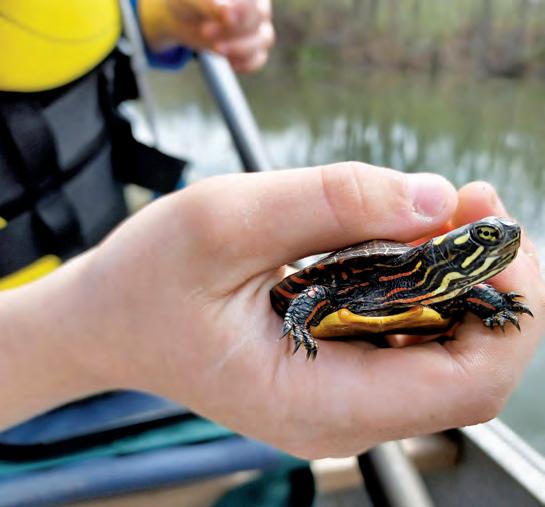
Fish aren't the only amphibious creatures that PFBC manages.
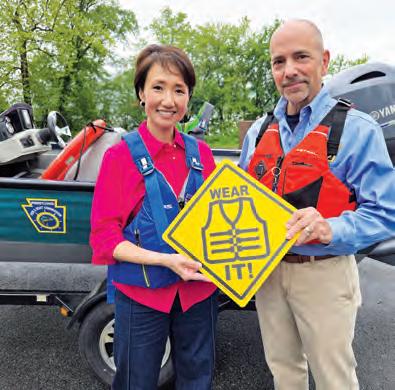
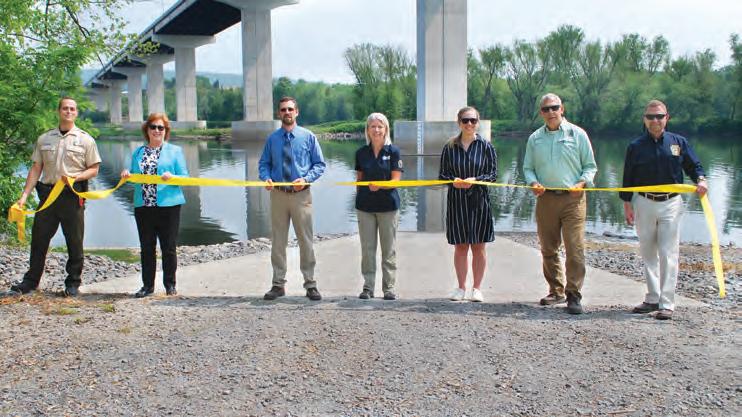
PFBC's mission is well supported by public officials like Patty Kim
and B.J.
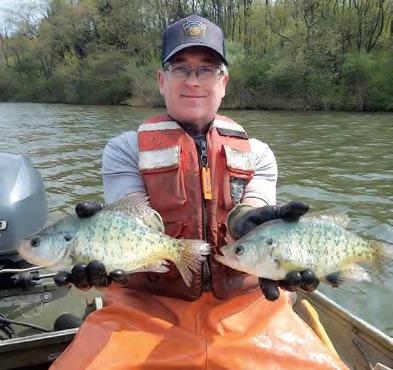
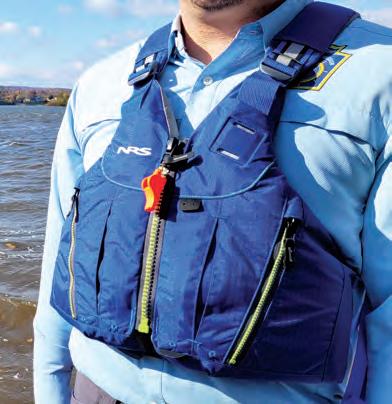
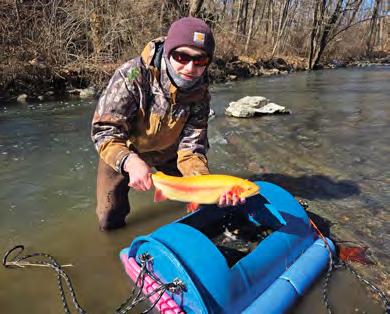

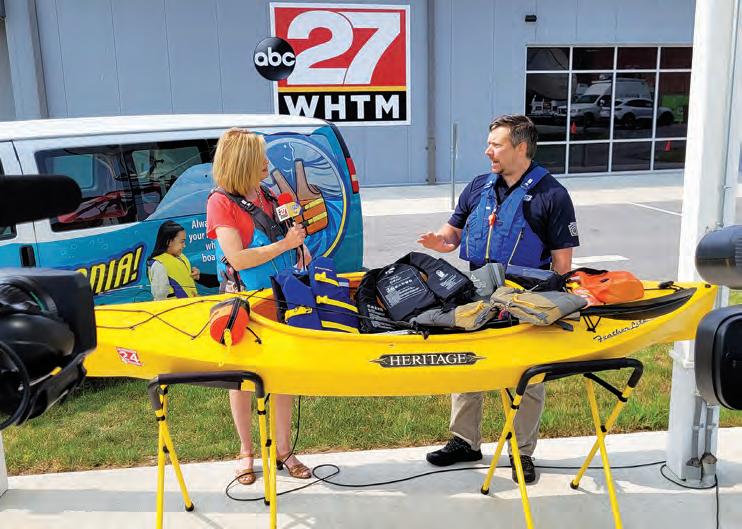
PBFC annually recognizes National Safe
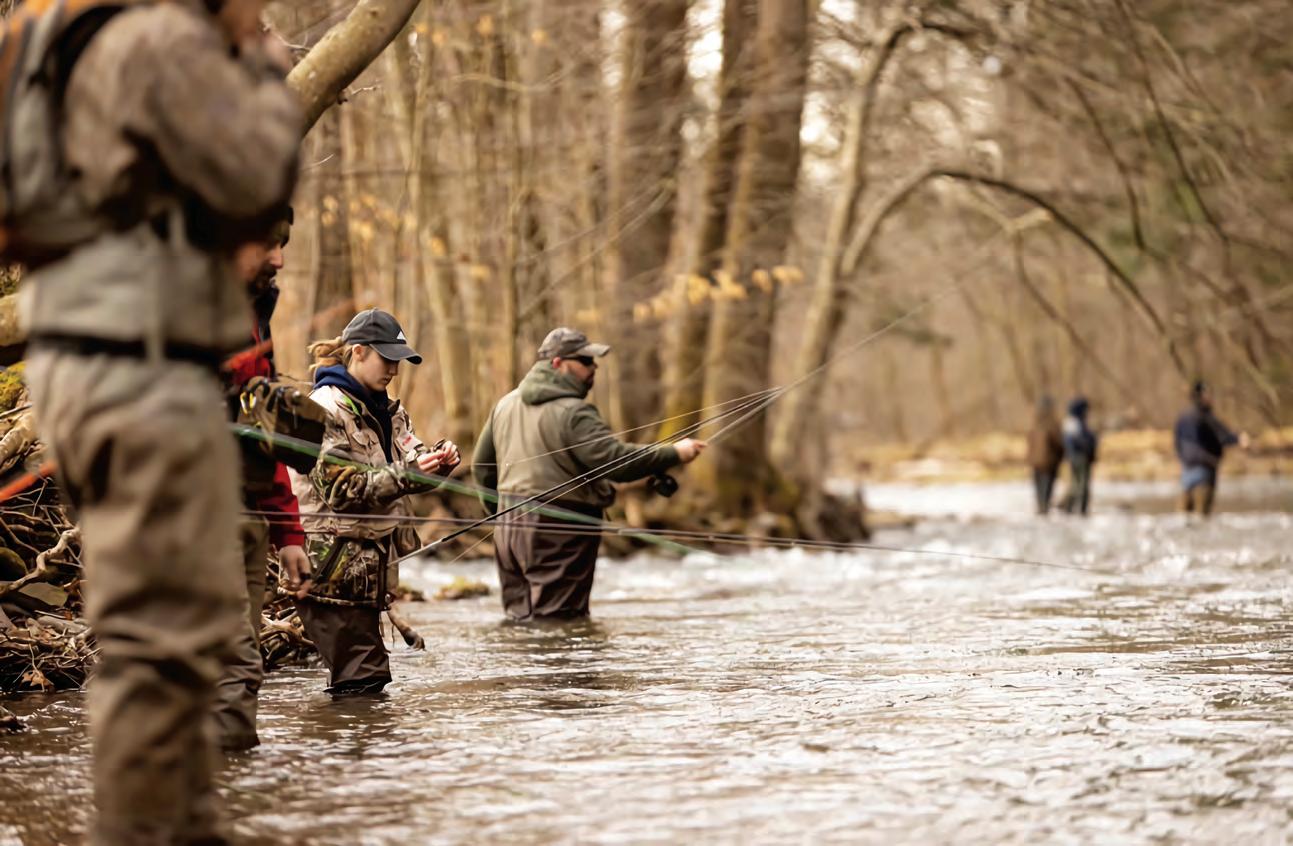
Education and outreach play an important role in PFBC's mission.
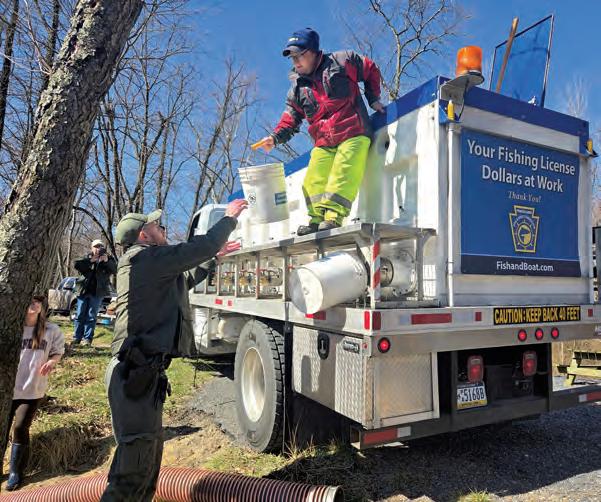
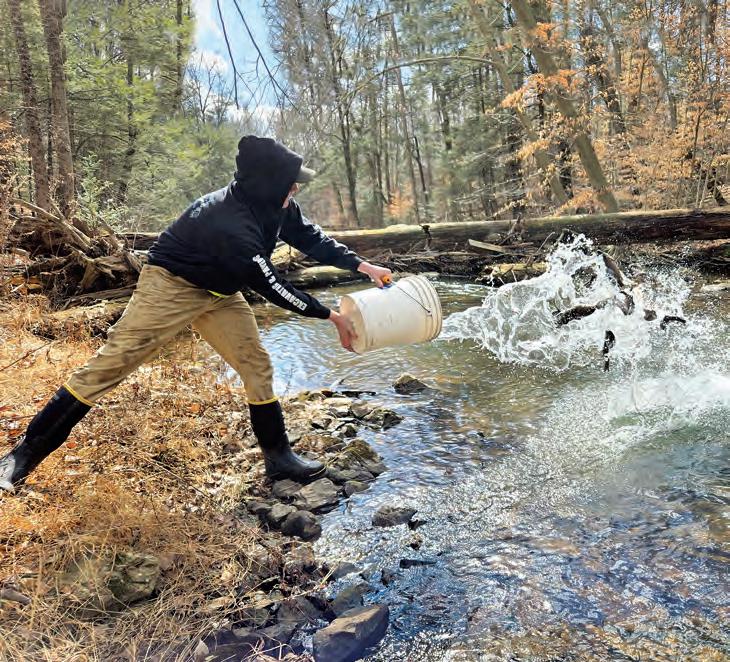
PFBC officials stock trout ahead of April's opening day of trout season.
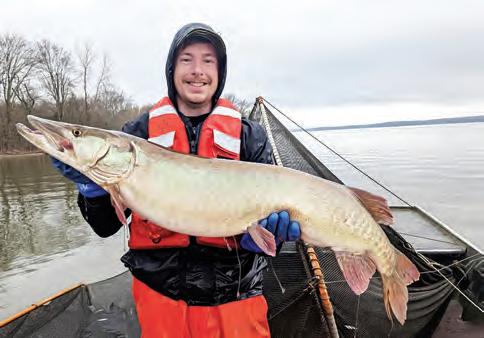
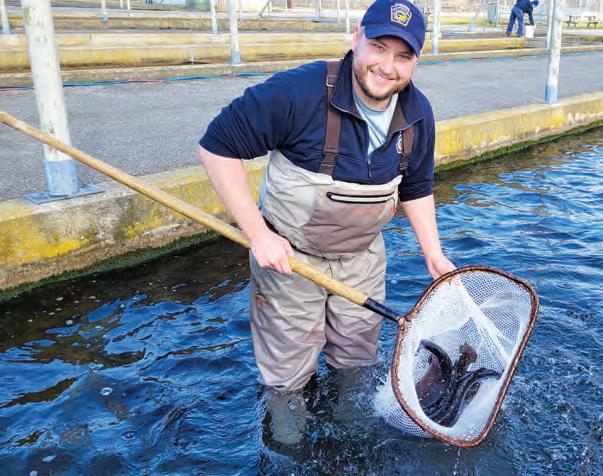
Fisheries biologists like Mark Haffley help assure that Pennsylvania's fish population remains healthy.
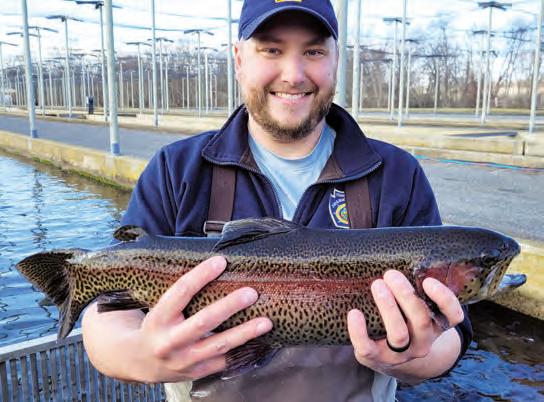
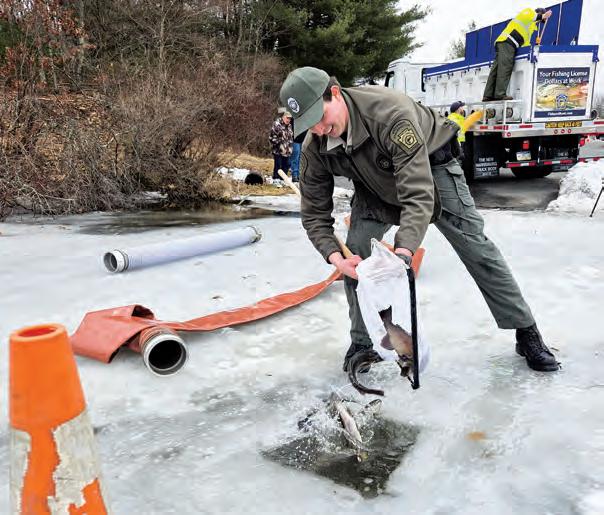
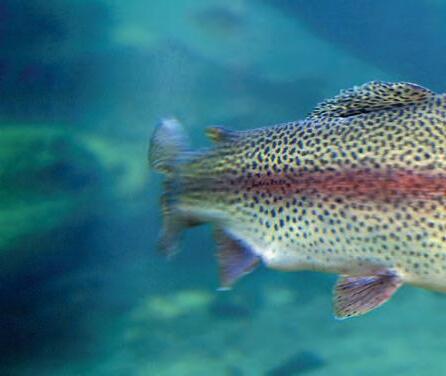
Waterways conservation officer Ty Moon stocks rainbow trout at Frances Slocum Lake in Luzerne County.
Great Lakes state. If you live in Pennsylvania, you are surrounded by fishing and boating opportunities that a lot of us take for granted. If you want to catch fish, a variety of fish, big fish, they’re all here, all within a short drive and year-round.”
“We stock 3.2 million trout in 1,000 waterways across the state each year,” said Parker, a resident of Hershey. “Our opening day of trout season is like a holiday in Pennsylvania. For a lot of people, the social aspect of fishing is as important as catching a fish. If you surround yourself with the right people, go to the right places and learn a little bit about the area, you’ll probably be successful.”
Anglers and boaters affect the economies of local communities in a big way. According to PFBC, recreational fishing and boating combine to generate about $10 billion for the state economy each year, and fishing alone is responsible for about 30,000 jobs.
“When you purchase your fishing license and that trout permit, you’re spending about $40,” said Parker. “You’re probably going to buy some bait, a fishing reel; you might travel; you might buy a meal. That impact is incredible. Communities that embrace it can really benefit from it. People will drive hours for a new waterways experience.”
In Pennsylvania, fishing, boating and aquatic activities are a great many things to a great many people. But to many, they mean family and tradition.
“It’s a huge family activity,” said Parker. “It’s one of the best family activities. It’s a great opportunity for families with young children. It’s really about memories, and the thing is that fishing is something you get to do over and over again.”
“It’s a great way to connect with your local resources, and it’s also a great way to see the state and other places,” continued Parker. “I would encourage people to get out there and discover those adventures that are there in your own backyard. Take a kid with you, let them discover it through their own eyes and you’ll want to do it over and over again.”
PFBC was established in Harrisburg in 1866. Many things have changed in the state since then, but some things have remained the same.
“At that time, there was a historical shad run in the Susquehanna River,” said Parker. “That’s when the agency was created. That shad was a major economic driver; it was food and it was a fun activity. There were dams being built, so the fish and boat commission’s purpose was to try to get the shad back in the river. Beyond that, it expanded into aquatics and anglers wanting to contribute to the resource. To have an agency that protects the resource, that’s where we came from.”
“(PFBC) has evolved in that the mission has expanded,” concluded Parker. “Our focus has become preserving resources that have always been here. Ultimately, we’re just trying to continue to make sure Pennsylvania is a great place to go fishing and boating and that people have access, now and into the future.”
For additional information, go to pa.gov/agencies/fishandboat.



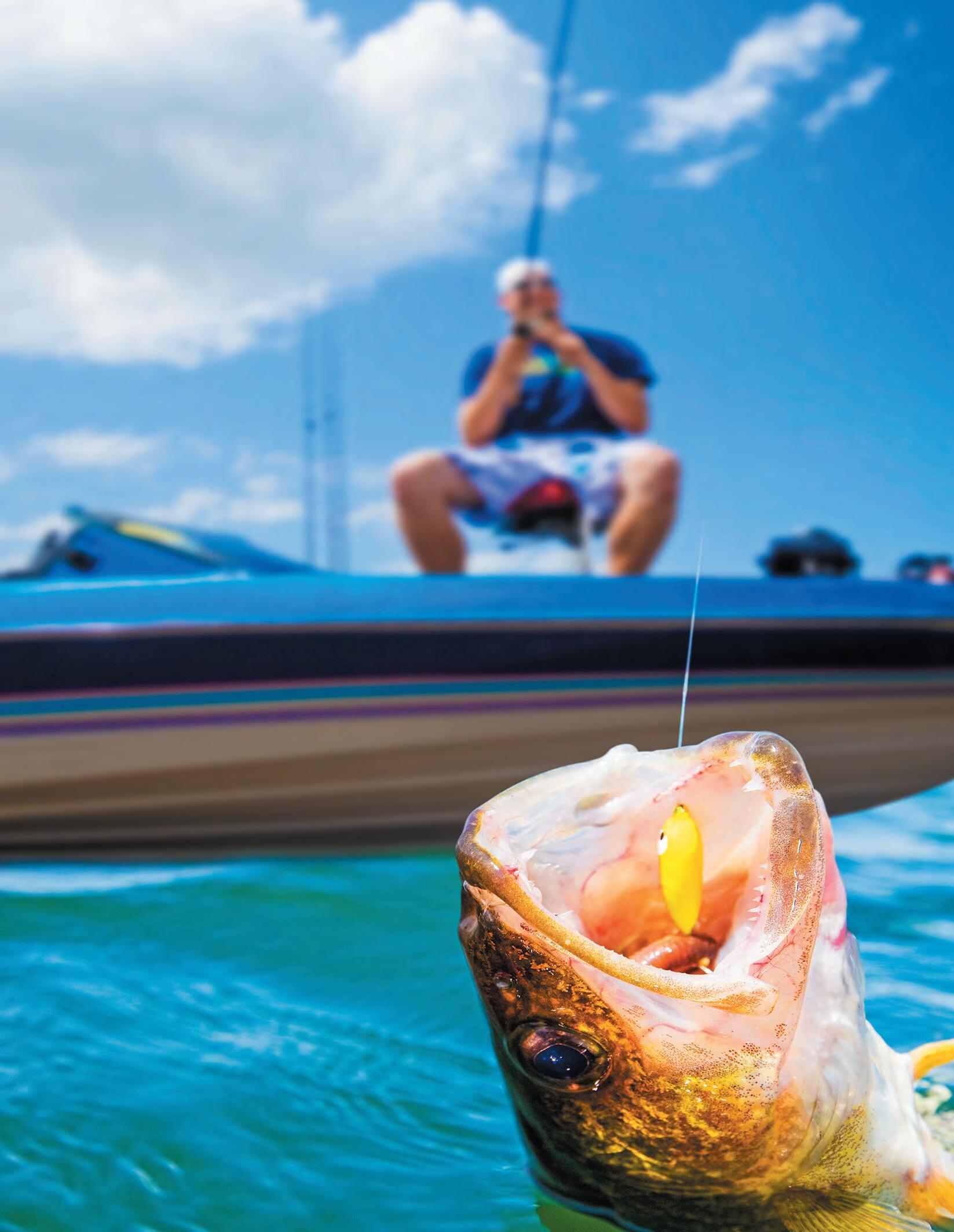

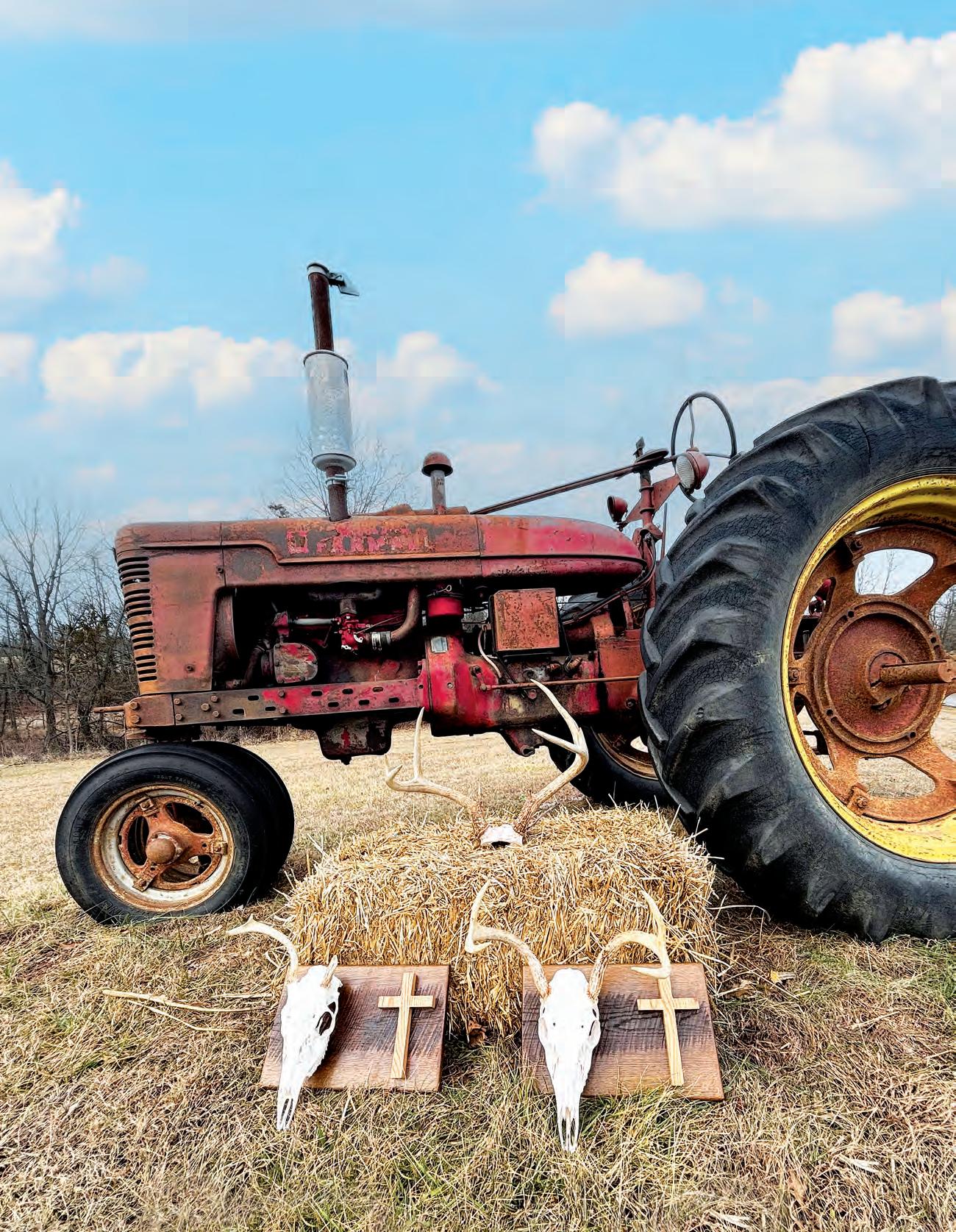
BY JAKE BOYER
Some hunting seasons are measured by antlers on the wall or meat in the freezer. Others are measured by moments – quiet ones, loud ones, and the kind that stay with you long after the season ends. This past fall in York County, ours was measured by faith, family, and blessing, all woven together on one special farm and from one unforgettable double tree stand.
In the summer of 2025, my son, Gabe (12), and my girlfriend’s son, Gavin (13), attended archery camp with Raised at Full Draw. Sandy and I volunteered alongside them, watching the boys grow not just in skill, but in responsibility and respect for the outdoors. Both Gabe and Gavin earned their Hunter-Trapper Education certifications, taking an important step toward becoming ethical, knowledgeable hunters. At the time, we had no idea just how meaningful that foundation would become later in the year.
This led us all to a season and a story we’ll remember for the rest of our lives. A huge part of this story belongs to an incredible family in York County – men of faith who live out their values every day. Ed, Zach, and Caleb graciously gave us permission to hunt their farm. That permission wasn’t given lightly. This family believes the farm itself was born out of God’s calling and purpose, not specifically for hunting, but for stewardship, provision, and service. We were welcomed not just as hunters, but as people they trusted, and that made all the difference.
Gavin’s first season started with archery. Over the course of a few hunts, we saw many does and a handful of young bucks, but none had come within range. Then on Nov. 9, from the double tree stand on the farm, Gavin and I watched two small bucks sparring roughly 110 yards away, near some vegetation at the end of the waterway. One of them, a big four-point, eventually broke off and worked its way in, closing the distance to just 25 yards. When the moment was right, Gavin released his arrow and made a perfect double-lung shot. The buck ran back toward where it had been sparring and then suddenly dropped within sight, just before it reached the cover.
There was a big high-five in the stand, then suddenly the other buck began kicking at the fallen deer. Without missing a beat, Gavin said, “Hey, stop kicking my deer!” It was pure joy, the kind you can only earn.
Then during rifle season, Dec. 1 brought another chapter into this story. On that frosty morning while hunting alone, I was seeing only small bucks. Bucks are legal for the boys, but not for adults in Pennsylvania. I spotted three of them, including one with a broken-off rack with only a couple of inches of main beam on its left side and two points on the other. I had promised Gabe we would hunt this stand in the evening, so I decided to sneak out to avoid ruining Gabe’s chances at one of these bucks later that day. As I slipped away, I caught sight of a big eight-point about 200 yards out before it disappeared behind the terrain.
Using the hedgerow with a small drainage ditch as cover, I stalked in quietly. At times I was down in the ditch using the banks to ensure I wasn’t spotted.
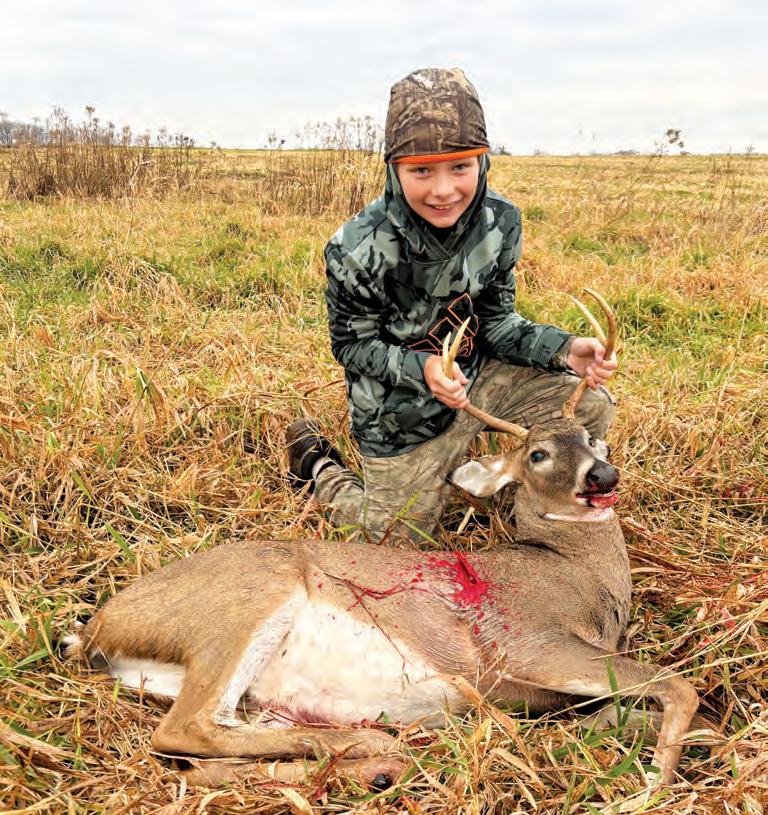
I eventually crested a knoll to the left and found myself just 35 yards from the buck’s new position. One well-placed shot ended it quickly, and the deer dropped. I was grateful, not just for the harvest, but also for the opportunities the generous landowner had provided.
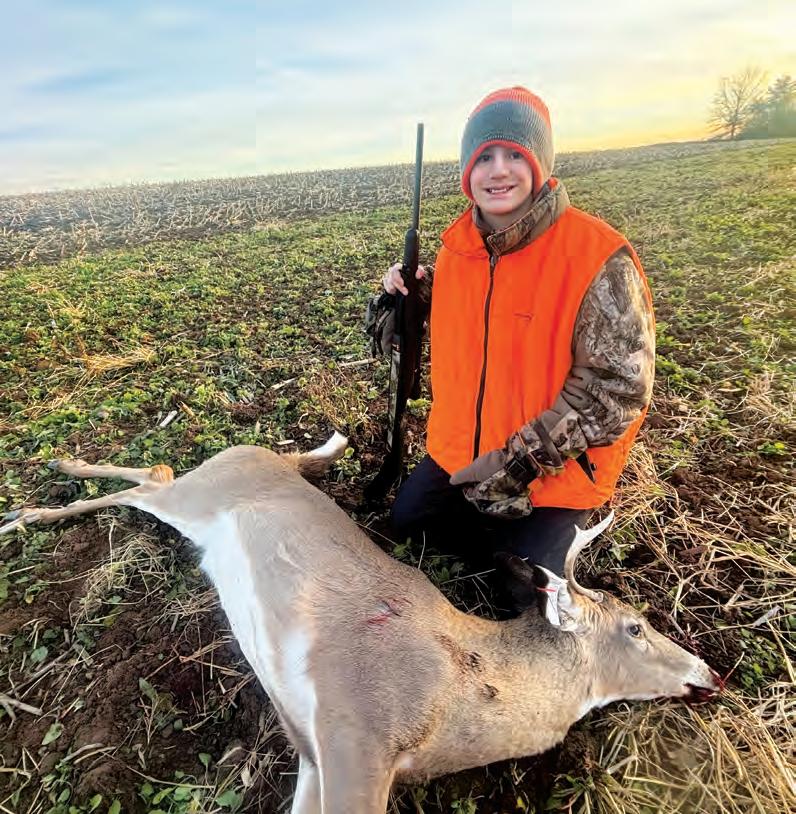
Later that afternoon, Gabe only had an hour to hunt after viewing a movie with cousins who were visiting from out of town. In his previous three seasons, Gabe had taken three does with a rifle. This past year, he made the decision to pass on doe and wait for a buck. On the walk to the tree stand, about a dozen does came running into the trees along the fence row near us, evidently spooked from a neighboring farm. With no bucks present, Gabe made the decision to continue to the tree stand. We climbed into that very same double stand. It was Gabe’s first time ever hunting from the stand.
As soon as we settled in, with the safety on, I asked him to aim at a patch of vegetation at the end of the waterway to ensure he’d be able to shoot safely and comfortably from his seat. This was the exact spot where Gavin’s buck had fallen a month earlier. As Gabe settled in behind the rifle, I glanced up and saw movement. The buck with the broken-off rack stepped out right where Gabe was aiming. Calmly, he said, “It’s the broken-off-rack buck.”

I told him, “It’s up to you, buddy.” Gabe didn’t rush. He made a well-placed shot into the vitals. The buck ran about 20 yards, circled back, and died right next to where Gavin’s deer had fallen weeks earlier. Again, a large high-five was shared.
Gabe then recounted the split-second decision to continue past the does and how the outcome would’ve been different if we hadn’t continued. He said, “Split-second decisions can change everything.” Wisdom beyond his years, in hunting and in life. All of this from the same stand, the same farm, and the same blessing.
When we shared the news, Ed, Zach, and Caleb were genuinely excited for us. They told us how blessed they felt to be able to offer us the opportunity to harvest three beautiful animals and provide food for our family. In that moment, it was clear that this wasn’t just about deer. It was about faith lived out, generosity shared, and families brought together.
Gabe, Gavin, and I were blessed. In a bigger sense, we all were. Faith and family met us in that stand, on that farm, and i n that season, and that’s a harvest we’ll carry with us forever.










BY GEORGE DEIBEL
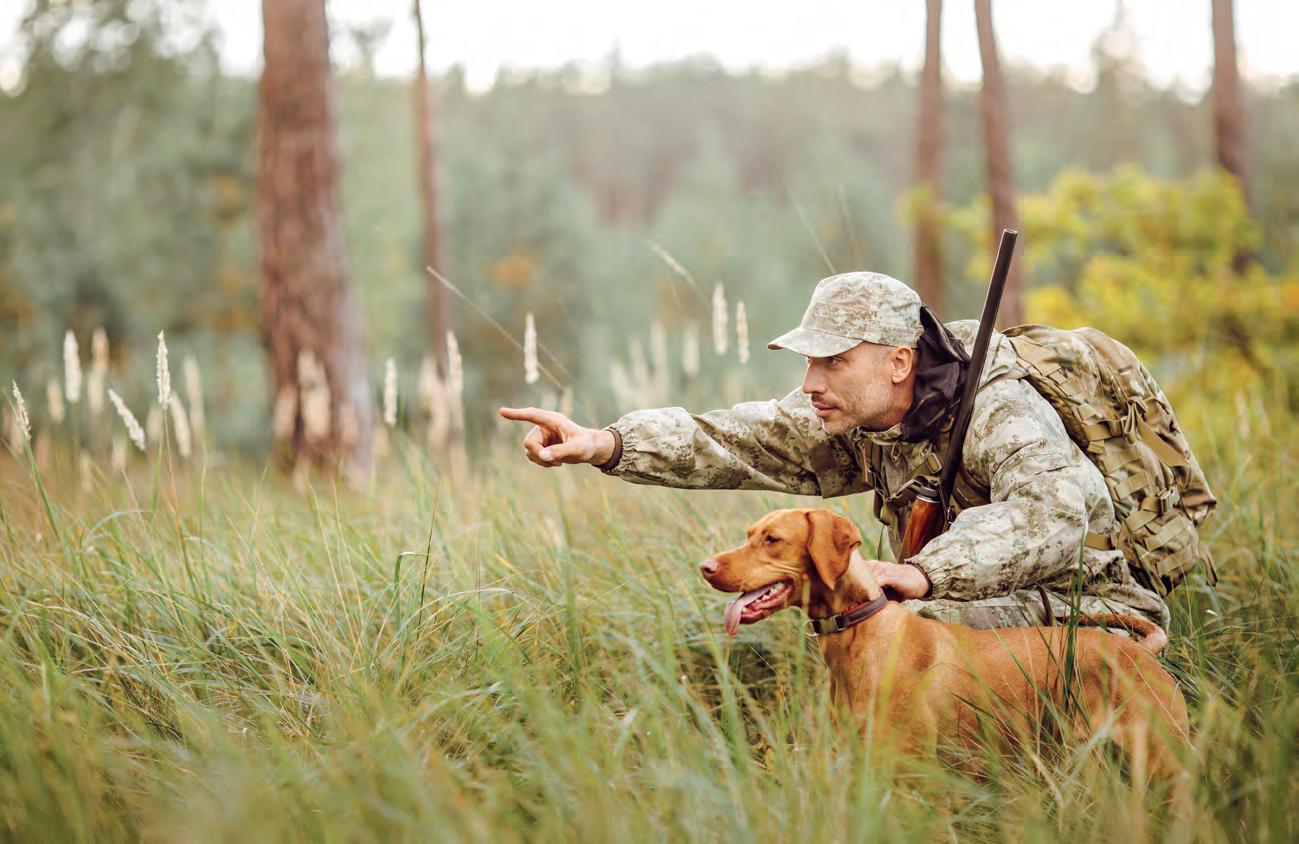
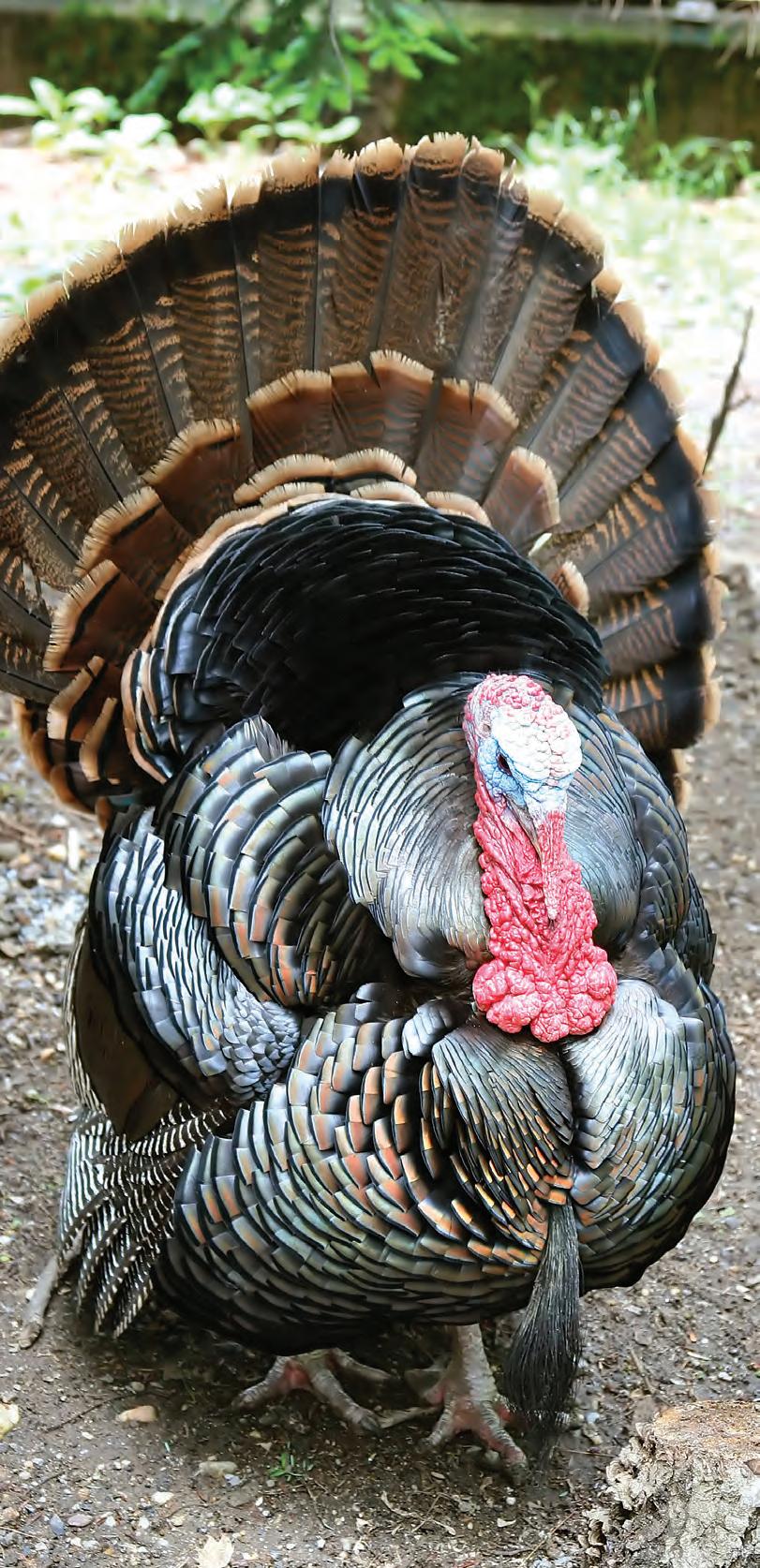
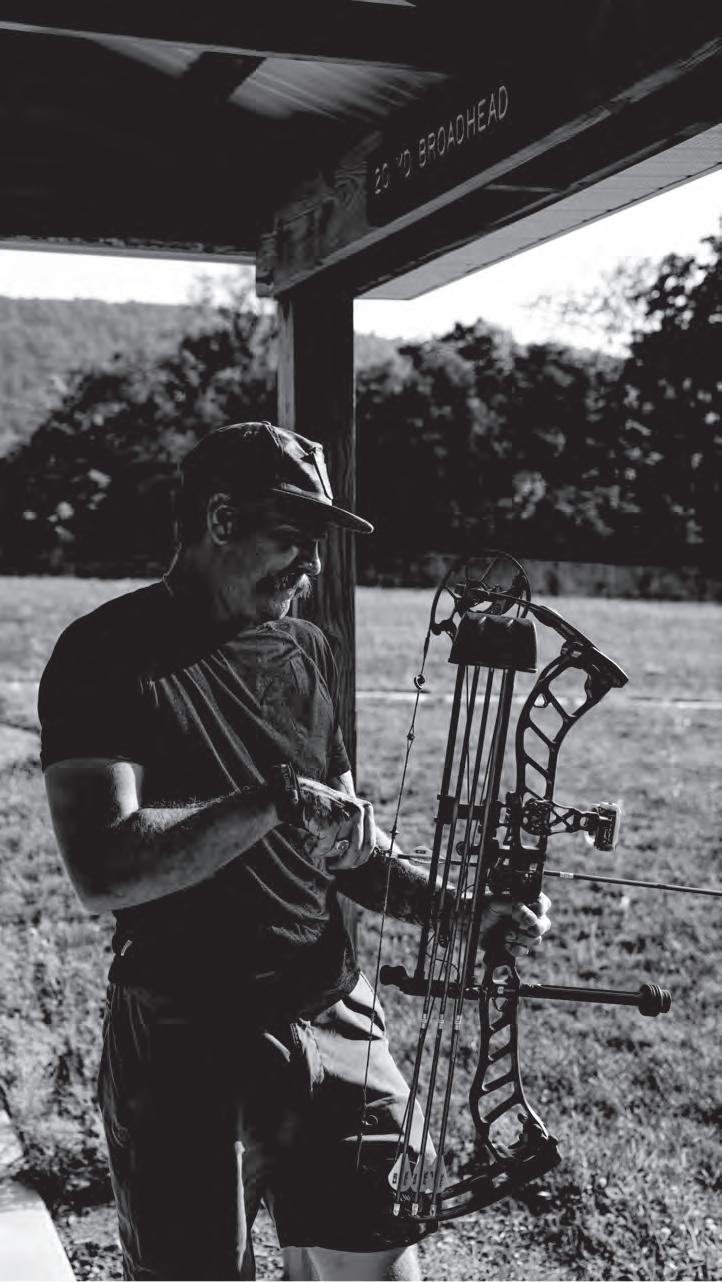
Tim Martin loves to talk turkey.
While he enjoys hunting gobblers, the Willow Street resident appreciates the scenery and heart-to-heart talks more than the harvesting.
Tim is eagerly awaiting the start of the Pennsylvania spring gobbler bearded bird season, which will begin Saturday, May 2. “I'm seeing the world wake up from a rough winter again,” he said. “It's just a good time to be out there when those gobblers bark off in the morning. There’s nothing like it. Just seeing the trees and the undergrowth and everything turning green again. Seeing life coming back. It's just a good time to be out there.”
Tim is equally ecstatic about communing with nature and communicating with people and birds. “Anymore, it's not important to kill them,” he said. “It's just talking to them, getting them to talk back, and getting them moving. That's a big thing to me. Anytime I spend a day in the woods it’s fun.”
Tim has been hunting for 52 years, since he was 16 years old, starting in Bedford County with a friend, John Eshbach. Now he does most of his hunting in Huntingdon County, where he has a cabin.
The native of West Willow also likes deer hunting and has been on two expeditions for elk to Colorado, but turkeys are his favorite. He uses a 12-gauge shotgun. “It’s got knock-down power, and you're putting I don't know how many shots and BBs out there,” Tim said. “We used to be able to hunt fall birds with a rifle, but the game commission changed that. It's all shotgun now. … I think that's made the seasons safer. Safety's a big thing.”
So is keeping your composure. “Patience is one of the most important things,” said Tim. “Camouflage, no movement. Turkeys can see eight to 10 times better than you and I. If turkeys had a nose like a deer, there would be no sense hunting them because they can see and smell, but turkeys can't smell too good. They can see movement.”
That’s a lesson he learned the hard way while hunting with his friend John Ressel. “He said, ‘You're going to call this morning,’” Tim said. “I started calling, and had a bird going, and he was coming in on me, and bugs started biting me in the head. I reached up and
scratched my head, and there went the bird. John said, ‘What are you doing?’”
Tim eats what he hunts. “If it's an old gobbler, I make turkey noodle soup,” he said. “If it's a younger bird, just cook them up, roast them, just like you would for Thanksgiving dinner. It’s very rewarding. It seems like it tastes better when you harvest it yourself.”
Experience has also taught Tim to do his homework. “Scouting for the birds is important to know where they're at,” he said. “What they say is putting them to bed, finding out where they're going up in the trees to roost so you have an idea where you're going in the morning to call and get them on the ground. That's usually the best way to do it; try to be reversing the roles according to nature. A gobbler gobbles for the hens to go to him, and you're trying to imitate a hen to get the gobbler to come to you. That's the tough part right there. You’re twisting nature around is what's going on.”
Tim, a former president of Southern End Strutters chapter of the National Wild Turkey Federation, relished the opportunity to mentor his nephew Cody Martin. Tim vividly recalls the moment Cody nabbed a turkey for the first time.
“I was hunting with Cody and his dad (Bill), and I had them sitting down in a little bit of a hollow, and I was up on the bank calling,” Tim said. “I heard these birds, and I heard Cody shoot, and I thought, ‘Man, that bird has got to be right in his lap.’ Then I heard this gobbler going up the hollow. I thought he missed. Well, I looked down, and my brother's standing down there, with his arms raised, like he just scored the winning touchdown in the Super Bowl. I went down, and there were two (turkeys). Cody got one, so he was a pretty happy young man at that point. I said to my brother, ‘You want to go get that other one?’ And he says, ‘Nah, let's just celebrate this.’”
Those are the kinds of stories that make the turkey hunting experience meaningful for Tim. “It's just a bond, and I see some of it fading,” he said. “It seems like it's more of a competition than the camaraderie that it used to be, sitting around, eating breakfast, and talking about what's going on for the day, and then at suppertime talking about what happened. My nephew and I have that (bond). The camaraderie is just a fellowship that’s unmatched.”
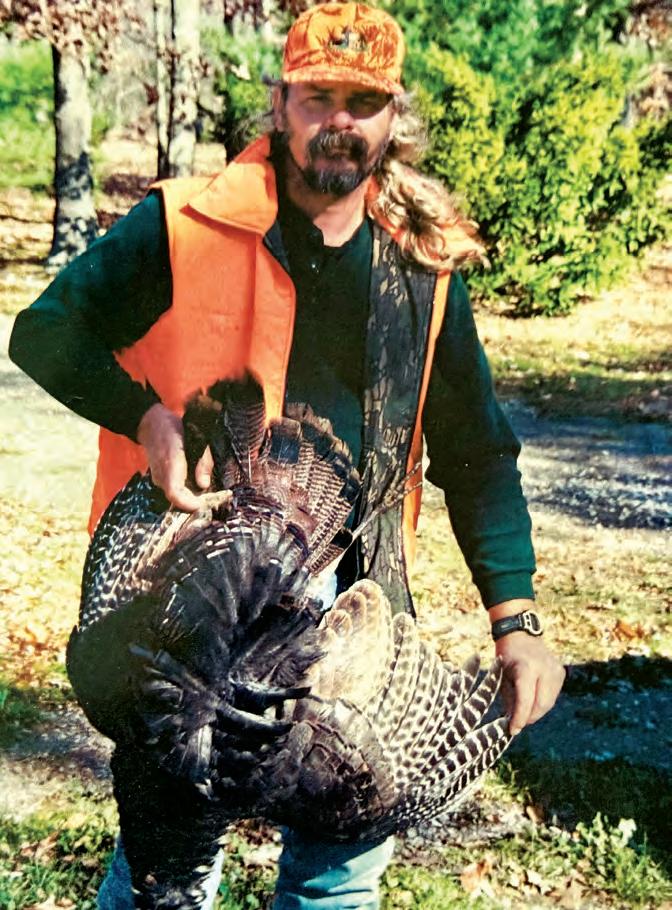
with a turkey he harvested during one of his early adventures
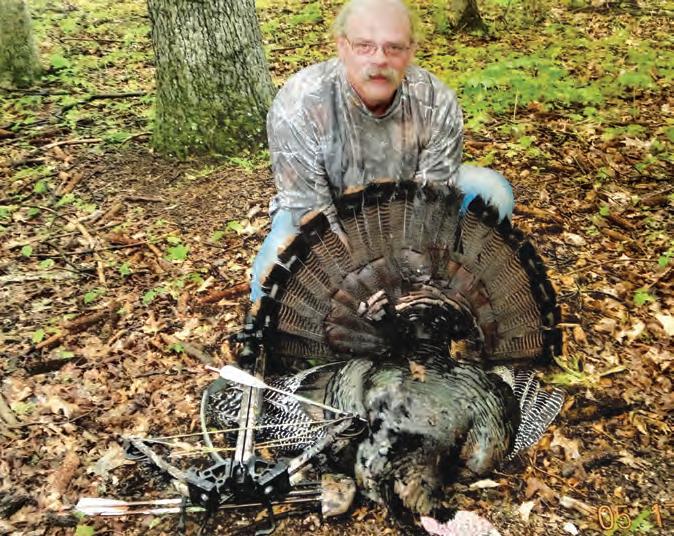
Tim Martin shows a turkey he shot with a crossbow while recovering from a shoulder injury.
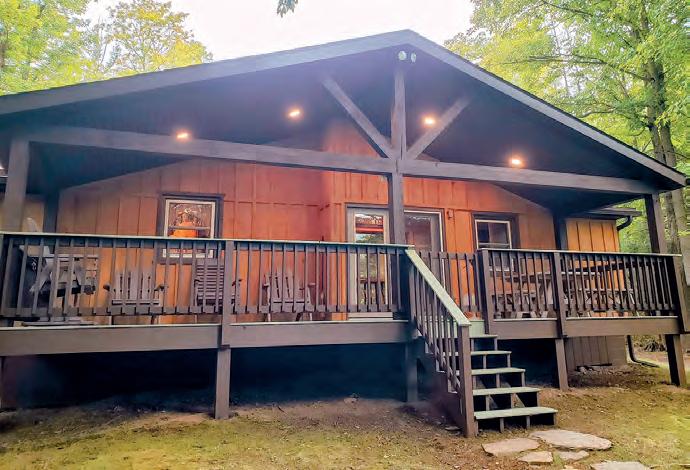
Experience a home away from home at Wild Asaph Cabin Rentals LLC.
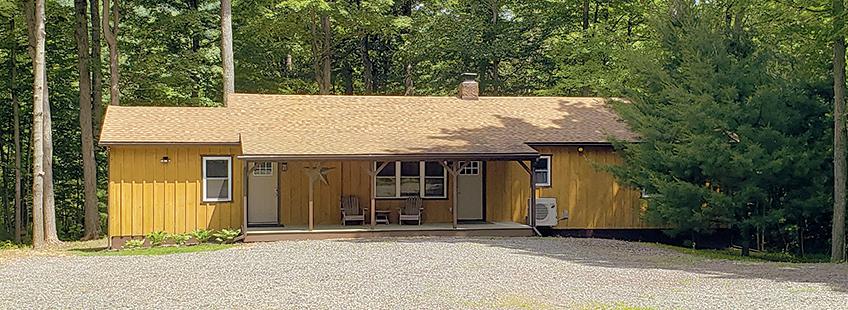
Located in the beautiful northcentral tier of Pennsylvania near Wellsboro, Galeton, and Coudersport, our cabins offer a unique escape for those who crave the rustic outdoors.
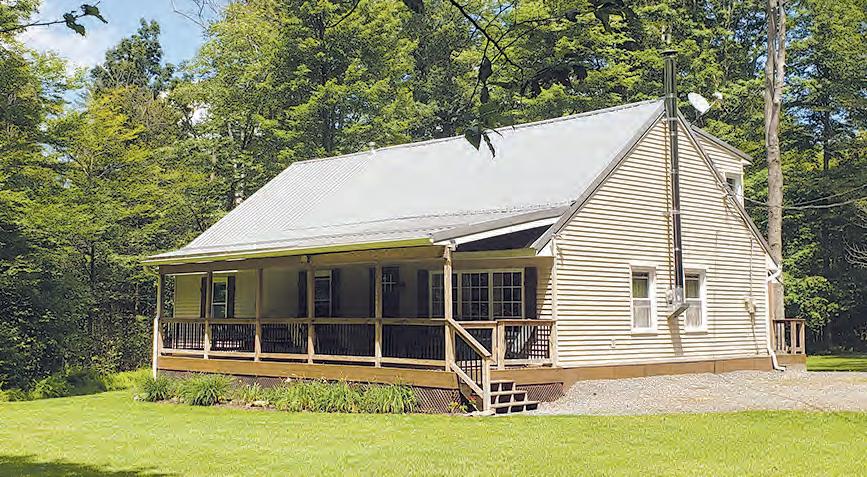
We offer two distinct properties located within two miles of each other: Wild Asaph Cabin
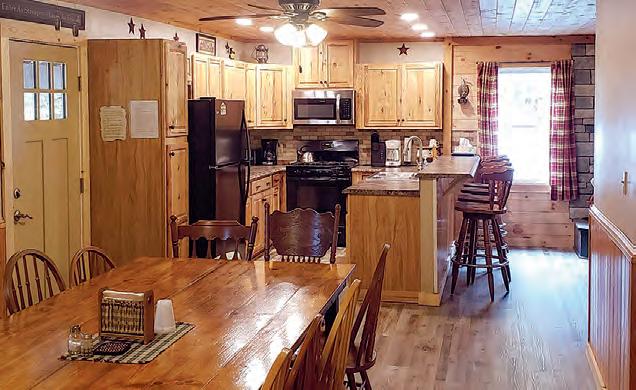
This spacious 1,650-square-foot, two-story cabin sleeps 14 guests across five bedrooms and two bathrooms. It features a wood stove, a fully equipped kitchen, a large Amish dining table, and both front and back covered decks. The property includes a large yard for games and is within walking distance of state game lands, making it ideal for hunting. This cabin is along a forestry road which makes going for walks a pleasure.
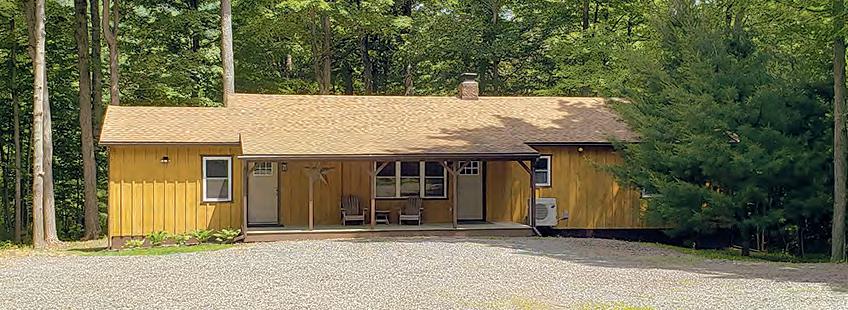
Blair Creek Cabin
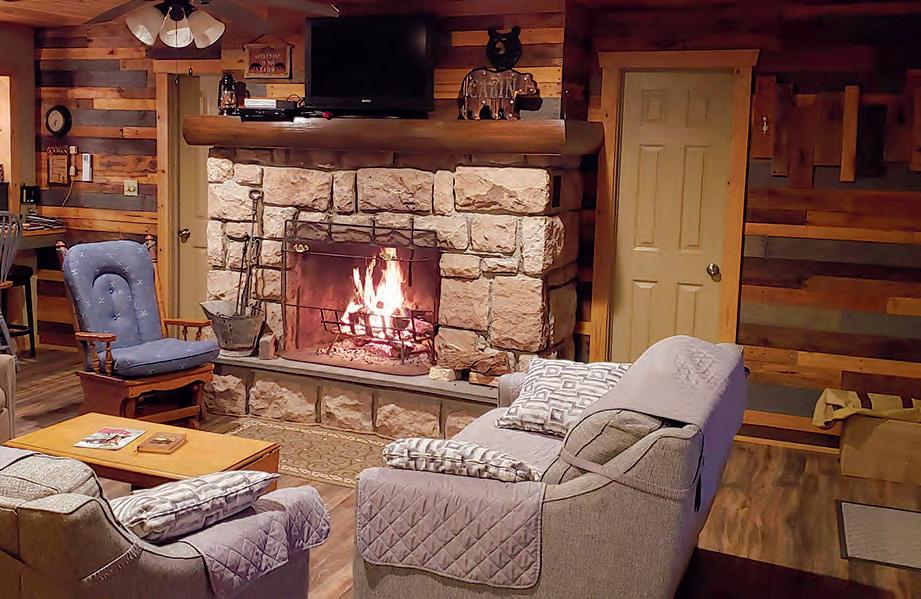
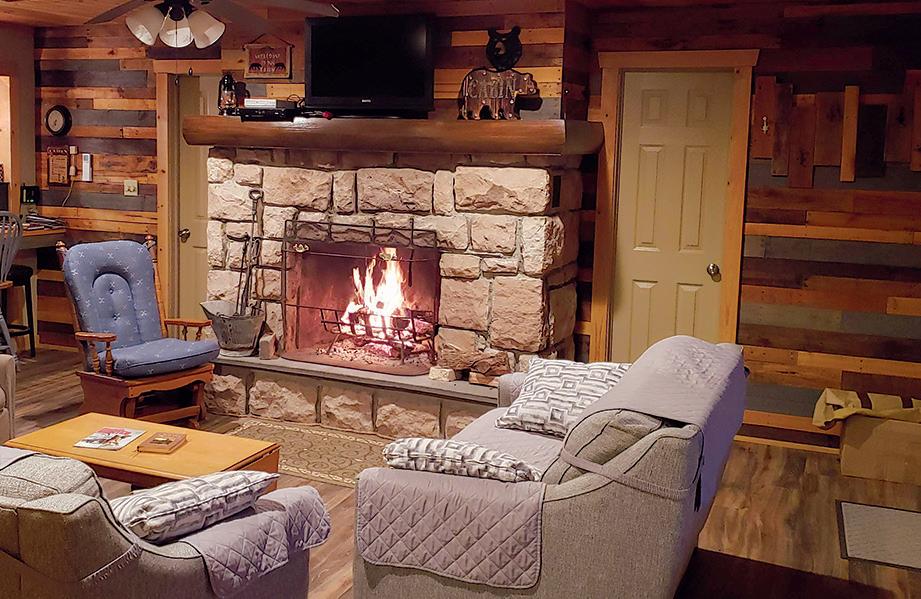
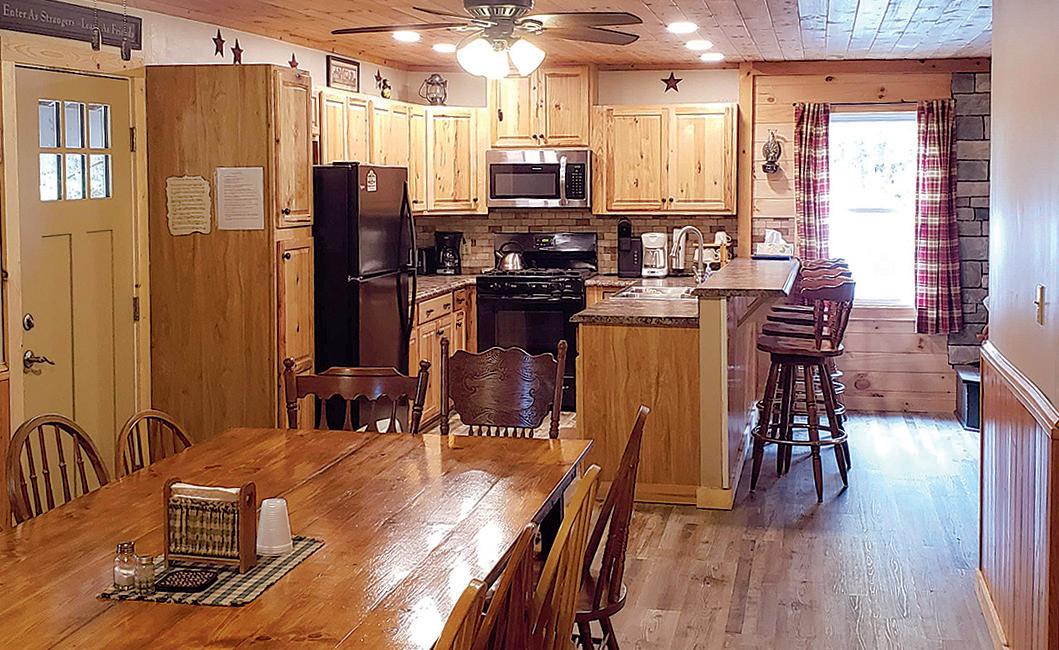
Our ranch-style cabin sleeps 11 guests and includes three bedrooms and three bathrooms, including a master suite with a private bath. This cozy retreat features a stone fireplace, a well-equipped kitchen, and two streams running through the 10-acre property with a mountain ridge view from the back deck. Guests can also enjoy an outdoor lean-to for sleeping under the stars.
Amenities & Local Attractions
Both cabins are equipped with Wi-Fi, satellite/smart TVs, washers, fire pits, and clean mountain water. Please note that we provide blankets and pillows, guests must bring their own sheets and towels. We maintain a pet-free environment.
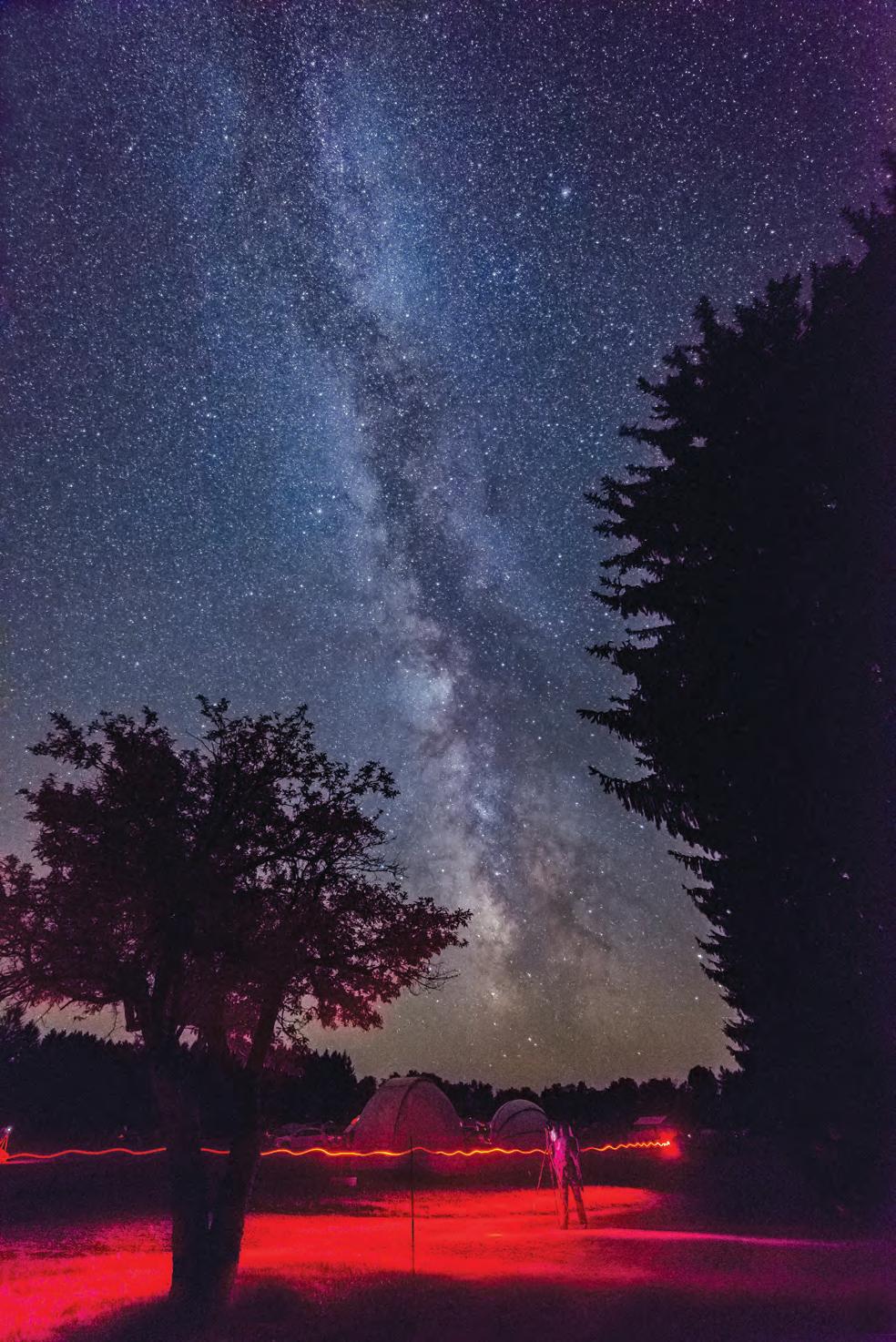
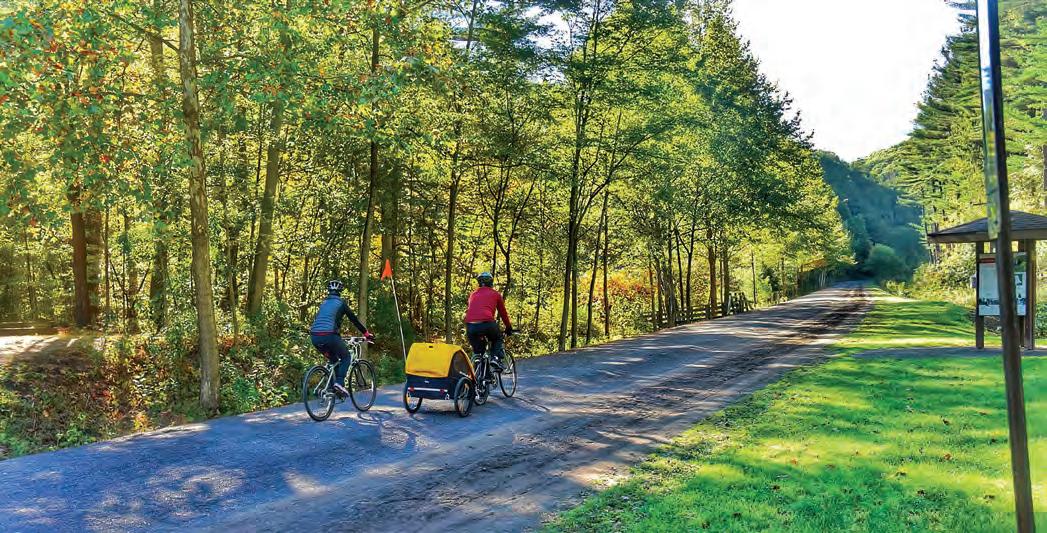
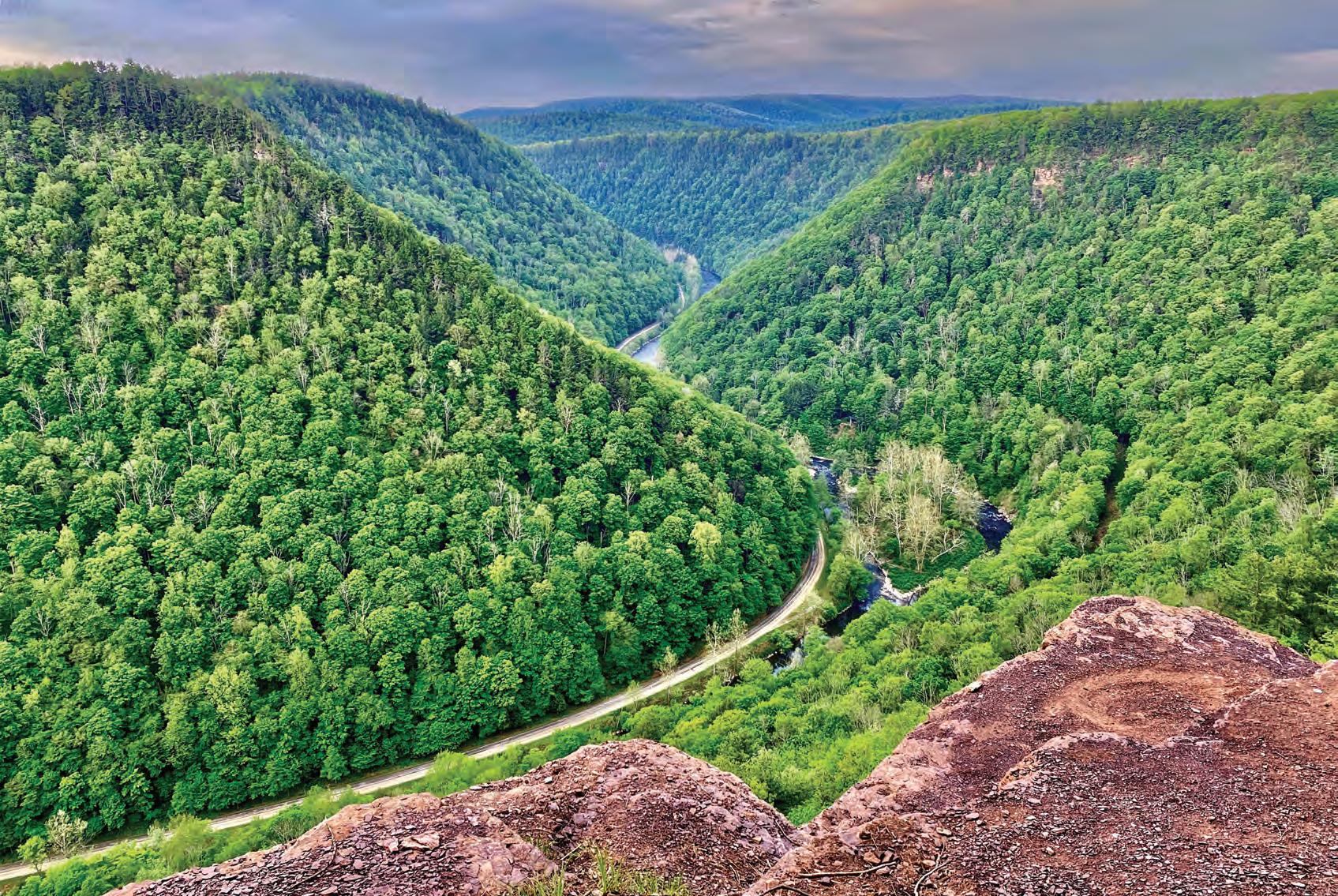
Our location provides easy access to the Pennsylvania Grand Canyon, Pine Creek, Cherry Springs State Park for stargazing, and over 900 miles of mountain biking trails. Whether you enjoy hiking, fishing, skiing, or exploring downtown Wellsboro, there is something for every outdoor enthusiast.
For more information or to make a reservation, please visit www .wildasaph.com or contact me at 570-677-4756 (texts welcome) or janemarieyoder@gmail.com.
Come as our guests, leave as our friends.
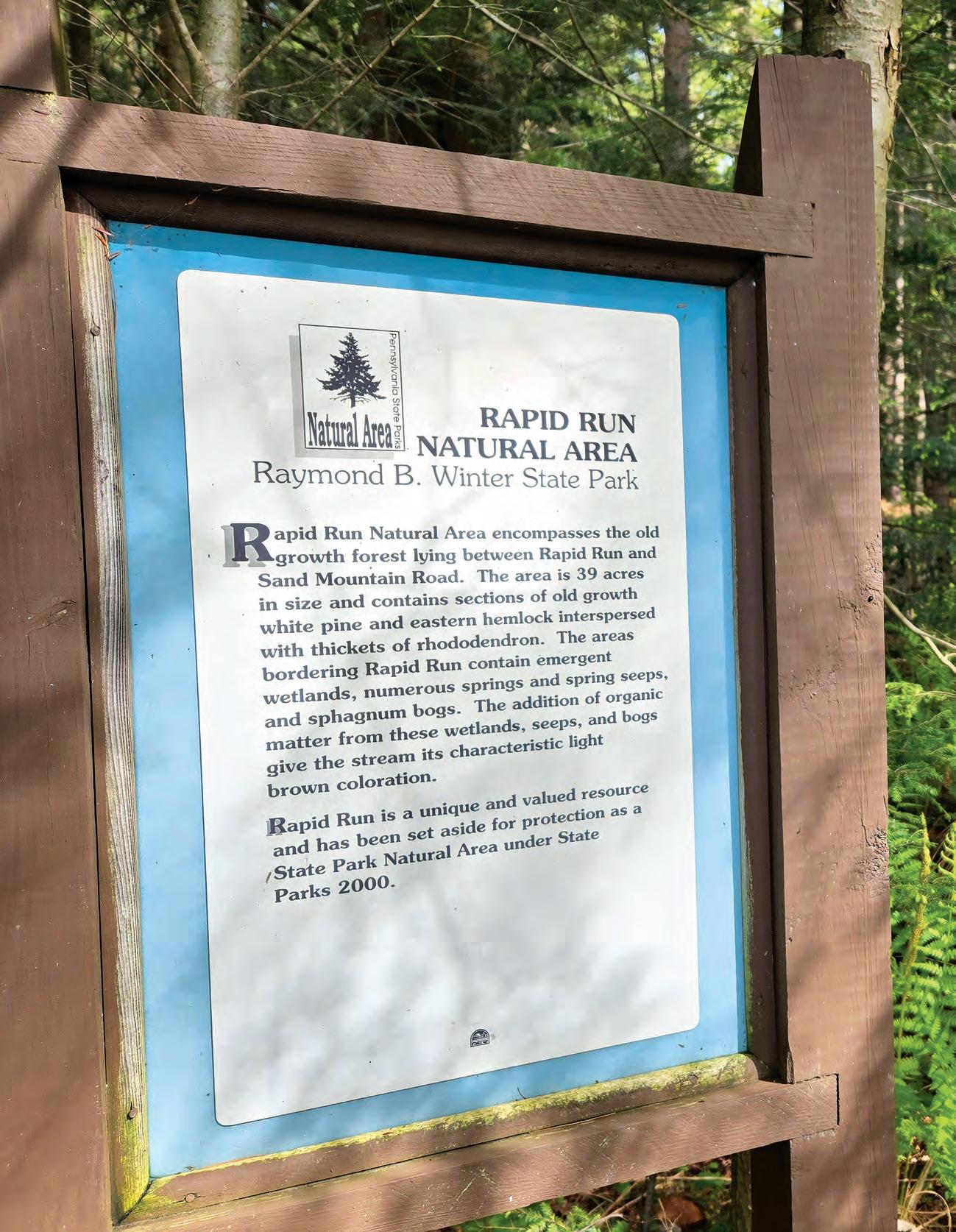
STORY BY JESSICA AIELLO Pennsylvania Parks and Forests Foundation
“The natural world is astounding, and time spent in it can make you feel wonderful. You only need to stop, look around, and listen to experience awe for yourself.”
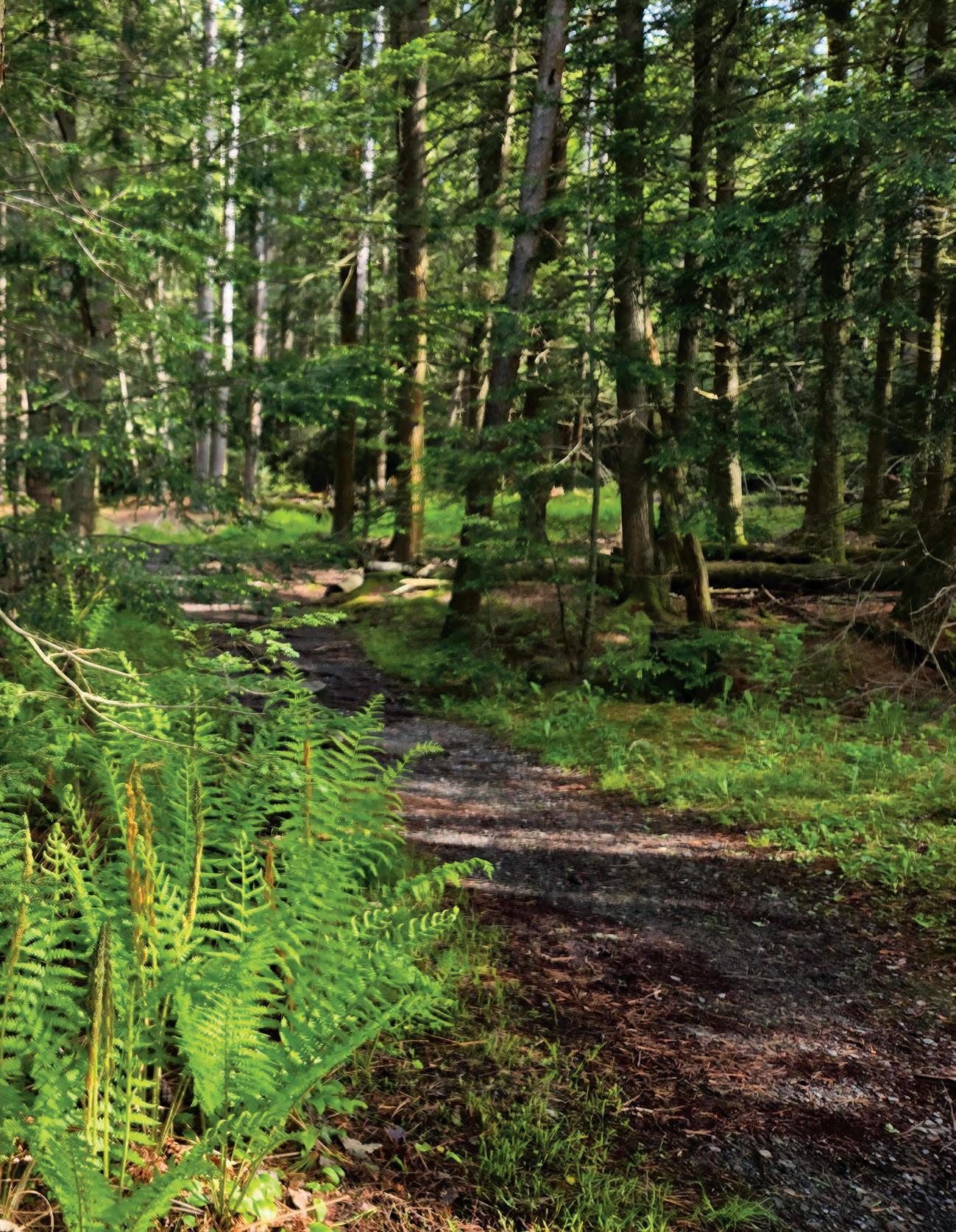
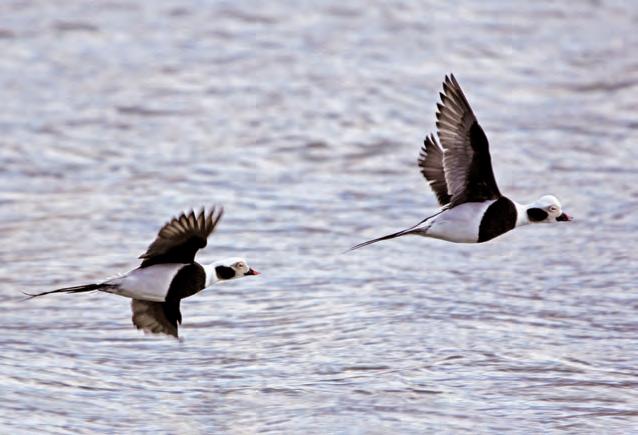
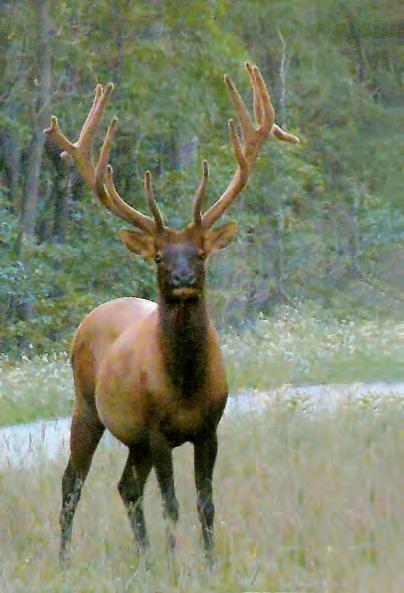
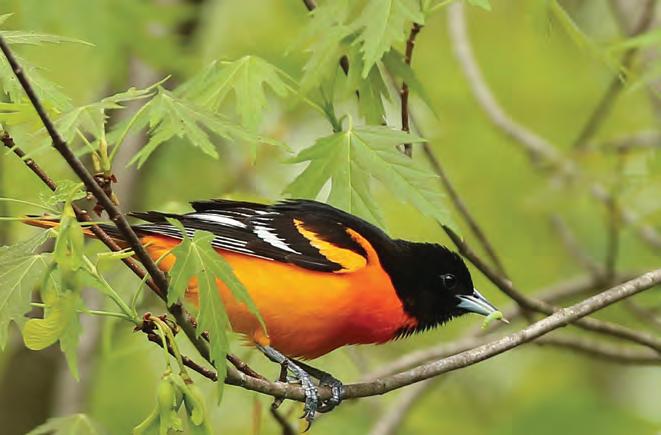
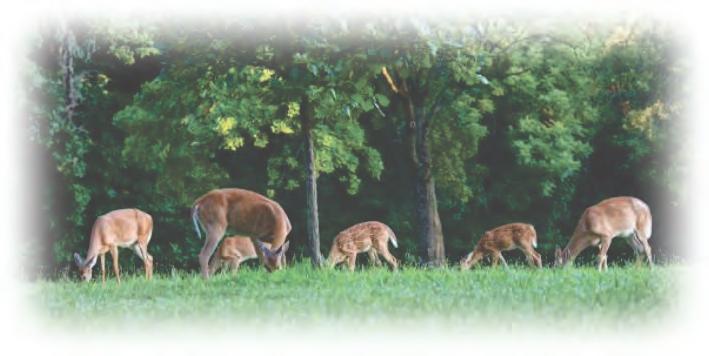
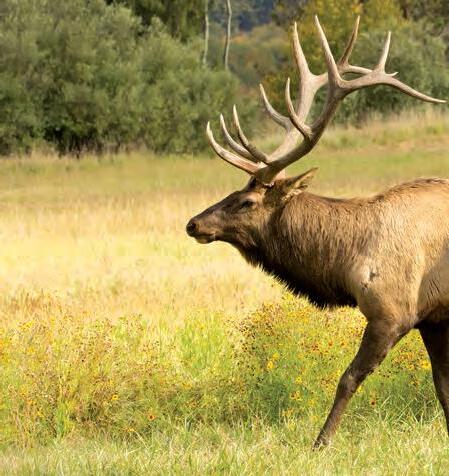
Those sentiments from the president of the Pennsylvania Parks and Forests Foundation (PPFF), Marci Mowery, are shared by experts across the country. Their research shows that spending time outdoors – whether watching wildlife, taking a hike, or paddling down a river –provides us with many physical, mental, and emotional health benefits. When we pause to observe a bald eagle dive for a fish or watch a white-tailed deer stop to nibble some grass, our usually busy minds can relax. If we are lucky enough, we might even experience a sense of awe.
“Awe,” which is defined as “a feeling of reverential respect mixed with wonder,” has been shown, both anecdotally and scientifically, to have many health benefits. Studies done by the University of California, Berkeley found that people felt a greater sense of well-being and less stress after experiencing awe in nature. Awe can help regulate bodily functions, slow heart rate, aid digestion, and deepen breathing. One of the study’s authors, Craig Anderson, said, “Nature is one of the most common and powerful ways people experience awe in their daily lives.”
So if you want to achieve these benefits, how do you get started?
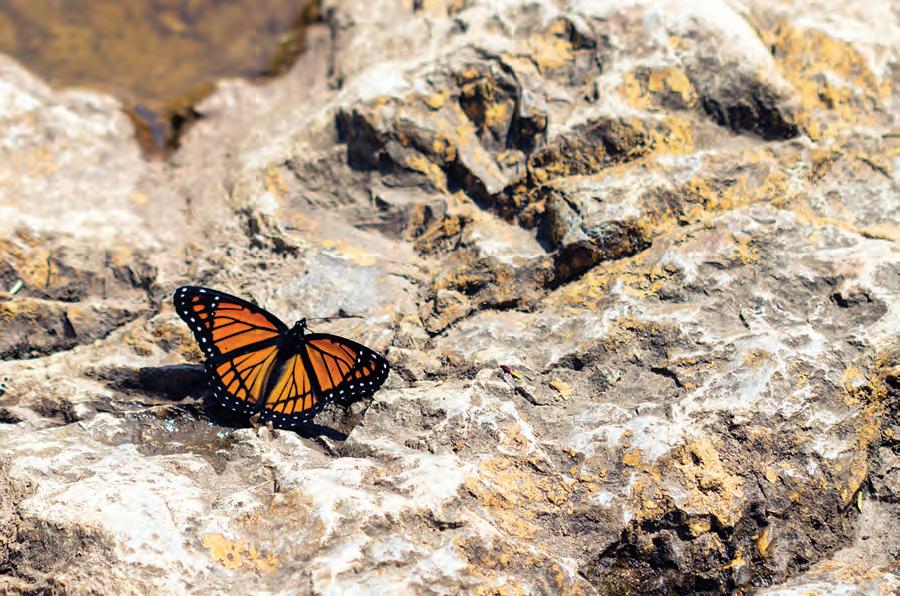
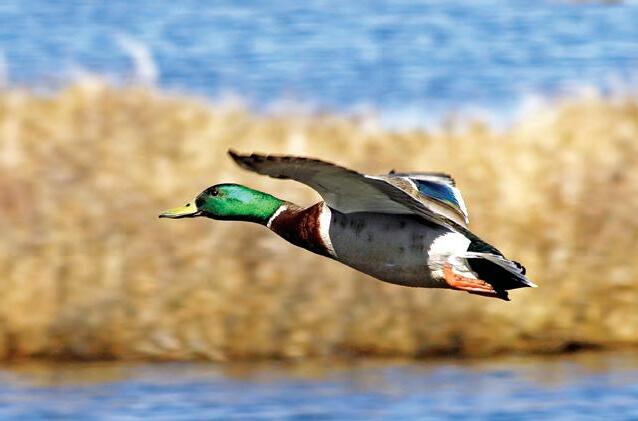
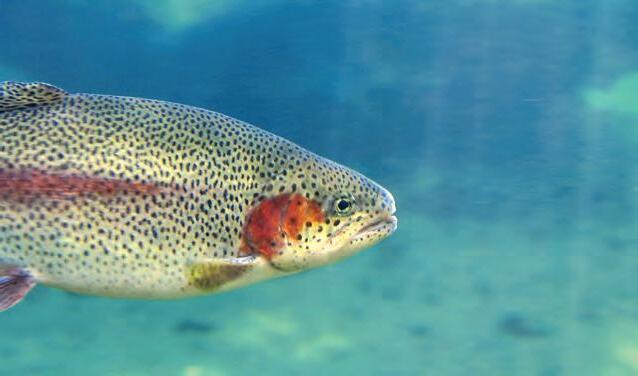
Pennsylvania is home to 480 species of wild birds and mammals, according to the Pennsylvania Game Commission, so the opportunities to view wildlife are plentiful. However, before you get started, there are a few things to consider.
“For most wildlife, humans are seen as predators, so it can be difficult to get good views without them noticing and avoiding you,” said Matt Schenck, environmental education specialist at Sinnemahoning State Park
i n Cameron and Potter counties.
Schenck recommends viewing wildlife from afar with the aid of binoculars or a spotting scope so that you go unnoticed. However, expensive equipment isn’t a requirement. “A little patience can go a long way,” he added. “Setting yourself up in an area where you anticipate wildlife being and then staying still or moving very little can be a good way to blend into the environment.”
The Pennsylvania Game Commission asks wildlife watchers to always be respectful of wildlife, particularly during nesting and denning seasons. That
• Don’t interfere with the natural behavior of birds or wildlife
• Practice Leave No Trace Principles
• Keep your distance
• Never feed wildlife
Looking for owls during the middle of the day may prove challenging. Most wildlife is active at dawn and dusk, and some species, those that are nocturnal, may be most active during the night.
Ecotones—or edges of habitats–are often active places to observe wildlife.
Many state parks and forests offer bird blinds for offering quiet observation points. If you are in an area without a blind, sit quietly in an unobtrusive area, but be aware if you are on a wildlife corridor or path.
When we tromp through the forest or paddle loudly on the water, we diminish our chances of seeing wildlife. When you must move, move slowly and quietly.

Research the bird or wildlife you hope to see—learn about its habitats, habits, etc. Not only will this prepare you for the best opportunities, it helps you better understand the birds and wildlife which you view.
Blend in with your surroundings but remember to be visible during the hunting season. Included in this is sound---seek to be as quiet as possible to reduce disturbance an increase the likelihood of observing wildlife. Also, remember scent plays an important role for most wildlife—stand downwind and leave the body spray at home.
Take the right gear—from assistive devices for viewing to food, water, appropriate clothing for the weather, a map, compass, camera, sunscreen. Let someone know where you plan to be and when you plan to return.
means never trying to touch or move any wildlife, especially young that might look to be abandoned by their parents. (Quick tip: They are usually not abandoned, just left alone while the adult searches for food.) Also, don’t feed wildlife, as this can often harm them and create potentially dangerous dependencies. Wildlife should be viewed from as far away as possible to protect both them and you.
When looking for suitable places to watch wildlife, it is best to go where others aren’t. The more people present, the more skittish the wildlife is likely to be. However, sitting patiently at a backyard bird feeder, especially during spring and fall migrations, can be a great way to spot multiple species of birds at one time without having to travel far. If you do choose to seek out the more remote locales, consider taking the advice of Aura Stauffer, a wildlife biologist with the Pennsylvania Bureau of Forestry: “Go get a map, a GPS or smartphone app, and a compass (yes, a compass), and then pick a trail on the map that looks interesting. Make your own adventures while using Leave No Trace principles. Who knows what wildlife you’ll discover!”
Those are certainly words of wisdom to consider, coming from someone who certainly knows her wildlife! However, if the thought of trudging into the woods without a bit more guidance is daunting to you, you can also look for wildlifewatching opportunities on the Pennsylvania Department of Conservation and Natural Resources (DCNR) website, pa.gov/agencies/dcnr, or at visitpa.com/blog/post/wildlife -watching-pennsylvania.
“Pennsylvania’s state parks and forests, as well as our other public lands, provide so many wonderful opportunities to view wildlife,” added Mowery. “If done in a quiet and respectful manner, wildlife watching can be an awe-inspiring activity for people of all ages, with physical and mental benefits that can last a lifetime.”
























































PHOTOGRAPHY AND STORY
BY EVAN BUCK
I’m sitting here at my desk tying flies to fill my boxes for the coming spring while I watch the trout stream in front of my house ice over. I am no stranger to fishing in the winter when the temperatures are reasonable, but it has been such a brutal winter here in northcentral PA that I haven’t been out much. With the creeks iced up and nothing left in season to hunt, I do what any outdoorsman does this time of year: My guns have been cleaned, my knives sharpened, and my fly boxes are full. The only thing left to do now is to wait for the ice on the creeks to melt, but while I wait, I can reminisce about how great this past year of trout fishing was.
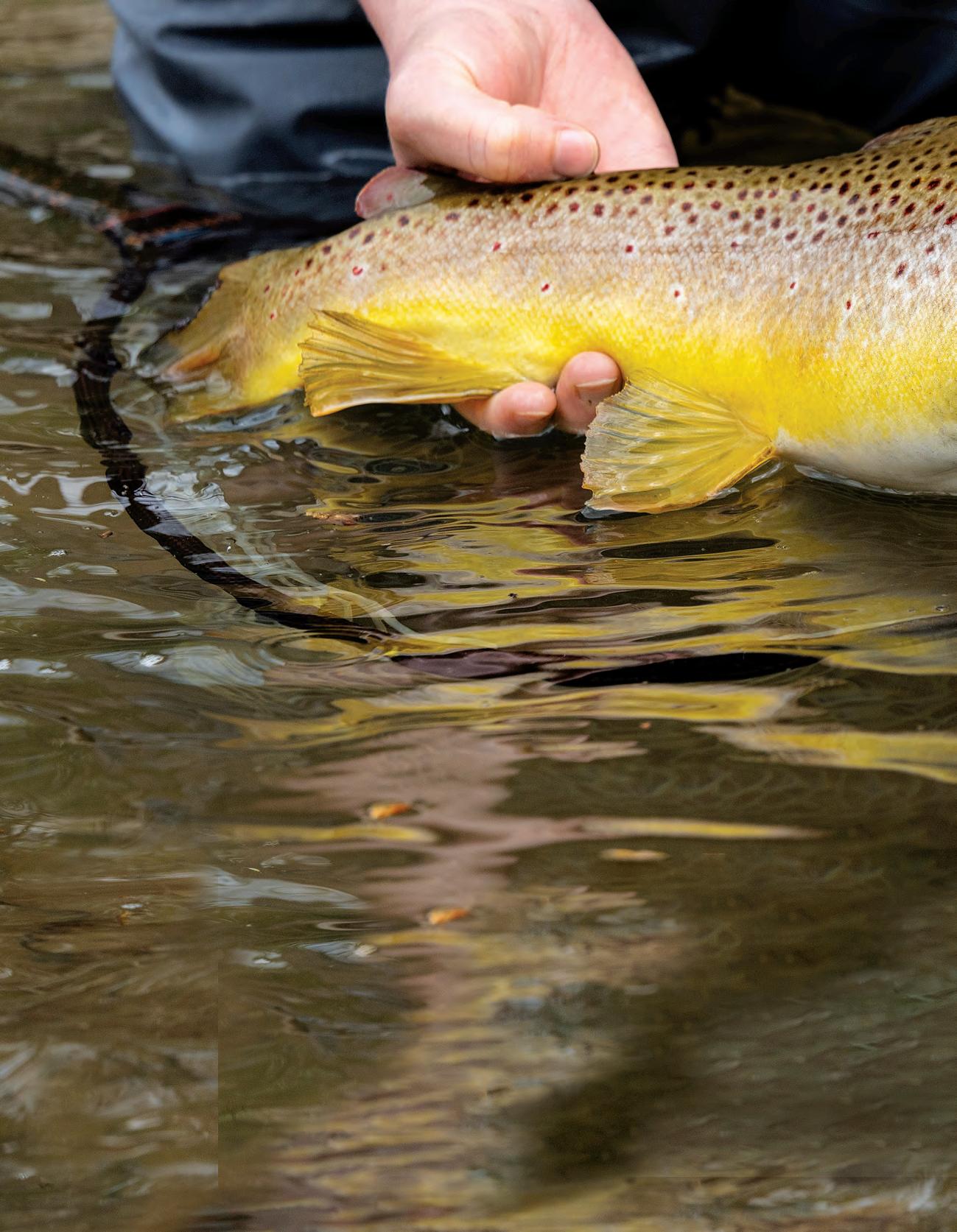
This past spring was truly incredible. I witnessed one of the best Hendrickson mayfly hatches I’ve ever seen and even discovered a new piece of hard-to-get-to water on my local trout stream that my dad and I dubbed, “The Piggy Flat.” This stretch of water and other nearby sections produced several decent brown trout and even a 20-incher. I caught a few nice browns in the 16-to-18-inch range out of here on nymphs in mid-April.
One afternoon in late April 2025, my wife, Anna, decided to tag along with me to the stream, and I figured that we would go to The Piggy Flat with all the success I have been having there. She certainly loves catching trout, but she’ll tell you that she doesn’t quite have the same fishing addiction that I do. The outing started a bit slow; I picked up a few wild browns but nothing huge. As we fished our way upstream, we came to an inconspicuous-looking flat
onthat had a small riffle at the top. I usually didn’t give this flat much thought, as it is featureless and doesn’t have much structure for the fish to relate to. This time, however, I noticed a slight change in depth right in the middle of the flat that created the perfect little bucket for a fish to sit in. It was one of those sneaky little pieces of cover that you just know would hold a good one.
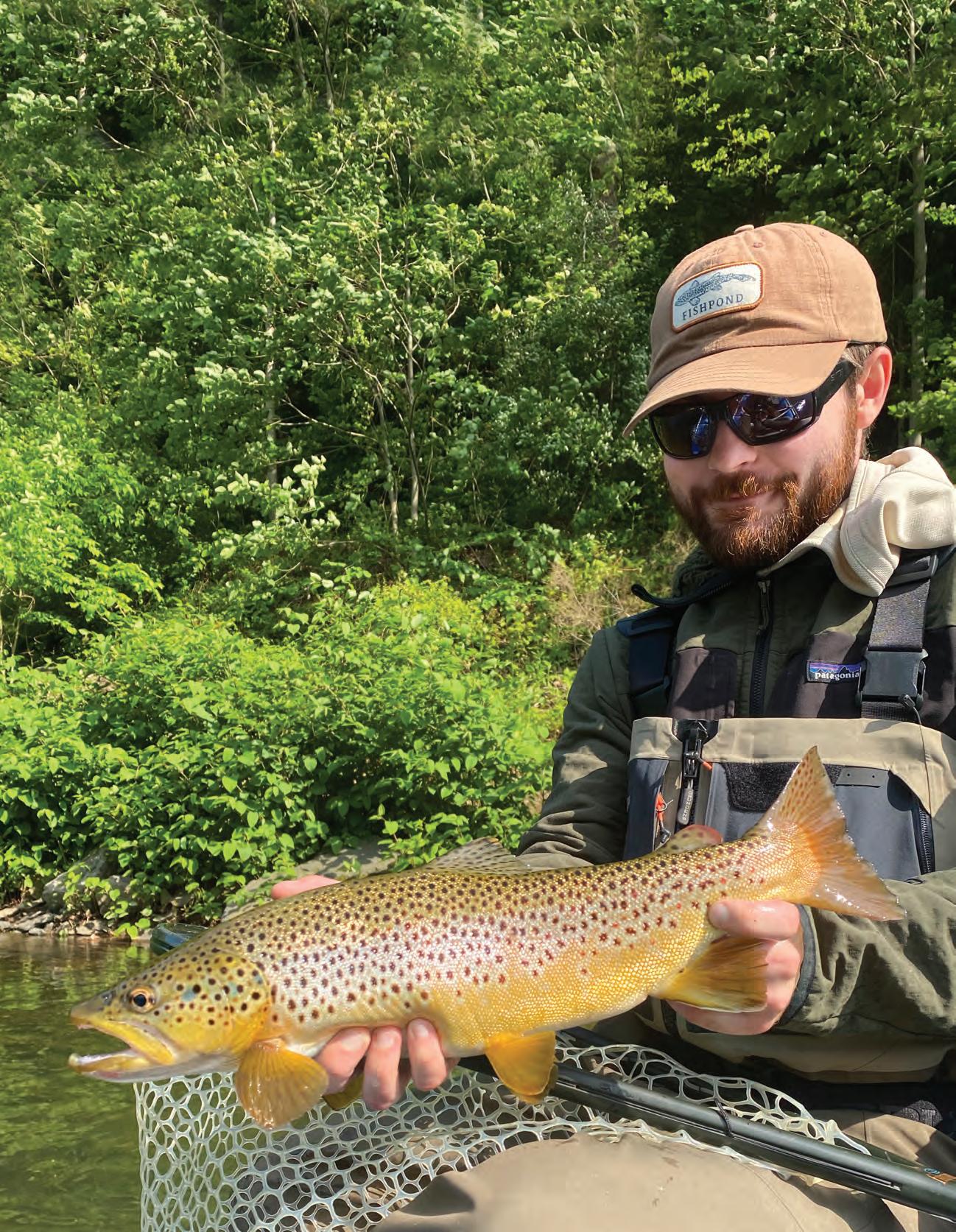
I pointed it out to Anna, and she cast her fly, a Walt’s worm, into the head of the riffle and set the hook after feeling a light strike. At first there wasn’t much resistance, but the fish began thrashing and peeling line. After a lengthy battle, we landed a solid 20-inch wild brown, which turned out to be her best fish of the year! This was a valuable lesson to revisit water that I often overlook.
As we progressed into late spring, nonstop rain caused the creeks to be blown out and unwadable. High water in mind, my buddies and I took to our rafts and put on a
few floats. This year was unique because while the green drakes were hatching, the 17-year cicadas also emerged and made for some epic and potentially once-in-a-lifetime outings.
On the first of June, my buddy and I hopped in his raft to float a 12-mile stretch of a particularly scenic creek. I swear that we couldn’t keep fish off the line. It seemed like there was a fish behind every rock. After hammering fish all morning, we started goofing off and throwing the biggest stonefly nymphs that we could find in our boxes, and the trout still took them. As we continued floating downstream, the subsurface action died down. After a short lull in the action, we were greeted with a blanket hatch of green drakes, and many fish willing to eat them. By the end of that day, we had to have caught at least 50 trout combined.
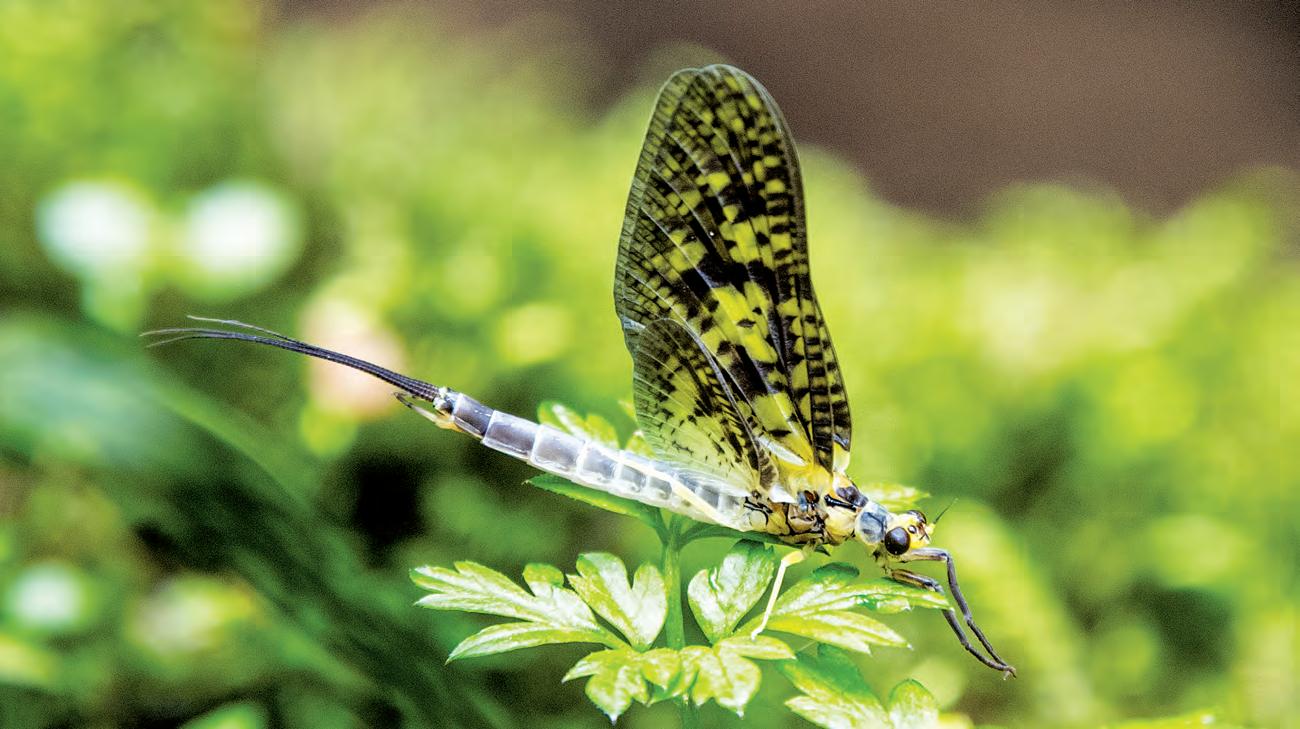
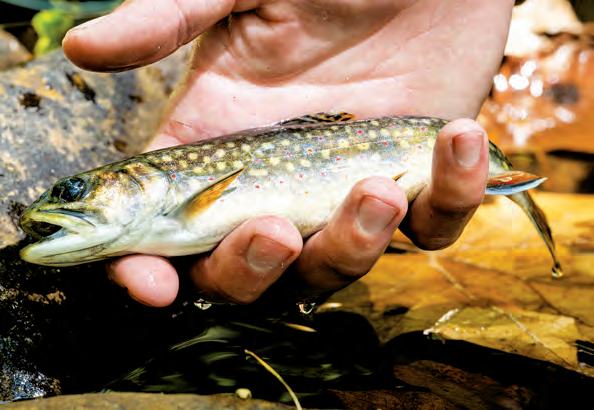
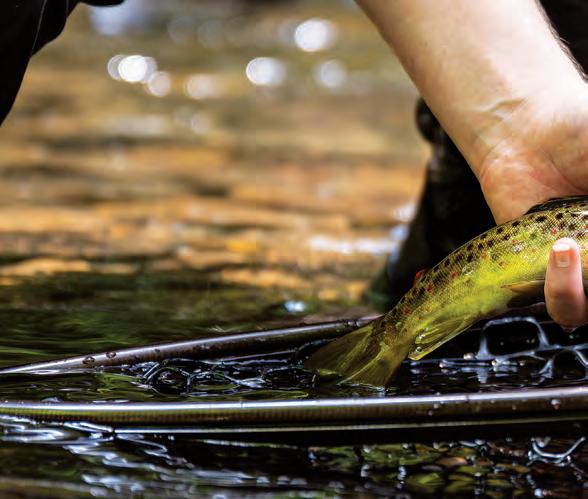

Spring came to an end, the high water receded, and we were left with an exceptionally hot and dry summer. My wife and I took to the ridges and deep valleys of the PA Wilds to escape the heat. Most of the summer was spent camping and chasing native brook trout and wild brown trout in small blue line streams. These blue liners may be small, but the water stays cold throughout the entire summer. The trout in these streams aren’t huge, but they are some of the prettiest fish you’ll catch.
By August, we were over the heat, but we still fished and explored. On a particularly hot afternoon, we decided to try a local but remote brookie stream that we’ve never fished. We picked apart the best-looking holes for about a mile, and it seemed like the stream was devoid of life. After we waited out a short rain shower, it felt like a switch was flipped. We were picking off fish after fish on our dry-dropper rigs. The colors on the brook and brown trout made the hike worth it.
Eventually the heat subsided and fall arrived. This time of year, I am in grouse-hunting mode, and the season was a great learning experience for my dog. Birds aside, I still found time to fish. Perhaps I would have been a bit more eager to fish if we ever got rain!
I ended up catching my best fish of the year this past fall. A buddy of mine was able to take leave from the military
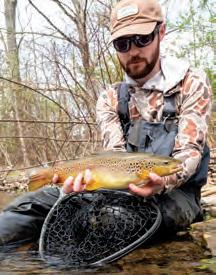
Evan Buck is an avid outdoorsman based in Clinton County. He likes to spend as much of his free time as possible outdoors, from chasing wild trout in wild places and hunting pheasants and grouse in the fall to camping in PA's vast public lands. When he isn’t exploring some remote place in the PA Wilds, he’s dedicating his time to his career in environmental protection.
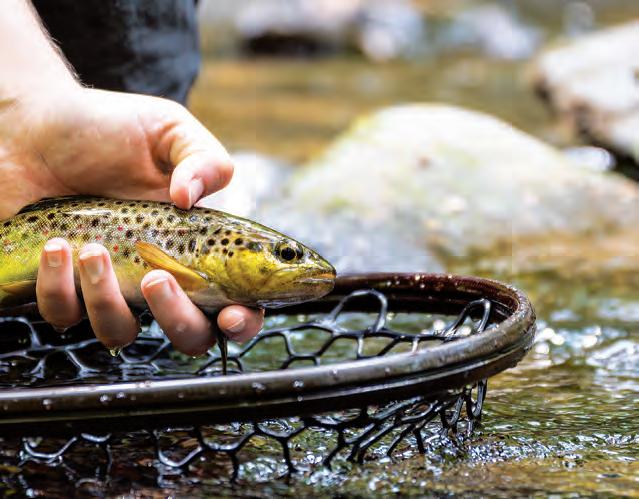
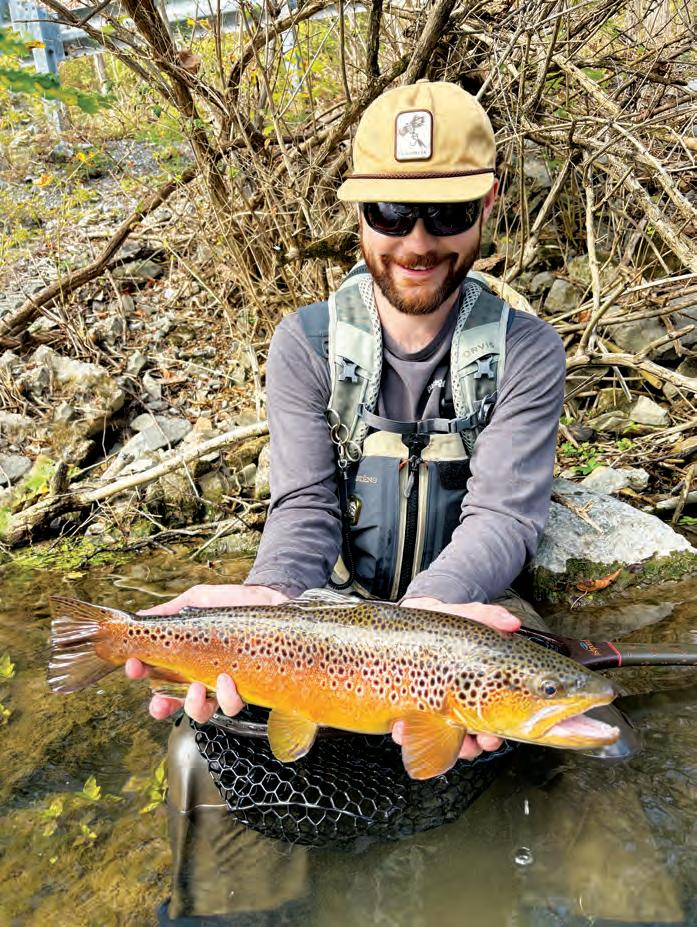
and came to visit me in October. One afternoon, we went fishing up the road from my house for a few hours. The water was so low and clear that we had to use 6x tippet and fish small dry-dropper rigs to avoid spooking the fish. It was a dreadfully slow day; we kept working our way upstream without so much as a bite. I came to a run that had a lowhanging tree over it, and beneath the tree the creek's bottom changed from clear to a chalky green, a telltale sign of depth change.
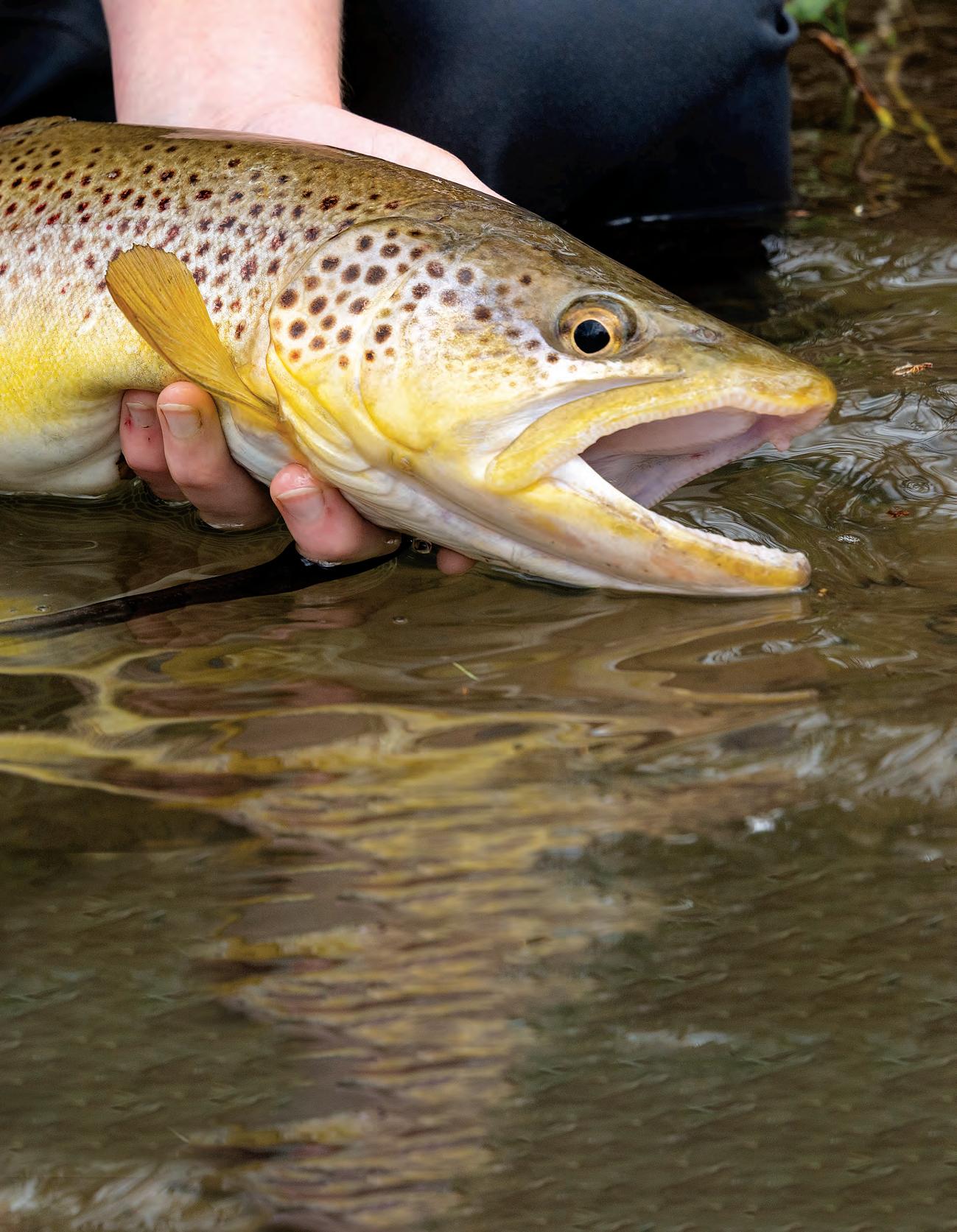
I cast my flies under the tree, and they ever so subtly twitched. I set the hook and saw a huge brown trout roll. The fish peeled downstream into a fast run, and I had to chase after it to avoid breaking it off. After taking a tumble and getting wet, I caught up to the fish, which then ran me into some big weed beds. I was yelling for my buddy to run up to me to help me net the fish while I wrestled it out of the weeds. I was shocked that the fish didn’t break me off. Eventually, my buddy made it and we netted the fish. We decided to end on that one since it was the only fish of the day, and we knew it wouldn’t get any better than that.
This past year was one of the best years of trout fishing that I’ve ever had, and I feel so fortunate to have been able to share these good times with my friends and family. Winter will soon come to an end, and more good times will be had. While I wait, I have half a mind to just tough out the cold, find a stretch of open water that isn’t iced up, and go fishing.













FRIDAY,
GENERAL ARCHERY
WEDNESDAY, JUNE 3
WEDNESDAY, JUNE 17
WEDNESDAY, JULY 1
WEDNESDAY, JULY 15
WEDNESDAY, JULY 29
WEDNESDAY, AUG. 19
WEDNESDAY, SEPT. 16
WEDNESDAY, MAY 20 ARCHERY CROSSBOW
WEDNESDAY, AUGUST 26
CONSERVATION COLLECTIBLES EXPO AND GEAR EXCHANGE
Saturday, June 27
EXPLORING THE AMERICAN LONGRIFLE
Saturday, June 27
WILDLIFE ART SHOW
Friday, July 31-Sunday, August 2
DEER PROCESSING WORKSHOP
Saturday, September 5
TICKS AND TICKBORNE
DISEASES OF PENNSYLVANIA
Wednesday, September 9
NATIONAL HUNTING AND FISHING DAY
Sunday, September 27
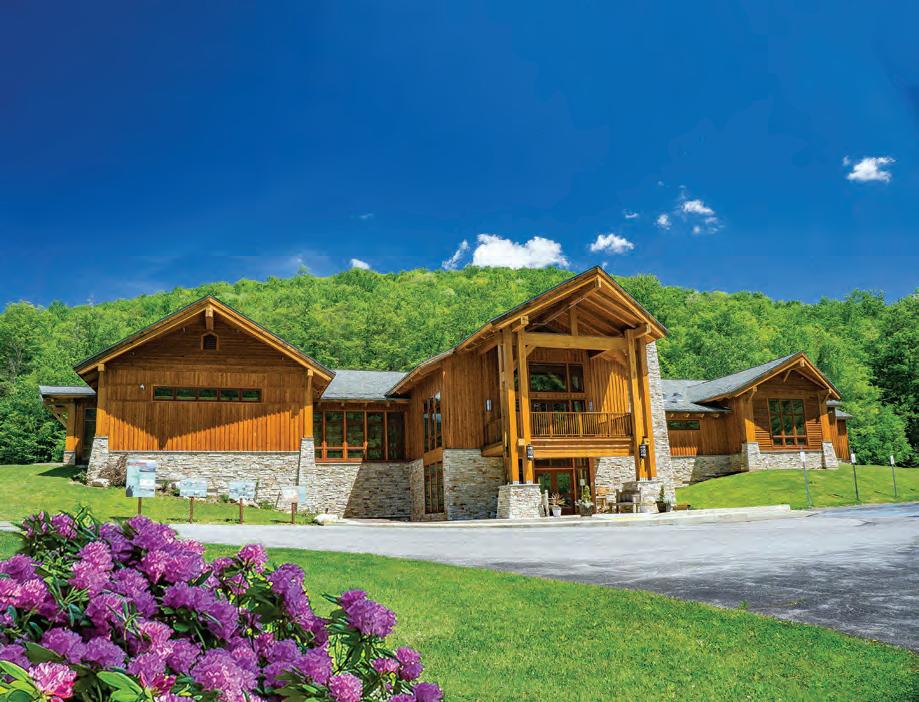
Monday:
Closed Tuesday - Sunday: 8:00 a.m. - 4:00 p.m. Closed seasonally from Thanksgiving through Martin Luther King Day
Visitors Center Address: 100 Museum Rd Stevens, PA 17578
Phone Number: 717-733-1512
Email Address: middlecreek@pa.gov

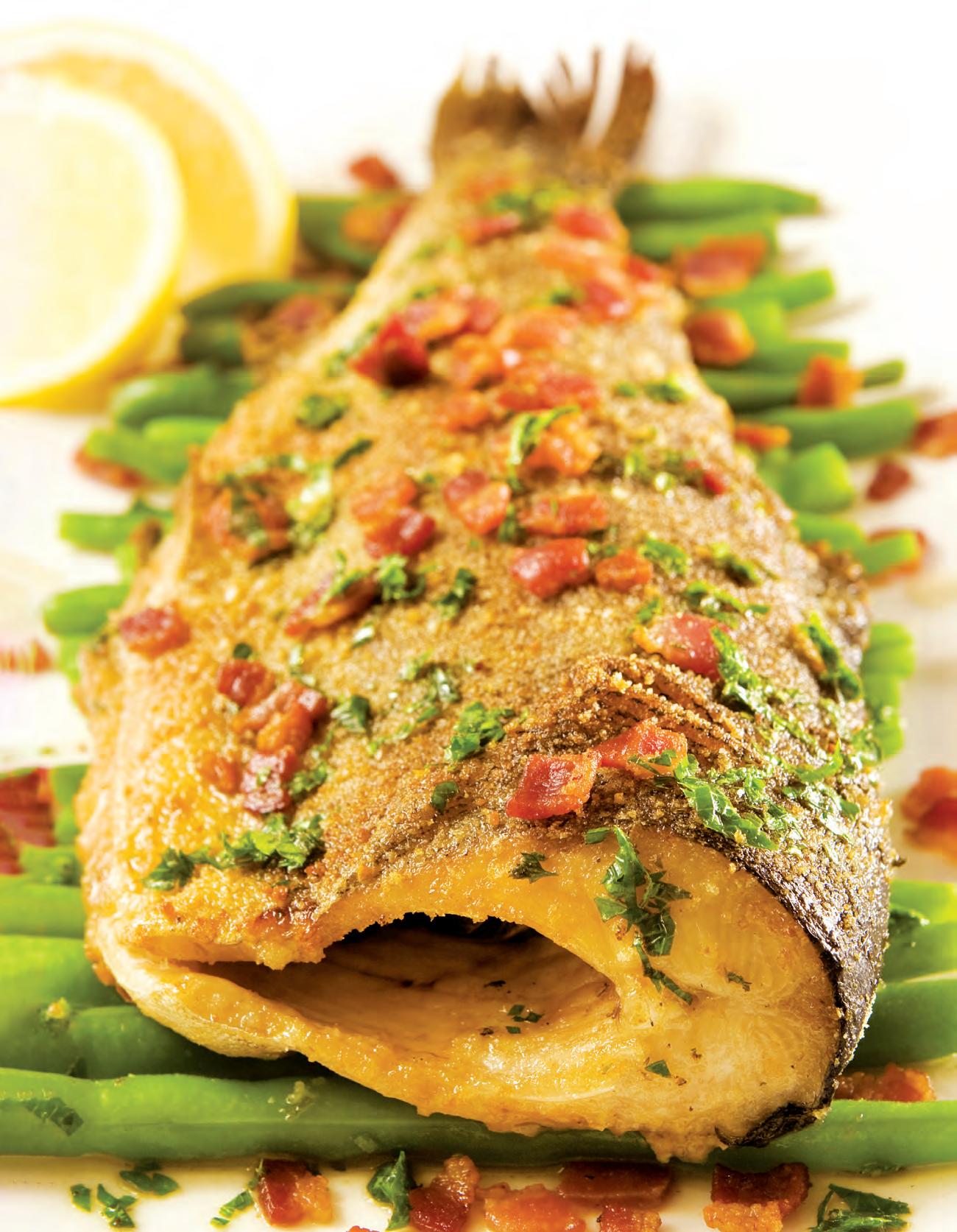
After a day of fishing, it’s often rewarding to kick back and enjoy a meal featuring that day’s catch. These tips can set the course for success when cooking fish.
1
Most fish is cooked when the center is opaque and the fish flakes easily with a fork. Fish can be fried, poached, steamed, baked, or grilled.
2
Baking fish is one of the easier methods to master, particularly if you're prone to overcooking fish. Set the oven to 450 degrees F to cook the fish fast and evenly. Thin fillets need about 8 minutes, while thicker cuts may require 15 to 20 minutes.
3
Resist the urge to manipulate the fish too much; otherwise, it will fall apart since it is very delicate. Try to flip only once.
4
Pat the fish dry before cooking, as extra moisture can cause the fish to steam instead of sear, resulting in a mushy final product.
5
Choose the right recipe for the fish. For example, a chowder or paella will require a sturdier fish, such as cod, while a more delicate fish will fall apart if simmered.
6
If you want crispy skin on fish, start it in the pan with the skin side up. Afterward, when you flip the fillet, it will crisp nicely.
Fish is an important component of a healthy diet. Compared to many other sources of protein, including beef, pork, and chicken, certain varieties of fish are lower in calories per serving size. Plus, fish is an important source of omega-3 fatty acids, which have been linked to heart and brain health.
The American Heart Association recommends that people eat at least two servings of fish each week. The following is some nutritional information on some popular types of fish, courtesy of the United States Department of Agriculture. Nutritional information for raw fish is based on a standard 3-ounce serving size.
Cod (Pacific)
70 calories, 0.54 grams fat, 15.22 grams protein
Flounder
78 calories, 1.02 grams fat, 16.02 grams protein
Haddock
74 calories, 0.61 grams fat, 16.36 grams protein
Halibut (Atlantic and Pacific)
94 calories, 1.95 grams fat, 17.69 grams protein
7
Using a variety of fish in a recipe might mean managing different cooking times. Investigate your ingredients and figure out when to add them to the mix.
8
If you will be frying fish, make sure not to overcrowd the pan so that the temperature remains consistent and will produce crispy results.
9
Watch for bones. Some fish, including trout and salmon, have a double rib cage, and that means small pin bones. Remove the bones by pressing the flesh with your fingers and using a tweezer to grab the pin bones.
1
0
For more professional flipping results, purchase a fish spatula, which can get underneath fillets without tearing them apart.
This advice can put anyone on the road to successful fish preparation.
Mahi-mahi
72 calories, 0.60 grams fat, 15.72 grams protein
Ocean perch
81 calories, 1.38 grams fat, 15.84 grams protein
Salmon (farmed)
156 calories, 9.22 grams fat, 16.92 grams protein
Tilapia
81 calories, 1.44 grams fat, 17.07 grams protein
Tuna
93 calories, 0.81 grams fat, 19.89 grams protein
The way fish is prepared can alter its nutritional profile. Baking, grilling, or broiling without adding fat are the healthiest ways to prepare fish. Enhance the flavor of fish with fresh herbs and citrus marinades.


Aid Certification (Including BLS, ACLS, PALS, PEARS, Tactical Medicine, Stop The Bleed)
Firearm Instruction (Pistol, Rifle, Shotgun, MD CC, Range SO, Private Lessons)
Phone/Text: 717-504-5737 Email: info@safety-educators.com Web: www.safety-educators.com










•
•
•
•
•
Trout Stocking
Various dates and meeting places | fbweb.pa.gov/TroutStocking
Kids’ Fishing Derby and Pancake Breakfast April 11, 2026
Donegal Presbyterian Church, 1891 Donegal Springs Road, Mount Joy donegalcreek.wordpress.com
Veterans Fly Tying Event
April 14, May 12, June 9, July 14, Aug. 11, Sept. 8, Oct. 13, Nov. 10, Dec. 8, 2026
Precision Fly & Tackle Shop, 1957 Fruitville Pike, Lancaster | donegaltu.org
Run & Reel Spring Festival April 25, 2026
Camp Kanesatake, 4976 Camp K Lane, Spruce Creek | mycampk.com
Fly on the Run Banquet and Tournament May 6 and 7, 2026
Banquet at LCCTC Mount Joy Campus, 432 Old Market St., Mount Joy Tournament at Millport Conservancy, 737 E. Millport Road, Lititz lcctf.org/fly-on-the-run
Lancaster County Youth Conservation School July 19 to 24, 2026 Northern Lancaster County Fish and Game Protection Association, 180 Forest Road, Denver lancasterconservation.org
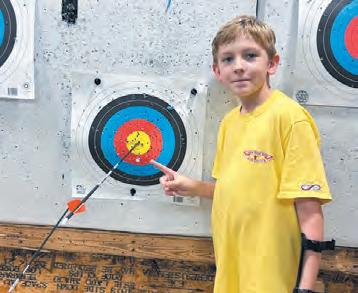
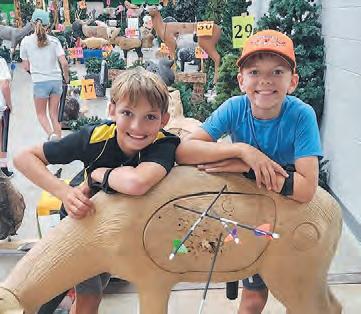
• 50 yard 3D indoor archery target range
• 50 yard block target crossbow range
• 20 yard paper target archery range
• TechnoHunt virtual hunt experience
• Double stall axe throwing room.
• MILO firearms simulator
• NERF - Splatter Ball - Airsoft battle room
• Pellet/BB Gun range
• 1/2 Hr. & 1 Hr. rentals
• Archery Nerf Battle
• New Party Room





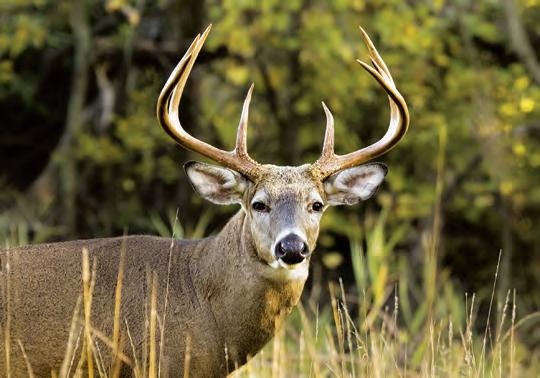
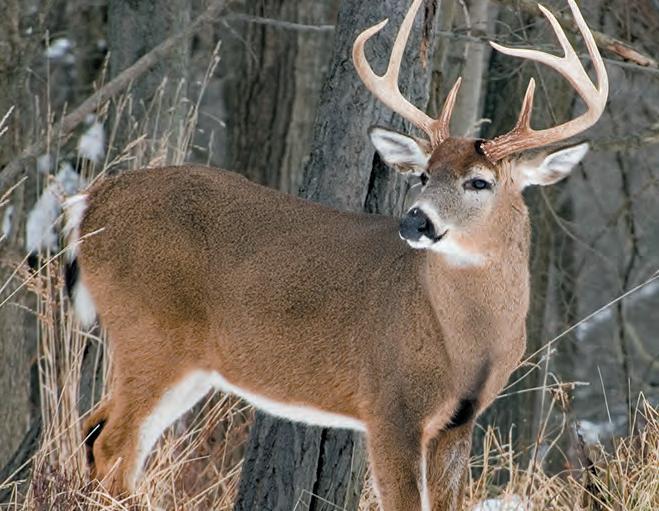
• Information on seasons and bag limits - The Board of Game Commissioners has approved 13 Sunday hunting opportunities for the 2026 season. Hunting of migratory game birds on Sundays remains prohibited.
• Licensing - people can buy a license online or in person through a local issuing agent.
• Information on different types of hunting licenses can be found online are valid from July 1, 2026, to June 30, 2027.
Most replacement licenses and permits are $6.97. For more information on these licenses, add-on licenses, and permits, visit pa.gov/agencies/pgc.







• Seasons - information on fishing seasons and creel limits both statewide and in specific areas, visit online for details. The trout season runs from the beginning of April to the beginning of September.
• Licensing - A valid Pennsylvania fishing license is required for people age 16 and older. People can buy a license online or in person through an issuing agent, who can be searched for by county online.
• Boats are required to be registered in the state where they are primarily used. A valid registration card must be carried on the boat and expires on the date indicated on the decal. Visit the website for more information on registration and titling a Boat.
















DUCKS UNLIMITED ducks.org
• Upcoming events
• State officers’ contact information
• Information on wetlands and the organizations efforts to conserve them
• Hunting information, including information on gear, destinations, and tips, as well as a migration map
• Information on memberships
TROUT UNLIMITED patrout.org
• Information on the Pennsylvania Council
• Find your local chapter and upcoming events
Learn more about Trout Unlimited’s conservation efforts and information on memberships at tu.org
NATIONAL WILD TURKEY FEDERATION nwtf.org
• General information
• Find your local chapter
Resources for hunters and search for upcoming events at your.nwtf.org
ROCKY MOUNTAIN ELK FOUNDATION rmef.org
• General information
• Find your local chapter
• Look for upcoming events
Information on memberships can be found at shop.rmef.org
DELTA WATERFOWL deltawaterfowl.org
• Information on Delta Waterfowl’s efforts to recruit more waterfowl hunters in North America
• To learn about the organization’s conservation efforts
• Find your local chapter
• Look for upcoming events
• Information on memberships
BACKCOUNTRY HUNTERS & ANGLERS backcountryhunters.org
• Information on Pennsylvania chapter
• Look for upcoming events
• Information on memberships
NATIONAL DEER ASSOCIATION deerassociation.com
• Pennsylvania page
• Information on memberships
• Learn to hunt
PENNSYLVANIA FEDERATION OF SPORTSMEN AND CONSERVATIONISTS pfsc.org
• General information
• Upcoming events
• Memberships
NATIONAL WILDLIFE FEDERATION nwf.org
• General information
• Educational resources
DONEGAL FISH AND CONSERVATION ASSOCIATION donegalcreek.wordpress.com
• General information
• Membership
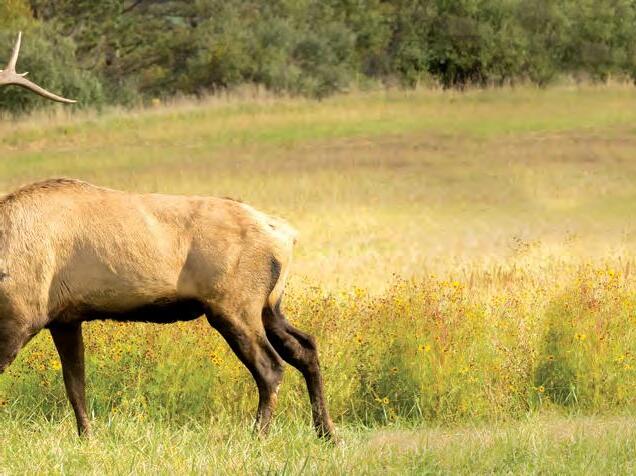
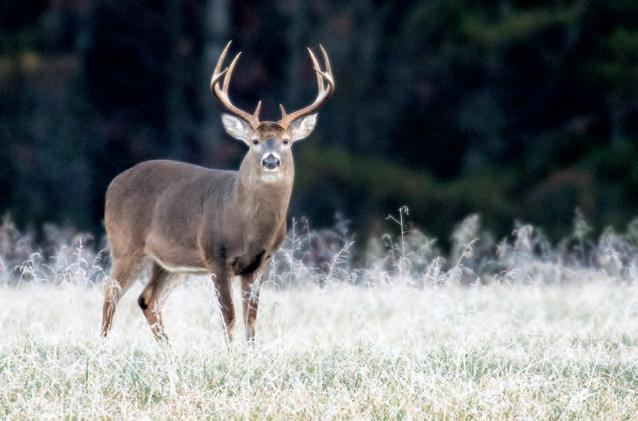




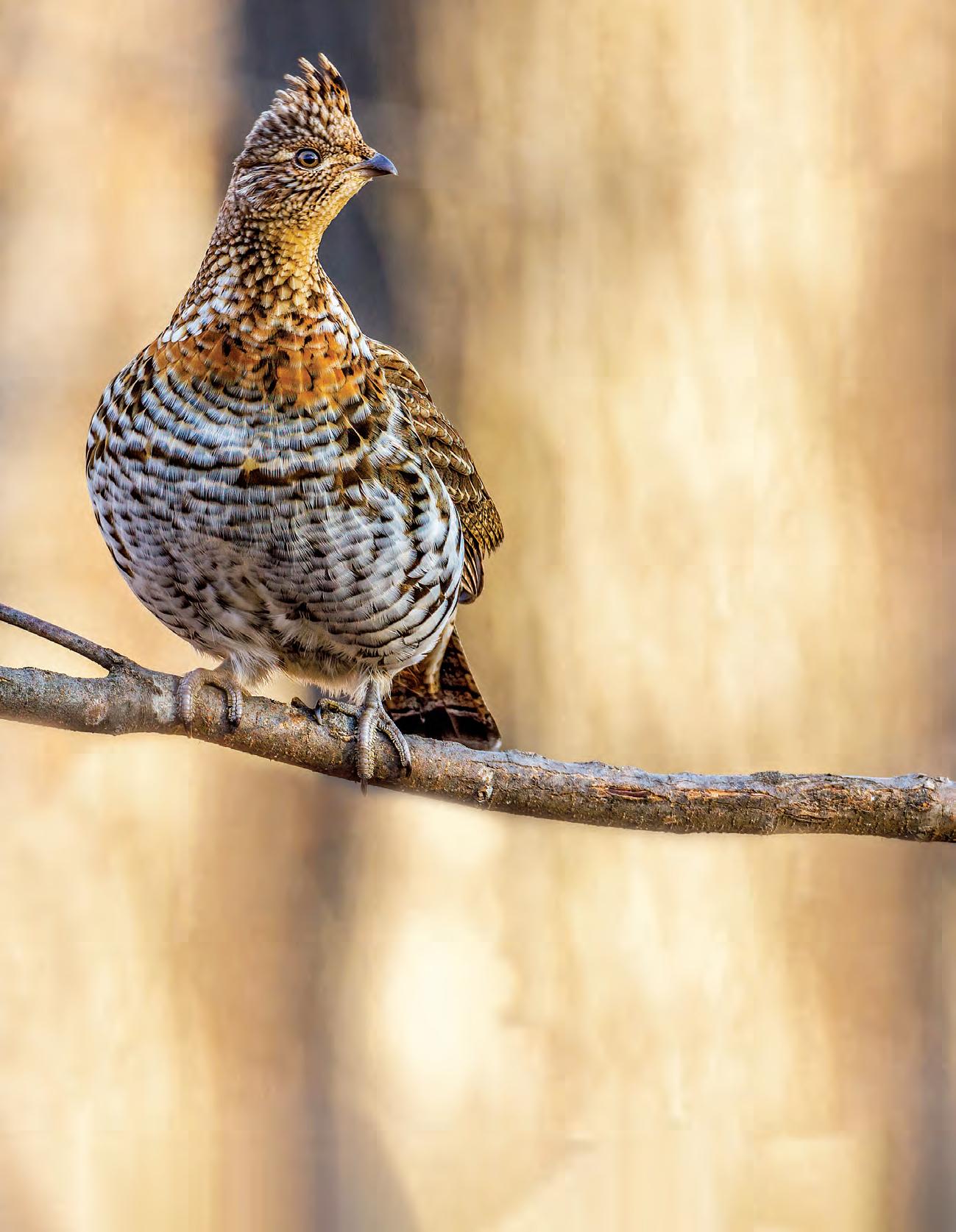
BY JESSICA AIELLO
Pennsylvania Parks and Forests Foundation
Pennsylvania’s state bird – the ruffed grouse – is in decline, but organizations are working together to restore habitat and reduce negative impacts on this game bird species. One such partnership is between the Pennsylvania Bureau of Forestry and the Pennsylvania Game Commission (PGC). Over the past eight years, these agencies have invested considerable time in creating young forest habitats that will benefit not just ruffed grouse, but many other species as well.
Ruffed grouse is considered a “species of greatest conservation need” in Pennsylvania. The PGC has been studying grouse declines since 2015 and has found that two factors contribute: the loss of high-quality young forest habitat and West Nile virus. Another factor, climate change, is also having a detrimental effect. A 2019 study by the National Audubon Society suggests that ruffed grouse “could largely or entirely leave their respective states’ borders in future summers because of climate change,” should global temperatures rise 2 degrees C (3.6 degrees F) or greater by the end of the century. Grouse burrow into snowbanks for protection from predators and the cold, so if the snow goes, so too will the grouse.
According to the study, to survive, grouse would need to migrate from Pennsylvania to New York and Vermont. Unfortunately, grouse don’t move more than a few miles from where they hatch. Warmer, wetter weather from climate change also means more mosquitos, which could mean more West Nile virus. The virus, first detected in Pennsylvania in the early 2000s, passes via infected mosquitos to bi rds and can be lethal to grouse. While there is no way to be certain how many grouse die from the virus in a given season, PGC’s research has shown fewer survivors in the fall/winter harvest during years with severe outbreaks. One shining light in the fight against West Nile virus is that research shows that grouse in good habitats rebound more quickly from the virus than those in isolated or subpar habitats. It can be concluded that projects that improve the quality and amount of grouse habitat can work in the fight to preserve populations.
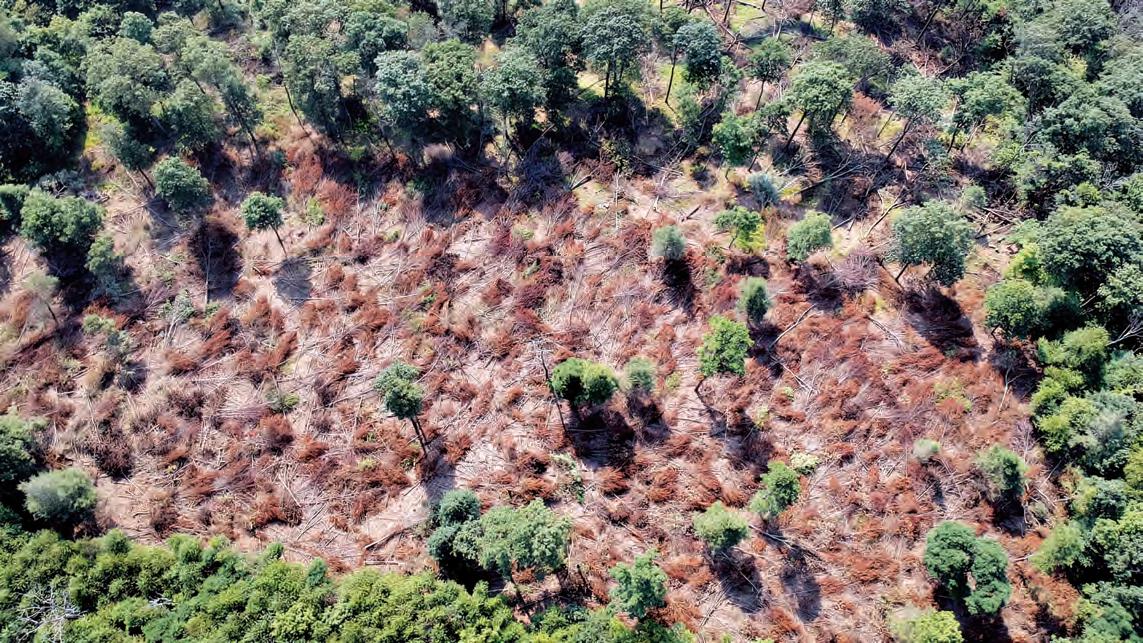
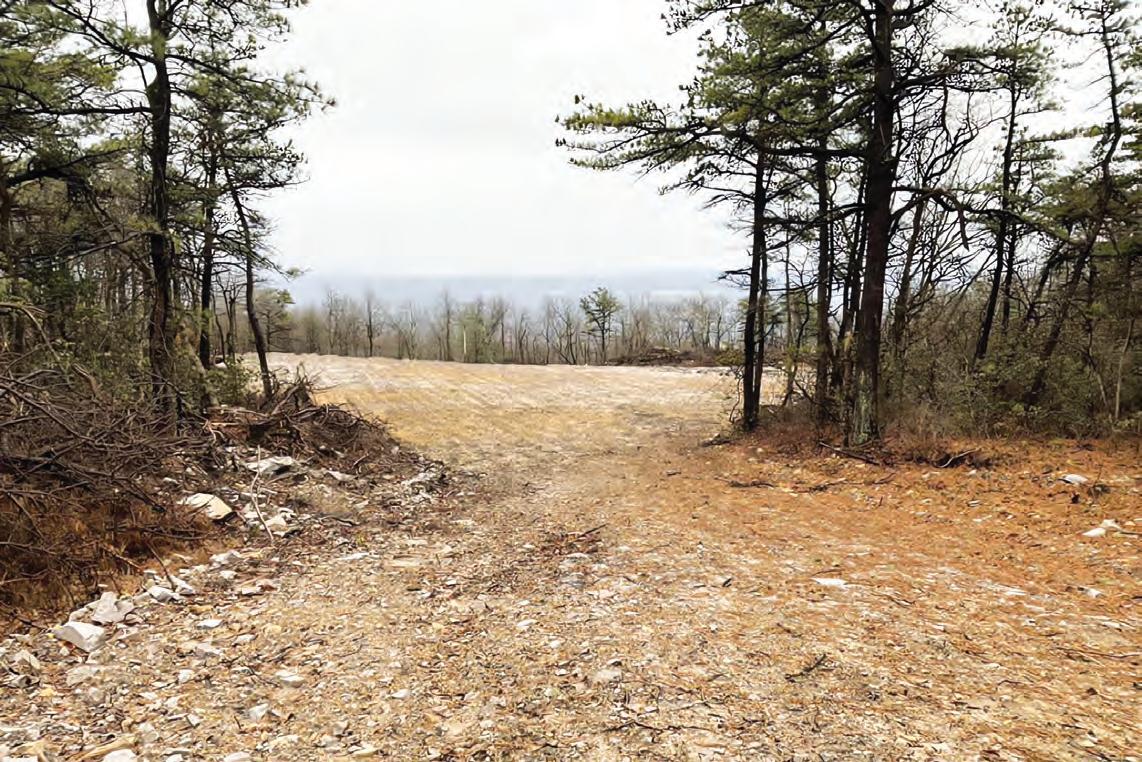
Reforestation after the clearcutting of the late 1800s and early 1900s provided mixed-aged, maturing forests. This is ideal habitat for grouse populations, which use young forests (5-25 years old) and openings in more mature forests for courting, raising young, and finding food. It is estimated that young forests account for 8% of all forests in Pennsylvania, which is only half the acreage needed by species like grouse. As the ideal habitat gets smaller in size, grouse populations become isolated from others and more prone to other threats like West Nile virus and climate change.
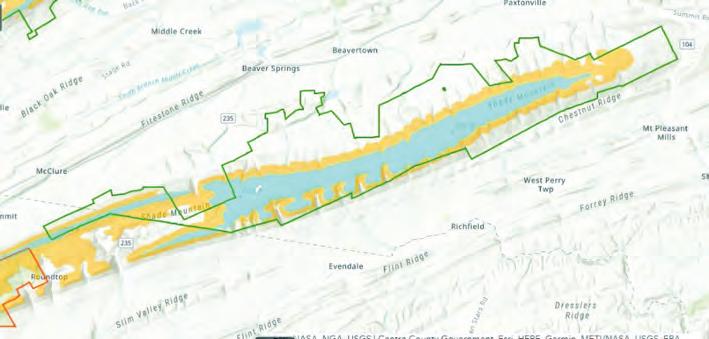
Pennsylvania’s state forest system, which spans approximately 2.2 million acres, makes up 13% of the forested area in the commonwealth. The Bureau of Forestry manages those state forests and is charged with a multitude of dynamic management activities from ecosystem and land management to social and economic impacts. The bureau’s mission is to ensure the long-term health, viability, and productivity of the commonwealth’s forests and to conserve native wild plants.
The Bureau of Forestry, which manages one of the longest-running, certified sustainable forest systems in the nation, is undertaking considerable early successional habitat work. According to Emily Domoto, the Forest Resource

Planning and Information Division chief for the bureau, it has completed more than 70 specific grouse habitat projects in recent years, five of which are large landscapes, increasing their habitat by almost 3,000 acres.
For example, Bald Eagle State Forest in central Pennsylvania includes 104,000 acres of grouse priority acreage, including 73,000 acres with a moderate level of West Nile virus risk. The elevation and dry soil types, along with a combination of oak, red maple, and pitch-pine forest types, make it conducive to long-term grouse restoration and sustainability.
David Felix, assistant district forester for the Bald Eagle State Forest, said the bureau “utilizes a timber allocation model as a guide to balance the age classes of manageable stands on state forest land with sustainable harvesting. These activities create a variety of wildlife habitats. Some of the stands fall into the grouse priority areas but are of poor or marginal quality for timber production. With the help of local and national cooperators, we can create young foresttype habitats for grouse and other wildlife.”
With support from the PGC, the Bureau of Forestry, and private philanthropy through the Pennsylvania Parks and Forests Foundation (PPFF), hundreds of acres of grouse habitat on Shade Mountain will be restored. When completed, it will create a landscape-scale grouse restoration initiative in an area of the state that is rapidly losing grouse. Restoration includes removing invasive plants and promoting the growth of scrub-oak and pitch-pine stands with prescribed fire and overstory removal treatments to promote seedling growth. Species like serviceberry, wild grape, and witch-hazel are retained to provide food for grouse and other wildlife. Some large trees are hand-felled to create drummer logs for the grouse.
“Habitat work such as this takes funding commitment from commissions, agencies, and private donors,” said Marci Mowery, president of PPFF. “In addition to grant funding, individuals can support the project through our online donation portal.”

You can learn more about PPFF and how to donate directly to the grouse habitat project at ppff.gives/ bald-eaglesf-grouse-habitat.





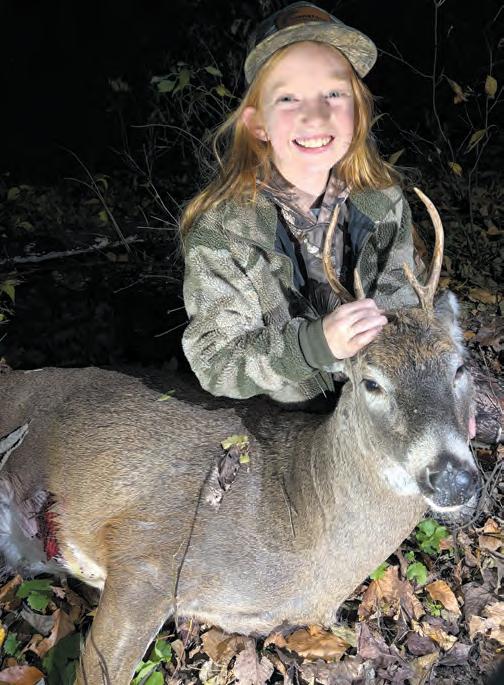
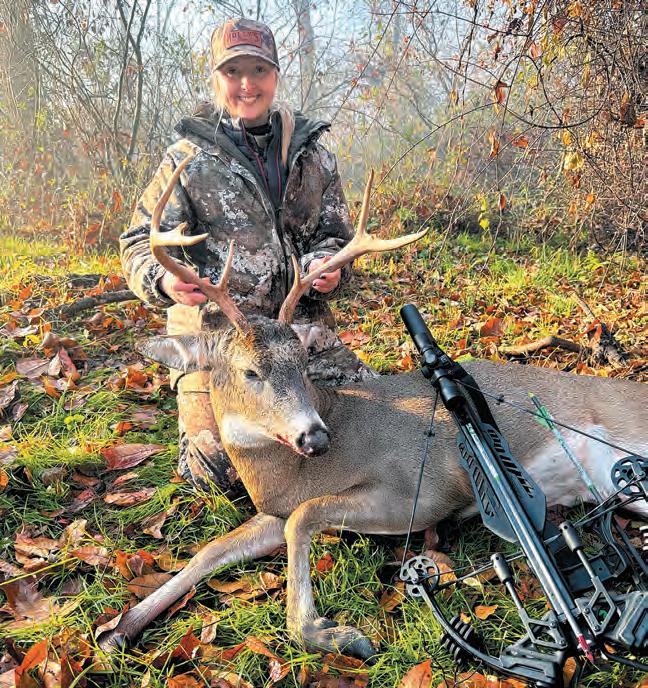
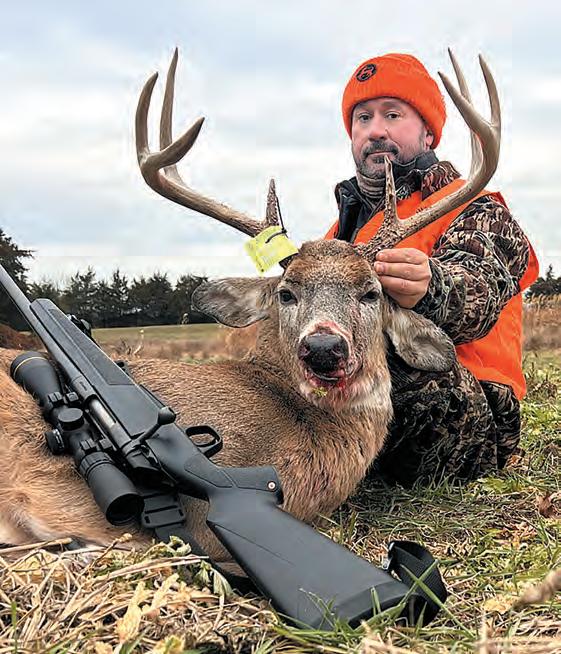
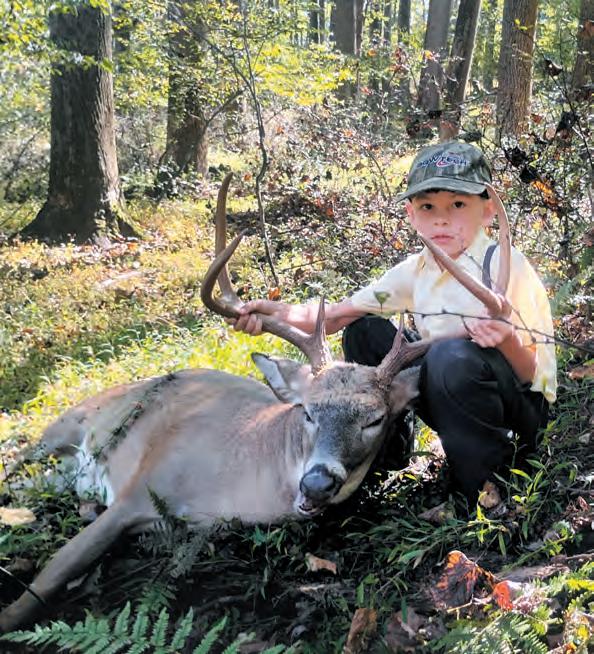

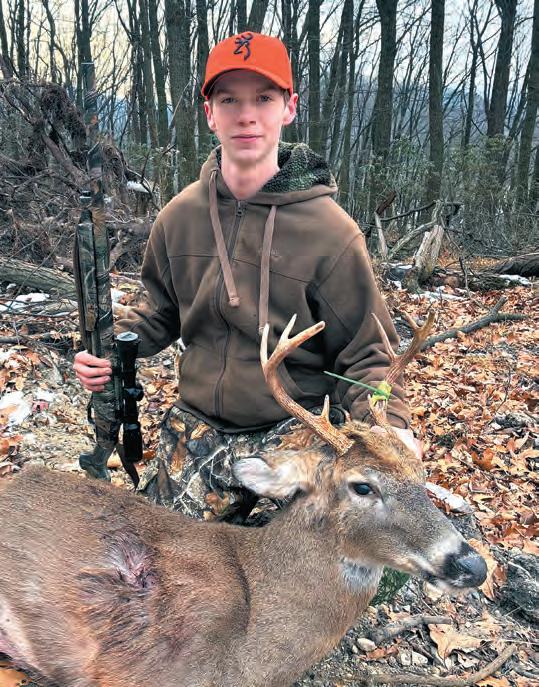
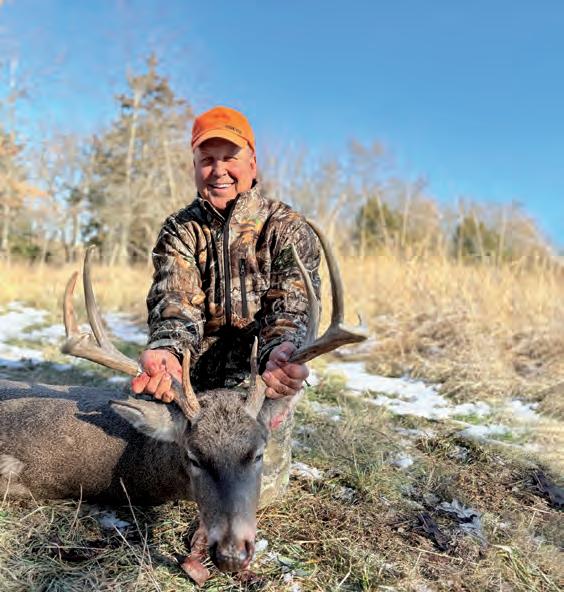
David Isaiah Barr of Christiana; 8-point buck, with a slug gun at 25 yards; Berks County; last day of regular firearm season 2025.
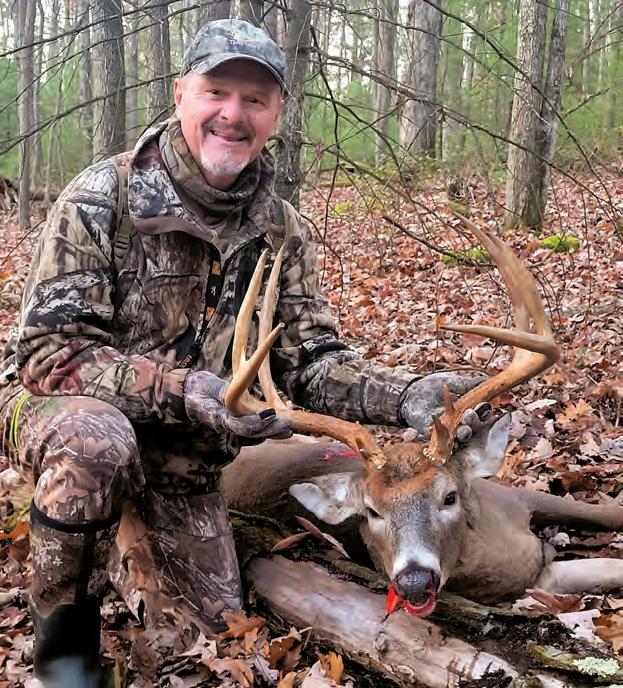
Don DeClementi of Mount Joy; white-tailed deer, archery hunting; an hour before dark while hunting with his son and good friends.
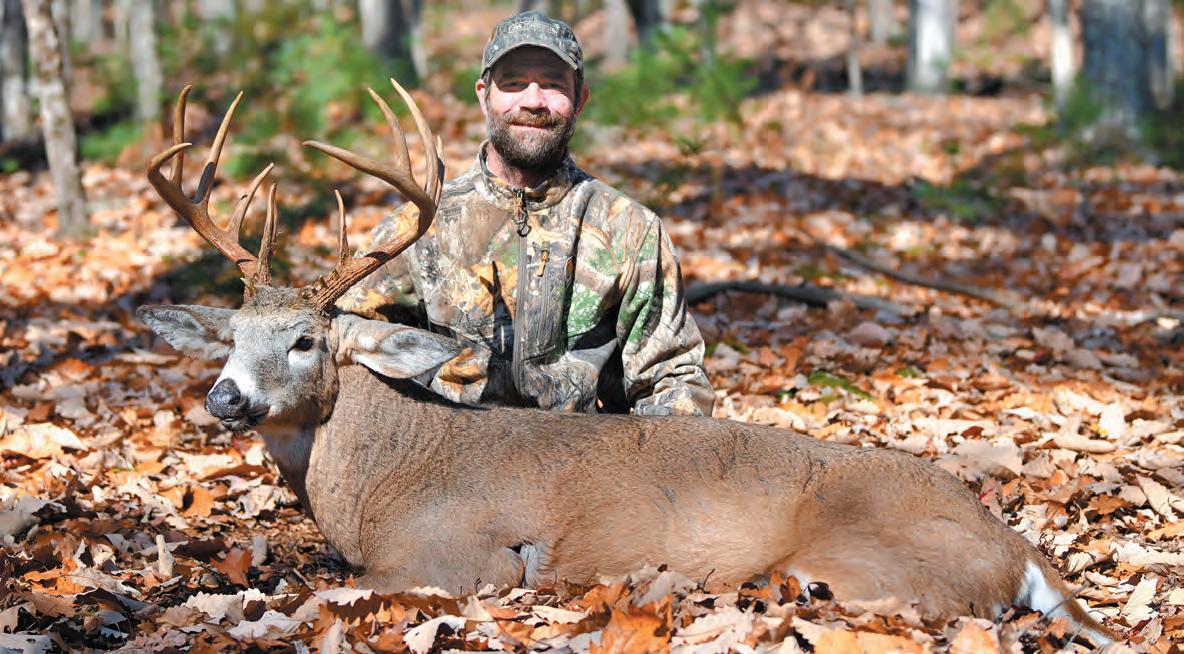
Greg Royer , 45, of Wrightsville; 13-point buck, with a compound bow at 37 yards, with buck already in front of stand when Greg arrived; Lycoming County; Nov. 2, 2025.
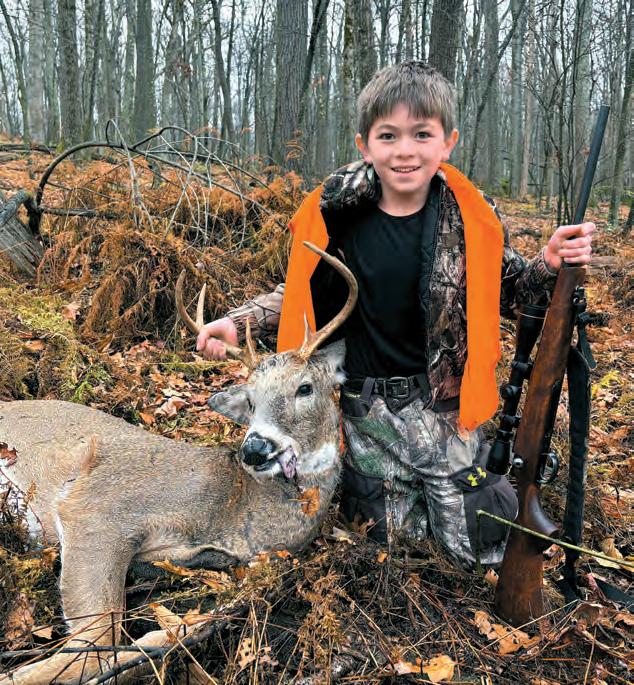
Eli Martenson , 11; buck, shot with a .243 from 60 yards; western Maryland.
Joe Still , 44, of Grantville; 9-point whitetailed buck, taken from 12 yards after chasing a doe during the rut; Bradford County; 2025 archery season.
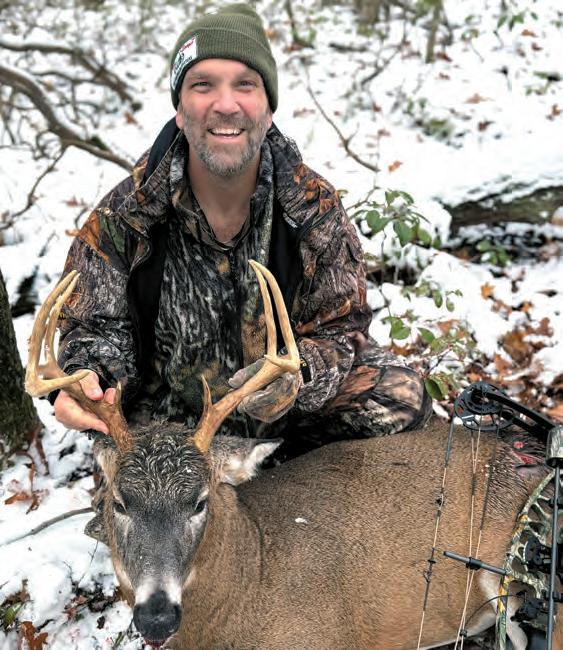
Jack Shelly of Mount Joy; buck, 170 lb., shot about 95 yards away from a tower stand; Galena, Md.; Nov. 29, 2025; at 3:47 p.m.
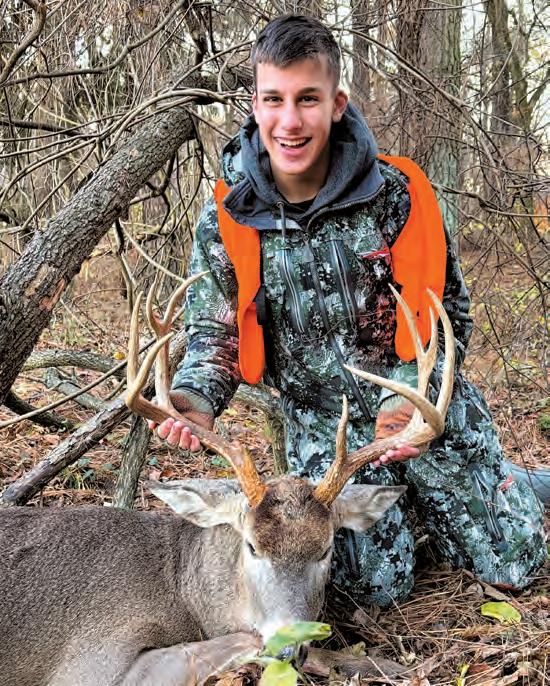
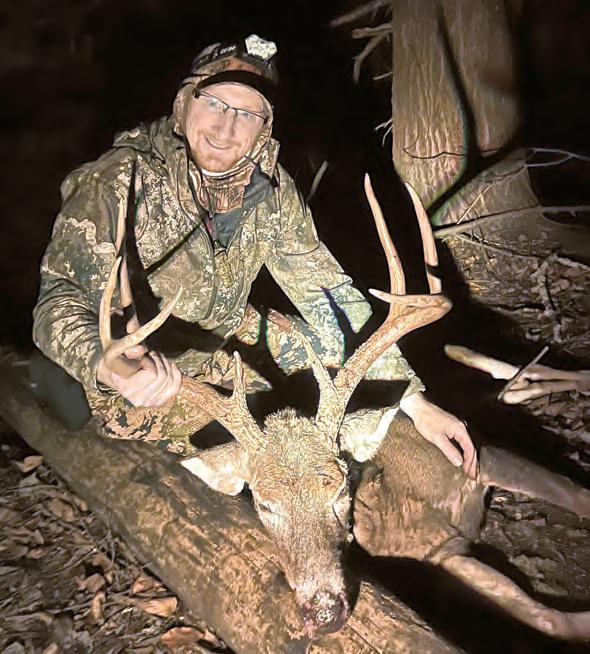
Kenny Rothacker , 15, of Manheim; first buck, taken with a 6.5 Creedmoor rifle from a ground blind made of sticks; Huntingdon County; public land opening day 2025; 7:45 a.m.
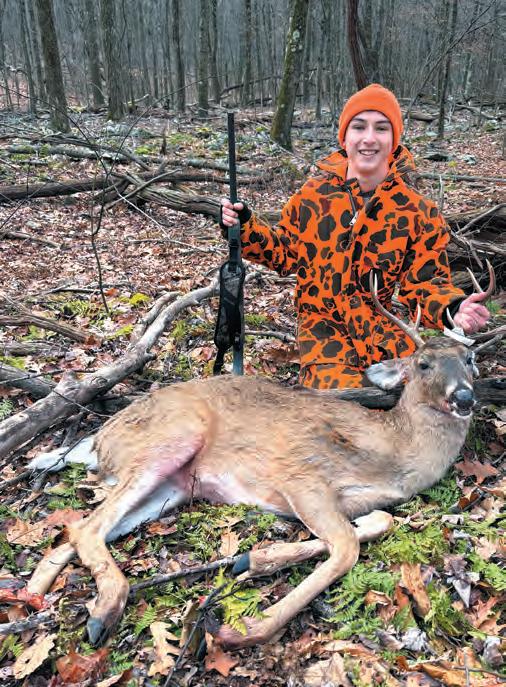
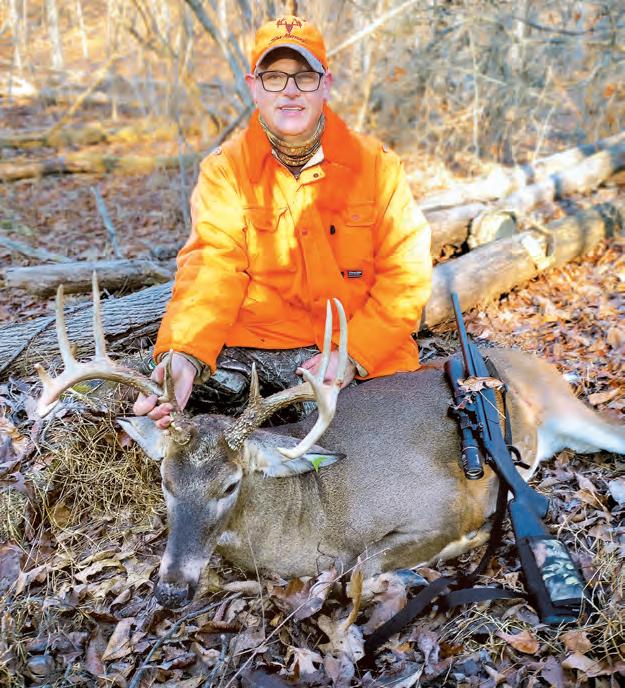
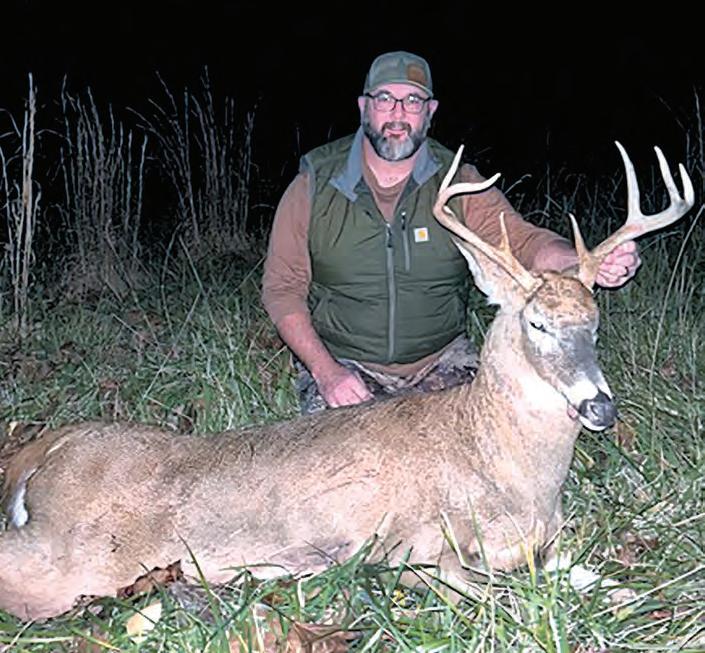
William Hartman of East Earl; 8-point buck, taken with an arrow at 22 yards after chasing another buck competing for a doe during peak rut; Aberdeen, Md.; Nov. 14, 2025.
Weidman , 53, of Strasburg; buck; Huntingdon County.
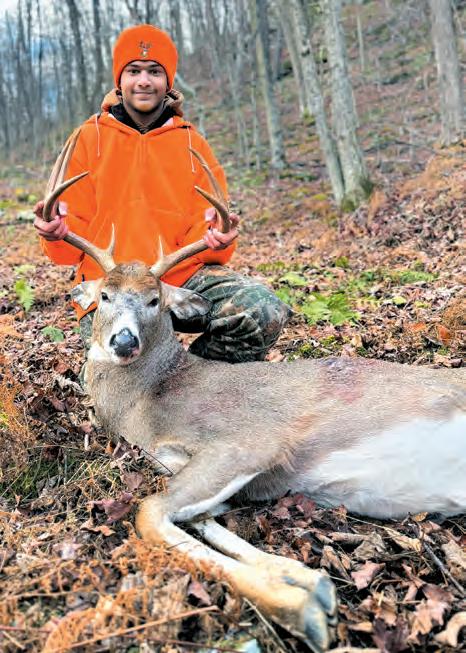
Levi Still , 16, of Grantville; 8-point white-tailed buck after an early-morning hike to a ridge; Gamelands 36, Bradford County; rifle season opening day 2025.
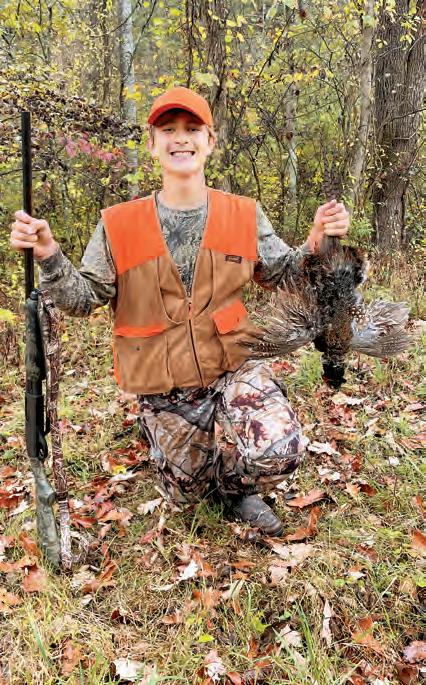
Tristan Petrosky of Manheim; first pheasant; taken during 2025 junior hunt; Raystown Lake.
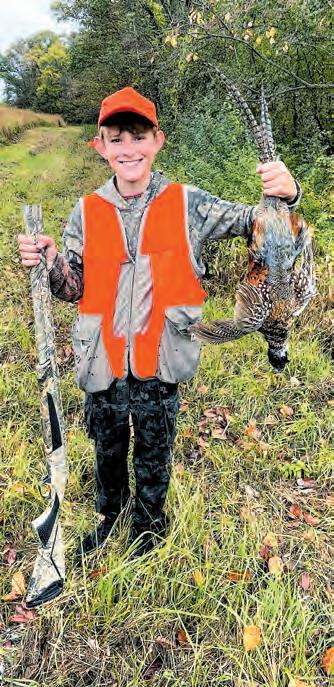
Logan Petrosky of Manheim; first pheasant, taken during 2025 junior hunt; Raystown Lake.
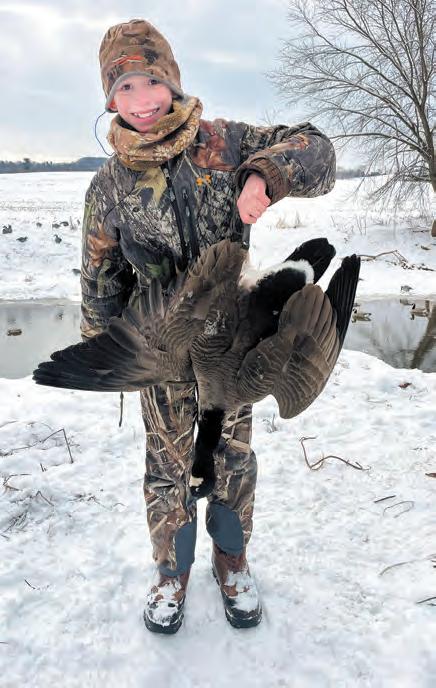
Sawyer Mugavero , 11, of Lancaster; goose, taken during second time hunting after receiving Mentored Youth Hunting Permit; Pequea Township; Jan. 19, 2026; mentored by his father, Joe Mugavero.
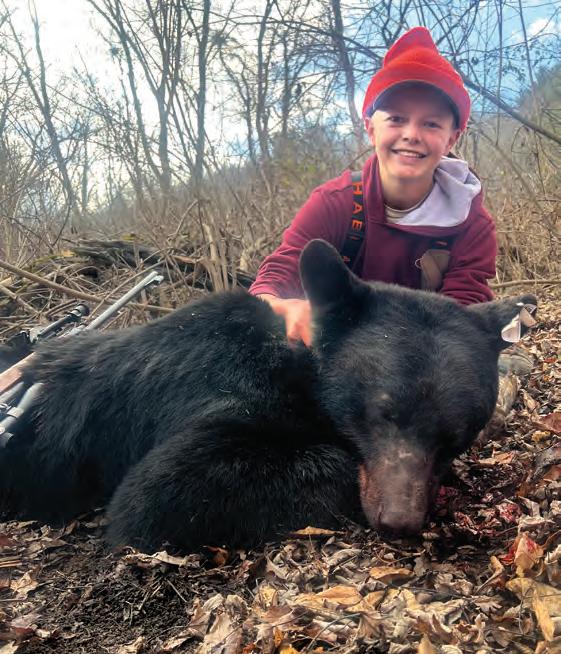
Luxton Leet , 15; black bear, 264 lb.; McKean County; bear season 2025.
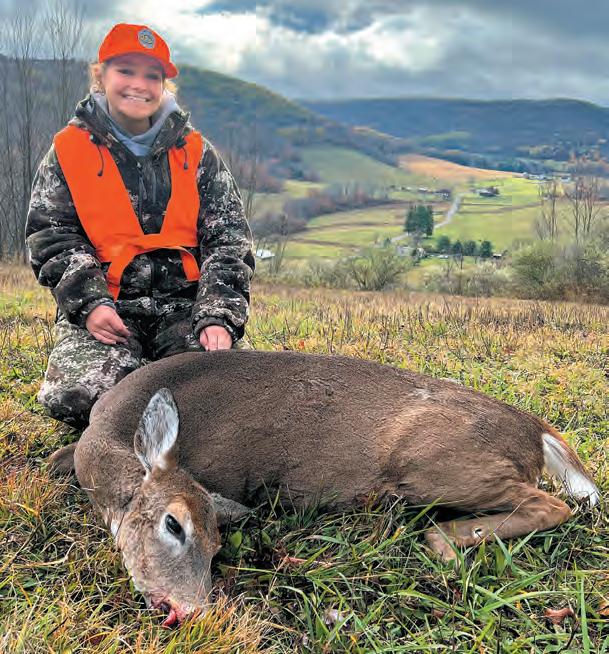
Vanessa Houck of East Petersburg; mature doe, taken shooting freehand just shy of 175 yards; Roulette.
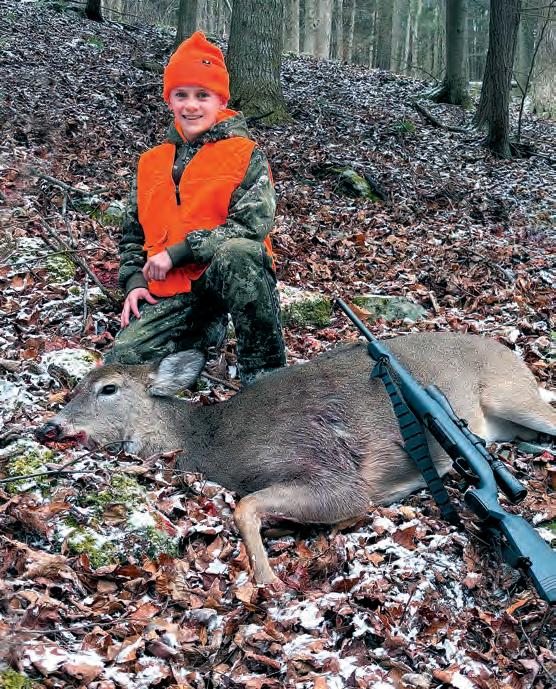
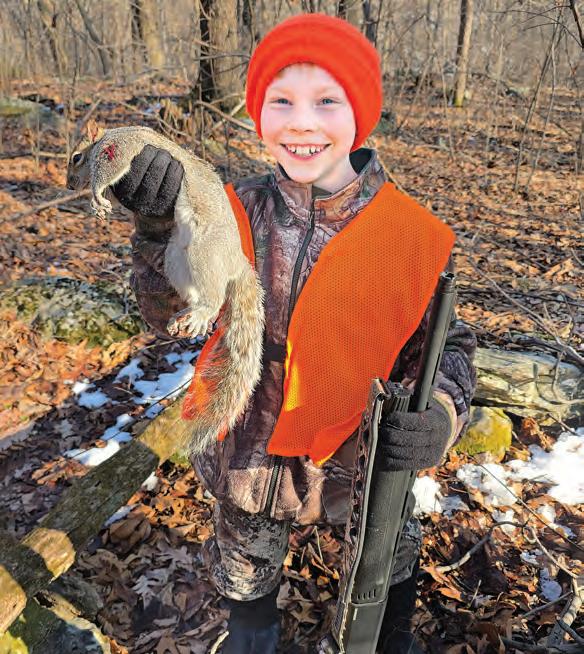
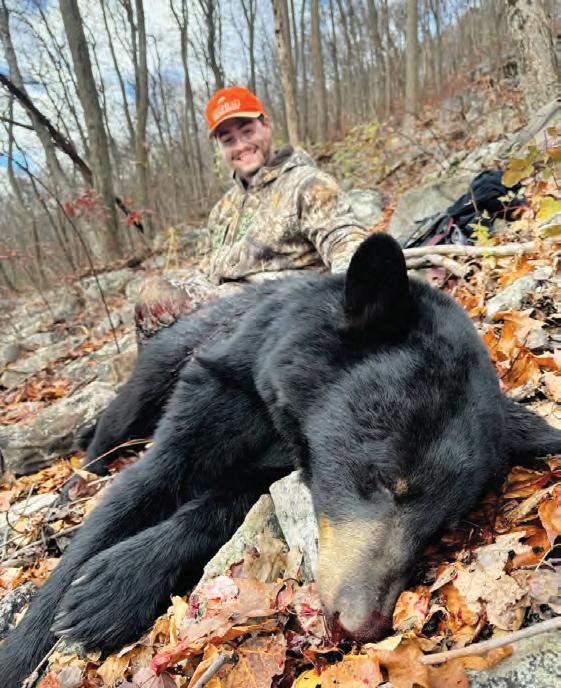
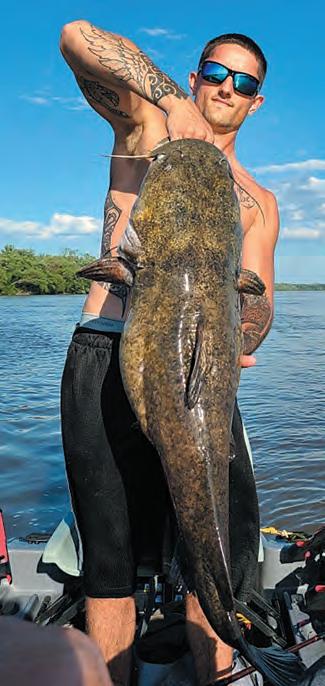
Mason Reich of Columbia; Susquehanna River near Falmouth.
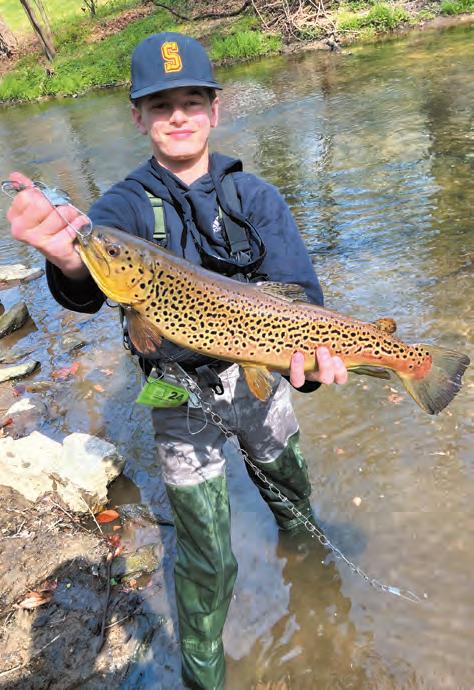
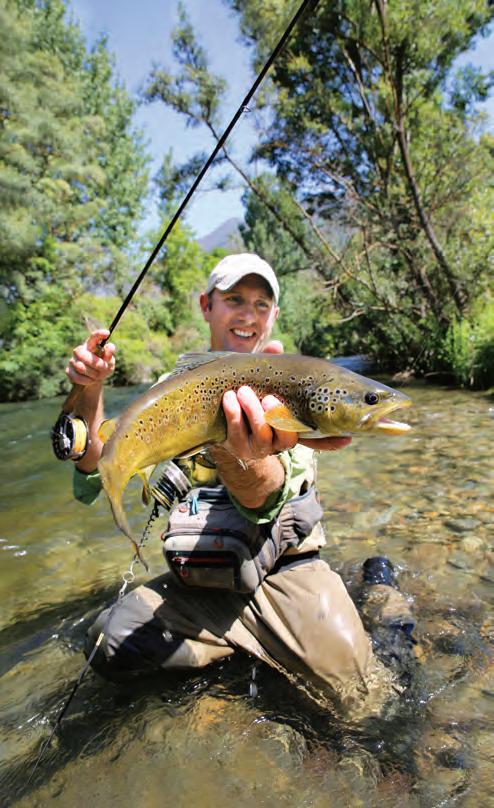
Miles Wagner , 13, of Paradise; 22” brown trout, 4 lb.; Middle Branch of White Clay, Chester County; April 18, 2025.
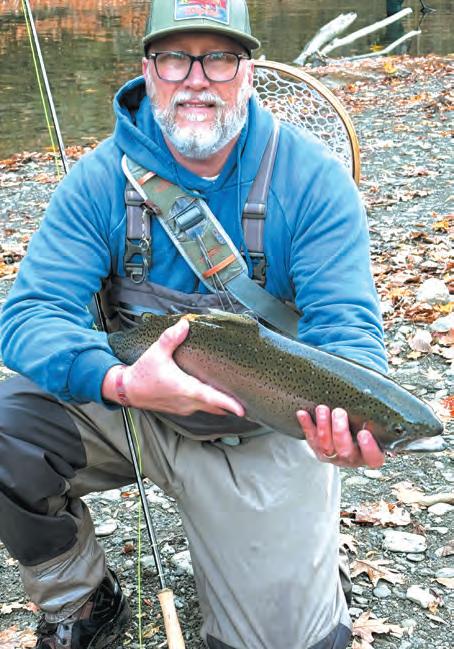
Pete Wise , 60, of Lancaster; 26” steelhead, caught fly fishing with a #8 White Death streamer; Elk Creek, Erie County.
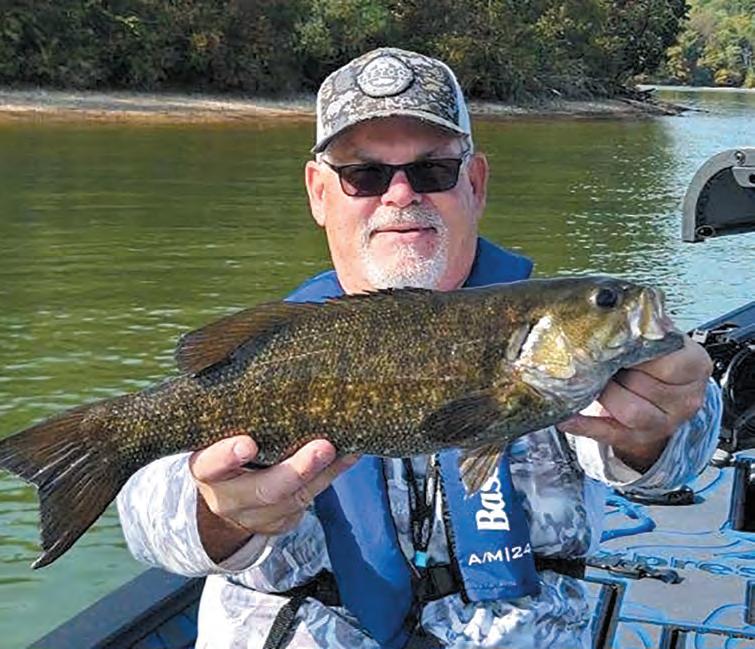
Steven Barshinger of Wrightsville; smallmouth bass, just under 21” and 4.49 lb., using a crankbait, one of 23 fish caught that day; Blue Marsh Lake; fall 2025.
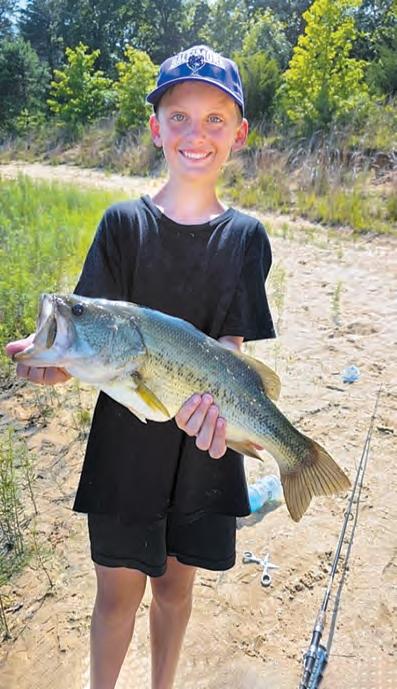
Nash Pidcock , 12, of Landisville; largemouth bass, 6.2 lb., on a handmade lure; New Jersey.
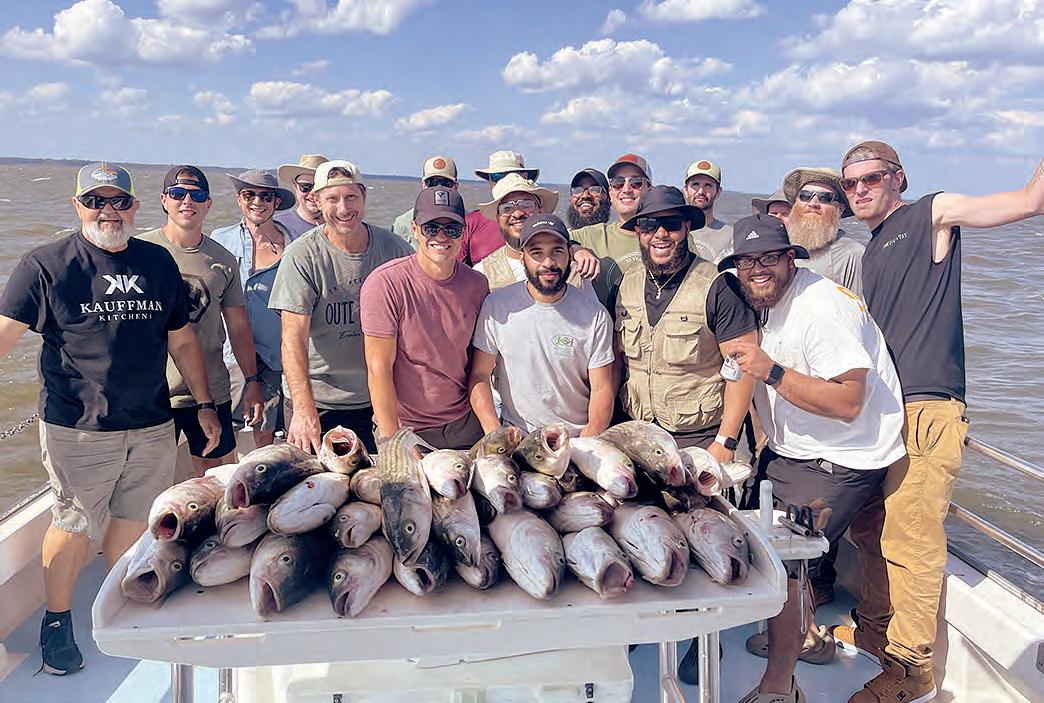
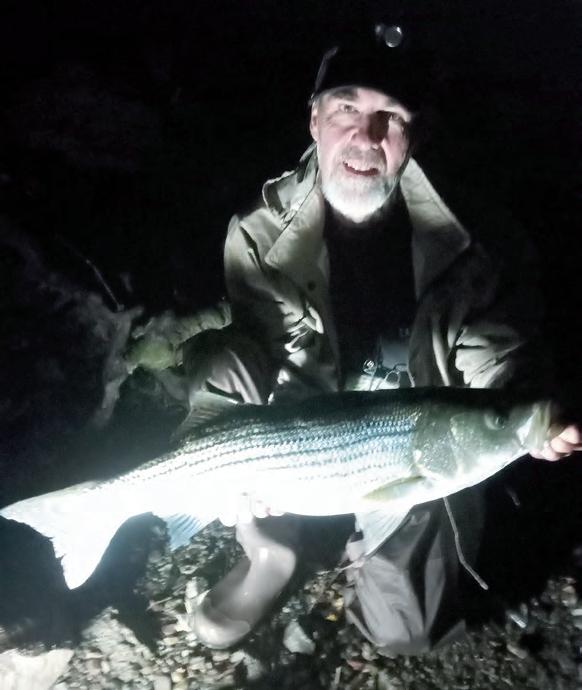
Rudy Talamantez of Willow Street; 31” striped bass, caught with a 6” bomber floater/diver while night fishing for walleye; Safe Harbor; fall 2025.
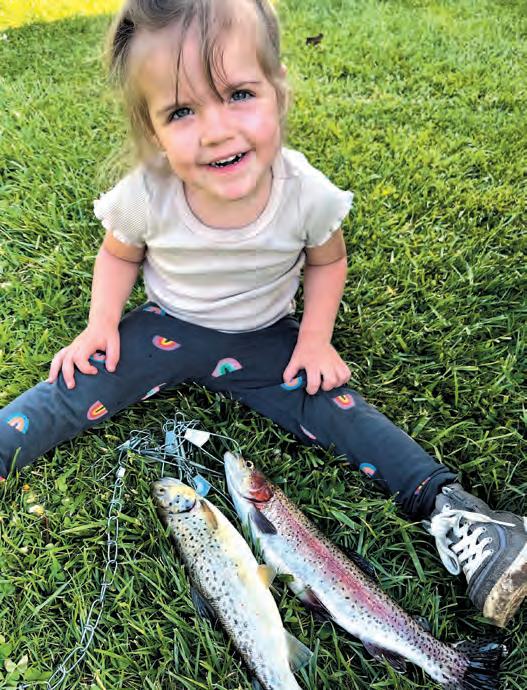
Sage Eberly , 2, of Stevens; trout, reeled in all by herself using black rooster tails and a smile; Kettle Creek, where she often fishes with her mom and dad.
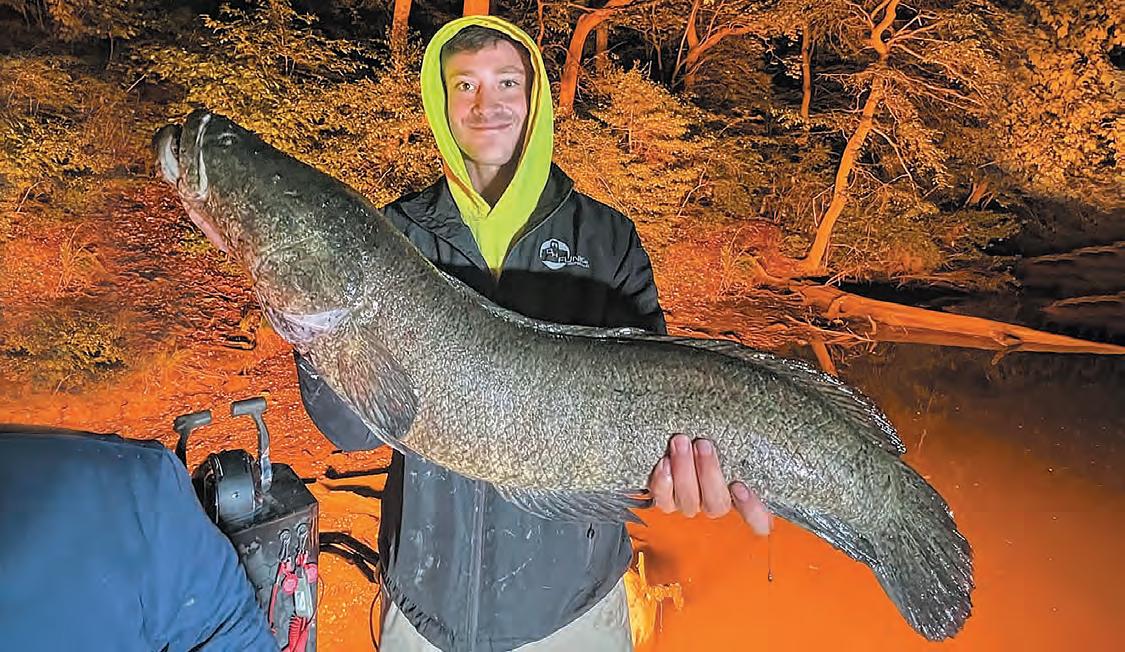
Valentin , 26, of Lancaster; snakehead, while night fishing; Maryland.
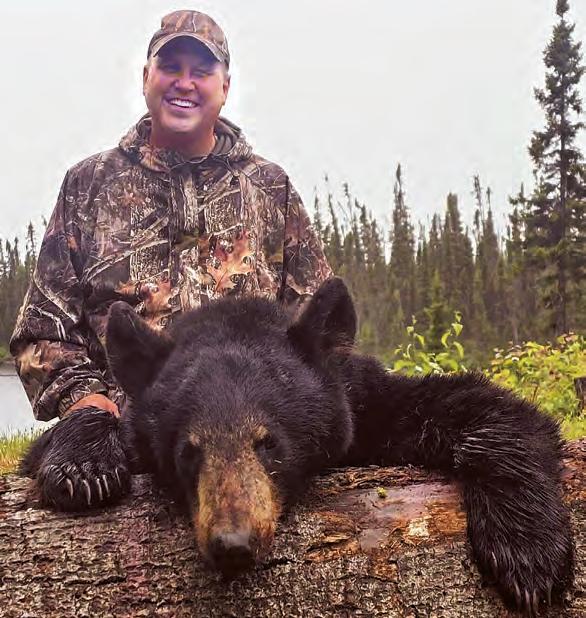
Garry Snider of New Providence; bear, Quebec, Canada, June 2025.
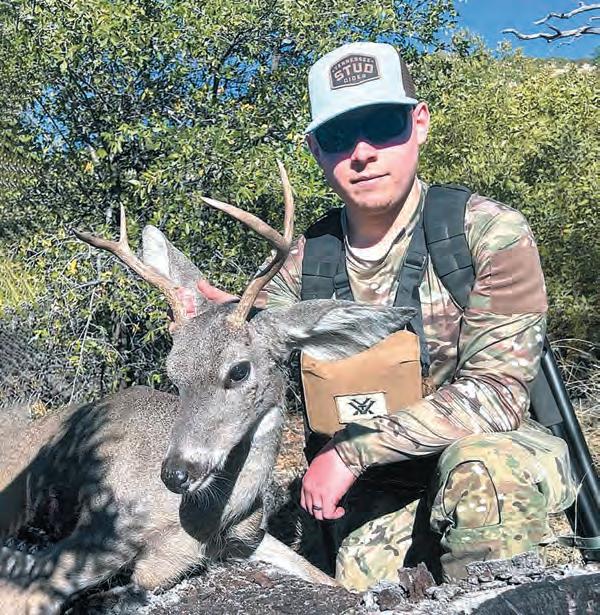
Cpt. Jordon Fulton 28, U.S. Army, stationed at Fort Huachuca, Ariz.; 4-point buck; Arizona.
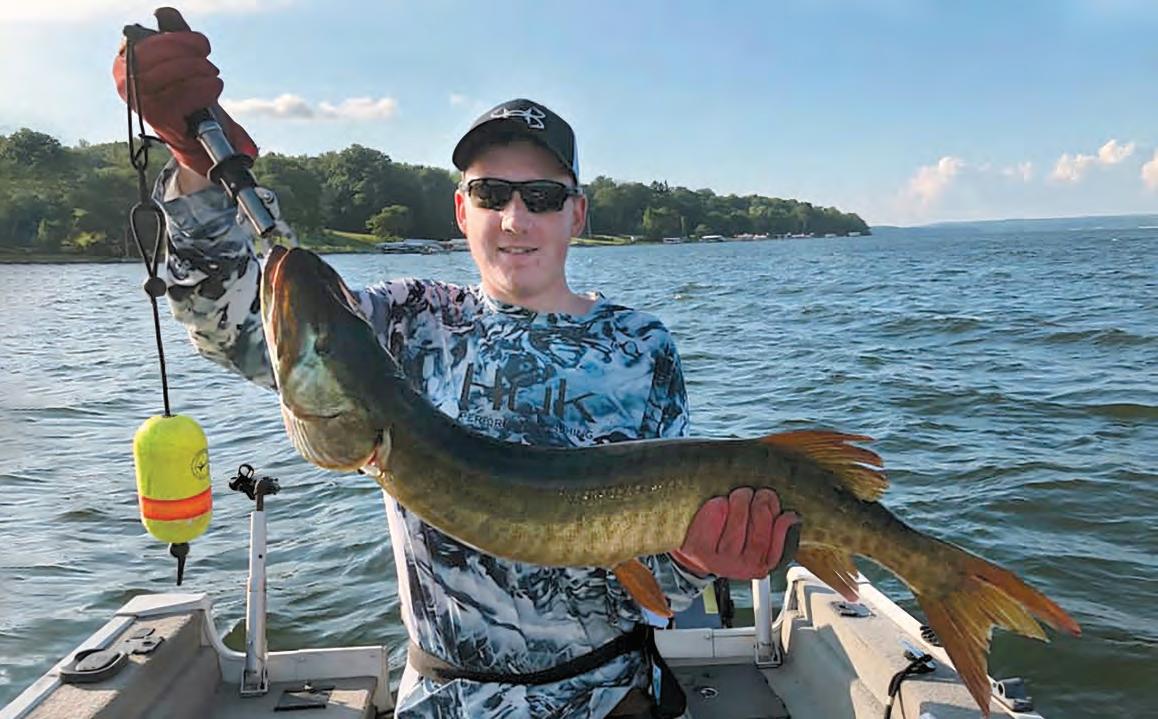
Teegan Snyder of Lancaster; 40-2” barracuda, 25-30 lb.; Gulf of Mexico near Marco Island, Fla.
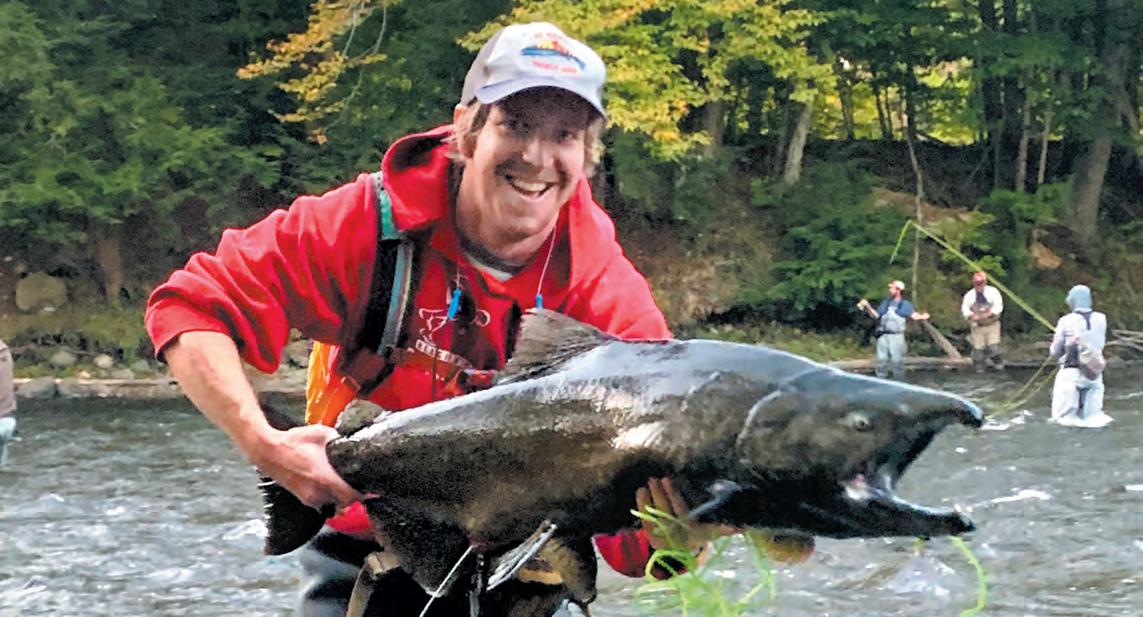
Remington Mahosky , 28, of Fort Collins, Colo., and previously of Lancaster; 22” male King salmon, 26 lb., using a medium-weight spinning rod with 12-15 lb. test line; Salmon River, Pulaski, NY, where he has fished with his dad for 15 years. Remington returns home each year to fish with his dad and his cousin Brian Barnes.
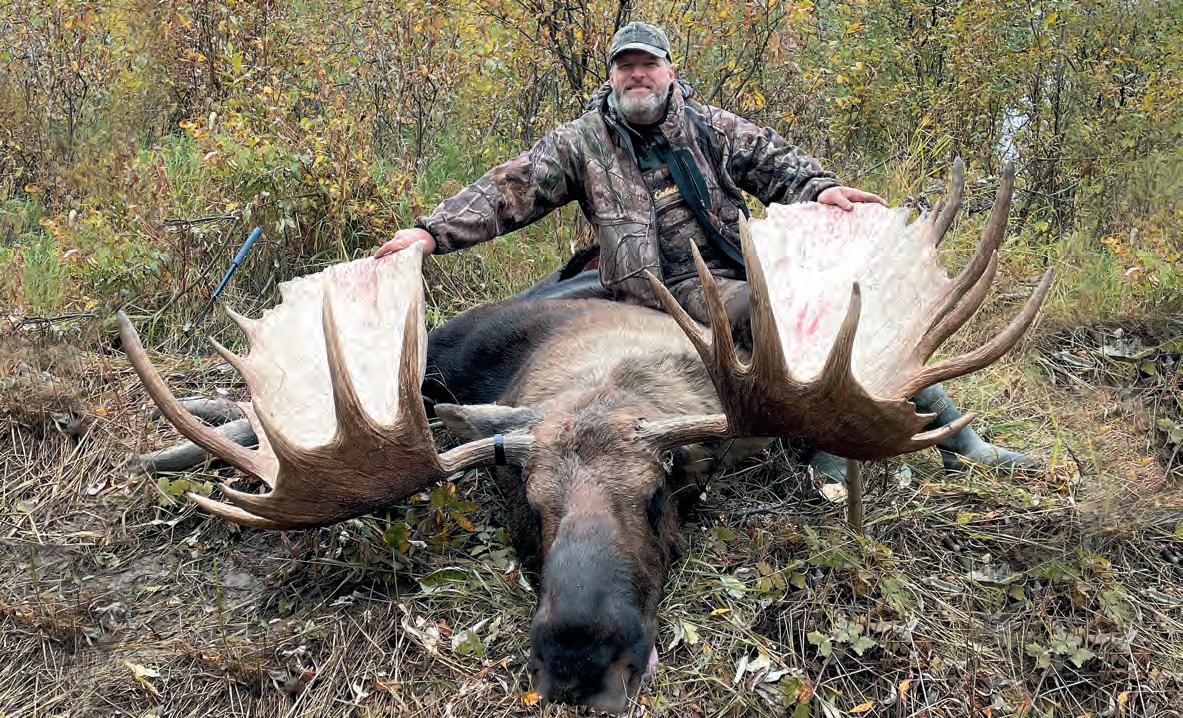
of
harvested Sept. 9, 2024; accepted for 33rd North America











































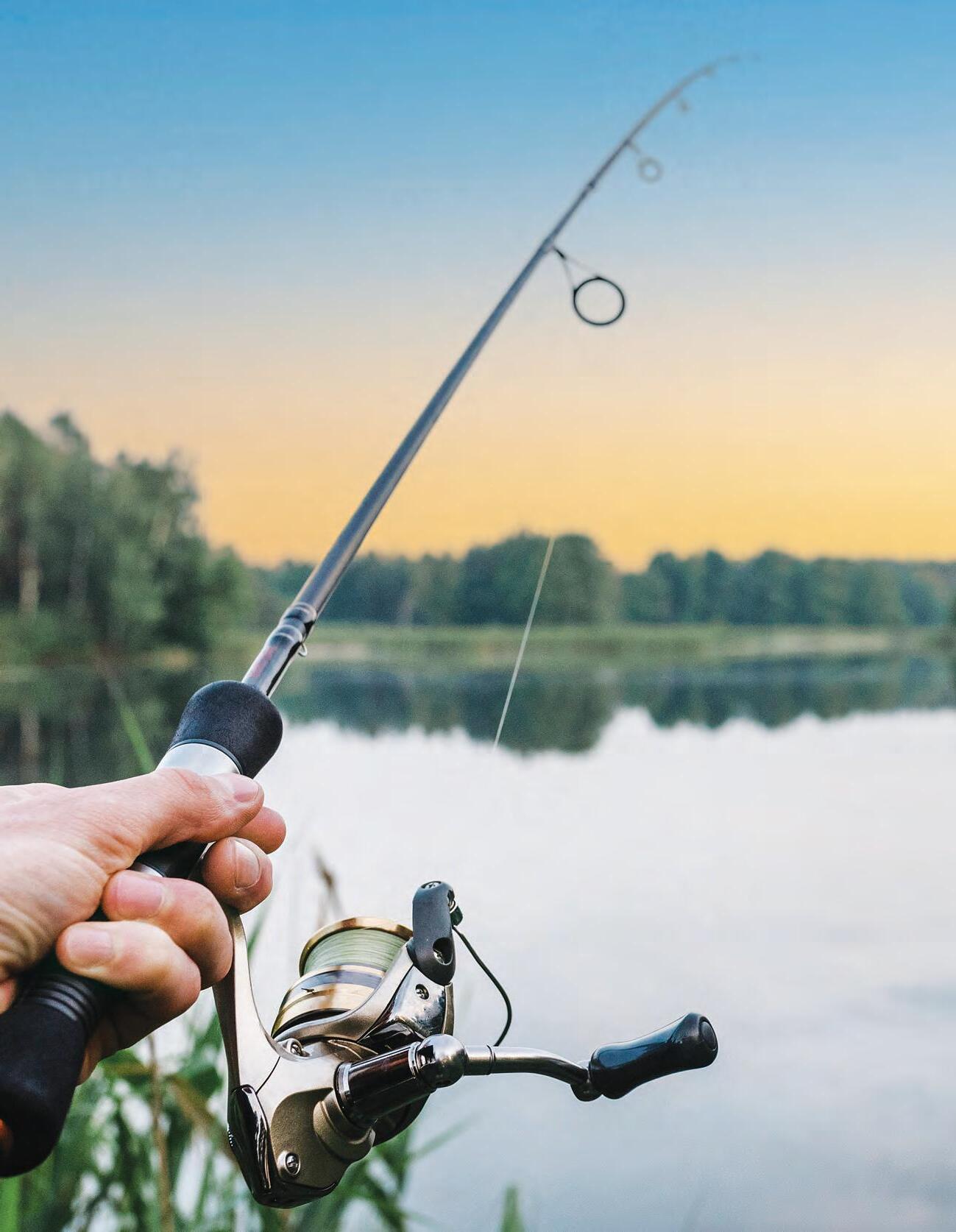

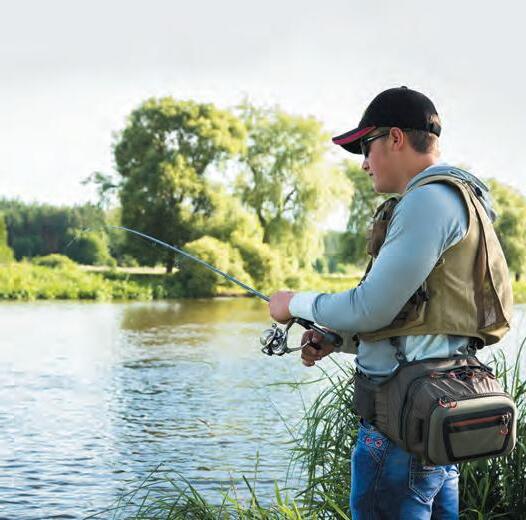
Fishing attracts millions of enthusiasts. The American Sportfishing Association says one in six Americans are anglers, which equates to more than 50 million anglers nationwide. The fishing industry supports 826,000 jobs, and excise taxes collected on fishing gear and boat fuel help fund fish and habitat programs overseen by fish and wildlife agencies in the U.S.
Although recreational fishing occurs year-round, the warmer months tend to be the most popular for gathering bait, rod and reel and heading to the nearest body of water. Fishing season begins to heat up in spring, even if the mercury hasn't climbed too high just yet. Anglers who are chomping at the "bait" to get started should know that the right approach can help anyone make the most of a day by the water.

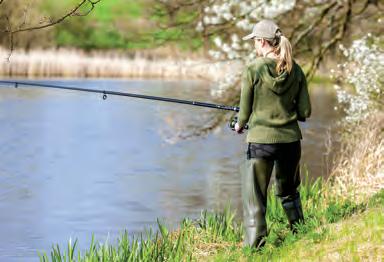
Early spring is when warming waters make fish more active. Popular seasons for many species of fish begin at this time of year, although it is always best for anglers to check seasonal regulations where they live, which are managed by state departments of environmental protection. Regulations determine when seasons start and end, how many fish are allowed per angler, and the limitations on size for keepers or throwbacks.
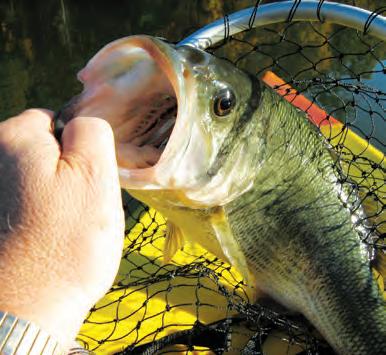
Spring is considered one of the best times to catch trophy-size largemouth and smallmouth bass. They move from deep wintering areas to shallow water for spawning. Crappies, trout, walleye, and northern pike also are popular spring-season fish. For saltwater anglers, flounder, redfish, speckled trout, Spanish mackerel, cobia, and kingfish begin to be more active or closer to the shore as ocean waters warm.
Although morning fishing excursions are popular, anglers may have to start a little later in the day for early-spring fishing. According to Take Me Fishing, fish may not bite in early morning because the water is cold and will not heat up until later, when the sun is higher and the rays do not bounce off the water. It may be best to wait until afternoon or early evening when fish are eating a lot because their metabolisms are elevated and the water is warmer from the sun directly overhead. Timing trips to the outgoing tide also may help anglers see larger fish numbers.
The timing of fishing seasons varies widely by location and target fish species. According to CanFish, the southern United States starts earlier than other regions, typically beginning in February to March because the warmer climate wakes fish early. The West Coast typically starts between March and April, while the Midwest and northern U.S. begin in April and May.
The arrival of spring is an exciting time for anglers who are anxious to reel in trophy fish.