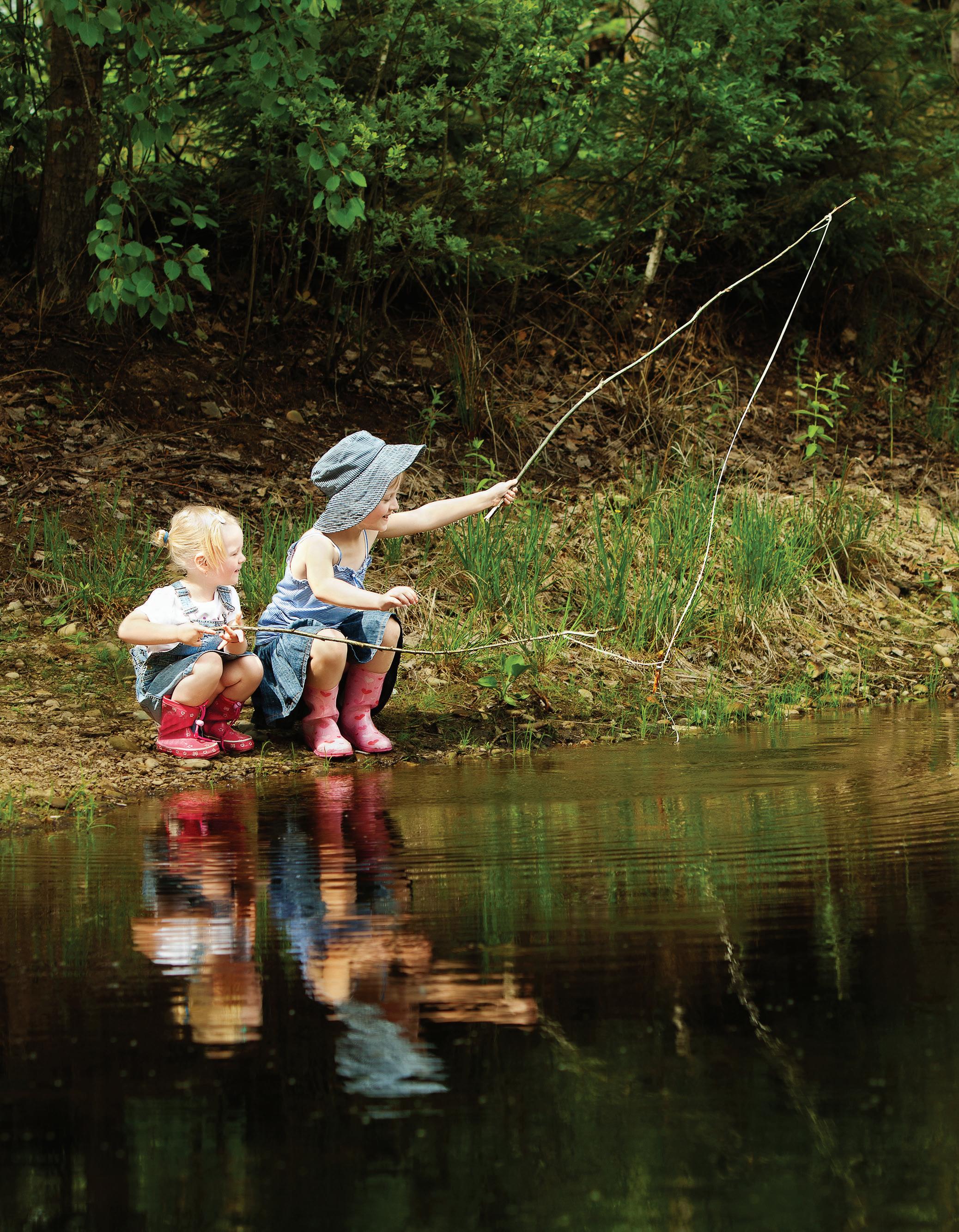
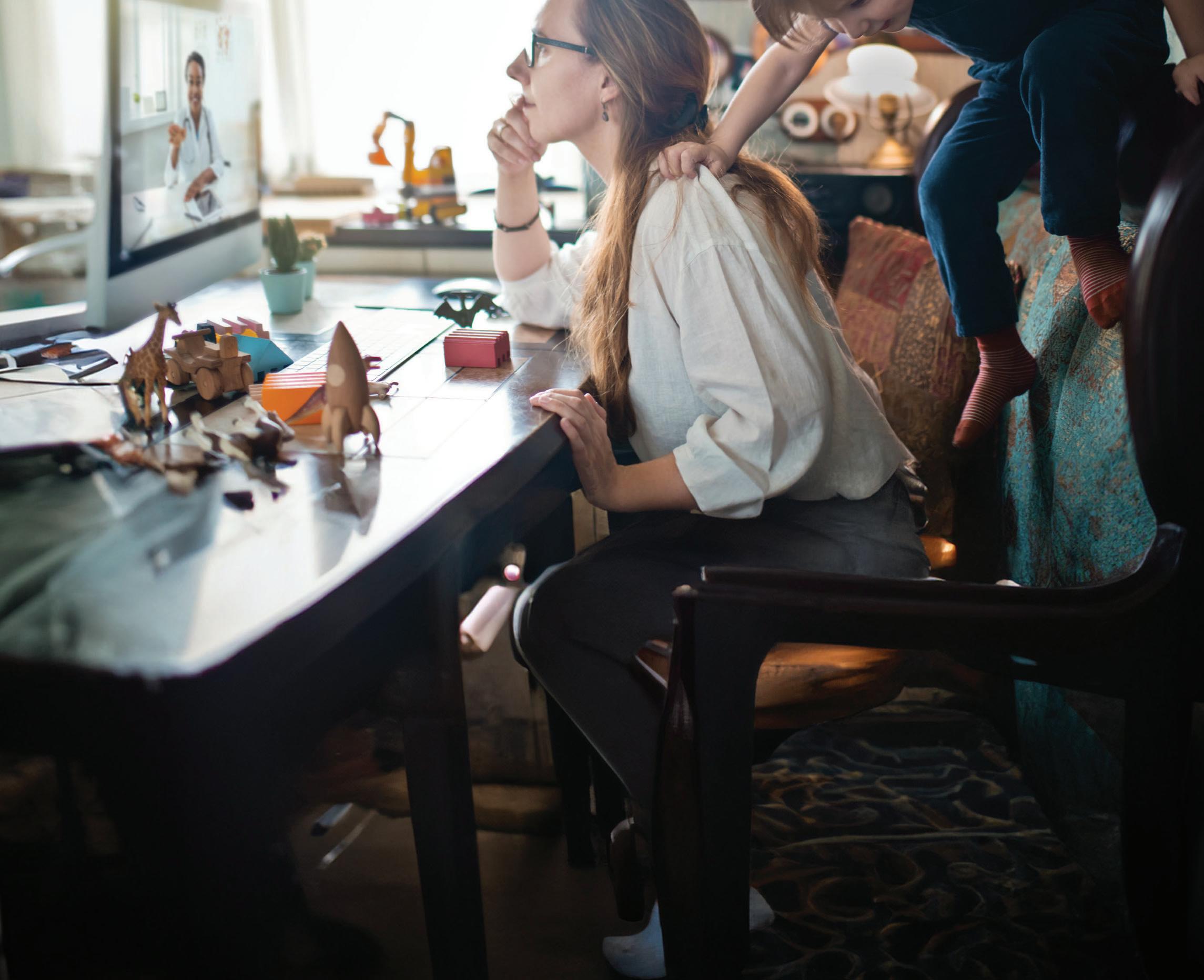
Virtual First Primary Care combines the local care you trust with convenience that fits your lifestyle. With video appointments and direct-to-provider messaging, we’re breaking down barriers so our community can access care faster and easier than ever before. Whether you’re in need of a new provider or looking for care for the whole family, our dedicated Virtual First Primary Care practice offers ongoing, reliable primary care without needing to make a trip to the doctor’s office.
Get started today at PennMedicine.org/VirtualFirst
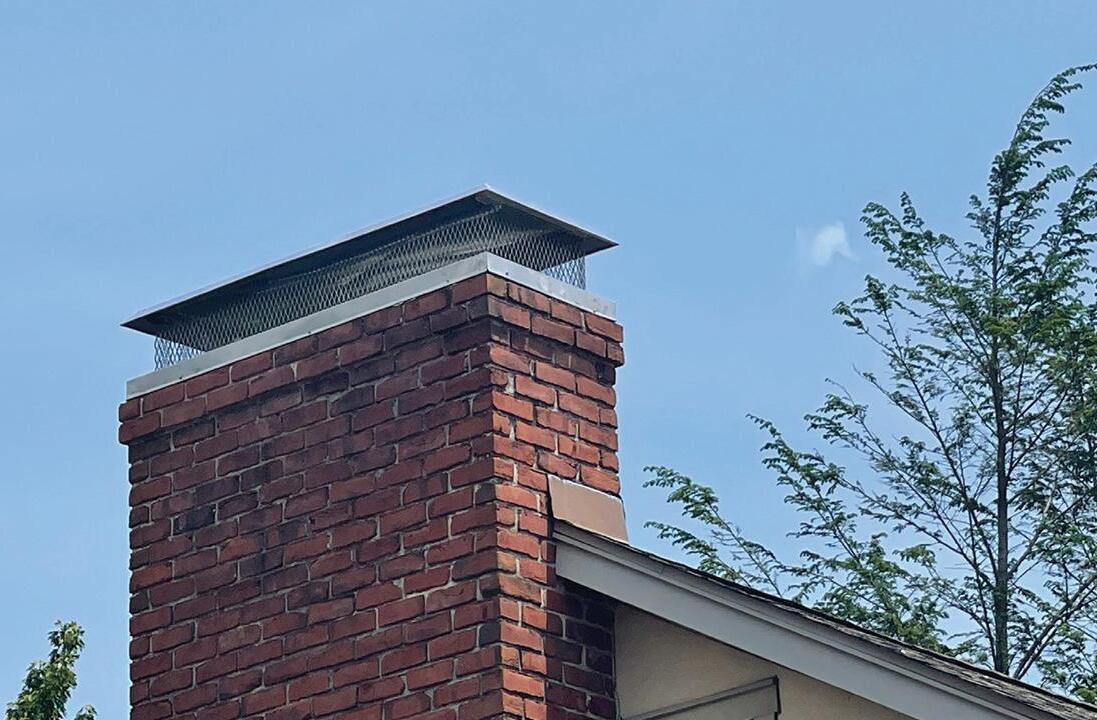
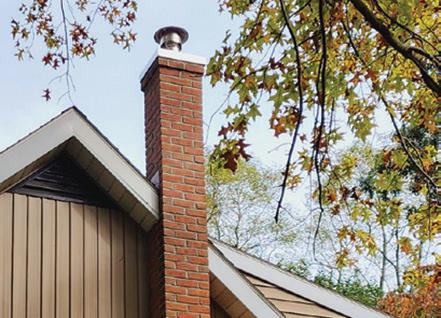
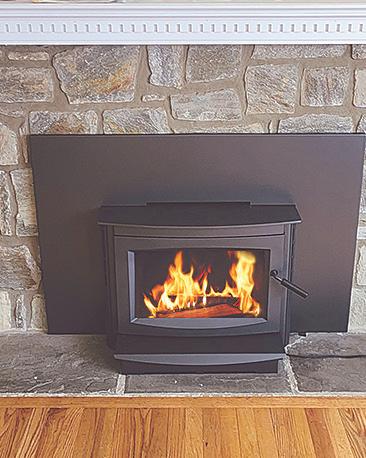
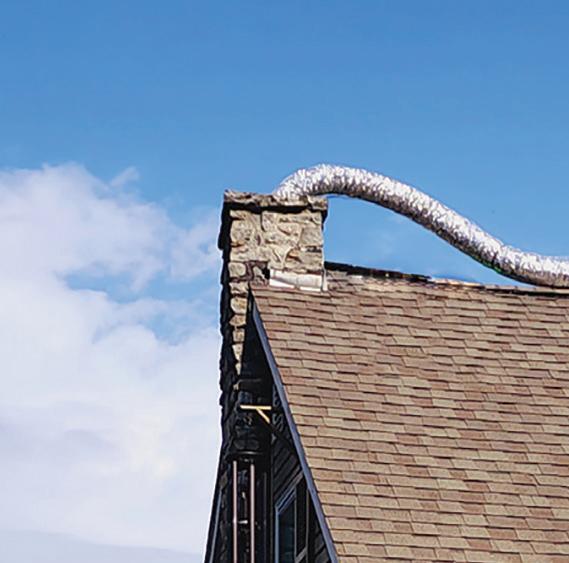
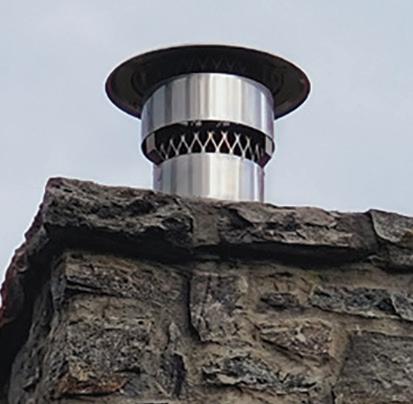
Yes! Chimney sweeps remove flammable creosote build up that can cause chimney fires. Does it provide better air quality for my home?
Yes! Chimney sweeps clear soot and debris, helping reduce harmful fumes in your home. Does it really improve efficiency?
Yes! Chimney sweeps allow for more heat production with less fuel.
Can Chimney Sweeps detect potential chimney problems?
Yes! Chimney sweeps can identify cracks, blockages, or damage before they become more costly or dangerous.
At Middle Creek, Nature, Create Memorable Family
BY JEFF FALK
Kids can learn about nature through television, documentaries and the internet. There are so many great resources out there.
Or children can be taught about nature by surrounding them with it, by immersing them in it.
At Middle Creek Wildlife Management Area, there’s so much going on - in the forest, in and on the water and in the meadows - and all of it revolves around nature. Each season offers a different flavor, including spring, when nature seemingly awakens from a months-long inactive period.
For families, Middle Creek offers elements of exploration, education, entertainment and engagement. It is nature’s wonderland.
Just one word of caution: If parents aren’t careful, they can foster lifelong bonds with their kids and nurture adults who are drawn to stewardship, conservation and respecting nature. Proceed accordingly.
“The (Pennsylvania) Game Commission’s mission is to protect and preserve wildlife,” said Laura Richmond, who’s been Middle Creek’s visitors center manager for two years. “That’s why we exist. I can’t even picture a
world that doesn’t have wildlife. Our ecosystem doesn’t exist without wildlife. It’s our job to protect and conserve lands and protect wildlife, so we don’t lose species.”
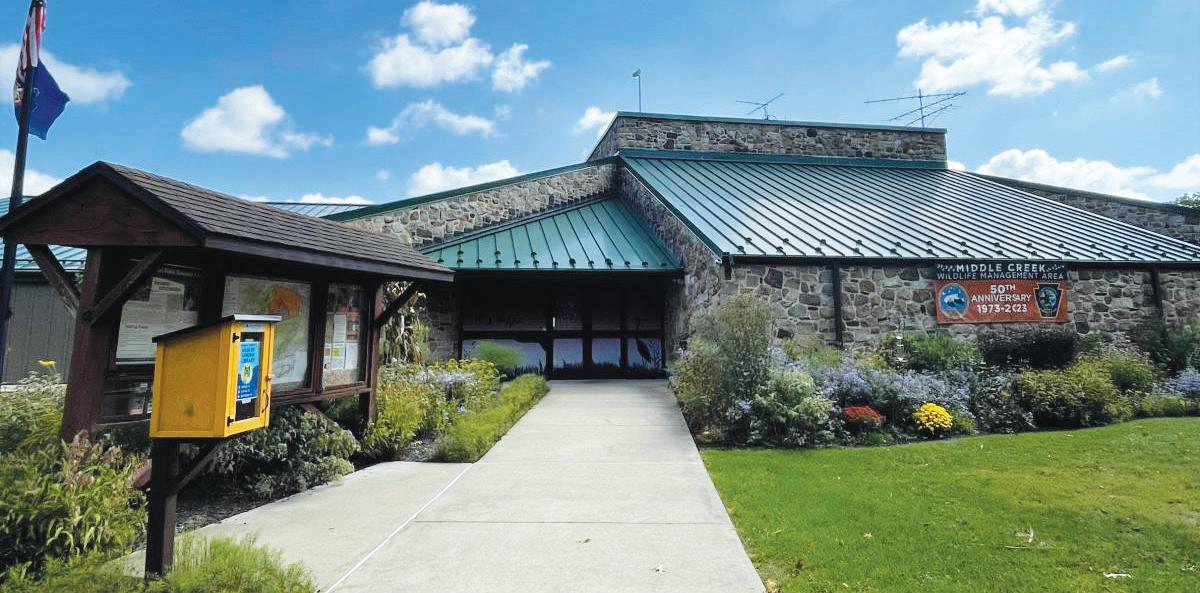
Managed by the Pennsylvania Game Commission, Middle Creek is 6,000 acres of preserved land, grassland habitat and sanctuary located at 100 Museum Road, Stevens, about 3 miles south of Route 897. Middle Creek is situated partly in Lancaster County and partly in Lebanon County, and its natural vibe is influenced by a 400-acre man-made lake created from the damming of Middle Creek.
Middle Creek features a 6-mile, seven-stop self-guided driving tour that spotlights the wildlife area’s highlights and history, and the area offers over 20 miles of hiking and nature trails, some less physically challenging than others. Middle Creek, which maintains birdhouses and bird feeders, provides opportunities for nature photography and wildlife observation.
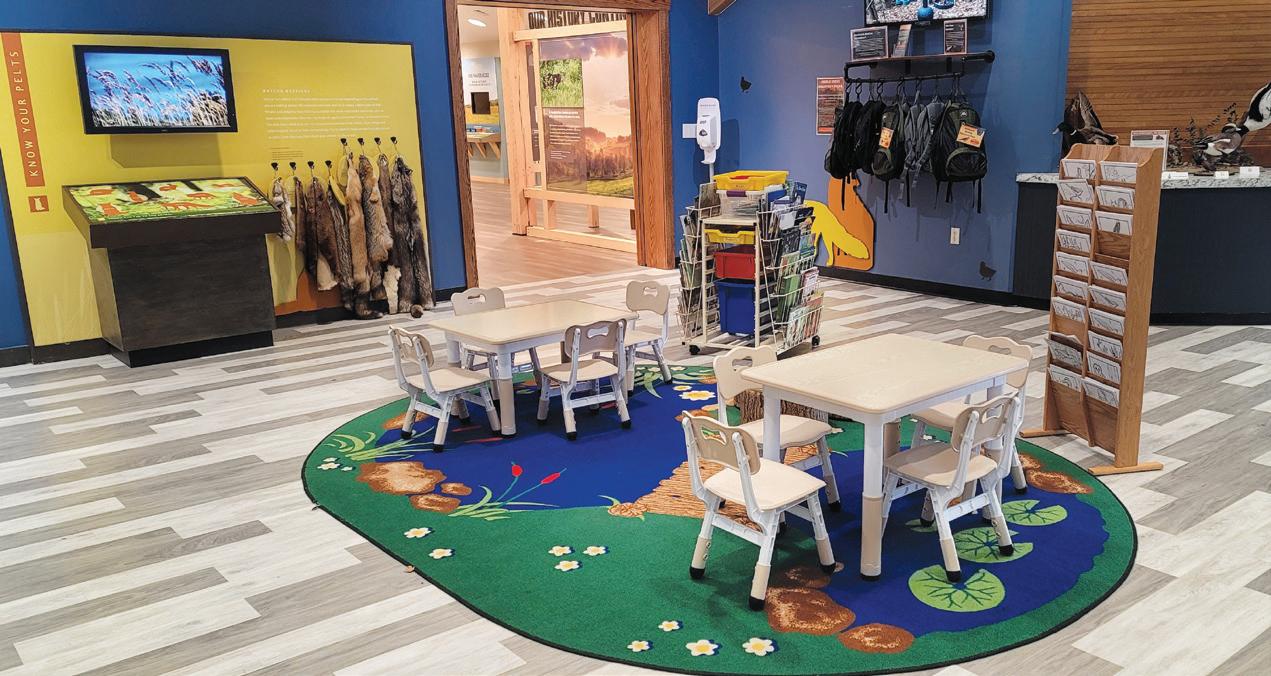
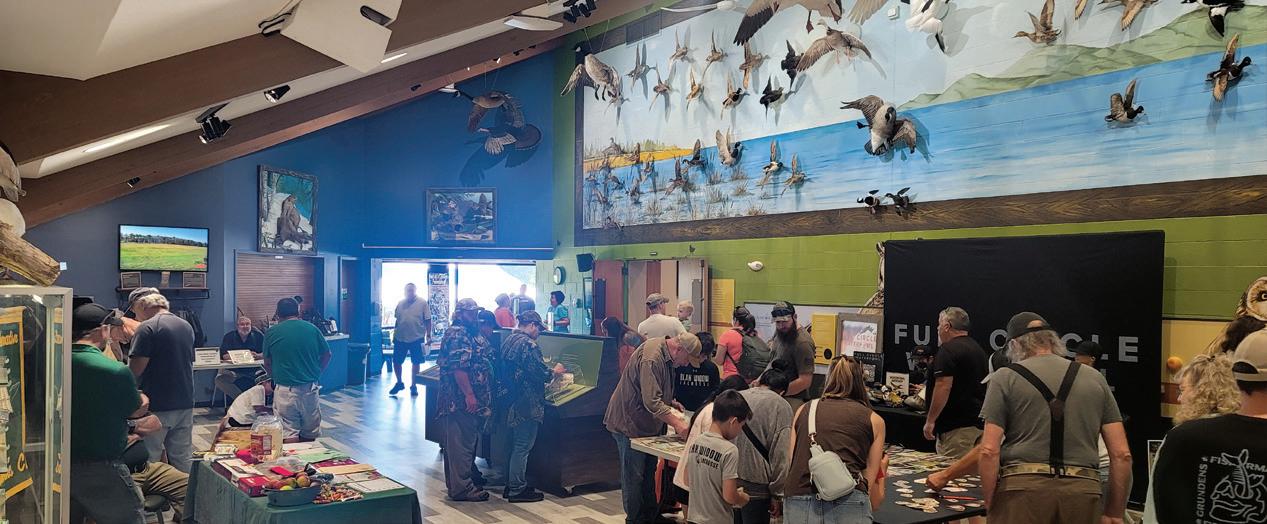
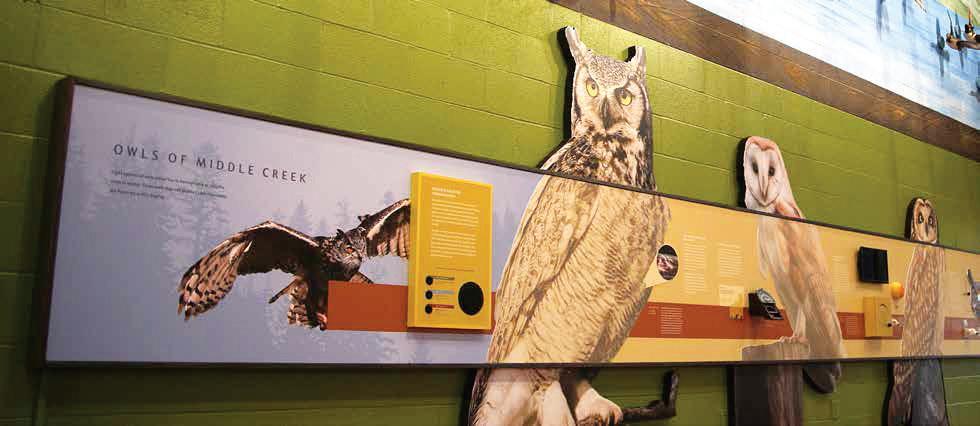
Middle Creek’s recently renovated visitors center overlooks the lake and educates interested individuals through colorful seasonal and interactive displays, educational programs, lifelike taxidermy, hands-on activities and an auditorium that hosts presentations and monthly speakers. The visitors center also operates a children’s area where kids can color and create their own duck stamps.
Nurture Experiences
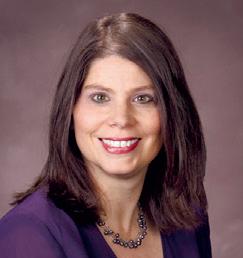
As the visitors center’s manager, Laura Richmond performs a number of duties at Middle Creek.
The visitors center at Middle Creek features an area designed especially for kids.
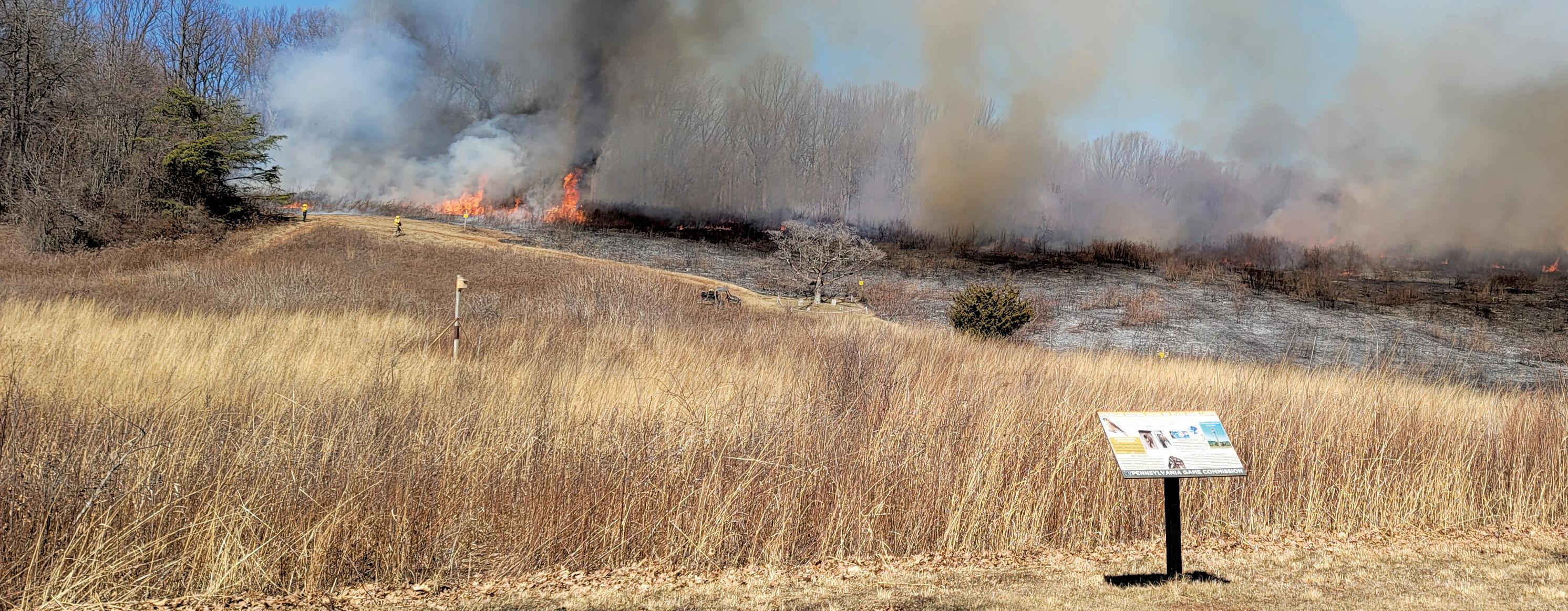
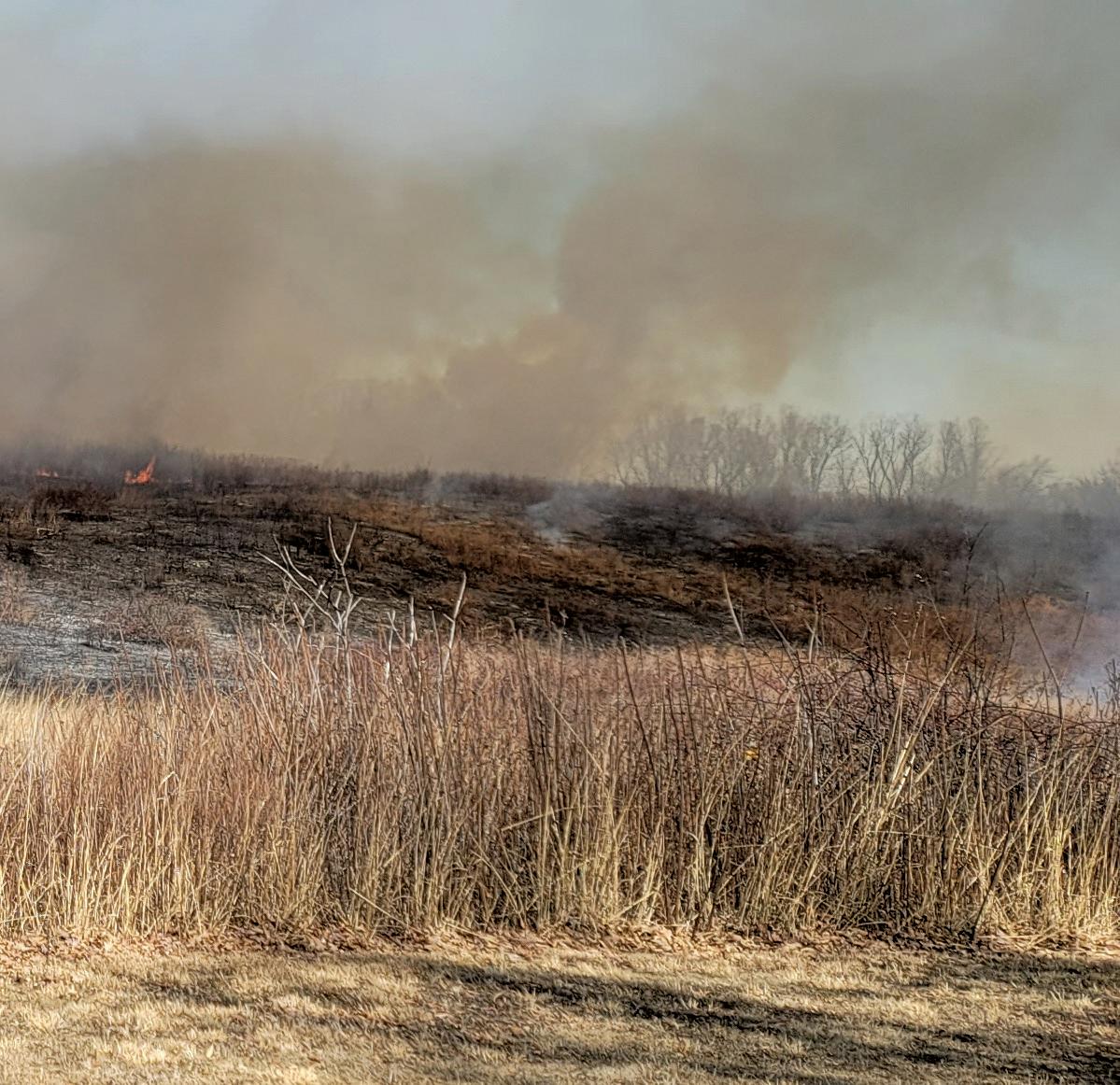
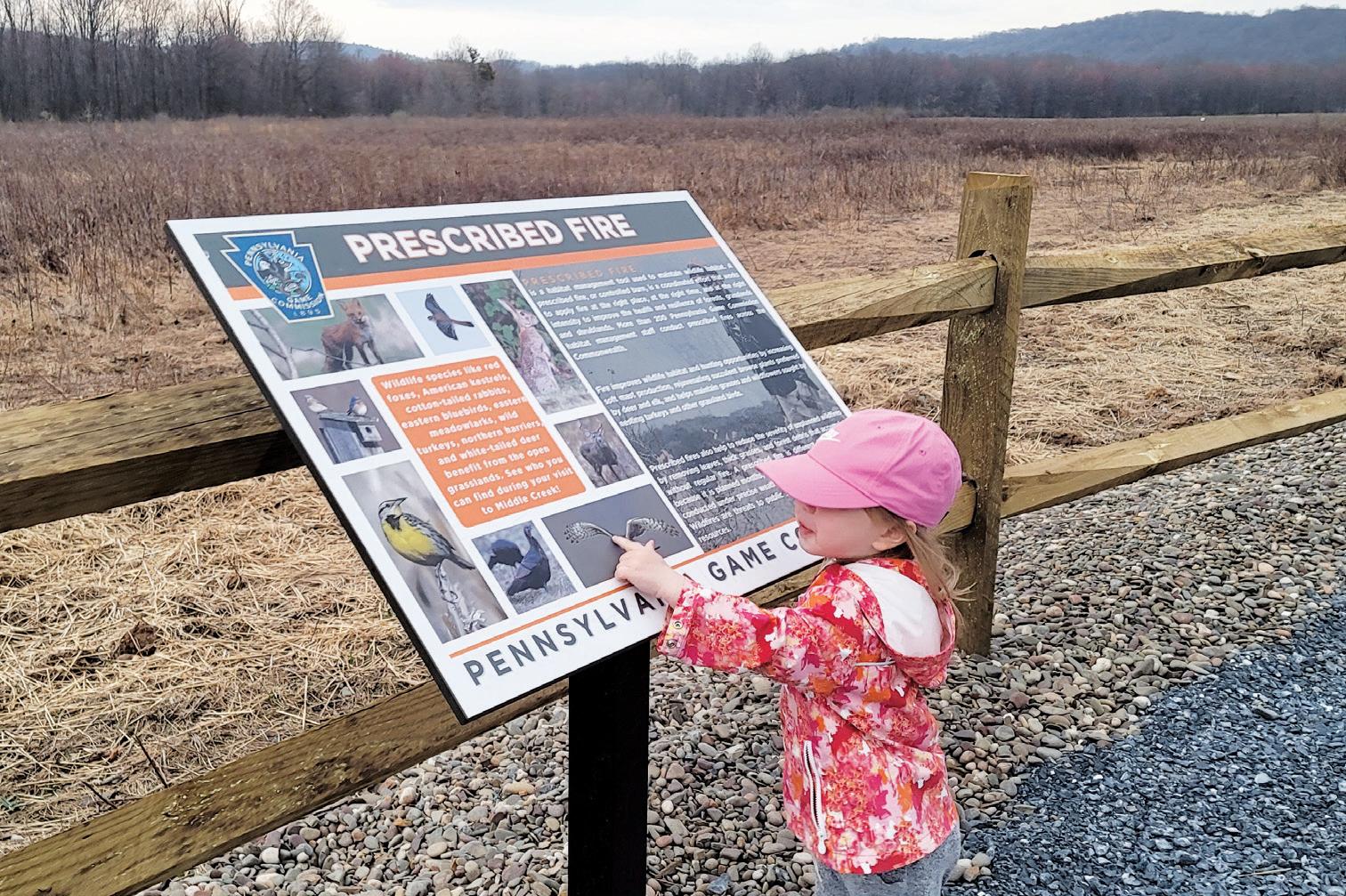
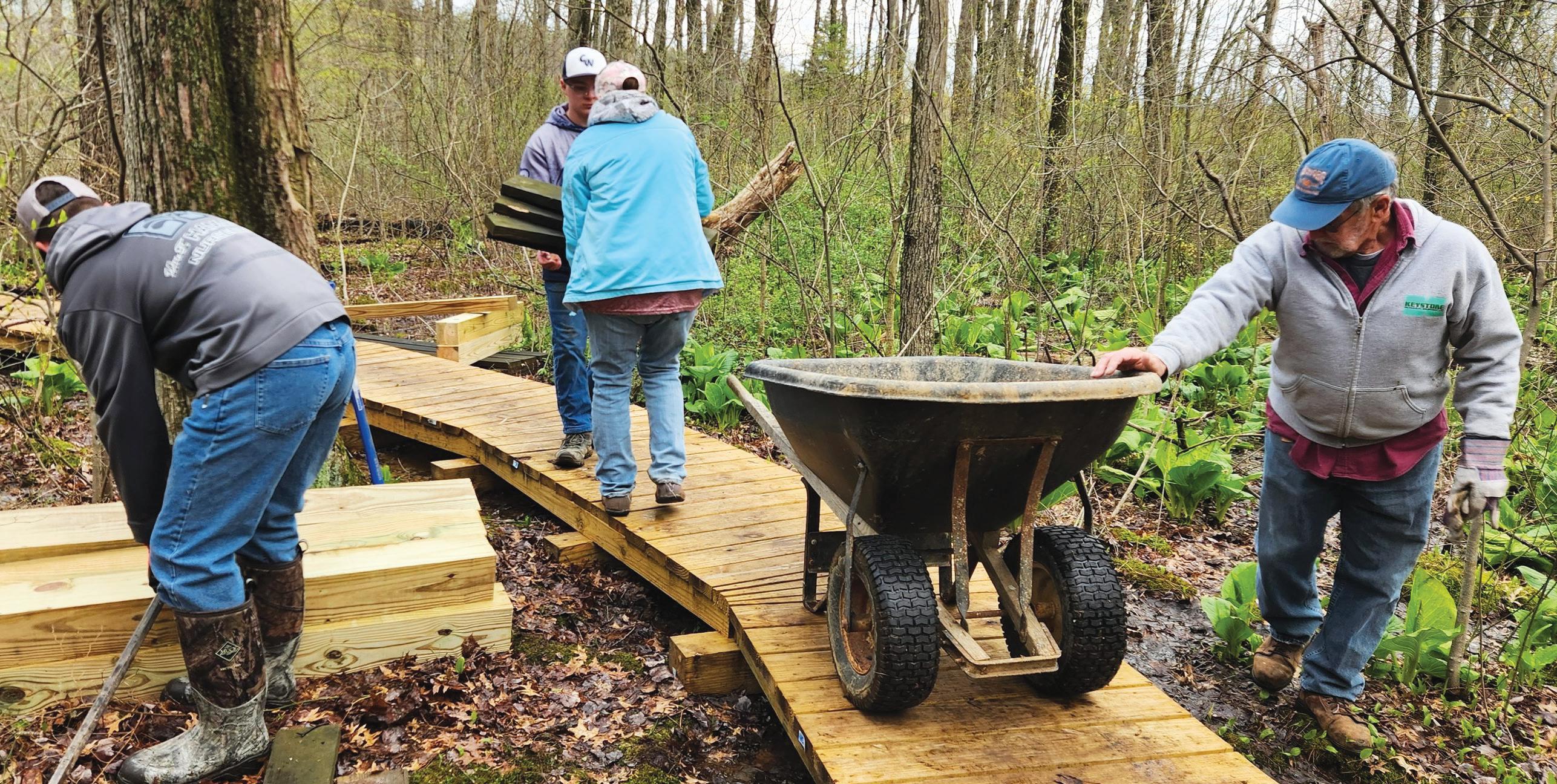
The Pennsylvania Game Commission employs a number of land management techniques, like controlled burns, on the 6,000 acres that make up Middle Creek Wildlife Management Area.
Middle Creek’s visitors center is open from 8 a.m. to 4 p.m. Tuesdays through Sundays from Martin Luther King Jr. Day in January until Thanksgiving in November.
“One of the ways we protect and preserve wildlife is through education,” said Richmond. “The visitors center provides a really great interactive experience. It’s a touchpoint to allow the Game Commission to get people excited about wildlife in Pennsylvania. There are educational opportunities at the visitors center and throughout the property. You can’t go very far without finding some educational opportunity.”
“How do we have nature if we don’t know about it?” continued Richmond. “We want to make sure current and future generations know the importance of conservation. If nature is all gone, there’s no nature to get out into.”
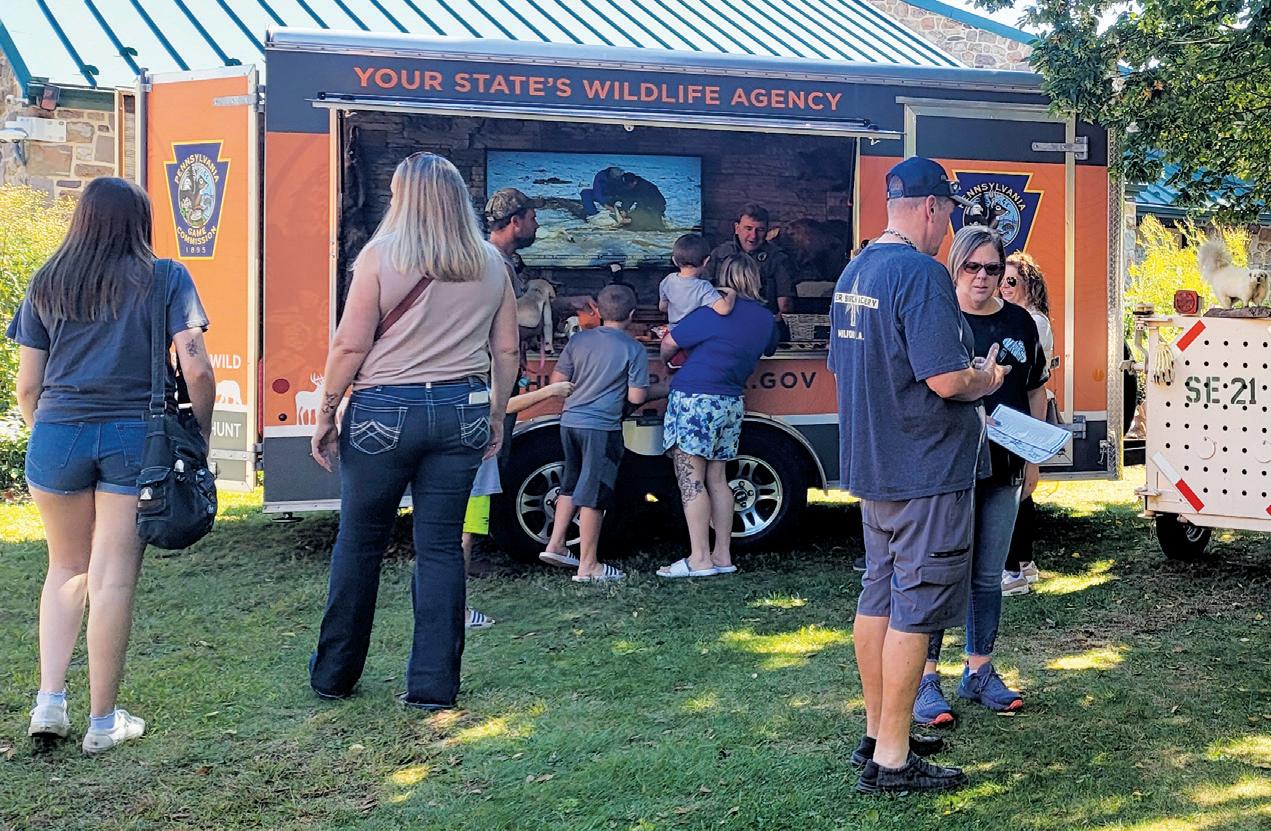
Middle Creek Wildlife Management Area hosts a wide variety of events throughout the year, from World Migratory Bird Day in May to the Pennsylvania Conservation Collectibles Expo in June, from a wildlife art show in July to the Wild Goose Chase 5K Race in August and the observance of National Hunting and Fishing Day in September. Middle Creek also serves as a beautiful venue for outside organizations seeking to host events.
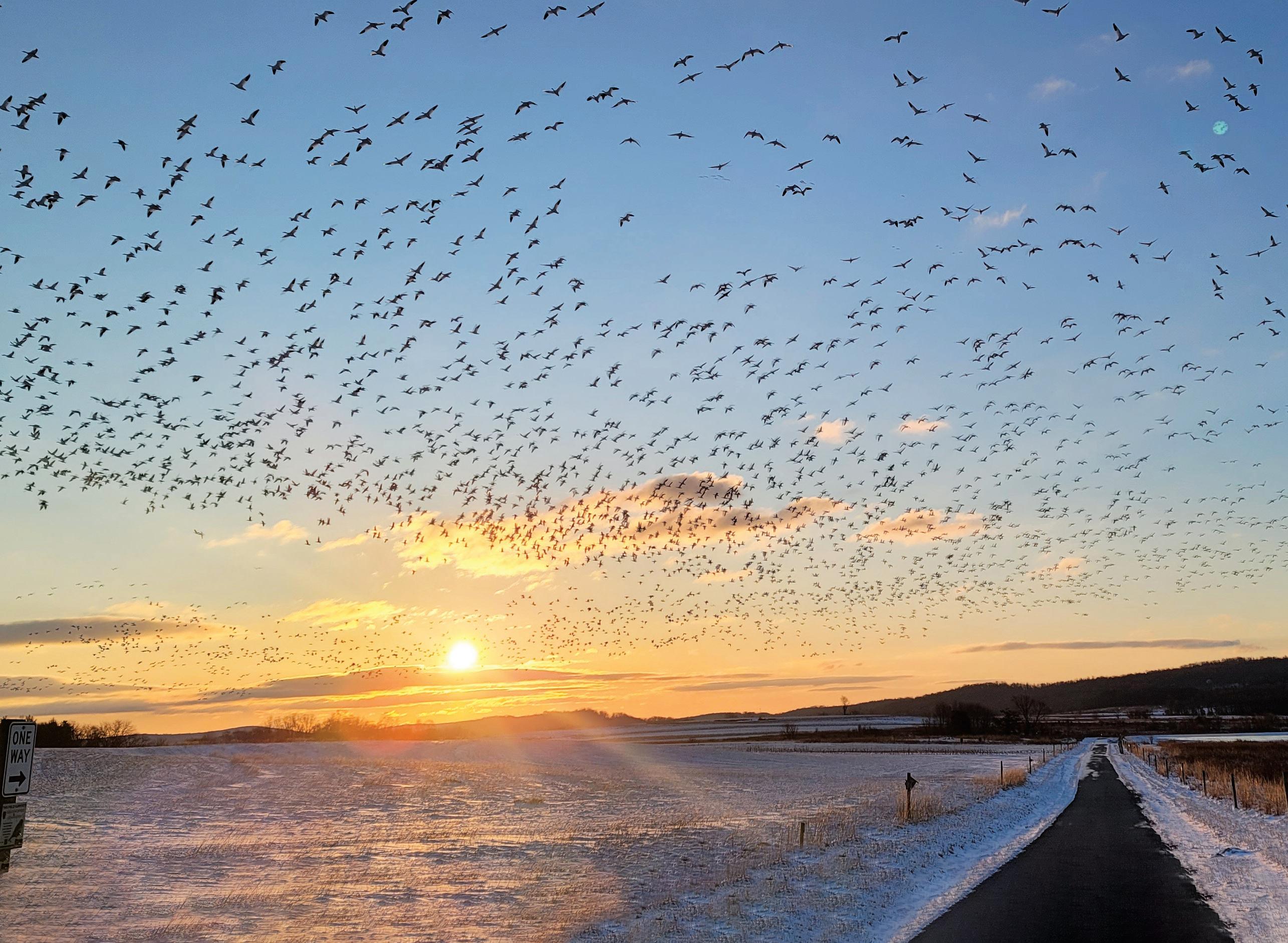
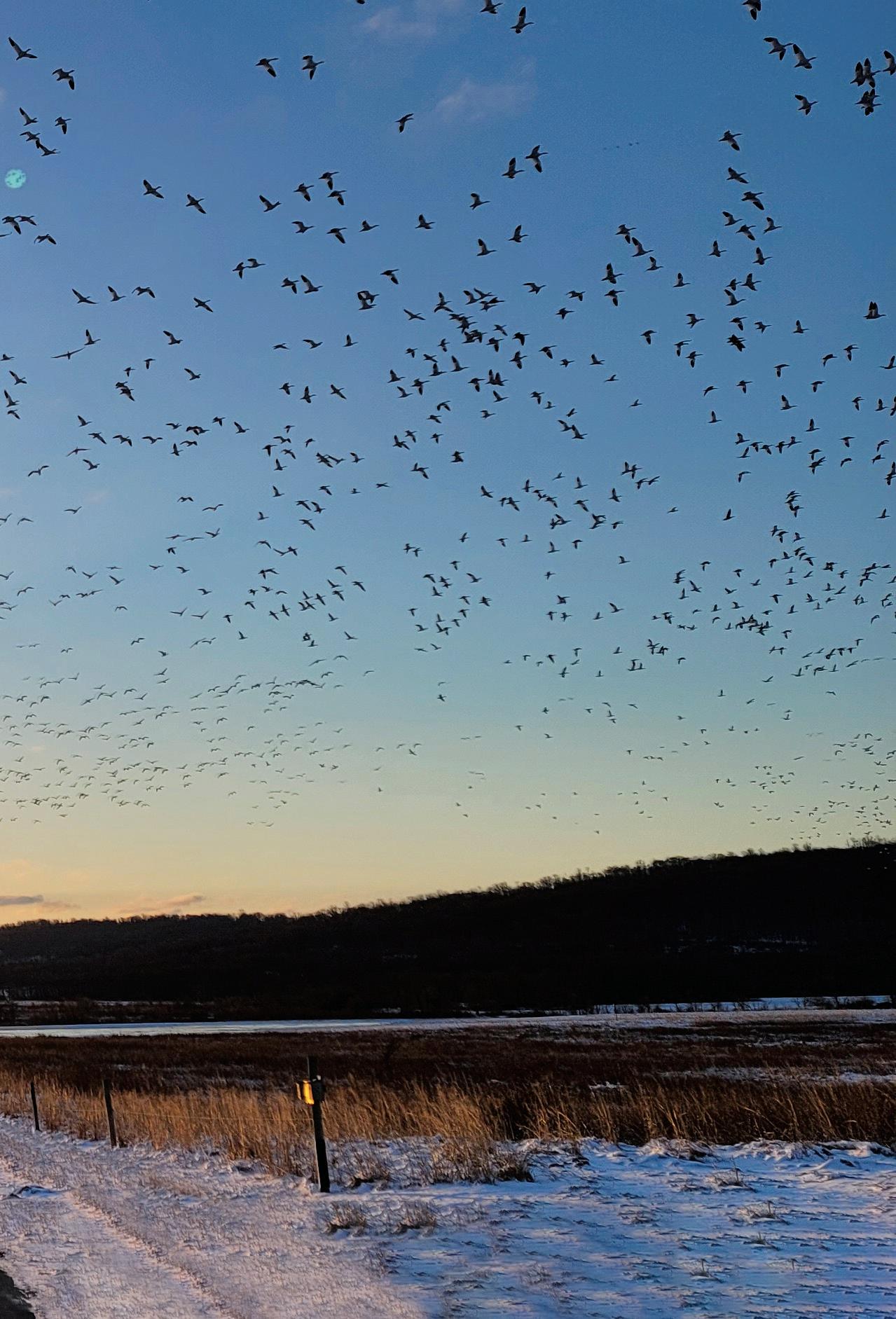
In addition, Middle Creek has become a late-winter destination for visitors from around the world hoping to witness the annual northern migration of snow geese.
“The snow geese come here, and they do what they do,” said Richmond. “But we want to engage people when they’re here. It’s just a wonderful visitors’ experience.”
Middle Creek’s diverse terrain serves as the perfect habitat for a wide and wild array of God’s creatures. Among the animals that call Middle Creek home are 280 species of birds, including eagles, hawks, swans, ducks, pheasants and owls; a variety of fish; deer; foxes; beavers; otters; squirrels; and rabbits.
Seasonal controlled hunting is permitted at Middle Creek, as well as fishing and non-motorized boating. Middle Creek also manages controlled propagation areas throughout the property.
“I’m a birder by hobby. That’s how I found out about Middle Creek,” said Richmond, a resident of Intercourse. “You can come here on any given day and see every bird species native to Pennsylvania. I’m a nature enthusiast
myself, which is probably why I work here. It’s just a super place to work. I get to come to this beautiful place every single day. People love this place. It’s a haven in Lancaster and Lebanon counties.”
About 100,000 individuals visit Middle Creek each year, half of whom frequent the visitors center. A vast majority of those people reside within an hour’s drive of the wildlife area, and some of those people come to Middle Creek with their families, church groups and school groups.
“They’re wildlife enthusiasts who are excited about nature,” said Richmond. “They may just be excited to get out into the woods. They might be hunters. They’re people who love nature.”
“I think we’re trying to get the word out more about Middle Creek,” she continued. “Some people go through Middle Creek and never come into the visitors center. This is our Lancaster and Lebanon communities. There are people who haven’t been here. If they love nature, we’re a great place to visit. We want people to come in and engage with us. I think we have room to grow there.”
Middle Creek operates out of the Pennsylvania Game Commission’s southeast region and benefits from federal funding, the sale of hunting licenses and the taxation on firearms. Richmond’s work at Middle Creek is supported by three full-time educators, a maintenance person, land managers, regional biologists and a network of nearly 1,000 volunteers.
Partially through the law of eminent domain, Middle Creek Wildlife Management Area was created in the late 1960s through a $70 million bond as a way to provide recreation and hunting opportunities to residents.
“Middle Creek was created to be an area for waterfowl hunting, but it has morphed into something much more than that,” said Richmond. “The state was looking for properties in the area that could host a reservoir and host hunting opportunities. At that time, there was a push for conservation and recreation. Since then, we’ve expanded to include more land, and the habitat management process has become better. We have so much better science and a better handle on how to manage conservation.”
For additional information, go to pa.gov/agencies/pgc/ about-us/contact-information/offices-and-regions/ middle-creek-wildlife-management-area.
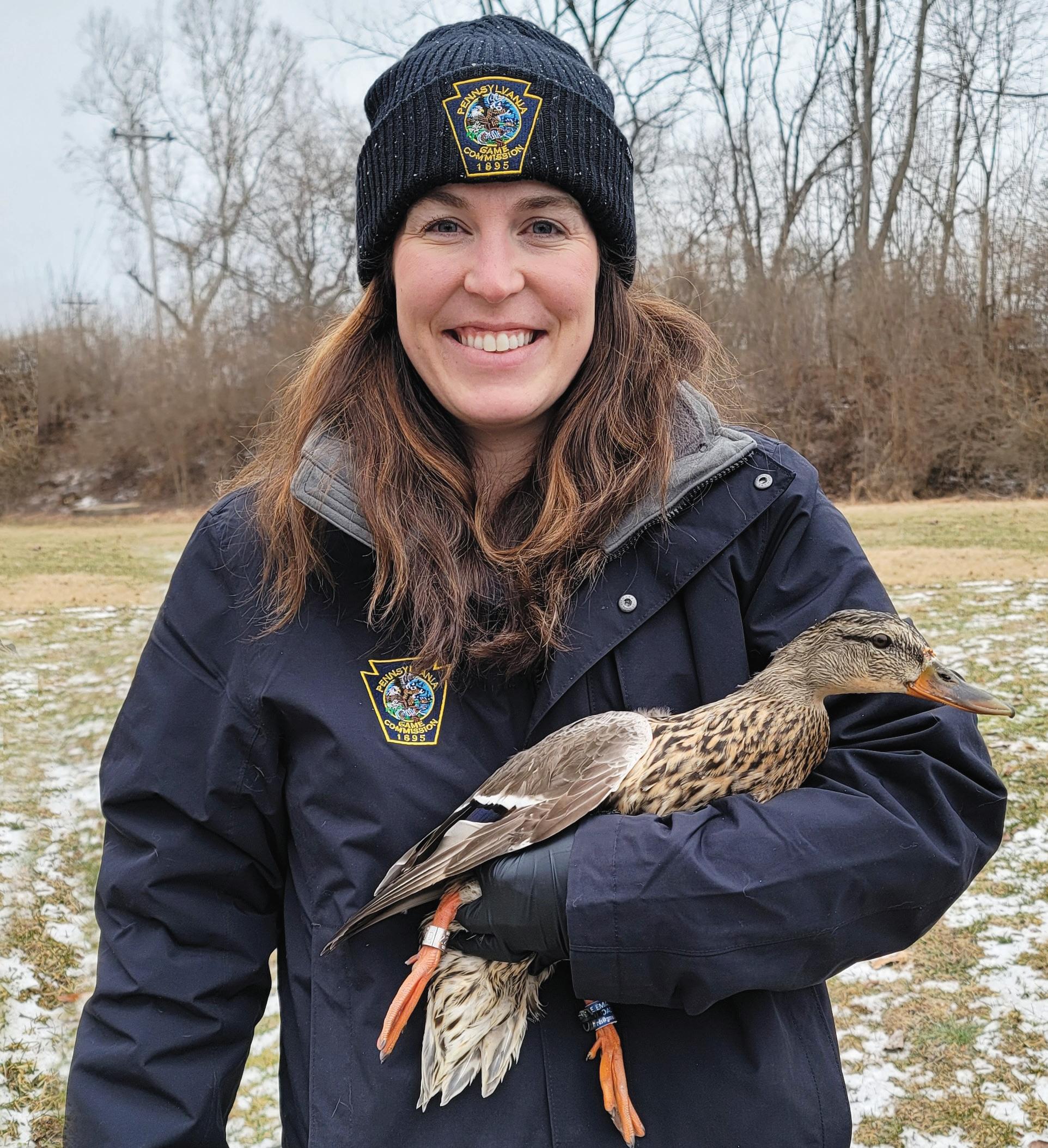
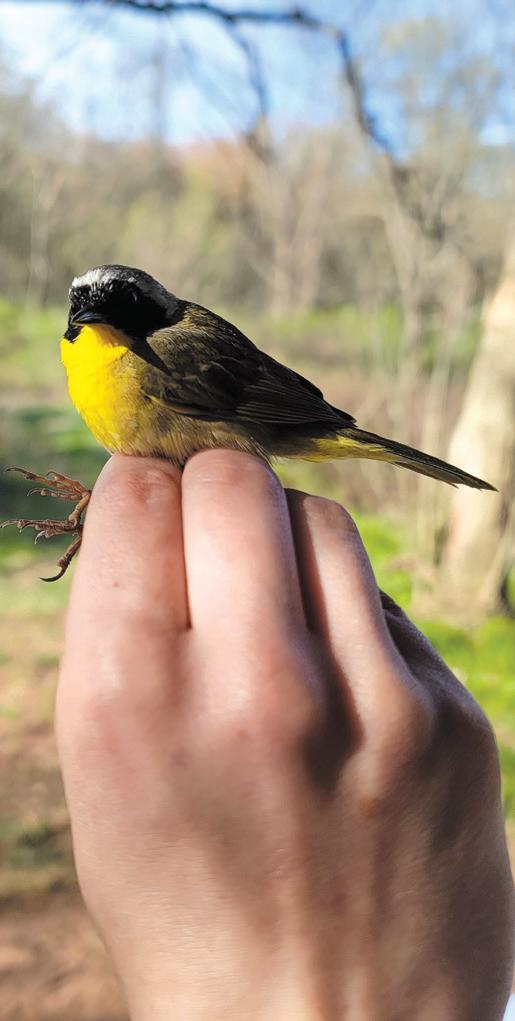
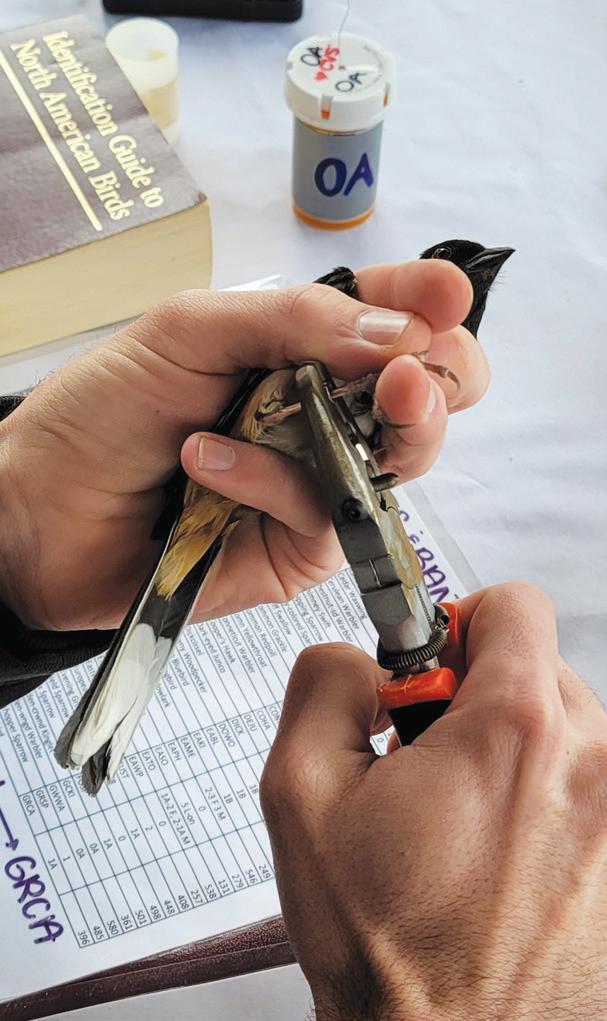
Banding is just one of the ways that species of
are
birds
managed at Middle Creek Wildlife Management.
Volunteers play a key role in the operation of Middle Creek Wildlife Management Area.
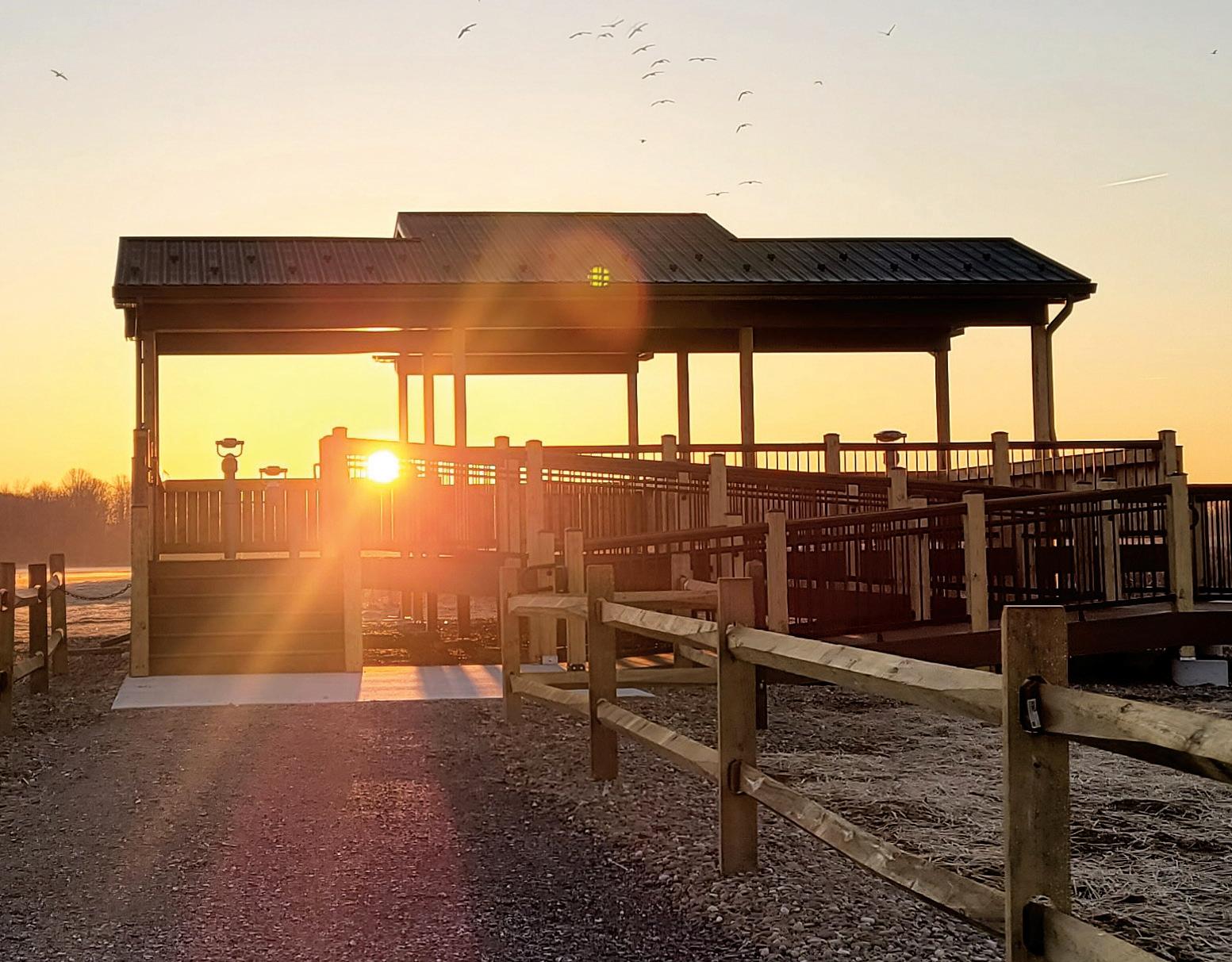
This observation deck offers visitors great views of Middle Creek’s 400-acre lake.
Hearing & Ear Care Center, LLC
Tinnitus
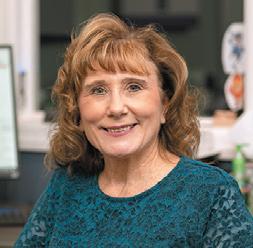
Linda Gonya-Hartman Au.D. Doctor of Audiology
Cortney Van Ausdal Au.D. Doctor of Audiology Debbie Frey Au.D. Doctor of Audiology
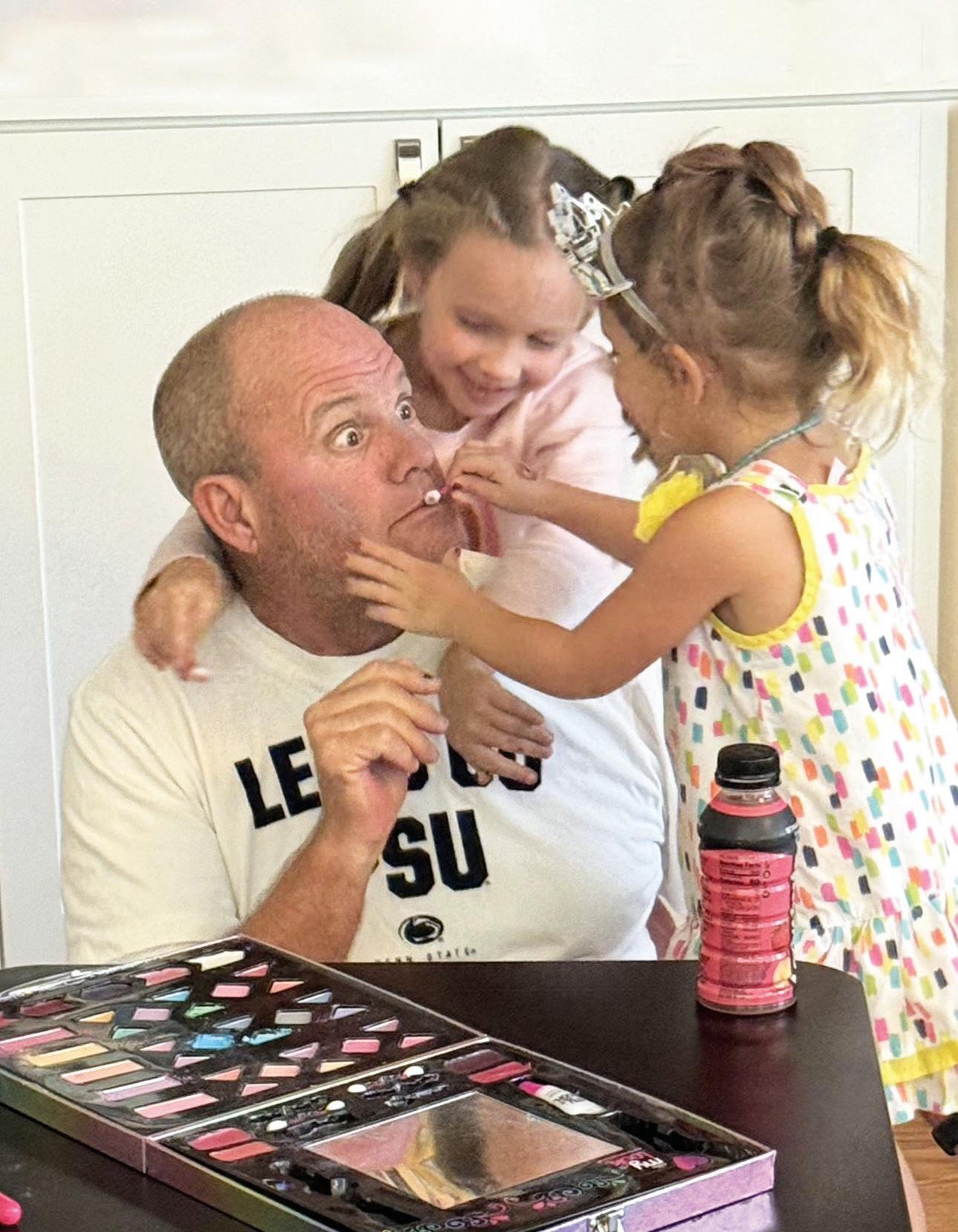
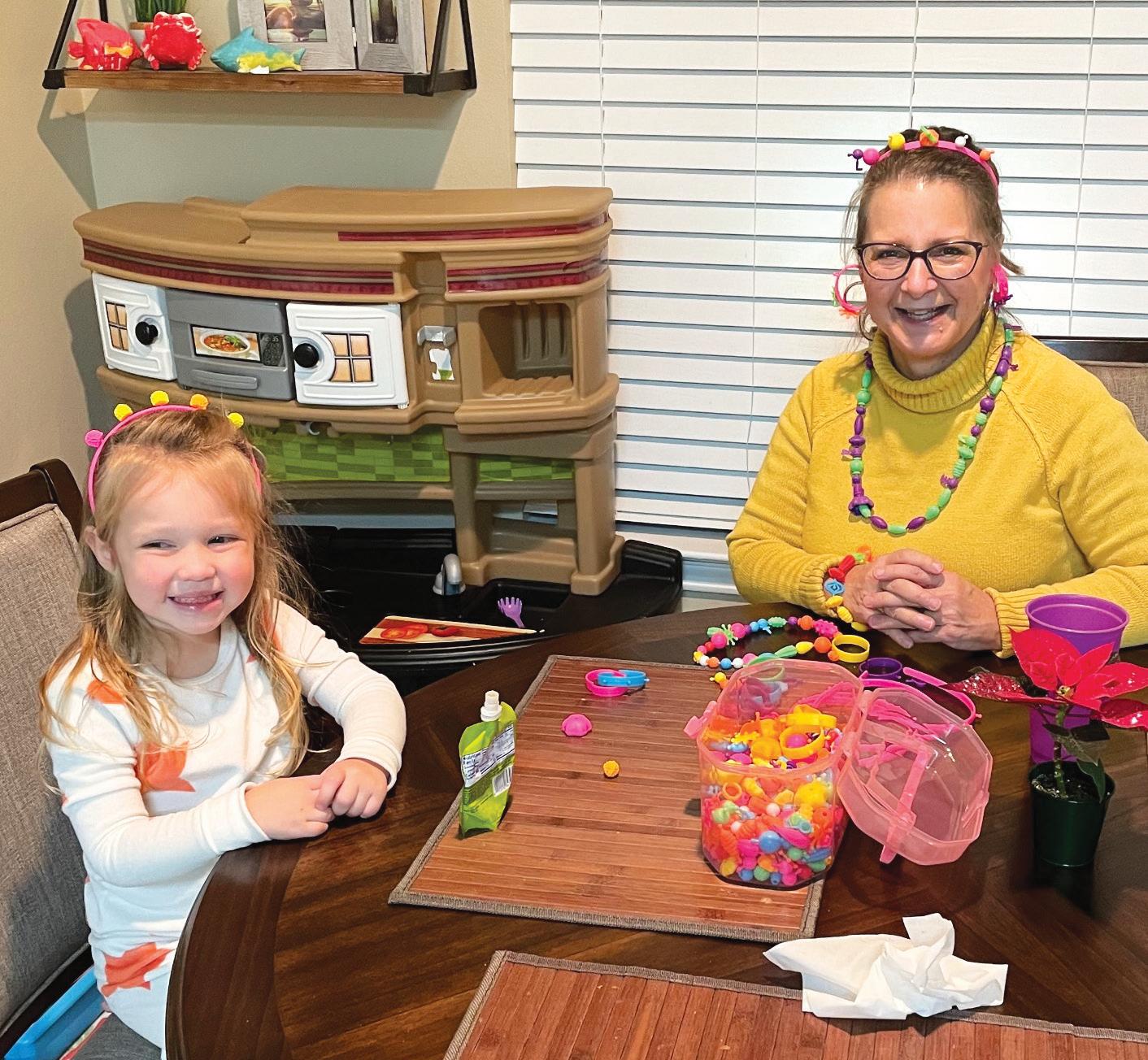
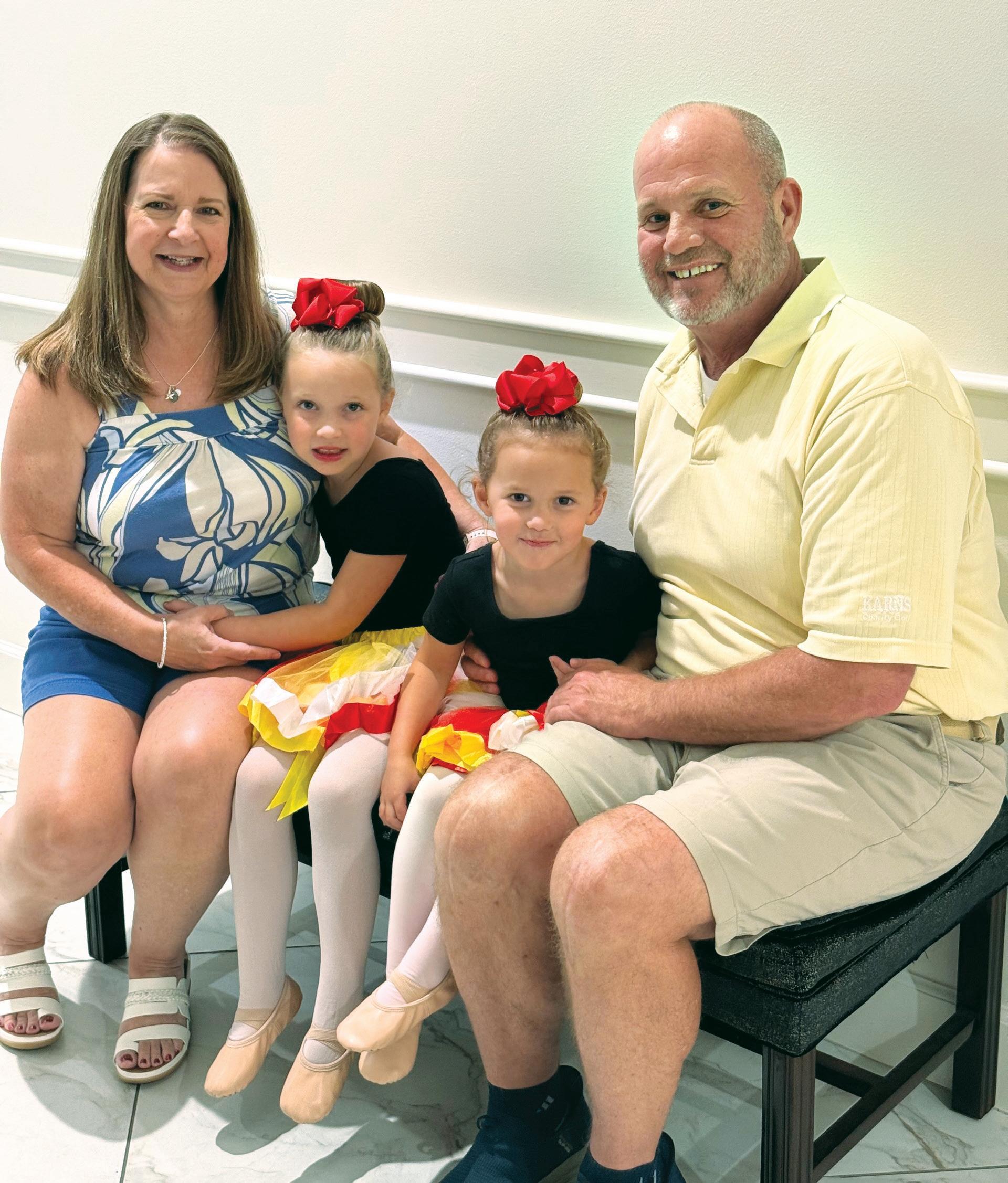
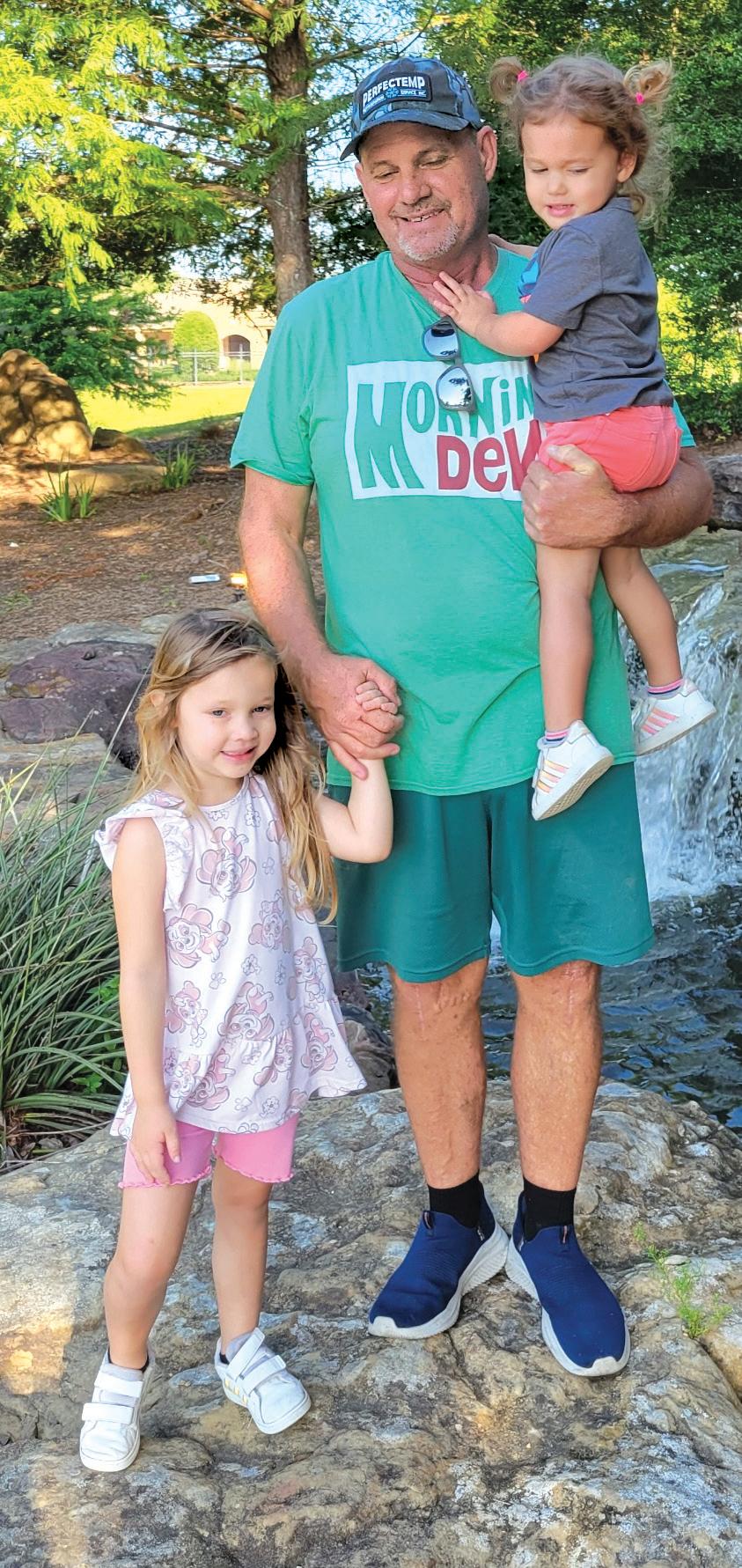
The Carpenters, Renee (left) and Scott (right) enjoy spending time with their granddaughters, Stella (second from left) and Dylan.
The Bond Between Grandparents and Grandchildren
The Carpenters Are Nurturing the Times of Their Lives
BY JEFF FALK
Grandparents and grandchildren share a special bond.
It’s a connection rooted in trust and lineage, in values and in tradition. It’s a relationship from which both older and younger generations benefit.
Renee and Scott Carpenter’s grandparent story is unique. But many elements and themes of their story are very relatable to every grandparent everywhere.
“I feel very close to (my grandchildren),” said Renee, “to the point where they aren’t afraid to tell me how they’re feeling. They’re very open with me. What I always tried to be for my children, I want to be for them. I want to be a safe place. I’m here to support them. I think we have a great relationship.”
Renee and Scott are in their early 60s and natives of Lebanon County. In December of 2021, the Carpenters moved to Tomball, Texas, which is part of the metropolitan Houston area, to be closer to their granddaughters Stella, now 7, and Dylan, now 5.
It was a well-thought-out decision that has been, to say the very least, life changing.
“I think we were both ready for a change,” said Renee. “(My siblings and I) lived with my grandparents when I was young. My grandparents took us on vacations, and I knew what it was like to have that second set of adults growing up. When (son) Christopher said to me, ‘I’d like that for the girls,’ I knew exactly where he was coming from. We all knew the value of that from experiencing it ourselves.”
“I think COVID made a lot of people rethink a lot of things,” added Renee. “When COVID came, we wanted to see them. We asked ourselves, ‘Do we want to be this far away?’ Before COVID, no, we wouldn’t have ever considered moving. I think both of us jobwise were open to opportunities. But COVID was the impetus for the move.”
Renee and Scott live about 25 minutes away
from Stella and Dylan and their parents. The Carpenters see their granddaughters about twice a month.
“Scott was nanny for two months when we first moved here, because (Stella and Dylan’s parents) wanted to keep them out of day care,” said Renee. “Scott refrained from looking for a job so he could be nanny. He drove to their house every day. He just fell in love with our granddaughters.”
“Another reason we moved is because (Stella and Dylan’s parents) don’t have support here,” Renee continued. “Marriage is hard, and it’s even harder if couples don’t have time to be together. We definitely have a more involved relationship (with the grandkids), because we see each other and connect more than if we were having phone conversations from Pennsylvania.”
Not only do Renee and Scott look forward to their time with Stella and Dylan, but they also embrace it. Kids grow up fast, and time is something for which we never get a second chance.
“They want to come to our house,” said Renee. “They want to sleep over. They love hanging out with us. What my son says to me is, ‘You don’t have to play with them all the time.’ I say to him, ‘If they ask me to play with them, I’m going to play with them.’ We have tons of toys here. They love to sit and read books.”
“When we’re around, they get our attention 100% of the time, and they seem to like that,” added Renee. “They’re both very smart, very creative and very active. I wouldn’t know them and their personalities if we didn’t live here, and I cherish that.”
Although the move to Texas has presented its share of challenges to the Carpenters over the past four years – they initially knew no one they weren’t related to, for example – it has afforded them the opportunity to watch firsthand as Stella and Dylan grow, develop and evolve. They can also take consolation – as well as a sense of pride –from the fact that they have positively affected their granddaughters’ maturations.
“It’s been really cool to watch their personalities develop,” said Renee. “Just visiting a couple times a year and talking on the phone, I wouldn’t have had that insight and understanding. I know those girls. I love that part, knowing all the quirky things about their personalities.”
By becoming closer to Stella and Dylan, Renee notes that her relationship with Christopher has also flourished.
“My son, Christopher, is an amazing father,” Renee said. “When I told him that, he said he thought it was something he learned from me. It definitely is rewarding to see Christopher modeling the parent I was with him.”
“I believe the best thing for any kid is to have a multitude of people in their lives who are supportive and happy,” continued Renee. “The more people like that that kids can have in their lives, you can’t go wrong. Those girls have no doubt that they’re loved and special.”
History Lives Here...
Historic Schaefferstown 2026 Events
Celebrating America’s 250th
CHERRY FAIR - Sat., June 27
WWII EVENT - Sat., July 25 & Sun., July 26
HARVEST FAIR - Sat., Sept. 19 & Sun., Sept. 20
CHRISTKINDLMARKT - Fri., Dec. 11 & Sat., Dec. 12
TAVERN LUNCH - Sat., Dec. 12
Visit our website at: historicschaefferstown.com or call; 717-949-2244 for times and details.
Family Friendly FAIR Admission: By car - $5 for single $10 for two or more people
“I hope they grow up with a firm belief in who they are,” Renee added. “The thing I wish the most is that they’re happy and find who they really are. I hope that they grow and know their worth.”
Right now, the Carpenters’ future plans are to move back to central Pennsylvania, or somewhere close to the area, in a few years, at a time when both Renee and Scott are closer to retirement age. It will also be a time when Stella and Dylan are entering the next phases of their developments.
“We’ve decided we’re not staying,” said Renee. “I have three sisters who I’m really close to, and it’s killing me not being close to them and not being together with my friends. There’s something about hanging out with people who know you.”
“The girls will be older and involved with activities,” continued Renee. “Their lives are going to be busier. We built a foundation with the girls that will always be there.”
The Carpenters try to avoid looking back. Instead, they prefer to look ahead inspired by good memories.
“I try not to waste time on regrets,” said Renee. “I think if I came down here without a spouse, without a built-in friend, I’d be miserable. I’m all about creating memories. The memories I get to have are forever, and they’re priceless, and I think it’s the same for the girls.”
“It’s emotionally fulfilling to be in your grandchildren’s lives,” Renee continued. “They bring so much joy. They’re just fun kids. They’re sassy. They fill my soul.”
The fruit doesn’t fall far from the tree, or the grand tree.
Affordable Family-Friendly Activities
Parents know that the cost of living has risen dramatically in recent years. Increased costs across the board underscore the need for families to find affordable ways to have fun together. Thankfully, there are many ways for families to get out of the house and have fun without breaking the bank.
VISIT THE LOCAL LIBRARY
Libraries are home to hundreds of books that all can be borrowed free of charge, but these local institutions also offer much more at no cost. Many libraries host numerous arts and crafts programs for kids, weekly board game gatherings for adults, free movie rentals ideal
for family movie nights, and educational series and programs for adults and children alike.
TAKE IN SOME SCHOLASTIC SPORTS.
Families that love their sports can get some affordable live action that's closer to home than the local professional teams. Friday night high school football games under the lights can be a fun way to satisfy a love of live sports and provides a great opportunity to engage with the larger community. Once the temperatures dip, let indoor sports seasons provide a great way to get out of the house during a time of year when it can be easy to go a little stir crazy.
ENJOY THE GREAT OUTDOORS
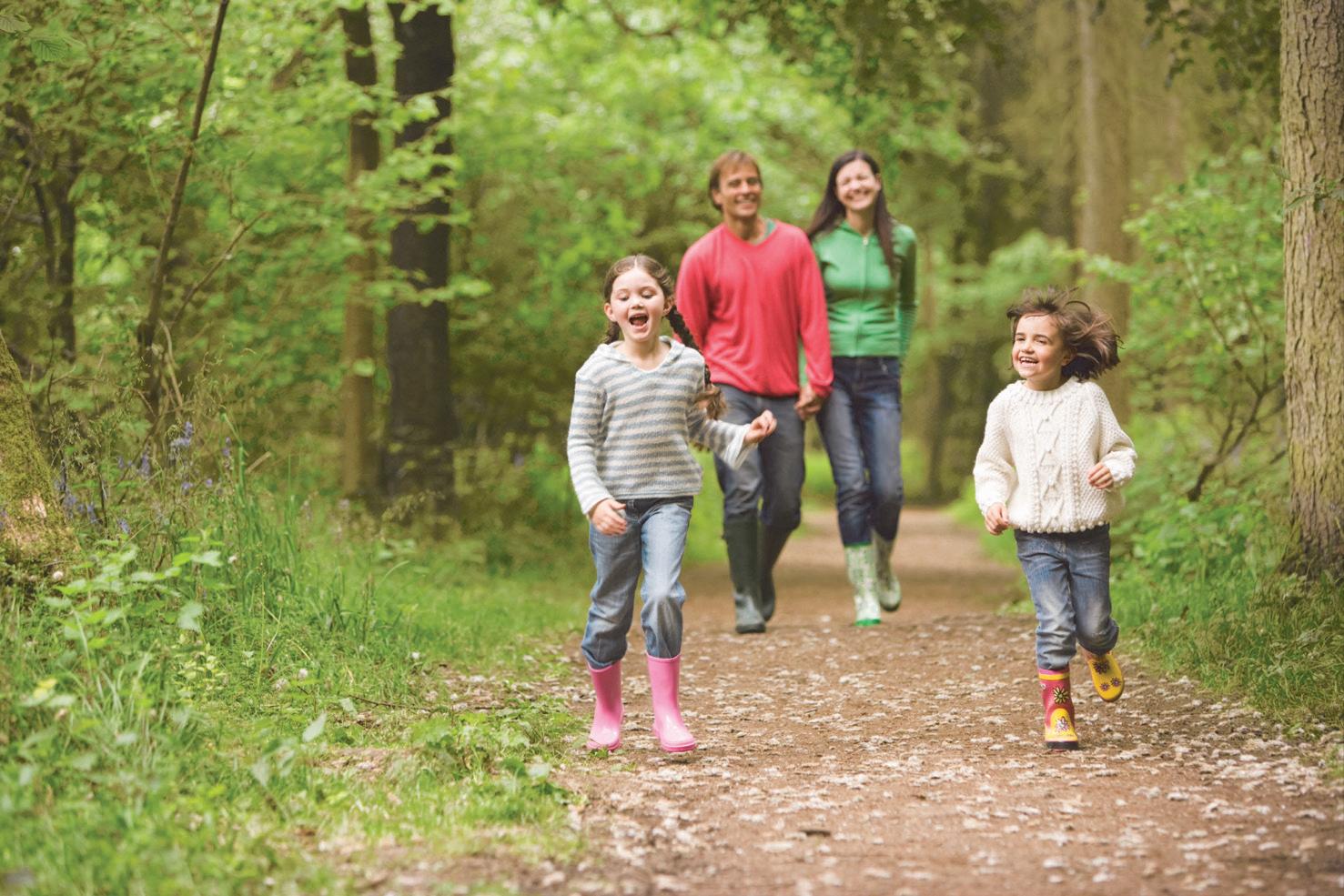
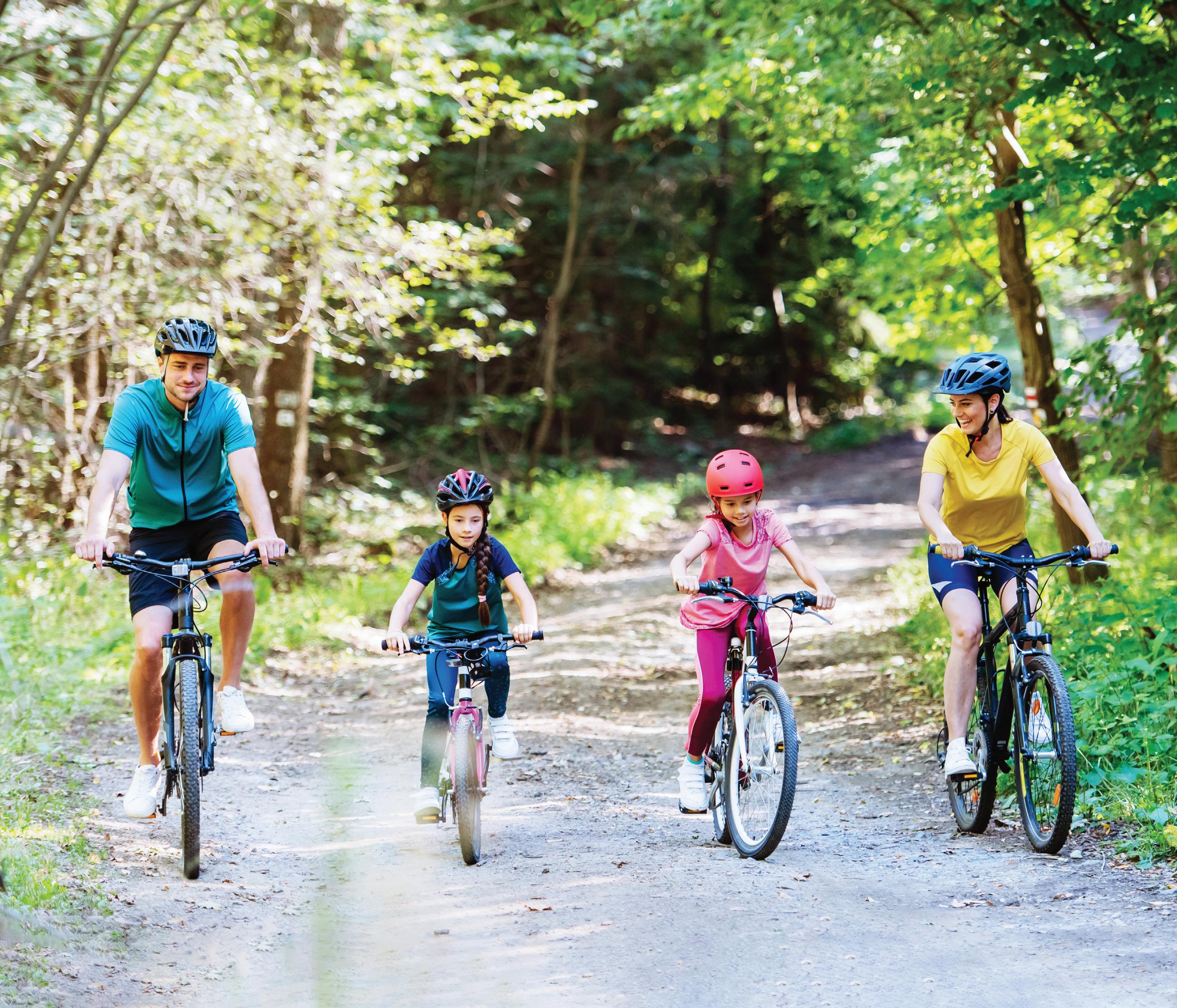
Regardless of which season it might be, the great outdoors provides endless opportunities for family-friendly fun. Community swimming pools can be a great place to cool off in summer, while local, state, or national parks offer ample activities families can enjoy together. Hiking, fishing, kayaking, cycling, and other activities are affordable and fun, making them ideal options on weekend afternoons regardless of what the weather is like.
SEE A SHOW AT A COMMUNITY THEATER
If families are looking for culture, community theater programs are wonderful options to consider. Local community theaters perform classic or even original productions at minimal cost. Families also can consider local high school productions, where they might just come across tomorrow's A-list stars before they make a name for themselves.
A rising cost of living can make it hard for modern families to make ends meet. When looking for ways to have fun together, families have a wealth of free or low-cost options to consider.
The Benefits of Unstructured Outdoor Play
Gone are the days when most parents would send their children outdoors and tell them to be back when the streetlights came on. Kids from generations past went to "call for" friends, see who was available to ride bikes for hours, and take sips of water from neighbors' garden hoses. Today, kids seem more likely to text their friends or socialize over gaming systems without even stepping outside.
Regardless of what's driving the shift toward more controlled parenting, children seem to have less freedom to roam their neighborhoods unsupervised than the youngsters of yesteryear. Parents can now identify where their children are at any given time, and panic ensues if they cannot contact their kids immediately.
A study from researchers at the University of Essex published in the journal Sociology of Health & Illness found that parental pressures and an "intensification of parenting" have led to more structured activities and less organic play among children. This reduces creativity and eliminates opportunities for them to independently learn dangers on their own. The study found that "more opportunities for unplanned physical activities would allow children to develop stronger awareness of dangers and limitations while providing an outlet for creativity."
Parents hesitant to let their kids out on their own can keep these tips in mind.
Unstructured play encourages kids to invent games, solve conflicts, and find creative solutions to challenges. Kids sometimes need to work out their own issues, and play is a great way to do that.
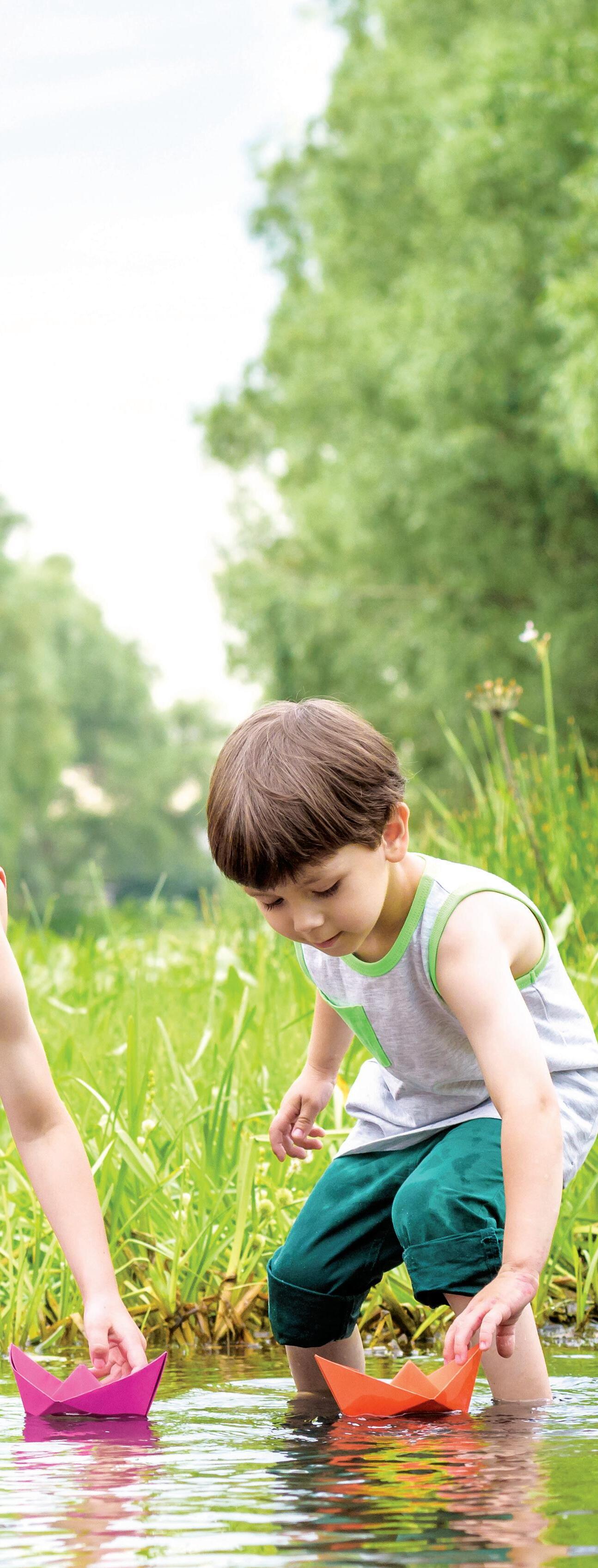
Creating a buddy system enables kids to enjoy responsibility independent of their parents without removing the safety net entirely. Friends can pair up to go on walks or ride bikes. Should something happen to one child, the other can return home to seek help.
It's possible to give children freedom with boundaries. Offering a set time of unstructured, unsupervised play with the expectation to check in at a specific point is a good idea. The amount of unsupervised time can be extended as children prove they can be trusted.
Visit areas that allow for space to roam without the need for parents to hover. For example, kids can play softball at a nearby park while adults walk the adjacent trails.
Parents can talk things over with their children and hear their concerns about having more freedom. Compromises often can be reached on both ends.
Kids can be encouraged to walk home from school if it is a reasonable distance away. Not only will children get exercise, they will have a measure of independence and an opportunity to socialize with others heading the same way. Plus, there typically are crossing guards and other adults around who can watch out for kids more so than during non-peak hours.
Children can benefit from unstructured, unsupervised socialization. Parents may need to step back and retrain themselves to give kids the benefit of the doubt.
Tips to Ensure a Better Night's Sleep
A state of sleep is necessary to give the body and mind time to recharge and prepare for the next day. Though such benefits are widely recognized, a significant percentage of individuals across the globe are failing to get sufficient rest, a dangerous reality that could be putting people at risk for various diseases and conditions.
Lack of sleep is such a prominent problem that the research team behind a 2024 study published in the journal The Lancet: Diabetes & Endocrinology dubbed insufficient sleep as a "neglected public health issue." That study surveyed 2,000 adults in the United Kingdom and found that 90% of respondents reported current sleep problems, with two-thirds of those individuals indicating they had experienced their issues for more than six years. And it's not just adults experiencing sleep issues, as a 2023 peer-reviewed editorial written for the Centers for Disease Control and Prevention found that the modern 24-hour lifestyle and pervasive utilization of electronics and social media is normalizing insufficient sleep among children and adolescents.
Replace an old mattress. Old mattresses can be uncomfortable and thus make it harder to fall asleep.
Block out light. Light exposure adversely affects circadian rhythm, so keep external light out of a bedroom and dim lights as bedtime approaches. Avoiding bright light while transitioning to bedtime can contribute to the production of the hormone melatonin, which facilitates sleep.
Sleeping problems are not to be taken lightly, as the National Institutes of Health notes sleep deficiency has been linked to heart disease, kidney disease, high blood pressure, diabetes, stroke, obesity, and depression. Children who are not getting enough sleep may experience difficulty paying attention, which could adversely affect their academic performance, and might be prone to misbehavior. Of course, many of these side effects can be avoided by getting sufficient sleep. With that in mind, adults, parents, children, and adolescents can consider these strategies to get a better night's sleep, courtesy of the Sleep Foundation.
Set an appropriate temperature. The Sleep Foundation advises setting a bedroom temperature thermostat to between 65 and 68 degrees Fahrenheit to prevent feelings of being too hot or too cold when going to bed.
Wake up at the same time each day. A routine that includes the same wake-up time each day can acclimate the body to a healthy sleep routine.
Begin to relax 30 minutes before bed. A pre-bedtime routine focused on relaxation can facilitate sleep. The Sleep Foundation notes activities like quiet reading, low-impact stretching, listening to soothing music, and mindfulness meditation can help people ease into sleep.
Avoid devices an hour before bed. The light emitted by tablets, smartphones and laptops can suppress melatonin production, making it hard to fall asleep. Make the hour before bedtime each night a device-free time.
Exercise each day, but avoid intense activity close to bedtime. Daily exercise has been found to promote sleep, but intense exercise right before bed can make it hard for the body to settle down.
Insufficient sleep is an emerging issue for people of all ages across the globe. Some simple strategies can be employed to facilitate a better night's rest.