

FRESH FLAVOR



Does it really help with fire prevention?
Yes! Chimney sweeps remove flammable creosote build up that can cause chimney fires.
Does it provide better air quality for my home?
Yes! Chimney sweeps clear soot and debris, helping reduce harmful fumes in your home. Does it really improve efficiency?
Yes! Chimney sweeps allow for more heat production with less fuel.
Can Chimney Sweeps detect potential chimney problems?
Yes! Chimney sweeps can identify cracks, blockages, or damage before they become more costly or dangerous.








Jocelyn Engle
CONTRIBUTING
Cat Shannon
COVER
Ashley Kendrick Kennedy CREATIVE
Melissa McKee
Greg March








THE FRESH FLAVOR OF FARM-TO-TABLE THE FRESH FLAVOR OF FARM-TO-TABLE



IBY CAT SHANNON
n Lancaster County, farm-to-table isn’t a trend. It’s a way of life. From roadside stands to bustling markets, families have easy access to fresh-picked produce, pasture-raised meats and homemade goods. Eating close to the source is about more than flavor. It’s about fueling families well.
“‘Farm-to-table’ means local ingredients, non-modified foods, as close to the natural product as possible,” said Shawn Lines, who operates The Farmer’s Table at Root’s Country Market and Auction in Manheim with Tony Santiago. “The less you manipulate it, the better.”
Lines and Santiago collaborate with vendors at Root’s and note that the market provides a plethora of options for families that want to make farm-to-table meals.
That might mean apple cider pressed at a nearby orchard, honey from a local beekeeper or eggs and cheese sourced from area farms.
When families cook farm-to-table, they’re often providing
a healthier option than processed food, which is convenient but packed with sodium, sugar and more.
“You’re cutting out a lot of food additives and hidden things when you cook with local food,” said Rachel Esch, who has operated Rachel’s Family Dining for 11 years at the Green Dragon Farmers Market & Auction in Ephrata. “Plus, the flavor - you can’t beat the flavor of fresh ingredients.”
Her vegetables, fruits and meats are brought in fresh right from market vendors and prepared on-site. Even her chili starts with beef that’s ground fresh in the morning.
Esch grew up cooking alongside her mother and raised her five children the same way - perched on the counter, watching and helping. Today, all five work at the restaurant.
“My first memories of cooking are me helping my mom, tasting what my mom was making,” she said. “When kids get involved in cooking, they are more likely to eat what’s being prepared.”




She noted that Lancaster County’s abundance of growers means families can talk directly to farmers about how their food is raised and find methods that align with their values.
“One of the benefits of buying locally is you can talk to the grower,” she said. “You can ask, ‘What type of method are you using to raise your food?’ Lancaster County has so many growers, and you’ll be able to find somebody that has something that you love and that’s created in a way you like.”
Standholder Sandy Hughes, who operates Hughes’ Meats at Root’s, said answering customer questions is a favorite part of her job.
“For kids, especially, it’s a big thing to see the meat in the case and understand where it came from,” she said. “They see a hamburger at McDonald’s and don’t realize it came from an animal.”
Hughes raises her own beef at a farm outside East Berlin, providing an all-natural diet free of antibiotics.



“People should know where their food comes from,” she said. “You want to feed your family safe and healthy foods.”
While eating farm-to-table might seem more expensive that buying convenience foods, it can be affordably done.
“With creativity, it does not have to be more expensive,” Lines said.
While organic foods can carry a higher price tag, buying in-season produce and planning meals that serve multiple people keeps costs manageable. He’s also a believer in weekend food prep to save time during the week.
And he encourages families to involve their children.
“When kids know where their food comes from, they become more informed eaters, which can continue as they grow up,” he said. “Eating farm-to-table gives kids an understanding that food comes from somewhere. It doesn’t just appear on your plate.”

Ready to turn market finds into family meals? Try these simple recipes using ingredients commonly found at Lancaster County markets.
LEILA’S PASTA SALAD
Ingredients
1 box rotini pasta (or any shape you like)
1 carrot, cut into thin rounds
1 small head of broccoli florets, chopped
1 small head of cauliflower florets, chopped
1/4 pound mushrooms, sliced
1 onion, chopped
1 green pepper, chopped
1 tomato, chopped
1 cucumber, chopped
1/2 cup cubed cheese, your choice of type
1/2 cup pepperoni slices, cut into quarters
Fresh herbs of your choice
Salt Pepper
Garlic powder
One bottle Italian salad dressing
Instructions
• Cook pasta according to package directions until just about done. Do not overcook.
• Combine carrot, broccoli, cauliflower, mushrooms, onion, green pepper, tomato, cucumber, cheese and pepperoni in a large bowl.
• Toss together with herbs, salt, pepper and garlic powder.
• Pour on salad dressing - use as much or as little as you like. Toss again and chill until ready to serve.
MOM’S MEATLOAF
Ingredients
3 pounds lean ground beef
1 fresh tomato, chopped
1 large can whole peeled tomatoes
1 cup chopped onion
1 cup chopped green pepper
Worcestershire sauce
1 teaspoon salt
1 teaspoon pepper
1 tablespoon garlic powder
1 or 2 eggs
1 bottle barbecue sauce
Instructions
• Preheat oven to 350 degrees.
• Using your hands, mix together ground beef, tomatoes (both fresh and canned), onion, green pepper, several dashes of Worcestershire sauce, salt, pepper and garlic. Add in one or two beaten eggs, depending on how moist the mixture is. It should be moist but not soggy. Do not overmix.
• Form into a loaf shape and place in a roasting pan.
• Bake for one hour. Use a baster to remove grease from the pan and add a generous amount of barbecue sauce to the top of the loaf. Continue baking for one more hour.
• Serve with additional barbecue sauce.

GIGI’S STRAWBERRY PIE
Ingredients
1 quart plus 1/4 cup fresh strawberries
1 cup water
1 cup sugar
1 pinch salt
2 1/2 tablespoons cornstarch
1 teaspoon fresh lemon juice
1 tablespoon butter
Frozen deep-dish pie crust
Whipped cream (make your own or use prepared)
Instructions
• Prepare crust as directed on package.
• Wash and trim berries.
• Place one cup of berries in a saucepan - use the ripest, squishiest berries. Mash or crush them in the pan.
• Combine sugar, cornstarch and salt. Add water and add all to mashed berries in the saucepan. Cook over medium heat until clear or at a full boil.
• Remove from heat. Add butter and lemon juice. Cool completely.
• Add the rest of the berries, whole or sliced, into the baked pie shell. Pour glaze from saucepan over all.
• Chi ll for two hours.
• Top with whipped cream.



































Virtual primary care for the whole family.
Virtual First Primary Care combines the local care you trust with convenience that fits your lifestyle. With video appointments and direct-to-provider messaging, we’re breaking down barriers so our community can access care faster and easier than ever before. Whether you’re in need of a new provider or looking for care for the whole family, our dedicated Virtual First Primary Care practice offers ongoing, reliable primary care without needing to make a trip to the doctor’s office.
Get started today at PennMedicine.org/VirtualFirst. Lancaster General Health

Smart Ways to Stop the Summer Slide
By Cat Shannon
Kids and summer go hand in hand - long afternoons outside, family trips and a welcome break from the routines of the school year. But while children are busy enjoying their freedom, something else can quietly happen: They can begin to forget some of what they learned in the classroom.
Educators call this the “summer slide,” and it’s more common than many parents realize. The good news is that preventing it doesn’t mean turning summer into another school semester.
“Your brain is one of the most important muscles, and when it comes to learning, the rule is ‘use it or lose it,’” said Allison Ross, a first-grade teacher at Hambright Elementary School in the Penn Manor School District. “Just like any other muscle, if you don’t exercise it, it weakens.”
That’s essentially what happens during the summer slide. Without the constant rigors of school, some of the academic progress students worked hard to build can begin to fade.
“Without the regular challenges of the classroom, that progress has the potential to slip away,” Ross explained. “This often results in students returning to school in the fall a few steps behind where they finished the previous year.”
With a little creativity, however, families can keep kids’ minds active all summer long, while still leaving plenty of time for sunshine and fun.
Preventing the summer slide is a combination of providing opportunities for learning mixed with summer activities, she said.
“Your student has worked incredibly hard over the past school year, and while they deserve time to relax, a total shift in environment can be a difficult transition,” Ross explained. “ For many children, moving from a high-structure routine to a summer with very few demands can
lead to behavioral challenges. When kids get bored, they often get themselves into trouble simply as a way to keep their brains busy.”
The summer slide is not a new phenomenon, although that terminology is a newer term, said Karen Denlinger, an elementary school teacher who retired in 2009 after teaching for 37 years in the city of York.
“Summer vacation was a vacation and not called a ‘slide,’ but we wondered how much the children retained from the previous year when they returned to school,” she said. “A large amount of the children were fine when they returned to the classroom. The children who regressed a bit during the summer, we reviewed the basics intensely for about two weeks, and they were fine.”
She noted, however, that academic standards have shifted for children and that even the smallest regression can set kids back.
Lucki ly for caregivers, keeping kids engaged doesn’t have to be hard, or particularly academic, Ross said.
“You don’t have to study for hours to prevent the slide,” she remarked. “You just have to use it so you don't lose it.”
In fact, Denlinger said, preventing the slide can be as simple as engaging with your children.
“Most of all, talk to your children,” she advised. “And parents, look at your child and not your screen.”


Allison Ross instructs students in her classroom at Hambright Elementary School
Photos (above) by Maddie Long, Penn Manor School District communications coordinator
For fun ways to incorporate classroom learning into everyday summer activities, check out these suggestions from Ross and Denlinger.
“These activities incorporate reading fluency, addition and logic, critical thinking and vocabulary building,” Ross said, “and you can do them all right here in Lancaster!”
START A SUMMER BOOK CLUB: Reading at or slightly below grade level helps students build fluency and confidence, Ross said, noting that when you read alongside your child, you introduce them to a vaster vocabulary and create a shared experience. “It can be as simple as a ‘Magic Tree House’ book,” she shared. “For example, I recently gathered three of my young cousins (grades one through five) for a ‘beach book club.’ It gave us a chance to read together and gave them something exciting to talk about.”
GET OUTSIDE. “Play outside, go for walks, ride bikes, jump rope, go swimming,” Denlinger said, noting that letting kids be kids can be a simple way to keep them engaged and learning. “Go to playground and play with friends or make new ones. Limit screen time to one hour a day.”
VISIT THE LIBRARY FOR EXPERIENCE PASSES:
Libraries are about more than just bookshelves. Many, including the Lancaster Public Library, offer museum passes, Ross noted. “These allow students to learn history and interact with different modes of learning through hands-on experiences at local museums,” she said. “It keeps kids curious and engaged, making the transition back to a classroom much easier.”
READ TOGETHER: Denlinger recommends families join their local library’s Summer Reading Program and participate in the variety of activities scheduled during the summer months. “Set a time when everyone in your family is reading for 30 minutes and then have everyone say what they read,” she said.
UTILIZE DIGITAL LIBRARIES: Software such as EPIC! makes reading for pleasure easy and convenient. “At the touch of a finger, students can access kid-appropriate books in various formats, including audiobooks, making reading accessible anywhere, from the car to the doctor’s office,” Ross remarked.


TAKE THE “MARKET CHALLENGE”:
The next time you head to the grocery store, give your child a small budget to buy ingredients for a snack. “This encourages critical decision-making as they weigh options,” Ross said. “Have them estimate the total cost and figure out their change. It activates addition and subtraction skills, turning abstract numbers into tangible, spendable logic.”
TRY THE
“MOVIE
DETECTIVE
CHALLENGE”: Read a book, then watch the movie version. Play detective and find three things that were different in the movie. “This is called ‘comparative analysis,’ and it’s a high-level skill that teachers love!” Ross said. “Check out the Penn Cinema Summer Kids Camp for $2 movies or borrow a DVD grab bag from the library.”
DON’T FORGET “PENCIL STAMINA”:
Fine motor skills often slide the fastest, Ross said. “Have your student write a weekly postcard to a friend or relative,” she recommended. “Keeping those writing muscles strong prevents the hand fatigue that leads to frustration in September.”
Denlinger recommends keeping a daily log where kids write or draw the best thing they did that day. “This is for fun, so don’t dwell on misspelled words,” she said. “It’s the writing that counts.”
With all summer slide activities, both Denlinger and Ross recommend that caregivers focus on consistency over intensity.
“Ten minutes of intentional math talk or reading every single day is significantly more effective than a two-hour cram session once a week,” Ross said. “Frequency is what builds the neural pathways.”
They also emphasize the importance of letting children struggle a little bit. “When a child is reading a hard word or figuring out change, count to 10 in your head before jumpi ng in to help,” Ross said. “Summer is the perfect time for kids to build stamina and grit. Letting them solve the puzzle themselves builds the confidence they need for a successful September.”


Therapy, Education, & Recreational Programs
“Schreiber is such a huge influence on our family. They help us help Josiah by showing us his exercises and giving us the tools he needs for everyday life.”
~ Josiah’s mom, Jessie
to be part of the story














Affordable Family-Friendly Activities

Parents know that the cost of living has risen dramatically in recent years. Increased costs across the board underscore the need for families to find affordable ways to have fun together. Thankfully, there are many ways for families to get out of the house and have fun without breaking the bank.
VISIT THE LOCAL LIBRARY
Libraries are home to hundreds of books that all can be borrowed free of charge, but these local institutions also offer much more at no cost. Many libraries host numerous arts and crafts programs for kids, weekly board game gatherings for adults, free movie rentals ideal for family movie nights, and educational series and programs for adults and children alike.
TAKE IN SOME SCHOLASTIC SPORTS.
Families that love their sports can get some affordable live action that's closer to home than the local professional teams. Friday night high school football games under the lights can be a fun way to satisfy a love of live sports and provides a great opportunity to engage with the larger community. Once the temperatures dip, let indoor sports seasons provide a great way to get out of the house during a time of year when it can be easy to go a little stir crazy.
ENJOY THE GREAT OUTDOORS
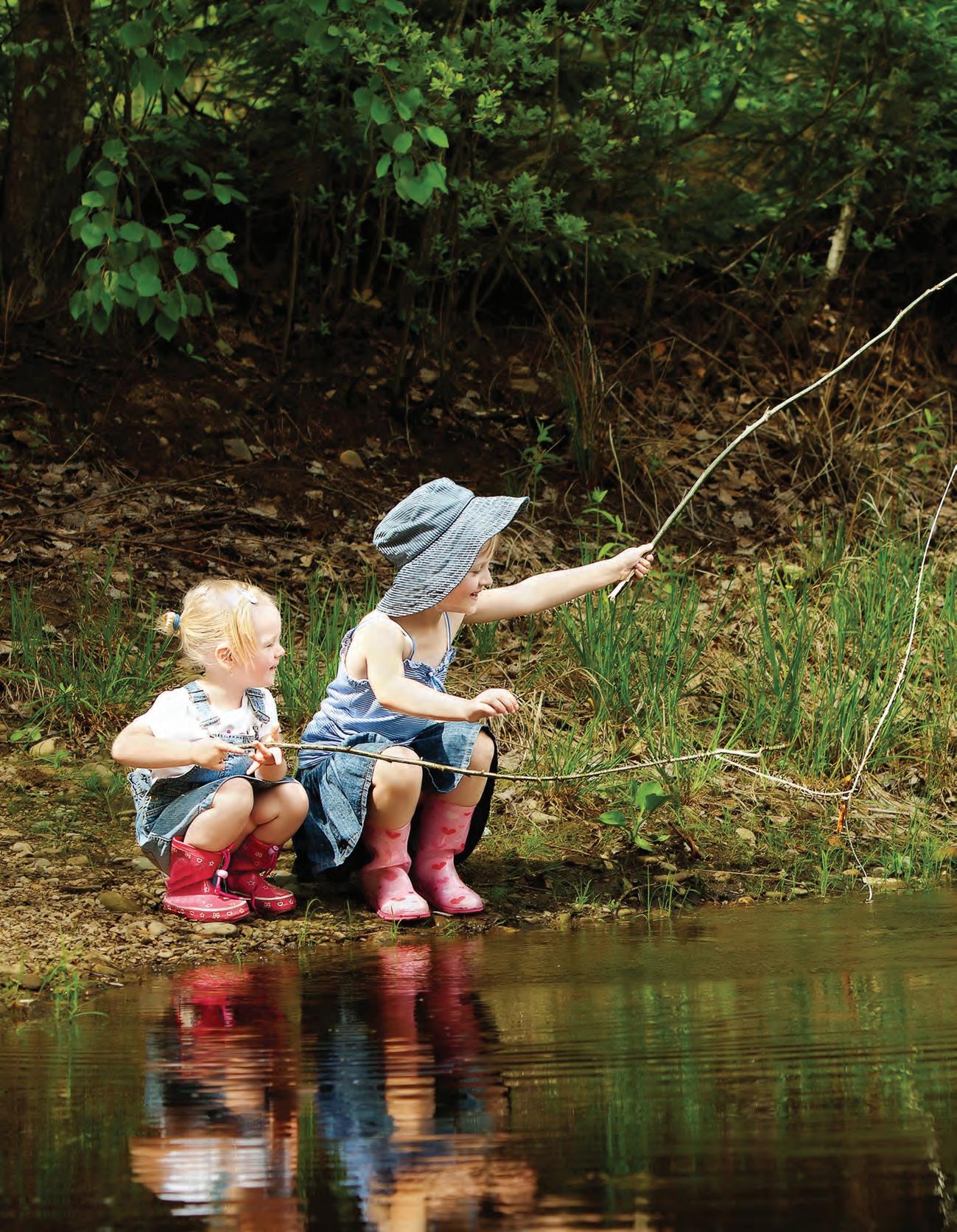
Regardless of which season it might be, the great outdoors provides endless opportunities for family-friendly fun. Community swimming pools can be a great place to cool off in summer, while local, state, or national parks offer ample activities families can enjoy together. Hiking, fishing, kayaking, cycling, and other activities are affordable and fun, making them ideal options on weekend afternoons regardless of what the weather is like.
SEE A SHOW AT A COMMUNITY THEATER
If families are looking for culture, community theater programs are wonderful options to consider. Local community theaters perform classic or even original productions at minimal cost. Families also can consider local high school productions, where they might just come across tomorrow's A-list stars before they make a name for themselves.
A rising cost of living can make it hard for modern families to make ends meet. When looking for ways to have fun together, families have a wealth of free or low-cost options to consider.















Featuring one of life’s most savory and delicious comfort foods, join with those who have discovered the “from-scratch” meat pies that are made at Zook’s Homemade Chicken Pies. Surrounded by Amish farmlands in the heart of the PA Dutch countryside, this family owned and operated business uses special mouth-watering recipes that are making their beef, chicken, and sausage pies more famous with each passing year.
From the humble beginnings in their Amish farmhouse kitchen to a USDA inspected commercial enterprise, the quality and taste of their pies remains the same, even as the distribution has increased from one market stand to multiple stores and farm markets throughout Pennsylvania and surrounding states.
You are always invited to stop by the Zook’s retail store to stock up on these quick and easy meals that are tasty and nutritious too! In addition to meat pies. Zook’s has a nice selection of specialty food items, including homemade soups, bake-at-home meals and fresh bakery items.





Fresh Baked Goods
Fresh Made Meat Pies!
The Benefits of Unstructured Outdoor Play
Gone are the days when most parents would send their children outdoors and tell them to be back when the streetlights came on. Kids from generations past went to "call for" friends, see who was available to ride bikes for hours, and take sips of water from neighbors' garden hoses. Today, kids seem more likely to text their friends or socialize over gaming systems without even stepping outside.
Regardless of what's driving the shift toward more controlled parenting, children seem to have less freedom to roam their neighborhoods unsupervised than the youngsters of yesteryear. Parents can now identify where their children are at any given time, and panic ensues if they cannot contact their kids immediately.
A study from researchers at the University of Essex published in the journal Sociology of Health & Illness found that parental pressures and an "intensification of parenting" have led to more structured activities and less organic play among children. This reduces creativity and eliminates opportunities for them to independently learn dangers on their own. The study found that "more opportunities for unplanned physical activities would allow children to develop stronger awareness of dangers and limitations while providing an outlet for creativity."
Parents hesitant to let their kids out on their own can keep these tips in mind.
Unstructured play encourages kids to invent games, solve conflicts, and find creative solutions to challenges. Kids sometimes need to work out their own issues, and play is a great way to do that.

Creating a buddy system enables kids to enjoy responsibility independent of their parents without removing the safety net entirely. Friends can pair up to go on walks or ride bikes. Should something happen to one child, the other can return home to seek help.
It's possible to give children freedom with boundaries. Offering a set time of unstructured, unsupervised play with the expectation to check in at a specific point is a good idea. The amount of unsupervised time can be extended as children prove they can be trusted.
Visit areas that allow for space to roam without the need for parents to hover. For example, kids can play softball at a nearby park while adults walk the adjacent trails.
Parents can talk things over with their children and hear their concerns about having more freedom. Compromises often can be reached on both ends.
Kids can be encouraged to walk home from school if it is a reasonable distance away. Not only will children get exercise, they will have a measure of independence and an opportunity to socialize with others heading the same way. Plus, there typically are crossing guards and other adults around who can watch out for kids more so than during non-peak hours.
Children can benefit from unstructured, unsupervised socialization. Parents may need to step back and retrain themselves to give kids the benefit of the doubt.


































Tips to Ensure a Better Night's Sleep
A state of sleep is necessary to give the body and mind time to recharge and prepare for the next day. Though such benefits are widely recognized, a significant percentage of individuals across the globe are failing to get sufficient rest, a dangerous reality that could be putting people at risk for various diseases and conditions.
Lack of sleep is such a prominent problem that the research team behind a 2024 study published in the journal The Lancet: Diabetes & Endocrinology dubbed insufficient sleep as a "neglected public health issue." That study surveyed 2,000 adults in the United Kingdom and found that 90% of respondents reported current sleep problems, with two-thirds of those individuals indicating they had experienced their issues for more than six years. And it's not just adults experiencing sleep issues, as a 2023 peer-reviewed editorial written for the Centers for Disease Control and Prevention found that the modern 24-hour lifestyle and pervasive utilization of electronics and social media is normalizing insufficient sleep among children and adolescents.
Sleeping problems are not to be taken lightly, as the National Institutes of Health notes sleep deficiency has been linked to heart disease, kidney disease, high blood pressure, diabetes, stroke, obesity, and depression. Children who are not getting enough sleep may experience difficulty paying attention, which could adversely affect their academic performance, and might be prone to misbehavior. Of course, many of these side effects can be avoided by getting sufficient sleep. With that in mind, adults, parents, children, and adolescents can consider these strategies to get a better night's sleep, courtesy of the Sleep Foundation.
Replace an old mattress. Old mattresses can be uncomfortable and thus make it harder to fall asleep.
Block out light. Light exposure adversely affects circadian rhythm, so keep external light out of a bedroom and dim lights as bedtime approaches. Avoiding bright light while transitioning to bedtime can contribute to the production of the hormone melatonin, which facilitates sleep.
Set an appropriate temperature. The Sleep Foundation advises setting a bedroom temperature thermostat to between 65 and 68 degrees Fahrenheit to prevent feelings of being too hot or too cold when going to bed.
Wake up at the same time each day. A routine that includes the same wake-up time each day can acclimate the body to a healthy sleep routine.
Begin to relax 30 minutes before bed. A pre-bedtime routine focused on relaxation can facilitate sleep. The Sleep Foundation notes activities like quiet reading, low-impact stretching, listening to soothing music, and mindfulness meditation can help people ease into sleep.
Avoid devices an hour before bed. The light emitted by tablets, smartphones and laptops can suppress melatonin production, making it hard to fall asleep. Make the hour before bedtime each night a device-free time.
Exercise each day, but avoid intense activity close to bedtime. Daily exercise has been found to promote sleep, but intense exercise right before bed can make it hard for the body to settle down.
Insufficient sleep is an emerging issue for people of all ages across the globe. Some simple strategies can be employed to facilitate a better night's rest.










Baltimore A-Z Tour – The National Aquarium and Maryland Zoo (Pentecost Monday)�������������� May 25th Wonderful Waterfalls Tour – Niagara Falls, Letchworth State Park, Lockport ������������������June 22nd-25th Ark Encounter and Creation Museum (Williamstown, KY) ����������������������������������������������������������
7th-10th Fruiter Yooper Tour – Michigan, Mackinac, and The Upper Peninsula ����������������������������������� July 16th-23rd
Saint Michaels, Along Maryland’s Eastern Shore Day Trip
12th Wave Bye to Summer Tour – Ocean City, MD, Chincoteague & Assateague Island ���������� Aug. 17th-19th
The Quintessential Cape Cod Tour
Resort Life 2 – Silver Birches Resort Poconos ��������������������������������������������������������������������������������������
Rails & Sails 2 Mid Atlantic (New England Area)
Fantastic Waterfalls in the Fall Tour and Benezette’s Elk Herd –Niagara Falls, Letchworth State Park and Elk Herd in Benezette, PA
Fallingwater and Blennerhassett Island West
Autumn Leaf Excursion: A Scenic Train Ride Tour thru Western Maryland 2 dates to choose from!





10
years of bliss years of bliss
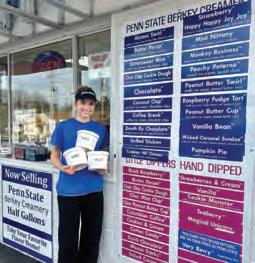
Our complete line of Ice Cream is made with Non-GMO, grass-fed dairy. We use all natural flavors and colors and won’t quit until we find the cleanest ingredients. Try our 100+ flavors including a dozen homemade dairy-free oat based options.









SPRING
HOURS
12 - 8 PM WED-SUN






SUMMER
12-9 PM DAILY -C losed Tues -





Age-Based Chores Guidelines
As children grow up, giving them more responsibility can be good for their development. Though some kids may embrace chores more readily than others, youngsters have much to gain from being given a little more responsibility around the house.
The American Academy of Child & Adolescent Psychiatry (AACAP) notes that children given age-appropriate chores can learn time management skills and how to balance work and play from a young age, among other lessons. The AACAP also notes that chores can help to establish a good foundation for functioning independently.
When choosing chores for children, it's essential that parents find age-appropriate tasks. If kids are asked to perform tasks that are beyond their abilities, they likely won't reap the rewards of doing chores and might even hesitate when presented with new chores down the road. With that in mind, parents can follow these age-based chores recommendations, courtesy of the AACAP.
2- and 3-year olds
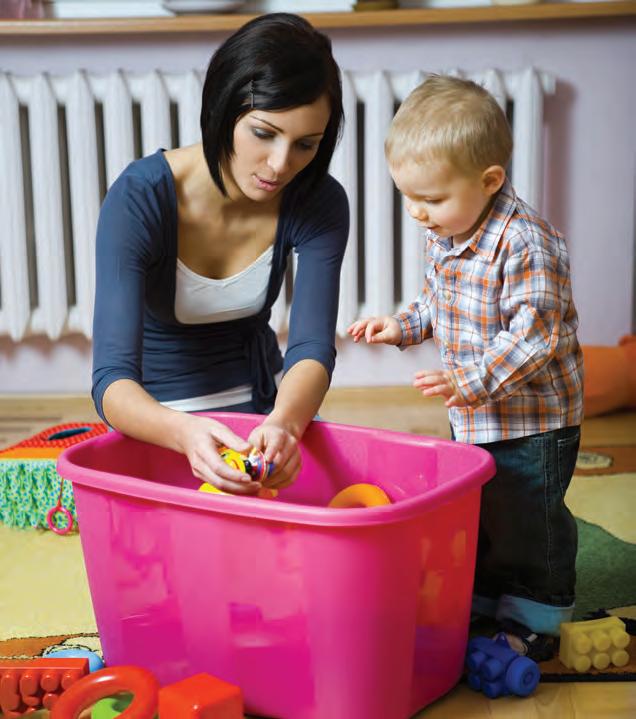
The AACAP notes that kids in this age group can be tasked with putting away their toys and even pitch in when Mom and Dad put groceries away. Kids who help put groceries away should be given lightweight, nonbreakable items (e.g., steer clear of jars of tomato sauce).

4- and 5-year-olds
Around this time, kids can start making their own beds, though it's important that parents recognize kids likely won't make the bed perfectly. Youngsters ages 4 and 5 also can help feed pets (parents can watch initially to ensure pets aren't overfed) and help to clear the table after dinner.
6- and 7-year-olds
Kids in this age group can wipe tables and counters, put their laundry away and even pitch in when cleaning floors with a broom. If 6- and 7-year-olds are tasked with putting away their laundry, just make sure they don't need to climb dressers to place items in the uppermost drawers, which can lead to accidents and injuries. If kids have taller dressers, limit this chore to putting away only those clothes that go in lower, easily accessible drawers.
8- and 9-year-olds
The AACAP notes that children in this age bracket can load and unload the dishwasher, help prepare meals, and pack their own lunch for school. When kids are assigned these tasks, parents should keep sharp knives beyond kids' reach, and some may want to check lunch boxes after kids go to bed to ensure the midday meal they prepared is not exclusively candy.
10- and 11-year-olds
Youngsters around these ages can change sheets, clean the kitchen or bathrooms, and be given some light yard work.
12-year-olds and older
The AACAP notes children 12 and older can wash the car and help look after younger siblings. Teens can help shop for groceries and run errands.
Parents know no two children are the same, so it's important to be subjective when considering these guidelines. Parents can watch children perform new chores the first few times to ensure they're up to the tasks. More information about chores can be found at aacap.org.




Garman’s
For
We














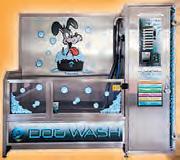
Safe Bathing Guidelines
Safe Bathing Guidelines
Bathing is not just an opportunity to wash away dirt and grime. Parents of young children often view bath time as an opportunity to bond with their babies. The smallest member of the family may enjoy the sensation of warm water, which also makes bath time an opportunity to soothe and quiet a restless child.
Adults may not give bathing and showering much thought, but this common grooming ritual often comes with questions and anxiety for new parents. Any time young children are around water, adults must be vigilant regarding safety. Parents can heed these tips and timelines related to bathing young children.
First bath
The World Health Organization recommends delaying the baby's first bath until 24 hours after birth, or at the very least, waiting six hours if a full day isn't possible for cultural reasons. Babies who get baths right away may be more likely to become cold and develop hypothermia, according to HealthyChildren. org. This minor stress also can make some infants more likely to experience a drop in blood sugar. The American Academy of Pediatrics advises that delaying a bath also helps keep the vernix, the waxy white substance that coats a baby's skin before birth, in place a little longer. Vernix acts as a natural moisturizer and may have antibacterial properties.

Sponge baths
When infants are brought home, experts suggest that sponge baths once or twice a week is all that is necessary to keep the child clean. Henry Ford Health says that parents should not submerge a child in a full bath until the umbilical cord stump falls off. Instead, use a warm washcloth and a small amount of baby-safe cleanser to wipe away dirty areas, paying attention to skin folds.
Keep bathing items in reach
The cardinal rule of bath time is that a child should never be left unattended in a tub. Before drawing the bath, parents should make sure everything they need is within arm's reach. Also, it's essential parents always keep at least one hand on the baby at all times, as water and cleansers can make things slippery.
In addition to constant touch while bathing, the water level should be limited to less than two inches for children 2 years old and younger, says the drowning prevention organization Colin's Hope.
Toddler bath time
As a child gets older, it's time to switch from a bath seat to the bathtub alone. Seats can tip over when kids get bigger. Make the move when the child can sit up on his or her own. Having plenty of bath toys on hand means that bathing can be fun and something toddlers look forward to each week.
Bathing alone
The point at which a child is old enough to bathe themselves depends on the maturity of that child and desire for privacy. Some kids can bathe independently as early as age 5 or 6. But many experts recommend delaying solo bathing until a child is 8. Until then, parents may want to be in the room with the child but let the youngster independently wash up. Kids may need reminders about what to do so they don't focus on splashing around only.
for Children
for Children
Switching to showers
At some point, a child may want to ditch baths for showers. There is no magic number regarding when the shower stage should begin, but by age 7 some kids are more inclined to want to shower, even when their parents are still supervising washing. High water temperatures and slippery surfaces can be safety concerns for independent showering, so kids may need a little extra instruction in order to avoid injury.
Shift to puberty
Once a child hits puberty, he or she likely needs to shower more frequently. Changing hormones can trigger odor and oily skin and hair. Participation in sports or even recreation with friends may cause youths to work up a sweat. This may be the time to talk with a preteen about increasing bathing or showering frequency.
Safety at bath time is an especially important point of emphasis for parents taking care of young children.

Plan for their future and yours.
Plan for their future and yours.
Let’s make a plan. Learn how you can save toward both college and retirement. We can create a strategy that works for your family.
Let’s make a plan. Learn how you can save toward both college and retirement. We can create a strategy that works for your family.
Let’s discuss your priorities and set up a plan. Contact me today and we can help you get started.
Let’s discuss your priorities and set up a plan. Contact me today and we can help you get started.

Phil Harnick
Phil Harnick
Financial Advisor
Financial Advisor
2101 Strickler Rd Suite 203 Manheim, PA 17545 717-492-4614
2101 Strickler Rd Suite 203 Manheim, PA 17545 717-492-4614














































Planning Your Summer Getaway

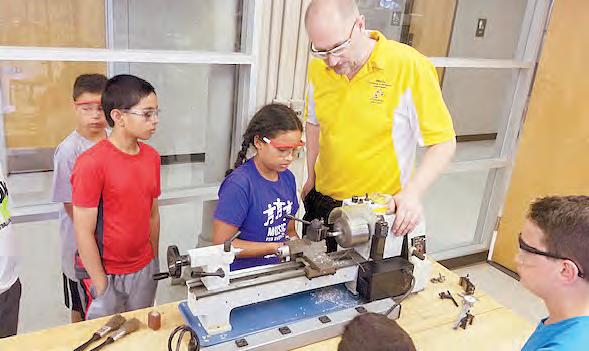
Summer is a popular time of year, and many people look forward to fun and relaxing vacations in the warmer months. However, navigating family members’ schedules and competing for time during this peak travel season can complicate summer vacation planning. A few strategies may make things easier.
First, identify dates when vacations cannot be scheduled, such as dates of kids’ summer camps or high school or travel sports practices. Mark these items on the calendar as soon as the dates are released. Doing so will make it easier to identify the days and weeks that are free.
In addition, people should check for work conflicts. Often, companies frown upon having too many people out concurrently because they need to keep the work flowing, so those looking to take vacations are advised to talk to their supervisor or co-workers well in advance to ensure there are no conflicts.
Those who plan to take vacations are advised to start planning early in the year, as waiting until later may result in higher prices. People should narrow down their list of desired destinations, choose
a spot, and start finding prices for travel and accommodations. If they find a great deal, they can book it.
Many travel sites enable customers to set up search parameters so that they will receive automated messages with deals that match their budget. Shoppers should keep in mind that some airline sites may track their search history, and prices may fluctuate if they keep checking out the same flights. To get the most competitive price, they may want to clear their cookies and cache or use a different computer or tablet for each search.
Ironing out all of the details of a vacation means having many moving parts, which can be stressful. Those planning the trip may delegate some of the tasks to others in their family or group of friends depending on who is traveling together. One person can be in charge of researching transportation, while another can secure rental cars, and a third can figure out meals and any excursions while on the trip. Breaking up tasks may make preparation easier on everyone.
For those looking to plan memorable summer vacations, using a few strategies can help.



















































Children’s College Education Children’s College Education
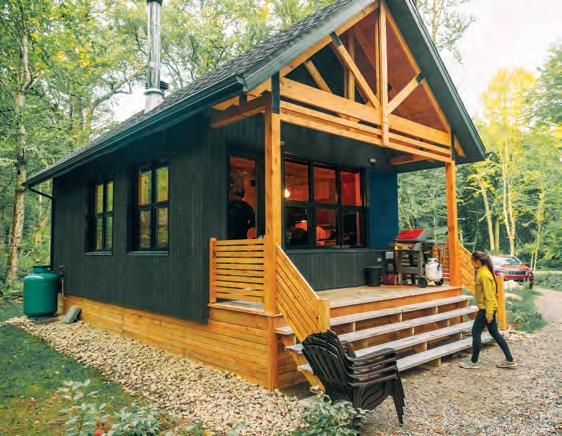
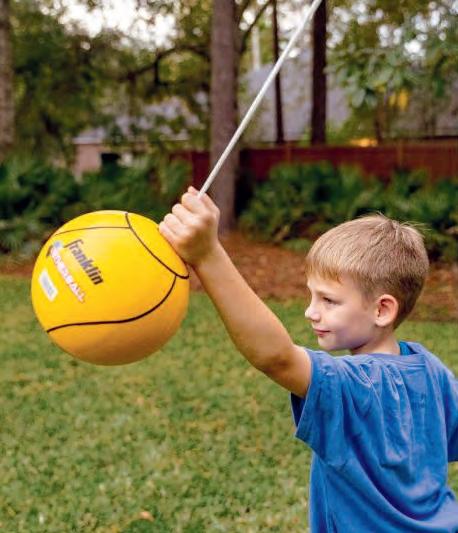
Raising a child is no small task – and no cheap task, either. From food and clothing to toys, extracurricular activities, and more, the expenses add up. And especially for parents who choose to help their children pay for college, the financial costs do not end when kids turn 18. Financing a child’s college tuition can seem like a daunting task, but an array of strategies can help parents save more for their children’s postsecondary education.
Parents may take advantage of a 529 education savings plan. This plan is a tax-advantaged investment program administered by a state. When funds withdrawn from the plan are used for qualified expenses, such as tuition costs, the earnings are free from federal income tax obligations. There are distinctions between 529 prepaid tuition programs and 529 savings programs, so parents are urged to discuss those differences with a financial adviser so they can choose the best plan for their situation. To learn more about 529 plans in Pennsylvania, visit www.pa529.com.

Parents may consider redirecting extra income to a college savings plan. Income such as annual bonuses, money distributed through state-sponsored property tax relief programs, and even money freed up when kids transition from day care to elementary school can be redirected into college savings plans. Redirected day care expenses may be particularly helpful, as the cost of day care is considerable.
Parents may not need to go it alone. They may request that family and friends contribute to a child’s 529 plan in lieu of the standard gifts given to children for their birthday, for special events like graduation, or during the holiday season. This practical yet lesstraditional approach can pad college savings plans by a considerable amount over the years, and close relatives might be more than happy to help parents fund a better education for their youngsters.
College is an expensive investment, but parents can look to a handful of strategies to help defray tuition costs.














• Childcare and education for infants (beginning at 6 weeks of age), toddlers, and preschoolers.
• Snacks, age-appropriate lessons and activities, and plenty of indoor and outdoor play.
• Before- and after-school programs, kindergarten wrap-around care, and a summer camp series.
• Caring and qualified staff members in a safe, nurturing environment.







Keep Young Athletes Safe How to Avoid Overdoing It With Youth
Youth sports are wildly popular, and participation in sports can pay a number of dividends for children. Youngsters who play sports are physically active, which the Centers for Disease Control and Prevention has noted can lower risk for disease and decrease the likelihood children are overweight or obese. Sports participation also encourages social interaction, which can help children develop their interpersonal skills and provide opportunities to build lifelong friendships. Young athletes can also learn lessons about dealing with adversity and the benefits of hard work.
With so much to gain from participating in sports, it is no wonder that parents often encourage their children to get involved in athletics. But parents should recognize how easy it can be to overdo it when it comes to youth sports. Some youth sports leagues now offer travel teams for children as young as 6, and such leagues may require kids and their parents to commit several days per week for practice and games. That might be too much for some young athletes, and it could lead to burnout. Playing a sport so much it leads to burnout is known as overtraining syndrome.

and Having Fun Sports Participation
The Ann & Robert H. Lurie Children's Hospital of Chicago cites a number of factors that can increase the risk for overtraining syndrome. They include sports specialization, which is focusing on a single sport; sudden and notable increases in training; endurance sport participation; high anxiety levels; and low self-esteem. Pressure from coaches and parents can also have a role, as the American Academy of Pediatrics (AAP) notes that some young athletes may believe that specializing in a sport and winning in that sport is what their elders, including coaches and parents, want them to do.
Knowledge of the risk factors for burnout can be coupled with recognition of the symptoms of overtraining. The Lurie Children's Hospital notes the signs vary widely between people and may include chronic pain affecting muscles and joints, weight loss and loss of appetite, increased resting heart rate, diminished sports performance, fatigue, prolonged recovery time, lack of enthusiasm for the sport, frequent illnesses, difficulty completing usual routines, diminished academic performance, personality or mood changes, increased anger or irritability, and difficulty sleeping or sleeping without feeling refreshed.
Parents can employ a few strategies to help their children keep their sports participation to a reasonable amount.
The AAP recommends waiting until children are fully ready before starting them in organized sports. That time may be different for each child, even different siblings. But the AAP recommends parents wait to enroll children in organized sports until about age 6. Free play, which is not governed by rules the ways organized sports are, can be just as effective as team sports at helping children develop their muscles, bones, and balance.
Youngsters’ ages should guide training time. The AAP suggests that kids should not train more hours each week than their age. Under that guideline, an 8-year-old should not spend more than eight hours per week practicing and playing a sport.
The AAP advises against intensive training or competition in a single organized sport for more than eight months per year by children who are 12 years old and younger. According to the sports medicine experts at Children’s Healthcare of Atlanta, children who specialize in playing one sport early on have an increased risk of overuse injuries, which can develop due to intensive training. Such youngsters also are more likely to experience burnout and stress from playing their sport. Mixing up sports throughout the year reduces the risk for burnout and overuse injuries, as children likely will not grow bored and will exercise in unique ways for each sport they play.
Time off is also important for young athletes. The AAP advises young athletes to take at least two to three months off from organized sports participation each year. Time off can be divided into one-month increments.
Sports are fun, and young athletes may want to keep playing all year long. But parents must take steps to help young athletes protect their bodies and avoid overdoing it with sports throughout the year.
For more information about burnout and healthy ways to engage in youth sports, visit www.healthychildren.org.














Get Invigorated Physical Activities Outside of Competitive Sports
Physical activity is an important component of health, both for adults and for children. The Centers for Disease Control and Prevention recommends that all children and adolescents get at least 60 minutes of moderate to vigorous physical activity each day. This goal will li kely be easily met by youths who are involved in competitive sports, but it may seem to be a more difficult task for non-athletes. However, a number of physical activities other than organized athletics are available to ensure kids get all the exercise they need.
Dance is a popular physical activity for young people. It is a versatile form of exercise with options ranging from the ballet, jazz, tap, and modern dance taught at many
studios to ballroom dancing and even line dancing. The National Institutes of Health (NIH) notes that danci ng is both an exciting and effective workout that benefits the body in myriad ways. The NIH notes that it is a great cardiovascular exercise that also helps to build strong bones and muscles and improve balance. Dancing also is a social activity, which gives it further health-related benefits.
Hi king is another physical activity that can provide great exercise for youngsters. According to Piedmont Health, hiking is a whole-body exercise that gets the heart pumping, maki ng it a wonderful cardiovascular activity. Cardiovascular exercise has been linked to a number of benefits, including a lower risk for

conditions such as heart disease, stroke, and high cholesterol. Hiking also is a weight-bearing exercise that helps to build muscle mass.
Skateboarding is another possibility. Although this activity might once have been frowned upon, the perception of skateboarding has changed dramatically, and the activity is now touted as great exercise. A 2018 study published in the journal Gait & Posture found that skateboarding helps participants develop a strong sense of balance. The motions required to ride a skateboard also help to increase heart rate, which can provide a boost to cardiovascular health.
Bi king is another time-honored favorite activity for kids, and cycling provides a full-body workout. The

Harvard T.H. Chan School of Public Health notes that the health benefits associated with cycling include improved cardiovascular fitness, stronger muscles, greater coordination and general mobi lity, and reduced body fat. Cycling also has been linked to improved mental health, as riding a bike releases feel-good endorphins that can reduce stress.
Other similar activities include inline skating and ice skating. Water activities such as swimming and kayaking are also possibilities.
Chi ldren and adolescents who are not into competitive sports can choose from an array of physical activities that provide a host of health benefits.

















Spring Planting Pointers Spring Planting Pointers

Many people view spring as a season of rejuvenation. That renewal may be somewhat metaphorical for human beings, but it is literal for lawns and gardens that begin to grow anew as temperatures rise and hours of daylight increase in spring.
Each spring presents an opportunity for homeowners to get back outside and tend their gardens. As the temperatures rise, homeowners can consider a few spring planting pointers to ensure that their landscapes look lush and full in the months ahead.
Soil can serve as the starting point each spring. Winter can take its toll on a garden and even overwhelm the area with debris over the colder months. Gardeners are advised to clear rocks and other debris from the area before loosening the soil. The Farmers’ Almanac recommends loosening soil to a depth of at least 8 inches if planting a new garden. An existing garden may only need to be loosened to a depth of around 6 inches, after which homeowners can mix compost into the soil in early spring. Compost is organic matter that provides nutrients and helps to build strong plant roots.
People may consider a raised garden in colder climates. The Farmers’ Almanac notes that raised gardens can help homeowners in colder climates dry out and warm up wet, cold soils more quickly. Homeowners in such regions also may cover their beds with black plastic or cardboard prior to planting. Doing so can protect the beds from late-season snow and spring rains and also help to overcome erosion.
Gardeners may want to take soil temperatures. Unpredictable weather is among the noticeable effects of climate change in recent years. That lack of predictability may make spring planting a little more tricky than it once was. Experts note that soil temperatures around 50 degrees Fahrenheit are best for cool-season crops, while soil should be 60 degrees or warmer when planting warm-weather plants such as tomatoes.
The right plants for one region may not be ideal for another, so homeowners are urged to work with a local landscaper or garden center before planting. Such a consultation can be especially useful for homeowners planting a new garden. Landscapers and garden center professionals will know which plants work in the local climate.
Various garden experts note that spring is an ideal time to plant a vegetable garden. If planted at the right time, a vegetable garden can save homeowners money on their grocery bills and provide a season’s worth of fresh veggies. Lettuce and spinach are sun- and shadefriendly vegetables, which can make them good options for a spring garden. Cool-season root vegetables, which include beets, carrots, and Swiss chard, are some other notable vegetables that can thrive in early spring.
Spring is a season of rejuvenation for gardens. That is even more true when homeowners consider some conventional planting wisdom in early spring.



(and More) are Here!
• Many varieties of fresh-picked fruits in season
• Delicious & healthy vegetables available
• Fresh-baked apple pies, apple cider donuts, fresh-pressed apple cider, dumplings and lots more!







• Garden Center bursting In spring, summer & fall with annuals, perennials, vegetables, herbs & shrubs
• Shelves filled with mouthwatering jarred goods, salsas, jams & jellies, butters, preserves and honey
• Baked goods include scrumptious cookies, whoopie pies, fruit pies & more!


Since 1970, we are the largest pick-your-own-fruit farm market in Lancaster. Stop by and pick your own fruit, pumpkins & sunflowers (in season). Enjoy ready-picked fruits. Choose from many gift baskets.