Pride in Engineering
Pride in Engineering 2026
This year, for Halifax Pride (July 16-26), we interviewed three young people at the start of their careers who are active in EngiQueers Canada's Dalhousie University student group, to gain perspectives on how they feel supported in our community and how allies and employers can do better.
Thank you to Andrew, Selina, and Gabriela for sharing your stories and insights.
Happy Pride!
Community links
EngiQueers Canada engiqueers.ca
Pride Cape Breton Society pridecb.com
Halifax Pride halifaxpride.com
Nova Scotia Rainbow Action Project nsrap.ca
The Nova Scotia Rainbow Action Project (NSRAP) seeks equity, justice, and human rights for 2SLGBTQ+ people in Nova Scotia
Egale Canada egale.ca
Egale Canada has long played a significant role in advancing the rights of 2SLGBTQ people and combatting discrimination.
Resources
Sexual orientation and gender identity are protected against discrimination under federal law and the Nova Scotia Human Rights Act.
All employees have the right to a safe and respectful environment at work. The Nova Scotia Human Rights Act includes protection for both gender identity and gender expression.
The Nova Scotia government has developed best practice guidelines to assist in creating equitable and inclusive work environments for trans and gender variant employees, fulfilling a shared obligation to promote the dignity and respect of all employees.
Guidelines to Support Trans and Gender Variant Employees novascotia.ca/sites/default/files/documents/1-1539/guidelines-support-trans-and-gendervariant-employees-en.pdf
Engineers Nova Scotia EDIA Handbook: engineersnovascotia.ca/files/publications/158/file/EDIAHandbookDec2023.pdf


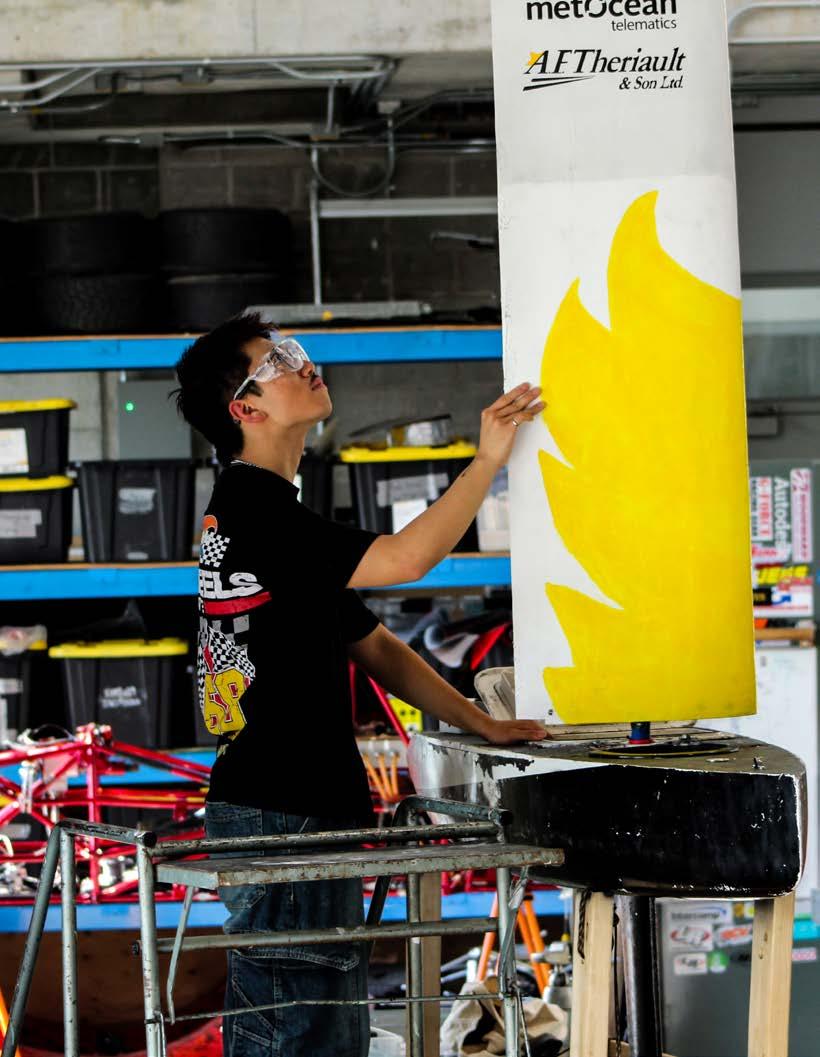
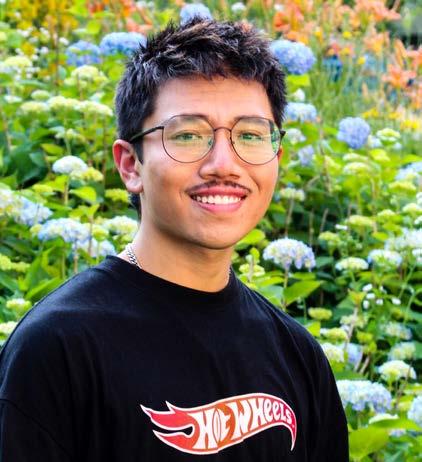
Andrew Ha is involved with the Dalhousie Marine Autonomous Sailboat Team (DalMAST), where students collaborate on the design and development of autonomous marine technology.
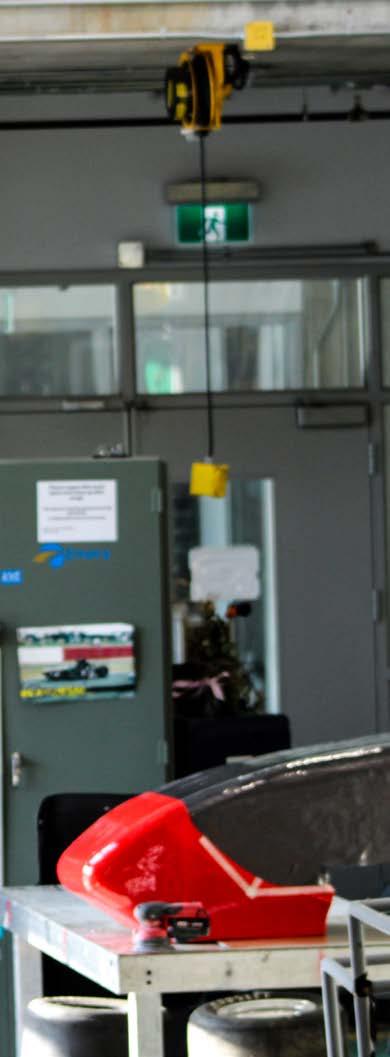
Building community through engineering and advocacy
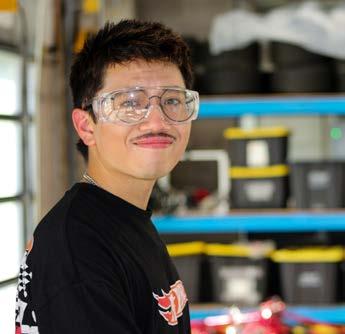
Andrew Ha works to create spaces where people feel seen, supported, and empowered to succeed.
Andrew is a mechanical engineering student at Dalhousie University. Alongside his studies, he works as program staff with the YMCA's 2SLGBTQ+ Newcomer Program, helping connect newcomers with resources and community support. Through that work, he has gained a deeper understanding of the challenges many people face when navigating both a new country and their identity.
"A lot of them come with trauma," Andrew explained. "My mission being part of the 2SLGBTQ+ newcomer program at YMCA is to connect them in a safe environment and break that barrier of cultural difference and also remind the community that there's trauma behind people. You cannot always tell what someone has been through."
Through his work with the Newcomer Program, Andrew Ha noticed that many of the organization's standard processes did not fully account for the experiences of queer newcomers. In particular, he became concerned about registration and intake procedures that could unintentionally place vulnerable individuals at risk. He observed that client forms sometimes lacked inclusive gender options, and that staff were not always equipped with the training needed to ask questions about identity.
Andrew worked to find practical solutions. One concern was that requiring newcomers to register in person could create unintended risks for people who were not openly
out to their families or communities. "People were required to come in person to sign up as a member, but they don't know that coming into a public space could expose you to a member of their family when you're still in the closet," he said.
To address that challenge, Ha advocated for more flexible registration options and adjusted his own approach to client intake. “I requested more flexibility when registering a client: online through a discreet Teams meeting," he explained. He also adopted practices designed to help clients feel safe and respected, including asking whether contact information was safe to use, allowing individuals to describe their own identities, and introducing his own pronouns first. For Ha, these changes reflected a simple but important principle: support services are most effective when they are designed around the lived experiences and needs of the people they serve.
Engineering has also provided other opportunities to make a tangible impact. Andrew's first engineering co-op was with the Ulnooweg Education Centre, where he assisted senior engineers on STEM projects designed to engage Indigenous youth. The experience exposed him to the barriers that can prevent young people from seeing themselves in engineering and other technical fields. Visiting schools in Mi’kmaw communities across Nova Scotia, he observed how historical and ongoing marginalization can shape educational and career opportunities. “When I was going to the schools in an
Indigenous community in Nova Scotia, there weren’t a lot of students that want to pursue STEM.”
On one project, a robotic arm, Andrew added a feather as a piece of Indigenous representation and built in an MP3 player, laying the groundwork for a future feature that would play Mi’kmaw voice recordings whenever the robot moved. The experience reinforced Andrew's belief that representation can be a powerful tool for change. It is important for organizations and professions to celebrate diverse voices and experiences so that people see role models.
Andrew's leadership extends into his academic work as well. As a leader of DalMAST, Dalhousie's student-run marine autonomous sailboat team, he guided the team through the design, build, and testing of an autonomous vessel to a 7th-place finish at the international SailBOT competition. That path wasn't always smooth: early on, Andrew masked parts of his identity to fit into a technical, grind-focused culture. He made a deliberate choice to stop masking and let his work speak for itself instead. For Andrew, the result is proof that being queer, leading with genuine empathy, and being a strong technical leader don't have to be in conflict."
Whether through engineering projects, outreach initiatives, or community advocacy, Andrew sees building connections and supporting people as one of the most important problems worth solving.
“You can be as technically sharp as you want, but it's empathy that actually holds a team together when things get hard."
Andrew believes engineers have skills that extend far beyond technical challenges. While engineering is often associated with designing systems, structures, or technologies, he sees the profession's emphasis on critical thinking and problem-solving equally valuable when addressing workplace issues. When you combine an engineer’s critical problem-solving skills with a deep capacity to love, you can fix conflicts between team members and build a more inclusive and collaborative team.
Advice for young 2SLGBTQ+ people entering engineering
For young 2SLGBTQ+ people considering a career in engineering, the journey can sometimes feel uncertain. Advocates Andrew Ha, Gabriela Greggain and Selina Adema offer valuable advice for the next generation of engineers.
Andrew Ha: Don't be afraid to be yourself
Andrew spent years trying to fit in before becoming more involved in the queer community. Looking back, he encourages young people to embrace who they are rather than hiding parts of themselves.
“I actually forced myself to be the same way as everybody to feel belonged and to be able to work with other people. It’s something that I really regret. Ever since I decided to step out of the closet and tell the world that I’m actually part of the community, I felt more comfortable talking to people. I realized that there are people who support me, and I felt like I belonged.”
Gabriela Greggain: Stay open to new perspectives
Gabriela encourages young people to seek out opportunities to connect with people whose experiences may be different from their own. Through EngiQueers Canada and the National Engineering Conference, she found that some of the most valuable lessons came from listening to the stories of others and engaging in conversations about identity, inclusion, and the future of the profession.
“We had a lot of really important conversations, specifically about trans folks who were working in the industry and transitioned at work. We also had conversations about decolonizing engineering and what that looks like; things that I hadn't really thought about. It started a lot of interesting conversations and got people's minds really going and looking at our profession in a different way.”
Selina Adema: Find people and spaces that support you
Selina encourages young 2SLGBTQ+ people to look for communities where they can be themselves. While not every environment is perfect, she has found that supportive classmates, colleagues, and workplaces can make a significant difference.
“I didn’t put stickers on my laptop until I really got into Dalhousie. When the community is accepting, it makes a huge difference.”
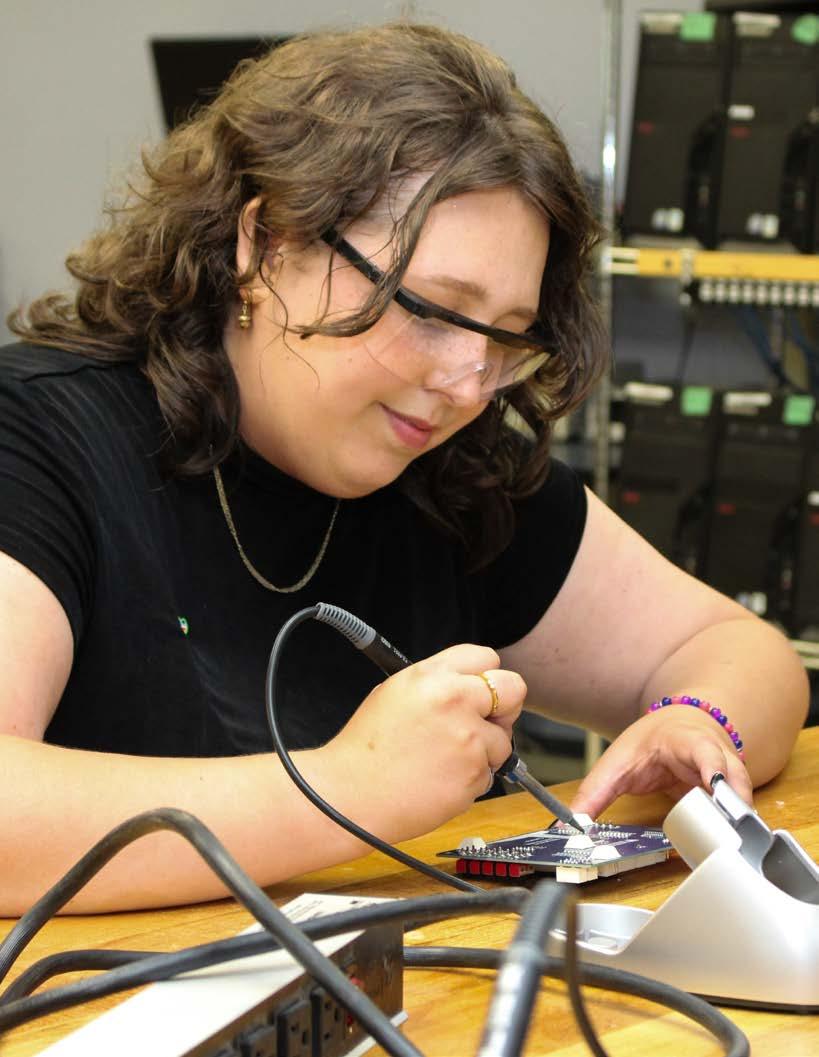
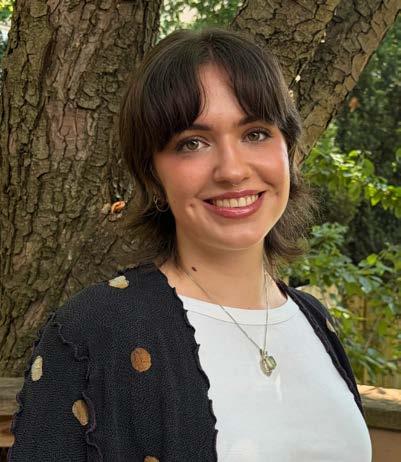
A graduate of Dalhousie University's electrical engineering program, Selina Adema now works at GeoSpectrum Technologies, where she enjoys a friendly workplace culture and continues to advocate for connection, inclusion, and community.
Finding confidence, community, and pride in engineering
For Selina Adema, the journey through engineering has been marked by growth, community, and a growing confidence in being open about who she is. A recent electrical engineering graduate from Dalhousie University, Selina has spent the last several years balancing her academic studies with volunteer involvement in the engineering community. Along the way, she has discovered the importance of supportive environments, meaningful networks, and resources that help students realize they are not alone.
As Halifax Pride celebrations approach each year, Selina enjoys finding opportunities to connect with the broader 2SLGBTQ+ community. This year, she's taking part in community events throughout the week, and is excited to watch the parade after participating in it in previous years. For her, Pride provides an opportunity to celebrate identity while connecting with others who share similar experiences.
Some of Selina's most meaningful experiences have come through her involvement with national EngiQueers conferences. While she considers herself fortunate not to have faced significant adversity because of her sexual orientation, the conferences gave her an opportunity to hear stories from others whose experiences were very different. One presentation that particularly resonated with her featured a transgender engineer discussing his experiences navigating the workplace and the challenges of transitioning while working in industry. Listening to those stories broadened her perspective and reinforced the value of creating spaces where 2SLGBTQ+ engineers can learn from one another. "My favorite parts of the conference were just hearing our speakers talking about their experiences," she said. "I've been privileged to have been able to find my people and have friends who, even if they're not in the community, are super supportive people."
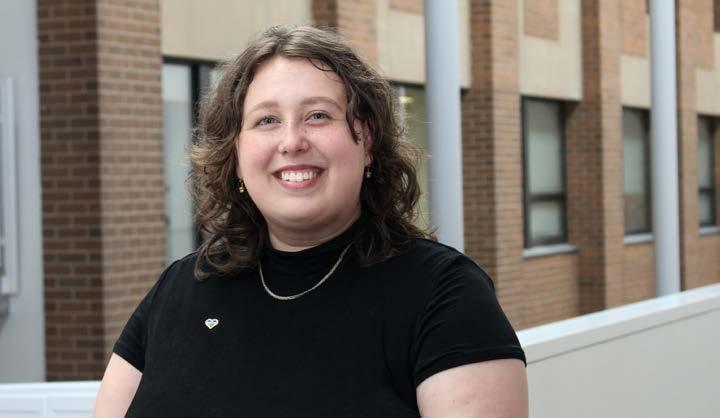
That sense of support is something Selina has also found in her professional life. She currently works at GeoSpectrum Technologies, where she describes the workplace culture as welcoming, social, and inclusive. Although the company does not have a formal 2SLGBTQ+ employee committee, she believes its strong sense of community has created an environment where employees feel respected and accepted. "The workplace environment we already have is very friendly," she said. "There's a lot of queer people in our space already, which is very exciting in engineering." She credits much of that positive atmosphere to colleagues who foster connection through social activities and a culture that emphasizes respect.
At the same time, Selina believes organizations need structures in place to support employees when issues arise. While employee resource groups can play an important role, she also sees human resources departments as critical safeguards. "HR should be the backbone, if anything bad is happening on the workplace floor." Strong HR support, she believes, helps ensure employees have someone to turn to if they experience discrimination, harassment, or other workplace concerns.
For students entering engineering, Selina encourages them to take advantage of the resources and communities
available to them. Whether through university organizations, professional associations, conferences, or mentorship opportunities, she believes there are more supports available than many students realize. Her own experience taught her that finding community takes time, but it is worth the effort. When she first entered university, she was cautious about sharing her identity and preferred not to draw attention to it. Over time, however, she became more comfortable being open with friends, classmates, and colleagues.
Looking back, Selina is proud of her journey and wants to help other young people.
“I'm queer, I'm an engineer, and I'm here. I feel like if I can do it, you can totally do it. And I'll be there to help you do it if you need the help too.”
Things allies can do better
1. Recognize unseen experiences
Through his work with the YMCA's 2SLGBTQ+ Newcomer Program, Andrew Ha has seen how trauma can shape people's experiences in ways that are not immediately visible. Allies need to approach others with empathy.
2. Keep learning and stay engaged
For Selina Adema, allyship requires ongoing education. She believes people should seek out opportunities to learn about 2SLGBTQ+ experiences rather than assuming they already understand them.
3. Focus on creating genuine inclusion
Gabriela Greggain believes many of today's barriers are cultural rather than legislative. Allies should also work to create environments where people feel comfortable being themselves every day.
4. Promote visibility
Andrew repeatedly spoke about how meaningful it is to see people like himself represented in engineering. He believes allies can help by highlighting 2SLGBTQ+ voices, accomplishments, and stories rather than treating identity as something that can remain invisible.
5. Speak up and do the work
Selina emphasized the importance of not leaving inclusion work entirely to 2SLGBTQ+ employees. She pointed to the value of HR departments, workplace groups, and supportive colleagues who are willing to step in when issues arise.
6. Move beyond symbolic support
One of Gabriela's strongest points was that allyship can't stop at gestures. Allies and organizations need to create meaningful change rather than relying on performative displays of support.
7. Pay attention to the small details
Andrew spoke extensively about how seemingly minor actions—such as using the wrong pronouns, making assumptions about identity, or creating inflexible processes—can have a major impact on 2SLGBTQ+ people. He believes allies need to be more intentional about respecting how people identify and create safer interactions.
8. Fund opportunities for connection
One of Selina's strongest themes was the importance of finding supportive people. Whether through student groups, conferences, workplace initiatives, or informal networks, she believes allies can help by funding opportunities for 2SLGBTQ+ people to connect.
9. Listen to experiences different from your own
Gabriela spoke about how conversations at EngiQueers conferences challenged her perspectives and exposed her to experiences she had not previously considered, particularly those of transgender engineers and other marginalized groups.
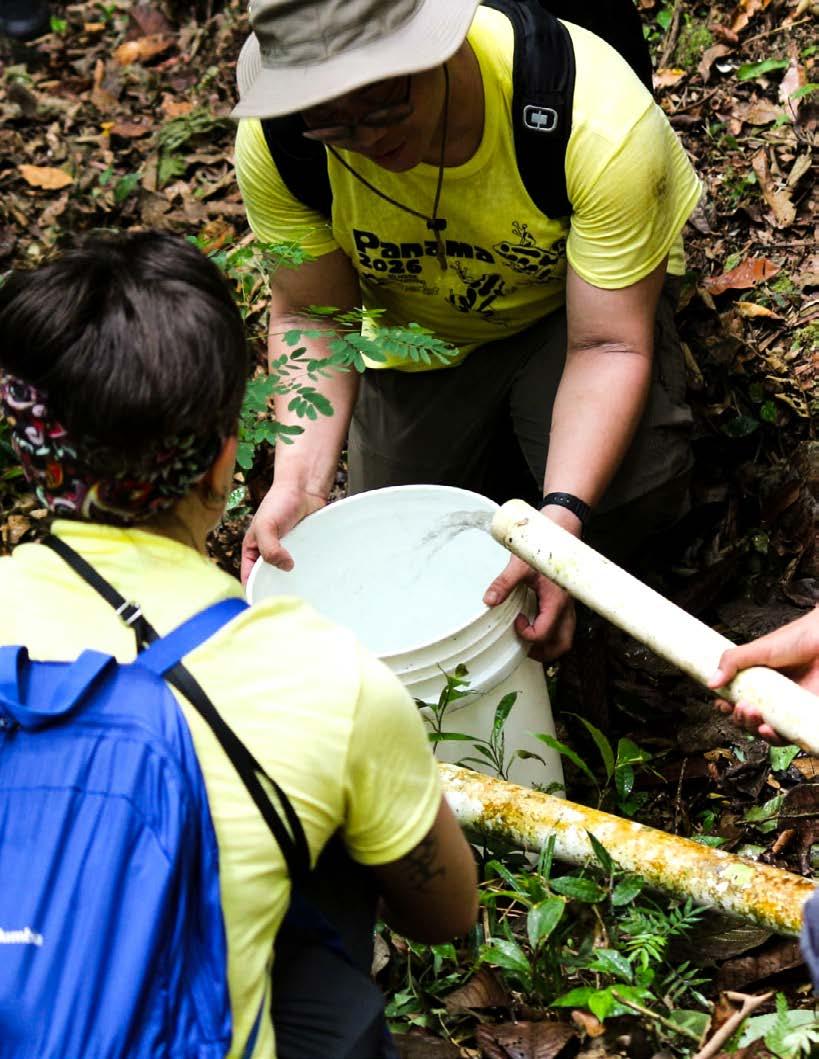
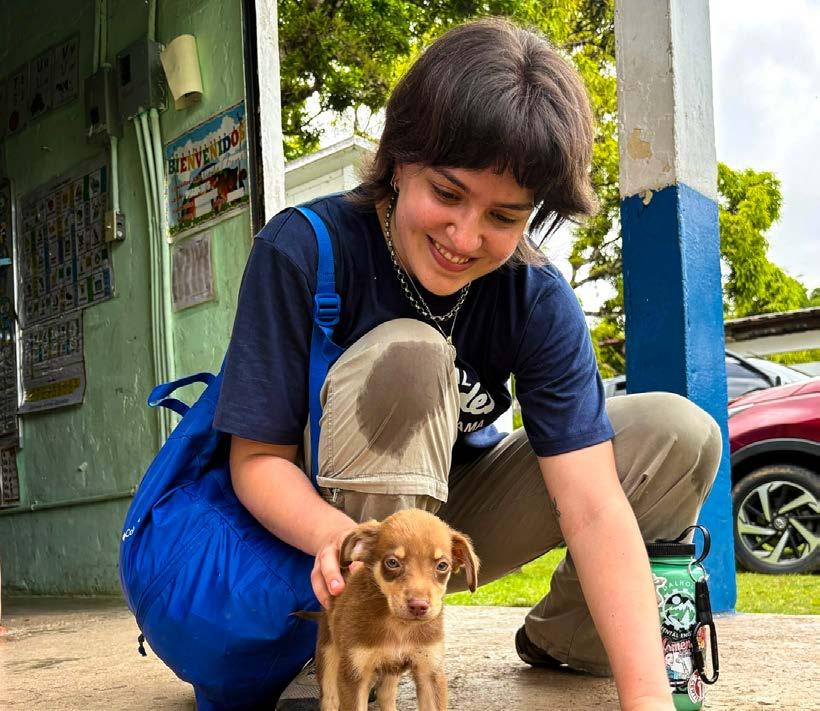
Through four years with Global Engineering Brigades, Gabriela Greggain travelled to Honduras, Guatemala, and Panama, working alongside local communities and engineering teams to help design sustainable water systems and address water insecurity.
Creating change in engineering
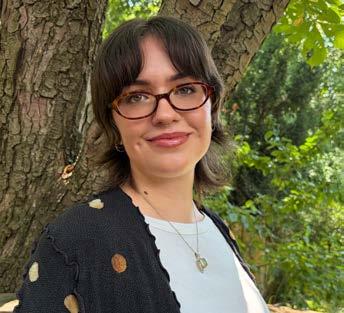
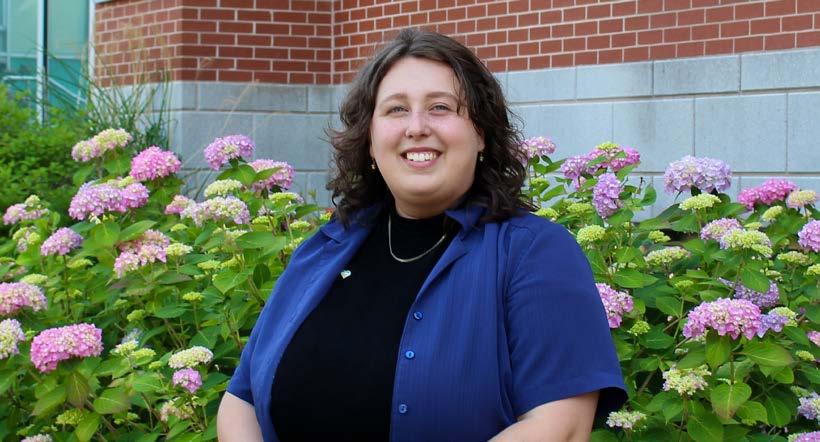
For Gabriela Greggain, engineering has always been about people as much as it is about technology. Gabriela, a Dalhousie University engineering student, was drawn to the profession because of its potential to solve problems and improve people's lives. Alongside her studies, she has focused on creating spaces where 2SLGBTQ+ students and professionals can connect, support one another, and advocate for a more inclusive profession.
The Atlantic Regional Director with EngiQueers Canada, a national organization that brings together 2SLGBTQ+ engineering students and professionals, Gabriela attended their national conference in Vancouver, an experience she described as transformative. While the engineering community at her university is relatively small, the conference showed her the scale and diversity of representation within the profession across the nation.
"When we meet up at Dalhousie, we're a small group. We're here together; it feels small, but it’s a community,” she said. "Then you go to Vancouver and you see everyone and we fill up a huge space.” The experience reinforced the importance of creating opportunities for 2SLGBTQ+ engineers to build connections and see themselves reflected in the profession. As Gabriela observed, one of the most powerful aspects of finding community was realizing that a person did not have to feel like "the odd one out.”
Gabriela has also dedicated significant time to Global Engineering Brigades, an international organization that supports engineering projects in underserved countries. Through that work, she has developed a broader understanding of how engineering intersects with social issues and community development.
When asked what allies can do to support 2SLGBTQ+ colleagues, Gabriela emphasized the importance of creating genuine connections and fostering environments where people feel safe being themselves. She believes legal protections for 2SLGBTQ+ people have improved significantly, and feels many challenges today are cultural.
"I know there are queer professionals out there, but may not feel like it's safe for people to be completely out yet," she said. "I think a lot of that comes down to the social aspect of things." Building trust, listening to people's experiences, and creating welcoming workplaces can help address those barriers.
“I think a lot of what is shown to be acceptable comes from the top down. You know what you're listening for, like when the prof uses ‘folks’ instead of ‘you guys’. Inclusive language is the most obvious clue to whether leadership is genuine.” Allies also need to call out comments that are racist, sexist, homophobic or transphobic.
For employers, Gabriela believes visible support must be backed by meaningful action. She argued that organizations cannot simply display Pride symbols during June and consider the work complete. “You can’t just say ‘Oh, here's a rainbow flag and Happy Pride.” Inclusion requires ongoing effort, whether through policies, leadership commitment, employee resource groups, or creating a culture where employees feel comfortable speaking openly about their experiences.
"The part that we're really struggling with is the social aspect, which is obviously a lot harder to change because you can't force someone to have an opinion," she said. Real inclusion, she believes, happens when organizations move beyond symbolic gestures and demonstrate through their actions that 2SLGBTQ+ employees are valued and supported year-round.
Three steps employers can take to better support 2SLGBTQ+ employees
Creating an inclusive workplace requires intentional action, visible support, and a culture where employees feel safe being themselves. Advocates Gabriela Greggain, Selina Adema, and Andrew Ha provide three recommendations for employers looking to create workplaces where 2SLGBTQ+ people can thrive.
1. Create a culture where employees feel safe being themselves
With legal protections getting stronger, Gabriela Greggain believes another challenge is fostering workplaces where people feel genuinely comfortable being out and authentic. Employers can help by promoting acceptance, encouraging respectful dialogue, and ensuring inclusion is reflected in everyday workplace culture.
“I don't think it's safe for some people to be completely out yet, which is crazy to say, but I think it's true. Allies need to speak up more. I think a lot of that comes down to people not feeling safe enough to be completely open about who they are.”
2. Invest in meaningful education and training
For Selina Adema, education remains one of the most effective tools for creating understanding and acceptance. However, training must be engaging, current, and meaningful if employers expect people to take it seriously.
“Stay educated, and give out training. I really believe that training works as long as it's not the same silly videos all the time. If you're picking good training resources and talking to people who do have experience or can communicate better, that's good.”
3. Make 2SLGBTQ+ support visible and accessible
Andrew Ha believes that many organizations already have resources and initiatives in place, but employees can't benefit from them if they don't know they exist. Employers should actively promote support networks, employee resource groups, and inclusion initiatives, so people know they are welcome.
“The work towards creating a more inclusive environment and safer environment for people has always been there. For example, we have nationwide engineering organizations and other organizations that provide resources and create a more welcoming environment for engineers who identify as queer. If only the institutions had promoted them more, I would have gotten involved a lot earlier, and I think other students feel the same way.”