



incentives could be as high as $250,000
External pressures and rising operating costs are unpredictable, but energy use is one thing Canadian manufacturers can control. Enbridge Gas customers receive complimentary access to a dedicated Energy Solutions Advisor who will help you:

Reduce waste and improve energy efficiency.† Secure
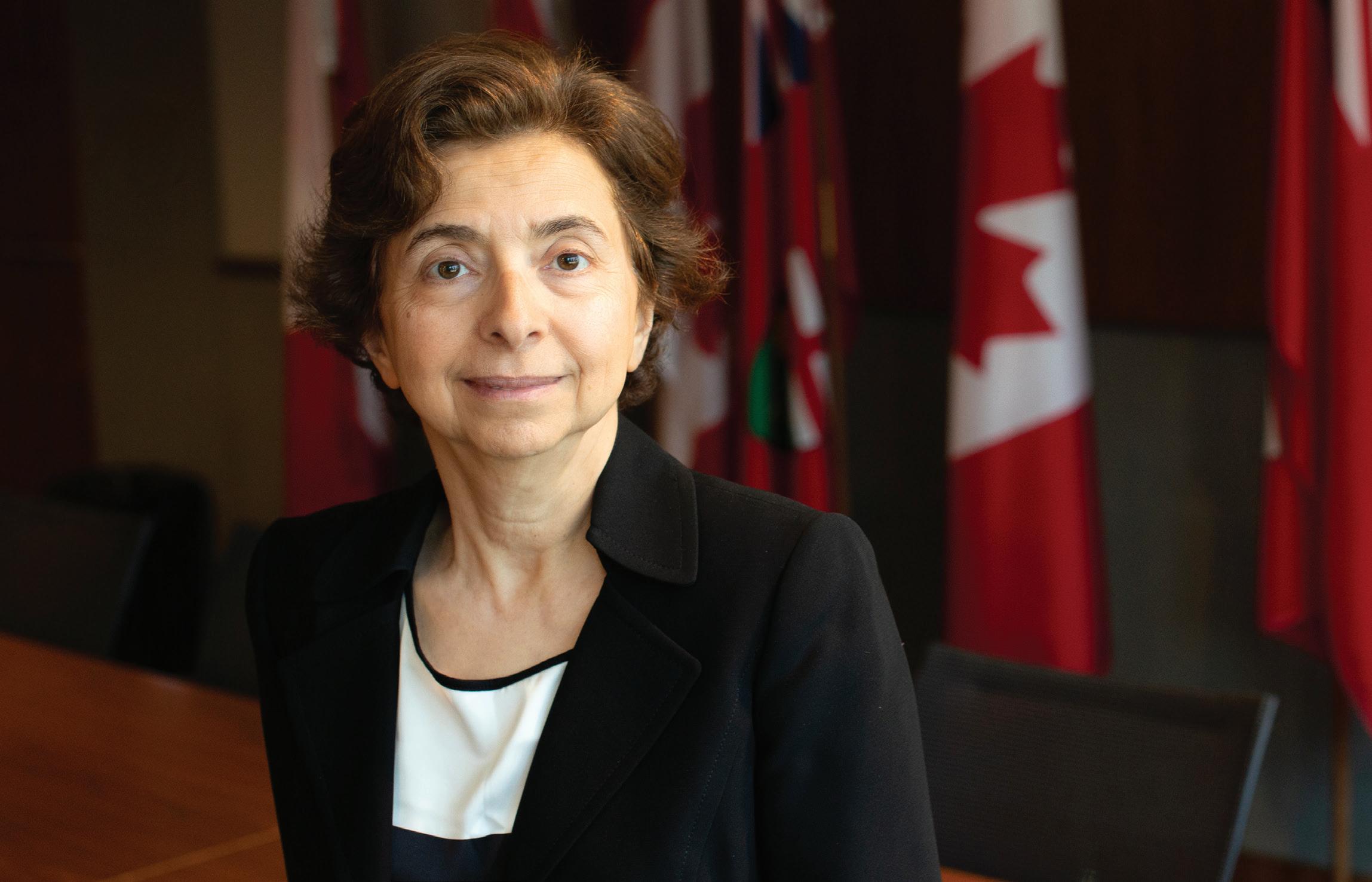
Leila Notash brings wide-ranging experience to help Ontario’s engineering profession stay strong and trusted.
By Sharon Aschaiek
The reimagined, yet-to-launch Engineering Intern program will formalize an early stage of licensure.
By Leslie Sinclair
Changes to the licensing process are creating a more seamless path for internationally trained applicants.
By Leslie Sinclair


Managing editor
Nicole Axworthy
Senior graphic designer
Cindy Reichle
Senior writer
Leslie Sinclair
Contributors
Sharon Aschaiek
Jane Mustac, P.Eng.
Engineering Dimensions (ISSN 0227-5147) is published quarterly by Professional Engineers Ontario and distributed to all PEO licence holders.
Engineering Dimensions publishes articles on regulatory business and professional topics of interest to the professional engineer. The magazine’s content does not necessarily reflect the opinion or policy of PEO Council, nor does PEO assume any responsibility for unsolicited manuscripts and art. All material is copyright. Permission to reprint editorial copy or graphics should be requested from the editor.
Approximately $5 from each membership fee is allocated to Engineering Dimensions and is non-deductible.
Canada Publications Mail Product Sales Agreement No. 40063309. Printed in Canada by Wellington Printworks Inc.
ADVERTISING SALES
Finally Content Vice president, media sales
Laura Maurice
laura.maurice@finallycontent.com 647-394-5567
CONNECT WITH US Online: engineeringdimensions.ca Email: editor@peo.on.ca
TO UPDATE YOUR SUBSCRIPTION
All licence holders and engineering interns registered with Professional Engineers Ontario receive Engineering Dimensions in print or digital form. Subscription preferences can be updated in the PEO portal at secure.peo.on.ca. Other subscription requests can be made to editor@peo.on.ca.
EXECUTIVE STAFF
CEO/registrar
Jennifer Quaglietta, P.Eng., MBA, ICD.D
Vice president, regulatory operations and deputy registrar
Stephanie Holko, MBA, P.Eng., ICD.D
Vice president, corporate affairs and chief legal officer
Dan Abrahams, LLB
Vice president, operational excellence
Arun Dixit, P.Eng.
Vice president, regulatory strategy and governance
Marina Solakhyan
PEO COUNCIL
Officers
Chair
Rachel Prudhomme, BEng, MSc, P.Eng., BPHE
President
Leila Notash, PhD, P.Eng., FEC president@peo.on.ca
Past president Fred Saghezchi, MASc, P.Eng., FEC
President-elect
Sardar Asif Khan, PhD, MBA, P.Eng., FEC, PMP
Vice president (appointed)
Paula R. Klink, PhD, P.Eng., FEC
Executive Member
Shahandeh Hannah Ehtemam, P.Eng.
Councillors
Councillors-at-large
Sean Decloux, MEng, MBA, P.Eng., PMP
Shahandeh Hannah Ehtemam, P.Eng.
Paula R. Klink, PhD, P.Eng., FEC
Eastern Region councillors
Susan Jingmiao Shi, MEng, P.Eng. Tim Kirkby, P.Eng., FEC
East Central Region councillors
Nanda Layos Lwin, P.Eng., FEC
Tom Granat, MBA, P.Eng., P.E.
Northern Region councillors
Luc Roberge, P.Eng., FEC
Ahmed Elshaer, PhD, P.Eng.
Western Region councillors
Susan MacFarlane, MSc, PhD, P.Eng.
Vicki Hilborn, MASc, P.Eng.
West Central Region councillors
Ravinder Panesar, P.Eng., FEC Pappur Shankar, P.Eng., FEC
Lieutenant governor-in-council appointees
Cosimo Casale, P.Eng. Lorne Cutler, MBA, P.Eng. Andrew Dryland, C.E.T.
Lorraine Fraser, PhD, MBA, MEng, P.Eng., FEC
Paul Mandel, MBA, CPA, CA
Shelly Markel, JD, MBA, ICD.D Andrew Naassan, P.Eng. Rachel Prudhomme, BEng, MSc, P.Eng. BPHE
Scott Schelske, P.Eng., FEC Uditha Senaratne, P.Eng., FEC Sherlock Sung, BASc
Engineers Canada Directors Arjan Arenja, MBA, P.Eng., ICD.D Christopher Chahine, P.Eng., PMP
Nick Colucci, MBA, P.Eng., FEC Lorne Cutler, MBA, P.Eng. Marisa Sterling, P.Eng., FEC
www.peo.on.ca
The office of Professional Engineers Ontario in the City of Toronto is situated on the traditional territory of many nations, including the Mississaugas of the Credit, the Anishnabeg, the Chippewa, the Haudenosaunee and the Wendat peoples.

Most engineers can point to a moment when their professional journey truly began.
Perhaps it was receiving an accep‑ tance letter to an engineering program, landing a first co‑op placement, meet‑ ing a mentor or earning a licence after years of study and experience. While every path is different, the journey to becoming a professional engineer is one that shapes careers, opens oppor‑ tunities and, ultimately, serves the public interest.
Perhaps that’s why the image on our cover feels so fitting. The yellow door symbolizes possibility, but also the impor‑ tance of having a clear route forward.
In our cover story, we explore PEO’s efforts to reduce barriers for interna‑ tionally trained applicants and make the journey to licensure more trans‑ parent, accessible and efficient while maintaining the high standards that safeguard the public (“Breaking Down Barriers,” p. 40).
We also explore PEO’s reimagined Engineering Intern (EIT) program. While the program has not yet launched, it is expected to provide aspiring engineers with structured support, oversight and opportunities to build connections as they begin their journey toward licensure (“Supporting Early Steps to Licensure,” p. 37).
This issue marks another important beginning as we introduce PEO’s new Council president (“Meet PEO’s 107th President,” p. 20). We also introduce the full 2026–2027 Council, whose
members play a vital role in guiding the organization and supporting effec‑ tive governance (p. 49).
Elsewhere in the issue, we look at the early stages of PEO’s landmark review of the Professional Engineers Act (p. 10). As the review gets under‑ way, it presents an opportunity to examine how the legislation governing the profession can continue to support both public protection and an evolving engineering landscape.
We also look back at a pivotal moment in Canadian engineering his‑ tory. As the CN Tower celebrates its 50th anniversary, we profile one of the engineers who helped bring the iconic structure to life, offering a firsthand per‑ spective on a project that continues to inspire generations of engineers (p. 45).
Together, these stories capture a profession that is embracing change while remaining steadfast in its com‑ mitment to excellence and public protection. They offer a glimpse of where engineering in Ontario is today and where it is headed next.
As always, thank you for reading. e
Nicole Axworthy MANAGING EDITOR




In recent years, PEO has been prioritizing efforts to create more accessible entry points to licensure while maintaining the high standards that protect the public.
LET US KNOW
To protect the public, PEO investigates all complaints about unlicensed individ‑ uals or companies, and unprofessional, inadequate or incompetent engineers. If you have concerns about the work of an engineer, fill out a Complaint Form found on PEO’s website and email it to complaints@peo.on.ca. If you suspect a person or company is prac‑ tising engineering without a licence, contact PEO’s enforcement hotline at 800‑339‑3716, ext. 1444, or by email at enforcement@peo.on.ca
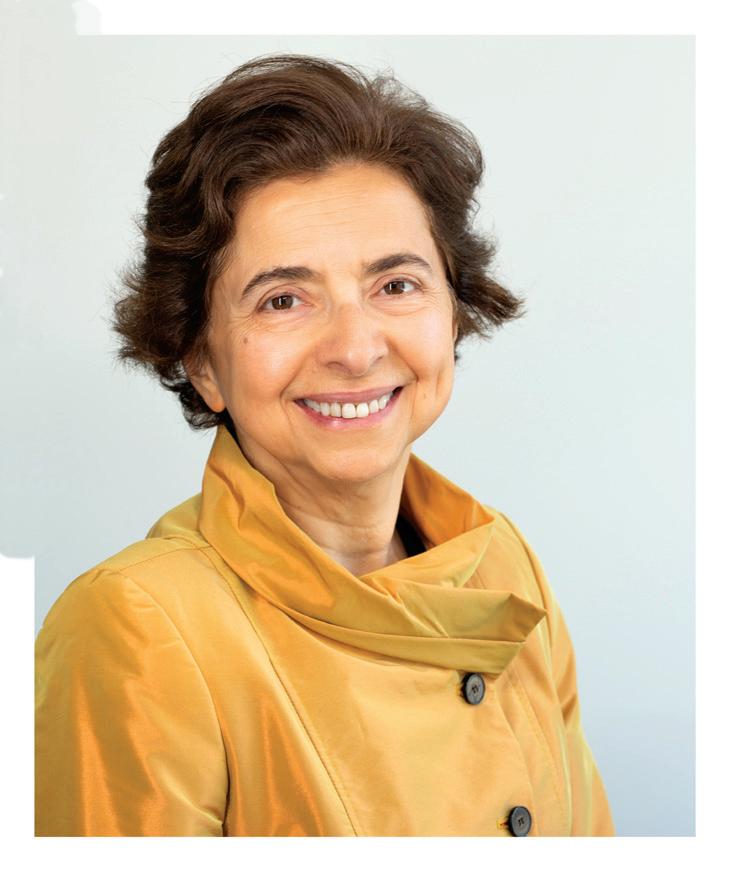
It is an honour and a privilege to serve as PEO president. I officially began my term during PEO’s annual general meeting on April 25, and I am grateful for the opportunity to serve the profession and the public during a time of significant technological, environmental and societal change.
My vision as president is grounded in strengthening awareness of PEO’s role as the self‑regulator of Ontario’s engineering profession, entrusted above all with protecting the public interest. Self regulation is both a privilege and a responsibility. It reflects society’s trust that engineers will uphold the highest standards of competence, ethics, professionalism and accountability while contributing to the safety, well being and prosperity of our communities.
Engineering has always played a vital role in shaping society. Today, however, the pace of change is accelerating. Emerging technologies, such as artificial intelligence, autonomous systems, advanced computing and other innovations, are transforming how we live, work, commu nicate and build. At the same time, engineers are increasingly called upon to address complex challenges related to climate change, infra structure resilience, sustainability, energy systems and public safety.
Many of these developments extend well beyond provincial and national boundaries, yet their impacts are felt locally and directly influ ence engineering practice in Ontario. As a profession, we must remain prepared to adapt, learn and lead while remaining firmly anchored in our commitment to public protection and ethical practice.
During my term, I hope to encourage thoughtful dialogue and engagement among licence holders, Council, statutory committees, chapters, staff and other stakeholders regarding the future of engineer ing regulation and the responsibilities that accompany self regulation. Effective self regulation requires more than maintaining standards and processes; it requires a shared commitment to stewardship, account ability, transparency and continuous improvement.
I also believe that strong self regulation depends upon a willingness to look beyond immediate challenges and consider emerging risks, opportunities and societal expectations. Effective governance requires not only managing the present but also preparing for the future. Stra tegic foresight, informed decision making and long term thinking are essential if we are to maintain public confidence and ensure our regu latory framework continues to serve Ontarians effectively in a rapidly changing world.
Equally important is the culture that supports good governance. Healthy organizations benefit from respectful dialogue, thoughtful debate, diverse perspectives and a shared commitment to principled decision making.
The ability to engage constructively with differing viewpoints strengthens institutions, improves out comes and reinforces public trust.
As president, I recognize that PEO’s success depends on the collective contributions of many individuals—licence holders, volunteers, chapters, statutory committees, Council members and staff— working together in service of the profession and the public. Progress is achieved not through the efforts of any one individual, but through collabo ration, engagement and a shared commitment to our mandate.
If there is a legacy I hope to leave at the con clusion of my term, it is a contribution toward strengthening awareness of the responsibilities that accompany self regulation; encouraging meaningful discussion about the future of engineering and engi neering regulation; promoting foresight, integrity and responsible stewardship; and reinforcing a cul ture of professionalism, accountability, respect and service to the public interest.
I look forward to engaging with licence holders across the province throughout this year as we work together to advance the profession and uphold the trust that society has placed in us. e
Leila Notash, PhD, P.Eng., FEC PRESIDENT

In recent years, PEO has undertaken a focused effort to improve access to licensure while strengthening the standards that underpin public protection. This includes building a more flexible and transparent system that supports applicants, whether they are
A key milestone in this journey came in 2023, when PEO became the first regulator in Ontario to remove the Canadian experience requirement from its licensing criteria in response to new requirements under the Fair Access to Regulated Professions and Compulsory Trades Act (FARPACTA). This step marked an important shift toward a more inclusive and equitable approach to licensure. Since then, we have continued to build on this progress.
Last July, we updated our licensing process to allow prospective applicants to write the National Professional Practice Examination as soon as their academic eligibility is confirmed. In the fall, we launched a new application process to support pro fessional engineers coming to Ontario from other Canadian jurisdictions. These improvements intro duced greater flexibility for qualified professionals to enter professional engineering practice in Ontario. This summer, we took two significant steps to further modernize and streamline the process.
Ahead of fall technical exam registration in June, we introduced the good performance policy to international applicants in our FARPACTA compliant licensing process. Those who score 65 per cent or more on each of two exams in their first exam sitting can be exempted from writing the remaining two exams.
The Office of the Fairness Commissioner recently supported the decision as being consistent with PEO’s duty to ensure our registration practices are transparent, objective, impartial and fair, while reducing unnecessary barriers to prompt and effi cient registration.
Similarly, we are advancing efforts to reduce barriers to licensure by updating our time based experience requirement following the imple mentation of our competency based assessment (CBA) approach in 2023. As of July 1, the minimum required engineering experience has been changed from four years to two, supporting earlier progression while maintaining a rigorous standard for licensure. Most applicants will continue to require three to four years of experience to demonstrate competence across all 34 competencies assessed under our framework.
Across Canada, engineering regulators are placing competency at the centre of licensing decisions. By using CBA as our primary method for evaluating experience, we are focusing our regulatory efforts where they matter most: on demonstrated competence and propor tionate risk management, while removing unnecessary time thresholds once that competence has been achieved.
We will continue to build on this progress, with further updates to the licensing process to follow.
Finally, I am pleased to announce the establishment of PEO’s new Regulatory Transformation Office, created to support the seamless advancement of policy from concept to operational implementation. Major initiatives, including the development of our Engineering Intern program, involve multiple interconnected elements that must be carefully aligned. This office will help ensure that key components, including operating procedures and digital content, are coordinated and delivered in a way that supports effective implementation, with stakeholders engaged throughout the process. e
Jennifer Quaglietta, P.Eng., MBA, ICD.D CEO/REGISTRAR
BRANTFORD CHAPTER
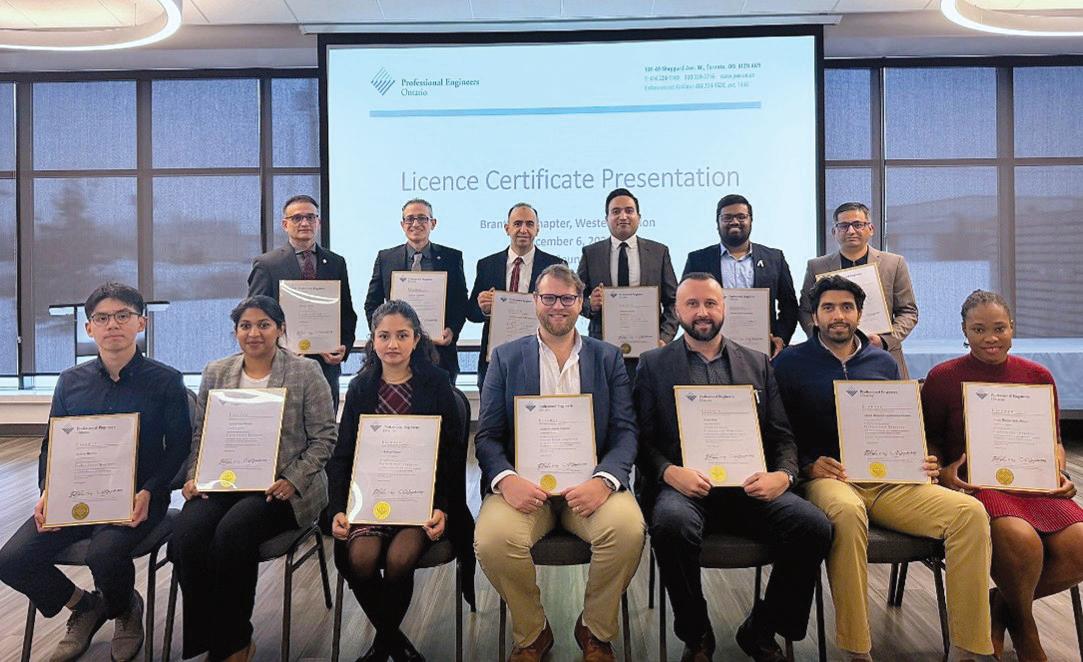
PEO’s Brantford Chapter recently hosted a licensing ceremony at the Cainsville Community Centre, bringing together families, colleagues and community representatives to formally recognize newly licensed professional engineers.
The ceremony reflects a core element of PEO’s public-protection mandate: the conferral of the P.Eng. licence, signifying that recipients have met Ontario’s standards for engineering knowledge, experience and professional conduct. Thirteen engineers were licensed across key practice areas, including civil, structural, mechanical, electrical, chemical and industrial engineering.
The event featured remarks from chapter leadership and regional Council representatives on the significance of licensure and professional accountability. The proceedings also included congratulatory messages from local members of provincial parliament, underscoring the broader public and community importance of professional engineering regulation.

PEO’s Simcoe-Muskoka Chapter recently delivered a series of regulatory-focused activities aimed at supporting licensure, professional obligations and public protection. Over the past quarter, the chapter successfully hosted three regulatory seminars: Practice Advisory and Use of Seal, Path to Becoming a P.Eng., and PEAK. These sessions were well attended by local licence holders, engineering interns and aspiring engineers, reflecting a strong interest in understanding regulatory responsibilities and licensure pathways.
In addition, the chapter held its annual general meeting alongside a spring licensing ceremony, recognizing new professional engineers and reinforcing the importance of professional accountability and standards within the profession.
PEO’s Lake Ontario Chapter hosted a popsicle stick bridge-building competition for elementary students (Grades 5–8), where teams designed and constructed bridges under set specifications for weight, dimensions, number of sticks, functionality and overall finesse. Entries were evaluated across several criteria, with a focus on maximum load-bearing capacity, tested using a loading machine.
Delivered in partnership with Ontario Tech University and the Ontario Association of Certified Engineering Technicians and Technologists, the event introduced students to practical engineering concepts through design research, construction and controlled destructive testing, sparking strong engagement and interest in engineering.
YORK CHAPTER
The Diversity and Inclusion Committee of PEO’s York Chapter recently hosted “Pathways to Leadership: Insights from Diverse Voices in Engineering,” an engaging panel discussion that brought together engineering professionals and leaders to share their personal leadership journeys, experiences and perspectives on inclusive leadership. The event created a space for meaningful conversations on diversity, leadership growth and the importance of bringing together different perspectives to strengthen the engineering profession. Attendees actively participated through thoughtful discussions and networking opportunities, making the evening both inspiring and impactful. The event highlighted the chapter’s continued commitment to fostering an inclusive engineering community where all individuals feel valued, supported and empowered to grow.


Licence holders and engineering interns are invited to participate in PEO chapters events. Find more information about your local chapter at www.peo.on.ca/chapters.

Chapter Matters features regulatory-focused events and initiatives led by PEO’s 36 chapters to highlight how chapters are advancing PEO’s public-protection mandate and supporting the regulator’s work in communities across the province. Submissions can be up to 250 words and should include an overview, regulatory relevance, summary of key stakeholders/participants and the key outcomes. Send submissions to chapters@peo.on.ca with Chapter Matters in the subject line. All submissions are subject to editorial review.
Following a province-wide consultation, PEO is advancing a comprehensive review of the Professional Engineers Act to update how engineering is defined, regulated and governed.
By Nicole Axworthy

PEO has completed a province-wide consultation to inform a comprehensive review of the Professional Engineers Act (PEA), a cornerstone initiative of its 2026–2030 Strategic Plan. Engineers, employers, government ministries, academics and other stakeholders contributed through surveys, interviews and focus groups, helping to shape the future of engineering regulation in Ontario.
“This was an opportunity to step back and ask foundational questions about how engineering should be regulated today and in the future,” says PEO CEO/Registrar Jennifer Quaglietta, P.Eng., MBA, ICD.D. “Our goal is to ensure the legislative framework continues to protect the public in a rapidly changing environment.”
The review marks the first comprehensive examination of the PEA since the 1980s. While updates have been made over time, the legislation has never undergone a full, strategic overhaul. PEO’s current strategic plan identifies modernization as a priority, driven by changes in engineering practice, technology, society and public expectations.
At the heart of the consultation was a key question: What counts as professional engineering today, and what risks require regulatory oversight? Participants were asked to consider how engineering is evolving and whether the current definition reflects emerging and interdisciplinary fields.
The primary goal is not to expand or contract the scope of regulation, but to achieve clarity on what “professional engineering” means in today’s context. That clarity underpins regulatory decisions, from what activities require a licence to how compliance and enforcement are structured.
“That clarity is essential to ensuring regulation is focused on areas of real risk,” Quaglietta says.
Beyond the practice of professional engineering, the review is expected to address key structural elements of the regulatory system, including licensing and governance. Feedback explored whether current licence categories reflect the diversity of roles within the profession and whether pathways to licensure support fair access for applicants, including internationally trained professionals.
A central focus of the review is the concept of the “public interest,” which underpins PEO’s mandate but is not clearly defined in practice. The consultation examined how the public interest should be understood, operationalized and embedded in decision-making and regulatory priorities.
The review will also consider whether new regulatory approaches, such as expanded oversight of engineering firms, could better address risks to public safety.
“At its core, this review is about ensuring we have the right tools to protect the public,” Quaglietta says. “That means being clear about what we regulate, why we regulate it and how we deliver on that responsibility.”
Additionally, PEO will assess whether its governance structures and decision-making processes, such as Council size, composition and election mechanisms, effectively support regulation in the public interest.
Insights from the consultation are now informing a roadmap for legislative modernization over the next four years. The engagement was designed to guide inquiry and analysis rather than prescribe specific outcomes or identify gaps in the current legislation.
“This is a critical moment for the profession,” Quaglietta says. “By engaging broadly, we can build a modern, forward-looking act that supports both public protection and a strong, sustainable engineering profession.”
The change aligns with the competency-based assessment while maintaining standards for entry into professional practice.
By Leslie Sinclair

As of July 1, PEO has updated the minimum experience requirement for P.Eng. applicants to two years from four, aligning its licensing process with a competency-based assessment (CBA) model introduced in 2023.
CBA evaluates whether applicants have the knowledge, skills and judgment required for entry to professional practice, based on demonstrated experience across 34 competencies in seven categories. By assessing readiness through demonstrated competence rather than time alone, the model helps ensure that those licensed are prepared to practise safely and competently.
The update does not mean applicants are automatically eligible for a licence after two years. On average, applicants need three to four years of experience to develop demonstrable competence across all competencies required by the CBA.
For applicants who can demonstrate the required competencies after two years, the updated requirement removes an unnecessary barrier (see “Breaking Down Barriers,” p. 40).
Today, all engineering regulators across Canada use a CBA framework to assess experience. Assessing readiness based on proven skills and abilities, rather than time alone, gives regulators greater confidence that only qualified applicants are licensed.
This approach is reflected in changes to time-based experience requirements in other jurisdictions, including Quebec, which requires two years, and Manitoba and New Brunswick, both of which have eliminated the time component entirely and replaced it with CBA.
The update follows a comprehensive review of the time-based experience requirement in light of CBA. The review included input from the Office of the Fairness Commissioner (OFC), Engineers Canada and other engineering regulators. PEO also revisited the mid-1990s decision to increase the requirement from two years to four and found that the rationale for that change was not grounded in evidence or public risk.
Based on these findings, PEO determined that applicants who demonstrate the required competencies through CBA do not necessarily need four years of experience. The updated two-year minimum reflects the role of practical experience while reinforcing that demonstrated competence remains the primary basis for licensing decisions and public protection.
“This change does not alter the standard for licensure,” says José Vera, P.Eng., PEO’s director of licensing. “Applicants must still demonstrate the required competencies for professional practice.”
Regulation 941 under the Professional Engineers Act was amended to reflect the update, with approval from the Ontario government and support of the OFC and the Ministry of the Attorney General.
For more information about the requirements for licensure, visit www.peo.on.ca/apply/becomeprofessional-engineer/application-requirements.
Licence holders gathered in Ottawa for PEO’s annual meeting and the introduction of the newly elected Council.
By Leslie Sinclair
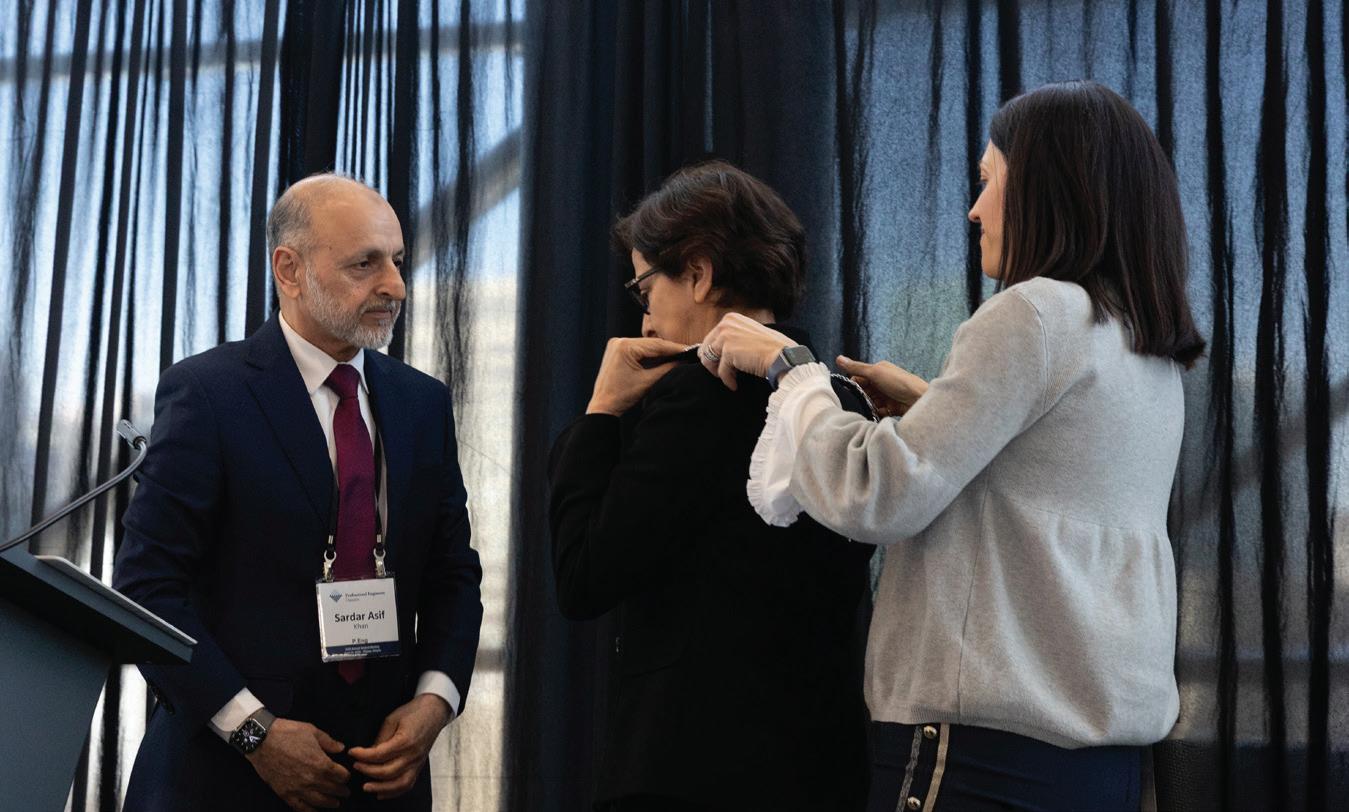
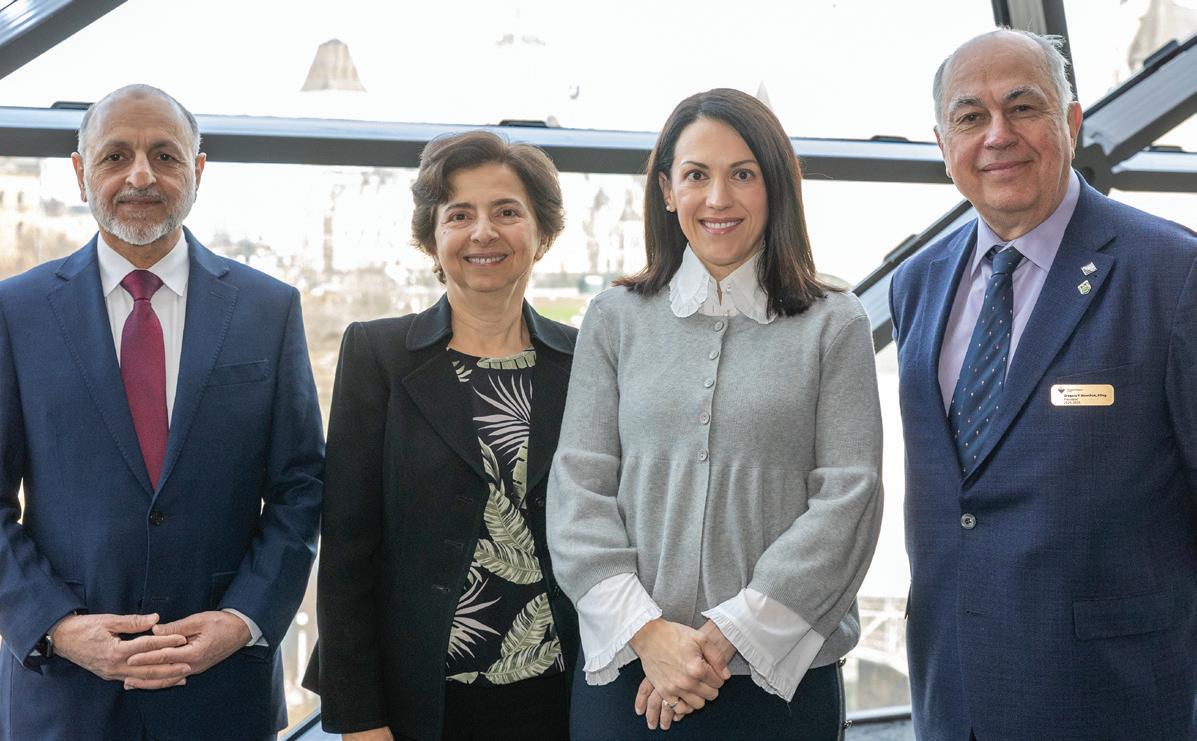
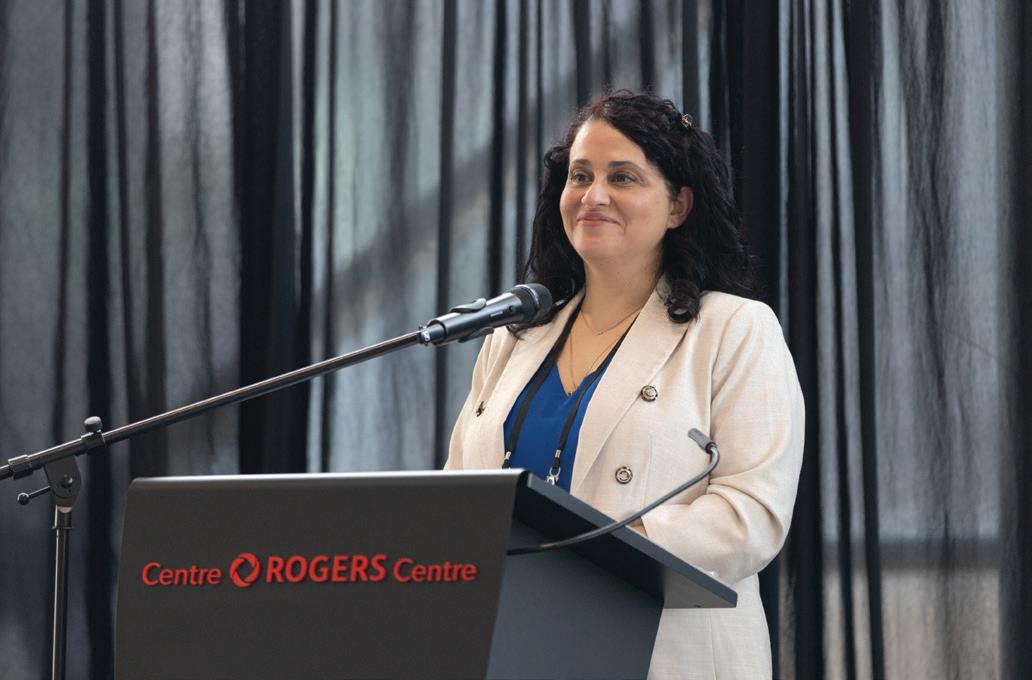
At PEO’s 104th Annual General Meeting (AGM) on April 25, Leila Notash, PhD, P.Eng., FEC, was officially installed president for the 2026–2027 Council term.
“I am deeply grateful for the trust placed in me and for the opportunity to serve this profession. I accept this responsibility with humility, optimism and a profound sense of duty,” Notash told delegates attending the hybrid AGM.
In her inaugural address, Notash reflected on the privilege of selfregulation, noting that it “must be continually earned, strengthened and safeguarded.” One of the profession’s greatest strengths is diversity of thought, Notash pointed out, which sharpens our analysis, broadens understanding of risks and opportunities and challenges us to consider issues from multiple angles. “It leads to stronger decisions, more effective governance and regulation and better outcomes for the public we serve,” she said.
Notash called on delegates to remain committed to their principles as they meet future challenges, particularly artificial intelligence (AI), which she noted is “already reshaping engineering practice across disciplines,” offering both tremendous opportunities and serious risks. “AI may support engineering practice, but it cannot replace professional responsibility,” she said.
As delegates finished breakfast, gathered in small groups and took their seats, Indigenous elder Karen MacInnis moved through the Trillium Ballroom at Ottawa’s Rogers Centre, smudging the AGM site. In her land acknowledgement, she reminded delegates that Ottawa sits on unceded Anishinaabe Algonquin territory. She reflected on the city’s history as a gathering place where neighbouring nations came together to make treaties, noting that this tradition of coming together continues in a positive way today.
The Ontario premier and the attorney general delivered pre-recorded video remarks. Premier Doug Ford acknowledged the critical role professional engineers play in delivering the province’s infrastructure plan and emphasized their contribution to building a competitive, resilient economy.
Attorney General Doug Downey, MPP for Barrie–Springwater–Oro-Medonte, thanked the engineering community for its role in strengthening Ontario’s infrastructure and economy. He highlighted the often behind-the-scenes work of engineers in building and sustaining communities, noting that “from concept to construction, engineers stand at a critical intersection of ideas and reality.” Downey also pointed to recent government efforts to support the sector, including changes to the Construction Act that came into effect on January 1 to streamline dispute resolution through adjudication and reduce reliance on the courts.
Outgoing Past President and Council Chair Gregory Wowchuk, P.Eng., FEC, reported on 2025–2026 Council activities. Reflecting on his tenure, Wowchuk highlighted a productive period guided by the 2023–2025 Strategic Plan, which concluded in December. Key initiatives included strengthening governance through evidence-based evaluation, advancing a new optional Engineering Intern program, adopting guidance on the use of AI in professional practice, endorsing the creation of a fitness to practise process and approving the 2026–2030 Strategic Plan. The new strategic plan builds on the work of the previous plan and “represents a renewed sense of purpose and a commitment to continuously improving engineering regulation in Ontario,” Wowchuk said.
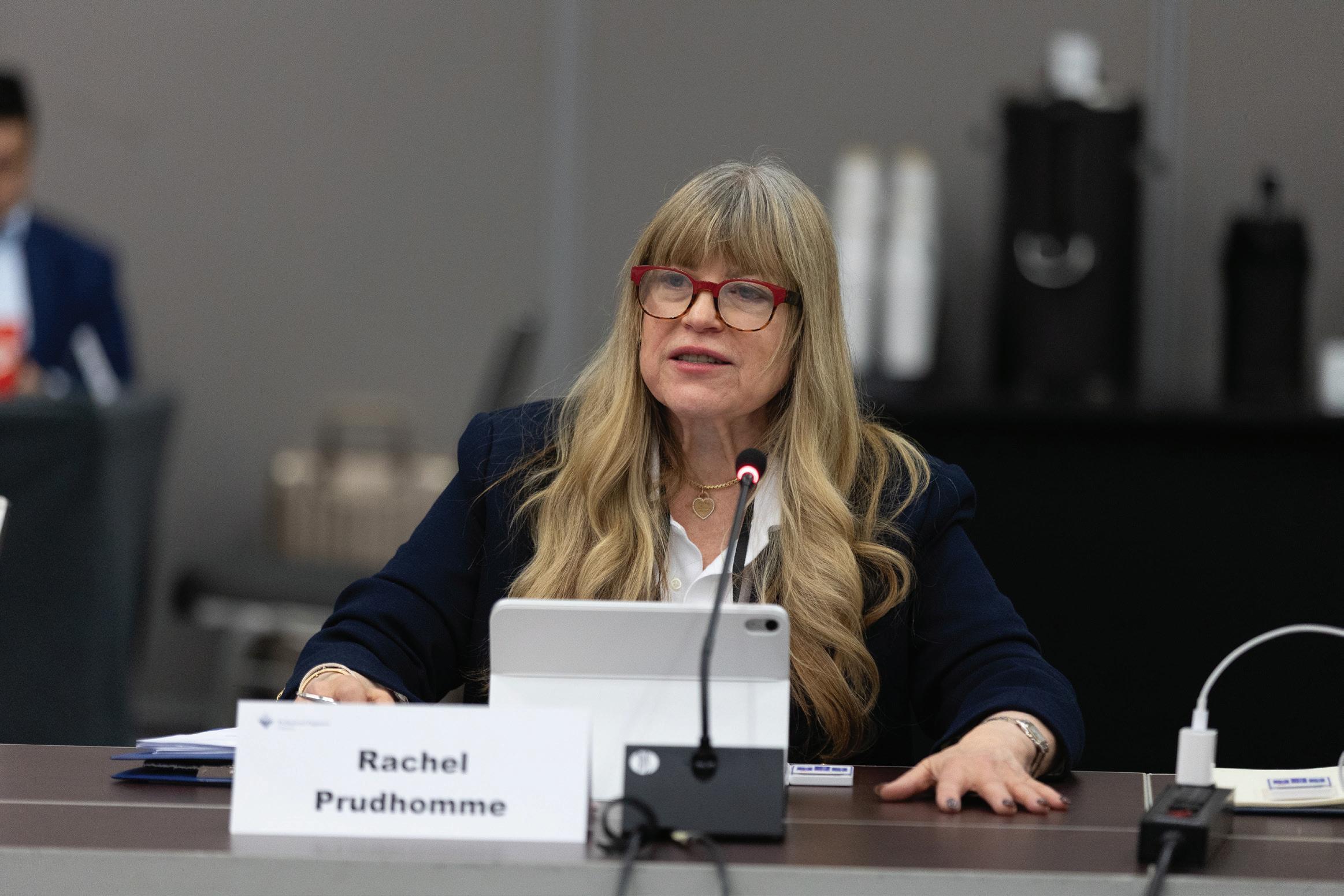
Notash recognized outgoing councillors whose term ended at the AGM. They included Past President and Chair Wowchuk, Eastern Region Councillor Chantal Chiddle, P.Eng., and Appointed Vice President Randy Walker, P.Eng. She also welcomed PEO’s councillors of the 2026–2027 term, noting that their leadership will support PEO’s continued growth and direction. At the inaugural meeting following the AGM, Council appointed Rachel Prudhomme, BEng, MSc, P.Eng., BPHE, as the Council chair.

Lorne Cutler, MBA, P.Eng., chair of PEO’s Audit and Finance Committee, provided a report on the 2025 audited financial statements. He shared key high lights, including that:
• PEO’s revenue was $38.9 million in 2025 versus $37.1 million in 2024;
• Expenses in 2024 were $38 million versus $35.8 million in 2024;
• PEO had a surplus or net excess of revenues over expenses of $0.9 million versus $1.3 million in 2024;
• PEO’s cash and marketable securities increased to $42.6 million versus $40.6 million in 2024; and
• PEO continues to have the lowest P.Eng. fees in Canada.
“We’ve also been able to build up a significant level of reserves, which gives us the ability to easily absorb most short-term deficits,” Cutler said. However, he cautioned that absent a fee increase, future deficits may occur due to various reasons, including inflation, a less stable investment climate and the need for increased staffing to be able to better respond to operational challenges and deliver on programming.
CEO/Registrar Jennifer Quaglietta, P.Eng., MBA, ICD.D, highlighted achievements under the 2023–
2025 Strategic Plan, including modernizing PEO’s regulatory framework, improving licensing application processes and providing greater flexibility in writing the National Professional Practice Exam to better support a diverse applicant pool.
She noted proposed legislative changes to the required engineering experience as part of a competency-based assessment model and reiterated PEO’s commitment to human-centred regulation, an approach that “ensures we are efficient, empathic and responsive to those who we regulate.” Recognizing the contributions of Council, staff and volunteers, Quaglietta said PEO’s new vision and 2026–2030 Strategic Plan will support a future-ready organization. “We will model regulatory excellence. We will use evidence to guide our decisions and, most importantly, we will honour our commitment to equity, diversity and inclusion,” she concluded.
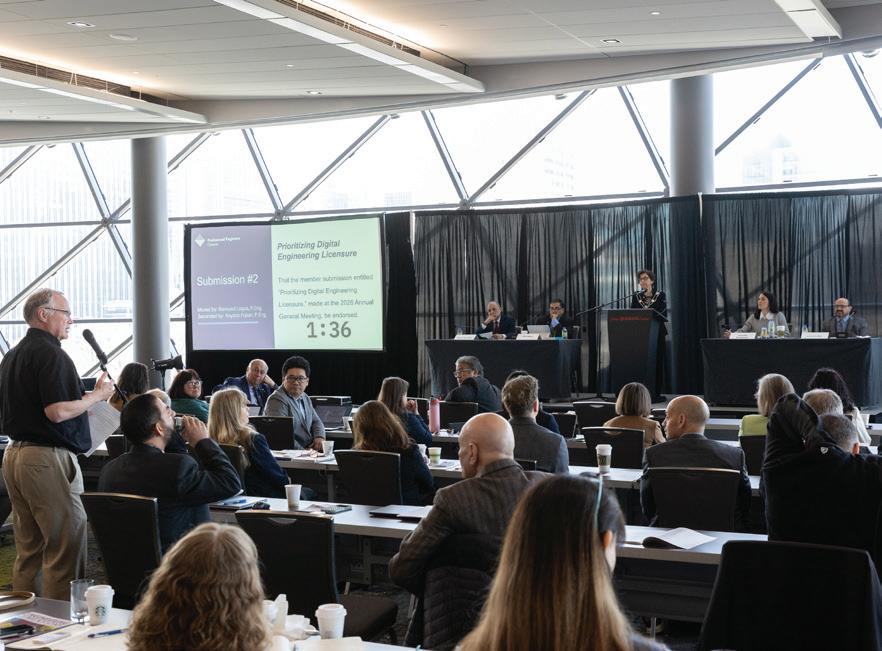
At each AGM, licence holders may submit motions on matters related to PEO. Attending licence holders can comment and vote on each motion. While non-binding, motions are reviewed by Council. This year, three motions were submitted and all were approved.
The first motion, submitted by Prakash Bansod, P.Eng., and seconded by Zeljko Sikic, P.Eng., proposed updating PEO’s Code of Ethics. Building on a 2025 AGM motion, it called for Council to establish a committee to review the code in light of technological, environmental and geopolitical changes, and to report back on its progress. The motion passed with 83 per cent support.
The second motion, submitted by Raimund Laqua, P.Eng., and seconded by Roydon Fraser, PhD, P.Eng., FEC, asked Council to make licensing digital engineers a strategic priority. It called for baseline data on engineers working in digital disciplines, identification of barriers
to licensure and an assessment of how federal initiatives in areas such as AI, cybersecurity and digital infrastructure may affect demand. The motion also requested an interim report within six months and a final report within 12 months. It passed with 90 per cent support.
The third motion, submitted by Darla Campbell, P.Eng., and seconded by Jeffrey Lee, P.Eng., proposed creating a taskforce to review changes to the Government Liaison Program (GLP). The taskforce would examine unintended consequences, assess the value of input from licence and certificate holders and recommend a process to identify, triage and prioritize issues for GLP messaging. The motion passed with 83 per cent support.
Following the meeting, keynote speaker Melike Erol-Kantarci, PhD, presented on the rapid rise of AI, the shift to generative and contextaware systems and the risks and challenges around trust and reliability. She stressed the need for human accountability and the importance of governance and ethical regulation.
Amendments to Regulation 941 make failure to co-operate with PEO investigations a form of professional misconduct.
Licence holders who fail to co-operate with PEO investigations can now be found guilty of professional misconduct under section 72 of Ontario Regulation 941 under the Professional Engineers Act
The changes make explicit a licence holder’s obligation to respond to and co-operate with PEO. While this duty has long been recognized by the courts and PEO’s Discipline Committee as fundamental to professional self-regulation, it has not always been consistently set out across all regulatory processes. Codifying the requirement in regulation is intended to enhance transparency and public trust and help ensure PEO can carry out its licensing, enforcement and other functions effectively.
In force since March 30, the amendments broaden the definition of professional misconduct to include withholding information or failing to provide complete, accurate and timely responses to PEO. By defining non-co-operation itself as misconduct, the changes strengthen regulatory oversight and ensure consistent treatment of matters arising from both registrar-initiated investigations and complaints from licence holders and members of the public. Previously, this obligation was explicit only in registrar’s investigations and implied in other contexts.
“It is a new authority for us,” says Mike Rusek, PEO’s director of regulatory compliance, explaining that the change will improve PEO’s ability to conduct investigations. “A number of investigations stall or are delayed when we don’t have co-operation from respondents or, sometimes, complainants.”
In some cases, PEO had to proceed to hearings without ever receiving a response from the individuals involved, says Leah Price, PEO’s director of legal services, regulatory operations. “At the time, there was no clear mechanism to require cooperation,” she says. The amendment is intended to address that gap.
The revised definition also allows PEO to require licence holders to respond promptly and completely to any communication from PEO, meaning the provision can apply beyond investigations, including to activities such as licence renewals and audits of continuing professional development hours.
Not every instance of non-responsiveness will lead to discipline. However, repeated or serious failures that impede PEO’s ability to regulate in the public
By Leslie Sinclair
interest may result in outcomes ranging from a reprimand to licence restrictions or suspension.
This authority will be used only where there is a “legitimate, reasonable and articulable” basis for PEO’s requests, Rusek adds.
The Regulatory Policy and Legislation Committee (RPLC) reviewed the issue at its November 2024 and September 2025 meetings. A supporting policy analysis presented in November 2024 identified gaps in PEO’s existing regulatory framework.
A jurisdictional scan found that eight of 11 engineering regulators in Canada already had an explicit requirement to co-operate with investigations, as do several other regulated professions in Ontario. On September 26, 2025, Council approved the changes and directed staff to work with the Ministry of the Attorney General to amend Regulation 941 (see In Council, Engineering Dimensions, Fall 2025, p. 28).
The proposed process would give PEO a new way to handle cases where a licence holder’s health affects their ability to practise.
By Leslie Sinclair

PEO is developing a new fitness-to-practise process designed to address cases in which a licence holder’s health or psychological condition affects their ability to practise engineering safely. The nonpunitive approach would create a dedicated pathway for managing incapacity, with a focus on protecting the public while treating individuals fairly and compassionately.
Under the proposed model, cases involving illness or impairment would no longer be handled through the current discipline process, which is designed for cases of professional misconduct rather than incapacity. Instead, a fitness-to-practise framework would allow for earlier intervention and more tailored responses to health-related challenges. It would not depend on an actual engineering failure, error or omission having already occurred; instead, it would focus on preventing such issues in the first place.
PEO must balance its public-protection mandate with fairness and compassion in addressing incapacity cases, explains Mike Rusek, PEO’s director of regulatory compliance. “We have to be sensitive to an engineer who has a fitness-to-practise issue, such as a psychological impairment or a drug dependency that does, or could, negatively affect their ability to practise engineering. We want to preserve their dignity and be as minimally intrusive in their working and private lives as possible,” he says. “But we also have an overriding duty to protect the public from harm. It’s a tricky but very necessary balancing act.”
Where possible, the goal is to enable individuals to continue practising with appropriate conditions or supports that protect the public interest. In cases where the risk is too great, however, temporary or permanent removal from practice may be necessary.
Rusek notes that engineering is often central to a practitioner’s identity, underscoring the need for a process that both respects the individual and upholds PEO’s regulatory responsibility. To that end, the new framework will align with principles of procedural fairness, the Canadian Charter of Rights and Freedoms and Ontario’s Human Rights Code, while placing a strong emphasis on privacy and individual rights.
PEO Council approved development of the fitness-topractise process in September 2024 and, in November 2025, directed staff to work with the Ministry of the Attorney General on the legislative and regulatory changes needed to implement it. Because changes to the Professional Engineers Act are required, the timeline for rollout remains uncertain.
In the meantime, PEO is developing the policies and procedures needed to support the process, including how investigations will be conducted, how the Complaints Committee and investigators will handle incapacity cases and how hearings will differ from standard discipline proceedings. Training staff to assess these matters with sensitivity is a key component of the work.
Although the process is still in the early stages of implementation, privacy will be a central consideration, says Rusek.











By Leslie Sinclair
Professional engineers and limited licence holders can avoid a licence suspension by completing their continuing professional development requirements. it, you’re already taking webinars, you’re already attending lunch-and-learns at work, you’re probably a mentor to other people—all these things likely count as CPD.”
On June 15, PEO began suspending licences for those who have not completed the 2025 Continuing Professional Development (CPD) Report component of the mandatory Practice Evaluation and Knowledge (PEAK) program, which was due on December 31, 2025. Licence suspensions also continued for individuals who have not yet completed their 2026 Practice Evaluation (PE) and Professional Practice Module (PPM) requirements, which were due on January 31, 2026.
Although licence suspensions began last year for not completing the PE and the PPM, this marks the first time suspensions have been conducted for non-compliance with reporting of CPD hours. Licence holders at risk of having their licence administratively suspended were notified by email, mail and automated phone calls. These communications encouraged completion of overdue PEAK elements and outlined the consequences of being suspended.
Overall, PEAK compliance is strong this year, with 91 per cent compliance for the 2025 CPD Report at the end of May. Licence holders are encouraged to submit their CPD Report, even if it’s late.
Documenting CPD hours demonstrates that you’re a professional, either as a subject-matter expert or that you’re developing yourself, explains Arden Heerah, P.Eng., PEO’s manager of professional development initiatives.
“We’re asking you to document what you’re already doing as a practitioner,” Heerah says. “If you think about

Professional engineers and limited licence holders must complete the PEAK program each year to maintain their licence. If your licence is suspended, you cannot practise professional engineering, use your seal or take responsibility for engineering work, including work done under your supervision. You also cannot be associated with a certificate of authorization under section 47 of Regulation 941 or hold a consulting engineer designation. Finally, the suspension will be visible on PEO’s public directory. Practising while suspended can result in serious penalties, including the permanent revocation of your licence.
To complete the PEAK program, visit the PEAK section of your PEO portal account at secure.peo.on.ca, then follow the prompts to the PEAK platform. The Practice Evaluation and Professional Practice Module take approximately 60 to 90 minutes to complete. Completing your CPD report takes approximately one minute per activity. For more PEAK program tools and resources, visit peopeak.ca. e
The PEAK program accepts all learning formats because people learn in different ways, have varied personal circumstances and because PEAK focuses on what is learned rather than how it is learned.
A CPD activity is admissible for the PEAK program if the learning content helps the licence holder reduce their risk to the public, such as if it addresses knowledge of the responsibilities of professional engineers, understanding of pertinent codes and standards and knowledge of best practices in acts of professional engineering (all of which must be relevant to their practice areas).
“Any kind of learning format is valid, and it’s all equally valid,” says Arden Heerah, PEO’s manager of professional development initiatives. “Self-study, taking a course or a webinar, being an instructor— they all count.”
Other CPD examples include presentations or publications, developing engineering guidelines and participating in technical mentoring.
CPD activity hours are counted on a one-to-one basis, meaning you claim the actual time spent on completing the activity. However, only the admissible time should be reported. For example, if a four-hour CPD activity only includes 3 hours and 15 minutes that meet PEAK criteria, only that time can be submitted. You must keep proof of your completed CPD activities for three years in case your PEAK declarations are audited.
As engineering work becomes more complex and interconnected, competence is no longer just what you know. It is how you apply judgment, maintain expertise and recognize when collaboration is needed.
By Jane Mustac, P.Eng.

Professional engineering has always required strong technical knowledge, sound judgment and a commitment to public safety. That obligation has not changed. What has changed is the environment in which engineers are expected to meet it.
Projects are more complex, practice is more specialized and technology is evolving rapidly. In this context, competence is no longer defined only by what an engineer knows. It also depends on recognizing the limits of that knowledge and knowing when additional expertise or collaboration is required.
For the public, however, the expectation remains the same. When a family moves into a new home, drives across a bridge or enters a hospital, they trust that the work was carried out by a competent engineer who exercised professional judgment and put safety first. That trust does not depend on the tools used or whether artificial intelligence (AI) played a role. It rests on the engineer’s responsibility.
Competence still begins with technical expertise, but it does not end there. It also includes evaluating new information carefully, being candid about the limits of one’s knowledge and adapting responsibly to changing professional demands.
In Ontario, this expectation continues throughout an engineer’s career. PEO’s mandatory continuing professional development program reflects this obligation by recognizing competence as an ongoing responsibility, not a one-time milestone. Continuous learning remains essential, but so does the judgment to know when additional expertise is needed. This is particularly important as engineers increasingly rely on sophisticated software, automated analysis and AI-assisted tools. These technologies
can support decision-making, but they do not replace professional responsibility. Competence includes understanding what these tools are designed to do, recognizing their limitations and critically assessing whether their outputs are appropriate in the context of the work. Ultimately, competence is demonstrated through judgment. In practice, that may mean pausing when a problem falls outside one’s experience, questioning whether a tool or standard fully addresses an issue or seeking input before taking responsibility for the work. Good judgment does not remove uncertainty, but it ensures decisions are made carefully, responsibly and with public safety in mind.
These principles matter most when they are applied to real-world practice. When engineers ask PEO’s practice advisory team whether they are competent to take on a particular task, the answer is rarely a simple yes or no. In most cases, that judgment must be made by the engineer. One useful way to approach that judgment is to pause and consider four practical questions:
1. Do I have the knowledge, training and experience this work requires? An engineer asked to design a retaining wall, for instance, should be comfortable not only with general design principles but with the specific technical and practical issues the work involves.
2. Has anything changed since I last did this kind of work? Even in a familiar area, revised code provisions, updated software or newer guidance may affect the work and should be reviewed before proceeding.
3. Is this within my usual area of practice? A structural engineer may be entirely comfortable with building design yet still need support before taking responsibility for specialized geotechnical or powersystem work.
4. Would the work benefit from specialist input or another perspective? On a multidisciplinary project, bringing in a specialist early may be the better course than relying on assumptions outside one’s core expertise.
As engineering practice continues to evolve in Ontario, so too does the profession’s understanding of competence. Technical knowledge remains fundamental, but competence is increasingly demonstrated through continued learning, sound judgment and an awareness of when additional expertise is needed. At its core, competence is inseparable from the trust placed in engineers and from the care with which they accept responsibility for their work. The most important question is not simply whether an engineer is licensed to do the work, but whether they are truly prepared to do it well.
If you have questions about competence in practice, contact PEO’s practice advisory team at 416-224-1100, ext. 2275, or by email at practice-standards@peo.on.ca. e
Jane Mustac, P.Eng. is PEO’s manager, practice advisory services.


As the first internationally trained woman to serve as PEO president, Leila Notash brings wide-ranging experience to help Ontario’s engineering profession stay strong and trusted.

BY SHARON ASCHAIEK

Competence, integrity, accountability: These are the core values that Leila Notash, PhD, P.Eng., FEC, is bringing to her role as the 107th president of PEO.
An accomplished engineering educator, researcher and longtime volunteer, Notash has spent decades contributing to the profession from multiple vantage points. As a professor emerita in Queen’s University’s department of mechanical and materials engineering, a fellow of Engineers Canada and a dedicated contributor to PEO governance, she has consistently focused on strengthening how the profession is led and practised. Her work reflects a deep commitment to effective regulation, advancing diversity and fostering a profession that earns and maintains the public’s trust.
Now, in her role as president, Notash is intent on building on that foundation. With a clear understanding of PEO’s responsibility to protect public safety, she is focused on working collaboratively with Council members, licence holders and stakeholders to reinforce a culture of professionalism and accountability across the engineering community.
“I am deeply grateful for the trust placed in me and for the opportunity to serve this profession. I accept this responsibility with humility, optimism and a profound sense of duty,” said Notash in her acceptance speech at PEO’s annual general meeting in April. “Let us continue to uphold the privilege of self-regulation and ensure that our profession remains worthy of the confidence that the public places in us.”
As a child growing up in Iran, Notash discovered a natural aptitude at school for applied math and physics. She later performed strongly in
these subjects on the university entrance exam in Turkey, where she studied mechanical engineering at Ankara’s Middle East Technical University (METU). Earning her bachelor’s degree in 1988 with high honours, she ranked second out of 166 graduates. Seeking to further her training in mechanical engineering and interested in exploring engineering education in different regions, Notash moved to Canada on a student visa. She first earned a master’s degree in the discipline at the University of Toronto in 1991 and then a doctoral degree at the University of Victoria in 1995.
“It wasn’t easy,” she recalls of her days as an international student with no family in the country, and as a female in what was then an especially male-dominated domain. But at UVic, Notash found a way to ease her transition to her new life by serving as the graduate student representative within the department of mechanical engineering. This was the first of what became many volunteer roles she would pursue on her engineering pathway.
After returning to Ontario, Notash joined the University of Windsor as an assistant professor of industrial and manufacturing systems engineering, applied for her P.Eng. licence and received it one year later in 1996. Soon after, she landed at Queen’s, which became her professional home base for the next 28 years. She settled in Kingston and taught courses primarily focused on mechatronics, dynamics, robotics, kinematics and graphics. These subjects were taught at both introductory and
“Strong self-regulation is defined not by the absence of disagreement, but by our ability to engage with differing perspectives thoughtfully, respectfully and with a shared commitment to the profession,” Notash says.
advanced levels, with engineering graphics offered at the introduc tory level. Among Notash’s key achievements in advancing mechanical engineering education at Queen’s was serving as a coordinator of the International Undergraduate Student Design project, which engaged students at the university and at METU and Union College in New York in a collaborative capstone experience.
“I enjoyed interacting with students, and I believe that teaching a subject is the best way of learning the subject … It’s the best way of achieving lifelong learning,” Notash says.
As an active mechanical engineering scholar, Notash led, participated in or supervised studies in the design, kinematics, calibration and implementation of serial and parallel manipulators; fault detection and fault-tolerant design and operation of manipulators; and mecha tronics. At Queen’s, Notash also volunteered for five three-year terms on the University Senate and was a member and then chair of the Senate Educational Equity Committee.

“Volunteering was very rewarding, especially for someone who is an immigrant to Canada. It allowed for networking … getting to know other researchers and faculty members,” she says. “While I contributed, I benefitted as well. It was two-way. When you give, you receive.”
Notash has brought that same giving spirit to her volunteering for engineering bodies. As an active member of the American Society of Mechanical Engineers (ASME), she played a lead role in organizing its annual conferences from 2017 to 2021. She served on the editorial board of the ASME’s Journal of Mechanisms and Robotics and the Canadian Society for Mechanical Engineering’s Transactions and is currently an associate editor of ASME Journal of Mechanical Design. Notash is also an associate editor of Mechanism and Machine Theory, a monthly journal published by Elsevier. As well, she has contributed her knowledge and insights to the scientific committees of the International Conference on Cable-Driven Parallel Robots and the International Conference on Reconfigurable Mechanisms and Robots. Notash was also a member of the Canadian committee of the Theory of Machines and Mechanisms executive from 1998 to 2004 and the permanent commission on communications of the International Federation for the Theory of Machines and Mechanisms, serving as its chair from 2006 to 2011. With a strong interest in strengthening Ontario’s engineering profession, Notash made volunteering for PEO a priority. Driven to help shape how engineering education is assessed for licensure,
Requirements Committee, serving on it for nearly 20 years. As its chair from 2016 to 2018, she led its work in determining academic policies and exam requirements and ensuring consistent decision-making when evaluating applicants from non-accredited engineering programs.
“I enjoyed learning and contributing my knowledge to the committees … I had some positive role models,” Notash says. “Sometimes it was challenging, while interacting or expressing our views … there might be different responses … but it was always very collegial.”
Just as satisfying for Notash was volunteering on the executive of PEO’s Kingston Chapter. Serving from 2013 to 2019, including as vice chair for four years, she organized information sessions on topics such as engineering licensure requirements and the legal responsibilities of engineers for local licence holders and for students at Queen’s University and the Royal Military College of Canada. She also supported the chapter’s participation in Science Rendezvous Kingston, an annual STEM-focused festival hosted by Queen’s.
In 2019, Notash was elected to serve on Council as councillor-at-large, and she was elected by Council to also serve on the Executive Committee during the 2019–2020 term. Notash was elected as president-elect in 2025. Since joining Council, she has served on the Audit and Legislation committees and all four of Council’s current governance committees. Her instalment as PEO Council president makes her the first internationally educated woman to serve in the role.
Notash is acutely aware of the distinct challenges and opportunities currently facing the profession in Ontario and its 98,000 licence holders. They include the rise of AI technologies that affect engineering practice; the need to adapt building designs according to shifting climate patterns; persistent gender and racial disparities in the makeup of engineering practitioners; and enduring barriers to the profession faced by international engineering graduates. To respond to these trends and sustain a regulatory model that is responsive, transparent and protects the public interest, PEO introduced a robust 2026–2030 Strategic Plan that includes several actions it will pursue to make progress in three key areas: effective regulation, governance advancement and organizational excellence (see “The Next Chapter,” Engineering Dimensions, Winter 2026, p. 26).
To support PEO in delivering on these priorities, Notash is looking forward to working co-operatively with the other 27 members of Council to provide the regulator with insightful guidance. In her acceptance speech at the AGM, she emphasized the qualities she sees as central to the effective regulation and governance of engineering. Key among them is one that contributes to excellence in the practise
of the profession: diversity of thought. Her perspective aligns with the principles and priorities of PEO’s Anti-Racism and Equity Code, which codifies the regulator’s commitments to advancing its fairness, human rights and public-interest obligations.
“Strong self-regulation is defined not by the absence of disagreement, but by our ability to engage with differing perspectives thoughtfully, respectfully and with a shared commitment to the profession,” she said. “Diversity of thought sharpens our analysis, broadens our understanding of risks and opportunities and challenges us to consider issues from multiple angles.
“Ultimately, it leads to stronger decisions, more effective governance and regulation and better outcomes for the public we serve.”e
In the matter of a hearing under the Professional Engineers Act, R.S.O. 1990, c. P.28; and in the matter of a complaint regarding the conduct of CHARLES W. K. JONES, P.ENG., a member of the Association of Professional Engineers of Ontario, and MIRKWOOD SERVICES INC. O/A MIRKWOOD ENGINEERING, a holder of a Certificate of Authorization.
1. This matter was heard by a Panel of the Discipline Committee (the “Panel”) of the Association of Professional Engineers of Ontario (“PEO”) on March 4, 2026. The hearing was conducted electronically by way of videoconference pursuant to the Rules of Procedure of the Discipline Committee of the Association of Professional Engineers of Ontario, the Professional Engineers Act, R.S.O. 1990, c. P.28 (the “Act”), and the Statutory Powers Procedure Act, R.S.O. 1990, c. S.22.
2. Charles W. K. Jones (the “Member”) and Mirkwood Services o/a Mirkwood Engineering (the “Holder”), collectively the “Respondents,” attended the hearing with legal representation. PEO was represented by legal counsel. All participants attended the hearing electronically.
3. The Panel was advised at the outset of the hearing that the parties had entered into agreements with respect to the matter.
B. THE AGREED STATEMENT OF FACTS
4. Counsel for PEO presented the Panel with an Agreed Statement of Facts containing an agreement made between the parties about the facts related to this matter. These are summarized as follows, except that the documents referred to in bold type were attached to the Agreed Statement of Facts and are not reproduced here:
i. At all material times, the Member was a professional engineer licensed pursuant to the Act
ii. At all material times, the Holder held a certificate of authorization (“CofA”) naming the Member as the individual accepting professional responsibility for the engineering services provided under the CofA.
iii. Evertrust Development (Welland) Inc. (“EDWI”) retained the Holder through a Canadian Construction Documents Committee Service Contract Between Owner and Consultant (CCDC31) dated April 30, 2021. The Holder was retained to provide structural engineering services for the residential development of a five-storey condominium apartment building with three-storey central link
(Upper Vista on the Welland Canal (the “Project”)) at 350 Prince Charles Drive South in the City of Welland (the “City”).
iv. On or about May 5, 2021, Jones signed an Owner Commitment to have General Review undertaken by Architects and/ or Professional Engineers for the Project.
v. The Holder issued drawings titled “Issued for Foundation Permit” signed and sealed by the Member dated May 7, 2021.
Subsequently, the Holder issued drawings titled “For Building Permit” signed and sealed by the Member dated June 18, 2021.
vi. On or about September 20, 2021, the City issued a conditional permit to construct one level of underground parking garage for the Project.
vii. On or about October 15, 2021, Buckingham Steel Design Inc. (“BSDI”) issued structural steel shop drawings signed and sealed by Alper Turan, P.Eng. (“Turan”).
viii. The City issued a building permit for the above grade work on or about March 22, 2022.
ix. BSDI issued a set of structural steel shop drawings “For Fabrication” (“BSDI Drawings”) signed and sealed by Turan on or about June 16, 2022. Maximum shear force of 225 kN was specified to design the connections between the W690x170 beams to HSS columns at gridlines 6, 8, 21 and 23 on the second floor (the “Connections”).
x. The Member rejected the BSDI Drawings on June 23, 2022, and requested resubmission. He provided the following: “FYI, forces will not be provided for all connections. Unless otherwise noted, design all connections for 50% of shear capacity of beam.” Had the instructions been followed, the connection would have been designed for a maximum shear force of 1030 kN, which is still less than the required strength, as explained below.
xi. On June 29, 2022, the Member reviewed a final set of BSDI drawings (the “Revised Drawings”). He did not make any comments or corrections to the Revised Drawings, nor did he require them to be
revised and resubmitted, despite the fact that they still specified a maximum shear force of 225 kN for the Connections.
xii. On or about July 7, 2022, structural steel erection on site started. The steel was fabricated in accordance with the Revised Drawings.
xiii. The Holder’s field review report signed by the Member dated September 29, 2022, indicated completion of structural steel installation on the second floor with no deficiencies.
xiv. On or about February 18, 2023, at around 7 pm Eastern Daylight Time, a southeast portion of the structure collapsed. No one was injured in the collapse.
xv. An inspector from the Ministry of Labour, Immigration, Training and Skills Development of Ontario (“MLITSD”) issued a report dated February 19, 2023, which noted that there was potential for further collapse. Accordingly, the inspector issued an order that the inside of the southern portion of the building and the grounds to the East of the Southern portion of the building be kept clear of all people. As well, the City issued an Order to Remedy Unsafe Building dated February 19, 2023.
xvi. At the request of EDWI, Samuel & Tipler Inc. issued a letter dated February 24, 2023, signed and sealed by David Tipler, P.Eng. (the “Tipler Letter”), which included the following:
a. “Based on our preliminary findings…, the data suggested that the initial failure occurred due to the collapse of a main steel girder at the 2nd floor along grid 23 spanning between grids D and C. [Girder 23]”; and
b.“The shop drawing plans specify that the beam to column connections for Girder 23 should follow Detail 4. Detail 4 on the shop drawings specify that the connection was designed for a maximum shear load of 225 kN. Our calculations indicate that the weight being supported by the Girder 23 connections was in the order of magnitude of 400 to 500 kN at time of the collapse.”
xvii. On or about February 26, 2023, the remaining balcony portion on the southeast section of the building also collapsed.
xviii.Remedial steps were taken. On or about March 8, 2023, the Holder issued a letter signed and sealed by the Member confirming that the structure was now stable. Based on this opinion, MLITSD removed the stop work order. Repairs as proposed by Jones were subsequently carried out.
xix. CEP Forensic (“CEP”) was retained by EDWI. It issued a report dated June 1, 2023, signed and sealed by Carla Ladner, P.Eng., and Shane Kasprick, P.Eng. (the “CEP Report”), which concluded, among other things:
a. “The W690x170 structural steel beans along Grid Lines 6, 8, 21 and 23 (failure location) are inadequate to support the design loading but should have been able to withstand the dead loads at the time of the failure.”
b. “The connections of the W690X170 structural steel beams to the HSS254x254x13 columns in the above-noted locations were significantly undersized and likely the point of failure. The shop drawings indicated that the strength of this connection was 225 kN. However, the actual factored design load required for this connection was determined to be approximately 1800 kN. This connection was significantly overstressed (as evidenced by the failed bolts in the connection) even under the construction loads in place at the time of failure.”
xx. PEO retained DIALOG Ontario Inc. (“DIALOG”) to provide an independent expert opinion about the actions and conduct of the Member and the Holder in this matter. DIALOG issued a report signed and sealed by Daria Khachi, P.Eng. (“Khachi”), dated February 16, 2024 (the “Dialog Report”), which concluded, among other things:
a. “The design of the W690x170 girders on the 2nd floor framing along gridlines 6, 8, 21 and 23 fail in flexural strength and are more than 44% overstressed.”
b. “Instructions to the steel fabricator [BSDI] to design connection forces for 50% of beam shear capacity would have resulted in a connection that is 48% overstressed.”
c. “Based on my findings of design errors noted in this report, these errors are not minor in nature.” d. “Mr. Jones P. Eng. and Mirkwood Engineering failed to meet the standards expected of a reasonable and prudent practitioner.”
xxi. The Member responded to the Dialog Report on April 4, 2024. He argued, among other things, that the under-designed connections were the responsibility of the steel fabricator and their engineer. He also asserted that the conclusions in the CEP Report and in the Dialog Report were based on the loading information in the “For Building Permit” drawings signed and sealed by the Member dated June 18, 2023, and that the Ontario Building Code would have allowed him to use lower loading information. He prepared calculations using what he called “building code allowed tools” to support this latter assertion.
xxii. The Member’s response was provided to Khachi. In response, DIALOG issued a further report dated May 30, 2024 (the “Second Dialog Report”), which stated, among other things, that the steel frame, including beams, columns and connections are
“a critical design element in the building, as it supports multiple floors above. A critical element such as the frame should not be overlooked by the engineer of record, particularly when the end connection force is being questioned by the connection engineer.” Khachi also opined that, “based on MSI’s revised calculations”, the connection would still have been 28% overstressed and the beam would still have been 23% over stressed.
xxiii.For the purpose of these proceedings, the Respondents accept as correct the findings, opinions and conclusions in the CEP Report, the Dialog Report, and the Second Dialog Report, as redacted. The Respondents admit that their design was deficient, as outlined in these documents.
xxiv. The Member admits that he failed to take adequate steps to review the BSDI Revised Drawings before allowing construction to proceed in accordance with the Revised Drawings.
xxv. The Respondents accordingly admit that they failed to maintain the standards that a reasonable and prudent practitioner would maintain in the circumstances, that they failed to make reasonable provision for the safeguarding of life, health or property, and that they failed to make reasonable provision for complying with applicable standards and codes.
xxvi. By reason of the aforesaid, the parties agree that Jones and MSI are guilty of professional misconduct as follows:
a. Negligence, amounting to professional misconduct, as defined by sections 72(1) and 72(2)(a) of Regulation 941;
b. Failing to make reasonable provision for the safeguarding of life, health or property of a person who may be affected by the work for which the practitioner is responsible, amounting to professional misconduct as defined by section 72(2)(b) of Regulation 941;
c. Failing to make reasonable provision for complying with applicable standards and codes, amounting to professional misconduct as defined by section 72(2)(d) of Regulation 941;
d. Conduct relevant to the practice of professional engineering that would reasonably be regarded as unprofessional, amounting to professional misconduct as defined by section 72(2(j) of Regulation 941.
5. The Panel conducted an oral plea inquiry and was satisfied that the Respondent’s admissions and pleas with respect to the allegations set out in in the Agreed Statement of Facts were voluntary, informed and unequivocal.
6. The Respondents admitted to the truth of the facts in the Schedules referred to in the Agreed Statement of Facts
7. The Respondents acknowledged, and admitted that the facts agreed to in paragraphs 1-27 of the Agreed Statement of Facts constitute professional misconduct as defined under the Professional Engineers Act, R.S.O. 1990, c. P.28 and pled guilty thereto, specifically that they:
a. committed negligence, amounting to professional misconduct as defined by sections 72(1) and 72(2)(a) of Regulation 941;
b. failed to make reasonable provision for the safeguarding of the life, health or property of persons who may be affected by the work for which the practitioner was responsible, amounting to professional misconduct as defined by section 72(2)(b) of Regulation 941;
c. failed to make responsible provision for complying with applicable codes in connection with work being undertaken by the practitioner, amounting to professional misconduct as defined by section 72(2)(d) of Regulation 941; and
d. engaged in conduct relevant to the practice of professional engineering that would reasonably be regarded as unprofessional, amounting to professional misconduct as defined by section 72(2)(j) of Regulation 941;
8. By the Agreed Statement of Facts, the Respondents confirmed that they:
a. understood the nature of the allegations against them;
b. are consenting to, and admitting to the facts as set out in the Agreed Statement of Facts being presented to the Discipline Committee;
c. understand that by admitting to the facts agreed to in the Agreed Statement of Facts they are waiving their right to require PEO to prove the allegations against them, and their right to a hearing;
d. understand that the Discipline Committee can accept the Agreed Statement of Facts as correct and can accept that those facts constitute professional misconduct;
e. understand that the Discipline Committee’s decision and reasons shall be published on PEO’s website, and that a summary of the Discipline Committee’s decision and reasons, including the Member and the Holder’s names, shall be published in the official publication of the PEO;
f. understand that any agreement with respect to the penalty proposed does not bind the Discipline Committee; and
g. understand that they are executing the Agreed Statement of Facts voluntarily, unequivocally, and with the advice of their legal representative or having had the opportunity to seek and obtain legal advice.
9. The Respondents provide that their agreement to the admitted facts in the Agreed Statement of Facts is pursuant to Rule 8.1 of the Rules of Procedure of the Discipline Committee of the Association of Professional Engineers of Ontario, the Evidence Act, R.S.O. 1990, c. E.23 and the Statutory Powers Procedure Act, R.S.O. 1990, c. S.22, for the purpose of this proceeding under the Professional Engineers Act, R.S.O. 1990, c. P.28 and for no other purpose.
10. The Respondents acknowledge that their admissions to the facts outlined in the Agreed Statement of Facts does not constitute an admission by the Respondents as to the facts or findings in any other civil, criminal or administrative proceeding.
11. Based on the Agreed Statement of Facts and the circumstances of the plea of guilt, the Association of Professional Engineers of Ontario and the Respondents submit that the Discipline Committee should find the Member and the Holder guilty of professional misconduct as set out therein.
12. Having considered the Agreed Statement of Facts, the Respondents’ guilty pleas and the submissions of the parties, the Panel finds the Respondents guilty as they engaged in acts of professional misconduct as alleged, contrary to sections 72(1), 72(2)(a), 72(2)(b), 72(2)(d) and 72(2)(j) of the R.R.O. 1990, Regulation 941 General.
13. The Respondents admitted to the truth of the facts in the Agreed Statement of Facts and admitted to the allegations of professional misconduct made against them. The Respondents acknowledged, and the Panel accepted, that the facts admitted to constitute misconduct under the headings of misconduct as set out above,
which demonstrate that the Respondents committed professional misconduct.
Sections 72(1) and 72(2)(a) of R.R.O. 1990, Regulation 941 General (“Regulation 941”)
14. The Respondents committed negligence defined under sections 72(1) and 72(2) of Regulation 941 by first, failing to make corrections to the Revised Drawings to account for the Structure’s maximum shear forces and, secondly, by signing a field review report indicating that the secondfloor structural steel installation had been completed without deficiencies when the evidence before them showed that it was deficient. Thirdly, the Respondents signed a field report that misinformed the MLITSD that the structure was stable such that remedial work could be completed, when it was not.
15. First, the Respondents provided incorrect instruction to BSDI and subsequently failed to make corrections to Revised Drawings issued by BSDI to ensure that the Connections were sufficient to support the maximum shear forces, when they were not. This foreseeably led to the Structure collapsing.
16. Secondly, the Respondents signed a field review report on and around September 29, 2022, which indicated that second-floor structural steel installation had been completed without any deficiencies. This was followed by a collapse of the southeast portion of the Structure on February 18, 2023, and the collapse of the remaining balcony portion located on the southeast section of the Structure on February 26, 2023.
17. Thirdly, on or about March 8, 2023, the Respondents issued a letter signed and sealed by the Member confirming that remedial work ordered in a City-issued Order to Remedy Unsafe Building dated February 19, 2023 (which included an order for the southern portion of the building to be kept clear of all people) had been complete and that the structure was stable. Relying on this letter, the MLITSD was satisfied that the structure was ready to be repaired (which led to the removal of a stop work order), when information was available to the Respondents that the structure was not stable.
18. The report issued by CEP and attached to the Agreed Statement of Facts indicated that the designs issued by the Respondents consisted of significant deficiencies, including: (i) the structural steel beams were inadequate to support the design loading; (ii) the connections between the structural steel beams to columns were significantly undersized; (iii) the strength of these connections were insufficient for the actual factored design load required; and, (iv) that this led the connections to be overstressed and the likely point of failure when the structure collapsed.
19. The subsequent report issued by DIALOG dated February 16, 2024, whose author opined that the design of girders on the 2nd floor framing were “more than 44% overstressed” which was attributable to “[i]nstructions to the steel fabricator [BSDI] to design connections forces for 50% of beam capacity would have resulted in a connection that is 48% overstressed” which are errors that “are not minor in nature” and “failed to meet the standards expected of a reasonable and prudent practitioner.”
20. Based on the foregoing, the Panel finds that by providing incorrect instructions to a steel fabricator and, subsequently, failing to make corrections to their Revised Drawings, combined with signing an inaccurate field report, which indicated that second floor structural steel installation was completed without deficiencies (and then misinforming the MLITSD that the structure was stable), the Respondents engaged in a pattern of conduct that are acts and omissions in the carrying out of the work of a practitioner that constitutes a failure to maintain the standards that a reasonable and prudent practitioner would maintain in the circumstances as required under sections 72(1) and 72(2)(a) of Regulation 941.
Sections 72(b)
21. The Panel finds that the Respondents committed professional misconduct pursuant to section 72(2)(b) of Regulation 941.
22. As outlined in the preceding section, the Respondents provided inaccurate information to the steel fabricator and, later, failed to make corrections to the steel fabricators’ Revised Drawings, which resulted in the connection forces that were designed to be overstressed, causing the Structure to collapse.
23. These events, combined with the Respondents’ failure to provide an accurate field report about the second-floor structural steel installation, and by providing misinformation about the stability of the Structure to the MLITSD (which led to the premature removal of a stop work order), demonstrates that the Respondents failed to make reasonable provision for the safeguarding of life, health and property of a person who may be affected by the work the practitioner was responsible for, which constitutes professional misconduct pursuant to section 72(b) of Regulation 941.
Section 72(d) of Regulation 941
24. The Panel finds that the Respondents committed professional misconduct pursuant to section 72(2)(d) of Regulation 941 by failing to make responsible provision to comply with codes and standards of practice as is expected in connection with the specific work being undertaken by the Respondents.
25. The Panel notes the conclusions rendered by the independent expert, Daria Khachi, P.Eng., about the actions and conduct of the Respondents. In particular, the Panel notes the following responses made to questions #1 and #3 in the expert report:
1. Did Charles W. K. Jones, P.Eng. fail to be aware of, consider, or comply with any standards or codes applicable to analysis and design of the building, and explain the reasons referencing the applicable section of the code and/or standards for each issue identified.
I have reviewed Jones’ structural design of the 5-storey building based on the requirements of Part 4 of the 2012 Ontario Building Code which is the relevant section of the Code in effect at the time of permit submission, as well as the requirements of CSA S16 for steel design and properly specifying the forces to be resisted by steel connections, and the requirements of CAS A23.3-14 for the design of anchorage to concrete.
I have reviewed the structural design of Jones and confirm the following design deficiencies:
• The design of the W690x170 girders on the 2nd floor framing along gridlines 6, 8, 21 and 23 fail in flexural strength and are more than 44% over stressed
• Instructions to steel fabricator to design connection forces for 50% of beam shear capacity would have resulted in a connection that is 48% overstressed
The design deficiencies highlighted above are critical and will inevitably lead to failure, with some already having failed. [Emphasis added]
3. Consider whether Charles W. K. Jones, P.Eng. and Mirkwood Engineering failed to meet the standards expected of a reasonable and prudent practitioner in the circumstances;
Having designed a 5-storey structure with critical deficiencies in their design, and missed opportunities to catch some of these mistakes in either shop drawings or as identified in the independent review reports, I respectfully conclude that the work of W.K. Jones, P.Eng. and Mirkwood Engineering is inconsistent with generally accepted standards in the field of professional engineering. Mr. Jones, P.Eng. and Mirkwood Engineering failed to meet the standards expected of a reasonable and prudent practitioner [Emphasis added]
26. The Panel finds that the Respondents committed professional misconduct pursuant to section 72(d) of Regulation 941 by failing to comply with Part 4 of the 2012 Ontario Building Code, the requirements of CSA S16 for steel design, and for failing to properly specify the forces to be resisted by steel requirements of CAS A23.3-14, all of which are standards that are expected to have been met by a reasonable and prudent practitioner.
Section 72(j) of Regulation 941
27. The Panel finds that as the Respondents committed acts of professional misconduct pursuant to sections 72(1), 72(2)(a), 72(2)(b), and 72(2)(d) as found in the preceding paragraphs, this supports a finding that the Respondents committed professional misconduct pursuant to section 72(j) of the R.R.O. 941.
28. For greater clarity, the Panel finds that the admitted facts support a finding that the Respondents engaged in conduct relevant to the practice of professional engineering that would reasonably be regarded as unprofessional.
29. The parties agreed to a Joint Submission as to Penalty and Costs, which was presented to the Panel. At the hearing, and in an oral ruling rendered at the hearing of March 4, 2026, the Panel accepted the Joint Submission as to Penalty and Costs and made the following order:
a) Pursuant to section 28(4)(f) of the Act, the Respondents shall both be reprimanded, and the fact of the reprimand shall be recorded on the Register for an unlimited period of time;
b) Pursuant to section 28(4)(b) of the Act, the Member’s licence and the Holder’s certificate of authorization shall both be suspended for a period of three (3) months, commencing upon pronouncement of the Discipline Committee’s penalty decision;
c) Pursuant to section 28(4)(d) and/or 28(4)(e) of the Act, a restriction shall be imposed upon the Member’s licence and the Holder’s certificate of authorization prohibiting the Member from practising professional engineering except under the direct supervision of another professional engineer acceptable to the Registrar, who shall take professional responsibility for the work by affixing their signature and seal on every final drawing, report, or other document prepared or sealed by the Member. If the Member demonstrates his competence by successfully passing the Advanced Structural Design (07-STR-A5/16-CIV-B2) exam, this restriction shall be permanently lifted;
d) Pursuant to section 28(4)(i) and 28(5) of the Act, the findings and order of the Discipline Committee shall be published, with reference to names; and
e) There shall be no order with respect to costs.
30. The Panel is satisfied that the penalty is appropriate in the circumstances and accepts the penalty jointly submitted by the parties. To arrive at this decision, the Panel considering the following: (i) the “public interest test”; (ii) submissions made by the parties; and, (iii) core sentencing principles used when determining if a penalty is appropriate.
31. The governing authority to be applied by a disciplinary body when considering whether to reject a joint submission on penalty is the Supreme Court of Canada’s decision in R. Anthony-Cook, 2016 SCC 43 (“AnthonyCook”), which has been previously applied by disciplinary bodies in the Province of Ontario (see Bradley v Ontario College of Teachers, 2021 ONSC 2303; see Ontario College of Teachers v Merolle, 2023 ONSC 3453).
32. Referred to as the “public interest test”, the Supreme Court of Canada noted that courts and adjudicative bodies should consider “rejecting joint submissions only where the proposed sentence would be viewed by reasonable and informed persons as a breakdown in the proper functioning of the justice system”1 . The court went on to describe this as an “undeniably high threshold”2 . The court noting the following in its ruling:
“Rejection denotes a submission so unhinged from the circumstances of the offence and the offender that
1 R. Anthony-Cook, 2016 SCC 43 at para 42
2 Ibid. at para 34
3 Ibid
its acceptance would lead reasonable and informed persons, aware of all the relevant circumstances, including the importance of promoting certainty in resolution discussions, to believe that the proper functioning of the justice system had broken down.”3 [Emphasis added]
33. Therefore, when accepting the penalty jointly proposed by the Parties, the Panel determined first, whether it had jurisdiction to make the requested order and, secondly, on application of the “public interest test,” whether the proposed penalty is so unreasonable that accepting it would bring the administration of the discipline process into disrepute and/or otherwise be contrary to the public interest.
34. Considering the submissions made by the parties, aggravating and mitigating factors, core sentencing principles applicable to this disciplinary matter, and on application of the “public interest test,” the Panel finds that the penalty jointly proposed in the Joint Submission on Penalty and Costs is neither unduly harsh, nor unduly lenient so as to bring the administration of the discipline process into disrepute.
Submissions made by the Parties
35. The Parties led three cases that they submitted supports the proposed joint penalty. These cases were: (i) Association of Professional Engineers of Ontario (PEO) v. Braunshtein 2010 (“Braunshtein”); (ii) Association of Professional Engineers of Ontario (PEO) v. Sawchyn et al, 2023 ONAPE 11 (“Sawchyn”); and (iii) Association of Professional Engineers of Ontario (PEO) v. Tessler, 2019 11 (“Tessler”).
36. These cases were reviewed and considered by the Panel when formulating this decision.
Aggravating and Mitigating Factors
37. The Panel finds that the seriousness of the misconduct, and their breach of their commitment to the service agreement, standards of practice, building standards and codes, are aggravating factors. The Panel also finds that the Respondents’ favourable discipline history and cooperation with the discipline process are mitigating factors.
38. The misconduct in this case was serious, which resulted in harm to the public’s safety and damage to property. Their negligence directly
led to foreseeable, avoidable, and significant damage to property. Their negligence placed the public at risk of serious personal injury, which could have been realized in the event the Structure collapsed on people who may have been in and around the building.
39. The Panel also finds that the Respondents signed a commitment to provide competent engineering services in accordance with the terms of the service agreement, and consistent with the standards of engineering practice, building standards and relevant codes, all of which would have reduced the risk of harm to the public. The Respondent’s misconduct and, specifically, their negligence, breached these standards, undermining the trust the public may have in the engineering profession while also causing harm to property, and placed people at risk of personal injury, all of which was avoidable. This is an aggravating factor the Panel took into consideration.
40. The Panel finds that the Respondents’ unremarkable disciplinary history is a mitigating factor, as was the Member’s cooperation to resolve the matter expeditiously and cost-effectively without a hearing. Contesting the allegations would have required PEO to devote significant time and resources to proving the allegations on its merits. Notwithstanding, the Panel finds that the mitigating factors of the Respondent’s behaviour does not outweigh the aggravating factors related to the circumstances of this matter.
41. When deciding to accept the Joint Submission as to Penalty and Costs the Panel considered core principles of sentencing applied by professional regulatory bodies. These are as follows: (i) protection of the public; (ii) general deterrence; (iii) specific deterrence; (iv) rehabilitation; and (v) maintenance of the reputation of the profession. The Panel also considered aggravating and mitigating factors when determining if the joint penalty was properly tailored to the circumstances of this case.
(i) Protection of the public
42. The Panel finds that the proposed three (3) month suspension of the Member’s licence, and the Holder’s certificate of authorization, combined with imposing formal supervision on the Respondents on return to practice, protects the public.
43. This temporary suspension removes the Respondents’ ability to provide engineering services to the public on a temporary basis, only returning them to practice when efforts to rehabilitate the Respondents have been achieved. Furthermore, returning the Respondents to practice under the supervision of another professional engineer acceptable to the Registrar ensures that those engineering services that are delivered to the public meet the required standards of professional engineering.
(ii) General deterrence
44. The Panel finds that by publishing the findings of the Discipline Committee, with reference to names, provide general deterrence to the engineering membership.
45. Through publication, the members of the engineering profession are made aware of conduct that is unacceptable. Publication of the decision enables members to inform themselves about steps to take to avoid engaging in the same unacceptable behaviour and the consequences from failing to do so.
(iii) Specific deterrence
46. The Panel finds that a reprimand (which was delivered to the Member on March 4, 2026) specifically deters the Respondents.
47. The reprimand allowed the Panel to directly address the concerns with the Respondents specifically related to their conduct. The reprimand will serve to deter the same unacceptable behaviour.
(iv) Rehabilitation
48. The Panel finds that supervision by a professional engineer acceptable to the Registrar, combined with the optional completion of the Advanced Structural Design (07-STR-A5/16-CIV-B2) course, will assist with the Respondents’ rehabilitation.
49. The opportunity to work with a qualified engineer will provide the Member with an opportunity to observe and model the required practice skills and conduct acceptable to the engineering profession. Should the Member choose to, the completion of course work will not only remind him of his obligations as a professional engineer but correct those deficient skills that led to the unacceptable conduct.
(v) Maintenance of the reputation of the profession
50. The Panel finds that the jointly proposed penalty meets the principal object of the Act, reinforces the trust and confidence the public places on its members, and serves to maintain the reputation of the profession.
51. Section 2(3) of the Act provides that the principal objective of PEO is to regulate the practice of professional engineering in order that the public interest may be served and protected.
52. The Panel finds that the jointly proposed penalty will correct the harm the Respondents’ misconduct caused to the reputation of the engineering profession and reinforce the public’s trust as the disciplinary process not only served to deter and correct the unacceptable behaviour, but treated the Respondents fairly in the process, which is an essential component of meeting the principle objective of section 2(3) of the Act
53. In conclusion, the Panel finds that upon application of the “public interest test” set out in Anthony-Cook to the jointly proposed penalty, and when viewed against previous PEO jurisprudence
(such as Braunshtein, Sawchyn and Tessler) the penalty is appropriate in the circumstances and meets the principle of serving and protecting the public interest as provided for in the Act. Accordingly, an order for the same will follow.
54. The Panel accepts the Joint Submission as to Penalty and Costs and orders:
a) Pursuant to section 28(4)(f) of the Act, the Respondents shall both be reprimanded, and the fact of the reprimand shall be recorded on the Register for an unlimited period of time;
b) Pursuant to section 28(4)(b) of the Act, the Member’s licence and the Holder’s certificate of authorization shall both be suspended for a period of three (3) months, commencing upon pronouncement of the Discipline Committee’s penalty decision;
c) Pursuant to section 28(4)(d) and/or 28(4)(e) of the Act, a restriction shall be imposed upon the Member’s licence and the Holder’s certificate of authorization prohibiting the Member from practising professional engineering except under the direct supervision of another professional engineer acceptable to the Registrar, who shall take professional responsibility for the work by affixing their signature and seal on every final drawing, report, or other document prepared or sealed by the Member. If the Member demonstrates his competence by successfully passing the Advanced Structural Design (07-STR-A5/16-CIV-B2) exam, this restriction shall be permanently lifted;
d) Pursuant to section 28(4)(i) and 28(5) of the Act, the findings and order of the Discipline Committee shall be published, with reference to names; and
e) There shall be no order with respect to costs.
Geoffrey Pond signed this Decision and Reasons as Chair of, and on behalf of, the members of the Discipline Panel: Gary Thompson, P.Eng., Member, and Emile Ramlochan, LLM, Public Member.
In the matter of a complaint regarding the conduct of DOUGLAS M. FOX, P.ENG., a member of the Association of Professional Engineers of Ontario, and ISPAN SYSTEMS LP, a former holder of a Certificate of Authorization.
May 4, 2026
The Disciple Committee considered allegations of professional misconduct referred to in respect of Douglas M. Fox, P.Eng., a member of the Association of Professional Engineers of Ontario, and iSPAN Systems LP, a former holder of a certificate of authorization (C of A). At all material times, Mr. Fox was a professional engineer licensed pursuant to the Act and employed by iSPAN. At all material times, iSPAN held a C of A naming Fox as the individual accepting professional responsibility for the engineering services provided under the C of A.
The parties filed an Agreed Statement of Facts (ASF). The following facts were stipulated by the parties in the ASF and are not in dispute. In or around March 2019, iSPAN entered into an agreement with Beco Developments (“Beco”) to design and supply components for the light steel frame structure of a four-storey apartment building. On or around July 31, 2019, an Application for a Permit to Construct or Demolish was submitted to the City of London. The Commitment was digitally signed by Fox on September 26, 2019.
The City issued the Building Permit on April 15, 2020. On or around August 17, 2020, Fox signed and sealed structural drawings S.100 through S.602 for the project. Fox also prepared calculations associated with the design. Details and calculations for the stud packs were included in the Stud Pack Design Summary. However, while developing the fabrication drawings, an iSPAN employee changed the deep track to a thinner, shorter 16-gauge shallow track. Project construction began in or around May 2020. Fox and/or iSPAN carried out several reviews over the period of September to December 2020 but failed to notice the change in the gauge of the track.
By December 2020, the project’s structure was substantially complete up to the fourth floor with the roof decking installed. On or around December 11, 2020, concrete was being poured on the full decking area of the roof. When concrete had been poured over approximately half of the roof, a section of the roof collapsed onto the fourth floor below, followed by a smaller section continuing to collapse through to the ground level, killing two workers and seriously injuring four others. Following the collapse, iSPAN and Fox carried out remedial work on all the other projects it had completed that utilized the stud pack in order to ensure their structural adequacy. On December 15, 2023, iSPAN pleaded guilty to and was convicted of breaching section 25(l)(e)(iii) of the Occupational Health and Safety Act, RSO 1990. c 0.1.
For the purposes of these proceedings, the Respondents, Fox and iSPAN accept as correct the facts admitted by iSPAN at the December 15 hearing, referred to above. The Respondents accordingly admit that they failed to maintain the standards that a reasonable and prudent practitioner would maintain in the circumstances, and that they failed to make
reasonable provision for complying with applicable standards and codes. The Parties agree that the Respondents are guilty of professional misconduct contrary to sections 72(1), 72(2) (a), and (d) of Regulation 941 of the Professional Engineers Act, R.S.O. 1990, c. P. 28.
The Discipline Committee found that Respondents committed acts of professional misconduct contrary to sections 72(1), 72(2)(a), and (d) of the Act. The Panel conducted a plea inquiry of each of the Respondents and was satisfied that their admissions were voluntary, informed and unequivocal.
A Joint Submission on Penalty was agreed to in this matter.
The Discipline Committee imposed the penalty as jointly submitted: Pursuant to s. 28(4)(a) of the Act, iSPAN’s C of A shall be revoked; pursuant to s. 28(4)(f) of the Act, Fox shall be reprimanded and the fact of the reprimand shall be recorded on the Registrar for three (3) years; pursuant to s. 28 (4)(d) and/or 28 (4)(e) of the Act, a restriction shall be imposed upon Fox’s licence prohibiting Fox from practising professional engineering except under the direct supervision of another professional engineer who is acceptable to the Registrar and who shall take professional responsibility for the work by affixing their signature and seal on every final drawing, report or other document prepared or sealed by Fox. If Fox demonstrates his competence by successfully passing the Advance Structural Design exam, this restriction shall be permanently lifted; the findings and order of the Discipline Committee shall be published in summary form in the official publication of PEO, with reference to iSPAN’s name; and there shall be no order with respect to costs.
In the matter of a complaint regarding the actions and conduct of Emad F. H. Assaad, P.Eng. (“Assaad”), a member of the Association of Professional Engineers of Ontario, and 1885219 Ontario Inc. o/a ASPA Engineering & Welding Solutions (“ASPA”), a holder of a certificate of authorization.
1. The complaint involved allegations that Assaad and ASPA violated a term, condition or restriction of their licence and certificate of authorization (“C of A”).
2. At all material times, ASPA held a C of A naming Assaad as the individual accepting professional responsibility for engineering services provided under the C of A.
3. Effective May 15, 2023, as a result of a PEO Discipline Committee proceeding, the following term, condition or restriction was placed on Assaad’s licence and ASPA’s C of A: “they shall be prohibited from providing structural engineering services, except that they shall be permitted to continue to carry out steel connections reviews, so long as such reviews do not involve Open Web Steel Joists;…”
4. The complaint raised concerns that Assaad provided services and sealed a drawing in contravention of the term, condition or restriction placed on his licence and the C of A for ASPA.
5. The Complaints Committee (“Committee”) received a response to the complaint from Assaad and ASPA advising that the project did not include structural engineering design but an assessment of existing beams to support installation of a new make-up air unit (“Unit”). Assaad added that considering the restriction on his licence, he thought he could engage a more qualified structural engineer to co-seal the drawing.
6. The Committee received an additional response from Assaad that he completely stopped doing any site work, structure designs, inspections or permits and was only doing some connections reviews for a handful of clients.
7. The Committee received further response from Assaad through his legal counsel stating Assaad
and ASPA’s mandate in the subject project did not involve any structural design. The beam stiffeners were added as precaution but were not required from a structural perspective, and the subject drawing was reviewed and stamped by a separate engineer, with no terms, conditions or limitations on their licence.
8. The Committee considered the complaint at its meetings on March 25, July 22 and October 28, 2025. The Committee considered the responses received and carefully considered the issues raised in this matter.
9. The Committee had concerns that ASPA’s drawing did not contain references to codes and standards that governed the evaluation and design of the structural elements involved in this Project and further lacked notes regarding the grade of steel to be used for the reinforcement or electrodes for the welding. Additionally, ASPA’s drawing did not show the existing Open Web Steel Joists (“OWSJ”) that would carry the load from the new Unit.
10. The Committee noted that the weight of the new Unit was to be transferred from existing OWSJs to the existing beam. According to the Committee, an experienced, prudent and diligent engineer, when undertaking this assignment, would have checked the existing OWSJs to see if they could accommodate the concentrated load from the curb and then transmit it to the beam in question. Carrying out this assignment would have to involve checking the existing OWSJs, something that Assaad was restricted from doing.
11. The Committee had further concerns that there was no indication of the live, wind, snow or dead loads acting on the framing, other than the weight of the new Unit and that Assaad sealed the drawing and signed a Commitment to General Review (“CGR”) for the Project while Assaad’s licence and ASPA’s C of A were subject to restrictions. The Committee disagreed with Assaad’s position that this was not structural engineering design. In the Committee’s view, this assignment did include structural engineering, including the need for stiffeners being added to the beam.
12. In the Committee’s opinion, Assaad sealed the drawing and signed a CGR while he was restricted from engaging in this type of engineering work. As the supervising engineer on ASPA’s C of A, Assaad is subject to the same standards of professional conduct and competence in respect of the services and the related practice of professional engineering as if the services were provided or the practice of professional engineering was engaged in by him.
Hiring another engineer to seal drawings under ASPA’s C of A does not provide relief from complying with the restrictions placed on ASPA and on Assaad, the supervising engineer for ASPA.
13. In the Committee’s view, though the work at hand was not a large project, it did affect public safety since it involves the support of equipment placed on the roof of an occupied building, and there was certainly a public interest in the regulator’s diligent enforcement of limitations that have been imposed through the Discipline processes.
14. The Committee considered whether a referral to the Discipline Committee was warranted in the circumstances and whether it was in the interest of the public and the profession to proceed with the matter. The Committee decided that if the issues raised in the complaint were addressed through certain proactive remedial efforts on the part of the member and holder, as well as publication of a summary of this matter, the public-interest issues raised by the complaint would be addressed.
15. The Committee decided that Assaad and ASPA should be given the opportunity to provide a voluntary undertaking that would include:
a. Not engaging in the practice of professional engineering except in the limited capacity of a welding engineer, solely for the purpose of preparing, reviewing and approving welding procedures fall ing within the scope of CSA Standards W47.1 and W59. This step shall be taken immediately upon the committee accepting this Undertaking and Acknowl edgement;
b. Agreeing that a summary of this matter and the undertaking and acknowledgement would be published in the Gazette with reference to names;
c. Agreeing that the terms of the restriction would be published on PEO’s website; and
d. Agreeing to practice reviews by PEO staff without advance notice.
16. Assaad and ASPA agreed to undertake the actions described above and, as such, was accepted by the Committee as a dispositive measure, and pursuant to its powers under section 24(2)(c) of the Act, the Committee decided that this matter would not be referred to the Discipline Committee.
The Ontario Court of Justice has fined a Toronto firm $5,000 for applying a facsimile of a professional engineer’s seal to an engineering report without the engineer’s knowledge or consent.
In June 2023, 11951076 Canada Inc., operating as Studio Four, affixed an engineer’s seal to an engineering report and submitted it to the City of Hamilton in connection with a residential building project. The engineer whose seal was used did not authorize the use of the seal.
A complaint was made to Professional Engineers Ontario (PEO), which investigated and laid charges under the Professional Engineers Act (PEA).
On April 24, 2026, Studio Four pleaded guilty to one count of breaching section 40(3)(b) of the PEA. The firm’s two directors, Salim Afroz and Ashweek Chhabra, also pleaded guilty to breaching section 40(5) of the Act in connection with this conduct.
Studio Four was ordered to pay a $5,000 fine. The two directors each received suspended sentences.
As the regulator of professional engineering in Ontario, PEO reminds the public that the unauthorized use or forgery of a professional engineer’s seal on construction or design drawings is a quasi-criminal offence under the PEA. Such conduct may also result in criminal charges under the Criminal Code of Canada.
PEO administers the Professional Engineers Act to serve and protect the public interest by licensing Ontario’s more than 98,000 professional engineers and engineering firms. Professional engineers can be identified by the “P.Eng.” designation following their names.
Members of the public can verify a professional engineer or engineering firm by searching PEO’s public directories at peo.on.ca/directory. Concerns about unlicensed individuals or unauthorized firms may be reported through PEO’s enforcement hotline at 416-840-1444, 1-800-339-3716 ext. 1444, or enforcement@peo.on.ca.

Once launched, PEO’s reimagined Engineering Intern program will formalize an early stage of licensure, recognize progress and reinforce accountability from the outset.
BY LESLIE SINCLAIR
For engineering graduates, the path to licensure is coming into sharper focus. PEO’s new and upcoming Engineering Intern (EIT) program defines an early stage in that journey, formally recognizing individuals who have met key requirements and signalling their progress toward licensure. The program has yet to launch and is dependent on amendments to the Professional Engineers Act and its regulations.
The optional, pre-licensure program is open to engineering graduates who have satisfied the academic requirements, passed the National Professional Practice Exam and completed the good character assessment. As they work toward meeting the experience requirement, participants may use the titles “engineering intern,” “engineer-intraining” or “EIT.”
The program also introduces defined expectations and regulatory oversight at an earlier stage, establishing a more structured and transparent beginning to the licensure process.
Originally designed to support licensure applicants as they worked toward the time-based experience requirement, PEO’s EIT program was suspended to new applicants on May 15, 2023. At the time, Ontario legislation limited the EIT designation to individuals who had already applied for licensure, tying participation to an application submitted before the experience requirement had been completed.
Changes to PEO’s licensing framework to comply with the Fair Access to Regulated Professions and Compulsory Trades Act introduced a more streamlined application process. Under the updated model, applicants must meet all licensing requirements— including experience—before applying.
The program has yet to launch and is dependent on amendments to the Professional Engineers Act and its regulations.
This shift removed the entry point for the EIT program, leaving it out of alignment with the revised process. Rather than maintain a program that no longer fit, PEO suspended it to develop a more integrated, applicant-centred approach.
Before its suspension, applicants could enrol in the EIT program while completing their work experience. With that pathway no longer supported, PEO Council moved to rethink how an early-stage program could fit within a streamlined, end-to-end licensing journey.
At its November 2024 meeting, Council committed to reinstating the EIT program and directed staff to develop a model aligned with the new regulatory approach. Following months of research, policy development and stakeholder engagement, Council approved a detailed proposal at its June 2025 meeting and directed staff to work with the Ministry of the Attorney General to advance the legislative changes required for implementation.
That work also highlighted the need for greater clarity around the program’s purpose. “It became clear that there is a lot of misconception out there about what EIT is and what EIT isn’t,” says Marina Solakhyan, PEO’s vice president of regulatory strategy and governance. Many employers, for example, assumed that EIT status functioned as a regulated credential, despite it not being a licence. The research also showed lower licensure rates among EIT participants compared with non-participants, reinforcing the need to redesign the program to better support applicants on their path to licensure.
For the new EIT program to carry real weight and credibility, robust regulatory oversight had to be built into its foundation.
“EIT status needs to tell something to employers and to members of the public,” Solakhyan says. While the designation does not grant practice authority, it does come with defined obligations and ongoing requirements that reflect an individual’s progression toward licensure.
Under the previous model, this level of oversight did not exist. If a serious concern was raised about an EIT’s conduct, PEO had limited ability to act beyond documenting the issue for consideration during a future good character assessment. Without the authority to investigate or revoke EIT status, the designation could continue largely unchanged, ending only if the individual failed to pay fees or became licensed. This gap limited the program’s ability to function as a meaningful regulatory signal.
The redesigned program addresses that gap by introducing formal oversight and clearer expectations for conduct. EITs will be subject to a Code of Ethical Conduct, requiring them to act in good faith, uphold honesty and integrity in their professional activities, treat others with respect and fairness and comply with applicable regulations, standards and codes. They must also co-operate with PEO investigations, manage and disclose conflicts of interest, protect confidentiality and report unlawful or unethical actions by others.
Participants will also be required to submit annual progress reports and pay an annual fee, reinforcing ongoing engagement with the
licensing process. Together, these requirements establish EIT status as a more accountable and transparent stage in the journey to licensure that reflects a commitment to professional standards and to maintaining public trust in the engineering profession.
Because the new program is a pre-licensure program, participation will be limited to six years. This reflects research indicating that most applicants complete the competency-based assessment (CBA) within three to four years, while allowing additional time for those who may need it.
“The idea is, it’s six years with the possibility of extension,” says Sheetal Rawal, PEO’s policy counsel. Extensions may be granted for compassionate reasons, such as illness or caregiving responsibilities, as well as to accommodate non-linear career paths. “We wanted to ensure the program was flexible enough to allow people who have non-traditional and alternative career paths to participate,” Rawal adds.
At the same time, the program is designed to better support applicants as they work toward meeting the experience requirement. Participants will have access to an online platform to build a CBA portfolio, mentorship opportunities with licensed professional engineers and structured expectations for employers to help ensure safe and supportive work environments. They may also use the protected titles for EITs (see “More Than a Title,” p. 39) and engage with PEO’s local chapters.
“If an EIT program is to be meaningful, then it has to be grounded in gaining experience,” says Solakhyan, noting that there is strong interest in mentorship and professional development opportunities that support growth and progression toward licensure.
The timeline for the program’s launch remains dependent on amendments to the Professional Engineers Act and its regulations. At the time of writing, PEO has submitted its proposal to government, but a legislative timeline has not yet been confirmed.
In the meantime, work is underway to ensure the program is ready to move forward. “We’re working with the government to make sure we will be operationally ready to launch as soon as the necessary changes are in place,” says Solakhyan.
When it does launch, the reimagined program will mark a clearer and more structured beginning to the licensure journey, recognizing early progress while reinforcing professional standards and accountability from the outset. e

One of the defining features of the reimagined EIT program is the use of the titles “engineering intern,” “engineer-in-training” and “EIT.” As protected titles under the Professional Engineers Act, they can only be used by individuals authorized by PEO, meaning others cannot legally claim them.
These titles indicate that an individual has met the academic, professional practice and character requirements for licensure. In this way, they serve as a clear, recognized marker of progress toward becoming a licensed professional engineer.
The titles can be meaningful for both Canadian graduates and internationally educated applicants, says Marina Solakhyan, PEO’s vice president of regulatory strategy and governance. “It is something you can attach to your name that shows that all of your licensing requirements are met, except for experience.”

BY LESLIE
SINCLAIR
Changes to PEO’s licensing process are creating a more seamless path to recognition for internationally trained applicants.
At her kitchen table in Toronto, Priya Nair sits with her laptop surrounded by transcripts, employment records and her handwritten notes from a recent webinar on the engineering licensing process. Outside Canada, she had spent years overseeing roadway and municipal infrastructure projects. Here, the challenge feels different.
As she works through the steps and timelines, she is navigating a system that is as unfamiliar as her new surroundings. Like many internationally trained professionals (ITPs) pursuing licensure, Priya is learning to navigate both a new country and a complex regulatory landscape.
Priya’s experience is fictional, but it reflects common challenges faced by ITPs. Canada has long promoted itself as a place where education and hard work open doors. Yet for many ITPs, that path has not always been straightforward. Lengthy credential assessments can delay entry into regulated professions, sometimes pushing skilled individuals into work outside their field.
That is beginning to change.
At PEO, efforts are underway to make the licensing process clearer and easier to navigate. From more transparent requirements to improved communication and a stronger focus on timely decisions, the experience is being reshaped with the applicant in mind while upholding PEO’s mandate to protect the public by licensing qualified individuals and maintaining high professional standards.
These changes are happening alongside broader provincial reforms. Amendments to the Fair Access to Regulated Professions and Compulsory Trades Act (FARPACTA) are helping to bring greater consistency across many regulated professions.
Together, these shifts are creating a more navigable path that helps ITPs move forward with confidence and bring their expertise to the workforce sooner.
“The first main change that helped internationally trained professionals was the removal of the Canadian experience requirement,” says Adeilton Ribeiro, P.Eng., PEO’s director of regulatory transformation. In May 2023, PEO became the first regulator to remove Canadian work experience from its licensing requirements in response to changes under FARPACTA.
“That means applicants can now apply to PEO and become licensed without setting foot in Canada,” Ribeiro says. “They can then apply with their existing experience, become licensed and then work with immigration.”
The removal of the Canadian experience requirement represents a meaningful shift toward a more inclusive licensing process. The Ontario Human Rights Commission has found that Canadian experience is not a reliable measure of a person’s skills or abilities, highlighting the need for more effective approaches to assessment.
PEO has used a competency-based assessment (CBA) system since 2023 to assess the work experience of everyone applying for a licence, regardless of where they gained experience. CBA is a method of measuring an applicant’s ability to perform certain tasks (see “A Clearer Way to Assess Experience,” p. 43). Composed of 34 competencies across seven catego-
The licensing process for internationally trained applicants is built for flexibility. Since May 2023, all applicants have been able to complete requirements in any order that best suits their needs. The result is a self-directed process, allowing applicants to move through requirements as they are ready. “In theory, anyone can do anything first,” says Licensing Director José Vera. “There is no one optimal path that applies to every applicant.”
STEPS
To be considered for licensure, applicants must fulfill PEO’s requirements:
1. Confirm eligibility
Complete the “Am I ready to apply?” survey.
2. Complete all requirements
Finish academic and experience requirements, the National Professional Practice Exam, a competency-based assessment and a good character assessment.
3. Submit your application
Pay the fee and apply. PEO will confirm within 10 business days if your application is complete.
4. Application review
PEO assesses academic verification, experience and good character within 90 days.
5. Receive a decision
If approved, pay the registration fee. If refused, you may request a hearing with the Registration Committee.
For full details, visit PEO’s application page at www.peo.on.ca/ apply/become-professional-engineer.
ries that cover the range of skills and knowledge that professional engineers need to perform everyday tasks safely and effectively, CBA requires applicants to demonstrate competence in each area by providing a supporting work example that describes how the competency has been met, along with a chronological work experience summary.
While it may seem daunting to prepare 34 work examples, Ribeiro explains that each one is “a concise, direct-to-the-point work example to address a competency.” Before the adoption of the CBA system, applicants often wrote multiple pages describing their work experience, but these responses often included irrelevant details. CBA now provides clear guidance on the specific, relevant information required for each competency. “It’s a more focused approach,” Ribeiro says.
The CBA process also helps PEO assess applicant experience more objectively. “We used to hear from applicants—sometimes two individuals from the same team at the same company—who had very similar work experience but described it in different ways and ended up with different results,” says Ribeiro. However, if these two applicants were to rewrite today, there would be significantly less difference in what they submit.
To support their CBA, applicants must assign a validator for each work example who will assess and rate their work experience. Ideally, validators should have direct knowledge of the applicant’s work, have provided appropriate professional oversight during the validated
period and assumed technical responsibility for that work. Validators for international applicants are not required to hold a P.Eng., since the designation is exclusive to Canadian professional engineers. Instead, the validator should be a senior engineering practitioner, licensed in their jurisdiction and able to provide proof of engineering qualifications upon request.
For quality assurance, “PEO reserves the right to validate the validator,” Ribeiro says, explaining that PEO may choose international validators at random and confirm their relationship with the applicant, sometimes even requesting academic, engineering and professional credentials.
With CBA now adopted by engineering regulators across Canada, including PEO, licensure decisions are based on demonstrated competency rather than years on the job. Reflecting this shift, PEO has changed the minimum required experience from four years to two for all applicants, effective July 1 (see “PEO Sets New Minimum Experience Requirement for Licensure,” p. 11).
That threshold marks a starting point, not a finish line. As Director of Licensing José Vera, P.Eng., notes, most applicants need additional experience to demonstrate competence across all 34 CBA competencies, a level typically reached after three to four years. “Two years of experience alone doesn’t guarantee licensure. Some applicants will require more time to demonstrate all 34 competencies,” Vera explains.
Yet the change underscores a more flexible, evidence-based approach. “Changing the minimum from four to two years removes an unnecessary barrier for those who can already demonstrate all required competencies,” Vera points out. “It ensures that applicants who meet the competencies sooner can move forward without waiting to reach a four-year threshold.”
Ontario’s update reflects a broader re-examination of time-based requirements across Canada. Engineers Geoscientists Manitoba eliminated its experience requirement in 2022, and the Ordre des ingénieurs du Québec changed its requirement from three years to two in 2020. Engineers and Geoscientists New Brunswick also uses a fully competency-based system with no time requirement. Other jurisdictions are exploring similar changes.
This marks a departure from earlier policy. In the mid-1990s, PEO increased its experience requirement from two years to four, primarily to align with certain US jurisdictions and support labour mobility, not in response to identified competency gaps. Three decades later, with the expected mobility benefits unrealized, PEO re-evaluated the role of time as a proxy for readiness, while confirming that updated requirements will not affect labour mobility across jurisdictions.
To qualify for a P.Eng. licence, ITPs must hold a bachelor’s degree on PEO’s Recognized Programs List (RPL) and complete a technical exam program consisting of four exams. They are also typically required to obtain a course-by-course credential assessment through World Education Services.
As of April, more than 14,600 ITPs with degrees on PEO’s RPL had begun their P.Eng. application, far outnumbering the 5400 graduates from Canadian-accredited engineering programs. With so many ITPs pursuing licensure, PEO’s standardized academic assessment helps ensure applications are evaluated consistently, fairly and efficiently.
In June, ahead of fall exam registration, PEO introduced a good performance policy that can reduce the number of required technical exams. Under this policy, applicants in the FARPACTA-compliant process who achieve a score of 65 per cent or higher on each of two exams in their first sitting may be exempt from writing the remaining two.
As the Office of the Fairness Commissioner (OFC) noted in a recent letter to PEO, the approach represents a sound use of its authority to establish fair registration processes while eliminating unnecessary barriers to timely and efficient registration. “We welcome PEO’s continuing efforts to reduce assessment and registration barriers for [internationally educated applicants] to the engineering profession,” the OFC wrote.
For many ITPs, the absence of academic documents has less to do with credentials than circumstance. Some institutions may be unreachable or shuttered by war, political upheaval or administrative collapse. Some
PEO’s competency-based assessment (CBA) approach focuses on what you can do, not just where or how long you’ve worked. Through realworld examples, applicants demonstrate the skills, knowledge and judgment required to practise engineering safely and effectively.
CBA assesses 34 competencies across seven categories in key areas of professional practice, including technical ability, communication, project management and professional accountability. Applicants submit concise work examples that show how they’ve applied their experience. Each competency is evaluated against defined standards to determine readiness for entry into professional practice.
Experience gained anywhere in the world can count. While pregraduation experience does not contribute to the 24-month
applicants’ education might even predate digital recordkeeping, making it a challenge to obtain their records.
Because these gaps reflect the realities of global education systems, not the legitimacy of the education itself, PEO is committed to accepting alternative documentation or other proof of qualifications when applicants cannot obtain required documents due to circumstances beyond their control. For instance, PEO accepts alternative documentation when issuing institutions no longer exist, refuse or cannot provide records without justification, take an unreasonable time to respond or where seeking the documents could put the applicant at risk.
“What is happening frequently is applicants from Iran cannot produce their original transcripts given the circumstances,” Ribeiro says. “So, whether they have a copy in their possession or not, we can work with a certified translation.” In another case in which the applicant was unable to produce any paperwork, an affidavit was accepted instead.
“The alternative documentation policy drops barriers and allows applicants to proceed with their application no matter what,” explains Ribeiro.
Back at her kitchen table, Priya reviews her notes with a clearer sense of direction. What once felt uncertain is becoming more defined. As PEO’s licensing process continues to evolve, ITPs like her are finding a path that is rigorous but also more transparent, responsive and aligned with the experience they bring. e
minimum requirement, it may count toward the CBA if it meets the criteria.
Work examples are reviewed and rated, with minimum thresholds required across all competencies. Validators, such as supervisors or mentors, confirm an applicant’s experience to help ensure a fair and credible assessment.
For more information, find PEO’s CBA Guide at www.peo.on.ca/sites/default/files/2024-11/ CBAGuide.pdf.




Do you know a long-time PEO volunteer? Nominate them for induction into PEO’s 2027 Order of Honour, which honours volunteers who have made substantial contributions to support our mandate to regulate the engineering profession in Ontario.
THE ORDER OF HONOUR SELECTION COMMITTEE INVITES MEMBERS TO SUBMIT NOMINATIONS BY OR BEFORE 4 p.m. ON OCTOBER 9, 2026.
Eligibility:
Consideration for induction into the Order is open to P.Eng. licence holders who have rendered outstanding volunteer service to PEO, its chapters and the profession as long-time (10+ years) volunteers.
Order of Honour commitment to equity, diversity and inclusion:
In keeping with PEO’s Anti-Racism and Equity Code, PEO seeks Order nominees who reflect the diversity of the engineering profession in Ontario. We encourage nominations from a wide array of backgrounds: different ages, racial/ethnic backgrounds and gender identity.
Nominations are made online through the PEO portal at secure.peo.on.ca. For full details, please visit www.peo.on.ca/volunteers/volunteer-service-recognition-program/order-honour-call-nominations
Jamil Mardukhi reflects on the ambition, precision and teamwork behind Toronto’s defining landmark.
By Leslie Sinclair

The career of Jamil Mardukhi, P.Eng., has been shaped by big ideas and even bigger structures.
In 1973, when he stepped onto the CN Tower site to supervise construction on the third shift, working 6 p.m. to midnight, the 26-year-old didn’t yet know he was helping build a future icon. For the past 50 years, the 553.33-metre tower has helped define Toronto’s skyline and identity, serving not only as a broadcast hub but also as a global symbol of civic pride. Built to transmit the city’s voice beyond its borders, it held the title of the world’s tallest free-standing structure for more than half its existence and continues to draw nearly two million visitors each year. Fifty years later, after working on hundreds of buildings in Canada and abroad, Mardukhi is unequivocal: Of them all, “the CN Tower stands alone.”
“It put Toronto on the world map,” says Mardukhi, who became a member of the Order of Engineers of Quebec in 1976 and was licensed in Ontario in 1983.
After completing a master’s degree in civil engineering in Iran, Mardukhi applied to universities in both the United States and Canada and received offers from several institutions, including the University of Toronto and the University of Victoria.
“I knew the University of Toronto was a highly regarded university, but I looked at the globe I had, and Toronto was further south than Victoria, so I thought that was better than Victoria because we were further away from the North Pole,” he laughs. He arrived in Toronto in 1972 to pursue a master’s in applied science in civil engineering, specializing in structures.
After Mardukhi completed his coursework, his supervising professor introduced him to the CN Tower team. By then, he already had about six years of engineering experience in Iran, including work on a metallurgical plant in Tabriz and as a design engineer on what was then Tehran’s tallest building, a role he held until a week before coming to Canada. He had also completed two years of mandatory service in the engineering branch of Iran’s military.
When Mardukhi was hired, the tower’s immense Y-shaped foundation was already complete and slip forming was underway five days a week, 24 hours a day forming the main support shaft. It is a construction method in which concrete is poured continuously into moving forms, allowing tall vertical structures like silos and towers to be built without interruption. It continued for eight months.
Supervised by Frank Tam, P.Eng., who was the structural site engineer, Mardukhi explains that his role as a construction supervisor involved ensuring that the proper concrete came to the site, measuring the temperature of concrete and slump, confirming that the proper consolidation and placement practices were followed when concrete was poured and that the steel reinforcements were being placed properly inside the concrete shaft. He also reviewed drawings and inspection reports.
In 1974, when the concrete placement of the shaft was finished, Mardukhi moved to NCK Engineering’s Montreal design office where he contributed to the design of unfinished tower components, such as the upper and lower accommodations. “The structure was being designed as it was constructed,” Mardukhi says. “We were just ahead of the construction.” The work required a lot of travel between Toronto and Montreal because steel work was still being done and the antenna was being fabricated.
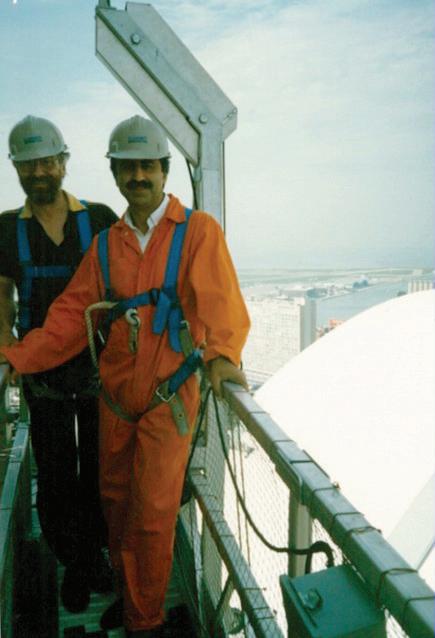
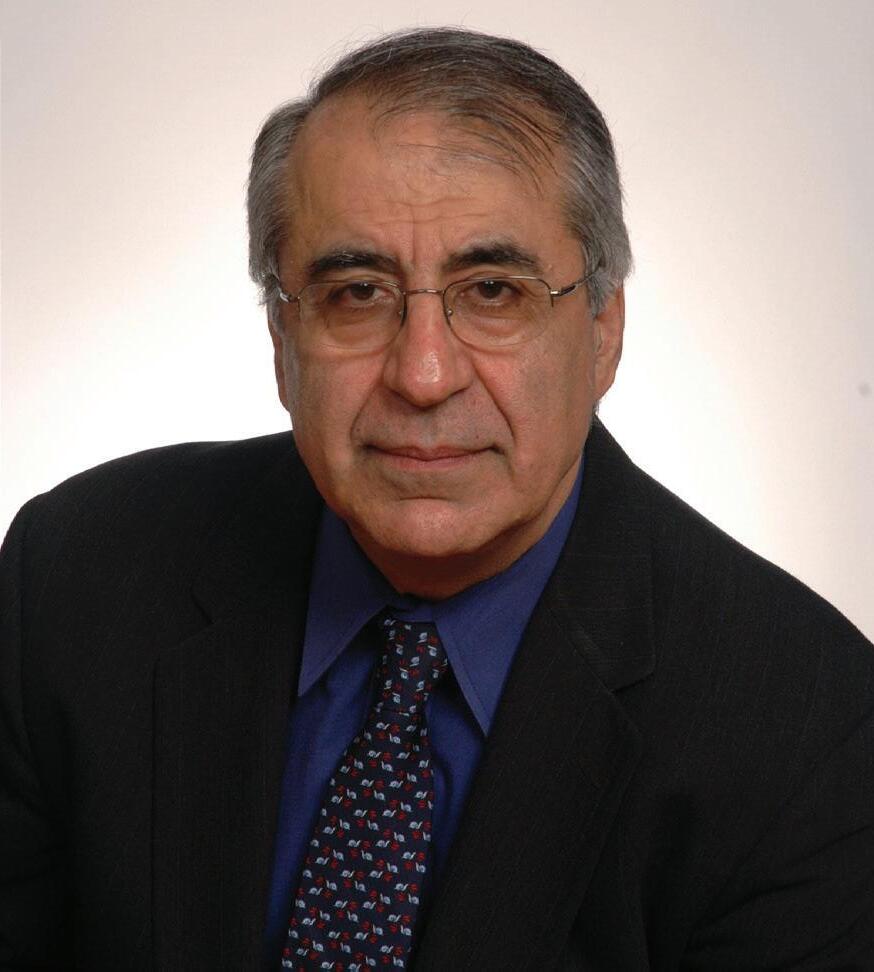
Jamil Mardukhi (right) and a colleague inspect the tower’s concrete from an exterior stage.
The second phase of Mardukhi’s CN Tower work began in 1982, when he was asked to establish NCK’s Toronto office and became the tower’s lead structural engineer.
“Buildings have to be taken care of,” Mardukhi says, explaining that the CN Tower is a highly exposed structure, constantly subjected to air pollution, rain, snow and freeze-thaw cycles, so it requires more attention than typical structures.
A major inspection-monitoring project was undertaken in the 1990s and 2000s. To understand how they behaved under the wind, he says, “We were always monitoring the behaviour of the tower and the antenna.” This also involved inspecting the concrete and steel for signs of problems that might need fixing, work that later became an annual routine.
“We had to develop swing stages to go up on the tower from the outside,” he says, noting that before then, they did not have instruments to examine the concrete from the outside because the tower’s design made scaffolding impossible.
Now retired, Mardukhi still sits on the board of trustees of the Canadian Society of Iranian Engineers and Architects (Mohandes), an organization he helped establish with a group of other Iranian engineers in 1988.
“Now, everywhere you go, you hear Farsi [the main language spoken in Iran],” Mardukhi says. But when he arrived in Toronto, there were few other Iranians in Canada. The major waves of immigration
came later, particularly following the 1979 Iranian Revolution and during the 1980s Iran–Iraq War. Mohandes created a community for Iranian engineers and architects, bringing cultural and social events to its members, as well as providing technical education opportunities.
Any time he talks about the CN Tower, Mardukhi emphasizes the importance of acknowledging the contribution of some 1600 workers and technicians who helped build it. “We engineers and architects end up being proud of our role,” he says. “[But without] those hard-working technicians, the CN Tower could not be built.” e
Decisions of the 578th meeting of Council on June 19, 2026
By Nicole Axworthy
At its June meeting, Council approved a final policy proposal for a revised continuing professional development (CPD) program. Council directed staff to work with the Ministry of the Attorney General to prepare Regulation 941 amendments under the Professional Engineers Act (PEA) to implement the program. Some proposed CPD program changes include:
• Changing the program name from the Practice Evaluation and Knowledge (PEAK) program to the Continuing Professional Development (CPD) Program;
• Making the practice declaration an ongoing licensing requirement to be reported outside the CPD program;
• Replacing the Professional Practice Questionnaire with a Professional Development Self-Assessment that supports licence holders in identifying learning goals for the year;
• Assigning all non-exempt licence holders the same number of CPD hours (12) each year; and
• Replacing the current two-step reporting cycle with one annual reporting deadline for all elements (including the Professional Practice Module) and maintaining the current requirement for any required CPD hours to be completed within a single year.
This decision follows a June 2025 Council motion directing the CEO/ registrar to initiate targeted engagement with relevant stakeholders to ensure inclusive and comprehensive input into the re-evaluation of the program as part of PEO’s commitment to continuous improvement (see In Council, Engineering Dimensions, Summer 2025, p. 50).
Council heard a presentation from Ontario Fairness Commissioner Irwin Glasberg on the OFC’s work advancing fair registration practices and reducing barriers. Commissioner Glasberg was appreciative and supportive of PEO’s efforts to date to comply with recent changes to the Fair Access to Regulated Professions and Compulsory Trades Act and related mobility legislation.
Council approved a Council evaluation and board culture project action plan.
In March, Council received the Council Performance Evaluation Report prepared by Watson Advisors and directed the Governance and Nominating Committee (GNC), in conjunction with staff, to develop a proposed action plan to address the recommendations arising from the evaluation (see In Council, Engineering Dimensions, Spring 2026,
p. 41). The proposed action plan incorporates findings from both the Council Performance Evaluation Report and the Board Culture Project and identifies initiatives already underway, opportunities that can be addressed in the short term, as well as longerterm initiatives that may require legislative or regulatory change.
Council approved the 2026–2027 work plans for its four governance committees. Under the governance model adopted by Council, all governance committees propose their annual work plans to Council for approval. The work plan provides a meetingby-meeting roadmap and general assurance that the organization’s key strategic initiatives and the duties and responsibilities of the committee will be addressed in the 2026–2027 term.
Council also appointed the 2026–2027 Council chair to membership of all governance committees.
Council approved revisions to PEO’s procurement policy and expenditure approval policy, effective January 1, 2027. The revisions include retiring the extraordinary expense policy, the provisions of which have been merged into the revised expenditure approval policy. As part of the motion, Council also approved a proposed update to section 45 of Bylaw No. 1 that transitions certain approval thresholds from bylaw to Council-approved policies.
Council moved forward on previous commitments to a competency-based nomination and remuneration framework, with a direction to staff to work on necessary changes to the election and qualification provisions contained in Regulation 941 under the PEA. Council also decided to return role descriptions for the Council president and the chair back to the GNC for review and to report back with recommendations to Council at its October 2 meeting.
In March, Council endorsed establishing a competency-based nomination and remuneration framework for councillors, including developing a councillor remuneration structure, a skills- and competency-based nomination model and clearly defined role expectations for councillors.
Council approved the Council communications protocol, as presented at the meeting. It establishes clear and consistent protocols for communication among councillors and between councillors and staff to enhance Council effectiveness.
Council approved a revised councillor training protocol and allowed, as a one-time transitional measure, councillors who were serving on Council between January 1 and April 25, 2026, and who continued to serve on Council following the
commencement of the 2026–2027 Council term, to be eligible for a maximum training allowance of $4,000 for the period from January 1, 2026, to April 30, 2027.
Council approved reimbursement for one Engineers Canada director attending Council meetings virtually as an observer, in accordance with PEO’s expense reimbursement policy, and that no reimbursement be provided for in-person attendance by Engineers Canada directors.
Council appointed Stephanie Holko, MBA, P.Eng., ICD.D, as PEO’s deputy registrar, pursuant to section 3(8) of the PEA. Holko joined PEO’s executive leadership team as vice president, regulatory operations in May. e
YOU NOW HAVE THE OPTION TO RECEIVE a print or digital version of Engineering Dimensions.
Go to www.peo.on.ca and click on “Log In” at the top of the homepage. You will be directed to the PEO portal, where you can log in and choose the print or digital version of Engineering Dimensions under the Profile tab. If you don’t choose a preference, you will continue receiving the digital version. To ensure the magazine gets to you, please check that your email and mailing addresses are updated in the portal, too.







Rachel Prudhomme, BEng, MSc, P.Eng., BPHE Chair
Rachel Prudhomme worked in the municipal sector as a director for 17 years and previously in the private sector as an entrepreneur and a branch manager at a multinational consulting firm for 18 years and in education as a lecturer and then as dean for 12 years. As an entrepreneur, she completed projects in Ontario, Québec, South America and Europe.
Prudhomme has extensive governance experience, having received past appointments to several premier of Ontario’s Provincial Advisory Councils, including the Advisory Council on Women in Business and Industry, the Research Excellence Awards Board and the Mineral Sector Advisory/Council. She also served on numerous boards and committees, such as a hospital board, municipal airport board and a world-class science centre board, to name a few. Prudhomme is a newly appointed voting member of the board of governors at Laurentian University and will also serve on the university’s Governance Committee, Human Resources Committee and Joint Committee on Bilingualism.
Prudhomme was the first female to graduate in her engineering program and became the first fulltime woman member of the faculty in science and engineering at Laurentian University. She is an advocate for women in STEM and has mentored several young women wishing to advance their careers.
In addition to her engineering degree, Prudhomme also holds a bachelor of health education, a master of science in applied physics, a master’s certificate in municipal leadership, a graduate diploma in public administration, and she has completed all coursework towards a PhD in engineering. She hopes to complete her PhD thesis as a retirement project. She enjoys learning languages and is fluent in English, French and Italian, has good abilities in Spanish and is currently learning Mandarin. She also appreciates the arts and enjoys classical as well as today’s Top 40s music. She is an accomplished pianist and has composed and performed the musical score for an award-winning play. rprudhomme@peo.on.ca

Leila Notash, PhD, P.Eng., FEC President
Leila Notash is a professor in the department of mechanical and materials engineering at Queen’s University and was previously an assistant professor at the University of Windsor. Notash grew up in Iran and received her BASc, MASc and PhD degrees in mechanical engineering from the Middle East Technical University, Turkey; University of Toronto; and University of Victoria, respectively. Licensed by PEO in 1996, she joined PEO as a member of the Academic Requirements Committee (ARC) in 2003, served as the vice chair and then chair of ARC from 2015 to 2018 and was vice chair of the Kingston Chapter from 2015 to 2019.
Notash is an associate editor (AE) of Mechanism and Machine Theory and the American Society of Mechanical Engineers (ASME) Journal of Mechanical Design (2022–2024) and was an AE (2014–2020) and guest AE (2021–2022) of the ASME Journal of Mechanisms and Robotics and CSME Transactions (1999–2017). She was the symposium/ program chair/co-chair of ASME International Design Engineering Technical Conferences and Computers and Information in Engineering Conference. She was a member of the Canadian Committee for the Theory of Machines and Mechanisms executive (1998–2004) and International Federation for the Theory of Machines and Mechanisms Permanent Commission on Communications (2001–2011) and was the chair of PC from 2006 to 2011. Notash has served on the Queen’s University Senate since 2009. She is committed to equity, diversity and inclusivity (EDI) and has championed EDI among her students. She was a member (2009–2011, 2018–2020) and chair (2010–2012) of the Queen’s Senate Educational Equity Committee and the Canadian coordinator of an international capstone design project to provide international experience for undergraduate students (1997–2003). leila.notash@queensu.ca
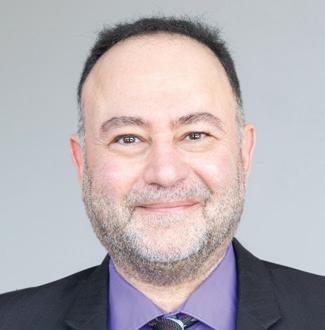
Fred Saghezchi, MASc, P.Eng., FEC
Past President
Fred Saghezchi received his master’s degree in mechanical engineering from the University of Waterloo in 2003 and has 30 years of diverse professional experience specializing in product development. His professional experience includes working with Fortune 500 companies in a variety of fields, including aerospace, automotive and the heavy industries. In addition to his status as a professional engineer in Ontario, he is the recipient of a handful of certifications received from several associations in Canada and the United States. Saghezchi currently runs his own company offering services and products to industry, such as solar energy, stack-up parking systems and electronic vehicle chargers.
He has been an active member of PEO’s Willowdale/ Thornhill Chapter for the past 20 years. Saghezchi views the role of PEO Council and staff as serving licensed professional engineers, the real stakeholders, by monitoring engineering work for public safety and following regulatory actions to make sure the credibility and reputation of the stakeholders are protected. As past president, Saghezchi is determined to change the Professional Engineers Act to reflect these values. He is also an avid supporter of self-governance in the engineering profession: only engineers can promote engineering values, not government. Saghezchi believes only a strong-president system, where the president is given increased administrative authority, can make an organization prosper and succeed. He believes in a grassroots approach to the presidency, driven by feedback and support from all members regardless of their geographical location. fsaghezchi@peo.on.ca



Sardar
Asif Khan,
PhD, MBA, P.Eng., FEC, PMP President-elect
Sardar Asif Khan is a proactive, results-driven leader with a distinguished career in business transformation, operational excellence and largescale manufacturing optimization. He currently leads continuous improvement at Stellantis parts and services, supply chain North America, while driving innovation and efficiency across operations in North America.
Khan received his doctor of engineering in manufacturing systems from Lawrence Technological University, master of business administration from Central Michigan University, master of engineering in manufacturing engineering from Wayne State University and bachelor of electrical engineering from the University of Engineering & Technology, Pakistan.
Since 2014, in his professorial role within the faculty of engineering at the University of Windsor, Khan has mentored and inspired numerous graduate engineering students about the benefits of lean manufacturing and the lean principles involved. Passionate about bridging the gap between academia and industry, he equips the next generation of engineers with real-world insights.
He is deeply engaged in professional and community service, serving as a director of the Windsor-Essex County Board of Health, chair of the Automotive Product Design Advisory Committee at St. Clair College and warden for the Calling of an Engineer (Camp 14). Passionately active in PEO, he has served on the Windsor-Essex Chapter board since 2006 (including as chair and many other roles) and vice chair of the Government Liaison Committee, working to enhance regulatory policies and strengthen engineering governance.
A recipient of numerous accolades—including the FCA Top Leadership Award (Leader of Leaders), PEO Order of Honour (Member level), Ontario Volunteer Service Award and Windsor-Essex County Engineer of the Year Award—Khan’s achievements are a testament to his contributions to the engineering profession, leadership and service. He remains committed to strengthening PEO’s role as a regulator, while advancing the engineering profession’s impact on society. akhan@peo.on.ca

Paula R. Klink, PhD, P.Eng., FEC
Vice
President (appointed)
Paula R. Klink is an environmental engineering consultant in Kingston, ON, with over 25 years of experience in areas ranging from air emissions modeling for small businesses to source water protection, with special expertise in historic landfills. She designed diesel engines and developed and implemented emission monitors and controls in coal-fired boilers. In addition, she has developed and taught environmental and engineering courses at both Queen’s University and Royal Military College.
Klink served as a volunteer member of Engineers Canada’s Canadian Engineering Accreditation Board (CEAB) for over 10 years in positions with increasing leadership responsibility, culminating as chair in 2022–2023. She also acted as liaison between CEAB and the Engineers Canada board of directors. Klink has experience evaluating international engineering licensing practices with the International Engineering Alliance, most recently serving as chair of an APEC evaluation.
Klink has been involved in women in engineering activities since the 1980s when she was an undergraduate engineering student at the University of Wisconsin. She has held national roles in the Society of Women Engineers, but she is most proud of her work creating the activity GoEngGirl. pklink@peo.on.ca

Shahandeh Hannah Ehtemam, P.Eng. Councillor-at-large
Shahandeh Hannah Ehtemam is a seasoned civil engineer with over a decade of experience, holding a BEng in civil engineering with a minor in management sciences from Toronto Metropolitan University. Licensed as a professional engineer in Ontario and Alberta, she also holds her PMP certification from the Project Management Institute. Ehtemam has been volunteering with PEO since 2014 and has most recently served as the chair of York Chapter for two consecutive terms from 2022–2024. As an avid volunteer, Ehtemam is also an active member of the Tunnelling Association of Canada as part of the Equity, Diversity and Inclusion Committee.
Ehtemam’s expertise lies in project management, design management and construction supervision. Her career highlights include serving as the design manager for grade separations on Metrolinx’s On Corridor Works project, a pivotal project within Ontario’s historic GO Rail Expansion Program. As deputy design manager for the Green Line LRT in Calgary, she showcased her leadership in conceptual design and planning for a 460-km low-floor LRT. Her commitment to excellence is evident in her meticulous approach to problem-solving, visualizing challenges and implementing engineering best practices. With a track record of success in diverse projects and a passion for infrastructure development, Ehtemam is poised to continue making significant contributions to the field. She believes in continuous learning and collaboration and is truly grateful for the opportunity to serve the engineering community and champion young professionals in STEM. shehtemam@peo.on.ca
Councillors-at-large

Sean Decloux, MEng, MBA, P.Eng., PMP
Sean Decloux holds a bachelor of civil engineering from the University of Maine (2016), where he balanced academics with playing Division 1 football. Building on his engineering foundation, he earned a master of engineering (2021) and an MBA (2024) from the University of Toronto.
Since 2016, Decloux has been guiding clients across Ontario in delivering critical infrastructure projects. Decloux’s experience spans engineering design, construction and program management, providing him with a deep understanding of how theory translates into real-world applications that serve the public.
Proud to hold the title of professional engineer, Decloux is committed to advancing the profession. As a councillor-at-large, he seeks to shape PEO’s future—driving it toward greater inclusivity, accessibility and impact to support engineers and aspiring engineers at all stages of their careers. sdecloux@peo.on.ca
Shahandeh Hannah Ehtemam, P.Eng. (see Executive Committee)
Paula R. Klink, PhD, P.Eng., FEC (see Executive Committee)

Susan Jingmiao Shi, MEng, P.Eng., IRP
Susan Jingmiao Shi earned her bachelor of applied science degree in environmental engineering from the University of Windsor in 2010, graduating with distinction. She then obtained her master of engineering degree in civil engineering from Queen’s University in 2013. With nearly 15 years of experience in the consulting industry, Shi has collaborated with municipal, First Nations and industrial clients across Ontario on various projects, including water and wastewater treatment, water storage, pumping station and lagoon. One of Shi’s most notable experiences is in master planning and class environmental assessment for municipal water and wastewater systems. She brings a grounded and practical approach to the early planning stages of projects, leveraging her expertise in complex design projects. Shi is recognized for developing long-term solutions that are practical, affordable and defensible. Additionally, she is seasoned in public consultation and has led local projects that have attracted significant public and stakeholder interest.
Shi has been actively involved in the PEO chapter system, beginning her volunteer work with the Kingston Chapter in 2016 and serving as chapter chair from 2023 to 2025. She is a strong advocate for the chapter system and values engaging with members at the local level. sshi@peo.on.ca
Tim Kirkby, P.Eng., FEC
Tim Kirkby grew up working with his dad at Kirkby’s Welding Ltd., where he learned the trade of welding, structural steel, operating cranes, compressors, various equipment and industrial repairs in Gananoque, ON, and throughout Kingston, ON. Always an entrepreneur, as a teen Kirkby created a Gananoque-Thousand Islands cottage maintenance and winter snow service. Encouragement from his parents for education, as well as his father’s untimely death at an early age, guided Kirkby to St. Lawrence College, Kingston, and later to a bachelor of engineering degree in civil engineering from Lakehead University. Kirkby enjoys life on Howe Island, ON, and lives in Summerstown, ON, with his wife, Sue.
Employment as an engineer began in Clarks Harbour, NS, where he enjoyed working with former prime minister Bob Stanfield’s nephew, followed by a career with the federal government, including work with the Coast Guard (a fun and exciting position for a “river rat”), Parks Canada and nationally with Public Works. His appreciation for his St. Lawrence River waterfront farms stemming from growing up as a “river rat” continues. His community involvement has included president of the Cornwall United Way; board of governors of St. Lawrence College, Cornwall Community Hospital; and national group president of the federal government engineering, architecture and land surveyors bargaining unit (with 4700 members), where he negotiated eight rounds of employment contracts and is a recognized PIPSC life member. Kirkby’s volunteerism at PEO spans 30 years in many roles, and he was inducted as a member to PEO’s Order of Honour in 2022. He thanks all friends and supporters. tkirkby@peo.on.ca
Nanda Layos Lwin, P.Eng., FEC
Nanda Layos Lwin is a professor in the School of Environmental and Civil Engineering Technology at Seneca Polytechnic in Toronto. In February 2023, he was elected as an East Central Region councillor on PEO Council. Prior to his election to Council, Lwin served 18 years on the executive of PEO’s Willowdale/Thornhill Chapter, four of those years as chair. He also sat on PEO’s East Central 30 by 30 Committee and was a member of the Government Liaison Committee. He is a member of the Ontario Society of Professional Engineers and the Council of Tall Buildings and Urban Habitat. In recognition of his contributions and service to the engineering profession, Lwin was made a fellow of Engineers Canada in 2015 and inducted into PEO’s Order of Honour in 2022.
As an educator, Lwin began teaching at Humber College in Toronto in 2003, and then at Seneca the following year. There, he co-founded the studentrun Seneca Civil Society and publishes an annual directory of civil engineering firms. In 2021, he established the Nanda Layos Lwin Civil Endowed Award for students in financial need.
Lwin holds a bachelor’s degree in civil engineering from the University of Toronto and a master’s degree in engineering and public policy from McMaster University. He has worked in both structural and transportation engineering. While employed at NCK Engineering in Toronto, he fulfilled a childhood dream by working on the structural rehabilitation program of the CN Tower, then the world’s tallest free-standing structure. Lwin is a journalist and the author and publisher of eight reference books on contemporary music and wrote a popular weekly column on music charts. His articles have appeared in The Globe and Mail, canoe.com, and The Hamilton Spectator
In his leisure time, he enjoys keeping track of music charts, listening to music, reading, writing and politics, and he can often be found in a bookstore, museum or art gallery. He has also performed stand-up at a Toronto comedy club and is a former president of the Ruskin Literary and Debating Society, one of the oldest debating clubs in Canada. nlwin@peo.on.ca
Tom Granat, MBA, P.Eng.,
P.E.
Tom Granat is a professional engineer based in Ontario with over a decade of experience in infrastructure, energy and capital project delivery across municipal, commercial and regulated sectors. Licensed as a professional engineer in Ontario, Alberta and the US, Granat also has MIT (US) and Six Sigma certificates.
Throughout his career, Granat has worked across engineering consulting, manufacturing, public sector and infrastructure environments, including experience in defense and consumer industries. His professional focus includes engineering optimization, program delivery and the performance improvement of complex systems.
Granat has led and contributed to a wide range of initiatives, including facility modernization, mechanical system design and energy efficiency programs. Granat also led and wrote technical standards and guidelines. He is experienced in technical analysis, project coordination and working with multidisciplinary teams, contractors, consultants and public-sector stakeholders to deliver projects safely, efficiently and in compliance with regulatory requirements.
In addition to his technical background, Granat is recognized for his structured approach to problem solving, commitment to continuous improvement and ability to align engineering solutions with organizational objectives. His work has been acknowledged through awards and recognition from both public- and private-sector organizations.
Granat is actively involved in the engineering community and is committed to advancing professional governance, transparency and public trust. He is particularly interested in strengthening the role of engineers in society and supporting innovation, sustainability and accountability within the profession. You can reach him by LinkedIn (www.linkedin.com/in/tom-granat) or email. tom.granat@peo.on.ca

Northern Region councillors
Luc Roberge, P.Eng., FEC
Luc Roberge was raised in Verner, a small dairy community in northeastern Ontario. He received his bachelor of engineering science (mechanical) from Queen’s University, was registered with PEO in 1988 and has been a member of OSPE since its inception. Roberge started as an EIT in the pulp and paper industry with MacMillan Bloedel Ltd., went on to work in the lumber industry with Weyerhaeuser and ended his career with Ontario Power Generation in the renewable energy sector.
His participation in the chapter system started 20 years ago with the Algoma Chapter. He has also been a member of the KapuskasingPorcupine Chapter, where he was chair in 2019, and the North Bay Chapter, where he was chair from 2012 to 2014. Roberge has been a member of PEO Council since 2020 as a Northern Region councillor. During this period, he served on the following PEO committees: Licensing, Auditing, OSPE-PEO Joint Relations, Governance, Regional Councillors (RCC), Chapter Task Force and Human Resources and Compensation (HRCC) committees. During this period, he served as chair of the HRCC for three terms, vice chair of RCC for two terms and was the vice chair of the 2023 Volunteer Leadership Conference Planning Committee. Roberge was inducted into the PEO Order of Honour at the Member level in 2019. Before his involvement with PEO, he also volunteered as a Scout leader. He is looking forward to continuing to serve as a Northern Region councillor. lroberge@peo.on.ca

Ahmed Elshaer, PhD, P.Eng.
Ahmed Elshaer is a distinguished faculty member dedicated to enhancing the resilience and sustainability of built environments against natural hazards, particularly focusing on wind and climate impacts.
As the founder and leader of the Structural and Wind Engineering Research Laboratory (SWERL), Elshaer has spearheaded numerous significant research projects and supervised a diverse range of young researchers, from postdoctoral fellows to undergraduate students. With a wealth of academic and professional experience spanning multiple universities and engineering firms in Canada and overseas, Elshaer has contributed significantly to the field of structural engineering. His research portfolio includes innovative studies on wind impact on structures, Indigenous housing, modular structures, aerodynamic and structural optimization and the use of artificial intelligence and machine learning in structural applications.
Elshaer’s dedication to advancing the field of civil engineering is further demonstrated through his active involvement in professional organizations. He has served as vice chair of the Structures Division at the Canadian Society of Civil Engineering (CSCE), chair of the CSCE Structures specialty conference for three years, and as an evaluating committee member for prestigious funding bodies such as NSERC, FRQNT and the Ministry of Economic Development.
In recognition of his outstanding contributions, Elshaer has received several prestigious awards, including the Lakehead Merit Award in Combined Research and Administrative Services (2024), the Equity Diversity and Inclusion (EDI) initiative competition (2022), the Year of Climate Action Award (2021) and the Alan Davenport Award of Excellence in Wind Engineering (2016). aelshaer@peo.on.ca
Western Region councillors

Susan MacFarlane, MSc, PhD, P.Eng.
Susan MacFarlane has a PhD in civil (environmental) engineering from the University of Toronto and a MSc and BSc(Eng) in biological (environmental) engineering from the University of Guelph.
MacFarlane has worked and solved problems in the areas of water, waste, stormwater, wastewater, spills and contaminated sites. Her most recent position was general manager of Lambton Area Water Supply System (LAWSS), which supplies water to about 100,000 people in Lambton County. At LAWSS, she managed capital projects and oversaw the operations and maintenance of the water treatment plant, booster stations and distribution system. Prior to her work at LAWSS, MacFarlane worked for a variety of environmental consulting companies and had the opportunity to provide services to many of the petrochemical and chemical industries in SarniaLambton.
MacFarlane currently volunteers on two committees focused on the health of the St. Clair River, is involved and interested in local politics and has tried her hand at writing plays, short stories and poems. smacfarlane@peo.on.ca

Vicki Hilborn, MASc, P.Eng.
Vicki Hilborn (she/her) began her engineering career working for a design-build firm focused on agricultural anaerobic digesters where she maximized the mechanical and biological operation of anaerobic digester systems throughout North America. Currently, Hilborn works as the engineering program coordinator for the Ontario Ministry of Agriculture, Food and Rural Affairs, where she leads a team of agricultural engineers located across Ontario to support innovation within Ontario’s agri-food sector. In that role, she is regularly asked to speak on topics such as nuisance control and barn fire prevention and was selected as a 2019 Amethyst Award winner in the Outstanding Young Professional Award category. Hilborn has also sat on a number of boards, including the Zooshare Biogas Cooperative and the Canadian Biogas Association.
Hilborn has previously acted as the chapter chair for PEO’s Brantford Chapter and volunteered on several PEO committees, including the Equity and Diversity Committee, Government Liaison Committee and Advisory Committee on Volunteers. Hilborn graduated from the University of Waterloo with a BASc (environmental engineering) and University of Guelph with a MASc (environmental engineering). Hilborn lives in Brantford with her husband; son, Eden; and dog, Wally. vhilborn@peo.on.ca
Ravinder Panesar, P.Eng., FEC
After graduating in civil engineering from MNR Regional Engineering College (now NIT) with honours, Panesar joined the Punjab Water Supply and Sewerage Board, an undertaking of the Government of Punjab responsible for providing the water and wastewater infrastructure in Punjab under the International Development Agency. In 1986, Panesar became estate officer cum engineer to establish the Regional Engineering College campus (now NIT), a joint venture of the Government of India and State of Punjab, where he completed 80 per cent of the campus comprising of an administrative block, various teaching departments, faculty residences and student hostels, sports facilities and the infrastructure of roads, water and wastewater.
In 1996, Panesar migrated to Canada and joined C&T Reinforcing Steel as a detailer and estimator. After obtaining his professional engineering licence in January 2000, Panesar joined PEO’s Brampton Chapter as an executive. Since then, he has served the chapter in various capacities, including chair, vice chair and almost 20 years as GLP chair. As a chapter chair, Panesar invited experts, speakers and politicians to enhance the knowledge and outlook of engineers. Panesar is a member of the Ontario Society of Professional Engineers and has mentored nationally and internationally educated engineers.
In 2002, Panesar joined Albrecht Reinforcing Steel (now AGF Rebar) as a detailer and estimator where he supervised a team of estimators and managed diverse projects. Currently, Panesar is associated with Technoarc Inc., an architectural consultant, and MAGH Engineering Inc. rpanesar@peo.on.ca
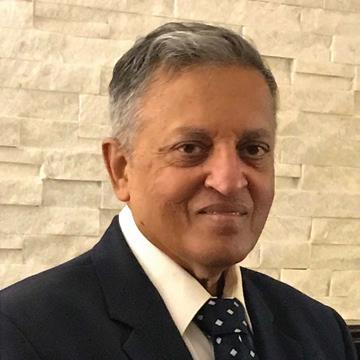
Pappur Shankar, P.Eng., FEC
Pappur Shankar is a mechanical engineer who has worked in many capacities on major EPC projects, ranging from $50 million to $500 million, for the past 35 years. Since 2017, Shankar has been involved in marketing and business development of engineering products. His experience in project management spans a wide range of industry sectors related to power (nuclear, mining, thermal, hydroelectric and utilities), oil and gas, mining and utilities with organizations, including EXXON, Iberdrola USA, OPG, Hydro One and numerous mining and oil companies, and he was a member of the due diligence team for Cold Lake project in 1981.
Shankar is a co-founder and past president of PMI Lakeshore Chapter and a current member of PEO and the OSPE Energy Task Force. He has volunteered with PEO at the chapter level for 17 years in many capacities. He was the vice president of finance and SME for Indo Canada Chamber of Commerce in 2017 and a conference chair of Canada India Business Symposium, held in Toronto, where 130 companies participated. Shankar led the business delegation to India in 2017 as part of ICCC. He aims to address the challenges that must be faced over the next few years and work with Council to address regulatory requirements that will have a positive impact on the profession. pshankar@peo.on.ca

Cosimo Casale, P.Eng., RPP, MCIP, PLE
Cosimo Casale earned a bachelor of applied science in civil engineering from the University of Toronto and an electronics engineering technology diploma from Humber College. He has completed training in negotiation essentials, accounting and finance. He also holds board governance certificates from the Rotman School of Management and the Rudolf Steiner Centre.
Casale maintains engineering licences in multiple provinces and is a registered professional planner and member of the Canadian Institute of Planners. He is also designated as a professional land economist.
With more than 30 years of professional consulting and business experience, Casale has led residential, commercial, institutional and death-care land development projects across Canada. His work includes managing multidisciplinary teams of planners, architects, engineers, ecologists, economists and legal professionals. His experience spans site planning, stormwater management, environmental and civil engineering, building design, planning approvals, permitting, construction administration and property asset management.
Casale has coordinated complex regulatory, land development and infrastructure matters, integrating technical, planning and legal considerations for tribunal hearings and expropriation processes. He has particular specialization in cemetery, death-care and retirement-community development.
He has served as chair, president, vice-chair and director on not-for-profit boards. His governance work has included implementing new governance structures, contributing to strategic planning, supporting policy development and participating in risk governance.
Casale also engages in volunteer initiatives focused on mentorship, community outreach and professional advocacy. ccasale@peo.on.ca
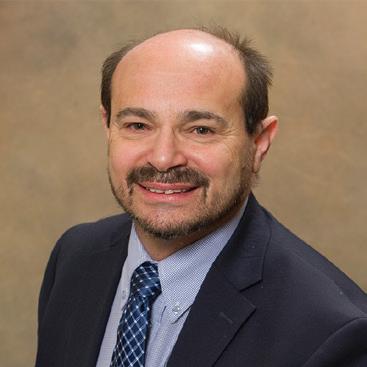
Lorne Cutler, MBA, P.Eng.
Lorne Cutler graduated with a BASc in chemical engineering from the University of Toronto in 1979. He worked for Dow Chemical for four years in Fort Saskatchewan, AB, before returning to the Ivy School of Business at Western University, where he completed his MBA in 1985. In 1985, Cutler joined Export Development Canada (EDC), where he was responsible for signing loans in excess of $1 billion in India and the countries of central and eastern Europe and the former Soviet Union. In his capacity as senior advisor, Africa, Europe and Middle East in EDC’s International Business Development Group, Cutler was primarily responsible for country and sector development strategies, relationship management with Canadian banks and exporters interested in the region and implementation of financing facilities with international financial institutions.
Upon early retirement in 2009, Cutler started a consulting firm, LAC & Associates Consulting, which focused on the areas of policy analysis and development, training, personal finance, personal taxation preparation and strategies, municipal finance, small business consulting, social finance and international business development. For several years prior to 2019, Cutler delivered a Professional Practice Exam training course for international engineering graduates for the Ontario Society of Professional Engineers. He received a Queen Elizabeth Diamond Jubilee Medal, Ontario 150 Award and Ontario Volunteer Services Awards for his volunteer work with such organizations as Ottawa Community Loan Fund and Jewish Family Services of Ottawa. For several years, Cutler has also been president of his local community association and treasurer of the Federation of Citizens’ Associations. Cutler is chair of PEO’s Audit and Finance Committee. lcutler@peo.on.ca
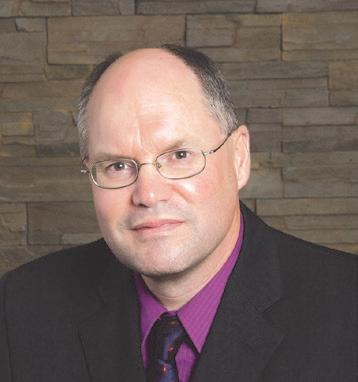
Andrew Dryland is a senior associate, contract administrator with R.V. Anderson Associates Limited, with over 36 years of experience in inspection and contract administration. He has been involved with multi-discipline projects in the mechanical, electrical, SCADA and process works for both water and wastewater projects. He graduated from Cambrian College in 1986 with a diploma in civil technology and started his career with R.V. Anderson Limited.
Dryland became a lieutenant governor appointed councillor to PEO Council in 2020. He is also an active member of Ontario Association of Certified Engineering Technicians and Technologists (OACETT) and volunteers with his local chapter. Dryland is an elected vice president of OACETT’s professional affairs and services board (PASB) and was on the OACETT administration board from 2017 to 2019. As PASB councillor for the northern region from 2009 to 2017, he served as a member of the Policy Committee and provided leadership to northern region chapter executives and members. Dryland was vice chair of PASB from 2015 to 2017 and has over 10 years’ experience serving on OACETT committees and Council. He has been involved with the OACETT Sudbury
Chapter in many different capacities, volunteering as chapter treasurer, secretary and chapter chair for eight years.
Dryland has acquired over 35 years’ experience in managerial roles in large organizations, and this has allowed him to be an excellent public speaker and to develop strong leadership skills. He looks forward to continuing to use these skills for OACETT and PEO to better the engineering industry for all professionals in the field. adryland@peo.on.ca

Lorraine Fraser, PhD, MBA, MEng, P.Eng., FEC
Lorraine Fraser is a registered professional chemical engineer. She completed her PhD in operations, supply chain management and technology in 2025 at Carleton University. She also holds an MBA (University of Windsor), a master of engineering (University of Toronto), Hons. BSc (University of Toronto), along with several additional professional certifications.
Fraser is a multidisciplinary professional with over 25 years of experience in the private sector. She started her career in product development and progressed to roles in process engineering, quality, lean and operations management. Her career has spanned a wide range of industries, including oil and gas, consumer packaged goods, plastics, automotive finishes, chemicals, electronics and food. She has successfully led and influenced major, complex projects across all levels of an organization (unionized and non-unionized), demonstrating strong leadership and collaboration within cross-functional teams. Fraser continues to be active in consulting and teaching. She teaches at the graduate and post-graduate levels at colleges and universities across Ontario and has published peer-reviewed research and presented at professional conferences.
Fraser has been actively involved in volunteer and community initiatives since her teenage years. She serves as a board director of the Compass Charitable Foundation and has served in various capacities with PEO and ASQ, including on the boards of local chapters. She has developed and supported community programs with Toronto Community Housing and continues to contribute to other charitable organizations. lfraser@peo.on.ca

Paul Mandel, MBA, CPA, CA, CBV, CFF
Paul Mandel is a lieutenant governor appointee to PEO Council. He is a chartered professional accountant and chartered business valuator by training and is currently the national business valuations partner for RSM Canada. With 25 years of full-time business valuation experience, his clients include both public companies navigating valuation issues and parties in disputes where value of a business is an issue. He has been accepted as an expert witness by Ontario courts as an expert in business valuation and economic damages. When not working, he is an avid skier and biker and a parent to four children. pmandel@peo.on.ca

Shelly Markel, JD, MBA, ICD.D
Shelly Markel is an accomplished lawyer and business executive. Markel graduated with an undergraduate business degree from the Western Ivey HBA program and then completed the joint JD/MBA program at Osgoode Hall Law School and Schulich School of Business. She is called to the Ontario Bar and practised law for over 20 years. Markel is also an experienced board director and governance professional and obtained the ICD.D designation through the Institute of Corporate Directors (ICD) and Rotman School of Management directors education program. Markel has worked in the financial services and telecommunications industries where she developed extensive knowledge of regulatory environments, legal frameworks and sound compliance programs. Markel’s corporate background in multinational corporations is complemented by entrepreneurial experience in a local legal startup where she focused on strategic growth and developing client relationships. Markel has taught at Seneca College in the graduate business programs and is currently a coach at Helix, Seneca’s innovation and incubator program.
Markel has been a dedicated advisor, board member and board chair at several not-for-profit organizations in the education, immigration and poverty relief sectors. She finds her work with notfor-profit organizations to be very meaningful and is honoured to be able to give back to the community. In her spare time, Markel enjoys skiing and hiking, and she is a music and theatre lover—particularly when the productions involve any of her three children. smarkel@peo.on.ca

Andrew Naassan, P.Eng.
Andrew Naassan is the field engineering manager at Bruce Power, Canada’s largest nuclear power generating site. In this role, he is responsible for the installation and commissioning of new equipment and modifications critical to the life extension of the nuclear fleet. Prior to this role, he held leadership positions in engineering and maintenance.
With 20 years of experience in the nuclear industry, Naassan is a results-driven leader who ensures all aspects of nuclear safety and equipment reliability are the overriding priority in delivering projects. He has a bachelor of applied science in chemical engineering from the University of Toronto. anaassan@peo.on.ca
Rachel Prudhomme, BEng, MSc, P.Eng., BPHE (see Executive Committee)
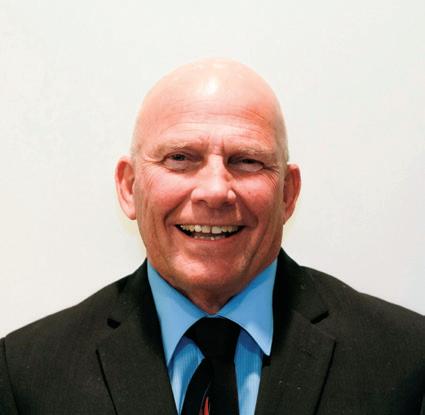
Scott Schelske, P.Eng., FEC
Scott Schelske is a retired professional engineer in Ontario who worked for 47 years after graduating with a BSc in mining engineering from Queen’s University in 1975. His extensive experience in operations, engineering, construction and consulting includes decades in a supervisory or managerial capacity of over $1 billion in capital projects. He has experience in education as both a high school teacher and headmaster of an underground mine training facility and was certified as an industrial and safety trainer. Notable positions include chief engineer at the Griffith Mine, the largest mining operation in Ontario at the time; quarry manager of Cold Spring Granite Company, the largest granite quarrier in the world; regional mineral development consultant with the Ontario Ministry of Northern Development and Mines, where he was nominated for an Amethyst Award and was the Ontario Government’s team leader for permitting of over 50 mining ventures; and manager of mining and engineering at the Lac Des Iles Mine, North America’s largest palladium producer.
Schelske left mining and transitioned into civil engineering with a local consulting firm and spent the last 15 years of his career working with Indigenous Peoples managing two Tribal Council technical services departments. As such, he was the professional project manager for over 100 capital projects, plus the construction or renovation of over 200 housing units for the Anishinaabe People.
Schelske held various positions on the executive for PEO’s Lake of the Woods Chapter for 22 years, was named a fellow of Engineers Canada and inducted to PEO’s Order of Honour for 2020. He was also given a lifetime achievement award by the Worldwide Who’s Who for technical and engineering professionals. sschelske@peo.on.ca
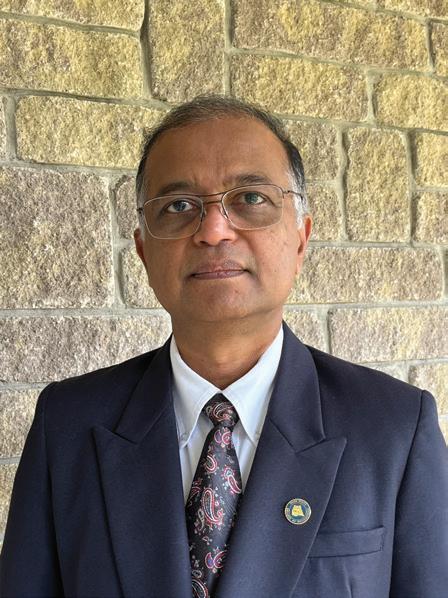
Uditha Senaratne, P.Eng., FEC Uditha Senaratne is the manager of the independent technical reviews department (also known as the Safety Review Committee) at Canadian Nuclear Laboratories (CNL), Chalk River, ON. He is responsible for the independent technical review of all nuclear-safetyrelated documents prior to their submission to the Canadian Nuclear Safety Commission, the federal regulator of nuclear power and materials in Canada. Senaratne has over 20 years of experience in various aspects of nuclear engineering at CNL.
Senaratne holds a B.Sc.Eng. degree in chemical engineering from University of Peradeniya, Sri Lanka (1991) and a Master of Science degree in nuclear engineering from Penn State University, University Park, Pennsylvania, US (1995, Fulbright Scholar). He is a licensed professional engineer with PEO and a fellow of Engineers Canada. Senaratne’s pastimes include photography and model railroading (Canadian Pacific models). usenaratne@peo.on.ca

Sherlock Sung, BASc
After obtaining a bachelor of applied science degree from the University of Toronto, Sung held technical positions in both the public and private sectors domestically and internationally across different industries. His employment experiences include research and development, product design, system commissioning, test and validation, quality assurance, technical instruction, operations, infrastructure management, procurement, contract administration, metrology and team supervision. ssung@peo.on.ca
“Being recognized by the Foundation lifted financial stress and inspired me to keep challenging myself, now I’m pursuing a PhD in Electrical and Computer Engineering.”
Vanessa Hoang

Toronto Metropolitan University
Undergraduate Scholarship Recipient & Gold Medalist


Invest in the next generation of engineers. Every donation to the Ontario Professional Engineers Foundation for Education funds scholarships that transform students’ lives.
Your support empowers the next generation of engineering students who will go on to shape the future.
A scholarship can change a life. Help us change more.
Scan to learn more:


PEO’s mandatory Practice Evaluation and Knowledge (PEAK) program is designed to help licence holders maintain their professional knowledge, skills and competence as engineers and is in keeping with PEO’s regulatory, public protection mandate as set out in the Professional Engineers Act.
Licence holders must comply with the annual program unless they are automatically exempt (those enrolled in PEO fee remission, like retirees). Not complying with PEAK obligations could lead to an administrative licence suspension. For more details, visit www.peopeak.ca