Advert Space Director Emlyn Freeman emlynfreeman@littlegatepublishing.com
Project Director Andrew Richards andrew@littlegatepublishing.com
Commercial Manager James Hamilton james@littlegatepublishing.com
Lead Designer Adam Knights
Research Kristina Palmer-Holt
Editorial Research David Reilly
Corporate Director Anthony Letchumaman anthonyl@littlegatepublishing.com
Founder and CEO Stephen Warman stevewarman@littlegatepublishing.com
For enquiries or subscriptions contact info@littlegatepublishing.com +44 1603 296 100
ENDEAVOUR MAGAZINE is published by Littlegate Publishing LTD which is a Registered Company in the United Kingdom.
Company Registration: 404 2112 62
VAT registration number: 13572767
343 City Road 147 Queens Road London 79 Norwich
EC1 V1LR NR1 3PN
Littlegate Publishing Ltd does not accept responsibility for omissions or errors. The points of view expressed in articles by attributing writers and/or in advertisements included in this magazine do not necessarily represent those of the publisher. Any resemblance to real persons, living or dead is purely coincidental. Whilst every effort is made to ensure the accuracy of the information contained within this magazine, no legal responsibility will be accepted by the publishers for loss arising from use of information published. All rights reserved. No part of this publication may be reproduced or stored in a retrievable system or transmitted in any form or by any means without the prior written consent of the publisher.
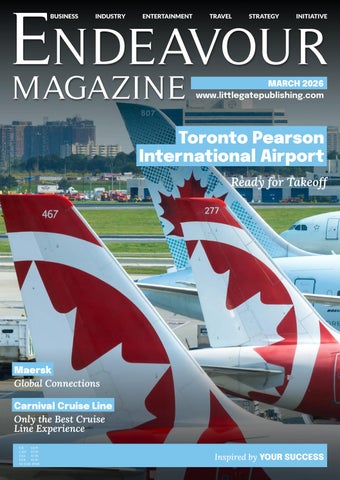
This month, we jump straight in with a key feature on the Toronto Pearson International Airport in Canada. Here, we got to see how the airport serves the millions of passengers that pass through the airport every year. We also highlighted the Pearson LIFT expansion and development project, which will upgrade the airport’s infrastructure and allow it to handle air travel for the future. We are thrilled to have Booster Juice showing lead support for the article here as a healthy, quick service brand located both in the airport’s terminals and as a key brand across Canada.
We then turn to Shell Malaysia, where the company has long played a vital role in the development of Malaysia’s energy sector. We got to see how the Gumusut-Kakap, Malikai, and Rosmari-Marjoram developments are supporting the country’s energy development. Here, we are glad to have Sunduwan Engineering Services supporting the article.
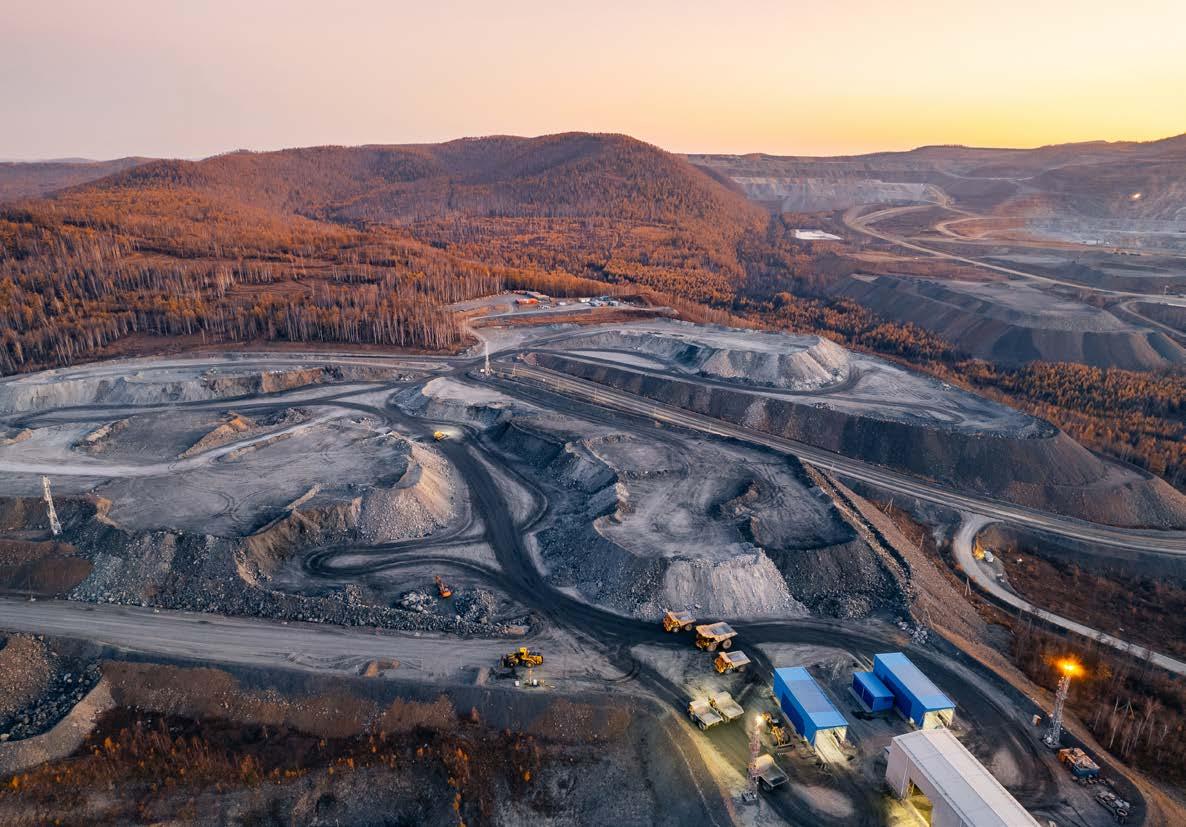
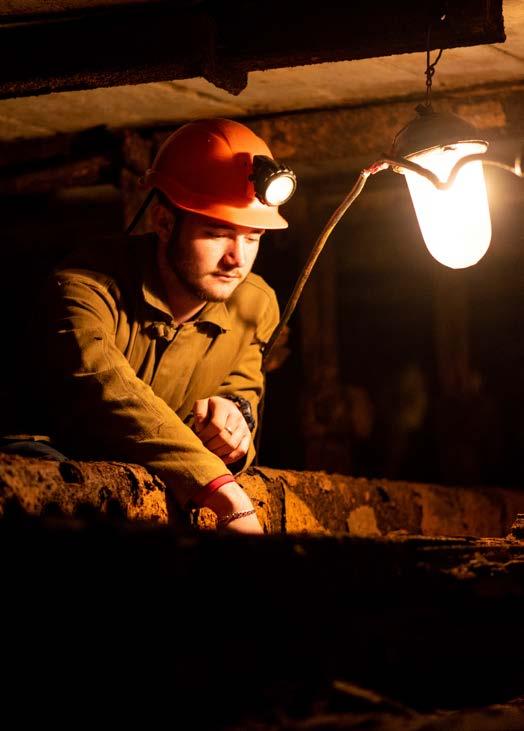
Another great feature this month is on The Antamina Mine, which is delivering a vital range of metals for Peru. The mine delivers copper, zinc, molybdenum and silver resources to support the Peruvian economy, and in the process supports the local community through development projects. We’re glad to have WSP PERÚ S.A. supporting the article.
by Carley Fallows
12 Toronto Pearson International Airport
for Takeoff 20 Shell Malaysia Delivering Deep -Water Projects
26 Maersk Africa Connecting Trade to the World 36 Addis Ababa Bole International Airport World-Class Airport Services 44 Gulf Energy Marking 20 Years of Powering Kenya’s Future
Carnival Cruise Line
the Best Cruise
Maersk
Carnival Cruise Line
Asia/Oceania
Lunar New Year Celebrated Across Asia
The Lunar New Year is a large-scale celebration held between January and February every year. The celebration spans a 15-day festival typically held between 21st January and 20th February every year, which sees countries across Asia have large-scale celebrations.
One of the most common aspects of the Lunar New Year celebration is food, where each country celebrates the festival with a variety of food offerings and traditions. With the Lunar New Year often a time for family reunions, China experiences significant pressure on its transport system as many return home to see family and celebrate the festival.
2026 is the year of the Fire Horse, which is deemed a rare zodiac sign for the year. Zodiacs are determined on a 12-year cycle, which cycles through a variety of animals, and has roots in ancient lunar calendar traditions. However, alongside these zodiacs are five elements. These also rotate with the zodiac animals, creating a 60-year cycle. Each pairing of animal and element is said to influence one’s traits and destiny.
Climate Affecting Mango Farming
Farmers in India are being urged to modernise their mango farming operations due to recent challenges of climate, causing reduced yields. India is the world’s largest producer of mangoes, with 23 tonnes of mangoes harvested every year. However, the unpredictability of the climate, alongside rising costs for pesticides, labour and irrigation, has caused yields to drop across the country.
With more than 700 varieties of mango cultivated across India, each one requires a unique balance of climate, tree physiology and farming techniques. When the balance is offset by rising temperatures or extreme winds, this can severely affect the fruit’s development, causing it to mature too fast. Other factors affecting crop yield are that the plants are heterozygous, which means the offspring rarely resemble their parents. Genetic science has been working to help modernise mango farming and help deliver mangoes that are more climate resilient, disease-tolerant, whilst still having the same sweetness and colour.
Gim Price Driven Up By Global Craze for Korean Snack
Dried seaweed is a popular snack in South Korea, often coming in black, crispy flat sheets. The snack is known locally as gim, and has long been a staple snack for people across the country. However, as Korean food has seen an increase in popularity across the world, the price of gim has increased in Korea.
As the world’s largest producer and exporter of gim, South Korea has been supplying markets across Asia, North America and Europe for many years. However, the price, which is typically around 100 won per sheet, is now being sold for more than 150 won per sheet. This is a record high price for South Korea, and has meant many who enjoy the snack across the country fear the price could continue to rise. The increase in popularity of Korean food across the globe is thought to be influenced by K-pop and K-drama.
Popular Tourist Spot in South Africa on the Brink of Water Crisis
The tourist resort of Knysna fears that it could soon face a water shortage and a major water crisis. This crisis is thought to have been brought about by the water systems’ infrastructure failing to be maintained, causing officials to estimate that around 55% of the town’s drinkable water is lost from leaking pipes. Alongside the infrastructural issues, the region has also experienced a significant drought, leading to a drop in water levels in the main Akkerkloof Dam. Authorities have declared a state of disaster, as the region creeps closer to ‘day zero’ when water might completely run dry.
Knysna is a popular tourist destination and retirement hub for affluent South Africans, and so the water crisis will majorly affect many across the region. A retirement centre in the town has already experienced water shortages, with residents left without water for 10 days. This prompted the centre’s owner to invest in a back-up water supply to include three 10,000-litre water storage tanks and specialised pumps to feed water into the main buildings in the event of water outages.
.
Strikes Cause Delays for Kenyan Aviation
Passengers across Kenya experienced cancellations, delays and diversions in February as aviation workers across the country went on strike. The strikes impacted many airlines, with some having to cancel all their operations during the strike period. The strike was held by the Kenya Aviation Workers Union (KAWU), who were calling for salary negotiations and better working conditions.
One of the largest impacts of the strikes was felt at Nairobi’s Jomo Kenyatta International Airport (JKIA), which is one of the busiest airports in the region, and a hub for air transportation between Africa and the rest of the world. The strike was eventually called off after the KAWU reached an agreement with the transport ministry.
Poachers Convicted Through Lion DNA
In a world first, poachers in Zimbabwe have been prosecuted utilising DNA from a lion. DNA from a blood sample that was taken from a tracked lion in the Hwange National Park has been used in a case against poachers. The lion was being tracked by the national park through a radio collar, but when it stopped working, they feared poachers were involved. Investigators and police traced the last known location of the lion and located a snare with lion fur on it. By collecting forensic evidence, investigators were able to question two men from a nearby village. The men were found with three sacks of meat, 16 lion claws and four teeth, which were tested against the national park’s database and matched that of the missing lion.
This is a first for prosecuting poachers, as often convictions are hard to obtain, with the animal’s death often being said to be from natural causes. However, the DNA and radio tracking collar allowed the recovered meat and existing database profiles to be matched, to identify that it was the missing animal. The database of lions in Zimbabwe has been developed by Victoria Falls Wildlife Trust (VFWT), which received around £250,000 from the Postcode Lottery to develop it.
Americas
Seattle Seahawks
Win Super Bowl LX
February saw AFC champions the New England Patriots face off against NFC champions the Seattle Seahawks at Super Bowl LX. The last time the two sides met was in 2015, when the Patriots secured the victory with a last-minute interception at Super Bowl XLIX. Now, 11 years later, the two teams were in the Super Bowl again, but it was the Seahawks that secured the victory. The final score was 13-29 to the Seahawks, with the Patriots remaining scoreless for three quarters of the game. Whilst the Patriots tried to make a comeback with a touchdown, this was quickly shut down by the Seahawks with an interception.
The Seahawks were led by head coach Mike Macdonald and British defensive coordinator Aden Durde, who put together a critical defensive display, which has become known as ‘the Dark Side’. Durde is the first overseas coach to lead a team to victory in the Super Bowl.
Singer Britney Spears Has Sold Her Entire Music Catalogue
Britney Spears is thought to have sold the rights to her entire music catalogue to music publisher Primary Wave. The sale is expected to have occurred in December 2025 for around £146 million. However, representatives for Britney Spears and Primary Wave have yet to comment on whether the sale has taken place.
For many years, Britney Spears was under a conservatorship, which dictated her personal and professional life. However, the conservatorship came to an end in 2021. In January 2024, Spear announced she would not be returning to music. If the sale has taken place, Spears would join the likes of Bruce Springsteen, Justin Bieber and Shakira who have recently sold their back catalogues.
Floods Cause Landslides in Brazil
Severe flooding in the state of Minas Gerais in the south-east of Brazil has resulted in several landslides across the region. The landslides and flooding were caused by heavy rains, which are currently peaking during the rainy season. The rainy season brings with it multiple thunderstorms, flooding and landslides at this time of year. The recent landslides left 440 people homeless or displaced in the city of Juiz de Fora. The local government has moved these people to a temporary shelter, and is requesting water, food, clothing and hygiene supplies.
The landslides led to several homes and buildings collapsing, resulting in 18 people being killed in Juiz de Fora and a further 7 deaths reported in Ubá. In response to the landslides and flooding, the government has declared a ‘state of calamity’ in Juiz de Fora, and mobilised a wider governmental effort to support those in the region with humanitarian and reconstruction efforts.
FASTER LIFTS FEWER HANDS GREATER EFFICIENCY
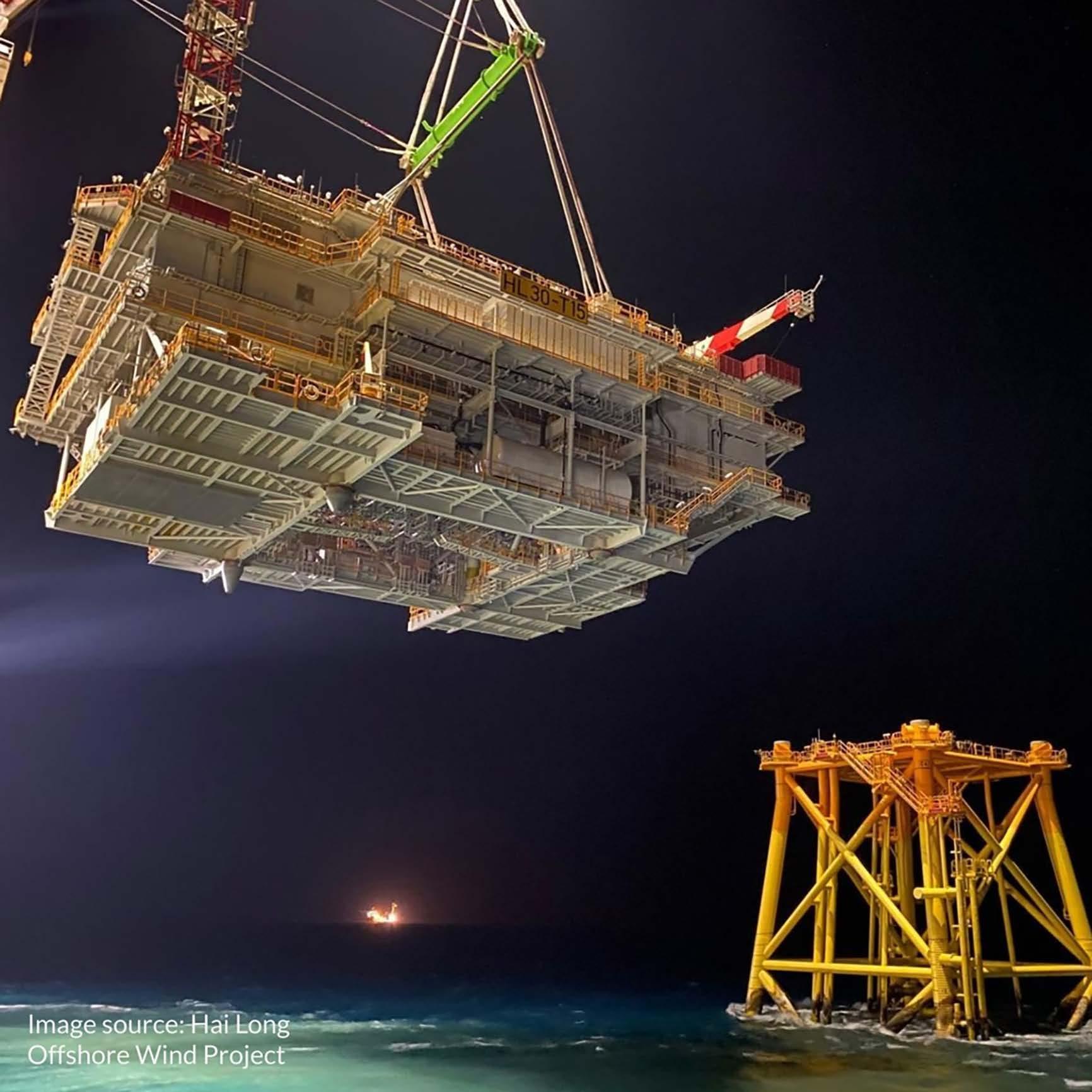
CSBC-DEME Wind Engineering (CDWE) installed its second offshore substation using ROPES BY BAKAERT, powered by BEXCO’s Ultraline® Slings made with Dyneema® SK78®, a lighter, high-strength alternative to traditional steel
FASTER LIFTS
FEWER HANDS GREATER EFFICIENCY
CSBC-DEME Wind Engineering (CDWE) installed its second offshore substation using ROPES BY BAKAERT, powe by BEXCO’s Ultraline® Slings made with Dyneema® SK78®, a lighter, high-strength alternative to traditional steel
This resulted in faster lifts, fewer hands and better efficiency offshore.
This resulted in faster lifts, fewer hands and better efficiency offshore.
For CTRL System Technologies Nigeria Ltd and Nigerian operators, this isn’t just innovation, it’s a shift in how we operate our lifts. Lightweight slings mean easier mobilization, reduced risk, and no compromise on performance. From FPSOs to fabrication yards, CTRL in collaboration with BEXCO is driving smarter, safer, and more costeffective lifting solutions across Nigeria’s energy landscape. Sometimes, the lighter way really is the stronger one.
CSBC-DEME Wind Engineering (CDWE) installed its second of by BEXCO’s Ultraline® Slings made with Dyneema® SK78® steel
For CTRL System Technologies Nigeria Ltd and Nigerian operators, this isn’t just innovation, it’s a shift in how operate our lifts Lightweight slings mean easier mobilization, reduced risk, and no compromise on performan From FPSOs to fabrication yards, CTRL in collaboration with BEXCO is driving smarter, safer, and more costeffective lifting solutions across Nigeria’s energy landscape. Sometimes, the lighter way really is the stronger one
This resulted in faster lifts, fewer hands and better efficien For CTRL System Technologies Nigeria Ltd and Nigerian oper operate our lifts Lightweight slings mean easier mobilizatio
From FPSOs to fabrication yards, CTRL in collaboration with effective lifting solutions across Nigeria’s energy landscape Sometimes, the lighter way really is the stronger one
Middle East
Hand-Operated Washing Machines Delivered to Gaza
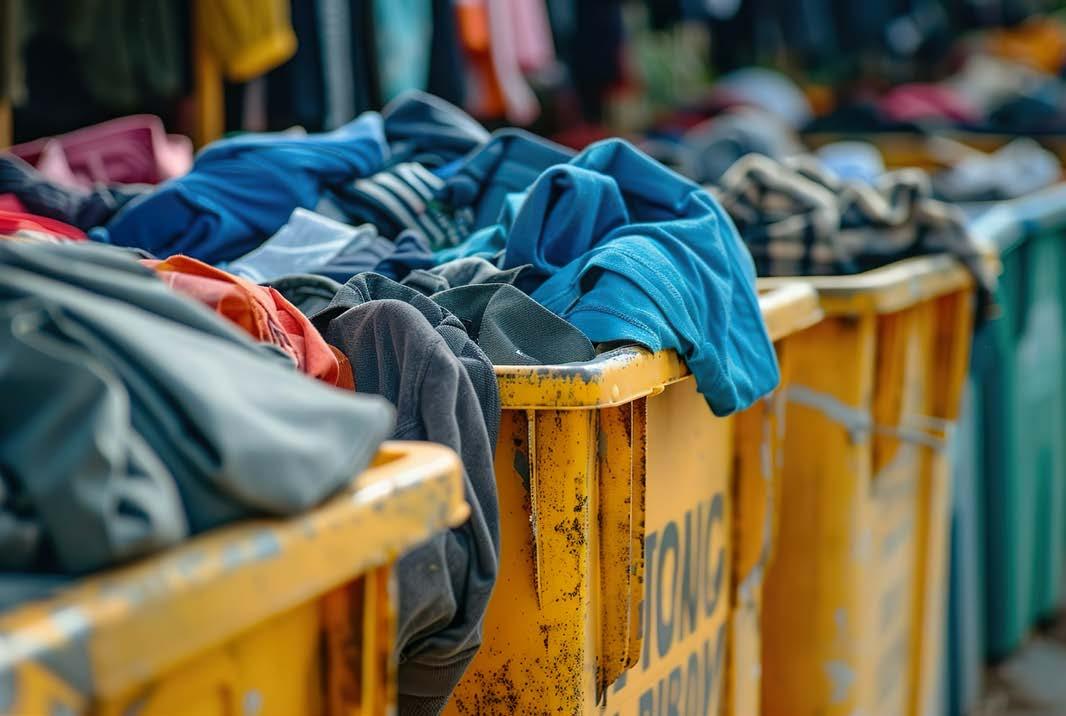
Four hand-operated washing machines were sent to hospitals in Gaza last year, helping to wash blankets and scrubs. The washing machines are part of The Washing Machine Project, which was set up in 2018 in Bristol. However, with the majority of the population of Gaza now displaced by the war, many are living in tents, often without access to washing machines. Therefore, the Washing Machine Project is currently developing an additional 20, with the ambition to develop 1,000 by the end of the year to deliver to Gaza.
The washing machines will make it easier to wash heavy blankets, scrubs and clothes, and so the project is focused on helping the millions of people currently displaced in Gaza. The entire design of the washing machine is being developed to make it easier and less costly to build, with each one designed to be easily distributable and assembled using only simple tools.
Building Collapse in Lebanon
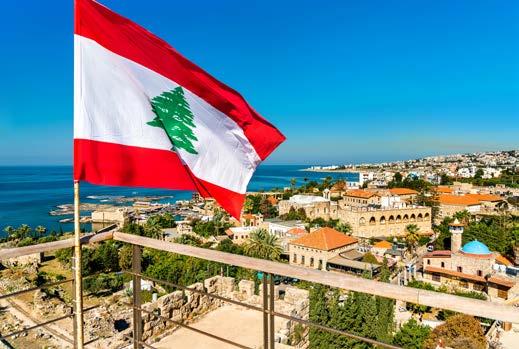
Two residential buildings in Tripoli, in Northern Lebanon, have collapsed, leaving 15 people dead. The adjoining buildings were home to 22 residents, and footage on social media shows the side of the building giving way around the lower floors before both structures collapsed. Following the collapse, large crowds were seen gathering around the collapse site.
The collapse is the 5th residential building to collapse in Tripoli in recent months and highlights growing concerns over old and under maintained building in one of the poorest cities in Lebanon. In fact, the collapse comes just a few days after a different nearby building was evacuated due to structural cracking. The government has outlined that it will provide accommodation for all residents of buildings that need to be evacuated.
Dubai to Host the World’s Largest Aquatics Championship
Dubai is set to host the Dubai International Aquatics Championship (DIAC) between March and April at the Hamdan Sport Complex. The championships will see more than 2,000 athletes from 40 countries compete across a range of aquatic sports. The turnout will be the largest ever seen for the competition and represents Dubai’s growth as a leading international sporting hub.
The event is organised in collaboration with the Dubai Sports Council, and will be delivered technically and operationally in partnership with Apex Sports Academy. The events will feature a range of individual sports events across multiple age groups. Each event will be conducted in line with international standards, highlighting the UAE’s commitment to world-class delivery. The championship will introduce a DIAC Record Programme, where championship records will be recognised for selected events across four strokes, and those who break the records will receive financial rewards and official record certifications.
Europe
Avalanches in the Alps
Major snowstorms across Europe have resulted in heavy snow and strong winds, putting a large part of the Alps at risk of avalanches. Whilst avalanches are common this time of year at the height of the ski season, across the world, there have been more than 90 avalanches reported, many of which have resulted in deaths. In late February, 5 people were killed in a series of avalanches in the Austrian Alps following heavy snowfall.
Climate change is thought to be a key contributor towards the unstable weather, which brings with it periods of heavy snow and then long dry periods, resulting in avalanches. However, whilst the weather may have something to do with the increase in avalanches, the temperature itself could have a direct impact on their frequency too. This is because rising temperatures can cause wet avalanches, which are a lot harder to predict and harder to understand compared to dry snow avalanches. Thus, it seems the changing nature of avalanches could be down to four key issues, which include changing between droughts and heavy precipitation, the precipitation itself, wetter snow and snow that is melting.
Francis of
Assisi’s
Bones Go On Display
Marking 800 years since the death of St Francis of Assisi, his bones will be put on display in the lower church of the Basilica of St Francis of Assisi. This is the second time his bones have been on display, with the first being in 1978 when they were shown to a very limited group of people. The public display has already had around 400,000 people from across the world reserve a place to see the bones.
St Francis of Assisi is one of the most revered figures of Christianity as Italy’s patron saint. He is known for devoting his life to the poor and renouncing his wealth. He also founded the order of the Franciscans. The previous pope, Pope Francis, chose his name and modelled his papacy on St Francis of Assisi’s. St Francis of Assisi’s bones will be on display until 22nd March.
Winter Olympics in Milan
The 2026 Winter Olympics have concluded in MilanCortina, seeing 116 medals awarded across a mix of ice and snow sports. The games debuted a new ski mountaineering competition, which consists of three events: men’s and women’s sprints and a mixed relay. Other new events for the Milan-Cortina games included freestyle skiing, women’s double luge, women’s large hill ski jumps and a mix of team skeleton events. The final medal table places Norway at the top, taking home 18 gold medals, 12 silver and 11 bronze. Second in the medal table was the United States with 12 gold and silver medals and 9 bronze medals.
The closing ceremony was held at the Verona Olympic Area and began with tributes to classical Italian opera before the flagbearers from the 92 competing nations entered the stadium. The ceremony closed with a performance from Major Lazer and Achille Lauro, who are popular Italian musicians.
Toronto Pearson International Airport
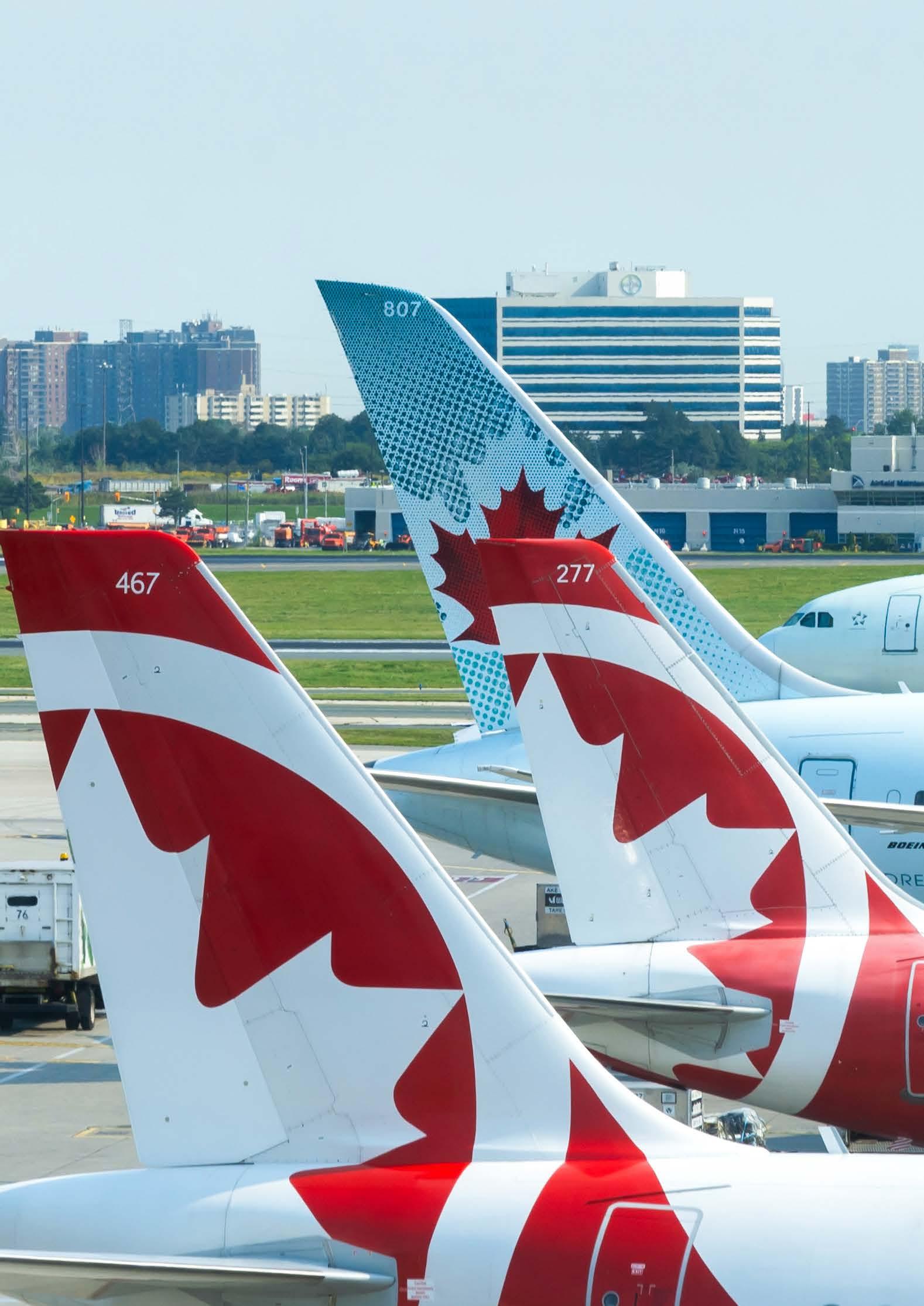
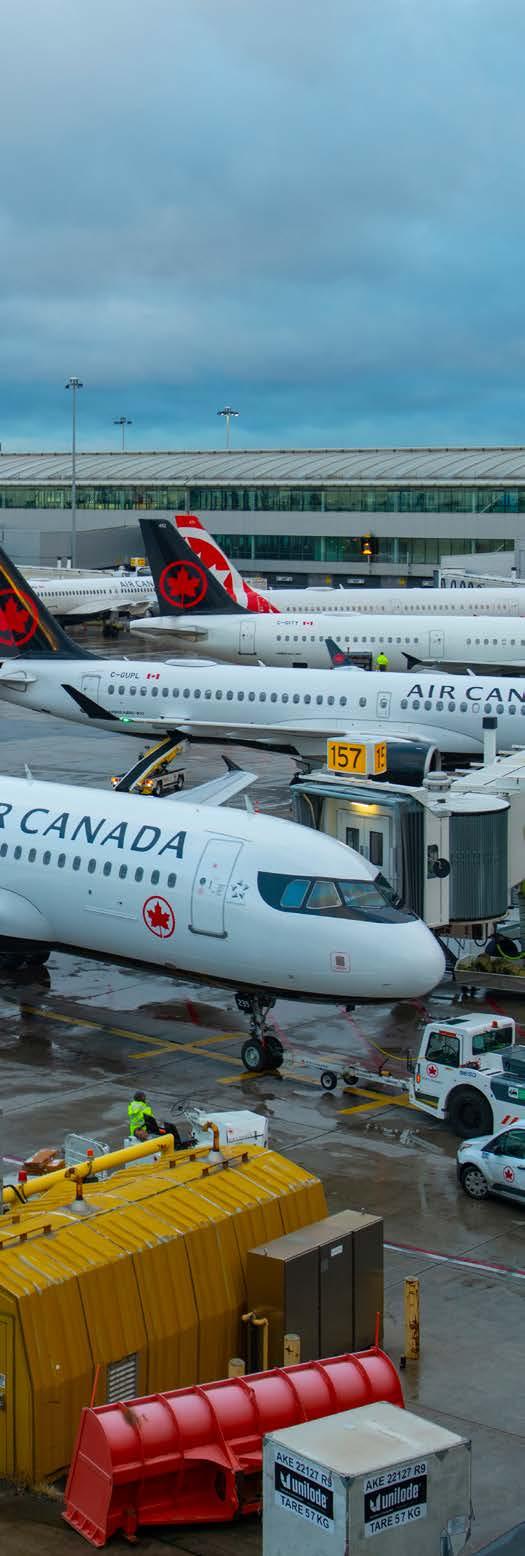
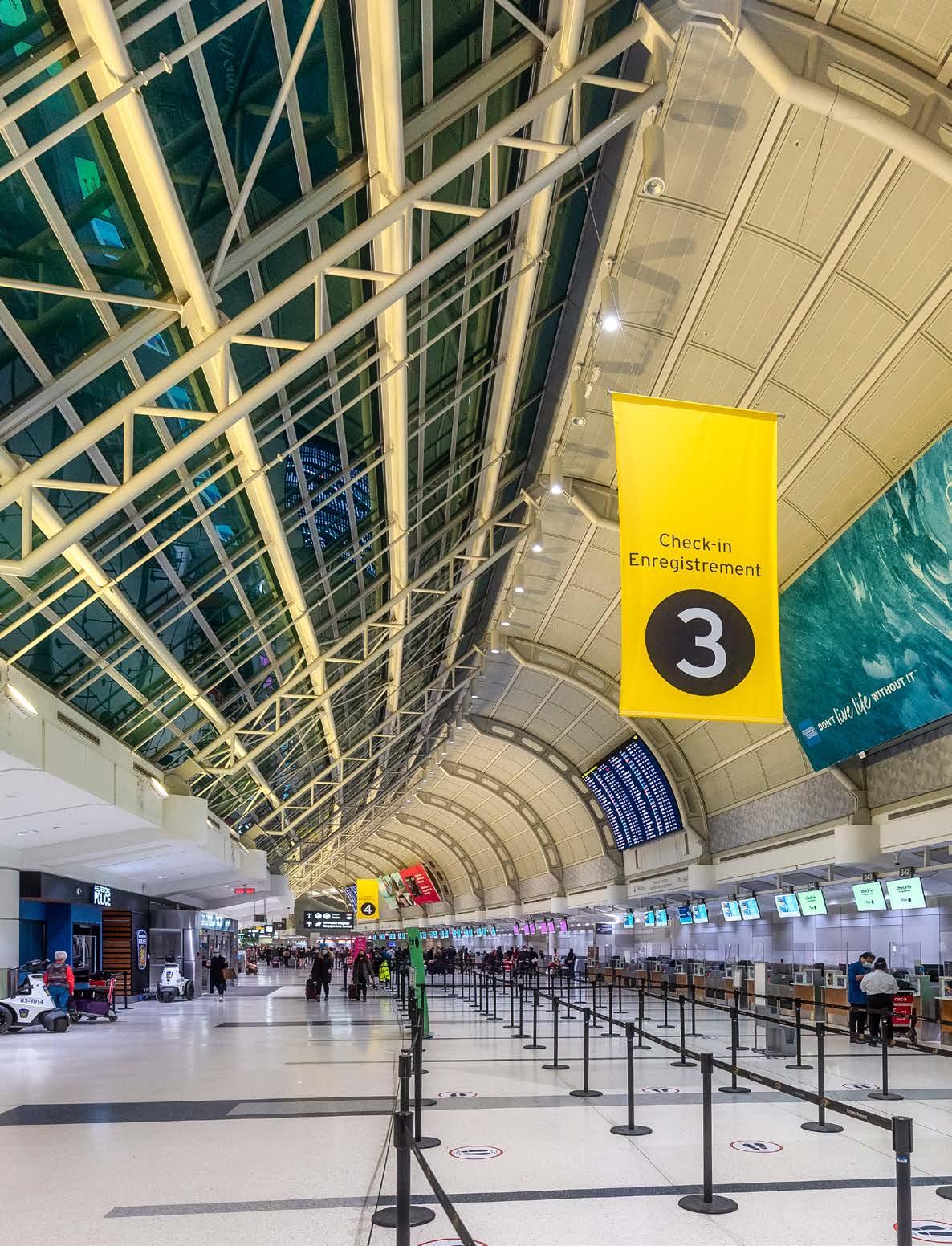
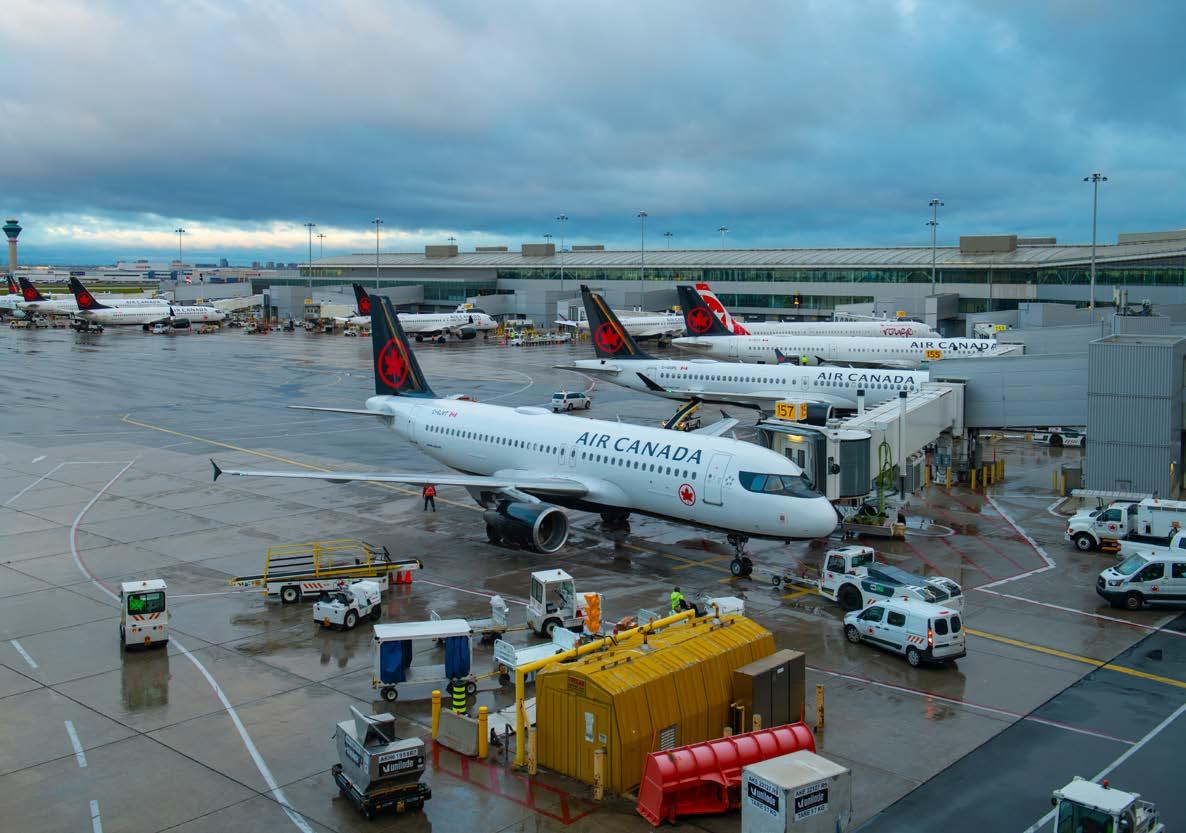
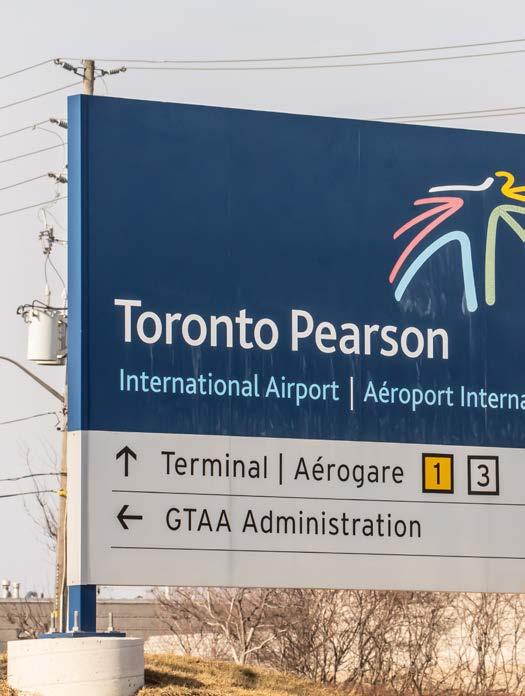
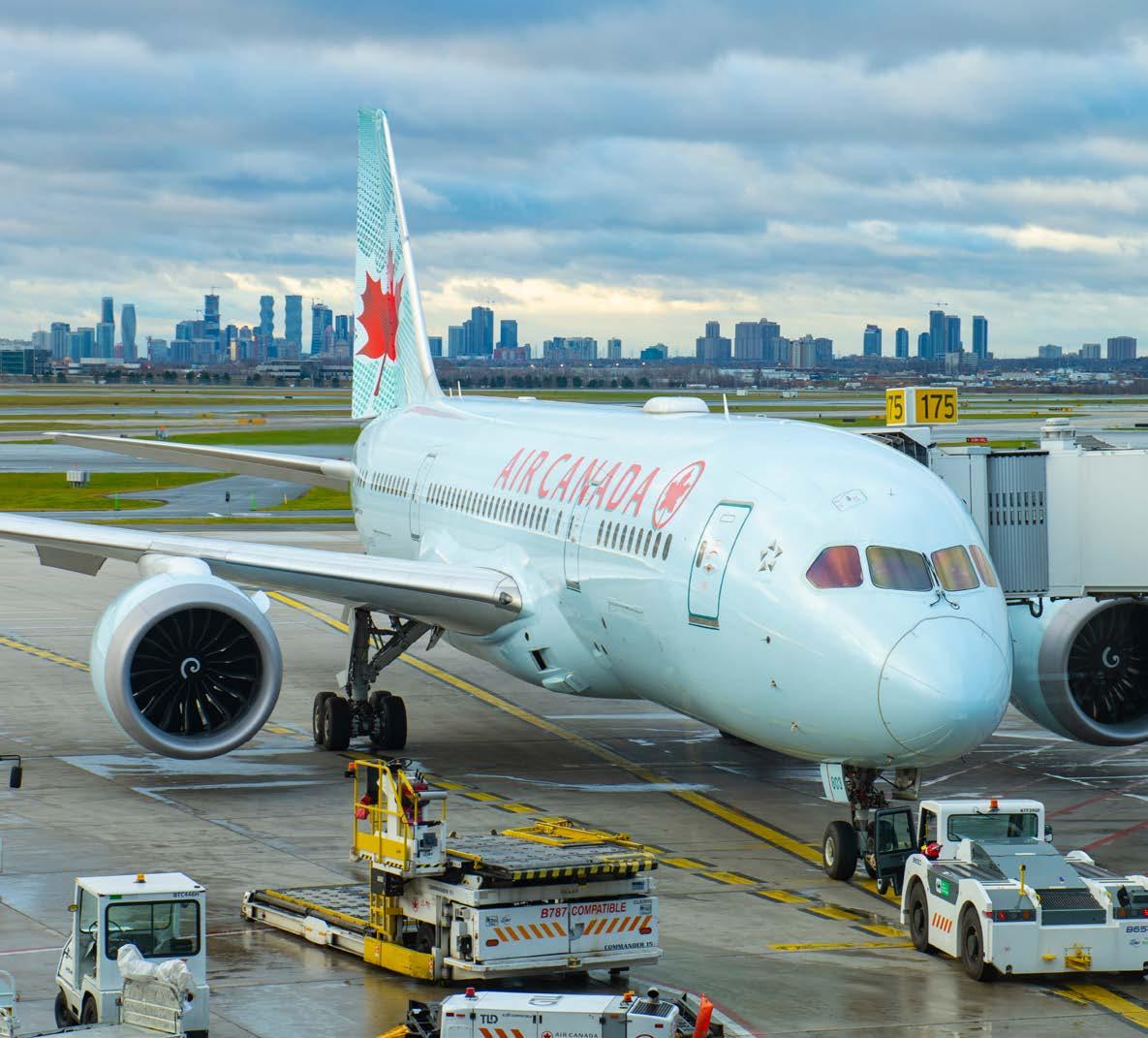
As the largest airport in North America, the Toronto Pearson International Airport serves the Greater Toronto Area (GTA) as a major hub, transporting millions of passengers across the world each year. The airport spans 1.2 million square feet, which in 2024 saw 46.8 million passengers pass through the airport headed for 194 global destinations. Now, with the tourism industry continuing to grow and air travel rapidly expanding, the Toronto Pearson International Airport is expected to see 65 million passengers travel through the airport by the early 2030s, and so it has outlined major plans to upgrade and expand its infrastructure to meet both current and future air transportation needs.
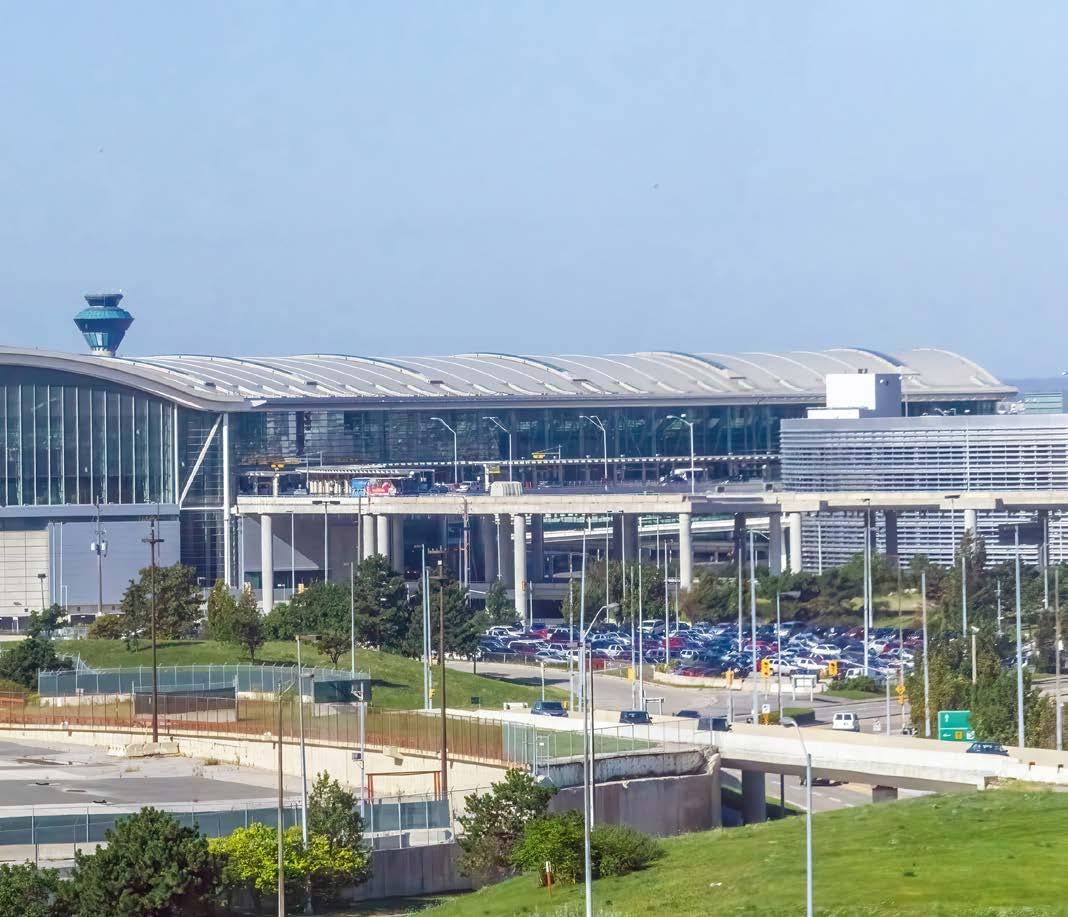
Located in Mississauga, Ontario, the Toronto Pearson International Airport is a leading airport serving North America, encompassing 4-star certified facilities, two active terminals and a free inter-terminal train. The Airport’s primary terminals are Terminal 1 and Terminal 3, which is where the airport’s main operations take place. Terminal 1 has the current capacity to serve 30 million passengers each year. However, the terminal was not always this large, as in 2004, Terminal 1 was demolished, along with Terminal 2 in 2007. In place of these two terminals, the larger Terminal 1 that we see today at the Toronto Pearson International Airport was built, providing passengers with everything they need to support them on their journeys. Terminal 3 then has the capacity for 17 million passengers a year and works alongside Terminal 1 to deliver leading airport services to customers. Externally, the airport has 5 main runways and 30 taxiways serving key international airlines bringing passengers from across the world.
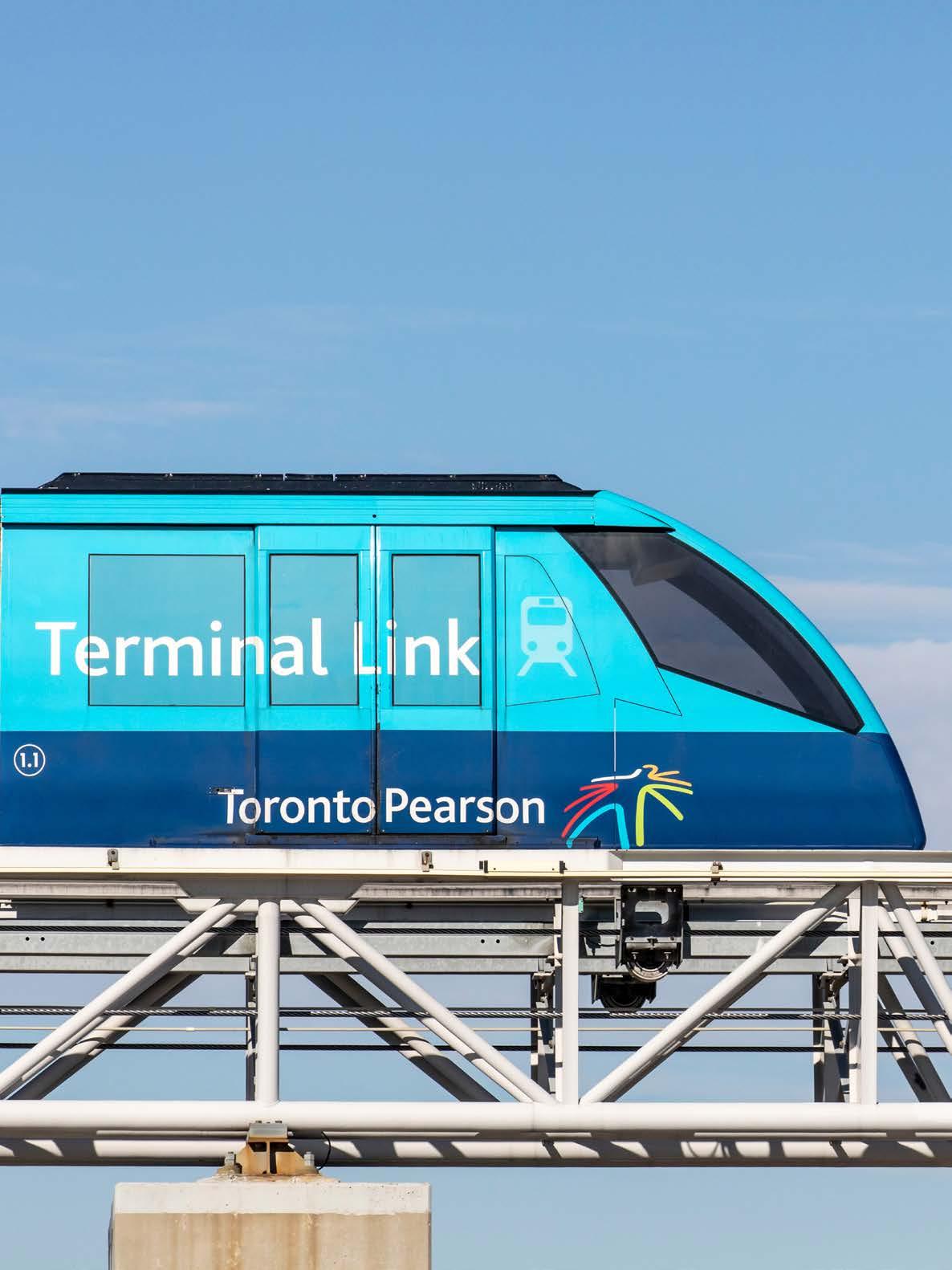
One of the vital infrastructural elements of the Toronto Pearson International Airport is the Terminal Link train. The Terminal Link helps get passengers smoothly and safely between Terminal
1 and Terminal 3, as well as to the local hotels. Currently, the Terminal Link provides direct links to the Sheraton Gateway Hotels and ALT Hotel, as well as to the Viscount Station, including the Value Park Garage and Lot. The train link operates 24 hours a day, ensuring passengers can quickly and reliably get to and from the airport with journey times under 10 minutes.
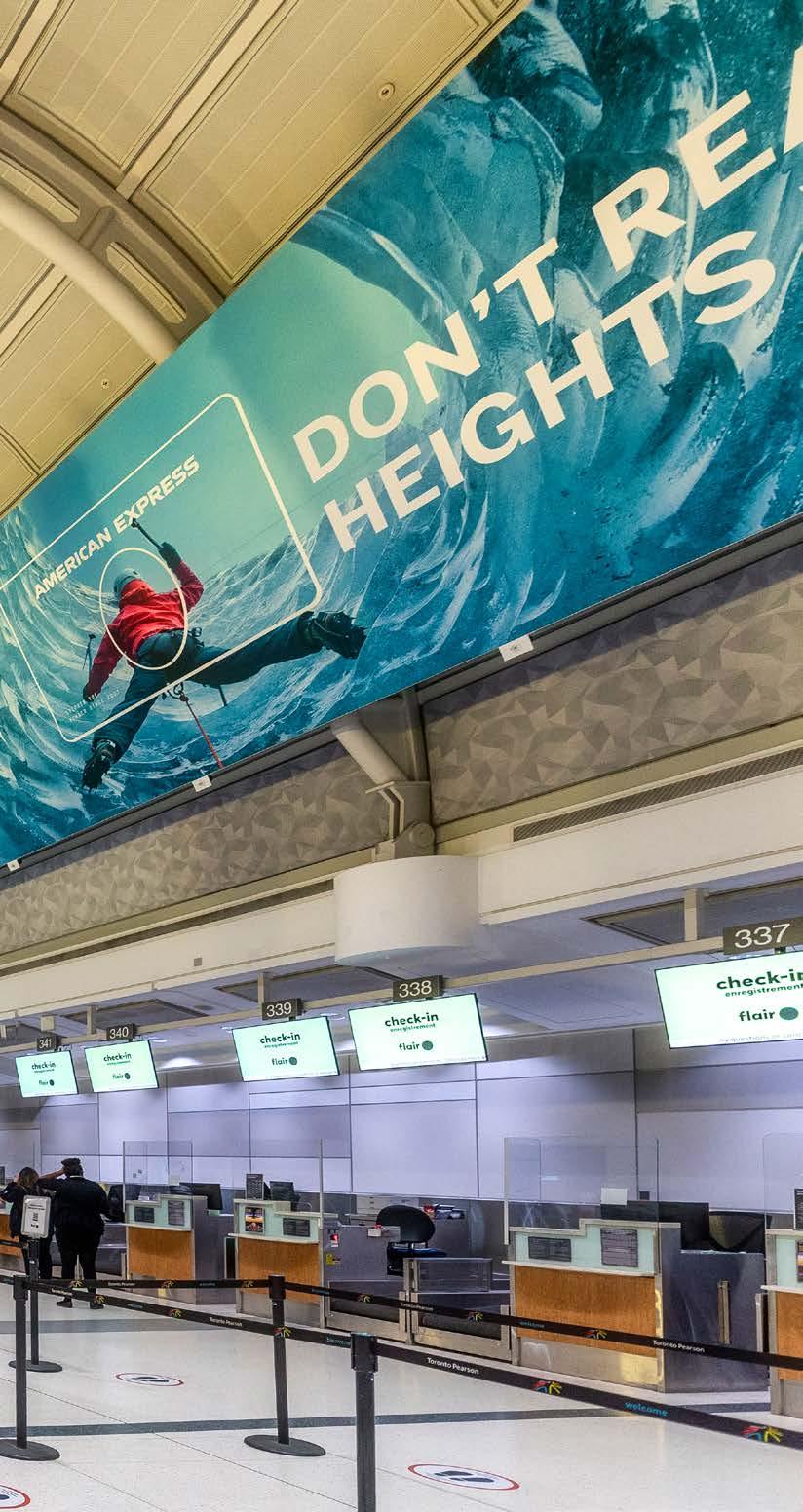
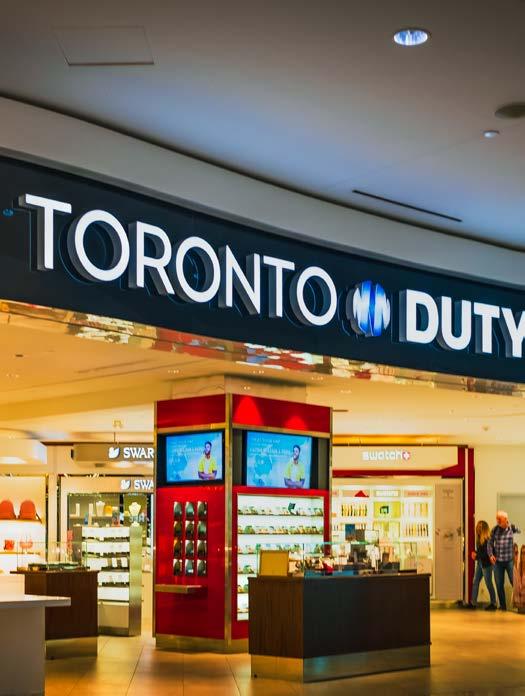
Within the Toronto Pearson International Airport, passengers have access to a whole array of options, from places to eat to duty-free sections to peruse. Across both Terminal 1 and Terminal 3, passengers can enjoy many of their favourite bigbrand food and drink chains, as well as sections of smaller food and drink brands offering a plethora of cuisines and drink options to suit any appetite, and at any time of the day. Some guests can even enjoy the Plaza Premium Lounges, which offer a more premium experience with comfortable seating, amenities and complimentary food and drink. These lounges can be accessed with some tickets or with certain credit card schemes. Then, across the duty-free sections of the Airport, passengers
Toronto Pearson International Airport
can get a great deal and treat themselves to designer brands, cosmetics, fragrances, alcohol or even some sweet treats. Across all aspects of the Toronto Pearson International Airport, passengers and their experience remain the priority, and so the terminals have been designed to provide everything passengers could need to make travel easier and enjoyable.
However, with the tourism industry continuing to rise, the Toronto Pearson International Airport expects to see a vast increase in the number of passengers arriving at the airport each year. Therefore, the airport has set out a major redevelopment project called Pearson LIFT to help expand and upgrade the airport’s infrastructure to meet the future demands of the airport. A key reason for this upgrade is that many aspects of the port’s existing infrastructure are ageing, and so the airport is looking to deliver more sustainable solutions for its infrastructure, whilst also being built for the digital age. This focus on sustainability echoes throughout the Pearson LIFT redevelopment
because, in line with the increase in passenger numbers, the demand for more sustainable air travel increases. Therefore, the Toronto Pearson International Airport is set on advancing its existing facilities for the future, with sustainability as a key aspect of its development.
The Pearson LIFT development is broken down into three major project development programs: Accelerator, T1/T3 Revitalisation, and Gateway. The first program, Accelerator, has already begun and is set on delivering a progressive built model to upgrade and revitalise the airport’s assets. In doing so, the airport aims to improve time performance whilst also advancing sustainability in order to accommodate near term passenger growth. The second program is the T1/T3 Revitalisation, which will focus on enhancing passenger experience within the airport. It will achieve this through investment in and development of Terminal 1 and 3, implementing modernised amenities and retail space. In doing so, the airport is set to implement more digitalisation across its terminals to meet passenger demands
Toronto Pearson International Airport
of the future. Plus, the T1/T3 Revitalisation will also focus on investing in optimised parking facilities and groundside access, to make the whole process from arrival to departure from the airport smoother.
The final program is Gateway, and is the futurefocused aspect of Pearson LIFT because it is the aspect focused on how the airport will handle future expansion. The program will help the airport prepare for the significant growth that the airport is expected to experience in the coming years, and so Gateway aims to add new terminal space. This space is designed to accommodate an additional 15 million passengers annually, where it will provide world-class passenger experiences.
Once Pearson LIFT is complete, it is hoped that the project will bring billions in economic benefit for the airport, which will, in turn, support the local economy of Toronto in the process. Throughout the development, the project will create jobs and will offer local businesses key opportunities to participate in airport-related projects. Thus, with the continued investment towards the future under the Pearson LIFT development, the airport will strengthen its position as a thriving hub for travel
and tourism, connecting passengers across the world with Canada.
As the Airport looks towards the future, significant growth is on the horizon, not only from the Pearson LIFT development, but from the continued expansion of the airport’s flight routes. In November 2025, the Airport announced that Porter Airlines had added 5 new non-stop routes from the Toronto Pearson International Airport to destinations across Mexico, the Caribbean and Central America. These new routes will expand the airport’s flight offerings and strengthen its role as a vital connector within the region. This was preceded by Flair Airlines also implementing a new direct service to Mexico City from the Toronto Pearson International Airport the month before. The route will operate three times a week, offering vital
connections between Toronto and Mexico. These new routes collectively highlight the growing reach of the Toronto Pearson International Airport, as it expands its route offerings to give travellers even more options when choosing the airport.
Overall, the Toronto Pearson International Airport is a vital hub for global travel, connecting passengers from Toronto to the world. With vital development projects underway with Pearson LIFT, the airport looks set to enhance its passenger services, bringing the airport into a new, modernised era to make air travel even more seamless. We look forward to seeing how these expansions will continue to enhance the airport’s position, and deliver the Toronto Pearson International Airport as a place where innovation, sustainability and growth will shape the future of air travel.
Shell Malaysia
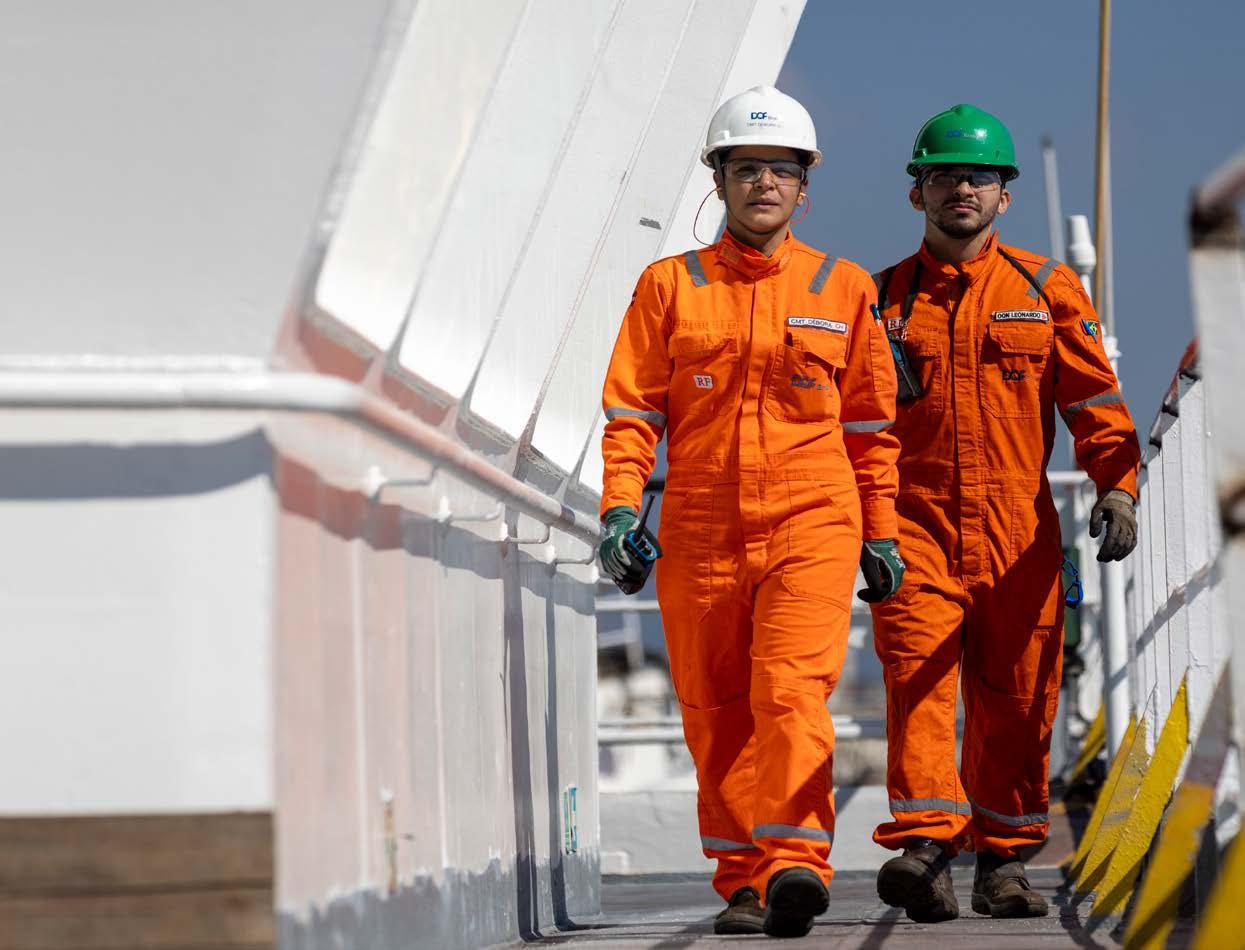
Shell is a leading global energy company committed to meeting the world’s energy needs in the most economically, environmentally and socially responsible way possible. The company now plays a leading role across many countries’ energy sectors, supported by its global expertise in the industry. A significant country where Shell has helped pioneer the energy sector is Malaysia, where Shell has been a partner for over 130 years. Having diversified the country’s energy sector from a modest kerosene venture, Shell Malaysia is now one of the country’s top employers, with operations spanning upstream, midstream and downstream energy developments.
Shell’s first oil discovery in Malaysia came in 1910, with the first oil well drilled on Canada Hill in Miri, Sarawak. This well began production with 83 barrels of oil per day and spearheaded Shell’s operations in Malaysia. Now, over 110 years later, Shell is a leader in Malaysia’s deep-water energy sector development, playing a leading role in the extraction and delivery of oil and gas resources for the country. Thus, as a long-term and responsible partner in Malaysia’s energy sector, Shell works closely with its customers, partners, and the government to ensure that every development works towards a more efficient and sustainable energy future.
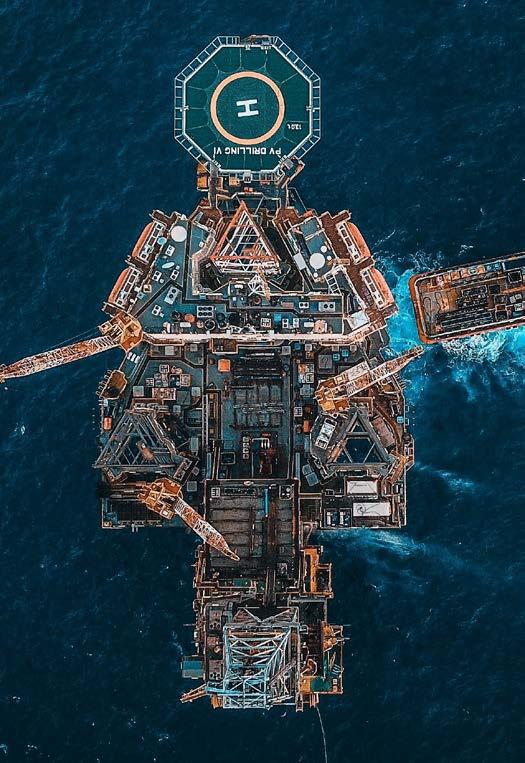
Shell has long played a key role in Malaysia’s downstream operations, but in 2014, the company began vital exploration and production operations within the upstream deep-water energy sector with the Gumusut-Kakap field. The field, located in 1,200 metres of water off the coast of Sabah, is a joint development of two ultra-deep-water discoveries: Gumusut and Kakap operated by Shell and Murphy Oil, respectively. Initial development began in 2008, when the Final Investment Decision was reached between Sabah Shell Petroleum Company Ltd (SSPC, a subsidiary of Shell plc), who own a 33% holding interest as the operator of the field, and ConocoPhillips Sabah (33%), PETRONAS Carigali (20%), and Murphy Oil (14%). The GumusutKakap development reached first oil production in 2014, with the field initially producing an average of 135,000 barrels a day. With significant production from the field, the development marked a vital step in Malaysia’s energy development, bringing the country’s first deepwater development online.
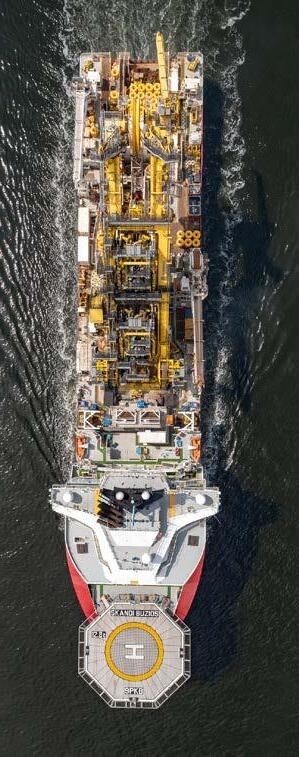
Today, the Gumusut-Kakap development spans 19 subsea wells, which are tied back to a floating production and storage (FPS) vessel (GK-Semi FPS), which has a processing capacity of 150,000 barrels of oil a day. Once crude oil is produced from the field, it is transported through a pipeline to an oil and gas processing facility in Kimanis, where gas is then transported to the PETRONAS LNG complex in Bintulu, Sarawak. Now, more than 10 years since production was reached, the Gumusut-Kakap facility has undergone vital developments.
Following the oil field’s initial development, Phase 2 of the field was developed, incorporating four additional subsea tie-back wells, which
connected to the GK-Semi FPS in 2019. Then Phase 3 saw the drilling of four new wells, which were again connected to the GK-Semi FPS. This phase included the drilling of two producer wells and two injection wells, which achieved first oil in 2022. Now, the project has reached Phase 4, with Shell announcing in March 2025 that first oil had been delivered from Phase 4 of the Gumusut-Kakap development, specifically in the Gumusut-Kakap-GeronggongJagus East (GKGJE) development. GKGJE is a joint venture between SSPC and Shell Sabah Selatan Sdn. Bhd, ConocoPhillips Sabah Ltd, PETRONAS Carigali Sdn. Bhd, PTTEP Sabah Oil Limited, PT Pertamina Malaysia Eksplorasi Produksi, Shell Exploration and Production Brunei, Canam Brunei Oil Ltd, PETRONAS Carigali Brunei Limited and Brunei Shell Petroleum. Phase 4 of the development saw the drilling of three producer wells and one water injection well, which are tied back to the GK-Semi FPS. These wells straddle the border between Malaysia and Brunei, and the development contributes to Shell’s global commitment to bringing new upstream projects online between 2023 and 20205. Phase 4 reached oil production in March 2025 and is
Delivering Deep-Water Projects
Shell Malaysia
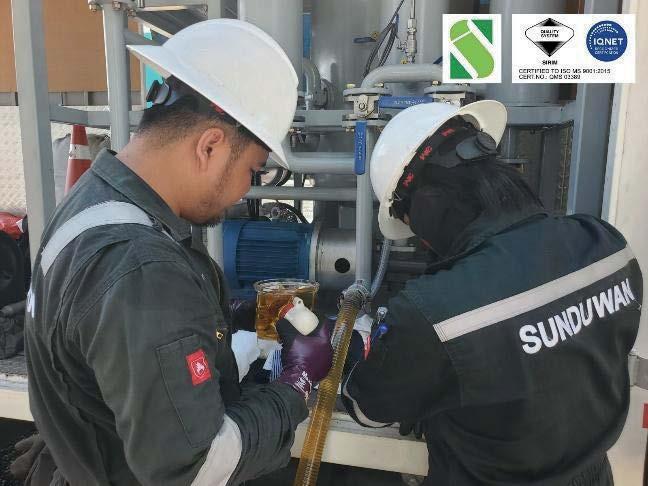
Sunduwan Engineering Services Sdn Bhd is an engineering company and a Petronas registered Vendor, specilizing in the Inspection, Maintenance and Testing of High and Low Voltage Electrical equipment in the Oil, Gas and Energy Industries in Sabah, Malaysia. We provide reliable and quality services to ensure the integrity of electrical equipment, hence preventing unplanned shutdown and increase plant's productivity.
expected to deliver an additional 500,000 barrels of oil equivalent per day at peak production, further enhancing Shell’s development towards Malaysia’s energy future. Speaking on the announcement of Phase 4 achieving first oil, Siti Sulaiman, Country Chair of Shell Malaysia and Senior Vice President for Integrated Gas & Upstream in Malaysia, outlined that, “This achievement reaffirms Shell’s ongoing commitment to innovating and executing safe, reliable, and sustainable projects that meet today’s energy needs”. Sulaiman’s comments highlight just how valuable such developments as the GumusutKakap development have been and will continue to be for Malaysia’s total energy development.
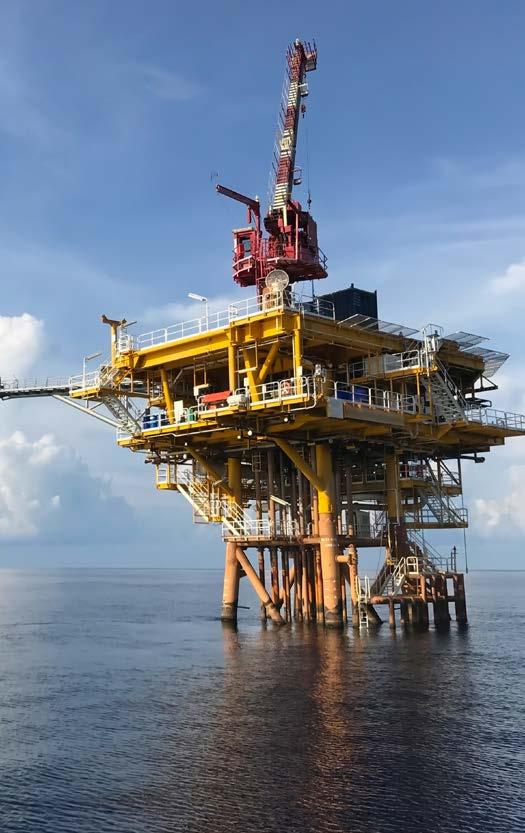
Another key deep-water project for Shell is the Malikai development, which is the company’s most recent project within the deep-water segment in Malaysia. The development is located in water depths of 500m and is the company’s third deepwater project. The project is held between Shell, who are the operator with 35% interest, ConocoPhillips Sabah with 35%, and PETRONAS Carigali with the remaining 30%. Front-End Engineering Design (FEED) activities
INNOVATION BEHIND EVERY VALVE
Trusted Valve & Piping Solutions for FPSO Projects
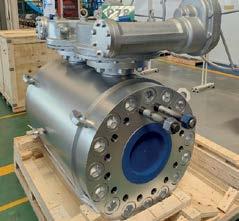
Since 2006, Valves & Piping Asia (VPA) has been a leading supplier of highperformance valves, piping products, and engineered components for Offshore/ Onshore & FPSO applications. With a proven track record of over 40,000 valves on major Petrobras projects (FPSO P-Series) 2021-2025, VPA delivers certified, reliable solutions built to withstand extreme offshore conditions.
• API & ISO Certified • Up to 10,000 PSI & ANSI 2500
• Carbon Steel, Stainless Steel, Super Duplex & Inconel Options
• Strategic Partnerships with Top Chinese Manufacturers
Delivering Deep-Water Projects
for the development began in 2009, with the Final Investment Decision (FID) reached in 2013. The initial development involved the drilling of 17 wells and the delivery of a 26,000 metric tonne tension leg platform (TLP) production facility. The TLP was the first of its kind in Malaysia, and the whole development is tied back via subsea pipelines to the Kebabangan shallow-water hub, which has a processing facility. From here, the resources are further conveyed to Sabah Oil Subsea for export. The development reached first oil in December 2016 and is expected to have a production capacity of 60,000 barrels per day.
As Shell looks towards the future, sustainability and developing its operations towards a more sustainable future for Malaysia are key concerns. Thus, the Rosmari-Marjoram project is a vital deepwater sour gas development project for Shell designed to deliver a sustained gas supply to the PETRONAS LNG Complex. The project spans a deepwater subsea facility, a remotely operated platform and an onshore gas plant. Within this, the development will include the longest sour wet gas offshore pipelines in the world, spanning more than 200km. The project is operated by Sarawak Shell Berhad (SSB), a subsidiary of Shell plc, at 80% and PETRONAS Carigali at 20%. Once production begins in 2026, the project is expected to produce 800 million standard cubic feet per day (MMscf/d) of gas.
In October 2025, SSB announced that it had begun the development of a plant for the RosmariMarjoram project. This will enable the project to run primarily on renewable energy, through an offshore platform which will utilise power from 240 solar panels, with the new onshore plan leveraging hydropower provided through the Sarawak power grid system. Thus, the development of the onshore plant will enable Shell to further enhance the role of renewable energy resources across Malaysia and cement its place as a key partner both to the country and energy companies such as PETRONAS as they work towards enhancing Malaysia’s overall economic growth through competitive and resilient energy projects.
Across Shell’s operations in Malaysia, it is clear to see that the company has played a vital role in the country’s overall energy development for many years. From initial developments over 100 years ago to now, working across the country’s energy sector via its subsidiaries, Shell is focused on delivering vital projects that will enhance Malaysia’s overall oil and gas development, but in the most sustainable way possible. We look forward to seeing how Shell will continue to advance Malaysia’s energy sector, working alongside key partners, to deliver a more sustainable energy future for the country.
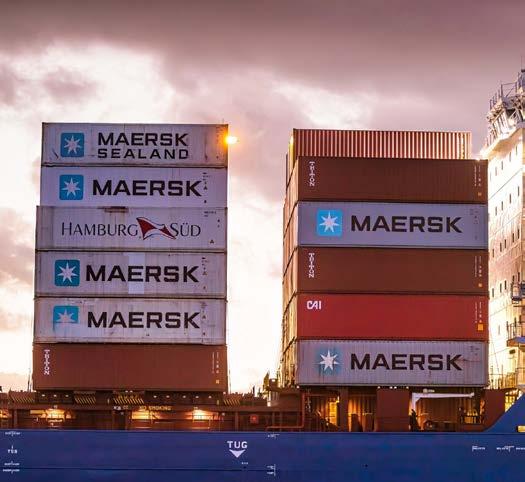
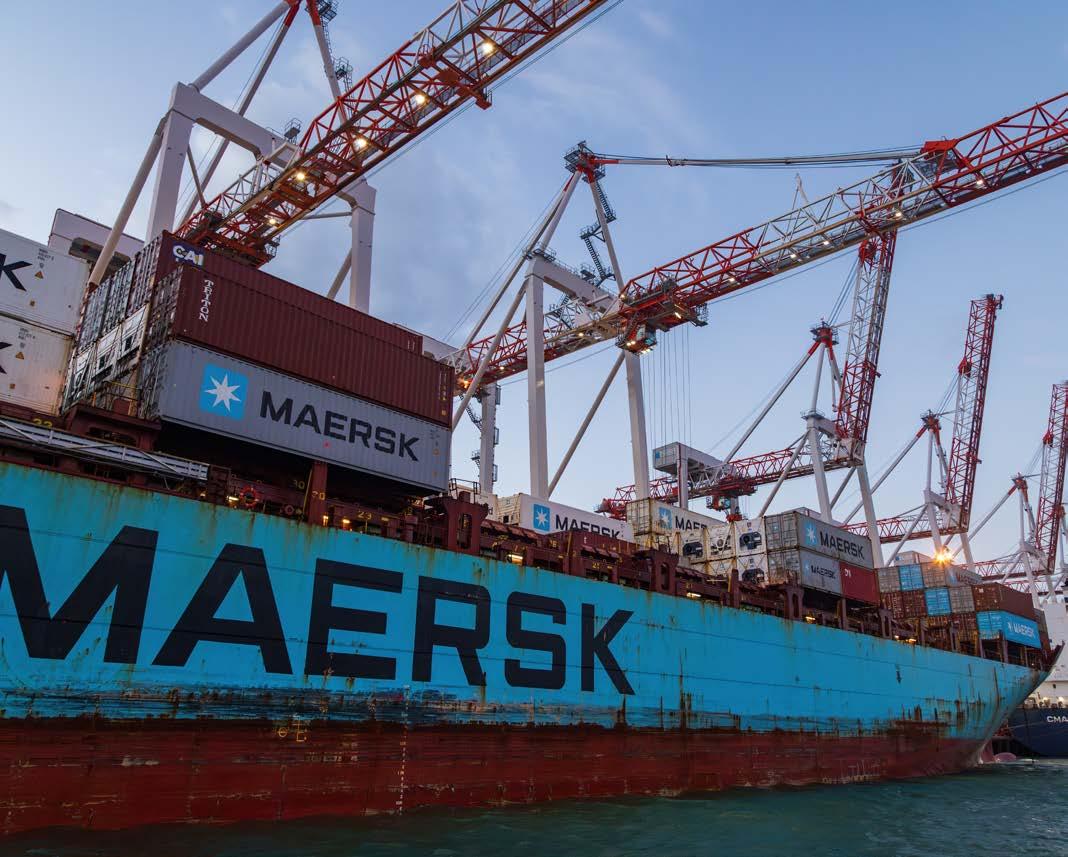
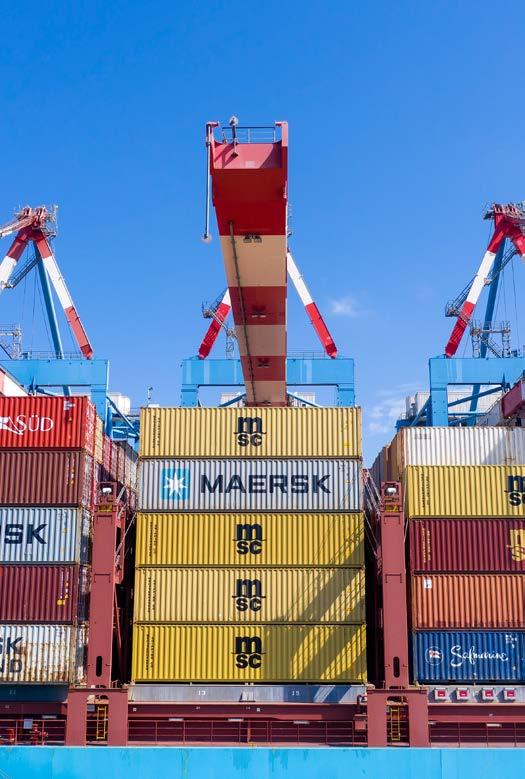
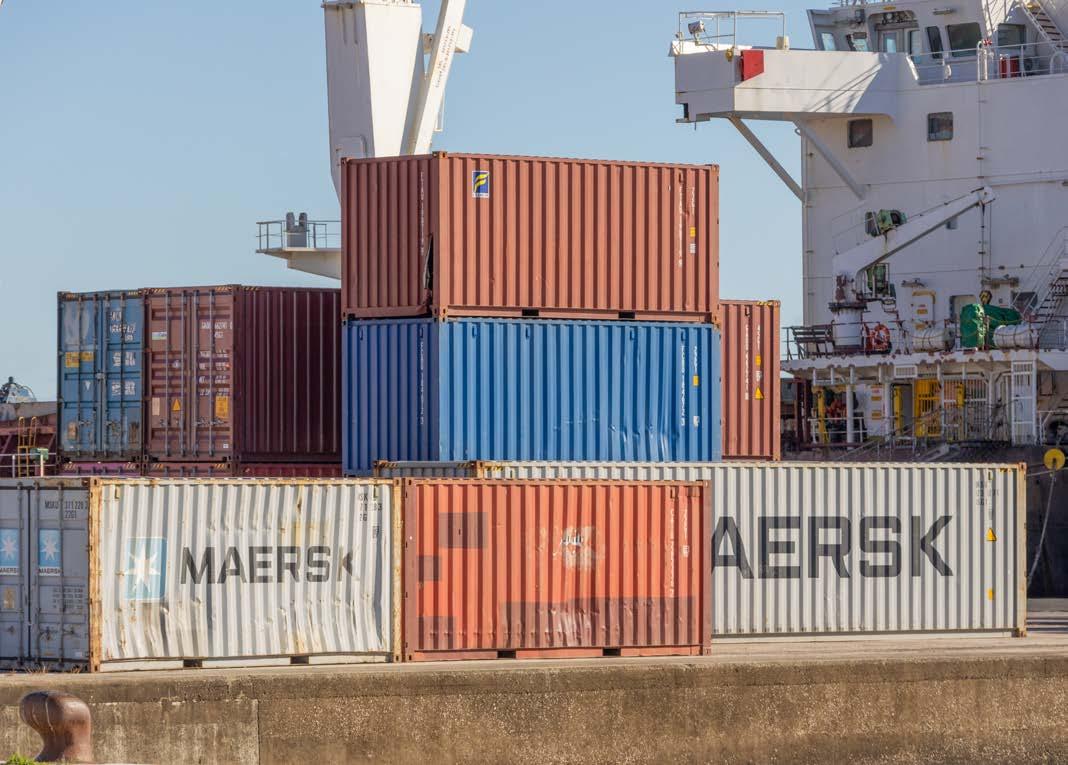
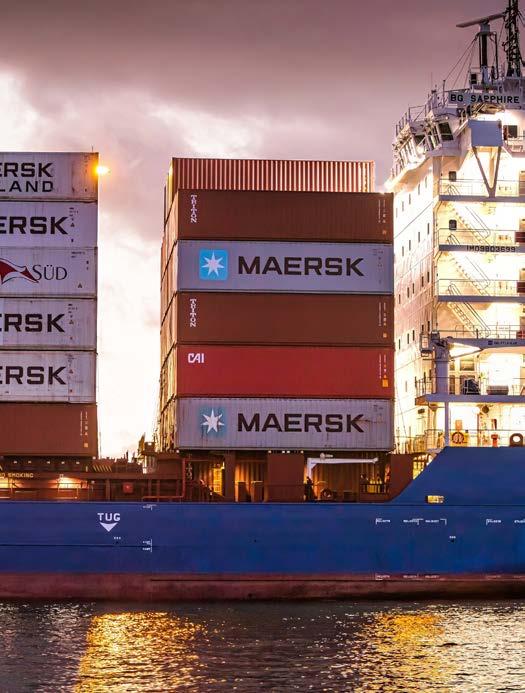
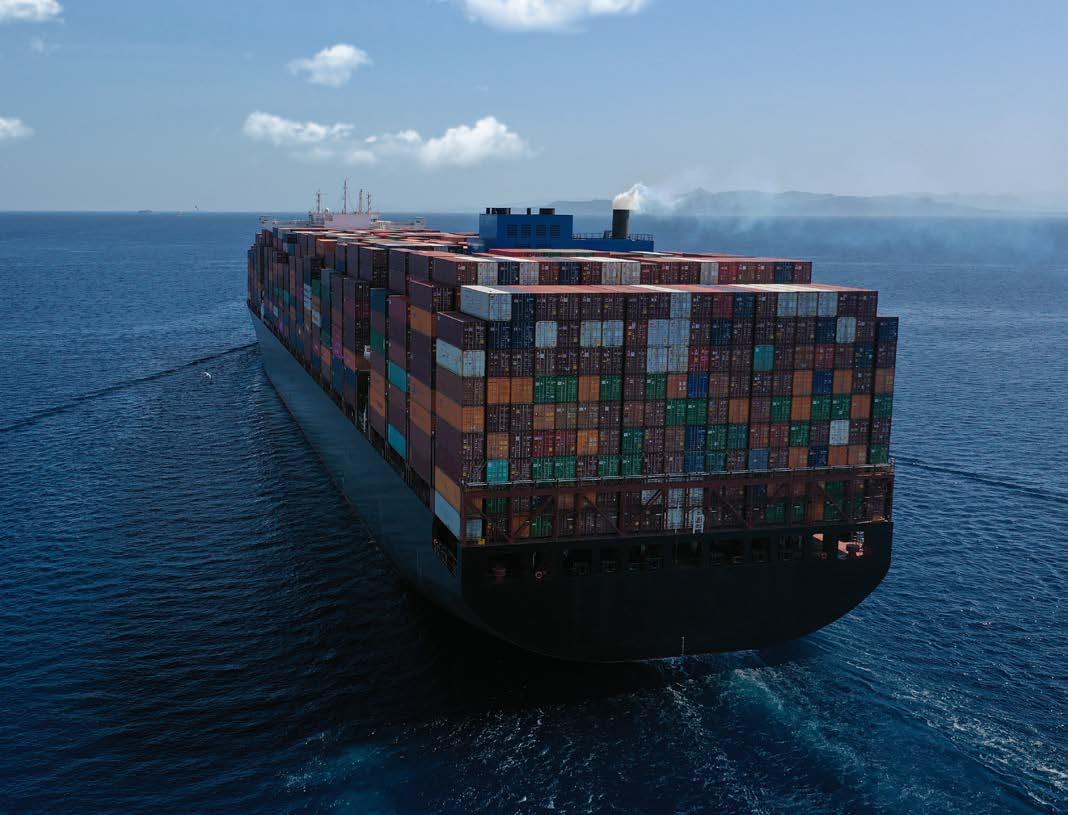
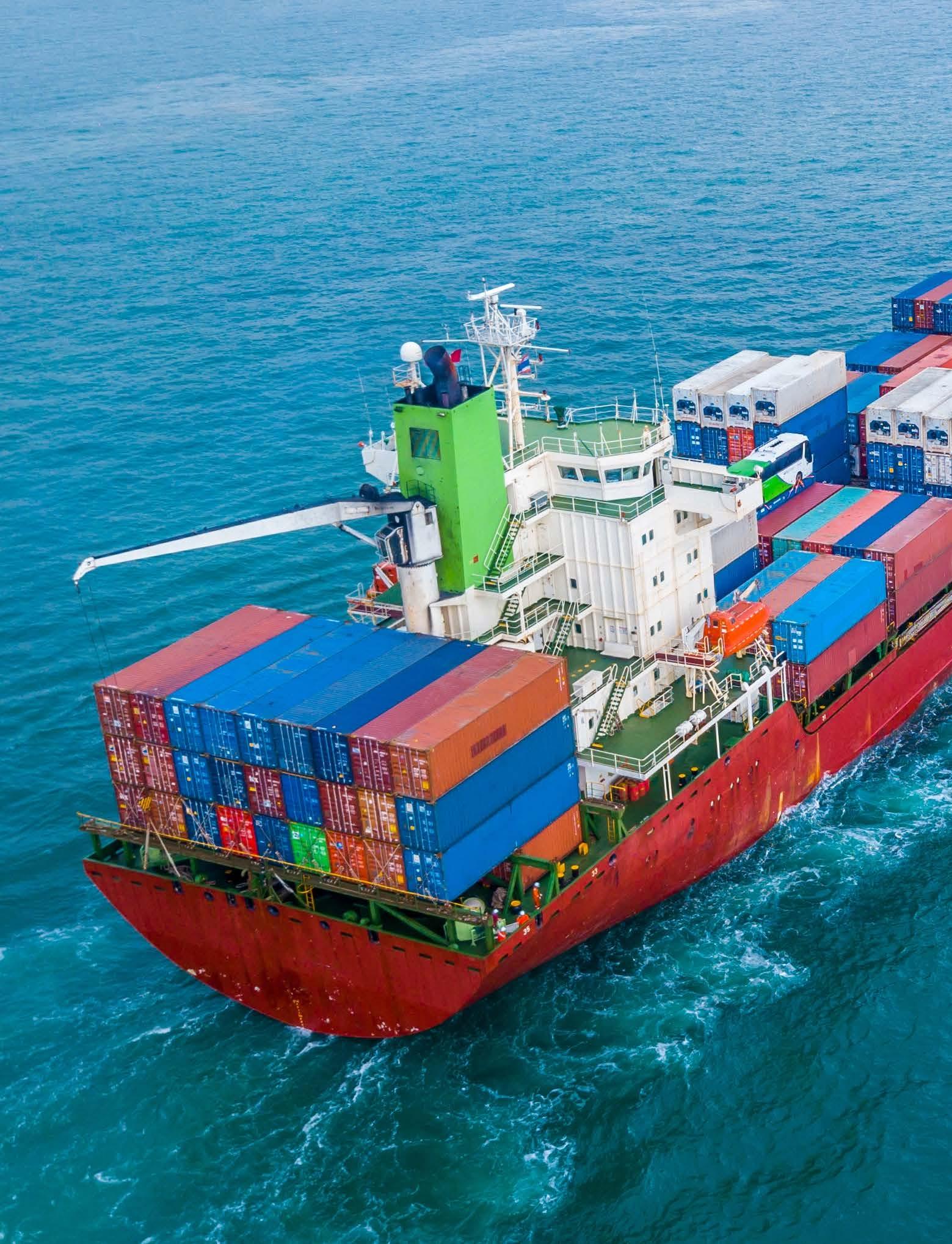
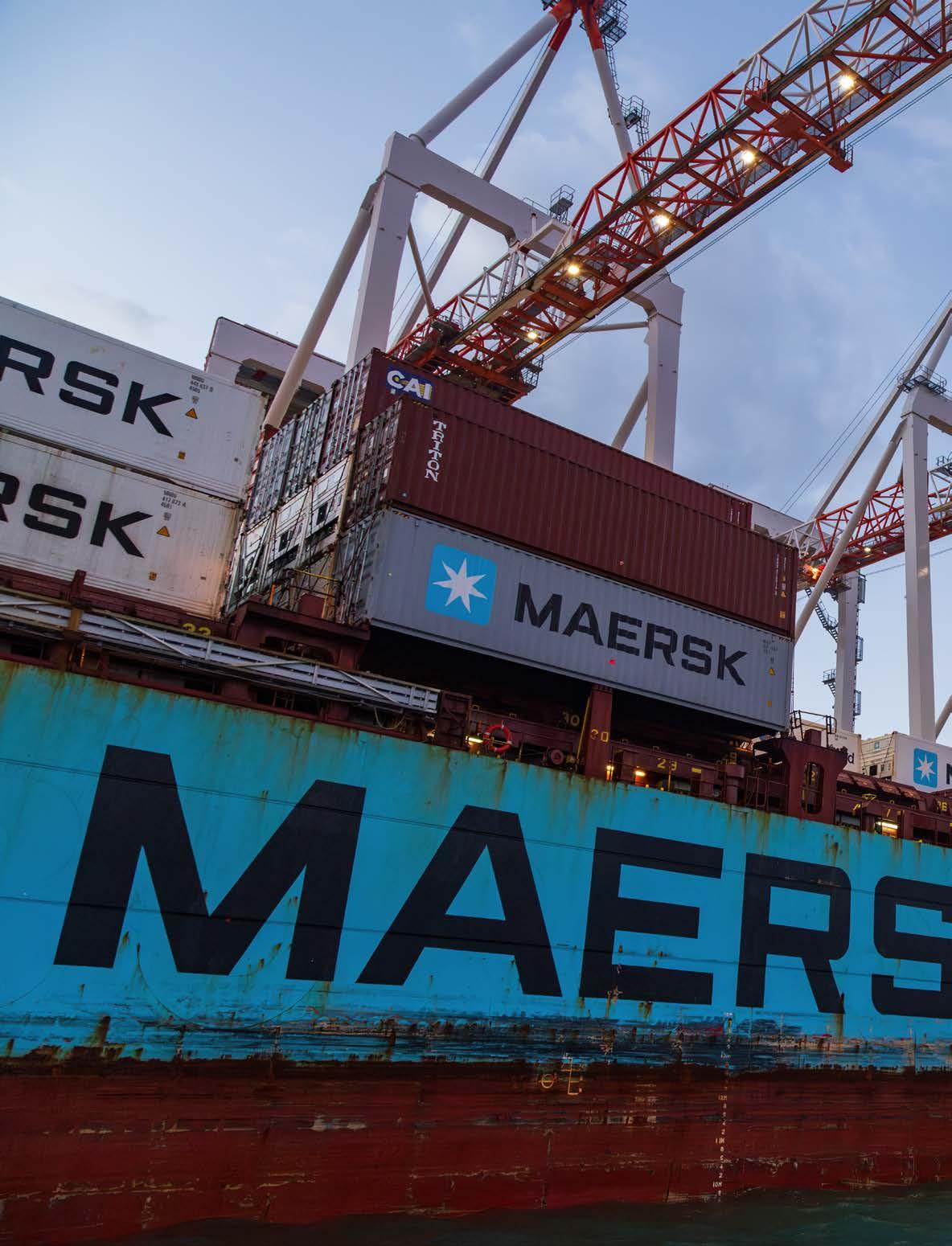
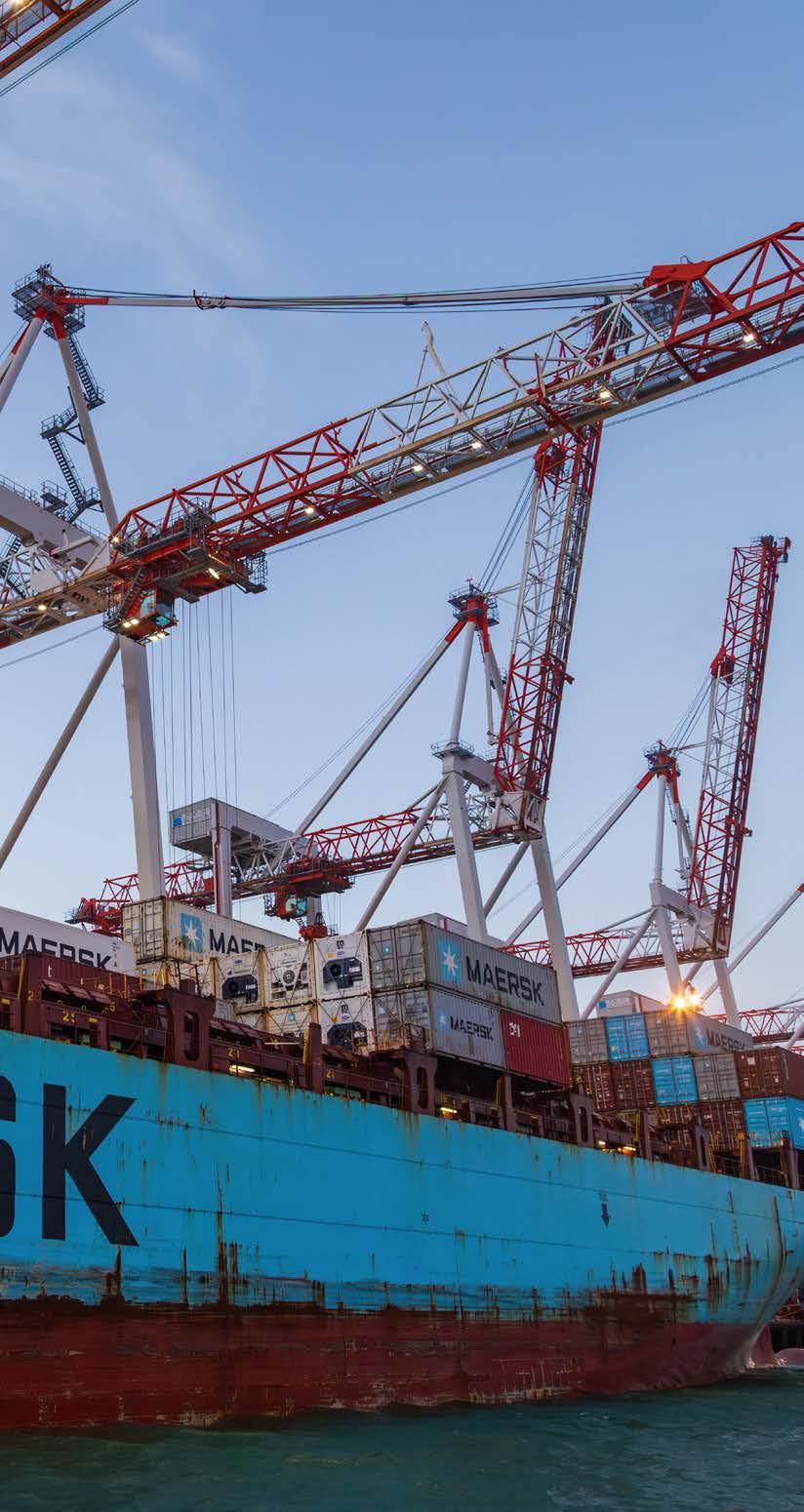
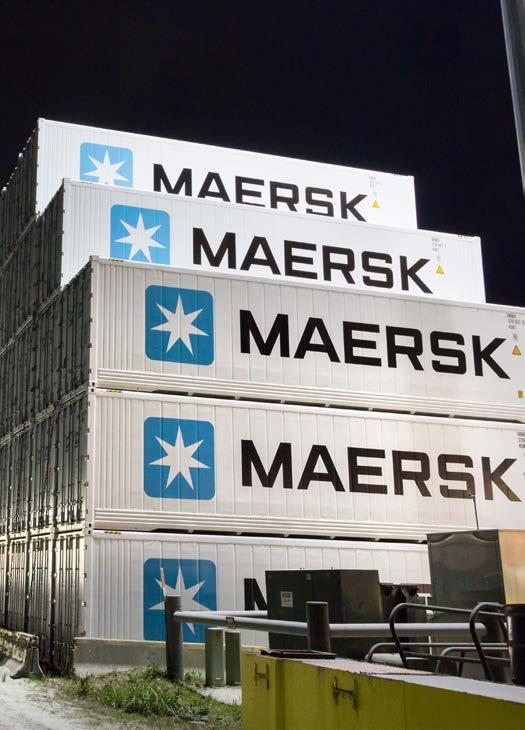
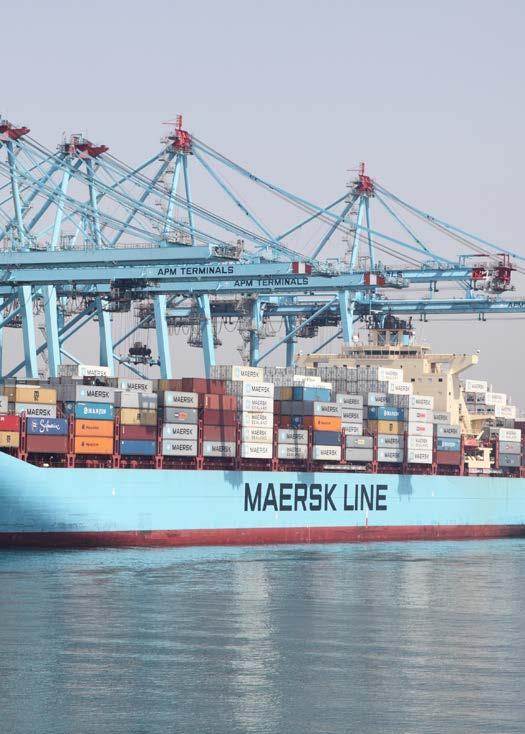
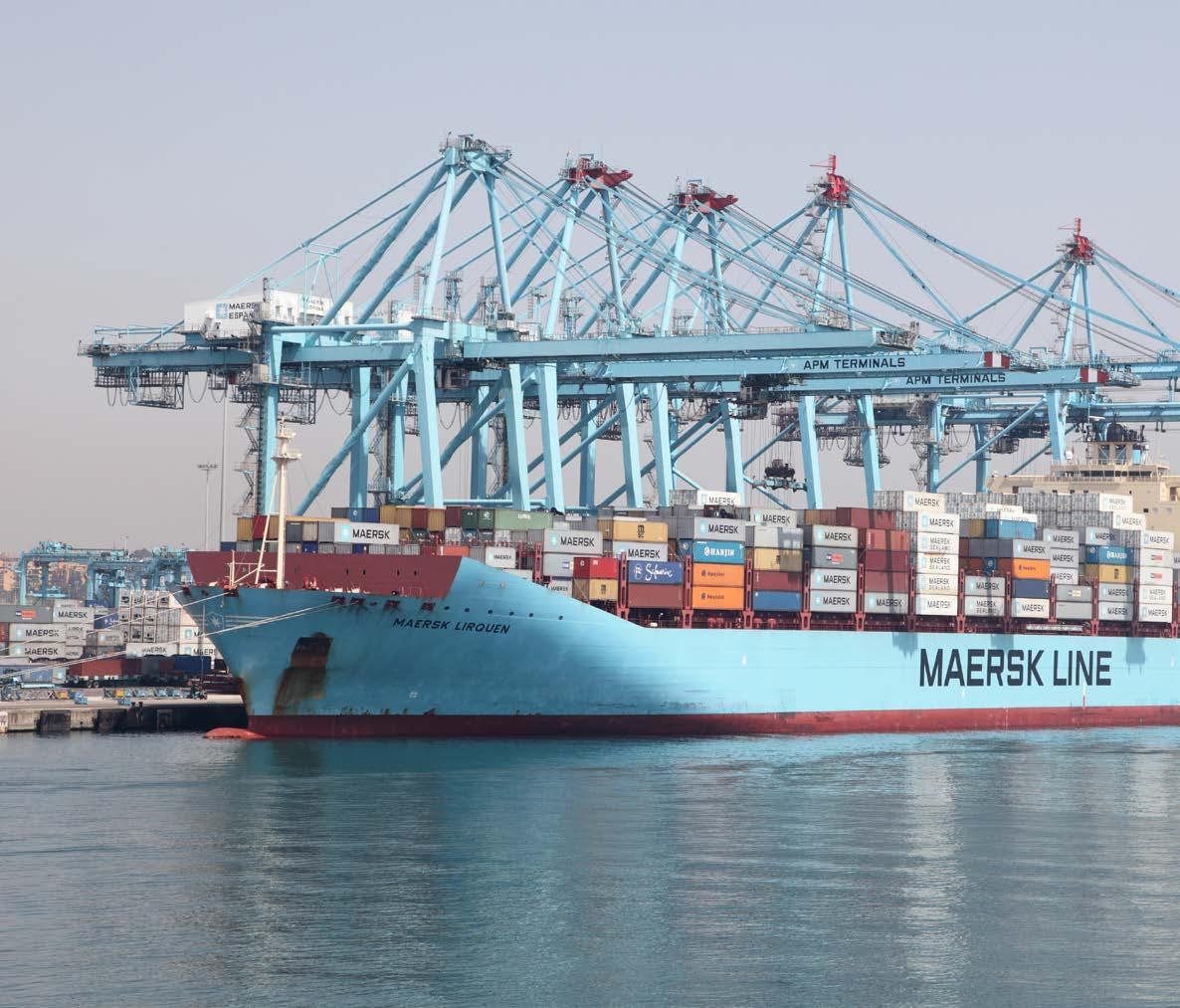
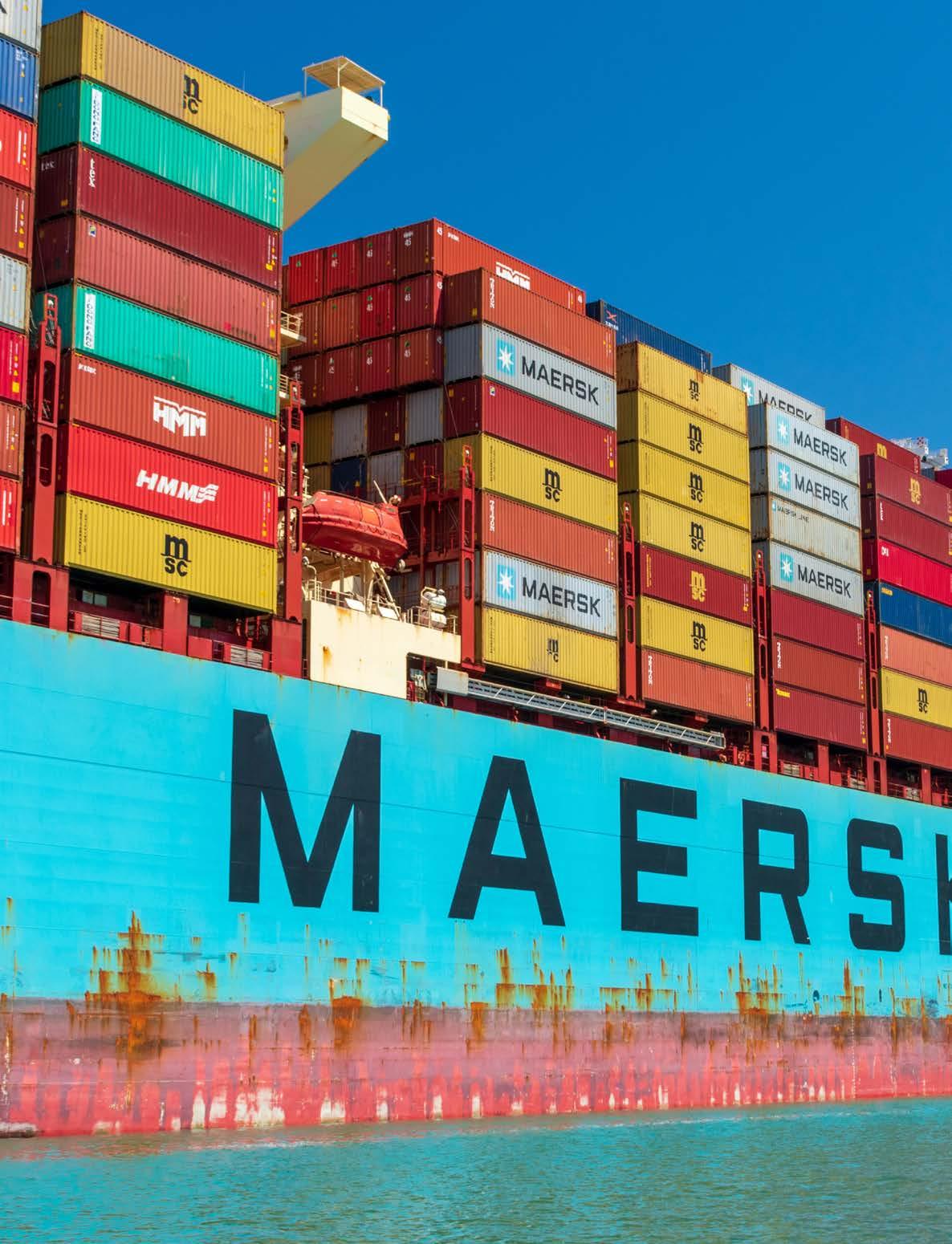
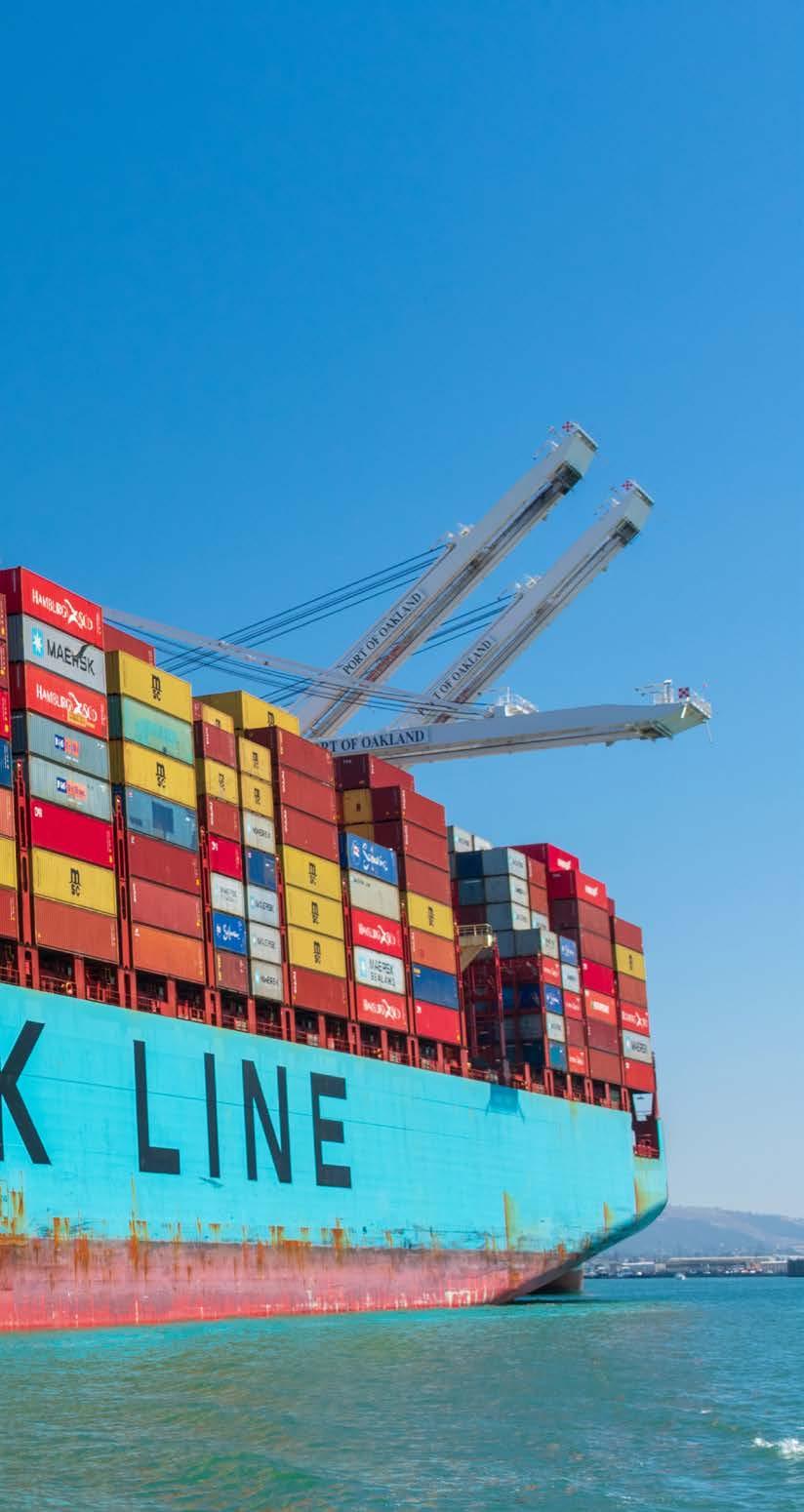
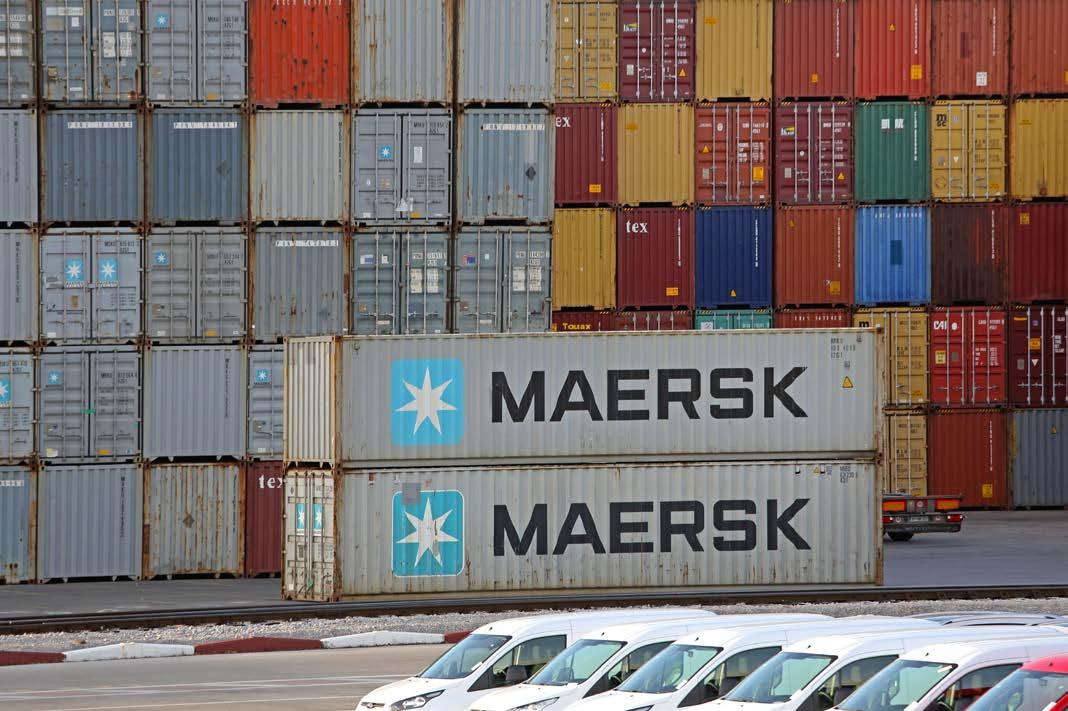
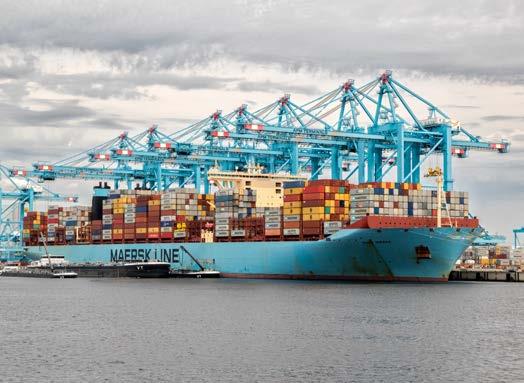
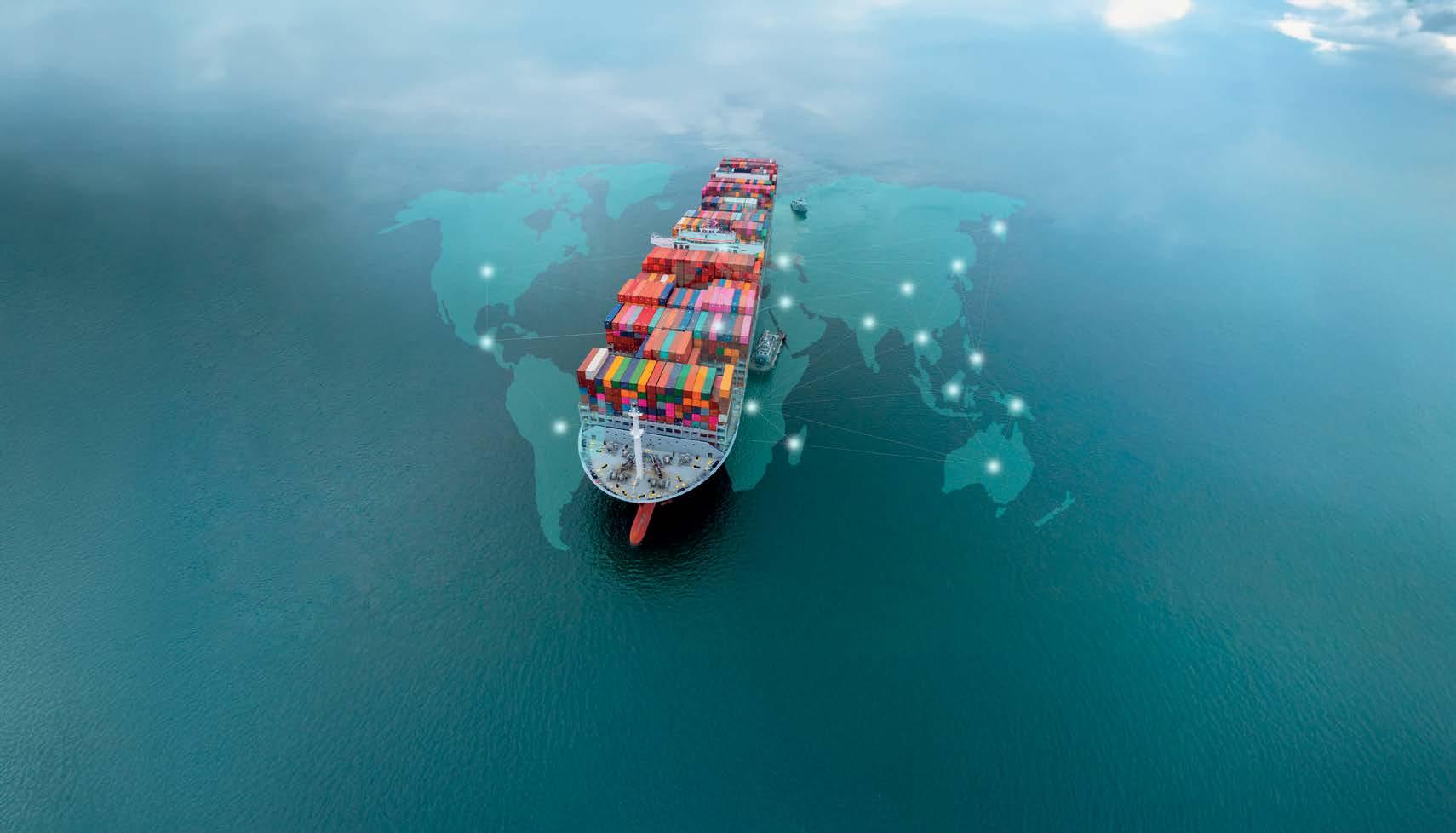
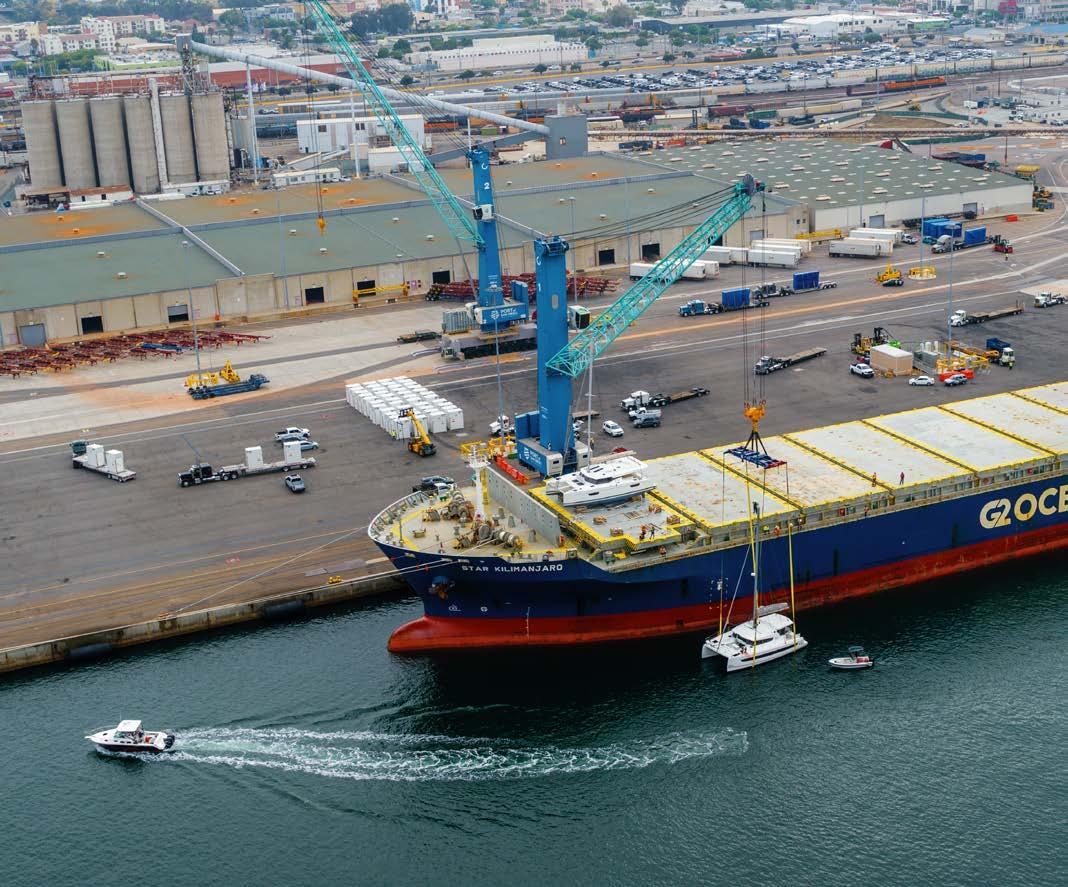
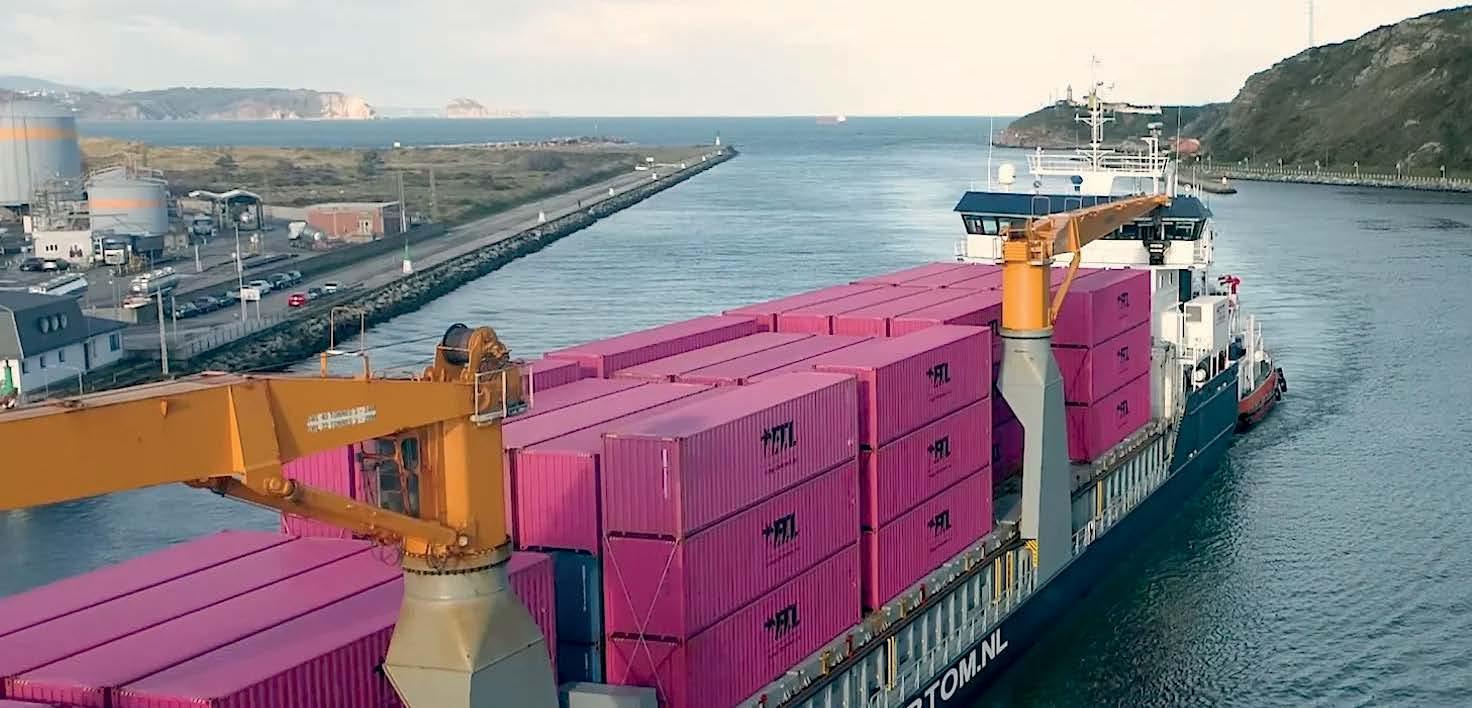
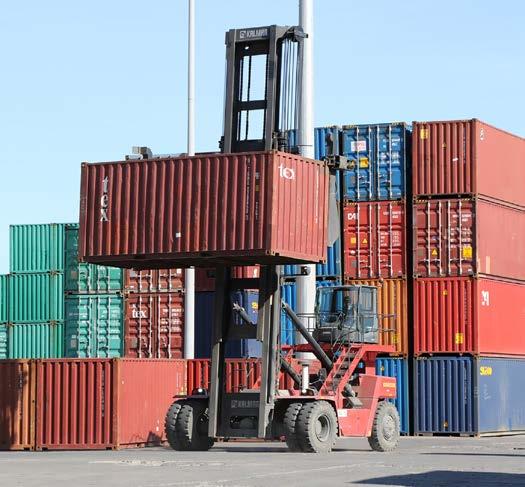
With more than a century of operations behind it, A.P. Møller – Mærsk (Maersk) is a leading international integrated logistics company connecting customers across the globe. With operations in more than 130 countries, Maersk operates one of the world’s largest container shipping networks, which moves 12 million containers every year to all corners of the globe. Across the globe, its operations are divided into key divisions, including Maersk’s India, Middle East and Africa (IMEA) international network. Within this division, we’re excited to look at some of the key services offered across Africa where Maersk is committed to helping customers across the continent enhance their supply chains with reliable and integrated logistics solutions.
Maersk has long been the partner of choice for customers around the world, thanks to its seamless movement of goods via its interconnected logistics networks, which combine vessel, plane, and truck transportation, with warehousing and port operations to help support the movement of cargo across the globe. This network has allowed Maersk to maintain its competitive role as a leading cargo logistics provider, where it utilises the local knowledge and logistics expertise of its global network to help facilitate more efficient, reliable and cost-effective shipping solutions. These operations can be seen in Africa, where Maersk delivers vast shipping and logistics operations spanning across the entire continent.
Africa has seen an expanding consumer base in recent years, which has been supported by the continent’s industrial capacity to help bring more unique opportunities and challenges to the region’s logistics networks. These challenges are what Maersk is all about: to deliver both simple and complex logistics solutions that can optimise its customers’ operations and help their businesses continue to grow. Across IMEA, Maersk brings
Maersk Africa
MTI Logistics
MTI Logistics
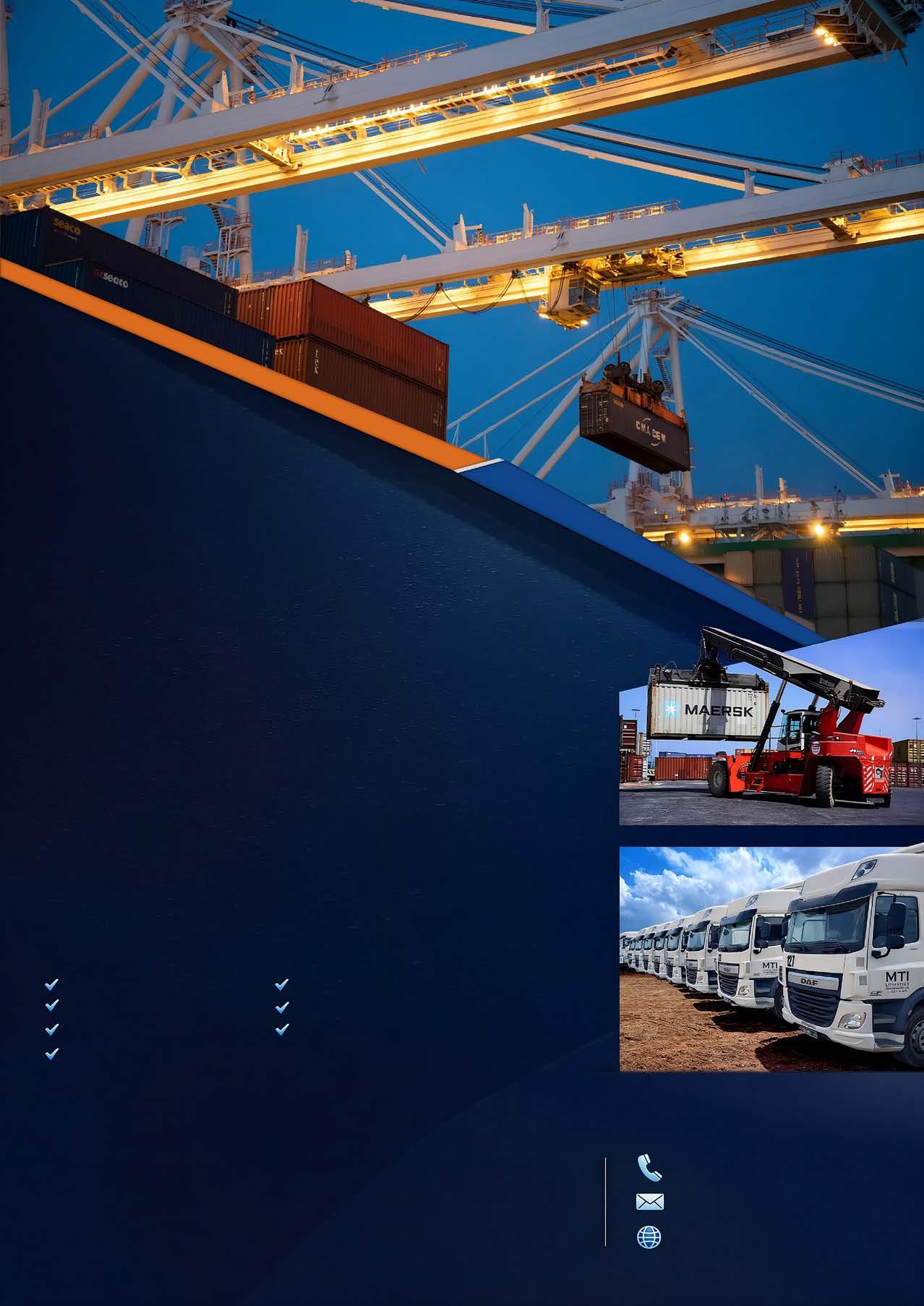
MTI Logistics is a global logistics and cargo transportation company headquartered in Djibouti, known as a major industry leader in the region. Established with strong expertise in logistics management, MTI offers a comprehensive suite of services tailored to both local and international clients, including freight forwarding by sea, air, and land, inland haulage, air cargo solutions, customs clearance, and warehousing & distribution.
MTI Logistics is a global logistics and cargo transportation company headquartered in Djibouti, known as a major industry leader in the region. Established with strong expertise in logistics management, MTI offers a comprehensive suite of services tailored to both local and international clients, including freight forwarding by sea, air, and land, inland haulage, air cargo solutions, customs clearance, and warehousing & distribution.
The company also handles specialized logistics projects, such as heavy lift and project cargo, relocation services, and integrated supply chain solutions, all supported by its experienced team and global network.
The company also handles specialized logistics projects, such as heavy lift and project cargo, relocation services, and integrated supply chain solutions, all supported by its experienced team and global network.
MTI is committed to efficient, reliable, and cost-effective logistics that ensure timely delivery and customer satisfaction across a wide range of industries.
MTI is committed to efficient, reliable, and cost-effective logistics that ensure timely delivery and customer satisfaction across a wide range of industries.
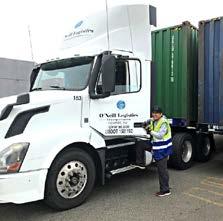
MTI boasts an extensive fleet of trucks and lifting equipment in Djibouti, setting the benchmark for quality and reliability.Our capabilities include: LTL & FTL Transportation • FlatBed Services
• OOG & Heavy Lift Transportation • Local Delivieries & Pichups
MTI boasts an extensive fleet of trucks and lifting equipment in Djibouti, setting the benchmark for quality and reliability.Our capabilities include: LTL & FTL Transportation • FlatBed Services • OOG & Heavy Lift Transportation • Local Delivieries & Pichups
mti-logistics.com
mti-logistics.com
together its local insight, dependable execution and agile logistics network to deliver the logistics needs of its customers every day.
A key country where Maersk’s logistics have been supporting global trade is in Angola, where Maersk has been connecting businesses to the world since 1998. Maersk’s logistics operations serve all main ports in Angola, with regular main line and feeder vessels, as well as vital inland shipping routes. Common exported commodities include oil, diamonds, LNG, coffee and fish. These cargoes, along with general cargo, are met with Maersk’s local experts to facilitate seamless movement of products out of the country, and along to its global network to connect such industries with their respective markets across the world. Alongside general cargo, Maersk also has specialised operations to handle standard, refrigerated and oversized goods travelling to and from Angola.
One of the most pivotal ports for Maersk’s operation in Angola is the Port of Luanda, which is the country’s main maritime hub responsible for export and import services to connect Angolan
Maersk Africa
Sogester
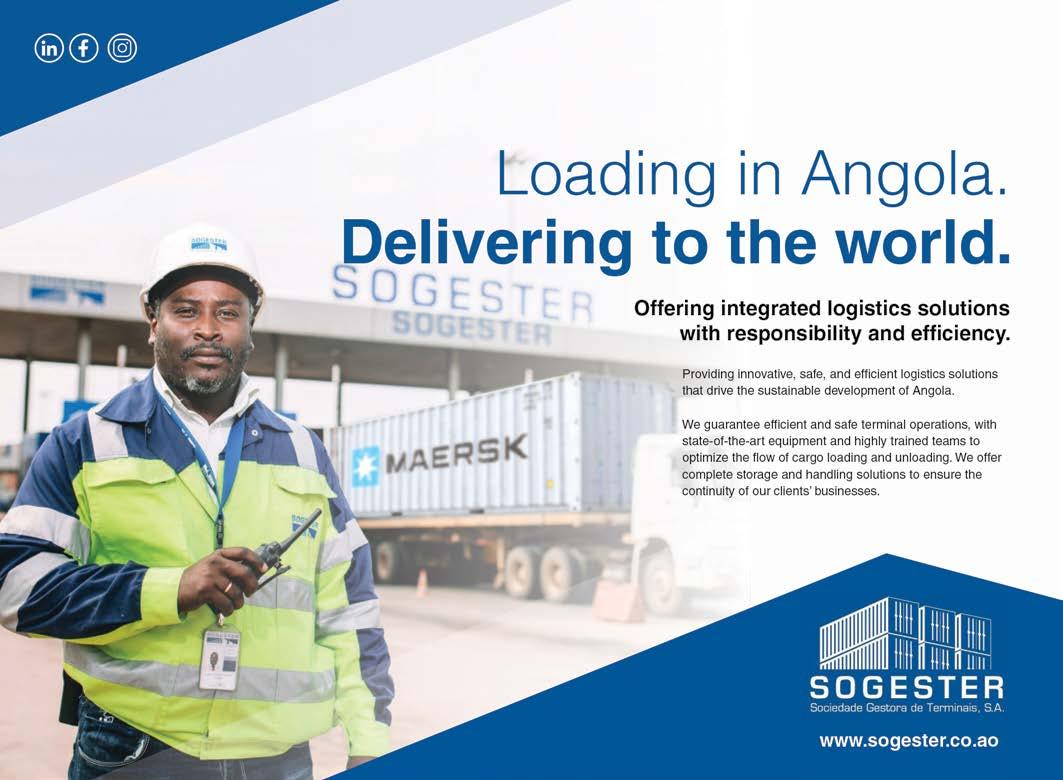
Over the past 18 years, Sogester has maintained a close partnership with Maersk Group, initially as a terminal partner and subsequently as a client. This relationship continues to this day, fostering a highly collaborative partnership between Sogester and Maersk Group, which is Sogester’s primary customer in terms of volume. Several services originating from North Europe, Africa West, and the Far East utilize Sogester’s terminal, and these services are operated with utmost attention to service quality, productivity, and safety.
The Sogester company is proactively preparing for the future of its customers. Studies and agreements are currently being made to upgrade the facility in Luanda to meet the evolving needs of the Lines. Surveys are ongoing, and agreements are being finalized with a construction company
to transform the current two quays into a single, elongated quay measuring 535 meters. This expansion will include four 24-outreach ship-to-shore cranes and at least four Mobile Harbours cranes with Liebherr 800 and 550 models (3/1).
The draft on the terminal will be dredged by the Port Authority based on the newly agreed 20+10 years concession agreement to -16 meters, enabling the port to accommodate the largest vessels in the future.
Complementarily, our operational system is fully integrated with financial and automatic gates, as well as reefer monitoring systems. These enhancements will provide Sogester with the necessary capabilities to manage the ongoing growth of vessels in the future.
www.sogester.co.ao/
Connecting African Businesses to the World
businesses to the world. Located in the centre of the most populous and economically dynamic region in Angola, the port provides ample space for cargo unloading, which can then be moved via the country’s railroads and highways to end markets.
The Port is 2,728 meters long and is divided into seven terminals and a logistics platform intended to aid oil and gas extraction. Maersk facilitates trips to the Port of Luanda to help deliver vital export shipping routes that allow Angola to move its export cargoes across the world, often connecting with key markets, including those in China. Whilst Maersk had previously had a stake in the Port of Luanda terminal, it sold its stake a few years ago and now provides integrated shipping logistics from the port rather than operating the terminal itself.
In recent years, Angola has seen significant growth in its fast-moving consumer goods (FMCG) supply chains, which have largely been due to infrastructure upgrades, digital innovation and regional integration across the shipping and logistics space. With a growing and integrated network, Angola has seen increasing investment towards its logistics infrastructure with the development of a new cold storage, solar-powered refrigeration and reefer containers, as well as modernisation upgrades at the Luanda and Lobito
ports. Furthermore, the growth has been backed by government schemes that are promoting Angolanmade goods to reduce the country’s dependency on imports. Thus, with supply chains continuing to expand, the need for vital shipping operators such as Maersk is vital to help continue to fulfil the supply chain growth for the country, which in turn bring grater economic development for Angola.
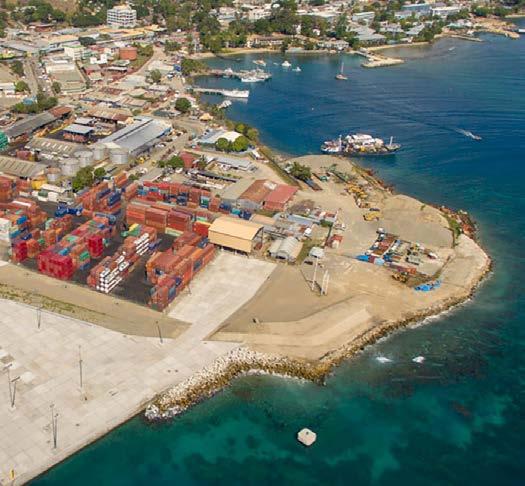
Another key example of Maersk’s operations in Africa is in Djibouti, where the company has been facilitating shipping solutions since 2013. For Djibouti, Maersk offers vital cargo shipping via its three weekly services that operate to and from the Port of Djibouti. From here, Maersk connects the country with markets across the world via its global interconnected shipping network. Shipping operations are vital for Djibouti, as the country, and specifically the Port of Djibouti, is responsible for handling around 90% of neighbouring Ethiopia’s trade. Therefore, the port is not only valuable for supporting Djibouti’s global trade, but also the trade of Ethiopia via its port and shipping operations.
The Port of Djibouti spans 7 specialised facilities, which together form a major logistics hub for global trade. This 7-facility network allows the port to deliver focused logistics, transportations and trans-shipment services across East Africa. One
Maersk Africa
of the most significant aspects of this network is the Doraleh Container Terminal (DCT), which is regarded as one of Africa’s most advanced container terminals, equipped with modern facilities designed to offer world-class productivity. DCT has an annual capacity of 1.5 million shipping containers, and so provides essential handling operations for containerised cargo, as well as for bulk, oil and livestock cargo travelling through the port. Accompanying DCT is the Doraleh MultiPurpose Port, which then handles a range of cargo, including specialised bulk (grains, minerals and fertilisers), breakbulk, vehicles, and general cargo. Collectively, these port facilities provide Djibouti with the essential infrastructure for logistics and storage, serving as a crucial hub for the Horn of Africa. Therefore, with the Port of Djibouti and its specialised 7-facility infrastructure being so vital to the country’s shipping needs, Maersk’s operations are vital to supporting the country’s port into a thriving hub for both local and global shipping operations.
Both Angola and Djibouti sit within Maersk’s IMEA division, which has seen stable growth across its operations. In July, Maersk announced market
Amerga Building, 2nd Floor, Avenue Georges Clemenceau, Djibouti.
Connecting African Businesses to the World
updates for the IMEA region, where Africa has seen its trade environment continue to evolve. This is largely shaped by shifting demand patterns and infrastructure development in East Africa, where these developments are being supported by a key import network from the Far East, including China, Japan and South Korea. Then, in Western Africa, improved volumes have continued to show an upward trend, which has been supported by investment in infrastructure, which is meeting the rising demand for goods from consumers. Key countries leading this growth are Nigeria, Ghana and Senegal.
In fact, in Senegal, Maersk has developed an integrated logistics hub strategically located between the Port of Dakar and Dakar’s Industrial Area. The hub is the first of its kind for Senegal and will provide an integrated supply chain solution to meet the needs of Maersk’s customers. The warehouse will offer 5,100 square meters of indoor storage capacity, with an additional 500 square meters of outdoor storage space. This will help Maersk to handle a wide range of commodities, including fast-moving consumer goods, retail merchandise, lifestyle products and technology items. According to Thomas Theeuwes, Managing Director for Maersk
West Africa, “This investment in Dakar demonstrated our long-term commitment to Senegal and the broader West African region. By establishing this modern warehouse facility, we’re delivering on our promise to create seamless, integrated logistics solutions that enable our customers to optimise their supply chains and accelerate growth.”
Theeuwes’ comments here highlight Maersk’s key role not just in West Africa, but across the continent to enhance the existing infrastructure of countries across Africa, and facilitate key shipping routes to help support long term growth for each respective country, and enhance its global networks.
Across all of Maersk’s operations in Africa, the company remains committed to offering creative solutions to its customers, which can help move their goods from one destination to another through its reliable and interconnected network spanning ocean, rail, air and waterways. As we have seen in Angola, Djibouti and even more widely across Africa, Maersk brings together its global shipping network and local insight to deliver integrated shipping solutions that help customers strengthen their supply chains, supported by its reliable and efficient logistics solutions.
Addis Ababa Bole International Airport
As the main gateway into Ethiopia, the Addis Ababa Bole International Airport is a major hub for the country’s trade and tourism sector, with the airport seeing more than 22 million international passengers and 2 million domestic passengers arriving at its terminals every year. Therefore, as one of the largest airports in Africa, the Addis Ababa Bole International Airport is a hub for global connectivity, with every development, operation, and expansion underpinned by the airport’s commitment to providing world-class airport services.
The Addis Ababa Bole International Airport was established in the early 1960s, following Ethiopian Airlines’ realisation that the existing runway at Lideta Airport was not long enough to accommodate its new Boeing 720 aircraft. Upon realising this, plans to construct a new airport began, and the first runway and control tower of the Addis Ababa Bole International Airport were operational by 1962. However, as Ethiopia’s airline industry continued to expand, the airport set out a three-phase expansion plan in 1997 that would see the airport expand the existing runway, construct a new runway, build a new terminal, create a large parking area, and provide retail and restaurant offerings, along with a 38-metre-tall control tower and electrical and fire-fighting equipment.
Between 2003 and 2010, the airport saw further expansion with the opening of a new international passenger terminal capable of handling 3,000 passengers an hour, a new cargo terminal, a maintenance hangar, and an expansion project to increase aircraft parking capacity. This development helped enhance the Addis Ababa Bole International Airport’s ability to meet growing airline demands
FLYING HIGH WITH PRIDE FOR 80 YEARS
EIGHT DECADES OF EXCELLENCE IN THE SKIES
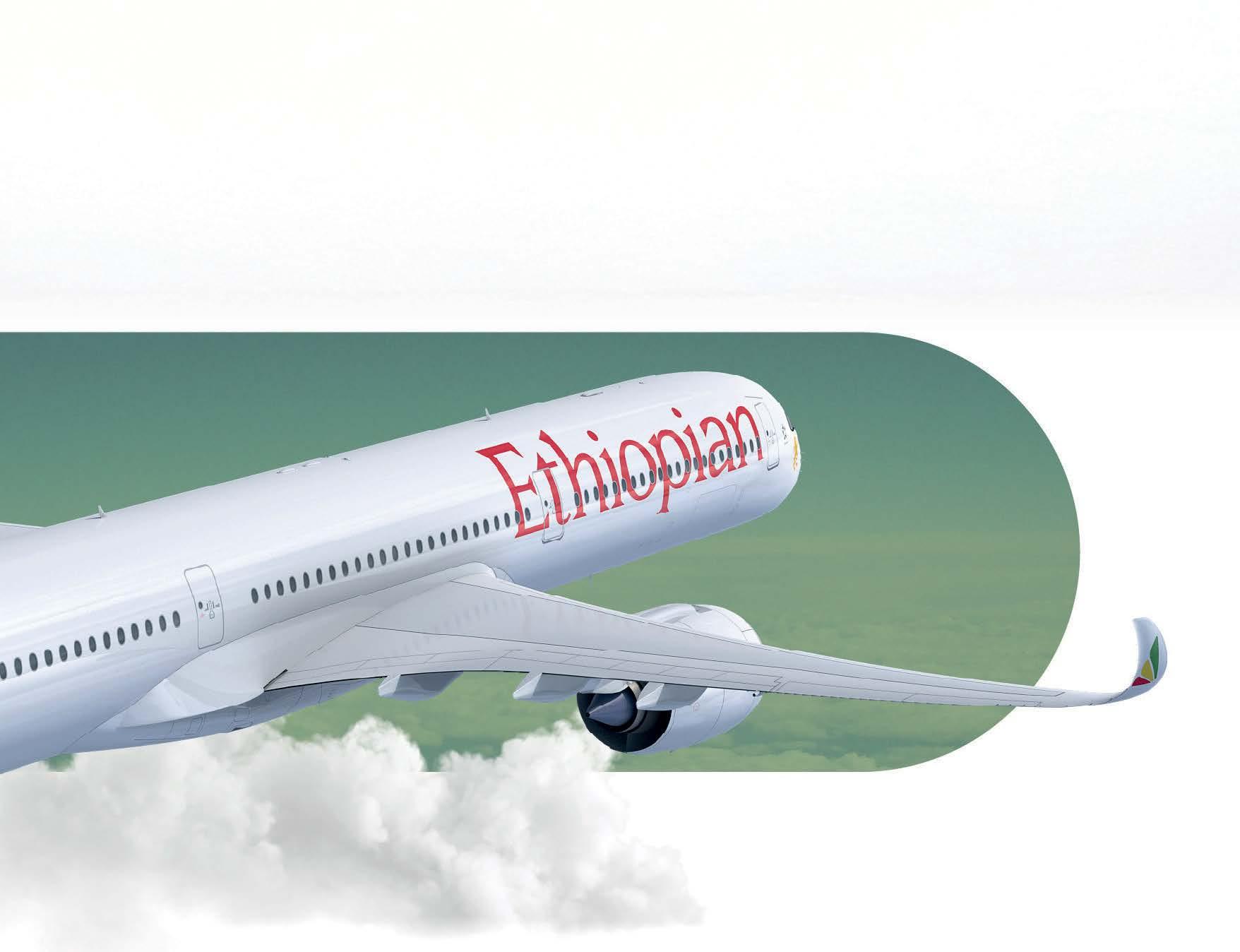
Ethiopian Airlines – Africa’s Pride in the Skies. Connecting 145+ destinations worldwide with a modern, eco-friendly fleet, we’re the Spirit of Africa in every flight.
Africa’s leading aviation group, is one of the fastest-growing airline brands globally. Pioneering aviation technology, it introduced multiple firsts—from jets to the B787 Dreamliner and Airbus A350 series.
Addis Ababa Bole International Airport
and passenger numbers, positioning the airport as a leading hub for air travel in Africa. In 2012, a further passenger terminal expansion was announced, alongside the development of a new ramp. These developments totalled 259 million dollars and were vital to enhancing the airport’s total passenger handling capacity. Once completed, the expansion increased the airport’s capacity to 22 million passengers a year, a figure it still serves over 10 years later.
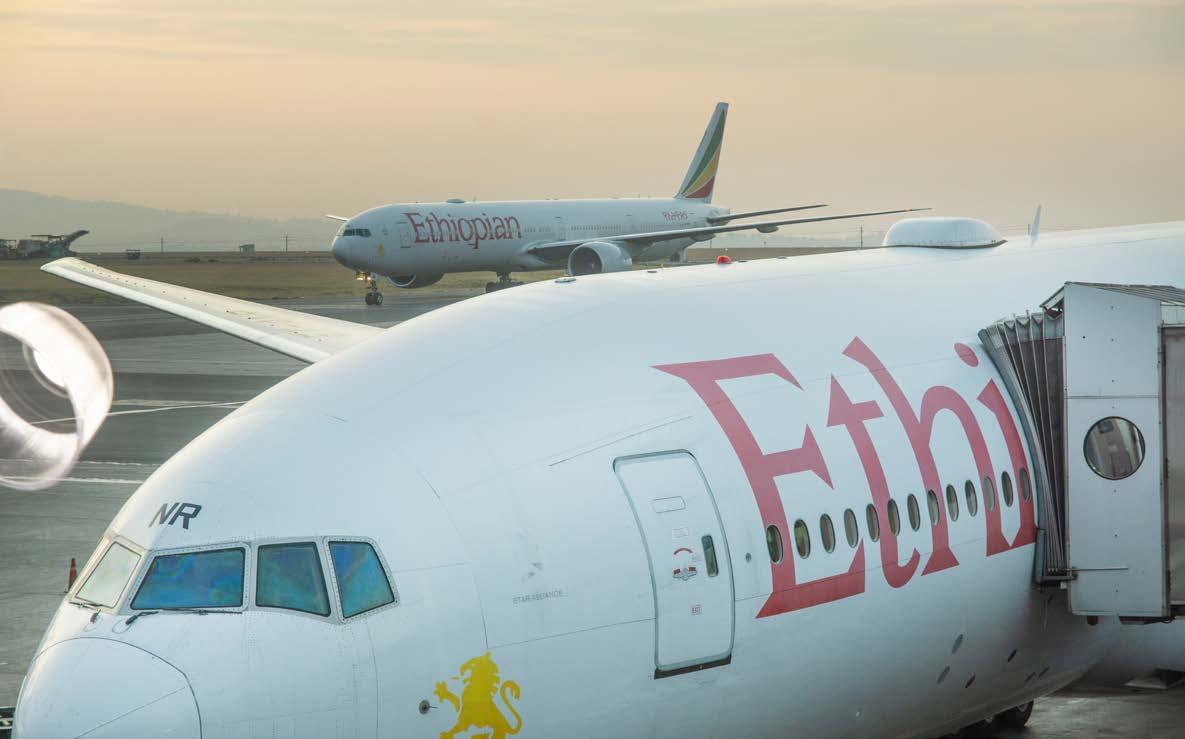
Today, the Addis Ababa Bole International Airport is the central hub for Ethiopian Airlines, helping the company connect to over 60 African cities and more than 145 international destinations. Thus, the development and expansion of the airport is a priority for Ethiopian Airlines to allow the airline to remain one of the fastest-growing airline brands across the globe. Thus, since the ultra-modern airport terminal was inaugurated in 2003, the airport has continued to expand to ensure its terminals have the capacity and facilities to continue to meet the ever-growing tourism industry and support Ethiopian Airlines’ role in this.
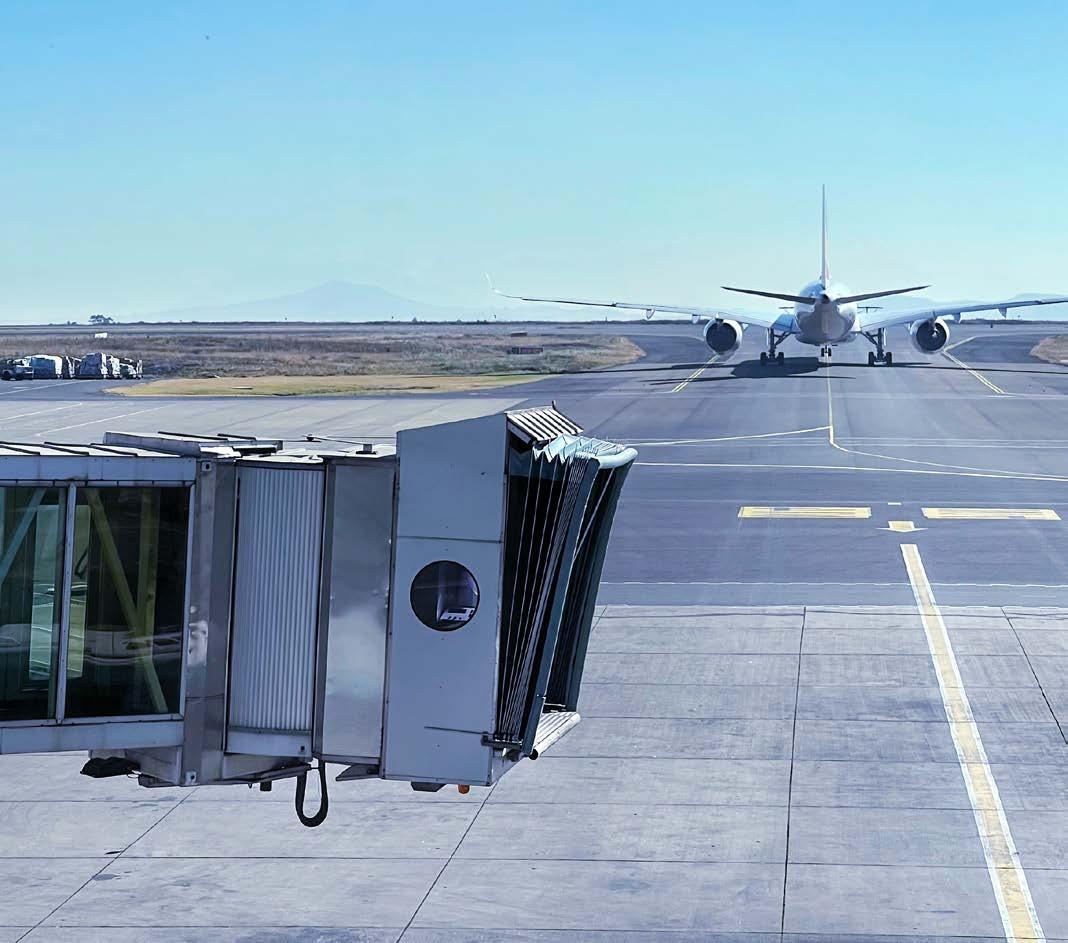
The Addis Ababa Bole International Airport spans two terminals. Terminal 1 is used for domestic flights, whilst Terminal 2 serves all international flights. Across the airport terminals, there are arrival and departure halls, security, immigration and customs operations, as well as full baggage handling services and check-in kiosks. Other key facilities include restaurants, pharmacies, tourism information centres and duty-free sections. Across these, the airport provides everything passengers would need to support their journeys from the moment they walk into the airport.
As the global tourism industry continues to expand, the airport continues to make vital expansions to meet these growing needs. We saw this in 2024, when Ethiopian Airlines announced the inauguration of the Domestic Terminal’s expansion. The expansion saw the Terminal increase to 25,750 square meters, and in the process, increase the terminal’s capacity two-fold. The expansion also included the introduction of more modern airport systems and facilities, including four contract gates, 10 remote departure gates, 22 check-in
At over 54 airports across Africa and Reunion
counters with automated baggage screening systems, self-check-in kiosks, a modern security screening system, Premier passengers’ lounge and various other facilities and amenities. This development project totalled 50 million dollars and helped streamline passenger flow and improve the overall passenger experience.
Speaking on the Domestic Terminal expansion inauguration announcement, Mesfin Tasew, Chief Executive Officer of Ethiopian Airlines Group, outlined, “The Domestic terminal expansion and renovation at Addis Ababa Bole International Airport is a significant addition to our initiative of modernizing and renovating airports and aviation facilities in the country. As the demand for domestic travel is growing, the completion of this project would allow us to offer a smooth travel experience to our esteemed passengers.” Tasew’s comments highlight just how vital this expansion is for the Addis Ababa Bole International Airport, because not only will it help deliver a better and more seamless experience for passengers, but it will also help enhance the overall modernisation of the airport to position it as a vital hub for domestic air travel.
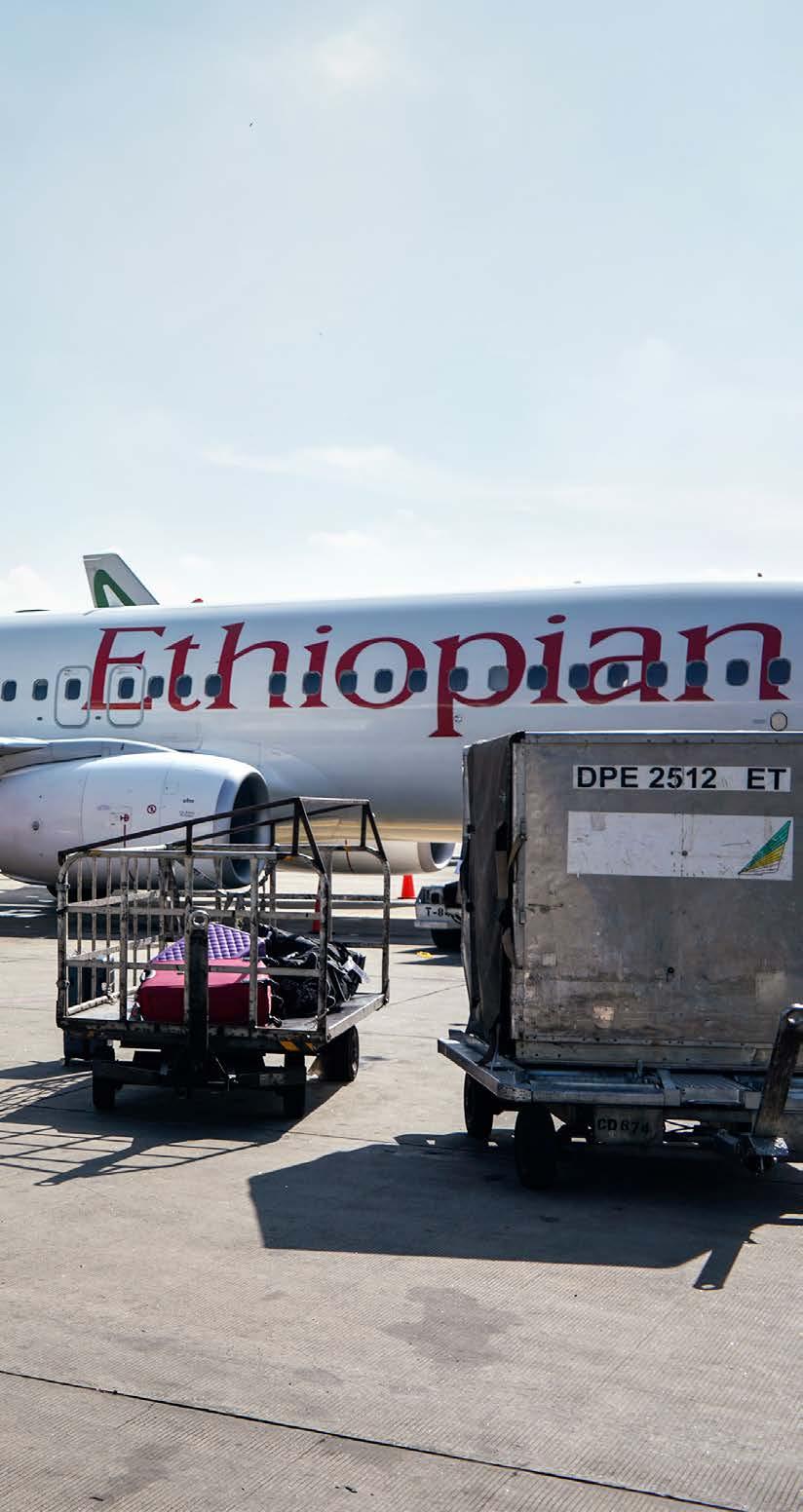
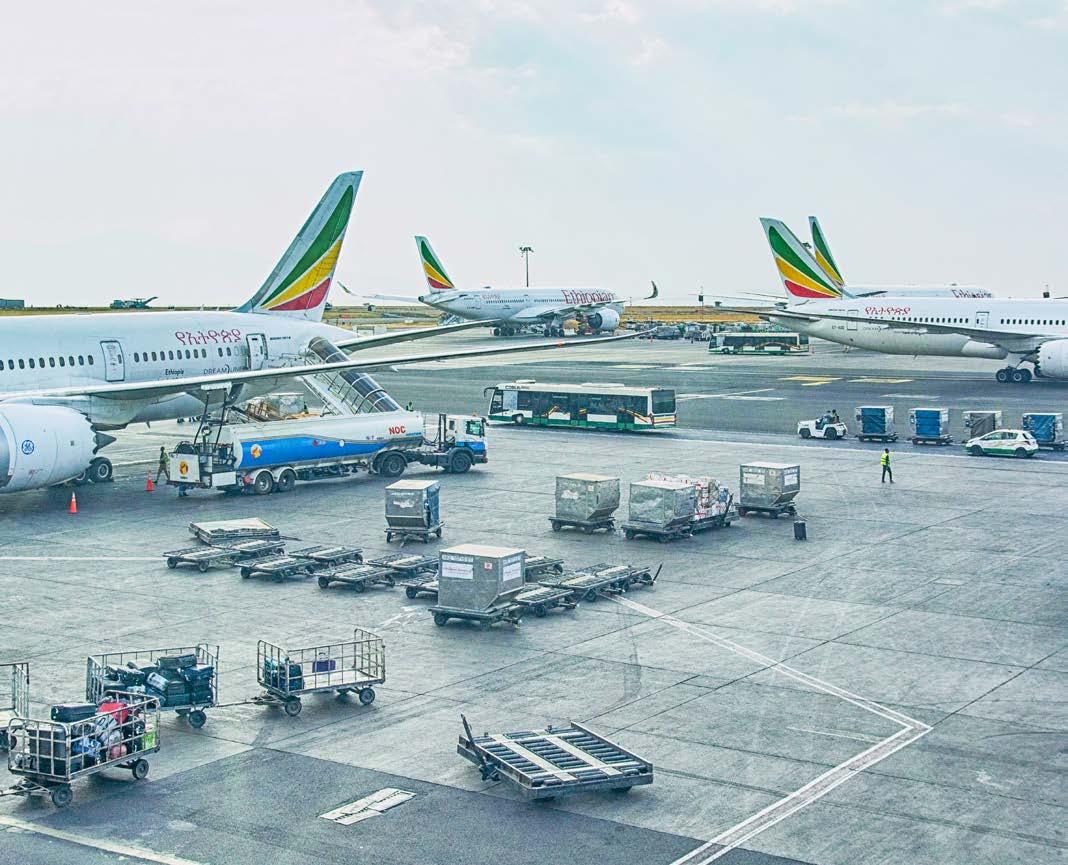
Aside from passenger air travel, the Addis Ababa Bole International Airport is also a major air freight hub, supported by Ethiopian Airlines Cargo & Logistics Services. For many years, the airport’s freight operations have been expanding, and now the Addis Ababa Bole International Airport is one of the most important airfreight gateways in Africa. The airport’s freight and logistics sector is operated by Ethiopian Airlines Cargo & Logistics, which is one of the largest cargo operators in Africa. With the vital facilities in place at the airport, such as a purposebuilt cold-storage facility, the Addis Ababa Bole International Airport is a key consolidation hub for Africa, bringing cargo from across the continent, which is then passed through the airport’s warehouses and onto global markets.
Collectively, the passenger and air freight operations of the airport have cemented its position as a vital hub serving Africa with leading passenger facilities and warehousing options to support global supply chains. However, with such an influx of operations spanning across the airport’s operations, the airport can experience some capacity constraints. To handle the growing role of passenger and air cargo traffic arriving, Ethiopian Airlines announced that it is currently developing a new mega airport in Bishoftu, close to the existing Addis Ababa Bole International Airport. The Bishoftu
Addis Ababa Bole International Airport
International Airport is planned to be a hub for all international passenger and cargo traffic and will work alongside the Addis Ababa Bole International Airport, which will retain its domestic passenger and cargo operations. Collectively, the airports will help enhance Ethiopia’s role as a hub for aviation development, stimulating regional development, enhancing the continent’s logistics capacity, and producing tens of thousands of jobs for the local community.
The Bishoftu International Airport development project will be Africa’s largest aviation infrastructure project, and plans to have four runways, space to park 270 planes and the capacity for 110 million passengers a year once in full operation. Construction began on the development in January and is expected to open in its first phase by 2030. The development of the Bishoftu International Airport highlights Ethiopian Airlines’ ambitious growth strategy, which is set to enhance the airport’s network, deliver vital infrastructural development
and bring human capital investment to enhance the global competitiveness of its operations.
With the aviation industry continuing to see a vast increase in passenger and cargo transportation, airports are vital hubs helping serve people and supply chains on both a domestic and international level. For Ethiopia, the Addis Ababa Bole International Airport is a vital hub for air and cargo travel, supported by vital investment from Ethiopian Airlines. With this investment, the airport has vastly expanded in the last 30 years to continue to meet the needs of air transportation today, whilst working to provide the essential facilities and modernised systems for the future. With the announcement of the Bishoftu International Airport, which began construction this year, we look forward to seeing the ongoing role this development will play alongside the Addis Ababa Bole International Airport to enhance Ethiopia’s air transportation network and deliver the country’s airports as a vital hub for domestic and international travel.
Gulf Energy
Gulf Energy Limited is celebrating two decades of influential leadership in Kenya’s energy sector, a milestone marked by a transformative shift from a local oil trader to a key player in the nation’s upstream oil production. Over the past 20 years, the company has evolved through strategic expansions and is now a prominent leading energy solution provider in Kenya, supported by its long-standing relationships with global trade firms and equity holders.
Across Gulf Energy’s 20-year history, the company has played significant roles in the regional petroleum market, power generation sector, and infrastructure development industry, where every operation is underpinned by the company’s commitment to providing energy solutions that meet the needs of today. Today, Gulf Energy is the only indigenous oil company in the top 4 ranked Oil Marketing Companies in the industry, underpinned by its commitment to providing energy solutions that meet the needs of its customers now and for the future.
Gulf Energy’s operations today can be broken down into three key areas: supply and trading, power generation, and infrastructure. Within its supply and trading operations, Gulf Energy actively engages with the regional petroleum market, where it sources products from a wide range of suppliers that it serves to its diverse customer base. Within this division, Gulf Energy ensures seamless operations, focused on ensuring every project is delivered with responsible and sustainable practices.
The second division is power generation, through Gulf Power Limited. Its business operations focus on the generation of baseload power to meet the rising demand, powering the growth of the economy. Gulf Energy ventured into the power generation sector as the first indigenous power development company, operating its first 80.32 Megawatt (MW) medium-speed diesel power plant in Athi River. Then, the third and final aspect of Gulf Energy’s operation is in infrastructural development, where the company utilises its local expertise to originate and develop infrastructure projects that promote sustainable development. Across these divisions, Gulf Energy is committed to delivering energy projects and provisions in the most sustainable manner possible, whilst maintaining its high-quality standards to see it develop into the future. As the company enters into its 20th year of operation, Gulf Energy announced the completion of a major US$120 million acquisition of Tullow Oil’s interests in the South Lokichar Basin. In September 2025, Gulf Energy, through its affiliate Auron Energy
Engineering Africa’s Future,
Marking 20 Years of Powering Kenya’s Future
E&P Limited, completed the purchase of Tullow Oil’s entire working interest in Kenya. This deal includes 100% of the shares in Tullow Kenya BV, which holds interests in exploration blocks 10BA, 10BB, and 13T.
The South Lokichar Basin is a major oil-producing region in the East African Rift, which is estimated to hold 4 million barrels of oil in place. Therefore, the acquisition of the development blocks from Tullow Oil marks a significant milestone for Gulf Energy, as it looks to develop the assets through the drilling of hundreds of wells and the construction of a heated pipeline to produce significant oil for Kenya in the years to come.
Reflecting on this milestone, Paul Limoh, Chief Executive Officer of Gulf Energy Ltd, emphasised the national importance of these assets with “We are delighted to complete this transaction and to bring these assets under the stewardship [of] Gulf Energy Ltd. This project will play an important role in advancing Kenya’s domestic energy sector, creating opportunities for growth and development in the Turkana region, as well as supporting the
country’s long-term energy security.” Gulf Energy aims to deliver the first oil from the South Lokichar Basin by December 2026.
For Paul Limoh, the acquisition of the Tallow Oil blocks highlights the 20 years of ambition behind the company. According to Limoh, “We started with a dream to fuel Kenya’s vehicles; today, we are in a position to harvest the very energy that fuels our nation. This anniversary is not a finish line; it is a launchpad for the next phase of Kenya’s industrial revolution.” The acquisition joins the long history of acquisitions carried out by Gulf Energy, through its subsidiary Auron Energy, from companies such as TotalEnergies and Africa Oil, to position the company now as the sole steward of Kenya’s crude oil development.
Limoh is acutely aware of the weight of this responsibility: “This acquisition is a defining moment for Gulf Energy and for Kenya. We aren’t just buying
RESOURCE. PERFORMANCE. SAFETY.
assets; we are taking over a national promise. For years, the people of Turkana and the citizens of Kenya have waited for ‘first oil.’ By taking 100% control, we have streamlined the decision-making process to ensure that this project moves from the ground to the market with unprecedented speed.”
While the acquisition is vital for the company’s development, Limoh is adamant that the project’s success rests on the shoulders of the company’s vast network of suppliers and contractors. For Gulf Energy, these partners are not merely service providers; they are the “engine room” of the entire operation. Developing the South Lokichar fields will require an estimated US$3.4 billion in investment. This will be invested directly into the hands of contractors specialising in engineering, logistics, construction, and environmental management. For Limoh, “Our contractors and suppliers are the lifeblood of Gulf Energy. As we celebrate 20 years, we are also celebrating the firms that have stood by us. To our current partners: your role is about to get much bigger. To our future suppliers: we need
your innovation, your speed, and your commitment to excellence.”
As Gulf Energy enters its 20th year of operation, development and growth underpin every decision it makes to position the company as the leading oil, gas and power firm supporting Kenyans every day. With years of development behind it, the company today is spearheading a vital acquisition into the South Lokichar Basin to enhance its energy delivery and cement its place as an energy provider of choice, providing the best solutions across the energy sector to meet the needs of its customers. As Paul Limoh outlines, the 20th anniversary of Gulf Energy is just the first step, and we look forward to seeing how the company will continue to develop the assets of Kenya to deliver energy development.
YOUR TRUSTED PARTNER IN MARITIME & LOGISTICS
Carnival Cruise Line
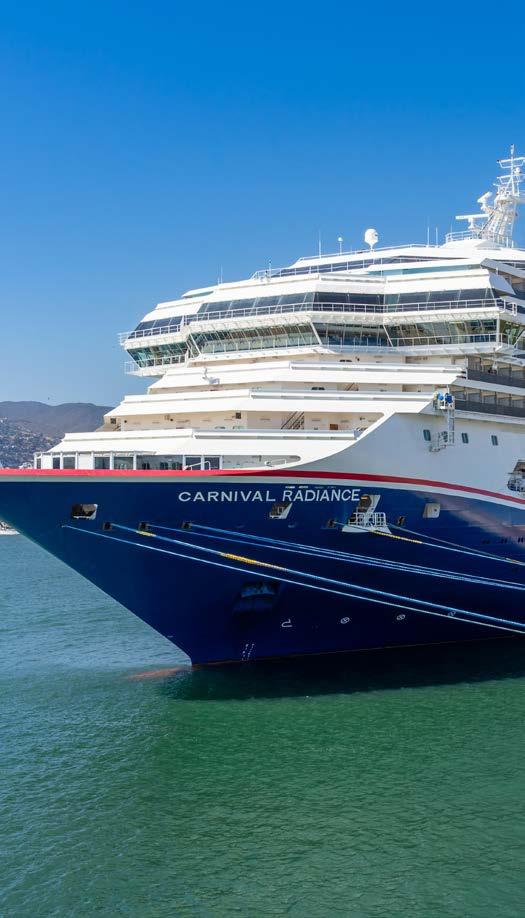
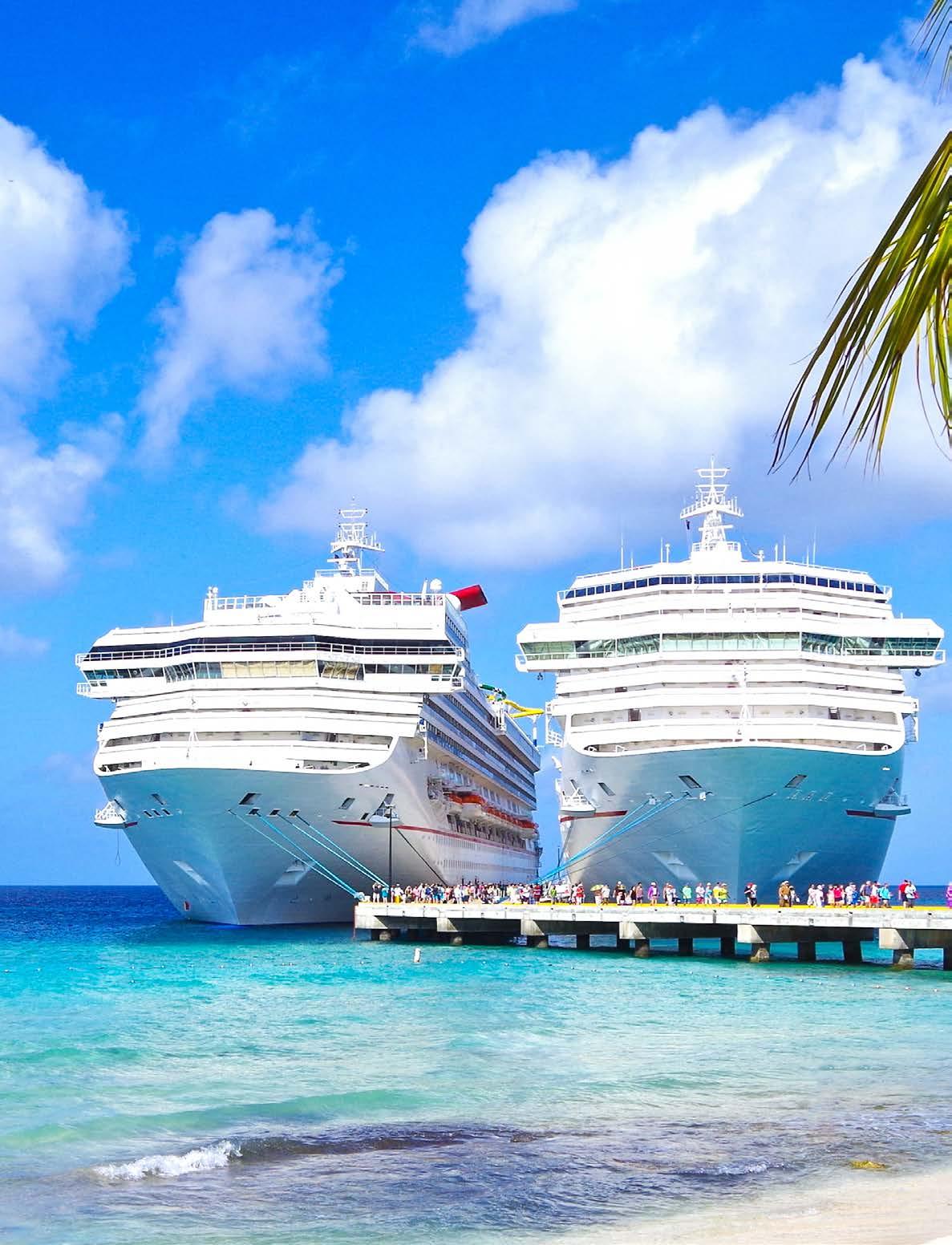
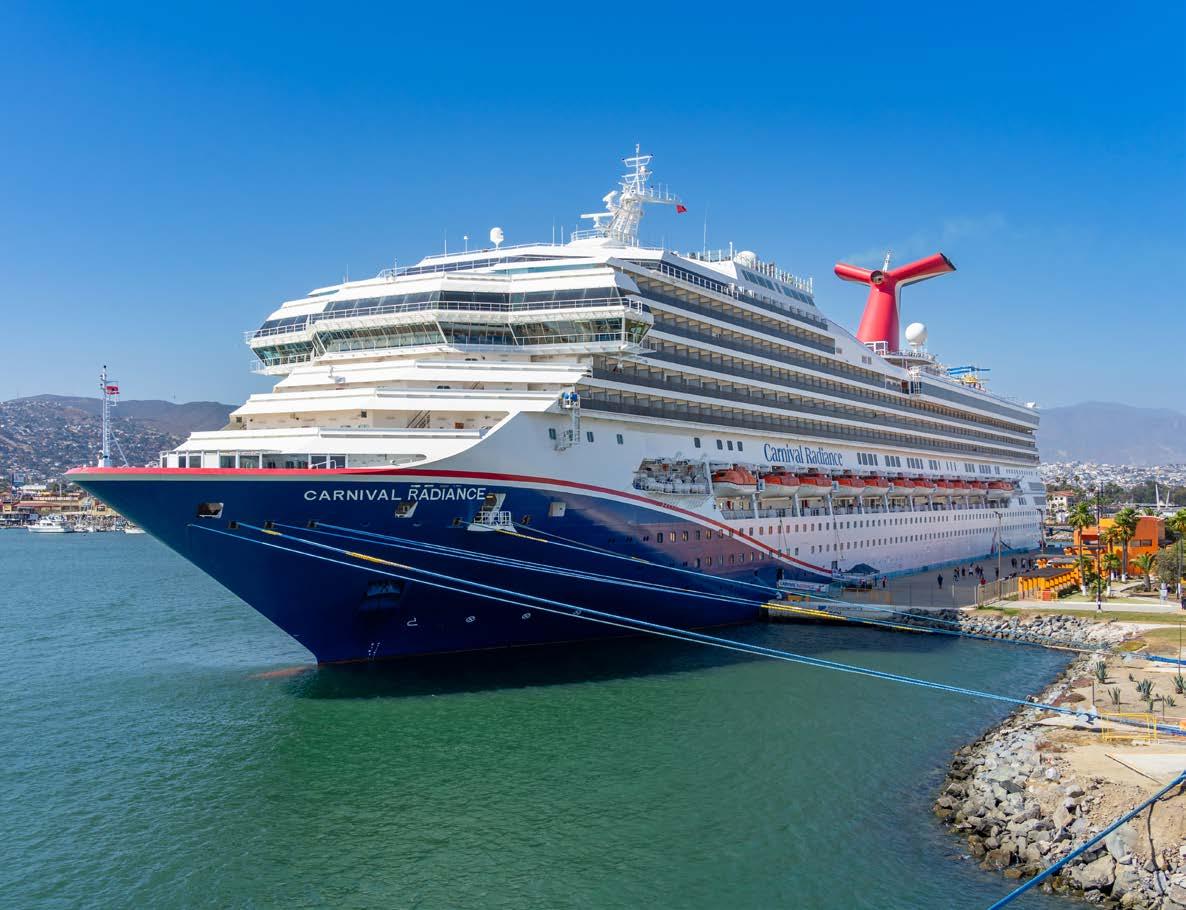
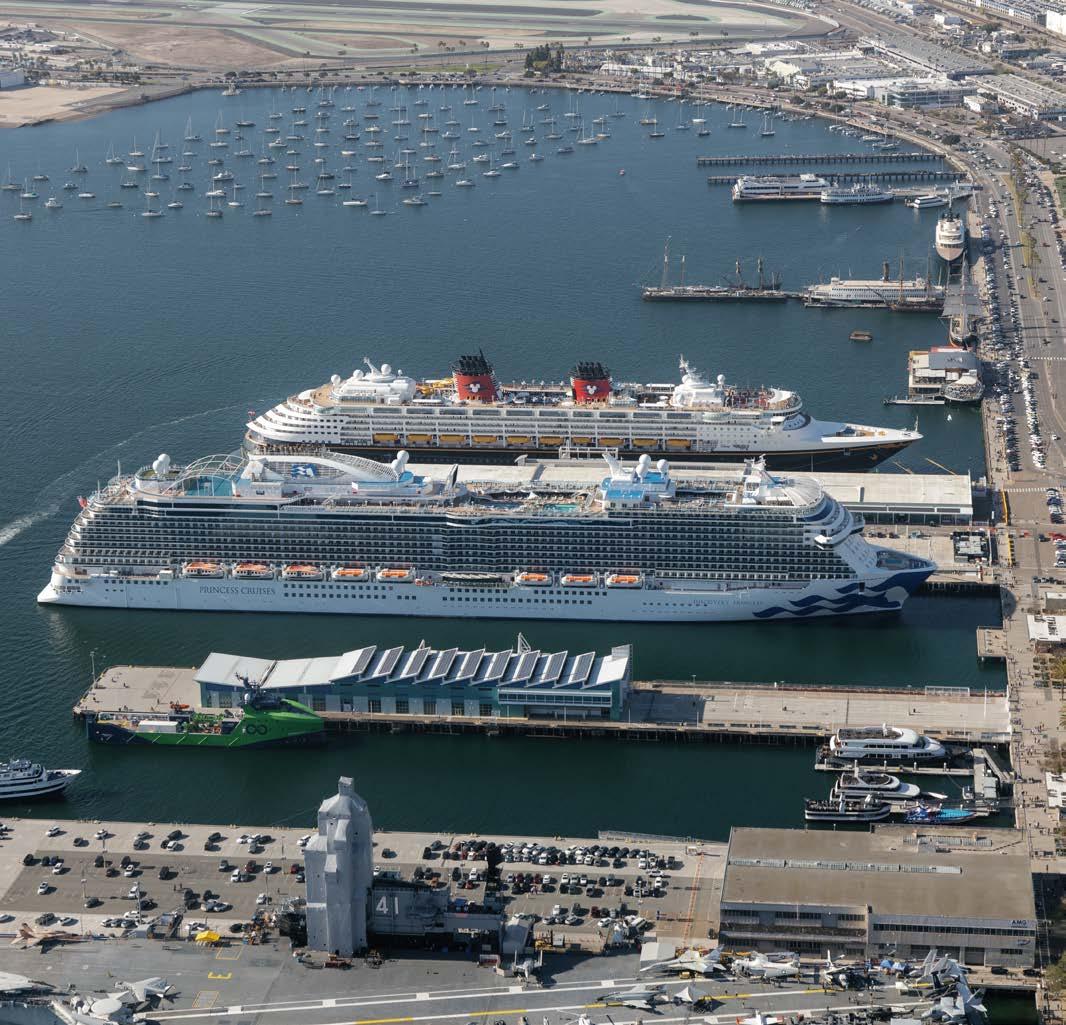
Founded in 1972, Carnival Cruise Line has been delivering dream cruise itineraries across the world, travelling from its twelve U.S. and two Australian homeports. Carnival Cruise Line, a subsidiary of Carnival Corporation & Plc, offers a plethora of cruise itineraries with a particular focus on the Caribbean and South America, where its vessels travel to dream destinations across the region. Now more than 50 years since its founding, it’s no surprise that Carnival Cruise Line today is a popular cruise line company for tourists, offering them the chance to experience the delights of the globe on one of its world-class voyages.
Carnival Cruise Line is a vital cruise liner company under the global Carnival Corporation & Plc (Carnival Corporation), which has long been a leader in the worldwide cruise tourism market. As one of the leading cruise lines under Carnival Corporation, Carnival Cruise Line has long been a premier cruise line partner, offering tourists the chance to experience crystalclear waters and tropical weather on dream holiday itineraries. Today, the company has 27 cruise vessels embarking on voyages spanning anywhere from 2 to 29 days, arriving at dream destinations across the Caribbean, The Bahamas, the British Virgin Islands, Mexico, South America, Alaska, Europe and Hawaii. In addition to this, Carnival Cruise Line also operates 2 ships under its Carnival Cruise Line Australia division, offering cruise itineraries travelling from Sydney and Brisbane to destinations such as New Zealand and the Pacific Islands. Across these routes, Carnival Cruise Line has sailed more than 100 million guests, providing every passenger with leading cruise line services.
Carnival Cruise Line operates 10 different vessel classes, which include Excel, Venice, Vista, Sunshine, Dream, Splendor, Conquest, Spirit, Fantasy, and Adventure class. Each of these vessels offers a unique cruise experience, with varied passenger numbers, amenities, attractions and dining options to suit every guest’s needs. Furthermore, each vessel varies in size, offering passengers the chance to experience more intimate, lower capacity vessel options, to ones that are designed for the family, with rollercoasters and water slides. This wide variety of vessel options ensures that Carnival Cruise Line can remain a leader in the industry, offering a plethora of cruise voyages to suit its customers’ needs for both location and amenities.
However, as Carnival Cruise Line has grown its fleet over the last 5 decades, a key focus of its fleet development is now focused on delivering more sustainable cruise liner options that meet the needs of its customers in a more environmentally friendly way. One of the key developments towards making its vessels more sustainable is the development of
Only the Best Cruise Line Experiences
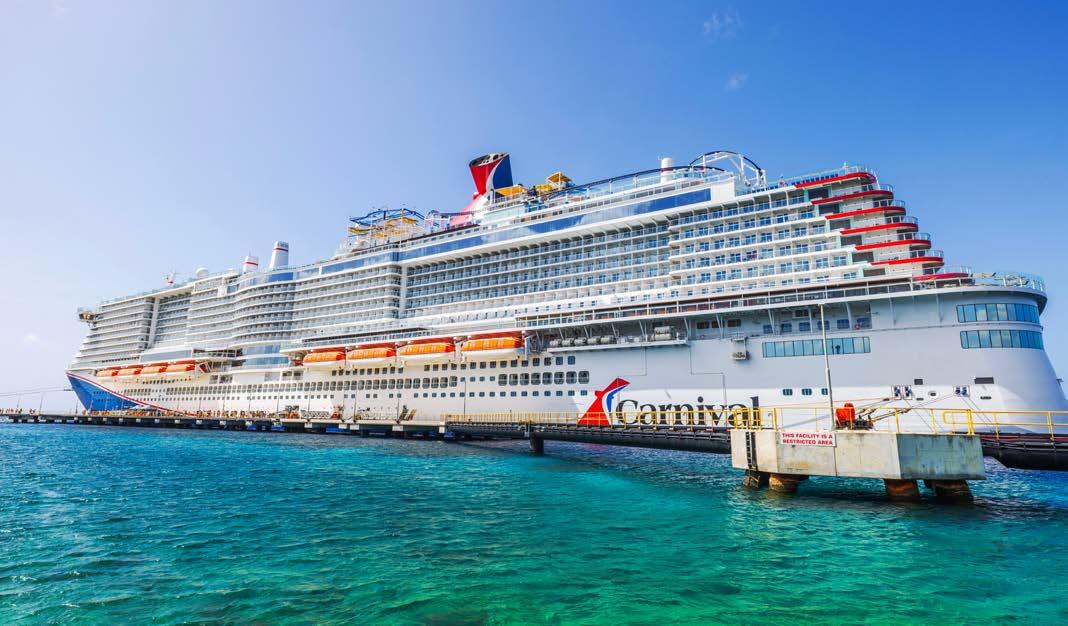
cruise liners that are powered by liquified natural gas (LNG). A key example of this is the Carnival Mardi Gras, which was introduced in 2021, offering a new class of 180,000-ton ship, which is the first one ever to be powered exclusively on LNG.
From this vessel, Carnival Cruise Line has continued to expand its fleet with this sustainable innovation in mind, and in 2023, the Carnival Jubilee vessel was launched in the footsteps of the Carnival Mardi Gras for sustainability. Today, the Carnival Jubilee is a cruise vessel powered exclusively by clean-burning LNG fuel, offering customers a unique and fresh cruising experience across its 6 themed zones, underpinned by Carnival Cruise Line’s commitment to making the cruise tourism industry more sustainable.
As Carnival Cruise Line looks to the future, it has announced the development of the Carnival Festivale, which is planned to set sail in 2027 from Port Canaveral in Florida. The vessel is planned to focus on family trips, offering 6 immersive and music-inspired zones. This means that across the vessel, every experience is underpinned by music
REYNOLD’S PIER:
JAMAICA’S GATEWAY OF RESILIENCE, GROWTH, AND GREEN INNOVATION
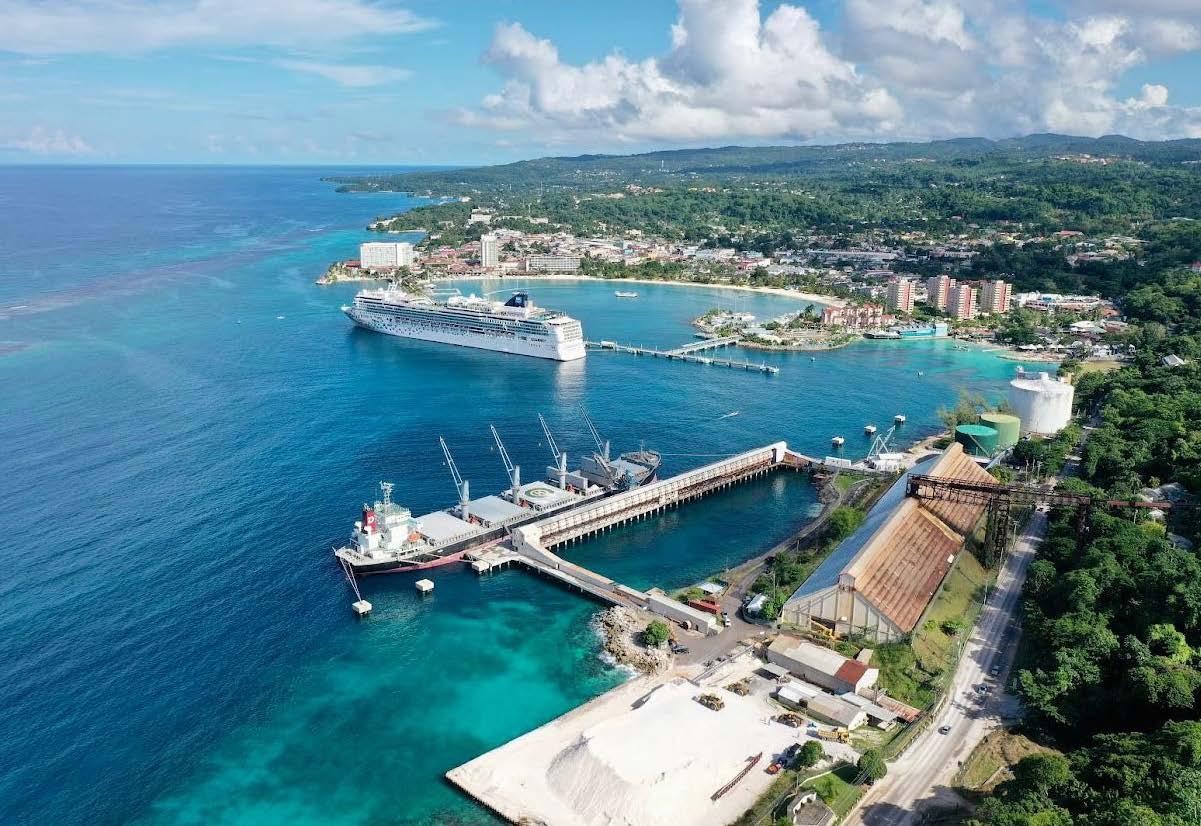
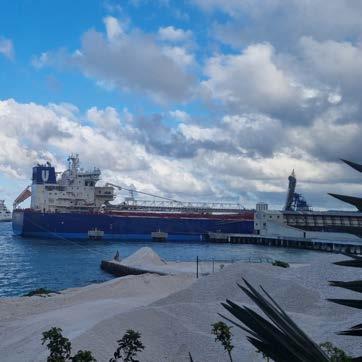
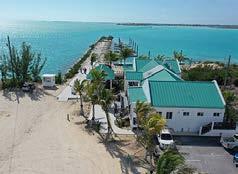
Reynold’s Pier rises from the turquoise edge of Ocho Rios as both a monument of Jamaica’s industrial story and a modern engine of resilience. Built more than seventy years ago to export bauxite, it has evolved into a fully multipurpose facility capable of handling cargo and cruise operations with efficiency. Today, under the stewardship of Jamaica Bauxite Mining Limited (JBM) and its Managing Director Donna Marie Howe, Reynold’s Pier stands as a strategic asset driving growth, recovery, and sustainability.
Its dual capability forms part of the backbone of the resort town of Ocho Rios’ economic pulse. The pier can shift seamlessly from dispatching aggregates and bulk cargo to receiving thousands of cruise passengers. This flexibility proved critical
after Hurricane Melissa (October 2025) when Reynold’s Pier became the first pier on the island to welcome cruise ships just days after the storm. It also transformed into a humanitarian gateway, receiving relief supplies from cruise partners for rapid distribution national distribution to critically affected areas.
With the Port Expansion Project underway, the pier is entering a new chapter boosting cargo capacity, enhancing passenger movement, and modernizing berthing infrastructure. Central to this evolution is JBM’s push toward a future-ready green port, powered by an 84% solar energy system, reducing CO2 emissions by 220,550 kg annually. The vision includes shore-to-ship power, advanced waste management, and stronger shoreline protection.
The Reynold’s Pier is becoming a model of resilient, sustainable Jamaican innovation; strong, smart, and ready for the future.
As operator of the port, JBM manages over 4,000 acres of government property and delivers services across four core units: Commercial Properties, Port Management, Land Management, and Custodial Management, while overseeing the operations of Discovery Bauxite Partners.
Our Services Include:
• Port and Operations Management
• Land Development
• Commercial Development & Property Management
• Custodial Management
Strong. Smart. Sustainable. Ready for the future.
Mrs. Donna Marie Howe
JBM’s Managing Director
Carnival Cruise Line
for a unique and vibe-focused trip. In addition to this, the vessel even has an open-air Sunsation Point, where the Carnival WaterWorks Ultra Waterpark, including the Sun Soaker and Turning Tides slides, provide hours of family fun onboard the vessel. However, guests can also experience fan favourite food spots such as the Alchemy Bar™, Piano Bar 88™, Limelight Lounge, Big Chicken™ and Swirls. The vessel will offer cruise line tours across both Southern and Eastern Caribbean hotspots from its home port of Port Canaveral on the US coastline, adding yet another unique and highly sought-after cruise option to Carnival Cruise Line’s portfolio.
Carnival Festivale will join Carnival’s existing and expansive fleet, offering cruises across the world. Amongst these feet are key vessels such as the Carnival Firenze and Carnival Venezuela. These vessels offer a unique Italian-style cruise offering, with the boat’s theme making you feel like you just stepped into Italy. These vessels travel to the Caribbean, with Carnival Firenze also including stops in Mexico and South America. These stops include places such as Chile, Peru and Argentina, offering its guests the best of South America on the uniquely themed vessels.
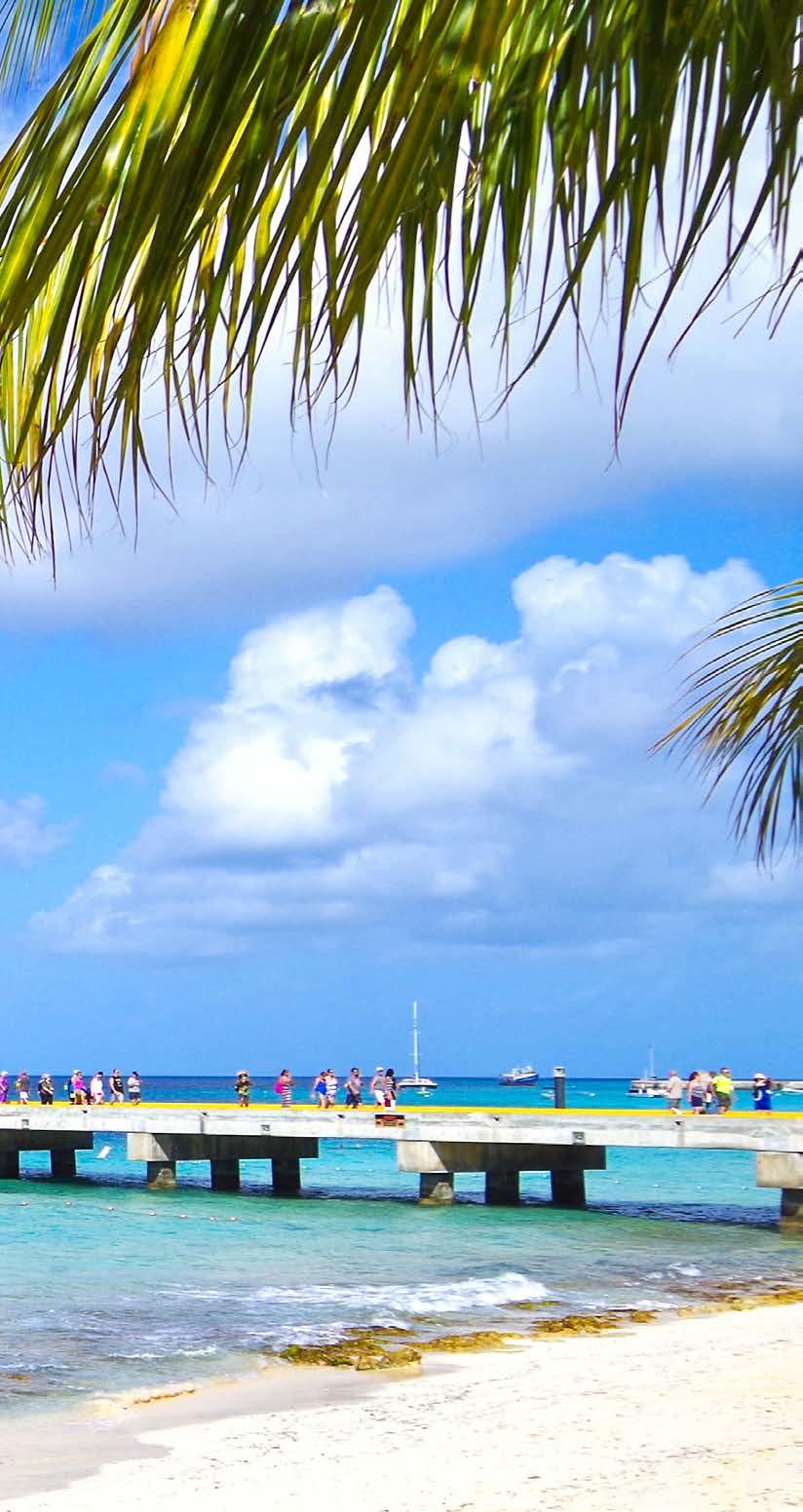
One of the largest developments for Carnival Cruise Line in 2025 was the opening of Celebration Key, a private destination located in Grand Bahama.
CONNECT TO A SMOOTHER, SMARTER OCEAN
With a physical presence in over 80% of the world’s ports and waterways, our port agency and marine services smooth the way at every call.
www.iss-shipping.com enquiries@iss-shipping.com
The destination is the cruise line’s exclusive destination, offering guests 5 key areas to explore. The main location is Paradise Plaza, where guests are welcomed to the island with live music. Then the Starfish Lagoon offers a family-focused area with one of the two largest freshwater lagoons in the Caribbean. Alongside this, there are splash pads, sports courts and slides, whilst the beach is lined with loungers and cabanas for relaxing visits. Starfish Lagoon also offers an array of food and drink options for casual dining.
Then, for an adult-friendly option, the Calypso Lagoon offers 270,000 square feet of adults-only space where guests can enjoy music and drink at the world’s largest swim-up bar. The Pear Cove Beach Club is also an adult-only destination, with the private club offering guests a large infinity pool overlooking the beaches, lounges, cabanas and super villas. Here, guests can find elevated dining and beverage options, with the Pearl Cove Bar having its own separate swim-up bar for a more relaxing adventure. The final key destination is the Lokono Cove, which is the retail village of the island where guests can shop.
With a plethora of facilities to suit every type of adventure, Celebration Key is expected to bring around 2 million guests to Grand Bahama a year, with this figure expected to rise to around 4 million
@ b v i p o r t s
@ b v i p o r t s a u t h o r i t y
w w w . b v i p o r t s . o r g
b v i p o r t s @ b v i p o r t s . o r g
by 2028. Thus, the island will offer Carnival a unique and exclusive offering for its guests, supported by a cruise pier capable of accommodating two of Carnival’s largest ships simultaneously. Further construction is underway to extend the pier to allow it to accommodate two additional cruise ships.
Announcing the opening of Celebration Key, Carnival Cruise Line President Christine Duffy outlined that “Today marks an extraordinary milestone for Carnival as we open the first phase of our initial $600M investment, with more to come. Celebration Key is more than just a beautiful place; it’s a celebration of the Bahamian paradise our guests live in, complemented by an impressive variety of incredible new experiences and offerings”. As Duffy outlines, Celebration Key is a vital destination for Carnival Cruise Line that will enhance Grand Bahama and support the company’s continued investment in its tourism operations across the Caribbean.
In November 2025, Carnival Cruise Line announced its new wave of vessel deployments for 2027/2028. The company outlined that Carnival Sunrise, part of the Carnival Sunshine Class, will begin offering 4–6-day itineraries from the Port of Miami. These itineraries, alongside its existing short-cruise programs to The Bahamas, will see the vessel arrive at Carnival’s exclusive destinations, including the newly opened Celebration Key, RelaxAway, and Half Moon Cay, as well as its calls to Nassau in The Bahamas. In addition, the vessel will offer 2–6-day holiday itineraries in 2027 for Thanksgiving cruises to Celebration Key, Grand Cayman, Cayman Islands, and Montego Bay.
Then, in December 2027, Carnival Sunrise will also offer a Christmas sailing itinerary to Celebration Key, Amber Cove, the Dominican Republic, and Grand Turks. Commenting on the planned itineraries for Carnival Sunrise, Christine Duffy, President of Carnival Cruise Line, outlines, ‘With Celebration Key and RelaxAway now part of our 2027/28 sailings, guests can create two of the premier beach destinations in the Caribbean while enjoying some of The Bahamas’ most beautiful destinations”. By spring 2028, Carnival Sunrise is expected to complete more than 70 sailings, giving guests endless opportunities to explore these signature escapes to some of Carnival’s exclusive destinations.
Across Carnival Cruise Line’s operations, we can see there is a real commitment to delivering cruise experiences that allow tourists to experience the delights of what the world, and specifically the Caribbean, has to offer. With a plethora of cruise line options, Carnival Cruise Line can develop new and exciting cruise options to suit the needs of every tourist, whilst underpinning each development with sustainability in mind. With this focus on sustainability, new cruise liners can push the industry towards a more environmentally friendly future, where clean fuels such as LNG are used. We look forward to seeing how Carnival Festivale will provide even more unique music-fuelled adventures across the Caribbean, as Carnival strengthens its relationships with the ports and communities that enable sits operations to thrive.
THE FIRST US NATIONAL PARK: YELLOWSTONE
Written by Carley Fallows
Known for its wildlife and geothermal features, Yellowstone National Park spans 3,468.4 square miles of land extending across Wyoming, and into Montana and Idaho. The park is the first national park in the US, having been established through the Yellowstone National Park Protection Act in 1872. With such an expansive area and natural beauty, visitors travel from all over the world to visit and hike through the park’s various trails. However, one of the most notable features of the park is that it is home to the Yellowstone Caldera, part of the largest supervolcano on the continent, which is responsible for the iconic geysers and hydrothermal features that attract so many people to the park.
Aurora can be seen near both the north and south poles, however, in the south, it is called the aurora australis. For millennia, the lights baffled humans as they tried to understand what caused this light spectacle. The answer comes from the sun. Solar storms on the sun’s surface cause large waves of electrically charged particles to travel millions of miles into the solar system. Many of the particles are deflected away from Earth, but sometimes they become captured in the Earth’s magnetic field and quickly are pulled into the atmosphere and towards either of the Earth’s poles.
Across the Yellowstone’s 2.2 million acres, visitors can see the likes of bison, elk, grizzly bears, a plethora of bird species and even grey wolves, as well as various other mammals and reptiles. The park is known for its bison herd, which is one of the oldest and largest public bison herds in the United States. For this reason, the Yellowstone ecosystem is vast, boasting to house the largest concentration of mammals in the lower 48 states. Aside from animals, the forest and grasslands provide ample space for a variety of unique species of plants. Thus, with so much land to explore, tourists love to make the most of many activities, including hiking, camping, boating and fishing across the park to see this rich ecosystem at work.
One of the most interesting features of the park is Yellowstone Lake, which is located 7,732 feet above sea level, making it one of the largest
freshwater lakes above 700 feet in North America. To the southwest of the Lake lies the West Thumb Geyer Basin, which is what draws many tourists to the lake every year. The basin causes geysers, fumaroles and hot springs to occur alongside the lake. The most well-known is the Old Faithful geyser, which is a cone geyser that has erupted predictably for many years. Roughly every 44 minutes to 2 hours, the geyser will erupt, sending 3,700-8,400 gallons of boiling water soaring into the sky over a couple of minutes up to 184 feet. Other notable geysers in the park include the Steamboat Geyser, which can shoot water up 300 feet but is largely unpredictable, and the Beehive Geyser, Castle Geyser, Great Fountain Geyser and the Daisy Geyser. With more than 500 geysers across the region, it is the world’s greatest geyser area, and adds to the hydrothermal hot springs, mudpots, and fumaroles caused by the geological makeup of the park.
Within the Yellowstone National Park lies the Yellowstone Caldera, an enormous crater in the western-central part of the park. The Caldera was formed around 640,000 years ago following a cataclysmic volcanic eruption and formed part of the supervolcano that extends across Yellowstone Park. The volcano went through three giant eruptions, which created the three calderas that make up the supervolcano today. The first eruption was 2,100,000 years ago, and the second was 800,000 years later. The Yellowstone Caldera is the youngest of the three calderas, but is the largest,
with the depression measuring 50 by 70 kilometres across. Despite its size, the Yellowstone volcano is dormant, with the last lava flows taking place around 700,000 years ago. Scientists across the park constantly monitor the volcano for any slight change or signs that could signal a future eruption. Whilst an eruption is very unlikely, as the last major eruption occurred some 640,000 years ago, there always remains the possibility that we could see eruptions in the future.
The Yellowstone National Park remains a natural wonder, where wildlife, beautiful scenery and interesting geology come together in one unique landscape. One of the best ways to see the park is across the over 1,100 miles of trails extending across the park. However, there are also opportunities to explore the scenery on horseback, on a bike, or you can even take to the water to get a whole new perspective of the park’s size. With so much to offer across the park, it’s no surprise that the park is considered a natural wonder that is a must-see for anyone travelling across North America.
Sibanye-Stillwater is a global multinational mining and metal processing group, which today holds a vast portfolio of projects, operations and investments across the globe. Across these global operations, SibanyeStillwater is one of the world’s largest primary producers of platinum, palladium and rhodium, as well as being a top-tier gold producer. Alongside the delivery of these metals, the company is also committed to producing a refining iridium and ruthenium, nickel, chrome, copper and cobalt, and, in recent years, has been diversifying its portfolio into the battery metals market. With a wealth of experience in the metals sector behind it, Sibanye-Stillwater is set on producing vital metals needed for modern life.
For Sibanye-Stillwater, one of its most vital hubs of operations is in South Africa, where the company was founded. In South Africa, the company is responsible for producing platinum group metals (PGMs), including platinum, palladium, rhodium, iridium and ruthenium. In South Africa, these PGM metals are located largely across the Bushveld complex within the country, where gold is also produced as a co-product. PGMs are vital metals needed for everyday life, as their application is used across things such as autocatalysts, jewellery, chemical industries, glass manufacturers, electrical industries, and in medical applications. Thus, the application of PGMs is critical for our everyday lives, and so Sibanye-Stillwater primarily produces PGMs in South Africa through underground mining, surface sources and concentrators to deliver vital PGMs needed for global development through its three primary developments: Kroondal, Rustenberg, and Marikana.
Marikana is one of the most significant PGM operations in South Africa, spanning a large, established shallow to moderate depth mine. The mine currently has 5 main operating shafts: K3, K4, Rowland, Saffy and E3. These operating shafts
span the Merensky and Upper Group 2 (UG2) reefs that are vital PGM deposits within the depositrich Bushveld Complex. The Merensky deposit accounts for around 75% of the world’s known platinum reserves, whilst the UG2 host accounts for approximately 50% of South Africa’s total PGM production. Across the 5 vertical shafts spanning these deposits, 4 are currently in production, whilst 1 is on care and maintenance. The mine also has 4 incline shafts, with 1 in operation and the rest on care and maintenance. Across these shafts, a mix of conventional and mechanised underground mining methods is used. Of the total mineral resources across the mine, 42% are above the shaft bottom infrastructure, whilst 58% are below the shaft bottom infrastructure. In December 2024, the mine had reached 679,245 ounces (oz) of 4E PGM resources.
Once ore is mined from the Marikana Mine, it is taken through 4 of the complex’s 8 concentrators on site. These concentrators have a combined fresh ore milling capacity of around 600,000MT per month, and the resulting concentrate is then dispatched
Khunou and Nape Trading and Projects was established to meet the ever-increasing demand for mining services that the private (mining) sector has realized in recent years. We plan to achieve this by using our multitalented technical team with extensive work-related experience obtained through working in the mining industry with leading mining companies in the country.
Sibanye-Stillwater
to the complex’s smelter facilities before further processing at the Base Metal Refinery (BMR). BMR is responsible for extracting base metals such as nickel and copper, which results in PGM-rich products. These PGM products are then sent to the Precious Metals Refinery (PMR) in Brakpan. Here, PMR produces the final fine precious metal products.
As Sibanye-Stillwater continues to develop the Marikana complex, a key current development is the K4 project, which is currently undergoing a build-up phase focused on infrastructure and primary development. With these developments, Sibanye-Stillwater are aiming to deliver K4 as a steady state mine by 2031, with a planned mining production at 2.2Mtpa producing around 250Koz 4E PGMs per year.
Other developments include the E3 UG2 incline shaft, where Sibanye-Stillwater are advancing a deepening and extension project. This expansion would see an expansion of the E3 mine dip-down to current workings and serve as a replacement ore
for the E3 operation. The project aims to implement a mechanised mining section as an extension of the existing conventional mine. Then, geo-technical drilling has also been completed in the area, which will support the feasibility study, which is planned to commence in the second half of 2026.
In addition, geo-technical drilling was also completed at the E4 project, which would develop a new standalone decline system from the surface. The feasibility study was expected to be completed by the end of 2025. The Saffy Deeps brownfield project pre-feasibility study work has been advanced in recent years and will continue into 2026.
The Rustenburg mine is a shallow to intermediatelevel PGM operation, with both surface sources and concentrators located on the western limb of the Bushveld Complex. The site contains three intermediate-depth vertical shafts that utilise conventional mining methods, whilst another mechanised shaft utilises a shallow board and pillar method. The Rustenburg Platinum Operation was acquired from Anglo American Platinum in 2016. As of the end of December 2024, the site had produced 610,404oz of 4E PGM resources.
Within the Rustenburg lease area is Platinum Mile, a tailings retreatment facility, adjacent to the company’s Kroondal operation. The facility is responsible for recovering PGMs and chrome from the Rustenburg operations and has delivered 46,102ox of 4E PGM as of December 2024. The facility is held in 100% ownership by Sibanye-Stillwater following its acquisition from Aquarius Platinum for US $292 million in 2016, giving Sibanye-Stillwater 91.7% owning interest, and the purchase of the remaining 8.3% from non-controlling shareholders in 2021. Adjacent to the Platinum Mile facility is the Kroondal project, which features a shallow, low-cost, mechanised underground PGM mine with two concentrators located on the Western Limb of the Bushveld Complex. The site reached a production of 280,556 4E PGM as of the end of December 2024, with 0.7 Moz of Mineral Reserves and 6.2Moz of Mineral Resources.
Whilst PGMs remain a vital aspect of SibanyeStillwater’s operation in South Africa, gold is also key to the company’s mining operations in the country. The bulk of Sibanye-Stillwater’s gold operation in South Africa are focused on the Witwatersrand Basin, where it carries out underground mining and surface treatment facilities. One of the central gold projects carried out by Sibanye-Stillwater in South Africa is the Burnstone project located in the Endeavour
Sibanye-Stillwater
Thos
Begbie & Co
specializes in the manufacture of water cooled copper components for the pyrometallurgical industry across the globe.
Mpumalanga Province. Burnstone is a shallow gold development, which Sibanye-Stillwater acquired in 2014 following its acquisition of WitsGold Ltd. Since its acquisition, Sibanye-Stillwater has been developing the site with infrastructural upgrades.
The other key project is the Southern Free State (SOFS) development, which is an advanced-stage exploration project focused on the Bloemhoek, De Bron-Merriespruit, Robijn and Hakkies areas located in the Free State province of South Africa. The site was another key development project acquired from WitsGold Ltd in 2014 and develops on the area surrounding the existing Beatrix mine. The Beatrix Mine was acquired the year before, when Gold Fields International completed its unbundling transaction in February 2013. The Beatrix Mine is a large, mature, shallow to intermediate level gold mine and processing operations, which has delivered significant gold resources for South Africa. Therefore, the acquisition of the SOFS development builds on existing infrastructure in the region to develop gold resources. In 2019, a prefeasibility study was carried out by Sibanye-Stillwater on the Bloemhoek decline project, which highlighted the economic potential for the extraction of the orebody below and to the north of the existing Beatrix Shaft 3. Thus, a positive definitive study has been completed and is now under assessment.
Deephole drilling
Pressure testing ~ Flow testing ~ Metallurgical laboratory ~ Welding of all materials
~ Non-destructive testing (includes x-rays, ut and infra-red analysis)
~ Research & development
Thos Begbie & Co
Established 1887 – 131 Years of excellence Tel: +27 13 246 9100 | Fax: +27 13 246 1151 | www.thosbegbie.com
Jurgen Dercksen: Jurgen.Dercksen@thosbegbie.com
Alongside its vital PGM and gold operations in South Africa, Sibanye-Stillwater are focused on enhancing its operations and moving them towards a more sustainable future. Sibanye-Stillwater is achieving this through an array of vital renewable energy projects that span a portfolio totalling 765MW of renewable energy. The company is aiming to have 56% of the total energy demands from its South African operations supplied by renewable energy by 2028. Thus, today, Sibanye-Stillwater delivers multiple vital energy projects working with key partners in the energy sector to advance its operations towards a more sustainable future.
In February 2026, Sibanye-Stillwater and NOA Group announced the conclusion of a 138 megawatt (MW) renewable energy power purchase agreement (PPA). The agreement will see SibanyeStillwater’s operations supplied with 138MW per year of renewable energy, solidifying its position as the largest contracted private renewable energy off-taker in the South African mining industry. The addition of this renewable energy from NOA for Sibanye-Stillwater’s projects is expected to reduce the company’s greenhouse gas emissions
by around 433,080 carbon dioxide equivalent units (ICO2e) per year from 2028 onwards. Speaking on the agreement announcement, Richard Stewart, CEO of Sibanye-Stillwater, outlines, “We welcome this renewable energy supply agreement with NOA, which is another critical step towards reducing our carbon emissions and achieving our goal of carbon neutrality by 2040”. As we can see from Stewart’s comments, the agreement highlights a vital step by Sibanye-Stillwater towards implementing more renewable energy into its operations in South Africa.
Across South Africa, Sibanye-Stillwater is a leading PGM and gold producer set on enhancing the metals deposits within the Bushveld Complex. Through vital mining developments and building upon the company’s acquisitions over the years, SibanyeStillwater is delivering vital metals needed for everyday life. However, across these developments, Sibanye-Stillwater are focused on ensuring that with the vital developments of these mining complexes, it is implementing vital sustainability measures along with key energy companies to deliver projects that are working to help its mining portfolio advance towards a more sustainable future.
The Port of Halifax is a leading international gateway connecting Canada to the world through vital port and shipping operations. With the capabilities to handle significant container traffic, break bulk and cruise business, the port is a vital asset to the Canadian economy, connecting businesses across the country with markets around the world. Canada has a thriving trade sector, with key exports from the country including crude petroleum, gold, cars and refined petroleum, and imports including cars, vehicle parts and machinery. Thus, ports such as the Port of Halifax help deliver these vital commodities, alongside a thriving cruise sector, to position the country as a thriving hub for tourism and trade opportunities.
Connecting to more than 150 countries around the world, the Port of Halifax is a diverse cruise and cargo port located in Nova Scotia, Canada. The port benefits from being ice-free year-round with minimal tides, making it the ideal location for accommodating the world’s largest shipping and cruise vessels. For this reason, the Port of Halifax today serves major shipping lines from across the world, including key transatlantic, Suez and pendulum routings to Europe, the Middle East, Southeast Asia/Indian Subcontinent and the Far East. Additionally, as the first inbound and last outbound port to North America from Europe and the Mediterranean, the port also plays a vital role in supporting shipping to these markets.
With a vital shipping network behind it, the Port of Halifax plays a key role in supporting Canada’s economy. We can see the vital role of the Port in figures from 2022, when the total impact of the Port of Halifax, including Nova Scotia exporters, was $4.87 billion in economic output for the province of Nova Scotia. This generated direct and spin-off impacts of $2.5 billion in GDP, with $1.6 billion in labour income from over 25,300 jobs generated. Thus, the port plays a vital role in supporting the economy of Canada, offering competitive solutions across cargo, cruise and business opportunities.
The Port today is overseen by the Halifax Port Authority (HPA), who are the strategic port manager focused on connecting the port with global markets in order to create value for its customers, partners, visitors and wider community. Thus, by working with key partners, HPA has been making vital infrastructural developments to the ports in recent years. Through vital investments, the port is now equipped with a modernised infrastructure, using the latest technology and security, positioning the Port of Halifax as a hub of future development.
The Port of Halifax’s infrastructure includes the PSA Halifax Atlantic Hub Terminal, PSA Halifax Fairview Cove Terminal, Ocean Terminals, Richmond Terminals, Halifax Grain Elevator, Halifax Seaport, Cruise facilities, and the Ocean Terminals Sequestration Facility. HPA oversees these as the landlord and operates them, with the exception of the PSA Halifax Atlantic Hub Terminal and PSA Halifax Fairview Cove Terminals, which are operated by PSA Halifax, a subsidiary of the global PSA International.
PSA Halifax Atlantic Hub spans 76.5 hectares of land, with 8,00 feet (ft) of on-dock, double-stack rail availability. Serving this, the port has 5 super post-Panamax gantry cranes, including a state-ofthe-art truck marshalling yard. PSA Halifax Fairview Cove then sans 70 acres of land with 2,87 linear feet of dock. The Terminal has 11,000ft of on-dock, double-stack rail, with four gantry cranes (three of which are super post-Panamax cranes). These two terminals are vital in supporting the Port of Halifax’s overall cargo operations.
The Ocean Terminals then span Piers 23, 24, A, and A1. Pier 24 is utilised for working cargoes, project cargos and heavy lift, whilst Pier 23 offers 53,000 square feet of multi-purpose space. However, the primary use of Pier 23 is for cruise operations. Piers A and A1 offer deep-water berths, with excellent truck and rail access. They offer both covered and open stages for cargo, specially equipped with the tools to handle a diverse array of cargo types. Richmond Terminals is centrally located with highway access, offering multi-purpose facilities for cargo with an enlarged open pier and laydown
Port of Halifax
Lighthouse Transportation Inc
Lighthouse Transportation Inc. is an ISO Certified transportation company based in the Halifax area, serving Atlantic Canada and beyond. With more than 40 years of experience, the company provide reliable, customer-focused freight solutions, with a long-standing track record of handling projects of any size or complexity.
Located only a few miles from the Halifax Port, Lighthouse Transportation is ideally positioned to support regional, national, and international freight movements. As a full-service bonded facility, the company offers a complete range of services including container haulage, transloading, specialized and oversized cargo handling, warehousing, and certified custom crating.
Supported by experienced personnel and purpose-built equipment, Lighthouse Transportation delivers dependable, end-to-end solutions that give customers the confidence their freight is managed efficiently from start to finish.
area to handle roll-on/roll-off and break-bulk cargo with enhanced heavy-lift capabilities.
The final facilities at the Port of Halifax include the Halifax Grain Elevator, offering a system of galleries and conveyors, helping move grain to and from vessels. This facility is operated by Halifax Grain Elevator Limited, under lease from HPA. Then, the final two key facilities are the Halifax Seaport, which encompasses the visual arts and cultural district of the Port, offering retailers, cruise terminals, event facilities, cafes, offices, a university and a museum. The Halifax Seaport fits well with the final key facility, which is the port’s cruise facilities, which encompasses the other central business operation carried out at the Port of Halifax, aside from cargo.
The Port of Halifax has a thriving tourism sector, with the port playing a key role in supporting cruise operations to and from the port. Halifax has long been a popular cruise destination due to the port city’s rich history, vibrant downtown and array of local seafood that brings tourists from across the world. Thus, the Port of Halifax has seen significant growth each year within the tourism sector, and
so the port has remained a popular destination along many cruise line itineraries, including for Atlantic Canada. To facilitate this rapidly expanding industry, the port has expanded its facilities to accommodate the world’s largest cruise ships, with more than 2,000 ft of continuous berth space. The principal piers responsible for the Port of Halifax’s cruise operations are Piers 22 and 20, where there is direct ship-to-shore access for passengers and a dedicated cruise passenger terminal. As mentioned, Pier 23 is also utilised for some cruise activities. Once passengers reach the port, HPA staff work to deliver reliable and efficient cruise operations.
We saw in December that 2025 was the Port of Halifax’s longest cruise season yet, running from April until November. The 2025 cruise season saw the port welcome 17 cruise lines, which made 105 calls to the port. Included in this were 7 inaugural port visits, 2 quadruple ship days and multiple double and triple ship days. Across these calls, the port saw 197,368 passengers through the port, as well as crew. One of the inaugural vessel visits was from Virgin Voyages with the Brilliant Lady.
The 2025 season exemplifies the growing and vital role the port plays in supporting Canada’s tourism sector. Speaking on the 2025 cruise season, Robyn Stewart, Manager of Cruise De velopment at the Halifax Port Authority, outlined that “Building on our success, we want to strengthen Halifax’s position as a premier cruise destination and continue creating memorable guest experiences for all our visitors”. Stewart’s comment here highlights that the cruise sector is a thriving and growing industry of the port, and through its continued investment in the sector, it is positioning the port as a highly sought-after cruise itinerary destination.
As the Port of Halifax looks towards the future, it will continue to expand its offerings in both its cargo and cruise tourism sectors. In February this year, PSA Halifax announced that the PSA Halifax Atlantic Hub had made a vital expansion with the INDAMEX Service, following the arrival of CMA CGM’s Cypress vessel to the hub. The INDAMEX is a service connecting the Indian sub-continent with the Canadian East Coast, in order to provide a comprehensive coverage of key ports across South Asia and the Middle East. The service will offer competitive transit times and
reliable schedules, enabling Canadian businesses access to growth markets across the world. Speaking on the announcement of the Cypress arriving at PSA Halifax Atlantic Hub, Paul MacIsaac, Senior Vice President of Halifax Port Authority, outlined, “This direct container service connecting Canada and India reinforces Halifax’s position as a strategic global gateway in eastern North America. The INDAMEX service will create new opportunities for Canadian businesses to diversify markets in South Asia and strengthen supply chain connectivity.” MacIsaac’s comments highlight how the INDAMEX provides yet another vital network that will strengthen the Port of Halifax’s position as a key hub serving shipping and cargo operations across the world.
The Port of Halifax is a vital and developing port that is expanding its services to meet the current and future demands of both the cargo and cruise industry. With a plethora of facilities across the port, and under the guidance of HPA, the port today is a thriving hub serving the world from North America. With the introduction of the INDAMEX service and the port’s growing cruise operations, we look forward to seeing the continued role the port will play in supporting Canada’s economic development for many years to come.
The Antamina Mine
Peru has long been a premier mining nation, with mining operations spanning the country producing vital copper, silver and zinc resources. For this reason, mining is a pillar of the Peruvian economy, with its mined metal products accounting for a significant portion of the country’s total exports and so a crucial aspect of the country’s total Gross Domestic Product (GDP). At present, there are multiple large-scale mining operations in Peru, one of which is the Antamina mine, which is one of the largest copper and zinc mines in the world. The mine delivers significant vital resources for Peru, and in the process, is focused on supporting the local community and delivering local economic growth.
The Antamina Mine is located in the Andes Mountain Range of Peru and is around 4500 metres above sea level. The mine is a large, low-cost copper and zinc mine that commenced commercial production in 2001, producing molybdenum and silver as byproducts. The mine is one of the largest copper concentrate producers in Peru, and is the world’s second largest producer of zinc. In the production of molybdenum as a byproduct, Peru is now the world’s fourth largest producer of the metal, thanks to the Antamina mine. Thus, the Antamina Mine is a polymetallic skarn deposit, delivering a range of metals vital for Peru. Operations at the Antamina Mine are carried out by Compañía Minera Antamina S.A., who are the independent operator of the mine. Compañía Minera Antamina S.A. is jointly owned by Teck Resources (22.55), BHP (33.75%), Glencore (33.75%) and Mitsubishi Corporation (10%). Collectively, these mining giants work to develop the Antamina Mine under Compañía Minera Antamina S.A, to establish it as a key producer of high-quality concentrates, underpinned by the company’s focus on supporting the local community in which the mine operates. Compañía Minera Antamina S.A.’s operations are split into three central committees, which help organise the operations of the mine, as well as
the local development alongside this. These committees include the Business Planning and Strategy Committee, Finance Committee, and Audit Committee. Alongside these committees is the Advisory Committee, which is made up of representatives from all four shareholders, and is designed to help oversee the identification and management of Antamina’s economic, environmental and social performance.
Mining is carried out using open-pit, truck and shovel techniques. Once ore is mined, it is crushed in-pit and then conveyed to a stockpile mill via a 2.7 kilometre (km) tunnel. The mill is then responsible for separating the copper, zinc, molybdenum and leadbismuth concentrates (containing silver), before they are pumped through a 302km pipeline to the Huarmey Port for shipment to smelters. In terms
Always Beyond
A Vital Mine Project for
TDM Group
TDM Group is a leading company in engineering solutions in Latin America, with over 30 years of experience in mining and infrastructure projects. We specialize in the manufacture, supply and installation of geocells, geomembranes, geogrids and other geosynthetics through our consolidated distribution network in the region.
Our manufacturing plants located in Peru and Brazil are internationally certified, guaranteeing the quality of our products. Our highly trained technical staff provides support in project designs, catering to the specific needs of each customer.
We are committed to offering reliable and efficient solutions to our clients in Latin America and beyond.
www.grupotdm.com
ENGINEERING ENTIRE LIFECYCLE
Partnership through every phase, excellence across decades.
WSP and Antamina: 25 years advancing safe, sustainable and innovative tailings management in Peru
For more than a quarter of a century, WSP has supported Antamina in the development and operation of one of the largest and most complex tailings management systems in the world. This collaboration—built on technical excellence, trust and a shared vision of responsible mining—has positioned WSP as a strategic partner in risk anticipation, innovation and operational continuity for one of Peru’s most important mining operations.
WSP Mining & Metals: A global value proposition with local impact
WSP is one of the world’s leading engineering and consulting rms, operating in over 50 countries with specialized teams covering the full mining life cycle—from exploration and conceptual studies to design, construction, operations, closure and post-closure. Its integrated capabilities include tailings management, water management, geotechnics, mine closure, mining infrastructure, ESG advisory, applied innovation and strategic consulting, combining global expertise with deep local knowledge.
Technical capabilities that reduce risk and strengthen decision-making
WSP’s value lies in its deep, long-term understanding of Antamina’s tailings storage facility and its geotechnical, hydraulic and operational dynamics—knowledge built through more than two decades of continuous involvement. This expertise is reinforced by a multidisciplinary approach integrating water management and hydraulic systems; geotechnics, rock mechanics and slope stability; civil, mechanical, electrical and instrumentation engineering; as well as advanced modelling and monitoring instrumentation.
These capabilities allow WSP not only to deliver engineering solutions, but also to anticipate risks, optimize decision-making and enhance safety and environmental performance. This work is supported by an international team of specialists from Peru, Canada, the United Kingdom, Spain, the United States, Chile and Brazil, many of whom have accompanied Antamina since its early stages.
Growth focused on sustainability and global standards
WSP’s growth strategy in Latin America prioritizes services that integrate ESG criteria, circularity, water e ciency and international standards such as the Global Industry Standard on Tailings Management (GISTM). The Future Ready® methodology promotes the adoption of new technologies, digitalization, automation and innovative solutions such as comingling—implemented together with Antamina—to strengthen operational resilience and support more sustainable mining.
Commitment to safety, the environment and communities
WSP’s ESG approach is re ected in engineering and designs that prioritize safety, environmental protection, responsible water management and strong community engagement. At Antamina, this vision is embedded from early planning through day-to-day tailings operations, working closely with permitting, environmental and closure teams to ensure regulatory compliance, transparency and social license to operate.
More than 25 years building a strategic partnership
Since 1998, WSP and Antamina have built a partnership based on trust and technical rigor, supporting every major milestone of the tailing's facility—from Engineer of Record services onward—with a global perspective tailored to local conditions.
After 25 years, this collaboration continues to demonstrate that engineering, innovation and sustainability can advance together to enable safe, e cient and future-ready mining.
A decisive year of milestones for Antamina
Over the past year, WSP has supported Antamina in critical decisions to strengthen the robustness and continuity of its tailings system. Key milestones include:
Detailed engineering for Phase 9 and evaluation of Phase 10, ensuring long-term capacity, stability and performance.
Detailed engineering for the tailings pumping system to improve reliability and operational e ciency.
Comprehensive tailings studies incorporating comingling solutions supported by WSP’s Future Ready® methodology, which anticipates trends in technology, climate and natural resources.
Construction Quality Assurance (CQA) services for Phase 8, ensuring quality and regulatory compliance during key construction stages.
Engineering of Record (EoR) services, focusing on compliance and risk mitigation.
Planning for Closure services, assessing multiple scenarios aligned with best practices and regulations.
The Antamina Mine
of revenue from a single mining operation. This brings steady and reliable economic development for Peru, which, in the process, supports the local community.
However, with the demand for copper globally increasing, the mine has been undergoing a vital expansion project to increase its copper production. The current expansion of the mine is part of a $2 billion project designed to expand the open pit of the mine, whilst also implementing measures to optimise the mine’s dumps and tailings dam. These expansions and developments hope to increase copper production as much as 20%, increasing the mine’s total copper production to 450,000 tonnes by 2026. Then, once in full operation, the capacity is expected to stabilise around 400,000 tonnes annually, delivering significant copper resources from the mine for Peru.
As the mine’s production continues to expand, vital investments into its operations have been undertaken. In January, we saw the introduction of
a new piece of equipment for the mine: a Komatsu P&H 4800XPC electric shovel. The electric shovel is the largest of its kind in the world, and one of the most advanced electric shovels globally. The shovel has a lifting capacity of up to 135 tons per pass, which is a 30-35% increase compared to the current shovel operations at the mine. Thus, the new Komatsu P&H 4800XPC will significantly strengthen the mine’s production capacity, whilst being fitted with an advanced system for enhanced safety during operation. The introduction of the shovel is a key milestone for Antamina on the global stage, as the mine is the first and only mine in the country to operate with this world-class piece of equipment. Reflecting on the introduction of the Komatsu P&H 4800XPC electric shovel, Carlos Cotera, Vice President of Operations at Compañía Minera Antamina S.A., outlined, “The commissioning of the world’s largest shovel is a milestone for Antamina and for the country’s mining industry. This advancement reflects our commitment to innovation and safety, and reaffirms our vision of operations with world-class standards”. Cotera’s comments here highlight the vital development
A Vital Mine Project for Peru
and investment that Compañía Minera Antamina S.A, are making into the mine in order to support the production of the Antamina Mine, and in the process support Peru’s economy through its mining operations. In fact, the delivery of the shovel is part of a progressive rollout of advanced equipment to the mine over the coming years to increase safety and meet the needs of large-scale mining at the Antamina Mine.
As we have discussed, every aspect of the Antamina Mine has been delivered with the local community in mind, and so across Antamina’s operations, the well-being and improvement of the quality of life of its neighbours and communities remain paramount. Thus, the Antamina Mine works closely with local communities and civil society organisations, as well as local and central government, to achieve sustainable development in Peru. These operations are designed to extend beyond the end of the mine’s life. Currently, Compañía Minera Antamina S.A work across territorial management units, which help identify the needs of the local population, and then they can channel them to the relevant departments within the company for projects to be developed.
One current vital community development program is in education, where Antamina has built
and renovated educational facilities. Alongside this, Antamina has provided training programs to teachers designed to improve the quality and innovation of education in the local community. Plus, Antamina actually provides opportunities for students to pursue university and technical studies through scholarships, which help students develop skills to improve employability. Thus, all operations of Compañía Minera Antamina S.A, and the Antamina Mine are constantly working to give back to the local economy not just through economic growth from the mine’s resources, but through vital programs such as education, to support health, community and local development.
Overall, the Antamina Mine is a vital mining development for Peru that delivers a plethora of vital metal resources, including copper, zinc, molybdenum and silver, which are utilised across industries all over the world. With such a diverse metal offering, the Antamina mine is vital for the Peruvian economy and supports the country’s export growth. However, throughout all of these operations, the Antamina Mine’s complex is focused on supporting the local economy through programs and infrastructure developments to ensure that the benefits of the mine extend long beyond the end of the mine’s life.
Globally, construction and mining are valuable industries that are spearheading global development and the delivery of vital resources to market. Therefore, to achieve these operations, heavy machinery and equipment are needed to make operations productive, safe and effective. These industries are vital in India, where the construction sector is an important part of the nation’s development, and the mining sector is currently experiencing significant growth. In India, JCB, a leading global heavy machinery manufacturer, is spearheading the delivery of equipment to the country’s mining and construction sectors, providing vital products that are optimised with advanced safety features. As JCB has expanded its manufacturing operations in India, the company has continued to deliver vital equipment options where sustainability is at the forefront of its designs to power industries towards a more sustainable future.
JCB has been operating in India since 1979 under JCB India Limited, as a fully owned subsidiary of J.C. Bamford Excavators (JCB) from the United Kingdom. Since its founding in India, the company has delivered 5 state-of-the-art factories, where the JCB brand manufactures its world-class equipment designed for the Indian domestic markets, as well as for shipment to more than 125 countries around the world. Today, JCB has a network of more than 60 dealers and 700 outlets across India, which are providing its vital products to customers across the construction, agriculture, waste handling, mining, and demolition sectors.
In India, the construction sector is a vital industry that is responsible for development, with the sector being responsible for building new infrastructure and buildings to support growth. Thus, the demand for advanced and innovative machines that can deliver projects that often bring a lot of investment with them is vital to supporting national growth. Thus, JCB has long been one of India’s leading construction equipment manufacturers, offering indigenous, worldclass and versatile machinery solutions. Offerings across JCB’s construction equipment range include backhoe loaders, articulated boom, vibratory tandem rollers, electric scissors, generators, mini excavators, skid steel loaders, telehandlers, excavators, wheel loaders and single drum soil compactors. Across
these offerings, JCB is committed to ensuring that every piece of equipment remains working well to keep operations running efficiently, reducing costs, and minimising downtime. To achieve this, JCB offers maintenance services, including repairs and maintenance guidance, to help ensure every machine remains operating at its best.
The mining sector of India is currently experiencing significant development, turning away from primarily coal mining and towards mining for resources utilised in infrastructure development and in automotive production. Across India’s mining sector, around 1 million people are employed, highlighting just how valuable the sector is for the country’s development. Therefore, to facilitate vital mining operations, JCB delivers a range of leading mining equipment to help bring resources to market quickly, safely and cost-effectively. At present, JCB offers equipment such as backhoe loaders, excavators, telehandlers and wheel loaders to India’s mining sector.
The Future of Heavy Machinery
Across all of JCB’s equipment, the company has rolled out JCB LiveLink, which is an innovative system that allows its customers to get a better insight into their machines in order to maximise productivity, uptime and profitability. The system offers critical insight into the health of the machine and can alert to service needs to keep equipment running smoothly. Utilising LiveLink enables customers to know about a failure or breakdown before it happens to prevent downtime and maximise productivity. Once an alert is issued, customers can then quickly organise maintenance or repairs to get the machinery back online and deliver on its project deadlines. This not only helps to maximise productivity but also optimises costs.
This innovative technology is something that can be seen across JCB’s machinery offerings as each one works to deliver vital operations in the most sustainable way possible. For JCB, sustainable innovation is at the heart of its manufacturing, and so with the introduction of each piece of equipment, the company is focused on delivering each one with leading sustainable technology. We
JCB India
saw this in 2024, when JCB India launched its most fuel-efficient excavator yet. The new model, the JCB NXT 215 LC Fuel Master, has been designed to reduce its fuel consumption by up to 14% compared to previous models. This advanced fuel efficiency saves money for customers through optimised hydraulics that utilise JCB’s Intelliflow Hydraulics technology. Plus, the excavator is also optimised to be 5% more productive and even comes with a Power Boost function to perform better in tough applications. By reducing fuel consumption and being optimised for enhanced productivity, the JCB NXT 215 Fuel Master highlights JCB’s commitment to delivering machinery that will cut down on wasted fuel consumption, whilst protecting the planet from excess carbon emissions.
Then, in January, JCB announced the launch of its new range of CEV Stage 5 ready machines and engines. These machines and engines include a range of backhoe loaders, telehandlers, skid steer loaders, compactors and wheeled loaders, which have been developed for enhanced fuel efficiency. The CEV Stage 5 machinery range will be 10-15% more
Mr. Ashok Punjani – Director +91 9350186940 admin@carrierengineers.com ak.punjani@yahoo.com www.carrierengineers.com
The Future of Heavy Machinery
fuel efficient compared to the previous CEV Stage 4 options, setting a new benchmark in the construction equipment sector. This is made possible through Stage 5 compliant emission control technology, which includes Diesel Oxidation Catalyst (DOC) and a Diesel Particulate Filter (DPF). Additionally, the engines have an advanced fuel filtration system with extended primary filter replacement intervals. These collectively help to maximise uptime, without compromising on productivity. Plus, in line with Government safety regulations, the new range will have operator safety and comfort in mind to enhance ergonomics, reduce noise levels and simplify the engine regeneration process.
As JCB looks towards the future in India, the company is continuing to expand its network and infrastructure to make its machinery more readily available across key industries. In January, JCB India announced a new partnership with Shriram Automall India Limited (SAMIL), India’s largest phygital pre-owned marketplace (MoU) for the efficient management and sale of pre-owned JCB machines. The alliance between JCB and SAMIL will transform the pre-owned construction equipment market by connecting JCB’s pre-owned construction machinery with SAMIL’s extensive networks to offer customers a wider range of reliable machinery to choose from.
This is especially vital for the construction sector, where growth has seen an increasing demand for such equipment. Therefore, customers can access well-maintained pre-owned equipment that is more cost-efficient, without compromising on JCB’s quality. Through the partnership, customers will now be able to access vital pre-owned equipment with confidence that it is coming with direct support and product integrity from JCB.
As we have seen across JCB India’s operations, its central goal is to bring the vital equipment needed to spur national development and help its customers achieve their projects supported by advanced and fuel-efficient machinery. In the construction and mining sectors specifically, the equipment is designed to optimise productivity, supported by leading smart technologies such as LiveLink to help to reduce downtime. However, across all of its developments, there is a keen focus on developing new machinery that optimises its customers’ operations, whilst also being more sustainable in the process. By blending productivity and sustainability, JCB is able to cement its role as a leading equipment manufacturer supporting projects around the world every day.
Department of Culture and Tourism Abu Dhabi
By uniting all aspects of Abu Dhabi’s culture and tourism sector, the Department of Culture and Tourism (DCT Abu Dhabi) is a governing body committed to advancing Abu Dhabi’s economic development and positioning the United Arab Emirates (UAE) as a tourism hub attracting visitors from across the world. With just four years until 2030, Abu Dhabi’s Economic Vision 2030 and Tourism Strategy 2030 underpin every development by DCT Abu Dhabi. Thus, DCT Abu Dhabi is committed to preserving, promoting and embodying the heritage, innovative spirit and unparalleled hospitality of Abu Dhabi, through vital economic diversification and tourism promotion strategies.
DCT Abu Dhabi’s operations today, as the name suggests, can be split into two key sectors: tourism and culture. The Department’s tourism sector is centred on positioning Abu Dhabi as a world-class destination that celebrates the region’s diverse tourism offerings whilst encouraging investment in the country’s tourism sector. DCT Abu Dhabi focuses on promoting Abu Dhabi as a destination of choice by working with trade partners to enhance leisure and business travel to the region. Therefore, DCT Abu Dhabi’s operations span every aspect of tourism in Abu Dhabi to ensure that from the very moment guests arrive in the United Arab Emirates, they are met with only the best services, retail experiences, heritage and leisure attractions, and hotels. Thus, by overseeing things such as occupancy rates and footfall, DCT Abu Dhabi can ensure every aspect of the tourism sector is providing top-quality services to deliver Abu Dhabi as a thriving tourism hub recognised on both a local and international scale.
To help drive such vital tourism across Abu Dhabi, DCT Abu Dhabi is focused on delivering vital destination development programmes that can raise Abu Dhabi’s profile as a leading leisure, cultural and business tourism hub. Through strategic marketing, coordination across its global offices and licensing operations, DCT Abu Dhabi is primed to promote, develop and regulate the capital’s tourism sector in order to deliver it as a key tourism destination supported by projects and infrastructure that highlight the competitiveness of the region as a highly sought-after tourist destination.
A current key tourism project operated by DCT Abu Dhabi, for the promotion and development of the region’s tourism sector, is the Tour Guide Incentive Scheme. The scheme provides local Abu Dhabi-based tour guides with incentives to explore and develop exciting and engaging tour experiences across the Emirate to encourage an increase in tours for tourists, which celebrate everything that Abu Dhabi has to offer both now and for the future. The scheme includes a range of offers, discounts and additional value deals which aim to help enhance the tourism experiences across the region. This project is just one keyway that DCT Abu Dhabi is working with those across the country to enhance the overall development of Abu Dhabi’s tourism sector.
Department of Culture and Tourism Abu Dhabi
Furthermore, we can’t discuss Abu Dhabi’s tourism sector without mentioning its thriving cruise tourism sector. The capital is located at the forefront of the Arabian Gulf coast, and so the city provides a vital beginning and ending point for many cruise itineraries. The Abu Dhabi Cruise Terminal welcomes a plethora of leading international cruise lines that offer a range of itineraries, with Abu Dhabi playing a key role either as a starting point or as a port of call along many routes. Plus, Abu Dhabi has the region’s only dedicated cruise stopover beach on Sir Bani Yas Island within the Al Dhafra region. The stopover is the first of its kind in the Arabian Gulf, and so it offers a unique addition to the cruise portfolio of Abu Dhabi.
The other key division of DCT Abu Dhabi is its culture sector, where the Department is striving to preserve and promote the rich cultural and historical heritage of the Emirate through exhibitions, events, and festivals. As part of this role, DCT Abu Dhabi is focused on protecting and promoting many archaeological and historical sites, including World Heritage UNESCO sites, alongside its cultural event programs, exhibitions and museums. Across its operations, DCT Abu Dhabi is focused on cementing Abu Dhabi as an international cultural destination of choice.
At present, DCT Abu Dhabi’s culture division oversees the future development of museums on Saadiyat Island, including the Louvre Abu Dhabi, Zayed National Museum and Guggenheim Abu Dhabi. In addition, the Department also oversees the current management of the Al Ain Museum, Al Ain Palace Museum, Al Jahil Fort and Qasr Al Muwaiji museum in Al Ain. Here. DCT Abu Dhabi is passionate about seeking a broader audience for such exhibits, and in the process developing exhibitions, education programs and academic courses which aim to inspire creativity for future generations to come, whilst enhancing the cultural heritage and history of the UAE in the process.
In December 2025, DCT Abu Dhabi and the Tokyo National Museum signed a 5-year Memorandum of Understanding (MoU) to promote cooperation and exchange between Abu Dhabi’s tourism and cultural institutions and the museum in Japan. The MoU outlines that the two entities will work together to enhance research, education and professional development within the museum field, thus fostering cross-cultural exchange. It is hoped that the partnership will see vital shared learning and
curatorial expertise, whilst offering new avenues for both museums to host joint exhibitions to deepen cultural understanding between the UAE and Japan.
Chairman of DCT Abu Dhabi, His Excellency Mohamed Khalifa Al Mubarak, said, “This partnership with Tokyo National Museum is part of our ongoing efforts to strengthen cultural cooperation and promote meaningful exchange between Abu Dhabi and Japan. It reflects our shared commitment to deepening mutual understanding and fostering the exchange and learning of culture through research, education, and museum collaboration. Through this MoU, we aim to build enduring ties between our institutions and peoples, reinforcing culture’s role as a bridge that connects nations and inspires future generations.” These comments highlight just how valuable such a partnership will be in supporting the long-term development of Abu Dhabi’s culture and tourism sector, to enhance
Sustainable Growth for Abu Dhabi
tourism not only in the Emirate but across the world with vital international partnerships that focus on research, education and collaboration.
Across DCT Abu Dhabi’s operation, there is a vital focus on enhancing the region’s tourism industry to deliver it as a highly sought-after destination both on a local and international scale. DCT Abu Dhabi achieves this through its focus on two predominant areas: culture and tourism. These two divisions work cohesively together to highlight the vast potential of the region for tourism, highlighting it through the rich cultural and historical significance of the Emirate. With vital projects, partnerships and agreements with local governments, NGO’s and international partners, DCT Abu Dhabi are working towards its goal to deliver Abu Dhabi, and more widely the UAE, as a hub for tourism that draws tourists from across the world.
Tackling Garment
Waste: Love Not Landfill
Written by Carley Fallows
As the seasons change, many of us are looking through our wardrobes for our summer clothes that represent our style whilst keeping us cool during the warmer months. However, with the rise of fast fashion and micro-trends, it’s easy to look back at these clothes and think they are no longer fashionable, resulting in large hauls of new clothing. This seems to be a cycle we are repeating year after year, resulting in millions of items of perfect condition clothing being disposed of and ending up in landfills, causing significant waste and harm to the environment. However, there has been a real shift in recent years with many consumers reevaluating their spending habits and overconsumption, especially in the way of fashion, to examine what they’re spending their money on, where it comes from, and the environmental impact their purchases are having on the world. This is where Love Not Landfill come in, a non-profit campaign group that is passionate about providing a better understanding of the impact of the clothing industry on the world and whilst highlighting the solutions available to us when the clothes we have may no longer serve us.
Aurora can be seen near both the north and south poles, however, in the south, it is called the aurora australis. For millennia, the lights baffled humans as they tried to understand what caused this light spectacle. The answer comes from the sun. Solar storms on the sun’s surface cause large waves of electrically charged particles to travel millions of miles into the solar system. Many of the particles are deflected away from Earth, but sometimes they become captured in the Earth’s magnetic field and quickly are pulled into the atmosphere and towards either of the Earth’s poles.
Love Not Landfill, run by ReLondon, is passionate about encouraging fast fashion fans to buy secondhand, and swap, recycle, and give to charity when clothing is no longer needed. The goal is to help encourage 16–24-year-olds, who are the main target of fast fashion, to never throw away unwanted clothing, resulting in it ending up in a landfill or in incinerators. Instead, the campaign group are providing spaces where recycling and repurposing can take place. It hopes that through its recycling
focus; clothes and other material goods will no longer be wasted in landfills and instead will get a new life with a new owner.
According to Love Not Landfill, £12 billion worth of clothing goes to landfill every year, whilst a further 80 billion new garments are produced in the same time. This creates a vital problem as there are more and more clothes being produced to meet the microtrends that are only ‘fashionable’ for a short period of
Environmental Campaigns
time, and then many are disposed of in landfill waste. Often, fast fashion-focused clothing is made with synthetic materials and so requires oil, plants, animal products and a vast amount of water to create.
This creates a two-fold problem: firstly, the garments are already utilising vital resources to create the clothes, often with dyes and chemicals that contaminate waterways. Then, secondly, the clothes are ending up in landfill, causing these resources used to make the clothing to release greenhouse gases as they decompose, contributing to further harm to the planet. Therefore, the whole fashion industry provides a real environmental issue, with the sector producing 10% of the world’s current carbon emissions, contributing towards the ongoing climate crisis. Furthermore, it is expected that by 2050, 25% of the global carbon budget will be used by the fashion industry, making it one of the most aggressively growing sectors in terms of its consumption and waste resources.
So, what are Love Not Landfill doing to help mitigate these problems? Love Not Landfill are not interested in telling people they can’t express themselves through their style, instead they are focused on providing the necessary information to make better and more informed choices when it comes to purchasing clothing. Then, when clothing is no longer needed, Love Not Landfill provide a committed recycling scheme to help stop any
unwanted clothing from ending up in landfill. Across London, Love Not Landfill works with organisations within the fashion and textile industry to help reduce overconsumption, and a big part of this is encouraging young people who are the main market for fast fashion to change their shopping behaviour. The campaign group hopes that by working with charities, launching social media campaigns and educating people on the impact of the fashion industry, it can help encourage people to make better decisions when it comes to purchasing clothing, and when clothes are no longer needed, donate, recycle and repurpose them. It is Love Not Landfill’s goal to stop all garments from ending up in landfills.
A key initiative behind the project is the establishment of clothing banks across London where people can drop off all clean clothes, shoes, bags, jewellery, bedding (sheets, duvet and pillow covers), blankets, and towels. These are then sorted by Love Not Landfill teams, which means that good quality clothes are sent abroad to be worn again, and other materials are recycled and repurposed. The repurposing could include being used as stuffing for things like car seats and house insulation. Some items can also be sent to special textile recycling plants, where they will be used to become new recycled cotton or polyester. The aim is to ensure that clothes neither end up in a landfill nor in incinerators. Both of these waste
routes negatively impact the planet, releasing unnecessary CO2 and greenhouse gases into the environment. Love Not Landfill outlines that recycling, repurposing or swapping clothes can massively help tackle the climate impact of the fashion industry. In fact, by extending the life of a piece of clothing by just 9 extra months, you can reduce the carbon and water footprint of that item of clothing by 20-30%.
Whilst the sustainability of the fast fashion industry is a complex problem, as consumers, we play a valuable role in controlling the impact of the fashion industry on the environment. Consumer choices are vital in showing big corporations that environmental issues are a key concern for their customers, and so, through small actions to buy more sustainably, repurpose and recycle clothes when no longer needed, consumers can show corporations that the future of the fashion industry needs to account for its role in climate change. For many companies, this shift has already begun, with many choosing to pick recycled fabrics and many opting for slower fashion offerings. However, this is just the first step, and Love Not Landfill is passionate
about encouraging this sustainable shift from the consumer to influence these corporations towards the future of the fashion industry.
Overall, Love Not Landfill is a vital non-profit campaign group who are passionate about showing your style and personality through clothes, without the need to buy in excess. For Love Not Landfill, all the clothes we could possibly need have already been made, it is just the consumer’s mission to find them second-hand instead of investing in brand new items that continue to harm the environment. With its clothing banks strategically located all over London, it continues to promote recycling over landfill to save valuable clothing from going to waste, and in the process, helps to reduce the impact of fast fashion on the planet one item at a time.
Home to diverse industries and a thriving economy, the United States of America plays a key role in global trade. Every day, ports across the US handle a wide range of cargo entering and exiting the country, serving customers on both a local and international scale. Key imports include manufactured goods such as machinery, electronics, vehicles and pharmaceuticals, whilst exports span oil and gas, aircraft and parts, agricultural products, chemicals and machinery. Thus, the US has many significant trade links across the world, including links with Mexico, China and Canada. To facilitate such vital trade connections, key shipping companies, such as A.P. Møller – Mærsk (Maersk), provide a well-connected, agile and reliable logistics network to enhance the US’s global trade.
Maersk is a heavyweight in the global shipping industry, with operations spanning 130 countries worldwide. With such a wealth of experience, Maersk is primed to facilitate key trade both within the US and across the world. It achieves this through full inland services, which ensure that cargo can move smoothly across the region and onto key trading markets through Maersk’s integrated transportation routes. Today, Maersk offers regular shipping services across the entire US coastline, including major gateway ports such as the Port of Los Angeles, Port Long Beach, Port Houston and Port New York. To facilitate its shipping network, Maersk has key offices spread across the country, which are committed to ensuring that both ocean transport and inland services deliver seamless connections to get cargo from origin to end market.
One of the most notable things about the US is its vital road, rail, and waterway networks that help make logistics across the country so effective. These networks ensure that once cargo arrives at the various ports along the country’s coastline, it can then be moved across the country’s interstate and rail networks, or along the country’s waterways systems to reach end markets within the nation. This inland service is one of the ways that Maersk is able to support the movement of cargo from origin to destination. From the moment cargo arrives in the country, Maersk is committed to providing complete, seamless, and fully integrated shipping solutions across all transportation networks on both a national and international scale, to support efficient supply chains for its American customers and those seeking to enter the US market.
One of the key ports in the US is the Port of Houston, which is regarded as one of the world’s largest ports serving Texas. The port is home to 8 public facilities, which include the area’s largest breakbulk facility and two of the most efficient container terminals in the nation. Thus, the port has long served as a strategic hub for free-flowing commerce throughout the region, supporting both local and international trade. Alongside the Port of Houston, Maersk also serves key Texas ports such as the Port of Corpus Christi, which is a major energy hub for the United States. Here, Maersk provides key logistics and warehousing operations to help
support the delivery of both liquid bulk and general cargo from the port and across the country.
The largest port in the US is the Port of Los Angeles, which provides essential cargo operations for the nation and handles the majority of the country’s trans-Pacific trade. Therefore, as the busiest seaport in the Western Hemisphere, it is vital to the overall trade and shipping development of the US, making it a crucial port for Maersk’s global network. Maersk operates across the port through its subsidiary company, APM Terminals, which handles the large volumes of cargo that move through the port every day. APM Terminals is responsible for the operations of the Pier 400 Terminal, which is the largest container terminal in the Western Hemisphere. The Terminal is a key facility within Maersk’s North American network, and so it supports a more well-connected trade network across the country.
Another premier US gateway port for transPacific trade is the Port of Long Beach. The port can welcome today’s largest vessels, serving 175 shipping lines that connect with 217 seaports
Port of Corpus Christi
As a leading U.S. energy export port and a major economic engine for Texas and the nation, the Port of Corpus Christi stands as the top crude oil export gateway in the country, second in LNG exports and third globally for crude exports. Strategically located on the western Gulf Coast, it serves as a vital hub for international and domestic maritime commerce. In 2025, the Port neared completion of the historic Corpus Christi Ship Channel Improvement Project (CIP), a fourphase effort decades in the making to deepen the channel from 47 to 54 feet Mean Lower Low Water (MLLW) and widen it from 400 to 530 feet with added barge shelves to accommodate larger vessels and growing energy demand. On land, the Port boasts exceptional connectivity via three North American Class-1 railroads and two major interstate highways. Guided by a seven-member commission and dedicated staff, the Port of Corpus Christi continues “Moving America’s Energy.”
across the world. In 2024 alone, the port handled more than 9.6 million container units, achieving the busiest year in its history. The Port’s infrastructure includes Total Terminals International (TTI) on Pier T, which is one of the largest terminals in North America. The terminal can handle 3 ultra-large container vessels, which are met with 14 ship-toshore cranes simultaneously. With one of the best on-dock rail facilities on the West Coast of America, the Port and its TTI’s infrastructure is well-suited for inland interconnectivity to keep cargo moving from the port across the state and into the country. Today, Maersk’s operations arrive at the Port of Long Beach along vital vessel call routes, helping to bring greater fluidity for customers’ supply chains utilising the port’s reliable infrastructure.
To help enhance Maersk’s ocean and inland transportation services across the US, the company also delivers vital warehousing and distribution services across the country. Maersk has an extensive network of warehouses and distribution centres in the US, which are designed to reduce complexity and speed up cargo shipments.
B E ST IN
BR E AKB U L K
Heavy lift docks. Laydown storage. Oversized offloading. With connections throughout North America, the Port does it all to efficiently move breakbulk cargo.
• Cargo docks with direct to rail discharge
• BNSF, CPKC and UP service
• Open and covered storage
• Ro/Ro Ramp
See all our capabilities at portofcc.com
To achieve this in North America, Maersk acquired Performance Team, a US-based warehousing and distribution company. Performance Team support Maersk in providing integrated container logistics services, supported by end-to-end supply chain solutions.
Across its warehousing services, Maersk delivers storage, fulfilment, distribution, and inland transportation needs, which enhance regional operations efficiency and deliver customer satisfaction. Customers continue to choose Maersk’s warehousing and distribution services as they are facilitated with integrated IT systems for enhanced efficiency and visibility of cargo movement. They also ensure that warehouses are strategically located to serve customers’ needs, to help expedite deliveries and reduce customers’ capital expenditure. Plus, with Maersk’s warehousing services integrated into its global shipping network,
customers can benefit from Maersk all in one service that combines ocean, air and road transportation services with its warehousing and distribution network, for seamless end-to-end solutions that are tailored to its customers’ business needs.
For customers across the United States of America, Maersk is a key shipping partner that utilises the country’s vast and vital gateway ports to deliver integrated global shipping operations that support cargo delivery across every step of its journey. From vital port operations at key shipping hubs along the US coastline to inland shipping and warehousing solutions, Maersk is committed to being a key shipping partner for its customers to keep supply chains moving, supported by the company’s personalised shipping solutions tailored to each customer’s specific needs.
Europe is home to a diverse network of economies, supported by advanced infrastructures and highly skilled workforces, which have transformed the continent into a thriving hub of trade and economic investment. For this reason, many businesses across Europe are seeking reliable and cost-effective shipping and logistics solutions that can support supply chains and help businesses expand their operations towards the future. Across Europe, one of the leading logistics companies is A.P. Møller – Mærsk (Maersk), offering integrated shipping solutions that have now positioned Maersk as a leading global supply chain partner for Europe, supported by its international integrated network and local expertise across the entire shipping and logistics chain.
Founded in Denmark in 1904, Maersk has been present in Europe for over 120 years, providing vital shipping and logistics solutions across its extensive network of offices and port operations spanning the continent. Across Europe, Maersk offers integrated logistics solutions to help customers deliver streamlined supply chains, supporting their cargo along their journeys from start to end, via road, rail, ocean and air transport solutions. Across these networks, customers can leverage Maersk’s local and global expertise within the international sector to cover all their logistics needs from origin to destination.
A key example of Maersk’s operation in Europe can be found in Portugal, where the company connects many of Portugal’s leading businesses to the world through its unrivalled and integrated global fleet. For Portugal, Maersk provides smooth end-to-end delivery of products through its strong inland transportation services. Through trucks, rail, barge and ocean fleets, Maersk provides comprehensive shipping services to and from Portugal. These services span container transport of both Full Container Load (FCL) and Less than Container Load (LCL). These container services are then met with Maersk’s vital customers’ brokerage operation, cold chain solutions, and inland logistics network to help move these containers across sea, rail and road connections to key markets both within the country and across the world.
Supporting International Trade in Europe
One of the most notable ports Maersk operates from is the Port of Sines, which is Portugal’s largest deep-sea port, providing vital container operations to large vessels. The port features advanced deep berths, which make it ideal for handling large cargo quantities across its modern and specialised terminals. Thanks to the open-deep water nature of the sea port, the Port of Sines is vital for the country’s maritime success, handling vast quantities of cargo for the Portuguese sector. The port plays a valuable role in the country’s energy sector because it facilitates the delivery of crude oil, refined products and natural gas to the country. In addition, the port also has the vital infrastructure for general and containerised cargo. The port’s cargo operation has been particularly of value in recent years, as the country’s containerised cargo sector has seen high growth potential for Europe, positioning the port as a key container port serving the Iberian Peninsula, as well as wider markets across Europe and the globe. Thus, due to the volume of cargo, the Port of Sines today is a leading national port for Portugal, supported by
state-of-the-art equipment and a highly qualified workforce to deliver vital energy and cargo operations for Portugal, which in turn positions the country as a key and competitive hub within the global market, that has direct links with the world’s leading production and consuming markets. With the Port of Sines playing such a valuable role in the development of Portugal’s cargo and energy market, it’s no surprise that Maersk provides vital shipping and logistics routes to and from the port, to ensure that these vital sectors can continue to support the development of the country and local businesses in the process.
• Brokers
• Shipping agents
• Storage
• Assistance to ships at oil terminals
• Cruise ship and yacht assistance
• Assistance to ships undergoing ship repair
• Project Load and Extra Dimensions
• Customs formalities
• Crew Management • Logistics
• Container handling
• Goods handling
• Offshore operations in Cascais Bay
• Expert opinions
• Roll on | Roll off
• Insurance
• Freight forwarders
Land Transportation
Maersk Portugal
Another key port utilised by Maersk to enhance Portugal’s supply chains is the Port of Lisbon, which is the busiest overall port for the country, handling large container volumes, general cargo, and providing vital cruise and passenger operations. Thus, with such a vast array of operations, the Port of Lisbon is a vital connector for global trade for the country. Thanks to the port’s excellent location, the Port of Lisbon is essential for cargo operations, with regular large cargo ships arriving at the port along regular global shipping lines. These cargo operations, working alongside cruise operations, deliver the port as a thriving hub of economic development, where cruise and cargo operations meet to support Portugal’s economic growth.
The Port of Leixões is one of the most interconnected ports in Portugal, with exports from the port travelling to 184 countries across the world, and so a key stopping point for Maersk’s shipping schedules. Located in the north of Portugal, the Port of Leixões is just 2.5 nautical miles from the Douro River and within close proximity to the city of Porto. The port is made of a conventional quay for general cargo and
bulk solids, and features a liquid bulk handling pier, oil tanker terminal, container terminal, ro-ro terminal, multi-purpose terminal, cruise terminal, marine dock, fishing port, as well as specialised facilities for silos, deposits and warehouses.
The central commodities handled by the Port of Leixões range from general and bulk cargo, to raw, pressed and sawn timber, iron, steel, granite stones, scrap metal, agro-food bulk goods, general machinery and project cargoes. The port is able to handle such a diverse array of cargoes thanks to the North Container Terminal and South Container Terminal. The North Container Terminal has a handling capacity of 170,000 TEUs per year, supported by reach stackers and 3 front-end forklifts. Then, South Container Terminal has the capacity to handle 600,000 TEUs per year. With such a wealth of cargo travelling through the port, it’s clear to see why it is a major port gateway to the country, responsible for handling a large portion of Portugal’s total seaborne trade. Therefore, the Port of Leixões is key to Maersk’s operations, facilitating vital shipping and logistics services to and from
Supporting International Trade in Europe
the port, which enables Portuguese businesses to connect globally through the company’s extensive global shipping network.
As we have seen from these key ports in Portugal, Maersk’s operations are vital to supporting the country’s overall connectivity within global markets, and so by leveraging Maersk’s international network, businesses across Portugal, and more widely across Europe, can benefit from the company’s extensive networks and expertise to support economies and keep supply chains moving. Thus, with Europe being such a vital region for Maersk’s international network, the division is looking towards the future with the recent appointment of Guillaume Sauzedde as Regional Managing Director for Europe at Maersk. The announcement of Sauzedde’s new role came in January 2026, who has worked for Maersk since 2024, bringing over 25 years of experience in the logistics industry to the role.
In the announcement of the new Regional Managing Director for Europe, Sauzedde’s commented, “I am looking forward to continuing serving our customers together with the great Maersk teams I got to know over the past 16 months with the company. Over the past years, Maersk has established itself with an extensive logistics footprint across Europe, including ownership and
control of decisive assets and expertise across all parts of the supply chains. It’s exciting to have such a powerful and differentiating offer for our customers in these disruptive times and to deliver resilient, value-adding, end-to-end solutions to them”. As we can see from Sauzedde’s comments, the European division of Maersk’s operations has seen significant growth in recent years and is now a vital shipping and logistics partner for customers to enhance European supply chains and boost operations from Europe on a global scale.
Thus, as European markets continue to expand, more businesses are requiring vital shipping and logistics solutions to help keep supply chains moving and support the long term economic development of countries across Europe. As we have seen in Portugal specifically, Maersk serves key ports that support vital international trade, positioning itself as a leading end-to-end supply chain facilitator set on advancing customers’ needs and leveraging its network for the economic benefit of Europe as a whole. Thus, with the appointment of Guillaume Sauzedde, the Europe division of Maersk’s operations looks set for vital development towards the future, as Sauzedde looks set to continue to enhance European connectivity supported by Maersk’s leading network of shipping and logistics solutions.
Photo Credit. Port of San Diego
Port of San Diego
As the 4th largest port in California, the Port of San Diego is a leading hub of maritime operations along the U.S. West Coast with a wealth of cargo and cruise operations under its portfolio, as well as shipbuilding and repair, and commercial and sportfishing operations across the maritime sector. We are thrilled to be catching up with the Port of San Diego once again, hearing from Michael LaFleur, Chief Operations Officer and Joel Valenzuela, Vice President, Maritime & Operations, in addition to Principal of Maritime Business Development, Greg Borossay, at the Port of San Diego. We are excited to bring you first-hand updates from across the Port’s expansive maritime portfolio, to hear how it has continued to develop its business lines over the last year, the Port’s plans for 2026, and how it remains committed to supporting a sustainable maritime sector.
The Port of San Diego benefits from a natural deep-water harbour and two cargo terminals, which provide easy access to regional freeways and an on-dock Class I rail service. This infrastructure has long made the Port ideal for cargo shipping, offering the space, expertise and flexibility to move cargo – particularly cargo that does not fit into standardised containers. As a result, the Port now plays a vital role in shipping specialised cargo, including breakbulk, roll-on/rolloff, dry bulk and refrigerated cargo.
With its growing cargo business supported by its infrastructure and location, the Port of San Diego is known as the speciality cargo gateway to the Pacific for the U.S., with a wealth of cargo travelling along regular trade routes across the globe.
The central cargo trade regions for the Port are Europe, Asia and Latin America. For Europe, the Port handles inbound cargo including automobiles, steel products, yachts, fertiliser, machinery and components for wind and energy development. The primary cargo inbound from Asia includes automobiles, machinery, project cargo, energy components, transformers and generators, steel products, ship engines, paper rolls and bauxite. Then, for Latin America, the Port’s import cargo includes bananas and other fresh fruit, perishables, seafood, and bulk sugar. The Port is also responsible for exporting beef, retail goods and other light manufacturing goods to Latin America.
Of note, the Port currently has breakbulk contracts with G2, US Ocean and Norden (formerly Thorco) as well as a weekly container service with Dole Fresh Fruit at the Port’s Tenth Avenue Marine Terminal. The Port also has relationships with Eastern car carriers, Eukor, Glovis and NYK together with Pasha Automotive at its National City Marine Terminal.
When we last spoke with the Port of San Diego, we learned about the increase in the Port’s cargo lifting capacity thanks to the introduction of electric cranes in 2024. Speaking once again to Greg Borossay, Principal of Maritime Business Development at the Port of San Diego, he outlined that in 2025, the cranes have continued to deliver significant cargo operations for the Port. Borossay shares that in the first year alone, the cranes have been invaluable in growing the Port’s cargo
Photo Credit. Port of San Diego
Vital Maritime Developments
business, including helping to offload specialised cargo, supporting rail to ship transfers and aiding in the movement of project cargo. Thus, Port of San Diego is now primed with the facilities and equipment to handle cargo that was previously only handled by ports along the Gulf Coast, highlighting it as a vital hub for trade for the U.S.
Reflecting on the expansive growth of the Port in recent years, we asked Greg Borossay about the Port’s goals towards expanding its trade links across the world over the coming years. Borossay outlines that, “The Port of San Diego is looking to increase our container business in the coming years across more international markets. Now that we can handle up to 400MT lifting capacity with our new electric mobile harbour cranes, we are working to recruit a monthly or twice-monthly container service to focus on Japan and Southeast Asia.”
The Port presently has sister port relationships with Ensenada Mexico, Nanjing China, and Sasebo Japan with an intent to expand these relationships to include Korea and Vietnam. With the expansion
of the Port’s relationships across more markets around the globe, the Port looks set to grow its container business, further solidifying the Port of San Diego as a hub primed for international cargo operations.
When we last spoke to the Port of San Diego, we also heard about how one of the Port’s goals for 2025 was to expand its cruise line operations. Therefore, we were excited to speak to Joel Valenzuela, Vice President, Maritime & Operations for the Port of San Diego, about the developments of the Port’s cruise line operations. Valenzuela outlines that the Port has seen an upward trajectory in its cruise calls, and in turn, the number of passengers travelling through San Diego. However, the upcoming season looks set to be even more pivotal for the Port, as Valenzuela highlights that, “Next season (20262027), we are expecting to reach 190 calls and 800,000 passengers. It will be our biggest year since the 2007-2008 season, and it’s thanks to the addition of Norwegian Cruise Line’s homeports starting this season, as well as next season’s new
Photo Credit. Port of San Diego
Port of San Diego
Royal Caribbean homeports plus Disney Cruise Line’s expanded service.” As the Port’s cruise services continue to expand over the coming season, Valenzuela highlights the great partnership the Port has with cruise lines and says that the Port “will be looking to continue growing with them as well as partners for needed development of our facilities to support future cruise growth.”
In Valenzuela’s comments on the expansion of the Port’s cruise services, he highlighted that Norwegian Cruise Line has added San Diego as a homeport for the first time. This addition will be vital for the Port of San Diego, with Norwegian Cruise Line expected to make 21 calls this season. In addition, Royal Caribbean will also utilise San Diego as a homeport for the 2026-2027 cruise season, expecting to make 45 calls during this period. This means that in total, the Port of San Diego is a homeport across four major cruise lines, with Norwegian Cruise Line and Royal Caribbean joining Holland America Line and Disney Cruise Line. Disney Cruise Line also recently announced that it would be expanding its service, which will see it bring two ships to San Diego during
the 2026-2027 cruise season, making an anticipated 60 calls and attracting an estimated 285,000 total passengers.
The expansion of the Port of San Diego’s cruise line business is significant because when operating as a homeport along cruise itineraries, the cruise industry brings approximately $2 million in regional economic impact, and $600,000 when a visitation port. This means that on average, San Diego’s cruise season generates anywhere between $125 and $250 million each season. In fact, according to the Port’s most recent economic impact report, in the fiscal year 2023 (FY 2023), the Port of San Diego’s cruise industry injected $184 million into San Diego County’s economy. This massive economic impact of the cruise industry highlights just how vital the expansion of the Port’s cruise line operations is for supporting the local economy in San Diego.
Across all of the Port of San Diego’s operations, sustainability remains a firm priority. A recent significant development in the Port’s sustainability initiatives is the active leadership role it has taken in its Blue Economy Incubator, as outlined
Photo Credit. Port of San Diego
by Michael LaFleur when we spoke. LaFleur, Chief Operations Officer at the Port of San Diego, outlines that, “As part of our commitment to promote the development of a sustainable ocean economy, we established the Blue Economy Incubator in 2016. It serves as a launch pad for Port-related sustainable aquaculture and blue technology ventures.” LaFleur continued, “Through the Blue Economy Incubator, the Port is building a portfolio of new businesses and partnerships that deliver multiple social, environmental, and economic cobenefits to the Port and the region. To date, the Port has provided $2.35 million in funding to support the launch of 11 innovative pilot projects.” As we can see from LaFleur’s comments, sustainable business development remains at the heart of the Port, with its development of projects across the aquaculture, coastal resilience and maritime decarbonisation sectors designed to help reduce the environmental impact of maritime operations across San Diego.
In 2021, the Port of San Diego adopted the Maritime Clean Air Strategy (MCAS), which was designed to improve environmental and public health through cleaner air for all who live and work around San Diego Bay. LaFleur highlighted that the Port has been implementing and making significant progress across 80% of the objectives that were outlined by MCAS, delivering a notable decrease in emissions related to maritime operations. LaFleur told us that, “In recent years, the Port and our partners have committed more than $227 million toward projects including electrical infrastructure, electric cargo handling equipment and technology deployments, berth rehabilitation, and at-berth emissions reduction equipment.” This vital investment towards sustainable development across the Port’s infrastructure highlights its future-focused outlook to deliver a cleaner and more sustainable maritime sector now and for the future.
A significant site of current development of the Port is at the National City Marine Terminal, where the Port is focused on berth repairs. LaFleur outlines that the Port is working with the Oregon Shipping Group, the Port of Bellingham, MARAD and Caltrans to open a new coastal shipping corridor: the West Corridor M-5 Coastal Connector. This will allow barge transportation for building materials,
Photo Credit. Port of San Diego
Port of San Diego
containers, and general cargo for both north and south routes. The goal of this is to provide supply chain resiliency and reduce truck trips by introducing a coastal connector. The development of the West Coast M-5 Coastal Connector is one of the major developments being carried out at the Port of San Diego as we enter 2026, in the hopes that it will provide flexibility and cost savings for domestic cargo customers and help to get more heavy-duty trucks off the road to reduce air emissions and traffic along the Interstate 5 corridor in the process.
In addition, the Tenth Avenue Marine Terminal is also being developed towards several zeroemission initiatives. These include the upgrading of the existing electrical system to support the
installation of additional shore power systems and more battery electric cargo handling equipment. The current plan is in its second phase of development, with on-terminal rail track replacement, realignment and local capacity improvements being carried out. The plan will also see seismic upgrades, concrete resurfacing, the potential for additional stormwater improvements, water and utility reconfiguration and upgrade, as well as a front gate, perimeter fence and an operations centre developed. LaFleur highlights that, “These improvements will maximise operation areas on the terminal, make cargo handling and movement more efficient, and support future charging technology for electric vehicles and equipment.” This development project is vital for the Port of San Diego as it supports its speciality
Photo Credit. Port of San Diego
Vital Maritime Developments
cargo advantage by providing laydown space and flexibility for project, roll-on/roll-off, and breakbulk cargo.
As the Port of San Diego looks toward the future, infrastructural development, strengthening of the Port’s cargo services and delivering additional trade routes across the globe are the central priorities of the Port. Greg Borossay outlines that the Port’s strength remains in speciality cargo, and so it will continue to prioritise and develop opportunities in the bulk and breakbulk sectors. Alongside the opening on the M-5 Coastal Connector, Borossay says the Port wants to, “further develop our bulk sector to make the Port of San Diego a premier clean bulk gateway for medium-sized export and import bulk like sugar, bauxite, sand and soda ash – something the other Southern California ports don’t have the space or operational capacity to accommodate.” Then, for global trade development, the Port hopes to continue outreach to European carriers regarding niche service potential to Asia and Europe, and extend its trade connection across the globe. With these vital developments
established to lead the Port into the coming year, the Port of San Diego continues to grow as an expansive, competitive and sustainability-focused port delivering significant economic developments for San Diego and beyond.
From all of our conversations with the Port of San Diego, development towards the future remains a key priority. With its cargo and trade business positioning the Port as a hub for cargo trade along the West Coast of the U.S., the Port is continuing to diversify its cargo operations and connect the port with more markets across the world. Alongside this, the Port is establishing a lucrative cruise line business through its partnerships with key cruise liner operators across the world. To facilitate all of this, the Port continues to expand its infrastructure, whilst remaining sustainable, and serving as a thriving hub of economic development for the San Diego region. We look forward to catching up with the Port of San Diego again soon to see how its cargo, trade and cruise line operations continue to grow over the coming years.
Photo Credit. Port of San Diego
Port of Richards Bay
With the capacity to handle the largest volume of cargo compared to any other South African port, the Port of Richards Bay is a technologically advanced port designed to efficiently manage cargo across its entire network. As a result, the port is now South Africa’s leading port serving export markets worldwide. While the port plays a vital role in the movement of cargo in and out of South Africa, one of its key functions is the export of coal from the Richards Bay Coal Terminal, which is one of the world’s leading coal terminals. With such a wealth of operations behind it, Transnet National Ports Authority (TNPA) is responsible for overseeing the port’s operations and establishing it as a hub for marine services in South Africa.
The Port of Richards Bay, located in the north of KwaZulu-Natal province, was developed in 1976 in response to the growing industrial expansion of South Africa, which brought with it a growing need for new port facilities to handle the vast potential of the raw materials that were being mined by the country. For this reason, the coal mining industry of South Africa relies heavily on the port’s infrastructure to help it deliver its mining resources, predominantly coal, to markets across the world. As the mining industry has continued to expand, the need for more adequate rail and port facilities has arisen to accommodate large vessels that can export these goods to international markets. Therefore, over the last 49 years, the infrastructure at the Port of Richards Bay has been vastly expanded, and today it serves as a key cargo port, dealing with both bulk cargo and coal exports. Today, the Port of Richards Bay is a deep-sea water port spanning 13 berths, with terminals handling dry bulk ores, minerals and break-bulk consignments. Divided into the three precincts of South Dunnes, Bayvue and Newark, the Port spans around 3,773 hectares (ha) and features a computer-controlled network of conveyor belts
Port of Richards Bay
that span 40km, focused on 7 key industries. The conveyor belts are vital to the Port’s efficiency; 30 conveyor belts move materials in and out of the port 24 hours a day, which helps to keep transfer times to a minimum and promote more efficient supply chains. These conveyor belts ensure speed without compromising on the quality of service, which allows the port to maintain its vast capacity without delays.
In fact, this technologically advanced network of conveyors highlights the integration of digitalisation across the port’s infrastructure, to help deliver it as a smart, safe and secure port. By delivering the port as a smart port, where its infrastructure and capacity are supported by digitalisation, the port can promote economic growth, job creation, and prioritise sustainability for the entire port community. To achieve this, the port operates a Smart People’s Ports Programme (SPPP) which is an integrated solution designed to deliver a more streamlined and connected port where logistics, operations, infrastructure, assets, traffic and trade operations use the latest single-view digital technology.
The Port of Richards Bay is overseen by Transnet National Ports Authority (TNPA), which is the governing body responsible for managing all the commercial ports in South Africa. As part of its role,
TNPA is responsible for the management, control, license oversight and compliance of all port operations. In addition to this, TNPA is responsible for the maintenance and development of the Port’s infrastructure, as well as for overseeing land leasing for all port-related activities.
One of the key terminals at the Port of Richards Bay is the Multi-Purpose Terminal, which is the result of a merger between the previous Bulk Metal and Combi Terminals. The resulting integration of these two facilities means that the terminal now handles break bulk, neo-bulk and containers across its 6-berth facility. Annually, the Multi-Purpose Terminal handles 5.6 million tonnes of cargo, which has access to 10,000 square metres (m2) of covered storage space across two warehouses, as well as an additional 8,000m2 of covered storage for sensitive cargo and 4,500m2 of shed space. In addition to this, the terminal also has 330,000m2 of open storage areas, 75,000m2 of ferro handling facility, and 55,000m2 of log terminals, which are currently leased. In addition to the Multi-Purpose Terminal, the Port of Richards Bay also has a Dry Bulk Terminal, which is one of the founding developments at the port. The Dry Bulk Terminal today handles more than 13 million tonnes of cargo, served by unique terminals that can handle multiple products across its conveyor system.
However, one of the most significant facilities at the Port of Richards Bay is the Richards Bay Coal Terminal (RBCT). As previously mentioned, coal has long been a vital industry for the port, and the coal
terminal itself is one of the key reasons why the port was developed in the first place. Today, RBCT is one of the leading coal terminals in the world, delivering 91 megatons a year (Mt/a) of coal through a 24-hour-a-day operation. RBCT spans 275 ha, and a 2.2km long quay, with 6 berths and 4 ship loaders, with a stockyard capacity of 8.2 megatons (Mt). The terminal is responsible for offloading and managing stockpiles of coal, which it then loads into vessels.
RBCT is overseen by TNPA and works closely with Transnet, the largest freight logistics chain company operating across rail and ports to deliver goods across South Africa. Thus, Transnet works with RBCT to deliver the essential railway services needed to link coal mines to the port, and support the seamless shipment of coal from the coal fields to more than 900 vessels that arrive at the port every year. At present, RBCT receives coal from 65 collieries, and so the Port of Richards Bay plays a vital role in delivering coal from these to the world, and in the process, supporting the development of South Africa’s coal industry. Thus, RBCT is the leading coal terminal for South Africa, delivering
A Smart Port for South Africa
Your Local Project Partner
Engineering Excellence | Innovation | Results
EHL Group seeks to offer our clients more than just a standard project-house experience. Our focus is on understanding our client’s needs while creating strong partnerships so that our elegant engineering solutions are not only designed safe but also designed to budget.
From concept to design, commissioning and project handover, after service maintenance and support, the EHL Group is known for delivering solutions that meet our clients’ requirements. Our unique end-to-end approach and supporting systems ensure transparent and efficient project management, providing peace of mind along the value chain.
both the terminal and the Port of Richards Bay as a competitive coal export avenue for South Africa’s Coal Exporting Parties (CEPs), with world-class logistics services that support the Port and RBCT’s coal operations.
In May, the Port of Richards Bay announced that it was developing a new container handling facility within the Bayvue precinct of the port. The new container handling facility is planned to increase the port’s annual capacity from 50,000 twentyfoot equivalent units (TEUs) to 200,000 TEUs, whilst diversifying the cargo handled by the port. The new container handling facility will be built with the same smart technology as has been seen across the port, including specialised equipment to ensure the timely turnaround of vessels entering the port. The development of the facility will also create over 100 new jobs for the local community. The new container handling facility agreement was signed between Grindrod Eyamakhosi Joint Venture and TNPA, with Grindrod Eyamakhosi being the preferred bidder for the 25-year concession in June last year. Therefore, the project reflects TNPA’s keen commitment to developing its infrastructure and unlocking the Port’s capacity through privatesector partnerships such as this. The container facility is expected to begin commercial operation in 2028.
Across the Port of Richards Bay, digitalisation and infrastructure development remain at the heart of its operations to ensure it can maintain its position as the largest port by volume in South
A Smart Port for South Africa
Africa. With the support of TNPA, as well as various private-sector partnerships, the Port is slowly being developed to handle the growing cargo demand at the port, whilst implementing smart technologies that enable to port to diversify its cargo capacity for the future. With the development of the new container terminal at Bayvue underway, we look forward to seeing how the Port of Richards Bay will unlock greater diversity for the future, supported by its vast transport networks that help deliver cargo to and from the port every day.
Chevron Corporation Guyana
On a mission to provide affordable, reliable and ever-cleaner energy, Chevron Corporation (Chevron) is a leader in the global integrated energy market. Across its wide sphere of operations, Chevron delivers crude oil and natural gas, whilst manufacturing fuels, lubricants, petrochemicals and additives to support human progress. From this basis, Chevron has been carrying out vital energy projects across the world, with Guyana being one of the newest sites for the company’s development. Following key acquisitions, Chevron is now one of the largest acreage holders along the US Gulf Coast, delivering significant energy and economic development for Guyana in the process.
Chevron is focused on delivering energy infrastructure for the demands of today, whilst delivering reliable energy systems that can tackle the energy needs of tomorrow. To achieve this, Chevron focuses on sustainability and technology across its operations. Every project delivered by Chevron is designed to progress the energy sector, whilst reducing the greenhouse gas intensity of its operations through things such as energy efficiency, flaring reduction and methane management. Along with this, the company has made major progress towards the development of renewable fuels, especially for use in transportation. As part of this, Chevron produces bio-based diesels, renewable and compressed natural gas, renewable gasoline blend, sustainable aviation fuel and hydrogen. These help Chevron deliver a world where energy is accessible, but also build towards a lower-carbon energy future.
One of the central ways Chevron can deliver such a variety of renewable and energyefficient projects is thanks to the technology that underpins every operation carried out by the company. Through technology, Chevron can deliver the lower-carbon energy that the world needs, supported by scalable technological solutions. These solutions integrate artificial intelligence (AI) and advanced technology, which can be utilised to enhance the energy industry’s operations. One of the central ways AI can be used is for improving seismic imaging in deep-water breakthroughs, which can help Chevron to transform how it finds and produces oil and gas, backed by the data to support developments. These help to deliver a more resilient energy system for the future, where lower-carbon energy can be found, produced and delivered to market.
With oil and gas production making up a significant portion of its development, it’s no surprise that Chevron has major operations in some of the world’s most important oil and gas regions across the world. Many of which are producing significant crude oil and natural gas resources for the company. In Guyana specifically, Chevron has been making significant steps towards the development of oil and gas resources within the Stabroek Block. The block is known as one of the most prolific oil and gas-producing blocks on the globe. In fact,
www.solaresflorida.com
Chevron Corporation Guyana Your Cargo, Delivered with Confidence - Since 1981
the block is estimated to hold 11 billion barrels of oil equivalent, making it one of the most significant oil discoveries made in recent decades. With the oil and gas reservoir located just off the coast of Guyana it has brought significant developments to the country, while helping to deliver it as home to one of the world’s fastest-growing economies.
The Stabroek Block was first discovered by ExxonMobil in 2015, who currently hold a 45% ownership, and is the operator of the block. The initial discovery was made in the Liza-1 Well, but in the last 10 years, development across the block has vastly expanded, with numerous subsequent discoveries having been made, highlighting the true potential of the region. Stabroek Block has remained under ExxonMobil’s operation, with Hess Corporation and CNNOC holding 30% and 25% ownership, respectively. Since its discovery, the Stabroek Block has transformed Guyana into a major oil-producing region, delivering significant direct and indirect jobs for those across the region to work or supply the development of the field.
Automated MPD Riser System
SAFE, RELIABLE, AND EXPEDITED OFFSHORE INSTALLATION EVERY TIME
The heart of the Victus™ Intelligent MPD System is the automated MPD riser system for offshore and deepwater applications. Its integrated, compact, and smart design reduces installation time from 2 days to 20 minutes, resulting in more than 80% faster rig up and rig down time.
To learn more visit weatherford.com/victus
However, in July 2025, Chevron Corporation announced that it had completed the acquisition of Hess Corporation, which would see the two energy corporations join their world-class asset portfolios, people and capabilities. Thus, along with the acquisition of Hess Corporation, Chevron acquired the company’s 30% stake in the Stabroek Block, positioning Chevron in part ownership of the block alongside ExxonMobil and CNNOC. By combining two giants in the energy sector, Chevron now has one of the most differentiated energy portfolios in the industry, with operations spanning multiple critical energy markets around the world.
Following the acquisition, John Hess will now join Chevron’s Board of Directors, subject to the Board’s approval, to enhance the synergies between the two companies and offer his experience in the sector to Chevron. In the announcement of Chevron’s acquisition of Hess Corporation, Mike Wirth, Chevron’s Chairman and CEO, outlined that “the combination [of the two companies] enhances and extends our growth profile well into the next decade, which we believe will drive greater longterm value to shareholders.” Thus, following the acquisition, Chevron now has leading positions in energy markets around the world, delivering a high cash margin production profile with an expected
production volume of 4.31 million boe/d by 2030, which significantly enhances Chevron’s existing production as a standalone company.
The acquisition now positions Chevron as the largest acreage holder along the US Gulf Coast, with access to one of the world’s largest energy markets. However, even before the acquisition, Hess Corporation and Chevron had been partners in deepwater projects for many years, delivering vital energy resources to markets across the world. Thus, the two companies will now come together to deliver their vital oil and gas expertise to enhance Guyana as a new market for sustainable energy development for Chevron.
Ultimately, Chevron’s acquisition of Hess Corporation marks a significant milestone in the company’s entry into the Guyanese energy market. We can expect to see Chevron bring together its wealth of experience across its global portfolio, supported by the frameworks laid out by Hess Corporation, to deliver vital energy resources for Guyana. As Chevron now looks towards the future, with the wealth of expertise that Hess Corporation adds to its existing portfolio, we look forward to seeing how it will expand its role across the region to bring low-carbon energy to market, whilst delivering vital economic benefits for Guyana in the process.
Solomon Islands Port Authority
Made up of a double chain of volcanic islands and coral atolls, the Solomon Islands is a country located in the southwest of the Pacific Ocean. Due to its vital location in the Pacific Ocean, the island’s main ports of Honiara and Noro are linked to key ports in Australia, as well as ports in New Zealand, Japan, China and Southeast Asia. Therefore, the shipping industry of the Solomon Islands is a vital aspect of the country’s economy, with the country’s main ports serving as a premier hub for port and maritime activities, providing the Solomon Islands as a gateway for international trade. To oversee such a vital aspect of the country’s economy, the Solomon Islands Port Authority (SIPA) was developed to oversee the development of the Island’s ports and deliver them as the South Pacific’s Strategic Gateway to the World.
Established in 1956, SIPA is a governmentowned authority responsible for overseeing the operation and development of the ports of Honiara and Noro for the Solomon Islands. The Authority is mandated to provide, maintain, and improve the port facilities of Honiara and Noro, whilst overseeing the maritime operations across the territorial waters of the Solomon Islands. Across these operations, SIPA is focused on harnessing the potential of the Solomon Islands’ shipping industry to deliver ports that can handle the cargo arriving and leaving its shores with seamless solutions.
In recent years, global cargo trade volumes have increased, and this has been seen across the port of the Solomon Islands. Therefore, a key part of SIPA’s role is to help support this growing demand and deliver vital commodity trade for the region, which will have knock-on benefits for the economy. However, SIPA achieves this, whilst also working to deliver this shipping capability in the most sustainable way possible. Therefore, in recent years, SIPA has been moving the ports across the country towards a more environmentally conscious future, helping them to lower their energy consumption and cost on the planet whilst still delivering the vital cargo services needed to support the Islands.
One of the central ports for the Solomon Islands is the Port of Honiara, which is the capital port for the Islands. The port is located on the northern side of Guadalcanal and deals largely with imports of consumer goods and machinery. For exports, the port is responsible for delivering copra, palm oil, fish and timber to international markets. Every year, around 190 vessels arrive at the port, and the majority of these are cargo vessels or tankers. As the main port for the Solomon Islands, SIPA has carried out works to ensure that the roadways around the port can maintain the delivery of cargo through the port and support the surrounding area. In February, SIPA helped deliver vital road upgrades around the Honiara port, focused on the Commonwealth Street entrance, and extended through the International Port Terminal, Yacht Club Mbokona bay Road and the entire Domestic Terminal area. The refurbishment was fully funded by SIPA and was completed by China Railway Construction Engineering Group.
However, one of the most significant new developments for Honiara is the development of the Millennium Terminal. In December 2024, SIPA opened the Millennium Terminal, which is the largest domestic seaport terminal in the South Pacific. The facility is a key milestone in the nation’s development, delivering a state-of-the-art terminal designed to cater to passengers and business. The terminal encompasses a three-story seaport terminal, offering amenities to passengers and is designed to improve efficiency and passenger service in the region. Thus, the Millennium Terminal is the largest of its kind in the region and is a beacon of growth and innovation, designed to bring enhanced connectivity for the people of the Solomon Islands and beyond.
The other major port for the Solomon Islands is Noro Port, located on a group of islands known as the New Georgia Islands, which are just southwest of the Solomon Islands Group. The port, under the management of SIPA, handled primarily copra and fish commodities; however, there is only 1 berthing wharf for all shipping vessels, whether travelling along domestic or international routes, and no designated wharf for landing craft. The Noro Port is vital to the Solomon Islands’ fishing and logging industries, whilst being a key asset to the Solomon Islands’ maritime infrastructure.
A Strategic Maritime Hub
SEAMLESS SHIPPING. SMART LOGISTICS. GLOBAL REACH.
For all your shipping and logistical needs- GS Agencies got you covered on time - every time
Port Agency Services
We handle it all — vessel coordination & communication, customs & Immigration clearance, pilotage, cargo supervision and other husbandry services for all types of vessels — commercial ships, luxury yachts, cruise liners, and special-purpose vessels. We ensure efficient port operations and quick turnaround of vessels calling our ports.
Cargo & Freight Forwarding
Air, sea, or land — we move your cargo effortlessly to and from the Solomon Islands with trusted global partners. From LCL/FCL shipments to breakbulk and air freight, we deliver tailored, cost-effective solutions.
Landside Logistics & Warehousing
Efficient delivery from port to point of sale. We offer trucking, warehousing, 6PL logistics, e-commerce fulfillment, and reverse logistics — keeping your supply chain running at peak performance.
Your Cargo, Our Commitment.
From pharmaceuticals to industrial and project cargo, we ensure safe, timely, and professional delivery — every single time.
Solomon Islands Port Authority
Over the years, various refurbishment works have been undertaken to help maintain the port and its role in developing the Solomon Islands maritime industry. A key development was outlined in 2024, when SIPA introduced a new terminal operating system at Noro, designed to enhance port operation efficiency and improve the overall efficiency of service delivery. The ‘OCTOPI’ system was implemented at both the Noro and Honiara ports, following months of rigorous preparation and training delivered in collaboration with SIPA staff and key stakeholders. The system is designed to optimise port terminal operations by ensuring the container movements are processed in real time, which will improve the overall management of cargo and vessels. This more detailed view of cargo and vessel movements allows the ports to provide enhanced container handling services, and in the process speed up turnaround times to help position the port as a competitive hub for global shipping.
Speaking on the launch of the new system. Mr Ellison Pade, SIPAS’s Chief Information Officer and Manager of Special Projects, outlines that “We are proud to be the first Port in the region to implement and use this system, which is also a modern and latest system designed for medium-sized port terminals, which suits us well”. Pade continues, “This is a significant investment by SIPA, which puts the Port of Honiara and Noro fast forward into the future in terms of Port Operation efficiency and online container movement processing, which I trust will certainly support the ongoing development expansion and growth of the Port”. Pade’s comments highlight just how valuable the development of such a system is in enhancing the port operation of both the Port of Noro and Honiara to allow them to develop the ports as key shipping hubs supported by the top technology for optimised shipping movements.
In August, SIPA participated in the 47th Pacific Maritime Transport Alliance (PMTA) Conference, which brings together port stakeholders from across the region to discuss the shared challenges facing the sector and to find ways to improve these. CEO of SIPA, Georgia Rausi, was a key panellist at the opening session of the meeting, highlighting SIPA’s effort to address the challenges of the Solomon Islands’ ageing port infrastructure and the role of digitalisation and efficiency improvements for the ports. Rausi highlighted the importance of such events for PMTA; “This conference was an important platform for us to not only share our progress, but also to learn from the experiences of our regional partners. Collaboration is key to building stronger, more resilient Pacific ports that can withstand global challenges and drive economic growth for our island nations.” Rausi’s comments solidify the unifying role of SIPA in enhancing the role of the ports across the Solomon Islands, whilst working alongside key stakeholders of the Pacific maritime sector to deliver the entire region as a hub for global trade.
Overall, SIPA is a vital authority body working across the Solomon Islands to develop the ports of Honiara and Noro into hubs for global maritime development. With each port experiencing vital upgrades in recent years, from physical infrastructure to digital systems, SIPA has been able to position the port of the Solomon Islands as a key gateway from the Pacific region to the world. Therefore, in its mission to develop and promote the Solomon Islands as a premier hub for port and maritime activities in the heart of the South Pacific, SIPA has been largely successful with its delivery of world-class services in logistics, shipping and port management.
We Deliver Excellence
Just 15 miles from the Port of Savannah, O’Neill Logistics GA LLC operates a cutting-edge one million sq. ft. warehousing and distribution facility purpose- built for high-performance logistics.
We provide direct service to the ports and rails of NY/NJ, LA/LB, and Savannah, backed by robust in-house assets and technology: With additional facilities in Newark NJ, Monroe, NJ and Rancho Cucamonga, CA, we offer national reach with local expertise— delivering performance you can trust.”
More Than Warehousing —
We’re Your Port-to-Door
Partner
Whether you’re launching a national brand or scaling an established network, we provide:
• Full-Service Pier Drayage & Port Services
• Direct Service to Ports & Rails in Savannah, NY/NJ, LA/LB
• In-House Fleet, Systems, and Visibility Tools
We specialize in:
Apparel, Footwear, Consumer Goods, and Specialty Food