Advert Space Director Emlyn Freeman emlynfreeman@littlegatepublishing.com
Project Director Andrew Richards andrew@littlegatepublishing.com
Commercial Manager James Hamilton james@littlegatepublishing.com
Lead Designer Adam Knights
Research Kristina Palmer-Holt
Editorial Research David Craig
Corporate Director Anthony Letchumaman anthonyl@littlegatepublishing.com
Founder and CEO Stephen Warman stevewarman@littlegatepublishing.com
For enquiries or subscriptions contact info@littlegatepublishing.com +44 1603 296 100
ENDEAVOUR MAGAZINE is published by Littlegate Publishing LTD which is a Registered Company in the United Kingdom.
Company Registration: 404 2112 62
VAT registration number: 13572767
343 City Road 147 Queens Road London 79 Norwich
EC1 V1LR NR1 3PN
Littlegate Publishing Ltd does not accept responsibility for omissions or errors. The points of view expressed in articles by attributing writers and/or in advertisements included in this magazine do not necessarily represent those of the publisher. Any resemblance to real persons, living or dead is purely coincidental. Whilst every effort is made to ensure the accuracy of the information contained within this magazine, no legal responsibility will be accepted by the publishers for loss arising from use of information published. All rights reserved. No part of this publication may be reproduced or stored in a retrievable system or transmitted in any form or by any means without the prior written consent of the publisher.
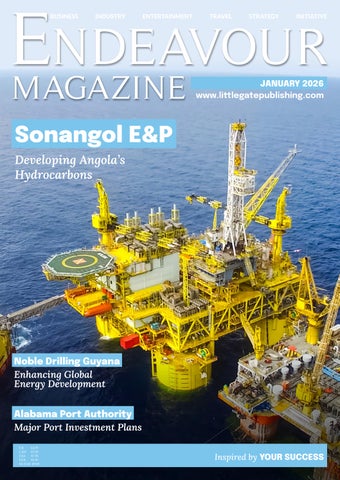
It’s 2026, and that means we have a whole new year to bring you deep insights into leading companies from across the world, showcasing the very best of what they do.
We kick off 2026 with a feature on Noble Drilling Guyana, showcasing its leading energy development work across Guyana. With operations focused on bringing vital hydrocarbons to market through its modern, technically advanced vessels, Noble Drilling Guyana plays a key role in supporting Guyana’s energy development and local economy. We’re glad to see MatPal Marine Institute Inc. providing lead support for the feature.
We then turn to Sonangol E&P, where we see how the company has dominated Angola’s upstream energy sector, producing vital gas and oil resources for the country. Here, we see how Sonangol has worked with global energy giants to deliver vital hydrocarbon projects that support the long-term energy development of Angola. It’s great to see CAN Group supporting the feature.
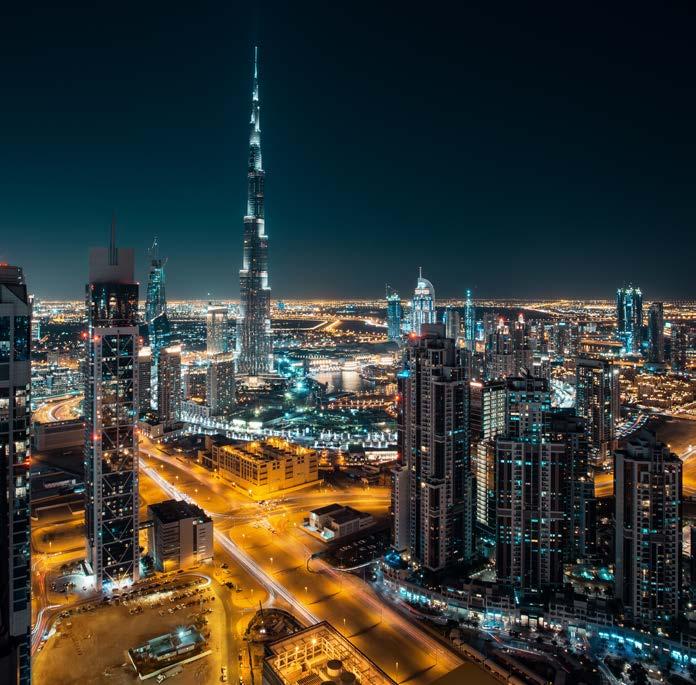
Another exciting feature this month is Dubai Duty Free, where the company has seen significant sales increases over the last year, with November recording its highest sales since the company began. For this feature, we’re glad to have Merlin Real Estate Broker LLC and Bottega SpA supporting Dubai Duty Free.
We hope you enjoy this edition of Endeavour Magazine and wish you all well for the New Year! by Carley Fallows
Asia/Oceania
Sustainable Projects Launched in the Pacific
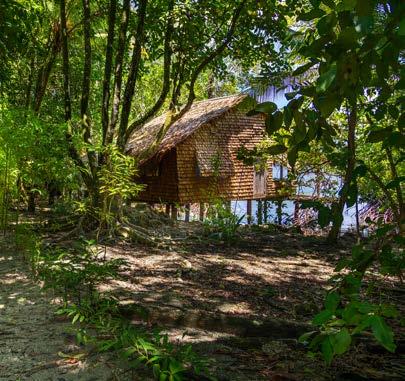
The Kiwa Initiative, a fund dedicated to environmental resilience in the Pacific, has recently launched 15 new community-led projects across 10 island nations, including Fiji, Palau, Papua New Guinea, and the Solomon Islands. These initiatives encompass forest restoration, coral reef protection, agroforestry, community-based fisheries management, invasive species control, and the preservation of traditional ecological knowledge. Since 2020, Kiwa-supported nature-based solutions have benefited more than 220,000 people across 17 Pacific Island countries, combining ecological restoration with strengthened social resilience. For businesses, investors, and policymakers, this demonstrates that tangible, on-the-ground environmental progress is possible to enhance biodiversity, empower communities, and help vulnerable ecosystems adapt, while also highlighting opportunities for sustainable development partnerships across the region.
Economic Confidence Boost in New Zealand
New Zealand’s business confidence soared to its highest level in over a decade, signalling a robust economic rebound. According to an ANZ Bank survey, 67.1% of firms expect overall economic conditions to improve, up sharply from 58.1% in October, while 53.1% anticipate growth in their own operations, the strongest reading in more than ten years. Analysts interpret these trends as a clear indicator that the country is entering a promising phase of recovery. For investors, entrepreneurs, and policymakers, the surge in confidence points to opportunities for increased investment, job creation, and broader economic stability. This highlights New Zealand’s resilience and potential as a competitive and thriving business environment in the Asia-Pacific region.
Innovative Digital Series to Promote Tourism in Asia
The Pacific Asia Travel Association (PATA), in partnership with Content With Purpose (CWP), has unveiled an innovative digital series, Pacific Asia: Tourism with Purpose, highlighting the transformative potential of travel across the region. Beyond conventional promotion, the series focuses on projects that champion sustainable development, community empowerment, and environmental conservation. By spotlighting initiatives that prioritise responsible tourism, cultural exchange, and tangible benefits for local communities and ecosystems, it redefines the role of the travel industry. For businesses and investors, this represents an emerging model where profitability and positive impact coexist. In a region rich with cultural and natural assets, Tourism with Purpose underscores that tourism can be more than leisure; it can drive meaningful social and environmental change.
Africa
Funding for Family Planning
Several African governments, including Zambia, Zimbabwe, and the Democratic Republic of the Congo, committed to increasing funding for family planning and reproductive health services. With international aid for these programs declining, this marks a significant shift toward domestic responsibility, which experts describe as “a powerful move from dependency to ownership.” By investing in contraceptives and maternal care, these countries aim to reduce unwanted teenage pregnancies, improve maternal and neonatal health, and enable more girls and women to continue their education. For policymakers, businesses, and development partners, this signals the potential for tangible social progress, strengthening gender equality, human capital, and long-term community resilience while demonstrating the transformative impact of targeted public investment in health and education.
Growth in GDP Across Africa
Economic forecasts across Africa are showing renewed optimism in 2025. The African Development Bank (AfDB) projects real GDP growth for the continent to reach 4.1 % this year and 4.4 % in 2026, with countries such as Ethiopia, Rwanda, Senegal, and Niger potentially achieving growth rates capable of driving meaningful poverty reduction and development. In addition, the World Bank has upgraded its forecast for sub-Saharan Africa, expecting growth of approximately 3.8 % this year and a rise to 4.4 % over the next two years, supported by stabilising inflation and improving macroeconomic conditions. For investors, businesses, and policymakers, these signals suggest increasing economic resilience, offering opportunities for job creation, investment, and long-term social and economic progress across the continent.
G20 Summit in Cape Town focuses on Clear Air
The 2025 G20 Johannesburg Summit, the first G20 ever held on African soil, highlighted Africa’s growing influence on the global stage. Leaders emphasised the continent’s role in shaping future industrial and green-energy systems, underscoring that Africa is no longer merely a recipient of global decisions but a central player in discussions on clean energy, critical minerals, infrastructure, climate finance, and sustainable development. Beyond symbolism, the summit opens tangible opportunities for investment, trade, and international cooperation, signalling wider recognition of Africa’s strategic importance. For businesses, policymakers, and investors, the event demonstrates that the continent is increasingly shaping global economic and environmental futures, offering both challenges and opportunities in a rapidly evolving international landscape.
Stock Markets Thriving in Latin America
Latin America is showing renewed signs of economic strength. Regional exports are forecast to grow by approximately 5 % this year, despite global headwinds and ongoing trade tensions. Meanwhile, key stock markets, particularly in Brazil and Mexico, are trading near record highs, while local bonds continue to offer attractive yields. This combination of stronger trade flows and financial market optimism points to a phase of relative stability and potential growth for parts of the region. For investors, businesses, and local communities, these developments signal improved prospects for job creation, investment, and economic resilience. Latin America’s emerging momentum demonstrates that the region is increasingly capable of navigating global challenges while fostering sustainable growth.
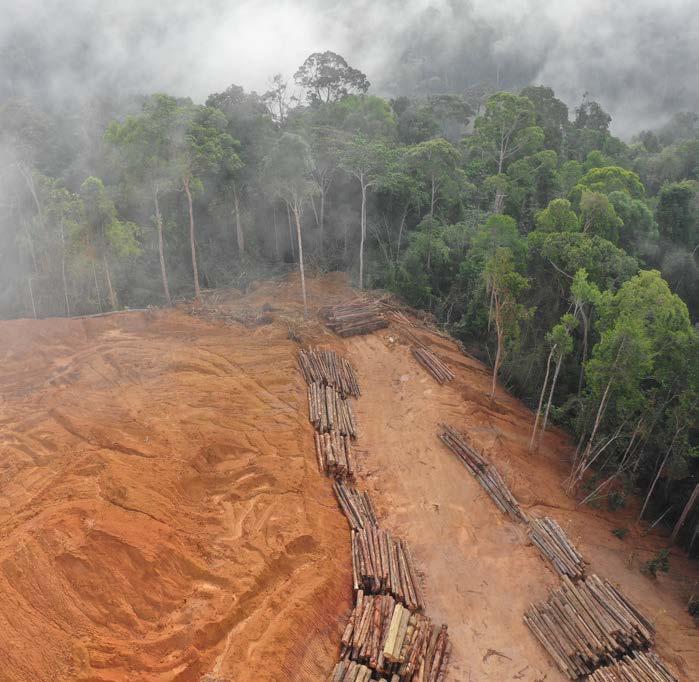
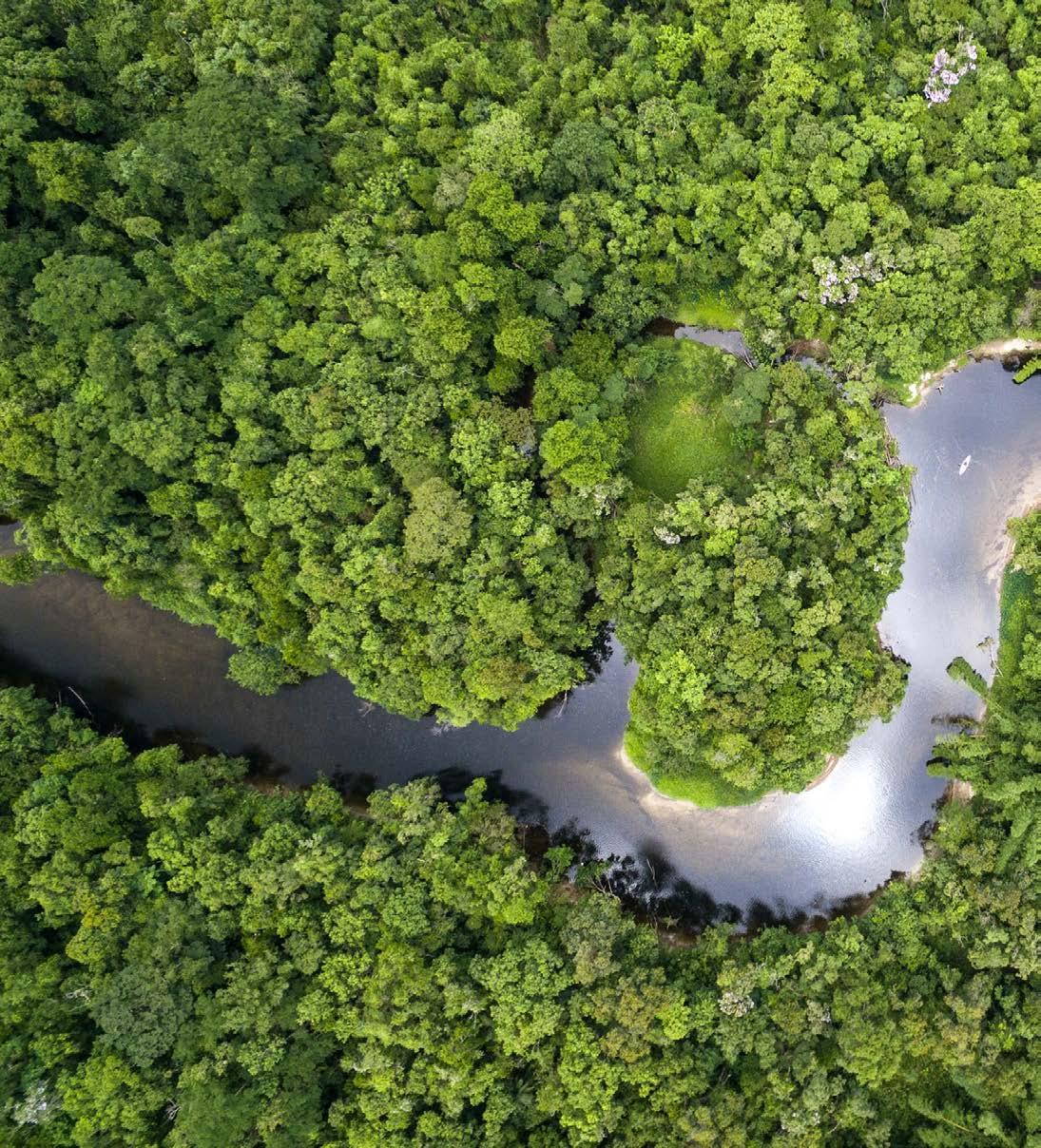
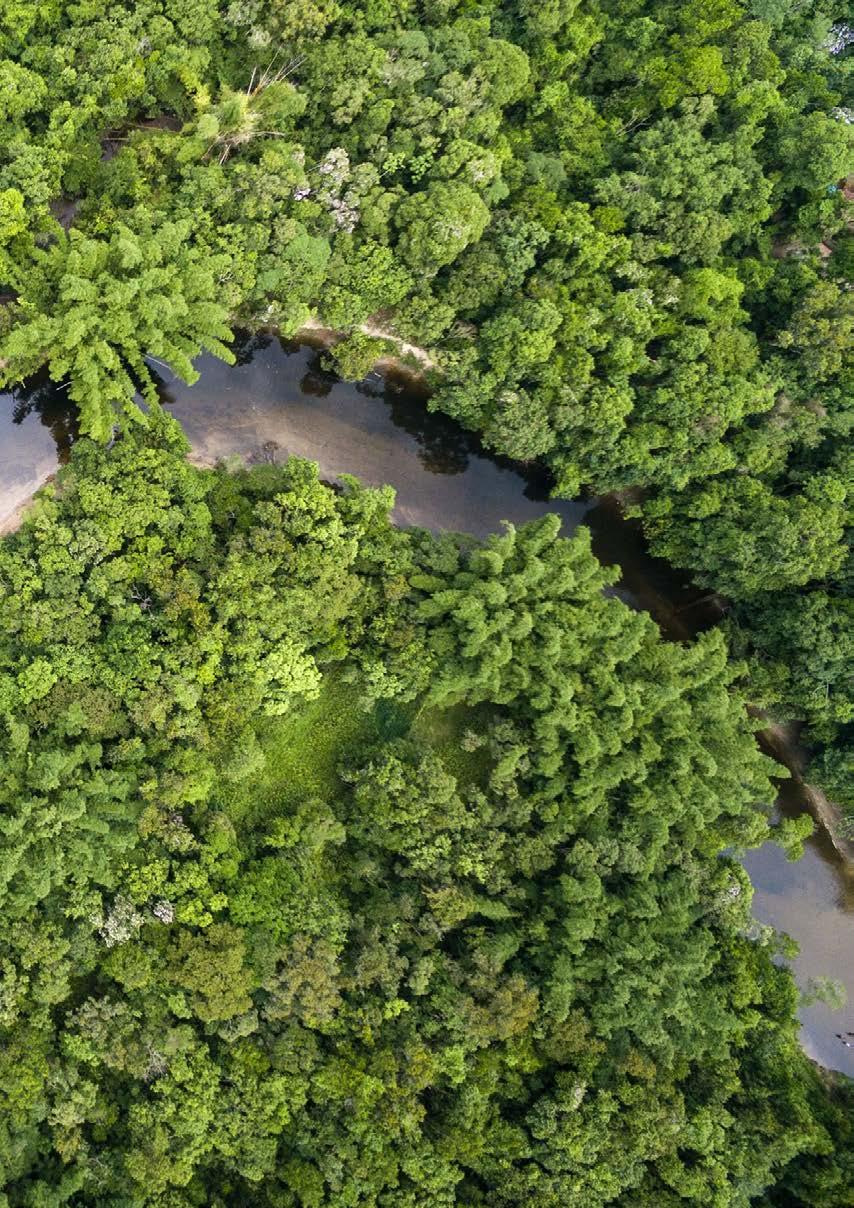
Deforestation Rates Fall Across the Amazon Rainforest
In a positive environmental development, deforestation in Brazil’s Amazon Rainforest fell by 11% over the last 12 months, marking the lowest rate recorded in more than a decade. This decline reflects stronger environmental enforcement and a growing regulatory commitment to protect one of the planet’s most critical ecosystems. For businesses, policymakers, and conservation groups, the trend signals tangible progress in biodiversity preservation and climate resilience. The reduction in deforestation not only benefits global environmental health but also strengthens the region’s long-term sustainability and investment prospects in eco-sensitive sectors. It is a reminder that coordinated policy action and responsible governance can yield meaningful, measurable outcomes for both nature and society.
Earthshot Prize Winner Announced
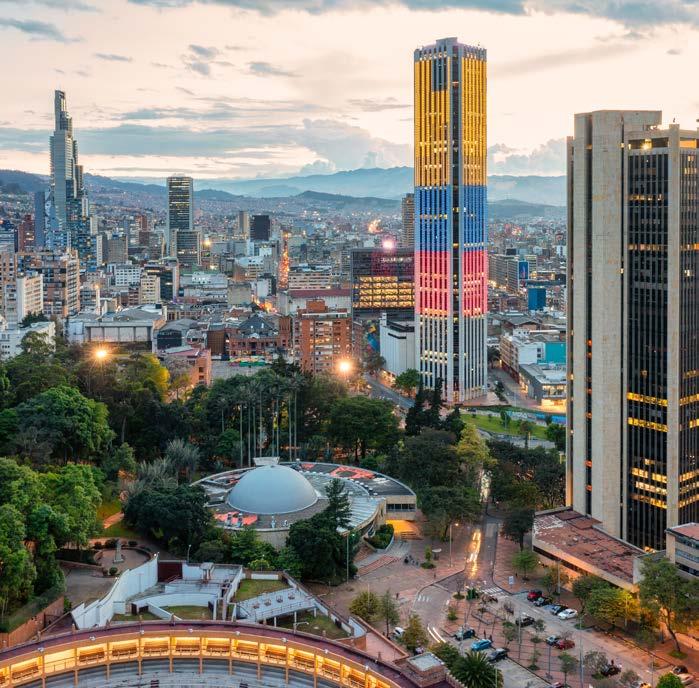
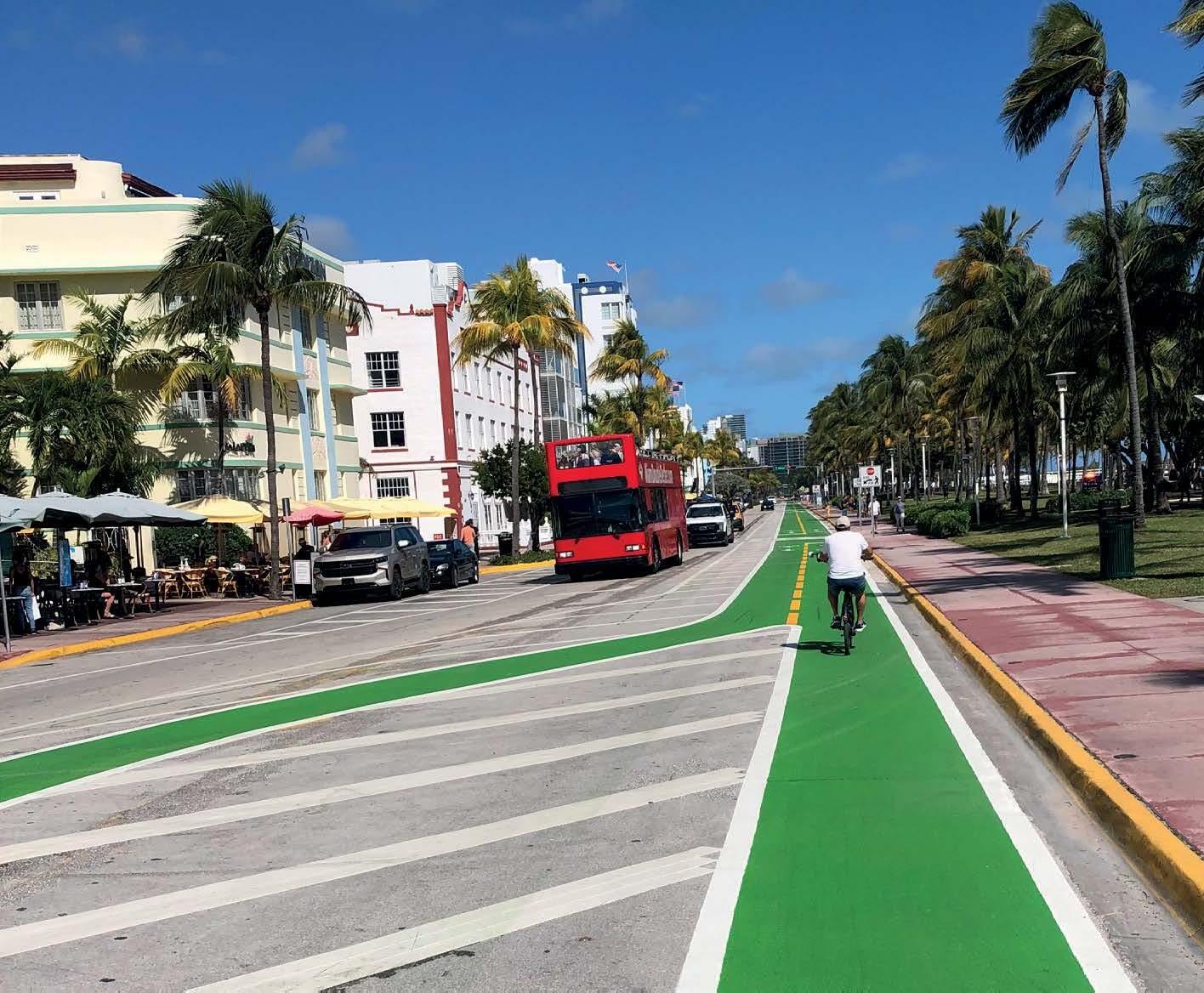
The Earthshot Prize named Bogotá in Colombia as one of its winners, recognising the city’s decadelong drive to slash air pollution. Since 2018, Bogotá has cut airborne pollutants by 24 %, thanks to a huge expansion in cycling infrastructure, an electric bus fleet, and more green urban spaces. This is more than an environmental win; it’s a public health and quality of life upgrade for over 8 million people, and a blueprint for cities across the world. In a world too often focused on bad news, Bogotá’s achievement is a reminder that smart policy, commitment and community action can deliver cleaner air and hope.
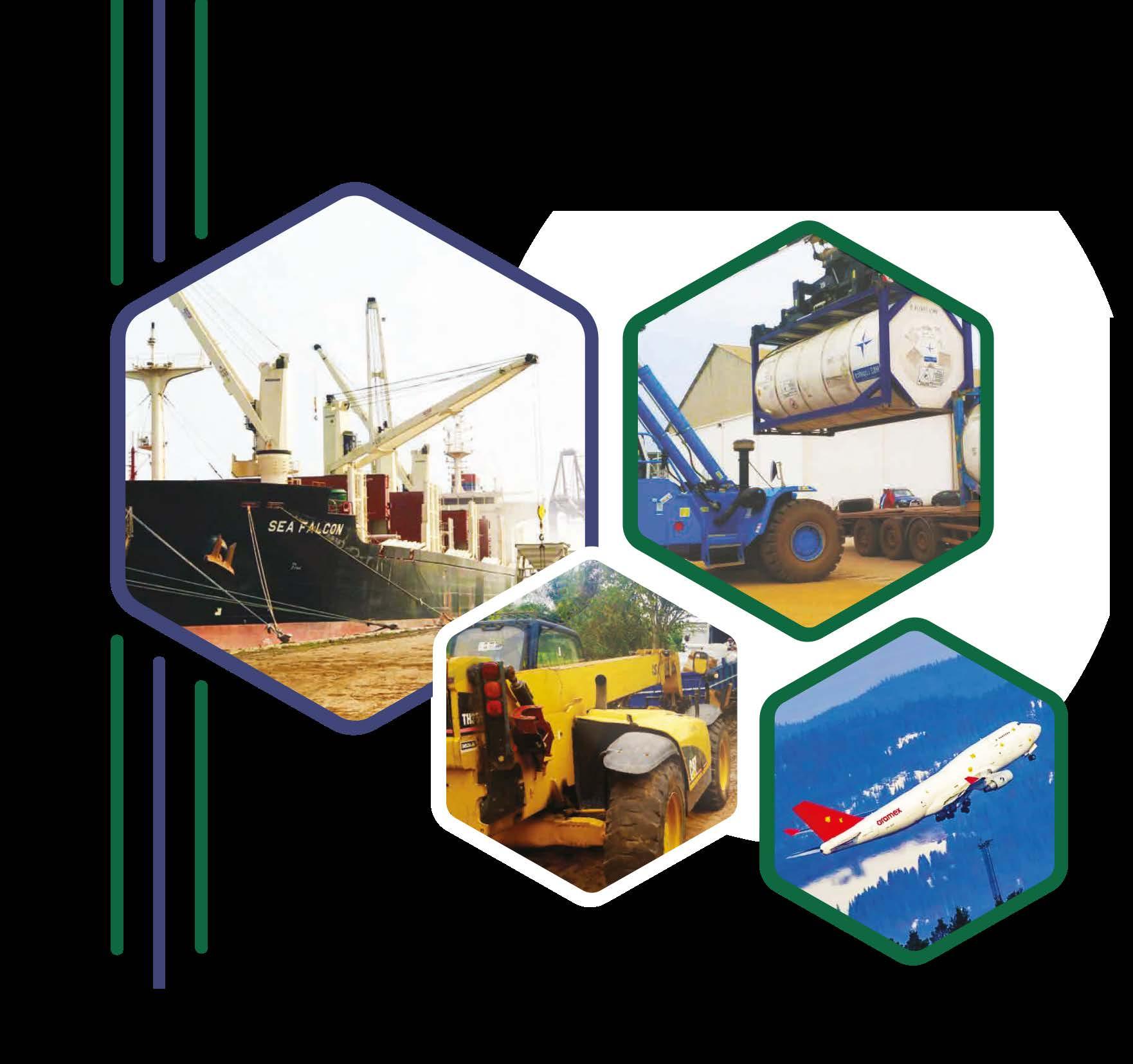
International Freight Forwarder, Shipping Agency & Manning Provider
IGS Logistics specializes in international transportation, logistics services, and customs clearance, offering a comprehensive range of solutions to maximize efficiency and minimize costs. With a skilled team and a global network of partners, we provide tailored logistics services, including air and sea freight, customs brokerage, warehousing, and delivery. Our strong relationships with local suppliers and global carriers ensure the best quality and pricing for our clients. Trust IGS Logistics to meet your international trade needs with customized, transparent solutions.
• Logistics Activities • Flights & Charters • Ship Consignment • On & Off Shore
• Shipping agency and husbandry • Maning services
Middle East
Clean Energy Project Launched in the UAE
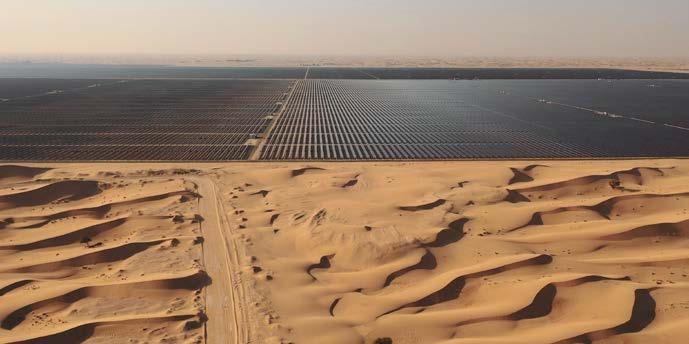
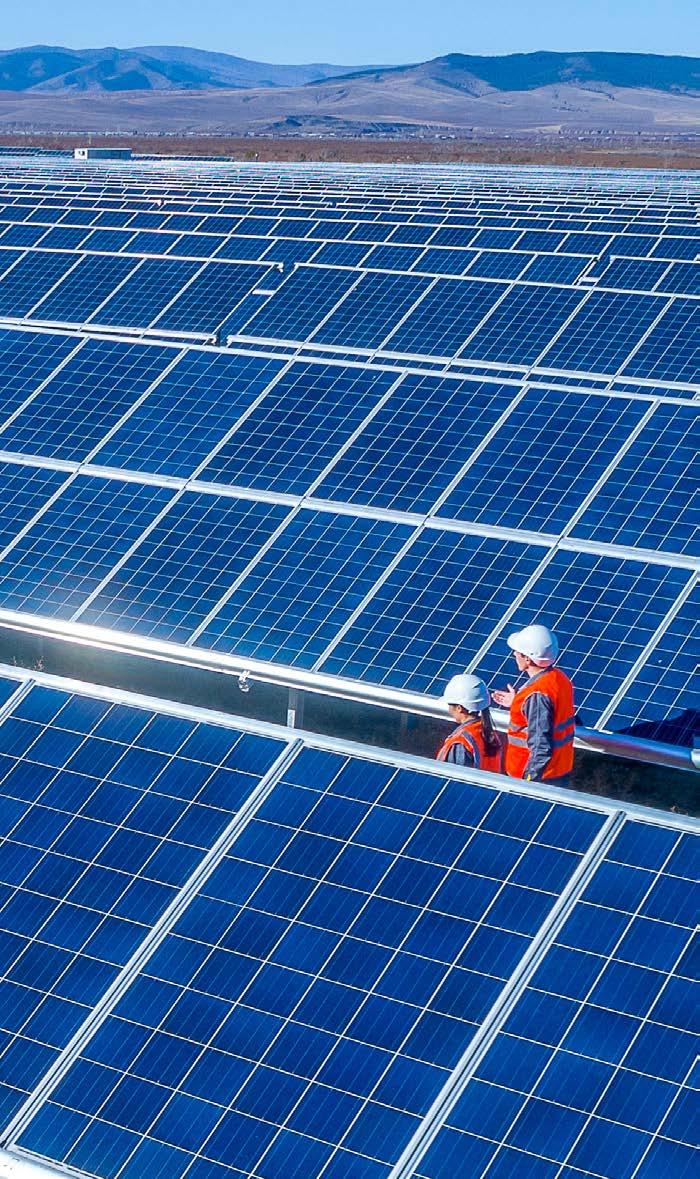
Masdar, the UAE’s leading renewable energy company, has launched a groundbreaking project in 2025: a facility capable of delivering 1 gigawatt of reliable, uninterrupted clean energy. Unlike conventional solar farms, it will supply electricity on a 24/7 basis all year round, representing a major step toward establishing solar power as a dependable baseload energy source in a region long reliant on fossil fuels. The project reflects a wider Middle Eastern commitment to renewable energy, storage, and green infrastructure, supporting economic diversification, climate resilience, and sustainable growth. For investors, policymakers, and energy stakeholders, Masdar’s initiative signals that the region is not only embracing clean energy but also positioning itself at the forefront of technological innovation and long-term energy security.
Economic Growth Across All Sectors
Economic growth across the Middle East and North Africa (MENA) region is showing renewed resilience in 2025. The International Monetary Fund has raised its forecast, projecting growth of approximately 3.5 % this year, rising to 3.8 % in 2026, a marked improvement over earlier, more cautious estimates. Crucially, this rebound is not solely driven by oil prices. Non-oil sectors such as manufacturing, services, tourism, and trade are expanding, with Dubai experiencing strong growth in trade, transport, and tourism. For businesses, investors, and local communities, these trends signal more jobs, increased opportunities, and a diversified economic base. The shift highlights the region’s gradual movement away from oil dependency toward a broader, more sustainable growth model.
Significant Tourism Growth for Saudi Arabia
The travel and tourism sector across the Middle East is experiencing remarkable growth in 2025, with Saudi Arabia leading the surge. The kingdom recorded the largest global increase in international tourism revenues in the first quarter, while international visitor arrivals soared by 102% compared with the same period in 2019, far exceeding global and regional averages. This boom has boosted tourism revenue, hotel occupancy, and related economic activity, creating jobs and attracting investment beyond the oil sector. The growth reflects a broader regional trend toward economic diversification, expanding hospitality and infrastructure, and fostering cultural exchange. For investors, businesses, and policymakers, the tourism surge highlights opportunities for sustainable growth and long-term development across the Middle East.
Europe
First Ever Tourism Strategy for the EU
The European Union has unveiled its first-ever unified tourism strategy, placing sustainability at the forefront of travel across the continent. By balancing economic growth with the protection of cultural heritage, natural resources, and community well-being, the strategy seeks to make tourism a driver of equitable regional development. It aims to support local businesses, reduce environmental impact, and ensure long-term resilience across Europe’s diverse travel destinations. Given tourism’s role as a major job creator and contributor to GDP, adopting a sustainable approach allows Europe to preserve its appeal while safeguarding both communities and ecosystems. For investors, policymakers, and tourism operators, the strategy highlights opportunities to align economic growth with responsible, sustainable development.
Significant Growth for Spain’s Economy
Spain continues to outperform as the fastestgrowing major economy in the Eurozone. In the third quarter of 2025, GDP expanded by 0.6% quarter-on-quarter, significantly outpacing the regional average. The surge is being driven by strong domestic demand, robust consumption and investment, a rebound in tourism, and a healthy labour market. This momentum has lifted forecasts, with Spain’s economy now expected to grow around 2.9 % in 2025, reinforcing its leading position among advanced European economies. For investors, businesses, and policymakers, Spain’s performance signals a favourable environment for continued investment, business expansion, and job creation. The country’s economic resilience underscores its capacity to navigate global uncertainties while sustaining growth and competitiveness within the Eurozone.
Solar Power Now Leads Electricity Development
Europe has reached a historic milestone, with solar power now being the largest single source of electricity across the European Union. Across the second quarter of 2025, more than 54 % of the EU’s net electricity generation came from renewable sources, including solar, wind, and hydro. This achievement reflects a significant shift away from coal and fossil fuels, strengthening energy security while reducing greenhouse gas emissions. For households, businesses, and policymakers, it signals a cleaner, more sustainable power system and demonstrates that ambitious renewable energy targets are achievable. The EU’s transition showcases how investment in green infrastructure and innovation can drive both environmental and economic benefits, positioning Europe at the forefront of the global clean-energy transformation.
Noble Drilling Guyana
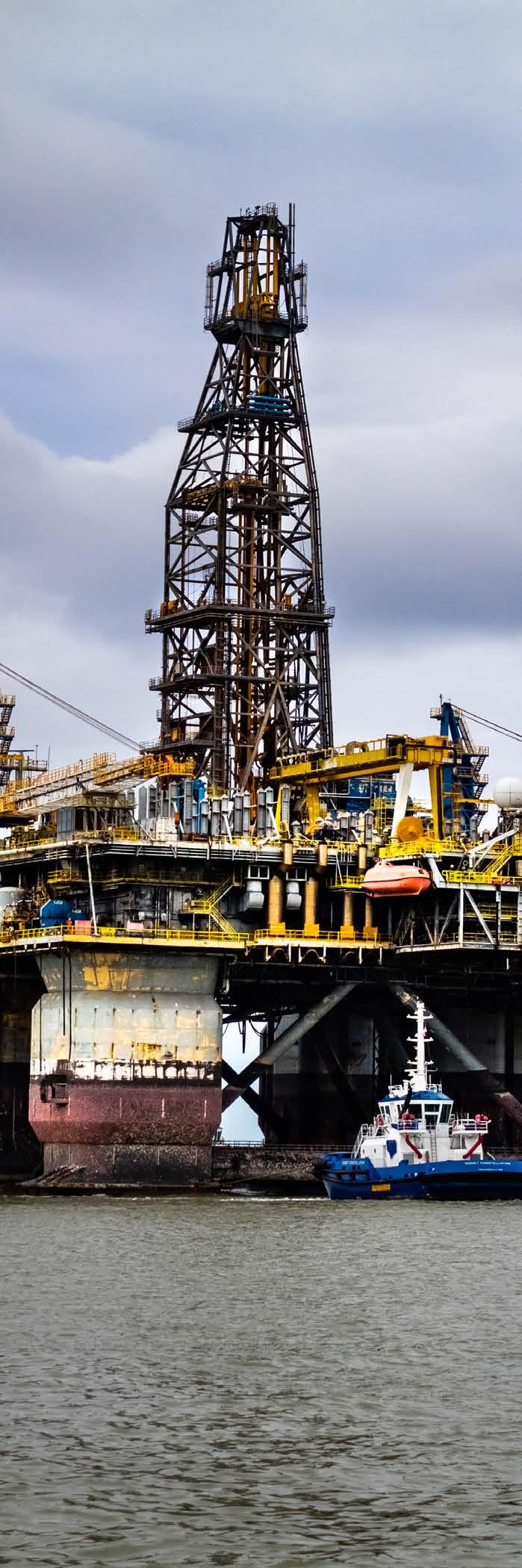
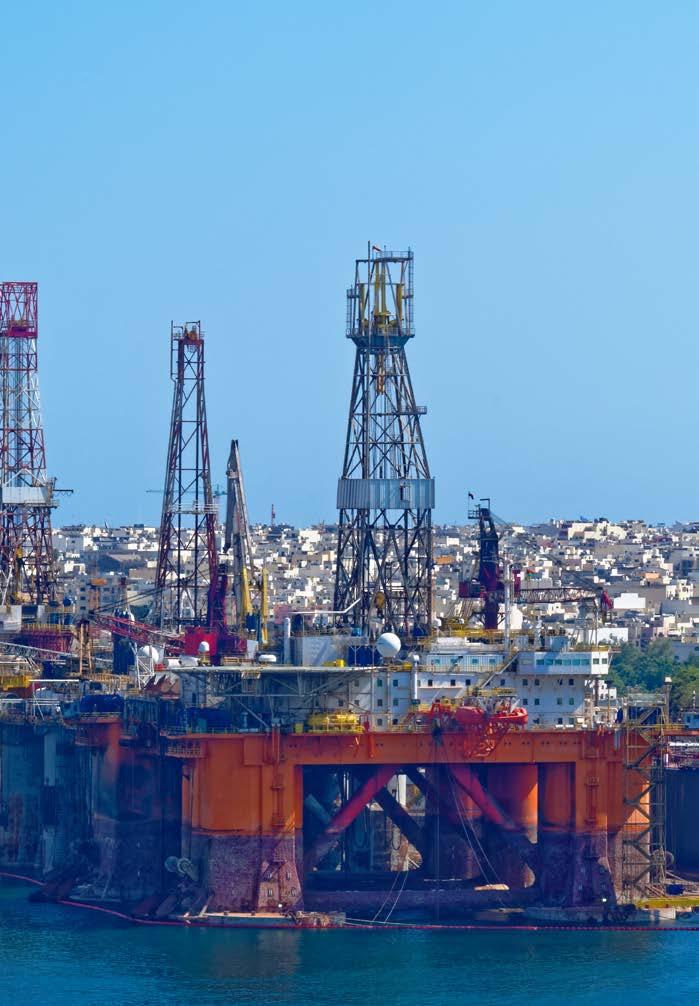
As a dynamic leader in offshore energy development, Noble Corporation Plc has long facilitated innovative offshore drilling operations as a contractor for the oil and gas industry. The company’s central mission is to deliver vital drilling activities that can power the world responsibly, aiming to be the leading global driller for offshore energy projects. Therefore, Noble Drilling has positioned itself as the first choice for employees, customers and investors alike to facilitate drilling projects across the world. To achieve this, Noble boasts one of the most modern, versatile, and technically advanced fleets in the offshore drilling industry. This fleet is recognised for high quality and performance, and that is why it is one of the largest offshore drilling contractors in the world today.
Noble has been operating globally for over a century, beginning in 1921 with a single rig. From this initial vessel, Noble has continued to expand its fleet and now delivers vital drilling operations across both established and emerging energy regions worldwide. The company’s international growth has been driven by its central values to deliver the highest quality service and performance across its drilling operations. Most of Noble’s activities are conducted through its subsidiaries and contract drilling services. Across these, the company has a fleet of 25 offshore drilling units, including 12 drillships and semisubmersibles, and 13 jack-ups. These vessels are focused on delivering oil in ultra-deepwater and highspecification jack-up drilling projects worldwide.
A key place of Noble’s current drilling expansion is in Guyana, where its subsidiary Noble Drilling (Guyana) Inc. operates to deliver key drilling vessels to support the country’s oil field development. In Guyana, key oil developments are primarily located in the Stabroek Block, which is home to an expansive offshore oil and gas reservoir. The block is operated by energy giant ExxonMobil, in partnership with Hess and CNNOC. One of the most notable developments in the Stabroek Block is the Liza-1 development. The initial Liza-1 discovery was announced in 2015 by ExxonMobil and was the first significant oil find offshore Guyana. In 2020, Noble announced a drilling services agreement with ExxonMobil. The agreement outlines that Noble would facilitate the drilling services for ExxonMobil across the Liza-1 development within the Stabroek Block of the GuyanaSuriname Basin.
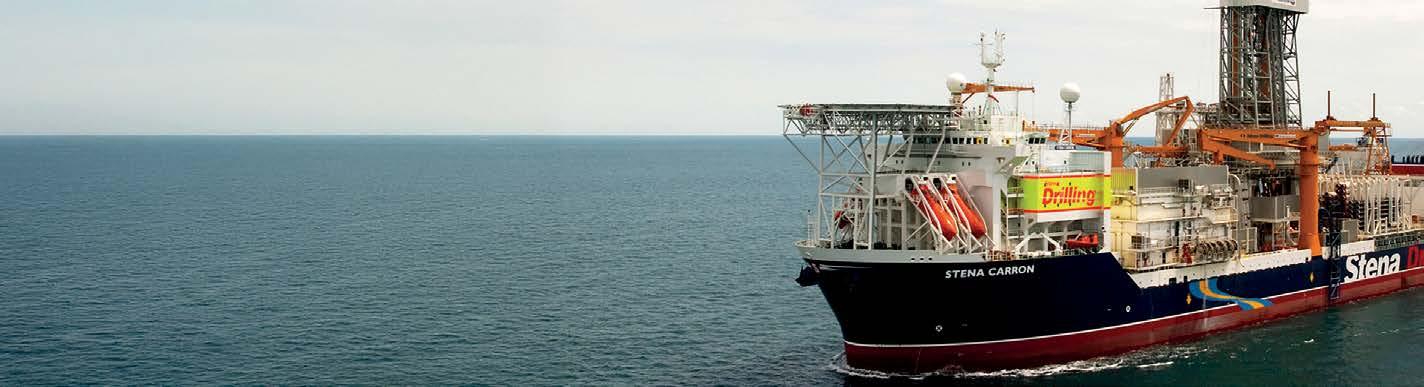
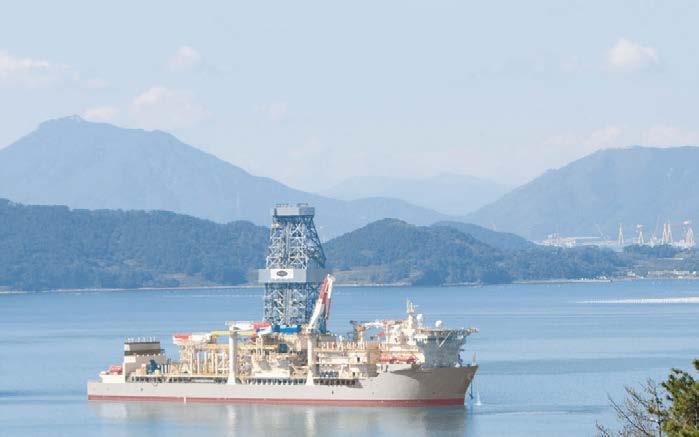
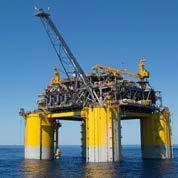
The agreement outlines that Noble will deliver ultra-deepwater drillships, which are already in operation in Guyana for ExxonMobil, and utilise them for delivering new drilling for the project. The vessels include the Noble Bob Douglas, Noble Tom Madden, Noble Sam Croft and Noble Don Taylor, which are Gusto P-1000 design ultra-deepwater drillships that can operate at depths of up to 12,000ft. The rigs, which commenced operation in 2013 and 2014, are equipped with the necessary advanced drilling system and subsea control technology to facilitate the drilling of ExxonMobil’s oil project across Liza-1 for Guyana.
Smooth Sailing for Your Business
FROM SURINAME TO THE WORLD – RELIABLE LOGISTICS, SUSTAINABLE SOLUTIONS
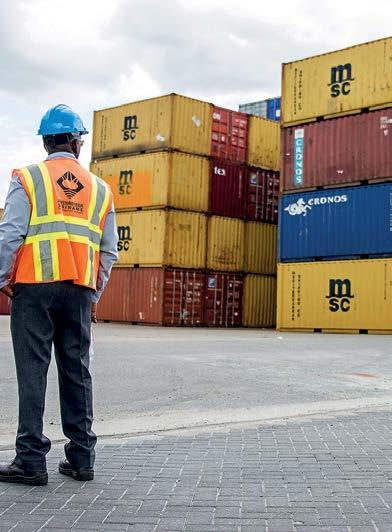
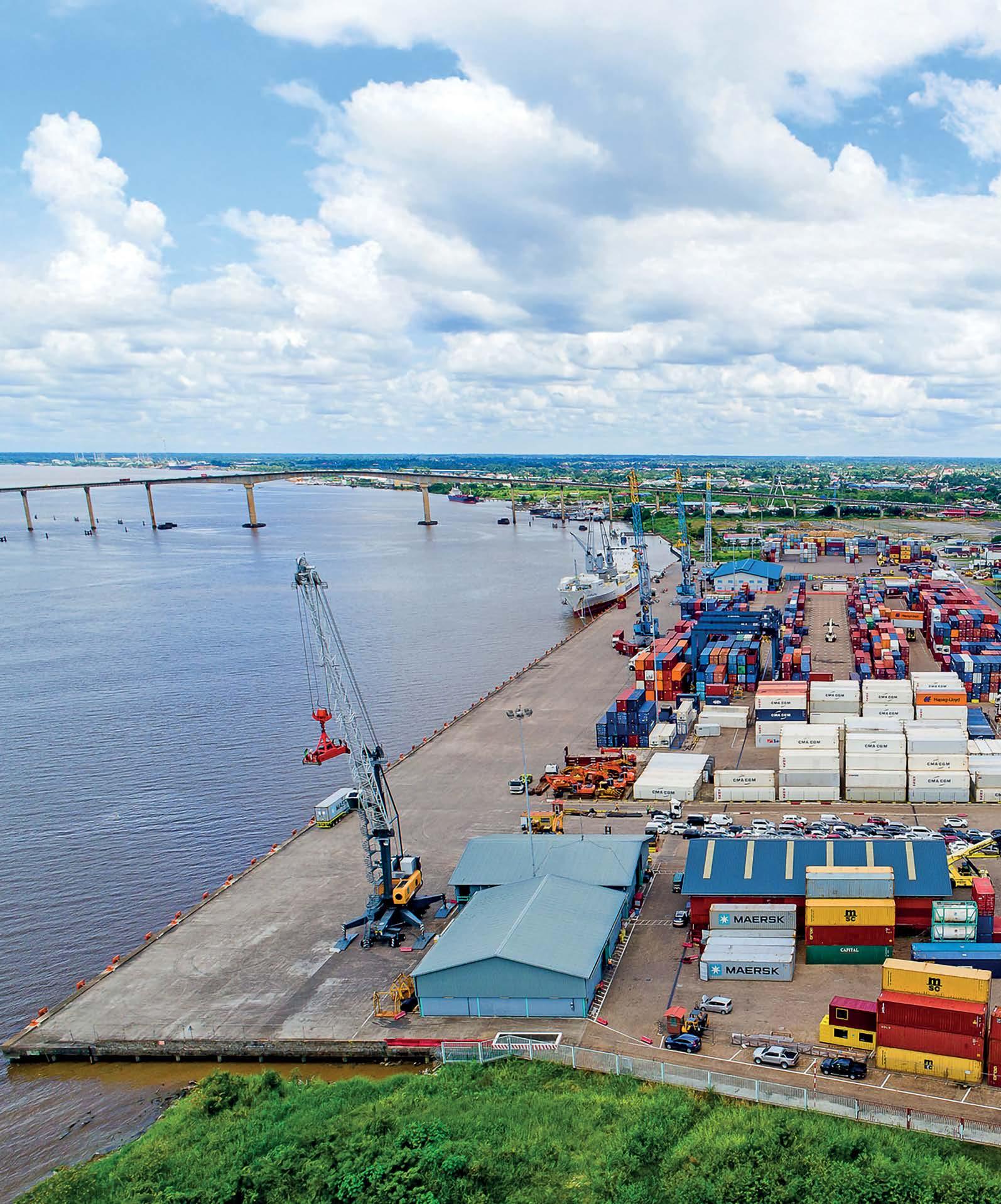
Discover the gateway to Suriname’s thriving trade and commerce with N.V. Havenbeheer Suriname, the nation’s premier port management company. With over 50 years of expertise, we ensure the safe, efficient, and effective operation of Suriname’s National Port and Transport System, fostering international trade and logistics.
N.V. Havenbeheer Suriname, is committed to sustainable economic growth through innovative green practices. Our vision is to become your reliable carbon-neutral logistics partner, harmonizing prosperity with environmental stewardship.
Havenlaan Zuid 5, Paramaribo, Suriname
N.V. Havenbeheer Suriname/ Suriname Port Management Company
With the rapid emergence of the oil and gas industry in Suriname, the Dr. Jules Sedney Port of Paramaribo has been proactively advancing its facilities to meet the demands of the future. This commitment aligns with our slogan: “Accommodating Our Future.”
As part of our preparedness, we have successfully renewed our ISO 9001:2015, ISO 14001:2015, and ISO 45001:2018 certifications, along with our ISPS certification, reinforcing our dedication to quality, environmental responsibility, and occupational health safety and well-being of our dedicated personnel.
Moving forward, we continue to strengthen our internal organization while forging strategic partnerships that enhance the value of our services and position us as a key player in the region.
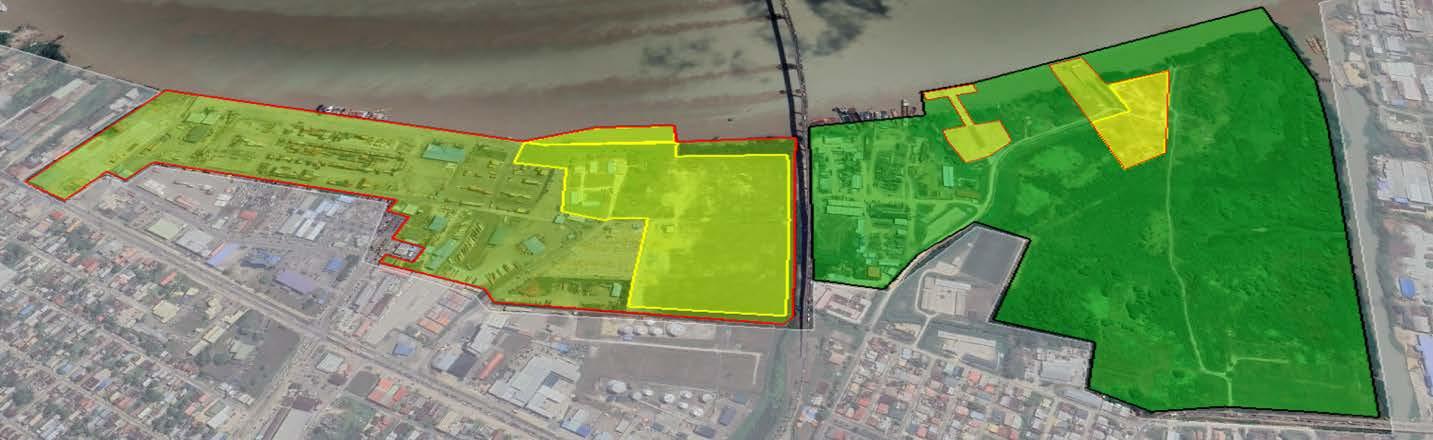
With Suriname’s economy on the rise and the increasing need for port expansion, we stand as the premier choice for those seeking to invest in a port with a robust, future-ready system of control and ample room for growth. At present a new construction project for the extension of the qua to the south has commenced with even more expansion possibilities.
Section
Quay length
Draft at LWS
Deck load
Storage area
Additional
Dr. Jules Sedney
Terminal (A)
New Shore Base Area (B)
Potential Expansion Area (C)
119 reefer plugs
Facilities available and to be established
Heavy load quays and aprons up to 20 T/m²
Berthing spaces
Open and sheltered storage area
Medical first aid facility
Chemical storage area
Technical & mechanical support facility
Logistic support facility
+ 0,8 + 2ha
Oil jetty for bunker ops
Training centre – in partnership with Port Of Antwerp Bruges International
We
Subjected to requirements 47ha
Multifunctional options
Services by Havenbeheer and 3rd parties
24/7 ISPS security
Logistic support
Hot works, Technical and Mechanical Support
Stevedoring & Lifting works
Waste management
Bunkering services (Fuel & Oils)
Sludge and waste water removal
Fresh water supply
Variety of supplies
Ship chandling
Husbandry
Noble Drilling Guyana
Thus, the agreement signed between Noble and ExxonMobil is vital in helping to deliver valuable resources to Guyana’s energy sector. For this, Noble plays an important role as a leading drilling contractor, helping global energy giants such as ExxonMobil deliver vital drilling solutions for the future. The president, CEO and chairman of Noble in 2020 outlined that “The Guyana-Suriname basin stands as one of the world’s premier offshore exploration and development opportunities. Since establishing an operational presence offshore Guyana in March 2018 with the Noble Bob Douglas, we have continued to expand our footprint in the region”. The CEO’s comments highlight the pivotal and expansive role that Noble has continued to play across Guyana’s energy sector, as its drillships have long been used to deliver vital energy development projects for the benefit of the country’s energy delivery and economic growth.
Furthermore, Noble’s role across Guyana has only continued to expand, and in the months following its agreement with ExxonMobil, Noble announced it had extended its contract with
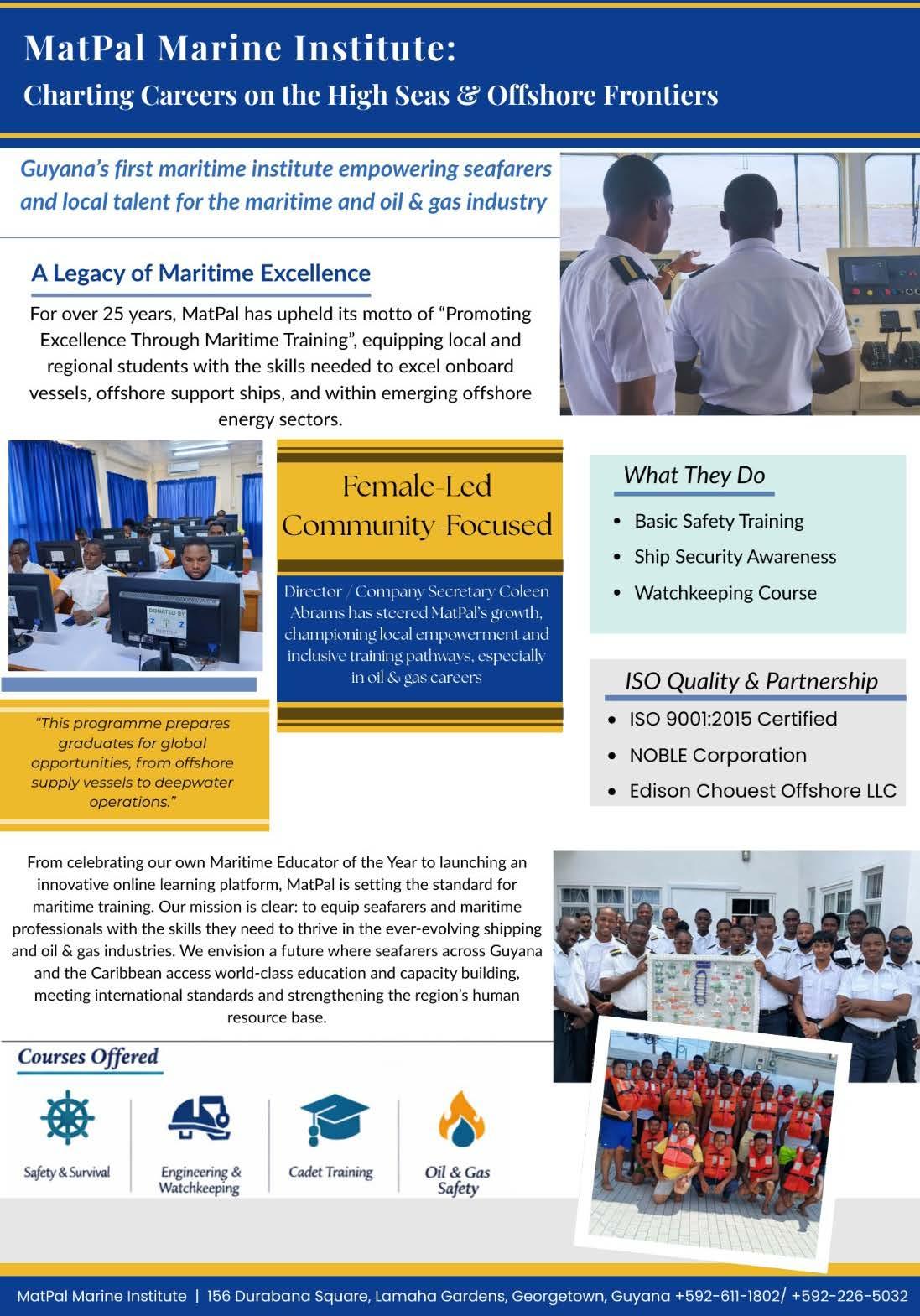
• 100% Guyanese female-owned Maritime and Oil & Gas Training Institution.
• ISO 9001:2015 Certified
• HSSE Certified
• Training Maritime Professionals since 1999
• Quality Training & International Certification Guaranteed
ExxonMobil just 6 months after the announcement of the previous agreement. In October of 2020, Noble announced that its ultra-deepwater drillship, Noble Tom Madden, was awarded roughly 6.5 years of additional contract terms under the Commercial Enabling Agreement with ExxonMobil for work offshore Guyana. This agreement extends the existing agreement that was set to end in 2024 until 2030.
Upon the announcement of the contract extension, the CEO of Noble outlined that “We are extremely pleased to further our relationship with ExxonMobil and their partners offshore Guyana. This award demonstrates the capability of the Commercial Enabling Agreement to align the interests of Noble and ExxonMobil while continuing our participation in one of the world’s premier offshore exploration and development opportunities and supports additional investment by Noble in local content”. The CEO’s comments here exemplify how pivotal Noble remains in bringing such valuable resources to market, thanks to its modern fleet of drillships.
Enhancing Global Energy Development
However, Noble’s role alongside ExxonMobil doesn’t end there, as ExxonMobil is continuing its pursuit of more oil and gas resources with the support of Noble Drilling. Since it began operations in Guyana, ExxonMobil has made over 30 new discoveries, which equate to more than 11 billion barrels of oil equivalent (boe). Therefore, as ExxonMobil continues to expand its reach across Guyana’s Stabroek Block region, it looks set to hand more work out to the four drill ships currently in operation by Noble in Guyana. The Noble Tom Madden, Noble Sam Croft, Noble Don Taylor, and Noble Bob Douglas have secured an additional 4.8 rig years of backlog in Guyana, which has extended
Automated MPD Riser System
To learn more visit weatherford.com/victus SAFE, RELIABLE, AND EXPEDITED OFFSHORE INSTALLATION EVERY TIME
The heart of the Victus™ Intelligent MPD System is the automated MPD riser system for offshore and deepwater applications. Its integrated, compact, and smart design reduces installation time from 2 days to 20 minutes, resulting in more than 80% faster rig up and rig down time.
Noble Drilling Guyana
each rig’s contract. In particular, the Noble Bob Douglas rig is conducting vital activities with assistance from multi-purpose subsea vessels that are designed for well intervention, subsea construction and equipment installation, as well as inspection, repair and maintenance (IRM) and remotely operated vehicle (ROV) services.
One of the central focuses of Noble in Guyana is delivering its drilling operations with sustainability in mind. For the global company, Noble is focused
on reducing its carbon intensity by 20% by 2030. To achieve this target, the company is committed to trying and testing energy consumption methods, including monitoring, energy management, behaviour programs, and natural energy efficiency upgrades that help its vessels and operations remain as sustainable as possible. In fact, with more than 100 years of experience behind it, responsible drilling is a core value of the business. Today, the company has developed such initiatives as the Energy Efficiency Insights (EEI) program, which monitors the energy consumption across its rigs. Through EEI, and with the support of the sustainable behaviour programme, Noble could deliver a 6-10% reduction in fuel consumption and derived emissions. This aims to help the company move towards global net-zero targets and ensures that when customers choose Noble for its drilling operations, they know that they are supported by a company pushing towards sustainable targets.
As part of Noble’s sustainable development, the company has developed the world’s first green methanol drilling rig design. The conceptual design for the jack-up rig would be powered by green methanol in place of traditional diesel. By
Your Cargo, Delivered with Confidence - Since 1981
Enhancing Global Energy Development
making this switch, the rig could result in up to a 95% reduction of carbon dioxide emissions. This development could pave the way for an exciting next step in the company’s development to bring energy efficiency, safety and sustainability to the forefront of its drilling operations across the world.
Across Noble’s operations on both a global and local scale, there is a real focus on delivering drilling operations that help companies achieve their energy operations to bring vital oil and gas resources to market. Through Noble’s fleet of modern, versatile and technically advanced vessels, the company is the leading offshore drilling provider. With energy operations across the world utilising Noble’s drilling
solutions, the company plays a valuable role in supporting the energy sector and in turn helps bring economic development to countries across the world as they make the most of the energy resources offshore their countries. One of the most vital parts of Noble’s operations is its commitment to sustainability. By fostering sustainable practices from its design to its delivery, Noble can deliver vital energy development whilst working to protect the planet for future generations. We look forward to seeing how Noble’s fleet continues to service ExxonMobil’s developments in the Stabroek Block off Guyana’s coastline for many years to come.
Sonangol
Deepwater oil and gas development has dominated Angola’s upstream energy sector for many years, yielding significant hydrocarbon resources for the country. One of the leading companies responsible for overseeing Angola’s hydrocarbon production is Sonangol E&P, Angola’s national oil company, which works with energy giants from across the world to enhance the country’s energy potential on both a domestic and international scale. Working with the likes of TotalEnergies, Chevron and Azule Energy, Sonangol E&P delivers vital exploration, production, processing, transportation and marketing operations for Angola’s hydrocarbon sector, and in the process cementing the country’s role as a leading integrated company in the African energy market.
Sonangol E&P, wholly owned by the Government of Angola, is an integrated oil and gas company that develops Angola’s energy sector across its subsidiaries which spanning the entire hydrocarbon value chain. Across its operations, Sonangol E&P aims to deliver the sustainable development of oil and gas for energy generation, whilst ensuring greater returns for its shareholders, partners and local communities across Angola. Thus, the central objective of Sonangol E&P is to increase its share of operated crude oil and natural gas production to help reduce the country’s dependence on imported refined products, develop petrochemical hubs, produce electricity from new renewable resources, and, in the process, deliver the vital logistics infrastructures needed to support the country’s overall energy development. However, Sonangol E&P aims to help achieve this significant energy development for Angola, whilst delivering its operations with sustainability in mind. Thus, across Sonangol E&P’s operations, there is a keen focus on acting in a sustainable manner to deliver Angola as a significant oil and gas generator for Africa.
Formed in 1976, a year after Angola’s independence, Sonangol E&P has spent the last 50 years prioritising hydrocarbon resource management, environmental preservation, and industrial safety across the energy production sector. A key part of its ability to achieve this is through the development of key partnerships across the energy sector that can work together to develop Angola’s energy future. Some of its key partnerships are across its exploration and production segment, where Sonangol E&P’s
Developing Angola’s Hydrocarbons
subsidiaries are focused on exploring, developing and producing hydrocarbons.
One of the most notable projects under Sonangol E&P is the Kaminho Deepwater Project, which was the first large deepwater development within the Kwanza Basin. The project is located within Block 20/11, located 100km off the coast of Angola at depths of 17,000 metres. The Kaminho Deepwater Project is held in partnership between TotalEnergies (40%), Petronas (40%) and Sonangol E&P (20%). The project spans the development of the Cameia and Golfinho fields across two phases. This development will include subsea, umbilicals, risers and flowlines, as well as the conversion of a Very Large Crude Carrier (VLCC) into a Floating Production Storage and Offloading (FPSO) unit. The overall project aims to deliver a plateau of 17,000 barrels of oil per day, whilst minimising greenhouse gas emissions and eliminating routine flaring. Additionally, the FPSO will be entirely electric, and all associated gas will be injected into the reservoirs. In 2024, the partners reached a Final Investment Decision (FID) for the
Transforming the future with innovative solutions
Build a brighter future with our leading company in innovative solutions for the Oil & Gas and Technologies sector.
Contact us today
T. +244 946 102 863
E. contacto@xptslda.co.ao https://xptslda.co.ao
development of the Cameia and Golfinho fields, all made possible thanks to the partnership’s close collaborations with the concessionaire Agencia Nacional de Petroleo e Gas (ANPG).
Commenting on the FID, Sebastião Gaspar Martins, Chairman and CEO of Sonangol, outlined that “The final investment decision of Kaminho project materialises the commitment and efforts made by the Angolan government, through its Ministry and National Concessionaire, and TotalEnergies, Sonangol and Petronas as partners. They allowed the right conditions to contribute to increasing national production of oil and natural gas, and with that the revenues for the country”. Martins’ comments highlight just how vital this project will be for supporting Angola’s overall energy development and enhancing the project partners’ role in the Angolan energy sector. The development is expected to begin production in 2028, where it will provide a vital yet sustainably focused energy development for the country.
Your trusted leader in Angola’s Oil and Gas industry, offering innovative and reliable solutions tailored to the sector's dynamic needs.
We specialize in end-to-end project execution across EPCI, offshore operations, and marine solutions. From cutting-edge technology interventions to safe, sustainable practices, Hamad Energy enhances performance, safety, and efficiency for offshore oil and gas operations.
OUR EXPERTISE INCLUDES:
• P&A Operations
• Decommissioning Services
• Supply of Chemicals and Associated Services
• Engineering, Procurement, Construction And
• Installation Services
• Subsea Operations (including ROVs and Diving)
• Marine fleet supply services
• Installation, Maintenance and Repair Services
WHY PARTNER WITH HAMAD ENERGY?
We collaborate with leading multinationals and uphold the highest national and international safety and quality standards. With over a decade of experience driving key structural projects, Hamad Energy remains committed to delivering excellence, innovation, and sustainability in every solution we provide.
Sonangol E&P
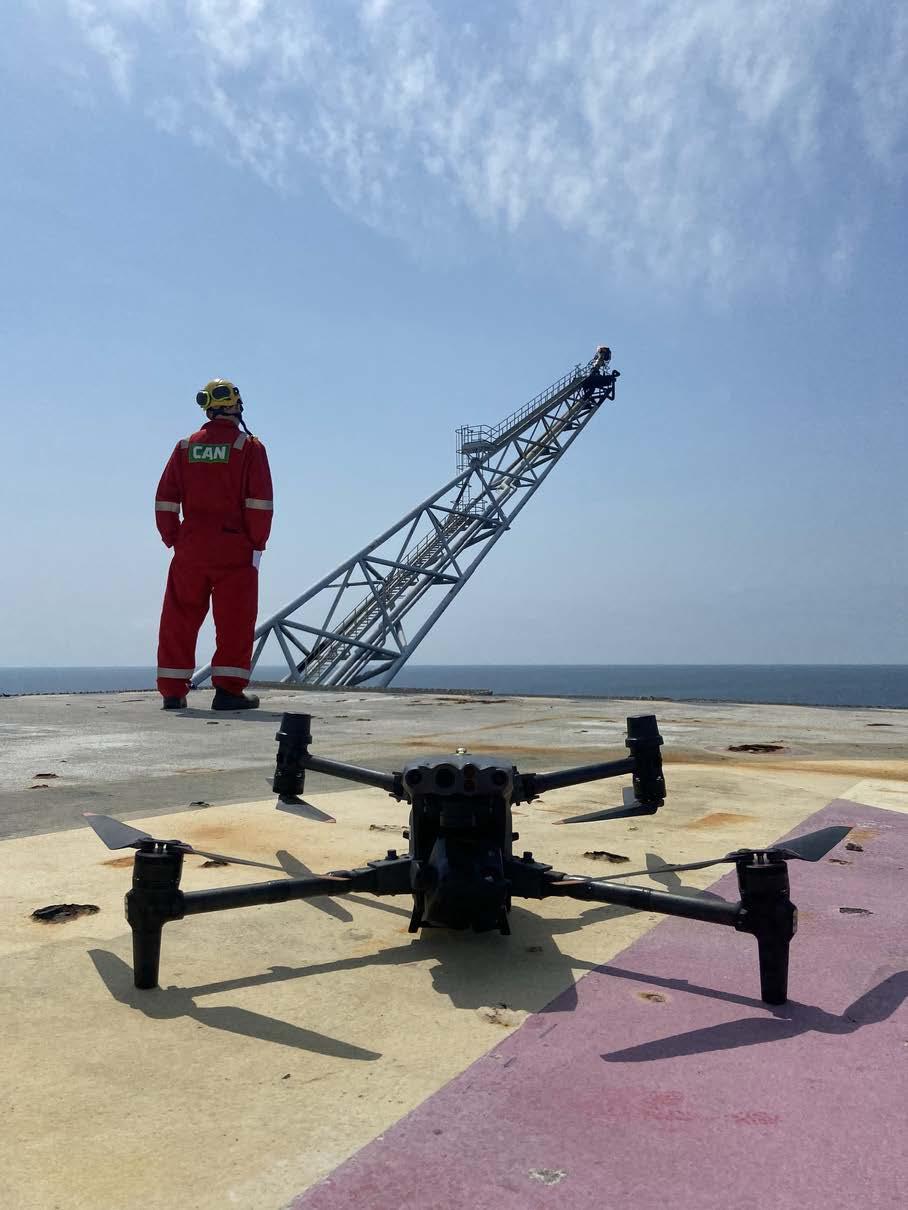
CAN West Africa
CAN West Africa, an integral part of CAN Group, delivers a comprehensive range of engineering and inspection solutions across the energy industry.
Solutions-driven and always aiming to exceed client expectations, CAN West Africa is committed to servicing the integrity, maintenance and operational needs of the region’s energy industry, adding value through smart solutions and a fully optimised service delivery.
CAN has had continuous presence in the region since 2004, servicing a number of oil and gas operators safely and efficiently. Our team are integral to this; an empowered, integrated and experienced workforce who continually provide high-quality services focused on driving exceptional outcomes.
A local company with a global reach, CAN West Africa is your trusted partner for asset integrity.
LOCAL COMPANY GLOBAL REACH
Delivering insights that go beyond capturing images through our smart remote inspection solutions.
As we approach 40 years as an international market leader in NDT, Inspection, and Integrity solutions, our teams continue to leverage advanced imaging technologies, robotics, and data-driven analytics to help drive operational success
Sonangol E&P’s development has only continued to expand, and in 2025, the company was part of multiple projects set on enhancing Angola’s energy sector. In January, Sonangol E&P outlines that Red Sky Energy had signed a risk service contract for offshore Block 6/24 for exploration in Angola with ANPG, ACREP Exploração Petrolífera (ACREP) and Sonangol E&P. The contract outlines the exploration and development of offshore Block 6/24 located within the Kwanza Basin. The project spans an area covered by 1,531km2 of 2D seismic and 1,465km2 of 3D seismic data, where Red Sky has identified significant potential for oil. Red Sky Energy holds 35% participating interest in the development, along with Sonangol E&P, which is the operator with 50% operated interest, and ACREP, which holds the remaining 15%. However, ANPG will retain ownership of all hydrocarbons produced.
Developing Angola’s Hydrocarbons
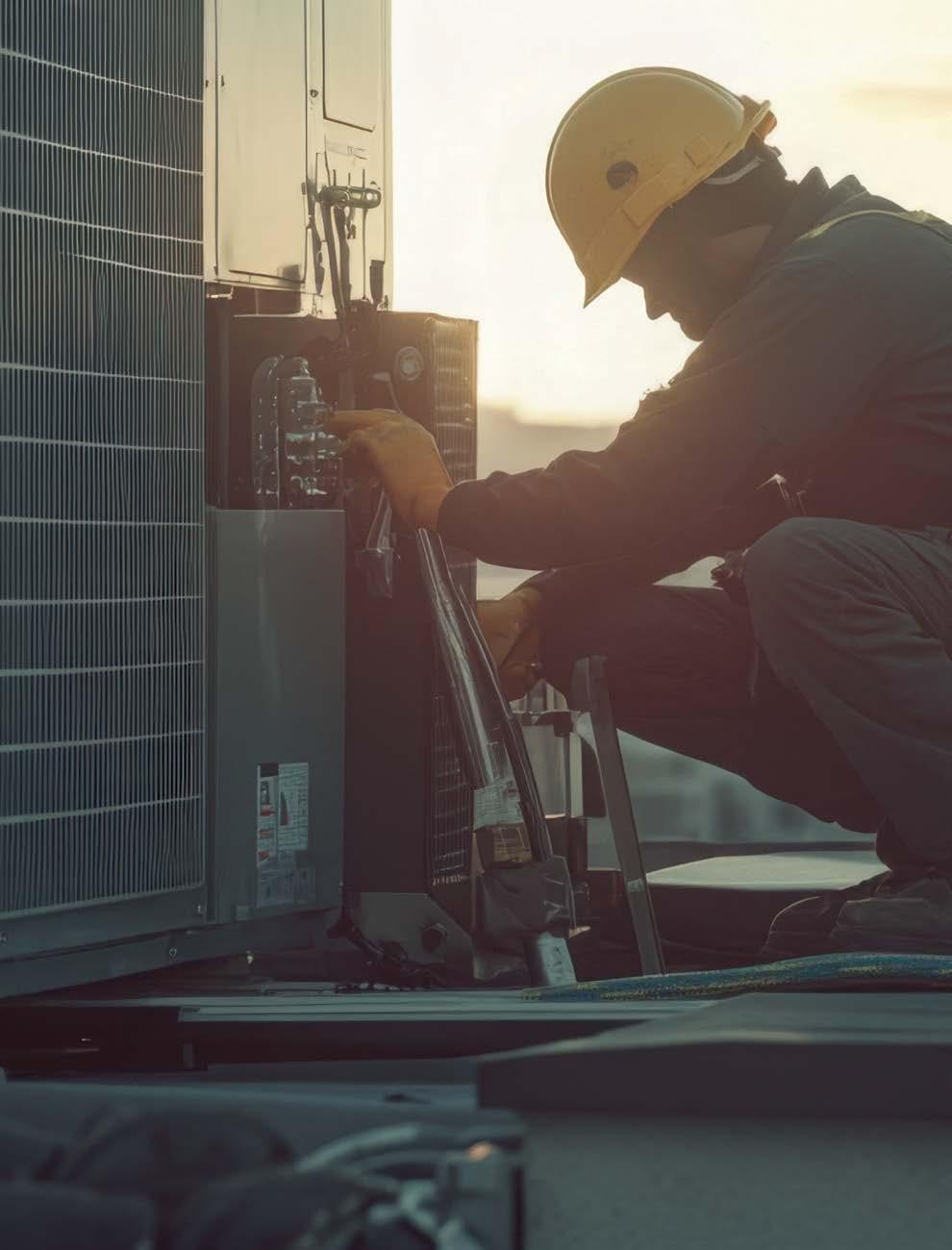
ENGINEERING AND INFRASTRUCTURE MANAGEMENT
Specialized services in the field of HVAC (Heating, Ventilation and Air Conditioning) for maintenance, construction and engineering projects.
project outlines a full field development covering the Agogo and Ndungo fields, which have a combined reserve of 450 million barrels of oil, with a peak production rate of roughly 180 thousand barrels of oil per day. The project is operated by Azule Energy (36.84%) and is in partnerships with Sonangol E&P (36.84%) and Sinopec International (26.32%) and is located within the 15/06 Block offshore Angola, in the lower Congo Basin. Production was reached in August 2025, significantly ahead of schedule at just 29 months following the FID. This fast timeline puts the project development ahead of industry average; however, every development was carried out with a constant focus on safety.
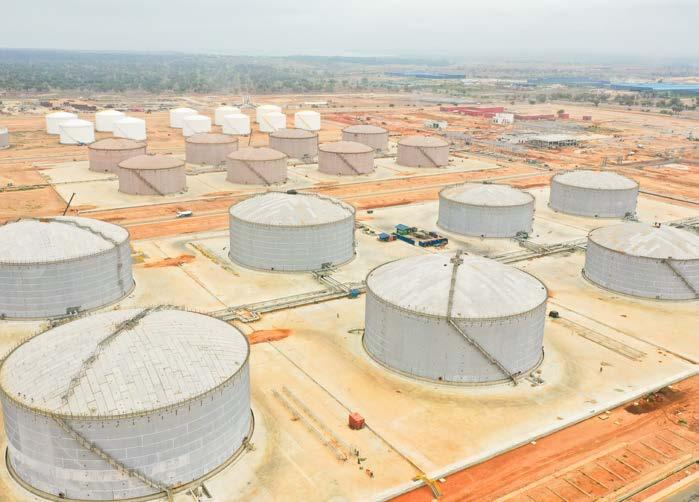
Furthermore, Sonangol E&P announced in November the inauguration of one of its newest developments: the New Gas Consortium (NGC) gas treatment plant in Angola. The NGC will be Angola’s first non-associated gas development located in Soyo, with a processing capacity of approximately 400 million standard cubic feet of gas per day (mmscfd) and 20,000 barrels of condensate per day. This gas will be sourced from the Quiluma and Maboqueiro fields, which will then be treated and supplied to the Angola LNG plant for export and domestic consumption. NCG is operated by Azule Energy (37.4%), in partnerships with Cabinda Gulf Oil Company (31%), Sonangol E&P
(19.85%) and TotalEnergies (11.8%), whilst ANPG is the national concessionaire. In November, the partnership announced the gas treatment plant had entered into the commissioning phase with gas, and so has reached operation just 24 months after groundbreaking in 2023. The project is a vital step for Angola’s overall energy development and diversification, representing the responsible development of resources and enabled the growth of other key sectors such as fertiliser production for agriculture. Thus, this new development looks set to play a big role in shaping the future of Sonangol E&P’s energy project development for the future.
Overall, Sonangol E&P is a vital energy company for Angola, that works with leading companies within the global energy market, to deliver projects that enhance the rich hydrocarbon resources of Angola and develop them into projects that bring both economic and social development across the country. With so many projects currently underway, Sonangol E&P are leading the way across Angola’s energy development to reduce the country’s need for imported refined products, and establish a diverse, yet sustainably focused energy resource development hub in Angola that can serve the country for many years to come.
As one of the largest listed companies by market capitalisation on the Singapore Exchange, Wilmar International Limited (Wilmar) is Asia’s leading agribusiness group operating across the entire sector’s value chain from origin to processing, branding, merchandising and distribution of a wide range of edible food and industrial products. With operations spanning across the entire agribusiness sector, Wilmar is now a leading player in the global tropical oils, oilseeds, grains and sugar markets, focused on bringing quality products to its customers in a sustainable way.
From its founding in 1991, Wilmar has spent the last 34 years expanding its operations to become one of the leading agribusiness groups across Asia. Today, Wilmar has over 1,000 manufacturing plants and an extensive distribution network covering China, India, Indonesia and at least 50 other countries and regions across the globe. Across each of these sites of operation, Wilmar operates using an integrated agribusiness model that works across the entire value chain of the agriculture commodity business. This means that Wilmar maintains full control and management of the products it produces from their origin, and all the way until the edible food and industrial products are distributed to customers. With Wilmar maintaining such a close relationship to the entire value chain, the company is able to scale its integration and utilise the logistical advantages of its business model to deliver operational synergies and cost efficiencies across every new product chain it delivers.
Thanks to this integrated business model, Wilmar’s operations across Asia remain vast, supported by the company’s 100,000 multinational workforce. At present, Wilmar’s business activities encompass oil palm cultivation, oilseed crushing, edible oils refining, flour and rice milling, sugar milling and refining, manufacturing of consumer products, ready-to-eat meals, central kitchen products, speciality fats, oleochemicals, biodiesel and fertiliser, as well as food park operations.
One of the big sectors of Wilmar’s operations is the food products sector, where the company processes, brands and distributes a vast range of edible products. These include things such as vegetable oils, sugar, flour, rice, noodles, speciality fats, snacks, bakery goods, eggs, poultry and dairy products, as well as ready-to-eat meals and central kitchen products. These food products are then sold in either consumer or medium packaging or in bulk. Therefore, across its portfolio, Wilmar offers a wide variety of consumer products, part of which
Enhancing Asia’s Agribusiness Sector
are supplied through its subsidiary Goodman Fielder, a leading regional food company across Australia, New Zealand and the Asia Pacific. However, across its entire food products sector, Wilmar is now the world’s largest producer of consumer-packaged edible oils, which holds prominent positions in many Asian and African countries.
The next key segment for Wilmar is Feed and Industrial products, where the company carries out the processing, merchandising and distribution of animal feed, non-edible palm and lauric products, agricultural commodities, oleochemicals, gas oil and biodiesel. Across this segment, Wilmar has a range of products for home care, personal care, animal nutrition, lubricants, food and even for biofuels. For oleochemicals and biodiesel specifically, Wilmar is a global leader in the sectors, serving a diverse array of markets across its extensive manufacturing and distribution network in Asia, Africa and beyond.
Furthermore, Wilmar, today, is one of the world’s largest oil palm plantation owners, with land covering 230,951 hectares as of the end of 2024. 66% of Wilmar’s plantation land is found in Indonesia, with 25% in East
Your Global Source for Quality & Performance
MAC WORLD is an ISO-certified leader in palm oil, agro commodities, and consumer products—trusted in 65+ countries. Since 2001, we’ve delivered high-quality oils, fats, dairy products, oleochemicals, and more, backed by competitive sourcing and reliable global delivery. With end-to-end manufacturing and strong financial partnerships, we make international trade smoother— offering flexible credit, risk mitigation, and seamless supply-chain support.
Wilmar International Limited
Malaysia and 9% in Africa. In addition to this, Wilmar also has multiple joint ventures for plantations in Uganda and West Africa, as well as smallholder schemes in Indonesia and Africa. Across all of these operations, Wilmar is focused on achieving the highest standards for its plantations through good management practices to increase crop yields and enhance the harvesting standards. Around these plantations, Wilmar also owns various palm oil mills to process the fruits from its plantations and those from surrounding plantations.
the logistics of its operations, offering greater flexibility and efficiency in the distribution of its products to its clients. The fleet currently provides partial support to the company’s total shipping requirements, along with the chartering of thirdparty vessels. Thus, across Wilmar’s agribusiness model, the company has strategically built its structure to cover the entire span of the edible food and industrial products market.
Across Wilmar’s diverse business segments, the company continues to thrive, and in August, it reported a 26% increase in pre-tax profits to US$937.7 million for the 6 months ended June 30th, 2025. This increase was seen largely in the company’s Plantation & Sugar Milling and Food Products segments, where contributions from associated and joint ventures were also higher, resulting in more than double the performance in 1H2025 compared to 1H2024. However, Wilmar notes that these results were partially offset by lower contributions from the Feed and Industrial Products Segment. According to Wilmar, the overall revenue for 1H2025 increased 6% to US$323.89 billion, with a higher revenue recorded across most of the Group’s business divisions.
As Wilmar looks towards the future, sustainability remains a key part of its operations to deliver its
Enhancing Asia’s Agribusiness Sector
vital business operations, whilst protecting the planet at the same time. This commitment was highlighted in August, when Wilmar’s subsidiary signed a Memorandum of Agreement (MoA) with Universiti Malaysia Sarawak (UNIMAS) to conduct a comprehensive biodiversity survey of conservation areas in its oil palm plantations in Sarawak. The agreement between Wilmar Plantations Sdn Bhd’s subsidiary Saremas Sdn Bhd, and UNIMAS strengthens a long-term partnership between Wilmar and UNIMAS to help the company enhance its stakeholders’ value whilst minimising its environmental footprint. The MoA will involve a detailed assessment of threatened medium to large-sized mammals and bird species utilising camera traps. The research will run from August 2025 until March 2027, to help improve the understanding of habitat and microhabitat use, as well as species richness, distribution and the ecology of the species of conservation importance. This will help to strengthen knowledge on local communities’ dependence on natural resources near High Conservation Value forests, whilst increasing the indexed publication under the theme of biodiversity conservation in the oil palm plantation settings. Furthermore, the research will develop a generation of students equipped with the
vital knowledge of biodiversity conservation within the oil palm plantation settings.
This development is vital for Wilmar, as the company remains aware of its role in developing quality products that are needed by the world, but in the most responsible and sustainable way possible. Thus, through Wilmar’s focus on sustainability, as highlighted through its work with UNIMAS here, the company has ensured that sustainability is integrated into its business model to enhance stakeholder value whilst minimising the overall impact of the company on the environment.
Overall, Wilmar is a vast company operating across multiple manufacturing plants to deliver vital resources spanning the entire agribusiness sector. With operations across every facet from the production and processing to the branding, merchandising and distribution of its products, Wilmar is able to create quality products and invest in the growth of its business segments, whilst ensuring sustainability and quality underpin every step. Thus, as Wilmar continues to embrace sustainability across its global operations, we look forward to seeing how it continues to scale its operations and enhance its network to deliver even more vital products across Asia, Africa and beyond.
Port Authority of Trinidad and Tobago
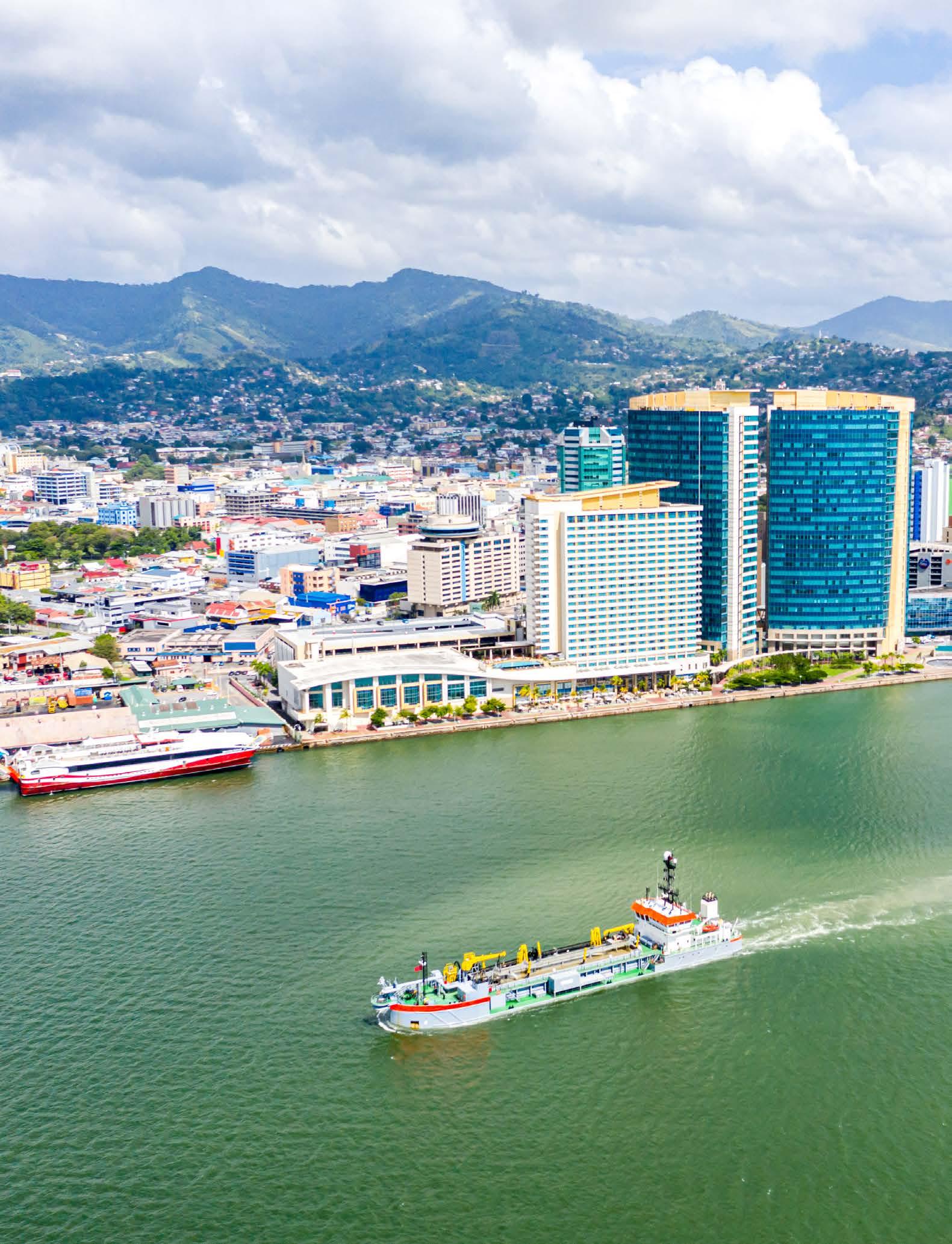
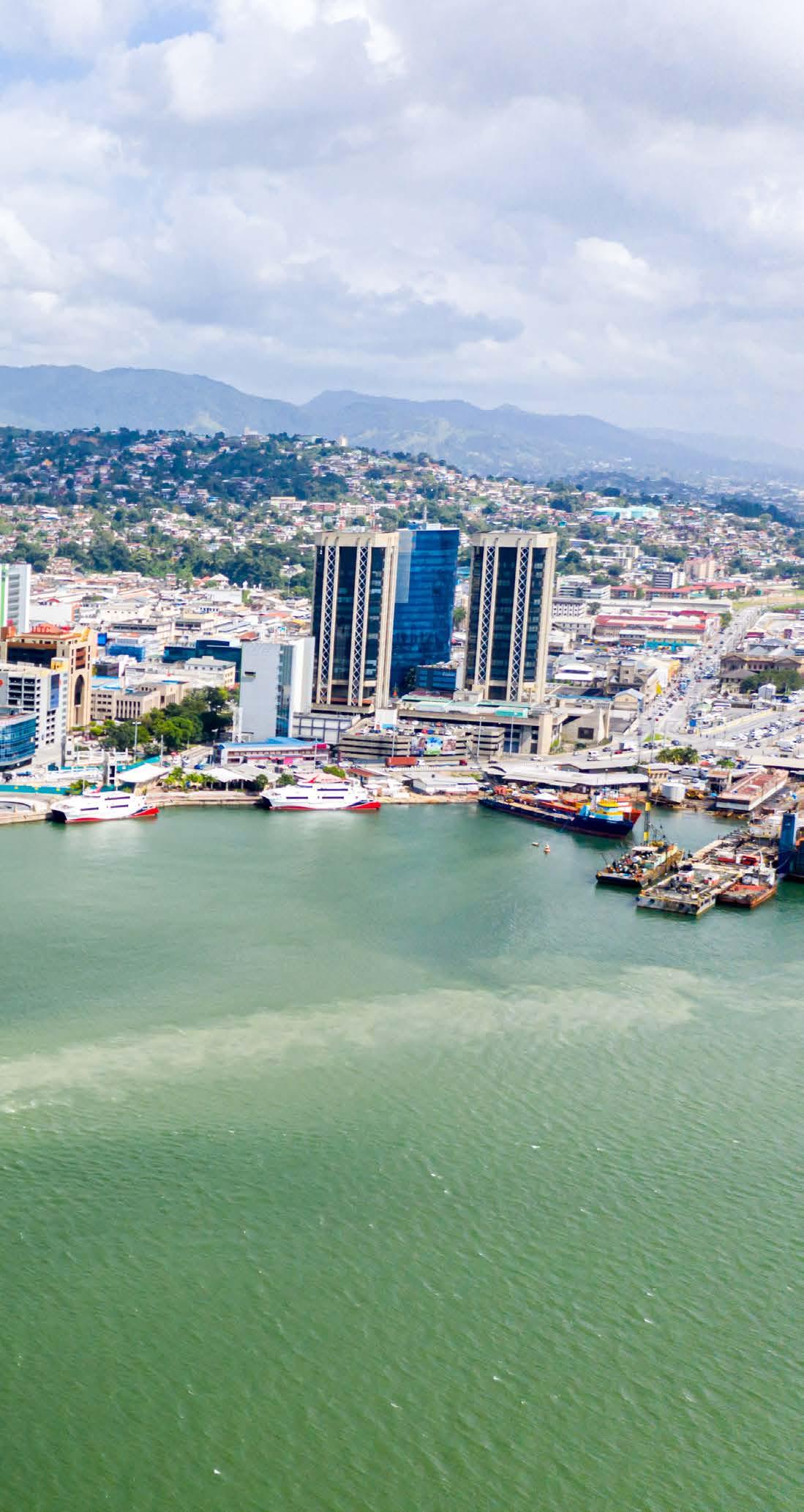
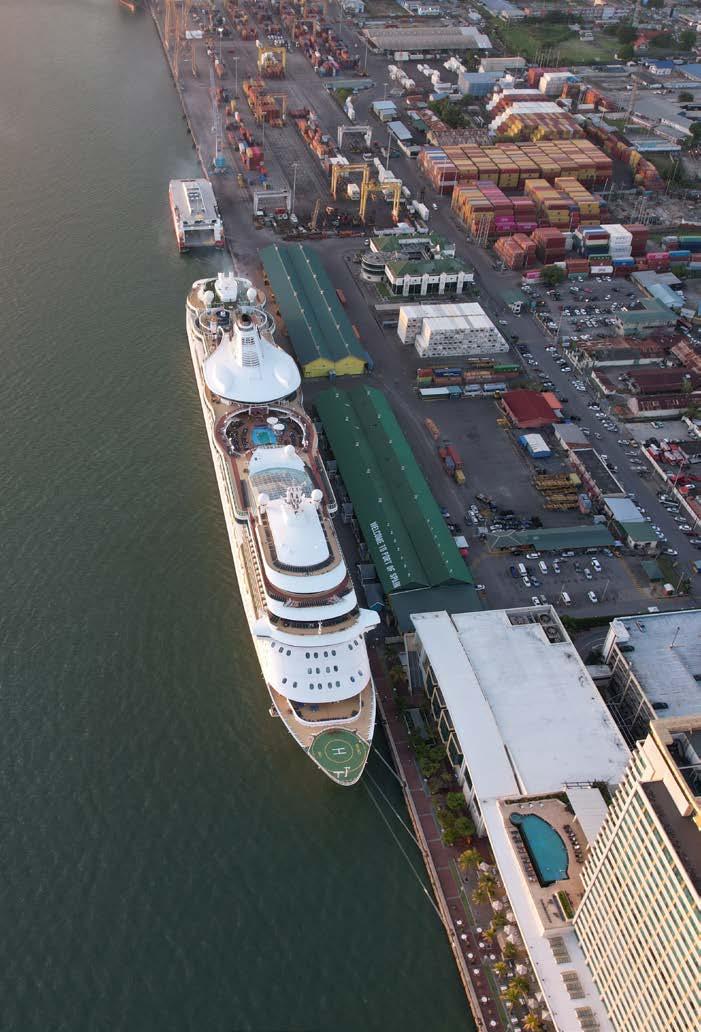
Ideally situated to serve the major shipping routes travelling across the Americas, the Port of Port of Spain (PPOS) is the primary multi-purpose cargo hub serving Trinidad and Tobago under the guidance of the Port Authority of Trinidad and Tobago (PATT). Under PATT, the port has witnessed significant developments in recent months, enhancing its existing infrastructure and positioning itself as a key hub for the future of the region’s cargo and shipping industry.
Founded in 1961, PATT was established as a statutory authority under the Port Authority Act (Act 39 of 1961) and began operations in 1962 to provide a coordinated and integrated system of harbour facilities and services to support the ongoing development of Trinidad and Tobago. Today, PATT encompasses 4 key business units, including the PATT Governing Unit (PATT-GU), Port of Spain Infrastructure Company (POSINCO), Port of Port of Spain (PPOS) and Trinidad and Tobago InterIsland Transportation Company (TTIT).
PATT-GU is responsible for overseeing the port’s operations in all its business dealings, ensuring that every activity complies with legal regulations and standards while delivering excellent service to all stakeholders. The central vision of PATTGU is to act as a key enabler for PATT, facilitating coordination among all strategic business units to enhance efficiency, sustainability, responsiveness, and productivity in the port’s overall development. To achieve this, PATT-GU focuses on leading the
- Design & Construction of Marine, Coastal, Port Structures & more.
- Upgrades & Maintenance of Ports, Piers, Docks, Marine Facilities, Mooring Systems etc.
- Dredging & Land Reclamation.
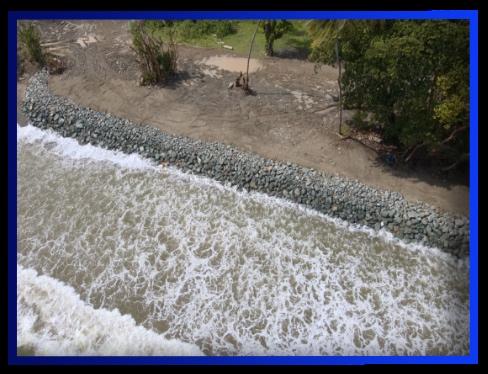
- Breakwater & Revetment Design & Construction.
- Dynamic Pile (PDA) Testing.
- Laying & Burial of Submarine Cables, Pipelines & Outfalls.
- Crane Barge Operations & Associated Heavy Equipment.
- Wreck & Marine Structure Removal.
- Dive Support Services.
- Crew Change Facility.
- Tank Cleaning Services.
- Welding & Fabrication.
- Waste & Garbage Removal.
- Office Accommodation.
- Portable Water Supply.
- Vessel Repairs.
Port Authority of Trinidad and Tobago
governance of the port, supported by mandates, to deliver a successful port for all its stakeholders. One of the most prominent aspects of PATT is the Port of Port of Spain (PPOS), which provides essential cargo handling for the region within the natural harbour of the Port of Spain sheltered by the northwestern coast of Trinidad. PPOS is ideally situated across multiple major shipping lines, connecting Trinidad and Tobago with trade links throughout the Caribbean and the Americas, as well as with connections across the Atlantic and Pacific Oceans. Many of these shipping lines pass through the Panama Canal, and so the port is crucial to enhancing Trinidad and Tobago’s cargo and trade link on both a local and international scale.
PPOS strives to be a sustainable, innovative, customer-driven and productive Caribbean port, supported by PATT’s focus on operational efficiency and aggressive strategic marketing. Thus, PPOS today encompasses the central cargo business unit of PATT and is where the Authority can provide berthing for international container vessels, break bulk vessels, and roll-on/roll-off vessels, as well as liquid, bulk and dry cargo vessels. In addition to this, PATT oversees the towage services, container freight services and warehousing, and the One-Stop Barrel Shop for clearance and delivery of personal effects. This allencompassing infrastructure allows PPOS to maintain its vital role by leveraging its location, supported by its workforce, stateof-the-art technology and equipment, and developed infrastructure to deliver highvalue and efficient service across the port for its stakeholders.
•
•
•
•
•
The next key business unit under PATT is the Port of Spain Infrastructure Company (POSINCO), which operates as the landlord of the port. POSINCO is responsible for overseeing the port’s commercial development, as well as the upgrading and maintenance of port and harbour facilities spanning across the Port of Port of Spain and the Port of Scarborough. POSINCO strives to be the most efficient provider of port and harbour infrastructure management and services in the region, and so it works to develop and maintain the Port of Port of Spain’s infrastructure to enhance cargo activity to make the port and marine activities more competitive.
Navigating the Future
Port Authority of Trinidad and Tobago
Serving the Energy Industry for 25 years providing efficient service, while developing mutually beneficial relationships with all our stakeholders.
Also under PATT is the Trinidad and Tobago InterIsland Transport Company (TTIT), which transports passengers, vehicles and cargo along reliable but affordable routes between the islands of Trinidad and Tobago. To achieve this, TTIT has 4 passenger ferries, which enhance the connectivity between the islands, in a cohesive effort to enhance the overall interconnectivity of the region. The routes connect the Port of Spain in Trinidad with the Port of Scarborough in Tobago, across a 20-mile channel, ensuring seamless transport operations between the islands.
As PATT looks towards the future, it continues to expand and enhance its infrastructure and port offerings to help the region solidify its place as a key cargo and shipping hub in the Caribbean. An exciting project outlined for the Port of Spain is the Port of Spain Innovation and Development project, which represents one of the most ambitious transformation projects for Trinidad and Tobago. The project aims to redefine the region as a beacon for innovation, resilience and sustainable growth, and is part of the national Revitalisation Blueprint.
The project is set to span the 750 acres and five miles of revitalised waterfront, integrating commerce, culture, infrastructure and urban living into one interconnected ecosystem that drives national progress. The project, implemented by PATT,
plans to develop a key hub at the heart of the Port of Spain’s waterfront. One key development aspect is Invaders Bay, which will encompass premium hotels, apartments and a 400-berth marina. The plan is to blend hospitality and residential luxury living, offering a new standard of coastal living. Then, next to this, the project wants to develop the Infinity Financial Tower and Convention Centre, which will both be symbols of Trinidad and Tobago’s global ambition. Here, the project would see 800,000 square feet of modern office space, to establish the Port of Spain as not only a key cargo hub, but also a premier financial capital at the heart of the Caribbean. Then, the Convention Centre will host summits, exhibitions and trade conferences, positioning the city as a key location for global enterprise and diplomacy.
Furthermore, the project’s vision would see a corporate and residential Port City featuring a 400acre offshore industrial and logistic zone developed to handle 4 million twenty equivalent units (TEUs) per year. This would connect the 18-metre berths and Post-Panamax dry docking facilities to ensure maritime efficiency, whilst being located close to major highways and existing port infrastructure. The development of this Port City would enhance trade
Supporting the Port of Port of Spain
and allow Trinidad and Tobago to remain competitive along trade routes across the Americas. The expansive project would also see Sea Lots Industrial Park and Free Trade Zone, a Multimodal Transport System, as well as the development of residential units and a healthcare medical complex – to name just a few aspects. Therefore, as we can see from this comprehensive and vast project vision, the Port of Spain Infrastructure and Development project looks set to redevelop and enhance the Port of Spain, delivering it as a key hub where architecture, technology and community can transform the region into a competitive hub for the future. This project plans to be a key step of an ongoing urban transformation project to enhance Trinidad and Tobago’s economic growth and modernisation.
As we have seen, PATT’s operations are vast, spanning 4 key business divisions set on enhancing the governance, transportation links and infrastructural development of the port. Under these key divisions, PATT has been able to expand the port’s operations, and with the introduction of the Port of Spain Innovation and Development project, we look forward to seeing how PATT expands the port into a thriving hub for the future.
Alabama Port Authority
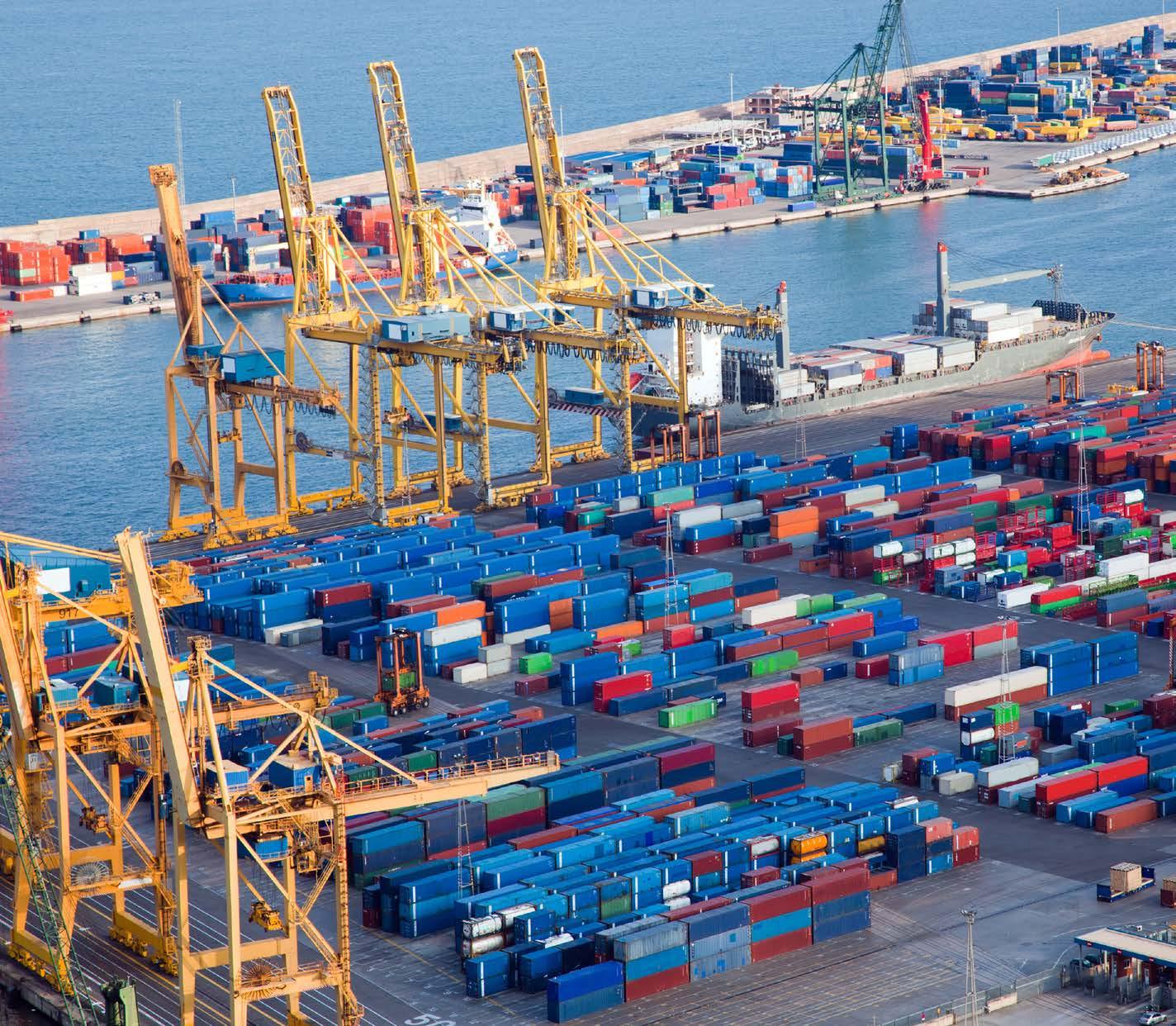
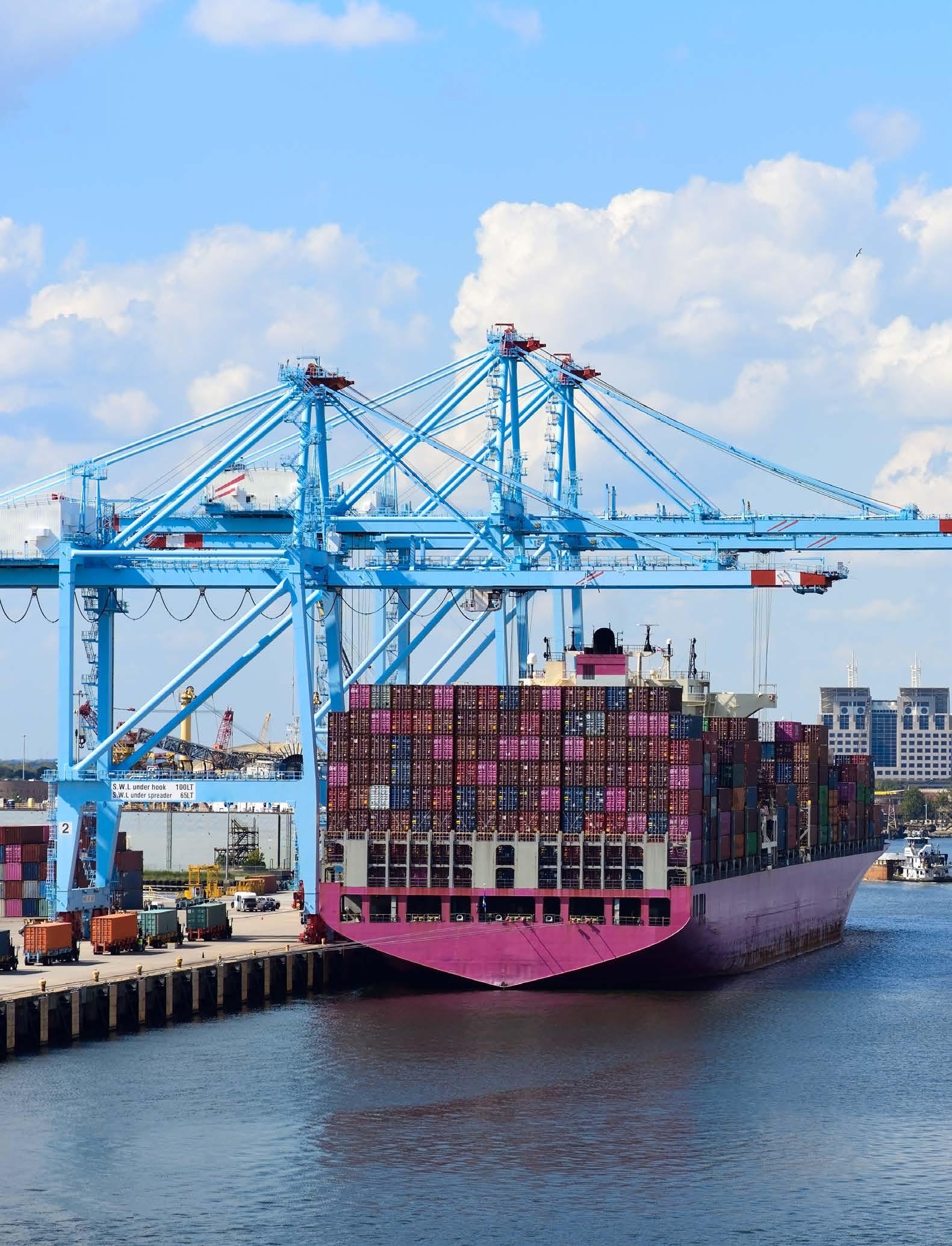
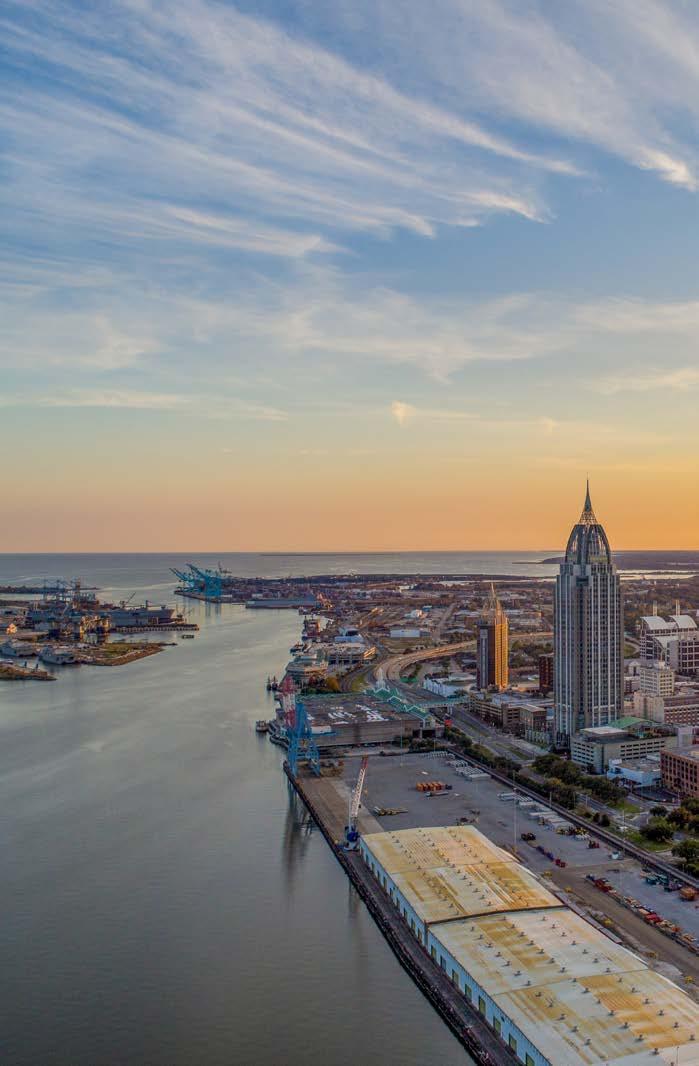
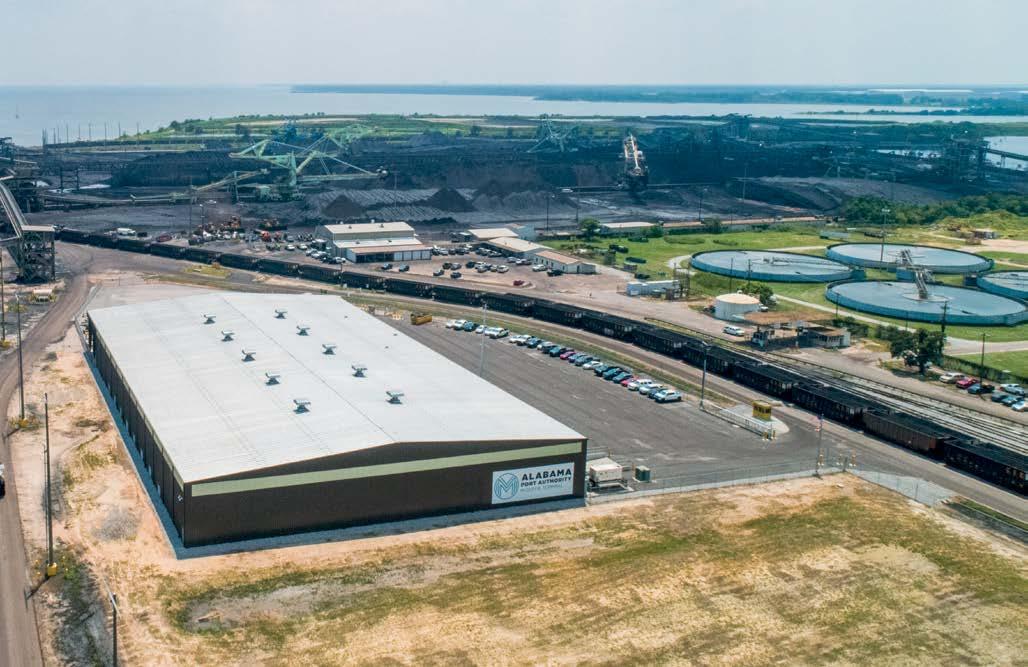
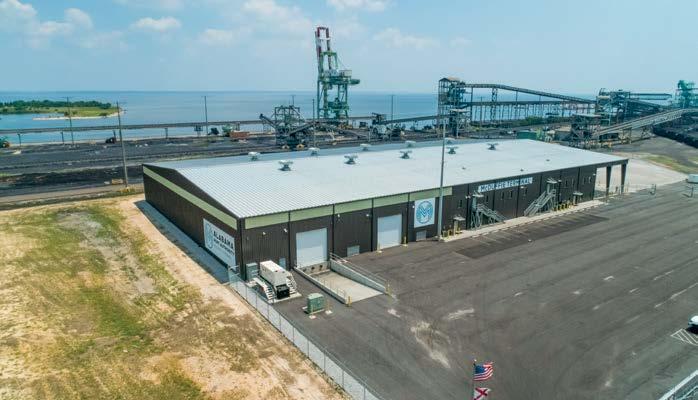
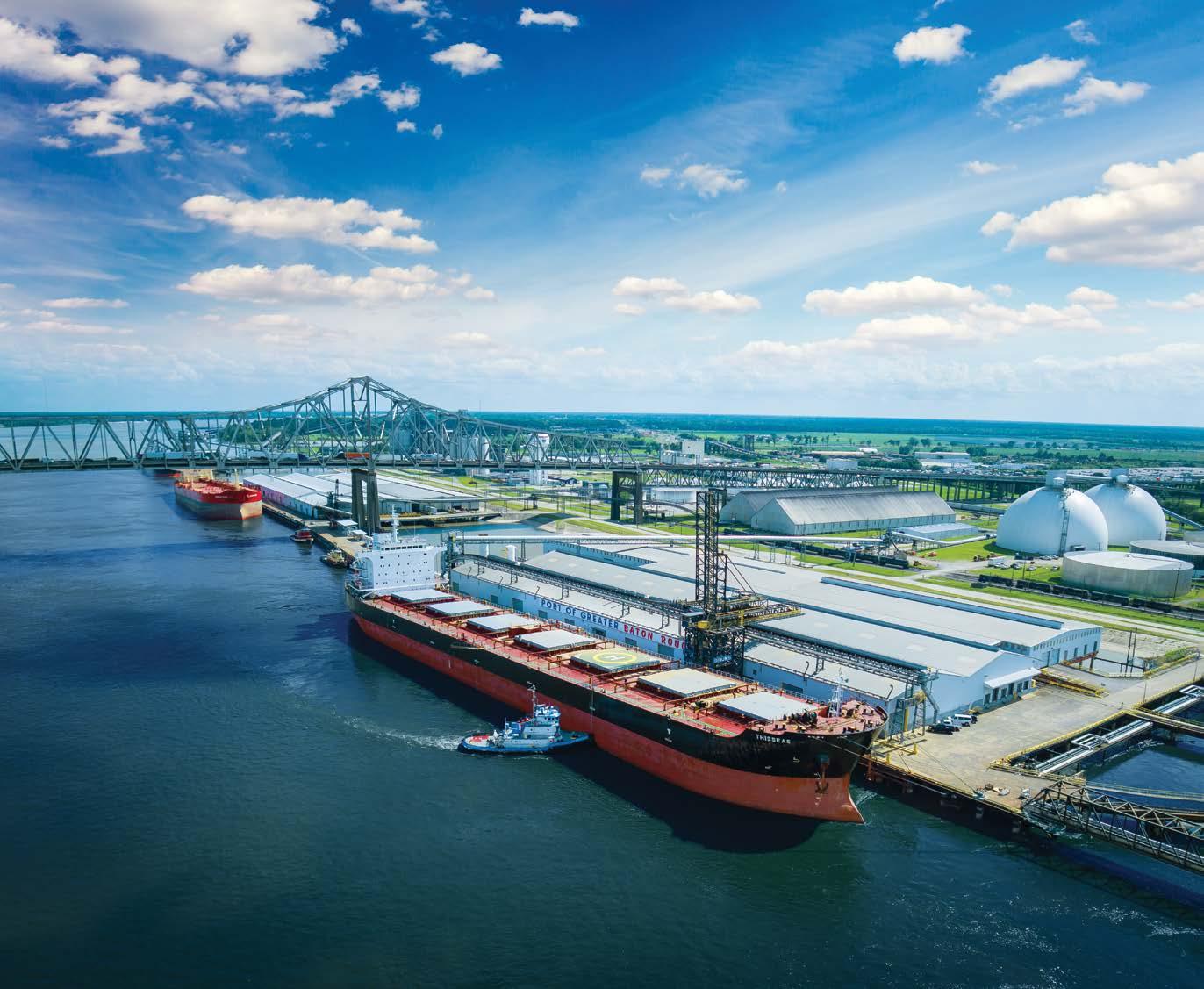
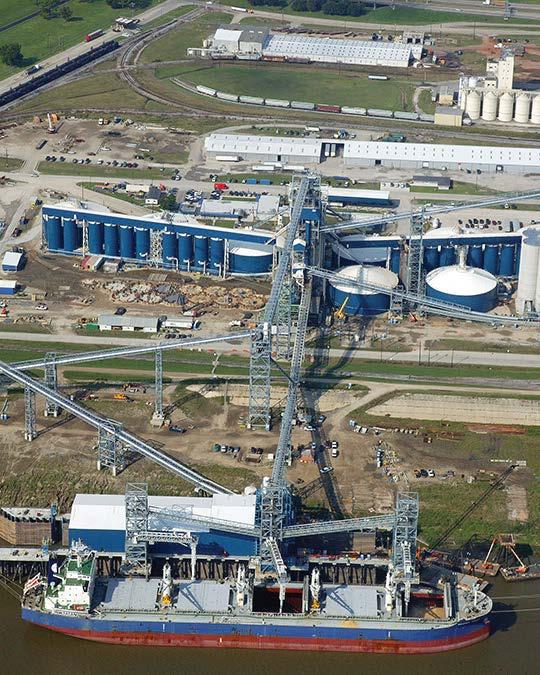
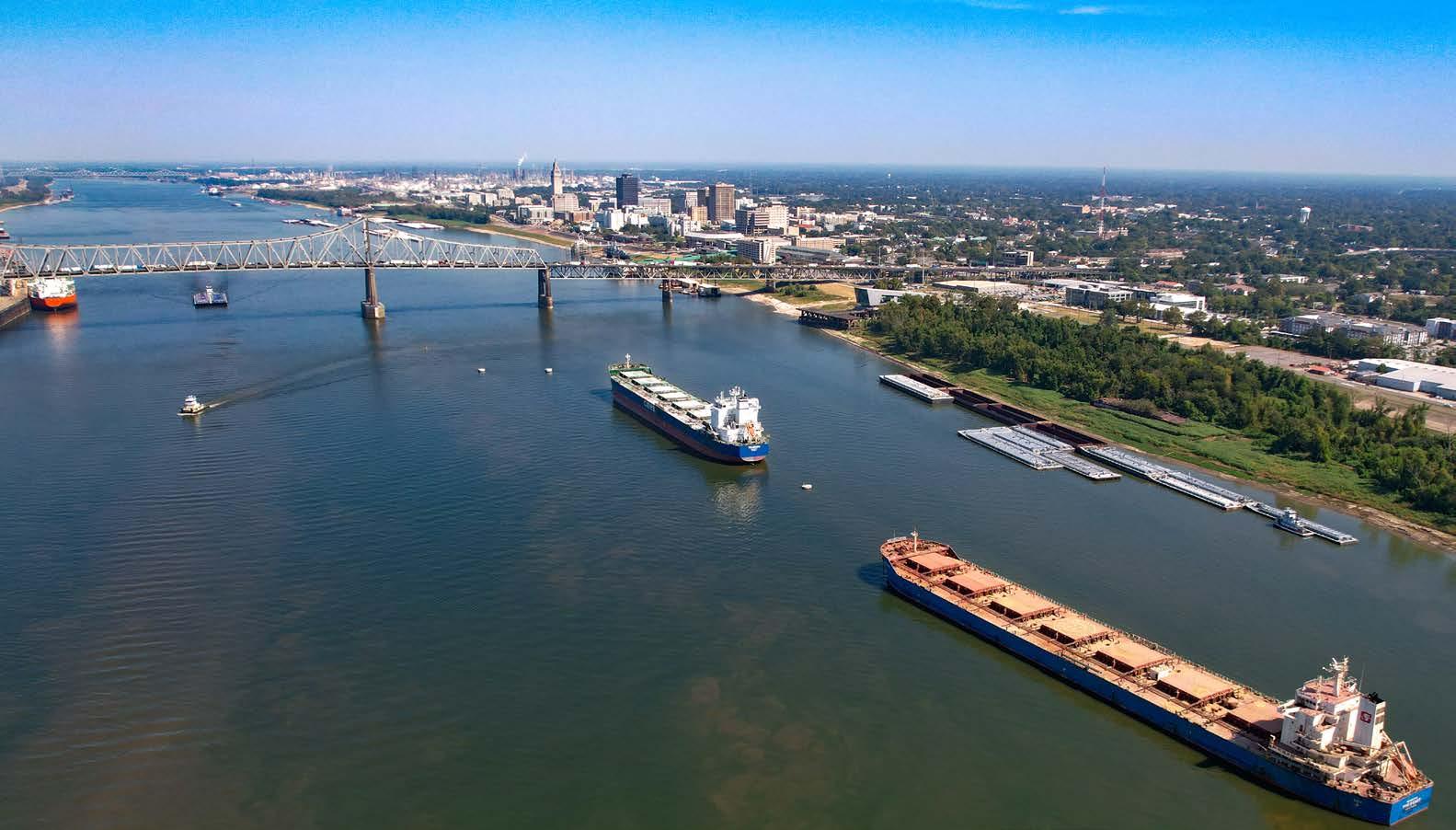
Serving every county in Alabama, the Port of Mobile is the deepest container port in the Gulf of America and the only seaport serving the state. Therefore, the Port of Mobile is super important to Alabama’s economy, delivering container, general cargo and break bulk facilities to keep goods moving and maintain its vital trade links. The Port of Mobile is overseen by the Alabama Port Authority (APA), which is responsible for the management of the port and its associated infrastructure. A key part of the Alabama Port Authority’s role is investing in the port’s infrastructure to enhance its ability to handle the increasing cargo demands of vessels arriving at the port every day.
The Port of Mobile benefits from its enhanced position along vital transportation networks that allow the port to connect with the extensive inland waterway travelling across the U.S. via barge, the North/South and East/West interstate highways travelling across the state, as well as the rail network offering enhanced movement of cargo to and from the port, and then across the country. This enhanced connectivity means that the Port of Mobile is now one of the most prominent seaports in the United States, offering its customers enhanced connectivity across the nation to support local and international supply chains. Therefore, to optimise this vital transportation network at its disposal, the Port of Mobile today spans 18 diverse cargo handling facilities that deliver leading integrated port facilities to support customers’ supply chains from the very moment their goods arrive at the port.
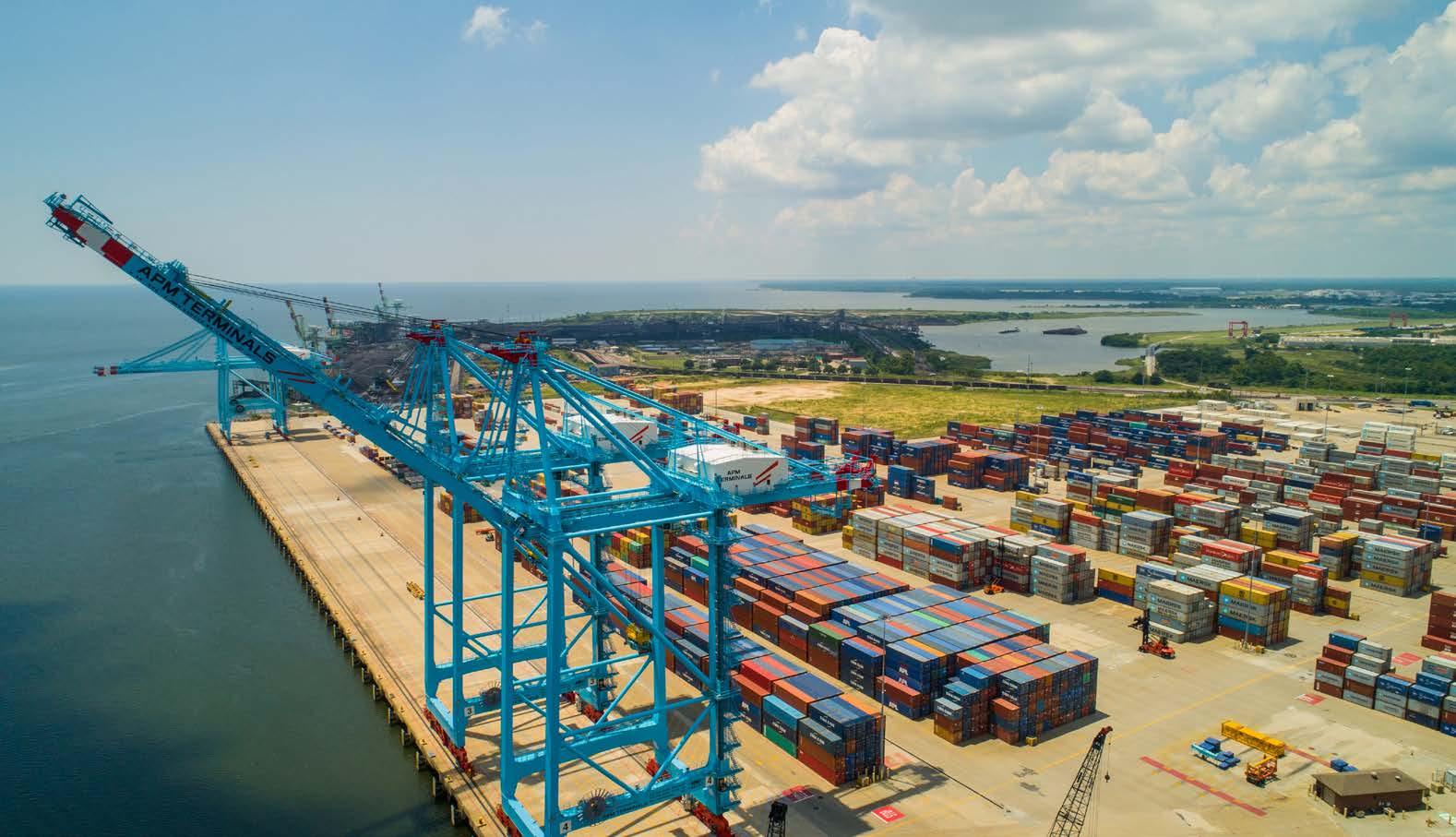
One of the most valuable facilities is the Port of Mobile Container Terminal, which is operated by APM Terminals, an independent subsidiary of A.P. Møller – Mærsk. APM Terminals are leaders in global container terminal operations and so work alongside APA to operate the Mobile Container Terminal. The Mobile Container Terminal plays a key role in supporting the port’s total cargo capacities, which currently has a 650,000 twenty equivalent units (TEUs) capacity. Across the terminal, the port is able to handle almost all import and export cargoes; however most common cargo types include aggregates, automobiles, breakbulk, coal, cold storage, containers, forest products, general cargo, grain, liquid bulk, metal, and project cargo.
Over the years, the Port of Mobile has continued to expand under APA, who are focused on developing the Port to deliver it as a reliable aspect of customers’ supply chains across the US and beyond. To achieve this major investment projects has been carried out in recent years, including the Mobile Harbour Modernisation Project. The project, totalling £366 million in investment, is part of a statefederal partnership between APA and the U.S. Army Corps of Engineers. The project aims to deepen and widen the Mobile Shipping Channel in order to improve navigational efficiency, accommodate larger vessels and strengthen Alabama’s position as a global trade gateway. In October, APA celebrated
Experience
Experience World-Class Terminal Services with CSA
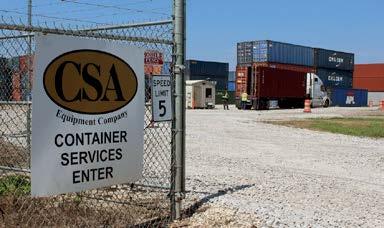
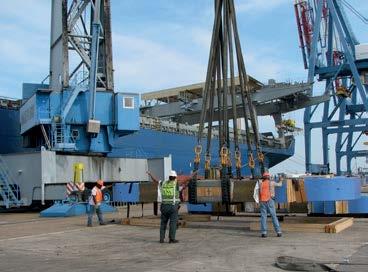
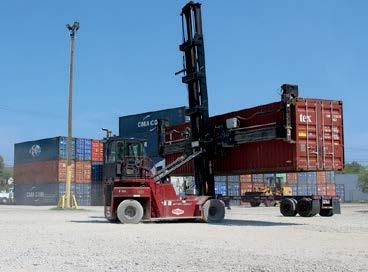
At CSA, we specialize in providing exceptional service for forest products, break bulk, and heavy-lift operations. Our offerings extend to comprehensive terminal operations, including expert loading and unloading of rail cars, trucks, and river barges. In addition, our Container Services division ensures seamless handling and storage of your goods.
At CSA, we specialize in providing exceptional service for forest products, break bulk, and heavy-lift operations. Our offerings extend to comprehensive terminal operations, including expert loading and unloading of rail cars, trucks, and river barges. In addition, our Container Services division ensures seamless handling and storage of your goods.
Our Services Include:
Our Services Include:
Expert Stevedoring & Break Bulk Handling
Expert Stevedoring & Break Bulk Handling
Efficient Terminal Operations
Efficient Terminal Operations
Comprehensive CSA Container Services
Comprehensive CSA Container Services
Choose CSA for unparalleled reliability and efficiency in all your cargo needs.
Choose CSA for unparalleled reliability and efficiency in all your cargo needs.
For more information visit our website www.csaports.com
For more information visit our website www.csaports.com
Alabama Port Authority
that the modernisation project had been completed, and so the Port of Mobile now has a 50ft channel depth, making it the deepest container terminal in the Gulf of America. With an increased channel depth, the port can welcome larger vessels to help encourage large container ships to utilise the port, and in the process enhance strong trade links between Alabama and the rest of the world.
Announcing the completion of the project, Doug Otto, CEO and Director of APA outlined, “This investment isn’t just about depth – its about efficiency. The project’s enhancement allow for two-way vessel traffic and create nearly three miles of passing lane, improving safety, reducing transit times, allowing for more cargo, and delivering faster turnarounds for our customers. These capabilities strengthen the Port’s competitive position and make a compelling business case for shippers choosing Alabama as their gateway for global trade.” Otto’s comments here highlight just how valuable such projects as the Mobile Harbour Modernisation Project are for the port and the local economy. Therefore, to continue to develop the port following the project, APA are currently carrying out work on expanding the turning basin to ensure the port can continue to serve increasing cargo demands and vessel sizes for the future too.
One of the most vital recent developments for the Port of Mobile is the construction of a new container berth. In late October, APA and APM Terminal announced that they had signed an agreement to proceed with the construction of a 1,300ft berth. The £131 million project, funded by federal appropriation to APA and enhanced by private investment from APM Terminals, will see the next phase of the port’s growth. The new container berth is expected to expand the port’s existing berth capacity by 50% and will mean that the port will now be able to handle three ultra-large container vessels (ULCVs) simultaneously. Not only will this expansion significantly enhance the Port of Mobile’s cargo operations and capacity for container traffic traversing the Gulf Coast, but it will also help deliver the port as one of the country’s most competitive and resilient gateways.
Construction of the new berth is expected to begin in 2026, taking two years to complete. Once completed, the annual berth capacity of the Mobile Container Terminal will be 1.4 million TEU, supported by 7 ship-to-shore cranes. Furthermore, to help support this ongoing development, APA has extended APM Terminals’ concession
Major Port Investment Projects
Container Terminal, which will see APM Terminals operating the terminal until 2058, with two 10year extension options. Doug Otto highlighted in the announcement of the new container berth agreement that “With the channel deepening complete, a new berth underway, the Phase IV expansion in progress, and APM Terminals’ continued partnership, we are connecting businesses across Alabama – and across the nation – to global markets faster and more efficiently than ever before.”
Otto’s comments highlight just how the new container berth, along with the existing modernisation projects, will boost the role of the port with increased operational flexibility, faster turnaround times and greater reliability to firmly position the port as a key shipping hub for the entire nation. Thus, with over a decade of shared progress already seen across the ports development under APA, and alongside APM Terminals, the Port of Mobile is now able to deliver supply chain resilience, and in the process support the economic development of the region.
Then, in December, APA announced the newest development of their modernisation plans with the General Cargo Modernisation Program. The program, totalling $100 million of federal investment, will see the redevelopment of Pier B South at the port. The redevelopment is a vital step in a multi-year and multi-phase plan that aims to modernise the Port’s general cargo terminal. The general cargo terminal is one of the original infrastructures of the port, dating back to the 1920s; therefore, with almost
a century of operation, Pier B South is in need of redevelopment to meet the demand of today.
According to Doug Otto, “Pier B South has stood for nearly a hundred years as a symbol of Alabama’s global trade gateway through the Port of Mobile, and now we’re investing to ensure it remains an engine for the next hundred years”. Otto’s comments highlight the long and valuable role Pier B South has played in the port’s development; however, with the whole port developing towards the future, the implementation of vital modern infrastructure to meet the needs of today is necessary. Therefore, the redevelopment plan for Pier B south will see 1,500 linear feet of modern dock structure built, with the capacity to handle 1,500 pounds per square foot (psf) to accommodate mobile harbour cranes and other advanced cargo-handling equipment. In addition, the new dock structure will be served by rail, will be shore-power enabled and will seamlessly integrate into the port’s existing general cargo complex.
Across APA’s operations, there is a key current focus on modernising the Port of Mobile and its existing infrastructure to make it capable of handling increasing capacity of cargoes and vessel types, which in turn aims to increase the competitiveness of the port along national and international supply chains. Working alongside APM Terminals and local governmental figures, APA has been able to bring vital investment into the port to deliver its muchneeded growth and maintain its role as the deepest container port along the Gulf coast.
Dubai Duty Free
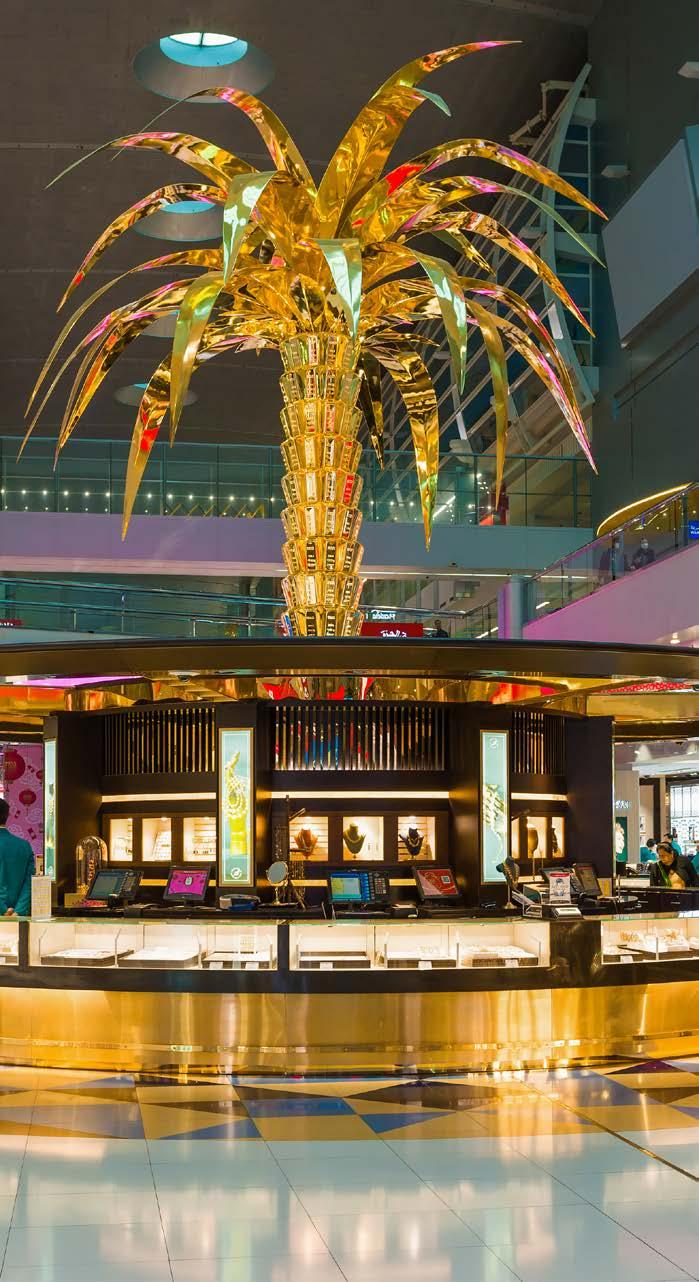
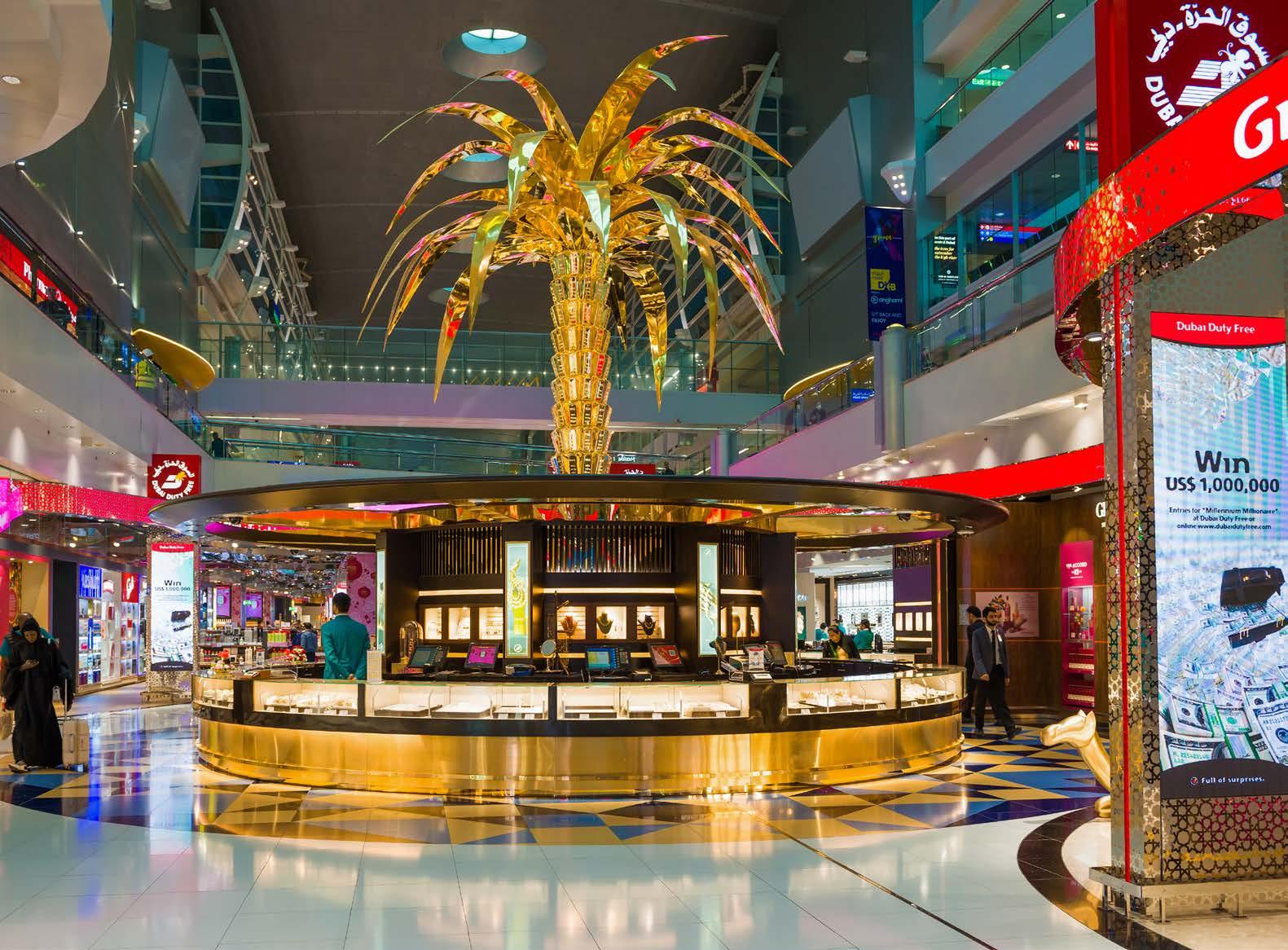
Operating across 40,000 square meters of retail space in both the Dubai International Airport and Al Maktoum International Airport, Dubai Duty Free is one of the leading travel retailers in the world, delivering first-class retail experiences for customers travelling across the globe. By continuing to invest in its retail space and the products it can offer, Dubai Duty Free has raised the benchmark for airport retailing, ensuring that every person who travels through its duty-free stores is met with only the best products and services.
Dubai Duty Free, founded in 1983, recorded US$20 million in sales in the company’s first year alone, highlighting just how lucrative the tourism industry of Dubai is, and the vital role the company would play in enhancing Dubai’s tourism sector over the years to come. Now, 42 years since its founding, Dubai Duty Free is one of the largest and most significant travel retail operators in the world, seeing a sales turnover of US$2.164 billion in 2024. Therefore, Dubai Duty Free has continued to grow, and now, the company employs more than 6,000 people offering the best of airport retail experiences at the Dubai International Airport and the Al Maktoum International Airport, cementing its retail outlets as a key stop along many tourist itineraries to Dubai.
The Dubai International Airport is currently the main hub for tourists travelling to Dubai, and so the location of Dubai Duty Free’s retail space at this airport is vital, as every year it sees millions of people arrive in Dubai, travelling on more than 120 different airlines. Dubai Duty Free also has key
retail space at the Al Maktoum International Airport, where it also provides passengers from across the world with its top-quality products and leading retail experiences. However, the Al Maktoum International Airport is an exciting space for Dubai Duty Free’s future, as the airport is currently undergoing a vital development project, which would deliver the airport as the largest airport in the world by size and capacity, expected to handle 260 million passengers annually across 5 runways and 400 gates. Therefore, the presence of Dubai Duty Free at both of these airports, and especially at Al Maktoum International Airport as its major development project takes shape, highlights the vital role that Dubai Duty Free plays as the leading airport retailer for passengers located at the heart of the United Arab Emirates’ (UAE) tourism sector.
Today, the central mission of Dubai Duty Free is to promote Dubai to a global audience, whilst managing the retail operations of Dubai International Airport and other affiliated areas on behalf of the Government of Dubai. Across its locations, Dubai Duty Free are working to provide every visitor with
Dubai Duty Free
Bottega, Italian Sparkling Life
Strictly connected to the vine since the 17th century, Bottega is now a family business who produces sparkling and still wine, liqueurs, spirits and grappa in the name of quality and sustainability. All raw materials are carefully selected and crafted with artisan care to provide a final product which is the expression of Made in Italy, innovative approach and sustainability. From reducing, reusing and recycling, our commitment to sustainability is paramount. We use 100% renewable energy, dark bottles are made from at least 85% recycled glass, only water-based paint is used for metallised bottles, our vineyards are managed according to organic farming criteria. Recently we also incorporate recycled ocean plastics in the back labels. Bottega’s commitment to quality has led to the distribution of our products in more than 160 countries, achieving hundreds of awards and recognitions. Bottega Gold is our flagship product, a Prosecco DOC Brut with a fruity and floral bouquet and a fresh, elegant taste. Thanks to its unmistakable features, it has been recognised as the best-selling sparkling wine in the Duty Free market (IWSR Report 2022).
Discover more about us bottegaspa.com
Instagram @bottegaspa
a first-class customer experience, where they can purchase high-quality products with an excellent price tag to match. Across Dubai Duty Free’s retail space, customers can purchase a wide variety of products from beauty items to liquor, tobacco, technology and gadgets, food, watches, jewellery, fashion, luggage, travel essentials, toys, books, health and wellness products, as well as souvenirs.
The wide variety of products offered by Dubai Duty Free ensures that every customer will find something that suits their needs and budget. Across these product ranges, there are big brand names, such as Bottega, Dior, Gucci, La Mer, and Destination Champagne. These luxury and bigname brands continue to play a vital role in helping Dubai Duty Free maintain its success, with exclusive launches and offerings. Thus, these brands and the
overall experience of its stores have played a key role in helping Duty Free achieve US$2.164 billion in sales turnover in 2024.
However, these high sales figures reached a new record in 2025, as in December, Dubai Duty Free outlined that it had reached a significant milestone of AED 8 billion in sales for the first time in its 42year history. This achievement comes after Dubai Duty Free has repeatedly hit record sales figures in 2025, with 9 of the 11 months of the year setting new retail sales records for the company. In fact, in November, the company recorded a monthly record high sales performance of AED 876.56 million. This is the highest monthly sales ever seen in the company’s history. Commenting on this milestone announcement, Ramesh Cidambi, Managing Director of Dubai Duty Free, outlined, “November has been an extraordinary month for us and a defining moment in our 42-year history. Crossing the US$2 billion mark by November 15th and setting a new alltime monthly sales record is a great achievement. It takes a huge effort to break sales records month after month, and yet that is what our operation has achieved this year.”
According to the press release, these high figures are supported by perfumes being one of the leading categories of products bought by customers, accounting for AED 160.58 million of sales. Thus, the company continues to focus on bringing new and exclusive fragrance launches to serve its customer base. Other products which saw significant sales increase included liquor, tobacco and confectionery. With such a significant increase, Dubai Duty Free intends to maintain this momentum into 2026, where it plans to give customers even more exclusive and regionally inspired products alongside its premium brands in the hopes of continuing its record sales growth.
As we can see from Dubai Duty Free’s record sales this year, the company is continuing to meet its customers’ needs with top-quality products across its retail locations. With increasing numbers of tourists arriving in Dubai every year, Dubai Duty Free’s operations ensure that each passenger is met with top-quality retail services to ensure that shopping in its retail locations becomes a leisure activity in itself. We look forward to seeing how Dubai Duty Free will build on its record sales momentum and bring customers even more great products and services in 2026.
ITALIAN SPARKLING LIFE
THE SPECTACULAR MONARCH MIGRATION
Written by Carley Fallows
Every year, Mexico sees a spectacular sight as millions of butterflies make the trip from North America to escape the cold. However, with every migration seeing a new generation due to the short lifespan of the butterfly, these spectacular insects rely purely on their genes to tell them when it is time to right time to migrate. Thus, each year, tourists can experience a spectacular sight as a large kaleidoscope of butterflies arrives in Mexico over the winter months.
The migration of monarch butterflies sees the insects make the 3,000-mile journey from their breeding grounds in the northeast of North America, and travel south towards the forests in the southwest of Mexico. However, the monarch is the only butterfly that is known to make this kind of two-way migration, as birds do. This is largely because, unlike other species which overwinter as larvae or pupa, monarch butterflies cannot survive cold winters. Thus, as temperatures start to drop over winter, monarchs set out on their migration to warmer temperatures in Mexico. Therefore, monarch butterflies find their second home in the Sierra Madre Mountains of Mexico, where temperatures sit between 21-27°C. If a monarch’s temperature drops below 13°C, they cannot fly, and below 5°C and they can’t crawl. Therefore, they need the ample temperatures of forests in Mexico, where they get enough shade and humidity to not overheat and burn fat reserves, but avoid the extreme cold of North America, which could be deadly.
Every year, millions of monarch butterflies make the journey to Mexico, where they huddle on Oyamel fir trees. Tourists can see trees blanketed by the butterflies, as they roost over winter. However, the butterflies can look almost motionless, and this is because they enter into a semi-dormancy state to help them survive winter, utilising their stored energy. These butterflies are
part of a ‘super generation’, which is the final brood born in late summer that will take on the migration journey. This super generation has a lifespan of 8-9 months, rather than the 2-6 weeks like typical monarch butterflies, and this is so they can make the migration journey to Mexico for overwintering and then return to their breeding grounds in the spring. In fact, due to this lifespan and migration, the yearly super generation of monarch butterflies has a delay in their reproductive development, and so many fully grown Monarchs will not complete their reproductive development until the Spring when they return from Mexico.
However, in recent years, the number of butterflies making these journeys has been decreasing, and so conservation efforts are being put in place to support monarch populations. A key conservation hub is in Mexico at the Monarch Butterfly Biosphere Reserve, located in the forested mountains north of Mexico City. The Monarch Butterfly Biosphere Reserve is a World Heritage property which protects key overwintering sites for the monarch butterflies, covering more than half of the overwintering colonies of the monarch butterfly’s eastern population. The reserve ensures the maintenance of the standing forest to prevent any threats, such as illegal logging, from affecting the overwintering colonies’ home for the winter. The central threats to the species are climate change,
pesticide use and habitat loss, which can cause populations to decrease. Therefore, the Monarch Butterfly Biosphere Reserve is a vital operation ensuring that the species can continue to thrive. The monarch butterfly is not just a beautiful insect, but an interesting species that operates like no other butterfly. With a yearly generation born to make such a long but vital migration, the species is now part of one of the greatest natural phenomena in the world. With the winter months now here, tourists can hope to catch a glimpse of this spectacle and see the unique wings of the monarch covering trees across the mountain areas of Mexico between October and late March.
Founded in 1972, Carnival Cruise Line has been delivering dream cruise itineraries across the world, travelling from its twelve U.S. and two Australian homeports. Carnival Cruise Line, a subsidiary of Carnival Corporation & Plc, offers a plethora of cruise itineraries with a particular focus on the Caribbean, where its vessels travel to dream destinations across the region. Now more than 50 years since its founding, it’s no surprise that Carnival Cruise Line today is a popular cruise line company for tourists, offering them the chance to experience the delights of the globe on one of its world-class voyages.
Carnival Cruise Line is a vital cruise liner company under the global Carnival Corporation & Plc (Carnival Corporation), which has long been a leader in the worldwide cruise tourism market. As one of the leading cruise lines under Carnival Corporation, Carnival Cruise Line has long been a premier cruise line partner, offering tourists the chance to experience crystalclear waters and tropical weather on dream holiday itineraries. Today, the company has 27 cruise vessels embarking on voyages spanning anywhere from 2 to 29 days, arriving at dream destinations across the Caribbean, the Bahamas, Mexico, Alaska, Europe and Hawaii. In addition to this, Carnival Cruise Line also operates 2 ships under its Carnival Cruise Line Australia division, offering cruise itineraries travelling from Sydney and Brisbane to destinations such as New Zealand and the Pacific Islands. Across these routes, Carnival Cruise Line has sailed more than 100 million guests, providing every passenger with leading cruise line services.
Carnival Cruise Line operates 10 different vessel classes, which include Excel, Venice, Vista,
Sunshine, Dream, Splendor, Conquest, Spirit, Fantasy, and Adventure class. Each of these offers a unique cruise experience, with varied passenger numbers, amenities, attractions and dining options to suit every guest’s needs. Furthermore, each vessel varies in size, offering passengers to chance to experience more intimate, lower capacity vessel options, to ones that are designed for the family, with rollercoasters and water slides. This wide variety of vessel options ensures that Carnival Cruise Line can remain a leader in the industry, offering a plethora of cruise voyages to suit customers’ needs for both location and amenities.
However, as Carnival Cruise Line has grown its fleet over the last 5 decades, a key focus of its fleet development is now focused on delivering more sustainable cruise liner options that meet the needs of its customers, but in a more environmentally friendly way. One of the key developments towards making its vessels more sustainable is the development of cruise liners that are powered by liquified natural gas (LNG). A key example of this is the Carnival Mardi Gras, which was introduced in 2021,
Only the Best Cruise Line Experiences
offering a new class of 180,000-ton ship, which is the first one ever to be powered exclusively on LNG.
From this vessel, Carnival Cruise Line has continued to expand its fleet with this sustainable innovation in mind, and in 2023, the Carnival Jubilee vessel was launched in the footsteps of the Carnival Mardi Gras for sustainability. Today, the Carnival Jubilee is a cruise vessel powered exclusively by clean-burning LNG fuel, offering customers a unique and fresh cruising experience across its 6 themed zones, underpinned by Carnival Cruise Line’s commitment to making the cruise tourism industry more sustainable.
As Carnival Cruise Line looks to the future, it has announced the development of the Carnival Festivale, which is planned to set sail in 2027 from Port Canaveral in Florida. The vessel is planned to focus on family trips, offering 6 immersive and music-inspired zones. This means that across the vessel, every experience is underpinned by music for a unique and vibe-focused trip. In addition to this, the vessel even has an open-air Sunsation Point, where the Carnival WaterWorks Ultra Waterpark,
REYNOLD’S PIER:
JAMAICA’S GATEWAY OF RESILIENCE, GROWTH, AND GREEN INNOVATION
Reynold’s Pier rises from the turquoise edge of Ocho Rios as both a monument of Jamaica’s industrial story and a modern engine of resilience. Built more than seventy years ago to export bauxite, it has evolved into a fully multipurpose facility capable of handling cargo and cruise operations with efficiency. Today, under the stewardship of Jamaica Bauxite Mining Limited (JBM) and its Managing Director Donna Marie Howe, Reynold’s Pier stands as a strategic asset driving growth, recovery, and sustainability.
Its dual capability forms part of the backbone of the resort town of Ocho Rios’ economic pulse. The pier can shift seamlessly from dispatching aggregates and bulk cargo to receiving thousands of cruise passengers. This flexibility proved critical
after Hurricane Melissa (October 2025) when Reynold’s Pier became the first pier on the island to welcome cruise ships just days after the storm. It also transformed into a humanitarian gateway, receiving relief supplies from cruise partners for rapid distribution national distribution to critically affected areas.
With the Port Expansion Project underway, the pier is entering a new chapter boosting cargo capacity, enhancing passenger movement, and modernizing berthing infrastructure. Central to this evolution is JBM’s push toward a future-ready green port, powered by an 84% solar energy system, reducing CO2 emissions by 220,550 kg annually. The vision includes shore-to-ship power, advanced waste management, and stronger shoreline protection.
The Reynold’s Pier is becoming a model of resilient, sustainable Jamaican innovation; strong, smart, and ready for the future.
As operator of the port, JBM manages over 4,000 acres of government property and delivers services across four core units: Commercial Properties, Port Management, Land Management, and Custodial Management, while overseeing the operations of Discovery Bauxite Partners.
Our Services Include:
• Port and Operations Management
• Land Development
• Commercial Development & Property Management
• Custodial Management
Strong. Smart. Sustainable. Ready for the future.
Mrs. Donna Marie Howe
JBM’s Managing Director
Carnival Cruise Line
including the Sun Soaker and Turning Tides slides, provide hours of family fun onboard the vessel. However, guests can also experience fan favourite food spots such as the Alchemy Bar™, Piano Bar 88™, Limelight Lounge, Big Chicken™ and Swirls. The vessel will offer cruise line tours across both Southern and Eastern Caribbean hotspots from its home port of Port Canaveral on the US coastline, adding yet another unique and highly sought-after cruise option to Carnival Cruise Line’s portfolio. In November, Carnival Cruise Line announced its new wave of vessel deployments for 2027/2028. The company outlined that Carnival Sunrise, part of the Carnival Sunshine Class, will begin offering 4–6-day itineraries from the Port of Miami. These itineraries, alongside its existing short-cruise programs to The Bahamas, will see the vessel arrive at Carnival’s exclusive destinations, including the newly opened Celebration Key, RelaxAway, and Half Moon Cay, as well as its calls to Nassau in The Bahamas. In addition, the vessel will offer 2–6-day holiday itineraries in 2027 for Thanksgiving cruises to Celebration Key, Grand Cayman, Cayman Islands, and Montego Bay.
Then, in December 2027, Carnival Sunrise will also offer a Christmas sailing itinerary to Celebration Key, Amber Cove, the Dominican Republic, and Grand Turks. Commenting on the planned itineraries for Carnival Sunrise, Christine Duffy, President of Carnival Cruise line, outlines, ‘With Celebration Key and RelaxAway now part of our 2027/28 sailings, guests can create two of the premier beach destinations in the Caribbean while enjoying some of The Bahamas’ most beautiful destinations”. By spring 2028, Carnival Sunrise is expected to complete more
than 70 sailings, giving guests endless opportunities to explore these signature escapes to some of Carnival’s exclusive destinations.
Carnival Cruise Line also recently embarked on its first official call to Ocho Rios, landing the Carnival Sunrise vessel at the Jamaican port. This first official call comes just a few months after Hurricane Mellisa devastated the island, and so the arrival of Carnival Sunrise hopes to be a key step in helping Jamaica recover from the hurricane and allow the island’s cruise tourism industry to continue to thrive. Upon arriving at the port, Carnival Sunrise leaders held a ceremony recognising the strength and resilience of the Ocho Rios community and the partnerships that will help to continue to place the town as a key stopping point along Carnival’s itineraries. The event highlights the long-standing partnership between the Carnival and the people and ports of Jamaica.
Across Carnival Cruise Line’s operations, we can see there is a real commitment to delivering cruise experiences that allow tourists to experience the delights of what the world, and specifically the Caribbean, has to offer. With a plethora of cruise lines, Carnival Cruise Line can develop new and exciting cruise options to suit the needs of every tourist, whilst underpinning each development with sustainability in mind. With this focus on sustainability, new cruise liners can push the industry towards a more environmentally friendly future, where clean fuels such as LNG are used. We look forward to seeing how Carnival Festivale will provide even more unique music-fuelled adventures across the Caribbean, as Carnival strengthens its relationships with the ports and communities that allow the cruise industry to continue to thrive.
As Africa’s third-largest gold producer, Mali plays a significant role in the global mining sector. The most dominant mineral mined in Mali is gold, due to the Mandingue Plateau in the Southwest, which is a significant gold deposit that today accounts for a large percentage of the country’s total gold exports and overall Gross Domestic Product (GDP) development. Two of the most significant mine developments across this region are the Loulo-Gounko and Fekola mines, which are key gold-producing operations for Mali. For B2Gold Corp. (B2Gold), its operations in Mali centre on the Fekola Mine, where it delivers a lowcost, world-class mining operation committed to developing resources to support local communities, its stakeholders and the environment in the process.
B2Gold has long been a leader in the global mining sector, delivering vital mining operations spanning across the world. However, every mining operation it delivers, it does so in the most responsible way possible, to support the local community and sustainable practices in the process. In Mali, B2Gold have been operating across the Fekola mine since 2024, when the company acquired the mining complex through a merger with Papillion Resources Limited. Following the acquisition, early work activities began in 2015, and just 2 years later, B2Gold announced that it had completed the construction of the Fekola Mine ahead of schedule and commenced ore processing operations. Today, the Fekola Mine is owned 80% by B2Gold and 20% by the State of Mali and is an openpit gold mine delivering vital gold resources for Mali, located in the Southwest of the country. As of the end of 2024, the Fekola mine has produced 392,946 oz of gold and is expected to produce between 515550 Koz by the end of 2025.
The Fekola Complex comprises the Fekola Mine, Fekola Region and the Dandoko operations. The Fekola mine includes the Medinandi permit containing both the Fekola and Cardinal pits, and the Fekola underground operation; whilst the Fekola
regional operation includes the Anaconda Area, which spans the Bantako Menankoto and Bakolobi permits. In addition to these permits, the Fekola Complex also includes a processing plant, which features a conventional flow sheet which consists of a singlestage primary crushing, a semi-autogenous primary grinding mill with pebble crushing, and a secondary ball mill. These feed into a leach feed thickening with a thickener overflow treated through carbon in a column circuit. Other operations include agitated leaching followed by carbon-in-pulp absorption, elution, electrowinning, and gold recovery to doré, featuring cyanide destruction, tailing thickening, and a disposal circuit.
In July 2025, approval was granted for B2Gold to commence underground operations at the Fekola mine, including stope ore production. This follows B2Golds’ ongoing underground exploration development work since 2024, in anticipation of the Underground Mining Approval. This preparation work includes more than 9,300 metres of development work, as well as the installation of all required underground mining infrastructure. Now, following the approval, B2Gold can commence stope ore production. B2Gold anticipates underground operations at the Fekola Mine to contribute between 25,000 and 35,000 ounces of gold production, ramping up significantly in 2026 and subsequent years.
Across the Fekola Mine, power is delivered through a combination of heavy fuel oil (HFO), diesel and solar power. However, as a company moving towards a more sustainable future, it has focused on the use of solar power in recent years.
In 2021, B2Gold commissioned a new 30-megawatt alternating current (MWAC) solar power facility, which was designed to help reduce greenhouse gas emissions by roughly 38,000 tonnes in 2022. Then, in 2023, further expansion to the solar power facility was announced with the expectation of reducing greenhouse gas emissions by a further 24,000 tonnes per year once completed.
In fact, B2Gold announced in March 2025 that it had completed phase 2 of the expansion of the Fekola Solar Plant following the expansion plans laid out in 2023. Initial land clearing, road construction and physical equipment construction were quickly ramped up, completing the expansion phase in the 4th quarter of 2024, with the facility becoming fully operational earlier in January 2025. The expansion included the construction of 46,200 new solar panels, which increased the number of solar panels across the facility to a total of 142,912. The expansion provided an additional 22 megawatts (MW) of solar capacity (52 MW total capacity) and 12.6 Megawatthours (MWh) of battery capacity. This expansion is expected to reduce the mine’s annual emissions
of heavy fuel oil by an estimated 20 million litres and will supply approximately 30% of the site’s total electricity demand. With such a capacity, the Fekola Solar Plant is considered to be one of the largest off-grid solar/HFO hybrid power plants in the world.
In the announcement of the completion of the second phase of the Fekola Solar Plant in March, Ken Jones, B2Gold’s Director of Sustainability, announced, “the expansion of the Fekola Solar Plant is a significant initiative in support of B2Gold’s emission reduction target. The expanded facility will allow the Fekola site team to turn off the HFO plant for a portion of the day during times of sufficient solar radiation, a tremendous achievement for B2Gold and a testament to our commitment to implementing renewable energy solutions”. Jones’ comments highlight B2Gold’s mission to be a responsible mining company that is committed to meeting vital sustainability goals to protect the environment and the people surrounding its operations.
As B2Gold looks towards the future, the company remains focused on ensuring the Fekola complex maintains its track record of delivering safe and
Developing the Fekola Mine
reliable gold production, supported by operations that ensure continued economic benefits and jobs for those in the local communities, and across the State of Mali. Now operating at full capacity, B2Gold expects the Fekola mine to see an overall production rate for 2025 of between 515,000 tot 550,000 ounces.
Across the Fekola Mine, B2Gold is focused on delivering vital gold resources for Mali in the most responsible way possible. Working with the State of Mali, B2Gold has been able to begin underground mining operations at the Fekola mine, set on enhancing the production rate of the mine and, in turn, delivering significant economic benefits to the country in the process. However, with sustainability underpinning every aspect of its development, including the development of the Fekola Solar Plant, B2Gold is ensuring that its operations are delivering these vital resources in a way that limits its impact on the environment in the process. We look forward to seeing how B2Gold will continue to develop the Fekola Mine and bring even more vital mineral resources and economic development to Mali over the coming year.
Grand Bahama Shipyard Limited
Located just 93 nautical miles from the Florida coastline, Grand Bahama Shipyard Limited (GBSL) sits primed to deliver world-class ship repair services to vessels travelling across the major routes extending along the U.S. eastern seaboard and the Caribbean. From this pivotal location, Grand Bahama Shipyard is ready to provide a range of repair, refit, refurbish and revitalisation projects to deliver satisfaction for its customers and keep the vessels of the world safe, operational and ready to meet their transportation needs.
For over 25 years, GBSL has been delivering vital repair and refurbishment operations from Grand Bahama in the heart of the Caribbean. The mission of GBSL is to repair and revitalise all types of ships and marine assets safely and to the complete satisfaction of all its stakeholders, whilst protecting the environment. To achieve this, GBSL has a 35,000 sq. ft. workshop based in Freeport, where it provides its services. The shipyard has been developed with a deep-water pier designed to service deep draft vessels ranging up to 300m in length, as well as underwater propulsion systems supported by the pier’s 14m draft.
A few years before the shipyard was built, the Freeport Container Port was opened in Grand Bahama, which provided shipping services across the region. Thus, the need for a shipyard was essential to service these vessels and keep supply chains moving. Therefore, the Grand Bahama Shipyard was built in 1999 as part of a larger plan to develop the maritime operations of the island. Today, Freeport Container Port is capable of handling the largest container vessel in the world and serves as a major world container
Grand Bahama Shipyard Limited
Lynx Marine Services
Lynx Marine Services is a young and ambitious organization that operates in The Bahamas and the Caribbean dedicated to providing efficient technical solutions to clients. We possess a team of captains, engineers and technicians with over 30 years of experience in the maritime industry. Lynx is a mechanical and marine engineering services and repair company that specializes in engineering project management, hydraulics repairs, diesel generator maintenance and vessel repair. We also offer condition monitoring services such as engine oil, gear oil and hydraulic oil analysis.
transhipment hub located between the Eastern Gulf Coast and the US. This provides the port with vital access to shipping lines travelling across the Gulf of Mexico, the Caribbean, and South America, as well as for trade lanes reaching Europe, the Mediterranean, the Far East and Australia. Thus, with the Freeport Container Port being such a vital hub for shipping in the region, the need for a shipyard that can continue to provide repairs, refurbishment and revitalisation services is essential to help support the vessels traversing these waters. Therefore, GBSL is utilising its expertise in the ship repair world and its vital location to deliver world-class services with the central vision to be the shipyard of choice for customers along the U.S. Eastern seaboard and the Caribbean.
GBSL’s services span from dry docking and afloat repairs to project planning, fabrication and mechanical services. GBSL has floating dry docks, a pier and a wharf, all of which are certified and maintained to ABS certification regulations. Across its dry docks, GBSL has a 92% annual occupancy rate, serving 100 cruise and commercial vessels every year. These vessels are serviced by GBSL’s fabrication
Lynx is a proud service and parts dealer of Volvo Penta marine and industrial products. Accreditations - Volvo Penta Service and Parts dealers, ZF Transmissions Service and Parts dealer, Yanmar Engine service and parts dealer, Kohler generators service and parts dealer, Nanni engineer service and parts dealer, Vibration Analysis Services, Oil analysis services, vessel hull repair services, fender installations, laser alignment services, mechanical, electrical and hydraulic systems repair.
Supporting the Global Shipping Industry
team, who are the most experienced zipod repair team in the world. This team are responsible for thruster repairs, which can be conducted in drydock and underwater, as well as delivering overhauls of engines, pumps and valves on site. Furthermore, GBSL has a range of certified mechanics and pipe welders that are delivering vital mechanical and pipe work to vessels. In addition, GBSL also provide hull treatment, electric services, and tank clearing operations. These operations ensure that every aspect of vessel repair and redevelopment can be carried out by GBSL’s teams, and thus the shipyard is now a key hub for vessels seeking repair or refurbishment services along these routes.
With the shipyard being located so close to the Freeport Container Port, GBSL also deliver materials handling and brokerage services due to its unique position on an island. This means that GBSL can deliver customs clearing and brokerage services for equipment and materials that are needed for work at the shipyard. However, all of its development work and its brokerage services wouldn’t be possible without the help of GBSL’s suppliers.
GBSL believes that strong and resilient supplier relationships are essential to helping the shipyard meet the needs and expectations of its customers by focusing on procuring products and services globally from suppliers. These supplies share GBSL’s same commitment to quality, safety, innovation and customer satisfaction. Therefore, GBSL can work with its suppliers to create value by ensuring that materials are of the right quality, are delivered on time, and at the lowest total cost possible. Thus, GBSL can bring the best of the best across the ship repair and materials networks to deliver the shipyard as a hub for vessel works supported by the best practices in the industry.
In April, GBSL announced a significant development for the shipyard, as it reported the first of its new docks was nearing completion and is expected to be ready for delivery to Grand Bahama by November. The development of new docks for GBSL makes an important step in the development of the shipyard, especially in helping the shipyard to accommodate a broad range of vessel types, including existing and currently in development
Grand Bahama Shipyard Limited
cruise ships. The first dock to be developed is ‘East End’, which is a 357m long, 76m wide dock, with the capability of lifting 93,500 tons, thanks to the 4 state-of-the-art modern cranes and control systems at the new dock disposal. Further development will see the second and larger dock of ‘Lucayan’, expected to arrive in 2026, whilst the work on the shipyard, including the extension of the pier, continues. The shipyard is expected to be ready to receive the East End dock in November.
In the announcement of the new dock’s completion, Dave Skentelbery, CEO of GBSL, said, “We are close to reassuming our position as a leading, world-class cruise ship repair facility. The investment by our shareholders will be a significant boost to the economy of Grand Bahama, providing both direct and indirect employment opportunities. We have engaged another 20 apprentices this year and are already in the process of recruiting crane operators to train for the new docks.” Skentelbery’s comments highlight just how valuable this development is for the shipyard and, in turn, the local economy of Grand Bahama. The shipyard will provide vital employment to support
Supporting the Global Shipping Industry
the local economy, whilst furthering the vital role GBSL will continue to play for shipping lines across the region.
The overall development is part of a wider $600 million transformation project, which includes the construction, delivery and commissioning of two world-class floating docks to Freeport. Once completed, the shipyard will have the largest lifting capacity in the world, primed to serve the entire range of cruise ships, as well as much of the world’s commercial shipping fleet, to help the shipyard continue to meet the current and growing demands from vessels arriving to the Caribbean. Thus, through the continued investment, GBSL is delivering vital infrastructural development to deliver its shipyard as a hub for repairs, refits, refurbishments and revitalisation projects at the heart of the Caribbean.
Across GBSL, there is a key focus on delivering the vital operations needed to keep the vessels of the world running smoothly, in order to support supply chains and ensure that economies around the world can thrive from the cargo and trade that comes with even the largest of vessels traversing international shipping lines. With the Caribbean being such a vital hub for ships, whether for cargo or for tourism, located along multiple key shipping lines travelling across the US Eastern Seaboard, and beyond, Grand Bahama serves as the perfect location for such a shipyard, ready to deliver the vital services needed to keep the industry running smoothly. With the continued development over the next year to deliver two world-class floating docks at Freeport, GBSL is primed to serve the global shipping industry as the yard of choice along major shipping routes.
African Airlines Association
Founded in Ghana, the African Airlines Association (AFRAA) is a leading trade association focused on enhancing airline operations in Africa to make air travel more sustainable, interconnected and affordable. By uniting airlines and associated companies across Africa’s airline landscape, AFRAA can promote and champion the continent’s aviation industry and drive economic development.
AFRAA’s central role is to promote and serve African airlines while championing Africa’s aviation industry overall. By championing the sector, AFRAA aims to deliver a sustainable, interconnected and affordable air transport industry in Africa, where airlines become key players and drivers of economic development. To achieve this mission, AFRAA focuses on promoting industry best practices among its members to support a safe, secure and more reliable air transport industry for Africa. Alongside this, AFRAA works with its members to help reduce taxes, fees and charges across the air transport sector. This aims to make air travel in Africa more affordable and to promote it across a wider market.
Made up of the airlines operating across the African Union (AU), AFRAA has 50 member airlines, comprising all the major intercontinental African operators across the continent. These members represent more than 85% of the total international traffic carried by all African airlines. Thus, by bringing together all these key airline operators under the Association, AFRAA can deliver a united and more coordinated airline industry which can continue to drive economic development through Africa.
Alongside its key members, AFRAA also has 35 partners who are enrolled in the Association’s partnership programme. These partners include key stakeholders across Africa’s aviation industry, including aircraft and engine manufacturers, aviation equipment and component suppliers, global distribution companies, IT and e-commerce solution providers, and other non-airline entities. By bringing all these key stakeholders together, AFRAA
ETHIOPIAN AVIATION ACADEMY
IS AN ICAO/ IATA DESIGNATED REGIONAL TRAINING CENTER OF EXCELLENCE
• Basic aircraft maintenance technician training
• Pilot Trainings (CPL/MPL)
ETHIOPIAN MRO SERVICES
IS AN APPROVED PART 145 ECAA / EASA/FAA REPAIR STATION
Lake Energy Aviation is a leading aviation fuel and petroleum services provider, headquartered in Dar es Salaam and operating across East and Central Africa. With over 18 years of experience and a network of 540+ stations, we power the region’s aviation sector with reliability and precision.
Driven by a commitment to safety, quality, and reliability, we deliver aviation fuel, oils, equipment, and services on time and in full compliance with JIG, IATA, and national and international industry standards.
Backed by the strength of the Lake Group, Lake Energy Aviation has earned a reputation for securing major jet fuel contracts and delivering consistent excellence. Our integrated supply chain enables
competitive pricing without compromising quality, ensuring dependable operations for our clients.
Beyond fuel supply, we are a strategic partner— offering inspection, testing and certification (ITP), consultancy and project management, independent inspection and auditing, professional training, HSSE risk assessments, marketing and networking support, and end-to-end supply chain management.
African Airlines Association
Lake Aviation
Lake Aviation Tanzania was established to meet the growing need for dependable air transport to the country’s remote regions, particularly those with limited road access. Since its early years, the airline has focused on operating light aircraft capable of landing on short and unpaved airstrips, making it an essential link for Tanzania’s tourism and conservation sectors. Over time, Lake Aviation has built a strong reputation for safety, flexibility, and personalized service, adapting its operations to the challenging terrain and diverse weather conditions of the region. Its clients include safari tour operators, luxury lodges and camps, conservation organizations, business travellers, and government or humanitarian agencies, all of whom rely on the airline for efficient access to national parks, mining areas, and rural communities across Tanzania.
can connect the best stakeholders and airlines to enhance every air transport service across Africa. A key focus for AFRAA is to become a thriving hub for data, intelligence and expertise for the African aviation industry to set the base level for industry standards across the sector. Thus, in May 2025, AFRAA partnered with Cirium to drive growth in African aviation via analytics. Cirium is the world’s most trusted source of aviation analytics, and so AFRAA has entered into a partnership with Cirium to enhance the analytical frameworks of African air transport to support growth across the sector. Cirium’s analytics can provide AFRAA with scheduling, fleet and market intelligence tools, which will enhance the Association’s data reporting and support the long-term growth of its member airlines. Some of Cirium’s analytic solutions include the Diio SRS Analyser for strategic scheduling, Ascend Fleets Analyser for fleet planning and sustainability initiatives, and the Cirium Dashboard, which provides real-time market intelligence and expert analysis to enhance AFRAA’s industry analysis and reporting. Thus, with insights from Cirium, AFRAA’s members can operate their airline services more efficiently and respond quickly to market changes, whilst also allowing the airlines to unlock new revenue opportunities.
Speaking on the announcement, Mr Abdérahmane Berthé, Secretary General of AFRAA, outlined, “The use of data-driven tools is critical to providing intelligence to airlines, airports, governments, regulators and other industry stakeholders for decision-making that will sustain and boost aviation in Africa. Data is the cornerstone of decision-making. Partnering with Cirium accelerates our ability to meet data needs, ensuring we stay ahead in a rapidly evolving market.” Berthé’s comments highlight just how valuable this partnership is for AFRAA to significantly enhance the data analysis of its members’ operations, to deliver better operational decisions that can advance the sector.
In November, AFRAA announced it had reached a landmark milestone for African aviation with the introduction of a Free Route Airspace (FRA) in the Western and Central Africa (WACAF) region. The FRA will allow any airline to plan and fly more directly via User Preferred Routes (UPRs), which will significantly enhance the efficiency and sustainability of air travel across the continent. These routes are often faster and more fuel-efficient than conventional routes and mean that airlines can more flexibly
Promoting Africa’s Airline Industry
adjust their path based on factors like weather and winds to save on fuel consumption, produce shorter flight times, and, in the process, lower the carbon emissions of flights.
FRA was initially trialled in November 2023, and now two years later FRA has been introduced across WACAF, marking a vital step in enhancing the region’s airline operations. FRA has been made possible due to a collaborative effort between air operators and air navigation service providers (ANSPs), who worked together to reach an overarching consensus for the plan, which allowed FRA to conclude its trial phase and move into full implementation across Africa. Commenting on the introduction of FRA, Abdérahmane Berthé, AFRAA Secretary General, outlines that “This is a testament to what we can achieve through collaboration. By cutting flight times and fuel consumption, we are not only boosting the competitiveness and profitability of our airlines but also making a significant commitment to environmental sustainability.” As we can see from Berthé’s comments, the enhanced FRA will not just enhance Africa’s airline network, but it will also actively help reduce emissions and help move the industry towards a more sustainable future, where passengers and airlines can benefit from the enhanced route planning measures.
One of the key ways that AFRAA is able to enhance the Association’s collective development is through key networking events, such as its Annual General Assembly. The most recent 57th Annual General Assembly was held at the end of November and brought together airline chief executives, airline regulators, aircraft manufacturers, maintenance organisations, and policy makers to examine the future of Africa’s aviation industry. The 2025 theme focused on ‘Sustainable Skies, Connected Africa’, and was hosted by TAAG Angola Airlines. The General Assembly provides the perfect framework where key stakeholders across Africa’s aviation sector can come together to work through challenges and deliver a more cohesive aviation industry for the future.
Overall, AFRAA has developed a united voice spearheading the development of African airlines. By working with key airlines and partnering with vital stakeholders across the industry, AFRAA can enhance the region’s overall air transport efficiency and optimise data to develop more streamlined and enhanced airline offerings. Therefore, under AFRAA, members can benefit from its united voice championing the airlines sector, to position African airlines as a competitive and thriving transportation network across the continent.
Ecopetrol is a world-class integrated oil and gas company based in Colombia, focused on hydrocarbon production. Throughout the entire hydrocarbon value chain, Ecopetrol provides exploration, production, transportation, refining, and commercial operations. Consequently, it is no surprise that Ecopetrol has become a leading energy group operating across Latin America. Nonetheless, throughout all its activities, Ecopetrol remains committed to integrating technology and innovation to deliver valuable hydrocarbons with sustainability in mind.
Ecopetrol, formerly Empresa Colombiana de Petróleo S.A., is Colombia’s state-owned energy company, which is the largest and most prominent energy company in the country, responsible for 60% of the nation’s hydrocarbon production. While Ecopetrol’s operations focus on the basins of the Americas, it serves customers worldwide with key energy projects. Globally, Ecopetrol operates and participates in exploration and production ventures in the United States, Brazil, and Mexico.
The first step of Ecopetrol’s value chain is in the exploration for hydrocarbons, where the company is focused on exploring, discovering and appraising commercially viable hydrocarbon accumulations. In Colombia, Ecopetrol’s current exploration projects include onshore activities in the Llanos Orientales and Mid-Magdalena Valley basins. In Llanos Orientales, Ecopetrol has been developing, maturing and drilling prospects in the north of Arauca. These operations are in highproductivity fields, which have been associated with the existing Arauca-Caño Limón oil field. Then, Ecopetrol has been exploring and appraising heavy crude prospects near the Chichimene-AcaciasLorito and Castilla production trains, which will
Ecopetrol
DOF Brasil
DOF Brasil celebrates 25 years of expertise and commitment, delivering integrated offshore services across the energy sector.
Over the years, DOF has expanded its local and global footprint, offering integrated marine and subsea services throughout the offshore lifecycle — all from a single company.
Driven by our core values - Safety, Respect, Integrity, Teamwork and Excellence - we uphold the highest standards by combining a skilled workforce with a high-end fleet to deliver smart, safe and efficient solutions for the most demanding offshore challenges.
DOF supports key segments in the O&G and Renewables markets, including:
As we celebrate this milestone anniversary, we look forward to continuing and expanding our successful journey.
be developed in line with existing infrastructure. In the Mid-Magdalena Valley basin, Ecopetrol has been recording seismic information to understand the potential for exploration concepts. This is being carried out in cooperation with Ecopetrol’s strategic partners within the region.
One of these strategic partners is Ecopetrol’s subsidiary Hocol, which engages in the oil and gas production, transportation and commercialisation in Colombia. Therefore, Hocol is an incredibly valuable tool for Ecopetrol, as this subsidiary has helped expand its operations from the Upper Magdalena Valley to northern Colombia and the Llanos region. Hocol have been focused on the exploration of medium and light crudes in the Higher Magdalena Valley and in the central part of the Llanos basin, as well as towards gas exploration on the north coast and Lower Magdalena Valley. Thus, a key part of Ecopetrol’s Colombia Onshore exploration strategy relies on Hocol to oversee the company’s exploration operations.
The next key aspect of Ecopetrol’s operations is the production of hydrocarbons. As we have seen,
Ecopetrol is responsible for 60% of the production of hydrocarbons in Colombia, and so this aspect of its operations is vast and vital to the company’s overall economic development. In 2020, the Ecopetrol Group achieved 697,000 barrels of oil per day (boed), which represented a 99.6% fulfilment of 2020’s goal. Now 5 years later, Ecopetrol is reported to have surpassed its 2025 drilling targets and is currently delivering a production rate of 751,000 boed. This figure is above the expected 2025 target and highlights the ongoing success of Ecopetrol’s production in Colombia.
Once crude oil and gas are produced from Ecopetrol’s wells across Colombia, these are then passed over to Ecopetrol’s transport business, which is responsible for taking these resources through pipelines, multi-purpose pipelines (polyducts) and multimodal transport systems, which take the crude from production to refineries and export ports. This division of Ecopetrol’s operations has been overseen by Cenit, the company’s wholly owned subsidiary, responsible for resource transportation operations.
Following transportation, crude oil and natural gas are then processed through Ecopetrol’s refining and petrochemical infrastructure. In Colombia, Ecopetrol operates the Barrancabermeja and Cartagena refineries, and this is where the oil and gas resources are transformed into value-added products for selling in the company’s marketing division. The Barrancabermeja Refinery is the main refining centre for Colombia, capable of processing up to 250,000 barrels per day. This refinery deals with 80% of the country’s domestic fuel demand. However, following the 100th anniversary of the refinery in 2022, Ecopetrol outlined a range of modernisation projects that aimed to increase the capacity and deliver more refined products for Colombia. The other key refinery is Cartagena Refinery, which today has a 210,000 barrels per day capacity. Collectively, these refineries bring great value to Ecopetrol’s crude oil, transforming these vital resources into profitable products that can be sold down the hydrocarbon chain.
The final aspect of Ecopetrol’s operation is for sales and marketing, where the company connects its crude oil, petrochemical, gas and energy products with markets on both a local and international level. The sales and marketing division is responsible for the sale of crude oil and gas products extracted from its fields, as well as petrochemical and industrial
products produced in the refineries, towards national and international markets. In addition, Ecopetrol purchases crude oil from royalties and third parties in order to optimise its refinery throughput, whilst importing diluent needed for transporting heavy crude through its pipelines. Plus, to supplement its own supply and commitment to customers, Ecopetrol also acquires fuels and petrochemicals as needed from the international market.
As Ecopetrol moves towards the future, sustainability remains a leading concern among energy companies, especially as the world moves towards the global energy transition. For this reason, Ecopetrol have developed the Generating Value with Sustainability pillar of its operations, which is part of the company’s 2040 Strategy to deliver ‘Energy that Transforms’. This oversees Ecopetrol’s sustainability agenda and the movement of the company towards its Sustainable Development Goals (SDG). A key example of this was highlighted in November, when Ecopetrol announced that consultations are nearing finalisation for the construction of the Windpeshi Wind Farm. The Windpeshi Wind Farm plans to be one of Ecopetrol’s largest projects and will encompass 41 state-of-the-art wind turbines, each with a 5-megawatt (MW) capacity. Collectively, the wind farm will have an installed capacity of up to 205MW. The Windpeshi Wind Farm aims to generate
around 8% of Ecopetol’s energy consumption, which will be clean energy and, in the process, will prevent more than 140,000 tons of carbon dioxide from being emitted annually from the company’s operations.
The Windpeshi Wind Farm is currently in discussions with the local communities in the area of influence of the wind farm in La Guajira . According to Bayron Triana, Vice President of Energy Transition at Ecopetrol, a successful series of meetings has been conducted prior to the consultation agreements, which have established relationships with 30 certified communities in the local area. Triana outlined, “We are making a big commitment to turning La Guajira into the development for the Energy Transition that the country needs. That is why we celebrate that the communities have expressed their willingness to work together with Ecopetrol and government entities to promote the development of the great energy potential of this territory, in which the communities
Hydrocarbon
are our main ally.” Tiana’s comments highlight just how valuable the communities are in helping Ecopetrol deliver such a vital clean energy project, which will significantly contribute towards the company’s global energy transition operations.
Across Ecopetrol’s operations, the entire hydrocarbon chain is covered from exploration and production, to transporting, refining and marketing crude oil products for use across both Colombia and international markets. As the most prominent energy company in Colombia, Ecopetrol is committed to delivering vital energy resources with sustainability and, in the process, developing vital energy projects that help meet the clean energy demands of the future. With the support of its subsidiaries, Ecopetrol’s operations are vast, positioning the company as a leading energy player not just in the Latin American market but across the globe.
Eni Ghana Exploration & Production
Globally, Eni is a leading integrated energy company focused on meeting the energy needs of today whilst protecting the future of people and the planet. For this reason, Eni concretely supports the global energy transition, and so throughout its operations, these commitments remain at the forefront of its development. One of the countries where Eni has made significant organic growth is in Ghana, where Eni has been in operation for over 15 years. In Ghana, Eni Ghana Exploration and Production is focused on enhancing the energy delivery of the country, supported by Eni’s objective to preserve the planet and promote the efficient and sustainable access to energy for all.
Eni has been present in Ghana since 2009, delivering significant offshore exploration and production within the hydrocarbon sector through its subsidiary Eni Ghana Exploration and Production (Eni Ghana). At present, Eni Ghana is responsible for the gross production of approximately 80,000 barrels of oil equivalent per day. Eni Ghana achieves this through its operation of the Offshore Cape Three Points (OCTP) exploration project. The project is held in a joint venture between Eni Ghana Exploration and Production (44.44%), Vitol Ghana Upstream and Ghana National Petroleum Corporation (35.56%) and Ghana National Petroleum Corporation (20%). The project is located about 60km off Ghana’s western coast, where the OCTP Block holds reserves of 500 million barrels of oil and 270,000 barrels of oil equivalent of natural gas.
OCTP began producing oil in 2017, just under 2 and a half years after the approval of the development plan by the Government of Ghana. This meant the project was delivered 3 months ahead of schedule, and by the end of 2017, the project was producing 45,0000 barrels of oil per day. Production of oil has
Supporting the Global Energy Transition
remained steady over the last 15 years and is now one of the most reliable energy sources for the region. Oil produced from the wells of the Sankofa and Gye Nyame facilities is sent to the John Agyekum Kufuor Floating Production and Storage Unit (FPSO), where oil and condensate production takes place. The FPSO can hold up to 14 million barrels of oil, and can treat 58,000 barrels of liquid per day, delivering vital products from the OCTP block to Ghana.
For natural gas development, OCTP is the only deep-water development entirely dedicated to the domestic market in Sub-Saharan Africa, not associated with oil production. Gas produced from the Sankofa field is treated onboard the John Agyekum Kufuor FPSO and then transported to the Onshore Receiving Facility (ORF) in Sanzule, where it is then compressed before being distributed across domestic pipelines in the country. For Eni Ghana, this means that it can sell gas to local markets at a competitive price, whilst satisfying 65% of the country’s energy demand. This helps to improve access to energy across the domestic network of Ghana, and so, Eni Ghana is now a proven and dedicated gas supplier for local off-takers.
Whilst the project enhances energy accessibility across Ghana, it is also working to deliver environmental benefits for Ghana. The natural gas reservoir, developed with the support of the World Bank, plays a significant role in helping Ghana move away from oil-fueled power generation to more sustainable power sources. This movement not only helps deliver cleaner fuel for Ghana but also contributes significantly to the country’s overall economic and environmental development.
One of the most exciting developments for Eni Ghana came in 2019, when discoveries were made within the CTP-Block 4. The CTP-Block 4 is owned and operated by Eni Ghana (42.469%), as part of a joint venture with Vital Upstream Tano (33.975%), GNPC (10%), Woodfield Upstream (9.556%) and Explorco (4%). The block is located within the OCTP area, roughly 50km from the existing infrastructure of Sankofa and the John Agyekum Kufuor FPSO. The discovery was made via a well within the Akoma exploration prospect, which highlighted an estimated reserve
For decades, International Paint has set the benchmark for long-term corrosion protection, asset integrity management, and industry-leading technical support. At M & K Ghana Ltd, we bring this expertise to the doorstep of every client, ensuring high reliability, reduced maintenance costs, and extended operational lifecycles.
Serving the Industries That Drive Ghana’s Growth
Our coatings are engineered for sectors where safety, durability, and performance are nonnegotiable:
Oil & Gas: Upstream, Midstream, and Downstream operations requiring robust corrosion protection and compliance with global standards.
Shipbuilding & Repair: High-durability marine coatings that minimise docking time, extend vessel longevity, and optimise lifecycle efficiencies.
Mining & Heavy Industries: Solutions that withstand abrasive environments, chemical exposure, and high mechanical stress.
High Value Infrastructure Projects: Long-lasting protection for bridges, terminals, storage tanks, pipelines, fabrication yards, and high-value assets.
Wherever the environment is demanding, International Paint coatings deliver dependable, proven performance.
Beyond Products: Free Technical Services: We do not just supply coatings - we partner with you for long-term success. Our support is tailored to the unique challenges and operational demands of each client.
Our expert team offers:
• Comprehensive Corrosion & Coating Surveys
• Tailored Technical Advisory Services, including detailed assessment to help clients determine current conditions and plan long-term asset protection strategies.
• Product recommendations, specification development, and coating system design delivered by industry-certified experts.
• Free On-Site Product Delivery
• Free Training for Your Workforce
These services are structured to minimise downtime, reduce maintenance expenditure, and help companies achieve maximum asset lifecycle value.
Why Industry Leaders Choose
International Paint and M & K Ghana Ltd. Working with International Paint means partnering with a trusted global brand renowned for:
• Scientific innovation and proven product performance
• Long-term corrosion protection solutions
• Industry-leading compliance and safety standards
• Dedicated local support backed by global expertise
Our customers also benefit from the guidance of our highly skilled technical leadership.
BJH Logistics Services Ltd. are one of the world’s leading providers of integrated logistics services, offering land transport, air, and ocean freight, customs brokerage as well as comprehensive logistics solutions, and global supply chain management from a single source.
of between 550-650 billion cubic feet (bcf) of gas and 18-20 million barrels of condensate. The Akoma1X was the first well drilled within the CTP-Block 4 and represents a vital discovery of commercial nature that is located close to its existing infrastructure, making the discovery easy to put into production.
By 2021, the CTP-Block 4 had produced significant natural gas and condensate for Eni Ghana, and a new discovery was made on the Eban prospect, forming the Eban-Akoma complex, which is home to between 500-700 million barrels of oil equivalent from the Block. These discoveries usefully link to Eni Ghana’s existing infrastructure offshore Ghana, allowing each discovery to be quickly fast-tracked to production with a subsea tie-in to the John Agyekum Kufuor FSPO. The Eban-Akoma field in CTP-Block 4 announced in July 2025 that it had reached commerciality, solidifying its place as a new and significant source of energy, leveraging existing infrastructure for the benefits of value and time to market.
As Eni Ghana looks towards the future, energy development and sustainability remain firm pillars of its operations. This was highlighted in September when Eni Ghana and its OCTP partners signed an agreement with the Government of Ghana for energy production and sustainability. The Memorandum of Intent agreement signed will evaluate a comprehensive
Eni Ghana Exploration & Production
and integrated investment plan that is aimed at contributing to national goals for reliable, affordable, and low-impact access to energy. The agreement aims to see key initiatives proposed to increase the production capacity from the OTCP block, whilst utilising the existing synergies between offshore and onshore upgrades, with the overarching goal to meet Ghana’s growing energy demand.
With such vital energy development for Ghana under Eni Ghana, the company remains committed to benefiting the local community. To date, Eni Ghana and its partners have invested more than 22 million USD into social and environmental initiatives,
designed to improve living conditions and support sustainable development. These initiatives include training for micro-businesses, water access resources, education and healthcare. Eni Ghana has even distributed improved stoves across the country to help the population have access to more efficient energy sources for cooking. Across all of these operations, Eni Ghana is ensuring the people of Ghana remain at the forefront of its energy development, to ensure that each new project is positively giving back to the local community. Furthermore, along with its key community work, Eni Ghana is working towards Carbon Neutrality
Supporting the Global Energy Transition
by 2050. To achieve this, Eni Ghana focuses on emissions generated throughout the life cycle of energy products, whilst implementing innovative technology that can reduce emissions and help the company achieve complete decarbonisation. This commitment to decarbonisation is so vital as the world looks for energy options that meet the energy demands of today, whilst protecting people and the planet for the future.
Across Eni Ghana Exploration and Production’s operations in Ghana, there is a real focus on making energy accessible across the country, supported by the company’s commitment to sustainability. From
the OCTP project to the new developments in CTPBlock 4, Eni Ghana are working with vital partners and governmental figures to bring vital investment into Ghana’s energy sector, to make energy more accessible across the country. We look forward to seeing how Eni Ghana continues to develop the energy sector of Ghana, whilst implementing vital community and environment-focused initiatives to meet the energy needs of today.
ReForest Now: Saving the World’s Rainforests
Written by Carley Fallows
Rainforests are vital to the globe, with rich ecosystems that house vast biodiversity whilst also absorbing significant levels of carbon dioxide from the atmosphere. Therefore, rainforests are vital to helping fight against climate change and providing habitats for a whole range of diverse species. However, in recent years, forest fires, illegal logging, mining and climate change have all caused rainforests across the world to be threatened, with many being reduced significantly in size. For this reason, key reforestation projects have been set up, including Reforest Now, to replant rainforest trees across the world to protect these vital ecosystems.
Reforest Now is a non-profit that has been in operation since 2018 and is passionate about restoring rainforest at scale to provide habitats for some of the world’s most threatened species. To date, Reforest Now has planted significant numbers of trees in Australia and Indonesia. The non-profit achieves this by growing over 130,000 rainforest trees and plants per year, spanning 233 varieties of trees. The tree varieties are chosen for their species and genetic diversity by seed collectors, with a key focus on the species that are currently being threatened by extinction. Once planted, these trees will collectively produce complex and diverse rainforests where ecosystems can thrive.
Once these trees are grown at its nurseries, Reforest Now then works with landholders across sites in need of reforestation efforts to build new diverse landscapes for the future. Once planted, Reforest Now continues to support the maintenance of its planting project until they are well established and self-sufficient. Across all of these operations, Reforest Now provides management, supplies and repairs services, as well as the necessary logistics and requisitions required to make each project a success.
In Australia, Reforest Now has planted 1,009,758 trees spanning 300 hectares of regeneration land. The two key projects of this reforestation work are Banyula and Allansby, which cover sites which were once part of the Big Scrub rainforest. The Big Scrub rainforest is the largest subtropical rainforest in Australia, but after clearing activities, only 1% of the rainforest remains today, broken up into small, scattered areas of forest. Thus, the Big Scrub is now critically endangered and in desperate need of reforestation and conservation efforts. Thus, Reforest Now has set about delivering reforesting operations across Big Scrub sites, which will eventually connect the scattered remains of the rainforest to expand its overall size.
Then, in Indonesia, Reforest Now has planted 322,000 trees, whilst working with local partners to conserve the Sumatran Rainforest. This rainforest comprises three national parks, including the Gunung Leuser National Park, Kerinci Seblat National Park and the Bukit Barisan Selatan National Park. These sites are home to some of the world’s most endangered species, including the Sumatran Orangutan, Sumatran Tiger, Sumatran Rhino and Sumatran Elephant. All of these species are now
critically endangered due to massive habitat loss, often from palm oil and logging practices, as well as illegal poaching. Therefore, Reforest Now runs several anti-poaching patrols in Sumatra, as well as operations to cut down on illegal logging operations. However, these patrols need donations to ensure they can continue to consistently prevent reforestation and poaching across the rainforest. Ultimately, Reforest Now are focused on ensuring the future of these vast rainforest sites to protect rich ecosystems and ensure that the habitats of some of the world’s most critically endangered animals can once again thrive. It achieves this through vital growing, planting, maintenance, and logistics operations that encourage rainforest regeneration. Thus, through its key operations, Reforest Now can protect vital rainforests on a large scale, help stop deforestation in the future and deliver landscapes that help reduce carbon dioxide in the atmosphere in the process.
Ranking among the top ports in the United States (U.S.) for total tonnage, the Port of Greater Baton Rouge is an expansive and thriving port bringing significant economic development to the state of Louisiana. The port, located along the Mississippi River, is strategically positioned to provide crucial access to key shipping hubs in Florida and Texas via nearly 15,000 miles of inland waterways. From here, the Port of Greater Baton Rouge connects with trade lines to Latin America, the Gulf Coast and beyond. Therefore, the Port of Greater Baton Rouge plays a vital role in the overall economic and trade development of the U.S.
The Port of Greater Baton Rouge’s history extends back to the early 1920s, when Greater Baton Rouge was in need of a public docking facility to handle cargo travelling down the Mississippi River, and so by 1926, the Baton Rouge Municipal Dock was completed on the east bank of the river. This development would start what today we know as The Port of Greater Baton Rouge, a significant export, import and domestic cargo port along the American coastline. Over the years, the infrastructure of the Port of Greater Baton Rouge has expanded, and now it is capable of handling forest, agricultural, steel, pipe, and petroleum products, as well as ores and coals and bulk and liquid bulk chemicals.
One of the most valuable aspects of the Port of Greater Baton Rouge is its location along the Mississippi River, and so it connects via the Gulf Intracoastal Waterways to the neighbouring states of Florida and Texas, whilst also linking along the Mississippi River to 31 U.S. states and two Canadian provinces. These waterway connections make The Port of Greater Baton Rouge a leading interconnected port serving vital import and
export cargo markets for the country. Furthermore, alongside the port’s vital riverway connections, the port is also linked with Interstates 10, 12 and 110, and the LA Hwy 1. These provide easy access across Louisiana and across neighbouring states and are supported further by the Union Pacific and Kansas City Southern Railroads, as well as the Illinois/ Canadian National Railway. Thus, the port’s location makes it a valuable shipping hub for America.
Due to the port’s diverse shipping options via its vast network of water and road links, the port has established a reputation for outstanding service. This service is backed by the Port’s highly experienced business development staff, who are on hand to transfer products and various types of cargo in a timely, safe, and secure way. The Port of Greater Baton Rouge’s commitment to excellence for its customers has earned the port a reputation for productivity and damage-free cargo handling that you can rely on.
In terms of infrastructure, the Port of Greater Baton Rouge has deepwater docks, export grain elevators, liquid bulk terminals, midstream buoys and anchorage, warehousing, an inland river terminal
Port of Greater Baton Rouge
and a range of different facilities to ensure the port efficiently moves cargo to benefit the local region and continues to develop Louisiana for continued future development. Currently, the Port has 4 deepwater draft ships which can berth and unload/load at the same time. However, in recent years, the Port announced a $15 million rehabilitation project, which aims to rehabilitate an existing fifth berth at the northernmost end of existing deepwater docks. The project has been designed, approved, and partially funded. It is the first major berth expansion since the completion of the Port’s doc extension in 1986. Whilst this development plan is yet to be completed, the port has seen continual developments in recent years towards delivering the port as a more diverse port capable of handling the cargo needs both now and for the future.
In August, it was announced that the Port of Greater Baton Rouge would join forces with the Port of South Louisiana, the Port of New Orleans, St. Bernard Port, Harbour and Terminals District, and Louisiana Gateway Port to develop a marketing strategy aimed at increasing international trade. The ports have entered into a landmark agreement engaging Polaris Analytics & Consulting to develop a collaborative marketing strategy that would increase the ports’ international trade, drive economic growth, and attract new business and
foreign investment. These investments hope to help the ports deliver Louisiana’s long-term economic development goals.
Jay Hardman, Executive Director of the Port of Greater Baton Rouge, outlined following the announcement that “This collaborative marketing strategy amongst Louisiana’s deepwater ports on the Mississippi River will harness the collective strength of these vital maritime hubs, amplifying their reach and appeal.” Hardman continues, “By uniting resources, our ports can attract broader trade opportunities, enhance visibility, and position ourselves as a unified,
efficient gateway for global commerce. Together, we create a more powerful, interconnected presence that drives economic growth not only for Louisiana but the entire United States.” Hardman’s comments here exemplify just how valuable a partnership like this is for the Port of Greater Baton Rouge to not only enhance its own port capabilities, but to expand the shipping and port industry of Louisiana and its neighbouring states to deliver a unified, cohesive and thriving hub that welcomes investment to support the nation as a whole.
Overall, the Port of Greater Baton Rouge is a thriving hub for port and shipping operations supporting Louisiana’s import and export markets, thanks to the port strategic location along the Mississippi River. The port has continued to expand in recent years, and with the introduction of the new marketing initiative along with other key ports in the area, the Port of Greater Baton Rouge is a hub primed for investment. We look forward to seeing how the port will continue to be expanded over the coming years and continue to serve Louisiana as a thriving trade hub for the future.
Your Partners for Marine Towing and Mooring On the Mississippi River
Florida Department of Transportation
Transport networks are some of the most vital aspects of everyday life and are often the things we take most for granted. However, behind every transportation network is a team of professionals working to deliver the most unified and effective transportation network to keep every road user safe on their journeys. In Florida, the Florida Department of Transportation (FDOT) oversees the entire transportation network of the state, with the Department on a mission to provide a safe statewide transportation system that promotes the efficient movement of people and goods.
FDOT is an executive agency that reports directly to Florida’s Governor, Ron DeSantis, and is focused on enhancing Florida’s economic competitiveness through the planning and development of the state’s transportation system. With the population of Florida slowly rising, along with a growth in the state’s tourism sector, the transportation network has never been so important. Therefore, FDOT is committed to building a transportation system that not only fits the current needs of Florida’s residents and visitors but also enhances the entire transportation network to accommodate the state’s consistent and rapid growth. To achieve such growth across Florida’s transportation network, FDOT have outlined a FiveYear Work Program, which will oversee how funds are allocated across the transportation sector, including for improvements and developments to roads, bridges, and bike lanes. This ongoing plan, as set out by FDOT, will provide a greater understanding of where, when and how state and federal funds are allocated to maintain and improve the overall transportation system of Florida.
Across Florida, FDOT’s developments are broken down into regions which outline the current and future developments the department is carrying out. Across the entire state, local contractors work with FDOT and the local government to achieve vital infrastructural development projects. These include the awarding of contracts to local contractors for things such as the building of new roads and bridges, the resurfacing of existing roads, and the enhancement of infrastructure to make travelling across Florida smoother, safer and more reliable. Thus, for FDOT, its local stakeholders remain vital to helping the Department achieve its mission for a safer, more reliable transportation network for Florida.
In central Florida, FDOT carried out one of the largest highway infrastructure projects in the state’s history: the I-4 Ultimate. The I-4 Ultimate Project outlined the construction of 2 tolled, managed lanes that offer motorists a reliable new option spanning 21 miles of Interstate 4 from west of Kirkham Road to east of State Road 434. This vital infrastructural development project was completed in 2022, following 7 years of work and has vastly improved congestion and road links across
Florida Department of Transportation
Atlantic Paving
Atlantic Paving is a Florida-based leader in decorative surfacing for public infrastructure, offering innovative, durable, and cost-competitive solutions. With over 30 years of experience, the company specializes in engineered surfacing for asphalt, concrete, sidewalks, crosswalks, bike lanes, medians, and more, all meeting FDOT, FHWA, and ADA standards. Their offerings include high-friction colored bike lanes, stamped asphalt, solar-reflective plaza coatings, and ADAcompliant pedestrian surfaces, all tested and proven for Florida’s demanding conditions. Atlantic Paving combines deep technical expertise, advanced installation techniques, and ongoing R&D to deliver long-term performance, striking design, and reliable project execution, from small municipal upgrades to large DOT initiatives.
the region. However, since its completion, FDOT has continued work in the area as part of the I-4 Beyond the Ultimate Project, which has included the construction of 4 new auxiliary lanes, which were opened in 2023. Additionally, FDOT have overseen improvements at the intersection of Country Road and Rinehart Road, and the conversion of the Daryl Carter Parkway overpass into a diverging diamond interchange, which was completed earlier this year. These continued development works highlight just how valuable the I-4 is for the state, and how these continued developments under FDOT exemplify the Department’s commitment to improving congestion and safety.
Furthermore, in October, Governor Ron DeSantis announced a new express lane would be added to the I-4 in Hillsborough County. This express lane aims to help cut congestion relief for Central Florida. Alongside the express lane development, FDOT aims to deliver a new truck parking facility along the I-4 Corridor in Polk County. The development of such a truck parking facility is vital as 75% of Florida’s freight travels via trucks across the state, and so it will maximise the available resources, as the new truck
Proven decorative surfacing solutions for public infrastructure, engineered to perform — and priced to compete.
TRANSFORM YOUR STREETS WITH ATLANTIC PAVING
Florida’s leader in decorative surfacing. Durable, safe, and visually striking solutions for sidewalks, bike lanes, crosswalks, and medians. On time, on budget, built to last.
Engineered for Performance. Designed to Impress.
Paving the Way to Better Transport for Florida
parkway will utilise the existing right of way within the interchange. Therefore, across every aspect of development of the I-4, FDOT have remained focused on making sure the transportation network can serve the needs of the state both now and for the future.
This development was part of DeSantis’ ongoing Moving Florida Forward Initiative, in which FDOT have identified a selection of critical needs of state-owned roadways, and projects that have widespread community support but didn’t previously have the funding. These projects will be given $4 billion from the General Revenue Surplus, which has been dedicated to this initiative to help advance construction projects across the state to improve congestion, safety, and the resiliency of the transportation network in the hopes of helping to enhance Florida’s supply chain capability
and economic growth. Since the initiative was launched in 2023, 20 major congestion relief projects have been delivered, and so far, Florida has committed more than $68 billion to transportation improvements over the next 5 years, ensuring that the state’s infrastructure continues to meet the demands of residents, visitors and businesses alike.
Thus, for Governor DeSantis, “Florida’s conservative policies and sound fiscal management have produced one of the strongest economies in the nation”, he continues “Through our Moving Florida Forward initiative, we are making record infrastructure investment and completing projects ahead of schedule to meet the needs of our growing state” DeSantis’ comments highlight the striving goal of FDOT under his management to invest and develop vital infrastructure projects to keep Florida’s transportation growing readily.
Florida Department of Transportation
Other projects across Florida include the development of the I-95 Express Lane Projects, which combine tolling, transit, travel demand and technology plans to deliver a multipronged plan that will help reduce congestion across the south of the state. In addition to this, the Commute Connector program has been established by FDOT serving District One in South Florida to improve the shared mobility of the area through the planning, promoting and development of better commuting operations. Development in this sector hopes to expand access to jobs and reduce congestion across the region.
In the northwest of the state, a key development FDOT is overseeing is the Brooks Bridge Replacement program. This program will see a $171 million designbuild project implemented to replace the existing 4-lane John T. Brooks Bridge with a new 6-lane bridge. The bridge development highlights how everything from the roads to the bridges of Florida falls under the development of FDOT. In addition
Paving the Way to Better Transport for Florida
to the new lanes, FDOT plans to ensure that a dedicated 12-foot-wide shared-use path will also be constructed in each direction for pedestrians and cyclists. These paths are planned to be separated by a protective barrier, enhancing the safety and connectivity of both cars and pedestrians and cyclists alike.
Finally, a further key development under FDOT is at Florida’s Turnpike, where a new interchange is being implemented by Florida’s Turnpike Enterprise. The project is estimated to cost $114.6 million, and construction on this is expected to continue until 2027. Once constructed, the interchange will enhance connectivity to meet current and future road demands, whilst increasing the longevity and resilience of existing infrastructure.
What we can see from FDOT’s expansive developments across Florida is that it is constantly working to improve and invest in the state’s transportation networks to make every journey smoother, safer and less congested. From the small developments of roads and bridges, to the development of entirely new highways, FDOT are passionate about ensuring that it is continually working to build a transportation system that not only meets the needs of today but also is developed for the growing demands of the future. Thus, with many future projects planned as part of the Five-Year Works Plan, we look forward to seeing how the transportation network of Florida is further enhanced to make mobility across the state even more efficient.
Tanzania Tourist Board
Tanzania has long been a hotspot for tourism across Africa, thanks to its diverse wildlife, breathtaking landscapes and historic towns. For this reason, over 2 million tourists ventured to Tanzania in 2024, a significant increase from previous years. In fact, the United Nations Tourism Body announced Tanzania as one of the fastest-growing African destinations for tourists in 2024. With tourism numbers rising across the country, it is no surprise that today the tourism sector is a key economic driver for Tanzania. Thus, to oversee such a vital and growing industry, the Tanzania Tourist Board was developed, with a central vision to deliver Tanzania as the leading and preferred tourist destination in Africa.
The Tanzania Tourist Board (TTB) was established in 1962 as a government organisation mandated to promote and develop all aspects of Tanzania’s tourism industry. In doing so, TTB aims to utilise modern and relevant tools to achieve a high level of socio-economic development in Tanzania, through the promotion, research and development of the country’s tourism sector. TTB’s central role focuses on the advertisement and promotion of Tanzania as a tourism destination of choice, and one of the ways it achieves this is through the development and marketing of the country’s diverse attractions to draw an increasing number of tourists across the world to experience the delights that Tanzania has to offer.
Furthermore, to ensure the entire tourism sector is up to date and remains competitive within global markets, TTB undertakes key research, experiments, and operations to improve the basis of the tourism industry in Tanzania, whilst also collecting all relevant information for the purpose of carrying out its functions and making Tanzania a leading tourism hub. Thus, TTB are passionate about understanding the importance and economic benefits of the tourism industry, especially amongst local stakeholders and governmental figures, to ensure that Tanzania continues to see the vast economic benefits the tourism industry provides for the country.
With such a pivotal role over Tanzania’s tourism sector, TTB is overseen by a Board of Directors who are appointed every three years. The chairman of the board is appointed by the President of the United Republic of Tanzania, whilst the directors are appointed by the Minister for Natural Resources and Tourism. Thus, with a governing body, TTB can ensure that decision-making and development initiatives are working towards the overarching mission to promote sustainable tourism both on a domestic and international level. By achieving this, TTB can help the tourism sector significantly and positively impact the social and economic development of Tanzania.
Tanzania is home to so many exciting attractions, landscapes and amenities that bring tourism from across the world. One of the most notable attractions to Tanzania is the country’s rich wildlife, and so the country’s national parks. A significant
national park is the Serengeti National Park, where the annual Great Migration of Wildebeest occurs, alongside safaris to spot the ‘Big 5’ animals, including lions, leopard, elephants and American buffalo. These safari tours as vastly popular, drawing tourists from across the world to encounter these animals up close and in their natural habitats. However, aside from wildlife, the landscape of Tanzania is vast, with Mount Kilimanjaro, the highest free-standing mountain in the world. Here, Mount Kilimanjaro alone brings vast numbers of tourists hoping to complete multi-day treks and day hikes to experience the impressive size and scenery that the volcano has to offer.
Aside from wildlife and hiking tourism, Tanzania is also home to some of the most spectacular beaches and idyllic islands in Africa. With the coast bordering the Indian Ocean, tourists can experience crystal clear waters, white sandy beaches and the tropical sun along the country’s coastline. Here, tourists can participate in diving and snorkelling adventures, explore the historic Stone Town, and catch a glimpse of untouched coral reefs at the Mafia Island Marine Park.
Tanzania is also home to rich cultures and traditions, with over 120 ethnic groups across the country. Each group offers their own unique customs,
Best Destination in Africa TANZANIA
You’ll See the Big Five. Promise.
Basecamp Afromaxx Company Ltd
Nkomo Avenue, Moshi, Tanzania
Fon: +255 684 450 458
Mail: info@afromaxx.com
music, dance and art that tourists can experience. From the Maasai people, known for their beadwork, story telling and dances, to the Chagga located on the slopes of Mount Kilimanjaro, known for their agricultural skills and traditional banana beer brewing, tourists can experience the wide variety of rich cultures across Tanzania, each of which has a deep connection to history, land and community.
In recent months, TTB highlighted its commitment to blue tourism in Tanzania. Blue tourism focuses on the development and promotion of marine resources and ecotourism for the well-being of the country and the local communities in which this type
Kili Villa — where luxury, nature, and the spirit of Africa become one.
THE BEST START AND FINISH OF A SAFARI IN TANZANIA
Your Private Retreat in Tanzania
Experience the elegance and tranquility of Kili Villa, where timeless African beauty meets refined luxury. Set on a private wildlife estate just outside Arusha — the gateway to Tanzania’s most iconic national parks — our villas and lodge offer a serene beginning or end to your safari adventure.
Wake to the soft sounds of the bush and the sight of Mount Meru and Kilimanjaro on the horizon. Spend your days immersed in nature — ride on horseback through the estate, play a round on Tanzania’s only championship golf course, or unwind by the shimmering pool with a handcrafted cocktail in hand.
Each villa features spacious en suite bedrooms, complimentary Wi-Fi, and a private chef, ready to craft everything from fresh breakfasts to elegant dinners beneath the stars. Evenings unfold with sundowners by the fire, the scent of acacia wood in the air, and the distant call of the wild.
Located just 45 minutes from Arusha and Kilimanjaro International Airports, and only moments from Arusha National Park, Kili Villa offers effortless access to Tanzania’s wonders — yet feels a world away from it all.
For Reservation details visit www.kilivilla.com
Two
Hills, One Goal.
Rhotia Valley - where comfortable
TRAVEL DIFFERENTLY, TRAVEL BRILLIANTLY
Perched atop a scenic hill in rural Tanzania, Rhotia Valley Tented Lodge offers an intimate safari escape on the famous Northern Safari Circuit, in Rhotia, near Karatu. We’re perfectly located on the edge of the Ngorongoro Crater, just a short drive from Lake Manyara, Tarangire, and the legendary Serengeti National Park.
With only sixteen luxurious en-suite tented safari houses, the lodge blends comfort, charm, and adventure. Wake up to breathtaking views of the Ngorongoro forest, vibrant local villages, and the terraced fields of local farmers — a true taste of authentic Africa.
While living the safari adventure of a lifetime, you’re also making a real difference. A large portion of the profits from your stay go directly to our Children’s Home and two local schools in Rhotia, supporting orphaned children and their education.
By choosing Rhotia Valley Tented Lodge, you’re not just enjoying an unforgettable holiday — you’re changing lives.
Tanzania Tourist Board
Hatari Travel
Where the wild meets the mindful. Hatari Travel offers a distinctive, eco-conscious safari experience in northern Tanzania, between Mount Kilimanjaro and Mount Meru. Combining deep immersion in nature with locally inspired cuisine and design, its two main properties – Hatari Lodge, set on the edge of Arusha National Park, and Shu’mata Camp, a tented retreat in the Maasai Steppe – invite you to slow down and reconnect with the landscape through walking safaris, canoeing, and guided drives. Rooted in a philosophy of balance and respect, Hatari partners closely with local Maasai communities and sources food, furniture, and crafts from regional artisans and farmers. This commitment extends to their environmental ethos, ensuring that operations blend harmoniously with the surrounding wilderness.
Dining at Hatari reflects the same values: meals are crafted from local ingredients that celebrate the region’s natural bounty. The overall experience emphasizes mindfulness, authenticity, and connection – not just wildlife viewing, but being truly present in the wild.
Remote yet accessible, Hatari Travel embodies sustainable luxury for travelers seeking a meaningful, culturally grounded safari that nurtures both people and place.
Website: https://hatari.travel/
GET IN TUNE WITH
Between two majestic mountains, find your perfect pace. At Hatari.Travel, we merge deep immersion in untouched nature with cuisine drawn from the same source. A journey designed to slow you down, and profoundly renew you. Our two beautiful destinations in northern Tanzania combine safari history with contemporary comfort. Visit hatari.travel to plan your experience.
Enhancing Tanzania’s Tourism Sector
of tourism interacts. In September, TTB participated in the National Blue Economy Stakeholders Forum, which has an overarching theme of ‘Our Ocean, Our Opportunity’. The forum brought together over 250 stakeholders across the sector, including various institutions and partners, focused on blue tourism and its role in strengthening the tourism value chain.
At the event, the Director General of TTB, Mr Abdilahi Ameir, TTB Marketing Officer delivered a presentation focused on blue tourism and its role in strengthening the tourism value chain in Tanzania. As part of his presentation, the Director General highlighted TTB’s commitment to implementing strategies to develop and promote blue tourism so that marine resources can fully contribute to the national economy and the well-being of local communities. The event not only provides essential networking opportunities for TTB to promote Tanzania’s tourism sector, but also solidifies the Board’s commitment to developing blue tourism that protects the long-term health of marine and coastal environments to see this sector continue to be a thriving aspect of the country’s overall tourism offerings.
Across TTB’s operations, there is a real focus on enhancing the existing facets of the country’s tourism sector to position the country as a highly
sought-after destination for tourists both on a local and international level. From its promoting, researching, development and networking, TTB are providing the tourism industry with a reliable backbone that can help position the country as a destination of choice. Therefore, across every aspect of its operations, TTB is able to promote tourism across Tanzania, and in the process bring significant social, economic and environmental development for the country.
Tanzania Ports Authority
On a mission to lead the regional maritime trade and logistics services of Tanzania towards excellence, the Tanzania Ports Authority (TPA) are vital to developing the country’s role as a leading hub for maritime operations serving the region’s ports and facilities for more than 20 years. Since its establishment, TPA has been delivering vital port operations and developing the essential infrastructure to serve the country’s trade industry, as well as the trade of the surrounding hinterland.
For over two decades, TPA has been operating the ports serving Tanzania and its neighbouring countries via its diverse system of sea and inland waterways across the country. The port, established in 2004 by the Ports Act No.17, today operates as a landlord and operator of the country’s major seaports, as well as many other smaller seaports and lake ports. Across all of its port locations and operations, TPA are delivering worldclass services across Tanzania’s maritime industry, to sustain trade on both a local and international scale. In Tanzania, TPA oversees 3 main seaports, which include Dar es Salaam, Tanga and Mtwara.
Dar es Salaam alone is vital for Tanzania’s international cargo trade, with the port being responsible for handling around 95% of the country’s international trade, with a rated capacity of 14.1 million metric tons of dry cargo, and an additional 6.0 million metric tons of bulk liquid cargo. Due to the port’s significant capacity, 2,600 metres of quay, and 11 deep-water berths, it is the principal port for the country. With the infrastructure to handle large quantities of cargo, the Port of Dar es Salaam today services many key landlocked countries in Africa, including Zambia, the Democratic Republic of Congo (DRC), Burundi, Rwanda, Malawi, Uganda and Zimbabwe. However, even beyond the port’s links with local trade to neighbouring countries, the port is also playing a key role in international markets across places such as the Middle East, Europe, Australia and America.
The Dar es Salaam port is also linked with the Tanga Port, which helps enhance the country’s trade and
maritime operations. The Tanga Port and the various seaports under TPA along the north of the country provide Tanzania with further interconnectedness that continues to help deliver the country as a hub for local and international trade within Africa. In addition to the seaports of Tanzania, TPA also oversees some key lake ports, including the Lake Nyasa Ports, Lake Tanganyika Ports, and the Lake Victoria Ports. These lake ports help to further extend TPA’s trading power across the country and allow it to better position itself as a key shipping country along the East African coastline.
Across these sea and lake ports, TPA are focused on providing the necessary facilities, development and coordination to deliver them as hubs for trade. A significant aspect of this trade is facilitated through TPA’s cargo services, which provide world-class cargo operations supported by the Authority’s highly skilled personnel. The combination of advanced technology and years of expertise has ensured that the port can provide safe, reliable, and seamless handling of maritime cargo, which meets the highest standards across the international cargo sector.
In terms of cargo types, Tanzania sees containerised, break-bulk, dry bulk and bulk-liquid cargoes. Typical dry bulk cargo handled by TPA includes rice, wheat, maize, beans, fertiliser, sugar, cement, sodium nitrate, gypsum, and coal, as well as iron and zinc ores. For break bulk, TPA sees iron, steel, metals, motor vehicle parts, trailers and parts, agri-products, machinery, copper, railway vehicles, tractors and tractor parts, as well as containers. Then for bulk-liquid, the most commonly transported products include crude oil,
Tanzania Ports Authority
petroleum products, chemicals, liquified natural gas (LNG) and edible oils. These products allow TPA to play a key role in many industries, including food production, manufacturing and even energy development. Therefore, with such a variety of products being moved through the ports of Tanzania, TPA continue to expand its offering to serve these industries on both a local and international scale, bringing with it economic development for Tanzania and the surrounding region.
Across all of TPA’s operations, its stakeholders remain vital to every development. TPA works with government agencies, shipping lines and banks to help deliver the smoothest port experience for customers across all of the ports in Tanzania. By working so closely with such stakeholders, TPA can develop
Tanzania’s import and export markets, supported by laws and regulations to deliver world-class operations that are competitive on a global scale. In August, TPA highlighted its commitment to working alongside its stakeholders as it held a Stakeholders Meeting on Cargo Transport Through Central Port. The meeting outlined the steps TPA has taken to improve the infrastructure of Tanzanian ports, including the establishment of better IT systems as part of this. The meeting engaged private sector stakeholders, which included the likes of port operators, to work alongside them to increase the efficiency of handling domestic and international cargo across Tanzania.
The Deputy Director General of the event, Dr Baraka Mdima, outlined the importance of
A Gateway for Global Trade
stakeholders participating in the session, as these are essential in understanding the challenges facing the transport sector. By working with these stakeholders, TPA can help deliver more efficient, cost-effective and simplified trade opportunities through the central corridor to deliver significant returns for the ports and the stakeholders. Dr. Mdima also reiterated TPA’s commitment to continuing to work with its stakeholders to ensure the future of the Central Corridor and maintain its role as a modern, efficient trade corridor delivering significant economic development to Tanzania and the surrounding countries.
In July, TPA announced that I had signed an agreement on Standard Operating Procedures (SOPs), which will aid the transfer, storage and transportation of cargo from the Port of Dar es Salaam to the Kwala Dry Port. The agreement involved key cargo stakeholders in the country, including TPA, the Tanzanian Railways Corporation (TRC), and the port operators, DP World and the Tanzania East Africa Gateway Terminal Limited (TEAGTLG). The Director General of TPA, Mr. Plasduce
Your Trusted Logistics Partner in Tanzania
Blue Axis Logistics positions itself as a comprehensive logistics partner in Tanzania, equipped to handle end-to-end freight operations—spanning forwarding, customs clearance, warehousing, packaging, labeling, and quality assurance. Their pitch emphasizes professionalism, global connectivity, and a client-first attitude, backed by a valid regulatory license.
If you’d like to explore client case studies, testimonials, or specific figures on their operational reach (e.g. consignments or countries covered), just let me know—I’m happy to dive deeper!
blueaxis.co.tz
FROM FARM TO WORLD MARKETS
10+ Years of Moving Tanzania’s Harvest with Care
been at the heart of Tanzania’s agricultural exports, making sure produce gets to global markets fresh, safe, and on time.
Every shipment is a step toward sustainable trade, reduced post-harvest losses, and empowered farming communities, directly supporting the UN Sustainable Development Goals (SDGs). What We Handle Best:
• Freight by air, sea & land • Smooth customs clearance
With a global reach and strong local expertise, we’ve earned the trust of farmers and agribusinesses alike. Our team combines professionalism with passion, ensuring every shipment is handled with care. Backed by over 10 years of experience, 24/7 support, and full licensing in Tanzania, we delivermore than logistics, we deliver peace of mind.
Looking for a logistics partner or ready to collaborate? Let’s grow together. 24th Floor, PSSSF Twin Towers, Mission St., Dar es Salaam, Tanzania Email info@blueaxis.co.tz Web. blueaxis.co.tz
Tanzania Ports Authority
GF Trucks & Equipment
Leading Commercial Vehicle & Construction Equipment Solutions in Tanzania
Established in 2007 by the Karmali family, who have been prominent and successful entrepreneurs in Tanzania since 1931, GF Trucks & Equipment began operations with two franchises and quickly made its mark in the commercial vehicle market.
The company relaunched Jiefang light and heavy commercial trucks, which were rebranded as FAW, becoming the authorized distributor for FAW in Tanzania. Within just a few years, GF Trucks & Equipment successfully established FAW as a leading brand in the Tanzanian commercial vehicle market.
Expanding into construction and mining equipment, GF Trucks & Equipment introduced the XCMG brand to Tanzania at a time when it had no presence in Africa. Today, XCMG is a strong competitor in the local construction equipment market, with GF Trucks & Equipment as the sole authorized distributor of the full range of XCMG Mining & Construction Equipment in Tanzania.
Powering
your business, mile after mile
A market leader in Tanzania. As the authorized distributor for FAW trucks, we established FAW as a top brand in commercial vehicles.
We also introduced XCMG Mining & Construction Equipment to Tanzania, building a strong presence for the brand and remaining the sole authorized distributor for the full XCMG range in the country.
Powering Progress, Building Success.
A Gateway for Global Trade
Mbossa, outlined that the agreement is designed to reduce the time it will take to unload cargo at the port, reduce congestion for large vehicles, increase efficiency and reduce cargo handling costs. Therefore, this agreement outlines the role of each institution across Tanzania’s transportation chain to enhance the overall transportation of cargo from the Dar es Salaam port, highlighting each stakeholder’s role in delivering such a vital transportation development.
Across Tanzania, TPA are providing leading regional maritime trade and logistics services to deliver significant economic benefits for the country and the surrounding region. With the country providing
a vital gateway to many neighbouring landlocked countries on the East Coast of Africa, Tanzania is a vital hub for trade, traversing international shipping lines to arrive at one of the many key ports serving the region. In recent months, TPA have highlighted just how valuable cooperation across the country’s entire cargo industry is with the meeting of key stakeholders to deliver Tanzania as a global cargo gateway for Africa. Therefore, with the support of local stakeholders, TPA can continue to develop the country’s maritime sector and deliver it as a vital hub for global trade.
Kenya Tourism Board
Home to breathtaking views, rich culture and an extraordinary array of wildlife, Kenya is a highly sought-after tourist destination that saw over 2.4 million visitors arrive in the country in 2024. With such an influx of tourists every year, the tourism industry of Kenya contributes significantly to the local economy and thus is a vital contributor towards the country’s overall Gross Domestic Product (GDP). Therefore, with tourism playing such a vital role in the economy, the Kenya Tourism Board (KTB) was established to help develop, implement, and coordinate the national tourism strategy of the country, and deliver Kenya as the destination of choice for tourists all over the world.
DISCOVER AFRICA
KTB was established in 2011 as a state corporation regulated under the Tourism Act, with the central goal to market Kenya as the ideal all-year-round destination where you can experience the beauty of what the country has to offer. To achieve this, KTB is focused on overseeing and implementing the National Tourism Market Strategy of Kenya. This strategy is a multifaceted approach which is focused on developing the tourism industry, whilst also boosting the agricultural exports of Kenya and increasing the digital transformation of Kenya through e-commerce. In achieving this, KTB hopes to promote Kenya as a year-round, sustainable and highly sought-after tourist destination, bringing new and returning customers to the country every year.
KTB are vital to the development of the National Tourism Market Strategy, with its function dedicated to marketing Kenya on a local, national and international level as the premier destination of choice. To continually promote Kenya, KTB is focused on identifying tourism market needs and trends, which it can then work alongside its stakeholders and governmental figures to deliver on. Across its entire operation, KTB is passionate about positioning Kenya as the most visited tourist destination in Africa.
A key facet of KTB’s operations is ‘Magical Kenya’, which is a slogan used for the country’s tourism marketing. This phase is designed to highlight the magical experience that Kenya has to offer across its diverse array of travel experiences beyond just safaris and beaches. It’s clear that for Kenya, one of the most significant avenues of tourism is wildlife tourism, driven by the national parks and reserves that the country has to offer. However, as part of its ‘Magical Kenya’ marketing push, KTB has been set on also highlighting the key adventure activities the country has to offer, as well as the rich culture and heritage experiences available to tourists across the country.
For adventure, tourists can experience everything from mountain trekking to hot air balloons or waterbased sports in the Rift Valley. Then, for culture and heritage tourism, tourists can experience rich and immersive experiences that showcase the country’s diverse ethnic groups, historical landmarks and unique traditions. Ultimately, Kenya offers so many
different and unique experiences, making it the perfect destination for all types of tourists, and this is something KTB are passionate about promoting across the global tourism market, whilst supporting the people who live and work across Kenya in the process.
One of the key roles of KTB is to work with key stakeholders across the tourism sector to help develop Kenya as a thriving hub for global travel. In February, KTB announced that it had signed an agreement with Tour Operators Society Kenya (TOSK) to help deliver Kenya as the preferred tourism destination globally. The partnership will see the two entities carry out collaborative marketing campaigns aimed at highlighting all 47 counties in Kenya, in order to promote many of the lesserknown destinations across the country. Through joint marketing campaigns, KTB and TOSK will be able to leverage traditional and digital platforms to attract domestic and international travellers. This partnership aims to open new opportunities for joint promotion and growth for the sector, as outlined by June Chepkemei, CEO of KTB, in the announcement: “This partnership formalises and solidifies our long-standing collaborative efforts. We have jointly undertaken numerous initiatives and programs, and we will continue to work together synergistically, as it is crucial for us to tap into the vast potential of Micro, Small, and Medium Enterprises (MSMEs) within the sector.”
Chepkemei continues, “Our tour operators are at the forefront of promoting Kenya as a destination therefore this pact creates a framework for us to work closely with TOSK, leveraging their expertise in identifying hidden gems across the country and beyond that, supporting upcoming entrepreneurs in the tourism sector.” These comments by Chepkemei highlight just how vital this partnership is to businesses working across Kenya to deliver a greater influx of tourism to support local businesses economically, whilst recognising the soughtafter beauty that Kenya has to offer. Furthermore, this partnership will continue to develop training and capacity-building programs to support TOSK members in order to enhance the service delivery and the growth of businesses. These will then be even better placed to serve the growing local and international tourism industries of Kenya for many years to come.
To promote tourism in Kenya, KTB also recently attended the annual Zambian Travel Expo (ZATEX). Every year, ZATEX brings together exhibitors from
Your Journey Into the Heart of Africa Begins Here
Kenya Tourism Board
across both local and regional tourism sectors, as well as National Tourism Organisations (NTOs), government agencies, conservation groups, nongovernmental groups, investors and hosted buyers from across international markets to promote tourism within their respective countries. Many of these represent both small and medium-sized businesses that are at the heart of Africa’s tourism industry. For KTB, ZATEX provides the perfect setting for which it can deepen its collaboration within Africa’s tourism ecosystem and highlight the ‘Magical Kenya’ spirit.
Commenting on KTB’s presence at ZATEX 2025, Chepkemei outlined, “We are aware of the immense potential that lies in leveraging collaboration and our participation in ZATEX is part of a continuing MOU made between Zambia and Kenya. We will continue to partner in ensuring that the private sector on both ends and partners national carriers Zambia Airways and Kenya Airways can close any gaps that can give both destinations more arrivals. The EXPOs
are a perfect platform to build the bridges we need for our destinations.” Chepkemei’s comments here highlight just how valuable networking is for KTB to allow it to work together with other countries and tourism key figures to develop the tourism industry of Kenya alongside those across Africa in the process. This collaborative effort helps to strengthen marketing initiatives between countries and will hopefully be a fundamental step in helping KTB achieve 5 million tourists to Kenya by 2027.
As KTB looks towards the future, the tourism industry of Kenya looks set to vastly expand over the coming years. With goals to reach 5 million visitors to the country by 2027, KTB is primed to enhance Kenya’s tourism industry through its networking, promotion and partnership operations. With so many different aspects drawing tourism from across the world, KTB exhibits the ‘Magical Kenya’ spirit, highlighting for every tourist across the world why Kenya is the destination of choice.