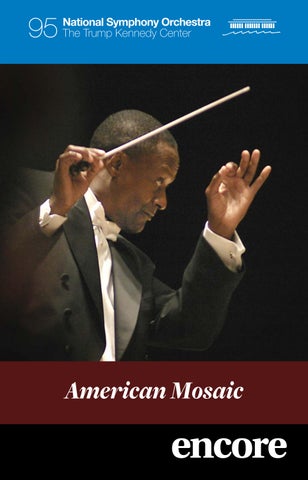
American Mosaic

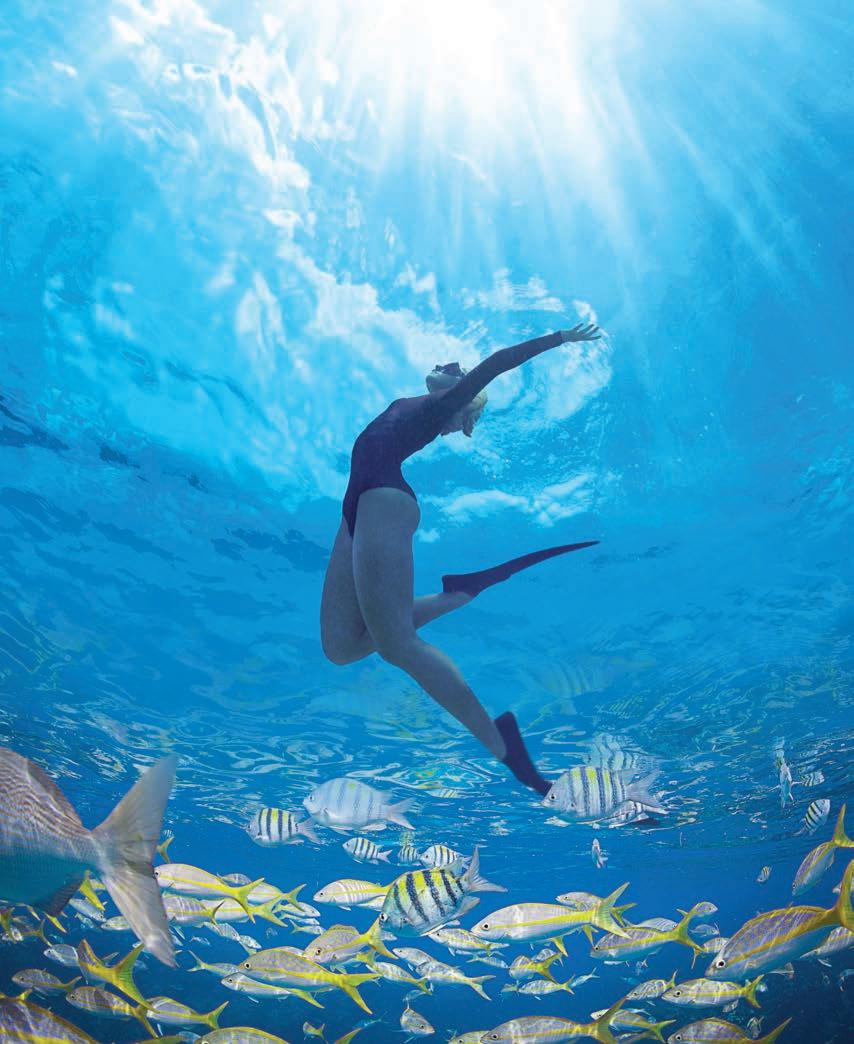
The Keys give you a show above and below the surface. From art galleries to museums and live music, no place inspires more freedom of expression. In The Keys, you’re part of the performance.
VisitFloridaKeys.com/arts-culture 1.800.Fla.Keys
THE DONALD J. TRUMP AND THE JOHN F. KENNEDY
MEMORIAL CENTER FOR THE PERFORMING ARTS, FEBRUARY 19, 2026 AT 7 P.M.; FEBRUARY 21, 2026 AT 8 P.M.; FEBRUARY 22, 2026 AT 3 P.M. | CONCERT HALL
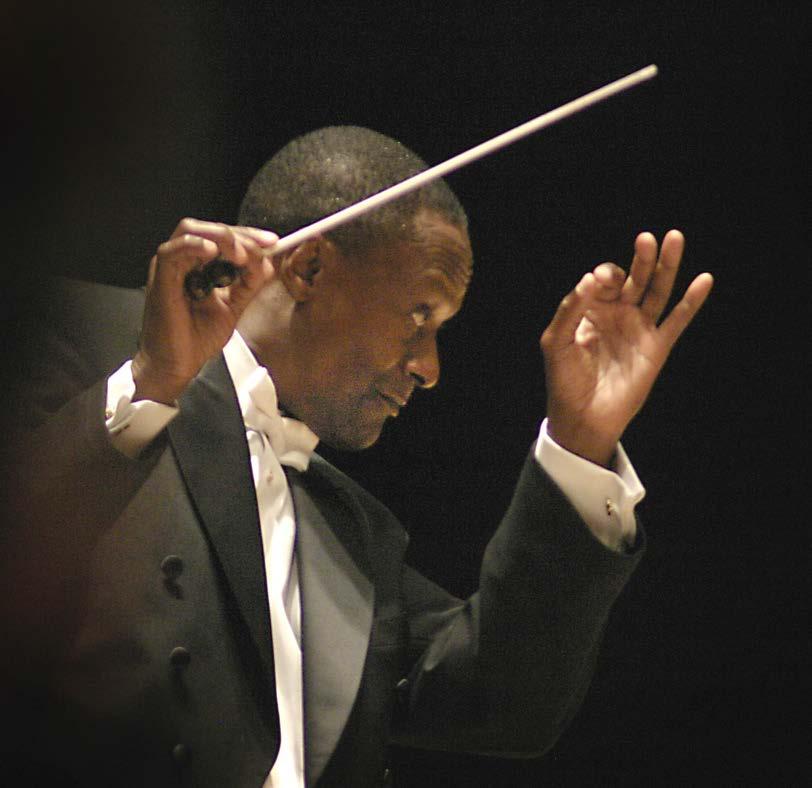
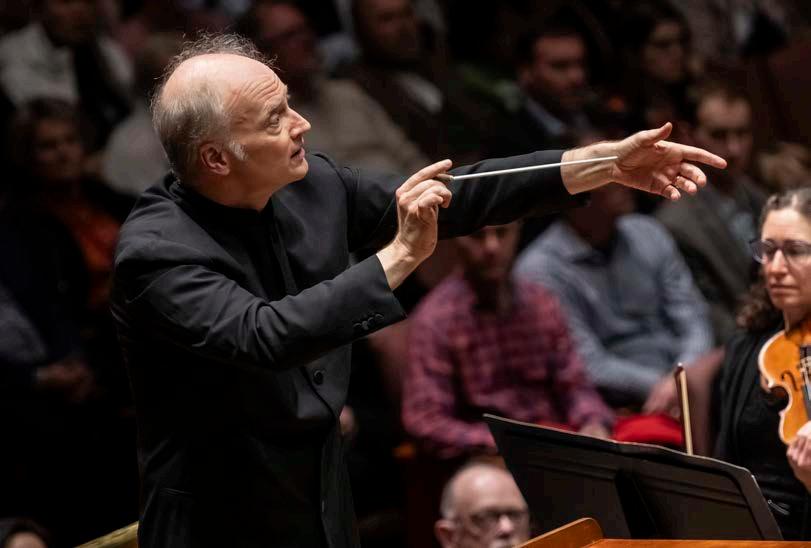
Thomas Wilkins, conductor John Milewski, narrator Lin Ma, clarinet
PETER BOYER JOE SOHM
American Mosaic, World Premiere (2025)
i. Prologue
ii. The New World
iii. American Roots
iv. Rails, Rivers, and Roads
v. West of the Continental Divide
vi. Cities Arising
vii. Faces of America
viii. The North Star
ix. The American Spirit
x. In Defense of Freedom
xi. 250 and Counting
INTERMISSION
AARON COPLAND (1900–1990)
AARON COPLAND
Clarinet Concerto (1947–1948)
i. Slow and expressively – Cadenza
ii. Rather fast Lin Ma, clarinet
Rodeo - Four Dance Episodes (1942)
i. Buckaroo Holiday
ii. Corral Nocturne
iii. Saturday Night Waltz
iv. Hoe-Down
This program is a part of For
THANK YOU TO OUR SEASON SPONSORS
The NSO Music Director Chair is generously endowed by Roger Sant and Congresswoman Doris Matsui Noseda Era Fund Supporters The Amici di Gianandrea
Patrons are requested to turn off cell phones and other electronic devices during the performance. Any video and/or audio recording of this production is strictly prohibited.
Welcome
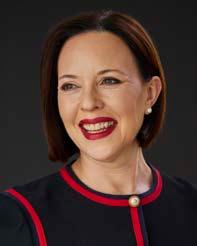
Dear Friends,
As we celebrate the National Symphony Orchestra’s 95th season, I want to take a moment to express my heartfelt thanks to you—our devoted patrons, supporters, and friends. Your presence this evening, and your unwavering support throughout the year, mean more than words can convey. It is your love of music, your generosity, and your steadfast belief in the arts that delight this remarkable orchestra.
In 1931, Hans Kindler founded the NSO with a bold vision: to build a world-class symphony orchestra in the heart of our nation’s capital. Nearly a century later, that vision continues to be our driving force. Today, under the dynamic artistic leadership of Gianandrea Noseda, we are more inspired than ever to share powerful performances with our audiences. The NSO is not simply an orchestra; it is a family of artists joined together through a shared love of music, unity of purpose, and commitment to something greater than us.
The NSO is more than what you see on stage—it is a living, breathing institution devoted to enriching lives. Our robust education and community engagement programs reach thousands of students, educators, and families each year. Between our Youth Fellowship Program and Summer Music Institute, to Young People’s Concerts, we strive to make music accessible to everyone—especially the next generation.
This commitment to connect with broader audiences is also seen through our vibrant, genre-defying series, led by the remarkable Steven Reineke, our Principal Conductor and Artistic Advisor. Steven brings a wide-reaching musical vision to the NSO, bridging genres and generations. His programming has opened the door for new audiences to discover a love for orchestral music, while continuing to captivate longtime fans with the highest levels of artistry.
As we embark on this milestone season, we are reminded that our journey would not be possible without you. Thank you for being an essential part of this vibrant and enduring musical community.
With deepest gratitude and warmest regards,
Jean Davidson Executive Director National Symphony Orchestra
From the Music Director
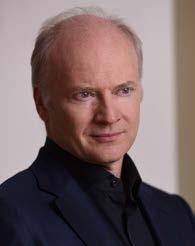
Cari amici,
It is with immense joy and anticipation that I welcome you to the National Symphony Orchestra’s 95th anniversary season. This moment is more than a milestone—it is a celebration of our deep musical legacy and a renewed commitment to bringing powerful, moving performances to our community and beyond. This is only the beginning. The 95th season is filled with musical discovery, celebrated artists, and unforgettable experiences.
This season features iconic works that have stood the test of time, from classic masterpieces to thrilling contemporary music. The NSO also has the opportunity to share the stage with an exceptional lineup of guest artists and conductors—beloved icons and rising stars alike. Performing new music is something the NSO truly believes in. Make history with us as we present innovative new works, including five world premieres.
It is with immense joy and anticipation that I welcome you to the National Symphony Orchestra’s 95th anniversary season. This moment is more than a milestone—it is a celebration of our deep musical legacy and a renewed commitment to bringing powerful, moving performances to our community and beyond. This is only the beginning. The 95th season is filled with musical discovery, celebrated artists, and unforgettable experiences.
I am deeply grateful to share this journey with you. Your presence in the Concert Hall is what brings our music fully to life. Thank you for being a part of the NSO family—for your passion, your applause, and your unwavering support.
I am deeply grateful to share this journey with you. Your presence in the Concert Hall is what brings our music fully to life. Thank you for being a part of the NSO family—for your passion, your applause, and your unwavering support.
Con tutto il cuore,
Con tutto il cuore,
Gianandrea Noseda
Gianandrea Noseda
Music
Music Director, National Symphony Orchestra
Director, National Symphony Orchestra
Che la musica vi porti gioia e ispirazione—may music bring you joy and inspiration.
Che la musica vi porti gioia e ispirazione—may music bring you joy and inspiration.
Notes on the Program
Rodeo - Four Dance Episodes
AARON COPLAND
Born November 14, 1900, in Brooklyn, New York
Died December 2, 1990, in North Tarrytown, New York
In 1942, the dancer and choreographer Agnes de Mille approached Aaron Copland about writing the music for a piece she had devised titled Rodeo. Copland was reportedly hesitant at first; his tragic ballet Billy the Kid had debuted back in 1938, and he wasn’t sure he wanted to do “another cowboy ballet.” However, he soon learned that the story of the ballet was not typical dancing cowboy fare, and he agreed to the project, completing a piano version of the score in June of 1942.
De Mille describes her ballet as “The Taming of a Shrew—cowboy style,” though her allusion to one of Shakespeare’s more unreservedly sexist plays probably had a twinkle of irony to it. In Rodeo, a lone cowgirl tries to impress a group of cowboys with her riding, hoping to win the affections of the dashing head wrangler. Though skilled, she remains excluded. After some lonely soul searching, the cowgirl manages to gain the interest of a champion roper instead. She puts on a dress, capitulating to the gendered expectations of the cowboys around her, but she also out-dances the men at the competitive, final hoedown. For de Mille, at least, “she is unconquerable.”
Copland’s score includes a blend of originally composed themes and borrowings from American folk music. The joyous, cascading, opening scale played by the strings and winds—answered by a cacophonous brass fanfare—perfectly introduces the composer’s energetic style. Much of the first episode of the ballet, “Buckaroo Holiday,” concerns renditions and developments of pre-existing folk tunes. One such song, “Sis Joe,” is among the most complex entries in Our Singing Country, an anthology of American folk music that Copland consulted when writing his score to Rodeo. The sudden meter changes and short melodic fragments of the original tune fit naturally with Copland’s jaunty, angular, rhythmically unpredictable musical language.
In the second scene of the ballet, “Corral Nocturne,” the mood and texture are deceptively stable. Thoughtful offbeats in the bass voices of the orchestra give the ruminating melodic lines a bit of lilt, almost disguising how the music constantly oscillates between a stable 4/4 meter and measures of lopsided 5/4 time. The “Saturday Night Waltz” incorporates a tune requested by de Mille, “I Ride an Old Paint,” with light modifications. Copland contrasts the simplicity of this melody with a chirping, syncopated reverie, making it almost impossible to track the waltzing beat pattern. For the final “Hoe-Down,” Copland again uses a smattering of borrowed themes, most notably the rollicking, fiddling “Bonaparte's Retreat,” but he modifies, splices, and combines these found tunes in clever and provocative ways. For the last six measures, the whole orchestra hammers away on an evolving sequence of beat patterns. It seems to ask an emphatic question—answered with a thud (or three) in the final bar. Copland’s open harmonies and sweeping, folk-inspired melodies might be the qualities that have made him a paradigmatic composer of American music, but his infectious rhythmic ingenuity is the quality that stands out most in these four episodes from Rodeo.
—Nicholas Swett
Clarinet Concerto AARON COPLAND
The legendary Pied Piper of Hamelin was a wind-playing rat catcher. When townspeople didn’t compensate him satisfactorily for taking care of their rodent infestation, he wanted retribution, and he charmed the children of the town with his magical pipe, spiriting them away to parts unknown. By the 20th century, “pied piper” had become shorthand for a deceitful but charismatic demagogue who attracts followers with false promises. For the choreographer Jerome Robbins, who produced a ballet called The Pied Piper for the New York City Ballet in 1951, the piper was a clarinetist whose entrancing sounds drove a ballet troupe away from their classical training, toward a looser, jazzier, more contemporary style.
Enter Aaron Copland’s Clarinet Concerto. Copland wrote the piece between 1947 and 1948 for the eminent American clarinetist Benny Goodman. Together, they worked out the Concerto’s kinks—Goodman asked to change a few sections that were too high for him to play, and the composer hesitantly obliged—and the concerto got its first performance in the autumn of 1950. Robbins, a close friend of Copland’s, quickly took the Concerto in hand, creating a wild, cheeky dance piece that a New York Times critic aptly described as a “mild madhouse.” Copland, of course, did not have a pied piper in mind when he wrote the work for Goodman. Still, the Concerto’s sense of seduction and calamity make the legend an appealing lens through which to interpret the piece.
The concerto opens with a lullaby of almost frightening tenderness. With this overwhelming sense of love comes the knowledge that the object of one’s love could disappear at any moment. The clarinet floats above the lightly waltzing strings in a melody that recalls the keening late-Romanticism of Sergei Rachmaninoff, but with the unpredictable rhythms and wide-open intervals that give Copland his characteristic American sound. The composer described this first movement as a pas de deux, an intricate, emotional partner dance. When writing it, Copland fully expected the moment to bring audiences to tears. The sweetness of this opening section is quickly recruited for ulterior aims. Copland moves into a solo cadenza in which the same musical ideas— expressed plaintively at first—become gruff, insistent, and virtuosic. When the orchestra enters again, different sections play in different keys, giving the ensemble texture an eerily enticing, otherworldly sheen.
In the saw-toothed, tooting section that follows, the clarinet whips the ensemble into a syncopated, jazzy frenzy. During a down-tempo interlude, the low strings provide a walking bassline, building the framework of a jazz combo. When this theme returns later in the movement, the harp and keyboard plonk out the same, low line, as if assimilating to the aesthetic milieu of the piper. By the end of the piece, the entire ensemble is chasing the clarinetist around, trying to keep up with—and impress—their bewitching commander, and following the leader into a rowdy, hysterical spin.
—Nicholas Swett
Notes on the Program
American Mosaic
PETER BOYER & JOE SOHM
Script by Joe Sohm and Peter Boyer
Video editing by Joe Sohm
Spanning orchestral composition, video imagery, and scripted narration, American Mosaic ties together the expansive careers of medium-defying composer Peter Boyer and photohistorian Joe Sohm. Ahead of the work’s premiere, Boyer and Sohm sat down to discuss American Mosaic, a joint commission between the National Symphony Orchestra, Des Moines Symphony, Pacific Symphony, Williamsburg Symphony Orchestra, and Cincinnati Symphony Orchestra for the Cincinnati Pops.
Presented as part of the Center’s 250 Years of US celebration, the piece finds its premise in a line from Benjamin Franklin about hoping to see the future of America, quoted in the work itself: “I have sometimes almost wish’d it had been my Destiny to be born two or three Centuries hence.” In American Mosaic, Boyer and Sohm aim to satisfy Franklin’s curiosity, addressing the 250 years since the signing of the Declaration of Independence. Yet, Sohm noted, “Even Ben Franklin would say, ‘Well, I don't have a lot of time, so say it to me in 32 minutes and 33 seconds.’” With sweeping shots of every state in the nation, quotations from iconic figures in American history, and a blend of original composition and iconic moments from Boyer’s discography, their work tiles together a geography of today’s America. “This is our CliffsNotes. Here’s what you missed.”
A Missouri native, Sohm first approached Boyer, a Rhode Islander, about the project in 2023, when they were both living in Southern California. Given their shared eye for American history and a common taste for the cinematic, an obvious sentiment emerged: Boyer’s music sounds like Sohm’s imagery, and Sohm’s imagery looks like Boyer’s music. Why not pair the two together? With Boyer’s entire discography on repeat, Sohm took his RV to the open road, set on filling any geographical blanks in his videography and determining the most appropriate clips from Boyer’s oeuvre.
Structurally, the piece takes the form of a large symphonic suite with narration, split into eleven sections. Tackling topics like natural wonders, urban development, infrastructure, and the armed forces, among many others, the sections are delineated by one or more quotes from across American history. Quite purposefully, the work’s Prologue and final section, “250 and Counting,” touch on a shared national responsibility. “The language of the Preamble sets up the challenges that we still have to attempt to live up to,” Boyer explained, “Challenges that we obviously are still struggling with today.” Towards the end of the piece, Franklin returns to remind the audience of that challenge—and privilege: “I must soon quit the Scene, but you may live to see our Country flourish.”
“I have felt this in general over the years,” said Boyer, “but I feel it even more acutely now—in times of strife and division, music can be something that brings us together. This piece celebrates a history that is worthy of celebration.”
—Sarina Benezra Bell
Meet the Artists
Thomas Wilkins, conductor
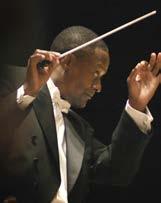
Devoted to promoting a lifelong enthusiasm for music, Thomas Wilkins brings energy and commitment to audiences of all ages. Wilkins is Principal Conductor of the Hollywood Bowl Orchestra, the Boston Symphony Orchestra (BSO)’s Artistic Partner for Education and Community Engagement, BSO Germeshausen Youth and Family Concert Conductor, Principal Guest Conductor of the Virginia Symphony Orchestra, and the Henry A. Upper Chair of Orchestral Conducting at Indiana University, established by the late Barbara and David Jacobs as a part of that University’s “Matching the Promise Campaign.” He completed his long and successful tenure as Music Director of the Omaha Symphony Orchestra at the close of the 2020–2021 season.
During his conducting career, he has led orchestras throughout the United States, including the New York Philharmonic, the Chicago Symphony Orchestra, the Los Angeles Philharmonic, the Cincinnati Symphony Orchestra, and the National Symphony Orchestra.
His commitment to community has been demonstrated by his participation on several boards of directors, including the Greater Omaha Chamber of Commerce, the Charles Drew Health Center (Omaha), and the Center Against Spouse Abuse in Tampa Bay.
A native of Norfolk, Virginia, Wilkins is a graduate of the Shenandoah Conservatory and the New England Conservatory of Music in Boston. He and his wife, Sheri-Lee, are the proud parents of twin daughters, Erica and Nicole.
John Milewski , narrator
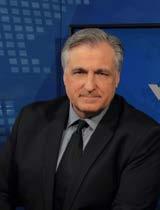
John Milewski is a veteran broadcast journalist and communications professional with extensive experience as a moderator, interviewer, anchor, reporter, and producer. He most recently served as Director of Digital Programming for the Woodrow Wilson International Center for Scholars,
producing the center’s flagship interview program, Wilson Center NOW, and its top-rated podcast, Need to Know.
For 20 years, he served as executive producer, moderator, and managing editor of Close Up on C-SPAN, one of the longest-running news and public affairs discussion programs in cable television history. He also served as host of the award-winning radio and television program Dialogue, a production of the Wilson Center. The program was syndicated on 200 radio stations nationwide and was televised internationally via the MHz Networks.
Milewski was also an instructor for Penn State University, where he taught a course on politics and media for 20 years. He also served as vice president for the Wana Initiative on Conflict and Cultural Dialogue and is co-creator, co-writer, and co-producer of the initiative’s flagship program, Waziristan to Washington: A Muslim at the Crossroads, featuring Ambassador Akbar Ahmed.
He was part of the team that moved the Newseum to its DC location in April 2008. As Special Programs Manager and one of the hosts of the interview program Inside Media, he was a key contributor to the early programming success of the critically acclaimed museum and was a co-creator of the popular series Reel Journalism with Nick Clooney
As a documentary filmmaker, he has served as executive producer, managing editor, and correspondent for a series of award-winning productions. The documentaries have been recognized internationally through awards such as the CINE Golden Eagle, the ABA’s Silver Gavel, the Columbus International Film Festival’s Chris Award, and the New York Festivals’ World Gold Medal and Best of Show Awards.
Lin Ma, clarinet
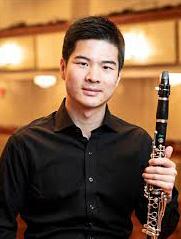
Appointed by Music Director Gianandrea Noseda in 2018, Lin Ma is Principal Clarinet of the National Symphony Orchestra. He joined the NSO following a distinguished tenure as a member of the Baltimore Symphony Orchestra, where he served as assistant principal and E-flat clarinetist. Beyond his resident roles, he has also performed as guest principal clarinetist with the Cincinnati Symphony Orchestra.
Originally from Hunan, China, Ma began his musical training on the alto saxophone at age
Meet the Artists
nine before dedicating himself to the clarinet two years later. After initial studies at the Central Conservatory of Music in Beijing with Yuanfu Huang, he moved to the United States to study with Yehuda Gilad at the Idyllwild Arts Academy. Ma earned his Bachelor of Music from the Oberlin Conservatory under Richard Hawkins, followed by a master’s degree and Artist Diploma from Rice University under the tutelage of Richie Hawley. His professional career launched in earnest in 2014 when, a year prior to graduation, he received a one-year contract with the Houston Symphony and appeared as soloist in Carl Maria von Weber’s Clarinet Concerto No. 2.
In 2023, Ma co-founded the Meridian Clarinet Quartet with three other principal clarinetists from prominent orchestras across the United States. The Quartet has since performed and given masterclasses in the US and abroad, most recently traveling to Taiwan for their first international tour. Together, they showcase the highest level of clarinet playing, commission new works, and foster the next generation of talented clarinetists.
A Buffet Crampon artist, Ma performs exclusively on Buffet Crampon clarinets and Vandoren products. He currently resides in Vienna, Virginia, with his wife and daughter.
Peter Boyer, composer
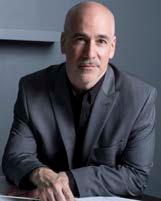
Peter Boyer is one of the most frequently performed American orchestral composers of his generation. His works have received over 800 public performances by more than 300 orchestras and tens of thousands of broadcasts on classical radio stations around the United States and abroad. He has conducted recordings of his music with three of the world’s finest orchestras: the London Symphony Orchestra, the Philharmonia Orchestra, and the London Philharmonic Orchestra. His Grammy-nominated work Ellis Island: The Dream of America has received over 300 performances and was nationally televised on PBS’ Great Performances. Boyer has received commissions from prestigious American institutions, including the National Symphony Orchestra, Boston Pops, Cincinnati Pops Orchestra, Pacific Symphony, and U.S. Marine Band, which premiered his Fanfare for Tomorrow at the inauguration of President Joe Biden. Other orchestras that have performed his music
include the Philadelphia Orchestra, Cleveland Orchestra, Pittsburgh Symphony Orchestra, Dallas Symphony Orchestra, Detroit Symphony Orchestra, Nashville Symphony, and Hollywood Bowl Orchestra. www.PropulsiveMusic.com
Joe Sohm, imagery
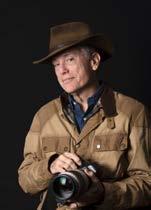
Joe Sohm’s Americana imagery has been published more than one million times in major publications such as National Geographic, The New York Times, and The Wall Street Journal; on television stations like NBC, CBS, PBS, CNN, MSNBC, and Fox TV; in Al Gore’s Oscar®-winning film An Inconvenient Truth; and 24 hours a day worldwide on the Internet. Sohm’s imagery, scripts, and editing have been featured by the Boston Pops, Philly Pops, New West Symphony, and the Kansas City Symphony. His “photo-symphonies” have featured narrations by Clint Eastwood and William Shatner, and his Presidential music video was featured during President Bill Clinton’s 1993 inauguration on worldwide television on MTV. Sohm’s work was featured in the “Concert for America” at the Trump Kennedy Center on the first anniversary of 9/11, attended by President George W. Bush and broadcast on NBC. In 2013, Sohm co-published, with Reader’s Digest, his award-winning Visions of America tabletop book, featuring an introduction by Paul Theroux.
National Symphony Orchestra
The 2025–2026 season is the National Symphony Orchestra’s 95th and Music Director Gianandrea Noseda’s ninth season. Gianandrea Noseda serves as the orchestra’s seventh music director, joining the NSO’s legacy of distinguished leaders: Christoph Eschenbach, Leonard Slatkin, Mstislav Rostropovich, Antal Doráti, Howard Mitchell, and Hans Kindler. Its artistic leadership also includes Principal Conductor and Artistic Advisor Steven Reineke.
Since its founding in 1931, the NSO has been committed to performances that enrich the lives of its audience and community members. In 1986, the National Symphony became an artistic affiliate of the John F. Kennedy Center for the Performing Arts, where it has performed since the Center opened in 1971. The 96-member NSO participates in events of national and international importance, including the annual nationally televised concerts on the lawn of the U.S. Capitol, live-streamed performances on
medici.tv, and local radio broadcasts on WETA Classical 90.9 FM.
Since launching its eponymous recording label in 2020, the NSO has embarked on ambitious recording projects, including its first complete Beethoven Symphony cycle and the release of the first-ever cycle of George Walker’s Sinfonias, both led by Noseda. Recent projects include Four Symphonic Works by Kennedy Center Composerin-Residence Carlos Simon conducted by Noseda, and William Shatner’s So Fragile, So Blue, recorded live in the Concert Hall with the NSO under Steven Reineke. Forthcoming releases with Gianandrea Noseda include music by Gustav Mahler and William Grant Still, as well as Samuel Barber’s opera Vanessa.
The NSO’s community engagement and education projects are nationally recognized, and career development opportunities for young musicians include the NSO Youth Fellowship Program and its acclaimed, tuition-free Summer Music Institute.
Symphony

Loud and Clear
Terms to know in the Concert Hall, loosely defined.
An extended work with multiple sections—typically four movements.
A “symphonic” piece is a long piece with multiple interpretations of a musical idea. A repeated, transformed musical idea is called a theme.
Orchestra
A group of musicians who play together.
In the Western European tradition, an orchestra often includes the four major instrument families—brass, woodwinds, strings, and percussion. An especially large orchestra is called a symphony orchestra. A smaller orchestra is called a chamber orchestra.
Movement
A section of a musical work. Movements are often separated by silences, and they typically differ in tempo—speed.
Concerto
A piece pairing a technically advanced soloist with the support of an orchestra, usually in three movements. Though there may be multiple soloists, the contrast between a larger ensemble and a soloing group defines a concerto.
Suite
Multiple pieces intended to be performed together. Suites may take from larger works such as an opera or a ballet. For 17th- and 18th-century works, “suite” often refers to a sequence of dances in the same key.
Sonata
Originally, a musical composition played on instruments. In modern usage, “sonata” can mean a piece for a soloist or an ensemble, often with two to four movements.
If a work or a movement is written in sonata form, it is structured in three sections: exposition, development, and recapitulation.
Overture
An orchestral instrumental introduction to a dramatic musical work, such as an opera or a ballet. Composers, particularly those of the Romantic Period, sometimes composed independent concert overtures, intended to begin a larger musical program.
Romantic music
Works associated with the 19th-century Romantic Period. Building off the intellectual innovation of the Romanticism movement, Romantic music emphasizes self-expression, emotion, and experimentation.
Tempo Markings
Largo - slow, broad
Adagio - slow, at ease
Andante - moderately slow, walking pace
Andantino - slightly faster than andante
Moderato - moderate
Allegretto - slightly slower than allegro
Allegro - fast, bright
Vivace - fast, lively
Presto - very fast
Prestissimo - rapidly
Additional Markings
Pochettino - very little
Poco - a little
Meno - less
Ma non troppo - but not too much
Più - more
Molto - very
Assai - very
Quasi - almost, as if Maestoso - majestically
Semplice - simply
Con fuoco - with fire
Mosso - with motion and speed
Tranquillo - peacefully
Misterioso - mysteriously
Ritenuto - abruptly slowed
National Symphony Orchestra
GIANANDREA NOSEDA , MUSIC DIRECTOR
The Roger Sant and Congresswoman Doris Matsui Chair
STEVEN REINEKE , PRINCIPAL CONDUCTOR AND ARTISTIC ADVISOR
VIOLINS
Nurit Bar-Josef, Concertmaster
Ying Fu, Associate Concertmaster, The Jeanne Weaver Ruesch Chair
Ricardo Cyncynates, Assistant Concertmaster
Xiaoxuan Shi, Second Assistant Concertmaster
Jane Bowyer Stewart
Heather LeDoux Green
Lisa-Beth Lambert
Jing Qiao
Marina Aikawa
Peiming Lin
Derek Powell
Regino Madrid**
Meredith Riley**
Marissa Regni, Principal
Dayna Hepler, Assistant Principal
Cynthia R. Finks
Deanna Lee Bien
Glenn Donnellan
Natasha Bogachek
Carole Tafoya Evans
Jae-Yeon Kim
Wanzhen Li
Hanna Lee
Benjamin Scott
Malorie Blake Shin
Angelia Cho
Kei Sugiyama**
VIOLAS
Daniel Foster, Principal, The Mrs. John Dimick Chair
Dana Kelley, Assistant Principal
Denise Wilkinson
Nancy Thomas
Jennifer Mondie
Tsuna Sakamoto
Ruth Wicker
Mahoko Eguchi
Abigail Evans Kreuzer
Rebecca Epperson
Chiara Dieguez**
Jacob Shack**
CELLOS
David Hardy, Principal, The Hans Kindler Chair, The Strong Family and the Hattie M. Strong Foundation
Raymond Tsai, Assistant Principal
David Teie
James Lee
Rachel Young
Mark Evans
Eugena Chang Riley
Loewi Lin
Britton Riley
Noah Krauss
BASSES
Robert Oppelt, Principal
Richard Barber, Assistant Principal
Jeffrey Weisner
Ira Gold
Paul DeNola
Charles Nilles
Alexander Jacobsen
Michael Marks
HARP
Adriana Horne, Principal
FLUTES
Aaron Goldman, Principal
Leah Arsenault Barrick, Assistant Principal
Matthew Ross
Carole Bean, Piccolo
OBOES
Nicholas Stovall, Principal, The Volunteer Council Chair
Jamie Roberts, Assistant Principal
Harrison Linsey***
Kathryn Meany Wilson***, English Horn
CLARINETS
Lin Ma, Principal
Eugene Mondie, Assistant Principal
Paul Cigan
Peter Cain, Bass Clarinet
BASSOONS
Sue Heineman, Principal
David Young, Assistant Principal
Steven Wilson
Sean Gordon, Contrabassoon
HORNS
Abel Pereira, Principal, The National Trustees’ Chair
James Nickel, Acting Associate Principal
Markus Osterlund***
Scott Fearing
Robert Rearden
Geoffrey Pilkington**
TRUMPETS
William Gerlach, Principal, The Howard Mitchell Chair, The Strong Family and the Hattie M. Strong Foundation
Michael Harper, Assistant Principal
Michail Thompson
Tom Cupples
TROMBONES
Craig Mulcahy, Principal
Evan Williams, Assistant Principal
David Murray
Matthew Guilford, Bass Trombone
TUBA
Stephen Dumaine, Principal, The James V. Kimsey Chair
TIMPANI
Jauvon Gilliam, Principal, The Marion E. Glover Chair
Scott Christian, Assistant Principal
PERCUSSION
Eric Shin, Principal, The Hechinger Foundation Chair
Erin Dowrey, Assistant Principal
Scott Christian
Jason Niehoff*
KEYBOARD
Lambert Orkis, Principal
Lisa Emenheiser*
ORGAN
William Neil*
LIBRARIANS
Elizabeth Cusato Schnobrick, Principal
Zen Stokdyk, Associate
Karen Lee, Assistant
PERSONNEL
Karyn Garvin, Director
Sufyan Naaman**, Coordinator
STAGE MANAGERS
David Langrell, Manager
N. Christian Bottorff, Assistant Manager
The National Symphony Orchestra uses a system of revolving strings. In each string section, untitled members are listed in order of length of service.
*Regularly Engaged Extra Musician
** Temporary Position
***Leave of Absence
National Symphony Orchestra Staff
ADMINISTRATION
Jean Davidson, Executive Director
Sabryn McDonald, Executive Assistant
EXECUTIVE TEAM
Kasama Apfelbaum, Vice President, Financial Planning & Analysis
Nigel Boon, Vice President, Artistic Planning
John Roloff, Vice President, Orchestra Operations
ARTISTIC PLANNING
Justin Ellis, Senior Producing Director
Ana Vashakmadze, Assistant Artistic Administrator
DEVELOPMENT
Laney Pleasanton, Manager, NSO Individual Giving
Pamela Wardell, Senior Director of Development
EDUCATION
Vanessa Thomas, Director of Education Activation & Engagements
FINANCE AND ADMINISTRATION
Eric Rubio, Director of Finance & Administration
HUMAN RESOURCES
Tony Amato, Director, Total Rewards
Chanel Kemp, Talent Acquisition Manager
Patrice McNeill, Director, HR Operations
Lisa Motti, HRIS Coordinator
Ericka Parham, Benefits Analyst
John Sanford, Senior Business Partner
MARKETING & ADVERTISING
Scott Bushnell, Senior Director, Creative and Brand Strategy
Michael Granados, Marketing Manager, NSO, Fortas & New Music
Lily Maroni, Senior Manager, Advertising Communications
Elizabeth Stoltz, Advertising Production & Special Projects Assistant Manager
Derek Younger, Director, Sales & Ticketing Service
ORCHESTRA OPERATIONS & CONCERT PRODUCTION
Brooke Bartolome, Orchestra Personnel and Operations Manager
Joseph Benitez, Media & OPAS Support Coordinator
N. Christian Bottorff, Assistant Stage Manager
Cayley Carroll, Director, Production & Orchestra Operations
Karyn Garvin, Director of Orchestra Personnel
David Langrell, Stage Manager
Sufyan Naaman, Personnel and Auditions Coordinator
Ava Yap, Operations Assistant
PUBLIC RELATIONS
Amanda Fischer, Deputy Director of Public Relations
Kennedy Center Staff
Kennedy Center Staff
Kennedy Center Staff
Kennedy Center Staff
Kennedy Center Staff
Trump Kennedy Center Staff
KENNEDY CENTER EXECUTIVE LEADERSHIP
KENNEDY CENTER EXECUTIVE LEADERSHIP
KENNEDY CENTER EXECUTIVE LEADERSHIP
TRUMP KENNEDY CENTER EXECUTIVE LEADERSHIP
KENNEDY CENTER EXECUTIVE LEADERSHIP
KENNEDY CENTER EXECUTIVE LEADERSHIP
President, John F. Kennedy Center for the Performing Arts
President, John F. Kennedy Center for the Performing
President, John F. Kennedy Center for the Performing Arts
President, John F. Kennedy Center for the Performing Arts
President, John F. Kennedy Center for the Performing
Chief Financial Officer
Ambassador Richard Grenell
Ambassador Richard Grenell
Ambassador Richard Grenell Chief Financial Officer
Ambassador Richard Grenell Chief Financial Officer
Ambassador Richard Grenell Chief Financial Officer
Donna Arduin
Ambassador Richard Grenell Financial Officer
General Counsel
Donna Arduin
Donna Arduin
Chief Financial Officer Donna Arduin
Donna Arduin General Counsel
General Counsel
General Counsel
Berke
Berke
Berke
General Counsel Elliot Berke
Berke
Berke
Donna Arduin General Counsel
Senior Vice President, Development
Senior Vice President, Development
Dale
Senior Vice President, Development
Senior Vice President, Development
Senior Vice President, Development
Vice President of Human
Dale
Senior Vice President, Marketing
Senior Vice President,
Senior Vice President, Marketing
Senior Vice President, Marketing
Senior Vice President,
Osborne
Osborne
Osborne
Senior Vice President, Marketing������������������������������������������������������������������������������������������������������������������������������� Robin Osborne
Senior Vice President, Special
Senior Vice President, Special
Senior Vice President, Special Events
Donlon
Senior Vice President, Special Events
Senior Vice President, Special Events
Donlon
Senior Vice President, Development Lisa Dale
Vice President, Human
Vice President, Human
Vice President, Human
Vice President, Human Ta’Sha Bowens
Vice President, Public Relations Roma Daravi
Vice President, Human
Vice President, Operations
Vice President, Operations
Vice President, Operations
Vice President, Operations
Vice President, Operations
Executive Director, National Symphony Orchestra Jean Davidson
Vice President,
Vice President, Education
Vice President, Education
Vice President, Education
Vice President, Education
Vice President, Special Events
Bronagh Donlon
Vice President, Public
Vice President, Public Relations
Vice
Vice President, Public Relations
Vice President, Facilities Matt Floca
Vice President, Public Relations
Chief
Chief Information Officer
Chief Information Officer
Chief Information
Vice President, Education Jordan LaSalle
Chief Information Officer
Executive Director, National Symphony
Executive Director, National Symphony Orchestra
Executive Director, National
Executive Director, National Symphony Orchestra
Executive Director, National Symphony
Chief Information Officer Bob Sellappan
General Director, Washington National
General Director, Washington
General Director, Washington National
General Director, Washington National
General Director, Washington
Concert Hall Staff
Concert Hall Staff
Concert Hall Staff
Concert Hall Staff
Concert Hall Staff
Concert Hall Staff
Theater Manager Allen V. McCallum Jr.
Theater Manager
Theater Manager
Theater Manager
Theater Manager Allen V. McCallum Jr.
Box Office Treasurer
Box Office Treasurer
Allen V. McCallum Jr.
Allen V. McCallum Jr.
Theater Manager Allen V. McCallum Jr.
Deborah Glover
Box Office Treasurer Deborah Glover
Deborah Glover
Box Office Treasurer
Deborah Glover
Box Office Treasurer Deborah Glover
Box Office Treasurer Deborah Glover
Head Usher
Head Usher
Head Usher Cathy Crocker
Head Usher
Stage Crew
Cathy Crocker
Head Usher Cathy Crocker
Cathy Crocker
Head Usher Cathy Crocker
Stage Crew Zach Boutilier, Michael Buchman, Paul Johannes, April King, John Ottaviano, and Arielle Qorb
Boutilier, Michael Buchman, Paul Johannes, April King, John Ottaviano, and Arielle Qorb
Stage Crew Zach Boutilier, Michael Buchman, Paul Johannes, April King, John Ottaviano, and Arielle Qorb
Stage Crew Zach Boutilier, Michael Buchman, Paul Johannes, April King, John Ottaviano, and Arielle Qorb

Zach Boutilier, Michael Buchman, Paul Johannes, April King, John Ottaviano, and Arielle Qorb
Stage Crew Zach Boutilier, Michael Buchman, Paul Johannes, April King, John Ottaviano, and Arielle Qorb
*Represented by ATPAM, the Association of Theatrical Press Agents and Managers.
*Represented by ATPAM, the Association of Theatrical Press Agents and Managers.
*Represented by ATPAM, the Association of Theatrical Press Agents and Managers.
*Represented by ATPAM, the Association of Theatrical Press Agents and Managers.
*Represented by ATPAM, the Association of Theatrical Press Agents and Managers.
*Represented by ATPAM, the Association of Theatrical Press Agents and Managers.


Steinway Piano Gallery is the exclusive area representative of Steinway & Sons and Boston pianos, the official pianos of the Kennedy Center.
Steinway Piano Gallery is the exclusive area representative of Steinway & Sons and Boston pianos, the official pianos of the Kennedy Center.
Steinway Gallery is the exclusive area representative of Steinway & Sons and Boston pianos, the official pianos of the Kennedy Center.
Steinway Piano Gallery is the exclusive area representative of Steinway & Sons and Boston pianos, the official pianos of the Kennedy Center.
Steinway Piano Gallery is the exclusive area representative of Steinway & Sons and Boston pianos, the official pianos of the Trump Kennedy Center.
Steinway Piano Gallery is the exclusive area representative of Steinway & Sons and Boston pianos, the official pianos of the Kennedy Center.


The box office at the Kennedy Center is represented by I.A.T.S.E, Local #868.
The box office at the Kennedy Center is represented by I.A.T.S.E, Local #868.
The box office at the Trump Kennedy Center is represented by I.A.T.S.E, Local #868.
The box office at the Kennedy Center is represented by I.A.T.S.E, Local #868.
The box office at the Kennedy Center is represented by I.A.T.S.E, Local #868.
The box office at the Kennedy Center is represented by I.A.T.S.E, Local #868.
The technicians at the Kennedy Center are represented by Local #22, Local #772, and Local #798 I.A.T.S.E.
The technicians at the Kennedy Center are represented by Local #22, Local #772, and Local #798 I.A.T.S.E.
The technicians at the Trump Kennedy Center are represented by Local #22, Local #772, and Local #798 I.A.T.S.E.
The technicians at the Kennedy Center are represented by Local #22, Local #772, and Local #798 I.A.T.S.E.
The technicians at the Kennedy Center are represented by Local #22, Local #772, and Local #798 I.A.T.S.E.
AFL-CIO-CLC, the professional union of theatrical technicians.
The technicians at the Kennedy Center are represented by Local #22, Local #772, and Local #798 I.A.T.S.E. AFL-CIO-CLC, the professional union of theatrical technicians.
AFL-CIO-CLC, the professional union of theatrical technicians.
AFL-CIO-CLC, the professional union of theatrical technicians.
AFL-CIO-CLC, the professional union of theatrical technicians.
AFL-CIO-CLC, the professional union of theatrical technicians.
The American Guild of Musical Artists, the union of professional singers, dancers and production personnel in opera, ballet and concert, affiliated with the AFL-CIO, represents the Artists and Staging Staff for the purposes of collective bargaining.
The American Guild of Musical Artists, the union of professional singers, dancers and production personnel in opera, ballet and concert, affiliated with the AFL-CIO, represents the Artists and Staging Staff for the purposes of collective bargaining.
The American Guild of Musical Artists, the union of professional singers, dancers and production personnel in opera, ballet and concert, affiliated with the AFL-CIO, represents the Artists and Staging Staff for the purposes of collective bargaining.
The American Guild Musical Artists, the union of professional singers, dancers and production personnel in opera, ballet and concert, affiliated with the AFL-CIO, represents the Artists and Staging Staff for the purposes of collective bargaining.
The American Guild of Musical Artists, the union of professional singers, dancers and production personnel in opera, ballet and concert, affiliated with the AFL-CIO, represents the Artists and Staging Staff for the purposes of collective bargaining.
The American Guild of Musical Artists, the union of professional singers, dancers and production personnel in opera, ballet and concert, affiliated with the AFL-CIO, represents the Artists and Staging Staff for the purposes of collective bargaining.
National Symphony Orchestra musicians are represented by the Metropolitan Washington, D.C. Federation of Musicians, AFM Local 161-710.
National Symphony Orchestra musicians are represented by the Metropolitan Washington, D.C. Federation of Musicians, AFM Local 161-710.
National Symphony Orchestra musicians are represented by the Metropolitan Washington, D.C. Federation of Musicians, AFM Local 161-710.
National Symphony Orchestra musicians are represented by the Metropolitan Washington, D.C. Federation of Musicians, AFM Local 161-710.
National Symphony Orchestra musicians are represented by the Metropolitan Washington, D.C. Federation of Musicians, Local 161-710.
National Symphony Orchestra musicians are represented by the Metropolitan Washington,
250 Years of US: Many Voices, One Nation
On July 4, 2026, the United States celebrates 250 years since the signing of the Declaration of Independence. From Mississippi blues to New Orleans jazz to the emergence of a more ‘populist’ classical style, Americans have always sought to ponder and paint our history through music. This year, the National Symphony Orchestra (NSO) honors that legacy with a series of world-premiere commissions, each a contemporary reflection on the American experience.
Shaham & Shaham play Reena Esmail | Robertson conducts Sibelius’ Fifth February 26–28, 2026
Visionary maestro David Robertson returns, as the world premiere of Kennedy Center Citizen Artist Fellow Reena Esmail’s Double Concerto puts star siblings Gil Shaham and Orli Shaham center stage.
Hahn & Woods play Carlos Simon | Brahms’ Third March 12–14, 2026
Superstar Hilary Hahn and Grammy®-nominated NSO newcomer Seth Parker Woods come together for the world premiere of Kennedy Center Composer-in-Residence Carlos Simon’s Double Concerto.
Cann plays Coleman June 5 & 6, 2026
Pianist Michelle Cann returns to perform a world premiere by Valerie Coleman. Conductor Kellen Gray frames the evening with Dvořák’s American Suite and the Catfish Row suite from Gershwin’s Porgy and Bess
Orchestrated Lives
Each month, the National Symphony Orchestra (NSO) spotlights a different staff member. For this program, bass player Charles Nilles discusses Bassgiving, bassist stereotypes, and the true meaning of bass face.
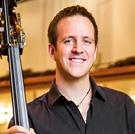
Name: Charles Nilles
Hometown: Chicago, Illinois
Instrument: Bass
Years with the NSO: 15
Is there a stereotypical bassist personality, and, if so, do you think you fit it? I think so. I think our whole bass section fits that personality. Bass players tend to be pretty laid back and silly, and our section in particular gets along so well. That dynamic goes beyond a performance or a rehearsal day—we’ve got this awesome text thread, we have bass hangs…. We actually started this thing called Bassgiving. There’s always a Pops concert the day after Thanksgiving, and we’ll bring a big plate of leftovers and a bottle of something and have a potluck between the rehearsal and the concert. Anyone’s invited.
Would you say the bass section has the most fun? Well, we’re kind of sitting in the back of the bus. Where the violins are in a long row, spread out across the stage, we’re just in this blob in the back. That allows us to get away with more than people may realize: there’s some of us that will provide a little more commentary under our breath throughout the happenings of rehearsal. You’ll see someone giggling silently—“shoulder wiggles,” we call it. And whenever the bass players have stuff on the low extension (an added mechanism for playing lower notes), the trombone players will look over like prairie dogs, and we’ll make faces back. We have some inter-section shenanigans.
In your own words, what is bass face? Bass face is an angry yet satisfied acknowledgement of what is going on—disgusted, but nodding in approval. It usually happens when we’re playing a famous bass lick or something very loud. Jauvon Gilliam, our principal timpani, and I share a mutual timpani-bass face; oftentimes, there are unison timpani and double bass parts, like in a Bruckner symphony. Even in the concerts, when we’re done playing, Jauvon and I will look at each other and flex the guns—give our biceps a kiss.
What’s one favorite backstage memory at the NSO? My kids adore our stage door security gal, Ms. B. She’s always like, “Where are my babies at?” Once, when we were working with the children’s book author Mo Willems, I was backstage with my son Steven. Mo saw me with my son, and he’s such a nice, approachable guy, so we stopped. I said, “Steven, this is Mo Willems. He drew and wrote the Elephant & Piggie books.” Steven was holding my hand, and he looked at Mo, then he looked at me, and he said, “Can we go see Ms. B now?”
What’s your favorite part of your life outside of the NSO? My family, first of all. I’m lucky that we work lots of nights and weekends, so I have a lot of daytime availability. I like camping, hiking, biking, target sports—outside stuff. I just started winter league trap and skeet, and I’ve been doing compound archery for over a decade now. I like to hunt and grow my own food; I haven’t bought four-legged animal meat more than a handful of times in the last five years. A sub-hobby from that is sausage-making—that’s a worldwide culture in itself.
If you could say one thing to NSO audiences, what would it be? Watch the bass section, and you’ll see how much fun we’re having. And thank you. Because you’re all here, I’m allowed to have my dream job.
This interview has been edited for length and clarity.
Support your ORCHESTRA
The mission of the National Symphony Orchestra is to engage audiences locally, across the country, and around the world through excellence in performance and education. Each year, the NSO offers approximately 150 concerts as well as some of the country’s most extensive community and educational programming. It regularly participates in events of national and international importance, including performances for state occasions, highlevel government events, and regularly televised holiday appearances for Capitol Concerts and local radio broadcasts on WETA, making the NSO one of the most-heard orchestras in the country.
Give your support in this 95th season by becoming a Member, joining the NSO Circles, or pledging a Legacy Gift. Visit tkc.co/SupportNSO or scan the QR code.

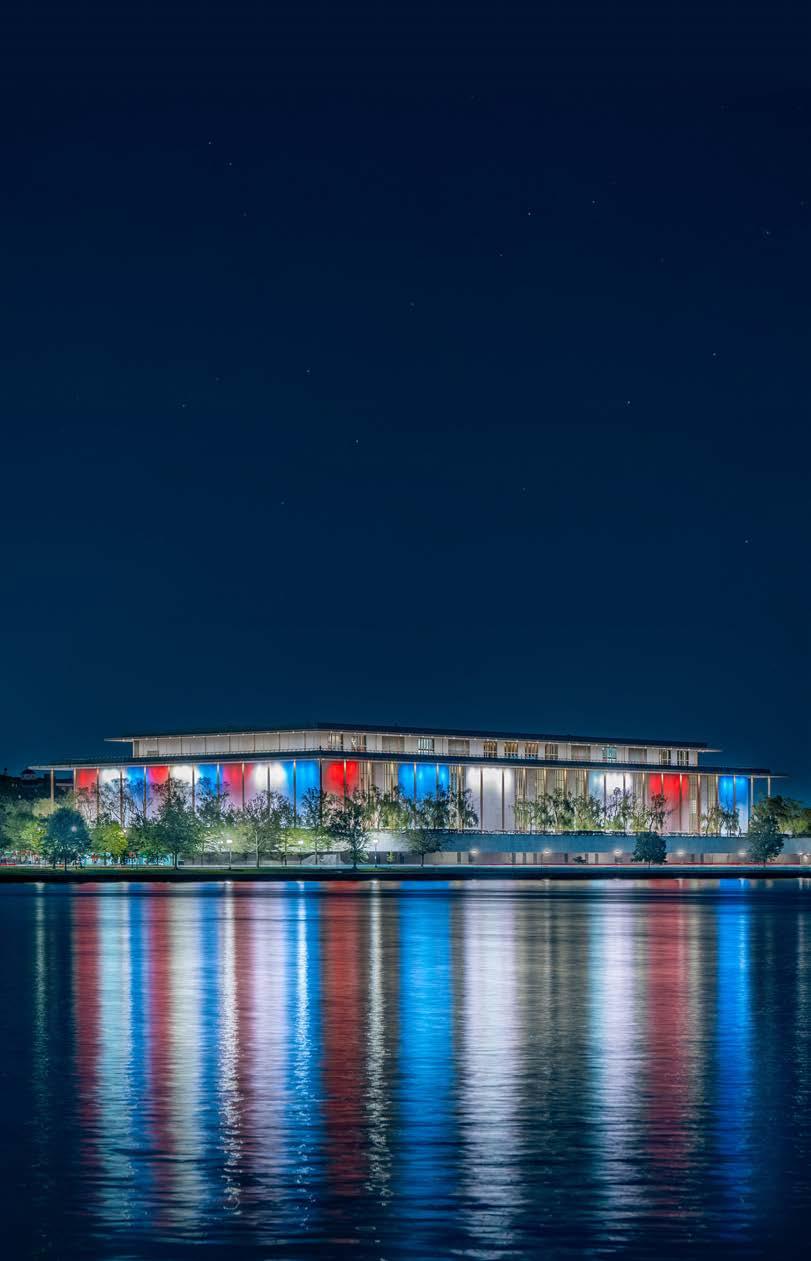
Thank You to Our Supporters
The Trump Kennedy Center Board of Trustees
National Symphony Orchestra Board of Directors
The Trump Kennedy Center President’s Council
The Trump Kennedy Center International Committee on the Arts
President’s Advisory Committee on the Arts
National Committee for the Performing Arts
National Symphony Orchestra National Trustees
The Trump Kennedy Center Circles Board
The Trump Kennedy Center Community Advisory Board
The Trump Kennedy Center Corporate Fund Board
The Trump Kennedy Center 50th Anniversary Committee
Corporate Donors
Individual and Foundation Donors
Endowment Gifts, Bequests, and Legacy Donors
Building the Future Campaign Donors
Visit tkc.co/Support for a full listing of donors and to learn how you can join us by becoming a Member.
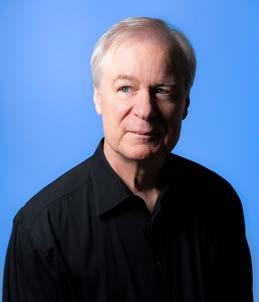
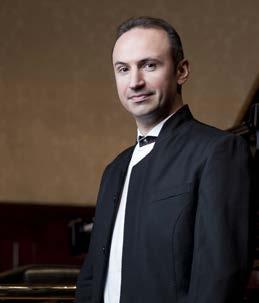
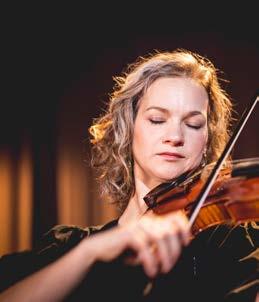
Shaham & Shaham play Reena Esmail | Robertson conducts Sibelius’ Fifth
Nielsen’s Helios Overture follows the path of the sun across the sky, while the world premiere of Kennedy Center Citizen Artist Fellow Reena Esmail’s Double Concerto puts star siblings Gil and Orli Shaham center stage.
February 26, 2026 at 7 p.m.
February 27, 2026 at 11:30 a.m.
February 28, 2026 at 8 p.m.
Winter Daydreams: Gianandrea Noseda & Simon Trpčeski
Simon Trpčeski takes center stage to dazzle us with Saint-Saëns’ Piano Concerto No. 5, “Egyptian,” a virtuosic display of fireworks and exotic flair. The evening concludes with Tchaikovsky’s sweeping Symphony No. 1, “Winter Daydreams.”
March 6, 2026 at 11:30 a.m.
March 7, 2026 at 8 p.m.
Hahn & Woods
play Carlos Simon | Brahms’ Third
Superstar Hilary Hahn and Grammy-nominated NSO newcomer Seth Parker Woods come together for the world premiere of Carlos Simon’s Double Concerto.. Warmth and complexity unfold in Brahms’ Symphony No. 3.
March 12, 2026 at 7 p.m.
March 13, 2026 at 8 p.m.
March 14, 2026 at 8 p.m.
2025–2026 CLASSICAL SEASON PERFORMANCE CALENDAR
Shaham & Shaham play Reena Esmail
Robertson conducts Sibelius’ Fifth
Thu., Feb. 26, 2026 at 7 p.m.
Fri., Feb. 27, 2026 at 11:30 a.m.
Sat., Feb. 28, 2026 at 8 p.m.
Winter Daydreams: Noseda conducts
Tchaikovsky’s First Trpčeski plays Saint-Saëns
Fri., Mar. 6 at 11:30 a.m.
Sat., Mar. 7 at 8 p.m.
Hahn & Woods play
Carlos Simon
Brahms’ Third
Thu., Mar. 12, 2026 at 7 p.m.
Fri., Mar. 13, 2026 at 8 p.m.
Sat., Mar. 14, 2026 at 8 p.m.
NSO Presents*
Alexandra Dovgan
Sat., Mar. 14, 2026 at 3 p.m.
Death and Transfiguration
Khachatryan plays Sibelius
Thu., Apr. 2, 2026 at 7 p.m.
Fri., Apr. 3, 2026 at 11:30 a.m.
Sat., Apr. 4, 2026 at 8 p.m.
Bruckner’s Seventh Gerlach plays Haydn
Fri., Apr. 10, 2026 at 8 p.m.
Sat., Apr. 11, 2026 at 8 p.m.
Mozart’s “Jupiter” & Bach’s Brandenburg No. 1
Wed., Apr. 15, 2026 at 7 p.m.
Thu., Apr. 16, 2026 at 7 p.m.
Fri., Apr. 17, 2026 at 8 p.m.
NSO Presents*
Khatia Buniatishvili
Fri., Apr. 24, 2026 at 8 p.m.
Opera in Concert
Puccini’s Il trittico
Wed., Apr. 29, 2026 at 7 p.m.
Fri., May 1, 2026 at 7 p.m.
Gaffigan conducts Ives and Copland
Fri., May 29, 2026 at 8 p.m.
Sat., May 30, 2026 at 8 p.m.
Cann plays Coleman
Fri., June 5, 2026 at 8 p.m.
Sat., June 6, 2026 at 8 p.m.
Dalene plays Barber
Fri., June 12, 2026 at 8 p.m.
Sat., June 13, 2026 at 8 p.m.
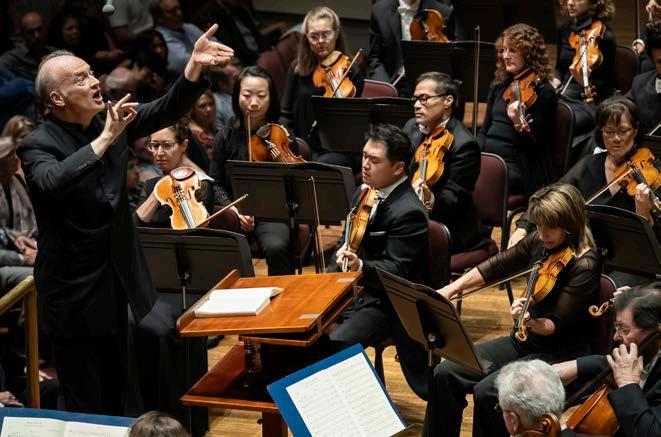
A look back at our history
1939
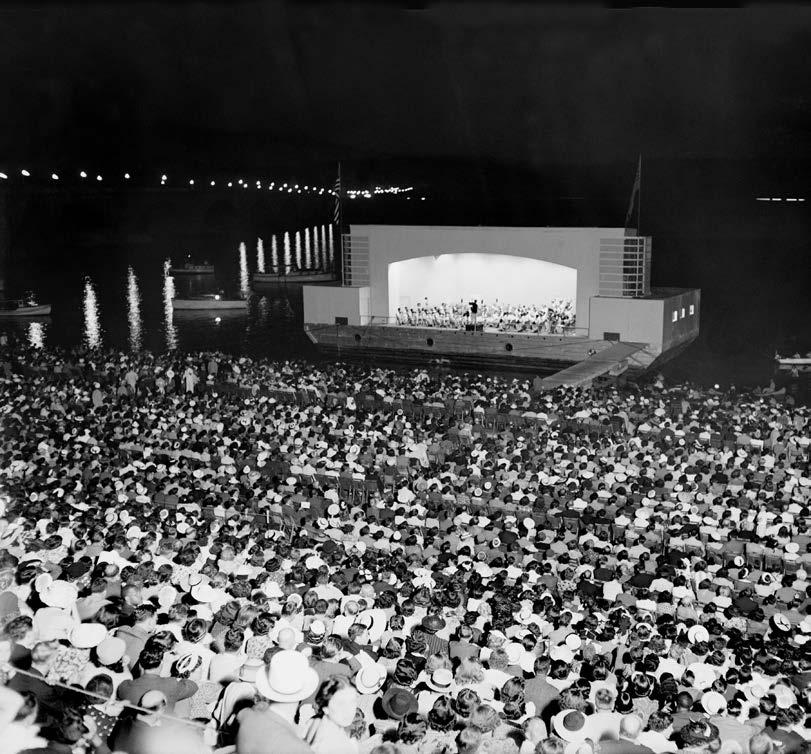
NSO Music Director Hans Kindler leads the Orchestra in a summer outdoor concert on a floating barge anchored at the foot of the stone steps below the Lincoln Memorial.
Harris & Ewing Collection, Library of Congress
A look back at our history
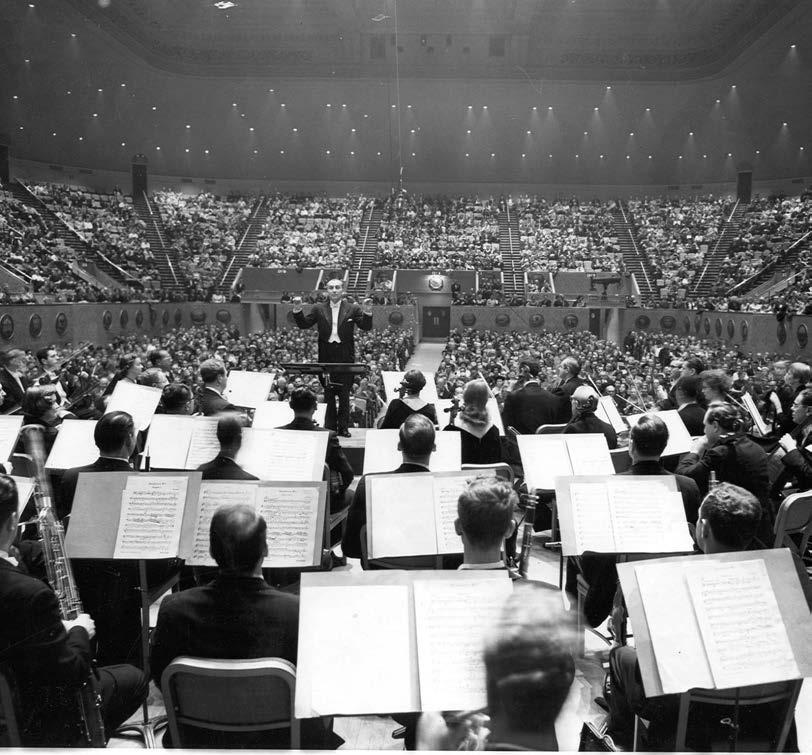
1958
Music Director Howard Mitchell conducts the NSO at Constitution Hall. Photographer unknown, Courtesy of the Kennedy Center Archives
1970s A look back at our history
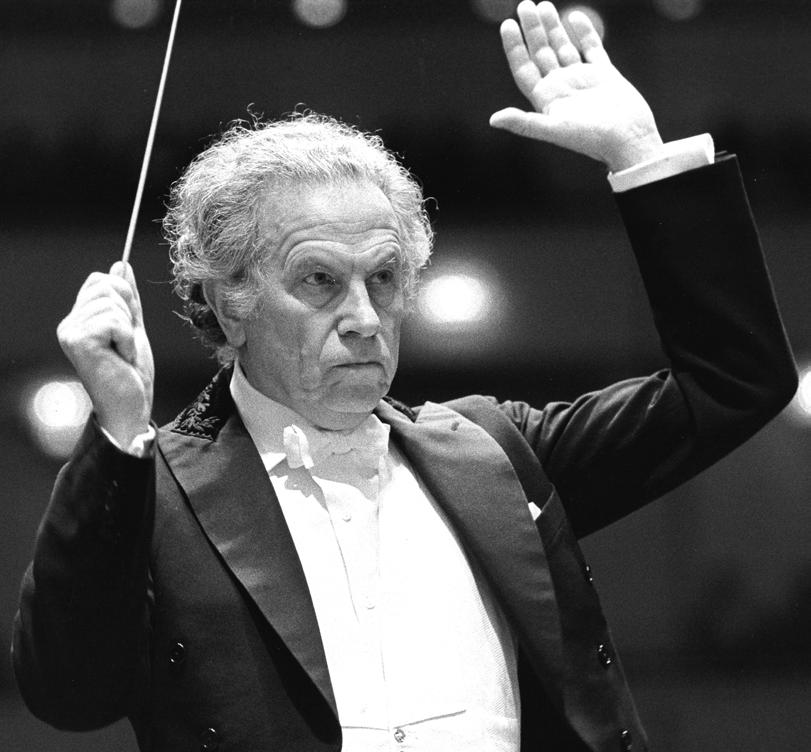
NSO Music Director Antal Doráti conducts the NSO.
Photo by Richard Braaten, Courtesy of the Kennedy Center Archives
A look back at our history
1987
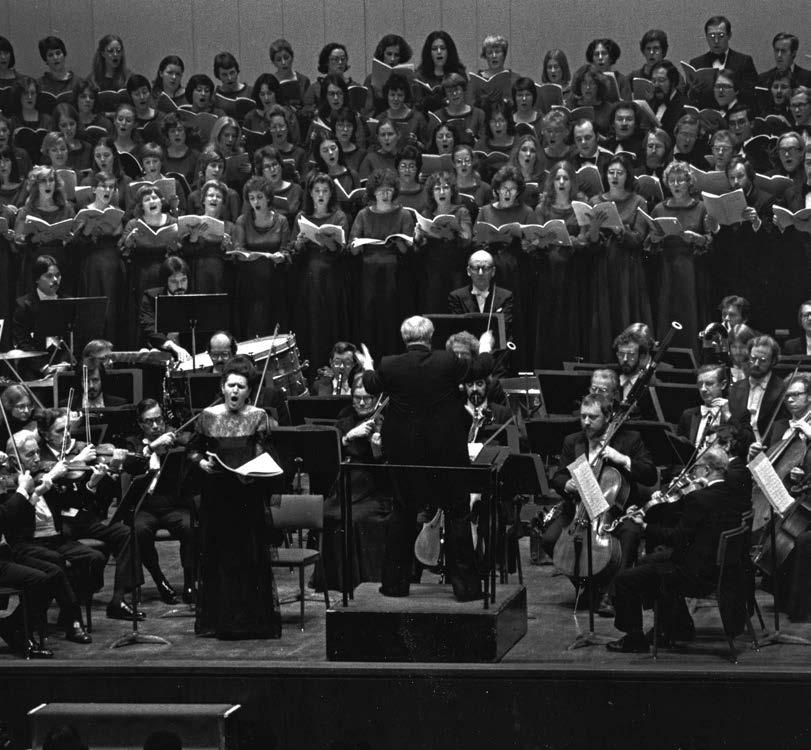
NSO Music Director Mstislav Rostropovich conducts the NSO with guest soloist soprano Galina Vishnevskaya, his wife.
Photo by Joan Marcus, Courtesy of the Kennedy Center Archives
A look back at our history
1996
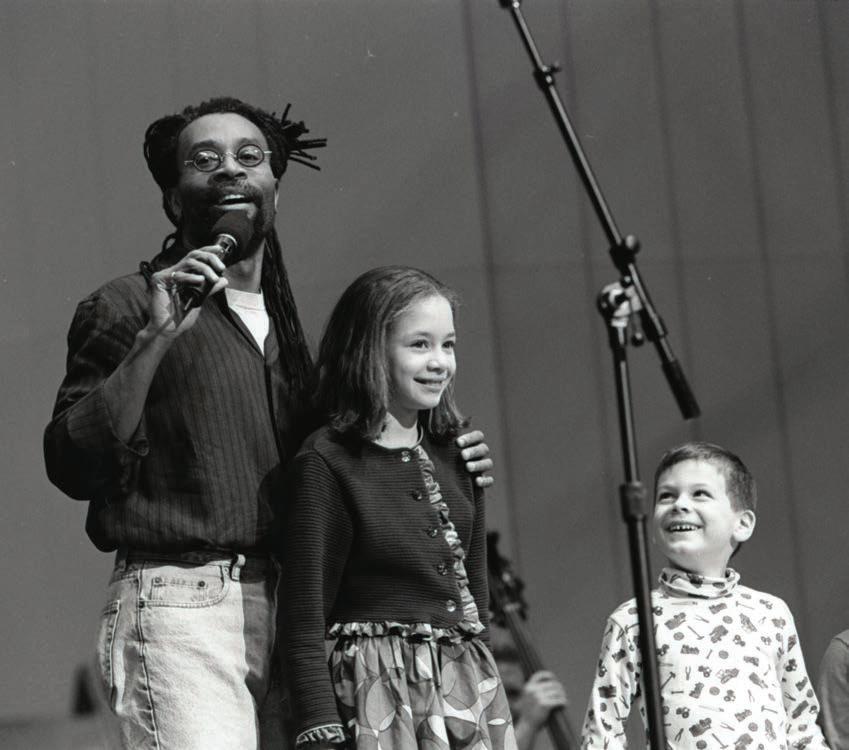
Music man Bobby McFerrin wowed Washingtonians when he conducted the National Symphony Orchestra concerts for families and school children.
Photo by Carol Pratt, Courtesy of the Kennedy Center Archives
2000 A look back at our history
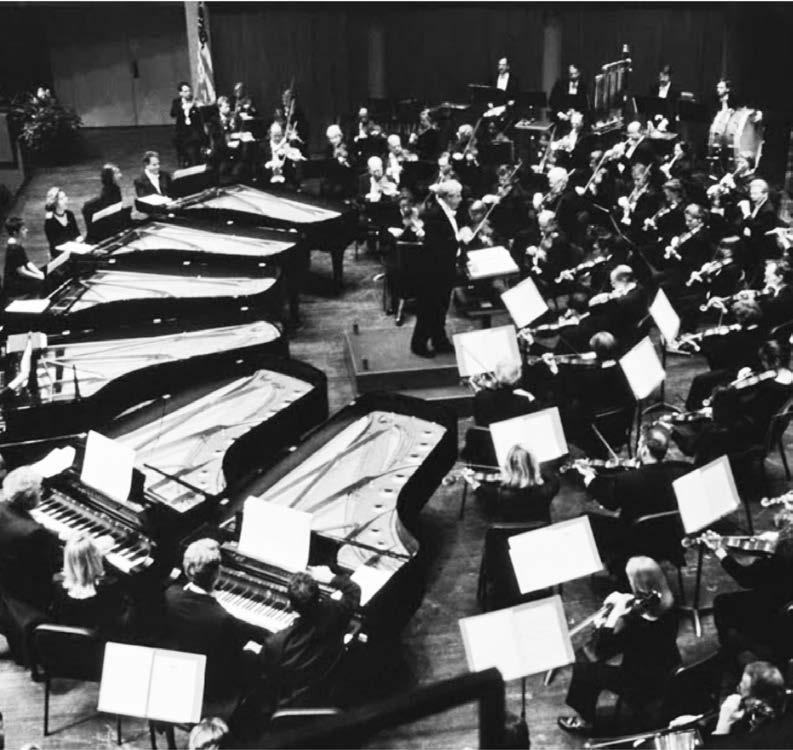
Pianists John Browning, Sara Davis Buechner, Brian Ganz, Joseph Kalichstein, Lambert Orkis, and Jeffrey Siegel play Franz Liszt’s Hexameron with the National Symphony Orchestra conducted by Music Director Leonard Slatkin for the Piano 2000 festival.
Photo by Carol Pratt, Courtesy of the Kennedy Center Archives
2015 A look back at our history
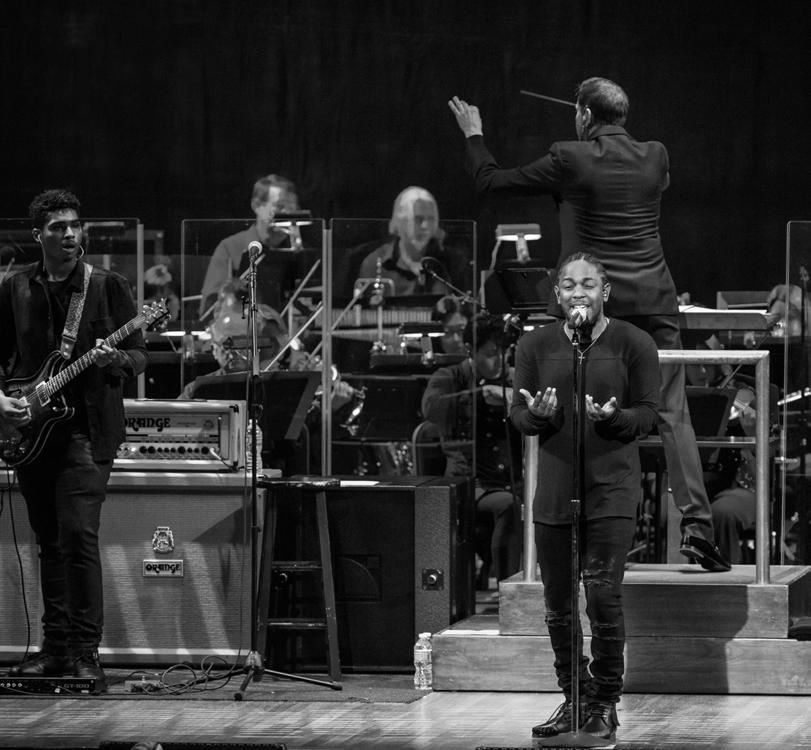
Kendrick Lamar and the NSO led by Principal Pops Conductor Steven Reineke delivered a one-night-only performance featuring some of Lamar’s biggest hits and the first-ever live performances of music from his lyrical masterpiece “To Pimp a Butterfly.”
Photo by Elman Studio, Courtesy of the Kennedy Center Archives
2022 A look back at our history
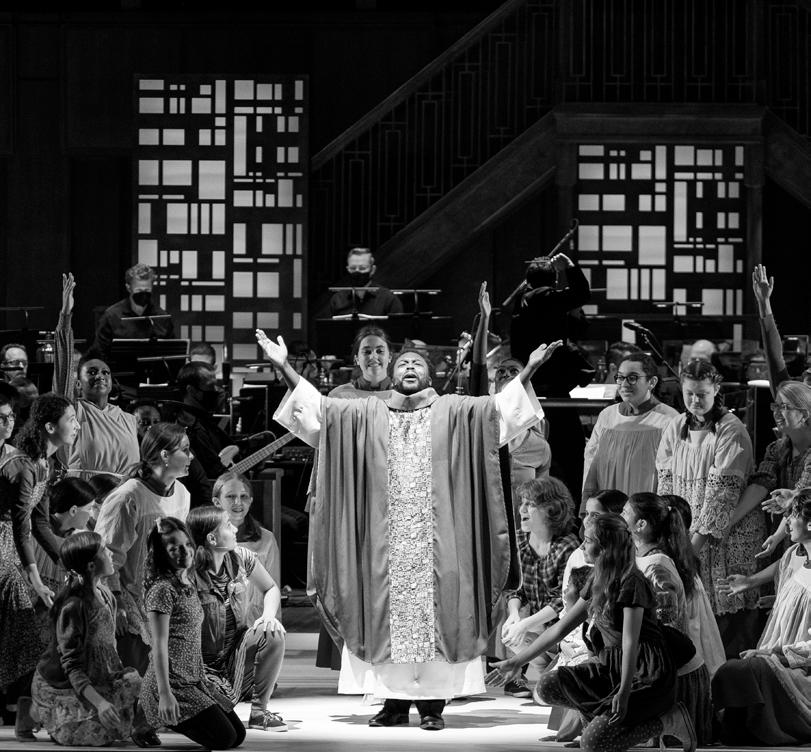
As the concluding event of Kennedy Center’s 50th Anniversary celebration, Leonard Bernstein’s MASS returned 51 years after its world premiere at the Center in a dynamic staging featuring the NSO, guest conductor James Gaffigan, and baritone Will Liverman in the role of Celebrant.
Photo by Scott Suchman, Courtesy of the Kennedy Center Archives

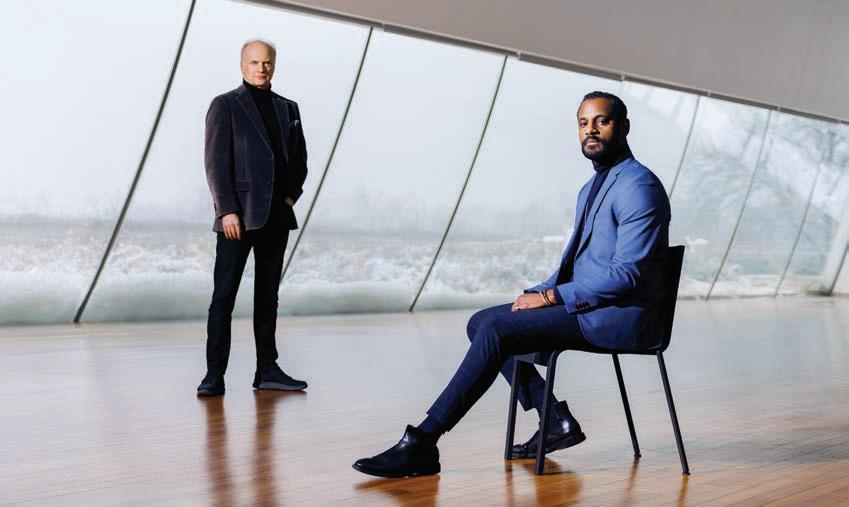


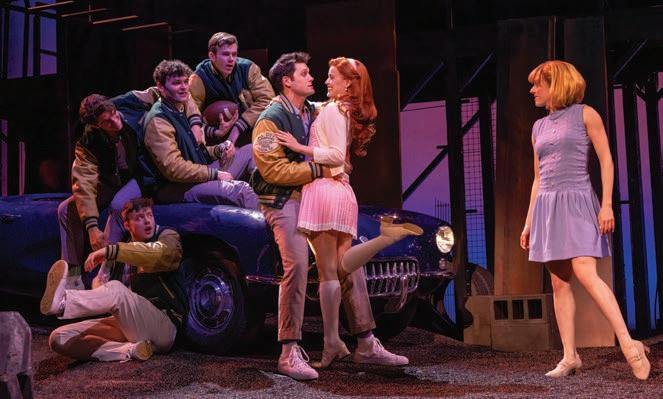
For 250 years, America’s story has been told through the voices of its artists, the rhythm of its music, the words of its writers, and the movement of its dancers. It is a story of resilience and reinvention, of dreams daring enough to redefine what was possible, and of creativity that has not only shaped a nation, but the world.
As the nation marks 250 years since the signing of the Declaration of Independence, the Center invites Americans everywhere to take part in 250 Years of US, a yearlong exploration of who we are, where we’ve been, and where we’re going. Through music, theater, dance, and visual art, 250 Years of US celebrates the boundless imagination of a people united by creativity.