Romantic Titans: Sibelius, Strauss & Wagner

THE DONALD J. TRUMP AND JOHN F. KENNEDY CENTER FOR THE PERFORMING ARTS
APRIL 2, 2026 AT 7 P.M.; APRIL 3, 2026 AT 11:30 A.M.; APRIL 4, 2026 AT 8 P.M. | CONCERT HALL
Simone Young, conductor
Sergey Khachatryan, violin
RICHARD WAGNER (1813–1883)
JEAN SIBELIUS (1865–1957)
Prelude to Act I of Die Meistersinger von Nürnberg, WWV 96 (1845–1867)
Violin Concerto in D minor, Op. 47 (1901–1905)
i. Allegro moderato
ii. Adagio di molto
iii. Allegro, ma non tanto Sergey Khachatryan, violin
INTERMISSION
RICHARD WAGNER Prelude to Act III of Die Meistersinger von Nürnberg, WWV 96 (1845–1867)
RICHARD STRAUSS (1864–1949)
Tod und Verklärung (Death and Transfiguration), Op. 24 (1888–1889)
THANK YOU TO OUR SEASON SPONSORS
The NSO Music Director Chair is generously endowed by Roger Sant and Congresswoman Doris Matsui Noseda Era Fund Supporters The Amici di Gianandrea Nina Totenberg, in memory of her father, virtuoso violinist Roman Totenberg
Patrons are requested to turn off cell phones and other electronic devices during the performance. Any video and/or audio recording of this production is strictly prohibited.
From the Music Director
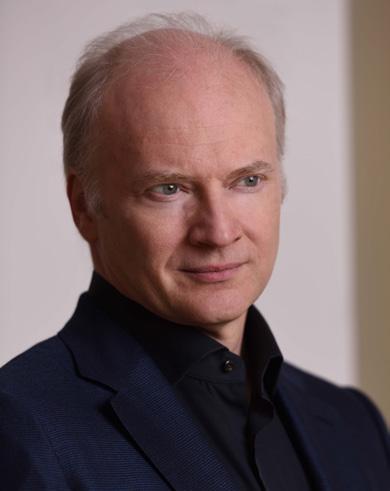
Cari amici,
It is with immense joy and anticipation that I welcome you to the National Symphony Orchestra’s 95th anniversary season. This moment is more than a milestone—it is a celebration of our deep musical legacy and a renewed commitment to bringing powerful, moving performances to our community and beyond. This is only the beginning. The 95th season is filled with musical discovery, celebrated artists, and unforgettable experiences.
This season features iconic works that have stood the test of time, from classic masterpieces to thrilling contemporary music. The NSO also has the opportunity to share the stage with an exceptional lineup of guest artists and conductors—beloved icons and rising stars alike. Performing new music is something the NSO truly believes in. Make history with us as we present innovative new works, including five world premieres.
It is with immense joy and anticipation that I welcome you to the National Symphony Orchestra’s 95th anniversary season. This moment is more than a milestone—it is a celebration of our deep musical legacy and a renewed commitment to bringing powerful, moving performances to our community and beyond. This is only the beginning. The 95th season is filled with musical discovery, celebrated artists, and unforgettable experiences.
I am deeply grateful to share this journey with you. Your presence in the Concert Hall is what brings our music fully to life. Thank you for being a part of the NSO family—for your passion, your applause, and your unwavering support.
I am deeply grateful to share this journey with you. Your presence in the Concert Hall is what brings our music fully to life. Thank you for being a part of the NSO family—for your passion, your applause, and your unwavering support.
Con tutto il cuore,
Con tutto il cuore,
Gianandrea Noseda
Gianandrea Noseda
Music Director, National Symphony Orchestra
Music Director, National Symphony Orchestra
Che la musica vi porti gioia e ispirazione—may music bring you joy and inspiration.
Che la musica vi porti gioia e ispirazione—may music bring you joy and inspiration.
Notes on the Program
Preludes to Acts I & III of Die Meistersinger von Nürnberg, WWV 96
RICHARD WAGNER
Born May 22, 1813, in Leipzig, Germany
Died February 13, 1883, in Venice, Italy
The action of Richard Wagner’s 1867 music drama Die Meistersinger von Nürnberg hinges on a 16th-century vocal competition. In order to marry Eva, the daughter of a Nuremberg goldsmith, gentile amateur Walther von Stolzing must learn the rules of a guild of “master singers” and face off against Beckmesser, a pedantic town clerk characterized by a slew of anti-Semitic stereotypes. Under the watchful eye of venerated master singer Hans Sachs, Walther writes and performs a winning song by embodying what Wagner saw as the ‘German spirit,’ trusting an instinctual sense of language and not concerning himself too much with established policies of good form.
Wagner drafted the plot for Meistersinger in the 1840s, but he wrote most of the text and all of the music in the 1860s. At this time, the composer was obsessed with recovering an authentic German national culture that, in his view, was being occluded by the influence of ‘alien’ scapegoats—namely, immigrants and Jewish people. Though this is Wagner’s only major comic opera, it is also quite serious in subject matter and inspiration. While there are moments of levity and a happy ending for all but the humiliated Beckmesser, Meistersinger represents a clear and sober attempt to explicitly link the act of musical creation to the composer’s larger conservative political project.
The Prelude to Act I features a meandering sequence of optimistic, celebratory themes, all of which Wagner redeploys at various points in the opera. Walther’s admittedly glorious competition tune is heard twice: once in a rushed, fleeting passage in the strings; then played by violins, cellos, clarinet, and horn, all while the rest of the orchestra rehashes prior themes in a magnificent, peppery swirl of activity. Wagner includes an abundance of plagal cadences—those churchy closing chord sequences that typically sit under a congregation singing “amen”—lending the music a distinctive religious undercurrent. The shape of the Prelude gestures to sonata form, as though Wagner is nodding vaguely to the Classical rules of the game, just as Walther does in his song. But the structure of this overture is in fact an almost improvisatory palindrome: the composer exposes a variety of themes, writes a short, bubbling fugal passage, and then repeats the main musical ideas in reverse order. Most of the Prelude is repeated at the very end of the opera, while Sachs extolls the importance of art that is rooted in tradition but original in manifestation, rather menacingly proclaiming that such art can serve to prevent the usurpation of German culture by foreigners.
The music that opens Act III of the opera is more somber stuff. An extraordinary cello line announces itself and then fades away to the lowest depths of the instrument, calling forth responses in turn from the violas and the two violin sections. After the brass complete and mollify the statements of the strings, the music proceeds antiphonally—that is, with the different sections of the orchestra taking turns—until that severe, initial string counterpoint returns, reinforced by members of the wind section. These mournful figures appear again in the body of Act III to support another monologue from Sachs, in which he laments how quickly his attempts at maintaining propriety and tradition have devolved into madness and violence.
Notes on the Program
Violin Concerto in D minor, Op. 47
JEAN SIBELIUS
Born December 8, 1865, in Hämeenlinna, Finland
Died September 20, 1957, in Järvenpää, Finland
In a set of studies from the 1990s, the music cognition researcher David Huron investigated what listeners tend to expect from the start of a tune. He found that his participants had a hard time reconciling with the idea that the first note of a melody could be the fourth note of the scale—“fa” in solfège terms. He also discovered that this scale degree was the least common starting pitch in a large body of European folk tunes analyzed. Yet, the Violin Concerto in D minor by Jean Sibelius opens with a haunting, rare melody that starts on the fourth scale degree, then goes to the fifth, and then settles on the first. As the violin spins out a lingering theme, the clarinet periodically enters with that simple yet mysterious starting gesture—in essence, this work springs from an idea that sounds more like a middle or an end than a beginning.
Sibelius trained as a violinist in the 1880s and had early aspirations as a career soloist. He eventually shifted toward composing, but his knowledge of the violin remained a central part of his musical practice. His son-in-law Jussi Jalas remembered seeing Sibelius form hand positions in the air while working on the violin concerto, imagining how the melodies and virtuoso passages would sound in relation to their physical execution, and letting those physical gestures inform the contours of the piece. Sibelius first jotted down the opening theme for the concerto while in Italy in 1901, and he worked on the piece in earnest between 1903 and 1904. According to the account of Aino Sibelius, his wife, the composition process was particularly fertile and intense: “He has so many ideas forcing their way into his mind that he becomes quite literally dizzy. He’s awake night after night, plays wonderful things, and can’t tear himself away from the marvelous music he plays.”
Sibelius corresponded with the violinist Wilhelm Burmester about the piece while writing it, but he eventually let the concerto be premiered by Viktor Nováček in February 1904, as Burmester pushed for performance delays. The premiere received mixed reviews, prompting Sibelius to undertake revisions before publishing a final version in 1905. Even at the tepid first performance, the audience wanted the soloist to play the stunning middle movement a second time. It is an Adagio that recalls the purest, sincerest episodes from the oeuvre of Ludwig van Beethoven. In this moment, Sibelius doesn’t concern himself with presenting singable melodies, but instead investigates the expressive potential of single notes and intervals—moments which he colors perfectly with details of harmony and orchestration. The paired winds at the opening express an impossibly painful sense of loneliness that the remainder of the movement sensitively soothes.
In contrast to the nebulous texture and rhythmic complexity of the concerto’s opening, much of the music in this concerto has a danceable quality to it. The secondary theme of the first movement is a sweet ditty for the violin with a certain amount of flexibility built into it, but which sways with a lilting, Romantic charm. The finale opens with a relentlessly rhythmic polonaise, in which the orchestra sustains a galloping rhythm while the violin skips around on top. A darker, contrasting theme evokes a tense dance with some sinister character, particularly when the music is repeated close to the end of the movement, and the violin screeches out a countermelody in flute-like artificial harmonics. The composer saves some of his most daring and characteristic writing for the very end, when he gives the violinist a dramatic gesture that ascends a D major scale and descends on a contrasting modal one. The disarming quality of these figures mirrors the uncertainty of the opening and shows Sibelius’ mastery of manipulating our expectations about music’s simplest sequences.
Tod und Verklärung (Death and Transfiguration), Op. 24
RICHARD STRAUSS
Born June 11, 1864, in Munich, Germany
Died September 8, 1949, in Garmisch-Partenkirchen, Germany
Though present-day technologists seek to eliminate or infinitely postpone death by building chatbot afterlives and optimizing nutrition and fitness through biohacking, Richard Strauss would not have approved. From an early stage of his life, he saw death as a frightening but essential aspect of the life cycle of an artist. In his 1889 tone poem Tod und Verklärung (Death and Transfiguration), he portrays—as he described in a 1894 letter— “the dying hours of a man who had striven toward the highest idealistic aims.” Strauss explained how those artistic ideals are only realized in the work’s final moments, “since it is not for man to be able to accomplish such things… the soul leaves the body in order to find, gloriously achieved in everlasting space, those things which could not be fulfilled here below.” Crucially, in this work, death is not only the site of heavenly transfiguration but also a looming, inspirational constraint that seems to shape the subject’s pursuit of worthy ideals throughout his life.
Contrary to the suggestions of some early commentators, Strauss did not write this piece as a response to personal illness or a near-death experience of his own. It was an act of empathy and imagination from a healthy, ambitious composer in his mid-20s. It also represented an attempt on the part of Strauss to show his serious, philosophical side, which formed a contrast to the sparkling firebrand he portrayed with Don Juan, another of his early tone poems that had premiered to great critical and popular fanfare the year prior. The portrayal of the end of life that Strauss provides in Death and Transfiguration proved prescient, at least for its creator. As he was on his deathbed in 1949, Strauss reportedly told his daughter-in-law Alice that “I hear so much music,” and quickly clarified, “I wrote it 60 years ago in Tod und Verklärung. This is just like that.”
At the start of the piece, the pulsing strings suggest a slow, steady heartbeat, the intermittent timpani a concerning arrhythmia, and the sighing melodic figures in the strings the strained, somnolent breaths of a man at death’s door. These sighing motifs sometimes concatenate into a long, descending line, which, together with sweet interjections from the flute, illustrates the flicker of a passing smile. As the writer and violinist Alexander Ritter described in a poem commissioned by Strauss and published alongside the score—translated contemporarily by Marc Mandel—“Upon the sick man’s pale features / plays a melancholy smile. / At the end of his life, does he dream now / of childhood’s golden time?”
Soon, the violent throes of death wake the man up for a brassy Allegro agitato. Various voices present the pulsing heartbeat of the opening, but its pace has quickened to a frantic tachycardia. This gives way to a sequence of memories, short bursts of music featuring variations on the long, descending tune that inspired the artist’s flickering smile. Eventually, the pulsing timpani returns, death strikes, and at last we hear a complete rendition of the music that represents the protagonist’s long sought-after ideal—“the lofty impulse / that leads him through his life.” Strauss incorporates the sighing gestures of the opening into this theme, but he leads into each sigh with an ascending scale and a leap up an octave, filling the previously lamenting figures with hope. The music builds to a tremendous cadence that Strauss brilliantly undermines with one final, dissonant descending gesture, as if to say that this is a kind of beauty that does not attempt to thwart or outshine death, but accepts and lives alongside it.
Meet the Artists
Simone Young, conductor
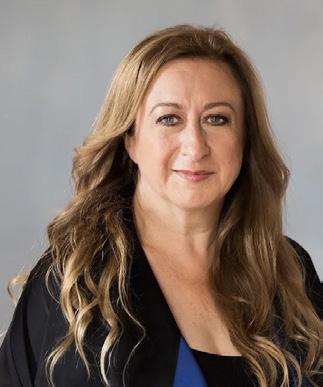
Australian conductor Simone Young is numbered among the most important conductors of our time. Since 2022, she has served as Chief Conductor of the Sydney Symphony Orchestra, where she is currently conducting, among other projects, a concert performance cycle of Wagner’s Der Ring des Nibelungen. In 2024, she made her debut at the Bayreuth Festival with this monumental work and returned in summer 2025 to conduct two further complete cycles.
Following the acclaimed new production of György Kurtág’s Fin de partie at the Vienna State Opera, she will return in autumn 2025 to lead the revival. She will then conduct Wagner’s Lohengrin at the Staatsoper Unter den Linden in Berlin. Subsequently, she will complete David McVicar’s new Der Ring des Nibelungen production at La Scala in Milan, conducting Götterdämmerung and the full cycle. Young also leaves a strong mark in the symphonic repertoire and will conduct in the 2025–2026 season the NDR Elbphilharmonie Orchestra, the Orchestre de la Suisse Romande, the WDR Symphony Orchestra Cologne, the Orchestre Philharmonique de Radio France, and the Berlin Radio Symphony Orchestra, as well as, during a U.S. tour, the National Symphony Orchestra, the Los Angeles Philharmonic, the San Francisco Symphony, and the Montreal Symphony Orchestra.
From 2005 to 2015, she was Artistic Director of the Hamburg State Opera and General Music Director of the
Hamburg Philharmonic, where she conducted an exceptionally broad repertoire ranging from Mozart, Verdi, Puccini, Wagner, and Strauss to Hindemith, Britten, and Henze, as well as numerous world and national premieres. Earlier positions included Chief Conductor of the Bergen Philharmonic Orchestra (1998–2002) and Artistic Director of Opera Australia in Sydney and Melbourne (2001–2003).
From the beginning of her career, Young gained international recognition as a leading interpreter of Wagner and Strauss. She conducted full Ring cycles at the Vienna State Opera, the Berlin State Opera, and in a new production at the Hamburg State Opera. Her engagements have taken her to the world’s most prestigious houses, including the Vienna State Opera (debut 1993), the Opéra national de Paris, the Royal Opera House Covent Garden in London, the Metropolitan Opera in New York, the Berlin State Opera, the Bavarian State Opera, the Semperoper Dresden, the Zurich Opera, and, for the first time in 2023, to La Scala with a new production of Peter Grimes (directed by Robert Carsen).
In addition to her extensive operatic work, she is in high demand on the concert stage. She has conducted leading orchestras including the Vienna Philharmonic, the Berlin Philharmonic, the Staatskapelle Berlin, the London Philharmonic Orchestra, the New York Philharmonic, the Los Angeles Philharmonic, the Washington Symphony Orchestra, the Dallas Symphony Orchestra, the Munich Philharmonic, the Bavarian Radio Symphony Orchestra, the Chicago Symphony Orchestra, the San Francisco Symphony, the Orchestre de Paris, the Filarmonica della Scala, the Orchestre National de France, the BBC Symphony Orchestra, the Cincinnati
Symphony Orchestra, the Royal Stockholm Philharmonic Orchestra, the Oslo Philharmonic, and various orchestras in Australia among others. Young is the recipient of numerous prestigious awards, an honorary doctorate from the universities of Sydney and Melbourne, and is a Member of the Order of Australia and Chevalier des Arts et des Lettres in France. She has also been awarded the Goethe Medal and the Brahms Prize of Schleswig-Holstein. In April 2022, she was awarded honorary membership of the Vienna State Opera.
Numerous CD and DVD recordings document Young's artistic achievements.
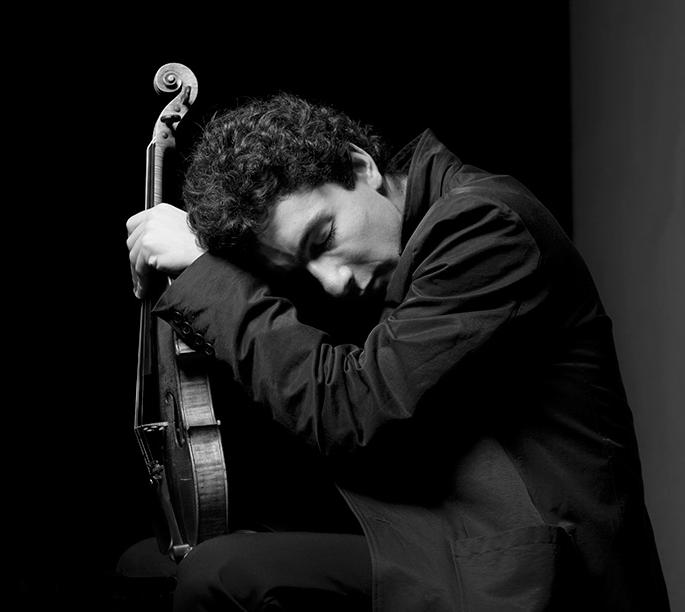
Sergey Khachatryan, violin
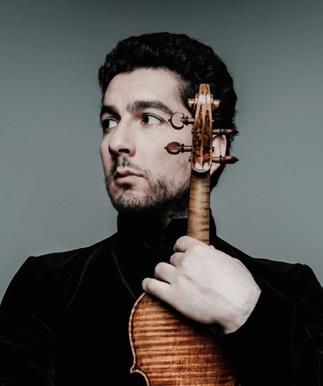
Born in Yerevan, Armenia, Sergey Khachatryan won First Prize at the VIII International Jean Sibelius Competition in Helsinki in 2000, becoming the youngest ever winner in the history of the competition. In 2005, he claimed First Prize at the Queen Elisabeth Competition in Brussels. This 2025–2026 season Sergey’s international presence is sustained by performances with Orchestre de la Suisse Romande (Tugan Sokhiev), Lucerne Symphony Orchestra (Maxim Emelyanychev), Wiener KammerOrchester (Jan Willem de Vriend), Orquestra Simfònica de Barcelona i Nacional de Catalunya (Eun Sun Kim), Frankfurt Radio Symphony (Alain Altinoglu), and Taipei Symphony Orchestra (Alexander Liebreich), as well as in North America including San
Francisco Symphony (David Afkham), Atlanta Symphony Orchestra (Pietari Inkinen), Cleveland Orchestra (Rafael Payare), and National Symphony Orchestra (Simone Young).
Sergey’s recent appearances in North America include with the Toronto Symphony Orchestra (Tarmo Peltokoski), Seattle Symphony (Ludovic Morlot), and Montreal Symphony Orchestra (Rafael Payare). He has also visited the New York Philharmonic, Boston Symphony Orchestra, and Philadelphia Orchestra, as well as the Ravinia, Aspen, Blossom, and Mostly Mozart Festivals. The most recent North American Tour with the Armenian National Philharmonic Orchestra included such destinations as Roy Thomson Hall in Toronto, Maison Symphonique in Montreal, and Carnegie Hall in New York.
Sergey’s most recent album, Ysaÿe VI Sonatas, released by naïve, is the first-ever recording of Ysaÿe’s Six Solo Sonatas, Op. 27 performed on the composer’s own Guarneri del Gesù violin. Together with Lusine, they recorded My Armenia, an album dedicated to the 100th commemoration of the Armenian genocide, which received the Echo Klassik for Chamber Music Recording 20th–21st Century / Mixed Ensemble. The duo has also recorded Brahms’ Three Sonatas for Violin and Piano. Sergey’s discography on the label also includes the Sibelius and Khachaturian concerti with Sinfonia Varsovia and Emmanuel Krivine, both Shostakovich concerti with the Orchestre National de France and Kurt Masur, a recording of the Shostakovich and Franck sonatas for violin and piano, and the complete sonatas and partitas for solo violin by J.S. Bach.
Highlights of the previous seasons include Sergey’s residency with Orquesta de Valencia, comprising several concerts conducted by Alexander Liebreich, including a
Meet the Artists
chamber project, Sergey’s residency at the BOZAR in Brussels, which comprised a pair of recitals and a concert with Orchestre National de Belgique and Hugo Wolff. Re-invitations included the RAI National Symphony Orchestra (Kirill Karabits), Orchestre National de Lyon (Nikolaj Szeps-Znaider), Accademia Nazionale di Santa Cecilia (MyungWhun Chung), Frankfurter Opernund Museumsorchester (Michael Sanderling), Gävle Symfoniorkester (Case Scaglione), and a Spanish tour with Bilbao Symphony Orchestra (Joana Carneiro).
Sergey also embarked on a tour of the U.S. and Europe with Alisa Weilierstein and Inon Barnatan with a program entitled “Transfigured Nights” featuring the music of Beethoven, Schoenberg, and Shostakovich. Other recent projects included a tour of Japan with the Nippon Foundation, and in 2015, Sergey performed Beethoven’s Violin Concerto at the Lucerne Festival with the Vienna Philharmonic and Gustavo Dudamel as the recipient of the Credit Suisse Young Artist Award.
Sergey plays the 1724 Kiesewetter Stradivarius violin on a kind loan from the Stretton Society.
National Symphony Orchestra
The 2025–2026 season is the National Symphony Orchestra’s 95th and Music Director Gianandrea Noseda’s ninth season. Gianandrea Noseda serves as the orchestra’s seventh music director, joining the NSO’s legacy of distinguished leaders: Christoph Eschenbach, Leonard Slatkin, Mstislav Rostropovich, Antal Doráti, Howard Mitchell, and Hans Kindler. Its artistic leadership also includes Principal Conductor and Artistic Advisor Steven Reineke.
Since its founding in 1931, the NSO
has been committed to performances that enrich the lives of its audience and community members. In 1986, the National Symphony became an artistic affiliate of the John F. Kennedy Center for the Performing Arts, where it has performed since the Center opened in 1971. The 96-member NSO participates in events of national and international importance, including the annual nationally televised concerts on the lawn of the U.S. Capitol, livestreamed performances on medici.tv, and local radio broadcasts on WETA Classical 90.9 FM.
Since launching its eponymous recording label in 2020, the NSO has embarked on ambitious recording projects, including its first complete Beethoven Symphony cycle and the release of the first-ever cycle of George Walker’s Sinfonias, both led by Noseda. Recent projects include Four Symphonic Works by Kennedy Center Composerin-Residence Carlos Simon conducted by Noseda, and William Shatner’s So Fragile, So Blue, recorded live in the Concert Hall with the NSO under Steven Reineke. Forthcoming releases with Gianandrea Noseda include music by Gustav Mahler and William Grant Still, as well as Samuel Barber’s opera Vanessa.
The NSO’s community engagement and education projects are nationally recognized, and career development opportunities for young musicians include the NSO Youth Fellowship Program and its acclaimed, tuition-free Summer Music Institute.
A Special Thank You
With this week’s performances, we honor our musicians concluding their long tenures as members of the NSO. Gianandrea Noseda and the National Symphony Orchestra congratulate Stephen Dumaine, David Hardy, David Langrell, James Lee, Lambert Orkis, Pavel Pekarsky, and Denise Wilkinson on the occasion of their retirement from the orchestra and thank them for their many years of artistry and dedicated service.
Stephen Dumaine
Principal Tuba, 2004–2026
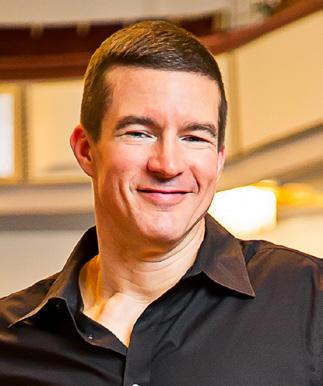
Stephen Dumaine is proof that positive persistence pays. Each major orchestra employs just one tuba player full-time, making the openings few and far between. Persevering against those who told him he could not make a living as a tuba player, a few years in which he had no professional musical employment (working as a personal trainer and practicing on his own throughout that time), and 20-something auditions, he became the principal tuba of the National Symphony Orchestra in 2004.
Dumaine grew up in Burrillville, Rhode Island, and studied with Gary Buttery of the U.S. Coast Guard Band. During his high school years, he was a member of the Rhode Island Philharmonic Youth Orchestra and the Greater Boston Youth Symphony Orchestra, winning a concerto competition to appear as soloist with them when he was 18. He earned his Bachelor of Music degree from The Juilliard School, where he studied with Warren Deck, former tubist of the New York Philharmonic. After conservatory, Dumaine was principal tuba in Spain’s Orquesta Sinfónica de Galicia during the 1995–1996 season. He then returned to the United States, where his orchestral experience included positions with the
New World Symphony, the San Antonio Symphony, Orquesta Sinfónica de Minería in Mexico City, and the Alabama Symphony Orchestra, as well as work with the New York City Ballet Orchestra, Philadelphia Orchestra, and New York Philharmonic.
David Hardy
Assistant Principal Cello, 1982–1994; Principal Cello, 1994–2026
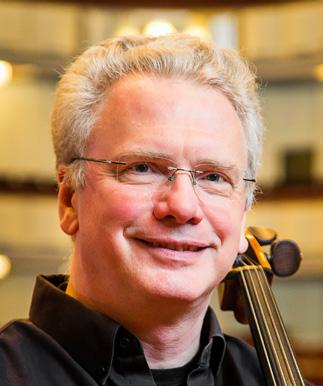
David Hardy, principal cello of the National Symphony Orchestra, achieved international recognition in 1982 as the top American prize winner at the seventh International Tchaikovsky Cello Competition in Moscow. A native of Baltimore, Maryland, David Hardy began his cello studies there at the age of 8. He was 16 when he made his debut as a soloist with the Baltimore Symphony Orchestra. When he was 21 years old, Hardy won the certificate in the prestigious Geneva International Cello Competition. The next year, he graduated from the Peabody Conservatory of Music, where he studied with Laurence Lesser, Stephen Kates, and Berl Senofsky. In 1981, he was appointed to the National Symphony Orchestra as associate principal cello by its then music director, Mstislav Rostropovich. In 1994, Hardy was named principal cello of the NSO by its next music director, Leonard Slatkin.
The National Symphony Orchestra recording of John Corigliano’s Symphony No. 1, featuring Hardy’s solo cello performance, won the 1996 Grammy Award® for Best Classical Album. Another recent recording—in collaboration with NSO Principal Keyboard Lambert Orkis— is Beethoven Past & Present, consisting of two complete performances of Beethoven’s
A Special Thank You
eight works for piano and cello, performed on both modern and period instruments. Hardy is a founding member of the Kennedy Center Chamber Players. In addition to his performing schedule, Hardy is professor of cello at the Peabody Conservatory of Music in Baltimore, Maryland.
David Langrell
Concert Hall Stage Crew, 2011–2017; NSO Assistant Stage Manager, 2017–2018; NSO Stage Manager, 2018–2026
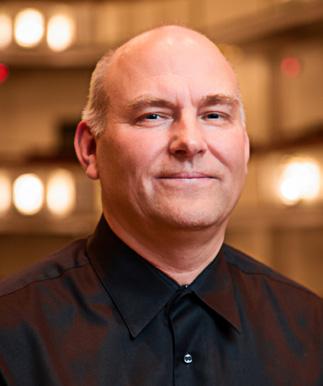
NSO Stage Manager David Langrell oversees the inventory, placement, and movement of all NSO equipment, both at home and anywhere in the world the NSO goes. He started as a stagehand in the D.C. area in 1983, working at Folger Theatre, and had his first job at the Kennedy Center in 2000 for the Kennedy Center Honors. He was part of the carpentry team that built the beautiful wood shell that surrounds the NSO anytime they perform at Wolf Trap National Park for the Performing Arts, and he became a full-time stagehand in the Kennedy Center Concert Hall in July 2011. He moved into the dedicated NSO stage crew in 2017 and became Stage Manager in 2018. He takes pride in ensuring that all elements of each NSO stage—the chairs, stands, large instruments, risers, accessories, and more—are always set up and moved around in the best and most efficient way possible, because it’s his philosophy that the conductor, soloists, and musicians of the orchestra cannot do their best if the stage crew doesn’t do their best.
James Lee Cello, 1985–2026
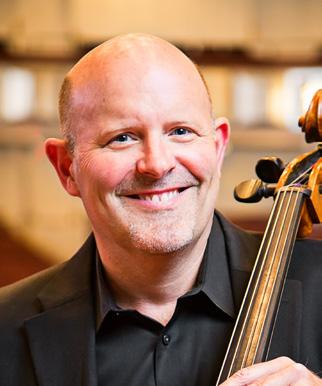
James Lee was born in the San Francisco Bay Area, where he made his debut with the San Francisco Symphony Orchestra at the age of 15. He received his bachelor’s degree from the San Francisco Conservatory of Music and his master’s degree from The Juilliard School. That same year, he became a member of the National Symphony Orchestra. At Juilliard, Mr. Lee served as principal of both the Juilliard Orchestra and the Juilliard Chamber Orchestra. As winner of the prestigious Juilliard Cello Competition, he was a featured soloist at Alice Tully Hall. Lee’s teachers have included Margaret Rowell, Bonnie Hampton, Leonard Rose, and Joel Krosnick. Lee appeared as a soloist with the National Symphony Orchestra in the 1988 world premiere of Andreas Makris’ Concertante under the baton of Mstislav Rostropovich. In 2011, Lee performed the Crouching Tiger Concerto with the National Symphony Orchestra at Wolf Trap with composer Tan Dun. He was also featured with two other colleagues from the cello section in Penderecki’s Concerto Grosso for Three Cellos and Orchestra in 2015, with Christoph Eschenbach conducting. A devoted chamber musician, Mr. Lee is the artistic director and founder of the National Chamber Players, the resident chamber ensemble at Episcopal High School since 2004. Mr. Lee’s cello is made by Claude Guillot, Bordeaux, 1842.
Lambert Orkis
Principal Keyboard, 1982–2026
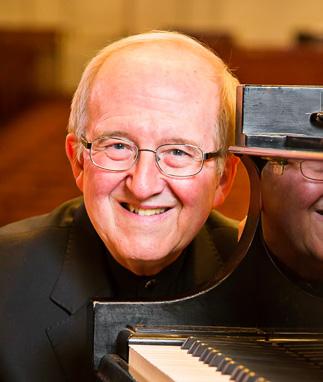
Pianist Lambert Orkis’ substantial career includes more than eleven years of international concertizing with cellist Mstislav Rostropovich. For 37 years, the celebrated duo of violinist Anne-Sophie Mutter and Orkis has appeared to capacity audiences in the world’s finest performance venues. They regularly concertize at the most prestigious festivals throughout the world, such as the Salzburg and Lucerne Festivals. The duo’s many recordings and DVDs for Deutsche Grammophon include sonata cycles by Mozart (Choc de l’année Award), Beethoven (Grammy Award®), and Brahms. Most recently, on Sony Classical, Orkis can be heard with Mutter and cellist Pablo Ferrández in Clara Schumann’s Piano Trio in G minor, and, in 2026, Alpha Classics will release a recording of Mutter and Orkis with cellists Maximilian Hornung and Daniel Müller-Schott, performing works by André Previn and Sebastian Currier.
Orkis premiered in Carnegie Hall and the Kennedy Center Wernick’s Piano Concerto, which was written for him and the National Symphony Orchestra, with Mstislav Rostropovich conducting. As a founding member of both the Kennedy Center Chamber Players and the Smithsonian Institution’s Castle Trio (period instruments), he has performed and recorded numerous albums. For over 40 years, he has held the position of principal keyboard of the National Symphony Orchestra, and he has taught at Temple University in Philadelphia, currently as professor of piano, for over half a century. The Federal Republic of Germany has bestowed upon Orkis the Cross of the Order of Merit in acknowledgment of his accomplishments.
Pavel Pekarsky Violin, 1990–2025
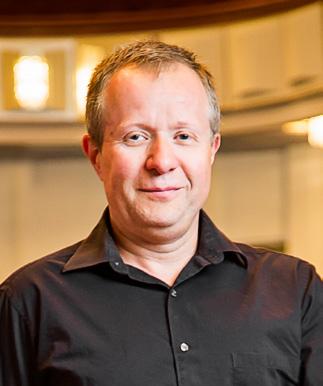
Pavel Pekarsky began his musical studies with his father, violinist Lev Pekarsky, and later attended the Moscow Conservatory. Making his professional debut with the National Symphony Orchestra, Pekarsky has since played numerous solo engagements in various Embassy Concert Series and at venues including Wolf Trap, Constitution Hall, and the Virginia Governor’s Mansion.
In 1984, he was a prizewinner in the Romano Romanini International Violin Competition in Brescia, Italy, and was accepted at Indiana University to study with world-renowned musician Josef Gingold. Pekarsky was also a prizewinner in the prestigious 1988 Paganini Competition in Genoa, Italy. He has been a violinist with the National Symphony Orchestra since 1990 and in the first violin section since 1994.
Pekarsky has made solo appearances with orchestras such as the National Symphony led by Mstislav Rostropovich, the National Orchestra of Guatemala, the George Mason Chamber Orchestra, and the Washington Civic Orchestra. His performances have been heard on radio broadcasts of WETA and WGMS.
As a member of the Altair Trio, he has performed countless chamber works. Mr. Pekarsky has also been a member of the music department faculty of George Mason University.
A Special Thank You
Denise Wilkinson Viola, 1982–2026
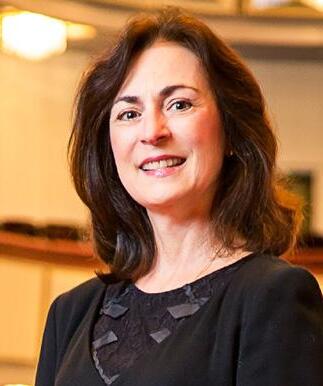
Denise Wilkinson has been a member of the National Symphony Orchestra viola section since 1982. A native of New Jersey, Wilkinson had a passion for the viola from the moment she began playing at the late age of 16. She earned her Bachelor of Music degree from Montclair State University and subsequently was awarded a full merit scholarship to the Cleveland Institute of Music, where she earned her Master of Music degree. As a devoted chamber musician, she has since performed with Denyce Graves and on various music series associated with the National Symphony Orchestra, Eclipse Chamber Orchestra, American Chamber Orchestra, 20th Century Consort, and National Musical Arts, and is a founding member of the Columbia String Quartet.
Outside the D.C. metropolitan area, she has participated in the Chautauqua and Casals Festivals and has been heard on WGMS and National Public Radio broadcasts. As a soloist, Wilkinson has since performed with the National Symphony Orchestra under the direction of Christopher Hogwood and former Music Director Mstislav Rostropovich, Mount Vernon Chamber Orchestra, and Eclipse Chamber Orchestra. Her viola was made by Johannes Gagliano and dates from approximately 1780. Her husband is Charles Wilkinson, former National Symphony Orchestra assistant principal timpanist.
Symphony

Loud and Clear
Terms to know in the Concert Hall, loosely defined.
An extended work with multiple sections—typically four movements.
A “symphonic” piece is a long piece with multiple interpretations of a musical idea. A repeated, transformed musical idea is called a theme.
Orchestra
A group of musicians who play together.
In the Western European tradition, an orchestra often includes the four major instrument families—brass, woodwinds, strings, and percussion. An especially large orchestra is called a symphony orchestra. A smaller orchestra is called a chamber orchestra
Movement
A section of a musical work. Movements are often separated by silences, and they typically differ in tempo—speed.
Opera
A musical play with singers who perform a staged version of the dramatic text—the libretto.
Sonata
Originally, a musical composition played on instruments. In modern usage, “sonata” can mean a piece for a soloist or an ensemble, often with two to four movements.
If a work or a movement is written in sonata form, it is structured in three sections: exposition, development, and recapitulation.
Concerto
A piece pairing a technically advanced soloist with the support of an orchestra, usually in three movements. Though there may be multiple soloists, the contrast between a larger ensemble and a soloing group defines a concerto.
Tone poem
An orchestral piece meant to convey a non-musical subject such as an art piece, landscape, story, or mood.
Rhapsody
A one-movement composition without a strict formal structure. Rhapsodies often include improvisation and evocative contrasts.
Counterpoint
The interaction of multiple melodies to create a larger musical product.
Tempo Markings
Adagio - slow, at ease
Andante - moderately slow, walking pace
Moderato - moderate
Allegretto - slightly slower than allegro
Allegro - fast, bright
Vivace - fast, lively
Additional Markings
Non tanto - not as much
Ma non troppo - but not too much
Molto - very
Con delicatezza - with delicacy
Cantabile - in a singing style
Scherzo - a fast, playful section
National Symphony Orchestra
GIANANDREA NOSEDA , MUSIC DIRECTOR
The Roger Sant and Congresswoman Doris Matsui Chair
STEVEN REINEKE , PRINCIPAL CONDUCTOR AND ARTISTIC ADVISOR
VIOLINS
Nurit Bar-Josef, Concertmaster
Ying Fu, Associate Concertmaster, The Jeanne Weaver Ruesch Chair
Ricardo Cyncynates, Assistant Concertmaster
Xiaoxuan Shi, Second Assistant Concertmaster
Jane Bowyer Stewart
Heather LeDoux Green
Lisa-Beth Lambert
Jing Qiao
Marina Aikawa
Peiming Lin
Derek Powell
Regino Madrid**
Meredith Riley**
Marissa Regni, Principal
Dayna Hepler, Assistant Principal
Cynthia R. Finks
Deanna Lee Bien
Glenn Donnellan
Natasha Bogachek
Carole Tafoya Evans
Jae-Yeon Kim
Wanzhen Li
Hanna Lee
Benjamin Scott
Malorie Blake Shin
Angelia Cho
Kei Sugiyama**
VIOLAS
Daniel Foster, Principal, The Mrs. John Dimick Chair
Dana Kelley, Assistant Principal
Denise Wilkinson
Nancy Thomas
Jennifer Mondie
Tsuna Sakamoto
Ruth Wicker
Mahoko Eguchi
Abigail Evans Kreuzer
Rebecca Epperson
Jacob Shack
Chiara Dieguez**
CELLOS
David Hardy, Principal, The Hans Kindler Chair, The Strong Family and the Hattie M. Strong Foundation
Raymond Tsai, Assistant Principal
David Teie
Rachel Young
Mark Evans
Eugena Chang Riley
Loewi Lin
Britton Riley
Noah Krauss
BASSES
Robert Oppelt, Principal
Richard Barber, Assistant Principal
Jeffrey Weisner
Ira Gold
Paul DeNola
Charles Nilles
Alexander Jacobsen
Michael Marks
HARP
Adriana Horne, Principal
FLUTES
Aaron Goldman, Principal
Leah Arsenault Barrick, Assistant Principal
Matthew Ross
Carole Bean, Piccolo
OBOES
Nicholas Stovall, Principal, The Volunteer Council Chair
Jamie Roberts, Assistant Principal
Harrison Linsey***
Kathryn Meany Wilson***, English Horn
CLARINETS
Lin Ma, Principal
Eugene Mondie, Assistant Principal
Paul Cigan
Peter Cain, Bass Clarinet
BASSOONS
Sue Heineman, Principal
David Young, Assistant Principal
Steven Wilson
Sean Gordon, Contrabassoon
HORNS
Abel Pereira, Principal, The National Trustees’ Chair
James Nickel, Acting Associate Principal
Markus Osterlund***
Scott Fearing
Robert Rearden
Geoffrey Pilkington**
TRUMPETS
William Gerlach, Principal, The Howard Mitchell Chair, The Strong Family and the Hattie M. Strong Foundation
Michael Harper, Assistant Principal
Michail Thompson
Tom Cupples
TROMBONES
Craig Mulcahy, Principal
Evan Williams, Assistant Principal
David Murray
Matthew Guilford, Bass Trombone
TUBA
Seth Cook**, Acting Principal
TIMPANI
Jauvon Gilliam, Principal, The Marion E. Glover Chair
Scott Christian, Assistant Principal
PERCUSSION
Eric Shin, Principal, The Hechinger Foundation Chair
Erin Dowrey, Assistant Principal
Scott Christian
Jason Niehoff*
KEYBOARD
Lisa Emenheiser*
ORGAN
William Neil*
LIBRARIANS
Elizabeth Cusato Schnobrick, Principal
Zen Stokdyk, Associate
Karen Lee, Assistant
PERSONNEL
Karyn Garvin, Director
Brooke Bartolome, Manager
Sufyan Naaman**, Coordinator
STAGE MANAGERS
David Langrell, Manager
N. Christian Bottorff, Assistant Manager
The National Symphony Orchestra uses a system of revolving strings. In each string section, untitled members are listed in order of length of service.
*Regularly Engaged Extra Musician
** Temporary Position
***Leave of Absence
National Symphony Orchestra Staff
ADMINISTRATION
Sabryn McDonald, Executive Assistant
EXECUTIVE TEAM
Kasama Apfelbaum, Vice President, Financial Planning & Analysis
Nigel Boon, Vice President, Artistic Planning & Co-interim Executive Director
John Roloff, Vice President, Orchestra Operations & Co-interim Executive Director
ARTISTIC PLANNING
Justin Ellis, Senior Producing Director
Ana Vashakmadze, Assistant Artistic Administrator
DEVELOPMENT
Laney Pleasanton, Manager, NSO Individual Giving
Pamela Wardell, Senior Director of Development
EDUCATION
Vanessa Thomas, Director of Education Activation & Engagements
FINANCE AND ADMINISTRATION
Eric Rubio, Director of Finance & Administration
HUMAN RESOURCES
Tony Amato, Director, Total Rewards
Chanel Kemp, Talent Acquisition Manager
Patrice McNeill, Director, HR Operations
Lisa Motti, HRIS Coordinator
Ericka Parham, Benefits Analyst
John Sanford, Senior Business Partner
MARKETING & ADVERTISING
Michael Granados, Marketing Manager, NSO, Fortas & New Music
Lily Maroni, Senior Manager, Advertising Communications
Chris Bonnell, Senior Manager, Advertising Design
Elizabeth Stoltz, Advertising Production & Special Projects Assistant Manager
Derek Younger, Director, Sales & Ticketing Service
ORCHESTRA OPERATIONS & CONCERT PRODUCTION
Brooke Bartolome, Orchestra Personnel and Operations Manager
Joseph Benitez, Media & OPAS Support Coordinator
N. Christian Bottorff, Assistant Stage Manager
Cayley Carroll, Director, Production & Orchestra Operations
Karyn Garvin, Director of Orchestra Personnel
David Langrell, Stage Manager
Sufyan Naaman, Personnel and Auditions Coordinator
Ava Yap, Operations Assistant
PUBLIC RELATIONS
Amanda Fischer, Deputy Director of Public Relations
Kennedy Center Staff
Kennedy Center Staff
Kennedy Center Staff
Kennedy Center Staff
Kennedy Center Staff
Trump Kennedy Center Staff
KENNEDY CENTER EXECUTIVE LEADERSHIP
KENNEDY CENTER EXECUTIVE LEADERSHIP
KENNEDY CENTER EXECUTIVE LEADERSHIP
TRUMP KENNEDY CENTER EXECUTIVE LEADERSHIP
KENNEDY CENTER EXECUTIVE LEADERSHIP
KENNEDY CENTER EXECUTIVE LEADERSHIP
President, John F. Kennedy Center for the Performing
President, John F. Kennedy Center for the Performing Arts
Ambassador Richard Grenell
President, John F. Kennedy Center for the Performing Arts Ambassador Richard Grenell
President,
President, John F. Kennedy Center for the Performing Arts Ambassador Richard Grenell
Ambassador Richard Grenell
Chief Financial Officer
Chief Financial Officer
Donna Arduin
Chief Financial Officer Donna Arduin
Donna Arduin
Chief Financial Officer Donna Arduin
Chief
President, John F. Kennedy Center for the Performing Arts Ambassador Richard Grenell Financial Officer Donna Arduin
General Counsel
General Counsel
Elliot Berke
General Counsel Elliot Berke
General
Elliot Berke
General Counsel
Elliot Berke
General Counsel Elliot Berke
Senior Vice President, Development
Lisa Dale
Senior Vice President, Development Lisa Dale
Senior Vice President, Development Lisa Dale
Senior Vice President, Development Lisa Dale
Senior Vice President, Development Lisa Dale
Vice
Senior Vice President, Marketing Robin Osborne
Senior Vice President, Marketing Robin Osborne
Senior Vice President, Marketing
Senior Vice President, Marketing Robin Osborne
Senior Vice President, Marketing Robin Osborne
Robin Osborne
Senior Vice President, Marketing������������������������������������������������������������������������������������������������������������������������������� Robin Osborne
Senior Vice President, Special Events
Senior Vice President, Special Events Bronagh Donlon
Senior Vice President, Special Events Bronagh Donlon
Bronagh Donlon
Senior Vice President, Special Events Bronagh Donlon
Senior Vice President, Development Lisa Dale
Senior Vice President, Special Events Bronagh Donlon
Vice President, Human
Vice President, Human Resources������������������������������������������������������������������������������������������������������������������������������ Ta’Sha Bowens
Vice President, Human Resources Ta’Sha Bowens
Vice President, Human Resources������������������������������������������������������������������������������������������������������������������������������ Ta’Sha Bowens
Vice President, Public Relations Roma Daravi
Vice President, Human Resources Ta’Sha Bowens
Vice President, Operations
Matt Floca
Vice President, Operations Matt Floca
Vice President, Operations Matt Floca
Vice President, Operations Matt Floca
Executive Director, National Symphony Orchestra Jean Davidson
Vice President, Operations Matt Floca
Vice President, Education Jordan LaSalle
Vice President, Education
Vice President, Education Jordan LaSalle
Vice President, Education Jordan LaSalle
Vice President, Special Events
Vice President, Public Relations
Jordan LaSalle
Vice President, Education Jordan LaSalle
Bronagh Donlon
Vice President, Public Relations Roma Daravi
Roma Daravi
Vice President, Public Relations Roma Daravi
Vice President, Public Relations
Vice President, Facilities Matt Floca
Roma Daravi
Vice President, Public Relations Roma Daravi
Chief Information Officer
Chief Information Officer
Chief Information Officer
Chief Information Officer
Bob Sellappan
Bob Sellappan
Bob Sellappan
Chief Information Officer Bob Sellappan
Vice President, Education Jordan LaSalle
Executive Director, National Symphony Orchestra
Executive Director, National Symphony Orchestra Jean Davidson
Executive
Executive Director, National Symphony Orchestra
Jean Davidson
Chief Information Officer Bob Sellappan
Executive Director, National Symphony Orchestra Jean Davidson
General Director, Washington National Opera Timothy O’Leary
General Director, Washington National Opera Timothy O’Leary
General
General Director, Washington National Opera Timothy O’Leary
General Director, Washington National Opera
Concert Hall Staff
Concert Hall Staff
Concert Hall Staff
Concert Hall Staff
Concert Hall Staff
Concert Hall Staff
Theater Manager
Theater Manager Allen V. McCallum Jr.
Allen V. McCallum Jr.
Theater Manager
Theater Manager Allen V. McCallum Jr.
Theater Manager
Allen V. McCallum Jr.
Theater Manager Allen V. McCallum Jr.
Box Office Treasurer
Box Office Treasurer
Deborah Glover
Box Office Treasurer Deborah Glover
Deborah Glover
Box Office Treasurer
Deborah Glover
Box Office Treasurer Deborah Glover
Box Office Treasurer Deborah Glover
Head Usher
Head Usher
Head Usher Cathy Crocker
Head Usher
Stage Crew
Cathy Crocker
Head Usher Cathy Crocker
Cathy Crocker
Head Usher Cathy Crocker
Stage Crew Zach Boutilier, Michael Buchman, Paul Johannes, April King, John Ottaviano, and Arielle Qorb
Zach Boutilier, Michael Buchman, Paul Johannes, April King, John Ottaviano, and Arielle Qorb
Stage Crew Zach Boutilier, Michael Buchman, Paul Johannes, April King, John Ottaviano, and Arielle Qorb
Stage Crew Zach Boutilier, Michael Buchman, Paul Johannes, April King, John Ottaviano, and Arielle Qorb
Zach Boutilier, Michael Buchman, Paul Johannes, April King, John Ottaviano, and Arielle Qorb
Stage Crew Zach Boutilier, Michael Buchman, Paul Johannes, April King, John Ottaviano, and Arielle Qorb

*Represented by ATPAM, the Association of Theatrical Press Agents and Managers.
*Represented by ATPAM, the Association of Theatrical Press Agents and Managers.
*Represented by ATPAM, the Association of Theatrical Press Agents and Managers.
*Represented by ATPAM, the Association of Theatrical Press Agents and Managers.
*Represented by ATPAM, the Association of Theatrical Press Agents and Managers.
*Represented by ATPAM, the Association of Theatrical Press Agents and Managers.


Steinway Piano Gallery is the exclusive area representative of Steinway & Sons and Boston pianos, the official pianos of the Kennedy Center.
Steinway Gallery is the exclusive area representative of Steinway & Sons and Boston pianos, the official pianos of the Kennedy Center.
Steinway Piano Gallery is the exclusive area representative of Steinway & Sons and Boston pianos, the official pianos of the Kennedy Center.
Steinway Piano Gallery is the exclusive area representative of Steinway & Sons and Boston pianos, the official pianos of the Trump Kennedy Center.
Steinway Piano Gallery is the exclusive area representative of Steinway & Sons and Boston pianos, the official pianos of the Kennedy Center.

The technicians at the Kennedy Center are represented by Local #22, Local #772, and Local #798 I.A.T.S.E.
The technicians at the Kennedy Center are represented by Local #22, Local #772, and Local #798 I.A.T.S.E.
The technicians at the Trump Kennedy Center are represented by Local #22, Local #772, and Local #798 I.A.T.S.E.
The technicians at the Kennedy Center are represented by Local #22, Local #772, and Local #798 I.A.T.S.E.
AFL-CIO-CLC, the professional union of theatrical technicians.
The technicians at the Kennedy Center are represented by Local #22, Local #772, and Local #798 I.A.T.S.E. AFL-CIO-CLC, the professional union of theatrical technicians.
AFL-CIO-CLC, the professional union of theatrical technicians.
AFL-CIO-CLC, the professional union of theatrical technicians.
The technicians at the Kennedy Center are represented by Local #22, Local #772, and Local #798 I.A.T.S.E. AFL-CIO-CLC, the professional union of theatrical technicians.
AFL-CIO-CLC, the professional union of theatrical technicians.
Steinway Piano Gallery is the exclusive area representative of Steinway & Sons and Boston pianos, the official pianos of the Kennedy Center. The box office at the Kennedy Center is represented by I.A.T.S.E, Local #868.
The American Guild of Musical Artists, the union of professional singers, dancers and production personnel in opera, ballet and concert, affiliated with the AFL-CIO, represents the Artists and Staging Staff for the purposes of collective bargaining.
The American Guild of Musical Artists, the union of professional singers, dancers and production personnel in opera, ballet and concert, affiliated with the AFL-CIO, represents the Artists and Staging Staff for the purposes of collective bargaining.
The American Guild of Musical Artists, the union of professional singers, dancers and production personnel in opera, ballet and concert, affiliated with the AFL-CIO, represents the Artists and Staging Staff for the purposes of collective bargaining.
The box office at the Kennedy Center is represented by I.A.T.S.E, Local #868.
The box office at the Trump Kennedy Center is represented by I.A.T.S.E, Local #868.
The box office at the Kennedy Center is represented by I.A.T.S.E, Local #868.
The box office at the Kennedy Center is represented by I.A.T.S.E, Local #868.
The box office at the Kennedy Center is represented by I.A.T.S.E, Local #868.
The American Guild Musical Artists, the union of professional singers, dancers and production personnel in opera, ballet and concert, affiliated with the AFL-CIO, represents the and Staging Staff for the purposes of collective bargaining.
The American Guild of Musical Artists, the union of professional singers, dancers and production personnel in opera, ballet and concert, affiliated with the AFL-CIO, represents the Artists and Staging Staff for the purposes of collective bargaining.
The American Guild of Musical Artists, the union of professional singers, dancers and production personnel in opera, ballet and concert, affiliated with the AFL-CIO, represents the Artists and Staging Staff for the purposes of collective bargaining.
National Symphony Orchestra musicians are represented by the Metropolitan Washington, D.C. Federation of Musicians, AFM Local 161-710.
National Symphony Orchestra musicians are represented by the Metropolitan Washington, D.C. Federation of Musicians, AFM Local 161-710.
National Symphony Orchestra musicians are represented by the Metropolitan Washington, D.C. Federation of Musicians, Local 161-710.
National Symphony Orchestra musicians are represented by the Metropolitan Washington, D.C. Federation of Musicians, AFM Local 161-710.
National Symphony Orchestra musicians are represented by the Metropolitan Washington,
National Symphony Orchestra musicians are represented by the Metropolitan Washington, D.C. Federation of Musicians, AFM Local 161-710.
Thank You to Our Supporters
National Symphony Orchestra Board of Directors
Officers
Joan Bialek, Chair
Ashley Davis, Vice Chair
Stanley Pierre-Louis, Treasurer
Brian Boyle, Secretary
Executive Committee
Carl Bergeron, Chair, Pension Committee
Brian Boyle, Co-Chair, Development Committee
Ashley Davis, Chair, Nominating and Governance Committee
Shannon McCormick Davis, Co-Chair, Development Committee
Ronald D. Abramson
Anne K. Altman
Michael F. Brewer
Jean Davidson, ex officio
Barbara H. Franklin
Directors
Ernest Abbott
Andrita J. Andreas
Jane Lipton Cafritz
Ronya Corey
Pierre de Lucy
Debbie Driesman
Larry Driver
William Finnerty
Brian L. Gevry
David Ginsberg
Cindy Green
Thomas C. Green
Kathryn Jones
Christina Co Mather
Michael Mayton
Richard Moxley
Stephanie Guyett
Dana Hearn
Helen Jackson
Ann D. Jordan, Lifetime Dir.
Vlad Khomenko
Gerald L. Kohlenberger, ex officio
Michael Lipsitz
Jan M. Lodal
Timothy R. Lowery
Heidi Narang
David B. Novy
Michael Salzberg
Roger W. Sant
Susan Silverstein Scott
Tina B. Small
Cathy McCulloch
Sarah Mills
Jeanne Weaver Ruesch
Sheryl Schwartz
Jeffrey M. Senger
Jeff Shockey
Raghu Srinivasan
Courtney Straus
Stuart Winston
National Symphony Orchestra National Trustees
Officers
Gerald L. Kohlenberger, VA, Chairman
Ross Ain, DC, Vice Chairman
Ken Leibowitz, DC, Vice President of Membership
Purvi Patel Albers, TX, Vice President of Development
Jeannette J. Segel, AZ, Vice President of Special Events & Meetings
Ex-Officio Positions
Michael Mayton, AR, Past Chairman
Jessine Monaghan, DC, Past Chairman
Mary K. Abercrombie, ID, Past Chairman
Members
Susan Ain, FL
Ralph Baxter, WV
Jeri Crawford, NV
Nancy Jean Davis, FL
Gail Charnley Elliott, CT
Glenn Finch, VA
Mary Galvin, IL
Larry Kellogg, FL
Laura Kerr-Engstrom, OK
Tom Mims, FL
Theresa Thompson, VA
James Ward, NM
John Wohlstetter, SC
Stephen T. Young, GA
Thank You to Our Donors
Individual and Foundation donors contributing $1,800 or more to the National Symphony Orchestra annually are recognized in the following lists. For a full listing of Trump Kennedy Center supporters, please visit: tkc.co/Support
$500,000+
Anonymous
The Morris and Gwendolyn Cafritz Foundation
$100,000-499,999
Mr. Martin K. Alloy and Mrs. Daris M. Clifton-Alloy
Paul M. Angell Family Foundation
The Galena-Yorktown Foundation
$50,000-99,999
Anonymous (2)
Mrs. Byrle M. Abbin
The Andreas Family Foundation
Eve E. Bachrach
Joan Bialek and Louis Levitt, MD
$25,000-49,999
Anonymous
Ernest and Catherine Abbott
Ms. Anne K. Altman
Bender Foundation, Inc.
Brian and Sheila Boyle
Michael Brewer and Janet Brown
Shannon and Jim Davis
Pierre de Lucy and Jodie McLean
Ms. Kirby Heller and Mr. Stephen Dennett
Dr. Christine A. Dingivan
The Honorable Barbara H. Franklin
Ann and Tom Friedman
Mary B. Galvin
Brian and Kendra Gevry
David and Ellen Ginsberg
Cindy and Andy Green
Greg and Stephanie Guyett
Daniel Heider
$10,000-14,999
Anonymous (2)
Mary K. Abercrombie
Ross and Judy Ain
Mr. and Mrs. Michael Baly, III
Ralph H. Baxter, Jr.
Mr. and Mrs. Richard T. Crawford
Gail Charnley and E. Donald Elliott
Mr. and Mrs. Glenn Finch
$6,000-9,999
Janice and Larry Clark
Phil and Joan Currie
Mr. and Mrs. Dennis de Tray
Mr. Edward A. Farquhar
Henrietta “Etta” Fielek
Drs. Jorge R. Gallardo-García and Viviana Vélez-Grajales
Mr. Woolf P. Gross
Dr. Elaine S. Jaffe and Mr. Michael Evan Jaffe
The Dallas Morse Coors Foundation for the Performing Arts
Dr. Gary Mather† and Ms. Christina Co Mather
Dana A. Hearn and Kevin J. McCloskey
Thelma Z. Lenkin
Jacqueline Badger Mars
Eric Shin
Larry Driver
Tom and Pamela Green
Janet and Jerry Kohlenberger
The Honorable Jan M. Lodal
Stella Boyle Smith Trust, Catherine and Michael Mayton, Trustees
Ms. Judy Honig and Mr. Stephen Robb
Mr. Frank F. Islam and Ms. Debbie Driesman
Helen Jackson and Joseph Sassoon
Admiral Jay L. Johnson and Sydney McNiff Johnson
Kathryn and J. Stephen Jones MD
Michael and Terri Lipsitz
Cathy and Scot McCulloch
Kathe and Bill McDaniels
Mr. Devon McFadden and Ms. Ronya Corey
Sarah and Christopher Mills
Jessine A. Monaghan
RJ and Heidi Narang
David Novy
Melanie and Larry† Nussdorf
Stanley Pierre-Louis and Natalie Williams
Josh Harris
Frederic Harwood and Nedda di Montezemolo
Sarosh Khan
The Kiplinger Foundation
Richard S. and Karen LeFrak
Charitable Foundation
Ken Leibowitz
Glen M. Johnson
Helen and David Kenney
Jane Mary Kwass
Sharon and Alan Levy
Heidi and Bill Maloni
RADM Dan and Jackie March, USN Ret
Joan and John McAvoy
Leah Chang and Ryan Naftulin
Mr. Robert K. Oaks
Mellon Foundation
Roger Sant and Doris Matsui
The Leonard and Elaine Silverstein Family Foundation Fund for the National Symphony Orchestra
The Volgenau Foundation
The Moxley Family Foundation
Jeanne Weaver Ruesch
Jeffrey Shockey
Tina and Albert Small, Jr.
Drs. Robert and Gail† Wilensky
Howard and Geraldine Polinger Family Foundation
Steven Portnoy and Ryan Manning
Mrs. Harriet Rogers
Michael and Deborah Salzberg
Brad and Sheryl Schwartz
Susan Silverstein Scott
Jeffrey and Leigh Senger
Dr. Heather Turnbow and Mr. Raghu Srinivasan
John and Eunice Thomas
Nina Totenberg and David Reines
Jerry and Carol Trautschold
Mr. John C. Wohlstetter
Mr. Georges Markow-Totevy
Jeannette J. Segel
Fredda S. Sparks
The Linda and Isaac Stern Charitable Foundation
Theresa Thompson
Steve and Jena Young
Mr. Joseph A. Page and Ms. Martha Gil-Montero
Ashley Rose and Jerry Horak
Justin A. Shirk
Claire and Jack Tozier
Michael and Alice Weinreb
Dr. and Mrs. Peter L. Willson
Thank You to Our Donors
$4,000-5,999
Anonymous (2)
Pennie and Gary Abramson
Ken and Liz Babby
David M. Bachman, M.D.
Dr. Mark Cinnamon and Ms. Doreen Kelly
George and Phyllis† Cohen
Helen Darling and Brad Gray
Gretchen and Douglas Davies
Tom Ehrgood
Robert Fahs
Jack Firestone
Alma Gildenhorn
Maggie Givens
Mr. and Mrs. Jurgen O. Gobien
Mr. and Mrs. Rolf Graage
Richard and Pamela Hinds
Joe† and Lynne Horning
$1,800-3,999
Anonymous (4)
Anja Allen
Mr. John Ausink and Ms. Elaine S. Simmons
Ann and Russel Bantham
Mr. and Mrs. Mitchell J. Bassman
Herschel V. Beazley
John† and Priscilla Becker
Elaine and Richard Binder
Robert Bleimann and May Chin
Jane B. Boynton
Mary Breiner
Ms. Linda Bunce
Mr. Vincent Careatti
Frank and Victoria Chang
Helen Chason
Susan Christie
Donna Christy
Robin Rowan Clarke
Robert M. Coffelt, Jr.
Mr. and Mrs. Anthony C. Collins
Sandra Cummins-Haid and Allen Haid
Col. and Mrs. James Dandridge II, Ret
Justin W. Danowski
Mr. Michael J. Dean
The Charles Delmar Foundation
Dr. Darrin and Mrs. April DeReus
Tracy Dietz
Peter and Sally DiGiovanni
Dr. Earl W. Donaldson
Aaron and Jackie Epstein
John Evans
Anita Fendrock
Ms. Nina M. Fite
Charles and Mita Forsyth
Dr. Stanley and Ronna Foster
Catherine French
Richard L. Gaiani
Carol Galaty and Kenneth Shuck
Ms. Pamela J. Garvie
Professor Joseph L. Gastwirth
Laura Genero, in memory of Elizabeth H. Genero
Brenda A. Pommerenke and Dr. Larry George
Karyn C. Gill and George M. Gill, MD
Dr. and Mrs. Michael Gold
Mr. Barry D. Goldberg
Jesse Goodman and Nicole Lurie
Thomas Graves and Jennifer Eubanks
Marianne Gustafson
Brian and Kaitlin Haggerty
Mr. and Mrs. Kevin Kampschroer
Isabelle Katzer
Henry B. & Jessie W. Keiser Foundation, Inc.
Erna and Michael Kerst
SooJung Kim
Edward Lenkin and Roselin Atzwanger
John and Jaime Martinez
Catherine McGuire
Sis and Jim McKay
In Honor of Jenny Mondie
Beret and Homer Moyer
Ronald Mueller and Larry Anthony
Ms. Madeline C. Nelson
Elise and Dennis Reeder
Jane† and David Reese
Admiral William Roberts and Patricia Roberts
Ms. Susan Z. Haller
Dr. and Mrs. H. Keith Hellems
Virginia Hendrickson
Lenese C. Herbert
Daniel Hicks and John McCall
Mr. and Mrs. J. Paul Horne
Christiane B. Huff
Stephen and Neda Humenik
Brian Hunter
Dr. Brian M. Ilfeld
Ms. Nancy E. Johnson
Ann L. Jones
Dr. Rachel Kaiser and Dr. Yves Konigshofer
Dr. Martha Kanter
Peter and Carol Kaplan
Irene and Louis Katz
Diane and Brian Keller
Stephanie Smith Kinney
Mr. and Mrs. William H. Kirchhoff
Jennifer Knoops
Mr. Michael and Young Hee Kreps
Janet Platt Lambert
Dr. and Mrs. Keith M. Lindgren
Michael Long
Judge and Mrs. Alan D. Lourie
Dr. Joyce S. Lowenstein
Mr. and Mrs. Frank Maddox
Hon. and Mrs. Kenneth L. Marcus
Dan and Karen Mayers
Ms. Kathleen T. McCollom
Mary Kay and Dorn McGrath
Susan McGrath
Alan and Ruth Melvin
Catherine Michaels
Mr. Jim Miller
Mr. Joseph J. Minarik
Arthur Mitchell
Clara Montanez
Susan and Fred Morhart
James Morris
Ms. Sakura Namioka
Kara Nath
Bruce and Son Young Nelson
Anna Nichols
Rich Oakley
David O’Connor
David and Marina Ottaway
Michael Pasich
Michael and Barbara Phillips
Tracy Pless
Mr. and Mrs. James J. Pohlman
Ellen and Roy Rosenthal
MG (Ret) and Mrs. Alan B. Salisbury
Steven and Donna Shriver
Christine J. Steiner
Dr. Barbara S. and Dr. Howard D. Stowe
Ms. Mary K. Sturtevant and Mr. Alan V. Asay
Paul and Chandler Tagliabue
Marilyn Walz Taylor
Charles Trozzo and Gail Rothrock
Mr. and Mrs. James G. Vaughter
Gloria M. Weissberg, PhD
Dr. Linda E. Wetzel
Kathleen G. Wicks
Mr. Christopher Wolf and Mr. James L. Beller, Jr.
David Worby
Mahy Polymeropoulos
George and Virginia Potts
Ms. Shannon Quill and Mr. Brian Miller
Jane Evans Ramsay
Mrs. Barbara Rapaport
William Reed
In Memory of Jane Reese
Henry & Anne Reich Family Foundation, Lee G. Rubenstein, Co-President
Thomas Richardson and Kyra Cheremeteff
Gerd and Duncan Ritchie
Mr. and Mrs. James P. Roach
Mr. and Mrs. William Ronsaville
Mr. and Mrs. Harry Rosen
Dr. Shirley Ross and Mr. Joseph Pinciaro
Robert and Fran Rubin
Mr. Charles A. Rubio, Jr.
Enric Sala
Ms. Patricia A. Sarcone
Mr. Ronald J. and Mrs. Rise F. Schlesinger
The Honorable Carol L. Schwartz
Cheryl L. Sharp
Byron and Elva Siliezar
Patricia L. Sims, Esq. and David M. Sims, Esq.
Ronald and Margaret Stehman
Douglas Struck
Evelyn A. Sweet
Kathy Szot
Kathleen M. Thies
Pauline Labbé Thompson
Kenneth Timmer
Steven and Prudence Traut
Raya Bakalov Treiser and Max Johnson
Capt. and Mrs. Eric Vanderpoel II, USN, Ret.
Laura and Kirk Wade
Pearl Y. Wang
Judy Ann and Richard Webster
Judith Weintraub
Ms. Rebecca Welch
Ms. Carla Wheeler and Mr. Jeffrey P. Naimon
Lawrence Wilkerson
Leslie-Ann Williams
Al Wilson
Dr. Ursula R. Wolfman
Robert Woodward and Elsa Walsh
Clinton B. Wright
Daniel Zak
Orchestrated Lives
Each month, the National Symphony Orchestra (NSO) spotlights a different musician. For this program, section percussionist and Assistant Principal Timpani Scott Christian discusses onstage awe, the importance of an audience, and the special relationship between bassists and percussionists.
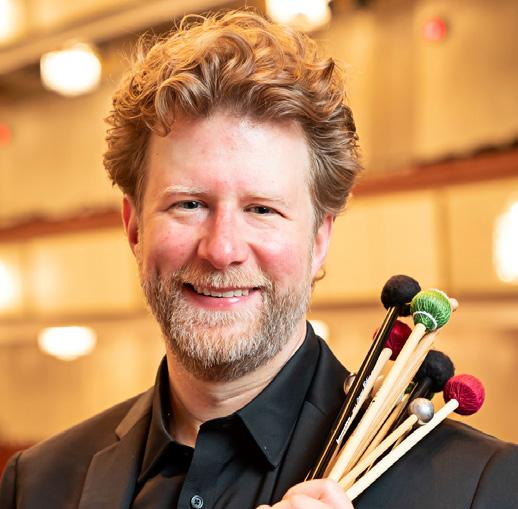
Name: Scott Christian
Hometown: Red Wing, Minnesota
Instrument: Timpani
Years with the NSO: 7
What most distinguishes percussion from other instrument groups?
One of the things that I like about playing percussion is that it’s the only instrument group where you are supposed to know the whole family of instruments. If I were stuck practicing one instrument, I don’t know if my attention span would last that long. Yet it’s really difficult to keep all those instruments up at a high level, because there are only so many hours in a day. There are weeks when I might not be able to play a certain instrument, and I have to go through some basic exercises to get back to a performing level.
Are there any percussion instruments for which you wish composers would write more?
Not necessarily. I think that composers could learn the instruments better to be able to use them to their fullest potential. For example, Béla Bartók wrote for the timpani in incredible ways—challenging but completely doable. Sometimes we’ll get a timpani part that isn’t super thought out, or that could be doing a lot more. But, for composers, it’s a lot to learn what is and isn’t idiomatic to an instrument. Ultimately, if the music is less idiomatic but quite gripping, I would much rather work around those problems than play something that is technically virtuosic but lacking in connection.
In the February “Orchestrated Lives,” bassist Charles Nilles mentioned how the percussion section and the bass section have a special relationship, a real rapport. What do you think makes that relationship so special?
Charlie wishes that our relationship was special! No, no… I’ll just put it this way: the percussion section is not the meat and potatoes of the orchestra. We’re not always playing the melody, but we’re the spice. When we get a piece of music, it just says “triangle,” or it just says “cymbal;” it doesn’t tell us which cymbal we’re supposed to use. It’s a lot of fun for us to find the correct sound for that moment, and if the sound is wrong, it's like adding too much spice to a dish. If we go unnoticed, we’re doing our job, and I think it’s similar for the bass section. They’re so pivotal in creating that bass tone that everybody else can tune off of in their intonation.
Do you have a favorite onstage memory from your time at the NSO?
Generally speaking, when I look around and watch my colleagues play at such a high level, I just feel so lucky to be on stage with them. I also like to take moments to look out into the audience. I’m always amazed that all of us practice, come to rehearsals, and work on these small details, waiting for the finished product—and that product requires an audience to be there. I like to think about all the stuff that the audience has had to do to get to the concert. They’ve had to buy their ticket, pay for parking, or maybe change their outfit. All that preparation comes together. You say that the audience has to be there for the final product. What role would you say the audience plays in a live performance?
With an audience, there’s communication happening. Otherwise, it’s like an actor practicing their lines in front of a wall. Every concert is a little different. You might have somebody in the audience who’s known this piece since they were a kid, or somebody who’s hearing it for the first time. There might be somebody who really needs this moment—somebody who wanted to come to the concert, but it’s been a really tough week, and they’re barely able to stay awake. You have so many different people sitting next to each other, all focused on this one thing, and I think that that’s such a special moment. That’s what’s so interesting about music, versus a book where you can keep reading a passage over and over again, or an artwork that you can stand in front of as long as you want. It’s very ephemeral; it’s there, and then it’s gone.
This interview has been edited for length and clarity.
NSO Presents: Khatia Buniatishvili
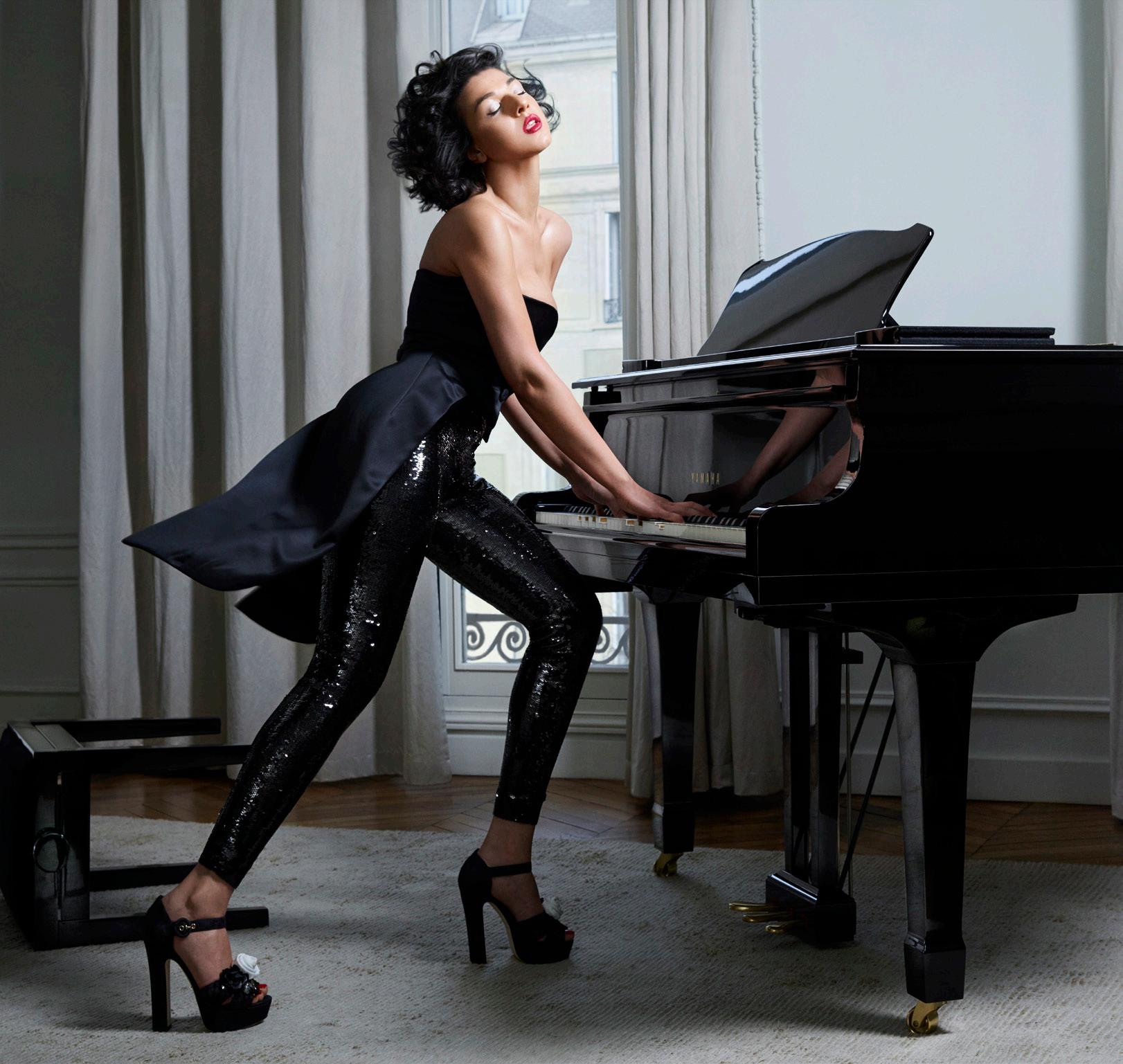
Pianist Khatia Buniatishvili, “a rock star in the classical music world” (New York Post), performs works by Schubert and Liszt ranging from intimate poetry to high-voltage power
Please note: the NSO does not perform on this program
April 24, 2026 | Concert Hall
Support your ORCHESTRA
The mission of the National Symphony Orchestra is to engage audiences locally, across the country, and around the world through excellence in performance and education. Each year, the NSO offers approximately 150 concerts as well as some of the country’s most extensive community and educational programming. It regularly participates in events of national and international importance, including performances for state occasions, highlevel government events, and regularly televised holiday appearances for Capitol Concerts and local radio broadcasts on WETA, making the NSO one of the most-heard orchestras in the country.
Give your support in this 95th season by becoming a Member, joining the NSO Circles, or pledging a Legacy Gift. Visit tkc.co/SupportNSO or scan the QR code.

Thank You to Our Supporters
The Trump Kennedy Center Board of Trustees
National Symphony Orchestra Board of Directors
The Trump Kennedy Center President’s Council
The Trump Kennedy Center International Committee on the Arts
President’s Advisory Committee on the Arts
National Committee for the Performing Arts
National Symphony Orchestra National Trustees
The Trump Kennedy Center Circles Board
The Trump Kennedy Center Community Advisory Board
The Trump Kennedy Center Corporate Fund Board
The Trump Kennedy Center 50th Anniversary Committee
Corporate Donors
Individual and Foundation Donors
Endowment Gifts, Bequests, and Legacy Donors
Building the Future Campaign Donors
Visit tkc.co/Support for a full listing of donors and to learn how you can join us by becoming a Member.
Andrew Geraci
More Concerts this Season!
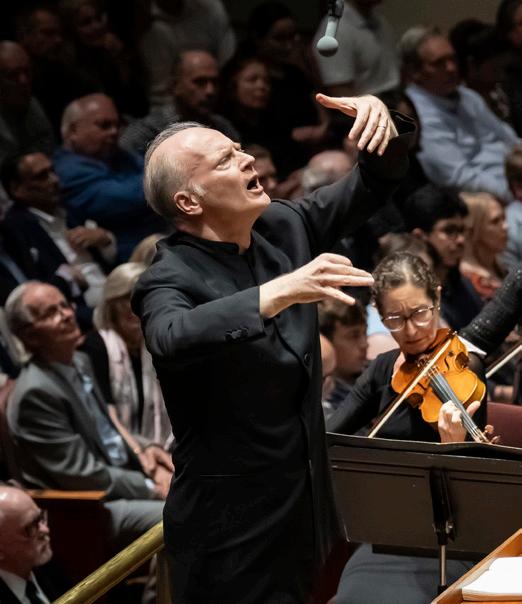
Bruckner’s Seventh Gerlach plays Haydn
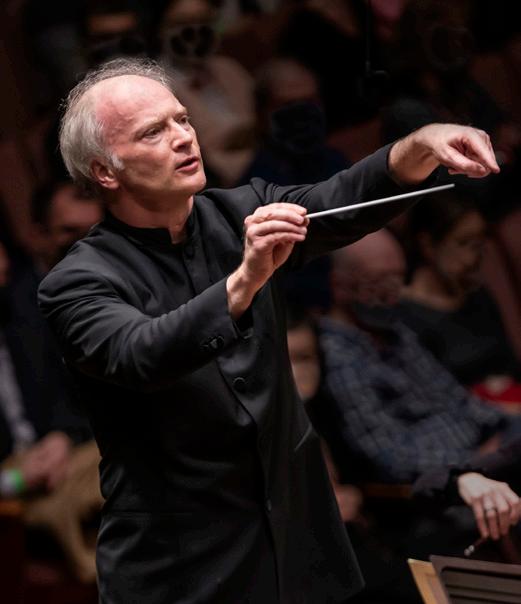
NSO Principal Trumpet William Gerlach takes center stage in one of the most celebrated pieces of his instrument’s repertoire—Haydn’s sparkling Trumpet Concerto. Gianandrea Noseda completes the evening with Bruckner’s grand Symphony No. 7, a drama of majestic horns and hushed violins.
April 10 & 11, 2026 at 8 p.m.
Noseda: Mozart & Bach
Experience the heavenly drama of Mozart’s Symphony No. 41, “Jupiter,” in the hands of Gianandrea Noseda, who opens the concert with Bach’s large-scale Brandenburg Concerto No. 1 and Jacques Loussier’s jazz-infused, neo-Bach Concerto for Violin and Tabla.
April 15 & 16, 2026 at 7 p.m. April 17, 2026 at 8 p.m.
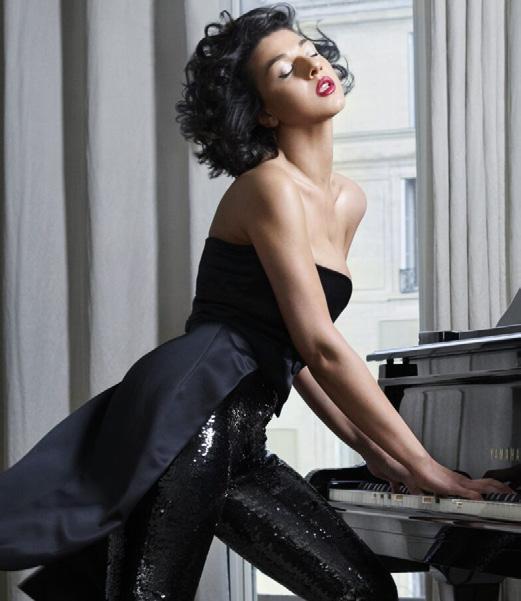
NSO Presents: Khatia
Buniatishvili
Pianist Khatia Buniatishvili, “a rock star in the classical music world” (New York Post), performs works by Schubert and Liszt ranging from intimate poetry to high-voltage power.
April 24, 2026 at 8 p.m.
2025–2026 CLASSICAL SEASON PERFORMANCE CALENDAR
Bruckner’s Seventh Gerlach plays Haydn
Fri., Apr. 10, 2026 at 8 p.m.
Sat., Apr. 11, 2026 at 8 p.m.
Noseda: Mozart & Bach
Wed., Apr. 15, 2026 at 7 p.m.
Thu., Apr. 16, 2026 at 7 p.m.
Fri., Apr. 17, 2026 at 8 p.m.
NSO Presents*
Khatia Buniatishvili
Fri., Apr. 24, 2026 at 8 p.m.
Opera in Concert
Puccini’s Il trittico
Wed., Apr. 29, 2026 at 7 p.m.
Fri., May 1, 2026 at 7 p.m.
Gaffigan conducts Appalachian Spring Ives and Copland
Fri., May 29, 2026 at 8 p.m.
Sat., May 30, 2026 at 8 p.m.
Cann plays Coleman
Fri., June 5, 2026 at 8 p.m.
Sat., June 6, 2026 at 8 p.m.
Dalene plays Barber
Fri., June 12, 2026 at 8 p.m.
Sat., June 13, 2026 at 8 p.m.
*Please note: The National Symphony Orchestra does not perform in these concerts.
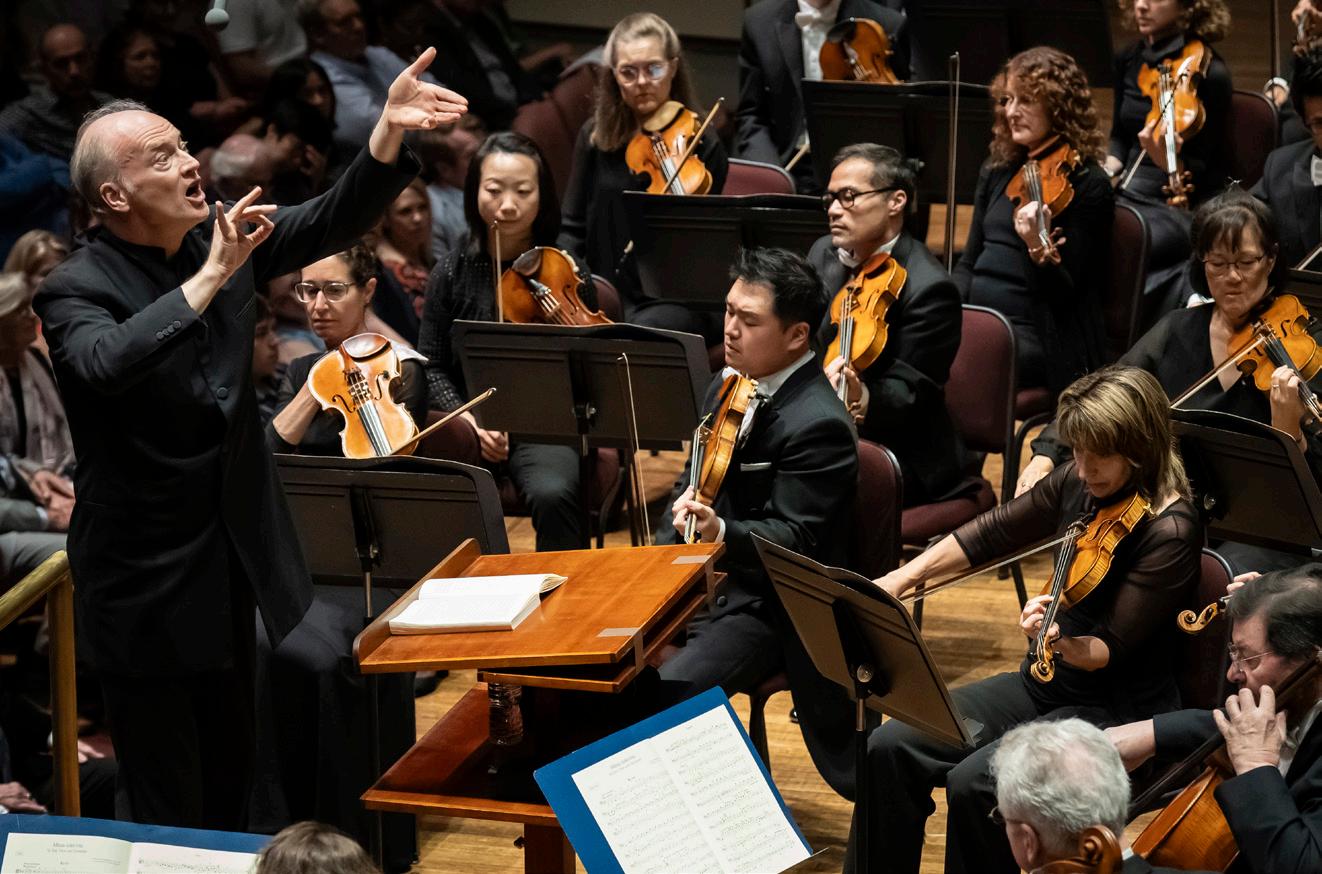
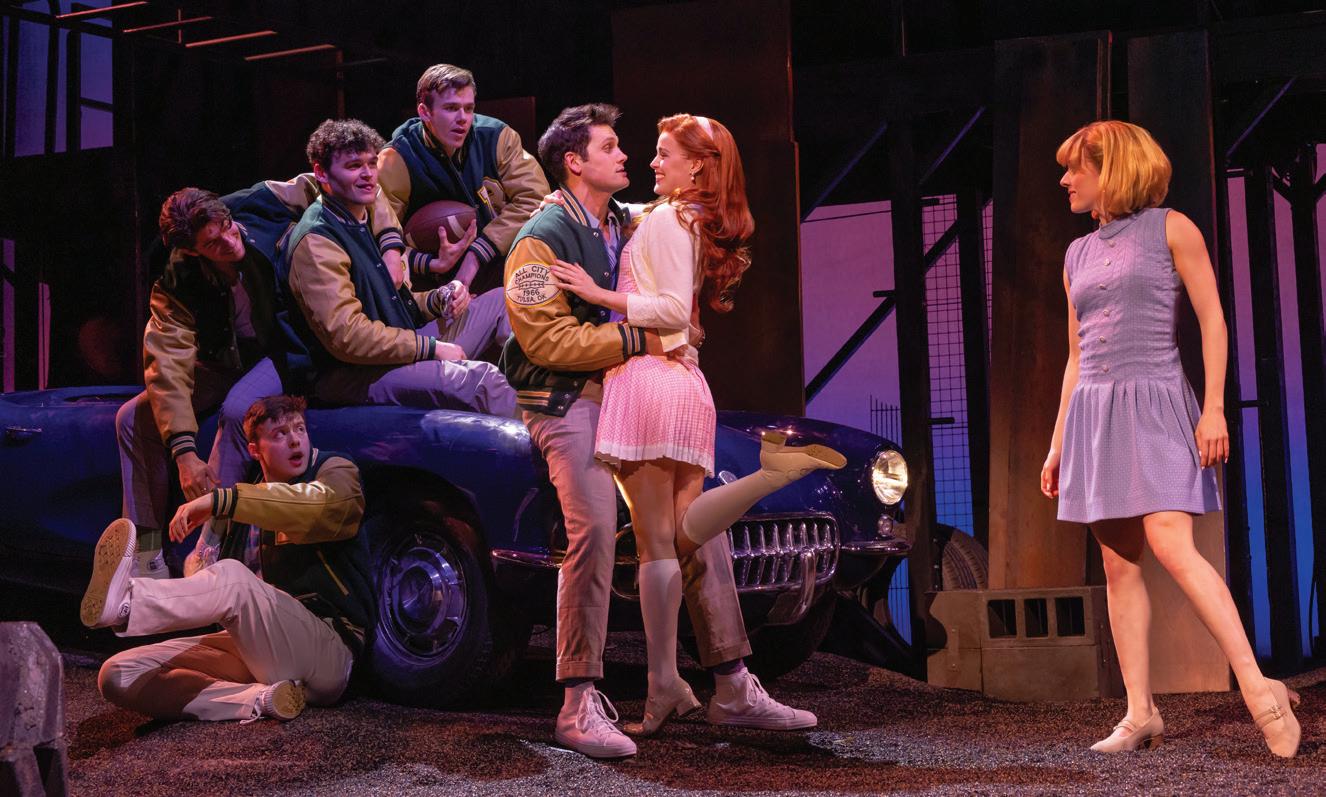
For 250 years, America’s story has been told through the voices of its artists, the rhythm of its music, the words of its writers, and the movement of its dancers. It is a story of resilience and reinvention, of dreams daring enough to redefine what was possible, and of creativity that has not only shaped a nation, but the world.
As the nation marks 250 years since the signing of the Declaration of Independence, the Center invites Americans everywhere to take part in 250 Years of US, a yearlong exploration of who we are, where we’ve been, and where we’re going. Through music, theater, dance, and visual art, 250 Years of US celebrates the boundless imagination of a people united by creativity.


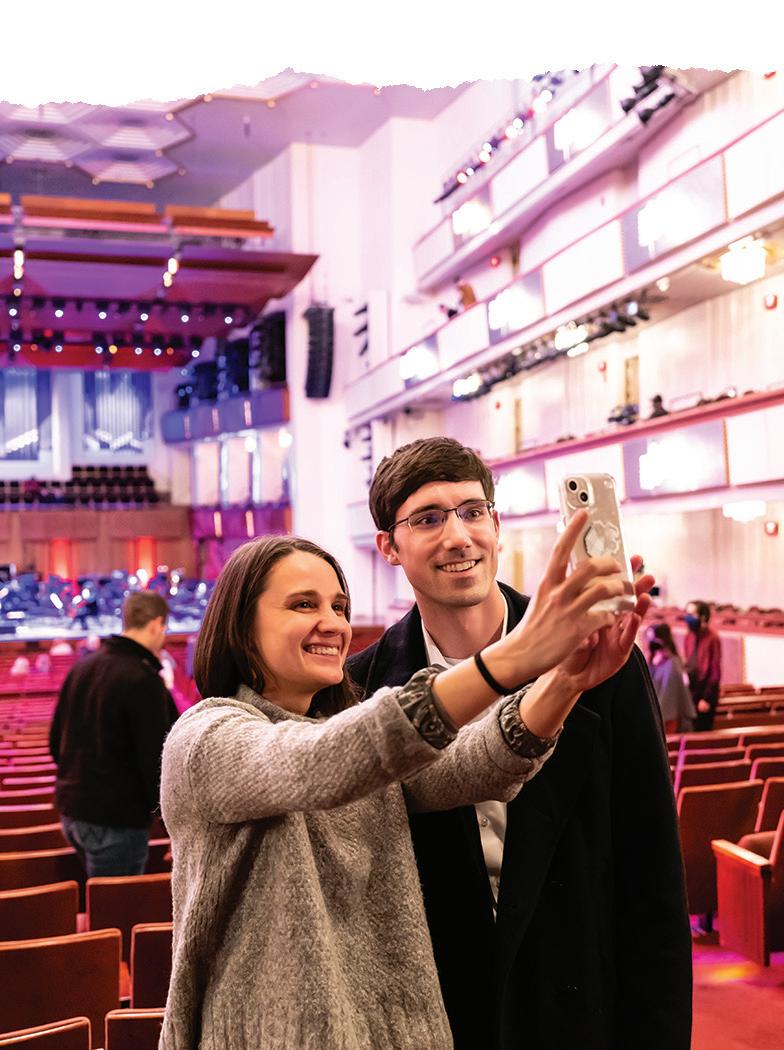

SHARE THE JOY of the ARTS
A toast before the show. A meal with a view. A selfie in the foyer. At the Trump Kennedy Center, it’s not just about the performance, it’s the moments you share before and after the curtain rises.
Here, you’ll find joy and awe, surprise and wonder. When you come for a performance, you’ll leave with something more. Because what you feel—and who you feel it with— becomes the memory you both carry.
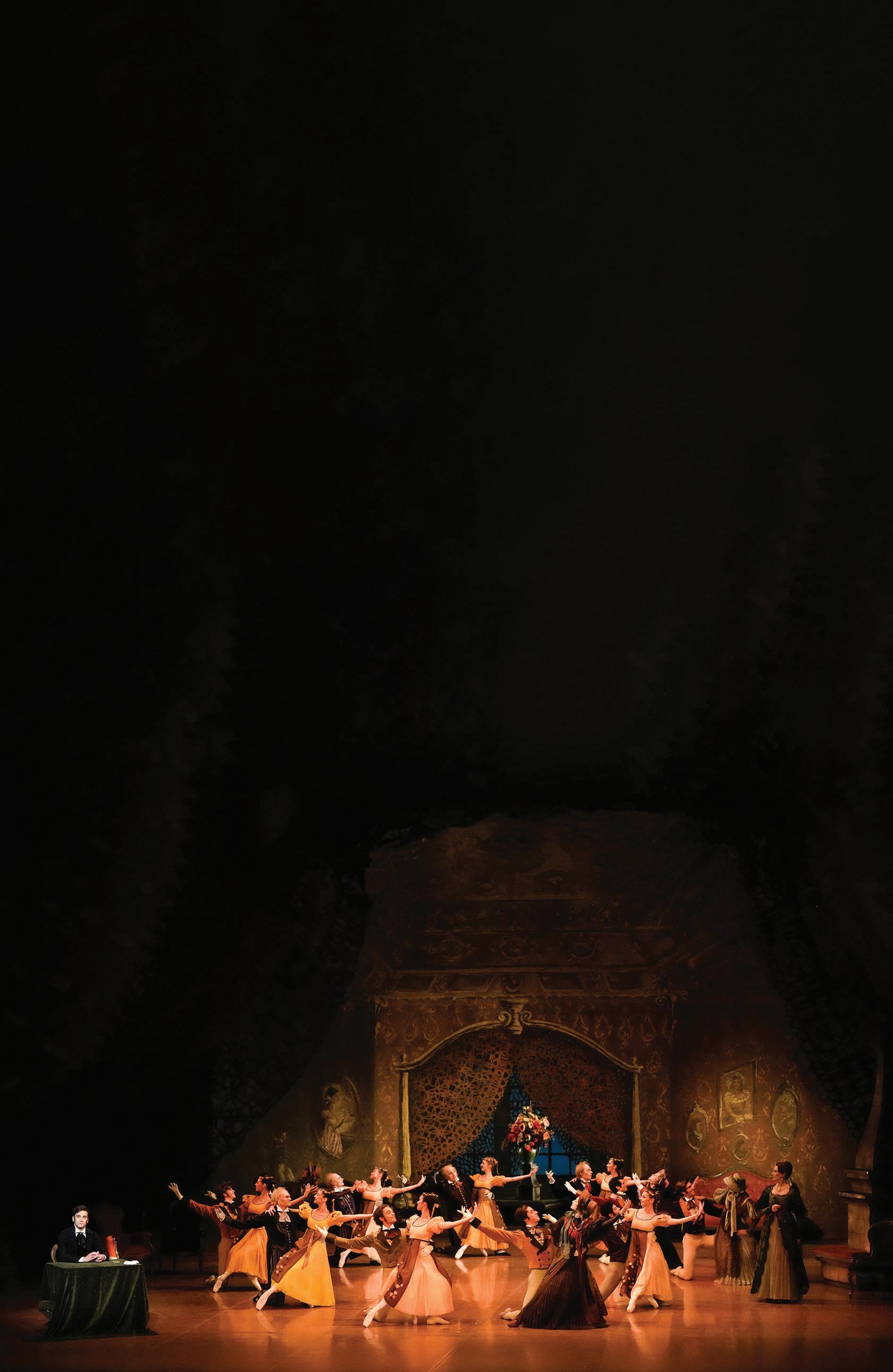
Take home... a musical memory.
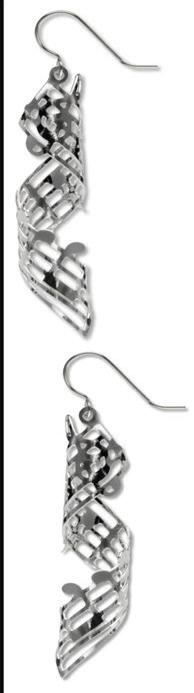
Mozart Magic Flute Earrings
These exquisite earrings bring Mozart’s masterpiece to life with fluteinspired details that create a visual symphony. $42
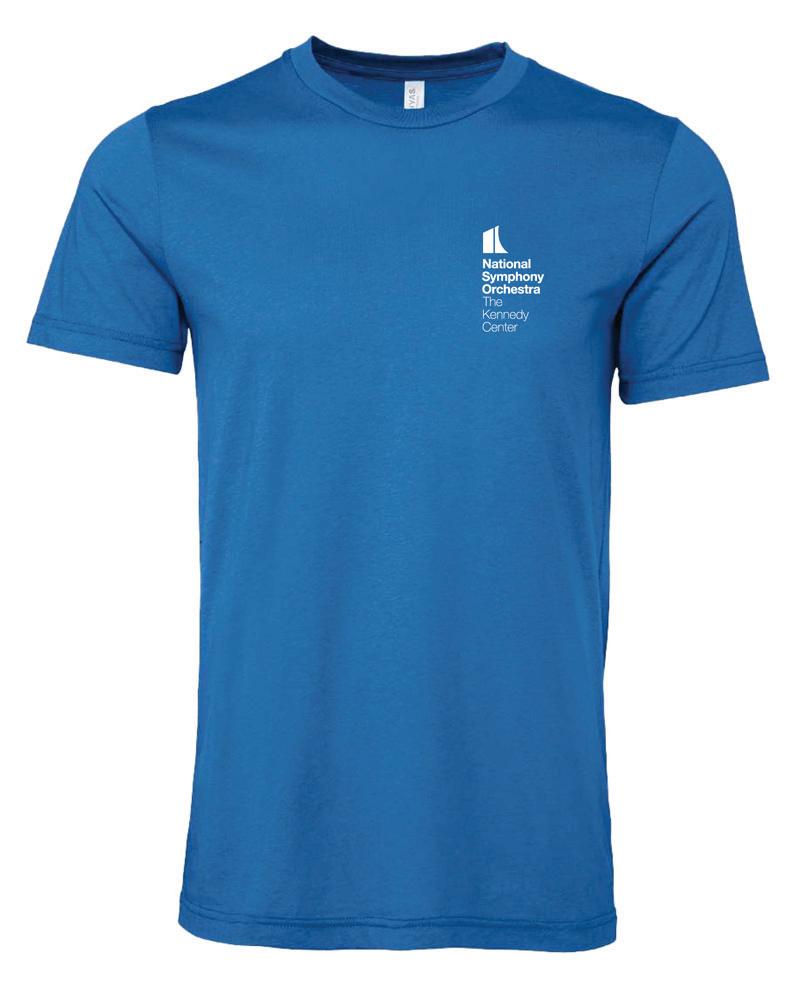
NSO Cap and T-shirt
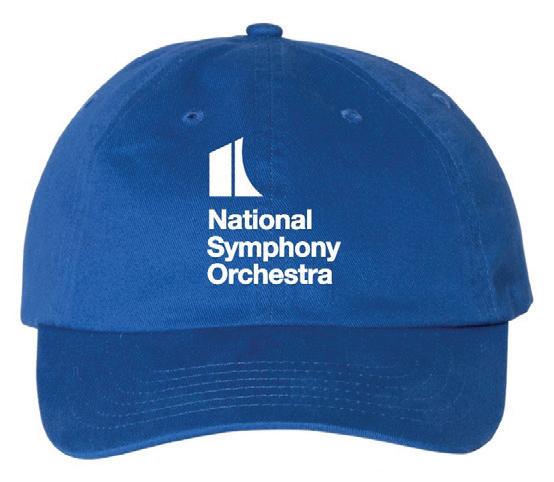
Our new National Symphony Orchestra cap and tee let you show your pride in our world-class symphony. $30 each
Make Your Own Music Mug
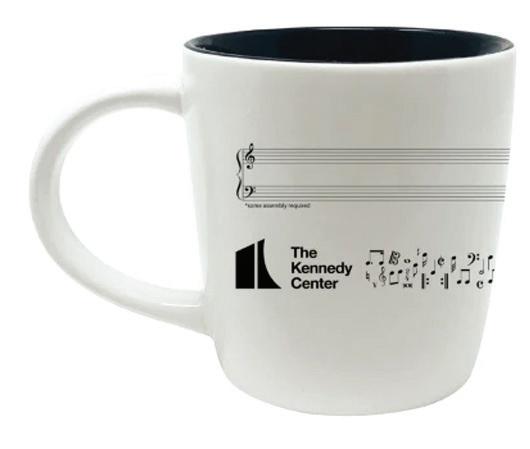
No better way to start your day than with a coffee mug imprinted with blank sheet music and sticker notes so you can compose your own melody. $20
Visit our two gift shops on Level A and in the Hall of States. Shop online 24/7 at tkc.co/shop




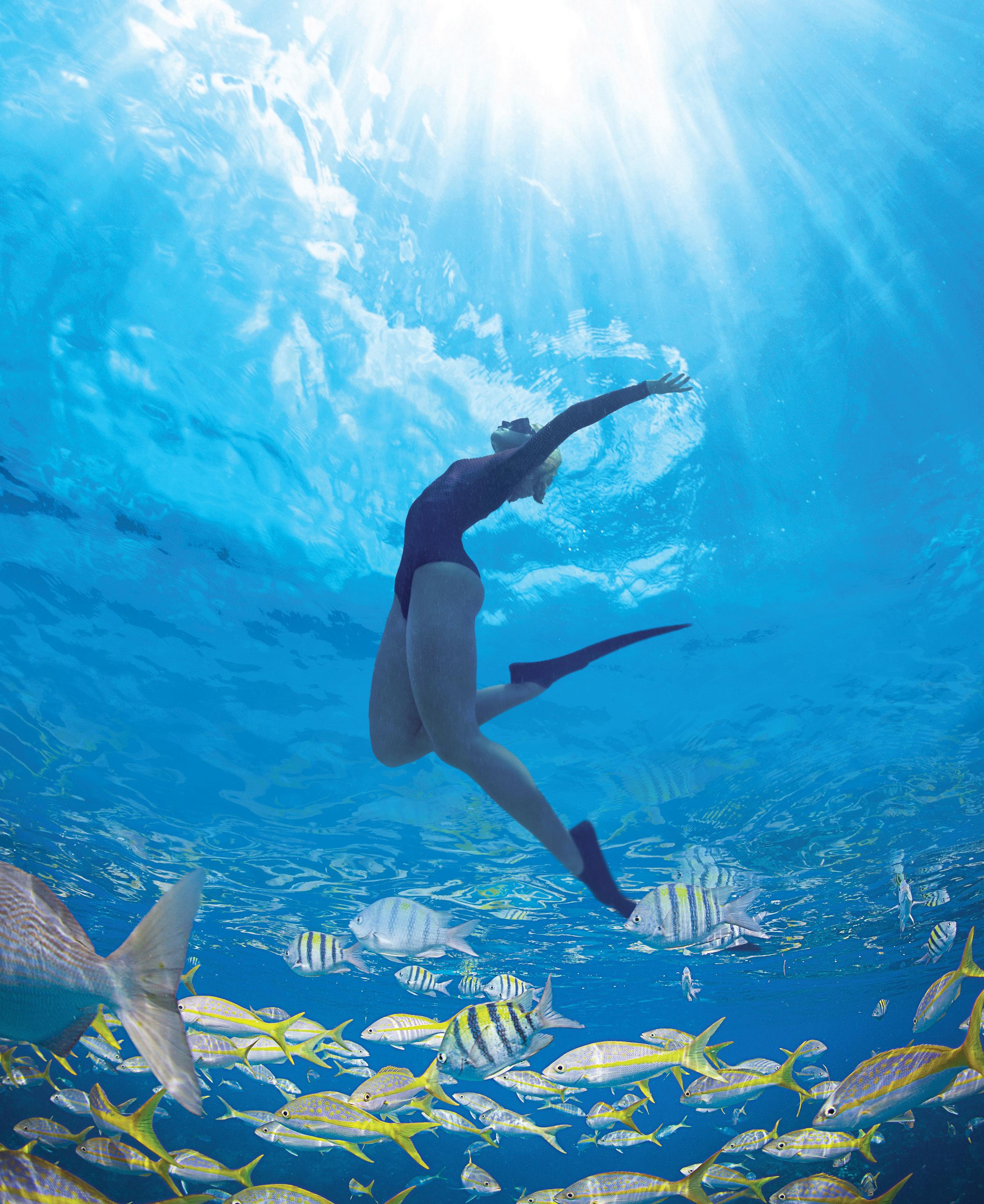
The Keys give you a show above and below the surface. From art galleries to museums and live music, no place inspires more freedom of expression. In The Keys, you’re part of the performance.
VisitFloridaKeys.com/arts-culture 1.800.Fla.Keys