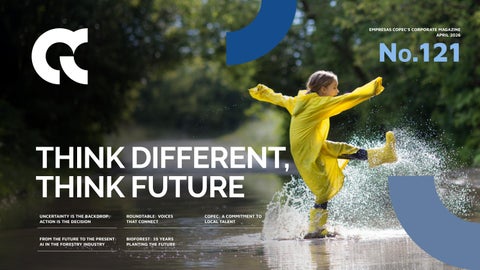
THINK DIFFERENT, THINK FUTURE
UNCERTAINTY IS THE BACKDROP; ACTION IS THE DECISION ROUNDTABLE: VOICES THAT CONNECT
COPEC: A COMMITMENT TO LOCAL TALENT

FROM THE FUTURE TO THE PRESENT: AI IN THE FORESTRY INDUSTRY
BIOFOREST: 35 YEARS PLANTING THE FUTURE
UNCERTAINTY IS THE BACKDROP; ACTION IS THE DECISION ROUNDTABLE: VOICES THAT CONNECT
COPEC: A COMMITMENT TO LOCAL TALENT
FROM THE FUTURE TO THE PRESENT: AI IN THE FORESTRY INDUSTRY
BIOFOREST: 35 YEARS PLANTING THE FUTURE

Throughout history, every generation has sought to leave a valuable legacy for the next one.
Today, that challenge requires us to look beyond the immediate future. To act responsibly.
That is why, at Empresas Copec, we are convinced that a long-term vision is essential to safeguarding well-being and providing development and opportunities for future generations.
Because today’s decisions will shape tomorrow.
Think Differently. Think Future.
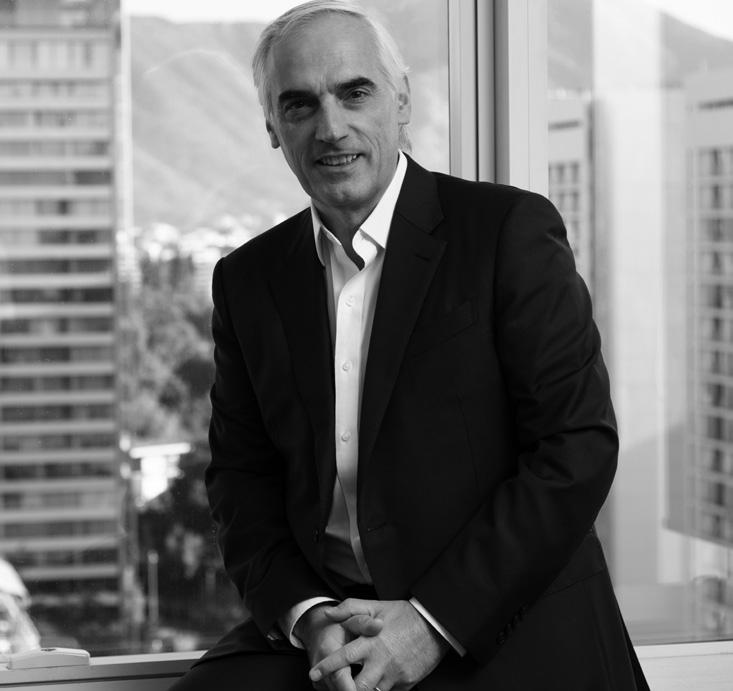
Editorial: Uncertainty is the backdrop; action is the decision
Eduardo Navarro, CEO of Empresas Copec, highlights the need to

Through


General interest: How to interpret the new geopolitics
Jorge Sahd, director of UC Center for International Studies, analyzes the tensions that are reshaping the global landscape, their impact on Latin America, and the implications for business and government decisions.

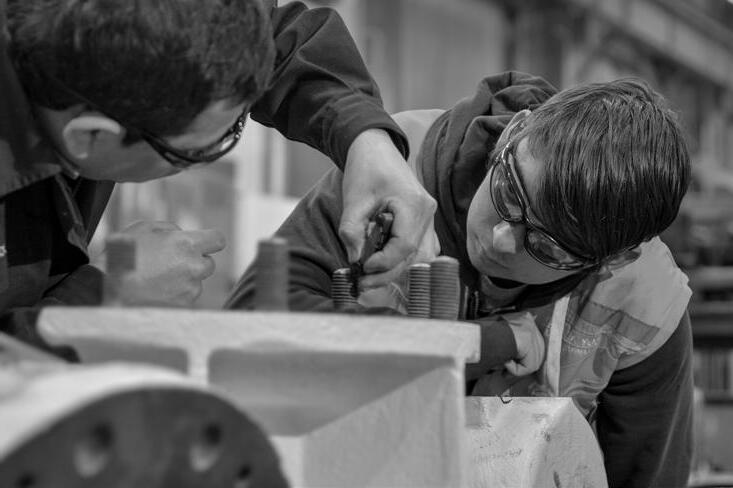
For more than three decades, ARAUCO’s R&D center has been driving developments in science, genetics, and applied innovation that strengthen the forestry business and expand its future potential.


Empresas
12-21 :
Collaborators from Copec and its subsidiaries share their experiences in the LinkedIn Ambassador Program, an initiative that strengthens their personal brands and amplifies their companies' messages. 48-54 :


Empresas Copec and subsidiaries: The brand that people choose
Different studies and surveys have recognized the Company and its subsidiaries Copec, Abastible, and Nutrisco, highlighting the trust they have built over time.

The subsidiary is strengthening its work with small and medium-sized enterprises through funding, partnerships, and community development, fostering a collaborative network aimed at improving their productivity and growth.
From the future to the present: AI in the forestry industry
From crop monitoring to fire prevention, ARAUCO integrates artificial intelligence to optimize its operations and anticipate risks with greater precision.
EDITORIAL
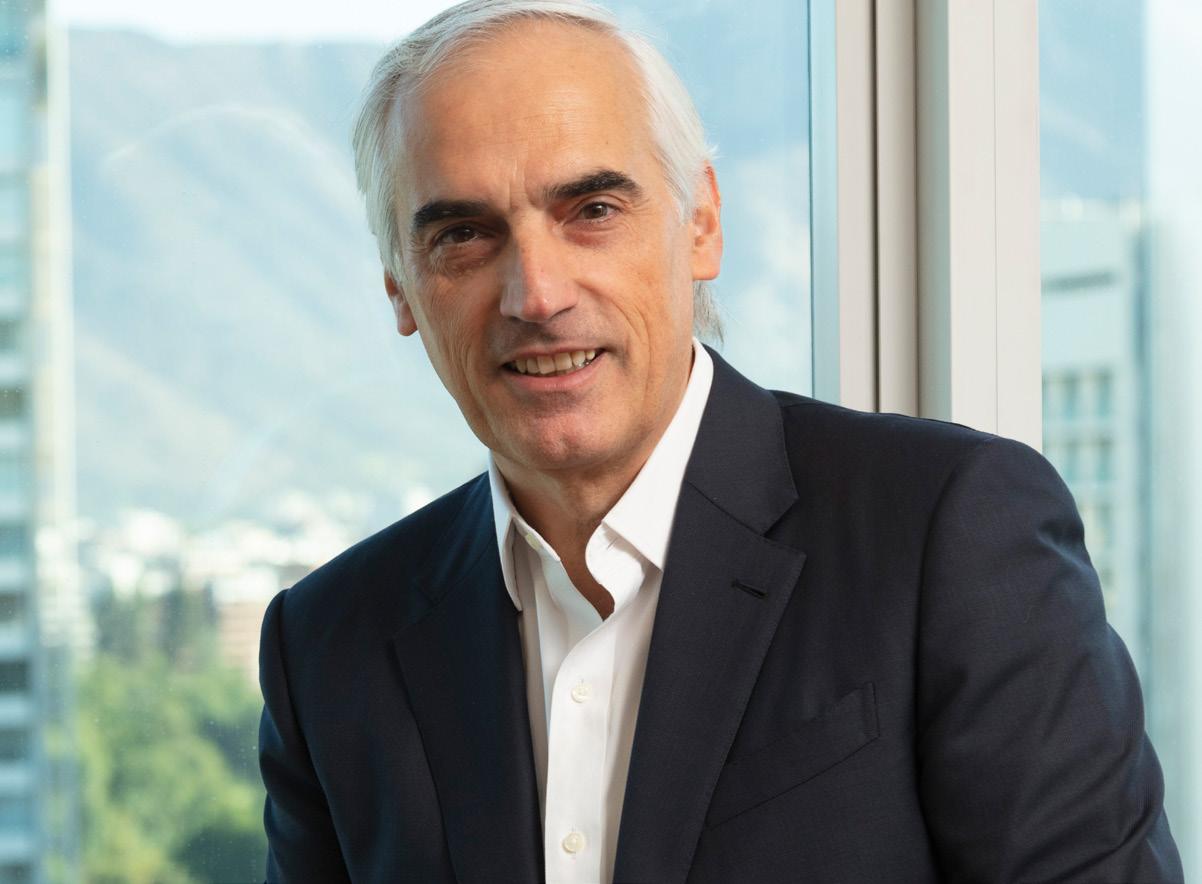
The international backdrop has reminded us once again of a truth that, whether we like it or not, is becoming increasingly evident: stability is not the standard. The escalation of the conflict in the Middle East has had an immediate impact on the markets.
Such events are far from limited to the geopolitical sphere. They translate into inflation, investment uncertainty, and a decline in growth expectations. International organizations have warned that situations
of this nature have deeper and more persistent economic effects than traditional financial crises, reinforcing the idea that we are facing a structural shift in the way global risks are configured.
Chile, by the way, is not immune. Although it maintains sound macroeconomic balances, its status as an open economy makes it particularly sensitive to these shocks. While growth expectations were approaching 3% a few weeks ago, some now suggest it will be difficult
to reach 2%, with inflation convergence toward its target also being pushed back to 2027. All of these are effects of a more challenging environment.
This context has also coincided with the start of a new administration in Chile, which has had to face a significantly more complex scenario than anticipated. Initial optimism has given way to a more tense climate, with decisions that have reignited public debate. The trend of recent years
continues, in which individual agendas have prevailed over shared visions. This has contributed to stalling the debate and deepening polarization, as well as perpetuating that chronic inability to agree on what matters. And thus, no progress is made.
The deterioration of the social mood reflects this situation. According to recent surveys, pessimism has once again surpassed optimism in Chile for the first time in 44 weeks. This is no minor matter, because expectations shape decisions, and decisions determine the course of nations and their people.
But it is precisely in moments like these, when the environment becomes more complex and challenging, that a country’s character emerges and is forged. Character is not defined in times of prosperity, but in adversity, when difficult decisions must be made. And this is where a capability becomes indispensable—one that has historically been a strength of nations that manage to move forward: thinking differently, with an eye on the future. Thinking differently means building a national project with boldness, ambition, and a nonconformist spirit. It also requires making decisions based on evidence and technical expertise, generating certainty, and prioritizing long-term well-being over immediate but unsustainable solutions. And technique and vision alone are not enough; something equally complex is required, such as being flexible, resilient, creative, and, above all, having the commitment to build consensus.
“Consensus without action is just wellintentioned noise. It is crucial to understand that failing to grow does not just mean failing to move forward; for many, it means moving backward, especially for those in the country’s most vulnerable sectors”.
Chile has been losing some of these capabilities. Beyond keeping inflation around 3%, we lack clear goals in key issues: growth, employment, security, educational quality, healthcare waiting lists, and a long etcetera. How is it possible that we have “normalized” such high unemployment and growth below our potential and below the global average in recent years? We have said it repeatedly: a country without goals, without purpose, is a country that ceases to look toward the future.
I write these lines at a time when measures to revitalize the economy are being announced and, on the other hand, where growth has once again become the number one priority for Chileans, even above security, according to recent polls.
The fact that there is a consensus on the priority of growth is good news. It creates a sense of urgency at a time when it is always good to remember the need to prioritize and focus. But consensus without action is just well-intentioned noise. It is crucial to understand that failing to grow does not just mean failing to move forward; for many, it means moving backward, especially for those in the country’s most vulnerable sectors.
Revitalization means making the necessary changes to unleash the full potential of entrepreneurship, large and small businesses. Increased activity will bring greater opportunities for so many, especially for those nearly 900,000 people who want but cannot work. This figure must not become just a cold statistic. Behind it, there are life plans on hold, dreams being indefinitely postponed, families without social protection, suffering from a painful lack of certainty.
In this vein, it is crucial to also promote changes that offer investors a competitive, stable, and simpler tax environment. A pro-growth structure, achieved through broad consensus, is essential to ensure stability for the future.
Beyond the income gap between countries, their ability to adapt to uncertain environments is key. More than the distinction between developed and developing nations, another, more relevant distinction is emerging today: those who respond with agility and foresight, and those who react too late. The former read the transformations and prepare themselves; the latter get bogged down. And it seems that Chile suffers from this stagnation so characteristic of societies that have preferred the comfort of diagnosis to the discomfort of action.
In this challenge, the private sector plays an essential role by driving and serving as an engine of economic, social, and environmental development. For this contribution to be sustainable, it is crucial that companies and other organizations adopt a long-term perspective that enables them to anticipate changes, make responsible decisions, and consistently create value.
This is how we see it at Empresas Copec. Our culture of thinking in decades and developing our businesses with a sense of purpose has allowed us to move forward with our corporate vision. This means continuing to lead markets, becoming an increasingly global company, opening new businesses, and expanding into new geographies, developing initiatives to scale operations; and leading the energy transition and efficiency in Chile, a business activity that marked the Company’s origins, among the many tasks we undertake to create value and fulfill our role in society, even in complex scenarios such as those we are currently facing.
Building a company in times of transformation requires boldness. For years, we operated under assumptions of stability that no longer exist today. Uncertainty has ceased to be an exception and has become a constant. The ability to adapt, therefore, has now become a fundamental competitive advantage. Vision, discipline, boldness, adaptation. Attributes that are also required for a country to move forward.
We have said it in these pages: Chile has a great opportunity thanks to its resources and talents, but we must be ambitious and look further ahead with greater determination. These are not times for passivity. Because a country’s character is not measured at easy times, but in its ability to act with responsibility and courage when the environment becomes challenging.
And it is precisely in those moments that we define who we are and what we can become. We must not wait for the perfect moment; the only moment is now. Action.
“These are not times for passivity. Because a country’s character is not measured at easy times, but in its ability to act with responsibility and courage when the environment becomes challenging”.
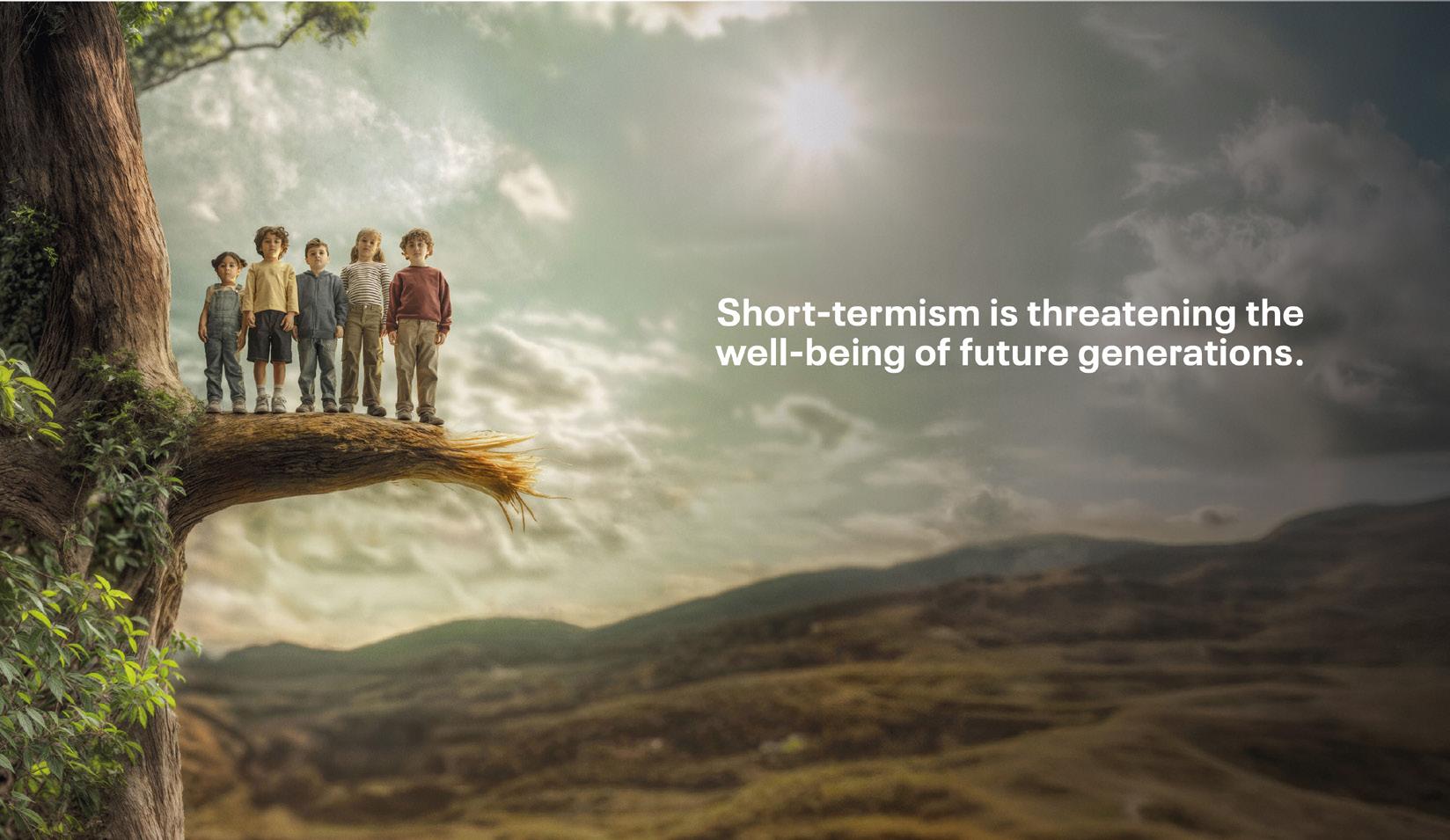
Short-termism leaves the well-being of future generations to chance.
#ThinkDifferentThinkFuture
To leave a better future for the next generations, we need to think differently



The author invites us to identify some “tectonic plates” that are reshaping the global order.

opinion: general interest
By Jorge Sahd K.
Director of the Center for International Studies at Pontificia Universidad Católica de Chile (CEIUC) and a renowned analyst of international politics, global trade, and economic relations. He holds a law degree from Universidad Católica, a master’s degree in Public Policy from NYU’s Robert F. Wagner School, and serves on the Foreign Policy Advisory Council of the Ministry of Foreign Affairs. He has built a career that combines academia, the public sector, and consulting, with a focus on the challenges of Chile and Latin America’s integration into an increasingly dynamic and complex global environment.
“You may not be interested in geopolitics, but geopolitics is interested in you.” This statement from the Five Eyes alliance to business leaders in 2023 was not an exaggeration, but rather an acknowledgment of a reality that, for many, was invisible: geopolitics has ceased to be a backdrop and has become a central axis in the actions of global companies and public policy.
To understand this new landscape, where changes are accelerating and the international system offers no answers, we must identify some “tectonic plates” that are reshaping the global order.

The first tectonic plate is the re-legitimization of the use of force in international relations. The world has shifted from the promise of a rules-based order to a logic in which coercion -both military and economic- has once again become a valid instrument of foreign policy. The war in Ukraine, the escalation in the Middle East, and the United States’ growing strategic ambiguity point to an international system in “intensive care.” The war by the United States and Israel against Iran is an expression of what experts call a “war of choice,” that is, a response in which force is used before exhausting diplomatic avenues.
“The world has shifted from the promise of a rules-based order to a logic in which coercion -both military and economic- has once again become a valid instrument of foreign policy.”

The second tectonic plate is the diminished political momentum for globalization. The paradigm of mutual benefit through interdependence is also synonymous with vulnerability. Globalization is no longer perceived solely as a strength, but as a risk. “Economic security”, that is, the intersection of the economy and national security, is emerging as a mandate for international trade and foreign investment: tariffs, subsidies, technological restrictions, and investment screening are now common tools. A clear example is Chinese investment in strategic sectors, which is increasingly causing unease in Washington regarding the Western Hemisphere.
The third is the rebalancing of global power with China’s rise. The rivalry between the United States and China is the structural axis of contemporary geopolitics. This is not merely a commercial competition, but a technological, financial, and strategic one. Beijing has embraced this dispute and is competing with Washington on two key fronts: becoming economically indispensable while simultaneously reducing external dependence. China better prepared itself for the second Trump administration and took control of key supply chains for technology, defense, and energy transition, such as rare earths.
“Geopolitics has ceased to be a backdrop and has become a central axis in the actions of global companies and public policy”
And it is precisely at this point that a key question arises: How should we interpret Trump?
The temptation is to analyze him through traditional categories of foreign policy, but that leads to mistakes. Trump is not a passing anomaly, but rather the expression of a deeper transformation. He is a transactional and conditional leader in his international relations, which makes him hard to predict, but he reflects a discomfort that had been brewing in parts of the American society and global public opinion. When it comes to foreign trade, his vision is clear: tariffs are not a distortion, but an instrument of power. Trade policy ceases to be technical and becomes geopolitical. Investigations under Section 232 (tariffs on specific products, such as copper or wood), universal reciprocal tariffs, and other tools reflect a structural shift: trade is being redefined as an extension of national security.
The consequence is a more fragmented global economy, where, nevertheless, trade has been more resilient than initially projected. Are we witnessing economic re-globalization without the United States? Time will tell. In the political sphere, the traditional multilateral system is increasingly giving way to new, flexible, theme-based and shortterm coordination alliances.

-
Latin America’s future in 2026 will be heavily influenced by the new U.S. National Security Strategy, the ripple effects of Venezuela on other countries in the region, such as Cuba, and the upcoming elections in Peru, Colombia, and Brazil, which could lead to the consolidation of a right-wing majority in the region.
Geopolitically, Latin America faces a dual pressure: on the one hand, the weakening of the multilateral institutions that have traditionally protected its interests; on the other, the growing dispute between the United States and China over geopolitical influence, access to strategic resources, and control of critical supply chains. The region is no longer a peripheral player: if it was once the United States’ “backyard,” today it is a laboratory for the rivalry between Washington and Beijing. The region’s trade map clearly reflects this: in two decades, China has become the main trading partner for most South American countries.
In this context, Chile faces a set of particularly demanding challenges. Although absent during the campaign, international relations will be crucial to the new government’s success.
The first challenge will be to rebuild relations with the United States. The ongoing renegotiation of the free trade agreement will be shaped by the concept of “economic security.” This entails specific measures in response to the growing presence of extra-regional powers, such as China, in strategic sectors. Chile faces an institutional shortfall here, as it lacks mechanisms for screening foreign investment that incorporate the “national security” variable in critical areas.
The second front is China. It is not possible to strengthen relations with Washington at the expense of Beijing.
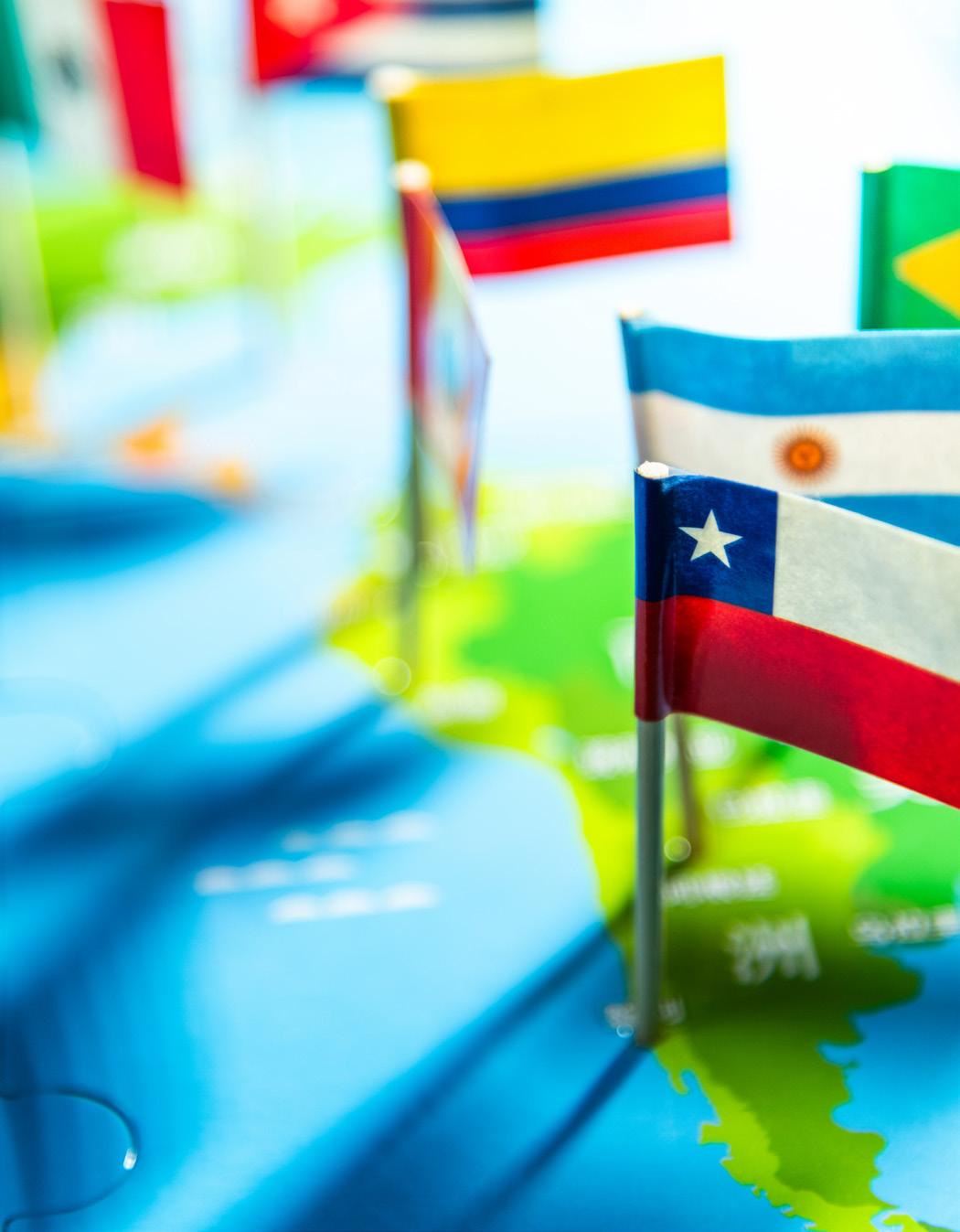
Choosing one over the other would be against the national interest. China is Chile’s main trading partner, and its presence in the region will continue to expand. The key will be to develop a diplomacy capable of navigating this tension without falling into automatic alignments.
A third axis will be regional and neighborhood relations. Foreign policy cannot succeed without proper management of the immediate environment: migration, border security, and political stability in neighboring countries will be critical factors.
Finally, the government must consolidate an approach in which the Foreign Ministry also serves as an instrument for attracting investment and diversifying markets, such as India, Southeast Asia, and the Gulf states.
In this new cycle, understanding geopolitics is no longer optional. It is, quite simply, a requirement in order to compete. For companies, this means incorporating geopolitical risk into strategic decision-making: from supply chains to investments and market access.
“Latin America is no longer a peripheral actor: if it was once the “backyard” of the United States, today it is a testing ground for the rivalry between Washington and Beijing.”
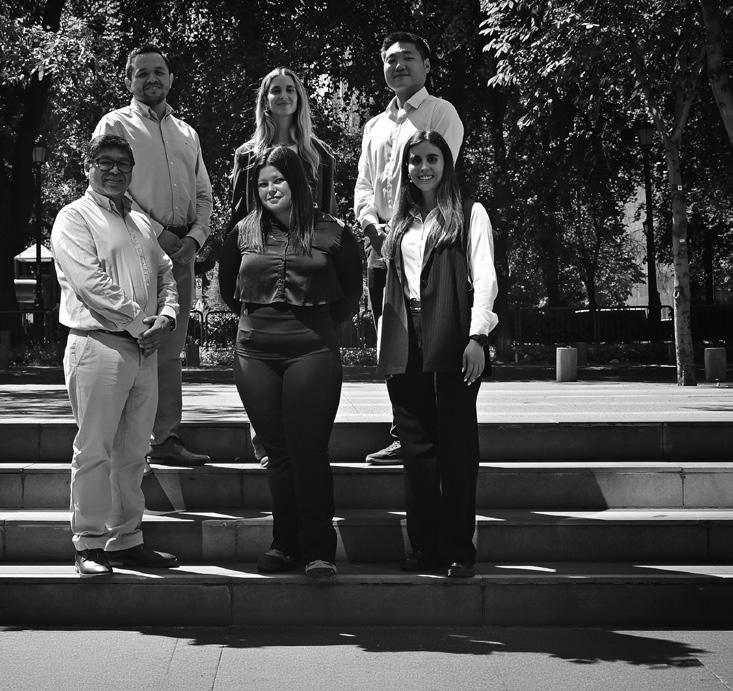
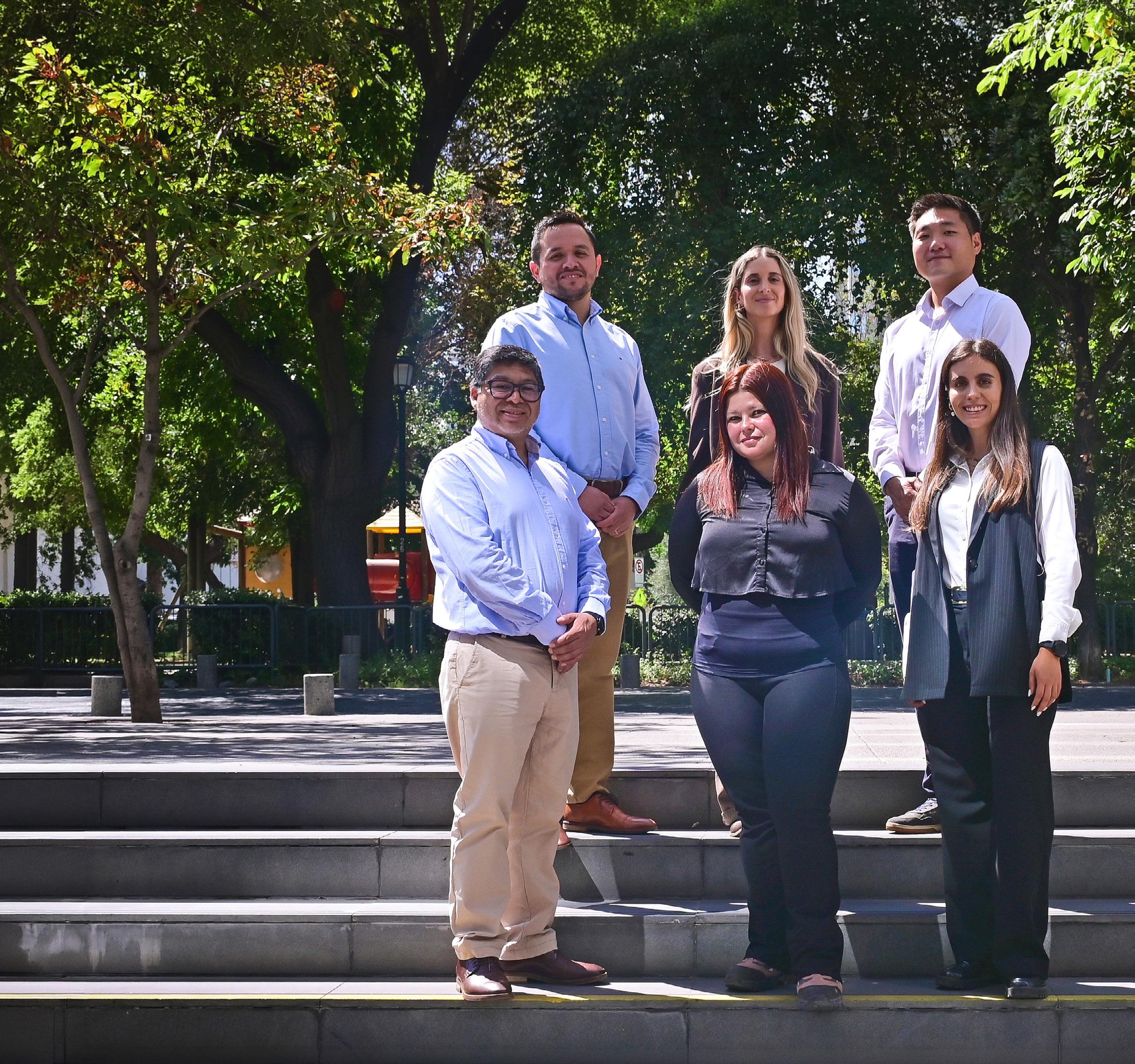
Six employees share their experiences, challenges and learnings as LinkedIn Ambassadors.
linkedin ambassadors roundtable:
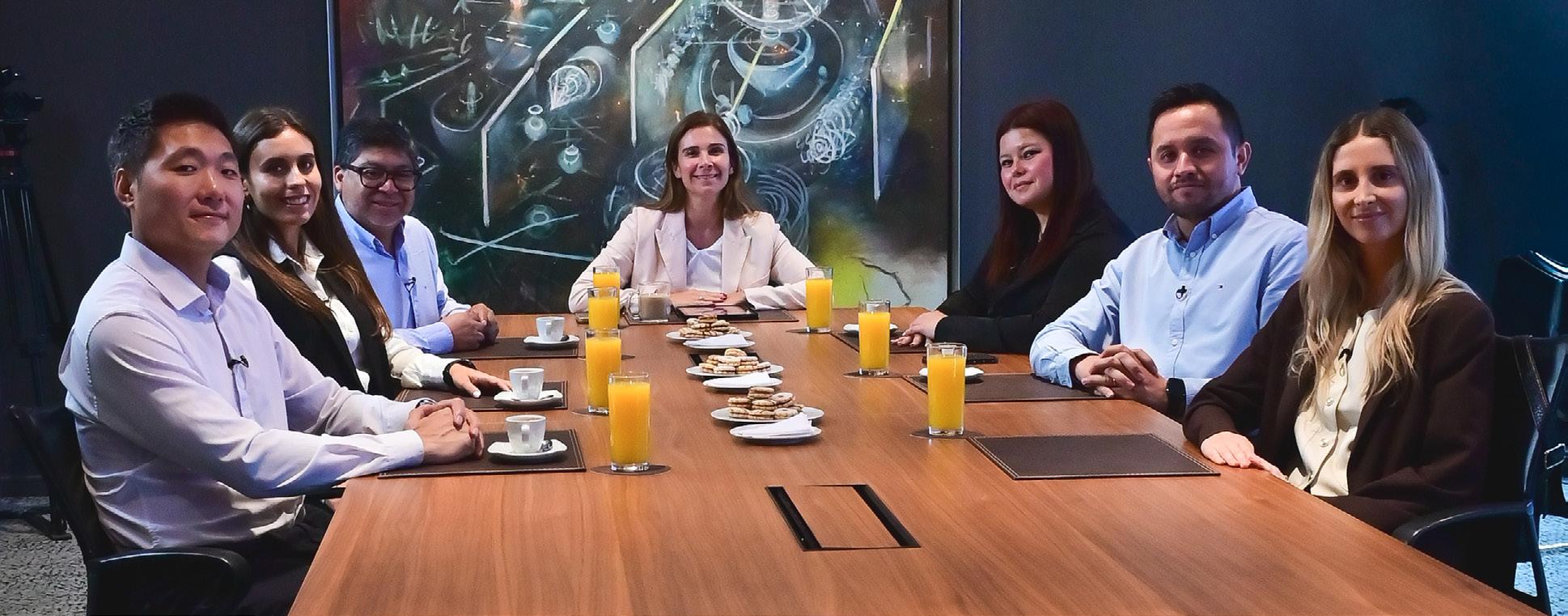
In a new issue of this traditional conversation space, employees from Empresas Copec, ARAUCO, and Copec share their experiences as part of the LinkedIn Ambassador Program, promoted by their respective companies.
Highlighting the company’s purpose and work through its own employees is one of the main objectives of the LinkedIn Ambassador Program.
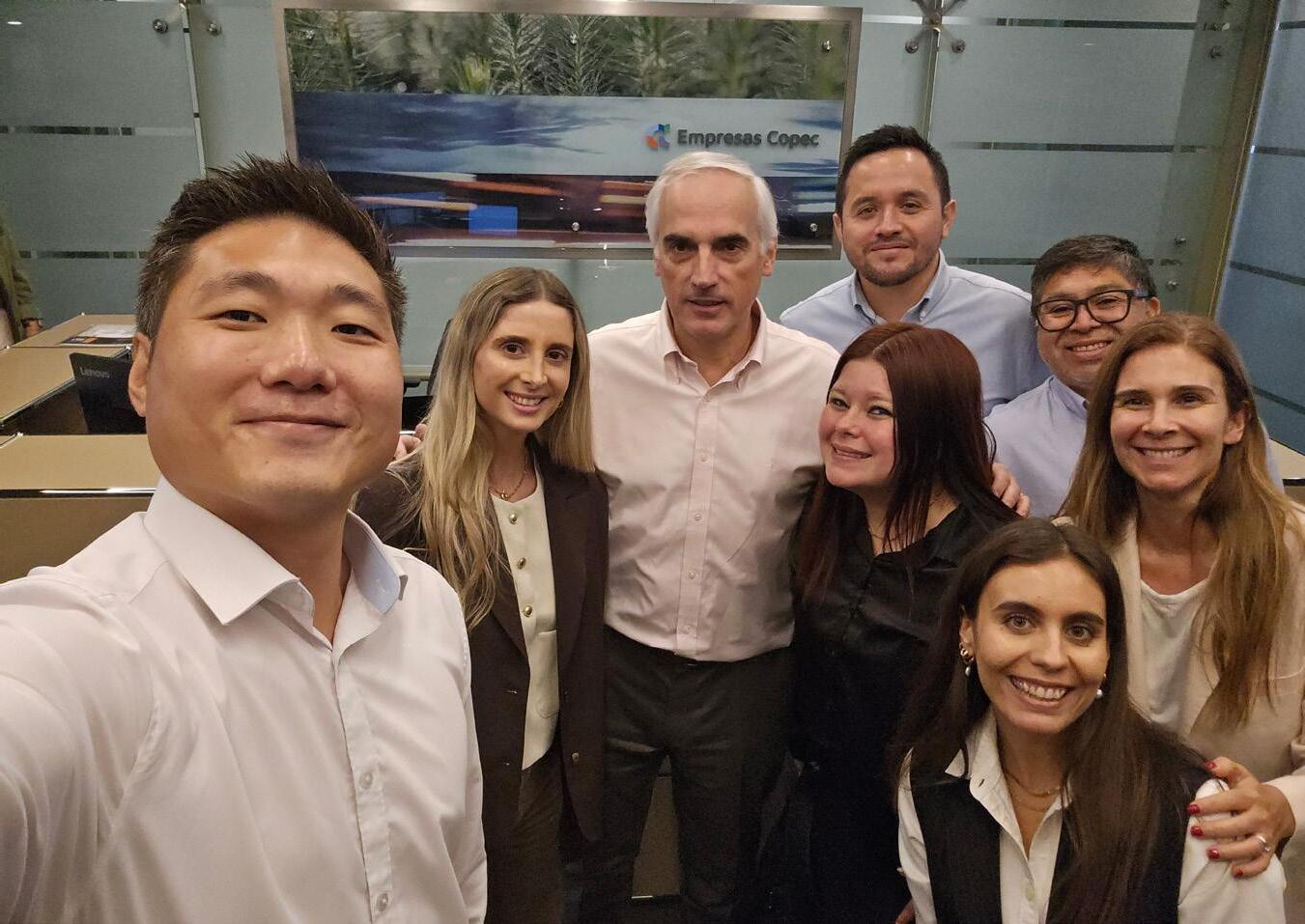
One of the main goals of the LinkedIn Ambassador Program is to highlight the company’s purpose and activities through its own employees.
This is taking place in a current context where a company’s communication is not just corporate anymore, and where collaborators are also part of its narrative. They also generate content, act as a media or communication channel by themselves, and, most importantly, are the most authentic, trustworthy, and effective at generating reach, engagement, and trust.

Several studies support this. According to The Employee Advocacy Benchmark Report, conducted by DSMN8 between August 2025 and January 2026 with 187 participants from different industries, collaborators have eight times the reach of corporate channels.
It was in light of the current context that ARAUCO launched an Employee Advocacy program in 2022. Two years later, Copec also launched this initiative, and in 2025, Empresas Copec followed suit.
To date, ARAUCO has five generations of ambassadors, totaling 70 collaborators. Meanwhile, Copec has two generations, totaling 33 people, and Empresas Copec has a first generation of nine ambassadors.
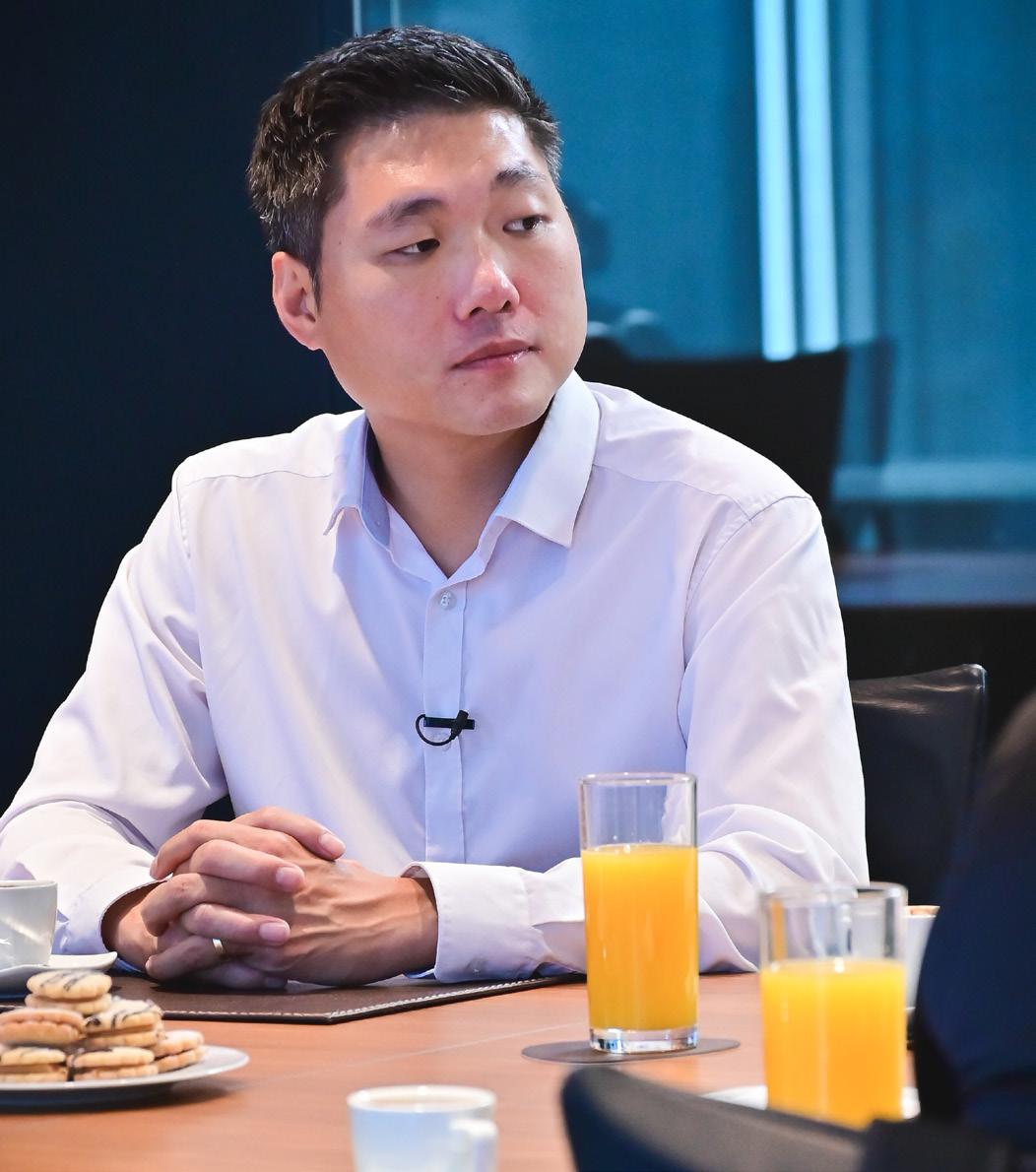
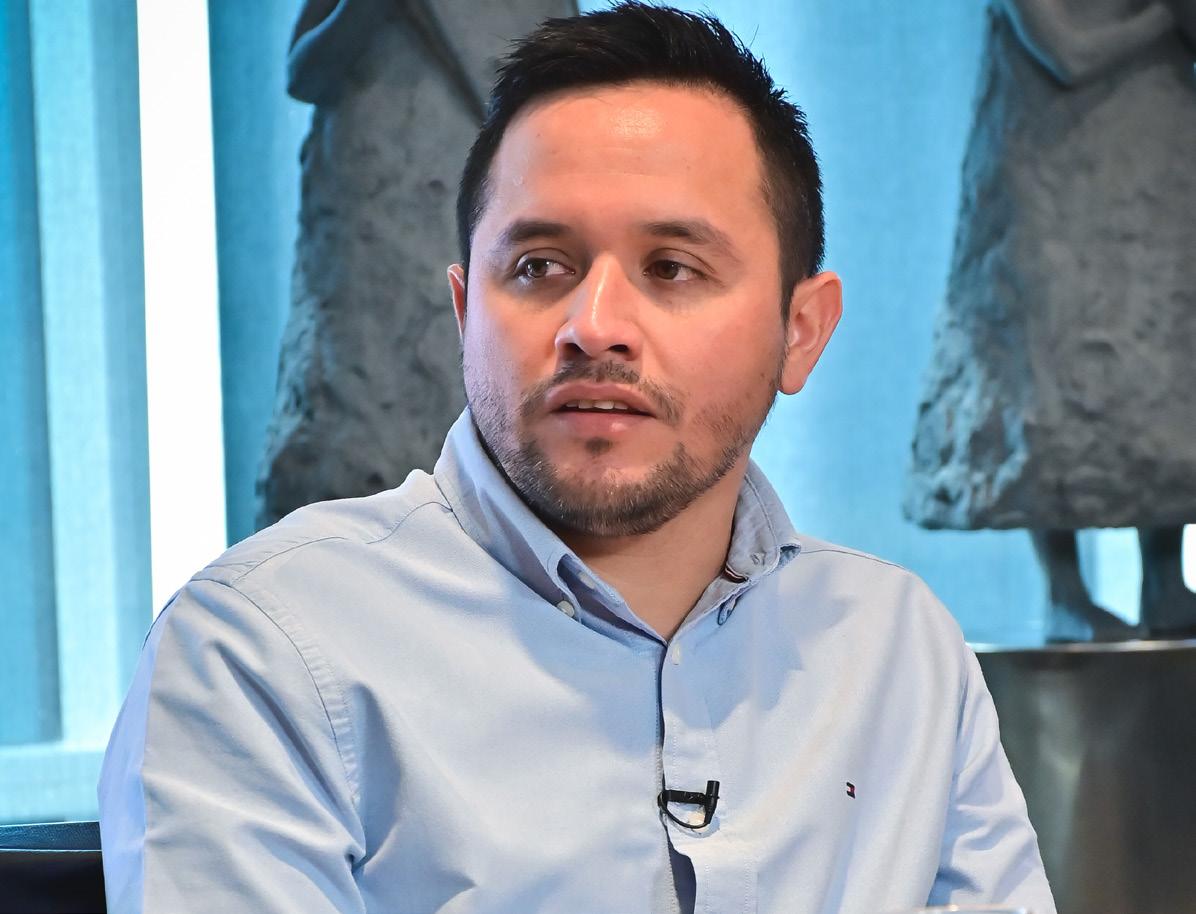
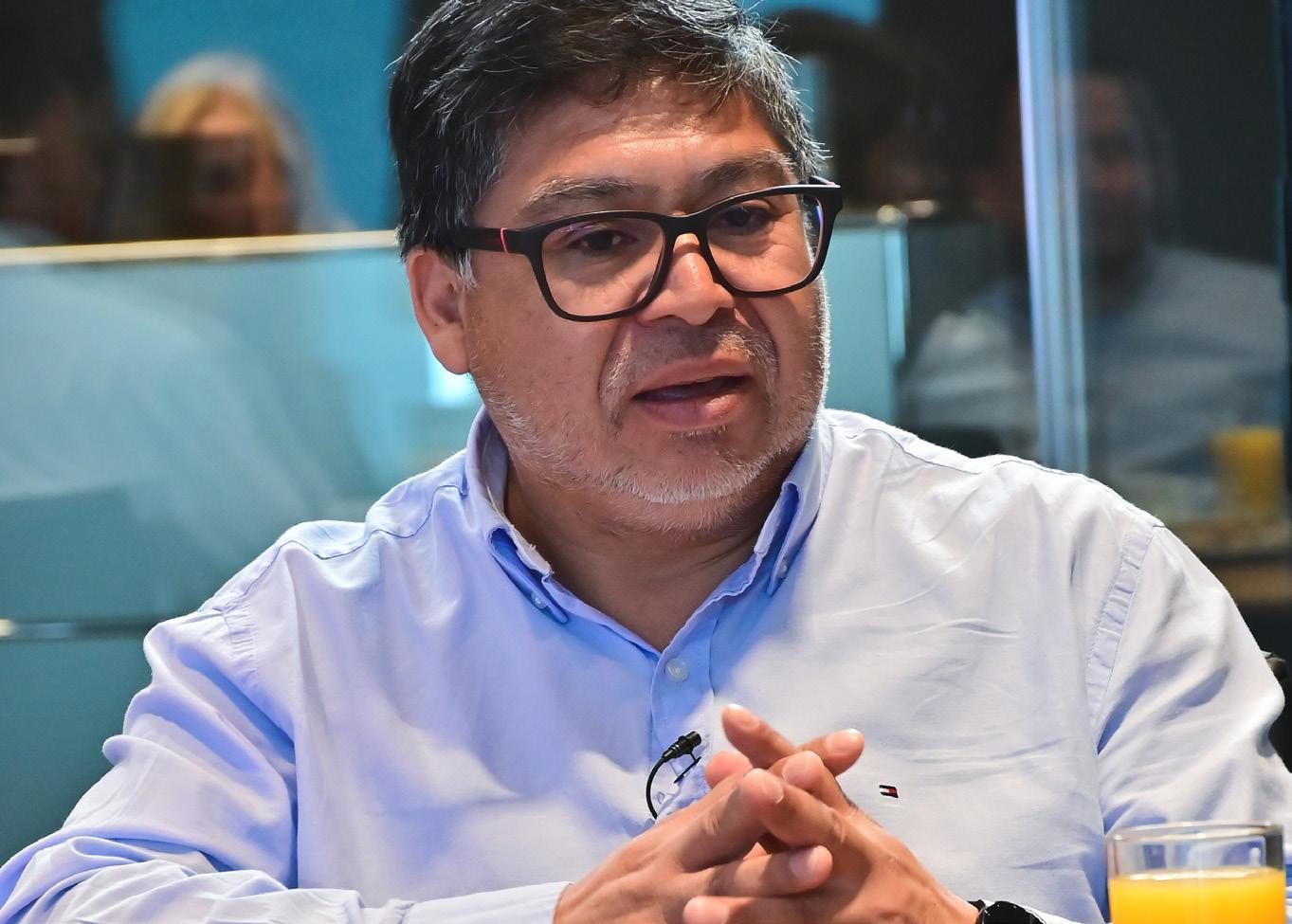
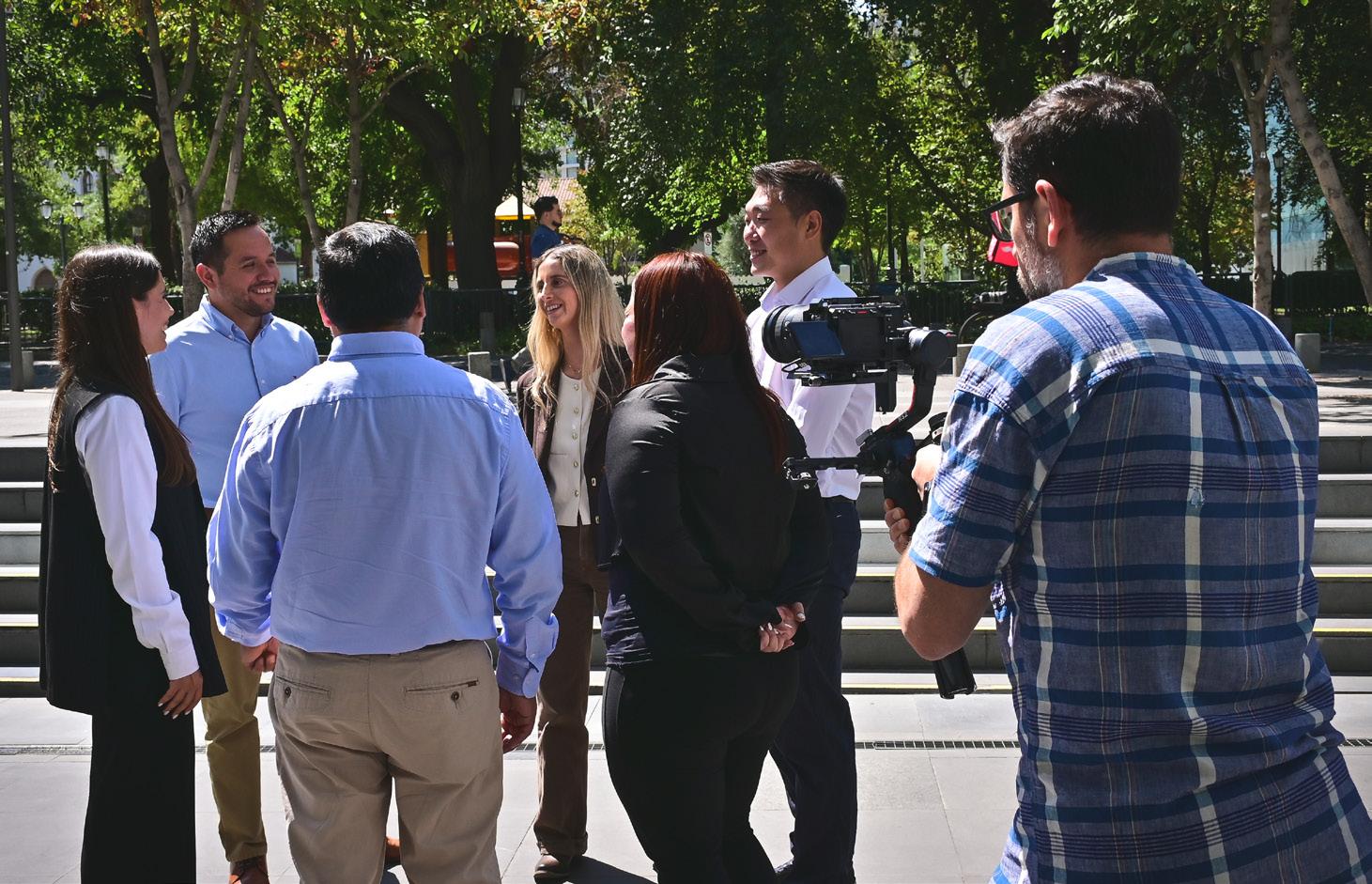
From that group of more than 100 employees, six participated in a new edition of the Empresas Copec Roundtable: Gabriela Adlerstein, Digital Transformation and Talent Experience Leader at ARAUCO; Catalina Ahumada, Senior Strategy and Development Analyst at Empresas Copec; César Ancalaf, Head of Intercultural Relations at ARAUCO; Camilo Catalán, Head of Risk Management and Internal Control at Empresas Copec; Santiago Chi, Risk and Crisis Management Engineer at Copec; and Angie Villalobos, Operations Manager at Copec.
During the meeting, the employees shared the milestones, lessons learned, and challenges they have faced as ambassadors and how, in this role, they help raise awareness of the culture, talent, and purpose of their respective companies. The discussion was led by Francisca Riveros, Chief Communications Officer at Empresas Copec.
The program benefits both participants and the companies involved. On the one hand, ambassadors receive personalized coaching to help them strengthen their personal brand, training on how to use LinkedIn and maximize its potential, lessons in storytelling, and workshops on how to create better posts and videos, among

other things. All of this is provided with ongoing support from the Communications or Human Resources departments and an expert consultant in this field. According to the aforementioned report, 94% of employees believe that posting on LinkedIn improves their career.
Companies, for their part, see the visibility and reach of their content on this social network increase, thanks to the voice of their best ambassadors: people who know and live the company’s purpose and organizational culture every day.
In this regard, Santiago Chi, member of the second generation of Copec ambassadors, comments: “I see this program as a tremendous advantage. On the one hand, the fact that I can showcase my personal brand. On the other, promoting the brand of my department and, likewise, the Copec brand. I feel it’s a win-win.”
knew I had to do it. And honestly, today I’m super happy with the results.”
Camilo Catalán, a member of the first generation of Empresas Copec ambassadors, adds: “It’s a tremendous opportunity because it’s a way to build networks, connect with people who share your interests, and foster a strong community. And, on the other hand, it also means transparency in what we’re doing at Empresas Copec, but from my unit, Risk Management, which is often invisible. Plus, it helps humanize the organization, get to know who works there, by first and last name and face. That really helps bring people closer to our company.”
Angie Villalobos, who is part of the first generation of Copec ambassadors, says: “Before the Ambassador Program started, few people knew about the Copec Distribution Center, which is where I work. Very few people even knew we existed, that we’re the ones who fulfill orders for customers. So it’s been my job to raise awareness and say, ‘Look, I’m the person in charge of preparing the order you requested; this is how the process works, it starts here and ends here.’ So, having them see it firsthand is an accomplishment for us, because it’s a unit that went from being unknown and small to just as important as all the others.”
Gabriela Adlerstein, from the first generation of ARAUCO ambassadors, explains that her beginnings in the program happened when she entered the workforce: “So it was a great opportunity for me to meet people and get to know all the departments that would also be involved in this initiative. So, when they invited me, I immediately
On this point, César Ancalaf agrees: “Being an ambassador is a tremendous responsibility, a huge challenge, but it’s also a great opportunity to showcase the company, to give it a face. Because when you hear Empresas Copec, Abastible, or ARAUCO, it’s something massive. However, when you can share on LinkedIn that you are part of a team and that you are doing this or that, you put a face to it and make the relationship much more human. Many people say, ‘How interesting what ARAUCO is doing. Why isn’t this known? Why don’t they share more about this?’ So, I think it’s also a tremendous opportunity to start breaking down myths or negative perceptions of companies.”

Catalina Ahumada, a member of the first generation of Empresas Copec ambassadors, comments: “Two things motivated me. On one hand, learning to use LinkedIn and increasing my visibility on the platform, and on the other hand, I wanted to share what we’re doing at Empresas Copec, because I identify with the company’s purpose and I want others to see and understand what the company’s purpose is. So the program aligns with the visibility I want to give to my career, with the idea of stepping out of my comfort zone, doing something new, learning new things, and improving my communication skills.”
A similar experience happened to César Ancalaf, who also managed to captivate his followers by sharing a personal story. “I am of Mapuche origin. I was born and raised in a Mapuche community in La Araucanía, and I’m fortunate to speak Mapudungún. I shared that story, that part of my life, the family stories, about how I was born as my parents’ ninth child, assisted by a midwife by the side of a fire. It is a source of pride and a privilege to be able to talk about Mapuche culture, write a few phrases in Mapudungún, or post a conversation in Mapudungún with a lonko from a community. LinkedIn has allowed me to reach audiences I would have been unlikely to reach before, where many people later tell me they want to learn more about Mapuche culture.”
Each participant knows exactly which of their posts has generated the most engagement.
Catalina Ahumada says that her favorite post “was one where I managed to connect my emotional or personal side with my professional life. I posted a photo of the La Chimba wetland, an area in Antofagasta that is being protected and preserved thanks to Copec’s support. What makes it special is that Antofagasta is the city where I was born and raised. It was a very wellreceived post, with lots of comments and likes.”
Today, employees generate content, act as a media or communication channel by themselves, and, most importantly, are the most authentic, trustworthy, and effective at generating reach, engagement, and trust on LinkedIn.
Regarding her favorite post, Angie Villalobos comments: “I remember it very well because it was the hardest one for me to create. We had a challenge where we had to be writers, actors, and video directors, explaining a routine from our daily lives. The thing is, I’d never seen myself speaking to a camera and then having to evaluate what was right and what was wrong. That was a challenge. And incredibly, it really clicked with people, and I saw they genuinely liked it. Because it was authentic, it was real, I made mistakes and admitted them. And that really resonated. My video ended up getting over 15,000 views.”
For Camilo Catalán, the post where he shared a significant change in the Audit team has been the best. “It was important to me because LinkedIn lets you tag people. So it was about being transparent about who we work with on my team and how we do it. The fact that I included first and last names is what gave it such a wide reach. It was the post that got the most engagement, and it turned out that people with similar interests started adding me, specialists in the same fields—Risk, Audit—but from unexpected countries like India, for example.”
Santiago Chi highlights a post featuring him in a fake photo with Cristiano Ronaldo. “My focus has been on technology and innovation, especially AI, not only in terms of how we’re using it in our Comptroller department, but also to highlight the risks it entails, such as fraud. That’s why I posted a photo with Cristiano Ronaldo, which isn’t real but was modified with AI. And I made that clear in the post to demonstrate that, just as it was easy to transform a photo, it’s also easy to forge an invoice or a purchase order.”
Gabriela Adlerstein is used to getting a lot of engagement, since she constantly posts job openings. But she especially remembers one where she asked her followers a question. “When I took on the role of addressing the experience of people applying to ARAUCO, I wanted to get a sense of the good and bad things they were experiencing. So I asked my
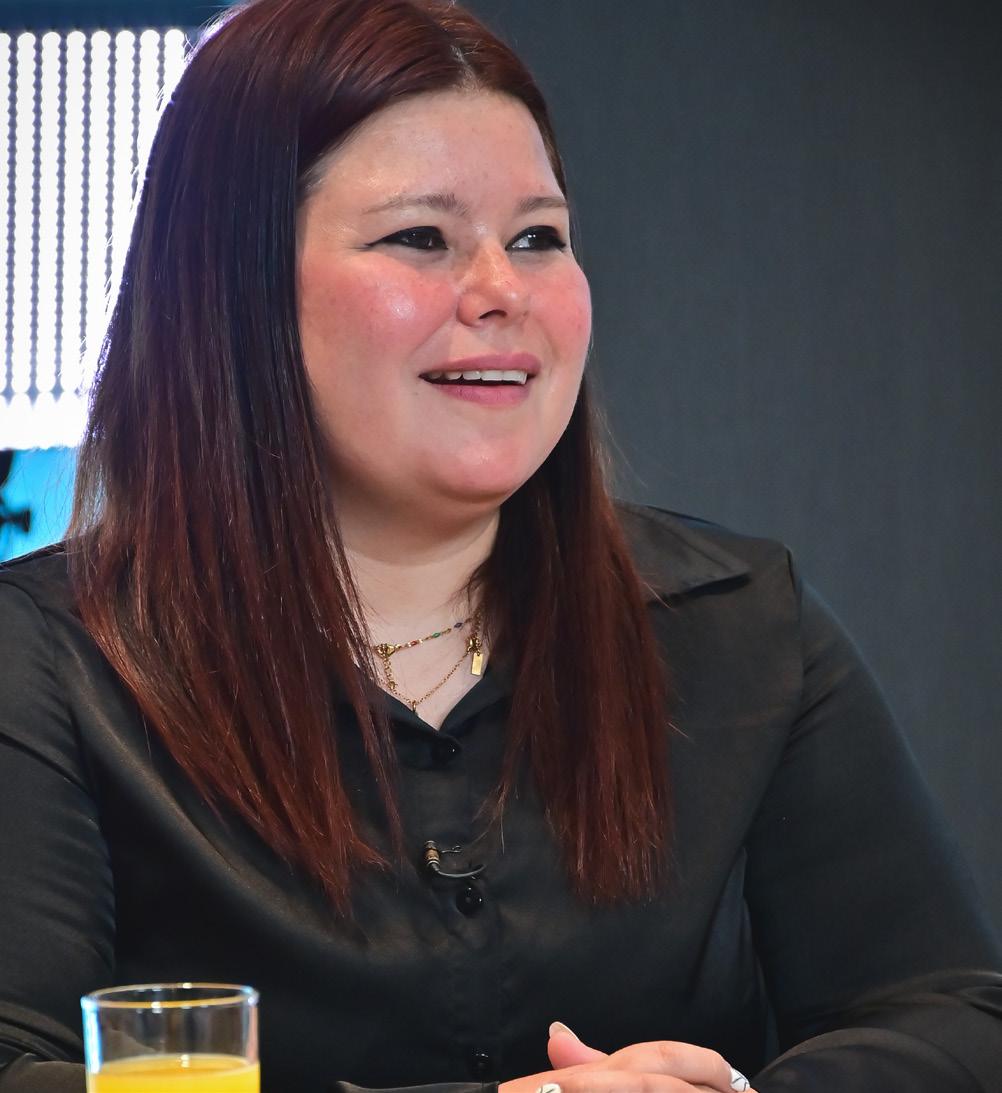
followers to tell me about their negative experiences in hiring processes, and honestly, I got a great response. In the end, there were over 100 comments that sparked a really interesting conversation, and I think it helped me a lot because I learned from it, but I also think it will be useful for ARAUCO, for anyone, or for any company. That’s why it’s my favorite post.”
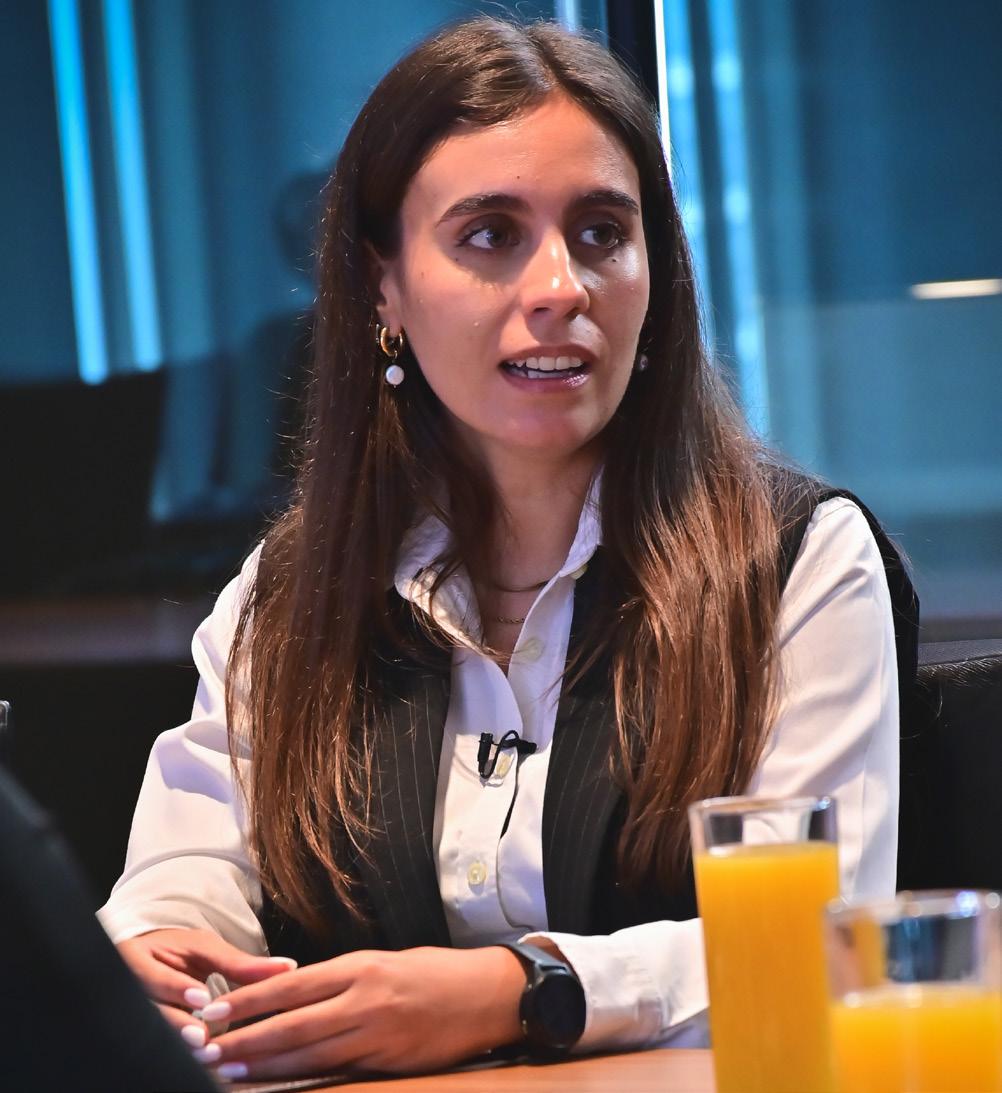
-
The ambassadors agree that a major challenge is finding their personal brand, that is, knowing which topics to focus on.
The challenge of connecting
The ambassadors also shared what has been the most difficult part of this role. Many agree that a major challenge is finding their personal brand, that is, knowing which topics to focus on.
In this regard, for Santiago Chi, “it’s key to define who your audience is. You have to understand that you can’t try to target everywhere, because in the end, the more you try to cover, the less efficient you become. And the other thing is figuring out what I want to show. It was hard for me. So it was a bit of a mix and trial-and-error process, because often we’re afraid to post something because people won’t give it a like or you don’t feel your post is interesting, but you keep trying and you start to see and find your niche.”
Catalina Ahumada adds: “For me, choosing what to talk about has been a challenge. I’d like to talk more about what I do day-to-day, but it’s been
hard because I’m in Strategy and Development, where much of the work is confidential. So, I struggle a bit with knowing what to post or what topic to cover, but this year I want to focus more on innovation. Still, I’m convinced that in a professional context, LinkedIn is a platform we can all use, but you have to want to do it. You have to have the desire, the courage, let go of your shyness, and have confidence.”
For Gabriela Adlerstein, discovering her personal brand has also been a challenge. “I had never really thought about it before, and the truth is that I started shaping it, and I don’t think it was an easy process. I think I spent maybe over a year thinking about it, mulling it over, and, of course, then you have to consolidate that into an attractive profile. I think it’s been a long learning process, and well, every time I’ve had a question, it’s worth noting that it’s been resolved by the team that helps us. So I’m very grateful.”
Angie Villalobos emphasizes that you have to make time and plan well to fulfill the role of ambassador. “It happens to me a lot at the distribution center where I work, where, of course, for us it’s all about operations, the day-to-day, fast, right now. And sometimes people ask me how I have time to be on LinkedIn creating posts, and yet they see that I’m doing my job well. So, of course, it requires a lot of planning.”
Camilo Catalán adds: “Being an ambassador ultimately becomes part of your job, another responsibility. It’s not a
César Ancalaf adds: “The most challenging part is telling good stories, finding the common thread so it isn’t tedious and can be interesting. Because, of course, it’s important to identify the target audience, but also how to get them to love what you’re writing. At first, I was a bit apprehensive about the topics I was going to address, because they were related to our relationship with the Mapuche communities, based on what we do at ARAUCO. I thought there would inevitably be someone who would question me, criticize me, and you know what? Surprisingly, on the contrary, I’ve received very positive comments.”
personal thing like Instagram. There, it’s much easier to create content: I post a photo of my son and the engagement is immediate. But LinkedIn is different. I have to think carefully about what kind of content I post to generate traction, but in a responsible way, aligned with the Company.”

In a few words, what does it mean to you to be a LinkedIn ambassador and represent your company on this social network?

HEAD OF RISK MANAGEMENT AND INTERNAL CONTROL AT EMPRESAS COPEC.
“It’s transparency to build trust.”

ANGIE VILLALOBOS
OPERATIONS MANAGER AT COPEC.
“For me, it’s a purpose. Because I have to share information and also be constantly learning.”

“It’s responsibility, absolutely. It’s connecting with someone who is just like you, and today people need to connect.” HEAD OF INTERCULTURAL RELATIONS AT ARAUCO.

GABRIELA ADLERSTEIN
DIGITAL TRANSFORMATION AND TALENT EXPERIENCE LEADER AT ARAUCO.
“It’s understanding that people connect with other people more easily than with brands or logos.”

RISK AND CRISIS MANAGEMENT ENGINEER AT COPEC.
“It’s about mobilizing not only myself, but also the company and my business unit, with empathy, passion, and leadership.”

SENIOR STRATEGY AND DEVELOPMENT ANALYST
“For me, it’s choosing to believe in yourself, in your company, and having the courage to show that to the world.”

Beyond the awards, Empresas Copec and its subsidiaries aim to connect with people and build relationships based on trust.
empresas copec and subsidiaries: from
Empresas Copec and its subsidiaries, Copec, Abastible, and Nutrisco, stood out in a number of national studies and awards based on feedback from consumers and citizens. Behind each award lies a common feature: the ability to build trust over time.

Copec, you’re the fuel that drives us.
One of the factors that consumer rankings seek to capture is the gap between what a brand promises and the experience it actually delivers. When that gap narrows, trust begins to consolidate and, over time, can turn into loyalty. Over the past six months, Empresas Copec and three of its subsidiaries received such recognition from different spheres. Copec topped Cadem’s Marcas Ciudadanas study among more than 350 evaluated brands, and Pronto led its category. Empresas Copec, meanwhile, took first place in Memorable Communication and Advertising and second in Good Corporate Governance in that same study. In turn, Abastible ranked first in the Praxis Xperience Index (PXI) and also led in consumer loyalty at the ALCO Awards. Furthermore, Nutrisco won the Product of the Year award for two of its brands. Taken together, these recognitions highlight a business approach that prioritizes people and the long term.
Copec, nine decades building trust
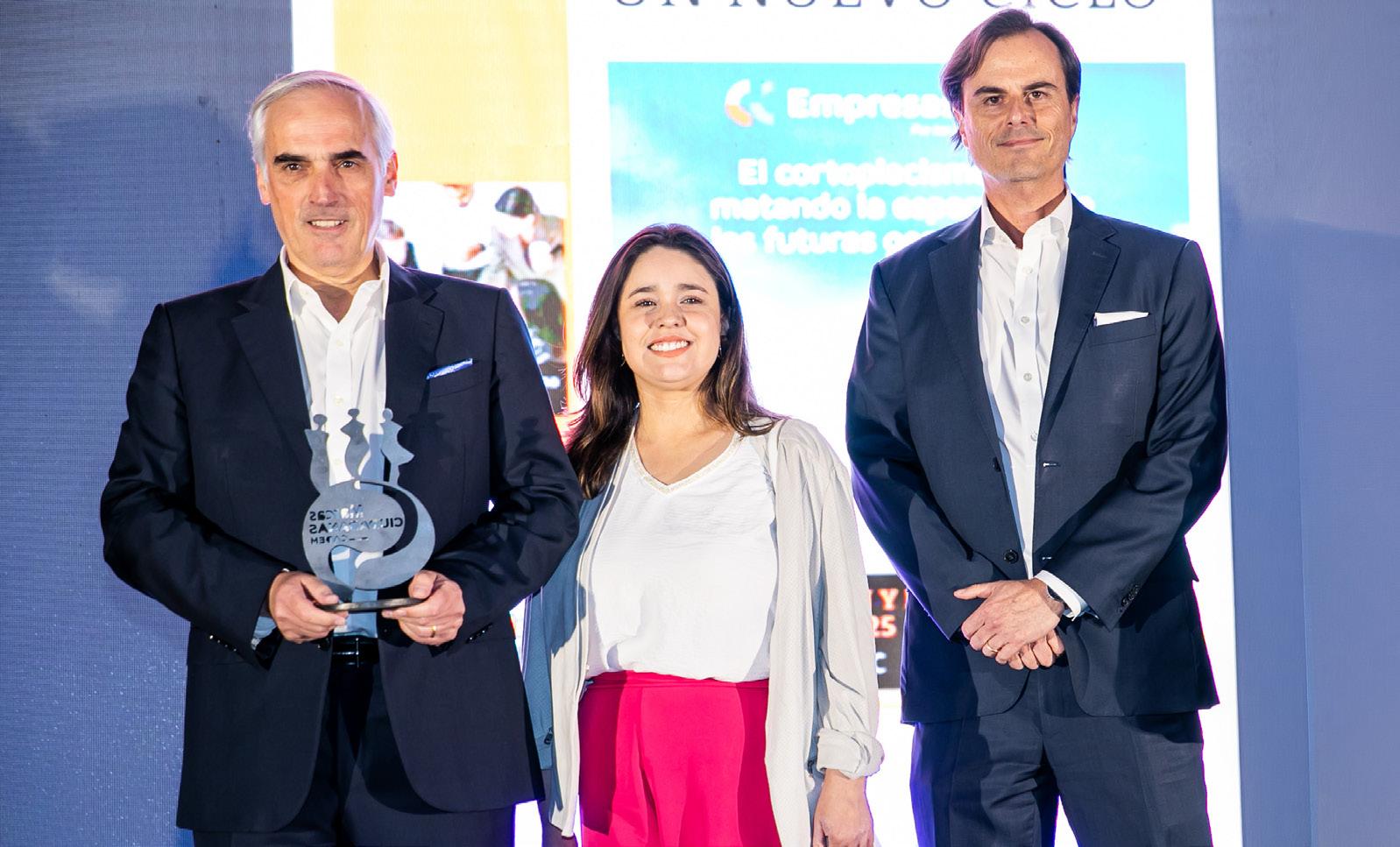
In the 2025 edition of Cadem’s Marcas Ciudadanas study, Copec topped the overall ranking among more than 350 evaluated brands. This recognition came during a particularly significant year for the company, as it celebrated its 90th anniversary. The subsidiary of Empresas Copec also led the Gas Stations category. Meanwhile, Pronto Copec led the Convenience Stores category, ranking within the Top 30 of the overall list. The study also recognized Arturo Natho, Copec’s Chief Executive Officer, among the executives driving citizen brands.
For Diego Peñafiel, Copec’s chief marketing officer, these results reflect a consistent and committed
work for Chile. “We don’t see this as an isolated milestone, but rather as the result of a relationship built every day, based on trust, service, and innovation, always putting people at the center,” he says. In practice, this translates into a network that serves more than a million people every day across the country, operating with clear standards, rigorous processes, and a shared purpose. “The quality of service and responsiveness valued by the study stem from the consistency we strive to maintain between who we are, what we say, and what we do. That consistency over time is, probably, our brand’s most valuable asset,” he adds.

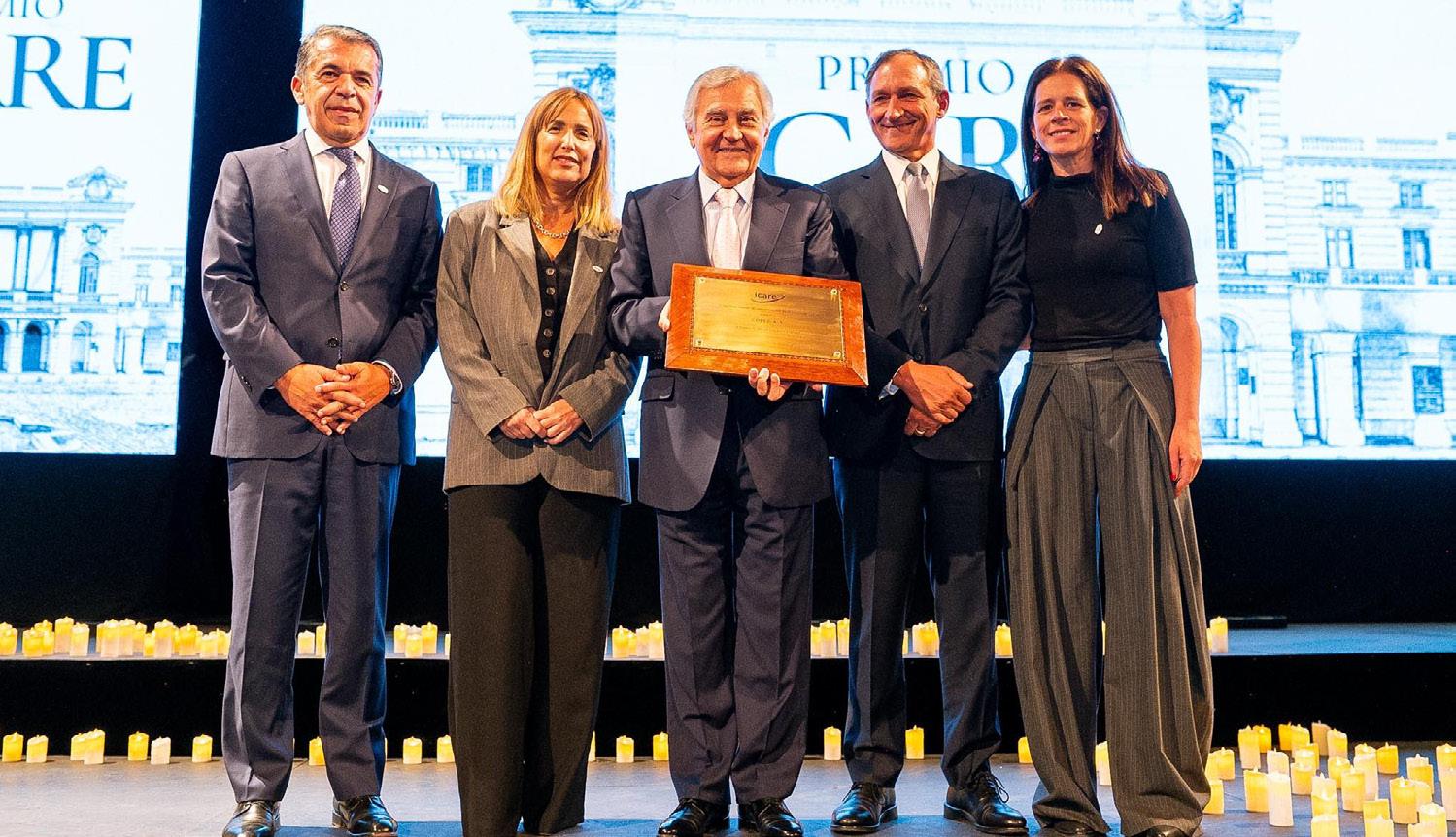
The award, accepted by Roberto Angelini and Arturo Natho, Copec’s chairman and CEO, respectively, recognizes organizations that have contributed to business development and the country’s progress.
During the awards ceremony, Roberto Angelini stated: “We accept this recognition as both an encouragement and a responsibility. We thank ICARE for the distinction and renew our commitment to Chile to work with integrity, serve with
excellence, and develop projects that contribute to the collective well-being.” He added: “May this recognition serve as an invitation to persevere with humility, to value teamwork, and to always put people at the center of our decisions.”
In the executive’s view, receiving this recognition precisely in the year the company celebrated nine decades of history also reflects the continuous adaptability that sets it apart. “At Copec, we are evolving without losing our identity. We started out focused on traditional fuels, and today we articulate a model that integrates new energy sources, electromobility, and new convenience formats, always in response to the current and future needs of people, businesses, and the country,” he explains.
In that context, he adds, the leadership achieved also entails a responsibility. “Being the No. 1 Citizen Brand is not a destination. Trust is built over time, but it is validated every day.”
In March 2026, Copec was also honored as Company of the Year by ICARE.
“May this recognition serve as an invitation to persevere with humility, to value teamwork, and to always put people at the center of our decisions,” said Roberto Angelini.
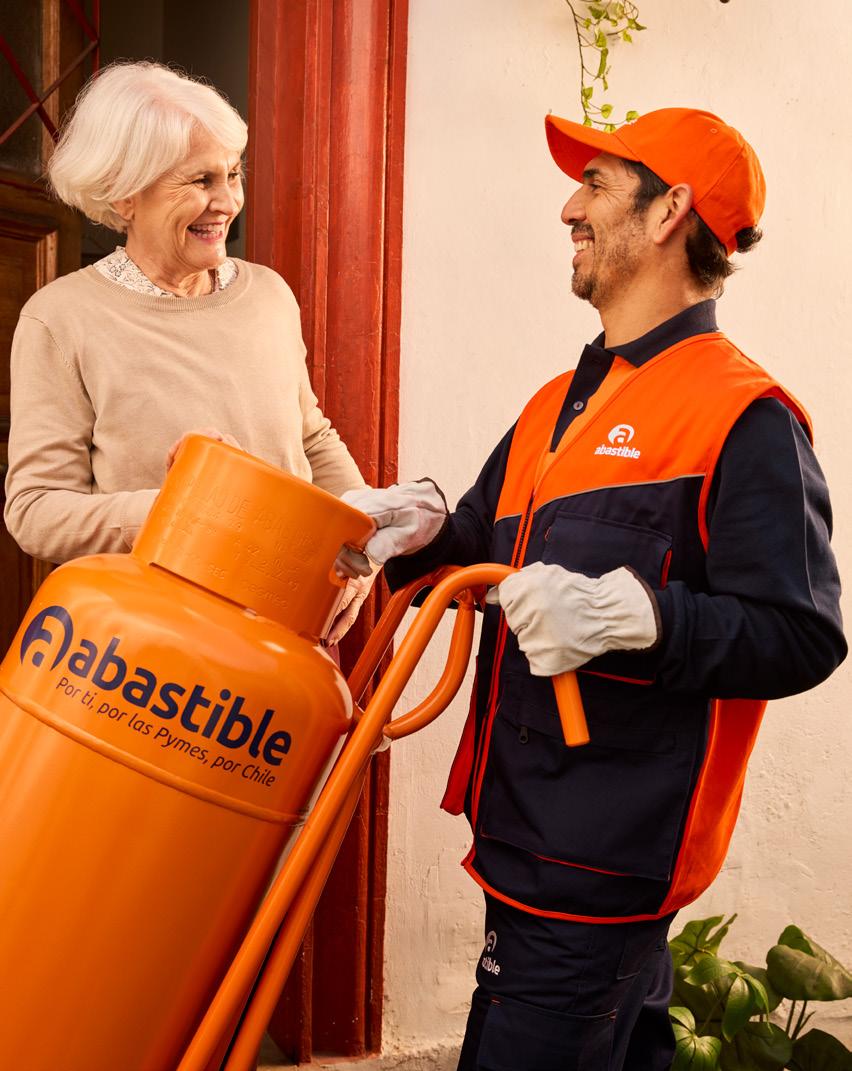
Abastible’s relationship with its customers has been recognized in two surveys over the past few months: the 2026 Praxis Xperience Index and the 2025 ALCO Awards.
In the recent release of the Praxis Xperience Index (PXI), the company placed first in the overall ranking among 122 companies
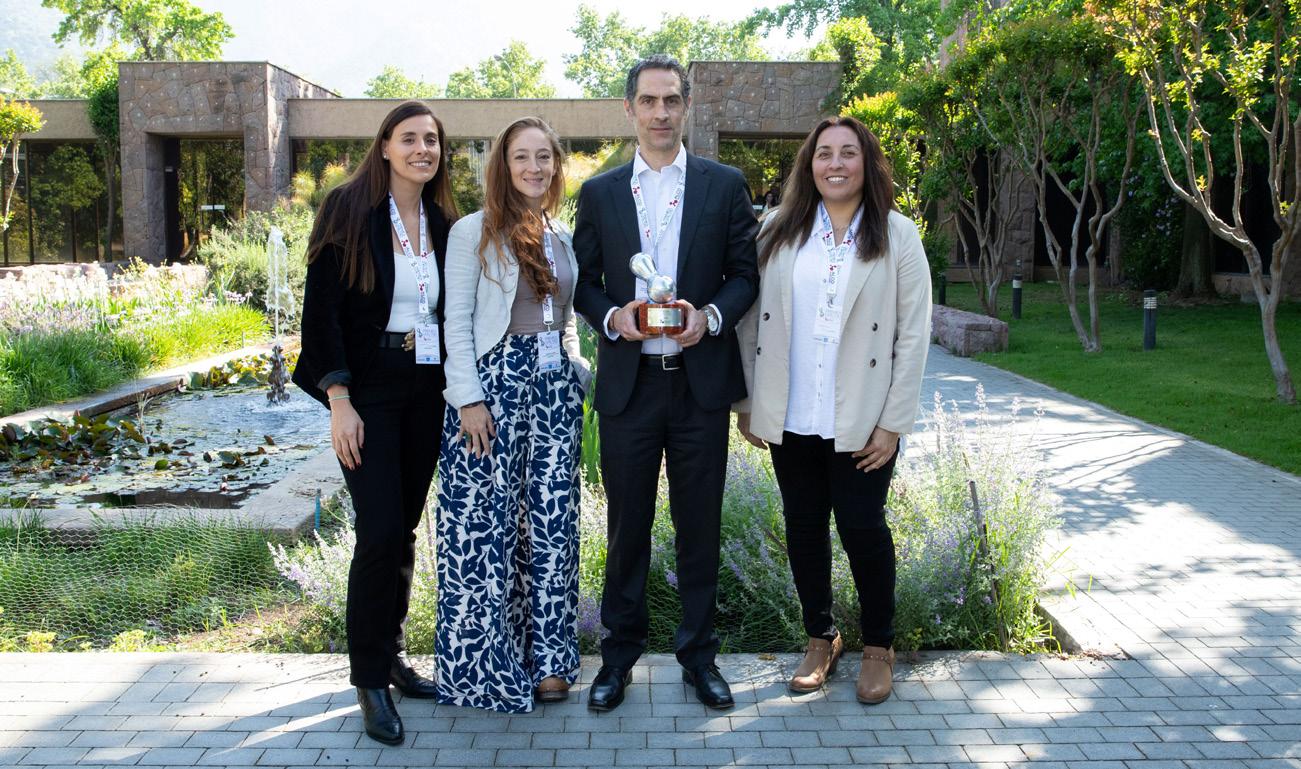
Josefina Valenzuela, Head of Customer Experience at Abastible; Gabriela Lewin, Customer Experience Director at Abastible; Sebastián Montero, Chief of the LG Chile Business at Abastible; and Carolina Dinamarca, Head of Customer Service at Abastible, during the ALCO 2025 Awards.
The same logic applies to the ALCO Awards, where Abastible took first place in the Liquefied Gas category. This metric evaluates consumer loyalty and recognizes brands capable of establishing an authentic and sustained connection over time. For the executive, this recognition “reflects the closeness and long-term relationship we have built and strengthened with customers, making different service channels available to them.”
from different industries, led the Cylinder Gas category, and received the Sustained Improvement award. Developed by the consulting firm Praxis based on more than 50,000 surveys nationwide, the study evaluates the customer experience across functional and emotional dimensions. In this edition, Abastible stood out as the number one company in delivering an “excellent experience,” capable of meeting people’s needs in a simple, agile, and pleasant manner.
For Sebastián Montero, Chief of the LG Chile Business at Abastible, this result reflects the appreciation for the work the company does every day with its customers. “At Abastible, we are convinced that putting customers—who trust us—at the center of our decisions is key to offering a quality, safe, and reliable service,” he notes. That is why he also emphasizes the collective nature of this result. “This is an achievement shared with everyone who is part of Abastible and, most especially, with the distributors, transporters, and other entrepreneurs who work alongside us.”
Loyalty, in this case, is not explained solely by coverage or brand presence. It also stems from decisions aimed at improving people’s actual experience. These include continuous measurement systems to capture customer feedback, order status notifications, improvements in internal processes, and a redesign of the after-sales service model, with a focus on simpler and clearer processes.
In Sebastián Montero’s view, in an essential service like liquefied gas, trust depends not only on the product but also on reliability, timeliness, and responsiveness. “The alignment and consistency between what the brand promises and what each person experiences in their daily interactions are the main drivers of loyalty,” he maintains.
Both awards highlight a distinctive feature of the Empresas Copec subsidiary’s model: its virtuous relationship with distributors, many of whom are small and medium-sized enterprises, which constitutes an essential part of the customer experience and directly aligns with the corporate purpose of fostering the entrepreneurial spirit.
At Nutrisco, the connection with people stems from another source: the product. The selection of San José Horse Mackerel Fillets and Flip potato chips as “Product of the Year 2026” at the POY Awards validated, from the consumers’ direct perspective, the subsidiary’s ability to innovate without losing sight of the everyday relevance of its brands. The recognition, based on perceived innovation, appeal, and purchase intent, was determined by more than 2,300 consumers and reviewed by a committee of experts, providing a particularly valuable insight into how people are interpreting the evolution of the company’s portfolio.
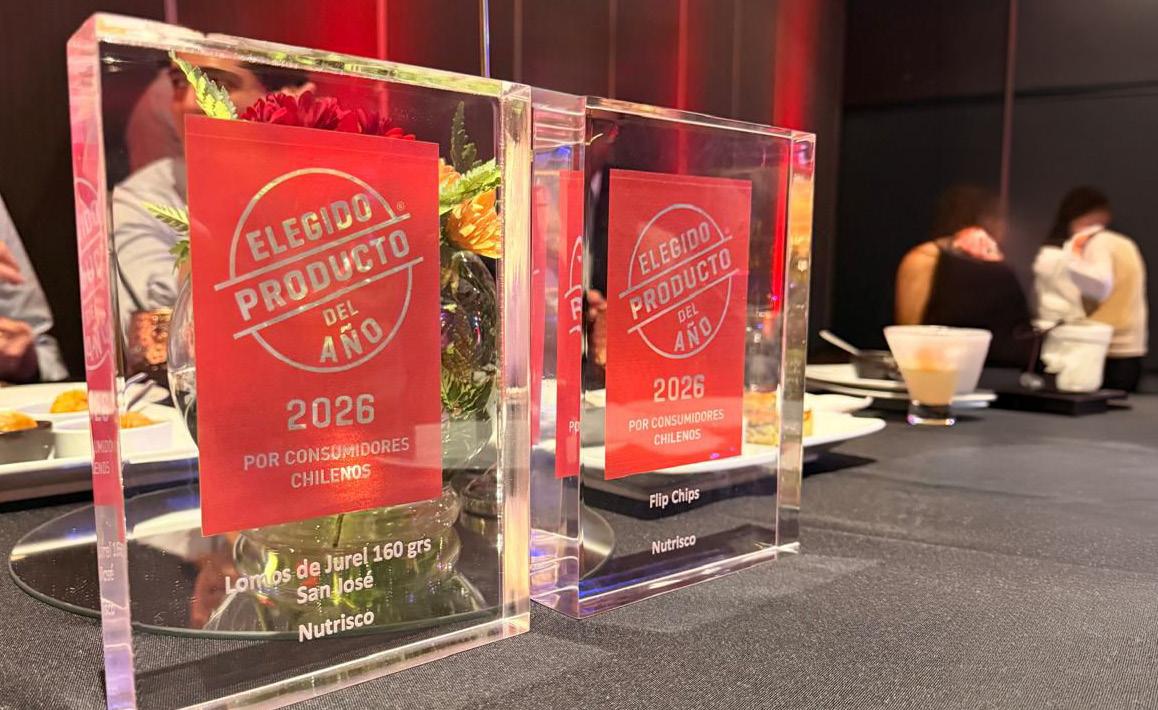

For Florencia Barúa, Nutrisco’s Chief Marketing and Corporate Communications Officer, this dual recognition “is a milestone that validates a way of working centered on deeply understanding people’s needs and transforming that listening into concrete proposals,” she notes. She adds that being recognized for San José and Flip confirms, from the consumers’ perspective, the company’s ability to innovate with people at the center.
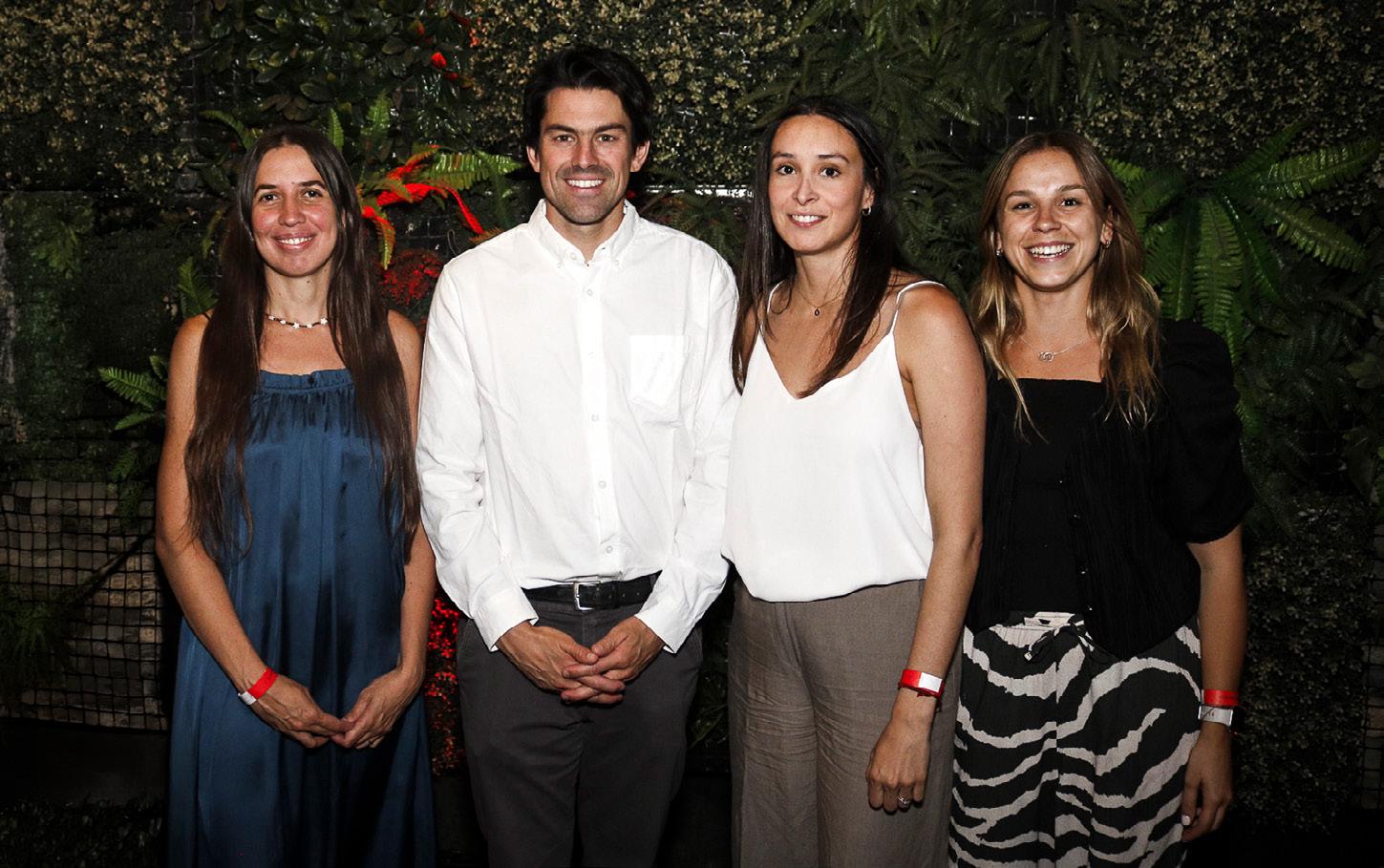
This approach manifests itself in different ways in the two awardwinning products. In the case of San José, the distinction confirms that a brand with 70 years of history can remain relevant, strengthening its value proposition without losing its identity. On the other hand, for Flip, the distinction reflects how a category as dynamic as snacks can evolve toward alternatives that align with more active and conscious lifestyles. Its production technology preserves the flavor, original color, and essential nutrients of fruits and vegetables, while also reducing oil absorption compared to traditional processes.
This approach begins at the origin of each product. “At Nutrisco, we believe that innovation isn’t about expanding the portfolio without a strategic direction, but rather about creating relevant solutions based on actively listening to consumers, shoppers, and our clients,” explains Florencia Barúa. Before launching a product, the company tests concepts, flavors, formats, and messaging with real people, and once on the market, it continues to monitor through studies, reviews, and direct contact with customers to continuously improve. “More than just a stage in the process, listening is part of our culture. That’s why the POY 2026 award confirms that when we put people at the center, innovation is noticed and chosen,” she states.
In the executive’s view, “in markets like food and snacks, where competition is intense and consumers constantly compare different options, true differentiation does not come from short-term tactical actions, but from a strategic approach sustained over time.” That approach, she adds, strengthens a proposition “based on credibility, perceived value, and the ability to evolve alongside the consumer.”

-
Empresas Copec, when the purpose turns into conversation
In 2022, Empresas Copec posed a question that isn’t always easy to answer from within an organization: Why is it important that we exist? The process that followed lasted nine months, involved the entire team, and led to the definition of its corporate purpose: “To shape the world for future generations.” Francisca Riveros, the company’s Chief Corporate
Communications Officer, recalls that the process brought to light values the Group had always held. The most common one was the long-term perspective. “Copec has been in the market for 90 years, Arauco for 50, and Abastible for 70. These are long-standing businesses that are, at the same time, reinventing themselves for the future,” she explains.
Once the purpose was defined, the next question was what its greatest threat was. For Empresas Copec, the answer was clear: short-termism, that tendency to prioritize immediate profit over longterm consequences, a trend present in political, business, economic, and environmental spheres.
That’s where the #NoMoreShortTermism campaign was born, which has been active for nearly two years on television, in print, digital media, and radio, and which doesn’t talk about products or services, but rather a conviction. Its goal is to spark a conversation and call on decision-makers, opinion leaders, and authorities to think differently, with an eye toward the future. “Only with a long-term vision, and by understanding that today’s decisions and actions will have an impact on tomorrow, can we successfully face current challenges and contribute to building a better world for future generations,” the executive summarizes.
This effort was recognized in the Marcas Ciudadanas 2025 study, where Empresas Copec took first place in Memorable Advertising and

Communication and second in Good Corporate Governance. Francisca Riveros sees both awards as two sides of the same coin: the first confirms that the message is getting through; the second, that there is consistency between what is communicated and the Company’s management.
“When society sees that you move from words to action, you build trust,” she states. And she adds something
that clearly defines the logic of the process: “Empresas Copec couldn’t be talking about the long term if its subsidiaries weren’t acting with decades in mind. What we communicate is the sum of who they are.”
One of the campaign’s most significant effects has been its ability to introduce the concept of “short-termism” into public debate. “It’s a word we hardly ever heard before, and today it’s part of the collective lexicon,” she notes, referring to how the term has begun to appear in opinion columns, conversations, and public reflection. For Francisca Riveros, this confirms that the message succeeded in transcending the corporate sphere and opening up a broader debate.
The CADEM study also recognized company executives. Eduardo Navarro, CEO of Empresas Copec, was named among the top 10 leaders promoting citizen brands. “Eduardo’s involvement in our campaign has been key. He was the one who drove and led the process of defining the corporate purpose and has also been a very active spokesperson in raising awareness and amplifying the message against short-termism,” she says. The executive adds that “Roberto Angelini, for his part, has been a key player in embedding the purpose within the Group and in highlighting the longterm vision within the business community.”
In the same ranking, Rodrigo Huidobro took first place among the Best CFO's of 2025, while Karin Jurgensen, director of Empresas Copec; Charles Kimber, head of People and Sustainability at ARAUCO; Diego Peñafiel, Chief Marketing Officer
at Copec; and Francisca Riveros also stood out in the executive leadership ranking.
In 2025, the #NoMoreShortTermism campaign also won two Eikon Gold Awards, recognizing excellence in corporate communications. Likewise, the Company was named Best Business Group by True Brands. “It was a year of several recognitions, but beyond them, we are proud that our campaign has been heard and valued. In 2026, we continue stronger and with a new message: Think differently. Think future,” concludes Francisca Riveros.
The new phase of the Empresas Copec campaign promotes the message: “Think differently, think future.”
AwARDS FOR EMPRESAS COPEC AND SUBSIDIARIES
Marcas Ciudadanas Awards:
First place 2025, Service Stations category.
Copec:
Abastible:
Nutrisco:
Empresas Copec
Marcas Ciudadanas Awards:
Pronto Copec topped the Convenience Stores category, ranking within the Top 30 of the overall list.
ICARE: Company of the Year, recognized for its contribution to business development and the country’s progress.
Marcas Ciudadanas Awards: First place 2025. Arturo Natho, CEO of Copec, recognized among the top 10 business leaders driving citizen brands.
Praxis Xperience Awards: First place in the overall ranking among companies from different sectors. Leader in the Cylinder Gas category and the Sustained Improvement Award.
ALCO: First place in the Liquefied Gas category; the organization evaluates consumer loyalty and highlights brands capable of building an authentic and sustained connection over time.
POY Awards: Product of the Year 2026 San José Horse Mackerel Fillets.
Merco Líderes 2025: Roberto Angelini, president of Empresas Copec, reached fourth place, while Eduardo Navarro, CEO, advanced to 19th place.
Arturo Natho, CEO of Copec, ranked 15th. Also included in the top 100 are: Marcela Bravo, director of ARAUCO;
Lorenzo Gazmuri, director of Copec; Guillermo Tagle, director of Abastible; and Olivier Paccot, CEO of Blue Express.
Marcas Ciudadanas Awards: First place in Memorable Advertising and Communication and second in Good Corporate Governance.
Eduardo Navarro, CEO of Empresas Copec, among the top 10 business leaders driving citizen brands.
Rodrigo Huidobro, Best CFO 2025.
Karin Jurgensen, director of Empresas Copec; Charles Kimber, head of People and Sustainability at ARAUCO; Diego Peñafiel, Chief Marketing Officer at Copec; and Francisca Riveros, Chief of Corporate Communication Officer at Empresas Copec, also stood out in the executive leadership ranking.
POY Awards: Product of the Year 2026 Flip Potatoes.

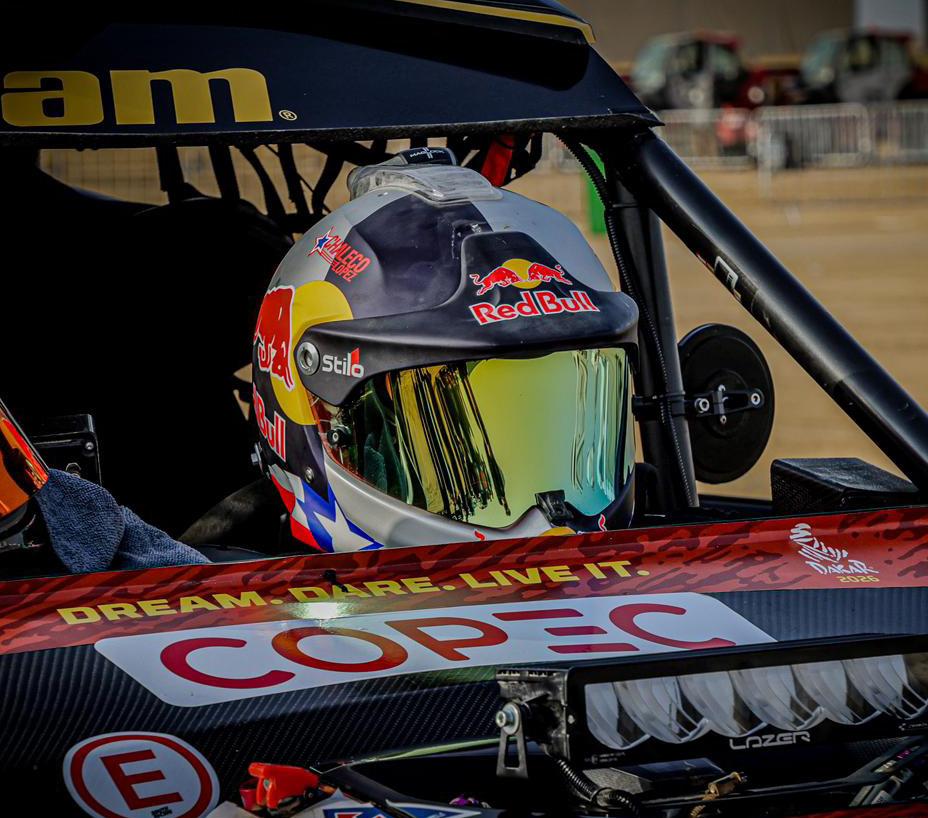
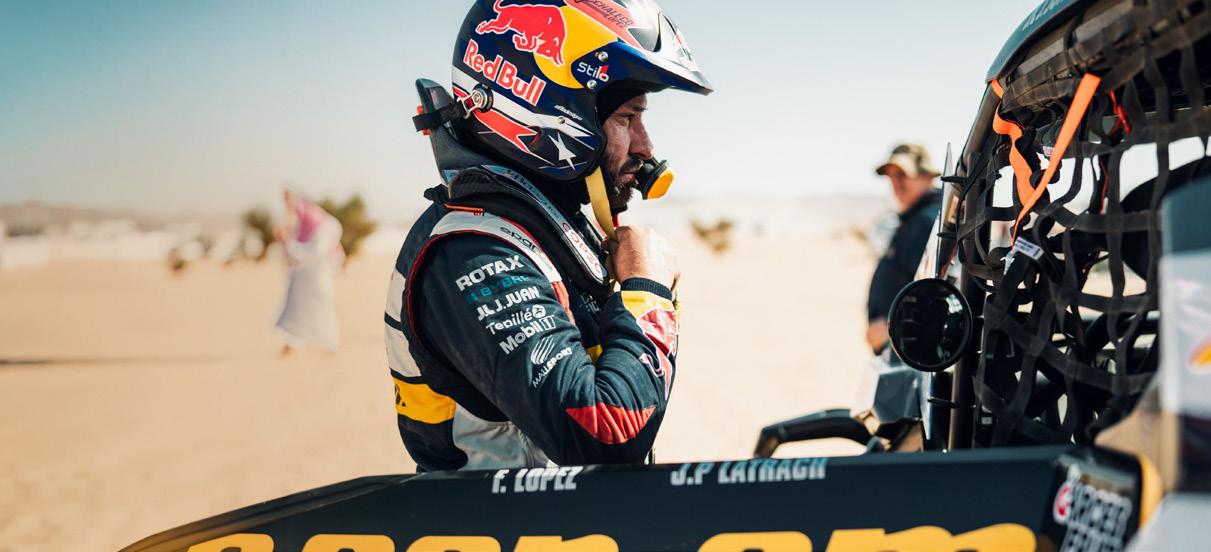
The Dakar Rally is one of the most demanding competitions in motorsports. In this context, Copec reaffirmed its commitment to developing national talent through Team Copec, providing support to three Chilean drivers: Francisco “Chaleco” López, a legendary figure in rally racing; Ruy Barbosa, an enduro and rally driver with international projection; and Tomás de Gavardo, a young driver who continues to blaze a trail in this discipline. Together with them, the company is showcasing a commitment to perseverance, discipline, and the spirit of selfimprovement on a global stage.
This promotes values such as effort, perseverance, and personal development. And in a race as challenging as the Dakar, that commitment finds a tangible expression: supporting those who dare to go further and, by doing so, inspiring others to forge their own path.
But this commitment goes beyond the Dakar. Today, Team Copec is made up of 11 outstanding athletes representing Chile in several disciplines, including rowing, track and field, karate, skateboarding, and tennis. Through this initiative, Copec seeks to create opportunities, foster careers, and inspire new generations.











Electromobility is today a tangible dimension of Copec's evolution.
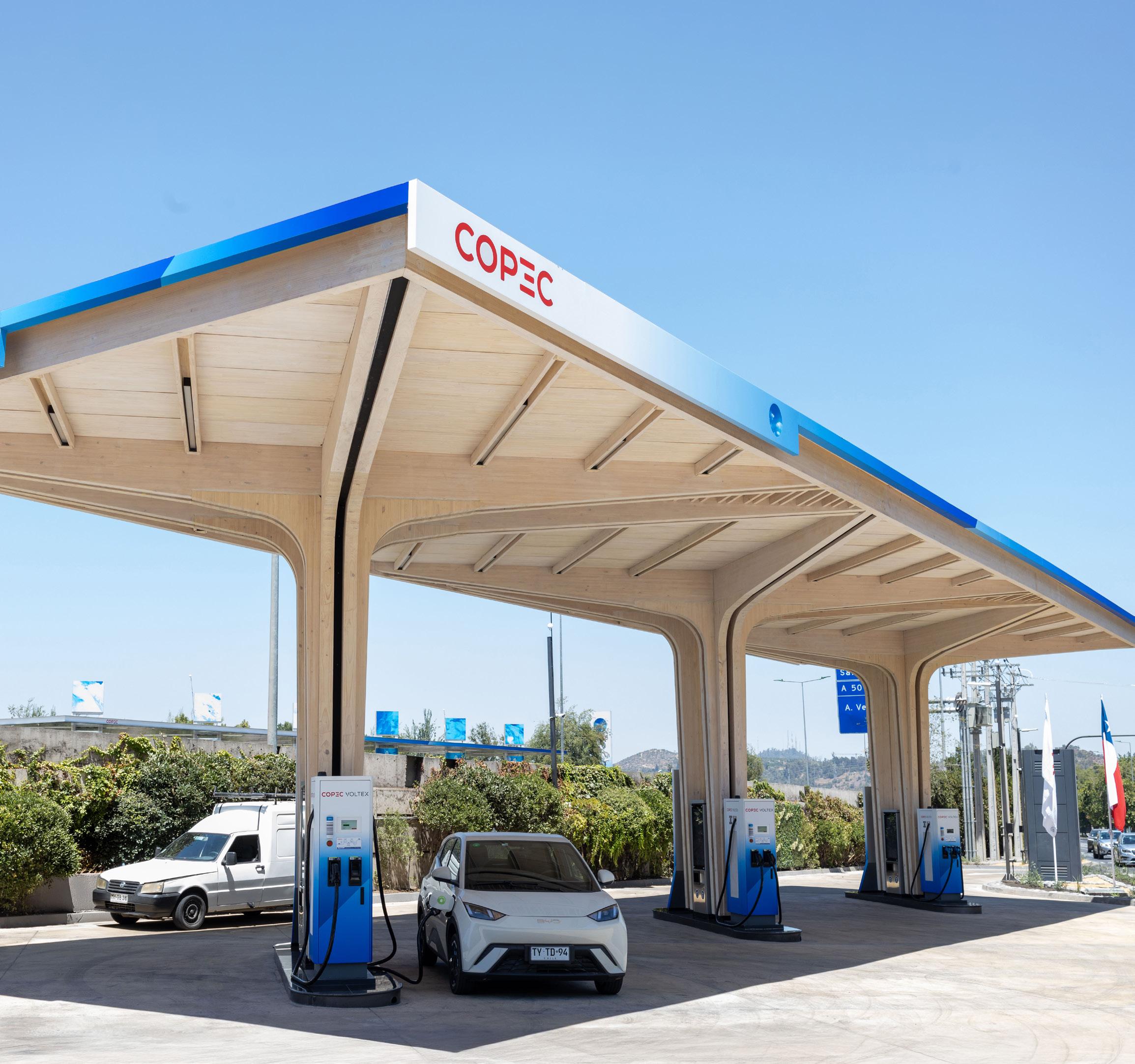
With more than 4,000 charging stations and amid promising signs of growth for Chile’s electric vehicle market, Copec is making significant progress in its strategy to transition to new energy sources.
In 2026, it will deploy super-fast chargers in partnership with Tesla to expand the network along highways and improve interoperability, while also moving forward with the progressive replacement of older units.
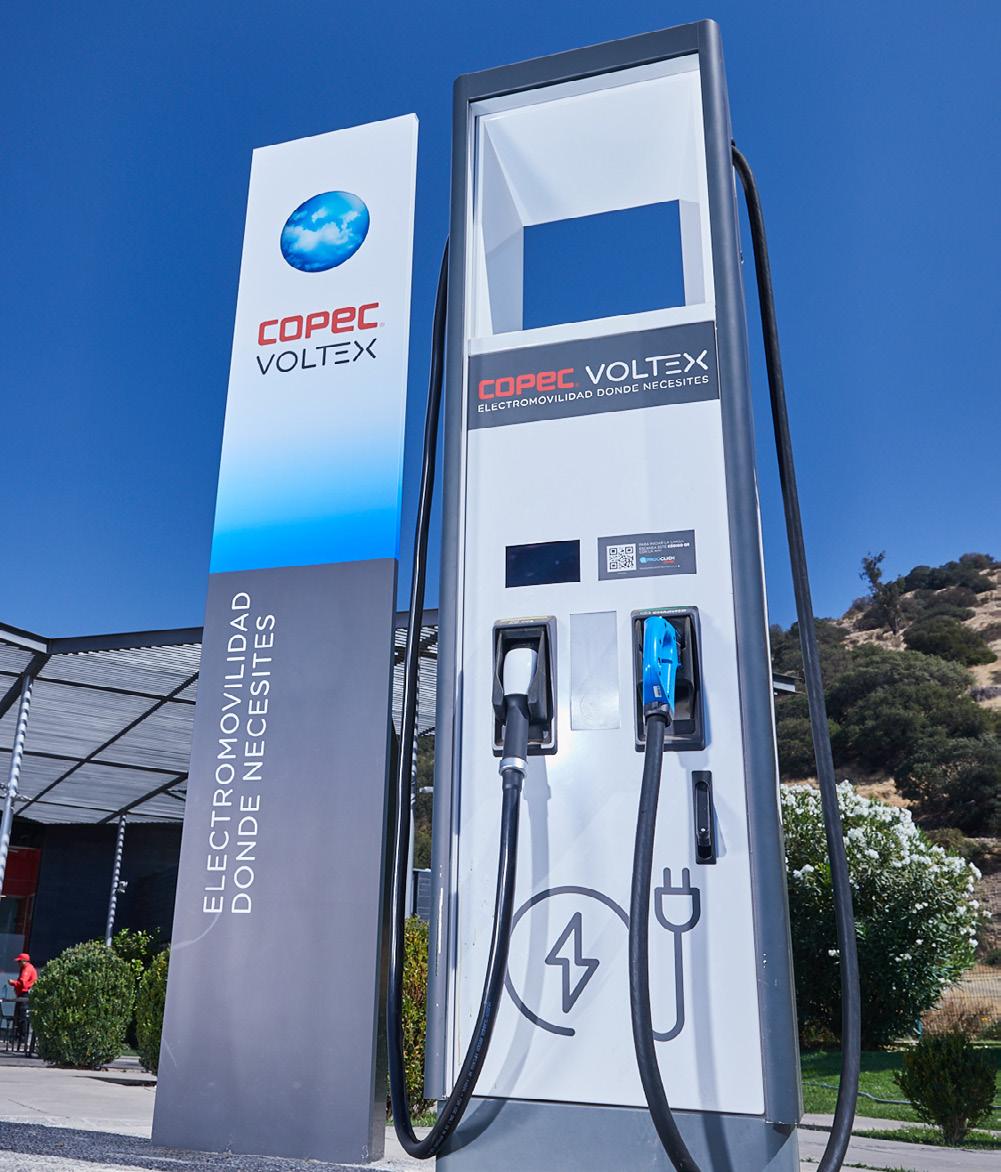
Electromobility has evolved from a promise into a tangible dimension of Copec's evolution. By 2025, the company had reached 4,000 charging stations nationwide, consolidating a network that now spans gas stations, residential solutions, public transportation, and industries such as mining and last-mile delivery. This rollout has allowed the company to expand its presence throughout the country and strengthen Copec Voltex’s position
in a market that is finally moving beyond the stage of expectation and entering a phase of more tangible development.
The expansion, however, does not stop there. In 2026, Copec and Tesla will move forward with the deployment of a new ultra-fast highway charging network between La Serena and Puerto Montt, with approximately 200 kilometers between each station. The initiative aims to strengthen the country’s fast-charging infrastructure, improve the system’s interoperability, and expand the options available to electric vehicle users, at a time when the user experience is becoming just as critical as coverage.
In this regard, one of the main technical challenges of the partnership with Tesla was integrating the U.S. company’s Superchargers into Copec’s digital ecosystem, enabling them to be used via the Copec App by any electric vehicle, regardless of its brand. This step involved developing technological integrations that would make the charging stations interoperable, thereby allowing different users to access the same infrastructure easily and using the same payment methods.

Rather than simply expanding its network of charging stations, Copec’s focus for this new stage is on upgrading its infrastructure. After surpassing 90 stations with fast chargers nationwide, the company began a progressive replacement of its older units with a new fast-charging standard of up to 500 kW, capable of significantly reducing charging times depending on each vehicle’s technology. This decision is consistent with the pace at which the market has evolved since the company installed its first chargers, more than a decade ago.
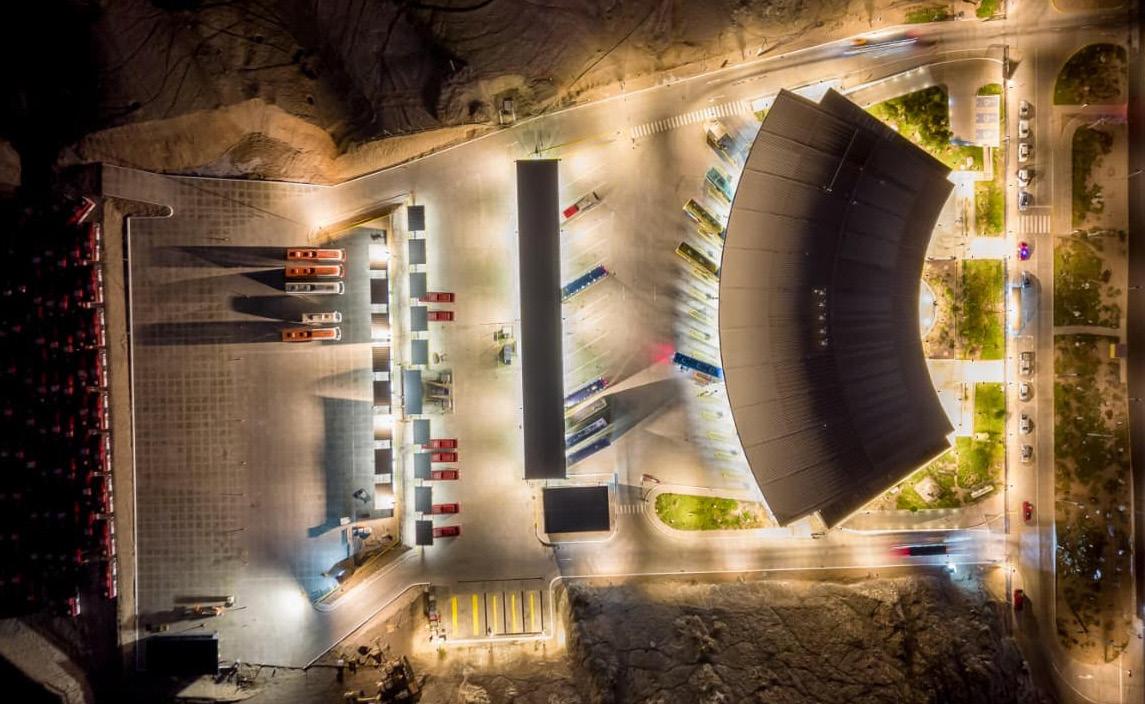
“Rather than focusing solely on continuing to grow in numbers, this year we are placing special emphasis on upgrading the network. We installed our first charger in 2012, and since then, electromobility has evolved significantly, as has charging technology,” notes Arturo Natho, CEO of Copec.
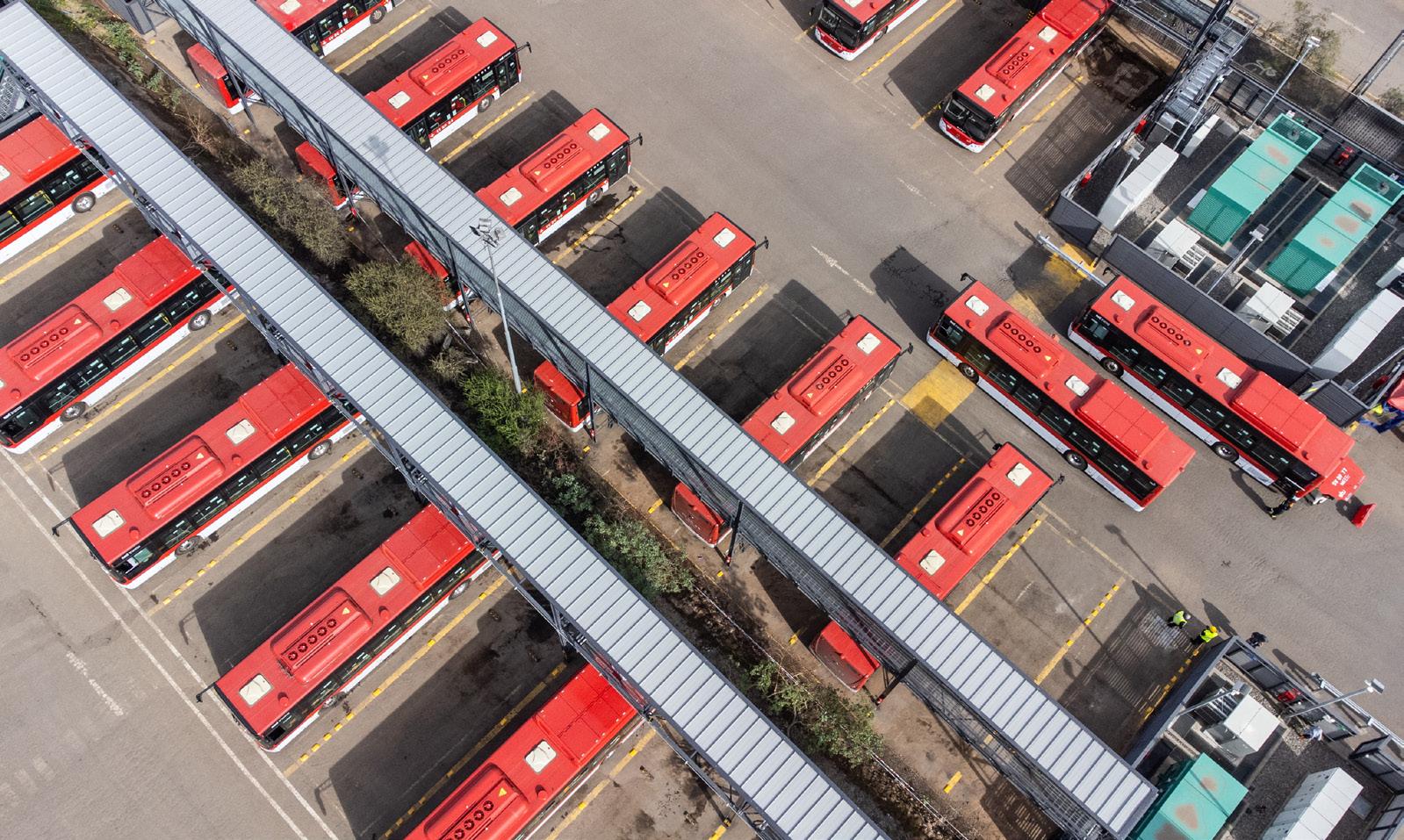
Copec’s expansion into electromobility is not limited to the private car segment. One of the recent milestones was the inauguration of the Copiapó electro-terminal, an infrastructure that made Copiapó the first city in the Americas with 100% electric public transportation. The terminal features 52 high-power charging stations and can power a fleet of 121 electric buses, while also integrating management tools to optimize the system’s operation.
In addition, six new electro-terminals have been awarded in the Metropolitan Region, which will power more than 500 electric buses in the RED system across four major municipalities in the capital.
“These electro-terminals will supply buses operated by the companies Vule and Conecta, and will allow to move forward toward cleaner public transportation in municipalities such as San Bernardo, Maipú, Pudahuel,

and Quilicura. Furthermore, in regions, we recently began construction on the Ñancul Charging Center, an infrastructure enabling the new 100% electric public transportation system in Villarrica, a project that joins the existing electro-terminals in the Antofagasta, Atacama, Valparaíso, Biobío, and La Araucanía regions,” Natho states.
The San Bernardo electro-terminal, in fact, was inaugurated in March. The facility, named Santa Margarita, has 26 chargers and will supply 106 electric buses operated by Buses Vule, thereby enabling the replacement of traditional green buses in the southern and southwestern areas of the capital with the modern electric units of the national sustainable public transportation system.
Thus, by the end of 2026, Copec will have achieved the operational capacity to charge 3,191 electric buses in Chile. Considering the total fleet of the RED system, it is estimated that 63% will be powered by Copec.
Along with the expansion of infrastructure, the market is beginning to show signs of a more structural change. One of the most significant, according to Copec, is the convergence in prices between certain electric vehicles and equivalent combustion-engine models.
“We have seen a very significant trend in the market: at least four brands have already matched the prices of their electric vehicles with those of an equivalent combustion-engine model. This is a major turning point for the industry, as it removes one of the main entry barriers for consumers. For this reason, we expect the fleet of light electric vehicles to
continue growing in Chile and to do so at an increasingly rapid pace in the coming years,” says Natho.
With a network that is growing, modernizing, and expanding its reach, electromobility has become one of the visible cornerstones of Copec’s transformation. It is no longer just about adding chargers, but about building infrastructure, developing technological operations, and supporting the scaling up of a mobility that is beginning to consolidate on different fronts.
It is no longer just about adding chargers, but about building infrastructure, developing technological operations, and supporting the scaling up of a mobility that is beginning to consolidate.
TERPEL VOLTEX: THE GROUP ' S REGIONAL EXPERIENCE IN ELECTROMOBILITY

Copec’s push for electromobility is also evident at the regional level through Terpel Voltex in Colombia. By the end of 2025, Terpel had 46 electric charging stations, and by 2026, it plans to add 12 new fast-charging points.
“As a subsidiary of Copec, at Terpel we are moving forward with expanding our energy portfolio, incorporating new solutions that support the transition toward more sustainable mobility in the region and help meet carbon emission reduction targets,” says Juan Daniel Rueda, Chief of New Mobility and New Energies at Terpel.

bioforest: from the inside Bioforest was founded in 1990 with a specific mission: to help improve forest plantations and develop better trees for the future.
With more than three decades of history, Bioforest has been part of ARAUCO’s evolution, combining science, innovation, and a long-term vision to strengthen the business and ensure its future success. Along the way, it has driven developments that today place it as an international benchmark in forestry research.
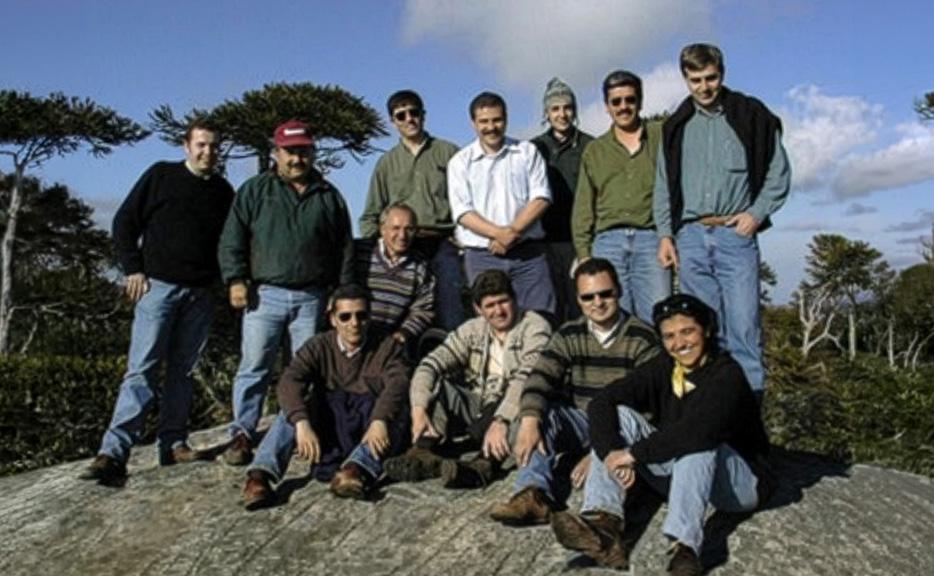
Thus, from its earliest years, the research center built its own capacity within ARAUCO. According to Cristián Infante, CEO of the subsidiary, “the future and many of the upcoming projects, involving hundreds of millions of dollars in investments, are based on what is coming out today from Bioforest’s laboratories. ARAUCO’s growth is based on what we can do here.”

It has been called “ARAUCO’s best-kept secret.” For years, Bioforest grew away from the spotlight, keeping a low profile that stood in stark contrast to the magnitude of its contributions. From there, it has steadily built-up research and innovation capabilities that, over time, have become increasingly more relevant to the company’s development and its future projections.
Its story began in 1990, in Valdivia, when it was founded with a specific mission: to help improve forest plantations and develop better trees for the future. What might have seemed like a limited objective at the time actually encompassed a much broader vision. In an industry defined by long cycles, research does not mean merely responding to current needs, but anticipating what lies ahead.
Today, Bioforest serves as ARAUCO’s research, development, and innovation arm, with a clear mission: to develop and implement knowledge and technologies that add tangible value to the business in a sustainable manner.
This work is underpinned by specific capabilities. Bioforest has a biotechnology laboratory, shared with operations, as well as an industrial and new product development laboratory. Added to this are six strategic focuses
Rather than focusing on a single major development, Bioforest today seeks to build a sustained sequence of impactful advancements.
that guide its work: new technologies to improve industrial and forestry operations; new products derived from the raw materials produced by the company; reduction of waste and emissions; AI and autonomous mills; forestry and industrial productivity; and sustainability and genetic resilience.
Innovation is also evident in the way Bioforest approaches its work. Rather than focusing on a single major development, today it seeks to build a sustained sequence of impactful developments. As Sebastián Mandiola, Bioforest’s manager, explains, “We set a goal: starting in 2028, we must have at least one project scaled up to industrial levels each year.” He adds: “That means that what we are building today will become a reality in the future.”

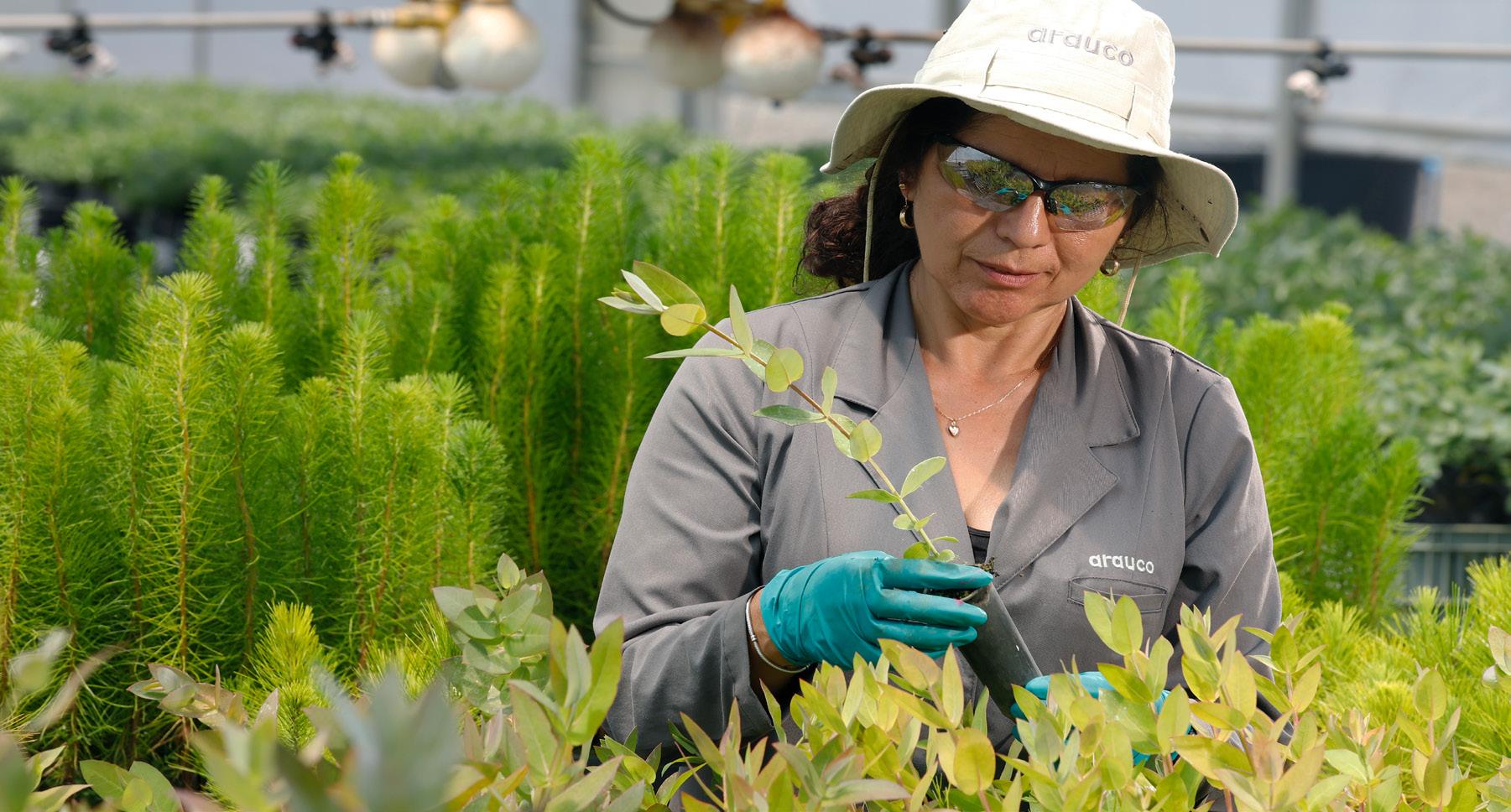
It is not merely a collection of projects; Bioforest’s history can be seen as a sequence of milestones that opened up new possibilities for ARAUCO. Behind each one lie years of work, accumulated knowledge, and a development strategy aimed at transforming knowledge into specific capabilities for the company. -
In this journey, the first stage was defined by family forestry, focused on improving forest productivity. Then came clonal forestry, which expanded the work to include new species and paved the way for a phase of greater precision, with tools such as genomic selection, hybrids, and new biotechnology capabilities. This trajectory continues to unfold in new lines of development, from genetic resilience to potential genome editing, always under the same premise:
anticipating challenges and expanding the possibilities of the forestry company.
This path has also been shaped by long-term goals and a sustained effort over time. As Claudio Balocchi, a senior forestry researcher at Bioforest and a member of the center since 1993, notes, “these have been ongoing challenges, but team challenges that have been successfully met over the years.”
GloNi stands out among the most significant innovations developed by Bioforest. It is a new forestry option created by combining two eucalyptus species: E. nitens, valued for its growth and frost tolerance, and E. globulus, recognized for the properties of its wood and its rooting ability. The result is a fast-growing alternative, excellent for industrial use and better adapted to Chile’s soil conditions and the effects of climate change.
Its development took 17 years of multidisciplinary work, involving 260,000 controlled crossings, 79 field trials, and more than 2,000 hybrid clones

Senior Forestry Researcher at Bioforest.
Today, Bioforest seeks to develop and implement knowledge and technologies that add tangible value to the business in a sustainable manner.
under study. This sustained effort over time has been acknowledged: in 2025, it was honored with the PwC Chile Innovation Award and the CPC Biobío Innovation Award for its contribution to forestry development, applied innovation, and value creation.
Furthermore, GloNi represents not only a technical achievement, but also has a clear dimension of shared value. Currently, its clones are available to small and medium-sized landowners through the Forest Genetic Improvement Cooperative, part of Universidad Austral de Chile, benefiting both ARAUCO and this segment of forest producers.
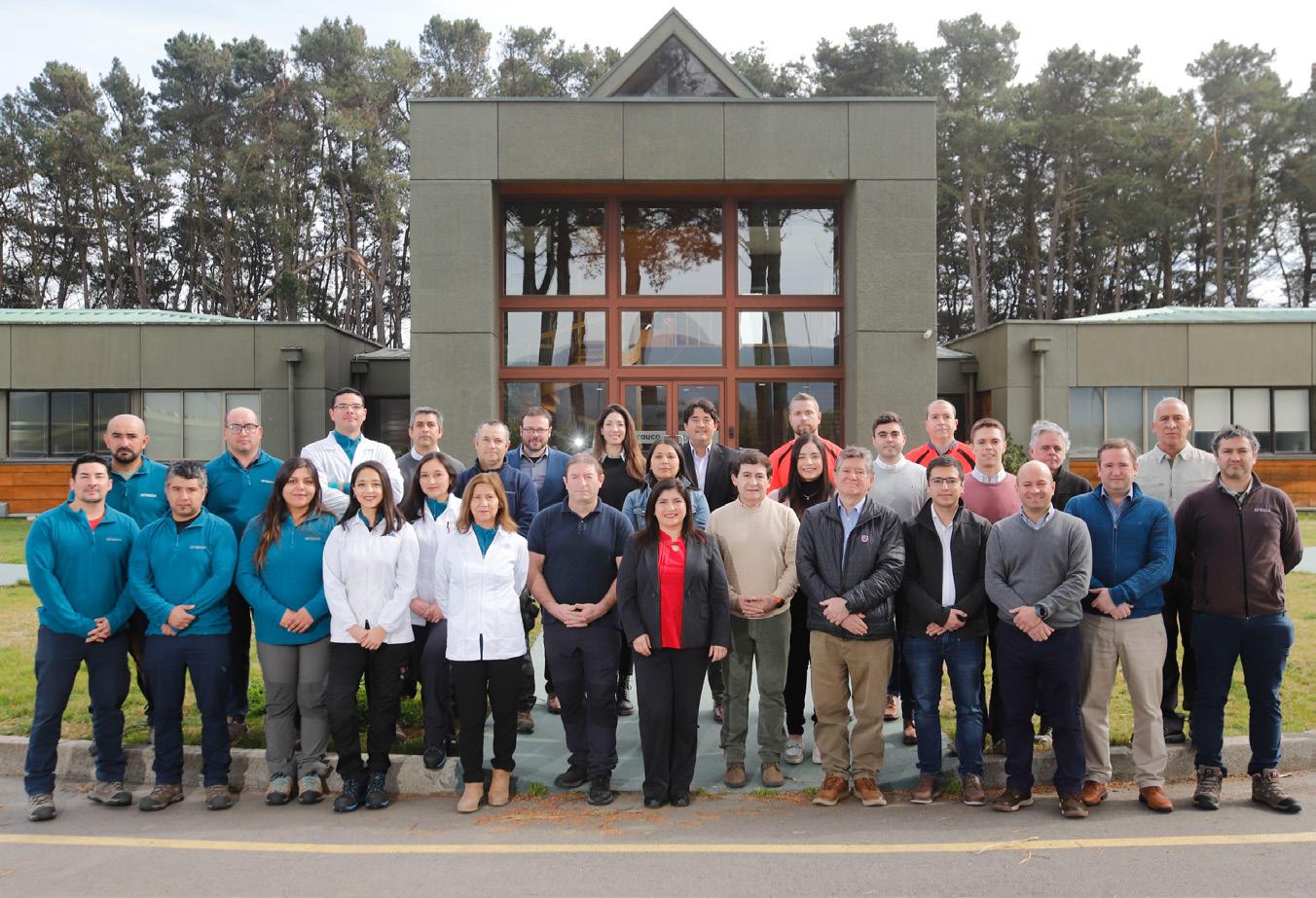
The future that is already being planted
Bioforest’s story does not end with its past. Today, the center is focusing its efforts on increasingly broad challenges, including genetic editing in collaboration with TreeCo, the development of highperformance materials, green fuels, and genetic resilience to climate change. This vision also encompasses new technologies to improve industrial and forestry operations, reduce waste and emissions, and boost forestry and industrial productivity.
These goals require conviction and sustained support. In this regard, Matías Domeyko, Chairman of ARAUCO, states: “If you want to be a leader, it’s not enough to adopt

technology. You have to invest in developing it; otherwise, you’ll always be a strong second. We invest about US$50 million a year in R&D.”
That commitment to innovation also defines how Bioforest views its work. As Sebastián Mandiola summarizes, “the challenge is not just to look at what will be harvested tomorrow, but at the plantations of 2040.”
This long-term perspective also connects naturally with Empresas Copec’s purpose: “To shape the world for future generations.” This is because, by strengthening the sustainability and resilience of the business, Bioforest not only plans ARAUCO’s development for the future but also helps improve the quality of life for those who come after.
“If you want to be a leader, it’s not enough to adopt technology. You have to invest in developing it; otherwise, you’ll always be a strong second,” says Domeyko.

Founding of Bioforest
Born in Valdivia as ARAUCO’s research center, with a focus on generating applied science to improve forestry productivity.
First major productivity goal
Bioforest sets its first major objective: to increase the volume per hectare of radiata pine by 40% and consolidate its scientific basis with new laboratories.
GloNi is born
Development begins on this eucalyptus hybrid, created to combine growth, frost tolerance, and good wood properties.
First embryogenic tree produced in Chile
This milestone positions Bioforest at the forefront of biotechnology and opens up new capabilities for genetic research applied to the forestry sector.
Clonal forestry begins
Bioforest’s second goal focuses on increasing the productivity of pine and eucalyptus through clonal selection and precision management.
From research to dissolving pulp
In 2012, studies began to produce dissolving pulp, and in 2020, this line of work transitioned to industrial production at the Valdivia Mill.
Bioforest enters genetic editing
The majority acquisition of TreeCo incorporates CRISPR technology into forestry development and represents a new era of genetic innovation.
Awards and new patents
GloNi receives awards for innovation, and Bioforest secures a U.S. patent for a natural, formaldehyde-free adhesive.
The company participated in the 15th edition of this conference, considered one of Latin America’s leading science outreach events, bringing together national and international speakers to reflect on the major challenges of today and tomorrow.

At the event, the subsidiary highlighted the role of science, innovation, and collaboration as key elements in addressing issues such as climate change, energy transition, and sustainable development.
In line with this, ARAUCO has consistently promoted research and development as part of its long-term strategy, through initiatives such as Bioforest, its R&D center, and the incorporation of new technologies aimed at optimizing processes and strengthening the sustainability of its operations.
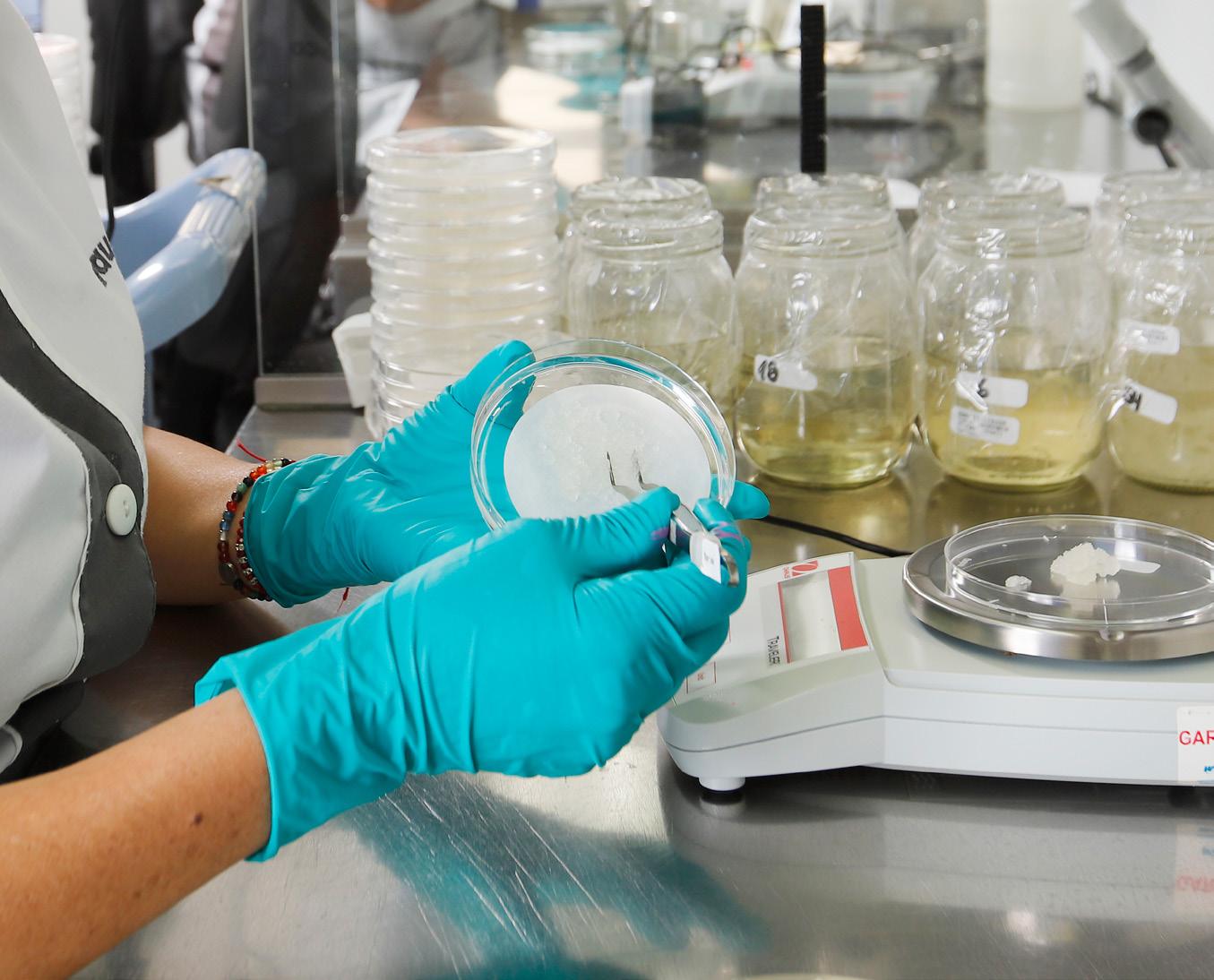


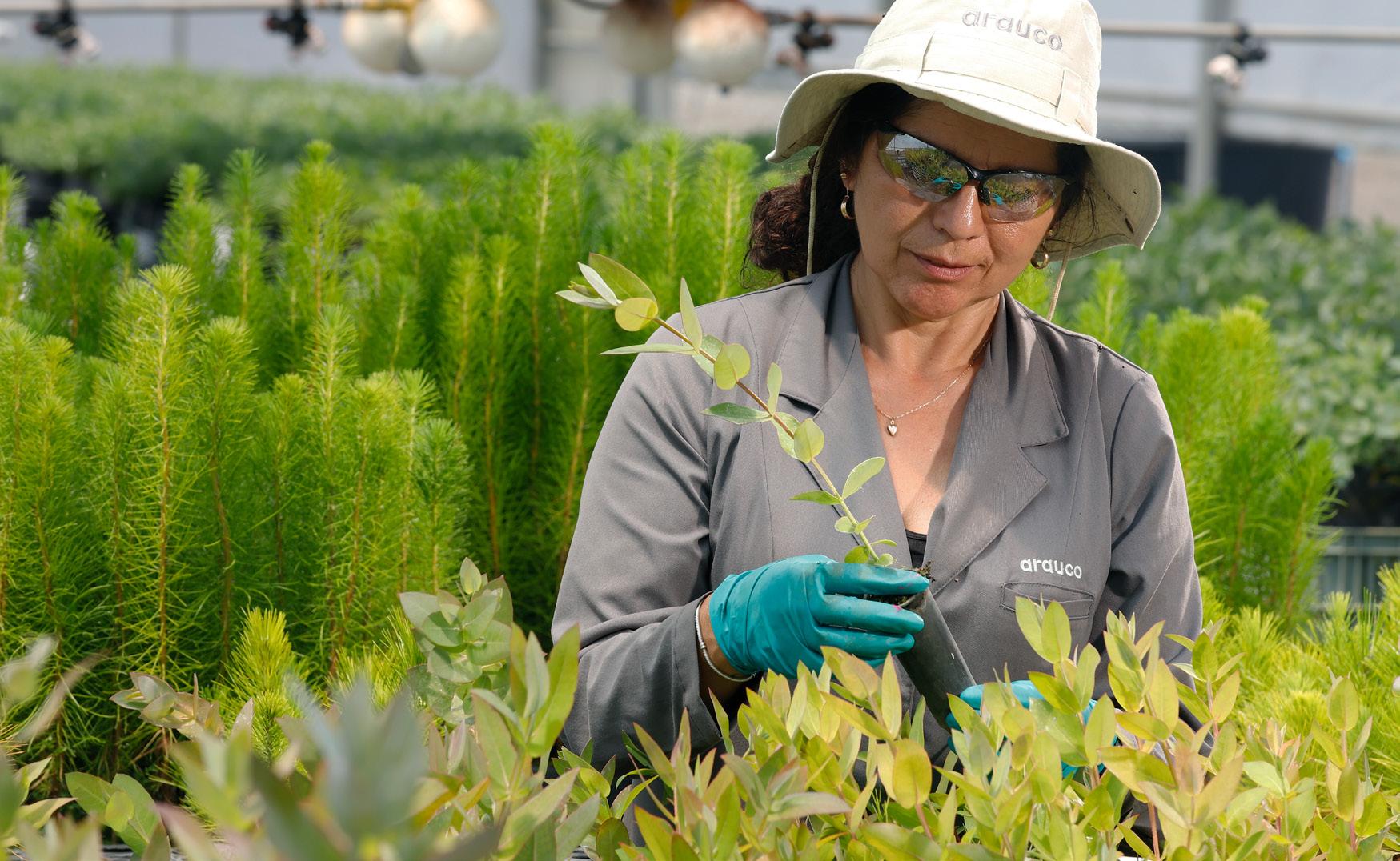
Abastible seeks to actively contribute to the growth of the country’s entire entrepreneurial ecosystem.

At a time when productivity is seen as the biggest challenge facing the country’s entrepreneurs, Abastible is working to build a more collaborative ecosystem between large companies and small and medium-sized enterprises, with the aim of fostering Chile’s development.

_ IN THE VIDEO: Abastible’s SME2 Program.
Small and medium-sized enterprises are one of the main drivers of the Chilean economy. According to the study “A closer look at the productivity of Chile’s MSMEs,” conducted by McKinsey in collaboration with Corporación Grande Pyme in October 2025, they account for nearly 64% of employment and around 45% of sales in the country. However, the same analysis reveals a complex reality: their productivity is only 44% of that of large companies.
This scenario has driven the need to move toward a more collaborative ecosystem, where different stakeholders contribute to strengthening the development of SMEs and reducing these structural gaps.
In this context, Abastible has established a line of work aimed at supporting small and medium-sized enterprises, in line with its activities. In this regard, Joaquín Cruz, Abastible’s CEO, comments: “It was in 2023 when we formally outlined our corporate purpose, ‘Empowering the Entrepreneurial Spirit,’ with the goal of contributing to a society in which SMEs become a fundamental driver of the country’s social and economic development. We are working to ensure that this purpose is not just a story, but a tangible reality that impacts SMEs day by day.”
While at the start of this initiative the company focused on working with its more than two thousand SME distributors, suppliers, and installers, through initiatives such as seven-day payment terms, among others, Abastible now actively contributes to growing the country’s entire entrepreneurial ecosystem. One of the many initiatives was to promote, together with BCI, Entel, and Sura, the creation of Corporación Grande Pyme, which was born at the end of 2024, with the goal of highlighting and strengthening the strategic role of SMEs in Chile.
“When SMEs do well, Chile does well,” says Paula Jervis.

One of the subsidiary’s recent focuses has been to promote initiatives that address, in a practical way, the daily challenges entrepreneurs face.
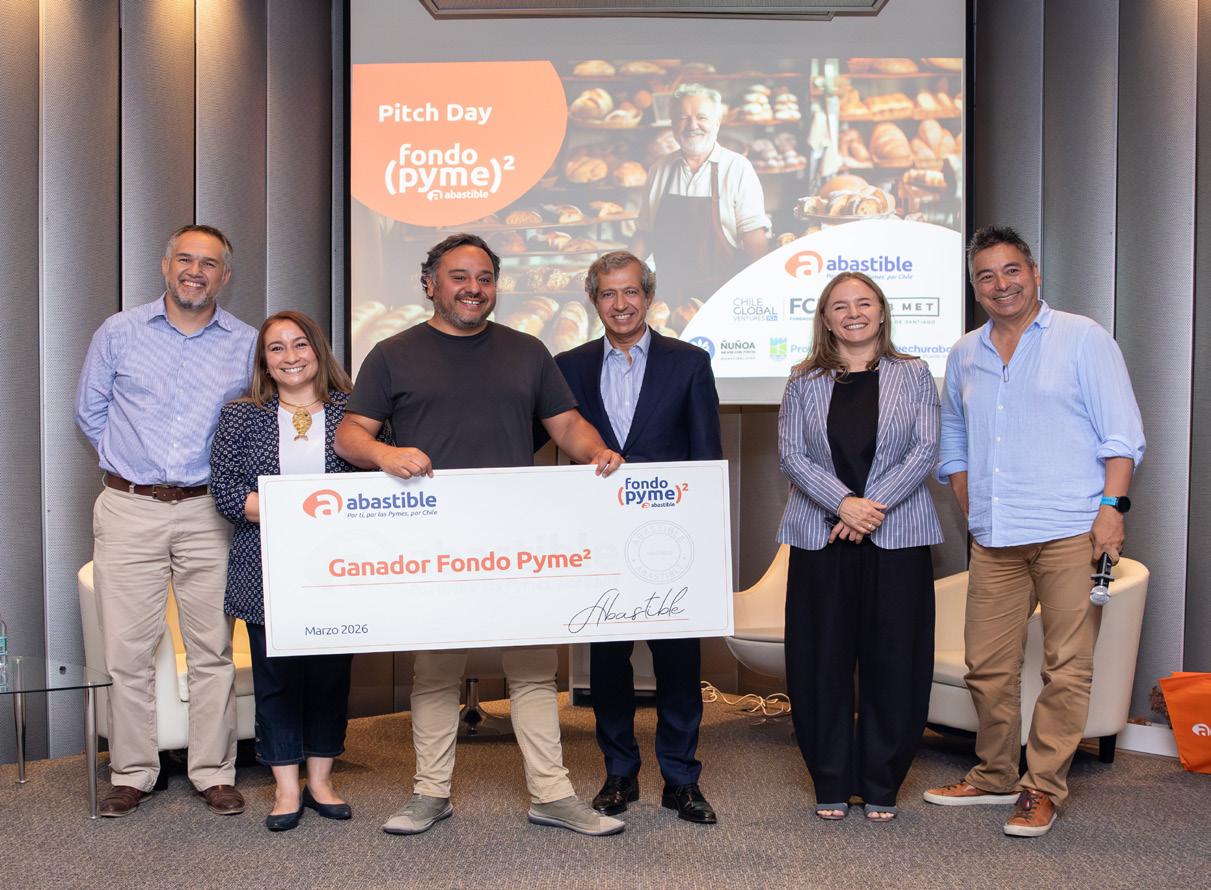
In this vein, the SME² Fund, managed by Fundación Chile and ChileGlobal Ventures, stands out, seeking to support startups that develop solutions aimed at improving the productivity and competitiveness of small and medium-sized enterprises.
consolidate their businesses. In fact, in the short term we expect to launch a new fund with similar characteristics,” explains Cruz.
The program attracted more than 160 applicants and selected 20 finalists, who presented their projects at a Demo Day. Ultimately, six ventures were selected: GranLoop, Levannta, Mercadea, Reneé, Localshop, and Omniscient. Together, they received $100 million to pilot and scale their solutions in collaboration with entrepreneurship hubs in different municipalities.
“Today, Abastible’s main priorities with SMEs focus on strengthening their cash flow, fostering innovation, and building local partnerships, because these areas represent some of the biggest barriers they face to growing and
These initiatives aim to address the main challenges identified: access to financing, the digitization of processes, and the professionalization of management, among others.

Abastible’s work has also focused on empowering local entrepreneurs through partnerships with municipalities and local stakeholders.
One of the most significant projects is the Ñuñoa Hub, a space developed in partnership with the local municipality, which serves as a meeting place for entrepreneurs and startups in Ñuñoa.
This hub offers training programs, mentoring, technical consulting, coworking spaces, and networking activities, with the goal of providing specific tools to those who need them.
According to Adrián Soto, Director of Entrepreneurship, SMEs, and Innovation for the Municipality of Ñuñoa, Abastible’s support for the hub is more than just a collaboration: “It is a model that has transformed the approach to working with entrepreneurs, breaking down the barriers between large corporations and local talent. The impact is evident in the confidence of Ñuñoa’s entrepreneurs, who now know that their ideas have not only a physical space to grow but also technical and commercial support that allows them to professionalize and compete with better tools,” he states.
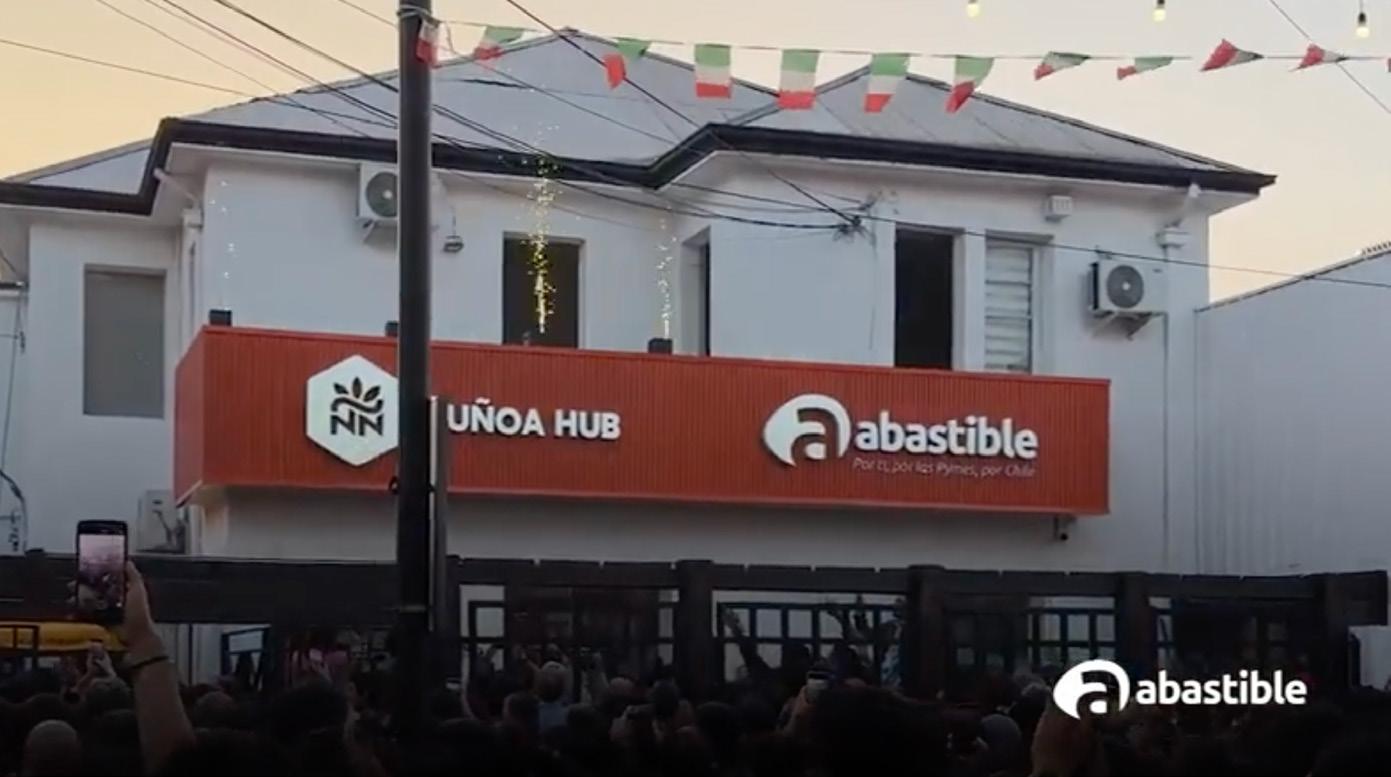
This alliance is part of a broader vision aimed at generating real opportunities for SMEs within their own communities, connecting them with networks, knowledge, and new growth opportunities.
“When the public and private sectors sit at the same table, the benefits multiply for the entire community. This alliance brings a market perspective that complements the municipality’s territorial focus, creating an ecosystem where innovation is a daily reality,” adds Soto.
This approach also extends to Abastible’s participation in Integrated Territorial Programs (PTI, for its Spanish acronym) promoted by the Ministry of Economy’s Corfo, whose purpose is to strengthen specific productive sectors in different regions of the country. These initiatives identify the main gaps in a geographic area, such as access to markets, technology, or human capital, and action plans are developed between companies, public institutions, and local players to address them. In this context, the company has participated in projects such as the Rural Agricultural Tourism PTI in the Huasco Valley, where it has helped generate business opportunities, highlight the offerings of SMEs, and connect entrepreneurs with new networks.

The Ñuñoa Hub is a meeting place for entrepreneurs and startups in the municipality.
The study “Juntos Crecemos” (Growing Together), published by SOFOFA through its SME Development Committee, in collaboration with the Chilean Entrepreneurs Association (ASECH) and the Simón de Cirene Corporation, argues that the productive links between large companies and SMEs can become a significant asset for economic development.
In this regard, Paula Jervis, Legal, Corporate Affairs, and Sustainability Officer at Abastible, explains: “At Abastible, we are aware of the key role that SMEs play in the Chilean economy, being a key driver of employment, productive activity, and development in local communities. When SMEs grow and develop, it not only strengthens our own value chain but also the country’s economy as a whole. Ultimately, when SMEs do well, Chile does well.”
From this perspective, collaboration between large companies and SMEs not only creates
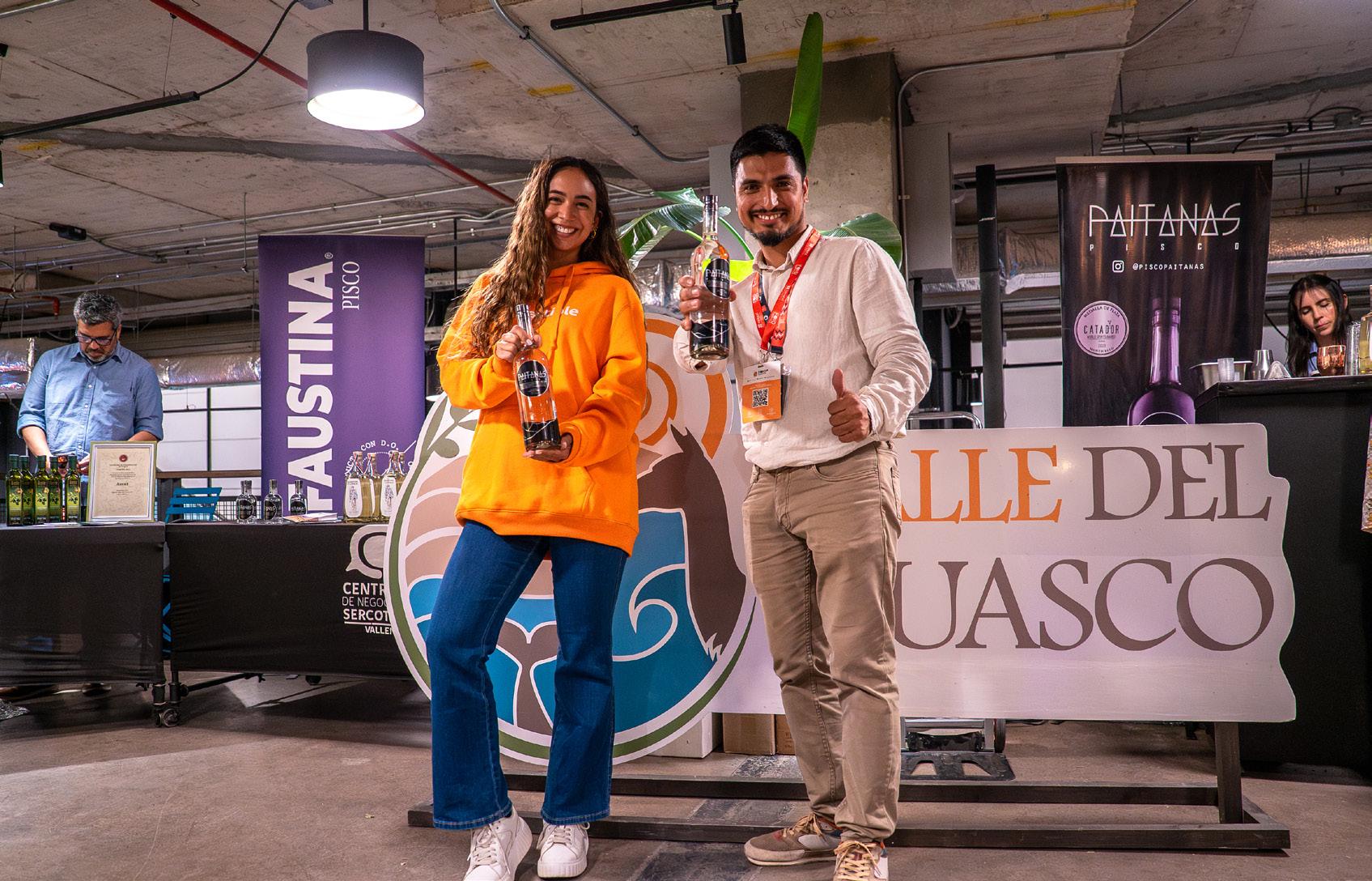
Looking ahead to the coming years, Abastible plans to continue strengthening this area of focus by consolidating projects that combine innovation, regional development, and entrepreneurial collaboration.
new business opportunities but also facilitates the transfer of capabilities, knowledge, and standards that directly impact their productivity.
“The productive linkage between large, small, and medium-sized enterprises can become a significant driver of economic development, as it enables the transfer of capabilities, standards, and knowledge that SMEs often cannot generate on their own,” she adds.
“Companies play a key role in driving the development, competitiveness, and growth of SMEs. In this vein, we seek to promote projects that transform their operations and boost their growth, contributing to the national entrepreneurial ecosystem through scalable solutions capable of generating real impact and thereby moving the country forward,” concludes Jervis.
In Chile, SMEs account for
SME² Fund
Managed by Fundación Chile and ChileGlobal Ventures, it seeks to support startups that develop solutions aimed at improving the productivity and competitiveness of SMEs.
Of total employment.
Of the country’s sales..
“A closer look at the productivity of Chile’s MSMEs,” McKinsey and Corporación Grande Pyme, October 2025.
Was awarded in total to the 6 selected startups: GranLoop, Levannta, Mercadea, Reneé, Localshop, and Omniscient.
Applications
Ñuñoa Hub
A space developed in partnership with the Municipality of Ñuñoa that serves as a meeting point for entrepreneurs and startups in the municipality.
“Growing Together” Study
Published by SOFOFA, through the SME Development Committee, on collaboration with ASECH and the Simón de Cirene Corporation.
Training programs, mentoring, technical consulting, coworking spaces, and networking activities.
Productive linkages between large companies and SMEs can become a significant asset for economic development.
SUPPORTING
wOMEN IS SUPPORTING CHILE

In March 2026, Abastible signed a partnership with Mujer Impacta Foundation, thereby joining the Mujer Impacta 2026 Award. Through this partnership, the company will actively participate in recognition programs, mentoring initiatives, and events aimed at empowering and connecting women who want to start their own businesses. In this way, the company aims to scale these initiatives, in a context where 38% of those working in SMEs are women.
“This collaboration acknowledges social female entrepreneurs who are leading profound changes in their communities. For us, supporting purpose-driven entrepreneurship is a key part of our sustainability strategy and commitment to the country’s development,” says Paula Jervis.
ARAUCO created an AI-dedicated division with the goal of developing a comprehensive strategic vision, accelerating the adoption of AI, and establishing the right conditions for its development and scaling.


AI has evolved from a promise of the future into a strategic capability of today, transforming industries such as mining, energy, retail, and financial services. In the forestry sector, where operational efficiency, safety, and responsible resource management are key, its potential is also opening up new possibilities.
At ARAUCO, this transformation is already underway. The company has begun incorporating artificial intelligence (AI) across different spheres, ranging from forest monitoring to the optimization of industrial
and support processes, with the goal of turning data into a source of value and strengthening its long-term competitiveness. In this regard, Juan Pablo Barros, ARAUCO’s Chief of AI and Advanced Analytics, notes: “It is difficult to imagine that in the coming decade a company could be competitive without intensive use of AI.”
Although the company had already been developing initiatives in this area, in recent years the challenge has shifted: moving from isolated efforts toward adoption at scale, with a focus on the core of the business and the ability to generate a cross-cutting
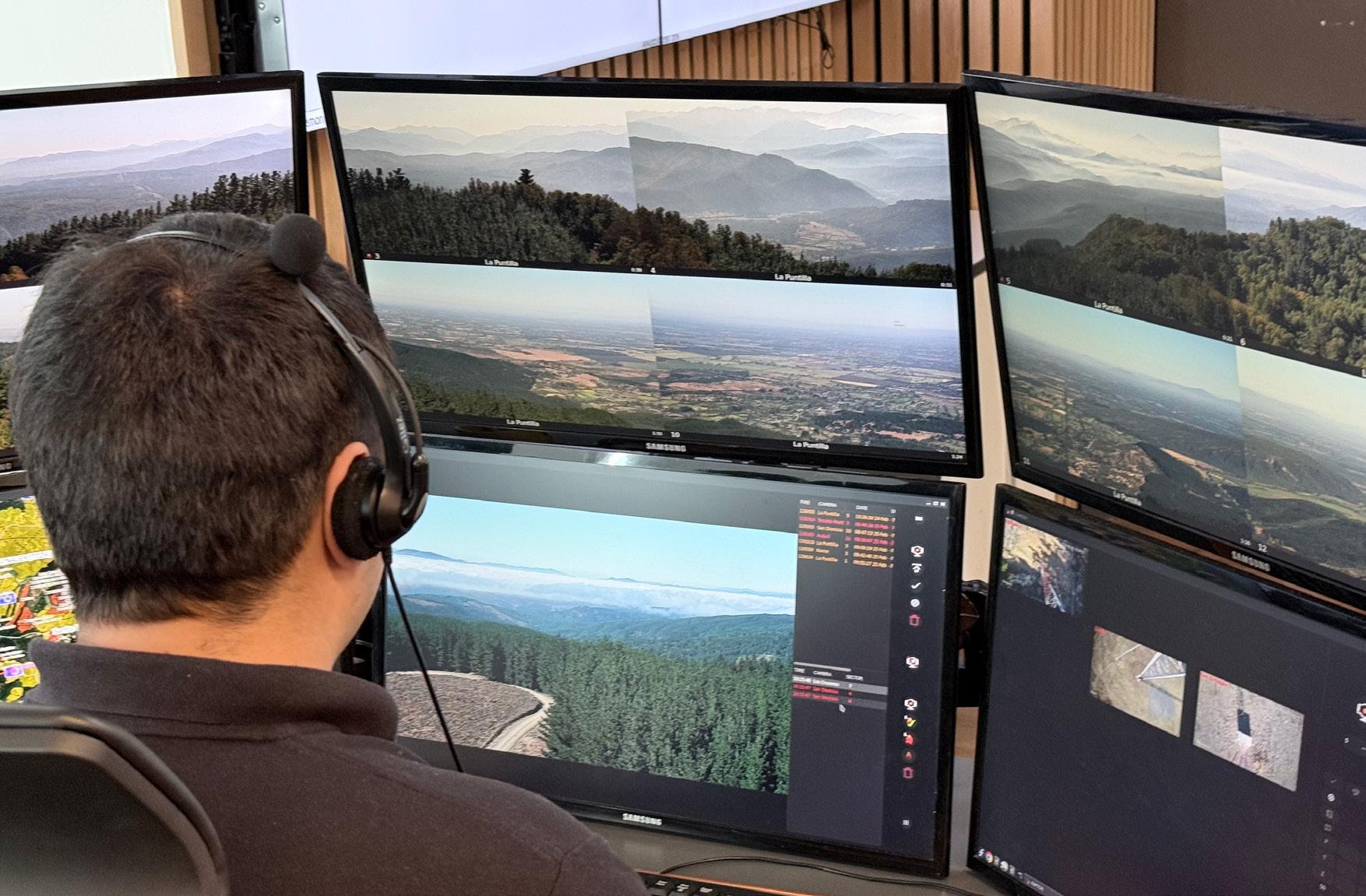
impact. In this context, ARAUCO created an AI-dedicated division with the goal of developing a comprehensive strategic vision, accelerating the adoption of AI, and establishing the right conditions for its development and scaling.
Barros, who leads this new department at ARAUCO, explains, “creating this department responds to a strategic vision regarding the leading role that AI will play in the business, but also to the need to move forward efficiently, since AI is inherently synergistic, and without a shared vision, significant economies of scale are lost.” Rather than simply incorporating intelligent models, he states that it is essential to understand them and leverage them deeply in order to create significant value. To that end, the company seeks to integrate data, culture, and methodologies that translate that potential into tangible results.

One of ARAUCO’s recent developments in this area is the “Harvest Quality” project, winner of Chile’s National Artificial Intelligence Award, PotencIA. The award recognized a system that uses drones, high-resolution imagery, and intelligent models to identify, measure, and classify logs in forest operations, generating more accurate and timely information for management.
Based on images captured in the field, each piece of wood is analyzed individually, its volume is estimated, and it is classified according to its commercial value. Crossreferencing the information collected in the field with the forest inventory makes it possible to identify unused wood, estimate its impact on losses, improve traceability, and obtain objective indicators on site performance. According to José Miguel Echeverría, Head of Processing, Remote Sensing & Geomatics, and R&D at ARAUCO, “the key point is that this allows us to move from partial assessments to a much more precise and systematic measurement of the harvest, providing objective data to make better decisions on site."
Unlike traditional methods, which rely on visual assessments and partial sampling, this solution analyzes large areas with a higher level of detail. Development began in 2023 with a field validation phase, and in the first quarter of 2024, it transitioned to automated operation. Since then, the project has improved the average quality of operations by 37%.
“AI transformed harvest monitoring into a smart service, establishing a clear and measurable standard that improves the precision, speed, and accuracy of assessments,” Echeverría notes.

The use of this technology is also making significant progress in other areas. In the pulp and paper industry, for example, a multi-agent AI system was developed, capable of integrating different sources of information, such as manuals, logs, and process data, in order to quickly diagnose the root cause of operational failures. In highly complex industrial environments, where these analyses are key to business continuity, this allows for a drastic reduction in response times. “What used to require weeks of highly specialized work can now be resolved in minutes with precise hypotheses and recommendations to accelerate incident resolution, optimize operations, and strengthen organizational learning,” explains Juan Pablo Barros.
But its scope doesn’t end there. Pulp mills are also using digital twins, that is, AI models that replicate the behavior of critical and complex systems based on real-time data, in order to optimize operations and improve process stability. Meanwhile, the Sawn Timber business is piloting computer vision solutions to sort melamine, detect defective products, and enhance safety on loaders and cranes by identifying high-risk conditions.
Several initiatives are gaining traction throughout the value chain, strengthening anticipation capabilities, operational continuity, safety, and productivity.
In addition, there are developments in robotics, such as autonomous cranes for supplying paper to melamine lines and packaging cobots to automate package assembly, as well as agent systems in departments such as Legal, Procurement, and Finance, aimed at streamlining processes and unlocking new efficiencies.
More than just isolated projects, these initiatives demonstrate how solutions of this kind are beginning to gain traction throughout the value chain, strengthening anticipation capabilities, operational continuity, safety, and productivity.

Beyond technical developments, one of the main challenges in implementing AI has been change management and its adoption by people. As with any transformation process, this has involved making progress both in technical skills and in building a culture that naturally integrates these capabilities into daily work.
At ARAUCO, this process has been accompanied by growing interest from the teams. “Today, the power of AI has become much more tangible and accessible to everyone, especially in the field of generative AI, which has led more and more employees to transition from observers to active users,” says Barros.
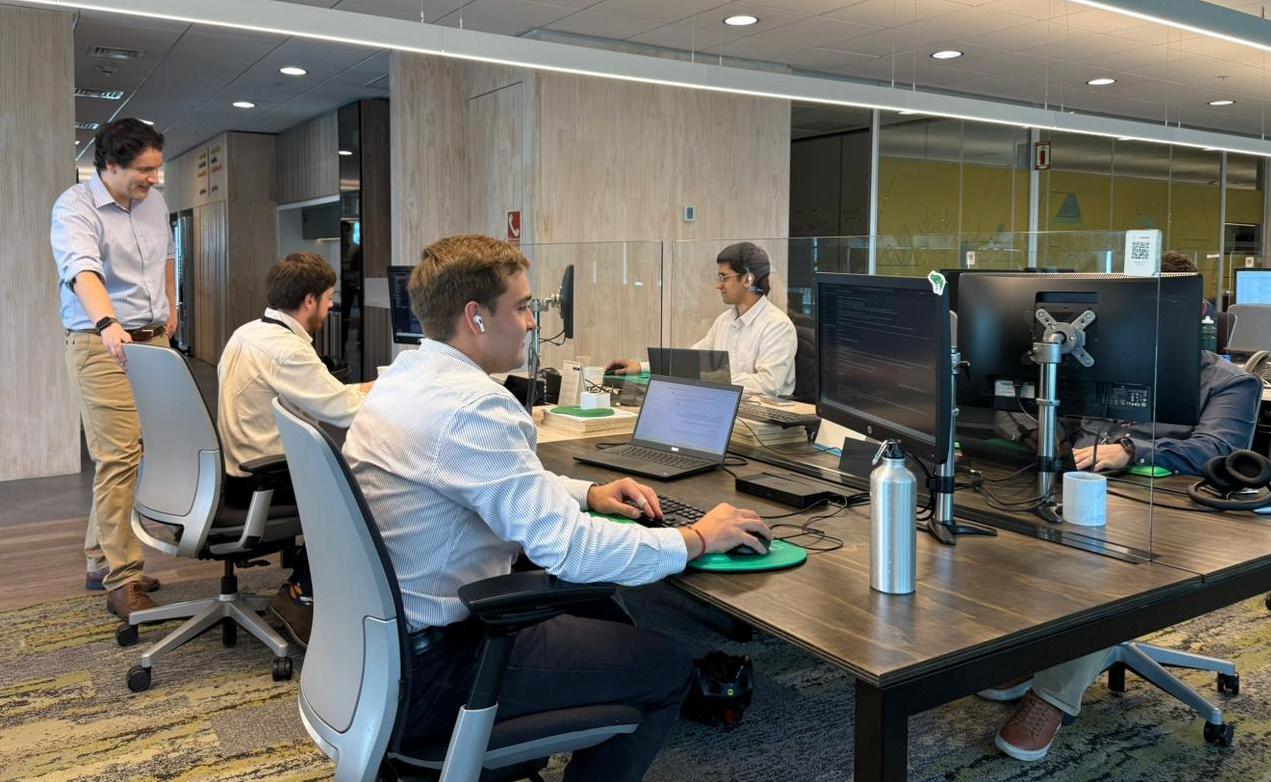

That interest now has specific expressions. In 2024, the IT department promoted an internal AI community that today brings together nearly 1,000 volunteers, with the goal of learning about and delving deeper into these tools. These types of initiatives are part of a broader effort to strengthen new work methods and support teams’ adaptation, understood not as a one-time action but as an ongoing process. The expectation is that, as these capabilities expand, adoption will also accelerate steadily over time.
The executive maintains that the value of artificial intelligence depends not only on the technology, but on how the organization identifies it as a source of competitive and differentiating advantage, applying it in specific ways. This requires vision, talent, infrastructure, quality data, and a responsible, rigorous, and disciplined approach to adoption. Without these elements, he warns, the risk is that AI will be reduced to isolated pilots or fragmented efforts, failing to have an impact on results.
Moving forward, AI is emerging as an increasingly cross-cutting capability within the company, with the potential to transform how decisions are made, assets are operated, and processes are managed. In a sector where demands for efficiency, safety, and sustainability coexist, this convergence among innovation and productive knowledge is beginning to usher in a new era, where experience is not replaced but rather enhanced and projected toward the future.
The internal AI community now brings together nearly
Based on images captured in the field.
Field validation phase
The project has made it possible to recover nearly:
Each piece of wood is analyzed individually.
Of the annual harvested volume that previously remained on the ground unused
Its volume is estimated and it is classified according to its commercial value.
People who have voluntarily joined with the goal of learning and deepening their understanding of these tools.
Of recovered commercial timber Improvement in the average quality of activities
In a forestry operation like ARAUCO’s, artificial intelligence also plays a significant role in one of the business’s most sensitive issues: early fire detection. Through systems that integrate 360° robotic cameras, computer vision, satellite technology, and predictive models, the company has strengthened a more proactive approach to monitoring critical variables and enabling a more timely response to complex scenarios.
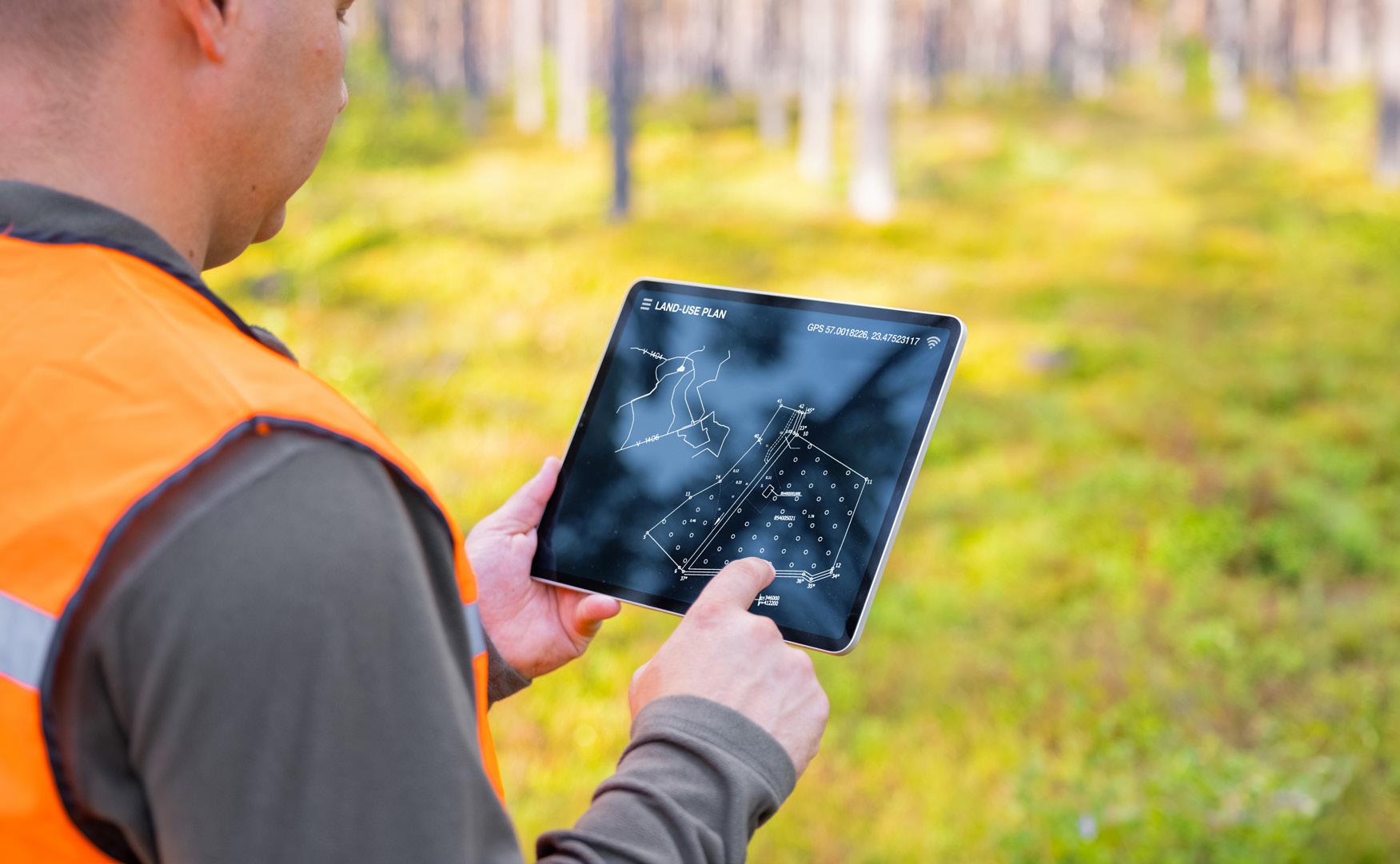
This capability is complemented by an early detection and alert network that includes 165 proprietary robotic cameras, satellite support, and tools such as simulators that visualize fire spread scenarios in real time.
Rather than simply automating observation, these solutions move toward more preventive monitoring, integrating key information to strengthen the response of field teams and support better decision-making.


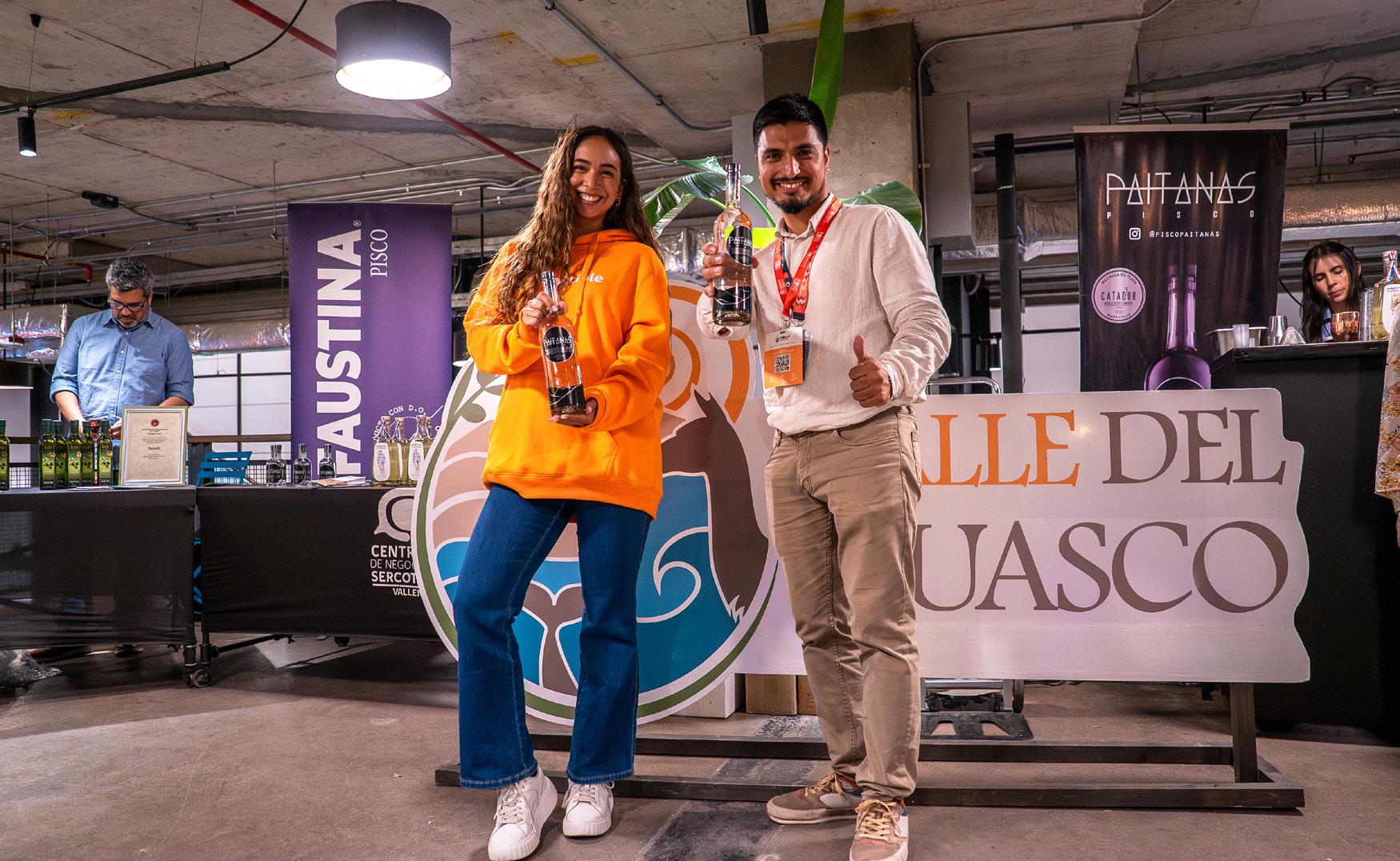
Duoc UC Arauco Campus, a true ecosystem of educational quality and local development, celebrates its 10th anniversary.
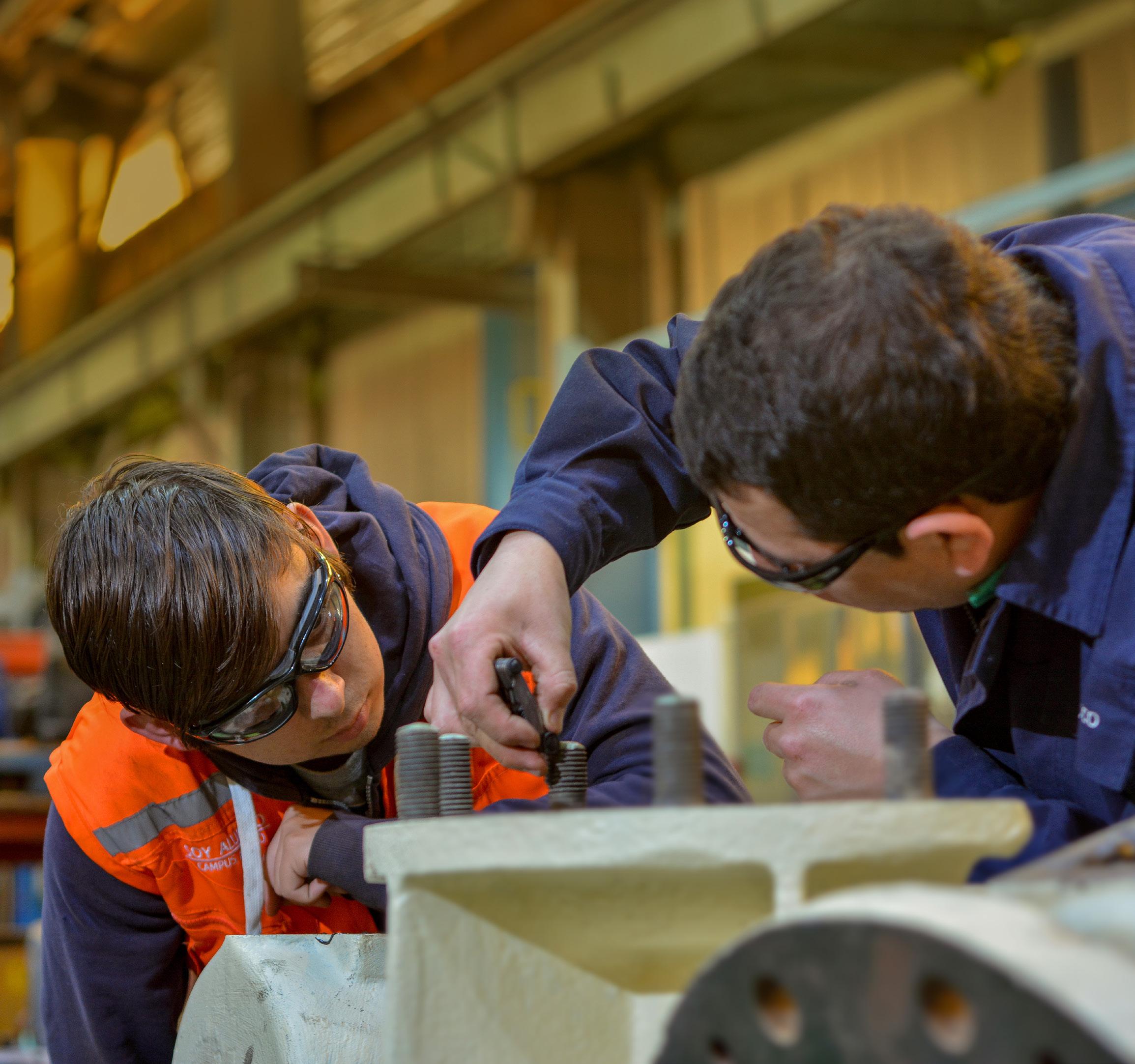
uc campus arauco: with the people
Ten years after its implementation, the dual training program between ARAUCO and Duoc UC has enabled hundreds of young people to combine theory and practice from the very start of their careers.
The partnership between a leader in education and an industry benchmark has contributed to enhancing
and
Natalia Espinoza studied Electricity and Industrial Automation at Duoc UC. She graduated in 2022 and began working at ARAUCO that same year, where she currently works as a Maintenance and Electrical Control Technician in the Plywood business unit. Ricardo Montalba is an Electromechanical Maintenance Technician who also studied at the same institute. He joined the company’s Plywood complex in 2018 and is currently a machine operator on site.
In addition to their place of study and work, both students share the experience of having acquired theoretical knowledge and practical experience in a single program. Natalia and Ricardo alternated between textbooks and machines, and between the classroom and workshops, developing skills that would open the doors to the working world for them.
A decade ago, in the province of Arauco, an idea that is now a reality for hundreds of teenagers began to take shape: learning by doing. What started as an initiative to boost local employability has now become a wellestablished model for technical and professional training, the result of a partnership between ARAUCO and Duoc UC.
The cornerstone of this joint effort is the dualtrack program, which allows students to immerse themselves in the real dynamics of the industry from the very start of their careers. In production plants, accompanied by workers who serve as mentors, the students not only practice what they’ve learned but also experience it firsthand every day. -
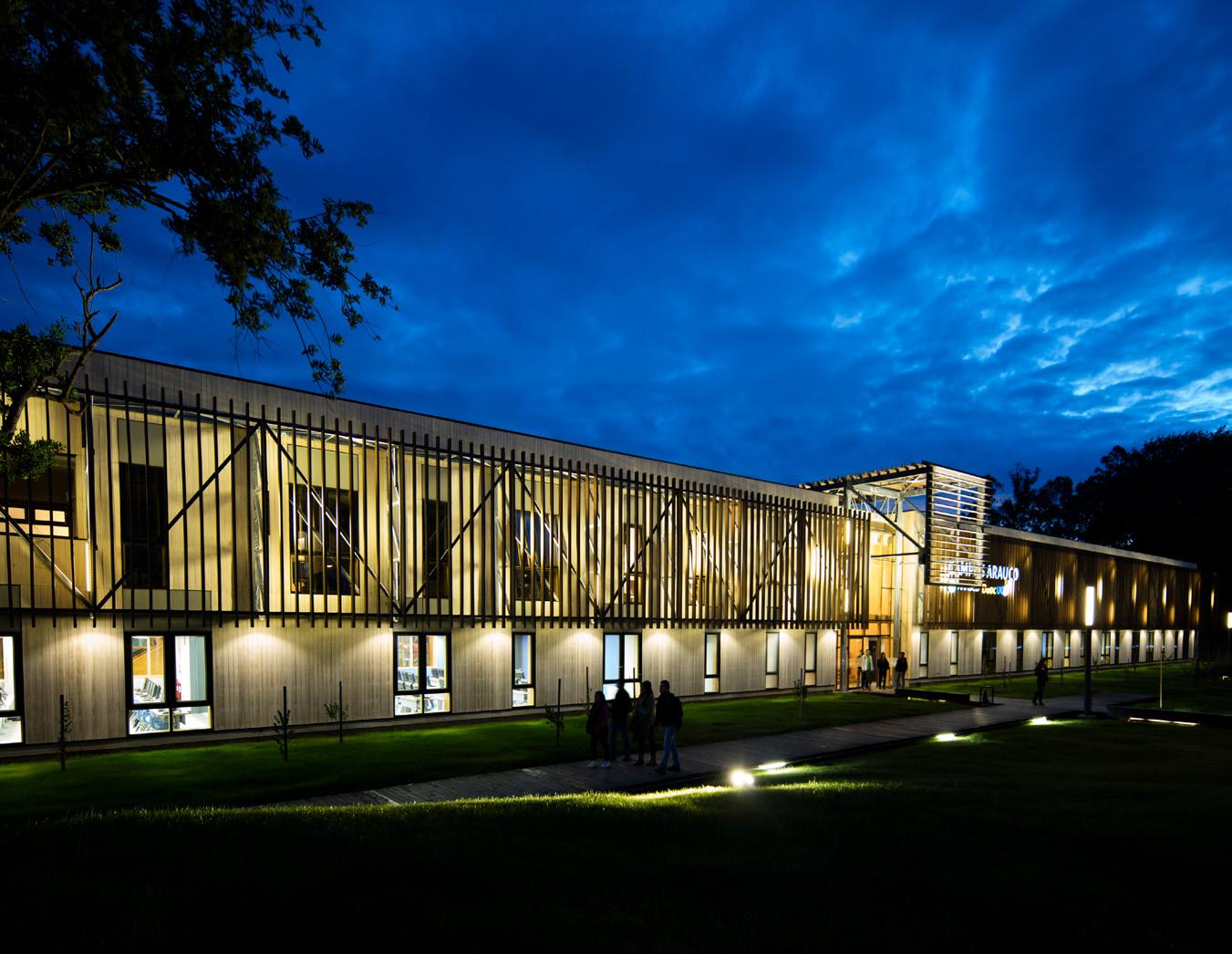
The dual-track program allows students to immerse themselves in the real dynamics of the industry from the start of their careers.
Constanza León, ARAUCO’s Training and Culture Director, explains the project’s origins: “It began as one of the initiatives launched as part of the MAPA project, with the aim of providing the community with a high-quality training center that would promote local employability. This prompted the company to seek partnership opportunities to deliver quality higher education and add value through our role as an industrial player, leveraging the region’s productive expertise.
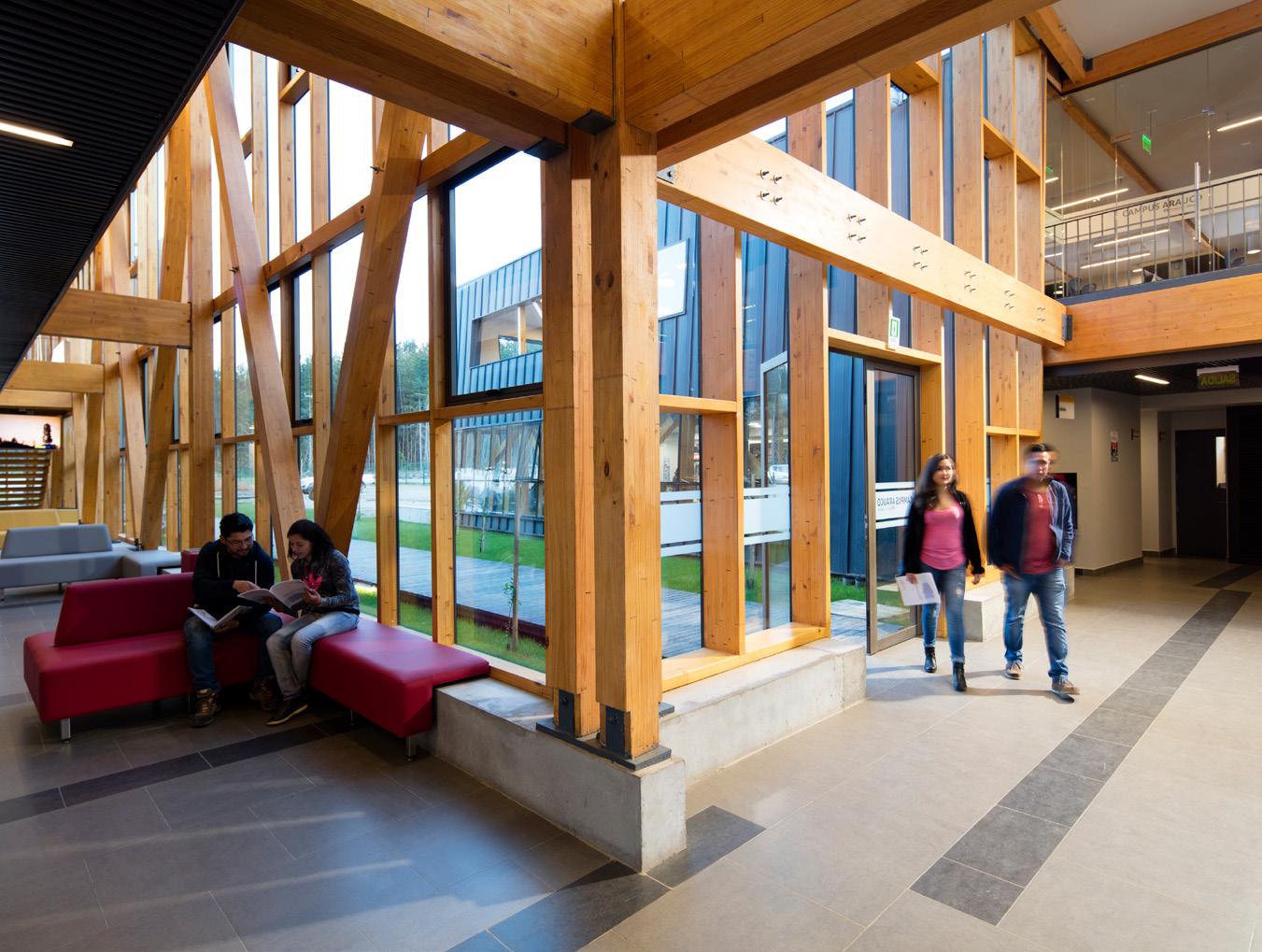

The challenge for ARAUCO and Duoc UC is to continue strengthening the alliance and adapting it to the new requirements of the industry and the country.
For Duoc UC Arauco Campus, this experience has been equally transformative. Its Dean, Rodrigo Viveros, notes that “students learn by doing, in a realworld environment and according to the standards of a world-class company. This strengthens their education in a comprehensive way.” He notes that Duoc UC Arauco Campus was the institution’s first campus conceived from a territorial development perspective, “with the aim of offering technical and professional training connected to the needs of the local community and, especially, to its main productive sector: forestry.”

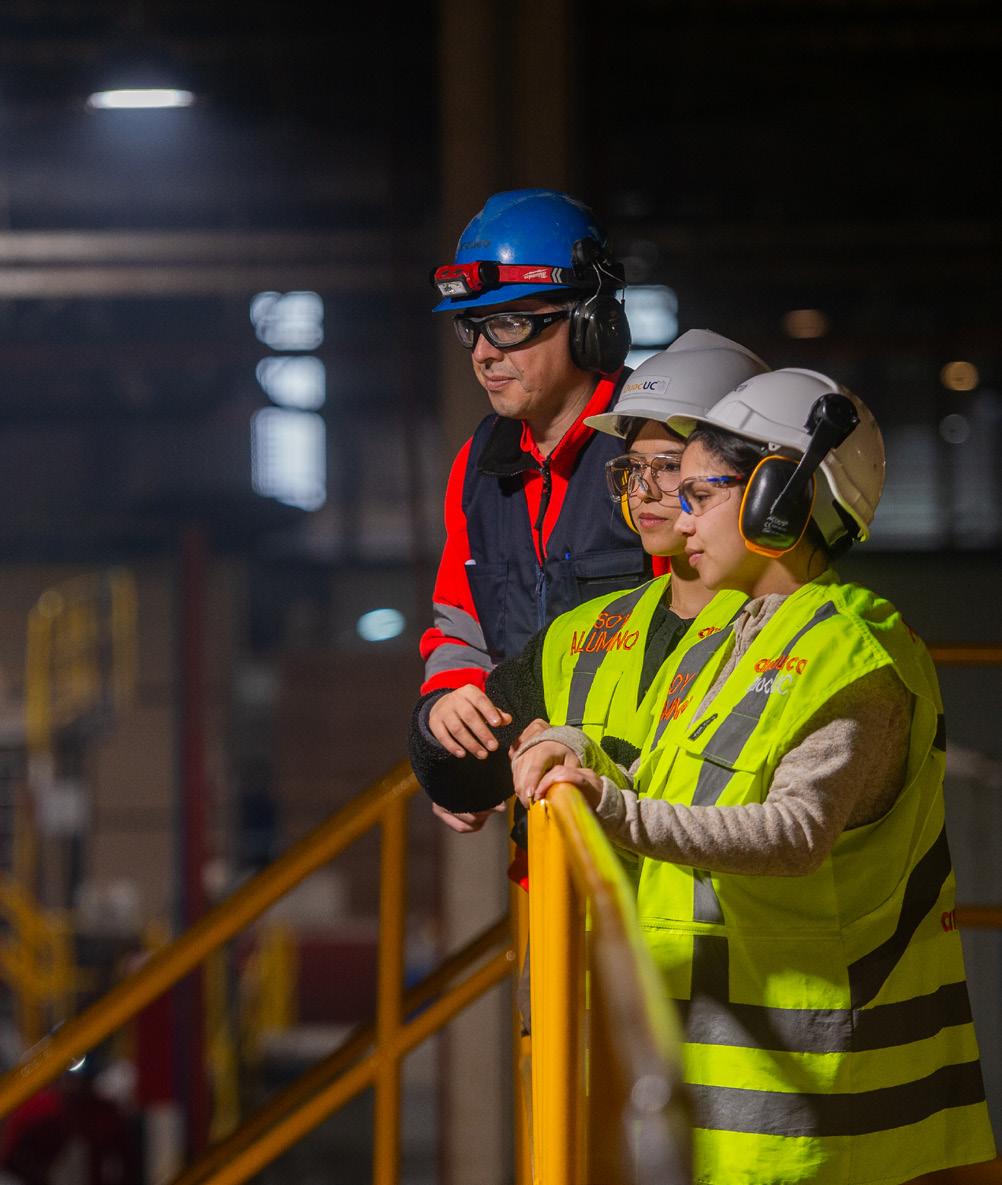
Much more than just teaching
A key figure in this process is the mentor. These are company employees who, in addition to their regular duties, voluntarily support students in their daily learning. Today, there are nearly 100 active mentors,
who are also supported and trained by Duoc UC to fulfill this role.
One of them is David Rivera, who has been part of the program since its beginnings. As a mentor and program coordinator at the ARAUCO Plywood Mill, he says he takes on this responsibility “with great commitment and affection, because I know that behind every student there are dreams, hard work, and often entire families who see in them an opportunity for growth.”
He also states that this work is much more than just teaching a task. “On this journey, you not only impart technical knowledge; you also share life
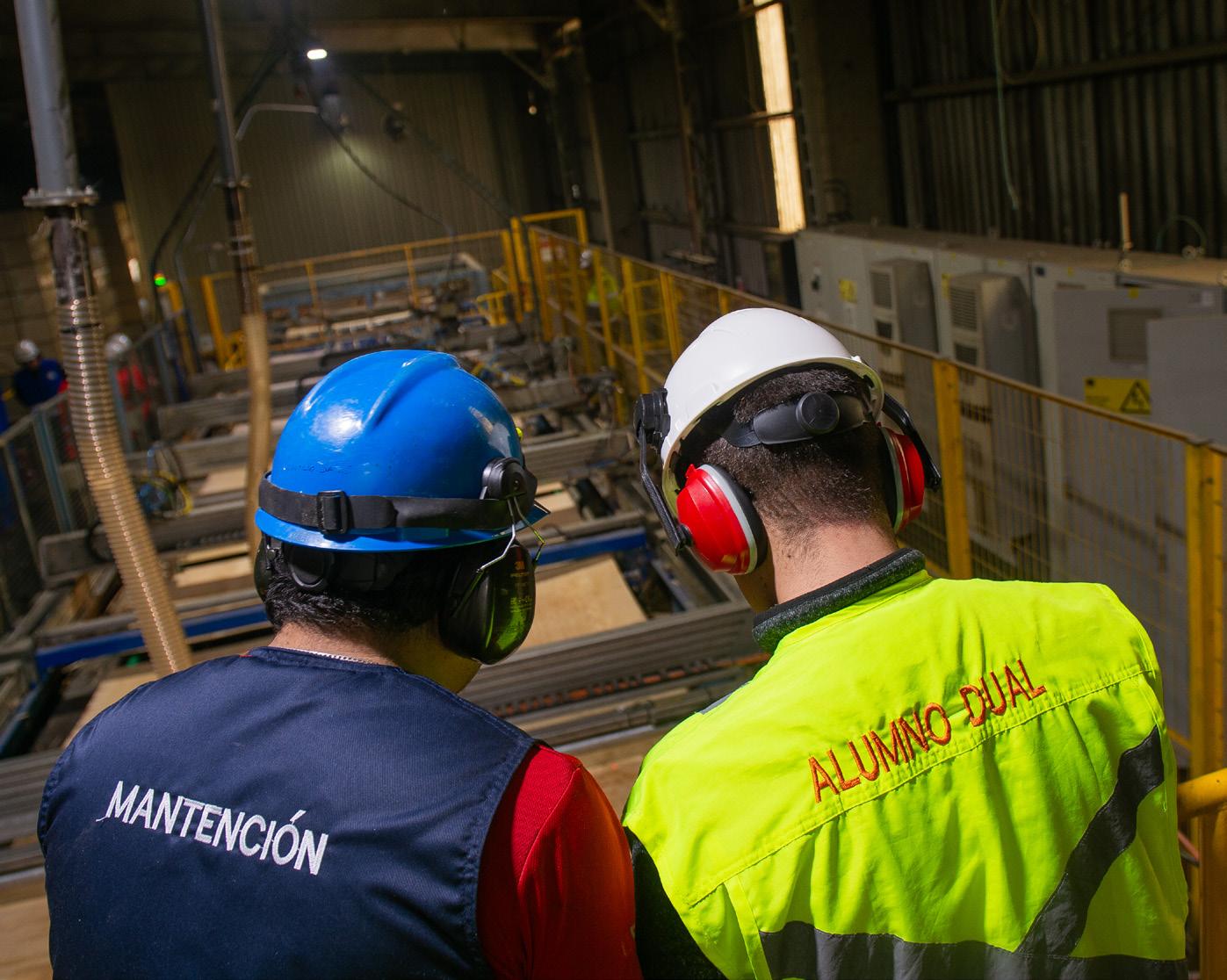
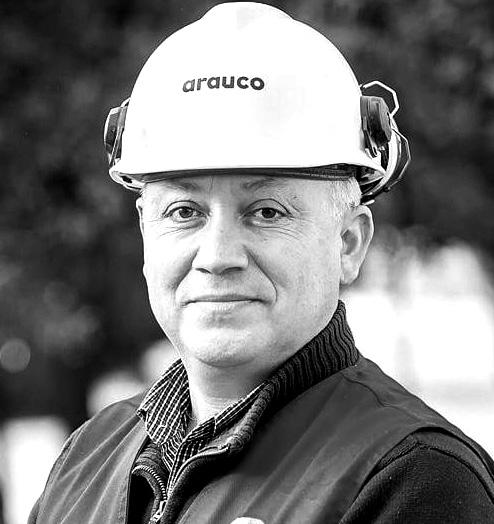
experiences, lessons, and advice that can help young people make important decisions regarding their personal and professional development. A very special bond is forged, based on respect, trust, and commitment. Often, the mentor ends up being not only a technical guide but also a key source of support in their life journey.”
The partnership between ARAUCO and Duoc UC has proven to be a winning formula. Beyond the numbers, the qualitative results are highly satisfactory for all players in this true ecosystem of educational quality and local development.
Natalia Espinoza emphasizes that, for her, the experience was very important both professionally and personally, “since it allowed me to understand how the industry really works, resolve doubts on the spot, and develop technical and soft skills. I also greatly appreciate the support from the staff and my mentor throughout the process.” Today she feels gratified to be part of the team, “to


The partnership between ARAUCO and Duoc UC has proven to be a winning formula. Beyond the numbers, the qualitative results are highly satisfactory.
be considered a contribution and to feel that I can be on par with my colleagues, contributing through my work.”
Meanwhile, Ricardo Montalba values “the great camaraderie and willingness to teach” that he has observed since joining the company. “It’s a great partnership for people who have never been in an industrial complex, and it helps them get a feel of what a company like ARAUCO is all about,” he notes.
“Students really appreciate the opportunity to learn directly in the environment where they will practice their future profession and to truly understand how the industry works, something that would be very difficult to grasp through theory alone,” says Rodrigo Viveros from Duoc UC. In his view, these types of initiatives “reflect how
we put our educational model into practice, promoting flexible educational programs linked to the productive world, while also allowing us to continuously adapt training to narrow employment gaps.”
David Rivera finds it heartwarming “to know that you can contribute, even if only a little, to transforming the lives of these young people, especially when, in many cases, they are the first in their families to pursue higher education. Being part of that process, supporting them, and seeing how they grow as professionals and as people is, without a doubt, one of the most valuable experiences I have ever had.”

Ten years after its launch, the challenge for ARAUCO and Duoc UC is to continue strengthening the alliance and adapting it to the new requirements of the industry and the country. Tangible steps have already been taken, such as the creation of new academic tracks related to the forestry sector and specialized programs to address specific needs. But the spirit remains the same: to train people with realworld tools to thrive in the workplace while contributing to the development of their communities.
For ARAUCO employees, the program has been an opportunity for professional growth. Constanza León notes that some employees “have ventured into teaching on campus, which has undoubtedly contributed to their professional development and is a good way to channel their motivation to teach. We know that teaching others allows them to strengthen and update their knowledge.”

Graduates Evening program students.
Receive tuition-free education. Programs with the option to continue studies at the Arauco Campus. Technical programs. Employment rate among graduates.
Have been hired by ARAUCO or its related companies.
FISHING SECTOR
EBITDA: US$ 12 million ENERGY SECTOR
EBITDA: US$ 1,436 billion

FORESTRY SECTOR
EBITDA: US$ 1,305 billion
EBITDA: US$ (-23) million
NET INCOME: US$ 877 million
EBITDA: US$ 3.000 billion
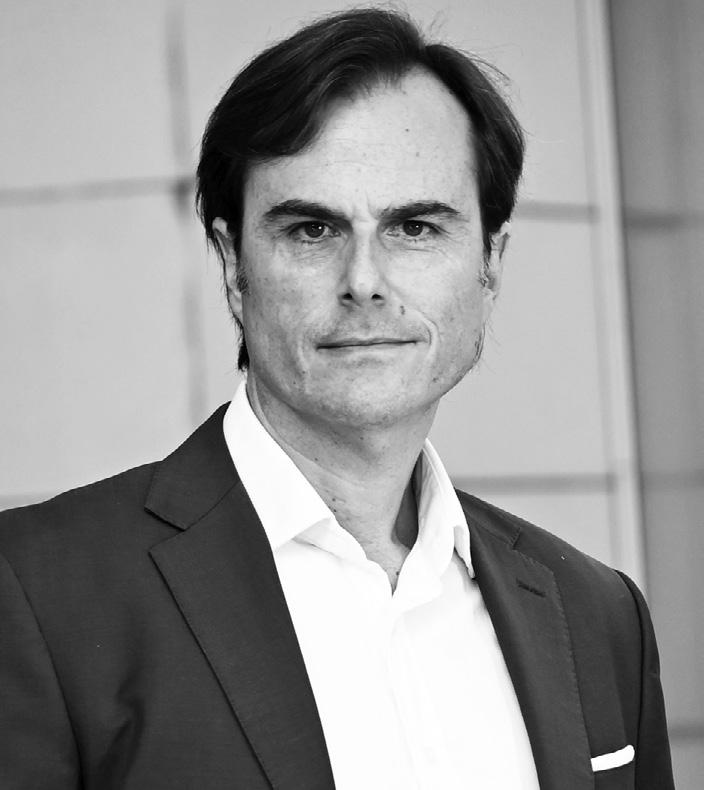
_
Fiscal year 2025 was challenging for Empresas Copec, characterized by a complex international context and an investment cycle of unusual magnitude. The fourth quarter reflected this combination: EBITDA reached US$599 million, down from the previous quarter and the same period in 2024, bringing the accumulated figure to US$2.730 billion, a number that climbs to US$3 billion for Adjusted EBITDA, which includes the results of related companies. Behind these figures lies, primarily, the performance of the forestry business, which faced an adverse scenario in the pulp market for much of the year.
Arauco operated in a context of persistently low prices and weakened demand following the U.S. tariff announcements, coupled with uncertainty regarding the potential entry of new production capacity in China. However, toward the end of the year, more encouraging signs began to emerge: the Chinese market—the main destination for pulp—showed a gradual recovery, with prices going up, a trend that has extended into the first months of 2026. Meanwhile, the sawn timber business returned to stability during 2025, with results more in line with its historical averages.
In this scenario, the energy business once again posted solid results, based on strong competitive positions. Copec increased its EBITDA compared to 2024, supported by higher volumes
and strong performance across its different business units, with particular strength in the industrial segment. Abastible, meanwhile, recorded significant growth compared to the previous year, consolidating progress in the markets where it operates and reflecting, for the first time, a full year of operations in Spain and Portugal. These figures confirm this sector’s ability to deliver stability and cash generation in volatile environments.
"Fiscal year 2025 was challenging for Empresas Copec, characterized by a complex international context and an investment cycle of unusual magnitude".
Mining provided a particularly positive highlight during the fiscal year. Cumbres Andinas, the indirect owner of Mina Justa, achieved record results, both in terms of profit and EBITDA, driven by a very favorable price environment and higher production levels of copper cathodes and concentrates, in line with its mining plan. This performance reinforces the strategic importance of this business at a time when copper is consolidating its position as a key resource for the energy transition, electromobility, and technological development.
In terms of investments, the focus remains on the Sucuriú project, which is progressing steadily and, in some areas, is even ahead of schedule. As of the end of December, the project had reached 42.6% overall progress, with nearly 8,500 active workers on-site. At the same time, installation
of the main industrial equipment began, and in February, construction started on the railway spur that will connect the plant to the main network leading to the port of Santos.
Sucuriú will structurally transform Arauco’s scale, enabling it to increase its pulp production capacity by 70% and consolidating one of the industry’s most competitive cost structures. This is an investment designed to be profitable even under the most pessimistic long-term price scenarios.
Meanwhile, in the mining sector, the expansion of Mina Justa is moving forward through its underground project, which has already begun construction and involves an investment of nearly US$500 million. This expansion will allow the company to capture significant additional value from an asset that currently operates on only a small fraction of its total mining property.
The scale of this investment plan poses significant financial challenges. Empresas Copec ended 2025 with a net financial debt-to-EBITDA ratio of 3.58 times (3.26 considering Adjusted EBITDA), a level that reflects the effort associated with the ongoing investment. However, the Company has been clear in its commitment to maintaining credit metrics at levels that are consistent with an Investment Grade rating, a principle established in its Financial Policy. Rating agencies have recognized this discipline, and the market has responded with confidence, securing a large portion of Sucuriú’s financing through export agency-backed loans, AB-loans, and hybrid bonds, all
complemented by capital contributions from the parent company to Arauco. Once Sucuriú begins operations, a rapid deleveraging process is expected, driven by significant EBITDA generation from these facilities.
Beyond financial results, 2025 was also a year of recognition. For the seventh consecutive time, Empresas Copec was honored in “La Voz del Mercado,” consolidating its position in corporate governance best practices. Added to this are several distinctions awarded to the subsidiaries, chief officers, and directors in well-known rankings on reputation, leadership, and civic engagement, known through different surveys, with the Copec subsidiary notably recognized as citizen brand of the year. These distinctions reinforce a core conviction: financial strength, good governance, and consistent execution are the result of a firmly established long-term vision.
Empresas Copec maintains this perspective intact, along with its commitment to rigorous execution and its conviction regarding the role of companies in development. Investing with discipline, generating value, and contributing to the progress of the societies where it operates will continue to be the cornerstone of its actions, in line with its purpose of shaping the world for future generations.
"In this scenario, the energy business once again posted solid results, based on strong competitive positions".

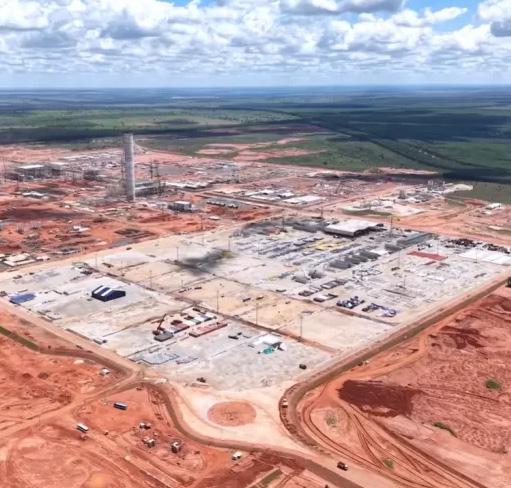
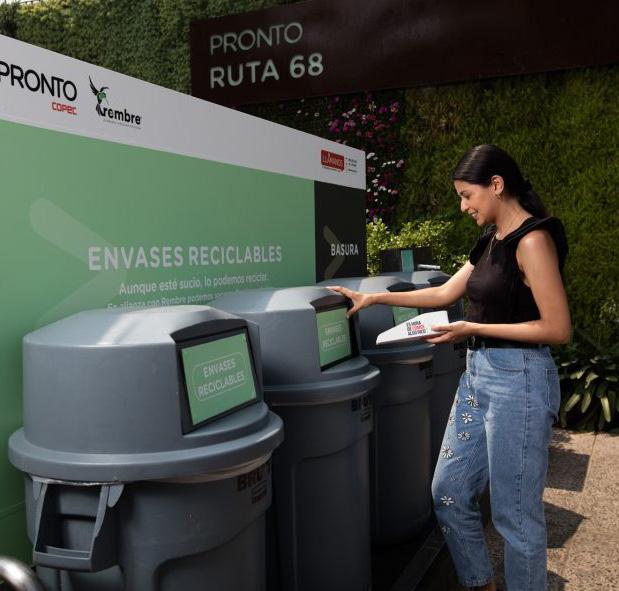
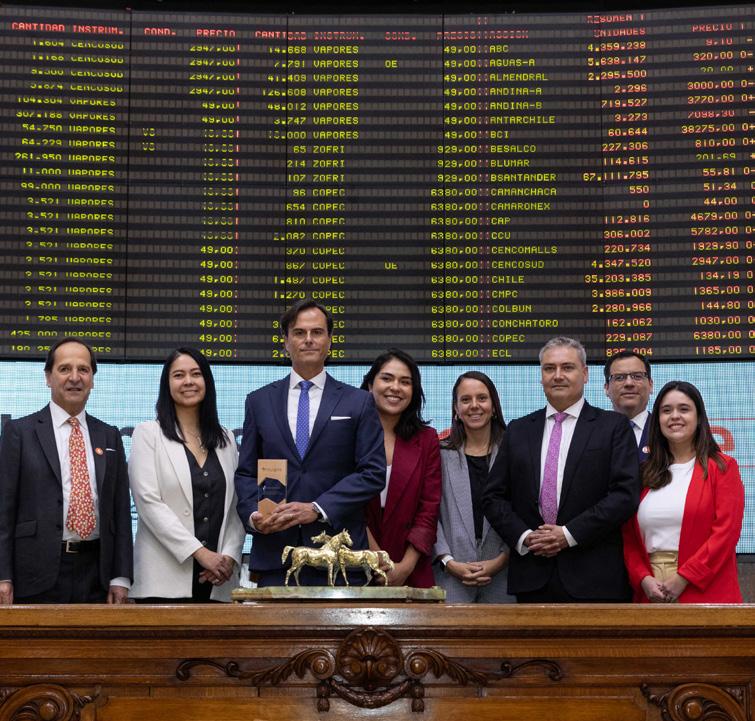
Empresas Copec is featured in the Sustainability Yearbook 2026
ARAUCO's Sucuriú Project is about 50% complete
Pronto Copec is moving toward its Zero Waste goal by 2029
Copec and ARAUCO are acknowledged for their leadership in sustainable financing read


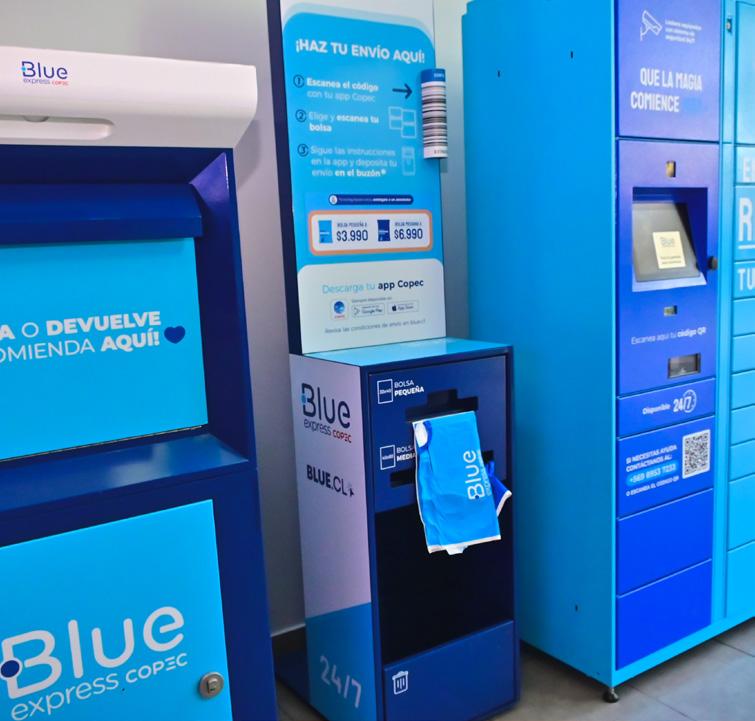
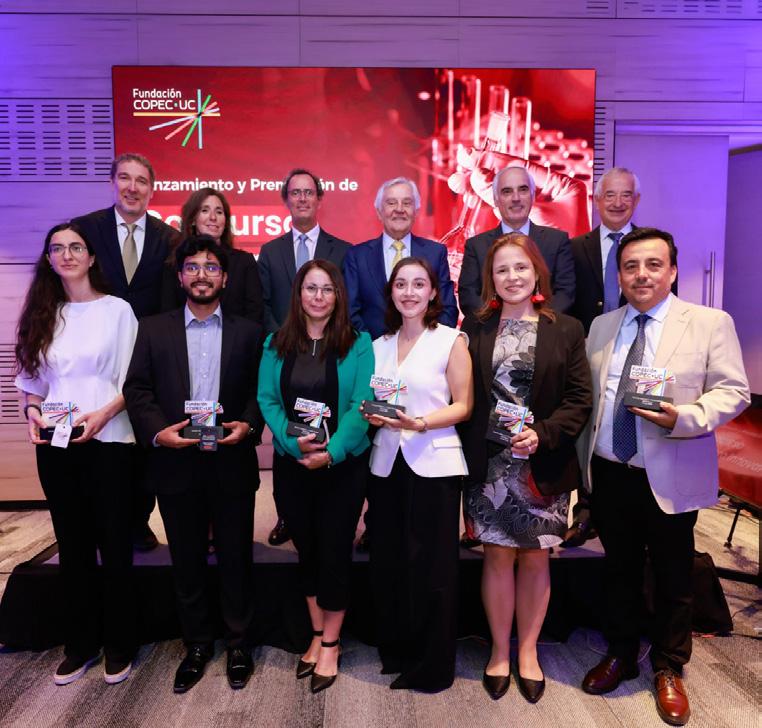
Environmental regeneration moves forward in Las Salinas with 20% of the area restored
Copec obtains the most demanding qualitycertification for all its fuels
read
read
Blue Express promotes smart lockers to transform last-mile delivery in Chile
read
Fundación Copec-UC announces winners of the 2025 Innovation contests read
the company was acknowledged by standard & poor’s as one of the topperforming organizations in sustainability worldwide.
Empresas Copec was once again included in S&P Global’s Sustainability Yearbook, which highlights the world’s top-performing companies in sustainability.
In this edition, more than 9,200 companies were evaluated using the Corporate Sustainability Assessment (CSA) 2025, of which 848 were selected for inclusion in the yearbook.
On this occasion, Empresas Copec was highlighted in the Retailing category. Among its subsidiaries, Terpel was named Industry Mover, and, for the first time, Copec was included among the featured companies in the yearbook.
“This recognition is proof that we are making consistent progress in integrating sustainability into our strategy. S&P Global’s evaluation requires consistency, robust governance, and long-term management, and today it places us above 97% of the companies assessed in the industry,” said Marianne Haramoto, Empresas Copec’s Chief Sustainability and Corporate Affairs Officer.

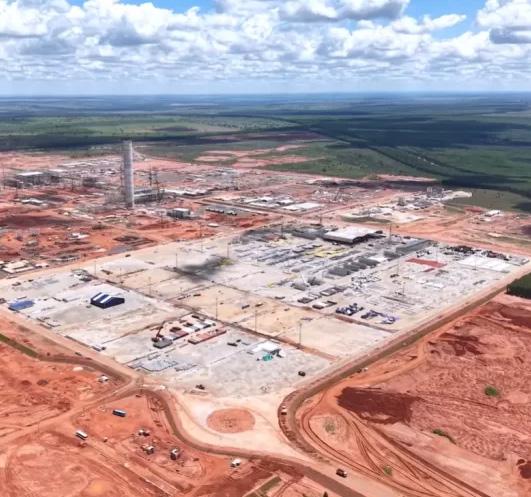
the pulp mill, which represents the largest investment in the subsidiary's history, is currently under construction in inocência, mato grosso do sul, brazil.
By mid-March the project had reached about 50% completion and added a new milestone with the laying of the first track for the rail spur that will connect the future plant.
ARAUCO’s CEO, Cristián Infante, highlighted the progress of the construction work and the efforts underway on-site, where more than 10,000 people are currently involved. He also emphasized that the project is being executed with high standards of management, quality, and safety, which are key elements for its development.
Meanwhile, the new railway infrastructure will enhance the operational efficiency and logistical safety of the future plant. Additionally, it will reduce the number of daily truck trips by up to 190, contributing to a significant decrease in CO2 emissions and reinforcing the sustainability focus that accompanies this investment.
copec's subsidiary reported progress on its strategy to eliminate waste generation at its stores nationwide.
In the last period alone, Pronto Copec managed 472 tons of organic waste, 1,575 tons of used oil, and 2,166 tons of recycled materials across its 488 stores nationwide, as part of its plan to achieve the Zero Waste goal by 2029.
These figures are the result of several initiatives that include operational partnerships, food donations, and improvements in logistics efficiency. “Sustainability guides every stage of our operations and drives our decisions,” said María José López, Pronto Copec’s Chief of Strategic Growth and Sustainability.
The company will continue to strengthen its infrastructure and processes to move forward with this goal, consolidating its role in environmental innovation within Chile’s convenience retail sector.
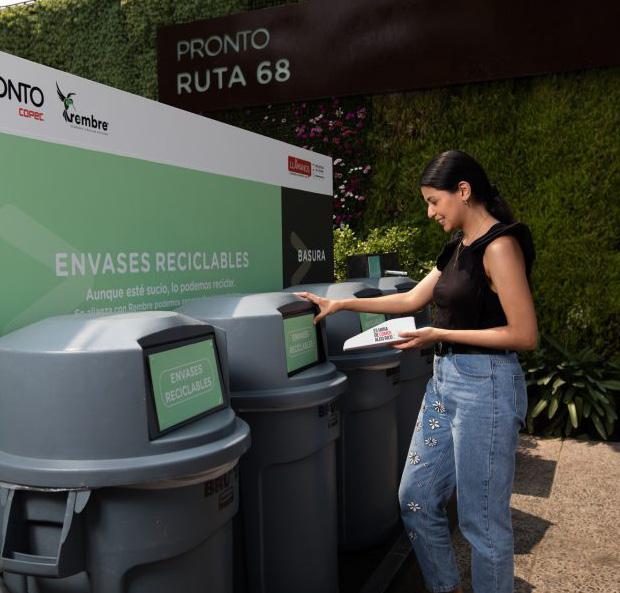
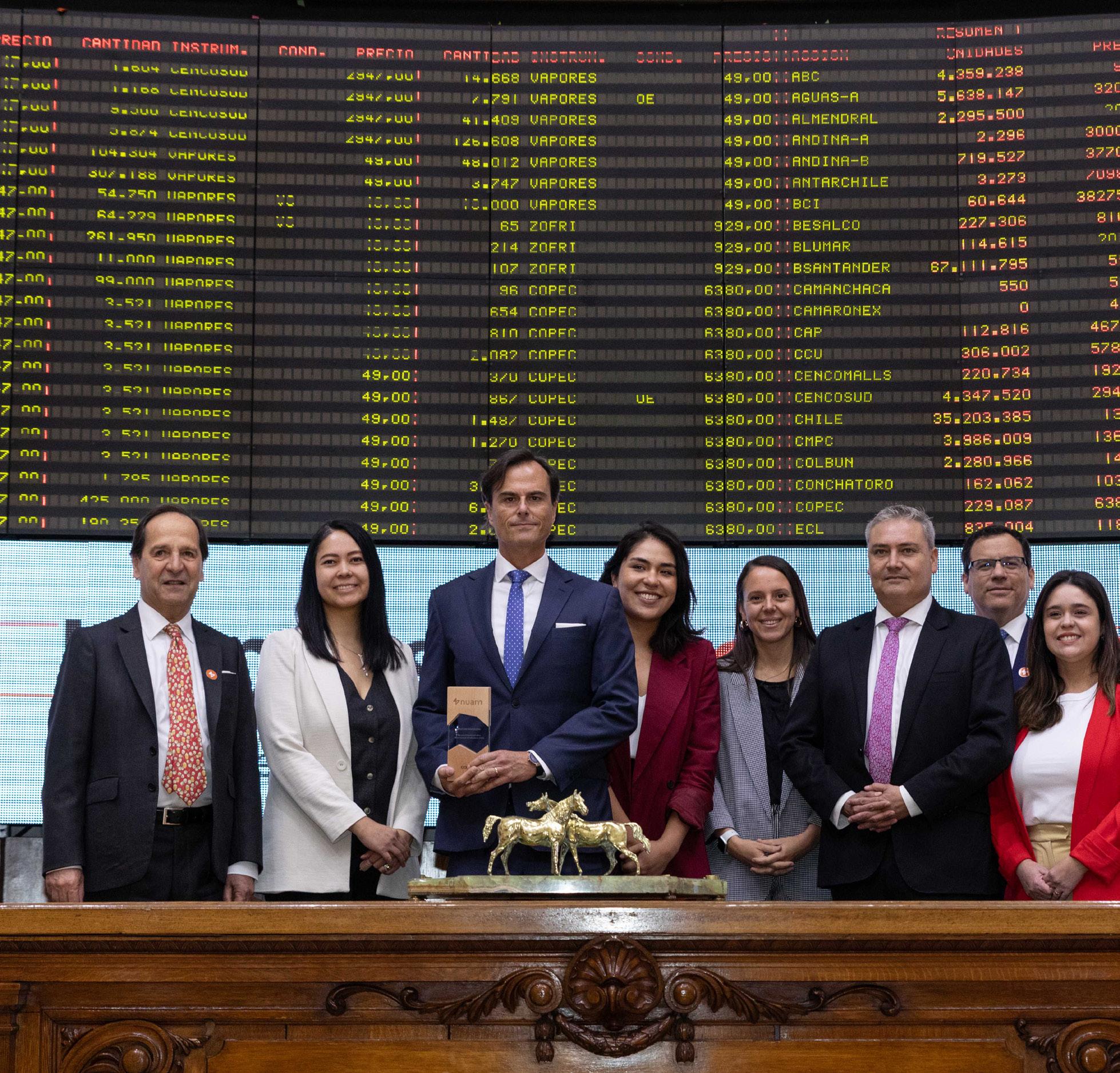
NEwS
the company and its forestry subsidiary were honored for their contribution to the development of the sustainable finance market in chile.
The award was presented at the “Impulso Sostenible” event, organized by nuam and the Santiago Stock Exchange, which highlighted the role of both companies in this area.
In the case of Empresas Copec, the award acknowledged the issuance of its first green bond in 2024. ARAUCO, meanwhile, was recognized for its track record in sustainable financial instruments, with six bond issuances since 2019 in Chile and the United States.
In addition, in 2025 it completed the largest corporate bond placement in the country’s history and debuted its first hybrid bond.
This recognition reflects investor confidence and the commitment of Empresas Copec and its subsidiaries to promoting long-term financial solutions, aligned with its purpose of shaping the world for future generations.
the validation of the first biopile represented a significant step forward in the decontamination of the site and contributed to the remediation of two hectares of the upper south section.
The project reached a new milestone in its environmental remediation process with the harvest of the first biopile from decontaminated soil. This technique, implemented in a controlled and highly demanding environment, made it possible to remediate a significant amount of land in just 12 weeks, complying with the standards set by the authorities and validated by an accredited laboratory.
This progress comes on top of the remediation of two hectares of the Upper South Section, totaling more than 20% of the remediated area. The process is carried out with active citizen oversight through the Participatory Monitoring Plan, which guarantees access to transparent information and community involvement throughout the course of the initiative.
“We are very pleased to have completed the harvest of the first biopile. This is a significant milestone, as it demonstrates the effectiveness of the bioremediation technique chosen to complete the decontamination of the Las Salinas site,” said Daniel Pérez, Chief of Engineering and Construction at Las Salinas.


the subsidiary achieved the top tier+ international standard for diesel and gasoline sold in chile.
Copec announced that the diesel and 97-, 95-, and 93-octane gasoline it sells in the country have earned TOP TIER+ certification, an international standard that certifies the highest quality level worldwide for these types of products.
The certification is promoted by the market’s leading automakers, including General Motors, Ford, Toyota, Honda, Mercedes-Benz, Audi, Volkswagen, and BMW. Its goal is to promote continuous improvement in fuel quality, maximize performance, and reduce pollutant emissions.
This recognition supports the fuels’ efficiency in cleaning and removing engine deposits, contributing to better performance.
the subsidiary is moving forward with the rollout of this technological solution to streamline package pickup and boost e-commerce.
The company has already installed nearly 500 lockers nationwide and plans to reach 1,000 by mid-year, as part of a Ch$100 million investment plan aimed at reinventing the logistics experience and facilitating the growth of e-commerce.
The network allows packages to be picked up without interaction with intermediaries and has already been used by more than 173,000 people, with rapid growth in recent months. The company estimates that in the coming years, up to 40% of e-commerce could concentrate in this type of solution.
The rollout has been strengthened through partnerships with companies such as SMU, Metro, and Mallplaza. Currently, seven locations are already operational in cities such as Los Andes, Quilpué, Chillán, Molina, San Carlos, Bulnes, and Talca, with the goal of reaching 100 by year end. This expansion adds to the locations available at Copec stations, consolidating a network that already exceeds 3,200 Blue Express points nationwide.
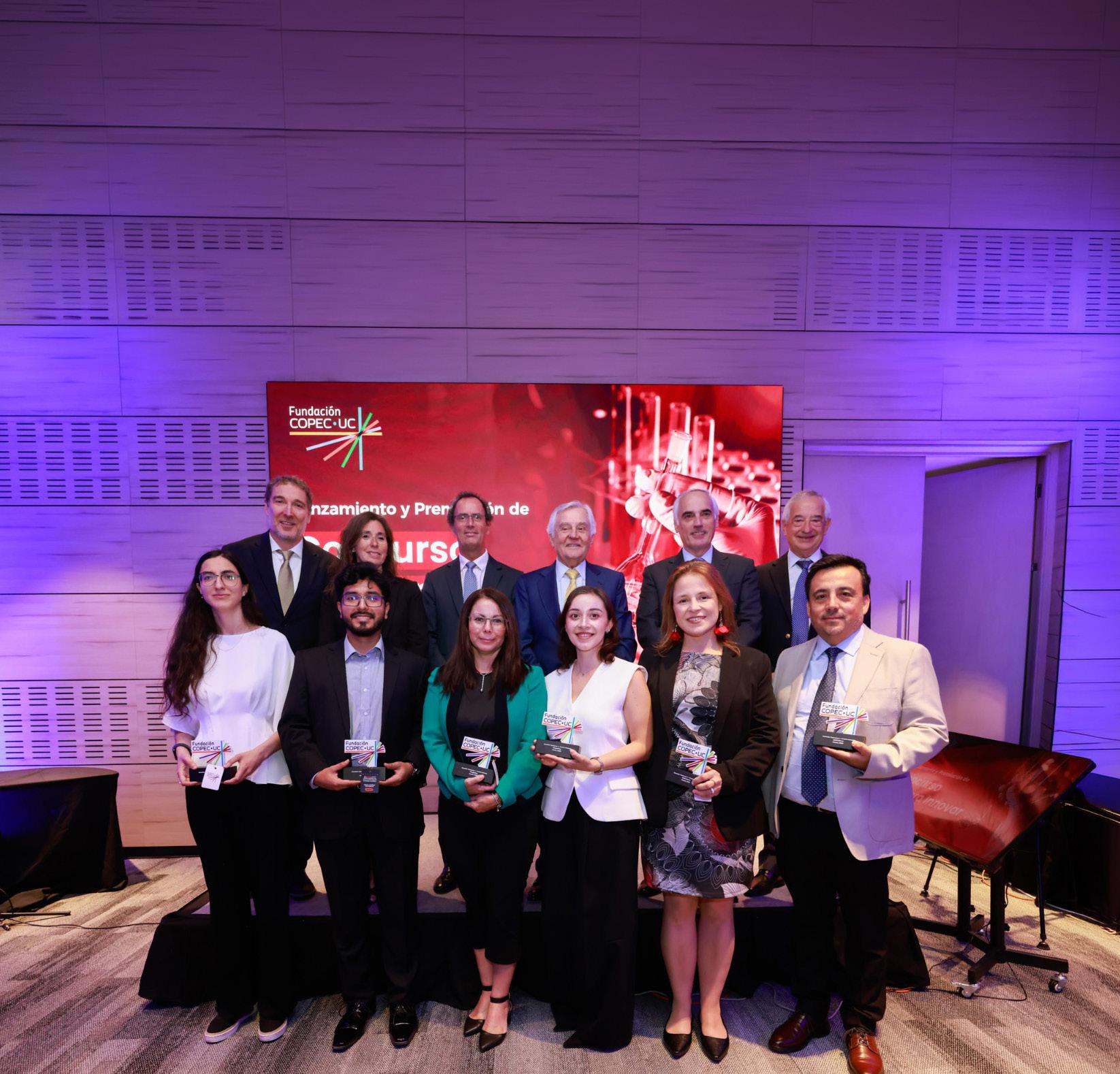
NEwS
the award-winning initiatives address challenges in health, food, and sustainability using a science- and technology-based approach.
At a ceremony led by Roberto Angelini, Chairman of Fundación Copec-UC, and Juan Carlos de la Llera, vice-chair of the foundation and rector of Pontificia Universidad Católica de Chile, awards were presented to the winners of the R&D for Innovation and Apply Your Idea 2025 competitions, which are focused on promoting solutions that have an impact on society.
In the R&D for Innovation competition, two initiatives were selected, each receiving up to UF 4,000 in funding: PhageStop, from Pontificia Universidad Católica de Chile, to control salmonella in white meat using bacteriophages; and MOFLiBone, from Universidad de Chile, a lithium-based resorbable biomaterial to stimulate bone regeneration.
In Apply Your Idea, aimed at higher education students, IDEMIX, from Universidad de Chile, which develops sustainable biotextiles from textile waste, was awarded Ch$5 million. For the first time, the winner was selected during a Demo Day before a jury of advisors from the Foundation.
journalistic magazine published by: empresas copec s.a.
150 el golf avenue, 17th floor, las condes. phone number: 22461 7000
legal representative: eduardo navarro
director: rodrigo huidobro
editing and writing: m. francisca riveros
journalists: natalia labbé constanza serrano isidora riesco daniela araneda comsulting team
proofreading: norinna carapelle
photography: cristián hamed image bank from empresas coepc and subsidiaries image banks
design and graphic production: porta4, design studio
translation: cristina molina
if you have any suggestions and opinions, please send us an email at comunicaciones@empresascopec.cl
follow us:
www.empresascopec.cl
The opinions expressed by the different authors and contributors in this magazine are the exclusive responsibility of those who express them and do not necessarily represent the opinion of Empresas Copec S.A.