7 Things That Cause Clogged Drains in Atlanta Homes and How to
Prevent Them
Few household problems are as frustrating as a clogged drain. What starts as a slow-draining sink or bathtub can quickly escalate into standing water, foul odors, and even costly plumbing repairs. Homeowners searching for clogged drain repair in Atlanta solutions are often surprised to learn that many drain problems develop gradually and could have been prevented with proper maintenance. Understanding the most common causes of drain blockages can help you protect your plumbing system and avoid emergency service calls.
Why Drain Clogs Are More Than Just an Inconvenience
A clogged drain doesn't simply affect water flow When pipes become restricted, pressure can build within the plumbing system, increasing the risk of leaks, pipe damage, and sewer backups. In severe cases, untreated clogs may contribute to water damage, mold growth, and expensive repairs
The good news is that most drain problems have identifiable causes and practical prevention strategies
1. Grease and Cooking Oil Buildup
One of the most common causes of kitchen drain blockages is grease Although hot grease appears liquid when poured down the drain, it cools quickly and solidifies inside pipes
Common offenders include:
Cooking oils
Butter and shortening
Salad dressings
Meat drippings
How to prevent it:
Allow grease to cool before disposing of it in the trash. Wipe greasy pans with paper towels before washing. Use drain strainers to catch food particles.
Even a small amount of grease buildup each week can eventually create a stubborn blockage requiring professional drain cleaning.
2. Hair Accumulation in Bathroom Drains
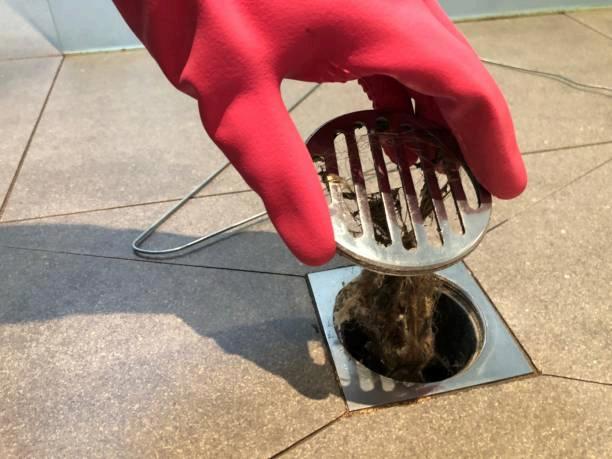
Hair is a major contributor to clogged bathroom sinks, tubs, and shower drains. Over time, hair combines with soap residue and forms dense clumps that restrict water flow
Warning signs:
Water draining slowly
Standing water in the shower
Frequent clogging despite cleaning
Prevention tips:
Install a mesh drain cover.
Remove visible hair weekly
Flush drains monthly with hot water.
For severe hair blockages located deep within the pipe system, professional equipment may be required to completely clear the obstruction.
3. Soap Scum and Mineral Deposits
Many homeowners don't realize that soap can contribute to drain problems. Traditional soap bars contain fats that combine with minerals found in water, creating a hard residue known as soap scum.
Effects of soap buildup:
Pipe narrowing
Residue accumulation
Water flow restriction
Prevention methods:
Use liquid soap when possible
Clean drains regularly.
Slower drainage
Increased clog risk
Reduced efficiency
Schedule periodic professional drain maintenance
Homes with hard water may experience faster buildup due to higher mineral content.
4. Flushing Non-Flushable Items
Toilets are designed to handle only human waste and toilet paper. Unfortunately, many common household products are incorrectly marketed or assumed to be flushable
Items that should never be flushed:
Baby wipes
Paper towels
Cotton swabs
Feminine hygiene products
Dental floss
Unlike toilet paper, these materials do not break down easily and can create serious blockages in both household plumbing and municipal sewer systems.
5. Tree Root Intrusion
Tree roots are a frequent cause of drain and sewer line problems throughout Atlanta. Roots naturally seek moisture and can enter small cracks in underground pipes
Signs of root intrusion:
Multiple slow drains
Frequent backups
Gurgling sounds
Sewage odors
How professionals address it:
Sewer camera inspections
Hydro jetting services
Pipe repairs or replacement
Routine sewer inspections can identify root growth before major damage occurs.
6. Food Waste and Garbage Disposal Misuse
Garbage disposals are helpful, but they are not designed to process every type of food waste.
Foods that commonly cause clogs:
Coffee grounds
Eggshells
Pasta
Rice
Potato peels
Fibrous vegetables
These materials can expand, clump together, or stick to pipe walls.
Best practices:
Run cold water while using the disposal.
Feed waste gradually
Avoid overloading the unit.
Proper disposal habits can significantly reduce the likelihood of kitchen drain issues.
7. Aging or Damaged Pipes
Older homes may have plumbing systems that are more susceptible to recurring drain problems. Pipe corrosion, cracks, and misaligned connections can restrict water flow and trap debris
Common symptoms:
Recurring clogs
Discolored water
Water leaks
Reduced drainage performance
Professional inspections can determine whether repairs or pipe replacement are needed.
Simple Maintenance Habits That Help Prevent Drain Clogs
The best way to avoid clogged drains is through regular maintenance
Monthly drain care checklist:
✔ Remove visible debris from drain covers
✔ Flush drains with hot water
✔ Inspect for slow drainage
✔ Check for unusual odors
✔ Clean sink strainers
Every 1–2 Years:
✔ Schedule professional drain cleaning
✔ Consider a sewer camera inspection
✔ Address minor plumbing concerns promptly
Preventive maintenance is often far less expensive than emergency repairs.
When Should You Call a Professional Plumber?
Some drain issues require more than a plunger or store-bought cleaner.
You should contact a plumber if you notice:
Multiple clogged drains
Water backing up into sinks or tubs
Persistent foul odors
Frequent recurring blockages
Sewage backups
Slow drains throughout the home
Professional plumbers use advanced tools such as hydro jetting equipment and sewer cameras to diagnose and resolve problems safely and effectively