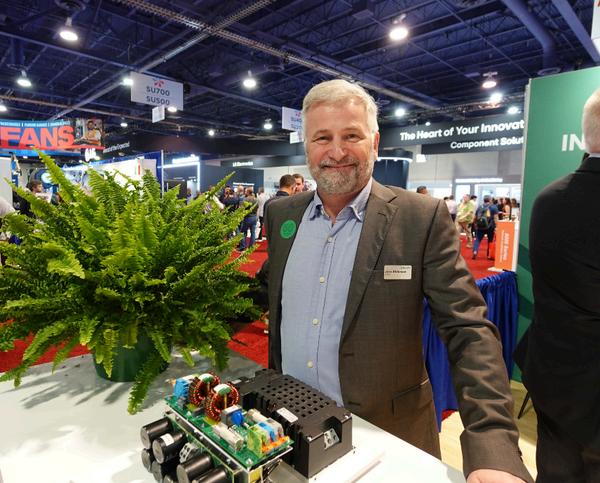
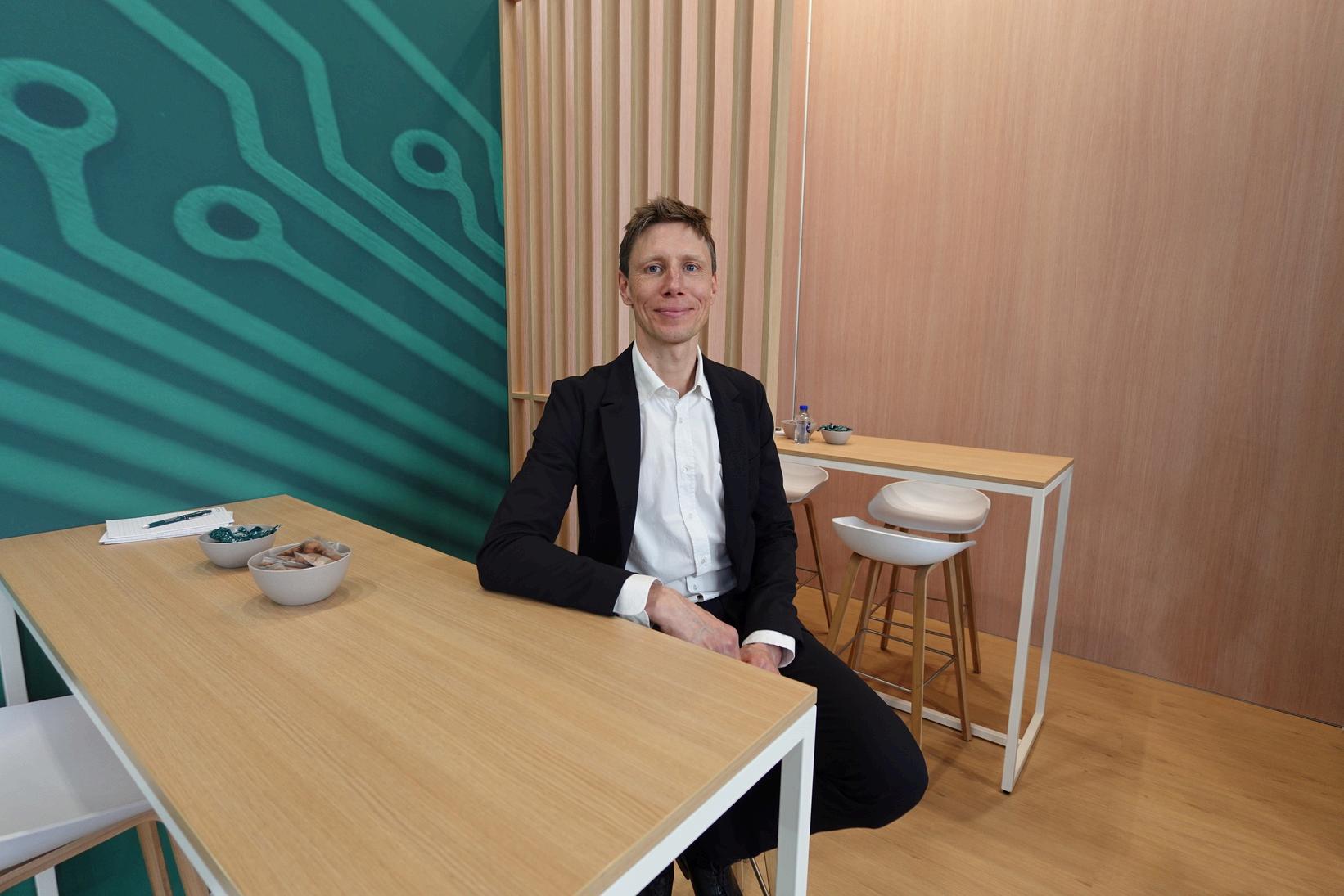
“Progress does not always come in the form of rapid results. Sometimes it is built quietly, through structure, discipline, and long-term thinking. That has been the case for Eltwin in 2025. While the year has remained challenging, it has also strengthened our organization and clarified our priorities.”
Jens Ebbesen, CEO Eltwin Group
Introduction
As global environmental and social challenges continue to evolve, Eltwin Group remains dedicated to driving change through innovation, responsibility, and transparency.
Sustainability is not just a goal. It is an integral part of how we do business and shape the future. By continuously seeking smarter solutions, we are committed to making a lasting, positive impact on both our industry and the planet.
Throughout Eltwin Group’s history, we have been helping customers worldwide in optimizing their products with energyefficient and cost-effective solutions. Eltwin’s dedication to smart solutions that drive business growth, while positively impacting our planet, is in the DNA of all Eltwinners With over 50 years of expertise in power electronics, our mission has always been to push technology forward and creating products that promote energy efficiency.
With strong partnerships, collaboration, and innovation, we can continue to make a difference. We want to secure a better future for both our company and the global community as well. Together with our stakeholders, we will continue to push the boundaries of what is possible, striving to create a more prosperous, equitable, and environmentally conscious world for generations to come.
We extend our gratitude to employees, customers, suppliers, investors and communities for their ongoing support and collaboration. Together, we have the power to drive positive change.
The 2025 Sustainability Report reflects data gathered from the entire Eltwin Group and serves as an overview of our efforts, achievements, and ongoing commitment to sustainability across our operations. You will find our environmental initiatives, social impact and governance practices.
From continuously addressing our carbon footprint and focusing strongly on employee well-being to reshaping our strategic process, we are embedding sustainability and resilience into Eltwin’s operations.
We understand that sustainability is an ongoing journey, and we acknowledge the importance of continuous improvement.
Enjoy your reading.
Staying the Course in Challenging Times
The aftermath of 2024 continued to shape Eltwin’s reality throughout 2025 Following the market downturn, we entered the year in a business environment that remained under pressure. While 2025 has not yet been the turnaround year we hoped for, it has been defined by determination and focus, as we chose to strengthen Eltwin’s foundation and prepare the organization for the next phase.
A key priority throughout the year has been our people We have focused deliberately on employee wellbeing, collaboration, and creating a strong internal foundation built on trust and shared insights. After a difficult period, it was essential to bring the organization closer together and ensure that we are aligned and ready to scale when market conditions allow. This focus has not only supported morale but has also strengthened our ability to act decisively and collectively
“Progress is not always immediate, but by building the right foundation today, we are positioning Eltwin for long term growth.”
At the same time, we have continued to invest in the future of Eltwin We have taken steps to scale our development organization, ensuring that we maintain strong technical capabilities and are ready to support future growth. In parallel, we have increased our efforts to become more visible in the market, engaging more actively with customers, participating in trade fairs, and strengthening our external sales activities.
“Encouragingly, we are now seeing early signs of recovery. The heat pump market is gradually regaining momentum, and inventory levels across the market are returning to a more balanced level. While uncertainties remain, these developments give us greater confidence in the direction ahead.”
Looking beyond the immediate horizon, 2025 has also been a year of strategic preparation. We have dedicated significant effort to developing our 2030 strategy, ensuring that we think long term and position Eltwin for a future that demands both competitiveness and responsibility. In support of this, we have worked systematically on improving processes and workflows to better equip the organization for future growth and increased complexity
Progress does not always come in the form of rapid results. Sometimes it is built quietly, through structure, discipline, and long-term thinking. That has been the case for Eltwin in 2025. While the year has remained challenging, it has also strengthened our organization and clarified our priorities
As we move forward, we do so with a stronger foundation, a clearer strategy, and a shared commitment to building a resilient and future ready Eltwin. The road ahead will still require patience and persistence, but we are better prepared and more united to take the next steps.
About Eltwin Group
Who are we?
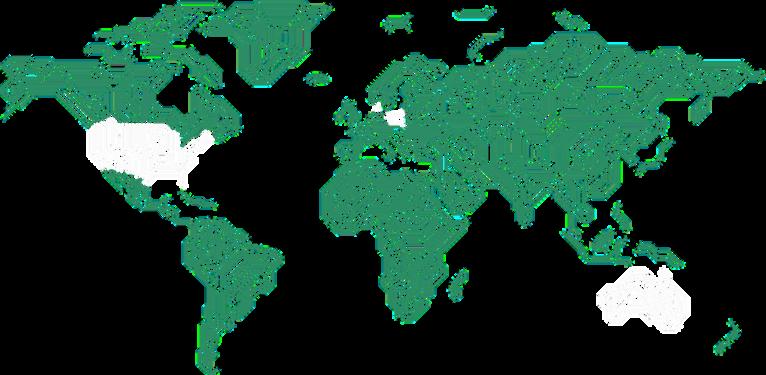
Eltwin Group is an international supplier of power electronic solutions for OEM customers, primarily serving HVAC applications. Headquartered in Denmark, the Group operates globally, with production facilities in Denmark and Poland, supported by additional operations in Australia and the United States.
What do we do?
Eltwin Group develops, manufactures, and delivers power electronics, including drives, soft starters, and customized electronic solutions that support energy efficient, reliable, and application specific systems. With strong in house competencies in hardware, software, and mechanical design, we work closely with customers to deliver both standard and tailored solutions worldwide.
Our mission is to push technology forward to create sustainable products for climate protection.
Our vision is to be a world-class supplier of hightech, energy-saving products.
Part of NIBE Group
Eltwin Group is a part of NIBE Group – a global organization, with more than 21,000 employees, that contribute to better utilization of energy.
NIBE develops, manufactures and markets a wide range of eco-friendly, energy efficient solutions for indoor climate comfort in all types of property within the three business areas: Climate Solutions, Element and Stoves
Eltwin Group Value Chain
Raw materials
Eltwin’s value chain begins with the extraction and processing of raw materials used in sub-suppliers’ electronic components, such as metals, plastics, and electronic components. These materials represent an upstream environmental impact area.
Suppliers and sub suppliers
Raw materials and components are sourced from a global network of sub-suppliers and suppliers. Our main materials and components are PCBs, electronics components, metals and plastics. Eltwin works with approved suppliers that are evaluated against quality, ethical, and sustainability criteria, including requirements related to responsible sourcing, compliance, and supplier codes of conduct. Collaboration with suppliers is essential to ensure material availability, quality, and continuous improvement
Eltwin Group Operations
Eltwin Group operations include product research & development, engineering, and manufacturing of power electronic solutions.
Production activities involve assembly, testing, and quality control at Eltwin’s production sites in Denmark, Poland, and Australia. These are supported by certified management systems such as ISO9001, ISO14001 & ISO45001.
Operational impacts include energy use, material consumption, waste generation, and emissions, which are managed through environmental and quality management practices
Transport of materials and finished products between suppliers, production sites, and customers forms part of Eltwin’s value chain activities and impacts.
Key activities from sourcing to end-of-life
Sales
Eltwin sells its products primarily through B2B sales to OEM customers. The sales process typically involves early customer dialogue, technical clarification, customization, and long term supply agreements. Sales activities also include forecasting, demand planning, and coordination between customers, production, and supply chain functions.
Customers
Eltwin’s customers are mainly professional and industrial customers, such as manufacturers of HVAC, heat pump, energy efficiency, and related systems. Customers integrate Eltwin’s components into their own products and solutions, making Eltwin an important upstream partner in their value chains.
Use of Products
During the use phase, Eltwin’s products are integrated into customers’ systems and operate over long lifetimes. Product performance and energy efficiency in the use phase are essential, as this stage often represents a significant share of the total environmental impact over the product lifecycle.
End-of-Life
At end of life, Eltwin’s products are typically handled through customers’ or end users’ waste management and recycling systems. Key considerations include material recovery and recyclability, recycling of electronic components, and compliance with applicable waste and recycling regulations.
( E ) N V I R O N M E N T A L
Our Earth is the prerequisite for a shared prosperous future - now and in the generations to come We aim to improve our positive environmental handprint by creating products for climate protection. And also, by reducing our negative environmental impact - our footprint.
GOALS
A minimum of 60% of total waste must be recycled in waste handling processes
A maximum of 10% of total waste must be small combustible waste
A maximum of 2% of total waste must be landfill
RESULTS
89.7% of total waste was recycled in waste handling processes
9.9% of total waste was small combustible waste
0.04% of total waste was landfill
How will we win in the future?
To further strengthen Eltwin’s environmental performance, an Environmental Group has been re-established in Denmark alongside the existing group in Poland. The groups work locally at each site and coordinate across sites to ensure a consistent and structured approach to environmental management across the Eltwin Group. Together, they support the development and maintenance of our environmental management system, including ISO 14001, and drive progress within waste, energy consumption, environmental reporting, and compliance with current and upcoming environmental legislation etc.
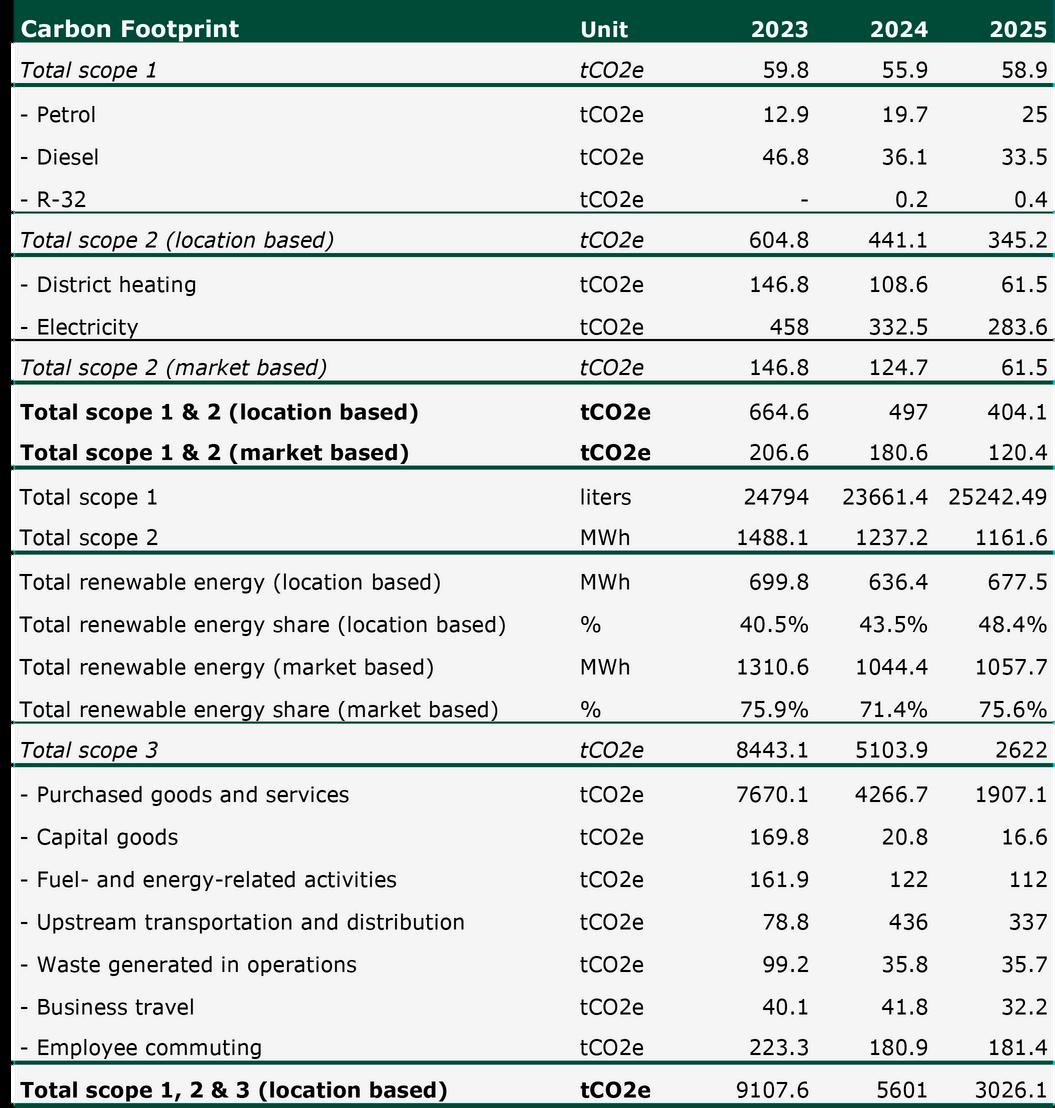
GHG Carbon Footprint 2023 - 2025
In 2025, we continued our work to gradually strengthen the coverage and quality of Eltwin Group’s climate reporting. The carbon footprint builds on previous years’ structure and reflects incremental improvements in how emissions across our value chain are identified and reported.
We follow the Greenhouse Gas Protocol, which defines 15 categories under scope 3, comprising both upstream and downstream activities. Over recent years, we have worked systematically to assess the relevance of these categories in relation to our operations and data availability. As a result of this effort, we identified emissions in 11 out of the 15 scope 3 categories.
For the 2025 reporting cycle, our scope 3 inventory includes emissions from upstream activities. While we experience progress in capturing downstream impacts, several downstream categories still remain subject to further analysis and stakeholder engagement before they can be included in future reporting.
Our carbon footprint is reported over a three-year period, covering 2023 to 2025. This approach supports a consistent view of developments over time and provides a more robust basis for tracking changes in emissions and data quality
Scope 1
Includes direct emissions from sources owned or controlled by Eltwin Group.
Our scope 1 emissions primarily stem from the fuel consumption of our company vehicles in Denmark and Poland. Since our production is largely powered by electricity, the majority of emissions typically associated with on-site energy use are instead reported under scope 2.
Scope 2
Includes indirect emissions from purchased energy; electricity and district heating where we have operational control.
Our scope 2 emissions arise from the consumption of electricity and district heating across our operations.
Scope 2 location-based emissions are calculated by summing up the emissions from district heating and location-based electricity. District heating emissions are based on the kWh consumption and are calculated using emission factors from local production mixes or average IEA (International Energy Agency) statistics. Location-based electricity emissions are calculated by applying the appropriate electricity production mixes from IEA statistics.
Scope 2 market-based emissions are calculated differently District heating emissions are the same as for the location-based method. In terms of electricity, the whole Eltwin Group has renewable energy certificates. With these certificates we can guarantee the origin of our electricity and reduce our market-based CO2 emissions. With the certificates it is certified that the electricity is produced exclusively by renewable sources with an emission factor of 0 gram CO2e per kWh If there is any electricity not covered by the certificates, the emission factor is based on the remaining residual mix from IEA.
Scope 3
Includes indirect emissions resulting from value chain activities.
In 2025, Eltwin Group continued to include scope 3 emissions as part of our carbon footprint. Scope 3 covers emissions arising from upstream and downstream activities that are not directly controlled by the Group but occur across our value chain.
As in the previous reporting cycle, we have primarily focused on upstream activities, where the majority of our available data is concentrated. Below is an overview of the scope 3 categories included in the carbon footprint:
Purchased goods and services: Includes all materials related to the production of our products, as well as water consumption and various indirect purchases such as office supplies, cleaning services, and employee events.
Capital goods: Covers emissions from the production of long-term equipment and investments.
Fuel- and energy-related activities: Emissions associated with the production and delivery of the fuels and electricity we consume (not already included in scope 1 and 2).
Upstream transportation and distribution: Based on actual CO2e data reported by our freight partners across air, maritime, and road transport.
Waste generated in operations: Calculated using volume and waste handling data provided by our waste management providers.
Business travel: Includes emissions from business trips, based on travel activity data provided by our travel agency and calculations from our accounting.
Employee commuting: Calculated using responses from an internal employee commuting survey.
The downstream categories are subject to additional analysis and collaboration with value chain partners and are therefore not yet included. These include downstream transportation and distribution, processing of sold products, use of sold products and end of life treatment of sold products. A gradual expansion of the carbon footprint categories will support a more complete overview of Eltwin Group's value chain emissions.
Customers rank the importance of sustainability
Scope 1
Company vehicles
Scope 3
Upstream
Scope 2
Purchased electricity for Eltwin’s offices, operations and electrical cars
Purchased district heating
Fuel-and energy-related activities
Capital goods
Waste generated in operations
Purchased goods and services
Transportation & distribution
Employee commuting
Business travel
Scope 3
Downstream
We are working on including downstream scope 3 categories in our carbon footprint
The overall goal of reducing fossil fuel use motivates the development of new heating technologies
Heat pump technology is not new, but it has never been the foundation for residential heating due to the historically low prices of fossil fuels. At the same time, sustainable energy sources like wind turbines and photovoltaic systems remain relatively expensive. Regardless of whether one agrees that humanity is responsible for climate change, it’s still a matter of due diligence to take action.
Installing a heat pump may require effort. A heat pump consumes significantly more electrical power compared to a gas boiler or an oil burner. Due to the technology involved, homeowners should be prepared to install an additional RCD and fuse for the heat pump In some regions, an energy meter is also required.
Many countries have a power grid where each household is supplied with three phases, distributing the power load relatively equally across them. However, in some places, it’s not possible to connect three phases to the heat pump In certain areas, only a single phase is available, and for those looking to replace a gas boiler with a heat pump in an existing home, finding a suitable heat pump can be challenging - especially if the heating demand is between 20 kW and 25 kW.
Eltwin is now launching a singlephase compressor drive. This single-phase drive provides a maximum output of up to 8kW and has been available in North America for several years.
It is now also available for European use. Designed and produced in Europe, this ensures a short transport route from the factory to the appliance manufacturer.
Product Launch
Features
Safe Torque Off
Modbus RTU
Inrush current reduction
Power factor correction
Replaceable DC-link capacitor for extended lifetime
Designed and produced in Europe
Specifications
1~ 208-240 V, 50/60 Hz
8 kW
3~ 24A output
232 x 122 x 80 mm
The drive supports all current motor technologies for refrigerant compressors, including those using highly flammable refrigerants like R290 It can be controlled via Modbus RTU and configured or updated through the same interface. Specialized for heat pumps, it includes the necessary safety stop triggered by high-pressure and/or high-temperature sensors.
Like PURE drives, it can also heat the crankcase and be cooled via a cold plate, recovering heat losses for re-use in the heating circuit For air-cooled drives, a traditional heat sink with fins is used, which can be designed for air flow in longitudinal, transverse, or arbitrary directions. Optionally, the drive is equipped with an output for a fan, providing additional cooling during evaporator defrost.
The drive supports all current motor technologies for refrigerant compressors
Eltwin has no financial interest in any compressor manufacturers and is therefore independent. The drive can be optimized for any brand of compressor chosen by the heat pump manufacturer.
The drive is very compact to simplify integration. The three external PFC chokes and the EMC filter can be placed where most suitable, as can the DC-link capacitor. An external DC-link capacitor allows for replacement if it wears out, without the need to replace the entire drive. This helps keep maintenance costs low and prevents unnecessary part replacements.
Employee commuting
Employee commuting is included as a Scope 3 category in Eltwin Group’s carbon footprint. While it represents a relatively small share of total emissions, it remains relevant as it reflects everyday choices where employees can actively contribute. Commuting data has been collected through a Group wide survey conducted in 2023 and again in 2025, and is presented by mode of transport, showing the total distance travelled in kilometres per transport type per year. The transport modes shown below represent a selection of the 12 different modes of transport used by Eltwin Group employees.
The results from the employee commuting survey show a clear shift in car usage, with many employees, particularly in Denmark, moving from petrol and diesel cars to electric vehicles, illustrating how individual choices can contribute to positive change even within a smaller emission category.
The number of employees commuting by electric car increased from 10 in 2023 to 30 in 2025, while the number of employees using petrol and diesel cars naturally declined.
38
( S ) O C I A L 31 27
We prioritize fair treatment, diversity, and respect for all employees and partners, rejecting harassment, discrimination, and labor violations We support local communities and institutions, promote our products responsibly, and avoid political involvement.
Our Workplace and Wellbeing Policy fosters trust, pride, and unity, ensuring a positive and supportive work environment.
GOALS
Employee satisfaction score of 80 by 2030
95% employee attendance
2% of employees should be apprentices and interns
RESULTS
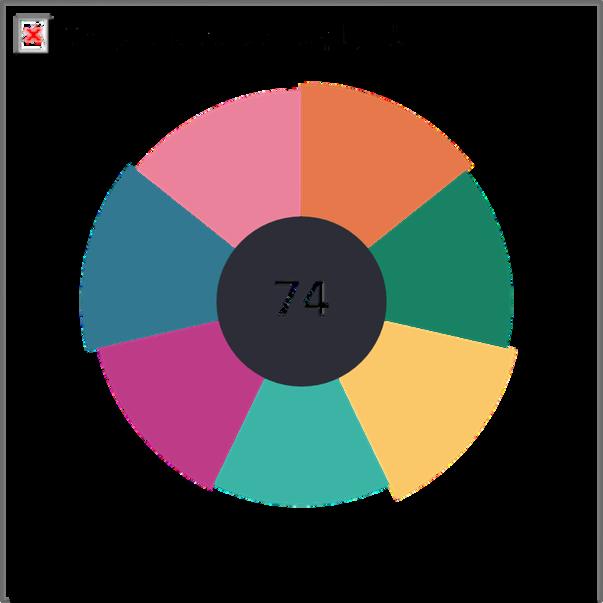
Employee satisfaction score of 74
96% employee attendance
5.5% of employees were apprentices and interns
How will we win in the future?
Our employees remain central to Eltwin’s long-term success, especially following a challenging period for the organization. We continue to invest in employee well-being and engagement through annual employee satisfaction surveys, followed by structured workshops where employees across the organization are actively involved. By encouraging an open dialogue, listening, and acting on feedback, we aim to build trust and strengthen collaboration and a shared sense of direction across the Eltwin Group.
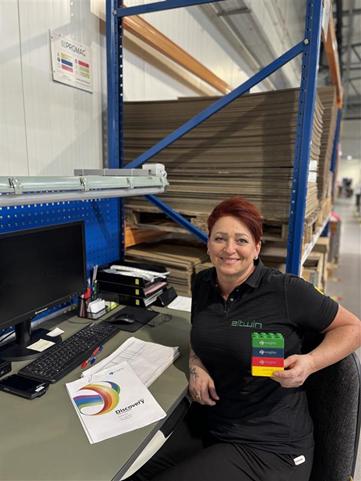
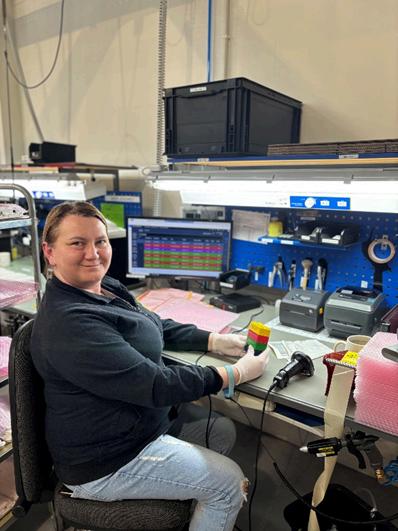
Enhancing EmployeeWell-Being with Insights Profiles
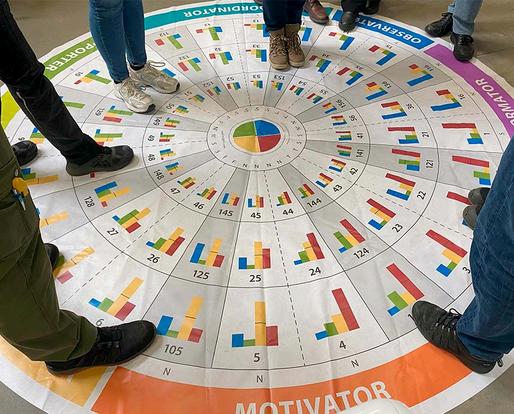
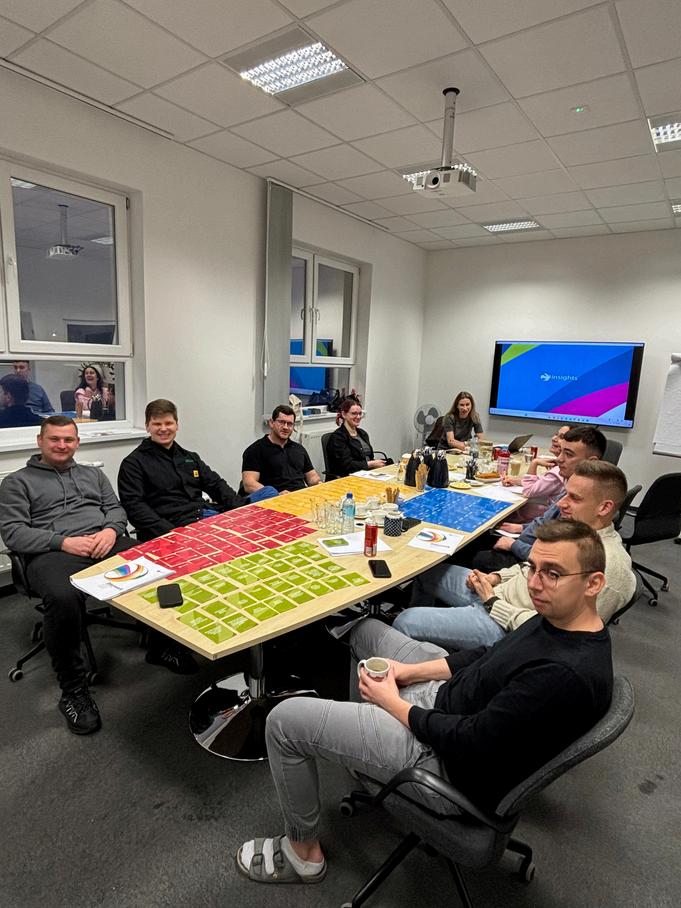
In times of uncertainty and rapid change, ensuring the well-being of our employees remains a top priority. Recognizing the importance of a supportive and collaborative work environment, we applied for funding from Velliv Foreningen at the end of 2024. We were fortunate to receive these funds, enabling us to conduct Insights Profile analyses and workshops facilitated by El-Kholy Consult.
The Insights Profiles provide a structured approach to understanding individual strengths, preferences, and working styles. By gaining deeper insight into both our own and our colleagues’ profiles, we can enhance communication, improve collaboration, and ultimately strengthen our collective well-being.
A Powerful Start to the Workshops
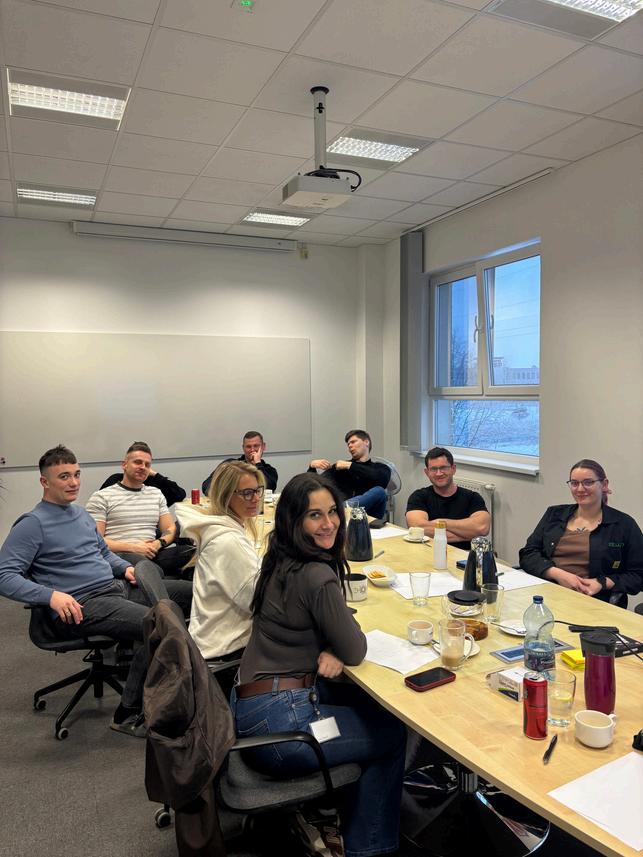
With the workshops facilitated by El-Kholy Consult, an exciting step towards developing a common language for teamwork has been taken. The session provided a unique opportunity for colleagues to connect, share experiences, and gain valuable perspectives on how we work together. It was inspiring to witness teams come together, recognizing each other’s strengths and challenges in a new and constructive way.
Explore the Workshops
Cecilie Boye from El-Kholy Consult shared her enthusiasm about the workshops, highlighting the impact they are already making:
"We have an exercise that I think is very valuable, where they have to give each other some feedback on how they see each other, what they appreciate about each other. Seeing the energy that this exercise brings and how good the people are at interacting with it, actually giving each other some very valuable feedback—it's a great pleasure."
Cecilie Boye, El-Kholy Consult
Creating a Lasting Impact
Curiousaboutwhat happenedintheworkshops?
Hitplayandfindout
The workshops are not just about understanding differences but about using them as strengths in everyday collaboration. Cecilie Boye further emphasized the key takeaway:
"One of the big takeaways from these workshops is that we actually have a common way or language to speak about how we are different and what that does to our way of interacting, connecting, and talking with each other."
With Cecilie Boye and Ditlev Geertsen from El-Kholy Consult guiding us through this journey, we are eager to continue exploring how these insights can help us create a more cohesive and engaged workplace. Through the Insights Profile workshops, we aim to create lasting improvements in our work culture. By applying what we learn, we hope to reduce stress and conflicts, foster psychological safety, and strengthen both collaboration and communication. A key focus is developing a culture of appreciative feedback while also improving self-awareness and team dynamics. By integrating these insights into daily interactions, we believe they will lead to an even healthier and more effective work environment where everyone thrives.
A huge thank you to Velliv Foreningen for making this possible, El-Kholy for more than excellent facilitation of the workshops and to all Eltwinners for embracing the process with enthusiasm!
79
Employees evaluate if their workplace is a good place to work
75
Employees rank their feeling of contributing to a greater purpose through their work
72
Employees rank their motivation to go to work
79
Employees rank how easy they find it to be a part of the social community at the workplace
70
Employees rank their feeling of making progress in their work
82
Employees rank their work-life balance
Insights Across Sites
Like in Denmark, the Polish site has placed a strong focus on employee well-being and the use of Insights profiles as a foundation for collaboration and a common language. At Eltwin Sp. Z.o.o., this focus has been translated into a structured development programme aimed at strengthening communication, leadership, and everyday cooperation across the organisation
The initiative was supported through funding from the National Training Fund in Poland, enabling a broad rollout of workshops tailored to different roles and functions
The workshops took place from November 2025 to January 2026 and were part of the company's development activities.
The program aimed to develop key competencies, including effective team communication, taking into account personality differences, recognizing sources of stress and conflict, managing emotions, conducting constructive developmental and corrective conversations, as well as effective work planning, task delegation, and time management.
The program was tailored to the specific needs of different positions: leaders participated in 40-hour workshops, administrative staff and specialists in 16-hour workshops, and production workers in 8-hour workshops.
A total of 103 people participated in the development activities, representing a significant step towards further skill development within our organization.
Personal Learnings
According to Monika Kuty, Leader of Final Control and Packaging, the training sessions turned out to be a very positive surprise. A completely new approach was introduced and offered a constructive challenge by creating space to view both the individual and the team from a fresh perspective. A strong belief was shared that sessions like these should take place more frequently and become a recurring part of the development journey.
As Monika puts it,
“It would be worthwhile to revisit the material after a year to see what has stayed with us and what we actually use in our daily work.”
Monika Kuty, Leader of Final Control and Packaging
Such follow ups and debriefs will help consolidate the learning and integrate it even more effectively into everyday practice
Engaging employees has become increasingly important for Eltwin, with a strong focus on ensuring that team members feel part of the process, have space for their own ideas, and can genuinely influence how the work is carried out. According to Monika, the training has made it easier to encourage collaboration and strengthen engagement in daily tasks
The newly gained insights are actively being applied in daily work, even though it can be challenging at times, as everyone brings their own habits and established patterns, Monika says.
In more demanding situations, the training notes serve as useful references, helping to streamline communication and introduce more informed and effective ways of working with the team. Overall, the training has proven to be a valuable experience and a source of inspiration for continued development - both individually and for the entire team.
New Perspectives
The overall impressions after the workshop were very positive, engaging, and above all, valuable.
“I especially enjoyed the opportunity to get to know each other better – including people from other departments with whom we don't have the opportunity to work daily.”
Emilia Grenda, Final Control and Packaging Operator
The new and different perspectives gained on this workshop made a big impact. The training created a heightened awareness of how different people think, communicate, and respond in various situations It became clear for all Eltwinners how important it is to adjust one’s communication style to the person one is engaging with. Since individuals have different needs and expectations, flexibility in approaching others is essential for achieving mutual understanding.
“I'm aware of my "color" and try to adapt my conversation style to the individual.”
Emilia Grenda, Final Control and Packaging Operator
This makes communication more transparent and comfortable for the other person. This approach truly facilitates daily collaboration and positively impacts team relationships.
Overall, the initiative reflects Eltwin Group’s shared commitment to building a strong people‑centred culture across countries By using a common language and turning Insights profiles into everyday practice, the workshops have strengthened collaboration, leadership, and mutual understanding across teams
This momentum calls for continued investment in learning, reflection, and development as we further strengthen our people and culture together.
Employee satisfaction score
Administrative employees
Production employees 37
Women employed
48
Men employed
Women in managerial positions
52
Men in managerial positions
14 86
Building Long-LastingHardware Leadership
Leadership development is often shaped by experience rather than a predefined plan. For Eltwin’s Head of R&D Hardware, Troels, it has evolved through reflection, professional exploration, and a growing understanding of how leadership, structure, and wellbeing are closely connected.
Troels joined Eltwin approximately six years ago as a hardware development engineer. At the time, the development organization was smaller and more consolidated than today, with hardware development forming part of a unified department. His role involved broad technical responsibility and close collaboration across disciplines.
Over time, Troels began to feel that something was missing in his role. Although he could not clearly define what it was, he chose to seek new opportunities outside Eltwin in the hope of finding the right professional balance.
Finding the Right Role
In his next role, Troels worked primarily with project management, stepping away from hands-on technical work and focusing on coordination and overview While he valued the helicopter perspective, the role also made it clear that pure project management was not the right fit. Instead, the experience helped him identify a “sweet spot” between technical hardware expertise and structured, people-oriented coordination.
Troels later moved into a leadership role within another electronics company, leading a hardware department. The role aligned well with his interest in workflows, prioritization, and daily coordination. However, differences in leadership style and organizational culture highlighted the importance of wellbeing and sustainable working conditions - and ultimately confirmed that this was not where he would stay long term.
Returning to Eltwin
Following this period, Troels reconnected with former colleagues at Eltwin and entered into dialogue with the then Head of Development. His expectations for a role had changed since his time as a hardware engineer, and together they identified a path that combined leadership responsibility with a strong connection to hardware development.
He initially returned as Team Leader for the controls area. As the development organization grew and was later restructured into software, hardware, and test & compliance, Troels was offered the role of Head of Hardware an opportunity he accepted.
Establishing a Leadership Foundation
This professional journey became the starting point for more fundamental reflections on leadership. Troels began considering what responsibility he holds as Head of Hardware, what he can reasonably promise his employees, and how leadership can support both performance and well-being over time.
As part of leadership training with one of Eltwin’s partners, he formulated a Leadership Foundation.
The foundation is a written framework that functions as a form of contract with employees: outlining what they can expect from Troels as a leader and which goals he is working toward.
A key focus of the Leadership Foundation is well-being. Based on his own experiences, Troels is convinced that long-term performance depends on sustainable working conditions. Retaining employees and attracting new talent requires differentiation - not only through products and technology, but also through leadership and organizational culture.
Sustainability in a Leadership Context
The Leadership Foundation defines an ambition to build a hardware department that is both sustainable and competitive. Sustainability, in this context, refers to longterm organizational durability: creating structures that can grow and adapt without exhausting employees.
Competitiveness is closely linked to this ambition. Troels emphasizes the importance of understanding the department’s relevance and contribution to Eltwin’s overall value creation. Clear priorities and differentiation are necessary to remain relevant in a competitive market.
What distinguishes the Leadership Foundation from more traditional leadership approaches is its explicit nature. Rather than relying on implicit expectations, the framework makes priorities visible and open for dialogue. It defines what matters most, while acknowledging that leadership must be continuously maintained and developed.
“From my own experience, I’m convinced that long‑term performance can only thrive under sustainable working conditions. To retain our people and attract new talent, we must stand out — not just through our products and technology, but through the way we lead and the culture we build.”
Troels Kofoed Mejer, Head of R&D Hardware
Employees rank their options to develop their skills
Training and education hours
115
Employees in Poland
Employees in the group
118
Employees in Denmark
24
Employees in Australia
G ) O V E R N A N C E
Our business is built on compliance with laws and strong ethics, emphasizing honesty, transparency, and trust while prohibiting bribery and conflicts of interest. Various policies, including Sustainability principles, Workplace and Wellbeing Policy, and Whistleblowing Policy, guide our operations.
We strive to exceed customer expectations to foster long-term partnerships and sustainable profitability
Effective leadership entails vision, creativity, and the ability to inspire others to propel the organization forward.
GOALS
92% of our largest direct suppliers (spendbased) must be assessed in our supplier assesment platform
20% average year-on-year business growth
8.5/10 average score customer satisfaction
RESULTS
96% of our largest direct suppliers (spendbased) have been assessed in our supplier assessment platform
-5% average year on year business growth during the past five years
7.8/10 average score customer satisfaction
How will we win in the future?
In a world of continuous change and increasing complexity, strong governance is essential to Eltwin’s long-term development. We continue to focus on clear structures, transparent processes, and responsible business practices, while strengthening supply chain resilience through close collaboration with suppliers, customers, and other key partners. This enables us to navigate change and support decision-making across the group.
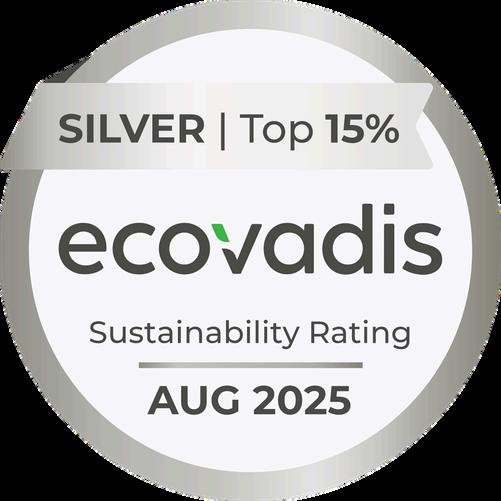
Silver Medal in EcoVadis
EcoVadis is a globally recognized platform that evaluates companies’ sustainability performance across four key areas: Environment, Labor & Human Rights, Ethics, and Sustainable Procurement.
We are proud to announce that Eltwin has been awarded a Silver Medal in the EcoVadis sustainability assessment in august 2025. This recognition places Eltwin among the top 15% of companies assessed globally, positioning us in the 91st percentile. This means that our score is higher than or equal to the score of 91% of all companies rated by EcoVadis.
Our 2025 Scores by Theme The results reflect our ongoing commitment to responsible business practices and continuous improvement in environmental, social, and governance (ESG) performance
Key Drivers Behind the Improvement
Eltwin’s score increased by 25 points, from 48 to 73 out of 100, compared to the previous assessment. The result shows focused efforts across the organization.
This progress is driven by:
Strengthened sustainability governance and management systems. Improved documentation and transparency. Increased cross-functional collaboration. Targeted corrective actions based on previous feedback.
The Silver Medal is a validation of our progress, but it is also a reminder that sustainability is a continuous journey.
A Shared Commitment
This achievement is a reflection of the collective effort across Eltwin. From operations and procurement to people & culture and quality, teams have worked together to embed sustainability deeper into our processes and culture.
We remain committed to further improving our performance and will continue to involve stakeholders across the organization in our sustainability journey. Our next steps include refining our practices, addressing areas for improvement, and maintaining transparency in how we operate.
Looking Ahead
The Silver Medal is a validation of our progress, but it is also a reminder that sustainability is a continuous journey. We will continue to strengthen our efforts to meet high standards for our employees, our partners and for the places where we operate.
For those interested in a more detailed view of the EcoVadis assessment, please contact Matilde Borg Grønlund at mbg@eltwin.com to request access to Eltwin’s full scorecard. You can also make the request through your EcoVadis account.
Strengthening Eltwin through Continuous Improvement
At Eltwin, continuous improvement is more than a methodology. It is a mindset that shapes how we work, collaborate, and evolve as an organization. During the past year, our commitment to ongoing optimization has played a strategic role in strengthening our efforts.
One of the key developments has been our growing collaboration across our Danish and Polish sites, by working together, sharing insights, and learning from each other’s experiences.
A clear example is our recent warehouse and shipping improvement project. Through cross-site knowledge sharing, teams from both locations mapped processes, compared challenges, and exchanged best practices. Instead of large, isolated initiatives, a series of small but meaningful improvements have been made - each contributing to more efficient operations.
To support transparency and celebrate progress, we introduced a new internal initiative: the Eltwin Improvement Newsletter This monthly publication highlights the improvements made - large and small - and acknowledges the people involved in identifying and implementing them.
“Through our cross-site collaboration, we can finally get to know each other and our achievements. We learn from one another and are able to motivate the teams.”
Amanda Panasiuk, ESD & 5S Coordinator
The response has been overwhelmingly positive By giving colleagues, the opportunity to see the impact of their ideas, we strengthen engagement, motivation, and turn individual successes into shared inspiration. It has also created a sense of pride - both among those who spot improvement potential and those who bring improvements to life.
All in all, it has become a platform for recognition, motivation, and a stronger sense of community, encouraging everyone to keep improving
A Strategy Process Built on Inclusion and Shared Direction
When we initiated the work on our 2025 strategy back in 2018, the process followed a more traditional structure. A core leadership team defined the key objectives, and an external consultant facilitated a workshop. This provided a solid starting point but also highlighted a method that was largely top down and based on a significant number of separate, department specific gameplans. This time, we decided to do things fundamentally differently
From Many Small Gameplans to Four Cross‑Organizational Ones
One of the most significant changes in the 2030 strategy is the shift from nine department driven gameplans to five broader, cross organizational gameplans. This creates more clarity, better resource prioritization, and a stronger shared ownership across the business.
The five gameplans support a more holistic approach across our Danish and Polish sitesand this time, our Polish colleagues have been far more represented in the process than before. This ensures that the strategy reflects the reality of the organisation.
Another big development is the introduction of a dedicated Leadership, People & Culture gameplan, which presents an even more structured approach to working with our Eltwin culture and values across sites.
“It worked incredibly well that we handled everything internally. I know the company, the direction and the goals – which makes it much easier to facilitate without losing knowledge along the way”
Jeppe Høst Lassen, Head of Supply Chain
A Fully In‑House Strategy Process
Perhaps the most remarkable change this year is how the strategy was created. Where we previously relied on external consultants, this year’s process has been designed and facilitated entirely in-house. This has strengthened ownership and made the process much more dynamic and adaptable.
“It worked incredibly well that we handled everything internally. I know the company, the direction and the goals – which makes it much easier to facilitate without losing knowledge along the way,” says Jeppe Høst Lassen, Head of Supply Chain and facilitator of the strategy workshops.
The strategic process has stretched across numerous workshops. Handling this internally has also made the process more flexible, more inclusive and ultimately more value creating.
Employee Involvement as the Backbone One of the key learnings from the 2025 strategy was that a strategy only becomes truly alive when it is broadly anchored in the organisation. Therefore, employee involvement has been central to the development of the 2030 strategy. Employees from both Denmark and Poland have actively contributed, shaping the priorities, projects, and overall direction. Jeppe sums it up this way:
“Everything worked really well. Everyone shared their input, and there were no unspoken things or lost knowledge. It created a completely different energy in the process.”
The involvement doesn’t stop with the development phase. Each gameplan now has both a gameplan owner and a project lead, and the latter is intentionally often someone without formal leadership responsibilities. This opens new development pathways and ensures that ownership is shared widely across the organisation.
Additionally, before any project begins, a dedicated mini gameplan will be prepared to ensure clarity on goals, responsibilities, required resources, and the specific tasks involved
Next Steps: From Plan to Action
In the first half of 2026, the strategy will be rolled out across the organisation through all employee workshops. These sessions will provide a shared introduction to the 2030 strategy: its purpose, direction, and key initiatives.
Afterwards, departments will work in smaller groups to dive deeper into what the strategy means for their specific roles, ensuring that the strategy becomes both meaningful and actionable for all employees.
From there, the next major discipline begins including execution, follow up, and decentralised project leadership With a strengthened coordination framework and clear roles, we have a solid foundation to ensure the strategy lives in our daily work
and drives real progress towards 2030.
-
Customer Satisfaction
0 incidents of corruption
Employees rank their trust towards their immediate manager
Employees rank their level of influence in their workplace to be appropriate
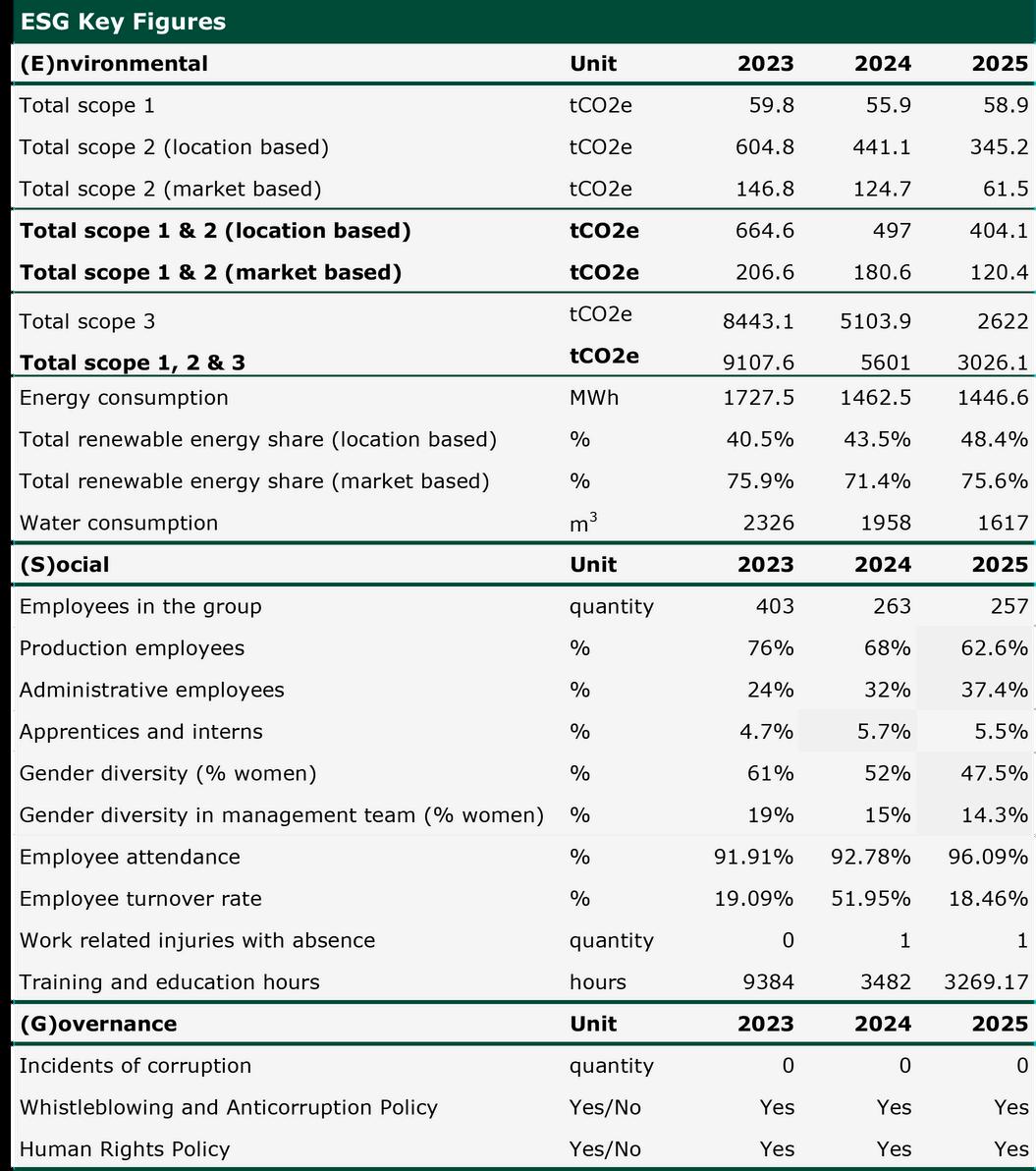
ESG Key Figures
We are happy to present our ESG Key Figures which can also be found throughout the report. The key figures represent our progress, challenges, and aspirations, guiding stakeholders through our journey towards more responsible and resilient practices. Moreover, we present the key figures as indicators of transparency and accountability embodying our dedication to sustainability
At Eltwin Group we are committed to the constant development within sustainability. Our ESG practices are evolving in line with developments within the area, and therefore, there may be ongoing changes to our ESG key figures.