Collision outside Rio Hondo College Child Development Center
By: Jordan Lopez
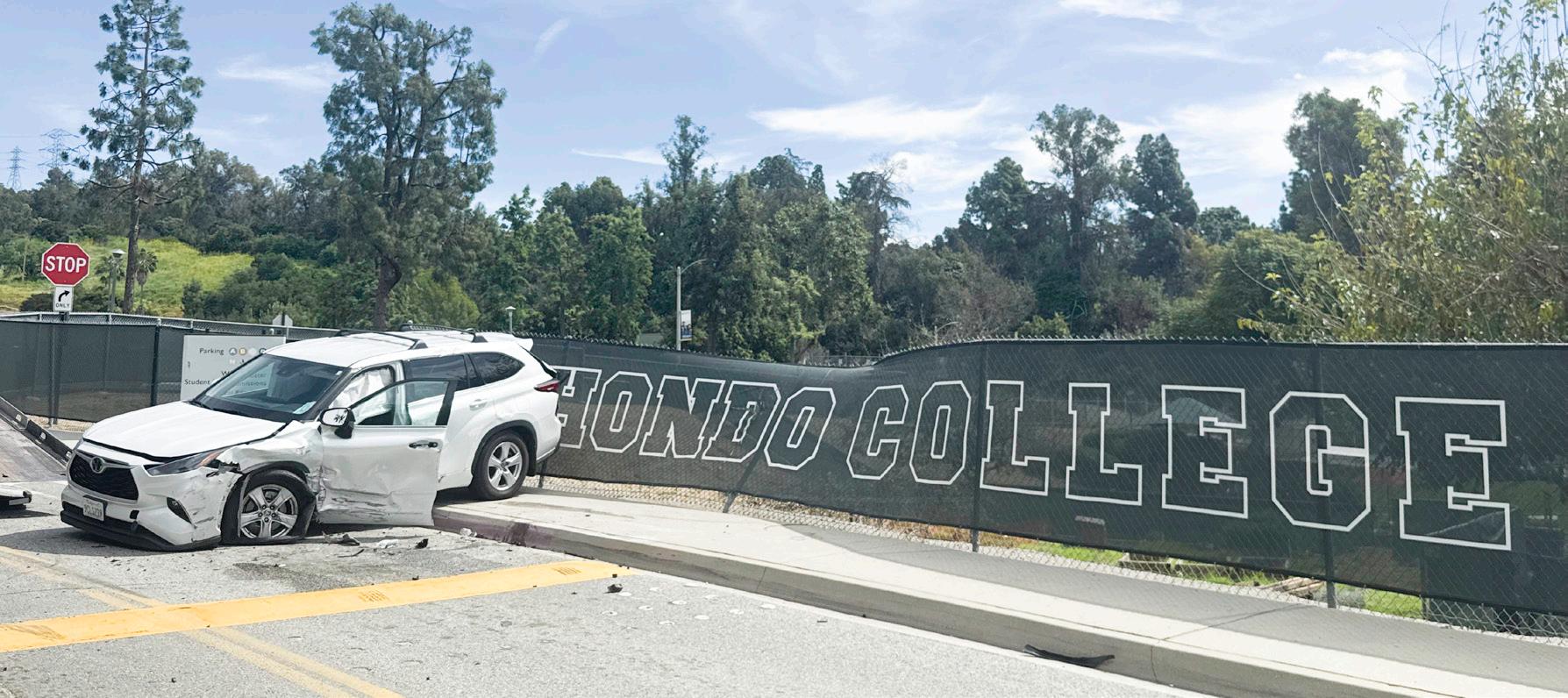
On the morning of March 13, 2026, a Toyota Camry and a Toyota Highlander collided in front of the Rio Hondo Child Development Center, resulting in a flippedover vehicle. According to bus driver from the City of Industry, Iford Banks, while transporting some students to take a walk through the college, “I’m in the driver’s seat and I felt a jolt. I realized that my bus had been hit.”
“but the car continued going.” After calling for help from security to identify the owner of the Toyota Camry, Iford claims “ he came back around with a lot A, came back down, came back around, passed her bus, didn’t stop again and he went down the hill through about 50 miles speed limit” … “. He went down, slow paced, speeded up, and that’s when he ran into the lady.”
According to witness Enrique Rolon, “he
roamed around in the parking lot a few more times. uh, to eventually getting chased kind of by the cops. He knew that they were following them, and he took off and accelerated from the stop sign and slammed into the, I think it was a teacher here or somebody that works here.” Another witness nearby said the vehicle suddenly accelerated before the crash. According to witness Adrian Mendoza, “you could hear that it accelerated loudly. So, you know, it was it wasn’t like a normal acceleration.”
Tow truck driver Izzy Vega, who arrived at the scene after the collision, said the driver appeared impaired.According to Vega, “He was under the influence of something.”
When speaking on the driver of the Highlander, Vega said, “nonlife threatening injuries, so she should be fine, but her car is totaled.”
Rio Hondo Offers a Way to Deal with Anxiety
By Sylvia Martinez
Inhale, hold it for about 30 seconds, exhale and relax. You should feel some sort of relief. Let all the negativity, all that weight, release it. Did you know Rio Hondo College offers a workshop that helps you navigate with the challenges that come with life? That workshop Rio offers is The Wellness and Resilience Workshop. The Wellness and Resilience Workshop is led by Instructor Brandy Rametta at Rio Hondo College through the Basic Needs and Student Health and Psychology Services. The workshop was created to help students to help manage stress and anxiety and for individuals to be able to self rediscover. It provides an avenue of release. Whether it’s a release through writing, talking or even having a spiritual connection with your
body, Brandy is here to guide you through that process. During the workshop, Brandy shows how to find and do certain acupressure points. One of those acupressure points being PC-1. PC-1 is done with three fingers right in the middle of the armpit and deals with sadness and depression. So, if at any point you feel sadness or depression try that acupressure point.
Other things that are taught by Brandy during the workshop are Yoga. She helps through the process of stretching and being able to manage breathing while doing Yoga poses. One last thing Brandy does is have the attendees answer a few questions and if your comfortable with sharing share it with someone. Usually between three to six attendees per workshop. Not a lot of individuals but
instructor Brandy indicates that it gives more of an intimate setting. The smaller groups complement each attendees’ healing journey. It gives an environment where students and staff are more comfortable with eventually sharing the challenges of everyday life.
Brandy Rametta hopes that the attendees of the workshop are able to find themselves
once again. She hopes every individual is able to find a belonging in a world full of chaos. To also feel whole and learn to love oneself. She hopes individuals learn to put their mental health first through community support. Whether you feel alone or find yourself struggling with the daily struggles life throws your way, this workshop may be for you. The workshop takes place every first and third Wednesday of the month at 12:15 PM-1:45PM at the L-Tower room 507 for free. If you’re unable to attend Wednesdays, Brandy also has a studio in Uptown Whittier, Heart and Soul Yoga. Take a friend or go on your own to find your calm after the storm.
Photo by: Jordan Lopez
Crashed vehicle rests in front of Rio Hondo’s Child Development Center in Whittier, Calif. on March 13, 2026
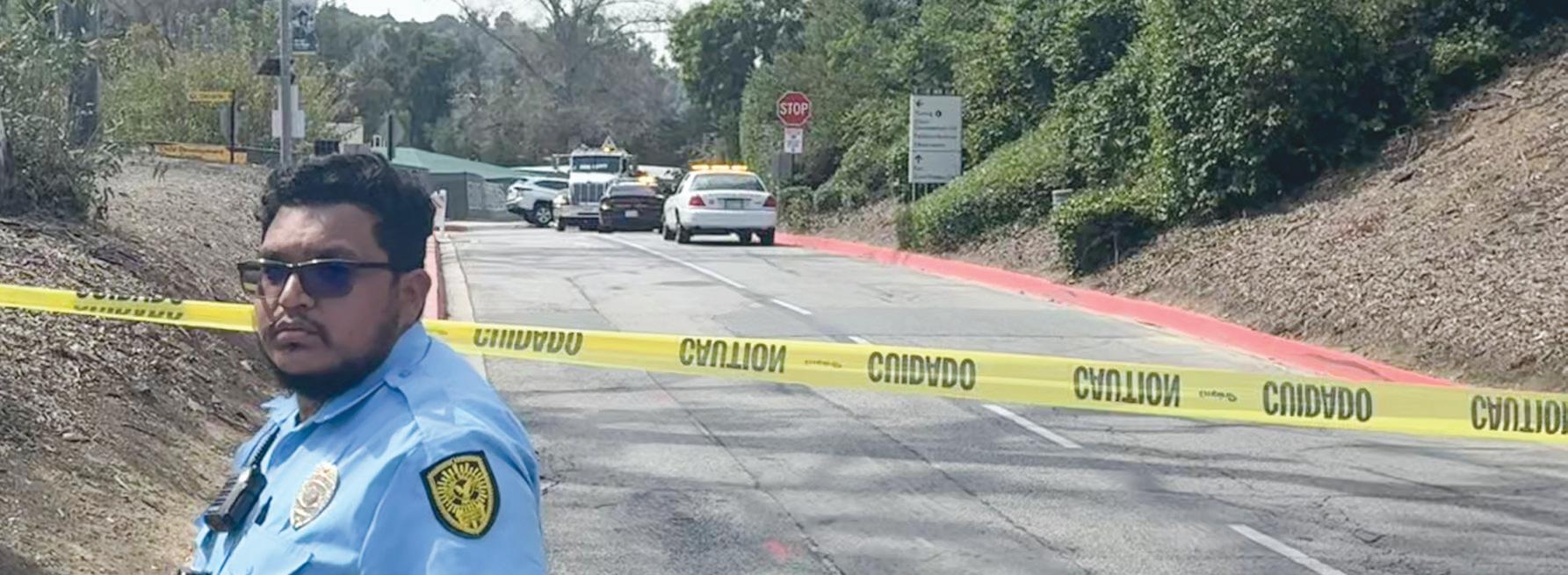
A security officer stands by blocked road outside of Rio Hondo College Child Development Center.
Photo by: Jordan Lopez
Photo By Sylvia Martinez
Wellness and Resillience Workshop Instructor Brandy Rametta, offers attendees an open space to discuss about the challenges they face in life through a questionaire.
Silent Battles: Suicide And Cancer In the Fire Service
By: Damian Zamora
Across the United States, firefighters are widely recognized as heroes who run toward danger while others run away. They battle raging flames, respond to catastrophic accidents, and save lives during moments of crisis. However, behind the courage and public admiration lies a troubling reality. Two of the most serious threats facing firefighters today are not always visible on the fireground: suicide and cancer.
Over the last decade, growing attention has been placed on the mental and physical toll the job takes on members of the fire service. According to the Firefighter Behavioral Health Alliance, firefighter suicides have become a major concern nationwide. In several recent years, the number of firefighters who died by suicide has exceeded the number who died in the line of duty. These statistics highlight a crisis that many departments are only beginning to confront.
Firefighters regularly experience traumatic events that most people will never witness. They respond to fatal car crashes, structure fires, medical emergencies, and violent incidents. Repeated exposure to these situations can lead to serious mental
health conditions such as Post-Traumatic Stress Disorder, depression, and anxiety. For decades, the culture within the fire service discouraged open discussions about mental health. Many firefighters feared being seen as weak or believed speaking up could harm their careers. In recent years, departments across the country have begun working to change that culture. Peer support programs, counseling services, and mental health awareness training are becoming more common in fire stations. The National Fallen Firefighters Foundation has launched several initiatives focused on behavioral health and suicide prevention. These programs emphasize that asking for help is not a sign of weakness but a critical step toward protecting the well-being of those who protect the public.
At the same time, cancer has become the leading cause of death among firefighters. Research from the International Association of Fire Fighters shows firefighters face a significantly higher risk of developing certain cancers compared to the general population. The danger largely comes from repeated exposure to toxic chemicals released during fires. When buildings burn, materials such
as plastics, insulation, and synthetic furniture release hazardous smoke filled with carcinogens.
These toxins can enter the body through inhalation or through the skin. Even after the flames are extinguished, contaminants often remain on firefighters’ protective gear. For years, many firefighters wore dirty gear as a badge of experience and pride, not realizing the long-term health risks involved. Today, departments are adopting stricter safety practices to reduce exposure, including decontamination procedures, frequent gear washing, and improved ventilation systems in fire stations.
Retired firefighter and current Rio Hondo Fire Academy Chief Jeff Baumunk, who spent more than two decades in the fire service and about 35 years in public safety, says coping with traumatic incidents often happens after the emergency is over. “In the moment you have adrenaline rushing and you’re focused on solving the problem,” Baumunk explained. “But afterward is when it really starts to hit you emotionally.”
Baumunk emphasized that having a support system is essential for firefighters dealing with stress. He noted
that earlier in his career, discussing emotions was uncommon in the firehouse.
“Twenty years ago we didn’t talk about our feelings,” he said. “Now departments are becoming more aware of the mental issues firefighters face and the rising suicide rates.”
He believes recognizing warning signs among fellow firefighters is critical. Changes in behavior, withdrawal from others, anger, sleep problems, or risky behavior can all indicate someone may be struggling. According to Baumunk, the most important step is simply asking the question: “Are you okay?”
Despite progress in awareness and prevention efforts, advocates say the fight against cancer and suicide
within the fire service is far from over. Leaders continue to call for increased funding, improved health monitoring, and stronger mental health resources for firefighters nationwide.
Firefighters dedicate their lives to protecting communities during their most difficult moments. As awareness grows around these hidden dangers, many within the fire service believe the next step is ensuring that those who protect the public receive the same level of protection themselves. Addressing both mental health and occupational cancer may ultimately save as many firefighters as the lives they risk their own to protect.
The Local Fight Against Data Centers
By Jordan Salcido
D
ata centers have been at the center of attention in recent months. Cities across the country are increasingly looking to develop and expand their capacity and seem eager to hop on the battery storage bandwagon. However, little regulation exists to oversee their rapid growth and consider the impact they have upon neighboring communities.
Data centers can be described as large physical facilities that house computer servers, storage systems and networking equipment used to store, process and distribute massive amounts of data. They boast their ability to manage the increased computing
needs of modern technology such as AI. This requires an advanced cooling system that uses large amounts of water and energy, meaning utilities must build new infrastructure. These costs are often paid by ratepayers, not developers.
“A data center can use as much electricity as thousands of homes while employing only a few dozen people,” states community leader, Samuel Brown. He continues, “they are essentially ticking time bombs, it’s not a matter of if, but when they catch fire. They pose a massive risk to public health and exposure to hazardous material.”
Many have pushed back and urged their local city governments to reconsider
their plans to move forward with data center construction. Just this month, community members in Monterey Park successfully halted a proposed 247,000-squarefoot development. Community organization No Data Center Monterey Park notes on their website, “the proposed data center would significantly increase energy use, strain public infrastructure and bring long-term environmental and quality-of-life impacts... March 4 was a major victory for Monterey Park...but the work is not finished. We still need Council to pass the [permanent city-wide data center ban] ordinance and we still need to win the June 2 election to reinforce the ban.”
In early February, Senator Sasha Renée Pérez introduced SB 978, the Data Center Community Accountability Act, “to protect Californians and utility ratepayers as large data centers rapidly expand across the state. California is home to roughly one third of the nation’s data centers and demand is projected to surge in the coming years...” as noted in the press release. As of January of this year, the City of Industry is considering zoning adjustments to allow for the development of data centers and energy battery
storage facilities. In 2024, a proposal was submitted to the city to convert part of the Puente Hills Mall into a 10-megawatt center, amassing over 1.6 million-square-feet.
The Clean Air Coalition (CAC), a community organization dedicated to protecting public health in southeast LA County, is gearing up to oppose these efforts.
“We’ve been at this for years. It’s another version of the same things we’ve been fighting, industries that put profits before people,” states Rebecca Overmyer-Velasquez, coordinator for CAC. For decades, they’ve been pushing back against Quemetco in the City of Industry, the last remaining lead battery smelter west of the Rocky Mountains, processing hazardous waste from across the country.
Community member and CAC volunteer Marilyn Kamimura adds, “we’re bearing the brunt of it for all of LA County, we’ve had the landfill, the lead battery smelter and now they want to build a data center...which is not only environmentally dangerous but also supports the expansion of the use of AI that will take away jobs and increase profits for industry.”
A coalition, No Data Center SGV, has been formed by founding groups SGV
Progressive Action, Avocado Heights Vaquer@s and the No Data Center MPK, with many more signing on in support. Additionally, Brown recently cofounded SGV Public Record alongside Daniel Talamantes and Edlin Simental. It serves as “an online hub examining land use planning and governance issues and how it intersects with the issue of environmental justice, “ Brown adds. Support has continued to grow, over 800 community members attended Brown’s presentation held in Rowland Heights, eager to learn more and voice their concerns. The coalition’s petition has over 14,000 signatures with plans for protests near the Puente Hills Mall. Coalition members urge community members to continue to get involved, Overmyer-Velasquez says, “these are efforts that communities need to be part of to make sure they reflect our needs!” Kamimura agrees, “as part of the future generations making up the communities adjacent to the City of Industry, our persistence and voices to protect our families matter. What you do now will make a difference.”
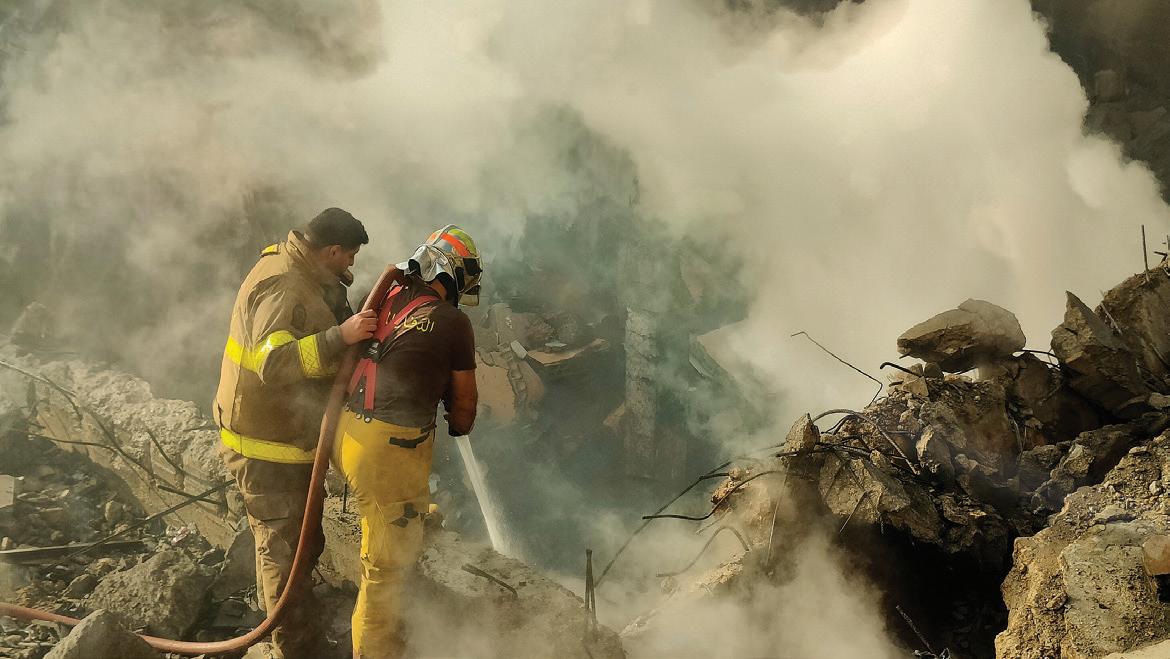
A firefighter works in a passenger train after it was hit by a Russian drone strike, amid Russia’s attack on Ukraine, at a railway station in Mykolaiv region, Ukraine March 4, 2026. Press service of the State Emergency Service of Ukraine in Mykolaiv region/Handout via REUTERS
A sign that reads “No data center” sits outside a home in New Carlisle, Indiana, U.S., March 23, 2026. REUTERS/Jim Vondruskaa
By: Bryan Mares
The Chevrolet Montebello Car Show brought together car enthusiasts, families, and community members from across the Eastside of Los Angeles for a celebration of classic cars, culture, and local pride. Hosted at Chevrolet of Montebello, the event highlighted the strong connection between local businesses and the surrounding community while showcasing the region’s longstanding love for classic and customized vehicles.
The idea for the car show began when the dealership looked for ways to become more involved with the Montebello community.
General Manager Peter Fice, one of the driving forces behind the event, worked with dealership leadership to find
Chevrolet Montebello Car Show
opportunities that would bring people together. Eric Kern, representing the dealership, reached out to several local organizations in Montebello for ideas. One suggestion quickly stood out: hosting a car show. Kern then connected with the local car club, Old Memories, a group known throughout East Los Angeles for organizing community car events. With their experience, the club helped plan and organize the event in just two months.
Although this is the first year the dealership has hosted the show, the response from the community was strong. Around 100 vehicles participated in the event, ranging from restored classics to custom lowriders and vintage rides that reflect the culture of East Los Angeles car clubs. According to Alvaro Ontiveros, one of the many people who attended the event, many participants and visitors came from East Los Angeles and surrounding Eastside neighborhoods, areas where car culture has long been part of local tradition.
To accommodate the large number of vehicles from the car clubs, the dealership rearranged its lot by moving new vehicles to the second story of the building and to
a lot across the street. This created space for the display of cars and allowed visitors to walk through the show and interact with car owners and vendors.
The event was designed to be welcoming and accessible for everyone. Admission was free to the public, making it a family-friendly gathering for people of all ages. In addition to the cars, the show featured food vendors and clothing vendors, adding to the festival-like atmosphere and giving local small businesses
a chance to participate. Students from Schurr High School and Montebello High School (ROC) also volunteered to help with the event, demonstrating how the show brought together different parts of the community from local schools to businesses and car clubs. The car show also reflects the vision of dealership owner Chris Teague, who purchased the dealership in 2010 and rebranded it as Chevrolet of Montebello. He partnered with Old Memories
to help strengthen ties with their community while simultaneously celebrating the culture and memories of the city and it’s residents that make the Eastside unique. For many attendees, the show was more than just about the cars; it was a chance to reconnect with old memories and bring together a community and even help expand it. By making the event free to the public it allowed for everyone to feel welcome and even tell more people about it.
Nation Faces Renewed Turmoil
By: Damian Zamora
Lebanon is once again at the center of a rapidly escalating conflict, as renewed fighting between Israel and the militant group Hezbollah has plunged the country into a deepening humanitarian and political crisis. The latest violence, which intensified in early March, marks one of the most serious flare-ups since the 2024 Israel-Hezbollah war and is raising fears of a broader regional conflict.
The current escalation began after Hezbollah launched a series of rockets and drone attacks into northern Israel, prompting a massive military response. Israeli forces have since carried out widespread airstrikes across Lebanon, targeting areas in the south, the Bekaa Valley, and even densely populated neighborhoods in the capital, Beirut.
In recent days, Israeli warplanes have bombarded Beirut’s southern suburbs and other key areas following continued rocket fire from Hezbollah. The attacks represent a sharp intensification of hostilities, with both sides exchanging strikes in what analysts describe as a rapidly expanding conflict.
Civilian casualties are mounting. Lebanese health officials report dozens killed in recent strikes, including attacks on residential buildings in central Beirut. One
REUTERS/Khalil
particularly deadly airstrike hit a multistory building without warning, underscoring the growing danger to civilians caught in the crossfire.
The humanitarian situation is deteriorating quickly. According to United Nations estimates, hundreds of thousands of people have been displaced by the fighting, with some reports placing the number as high as 700,000. Many families have fled southern Lebanon toward Beirut or attempted to cross into neighboring Syria, creating widespread congestion and panic on major roadways.
Evacuation orders issued by the Israeli military have further fueled chaos. Entire
towns and neighborhoods have been told to evacuate, often with little notice, leading to mass displacement and a growing refugee crisis within Lebanon’s borders.
The conflict is also deeply tied to broader regional tensions. The latest round of violence follows a series of events linked to the wider Middle East conflict, including attacks involving Iran and its regional allies. Hezbollah, which is backed by Iran, has coordinated some of its military actions alongside Iranian forces, raising concerns that Lebanon could become a major front in a larger war.
Inside Lebanon, the crisis is exposing political fractures.
The Lebanese government has taken the unprecedented step of declaring Hezbollah’s independent military operations illegal and calling for the group to disarm. This marks a significant shift in policy, as Hezbollah has long operated as both a political party and a powerful armed force within the country.
However, efforts to disarm Hezbollah appear increasingly unlikely amid ongoing fighting. Military experts suggest that if the conflict with Israel continues, discussions about disarmament will remain on hold.
Public sentiment within Lebanon is also shifting. While Hezbollah has traditionally enjoyed support among
certain communities, the renewed violence has sparked frustration and criticism, particularly among civilians who are once again bearing the brunt of the nation Many are still recovering from the devastating 2024 conflict, which killed thousands and caused billions of dollars in damage.
International leaders are urging restraint, warning that continued escalation could destabilize the entire region. France and other global powers have called on both Israel and Hezbollah to deescalate, while emphasizing support for Lebanon’s government and armed forces.
Meanwhile, Israel has signaled that it may expand its military operations further if Hezbollah attacks persist. Israeli officials have even suggested the possibility of taking territory in southern Lebanon if the Lebanese government fails to curb Hezbollah’s activities, a move that would mark a dramatic escalation.
As the conflict continues, Lebanon faces an uncertain future. The combination of ongoing military conflict, mass displacement, and internal political strain is pushing the country closer to a breaking point. With no clear ceasefire in sight, civilians remain trapped in a conflict that shows few signs of slowing down.
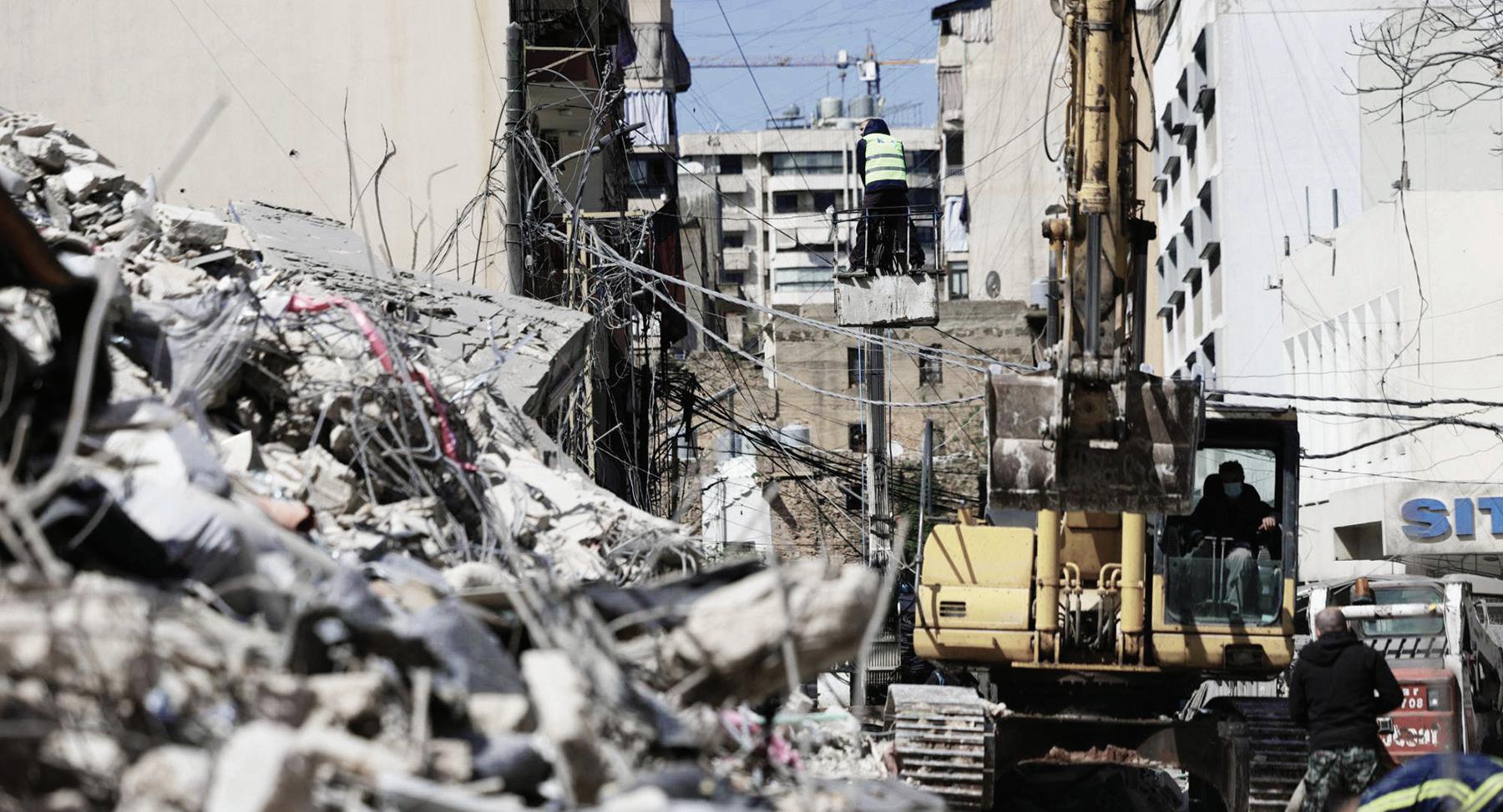
A man uses an excavator to clean debris at the site of an Israeli strike, following an escalation between Hezbollah and Israel amid the U.S.-Israeli conflict with Iran, Zuqaq al-Blat district in central Beirut, Lebanon, March 18, 2026.
Ashawi
Photo by: Bryan Mares
Photo by: Bryan Mares
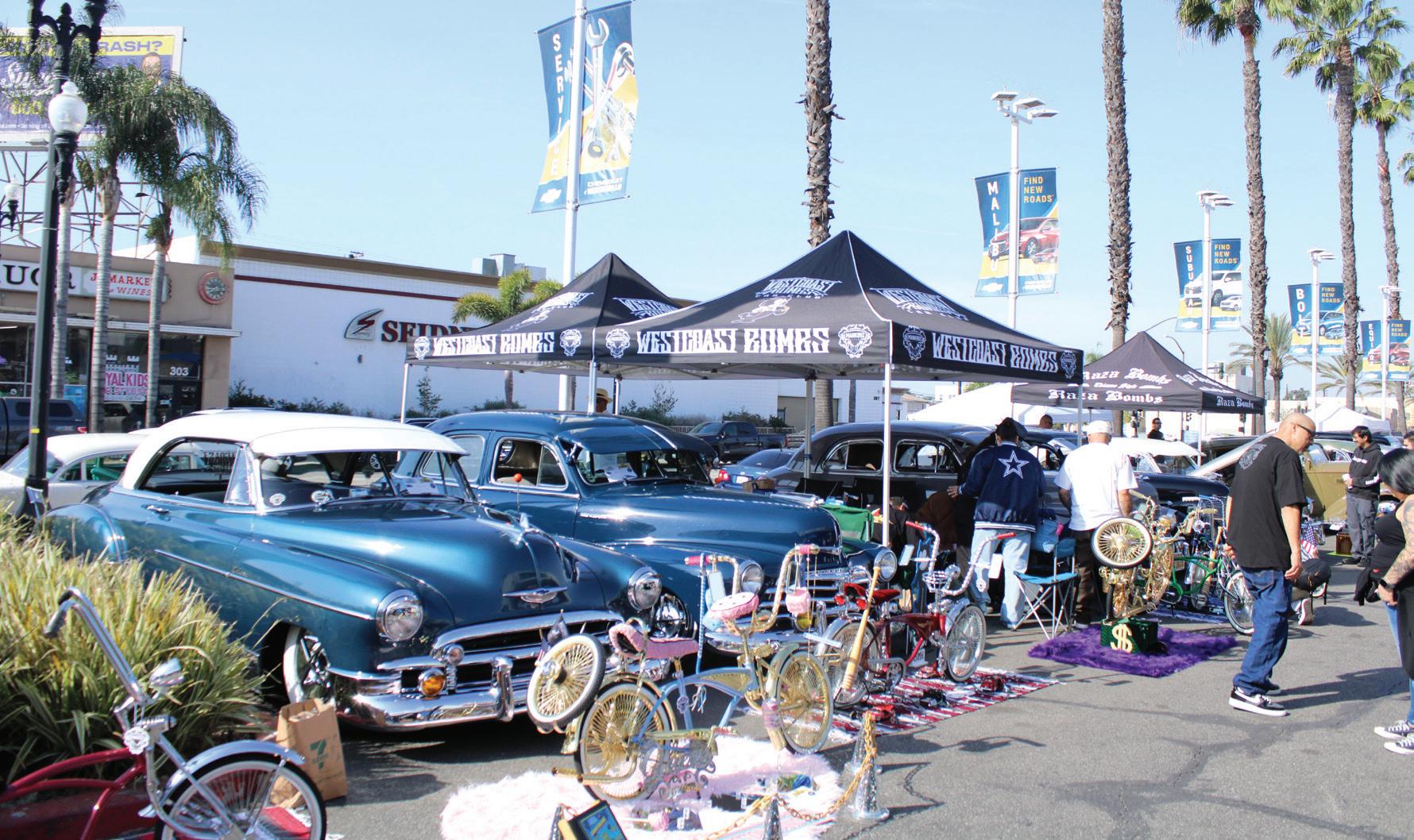
Vendors with tents set up at the event to sell food and goods to people who attended the event.
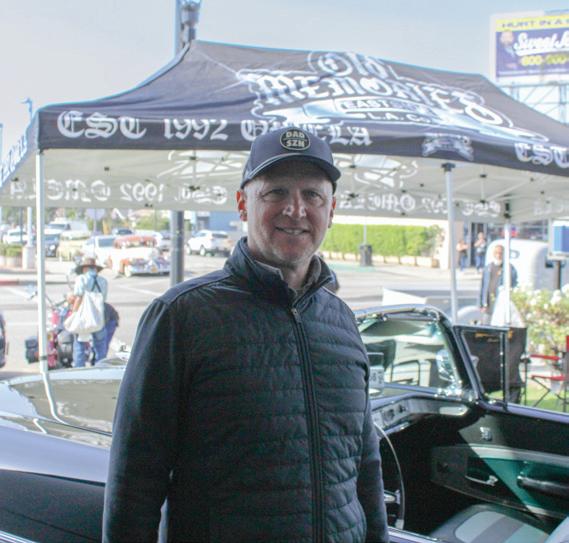
Eric Kern who helped dealer principal, Chris Teague, get in touch with Old Memories East Side to help make the event possible.
Los Angeles Fashion Week Powered by Arts Heart Fashion, Where Fashion is Expressed through Color and Creativity
Los Angeles, the city of angels debuted its sensational spring line for fashion week powered by Art Hearts Fashion. The designers featured for this week delivered yet another iconic collection that you wouldn’t want to miss. Each designer brought their own signature pieces that took the audience
in a trance, the models were fierce and brought stunning runway moments while telling a story with each look that they had. The show was cinematic, the clothes and designs told a story and left the audience wanting more. While watching the show, everything was pure perfection. The lights, cameras, music, and models brought a unique energy that made it impossible to look
away. The designers simply outdid themselves for these new lines, every look was different and had its own distinct aesthetic while the models themselves had an angelic feel that brought the designs to life. The designs captured an otherworldly look, either being the embodiment of angelic beauty or having the appearance of beauty from another planet. Arts Hearts
Fashion did an incredible job producing this show, everyone is dying to see the next season to come and see what new designs the artists will bring. The following shows will undoubtedly bring everything and more to the runway, stay tuned to see what fashion week will bring next.
Photos and Story by: Bella Fortney
El Paisano Staff Jordan Salcido Online Editor-in-Chief
Marissa Chavez Editor-in-Chief
Damian Zamora News Editor
Edwin Ramos Social Media Editor
Drew Perez Opinion Editor
Sylvia Martinez Sports Editor
Calvin Trudeau Podcast Editor
Bryan Mares Arts & Entertainment Editor
Aaron Martinez Instructor
Jordan Lopez Photo Editor W. Carrera Advisor
Julio De La Hoya Brodcast Editor
Rolando Cano Copy Editor
Missed Opportunities Cost Rio Hondo in 4–2 Loss to Oxnard College
Despite a game-tying rally in the fourth inning and a strong relief outing from Christian Ortega, the Roadrunners are unable to capitalize with runners in scoring position as the Condors use timely hitting and late insurance runs to secure a 4–2 victory
By: Drew Perez
The Rio Hondo Roadrunners (6–18) were defeated 4–2 by the Oxnard College Condors (5–18–1) in a game that showcased strong pitching stretches but ultimately came down to timely hitting and missed opportunities.
Rio Hondo got off to a promising start behind starting pitcher Marcus Mayweather, who delivered a clean 1-2-3 first inning to quickly set the tone on the mound.
The Roadrunners looked to carry that energy into the bottom half of the inning, getting a runner on base, but a double play followed by a flyout to center field ended the early threat.
The Condors broke through in the top of the second inning, capitalizing on small mistakes. A leadoff single put immediate pressure on the defense, and a passed ball allowed the runner to advance into scoring position.
Oxnard took advantage, scoring its first run on a sacrifice fly to center field. They continued to build momentum as another single and a well-hit double brought in a second run, giving the Condors an early 2–0 lead.
Rio Hondo attempted to respond in the bottom of the second, starting with a leadoff single, but the Condors’ defense held firm, retiring the next three batters and stranding the runner.
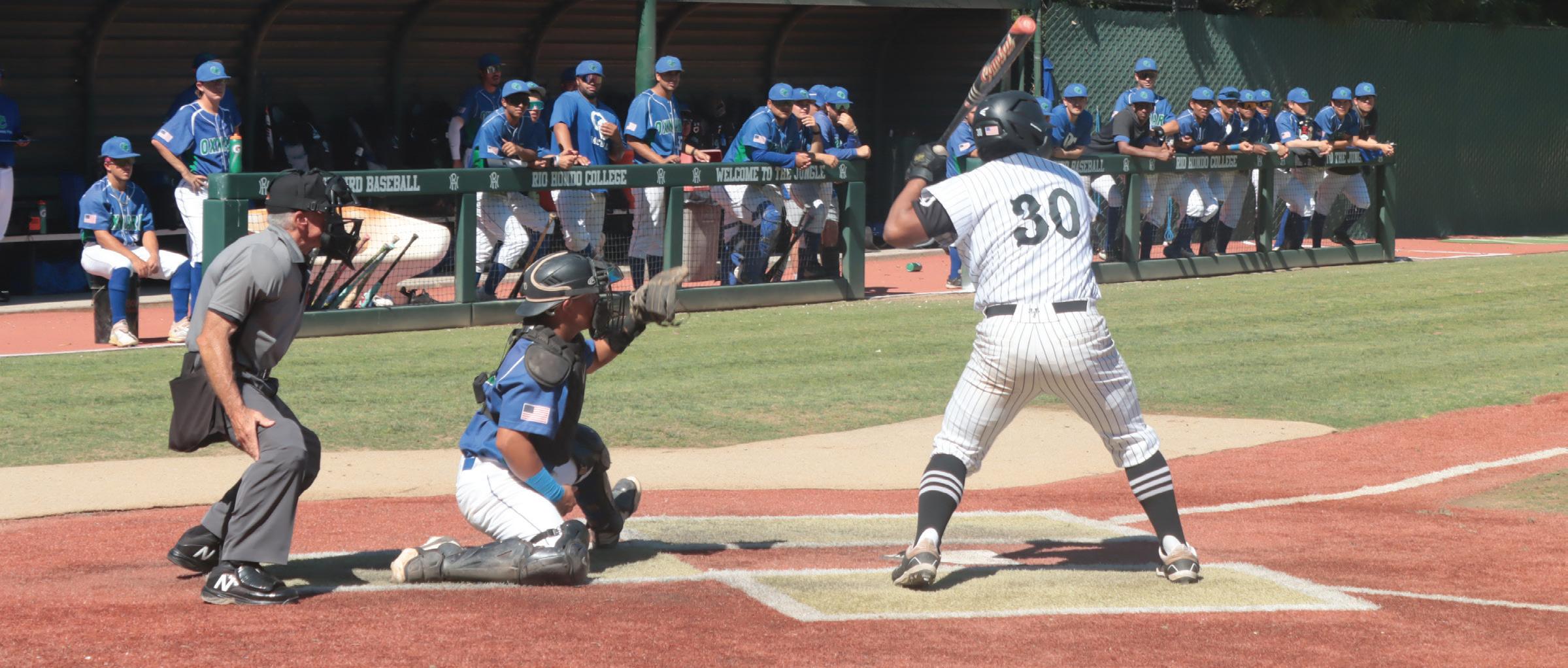
#30 Anthony Baez shows patience at the plate during the bottom of the fourth inning during Thursday afternoon game at Rio Hondo, laying off tough pitches and working a disciplined walk to help spark the Roadrunners’ rally.
The Roadrunners continued to struggle to convert offensively in the third inning despite putting runners on base. Elias Mota opened the inning with a single, and a sacrifice bunt moved him into scoring position.
However, a flyout and a walk were followed by a pop-up that ended the inning, leaving two runners stranded once again.
Defensively, Rio Hondo showed flashes of strong play. In the top of the fourth inning, Diego Helguera made an impressive stop to record the first out, while Mayweather added his first strikeout of the game to close out a solid defensive frame.
The turning point for Rio Hondo came in the bottom of the fourth inning. Andrew
CCCFA State Championship for RHC Speech and Debate
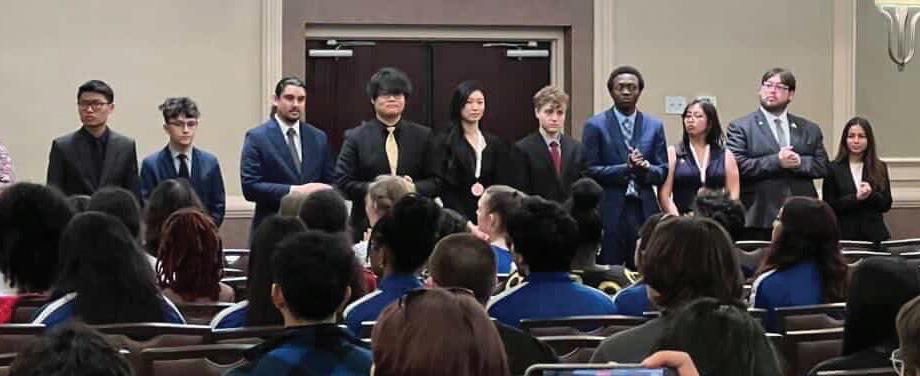
Speech and Debate Students Joshua Lopez and Alyssa Elizardo, await to recieve their awards at the CCCFA State Championship. Awards: bronze individual debate, bronze team debate, silver team debate.
Photos courtesy of Grant Tovmasian
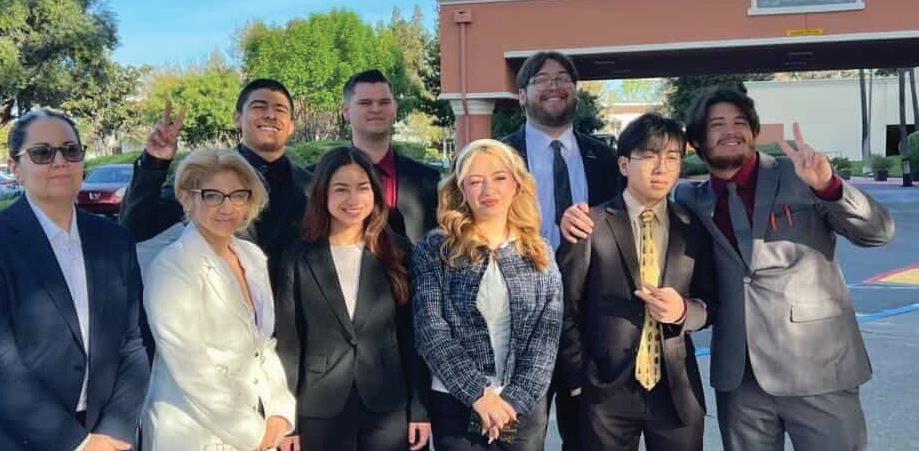
Yolanda Canada, Victoria Tailanian, Alexander Palencia, Alyssa Elizardo, Landen Minor, Andrea Jauregui, Joshua Lopez, Huy Tran, and Julian Sharkey pose for a photo outside the Hilton Hotel in Concord Calif. from March 11 to March 15 for their State Championship competition.
Ruvalcaba ignited the offense with a leadoff single, and a successful bunt put additional pressure on the Condors’ defense. After a walk loaded the bases with no outs, the Roadrunners had a prime opportunity to take control of the game.
Pinch hitter Lucius Mika delivered in the clutch, driving a double that brought in two runs and tied the game at 2–2.
Despite the momentum and still having no outs, Rio Hondo was unable to capitalize further, as Oxnard managed to escape the inning without allowing additional runs.
From that point on, both teams relied heavily on their pitching. Mayweather continued to work effectively before Rio Hondo head
coach Mike Salazar turned to Christian Ortega in the sixth inning.
Ortega made an immediate impact, striking out his first batter and finishing the inning strong. He continued to dominate into the seventh, recording multiple strikeouts and keeping the Condors largely in check, though he did surrender a solo home run that briefly shifted momentum back to Oxnard.
The Condors added an important insurance run in the top of the eighth inning. After a single put a runner on base, a timely hit brought him home, extending the lead to 4–2 and putting additional pressure on the Roadrunners heading into the final innings.
Rio Hondo continued to battle offensively but could
not generate the key hits needed to close the gap. In the final inning, the Condors recorded two quick outs before stranding two Rio Hondo runners on base to seal the victory.
Despite strong pitching performances, particularly from Ortega out of the bullpen, the Roadrunners were unable to overcome missed opportunities with runners in scoring position.
Rio Hondo showed resilience and flashes of offensive potential, but ultimately fell short as the Condors capitalized on key moments to secure the 4–2 win.
Photo by: Drew Perez.
Rio Hondo Baseball Falls to College of the Desert After Late Ninth-Inning Surge
Multiple pitching changes and a brief seventh-inning rally aren’t enough as College of the Desert scores seven runs in the ninth.
By: Drew Perez
The Rio Hondo Roadrunners baseball team fell to the College of the Desert Roadrunners baseball team 14–6 in a game that featured multiple pitching changes for Rio Hondo and a late offensive surge by College of the Desert.
College of the Desert started the game with righthanded pitcher Caleb Ortiz on the mound. Ortiz helped set the tone early for the Desert Roadrunners as they worked to build an early 2-0 lead.
Rio Hondo countered with right-handed starting pitcher Marcus Mayweather.
Mayweather kept the game competitive through the early innings before Rio Hondo, led by head coach Mike Salazar, began turning to its bullpen in the middle of the game.
In the fifth inning, with one runner on base and no outs, Rio Hondo made a pitching change, bringing in right-hander E.J. Felix in an effort to stop the Desert offense. The pitching changes continued in the sixth inning as Rio Hondo switched to left-handed pitcher Efren Miranda at the top of the inning.
Later in the sixth, with one out and two runners
Elias to continue keeping the game low scoring.
Rio Hondo began to rally in the bottom of the seventh inning. The Roadrunners pushed across two runs, cutting the deficit and inching closer to tying the game at 6–5, giving the home team some momentum.
However, the Desert Roadrunners quickly answered. They added another run to extend their lead to two before delivering the dagger in the top of the ninth inning. College of the Desert erupted for seven runs, creating a ninerun advantage and putting the game out of reach.
Rio Hondo managed to score once more in the bottom of the ninth inning, but the comeback attempt fell short as the game ended with a 14–6 final score. With the loss, Rio Hondo drops to 6–17 on the season, while College of the Desert improves to 16–4 under head coach Sam DiMatteo.
on base, Rio Hondo made another move by calling on right-handed pitcher Nathan Leyva. Leyva delivered a key moment for the Roadrunners, striking out two batters to escape the inning
and prevent further damage. College of the Desert also turned to its bullpen during the game. In the bottom of the sixth inning, the Desert Roadrunners brought in right-handed pitcher
Brandon Deth with Rio Hondo threatening with runners on first and third and one out.
Another pitching change came in the top of the seventh when Rio Hondo turned to right-hander Dominic
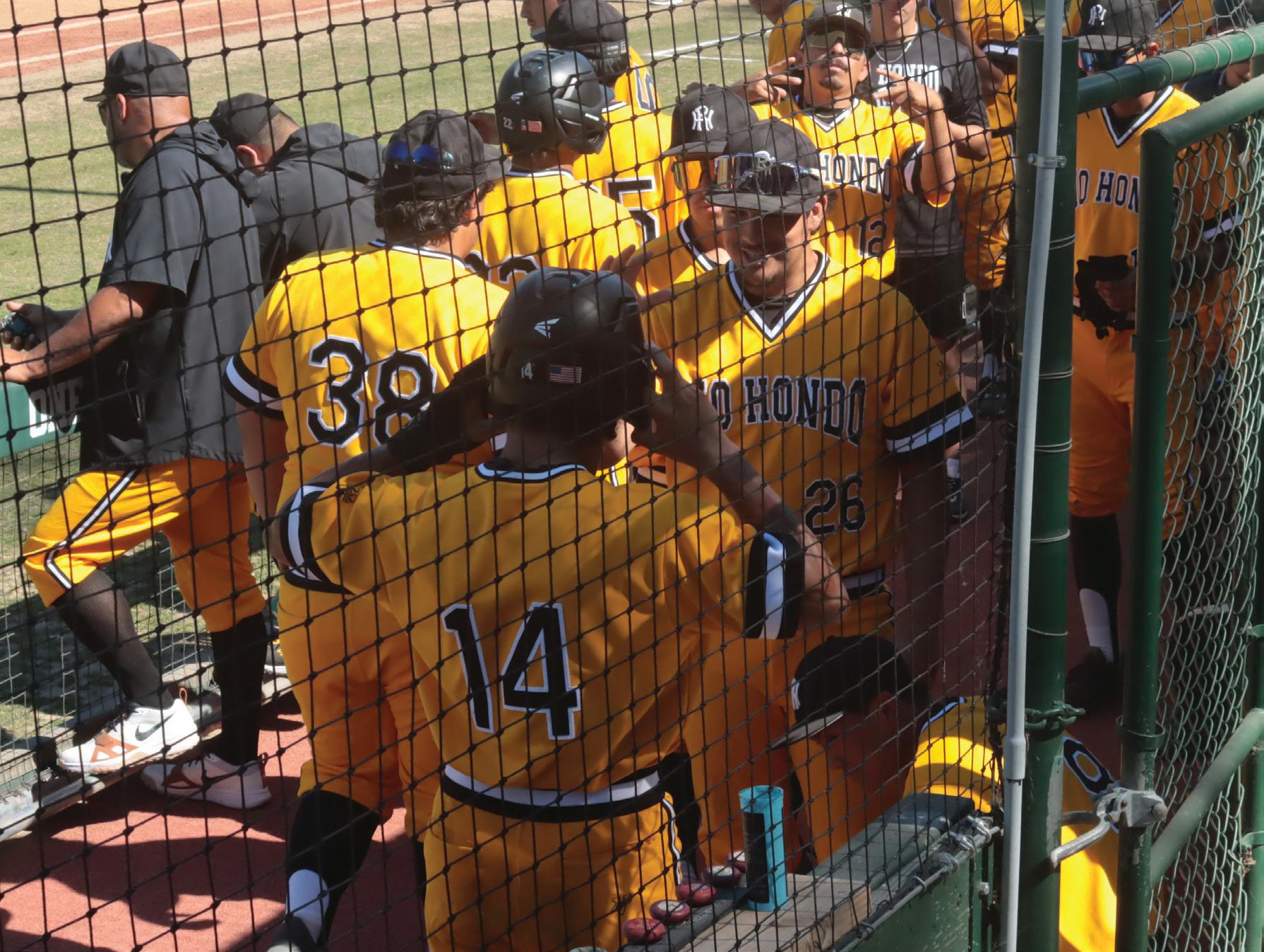
Teammates of the Rio Hondo Roadrunners baseball team celebrate in the dugout after tying the game 2–2 against the College of the Desert Roadrunners during the bottom of the second inning on Thursday at Rio Hondo College. The early rally helped shift momentum for Rio Hondo as the team responded to an early deficit and energized the home crowd while teammates cheered on the offense from the dugout.