Community
groups come together to envision a future rooted in resilience and restoration
By Jordan Salcido
IIt’s been over a year since fires swept through Los Angeles. Buzzwords like “Build Back Better” have created a sense of urgency to rebuild homes and reestablish a sense of normalcy, while pressures of ‘disaster capitalism’ have attempted to make a buck off the situation at the expense of those who’ve been impacted. Survivors, while navigating an unthinkable disaster, have pushed back against these pressures and are exploring a path forward that is centered around community needs. One that puts survivors’ voices at the forefront and offers a more holistic approach to what it means to ‘build back better’.
Overnight, groups came together to support their neighbors and contribute to immediate fire recovery efforts. Small businesses like Octavia’s Bookshelf became resilience hubs, places where people could turn for basic necessities, support and trusted resources. This momentum has continued to grow. The Eaton Fire Collaborative consists of over 100 nonprofits, community groups and city, county and state officials who have tirelessly mobilized towards healing and recovery over the last year. Their physical location, The Collaboratory, serves as a central space to connect with community partners driving long-term recovery efforts, access resources and address concerns.
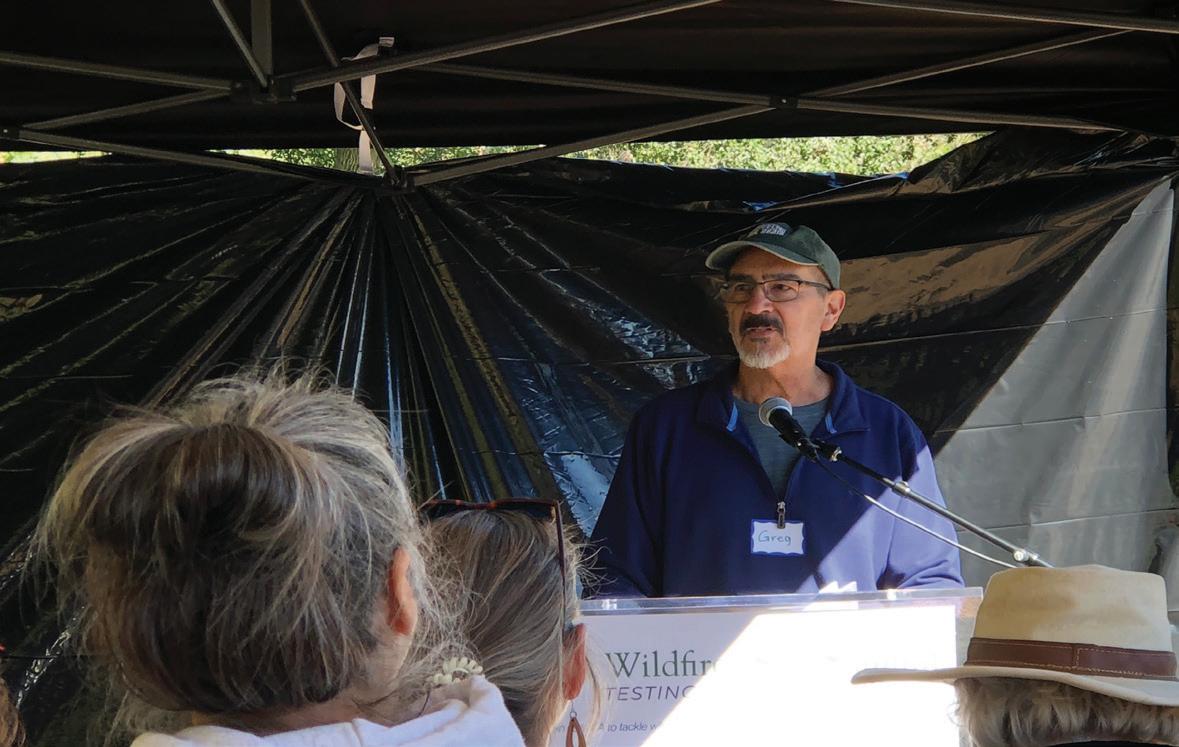
One glaring concern is how to move forward with highly contaminated soil. Greg Apodaca, survivor of the Altadena fire and CEO of Community 3.0x, convened the first LA Soil Summit, at the burn site of his former
home, to learn about their efforts and discuss viable options for restoring soil health. Michael DiMartino, event organizer and founder of Earthstock Enterprises notes in their announcement, “the LA Soil Summit is more than an event, it’s a movement to bridge the gap between ecological disaster and community-led healing.”
Apodaca adds, “healing the land and healing the community go hand-in-hand. We’re asking those affected by the Altadena and Palisades fires to voice their concerns so we can provide direction and resources where possible.”
During the fires, Pasadena resident, Jacquelyn Perez, was attending Cal Poly Humboldt earning her degree in Environmental Studies with a focus on community organizing. “I felt even more motivated to finish my degree and come back as soon as possible to be there for my community,” she shares. Perez works with 301 Organics, a company diverting food waste from landfills and transforming it into rich compost used to revitalize soil health. Post-fires, they pivoted to building a robust network of soil chambers to create a nutrient dense material used for soil remediation, a process that works to restore balance to contaminated soil.
The process begins by combining food scraps collected from local restaurants and manure from local stables with water, yard trimmings and wood chips. The material is monitored to ensure it reaches an adequate temperature to reach its maximum restorative potential. Next, it is turned and assessed for microorganisms. After about three months, the compost is ready to be applied to burn sites. “Compost drenches
help to repopulate organisms in the soil biology,” Perez notes. Soil testing reveals that the treatment is responsible for a significant decrease in toxins. Apodaca’s home now serves as a host site to eight of these chambers, each holding hundreds of pounds of compost that will contribute to improved soil health for dozens of impacted households. In addition to soil restoration, the mental recovery has looked different from season to season. “In the beginning, people were not ready for therapy,” Christy Zamani, Executive Director of Day One and member of the Eaton Fire Collaborative, shares. As the anniversary of the fires approached, they could feel the need to up their mental health and wellness offerings. “Right now the Eaton Fire Collaboratory has about 30-40 people coming in for mental health support on a weekly basis. And that’s amazing because it’s hard to ask for help.” For many, emotional distress has come in waves. “I pushed all of my emotions down... and then around June, it just really hit me,” Apodaca shares, “I finally started counseling and they helped me understand that this was a traumatic experience we went through and what I’m experiencing is normal.” Zamani shares, “it’s been humbling to see survivors like Greg [and his wife] Alma do this work alongside us while they’re hurting.”
Zamani continues, “we’ve been speaking to fellow survivors who’ve gone through similar disasters, like folks
from Lāhainā, we agreed that there is an expectation that national experts will come forward and show you the way. And what we’re learning is that’s simply not the case. Every community is different, and as much as there is to learn from others, we still need to do it our own way. The silver lining here is when do we get the opportunity to begin from a blank slate? We have brilliant people here eager to do the work and ‘build back better’ in a way we’ve never seen before... and unfortunately, with the climate crisis, we can expect more of this.”
WAt Community 3.0x, Apodaca and partners are using innovative technologies to address these pressing issues. He notes the urgency of taking bold climate action to mitigate the impacts of the climate emergency, “we seek comfort and convenience instead of realizing that our home is, literally, burning and on fire...my work is to help align the short-term needs with the long-term needs.”
Sim Bilal, soil summit attendee and commissioner with the LA County Youth Climate Commission, reflects “how do we future proof our communities in the face of climate apartheid?” He adds, “because it’s not just the threat of climate change, it’s the policy, the red tape, the lack of equality and... like Lāhainā, Altadena has become a case study in land grabbing and exploitative practices that displace communities after disasters...it’s clear we need an alternative.”
Bilal highlights that both Lāhainā and Altadena have launched community-led
initiatives to maintain these connections, “community land trusts (CLTs) have begun to offer that alternative, a future where every disaster doesn’t spell permanent displacement for impacted communities, but a regenerative future that will provide opportunities for future generations to remain connected to the places they call home.”
This vision for a future that moves towards community ownership is one that resonates with Apodaca, he imagines, “a sharing community where we share resources, use cisterns to capture water, have electrical grids, compost and grow vegetable gardens.” Bilal reiterates that the people most impacted are the ones best suited to shape their communities, “we can start creating that future today... long before climate disasters strike... by developing power in our neighborhoods, talking to our neighbors, joining a CLT, and getting involved in your community on a grassroots level...”
Looking to what’s next for the Eaton Fire Collaborative, Apodaca shares, “we have to overcome obstacles such as patriarchy, white supremacy and unfettered capitalism... but I think we don’t understand how powerful we are... to lead a thriving life and be on a path to realizing our full potential, individually and collectively.” While the road to recovery is full of uncertainties, it’s clear that a collaborative, communitycentered approach is what’s needed and ensures people are put first.
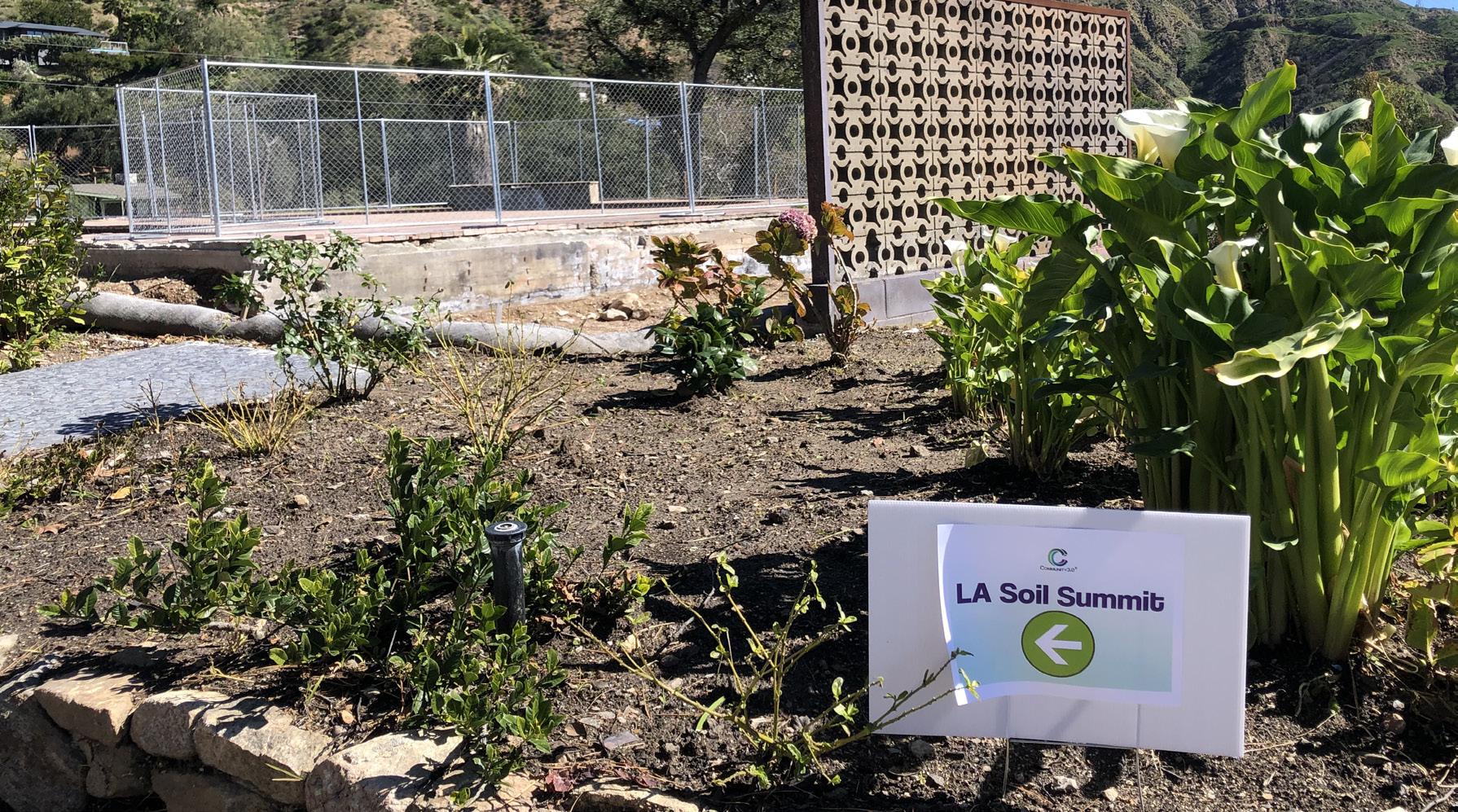
Photo by Jordan Salcido
Photo by Jordan Salcido
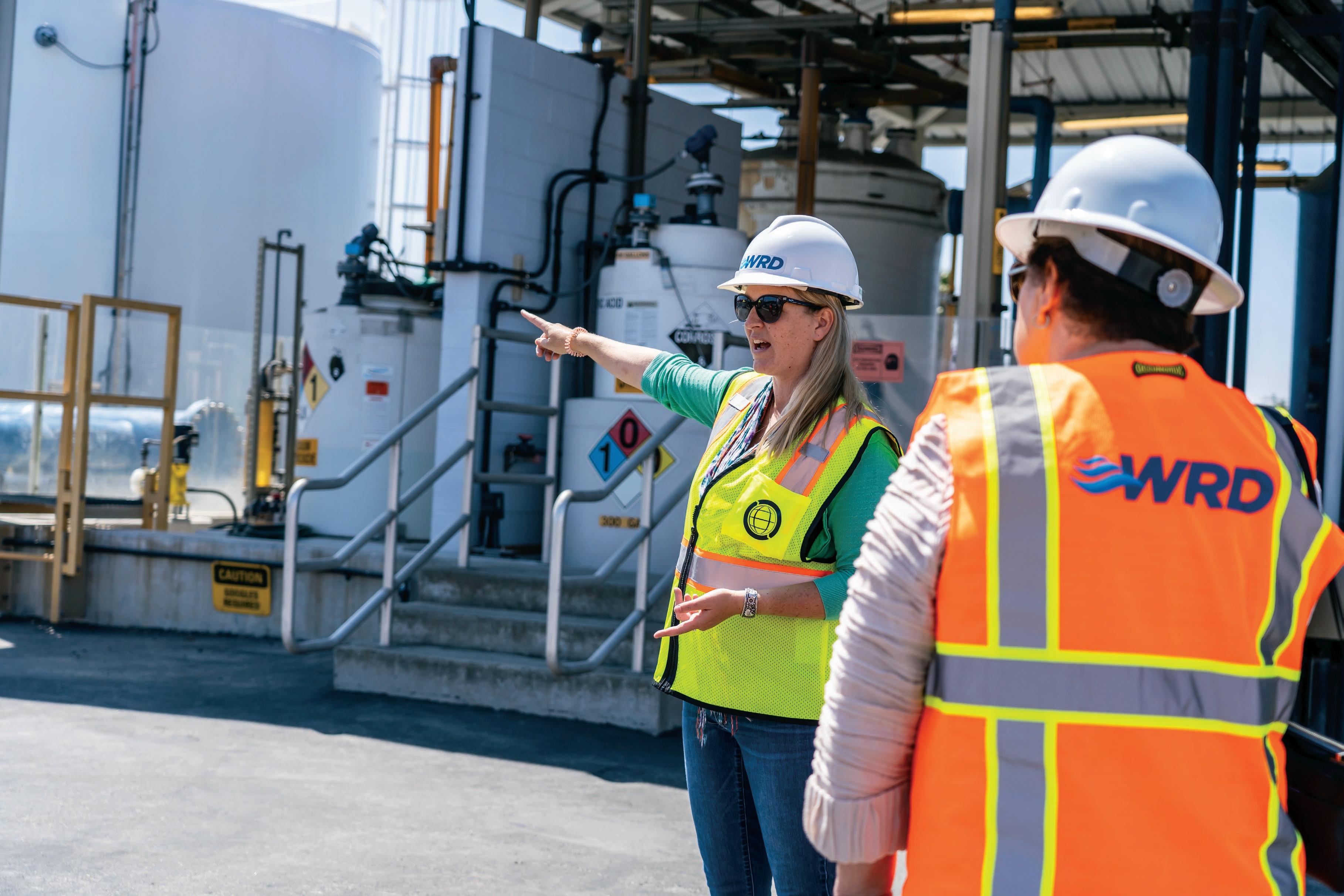
Against the backdrop of the San Gabriel Mountains, burn sites that were once homes of a tight knit community, now use their vacant lots of land to hold community-centered events like the LA Soil Summit.
Greg Apodaca addresses attendees at the first LA Soil Summit.
City of Whittier Mayoral Candidates
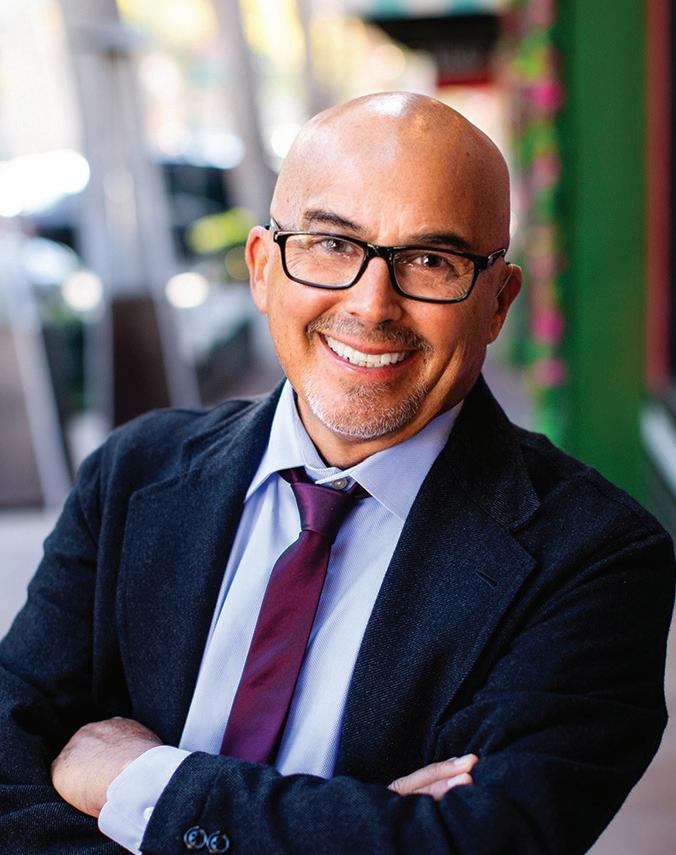
James Becerra
What motivated you to run for the position of mayor?
I’m running for Mayor because I believe Whittier is at an important moment. This is not a failing city — but it is a stalled city. We have strong neighborhoods, dedicated residents, and real potential. What we need now is renewed energy and focused leadership to move us forward.
My family chose Whittier more than 30 years ago. We were married here and
What motivates you to run for the position of mayor?
Being an elected person with the opportunity to serve people is the highest honor in public life. As Mayor I have had so many incidences to help so many people in so many different ways…from overgrown brush on Floral Drive, to pot holes on Colima road, to reading Dr. Seuss at Mill School, to serving meals at the Senior Center, to participating in opening ceremonies for our youth soccer, girls softball, baseball…. in other words, it is not always about making decisions that impact the future of Whittier as much as it is being with
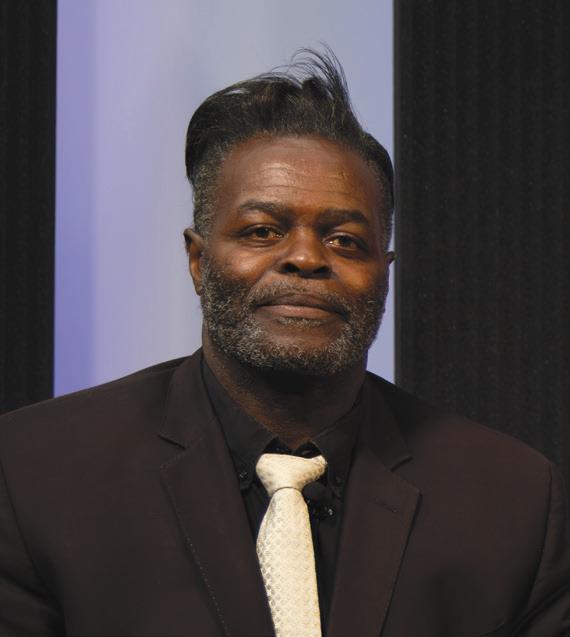
Isaiah L.
Leon Savage
What motivates you to run for the position of mayor?
A life of service is an honorable life. God, Family, and Country.
What applicable qualifications do you have?
raised our children here. This community has given us so much, and I feel a responsibility to give back. Over time, I’ve heard from residents who want clearer communication, more transparency, and a stronger sense that their voices matter before decisions are made.
I’m motivated by a simple belief: local government should work for the people who live here. That means safer streets, support for small businesses, responsible growth, and open decision-making. It also means acting with urgency when challenges arise, not waiting until frustration builds.
I respect the city’s history and the service that has come before. But I believe Whittier is ready for fresh leadership — leadership that listens early, communicates clearly, and focuses on results.
We don’t need drama. We need direction. And I’m ready to help move Whittier into its next chapter.
What applicable qualifications do you have?
My qualifications are
individuals who have real world needs. This is a joy for me and I want to continue serving this way as well as following through on large, multi-year projects that we’ve initiated in the last two years (new Fire Station 17, new parks-Parnell and First Avenue, continued upgrading Whittier Blvd after annexation and synchronization of Blvd., etc.).
What applicable qualifications do you have?
I have served on the city council since 2006, but as Mayor since 2016 when we changed our former government to four districts and
good sense and wise judgement.
In your opinion what is the most controversial issue in the city and how do you plan to address it?
Our seniors and our children to me and to many of others in our community. Creating a safe and secure community.
Starting with restoration of our streets, sidewalks, parks and better senior housing. Focusing on the streets and sidewalks
“first.” Even if there is a safe space, there must be a safe environment around that safe space. Expelled all 8.35 B’s from Whittier “(Which is the Third largest school district in southern California)” That have been paroled in Whittier.
“Deep in my heart I know the community wants the same thing, I’m just saying it out loud.”
grounded in both professional experience and long-term service to this city. I plan cities for a living. As a professor of landscape architecture at Cal Poly Pomona, my career has focused on designing communities that function well — from safer streets to better parks to thoughtful development. I understand how planning decisions affect daily life because that’s the work I’ve done for decades.
Locally, I’ve served for more than twenty years on Whittier’s boards and commissions, including the Historic Resources Commission, Parking and Transportation Commission, and Design Review Board. That experience has given me a practical understanding of how city processes work — and how to make them work better.
I also manage teams, budgets, and complex projects. In my profession, success depends on listening first, bringing people together, and delivering outcomes that are realistic and responsible. That same approach applies to city leadership.
a city-wide elected Mayor every two years. I have come to know the city, and most importantly, its people, quite well. But my biggest qualification is not what I have learned, and am learning, but my desire to serve, to help our people.
In your opinion what is the most controversial issue in the city and how do you plan to address it?
Probably our most controversial issue is growing and maintaining Whittier’s forest in light of our concerns to keep Whittier green (we are a Tree City USA), but balancing the safety of our residents
A mayor must balance growth with neighborhood character, opportunity with accountability, and vision with fiscal responsibility. That’s what I’ve done throughout my career.
Whittier doesn’t need experimentation — it needs steady, informed leadership with the urgency to get results. I bring both experience and a forward-looking mindset to that responsibility.
In your opinion, what is the most controversial issue in the city and how do you plan to address it?
One of the most controversial issues facing Whittier today is trust in local leadership — particularly when it comes to transparency and how the city responds during moments of tension or uncertainty. Whether the issue is public safety, development, or how we communicate during difficult events, residents want clarity and consistency.
Again, we are not a failing city — but we are a stalled city in terms of public confidence. When decisions feel rushed
with the trees and their root structure. In light of the multimillion dollar judgment against the city as well as the very real possibility that we could lose our insurance coverage, we have embarked on a data gathering process to determine the condition of all 400+ miles of sidewalk in Whittier. We will look at the sidewalks where there is potential tree and safety liability and on an individual tree basis, determine what is in the best interests of our community, keeping in mind the balance between our urban canopy and the safety of our residents.
or communication feels incomplete, frustration grows. That is ultimately a leadership issue.
My approach is straightforward: lead in the open. That means clear communication before major decisions, accessible public information, and meaningful opportunities for residents to weigh in early — not after outcomes are already set. It also means standing firmly for constitutional rights and due process while maintaining public safety.
Controversy often grows in the absence of clarity. My goal is to reduce that uncertainty through steady leadership and transparent processes. When people understand how decisions are made and feel heard along the way, trust begins to rebuild.
Whittier deserves leadership that is calm, accountable, and responsive. That’s how we move from division back to confidence — and from stalled to forward.
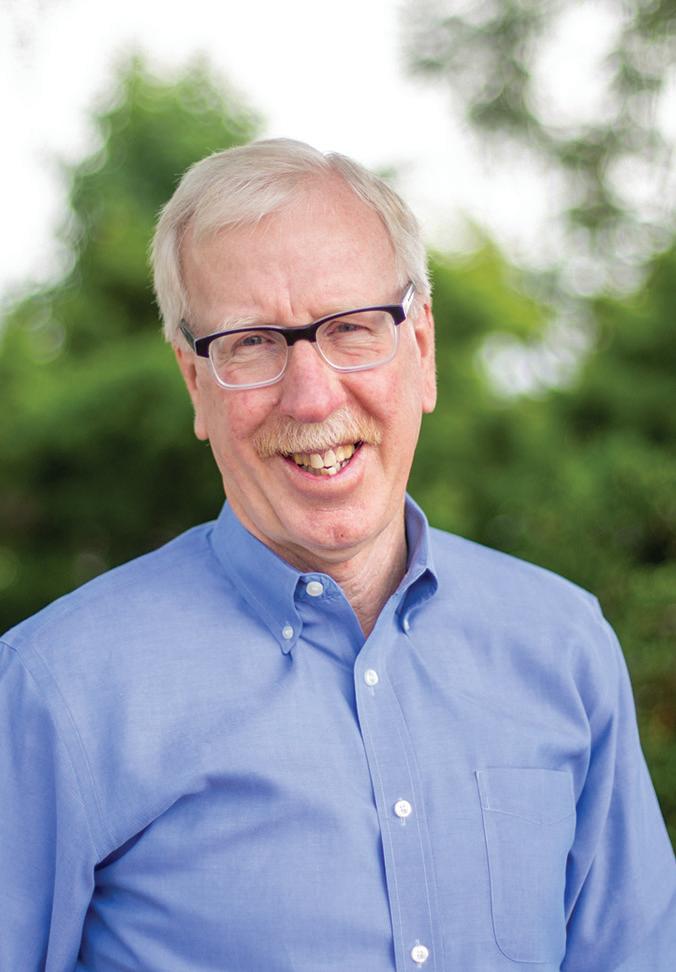

Joe Vinatieri
Photo courtesy of James Becerra
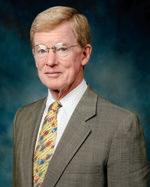
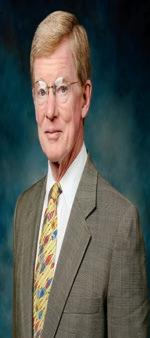
Photo courtesy of Joe Vinatieri
City of Whittier City Council District 2 Candidates
What motivates you to run for the position of city council (District 2)
District 2 deserves leadership that shows up, listens, and puts families first every single day.
I am running for Whittier City Council in District 2 because I belive local government must prioritize the safety, dignity, and opportunity of every family.
District 2 is one of the most diverse areasof our city, and many residents have expressed concerns about rising costs, overdevelopment, and the fear that their voices are not being heard. My motivation comes directly from being present in the community and listening to those concerns firsthand.
For years, I have been actively engaged in neighborhood outreach and community protection efforts. I work with a network across 33 cities and over 1,000 community groups and individuals to share information and help families understand their rights and available resources. Many immigrant families in our area feel vulnerable, and I believe leadership should focus on building trust and ensuring that local policies do not contribute to fear or instability.
I am also motivated by the need to invest in our future. That means protecting our environments by preserving trees and green space, supporting students through mentorship programs, and expanding early childhood education opportunities. I want to bring energy, transparency, and accountability to City Hall and ensure District 2 residents have strong, consistent representation.
What applicable qualifications do you have?
Experience isn’t just about titles, it’s about consistent action and standing with your community when it matters most. My qualifications are rooted in community organizing, civic engagement, and suatained involvement in local government issues. I previously ran for mayor four consecutive times, whhich required deep study of city budgets, development proposals, public safety policies, and municipal governance. Through those campaigns, I gained a working understanding of how the city decisions affect residents’ daily lives, from housing costs to infrastucture to education funding.
Beyond running for office, I have built partnerships with community leaders, advocacy groups, and residents across multiple cities. Coordinating communication networks that span 33 cities and over 1,000 groups has required organization, collaboration, and accountability. This experience has strengthened my ability
to work across different perspectives while keeping community safety at the forefront.
I have also developed clear policy priorities. I support expanding HeadStart programs to increase early childhood education access, creating classroom subsidies to assist teachers with essential supplies, and launching mentorship initiatives for high school seniors transitioning into college, trade schools, or career pathways. These initiatives focus on longterm stabilitiy and opportunity. My approach is hands-on and community-centered. I am not seeking office for political advancement, I am running to represent District 2 residents and to ensure that decisions made at City Hall reflect the needs of families, students, and working people.
In your opinion what is the most controversial issue in the city and how do you plan to address it?
We can protect our city without sacrificing our privacy, our environment, or our community trust. One of the most controversial issues in Whittier is the balance between public safety, privacy, and community trust. Residents have raised concerns about surveillance technologies, including automated license plate reader systems such as those provided by Flock Safety. While these systems are presented as crime prevention tools, many community members worry about data collection practices, information sharing, and longterm privacy implications.
I believe public safety must be achieved without compromising civil liberties. There should be full transparency about how data is stored, who has access to it, how long it is retained, and whether it is shared beyond local law enforcement. I do not believe our city or our schools should rely on systems that create uncertainty about data use or that risk eroding community trust.
Another major concern is overdevelopment and environmental preservation. Many residents feel growth decisions are made without adequate public input. I support stronger community review processes, independent impact assessments, and a firm commitment to protecting trees and green space.
Ultimately, I believe real safety and stability come from investing in people. Expanding early education programs, supporting teachers, creating mentorship pathways for graduating seniors, and maintaining transparent governance will strengthen our city far more effectively than policies that devide or intimidate residents.
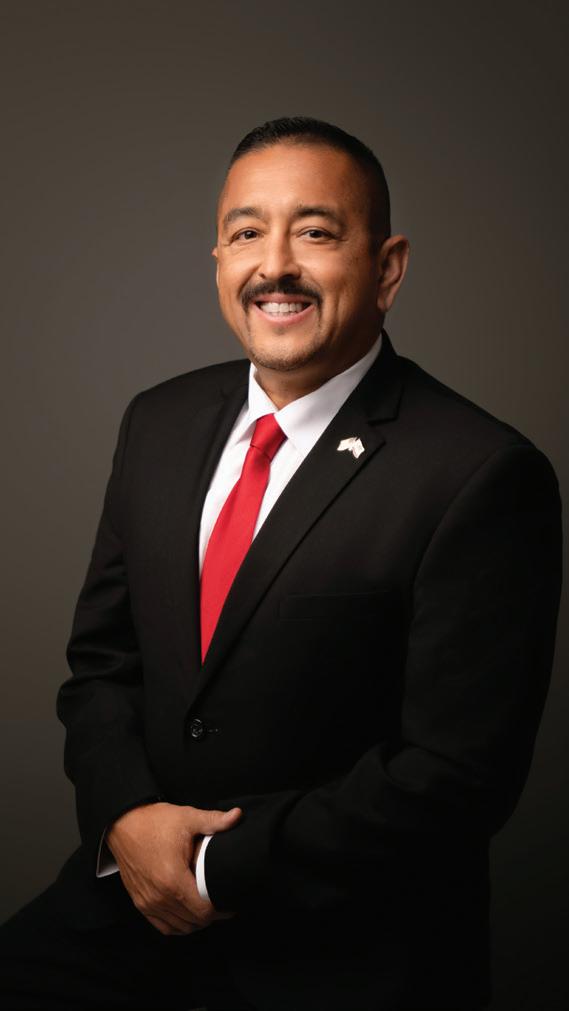
What motivates you to run for the position of City Council (District 2)?
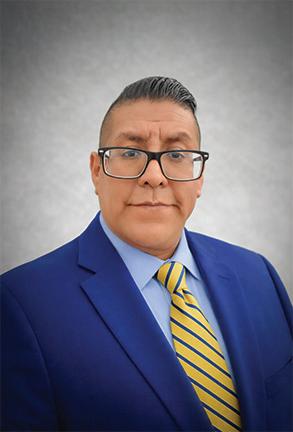
I am running for City Council in District 2 because Whittier is home. This is where I built my career, raised my family, and invested my life. I care deeply about this community and want to ensure it remains strong for the next generation. Over the years, I have seen how local decisions directly impact neighborhoods, public safety, and small businesses. Residents want leadership that listens, responds, and makes thoughtful decisions. I believe our city works best when leaders are accessible, transparent, and focused on long-term stability rather than short-term politics. My motivation comes from a desire to protect what makes Whittier special while preparing responsibly for the future. That means maintaining safe neighborhoods, preserving our community character, supporting local businesses, and ensuring infrastructure improvements are handled carefully and transparently. I am not running for recognition, I am running to serve. District 2 deserves steady leadership, practical solutions, and someone who will show up, listen, and follow through. I am committed to representing residents with integrity and making decisions that reflect the values of our community.
What applicable qualifications do you have?
engaged locally through neighborhood involvement, community events, and supporting small businesses. I have worked alongside members of our community, listened to their concerns, and advocated for practical, common-sense solutions. I pride myself on being approachable and willing to have honest conversations. City Council decisions impact families, public safety, and the long-term direction of our city. I am prepared to review issues carefully, ask thoughtful questions, and make responsible decisions that reflect the needs of District 2.
In your opinion what is the most controversial issue in the city and how do you plan to address it?
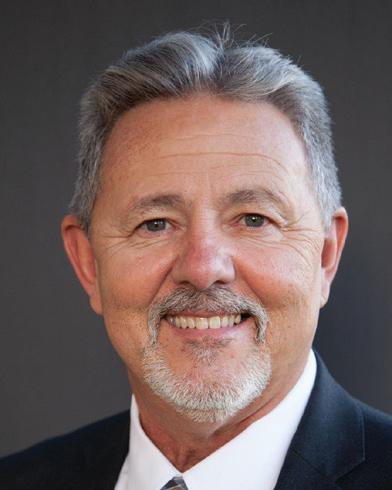
My qualifications are grounded in professional leadership, community involvement, and a strong public safety background. During my career in law enforcement, I served in supervisory roles where I implemented policy and procedure, ensured accountability, and led teams in high-pressure environments. I was responsible for making sound decisions, maintaining ethical standards, and handling sensitive and confidential information with discretion and integrity. Strategic planning, clear communication, and measured judgment were essential in my role. These are the same qualities required to serve effectively on the City Council. Public service has always required me to evaluate complex situations, consider multiple perspectives, and act in the best interest of the community. Beyond my professional experience, I have remained
One of the most controversial issues in Whittier today is the Promenade project and the removal of mature trees along Greenleaf. This issue has divided residents, led to strong public debate, and is currently the subject of pending litigation. That alone shows how deeply the community cares about this decision. As it is currently proposed, I do not support the project. I believe healthy, mature trees should not be removed without clear necessity. Our tree canopy is part of Whittier’s identity. These trees provide shade, environmental benefits, and character that cannot simply be replaced overnight. Newly planted trees will take decades to restore the canopy we have today. That said, infrastructure improvements are important. Safety must always come first. If a tree is unhealthy or poses a verified risk, it should be addressed responsibly. But decisions should be based on transparent data and genuine community input. Moving forward, I believe we must pause, reassess, and ensure that any major project reflects the long-term interests of residents. Development should enhance our city, not diminish the qualities that make it special. Strong leadership means listening, protecting community assets, and making balanced decisions that stand the test of time.
City Council candidates who did not reply to our
District
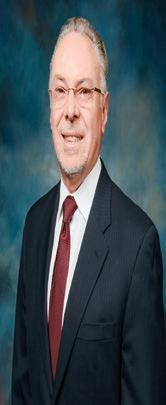
Photo courtesy of Rolando Cano
Photo courtesy of Rene Ramos
City of Whittier City Council District 4 Candidates
FelipeLongoria“Phil”
US, Israel, Iran Conflict Fernando Dutra
What motivates you to run for the position of city council (district 4)?
My wife and I moved to Whittier because we love the small town, suburban living. We raised 3 kids here thanks to great city programs, strong public safety, and a welcoming community. I believe that every new family that moves to Whittier deserves the same city that I got to raise my family in. As councilman, I have led the charge to keep Whittier as the gold standard city people want to move to. I am seeking re-election to continue this work and further it. We have to revamp Whittier Blvd now that the city owns the street. We need to make sure that our economy continues to grow and bring more great businesses to Whittier.
What applicable qualifications do you have?
I first began public service on the design review board, where I learned how a city is ran and the importance of strong planning. From there, I served as chairman of the planning commission, overseeing the Whitwood Town Center development and approving the Whittier Groves. As a councilman, I have the charge locally and regionally to bring funding to Whittier. On top of this, I am a contractor by trade and have over 30 years of experience in the building industry, leading multi million dollar organizations and bringing good, union-backed jobs to thousands of workers.
In your opinion what is the most controversial issue in the city and how do you plan to address it?
The most controversial issue in our city is cutting down the ficus trees in Uptown Whittier. I am on record for saving trees in Whittier, like the ficus tree behind Jersey Mikes off Whittier and College. Unfortunately, the ficus trees have led to insurance complications and the city had to make a tough decision between either being uninsured and liable for any damages of potential lawsuits or cut the trees down. We, as a council, determined that it would be more prudent to cut, and place new trees in that won’t affect the uptown businesses, or any residents that might be at risk of a tree falling on them, or tripping in Uptown because of the sidewalks being upended by the trees.
What motivates you to run for the position of city council (district 4)?
After nearly 20 years of living, working, and serving in Whittier, I am motivated to run because I care deeply about the direction of District 4 and our city as a whole. Local leadership directly impacts public safety, small businesses, infrastructure, housing, and the condition of our parks and neighborhoods. I believe District 4 deserves accessible, accountable representation that listens and responds. Through years of nonprofit leadership and community involvement, I have seen how collaboration and fiscal responsibility create real results. I want to protect what makes Whittier special while preparing it for the future — safer streets, clean public spaces, responsible development, and a thriving local economy. Service is about responsibility, and I am ready to step forward.
What applicable qualifications do you have?
I bring executive leadership, business ownership, and longterm civic service. I spent over 20 years in operations management, overseeing $25 million in budgets and 450+ employees, developing skills in financial oversight, compliance, and strategic planning. I have owned small businesses and currently hold a General Contractor’s and Real Estate License, giving me practical insight into development and local regulations. Additionally, I have served more than 17 years in nonprofit leadership roles requiring fiduciary oversight and policy governance — experience directly aligned with council responsibilities.
In your opinion what is the most controversial issue in the city and how do you plan to address it?
Homelessness and public safety are the most controversial issues. My plan combines structured outreach and access to services with consistent enforcement of municipal standards. Public spaces must be safe and accessible, while those seeking help receive measurable, coordinated support. Transparency and communication with residents will be key to restoring trust and improving quality of life.
By: Damian Zamora
America in the last year has been very known for its aggressive response to those who threaten its power and those that oppose it. Last year on the 22nd of June 2025 the United States Air force and navy bombed three nuclear facilities in Iran, and this resulted in a twelve-day war. That operation was called Operation Midnight Hammer. The reason for this bombing was to put a stop to Iran building nuclear bunkers deep underground. Then we see a trade war between America and the world, specifically with China. 2025 wasn’t the year this tariff war started, this trade war goes back to Trumps first term back in 2018, but 2025 was a result of the 2018 trade war. On the 20th of January 2025 Trump was sworn into office, and he began to address his promises in tariffs and taxing foreign countries to enrich Americans citizens. On Trump’s first day in office he stated, I expect to put a 25% tariff on Canada and Mexico on February 01, 2025. All the way from January till the month of May Trump put tariffs on almost everything that was foreign. In January 2025 Trump Tariffed Colombian imports by 25%, February 2025 Trump tariffed Chinese, Mexican, and Canadian imports by 25% and 10% and hiked steel and aluminum tariffs In March of 2025. In May of 2025 Chinese imports increased by 15%, tariffs were put on U.S Auto makers. Tariffs were put on aluminum by 25%. The European Union takes retaliatory trade action. Trump threatens to tariff 200% on European wine and 50% tariffs on American whiskey. March 24th, 2025, trump places a tariff on all imports from any country that buys oil and gas from Venezuela. And imposes new tariffs on South American countries. In April of 2025 Trump said the U.S. will now charge a 34% tax on imports from China, a 20% tax on imports from the European Union, 25% on South Korea, 24% on Japan and 32% on Taiwan. And he also imposes U.S products tariff by 34%.
The BBC News created a list of all tariffs, and the names of the following nations and countries had the highest tariffs put on their imported good, the following are India 50%, Switzerland 39%, Brazil 50%, South Africa 30%, Iraq 35%, Laos 40%, Myanmar 40%, Syria 41%. With this trade war there were beneficiaries. Vietnam and Thailand: Emerged as top beneficiaries as companies shifted manufacturing away
from China, specifically in electronics and consumer goods. Mexico: Became a key alternative manufacturing hub, particularly for goods destined for the U.S. market. India: Benefited from supply chain reconfiguration and increased exports. Southeast Asia/ ASEAN Region: Experienced significant leaps in exports of machine tools and automobile parts to China and the U.S. Brazil: Increased exports of agricultural products and saw rapid growth in Chinese EV imports. Alternative Manufacturing/Automation: Companies outside China that can rapidly scale production, such as in electronics and computer components. U.S. Domestic Steel/ Aluminum: Producers like Nucor, Cleveland-Cliffs, and U.S. Steel benefited from protectionist tariffs. Energy/ Logistics: Domestic oil and gas companies and logistical firms like FedEx. Law Firms and Hedge Funds: Benefited from advising companies on navigating complex tariff structures, exemptions, and litigation. Government Procurement Officers: Those in the U.S. involved in directing federal contracts toward domestic suppliers. The U.S. government saw a massive rise in custom duties, reaching $264 billion in 2025.
The Israel and Hamas war that took place last year, it was recorded that the United States spent at least $17.9 billion on military aid to Israel since the war in Gaza began back in 2023. From 2023-2025 more than 41,000 Palestinians were killed in Gaza. Back in 2023 when Hamas attacked Israel about 1,200 people were brutally killed. During this twoyear war money was coming in and money was coming out, and there were companies that started to profit off this war. Most of these companies were weapons and high-tech companies from around the world, but there are too many countries that keep coming up on this list were money was coming in while an entire genocide was taking place.
AeroVironment publicly traded weapons Located in Arlington Virginia at Israel’s requests. The request was for 200 AeroVironment switchblades and 600 Kamikaze drones. Because of this trade, the AeroVironment saw a huge spike in its interest and stock market. Specifically, its UAS is used for surveillance and reconnaissance. Air Environment rating rose from 82-96%. The contracts and
specific dollar amount aren’t publicly stated but in the stock market they had a huge spike. Since October 7th, 2023, AeroVironment saw that its Relative Strength Rate rose up, showing positive price performance. On October 6th, 2023, AeroVironment stock trade was from $104-$106 per share, but after October 7th, 2023, AeroVironment spiked to $108-$110 Per share.
High Tech company Agilite Located in Israel Privately Traded with Israelis Military. This company is a private Israeli manufacturer of tactical gear and body armor. Even though it’s in Israel, the company equipment is sold by 34 retailers located in the United States and was purchased through the United States contracting procurement vehicles. There are no public records on the amount of money received Amazon publicly traded With Israel during the Hamas- Israel war. The Israeli military used Amazon’s web Services to enhance its capabilities during the war on Gaza, they also used Google and Microsoft Cloud services. The Israeli military uses all these services to collect huge amounts of intelligence data and information on people in Gaza. IN shares the United States received $1.2 Billion for Israel using amazon surveillance technologies. In connection with Amazon and Israel Trading, the West Banks Was Purchasing land in Gaza while the genocide was taking place.
BAES Systems, BOEING, Caterpillar, CISCO, COLTS Manufacturing. CO., Elbit Systems, Ford Motor company, General Dynamics, General Electric, General motor, HD Hyundai Heavy Industries, L3Harris Technologies, Lockheed Martin, Rafael Advanced Defense Systems, Rolls Royce Holdings PLC, RTX9 Formerly Raytheon, TEXTRON were all Companies that traded publicly with Israel connecting back to the United States. In this war there was an 84% increase in market value of RTX which is in Arlington, Virginia and a 55% rise for Lockheed Martin located In North Bethesda, Maryland, in the United States. Oil was coming into the United States during this war generating great sums of money.
On February 23, 2026, Nemesio Oseguera Cervantes formerly known as El Mencho was killed during a joint Operation with the United States Military and Mexican Military. He was one of the head Cartel leaders for the new
City Council candidates who did not reply to our request: Aida Susie Macedo, District 4
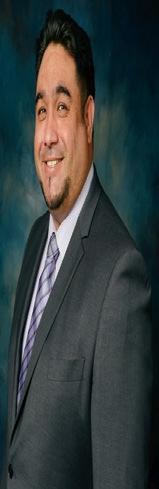
Photo courtesy of Fernando Dutra
generation of CJNG Gang. El Mencho and his gang were involved in an oil scheme along with small U.S natural gas and oil companies. He and his gang were stealing crude oil from Mexico state owned oil company PEMEX. The oil they stole was smuggled across the Texas Border. All the oil was put in Oil tank trucks with labels that said oil waste. Once this oil was smuggled across the border it was sold at a discount price to small natural gas and oil companies across the United States, costing Mexico and America billions of dollars in revenue. This crude oil scheme primarily financially impacted Mexico from the substantial tax revenue. It was estimated that in 2024 Mexico nearly lost four billion and then lost an additional 10 billion. Annually, PEMEX loses 1 billion a year. This impacted the United States because this stolen oil was sold on legitimate markets here in the United States, but the money wasn’t going into any United States stocks, real estate, or Treasury bonds. This influx of stolen oil sold cheaper undercuts legitimate oil and gas companies. The United States lost 827 million dollars between Mexico and the United States. Once this oil scheme was discovered the United States and Mexican Military joined together to take down El Mencho. Now that El Mencho is dead. Both Mexico and America can once again trade oil and gas without anyone in the way to take away their money. This operation goes back to oil and money. Now that this operation has ended, the effects have been catastrophic for the people living in Jalisco. It’s been bloodshed. Everyone that is traveling in that area is advised to be cautious. Especially everyone who is on spring break.
February 28, 2026, the United States and Israel military joint together to bomb Iran and hit geographical points. All over the news it has been said that this bombing was to set the oppressed people free from a tyrant regime, and the United States and Israel bombed Iran because Iran was a nuclear threat to the world. But in recent interviews and press conferences it is showing Iran was really bombed because of Oil.
Once again, oil is the reason for another bombing. Iran has been supplying oil to China for decades; it has grown significantly since 2011. China became Iran’s Number one buyer even with Western Sanctions put on China and Iran trading with each other. In 2022 Iran started to collaborate with Russia and started a Dark fleet to trade oil, and more than 80% of Iran’s Crude went to China. And in connection to this Under cover trade of oil between Russia and Iran to supply China with Oil, was Venezuela. The United States placed specific sanctions on Russia, China and Iran so that the United States can limit
certain behaviors from these countries. These sanctions were set to strategically target these three nations’ economies, militaries, and technologies to prevent them from becoming the next world superpowers.
Sanctions in Iran were there to force changes in their policies, but to put a stop to their uranium enrichment to prevent nuclear programs and from developing mass weapons of destruction. In result of this, Iran’s economy was crippled and oil exports had restrictions Russia was affected by Iran’s Sanction because it targeted the Kremlin’s war machine that was financing a supply chain that was fueling the Ukraine war. Iran’s Sanction Crossed over into Iran by degrading Russian military capabilities and restrictions were put on Russia accessing high tech components, limiting their energy revenues, which also affected their oil supply.
China was the next country in the domino effect because these sanctions focused on China’s Tech entities and economic support was coming from Iran. This sanction also put in place also to place firm restrictions on Chinese supplying like Carbon fiber for Iranian Missiles and Russian Defense Sectors, thus affecting effective oil trades with Russia and Iran causing China to only buy and sale with America Generating trillions of Dollars for The united states government and United States Military.
How does Venezuela fit in all this? Well, I’m glad you asked. Venezuela worked alongside Iran and Russia by utilizing a shared network of aging tankers to export oil and to get around U.S Sanctions. Venezuela Frequently used its own ships to trade with Iran and Russia. With Venezuela collaborating with Iran and Russia the United States.
With Venezuela sending oil to Iran, Russia, and China, these nations were able to
develop weapons, continue giving drones and weapons to Russia, and money to rebuild their militaries, governments, and supply militia groups with weapons to terrorize innocent people.
When President Trump gave the order to go and capture the president of Venezuela it was about removing the threat to the Petro Dollar. When President Trump helped Mexico’s Military eliminate El Mencho it was all to keep the petro dollar on top. With Sanctions Being put On Iran, and Russia, and China it was all to keep the Petrodollar as the World’s Number one currency. Bombing Iran and killing Iran’s Supreme leader has everything to do with the Petrodollar. With Capturing and imprisoning the President and First Lady of Valencia it was all about making sure America stays on Top and the Petro Dollar remains as the world’s top currency. During the Hamas-Israel, United States Tech companies and Israel Tech companies that connect to the United States government and tech companies increased in its stocks and oil companies had great revenue during the war. Follow the money and see who benefits from all these bombings and all these “wars”. This Report isn’t to choose sides; it isn’t to point the finger at any country but look at the facts and look at where the money is going. The choice is up to you readers.
As America continues to engage in all these conflicts, it has generated concerns. Gas prices in the United States may be going up due to Iran threatening to shoot down any ships that try to pass through the Arabian Gulf. SO now there are all the oil ships that are at a halt and goods at a halt that can’t pass through, Many U.S embassies are being bombed by Iranian drones resulting in injuring innocent people and destroying properties. Israel and Iran are firing missiles ack
and forth. The UK doesn’t want to be dragged into a war that has nothing to do with them, The Mexican Cartel is killing innocent people and burning its own cities. The Iran Regime and Mexican Cartels are now targeting Americans all over the world in retaliation to the bombing and killing of their regime leader. Russia and China are not getting involved. Canada is aligning itself with allies. Dubai has been affected by Iran’s Continual Bombings. The effect of this war is creating a hostile situation in the Arabian Gulf, because most of the world’s food and goods supplies and yes oil shipments pass through this gulf called the Strait of Hormuz. There are at least 100 containers of frozen fish, over 300 containers of frozen food, and other perishables at the Jawaharlal Nehru port. These containers pass by Dubai, Kuwait, Sharjah and Doha to give them their position of foods and goods. This will affect these regions’ food and good prices, making it more expensive to buy things.
This Blockade has also delayed shipments of various supplies like sugar, aluminum, and fertilizer that is used a lot in the United States. The longer this blockade is there the chances of prices in the United States for these commodities will rise making it expensive for the average American consumer to buy. There are shipping containers filled with computer chips, semiconductors, batteries, and consumer goods that are facing major delays. Overall, 32,000 ships are stuck inside of the Arabian Gulf. Major shipping line companies like Maersk, MSC, CMA and CGM have suspended bookings to Gulf ports. Air cargo has been grounded in the UAE, Qatar, Bahrain, Kuwait, Iraq, and Iran,
which are all carrying perishable goods. Many planes and ships are rerouting to prevent any blockades, and these reroutes add 10 to 14 days to its journey. Prices for food will start to rise the longer this war drags on. With this ongoing conflict with Iran and US-Israel there has been a significant profit boost as these geopolitical tensions rise. Gold prices have driven to a record high profit of $5,000 per ounce as of March 2026. The names of these companies are Newmont, Barrick gold, Kinross gold, Agnico Eagle mines, North Star Resources and Evolution mining, Royal gold Inc, and Franco Nevada, Vaneck Gold Miners ETF, and SPDR gold trust corporations. And all these Gold Mining Corporations connect right to the United States.
After reading all the facts and following the money, it’s your choice to decide who to believe and what to believe. This paper isn’t an opinion, it’s not to choose sides, but this paper was to inform all you readers the facts behind why American and Israel has been aggressive in its Strategic attacks, and why Iran, Russia, and China were trading oil with each other, why Venezuela’s President was taken from his country, and why the Cartel leader El Mencho was killed. Now it’s up to you readers to decide what to believe, the facts are all here and the repercussions of these conflicts around the world and what it means for the average American today. To all of you students who are planning on traveling this Spring break. Please be careful and very watchful because with these conflicts with US enemies and drug cartels Americans are out in very dangerous places. Travel safely and stay close to safety.
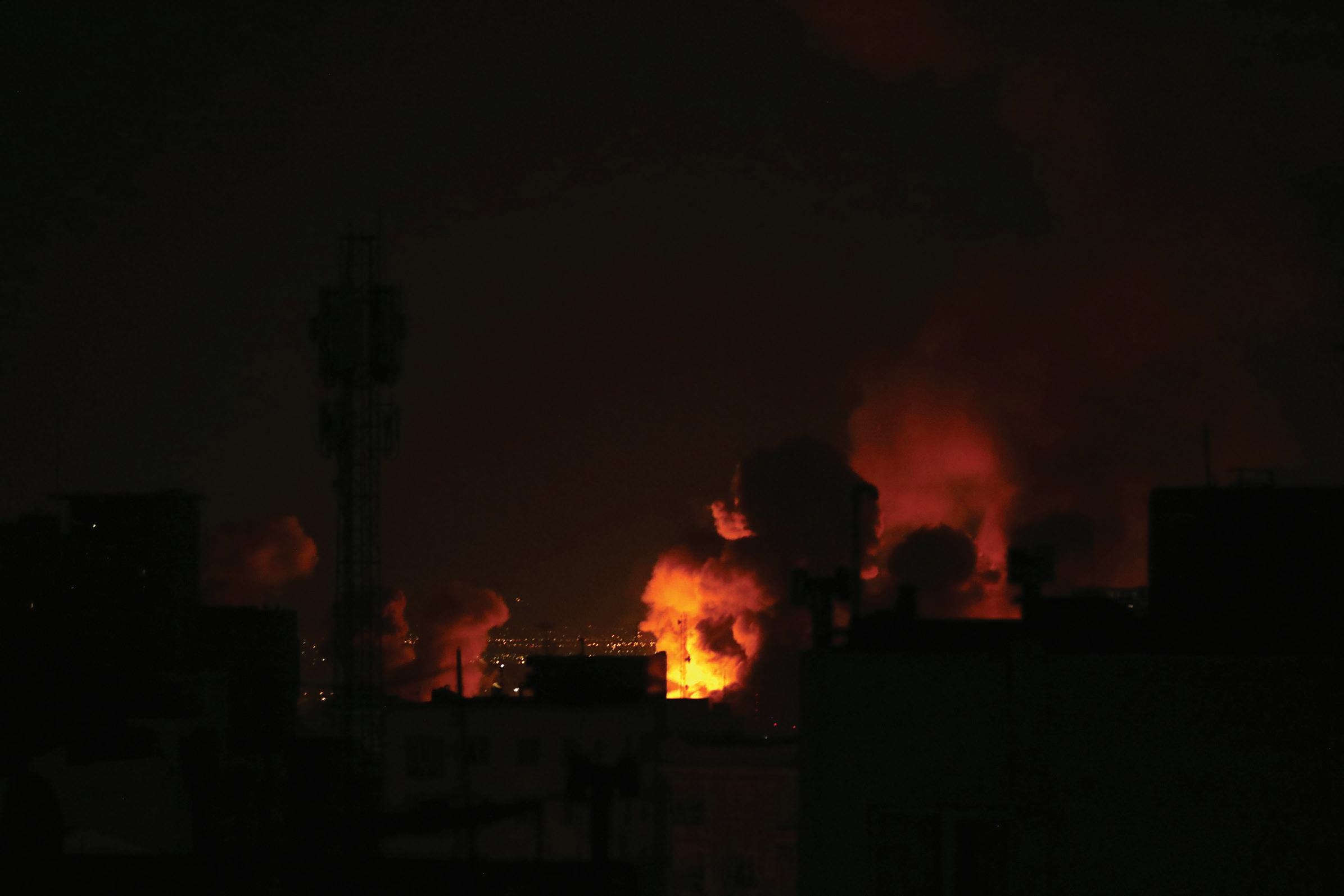
Smoke rises following an explosion, amid the U.S.-Israeli conflict with Iran, in Tehran, Iran, March 6, 2026.
Stringer/WANA (West Asia News Agency) via REUTERS

JACC On-The-Spot Awards Competition 2026
By: Jordan Lopez
The JACC On-theSpot competition is an opportunity for student journalists to test their journalism skills under pressure and within a short time frame. The students are given only a few hours to complete tasks that professional journalists work on day to day. The different competitions include news judgement layout, opinion writing, editorial cartoon, news writing, copy editing, social media, creative portrait, video, team feature, audio, news photo, and feature writing.
The El Paisano news group included instructor Aaron Martinez and Joseph Quintana, Marissa Chavez, Edwin Ramos, Calvin Trudeau, Jordan Salcido, Julio de la Hoya, and Jordan Lopez. The group made various stops at different gas stations before finally arriving at the Hyatt Regency Hotel, where each member began to work on their own individual competition work. Registrations and exhibits were held between 9 a.m. and 5 p.m., and a keynote discussing the safety and ethics of protest journalism started at 5 p.m. with speakers Sierra Lopez, David Debolt, Thadeus Greenson,
Delfino Camacho, and Bronte Wittpenn. On Thursday night, the news writing, editorial cartoon, and opinion writing competitions were completed and submitted by the 9 p.m. deadline.
On Friday morning, students gathered throughout the hotel lobby, attending workshops and working on contests. On Friday evening at 4 p.m., the video, audio, team feature, and creative portrait contests were submitted, and by 7 p.m. that same day, the critical review, feature writing, and news photo had also reached the deadline.
By Friday night, the contests were officially completed. Students were now left to wait around the hotel for
the results. On Saturday morning, students wandered the hotel, attending workshops and staying busy before the JACC awards ceremony at 12 p.m. Several more ceremonies, including the ACP and CCMA awards ceremony, were held at 2 p.m. and 6 p.m.
By 8 p.m. on Saturday, all contests and workshops had officially closed, and students were now left to freely explore San Francisco.
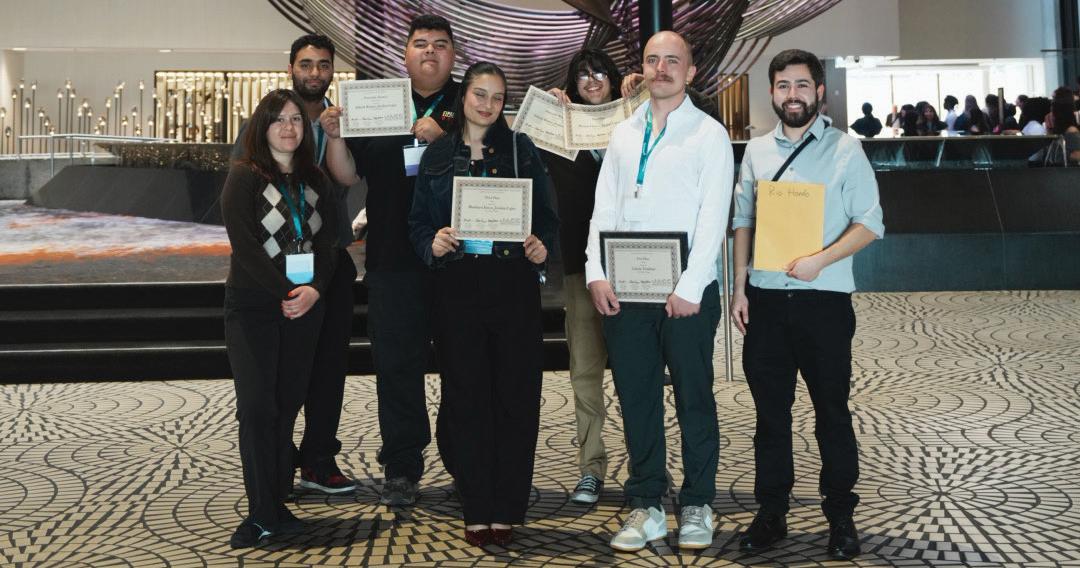
Rio Hondo’s El Paisano news team students left the competition with several certificates, including honorable mention in News Feature — Edwin Ramos and Jordan Lopez; third place in Video — Marissa Chavez and Jordan Lopez; third
place in Editorial Cartoon — Jordan Lopez; and first place in Audio — Calvin Trudeau.
“…last time I stressed out a lot and I knew that if I did that again this year it would not have been the same outcome…” says Edwin when asked about his strategy to win. When asked what he learned most from the trip, Edwin stated, “I learned that teamwork makes a dream work, remember, if there’s a TV controller, what do you need in it? Batteries. You were my battery.”
Several students described the experience as being both challenging and rewarding.“It feels kind of hectic, but once you get everything, once you’re there, then it’s pretty standard,” says
Marissa. When asked what advice she would give to students entering the competition, she states, “Don’t freak out, because the more you freak out, the worse it’s gonna get and the more of a perfectionist you’re gonna become. You just have to trust yourself that you know what you’re doing and you’re good.”
When asked for advice, first place audio interview winner Calvin Trudea stated, “Don’t take it too seriously… objectivity’s a myth, but we’re really putting that to the test by having journalism being judged by a council of three. It should be judged by people’s peers.”
Although the competition lasted only a few days, the experience reflected the fast deadlines and collaboration required in professional newsrooms. For the El Paisano news team, the trip served as both a challenge and a reminder of why they chose journalism.

Photo courtesy of Aaron Martinez
Illustration By: Jordan Lopez
*El Paisano Media does not endorse any political candidate(s)*
Michael Jordan Makes NASCAR History
By: Calvin Trudeau
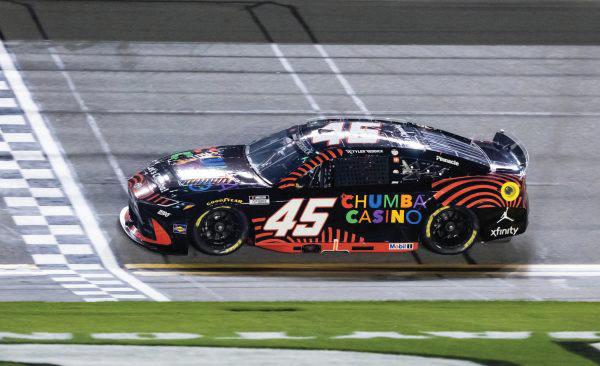
Michael Jordan needs little introduction. The six-time NBA champion is synonymous with Basketball and the media at large, but little know about his love for another sport: NASCAR; where the driver of his #45 car Tyler Reddick has just made history by becoming the first driver ever to win the first three races of the season for the top-level series.
On Sunday, March 1st, Reddick won the DuraMAX Texas Grand Prix Powered by RelaDyne, besting NASCAR’s best road course driver in Shane Van Gisbergen on the technical turns of the Circuit of the Americas Raceway in Austin, Texas. Driving for 23xi Racing, the accomplishment comes from a team that faced serious turmoil and uncertainty less than year ago, and whose owners in Jordan and others have changed the sport.
When Jordan and co-owner Denny Hamlin opened 23xi Racing in 2021 and started competing at the top level of the National Association for Stock Car Auto Racing (NASCAR) in America, it came as a surprise to much of the general public. Hamlin, a premier and top level driver in NASCAR’s fastest series since 2006, partnered with the sports legend to create a team based out of Charlotte that would be competitive from its inception, winning a race in its first season and making the sports version of the playoffs the following year.
But Jordan has actually been a lifelong fan of the sport, having driven around the country with his family to attend races and root for their favorite drivers as a child. He and Hamlin formed a team with the sole goal of winning, as is his historic and sometimes
infamous competitive nature. Hamlin, a 60 time ‘cup’ series winner, has his own history of competitiveness as well.
Speaking to Fox after the race, Jordan expressed gratitude. “I’m just a competitor... Winning, that’s what its all about.” He gave credit to Hamlin, his team, and to his drivers; but spoke as a member who stands alongside his teammates and who wins and losses with them.
The historic feat would never have come without Jordan and Hamlin teaming up with others to execute a vision and win in another area. Racing cars is most certainly a privileged activity. It takes the time and space of which not everyone can be afforded, but still operates under constitutional law in the United States and as a cooperation with its supporters, both in the form of its teams and fans.
This is part of the reason in which 23xi Racing along with Front Row Motorsports (FRM), another competing team in the series, sued NASCAR in 2024 alleging illegal monopolistic practices and antitrust law violations. Although Jordan was a lifelong fan of the sport and now an owner of a team, he was a part of a group of both executives and supporters who believed NASCAR’s charter system was inherently flawed and unfair.
The charter system is at its core simple, meaning that signing teams are guaranteed spots in the field every race and that they will be paid certain amounts for their efforts. Among other guarantees, it also determines how TV revenue and other streams of income are distributed between NASCAR and its competing teams; an easy comparison would be
the agreements that create franchises in the National Football League.
In 2024, when a new charter system agreement had to be reached before the following season, NASCAR originally issued a set of agreements and a deadline after years of talks and negotiations. As this was their final offer and issued on Friday in the afternoon, 13 of the 15 teams signed onto the 7 year deal. The other two were 23xi Racing and FRM.
A serious and dramatic legal battle ensued, in which severely damaging information came out against NASCAR and its longtime owners, the France family. NASCAR made more than 100 million in income according to court documents while some of its teams lost money in the same timeframe. This, along with reputational damaging documents revealing demeaning texts and emails referring to fans, teams, and drivers between executives, paved public sentiment and was foundational in the decision to settle and give the suing teams a legal victory.
Though Michael Jordan did not sue NASCAR himself, his attitude, his testimony in court, and his overall actions belay his winning mindset. Teams now earn more revenue, have more say in governance, and outright own their charters permanently giving them protections from antitrust violations in the future.
When Tyler Reddick crossed the finish line in first at the opening three races of the 2026 season, the incredible achievement was only highlighted by the recent court victory. The same team which NASCAR had stripped of its earnings and charter the season prior and who was at

threat of even being a team in the sport at all this year not only has beaten competitors, but effectively executives and owners of the sports governing body too.
As the top-level series heads to Phoenix this weekend for a double-header with Indycar, where 23xi Racing has already won a pole, there is a tangible difference in the sports operations. Steve Phelps, former commissioner, has left NASCAR; the teams have more say in the rules; and others, like Michael Jordan, have earned their places in the sport.
NASCAR still faces challenges, with a shrinking road course schedule contrasting the growing audience in F1, which comes in a key category: 18-49 year olds. This is a group who NASCAR has struggled to garner views and fans from in recent years according to TV ratings, but yet these are the same people who recognize Jordan as a household name in both name and as a company.
Perhaps MJ’s interest and accomplishments will help the racing series grow, but whatever happens, his impact has already been felt. As NASCAR attempts to evolve, one thing is for certain: “It’s time for change.”




Rolando
Feb 11, 2026; Daytona Beach, Florida, USA; NASCAR Cup Series driver Tyler Reddick (45) during qualifying for the Daytona 500 at Daytona International Speedway. Mandatory Credit: Mark J. RebilasImagn Images