£15bn programme sets direction for home upgrades, EPC Reform and rental standards



£15bn programme sets direction for home upgrades, EPC Reform and rental standards
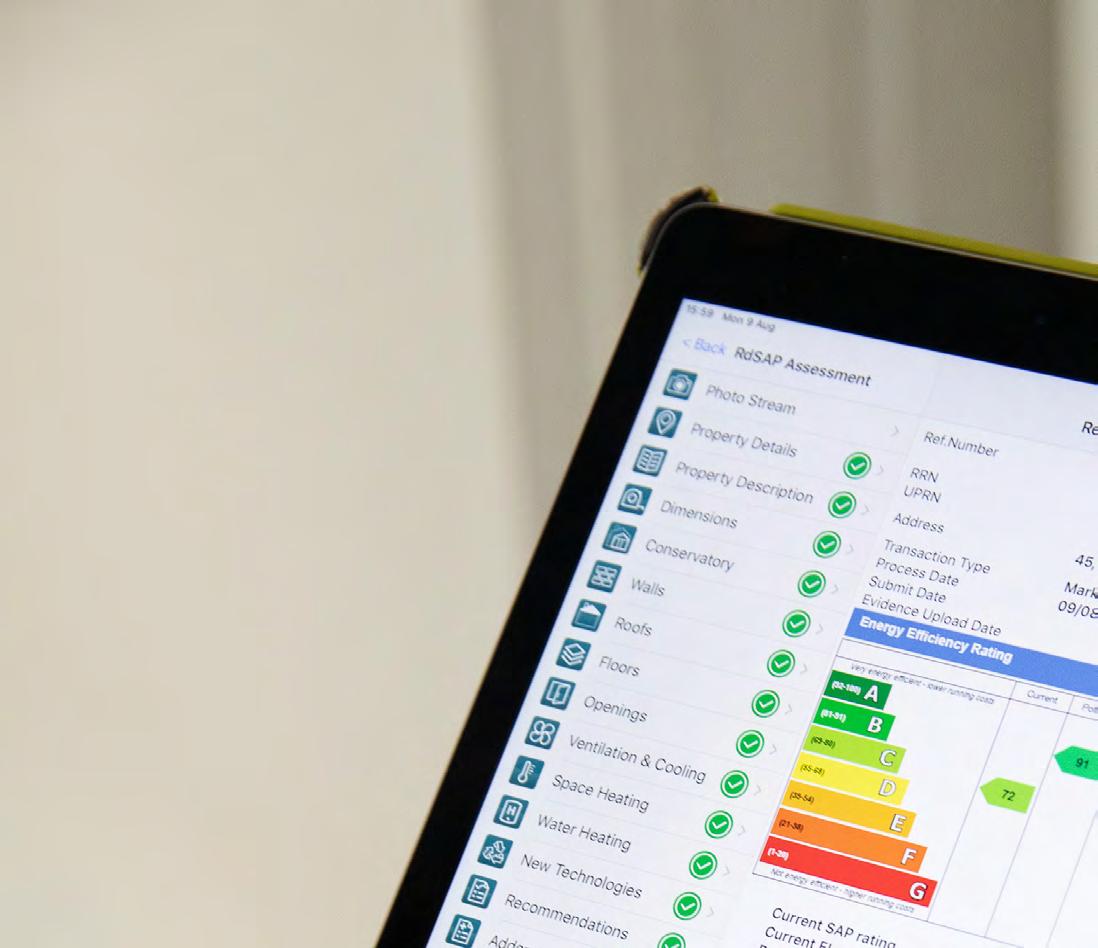
Capture RdSAP data and create EPCs in record time with Elmhurst’s mobile domestic energy assessment software:
Save time by cutting admin and lodging on-site
Reduce errors with auto calculations and alerts for unusual inputs
Capture data, floor plans, and photos all in one place
Stay audit-ready with organised, clearly marked assessments
£
Keep costs low at £1 per submission, plus lodgement


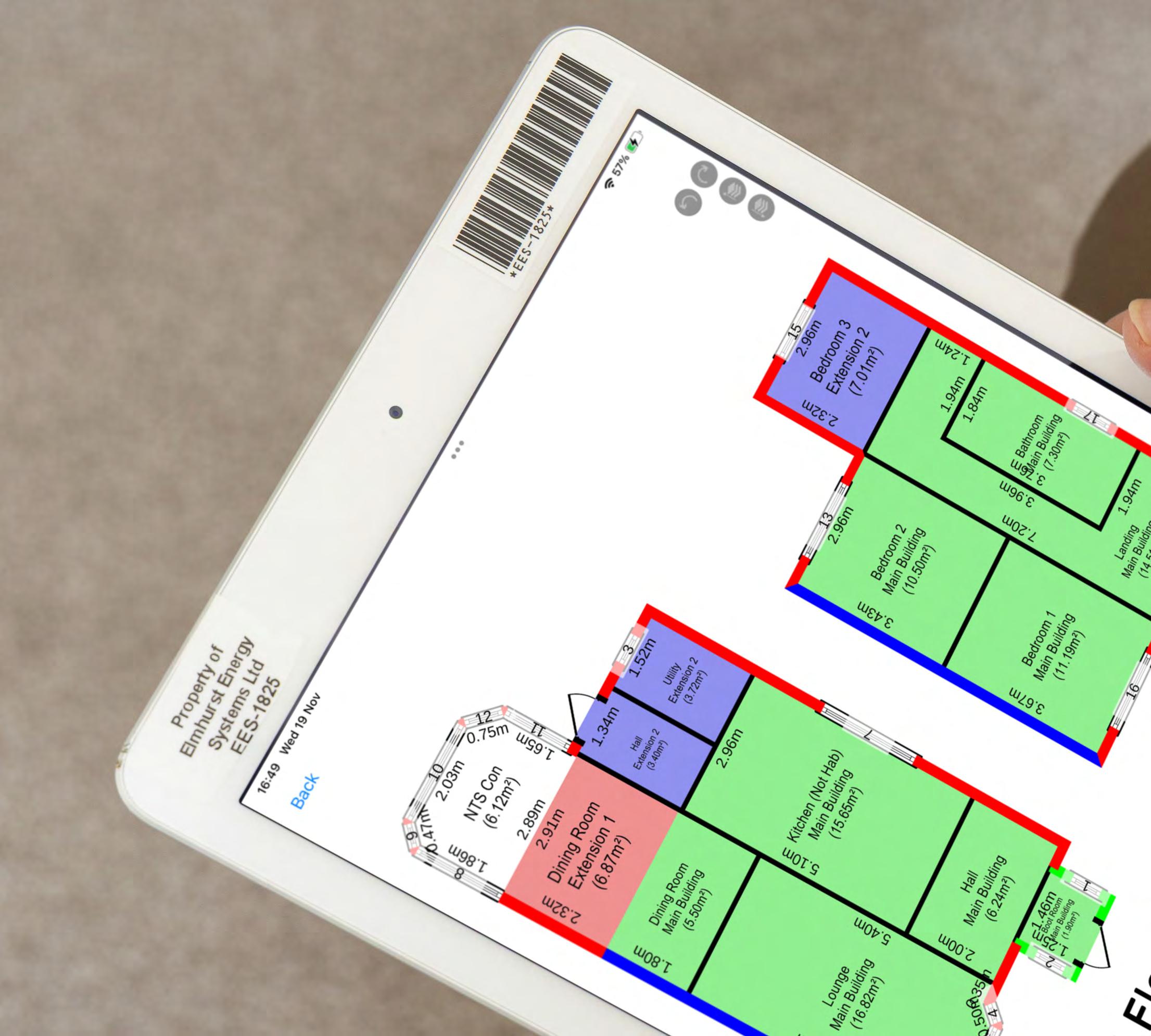
A specialist tool designed for RdSAP assessment floor plans, directly built into RdSAP Go. Just select the floor plan tool from the RdSAP Go menu and start drawing.
Room and window dimensions are calculated automatically, saving time and improving accuracy, with data transfer into your RdSAP assessment supported.
Introductory offer: Free access until 31/05/2026*
*lodgement fees apply.
Find out more or download today

Hello and welcome to the first 2026 edition
As ever, my thanks go to all our contributors, partners, and colleagues across the industry who continue to share their expertise and help make this magazine such an informative and thought provoking read.

We begin the year with a sector that is once again on the cusp of major transformation. After months of anticipation, the policy landscape is finally starting to shift—bringing much needed clarity in some areas, while raising fresh questions in others. The Future Homes Standard, new versions of HEM, and reforms to SAP methodologies all remain central to conversations around the future of our built environment. Whilst we don’t have all the details at the time of writing this, what is clear is that the pace of change will accelerate throughout 2026.
The retrofit sector in particular is preparing for a challenging period. With ECO4 drawing to a close and the transition toward the Government’s newly announced Warm Homes Plan now underway, many professionals are understandably uncertain about delivery models, funding mechanisms, and compliance expectations. These transitions always create turbulence before they create stability. As ever, Elmhurst will be here to guide, support, and inform our members and customers through this period of change, helping ensure that high quality retrofit work continues, without compromise.
Scotland continues to lead with a clear and ambitious programme through to its October 2026 deadline. The overhaul of EPCs, the national register, and assessment methodologies represents one of the most significant regulatory updates since energy assessment was introduced and will undoubtedly shape the approach taken across the rest of the UK. All regions are moving at their own pace while remaining focused on raising standards, improving housing quality, and enabling meaningful decarbonisation.
At Elmhurst, we have never believed that change should be something to fear. Change brings opportunity, not only for policy innovation, but also for professional growth across our membership. This year, we’re investing more than ever in training, support, and guidance to ensure that all assessors, retrofit coordinators, and all built environment professionals remain ahead of the curve. With new methodologies, technologies, and tools emerging rapidly, the role of a knowledgeable, competent, and independent assessor has never been more important.
Independence continues to define who we are. In a period when scrutiny of the built environment remains rightly intense, whether through investigations, regulatory reform, or the ongoing lessons from Grenfell, our commitment to impartial, high quality assurance has never wavered. We do not have commercial interests in the products, technologies, or fuel types that populate the industry. Our focus is, and always has been, on accurate measurement carried out by capable professionals. That principle underpins the trust placed in our members, and it underpins the trust placed in Elmhurst.
I’m pleased that our programme of conferences and regional events goes from strength to strength, with attendance continuing to break records across the UK. These events bring together the best of government, academia, and industry,
and they remain a cornerstone of how we support and engage with the sector. We look forward to meeting many of you throughout the year.
This edition of Energy Matters reflects the depth and breadth of the challenges and opportunities ahead. From methodology changes and regulatory updates to emerging innovations, the contributions in these pages demonstrate the expertise and passion that define our profession. As we move into 2026, Elmhurst will continue to champion what matters most: independence, quality, professionalism, and a steadfast commitment to supporting the people who keep this sector moving forward.
Stuart Fairlie Managing Director, Elmhurst Energy

Contact us for the latest news and updates
Elmhurst Energy, 16 St Johns Business Park, Lutterworth, LE17 4HB
01455 883 250 enquiries@elmhurstenergy.co.uk www.elmhurstenergy.co.uk


ElmhurstEnergy
ElmhurstEnergy
Elmhurst-Energy-Systems-Limited




Chris Ricketts Head of Consultancy
Josh Wakeling Head of Training




Dominic
Reed Head of Commercial
Caroline
Steven


Find out more on Psi Values
JOSH WAKELING Head of Training
As the UK accelerates toward higher retrofit standards and improved fabric efficiency, thermal bridging has become a critical focus area.

Psi values ( values), which measure the heat loss at junctions between building elements, are increasingly influential in determining real world performance. Even when insulation levels are improved, poorly performing junctions can undermine retrofit outcomes, leading to heat loss, cold spots, and increased condensation risk.
Check out our short video explainer
Why are they important in retrofit?
For this reason, Psi value calculation competence is no longer a niche skill. It is becoming a core requirement across the retrofit supply chain, particularly under PAS 2035:2023, where design accuracy, moisture safety, and whole house thinking are paramount. Retrofit Coordinators, Designers, and Assessors all have responsibilities that rely on reliable thermal bridging assessments, whether interpreting calculations or commissioning specialists to carry them out.
What do Retrofit Coordinators need to understand?
Under PAS 2035, Retrofit Coordinators do not need to perform Psi value calculations themselves, but they must understand their significance. Coordinators are responsible for ensuring that risks linked to junction performance, such as mould growth and surface condensation, are properly addressed within the Medium
Term Improvement Plan (MTIP) and final design. Accurate junction modelling supports better decisions, reduces unintended consequences, and helps ensure design compliance across TrustMark registered projects.
Build Competence in Psi Value Modelling
For practitioners looking to expand their services, Psi value modelling represents a major opportunity. Default SAP values are intentionally conservative; therefore, accurate Psi values can unlock improved energy ratings, better heat pump design, and enhanced confidence in thermal performance. As SAP 10.3 places greater emphasis on linear thermal transmittance, demand for those with verified competence will only continue to grow. Elmhurst offers two main training and software pathways for Psi value modelling:
• 2D AutoPSI - which provides a fast, user friendly method for calculating Psi values on standard junctions through automated 2D modelling
• TRISCO - a more advanced tool capable of both 2D and 3D analysis for complex geometries, high rise details, and junctions where multiple thermal bridges interact
Training for each option equips learners with the necessary skills to model accurately, and both routes form the recognised entry requirement for joining Elmhurst’s Psi Value Competency Scheme.
As the industry drives towards higher quality and accountability, competence in Psi value calculation and assessment is becoming essential. For professionals and Retrofit Coordinators alike, investing in this knowledge and membership ensures better designs, reduced risks, and ultimately, better healthier homes.

What can we expect and when?
STUART FAIRLIE
Managing Director
One month into 2026, the direction of UK energy policy is finally clear. After several years of consultation and uncertainty, government has confirmed the three pillars that will define the next phase of retrofit and compliance:
The Warm Homes Plan
Minimum Energy Efficiency Standards (MEES)
EPC Reform and the transition to the Home Energy Model (HEM)
Across this edition of Energy Matters, we’ll break down each of
these policy areas in more detail. This article is just the overview: a snapshot of what has been announced so far, what we expect to follow, and the emerging timeline that assessors, landlords, housing providers and the wider supply chain should be planning against.
The deadlines may sit later in the decade, but 2026 is the year of preparation. For Elmhurst members, this is the point at which strategy must turn into action.
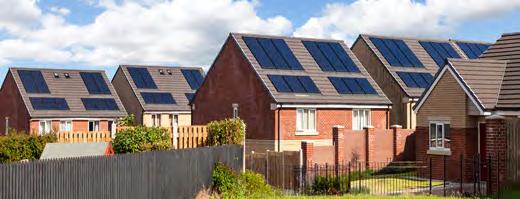
The Warm Homes Plan is the most significant government retrofit commitment since ECO, with £15 billion allocated over five years. Its objectives are clear: upgrade millions of homes, reduce fuel poverty, expand low carbon heating and accelerate solar deployment.
What matters most is not only the scale of funding but the shift in delivery model. Government is moving away from fragmented schemes toward a more coordinated national framework, aligning funding, compliance and long-term decarbonisation goals.
In 2026, the focus is mobilisation. Early evidence gathering is underway to determine where funding can deliver the greatest impact, alongside further detail on the low-income offer. Funding
competitions are expected to follow, with local authorities and social housing providers preparing bids.
Significant ringfenced support is earmarked for low-income households and social housing. Alongside this, government has signalled strong ambition to accelerate heat pump rollout and expand domestic solar by 2030.
For assessors, this signals growing demand not only for EPCs but for advisory work — improvement planning, technical evidence, and quality assurance across funded retrofit projects.
Redefining Building Performance in England and Wales
EPC Reform represents a structural change in how building performance is measured and used. The partial reform response published in January confirms that future EPCs will no longer centre on a single headline score. Instead, they will incorporate four core metrics:
• Energy cost
• Fabric performance
• Heating system efficiency
• Smart readiness
This moves the EPC beyond a transactional document for sales and lettings toward a compliance and decision-making tool. It also aligns more closely with MEES and
future regulatory enforcement. Government has confirmed that EPC validity in England and Wales will remain ten years and that certificates will still be required at point of marketing. Heritage exemptions will be removed, meaning all buildings will require EPCs. Further consultation continues on potential additional triggers linked to expiry or rental cycles. EPC Reform is therefore not cosmetic. It reshapes performance measurement, improvement prioritisation and compliance enforcement.
What about Scotland?
Scotland is further advanced in regulatory reform. Its EPC framework is being aligned with European requirements and includes a new Heat Retention Rating alongside other metric changes.
EPC validity is reduced to five years, and auditing and surveillance requirements for approved organisations are strengthened. This indicates higher scrutiny of data quality and competency standards.
For the wider UK sector, Scotland provides an early indication of future expectations: stronger compliance structures, higher competency thresholds and more robust quality assurance.
The Technical Foundation
The transition from SAP to the Home Energy Model is a fundamental methodological shift. HEM replaces the existing modelling framework rather than simply updating it. It is expected to deliver:
• More accurate modelling of heat loss and demand
• Improved representation of low carbon technologies
• Support for the new EPC metrics
In effect, HEM underpins EPC Reform.
Government consultation is underway on the EPC “Wrapper,” including how metrics will be banded and how future thresholds will be defined. This is critical, as the definition of EPC C is likely to
change under the new regime — directly affecting MEES compliance.
For assessors, HEM increases both opportunity and responsibility. Technical competence, consistent evidence gathering and modelling accuracy will become even more important as enforcement strengthens.
Government has confirmed that both the Private Rented Sector (PRS) and Social Rented Sector (SRS) will align toward an EPC C target by 2030.
The key change lies in compliance methodology. Landlords will be required to demonstrate performance using the new EPC metrics rather than relying solely on the current Energy Efficiency Rating.
Compliance for PRS MEES will be based primarily on fabric performance, supported by a secondary metric focused on either heating system efficiency or smart readiness. However, compliance for SRS MEES will be slightly different in that only one metric (of the landlord’s choice) needs to be met by the 2030 deadline. This will be followed by the requirement to meet a second metric by 2039.
Proposals include:
• A £10,000 cost cap per property over ten years
• Extended exemptions (up to ten years in certain categories)
• A new PRS compliance database
• Fines up to £30,000 per property per breach
The combined impact of Warm Homes funding, EPC Reform, HEM and MEES alignment will reshape the assessor role. This is not simply a volume increase in EPC production and retrofit project work. It is a shift toward:
• More technically complex assessments
• Greater evidence requirements
• Increased professional accountability
• Clearer improvement pathway advice
Landlords will need structured compliance planning and housing providers will require robust data for funding bids. Enforcement bodies will rely on defensible evidence.
Assessors who invest early in upskilling will be best positioned. Competence in building fabric performance, low carbon heating, smart technologies and building pathology will grow in importance. Expansion into retrofit assessment and PAS 2035 coordination is also likely as demand increases.
Regulatory change brings uncertainty and opportunity.
Elmhurst’s independence from installers and manufacturers is critical in a market where impartiality and technical credibility matter. Our focus remains on quality, professional standards and technical rigour. In 2026, support for members will centre on:
• Training and technical updates on HEM and new EPC metrics
• Clear guidance on MEES compliance
• Robust quality assurance
• Active engagement with government and industry consultation
The policy direction is now established: better data, higher standards, coordinated delivery and structured compliance by 2030.
2026 is not the compliance year. It is the preparation year.
Those who invest early in skills, understand the new metrics and provide clear, evidence-based advice will be best placed for the decade ahead. Elmhurst will continue to support and champion the sector at every stage.
Q1 2026
The next four years now follow a much clearer trajectory, with funding, standards and compliance increasingly connected.
2026 is the preparation year, as consultations conclude, delivery mechanisms take shape and landlords and housing providers begin modelling stock performance against the new EPC metrics.
2027 marks the operational build-out, with the Warm Homes Agency expected to become active in the second half of the year and Warm Homes Fund investment expected to begin flowing from 2027/28, supporting larger-scale mobilisation across local authority and social housing programmes.
By 2030, the focus shifts firmly to enforcement, with national upgrade ambitions accelerating and 1 October 2030 confirmed as the PRS MEES compliance deadline — meaning key investment decisions and improvement planning will need to happen well before then.
The timeline sets out the key expected milestones from 2026 to 2030 across Warm Homes delivery, EPC Reform, MEES and the Future Homes Standard but is not yet confirmed in all instances.
Q2 2026
Homes
Funding & Delivery EPC Reform Including the Home Energy Model
Warm Homes Plan confirmed as the central national retrofit funding programme.
Call for evidence to target where funding delivers greatest impact.
Partial EPC Reform response confirms direction: new multi-metric EPC framework.
EPC Wrapper consultation live (banding, metrics presentation, future EPC C definition).
MEES direction confirmed: PRS and SRS aligned toward EPC C by 2030 using new metrics.
In the Spring, further detail to be expected on the low-income offer and delivery approach.
Industry shifts into training, guidance changes
A speculative timeline based on expected activity – more detail will become available once the FHS is released
Future Homes Standard (FHS) released, with SAP 10.3 available. Industry preparation intensifies as technical requirements are finalised.
Landlords begin early-stage fabric/secondary
HEM methodology dual running expected approximately three
Mid-Late 2026: First funding competitions expected; local authorities and social landlords mobilise bids. From this point onwards, Retrofit activity is expected to increase as demand grows for assessments, improvement planning and programme support.
HEM readiness: and process accelerate.
Oct 2026 (target) – New EPC regime targeted for England & Wales (subject to final regulations).
modelling and gap analysis against metric requirements.
April 2027: Consumer Loans Scheme expected to begin.
Warm Homes Agency expected to become operational.
Warm Homes Fund investment expected to start flowing at scale and into 2028.
Larger programmes expand across local authority and social housing delivery pipelines.
approved, with to commence months later.
Market adjusts to new metrics: fabric performance, heating efficiency and smart readiness become central reference points.
EPC Reform increasingly underpins compliance planning, investment decisions and enforcement readiness.
Evidence requirements grow (exemptions, cost cap justifications, improvement pathways).
FHS commences within Building Regulations. Transitional arrangements begin for plots already in progress.
Government signals end of dual running, providing at least six months’ notice before HEM becomes the sole methodology.
Compliance planning accelerates as works pipeline needs locking in.
By Oct 2029 –“Grandparenting” window closes for properties achieving EPC C under current EPC regime.
Final upgrade and exemption activity peaks ahead of enforcement.
FHS transitional arrangements end; plots not commenced must be built to the new standard. HEMonly transition period begins.
HEM-only transition ends; HEM becomes mandatory for all new work.
By 2030, National upgrade ambitions drive sustained retrofit demand across the market.
Reformed EPC metrics embedded as the core basis for future standards.
1st Oct 2030 – PRS MEES compliance required (EPC C under the reformed framework).
1st April 2030 –SRS standards expected to be in force (subject to final policy detail).
By 2030 – Higher new build performance standards operate fully alongside retrofit and MEES reforms, supporting long-term electrification and decarbonisation targets.

STEVEN MARRIOT
Retrofit Scheme Manager
After almost 2 years of waiting the details surrounding the government’s multi-billion pound Warm Homes Plan has now been released, moving from a political promise to an operating government programme.
What is the Warm Homes Plan?
First announced as a manifesto commitment ahead of the 2024 general election, the Warm Homes Plan set out a national package of grants and low-interest loans to support upgrades such as insulation, solar PV, battery storage and low-carbon heating. Delivery is intended to be led with combined authorities and local/devolved government, backed by private lenders, and aligned with proposals to tighten private rented sector MEES to EPC Band C by 2030— without forcing households to remove existing boilers. Elements are already being delivered through 2025–2028 schemes, including the £500m Warm Homes: Local Grant and the £1.29bn Warm Homes: Social Housing Fund.
Positioned as the biggest public investment in home upgrades in British history, the Plan confirms £15 billion of public funding over the next five years to help households install measures including insulation, solar panels, batteries and heat pumps. The government says this investment could support upgrades in up to 5 million homes, cutting bills, improving comfort, and helping to lift up to one million families out of fuel poverty by 2030.
What’s been announced in the Warm Homes Plan?
£5bn to fund upgrades for lowincome households and those in fuel poverty
A central feature of the programme is a package of fully funded improvements for households on lower incomes, with measures tailored to what is most suitable for each home. This can include insulation and other fabric improvements, as well as clean energy technologies such as solar panels, batteries and heat pumps. The aim is to reduce energy costs permanently by improving how homes retain heat and by enabling households to generate and use more of their own power.
Support for the supply chain from supplier obligation to public funding
The Energy Company Obligation (ECO), a long standing scheme which enforced large energy suppliers are forced to pay for energy-efficiency improvements in people’s homes, is set to close at the end of March, as announced in the government’s recent budget. This has put the retrofit supply chain in a vulnerable position, with the security of work through ECO set to disappear.
To support that transition, the government has confirmed it will use new procurement arrangements for capital-funded schemes from April 2026, and will look to attach conditions to additional “top-up” funding so that grant recipients procure work through the existing ECO supply chain. A ministerially-led working group will oversee the shift from ECO to public funding, working with local authorities, social housing providers and supply chain representatives, with the intention of coordinating subcontracting opportunities and helping companies secure replacement work on capitalfunded programmes.

In addition, the plan does suggest that ECO4 will be extended to 31st December 2026, but without increased delivery targets or impact on consumer bills. This is to allow additional time for remediation of non-compliant installations to be completed.
Finance to remove the upfront cost barrier for energy efficiency upgrades
For many owner-occupiers, the challenge is not whether an upgrade will deliver benefits, but whether they can afford the upfront cost. The Warm Homes Plan introduces governmentbacked low and zero-interest loans intended to make it easier for households to install technologies such as solar PV, batteries and heat pumps when they choose.
Alongside this, the Plan confirms continued support for low-carbon heating, maintaining the £7,500 heat pump grant via the Boiler Upgrade Scheme.
The Warm Homes Plan also establishes clear direction of travel for England and Wales domestic private rented sector, reflecting the fact that too many tenants live in homes that are cold, damp or prone to mould. The government’s approach combines stronger protections for renters with support for landlords to deliver upgrades over a fair transition period.
The ‘Improving the energy performance of privately rented homes’ consultation was released for response in 2025, and an update has now been provided
through the Warm Homes Plan. This confirms that minimum energy efficiency standards (MEES) in the domestic private rented sector will be increased to EPC Band C with landlords needing to meet this standard across two new EPC metrics by October 2030 – this will apply to all tenancies. In addition the cost cap for improvements has been increased to £10,000, however, costs of improvements are predicted to be half of that.
Unfortunately, there has been no update to the same regulations which impact private rented commercial/non-domestic buildings.
A new Warm Homes Agency (WHA) will be established to act as a dedicated public body leading delivery of the Warm Homes Plan and simplifying the customer journey. The agency is intended to bring together functions currently spread across different organisations, by closing Salix and consolidating relevant roles from government and Ofgem, so oversight and delivery are less fragmented and easier for households and installers to navigate. The WHA will offer impartial guidance on measures, eligibility and funding routes, and how to find trusted installers. It will also work closely with installers, manufacturers, retrofit businesses and trade unions to support workforce transition and training, helping the supply chain scale to meet demand.
In order to deliver the ambitions of this plan, the government anticipates that over time the number of jobs in energy efficiency and clean heating will increase from 60,000 in 2023 to up to 240,000 in 2030. This includes the likes of Retrofit Coordinators, heat pump and solar installers to name a few.
Read the Government’s Warm Homes Plan
Elmhurst Energy’s Managing Director, Stuart Fairlie, welcomed the ambition of the programme but emphasised the importance of delivery, consumer protection and supply chain stability:
Lifting one million households out of fuel poverty by 2030 is an inspiring target, and £15 billion for home upgrades is a major step in the right direction.
This Plan signals a shift from purely insulation-led ‘fabric first’ approaches towards greater deployment of solar PV, battery storage and low-carbon heating. It’s encouraging to see support for the skills and training needed to deliver these measures well, at scale and to the standards consumers expect.
Ultimately, a programme of this size will be judged on delivery and consumer confidence. The key test will be whether it closes the long-standing consumer protection gap that has undermined previous schemes. Independent assessment and effective retrofit coordination, delivered by suitably qualified professionals, are essential.
We also recognise the disruption from moving away from supplier obligations. It’s positive to see commitments to support the workforce and supply chain, helping capable businesses transition from ECO into publicfunded routes without losing momentum.
We welcome the update on domestic MEES and the direction of travel for rented homes. But net zero won’t be achieved through homes alone—we also need stronger momentum on non-domestic MEES to bring commercial and public buildings forward consistently.”
‘‘ ‘‘
JASON HEWINS New-Build Dwellings Manager
With the Future Homes Standard (FHS) expected to be published in early 2026, the new build sector is preparing for one of the most significant changes to Building Regulations in decades.
Designed as the next major revision to Part L in England, the Future Homes Standard aims to ensure that new homes are built to achieve low to zero operational carbon emissions, raising expectations around fabric performance, heating systems, and overall energy efficiency.
Following the introduction of Part L 2021 as an interim step, industry attention has been focused on the Future Homes Standard for several years. First consulted on in 2019 and revisited through further consultation in 2023, the Government originally indicated that responses and a new Approved Document would be published in 2025. However, this timeline has since been delayed, with publication now expected in early 2026.
Despite the delay, recent announcements have provided important clarity for energy assessors and housebuilders preparing for implementation.
SAP 10.3 confirmed as the only route to compliance when the Future Homes Standard launches
On 10th February 2026, Elmhurst was informed by Government that the Future Homes Standard will
initially launch using SAP 10.3 as the sole methodology for compliance calculations. While it had been widely anticipated that the Home Energy Model (HEM) would also be available at launch, Government has confirmed that this will not be the case due to ongoing development work still required to finalise the model and supporting infrastructure.
This decision ensures that the Future Homes Standard can be implemented using a methodology that is established, understood across the industry, and supported by robust conventions and guidance. For Elmhurst members, this announcement also provides reassurance that there will be a stable pathway for delivering compliance assessments from day one.
When the Future Homes Standard is published, assessors will need to use SAP 10.3 for compliance purposes.
Elmhurst’s Design SAP 10 software has already received BRE approval for SAP 10.3 and is ready to be released alongside the Future Homes Standard launch.
Design SAP 10 has been used by members for nearly four years and has been developed extensively during that time. The application includes features designed to improve efficiency and support consistency across the assessor community, which will be vital

as the industry responds to the tougher standards expected under the Future Homes Standard. From a practical perspective, this will help housebuilders determine quickly what specification changes are needed to meet the new compliance thresholds, while ensuring outputs remain consistent and reliable.
Although the Home Energy Model is not expected to be ready for the initial Future Homes Standard release, Government has confirmed that it will become an approved methodology a minimum of three months after the Future Homes Standard is published. However, Government has also recognised that there are still several key elements that must be finalised before HEM can be reliably introduced across the industry.
These include:
• a stable and finalised model
• PCDB development
• conventions and guidance
• software wrappers
• assessor training
Elmhurst has been working closely with Government on how the Home Energy Model will be delivered to industry and has emphasised the importance of ensuring these supporting components are fully in place before HEM becomes widely

adopted. Once the model and infrastructure are ready, Elmhurst will also be prepared to release its own Design HEM solution, which has been under continued development.
One of the key questions for industry has been how the transition between SAP and HEM will be managed. Government has now confirmed that once HEM becomes an approved methodology, there will be a dual-running period of at least 24 months, during which both SAP 10.3 and the Home Energy Model will be available for Future Homes Standard compliance calculations.
Following this, there will be a further transition period to support the eventual move to HEM becoming the only approved methodology for demonstrating compliance.
As a result, it is not expected that HEM will be used for the majority of Future Homes Standard assessments until later in the decade, giving the sector time to adapt and ensuring assessors are not rushed into using a model that is still evolving. Final details of the transition will be confirmed when the Future Homes Standard is officially released.
The next significant change to
energy efficiency standards in Wales will be in the form of Part L 2025. The Welsh Government has recently confirmed that for Part L 2025 they will also be using SAP 10.3 until HEM and a new Wales Part L wrapper is ready. This will utilise a different notional dwelling to England to set the energy efficiency standards. Further details are expected for this in spring/summer 2026 with implementation in Building Regulations expected in spring/ summer 2027.
Scotland are currently working on their next revision to the Section 6 standards. The aim is a ‘Passivhaus equivalent’ standard to form the basis of the next revision, with consultations issued last year to determine the extent of this. It is expected that HEM with a new Scottish Building Standards wrapper will be used to demonstrate compliance with their next standards. It has also been confirmed that a modified version of Passivhaus Planning Package (PHPP) used for Building Standards compliance will be developed and a testing version released in 2026. An implementation date of 31st March 2028 has been confirmed for the next standards.
Finally in Northern Ireland the last revision to Technical Booklets F1 and F2 was implemented on 30th June 2022. Since then Northern Ireland have issued a consultation on the next revision to their standards, and we are expecting further developments in this area this year.
Elmhurst recognises the Future Homes Standard is more than a software change. Like any major regulatory shift, it will require clear guidance, practical training, and reliable technical support so assessors and housebuilders can adapt with confidence.
To support members, Elmhurst has already expanded its training and CPD offer, including HEM Theory (covering the purpose and direction of the Home Energy Model) and Understanding SAP 10.3 (explaining the key SAP 10.3 updates and how these will be applied in Design SAP 10). Further training on the Future Homes Standard and Design HEM will follow once the final methodology and regulatory detail is confirmed.
Behind the scenes, Elmhurst’s On Construction Support Team has been completing internal training to ensure members receive informed, consistent guidance as soon as the Standard is published. Alongside this, Elmhurst is preparing additional resources, including walkthrough videos, technical bulletins, updated manuals, and client-facing info sheets, to help members and their customers manage the transition smoothly.
Book SAP 10.3 training now:


CHRIS RICKETTS
Head of Consultancy
The introduction of Awaab’s Law marks a significant shift in how the housing sector must approach damp and mould. What was once often treated as a maintenance concern is now firmly recognised as a health risk requiring urgent, structured investigation and clear accountability.
Landlords are now legally required to investigate and resolve damp and mould hazards within defined timescales. This change brings sharper regulatory scrutiny and a
heightened need for defensible, evidence-based reporting. However, it also highlights a critical challenge: the UK does not currently have enough competent professionals able to assess damp and mould consistently, proportionately, and at scale.
Elmhurst Energy’s new Damp and Mould Competency Training & Scheme has been developed to address that gap.
Why Damp and Mould Competence can’t wait Damp, mould and condensation (DMC) are complex issues. They
sit at the intersection of building performance, ventilation, retrofit activity, occupancy behaviour and vulnerability. Misdiagnosis can lead to ineffective remedial work, escalating costs, resident dissatisfaction, and most importantly continued health risks.
At the same time, social and private landlords are under increasing pressure to demonstrate that investigations are robust, timely, and professionally undertaken. A structured approach to competence is therefore no longer optional; it is essential.
Domestic Energy Assessors (DEAs) already enter millions of homes each year and possess a strong understanding of building fabric, ventilation and energy efficiency - all critical factors influencing moisture risk. With appropriate upskilling and formal recognition of competence, this existing workforce can play a pivotal role in early identification and structured reporting.
The scheme is designed to formalise that capability, ensuring assessments are carried out using a consistent methodology that supports both regulatory compliance and resident safety.
The purpose of the Damp and Mould Competency Scheme is not simply to add another qualification. It is to create clarity, consistency and professional accountability in how damp and mould assessments are undertaken. By establishing defined standards of knowledge and reporting, the scheme supports:
• Reliable identification of damp and mould risks
• Clear, evidence-based documentation
• Consistent categorisation and escalation
• Greater confidence for landlords when making remedial decisions
Ultimately, this is about strengthening sector capability at a time when expectations, from regulators, residents and government, are rightly increasing.
The training builds on existing DEA expertise, focusing on the legal context, recognising and assessing risk, and applying a consistent methodology for damp and mould investigations. Delivered remotely through live online sessions led by Elmhurst’s expert trainers, the course is interactive throughout, enabling assessors to ask questions in real time and receive immediate feedback as they develop competence.
Find out more about Damp and Mould Assessor training
The accompanying online software enables assessors to conduct structured inspections, capture photographic evidence, and produce clear, traceable reports. This creates a consistent and auditable process, supporting landlords in evidencing compliance under Awaab’s Law.
As regulatory requirements tighten, the housing sector must respond with increased professional capacity and clear standards of competence. Through the Damp and Mould Competency Scheme, Elmhurst aims to help create a scalable, nationally available workforce capable of delivering consistent, high-quality damp and mould assessments supporting landlords in meeting their legal duties while helping protect residents from preventable harm.

DOMINIC REED
Head of Commercial
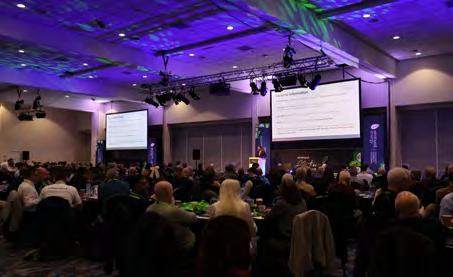
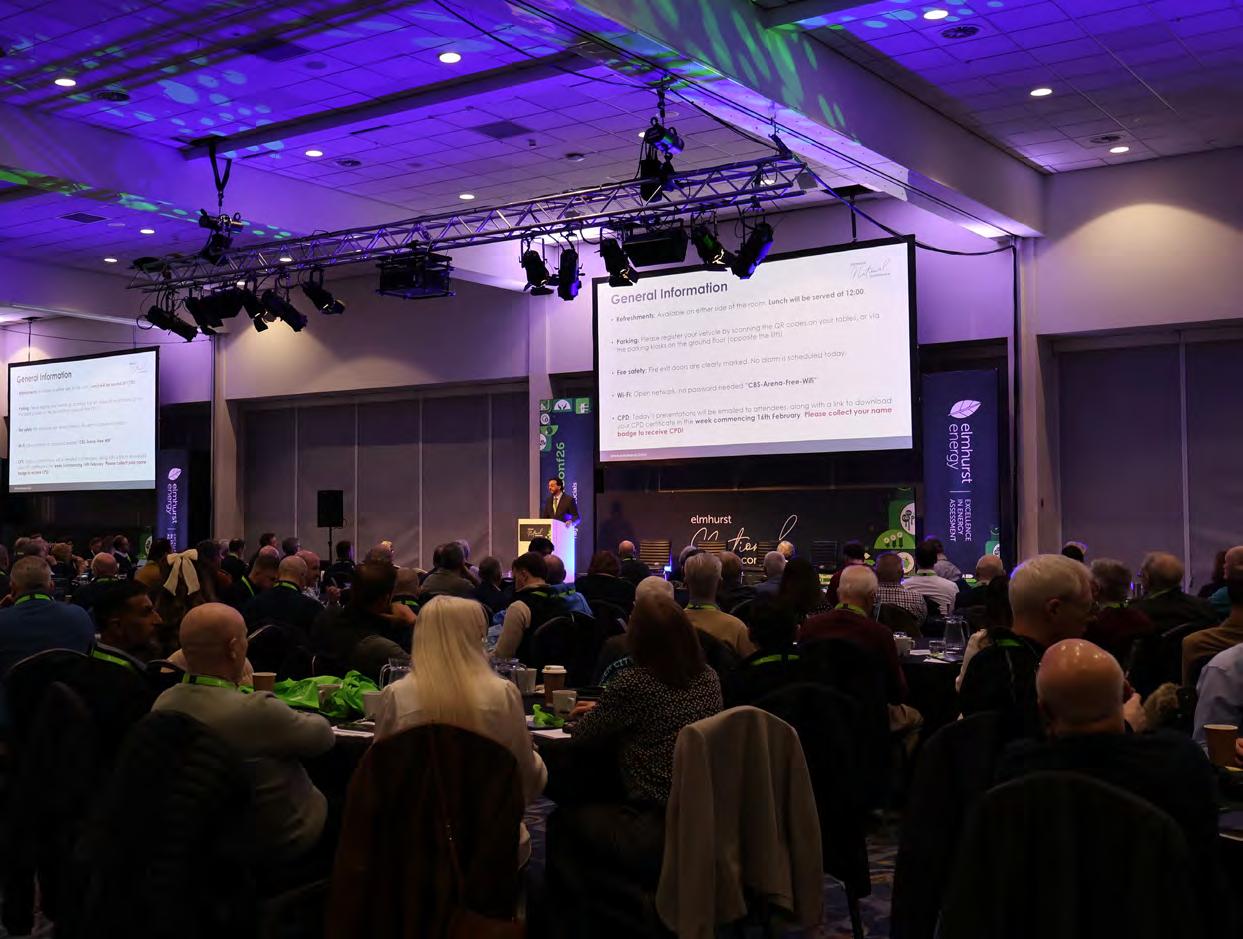
The Elmhurst National Conference 2026 arrived at a pivotal time for the energy assessment and retrofit sector. With policy direction sharpening and the built environment firmly in the spotlight, it was a timely opportunity for us, as an industry, to step back, take stock, and focus on what the next phase of reform will mean in practice.
Following recent Government announcements on the Warm Homes Plan, EPC reform, domestic MEES and the Future Homes Standard, the conference offered something particularly valuable: the first chance to hear directly from Government representatives in person following these announcements, and to put questions to them on the issues shaping our work now and in the months ahead.
Through structured Q&A panels and interactive audience engagement, attendees were encouraged to raise the topics that matter most and share the real-world challenges they’re facing. As noted in Stuart Fairlie’s conference foreword, the conversations happening in the room, between peers, speakers and the wider sector, were just as important as the sessions on stage, helping to drive the progress we all want to see.
Above all, the conference was designed to help members make sense of what’s coming and what it means for day-to-day practice. As the industry moves into one of the most important periods of reform in decades, Elmhurst’s message is clear: now is the time to engage, stay informed, and be ready to take charge and shape the future of our industry.
“EPIC feels like an understatement! An extremely informative day hearing from Government Representatives and Industry Specialists about the many developments and new legislation.
Great to talk with many other surveyors over coffee and a tasty lunch plus pick up lots of goodies from the event sponsors.”
- James Gardner
The conference agenda delivered a strong mix of policy insight, technical guidance and futurefocused discussion, with expert speakers addressing the challenges and opportunities shaping the next phase of energy performance.
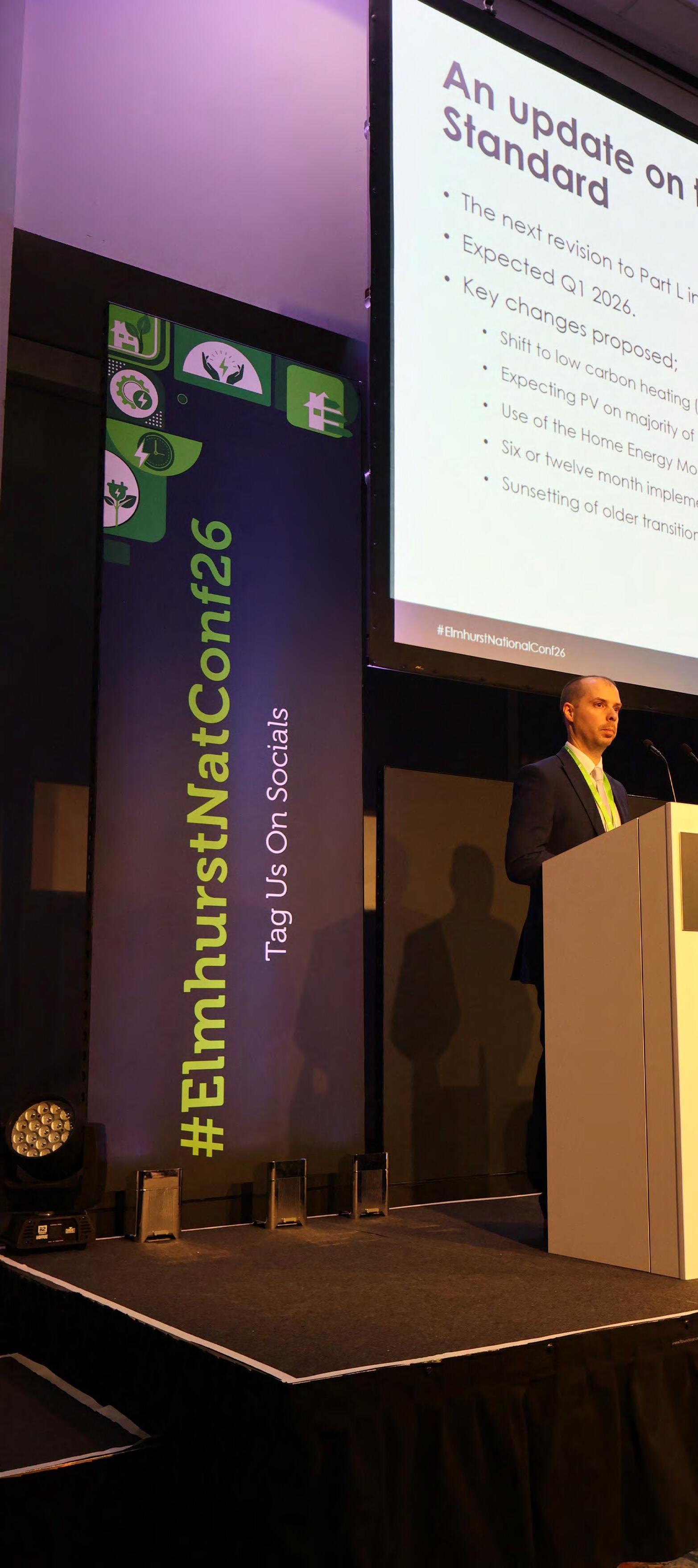
A major highlight came early in the day, with Matt Carey (DESNZ) and Harrison Cutler (MHCLG) delivering key updates on the Warm Homes Plan and associated reforms.
Matt Carey, Deputy Director for Energy Performance and Standards within DESNZ, provided insight into the direction of reforms to domestic MEES and the development of the Home Energy Model, a nextgeneration approach intended to underpin Part L compliance and the future structure of EPCs.
Harrison Cutler, Head of Energy Performance of Buildings Regulations and Operations at MHCLG, explored how policy and legislative requirements are translated into practical compliance processes, reinforcing the importance of consistent quality and outcomes across the sector.
For Elmhurst members, this session provided valuable clarity on how the
Government’s reform agenda could directly impact working practices, expectations and compliance requirements in the months ahead.
Competency, Independence, and Industry Confidence
Later sessions reinforced the growing importance of competency and trust in energy assessment and building compliance.
Dr Hywel Davies OBE (CABE) addressed the vital role that competent professionals play in ensuring the credibility and effectiveness of building safety regulation and performance standards. With decades of experience across regulation, testing and standards, Hywel highlighted why robust competency frameworks must underpin future policy delivery.
Richard Smith (NHBC) brought a complementary perspective from the new-build and warranty sector, sharing how technical standards and innovation are shaping industry expectations. His session underlined the confidence the new-build sector places in qualified, professional assessors, and why Elmhurst members remain central to supporting compliance and quality delivery.
Elmhurst’s perspective: HEM, FHS and readiness
Jason Hewins, Elmhurst’s New Build Scheme Manager, shared a clear update on how we’re preparing for the next phase of compliance
modelling and EPC reform and, crucially, how we’ll support members through the transition.
Drawing on his long-standing involvement in SAP methodology and Building Regulations working groups, Jason spoke on Elmhurst’s active role in the development of both SAP and the Home Energy Model (HEM). He explained what these changes are designed to achieve, what they’re likely to mean for day-to-day assessment activity, and why getting ahead of the shift matters for members working across new build and retrofit.
In practical terms, members will not be left navigating uncertainty. Elmhurst are fully prepared to support the industry through the transition period, with clear guidance, structured training and robust technical support in place to ensure continued compliance through SAP 10.3 until the Home Energy Model is formally implemented.
“What a fantastic day at the Elmhurst National Conference! Every session delivered genuinely valuable insight on policy, standards and retrofit delivery across the UK housing sector.”
Richard Arnold
Proposed delivery timeline for HEM and the Future Homes Standard (FHS) below, as presented to members at the conference:
HEM Approved
HEM Methodology approved, dual running commences > 3 months later
Early
FHS released SAP 10.3 available
Notice of end of dual running Government signals HEM to take over with at least 6 months notice
FHS commences FHS commences within Building Regulations
FHS Transitional arrangements commence
HEM only transition ends HEM must be used for new work
FHS Transitional arrangements end Plots not commenced must be built to FHS
HEM only transition begins
Work that commences can be on SAP 10.3
Measuring buildings and the reality of performance
Another standout theme centred on why measuring buildings matters, bringing together insights from Ben Roberts (Loughborough University) and Emma Fletcher (Octopus Energy). Ben’s session on airtightness reinforced how easily the performance of the British housing stock can be misunderstood when we rely on assumptions instead of evidence, while Emma focused on the practical reality of delivering healthier, lower-carbon homes at scale and why good decisions depend on good data.
Joanne Williams (Historic England) also touched on how building type and context influence outcomes, particularly in older properties, supporting the broader point that every building behaves differently. The key takeaway was clear: we only truly understand how a building performs when we measure it. Accurate, in-situ measurement strengthens retrofit advice, improves targeting, and helps ensure wholehouse improvements deliver the outcomes intended, making measurement a core part of the retrofit process.
Retrofit Roundup: addressing worries and future opportunity
Simon Flint, Retrofit Support Team Leader at Elmhurst, closed the day with a practical, member-focused session aimed at bringing clarity during a period of change. With the Warm Homes Plan gaining pace and ECO4 approaching its end, Simon addressed the questions members are asking about what comes next, particularly around demand, delivery expectations, and maintaining confidence in a shifting retrofit landscape.
His “Retrofit Roundup” focused on reassurance and readiness: reinforcing PAS 2035 good practice, outlining where members can expect continued opportunity, and highlighting how clear guidance and strong support will help members adapt and progress as the next phase of retrofit policy and delivery takes shape.

The Elmhurst National Conference 2026 made one thing clear: the sector is entering a period of significant transformation, and professionals must be ready to adapt quickly.
From EPC reform and MEES changes, to the arrival of the Future Homes Standard and Home Energy Model, the direction of travel is clear and the demand for skilled, trusted, competent professionals will only continue to rise.
Elmhurst remains committed to supporting members through this evolving landscape, ensuring assessors and retrofit professionals have access to the training, tools and guidance needed to stay compliant and confident.
For those unable to attend the National Conference, or those who found the day invaluable and want to continue the discussion, Elmhurst is encouraging members to book onto upcoming regional conferences, where the same commitment to clarity, practical guidance and member support will be delivered.
“An insightful event that provided valuable updates on the direction of the retrofit and decarbonisation sector over the next 12 months. Events like these are invaluable in ensuring we remain at the forefront of industry developments and continue to provide informed, compliant and forward-thinking retrofit advice.”
GDS Chartered Surveyors

Book Now
Wednesday 20th May
Radisson Blu Hotel, Glasgow 10am – 4pm
5 Hours certified CPD
£150 + VAT (Discounts available for Elmhurst Members)
Now

Thursday 24th September
All Nations Centre, Cardiff 10am – 4pm
5 hours certified CPD
£150 + VAT (Discounts available for Elmhurst Members)

Book Now
Thursday 12th November
Maldron Hotel, Belfast International Airport 10am – 4pm
5 hours certified CPD
£150 + VAT (Discounts available for Elmhurst Members)

CAROLINE POSTLES
Existing Dwellings Technical Manager
The UK Government has now confirmed updated Minimum Energy Efficiency Standards (MEES) requirements that will reshape how landlords in both the private rented sector (PRS) and the social rented sector (SRS) improve the energy performance of their properties across England and Wales. These reforms, supported by the latest Warm Homes Plan, aim to make rented housing warmer, cheaper to run, and more sustainable, while addressing fuel poverty and decarbonisation goals.
At the heart of this policy is the requirement that by 2030 all rented homes (whether privately or socially rented) must achieve at least EPC Band C or demonstrate compliance against new EPC metrics unless a valid exemption is registered. This represents a significant tightening from the current minimum standards (previously an EPC E for PRS and no minimum for SRS).
Improving the energy performance of rented homes is central to government efforts to:
• reduce household energy bills and fuel poverty,
• cut carbon emissions from the existing housing stock, and
• raise standards of living for millions of tenants across England and Wales.
Historic EPC performance has shown significant shortfalls: analysis by Rightmove has suggested that around 2.8–2.9 million rented homes are below a C rating and will need upgrading to meet the 2030 deadline.
Domestic Private Rented Sector (PRS) – EPC C by 1 October 2030
The Government’s response to the “Improving the energy performance of privately rented homes: 2025 update” consultation has confirmed that:
• From 1st October 2030, all domestic private rented properties in England and Wales must be compliant with the equivalent of EPC Band C under the reformed EPC regime.
• There is a single compliance deadline: both new and existing tenancies must meet this standard by that date.
• Properties already holding a valid EPC of C or above on an existing certificate will be treated as compliant until that certificate expires.
Under EPC reform, compliance is no longer judged solely on legacy energy cost metrics. The new headline metrics used for
demonstrating compliance are:
• Fabric Performance (insulation, airtightness, etc.)
• Heating System Efficiency
• Smart Readiness features (system controls, connectivity)
The uplift to a C rating will be based on these metrics, with landlords having to meet a C rating for fabric performance and then a choice of one other metric, either Heating System or Smart Readiness. This provides landlords with the flexibility to meet the standards in different ways depending on the characteristics of their stock.
The Government has also confirmed that:
• A £10,000 cost cap per property will apply. If a landlord spends up to this amount and still does not achieve the required standard, they may register a cost cap exemption that lasts for 10 years.
• A Property Value Adjustment applies for homes worth less than £100,000, reducing the required spend to 10 % of market value.
• Other exemptions (e.g., consent, high cost) will still exist under the MEES regime.
This approach balances ambition with pragmatism, aiming to avoid forcing landlords out of the market while still driving genuine improvements in energy performance.
Social Rented Sector (SRS) –EPC C by 1 April 2030
Unlike the PRS, social rented homes have not historically been subject to minimum EPC standards. Their performance was broadly equivalent to around an EPC F level in many cases.
However, the Government’s response to consultations on MEES for the SRS has now established that:
• By 1st April 2030, all social rented homes in England and Wales must reach EPC Band C (or equivalent under reformed metrics), unless a valid exemption is registered.
• Under the reformed EPC, SRS landlords can demonstrate compliance by meeting EPC C against any one of the new metrics (fabric, smart readiness, or heating system).
• The previous fabric-first approach has been dropped, giving landlords flexibility on how they prioritise upgrades.
From 1st April 2039, social landlords will be expected to demonstrate compliance against a second metric in addition to the first (e.g., Fabric Performance and Heating System Efficiency), unless a valid exemption applies.
Spend and Exemption Provisions
A time-limited spend exemption will apply whereby social landlords are expected to spend up to £10,000 per property by the 2030 deadline. If, after that investment, the home
still cannot meet the standards, compliance can be deferred for a further 10 years.
This provision recognises the sometimes high retrofit costs associated with large, older social housing stock and gives providers planning flexibility without undermining long-term objectives.
Scotland consulted on introducing PRS MEES in Scotland for the first time back in August 2025. We are yet to have a response to this consultation, but the following has been proposed:
• MEES applies from April 2028 for new tenancies and 2033 for all tenancies.
• Minimum Heat Retention Rating (HRR) Band C required.
• Compliance requires the new 2026 format EPC; older EPCs cannot be used.
• £10,000 cost cap and various technical/planning/suitability exemptions
What we do know:
Scotland will be moving to a digital online platform alongside EPC
reform expected in October 2026, introducing three new metricsheat retention, heating system and energy cost ratings. The EPC validity will also be reduced to five years. As a result of the EPC metrics and design changing, and in order to ensures consistency, and reduce confusion, From 31 October 2027, only EPCs produced under the new methodology will be valid. There is also a commitment to align the new EPC format with the Scottish Home report.
The move to EPC C by 2030 for both private and social rented homes is one of the most significant legislative shifts in the UK housing sector’s energy performance regime for a generation. While the deadlines and compliance routes differ slightly between PRS and SRS, the overarching objective is the same: ensure rented homes are warmer, greener, and cheaper to run.
For landlords, early engagement with the reforms, strategic retrofit planning, and a clear understanding of the new metrics will be essential to achieving compliance and supporting national energy efficiency goals.
Future compliance stage
Domestic private rented properties in England & Wales
Single deadline for all tenancies
Must meet Fabric Performance + one other metric (Heating System Efficiency or Smart Readiness)
Retained as part of compliance route
£10,000 cost cap per property (with property value adjustment for homes under £100,000)
If £10,000 is spent and compliance still not met, landlord may register a 10-year exemption
further stage confirmed
Social rented homes in England & Wales
Single deadline for all social rented homes
Can meet EPC C via any one metric (Fabric, Heating, or Smart Readiness)
Removed (more flexible approach)
£10,000 spend exemption per property (time-limited)
If £10,000 is spent and compliance still not met, compliance can be deferred for 10 years
From 1 April 2039, landlords must meet a second metric unless exempt

CHRIS RICKETTS
Elmhurst Energy
The recently published Historic Building Energy Performance Potential: Demonstrator Project highlighted the challenges and complexities of understanding and evaluating the energy performance of traditionally constructed buildings. Elmhurst played a key role throughout the project, collecting EPC input data, conducting condition surveys, and leading the comparative analysis that tested long standing EPC assumptions against in situ measured evidence.
The findings reinforce how measurement of building
performance metrics can inform energy models and compliment assumptions and calculations within RdSAP. EPCs have necessarily relied on generalised inputs to maintain consistency and comparability across the housing stock. But this project demonstrates that such assumptions can fail to reflect how heritage buildings actually perform. It could be said this could extend to our standard housing stock throughout the UK.
Across the six study properties, Elmhurst’s analysis of air permeability, U values and whole house heat loss (HTC) found that traditionally constructed buildings frequently perform better than RdSAP defaults assume.
Measured improvements included: 31% better airtightness 34% better U values 45% lower whole house heat loss (HTC).
These are not marginal variations. When the measured data was entered into the RdSAP calculations,
mirroring what an EPC could show if future methodology allowed, it shifted EPC outcomes by 5 to 17 SAP points, in some cases lifting buildings by an entire band.
For years, heritage buildings have been perceived as presenting the “hardest to treat” retrofit challenge. Yet the project shows that default EPC assumptions often underestimate their true baseline performance, overstating the interventions required to reach policy targets such as EPC Band C.
Elmhurst’s role in the project
Elmhurst’s involvement extended well beyond standard EPC surveys. While Build Test Solutions collected in situ measurement data, Elmhurst:
• conducted all RdSAP10 EPC data collection;
• carried out visual condition surveys to contextualise performance results;
• integrated measured data into incremental modelling scenarios, and
• delivered the interpretation and critical appraisal comparing predicted vs measured performance.
This dual role, capturing baseline EPC data and then interrogating it with real measurements, uniquely positioned Elmhurst to demonstrate where EPCs succeed, where they fall short, and what would be required to evolve them for heritage buildings.

The project showed that measured airtightness, U values and HTC results can diagnose discrepancies between assumed and actual performance, enabling:
• targeted identification of heat loss pathways;
• more proportionate and technically suitable retrofit recommendations.
• improved risk management around moisture, ventilation and fabric condition.
• avoidance of unnecessary or unsuitable interventions (e.g., inappropriate insulation).
Crucially, two of these metrics In-situ U values and HTC are not currently allowed as EPC inputs. Airtightness testing is the only measurable value that can be entered into an EPC today. Elmhurst’s modelling demonstrated how powerful the shift could be if all three were allowable, aligning with Historic England’s recommendation for a future “Enhanced Technical Suitability Assessment” combining EPC analysis, condition surveys and measured diagnostics.
Our findings and analysis highlighted
the importance of upskilling assessors in airtightness testing, U value measurement and HTC assessment, emphasising these as core competencies needed for any future Heritage Task Force. Elmhurst already delivers this capability.
Elmhurst already provides:
Airtightness testing training (including Pulse and blower door methodologies.
Airtightness Testing & Background Ventilation Training
HTC/whole house heat loss training, ensuring assessors understand SmartHTC, co heating and diagnostic pathways.
Measured Energy Performance Training
and is developing:
In situ U value measurement competency, covering both Heat Flux and infrared/Heat3D approaches
These skills are not just add ons, they are the diagnostics that underpin accurate evidence based retrofit planning for buildings, not just older and traditional, exactly as demonstrated within the project.
Read the full report here
Elmhurst’s training offer directly aligns with the project’s call for a more qualified, more capable assessor workforce able to deliver enhanced, risk aware assessments for traditional buildings.
The report’s findings make a compelling case for reforming how EPCs treat older buildings. The path forward is clear:
1. Integrate measured data where practical.
2. Mandate condition surveys for context and moisture risk.
3. Equip qualified assessors with the knowledge to know when to suppress unsuitable recommendations.
4. Develop a national heritage competent assessor network.
5. Evolve RdSAP RdSAP to reflect real-world measured building performance.
Elmhurst’s role, both in this project and in sector training, positions the organisation at the forefront of these reforms. By bridging EPC methodology with real world diagnostics, Elmhurst is helping ensure that future policy, retrofit funding and homeowner decisions are grounded in accurate, contextual understanding rather than assumptions.
The Historic England Demonstrator Project offers a positive message for heritage buildings: many perform better than we think.
But it also highlights a clear need to modernise our assessment framework. With its expertise in EPC assessment, measured diagnostics and national assessor training, Elmhurst is ready to support that transition, helping ensure that the UK’s historic buildings receive retrofit advice that is accurate, proportionate and fully aligned with their unique construction and performance characteristics.
AMO SIHRA, Commercial and Operations Director
At Elmhurst, we collect and analyse data from a range of sources to help us make informed business decisions.
Turning this data into clear, meaningful insights takes time and a deep understanding of the wider context.
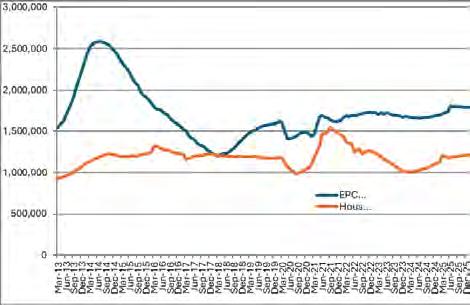
EPC lodgements remain strong, holding just below the 2 million mark and showing a steady, sustained level of activity. While volumes are lower than the earlier peaks, the trend over the past two years remains broadly stable with a slight upward shift.
House sales, meanwhile, have continued their gradual recovery, rising from their previous lows and now sitting around 1.1 million. Although still well below earlier highs, sales have strengthened enough to re establish a consistent gap between the two indicators.
EPC demand remains resilient, driven by a mix of transactions, rental market activity, regulatory requirements and retrofit programmes, meaning the EPC market continues to perform strongly even as house sales move more slowly.
In each edition of Energy Matters, we share a snapshot of this data alongside concise commentary that we hope you’ll find useful and thought-provoking as you plan for the future.
Some datasets, particularly those relating to new build homes within the devolved nations, are periodically updated and may include estimates where the latest figures are not yet available.
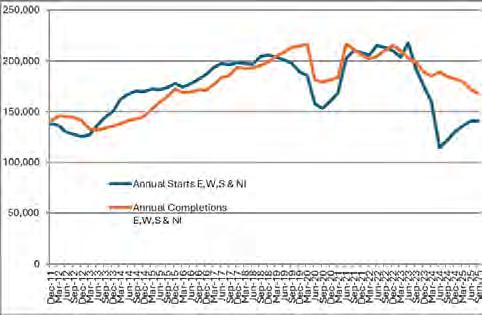
Annual housing starts across the UK have begun to lift from the sharp lows seen in 2024. Although still some way below the earlier high points, the recent rise suggests a gradual rebuild in construction pipelines.
Completions remain comparatively steady and continue to track slightly above starts, reflecting the ongoing delivery of previously committed projects.
With starts edging upward and completions holding firm, the underlying picture points to a slow but improving supply side. If this trend continues, stronger output levels should follow.
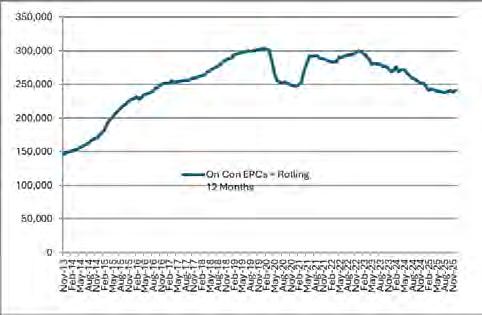
On construction EPC volumes have settled after the downward trend of recent years. Rolling annual totals are now sitting just above 230,000, a level that has held consistently through the past few months.
While activity remains below the highs recorded between 2018 and 2021, the recent stabilisation suggests the new build sector has found a more predictable operating rhythm.
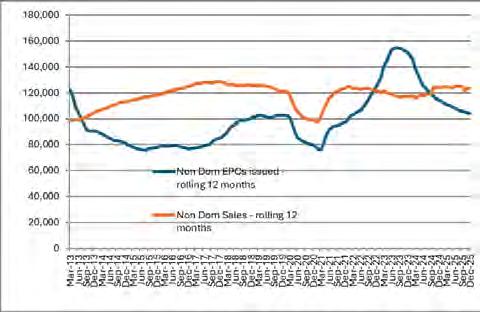
Non domestic EPC volumes have continued to ease back from the highs of recent years, now sitting close to 100,000 on a rolling 12 month basis.
Sales activity in the non-domestic sector remains more consistent, holding slightly above 120,000 and showing a steady pattern over the past year.
The market is no longer falling sharply and now shows signs of moving within a stable range, reflecting a more balanced pace of construction and assessment activity.
This may reflect the absence of any confirmed future MEES dates, which is influencing the volume of buildings coming forward for EPC assessment.
Elmhurst Energy offers diverse training options tailored to meet your needs. With over three decades of industry experience, we ensure an engaging and impactful learning experience. Our qualifications and CPD courses cater to both beginners and seasoned professionals.
Here’s a breakdown:

Regular sessions held in Lutterworth, with nationwide availability.
Interact with expert tutors in person.
Hands-on, practical learning approach.
Personalised guidance and networking opportunities.
Flexibility to learn online from anywhere with an internet connection.
Live sessions with interactive features.
Engage directly with instructors and peers via Zoom and Microsoft Teams.
Access full qualification and CPD webinars anytime, anywhere.
Study at your own pace to fit your schedule.
Enjoy the convenience of learning on-the-go.
By offering these formats, we accommodate various preferences and schedules, ensuring the best learning experience for our customers.

In the dynamic world of energy efficiency, retrofitting, and sustainability, staying competitive and offering additional services is key. This section is dedicated to showcasing current trends and training opportunities. Discover the latest courses designed to meet evolving industry needs, whether you're refining expertise or starting a career. Don't miss out on these essential training and market opportunities!
Room in Roof remains a hot topic amongst DEAs following the major RdSAP10 changes introduced mid 2025. This on demand module provides clarity by walking through the updated methodology, common modelling challenges, evidence requirements, and real world examples—helping assessors correctly identify and assess Room in Roof spaces under RdSAP10.
We have begun calling audits on our members’ CPD to ensure annual requirements are being met. To make this as easy as possible, our three sector specific CPD bundles offer an instant, convenient way to gain 5 hours of certified CPD.
Each bundle includes a curated set of high value modules tailored to your area of work:



These bundles ensure compliance, build confidence, and keep you audit ready throughout the year.
Problems with damp and mould continue to be a national talking point, especially with increased scrutiny placed on landlords and housing providers. This accessible on demand course helps assessors deepen their understanding of the causes, impacts, and solutions relating to damp, mould and condensation, ideal CPD for anyone supporting clients with property condition concerns.

The popular industry podcast is back for a third season, with fresh faces and new conversations! Tune in for the latest news, engaging discussions, and a range of special guests from across the industry.
Now available to watch on our YouTube Channel

Also available on all major streaming platforms:



Season 3: Episode 1: The Elmhurst Outlook 2026
In the first episode of Season 3, Elmhurst’s Energy Talks looks ahead to the policies, programmes and reforms set to shape the industry in 2026. From new government initiatives to the future of home energy assessment, we discuss the challenges and opportunities facing the sector, and what professionals can do now to stay ahead.