ELLA SOMIN MOON
ABOUT ME
Before we understand architecture, we feel it. Light, sound, temperature, air, and material presence shape how we experience and move through space. As a designer, I explore how these qualities can be shaped through architecture and emerging technologies.
I am a designer graduating in 2026 from Carnegie Mellon University, studying Architecture with an additional major in Human-Computer Interaction. This interdisciplinary background allows me to explore the synergy between physical space and digital systems.
Studying abroad at EPFL in Switzerland reinforced my belief that design carries a responsibility to organize the relationships between human life and the natural world. By combining this global perspective with my background in HCI, I aim to create spaces that are both technologically resilient and socially conscious.
TABLE OF CONTENTS
PART ONE
PART TWO
PART THREE
PART FOUR
URBAN CROSSROADS A
Reviving infrastructural voids
SHEARSCAPE
Journey through mass timber
STATION 24
Between work and home
ECO-HOME
Living through generations
PART FIVE HUB 125
Connecting memories in Harlem
PART SIX PROFESSIONAL WORK
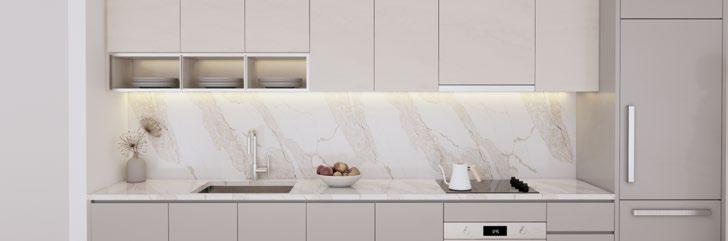
Work done in previous firms
URBAN CROSSROADS
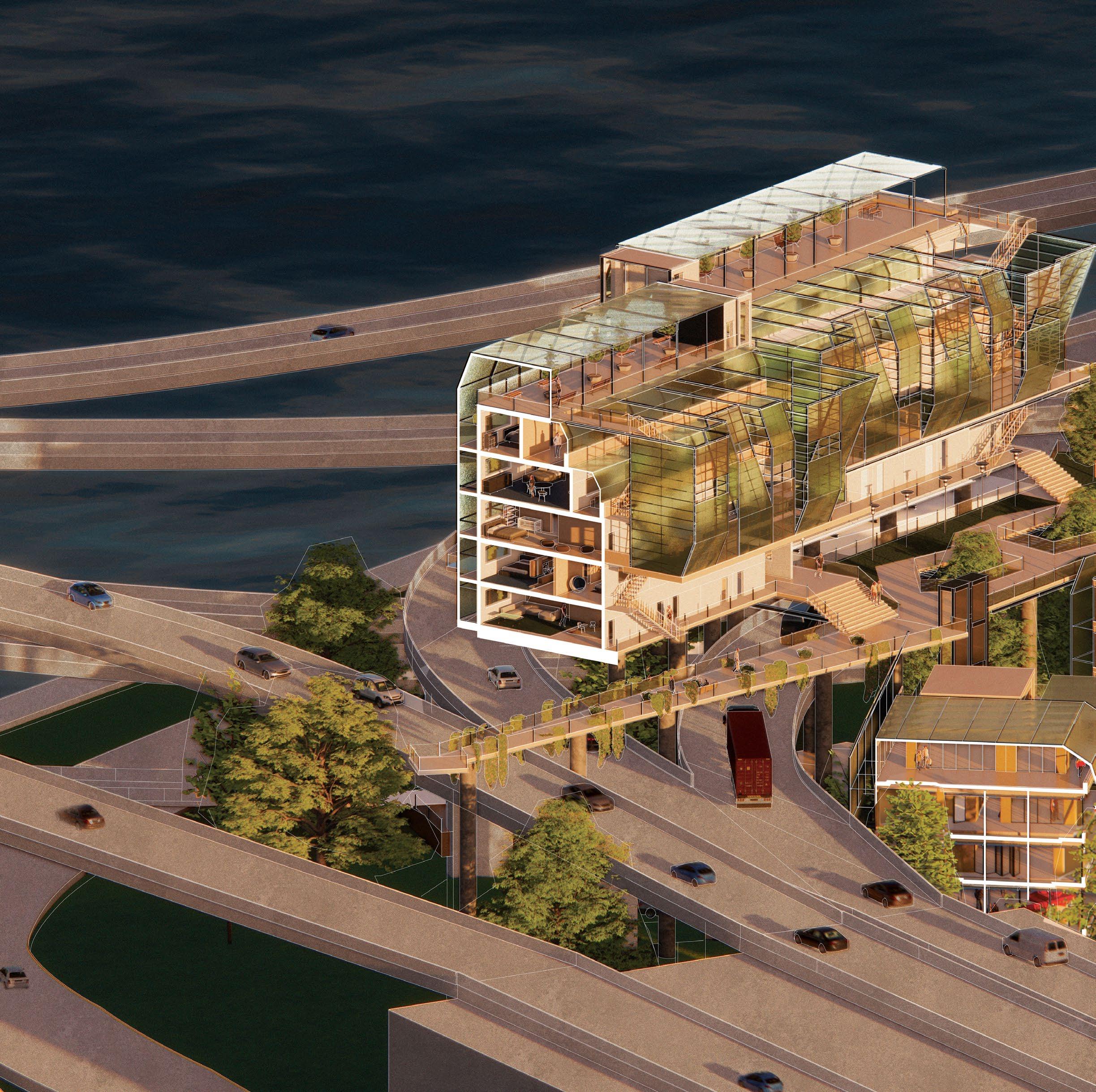
How can Pittsburgh’s overlooked industrial voids be reactivated to reconnect people and reveal the city’s character?
Pittsburgh is known as the “City of Bridges.” Following the Industrial Revolution, the city underwent a transformation from an industrial powerhouse to its present state. Across all three projects, our objective was to revitalize existing infrastructure and neglected spaces by celebrating the inherent value within these voids. Additionally, we aimed to strengthen connections between local residents and tourists in Pittsburgh.
We sought to highlight Pittsburgh’s unique charm by offering experiences that may not be immediately apparent to tourists but significantly contribute to the city’s character. Through intensive site research and visits, we identified currently underutilized industrial voids.
Project Contribution: Concept generation, structure design, technical drawings, renderings, physical model
PROGRAM STUDIO
DATE
LOCATION
FEATURE
PARTNER
Mixed-Use Adaptive Reuse
Professor Jared Abraham, Tuliza Sindi
Fall 2023
Pittsburgh, PA
Conversations with Atelier Bow-Wow
Paul Li
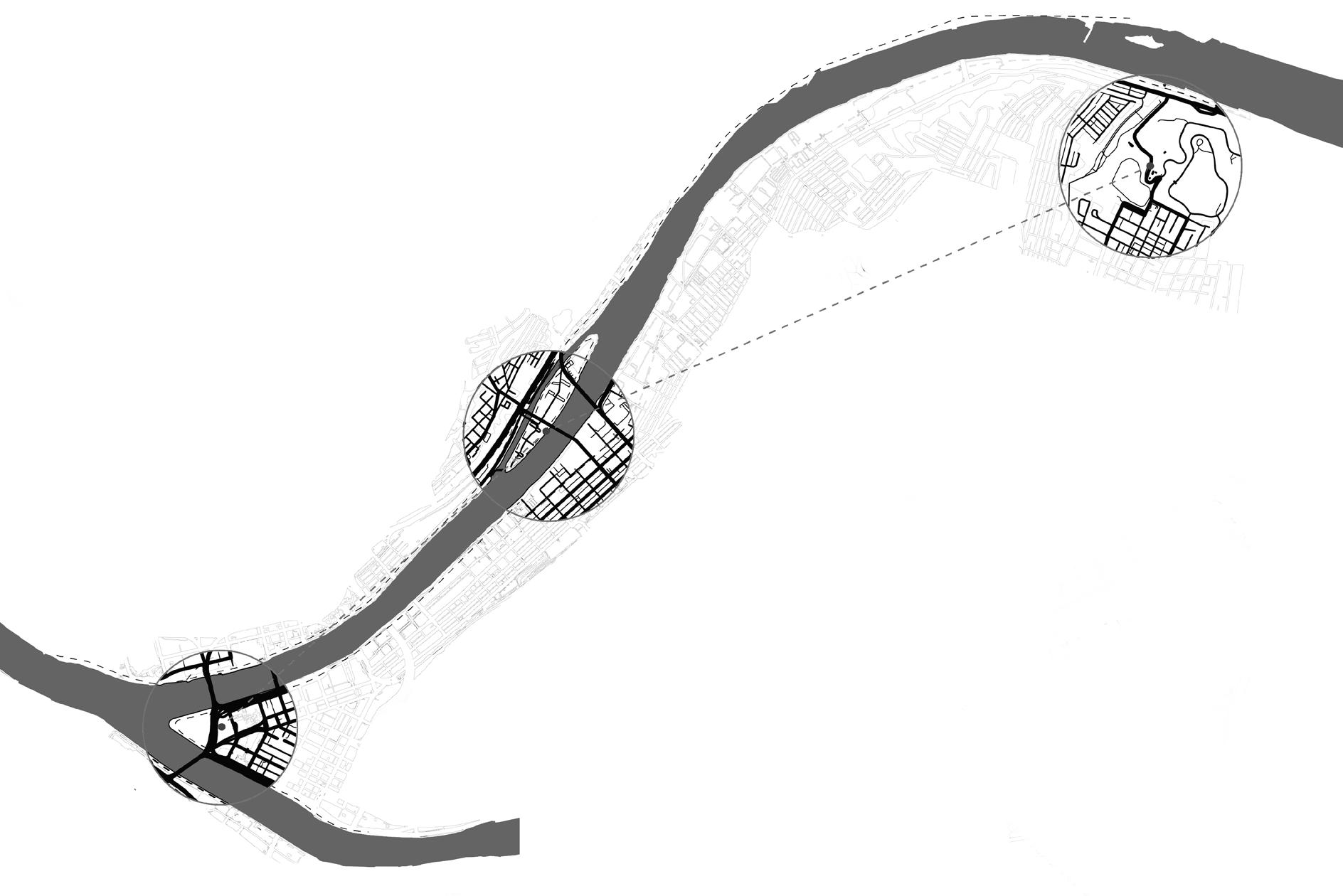
Situating: Linking river, trail, and infrastructure
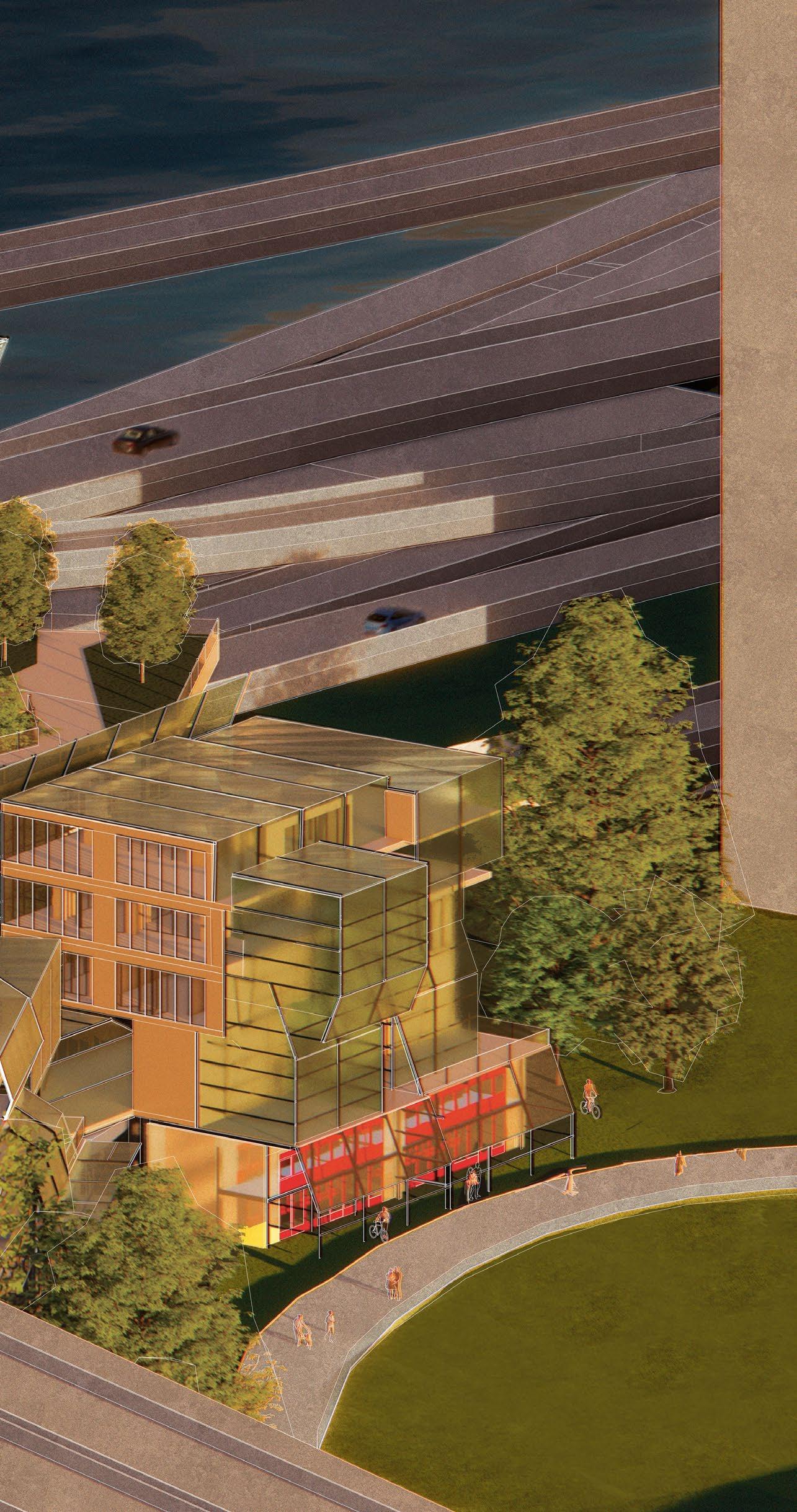
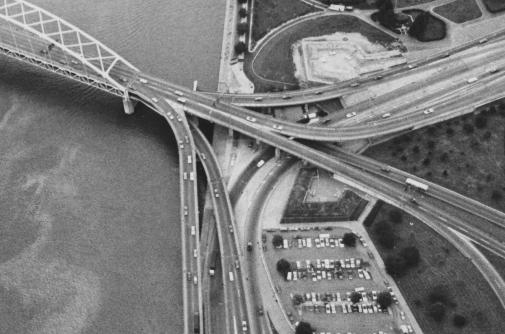
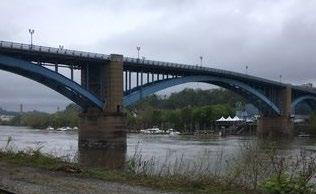
Across three sites, these projects revitalize abandoned, damaged or underutilized infrastructure in Pittsburgh, linking residents and visitors through the Three Rivers Trail and riverfronts, while creating engaging spaces that reveal the city’s hidden charm, celebrate everyday urban life, and strengthen connections between people and place.
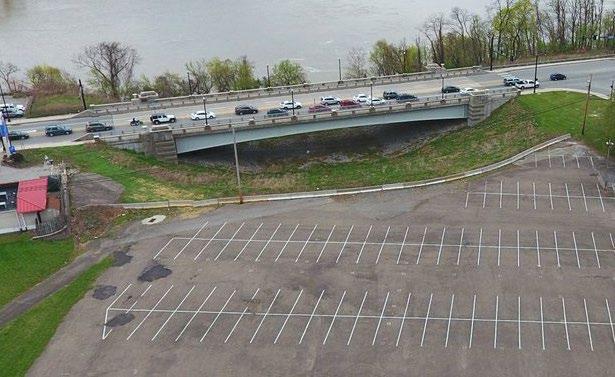
Abandoned Parking Lot
Highway Voids
Underused Bridge
Site 1 Gateway Center
Site 2 Herrs Island
Site 3 Zoo Parking Lot
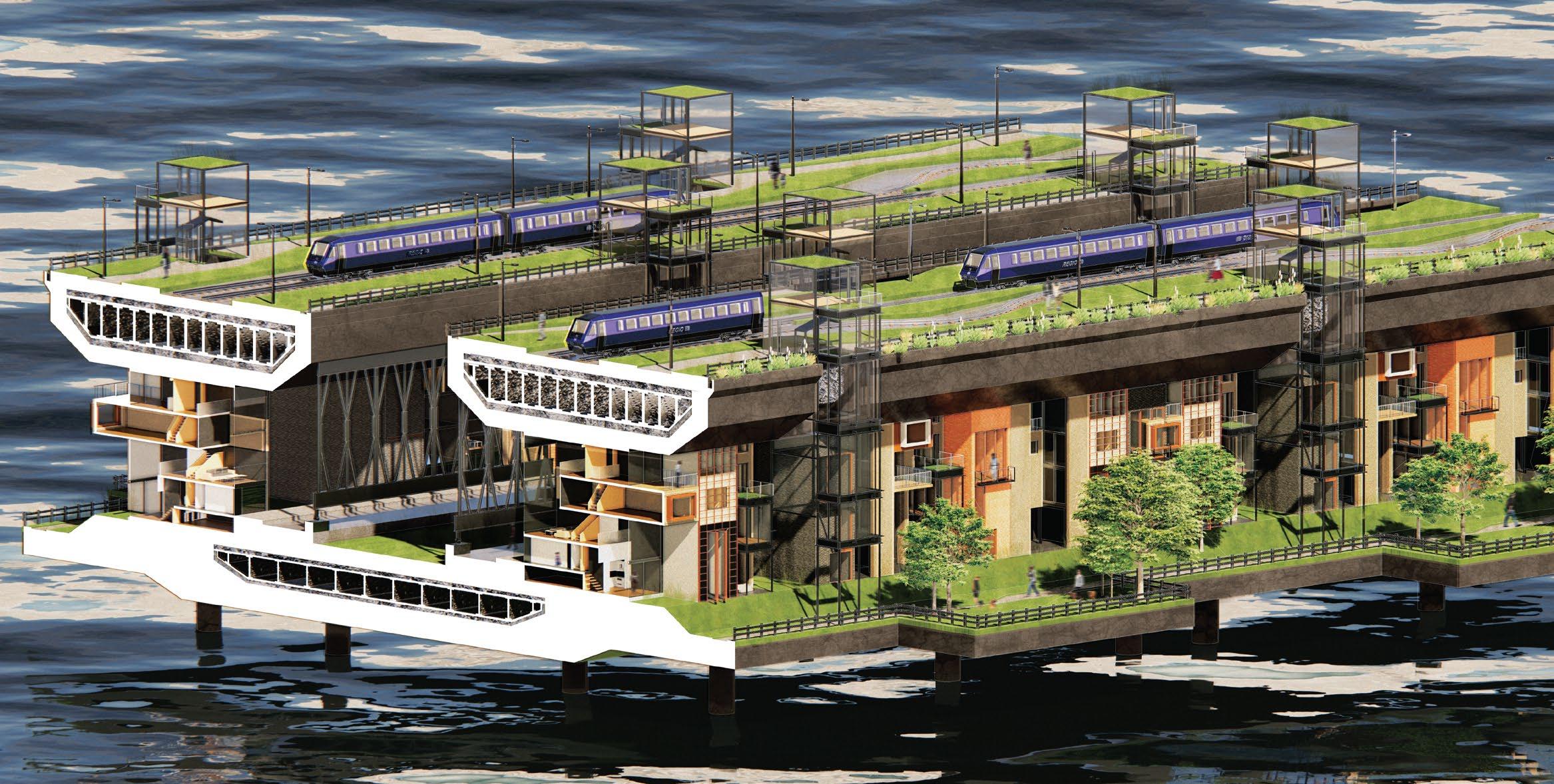
Speculative Idea Generation
Bridge housing connecting tourists and locals with vertical spaces, emphasizing community engagement.
SITE 1: GATEWAY CENTER
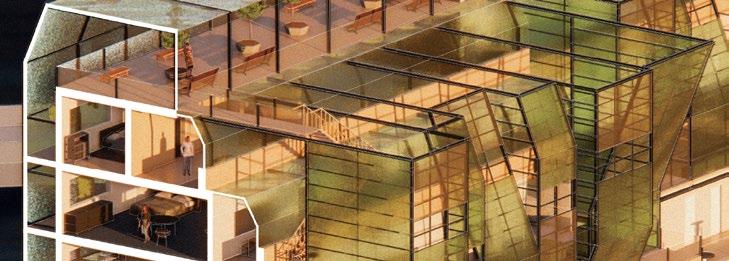
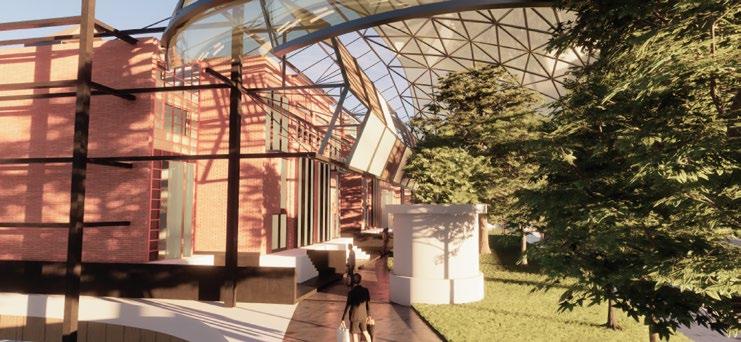
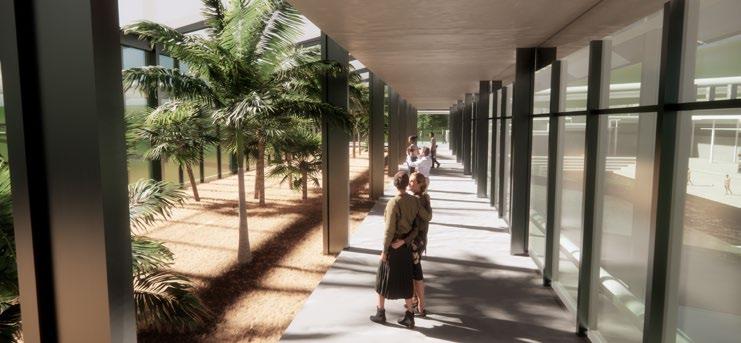
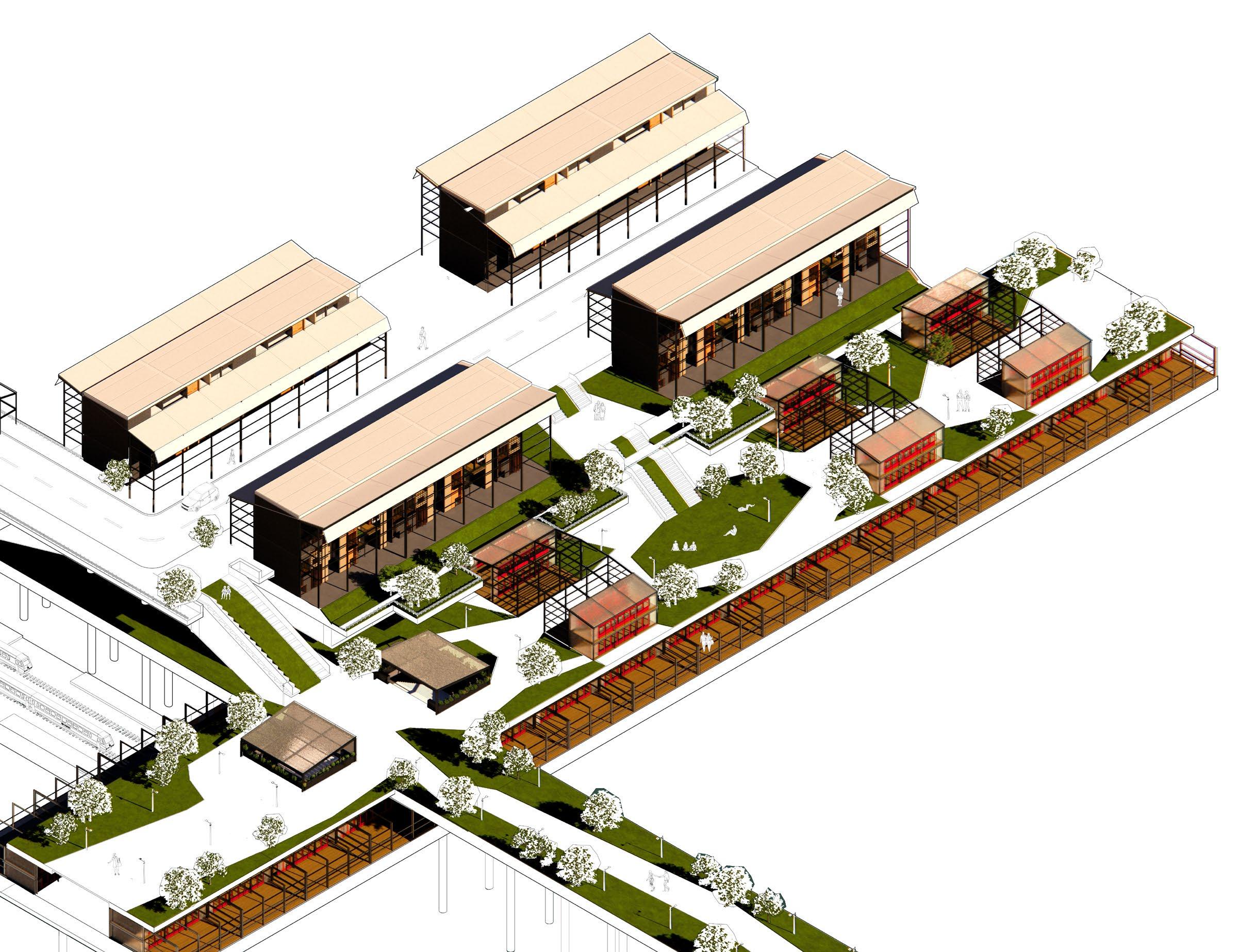
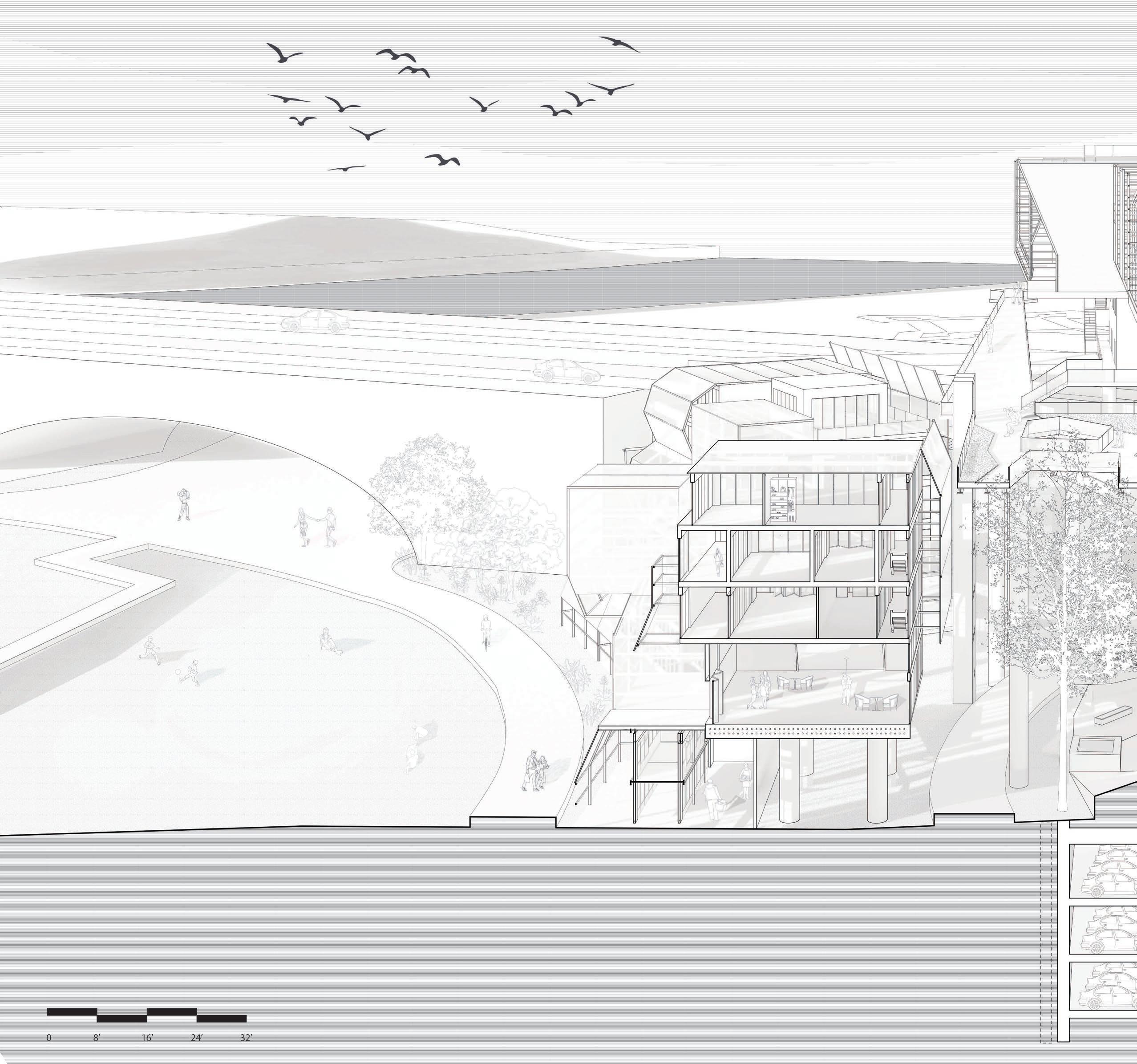
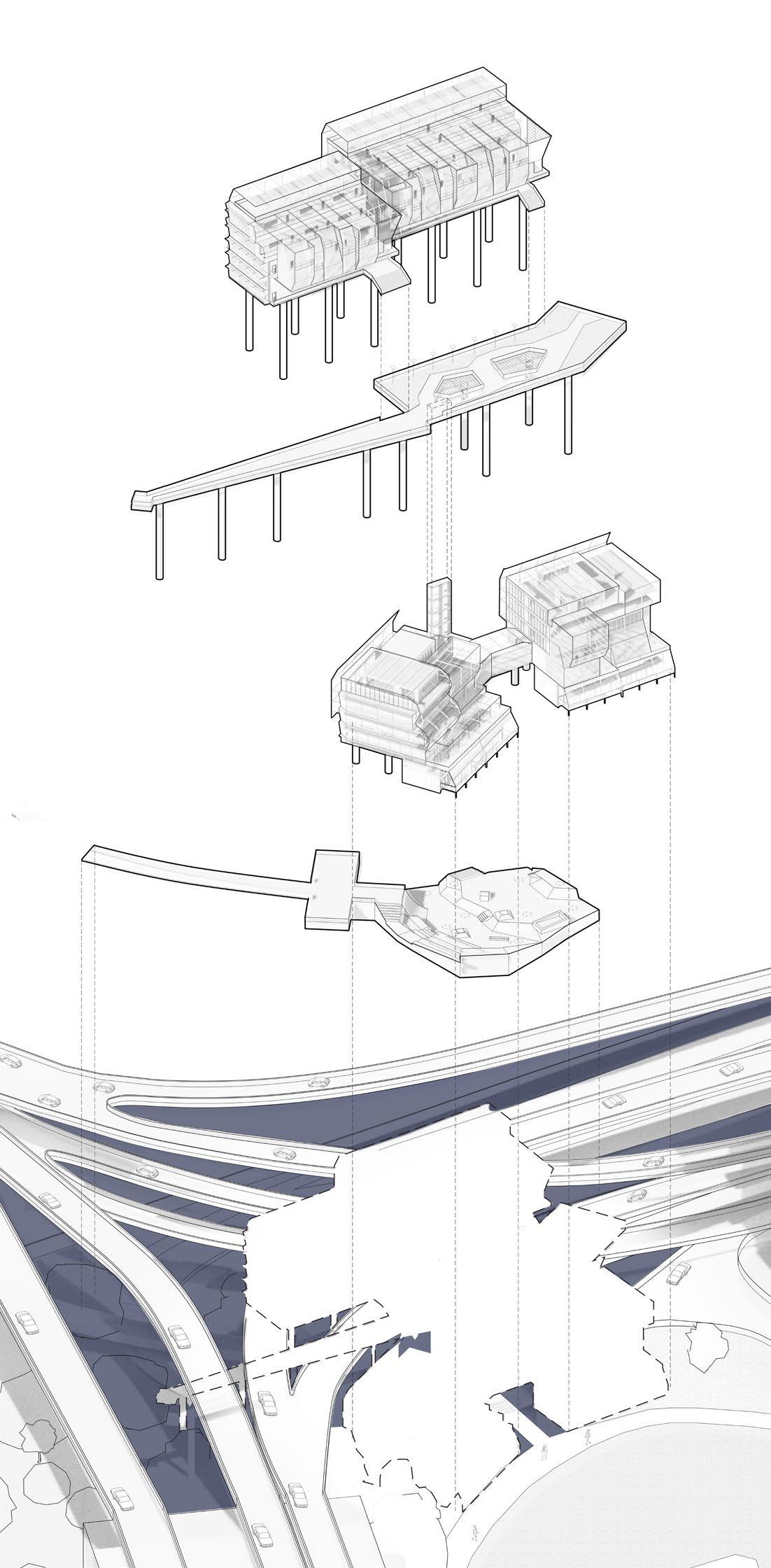
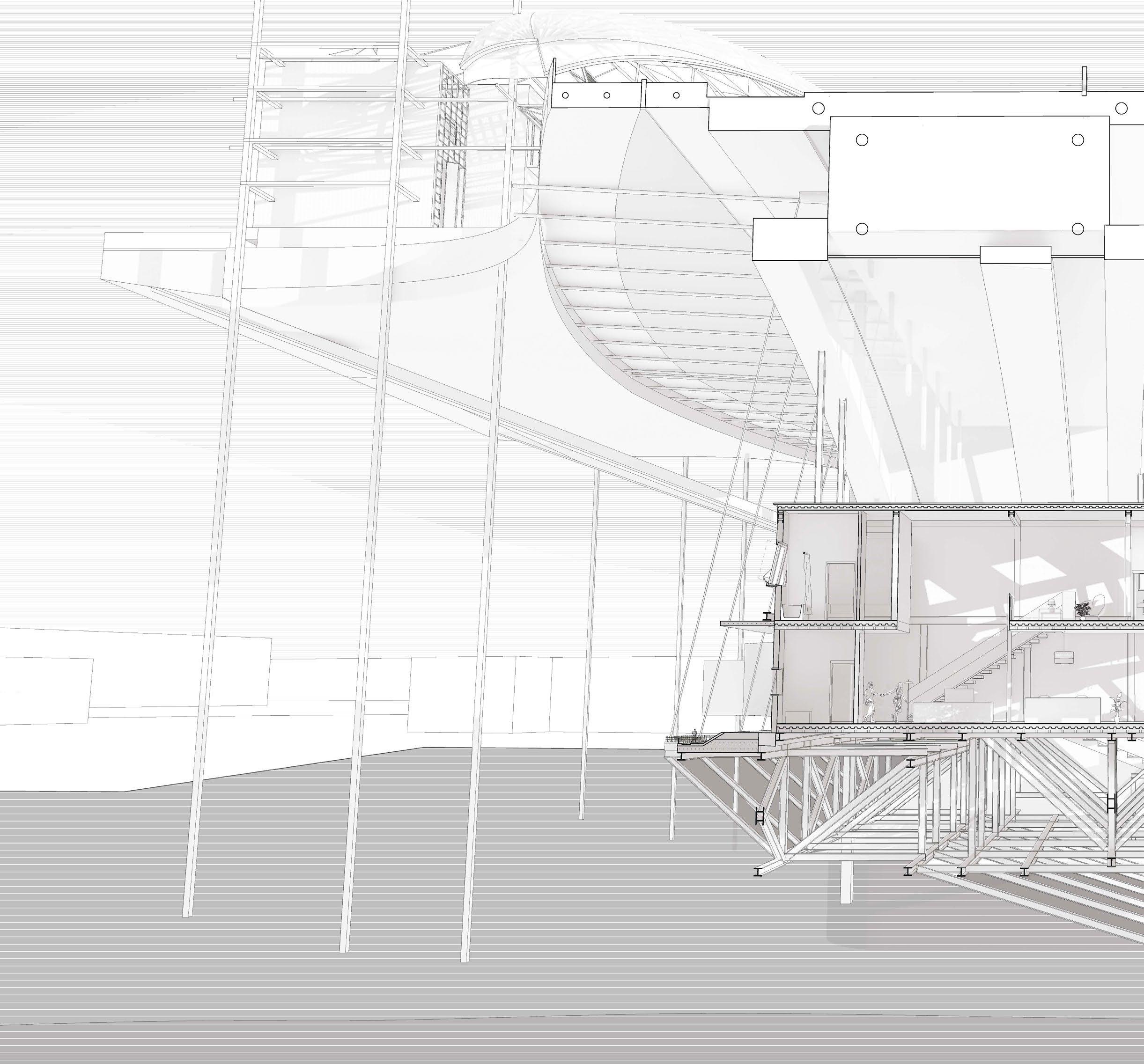
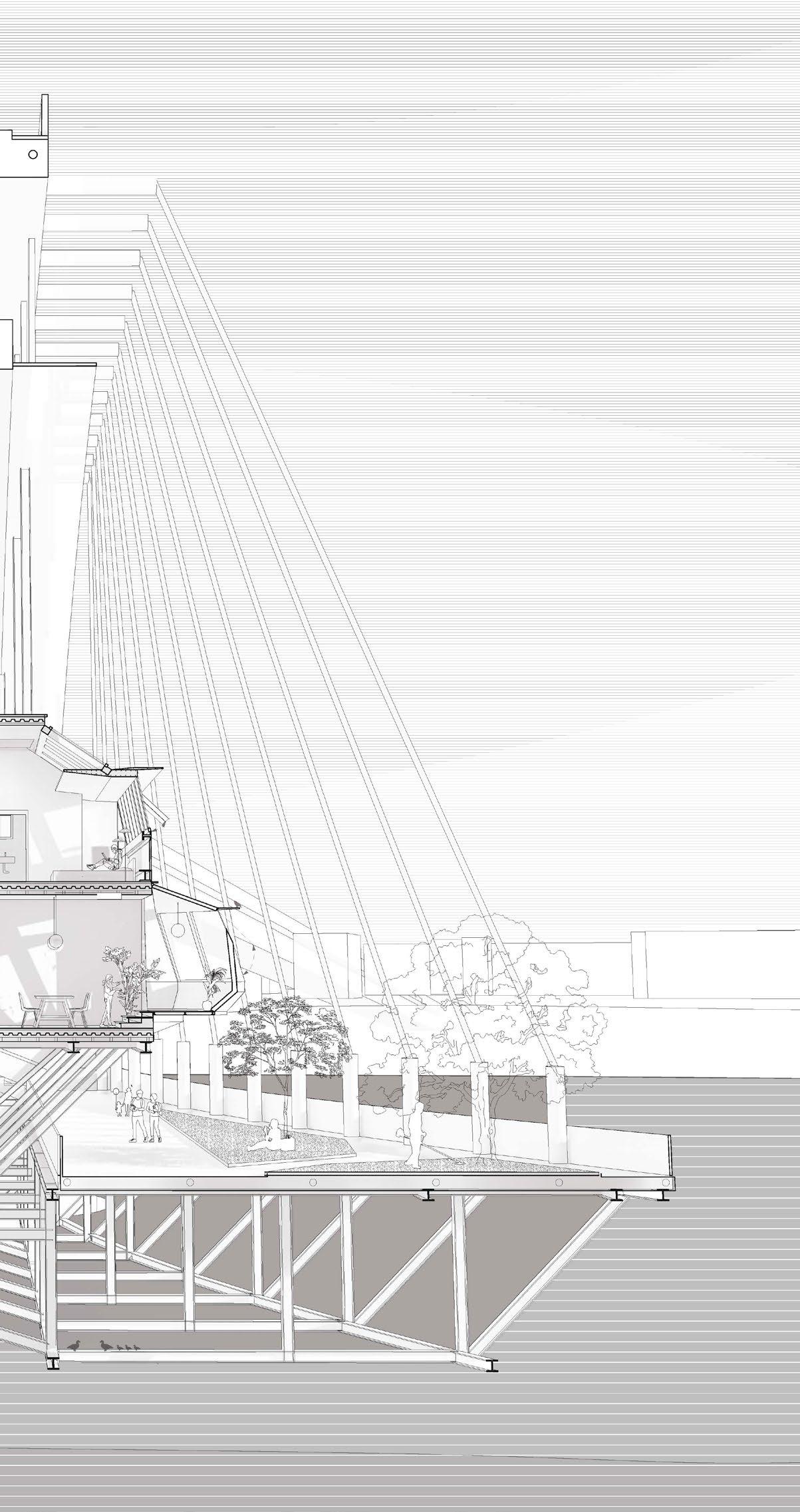
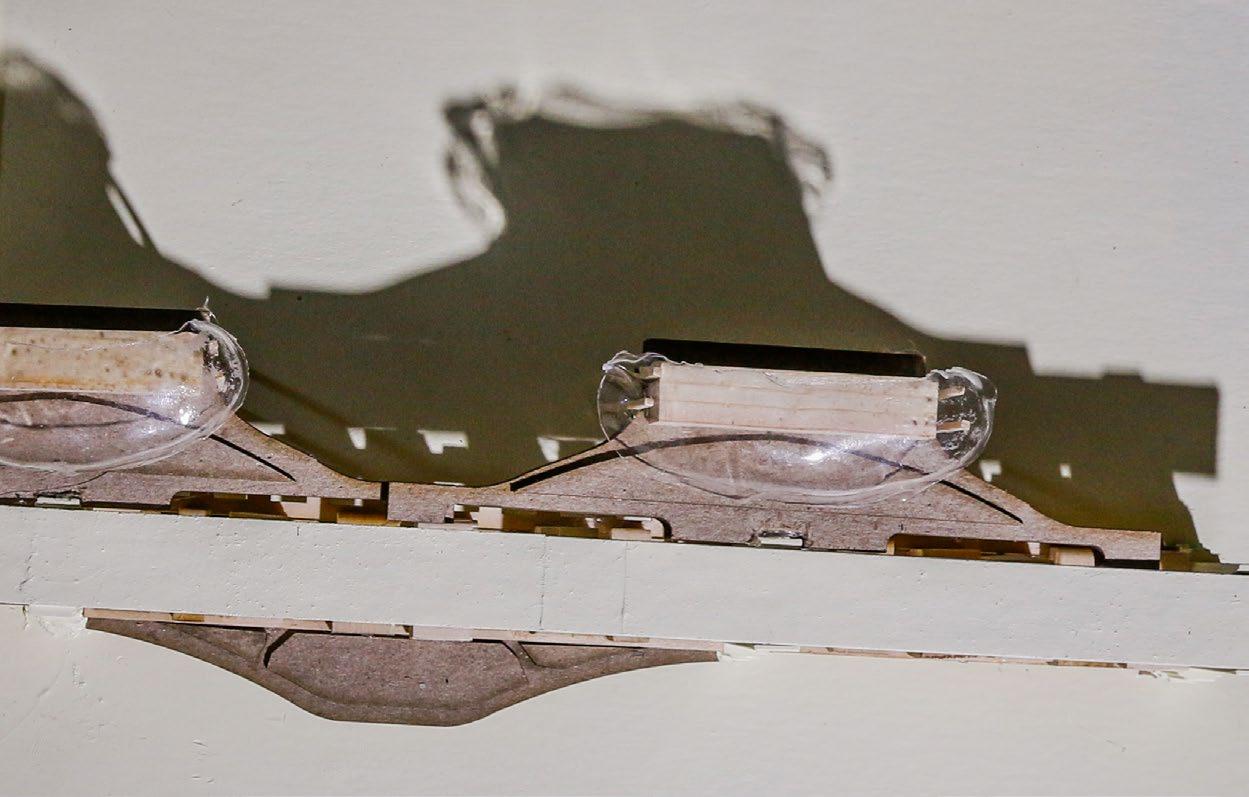
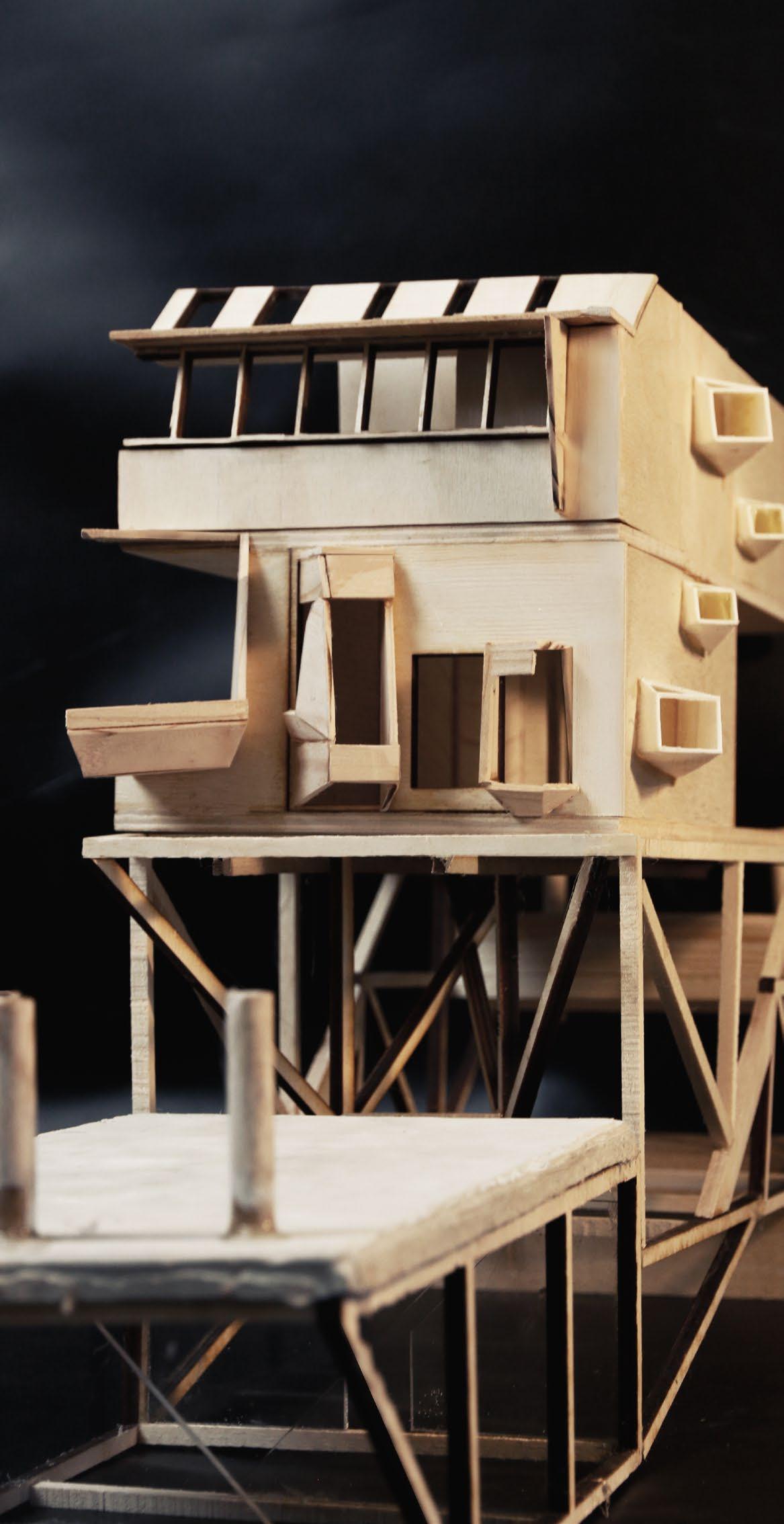
At this site, the project revitalizes underused spaces adjacent to highways, connecting bridges and the Three Rivers Trail while creating a clear hierarchy of public and private areas. Ground-level commercial spaces showcase locally produced goods, and a five-story residential tower features polycarbonate noise-canceling plant wall envelopes, all supported by steel I-beams and balconies, activating the site and enhancing everyday urban life.
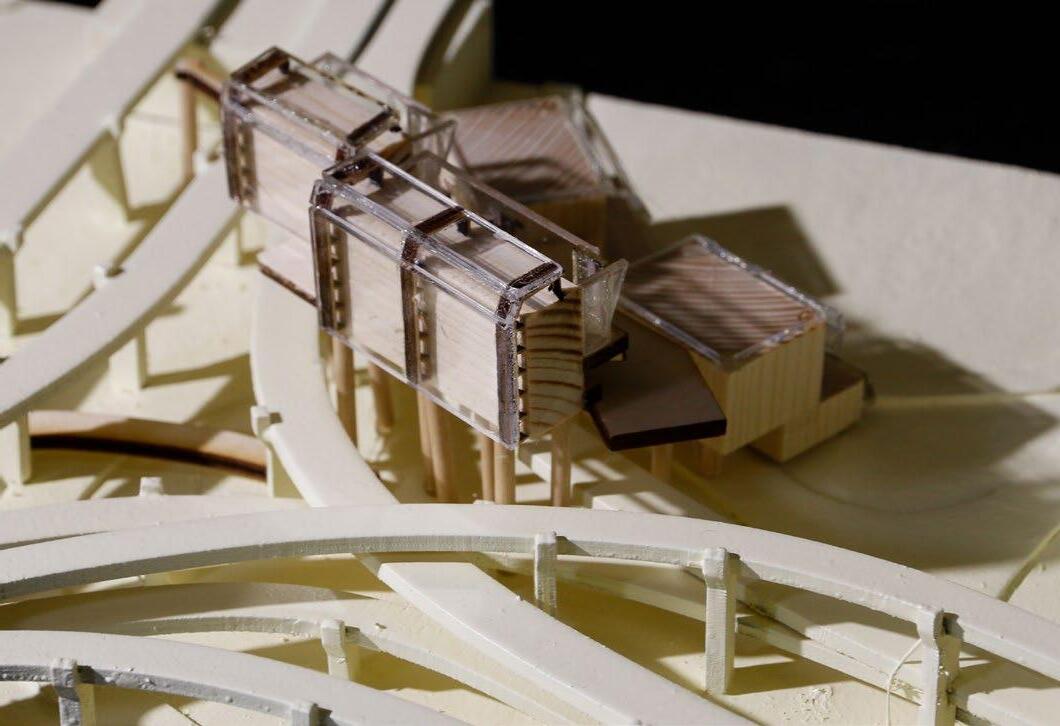
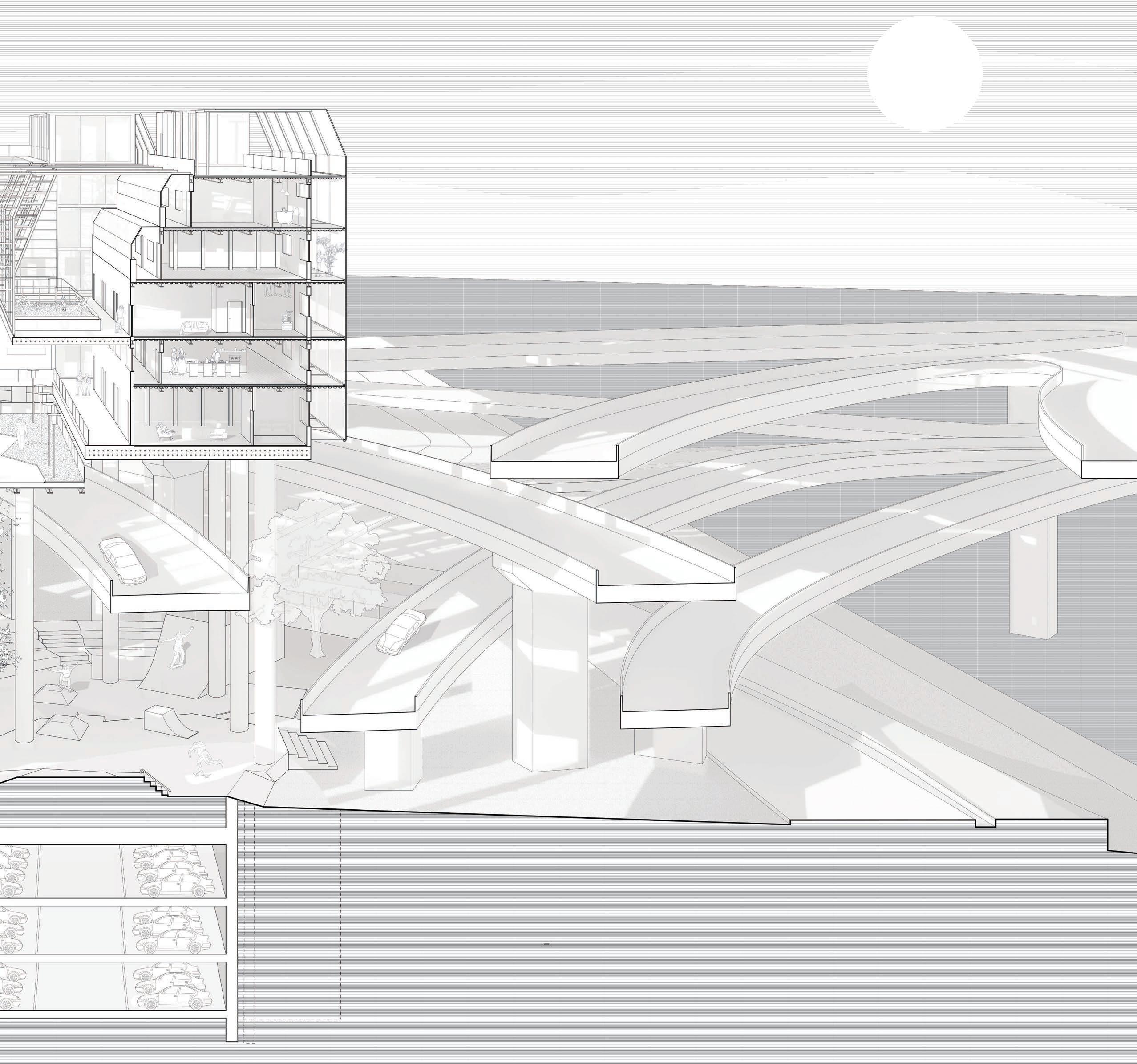
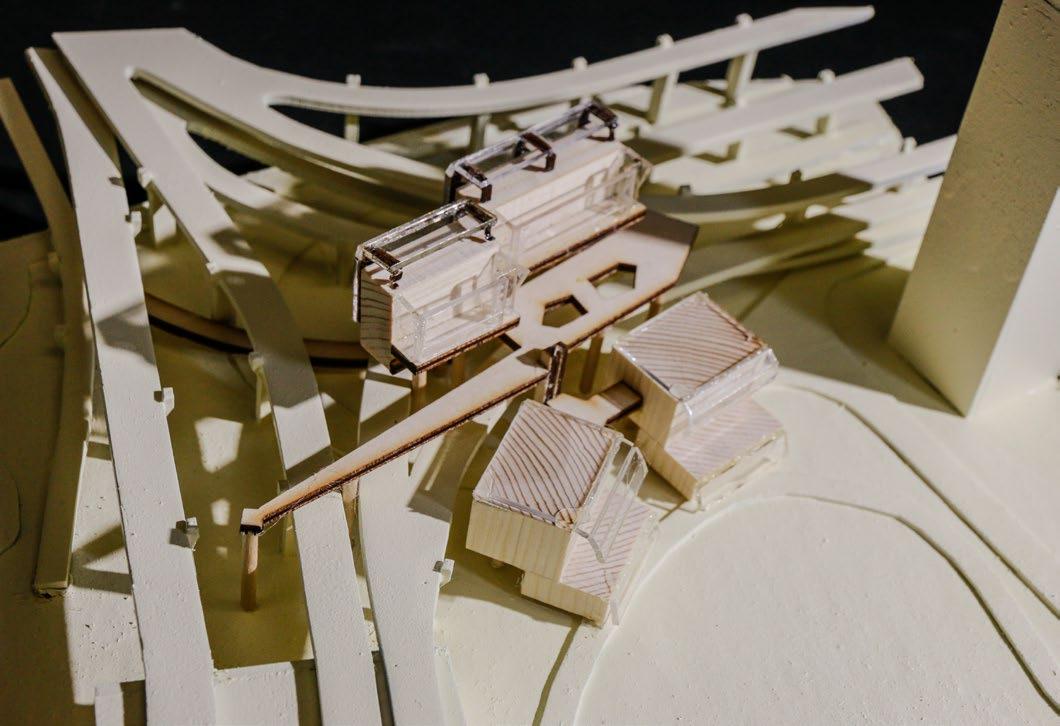
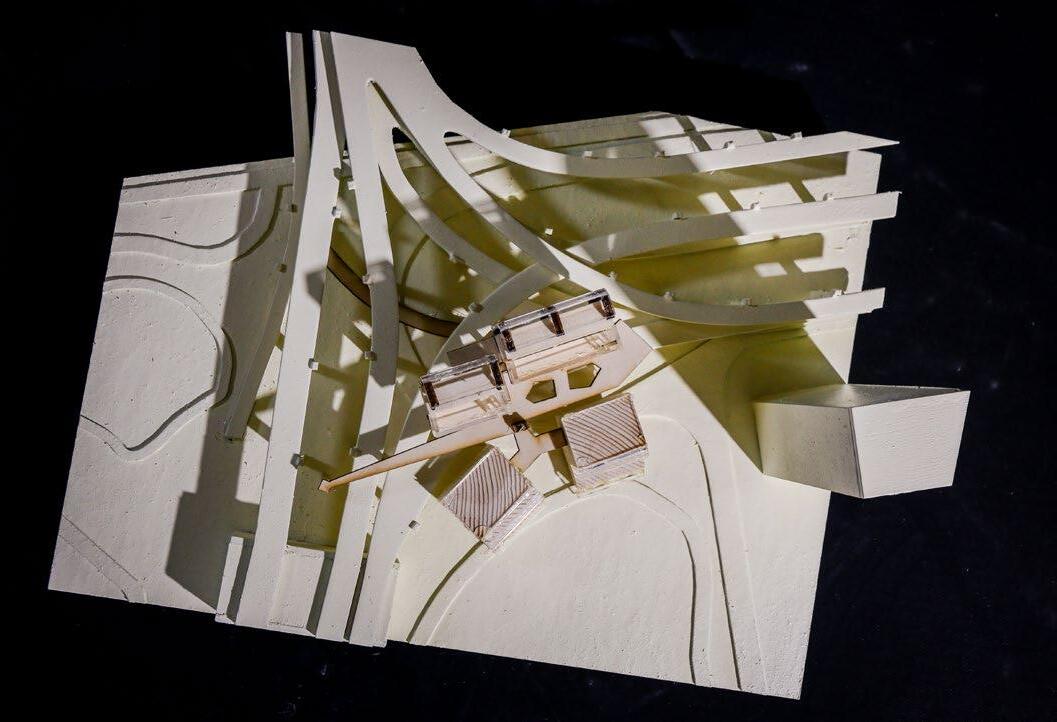
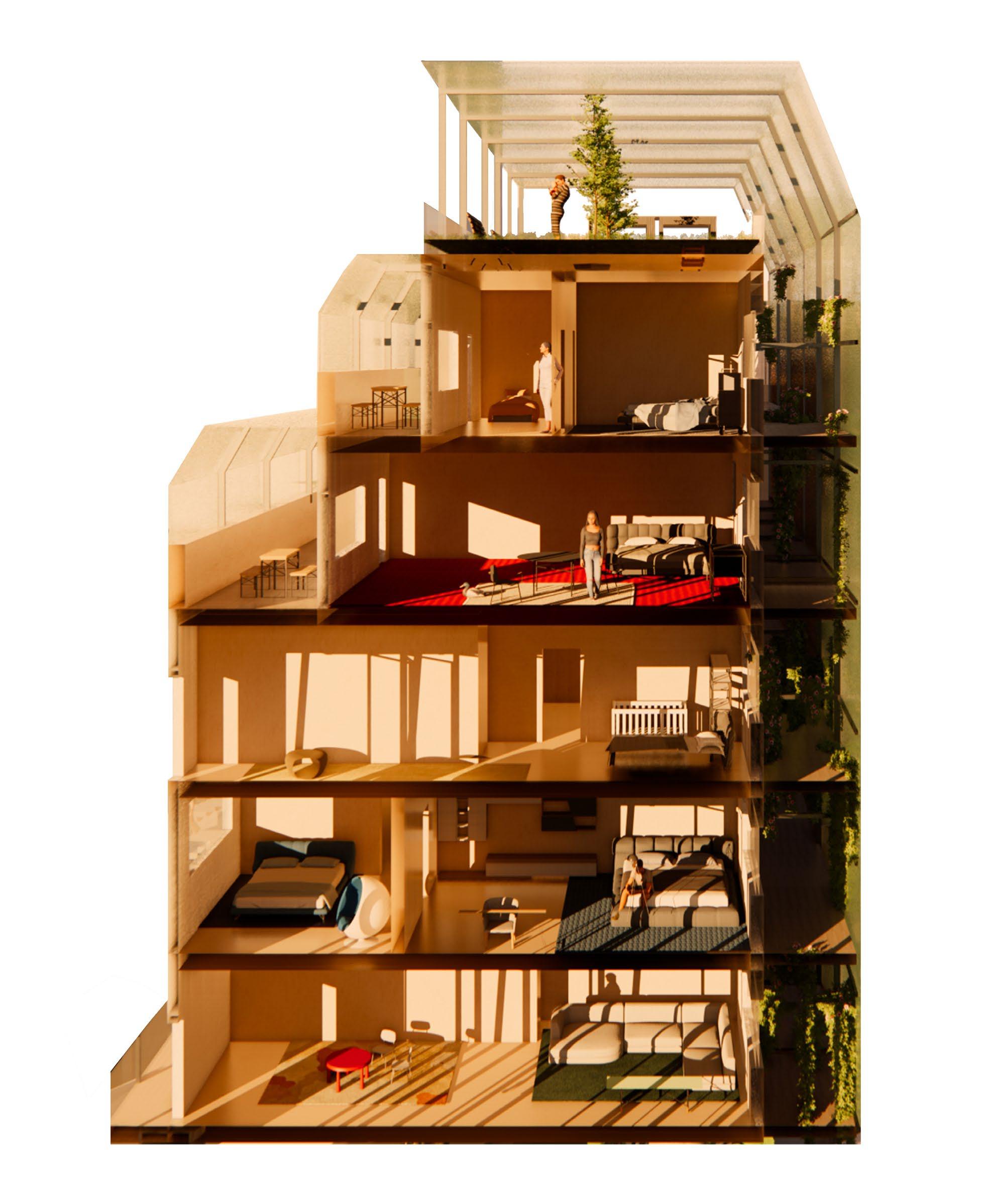
Being located adjacent to the highway introduces significant noise. By creating a natural buffer through a greenhouse, the design mitigates sound while enhancing the environmental quality of the space.
The Greenhouse
Housing
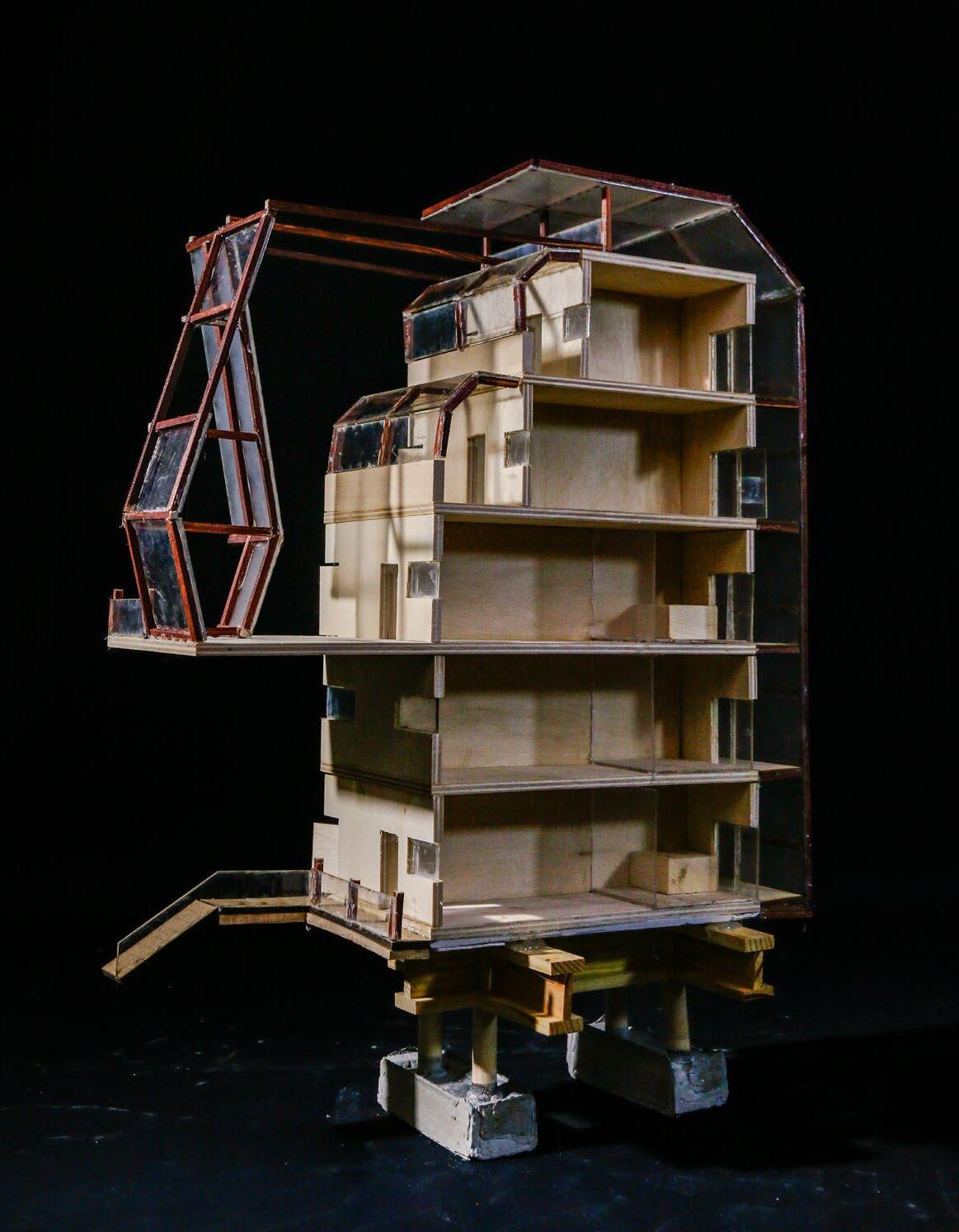
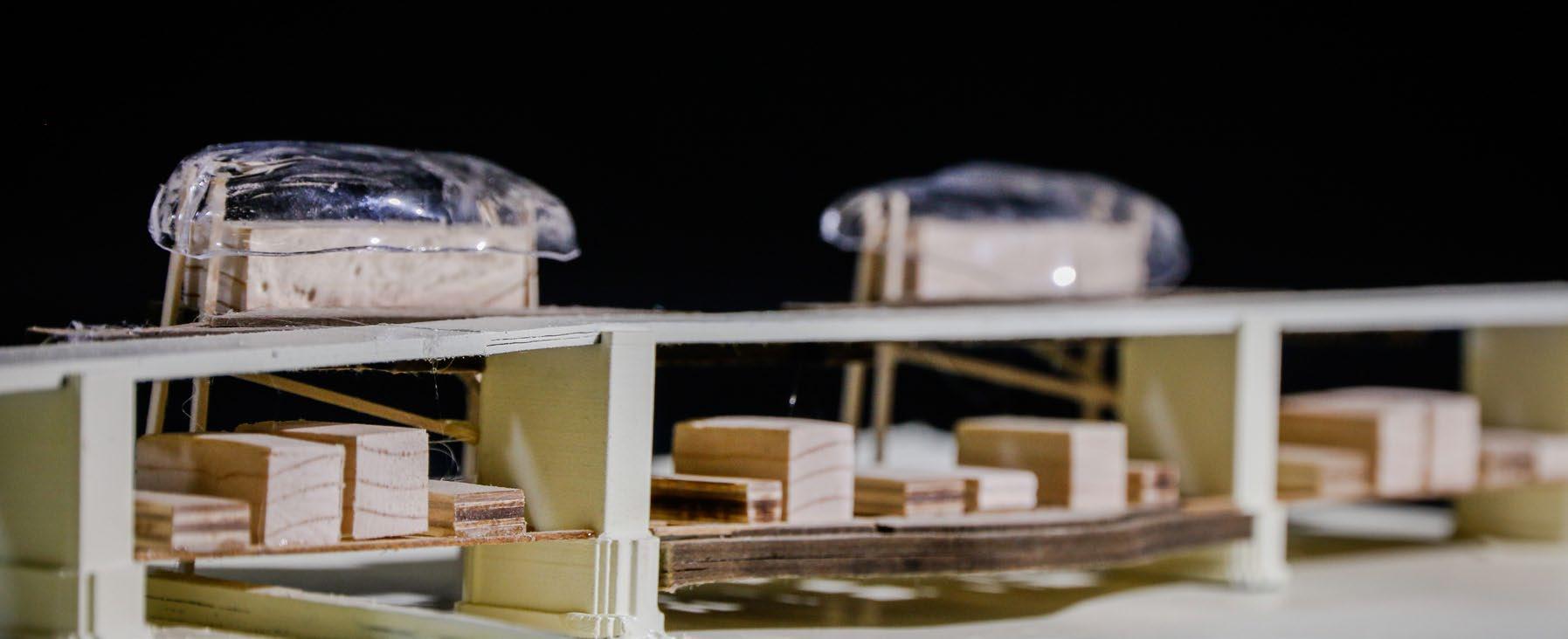
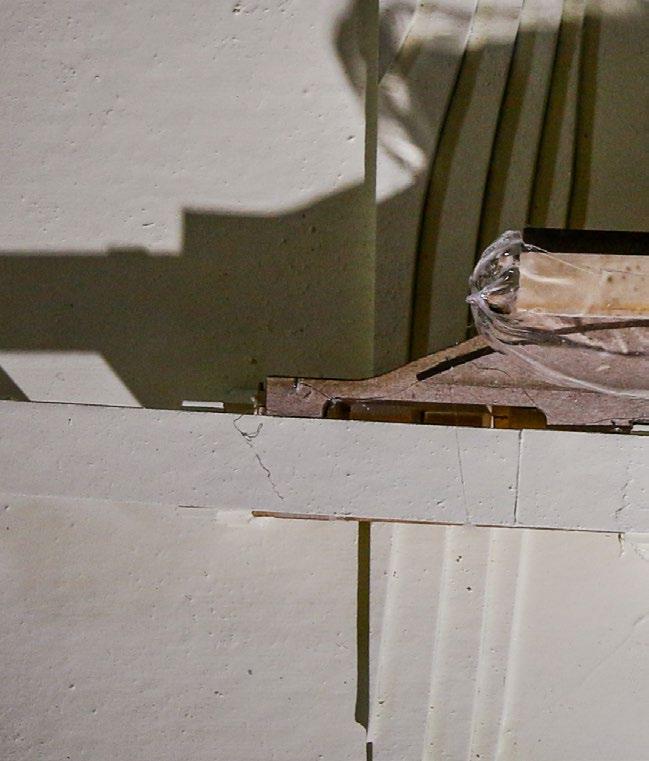
Sectional Model
Viewpoint
Commercial
Skatepark
SITE 2 : HERRS ISLAND
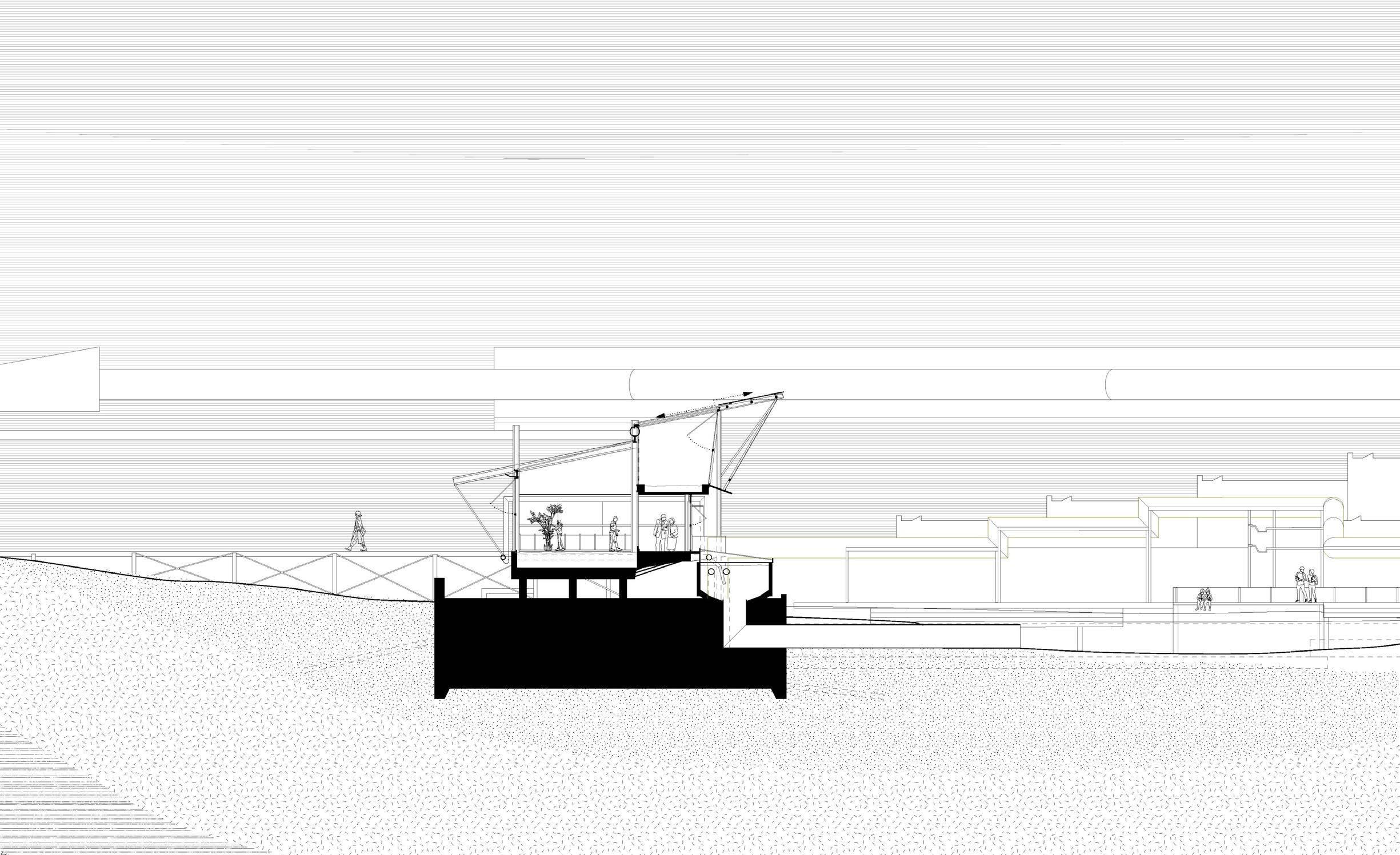
The second project is located on Herrs Island at the 31st Street Bridge, which spans the Allegheny River and acts as a critical connector between neighborhoods in Pittsburgh. The site is defined by its strong infrastructural presence and dynamic relationship to the river, creating an opportunity to rethink how architecture can inhabit and extend existing systems.
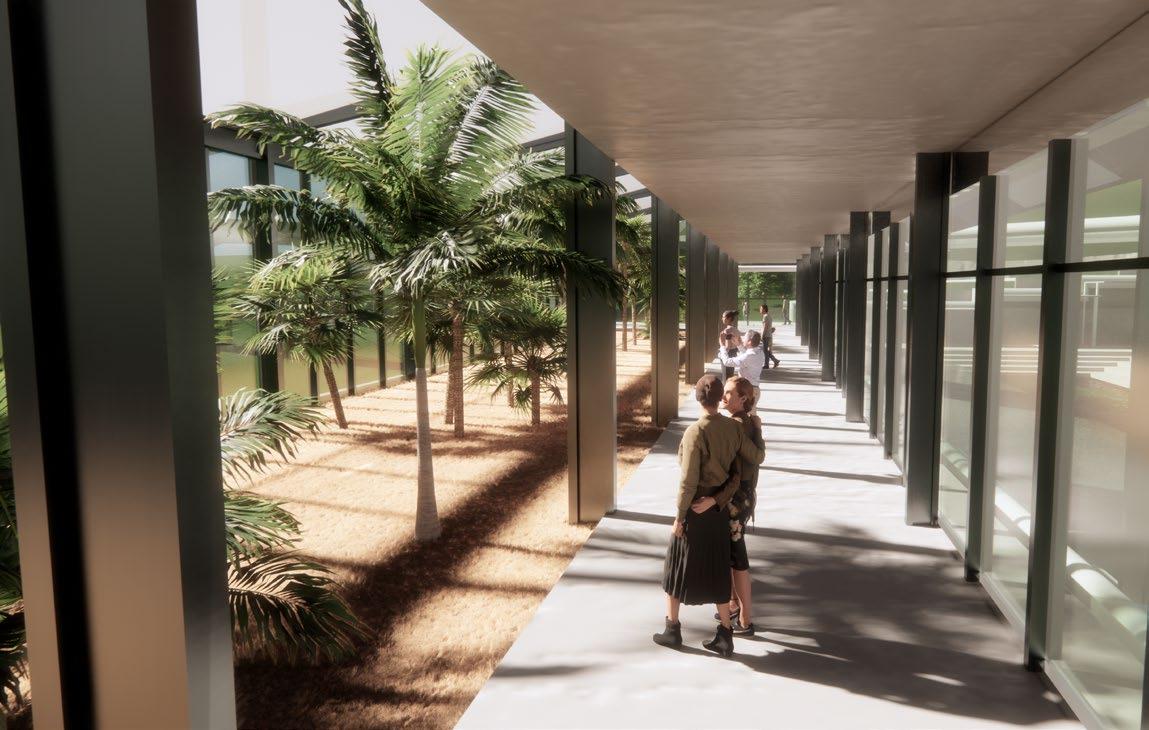
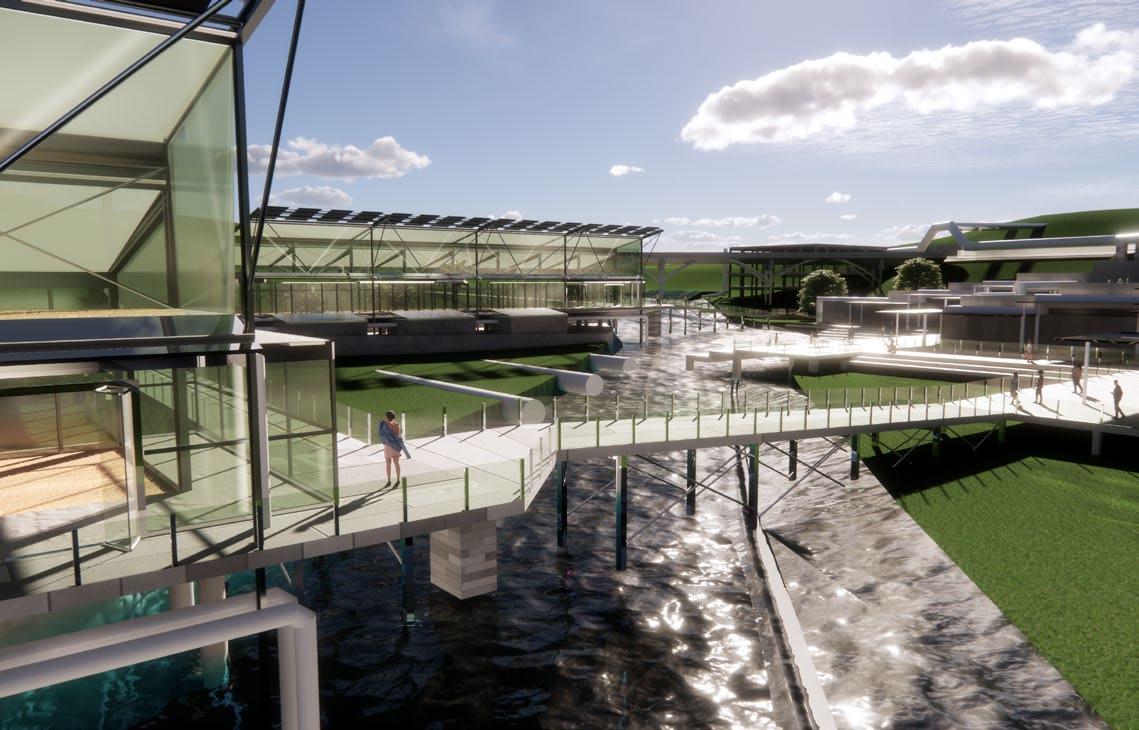
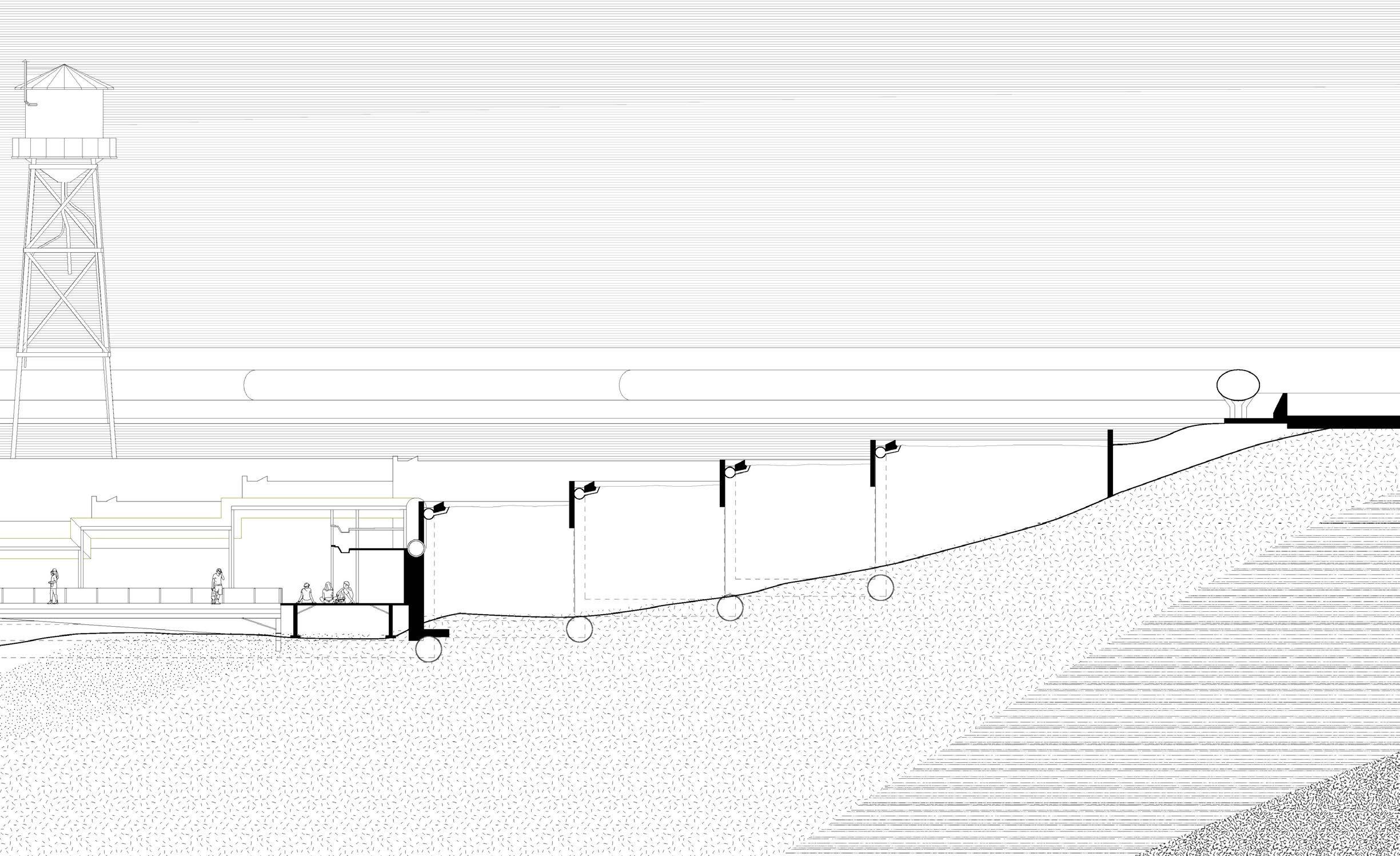
The third site reimagines the Pittsburgh Zoo parking lot as a restored river-edge landscape that returns water and habitat to the site. Terraced wetlands filter river water and recycle it to support community growing plots and a series of greenhouses, transforming a hardscape threshold into an ecological system that serves both the zoo and the surrounding neighborhood. The project also reshapes the park entrance, creating a smoother, more engaging arrival sequence from city to zoo.
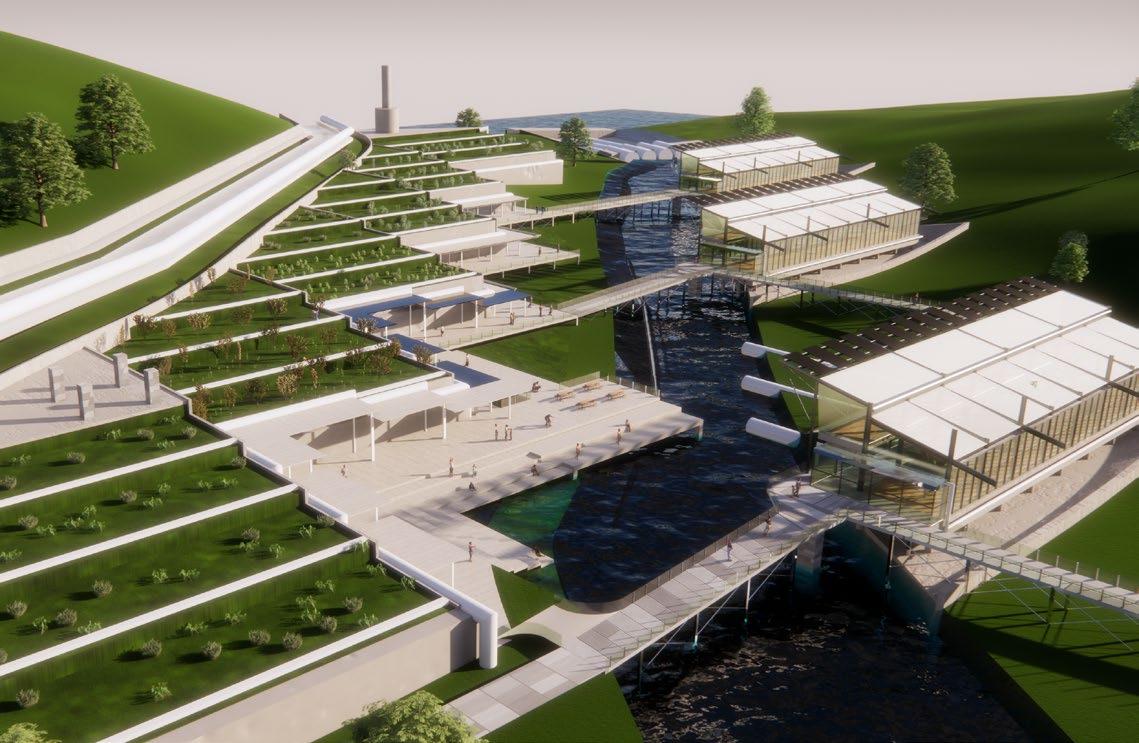
SITE 3: ZOO PARKING LOT
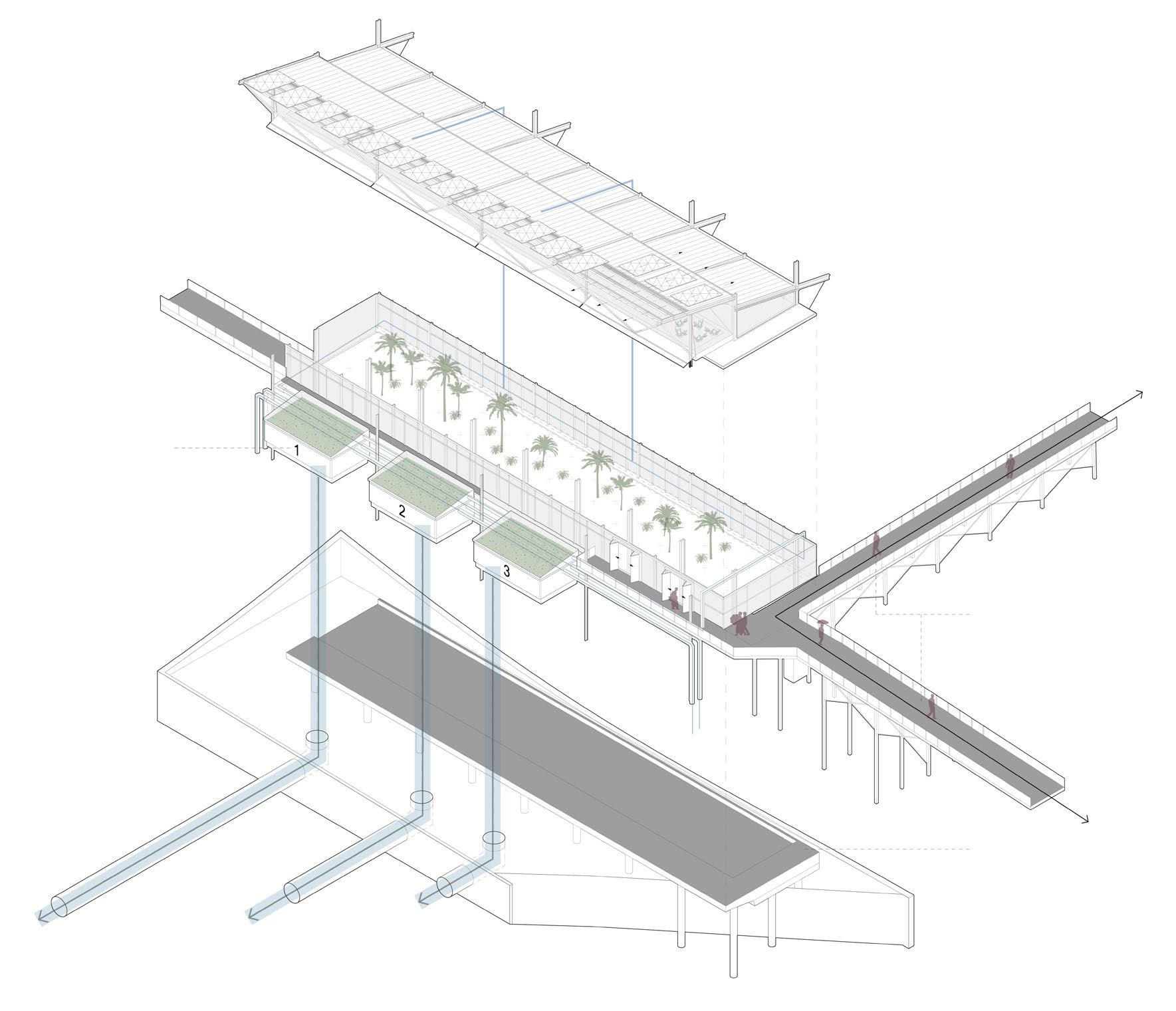
Exploded isometric of greenhouse system
SHEAR SCAPE
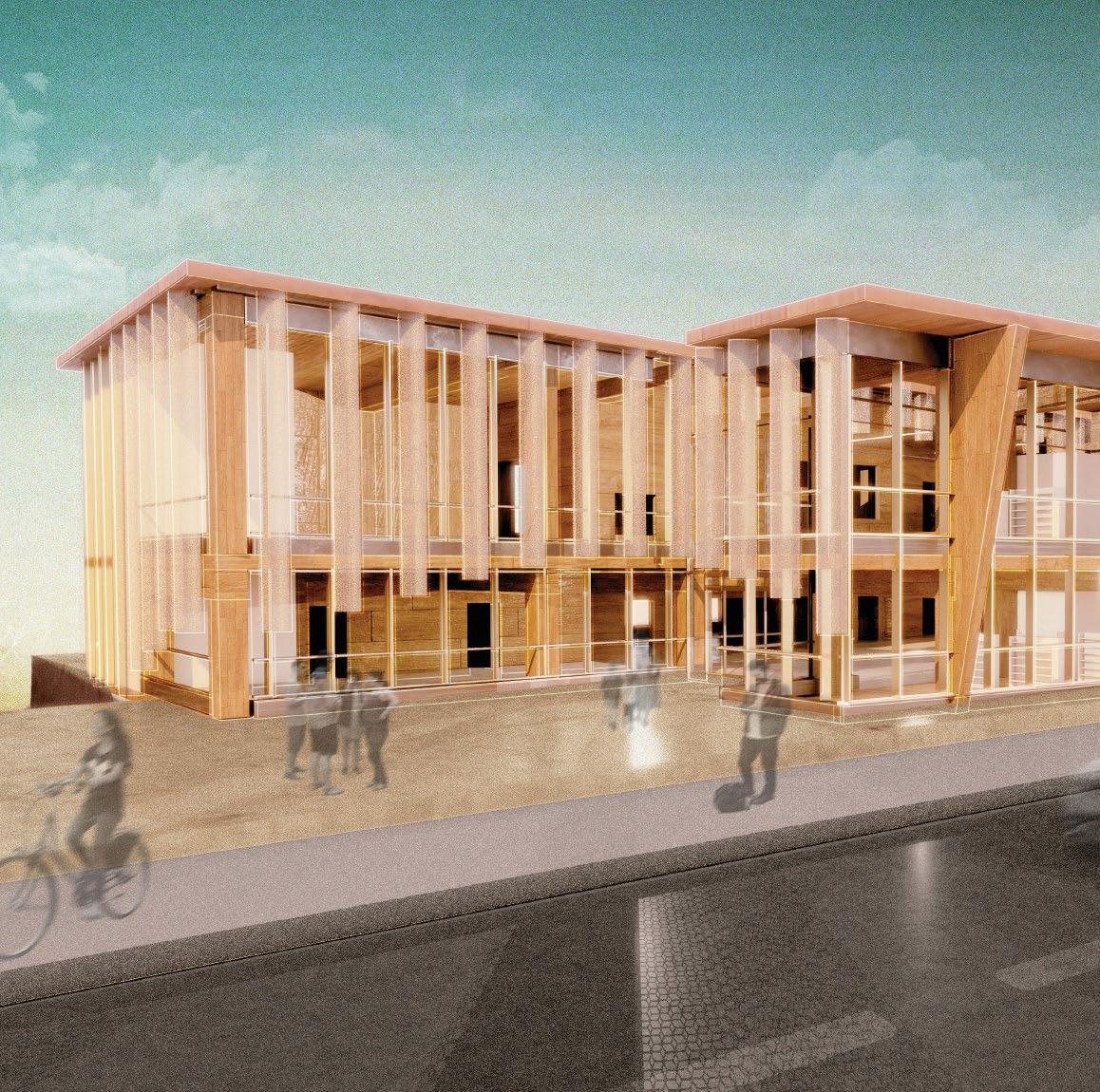
How can a library mediate between the quiet of a cemetery and the intensity of a major roadway while fostering community life?
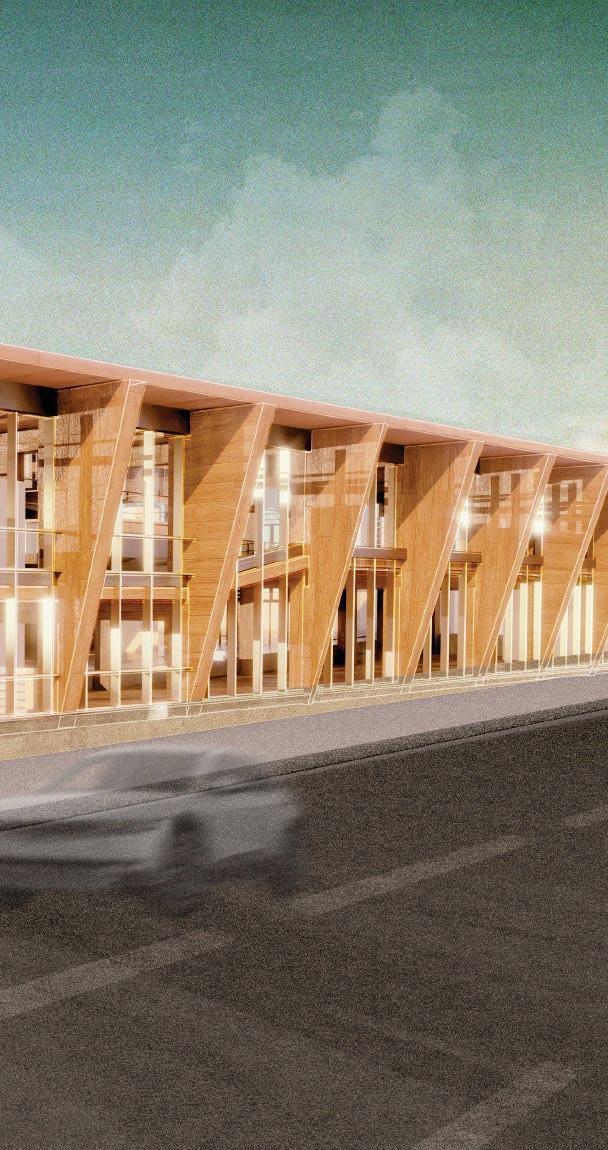
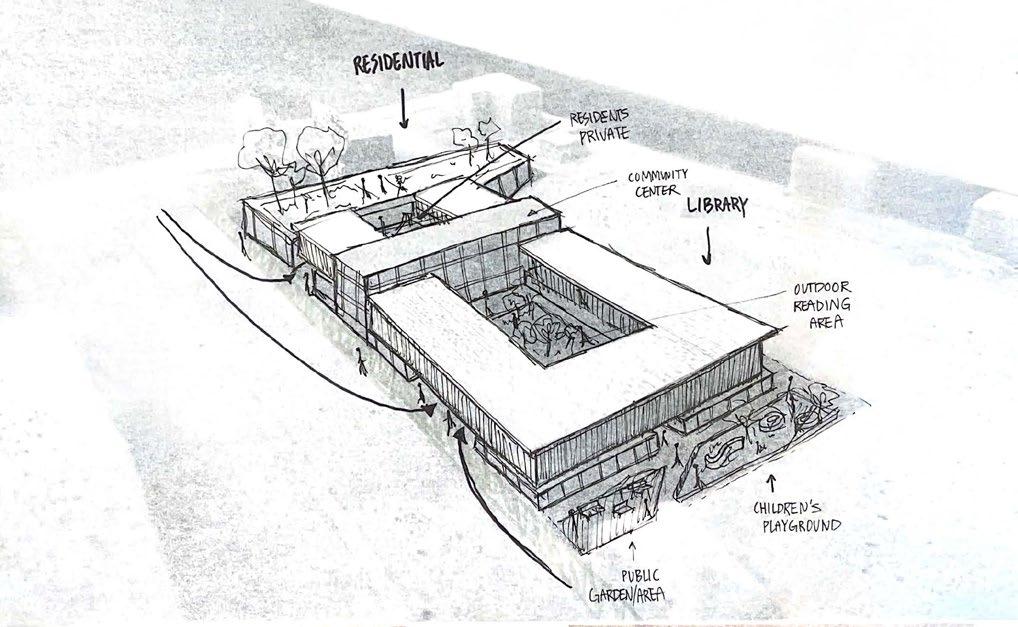
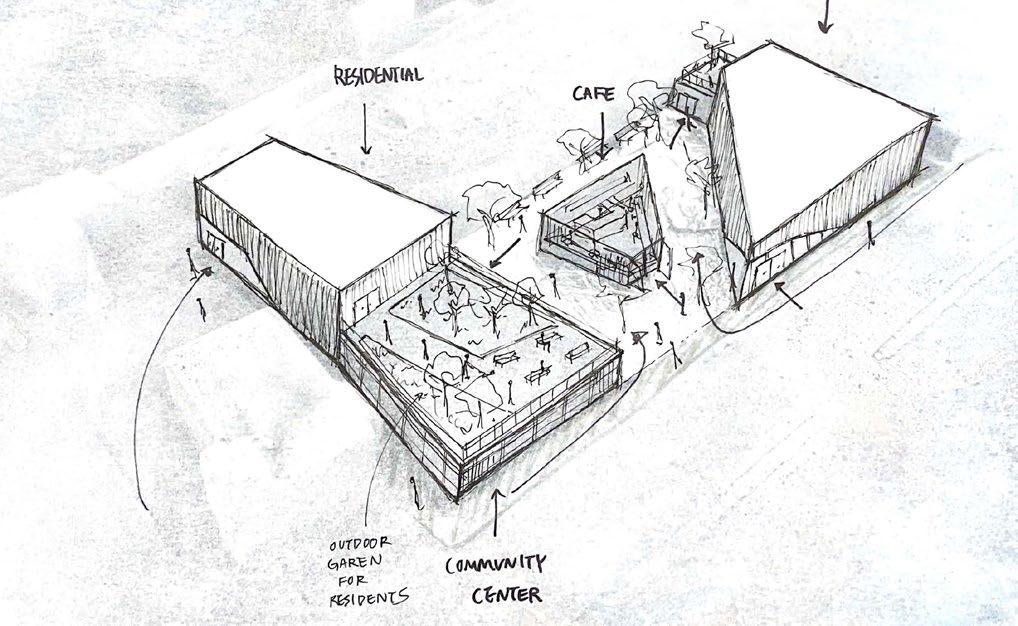
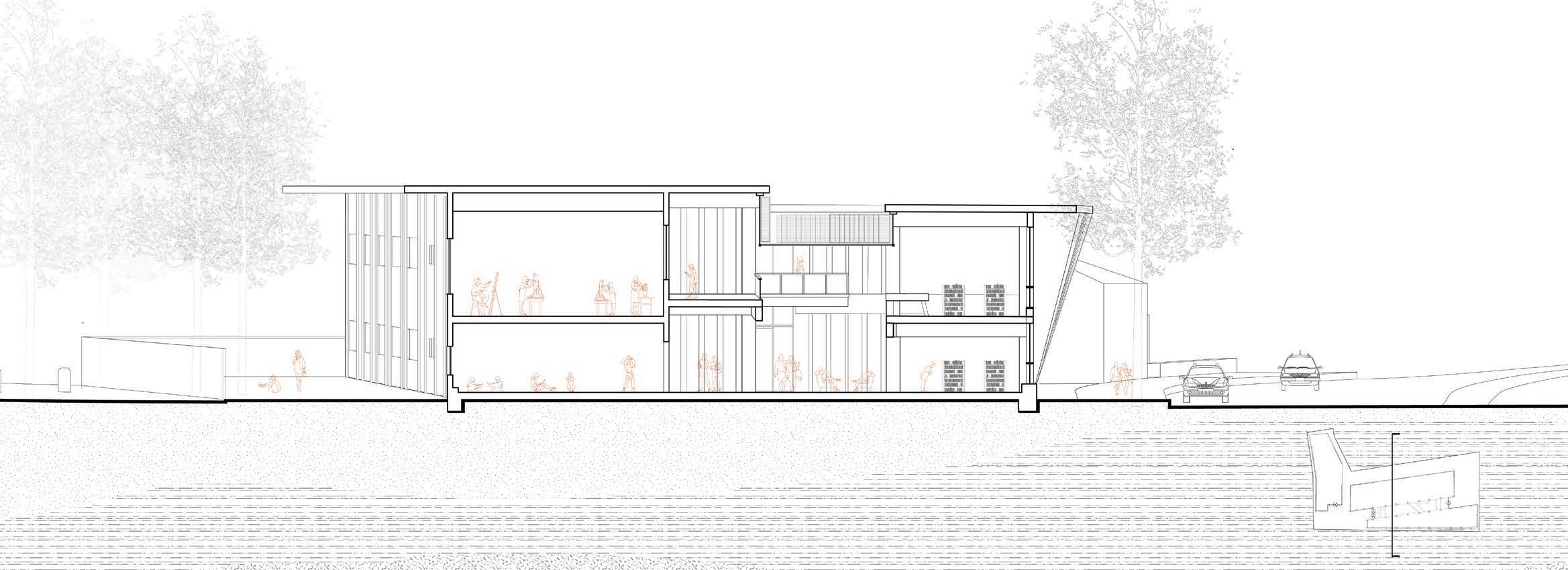
Located in Upham’s Corner, just south of downtown Boston, Shearscape public library serves a diverse community. Uniquely situated adjacent to a cemetery and a bustling six-lane road, the library harmonizes with its surroundings to provide a distinctive urban experience.
The library aims to be more than a place for reading and borrowing books. It strives to serve as a community hub, fostering interactions and meeting the diverse needs of its residents.
Overall, the design emphasizes a dynamic and playful spatial experience, making the journey through the library an integral part of the visitor’s experience. By integrating various elements, the library enriches community interaction and engagement.
PROGRAM STUDIO DATE
LOCATION Library Professor Jongwan Kwon Spring 2024 Boston, MA
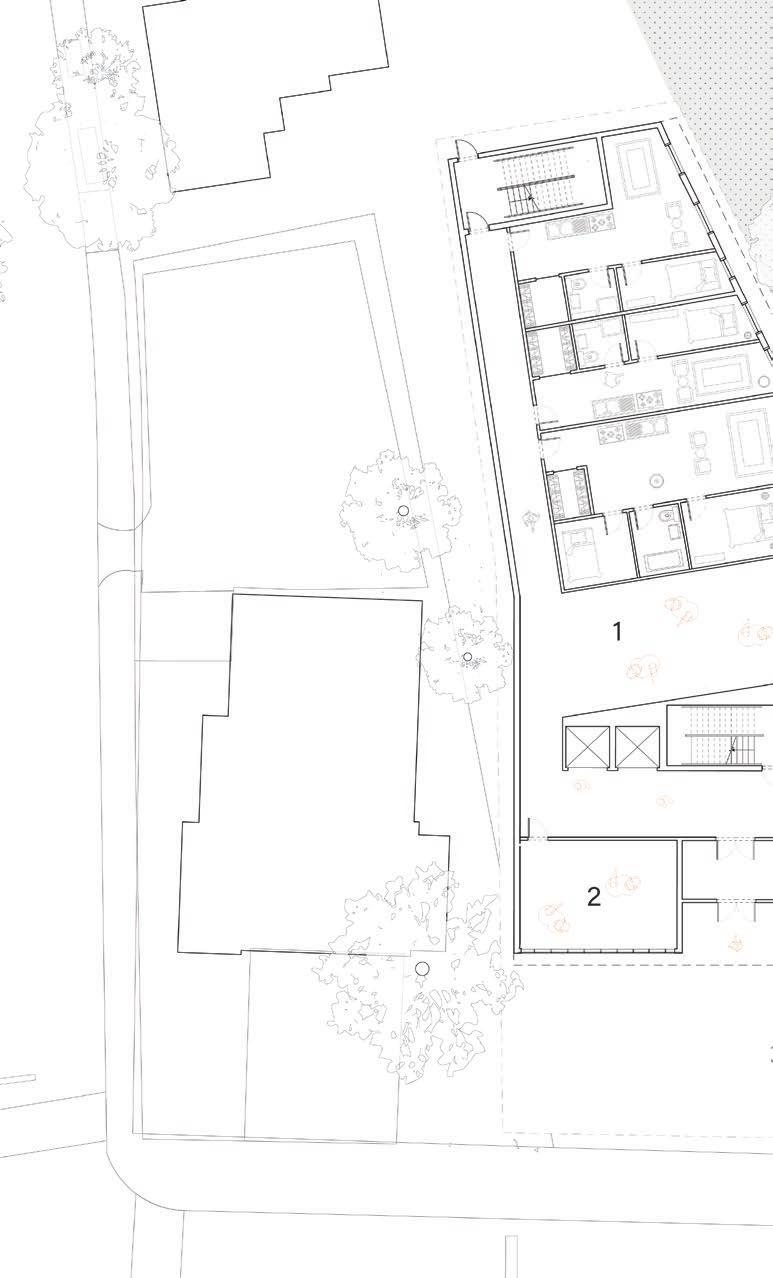
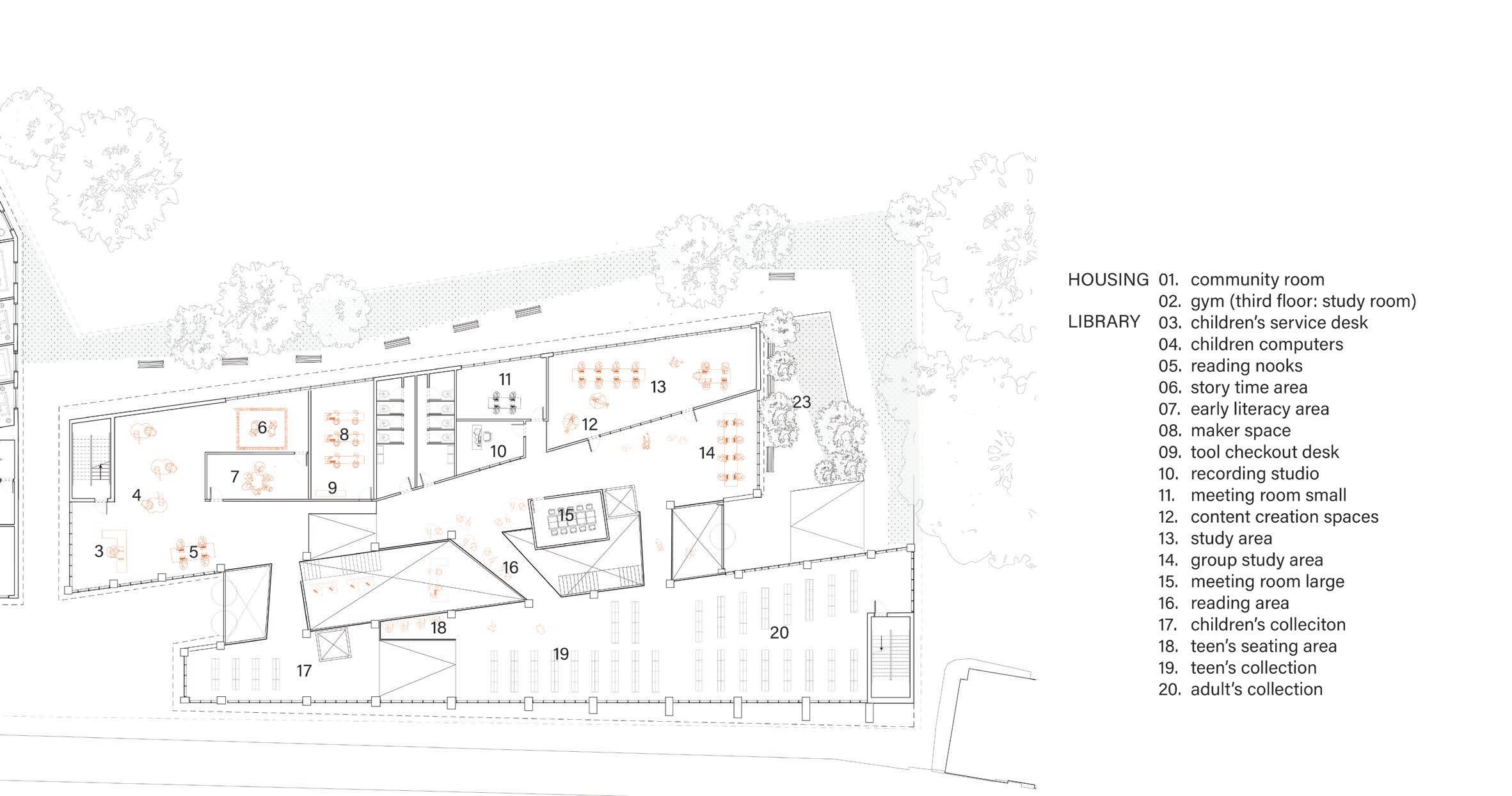
Second Floor
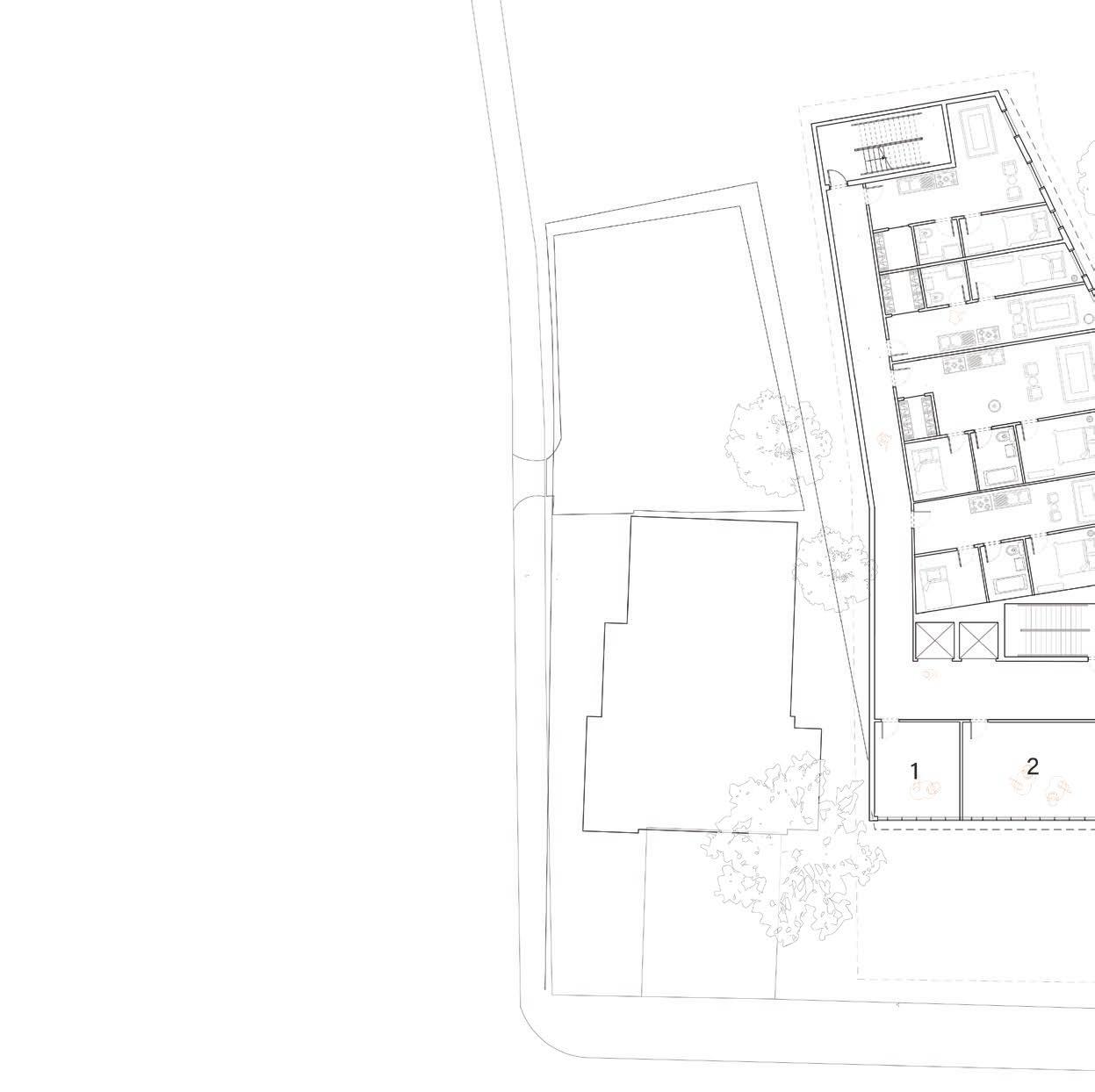
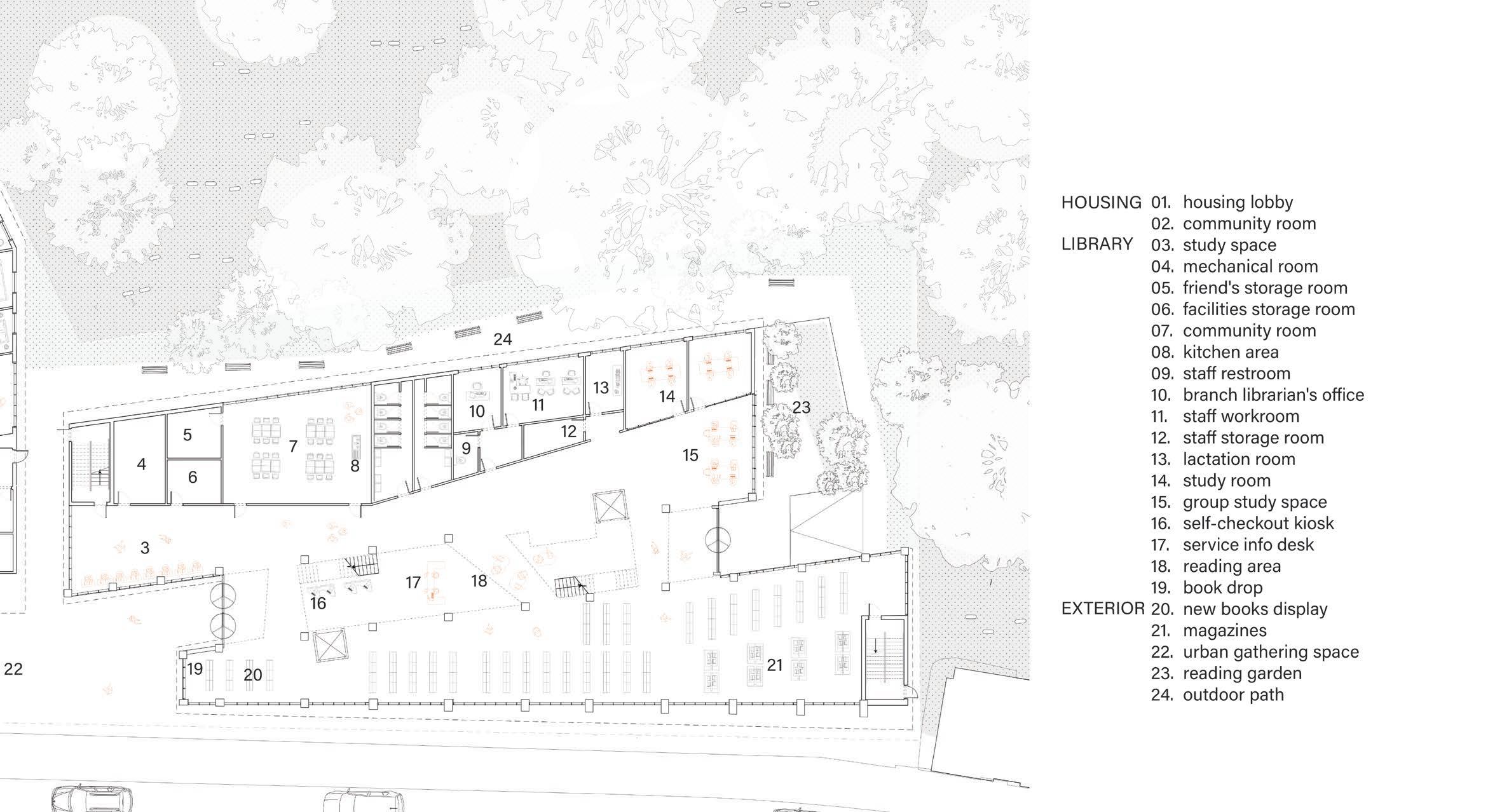
First Floor
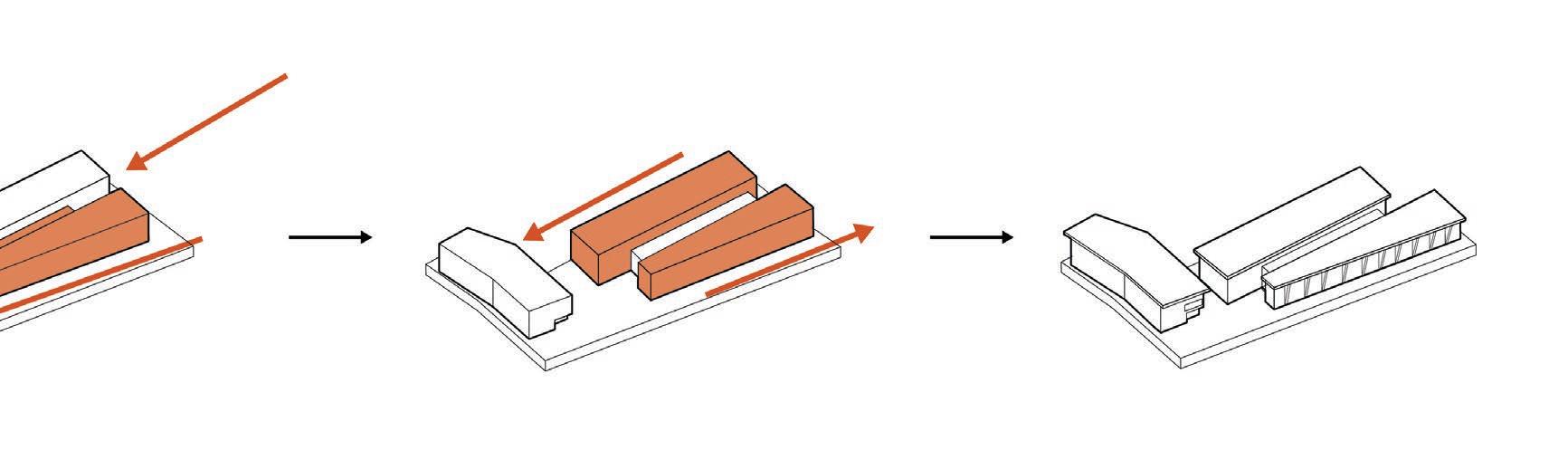
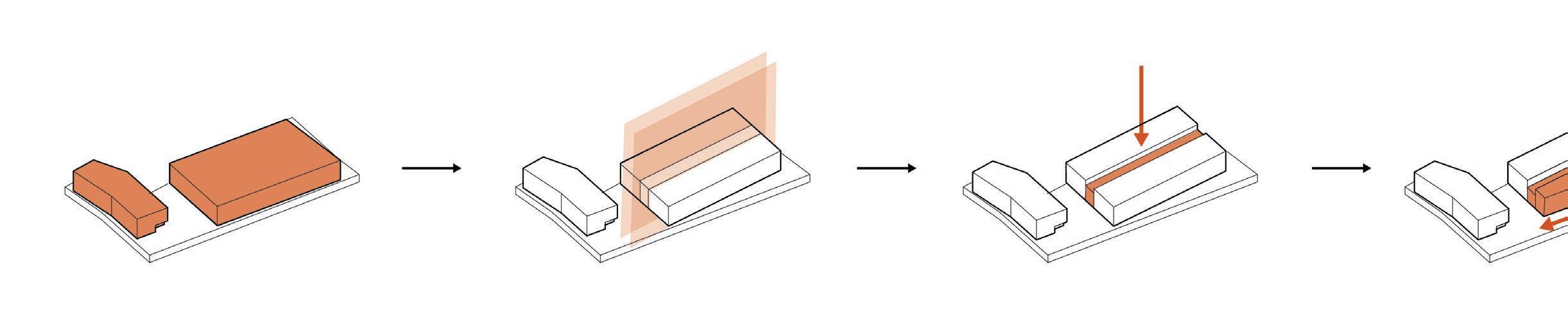
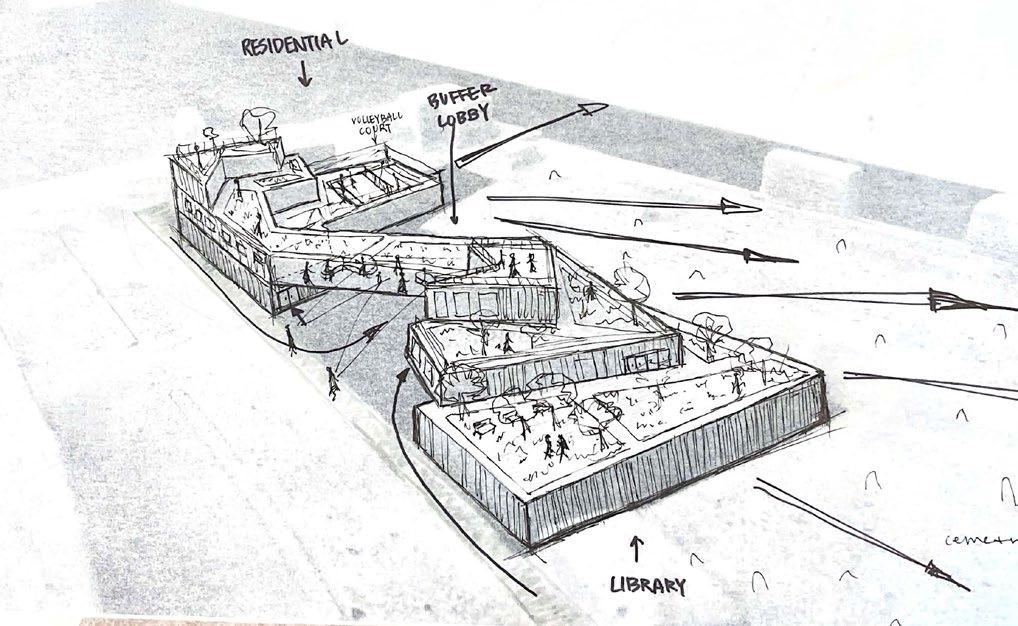
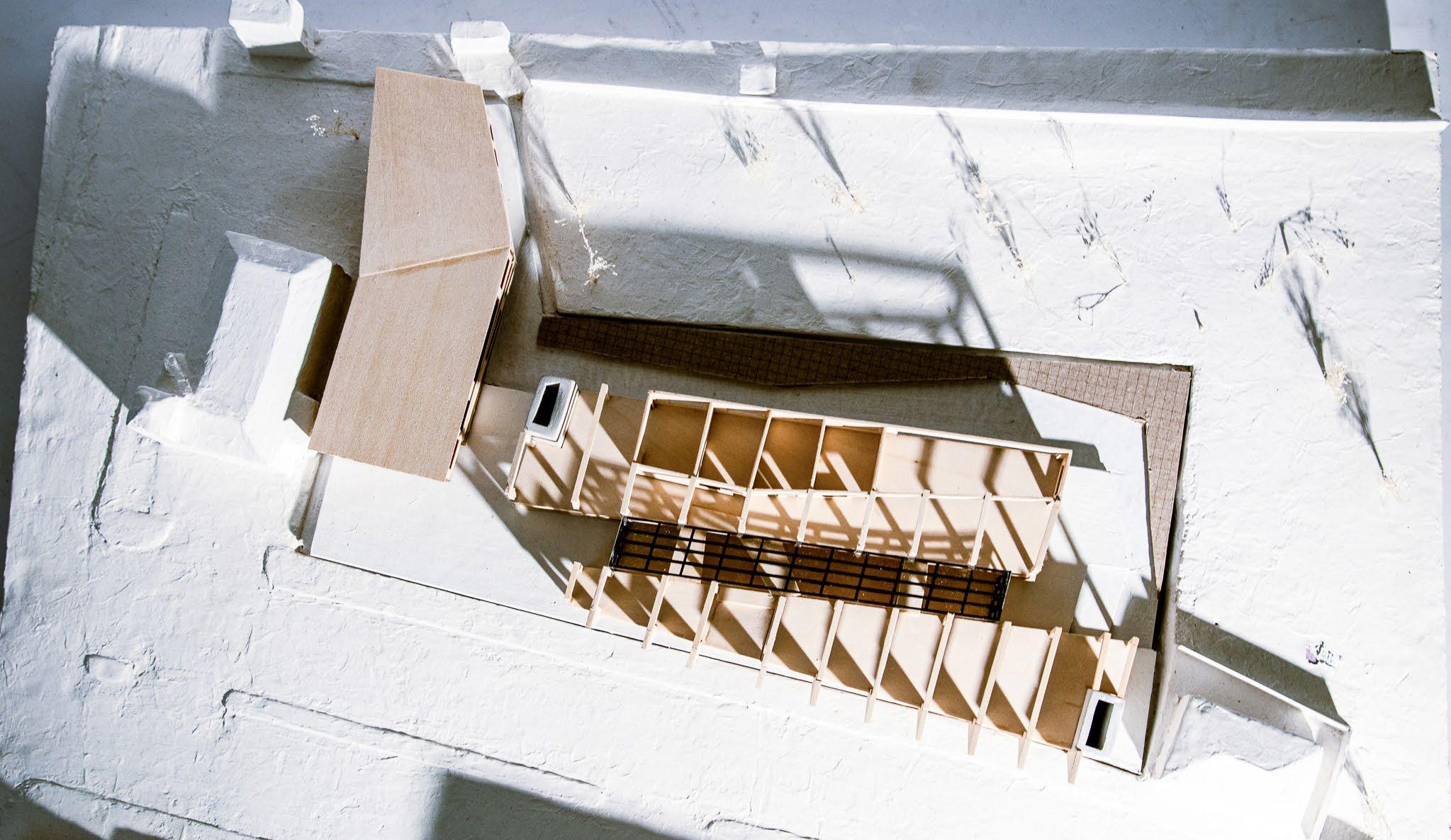
Massing and Site Integration
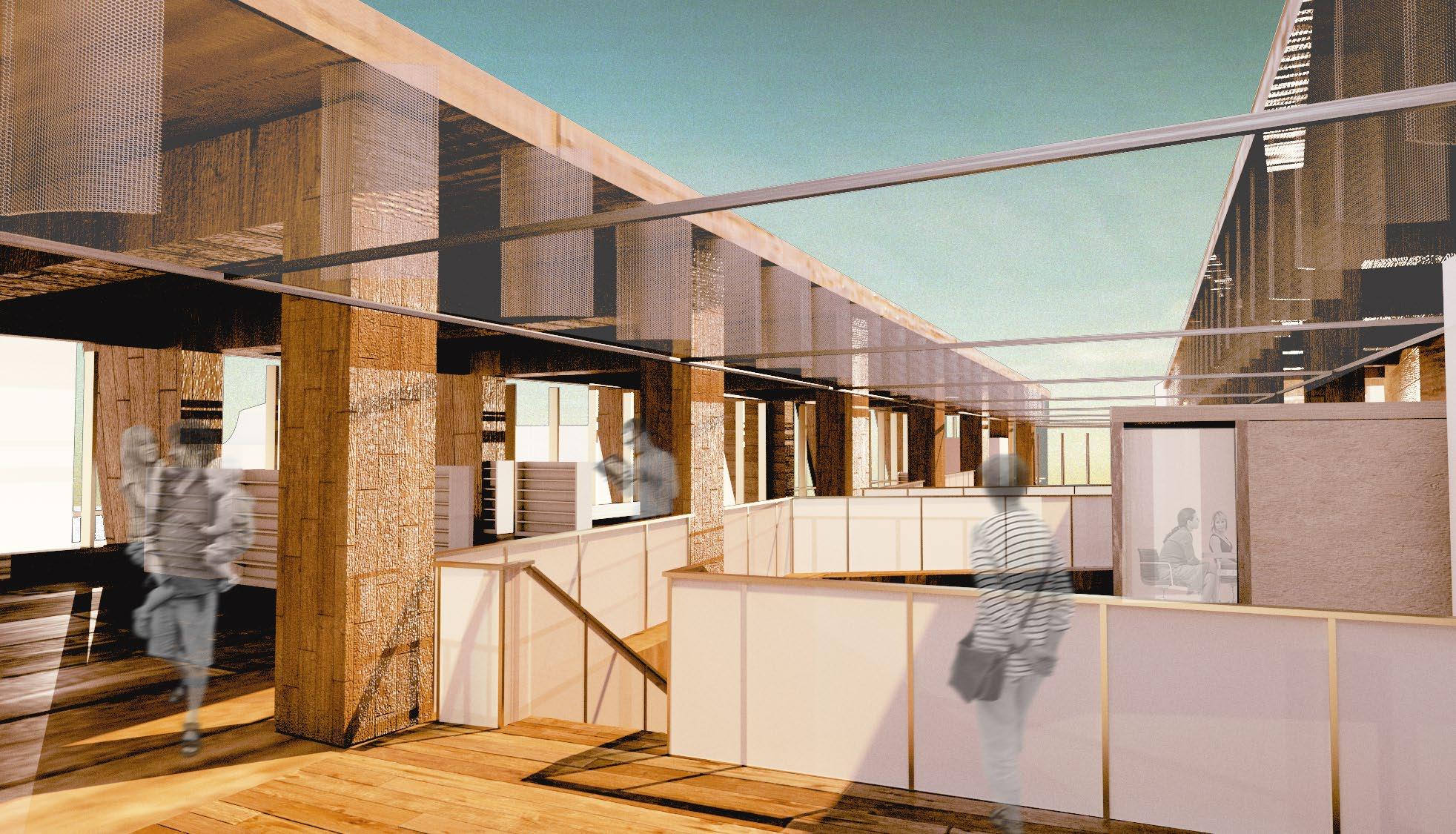
The massing focuses on large, sheared chunks creating visual access to the cemetery to the north and The design incorporates a dynamic entrance and emphasizes spatial flow leading into the building.
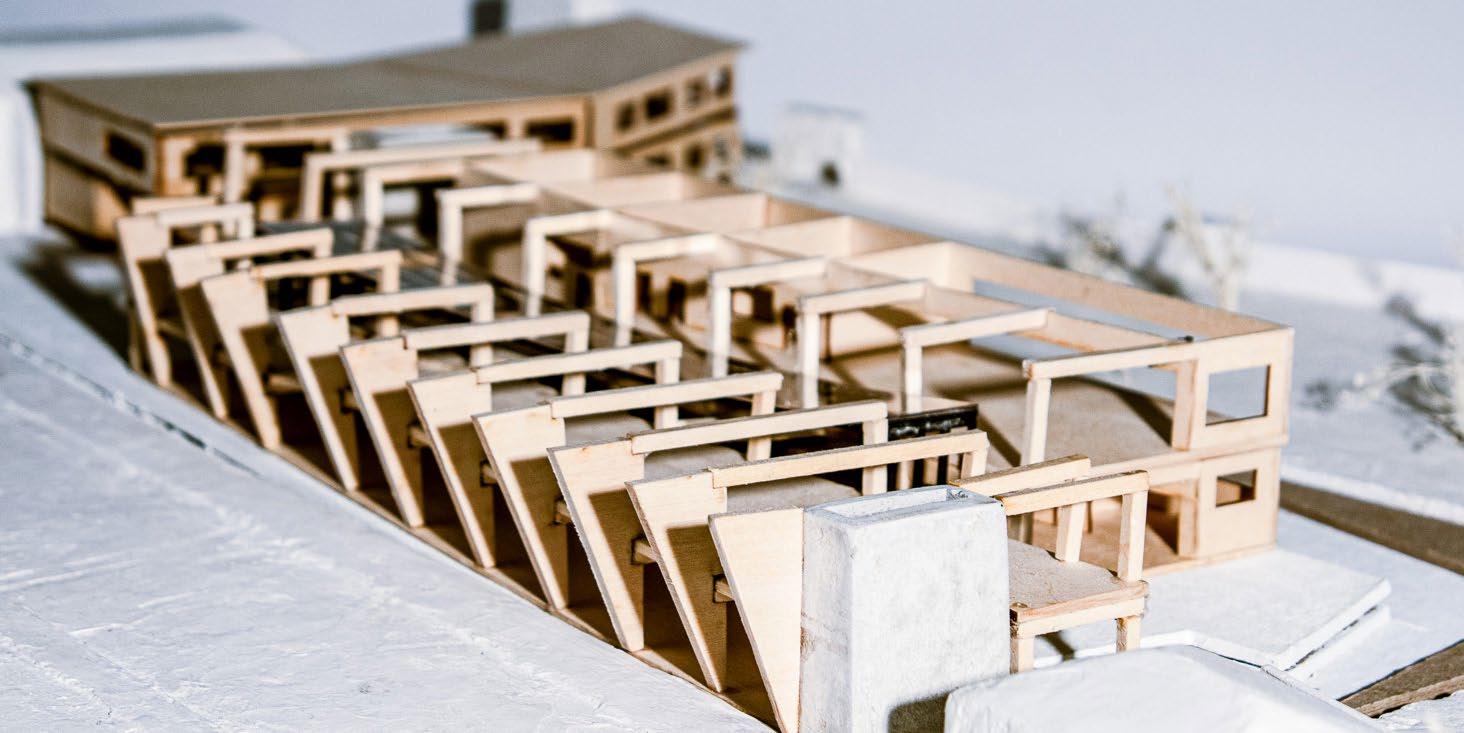
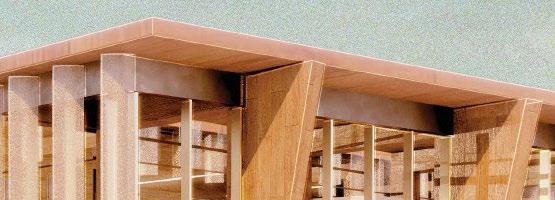
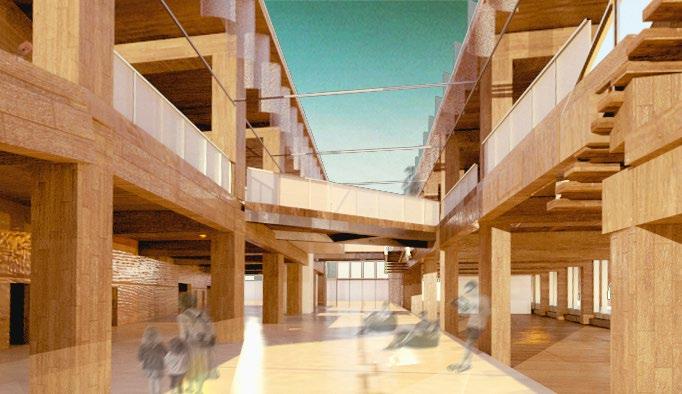
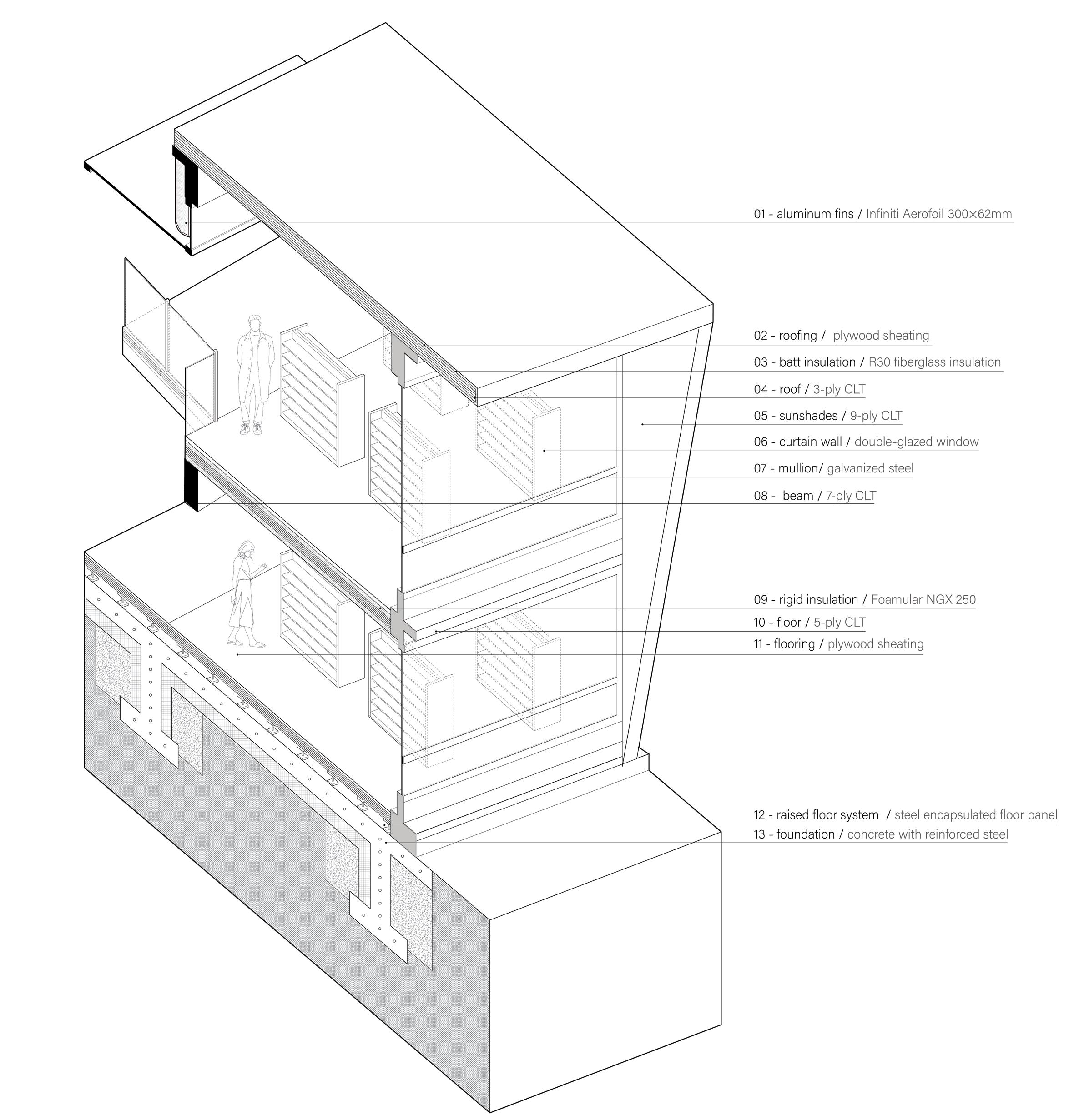
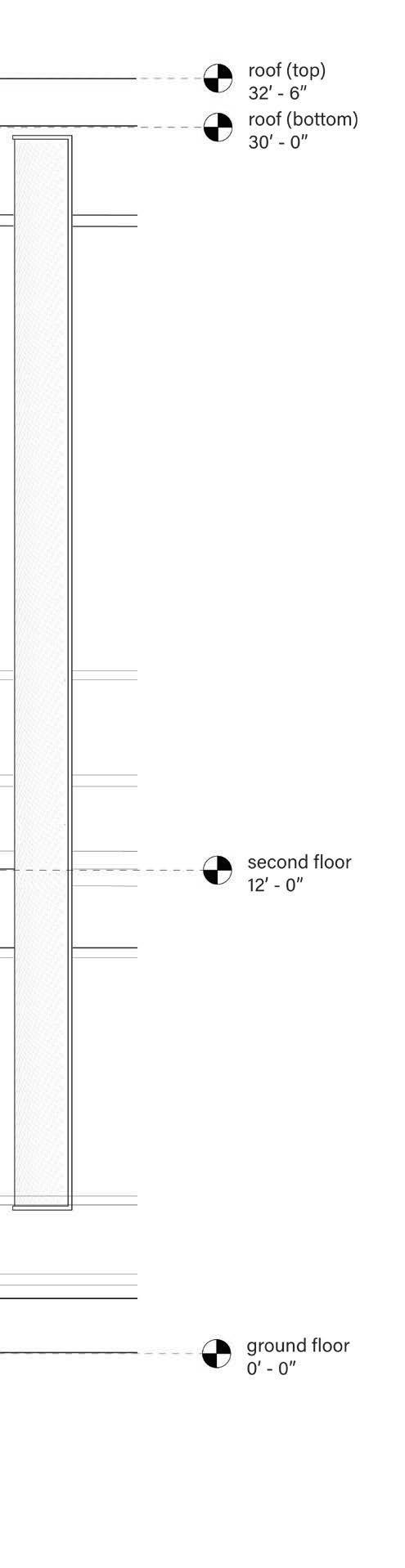
Structure: CLT Fins
The CLT fins create an illusion that aligns with the street while softening its presence in the urban landscape. These fins also provide effective sun shading while maintaining a balance of practicality and aesthetics.
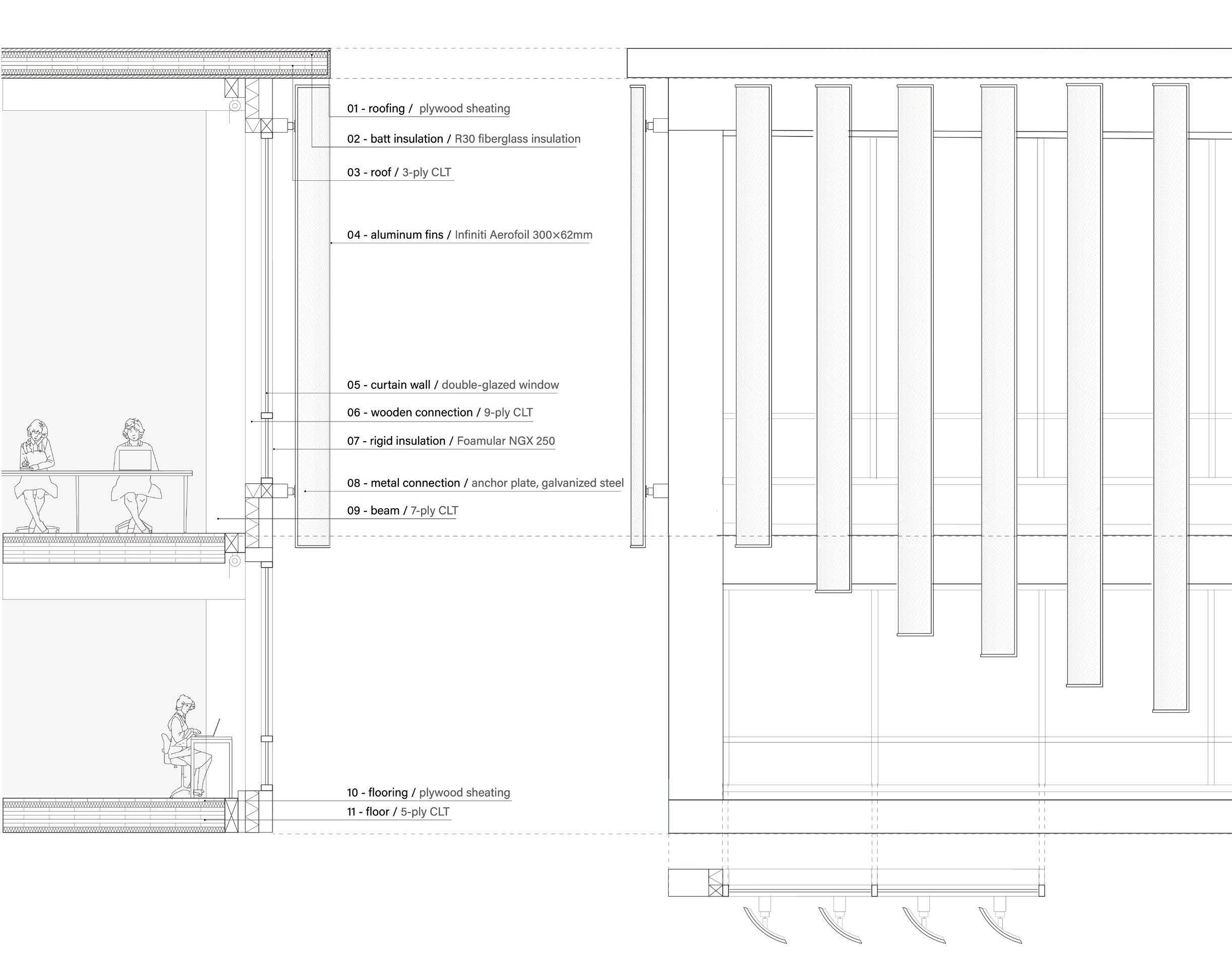
Envelope System: Perforated Metal Fins
Aluminum perforated fins block sunlight, reduce heat gain, and maintain transparency. They filter light, add verticality, and contribute to both aesthetics and sun shading.
STATION
24
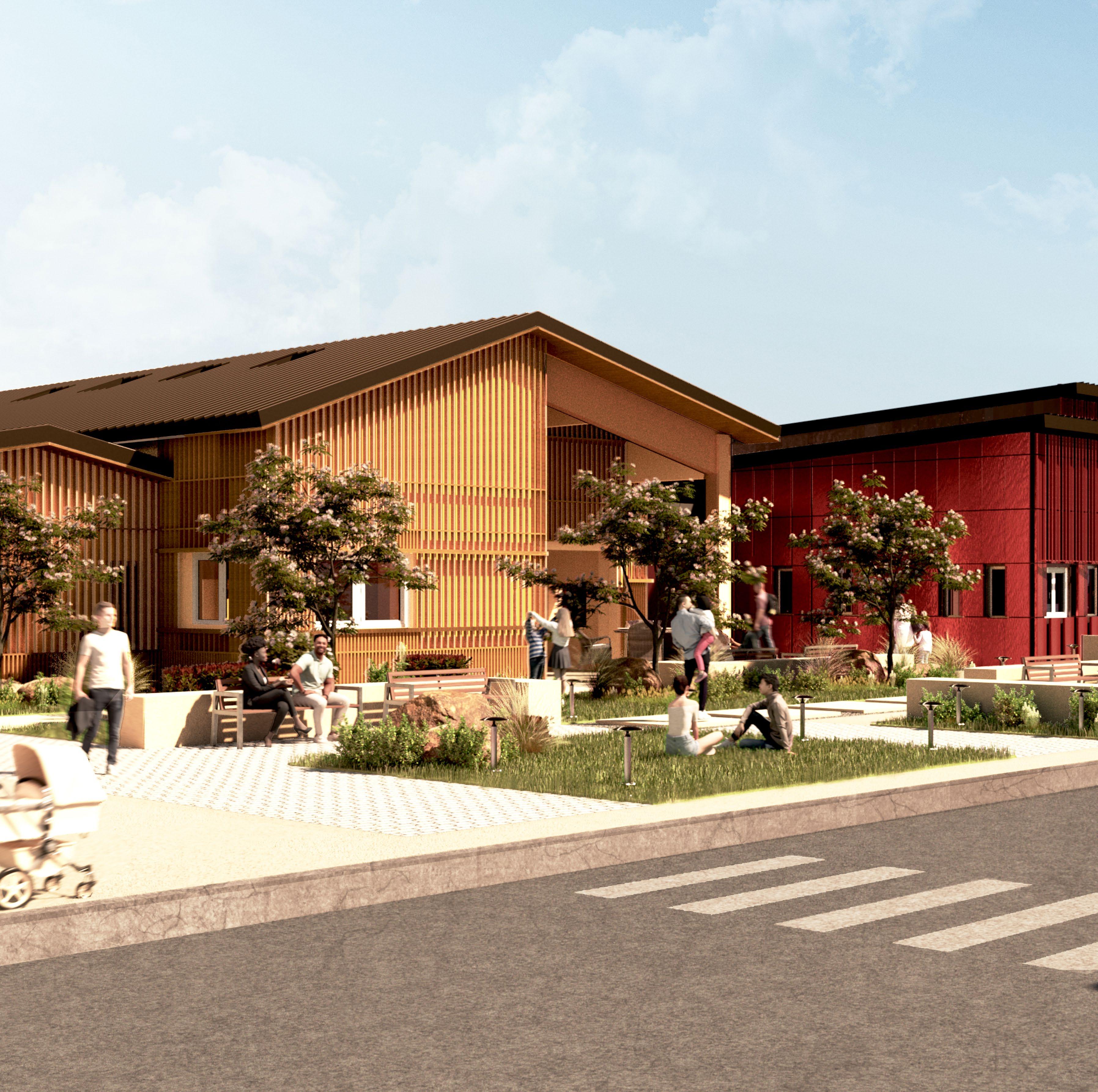
How can a fire station balance the intensity of emergency response with the comfort and rhythm of domestic life within a single architectural framework?
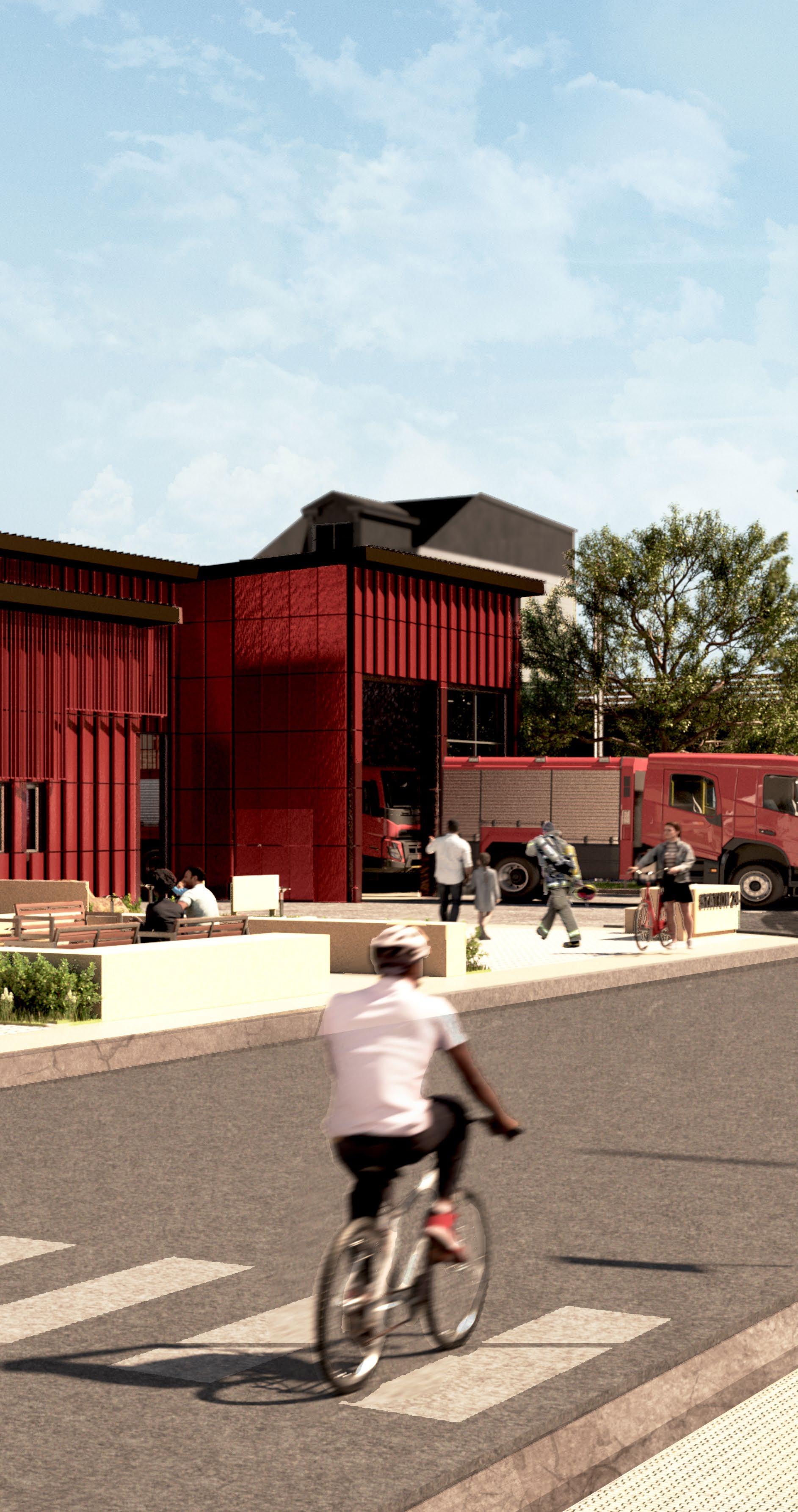
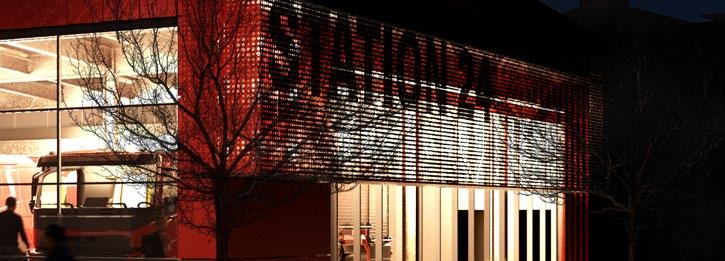
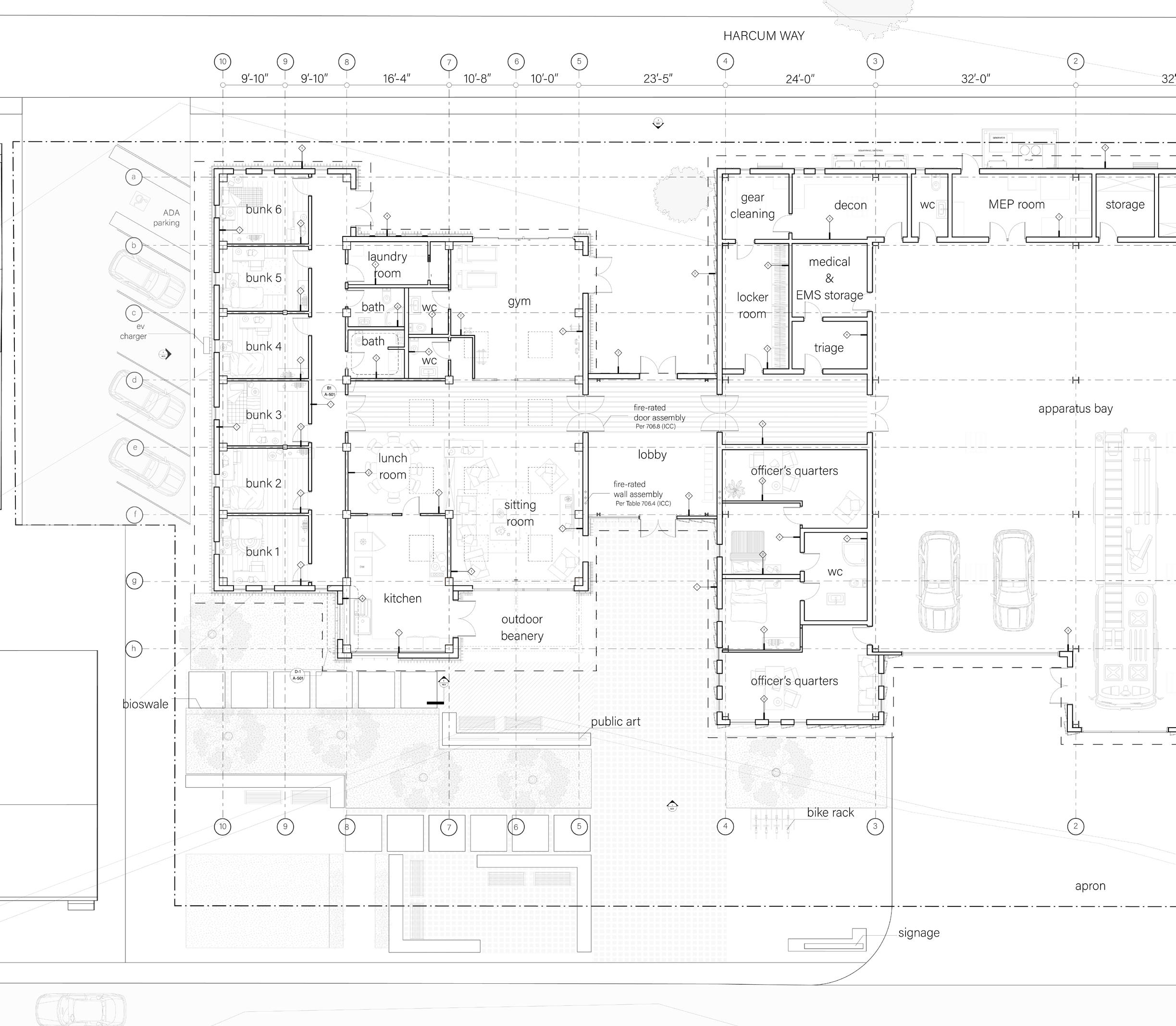
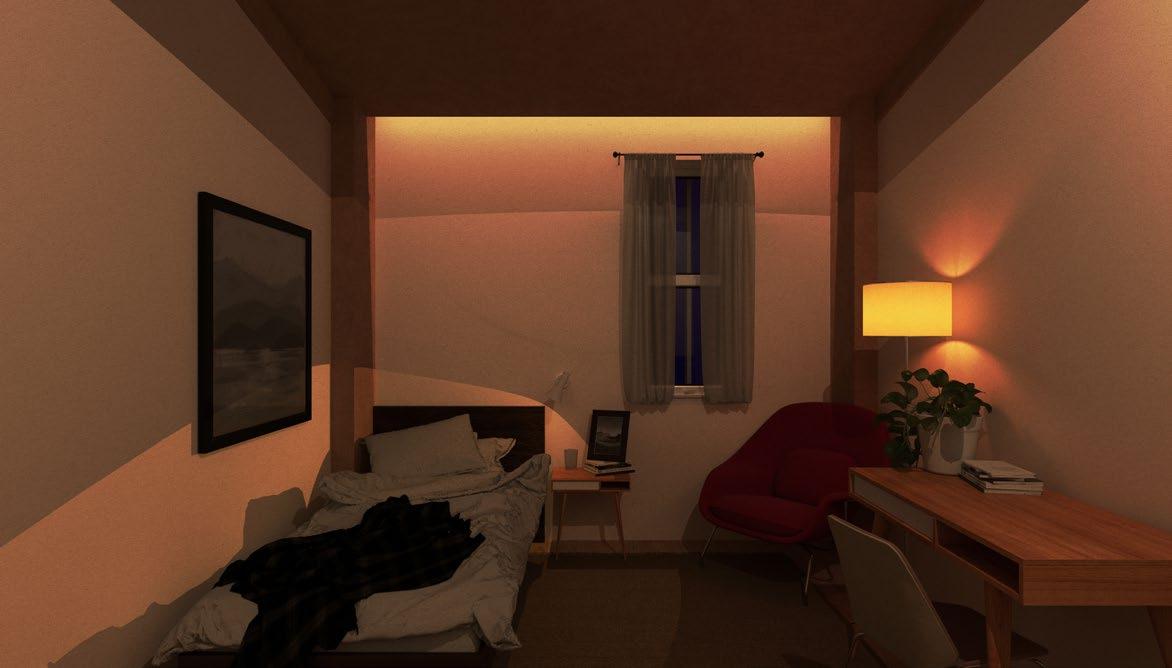
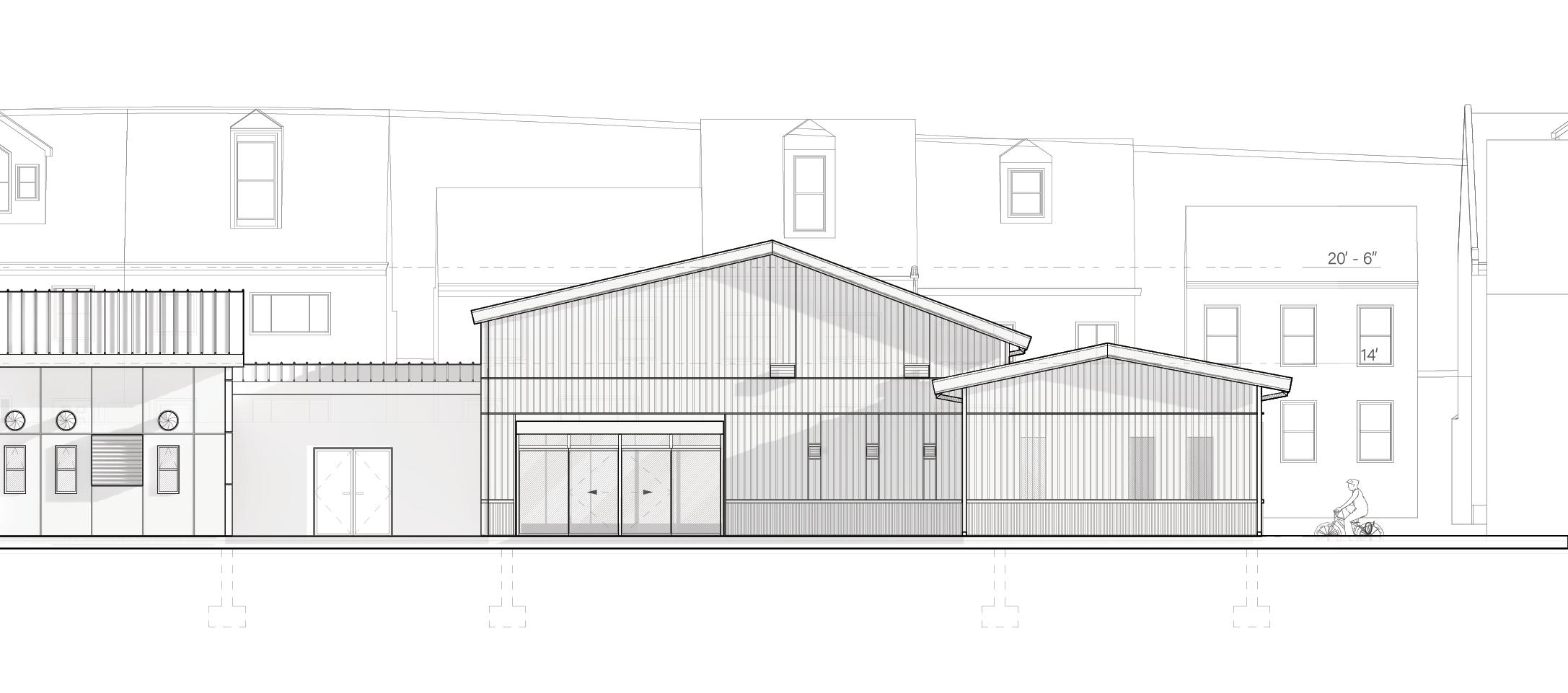
Nestled within the dense residential landscape of Southside Flats, Station 24 distinguishes itself from the typical fire station archetype through the creation of two divergent spatial conditions centered on its essential functions: the “work” and the “home.”
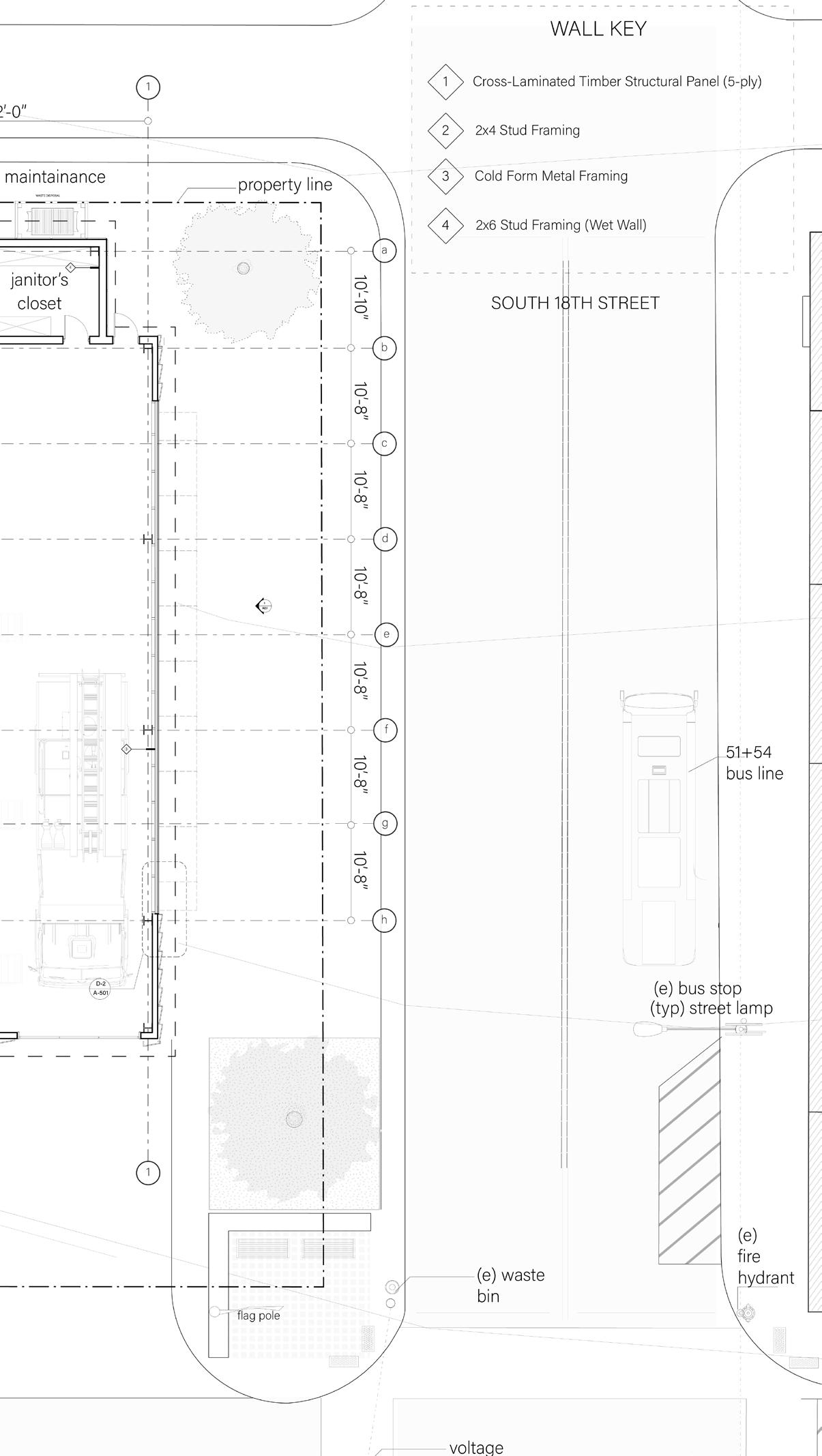
Drawing from the visual cadence of the surrounding context and an axial logic that supports operational efficiency, the project establishes a clear spatial through-line that reinforces the separation between these two worlds.
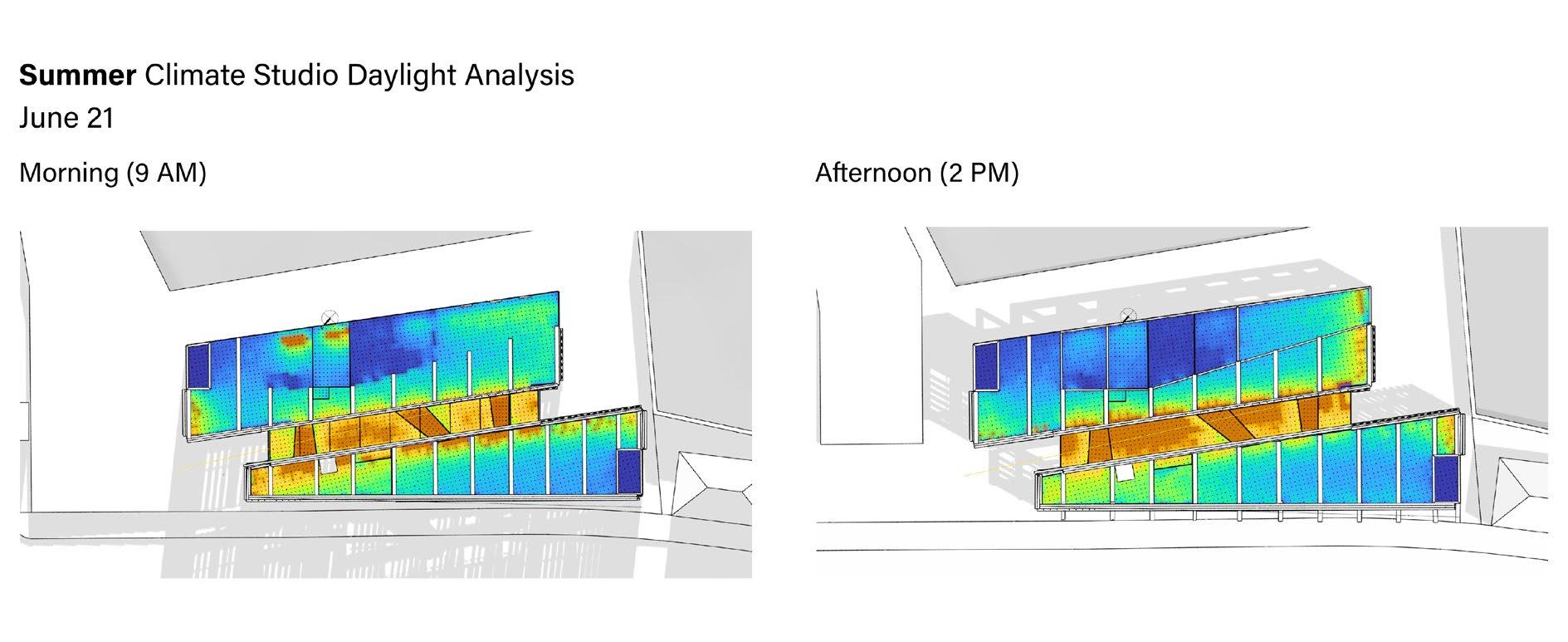
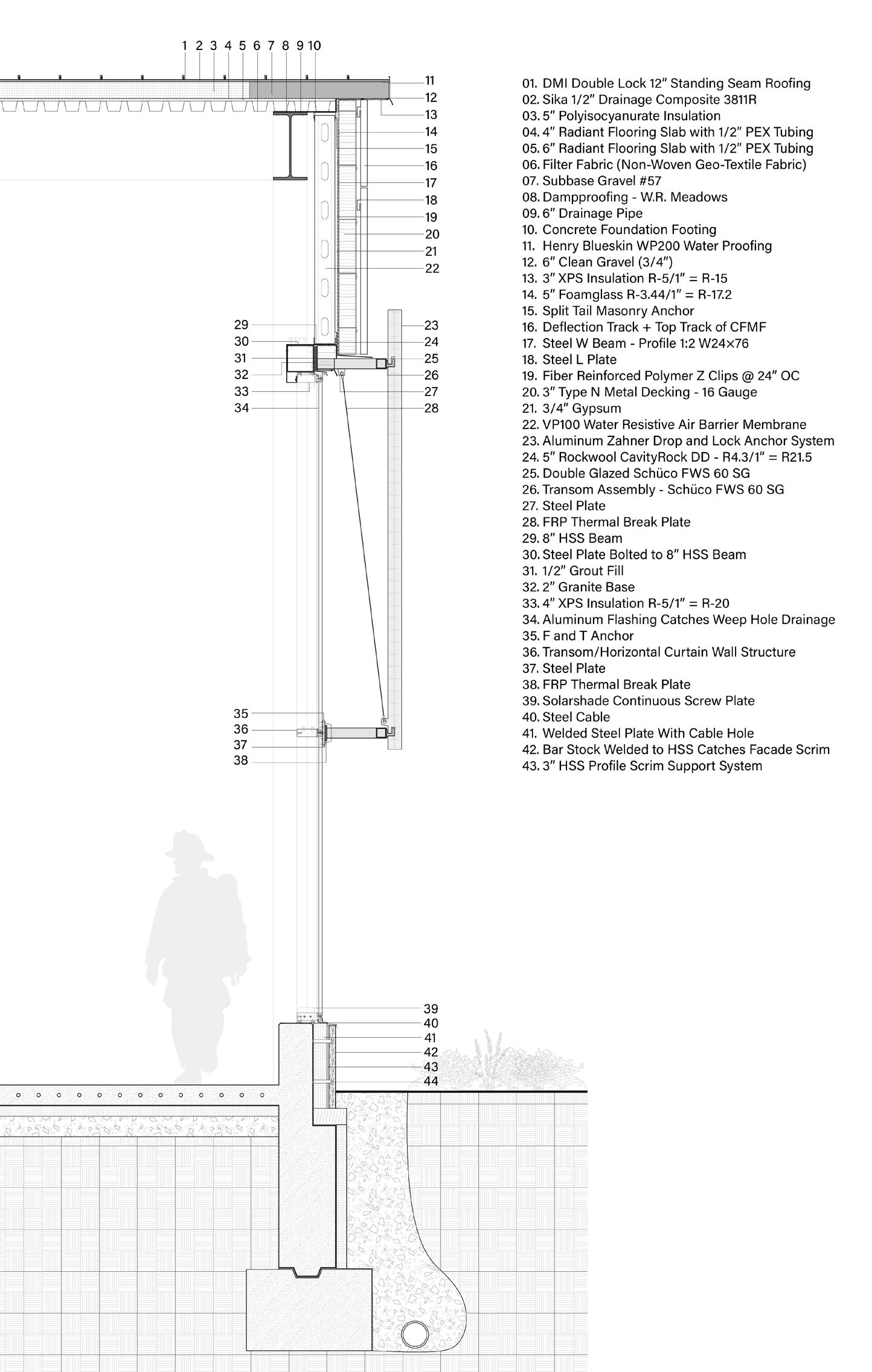
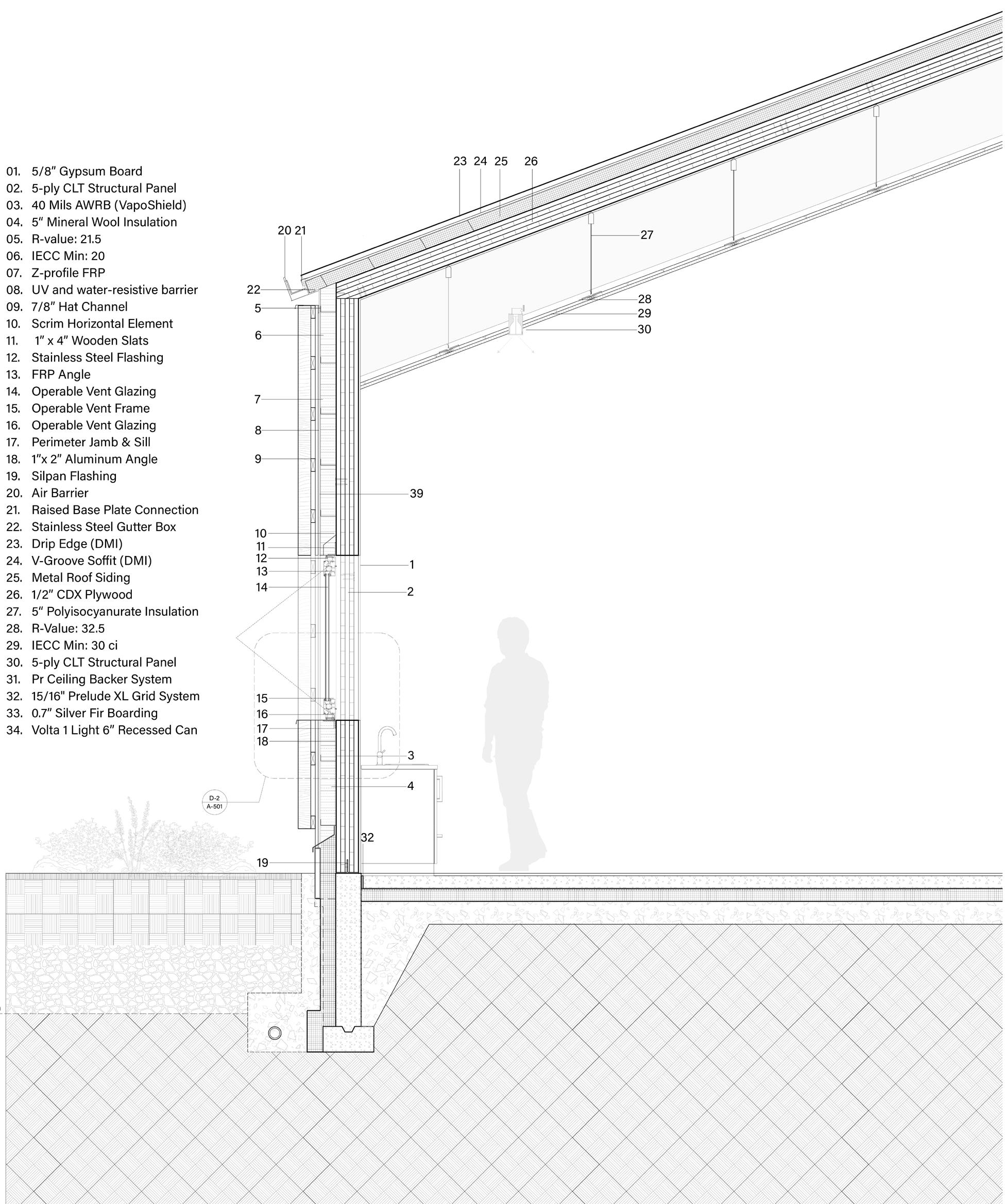
Project Contribution: Concept generation, structure design for “the home”, material selection, technical drawings, exterior renderings, structure detail drawings, climatestudio simulation, HVAC zoning, Therms iterations, rainwater strategyexperience. By integrating various elements, the library enriches community interaction and engagement. organize neatly
PROGRAM STUDIO DATE
LOCATION
PARTNERS Firestation Professor Andrew Stone Fall 2024 Pittsburgh, PA Hazel Froling, Paul Li, Aayush Saxena
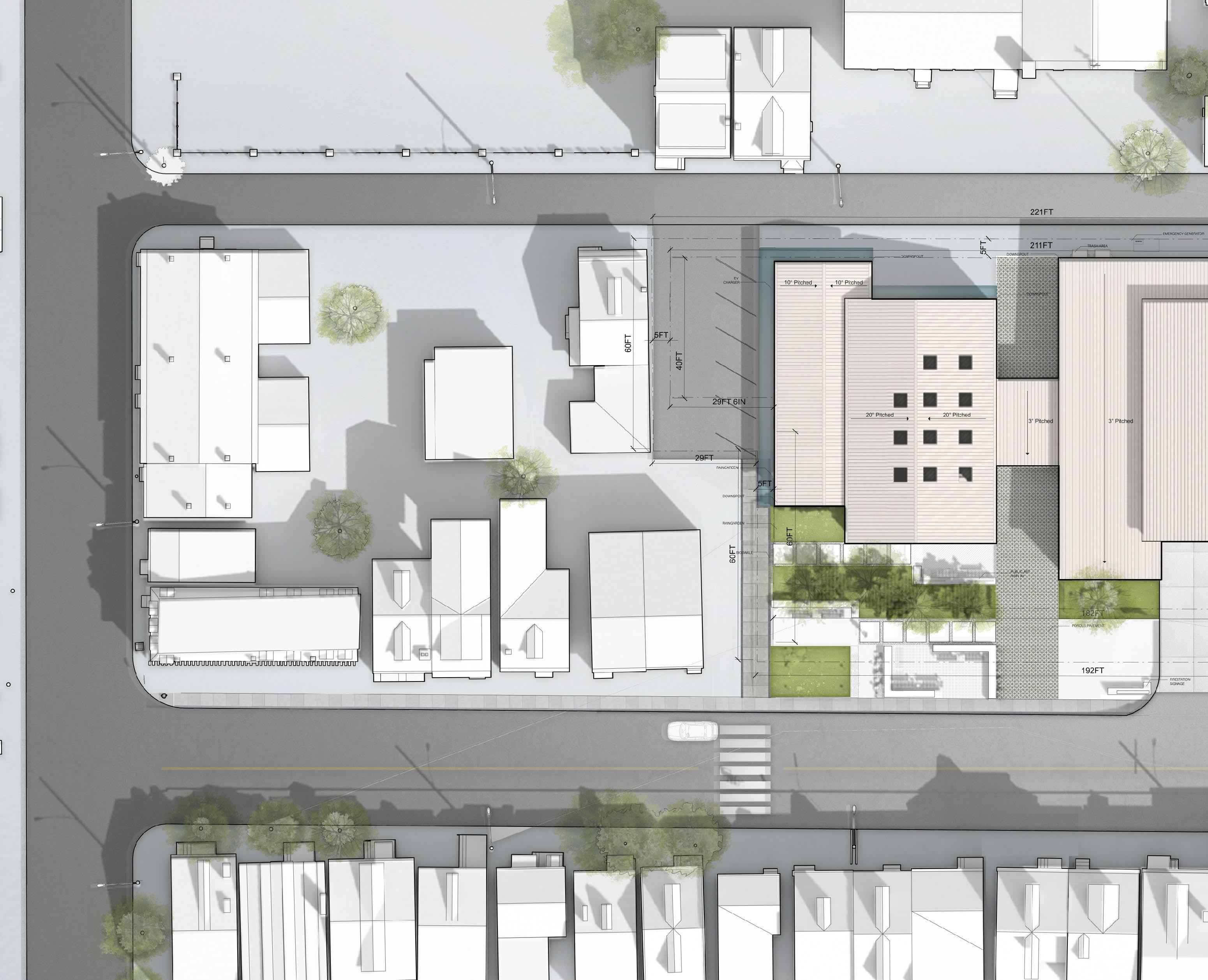
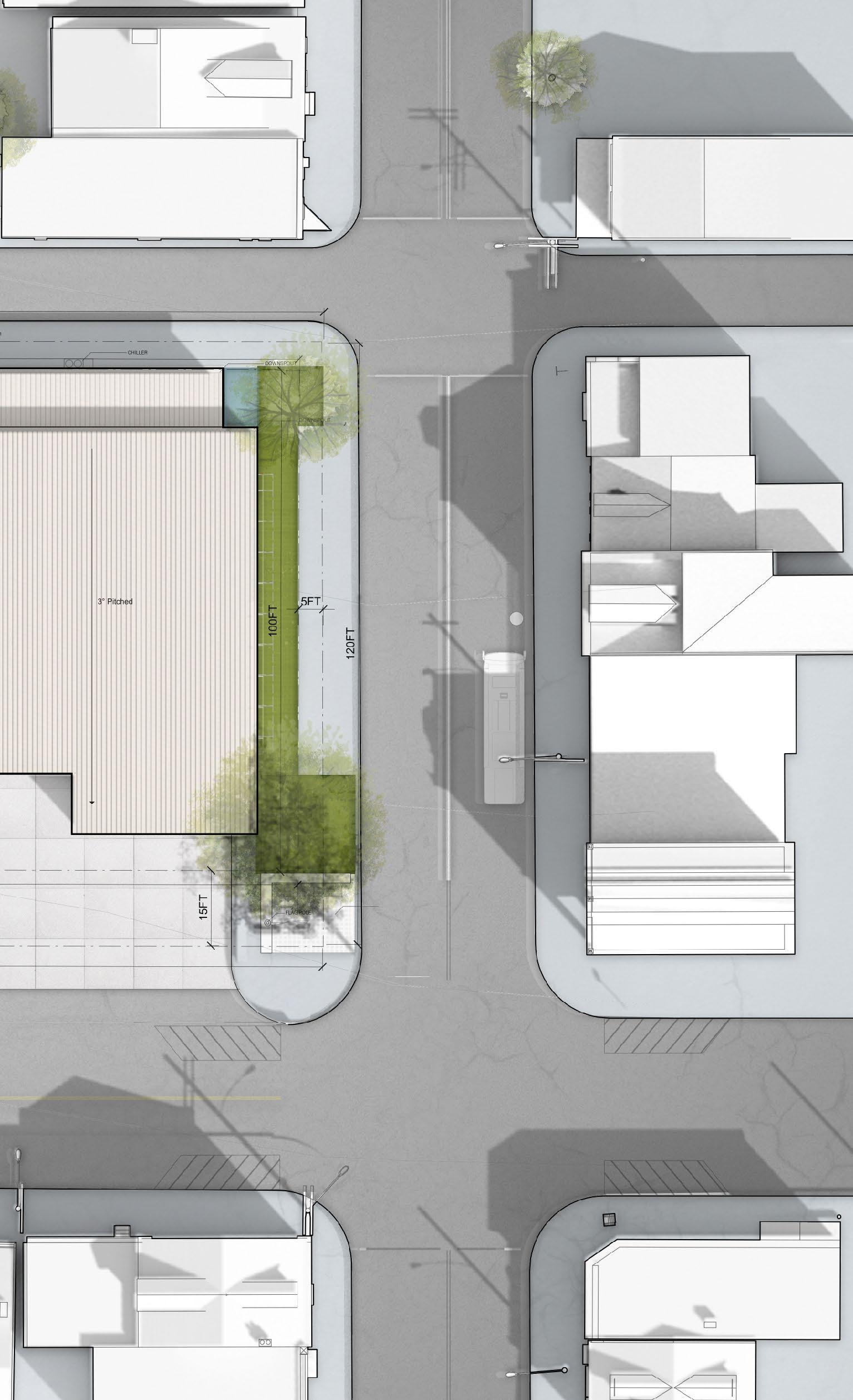
Landscaping and Rainwater Strategy
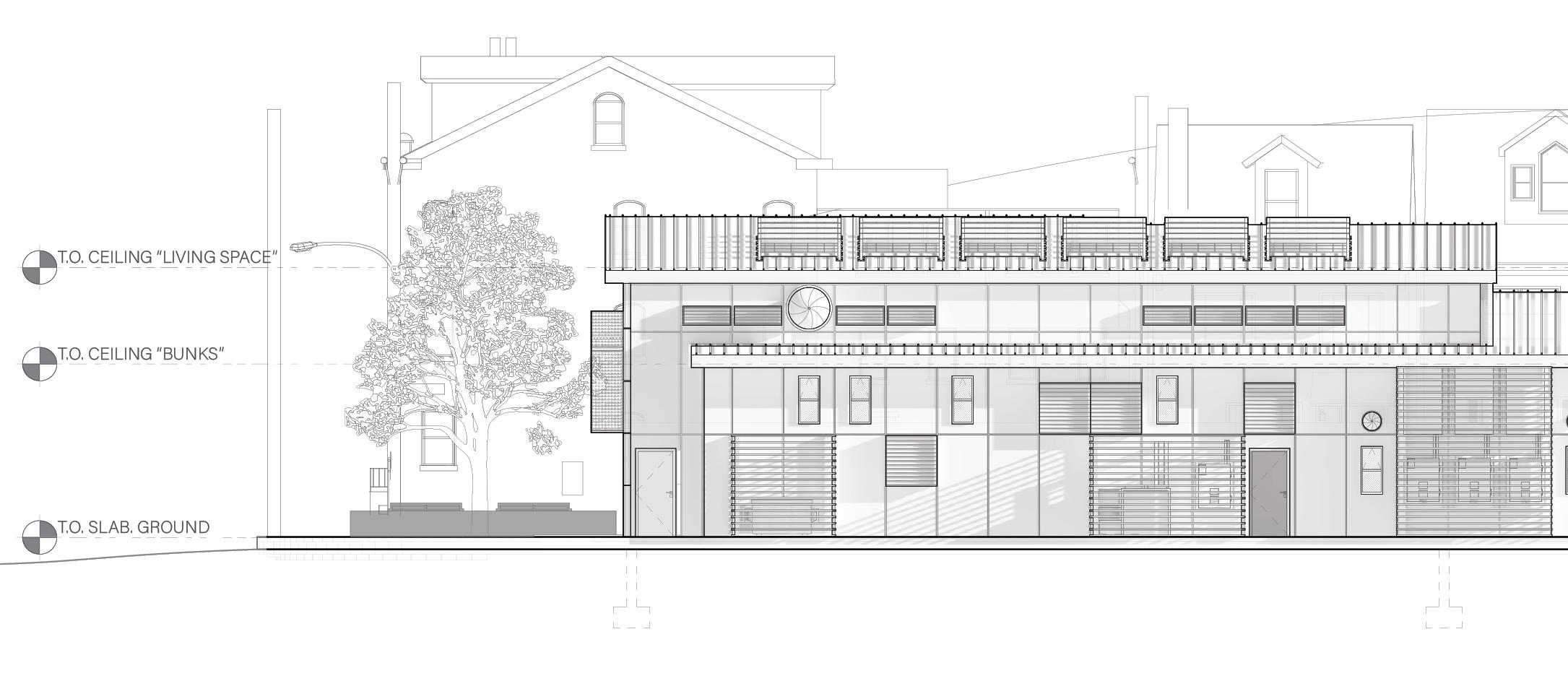
The front facade is pushed back in various areas to create a gathering space. A rainwater system collects runoff from roofs and directs it through sloping and a 4-foot drainage system, utilizing three ground materials for better water management.
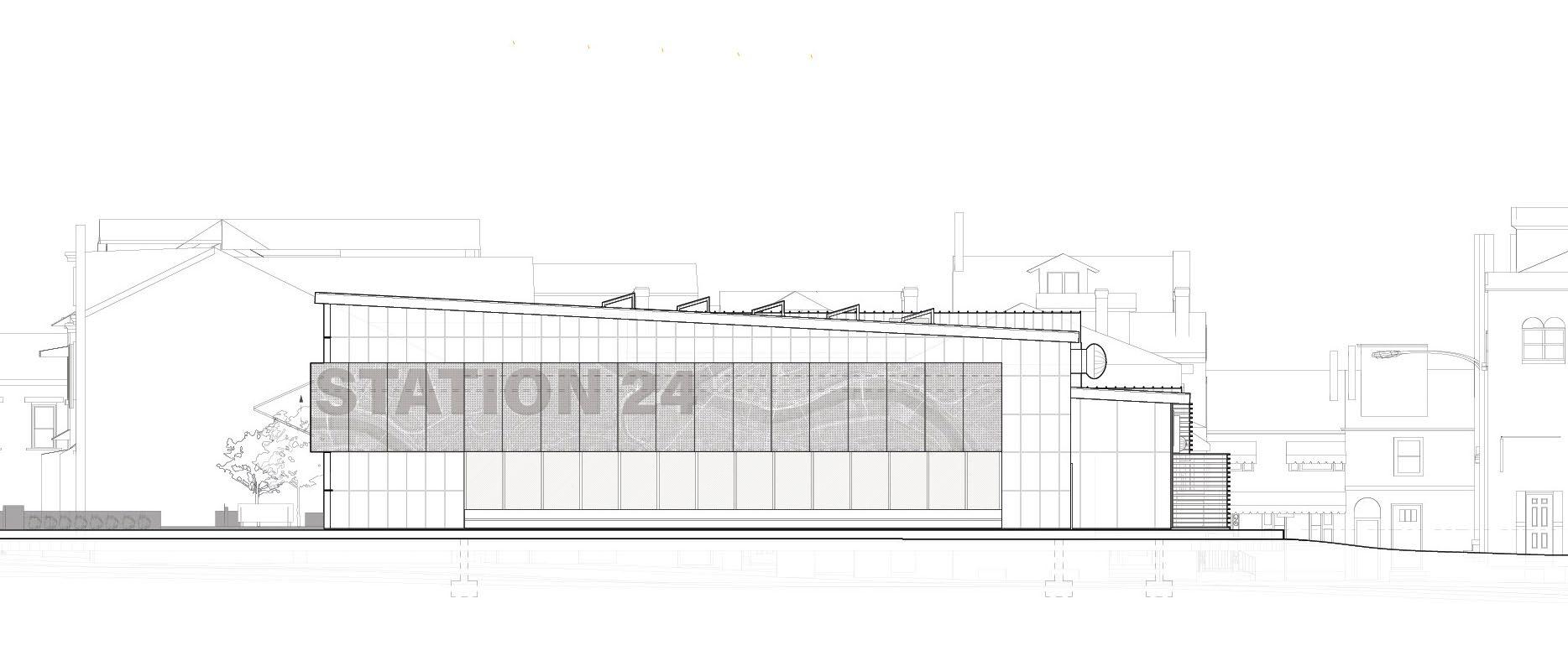
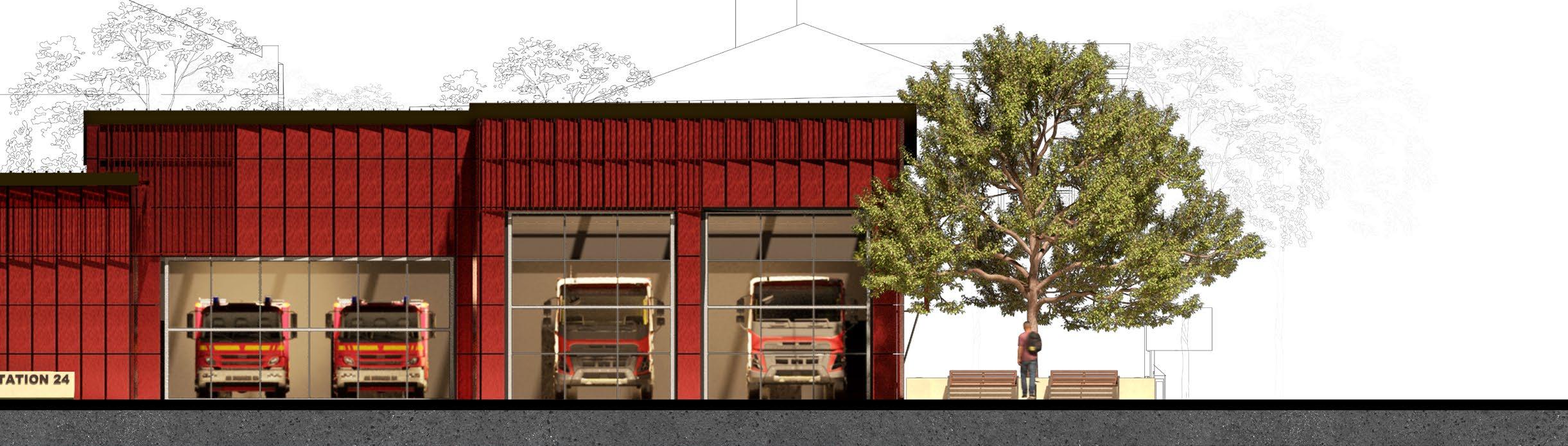
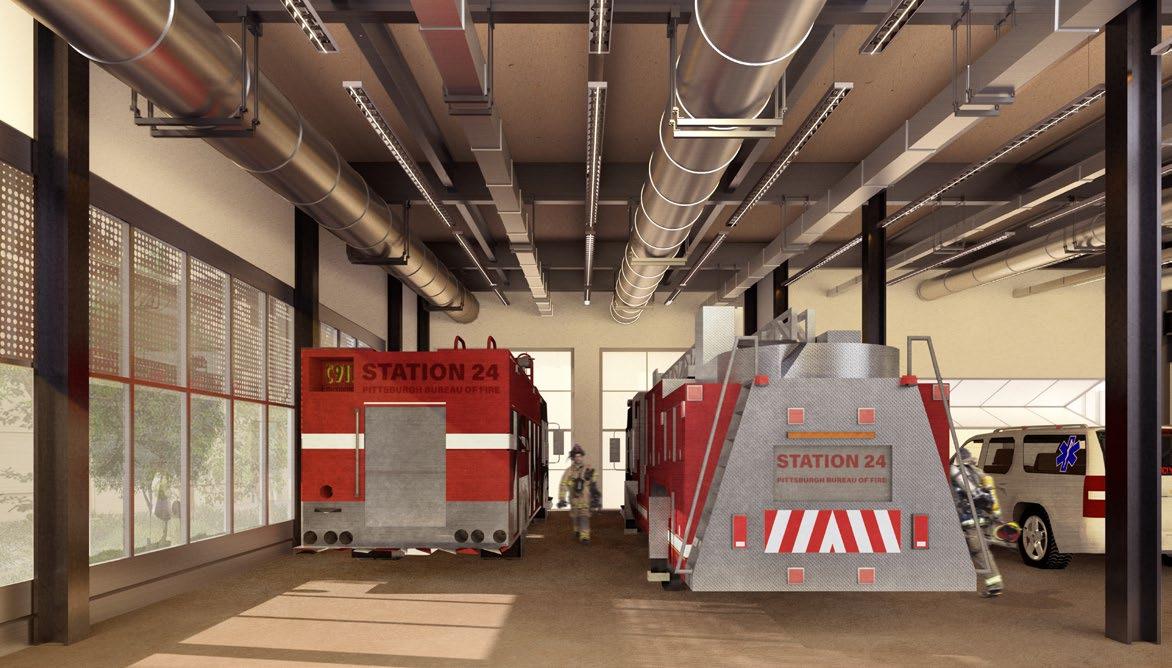
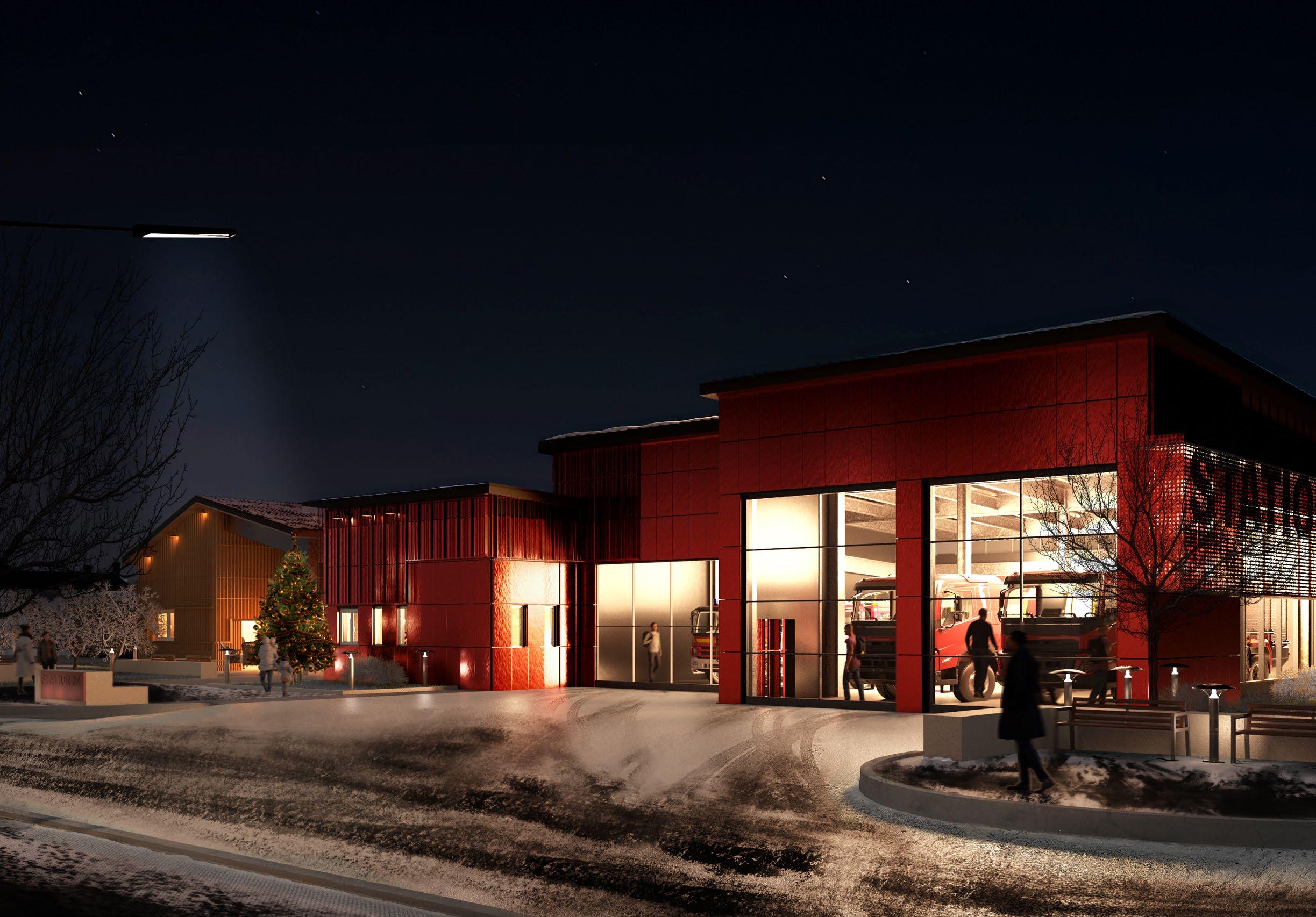
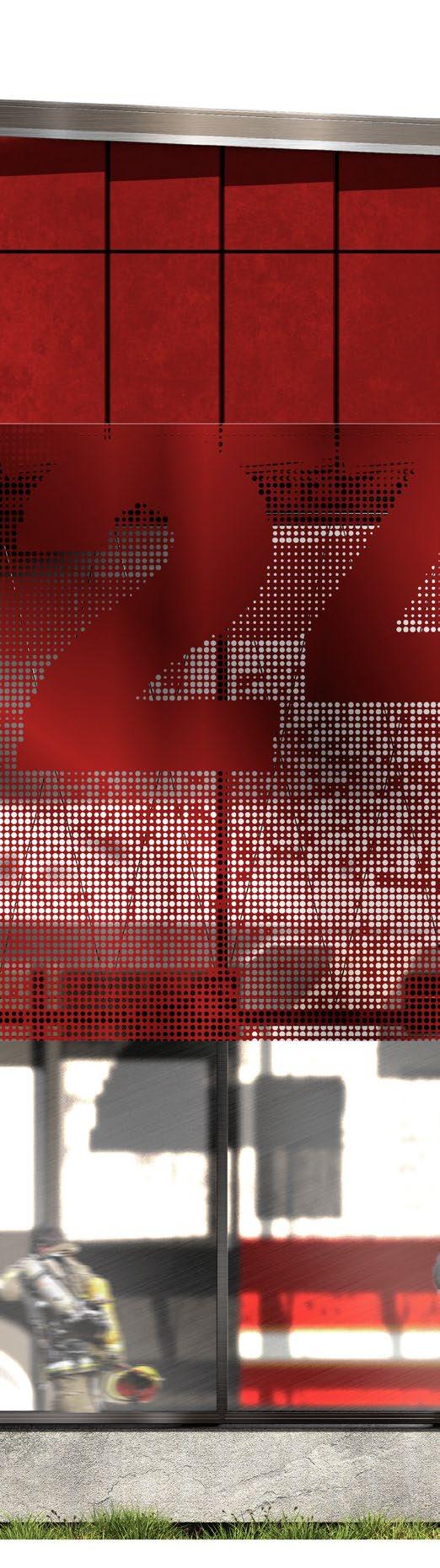
“The Work” - Apparatus Bay Red perforated aluminum panels symbolize the fire station, drawing attention from main roads and guiding passersby to the lobby and fire trucks.. Along 18th Street, perforated screens act as bold signage.


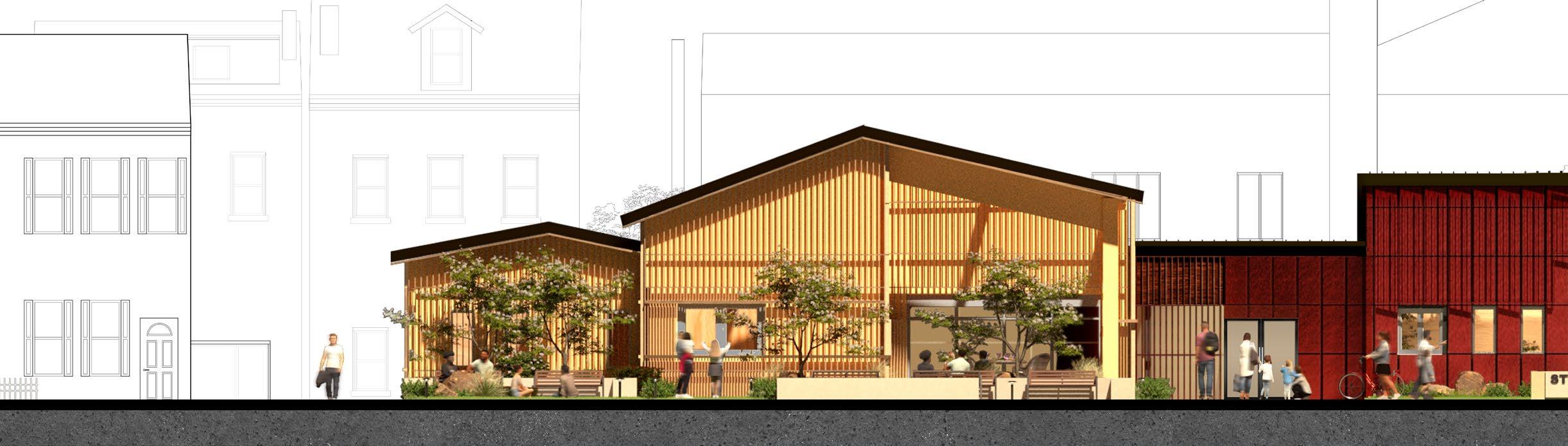
“The
Home“ - Wooden Slats For The Living
Area
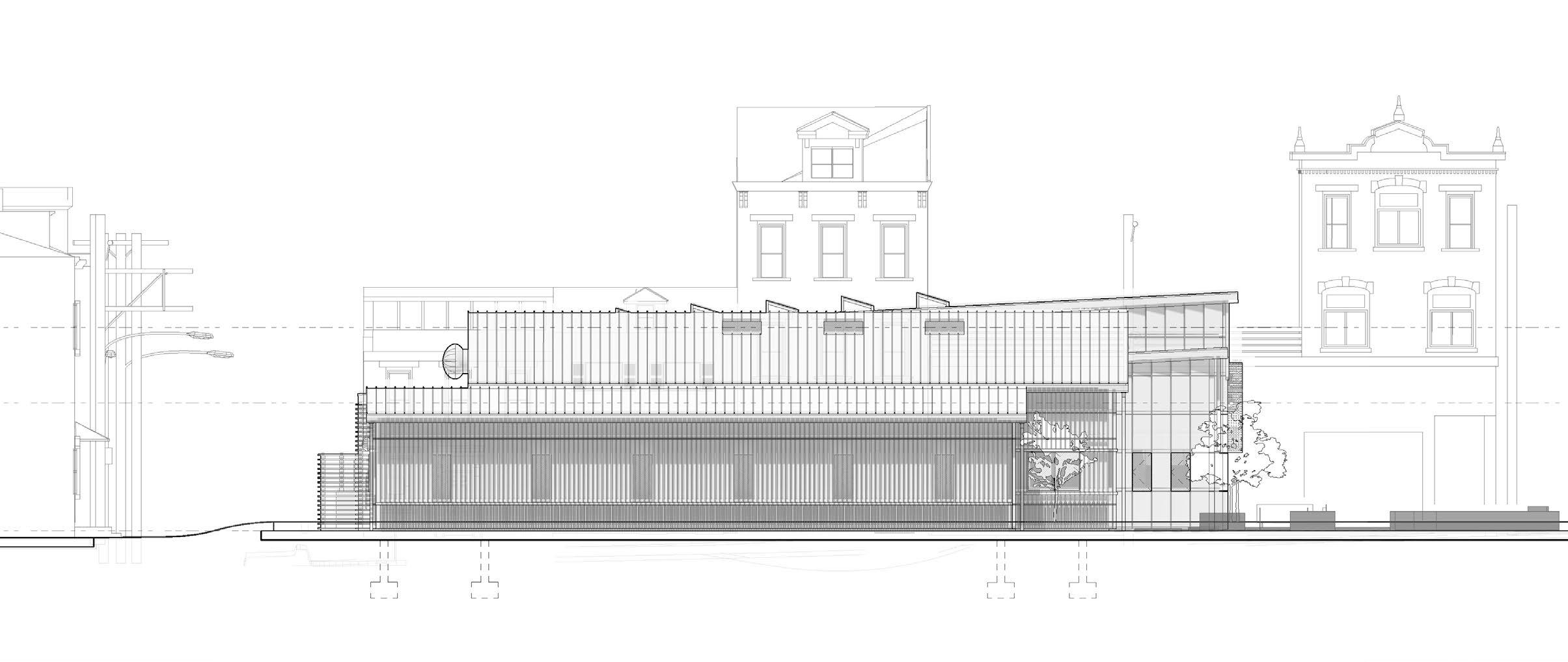
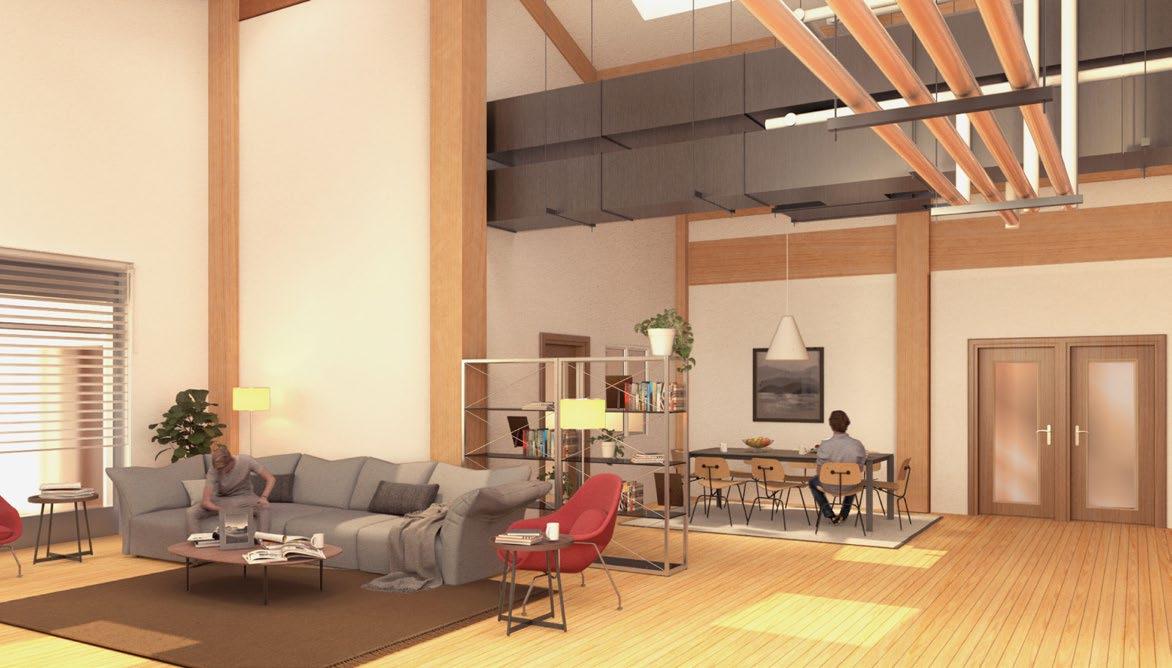
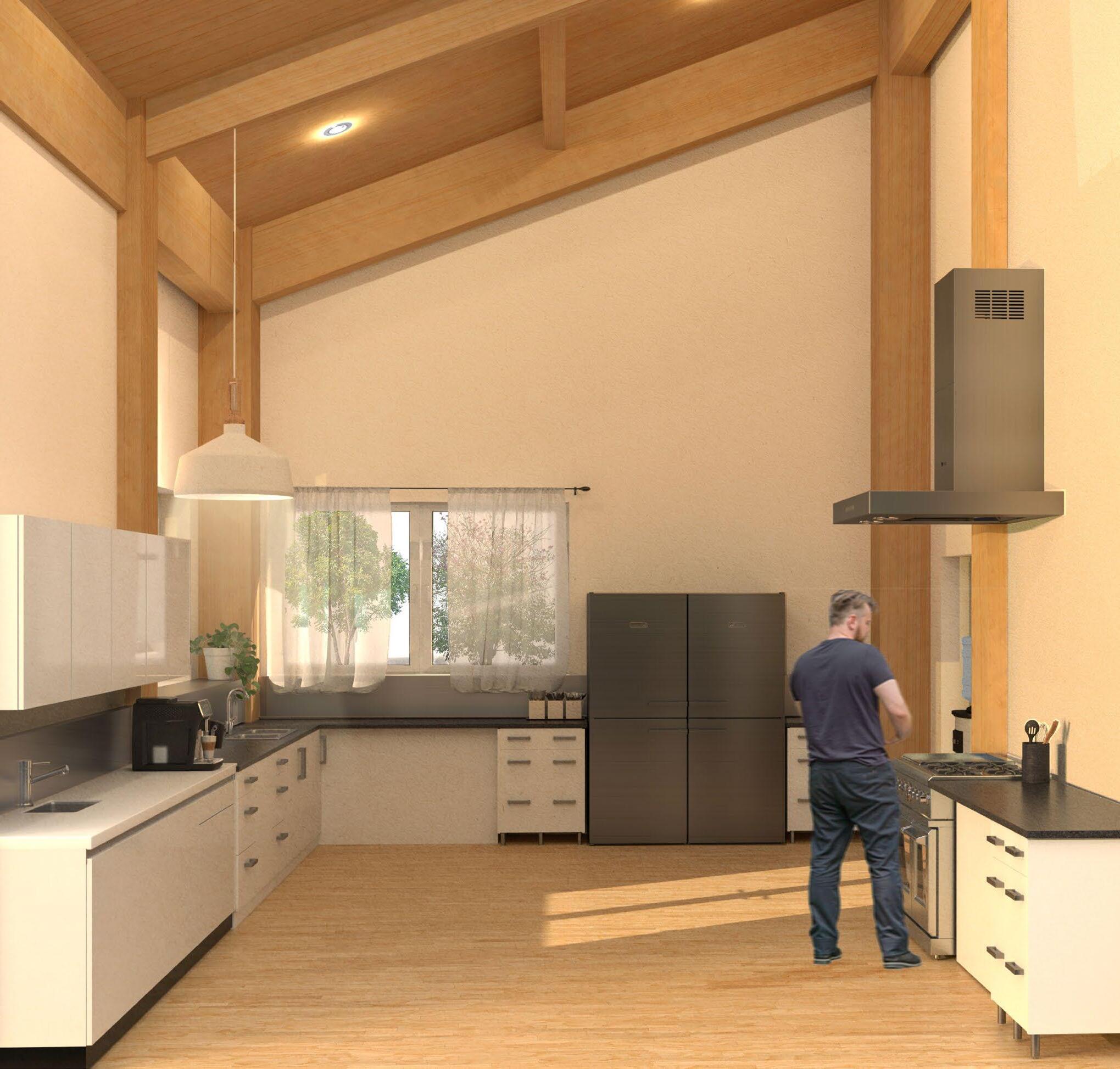
The use of wooden slats in the living area reflects the character of the surrounding Victorian houses, which are primarily made of wood. Features mass timber with glulam beams, columns, and 5-ply CLT floor and wall plates.

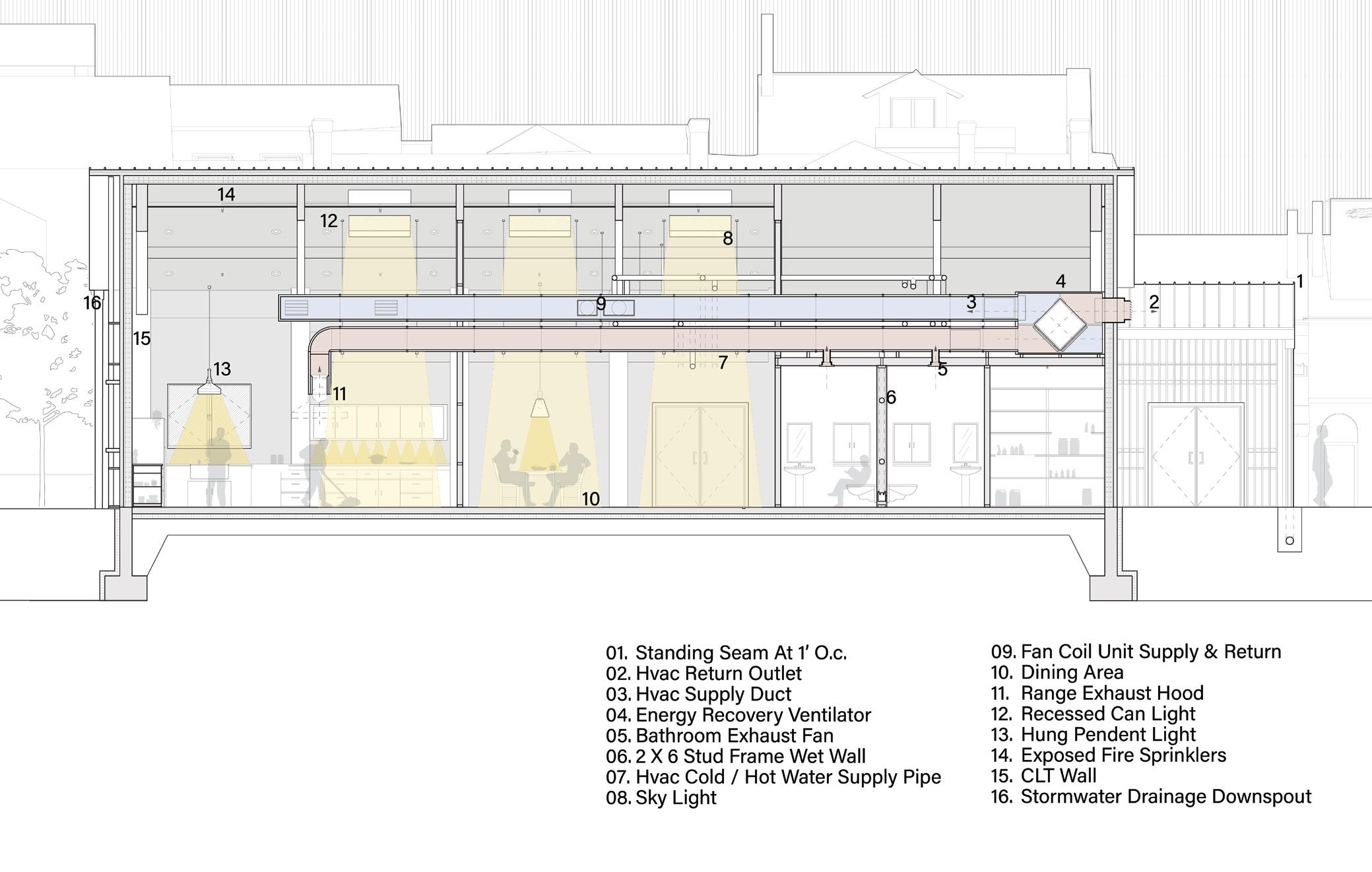
Exposed HVAC design
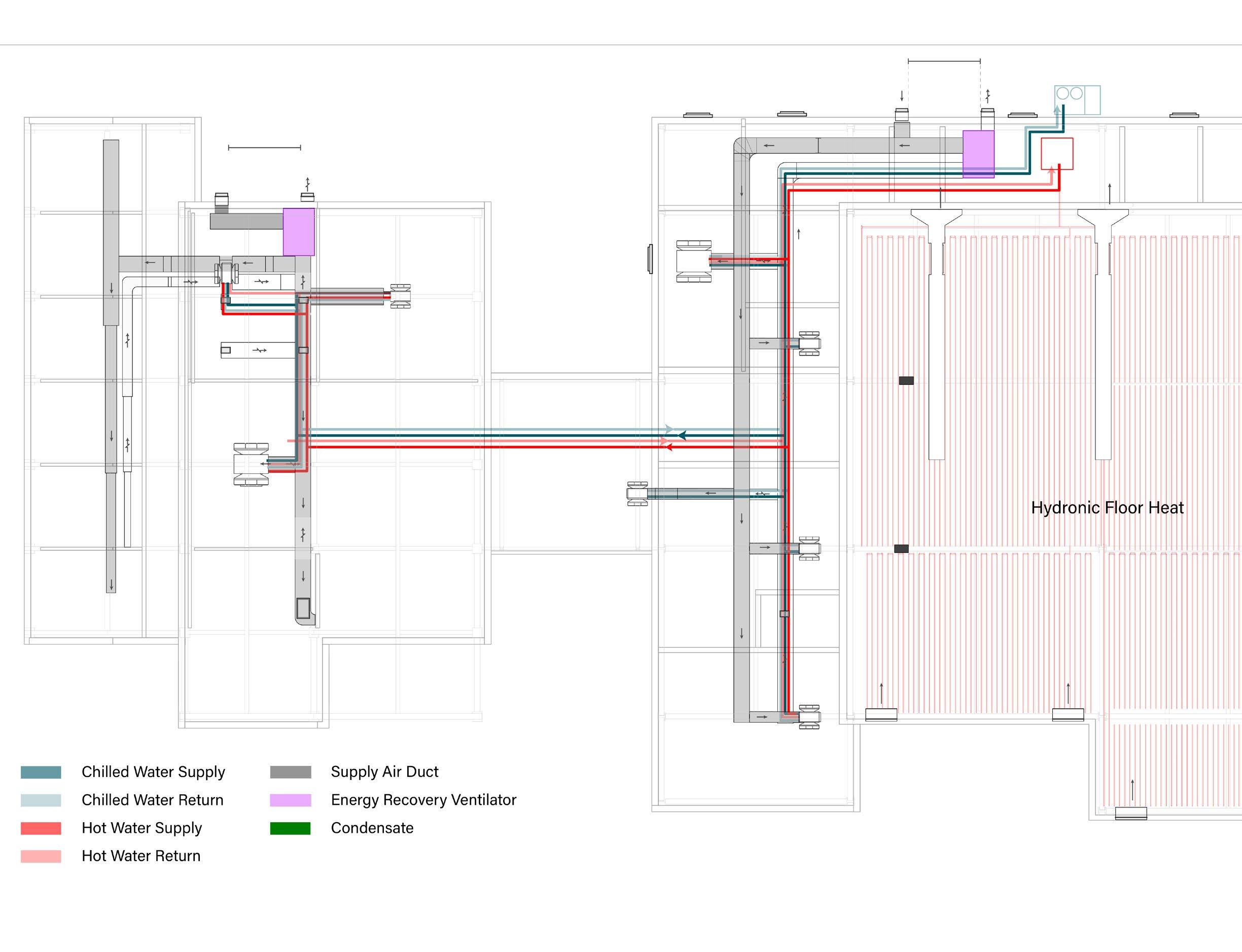
HVAC system balances functionality and occupant well-being. Utilizing a four-pipe fan coil unit system with energy recovery ventilators (ERVs), the design maintains separation between hot and cold zones. Exposed pipes reinforce spatial organization, aligning with the station’s utilitarian aesthetic.
E CO-HOME
How can modular housing balance privacy and comfort in multi-generational housing?
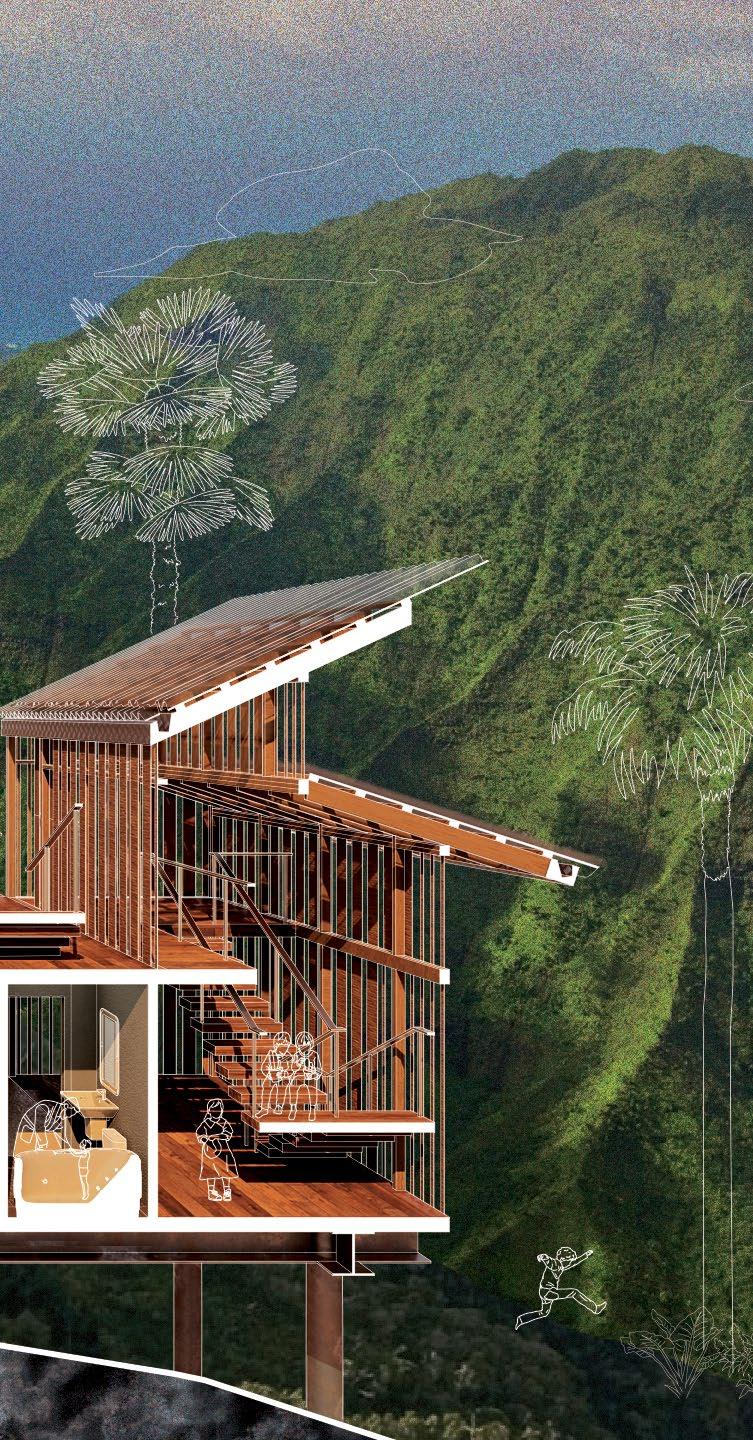
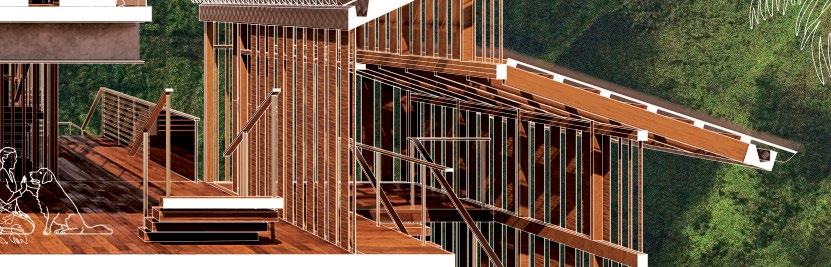
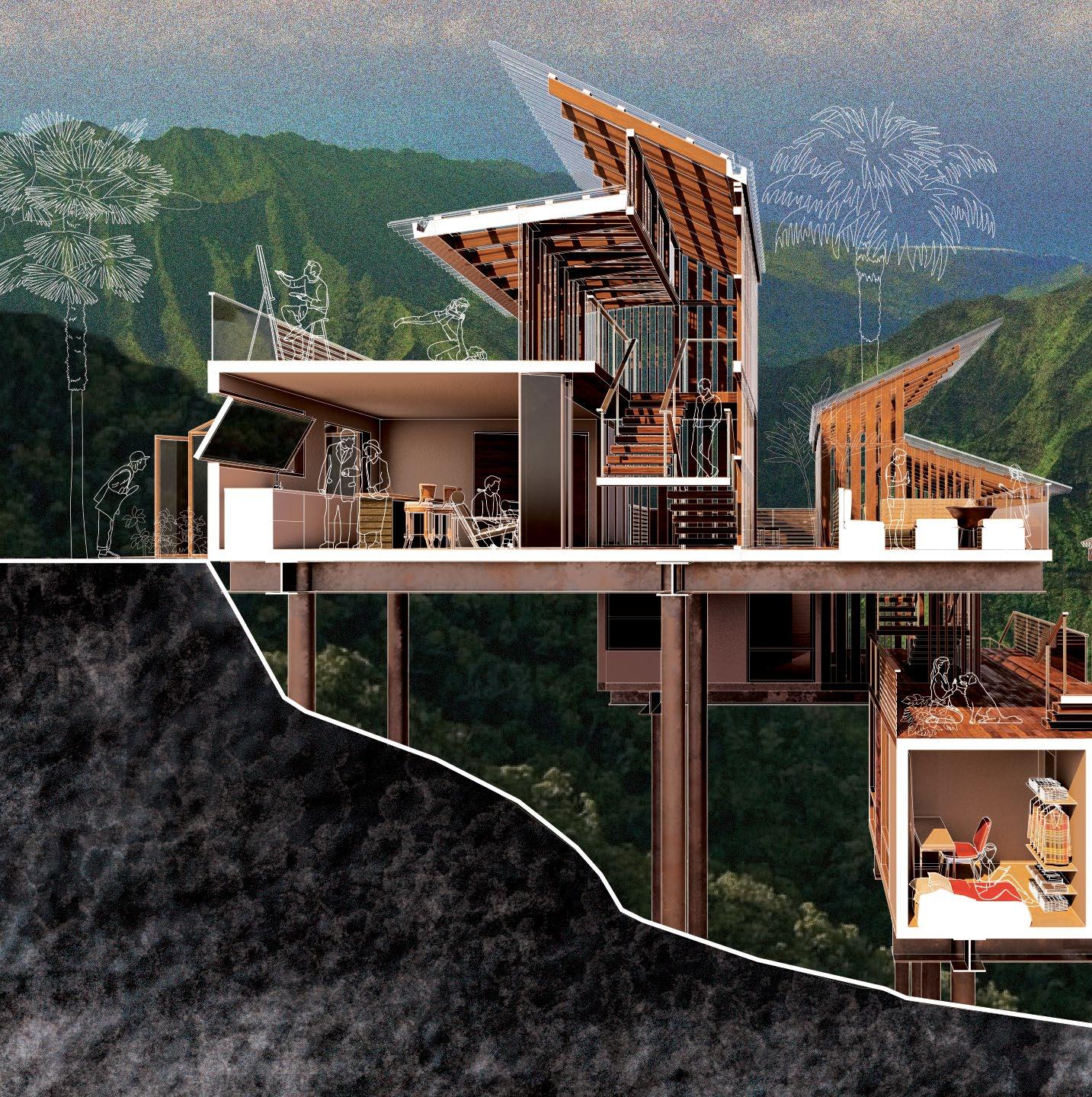
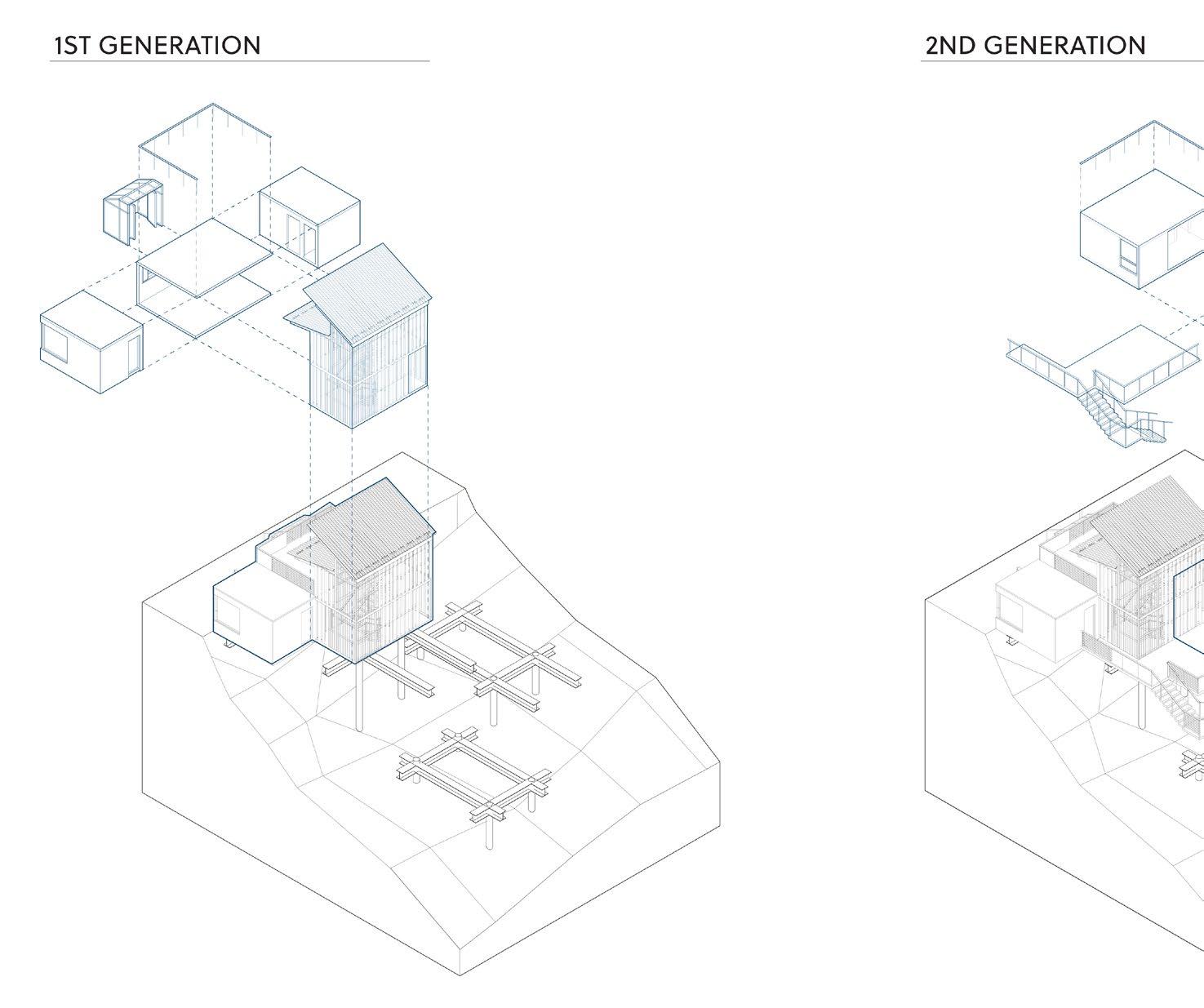
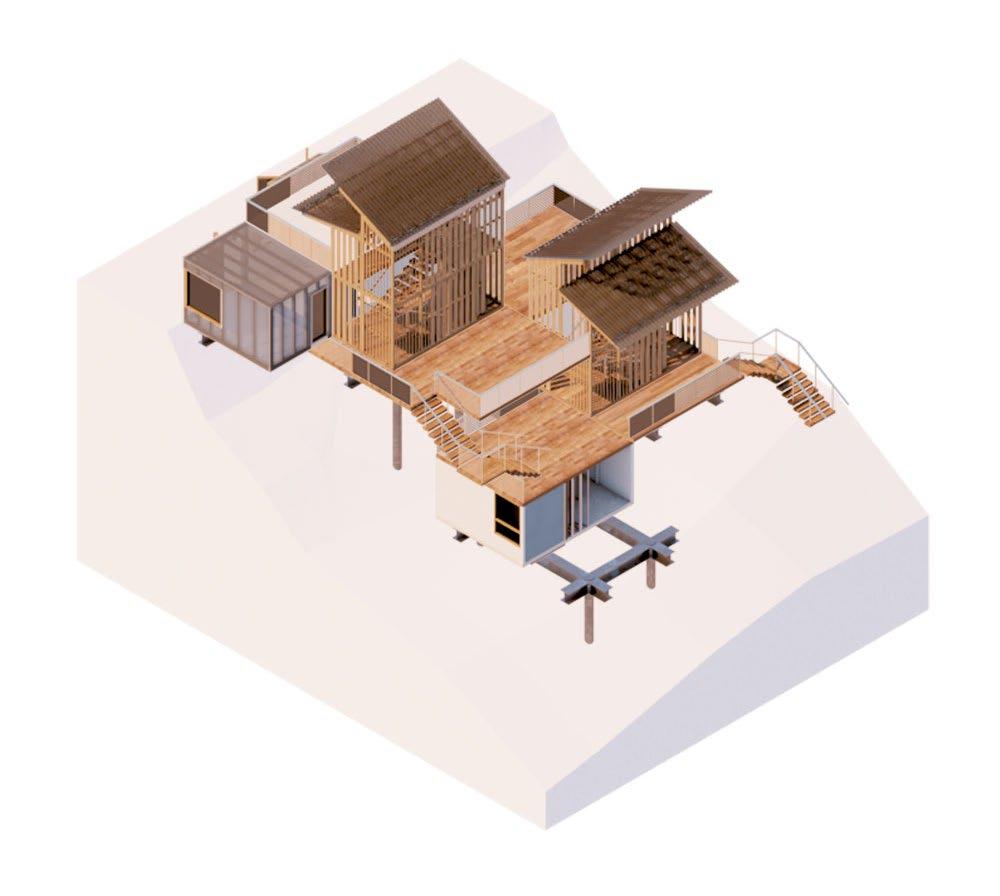
In the midst of the high cost of living and chronic housing shortage in Honolulu, Hawaii, approximately 250,000 residents currently find themselves in multigenerational households. To honor the local culture overshadowed by tourism and sustain this unique way of life, this project seeks to conceive a multi-generational mobile home concept that would fortify the ‘Ohana’ spirit, while also offering a haven of individual living.
This project serves as a groundbreaking proposal for the potential legalization of mobile homes in Hawaii, where they are currently prohibited. Going beyond multi-generational housing, the project’s essence lies in seamlessly blending indoor comforts with the beauty of nature, particularly through the integration of outdoor living spaces.
PROGRAM STUDIO
DATE
LOCATION
Multi-Generational Housing
Professor Jared Abraham
Spring 2023
Honolulu, Hawaii
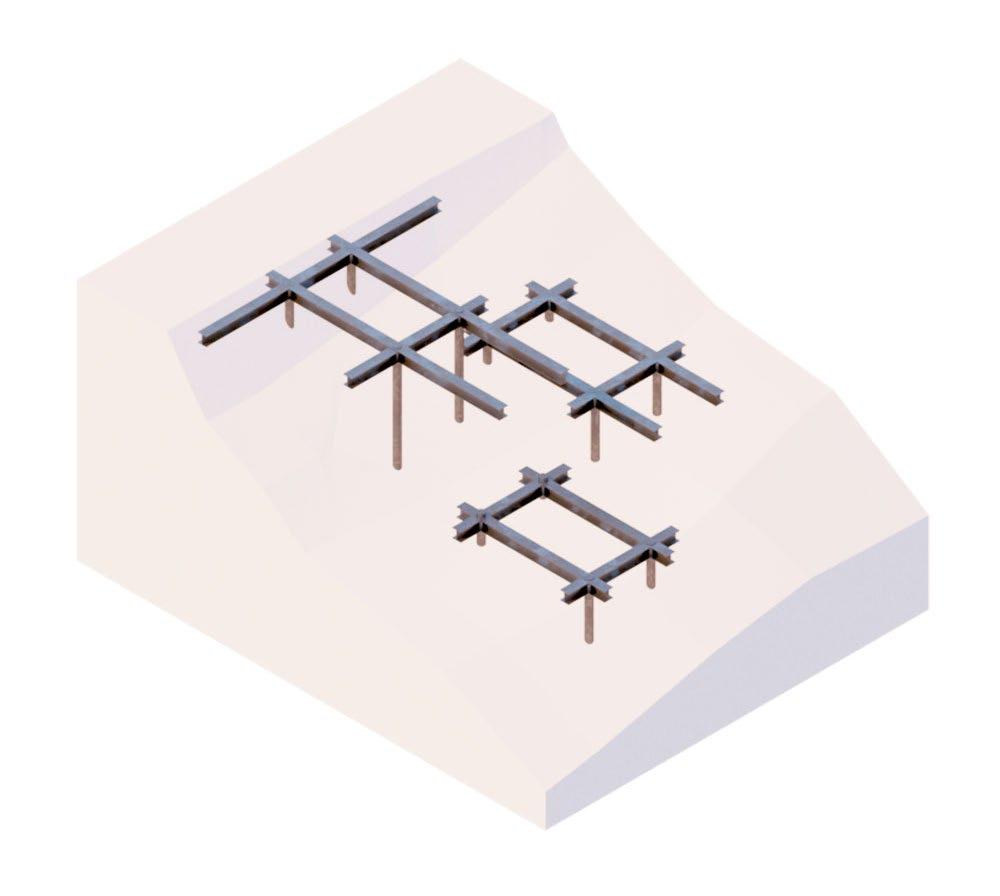
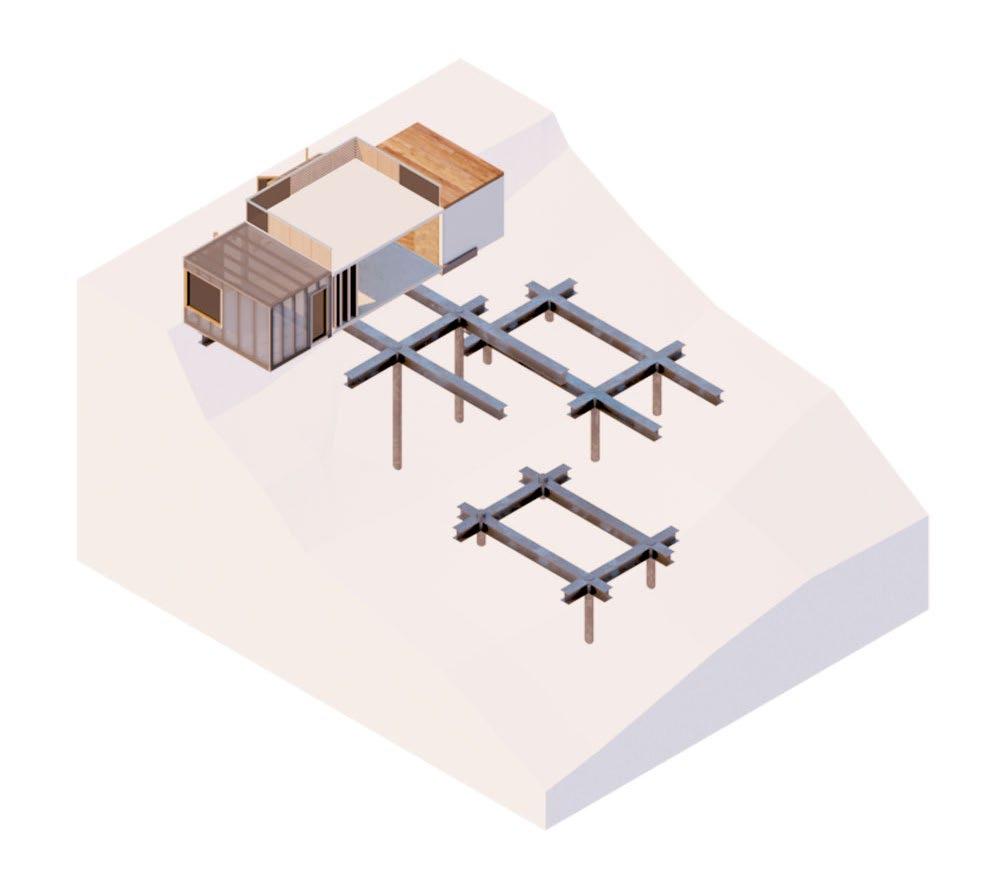
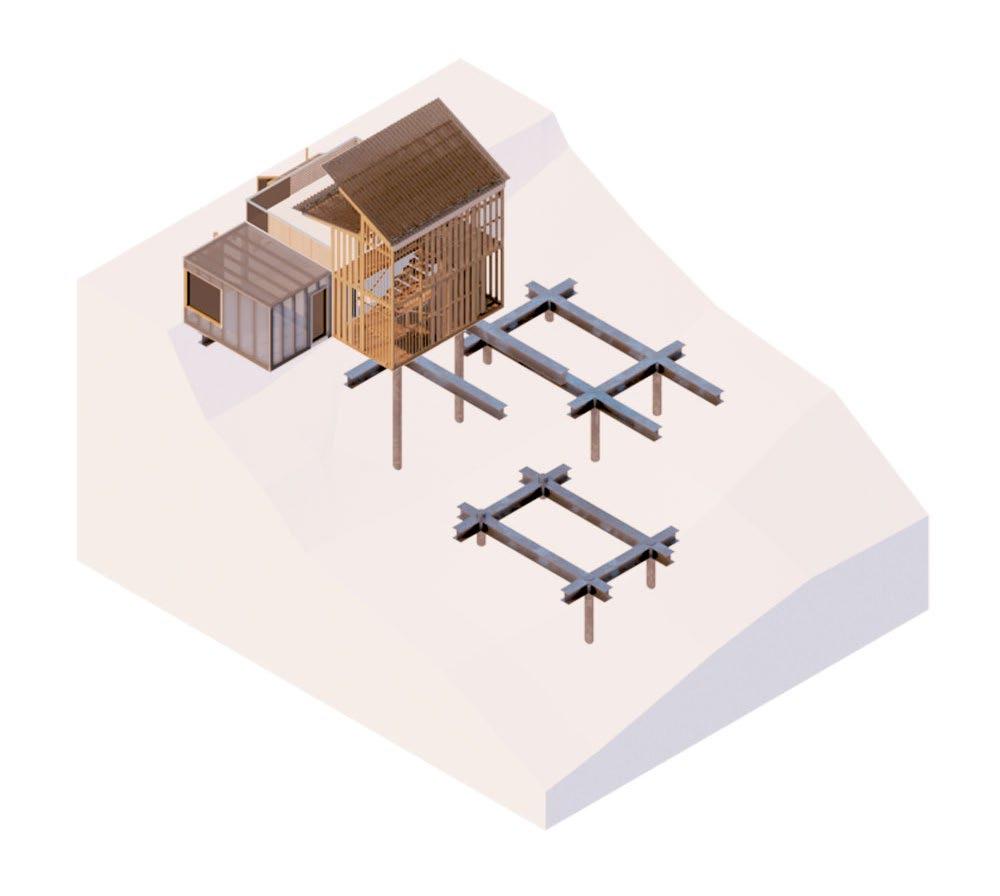
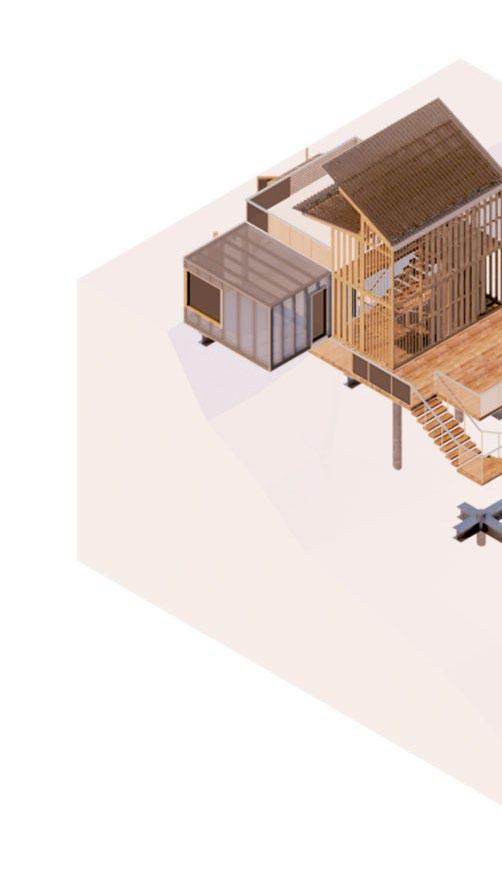
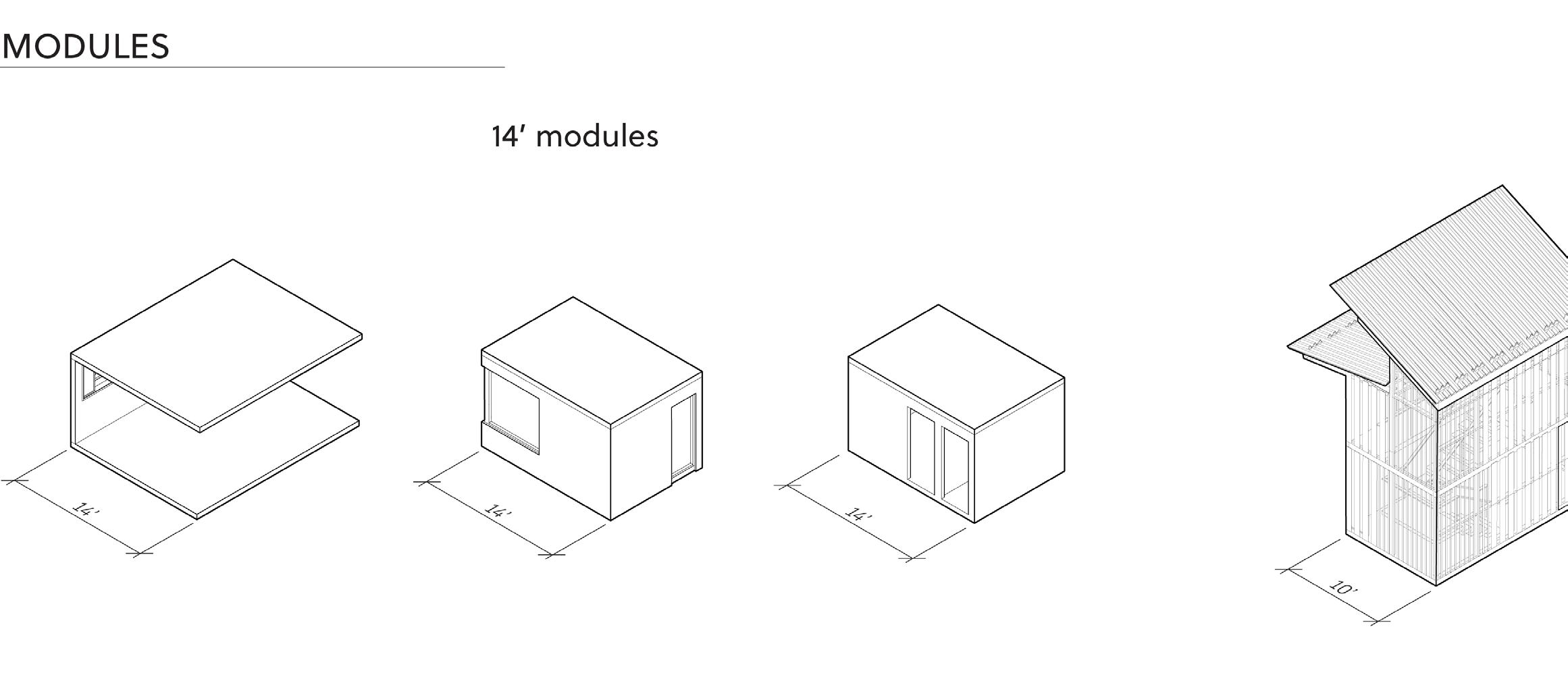
14’ Modules
2nd
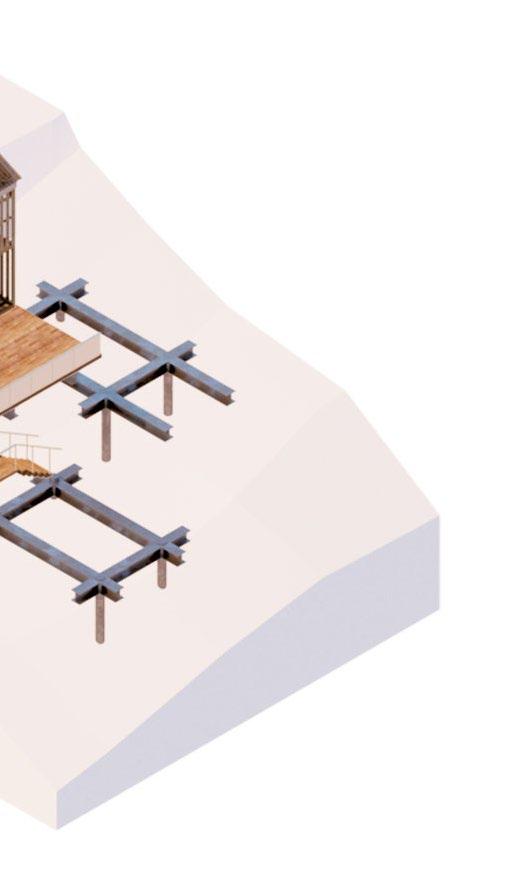
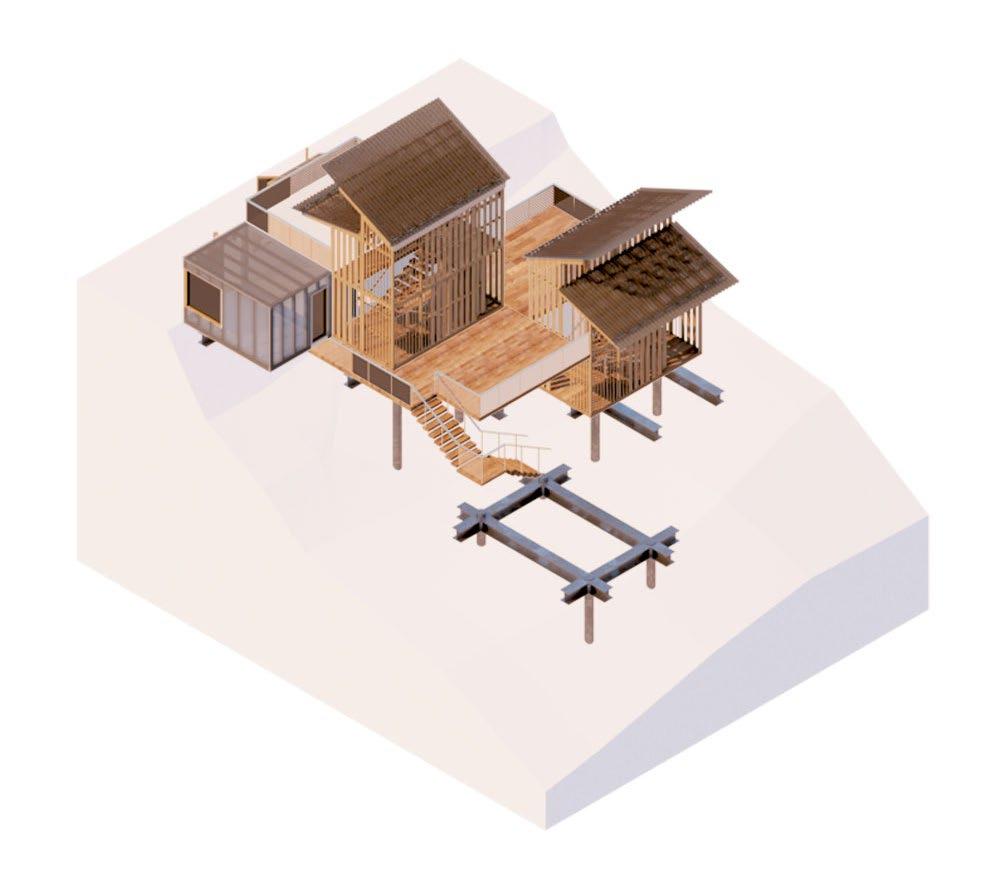
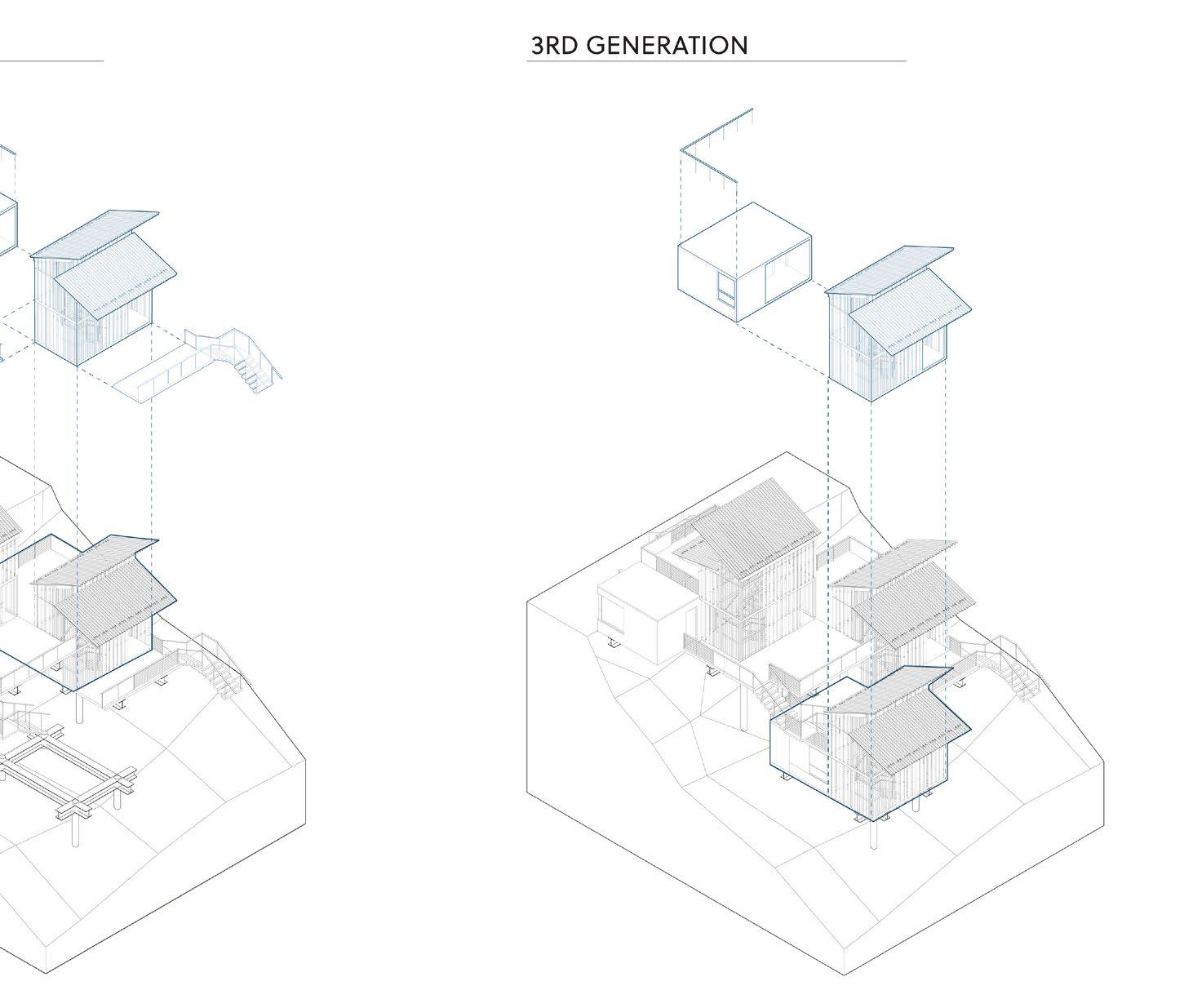
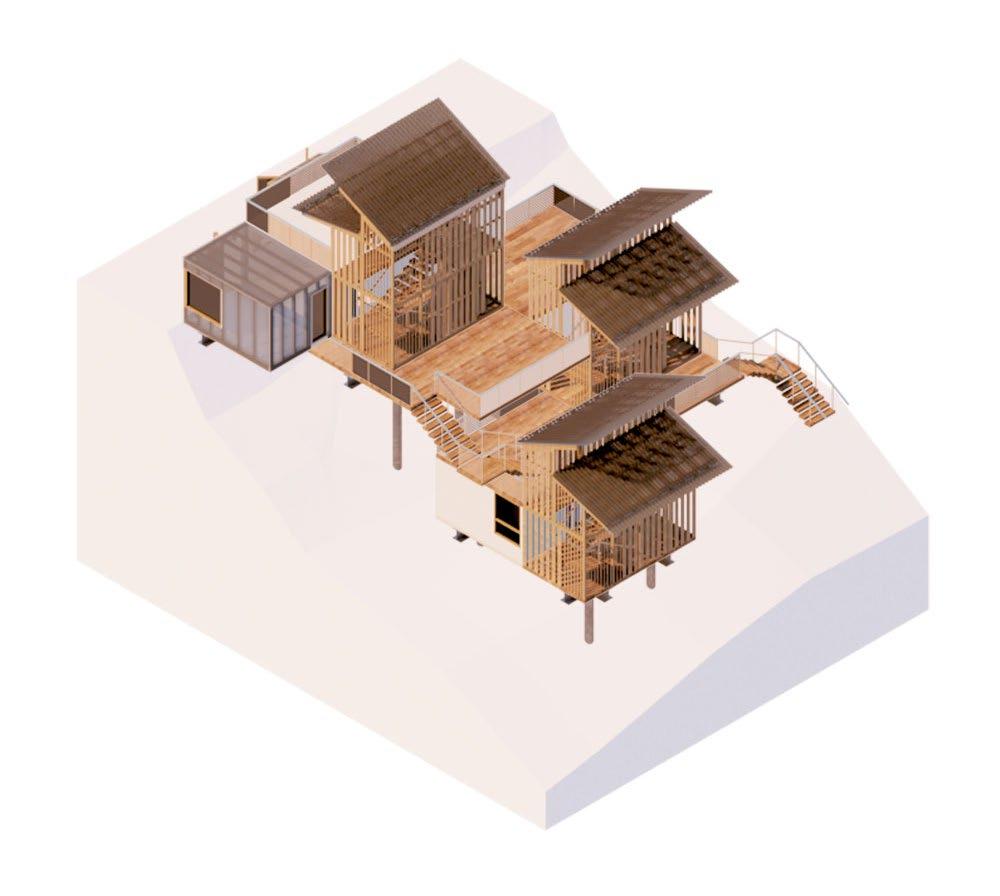
Multigenerational modular construction
Enabling families to expand and customize their home as needed through modular construction, strategically placed on a steel structure to harmonize with Hawaii’s landscape.
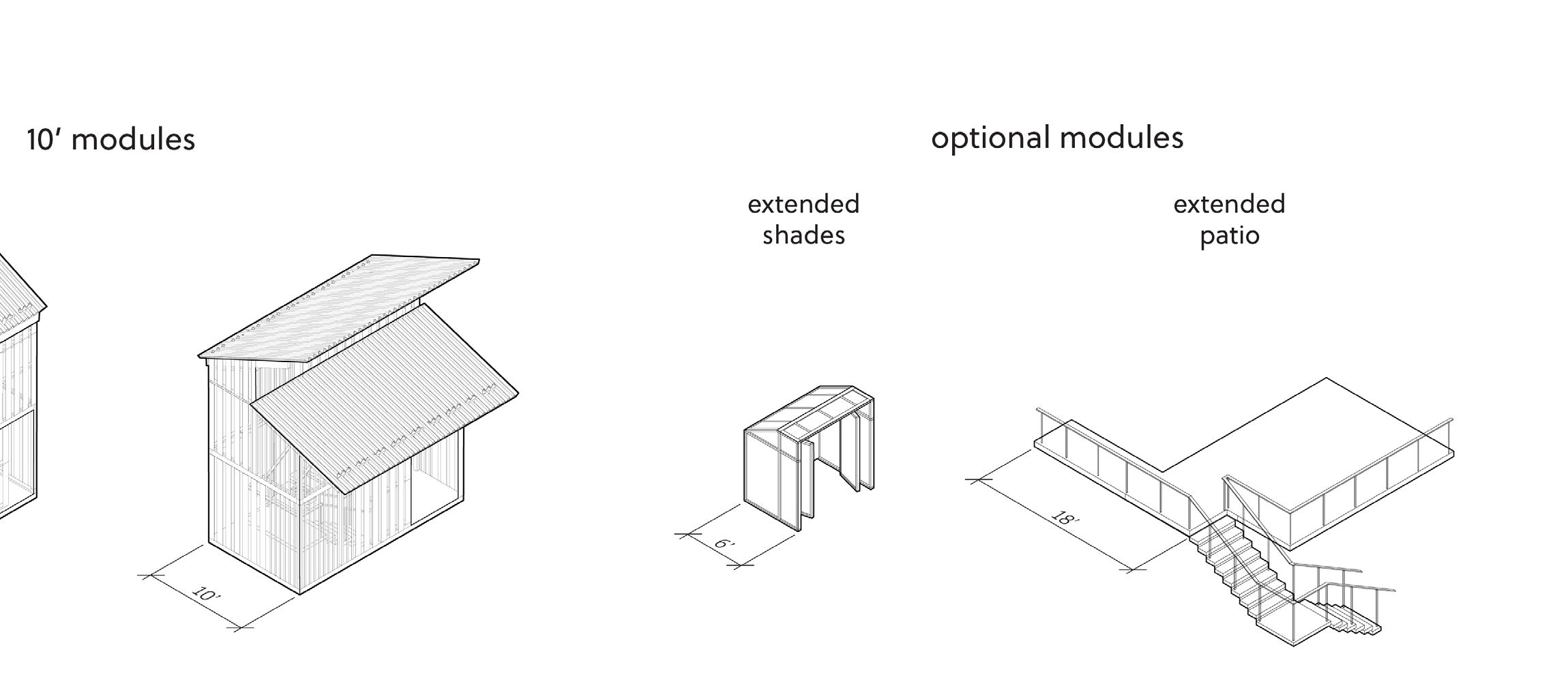
10’ Modules
Shades
Patio
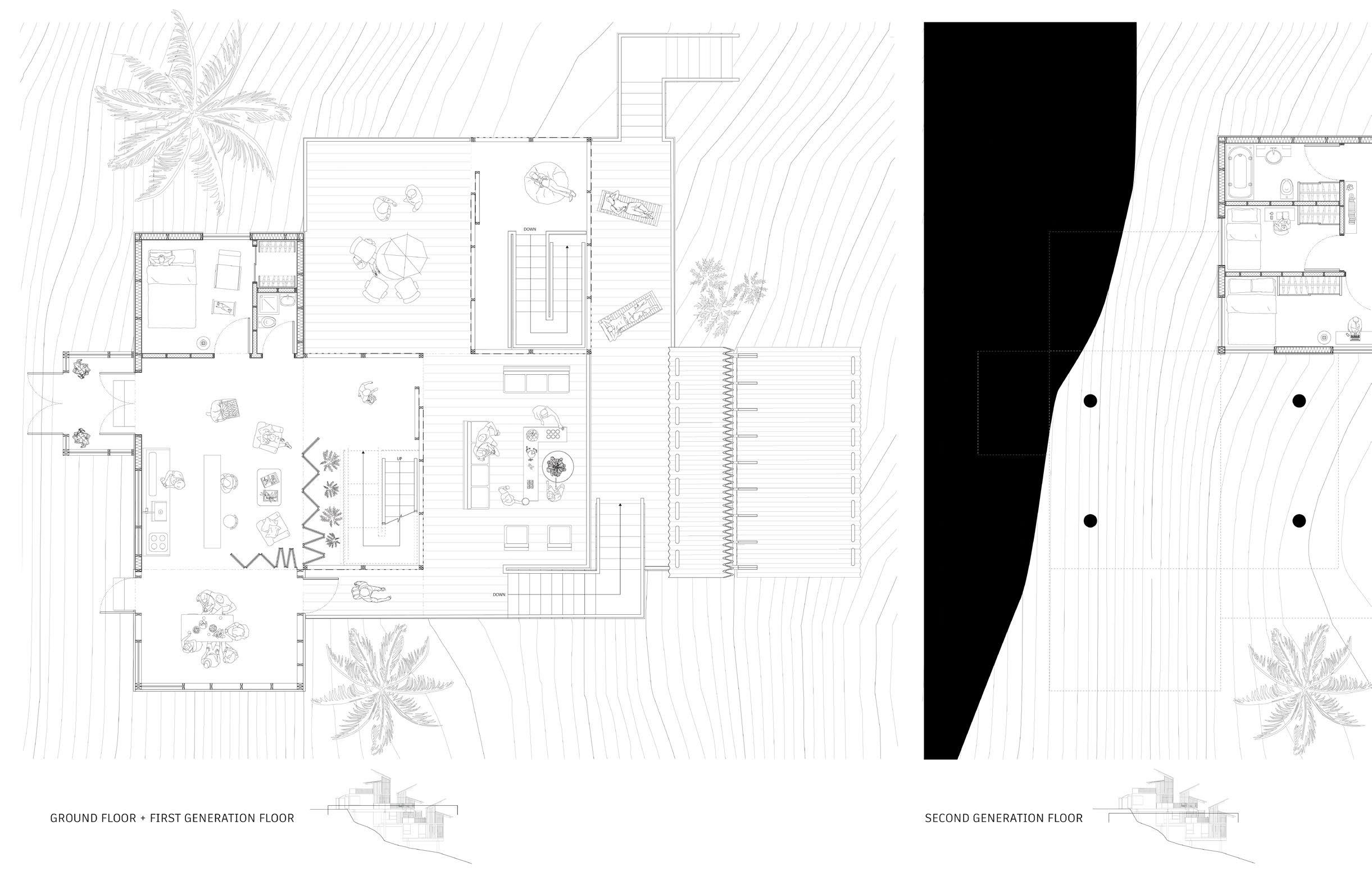
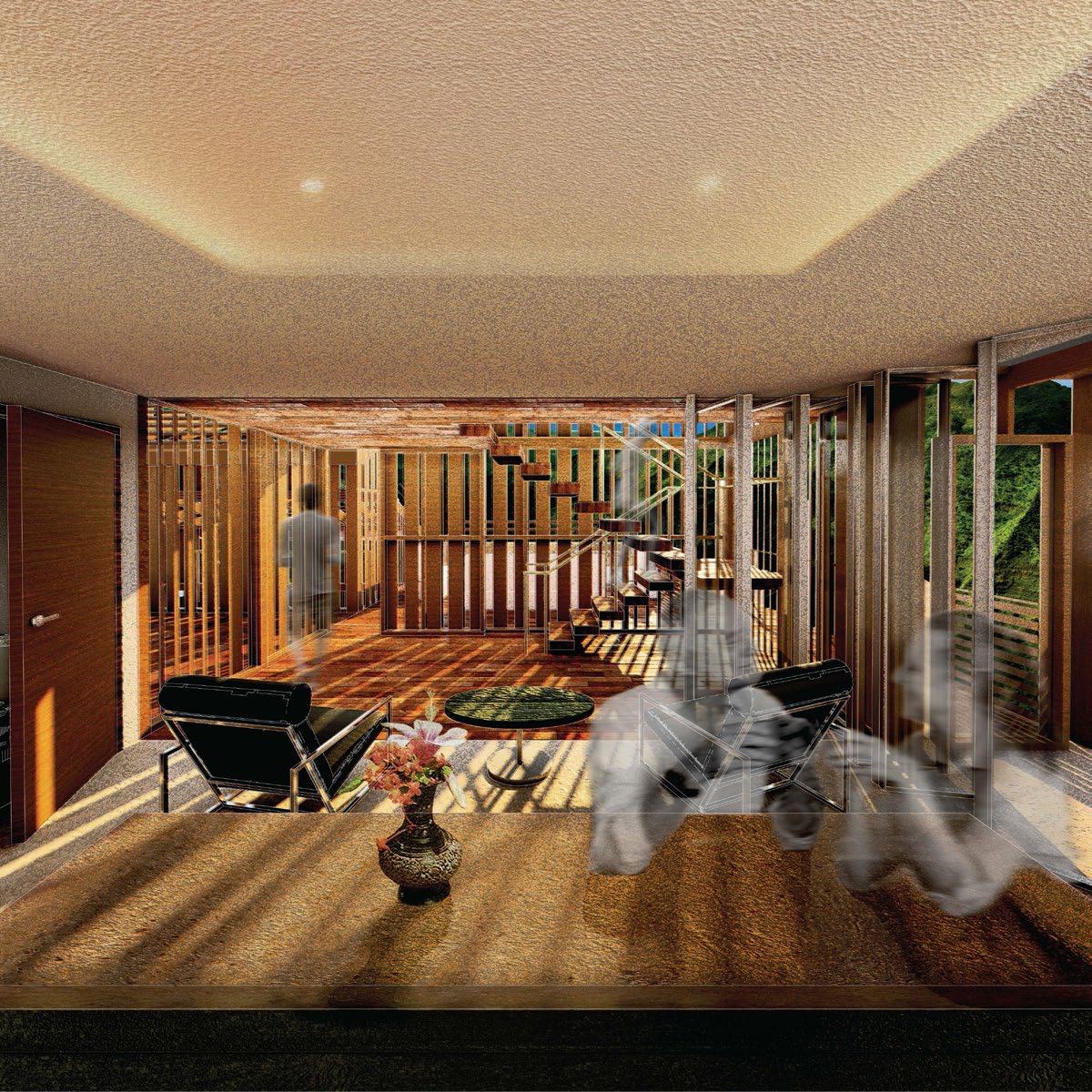
Centralized Living Spaces
Offers a shared living area for all generations, incorporating a communal kitchen and living room. The outdoor patio functions as a communal gathering space for families.
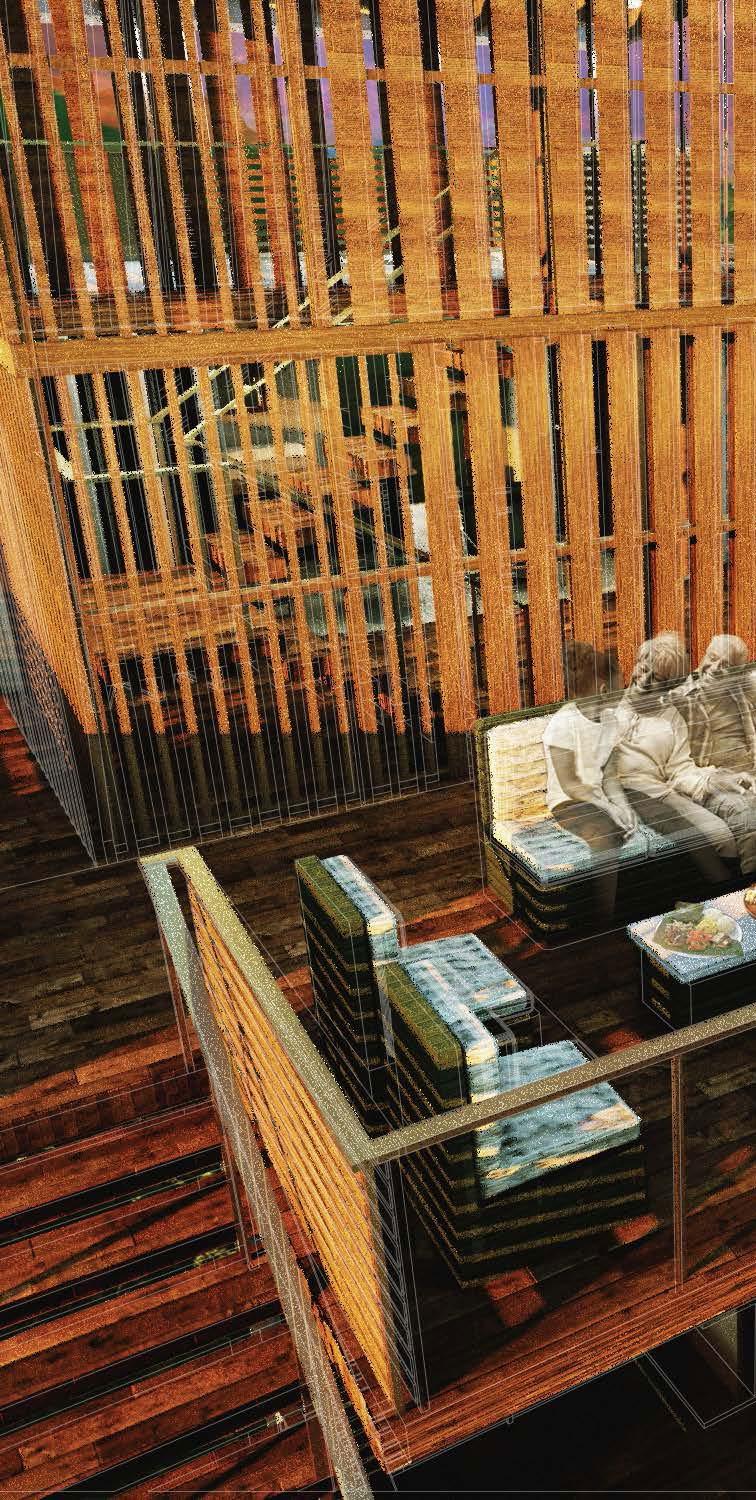
Designed for enhanced privacy across generations while ensuring individualized and private
Division of spaces
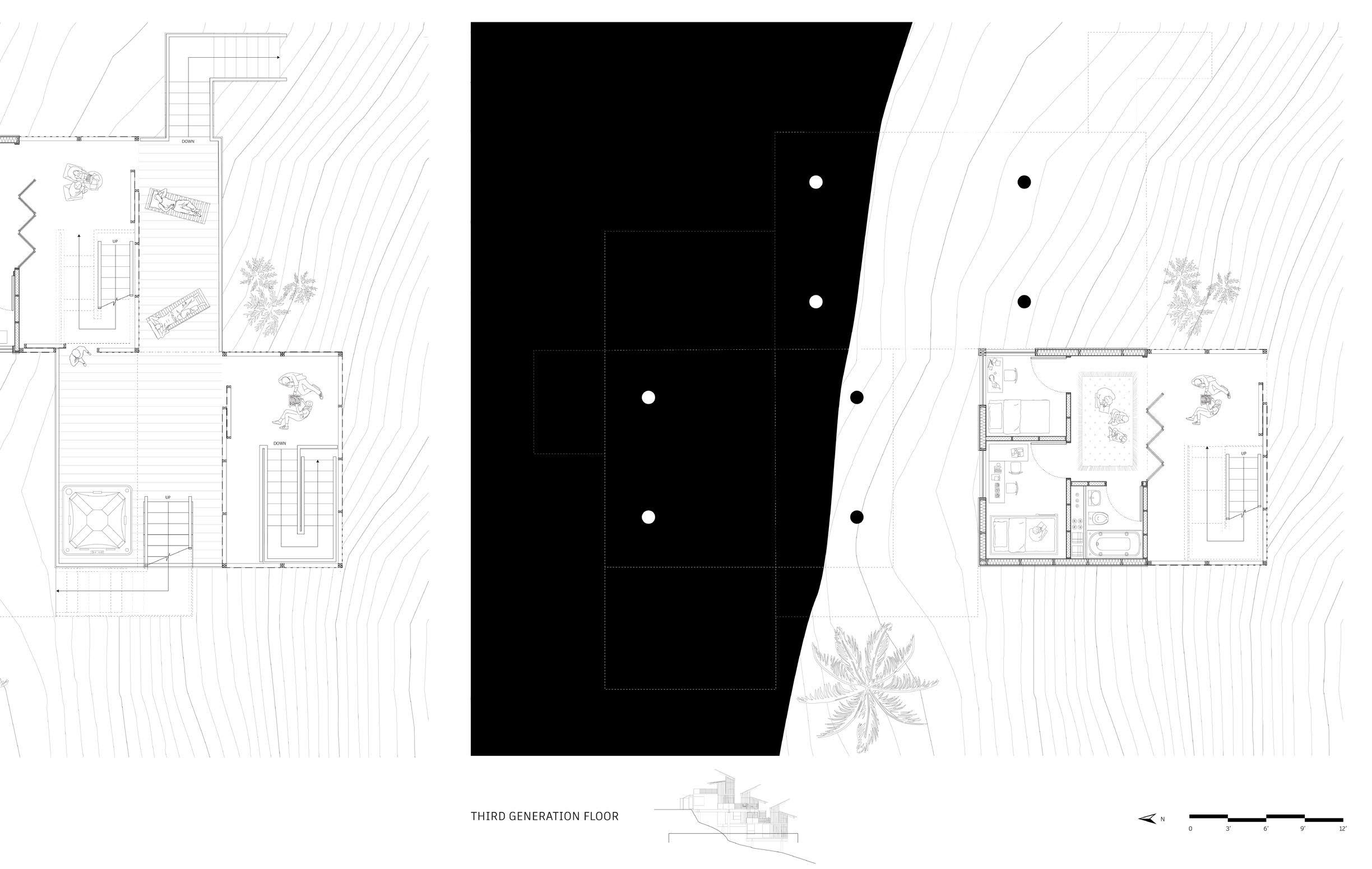
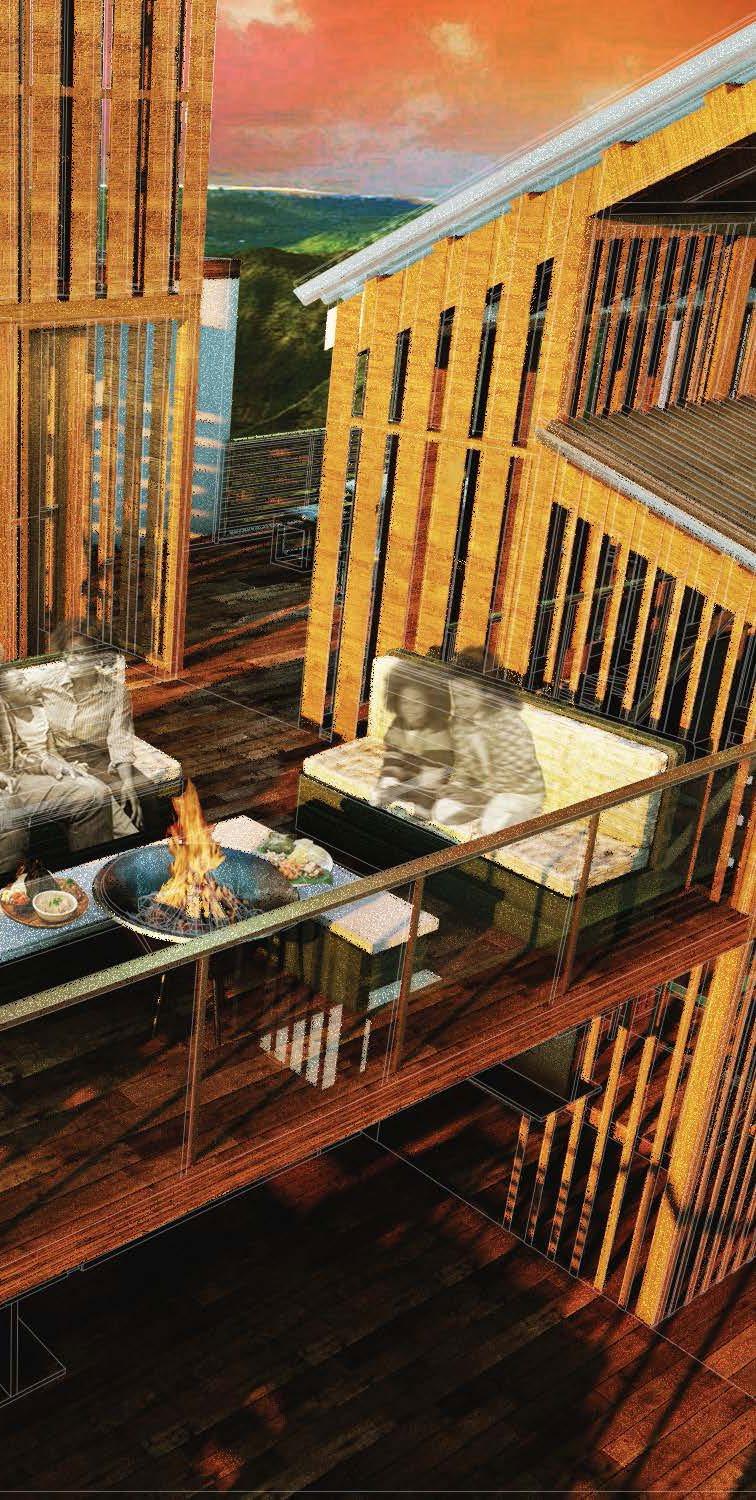
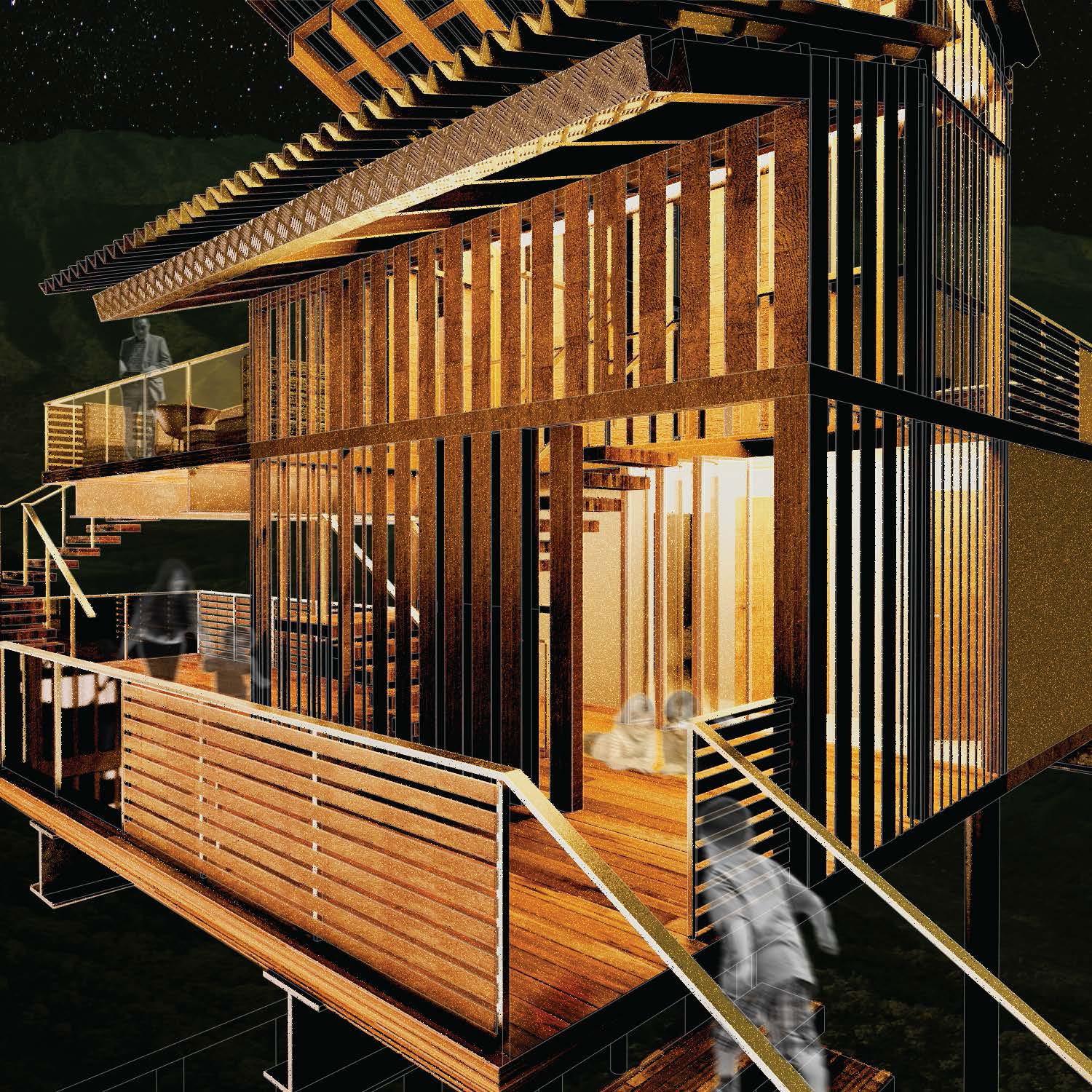
Openess to ground Tailored for children, featuring direct ground access to seamlessly blend indoor and outdoor spaces.
generations optimizing space efficiency living experiences within each module.
HUB
How can architecture communicate the Past and Future of east Harlem?
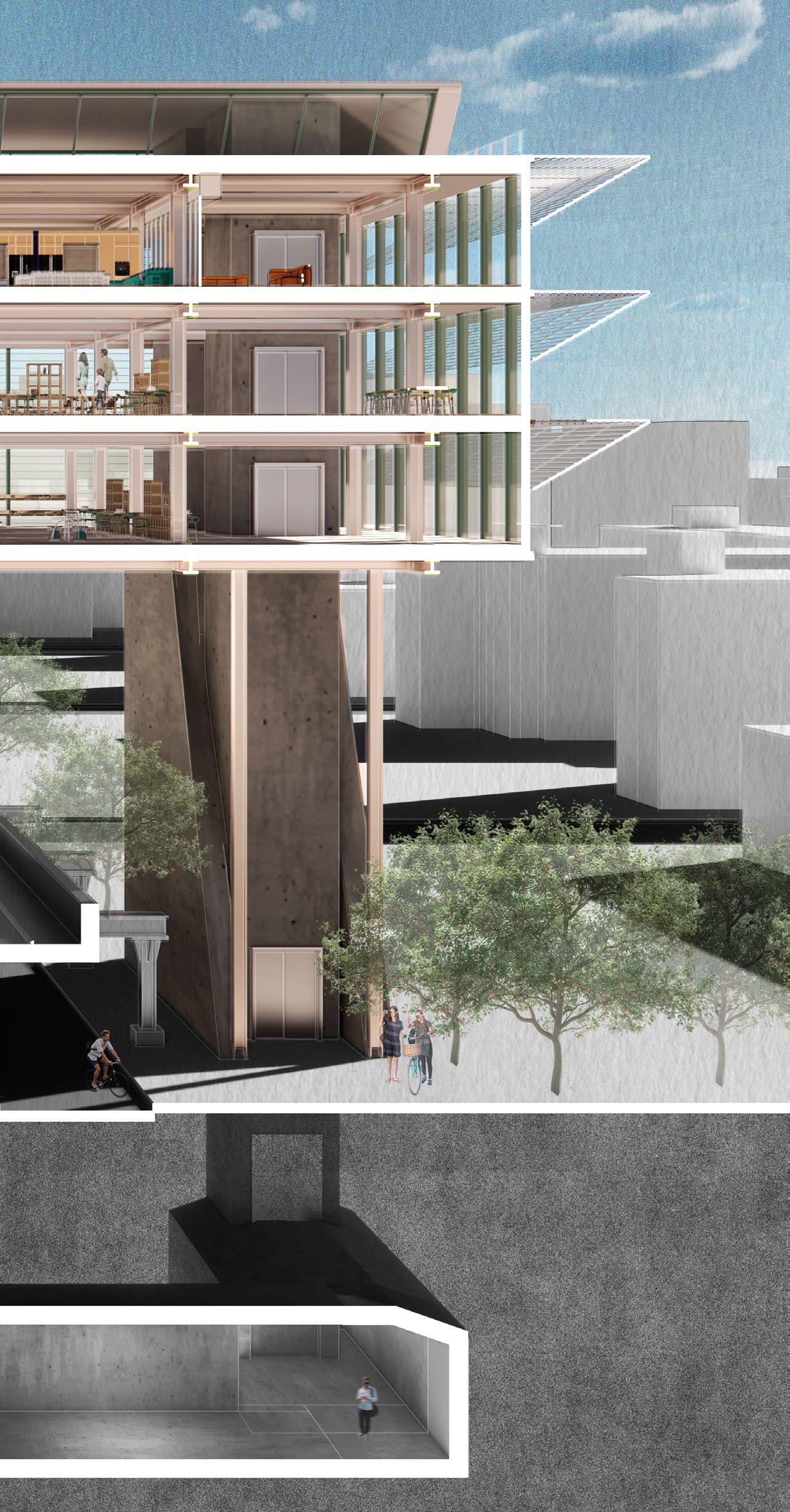
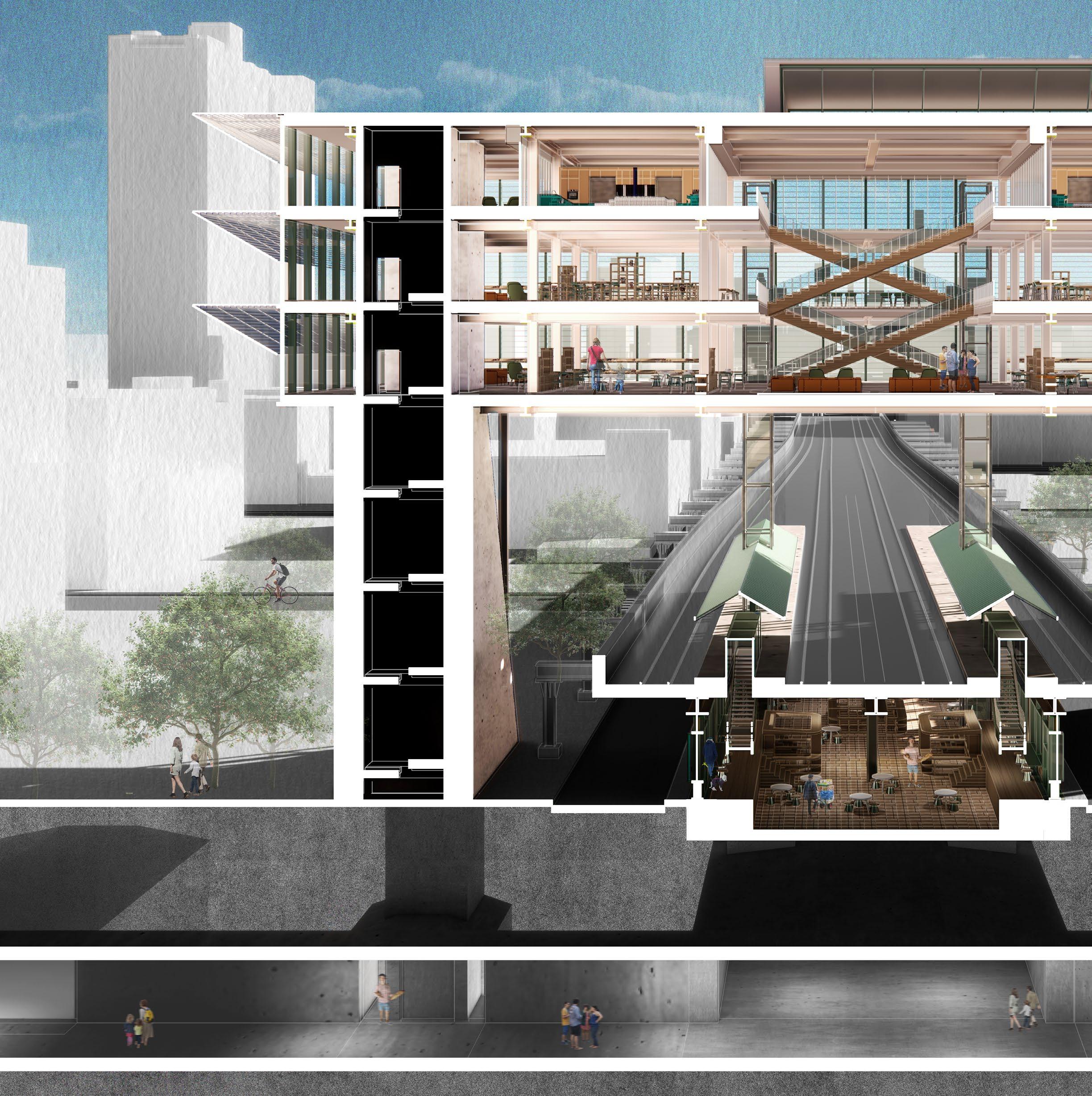
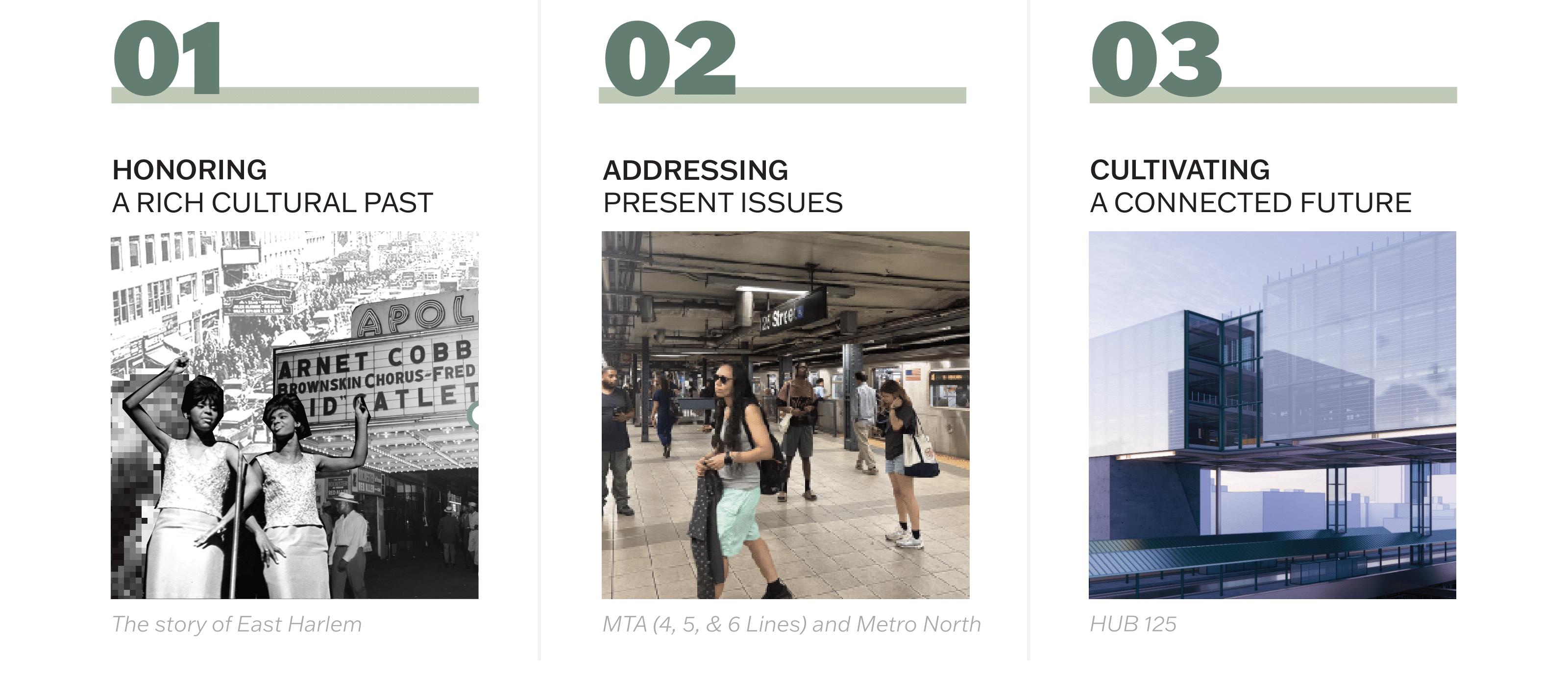
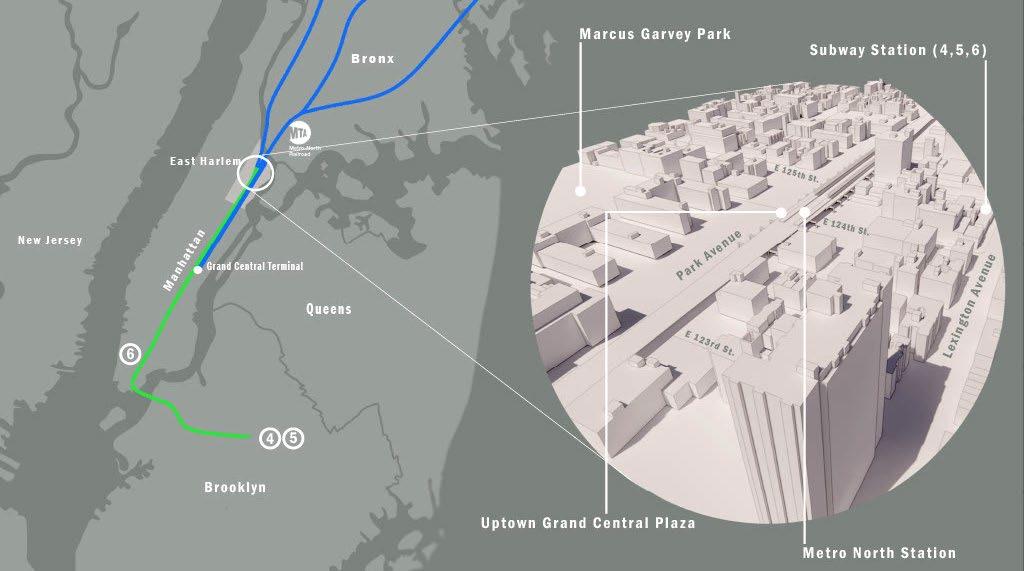
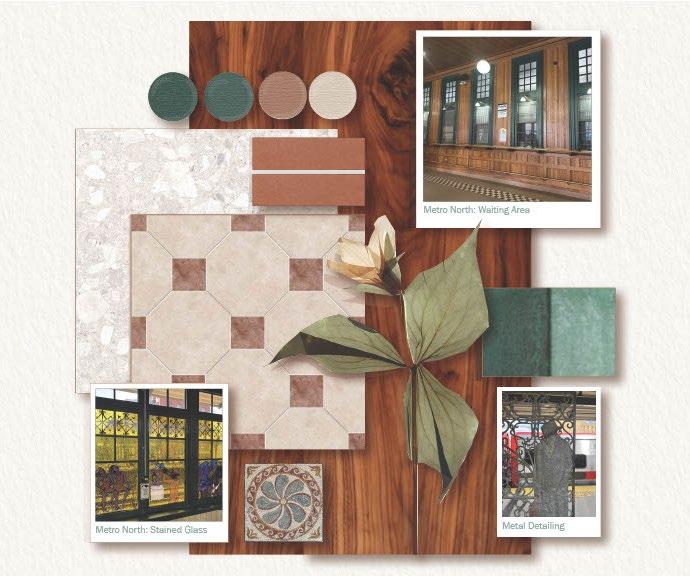
As part of Gensler’s intern project, the Harlem Urban Bridge, or HUB 125, reimagines the 125th Street Station in East Harlem as a unified transit and community hub that honors the neighborhood’s cultural heritage while addressing present challenges and envisioning a connected future.
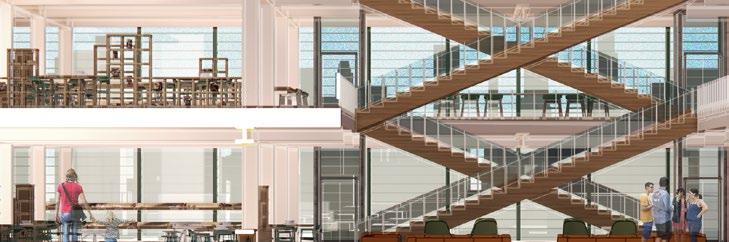
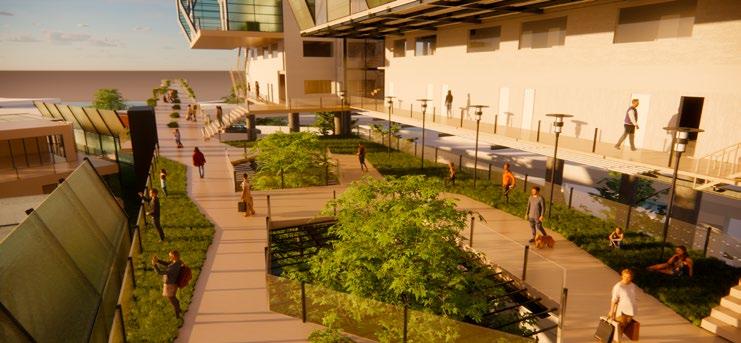
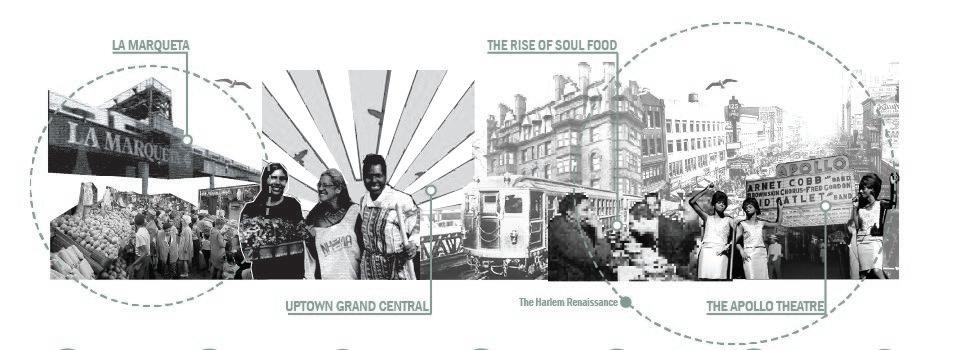
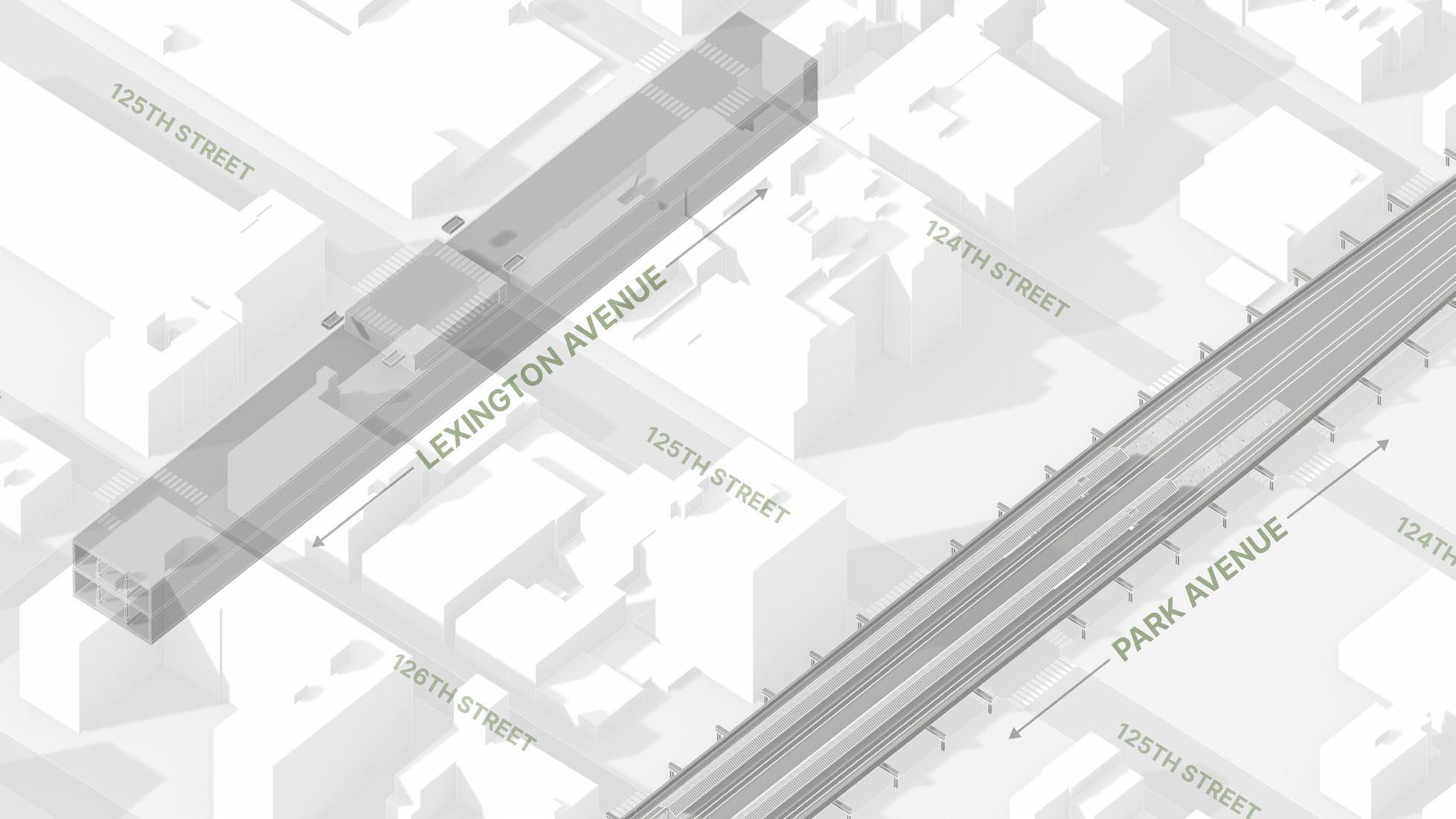
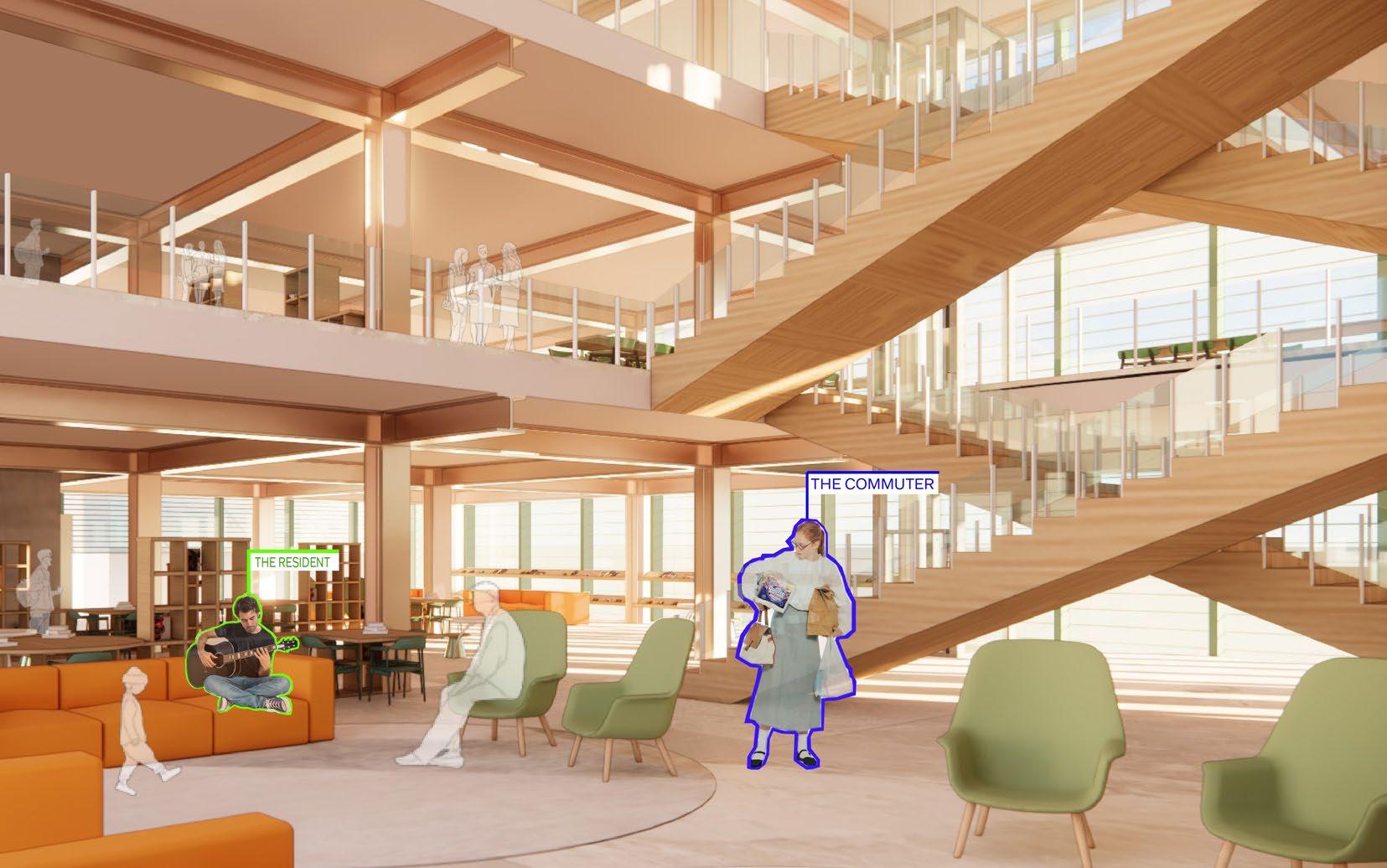
Inspired by La Marqueta and Uptown Grand Central, the project celebrates East Harlem as a local icon that reflects its history, culture, and people. The design links the Metro-North and 4,5,6 subway stations through a multi-level structure centered around a public atrium connecting transportation, market, and community spaces.
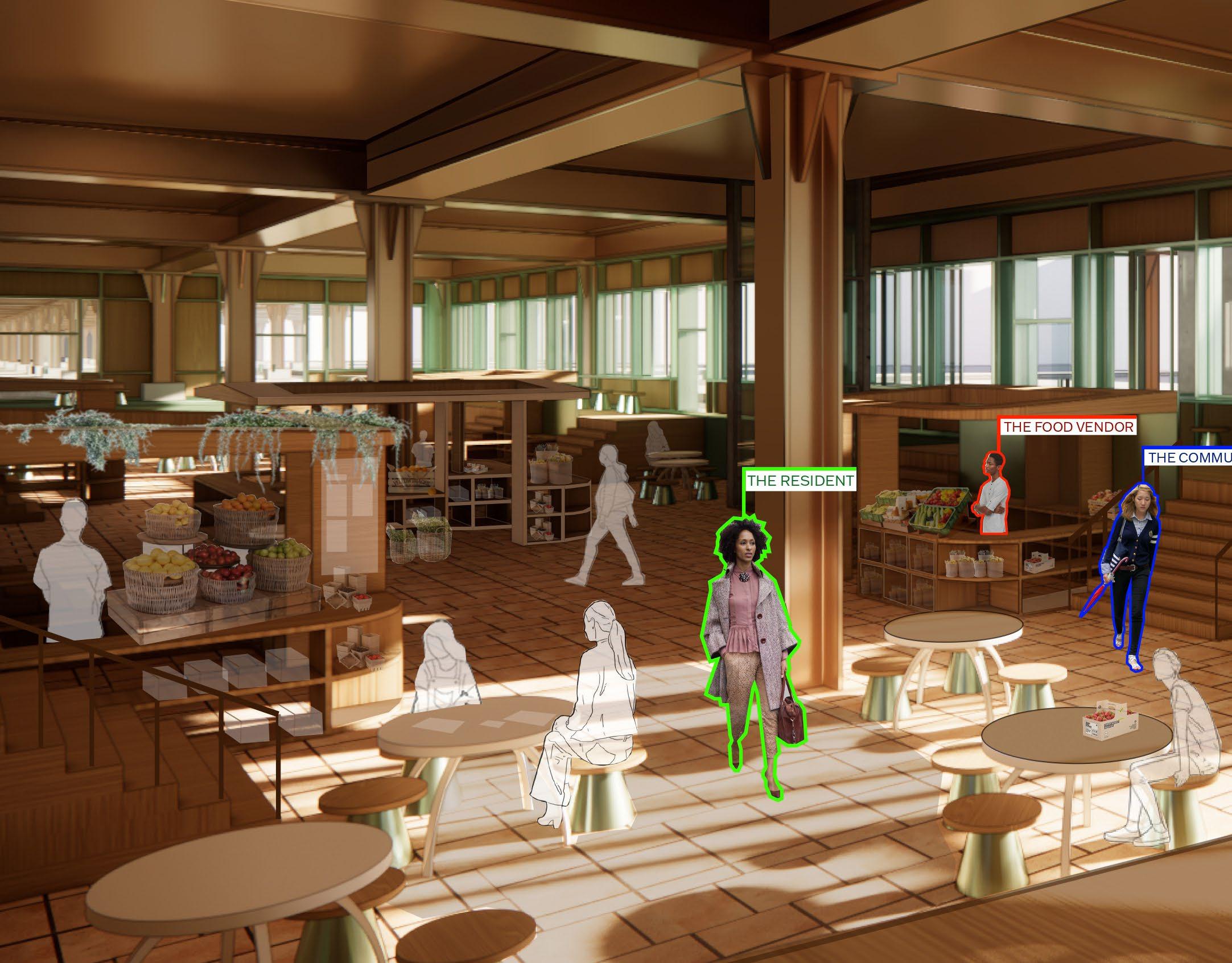
A subgrade food market offers a flexible, climateresponsive venue for vendors and residents, while upper levels with community programs promote social interaction. HUB 125 celebrates East Harlem’s identity, honoring its past, and shaping its future.
Project Contribution: Concept generation, 3D modeling of the site and upper community hub, section perspective rendering
PROGRAM STUDIO
DATE
LOCATION
Transportation Hub
2025 Gensler New York Intern Project Summer 2025
Harlem–125th Street Station, New York City
PARTNERS Katerina Anastasopoulos, Interior Design
Maeve Spang, Architecture
Arden Van Hollebeke, Strategy
Jason Von Holten, Finance
Kelsey Wang, Design Technology
Existing Site
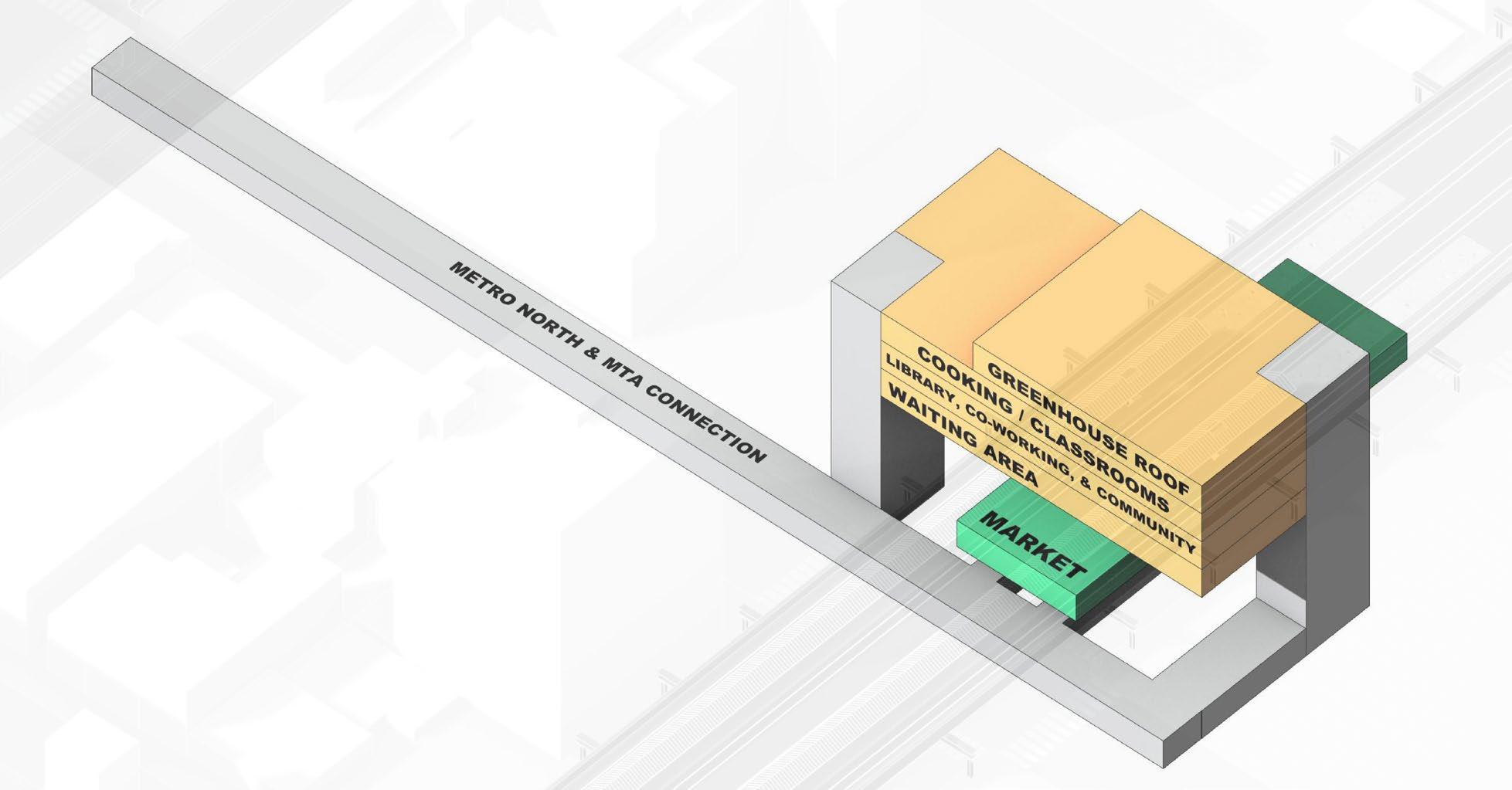
Final Programming Diagram
Deep Cultural Roots and Present-day Changes
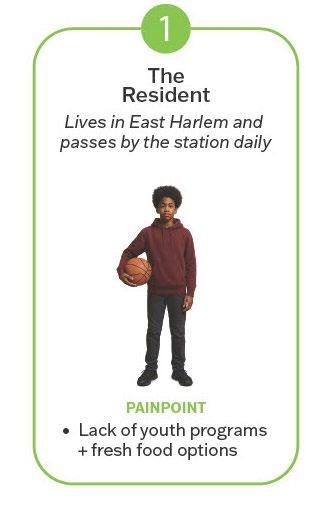
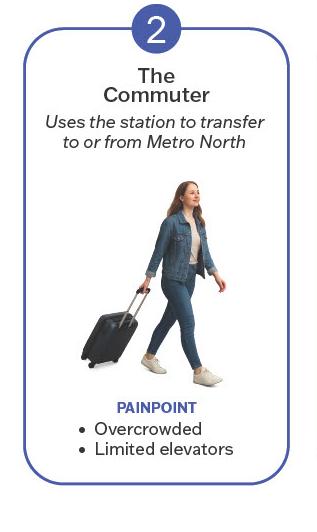
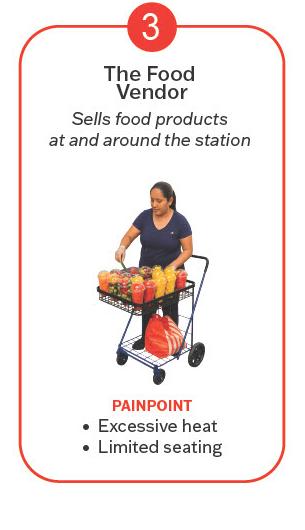
Researching East Harlem’s history, culture, and pedestrian patterns revealed the site as a critical hub for both the residents and the travelers, highlighting disconnection, congestion, and untapped community potential.
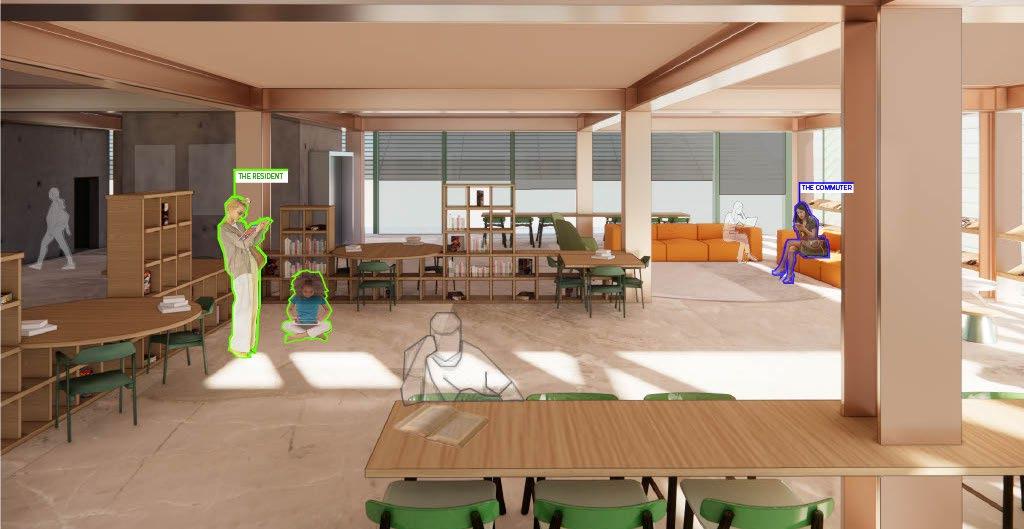
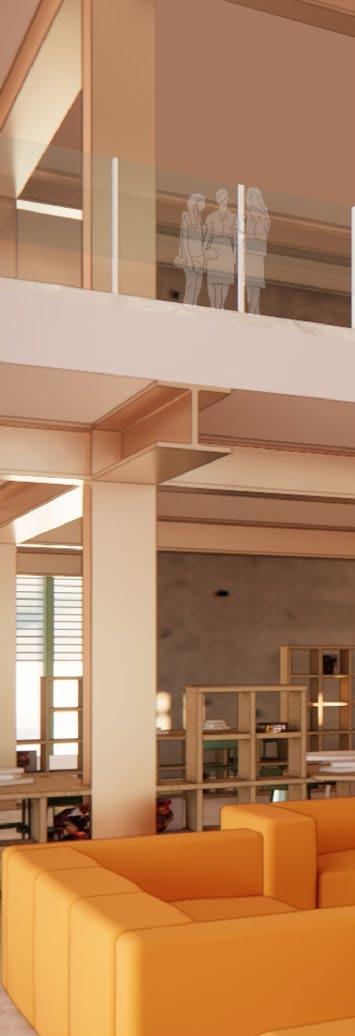
Upper Floor: Library, Co-working, and Community Room
Ground Floor: Market
First Floor: Metro North
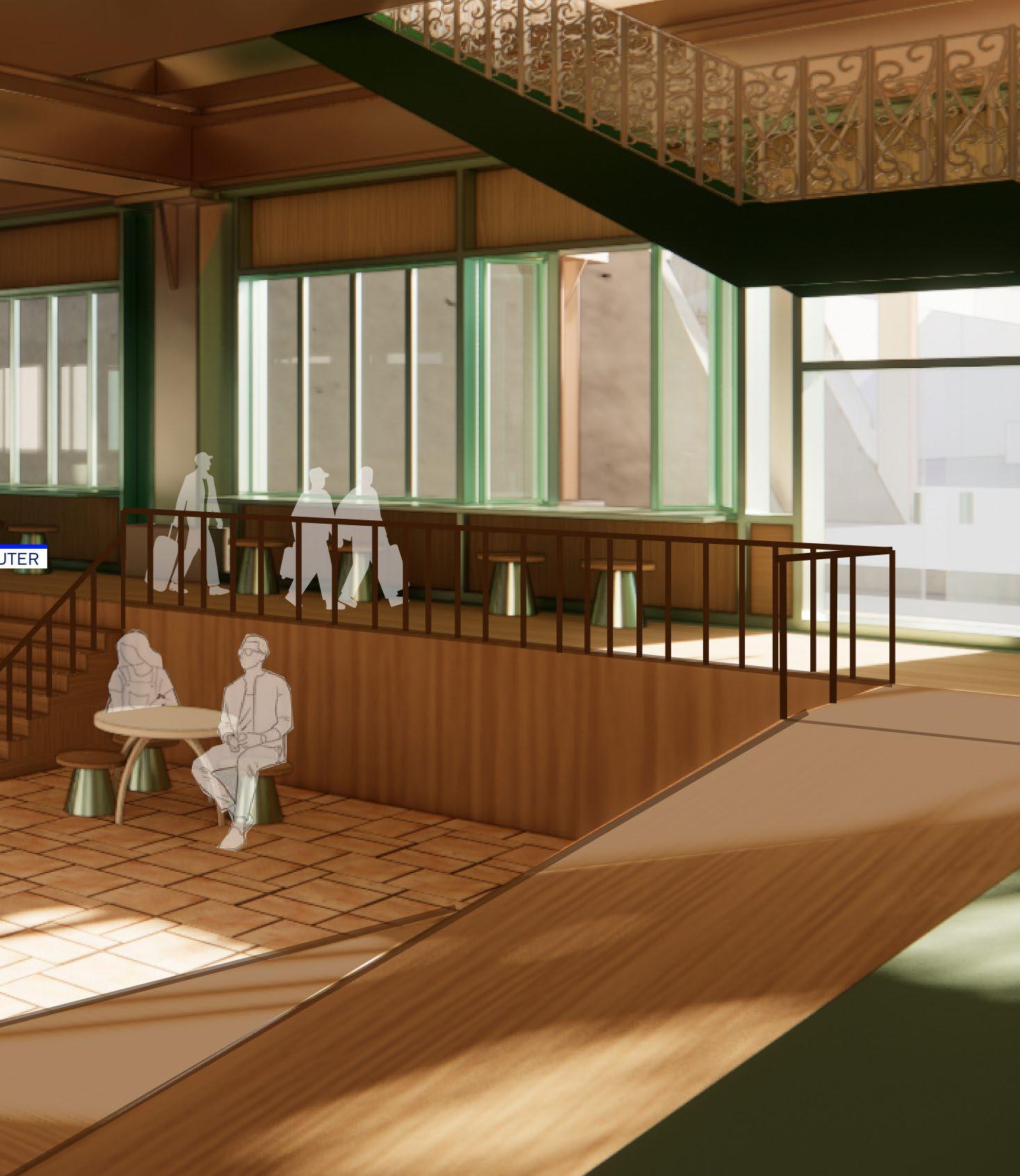
Flexible Market & Community Space
Designed a flexible interior underneath the viaduct to serve farmers markets, flea markets, and community events. Working around Metro-North’s existing structure and low clearance, we dug 5 feet subgrade to create an intimate, adaptable market space with ample seating for gatherings.
PROFESSIONAL WORK
EWINGCOLE
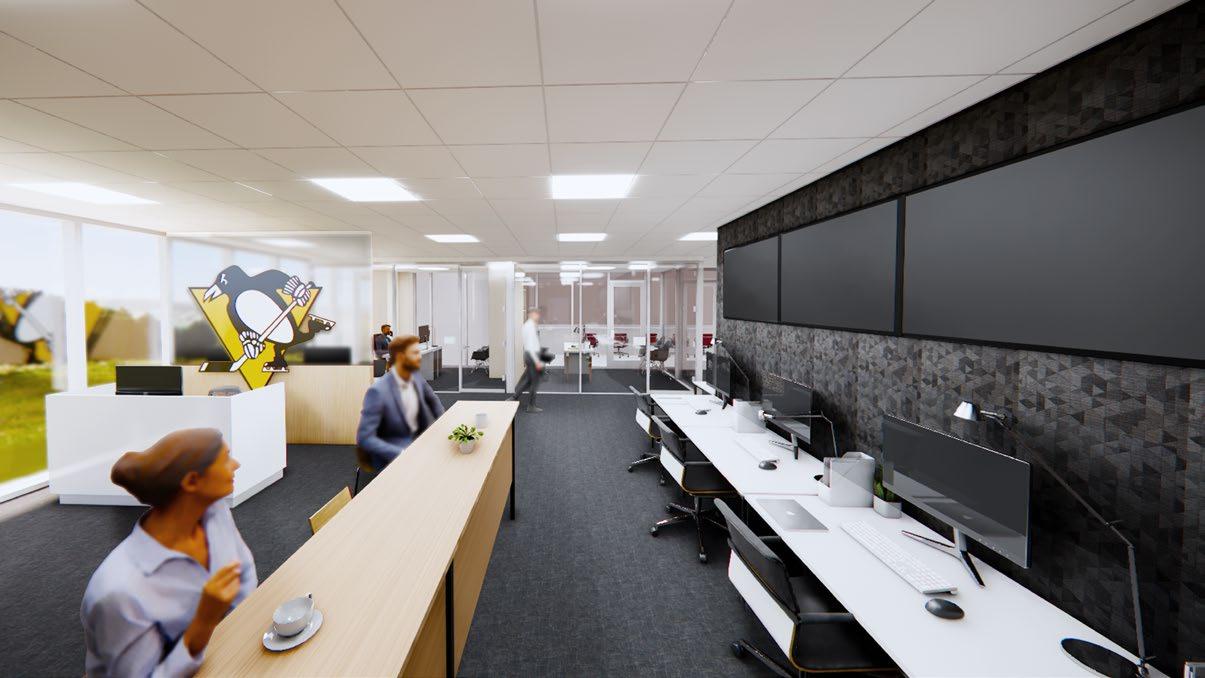
Office renovation renderings
GENSLER
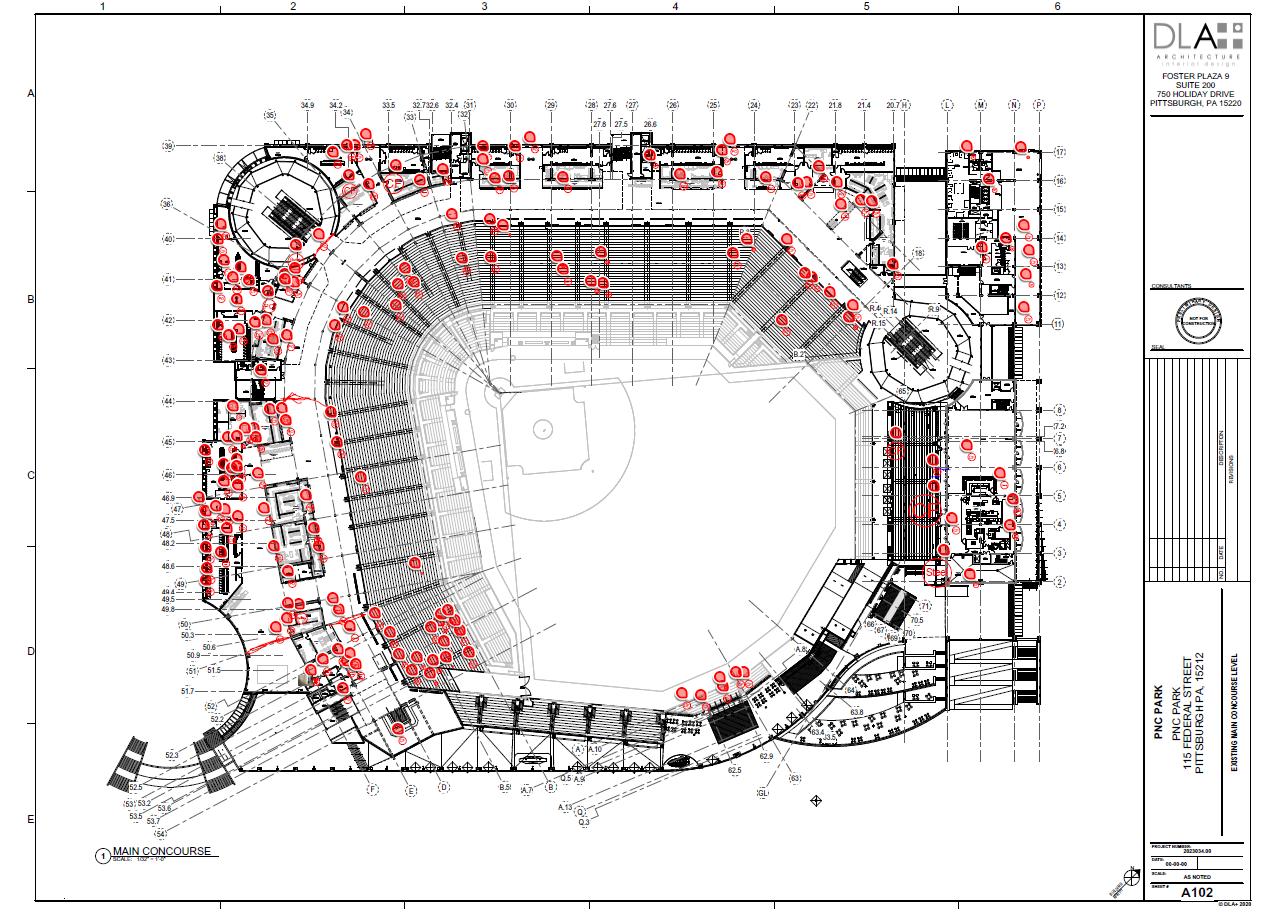
PNC Park Site Facility Assessment Walkthrough
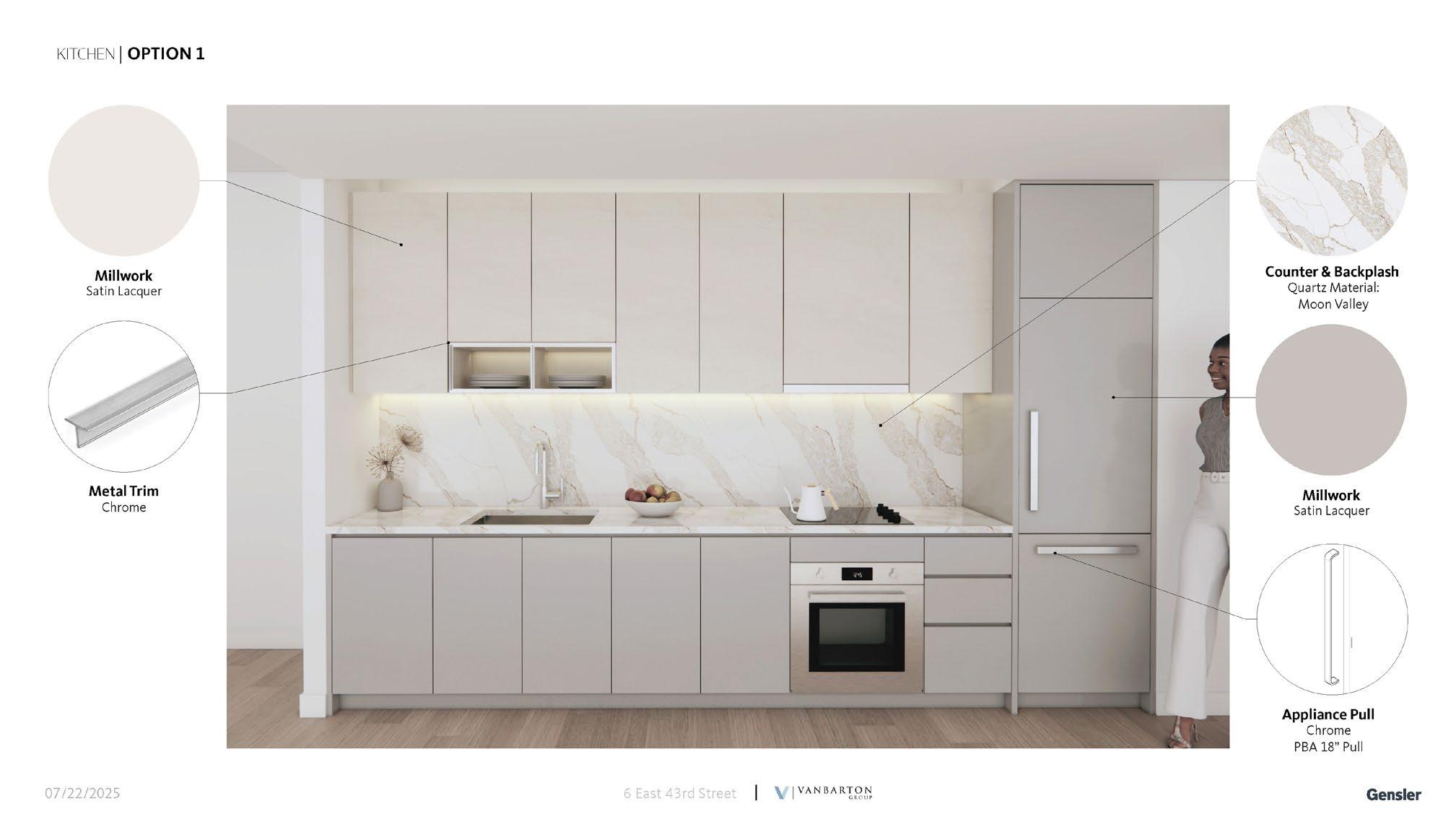
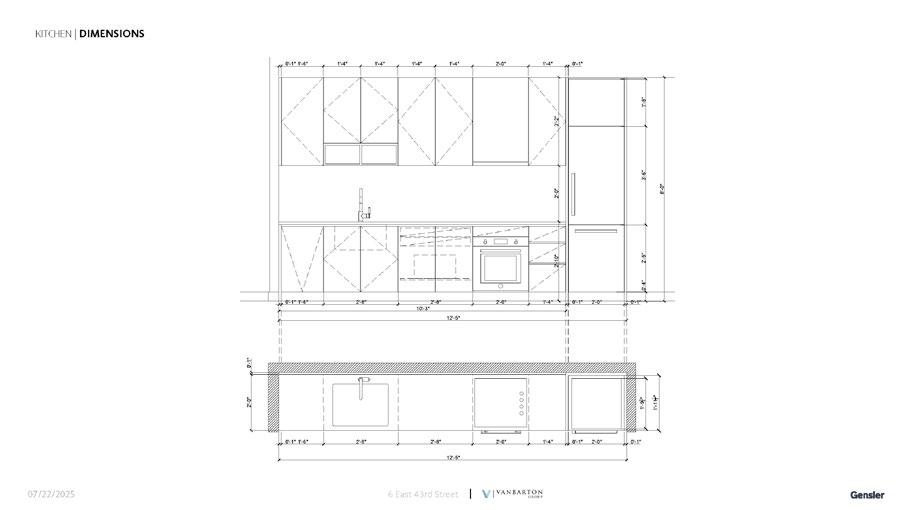
Kitchen Configuration + Material
Selection Rendering
Selected for Final Design
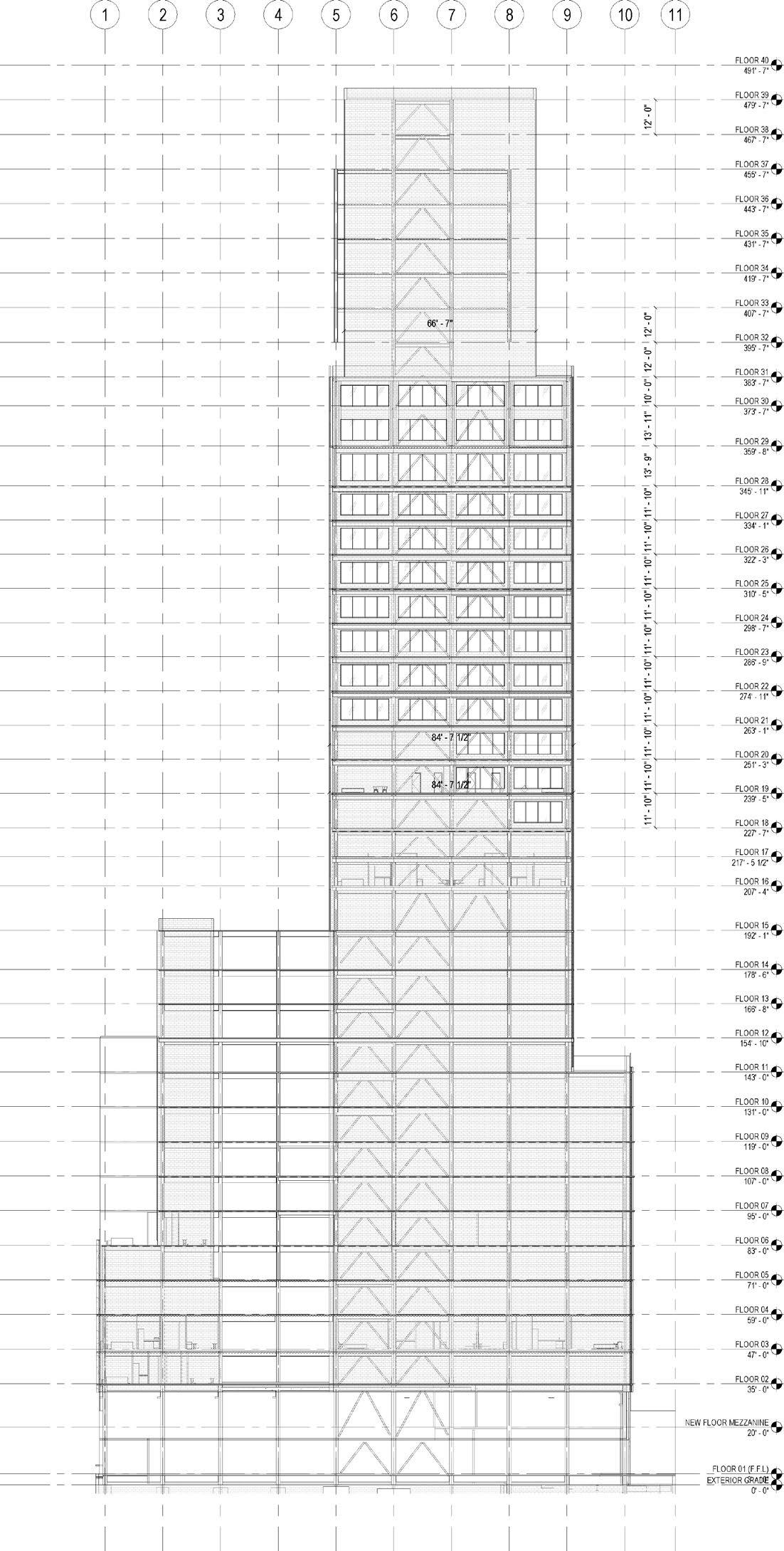
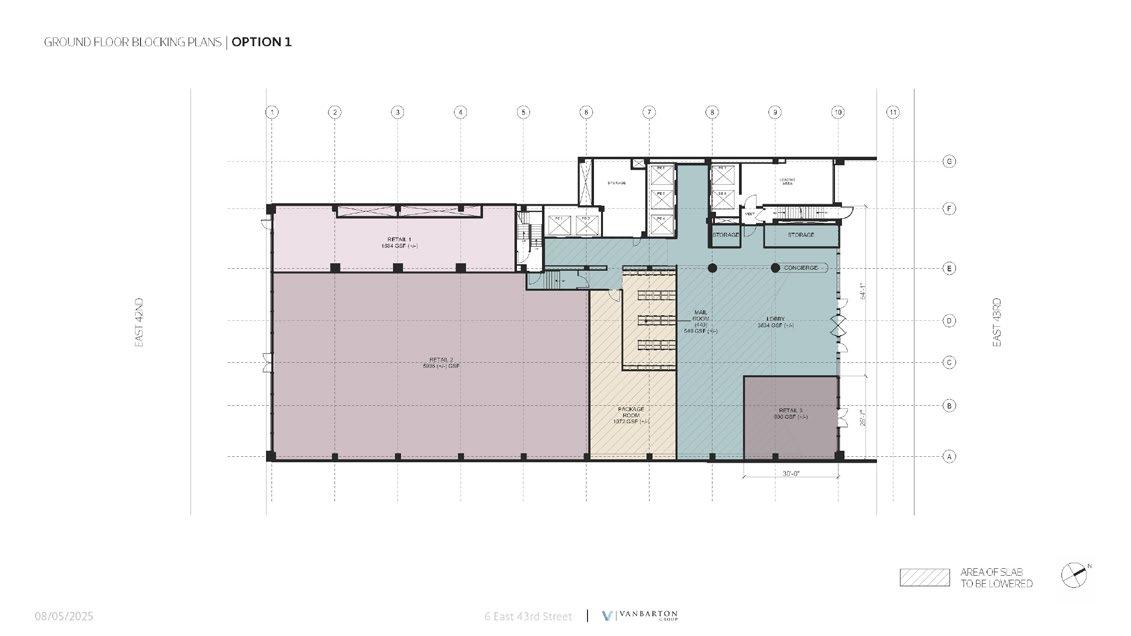
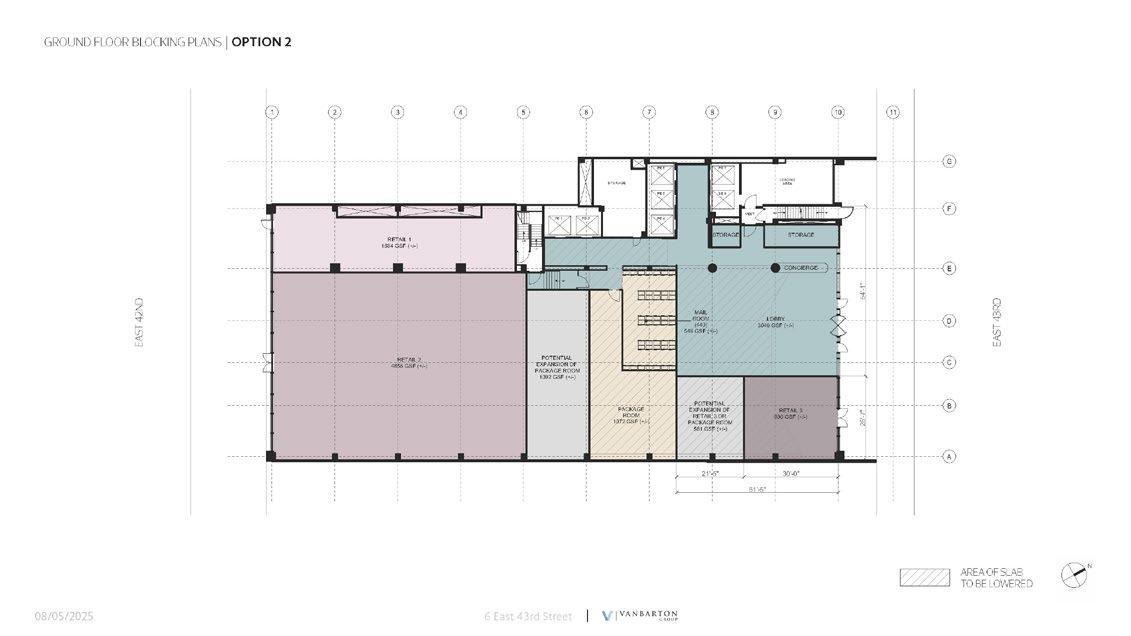
Lot Line Window Study with Structural Overlay (Revit) Lobby Blocking Plan