MAY 2026







MAY 2026
From digital inclusion and device reuse to telecoms collaboration and publicprivate action, Circular Tech Expo is already bringing together people and initiatives driving real progress. This first edition introduces some of the inspiring individuals already involved.
Circular Tech Expo will bring together a network of inspirational professionals. Through Steve Mellings, founder and CEO of ADISA, we connected with Good Things Foundation and Next Path Device Consortium, two organisations demonstrating how circular technology delivers real social value.
At the event, we will host a Next Path consortium meeting alongside a panel led by Good Things Foundation featuring Amy Taaffe-Evans (DVLA), Catherine Russell (VodafoneThree), Dave Williams (Reconome), and another community partner to be announced.
We are also working with DSIT on the IT Reuse for Good Charter, while DICE+ Network will host a telecoms working group session.
The more people we meet through this event, the clearer it becomes that digital inclusion sits at the heart of the reuse and repair conversation. Giving devices a second life is not only about reducing waste; it is also about creating access, extending value, and making technology work harder for more people. We are very excited to expand our network and discover more industry talent as the event builds.
Digital inclusion sits at the heart of the reuse and repair conversation


Digital inclusion is central to circularity
Knowledge Partners welcome! Circular Tech Expo welcomes all industry, non-profit and academic groups to get involved. An amazing talented group is building. Reuse and repair are not just environmental issues – they also shape access and opportunity. We are proud to spread this message.
Live collaboration is building momentum
From Good Things Foundation and DSIT to DICE+ Network, the event is helping bring practical industry progress together in one place.
This is exactly why we created Circularity in Practice. There is so much meaningful work happening across the sector that deserves more than a quick social post. Each week, this series will highlight the people, partnerships and success stories helping shape a more circular technology economy, both at the event and beyond it.
Alice Chave’s work through Incador is a strong reminder that circularity is not confined to infrastructure, procurement or end-of-life services. It can also reshape what value looks like in the luxury market, turning recovered gold from electronics into heirloom jewellery with provenance, purpose and permanence.
UCL has partnered with alumna Alice Chave, founder of Incador, to launch new e-waste collection bins on campus through its “Tech for Treasure” campaign. The bins are designed to make it easier for staff and students to recycle small electronic items, helping divert valuable materials away from landfill and back into circulation.
Through Incador, Chave is part of a wider shift in how recovered materials are being understood not as waste to be managed, but as resources with cultural and commercial value. The business works with recovery partners to extract gold from electronics, refine it to 18-carat purity, and turn it into fine jewellery designed as lasting heirlooms.
The idea of luxury has long been tied to newly extracted materials, but work like this pushes the conversation somewhere more interesting: towards beauty, craftsmanship and circularity.
The more examples like this emerge, the clearer it becomes that circularity has room to influence markets well beyond traditional sustainability categories. When recovered materials can carry provenance, design value and emotional permanence, the circular economy starts to look less like a technical fix and more like a cultural shift.
Circularity is not only changing how materials are recovered – it is changing what luxury can mean

E-waste is being recast as value UCL’s new bins aim to recover materials that might otherwise be lost.
Incador turns recovered gold into heirlooms
Gold from electronics is refined and used in fine jewellery.
Luxury is being redefined
Circular sourcing is being positioned as part of the product’s value, not a compromise.
What Alice Chave and Incador are helping demonstrate is that circular thinking can elevate a product category, not just clean it up. That is a powerful idea for the wider market. Incador will be part of Circular Tech Expo, where visitors can meet the team and hear more about how recovered materials are being transformed into something designed to last for generations.
The work led by Lydia Tabbron and Defra’s Mobile Voice and Data Services team is a strong example of digital sustainability producing real operational results. From carbon reduction and cost savings to stronger procurement standards, this is the kind of progress that gives the wider market something concrete to respond to.
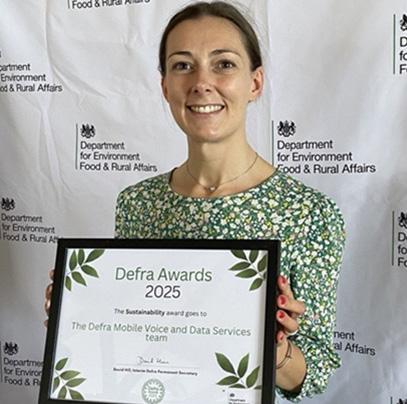
Defra’s move from physical SIM cards to eSIMs shows how digital transformation can deliver more than efficiency and cost reduction. In 2022, the department’s mobile estate relied on over 34,000 physical SIM cards, a legacy set-up that was technically restrictive and environmentally inefficient. Working with BT, the team used the contract redesign not simply to modernise the service, but to build sustainability into the way the solution was procured and delivered. This shift avoided 99% of the carbon emissions associated with physical SIM cards and is expected to save £6.16m over five years. User response was strong too, with 82% satisfied with the migration and 84% rating communications as excellent or good. What this highlights is that digital transformation can improve environmental performance as well as operational performance. This was not just about replacing one technology with another. It was about using a system redesign to deliver stronger environmental outcomes, better value for money and a more sustainable approach to procurement overall.
The more examples like this emerge, the clearer it becomes that digital sustainability is no longer sitting on the edge of technology strategy. Work like this shows that practical operational changes can reduce carbon, improve value for money and strengthen user experience all at once. That matters not only inside the government, but across the wider technology and telecoms market.
– the kind of progress the wider market cannot ignore
34,000+ SIM cards rethought
A large legacy estate became the basis for meaningful change.
£6.16m and 99%
The savings and carbon impact made this impossible to ignore.
Others are already watching
The initiative is being used as a blueprint elsewhere in government.
Picture
What Lydia Tabbron, Defra and the wider team have done here is help move the market conversation forward. When public sector ICT projects produce results this clear, they raise expectations across procurement, telecoms and the wider supply chain. This is exactly the kind of progress that helps turn digital sustainability from a policy ambition into something the wider industry can see, measure and respond to. 99% less carbon and £6.16m saved
The work led by Paul Finnis and Freddie Quek through the NextPath Device Consortium highlights what becomes possible when stakeholders choose to work together around a shared goal. Building a growing consortium like this takes real effort, but it shows the scale of difference that can be made when collaboration is organised, practical and focused on tackling digital poverty at scale.
The NextPath Device Consortium is tackling a dual challenge: e-waste and exclusion. Millions of people still lack digital access, while too many useful devices are being crushed, discarded or sent to landfill rather than kept in use. NextPath highlights the scale: around five million adults have no device or rely only on a mobile phone online, while three to five million people are without laptops. Current response is around 40,000 devices per year, roughly 1% of what is needed. The UK generates six million tonnes of e-waste annually and discards around 25 million mobile phones each year. NextPath is putting into practice a more joined-up response. The consortium is designed to connect supply, refurbishment and community need, bringing circular stakeholders together to act more strategically and at greater scale.
Learning about this space makes one thing very clear: digital poverty is not separate from the circular economy conversation. It sits right alongside it. If millions of people still lack devices while the UK continues to generate e-waste at this scale, then the issue is not only environmental. It is social, economic and systemic too.
The scale of digital poverty is big but so is the opportunity for change when the sector works together

FREDDIE QUEK
CO-FOUNDER NEXT | PATH DEVICE CONSORTIUM

PAUL FINNIS
CO-FOUNDER NEXT | PATH DEVICE CONSORTIUM
The gap is still enormous Current response is around 40,000 devices a year, while the number of people needing access runs into the millions.
Useful devices are being lost while millions still lack proper digital access. Waste and exclusion are connected
The consortium is built to connect the sector around practical, joined-up delivery. Collaboration is the mechanism
What Paul, Freddie and the wider consortium are helping demonstrate is that the opportunity for change is just as significant as the problem itself. If circular stakeholders are willing to collaborate strategically and at scale, rather than compete in fragments, then device reuse can become a much more powerful force, reducing waste, extending value and reaching communities far more effectively.
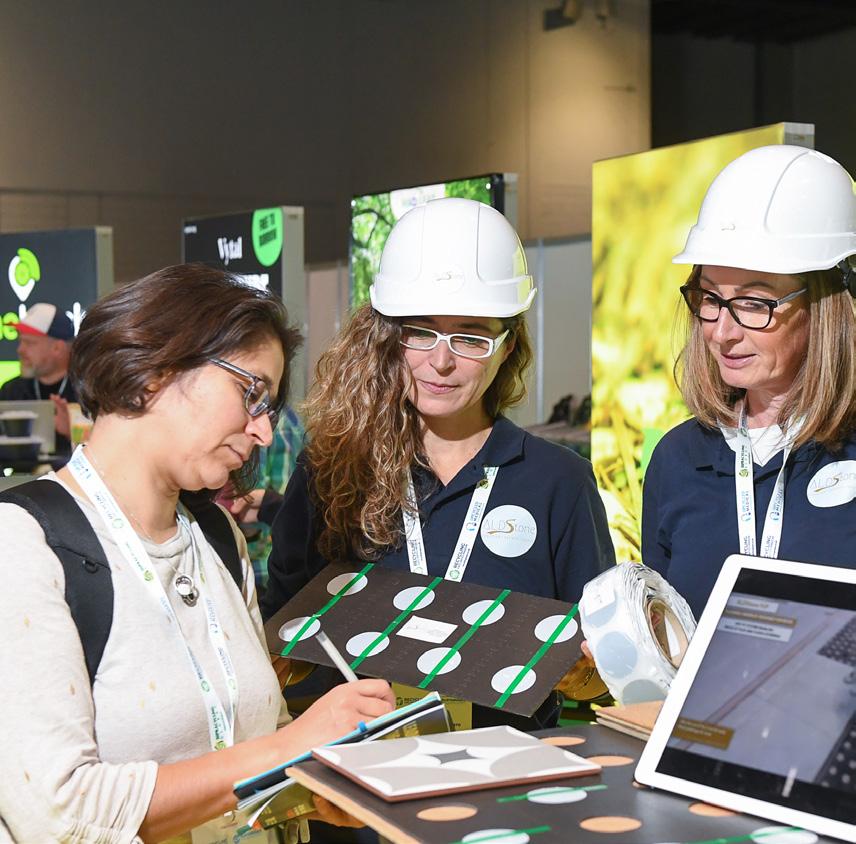
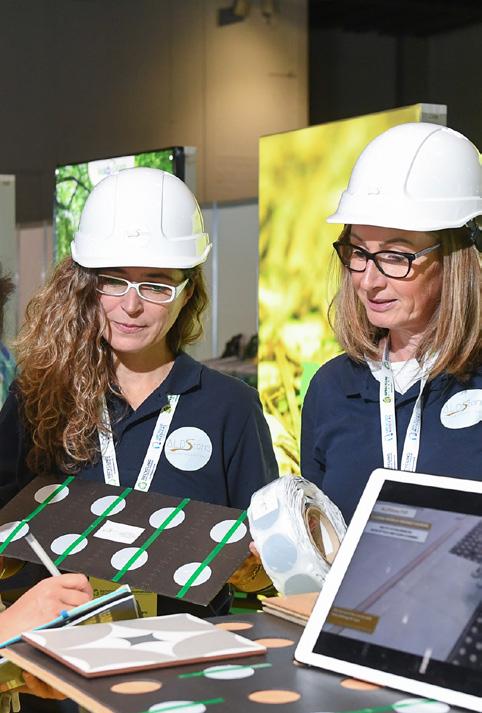
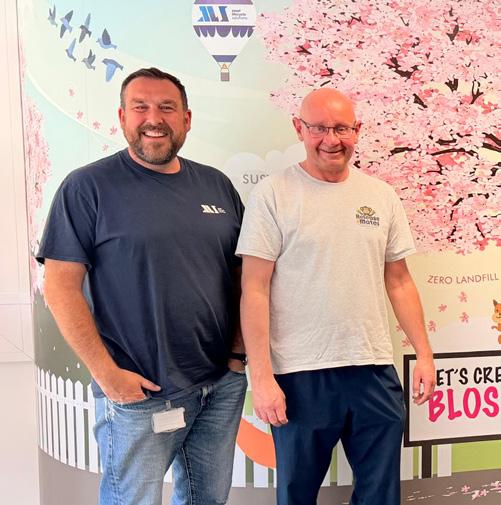
Asset Lifecycle Solutions is showing what it really means to give technology a second life. The company’s work with Release Mates is a strong example of how secure reuse can reach far beyond compliance, creating practical social impact for people who need it most.
Asset Lifecycle Solutions donated 20 fully wiped, certified smartphones to Release Mates, a charity run by prison leavers in recovery from addiction. The devices were provided to help people leaving prison stay connected to support workers, attend probation appointments by video, apply for housing and access the services they needed to rebuild stability.
The impact was practical and immediate. For some recipients, it was the first smartphone they had ever owned. That matters because access to technology is often a basic requirement for accessing support, maintaining contact and taking the next step forward.
This is also part of a wider approach. ALS places social impact alongside security and sustainability as one of the pillars shaping how it operates, working with charities and community organisations to reduce digital poverty and put retired devices back into meaningful use.
The more examples like this come through, the clearer it becomes that secure reuse can create value well beyond compliance. When devices are properly handled, refurbished and redirected with purpose, they can support people, reduce digital poverty and strengthen the wider case for circular technology in practice.
Secure reuse can create second chances for technology – and for people
20 devices, securely repurposed
ALS donated fully wiped, certified smartphones to Release Mates.
The phones helped people access housing, probation and recovery support. Technology became practical support
Social impact is built in
ALS places it alongside security and sustainability in the way it works.
What ALS is helping demonstrate here is that the human side of the circular economy should not be treated as secondary. Stories like this move the conversation beyond disposal alone and show how retired devices can still play a meaningful role in people’s lives. ALS will be exhibiting at Circular Tech Expo, where visitors can meet the team and hear more about the work firsthand.


BrokerShark safely connects IT brokers, ITADs, resellers, and refurbisher platform Manage deals, conversations, and orders in one place inst scattered across emails and spreadsheets Built by industry veterans to m trading and cut admin with integrated ERP tools.
Post want-to-buy and want-to-sell requests instantly with uploaded images and asset reports or host live auctions with real-time bidding for bulk IT equipment.
Get pricing on your shipment through our logistics portal where logistics companies will bid on your shipment and handle all the admin.
Handle RMA claims directly on the platform with a standardized workflow that ensures greater transparency, communication and efficiency.
Exchange formal offers directly within conversations to streamline negotiations. Once accepted, offers automatically convert into orders.
//
Communicate directly with traders through built-in messaging to negotiate and close deals faster — all in one place, without the email chaos.
//
Manage the entire order flow from offer to delivery — including status updates, invoices, shipping labels, references, packaging, and delivery details. Work together on each order in one shared workspace.
You’re not in the data erasure business. You’re in the value recovery business.
Refurbished demand is accelerating. Is your operation built to capture it?
Refurbished laptop values surged in 2024*