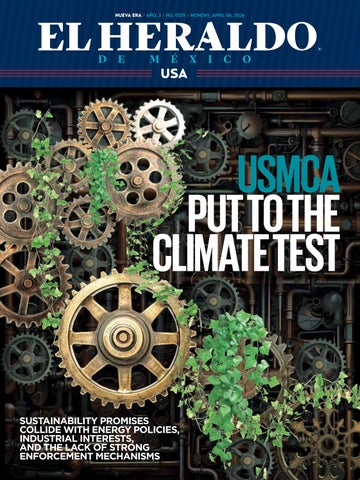
SUSTAINABILITY PROMISES COLLIDE WITH ENERGY POLICIES, INDUSTRIAL INTERESTS, AND THE LACK OF STRONG ENFORCEMENT MECHANISMS
ANGEL MIERES ZIMMERMANN CHAIRMAN OF THE BOARD
MARÍA CRISTINA MIERES ZIMMERMANN
VICE PRESIDENT OF CULTURAL AND SOCIAL DEVELOPMENT
ANTONIO
HOLGUIN ACOSTA VICE PRESIDENT OF INSTITUTIONAL RELATIONS
FRANCO CARREÑO OSORIO GENERAL DIRECTOR
ALFREDO GONZÁLEZ CASTRO EDITORIAL DIRECTOR
ALEJANDRA ICELA MARTÍNEZ RODRÍGUEZ COORDINATOR, HERALDO USA alejandra.martinezr @elheraldodemexico.com
DANIEL ERNESTO BENET SÁNCHEZ NORIEGA EDITOR, HERALDO USA daniel.benet@elheraldodemexico.com
ALAN ARTURO VARGAS JUÁREZ EDITOR, HERALDO USA alan.vargas@elheraldodemexico.com
OMAR MÁRQUEZ GRAJALES DESIGN
ALEJANDRO OYERVIDES INFOGRAPHICS
EL
Periódico El Heraldo de México. Editor Responsable: Alfredo González Castro, Número de Certificado de Reserva otorgado por el Instituto Nacional del Derecho de Autor: 04-2009-060419022100-101.
Número de Certificado de Licitud de Título y Contenido: 16921. Domicilio de la Publicación: Av. Insurgentes Sur, No. 1271, piso 2, oficina 202, Extremadura Insurgentes, Benito Juárez, C.P. 03740. Impreso en LA CRÓNICA DIARIA, SA DE CV, Avenida Azcapotzalco La Villa 160, Colonia San Marcos, Alcaldía Azcapotzalco, Ciudad de México, CP 02020.
Distribuidores: ARREDONDO E HIJOS DISTRIBUIDORA, SA de CV, Iturbide 18 local D, Colonia Centro de la Ciudad de México Área 4, Alcaldía Cuauhtémoc, Ciudad de México, CP 06040. ELIZABETH IVONNE GUTIÉRREZ ORTIZ, Callejón 2o de la Luz 52, Departamento 4, Interior 1, Colonia Anáhuac II Sección, Alcaldía Miguel Hidalgo, Ciudad de México, CP 11320. AEROVÍAS EMPRESA DE CARGO, SA de CV, Paseo de la Reforma 445, Piso 9, Colonia Cuauhtémoc, alcaldía Cuauhtémoc, Ciudad de México, CP 06000 Publicación Diaria No. 3214, Lunes 06 de Abril de 2026.
USMCA has become a crucial tool connecting trade with enforceable environmental protections across North America. Mexico’s developing legal system and active courts are turning environmental justice into a human right. During a time of urgent climate concerns, the agreement boosts accountability, cooperation, and sustainable governance in the region.
WHY USMCA IS ESSENTIAL
FOR ENVIRONMENTAL JUSTICE TODAY
BY: SUSANA MERCADO ALVARADO* ARTWORK: DANTE
ESCOBAR
Talking about the environment in the 21st century is no longer just about trees, rivers, or emissions. It is about rights, access to information, courts that listen, and governments that comply. In North America, the environmental discussion has shifted from technical issues to a legal matter closely connected to democracy. Mexico is currently in a crucial phase: its Constitution recognizes the right to a healthy environment, its courts are setting strong environmental protection standards, and the country is part of an international framework that supports and monitors these commitments. These include the principles of the Rio Declaration, the Escazú Agreement, and, in the trade sector, the United States–Mexico–Canada Agreement (USMCA).
The current moment is critical. As the USMCA goes through its review phase and regional political
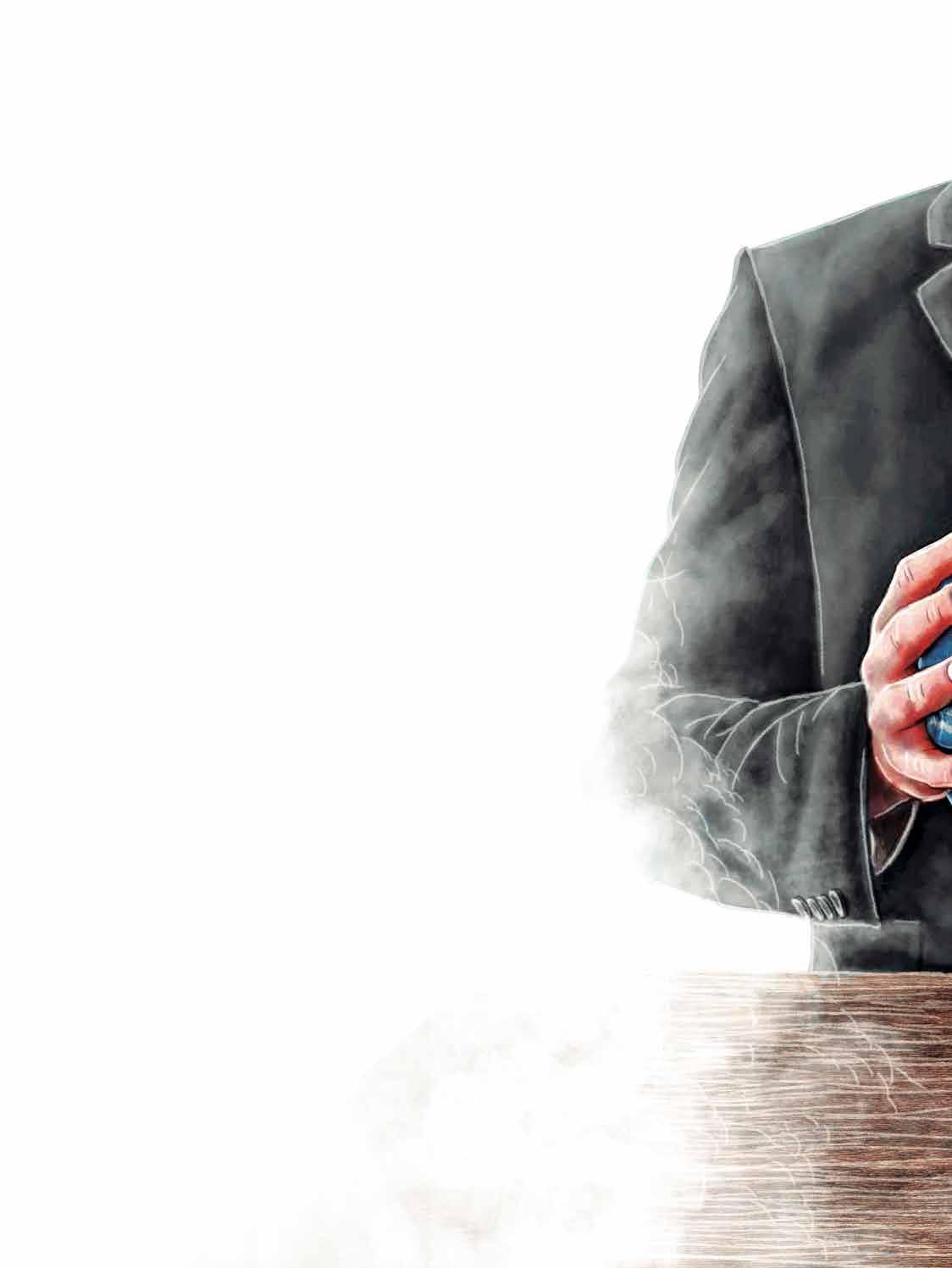
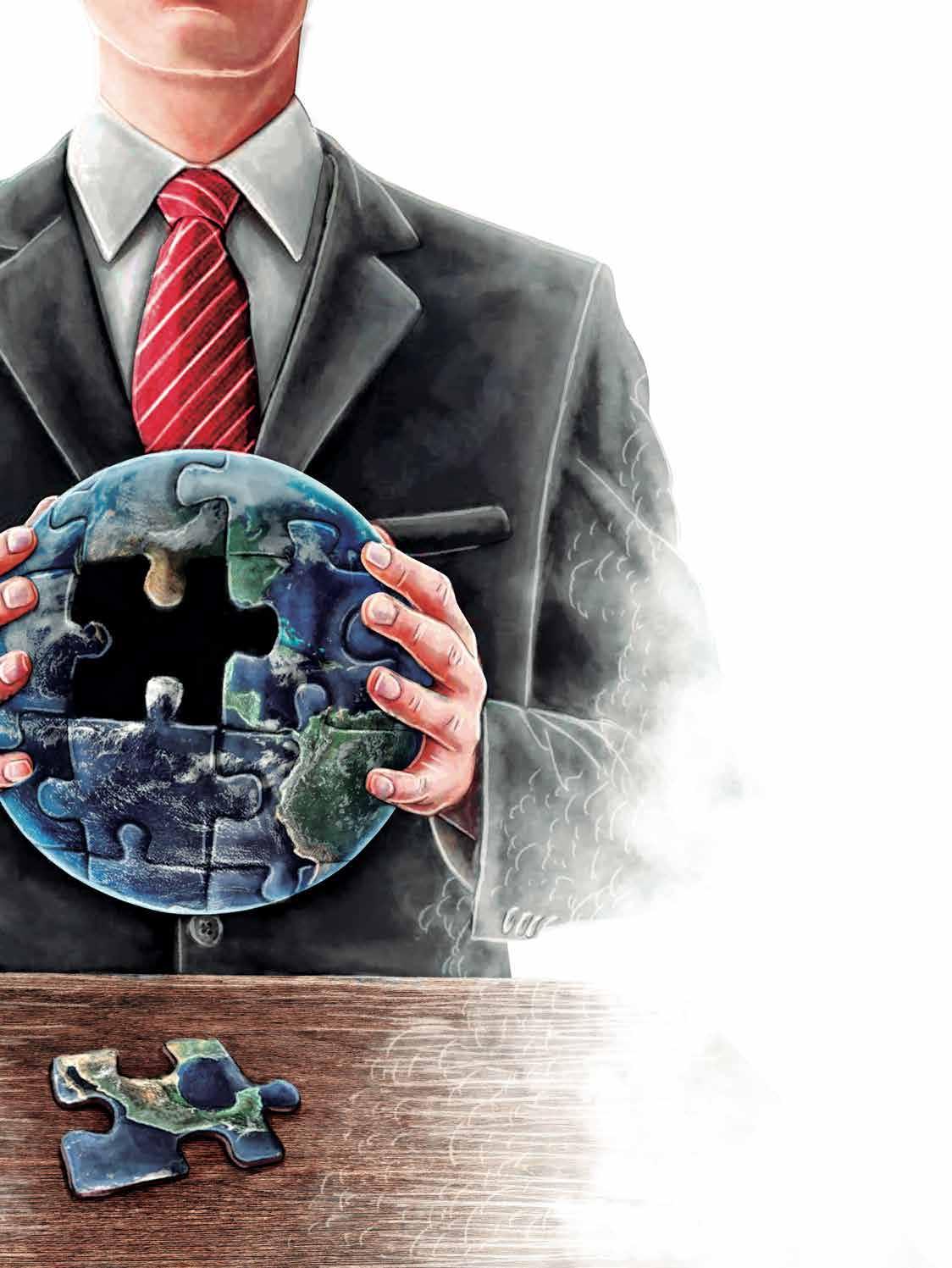
Environmental protection moves from policy to enforceable legal rights in North America.
dynamics grow more intense, it’s vital to remember that environmental protection shouldn’t be viewed as a barrier to trade but as an essential part of making trade legitimate and sustainable.
ENVIRONMENTAL LAW AS A HUMAN RIGHT
In Mexico, environmental protection is more than just a public policy; it is a constitutional right enforceable in court. This recognition allows federal judges, appellate courts, and especially the Supreme Court to view the environment as a collective legal good, inseparable from human dignity.
This development stems from the Rio Declaration, which established principles now embedded in legal language, such as prevention, precaution, public participation, and access to environmental justice. The Escazú Agreement made these principles binding for Latin American countries, increasing transparency and protecting environmental advocates.
One of the biggest changes has been how these principles are now part of the justice system.
Citizens no longer depend only on administrative actions; they can go to courts to request information, challenge projects, and push for effective environmental protection.
FROM PASSIVE MEDIATOR TO ACTIVE PROTECTOR
For decades, courts in Mexico were seen as secondary players in environmental policy. That view is shifting. Judges now not only assess legality but also consider compatibility with human rights and international commitments.
Three elements explain this transformation: first, the control of conventionality, which requires judges to interpret domestic law in line with international human rights treaties, including environmental standards. Second, the pro persona principle, which favors interpretations that offer the greatest protection, often prioritizes environmental prevention over short-term economic interests. Third, the recognition of collective legitimate interests, allowing communities—not just individuals—to challenge actions that affect shared resources such as water and ecosystems. The result is a paradigm shift: judges are no longer passive observers, but now serve as the guarantors of sustainability.
The environmental chapter of USMCA signifies notable progress from previous trade agreements. It establishes clear, measurable commitments and enforcement mechanisms, including mandates to effectively uphold domestic environmental laws, prohibitions on relaxing regulations to attract investment, and rapid-response systems to address labor and environmental violations. Environmental protection thus goes beyond domestic policies to become a regional concern, offering incentives to maintain strong and transparent standards. This review period occurs amid political tensions, economic pressures, and climate urgency. In this setting, USMCA plays a crucial role: it offers regulatory stability, prevents a “race to the bottom” in environmental standards, boosts accountability, and weaves sustainability into economic strategies.
A practical example is the environmental and public health crisis caused by the Tijuana River, where wastewater discharges have affected communities on both sides of the border. Recent bilateral agreements to expand treatment infrastructure demonstrate how USMCA-related cooperation mechanisms can provide tangible solutions, such as funding shared infrastructure and protecting public health.
THE FUTURE OF ENVIRONMENTAL JUSTICE IN NORTH AMERICA
The trend is clear: environmental protection is moving toward a multi-level governance model that includes constitutions, national courts, international treaties, and trade mechanisms. In Mexico, the challenge is institutional—developing a strong environmental judicial culture, enhancing transparency, and ensuring genuine access to justice. In the United States, debates focus on federal regulation and the role of administrative agencies. Despite these differences, both countries face a common reality: environmental issues do not respect borders.
Ultimately, environmental law shows that protecting the environment is not a luxury—it is a core part of democratic governance. Judges play a critical role in balancing development and human dignity. In this context, USMCA can be viewed not just as a trade agreement but as a regional tool for environmental governance. Strengthening it is vital at a time when sustainability is no longer optional but essential.
* The author serves as the Presiding Judge of the Second Specialized Chamber for Environmental and Regulatory Matters at the Federal Administrative Justice Tribunal.
Enrique Darszon Winters
Mexico in International Security: Much to Contribute, Little Voice
nlike these positions, the world is increasingly multipolar and complex, but there are also greater opportunities to build a foreign policy agenda different from the traditional one. It is at this point where Mexico falls short: its foreign policy barely shows changes.
UAMONG COUNTRIES TO BE DEAD.
Another anniversary of the Russian invasion of Ukraine is observed, the epitome of a country that gravely violates the sovereignty, democracy, and self-determination of a consolidated nation-state. However, Mexico keeps its distance: it maintains diplomatic relations with both parties and calls for harmony between them.
An increasingly severe trade war between the United States and China can be observed; despite this, Mexico limits itself to responding to external threats and swiftly imposes tariffs on Chinese industry. While this could prove beneficial as part of the North American economic system, it is worth asking whether there was an independent position or prior analysis before adopting such measures. It is difficult to know.
A high-intensity bombing campaign by the United States and Israel against Iran begins, and Mexico responds with a call for calm. It is recalled that civilians always pay the price of wars, an unquestionable truth; nevertheless, this does not constitute a complex
foreign policy response to what could become the most significant increase in oil prices in decades.
Mexico appears to lack substantive elements to contribute, insofar as its principles do not allow it. Undeniably, these are invaluable principles: it is difficult to question the defense of sovereignty and the self-determination of peoples. Achieving that sovereignty and obtaining international recognition came at a high cost for the country; however, it is worth asking whether continuing to rely on commonplaces positions Mexico as a middle power with influence and a defined stance in international affairs. The evidence suggests it does not.
The country is not configured as either a middle power or an emerging power eager to stand out. For the former, it is enough to observe Canada, whose prime minister has begun to rapidly recalibrate his foreign policy, seeking commercial and political openings with India and China. Nor does it fit into the second category; there the reference is Brazil, which appears increasingly comfortable setting positions and actively participating in international organizations.
Mexico faces the United States of America and its president, a transactional and amoral man, a chameleon who on some days offers sticks and only rarely the carrot. It does so from a position of vulnerability, having failed to articulate the narrative that would allow it to strengthen itself before U.S. decision-makers. Without a doubt, we are an invaluable economy for the north, whose labor force enables the USMCA to compete with Asia. Likewise, it serves as a strategic ally in matters of security: it follows established guidelines and, despite being flooded with weapons originating from its northern neighbor, fulfills the assigned tasks.
From a constructivist perspective, and after years of analyzing Mexican soft power, I state the following: the country is a powerful nation-state derived from its cultural influence. This is not a minor element, but rather an opportunity to reaffirm our international ties and project to the world a commitment to building a strong rule-of-law state, with voice and vote. It will not always be possible to impose an independent position, but we can broaden the conversation toward substantial agreements for development: from the current trade renegotiation with the United States and Canada, to the definition of joint strategies on security matters. Remaining silent excessively exposes the country to others determining its priorities instead of doing so itself. The time has come to bring to an end the era in which Mexico has nothing to add.
*Specialist at La Salle University in International Relations, Geopolitics, Terrorism, and Migration Studies.
S ilvia Núñez García*
IG:
A social leader who succumbs to the passage of time
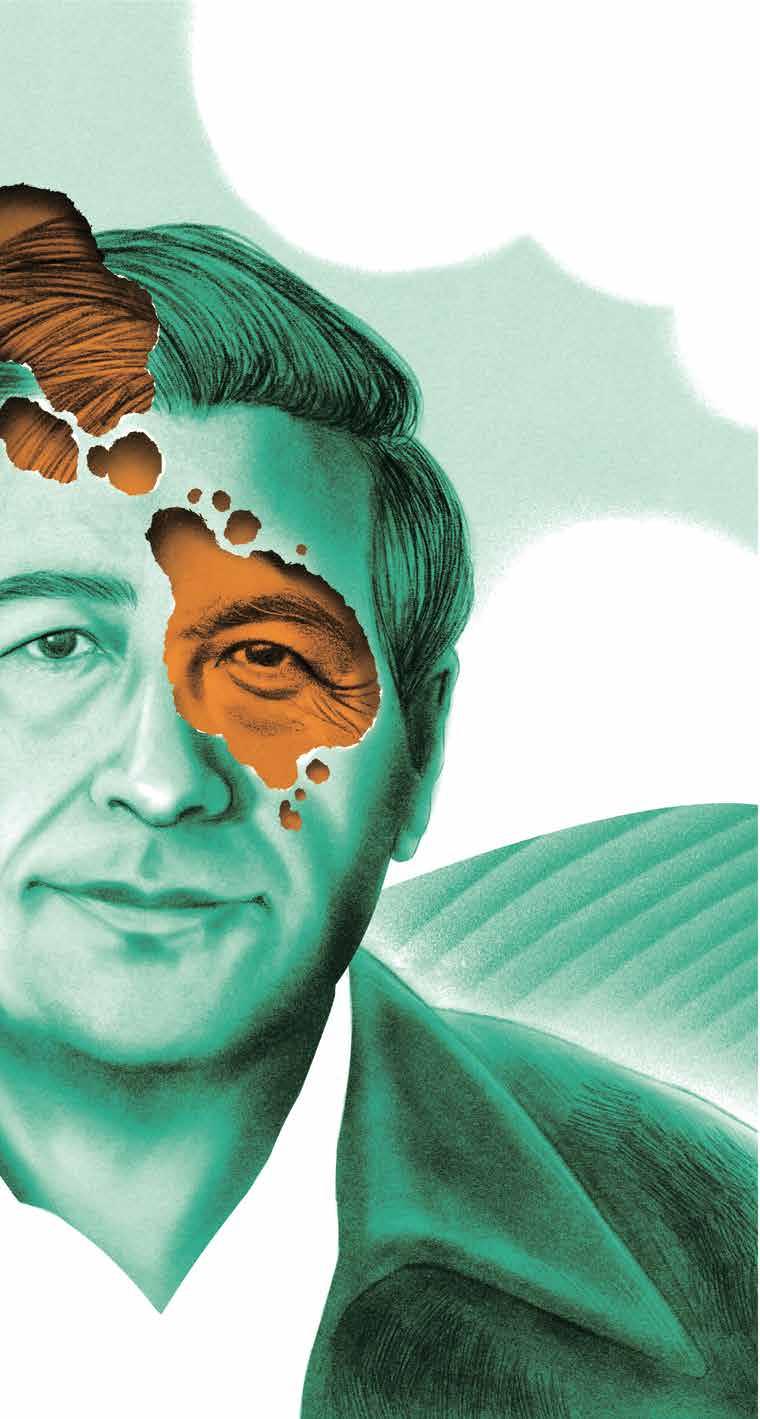
ALLEGATIONS OF SEXUAL ABUSE AGAINST CÉSAR CHÁVEZ HAVE DAMAGED HIS LEGACY AS A LABOR AND CIVIL RIGHTS LEADER. THE CASE HIGHLIGHTS THE HISTORICAL VULNERABILITY OF WOMEN—PARTICULARLY FARMWORKERS—AND THE ONGOING FIGHT TO PREVENT GENDER-BASED VIOLENCE. IT ALSO SHOWS A BROADER SHIFT WHERE VICTIMS ARE MORE OFTEN EMPOWERED TO SPEAK OUT AND DEMAND ACCOUNTABILITY.
Between the 1970s and 2026, nearly 60 years have passed since César Chávez entered the U.S. socio-political scene. However, today, an unprecedented situation is harming his reputation due to allegations by several women of rape and sexual abuse.
The issue has become more visible since 2024, within the larger context of the #MeToo movement in the United States, which, among other reasons, openly opposed Donald Trump’s campaign. Its goals—going back to 2017—focus on raising awareness of sexual violence against women, helping them share their stories, demanding justice, and fostering a new culture aimed at ending gender-based violence. The movement has also grown to include LGBTQ+ communities, achieving a global influence.
To Chávez’s legacy as a leader and defender of civil and labor rights for agricultural workers in the 1970s, another, much darker story is now added. It points to an immoral abuse of power, allegedly used to hurt and subjugate women, revealing a pattern of machismo, contradiction, and banality behind his public charisma. It raises a disturbing question: did he think his status
would protect him from consequences?
At the same time, it is crucial to ask: what conditions did the women who surrounded him and supported his movement face? The answer is clear. They lived in extreme vulnerability — not only as agricultural workers in unstable conditions, but also as non-white women, which made them even more exposed and unprotected than men in similar situations. It is easy to see why many did not speak out against him publicly. Who would believe them against such a powerful figure? Silence often became the only option, driven by fear of losing their jobs and being forever stigmatized in their communities.
To understand the broader U.S. context, it’s important to consider the long history from silence to denunciation. For centuries—through the 17th, 18th, and 19th centuries—rape laws were weak and applied inconsistently. Legal action was often only possible if the victim was enslaved or if the perpetrator was a stranger, reflecting a system that prioritized property rights over justice for women.
Progress in protecting women moved slowly. It is paradoxical that during the same 1970s, when the United Farm Workers (UFW) was at its peak, American feminists established the first rape crisis center in Oakland, California. It was not until 1994 that sexual violence was officially recognized as a federal crime through the Violence Against Women Act (VAWA), authored by then-Senator Joe Biden under President Bill Clinton.
This law resulted in the creation of the Office on Violence Against Women within the Department of Justice, marking a turning point: the federal government took responsibility by providing financial, material, and human resources. Its scope expanded beyond prevention to cover sexual abuse, domestic violence, and harassment.
In this context, the United States also functions as a country where sexual violence has historically been used as a tool of subjugation and has become normalized within society. According to 2022 data from the National Sexual Violence Resource Center (NSVRC), 34.8% of Hispanic women and 29% of African American women have experienced violence in their lifetimes, with many cases believed to go unreported.
This is why the accusations against Chávez are especially important. The women’s stories are now part of his public legacy. His virtues have been heavily questioned, and some analysts warn of a potential domino effect.
These developments also serve as a warning to perpetrators—active or complicit—about the growing ability of women and gender minorities to expose abuse, confront it, and seek justice.
It’s never too late for victims to speak out, share their stories publicly, and demand accountability. Impunity must give way to empowerment, supported by solidarity and collective action.
Finally, in Chávez’s case, it is important to distinguish between his contributions to social justice and labor organizing and the broader historical legacy that belongs to the men and women farmworkers themselves—those whose collective effort shaped the movement and achievements of the UFW.
* The author is a researcher at the Center for Research on North America, UNAM.
Sleep deprivation has become a widespread public health issue across North America, driven by cultural and economic pressures that undervalue rest. Viewing sleep as a basic right—not a luxury—is essential for improving health and overall quality of life in the region.
A PUBLIC HEALTH WARNING SLEEPLESS IN NORTH AMERICA
BY: GUADALUPE TERÁN PÉREZ & MANUEL ANTONIO VÁZQUEZ VALADEZ*
GERALDINE CRUZ PEREZ
ARTWORK:
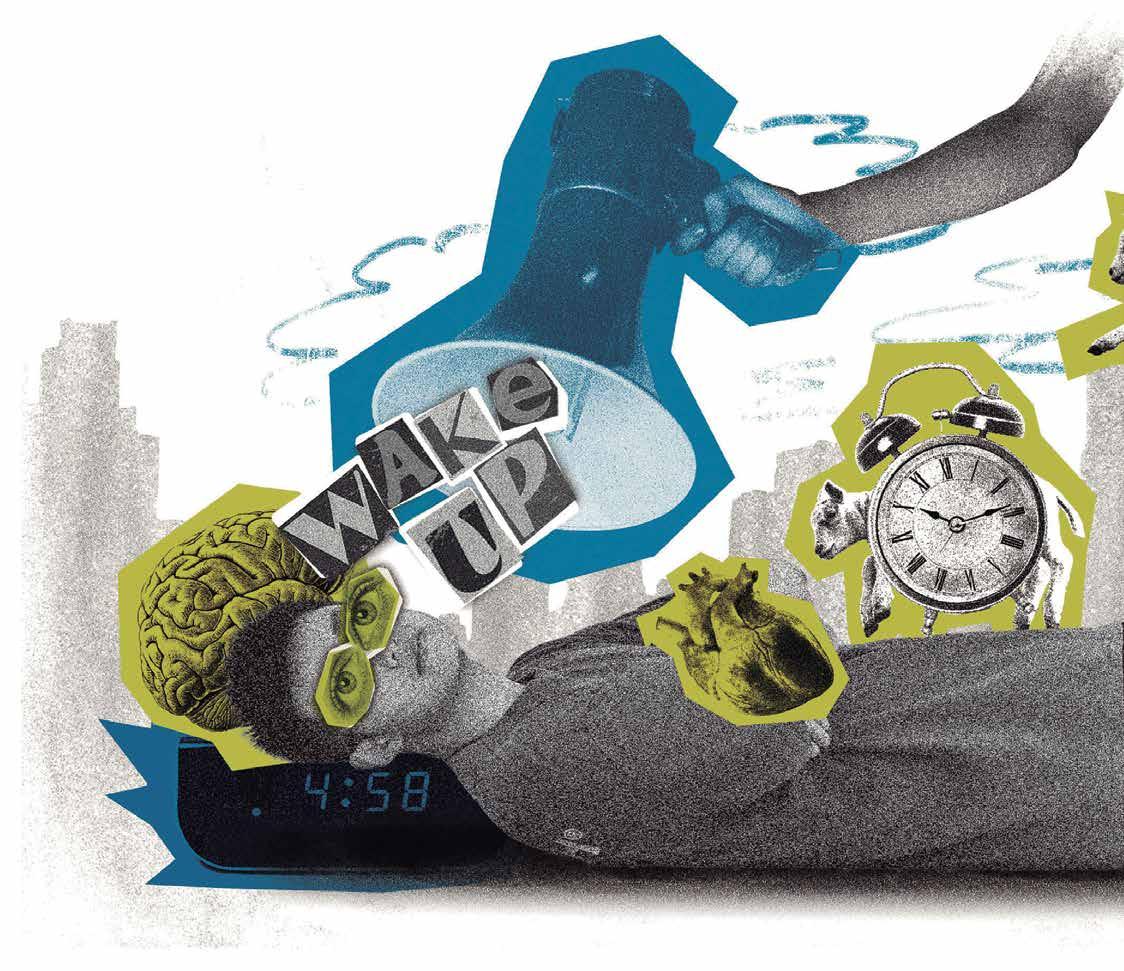
Every day, millions of people in Mexico, the United States, and Canada wake up feeling exhausted. Not because they didn’t get enough sleep, but because they didn’t truly rest. In a region driven by productivity, competition, and long work hours, sleep has been deprioritized as a secondary concern. However, science makes it clear: sleep is not a wasteful pause. It is a vital biological function that sustains life and health.
March 13 marks World Sleep Day, an event that reminds us that proper rest is not a luxury but a key element of public health. The date offers an opportunity to ask how well we are sleeping in North America—and what happens when we don’t sleep enough.
During sleep, the body and brain carry out processes that can’t occur while awake. Hormones such as insulin and cortisol are regulated. Memory and learning are further strengthened. The glymphatic system activates to remove metabolic waste from the brain. Tissues are repaired, the immune system is boosted, and the cardiovascular system stabilizes. Sleep is not inactive; it is a period of intense physiological activity, and without it, the body starts to weaken.
Decades of research show that chronic sleep deprivation is associated with higher risks of hypertension, type 2 diabetes, obesity, depression, and cardiovascular
More than 30% of U.S. adults sleep less than 7 hours.
Sleep is a basic need, not a luxury.
problems. Regularly getting less sleep than necessary disrupts metabolism, increases inflammation, and impairs focus and decision-making. Besides sleep duration, health conditions like obstructive sleep apnea—a common and often underdiagnosed disorder marked by loud snoring and breathing pauses during sleep—can also impact sleep quality. If untreated, it can cause hypoxia and significantly increase the risk of heart attacks and strokes.
In North America, the issue has grown into a public health concern. In the United States, more than three in ten adults report sleeping fewer than seven hours each night. In Mexico, nearly a quarter of the population faces the same problem. Canada shows similar numbers. This isn’t an isolated issue but a regional trend that crosses borders and impacts different lifestyles.
Beyond just the number of hours, sleep quality is essential. Fragmented or shallow sleep doesn’t deliver its restorative benefits. Constant fatigue isn’t healthy just because it becomes normalized. Biology doesn’t negotiate with culture, and the body ultimately bears the cost. Chronic sleep deprivation affects individual health, road safety, work performance, and healthcare expenses. A society that is consistently sleep-deprived is more at risk for accidents, emotional issues, impulsivity, lower productivity, and even increased violence along with less empathy.
Despite the evidence, a cultural narrative continues that associates rest with weakness. Sleeping little is often seen as
Sleep deprivation impacts millions across North America, harming health and productivity.
Chronic lack of sleep raises risk of obesity, diabetes, depression, and heart disease.
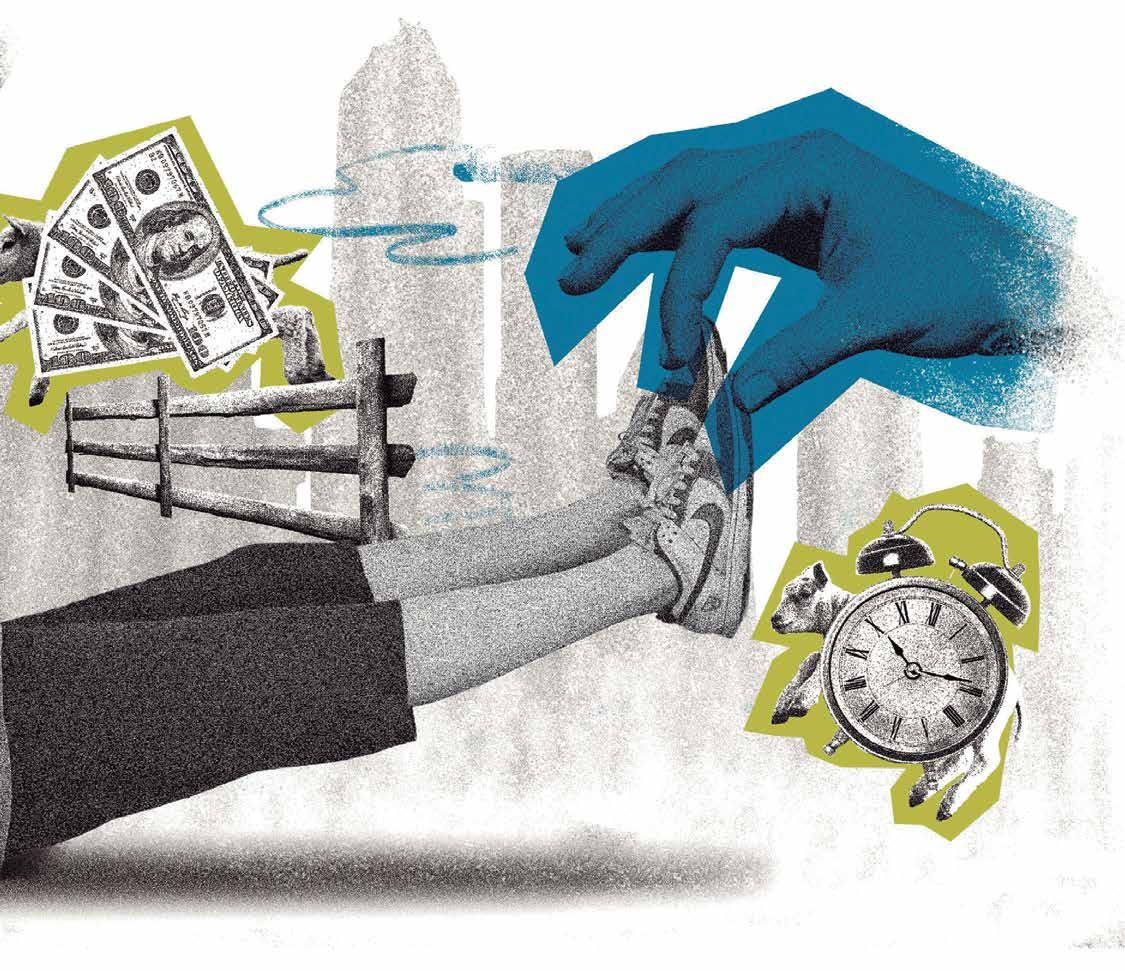
a sign of dedication and discipline. Fatigue is romanticized as evidence of hard work. This mindset has spread into workplaces and academic environments, where replying to messages at midnight is praised, and protecting sleep is viewed as a lack of commitment.
Discussing sleep in our region also involves recognizing inequality. People with lower incomes, night shifts, or multiple jobs have fewer opportunities to maintain regular sleep patterns. Housing conditions, noise, and insecurity all affect sleep quality. Rest isn’t determined solely by personal choice— it’s influenced by social and economic factors.
The right to work has been widely discussed in our societies. However, less attention is given to its natural counterpart: the right to rest—not as a privilege, but as a fundamental condition for physical and mental health. Adequate sleep is not a luxury; it is a biological necessity shared by everyone, regardless of borders.
Reclaiming sleep as a public health and cultural priority is vital for enhancing well-being across North America. Mexico, the United States, and Canada may have different situations, but they share the same biology. The human brain cannot adapt indefinitely to sleep deprivation. Neither can the heart.
Sleep is not just lost time; it’s time dedicated to living.
* Terán specializes in neuroscience and sleep disorders. * Vázquez is a political scientist who specializes in global governance.
He
He
Arly’s inspirations
#PARALYMPICS
He has a unique hobby: baking bread.
sources of inspiration.
His partner, Katia Otero, and his dogs, Fred and Hope, are his
BY: ÉRIKA MONTOYA ARTWORK: OMAR MÁRQUEZ GRAJALES
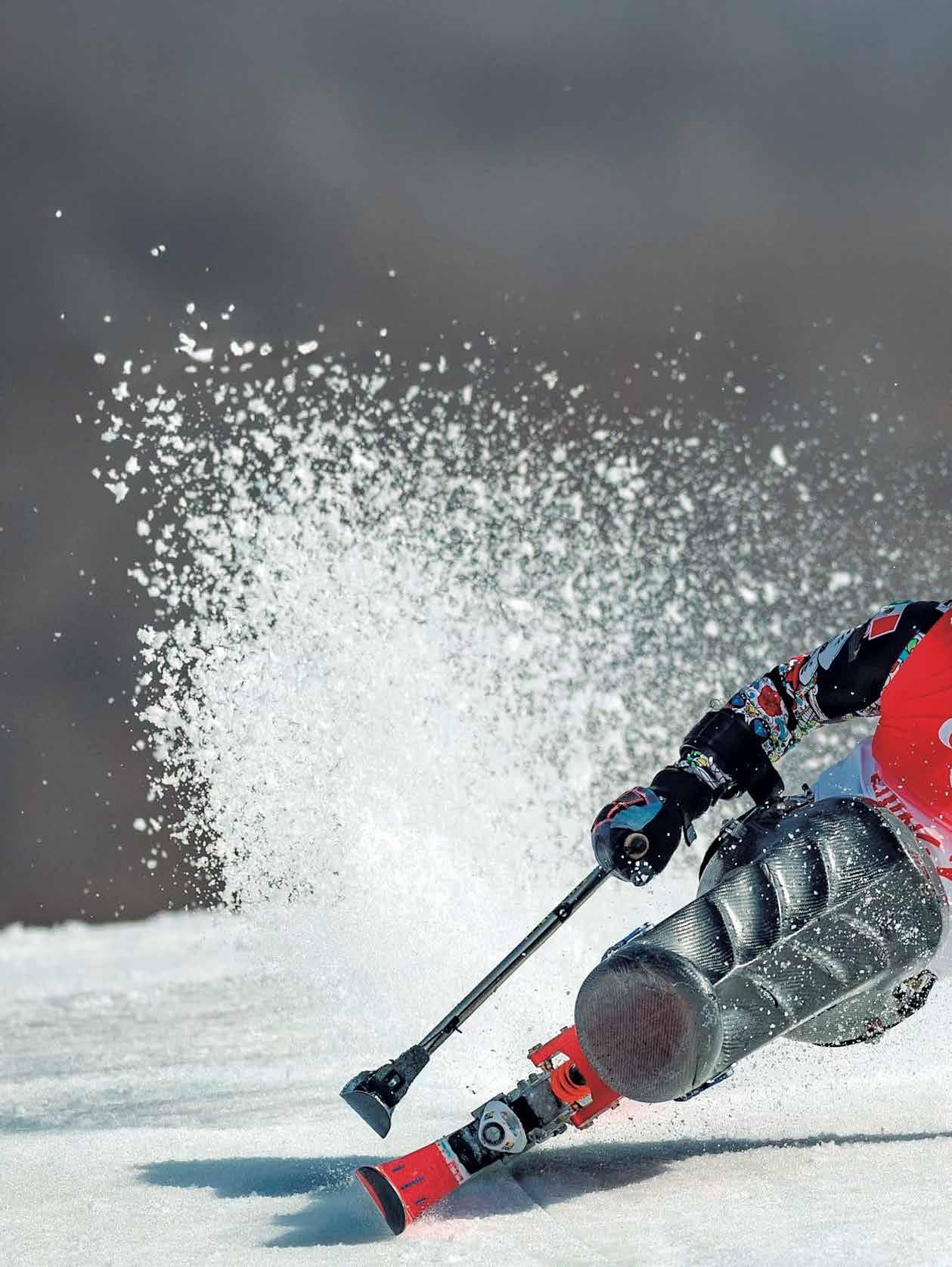
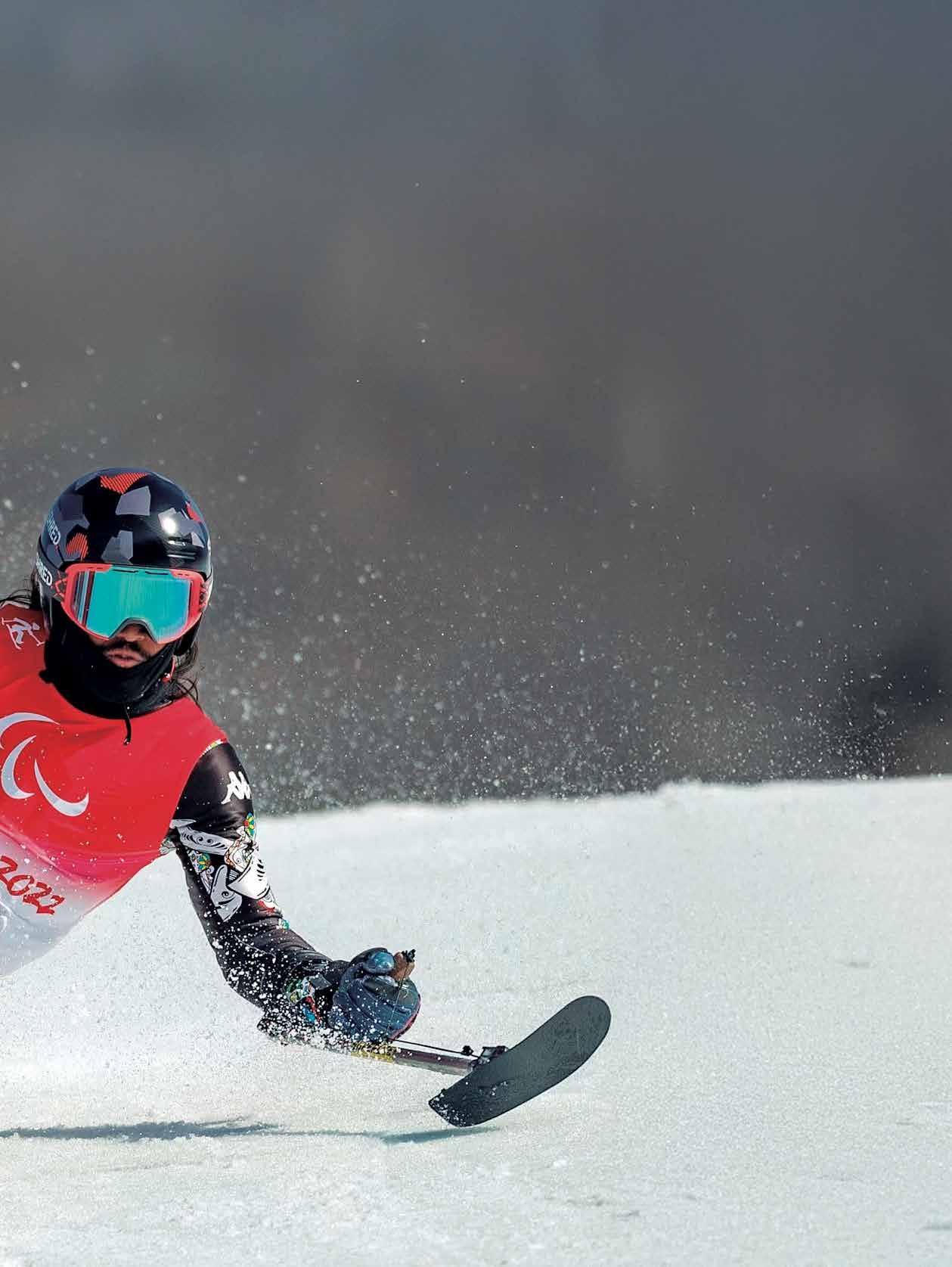
For Arly Velázquez, the mountain is more than just a sports venue—it’s where his identity shines. Throughout a career characterized by bold choices, setbacks, and personal growth, the Mexican para-skier has discovered a sense of belonging in the snow that surpasses any results.
“If there is one place in the world, it’s that when I’m on the mountain, I am completely free, and I am who I know I am — it’s my highest personal expression,” he says. That feeling has driven a career that has taken him to compete in five Winter Paralympic Games, including Milano-Cortina 2026, where he achieved one of his best results.
Originally from Cancún, Quintana Roo, his story defies any geographic logic. “I come from Cancún, so Cancún and snow together sounds hard to believe,” he admits. However, his connection to the mountain began long before skiing,
through mountain biking—the discipline in which he suffered the accident that changed his life. “I broke my back mountain biking, and for me it was a privilege to find another path that brought me back to it,” he told El Heraldo USA. Instead of pushing him away, the injury motivated him to reinvent himself. In a process he describes as intuitive and risky, he decided to pursue a new opportunity in adaptive sports.
“That meant going alone, buying a car at the border, driving for 14 hours, and arriving in a place where I didn’t even speak English very well. And that’s where everything began.” That marked the start of a 17-year journey in monoski, the discipline in which he has built his legacy.Velázquez considers sport as an extension of his life. “I don’t do it for others—I do it because that level of excellence is necessary within me. I can’t do things halfway, you know? I’ve never been able to, and it doesn’t feel right,” he says. That demand has remained consistent, even during the hardest moments of his career, and has also shaped his relationships with those closest to him. “The person I must thank repeatedly is my mom, who has endured all this. It’s been very, very heavy.”
same Games, a fall in training caused a fracture in his left scapula, preventing him from competing in his final event. Even so, his perspective remains unchanged. “It’s not that I’m trying to die, but if I’m alive, it’s to live fully,” he says, making it clear that risk is part of the life he has chosen.
At 37, Velázquez is considering extending his career through the 2034 Winter Paralympic Games in Utah, where he trained.
He has said that finishing his sports career there would be a dream come true. His discipline has also allowed him to take on a new role within his team.
“Today I feel privileged… younger athletes see me as a mentor,” he explains, referring to a phase where he shares his experience with new generations.
That transition, however, coexists with an ongoing internal struggle. “How many times have I wanted to retire? All of them—but I’m still here,” he admits.
At Milano-Cortina 2026, the Mexican athlete finished 15th in the super-G with a time of 1:21.53, his best Paralympic result in the event. The performance marked an improvement over previous editions and confirmed his competitiveness in a sport where experience and technique are key. Still, the mountain has also reminded him of his vulnerability. During those
He says the answer is perseverance. “Thanks to Arly, who kept going, because today we are at the best level we’ve ever been. So—perseverance and hope.”Beyond competition, his message is clear. “There is no dream that cannot be achieved… it only depends on daring to try,” he says. In his story, daring has meant leaving certainty behind, starting over from scratch, and confronting fear with every fall. Because for Arly Velázquez, the mountain isn’t just a challenge. It’s where everything comes together—risk, discipline, freedom—and most importantly, the certainty of living by his own rules.
ARLY’S NUMBERS
Only 1 Mexican athlete participated in the Milano-Cortina 2026
Paralympics: Arly Velázquez. He is 37 years old. He has competed in Paralympic skiing for 17 years.