


“I
- DAN JENSEN
Marnie Herrmann By Wade Ellett
the athlete
Dan Jensen By Michelle Pawelski
Cody Johnson By Kate Meadows
Jared Reid By Kory Lanphear
“I
- DAN JENSEN
The Winter Olympics have just wrapped up, and March Madness is tipping off; a reminder that sports have a way of capturing our attention this time of year.
But, sports show up in more places than we realize. They’re in packed arenas and early-morning practices, yes, but they’re also in storefronts, treatment rooms, and board meetings.
This month, Elevate takes a closer look at The Business of Sports, the leaders and organizations turning passion into economic impact across Rapid City.
Inside, you’ll meet the people working in the world of sports from those keeping professional hockey thriving in one of the smallest markets in the league, to a locally owned ski and snowboard shop where winter isn’t just a season, but a livelihood. You’ll hear from a
former collegiate athlete who has translated lessons from competition into leadership at a major financial institution and from a sports medicine clinic built on relationships that delivers elite-level care while redefining what it means to be an athlete.
These stories go beyond the scoreboard. They highlight job creation, workforce development, tourism, youth engagement, and the ripple effect athletics have on small businesses and families alike.
Because when sports are done well, they don’t just entertain. They become a slam-dunk for industries, create opportunity, and connect a community around something shared — especially right here in Rapid City.
RAPID CITY, SOUTH DAKOTA \\ DECEMBER 2025
WHAT DO YOU LOVE TO DO IN THE BLACK HILLS?
Running downhill with my kids at the end of Pathways Spiritual Sanctuary while pretending we're airplanes.
WHAT'S YOUR FAVORITE PLACE TO EAT?
Sashimi at Sumo Japanese Kitchen. Never thought I'd say the sushi in South Dakota is legit, but it cannot be denied.
WHAT’S YOUR GO-TO COFFEE ORDER?
Cold brew, black, from Koyote Koffee or Dixon Coffee Company when the line's not crazy long.
A black goldendoodle named Skuggar (Norse for "Shadow") and a cat named Cheddar (7 year-old for "cheese-colored cat").
Kory’s first issue was the “Find Your Wild Side” edition in June 2025, where he interviewed Al Kraus of Black Hills Archery. Kinda sporty, too!
Elevate is a monthly publication produced by Elevate Rapid City. It is the premier business magazine for the Black Hills region telling the stories that make our area unique and vibrant.
PO Box 747 Rapid City, SD 57709
605.343.1744
elevaterapidcity.com
INTERIM CEO
Todd Kenner
INTERIM COO
Darren Haar
SR WORKFORCE DEVELOPMENT & PARTNERSHIPS DIRECTOR
Taylor Davis
SR MARKETING & COMMUNICATIONS DIRE CTOR
Shiloh Francis
SR ECONOMIC
DEVELOPMENT DIRECTOR
Lori Frederick
SR PUBLIC POLICY DIRECTOR
Garth Wadsworth
OPERATIONS DIRECTOR
Liz Highland
CREATIVE SERVICES DIRECTOR
Bailey Sadowsky
ECOSYSTEM SUPPORT & PROPERTY MANAGER
Loni Reichert
HOUSING & COMMUNITY DEVELOPMENT MANAGER
Laura Jones
BUSINESS DEVELOPMENT MANAGER
Kallie Ruland
BUSINESS PROSPECT MANAGER
Drew Staufer
EVENTS & MARKETING MANAGER
Kamryn Wainwright
INVESTOR SALES MANAGER
Adam Braun
WORKFORCE PROGRAMS MANAGER
Krystal Bresnahan
EXECUTIVE
ADMINISTRATIVE ASSISTANT
Ashley Simonson
March 1
THE LOCAL MUSIC BINGO
The Local
March 4
ADULT SPELLING BEE
Lost Cabin Beer Co
March 4–7
RAPID CITY RUSH VS. WHEELING NAILERS
The Monument themonument.live
March 7
COMMON LAW & GRANITE SUN
The 707 Night Life ticketspice.com
MOUNTAIN WEST WHISKEY FESTIVAL
Hotel Alex Johnson
mountainwestwhiskeyfestival.com
ROAD 2 DESTRUCTION TOUR
The Monument themonument.live
March 12–14
RAPID CITY RUSH VS. WICHITA THUNDER
The Monument themonument.live
March 13–22
BLACK HILLS COMMUNITY
THEATRE PRESENTS: CITY OF ANGELS
Performing Arts Center of Rapid City performingartsrc.org
March 14
BOTTOMS UP 5K
Founders Park
WOMEN & WELLNESS
MARKETPLACE POP UP
The Monument themonument.live
March 17
STEAM CAFE – RECLAIMING A MOONSCAPE
Hay Camp Brewing Company
March 18
DINNER IN THE DARK
The Box Event Center thebox.live
March 24
WORLD BALLET COMPANY: CINDERELLA
The Monument themonument.live
March 27
HUMAN JUKEBOX LIVE
Starring Michael Winslow
The 707 Night Life ticketspice.com
March 29
THE FRENCH FAMILY BAND
Performing Arts Center of Rapid City rapidcityconcertassociation.com
Events are curated with the most accurate information available at the time of print. Please check the event website for full details or changes.












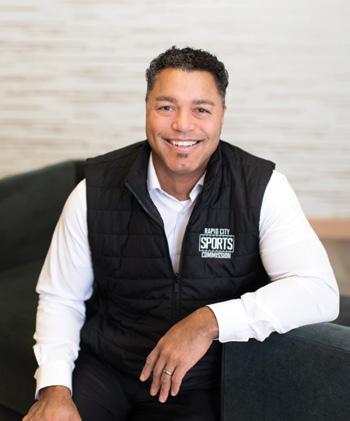
QUESTION: What do sports mean to this community beyond the scoreboard? What does “Hills Have Hustle” mean to you?
DOMICO: For this community, sports are a critical youth development tool. They teach teamwork, accountability, and life lessons while creating safe, structured spaces for young people to grow. ‘Hills Have Hustle’ captures the mindset of developing kids who understand the value of effort, commitment, and resilience. We may not be a tier 1 city, but we get the most out of our abilities, much like a hustle player in sports.
Q: We last featured you in the September 2020 edition of Elevate Magazine. Since then, the Rapid City Sports Commission has been established with you as its Executive Director. What does the Sports Commission represent for this region today?
D: The Sports Commission represents progress and cooperation. It shows that Rapid City is serious about using sports strategically, not just to host events, but to create opportunities, develop young people, and strengthen our quality of life. Rather than just being a participant in sports, Rapid City can be a leader in sports in our region.

Director
Q: What’s your long-term strategy for growing sports tourism? What do you see as the future of sports—and the Sports Complex—in Rapid City?
D: Our strategy prioritizes youth sports as the foundation of sports tourism. By building a strong local base, facilities, programming, and partnerships, we attract high level regional/national tournaments and events. Because of our tourism-based infrastructure we are a destination for all events.
The future of sports here is about access, development, and community pride. The Sports Complex isn’t just an event venue; it’s a shared community facility that grows athletes, families, and opportunities.
Q: What are emerging sport trends that our region should be preparing for?
D: One of the biggest emerging trends in our region is the growth of club sports. Expanded opportunities in volleyball, girls wrestling, and basketball are creating stronger development pathways and helping keep our top athletes here in Rapid City rather than traveling elsewhere.
Q: Where have you seen sports directly benefit local businesses or workers. Not just in the numbers, but in the stories?
D: Prairie Edge is a perfect example of a business that has built a long-standing relationship with an event. LNI has hosted a community meet and greet at Prairie Edge for a very long time, and the employees and the community look forward to the event annually. The former GM of Prairie Edge, Dan Tribby, has been a partner in growing LNI and was a major contributor when there was a conversation about possibly moving LNI out of Rapid City in early 2010’s. Prairie Edge and Dan acted as a bridge to connect LNI and Rapid City.
Q: What sports traditions here feel uniquely “us”?
D: Our sports culture is unique as we can incorporate the Indigenous heritage of this region into several of our events. Traditions such as the Lakota Flag Song and smudging are aspects of some of our events such as the Native American World Series, Lakota Nation Invitational and the Black Hills Pow Wow that make us unique.
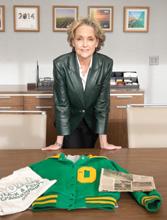
For Marnie Herrmann, community is the ultimate team sport
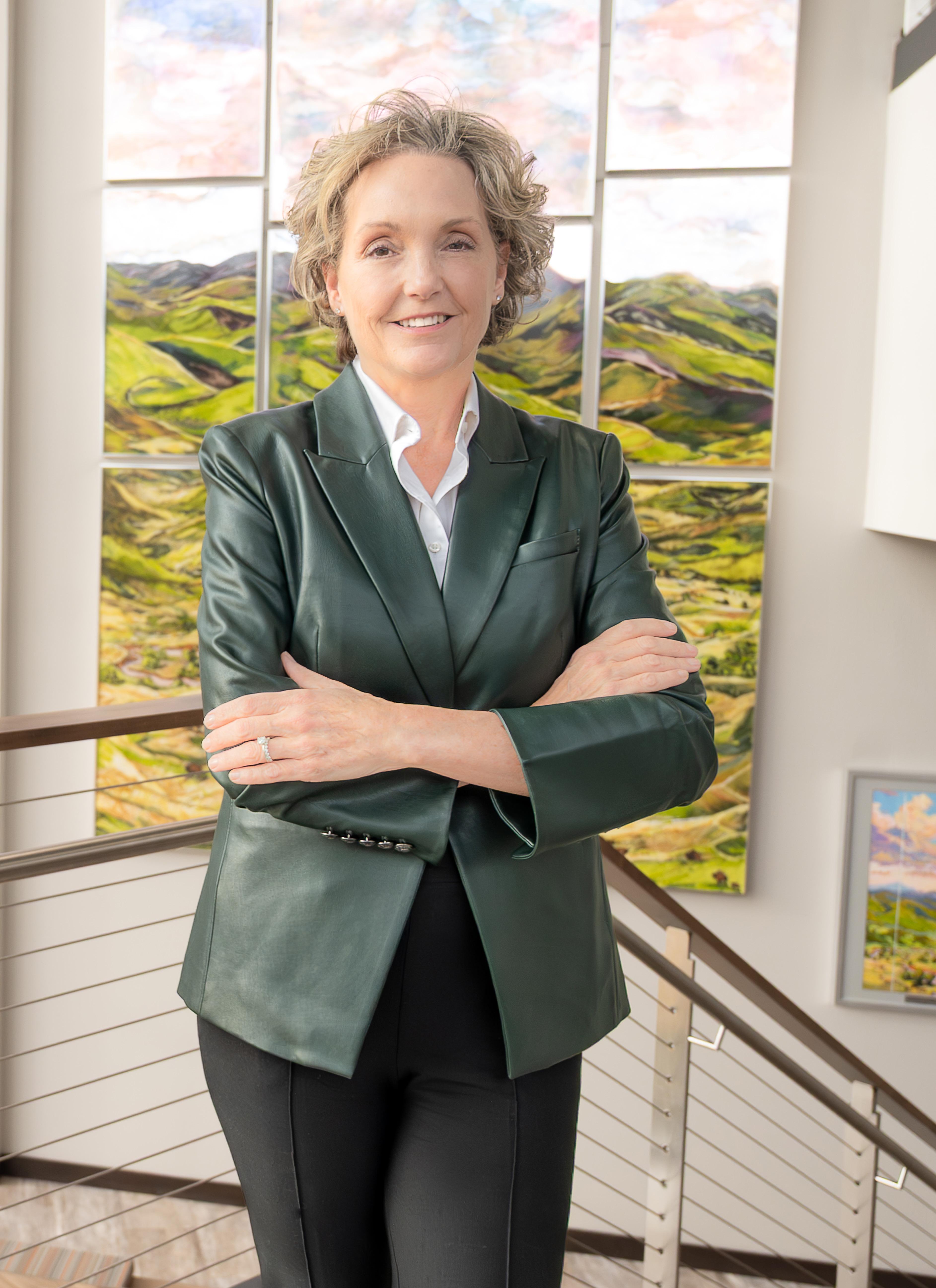
You’ll find Marnie Herrmann’s fingerprints just about everywhere in Rapid City. From banking and business development to nonprofit leadership and community building, she has created a career—and a life—rooted in growth and vision. Like many people, however, the foundation of that work was laid decades before she became a pillar in the city she calls home.
To see how she developed her skills in leadership, team building, and critical decision making, you’ll have to go back a few decades to cinder tracks and summer practice fields in the Black Hills.
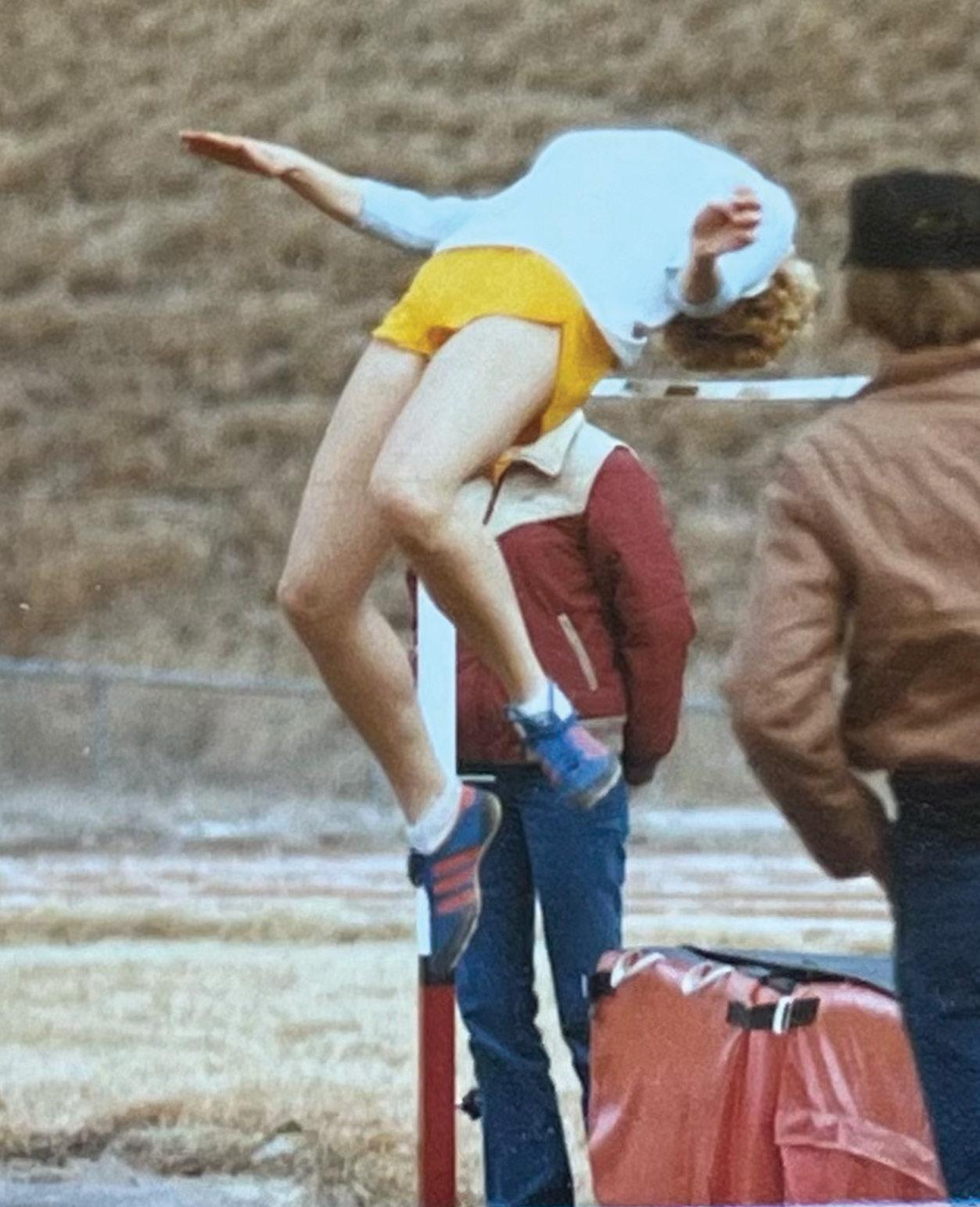
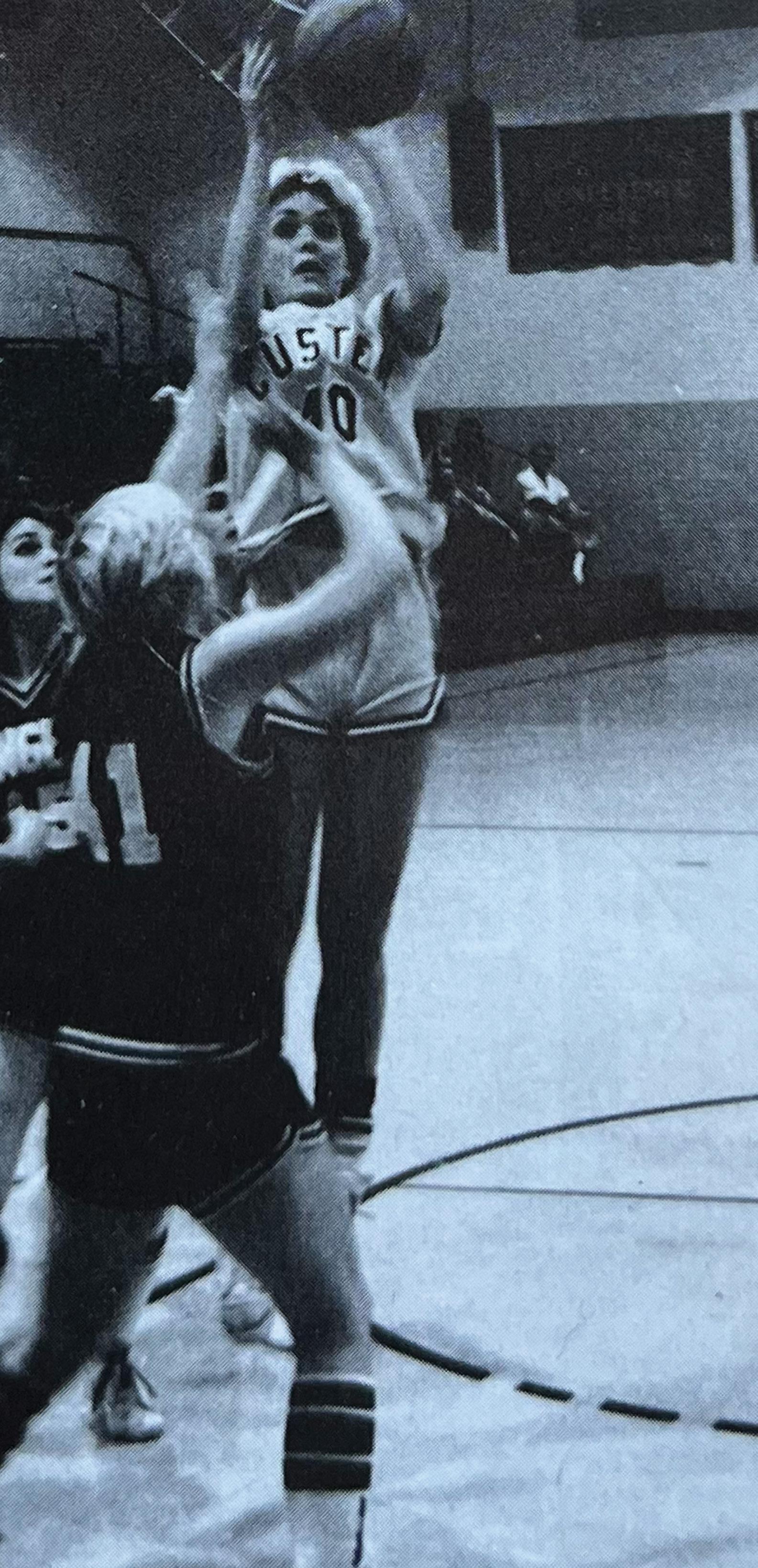
She spent her early years in Las Vegas before her parents brought the family back home to Custer, where she went on to attend junior high and high school. “Athletically, I stood out because I was pretty good at a lot of things, instead of being outstanding at just one,” Marnie said with a quiet laugh. She ran relays and hurdles and competed in high jump and the multi-event heptathlon.
She still holds the state record in the 1,500-meter race walk.
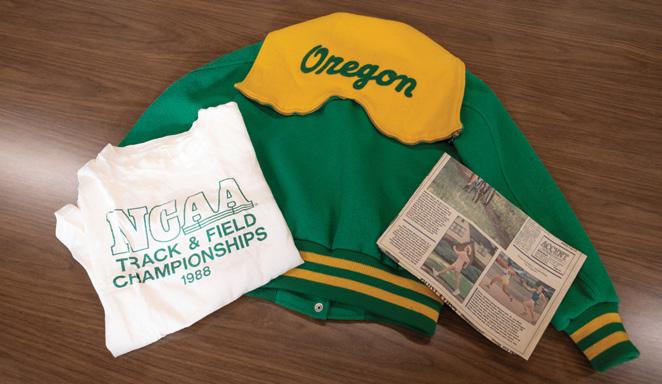
After graduating in 1984, she left the state to pursue a journalism degree at the University of Oregon. “I’m the oldest of five kids and we didn’t have a lot of money,” Marnie explained. “I scraped together the $40 application fee by waitressing on weekends. I sent in my application and waited; I didn’t have the money to apply anywhere else.”
The university not only accepted her, but also offered her a full academic scholarship. While there, she also walked on to the track and field team as a heptathlete. “I competed for two years, but had issues with injuries and stress fractures in my right leg,” she said. Her coach ultimately told her that she couldn’t continue competing, but invited her to stay on as the team manager.
“I was really heartbroken that I couldn’t keep competing at that level, but it was awesome to stay on as the team manager through the last couple of years, and still be a part of the team that way,” Marnie said.
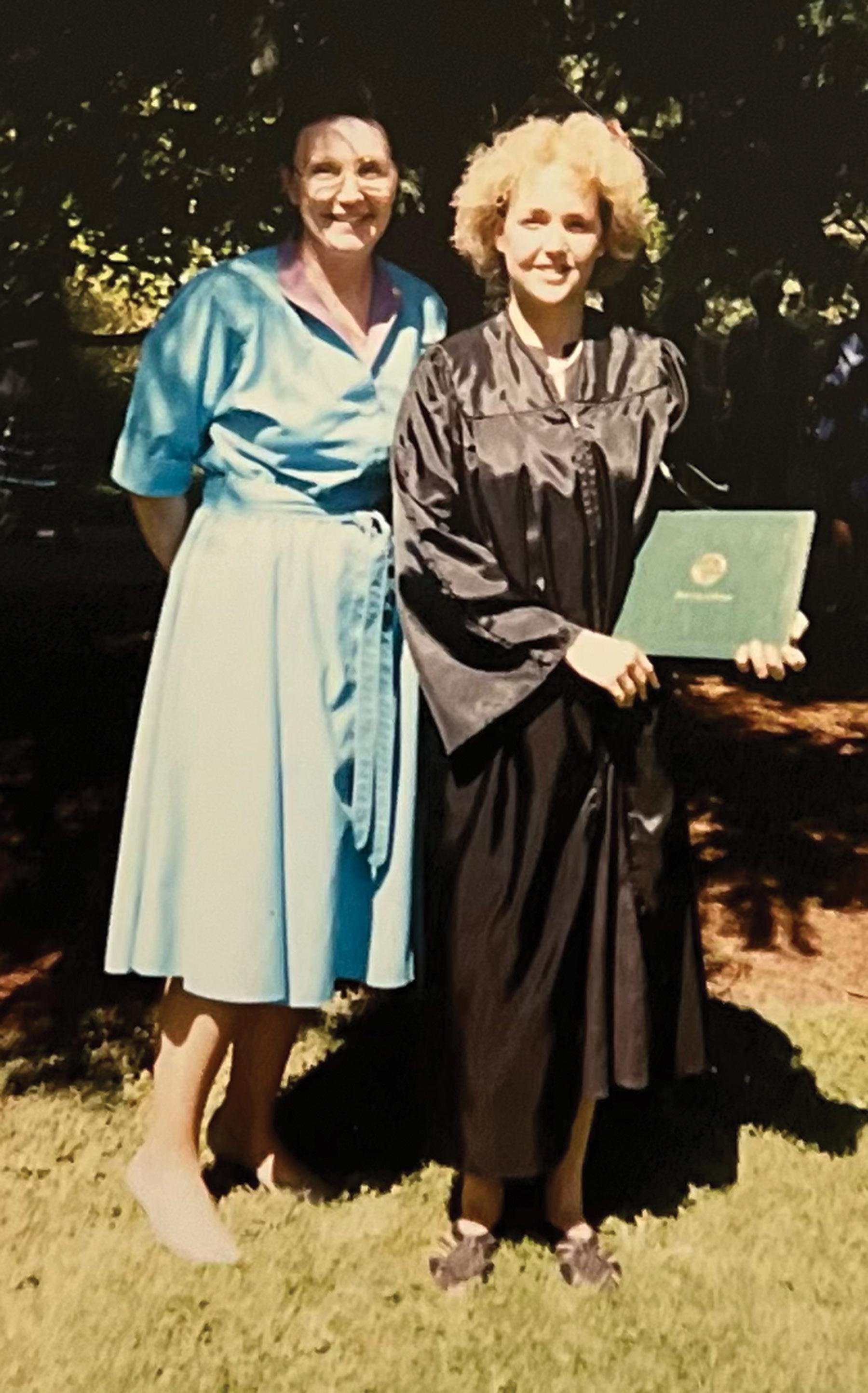
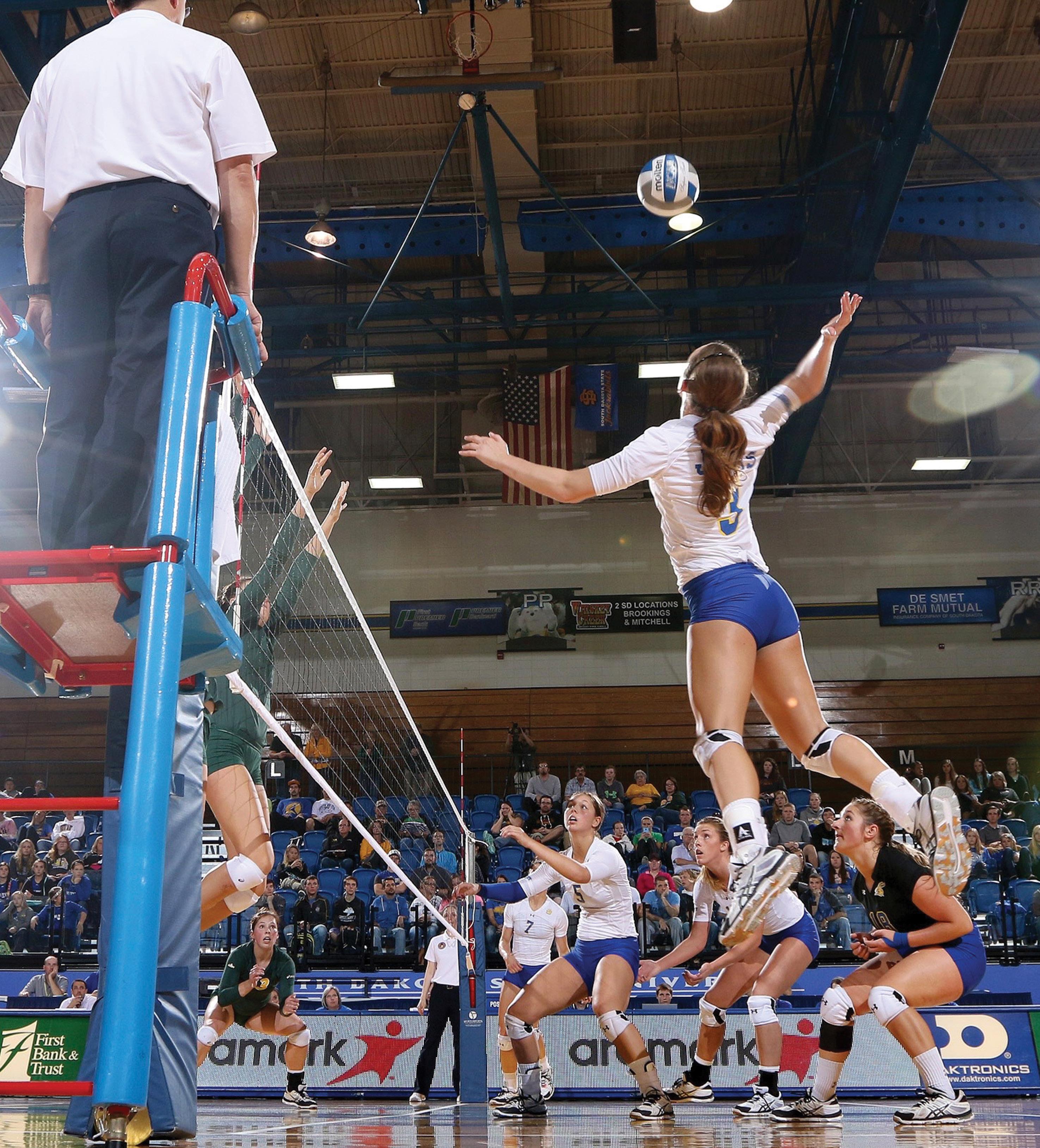

For a lot of athletes, graduating college is the end of involvement in sports. That wasn’t the case for Marnie; sports would continue to play a role in her life for years to come, in ways she might not have expected.
She and her husband, Doug, married just after her college graduation. She lovingly described him as a Custer boy, and said, “In high school, he was a dominant athlete in multiple sports, and people still recognize him. We could be at a gas station in Kennebec and somebody will say, ‘Hey, Doug Herrmann, I remember playing against you.’”
After high school, Doug played Division 1 football at the University of Nebraska, then two years in the NFL before an injury took him out of the game. Their family would stay connected to sports, however, as the couple would go on to have
two daughters who were phenomenal multi-sport high school athletes in track and field, basketball, and volleyball. Both earned full-ride Division 1 volleyball scholarships at South Dakota State University. “Sports are a core part of our family identity,” Marnie explained.
“And they’re responsible for many of the opportunities we’ve had and social connections across multiple generations.”
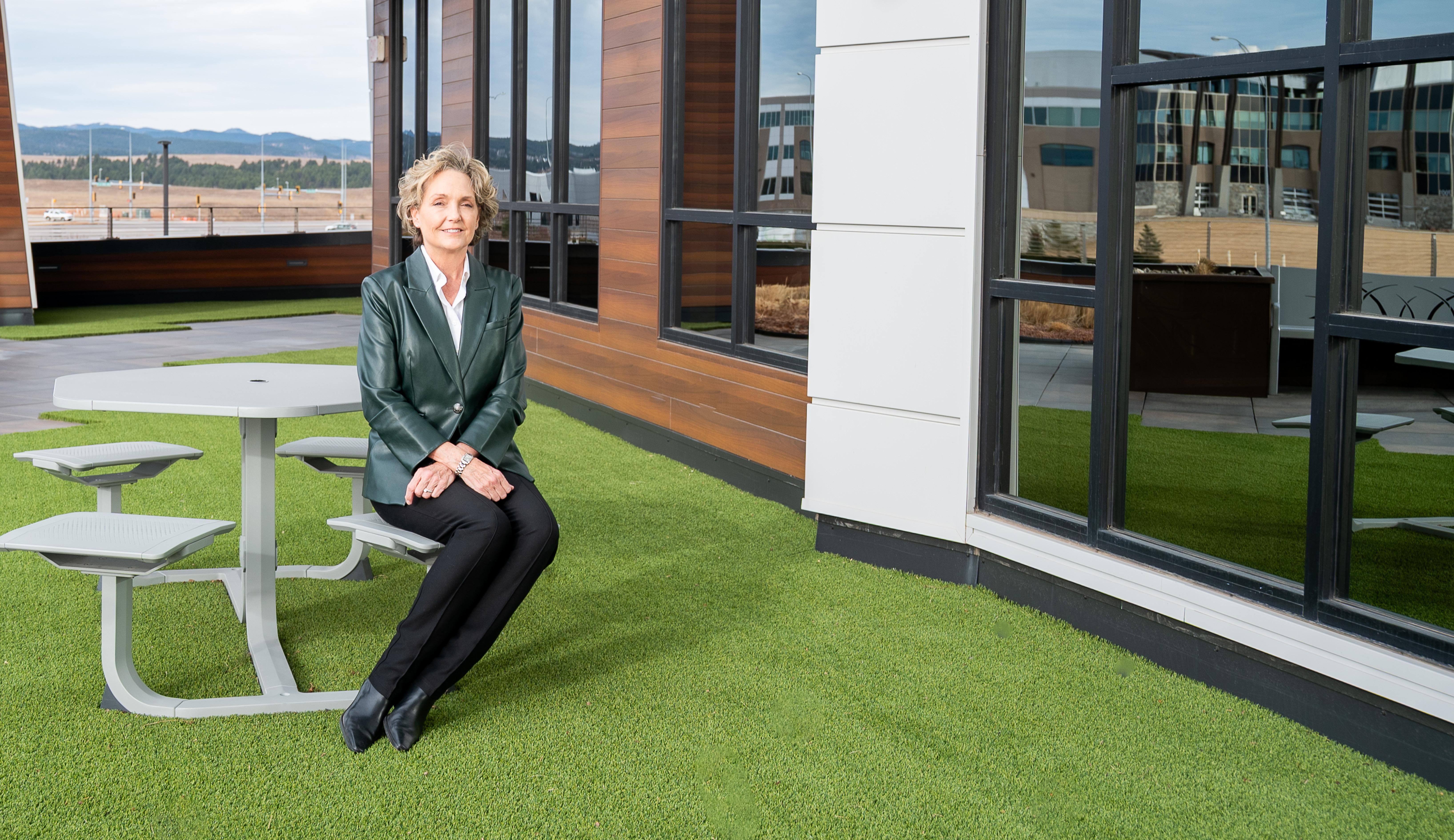
Marnie is a Senior Executive Vice President and Chief Banking Officer at Security First Bank. She also chairs the Bank’s Board of Directors and serves on the holding company board. “I’ve been there since 1999, starting as the Director of Marketing,” Marnie said. “It’s been great having the opportunity to grow into different roles and serve in different ways over the years. Even now, it’s never the same day twice.”
Marnie touches almost every aspect of the business, and has responsibility for customer experience, products, brand, and how the bank shows up in the community. That last one is important to her, because she sees great value in community, and has spent a lot of time in roles that explicitly try to advance community goals, like nonprofit boards and the chamber of commerce board.
It’s no stretch to say that Marnie has had a successful career and life, and while she wouldn’t attribute all of her success to her involvement in sports, she’s confident that it played a significant role.
“Sports build individuals in unique ways. They provide positive social opportunities to expand your capacity as a person in different ways,” she said. “Yes, there’s the physical aspect, but sports also
foster leadership, resilience, and the ability to connect socially with members of your community.”
In her eyes, Rapid City, like most places, benefits from sports at all levels; from school athletics to professional teams. “There’s the economic benefit to the community, of course, but it’s more than that. There are few things that bring people together more passionately than sports,” she said.
She’s adamant that sports and athletics provide an opportunity to grow and become more developed, driven and team focused.
“Competition is part of the game,” she added. “But the real goal is always to become the highest and best version of yourself.” *
SECURITY FIRST BANK
ACROSS SOUTH DAKOTA & NEBRASKA
S ECURITY1STBANK.COM
“ COMPETITION IS PART OF THE GAME, BUT THE REAL GOAL IS ALWAYS TO BECOME THE HIGHEST AND BEST VERSION OF YOURSELF.”
- MARNIE HERRMANN
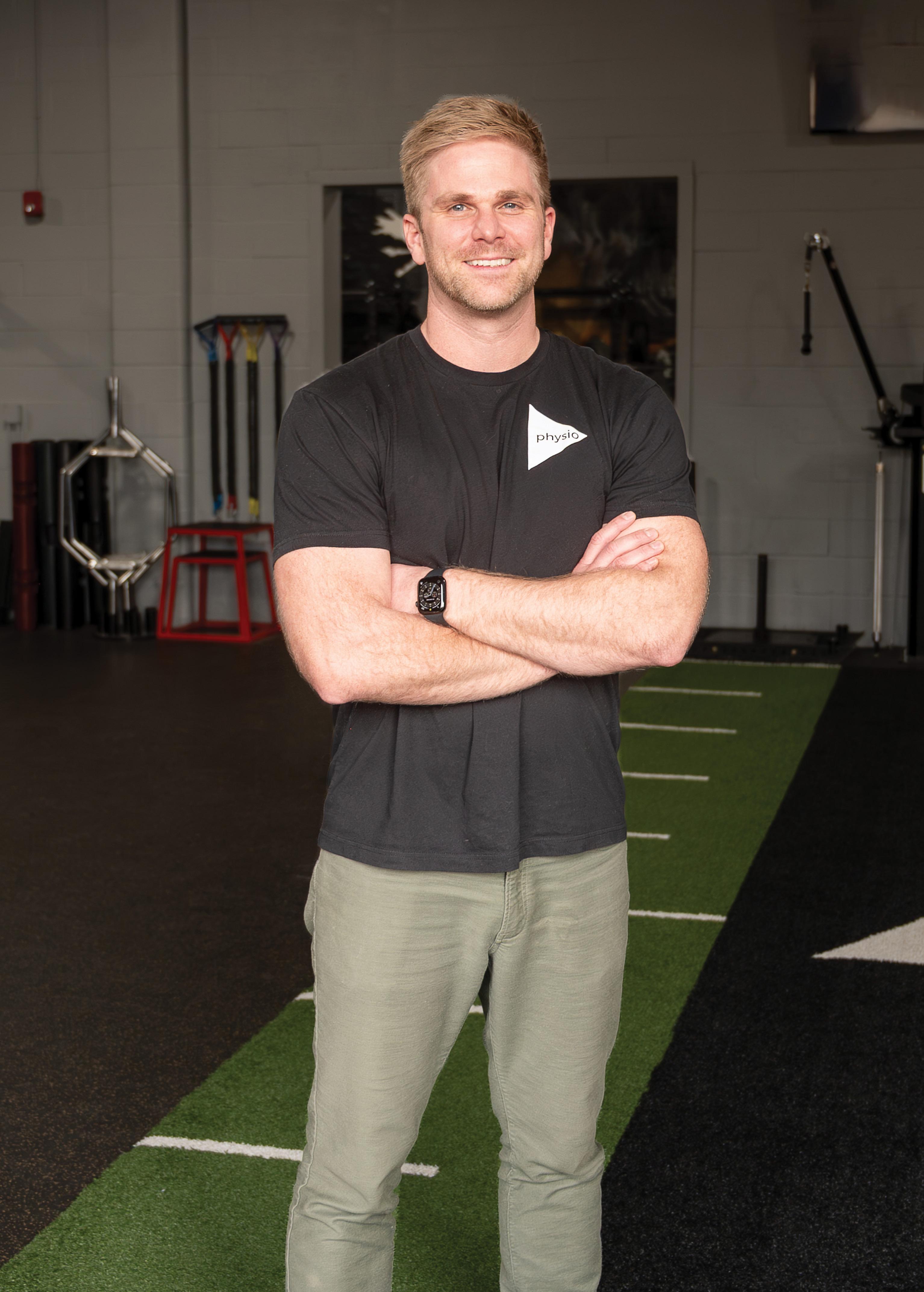

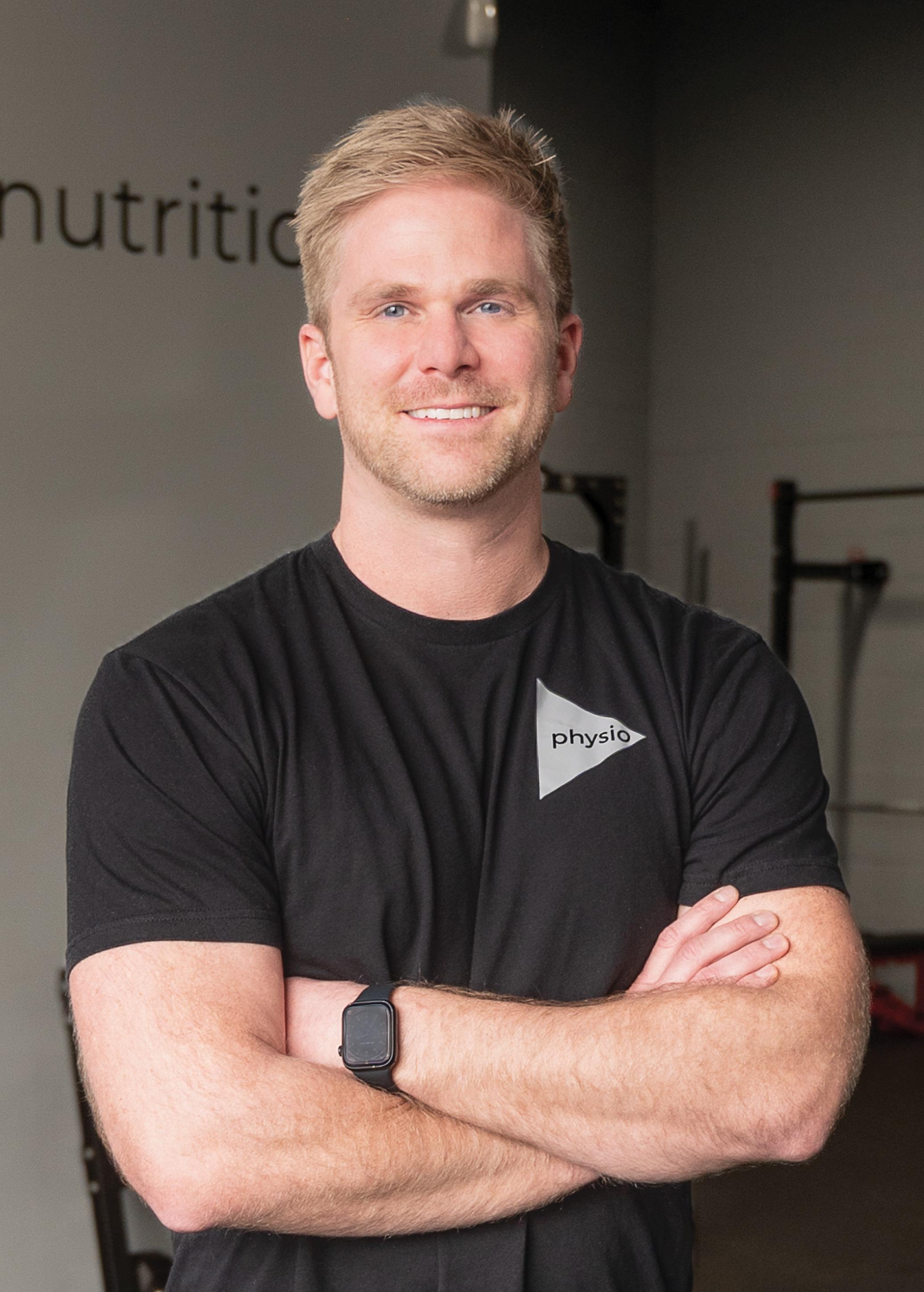
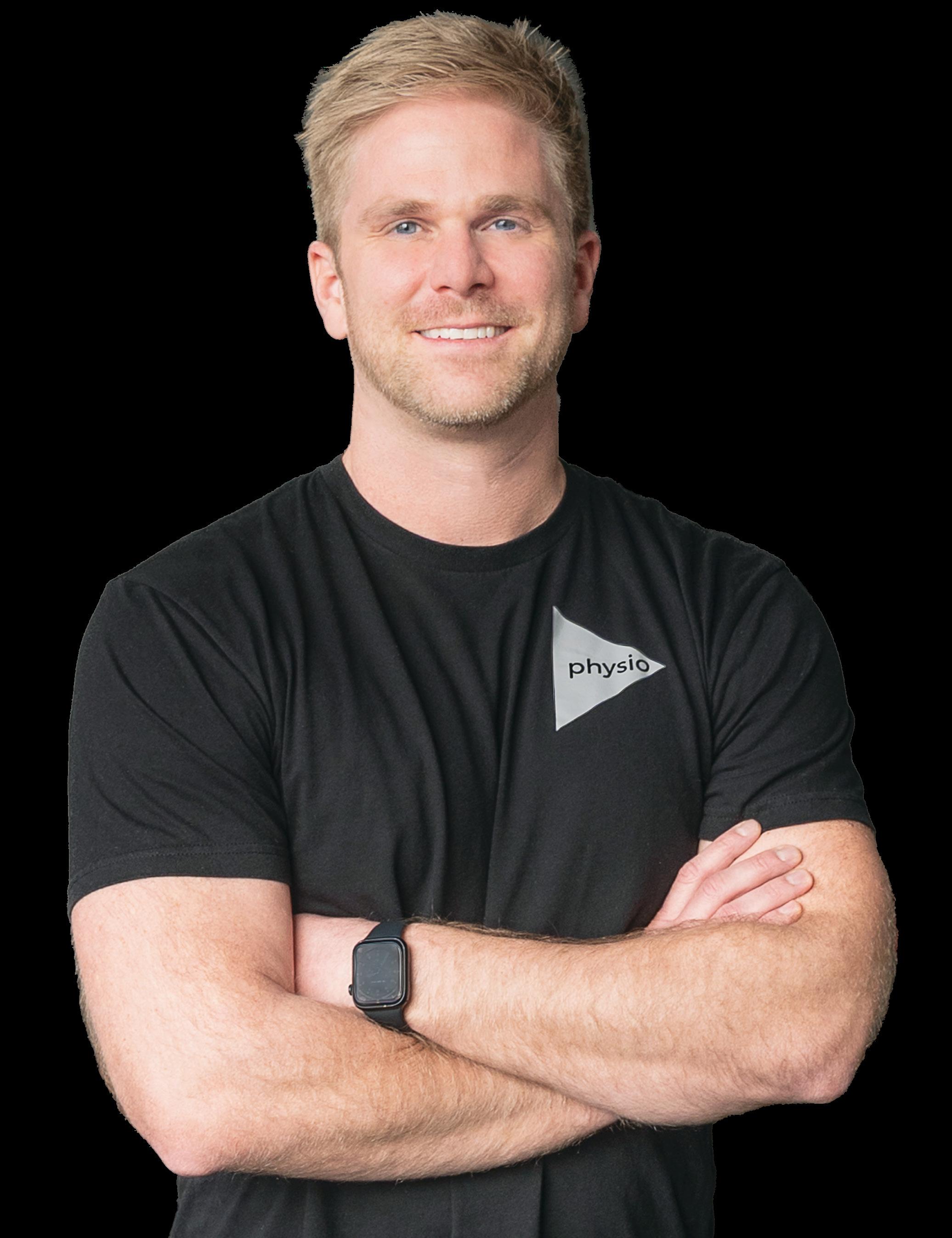
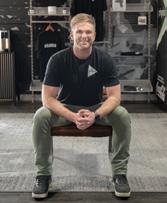
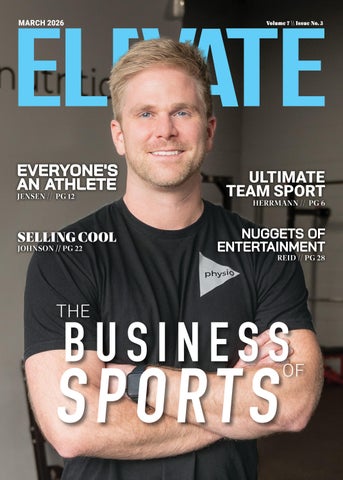
Sports have always been a part of Dan Jensen’s daily life. As a student at Rapid City Stevens High School, that meant lacing up his basketball shoes. As a professional, it meant training Olympic athletes. As a fan, it meant cheering on, sometimes painfully, his beloved Minnesota teams.
But one thing that has remained constant through all these chapters is the connections made through sports.
“Sports have always been a huge part of my life, whether it has been me playing them, being a fan, or now working with athletes,” said Dan.” It’s really all about the relationships.”
As a Rapid City native, Dan immersed himself in sports, which initially led him to the University of Minnesota Twin Cities, where the idea of becoming a physical therapist seemed daunting. “I wondered who would want to go to school for that long and take all those science courses,” he laughed.
It wasn’t until he transferred back home to Black Hills State University that he realized his future career path. “I actually vacated the idea of being a PT for a while, until I took an anatomy and physiology class at Black Hills State, and it made me realize I wanted to learn as much as I could about the human body.”
At that point, he was going back and forth between being a physician and a physical therapist, but one thing about PT stood out to him: the amount of time he could spend with his patients. “If somebody has surgery, and we have rehab together, we are spending dozens of hours together over the course of months, so we really get to know our patients,” Dan said. “That made me gravitate toward physical therapy. I am a relationship-driven person.”
After graduating from BHSU with a bachelor’s degree in exercise science, Dan returned to the Twin Cities to earn his Doctor of Physical Therapy, knowing he wanted to specialize in sports medicine.
“
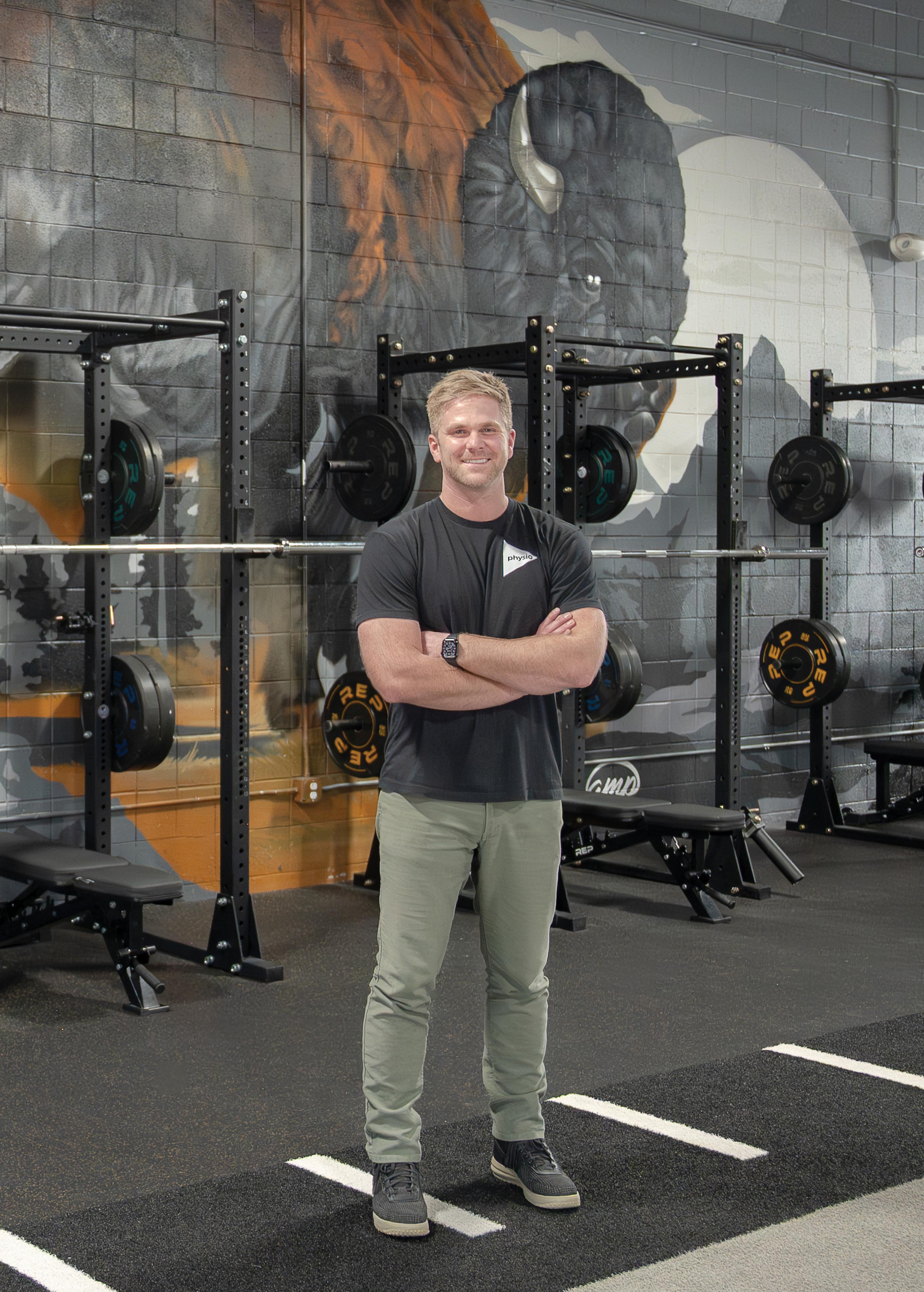
I THINK WHAT MAKES US DIFFERENT IS HOW WE DEFINE AN ATHLETE. EVERYBODY WHO WALKS THROUGH OUR DOORS, WE VIEW AS AN ATHLETE.”
- DAN JENSEN
Along the way, he published work on youth sports injuries and musculoskeletal injuries in Paralympic athletes.
Dan’s university connections and his research and work with athletes took him far beyond the Midwest. In 2014, Tim Grover, the trainer to many professional athletes like Michael Jordan and Kobe Bryant, selected Dan for his international sports medicine team, an experience that solidified his love of working with athletes.
He worked with Olympic athletes in sports ranging from basketball to track and field. In 2015, he worked closely with world-class sprinters preparing for the World Championships, including one who raced on the same stage as eight-time Olympic gold medalist Usain Bolt.
“It was an unbelievable experience,” he said. “I saw what worldclass sports medicine care looked like.”
Dan felt a desire to bring that same level of care to the athletes of the
Black Hills. He moved back to Rapid City and worked as a full-time faculty member in the exercise science program at Black Hills State University, the same program where his journey began.
“I didn't plan on becoming a professor,” he said. “But I loved it and learned a lot from being a professor.”
Today, many of his former students are physical therapists, physicians, athletic trainers, strength coaches, and chiropractors. Teaching re-
inforced what Dan already knew about himself: that he values relationships.
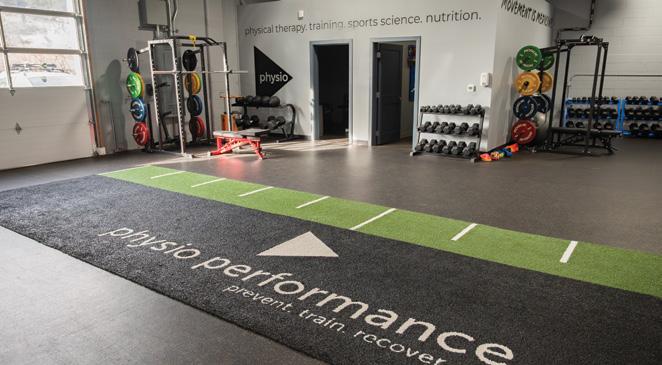
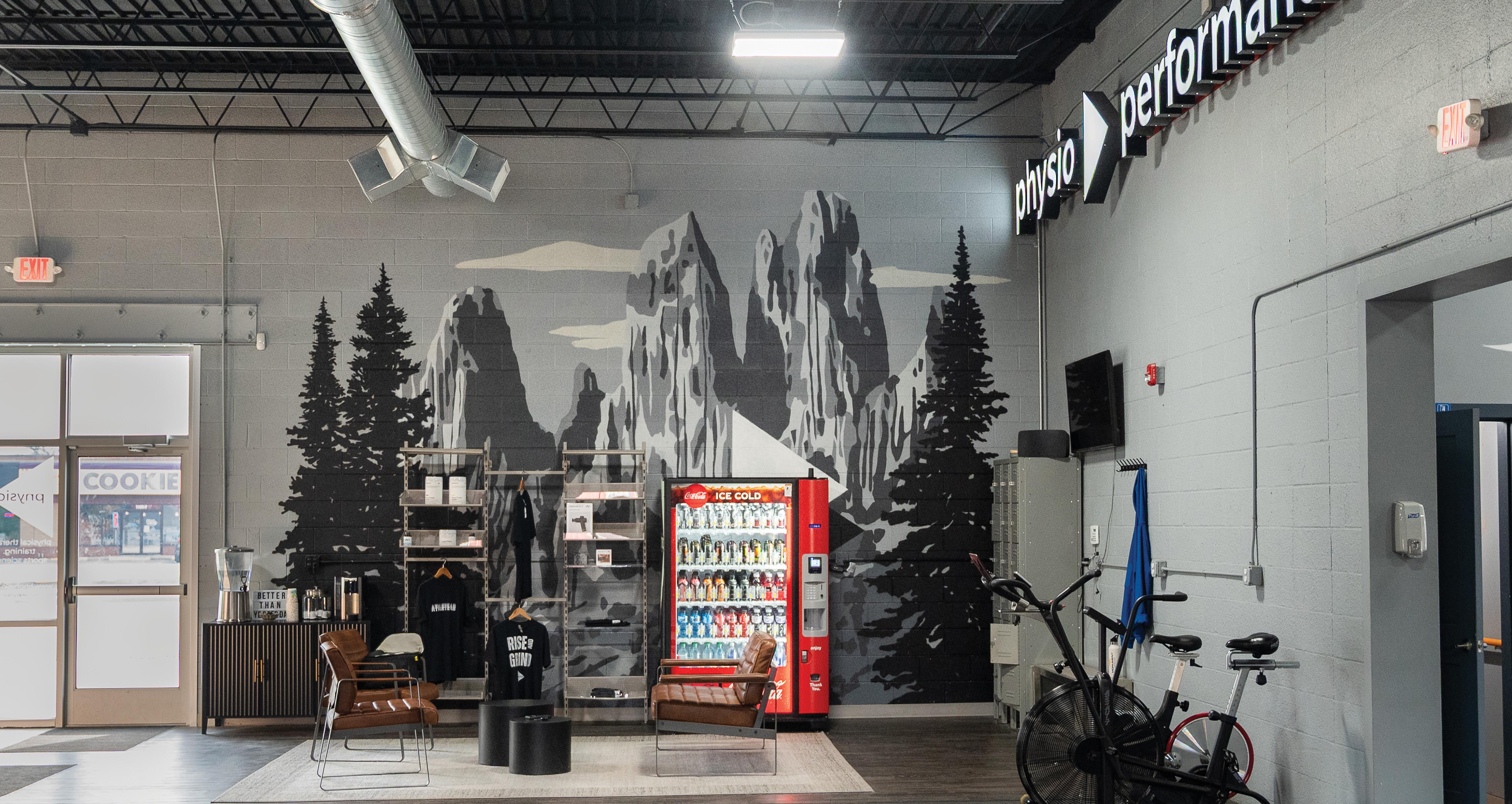
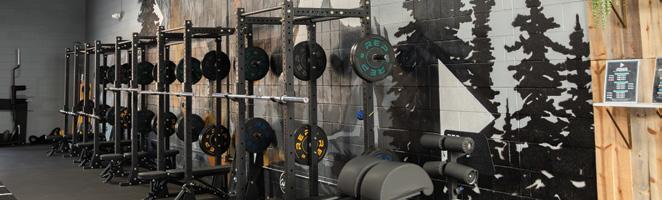
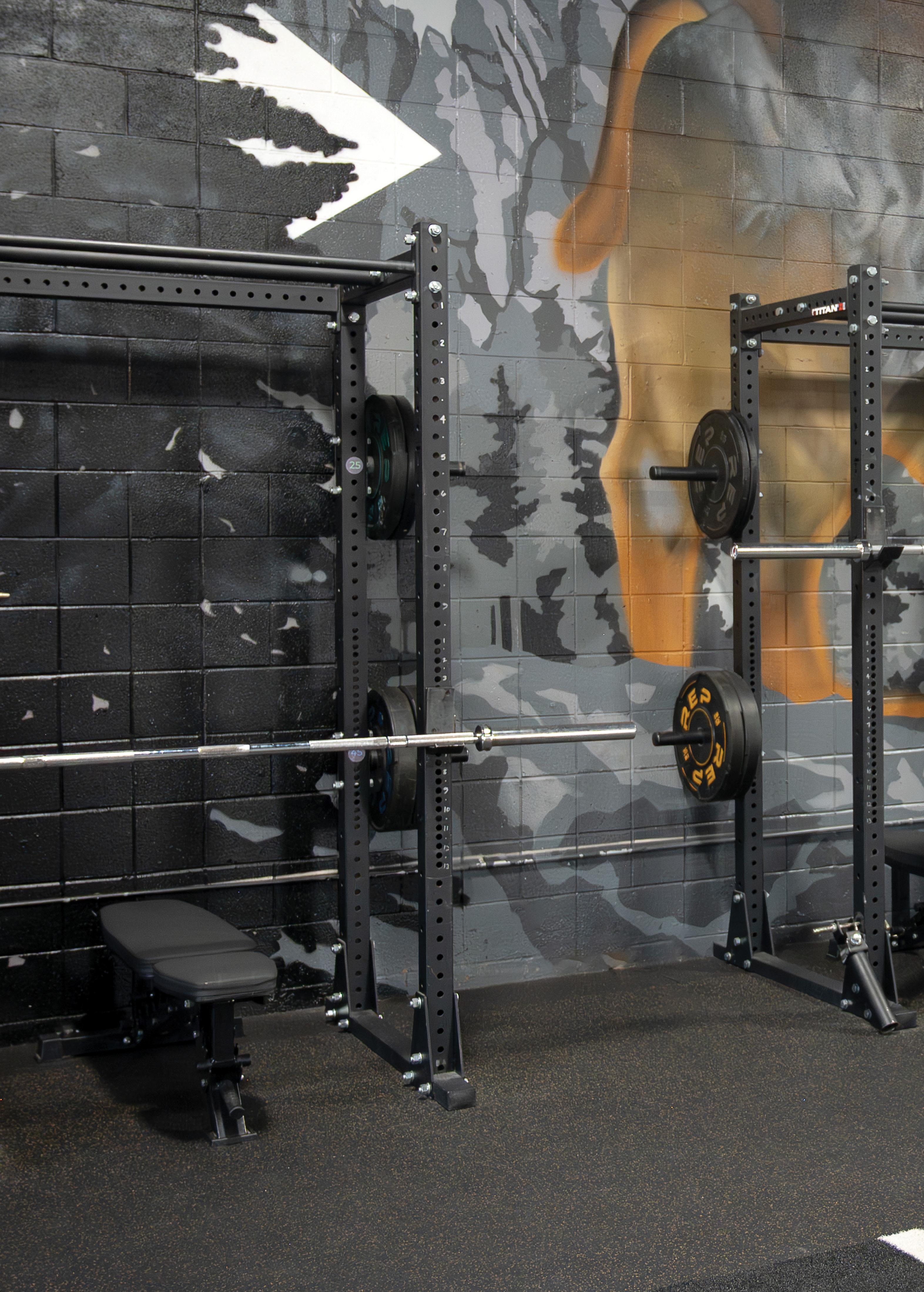
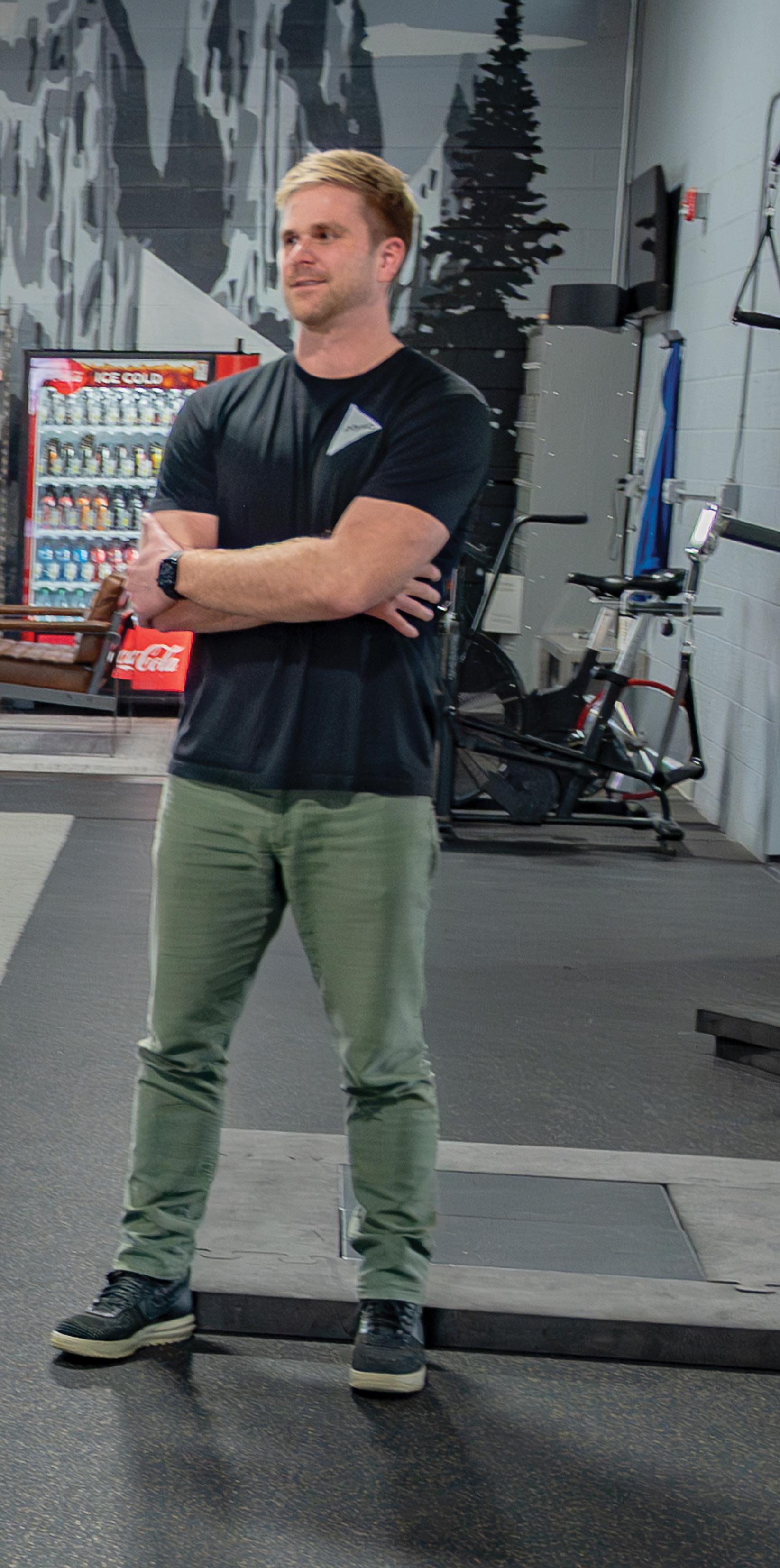
That same philosophy became the foundation for Physio Performance, which started as a side gig in 2016. The business began in a small downtown office and initially spread by word of mouth. Physio is now celebrating its 10-year anniversary in its location near the bike path with a dedicated team and a distinctive approach to care.
“I think what makes us different is how we define an athlete,” Dan said. “Everybody who walks through our doors, we view as an athlete." That athlete might be a high school soccer player, a collegiate runner, a professional hockey player, or it could be a 70-year-old wanting to stay active, a new mom trying to return to running or a construction worker lifting heavy loads every day.
“We don’t believe in going back to baseline,” he said. “We believe in helping people get to where they want to go.”
Each patient receives a full hour of one-on-one dedicated care. “We don’t rush people through. We view ourselves more like a Michelin-star restaurant rather than fast food.”
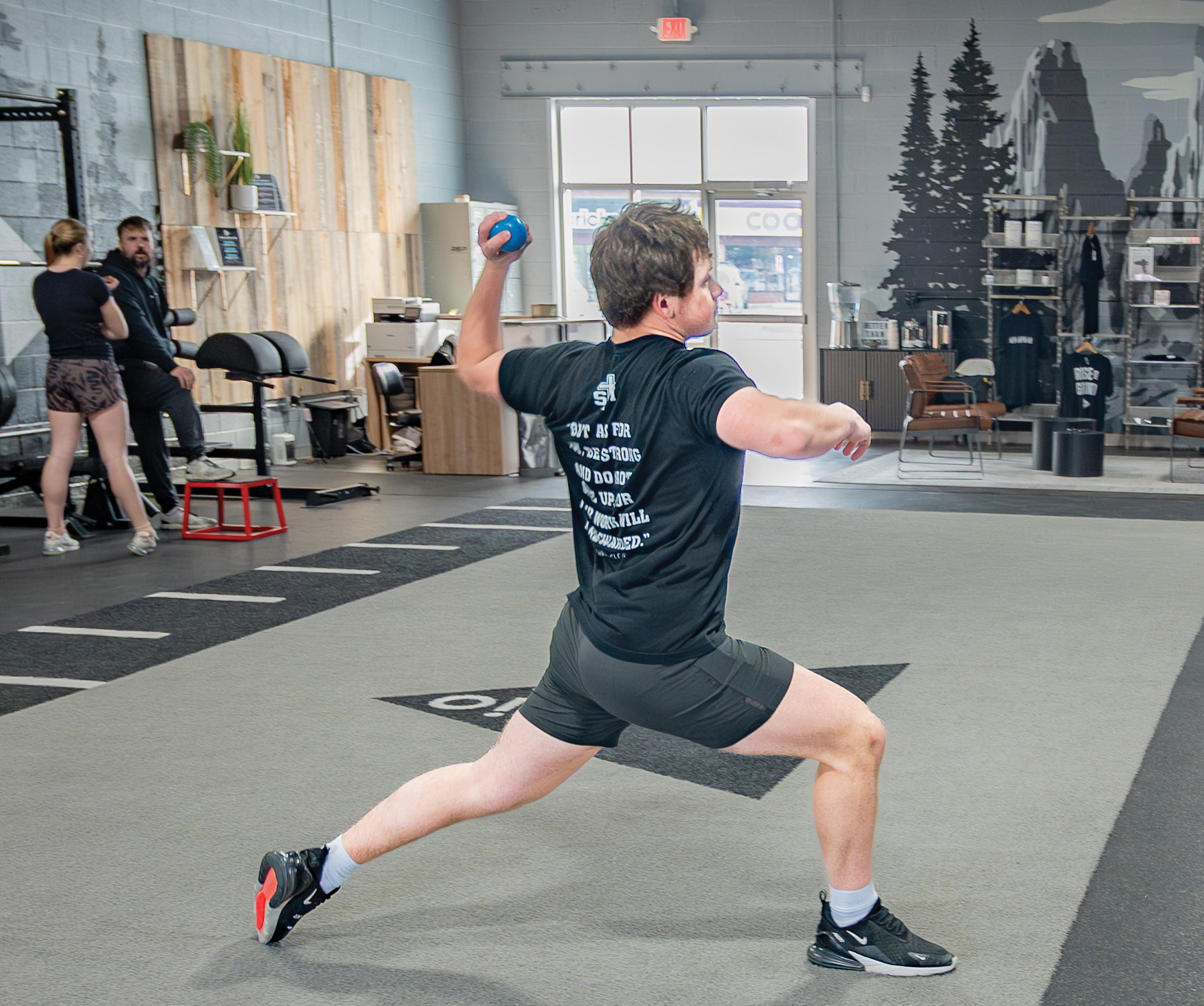
That depth shows, especially in how Physio works with youth athletes. Dan and his team are passionate about injury prevention, long-term athlete development, and educating families about healthy training habits. They look at the whole picture: sleep, nutrition, and adequate recovery.
Looking ahead, Dan sees Rapid City and the Black Hills continuing to grow, and he’s committed to keeping at the forefront of sports medicine while remaining rooted in the community.
The Black Hills has national-level athletes in a wide range of sports, from running and snowboarding to rodeo and motocross, all whom deserve world-class care.
But Dan also hopes the community walks away with a broader definition of what it means to be an athlete.
“I think most people want to identify as an athlete, and we love opening people's minds to that. It is never too late to think of yourself as an athlete, no matter your circumstances.”
For Dan, that belief is personal and the driving force behind everything he does. *


605-399-4211
NMLS #747401
605-559-1255
NMLS #1409924
605-399-4277
NMLS #648733



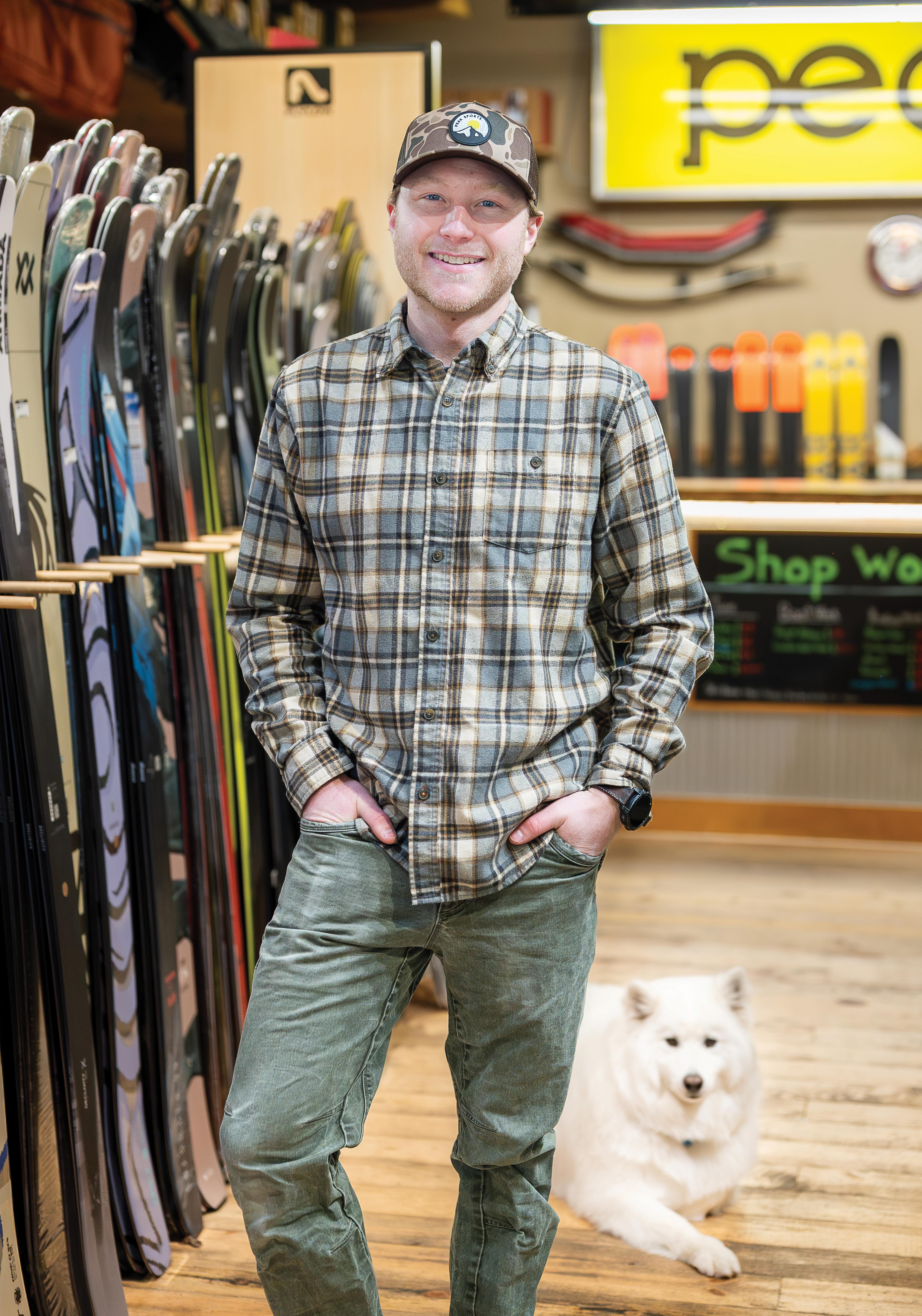
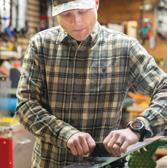
Cody Johnson thrives on making winter sports fun for everyone
STORY BY KATE MEADOWS \\ PHOTOS BY SHILOH FRANCIS & SUBMITTED
It might seem predictable that a conversation with the owner of a ski and snowboard shop begins by talking about the snow conditions. In a town where winter recreation fuels both tourism and small business, snow isn’t just weather — it’s part of the local economy.
“There is better skiing here than in Utah this year,” said Cody Johnson, owner of Peak Sports in Rapid City.
In fact, Johnson had recently returned home from a ski show in Utah. He had planned to stay an extra day in the Beehive State to ski at one of Utah’s bigger mountains. But then he realized the snow conditions were better at his home ski area, Terry Peak, and he drove through the night to be able to ski on his home turf instead the next day — a reminder that the Black Hills can compete on a much bigger stage.
“We grew up with a really cool camaraderie of skiing and snowboarding,” Johnson said.
Johnson had dreamed of owning a ski and snowboard shop since he was a kid. He started snowboarding at age 5 on a family friend’s hand-me-down board. He spent most weekends at Terry Peak with his family and spring breaks in Breckenridge, Colorado, “when
you could get a day pass at the gas station for $80,” he said. In the summertime, he’d put soap and water on an outside stair railing, strap on a snowboard and ride the rail like an obstacle at a terrain park.
Johnson started working for Peak Sports in 2012 and went on to purchase the business in 2019. He was 26 years old and had been out of college for two years — turning a childhood passion into a livelihood that now supports local jobs and athletes alike.
The mission of the shop is simple.
“We sell fun,” Johnson said.
Peak Sports’ motto is “passion-induced professional service.”
“Everyone is still a kid here,” he said, explaining that winter sports like skiing and snowboarding bring out people’s youth — and keep customers coming back season after season.
The smiles he encounters in his shop belong to faces of all ages, from the four-year-old receiving her first pair of new skis to the high school kid who hands over the money he earned from mowing lawns all summer to buy his own set of skis. The shop also helps the Black Hills Ski Team with gear, reinforcing how local
businesses and local athletics grow together.
Johnson said he and his staff encounter two primary types of customers at Peak Sports: those who are just getting into skiing or snowboarding and those who are looking to improve their equipment, whether it is to repair a piece of equipment or upgrade.
Skiing and snowboarding are equipment-based sports, Johnson said.
“You don’t have to have the $2,000 skis,” he said.
Johnson himself has experienced firsthand the reward of custom-fitting boots for customers with unique situations. He once helped an area rancher who loved to ski fit into a custom boot after his foot got caught in a combine. Another time, he helped a customer who had lost a foot due to a rattlesnake bite find a solution for continuing to ski; proof that access and adaptability are part of the business, too.
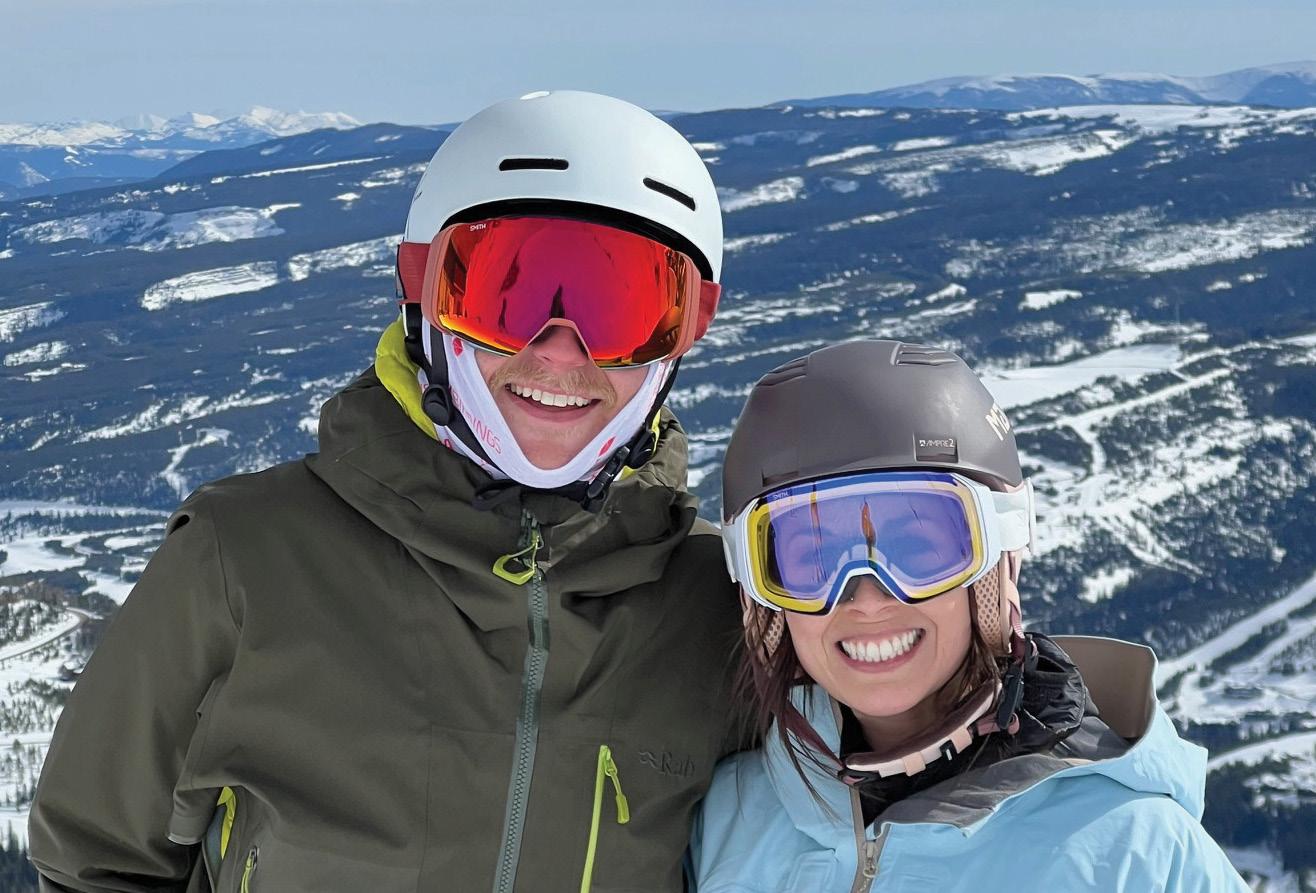
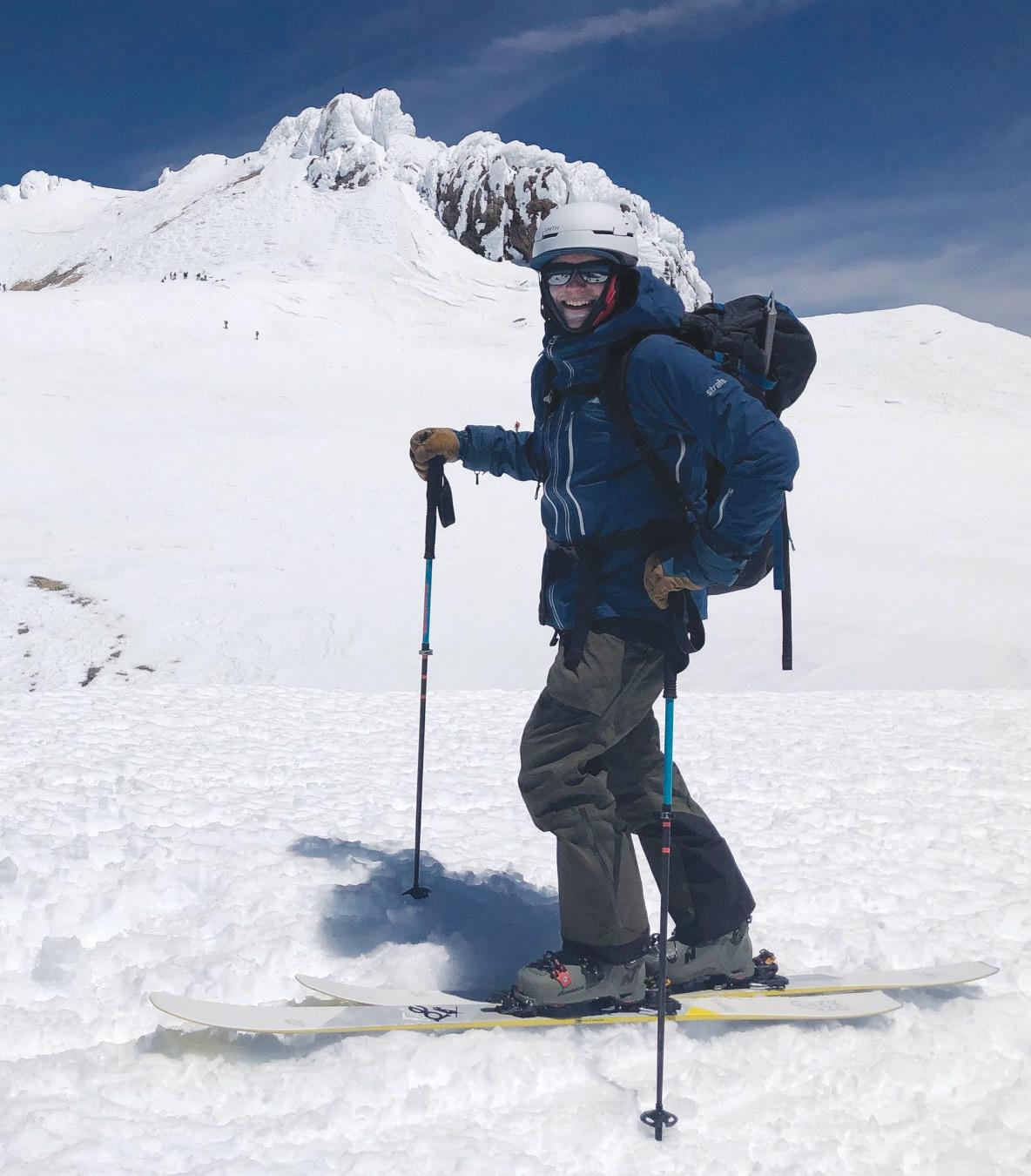
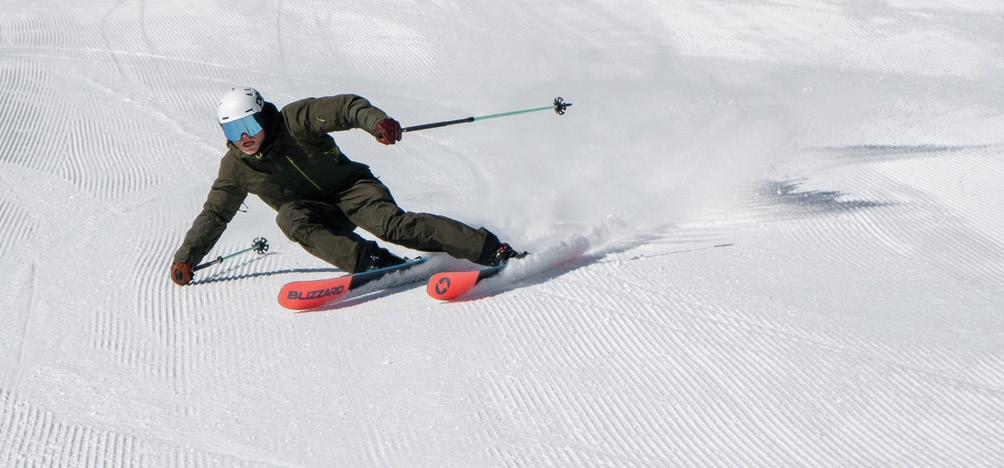
Johnson said he often reminds his employees that the business exists for people’s enjoyment and passion.
“We are not a life-or-death business,” he said.
Johnson said he has noticed a gradual change in the ski and snowboard culture from when he was a kid growing up in Rapid City. Where it was common for families to ski together when he was young, he said he doesn’t see that as much today, as other sports and travel teams have become prominent.
“We didn’t have as many choices as kids do now,” he said.
The business is seasonal — and weather dependent — which Johnson said is always the biggest challenge in an industry tied so closely to nature.
He said he has considered other avenues of revenue during the off-season, but he would rather do one thing really well than many things mediocre — a strategy that has allowed Peak Sports to define its niche in Rapid City’s recreation economy.
Rapid City is still a small town, he said, and many businesses have their defined niches. He pointed to Black Hills Bicycles next door, a fly shop around the corner, The Runner’s Shop down the street.
“Everyone respects everyone’s lanes here,” he said.
Peak Sports is closed in June and July. When it opens with limited hours in August, Johnson said he makes a point to keep the door open.
August is when the latest season inventory arrives, and people are excited to be among the first to see the new gear, an early signal that winter, and the business that comes with it, is on its way.
No matter the time of year, Johnson said he can wake up and be excited to go to work.
“I count myself fortunate,” he said, “that I get to work in an industry that I love.” *
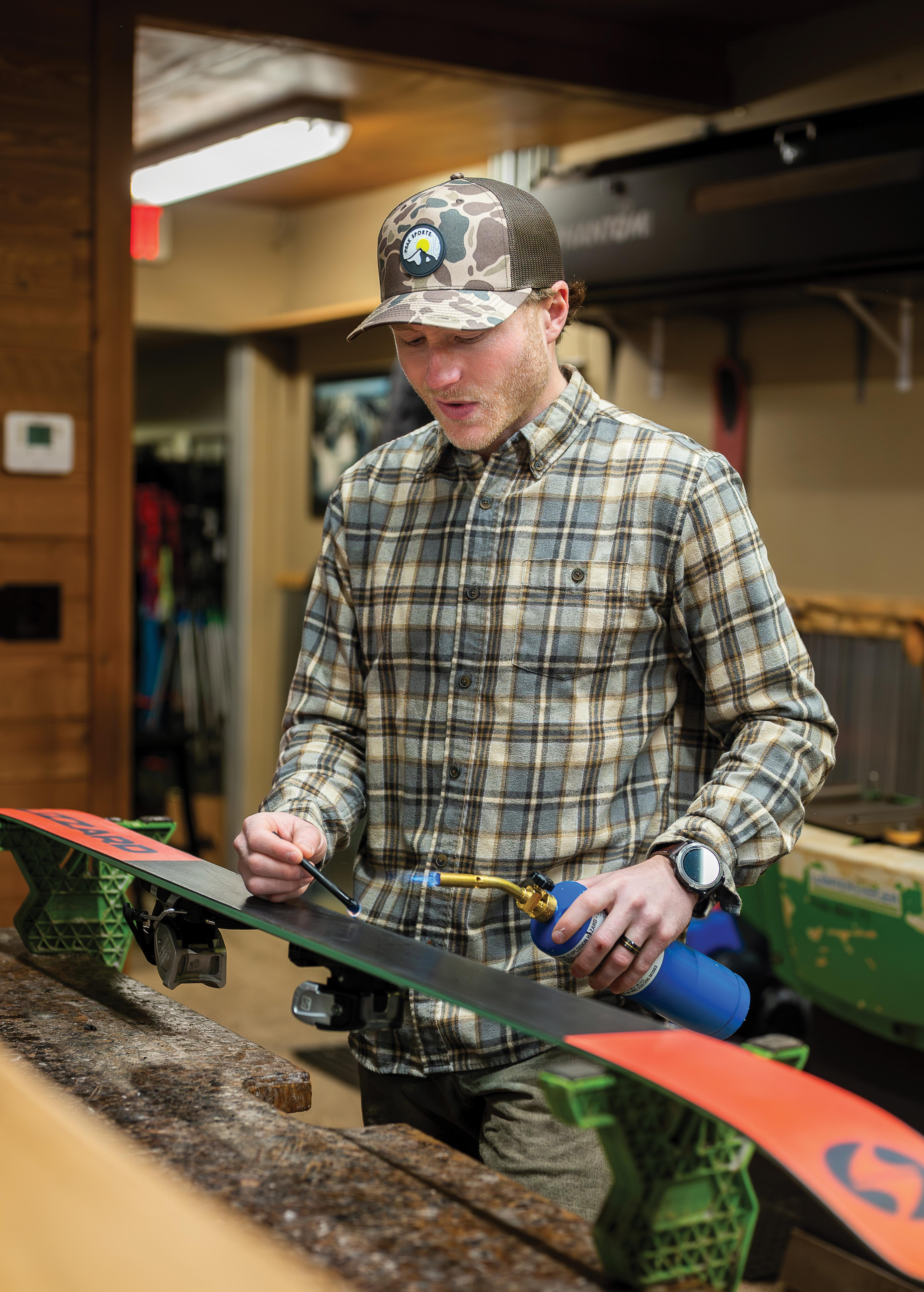
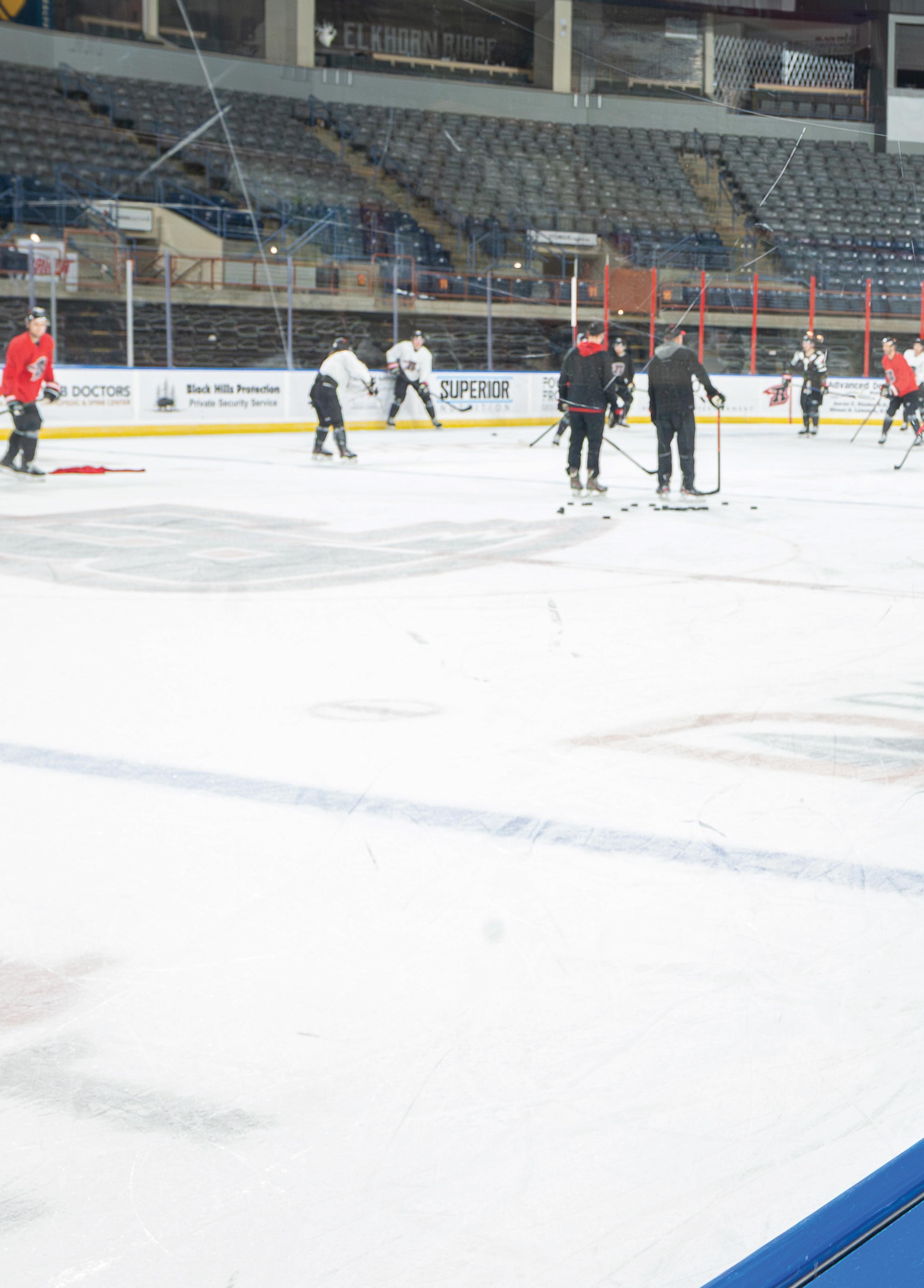
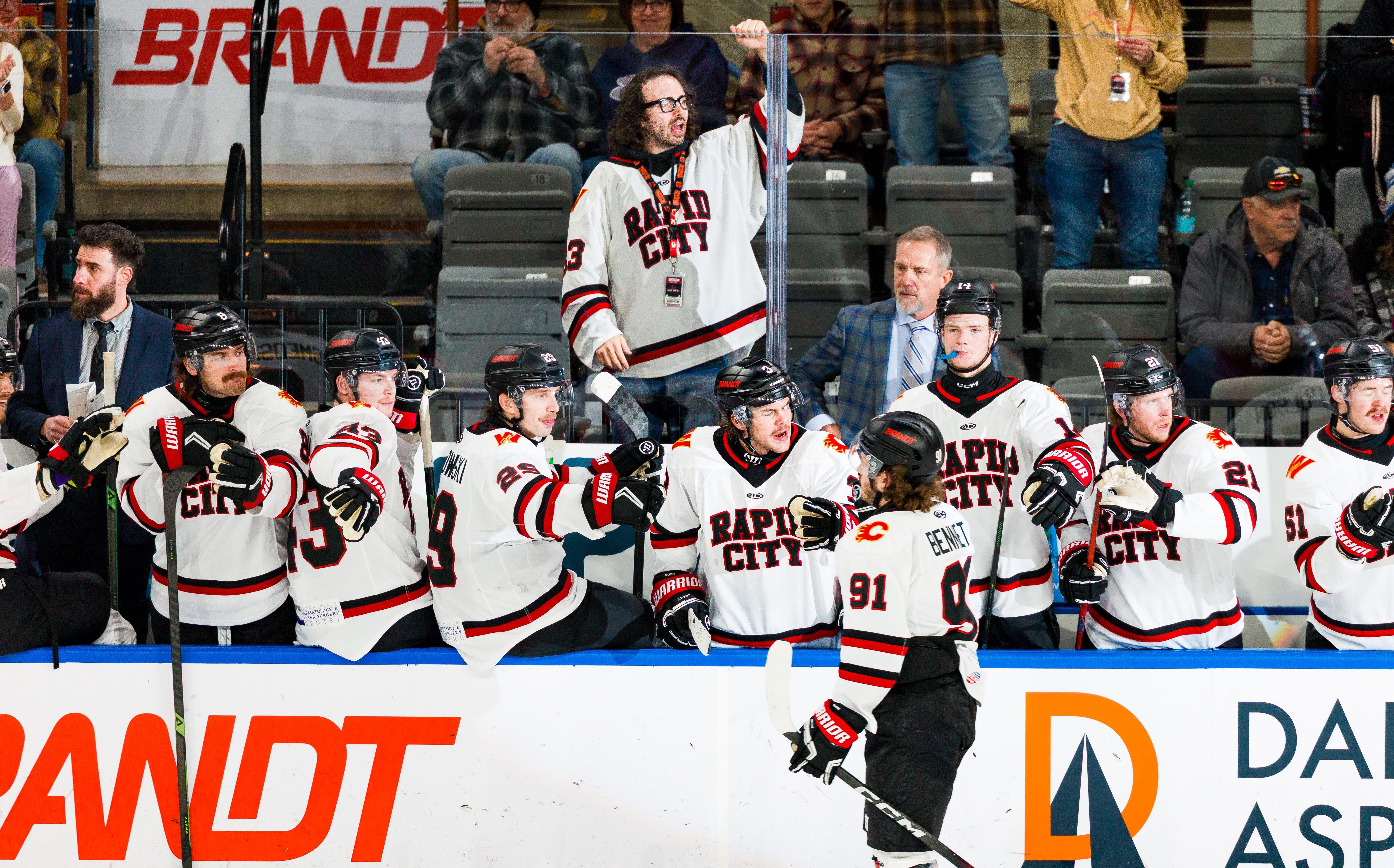
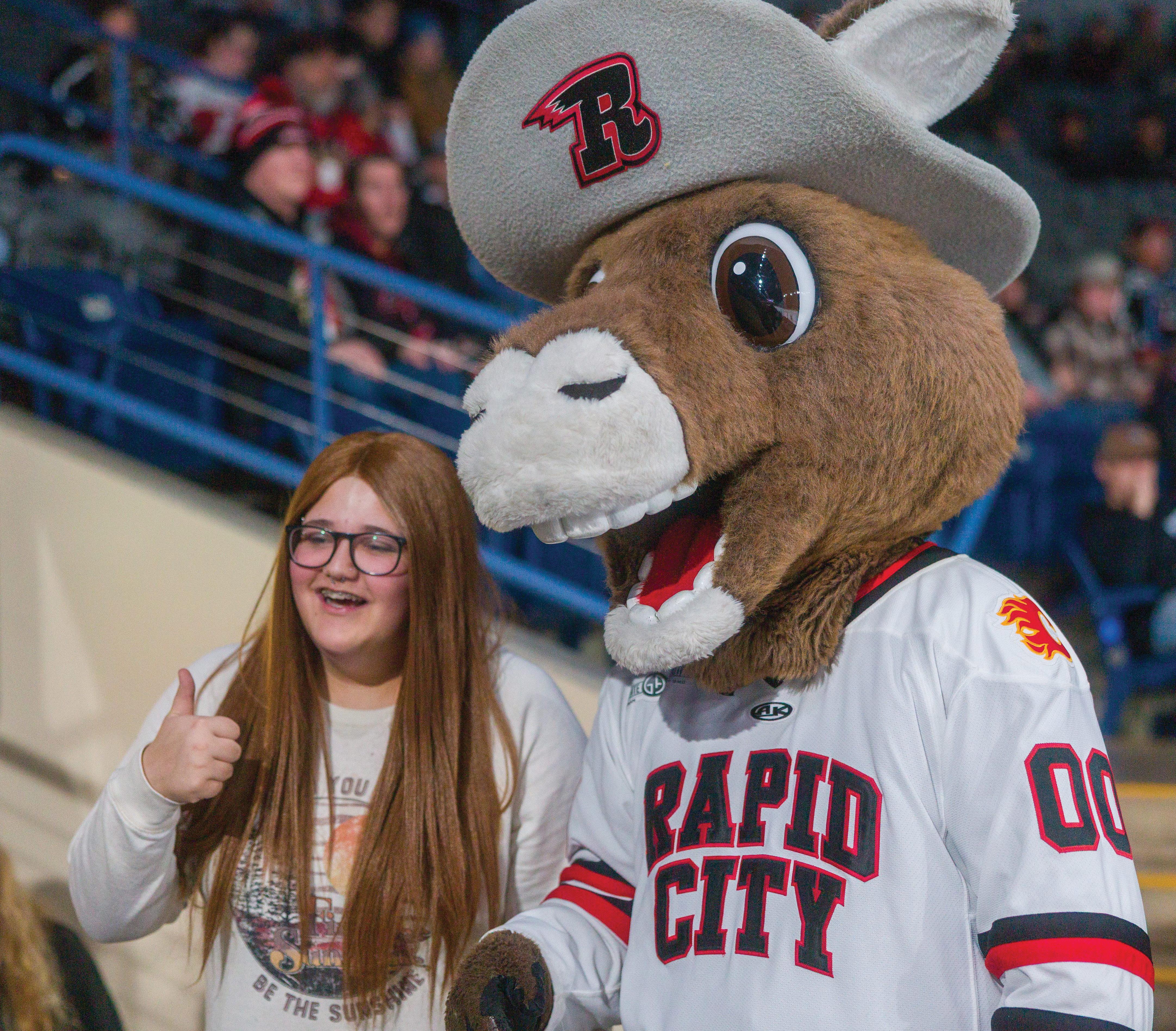
Despite being wintry and northerly, twenty years ago Rapid City was not what you would call a hockey town. Then, in 2008, the Rush arrived and dropped the puck.
Affiliated with the NHL’s Calgary Flames and part of the ECHL professional hockey league, the Rush have since earned the dedication of local die-hards.
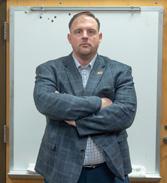
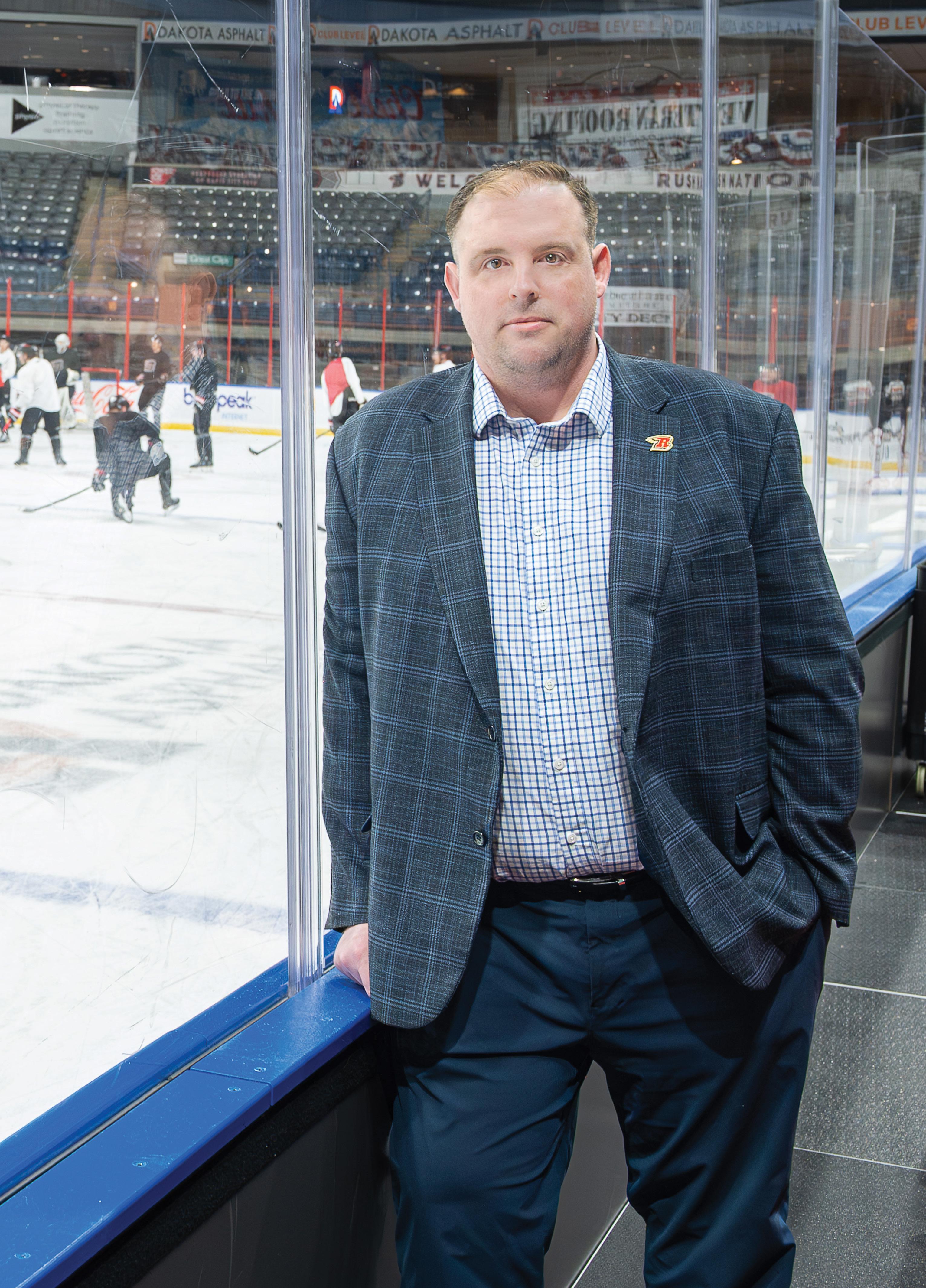
Rapid City Rush President Jared Reid has played no small part in that change, as have former owners Scott Mueller, Barry and Luke Peterson and the current ownership group, Jeff Dickerson and Spire Sports Entertainment.
Born and raised in Detroit, Jared grew up surrounded by hockey. When his playing days ended, he
|refereed in the ECHL and at the college level. His extensive sports background includes stints working in minor league baseball and NASCAR. He’s also been around a bit, having lived in Charlotte, North Carolina, Traverse City, Michigan, Kansas City and now, for a second time, Rapid City.
“When you're starting out in minor league sports, you either get into ticket sales or sponsorship sales,” Jared said. “My path was always in ticket sales. I worked my way up from basically an inside sales rep to an account executive to a director of ticket sales, and then up from there.”
Jared credited his ascension to the strong relationships he built along the way, particularly with former
|Rush President Todd Mackin. Jared likened it to the NFL's oft-used coaching tree paradigm, where an influential coach shapes the strategies and leadership styles of future coaches.
“Whether it's this business or any other business, you have your tree of people that you trust. I was fortunate enough to be one of those guys for Todd. When he was hired to be Rush’s President, we came out to Rapid City and started running things together,” he said.
Jared started as Vice President of ticket sales in 2019. After a stint away from the team in Charlotte, he returned in 2023 to assume duties of President.
As Jared explained it, the team president handles the front office

and the business side of the organization. The head coach and General Manager oversee the hockey operations side. “I also have a hand in managing and overseeing our game operations and making sure our product is entertaining for all 36 home games,” he said.
With a small staff of 11 full-time staff, it’s a team effort to keep all 5,118 seats full, especially when you consider that the Rush’s nearest competitor is a 10-hour drive away.
“We are on an island out here, more or less. But we understand that and we embrace it,” said Jared. “We are the smallest market in the ECHL, but we're consistently top 10 in the league in terms of season tickets. We're also top 10
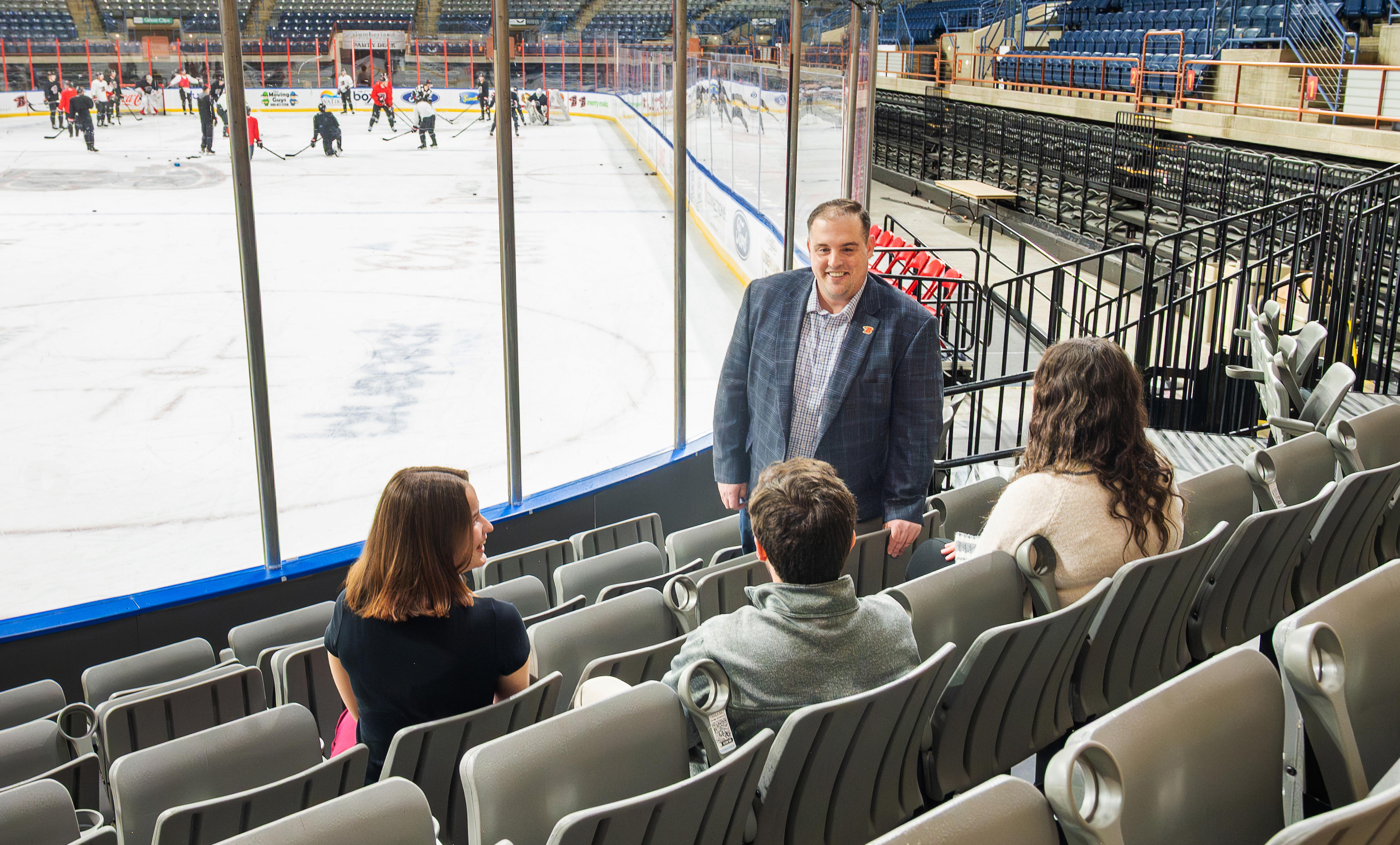
in the league in sponsorship sales, which just goes to show how much the Black Hills loves our organization and believes in us.”
The quest to import the sport and make Rapid City a hockey oasis has not been without challenges, though.
“The first year that Todd and I got here, this organization was not in the best of spots in terms of sponsors and partners being unhappy and season ticket holders being upset. That whole first summer, we were on an apology tour,” Jared said.
He credits two things for breaking the ice. One is his belief that if you say you're gonna do something, you better do it right, which is reflected in the strong ties the Rush now has with its partners, sponsors and fans. The other thing is that he sees all of the employees of the organization like a coach sees a player — they are in a developmental position and the organization’s job is to prepare them
to move up to the next level. It’s a source of pride that many of Jared’s former colleagues now work in other tiers of professional sports, including the NBA and NHL.
This season, though, the results haven’t quite been there yet on the ice. “We're a couple games under .500. We have a new coach, but we retained a lot of our core group and they're doing an incredible job. We're behind them 100% and so is the Calgary Flames,” said Jared. “We are committed not only to this town but to putting a competitive hockey team on the ice. There's still plenty of hockey left in the season. We're in a good spot. We are happy, but not satisfied.” *