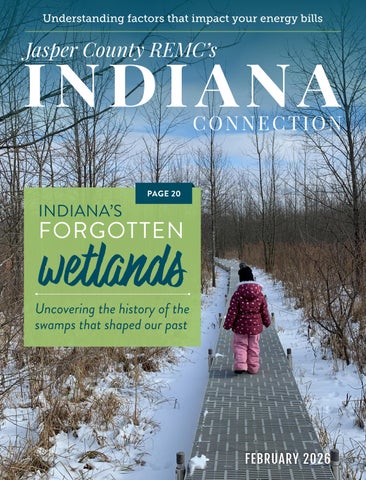
INDIANA’S FORGOTTEN wetlands
Uncovering the history of the swamps that shaped our past

Geothermal isn’t just about comfort. It’s about energy independence, grid resilience, and good jobs.
Geothermal heating and cooling doesn’t just make homes more comfortable and efficient— they’re powered by a domestic, underground energy source that’s available 24/7, rain or shine.
Made in the USA: Our geothermal systems are built right here in America, supporting advanced manufacturing jobs.
Grid-friendly: While AI, EVs, and data centers push power demand to new heights, geothermal helps reduce peak load—easing the burden on our utilities.
Job-creating: From HVAC contractors and well drillers or trenchers to engineers and architects, geothermal supports a wide network of high-paying, skilled jobs in every community it touches.
Geothermal isn’t just smart for homeowners. It’s smart for the country.
Contact Your Local WaterFurnace Dealer

Delphi
Blue Fox Htg & Clg (765) 822-2200 bluefoxhvac.com
Farmersburg
Heady Htg & Clg (812) 696-2396
Flora
Camflo Htg & Clg (574) 967-4200 camfloheatingandcooling.com
Fort Wayne
Masters Htg & Clg, Inc. (866) 824-4328 mastersingeothermal.com
Greensburg
Wallpe Htg & Clg (812) 663-7252 wallpegeothermal.com
Indianapolis Masters Htg & Clg by Van Valer, Inc. (317) 881-9074 mastersingeothermal.com
Jasper Hulsman Refrigeration, Inc. (812) 634-1492 hulsmanrefrigeration.com
Laotto
T&T Plbg, Htg, A/C & Geothermal (260) 200-4003 tt-ph.com
Lebanon
Blue Fox Htg & Clg (765) 859-0880 bluefoxhvac.com
Nappanee Crist Plbg, Htg, Electrical (574) 831-4630 cristnappanee.com
North Manchester Mars Refrigeration, LLC (260) 901-0057
North Vernon Air One Htg & Clg, Inc. (888) 346-1790 aironehvac.com
Ossian Collier’s Comfort Services (260) 622-6622 collierscomfort.com
visit us at waterfurnace.com


Warsaw Colliers Htg & Air Conditioning (574) 203-2492 trustcolliers.com
Waterloo Gibson’s Htg & Plbg, Inc. (888) 754-1668 gibsonsgeothermal.com
Westfield Precision Comfort Systems, Inc. (317) 867-2665 precisioncomfort.com
West Lafayette Blue Fox Htg & Clg (765) 252-0051 bluefoxhvac.com
from the editor
Our new addition
If you read my column regularly, you know that I often talk about my family, especially my daughter, Gwen. On Dec. 29, Gwen became a big sister. Nolan Robert Davis, named after my grandfather, was born three weeks early, weighing a hearty 8 pounds.
I have to say, his early arrival caught me off guard. Whenever you’re having a baby, you may secretly hope they will come as early as possible, as long as they’re healthy, but they often prefer to stay past your hopeful eviction date. I am a type-A planner through and through, so I would have liked Nolan to stay put a little longer, but babies (and kids, for that matter) do what they want.
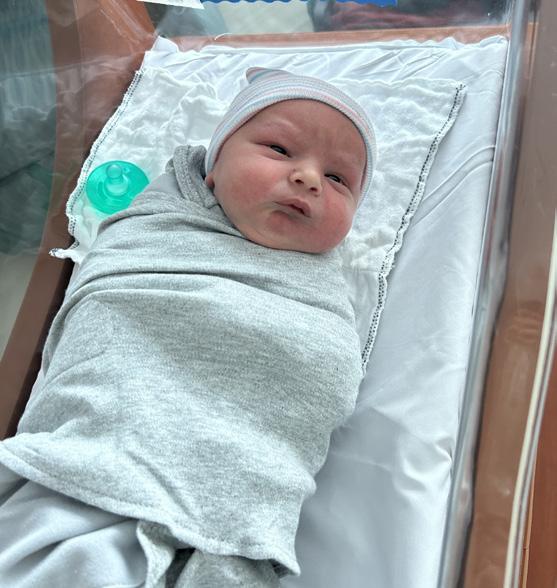
So far, Gwen has mostly ignored him but occasionally gives him a toy or sings him a song. By the time you read this, it will have been a couple of months since his arrival. Hopefully, she will like him more by then.
I admit to feeling a little concerned about the sibling dynamics. I’m an only child, so I never had to experience the addition of a sibling I didn’t ask for, but my husband, Brooks, is the oldest of four and assures me that Gwen will adjust just fine.
The year 2026 began differently than I expected, but it’s no less wonderful than I had planned. I also hear our surprise 2025 baby is great for our taxes. I hope your year is off to a great start and you’re looking forward to whatever 2026 brings.


Britt Davis Editor bdavis@indianaec.org
On the menu: May: Submit your favorite heart healthy recipes, deadline March 1. If we publish your recipe on our food pages, we’ll send you a $10 gift card.
Giveaway: Enter to win a reader’s gift set for your book nook. Visit indianaconnection.org/talk-to-us/contests or send your contact information to the address below. The deadline to enter is Feb. 28.
Three ways to contact us: To send us recipes, photos, letters and entries for gift drawings, please use the forms on our website indianaconnection.org; email info@indianaconnection.org; or send to Indiana Connection, 11805 Pennsylvania Street, Carmel, IN 46032.
VOLUME 75 • NUMBER 8 ISSN 0745-4651 • USPS 262-340
Published monthly by Indiana Electric Cooperatives
Indiana Connection is for and about members of Indiana’s locally-owned, not-for-profit electric cooperatives. It helps consumers use electricity safely and efficiently; understand energy issues; connect with their co-op; and celebrate life in Indiana. Over 320,000 residents and businesses receive the magazine as part of their electric co-op membership. The average printed and mailed cost per issue is 54 cents.
CONTACT US: 11805 Pennsylvania Street Carmel, IN 46032
317-487-2220
info@indianaconnection.org IndianaConnection.org
INDIANA ELECTRIC COOPERATIVES OFFICERS: Dr. Richard Leeper President
Jamey Marcum Vice President
Melissa Menchhofer Secretary/Treasurer
John Cassady CEO
EDITORIAL STAFF:
Britt Davis Editor
Mandy Barth Vice President of Communication
Lauren Carman Communication Manager
Ashley Curry Production and Design Coordinator
Holly Huffman Communication Support Specialist
Amber Knight Creative Manager
Kiley Lipps Graphic Designer
ADVERTISING:
American MainStreet Publications Cheryl Solomon, local ad representative; 512-441-5200; amp.coop
Paid advertisements are not endorsements by any electric cooperative or this publication.
UNSOLICITED MATERIAL:
Indiana Connection does not use unsolicited freelance manuscripts or photographs and assumes no responsibility for the safekeeping or return of unsolicited material.
SUBSCRIPTIONS:
$12 for individuals not subscribing through participating REMCs/RECs.
CHANGE OF ADDRESS:
If you receive Indiana Connection through your electric co-op membership, report address changes to your local co-op.
POSTAGE:
Periodicals postage paid at Indianapolis, Indiana, and at additional mailing offices.
POSTMASTER: Send change of address to: Indiana Connection, 11805 Pennsylvania Street, Carmel, IN 46032. Include key number.
No portion of Indiana Connection may be reproduced without permission of the editor.


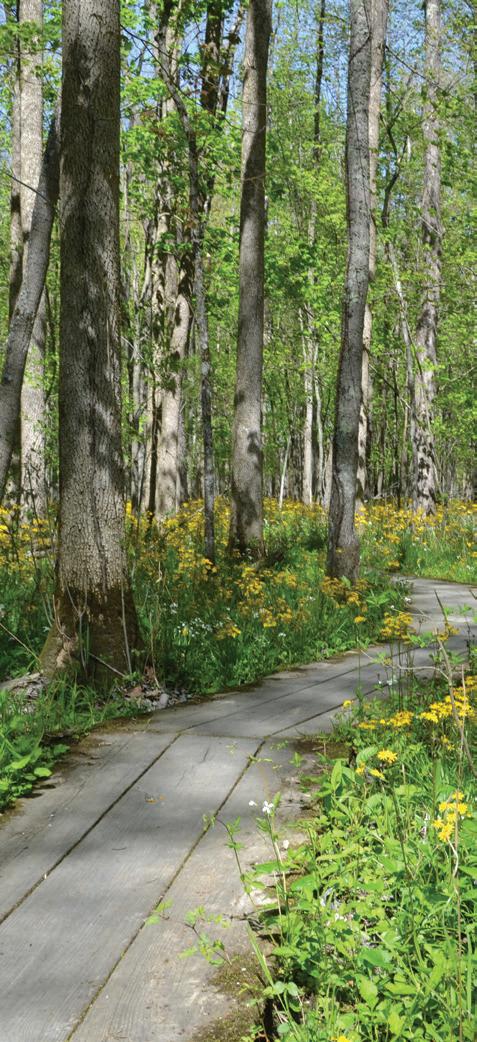

for the perfect book nook
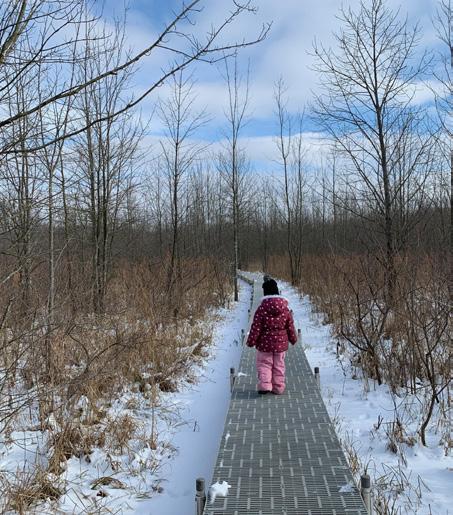
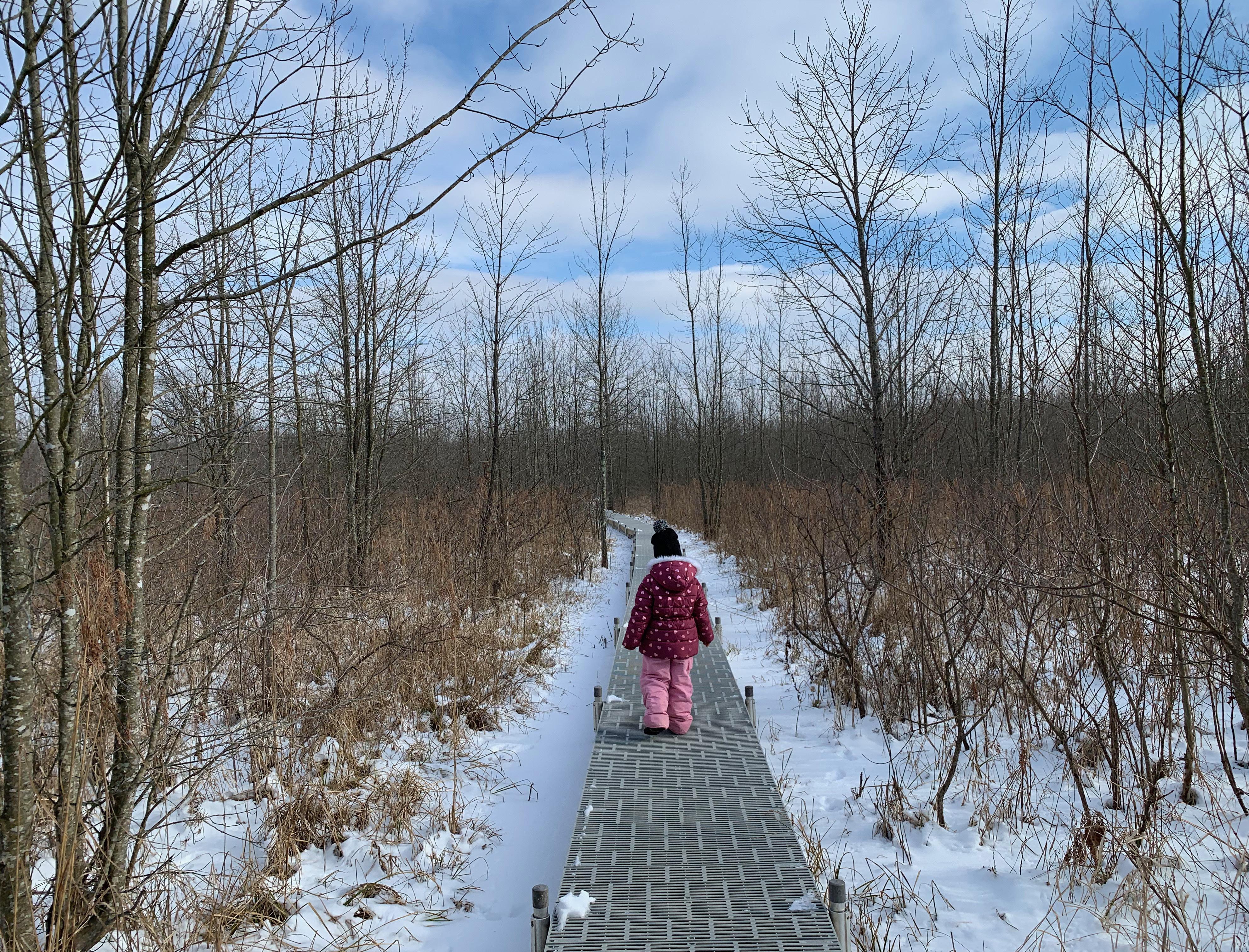
Indiana’s former wetlands once teemed with life and provided a refuge for those using the Underground Railroad. Now largely transformed into farmland and urban development, these areas reflect a forgotten natural landscape integral to Indiana’s past. Learn more in this month’s cover feature.
CONTACT US Office: 219-866-4601 888-866-REMC (7362)
Connect Internet Service Tech Support: 219-866-4601, prompt 3 888-866-REMC (7362), prompt 3
WEBSITE www.jasperremc.com
EMAIL jasperremc@jasperremc.com
OFFICE HOURS
7:30 a.m.-4 p.m., Monday-Friday
STREET ADDRESS
280 E. Wood Road Rensselaer, IN 47978
MAILING ADDRESS
P.O. Box 129 Rensselaer, IN 47978
OUTAGES
Report your electric outage day or night by phone or through SmartHub® at jasperremc.com or the SmartHub app.
Jasper County REMC is an equal opportunity provider and employer.
WHAT’S INSIDE
LOOK FOR THESE STORIES!
PAGE 6: Board of Directors elections
PAGE 7: Youth programs
PAGE 8: Lessening clutter from the start
Don’t forget to search for two hidden account numbers within pages 5-8! If you find them, and one of them is your account number, call our office before the last working day of the month to claim your $25 bill credit.
Understanding factors that impact your energy bills
February brings some of the coldest weather of the year, and as our home heating systems work harder and longer to keep us warm, we typically see higher energy bills.
There are a few key factors that affect electricity prices, and there are a few ways you can meaningfully impact home energy savings.
When you receive your monthly bill from Jasper County REMC, you’re provided with a summary of how much electricity you used during the billing cycle. You can even see how electricity use may have spiked on days when you used more electricity, such as a particularly chilly day or when relatives were staying with you.
But you might be surprised to learn that beyond your monthly energy consumption, there are external factors that can impact the cost of electricity.
FUEL PRICES
Jasper County REMC purchases electricity from our power generation partner, Wabash Valley Power Alliance, or WVPA, at a wholesale cost, and then we deliver that power to our local communities. The cost of generating and transmitting electricity from our generation partner accounts for a significant portion of the cost to provide electric service to local
homes and businesses — and the cost of fuels that are used to generate that electricity, such as natural gas and coal, fluctuate based on supply and demand. While these fluctuations can impact the cost of electricity, we work closely with WVPA to plan ahead and help stabilize electricity prices for our members.
EXTREME WEATHER
While we can’t control the weather, we can review weather patterns and forecasts to prepare for extreme cold or heat when we know the demand for electricity will increase. But when temperatures become extremely cold and the demand for electricity spikes, the price of electricity can also increase.
INFRASTRUCTURE AND EQUIPMENT
To cover the costs of providing electricity to your home or business, Jasper County REMC members pay a monthly facility charge. This flat monthly fee ensures the cost of equipment, materials, labor and daily operations are covered for all members in our service territory. We must maintain the local grid, including power lines, substations, and other essential equipment, to ensure the reliable service you expect and deserve.
CONTINUED ON PAGE 6
CONTINUED FROM PAGE 5
YOU HAVE CONTROL
While many of these external factors that impact electricity costs are out of our control, we all have the power to manage our energy use at home. The most effective way to lower use is thermostat management. Since heating and cooling account for a significant portion of home energy use, adjusting the thermostat to the lowest comfortable setting can help you save energy and money. Remember to service your heating and cooling system annually and replace dirty filters as needed. You can also reduce energy use by taking advantage of off-peak periods when the electricity demand is lower. Reserve energy-intensive chores for off-peak times, such as early in the morning or later in the evening, to save energy.
Jasper County REMC is your local energy partner, and we’re here to serve you. Visit jasperremc.com/ programs/energy-programs/ energy-efficiency to learn about our efficiency programs designed to help you conserve energy and save money. As always, we will continue working diligently to provide you with reliable power at an affordable cost.
Board of Directors elections
Members of Jasper County REMC have the chance to vote for their Board of Directors each year. Members may also petition to be on the ballot and run for a seat on the Board of Directors. Hidden #25 618001. Petitions for the 2026 election must be received in the Jasper County REMC office no later than Tuesday, April 28 . You can view details of the nomination and petition processes in our bylaws. A full copy of the bylaws is available on our website.
DIRECTOR NOMINATION BYLAWS
The following bylaw pertains to the nomination of the Jasper County REMC directors. The complete set of bylaws can be reviewed on our website at jasperremc.com. If you would like a set of bylaws mailed to you, we can accommodate that request.
Nominations
(a) Manner of Making Nominations. Not less than one hundred fifty (150) days before the date of a meeting of the members at which directors are to be elected, the Board of Directors shall appoint the Committee on Nominations consisting of not less than three (3) nor more than eleven (11) members with at least one (1) member from each of the three (3) districts. With the exception of a retiring director, no officer or member of the Board of Directors shall be appointed a member of such committee.
Committee
SISTORVARIS
Interim CEO
The President of the Board of Directors and the General Manager shall provide the Committee on Nominations with procedural instructions and any other information that the Committee requires for its duties. The Committee on Nominations shall contact the members whose names are to be placed in nomination and obtain their consent for such action. The Committee on Nominations shall nominate at least one (1) qualified member for each directorate position pending election at the next
annual meeting of the members. The committee shall prepare and post at the principal office of the Cooperative at least one hundred twenty (120) days before the meeting, a list of nominations for the directorate positions. Any thirty (30) or more members may make other nominations in writing over their signature not less than ninety (90) days prior to the annual meeting, and provided the Committee on Nominations finds such nominee is qualified to stand for election and has submitted a petition that meets the requirements of these bylaws, the Secretary shall post the same at the place where the list of nominations made by the committee is posted. The Secretary shall mail to each member at least ten (10) days before the meeting a statement of the number of directors to be elected, the nominee(s) designated by the Committee on Nominations and separately nominations made by petition, if any. Nominations from the floor shall not be permitted. The members may, at any meeting at which a director or directors shall be removed, as provided in these Bylaws, elect a successor or successors thereto without compliance with the foregoing provisions with respect to nominations. Notwithstanding anything contained in this section, failure to comply with any of the provisions of this section shall not affect in any manner whatsoever the validity of any election of directors.


BRIEFS
OFFICE CLOSURE
Our office will be closed on Monday, Feb. 16, in observance of Presidents’ Day.
UPDATE YOUR INFO
Please update your contact information. Having an accurate phone number and email on file is important so we can keep you informed with electric or internet updates. Hidden #34567002. Call the office, update it in SmartHub, or use the form on the back of your bill.
WHOLE-HOME GENERATORS
For the safety of our linemen, please let our office know if you have a whole-home generator so we can notate your account.
WEATHER CAMERA
We now have a weather camera stationed here at the office as part of the Indiana Weather Network. You can view the live camera feed anytime by heading to our website. There is a link at the top that says “Weather Camera.” From your phone, you’ll find it under the menu on the upper right corner.
ELECTRONICS RECYCLING DAY
Electronics Recycling Day is coming soon! Watch for more information on your bill insert, on Facebook, and in next month’s magazine.
Lessening clutter from the start:
Reducing and reusing basics
The most effective way to reduce clutter and waste is to avoid creating it in the first place. Creating a new product generates greenhouse gases and consumes a significant amount of materials and energy. As a result, reduction and reuse are the most effective ways you can save natural resources, protect the environment, and save money.
Benefits of reducing and reusing
• Reduces greenhouse gas emissions.
• Prevents pollution caused by reducing the need to harvest new raw materials.
• Saves energy.
• Helps sustain the environment for future generations.
• Reduces the amount of waste that will need to be recycled or sent to landfills and incinerators.
• Allows products to be used to their fullest extent.
Ideas on how to reduce and reuse
• Think green before you shop. Reduce associated greenhouse gas emissions by considering whether you really need a product, its environmental impact, whether it can be reused, or if it can be purchased used.
• Reduce your food waste by shopping smart, buying only what you need, composting food scraps, and donating unused food to food banks or shelters.
• Reuse or repurpose items such as old clothing, cloth grocery bags, and containers to prevent waste.
• Buy used items to reduce waste as well as the emissions created by producing new materials or disposing of them in landfills. Donate your unused clothing, electronics, and building materials to help others reuse them too.
• Buy products made with recycled content. Check labels to see if a product or its packaging is made from recycled materials.
• Know before you throw. Know what items your local recycling program collects, and encourage your household to recycle correctly and increase their recycling efforts.
• Maintain and repair products, such as clothing, tires, and appliances, so that they won't have to be discarded and replaced as frequently.
• Borrow, rent, or share items that are used infrequently, like party decorations, tools, or furniture.
Source: U.S. Environmental Protection Agency
One person's trash is another person's treasure. Instead of discarding unwanted appliances, tools, or clothes, try selling or donating them. Not only will you be reducing waste, but you will also help others. Local churches, community centers, thrift stores, schools, and nonprofit organizations may accept a variety of donated items, including used books, working electronics, and unneeded furniture.
• Prevents usable goods from going into landfills
• Helps your community and those in need
• Tax benefits may be available

ENERGY EFFICIENCY: NOT JUST FOR HOMES
How a business can slash electricity costs
Think “energy efficiency” and what comes to mind? Often, it’s home improvements that can slash electricity use and costs.
However, often overlooked but no less important are the many ways that a business can save energy — and maximize its investments.
It can start with something as simple as lighting upgrades. Whether it’s switching to LED lighting or installing smart lighting controls, rebates and incentives are available.
Rebates are also available on Variable Frequency Drives (VFDs) for motors and pumps. Examples include HVAC supply and return fans, cooling tower fans, water pumps, and compressors. These rebates vary.
Some are based only on the VFD itself, while others might offer the option to include installation, auxiliary devices, and other costs. Though some of these rebates may require an application to be filled out prior to the project being started, others can be applied for upon completion.
Weather sealing and insulation improvements can help with heating and cooling efficiency.
Check with your local cooperative, as well as the manufacturer of the item being upgraded, to understand all the available rebate options, in addition to potential tax credits.
The Indiana Office of Energy Development (OED) also offers a number of loans and grants to businesses, which make energy efficiency upgrades more affordable.
There are also incentives available in conjunction with economic development groups, allowing businesses to optimize rates.
The next level of business incentives comes with distributed generation and distributed energy resources (DERs). This can include solar panels, wind turbines, battery storage, microgrids, and combined heat/power systems.
DERs often require a significant initial investment, so incentives such as tax credits, rebates, grants, and subsidies make this more financially appealing. Whatever form these financial incentives take, they can help encourage businesses to invest in energy efficiency upgrades. This not only helps a business’ bottom line, but it also reduces the local energy provider’s load. That ensures consumers like you can continue to have access to safe, reliable electricity.
by Carey Wade Senior Billing, MSR, and Key Accounts Coordinator Daviess-Martin County REMC


With more than 85,000 acres of farmland, Blackford County has 72,000 acres devoted to soybeans and corn. The remaining land is used to grow wheat, hay, and oats, and supports over 24,000 hogs and pigs.
Blackford County COUNTY FACTS
STANDING TALL IN MONTPELIER
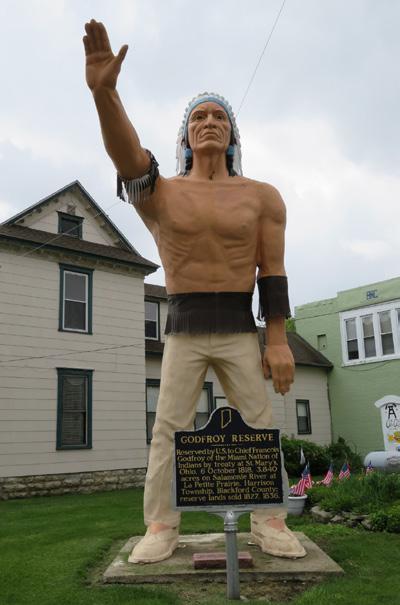
The “Miami Indian” is a 25-foot fiberglass statue in Montpelier, Indiana, known for its appearance in the opening credits of the TV show “Parks and Recreation.” The statue was first installed at a Pontiac dealership in Indianapolis. It was later moved to a Native American museum at Eagle Creek Park before Miami leader Larry Godfroy donated the statue to Montpelier in 1984. It now stands near the historic Godfroy Reserve, which is land granted by an 1818 treaty to Chief François Godfroy and his people. The reserve once covered nearly 4,000 acres along the Salamonie River in Blackford County before being sold in the 1820s and 1830s.

A JOURNEY BEYOND EARTH
Kevin Ford, a native of Montpelier, is a retired U.S. Air Force Colonel and NASA astronaut. After earning degrees in aerospace engineering and international relations, he served as a fighter pilot and test pilot before being selected by NASA in 2000. He has spent 157 days in space across two missions — one as a pilot on the Space Shuttle “Discovery” and one as commander of the International Space Station (ISS). After his time as an astronaut, Ford became a pilot for United Airlines and now serves as a technical advisor for NASA’s ISS Advisory Committee.
HEART OF HARTFORD CITY
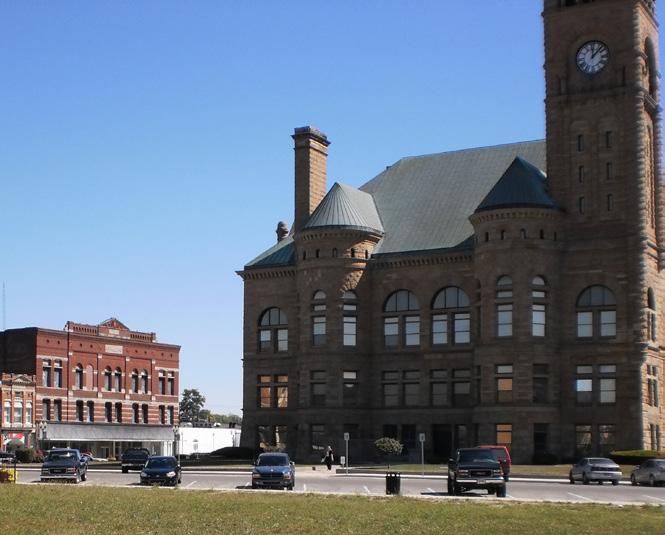
The Hartford City Courthouse Square Historic District serves as the historic and civic center of Blackford County. Its main building, the Blackford County Courthouse, is a Richardsonian Romanesque landmark built during the Indiana Gas Boom. Designed by Marion architects Arthur LaBell and Burt L. French, the courthouse features a 165-foot clock tower and stone walls, and it still houses local government more than a century later. The courthouse lawn includes several war memorials, including a World War I monument that is a reproduction of the “Spirit of the American Doughboy” sculpture.
By Nicole Thomas
FOUNDED: 1838
NAMED FOR: Isaac Blackford, the first speaker of the Indiana General Assembly
POPULATION: 12,112
COUNTY SEAT: Hartford City
INDIANA COUNTY NUMBER: 5
Hartford City
Photo courtesy of TwoScarsUp
Photo courtesy of Randy Golden





Youth Power and Hope Awards
Community service and compassion:
Across Indiana, young people are already serving, inspiring, and making real change in their hometowns, strengthening the communities we call home and carrying forward the cooperative spirit that unites us all.
For more than 15 years, the Youth Power and Hope Awards — led by Indiana Connection magazine — have honored outstanding fifth through eighth-grade students who demonstrate compassion, initiative, and commitment to community. This year’s winners continue that legacy of service, proving that age is no barrier to making a meaningful impact.

LOGAN CONKLIN
Logan Conklin and his family are members of Clark County REMC and reside in Sellersburg. The son of Ken and Kelly Conklin, he is an eighthgrade student who demonstrates a remarkable heart for service and community.
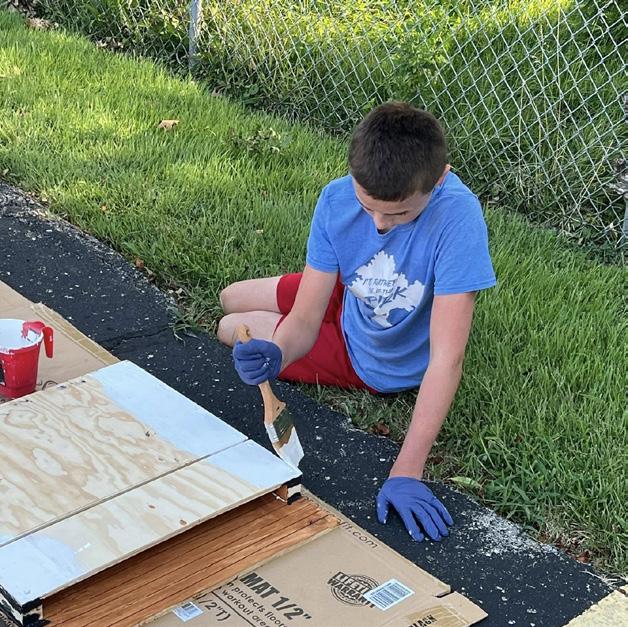
Through Boy Scout Troop 10, Conklin has volunteered on a wide range of projects, including building pedestrian bridges, community gardens, and playgrounds, as well as collecting food for local pantries and assisting with public events. He also serves at St. John Paul II Catholic Church as an altar server and helps at church events throughout the year. Each Christmas, Conklin volunteers with the Salvation Army, giving his time to help families in need.
Youth Power and Hope Award winners exemplify the best of the next generation
Even when faced with challenges in school, Conklin remains dedicated to making a difference — proving that no obstacle can stand in the way of doing good. As he pursues a new diploma track designed for students with special needs, he looks forward to learning a skilled trade and continuing to make a difference in his community.

DIANE PATTON
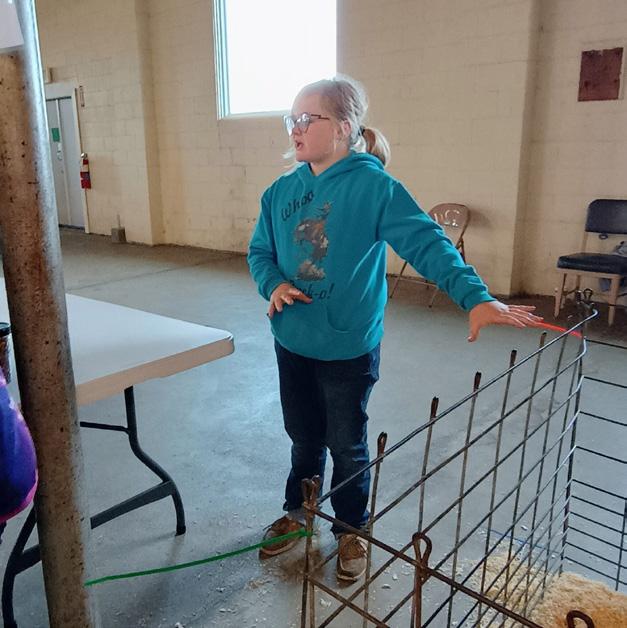
Diane Patton and her family are members of Tipmont and live in Waynetown. The daughter of Lilly and Ryan Patton, she is a seventhgrade student who shares her love of animals with her community in inspiring ways.
Through 4-H and her family farm, Patton teaches others about goats, poultry, and other animals, focusing on proper care and safety. She presents at local events, schools, the Indiana School for the Blind, and community programs, giving hands-on experiences that educate and inspire students. Patton also mentors younger 4-H members through a dairy goat workshop she started with her sister and helps raise funds for her club through projects like Kiss the Goat.
Regarding her community service, Patton said, “Helping others is the right thing to do, and even young people can make a difference.”
Youth Power and Hope Awards

ALEXANDRIA SHORT
Alexandria Short is the daughter of Joy and Spencer Short of Convoy, Ohio, and her family are members of Paulding Putnam.
A seventh-grade student, Short has helped bring holiday cheer to thousands through the Van Wert 4-H Exchange Club’s Holiday Light Show. Since she was five years old, she has helped set up, operate, and maintain the displays, and now serves as the club reporter, sharing stories about the club’s activities.
Through her involvement, Short has gained leadership, teamwork, and technical skills while helping ensure the light show remains a cherished community tradition. Proceeds from the event support 4-H exchanges, local food pantries, hurricane relief efforts, and camp scholarships.
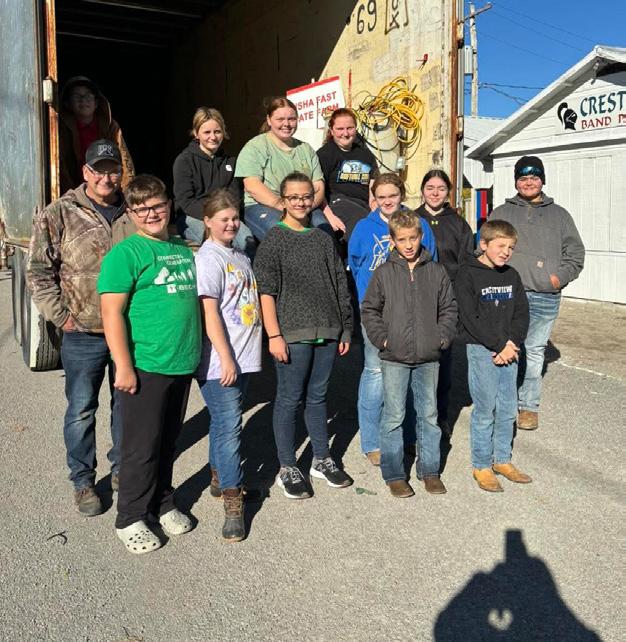
Regarding her community service, Short stated, “Giving back helps young people feel connected to the world we live in.”
DELANEY
SMALL
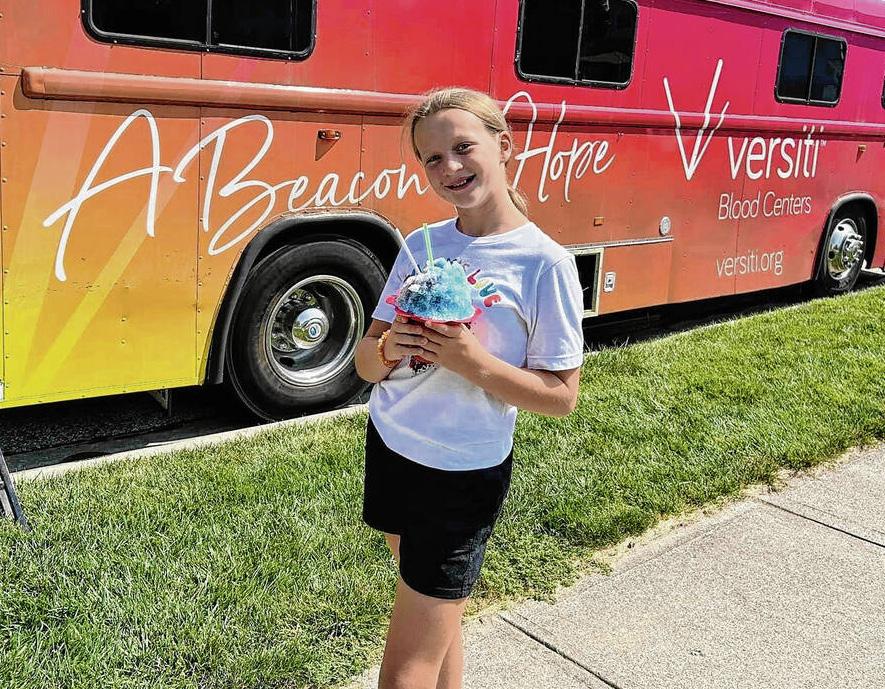
Delaney Small is the daughter of Whitney and Jason Small of Greenwood and is a member of JCREMC.
A sixth grader, Small, has turned a personal health challenge into a mission of kindness through her project, Laney’s Love.
After receiving a blood transfusion at age 10, Small felt called to give back. She began hosting community blood drives to raise awareness about the importance of donation in Indiana. Along with each drive, she collects funds to purchase toys for patients at Riley Children’s Hospital, a gesture inspired by the comfort she once received there. She also makes handmade bracelets with encouraging messages for blood donors.
Regarding her service, Small shared, “Helping others makes people feel part of a lasting impact. Even when you’re young, you can change someone’s life.”

GRACE WESTFALL
Grace Westfall is the daughter of Krista and John Westfall of Zionsville and is a member of Boone Power. A sixth grader, Westfall leads with compassion and initiative in her school and community. She serves as student council president and participates in the Best Buddies Program, where she partners with a student with special needs and attends events to foster friendships and promote inclusion.
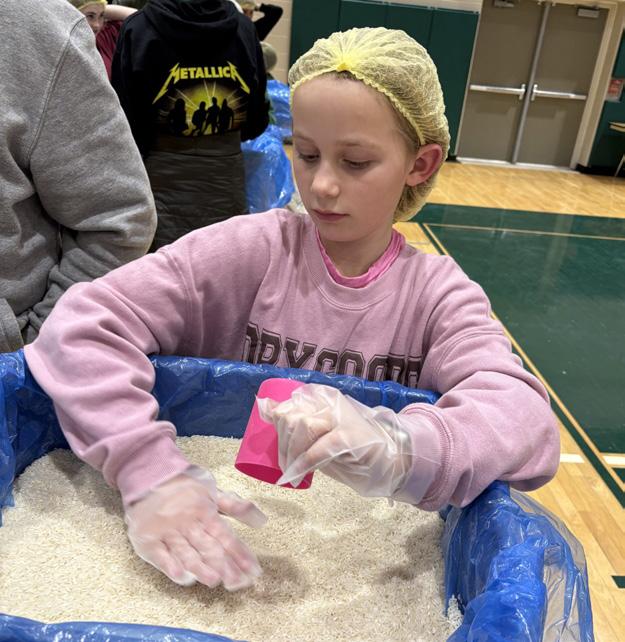
Westfall also founded Kids Helping Kids, a school club that supports the Isaiah 117 House of Boone County, which provides comfort to children entering foster care. She has helped meet the home’s needs and raise awareness through lemonade stands, donation drives, and community outreach. Alongside her family, Westfall volunteers regularly at Wheeler Mission, the Zionsville Food Pantry, and the Indiana Diaper Bank, all to ensure others feel supported and cared for.
Regarding her service, Westfall said, “It’s important for young people to help others because it teaches skills, builds empathy, and makes a difference.”

BREAKER BOX BASICS:
Protecting your home from overloads
Your home’s breaker box may not be something you think about every day, but it’s one of the most important safety features in your home. Indiana’s electric cooperatives remind members to understand how their breaker panel works and to recognize the warning signs of electrical overloads.
“When too much electricity runs through a circuit, the breaker is designed to trip,” said John Cassady, CEO of Indiana Electric Cooperatives . “That quick action shuts off power and prevents wires from overheating, which could otherwise lead to a fire.”
WARNING SIGNS OF OVERLOADED OUTLETS OR CIRCUITS INCLUDE:
• Lights that flicker, blink, or dim
• Warm outlet or switch covers
• Burning odors from outlets or switches
• Circuit breakers that trip often
• Crackling or buzzing sounds near receptacles
• Mild shock or tingling when touching appliances or switches
• Appliances or tools not running at full strength
If you notice any of these issues, check your breaker panel, usually located in the basement or garage.
A tripped breaker will be in the “off” or middle position. To reset it, switch it fully to “off,” then back to “on.”
Knowing which rooms and appliances are on each circuit can save time and stress when something trips. Indiana’s electric cooperatives suggest members take a few minutes with a notepad to map out circuits and label the breaker panel.
Extension cords may be a quick fix when outlets are limited, but heavy reliance on them often means a home needs additional outlets installed by a licensed electrician.
EXTENSION CORD SAFETY 101
Extension cords are meant for temporary use. Using extension cords correctly can reduce the risk of overheating and fire.
KEEP THESE TIPS IN MIND:
Keep cords away from water.
Show older kids how to plug in safely and never yank cords from the wall.
Avoid overloading cords with too many devices.
Replace cords that are cracked or damaged.
If your home relies heavily on extension cords, it may be time to add more outlets.
Sources: Electrical Safety Authority, Complete Electrical Solutions












Show your love with red velvet
Indulge in the rich and decadent signature flavor of red velvet, with a vibrant hue perfect for celebrating Valentine’s Day this month

RED VELVET CHEESE BALL
1 stick of butter, softened
8 oz cream cheese
2 Tbsp brown sugar
½ cup powdered sugar
½ box of red velvet cake mix
Combine the butter and cream cheese. Add the brown sugar, powdered sugar, and the cake mix. Refrigerate for 30 minutes, or until firm, and then form into a ball. The ball can be rolled in mini chocolate chips. Serve with graham crackers or vanilla wafers.
Suzanne Neukam, Dubois

RED VELVET POKE CAKE
Glenda Ferguson, Paoli
1 box red velvet cake mix, plus ingredients to make the cake (eggs, oil, water)
2 boxes vanilla pudding
4 cups milk
8 oz tub whipped topping, thawed
½ cup mini chocolate chips
Prepare the cake mix according to package directions and bake in a 9x13-inch pan. Cool the cake for a couple of minutes. Poke holes in the cake with a straw or a wooden spoon handle. Poke all the way down to the bottom.
Mix the contents of both pudding boxes with the milk and whisk until smooth. Pour the pudding over the cake, ensuring it fills the holes. Cover the cake and refrigerate for at least 2 hours. Spread the top of the cake with thawed whipped topping and sprinkle with the chocolate chips.
RED VELVET FUDGE
Marilles Mauer,
Greensburg
2 cups white chocolate chips (more for optional topping)
1 cup semi-sweet chocolate chips
1 (14 oz) can sweetened condensed milk
2 Tbsp butter, melted
1 tsp vanilla extract
1 Tbsp unsweetened cocoa powder
1-2 tsp red food color
½ tsp salt
In a saucepan over low heat, melt the chips, condensed milk, and butter, stirring constantly until smooth and well combined. Remove from heat and stir in vanilla, cocoa powder, red food coloring, and salt until thoroughly combined. Line an 8x8 baking dish with parchment paper, then spread the fudge mixture evenly into the pan. If desired, melt some white chocolate chips and drizzle over the fudge. Then take a toothpick to create a swirl pattern on top. Chill for at least 2 hours.


INDIANA’S FORGOTTEN wetlands
Uncovering the history of the swamps that shaped our past

By Stephanie Bernaba
Before Indiana became known for its farms and cities, it was a land primarily of water. When government surveyors worked across the territory between 1799 and 1834, they encountered massive tracts of soggy, poorly drained land where solid ground gave way to marsh for miles.
Northwestern Indiana spent half the year under standing water. Benton County was predominantly wetlands. Indiana was a landscape so dominated by wetlands, so teeming
with waterfowl, wild rice, and unknown depths, that today’s residents would barely recognize it as the same place.
These swamps have vanished, converted either into farmland or roads, or buried beneath suburban developments, but their stories reveal an untamed and beautiful terrain where people escaping slavery found refuge from bloodhounds, where locals attempted to harvest peat as their Irish ancestors had, and where naturalists discovered endless inspiration among the cattails and knotty growth.
FLETCHER’S SWAMP AND THE UNDERGROUND RAILROAD
Fletcher’s Swamp has completely disappeared, but it once covered approximately 200 acres just east of Indianapolis’ Old North Side, stretching between what are now called Cottage Home and MartindaleBrightwood. This wetland sat centered roughly where the I-65 and I-70 interchange would eventually be constructed. Today, the area near Massachusetts Avenue reveals no trace of its existence.
Photo courtesy of Chris Fox

continued from page 21
A December 1889 description in the Indianapolis Journal painted a picture of a dismal swamp that even hunters couldn’t enter except during the harshest winter cold. Frost rarely broke through the dense blanket of moss and accumulated leaves that had built up over centuries, kept perpetually damp by underground springs.
During the 1830s, this forbidding swamp became a critical station on the Underground Railroad.
Calvin Fletcher, a Vermont native, lawyer, and farmer who controlled approximately 1,600 acres covering much of the Near East Side, worked actively against slavery and regularly allowed escaped slaves safe passage through his property.
Wetlands made ideal hiding spots because slave-hunting bloodhounds lost the scent in water and mud. Freedom seekers used removable wooden planks as stepping stones
across the swamp, eliminating their trails by taking up the planks behind them as they moved forward.
An 1889 Journal account captured Fletcher’s secret mission. A tenant farmer noticed Fletcher riding toward the swamp each morning carrying a sack. One sunrise, curiosity led the farmer to follow at a distance. Fletcher dismounted, walked into the vegetation, and called out. The swamp responded — vegetation waving, water splashing, and finally, a tall, muscular Black man emerged wearing clothes made from coffee sacks. He took the sack from Fletcher, exchanged a few inaudible words, and disappeared back into the swamp.
The swamp may also have sheltered unlikely refugees during the Civil War years. Confederate prisoners who escaped Camp Morton, a Union Army prison located just west of the wetland, found cover in the dense thickets and boggy ground. Stephen Keyes Fletcher claimed decades later
that escaped prisoners regularly hid in his father’s swamp.
The swamp’s fate was sealed, though, after the war ended. Hundreds of newly freed African Americans traveled north from Kentucky and other Southern states to Indianapolis. Calvin Fletcher allowed them to harvest timber for building cabins and cultivate small vegetable patches, paying them by the cord for the wood they delivered from the swamp’s edges.
Fletcher’s son, Calvin Jr., finally drained the remaining wetland during the 1870s by dredging it and connecting it to the “Old State Ditch.” Thousands of acres of Indiana wetlands met a similar fate when they were converted into conventional farmland.
BACON’S SWAMP: BROAD RIPPLE’S PEAT BOG
An 1891 newspaper identified Fletcher’s Swamp as one of two major
Photo courtesy of Trevor Edmonson of the Nature Conservancy
“bayous” affecting valuable property around Indianapolis’ expanding borders. The second was Bacon’s Swamp, which proved equally fascinating and more scientifically significant.
Broad Ripple now occupies the area where the sizable Marion County bog once existed. Google Maps still labels a small lake “Bacon’s Swamp,” but this is merely a manufactured remnant of what was once a freshwater wetland.
The Wisconsin Glacier’s retreat created both Fletcher’s and Bacon’s swamps approximately 20,000 years ago, leaving depressions that filled with water. Over time, these bodies filled with sediment and decaying plant material, while oxygen levels at their depths dropped, much as in the aging process of living organisms. Bacon’s Swamp matured into one of the southernmost peat bogs in the United States.
This swamp also took its name from a farmer who operated an Underground Railroad station. Hiram Bacon arrived from Williamstown, Massachusetts, in 1821 with his wife, Mary Blair. Despite studying law at Williams College, Bacon’s poor health led him west to survey for the government. After his assignment was complete, he chose to stay in Indiana.
The Bacons ran a sophisticated operation for assisting freedom seekers. A 1931 Indianapolis Star article detailed the arrangement: the house stood on the east side of the road, with the large barn on the west. Inside the barn, a wheat bin could only be accessed by ladder from outside and remained concealed beneath piles of hay. Another hiding
spot existed in the cider house bin. Freedom seekers remained there until darkness allowed them safe transport to the next station. At night, they hid in the peat bog directly across from the Bacon dairy operation.
Their 400-acre farm occupied approximately the same area where the Glendale Town Center stands today. During the mid-1800s, most of eastern Broad Ripple would have been covered in boggy terrain. By the 1930s, the farmhouse stood empty.
Walter C. Kiplinger, who was an Indianapolis chemistry teacher and tree doctor, wrote a detailed 1916 Indianapolis News article about the peat bog. His description focused on an area approximately one mile north of the State Fairgrounds, located near 50th Street and Arsenal Park. Kiplinger marveled at the depth and vastness of the peat, saying that it rivaled the most lavish Irish peat bogs. Local newspapers published serious proposals for peat harvesting from 1905 through the 1920s, before the idea was abandoned.
Europeans have burned peat for millennia. Though peat is not technically a fossil fuel, it produces odorless, smokeless heat. Rural Ireland and Britain relied on it as an affordable fuel source for centuries, and it also provides Scotch whisky’s smoky flavor.
During World War I, American and Canadian peat bogs exported sphagnum moss to Europe, where cotton shortages forced army doctors to experiment with peat-based wound dressings. The moss was also an effective natural antibiotic.
Central Indiana nearly joined the peat fuel movement during the early
1900s. E.H. Collins, a Hamilton County farmer located a mile north of the State Fairgrounds, promoted what he called “earth that would burn” during the summer of 1905. He estimated that his 30-acre bog contained approximately 400,000 tons of harvestable peat, and newspapers envisioned a future in which peat would become residents’ primary source of heat.
That future, sadly, never arrived. Indianapolis’ economic challenges and demographic shifts accelerated Broad Ripple’s suburban growth during the 1950s, placing increasing pressure on the remaining swampland.
In February 1956, three children died attempting to rescue a puppy that had fallen through ice on one of the swamp’s lakes.
continued on page 24

Hope Hammel holds a net while exploring the wetlands during Little Hikers’ Mysterious Moths Night at Beanblossom Bottoms Nature Preserve. (Photo courtesy of Kate Hammel)
continued from page 23
Residents called for the “deadly swamp” to be condemned and eliminated. The soggy ground continued to challenge developers for decades, swallowing up roads in both 1914 and 1937. Eventually, only a small pond remained.
THE GRAND KANKAKEE MARSH, INDIANA’S EVERGLADES
While Fletcher’s and Bacon’s swamps were significant, the Grand Kankakee Marsh surpassed them in both size and scope. Kankakee Marsh earned the nickname “Everglades of the North” because it extended across northern Indiana.
Trevor Edmonson of The Nature Conservancy describes how the
landscape has changed: “Some say this was one of the largest inland wetland systems in North America. Looking around today, you need to squint hard and read the landscape carefully to detect its presence.”
The diverse patchwork of vast floodplains, wild creeks, thick backwaters, and wet meadows that once defined Northern Indiana can now be traversed without much notice. The same can be said for the fragmented, industrialized Calumet Region wetlands and the isolated pockets of creeks in Northeastern Indiana.
The marsh nurtured diverse wildlife. More than 500,000 acres of wetland habitats, including swamps, marshes, and shallow lakes, contained a wide variety of plants. Cattails, sedges,
water lilies, and various aquatic grasses grew throughout the marsh. These plants sustained numerous animal species, including migratory birds, waterfowl, turtles, frogs, and fish.
Beaver Lake in Newton County covered 28,500 acres in 1834. Railroads transported hunters, trappers, and fishermen from Chicago into the marsh, and the trains returned loaded with fish, game, and marsh grasses used for packaging materials. Hunting lodges operated throughout the area.
Native American tribes, specifically the Miami and Potawatomi, depended on the marsh long before settlers arrived. Its resources were harvested for food, and the wetlands were used for transportation and trade. They
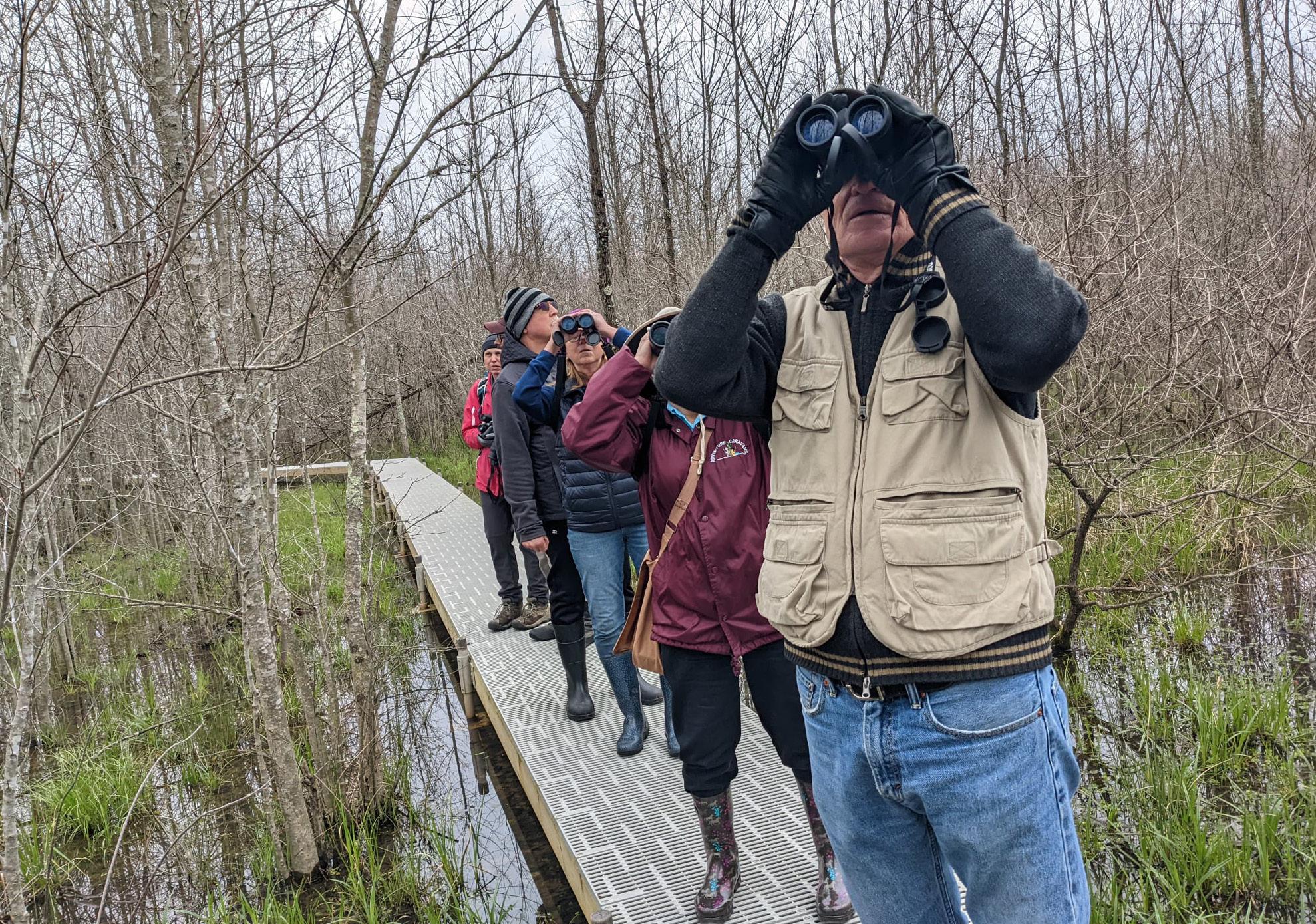
Sassafras Audubon Society Birding Hike (Photo courtesy of Danielle Williams)
also incorporated the marsh into their spiritual practices.
Significant changes began in 1884 with the implementation of dredging, river straightening, tiling, and ditching projects targeting the Kankakee River and its surrounding marshes.
Industrialization and agricultural expansion during the late 1800s and early 1900s resulted in the draining of hundreds of acres of marshland and the straightening of neighboring rivers. As a result, the ecosystem changed irrevocably, and the natural water systems never recovered.
By 1917, Beaver Lake had shrunk from 28,500 acres to 10,000 acres. Today, it exists only on maps.
The environmental consequences were severe. Shrinking wetlands reduced habitats for plants and animals. Migratory birds lost a vital stopover, and the waterfowl population declined sharply. Altered water flow and increased sedimentation lowered the water quality and harmed aquatic life. The loss of wetland plants also reduced water retention, leading to increased flooding in nearby communities.
WHAT’S LEFT
Wetland preservation is now a state priority, marking a reversal of years of destruction. Wetlands provide beauty, wildlife habitats, and naturally filter and replenish groundwater. Edmonson notes that these once swampy, undervalued areas are now among Indiana’s most cherished landscapes.
Recent years have seen restoration efforts for places like the Grand Kankakee Marsh, with organizations, environmental groups, and
government agencies collaborating to reconstruct wetlands, improve water quality, and restore habitats.
What The Nature Conservancy now calls the Efroymson Prairie at Kankakee Sands was once part of this vast wetland complex. The Nature Conservancy and other conservation partners recognize that not all is lost. Over the decades, they have worked urgently to protect, promote, and steward the remaining critical wetlands across Indiana.
At Kankakee Sands, they have restored some of the natural flow across many acres and have seen the ecosystem begin to recover. This recovery will take time, if not generations, to return to its natural state.
“A couple of decades ago, we could only really read about the lush and biodiverse wetlands of the Grand Kankakee Marsh,” Edmonson said. “Today, as I walk through a restored flooded sedge meadow and hear an American bittern calling and see a variety of frogs and flowers at my feet, I can begin to bring that history to the present. I am constantly in awe of what we can accomplish when we work together for nature. While people have significantly altered the landscape, we also have the power and opportunity to heal it.”
Indiana has established numerous nature preserves protecting wetland communities throughout the state. Beanblossom Bottoms Nature Preserve in Monroe County protects vital bottomland forest habitat. Northern Indiana features several preserves, including the Crooked Lake Nature Preserve, which spans Whitley and Noble counties, the Loon Lake
Nature Preserve in Steuben County, and the Springfield Fen Nature Preserve in LaPorte County.
Twin Swamps Nature Preserve in Posey County protects important wetlands in southwestern Indiana. The Kankakee Fish & Wildlife Area maintains over 4,000 acres of habitat for migrating birds and other wildlife, offering visitors a glimpse into the rich history of the Grand Kankakee Marsh.
For visitors, the Wet Prairie Trail at the Kankakee Sands Welcome area offers a glimpse into this recovered ecosystem. Edmonson particularly loves the wetlands in June, when the sedges are at their most robust, plants are blooming, and the insects and butterflies return.
Though large areas of Indiana wetlands have been lost forever, their storied history lives on. Thanks to widespread conservation efforts, the spark of life has finally returned, allowing Indiana’s wetlands to thrive once again.
Editor’s Note
A DIFFERENT PERSPECTIVE
The Limberlost Swamp near Geneva found an unlikely ally in author Gene Stratton-Porter. Despite the swamp’s dangers, she recognized its value as both a living laboratory and an inspiration for both her fiction and nature writing. We will explore Stratton’s remarkable life and legacy in the March issue.
Best of Indiana
Indiana Connection Readers’ Choice Awards
Indiana Best of
NOMINATION FORM
To celebrate the uniqueness of Indiana, please exclude national chains from your responses. Don’t forget to include the name of the town in which each answer is located. Feel free to tell us why you made your nomination. Use an additional piece of paper if needed.
BED AND BREAKFAST/COUNTRY INN:
Indiana Connection wants to recognize some of our readers’ favorite places in an upcoming “Best of Indiana” feature. To nominate your favorites, fill out the form below and mail it to Indiana Connection at 11805 Pennsylvania Street, Carmel, IN 46032. You can also submit your nominations online at indianaconnection.org/2026-best-ofindiana-awards
Nomination forms are due by March 1. Our readers will vote on the top-nominated places in future issues. Send any questions to Editor Britt Davis at bdavis@indianaec.org. Help us showcase some of the places that make the Hoosier State great!

MUSEUM: PLACE TO TAKE THE KIDS:
RESTAURANT:
TENDERLOIN SANDWICH (NAME THE SPECIFIC PLACE):
WINERY/VINEYARD:
Name:
Address: City: State: ZIP Code: Phone: Email: Electric Cooperative:
Why have a stairlift when you
Stay in the home and neighborhood you love with a Stiltz Homelift.
THE MODERN SOLUTION
A Stiltz Homelift is a safe, attractive, & affordable alternative to stairlifts. It requires no special machine room, and no supporting walls.
ECONOMICAL & FLEXIBLE
A Stiltz Homelift can t just about anywhere in your house. It has a compact footprint, similar in size to a small armchair.
A Stiltz Homelift plugs into a standard home electrical outlet, using less power than a coffee maker.
YOUR FOREVER HOME
Avoid the expense and distress of relocating, or the disruption of adapting

your home for downstairs living. A Stiltz Homelift helps you live safely and independently in the home you love.
IT’S NEVER TOO SOON
Some Stiltz customers need a Homelift immediately. But others want to “future-proof” their homes for when the stairs become a challenge.
HOMELIFT SPECIALISTS
Stiltz is a world leading Homelift manufacturer, so you’ll be in good hands. Your elevator will be installed and maintained by Stiltz trained professionals who truly care about your freedom.
Falls are the leading cause of hospitalization for older adults in the US. More than a quarter of Americans age 65+ fall each year. The average hospital cost for a fall injury is $35,000. Did you know?
“I can’t imagine what we’d do without it. I wish we had installed our Stiltz Homelift several years ago!”
– Mr. James, Roanoke, VA
Why choose Stiltz?
• Affordable
• Small Footprint
• Full Safety Features
• Clean, Quiet Operation
• Low Power Consumption
• Freestanding Design
• Wheelchair Accessible
• Carry Laundry or Pets
• Fast Installation
• Full Warranty




Wabash Valley Power news

WHY PLANNING MATTERS
When the power is working, no one thinks about it. That’s exactly how it should be. But behind that reliability is a lot of planning, much of it done years before electricity is ever needed. At Wabash Valley Power Alliance, planning ahead is not optional. It’s our responsibility.
Electricity has to be available instantly, whether it’s a mild spring day or the coldest winter night. That means we can’t wait to make decisions until demand shows up. By then, it’s too late and usually much more expensive. We plan power supply years in advance, looking at how much electricity our members will need, when they’ll need it, and what resources will be available to meet that demand. Planning early helps us avoid costly, last-minute solutions, and allows us to make disciplined decisions that protect reliability and affordability.
The mindset we operate under is that, to put it simply, 2034 is now. We have to look seven to 10 years ahead because that’s how long it takes to ensure the right power supply is in place and can get where it needs to go.
Reliable power and affordable power go hand in hand. When the system isn’t prepared, costs rise quickly. That is why our planning focuses on balancing reliability,
cost, and risk over the long term. We study changing electricity use, system growth, new technologies, and higher demand during extreme weather. We run scenarios and plan for multiple outcomes, so we are ready when conditions change. This work happens behind the scenes but is essential to keeping power available and rates as stable as possible.
Every season teaches us something. Extreme weather, cold or hot, tests the system and reinforces why preparation matters. After each season, we review performance and apply those lessons to future decisions, from fuel strategies to infrastructure investments, so we’re better prepared for the next challenge.
Planning ahead is how we stay prepared before power is needed, protect reliability during extreme conditions, and manage costs responsibly. You may never see most of this work and that’s OK. Because when the lights come on without a second thought, that is planning doing its job.
Jeff Conrad President and CEO Wabash Valley Power Alliance
SUGAR RUSH
Step into sweet nostalgia at Schimpff’s Confectionery in Jeffersonville
By Natalie Derrickson
Some say the “good old days” are gone, but at Schimpff’s Confectionery, they’re on full display and good enough to eat. In fact, most would insist on giving in to a sweet tooth during a visit to the number one candy store in America, according to USA Today.
Sugar sizzles against the walls of a copper pot while pillow candies crack and scatter across the butcher block, and eager shoppers attempt to whittle down their shopping list. This is a typical day at Schimpff’s Confectionery — sugar, history, creativity, and craft, honed across generations dating back to 1891.
Schimpff’s is well-known for several specialties: cinnamon red hots, hand-made chocolates, hard fish candy, and a regional favorite, Modjeskas — a gooey caramelcovered marshmallow. Outside the building, look up to spot the sets of red bricks flanking the second-story windows — markers of the 1937 flood that devastated downtown Jeffersonville and other riverside communities. Schimpff’s held on, rebuilt, and continues to deliver sweets, memories, and space

to enjoy one another’s company across generations.
Plan your visit with plenty of time to shop for sweets and learn about the history of candy-making. Call ahead to schedule a guided tour and learn what candy will be made in-store — you won’t want to miss the live demonstrations. Stick around and enjoy a deli lunch and a chocolate Coke, a Coca-Cola with chocolate syrup, at Schimpff’s classic soda fountain, in operation since 1921.
Schimpff’s is home to a candy museum filled with candy artifacts that Jill and Warren Schimpff, the recently retired fourth-generation owners, have collected. In 2025, the Schimpffs passed the torch to “Cousin Steve” Shepherd and his wife, Beth. The shop’s fifth generation of ownership continues the tradition, wonder, and delight that a landmark candy store should.


Photos courtesy of SoIN Tourism
Create space for the perfect book nook

A cozy reading retreat doesn’t require a hefty renovation. With some strategic choices in your existing space, you can create the book lover’s haven that you’ve always dreamed of.
Plot your scene
The first step is choosing the right location. If you have a naturally setapart section in your home, such as an alcove, a window seat, or an empty corner of a room, it makes for an easy transformation. Other good options are an area next to a builtin bookshelf, a closet, or a space under the stairs. If needed, create a reading spot along a wall, nestled between bookshelves or cabinets. Next, pick furniture to create your cozy sanctuary. Deep chairs with a footstool add instant comfort. For a larger space, consider adding a daybed. If your space is limited, add furniture with built-in storage.
Tone is everything
Once you have the bones of the space set up, it’s time to make it special. Start with lighting — bright enough for you to read without eye strain, but dim enough for relaxation. If you lack space or an electrical outlet, use rechargeable or batterypowered disc lights.
If your nook is tucked away, consider painting the area a different, but coordinating color to the rest of your room, or add an easy-to-install peeland-stick wallpaper.
A space for every story
The final step in creating your nook is to provide storage for your books. If built-in or standalone bookshelves aren’t an option, install wall shelves. Unfinished boards can be stained or painted to coordinate with your decor. Brackets with a built-in rod provide a whimsical touch for draping plants.
If you’re creating a book nook in a kid’s room, attach floating, shallow shelves in an L-shape around the area, where they can display their favorite books or personal items. With the right touches and a few hours, you can create the perfect space to go on all your literary adventures.
Renee Bedel is the kitchen designer at Gillman Home Center in Batesville, a Do It Best member. Do it Best is a Fort Wayne-based home improvement cooperative supporting thousands of hardware stores, home centers, and lumberyards throughout the U.S. and worldwide. Visit your local Do it Best store or doitbest.com for thousands of the best home improvement products.
START THE NEW YEAR RIGHT SAFEGUARD YOUR WEALTH
In times of economic uncertainty—when inflation rises, markets fluctuate, and long-term financial stability feels less predictable—many investors turn to gold as a dependable store of value. By holding a portion of your wealth in gold, you can help safeguard your portfolio and preserve longterm financial security, even when broader economic conditions are unclear.
American Gold Reserve is releasing Government issued $5 Gold American Eagles completely free of dealer mark-up for only $459 each. These beautiful $5 Gold American Eagles are a perfect way to enter the gold market. They are set for immediate public release and will sell out fast.
Since 2015, gold has surged over 400% — outpacing both the S&P 500 and the Dow during the same period.
GOVERNMENT BACKED U.S. GOLD
• Teach the importance of wealth preservation.
• Great way to pass on wealth to children and grandchildren.
• A symbolic act of the commitment to your family.
• Gold provides your children and grandchildren with a built-in safeguard during times of financial instability.
Minimum order of 5 coins
Special arrangements on orders over $50,000 Mention vault release code: AMS-IN13