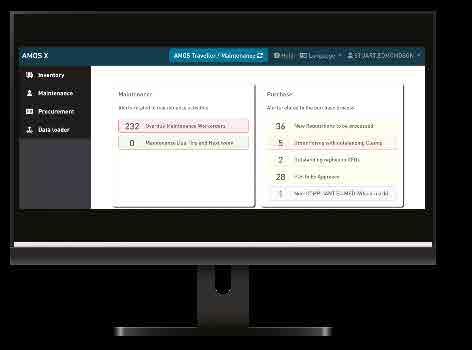
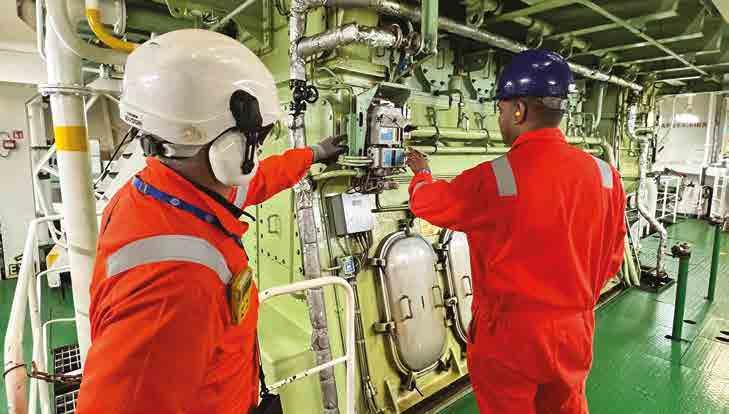
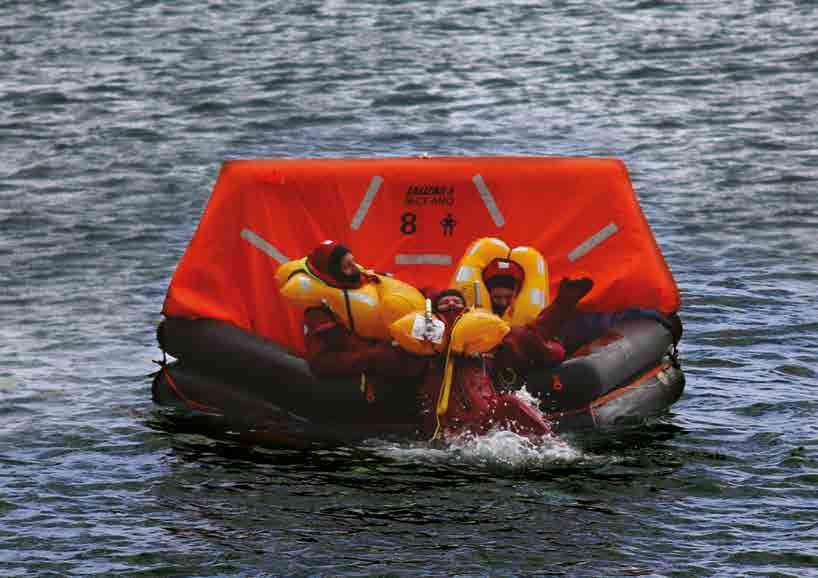
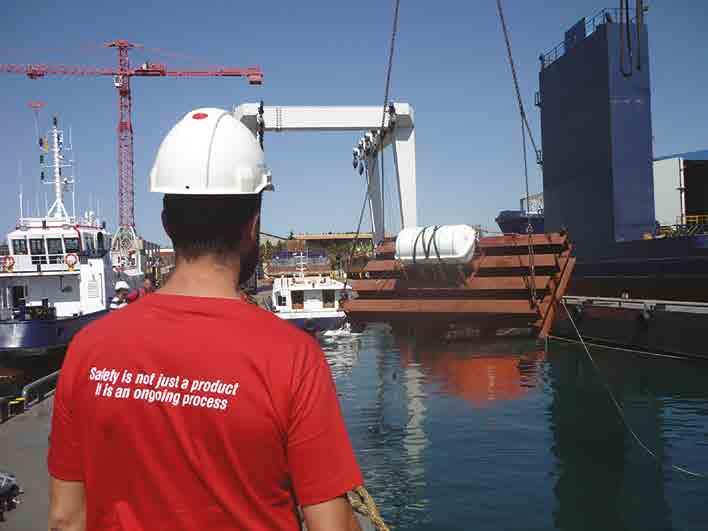
84 – AVS Global outlines five key shifts set to reshape Ship Supply in 2026
NAVIGATION
86 – Factors to consider when making AI at sea a navigator’s lifeline
REVIEW OBJECTS OF DESIRE
90 – Our pick of the most coveted creations
92 – Bringing you the best in arts & culture
LIFESTYLE
94 – Family plug-in hybrid SUV from China’s top EV seller
The March/April issue of Ship Management International (SMI 120) will mark the 20th anniversary of the magazine and will include a special retrospective feature on changes that shipping has undergone over the last 20 years.
With the issue going to Posidonia as an official media partner, SMI 120 will also contain special country reports on Greece and Cyprus, two of the leading nations in terms of ship operators, as well as the United Kingdom, key administrative centre of the shipping industry.
There will also be reports on Ship Registries, looking at latest developments to contain the ‘shadow fleet’, as well as on Finance & Insurance and how these sectors have been affected by latest geopolitical developments.
For advertising enquiries, please contact Sales by emailing vijayatha@elaboratecomms.com You can also keep abreast of news and subscribe to our daily newsletter at shipmanagementinternational.com
STRAIGHT TALK
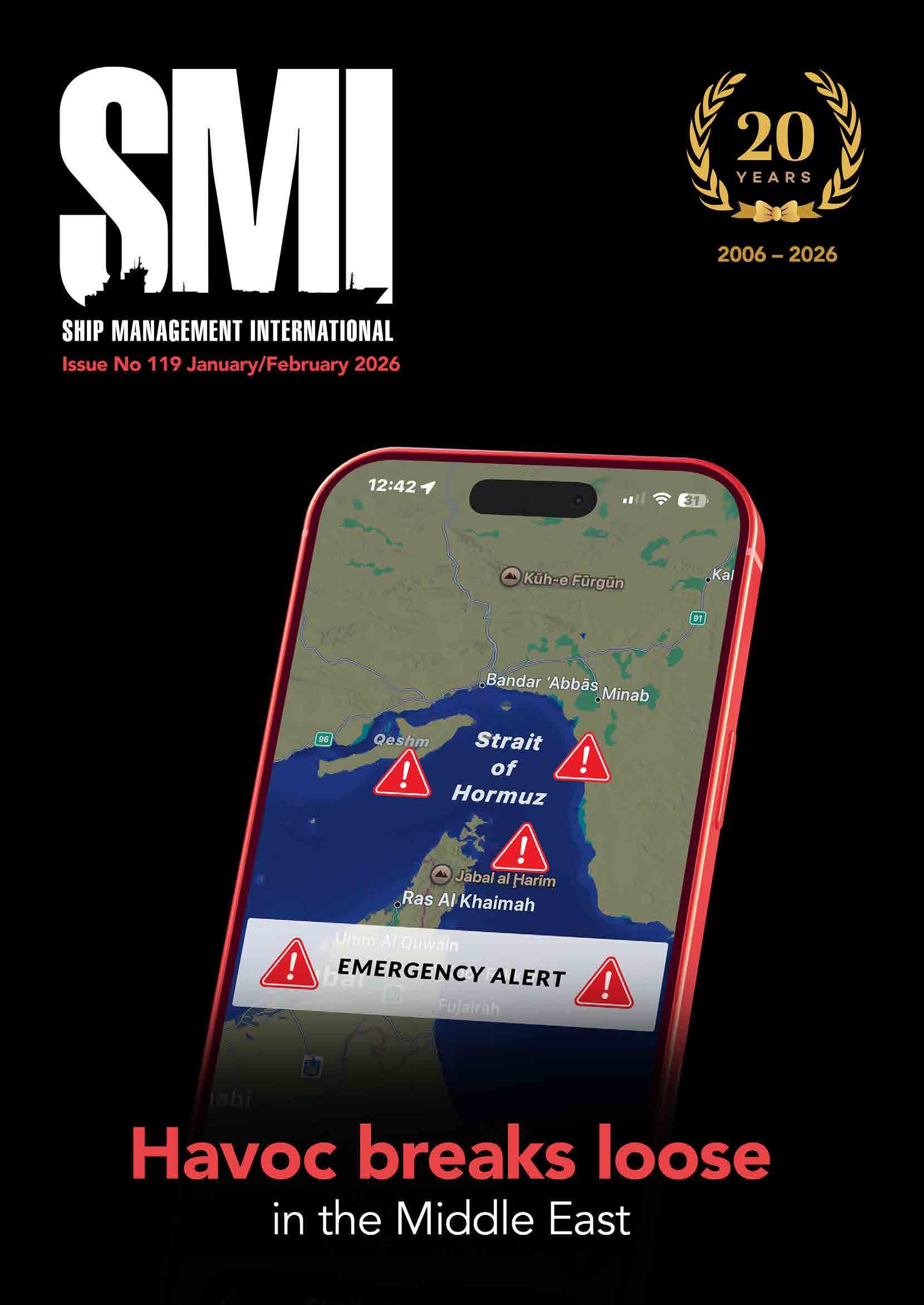
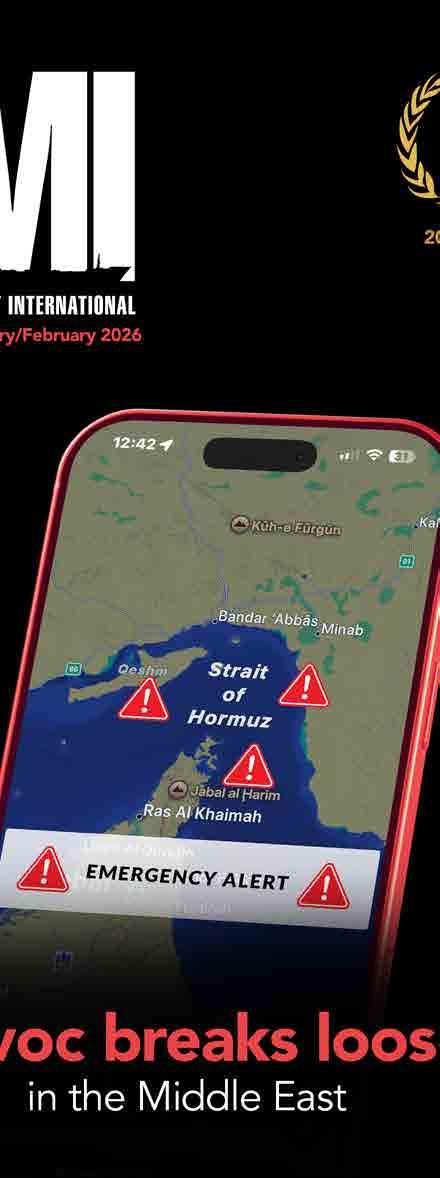
Havoc breaks loose in the Middle East
For anyone who thought 2025 marked ‘peak chaos’ for the shipping industry, the first two months of this year will have made them think again.
A whirlwind of disruption began with seizures of ‘shadow fleet’ tankers off Venezuela - and later further afield - which proved a prelude to forced regime change in that country and US annexation of the Venezuelan oil industry.
Then there was the US Supreme Court ruling that the Trump administration’s proposed imposition of varying import tariffs on different countries’ goods entering the US were illegal, to which Trump reacted by announcing an across-the-board tariff of 10%, swiftly upped to 15%.
Meanwhile Panama abruptly cancelled the port operating concessions of China-linked Hutchison subsidiary Panama Ports Company after 28 years of trouble-free operations.
But all this paled by comparison with the joint US-Israeli military attacks on Iran in late February, which were met by retaliatory missile strikes from Iran and its affiliate groups across the entire Middle East region.
Shipping-wise, the Houthis threatened to renew their attacks in the Red Sea area, and the Iran Revolutionary Guard Corps formally declared the Strait of Hormuz closed,
Published by
Sales Enquiries
Vijayatha Poojary Phone: +44 (0) 1296 682 051
Email: vijayatha@elaboratecomms.com
Editorial
Bob Jaques Phone: +44 (0) 1296 682 089
Email: editorial@elaboratecomms.com
Email: bjaques@elaboratecomms.com
Finance
Lorraine Kimble Phone: +44 (0) 1296 682 051
Email: accounts@elaboratecomms.com
Brigadier General Ebrahim Jabbari threatening that any ship seeking to pass through the Strait would be “set on fire”. Indeed, several tanker vessels in the vicinity of the Strait were fired upon, in one case tragically killing an Indian seafarer.
The situation quickly escalated. Virtually all shipping traffic in the area was brought to a standstill, with insurers cancelling certain types of War Risk cover and/or making it more expensive and widening ‘High Risk’ areas. Energy prices soared, causing economic shockwaves worldwide, and the US even suggested that naval escorts might be needed to allow commercial transits of the Strait to take place unhindered.
International shipping industry bodies - including IMO, ICS, ECSA, ASA, BIMCO, INTERTANKO, OCIMF, ISSA and InterManager - have been united in their repudiation of attacks on merchant vessels and innocent seafarers, and in defence of the principle of ‘freedom of the seas’.
As this issue went to press, it remained unclear how the situation would play out and over what period. It must be hoped that a minimum of lives will be lost and civilian infrastructure destroyed before peace is restored. And with it free and safe navigation across the Middle East region and rest of the world, without shipping becoming collateral damage in geopolitical ‘crossfire’. l
Publisher: Sean Moloney
Editor: Bob Jaques
Sales Manager: Julian Berry
Vijayatha Poojary
Finance: Lorraine Kimble
Design and Layout: Diptesh Chohan
Regular Contributors: Michael Grey
Felicity Landon
Ian Cochran
Margie Collins
Martin Stopford
Motoring Journalist: Rob Auchterlonie
Technical Editor: David Tinsley
Editorial contributors: The
Notebook
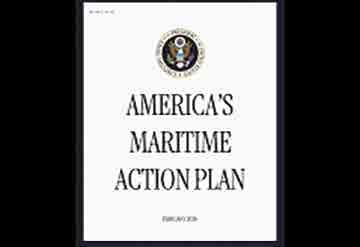
White House releases Maritime Action Plan
On February 13, 2026, the White House released America’s Maritime Action Plan (MAP), as required by its April 9, 2025 Executive Order 14269 entitled “Restoring America’s Maritime Dominance” (EO 14269).
Susanne Burstein and John Benson, partners in the Maritime & Transportation Group at Seward & Kissel LLP, have written a client alert piece explaining as follows:
The MAP represents the first substantive step toward implementation in the Administration’s plan to support and grow the U.S. merchant marine and commercial shipbuilding sector and significantly grow the overall maritime industrial base of the United States.
EO 14269 set out a broad goal for strengthening national economic and security interests by increasing shipbuilding capacity, expanding the fleet of both U.S.flag and U.S.-built vessels, bolstering workforce training and education initiatives, and updating federal regulatory frameworks, and directed federal agencies to prepare a coordinated roadmap for realising that goal.
With the release of the MAP, that roadmap is beginning to come into focus. The MAP covers an extensive range of maritime initiatives — from fleet modernization and expansion to reforms to cargo and procurement commitment practices. The MAP also emphasizes the need to grow the U.S. maritime workforce and underscores increasing shipbuilding capacity in the United States as a matter of national security and a cornerstone to the Administration’s strategy.
Among the proposals included in the MAP are:
• Mechanisms to secure funding for maritime initiatives through a proposed Maritime Security Trust Fund, which could be financed in part by fees assessed on foreignbuilt vessels calling at U.S. ports “to be assessed on the weight of the imported tonnage arriving on the vessel”. The projections include that “a fee of 1 cent per kilogram on foreign-built ships would yield roughly $66 billion in revenue over ten years and a fee of 25 cents per kilogram would yield close to $1.5 trillion in revenue” for the Maritime Security Trust Fund.
• Establishing a Strategic Commercial Fleet, “consisting of internationally trading U.S.-built vessels” which would receive financial support for construction and operations.
• Bringing foreign-built vessels under the U.S. flag as a transitional strategy.
• Modernising and increasing support for the U.S. Merchant Marine Academy and State Maritime Academies to address maritime workforce challenges.
While the MAP is a clear step toward articulating a comprehensive domestic maritime revitalisation strategy, many of its proposals will require congressional approval, new budget authorisations, and/or regulatory changes before they take shape or take effect.
Nonetheless, the MAP’s emphasis on new sources of funding, fleet expansion, and workforce development warrants close attention, conclude the Seward & Kissel partners, and it will undoubtedly create opportunities for stakeholders and impact the global maritime economy in 2026 and beyond. l
Shipping industry mourns Dr Heinrich Schulte
With great sadness the Schulte Group announced the passing of Hamburg shipowner and entrepreneur Dr Heinrich Schulte, long-standing Chairman and shareholder of the Group, on 16 December 2025 in Hamburg, aged 90.
Dr Schulte was a truly Hanseatic businessman who stood for values such as honesty, integrity and courage. He joined his father’s shipping company, Bernhard Schulte, whose origins date back to the late 19th century, in 1963. For over 60 years he was always restless and on the lookout for new business opportunities, tapping into niche markets long before they became mainstream.
At the end of the 1960s, he was one of the pioneers in gas tanker ship management for the transport of LPG and LNG. He also recognised the potential of offshore wind vessels at an early stage and supported the development of a specialised offshore wind fleet.
Dr Schulte always adhered to the principle of longterm economic success over quick profit. Guided by this philosophy, he led the company through challenging times. While many German shipping companies disappeared amid the crises of the 1980s and 2010s, the Schulte Group emerged stronger than ever, thanks to his prudent entrepreneurial spirit and the substantial reserves built up during good years.
Dr Heinrich Schulte was not only a great family entrepreneur but also a devoted family man. He leaves behind his wife, five daughters, two sons, and 14 grandchildren and will be deeply missed – by his family, the Schulte Group, and the wider shipping community. l
Panama Ports Company forced to cease terminal operations
In late February, the Republic of Panama made direct physical entry into the terminals at Balboa and Cristobal operated by CKHH’s subsidiary, Panama Ports Company, S.A. (PPC) and took over administrative and operational control of PPC’s terminals at the two ports, also excluding representatives of PPC from the terminals.
According PPC owner CK Hutchison Holdings (CKHH), the takeover of the two terminals reflected the culmination of a campaign by the Panama State against PPC and the concession contract that had been conducted over the past year.
CKHH reported that an Executive Decree issued by the President of Panama mandated an “occupation” by the State of “all movable property” of PPC, with the participation of all relevant organs of the State. Simultaneously, government representatives arrived without invitation to the terminals and informed representatives of PPC that the concession no longer existed and that PPC must cease operations. PPC employees were told they would be transferred out of PPC, must not communicate with PPC, and must comply with government instructions, under threat of criminal prosecution. The Panama State now has control of the terminals.
Based on the referenced publications, statements by officials, and the Panama State takeover of the terminals, CKHH understands that the concession granted to PPC for the operation of the terminals at the ports of Balboa and Cristobal was deemed to be terminated as of 23 February 2026.
CKHH says the actions and instructions of the Panama State made it impossible for PPC to continue its operations and, consequently, PPC ceased all operations at the terminals at Balboa and Cristobal on 23 February 2026.
It is understood that Maersk unit APM Terminals and MSC are ensuring continued operations at the terminals.
CKHH considers the Ruling, the Executive Decree, the purported termination of PPC’s concession, and the takeover of the terminals to be unlawful. The actions by the Panama State also raise serious risks to the operations, health and safety at the Balboa and Cristobal
terminals. None of the actions by the Panama State were advised to or co-ordinated with PPC. The Panama State is therefore responsible for all harm and damage caused by the confiscatory actions it has taken, states CKHH.
PPC and CKHH say they will continue to consult with their legal advisors regarding the Ruling and forceful takeover, the purported termination of PPC’s concession and all available recourse including additional national and international legal proceedings against the Republic of Panama and its agents and third parties colluding with them, to reserve all rights and recourse against them, in relation to this matter. l
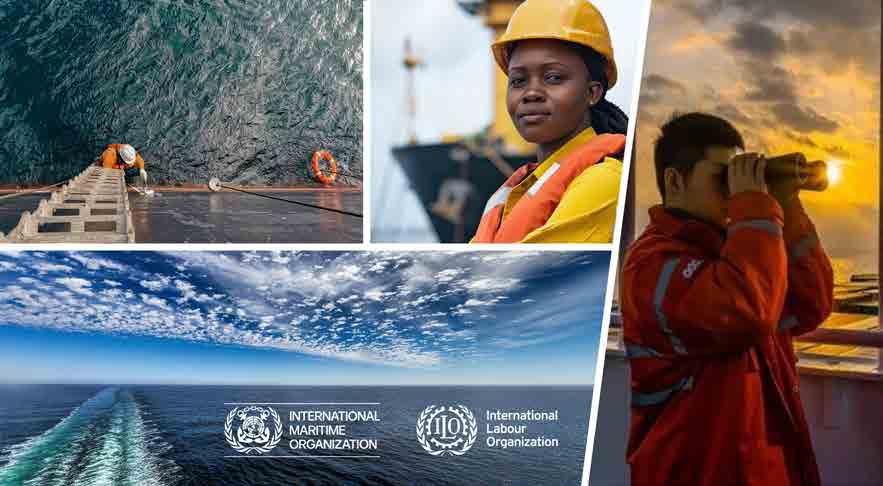
Maritime Labour Convention at 20: Industry bodies reaffirm commitment to decent work conditions at sea
February marked the 20th anniversary of the adoption by IMO and the International Labour Organization (ILO) of landmark treaty the Maritime Labour Convention, 2006 (MLC, 2006). The ILO, the International Chamber of Shipping, (ICS) and International Transport Workers’ Federation (ITF) issued the following statement, subsequently endorsed by the Cyprus Shipping Chamber (CSC), to mark the occasion.
“On the 20th anniversary of MLC, 2206, we jointly reaffirm our commitment to the principles and protections it embodies and recognise the profound impact it has had on seafarers and on global shipping.
“The MLC consolidated and modernised around seventy maritime labour instruments into a single, comprehensive international framework. In doing so, it established enforceable minimum standards for wages, hours of work and rest, medical care, accommodation, repatriation and welfare, creating a clear and consistent global baseline for decent work at sea.
“The adoption of the MLC was made possible through close and constructive tripartite cooperation between governments, shipowners and seafarers. That shared commitment ensured that the Convention is both ambitious in its protections and practical in its implementation across a truly global industry. This spirit of
partnership has remained central to its continued strength and relevance.
“Since its entry into force, the MLC has delivered tangible improvements in living and working conditions on board ships, strengthened compliance through flag and port state control, and provided a structured mechanism to address emerging challenges. Amendments adopted over the past decade enhanced financial security protections, supported seafarers in cases of abandonment and criminalisation, and reinforced safeguards in response to the Covid-19 pandemic and violence and harassment on board.
“In a context of geopolitical uncertainty and climate transition which significantly affect shipping and seafarers, we re-emphasise our shared resolve to ensure that the MLC remains robust and is fully implemented.”
IMO points out that it has worked in conjunction with ILO to develop and deliver key
guidelines to support seafarer rights, including those on dealing with seafarer abandonment cases and on fair treatment of seafarers in the event of a maritime accident and following detentions in connection with alleged crimes. IMO’s Legal Committee has a standing agenda item on “Fair treatment of seafarers”.
The Joint ILO/IMO Tripartite Working Group (JTWG) to Identify and Address Seafarers’ Issues and the Human Element (JTWG) was established in 2022. Items on the group’s agenda have included tackling bullying and harassment in the maritime sector, including sexual assault and sexual harassment.
Together with ILO, IMO added: “On this anniversary, we urge countries across the world to recognise seafarers as key workers. Protecting and advancing the standards of the MLC is essential for the dignity and welfare of seafarers and for the resilience and stability of global trade.” l
ISWAN releases cross-industry research on wellbeing at sea
The International Seafarers’ Welfare and Assistance Network (ISWAN) has published Phase Three of its Social Interaction Matters (SIM) Project, presenting foundational research into the role of social interaction in shaping seafarers’ wellbeing across commercial shipping, cruise ships, and superyachts.
This landmark cross-industry research found that focused attention to social life on board, including having an appointed Social Ambassador from within the crew, enhanced morale, reduced stress and strengthened team cohesion. These factors are contributors to safer journeys, healthier crews, and an overall more inclusive on-board culture.
The report highlights the critical role social interaction plays in supporting health, resilience, and a sense of belonging at sea, while also exploring the impact that persistent barriers such as fatigue, long working hours, and operational pressures have on individual wellbeing and the broader onboard culture. Experiences of social interaction were found to vary across vessel types, ranks, gender identity, and working environments, underlining the need for tailored, vessel-specific approaches rather than one-size-fits-all solutions.
Key research findings include:
• The research confirms that social interaction is a core component of seafarer wellbeing, directly influencing morale, health, and resilience. Where opportunities for connection were limited, wellbeing outcomes were negatively affected.
• Fatigue, long working hours, and operational demands significantly restrict opportunities for meaningful social interaction, despite its clear benefits. Differences across commercial ships, cruise vessels, and superyachts further demonstrate how onboard culture, hierarchy, gender, and environment shape social experience.
• Of note, women crew in the cruise and superyacht
industries were differently impacted by demands, reporting higher levels of mental and physical exhaustion than their men counterparts, even after accounting for workload and sleep.
• Differences across rank were found for officers, especially those in navigation and engineering roles, who reported lower social engagement. Hierarchies of power, including perceived professional boundaries, influence opportunities for connection and participation in onboard culture.
• Welfare initiatives therefore need to be tailored to the specific needs of these groups.
• Overall, the report reinforces that social interaction should be recognised as a fundamental element of safe, sustainable shipboard operations, rather than an optional or secondary aspect of life at sea.
The study involved 176 seafarers across six vessels, with each vessel participating for three months. Data was collected using wellbeing surveys from PsyFyi and SeaQ, wearable technology from Fitbit, and qualitative insights.
“The SIM Project Phase Three report delivers one of the most comprehensive evidence bases to date on how social connection, fatigue and inclusion shape seafarer wellbeing and safety at sea,” said Dr. Kate Pike, Research Lead. “Drawing directly on the lived experiences of crews across multiple maritime sectors, the research moves beyond compliance to reveal what genuinely supports health, resilience and performance onboard.”
The report’s findings “offer practical, scalable recommendations for operators, regulators and vessel designers, linking wellbeing to safer operations and stronger social cohesion,” Dr Pike added. “For the maritime industry, the report provides a clear, researchled roadmap for improving working lives at sea while strengthening operational safety and safety culture.” l
SUPERMAN 2025: putting the ‘super’ in supervision
SUPERMAN is BIMCO’s standard agreement for the supervision of newbuilding projects, and the 2025 edition has now been launched. ITIC was honoured to be invited to be on the drafting committee. It regulates the relationship between owners and the specialists appointed to act on their behalf during construction, setting out the scope of services, the limits of responsibility, and the allocation of risk.
The contract reflects a practical reality that has always underpinned SUPERMAN. Supervisors do not build the vessel, but they are expected to apply professional skill and judgment in monitoring the yard’s performance and in identifying and reporting issues that may affect quality, cost, or delivery. That balanced approach remains central to the 2025 edition.
SUPERMAN is important because the context in which supervision takes place has changed materially. Newbuilding projects are larger, more complex, and subject to far greater regulatory scrutiny than in the past. Technical systems are more advanced, compliance expectations are higher, and the commercial consequences of delay or defect are more severe. In this environment, informal arrangements or lightly drafted supervision agreements are no longer sufficient. SUPERMAN responds by updating the agreement to reflect how supervision is actually carried out today, and by aligning it with BIMCO’s modern management contracts, including SHIPMAN 2024 and CREWMAN A and B 2025.
This alignment creates consistency across related contracts and reduces friction for parties operating within multiple frameworks.
One of the most meaningful updates lies in the definitions. While the changes are measured, they have clear practical effect. The express inclusion of the Flag State and the Classification Society within the definition of Regulatory Authorities reflects their constant involvement in supervision activities. Their role is no longer assumed but clearly recognised, reducing uncertainty and the potential for dispute. Other refinements follow the same approach, tightening language while preserving clarity.
The financial provisions have also been strengthened. Clause 10 now addresses withholding tax directly, removing ambiguity that previously required separate arrangements. SUPERMAN also introduces a formal
By Mikaela Koni, Senior Claims Executive
arrangements are not purely technical but involve ongoing financial relationships in which transparency and security are essential.
Another important addition is the Change of Control clause, taken from the SHIPMAN and CREWMAN forms. Earlier versions of SUPERMAN relied on general law or on rider clauses to address changes in ownership or corporate structure. The 2025 edition brings this issue into the main agreement, allowing parties to opt out or terminate if ownership changes in a way that materially alters the relationship. This prevents parties from being bound to contracts with entities they did not choose and on which they have not carried out due diligence.
SUPERMAN also incorporates compliance provisions that were previously addressed through riders, including data protection, cyber security, sanctions, and anti-corruption. Embedding these provisions in the contract avoids inconsistency and reflects current commercial expectations.
ITIC has seen claims made against newbuilding supervisors. In one case, a supervisor reported shortly before delivery that no issues were likely to affect delivery dates. On that basis, the vessels were committed under a contract of affreightment. Subsequent sea trials revealed extensive defects that should have been identified during construction, resulting in delay and a significant claim against the supervisor. The case confirmed that supervisors may be liable not for the yard’s workmanship, but for failing to detect and report defects within the scope of competent supervision. As such, having a SUPERMAN contract in place
could set out the responsibilities of each party and afford protection and limitations of liability.
Another case involved a ship manager acting as newbuilding supervisor who faced a substantial claim after the owner became insolvent. The court found that the manager had not sufficiently demonstrated that it had ordered equipment as agent for the owner, exposing it to significant liability.
The matter ultimately settled, but it highlighted how easily exposure can arise where authority and roles are not clearly documented.
SUPERMAN 2025 does not redefine supervision or impose unrealistic obligations. It clarifies expectations, aligns the contract with modern practice, and provides a clearer framework for allocating responsibility and risk throughout the newbuilding process. l
Seafarer abandonment: A crisis of accountability, not compassion InterManager
Outlook
The rising number of abandoned seafarers is not an anomaly. It is not a temporary spike. It is the predictable outcome of a system that has failed to align responsibility with power.
Each abandonment case follows the same script: statements of concern, condemnation of ‘unscrupulous owners’, and then the industry moves on. Meanwhile, seafarers remain unpaid, stranded on vessels and dependent on charities and unions for basic welfare and repatriation support.
We continue to treat abandonment as an unfortunate by-product of global shipping. In reality, it is a structural failure, rooted in weak accountability, fragmented responsibility, and regulatory frameworks that define obligations but fail to enforce consequences.
Only around 10% of seafarers work directly for shipowners. The rest are employed through professional crew managers, which is regulated properly. Owners are vetted and ships are checked to ensure compliance with MLC.
By Captain Kuba Szymanski, Secretary General, InterManager
that look too good to be true. In reality, many of these offers come from owners who view a ship, and its crew, as a onevoyage disposable asset.
Some systems dramatically reduce this risk however. The model adopted by the Philippines creates clear responsibility. Government-certified agencies must follow the rules and are held accountable. As a result, Filipino crews appear far less frequently in abandonment cases than many other nationalities.
Compare that with countries where seafarers can “self-employ” or sign on with anyone, anywhere. Ukrainians, Poles, Pakistanis, Indians, Sri Lankans and others often take the only offers available, especially if they are older, female, or considered less ‘employable’ by the mainstream market. That is exactly the demographic unscrupulous owners and shadow fleets target.
Shadow fleets have made the situation worse. Reputable managers and owners will not touch these ships, but they still need crews. The system therefore funnels the most vulnerable seafarers into the riskiest employment.
But if we stop the conversation there, nothing will change.
The real danger comes when seafarers are tempted by direct offers
Who is really at fault? Owners who play the system are certainly culpable.
Today, a flag state can collect registration fees, enjoy the business, and look the other way until disaster strikes. When a ship is abandoned, the humanitarian and financial burden falls on seafarers, their families, unions, charities and the wider industry’s reputation.
This is where a reset is needed. If flag states were made financially responsible for abandoned crews, including wages, repatriation and basic welfare, those incentives would change overnight. After a couple of high-profile cases, the ‘open door’ approach to registration would suddenly look far less attractive. We don’t need more declarations. We need enforceable consequences. The Maritime Labour Convention already tells us what should happen. What it does not do is pin the bill on the party with the power to prevent the problem at source.
Abandonment exists in a convenient grey zone where everyone agrees it is terrible, but no one owns it. Until that changes, seafarers will continue to be treated as disposable assets. l
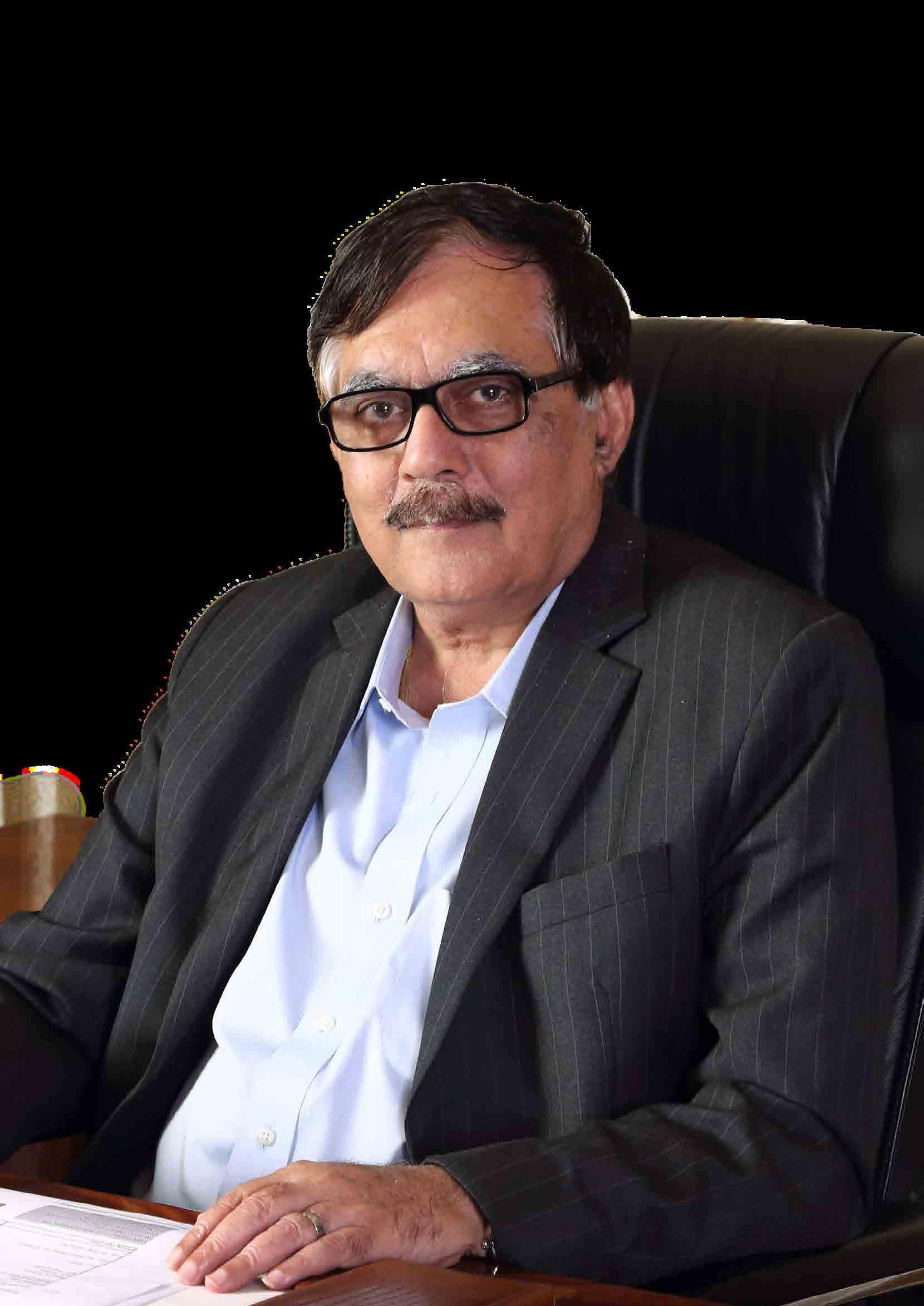
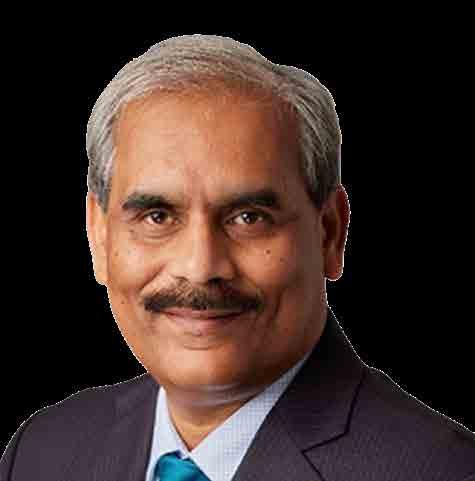
With Indian shipping and shipbuilding enjoying something of a renaissance under the Ministry of Ports, Shipping & Waterways’ ‘Maritime India Vision 2030’ and ‘Sagarmala’ programmes, no-one is more gratified – or has played a more influential role – than Mr. Arun Sharma, longtime head of Indian Register of Shipping (IRS).
Currently Executive Chairman of IRS (aka ‘IRClass’), Mr. Sharma joined the company after an early career which saw him graduate from marine engineering college in Calcutta/ Kolkata and then spend nine years at sea, the last four as Chief Engineer. He then came ashore to join the Shipping Corporation of India (SCI), before moving on to hold various senior management roles with Varun Shipping Company, Great Eastern Shipping and India Steamship.
“In the early 1970s, when I was first choosing my career, shipping in India was like a rising star,” Mr. Sharma recalls in an exclusive interview with SMI. “It was an upcoming industry, with SCI receiving new ships all the time, and had a lot of glamour attached, as well as being lucrative and offering opportunities to
travel.
“I have never regretted moving into this industry, where I’ve seen a lot and gained a lot of knowledge,” he continues. “It has also been a very ‘hands-on’ profession, which is something I’ve enjoyed.”
Mr. Sharma joined IRS as Chairman and Managing Director in February 2012 and has since overseen a subsequent step change in Indian maritime technology. With five subsidiary companies specialising in different areas of technology, IRS has been listed among the Top 10 Classification Societies by Lloyd’s List every year since 2013.
IRS had joined the International Association of Classification Societies (IACS) as a full member in 2010 and quickly progressed from being an IACS member to an active contributor to leading the Association. Mr. Sharma himself served as IACS Chairman from 1 July 2019 to 30 June 2020, his tenure -and IACS’ policies of the time such as its digitalisation drive - being particularly
appreciated by international maritime community, coinciding as they did with the turbulent times around the onset of the pandemic. Mr Sharma has also served Head of the IACS Small Group on Quality Policy (SG/QP) and is currently Chair of its Sub Committee on Quality Policy (SCQP).
Earlier in his career, Mr Sharma sat on the board of the Indian National Shipowners’ Association and on the Asia Committees of LR, ABS and DNV, and more recently he has won no fewer than three Lifetime Achievement Awards. In April 2021 he was bestowed India’s highest maritime recognition, the ‘Varuna Award’, and since Spring 2025 he has been a member of India’s National Shipping Board.
After such an illustrious maritime career spanning different sectors of the industry, how does Mr Sharma feel shipping as a profession has changed over the last 50 years?
“Unfortunately, the number of people who want to go to sea has lessened since the
In the early 1970s, when I was first choosing my career, shipping in India was like a rising star
time I started,” he begins, “and seafarer training has not moved on the way it should have done. With rapidly evolving technology, training hasn’t really kept pace. Education for seafaring people needs to be entirely revamped.
“Secondly, when I went to sea, compensation was substantially different to what you had ashore, and leave periods were very generous. So the lifestyle was good, and the social life at sea was better too. If you were to give today’s seafarers better conditions, I’m sure some of the glamour could return.”
And what are the IRS Chairman’s views about India as a rising maritime force in recent years?
“I always felt that the shipping sector wasn’t given the attention it deserved and the importance it should have had. But if you look at the current government, I think they realise there’s a huge gap between where they should have been and where they are. And to be very candid, if you look at the entire maritime industries, the opportunities now are huge. State-owned companies have been given a huge budget to buy and build ships over the next four to five years, and I think it is very well deserved.”
And how is India’s shipbuilding industry rising to the challenge?
“One could always do reasonably good repairs and small shipbuilding in India, so I think somewhere down the road, people just forgot to look at the sector. I think this government has realised that and is taking it very seriously and it will be given the kind of attention’ it deserves.”
Revitalised fleet
IRS has been playing a pivotal role in the country’s maritime renaissance, upscaling its classed tonnage dramatically over the last 10 years. The fleet has more than doubled in size from around 10 million GT to over 20 million GT today – a number that would be “more like 30 million GT if it wasn’t for the effect of geopolitics and sanctions,” Mr Sharma adds. More significantly still, the ratio of domestic/
foreign owners has completely altered, from “what used to be 90/10. to more like 40-50/50-60 today,” he says.
“IRS class has been recognised by foreign owners,” states Mr. Sharma - as evidenced by the fact that during 2025, leading containership owners CMA CGM (4 vessels) and Maersk (two vessels) both had vessels single-classed with IRS, with MSC vessels expected to follow suit in 2026.
And then there are all the technical upskilling efforts that IRS has been involved in, not only of seafarers but also of shipyard workers, such as the initiatives announced at India Maritime Week late last year, including an MoU signed with Cochin Shipyard and DP World.
So what does Mr. Sharma consider his greatest achievements have been at IRS?
“Besides increasing tonnage at IRS as mentioned, more important still has been an increase in quality that we’ve been very focused on,” he replies, suggesting that may be why he was chosen to head up various IACS quality initiatives.
“I’ve also placed a lot of emphasis at IRS on leadership qualities and empowering people within the right teams so that they can apply themselves qualitatively and quantitively in the shortest possible time,’ he adds.
Finally, are there any words of advice that the IRS Executive Chairman would like to share with fellow maritime leaders.
“I would say that you want to concentrate on developing leadership within an organisation, people who can take over in five to seven years’ time,” replies Mr. Sharma. “You should seek a situation where your numbers two and three are such that you begin to feel redundant and are happy that people don’t need to contact you for a few days at a time.
“And I believe encouraging a good working environment is important too,” he concludes. “People should want to come to work. They say in England that ‘children walk to school but run home’. Wouldn’t it be great if, in the workplace, that were reversed!” l
How I Work
SMI talks to industry leaders and asks the question How do you keep up with the rigours of the shipping industry?
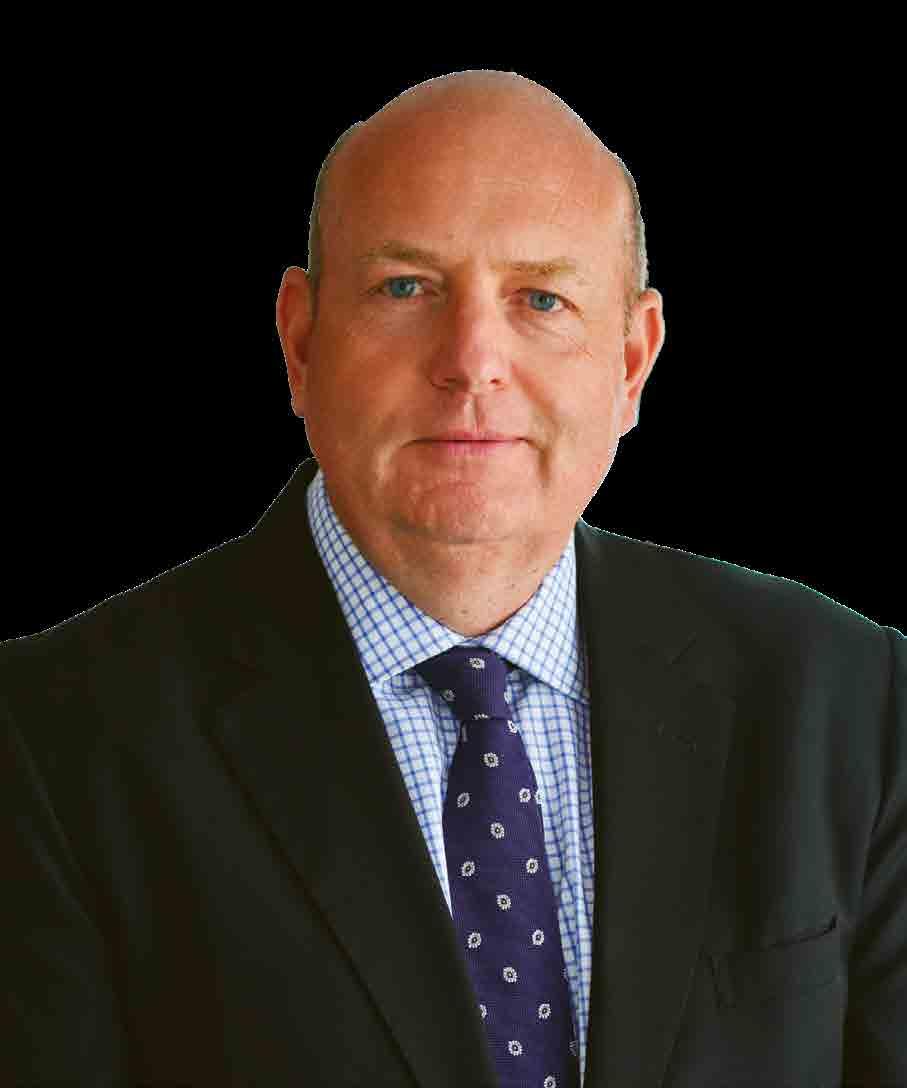
Mike Hall CEO, Britannia Group
Succeeding Andrew Cutler, Mike Hall took over as Chief Executive of the Britannia Group, a leading P&I insurance provider, at the beginning of January 2026. Previously he had served as the Britannia Group’s Chief Underwriting Officer from 2014 to 2022, before being appointed Deputy CEO. He was also Chair of the International Group of P&I Clubs’ (IG) Reinsurance Committee until the end of last year, alongside Cutler as IG Chair (2022-2025).
Announcing the succession, the Club highlighted the new CEO’s extensive experience, deep knowledge of the global P&I market and longstanding commitment to delivering exceptional service to Britannia’s Members worldwide.
“It is a great honour to take on the role of CEO of the Britannia P&I Club,” said Mike Hall. “At a time of significant change for the maritime industry, my priority will be to ensure Britannia continues to deliver outstanding service, financial
resilience, and long-term value for its Members.”
Speaking exclusively to SMI, Hall elaborated on some of the aspects of that ‘significant change’, beginning with ongoing geopolitical uncertainties.
“I think one of the biggest concerns for us has been relating to the various sanctions regimes that are in place at the moment and adherence with that,” he began. “For existing Members currently trading under the oil price cap and for any potential new Members doing the same, attestation is required. Then there’s also making sure that new Members entering the Club are compliant with sanction regimes and that we’re not inadvertently taking on a sanctioned entity. That has required a significant increase in operational planning and resources.”
Decarbonisation is another area of massive change for the industry, how has Britannia been affected by tightening environmental requirements, and then by the postponed adoption of IMO’s Net Zero Framework?
“I think the impact on P&I has predominantly been indirect,” Hall replies. “Shipowners are still trying to work out what the most successful or best trajectory of alternative fuels is going to be, as that path is not clear at the moment. Not wishing to get themselves stuck with the least effective technology, owners are delaying ordering new vessels. And that has helped our Members financially because, you’re seeing that nearly all
I have a focus on what I call the 4 S’s: Stability, Service, Systems and Succession
sectors of shipping are making money, which means our Members are in good financial health.”
“This means” he continues, “shipowners are holding on to their ships for longer than they would normally do. Rather than selling ships when they get to, say, 10 or 15 years old, they’re hanging on to them. So, there may be a slight increase in claims because you tend to see increasing contamination and cargo damage claims from older vessels.”
“And the other thing we have to think about,” he adds, “is that when owners do eventually make a decision to order new ships, there will be a significant impact of ‘churn’ on the Club. As vessels get older a premium increase is applied each year, meaning vessels that are 15-20 years old pay rates that are significantly higher than new ships. So, at some point there’ll be a quite a significant premium drop-off as the older vessels are replaced by new ones. And that’s something we need to factor into our projections going forward.”
Returning to the issue of geopolitics, has Britannia Club issued any particular advice to Members in respect of the recent tightening of sanctions and seizure of so-called dark or shadow fleet vessels or of the drone missile attacks on ships in the Black Sea area?
“On the matter of sanctions, from the outset we’ve always been very clear with our Members that it’s important that they absolutely adhere to all of these regulations,” states Hall. “All Clubs have sanctions’ exclusion
clauses in their rules, so Members have to be very, very cautious and ensure there is no risk of breaching sanctions’ regulations in their trading activities. We have probably been among the more demanding Clubs on this, as we’re told by brokers, in terms of the information that we request from our Members.
“As regards the Black Sea, ‘theatres of conflict’ used to be more easily defined before. But what we’re seeing now with the ongoing Ukraine conflict is that there have been attacks on vessels further afield than you would normally expect. So’ I think for war underwriters this has made life difficult in terms of defining ‘war risk’ areas. Britannia excludes war risks but we have certainly been advising our Members that they need to follow their security consultants’ advice and possibly think about broader impacts than just in the Black Sea area.”
On the subject of seafarer safety and security, hasn’t the Britannia P&I Club been something of a trailblazer in this area?
“Yes, as you may know we have an award-winning ‘BSafe’ online Safety Awareness campaign, which has been running for quite a few years,” relates Hall. “This campaign, led by our loss prevention team, aims to support the safety, health and wellbeing of seafarers by providing online advice and materials, such as case studies, videos and posters.
“About one-quarter of our claims within Britannia are crewrelated,” he explains, “so it’s very important that we do what we can
to try and minimise those, and also limit our financial exposure. Our loss prevention team has a wide range of materials on seafarer safety, security and mental health. We provide webinars and in-person seminars around the world for our Members and we often visit vessels to discuss safety best practices.”
In fact, Britannia has a specialist people risks team that only deals with crew-related claims, Hall explains, which not all Clubs have. This is because of “peculiarities and sensitivities surrounding these type of claims that we think only a specialist team can deal with.’ And Britannia also supports a number of charities dealing with seafarer welfare, namely Sailors’ Society, Stella Maris and The Mission to Seafarers.”
Finally, has the new Britannia Group CEO set himself any targets to achieve during his tenure?
“Yes, I have a focus on what I call the 4 S’s – Stability, in terms of both financial stability for the Club and stability of calls for our Members. Service, and ensuring it’s of the highest quality for our Members. Systems, to both improve service for Members and also to keep an eye on cost. And the last is Succession, because I think one of the challenges in the P&I sector is that there’s a shortage of talent in some areas. We need to develop a pipeline of really high-quality people coming through the business, now and for the next generation as well.” Insuring not only the present but also the future, one might say. l
Vessel hardening as a management discipline
Effective tanker vessel hardening against security risks depends less on equipment than on how behaviour is managed, sustained, and corrected over time, explains Dave Cudbertson, Programmes Director, OCIMF (Oil Companies International Marine Forum). OCIMF’s SIRE 2.0 Focused Inspection Campaign provides ship managers with insight into where guidance aligns with practice and where management systems need strengthening.
Vessel hardening rarely fails because guidance is missing. More often, it fails because intent weakens as it moves through the organisation.
Best Management Practises (BMP) Maritime Security (MS) is clear, practical, and widely referenced. It explains how threats should be identified, risks assessed, how mitigations are selected, and how vessel hardening should function as a layered defence system. Yet inspection insight and industry discussion continue to highlight uneven application on board. That gap is not primarily technical. It is managerial.
barriers, access control, alarms, and muster arrangements are intended to function together. The effectiveness of each depends on the others being present and understood. This is straightforward in theory. In practice, systems only remain effective when intent is consistently reinforced.
Equipment can be installed once, but understanding has to be maintained. Crews change, roles rotate, and operational pressures shift. Without clear ownership, measures that were originally implemented with purpose can become symbolic rather than functional.
This is precisely the space that OCIMF’s updated Ship Inspection Report Programme SIRE 2.0 Focused Inspection Campaign (FIC) on vessel hardening and access control is designed to explore. The FIC looks at how consistently it is understood, applied, and relied upon in practice. It provides managers with insight into where intent is holding and where it begins to drift.
Security measures do not deteriorate in isolation. They degrade where ownership becomes unclear, reinforcement is inconsistent, and feedback loops are weak. For ship managers, vessel hardening is therefore less about what is installed and more about how behaviour is managed, sustained, and corrected over time.
BMP MS is explicit that vessel hardening is a system, not a collection of individual measures. Watchkeeping, physical
From a management perspective, vessel hardening behaves like any other operational control, relying on clarity of
responsibility, regular reinforcement, and realistic testing. BMP MS places strong emphasis on practicality and sustainability. Measures that cannot be maintained during routine operations are unlikely to be maintained at all. This is where management systems matter most.
Training alone is not enough. Familiarity with procedures does not guarantee confidence in their use. Drills that do not reflect realistic conditions risk reinforcing habit rather than readiness. Documentation that is rarely revisited becomes static, even if technically correct.
Human factors sit at the centre of the system. Additional lookouts, alarm recognition, and muster arrangements all depend on shared understanding. When responsibilities are unclear, hesitation follows.
These are not issues that can be resolved by adding more detail to guidance. They require sustained management attention.
Where systems degrade
Routine operations are where most management systems are tested. Port stays, cargo operations, crew movements, and interaction with third parties introduce legitimate demands that require flexibility. Vessel hardening arrangements are often adapted to accommodate those demands. The challenge lies in ensuring that adaptation does not become dilution.
BMP MS reinforces a simple principle. Measures that depend on ideal conditions are fragile, whereas those integrated into normal working practices are resilient.
For managers, this emphasises clarity rather than prescription. Crews need to understand which controls are fundamental, how adaptations can be made safely, and how full arrangements are reinstated. When that understanding is consistent, vessel hardening remains coherent. When it is not, it fragments.
This is where OCIMF’s SIRE 2.0 FIC adds value. The campaign is a diagnostic tool intended to understand how guidance is applied on board, not simply whether it exists.
SIRE 2.0 uses a risk based algorithm to build inspection questionnaires, with questions rotating based on relevance. When an issue is considered important across the industry, it is elevated into a campaign. Vessel hardening and access control now sit within that framework.
Question 7.2.1 on vessel hardening and access control procedures is included across inspections under the campaign. This allows insight to be gathered across vessels, trades, and operating contexts.
For ship managers, this consistency is valuable. It helps distinguish localised issues from systemic ones. Inspection
insight fills a gap that documentation and training records alone cannot, providing visibility into how procedures are understood and applied under real operating conditions.
From findings to learning
The value of inspection insight lies in how it is used.
OCIMF does not direct ship operations or mandate defensive measures. Responsibility remains with owners, operators, and the authorities that oversee them. Inspection findings function as feedback, not judgement.
Over time, patterns begin to emerge. Where understanding is strong, good practice becomes visible. Where it is weaker, the reasons can be examined without defaulting to compliance driven responses, allowing targeted support to close gaps.
This supports a more focused approach to improvement. Rather than prescribing identical solutions across diverse fleets, managers can concentrate on clarifying intent, reinforcing critical controls, and addressing specific areas of uncertainty.
It also supports more open internal conversations. Not simply whether procedures are in place, but whether crews are confident using them, and whether plans function when routines are under pressure.
Vessel hardening ultimately sits at the intersection of shipboard practice and shore side oversight. On board leadership matters, but it cannot compensate for weak reinforcement ashore. When security is treated primarily as an inspection requirement, arrangements tend to be optimised for visibility. When it is treated as an operational discipline, arrangements are optimised for reliability.
Security risks are not new, but the operating environment has changed. Workloads are higher, interfaces are more complex, and crews are managing more systems and competing priorities than before. Management systems either absorb that pressure or pass it directly to the ship.
BMP MS recognises that risk cannot be eliminated. Its purpose is to reduce opportunity, delay unauthorised access, and give crews time and options. Those outcomes depend less on equipment and more on consistency.
The FIC reinforces the same message. Readiness is not defined by documentation alone. It is defined by behaviour, understanding, and confidence on board.
For ship managers, this reframes vessel hardening as a management discipline. One that requires ownership, reinforcement, and feedback, and one that benefits from inspection insight used as learning rather than judgement. l
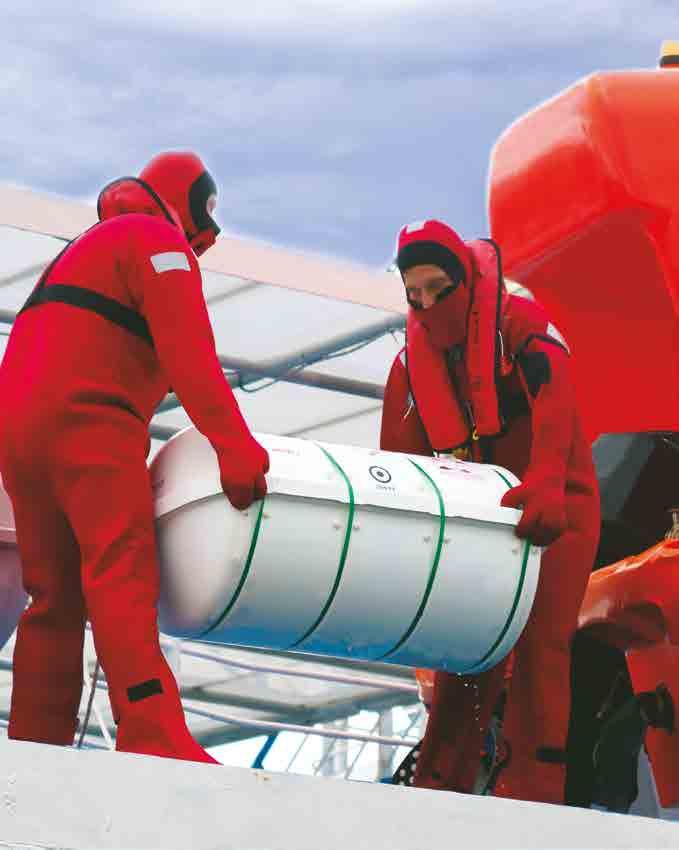
Why proper maintenance and training are critical to the reliability of lifesaving equipment
The discussion around maritime safety often focuses on regulations, certifications and new technologies. While all these elements are undeniably important, experience over the past years has shown that the real challenge lies elsewhere: in the consistent, correct maintenance and operation of lifesaving equipment on board, and in the level of knowledge of the people who are ultimately called to use it.
From a manufacturer’s perspective, staying proactive has become more demanding than ever. The regulatory landscape is continuously evolving, with new requirements, interpretations and local variations adding complexity to compliance. Lifesaving equipment manufacturers are expected not only to follow these developments closely, but also to anticipate future changes and respond with certified, reliable solutions in a timely manner. At the same time, differences in local legislation, enforcement practices and port state control regimes increase the pressure to deliver products and services that perform consistently across the globe.
However, even the most advanced and fully certified equipment cannot deliver safety on its own. Safety performance on board is primarily driven by knowledge. Regular crew training, onboard visual inspections and proper maintenance routines remain some of the most effective practices to ensure that lifesaving equipment will function as intended when it is needed most. These practices also help
By Iasonas Lalizas, Marketing & Communications Director, LALIZAS
crews remain familiar with the condition, location and correct use of the equipment, reducing uncertainty and hesitation in emergency situations.
In recent years, one concerning trend has become increasingly evident: lifesaving appliances are often serviced by providers who are not authorised by the original equipment manufacturer. This frequently leads to the use of non-approved spare parts and maintenance procedures that do not meet the required standards. In the case of lifesaving appliances and fire-fighting equipment, such compromises can have serious consequences. Quality in servicing is as critical as quality in manufacturing, and shipping companies must evaluate their partners not only on cost, but on reliability, authorisation and technical competence. Safety is not a one-off purchase; it is an ongoing process that requires consistency and accountability.
Crew preparedness remains another key factor. Despite improvements across the industry, there is still a noticeable gap in practical knowledge regarding the maintenance and correct operation of lifesaving equipment. Onboard training
sessions, refresher courses and a culture that encourages questions and continuous learning are essential. Seafarers operate in an environment where human lives are exposed to risk on a daily basis, and empowering them with the right knowledge is one of the most effective ways to enhance safety outcomes.
Maintenance and inspection practices also require a stronger, more collective approach. Authorised servicing by certified technicians should be the norm, not the exception. Compliance should not be treated as a box-ticking exercise, but as part of a broader safety culture that involves ship operators, crews, service providers and manufacturers alike. Doing the bare minimum to meet regulatory requirements is not enough when it comes to lifesaving equipment.
Encouragingly, the industry has made steady progress in recent years, with more shipping companies investing in structured safety processes and working more closely with manufacturers to strengthen onboard safety standards. At the same time, the growing demand for training and knowledge-sharing initiatives highlights a broader shift towards a more mature safety culture, where compliance is combined with understanding and preparedness.
Within this evolving landscape, the role of manufacturers extends well beyond the supply of certified equipment. At LALIZAS, emphasis is placed on supporting shipping companies and crews throughout the full lifecycle of lifesaving and fire-fighting systems — from regulatory awareness and product selection to training, documentation and long-term operational support. A recent example of this approach was the Maritime Safety Summit 2025, hosted by LALIZAS on Aegina Island, which brought together shipowners, managers, classification
societies and industry stakeholders to address upcoming IMO regulatory changes affecting foam firefighting systems.
The two-day summit focused on the new IMO resolution MSC 532(107), which introduces the prohibition of PFOS- and PFOA-based materials in fixed and portable firefighting systems, with compliance becoming mandatory from 2026. Through open discussion and technical presentations, participants gained practical insight into the regulatory framework, its implications for vessels in operation and the available pathways to compliance. Such initiatives reflect the industry’s need not only for compliant products, but for clarity, guidance and informed decisionmaking.
Ultimately, effective safety management relies on cooperation with manufacturers that combine global reach with technical expertise and authorised service networks. Through certified equipment, dedicated training solutions, clear technical guidance and a worldwide network of approved service stations, LALIZAS aims to help operators maintain readiness and ensure that crews are properly equipped and prepared. Because at the end of the day, safety is not defined solely by regulations or products, but by how well people understand, maintain and rely on the equipment designed to protect them. l
Finance
The role of AI in seafarer payroll: Ensuring data, compliance and trust all meet
By Gary Henderson, CEO of activpayroll
Seafarer Payroll is different. Coming from an oil and gas background in Aberdeen, moving into shipping felt like a natural progression. Both industries are global, highly regulated, and operationally complex. What I didn’t fully appreciate at the outset was just how exposed that complexity becomes when it reaches seafarer payroll.
From the outside, payroll can look like a largely administrative process. In reality, within a ship management environment, it sits at the intersection of operations, data, regulation, and human impact. It is often where small decisions made elsewhere in the business surface as very real problems.
I first saw this up close earlier in my career while working on a large-scale transition programme affecting more than 10,000 seafarers. Fragmented data, manual processes, and differing interpretations of agreements were part of everyday life. When things went wrong, the consequences weren’t theoretical and they were felt immediately by crew and their families. That experience shaped how I think about payroll to this day.
Data Is the hard part
Technology has undoubtedly improved seafarer payroll. Crew management systems are more capable, connectivity between ship and shore is better, and automation has reduced a significant amount of manual effort. Calculations that once took days can now be completed in hours.
But while systems have moved on, the underlying complexity often hasn’t.
In many organisations, payroll still depends on information flowing from multiple systems and teams that were never designed to operate as one. Automation makes calculations faster, but it doesn’t resolve ambiguity in the data feeding those calculations. In some cases, faster processing simply means issues surface sooner, not that they are avoided.
Over time, one lesson has become increasingly clear in that payroll accuracy has far less to do with calculation logic than it does with data.
For seafarers, payroll isn’t a back-office process. It’s how families are supported, obligations at home are met, and financial stability is maintained
Seafarer payroll relies on information from many different sources including vessel activity, crewing teams, contracts, voyage plans, allowances, expenses. Some of that data is system-generated, but much of it still relies on spreadsheets, emails, and last-minute updates. That’s understandable in a fast-moving operational environment, but every manual handoff introduces risk.
A crew change updated in one place but missed in another can quickly lead to incorrect payments, backdated corrections, and difficult conversations — often triggered only when a seafarer queries their payslip. In many cases, the first indication something is wrong is a seafarer querying their payslip which is long after the underlying issue has occurred. Many payroll “issues” are really upstream data ownership issues, and treating them as such changes how you approach both accountability and prevention.
When compliance risk builds quietly
Even with clean data, payroll outcomes are rarely uniform. A single payroll run can produce dozens of different outcomes once nationality, flag, contract type, and service location are taken into account. What seems like a
minor detail such as nationality, location, or contract wording can materially alter tax, social security, and reporting obligations, sometimes months or years down the line.
This is also where compliance risk tends to emerge, often quietly.
In my experience, compliance risk in seafarer payroll rarely originates within payroll itself. More often, it develops as an unintended consequence of operational decisions, particularly where vessels operate in specific jurisdictions for longer than originally anticipated.
A common example involves vessels operating in UK waters for extended periods. Crews may be engaged under standard international seafarer contracts, paid correctly, and fully compliant with flag-state requirements. From a payroll and contractual perspective, everything appears in order.
However, prolonged and habitual work in UK waters can alter the employment context. Under UK tax rules, extended presence may trigger personal tax liabilities for seafarers regardless of nationality, alongside employer reporting or secondary obligations. These exposures accumulate gradually as operational patterns evolve.
Ultimately about trust
What makes this particularly challenging is that no single system is designed to flag the risk in isolation. Vessel location data, crewing records, contractual terms, and payroll outputs may each appear compliant when viewed independently. It is only when these data points are considered together, and over time, that the potential exposure becomes visible.
This is a reflection of how compliance risk can emerge across organisational boundaries, reinforcing the importance of ongoing, cross-functional visibility rather than reliance on point-in-time checks.
For seafarers, payroll isn’t a backoffice process. It’s how families are
supported, obligations at home are met, and financial stability is maintained, often across borders and currencies.
When payroll issues arise, the impact is immediate. Unexpected deductions, delayed payments, or retrospective liabilities create anxiety and frustration. Trust can erode quickly, and once lost, it is difficult to rebuild. That erosion often shows up onboard as reduced morale, increased queries, and distraction from operational duties.
Seen through that lens, payroll accuracy become so much more than just a financial or compliance issue, it’s a wellbeing issue.
Looking ahead, the future of seafarer payroll won’t be defined solely by faster systems or more automation. Analytics and AI will undoubtedly help identify anomalies and emerging risks earlier, but they won’t solve the underlying challenges on their own.
The bigger shift is in how organisations think about payroll, who owns the data, how information flows, and how early potential issues are surfaced. Increasingly, payroll needs to move from being a downstream function that reacts to decisions already made, to an upstream partner that helps inform those decisions in the first place.
As employment models evolve and regulatory scrutiny increases, that shift becomes even more important. Getting payroll right is about trust, transparency, and the ability to operate at scale without exposing crews or companies to avoidable risk.
In an industry built on people working far from shore, trust remains one of the most valuable assets a ship manager has. Payroll may not always be visible when it works well, but when it doesn’t, everyone feels it. How an organisation runs payroll often reveals more about its operational discipline than any process map or system diagram. l
Regional Focus
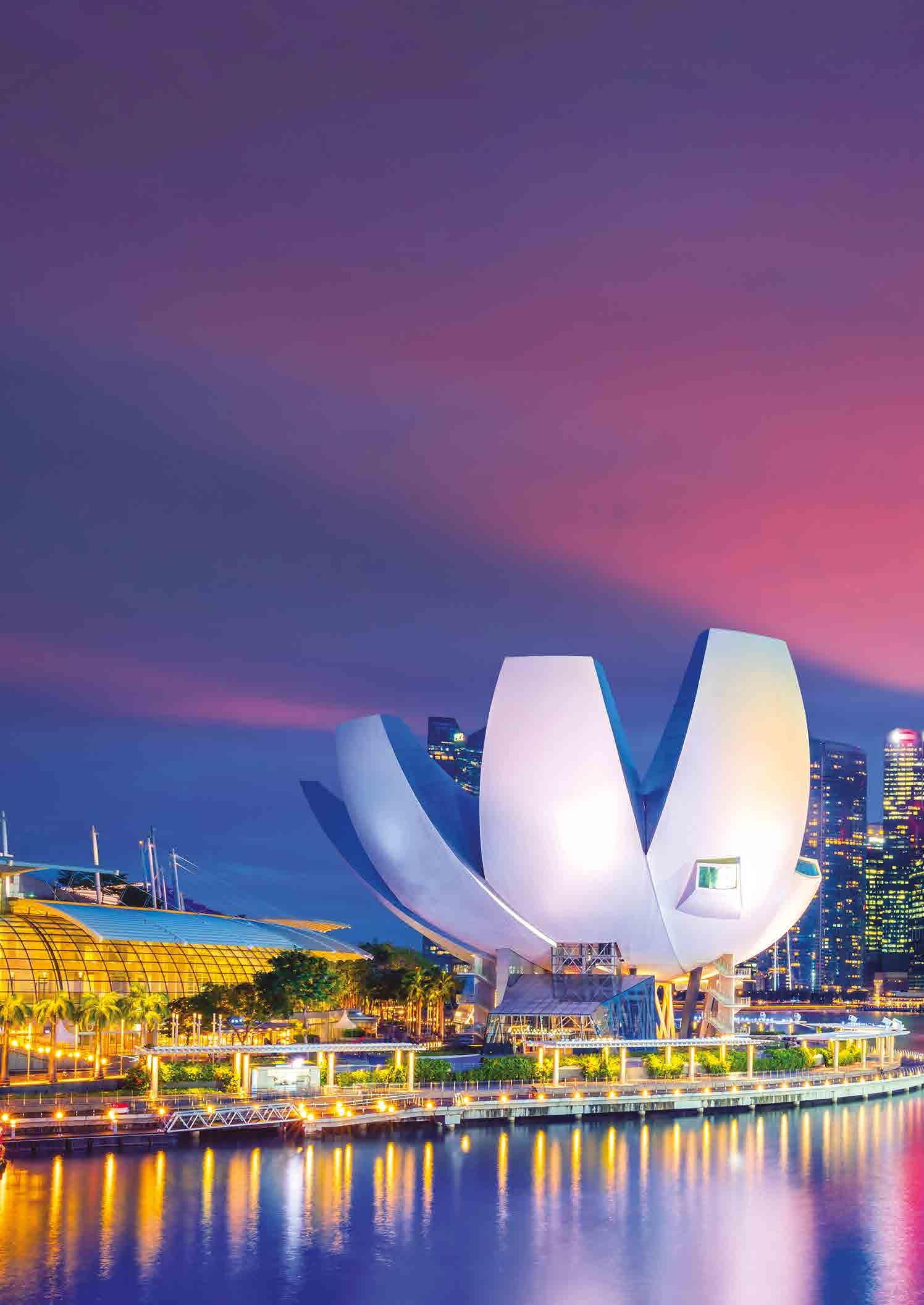
Records tumble at top global maritime hub
Singapore posted record port performance last year of 3.22 billion gross tonnage (GT) of vessel arrivals and 44.66 million TEU of container throughput in 2025 – respectively 3.5% and 8.6% increases from 2024.
Marine fuel sales also hit a new high at 56.77 million tonnes, a 3.4% increase from 2024, with continued growth in the use of alternative marine fuels, which increased to 1.95 million tonnes in 2025 compared to 1.35 million tonnes in 2024.
Singapore-based global terminal operator PSA International Pte Ltd (PSA) handled a record 105 million TEU across its ports and terminals worldwide last year, with overall Group volumes increasing by 5% year-on-year.
PSA’s flagship terminal in Singapore likewise set a new record, registering throughput of 44.5 million TEU (+8%).
In 2025, Singapore established two new Green and Digital Shipping Corridors (GDSCs) with India and the Republic of Korea respectively, and elevated the GDSC with China to the national level, bringing the total to nine. These corridors aim to pilot solutions to enhance the resilience, efficiency and sustainability of global supply chains connecting through Singapore to our partners. Projects planned for 2026 include developing common emissionsreporting protocols, enhancing digital exchanges, and conducting fuel trials along participating routes.
Together with the appointment of a consortium led by Keppel Ltd in October 2025 to undertake front-end engineering design (FEED) studies for ammonia power generation and bunkering, and the award of three methanol bunkering licences in November 2025, these developments represent coordinated steps in readying Singapore as a multi-fuel bunkering hub.
All bunker suppliers in Singapore have implemented digital bunkering as at August 2025, thereby streamlining
bunkering transactions and verifying electronic bunker deliver notes (e-BDNs) through a electronic bunker delivery notes enquiry facility. This has improved productivity and enhanced transparency in bunkering operations, saving up to 40,000 man-days annually in business process efforts.
Singapore further strengthened its position as a leading International Maritime Centre (IMC) in 2025. Over the past year, 35 maritime companies opened or expanded their operations here, bringing the total to more than 200 international shipping groups. Collectively, key maritime companies contributed an estimated annual total business spending of around S$5 billion to our economy, reflecting the depth and diversity of Singapore’s maritime ecosystem. Singapore also retained its top ranking in the Xinhua-Baltic International Shipping Centre Development Index.
The Singapore Registry of Ships (SRS) closed 2025 with a record 137.46 million GT, an increase of about 27% from 2024, becoming the fourth largest ship registry in the world. l
‘Partnerships’ the watchword of new MPA Chief Executive
Mr Ang succeeded Mr Teo Eng Dih, who moved over to take up the role of Deputy Secretary (Special Duties) at the Ministry of Transport (MOT), in June 2025. He had previously served as Assistant Chief Executive (International) of the Infocomm Media Development Authority, where notably he helped grow of Singapore’s network of digital economy partnerships and expanded regional collaboration through platforms like the Asean Digital Ministers’ Meeting, Forum of Small States and Asia Tech x Singapore.
Collaboration is likely to prove a defining characteristic of Mr Ang’s tenure as head of the MPA as well, as outlined in some of his keynote speeches to date.
Addressing the Singapore Registry of Ships (SRS) Forum 2025 last October, Mr Ang said: “This year’s theme, ‘Navigating Change with Partnership and Collaboration’,is extremely timely. The maritime industry continues to face a dynamic and complex operating environment. We are dealing with geopolitical shifts, evolving compliance regimes, technological disruptions, and the urgent call for decarbonisation. In such times, our ability to work together - with trust, transparency, and shared purpose - is crucial to carry us forward.
“The SRS has always stood for quality, credibility, and progressive governance. Our strength lies in the high standards we uphold, and also the partnerships we build. We work closely with [Singapore flag operators] to support shipowners through fleet transitions, with class societies on audits and compliance, and with local and international stakeholders on safety and
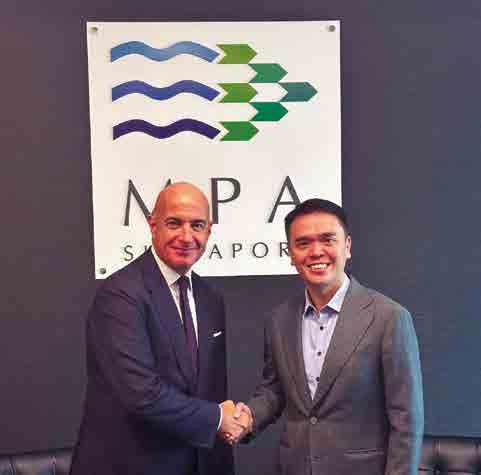
Nine months on from taking up his post as new Chief Executive of the Maritime & Port Authority of Singapore (MPA), Mr Ang Wee Keong has already made clear his vision for the future of what is regularly ranked as the world’s leading International Maritime Centre.
decarbonisation. We believe that meaningful progress is always built together.”
The MPA Chief Executive returned to theme of joint action when addressing how to combat regional piracy in a speech at the 17th Nautical Forum of the Regional Cooperation Agreement on Combating Piracy and Armed Robbery against Ships in Asia (ReCAAP) held in Singapore this January .
“Singapore takes a serious view on piracy and sea robbery,” he said. “Such threats endanger seafarers, undermine the safety of vital sea lines of communication, and disrupt the flow of global trade. Recognising these risks, Singapore has long supported collective and practical efforts to strengthen maritime security. Singapore was amongst the founding members of the ReCAAP, which entered into force in 2006.
Sea robberies in the Straits of Malacca are a continuing problem, Last year, 108 incidents were reported to have taken place there, an increase of 74% over 2024. “On Singapore’s end, we have implemented a variety of measures to raise awareness, strengthen vigilance, and enhance regional cooperation,” Mr Ang related
He concluded: “Piracy and sea robbery is a transboundary issue that requires a collective and coordinated response from all stakeholders. At a time when multilateralism is increasingly under strain, it is more important than ever for like-minded governments to remain committed to working together, in partnership with industry stakeholders, to protect our seafarers, sea lines of communication, and the uninterrupted flow of global trade. Singapore remains firmly committed to this endeavour.” l
Mr Ang Wee Keong (right) with Italian Ambassador to Singapore
ONE road to sustainability
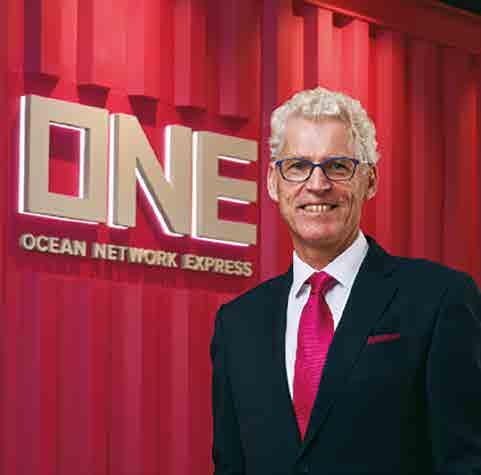
By Jeremy Nixon, Chief Executive Officer of Ocean Network Express (ONE)
From day one, ONE’s mission has been to grow as a sustainable, profitable and resilient organisation, built on trust and excellence in service delivery. We remain deeply committed to sustainability and take pride in the progress we make year on year.
The past year has been a defining one for the shipping industry and for ONE. Despite challenges posed by geopolitical uncertainty and economic volatility, momentum toward decarbonisation accelerated, driven by evolving IMO and EU regulations. These developments validate the course we have set in our ONE 2030 Vision and Corporate Plan, where sustainability is not an add-on, but a core business imperative.
With the IMO’s new Net-Zero Framework setting binding limits and fuel standards, ONE continues to invest responsibly in future-ready ships, systems, and terminals. We have prioritised dual-fuel vessels, operational efficiency enhancements like bow windshields, and digital routing tools that reduce fuel use and enhance voyage safety.
In support of our customers’ climate goals, we launched ONE LEAF+, our flagship green shipping solution, which uses low-emission fuels and third-party verified carbon reduction certificates to support Scope 3 emissions tracking.
Retrofitting our existing fleet remains a focus, with energy-saving devices and exploration of alternative fuel technologies like ammonia-ready vessels. These initiatives are part of our broader commitment to raise the bar for environmental standards in the industry.
Sustainability extends beyond emissions to include safety, security, and quality. We continue to invest in digital innovation to enhance cargo safety and reduce risks. Our Global Ocean Routing Advisory team uses AIdriven weather analysis to optimise voyages, and we have adopted recommendations from the Maritime Research Institute Netherlands container safety study to reduce container loss.
Our achievements are made possible by our talented and dedicated global workforce. We are building a values-driven
culture that attracts and nurtures the next generation of maritime leaders. This includes investment in career development, leadership pathways, and sustainability-aligned skills.
In 2024, ONE was named one of Singapore’s Best Employers by The Straits Times. We also signed an MOU with the Singapore Maritime Foundation to support scholarships and internships, reinforcing our role in shaping the future of the maritime industry.
Collaborating for collective impact
We recognise that no one can solve maritime challenges alone. Through active participation in global platforms such as the World Shipping Council and Global Centre for Maritime Decarbonisation, we contribute to pilots and initiatives on fuel standards, operational best practices, and climate innovation.
We also launched ONESEA Solutions Pte Ltd., our ship management joint venture with Seaspan Corporation. This new platform integrates technical oversight, crewing excellence, and safety management, laying the foundation for long-term operational and sustainability performance.
While safety remains our top priority, we are equally focused on accelerating decarbonisation. Our path forward lies in the trio of smart ships, smart operations, and smart people. This means designing the most efficient vessels, using live data to support real-time voyage optimisation, and empowering our people with the tools and skills to lead the transition, anchored in strong governance.
As we navigate future challenges, we are encouraged by the collective momentum across the maritime sector. At ONE, we will continue to harness innovation and collaboration to deliver on our purpose - minimising harm, creating value for people and the planet, and leading with integrity in the journey toward sustainable shipping. l
Lisa Holum, Chief Operating Officer Asia, OSM Thome 2 mins with ...
Q) Please describe the strategic importance of Asia and Singapore within the OSM Thome Group.
Asia is central to OSM Thome’s strategy, with Singapore serving as our key regional anchor. Its strong maritime heritage, strategic location and robust operating environment make it an ideal base for connecting with and expanding into high-growth Asian markets. Singapore’s time-zone position also enables smooth collaboration with Europe, supporting truly round-the-clock client service. This blend of regional reach and global connectivity makes Singapore vital to our long-term growth.
Singapore remains one of our most important operational centres with key staff support from India, Indonesia and China for Asia. The office focuses primarily on technical management, marine services, compliance and client support, ensuring smooth and efficient vessel oversight for our regional and global customers.
Q) Have your activities in Singapore been affected by the geopolitical uncertainties of late?
Our global scale and robust network have allowed us to navigate recent geopolitical uncertainties with resilience. We have continued delivering uninterrupted, high-quality services while strengthening our risk-management approach and supporting clients through fluctuating market conditions.
Q) How is the Singapore office contributing to overall Group goals such as decarbonisation, gender equality and improved seafarer training/wellbeing?
On decarbonisation, we are supported by EVIGO, an OSM Thome company dedicated to advancing green maritime solutions and reducing the shipping industry’s greenhouse gas (GHG) footprint. We promote gender equality through fair, merit-based career progression and negligible gender pay gaps. To enhance seafarer wellbeing, our own in-house Nordic Medical Clinic provides comprehensive medical support, including ongoing care and 24/7 access to psychological counselling for crew at sea.
Q) What further developments are planned to increase OSM Thome’s position in Asia?
Asia continues to be one of our strongest engines for growth, and our focus is on delivering solid, reliable and technically excellent ship management. We are strengthening our capabilities in key segments such as VLCCs, LNG and LPG to meet the needs of emerging and future markets. Singapore plays an important role in this development, with seasoned specialists already based here, enabling us to support shipowners with deep expertise and a high standard of technical stewardship across the region.
Q) How do you rate the importance of Singapore Maritime Week and what will be your involvement this year?
Singapore Maritime Week is an important platform for the global maritime community, and its 20th edition in 2026 makes it particularly significant. It provides a valuable opportunity for industry leaders, partners, and policymakers to connect and shape the future of maritime. OSM Thome is proud to host our own stand at SMW and looks forward to engaging with customers and partners, strengthening relationships, and exploring new collaborations throughout the week.
Q) Do you have any other points you would like to bring to share with SMI readers?
OSM Thome stands on a strong foundation shaped by decades of experience and a transformative merger. With a unified culture and a clear vision – Leading Excellence at Sea – we remain committed to supporting our partners, empowering our people and shaping a more progressive, sustainable maritime future.
with Sikha Singh, Deputy CEO of Executive Group
Q) Please give a brief overview of the size and scope of your company’s business.
When we started in 1998, ESM was very deliberately a boutique ship manager. We focused on doing fewer things properly rather than trying to grow too quickly. Over the years, that foundation has allowed us to expand in a structured way. Today, the Executive Group operates as an integrated maritime ecosystem covering ship management, selective vessel ownership and operations, maritime training, maritime software solutions, Commercial and Chartering , Repair and Supply and technical supervision for shipbuilding and repairs. All work independently but can
We are headquartered in Singapore, with offices across India, Japan, Malaysia, Greece, the Netherlands, the Philippines, the UAE and the United States. Our fleet today is around 200 vessels across dry bulk, tankers, LPG and LNG carriers, including modern dual-fuel and alternative fuel tonnage. We support more than 10,000 seafarers globally. What differentiates us is not simply fleet size. It is the depth of our internal capability. We have invested consistently in training, systems, governance and people. That gives us control over quality as we grow. Our retention rates are above 90 percent, our vetting performance is strong, and we have built a structured pipeline from cadet to senior shore management. Owners who work with us value that stability. In a volatile market, consistency and discipline are what protect asset value and reputation.
Q) Seafarer training seems to be of particular importance. Please describe your training facilities and outcomes.
Training has always been central to our philosophy. We made an early decision that if we wanted to position ourselves as a quality manager, we could not depend entirely on the open market for officers. That is why we established and continue to invest in the Samundra Institute of Maritime Studies in India.
SIMS operates a large residential pre-sea campus in Lonavala and a post-sea training centre in Mumbai. The Lonavala campus includes a ship-in-campus facility that allows cadets to train in a realistic vessel environment before they ever step onboard. We have full mission simulators, engineering laboratories, firefighting facilities including free-fall lifeboat training, and specialised gas tanker simulation capability. The idea was always to train beyond minimum compliance. We want officers who understand not only procedures, but the commercial and reputational consequences of their decisions.
Over 20 years, SIMS has produced more than 5,000 graduates. All are assured onboard training berths within Executive-managed vessels. A significant number are now sailing as officers, and some have moved into shore-based technical roles within the Group. That
SIMS Girl Cadets with Ms Singh
Tree planting at Zila Parishad Takwe
continuity creates cultural alignment across the fleet. For our clients, that translates into stable crews, fewer disruptions and strong inspection performance. Training, for us, is not a marketing statement; it is risk management.
Q) What importance do you place on seafarer welfare and how is this demonstrated onboard?
Seafarer welfare is not a peripheral matter for us. It is part of our operating model. A well-supported crew is safer, more stable and more commercially reliable. We therefore chose to institutionalise welfare rather than treat it as an informal function.
We established ExecutiveCare as a dedicated, multidisciplinary unit covering medical coordination, psychological support, nutrition, and family liaison. It operates independently of day-to-day crewing pressures, which allows it to focus on long-term wellbeing rather than transactional issues.
On mental health, we took a structured approach early. All crew undergo recognised psychometric and stress-tolerance assessments prior to joining, including the 16PF and NEO-FFI inventories. There is also a wellness check upon joining and again prior to sign-off. This creates measurable reference points rather than reactive intervention. Where required, our in-house psychologist engages directly and confidentially.
In addition, we developed the Maritime Wellness Ambassador programme across the fleet. Selected crew members are trained in psychological first aid, enabling early peer-level recognition of stress or behavioural shifts onboard. That builds resilience within the vessel rather than depending solely on shore escalation.
Connectivity is another essential pillar. All Executivemanaged vessels are equipped with reliable high-speed WiFi. For today’s seafarer, professional dignity includes staying connected with family.
We also introduced the OneExecutive digital wellbeing platform to provide structured access to health resources, mental wellness tools and continuous engagement whether at sea or ashore. It ensures that support is not episodic, but continuous.
Our retention rates, which consistently exceed 90 percent, are a reflection of this structured approach. Welfare, for us, is not optics. It is operational risk management at scale. Q) Nutrition appears to be a special focus. Why is diet so important?
Nutrition became a strategic focus when we began analysing long-term health patterns among seafarers. Life at sea can be sedentary, and traditional onboard diets often rely heavily on carbohydrates and repetitive menus. Over time, that impacts alertness, metabolic health and ultimately operational performance.
In 2024, we strengthened ExecutiveCare by appointing an in-house nutritionist. The objective was practical application,
not theory. Our nutritionist works directly with onboard cooks to optimise meal planning within realistic supply constraints. The emphasis is on balanced macronutrients, portion discipline, protein diversity and increased fibre intake using ingredients that are actually available in trading ports. Provision supply to the ships are closely monitored by the nutritionist to ensure appropriate quality and quantity and cutting down wastage.
We also recognise culinary excellence across the fleet and run engagement initiatives such as Shipshape to reinforce a culture of fitness and accountability. Regular communication on diet, exercise and preventive health is shared with all vessels.
The principle is straightforward: professional crews deserve professional health standards. When you view seafarers as long-term assets rather than interchangeable labour, you invest differently. That philosophy underpins our broader premium positioning in the market.
Q) Are you optimistic about the future of seafaring? What needs to be done to attract quality talent?
I am cautiously optimistic. Shipping remains essential to global trade, and technological change is creating new opportunities. However, the industry must adapt its mindset.
Young professionals today compare seafaring not with other maritime roles, but with shore-based careers that offer connectivity, predictability and clear progression. If we want to attract quality individuals, we must provide transparent career pathways, continuous upskilling for alternative fuels and digitalisation, and professional onboard leadership. Mental health and connectivity can no longer be treated as secondary considerations.
Perhaps most importantly, the relationship between owners, managers and crew must be balanced. Commercial pressure is part of business, but it cannot come at the expense of sustainability onboard. Companies that recognise this and invest structurally in their people will be the ones that retain talent and deliver consistent quality.
Q) Do you have any additional points for SMI readers?
One issue I believe deserves more open discussion is the growing gap between commercial expectations and operational reality. The industry has become very efficient at transferring risk down the chain. When cost pressure intensifies without corresponding structural support, it eventually manifests as safety or retention challenges.
Ship managers sit in a pivotal position. We must translate commercial demands into workable operations, and at times we must also advise restraint. Long-term performance is built on disciplined systems and stable crews, not short-term optimisation.
Shipping has always been resilient. Its next phase of resilience will depend on whether we treat seafarers as longterm professionals and invest accordingly. That is the philosophy we have followed, and it has shaped our premium position in the market. l
Synergy holds a steady course
Singapore-based Synergy Marine Group, with over 750 vessels under technical management, is one of the world’s largest ship managers and a recognised leader in dual-fuel and nextgeneration vessel operations. The Group continues to support practical decarbonisation pathways, including biofuel voyages, carbon capture retrofits and fleet modernisation projects, while maintaining strong operational standards across dry, tanker, gas and offshore segments.
Recent milestones reflect this direction. The Japanflagged LNG dual-fuel Newcastlemax ‘SG HORIZON’ marked another step in managing complex, fuel-flexible tonnage. In February 2026, Synergy assumed technical management of LNG dual-fuel boxships ‘YM WILLPOWER’ and ‘YM WORTHINESS’ for Yang Ming Marine Transport Corporation, deepening a partnership built around modern, lower-emission container vessels.
Jesper Kristensen was appointed Group CEO in March 2025. Nearly a year into his tenure, the focus has been on execution, clarity of priorities and sustaining performance at scale. During this period, the ship management leadership structure was reinforced with the appointment of Vikas Trivedi as Co-CEO – Ship Management, joining Ajay Chaudhry in overseeing global operations. Trivedi leads the Tanker and Gas Carrier portfolio, while Chaudhry continues to head the Dry division.
“Our priority is consistency,” says Ajay Chaudhry, Co-CEO – Ship Management (pictured below, left). “Shipowners want reliability, transparency and technical depth. Our responsibility is to ensure that the work done ashore translates into dependable performance at sea.”
Vikas Trivedi (right) adds: “The energy transition is reshaping how vessels are designed and operated. Dual-fuel propulsion, alternative fuels and tighter regulation demand strong systems and wellprepared crews. Ship management today is about protecting both the asset and the people who operate it.”
While the industry continues to reflect on the ‘M/V DALI’ incident in March 2024, Synergy has cooperated fully with US authorities throughout the investigative
process. The findings of the National Transportation Safety Board are now in the public domain and noted that the crew acted promptly under exceptionally difficult circumstances, and that Synergy Marine’s Safety Management System exceeded IMO requirements. The company remains focused on learning from the recommendations issued and strengthening safety practices further.
Investment in people remains central to Synergy’s model. The Group employs approximately 29,000 seafarers globally and continues to prioritise training, leadership development and welfare, particularly as digitalisation and decarbonisation introduce new operational demands.
“As complexity increases, the operating environment becomes more demanding,” Kristensen noted recently. “Technology must support judgement, not replace it. Training, leadership and professional standards remain central to safety and performance.”
Digitalisation continues to be an active area of focus. Synergy is expanding the use of fleet performance data, structured analytics and decision-support tools that give owners clearer visibility while supporting crews onboard. Artificial Intelligence (AI) is being assessed carefully, with attention to safety, maintenance planning and knowledge sharing.
In Offshore, Synergy has expanded its presence across the Middle East and the Far East. The Group has recently signed a Ship Management Agreement for a cable-laying vessel in Taiwan, with delivery scheduled in March 2026, strengthening its position in specialised offshore tonnage.
As maritime moves through a period of significant change, Synergy says its approach remains clear: capable people, sound systems and long-term partnerships built on trust. l
Singapore plays key role in Asia for Columbia Group
Columbia Group’s activities across Asia cover ship management, crewing, technical, commercial and operational support services, writes its CEO, Asia Region, Demetris Chrysostomou. These activities are delivered through a network of offices positioned to support fleet growth, client needs and access to skilled maritime professionals. Singapore acts as the coordination point for these regional activities, linking Asia with the Group headquarters in Cyprus.
The Group continues to expand its presence through the growth of Columbia Shipmanagement (CSM) operations in Singapore and Shanghai, the establishment of CSM India in Mumbai as a regional support hub, and the continued development of CSM Manila. Representative offices in South Korea, Taiwan and Japan further support regional engagement. Together, these developments reflect a clear Asia strategy centred on scalable growth and meeting increasing shipowner demand.
Columbia Shipmanagement Singapore currently employs approximately 70 staff managing a fleet of 70 plus vessels together with Columbia Shipmanagement Shanghai as a branch office of Singapore with approximately 20 staff and growing. Singapore and Shanghai provide full management services as well as crew management services for all types of wet and dry cargo vessels as well as support to COLUMBIA cruise services on cruise and CSM Energy on offshore projects in Asia.
I have been CEO, Asia Region, since 2025 with
responsibility for all Columbia offices and activities across Asia. Previously I have held multiple operational and commercial roles within the Group, including serving as Managing Director of Columbia’s Singapore Office from 2007 to 2013.
CSM’s Asian footprint is organised around distinct but complementary regional hubs, each aligned to local strengths. The Philippines office plays a key role in supporting ship management operations as well as broader group activities, while the Mumbai office has been established recently to deliver a comprehensive range of ship management and operational support services. Singapore’s role is focused on regional leadership and coordination, ensuring alignment and effective collaboration across all Asian locations.
Singapore offers key advantages for ship management activities, including access to skilled maritime talent, a stable and transparent regulatory environment, strong digital connectivity and effective time-zone coverage for Asia-wide operations, supported by a mature maritime ecosystem.
While other centres such as Shanghai, Hong Kong and Dubai each have their own strengths, Singapore’s balance of operational reliability and regional reach remains attractive. Continued government support in areas such as maritime talent development, digitalisation and decarbonisation initiatives would further enhance the sector’s long-term growth potential. l
Singapore - an ideal base for deep-tech companies
An
SMI interview with Joy Basu, CEO of Smart Ship Hub
What are the advantages of having Singapore as a base for technology companies such as Smart Ship Hub?
Singapore offers a highly strategic and enabling environment for technology companies, particularly deeptech and innovation-driven organisations such as Smart Ship Hub.
Firstly, Singapore is globally recognised for its strong corporate governance framework. The regulatory environment is transparent, efficient, and businessfriendly, with most administrative processes fully digitised and supported by prompt response times. Government agencies and industry bodies work in close coordination, providing agile support mechanisms, grants, incentives, and structured programs that accelerate business growth and innovation. This creates a stable and predictable environment for scaling technology ventures.
Secondly, Singapore hosts a significant presence of leading global and regional technology companies. This concentration of established players contributes to a strong and accessible talent pool across engineering,
product development, AI, maritime technology, and digital transformation domains. The ecosystem naturally attracts skilled professionals and fosters collaboration, partnerships, and knowledge exchange.
In addition, Singapore’s workforce stability is a notable advantage. Compared to larger markets such as India or China, where rapid market expansion often results in higher attrition rates, Singapore demonstrates stronger employee retention and work culture continuity. This stability enables technology companies to build long-term institutional knowledge and maintain consistent innovation momentum.
Singapore is also one of the world’s most advanced ecosystems in terms of technology adoption and experimentation. The country actively supports pilot programs, proof-of-concept initiatives, and disruptive innovation. Overall, Singapore combines regulatory excellence, ecosystem maturity, talent availability, innovation readiness, and regional connectivity, making it an exceptionally strong base for technology companies such as Smart Ship Hub.
What will ‘best-in-class’ maritime operations in Singapore look like in 5–10 years?
Singapore stands out as the only global hub where a critical mass of maritime and technology providers operate within a single, highly integrated ecosystem. This concentration is reinforced by worldclass trade events, governmentbacked disruptive technology trials, and a rapidly expanding R&D landscape that accelerates innovation from concept to commercialisation.
The Port of Singapore is on track to become the world’s smartest port, digitally and operationally, setting new benchmarks for efficiency and connectivity. Across the maritime ecosystem, owners, operators, and charterers are increasingly leveraging high-frequency sensor data, consolidating enterprise data into centralized repositories, and deploying AI-driven solutions. Organisations are transitioning from human-centric workflows to agentic AI models, with companies like Smart Ship Hub already piloting AI across multiple operational processes.
Data consolidation into contextspecific shared pools is enabling deeper insights, predictive intelligence, and improved decisionmaking. Future-ready maritime companies will embed Generative AI and Agentic AI across chartering, commercial, technical, procurement, and vessel–shore communications, significantly enhancing productivity. A connected platform linking vessels, ports, insurers, and manufacturers will streamline coordination, reduce turnaround times, improve risk underwriting, optimize ETA planning, and ultimately lower carbon emissions.
How does Singapore ensure safety standards keep pace with new technologies?
Singapore maintains one of the most rigorous and consistently
enforced safety and regulatory frameworks in the world. Its approach combines strict oversight with proactive adaptation to emerging technologies, ensuring that innovation does not outpace governance. Regulatory bodies work closely with industry stakeholders to update standards in parallel with technological advancement, particularly in highimpact sectors such as maritime and digital infrastructure.
In the area of cyber resilience, Singapore has implemented robust cybersecurity regulations and monitoring mechanisms to safeguard critical systems. This is especially important as maritime operations and port ecosystems become increasingly digitized and interconnected. Clear compliance requirements, regular audits, and strong enforcement ensure that cyber risk management evolves alongside technological complexity.
Are there any developments in the pipeline for Smart Ship Hub you can discuss?
Smart Ship Hub (SSH) is making significant investments in building a fully connected ships ecosystem powered by high-frequency sensor data. A key priority is expanding the number of vessels globally
managed under SSH’s digital network, strengthening real-time visibility and operational intelligence across fleets.
With increasing onboard bandwidth, growing regulatory focus on data transparency, and heightened rigor around emissions reporting, ship owners, operators, and charterers are seeking smarter ways to optimise workflows and improve efficiency. SSH is responding by extending its onboard data collection gateway to thousands of vessels through a network of strategic partners. The platform enables stakeholders to manage vessel performance, machinery health, cargo operations, fuel consumption, voyage optimization, and condition-based procurement, driven by sensor-backed insights and KPI-focused dashboards.
In parallel, SSH has transitioned multiple workflows to Agentic AI models, with high-quality operational data feeding into its generative AI engine. This allows organisations to extract measurable value from their data, detect anomalies, identify cost leakages, and enhance decision-making precision.
Most importantly, SSH continues to evolve into a fully enterprise-grade digital platform, designed to meet comprehensive operational, technical, and commercial requirements within a single, integrated ecosystem. l
ISWAN granted consultative status at IMO
The International Seafarers’ Welfare and Assistance Network (ISWAN) is delighted to announce that it has been granted consultative status by the International Maritime Organization (IMO).
This recognition marks a significant milestone in ISWAN’s mission to champion the health, wellbeing and safety of seafarers worldwide. ISWAN’s application was approved by the 34th Assembly of the IMO, held in December 2025.
“This achievement gives ISWAN a seat at the table where global maritime policy is shaped,” said Simon Grainge (pictured, centre right), Chief Executive at ISWAN. “We will use this opportunity to lend our voice to those other champions of seafarer welfare already present, advocating for a safer, fairer and more inclusive maritime sector for the men and women who keep world trade moving.” l
International Propeller Club of Norway celebrates first gala dinner
The new Norwegian branch of the International Propeller Club (IPC) hosted its first New Year Gala Dinner in Oslo at end-January. The event raised over Nkr140,000 (approx. US$15,000) for the Norwegian organisation Windjammer dedicated to helping young people find purpose by experiencing life at sea.
The prestigious black-tie event, supported by ABS, featured a charity raffle as well as a call for additional pledges to join an initial generous donation of Nkr10,000 from Justnes Rederi.
“This was truly an unforgettable evening of celebration, generosity and impact,” said Dr. Sinem Ogis (pictured, right)), Founder and President of IPC Norway, formed during last year’s Nor-Shipping.
Costis J. Frangoulis (left), President of the IPC of the US and CEO of Franman, added: “This is what the Propeller Club is all about – people, connection, and a shared passion for our industry.” l
Jamaica holds National Stakeholder Workshop on alternative fuels
The Maritime Authority of Jamaica (MAJ), in collaboration with the IMO, recently held a National Stakeholder Workshop exploring Jamaica’s potential role in the supply and demand of alternative marine fuels as global shipping transitions towards low and zero carbon energy.
The workshop formed part of an IMO GreenVoyage2050 supported study and brought together public and private sector stakeholders to examine market demand, supply potential, infrastructure readiness, regulatory considerations and investment priorities.
MAJ Director General Bertrand Smith said: “For Jamaica, the current pause in the adoption of the IMO Net Zero Framework presents an opportunity. It gives us the space to assess the economic impact on our shipping industry and the wider economy, and to carry out studies like this Alternative Fuel Study so we are ready to take advantage of the benefits that will come with the decarbonisation of shipping.” Jamaica’s strategic position in the Caribbean is thought to bode well for its potential as a hub for alternative fuel supply, the workshop concluded. l
Angad Banga takes over as Group CEO at Caravel
As part of a planned succession strategy, The Caravel Group has appointed Angad Banga JP (pictured, left) as Group CEO, with father Dr Harry S. Banga (right), the Group’s founder, remaining Executive Chairman.
Angad will have responsibility for the performance of the Group’s three core divisions - Caravel Maritime (including Fleet Management Limited), Caravel Resources and Caravel Asset Management - as well as leading capital allocation, strategy and investments across the Caravel enterprise. He also recently served as Chairman of the Hong Kong Shipowners Association (2023–2025).
Caravel subsidiary Fleet Management Limited will continue to benefit from the continued leadership of both Dr Banga and Angad Banga to guide strategy and governance. Other members of its Board of Directors are Fleet’s CEO Capt. Raja Subramaniam, Executive Director of the Personnel Division Capt. Soma Nair, and Managing Director Emeritus Dr Kishore Rajvanshy. l
Anglo-Eastern Univan Group hosted its landmark annual two-day crew conference in Manila in mid-February, bringing together approximately 600 Filipino officers and ratings, valued clients, and senior leaders from across the globe.
The event showcased Anglo-Eastern’s evolving capabilities and its ongoing commitment to partners and seafarers from the Philippines, where it has been present for nearly 40 years. The event’s theme was ‘Delivering Excellence’ fused with local inspiration from ‘the Balangay’, the Philippines oldest seafaring vessel.
Kicking off the main event at the Grand Hyatt Manila, Bjorn Hojgaard, Anglo-Eastern’s CEO, remarked: “While the world changes, the fundamentals of good shipping do not change. Our focus remains the same – prepare people as much as ships.” He highlighted responsibility to the oceans, as well as the Group’s aspiration for a zero-detention fleet as a mark of “discipline for safety’s sake.” l
DP World Foundation expands education access in Senegal
DP World Foundation, the philanthropic arm of global ports and logistics giant DP World, has completed a major education initiative in Senegal supporting more than 1,300 students in the municipalities surrounding the new Port of Ndayane. The programme strengthens the Foundation’s long-term commitment to improving access to quality learning environments across Senegal.
As part of its broader community investment in the country, the Foundation renovated three schools, built new libraries, provided classroom furniture, and distributed back-to-school kits to students in Popenguine-Ndayane, Yenne, and Kholpa (Commune of Diass).
DP World is currently developing the Port of Ndayane, the largest single private investment in Senegal’s history, to create new economic opportunities for the region and deepen Senegal’s role as a West African logistics hub. Construction is currently underway. l
Cabotage
Cabotage is on the increase with 105 countries taking it up
Cabotage has spread to 105 States around the world and today has heightened and growing geopolitical significance, says SRI.
This is just one of the findings in the second edition of Cabotage Laws of the World, published by SRI and co-authored by Deirdre Fitzpatrick CEO of SRI and Emeritus Professor Hilton Staniland. The authors found that cabotage has spread in several regions of the world, including West Africa, East Africa, the Horn of Africa, the Middle East, Central America, the Pacific Ocean and the Caribbean Sea; and that cabotage now exists along the coastlines of approximately 85% of the world and extends into more offshore zones.
As Professor Staniland stressed: “No single reason explains the spread of cabotage but it does appear that when States decide to introduce
cabotage, they pay particular attention to the number of States that already have cabotage.”
Professor Staniland anticipates more cabotage changes: “There have been momentous changes since the first edition of Cabotage Laws of the World in 2018. These include Covid-19; geopolitical tensions disrupting shipping; changing trading tariffs; and the emergence of new cabotage trades, routes and activities. Cabotage changes are now occurring almost constantly, driven hard it appears by a collection of complex geopolitical issues.”
David Heindel, President of the Seafarers International Union (SIU) of North America and Chairman of the Seafarers’ Section of the ITF said
that when the first edition of this Report was released in 2018 with its headline finding that cabotage exists in 91 countries, “it stood as one of the most comprehensive examinations of global cabotage policies and laws ever undertaken. It quickly became a key reference point in national debates. It is hugely significant that only seven years later, the number of countries found to have cabotage laws has now increased to 105.
“Good policy,” he continued, “depends on facts and this publication provides an objective, independent and fact-based account of global cabotage today. It is my hope that this second edition will serve as a valuable resource to policymakers, industry stakeholders, and unions alike
Prof Hilton Staniland Deirdre Fitzpatrick
as we work together to strengthen protections for seafarers worldwide.”
And speaking of seafarers and cabotage, Jacqueline Smith, Maritime Coordinator of the ITF, says that the publication demonstrates that “a majority of States regulate the employment of seafarers in their cabotage voyages and trades and that the reservation of jobs for national seafarers is a very common requirement, sometimes requiring that national vessels are wholly crewed by national seafarers. Cabotage laws may also provide for minimum wages. And minimum wages may also be required in offshore zones even though this requirement may not be part of traditional cabotage laws. All this helps to ensure that seafarers get treated decently and shipowners compete fairly.”
Chris Given, President of the SIU of Canada and Chair of the ITF Cabotage Taskforce, says: “The fact that in 2025 there are 105 States with cabotage is remarkable. It shows that the argument for cabotage is being won in many countries. This Report provides governments and policy makers with many examples of programmes and strategies from around the world that demonstrate how effective implementation of national shipping policies can help safeguard a country’s control over its supply chains and ability to support its people. The benefits of cabotage are universal and domestic maritime shipping is an essential component of a state’s strategic infrastructure and the protection of its national security.”
The updated Report is attracting further international interest and comment. Stephen Cotton, General Secretary of the ITF, has welcomed the findings saying: “There are multiple reasons why more States are now seeing the benefits of cabotage laws, and just a few of these benefits include increasing the resilience of their
international supply chains, the security of their coastlines, the establishment of strategic fleets, and the recruitment, training and reskilling of national seafarers. In times of crisis if there is no cabotage there is no resilience; and in times of war if there is no cabotage there are no merchant ships to assist naval assets. So, States should ask themselves whether they can afford to run the risk of not having cabotage.”
Cabotage has a long history in maritime law, influenced by national politics and priorities. Traditionally, countries have used it to protect national seafarer jobs and ensure security, not just for economic reasons. Debate has intensified post-COVID-19 on the importance of national-flag vessels versus open-border shipping. About 140 countries with coastlines could implement cabotage out of a total of 193 UN member states. And cabotage requirements differ: ownership, flag, crew, and construction criteria, while waiver systems allow flexibility –countries may relax or tighten cabotage rules over time.
In the first edition of Cabotage Laws of the World published in 2018, it was observed that cabotage policies and laws have evolved over centuries and it was anticipated that cabotage policies and laws would be subject to further change.
The sheer speed and scope of the changes were not however fully anticipated. Many new cabotage laws have now been brought into force. In 2018, there were 91 States with cabotage. In 2025, there are 105 States with cabotage. Cabotage has spread in several regions of the world, including in West Africa, East Africa, in the Horn of Africa, in the Middle East, in Central America, in the Pacific Ocean and in the Caribbean Sea.
Since 2018, more States have extended their cabotage laws beyond
internal waters and the territorial sea to some or all offshore zones and have covered more activities. And also since 2018, a majority of States have regulated the employment of seafarers in their cabotage voyages and trades and required vessels to be wholly or partially crewed. Against this trend it should be mentioned that in some States, cabotage has been liberalised.
The policy objectives underpinning cabotage laws in 2018 have continued with no fixed international hierarchy. However in some significant and major States, cabotage has been used in conjunction with overarching maritime policies to strengthen the position of those States and to contest the emergence of the new global geopolitical order.
Since 2018, there have been constant changes in cabotage policies and laws around the world. Further and faster changes can be anticipated. As the geopolitical order changes more cabotage States are likely to change their cabotage policies and laws. International trading tariffs have changed and are still changing. Trade tariffs are beginning to change the global trading system. New trading routes are likely to lead to changes to the trades and voyages that are regulated by cabotage. Advances in marine scientific research and technology are likely to result in changes to offshore cabotage. The winds of change are also reaching offshore windfarms where cabotage has already begun and is likely to spread much more widely.
What has not changed since 2018 is the unique methodology adopted in the 2025 Report. As before, all the member States of the UN were researched. In 2018, the findings were unique; and they are unique in 2025. l
Crew Travel: AI & Risks
The following is an edited transcript, shortened or summarised in places for reasons of space, of the latest SMI webinar, titled “Crew Travel: AI and Risks’.
Held online in early February 2026, this discussion- featured eminent panellists: Konstantinos (‘Kostas’) Oikonomou, CEO, Marine Tours; Chris Podolsky, General Manager, North America & Global Head of Sales, Global Marine Travel (GMT); Cameron Bengert, Head of Operations, Clyde Travel Management; and George Kyvernitis, Managing Partner, Kyvernitis. Moderator was Sean Moloney, CEO of Elaborate Communications & SMI Publisher.
Sean Moloney
Hello and welcome everybody. Now there’s a lot happening in shipping at the moment, a lot of stresses and pressures that ship owners and charters and managers are going through, and crew are going through as well. I’m sure that is starting to come through in the travel sector too, so I’m going to ask everybody to introduce themselves and say a few introductory words on the subject, beginning with you please, George.
George Kyvernitis
Great! First of all, Sean, thanks for having us. I am George, and Kyvernitis is a significant player into the crew travel marketing industry here in Greece with clients in Greece and abroad. And I think the challenges that we’re currently facing are many. Obviously, technology us one, where few that we speak to can really relate to what technology is or when they when get good technology into the market.
And I think the habits of the market haven’t changed either. Cients are still as demanding as they used to be and still as price sensitive as they used to be. Not much has changed. So patience is needed, as we constantly try to stay active and progressive in how we service our clients, and try to find innovative ways to reach as much value as we can against the existing relationships that they already have or relationships that we are looking to have.
Sean Moloney
Brilliant! Thank you very much, George. A few points here that we’ll be touching on in our discussion in a few minutes. Kostas, you’re next.
Konstantinos Oikonomou
Hello, I’m the CEO of Marine Tours Group. We are a travel management organisation specializing in the marine and offshore sector as well as corporate travel. And our having been in the business for the last 46 years, I’m obviously second generation. And I’m really happy to be here as it’s really educational to see the insights from other market players as well.
With the global marine industry, the big challenge is we don’t know what’s coming next. Geopolitical intervention
With the global marine industry, the big challenge is we don’t know what’s coming next
is something we can only adapt to, it’s not that we can do anything. We don’t know what is going to come to us next.
Secondly, coming to our side, definitely technology and distribution technology is a basic issue. Our suppliers, the airlines, are not making our life easier. Sure, they’re a lot more educated after the COVID period. They have realised the importance of the maritime industry and they have learned a lot as regards what is ‘blue travel’, which has been put on the map. So that’s a good thing, but there are bad things as well. On the one side you have airlines that want to increase their returns, and on the other you have the clients that don’t want
to pay as much. And we’re in the middle, trying to do the best possible at the end of the day.
Finally, I would say AI is a challenge, in the sense that the market may think a lot of it, but maybe it’s not there and it’s not going to do the miracles everybody thinks it is. This is a challenge because I think all of us will have to pay top dollars to adopt AI technologies. But I don’t know how this will be able to be monetised and absorbed by the market, our market.
Sean Moloney
Thank you very much indeed, Kostas. Some very valid points there. Okay, Cameron, could you please introduce yourself and your thoughts on all this would be most welcome.
Cameron Bengert
Thank you, Sean, and thanks for inviting me here today. I’m the Head of Operations at Clyde Travel Management, and I think it’s important that as an industry we stay outward focused. We share many of the same challenges, and if we learn from one another, we can make crew movements easier for everyone. If I break the challenges down into three categories, I would first start with cost control. That’s been mentioned already, but it’s the obvious one. There’s volatility in fares - not just the original ticket, but the last minute crew changes. When we have to make reissues or issue new tickets, everything shifts, and we need to make sure we’re still delivering value for money for the crew. We need to be proactive. If customers are going to ChatGPT to ask how to save money, that tells me we are not in the right place having that conversation. I’d want them to come to us for that expertise. So it’s not just about finding the fare when asked - it’s about helping them make better decisions.
The second category is seafarer wellbeing. We’re hearing a lot more about it, which is a good thing. It’s not just a “nice to have,” because an exhausted crew member turning up to work after a milk run of flights is a risk. We hear first hand of seafarers taking the long route to save fifty pounds - but what’s the actual impact on that individual, and on the success of the crew change?
The third category is process efficiency and technology integration. When you look at logistics today, a lot of it is held together by pure human heroics - spreadsheets, whiteboards, constant handovers. Meanwhile, we live in a world where AI can provide answers and written content in seconds. So the leap we need to make is moving crewing logistics from that manual, high touch environment into something more digital, more integrated, and more reliable.
Sean Moloney
Okay, thank you very much, Cameron. We’ll come on to AI again later in the questions. Chris, if you can please introduce yourself and offer some points of perspective.
Chris Podolsky
Good morning, everybody, and Sean, thank you. I’m Chris Podolsky and I’m Head of Global Sales for Global Marine Travel and I’m General Manager for North America.
I think I agree that growth rate in the industry is something that we’re all running to keep pace with. The current state of play with the geopolitical issues out there, which again puts additional stresses on the governmental side of our business, the visa challenges. And the airlines certainly aren’t doing us any favours with their pricing pressures.
Then I would say one of the things that seems to be changing over the last few years is that there’s a lot of new technology out in the industry right now. And with new technology, quite often ship owners, ship managers, customers use that as an opportunity to re-evaluate their suppliers. Or it may be other suppliers that are bringing the technology toward with the aim of supplanting the existing suppliers and other suppliers within the company.
So adapting to this and ensuring that you have the technology, that you have the tools that you’re able to come with what’s needed to solve these issues that the owners and the ship managers are looking for, I think that’s key. If you’re just sitting waiting for your phone to ring and you get that phone call that says, ‘hey, we’re reevaluating suppliers’, that’s where you’re going to start to understand that you are falling behind.
Sean Moloney
Thanks, Chris. Some valid points there. So we’ve had the introductions and we’re going to jump right in with the questions now. Starting with AI – Kostas, how are you at Kyvernitis utilising AI now to your benefit when you know clients are going to be using it to re-evaluate, as Chris says, their suppliers?
Konstantinos Oikonomou
At the moment. I think we have ‘small heroes’ living in travel organisations, that are fighting to consolidate information prior to offering a quotation. They’re fighting with different and diverse interfaces, which part of the information is there, another part of the information is there, and it has to be consolidated. So, AI has not yet penetrated, let’s say, the investigation technology, although I know for a fact that airlines are using AI for their own revenue systems to increase the revenue yield they
receive from the market. Now, from our side, I think that the sector is in the discovery phase, how we can utilise AI for internal automation as a first step, prior to seeing what we can do for the market, for an end-user interface. I’m using ‘discovery phase’ because I think AI is a super useful technology, but we are all in the discovery phase.
Chris Podolsky
I think we have to recognise that there’s AI in almost every tool we use today, any type of technology or automation tool we use today. It’s in the booking platforms that we’re all using for our customers. With GPT, we’re actually using it quite a bit. As we’re starting to develop, we’re using those tools that will help better with, as Costas mentioned, aggregating content in order to make sure that we’re providing the needs for our customers to consume our full content, when the airlines are parking different fares on their websites. There are different fares in different locations, and it’s important that you’re able to aggregate that in a way that your customers have that choice. But we’re using it for back-office reconciliation work. Our commercial teams are using enterprise AI for KYC (Know Your Customer) functions, background checks, identifying UBOs (Ultimate Beneficial Owners) and sanctions checks. So there’s a lot of ways that it’s being implemented today.
And one thing we have to make sure that we all are aware of, which we’re not, is that the pace of this is frightening, how fast things are moving. So I think technology and datadriven optimisation are key in our industry right now. And as I mentioned earlier, ship owners are investing in new crew planning software that involves all aspects of the journey, travel just being one part of the door-to-deck experience. It’s very good because it’s fully automated from the TMC (Travel Management Company) perspective. But it does put full control of pricing with the owners, which can drive pricing down.
George Kyvernitis
AI is the big thing right now. There are so many investments being done in the space of AI. As a matter of fact, a lot of shipping companies are currently using AI to get results on how they can optimise the way that they process some of the internal operations that they have. And I see that more and more often.
Unfortunately, with the way that the whole content is being distributed to us, we’re left with very limited options, even though we/I personally feel that it’s a one-way road to use AI within the business. So currently we’re using AI to improve the speed and accuracy and basically the
company in internal operations. I think that basically, as a service- oriented company, we have a lot to save from using technology and using AI. And I think that will be a focus of the future. The core rotations. I think that the complexity of the core rotations, the compliance that still requires jurisdictions to be checked based on visas. And the fact that we still have a long way to go until we offer it as an alternative to any of the clients.
And I would like to raise a third point, which I have found a lot over the last couple of year, and I think that has to do not just with AI, but with technology in general. Given that we are a service provider and, as mentioned, we are a middleman here, we find a lot of times that we need to balance between the adaption of technology and that of the client. In a lot of cases, shipping companies do use AI for making their operations smarter. But at the same time, they don’t open the door to connect those systems to the systems that we might have to make the full use of that technology. So there are limitations to that. And I think we are entitled to make a lot of assumptions depending on who the client is and what their technology adaption is.
Cameron Bengert
I’m sure we could spend a long time on this topic alone. AI really is a revolution - an information revolution - and the impact will be on the scale of the major ones that came before it.
It helps to remind myself not to underestimate how adaptable humans are. When COVID hit, we were getting crew around the world while working from home. I started my role from home and didn’t meet any of my colleagues for a couple of years. But we still ran a business, moved crew globally, and navigated situations where countries shut the doors to seafarers on a Friday night and only realised the mistake on Monday morning.
So yes, humans will adapt. The question is: what does AI enhance? For this to be meaningful, you need governance and security in place first. We have to make sure we’re using secure models, that our data and our customers’ data are protected. You need a security and governance framework before people start pasting sensitive information into an AI tool.
Our customers will still look to us for expertise, but expectations will rise. As AI helps automate more of the routine work, clients will expect faster and more complex answers - things like whether it’s less expensive to crew change in one port versus another for specific nationalities.
Those insights will become easier once AI can interact reliably with the data. But again: it needs to be secure, and it needs to be governed.
[The discussion continues – and can be heard in full on www. shipmanagementinternational.com – before concluding…]
Sean Moloney
Well, our time’s up and I want to thank all of you today for what has been a fascinating discussion. There’s a lot happening in the industry and we could have carried on chatting for another hour or so. It’s an exciting time, it really is, and it’s all about being prepared and working with partners to make things turn out the way you want them and as the market wants. Thank you very much indeed everybody for your time today. l
Watch the full Crew Travel Round Table Debate by scanning the QR code on the right >
Crew Travel Round Table Debate
Why efficient crew travel is more essential than ever
By John Harding, Managing Director of Energia Global Travel, part of the OSM Thome Group.
Efficient crew travel is a strategic imperative, as it directly supports safety, operational stability, cost management and crew wellbeing. And in a disrupted world where routes, regulations, and risks can shift overnight, it matters more than ever.
Our skilled marine travel specialists understand port schedules and sign on/off restrictions to enable precise crew travel planning. We offer as a standard, wellstructured itineraries with alternative routing options and swift rebooking when disruptions occur. This level of efficiency strengthens operational resilience, protects costs, ensures compliance and keeps crew welfare at the forefront.
Reliable, well managed crew travel – including clear itineraries, robust support, and contingency plans - has become a key factor in retaining talent during the global crewing shortage. Seafarers increasingly prefer employers who value their time, safety, and wellbeing. A 24/7 support structure across time zones ensures issues are handled the moment they arise. Any issue arising from inefficient processes is exacerbated by the overly bureaucratic and disruptive travel environment we are seeing today.
This is why strategic controls of risk management and close collaboration with Crew, Crew Management and owners is so important. Well-managed crew travel— powered by data insights, scenario planning, and strong airline partnerships—provides management with the visibility and control needed to ensure business continuity, far beyond the role of simple booking & ticketing.
Energia is investing further in digital tools that optimise crew positioning, automate rebooking and integrate risk intelligence. This turns crew travel from a reactive cost center into a proactive capability that stabilises operations in an uncertain world.
Energia’s first year, operating in Singapore, India and Manila, saw expansion into Cyprus, which was a
recognition of the OSM Thome footprint. This provided a solid foundation for the expanding Group’s business whilst maintaining a reliable 24/7 crew travel support, build strong airline and hotel relationships and meet service quality expectations. IATA expansion in the Philippines and early investments in technology further strengthened our capability and efficiency.
Key lessons include the need for agility amid geopolitical disruptions, the importance of real-time communication with clients and crew and the value of accurate data for negotiation and cost control. Challenges faced include inconsistent booking behaviour across countries, an unusually strong demand for hotels and a structured approach to recruitment of talent has proven vital.
To address these, Energia are further streamlining global booking governance to support new policies, accelerating technology investments and ensuring the right people are placed in the right roles to enhance all aspects of our customer needs. We will also deepen partnerships with airlines and hotels and enhance scenario planning to improve risk management and business continuity.
As regards opportunities and challenges faced by the crew travel sector, the former include rising costs and increased expectations around crew well-being and fatigue management. Despite Boeing manufacturing nearly 50 new aircraft per month, there are fewer seats, higher prices and with visa requirements changing constantly, we need to deliver. And deliver is what we do. Data-driven insights, strategic cost management, leveraging automation to streamline operations, improve efficiency and responding quickly to disruptions.
In short, Energia is in a positive vein of development, backed up by the significant strength of our new owner, JP Morgan. We see exciting times ahead for our systems and product offerings. l
Isle of Man: Looking to digitalisation for growth
The following is an edited transcript of the latest SMI round table debate, titled ‘Isle of Man: Looking to digitalisation for growth’, which took place at the end of January.
Capt. Lee Clarke Brendon Kenny Shelley Langan-Newton Joe Robertshaw
Mark Robertshaw
Participants were: Capt. Lee Clarke - Managing Director, Isle of Man Maritime; Brendon Kenny - Business Development Director at Ellanstone; Shelley Langan-NewtonCEO of digital identity verifier SQR and Joe Robertshaw – UX/UI Developer at SQR; Mark Robertshaw - Sales Director, Complexio; Cath Robertshaw - COO at Eyesea, Capt. Kuba Szymanski -Secretary General, InterManager; Lars Ugland - MD of Ugland Marine Holdings; and Catriona Watt - CEO of PDMS. Moderator was Sean Moloney, CEO of Elaborate Communications and Publisher of SMI.
Comments have been shortened or summarised in places for reasons of space. A full recording of the discussion can be found on the SMI website: www.shipmanagementinternational.com
Sean Moloney
Welcome everybody. Can I start by going round the table and asking you to introduce yourself and say a few words about what your organisation does. Lee, let me start with you.
Lee Clarke
Okay, so I’m Lee Clarke and I’m the Managing Director of Isle of Man Maritime. We are a non-for-profit organisation which is basically designed to be a conduit between the maritime sector and government, industry, and new emerging technologies, and a member cluster.
Joe Robertshaw
Hi, I’m Joe and I work for [digital identity verifier] SQR as the UI/UX designer. We’re involved in reusable digital identity and we’re looking to get into the maritime space, in particular for crew management and ship management.
Mark Robertshaw
Hello, I’m Mark Robertshaw, a Sales Director for Complexio. We’re an Artificial Intelligence business, basically making sense of whole company data, very much focused on the shipping sector specifically.
Catriona Watt
Hi, I’m Catriona Watt, CEO of PDMS. We are a local digital services company and been around on the island for 30 years. We cover a lot of domains and spaces, but we’ve a particular focus on maritime. We provide ship registry software and work with a number of maritime organisations.
Brendon Kenny
So I’m Brendon Kenny from Ellanstone. I bring businesses to the island and help them get them established on the Island of Man. I sort of do what the DfE (Isle of Man’s Department for Enterprise) does, but commercially.
Cath Robertshaw Capt. Kuba Szymanski Lars Ugland Catriona Watt Sean Moloney
I’m also working on a maritime research project called ‘AI PASSPORT’ (AI-based digital PlAtform and Service to enhance efficiency and safety for Ships and PORTs), an Innovate UK research project with Liverpool University, John Moore University, Strathclyde University and South Korea. It’s about how we connect ships better to ports and so that we can actually make them more efficient and also technologies which make it safer around the ship, man-overboard technology, etc.
Shelley Langan-Newton
Hi, I’m Shelley Langan-Newton, CEO, co-founder of SQR, so I work with Joe. We help people prove who they say they are, which is obviously huge in terms of seafarers and also passengers and safety at sea. But one of the things that we’re also looking at is ‘should you be where you are, doing what you’re doing?’. So that’s what we’re bringing in in the next couple of months to innovate in the area.
Kuba Szmanski
I’m Kuba, wearing three or maybe four hats here today. So I’ll start with the big one, InterManager, the International Ship Management Association, based in Cyprus. However, I’ve chosen to be here on the Isle of Man and have been here for 35 years, so I‘m managing the Association from the island. I moved the office from Monaco, where my predecessor was, in 2010. It’s an association for ship managers but also crew managers, who take care 90% of all officers and ratings on board ships.
Then my wife and I are also Directors and major shareholders of Ramsey Shipyard here on the Isle of Man, which is practising ‘kind leadership’ with youngsters, something I am very keen on. And what we need here is to retain skills, and train skills. So, we have started also our Ramsey Shipyard Academy now, where we are training people. We started with welding courses, forging courses, blacksmithing, GRP (Glass Reinforced Plastic).
The response from the Isle of Man has been overwhelming and on the first course, 45 students signed up for welding courses. Then I’m also a RYA (Royal Yachting Association) instructor at Douglas Bay Yacht Club, where we do VHF courses and, with the help of Isle of Man Maritime, are able to co-sponsor some of the youth on the island to have a radio license so for local fishermen it will be almost free of charge.
So, that’s the sort of collaboration I’m looking into, and I call it ‘kind leadership’ because we are definitely human-centric in our approach.
Lee Clarke
Just to add on to that, we have a cadet programme, and in my view, it’s one of the most successful cadet programmes in the UK in terms of how we retain people with a 99 percent retention rate. 58 Manx cadets have trained in the last eight years. We’ve actually had only one drop-up and it doesn’t really count because he was retained within the shipping industry and he’s now a crew manager up in Glasgow. We have four apprentices with Isle of Man Steam Packet. And one of the reasons why we do this is that we are creating that maritime skill set here on the island.
And I think it’s a huge success story in terms of what we’re trying to achieve because the natural progression for cadets 20 years ago was that you stayed at sea. Now, it’s that they feed back into the maritime sector in areas like crew management: one of our cadets, he’s just done his master’s, now works at Manx Ocean Crewing down in Port Aaron. And also, a lot of them may not go back to sea, but they’re also looking at future technologies and how that’s going to be driving them. And with that real grounding in the understanding of maritime, we’re able to bring them back to the island.
Kuba Szymanski
I would like just to follow through and say I think the strong point for the Isle of Man is that we are a small community, we know each other. There’s a saying in England ‘It takes a village to raise a child’, and maritime on the Isle of Man is a village and we are able to capture these people.
Catriona Watt
Yes, we work in Isle of Man, we work equally in Scotland and in the UK and overseas but it’s the ease of doing business in the Isle of Man, where you can have access to the politicians, to other people within the business who in turn know people. And we all understand each other’s businesses. That ease of doing business it’s just a huge advantage. And we’ve tried to kind of replicate what we have done in the Isle of Man in Scotland and that’s a lot harder but it’s still easier than doing it in the UK because you still have that ease of access in different networks and people know each other and will help you 100%.
Mark Robertshaw
Yes, people want to move here, they really do. We’re in a great position and the talent pool over here is amazing with regards to the finance sector, the e-gaming sector, the insurance sector. The tech skills on the Isle of Man are significant and at Complexio we employ people globally wherever the talent is. The Isle of Man is a unique position because if you wanted to set up a
business here it’s very tax efficient with zero corporation tax as so you could attract people in the tech and machine learning sector, the digital nomads.
[The discussion continues, with much talk on the advances in digitalisation and AI taking place on the island, as well as the hosting of a Techstars event to help startups this summer and the idea of holding ‘living lab’ workshops for innovation… before Lars Ugland and Cath Robertshaw join ]
Mark Robertshaw
The problem with machine-learning and Artificial Intelligence is that it can be very focused on particular areas and it’s not holistic. You might have one system where artificial intelligence is adopted but it is still isolated from the rest of the company and that’s where the major problem is, that’s what Complexio is solving . It’s about understanding the whole ecosystem of the company and building a living map of how work actually happens in order to create true automations and efficiencies.
Sean Moloney
Lars, what are your thoughts on all this?
Lars Ugland
For me, quality comes very high on the agenda and I think that if the Isle of Man can demonstrate that everything we do on the island is high in quality that will sell, and you might attract more people to come to the island. I very strongly believe that quality sells.
Sean Moloney
I’m very heartened by what I’m hearing today because I’ve been coming every year to the island, whether it’s in person or online, and have been hearing about ship managers moving out or people leaving the island, and now it seems you have an exciting future.
Lee Clarke
It’s so fast moving in the industry at the moment and digitalisation and AI is so big that I think we have to be on this journey. Isle of Man Maritime has to be on this journey, and we progressed from the Isle of Man Shipping Association to this sort of cluster and then we went through the pain point of the loss of the big ship management company.
We still do have ship management, we still have Shell, Doehle (IOM), Manx Ocean Crewing, and boutique crew managers, but we have had to look into what actually is the sell point. And again I think we’ve hit that mark now with the four hubs we have introduced – Digitalisation & AI Hub, Skills & Seafarers
Hub, Superyacht Hub, and Business Hub – and encouraging the member feedback from those four hubs.
Brendon Kenny
I just wanted to get across as well is that the island is continuing to innovate around data, which is the fossil fuel for AI machine learning, and has developed what is called the Data Asset Foundation. We’ve got a couple of pilots happening it’s going to help the island become a real data capital for the world and maritime. The ‘blue economy’ has got an immense amount of data, as you know
Shelley Langan-Newton
I’m going to add on that it’s not just about holding and storing data but our whole business is about safe transfer of data and data sharing. And one of the ways that has to happen is using standards so that we can be as interoperable as possible globally. And obviously being interoperable in maritime is a nonnegotiable because of the digitisation journey that the maritime industry is going on in terms of the STCW and how we can now digitise those certificates.
Lars Ugland
Well, I would like to see more support from the government for the maritime industry. We try to feed Government with information but the support from them is less.
There is a general election coming in September so hopefully we get some more commercial people on board and somebody that understands the maritime industry better.
Lee Clarke
I know we don’t have a designated maritime champion within government but to be honest I think the ship registry do a good job of that. But we need to complement that by showing it’s not just about the ship it’s about the ecosystem that’s also behind it. For example, another thing I want to mention is that with Eyesea we’ve got pretty much one of the only plastic pollution data hubs in the world here on the island through the Eyesea app.
Cath Robertshaw
Yes, with the EyeSea project we’re asking people to photograph any litter that they find on the beach, and then we can read it and see where it’s coming from and try to prevent people dumping rubbish. From an IT point of view, and from a maritime one because obviously we are maritime-driven, it’s really important that this is a global initiative, not just an Isle of Man one. But what I’d love to be able to tell you is that the Isle of Man really gets behind this .
Using satellite imagery provides a really important, different way of looking at things, such as the project where IBM used our data and our images to do their plastic net pollution program. And then Microsoft saw what we were doing as well, and they wanted to help.
So now when people take photos across the world we’ve got computer vision and computer learning and we can all see exactly what’s on these beaches. And we pair that with stuff like imagery and spectrometry that can actually map an area on beach from space, and then we can match it on the ground. The capabilities and the technology exist to do good, and from an IT perspective, that’s what I would like to see boosted.
Catriona Watt
Well, I’d like to follow on here. We’d like to say that we’re one of the first ‘living lab’ participants. We’d like to say that we’re part of that journey, contributing to the community.
Mark Robertshaw
Just to echo what’s been said. I hope that the ingredients created here are taken on board by the people that are really interested. Because the Isle of Man isn’t going to be for everybody. It’s a global village but has access to a government on its doorstep. It’s not going to attract people who want to live in a big city. And I just hope that all this starts to bear fruit because the ingredients that Lee and a lot of the team around this table are putting together is very appealing and I think we are going to see traction. We’d just like to see a bit more of that traction through good ideas and good efforts coming into fruition.
Joe Robertshaw
I suppose from an SQR perspective, it would be really good to say in time that we’ve used the Isle of Man, the ship registry, to do a first pilot of reusable digital identity and have that as part of crew management and just make it more secure for port security… just to make the most of the Isle of Man and all of these connections that we have to create this test bed, basically.
Sean Moloney
Can I ask one last question, because I know we’re ten minutes over our time, and I’ll start with you Brendon. If I was back here in a year’s time, what would you like to be saying to me?
Brendon Kenny
I’ll be saying to you that we’ve got our Data Asset Foundation up and running, that we’ve got lots of innovative businesses coming. And not just innovative businesses because what the Data Asset Foundation allows is that any organisation in the
world that’s data rich will be able to place their data in the Isle of Man in a safe environment that’s secure and ethical. And to be ethical it’s not for everyone - we’re going to be very selective. So I’d like to say in 12 months’ time that we’ve got a vibrant maritime community focused on ethical AI, the living lab, we’ve got people coming over to universities, innovators all here every week trying to work together that’s all I’d like to see in 12 months’ time.
Kuba Szymanski
I’ll be very ambitious about this and predict you’ll be coming and saying: ‘guys, there is a trademark now called IOM that everyone’s talking about, and not many people will understand what IOM stands for but they will be all driving and striving to have a stamp on whatever they do which would be ‘IOM approved’, ‘IOM driven’ or ‘IOM best practice’, meaning well above the industry regulations and rules.
People would be saying ‘we are using IOM’ and it would be standing for whatever we come up with, whatever we have driven. And that actually there will be ‘rules of engagement’, if you like, when it comes to AI because I think that’s what we are talking about here today. And I would love to know that AI is trying to help humans, not making humans merely feeders into AI. And that we are able to verify all the AIs around the world connecting to the Isle of Man hub, and that people will say: ‘Where did you get this data from? Oh, it’s Manx data so it must be good’.
Lee Clarke
My ambition is to ensure that the Hubs are a solution-based sort of ecosystem. You know, I certainly am very excited around the Isle of Man Maritime playbook and the data that I’ve been receiving recently is so encouraging. I’m very fortunate to have exceptional board members and I think we are on the cusp of this maritime ecosystem on the Isle of Man and developing it further in terms of what we are doing with the Hubs.
So I’m sure the next 12 months is going to be one of the most exciting periods with the Isle of Man Maritime Conference 2026 taking place on 16 July. with me going on the international stage and saying: ‘The Isle of Man is here!’
Sean Moloney
Thank you very much, everyone. A full recording of the roundtable can be found on www.shipmanagementinternational.com. l
Ship Repair
Energy-saving retrofits soak up yard capacity
Energy Saving Technologies (ESTs) remain a crucial part of shipping’s decarbonisation pathway with increasing adoption and supporting both fuel economics and emissions economics. Significant ESTs have been fitted on over 14,189 ships, accounting for >46% of fleet tonnage: this includes propeller ducts, rudder bulbs, Flettner rotors, wind assistance, air lubrication systems and others. In addition, there are 50 vessels in the fleet and 7 on the orderbook that are testing onboard carbon capture technology, and 3,940 ships in the fleet are fitted with shore power connections.
As of start 2026, 37% of global tonnage is fitted with an “eco” engine (projected to be ~50% of fleet by 2030) and 31% of tonnage is fitted with an SOx scrubber. We continue to see trends in vessel speeds (long term downward trend, short term trends still dynamically impacted by market conditions or disruption to trading patterns.
(At the time of last year’s Nor-Shipping, Gordon provided a more detailed breakdown: Many suppliers at Nor-Shipping will be busy promoting ESTs. We estimate significant ESTs have already been fitted on over 6,250 ships, accounting for 27.3% of fleet tonnage: this includes propeller ducts (>2,000), rudder bulbs (>1,600), Flettner rotors (>20), wind kites and rigid sails (>12), air lubrication systems (>350) and others. Scrubbers are now fitted to over 5,050 ships in the fleet, equivalent to 25% of total tonnage (retrofitting activity remains at relatively low levels but orders for newbuildings have picked up marginally in 2023, with reported orders already surpassing last year’s total). ‘Eco’ ships make up a growing share of the fleet (eco ‘modern’ vessels now 30.4% of total GT vs 14.6% at start-2018). As we have discussed previously, there will be implications for earnings potential, asset values and increasingly “tiered” and complex charter markets as this green fleet transition evolves. And for shipyards exhibiting, there is the opportunity for huge fleet renewal requirements (we estimate $1.6 trillion of newbuild orders in the next ten years although investment may be “lumpy” as technology, regulations and yard capacity evolve). l
Drydocks World brings shiprepair expertise to Maritime Emissions Reduction Centre
Dubai-based Drydocks World, a DP World company, has joined the Maritime Emissions Reduction Centre (MERC), strengthening the consortium’s technical depth and expanding its global network.
The signing of the agreement brings one of the world’s leading ship repair and retrofit facilities into the Athens-based non-profit industry collaboration, which was co-established by the Lloyd’s Register Maritime Decarbonisation Hub and leading shipowners Capital Group, Navios Maritime Partners, Neda Maritime Agency, Star Bulk and Thenamaris (Ships Management) Inc., with enabling support from Lloyd’s Register.
Drydocks World’s long-standing reputation for delivering complex engineering projects, coupled with its experience in integrating advanced technologies on board operating vessels, will be central to MERC’s next phase of collaborative work. With shipyards playing an increasingly important role in the integration of energy efficiency systems, Drydocks World expertise is expected to influence how technologies are assessed, prioritised and deployed across different vessel types.
Drydocks World enters the consortium at a time when MERC is broadening its research and development programmes. These include deeper technical studies into emerging energy efficiency technologies, practical pathways for integrating more complex systems on existing vessels, and expanded work across hydrodynamic performance, wind-assisted propulsion, alternative auxiliary power solutions and data-driven operational optimisation.
Nikos Kakalis, MERC Managing Director, said: “Drydocks World’s involvement provides an essential layer of applied engineering experience that complements MERC’s technical and analytical work. The organisation brings the kind of practical insight that is only gained through decades of delivering major retrofit projects. This expertise will help us understand not only what is technically possible, but what can be delivered efficiently and safely in a real shipyard environment. That combination of deep engineering knowledge and hands-on experience will help MERC ensure that emerging technologies can be installed safely, efficiently and in a commercially viable way.”
Capt. Rado Antolovic, PhD, CEO of Drydocks World, said: “Joining MERC allows us to contribute our engineering and retrofit experience to a collaborative effort that is focused on solutions the industry can actually implement. The challenges of decarbonising the existing fleet require practical, evidencebased approaches, and we see real value in working alongside MERC’s partners to help shape technologies and integration strategies that will work across different vessel types.”
Separately, Drydocks World last year became a founding member of the Global Green Shipyard Alliance (GGSA), an international coalition of leading shipyards committed to accelerating the maritime industry’s sustainability transition. Other founding members of the GGSA were Astilleros Shipyard Group (Spain), BREDO Dry Docks GmbH (Germany), and IMC Shipyard Services Group (Singapore, China, Thailand). Together, the group spans key maritime hubs across Europe, the Middle East, and Asia.
Drdocks World COO Imran Inamdar commented at the time: “Drydocks World has long championed innovation and sustainability in ship repair. Through the Global Green Shipyard Alliance, we have an opportunity to work alongside our peers to drive measurable improvements across shipbuilding and retrofitting practices. This collaboration enables us to raise performance standards, improve operational outcomes and bring practical solutions to market faster. By aligning expertise and sharing lessons learned, we can move from intent to implementation and support the maritime sector’s transition in a way that is both effective and scalable.” l
Capt. Rado Antolovic
Malta’s MMH moves ahead
Malta’s Mediterranean Maritime Hub (MMH) reports that it is registering a steady increase in ship and boat owners seeking energysaving technology and solutions.
“The future of our industry is built on emerging energy scenarios. We are currently reviewing options in search of the right fit for our clients, now and in the future,” says MMH Executive Chairperson Angelique Abela.
“With clients, we are discussing a number of energy-saving measures – switching engines from diesel to hybrid or electrical, propulsion efficiency upgrades, performance anti-fouling, quieter operations and ‘green refit’ positioning.”
In addition, MMH has invested in its own infrastructure to save energy. “We have 8,000 sqm dedicated solely to solar panels,” says Ms Abela. “Energy-efficient lighting and water collection systems are already in place.”
This year marks a decade since MMH took over the former Malta Shipyard site, and positive changes are on the way. “Pending routine due diligence, we are onboarding new minority shareholders,” informs Ms Abela. “They are key players in different sectors of the Maltese economy, and we are thrilled to be working with them within the terms of our concession. Closely aligned with them, we are drafting a range of strategic investment plans.”
Over the past decade or so, the company has invested €46m in the yard, she noted, from initial dredging and infrastructure through to a recent major upgrade of 20,000 sq m of sheds and
warehousing, including new doors, roofing and lighting. The company has also just invested in a ‘dry marina’ boat stacking system, a first for Malta.
MMH currently hosts about 800 clients on its 165,000 sq m site, including subcontractors, staff and other stakeholders. It is reporting increased demand and new opportunities from its oil & gas business in particular, thanks to a re-emergence of activity offshore Libya and new prospects off Malta itself.
“This sector is steadily on the rise, particularly in the Mediterranean and North African region. Zooming in, we expect that in the next three to five years, Libya will register substantial growth,” said Ms Abela.
“On home ground, we are closely following the Maltese government’s agreement signed with Viridien to carry out an offshore geophysical study in our waters. It could very well be a new chapter in oil exploration. For us, these developments certainly widen the spectrum for new opportunities and synergies on the horizon.”
In mid-January, Viridien announced that it had signed an agreement with the Maltese government to invest in “an integrated multi-client dataset for the country’s offshore area”.
It said: “By revitalising existing seismic and well data, this project will advance the understanding and promotion of Malta’s offshore petroleum potential in the Central Mediterranean.” l
Angelique Abela
Chalkis gains extra certifications, set to add Panamax floating dock
Chalkis Shipyards SA, one of the leading repair and refit yards in the Mediterranean, is taking steps to strengthen its position as a technically advanced and environmentally responsible ship repair hub.
Based on the Greek mainland in Vathi Avlidas, Evia, the yard provides a full range of services including drydocking, hydroblasting and coating, ballast water treatment systems, steel and piping works, scrubber retrofits, propeller and shaft services, and electrical works. Its facilities include two floating docks, shore and mobile cranes and fully equipped repair shops.
Last year, Chalkis became officially certified to ISO/IEC 27001:2022, the international standard for Information Security Management Systems (ISMS), as well as to ISO 14001:2015 certification for environmental management systems.
Chalkis said the ISO 14001 achievement highlighted its ongoing dedication to reducing its environmental impact through structured waste management, pollution prevention, and energy-efficient practices. It also complemented existing certifications in ISO 9001:2015 (Quality Management) and ISO 45001:2018 (Occupational Health & Safety), reflecting what the yard calls its “wellrounded commitment to operational excellence.”
Then in January this year, Chalkis became the first shipyard in Greece to submit a verified Greenhouse Gas (GHG) Emissions Inventory, reinforcing its commitment to sustainability, transparency and operational excellence. The verification was carried out by Bureau Veritas.
The company is now embarking on a major capacity upgrade with the addition of a new Panamax floating dock, expected to be operational before the end of 2026, enhancing flexibility, turnaround times and service capability.
Ashraf Bayoumi, CEO of Chalkis Shipyards, comments: “With expanded infrastructure, the addition of a new Panamax floating dock, ISO-certified management systems, and the first verified greenhouse gas inventory submitted by a shipyard … demonstrates our commitment to sustainable growth, operational excellence, and long-term partnerships in the global maritime community.” l
with Carell Ship Repair
Q) Please give a brief overview of Carell Ship Repair’s history, facilities, size of workforce, and scope of activities carried out.
CARELL is a third-generation, family-owned ship repair company with more than 70 years of continuous presence in the Greek maritime industry. Founded in the early 1950s, CARELL has grown alongside Greek shipping itself, evolving from a traditional repair contractor into a fully integrated projectdriven ship repair organisation with a unique business model.
What truly differentiates CARELL is that we operate as a unique ship repair solution provider where our core focus is to “make ship repairs, simple”. On that note, one of our key advantages is Flexibility across all Greek repair hubs, allowing us to match each vessel with the most suitable location, timeline, and technical solution, offering a tailored solution for each repair case.
Our core strength lies in our own fully owned modern workshop, our own specialised repair force, which, combined with our experienced project management team, can deliver great results on board our repaired vessels. This is complemented by long-standing strategic partnerships in Greece and abroad that have been a valuable aspect of having a continuous upward trend for so many decades.
CARELL’s scope of work covers the full spectrum of ship repair activities:
• Dry-dockings and Afloat repairs
• Hull steel Renewals and Structural Upgrades
• Mechanical Engineering and Propulsion Systems Maintenance
Today, CARELL successfully delivers more than 50 major projects per year, serving shipowners and ship managers who value technical accountability, schedule reliability, and transparency from around the world.
Q) Are there any recent reference projects you would like to elaborate upon?
Over the past 12 months, CARELL has executed a high volume of technically demanding projects across tankers, bulk carriers, and specialized vessels, both in dry dock and afloat.
One repair project that we could refer to is on the vessel ‘MV RYVINGEN SUN’ – an LR1 Tanker for which we carried out her Special Survey.
This major special survey was awarded to our company during the last year by one of the biggest and most highly qualified global ship managers. The subject repair case included, but was not limited to, the following: an advanced Hull Treatment Scope, including special Silicone paint application on the vertical sides of the vessel supplied and overviewed by HEMPEL paint manufacturer.
After Special Survey
In addition, an extensive engineering maintenance with full overhauling of the 2 Stroke Main Engine MAN & BW HUDONG 5S60MC-C, as well as three Auxiliary Engines Yanmar 3 x 8N21LEV, that were carried out completely and fully by CARELL Engineers within a tremendous timeline that met the satisfaction of the vessel’s managers and owners. Furthermore, CARELL undertook with great success the complete overhauling of the vessel’s Ballast & Cargo Pumps that are critical components to the vessel’s commercial commitments, and the trust shown to our engineering team is a testament to our long experience and our non-negotiable quality repairs. Finally, major structural steel, deck soft steel, and deck piping upgrades were carried out in parallel with all other ongoing works, including deck treatment as per CAP 1 Survey needs. Of course, the support and partnership of our long-trusted subcontractors and yard partners on Syros Island were of paramount importance on this project as well.
In fact, CARELL has an accumulated experience of over one thousand projects over the last seven decades. The combination of executing a significant portion of the works in-house, using our own technicians and our workshop, while at the same time perfectly aligning and partnering with our closest partners in delivering seamless repairs, offers one of the most efficient and competitive solutions for ship repair work in the East Mediterranean region.
Q) Is your workload is being affected by geopolitical uncertainties in any way, such as the diversion of Suez traffic or missile attacks in the Black Sea area?
Geopolitical developments have had a clear and measurable impact on repair patterns in the Eastern Mediterranean.
The effective disruption of Suez traffic and the diminishing vessel flow due to the Houthis' attacks in the Red Sea have reduced the number of ships naturally transiting the East Med corridor. As a consequence, we have seen a decline in opportunistic afloat emergency repairs and short-notice technical calls that would traditionally arise from vessels passing through the region.
However, the situation in the Black Sea has created the opposite effect.
The unbalanced and unstable trading environment there—
combined with increased war risk premiums, operational uncertainties, and a reduced number of cargoes—has driven many operators to seek safer, more predictable repair territories. In this respect, Greece has benefited significantly. Being a safe European environment, Greece offers:
• Political and operational stability
• Transparent regulatory framework
• Strong class and flag state cooperation
• A customs-friendly regime and free-zone flexibility for spare parts logistics
• Insurance comfort for owners and underwriters
As a result, CARELL has experienced increased inquiries from vessels that would otherwise have considered Black Sea repair options. Ship managers today prioritise safety, predictability, and risk mitigation as much as cost efficiency. Greece provides that balance.
In a volatile geopolitical landscape, stability becomes a competitive advantage—and this is precisely where CARELL and the Greek repair ecosystem stand strong.
Q) Is the postponement of the IMO’s Net Zero Framework having any effect on the demand for Energy Saving Devices (ESDs)?
Although the formal Net Zero framework has shifted in timeline, regulatory pressure through EEXI and CII compliance, combined with fuel cost volatility and charterers’ ESG expectations, continues to drive tangible retrofit activity. Owners are no longer asking whether to invest in efficiency upgrades — they are asking which combination provides measurable and technically reliable returns.
At CARELL, we are seeing steady demand for hydrodynamic optimisation solutions, particularly those with proven CFDbacked performance data and documented sea-trial verification.
The Mewis Duct, for example, remains one of the most technically sound solutions for vessels with fuller hull forms such as tankers and bulk carriers. Installed forward of the propeller, the duct and integrated fins generate a controlled pre-swirl opposite to propeller rotation, improving wake uniformity and reducing rotational losses. When correctly engineered and installed, it can deliver fuel savings typically in the range of 3–8%, while also reducing cavitation and vibration. From a repair perspective, the critical factor is structural accuracy and alignment. CARELL places particular emphasis on steel prefabrication tolerances, hull reinforcement integration, and precise positioning relative to the propeller disc to ensure hydrodynamic integrity.
Similarly, Propeller Boss Cap Fins (PBCF) are widely selected for their relatively low intervention scope and fast payback. By eliminating hub vortex cavitation, PBCFs improve propulsive efficiency and reduce energy losses at the propeller hub, typically yielding 2–5% fuel savings. Although installation appears straightforward, proper coordination with propeller
Carell Engineers during Main Engine Overhauling
makers is essential to ensure compatibility with blade geometry and to avoid imbalance or hydrodynamic disturbance.
We are also increasingly involved in bulbous bow retrofits, particularly for vessels operating permanently at slow-steaming profiles different from their original design speed. Through CFD-based redesign, the bow geometry can be optimized to reduce wave-making resistance under current operational conditions. When properly engineered, fuel savings can reach 5–15%. However, this is a highly structural modification requiring careful steel renewal integration, fairing continuity, and coating performance management — areas where CARELL’s project control becomes critical to avoid interference with scheduled Special Surveys.
A decisive element in all these projects is communication with the makers’ representatives. CARELL’s philosophy is that successful ESD installation is not only about steel and welding — it is about structured technical coordination. From earlystage 3D scanning and prefabrication drawings to factory acceptance checks and onboard alignment verification, we maintain continuous dialogue with OEM engineers to ensure components are fabricated accurately and delivered on time. This minimizes risks of rework and prevents delays to the vessel’s already planned Special Survey schedule.
Our EU location in Greece offers a practical advantage in this respect. Makers’ technical superintendents can easily fly in and out to monitor installation stages, guide alignment checks, and support commissioning. This logistical flexibility reduces uncertainty and enhances accountability during critical installation windows.
Energy efficiency retrofits require precision, scheduling discipline, and technical transparency. Our objective is not merely to fit equipment, but to ensure that each upgrade is structurally integrated, hydrodynamically optimized, and completed without disrupting the vessel’s class commitments or commercial timeline.
Q) Is pressure on shiprepair yard capacity increasing, and how do your forward bookings look?
Pressure on shiprepair capacity is already evident and will continue to increase. However, CARELL’s model allows us to provide flexibility to our customers. By operating across multiple locations all over Greece and by performing a large part of the work with our own repair force, we can absorb increased demand more effectively.
Our forward bookings are strong and diversified, with confirmed projects extending well into the coming periods. Importantly, many of these bookings come from repeat clients and fleet agreements, which is a clear vote of confidence in CARELL’s consistency and reliability.
Q) Are there any other points that you would like to share with SMI readers?
Perhaps our most important message is that CARELL is a
long-term technical partner, and CARELL’s focus is to make ship repairs simple.
Our role is to protect the owner’s and manager’s interests, control risk, manage complexity, and deliver predictable outcomes in an increasingly uncertain global environment.
Our commitment to the industry is why CARELL is trusted and approved by major international ship managers, and why our involvement has been a key catalyst in the recent revival and recognition of the Greek shiprepair sector.
For ship managers looking for one solid, accountable, and technically driven partner in Greece, CARELL stands ready— not just for the next project, but for the long journey ahead. l
Mewis Duct Installation Completed
Bulbous Bow Upgrade
Analysis Iran and Venezuela - what next for the crude tanker markets?
SMI makes no apology in revisiting the crude tanker markets in the wake of events in Iran and Venezuela, two of the world’s largest oil exporters.
Starting with Iran, the US and Israeli attacks on the country has triggered retaliatory action across the Gulf region and beyond, including disruptions to Strait of Hormuz shipping movements and attacks on regional oil infrastructure.
A Strait of Hormuz closure would have a severe knock-on effect across global tanker trades as an average of around 20 mill barrels per day transits the area.
The hostilities have also prompted the Houthis to resume their Red Sea attacks on shipping.
As a result, insurance premiums and freight costs will no doubt rise to reflect higher regional risks. There is also the risk that a regime change might affect the country’s oil production.
Despite all the pressures down the years, Iran has remained a major oil supplier.
According to energy consultancy, FGE, last year the country’s total oil output was 5.18 mill barrels of oil equivalent– the highest level seen since the 1970s.
Chinese independent refiners will be the most exposed to the disruption, as almost all Iranian crude exports go to China.
If Iranian availability ceases, these refiners will be forced to seek alternative supplies, boosting demand for Russian and mainstream crudes.
Any regime change or rapprochement with Washington could lead to a
By Ian Cochran
normalisation of Iranian exports. Whilst this could take years to materialise, the impact on tanker markets would be profound.
At the peak of sanctions relief in 2017, Iran exported over 2.5 mill barrels of crude per day to international markets, compared to an estimated 1.5 mill barrels last year, most of which went to China.
In the event of normality returning, Iranian crude would quickly return to India, Europe and the Mediterranean, as well as to South Korea and other major Asian economies.
Gibson Shipbrokers recently estimated that under a modest scenario of 2 mill barrel per day of exports, Iran’s return to crude exporting would generate demand for 25 VLCCs and 20 Suezmaxes, assuming trading patterns were similar to 2018.
However, all bets are off as to how the situation evolves over the course of this year, the shipbroker stressed.
Financial concern, ING’s Head of Commodities’ Strategy, William Patterson said that, following the attacks, ICE Brent could trade into the region of $80-90 per barrel immediately, with a risk it could rise further towards $100 per barrel and ultimately $140 per barrel (worst-case scenario), if significant and extended oil
Venezuela Crude Production (kbd)
Source: Gibson Shipbrokers
supply disruptions result.
At the time of writing there were unconfirmed reports of strikes on Iran’s Kharg Island terminal, where all of its oil is exported from, which is on average about 1.5 mill barrels of oil per day, which as mentioned, goes predominantly to China.
Crosshead---Venezuelan situation
Turning to Venezuela, the US’ ousting of Venezuelan President, Nicolás Maduro last year will probably result in the redrawing of global crude flows.
Although the ultimate direction of Venezuelan oil exports remained highly uncertain at the end of January, any flow shifts will influence crude tanker demand, Drewry Maritime Research said in a report.
Venezuelan crude production has fallen sharply from its 2015 levels, largely due to prolonged US sanctions on crude exports and oil infrastructure deterioration, the latter due to years of little or no investment.
While US efforts to revive production are likely to take time, the move towards full US control over Venezuelan oil assets could lead to a quick production restoration to its recent peak of around 1 mill barrels per day.
Last year, most of the Venezuelan crude exports headed for Asian markets, with only a limited volume flowing to the US.
However, if Washington proceeds with plans to manage Venezuelan oil assets, while maintaining an embargo on exports to non-approved destinations, a near-complete redirection of Venezuelan crude flows from Asia to the US cannot be ruled out, Drewry said.
As a result, global crude tanker tonne/mile demand would decline, as long-haul shipments to Asia are replaced by shorterhaul exports to the US Gulf.
Since most Venezuelan crude exports to Asia have been conducted via the ‘dark’ or ‘grey’ fleet, a volume shift toward the US would switch these barrels into compliant, mainstream trading channels.
At present, the bulk of US heavy crude imports, apart from Canada - the primary source - comes from Latin America and the Middle East. Any increase in US imports of Venezuelan crude would likely displace supplies from these areas rather than Canadian volumes, which go via pipelines.
If Venezuelan crude displaces other Latin American crudes, the impact on mid-size tanker demand is likely to be limited, as regional trade patterns would remain broadly unchanged.
However, should displaced Latin American crude be redirected to Asia to fill the supply gap left by Venezuelan and now Iranian barrels, this would support additional long-haul movements boosting VLCCs.
Looking further ahead, any sustained increase in Venezuelan crude production driven by improvements in oil infrastructure would likely lift Latin American crude exports to Asia, displacing Middle Eastern barrels.
Such a shift would be supportive of global tonne/mile demand boostingVLCC utilisation, Drewry said. l
Recent years’ surging investment in the pure car/ truck carrier (PCTC) fleet has resulted in around 68 newbuild deliveries during 2025, with the forward orderbook at eastern Asian yards stretching into 2030.
Automotive industry shipments worldwide increased by some 4-5%, but China’s inexorable rise as both producer and exporter has assumed far greater dimension, and against a levelling off in Japanese and Korean exports.
China’s influence on the deep-sea ro-ro and PCTC vessel markets has correspondingly reached new heights, underpinned by burgeoning output from the country’s automotive industry and regional production footprint, and now complements its commanding position as a constructor of dedicated tonnage.
Chinese carriers such as BYD, SAIC Anji and COSCO are bringing some of the largest PCTCs into commission. Growth
in electric vehicle (EV) manufacture and the battery supply chain, coupled with increased penetration of markets around the world – notwithstanding the politically-motivated vagaries of US/China relations – are driving developments in global logistics, fleet strength and service offering.
Automotive and battery producer BYD had in 2022 announced its move into the PCTC sector under a strategy to build a ‘maritime bridge’ in support of the organisation’s global sales growth and supply chain. By the end of 2025, the initial tranche of newbuilds had been realised, making for an eight-ship fleet composed of two different classes, of 7,000 and 9,200 CEU capacity respectively, delivered by domestic yards.
The opening phase of the programme saw the completion in 2024 of the 7,000 CEU sisters BYD Explorer No.1 and BYD Changzhou. Both are on lease from foreign interests and were constructed by Yantai CIMC Raffles Offshore
By David Tinsley
(CIMC Raffles). Two further 7,000 CEU PCTC newbuilds, BYD Hefei and BYD Zhengzhou, were brought into service during 2025, having been ordered to BYD’s own account from Guangzhou Shipyard International.
The past year has also witnessed the debut of the entire four-ship series of 9,200 CEU newbuilds entrusted by BYD to Chinese contractors. Production of one pair was assigned to China Merchants Jinling Shipyard (Jiangsu), while the other pair was booked at Guangzhou Shipyard. In each case, recourse was made to a complete design and engineering package formulated by consultancy Deltamarin.
First-of-class BYD Shenzhen made her service entry in April, loading an export shipment to Brazil, and the last of the quartet, BYD Jinan, was handed over at the end of September. The 220-metre generation married a range of efficiency-promoting technologies, including MAN LNG dual-fuel, two-stroke
propulsion, boil-off gas recondenser, permanent-magnet shaft generator, and energy storage system (batteries), with what ranked at the time of BYD Shenzhen’s debut as a record cargo intake. This surpassed the 9,100 CEU of the largest PCTC hitherto, the August 2024-delivered Hoegh Aurora.
As 2025 drew to a close, the handover to SAIC Anji Logistics of the 9,500 CEU PCTC Anji Fortune provided further testament not only to China’s ascendancy in the sector but also to its degree of industrial self-reliance, whereby domestic construction was served by 100% localisation of all core equipment, including licensee manufacture of main machinery. Delivered by Jiangnan Shipyard, Anji Fortune was the eighth ocean-going PCTC to join SAIC Anji Logistics, a wholly owned subsidiary of SAIC Motor, in 2025.
China Merchants Heavy Industry (Jiangsu) at Haimen has underscored its prowess in PCTC production during 2025 with both prompt and also early deliveries under the 12-ship programme entrusted by Hoegh Autoliners. By the end of the year, eight of the 9,100 CEU Aurora series had been handed over, exerting scale effect plus the benefits of dual-fuel operational capability on fleet economics and dynamics, and facilitating sales of older tonnage at a time of raised secondhand values.
The initial eight vessels use MAN two-stroke propulsion machinery that can be fired on either LNG
or marine gas oil (MGO), with the plant and ship design being readied for future adaptation for ammonia or methanol. The subsequent four newbuilds, moreover, will offer an immediate capability for running on ammonia, and specifically ‘green’ ammonia, taking Hoegh a step closer to realising its net zero emission strategy.
Scaling up of orders
In early 2025, technical consultancy Deltamarin said that it had sealed a contract with China Merchants Jinling Shipyard to develop an upsized, 12,100 CEU version of Shaper design, for application to the last six PCTCs in the 14-ship newbuild series. The vessels in the initial tranche of contracts had been booked at 9,350 CEU capacity, and subsequent newbuilds specified at this size were upgraded to 11,700 CEU before the latest revision to the record-breaking 12,100 CEU size.
Flexibility in cargo intake and mix, embracing the entire output range of the automotive industry, potentially including full loads of EVs, plus highand-heavy cargo, will be the province of the Shaper generation, coupled with maximised economies of scale.
China’s shipbuilding orderbook includes an extensive class of 10,800 CEU-capacity PCTCs contracted by various foreign owners for deployment by Hyundai Glovis, part of South Korea’s Hyundai Motor Group. Production was set in train during 2025 by
Guangzhou Shipyard International and Shanghai Waigaoqiao Shipbuilding, and the initial vessels in what currently amounts to an 18-ship programme are scheduled to be delivered in the second half of 2026.
Each 230-metre PCTC has been specified with a single MAN two-stroke main engine. The owning interests are the Seaspan Corporation, Hyundai Merchant Marine (HMM) and various South Korean joint ventures including Glovis. The six Seaspan newbuilds at Shanghai Waigaoqiao, fixed to Glovis on a long-term basis, are indicative of the programme’s technical bent, through the nomination of LNG dual-fuel propulsion machinery and design- and engineering-readiness for ammonia and methanol fuel.
During September last, Londonheadquartered Zodiac Maritime oversaw the completion of a newbuild programme entailing 10 dual-fuel PCTCs of 7,000 CEU from CIMC Raffles, denoting a milestone in the fleet’s ambitious modernisation strategy. Long-term charter agreements have been secured against all vessels, each of which employs LNG dual-fuel propulsion technology, delivering substantial emission reductions on long-haul routes.
Zodiac was the first shipping company to take such a tonnage requirement, and at such scale, to CIMC Raffles, which subsequently scored with other players in the sector. Zodiac’s investment was underpinned
9,500 CEU Anji Fortune, eighth PCTC to join SAIC Anji Logistics’ deep-sea fleet in 2025 (credit: SAIC Anji)
by its commercial partnerships with leading automotive groups, including BYD, SAIC and Geely, and by an ability to ‘read’ the market and respond with tailored, future-ready solutions.
China’s largest photovoltaic- and LNG-powered vessel, the 7,000 CEU Yuan Hai Kou, made her service debut in May on a voyage with a shipment that demonstrated the country’s ever-growing prowess in automotive production and export market penetration. The PCTC sailed from Xiamen to Piraeus as the hub discharge port, laden with around 4,000 ‘new energy vehicles’ (NEVs) from across a range of brands including BYD, Chery, Geely, Sany, Yutong, Zoomlion, and Xiamen King Long, destined for buyers in Greece, Turkey, Italy, Tunisia and elsewhere.
Yuan Hai Kou has a considerable photovoltaic array across the upper decks, consisting of more than 500 high efficiency Sea-Shield solar modules from Chinese solar technology specialist Longi. The energy so generated is used for lighting, communications and auxiliary systems throughout the voyage.
Longi modules are designed to endure tough maritime conditions, such as high humidity, salt spray and vibration, addressed through the use of corrosion-resistant materials, reinforced seals and specialised junction boxes.
Yuan Hai Kou put down a new marker for the national fleet as the first vessel to fully comply with the ‘China Classification Society’s Technical Guidelines for the Safety of Ro-ro
Carriage of New Energy Vehicles’. The ship earnt the society’s ‘NEV Carriage’ endorsement by addressing fire risk management for lithium-ion battery(and also hydrogen-) powered vehicles through measures including dedicated compartmentalisation, tailored fire suppression systems and cargo space thermal imaging surveillance.
The features enhance operational safety and are particularly important for secure overseas transport of NEVs, conferring both cargo protection and risk mitigation during long voyages. Significantly, charging facilities for lithium battery-powered vehicles must not be provided on board, and the consignor must provide the shipper with documentary confirmation that the SoC does not exceed 50%.
Addressing fire risks
In fact, COSCO Shipping has been deeply engaged with CCS in drafting the carriage guidelines, such that the group’s PCTC division has bridged domestic gaps in prescribed requirements, setting new benchmarks in fire prevention, electrical safeguards, battery protection and cabin ventilation that are claimed to surpass current international norms.
The primary risk identified with the carriage of lithium-ion batteries either in situ or in electric vehicles is thermal runaway. This is a chemical reaction in which a temperature increase within a battery cell causses a further, uncontrolled increase in temperature.
The process can be initiated by manufacturing defects, physical damage or overcharging, leading to fire generation
and heat and fire propagation, flammable and toxic gas release and potential explosion. The subsequent problem is that such fires can be extremely difficult to control and extinguish.
Battery management has hitherto been one of the most overlooked aspects of shipping electric cars. However, this has now come to command far greater attention by the industry—if not as yet reflected in legislation—through an appreciation of the bearing that state of charge (SoC) has on safety risk during sea transportation.
A battery that has too high an SoC may increase the possibility of thermal issues arising during long voyages, especially in hot climates. While factorynew EVs conveyed by ship generally have an SoC of about 50%, the risk of thermal runaway is much reduced when the SoC is less than 30%. A low SoC lessens the energy available for a thermal event.
Significantly, one of the highlights of the IMDG Code Amendment calls for increased scrutiny of the SoC for standalone lithium-ion battery shipments, with a general requirement that this should not exceed 30% of rated capacity.
Mandatory legislation with regard to fire risks on ro-ro equipped vessels transporting NEVs, however, appears still to be some way off. The IMO agreed on a road map and goal-based approach for effective consideration of fire protection, detection and extinction, but potential entry into force of any new requirements under SOLAS is thought unlikely before 2032. l
Wallenius Wilhelmsen’s first 9,350 CEU Shaper-class vessels are due in H2 2026. (credit: Deltamarin).
Building Resilience at Sea: How Noatum Maritime is advancing Ship Safety, Repair and Sustainable Shipbuilding
As the global maritime industry navigates increasing regulatory scrutiny, rising operational costs and accelerating demands for energy transition, ship safety, repair excellence and lifecycle asset management have become central to long term competitiveness. For shipowners and operators, the focus has shifted decisively towards reliability, efficiency and strategic partnerships that can support vessels across their entire operational lifespan.
Against this backdrop, Noatum Maritime, part of AD Ports Group’s Maritime & Shipping Cluster, is strengthening its position as a diversified global maritime services provider, expanding its international reach by increasing its integrated shipbuilding, drydocking and repair capabilities.
A diversified maritime platform
Noatum Maritime operates across a broad spectrum of maritime activities, spanning shipping, marine services, offshore & subsea, agency and maritime services, and shipbuilding and drydocking. This diversified offering enables the company to support customers across the entire value chain.
Integral to Noatum Maritime’s portfolio is its continued investment in shipbuilding, drydocking and repair, strengthening infrastructure, expertise and technology to meet the evolving needs of a global fleet and its customers, while placing safety, sustainability and operational continuity at the forefront. Shipowners need partners who can safeguard asset integrity, ensure regulatory compliance and optimise performance throughout the vessel lifecycle. Noatum Maritime’s strategy is built around delivering that level of assurance.
SAFEEN Drydocks – Abu Dhabi: A hub for ship repair and maintenance excellence
At the centre of Noatum Maritime’s shipbuilding and repair activities is SAFEEN Drydocks, located in Khalifa Port
and Mina Zayed in Abu Dhabi. Operated as a joint venture with Premier Marine Energy Services, the facility brings together local operational strength and international technical expertise to deliver comprehensive drydocking and repair services for a wide range of vessel types.
Strategically positioned in one of the region’s most advanced port locations, SAFEEN Drydocks serves both regional and international customers. The partnership with Premier Marine Energy Services, renowned for its multi decade history in shipbuilding, vessel repair, maintenance and sustainable practices, enhances technical depth while supporting consistent quality and safety standards.
Infrastructure designed for operational efficiency
SAFEEN Drydocks’ total 110,000 square metre shipyard and repair facility purpose built to accommodate a diverse mix of vessel sizes and specifications. With advanced infrastructure and specialised equipment, the facility is managing complex repair scopes while minimising vessel downtime.
The drydocking capabilities include two floating dry docks measuring 120 metres and 230 metres, able to support maintenance and repair work for tankers, bulk carriers, container vessels, offshore units and jack up rigs. Complementing this is a total of 900 linear metre quay wall dedicated to afloat repairs, enabling essential works without full drydocking where appropriate.
In addition to repair and maintenance, SAFEEN Drydocks also delivers customised new build solutions, combining innovative design, advanced engineering and environmentally responsible practices to meet specific client requirements. End to end refurbishment and lifecycle maintenance services further support vessel performance and asset longevity.
Nelson Mackie, CEO of SAFEEN Drydocks, emphasises the facility’s customer-focused approach: “Our approach is fundamentally customer centric. Every repair project is planned with a clear focus on safety, efficiency and schedule certainty. From routine inspections to complex structural repairs and new builds, our objective is to deliver consistent quality while maintaining the highest safety standards. That consistency is what builds long-term customer trust.”
Safety and sustainability at the core
SAFEEN Drydocks’ approach reflects the growing convergence between operational safety and environmental responsibility. Environmentally friendly repair methods, energy efficient shipbuilding designs and waste reduction practices are increasingly embedded into project execution. As regulatory requirements evolve—particularly
around emissions, fuel efficiency and reporting—shipyards are playing a more active role in supporting compliance and operational optimisation. SAFEEN Drydocks’ ability to integrate sustainable practices into both repair and new build projects positions it as a partner of choice for operators navigating these changes.
Expanding capabilities through strategic acquisition
Looking beyond the Middle East, Noatum Maritime’s shipbuilding and repair strategy is also being shaped by targeted international expansion. A key milestone in this journey was the acquisition of Balenciaga Astilleros Shipyard by SAFEEN Drydocks in January 2026.
Located in the Basque region of Spain, Balenciaga Astilleros Shipyard, now operating as Balenciaga Shipyard, brings almost a century of shipbuilding heritage and state of the art infrastructure into Noatum Maritime’s portfolio. Facilities include two drydocks, a 105 metre slipway, and a highly advanced factory equipped with advanced fabrication and automation capabilities across more than 22,000 square metres, supported by a dedicated cutting and manufacturing facility.
Supporting the offshore wind transition
Balenciaga Shipyard is widely recognised for its expertise in the construction of large modules for offshore projects, including advanced Service Operation Vessels (SOVs) that function as floating bases for offshore wind farms. It is also active in the construction of complex vessels, including those for offshore support, research ships and specialised tugs. With demand for these vessels expected to grow rapidly in the coming years, the shipyard’s proximity to the North Sea and wider European markets places it strategically to strengthen Noatum Maritime’s position in the offshore wind sector and support its wider international growth strategy. The acquisition also boosts knowledge transfer, accelerates best practice adoption and enhances technical capabilities across SAFEEN Drydocks’ operations.
A long term commitment to ship safety and reliability
As the maritime industry continues to evolve, Noatum Maritime’s investment in shipbuilding, drydocking and offshore capabilities reflects a long term commitment to safety, resilience and sustainable growth. By combining advanced infrastructure, experienced partners and a diversified service offering, the company is positioning itself as a trusted global partner in delivering safer, more efficient and more sustainable maritime operations. l
Ship Supply
AVS Global outlines five key shifts set to reshape Ship Supply in 2026
By Doğukan
, Deputy Country Manager of Türkiye-based
The maritime sector is approaching 2026 at a pivotal moment. What once felt like gradual, incremental change is now solidifying into structural change. Decarbonisation, digitalisation, crew welfare, and sustainability are no longer separate conversations, they are increasingly interconnected and operational. For us at AVS Global Ship Supply and the ship supply sector in general, this convergence is reshaping expectations, processes, and partnerships in ways that will define the next phase of the industry.
Based on what we see across fleets, ports, and supply chains, AVS Global Ship Supply believes five key shifts will fundamentally reshape ship supply in 2026.
1. Ship supply will move beyond price-driven transactions
One of the most visible changes is the steady move away from purely transactional purchasing. Ship supply is no longer judged on price or availability alone as reliability, compliance, documentation quality, and predictability are becoming equally decisive.
As vessels grow more complex, regulatory requirements rise, and sustainability expectations tighten, operators are looking for partners who can deliver consistency across ports, vessel types, and operating profiles. The suppliers that now succeed will be those that function as extensions of the operator’s operational team, rather than as price-based vendors.
2. Data and structure will become baseline expectations, not differentiators
Customer expectations have evolved rapidly. Operators now expect faster response times, clearer communication, and fewer operational surprises and they want suppliers who understand how their vessels actually operate and who can align supply processes with real-world constraints such as port windows, crewing patterns, and technical limitations.
This is driving a shift toward more structured workflows and disciplined use of data. Importantly, digitalisation is no longer viewed as a competitive advantage - it is a baseline requirement. Systems that support visibility, traceability, and documentation will be essential simply to remain relevant.
Structured data will also play a key role in tracking and improving sustainability metrics, from waste reduction to fuel optimisation, helping operators meet both regulatory and ESG goals.
3. Crew welfare and training will be recognised as operational priorities
Catering and crew welfare are undergoing a quiet but significant transformation. Through our involvement with Seafarers Wellbeing initiatives, it has become increasingly clear that onboard conditions directly impact safety, retention, and performance. Nutrition, water quality, and living standards are no longer secondary concerns, they are operational issues that influence fatigue, morale, and long-term workforce sustainability.
At EKOL Maritime Training Center, this is being addressed through structured, practical training programs designed specifically for onboard chefs. The dedicated learning management system focuses on menu planning, food safety, cost control, and operational consistency across fleets and in 2026, these programs will expand with new modules and refreshers, reflecting the realities of
Şimşek
AVS Global Ship Supply
life at sea and evolving standards for catering, hygiene, and nutrition.
Through EKOL Maritime Training Center’s approach, training becomes an enabler not only of operational efficiency but also of crew wellbeing and sustainability such as reducing waste, optimising provisioning, and sourcing responsibly. This ensures that the human element of ship operations is aligned with both performance and environmental objectives.
4. Technology will support human judgement, not replace it
Technology will continue to shape ship supply, but in practical, enabling ways rather than through disruption. Predictive analytics and automation are being applied to reduce inefficiencies, improve forecasting, and enhance technical store management.
The objective is not to remove human judgement, but to support it, by reducing routine workload, improving documentation accuracy, and highlighting risks earlier. At AVS Global Ship Supply, continued investment in digital tracking and reporting, including building on recent ERP implementations, reflects this philosophy. The most effective supply organisations will be those that combine strong systems with experienced operational teams, enabling smarter, more sustainable decision-making along the supply chain.
5. Technical stores will become more specialised as alternative fuels scale
Technical store management is becoming increasingly specialised as alternative fuels such as LNG, methanol, and hybrid systems move from pilot projects into everyday operations. These vessels require different components, higher safety standards, and far more rigorous documentation.
Preparing for this shift demands investment in technical knowledge,
traceability, and compliance-ready processes, as well as in the systems that support them. The use of alternative fuels demonstrates sustainability in action at sea, and suppliers who can support these technologies while maintaining safety, quality, and operational reliability will be critical to the decarbonisation agenda.
As a UN Global Compact member, AVS Global Ship Supply views responsible practices, environmental stewardship, and people-focused operations as central to creating long-term value across the maritime supply chain.
Throughout 2026, the maritime sector will increasingly reward trust and sustainability over price alone. Trust built through transparent operations, consistent service delivery, compliance-ready processes, and a genuine commitment to both the people and the planet.
Whether through dependable ship supply, safe and compliant water solutions provided by AVS Water by Aquarex, or structured training delivered through EKOL Maritime Training Center’s dedicated learning platforms, organisations that combine operational excellence, human-centric thinking, and sustainability leadership will shape the future of ship supply.
• In late December 2025, AVS Global Ship Supply celebrated its 40th anniversary. Vahit Şimşek, CEO of AVS Ship Supply, commented: “Reaching 40 years is a proud moment for everyone at AVS. What began as a small family business in Türkiye has grown into an organisation supporting vessels across the world. Our progress has come from trust, hard work and a strong commitment to service. As we look ahead, we will continue to stand by our clients and respond to the evolving needs of the global fleet with the same dedication that brought us to this milestone.” l
Abdülvahit Şimşek
Navigation
Factors to consider when making AI at sea a navigator’s lifeline
By Ollie Thompson, Director of Engineering, MarineAI
The maritime sector is investing heavily in digital systems intended to improve safety, efficiency, and operational resilience across ship operations. From the bridge to shore-based management teams, artificial intelligence now features prominently in everything from decision support to fleet monitoring and collision avoidance. Yet a basic question is still too often overlooked. Do these systems make it easier for people in shipping to do their jobs well when conditions are at their most demanding?
Discussions about technology tend to focus on capability, for example, what the system can detect, predict, or optimise. Far less attention is paid to how those capabilities are experienced by the humans who must rely on them, often under pressure and with incomplete information. In practice, this gap between technical performance and
human usability is where many deployments begin to struggle.
Human limits are not a soft issue
Every operator has a finite capacity to process information and make decisions. When that capacity is exceeded, performance degrades. Errors increase, reaction times slow and confidence erodes. In safety critical industries this is well understood, yet in maritime operations cognitive load is rarely treated as a design constraint or a management metric.
Artificial intelligence should help address this problem. Machines are well suited to continuous monitoring and handling large volumes of data. Humans remain better at judgement, coordination, and accountability. The value of AI lies in allowing each to do what they do best.
A more mature approach to maritime AI would treat simplicity as a success metric
In reality, many systems are deployed in ways that place additional strain on operators. Alerts multiply, dashboards proliferate and users are presented with probabilities and competing recommendations that require interpretation at exactly the moment when clarity is needed. From a management perspective, this creates an uncomfortable outcome. More technology is introduced to reduce risk, yet the operational environment becomes more complex and brittle.
The same problem exists ashore
This challenge is not confined to the bridge. Shore based operations centres face similar pressures. As fleets become more connected, managers and watchkeepers must interpret growing volumes of data across multiple vessels. When AI tools fail to clearly prioritise what requires attention, teams either become overwhelmed or
fall back on informal workarounds that sit outside formal procedures.
Trust is central to whether these systems deliver value. Tools that generate excessive warnings, behave unpredictably when data quality drops, or regularly contradict human judgement are quickly sidelined. Alerts are muted, recommendations ignored and the system becomes background noise. From a safety and compliance perspective, this is a serious failure mode.
It is tempting to assume that greater transparency will solve this problem. While it is helpful to understand how a system works, showing operators every calculation or confidence score often has the opposite effect. In practice, trust comes from clarity. Operators need to know what matters most right now, how confident the system is, and whether they need to step in.
What this means for ship managers
For ship managers, this has direct implications for procurement and governance. Systems are often assessed on technical benchmarks or regulatory alignment, but far less on how they fit into existing workflows, training demands, and human limitations. Cognitive load is almost never measured, despite being a key driver of real-world performance.
There is also a cultural element. The industry rightly values redundancy, but redundancy in alerts and decision prompts can be counterproductive. More information does not automatically lead to better decisions. In some cases, it leads to hesitation, confusion and over reliance on automation.
A more mature approach to maritime AI would treat simplicity as a success metric. Systems should be judged on whether they reduce the number of decisions an operator must make, not increase them. Instead, they should compress complexity into clear priorities, particularly in degraded conditions where human capacity is most stretched.
As the industry moves towards greater autonomy and remote operations, these issues will only become more acute. Poorly designed AI will not remove risk; it will simply move it from sea to shore.
The opportunity remains significant. Properly applied, AI can absorb variability and filter noise, allowing humans to focus on what truly matters. But for that to happen, ship managers must demand more than technical capability. They must ask whether a system genuinely supports human decision making when it counts. Cognitive load may not appear on a specification sheet, but it is one of the most important metrics available.
• Marine AI is based in Plymouth, UK – a centre of excellence for autonomous vessel R&D – where it creates cognitive artificial intelligence to enhance maritime capabilities by drawing on decades of experience in manned and unmanned marine operations. The company produced the software used by the Mayflower Autonomous Ship for its successful transatlantic voyage, and the latest generation of this same software is being used by sister company Zero USV, the Royal Navy and a growing number of commercial and defence customers. MarineAI’s white paper ‘Cognitive Load: the navigator’s lifeline in the age of AI at sea’ - which explores how maritime AI can reduce workload rather than add to it in confined waters - can be accessed via the company’s website. l
Objects of desireObjects of Desire
» Did Someone Say Chocolates?
It’s always the right time for this indulgence, but particularly around Valentine’s Day, you will want to be well stocked, whether to keep for yourself or give as gifts. Often making the list of best dark chocolate in the world, La Maison du Chocolat has elevated the delicacy to an art form with its pure cocoa perfection or its blends of cream, chopped chocolate, and fruit. At the atelier just outside Paris, the chefs craft small batches and hand cut, decorate, and coat each piece using traditional methods. Try the Coffret Maison Dark 60-piece box to experience an indulgent selection of La Maison du Chocolat’s signature dark chocolates.
La Maison du Chocolat’s £120 https://www.lamaisonduchocolat.com/en_us
» Efficient, Luxurious Flying
Make your private business jet a pleasure with Cessna’s Citation Ascend, the most customisable aircraft in their line. That flexibility means you can create an interior using sustainable materials to ensure your journey is eco-conscious and also supremely comfortable—from seat cushion firmness to quiet cabin technology. The jet carries a maximum of 12 passengers, with a top cruise speed of 817km/h; with four people onboard, you can jet from London to Rome in less than 90 minutes. A peaceful atmosphere enables you to be productive during the journey and arrive at your destination refreshed.
Cessna’s Citation Ascend
Approximately £12 million cessna.txtav.com/en/citation/ascend
» Future So Bright, Gotta Wear These Shades
When French President Emmanuel Macron took to the Davos 2026 stage wearing aviator sunglasses by Henry Jullien, he created a sensation for the luxury sunglass maker based in Paris. Demand for that exact sunglass style, called the Pacific S-01 in the Doublé Or collection, led the company to temporarily disable their website. The elegant and sophisticated sunglasses, in silver metal with blue lenses, will be a hit whether you wear them on the ski slope, the yacht, or at the speaker’s podium.
Pacific S-01
Approximately £570 www.maison-henry-jullien.eu
» To the Sea in Style
» The View, The Whisky, The Comfort
For lovers of the Scottish Highlands, single-malt whisky, or world-class train travel, there’s only one destination to consider: the four-night Scotch Malt Whisky Tour on the Royal Scotsman, a luxury sleeper train operated by Belmond (of Orient-Express fame). For the journey, the Belmond partners with the Scotch Malt Whisky Society, so you will be surrounded by true connoisseurs. After mingling over candlelit feasts in the dining car, you can retreat to a sumptuous cabin with beautifully detailed wood marquetry walls and indulgent furnishings. An April 2026 booking is approximately £50,000 for a two-passenger cabin.
From renowned Italian luxury yacht maker Sanlorenzo, comes this 24-meter motoryacht that will take you to elite destinations around the world in high style. The Sanlorenzo SX76 features a flybridge design, with expansive living areas that transition effortlessly between indoor and outdoor spaces - ideal for water sports, entertaining, and relaxation. Think luxurious furnishings complemented by powerful electronic equipment: twin Volvo IPS1200-900hp engines for top cruising speeds of 22 knots. Cruise with up to eight guests in four luxurious ensuite cabins, plus crew cabin for two.
Sanlorenzo SX76
Approximately £5 million sanlorenzoyachts.co.uk/yachts-for-sale/sanlorenzo-sx76-45430/
Stravinsky’s Late Works: From Austerity to Transcendence
Igor Stravinsky’s late works
Cappella Amsterdam, its celebrated chief conductor Daniel Reuss, and the Noord Nederlands Orkest present a new CD recording of Igor Stravinsky’s late works, showcasing the composer’s remarkable transformation.
Embracing the twelve-tone technique in his later years, Stravinsky reshaped his contrapuntal voice and produced works of rigorous structure, spiritual depth, and emotional intensity. The Guardian: “spellbinding’’, 5 stars.
Released by Pentatone, on standard CD and digitally on all platforms.
The Magnified Life, Insect Version
www.marinabaysands.com/museum/exhibitions/insects
Indulge your fascination for looking at things at microscopic levels of magnification— harking back to your science lab days—and discover the hidden beauty of insects in the exhibit “Insects: Microsculptures Magnified” at the ArtScience Museum of Singapore. Created in collaboration with the American Museum of Natural History and enriched by scientific research from Singapore, the exhibit features 37 monumental, high magnification portraits of beetles, bees, and other insects from the Oxford University Museum of Natural History, captured by award winning British photographer Levon Biss. The exhibition also highlights scientific research being conducted in Singapore’s own forests and laboratories that is advancing fields from ecology and conservation to biomimetic engineering, increasing global knowledge about insect diversity, and inspiring new applications across science and technology. Through 10 May.
With a Florentine Flourish
www.uffizi.it/en/events/florence-and-europe
When you visit the exhibit, “Florence and Europe. Arts of the Eighteenth Century at the Uffizi,” you’ll experience through art masterpieces an era of transformational change for Western thought. And that’s the point. Displayed in the breathtaking frescoed rooms of the museum’s ground floor, the 150 works include paintings, sculptures, furniture, porcelain, prints, and tapestry. See masterpieces by Goya, Tiepolo, Canaletto, Le Brun, Liotard, Mengs; views of Italy’s iconic cities; and selections from the Cabinet of Erotic Antiquities. The exhibit aims to present the dramatic shift in aesthetics and taste during the 18th century, an era when even the Uffizi itself morphed from a dynastic treasure chest of royal collections into a modern museum, the first in the world. www.uffizi.it/en/events/florence-and-europe
Leadership isn’t black or white - it’s a balance, writes former Maersk containership turned shipmanagement boss Bjørn Højgaard in this business guidebook, published in paperback late last year.
In a world that demands certainty, the best leaders are those who can hold tension—between confidence and humility, reason and emotion, action and reflection. They don’t chase simplistic answers. They navigate complexity with clarity. Anglo-Eastern CEO Højgaard shares hard-won insights into what it really takes to lead with integrity, nuance, and purpose in an uncertain world. Available from all good bookshops and online stores.
Award-winning Malaysian Cuisine
Singapore’s restaurant scene is unquestionably enhanced by Seroja, which has achieved multiple awards since opening in 2022, including One Michelin star; a Young Chef Award for its chef-owner Kevin Wong; and Singapore’s first Michelin Green Star—not to mention being recognised as one of Asia’s 50 best restaurants. Why all the fuss? Aficionados love the modern Southeast Asian cuisine integrating familiar flavours, herbs, and spices native to Malaysia and the use of seasonal ingredients and sustainably sourced seafood. Located in a certified green building in Singapore’s Duo Galleria, the restaurant’s open-concept kitchen gives guests a firsthand look at the magic The restaurant’s name derives from the Seroja lotus flower in Malay, a cultural symbol. The lunchtime ‘Kuntum Menu’ is priced at £125 per person, plus an additional £85 for a wine pairing; the dinnertime ‘Nusantara Menu’ is priced at £165 per person, plus £105 for the wine pairing; reservations accepted 60 days in advance.
Seurat and the Sea
Courtauld Gallery, London courtauld.ac.uk.
The Courtauld Institute, home of arguably London’s finest small art gallery, holds the largest collection of works by Seurat in the UK. The artist is best known as the creator of the Neo-Impressionist technique, in which shapes and light are rendered by juxtaposing small dots of pure colour (‘pointillism’).
Due to his early death at the age of 31, French artist Georges Seurat has a very small pool of works and exhibitions devoted to him are rare.
‘The Griffin Catalyst Exhibition: Seurat and the Sea’ brings together 25 paintings, oil sketches and drawings made by Seurat during the five summers he spent on the northern coast of France, between 1885 and 1890.
The exhibition runs from 13 February to 17 May 2026. Pre-bookings equired, at courtauld.ac.uk.
Lifestyle
Family plug-in hybrid SUV from China’s top EV seller
By Rob Auchterlonie
WHILE electric car sales in the UK have slowed somewhat to rush hour speed, there doesn’t seem to be any stopping BYD in their quest to get to the front of the queue.
So much so that’s the Chinese giant is set to become the world’s largest EV seller, usurping Tesla whose fortunes seem to have hit a bit of a buffer. Can’t think why….
Anyway, it’s not been that long since BYD hit UK shores - and now they’re branching out into the plug-in hybrid market.
I’m going to go all Michael Caine here, because not a lot of people know this (it was news to me) but BYD was the first manufacturer to mass produce a PHEV (Plug-in Hybrid Electric Vehicle) back in 2008. It wasn’t exactly a success, but the game has moved on apace since then.
So, as well as the electric Atto 3, Dolphin supermini and Seal saloon, we now also have the PHEV Seal U DM-i family SUV to choose from.
And more will inevitably follow from the brand in the coming years as the Chinese aim to capitalise on the Government’s headlong rush to ban new petrol and diesel car sales.
The Seal U is very much aimed at family SUV owners who aren’t quite ready to make the switch to full electric just yet. You get the best of both worlds here - a modest 50-mile electric range in the Boost version, and the backup of a tank of petrol.
The front-wheel-drive Boost variant has a 1.5-litre normally aspirated hybrid petrol engine, BYD’s groundbreaking 18.3kWh Blade battery and an electric motor at the front. All versions are plug-in hybrid, with single- and dual-motor options, ranging from 215bhp to 319bhp, all using a smart single-speed transmission.
In Boost spec here, the Seal U can allegedly travel 671 miles on a full tank of petrol and a 100 per cent charge.
BYD claim its the most economical car in its class.
It majors on BYD’s advanced Super DM (Dual Mode) Technology, that prioritises electric power for around 90 per cent of driving conditions, Inside, it’s mostly soft-touch surfaces, with the seats, dashboard, door panels and centre console upholstered in
Up front, there’s plenty of space for driver and passenger and it’s similarly good in the rear.
Another of BYD’s claims is that it’s the quietest in the class, and in truth it does have a decent level of refinement.
The transition between electric and petrol power is, to all intents and purposes, seamless, and so quiet that you wouldn’t even notice when the petrol engine had kicked if it wasn't for the extra bit of performance. Power is delivered smoothly and quietly. The steering is light and
perhaps it’s a car better suited to a more relaxed driving style than rushing to make up for lost time on a trip. It’s quite a heavy vehicle so if you start throwing it around you’ll quickly notice it.
Standard equipment is very impressive. For your £33,205, the Boost comes with electric seats, a 15.6in infotainment touchscreen (which you can rotate from portrait to landscape), a 360 degree camera, a huge panoramic sunroof, a head-up display, wireless phone charging and vehicle-to-load capability (which means the battery can be used to power external devices).
Its practicality for family use is evident with ample luggage space, impressive infotainment and smart connectivity, as well as a lengthy list of intelligent driver assistance and safety features.
Overall a good-value for money package, with a long range, decent space and an unrivalled standard equipment. The ultimate Chinese takeaway? l
Price: £33,205
Engine: 1.5 litre, four cylinder, petrol, 18.3kWh Blade battery
Power: 215bhp
Torque: 221lb/ft
Transmission: automatic
Top speed: 106mph
0-60mph: 8.9 seconds
Economy: 671 miles CO2 emissions: 20.5g/km
BYD Seal U DM-i Boost
Battery innovation with Blade
Under the skin, BYD’s EV offerings use the new ‘e-Platform 3.0’ which makes the most of BYD’s expertise in electrical matters. BYD has its own way of doing batteries – called Blade, the pack looks a bit like planks of wood joined together rather than the individual cells of other designs. It is lithium iron-phosphate (LFP), and the Blade pack uses no cobalt in its construction. LFP is also considered safer than conventional lithium-ion batteries and BYD emphasises the safety of its Blade by showing nails being driven into the pack and an entire pack being run over by a truck without mishap.
Blade is also a more compact unit than a conventional battery pack and forms part of BYD’s eight-in-one powertrain, integrating all the components you need for electric motoring into one package and freeing up more space for occupants and improving efficiency at the same time. These components include the vehicle control unit, battery, motor, transmission, charger and the heat pump – the latter is standard on all cars and is said to increase thermal efficiency of the battery by up to 20 per cent in the winter – a time when battery range can plummet. l