
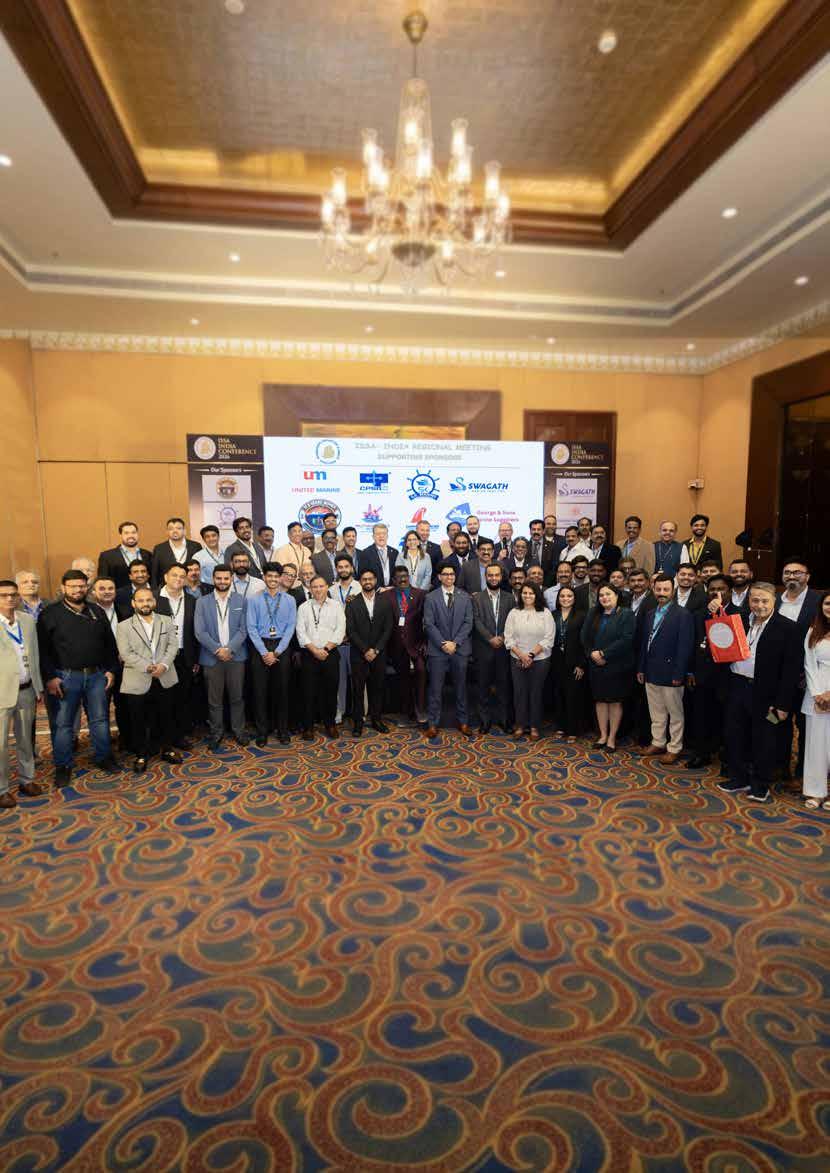
The ISSA Roadshow visits India to talk about the importance of forming a National Association See pages 18-20


Always the right course




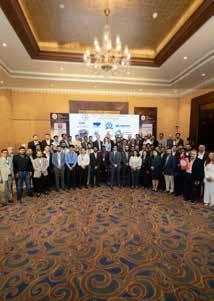

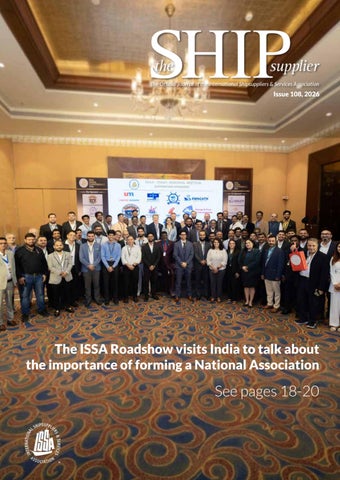
The ISSA Roadshow visits India to talk about the importance of forming a National Association See pages 18-20
Always the right course





You can keep up to date with the latest news on the ISSA website at www.shipsupply.org and send in your comments and views to the ISSA Secretariat either by phone on +44(0)20 7626 6236; Fax +44(0)20 7626 6234 or alternatively email secretariat@shipsupply.org

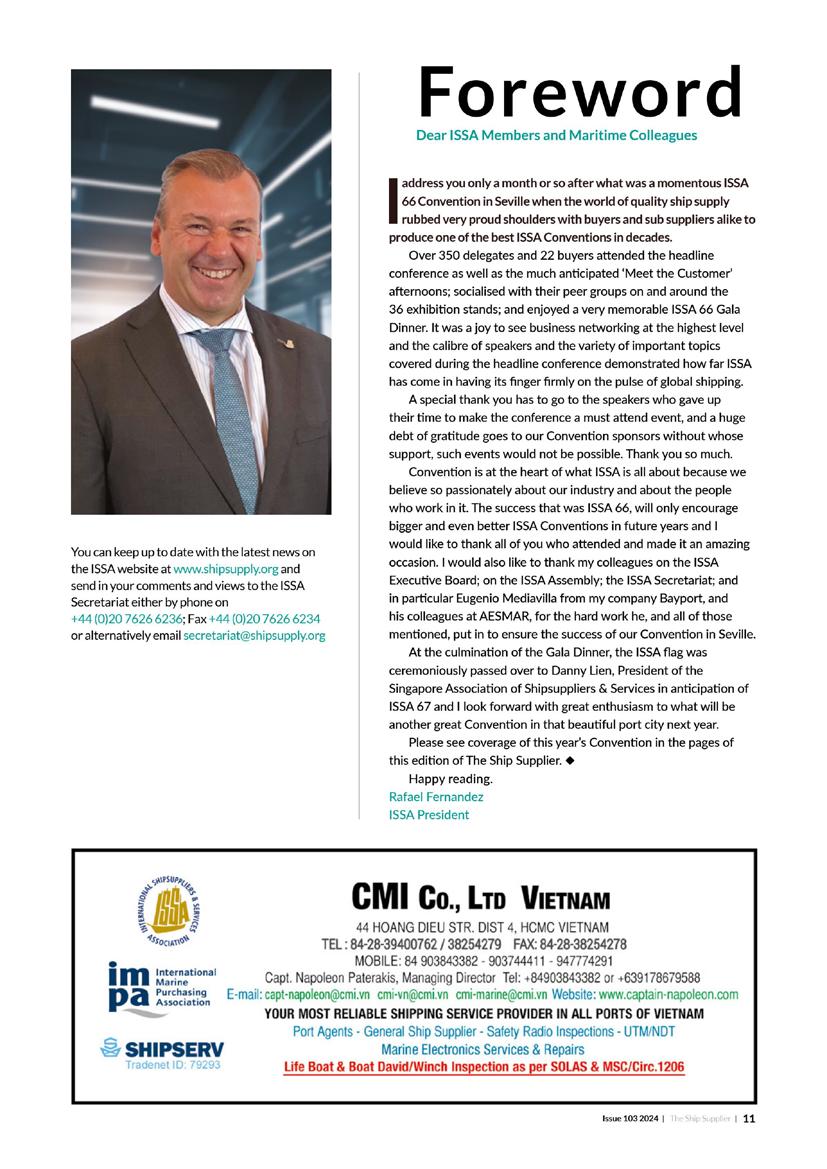
Dear ISSA Members and Maritime Colleagues,
It has been a very busy first three months of the year with the ISSA Executives promoting the Association’s message to new and existing members around the world. I was delighted to head up a delegation of my fellow ISSA Executive Board members plus the Secretariat in February to visit the amazing Indian maritime hub of Mumbai. The purpose of the visit was to examine the opportunity of creating an India National Association.
The roadshow was very successful with 130 attendees registered and around 110 attending. We had keynote addresses from myself and the ISSA Treasurer as well as the Secretary and a panel appearance by Carl Forsman, all encouraging India to start on the path towards setting up an Indian National Association. The event was very well organised with very good signage and information as well as a good array of local VIP speakers. Immediate response from the Indian associate members was very positive. The day ended nicely with a reception hosted by our own Ajay Joseph, whose company Global Marine Supply is celebrating 29 years in operation.
Diversity and inclusion are very important issues to be tackled by global shipping and here at ISSA we are massively supportive of efforts to attract more women and young people to the ship supply sector. So much so that we have set up a ‘Women in ISSA’ Working Group and we will be regularly updating the ISSA membership on the positive developments that will come from this important group. I would like to thank Li Li, our Executive Board member from China, for her hard work in setting the working group up.
We are well into early preparations for this year’s ISSA 68 Convention in Rome and we are pleased to confirm that it will be held at the Rome Cavalieri, a Waldorf Astoria Hotel, between 3–5 November this year. The event is expected to welcome between 350 and 400 ISSA Members from across the world.
The ISSA 68 Convention programme will comprise a Headline Conference, the highly regarded “Meet the Customer” (MTC) forum, an Industry Exhibition, and the Convention Gala Dinner. The Conference sessions will take place during the mornings of 3, 4 and 5 November. The MTC programme will be held during the afternoons of 3 and 4 November and on the morning of 5 November.
The Gala Dinner, scheduled for the evening of Thursday 5 November, remains a highlight of the Convention calendar, providing an exceptional setting for senior-level networking and relationship building. Please keep an eye out for messages from the ISSA Secretariat on how to book your tickets. A special ISSA68 website, full up with all the information you will need, can be found on the ISSA website. Happy reading.
Rafael Fernandez ISSA President
By
The maritime sector is approaching 2026 at a pivotal moment. What once felt like gradual, incremental change is now solidifying into structural change and decarbonisation, digitalisation, crew welfare, and sustainability are no longer separate conversations, they are increasingly interconnected and operational. For us at AVS Global Ship Supply and the ship supply sector in general, this convergence is reshaping expectations, processes, and partnerships in ways that will define the next phase of the industry.
Based on what we see across fleets, ports, and supply chains, AVS Global Ship Supply believes five key shifts will fundamentally reshape ship supply in 2026.
1. Ship supply will move beyond price-driven transactions
One of the most visible changes is the steady move away from purely transactional purchasing. Ship supply is no longer judged on price or availability alone as reliability, compliance, documentation quality, and predictability are becoming equally decisive.
As vessels grow more complex, regulatory requirements rise, and sustainability expectations tighten, operators are looking for partners who can deliver consistency across ports, vessel types, and operating profiles. The suppliers that now succeed will be those that function as extensions of the operator’s operational team, rather than as price-based vendors.
2. Data and structure will become baseline expectations, not differentiators
Customer expectations have evolved rapidly. Operators now expect faster response times, clearer communication, and fewer operational surprises and they want suppliers who understand how their vessels actually operate and who can align supply processes with real-world constraints such as port windows, crewing patterns, and technical limitations.
This is driving a shift toward more structured workflows and disciplined use of data. Importantly, digitalisation is no longer viewed as a competitive advantage - it is a baseline requirement. Systems that support visibility, traceability, and documentation will be essential simply to remain relevant. Structured data will also play a key role in tracking and improving sustainability metrics, from waste reduction to fuel optimisation, helping operators meet both regulatory and ESG goals.
3. Crew welfare and training will be recognised as operational priorities
Catering and crew welfare are undergoing a quiet but significant transformation. Through our involvement with Seafarers Wellbeing initiatives, it has become increasingly clear that onboard conditions directly impact safety, retention, and performance. Nutrition, water quality, and living standards are no longer secondary concerns, they are operational issues that influence fatigue, morale, and long-term workforce sustainability.
At EKOL Maritime Training Centre, this is being addressed through structured, practical training programs designed specifically for onboard chefs. The dedicated learning management system focuses on menu planning, food safety, cost control, and operational consistency across fleets and in 2026, these programs will expand with new modules and refreshers, reflecting the realities of life at sea and evolving standards for catering, hygiene, and nutrition.
Through EKOL Maritime Training Centre’s approach, training becomes an enabler not only of operational efficiency but also of crew wellbeing and sustainability such as reducing waste, optimising provisioning, and sourcing responsibly. This ensures that the human element of ship operations is aligned with both performance and environmental objectives.
4. Technology will support human judgement, not replace it Technology will continue to shape ship supply, but in practical, enabling ways rather than through disruption. Predictive analytics and automation are being applied to reduce inefficiencies, improve forecasting, and enhance technical store management.


The objective is not to remove human judgement, but to support it, by reducing routine workload, improving documentation accuracy, and highlighting risks earlier. At AVS Global Ship Supply, continued investment in digital tracking and reporting, including building on recent ERP implementations, reflects this philosophy. The most effective supply organisations will be those that combine strong systems with experienced operational teams, enabling smarter, more sustainable decision-making along the supply chain.
5. Technical stores will become more specialised as alternative fuels scale Technical store management is becoming increasingly specialised as alternative fuels such as LNG, methanol, and hybrid systems move from pilot projects into everyday operations. These vessels require different components, higher safety standards, and far more rigorous documentation.
Preparing for this shift demands investment in technical knowledge, traceability, and compliance-ready processes, as well as in the systems that support them. The use of alternative fuels demonstrates sustainability in action at sea, and suppliers who can support these technologies while maintaining safety, quality, and operational reliability will be critical to the decarbonisation agenda.
As a UN Global Compact member, AVS Global Ship Supply views responsible practices, environmental stewardship, and people-focused operations as central to creating long-term value across the maritime supply chain.
Throughout 2026, the maritime sector will increasingly reward trust and sustainability over price alone. Trust built through transparent operations, consistent service delivery, compliance-ready processes, and a genuine commitment to both the people and the planet.
Whether through dependable ship supply, safe and compliant water solutions provided by AVS Global Water by Aquarex, or structured training delivered through EKOL Maritime Training Centre’s dedicated learning platforms, organisations that combine operational excellence, human-centric thinking, and sustainability leadership will shape the future of ship supply.


Please tell us the history of EMDER from its founding until today.
EMDER Schiffsausruestungs AG was founded in 1919 in Emden, Germany, and began as a regional supplier for the maritime industry. Over more than a century, we have grown into one of the leading ship suppliers, serving vessels worldwide.
Our success is built on a strong foundation of experience, reliability, and innovation. Today, EMDER combines tradition with modern logistics, digital solutions, and a clear focus on sustainability to meet the evolving needs of global shipping.
What services do you offer to Shipping Companies?
EMDER offers a broad portfolio of services to meet the diverse needs of the global shipping industry. This includes traditional ship supply such as technical equipment, spare parts, provisions, bonded stores, chemicals, and safety gear.
In addition, we provide Managed Services which combine professional catering and food management, ship-stores-management, logistics, and warehousing. Both areas are designed to ensure operational efficiency, cost optimization, and crew well-being.
With global reach and 24/7 availability, EMDER is your reliable partner for all ship supply requirements.
Are these services certified according to international quality assurance standards?
Yes. EMDER operates under ISO 9001-certified quality management and complies with HACCP standards for food safety.
As an active ISSA member, we follow globally recognized best practices in ship supply and catering. These certifications reflect our commitment to quality, reliability, and continuous improvement, ensuring that our customers receive services they can trust.
What are the reasons why shipping companies would choose you over your competitors?
Shipping companies choose EMDER because of our over 100 years of expertise, strong global network, and ability to deliver tailored solutions quickly and efficiently.
We combine traditional know-how with modern digital tools, such as our Supply Manager, which provides live pricing and availability in major ports worldwide—saving time and costs for ship management.
Our reputation for reliability, flexible payment terms, and multilingual team ensures smooth cooperation.
Furthermore, our commitment to crew well-being, sustainability, and cost optimization sets us apart. At EMDER, we don’t just supply products— we deliver trust and value.
What are EMDER`s products?
Our product portfolio covers everything a vessel needs for safe and efficient operation: technical spare parts, deck and engine stores, safety equipment, provisions, bonded stores, and chemicals. We also offer specialized items upon request and maintain a broad range of highquality products to meet international standards.
Combined with our Managed Services, EMDER positions itself as a comprehensive supplier for the global shipping industry.

Additional Focus: Managed Services
Under the umbrella of Managed Services, EMDER offers integrated solutions that go beyond traditional ship supply.
These include:
- Catering and Food Management: Balanced nutrition, HACCP compliance, menu planning, and our unique Vitality Program for crew health and fitness.
- Ship-Stores-Management: Technical catering, inventory control, and cost optimization.
- Digital Tools: Our Supply Manager provides real-time pricing and availability worldwide.
- Logistics and Warehousing: Efficient handling of provisions, technical stores, and owner’s goods.
These services not only improve operational efficiency but also help reduce CO2 emissions and costs—demonstrably.
Sustainability Commitment
EMDER is committed to reducing greenhouse gas emissions to net zero by 2030. We already generate most of our electricity from our own PV system with storage, use a low-emission vehicle fleet, and balance our CO2 footprint according to GHG standards (Scope 1–2). We participate in the Carbon Disclosure Project and continuously develop products and services for a green supply chain, including recycling and waste management solutions.
With over 100 years of experience, EMDER remains dedicated to delivering reliable, high-quality solutions for the global shipping industry. We look forward to continuing our journey as a trusted partner for ship owners and operators worldwide.
Please tell us the history of GENESIS from its founding until today.
Genesis Solutions was founded in 2019 by a team of likeminded experienced maritime professionals that believe in providing value in the maritime supply chain, focusing on reliability and competitiveness. Genesis Solutions Singapore operates out from a 8000 square metre warehouse cum office, located near the ports of Singapore. Deploying various digital solutions to enhance efficiency and accuracy of deliveries, Genesis Solutions continues to explore cutting edge technologies to digitalize its supply chain with automation & robotics to manage its 3000+ SKUs.
Genesis Solutions currently has presence in Busan - Korea, Shanghai & QIngDao – China to provide consistency of products & services to its valued customers.
What services do you offer to Shipping Companies?
We have 4 main business verticals that we offer to our customers. We provide ship chandlery services, mooring rigging and lifting products & solutions, logistics for ship spares in transit, afloat repairs and overhaul, and drydock supervision in Chinese shipyards.
Are these services certified according to international quality assurance standards?
Genesis Solutions is ISO 9001:2015, ISO 14001:2015, ISO 22000:2018 & ISO 45001:2018 certified for ship supplies & logistics management services.
What are the reasons why shipping companies would choose you over your competitors?
Genesis Solutions prides itself as being nimble & reliable when meeting customers’ requirements 365/24/7. Having a range of strategic inventory allows Genesis Solutions to responding to customers’ requirements after office hours or weekends. Having digital solutions to enhance customer experience will be important in providing a seamless supply process.
What are GENESIS’s products?
- Technical spares & equipment
- Deck, Engine, Electrical, Cabin, Galley equipment & consumables
- Provisions & bonded stores
- Crane wires Wire ropes, mooring ropes, lifting gears & equipment.

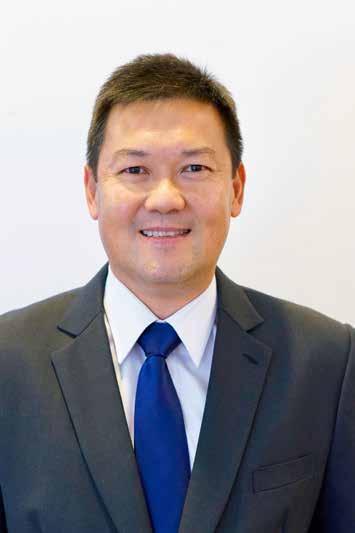
Please tell us the history of W.W.TRADE SINGAPORE from its founding until today.
of W.W. Trade Singapore Pte Ltd
W.W. Trade Singapore was founded in 1990 as a joint venture between 2 companies – Piraeus-based, Webmarine Ltd. and Singaporeheadquartered Con-Lash Supplies Pte Ltd with a common vision to establish a one-stop marine supplies and services center for Greek merchant vessels calling at the port of Singapore.
Offering a diverse portfolio of solutions including general ship supply, marine logistics, ship agency and lubricants brokerage, the company aims to be the name to call in the world’s busiest port-of-call.
The W.W. Trade story began with a serendipitous meeting between the 2 founders – Mr Ioannis Grymplas and Mr Tony Ng. At the time, Mr Grymplas was an established ship chandler based in Greece. With an interest to penetrate the Singapore market and buoyed by a sense of camaraderie with Mr Ng, the two entered into a partnership that thirty years on, have brought the company to the forefront of the ship supplies industry in Singapore.
In 1996, W.W. Trade joined the Singapore Association of Ship Supplies and Services (SASS) and followed with membership to ISSA in 1999 as a commitment to quality adherence and customer service. It attained the ISO 9001 certification in 1998 and ISO 22000 certification in 2022.
Today, the company has evolved into a trusted maritime partner serving leading Greek shipowners and operators, as well as a growing base of international clients. Staying true to its founding vision while embracing the future, the company has embarked on a digitalisation journey to enhance operational efficiency, transparency, and customer experience. Alongside these advancements, W.W. Trade remains deeply committed to sustainability — integrating environmentally responsible practices into its operations and supply chain to support a greener m aritime industry. With over three decades of experience, a dedicated team, and a forwardlooking approach, the company continues to deliver reliable, responsive, and value-driven services, standing firm as the preferred one-stop marine supplies and services provider in the world’s busiest port.
What services do you offer to Shipping Companies?
General Ship Supply, Marine Logistics, Ship Agency, Lubricant Brokerage
Are these services certified according to international quality assurance standard?
Yes. W.W. Trade Singapore Pte Ltd is ISO 9001:2015 and ISO 22000:2018 certified.
What are the reasons why shipping companies would choose you over your competitors?
Service Beyond Expectations
We treat every customer as a valued partner and every vessel with care. Our team goes further to deliver solutions that truly make a difference.
Commitment Without Compromise
Around the clock, across the globe — we stand by our customers with dedication, reliability, and seamless support whenever it’s needed most.
Excellence in Every Detail
Quality defines everything we do. From products to processes, we uphold the highest standards and demand the same from our trusted partners.
What are W.W.TRADE SINGAPORE’s products?
We are your one-stop shop for all general ship supplies, including provisions, bonded stores, technical consumables (cabin, deck, engine, electrical, safety stores).

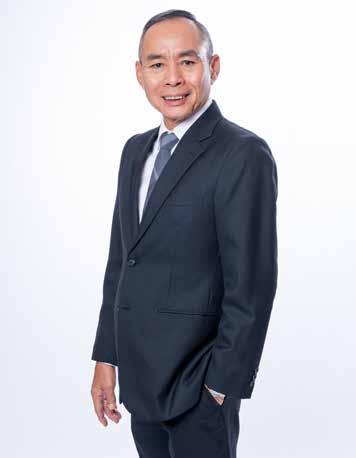
Please tell us the history of PTR from its founding until today.
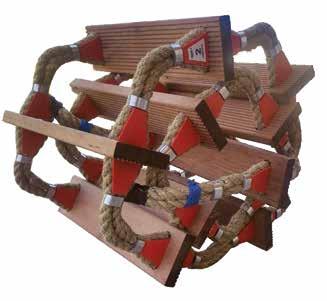
Perdon Trading Rotterdam was founded in 1967 and began as a small company focused on manufacturing pilot and embarkation ladders for the Port of Rotterdam. Over time, the business expanded its capabilities, and in 1982 it developed the patented aluminium clamping system for rope ladders—a breakthrough in ladder construction. After extensive testing, this system received official approval from the Dutch Directorate-General for Shipping and Maritime Affairs in 1989. Since then, the design has been widely imitated in the industry but has never been matched in quality or performance.
In 2002, the company rebranded as PTR Holland® and began expanding internationally. Today, PTR Holland Group is a leading manufacturer and supplier of certified maritime safety equipment, with offices and production facilities in Rotterdam (head office), Singapore, Houston, United Kingdom, Piraeus (sales Office) Istanbul (office) and China. Multiple worldwide stock points ensure rapid global coverage and support for ship operators and marine professionals.
Over its long history, PTR has remained dedicated to the safety of life and property at sea, continuously evolving its product range in line with regulatory updates and customer needs.
What services do you offer to shipping companies?
At PTR Holland Group, we provide much more than just products — we offer technical expertise and consultation to help shipping companies understand and comply with international safety regulations, particularly for pilot and embarkation arrangements. Our services include:
- Product selection advice based on SOLAS/MED/MER/USCG/ISO requirements
- Inspection guidance and regulatory compliance support
- Load tests and technical recommendations
- Consultation on safe ladder installation and maintenance procedures.
Although PTR is primarily a manufacturer of maritime equipment rather than a service provider, our team works closely with ship operators, technical departments, and vetting inspectors to ensure the right solutions are chosen for each vessel.
Are these services certified according to international quality assurance standards?
Yes. PTR’s products are certified to meet the highest international quality and safety standards:
- MED (Marine Equipment Directive) certifications for pilot and embarkation ladders
- USCG (United States Coast Guard) approvals
- DNV / Classification Society approvals on for pilot and embarkation ladders
- Wood FSC approved (Forest Stewardship Council).
- A wide range of other IACS-recognized certifications across our product lines.
In addition, PTR maintains compliance with IMPA and ISSA stock-list standards and offers over 12,000 stocked marine products to support the broader needs of ship operators.
What are the reasons why shipping companies would choose you over your competitors?
Shipping companies choose PTR Holland Group for several key reasons:
Proven track record: Over four decades of experience in safety-critical marine equipment manufacturing.
Regulatory compliance: Products certified to SOLAS, MED, MER, USCG and other global standards.
Quality and reliability:
Premium materials, tested designs, and a global quality assurance system ensure products perform reliably in service.
Safety leadership: PTR actively participates in industry safety programs, including partnerships such as the RightShip Zero Harm Innovation Partners Program. Service network: Extensive worldwide distribution and stock points, enabling rapid delivery and support across major maritime regions. Expertise and support: Our technical team helps customers choose the right equipment and understand regulatory requirements, reducing the risk of PSC or vetting issues.
Wood FSC approved (Forest Stewardship Council): This ensures all of the timber used in our pilot and embarkation ladders have been sourced from managed, sustainable forrestries and also ensures the welfare of animals and people living in or around these forests. We do what we promise, these elements combined make PTR a trusted partner for shipowners, operators, and pilot organizations around the world.
What are PTR’s products?
PTR Holland Group manufactures and supplies a broad portfolio of certified marine safety equipment, including:
Certified Safety Equipment:
- Pilot & Embarkation Ladders (SOLAS, MED, MER, USCG compliant) - Wharf and Accommodation Ladders - Gangway Nets & Cargo Transfer Nets - Portable magnets and securing devices - Transfer baskets and man overboard rescue equipment - Aluminum and steel safety scaffolds - Air vent heads and valves.
PTR Lifesaving® Solutions:
A dedicated division providing IMO/SOLAS-compliant lifesaving equipment designed for demanding marine and offshore environments, with active stock points in Rotterdam, Houston, Singapore, and the UK.
Marine Steel Products:
Through our global operations, we also supply marine-grade steel materials (pipes, fittings, profiles, bars and beams) for shipbuilding, offshore structures, and maintenance applications — complementing our safety-equipment portfolio with structural and supply solutions.

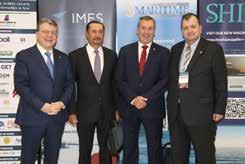
The 18th Shipping Conference, co-organized by the maritime newspaper Maritime Economies and Institute of Maritime & Economic Strategy and supported by The SHIP SUPPLIER magazine , was concluded with outstanding success under the central theme:
“Optimizing Maritime Supply Chains: Suppliers, Purchasers & Forwarders in Sync.”
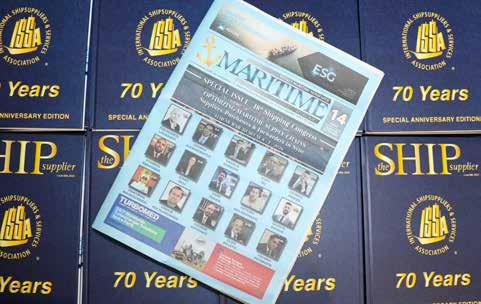
Held in Athens, the conference attracted strong interest from the Greek and international maritime community, confirming the growing importance of supply chain alignment at a time of heightened operational, regulatory, and geopolitical challenges.
The level of participation alone underscored the success of the event. A total of 620 delegates attended the conference, representing shipping companies, suppliers, freight forwarders, bunkering firms, technology providers, and institutional stakeholders. The program featured 31 distinguished speakers, all senior professionals and industry experts, while the event was supported by 34 sponsors and partners, whose contribution was instrumental in delivering a high-quality conference. The conference delivered a clear and consistent message: efficiency and resilience in maritime supply chains can no longer be addressed in isolation.
Suppliers, purchasers, and forwarders must operate in close coordination, supported by shared strategies, transparency, and technology-driven processes. In an environment shaped by geopolitical uncertainty, increasingly complex regulations, and the industry’s transition toward greener operations, such synchronization is no longer optional—it is essential.
Particular emphasis was placed on the opening keynote address, which highlighted the need for modern shipping to strike a balance between operational efficiency, safety, and environmental responsibility. Supply chains are no longer defined solely by timely delivery and cost control, but also by traceability, compliance, and measurable reductions in environmental footprint.
Across the thematic sessions, speakers addressed key challenges facing the maritime industry today. One of the central discussion points was the need to establish common performance indicators (KPIs)



across all supply chain stakeholders. Metrics such as delivery lead times, reliability of supply, total cost to serve, and CO2 emissions per transaction were identified as critical tools for improving collaboration, accountability, and overall performance.
The sessions focusing on ship purchasing best practices were particularly well received. Through real-world case studies, speakers demonstrated how data analytics and digital procurement tools can significantly enhance cost management and supplier performance. It was widely acknowledged that shipping companies investing in spend analytics, longterm procurement frameworks, and strategic supplier partnerships are better positioned to withstand market volatility and supply disruptions.
Innovation in onboard logistics was another focal point of the conference. Presentations covered automated inventory management systems, digital tools for optimizing shipboard supply flows, and advanced cold-chain solutions for sensitive provisions. Pilot implementations presented during the conference showed tangible benefits, including reduced stock shortages, improved service quality for crews, and lower operational costs.
The future role of bunkering within the broader supply chain ecosystem was also examined in depth. Discussions extended beyond conventional fuels to include LNG, biofuels, ammonia, and hydrogen.
Speakers emphasized that bunkering is rapidly evolving from a standalone operational activity into a strategic component of integrated maritime supply chains, with direct implications for cost efficiency,

emissions compliance, and long-term fleet strategy. The importance of aligning fuel procurement with other ship supply operations was repeatedly highlighted.
A recurring theme throughout the conference was the human factor. Despite rapid technological advancement, speakers agreed that people remain central to successful transformation. Continuous training of shore-based procurement teams and onboard crews was identified as critical to ensuring effective adoption of new systems, regulatory frameworks, and operational processes.
Overall, the 18th Shipping Conference organized by Maritime Economies and IMES Inc and supported by the Ship Supplier magazine , clearly demonstrated that the future of shipping depends on collaboration, transparency, and innovation. In an era of growing uncertainty, aligning suppliers, purchasers, and forwarders is not merely a strategic advantage—it is a necessity. The strong engagement of participants and the high quality of discussions confirmed that initiatives of this nature play a vital role in building a more resilient and sustainable maritime ecosystem. The organizers expressed their sincere appreciation to all speakers, sponsors, and—most importantly— the 620 delegates who actively contributed to the success of the conference through their participation and dialogue. The next edition is eagerly anticipated, with the shared objective of continuing knowledge exchange and delivering practical, forward-looking solutions to the evolving challenges of the global shipping industry.
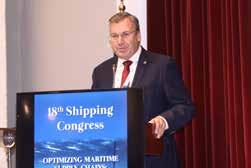
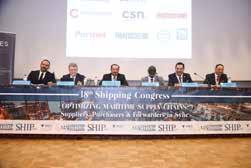
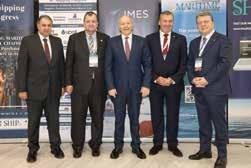

On the eve of the conference, the newspaper Maritime Economies, wishing to thank the sponsors and speakers of the conference, hosted a dinner in their honor.
During the dinner, after the publisher’s short speech, we had a small surprise, the board of directors of ISSA blew out the cake candles in celebration of 70 years of ISSA.























The leading independent provider of marine services




Always there for you. Whenever. Wherever.









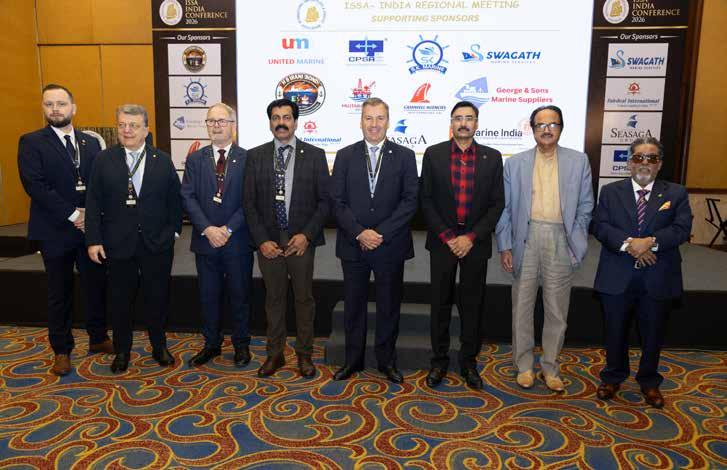
The benefits to any country in forming a National Association are many and varied, whether it is that you play an active part in moulding global ship supply policy and help to run this amazing association that ISSA is, or your national ship supply sector has a united voice when it comes to dealing with domestic as well as international issues.
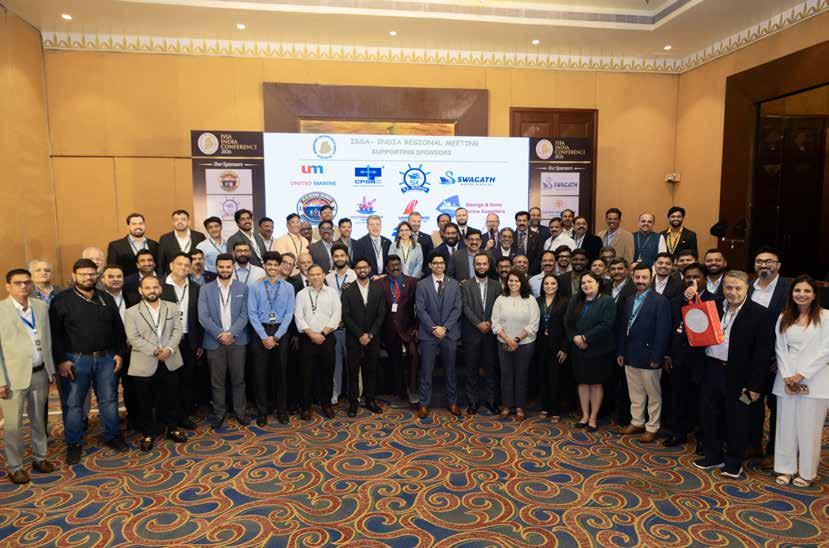
Such is the attraction, that ISSA packed its bags and headed off to Mumbai to host a one day conference for India’s vibrant ship supply sector.

And over 130 companies registered to attend to see how they could transition from being a group of associate members to a National Association, an India National Association.
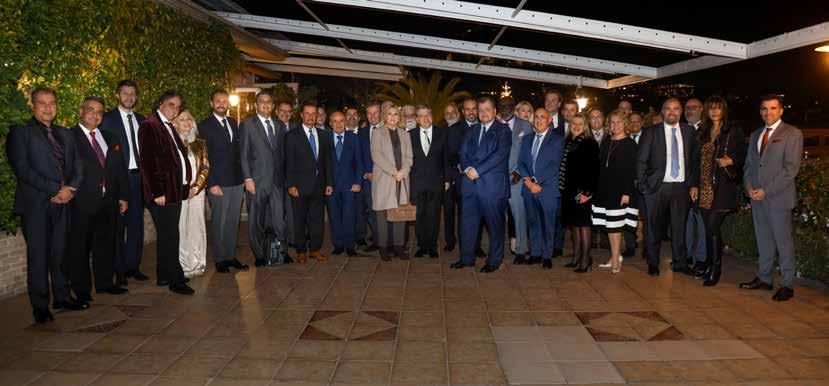
Rafael Fernandez, ISSA President was joined by Executive Presidents Abdul Hameed Hajah, George Saris (ISSA Treasurer), Carl Forsman as well as Ajay Joseph, ISSA Associate Members representative on the ISSA Assembly, as well as K K H Fazall Abdull Hameed, Vice President of the Singapore Association
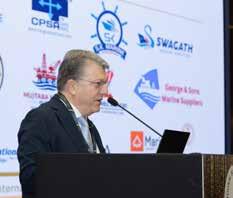
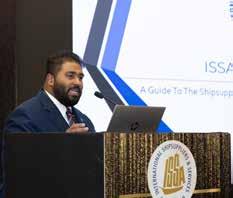
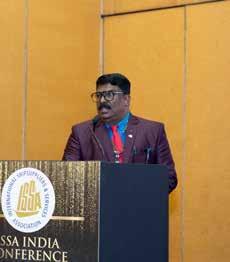

of Shipsuppliers & Services (SASS), and Sean Moloney, ISSA Secretary.
Delegates were given detailed presentations on ISSA and what It means to be a National Association, as well as a comprehensive overview of finances; as well as the need to set up an Indian Secretariat to run the National Association and their own Articles of Association.
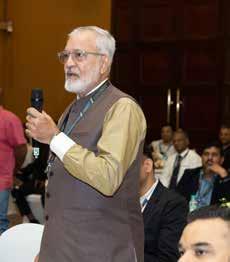
High level VIPs from Indian governmental and Ambassadorial circles were invited and informed the audience well with their overview of key issues such as tax and customs in the country and the impact that geopolitics is having on world trade and shipping. Delegates and panellists alike, took part in a very
informative panel session that examined the issues facing Indian ship supply and how easily it could be for India to make the move toward forming a National Association.
Rafael Fernandez, ISSA President told delegates:
“I would like to thank our distinguished VIP guests who have taken time out of their busy schedules to be here today. Thank you so much for supporting our international association in such a gracious way.
“I would also like to thank the many sponsor companies who have made today possible. Thank you for your support and we look forward to working with you and your colleagues in the months ahead.
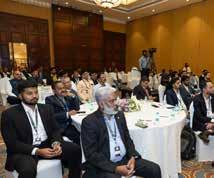

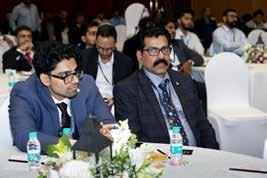
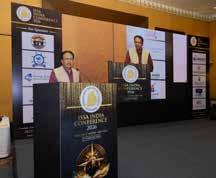
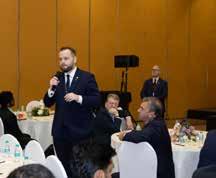
Myself and my ISSA colleagues – George Saris, ISSA Executive Vice President and Treasurer; Abdul Hameed Hajah, ISSA Executive Vice President; Fazall Abdul Hameed, Vice President of the Singapore Association of Shipsuppliers & Services; Carl Forsman, ISSA Executive Vice President; and our ISSA Secretary Sean Moloney; all look forward to meeting you and discussing the many ways that ISSA can help to further the excellent work you are doing as valued ISSA Associate Members here in this amazing country.
“The overriding purpose of today’s excellent meeting is to explore the possibility of setting up an Indian National Association. The benefits of doing so are numerous, not least of all because National Associations, of which ISSA has 42 so far, are instrumental in

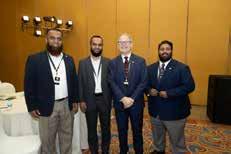
formulating and implementing ISSA policy for the global ship supply sector.
By coming together under the auspices of a National Association, India would be one of the largest in the ISSA Assembly. There would be nothing to stop India going further and winning a seat on the ISSA Executive Board.
“We would welcome such a development to take place and I would like to thank our dear friend Ajay Joseph, for his help in organising today, but also for the excellent work he is doing in representing the interests of ISSA Associate Members on the ISSA Assembly,” he concluded.
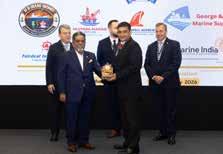
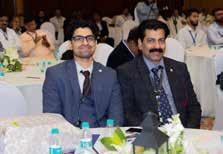
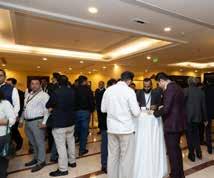
The day was rounded off with a superb cocktail reception hosted by Ajay Joseph in celebration of his company, Global Marine Supply Company reaching 29 years.
Anemos Shipping & Trading provides comprehensive maritime services across trading, chartering, ship transactions and claims management. Our expertise covers Sale & Purchase, Chartering Services, Newbuilding and Design, General Average and Salvage, Collision and Recovery Claims, Loss of Hire, and market intelligence.
With deep knowledge of the Greek shipping market and a global outlook, we deliver practical solutions that support informed decisions and secure maritime operations.

Thank you Ajay.
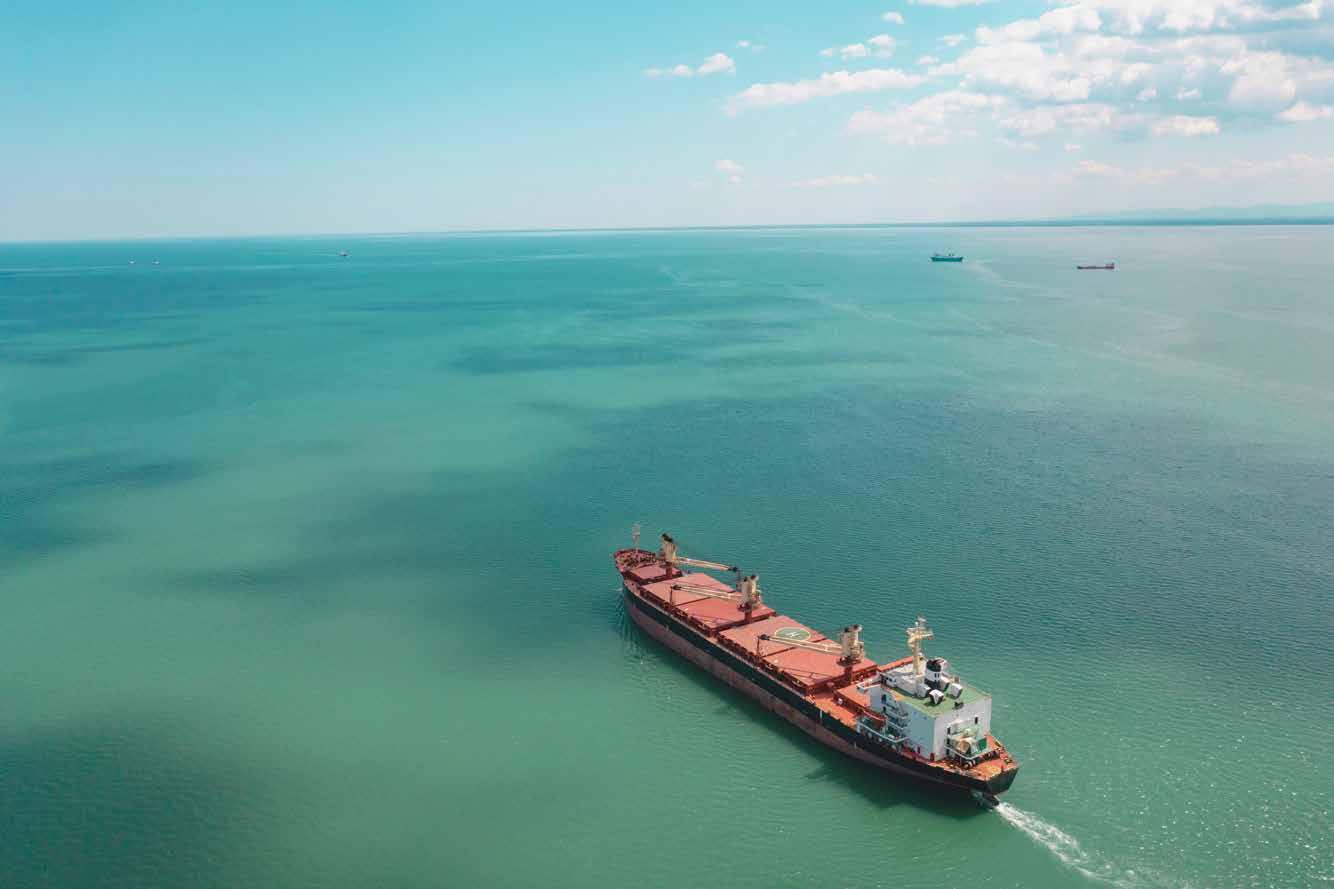

Woodcastle Shipping offers end-toend ship management services, including Commercial, Operations, Technical and Marine Personnel management, supported by specialized Training and Energy & Environmental solutions.

We help shipowners operate efficient, compliant and future-ready fleets.

Commercial shipping places high demands on supply chains. Vessels operate on tight schedules, sail globally, and depend on timely and error-free deliveries in ports where planning and coordination are critical. FMCG products, ranging from beverages to food essentials, are not a side issue but an essential part of daily life on board.
At the same time, logistical complexity, regulations, and market dynamics continue to increase. For ship suppliers, this means they need partners who understand the operational reality of maritime supply and who can support them with reliable deliveries and consistent availability.
Pentrade is an independent FMCG trading company supplying ship suppliers worldwide, sourcing directly from brand owners and producers. From Rotterdam, one of Europe’s key maritime hubs, we serve ship suppliers with a broad assortment of beverages, snacks, confectionery, and ambient food all over the world.
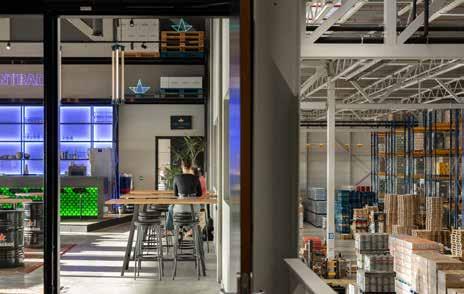
In recent years, Pentrade has made significant progress in professionalization. Our move to a new, modern warehouse in 2023 marked an important step in this development. With increased capacity, optimized logistics processes, and a more efficient layout, we are able to operate faster, scale more efficiently, and operate more reliably than ever before. In 2025, Joris Willemse was appointed CEO of Pentrade, further strengthening the company with his wealth of experience in FMCG and leadership. This investment underlines our ambition to be a long-term, stable partner within the maritime supply chain.
Ship supply rarely involves standard solutions. Multiple product categories, customs clearance, limited storage space on board, and specific delivery windows in ports make tailor-made solutions essential.
Thanks to our broad assortment and logistical expertise, we assemble complex mixed pallets fully aligned with the operational needs of ship suppliers. Efficient pallet configuration means less handling, shorter lead times, and optimal use of space, all crucial within maritime operations.
Customs procedures, excise regulations, and export legislation represent increasing challenges within international ship supply.
Errors or incomplete documentation can immediately result in delays at ports.
Our in-house customs department has extensive expertise in the different documentation needed, and regulatory compliance ensures predictable processes and minimized risk.
In addition, we are actively working toward obtaining FSSC 22000 certification, further formalizing and strengthening our food safety standards. This aligns with our broader focus on quality, compliance, and long-term reliability within the maritime sector.
The FMCG market is constantly evolving. Poor harvests and geopolitical developments directly impact raw material prices for products such as coffee, cocoa, and coconut. This results in price pressure and availability challenges across multiple product categories.
Through close collaboration with brand owners and international suppliers, we stay closely aligned with these developments. Our market expertise enables us to anticipate changes early, discuss alternatives, and proactively inform our customers.
In a sector where planning and cost control are essential, up-todate market insights make a tangible difference.
Pentrade’s growth is not a goal in itself but the result of targeted investments in processes, people, and infrastructure. The new warehouse, ongoing professionalization, and certification initiatives are concrete examples of this strategy.
Within maritime supply, continuity is ultimately what matters most. Ship suppliers must be able to rely on stable availability, accurate documentation, and a partner who understands port logistics. Pentrade positions itself clearly as that partner.
At Posidonia, we look forward to engaging in discussions about the current challenges facing commercial shipping. We are pleased to share our vision of a reliable FMCG supply in a changing market.
Would you like to explore how we can support your maritime operations? Schedule a meeting via www. pentrade.nl/contact/ or your contact person.
A one-year delay of adopting IMO climate rules leaves key questions open. Experts outline the implications of the Net Zero Framework delay — and the ongoing work required on fuels and compliance.
By Niels Anner, Independent Journalist
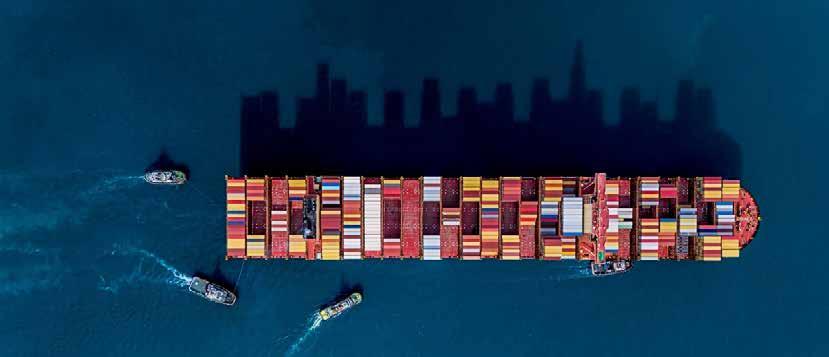
The International Maritime Organization (IMO)’s decision to postpone the adoption of the IMO Net-Zero Framework (NZF) has introduced uncertainty for global shipping stakeholders. Experts from Everllence and DNV outline what this means for owners, investors, technology providers and regulators, and why work on fuel pricing, incentives, and compliance should continue despite political headwinds.
The shipping industry left London in October with more concerns than expected. At a meeting of the IMO, the stage was set to adopt and implement the first global regulation to reduce greenhouse gas (GHG) emissions in any industry. However, following extensive negotiations, a majority of member states voted to adjourn the meeting by one year.
Building on earlier regulations like EEDI and CII, the new Net-Zero Framework would shift focus from vessel efficiency to full fuel-cycle emissions and compliance mechanisms. ©IMO
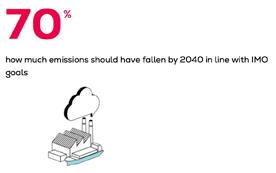
“Unfortunately, the delay creates uncertainty around the IMO GHG Strategy,” says Dorte Kubel, Regulatory Affairs Manager, R&D Two-Stroke Engines at Everllence. Slated to take effect in 2028, the NZF was to introduce a global GHG fuel standard combined with a GHG pricing mechanism to require progressive reductions in the GHG Fuel Intensity (GFI) of shipping fuels — a sector using about 350 million tons per year. The purpose of the NZF is to implement the 2023 IMO GHG strategy — to reduce GHG emissions from international shipping by 20 percent by 2030, 70 percent by 2040, and ultimately to net zero by mid-century.
It is now unclear whether changes will be made to the framework or if the same agreement will be put to vote next year. Nevertheless, the IMO is expected to continue

working on the guidelines needed to facilitate the NZF implementation, Kubel explains. There is still ongoing recognition of the need for globally consistent rules to support decarbonization. The urgency to act remains, she says: “Everllence will participate actively in the continuous work on the NZF. It remains a groundbreaking step, marking the shift from a strategy to reach net-zero toward concrete rules on emissions pricing and fuels.”
The NZF is reducing emissions from international shipping in line with the IMO’s 2023 GHG strategy, explains Tore Longva, Decarbonization Director, Regulatory Affairs at the classification society DNV. “The recent postponement means the earliest potential entry into force is now March 2028. The IMO continues to develop the required guidelines, and the overall GHG strategy, including targets for 2030, 2040, and 2050, remains in place. A harmonized global regulatory framework is needed as fragmented regional regulations can create inefficiencies and uncertainty, which could hinder progress toward shared decarbonization goals.”
Despite the delay, both Kubel and Longva say that development of guidelines to implement the NZF remains essential to keep momentum up. Its credibility hinges on transparent reward calculations, clear life-cycle assessment (LCA) guidelines, and robust enforcement, notes Kubel. High zero or near-zero (ZNZ) fuel rewards would improve the competitiveness of green ammonia and green methanol, potentially supporting the business case for early adoption of alternative fuels. ”We urge the IMO to finalize these regulations as soon as possible,“ she adds.
Accurate accounting of GHG emissions from fuel used: the role of life-cycle assessment
The transition to net-zero in shipping will only become a reality when the full life cycle emissions of fuels are comprehensively accounted for, adds Florian Gabmeier, Regulatory Affairs Manager, R&D Four-Stroke Engines at Everllence. “To that end, the IMO LCA Guidelines serve as an essential technical tool for accurately accounting emissions across the entire lifecycle, enabling GFI calculations on a wellto-wake basis. Every gram of emissions — from fuel production to combustion — must be rigorously tracked. Fuel certification schemes complement this process by adding rigor and credibility.”

Such clarity underpins a transparent and robust system for a multi-fuel future, addressing issues such as the GHG footprint of biofuels
Dorte Kubel, Regulatory Affairs Manager, R&D Two-Stroke Engines, Everllence
from land-use change and methane slip from LNG, while clarifying the characteristics of different fuel pathways. The goal, Gabmeier notes, is to create a level playing field and provide shipowners with a solid foundation for investment decisions. “The effectiveness of the framework will depend on the balance between incentives and penalties, as well as clarity in implementation,” says Tore Longva.
Dual-fuel engines drive shipping’s shift to zero-emission fuels
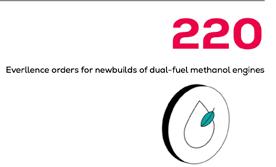
Looking ahead to the fuel technologies themselves, Everllence sees strong market interest in engines designed for ZNZ fuels — especially methanol. The ME-LGIM twostroke dual-fuel engine is already well established, with more than 220 orders for newbuilds and rising demand for retrofit solutions. Methanol dual-fuel technology is also available for four-stroke engines. As for ammonia, the first Everllence MELGIA two-stroke dual-fuel engines are expected to reach the commercial market by 2026.
“With our efficient, future-proof solutions, shipowners gain crucial flexibility through designs that enable dual-fuel operation and retrofit options,” says Gabmeier. “The availability of engines isn’t the issue — we are ready. The bottleneck lies in the scarcity of ZNZ fuels and the supporting infrastructure — the entire supply chain must be ramped up, accompanied by substantial investments in port infrastructure.”
In a multi-fuel future, predicting which fuel will dominate remains difficult and will likely depend on trade routes, says Longva. “Given the uncertainty around future fuel availability and costs, it is important for shipowners to consider options that allow for adaptability over a vessel’s lifetime,” says Tore Longva. He expects strong competition among industries for access to ZNZ fuels and stresses the need for “close collaboration not only between fuel suppliers and shipowners, but also charterers who pay for the
“It remains a groundbreaking step, marking the shift from a strategy to reach net-zero toward concrete rules on emissions pricing and fuels.”


Florian Gabmeier, Regulatory Affairs Manager, R&D Two-Stroke Engines, Everllence
“Every gram of emissions — from fuel production to combustion — must be rigorously tracked. Fuel certification schemes complement this process by adding rigor and credibility.”
fuels, and ports responsible for infrastructure.”
Trust and enforcement: keeping the NZF on course
The experts agree that enforcement and control will be critical to the successful implementation of the NZF and, ultimately, to achieving its objectives. The IMO can draw on lessons learned from earlier regulatory measures, this time with clearer rules around GFI. “If fuel certification is well regulated, it will be a very robust framework,” says Longva. “That’s important, because trust is crucial.” Unlike previous regimes, the NZF would introduce an effective enforcement tool: Without compliance, ships can be denied their trading certificates and detained in port, explains Dorte Kubel.
by increasing remedial unit prices to enhance the incentive effect on the use of ZNZ fuels,” he says.
Another key priority for the IMO is addressing the impact on vulnerable states expected to face higher costs, adding strain to their economies. As part of its strategy, the IMO is to introduce dedicated measures to assess these challenges and mitigate disproportionate negative effects.
The NZF is intended to provide a pathway toward net-zero, but the political climate and the implementation process require continued oversight to support the maritime energy transition. Longva closes: “The strategic direction remains unchanged; it is now essential to focus on shaping the framework so it can turn ambition into action. We encourage all stakeholders to work together to finalize the necessary guidelines and bring the new framework into force as soon as possible.”

At





“The framework’s progress depends on continued international negotiations and technical development, ” says Longva. “The postponement of the Net-Zero Framework highlights the need for greater clarity on its practical implementation. This period should be used by the industry and regulators to collaborate and develop solutions that can build consensus and strengthen the framework.”
In this context, Gabmeier emphasizes the need to maintain pressure on ZNZ fuel production and data quality. He notes that the NZF in its current form represents a carefully balanced international compromise — one that could also be adjusted over time. “If the decarbonization process slows, the IMO will have to strengthen the framework — for example,
Tore Longva, Decarbonization Director, Regulatory Affairs, DNV

“Every gram of emissions — from fuel production to combustion — must be rigorously tracked. Fuel certification schemes complement this process by adding rigor and credibility.”











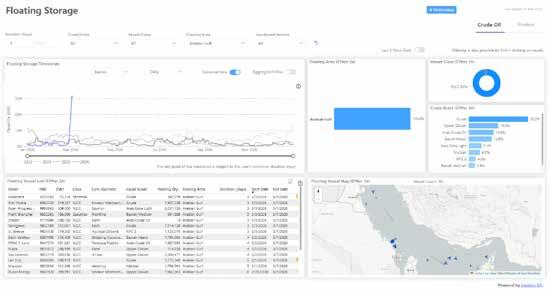
sharp decline in tanker transits through the Strait of Hormuz and rising floating storage in the Gulf signal a shift toward risk-managed energy transport rather than normal market operations. Recent AIS data now indicates that commercial tanker traffic has effectively reached a near-standstill, with most vessels remaining anchored in the Gulf while operators assess security and insurance risks. Current indicators, including waypoint activity and vessel transit patterns, provide the basis for the disruption scenarios examined below.
Scenario Matrix Scenario 1:
De facto restriction of transit with rising floating storage
Probability: very high (already developing)
The most immediate development appears to be a near-standstill in commercial tanker movements rather than a complete halt in traffic. Shipowners and charterers are assessing operational risks more carefully, and some departures are being delayed until freight economics justify the voyage.
Floating storage is becoming part of this adjustment. Tankers that would normally depart shortly after loading are, in some cases, remaining offshore while operators evaluate routing options and market conditions. Several vessels have already been damaged or threatened by drone and missile activity in the region, reinforcing shipowners’ reluctance to transit the strait.
Navigation through the corridor remains open, but activity may continue at reduced levels as shipping companies adapt to the prevailing security and insurance environment. At this stage, the situation reflects a commercial response to uncertainty rather than any formal restriction on transit.
Scenario 2: A two-route export structure
Probability: high
If the disruption persists, producers increasingly rely on a combination of pipeline exports and selective maritime shipments.
Pipeline infrastructure that bypasses the strait gains strategic importance, particularly in Saudi Arabia and the United Arab Emirates, where crude can reach ports outside the narrow passage. These routes provide partial relief but cannot handle the full volume normally exported from the Gulf.
As a result, some tanker movements continue, although typically under tighter scheduling and higher risk premiums.
Scenario 3: Security-led stabilization of tanker movements
Probability: medium–high
If the slowdown begins to affect supply flows, maritime security operations in the region could expand. The United States Navy already maintains a significant presence in the Gulf and can monitor tanker traffic and support safe navigation if required.
Such measures are typically intended to reinforce confidence in commercial shipping. They may include increased patrol activity, coordination with maritime authorities, and cooperation with industry stakeholders to ensure vessels can transit safely. Policy discussions have already begun around naval escort missions and temporary insurance backstops designed to restore confidence among shipowners.
In practical terms, this could allow tanker movements to resume gradually, although under conditions where maritime security plays a more visible role in supporting the continuity of trade routes.
Scenario 4: Market shock and temporary pricing power
Probability: high
The current disruption to tanker movements in the Gulf is already being reflected in oil market pricing, with AIS tracking showing virtually no commercial tanker transits during several recent observation periods, indicating that shipowners are avoiding the corridor despite the absence of an official closure.
A useful historical comparison can be found in the tanker attacks of the 1980s, when disruptions to Gulf shipping contributed to sharp swings in freight markets. At the time, key Middle East export routes to Asia, including Japan, were closely watched indicators of tanker market conditions, and earnings could spike sharply as shipowners avoided higher-risk voyages and war-risk premiums increased. Today, AIS data provides near-real-time visibility into tanker movements and can quickly indicate when commercial traffic through critical routes is slowing or changing patterns, although coverage is not always complete.
Scenario 5: Quiet operational coordination
Probability: medium–high
During maritime disruptions, it is common to see quiet coordination among exporters, shipping companies, insurers, and governments. This coordination usually focuses on maintaining trade rather than announcing formal agreements.
Producers such as Saudi Arabia and the United Arab Emirates have a strong incentive to keep exports flowing, while maritime powers like the United States provide security support.
Scenario 6: China’s potential diplomatic involvement
Probability: medium
Another factor increasingly shaping the situation is the role of China. As the largest buyer of Gulf crude, China has a strong interest in preventing prolonged disruption.
Rather than deploying military power in the region, Beijing is more likely to act through diplomacy and economic engagement. That could include discussions with producers, consultations with importers such as India, or mediation efforts aimed at keeping energy flows stable. So far, the evidence points to diplomatic influence rather than a formal coalition.
Scenario 7: Expansion of the maritime crisis
Probability: medium
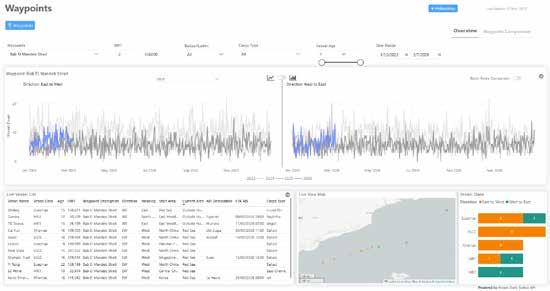
The most serious escalation scenario would involve sustained disruption in the Gulf combined with instability spreading beyond the region into the Red Sea corridor. Instability linked to attacks by the Houthis has already increased security risks in the Bab el-Mandeb Strait, one of the world’s most critical maritime chokepoints connecting the Red Sea and the Gulf of Aden. While the strait remains open, attacks on commercial vessels and the resulting security operations have already disrupted traffic and caused many ships to reroute away from the Suez Canal corridor.
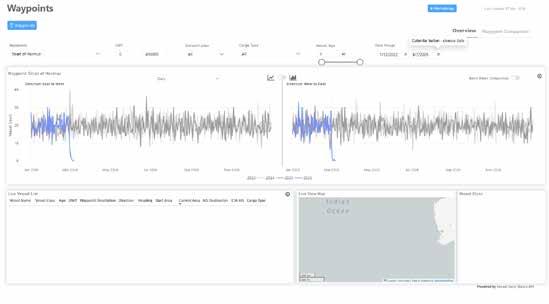
A further escalation, such as sustained attacks, mining of shipping lanes, or broader regional instability, could significantly affect transit through Bab el-Mandeb. In such a case, the disruption would extend beyond a single corridor and affect multiple maritime routes linking the Middle East, Europe, and Asia. This would force more vessels to divert around the Cape of Good Hope, increasing transit times, costs, and pressure on global supply chains.
Scenario 8: Disruption to Bunker Fuel Supply in the Arabian Gulf
Probability: Low–Medium
Escalating regional tensions could affect marine fuel supply infrastructure in the Arabian Gulf. Recent incidents have already highlighted the vulnerability of key bunkering hubs. A fire at Fujairah disrupted bunker operations after debris from an intercepted drone caused a blaze in the port’s oil industry zone, while a separate drone strike damaged a fuel storage tank at Duqm Port. If tanker traffic through Hormuz remains constrained, bunker demand patterns could shift further toward Asian hubs as vessels reroute or delay departures from Gulf ports.
These disruptions have begun to influence marine fuel markets, prompting some ship operators to seek alternative bunkering locations. Early signals indicate that part of this demand is shifting away from Gulf hubs. In Europe, the Northwest European bunkering region centred on Rotterdam, Antwerp, and Amsterdam has experienced tighter supply conditions and higher fuel premiums, while Mediterranean ports such as Gibraltar have also seen increased activity.
However, the most significant short-term demand shift has occurred in Asia. Major bunkering hubs, including Singapore, Colombo, and ports in India, have seen increased demand as vessels adjust fueling strategies while rerouting around higher-risk areas.
If regional tensions escalate further and disruptions to port infrastructure persist, bunker fuel availability in Gulf ports could become increasingly constrained, accelerating the redistribution of refueling demand toward European and Asian hubs while increasing fuel price volatility and operational costs for global shipping.
Overall Reading of the Situation
The situation remains highly uncertain, and it is difficult to determine which of the above scenarios may unfold next. Several of them remain possible under the current unstable security and geopolitical conditions. At this stage, the most critical issues are the ability to maintain safe passage for vessels, the exposure of the marine insurance market, and the role that both China and the United States may play in securing shipping routes. Even if insurance coverage remains available and naval protection helps keep routes open, this does not mean that the conflict itself will stabilize quickly.
In the near term, energy transport may increasingly rely on a combination of maritime shipments and pipeline exports. Saudi Arabia’s pipeline network could help maintain exports while naval forces, particularly from the United States, continue to protect key sea lanes. At the same time, regional diplomacy could influence how the situation develops. If Oman increases pressure and builds support among other regional actors, it could help create conditions for de-escalation and potentially shorten the duration of the current disruption.
What to Watch Now
AIS tanker transit data and floating storage levels offer the clearest signals of how the situation is evolving.
All data, estimates, and projections presented herein are based on information available as of [March 8, 2026]. While every effort has been made to ensure accuracy, the analysis is subject to revision as additional information becomes available.
Source: Signal Group
By Roger Symes, Director, Marine Debt Management
MMany readers will be familiar with the title of this article. It is another way of saying: do not make matters worse. Unfortunately, when ship suppliers contact us about overdue invoices, we often see they have done exactly that.
Their error is continuing to supply a customer on credit despite invoices remaining unpaid past due dates. As a consequence, the total owed grows and, as it gets bigger, the risk of default increases. Should the debt prove irrecoverable, the supplier will have to write off not 30 days’ sales but 60, 90, or 120 days’ sales. We have even seen 360 days’ sales written off. Occasionally, the loss is so great the supplier cannot recover and is forced into bankruptcy.


There are several reasons why such situations arise. Firstly, there is the age-old tension between the sales team and those responsible for managing or controlling risk. Naturally, the sales team want sales and, with time often tight, the focus is on getting the job done. There will be time to deal with getting paid later. But attention then shifts to the next order rather than payment for work already completed.
Secondly, suppliers know other companies are eager to secure orders. Upset a customer and they may easily take their business elsewhere. The ISSA Register makes it easy to find alternative suppliers, as do numerous directories and databases.Customers are hard to win, so few suppliers want to risk turning a buyer away by pressing for payment. Even if you are willing to ask for payment, you may not be sure who to ask. With RFQs sent through third-party platforms, the traditional buyer–supplier relationship may not exist. Often there is no direct contact between buyer and supplier. The closest link may come when the supplier uploads invoices to the buyer’s portal—hardly conducive to good customer relations!
The disconnect between buyers and sellers is something ISSA events such as “Meet the Customer” seek to address. As more intermediaries insert themselves into the buyer-supplier relationship, assessing and monitoring risk becomes harder.
A ship supplier may receive some orders directly from the ship owner, while others come via agents, traders, or via online platforms. Provisions might be handled by a crew manager or catering company. Do different invoicing requirements mean different parties are responsible for payment, or does everything lead to a single entity controlling the purse strings? Even when multiple parties are liable, many operate a “pay when paid” policy, settling invoices only after receiving payment from their own customer.
Such complexities often frustrate ship suppliers and make it difficult to enforce policies such as refusing to deliver new orders until overdue invoices are paid. The policy makes good sense but can be hard to apply.
What if new orders come from the Athens office of an international ship manager that has not paid invoices submitted to its Singapore office? How should you respond when a catering contractor places orders while technical stores supplied two months ago for the owner’s account remain unpaid? Or when orders arrive through a ship supply agent but payment for orders placed by the same owner through another agent three months ago is still outstanding?
Ship suppliers should stand firm and remember another proverb: “Fool me once, shame on you; fool me twice, shame on me.”







Is the atom the answer to the puzzle of alternative fuels for shipping?
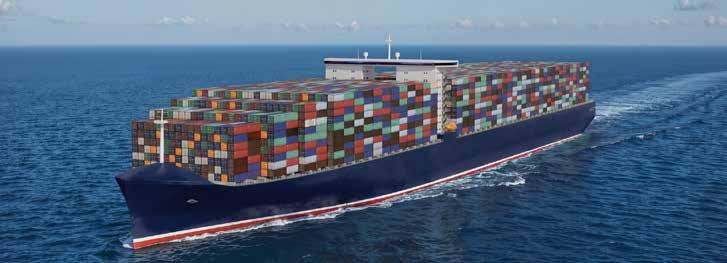
Could the next great leap in maritime propulsion come not from alternative fuels, but from the atom?
That question will move from the margins of industry debate to centre stage at Posidonia 2026, during a high-level Executive Briefing that will examine the role of advanced nuclear technologies in commercial shipping and near-shore power generation. Hosted by CORE POWER, a leading developer of civil maritime nuclear propulsion and shipyard-assembled floating nuclear power plants in the OECD, the gathering will convene leaders from shipping, ports, finance and energy to assess whether nuclear propulsion is transitioning from concept to commercial reality.
According to Charlotte Vere, Group Head of Market Development at CORE POWER, the conversation has already shifted. “This is no longer a theoretical discussion,” she notes. “We are seeing real engagement at government level among shipowners, banks, insurers and ports. What matters now is momentum, and that momentum is building. Recent government-to-government collaboration focused on maritime nuclear is a strong signal that serious work is underway to create the enabling conditions for deployment.”
The seminar will explore how advanced nuclear propulsion could enhance fleet competitiveness by offering long refueling intervals, between 5-7 years, insulation from fuel price volatility, and operational flexibility. It will also examine floating nuclear platforms capable of supplying reliable, high-density clean energy to ports and coastal industrial hubs.
Nuclear propulsion in commercial shipping is not new. The USbuilt Savannah and the Soviet icebreaker Lenin demonstrated nuclear capability as early as the late 1950s.
According to Dr. George Pateras, Deputy Chairman of Contships Management, the next wave could arrive within 10–15 years, driven by fourth-generation molten salt reactors (MSRs) using thorium fuel. “The only true green solution is nuclear power,” he argues, dismissing many alternative fuels as impractical at scale.
“It is not a question of being ready, but rather a question of necessity, the current alternative fuels paraded as solutions to the sustainability hype are neither practical, abundant nor safe,” he said.
Others adopt a more cautious tone. According to a spokesperson for South Korea’s Hanwha Ocean, several global shipowners—particularly major European container carriers and energy majors—have begun exploring the potential of nuclear-powered vessels. While this trend is noteworthy, it remains at the level of early-stage strategic assessment rather than a business decision. Nevertheless, Hanwha Ocean plans to participate in the “Carbon-Neutral Marine Molten Salt Reactor Technology Development Program,” scheduled to begin in 2027 under the joint supervision of the Ministry of Science and ICT and the Ministry of Oceans and Fisheries of South Korea. He said: “While some institutions present an optimistic outlook for early 2030 commercialisation, a more cautious and realistic assessment suggests that nuclear-powered vessels may not become feasible until the late 2030s at the earliest.”
Samsung Heavy Industries, which is studying MSR-powered container ships and LNG carriers, similarly points to mid-2030s as the earliest plausible timeframe for commercial deployment.
A spokesperson for Samsung said: “In the longer term, nuclearpowered vessels may represent one of the viable pathways towards achieving carbon neutrality in the maritime industry, alongside alternative solutions such as green ammonia and hydrogen fuels, fuel cell technologies, and battery-powered vessels.”
Dr. John Kokarakis, Chair of SNAME Greek Section and Technical Director at Bureau Veritas’ SEEBA Zone, describes the sector as “pre-commercial but no longer hypothetical.” He points to key milestones achieved in 2025, including the Approval in Principle (AiP) for a nuclear-powered LNG carrier concept using molten salt reactor technology, the establishment of the Nuclear Energy Maritime Organization (NEMO), and the IMO’s formal process to modernise the 1981 Code of Safety for Nuclear Merchant Ships.
“Early pilot vessels could appear in the mid-2030s,” he suggests, “but broad adoption depends on regulatory, insurance and port-state alignment.”
While reactor innovation is advancing—particularly in Small Modular Reactors (SMRs) and MSRs— the principal barriers may lie elsewhere.
Charlotte Vere highlights regulatory alignment, liability frameworks, port acceptance and insurance structures as critical workstreams. “Insurance is often highlighted early because the sector will need clarity on civil nuclear liability arrangements that function in a maritime context,” she explains.
Panos Kourkountis, Chairman of MARTECMA and Technical Director at Sea Traders S.A., stresses another enduring concern: radioactive waste. While nuclear propulsion produces no operational CO2 emissions, waste management and long-term environmental stewardship remain politically sensitive and technically complex issues.
Public perception also looms large. As Dr. Pateras observes, “The word nuclear carries a heavy legacy,” despite decades of safe naval and land-based nuclear operations worldwide. “But as Greek shipowners have always been ahead of the curve when it comes to technological challenges and advancement, the solution of Nuclear Power has already started to be discussed at many maritime fora, always with positive reviews.”
Dr. Kokarakis underscores that commercial readiness depends not only on engineering maturity but on governance alignment:
port-state acceptance, crew training pipelines, standardised reactor designs, and internationally harmonised liability conventions. “A ship can be technically sound,” he notes, “but commercially dead if it cannot enter major ports.”
Proponents argue that nuclear propulsion offers unmatched advantages such as Zero CO2 emissions during operation, elimination of fuel tanks and large engine rooms, stable and predictable energy costs, and high suitability for LNG carriers, ultra-large container ships and deep-sea vessels. Yet adoption hinges on economics. As Kourkountis observes, “No technology is adopted on a large commercial scale unless it is economically competitive.” But he concludes, that “When the relevant legislation is in place and nuclear propulsion becomes technologically mature and commercially viable, Greek shipowners are expected to be among the first to place orders for nuclear-powered newbuildings.”
The fact that Posidonia 2026 will host a dedicated executive seminar on civil maritime nuclear propulsion signals highlights how far the conversation has evolved, especially in a country which controls roughly 20% of global merchant tonnage. While no public nuclear newbuilding orders have been announced, discussions are reportedly underway in policy and industry circles. Greek institutions, classification societies and international organisations —including the IAEA— have engaged in structured dialogue on maritime nuclear frameworks. Whether nuclear-powered merchant fleets will materialise in the mid-2030s or remain confined to demonstration corridors depends on regulatory reform, financing innovation, public acceptance and global cooperation.
Posidonia 2026 will be held at the sold-out Metropolitan Expo from 1-5 June and is organised under the auspices of the Ministry of Maritime Affairs and Insular Policy, the Hellenic Chamber of Shipping and the Union of Greek Shipowners, with the support of the Municipality of Piraeus and the Greek Shipping Co-operation Committee.
By Iasonas Lalizas, Marketing & Communications Director
Maritime safety is often discussed in relation to regulations, certifications and emerging technologies. Although these elements are undeniably important, experience in recent years has shown that the real challenge is found elsewhere: in the consistent and proper maintenance and operation of lifesaving equipment on board, and in the level of knowledge of the people who are ultimately required to use it. From a manufacturer’s perspective, remaining ahead of developments has become increasingly complex. The regulatory framework continues to evolve, with new requirements, interpretations and regional variations adding layers of difficulty to compliance.

Manufacturers of lifesaving equipment must not only monitor these changes closely, but also anticipate future developments and respond promptly with certified, reliable solutions. At the same time, differences in local legislation, enforcement practices and port state control regimes increase the pressure to deliver products and services that perform consistently across the globe.
However, even the most advanced and fully certified equipment cannot deliver safety on its own. Safety performance on board is rooted in knowledge. Regular crew training, onboard visual inspections and structured maintenance routines remain among the most effective measures to ensure that lifesaving equipment will function as intended when called upon. These practices also reinforce crew familiarity with the equipment’s condition, location and correct operation, reducing hesitation and uncertainty in emergency situations.
One concerning trend has become increasingly evident In recent years: lifesaving appliances are often serviced by providers who are not authorised by the original equipment manufacturer. This often results in the use of non-approved spare parts and maintenance procedures that do not meet the required standards. In the context of lifesaving appliances and fire-fighting equipment, such compromises carry significant risk. The quality of servicing is as critical as the quality of manufacturing. Shipping companies should therefore evaluate service partners not solely on cost, but on authorisation, technical competence and proven reliability. Safety is not a one-off purchase; it is an ongoing process that requires consistency and accountability.
Crew preparedness remains equally crucial. Despite notable progress across the industry, gaps in practical knowledge of maintenance procedures and correct lifesaving equipment operation still exist. Onboard training sessions, refresher courses and a culture that encourages questions and continuous learning are essential. Seafarers operate in an environment where human lives are exposed to risk on a daily basis, and empowering them with the right technical knowledge is one of the most effective ways to strengthen overall safety outcomes.
Maintenance and inspection practices also require a more coordinated and disciplined approach. Authorised servicing by certified technicians should be the norm, not the exception. Compliance should not be treated as a box-ticking exercise, but as part of a broader safety culture, that actively involves ship operators, crews, service providers and manufacturers. Doing the bare minimum to meet regulatory requirements is not enough when it comes to lifesaving equipment.
Encouragingly, steady progress has been made. More shipping companies are investing in structured safety processes and strengthening cooperation with manufacturers to enhance onboard safety standards. At the same time, the growing demand for training and knowledge-sharing initiatives highlights a broader shift towards a more mature safety culture, where compliance is combined with understanding and preparedness.
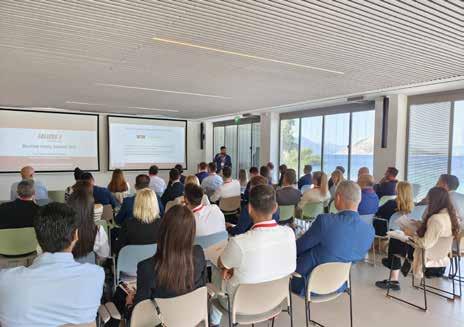
Within this evolving environment, the role of manufacturers extends far beyond supplying certified equipment. At LALIZAS, particular emphasis is placed on supporting operators and crews throughout the entire lifecycle of lifesaving and fire-fighting systems — from regulatory awareness and product selection to training, documentation and long-term operational support. A recent example of this approach was the Maritime Safety Summit 2025, hosted by LALIZAS on Aegina Island, which brought together shipowners, managers, classification societies and other industry stakeholders to examine upcoming IMO regulatory changes affecting foam firefighting systems.
The two-day summit focused on the new IMO resolution MSC 532(107), which introduces the prohibition of PFOS- and PFOAbased materials in fixed and portable firefighting systems, with compliance becoming mandatory from 2026. Through open discussion and technical presentations, participants gained practical insight into the regulatory framework, its implications for vessels in operation and the available pathways to compliance. Such initiatives highlight the industry’s need not only for compliant equipment, but also for clarity, expert guidance and informed decision-making. Ultimately, effective safety management depends on close collaboration with manufacturers that combine technical expertise, global presence and authorised service networks. Through certified equipment, dedicated training solutions, clear technical guidance and a worldwide network of approved service stations, LALIZAS remains committed to helping operators maintain operational readiness and ensure that crews are properly equipped and prepared. Because at the end of the day, safety is not defined solely by regulations or products, but by how well people understand, maintain and rely on the equipment designed to protect them.
LALIZAS Maritime Safety Summit for the New IMO Regulations on Onboard Foam Systems.


By Katerina Vardalaki
When the initial boom of what targeted global marketing coined as AI (Artificial Intelligence), Large Language Models (LLMs) came to the forefront of global news. The initial reaction wasn’t as dismissive as it may be today by the general public, nor were there active hypotheses that AI would cause a behavioral and cognitive decline. The reason was simple: Who wouldn’t want to fully automate mundane tasks, repetitive daily chores without significant meaning that take up space, time and thinking power in the day to day grind? Key words being here the adjective “mundane” and the verb “automate”. Nowhere near what Black Mirror-esque societal horrors of AI psychosis and inability of critical thought we are experiencing today. I was one of the true believers that the technological boom of the internet would be beneficial to society, as the only thing separating most sentient beings humans from true consciousness and critical thinking is the infinite and unobstructed access to free information. However aspirational this theory may be, the current societal relapse paints a different picture: AI is actively contributing to the erosion of critical thinking and lowering the cognitive process. And it is not just MIT’s research, it’s much more extensive than initially thought. Higher confidence in AI is correlated with less critical thinking. Dependence in AI is tied with cognitive substitutes rather than supplements. Even the legal world is experiencing the AI behavioral decline, with new emerging lawsuits against LLMs. Truth is, new and current versions of proclaimed AI are actively hallucinating, generating more errors instead of minimizing them. As LLMs are predictive in terms of their analysis and automated responses, and are being trained in a bottomless pit of raw data, not uncommonly taken unlawfully from unauthorized sources one would guess hallucinations wouldn’t be an issue. However, LLM’s will always
carry a tremendous risk of plain mistakes.
Semantics are not used here to enter inconclusive philosophical territory and derail the conversation.
Semantics were always, and will remain, extremely important to understand new technologies and equally shared limitations on both the user base and the operator of the system. Tackling the basics out of the way of this discussion, there is no true artificial intelligence in existence yet, and after extensive debating, scientists came up with a new terminology called Generative Artificial Intelligence (GAI) which potentially encompasses the concept of future AI consciousness. GenAI is still trained in largebatch databases, but claims to be creating innovative ideas and concepts such as artwork, imagery and large volumes of text from novels to disingenuous research papers.
A recent TU-Delft study evaluated 53 articles with research citations and discovered that at least 48 of those were GenAI generated. We have reached, as a society, a proliferating era of a complex cyber infection, that feeds off natural intelligence and muddles human perception so much so that areas of long-known trust can now be disassembled with one swift cross reference. How much information consumed daily can be truly attributed to AI hallucinations? Worse still, true human intelligence, especially in written form, is being confused with AI generated texts, all based on the unique use of the em dash and a profound lack of grammar mistakes in the articles and texts we consume. Nowadays showing competence in grammar, syntax and even in the articulation of complex ideas in a simplified form, is a measure of AI and not a sign of acquired skill and intelligence.
In fear of sounding like a new age Luddite, the Reverse Flynn Effect cannot be ignored. Attention spans are lowering rapidly in both children and adults, all the while brains need “friction” to get trained, and it seems that these two metrics are clashing in opposite directions. In a counter- argument, we also can’t ignore

the benefits of using AI for medical analyses and new drug development, but trusting AI to such an extent carries its own cognitive and bias risks. Truth is, AI is great for one thing: Amplifying the most dominant and self-repeating concepts, while completely ignoring nuance. AI is being trained in pre-existing bodies of information, and these bodies will always carry their own biases and raw-data risks. Now imagine multiplying these risks to infinity and getting some sort of AI-slop in the form of a school essay with a side of brain-rot as a result. Worse than this infinite repetition, the last fort standing (i.e education) is also quickly faltering. Reliance in LLM’s isn’t only affecting students- teachers and professors are also known to cognitively offload their tasks in generative AI.
The price paid in global environmental and energy impacts is horrendously imbalanced for generating highschool-level essays and content creation for social media and reality TV.
While investigating correlating data for this article, reality became bleak in every step; AI prompts were seemingly appearing out of thin air. Science Direct for example, a reputable platform and online database for scientific articles and books, shows a pop-up notification promoting their creatively named “ScienceDirect AI”, which the user must manually remove in order to continue reading. Conveniently, this innovation is a paid feature and claims to carry more research integrity and AI transparency than other generative LLMs. Aside from their model validity and originality claims, what we are now referring as the over-marketed term “AI” is a billion dollar industry with seemingly endless funding. Concerns however peak, much higher than our marketing terminology disagreements, when one notices how this industry is already justifying their AI-spending habits as either a “long term payoff” or by pretending not to care about monetary returns in investments, while willfully ignoring the dark side of data: 95% of organizations are getting zero return.
Entities and larger enterprises are applying the fundamentals of AI in the wrong sectors of their operations. Instead of using AI’s capabilities as originally intended (eg. a closed-circuit power source of back-office data analysis) companies opt to implement LLMs into their sales, content creating and marketing fields. From the 2025 MIT report, it is evident that corporations are not able to successfully and fully implement something as fast-changing and power-needing as AI. No counter- argument can be made about these claims: AI advancements both require tremendous amounts of power and constant re-evaluation in effectiveness, by taking into consideration timely training. For example, whatever claims could be made about refined and usable AI prompts in 2024 are now considered obsolete. Remember job postings like “Prompt Engineer” sounding like a gimmick? It actually was.

a never seen before RAM shortage, words we never expected to ever hear in our era of information.
While the changes in AI technological advancements are fast and profound, the EU’s access to the one most necessary ammunition is limited. Energy.
Much of the importance of owning and storing information can also be currently considered burdensome in terms of a usable AI function. Coined as the “dark data problem”, the issue refers to digital information that is never used or processed but religiously maintained, reportedly reaching a volume of up to 90% of all stored data. Imagine outdated emails, old reports and drafts backed up by companies due to regulatory requirements for record keeping, fear of future implications, or old- fashioned ignorance. AI is also in need of a lot of RAM memory, leading into
Access to power has never been more important for the Old Continent. EU’s policies on energy consumption and a promise to reduce emissions began as unfathomably strict and geo-economically risky. While these policies were originally implemented for a target set as “net zero” by 2050, we are already seeing discussion on some key-loopholes and misplaced AI data center dreams. It is of no surprise that Europe will continue to lower the bar on sustainability requirements for both

smaller and larger entities to comply with global climate goals. How else will the AI power-hungry data centers be approved to operate from within the EU borders?
These softening changes are not unwelcome in the larger picture, and they all lead to a commonly used phrase by Gen Z: F(ear) O(f) M(issing ) O(ut). Aside from the green energy plans, if EU regulations remain idle, Europe could be held hostage in the future by forfeiting the necessary data centers in countries like Saudi Arabia, which are not yet crippled by the strict European energy policies. EU is already over-reliant on Chinese manufacturing, such as Chinese microchips that contribute to the ultimate race of “AI power”, a race that now includes global key entities of high value technological monopolies, like the Dutch ASML lithography tech, Taiwan’s TSCM, and China’s own SMIC, all playing with or against the US definitive plan of “achieving global AI dominance”.
The similarity to the recent global history of 1947 is uncanny: We are deep in the process of an AI cold war. While the EU is trying to maintain a heavy hand in this fast-paced sovereign race, achieving energy sovereignty seems currently improbable. Even worse, building a steady semiconductor private sector by overcoming bureaucracy and regulatory setbacks seems impossible.
An ambitious predictive model named AI2027 presents a dismal outcome. Taking into account that all powerful technological advancements always trickle to military operations and intelligence, what is there to stop the return of a shiny and new but slightly different proxy war?
Invasive technologies have always been in the forefront of politics and targeted civil manipulation, much like the wellknown examples of WWII propaganda. However, the security and deep intelligence risks have never been higher. Historical manipulation and narrative-driven misinformation used to target larger audiences and aim for a favorable societal perception to avoid unrest and drive obedience, unlike live-feed information in the form of spoon-fed conclusions. It is almost impossible to counteract informational super speed bound to reach a designated target via any means possible, including unauthorized access to personal devices. Researchers have specific terminology to address these issues such as “deep fakes” and “disinformation” but humans will always be the weakest link disseminating propaganda. And while humans are the main instigators, creating unmeasurable amounts of AI online content and feeding it directly to specific target groups via algorithmic manipulation certainly doesn’t help.
Modern warfare is AI, and AI is both under tremendous scrutiny and simultaneously being rapidly forced down major departments throats. Herculean efforts are in place to push for AI implementation in practical fields, such as the example of the innovative EagleEye, an Anduril helmet designed to enhance the wearers perception and livefeed critical information to multiple assets at the same time, by being connected to one decentralized mesh network. While the benefits of such a sci-fi technological wonder do not evade me, it seems appropriate to cross-reference its security viability through previous examples of their own applications failing. Cyber security appears to be a buzz word often forgotten in such ambitious efforts, but we are now looking at the possibility of an army counting thousands of soldiers on the battlefield receiving live orders from an unauthorized source and acting on them thinking they are guided by their own commanders. EagleEye has not yet been fully implemented as it is still being tested, however AI implications with their extensive hallucinations and ease of convincing them to break previous orders, such as spilling sensitive data, does not seem as an optimal approach we are ready to embrace. Be that as it may, how wise is it to allow Meta’s hands to run through military weaponry and even partner throughout their development?
Neither military nor OSINT technologies are safe from the newfound AI craze. Vibe coding has been gaining traction, with disappointing results, all the while AI implementations fail enterprises, individuals and even investigators. Nico Dekens, one of the most prominent OSINT figures, also known as the “Dutch Osint Guy” also points to a harsh truth- investigators who over trust AI responses will undoubtedly end up being misled. It could be an image, text or audio being fed to tools like Gemini or Claude or ChatGPT, all showing symptoms of confirmation bias and misinformation. It all starts with a nudge and ends up in blind trust, the opposite of what intelligence officers are required to maintain in order to provide timely, and most importantly verified, information. There is a notable shift in acquired skills and even craftsmanship, leading up to a lack of understanding of the dangers of accepting an AI generated answer to a key question that will lead the whole investigation to a wild goose chase.
Using AI for cyber defense or counter-attacks is not unheard of, however the risks and various privacy implications are yet to be fully determined and mitigated. Where there is potential for better, faster and most accurate intelligence, there are countless risks a human eye will need to evaluate before treading further into murky waters.
As much as cyber security experts and intelligence officers openly discuss the known and unknown issues of AI, maybe even contest its use altogether, we have entered the era of no return. There is no easy way to implement such advanced technologies without the dangers of overstimulating societies, minimizing cognitive functions and opening a world of security backdoors, yet the race for AI is here and its best to be weary and prepared than in denial and unaware of its potential. We are left to navigate unknown maps, as many generations before us, waiting for a fictional bubble to crash and expecting the cognizant remainders to pick the leftover pieces back up; a task only a few can be counted on for.
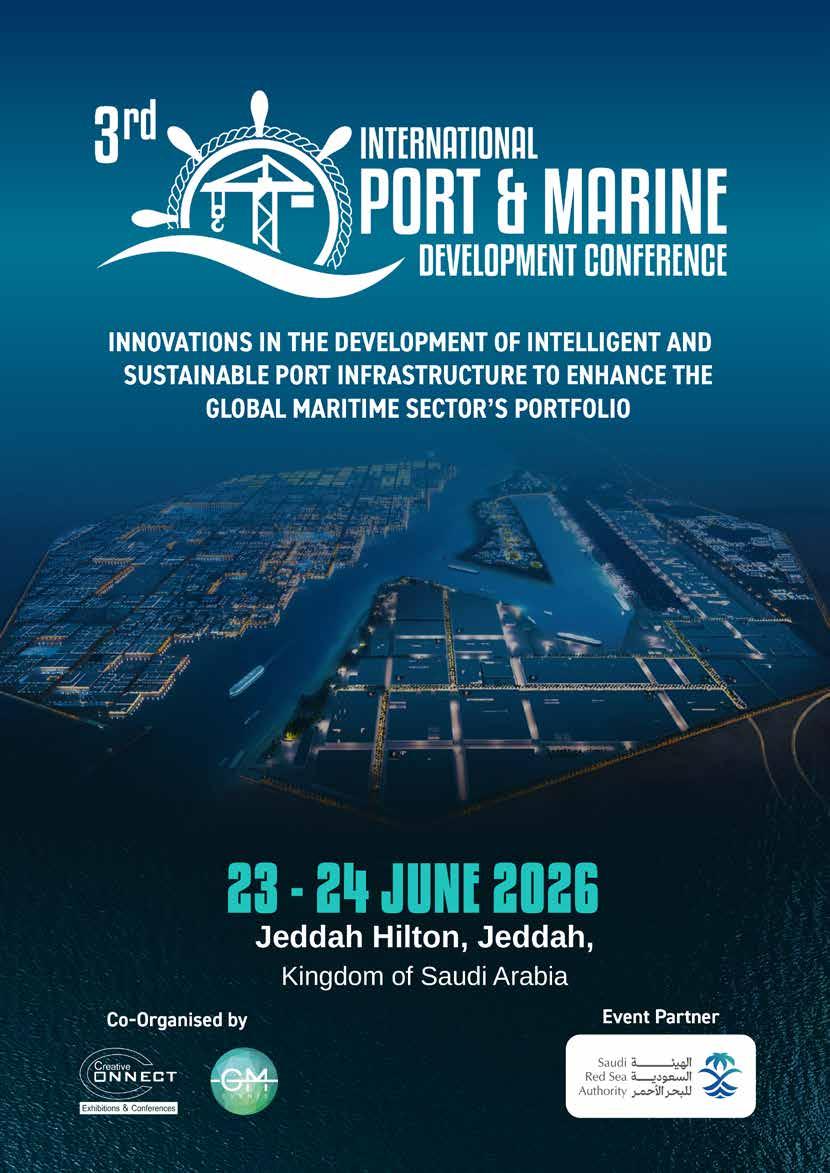
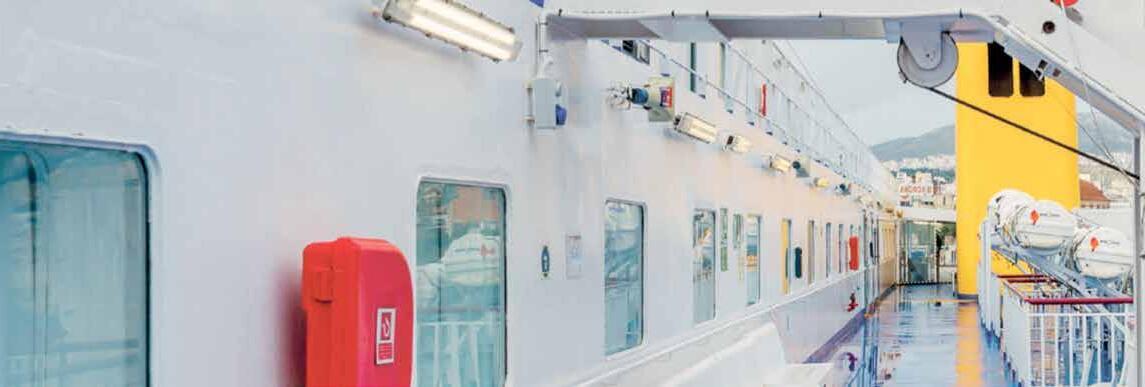





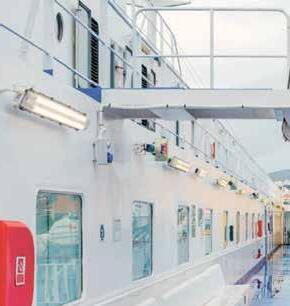

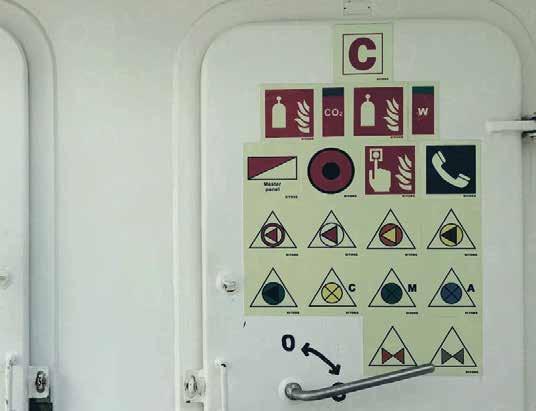
By Lucy Handley (CNBC’s Anniek Bao and Arjun Kharpal also contributed to this report)
Key Points:
- Investors like Singapore for its location, English common-law and large private capital markets, according to KPMG executive Anton Ruddenklau, describing it as a “hub” for capital flows into and out of Asia.
- Morgan Stanley said that many investors consider Singapore an “illiquid safe haven,” in a research note last year, but that new policies designed to “reinvigorate” the stock market will change this.
- Singapore is also seen by investors as a way to tap into emerging markets in Southeast Asia, where regulations can be complex.
When KPMG executive Anton Ruddenklau moved to highrise Singapore from the leafy streets of a London commuter town, one of the first things he noticed was how easy it was to do business in the Southeast Asian nation. “People are set up to build relationships here,” he told CNBC by phone. It was January 2021, and Ruddenklau moved to Singapore to lead KPMG’s financial services advisory practice in the country. “You arrive and you realize that actually the government has a nation-building mindset that’s hugely enabling,” he said. And, while Ruddenklau said Singapore as a market by itself is “not particularly interesting,” because of its small population, investors like it for its location, English common-law and large private capital markets, he added, describing it as a “hub” for capital flows into and out of Asia.
The level of foreign direct investment (FDI) in Singapore as a percentage of GDP is one of the highest in the world, according to the World Bank, with many international investors seeing the country as something of a refuge.
“A big reason Singapore attracts overseas investors is credibility,” according to Geoff Howie, a market strategist at the city-state’s stock exchange SGX Group.
“It offers policy stability, strong institutions, deep trade and
financial connectivity, and a currency that is increasingly seen as an anchor of macro discipline rather than a swing factor,” he told CNBC by email.
Indeed, the Singapore dollar hit its highest level against the U.S. dollar since October 2014 last week.
As of Wednesday, 28 January, it was trading at about 1.26.
In the five years that Ruddenklau has lived in Singapore, he’s observed it move away from being a “little red dot” — an affectionate, colloquial term referring to its size on the map — to something much more.
Now it is “much more of a globally significant middle power,”
Ruddenklau said, referring to a term Canadian Prime Minister Mark Carney used last week to describe his own country.
Tian Ong Foo, regional head and Singapore location head of Private Banking at Standard Chartered, told CNBC via email that the island nation is a “strategic base” to invest in markets like Indonesia, Malaysia and Thailand, “without taking on operational and regulatory complexity of those markets directly.”

Super app Grab, for example, is run out of Singapore and operates in seven other countries in the region including Vietnam, Thailand and the Philippines. “Compared to other hubs, it provides lower geopolitical risk, strong regulatory clarity, and a mature financial ecosystem,” Foo said.
Srini Nagarajan, managing director and head of Asia at British International Investment (BII), the U.K.’s impact investment body, described Singapore as the “perfect place” from which to invest into emerging economies in the region.
Nagarajan focuses on climate finance, while BII — which concentrates on the Philippines, Vietnam and Indonesia — has a mandate to invest up to £500 million (about $685 million) in green projects and technology in Southeast Asia by the end of this year. “These markets provide some of the best opportunities to take the most carbon out of the atmosphere in the shortest period of time,” Nagarajan said.
In October, BII committed $60 million into the Green Investment Partnership, an initiative set up by Singapore’s central bank — the Monetary Authority of Singapore, or MAS — to fund, among others, bio-energy and solar projects.
Morgan Stanley said many investors consider Singapore an “illiquid safe haven”, in a research note last year. But new policies designed to “reinvigorate” the stock market are set to change this, the bank added, noting an “unprecedented” $4 billion cash investment by the MAS to provide liquidity for small and mid-cap stocks.
Morgan Stanley estimated that the MSCI Singapore Index could double in value between 2025 and 2030, as the country enters “a new era of wealth creation.”
“Sixty years after its leap into independence, the country is now transforming from a safe harbor for global capital into a strategic engine of innovation and influence,” it said.
Singapore is much more than just a refuge for investors, SGX’s Howie said: “It isn’t just about escaping volatility. It might be more about accessing a marketplace that offers both credible and evolving economic foundations that are conducive to valuefocused investing.” But Ruddenklau said the island nation is a refuge for some. “If you’re high net worth or you’re [a] family office, absolutely,” he said.
Another reason the city-state is attractive for such investors is the lower prevalence of fraud and financial crime compared with other nations in the region. Singapore ranked 10th on the Global Fraud Index of 112 countries published in October, although it dropped from first to 10th for “fraud resilience” between 2024 and 2025, according to index publisher Sumsub.
Equity markets are attractive, according to Howie. “The market has just had its strongest rally in two decades,
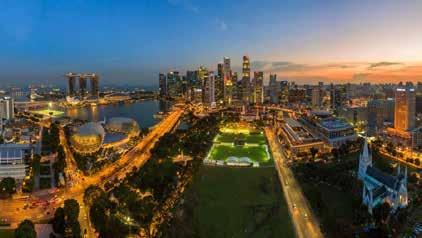
driven by earnings rather than speculation,” he said. The benchmark Straits Times Index rose about 29% in the year to Jan. 28, with banks, industrials, infrastructure and regionallyexposed businesses performing well.
Kelvin Tan, founder and CEO of Straits42 Group, singled out residential property as appealing for U.S. investors in particular, because it is exempt from ABSD — or Additional Buyer’s Stamp Duty — a tax of 60% of the property’s value that buyers from most countries must pay. Nationals from Norway, Switzerland, Iceland and Liechtenstein are also exempt from ABSD.
Meanwhile, Singapore is seeing increased inflows into fintech, recording just over $1 billion in the first half of 2025, according to KPMG. Payments, cryptocurrency and AI deals topped the list, with Singapore-based payments platform Airwallex now valued at $8 billion. Singapore is among the top markets for stablecoin flows, with luxury retailers embracing digital currencies.
Ruddenklau described Singapore’s financial services regulator as “ahead of the game.” In 2023, Singapore was among the first in the world to agree to stablecoin crypto regulation. And in November, the MAS said it would trial the issuance of tokenized bills using its Central Bank Digital Currency this year.
If you’re looking for high-risk, high-reward, Singapore might not be the place for you. But is Singapore the boring market some have suggested?
“I suspect that tag was associated with narrow returns ... and limited narratives,” Howie said. “Today, it is better described as reliably investable. In a world where investors increasingly prize resilience, governance and downside protection, that reputation might become a strength, not a weakness.”
“Investors do not want surprises,” Ruddenklau said. “They want predictable, and Singapore gives them that.”

Global trade is operating under permanent strain, with new research showing that companies in parts of the Global South are losing months of productivity, millions of dollars and long-term customer trust as supply chain disruption shifts from episodic shock to a defining feature of today’s operating environment.
The Without Logistics report from DP World, based on a global study of 680 senior logistics and supply chain decision-makers across eight industries and nine regions, finds that disruption is now commonplace. However, its impact is deeply uneven, with firms in Sub-Saharan Africa (SSA), the Middle East and North Africa (MENA) and the Gulf (GCC) experiencing the longest downtime, the highest costs and the most severe customer fallout.


In these regions, disruption routinely wipes out more than a month of operational capacity every year. The study shows that 83% of firms in SSA, 72% in MENA, and 61% in the GCC lose more than a month of operational time in years affected by major logistics disruption, compared with 50% of firms in North America, 41% in Germany and 36% in the UK.
The financial consequences are equally stark. High-value disruption is concentrated in the same corridors, with nearly half of companies in the GCC (47%) and more than four in ten in MENA (43%) reporting annual disruption costs of $1 million or more. These regions also sit at the top of the range globally for customer complaints, lost business and brand damage, underlining how logistics challenges are now directly eroding commercial performance and reputation.
Beat Simon, Chief Operating Officer – Logistics, DP World, said: “This data shows that supply chain disruption is no longer a temporary shock, it is a recurring drain on growth, profitability and customer trust. In some regions, businesses are effectively planning around the loss of weeks or months of productive time each year. “What is striking, however, is that the regions under the most pressure are also responding with the greatest urgency. In Sub-Saharan Africa and the GCC, more than nine in ten businesses expect to increase investment in logistics over the next year, and it’s 86% in the Middle East and North Africa. That reflects a clear understanding that resilience is now a competitive necessity, not an optional upgrade.”

The findings also expose two distinct disruption realities across global industries. High-volume sectors such as retail, healthcare and perishables are operating under near-constant turbulence, with retail and healthcare businesses each experiencing around 18,000 disruption events every year. By contrast, automotive companies face fewer incidents, but when disruption hits, the impact is far more destructive. The average cost per disruption in automotive approaches $1 million, with annual losses estimated at $13 billion, and recovery times stretching far longer than in high-frequency sectors.
The research further shows that resilience is not driven by technology alone, but by the breadth of investment across the supply chain.
Companies that strengthen multiple logistics capabilities, from factory logistics and inbound flows to warehousing and digital coordination, report dramatically lower disruption costs than peers with a narrower investment strategies. In consumer goods, firms investing in four or more logistics areas report disruption costs around 76% lower than low-investment competitors.
Customer pain is now close to universal. Across most regions and sectors, 80% to 95% of respondents say logistics disruptions have led to increased customer complaints. However, the study shows that lasting reputational damage is concentrated in specific markets, with Sub-Saharan Africa and France reporting some of the highest levels of brand impact, while firms in North America and the UK report rising complaints but relatively more resilient brand perceptions.
Despite the scale of the challenge, the research finds rare alignment across boardrooms and operations. More than 80% of respondents expect logistics to become a more strategic focus at board level, and nearly 90% agree that businesses with resilient supply chains will significantly outperform their peers in the years ahead.
Overall, the findings point to a clear conclusion: as disruption becomes a permanent feature of global trade, companies that fail to build end-to-end resilience risk falling structurally behind, whilst those that invest decisively stand to protect growth, customer trust and long-term competitiveness.

By Dimitrios Koukouvinos, Captain H.C.G. Retd

Shipping, one of the most traditional sectors of the global economy, is undergoing a transformation today that unfolds quietly but at an exceptionally fast pace. Technology no longer plays a merely supportive role; it has become a key driver of change, affecting every aspect of shipping activities — from vessel operations to corporate strategy.
Modern sensor systems, satellite communications, and data analytics platforms allow for continuous monitoring of vessel performance. Parameters such as fuel consumption, equipment condition, and weather conditions are collected and analyzed in real time, providing unprecedented transparencyand control. This translates into cost reduction, optimized routing, and timely prevention of malfunctions.
At the same time, the introduction of advanced fleet management software is changing how decisions are made. Human experience and intuition remain critical, but they are now enhanced by data and predictive analytics, reducing room for error. This transition requires a new culture and different skill sets, which not all industry players have yet adopted.
Ultimately, technology acts as an accelerator of inequalities: those who invest early gain a competitive advantage, while those who delay risk falling behind. Shipping does not change gradually; it changes exponentially. And this is perhaps the most critical message that is often underestimated.
For decades, vessel operations relied on handwritten logs, printed reports, and fragmented communication between ship and office. While familiar and time-tested, this practice limited response speed and left little room for meaningful analysis. Today, digitalization is replacing paper with continuously flowing, real-time data. Modern vessels now operate as “floating data platforms.” Through digital logs, automated reports, and
integrated management systems, information is sent immediately to headquarters. The operational picture of a ship is no longer delayed or incomplete; it is live, dynamic, and measurable.
This change fundamentally transforms monitoring and decision-making. Managers can identify performance deviations, compare vessels, and intervene proactively before a minor issue develops into a serious operational or financial problem. At the same time, accurate data facilitates regulatory compliance and documentation for authorities and charterers.
However, digitalization is not only a technological challenge; it is also organizational. It requires crew training, a mindset shift, and trust in systems. The sooner it is understood that data is a strategic tool rather than just a bureaucratic obligation, the smoother and more effective the transition will be.
Shipping is moving from an era of recording to an era of prediction. And this transition is already happening — faster than we think.
The environmental dimension of shipping is now at the forefront of developments, not as a future challenge but as an immediate reality. International regulations are becoming stricter, tolerances are shrinking, and shipping companies are required to adapt in a framework that changes faster than the lifecycle of a vessel.
The International Maritime Organization, the European Union, and other regulatory bodies set emission reduction targets and energy efficiency indicators that directly affect the commercial utilization of vessels. Compliance is no longer just about legality; it also affects competitiveness. A vessel with poor environmental performance may face restrictions, higher costs, or even exclusion from certain markets.
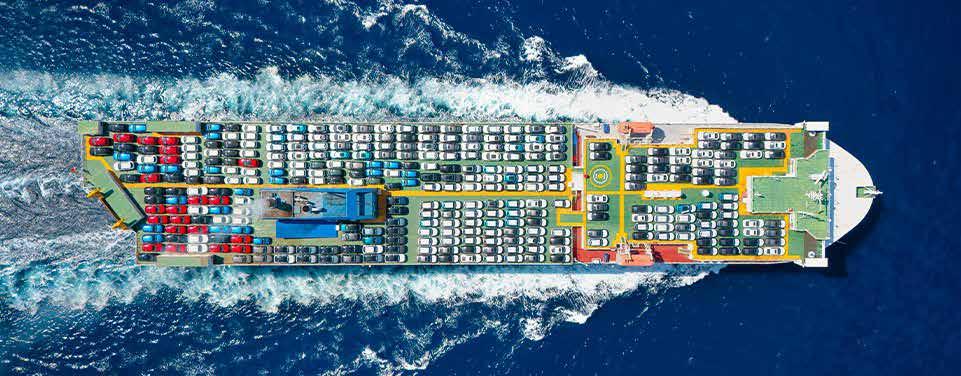
At the same time, fuel choices have become a critical strategic dilemma. LNG, methanol, biofuels,and alternative solutions promise emission reductions, but none yet offer a comprehensive answer. High investment costs, infrastructure uncertainty, and technological maturity make decisions extremely complex. The green transition is not linear; it is full of risk and long-term consequences.
Meanwhile, environmental pressure comes not only from regulators. Charterers, investors, and financial institutions now evaluate companies based on sustainability criteria. A “green profile” becomes a factor in access to financing and contracts, emphasizing the need for measurable and reliable results. The green transition in shipping is not merely an environmental responsibility; it is a strategy for survival. Those who view it as a temporary trend risk being sidelined far sooner than expected.
The introduction of artificial intelligence (AI) in shipping marks a deeper change than any previous technological innovation. It is not only about automating processes but fundamentally transforming how decisions are made.
The shift from experiential judgment to data-driven analysis is reshaping ship and fleet management.
AI algorithms process enormous volumes of data — weather models, engine performance, fuel consumption, commercial parameters — and propose optimal navigation and operational scenarios. Where hours of analysis and empirical judgment were once required, decisions can now be made almost in real time, with greater accuracy and lower risk.
Automation also extends to maintenance through predictive models that identify potential failures before they occur. Predictive maintenance reduces unscheduled downtime and increases vessel reliability. Technology does not replace humans; it supports them, allowing focus on critical and strategic decisions.
but it is no longer sufficient on its own. Continuous training and technological literacy have become essential for safety and efficiency.
Similarly, new roles and specialties are emerging in shipping offices. Data analysts, cybersecurity experts, and sustainability officers now work alongside traditional fleet managers. This coexistence creates opportunities but also challenges in collaboration across professional cultures.
Additionally, the industry faces the longstanding challenge of attracting new talent. Higher demands, distance from shore, and competition from other technology sectors make it necessary to reposition shipping as a modern and evolving career field. The success of the transformation will not depend solely on technology but on the ability of people to understand, trust, and effectively use it. In a rapidly changing industry, human capital remains the most decisive factor for adaptation.

However, growing reliance on automated systems raises new questions. Who has the final say when human judgment conflicts with an algorithm? How much trust can be placed in systems that often operate as “black boxes”? Balancing technology with responsibility remains a critical open issue.
AI in shipping is no longer a promise of the future; it is present and evolving faster than the organizational structures managing it. This makes adaptation not just desirable but inevitable.
Despite rapid technological progress, shipping remains a deeply human-centered industry. Yet the role of human capital is changing fundamentally. The transformation of shipping is not limited to systems and equipment; it extends to the skills, responsibilities, and mindset of those working on board and ashore. Crew members are now expected to manage complex digital systems, interpret data, and collaborate with automated processes. Traditional maritime experience remains valuable,
As shipping becomes increasingly digital and interconnected, the concept of security is being redefined. It is no longer limited to the physical protection of vessels, cargo, and crew but extends dynamically into the digital realm. Cybersecurity has become a critical pillar of operational continuity and reliability.
Modern vessels rely on networks, navigation software, automation, and remote monitoring systems. This technological dependence creates new vulnerabilities. Cyberattacks, data breaches, or even simple human errors can cause serious operational disruptions, with financial and business consequences. International regulations and guidelines now incorporate cybersecurity into vessel safety management requirements. Shipping companies must develop policies, procedures, and incident response plans that until recently were considered “theoretical scenarios.” Compliance alone is insufficient without a genuine understanding of the risks.
The human factor remains decisive. Crew and shore staff constitute the first line of defense against digital threats. Training, vigilance, and proper system use are often more effective than any technology alone.
Security in modern shipping is now hybrid: both physical and digital. As technology evolves, cybersecurity ceases to be optional and becomes a fundamental prerequisite for trust and sustainability in the industry.
Shipping has always been closely linked to geopolitical developments. However, in today’s era, the frequency and intensity of crises have increased significantly, turning uncertainty into a permanent feature of the operational environment. Armed conflicts, trade disputes, sanctions, and regional instabilities directly affect maritime transport and supply chains.
Sea routes, which are the arteries of global trade, often become points of tension. The closure of straits, increased inspections, rerouted shipments, and rising insurance premiums create additional costs and operational challenges. Shipping companies are required to make real-time decisions, balancing the safety of crews and vessels with commercial obligations.
At the same time, geopolitical crises accelerate structural changes. The need to diversify energy sources, restructure supply chains, and shift trade flows creates both new opportunities and risks. Shipping does not merely follow developments; it often reflects them first, serving as an indicator of global balances. In this environment, resilience emerges as a key competitive advantage. Companies with flexibility, accurate information, and the ability to adapt quickly can manage crises more effectively. Technology, risk analysis, and strategic foresight take on a central role.
Geopolitical instability is not a temporary phenomenon but a permanent factor in modern shipping. Those who recognize this early and invest in managing uncertainty will be the ones to survive and thrive in a world of continuous crises.
Rapid developments in shipping affect not only vessel operations but also the core of shipping companies’ business strategies. Traditional business models, primarily based on vessel ownership and freight management, are being adjusted to meet a more complex and demanding environment.
The growing importance of sustainability, compliance, and transparency pushes companies to invest in monitoring, reporting, and certification systems. The cost of these investments is no longer seen merely as an expense but as a source of added value, influencing access to financing, partnerships, and long-term contracts.
At the same time, there is a shift toward more flexible management approaches. Partnerships, strategic alliances, and specialized fleet management arrangements are gaining traction, allowing for risk-sharing and economies of scale. Technology facilitates this transition, providing transparency and control even in complex business structures.
The relationship with charterers is also changing. Requirements are no longer limited to transport capacity and cost but extend to environmental performance, data reliability, and overall corporate responsibility. Shipping companies are increasingly expected to act as providers of integrated services rather than mere carriers.
In this new landscape, success depends not only on fleet size but on the ability to adapt and innovate. Business models in shipping are being redefined, reflecting a sector moving from traditional management toward strategic intelligence.
One of the defining features of modern shipping is the asymmetry between the speed of change and the market’s ability to adapt. Technology, regulations, and geopolitical conditions evolve at a pace that often exceeds the industry’s structures, processes, and mindset.
Many shipping companies are in a transitional phase, trying to balance old and new. Investments are postponed due to uncertainty, decisions are made with a short-term focus, and adaptation occurs in fragments. The result is a clear gap between those who move quickly and those who lag behind.
This gap is not only technological but also strategic and cultural.
Companies that perceive change as a threat tend to resist, while those that see it as an opportunity invest in innovation, training, and long-term planning.This difference becomes increasingly evident in efficiency, reputation, and the ability to attract partnerships.
The market as a whole struggles to move at a uniform pace. Differences in company size, access to capital, and geographic realities create a heterogeneous landscape. Adaptation is neither uniform nor equitable, but it is inevitable.
The speed of change acts as a filter. Those who do not adapt in time risk falling behind not suddenly but gradually and quietly. And in an industry changing faster than we realize, delay equals the loss of future opportunities.
As we complete the picture of changes in the sector, it becomes clear that shipping faces a dilemma that will determine its future: adaptation or marginalization. The combination of technological advances, environmental requirements, geopolitical shifts, and transformations in business models creates a new framework where old practices are no longer sufficient.
Adaptation requires strategic intelligence: investment in technology, skills development, innovative partnerships, and a culture of continuous learning. Companies that recognize changes early and integrate them into daily operations gain a competitive advantage and the ability to survive in an increasingly demanding world.
On the other hand, those who take conservative approaches or delay investment in new requirements face a serious risk of marginalization. Delays in digitalization, failure to meet environmental standards, or neglecting geopolitical and technological challenges can lead to loss of clients, higher costs, and limited access to markets and capital.
The future of shipping is not merely a matter of technology or regulations; it is about adapting the culture of the sector itself. The choice is clear: dynamic adaptation ensures sustainability and competitiveness, while inertia leads to slow but inevitable marginalization. In reality, shipping is already changing faster than many can track — and the ability to adapt will determine who remains on the map of the future.
Shipping is undergoing a period of radical transformation, where technology, sustainability, geopolitical instability, and new market demands are shaping a rapidly evolving environment. These are no longer gradual changes or incremental adjustments; this is an exponential wave of transformation affecting every aspect of the sector — from vessels and crews to business models and corporate strategies.
Success in this new landscape depends not only on technology or regulations but on the ability of people and companies to adapt quickly, learn continuously, and integrate innovation into everyday operations. Inaction or delay is no longer an option; it inevitably leads to marginalization.
Overall, shipping today is faced with a choice: adaptation or marginalization. Companies that invest in technology, skills, sustainability, and flexible business models will form the core of modern shipping. Those that do not will fall behind, watching changes from a distance.







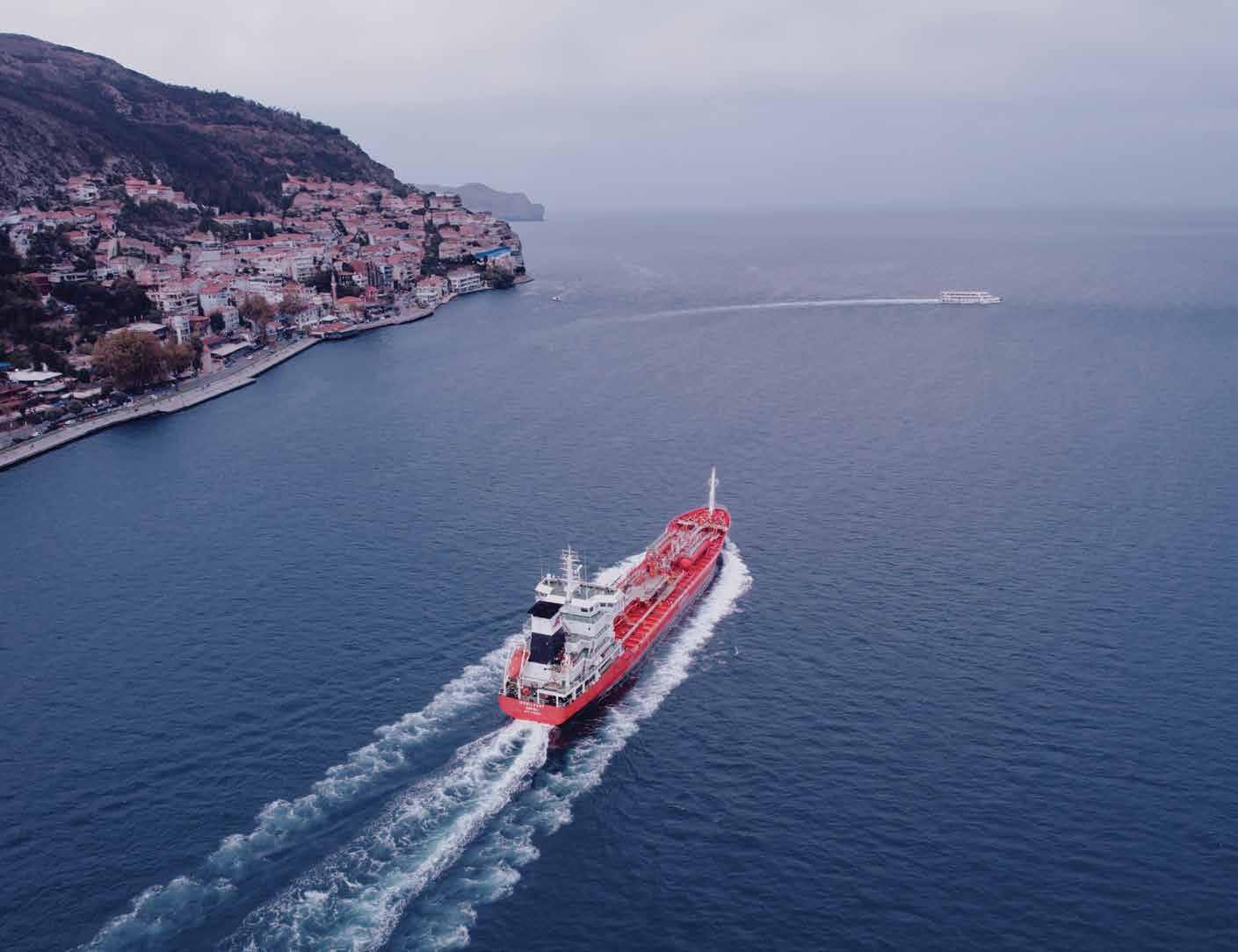
The future of the industry belongs to those who understand that the speed of change demands active engagement, strategic intelligence, and continuous adaptation.

• Mar 02 International Conference on Ocean and Marine Engineering (ICOME) - Rome, Italy
• Mar 09 International Conference on Oceanography (ICO) - Miami, United States
• Mar 09 International Conference on Marine and Naval Engineering (ICMNE) - London, United Kingdom
• Mar 09 20th Annual Capital Link International Shipping Forum - New York, USA
• Mar 10-12 Oceanology International - London, United Kingdom
• Mar 10-12 CMA Shipping - Connecticut, USA
• Mar 16 International Conference on Ocean and Marine Engineering (ICOME) - New York, United States
• Mar 20 TradeWinds Shipowners Forum China 2025 - Shangai, China
• Mar 22-24 Sea Japan 2026 - Tokyo, Japan
• Mar 24-25 2026 Port of the Future Conference - Houston TX, USA
• Mar 25-27 Asia Pacific Maritime - Singapore
• Mar 30 International Conference on Heat Transfer and Fluid Flow (ICHTFF) - Algiers, Algeria
• Apr 06 International Conference on Offshore Engineering and Technology (ICOET) - Cancún, Mexico
• Apr 13 International Conference on Marine Science and Technology (ICMST) - Seoul, Republic of Korea
• Apr 13 International Conference on Coastal Engineering and Modelling (ICCEM) - Cape Town, South Africa
• Apr 13 International Conference on Maritime Science (ICMS) - Venice, Italy
• May 04 International Conference on Naval Hydrodynamics (ICNH) - Bucharest, Romania
• May 04 International Conference on Marine and Naval Engineering (ICMNE) - Honolulu, United States
• May 04 International Conference on Maritime Safety and Security (ICMSS) - Rome, Italy
• May 04 International Conference on Coastal and Marine Tourism (ICCMT) - Rome, Italy
• May 04 International Conference on Offshore Engineering and Technology (ICOET) - Rome, Italy
• May 06 GLOBAL HSE NEXUS 2.0 (HSE) - Berlin, Germany
• May 11 International Conference on Marine and Naval Engineering (ICMNE) - Amsterdam, Netherlands
• May 11 International Conference on Oceanography (ICO) - Las Vegas, United States
• May 11 International Conference on Coastal Engineering and Modelling (ICCEM) - Florence, Italy
• May 11 International Conference on Coastal and Marine Tourism (ICCMT) - Las Vegas, United States
• May 25 International Conference on Ocean, Offshore and Arctic Engineering (ICOOAE) - Barcelona, Spain

Expo | Conference | Networking
March 10 - 12, 2026
DoubleTree by Hilton Stamford, Connecticut
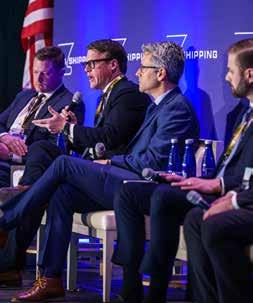
CMA Shipping serves as the premier gathering for the maritime industry, bringing together influential leaders, forward-thinking innovators, and key decision-makers over three engaging days. It’s a unique opportunity to explore emerging possibilities, gain essential knowledge, and forge impactful connections that propel the global shipping sector into the future.


On the 25th December 2025, Türkiye-headquartered AVS
Global Ship Supply celebrated its fortieth year at a time when the maritime community is placing greater attention on the strength of supply chains and the role long-established local operators play in supporting vessel operations. Founded in Türkiye and now serving ports worldwide, the company says the anniversary reflects how its foundations continue to shape its global growth.
Mr Dogukan Simsek, Deputy Country Manager at AVS Global Ship Supply, said:
“Celebrating forty years is more than a company milestone. It represents trust, resilience and steady growth. We began as a family business here in Türkiye and developed into a global organisation, but the values that guided us in the beginning remain the same. This celebration reflects the continuation of what we call our Legacy of Trust, carried from one generation to the next.”
He added: “What stands out most from our forty-year journey are the moments when clients began to see us not just as suppliers but as genuine solution partners. During the pandemic, during supply chain breakdowns and at times of regional difficulty, we stayed close to our clients. We never left them without support, even when circumstances were tough. That level of commitment has shaped who we are.
“The company’s growth has been driven by a customer-centric approach that goes beyond product delivery. We focus on understanding

the real needs of shipowners, captains and operational teams. That approach guided us as expectations shifted towards speed, transparency, wellbeing and sustainability. We strengthened our logistics network, expanded our catering expertise and advanced our digital capabilities so clients have clearer visibility and more consistent support in every port.”
AVS now operates across an extensive international network supported by logistics centres, consolidated delivery capacity and ongoing investment in digital tools designed to improve communication and predictability for procurement teams working in Turkish and international ports. Mr Simsek said: “The industry is changing and so are the expectations placed on suppliers. Our focus is on preparing for what comes next while maintaining the reliability our clients depend on. Forty years is an important chapter, but it also sets the foundation for the years ahead.”
Vahit Simsek, CEO of AVS Ship Supply, reflected on the milestone as a reminder of how far the company has come and what its clients expect in the future. He said: “Reaching forty years is a proud moment for everyone at AVS. What began as a small family business in Türkiye has grown into an organisation supporting vessels across the world. Our progress has come from trust, hard work and a strong commitment to service. As we look ahead, we will continue to stand by our clients and respond to the evolving needs of the global fleet with the same dedication that brought us to this milestone.”

MINTRA STRENGTHENS SQLEARN ACQUISITION WITH APPOINTMENT OF VASSILIOS DEMETRIADES AS GLOBAL AMBASSADOR
Mintra, a global leader in digital learning and workforce management solutions for the maritime and energy industries, announced the appointment of Vassilios Demetriades as Global Ambassador, with a strategic focus on the Greek market. The appointment follows Mintra’s recent acquisition of SQLearn and marks a key step in strengthening SQLearn’s position within the Mintra group and in the global maritime training landscape.
The integration of SQLearn into Mintra brings together two established digital learning providers, combining Mintra’s global scale and technology platform with SQLearn’s strong reputation and deeprooted presence in the Greek maritime market. This strengthens SQLearn’s ability to operate within the Mintra group while extending Mintra’s reach in one of the world’s most influential shipping regions. In his role, Mr Demetriades will support the international growth of SQLearn’s solutions under the Mintra brand. Working closely with shipowners, operators, training institutions, and industry stakeholders, he will promote advanced digital learning, competence, and compliance solutions tailored to the needs of the Greek market and the global shipping community.
Mr Demetriades brings 27 years of experience in global shipping, including service as Deputy Minister of Shipping of the Republic of Cyprus, where he was actively involved in maritime policy, regulatory affairs, and international shipping relations at both the EU and global levels. His appointment underscores Mintra’s commitment
to combining strong technology platforms with deep industry and regulatory expertise.
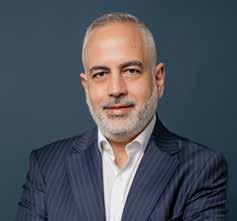
“The acquisition of SQLearn represents a significant expansion of Mintra’s capabilities,” said Kevin Short, CEO of Mintra. “By appointing Vassilios Demetriades as Global Ambassador, we are further strengthening SQLearn’s role within the group and ensuring closer alignment with the Greek maritime market.”
Commenting on his appointment, Mr Demetriades said: “The integration of SQLearn into Mintra creates a stronger, more comprehensive digital learning platform for the maritime industry. I am pleased to support this next phase of development by helping deepen engagement with the Greek shipping community and reinforcing SQLearn’s value as part of the Mintra group.”
Columbia Group, a leading integrated maritime, logistics and offshore services company, has announced a strategic expansion into India with the opening of a new office in Mumbai, reinforcing the Group’s long-term global growth roadmap.
The new office marks a significant milestone in Columbia Group’s global expansion strategy and reflects its continued investment in strengthening regional hubs that deliver a broad spectrum of maritime and operational services. The Group plans to recruit around 220 additional professionals in India, further enhancing its global service capabilities.

Building on the success of its established hub in the Philippines, which supports a wide range of Columbia Shipmanagement (CSM) and Group-wide operations, the India office is designed to become a complementary regional centre within Columbia Group’s global network.
Together, the two hubs will provide enhanced regional coverage while supporting distinct service functions aligned with local market needs.
CSM India will support a wide range of Columbia Group companies and services, including ship management, performance optimisation, digital solutions, travel services, training coordination and operational support, reinforcing the Group’s integrated service offering across the maritime value chain.
Demetris Chrysostomou, CEO Asia Region at Columbia Group, said: “Opening our India

office is both timely and strategic and represents the next step in establishing the region as a key global footprint for Columbia Group. This expansion reflects not only the important role India plays in the global maritime industry, but also our commitment to being closer to our people, partners and clients, delivering services with proximity, consistency and purpose.” The new office will function as a regional hub supporting the full spectrum of ship management and operational services, working in close coordination with Columbia Group’s global teams to maintain the highest standards of service delivery, compliance and professional development. The expansion will also enhance operational efficiency, strengthen collaboration with regional stakeholders and support long-term talent development initiatives.
Mark O’Neil, CEO and President of Columbia Group, added: “This expansion demonstrates our commitment to building resilient and future-ready regional offices that support our integrated operating model. By establishing a strong local presence in India, we are enhancing our ability to deliver high-quality, end-to-end maritime solutions while supporting sustainable growth in one of the world’s most important maritime markets.”

The opening of the India office underscores Columbia Group’s continued focus on agility, innovation and people-led growth, as it responds to evolving market demands and strengthens its global platform across maritime, logistics and offshore services.
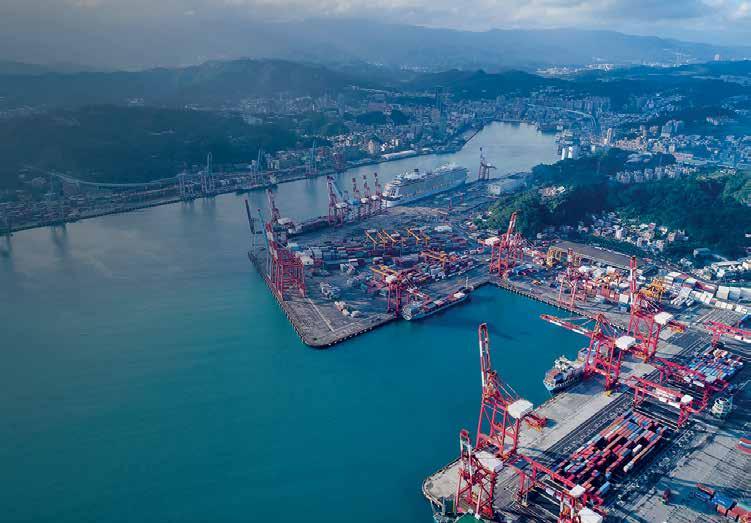
GENERAL SHIP SUPPLIER
Deck, engine, provision stores, bond stores
MAINTENANCE WORK, STEEL WORK, MAIN ENGINE
Overhauling t/c, motor rewinding (all types) Underwater inspections and repairing, compressor
MARINE DIESEL ENGINE
REPAIRS (ALL TYPES)
On board all Taiwan ports
RECONDITIONING
Exhaust valves, valve seats and valve housings, Cylinder heads, piston crowns, skirts and other parts
MANAGING DIRECTOR: MR HENDY WU NO. 28-1 Hai-Pien Road, Kaohsiung 802-607, Taiwan +886-7-330-3203~4 | Mobile: +886-937-622-247 | Fax: +886-7-330-3195 hendy@shimizu.com.tw | hendy.shimizu@msa.hinet.net | www.shimizu.com.tw


Smart Ship Hub (SSH), a leading vessel optimisation platform, has entered a strategic partnership with maritime technology communications specialist ORBYT Global Group to deliver a fully integrated, single-window digital solution for shipowners, operators and charterers.
The partnership combines SSH’s high-frequency onboard data platform with ORBYT Global’s managed hybrid LEO/MEO/GEO connectivity and digital services, creating a secure, enterprisegrade ecosystem that unifies vessel performance monitoring, fleet operations, emissions reporting, regulatory compliance and shore-based decision-making.
The maritime industry continues to operate with fragmented digital tools and siloed data sources - a structure that drives inefficiency, increases compliance risk and limits the value extracted from operational data. With regulatory and environmental pressures accelerating, the need for integrated, auditable systems has become critical.
SSH’s proprietary onboard technology captures high-frequency sensor data from both newbuild and existing vessels, independent of shipyard or vessel age. The data is securely combined with operational, historical and regulatory inputs to generate real-time performance insights and intelligent alerts.
ORBYT Global complements this capability with fully managed hybrid satellite connectivity, intelligent navigation, digital logbooks, emissions management and compliance tools, supported by 24/7 global service.
The integrated platform enhances fuel performance, voyage optimisation and asset utilisation through real-time analytics and AI-driven insights. It also enables automated reporting aligned with requirements from the International Maritime Organization, including EU ETS, CII and wider ESG frameworks, all from a single auditable data source.
Joy Basu, CEO of Smart Ship Hub, said: “This partnership moves maritime digitalisation from isolated tools to an integrated operational backbone. By aligning technology, connectivity and managed services, we enable shipping companies to reduce complexity, improve decisionmaking and future-proof their fleets for the decade ahead.”
Theodore Nikolopoulos, CEO of ORBYT Global Group, added:
“By combining resilient global connectivity with advanced onboard data intelligence, we are delivering a unified digital environment that simplifies compliance and strengthens operational control. Together with Smart Ship Hub, we are enabling shipowners to operate more efficiently while meeting evolving regulatory and environmental obligations with confidence.”


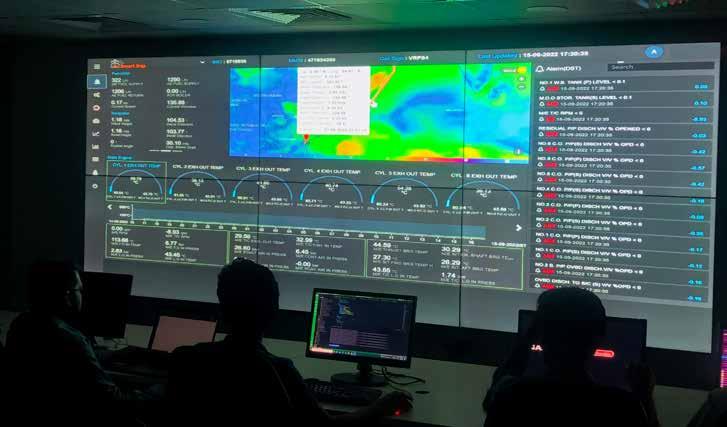











By Dimitrios Lebesis | Procurement Manager at MM Marine Inc. (Mercuria Energy Group)
In recent years, the maritime business has seen significant changes in the way supply and procurement of stores and spares are handled. The evolution has been driven by advancements in technology, changes in regulations, and the need for more efficient and sustainable practices. Here are some key points to consider:
Technological Advancements: The integration of digital technologies has revolutionized the procurement process. Automated systems and digital platforms now enable real-time tracking of inventory, streamlined ordering processes, and improved communication between suppliers and shipping companies. This has led to increased efficiency and reduced operational costs. Additionally, the AI era is here, and we should not fear to follow. We need to be well-trained and prepared, leaving behind outdated practices. Being open-minded and shielding our processes will help us embrace AI and its benefits.
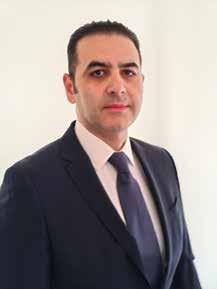
Sustainable Practices: There is a growing emphasis on sustainability in the maritime industry. Shipping companies are increasingly adopting eco-friendly practices, such as using sustainable materials for stores and spares, reducing waste, and optimizing supply chains to minimize carbon footprints. This shift towards sustainability is not only beneficial for the environment but also enhances the reputation of shipping companies.
Regulatory Changes: Regulations have become stricter, particularly concerning environmental impact and safety standards. Compliance with these regulations requires shipping companies to be more diligent in their procurement processes, ensuring that all stores and spares meet the required standards. This has led to a more structured and transparent procurement process.
Qualification of Manpower: The qualifications and skills required for personnel in shipping companies have also evolved. There is now a greater emphasis on technical skills, particularly in handling advanced digital systems and ensuring compliance with regulatory standards. Continuous training and development programs are essential to keep the workforce updated with the latest industry practices and technologies.
Transformation of Supply Departments: Employees in the supply departments are being transformed from traditional buyers of shipping-related goods to data analysts. This shift is driven by the need to analyze vast amounts of data generated by digital procurement systems. Data analysts are responsible for interpreting this data to make informed decisions, optimize supply chains, and predict future needs. This transformation requires a new set of skills, including data analysis, statistical modeling, and proficiency in digital tools.
Evolution of Department Names: Over time, the department responsible for locating, purchasing, and delivering goods to vessels has been classified under various names, including Supply, Logistics, and Purchasing. In recent years, the term Procurement has become the most representative of this era, reflecting the modern processes and focus within the shipping business.
Challenges in Collaboration: Despite the advancements, there remains a significant gap and delay in collaboration between professionals in this field. Shipping companies often maintain a mentality of keeping in-house small or big case study issues and cooperation. This approach makes it difficult to exchange ideas, solutions, and foster further collaborations under a common agreement framework. Overcoming this challenge requires a cultural shift towards more openness and willingness to share knowledge and experiences.
Academic Approach and Skill Gaps: Traditionally, the main source of employees for purchasing departments has been shipping-related universities and private schools. However, these institutions do not offer specific titles or fully evolved programs in purchasing, logistics, and procurement. This academic approach has led to employees who are not 100% oriented or fully equipped with the necessary skills. Additionally, with decision-making and cost control responsibilities often outside the department, many employees have become more clerical and administrative rather than strategic. Companies should push public and private schools and universities to look into the future, recognize the needs, and build the “new” buyer. We do not need to populate the data; this process will be performed by machines. We need data analysts.
Collaboration and Partnerships: The maritime industry has seen an increase in collaboration and partnerships between shipping companies and suppliers. These partnerships are crucial for ensuring a reliable supply chain and for sharing best practices and innovations. Collaborative efforts also help in addressing common challenges and improving overall efficiency.
To thrive in the evolving maritime business, we need to think out of the box. Don’t remain reluctant and negative to change just because you fear being left out.

Instead, strive to learn the game and become a leader in it. Get social and embrace collaboration. This is mankind best and foremost achievement and asset. Exchange ideas, be open to new ones, and be creative. Don’t be afraid of the AI era; work with it and take advantage of the tools provided. Lastly, enter the maritime sector because it excites you. The journey is long and challenging, with ups and downs. Aim to maintain your position, not just to enter the field.

by


Industry
LiberoAssurance, we provide accredited ISO certifications for maritime stakeholders.
simplify compliance and reduce operational risk, turning regulatory standards into a shared advantage.
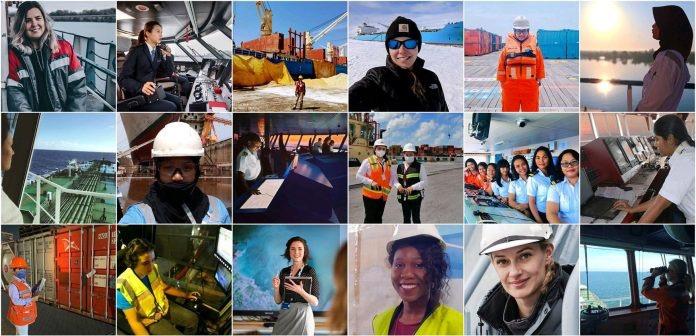
Shipping has historically been a male-dominated industry and that tradition runs long and deep. However, through its global programme on the Integration of Women in the Maritime Sector, IMO is making a concerted effort to help the industry move on from that tradition and to help women achieve a representation within it that is more in keeping with twenty-first century expectations.
Maritime women – Global leadership
The maritime industry needs more women, particularly in leadership roles. The World Maritime University (WMU) and IMO have published a book to highlight the achievements of women in the maritime sector.
The World Maritime University (WMU) book – Maritime Women: Global Leadership – is a compilation of scientific papers presented at the ‘Maritime Women: Global Leadership’ international conference hosted by WMU in 2014.
Making Waves – film
IMO in 2015 launched the video “Making Waves: women leaders in the maritime world” in support
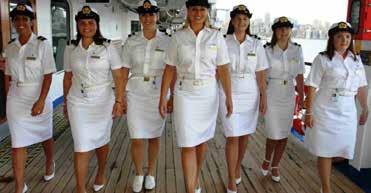
of International Women’s Day.
The video reports on continuing efforts by IMO and the World Maritime University (WMU) to promote the advancement of women in shipping.
It puts the spotlight on the outcome of the 2014 “Maritime Women: Global Leadership” conference held by WMU in Malmo, Sweden, and co-sponsored by IMO.
The conference attracted women and men from more than 70 countries to discuss the advancement of women throughout the maritime professions.
Women at the helm – film
Another IMO film, Women at the helm, shows how the work of IMO, and others, is beginning to promote change for the better for women in shipping, and highlights first-hand experiences from some of those who have already succeeded.
The film held its official launch during the regional conference in the Republic of Korea, held in April 2013, on the development of a global strategy for women seafarers.
The conference, held in Busan, Republic of Korea, organized and funded by the Government of the Republic of Korea through the Ministry
of Oceans and Fisheries (MOF), and hosted by the Korean Institute of Maritime and Fisheries Technology (KIMFT), together with IMO, adopted a declaration of intent towards the development of a Global Strategy for Women Seafarers.
The conference adopted the Busan Declaration, in which the participants agreed to forge partnerships and solicit support of government agencies, as well as international and regional bodies to facilitate the implementation of a Global Strategy for Women
The conference also adopted a slogan to promote women seafaring: “Go to sea TOGETHER”.
IMO’s Programme on the Integration of Women in the Maritime Sector (IWMS)
IMO’s programme on the Integration of Women in the Maritime Sector (IWMS) has a primary objective to encourage IMO Member States to open the doors of their maritime institutes to enable women to train alongside men and so acquire the high-level of competence that the maritime industry demands. The IWMS programme includes but is not limited to, strengthening national and regional
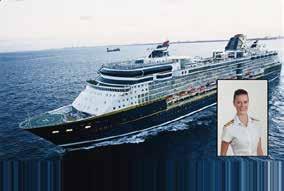
capacities through gender-specific fellowships; facilitating access to high-level technical training for women in the maritime sector in developing countries; and facilitating the identification and selection of women by their respective authorities for career development opportunities in maritime administrations, ports and maritime training institutes.
Regional harmonization has been a second key priority under this programme, resulting in the establishment, through IMO support, of seven regional associations for women in the maritime sector across Africa, Asia, the Caribbean, Latin America, the Middle East and the Pacific Islands. Access to these regional networks have provided members with a platform to discuss gender issues; a golden thread of worldwide maritime communication and improved implementation of IMO instruments. Things are definitely getting better in the cruise industry: Women now make up 18 to 20% of the workforce. But there’s still a long way to go. Of the more than 300 passenger cruise ships worldwide, fewer than a dozen have woman captains at the helm and it’s still a rarity to find women in the upper echelons of the cruise industry, since they only account for 5.4% of officers.
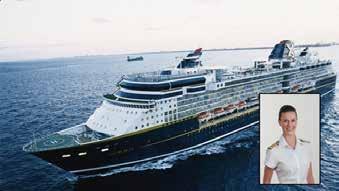
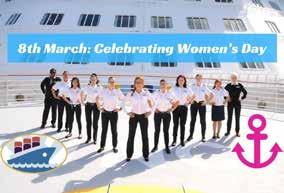
Capt. Wendy Williams
Staff Captain of Anthem of the Seas, she took the path less travelled and is one of the women rising through the officer ranks at Royal Caribbean. Her responsibilities include being responsible for overall ship maintenance, security on-board and looking after the navigation officers on the bridge. She is one of the most popular women seafarers and her appointment made news all throughout the world.
Captain Sarah Breton
She became the first female captain in P&O Cruises’ 173-year history and the only woman ever to hold that exalted position on any UK cruise ship. She started her career at sea when she was 16 with a four-year cadetship.
Captain Lis Lauritzen
Captain Lauritzen masters the Vision of the Seas. She got the inspiration to be a sailor from her father who was a sailor with Mærsk Line. She spent the first ten years of her career on various cargo ships and slowly rose through the ranks and got a permanent command on Vision on 10th August 2011.
Captain Margrith Ettlin
She became the first female captain to be at helm of a Silversea luxury cruise ship in its 20 years history. She is a Swiss national with extensive maritime experience in remote regions, including the Arctic and Antarctica.
Capt. Belinda Bennett
At 39 Belinda Bennett, a British citizen, became the Windstar’s first female and black captain. She handles and commands a crew of over 100 and steers a ship carrying over 140 passengers.
IMO continues to support the participation of women in both shore-based and sea-going posts, in line with the goals outlined under the United Nations Sustainable Development Goal 5: “Achieve gender equality and empower all women and girls”, under the slogan: Training-Visibility-Recognition.
The testimony of the IMO’s gender and capacitybuilding programme is that empowering women fuels thriving economies, spurs productivity and growth, and benefits every stakeholder in the global maritime community.
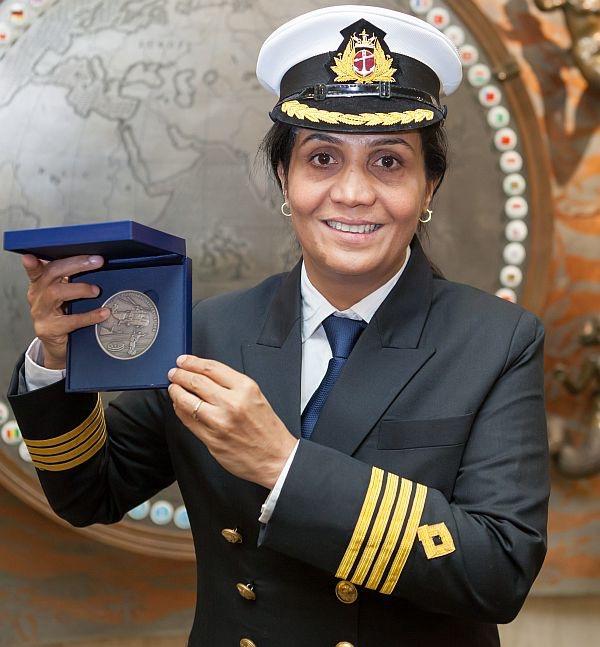







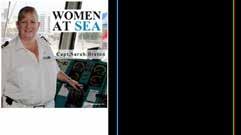

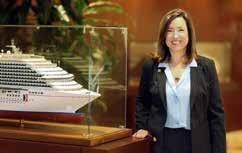





The leading independent provider of marine services













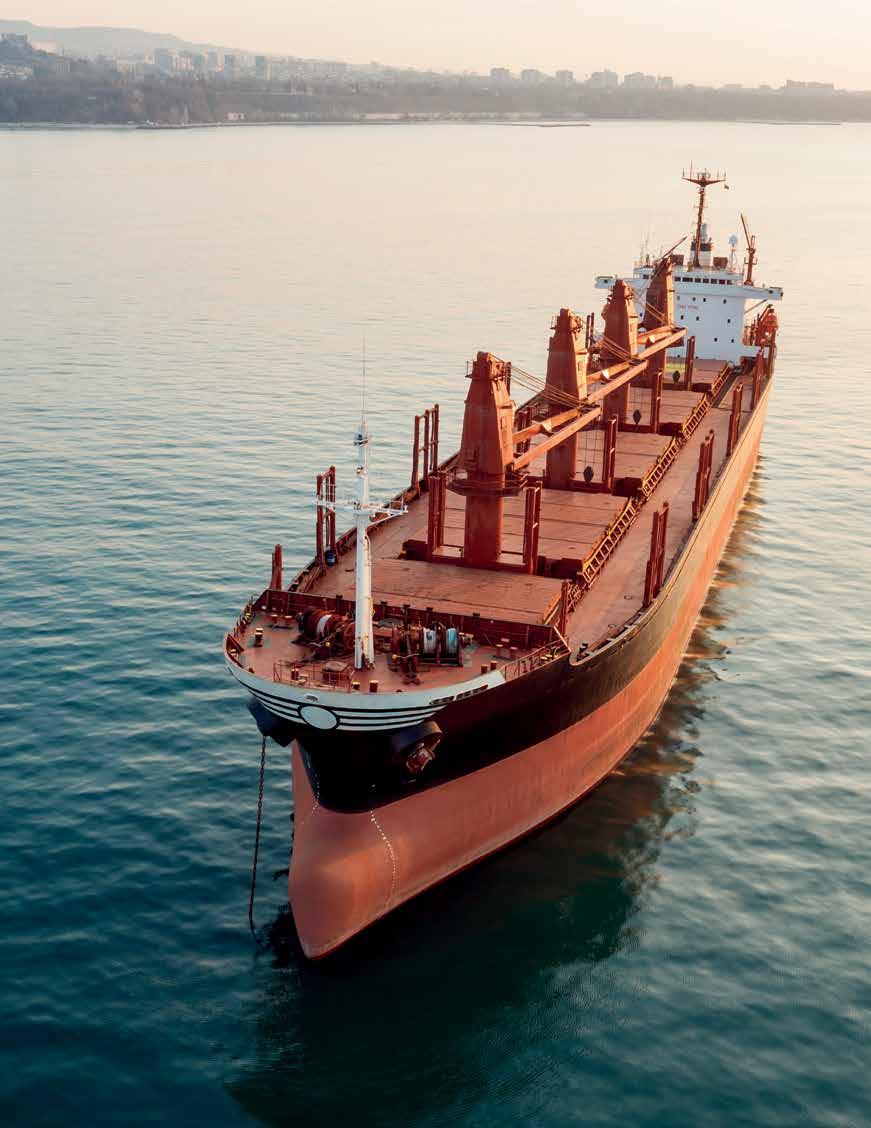
The Women Offshore Foundation - a non-profit organisation dedicated to empowering women in maritime and offshore careers - has joined hands with this year’s CMA Shipping as a supporting organisation. This collaboration is the first for the two organisations which will be built out across multiple Seatrade Maritime events globally.
CMA Shipping, organised by the Connecticut Maritime Association and Seatrade Maritime, part of Informa Markets, is one of the most prestigious events in the North America maritime calendar. Taking place from March 10-12th, 2026, at the Doubletree by Hilton Stamford, Stamford, Connecticut, the conference will bring together industry leaders, innovators, and professionals from across the globe. The event serves as a vital platform for discussing the latest trends, challenges, and opportunities in the shipping industry, with a focus on sustainability, innovation, and workforce development.
The partnership between Women Offshore and CMA Shipping underscores a shared commitment to creating a maritime industry that values diversity and empowers individuals from all backgrounds.
“At Seatrade Maritime, we recognise the vital role that supporting organisations like Women Offshore play in driving progress and fostering inclusivity within the maritime industry. Collaborating with organisations that champion diversity and equity is essential to ensuring the industry evolves to meet the challenges of the future. By working together, we can amplify important conversations, create opportunities for underrepresented groups, and build a stronger, more sustainable maritime workforce. Partnerships like these are not just beneficial—they are crucial for shaping the future of shipping and offshore industries.”
Adding to this, Ally Tenorio, Founder and President of Women Offshore, expressed her enthusiasm for the
partnership: “We are thrilled to join CMA Shipping as a supporting organisation. This collaboration provides an incredible platform to connect with industry leaders and showcase the importance of diversity and inclusion in maritime and offshore careers. Together, we can inspire change and create opportunities for women+ in the shipping industry.”
Rooted in the lived experiences of professionals working in maritime and offshore operations, Women Offshore provides a global community and professional development resources to eliminate gender-based discrimination and foster long-term career success. The organisation’s mission is to raise awareness among industry leaders and decision-makers about the challenges faced by women+ in these industries, while offering mentorship, career support, and networking opportunities.
With its headquarters in Houston, Texas, Women Offshore is led by a working board of volunteers, including professionals from the maritime and offshore energy sectors. The organisation’s leadership is committed to amplifying the voices of its members and driving meaningful change across the industry.
CMA Shipping has long been recognised as a cornerstone event for the North American maritime community, connecting stakeholders from across the globe.
Emma Howell emphasised the importance of the event, stating: “CMA Shipping 2026 is more than just a conference; it’s a platform for driving meaningful change in the maritime industry. With a focus on decarbonisation, digitalisation, and operational excellence, this event will empower attendees to tackle the challenges of today while preparing for the opportunities of tomorrow.”

Whether you’re a shipowner, operator, regulator, or service provider, CMA Shipping offers invaluable insights and connections to help you stay ahead in a rapidly changing industry.


Let me put it simply: the food here is next-level. Everything on the menu is incredible, but the avocado bites? Heaven. They melt in your mouth. The whole space is beautifully designed with warm, ambient lighting that makes your dinner feel cosy, chic, and truly special. It’s one of those places where the atmosphere is just as good as the food.
This one is all about elegance and old-world charm. The interiors are breathtaking – think vintage walls, massive chandeliers, and antique mirrors. You can even book private rooms for an intimate dining experience with friends. My recommendation? The truffle pasta. Divine doesn’t even begin to describe it.



With more than 350 years of history, the Paris Opera is renowned for its qualitative and wide programming, both at the Palais Garnier and the Bastille Opera house, but also for the unique architecture of its two theaters open to visitors during the day.
With more than 400 curtain raises per year, the Paris Opera offers rich ballet, opera and concert programs, as well as a programming specially made for a younger audience. The Paris Opera’s mission is to make works from the operatic and choreographic heritage available to as many people as possible, to promote the creation and performance of contemporary works, and to contribute to the professional training and development of singers and dancers.
With almost 900,000 spectators each year, welcoming new audiences remains at the heart of the Paris Opera’s mission. To do so, the Institution is always developing new projects to share and better communicate the taste and discovery of opera and dance.
Especially in peak season, the lines at the Palace of Versailles can be hard to believe. On this eminently civilized guided tour with a round trip transportation from Paris.
Your guide will show you the most magnificent of the 2,000 rooms, including the Hall of Mirrors, the King’s State Apartments, and the King’s Private Apartments, then introduce you to the magical 2,000-acre (800-hectare) gardens.
- Explore the Palace of Versailles, a UNESCO World Heritage site, with a guide
- Marvel at the 240-foot (73-meter) Hall of Mirrors, with its 357 mirrors
- Enjoy free time in the palace’s spectacular formal gardens
- Round-trip transportation from central Paris.






Elevate every moment with the CineNova™ Portable Projector — a sleek, modern projector that transforms any space into an immersive visual experience. Cast calming scenes on blank walls, create atmospheric lightscapes for gatherings, or enjoy movies and series in crisp Full HD. Its compact, travel-friendly design brings ambience and entertainment anywhere you go. With fast auto-focus, vibrant clarity, and easy portability, you can move it between rooms, set it up in cozy corners, or take it on trips — turning any environment into a beautifully lit retreat of comfort, creativity, and cinematic enjoyment.
• 6.9” Foldable pOLED Display, 165Hz – Cinematic, ultra-smooth HDR visuals
• 16GB RAM + 512GB Storage – Flagship multitasking & massive storage
• 200MP OIS Camera + 32MP Selfie – Pro-grade photos & 4K video recording
• Snapdragon 8+ Gen 1 + 5G – Powerful, efficient performance

• 3800mAh Battery + 33W Fast Charging – Long-lasting with wireless support
• 3.6” Cover Screen – Use apps, reply & snap selfies without unfolding

BY LEE CHILD
This fun and small giftable book is perfect for Reacher fans or for those that are wanting to dip into the series, as this reveals background on each of the books Lee wrote. The Reacher series is one of the bestselling ones of all time, and is also such a strong and unique main character; him being a hero that can step into any scenario and go up against any foe. Plus, there is a new short story that is more than worth it alone. A great holiday stocking stuffer for mystery / thriller fans!















Looking for the wholesaler of electrotechnical equipment and materials?
Electro Cirkel Marine and Industry B.V. specializes in electrotechnical equipment, light sources and materials for chandlers in the shipping and offshore industries. As wholesaler for equipment and materials from all brands, including our own brand Calex Marine, we supply from stock or will order the product for you. We offer same day international delivery.
Let us know your needs and we will meet and exceed them!
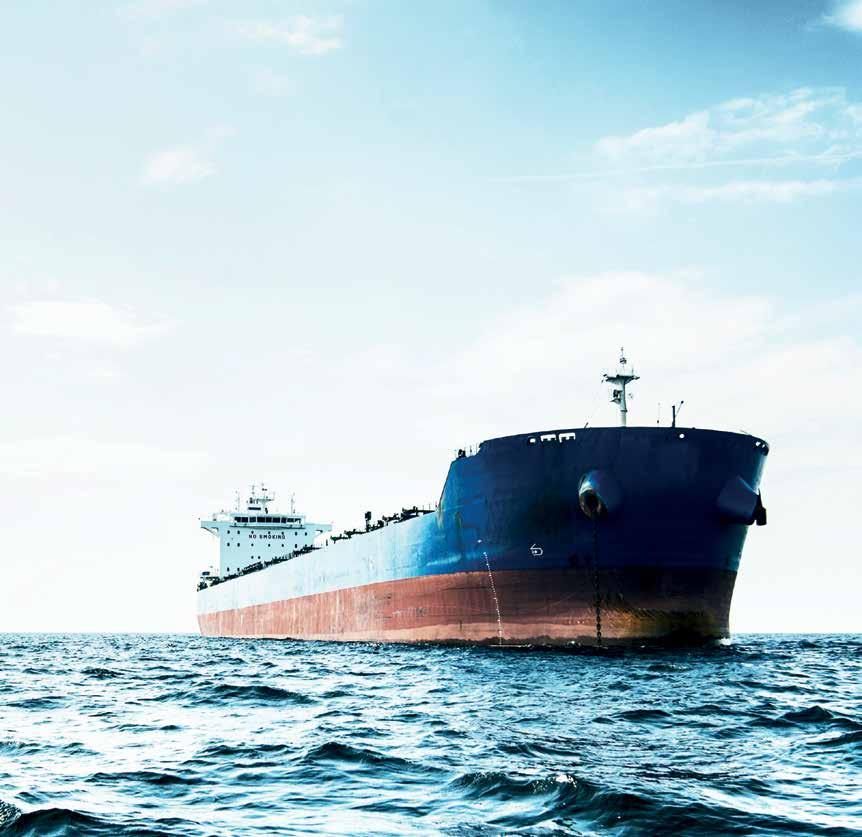
Rotterdam
+31 10 4157644
rotterdam@alligator.nl
Shanghai
+86 21 68683978
shanghai@alligator.asia
Houston +1 713 6720124
houston@alligator.nl
Singapore +65 6862 0920
singapore@alligator.asia

