International Hospitality
High School
Lille







International Hospitality
High School
Lille
Lille International Hospitality High School is a comprehensive institution welcoming pupils, students, apprentices and adult learners who wish to train and qualify in hospitality, catering and floral design.
Strongly future-oriented, LHIL has relocated from Rue Michel Servet in Lille and is now the largest public school in this professional sector north of Paris. Ideally located at the crossroads of Europe and in close proximity to Lille’s main train stations, the school is part of an ambitious urban development in the heart of a rapidly evolving district.
International openness is therefore both a natural choice and a daily reality for us: promoting the excellence of French hospitality worldwide, offering our students opportunities abroad, and welcoming learners from different countries to enrich their studies are central to our educational approach.
Our programmes, ranging from CAP to BTS, include vocational and technological baccalaureates as well as numerous additional certifications. As you will discover, everything is possible at LHIL to obtain a qualification in this field.
Recently built, our school stands out for both its architecture and its facilities: it features three training restaurants, numerous modern technical platforms, a training hotel and a boarding facility for students coming from outside the Lille metropolitan area.
Our staff and the professionals who support us are highly experienced and dedicated, always committed to fulfilling our educational mission and supporting our learners.
DIDIER RYS HEADTEACHER
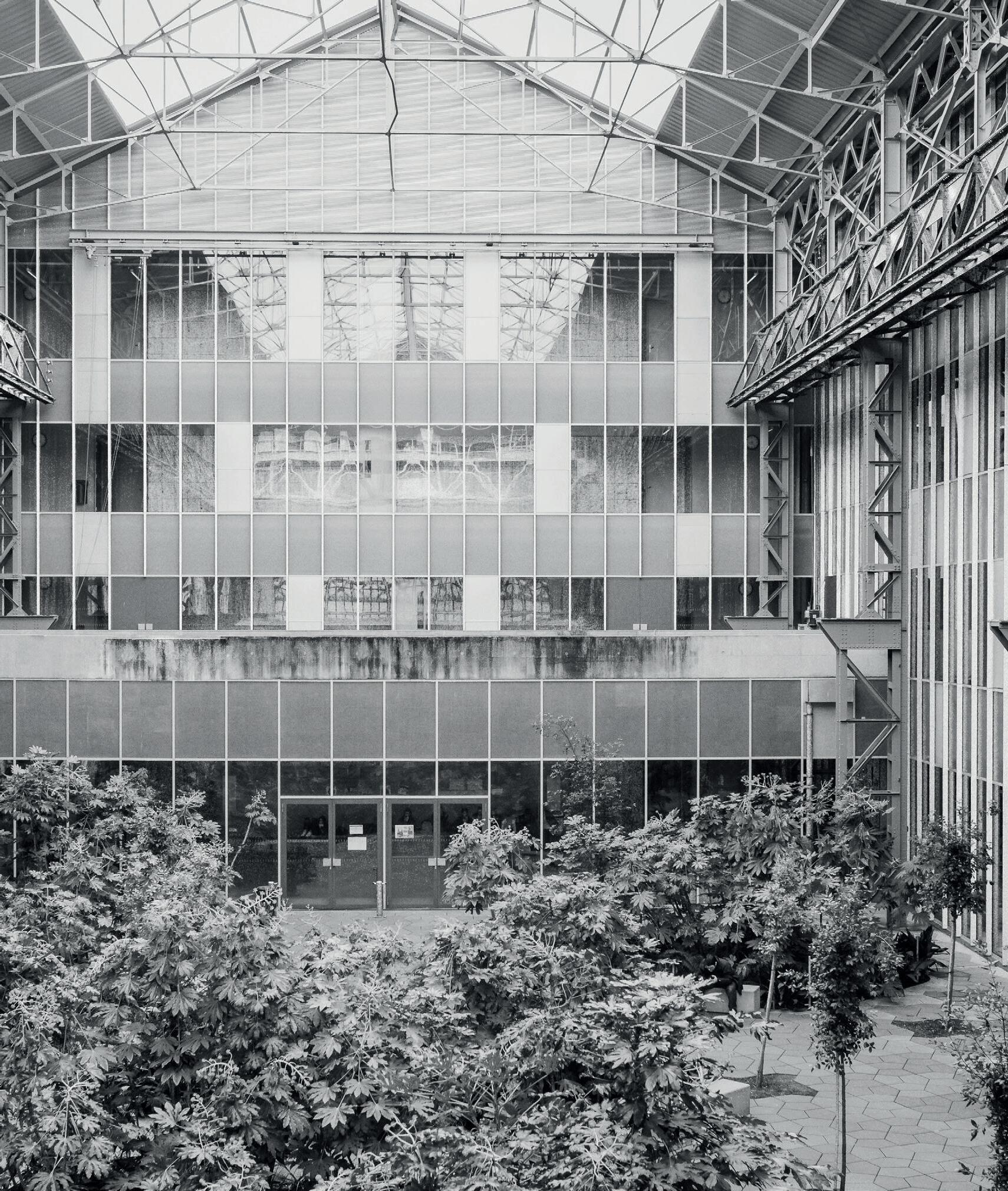
The Lille International Hospitality High School is located on the site of the former Fives Cail Babcock factory, within several fully renovated industrial halls.
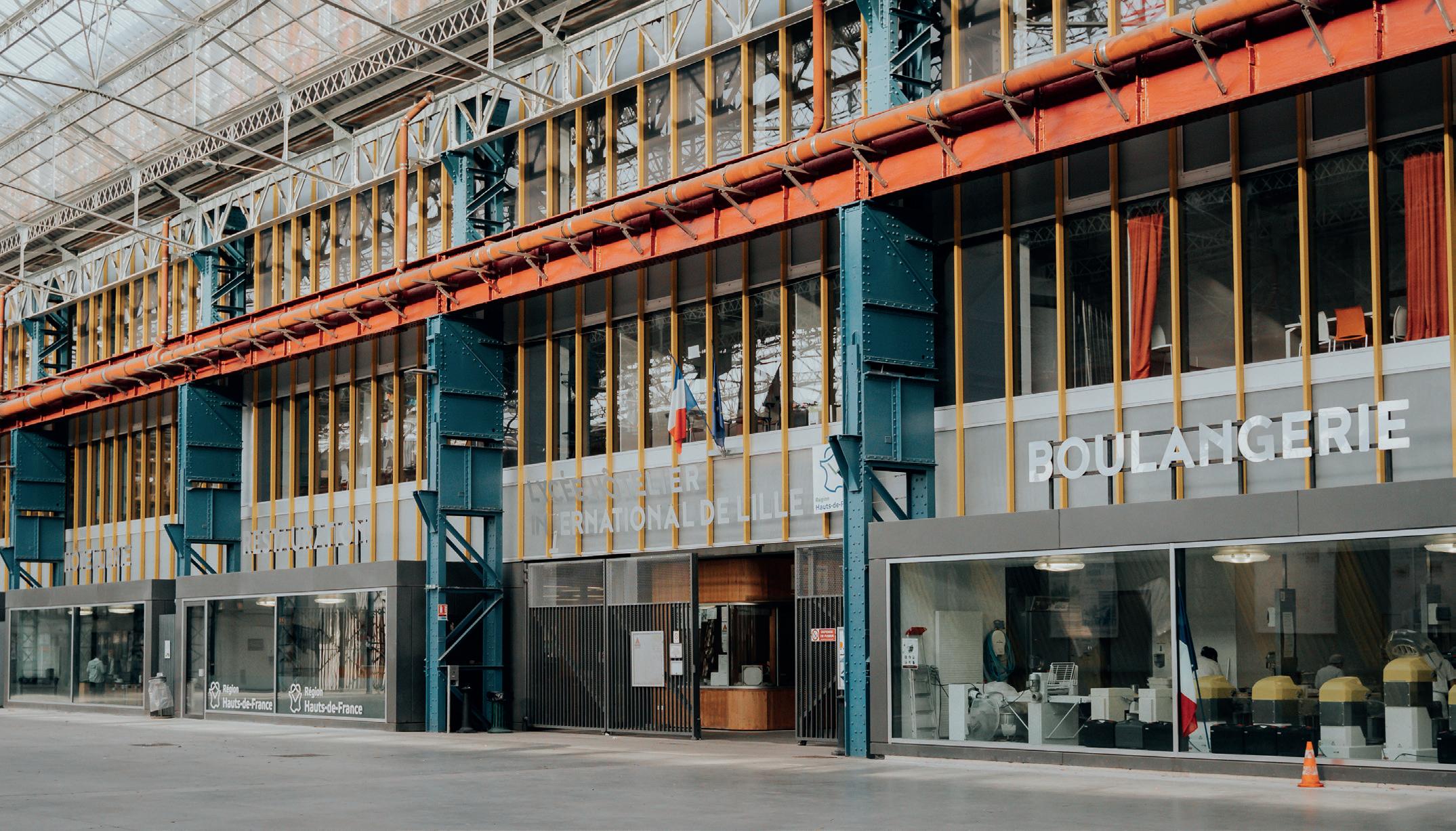

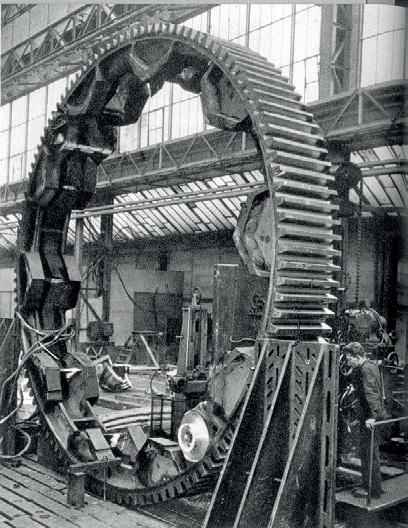
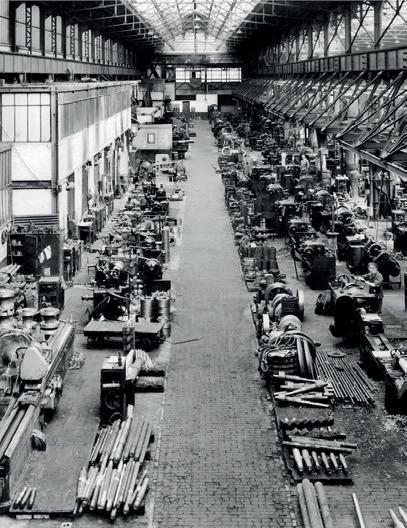
Fives Cail is first and foremost the story of a district—Fives—built around a factory, Fives Cail Babcock. From 1861 until the closure of its workshops in 1997, the factory experienced the dynamism of the pioneers of regional industry. More than six generations of workers, supervisors and engineers developed exceptional expertise there, which was exported worldwide. At its peak, Fives Cail Babcock employed nearly 6,000 workers.
The entire teaching staff, along with pupils, students, apprentices and the management team, have come together to present the various programmes offered at LHIL-UFA. Testimonials and images of students in action bring these programmes to life—as if you were there!
All video presentations of our programmes are available on our website:
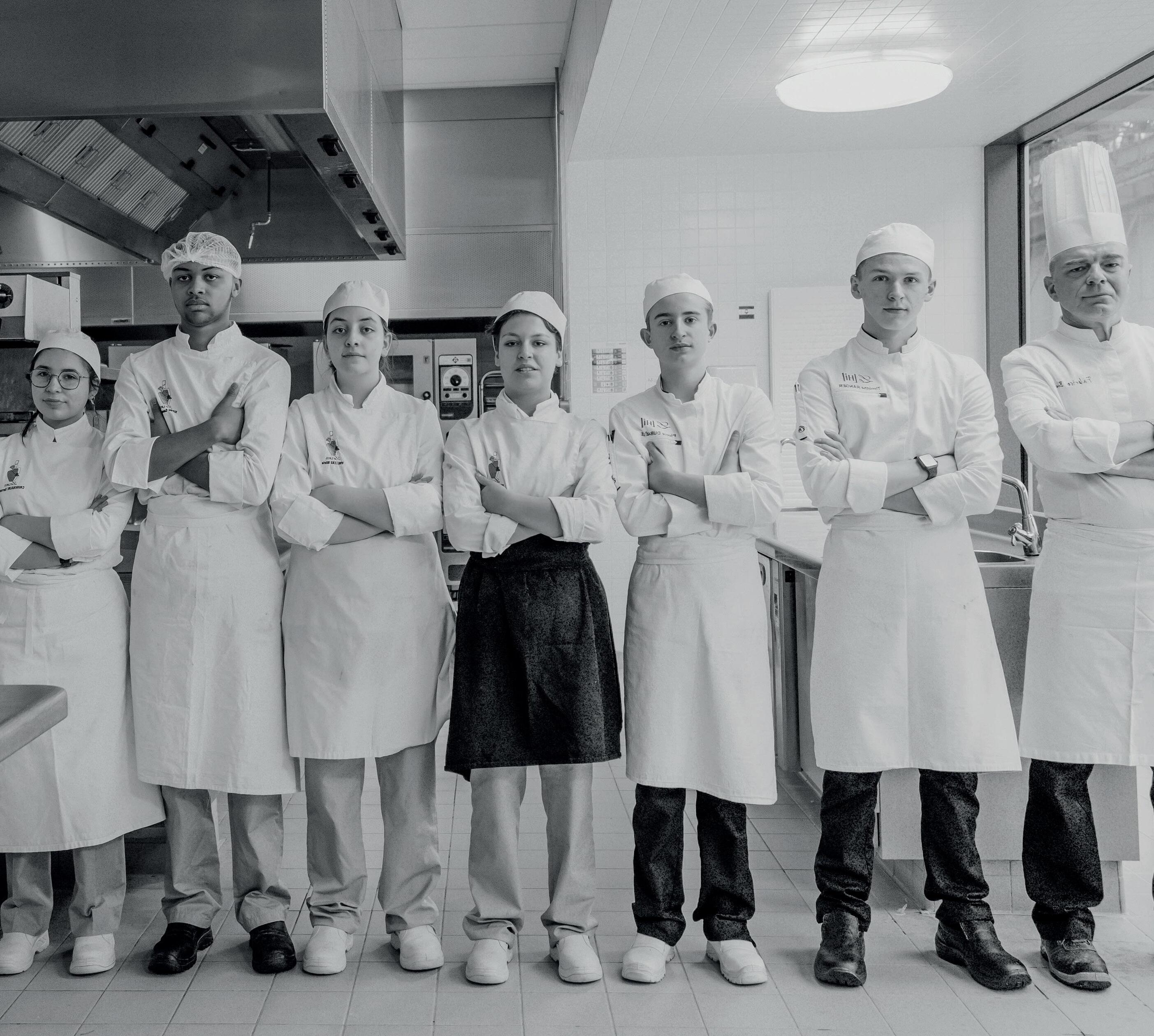
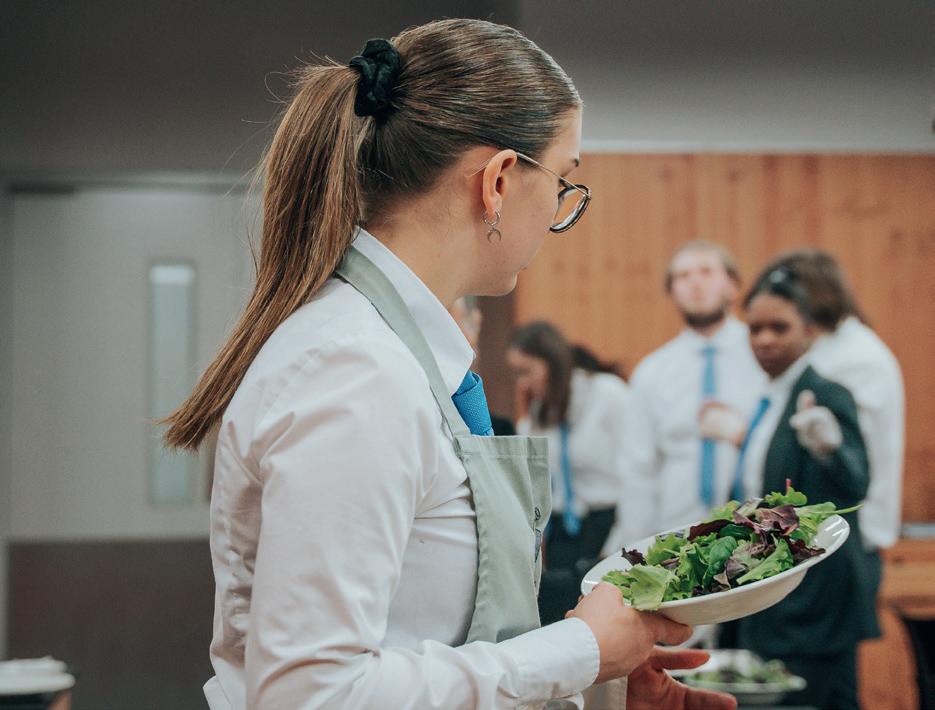
Under the supervision of a manager, a multi-skilled food service employee is responsible for preparing meals in fast food or takeaway establishments, institutional catering, and meal tray production companies.
• Production: receives and stores products or prepared dishes. Assembles and presents simple meals while complying with hygiene and safety regulations. Packages food and reheats prepared dishes.
• Service: ensures the presentation of serving and sales areas and their restocking. Advises customers, presents products, and may handle payments.
• Maintenance: cleans and stores production utensils and maintains the premises.
FULL-TIME SCHOOL PROGRAMME
The vocational training provided both at school and in the workplace (14 weeks of internships) is structured around two main areas:
Food Production: receiving and storing goods, storing prepared dishes, assembling meals, packaging, reheating, setting up serving areas and equipment, and maintaining production areas.
Restaurant Service: presenting products and service areas, welcoming and advising customers, serving guests, handling payments, and maintaining service areas.
• French
• History & Geography
• Mathematics – Physics & Chemistry
• Modern Foreign Language
• Applied Arts
• Health, Safety and Environment (HSE)
• Professional Knowledge
• Physical Education and Sports
It is possible to continue your studies in:
• CAP Cuisine
The CAP PSR leads directly to employment in both institutional catering (companies, public administrations, hospitals, schools) and commercial catering (self-service restaurants such as cafeterias, sandwich shops, etc.), working as a catering assistant or food service employee.
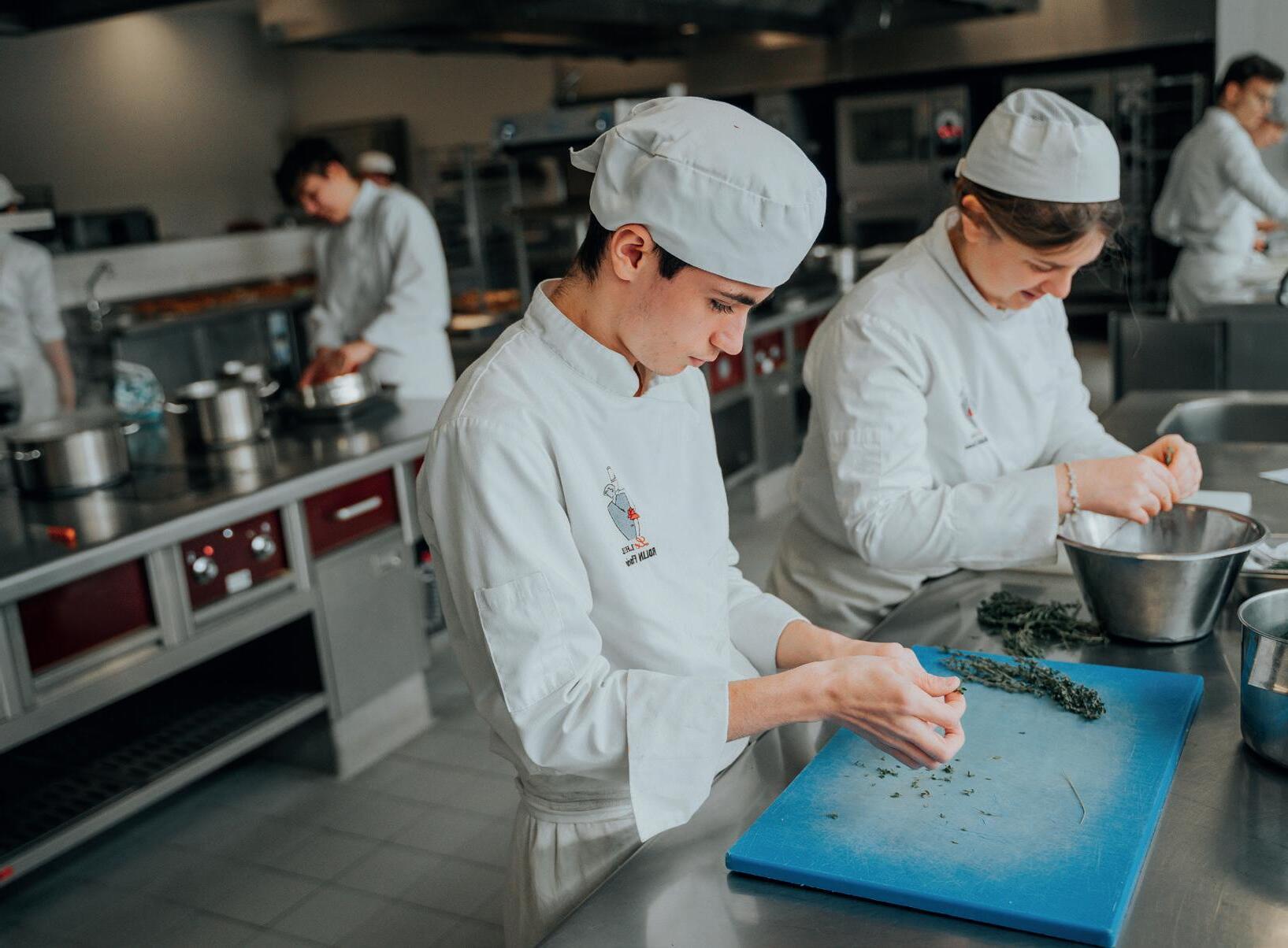

PROGRAMME
OFFERED AS:
Full-time school programme, apprenticeship contract, professional training contract
CAP in Culinary Arts: the key qualification to become a commis chef or chef!
Holders of the CAP in Culinary Arts prepare dishes using a variety of culinary production techniques. They are familiar with food products and manage supplies, including placing orders, receiving and storing goods, and calculating costs. They prepare vegetables, meat and fish before creating dishes or assembling pre-prepared products. They are trained in cooking techniques as well as reheating methods.
They are able to produce both hot and cold preparations (starters, sauces, desserts, etc.) and present them attractively on the plate. They can also design a menu.
In addition, they are responsible for maintaining their workstation and complying with hygiene and safety regulations. This profession requires good physical stamina and the ability to adapt to demanding working hours.
This CAP programme emphasizes hands-on experience, offering a highly vocational course of study. Pupils and apprentices learn professional subjects through practical workshops in the school’s training kitchens. The CAP in Culinary Arts curriculum includes both general education and vocational training.
The programme combines theory and practice, enabling students to develop in-depth knowledge of the catering industry while mastering the technical skills needed to prepare delicious dishes, starters and desserts. From understanding food (taste, nutritional value, possible combinations) to plating, including strict compliance with hygiene and food safety standards.
Organisation of Culinary Production
• Participate in supply and storage operations
• Contribute to the organisation of culinary production
Preparation and Service of Culinary Production
• Apply basic techniques and cook
• Prepare mixtures, stocks and sauces, hot and cold starters, fishbased dishes, meat, poultry, game, offal and egg-based dishes, as well as side dishes
• Prepare regional and local specialities
• Prepare desserts.
• Assess and adjust culinary production if necessary
• Plate dishes according to guidelines
• Serve prepared dishes
GENERAL SUBJECTS
• French
• History & Geography
• Mathematics – Physics & Chemistry
• Modern Foreign Language
• Applied Arts
• Health, Safety and Environment (HSE)
• Applied Management
• Physical Education and Sports
14 weeks of in-company training spread over the two years of the programme. These placements are assessed either formatively or as part of the final CAP examination. They take place in host organisations such as restaurants, nursing homes (EHPADs), and central kitchens.
Apprenticeship route: 24 weeks over 2 years, on a one-week-on / one-week-off basis.
Holders of a CAP in Culinary Arts can enter the workforce immediately after graduation or continue their studies in:
• Vocational Baccalaureate in Culinary Arts
• Certificate: Restaurant Dessert Chef
• Certificate in Catering Production
The CAP in Culinary Arts provides comprehensive training, enabling each student to develop strong culinary skills and work in a wide range of establishments: fine dining restaurants, traditional restaurants, brasseries, cafeterias, fastfood outlets, and institutional catering (school canteens, self-service restaurants, company restaurants, etc.).
Career opportunities include: commis chef, chef, sous-chef, team leader, head chef (positions accessible with experience and motivation), multi-skilled catering employee, caterer, or restaurant owner.
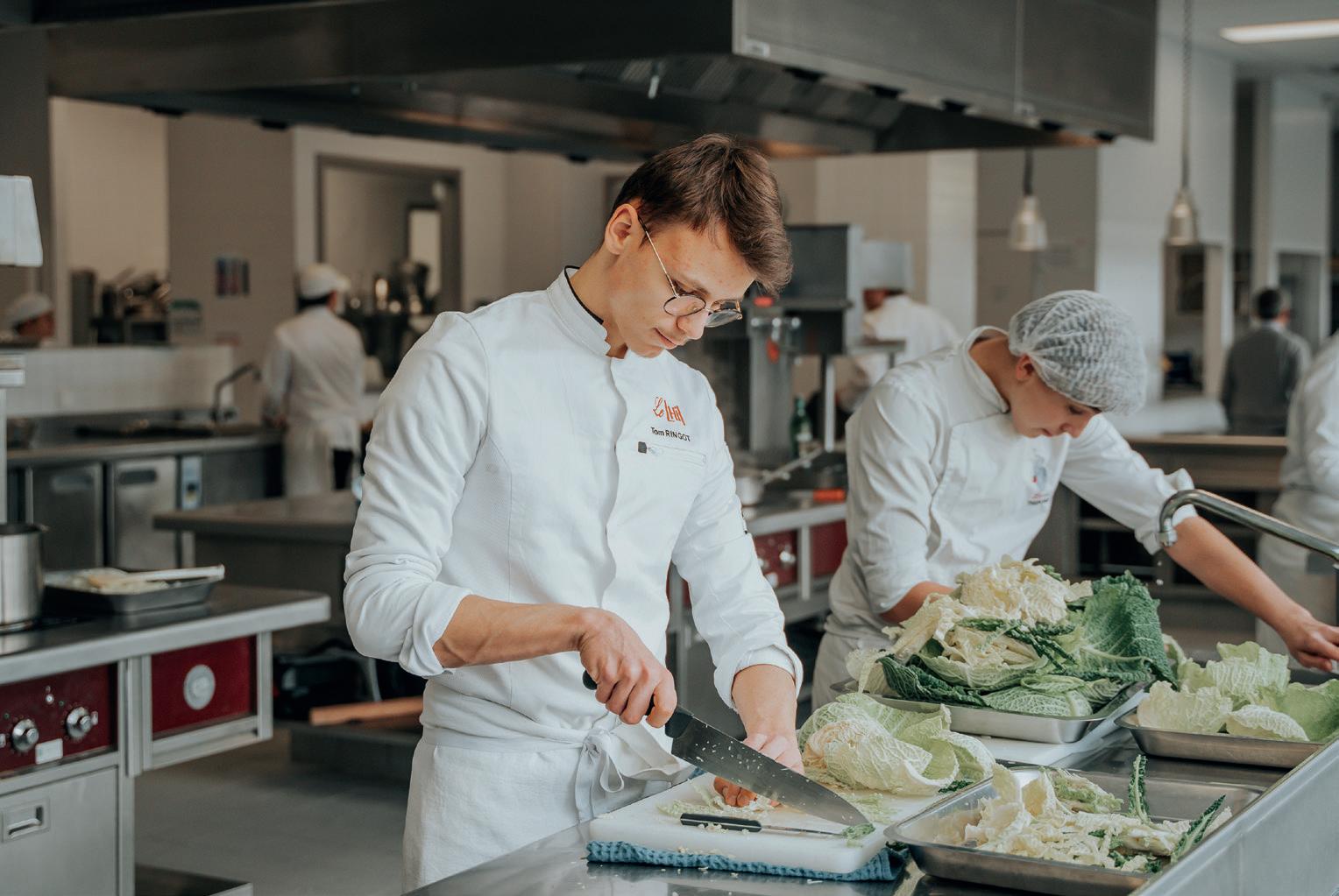
The pleasure of diners and the reputation of a restaurant depend on the chef’s creativity and talent. A true food enthusiast, curious and tireless, the chef works in a profession with excellent job prospects.
From pastry preparation and cooking to plating, the chef masters the techniques required to prepare and present all the dishes on a restaurant menu. They pay close attention to presentation and demonstrate a strong sense of creativity and artistry. They design menus and create new dishes by combining flavors and ingredients. They carry out tests and develop technical sheets for each dish. Creativity is essential: they must surprise customers while offering prices that are both attractive and profitable.
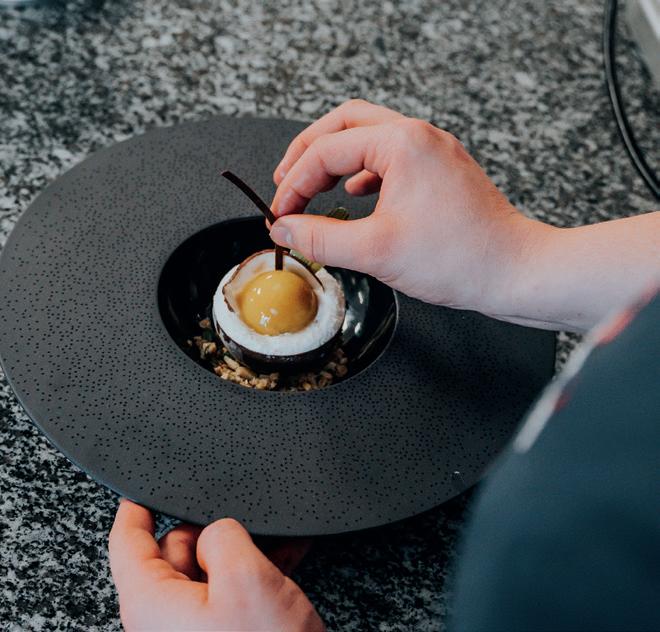
PROGRAMME OFFERED AS: Full-time school programme, apprenticeship contract, professional training contract
Graduates of the vocational baccalaureate also manage orders, supplier relations, and stock. Their skills in management and accounting enable them to control costs and effectively analyse their commercial strategy. They maintain relationships with customers and ensure high levels of satisfaction. They incorporate environmental and sustainable development considerations into their work, while strictly adhering to hygiene, health and safety regulations, and promoting nutrition, enjoyment and well-being. Finally, they stay informed about developments in their profession and are able to adapt their practices accordingly.
During their training, learners will develop key skills related to their future profession:
Culinary Organisation and Production
• Plan their own work and that of their team, allocate tasks, select raw materials and calculate quantities, choose equipment and tools
• Prepare basic recipes and their savoury and/or sweet variations, as well as hot and cold starters
• Apply cooking techniques, prepare desserts, plate and present dishes attractively
• Communicate internally and externally (suppliers, partners)
• Brief teams before service (kitchen, bar, cellar, reception, etc.)
• Promote and present products and dishes
• Manage staff schedules
• Plan work activities
• Calculate labour costs
• Analyse differences between forecasts and actual results
Procurement and Operations Management in Hospitality
• Contribute to drafting specifications
• Identify equipment, product and food requirements based on activity levels
• Forecast and plan orders and deliveries
• Prepare purchasing documents (food and non-food supplies, small equipment, etc.)
• Manage costs (raw materials, production costs, sales)
Quality Approach in Hospitality
• Actively listen to customers and respond to their needs and expectations
• Comply with regulations and hygiene, health and safety standards
• Monitor the sanitary, sensory and commercial quality of products
• Apply principles of nutrition and dietetics
Vocational training is supported by practical sessions in the school’s training restaurants and bar.
• French, History & Geography, Civic Education
• Mathematics and Applied Sciences
• Modern Foreign Language
• Physical Education and Sports
• Artistic Education and Applied Arts
• Applied Management
22 or 26 weeks of in-company training spread over the three years of the programme. These placements are assessed either formatively or as part of the final Baccalaureate examination. They take place in host organisations such as traditional restaurants.
Apprenticeship route: 36 weeks over 2 years, on a one-week-on / one-week-off basis.
The Vocational Baccalaureate in Culinary Arts is primarily designed for entry into the workforce. However, students may also choose to continue their studies by preparing for:
• BTS in Hospitality Management
• Certificate: Restaurant Dessert Chef
• Advanced Vocational Diploma (BP) in Culinary Arts
The programme aims to train future:
• commis chefs
• chefs de partie or assistant head chefs in the commercial catering sector
• head chefs, catering managers or production managers in the institutional catering sector


Catering involves preparing complete meal components or packaged meals that are stored and distributed in compliance with hygiene, safety and legal standards. This activity also includes the sale of products in-store, their packaging, delivery, and reheating at external locations.
Due to professional traditions and evolving consumer habits, many craft professions contribute to this sector, including chefs, delicatessen specialists, pastry chefs, bakers, butchers, tripe specialists, and fishmongers.
PROGRAMME AVAILABLE AS AN APPRENTICESHIP OR FULL-TIME SCHOOL PROGRAMME
Applicants wishing to enrol in this additional certificate must hold a qualification at least equivalent to Level 3 in the fields of Hospitality and Catering or Food Trades (Bakery & Pastry option).
Subjects studied & approximate teaching hours (year 1)
• French
• English
• Mathematics
• Applied Sciences
• Physical Education and Sports
• Applied Arts
• Management
• Professional Technology
• Practical Training
12 weeks of work placements. Apprenticeship route: 12 weeks of training.
• He or she can start working immediately in a catering business as a qualified employee.
• With solid professional experience, strong skills and the required professional qualities, they may go on to:
– take on positions of responsibility – or set up their own business

Holders of this CAP contribute to the comfort and well-being of customers in the establishment where they work. They can work in hotels, restaurants or café-brasseries. Their main activities include organising services, welcoming guests, sales, and service delivery. In restaurant, café or brasserie settings, they take part in stock management and service preparation (brasserie or restaurant style). They are responsible for welcoming customers, taking orders, preparing and serving

PROGRAMME
OFFERED AS:
Full-time school programme, apprenticeship contract, professional training contract
breakfast, and serving food and beverages. They also prepare and present certain dishes (cold starters, cheese platters, etc.).
In the hotel sector, they are able, for example, to prepare housekeeping trolleys, make beds or rooms, provide room service, and maintain bathrooms.
Graduates may work as room attendants, housekeeping staff, waiters or café servers. With professional experience, they can gradually progress to positions of responsibility.
Holders of the CAP in Hospitality Service (CSHCR) are placed at the heart of the action, enabling them to develop the skills, professional attitude and knowledge required to become high-quality professionals. This CAP programme emphasises handson learning, offering a highly vocational course of study. Students and apprentices acquire professional skills through practical workshops in the school’s training restaurants, bar and hotel.
Organisation of Hospitality Services (HCR)
• Participate in supply and storage operations
• Contribute to the organisation of services
Customer Service, Sales and Hospitality Operations (HCR)
• Contribute to customer relations and sales
• Prepare services: make up rooms (checkout and stay-over service), apply sorting procedures, maintain premises and equipment, set up spaces for different types of customers (meeting/conference rooms), prepare buffets (breakfast, brunch, breaks, etc.), enhance customer areas (atmosphere, décor)
Delivering and Monitoring Services
• Provide hotel services (room service, breakfast, etc.)
• Prepare or reheat brasserie-style dishes
• Carry out service, clearing and follow-up for breakfasts, lunches, dinners and seminar breaks
• Apply preparation and service techniques in front of customers
• Replenish supplies (pantry, wine cellar, refrigerated units, trolleys, etc.) and restock buffets
• Participate in billing and payment operations
Professional Communication
• Adapt appearance and behaviour to professional standards
• Understand and position oneself within the professional environment
• Communicate with customers and stakeholders
• French
• History & Geography
• Mathematics – Physics & Chemistry
• Modern Foreign Language
• Applied Arts
• Health, Safety and Environment (HSE)
• Applied Management
• Physical Education and Sports
14 weeks of in-company training spread over the two years of the programme. These placements are assessed either formatively or as part of the final CAP examination. They take place in host organisations such as hotels, cafés and restaurants.
Apprenticeship route: 24 weeks over 2 years, on a one-week-on / one-weekoff basis.
Holders of a CAP in Hospitality Service (CSHCR) can enter the workforce immediately after graduation or continue their studies in:
• Vocational Baccalaureate in Hospitality Service (Sales & Service in Catering)
• Advanced Vocational Diploma (BP) in Housekeeping Management
• Certificate: Bartender
This versatile qualification provides access to careers such as housekeeping staff, waiter/waitress, or café server, working within teams in traditional or fine dining restaurants, café-brasseries, and hotel catering services. Graduates may also work in related sectors such as healthcare residences and nursing homes, holiday resorts, leisure parks, and outdoor hospitality (camping and holiday parks).
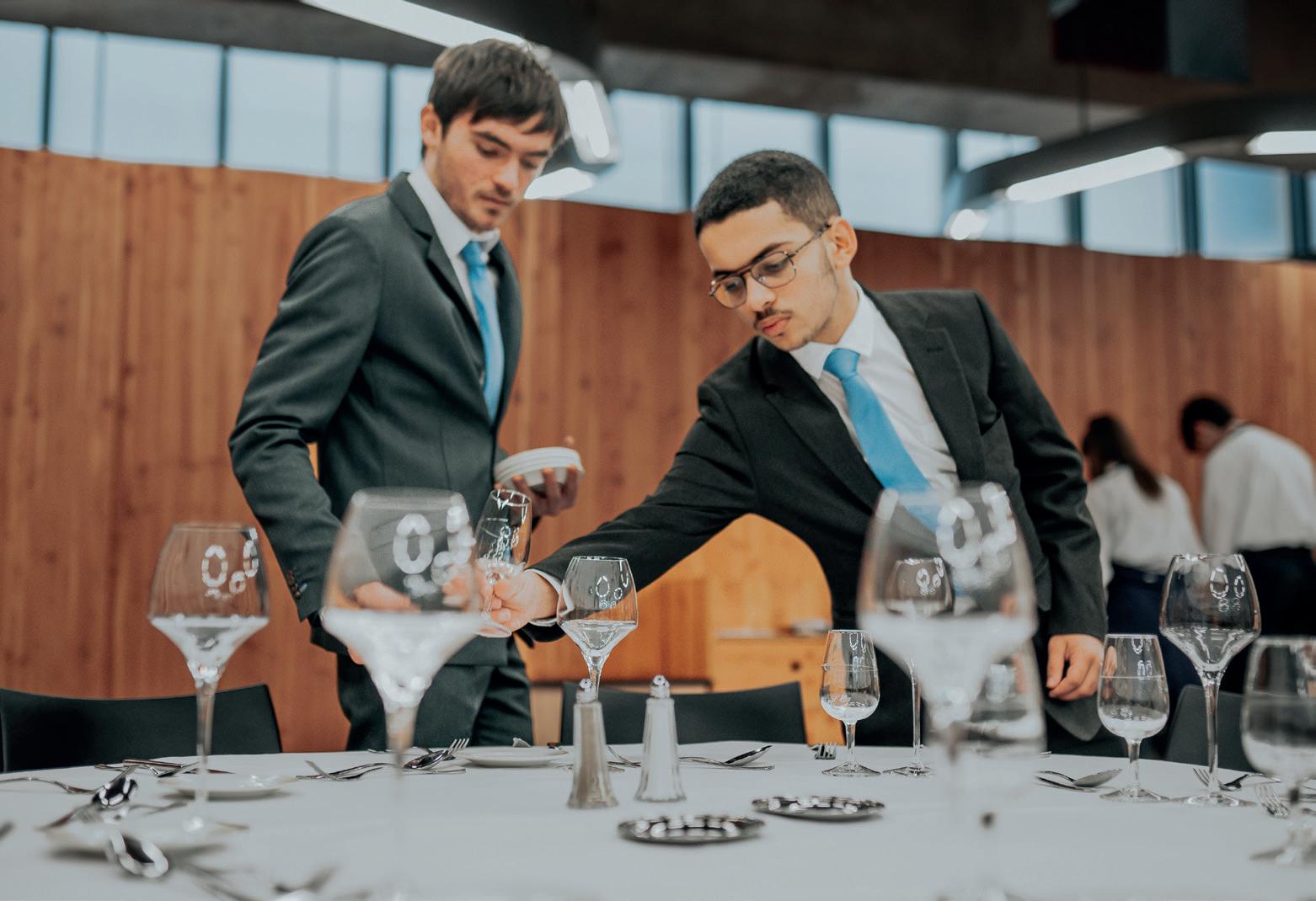
Customer service is a key driver of a restaurant’s success. From taking reservations and organising the dining room layout to welcoming guests and seating them, the quality and efficiency of customer relations play a crucial role in the success of any restaurant.
Holders of this vocational baccalaureate are qualified professionals, fully operational in sales, restaurant service and customer relations. They set up the dining area (menus, banquets, etc.) and organise the service of food and beverages. They are capable of coordinating a team’s activities. Their role also includes identifying supply needs and monitoring stock levels.
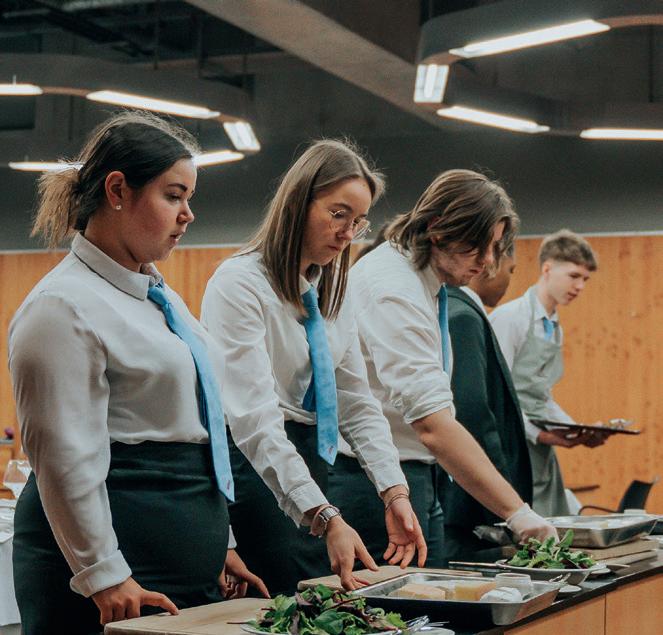
OFFERED AS:
Full-time school programme, apprenticeship contract, professional training contract
They adopt a quality-driven approach, respecting environmental and sustainable development principles, as well as hygiene, health and safety regulations. They are able to adapt to customers, prepare sales arguments, write orders and ensure their proper execution.
Graduates may work as room attendants, housekeeping staff, waiters or café servers. With professional experience, they can gradually progress to positions of responsibility.
During their training, learners will develop key skills related to their future profession:
Communication, Sales Approach and Customer Relations
• Manage individual and group reservations
• Welcome and assist customers: present sales materials, provide sales arguments, deliver customer service
• Communicate internally and externally (suppliers, partners, customers)
• Brief teams before service (kitchen, bar, cellar, reception, etc.)
• Promote and present products and dishes
Organisation and restaurant service
• Organise service operations
• Set up service areas: menus, banquets, cocktails, etc.
• Check service preparation
• Contribute to coordination between departments (restaurant, bar, pantry, lounge, housekeeping, kitchen, etc.)
• Organise and allocate tasks before, during and after service
• Serve food and beverages
• Contribute to food and beverage pairing
Team Management in Hospitality
• Manage staff schedules
• Plan work activities
• Calculate labour costs
• Analyse differences between forecasts and actual results
• Motivate staff to achieve objectives
Quality Approach in Hospitality
• Actively listen to customers and respond to their needs and expectations
• Comply with regulations and hygiene, health and safety standards
• Monitor product quality (sanitary, sensory and commercial aspects)
• Apply principles of nutrition and dietetics
Procurement and Operations Management in Hospitality
• Contribute to drafting specifications
• Identify equipment, product and food requirements based on activity levels
• Forecast and plan orders and deliveries
• Prepare purchasing documents (food and non-food supplies, small equipment, etc.)
• Manage costs (raw materials, production costs, sales)
Vocational training is supported by practical sessions in the school’s training restaurants and bar.
• French, History & Geography, Civic Education
• Mathematics and Applied Sciences
• Modern Foreign Language
• Physical Education and Sports
• Artistic Education and Applied Arts
• Applied Management
22 or 26 weeks of in-company training spread over the three years of the programme. These placements are assessed either formatively or as part of the final Baccalaureate examination. They take place in host organisations such as traditional restaurants.
Apprenticeship route: 36 weeks over 2 years, on a one-week-on / one-week-off basis.
The Vocational Baccalaureate is primarily designed for entry into the workforce. However, further study is also possible:
• BTS in Hospitality Management
• Specialisation Certificate: Bartender
• Specialisation Certificate: Sommelier
This qualification prepares students for careers such as:
• Waiter/Waitress, Chef de Rang, Bartender, Sommelier
• After several years of experience: Maître d’Hôtel, Restaurant Manager
These roles are available in sectors such as:
• Fine dining or traditional restaurants
• Bars, brasseries, themed restaurants
• In France or internationally
• Outdoor hospitality (camping), airlines, cruise ships
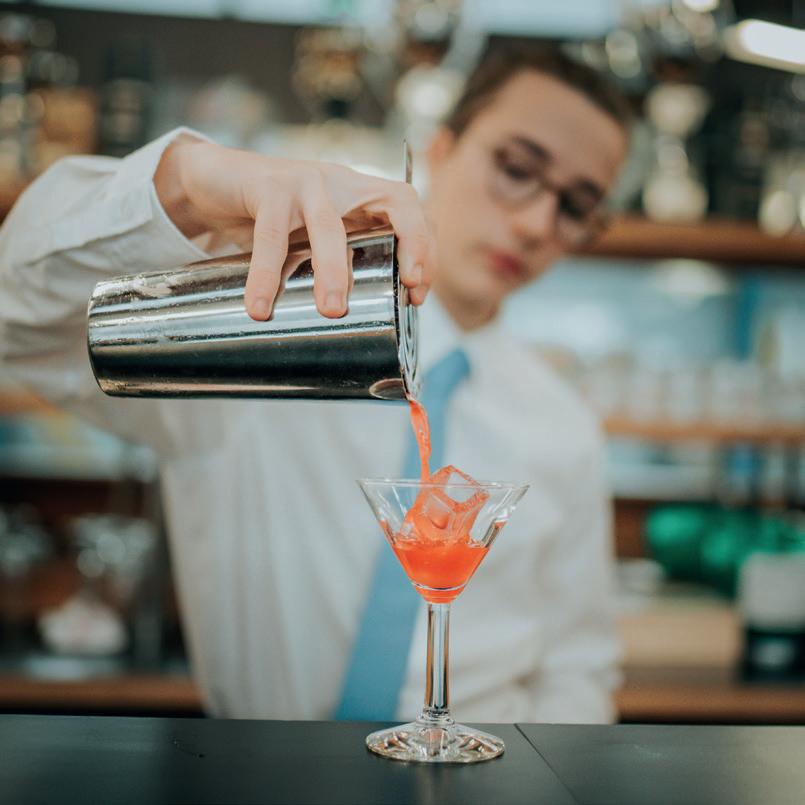
Holders of this Specialisation Certificate are qualified to manage a bar and welcome customers. They handle supplies, stock management and relationships with suppliers. They are responsible for cleaning and maintaining the bar, washing equipment, and operating refrigeration units and coffee machines. They advise customers on their choice of drinks and cocktails, which they prepare and serve. They also process payments, monitor sales and produce sales reports. Bartenders may work in hotels, themed bars or nightclubs. Strong interpersonal skills, good physical stamina (to cope with demanding schedules and long periods standing), and proficiency in one or two foreign languages are essential for this profession.
After several years of experience, they may become head bartenders in large establishments or manage their own bar.
PROGRAMME AVAILABLE AS AN APPRENTICESHIP
Holders of the Specialisation Certificate in Bartending demonstrate full mastery of cocktail-making techniques. They have in-depth product knowledge and a strong sense of hospitality. They are able to:
• Prepare drinks from raw ingredients (spirits, ice, etc.) while complying with hygiene, health and safety regulations, as well as sustainable development guidelines
• Master all aspects of cocktail-making (preparation techniques, distillation, etc.)
Vocational training
• Practical Bartending (approx. 61% of training time)
• Bar Technology & Product Knowledge
• Applied Management & Legislation
• Communication
• Applied Sciences
GENERAL SUBJECTS
• English
• Spanish
The programme is delivered through a one-year apprenticeship. An apprenticeship contract is required to enrol. Apprenticeship format: 420 hours, with training at the centre on Wednesdays and Thursdays, and the remainder of the time spent in the workplace.
• General or Technological Baccalaureate with a Foundation Year in Hospitality and Catering
• BTS, Vocational or Technological Baccalaureate in the field of Hospitality and Catering
• CAP in the field of Hospitality and Catering
Holders of this qualification are true “liquid chefs.” As skilled mixologists, they can work as bartenders. They may also go on to become brand ambassadors, consultants, trainers, or business owners.

Holders of the Specialisation Certificate in Sommelier work in restaurants or specialist wine shops (wine merchants) that aim to enhance the sale of beverages. Their role includes:
• Selling and serving all types of beverages (wines, spirits, beers, coffee, soft drinks, etc.)
• Creating beverage lists
• Participating in purchasing, receiving and checking deliveries
• Storing bottles and monitoring wine stocks
• Setting up the daily wine cellar
• Pairing food and beverages
Admission – continuing education
• Hold a General, Technological or Vocational Baccalaureate, or a qualification at least equivalent to Level 4
• Demonstrate strong oral and written communication skills
• Be able to communicate in a foreign language, particularly English
• Have strong interpersonal skills
• Show an interest in the hospitality sector, particularly in wine and beverages
Programme content
• 460 hours over 29 weeks
• 100 hours in management and English
• 360 hours of vocational training structured around six areas: Sales and Wine List Development Sensory Analysis
Communication Knowledge of Wine Regions
Other Beverages
Oenology and Technology
• Apprenticeship route: 400 hours, with training at the centre on Tuesdays and Wednesdays, and the remainder of the time spent in the workplace
• 2 days off per week, or 4 half-days
• 3 days in the workplace: in a restaurant with an extensive wine list or with an independent wine merchant (no largescale retail)
• International fine dining, with career progression towards positions of responsibility in high-end sommellerie (proficiency in a foreign language is essential)
• The programme also enables, after solid experience in the restaurant sector, progression into careers in distribution (wholesalers, local distribution, etc.) and sales (wine merchant, wine bar, wine trading, retail, etc.)

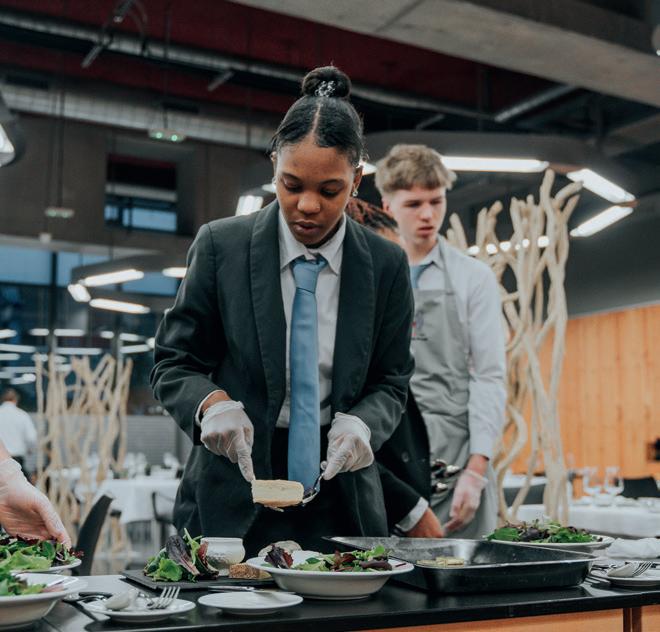
This qualification provides versatile training, enabling you to work across culinary arts, restaurant service, and hospitality/accommodation.
Your skills in management and general knowledge will be highly valued, as general education plays an important role in the timetable and supports further study opportunities.
This technological baccalaureate track is chosen at the end of lower secondary school, as specialised training begins from Year 10. In this dedicated first year, students discover the sector in all its diversity. It is in the following years that specialised technological subjects are explored in greater depth. These subjects are structured around three main areas: hospitality management, catering, and service.
The STHR technological baccalaureate includes a core curriculum common to all tracks, optional subjects, and specialised courses.
The STHR Year 11 includes the following three specialist subjects:
• Hospitality Economics and Management
• Culinary and Service Sciences and Technologies
• Scientific Studies in Food and Environment
The final year includes the following two specialist subjects:
• Culinary and Service Sciences and Technologies; Scientific Studies in Food and Environment (ESAE)
• Hospitality Economics and Management
In Culinary Arts: developing advanced culinary techniques and methods, studying different types of catering and food products, and designing menus.
In Service: learning about restaurant equipment, staff roles, maintenance of premises, organisation of service, and customer reception.
In Hospitality (Accommodation): adapting to the diversity of hotel businesses, mastering the organisation and management of hotel operations, understanding room categories and related services.
In Hospitality Management: developing skills in accounting and in managing sales, supplies, and staff.
4 weeks of work placements in Year 10. The programme also includes introductory or practical work placements in Year 11, lasting four weeks.
After the STHR Technological Baccalaureate, students may continue or specialise by pursuing a Specialisation Certificate, a BTS in Hospitality Management (three options), or a Professional Bachelor’s Degree.
Holders of this baccalaureate are versatile professionals who can work in culinary arts, restaurant service, and hospitality (accommodation). Their level of training enables them, after a few years of professional experience, to progress to supervisory positions.
Graduates may also work in the tourism sector, thanks to their strong general education and proficiency in foreign languages.
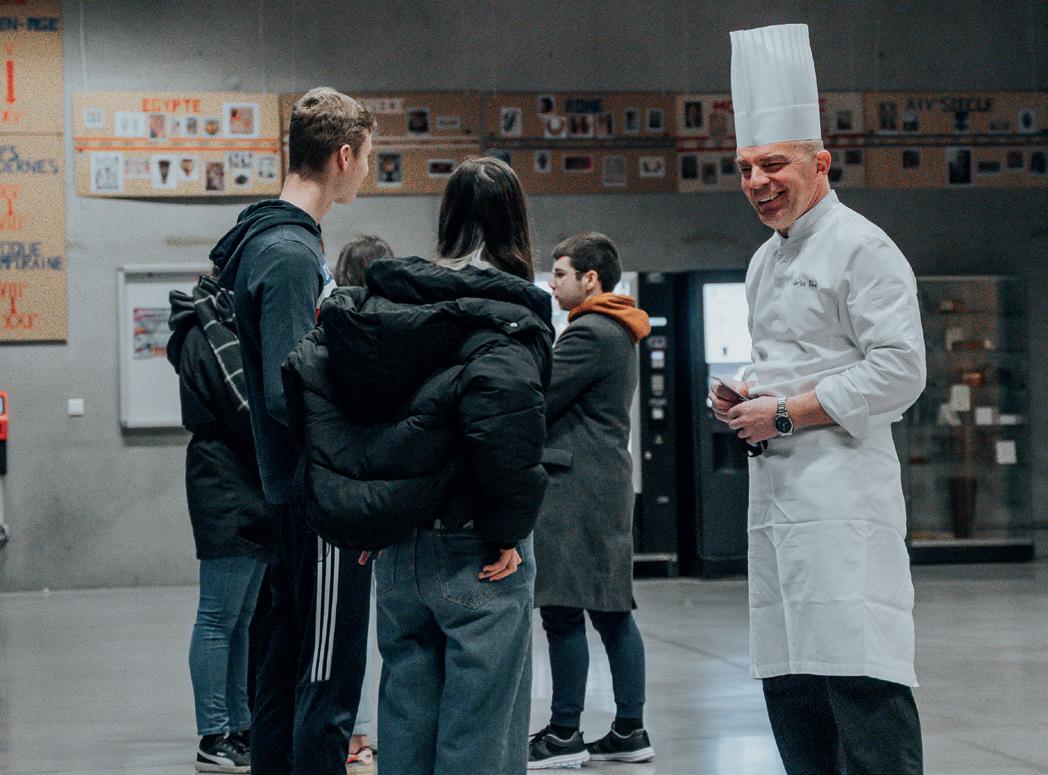

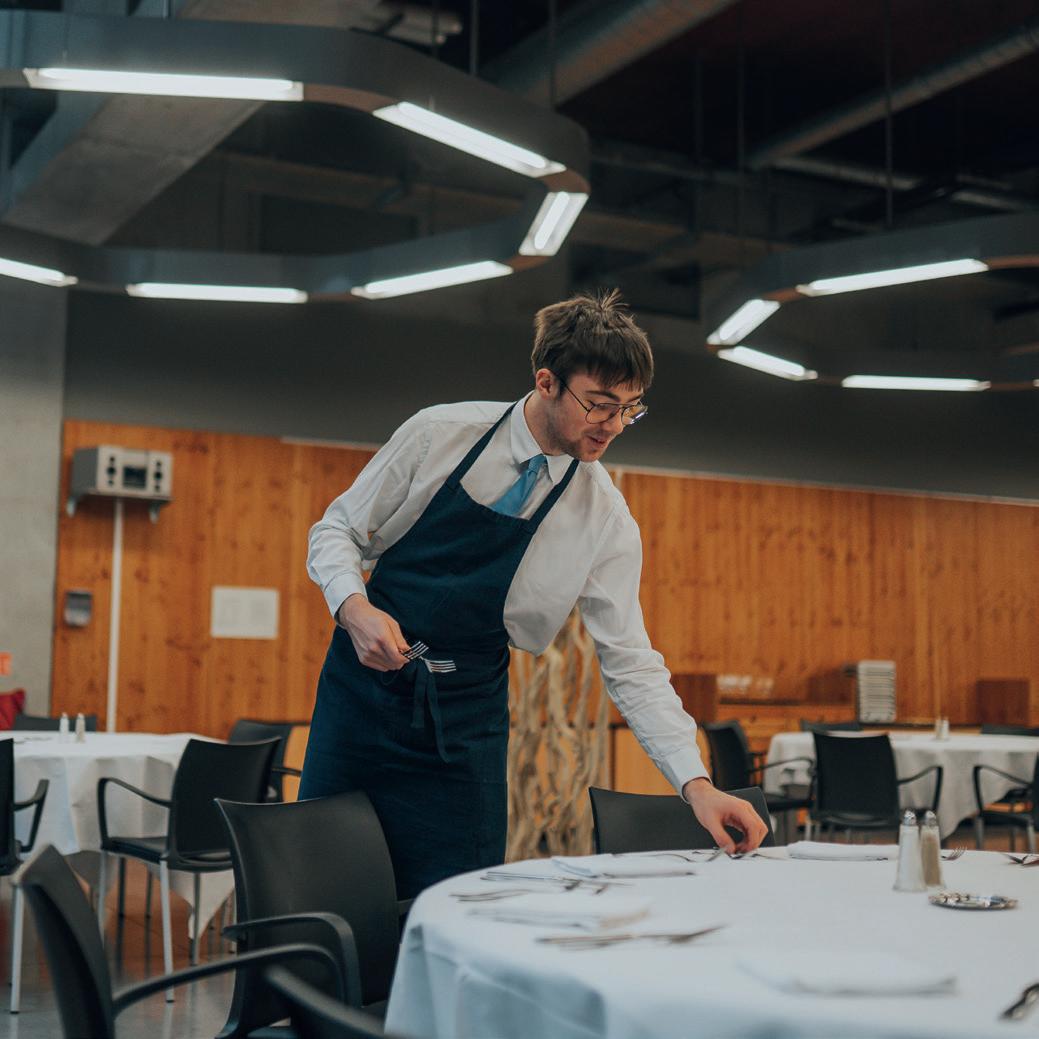

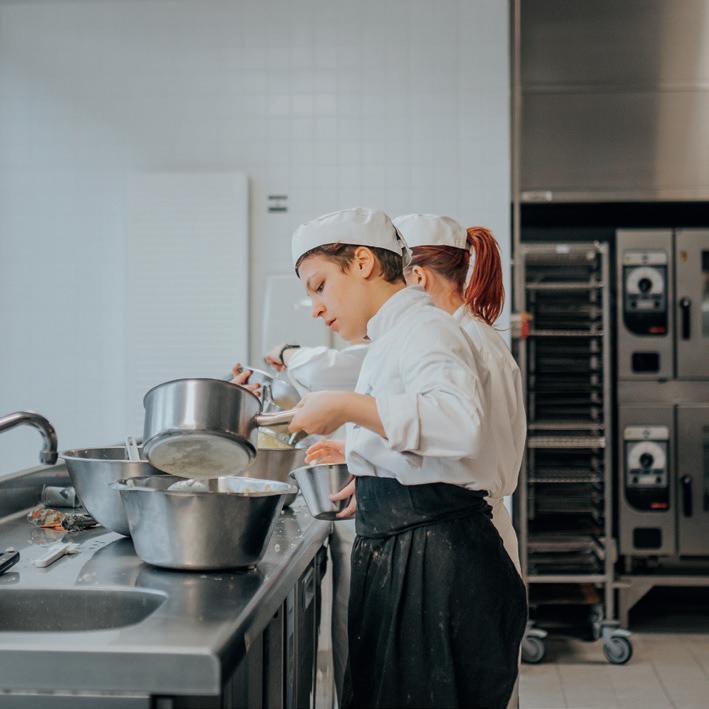
The Foundation Year (MAN) prepares students who do not hold an STHR Technological Baccalaureate or a Vocational Baccalaureate in Culinary Arts or Hospitality Service for entry into the BTS in Hospitality Management.
The programme includes 625 hours of training at the training centre, equivalent to 18 weeks on a one-week-on / oneweek-off basis.
The Foundation Year in Hospitality and Catering (MANHR) aims to:
• Provide you with a comprehensive overview of the different areas of hospitality and catering
• Equip you with the essential knowledge and skills required to successfully progress to the BTS in Hospitality Management.
At the end of the MANHR year, you will have acquired:
• The specific language, tools and organisational methods used in the hospitality and catering sector
PATHWAY TO THE BTS IN HOSPITALITY MANAGEMENT
• Fundamental techniques in culinary production and service, while complying with hygiene standards
The MANHR programme includes 35 hours of lessons per week, covering the following subjects:
• Modern Foreign Language 1
• Modern Foreign Language 2
• Hospitality Economics and Management (EGH)
• Hospitality and Catering Studies, including:
Scientific Studies in Food and Environment (ESAE)
Service Sciences and Technologies in Hospitality (STS)
Culinary Sciences and Technologies (STC)
What’s next?
Progress to the BTS in Hospitality Management
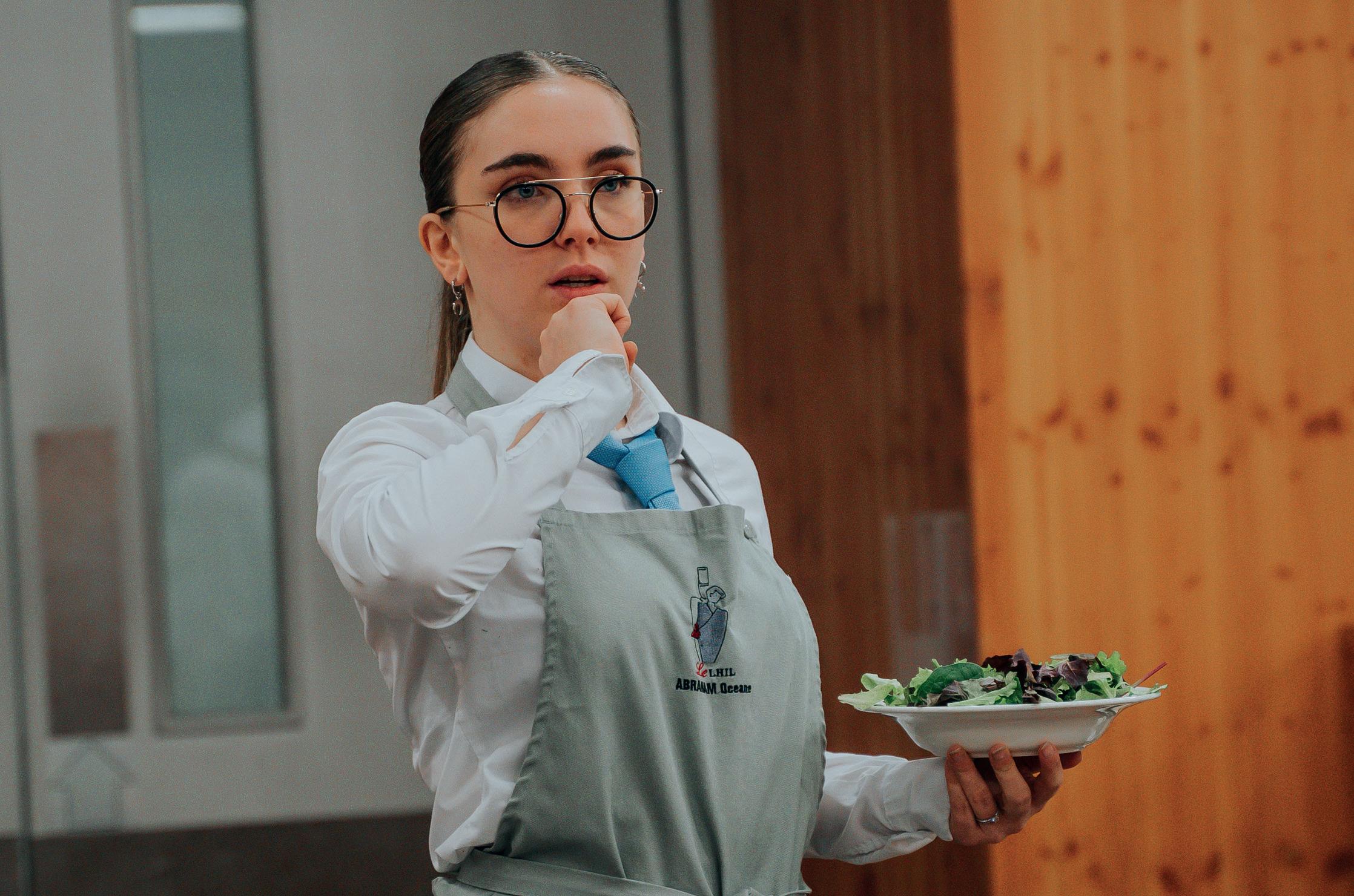
The BTS in Hospitality Management (BTS MHR) trains professionals in management, operations and service within hotels and restaurants.
At the end of the programme, you will be able to organise, lead, supervise, train and manage a team. You will become a specialist in customer relations, capable of providing expertise and advice at all times. Beyond mastering management techniques, you will develop a broad knowledge of hospitality and catering, enabling you to adapt to the specific needs of your organisation.
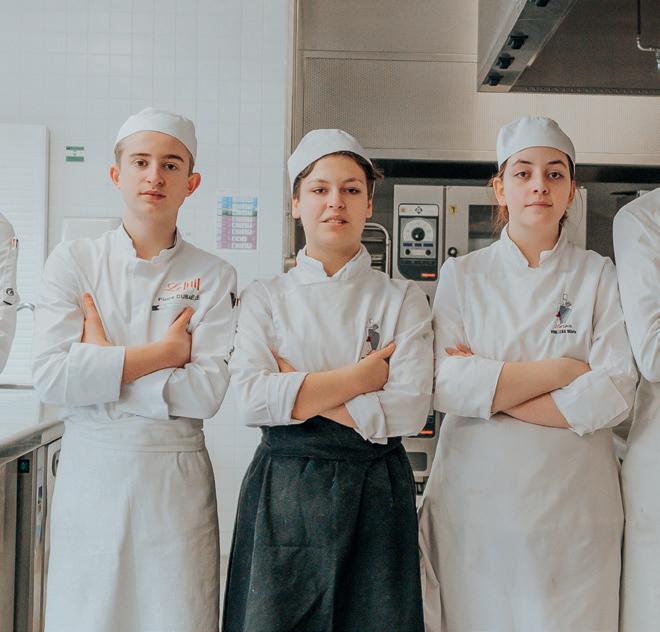
PROGRAMME
OFFERED AS:
Full-time school programme, apprenticeship contract, professional training contract
After one or more successful professional experiences, you will be able to create or take over a business, or take on greater responsibilities within your company.
The BTS in Hospitality Management offers three options depending on your chosen pathway:
Option A:
Restaurant Management
Option B: Culinary Production Management
Option C: Accommodation Management
The first year of the BTS is common to all three options. It focuses on core skills in culinary arts, service and hospitality (accommodation), with the aim of developing versatile competencies. A significant part of the programme is dedicated to hygiene and food preservation standards, stock management, fundamental culinary techniques, as well as customer reception and service.
General subjects applied to hospitality and catering are also included: human resources, law and accounting are integrated into a course on entrepreneurship and hotel business management.
This option focuses on restaurant service techniques: setting tables, presenting menus, showcasing products, managing beverage stocks, and supervising a team. Training in sommellerie and bar techniques is enhanced through courses on wine cellar management and the service of spirits and cocktails.
This option aims to develop advanced culinary techniques across different types of catering (traditional, fine dining, institutional). Students learn to optimise food purchasing based on various factors such as seasonality and demand. Team management and business operations are key components of the programme. Elements of the Restaurant Dessert Chef specialisation have also been incorporated.
This option covers business creation, takeover and transfer. Students learn to manage an accommodation unit and its staff, meet diverse customer expectations, and build customer loyalty using modern communication tools (social media, e-reputation). Foreign languages play a key role in this option, which notably includes courses taught in English.
The work placement, with a total duration of 16 weeks, including 12 consecutive weeks, must align with the BTS MHR curriculum and prepare students for their future professional integration.
This placement enables students to:
• Understand the economic, legal, managerial and technological aspects of real working situations and recognise their key challenges
• Develop a clear understanding of the profession in its managerial, economic and cultural dimensions
• Acquire and develop appropriate professional attitudes and behaviours, while taking into account the constraints of each activity
Apprenticeship route: 40 weeks over 2 years, on a oneweek-on / one-week-off basis
A wide range of post-BTS programmes are available to further enhance your qualifications. You can deepen your training by pursuing professional bachelor’s degrees or bachelor’s programmes in hospitality management.
You may work in: small hospitality and catering businesses, service units within large groups, consultancy firms specialising in hospitality management, or food industry companies with distribution services. Depending on your chosen option, career opportunities include: Maître d’Hôtel, Head Waiter/Waitress, Sommelier, Head Bartender, Demi Chef de Partie, Chef de Partie, Sous-Chef, Assistant Housekeeper, Floor Housekeeper, Assistant Front Office Manager.
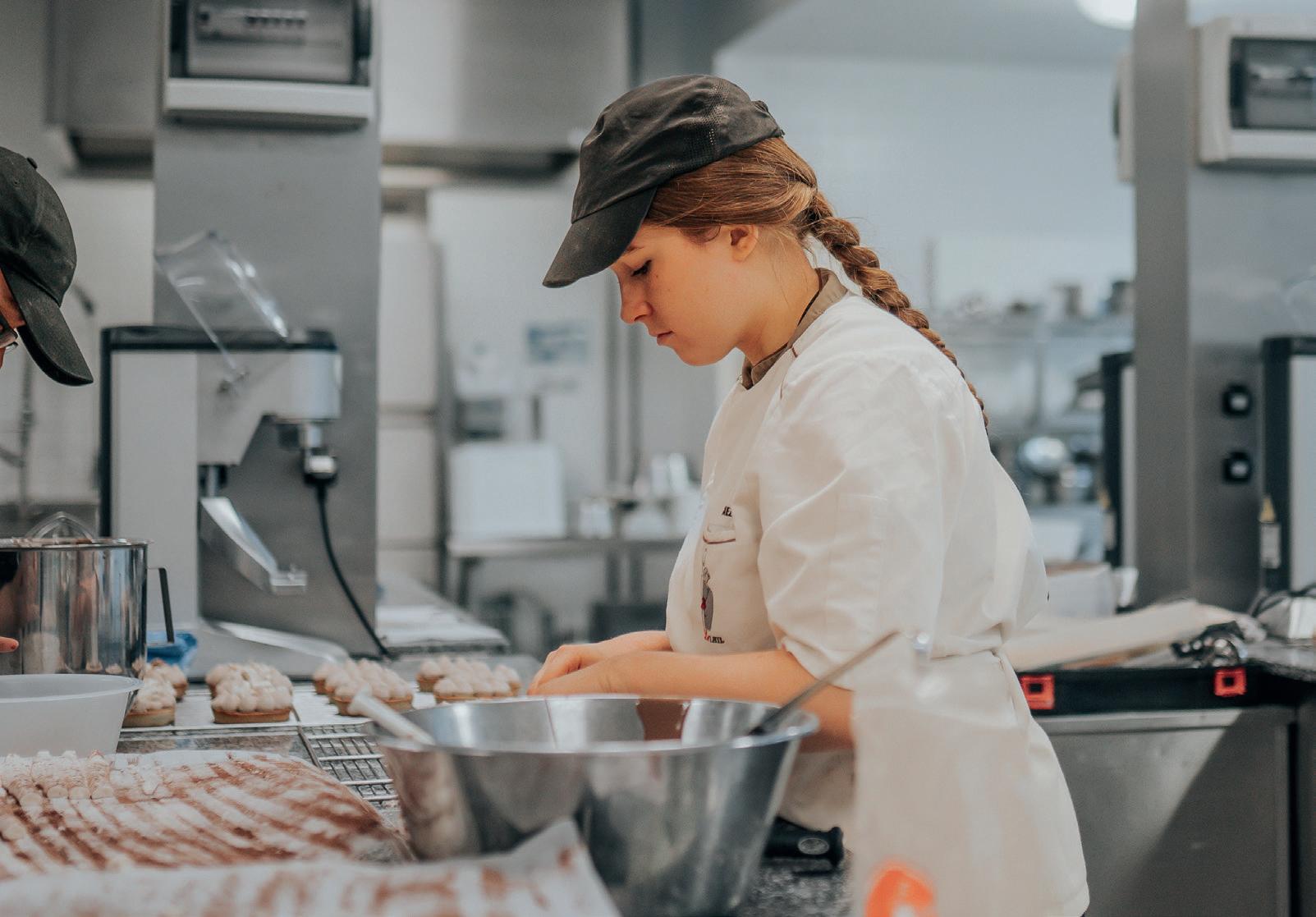
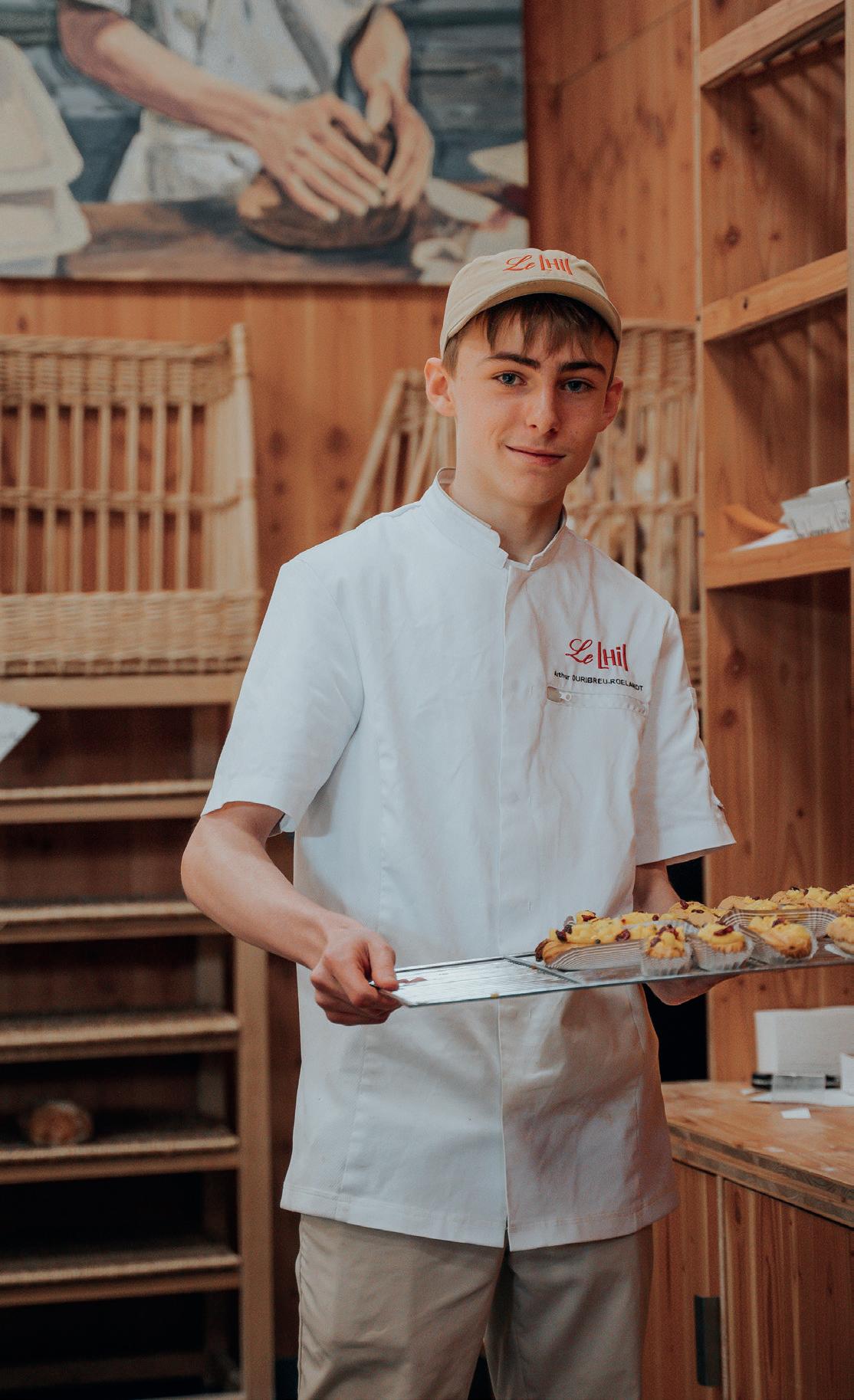
The pastry chef is able to prepare pastries and organise their production. They also manage stock, prepare doughs and creams, decorate desserts, and ensure their presentation and description.
Admission – apprenticeship route
• Aged between 15 and 25 (exceptions possible)
• Signed apprenticeship contract with an employer

PROGRAMME
OFFERED AS: under an apprenticeship or professional training contract
• Medically fit for the job (mandatory pre-employment medical check)
• The curriculum is identical to the full-time school programme but adapted to the apprenticeship model
• The number of classroom hours is lower than in the traditional school system:
920 hours of training at the centre over two years
1 week at the training centre
1 week in the workplace
Subjects studied & indicative teaching hours (year 1)
• French, History & Geography: 6 hours
• English: 3 hours
• Mathematics & Sciences: 4 hours
• Physical Education and Sports: 2 hours
• Applied Arts: 2 hours
• Management: 3 hours
• Health, Safety and Environment (HSE): 2 hours
• Applied Sciences: 2 hours
Apprenticeship route: 24 weeks over 2 years, on a one-week-in-three basis.
• CAP in Bakery
• CAP in Chocolate and Confectionery
• CAP in Ice Cream Making
• Certificate in Bakery Pastry
• Certificate in Pastry, Ice Cream, Chocolate and Confectionery
• Vocational Baccalaureate in Bakery & Pastry
Advanced Vocational Diploma (BP) in Bakery

2 YEARS
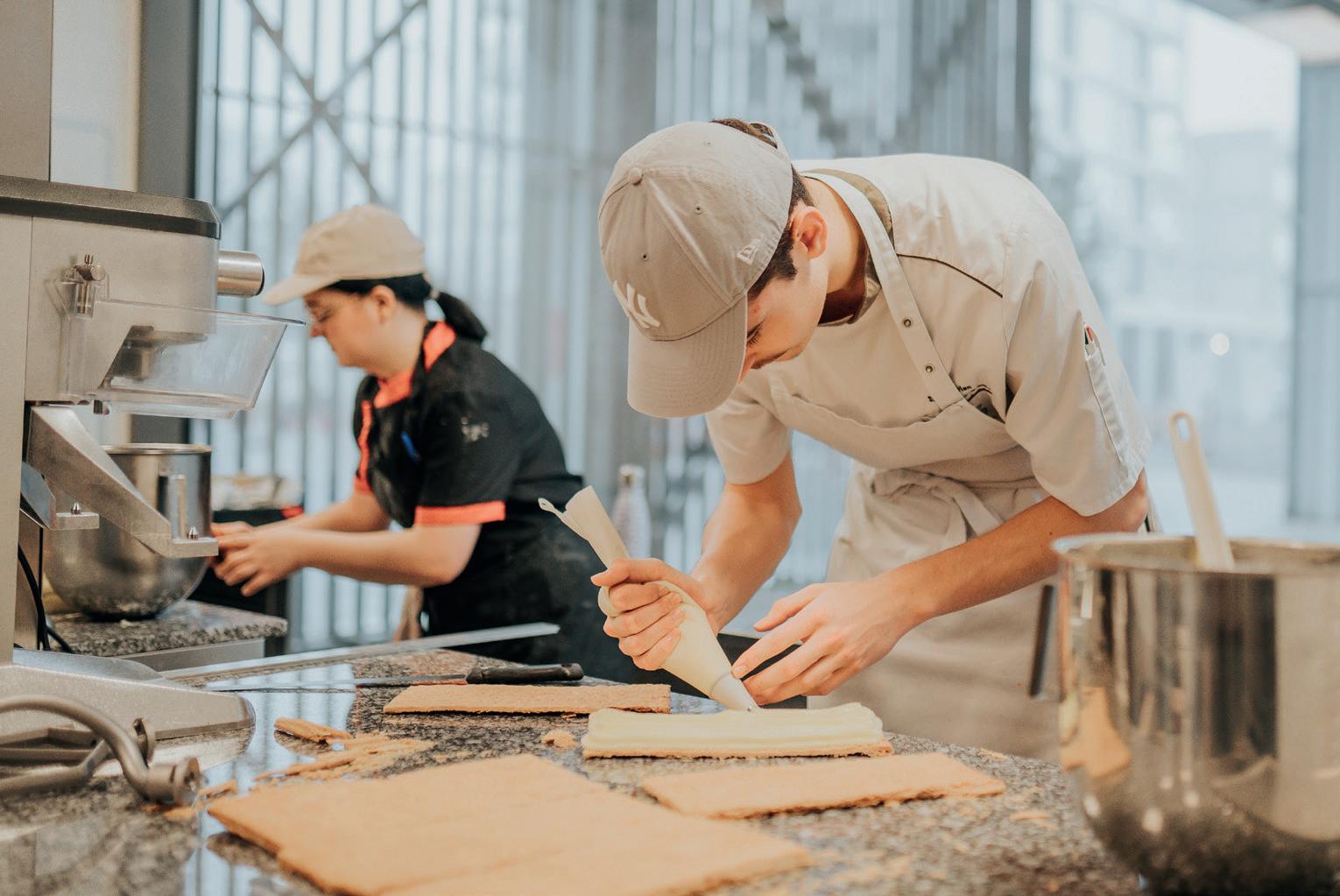
The world of bakery and pastry is rich in creativity and expertise. It is a passionate profession, at the crossroads of tradition and innovation.
Working with your hands, transforming living ingredients into essential foods—bread and desserts—is highly rewarding. Every day, bakers take pride in offering their customers highquality products.
The core activity of bakers and pastry chefs is the production of both sweet and savoury products. They determine the required quantities of raw materials, select appropriate production techniques, and ensure the attractive presentation of their products. They also develop skills in business management, sales, and team leadership. In direct contact with customers, they are responsible for product display and ensure the quality and food safety of their products.

OFFERED AS:
Full-time school programme, or under an apprenticeship (final year only) or professional training contract
Holders of the Vocational Baccalaureate in Bakery and Pastry are highly qualified professionals who master all the technical aspects of the trade, including catering production, from sourcing raw materials to final sale.
They are expected to take on responsibilities and may hold roles in team supervision and business management within a company or production and/or sales unit. With sufficient experience, they should be able to create, take over, and manage their own business or production and/or sales unit.
The programme is generally completed over three years after lower secondary school. However, holders of certain CAP qualifications (CAP in Bakery or CAP in Pastry) or equivalent certifications may enter directly into the second year.
The training is structured around core professional skills (procurement, production, etc.), while also developing competencies in sales and product presentation, which are essential to the profession.
The programme prepares future artisans capable of designing and producing bakery and pastry products, in compliance with hygiene and food safety regulations.
Business Management: Management of raw materials and consumables, technical resources, financial resources, human resources, business creation and development
Production: Bread-making (traditional French bread, viennoiseries, cereal breads, etc.), decoration, doughs and basic preparations (choux pastry, puff pastry, etc.), petits fours, creams and basic mixtures, sauces and coulis, syrups, cooked sugar, nougatine, couverture chocolate, catering products
Quality Approach: Monitoring raw materials and storage conditions, organising and maintaining workstations, equipment and premises, and ensuring product quality throughout the production and distribution process
Communication and Sales: Selling products, advising customers, showcasing products and retail spaces, using digital communication tools, and team management
GENERAL SUBJECTS
• French
• History & Geography
• Applied Arts and Artistic Culture
• Modern Foreign Language
• Physical Education and Sports
• Professional Technology
• Applied Sciences
• Mathematics
• Economic, Legal and Management Environment
22 or 26 weeks of in-company training spread over the three years of the programme. These placements are assessed either formatively or as part of the final Baccalaureate examination. They take place in host organisations such as bakeries, specialised chains and retail outlets.
Sectors of activity: Artisan businesses / Hospitality and Catering Catering / Retail / Laboratories / Wholesalers / Food Industry
Career opportunities:
• Department manager, production unit manager, or retail outlet manager
• Technical and/or commercial manager of a production unit
• Production manager in the food industry
• Catering manager (out-of-home catering sector)
• Business owner or retail outlet manager

Holders of the CAP in Chocolate and Confectionery produce chocolate and confectionery products from raw materials for sale, as well as chocolatebased decorative items.
They work under the supervision of a laboratory manager and in compliance with:
• production processes, from preparation to finishing
• hygiene and safety standards in accordance with current legislation
• regulations on waste reduction and recycling
They also take into account corporate social responsibility in their daily work. They contribute to showcasing finished products to sales staff, thereby supporting commercial activity, and may occasionally interact with customers.
Chocolate and confectionery craftsmanship involves creating, producing and selling chocolate, confectionery and biscuit products.
APPRENTICESHIP PROGRAMME
• Programme available through apprenticeship and continuing education
• Apprenticeship format: 420 hours, with 1 week in the training centre every 3 weeks
• Apprenticeship training is free of charge
• Unit 1: Preparation of base mixtures
• Unit 2: Production and presentation of finished products
The CAP is completed in 1 year. Candidates are exempt from general education subjects.
• Aged between 16 and 29 at the time of signing the apprenticeship contract (15 under certain conditions)
• Hold a CAP in Pastry, a Vocational Baccalaureate in Bakery & Pastry, or a Specialisation Certificate in Bakery–Pastry
• Strong artistic and creative sense
• Interest in gastronomy in general
• Ability to work as part of a team
• Organisation and discipline
Holders of the CAP in Chocolate and Confectionery work as qualified employees in the chocolate and confectionery sector.
With significant professional experience or after obtaining the Technical Trades Certificate (BTM) in Chocolate and Confectionery, they may progress to highly qualified positions and take on more advanced roles within the field.
They work in artisan businesses, hospitality and catering, or the food industry, within companies that have chocolate and confectionery production facilities. Their activity is primarily carried out in businesses using traditional production techniques, which may vary in size and may also operate in related sectors.
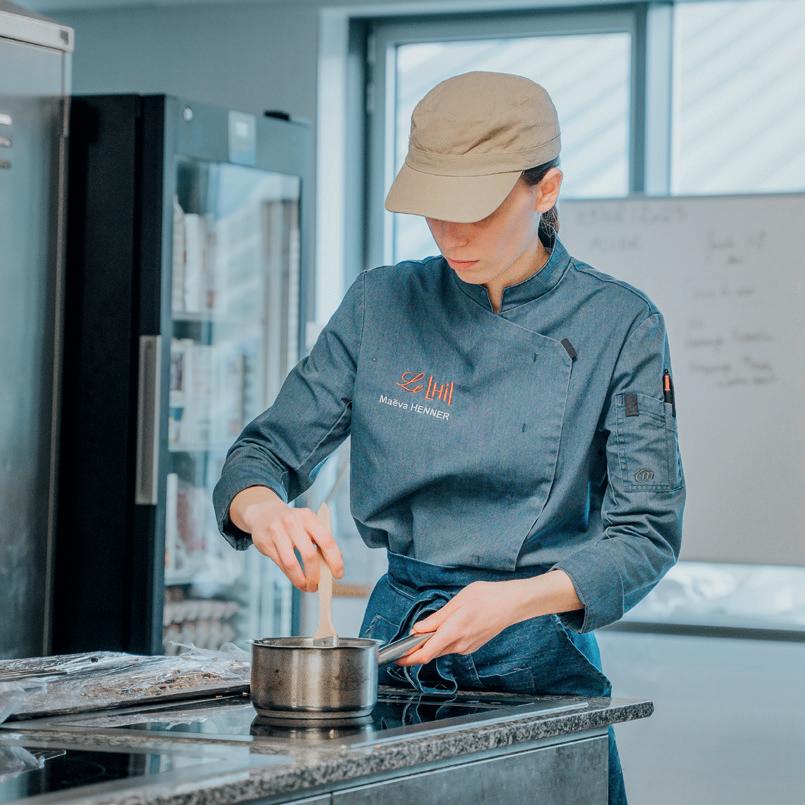
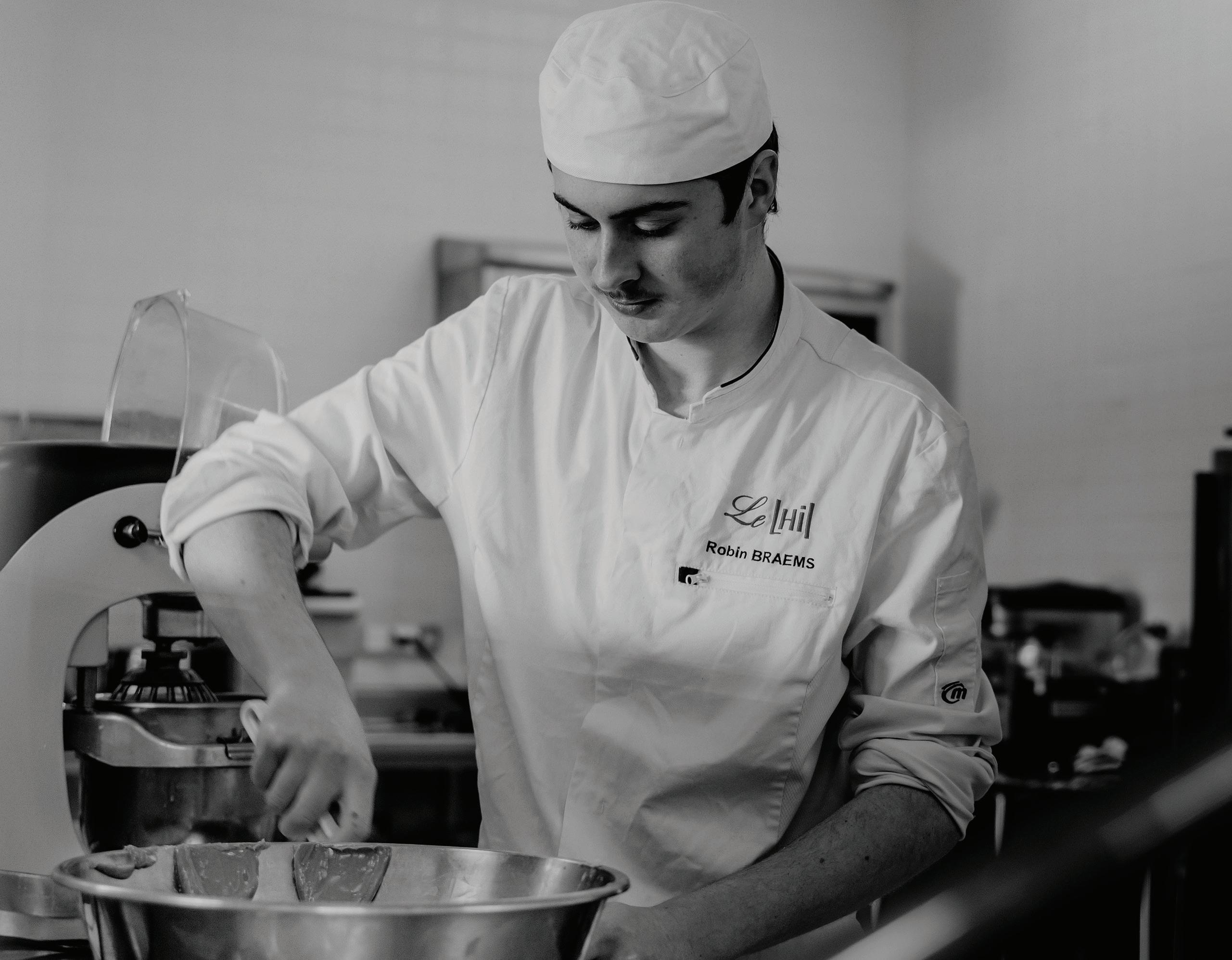
The restaurant dessert chef prepares desserts intended to be served and consumed immediately in a restaurant. These desserts are all created and presented as plated dishes. Working as part of a kitchen brigade, they design and produce viennoiseries, savoury and sweet petits fours, entremets, pastries, ice creams, and more. They manage orders and the supply of their workstation (purchasing, receiving and storing ingredients), and carry out quality control on both ingredients (storage conditions, temperature) and finished products.
To perform these tasks effectively, they must be familiar with new products and the equipment used in pastry and kitchen environments.
AVAILABLE AS AN APPRENTICESHIP OR FULL-TIME SCHOOL PROGRAMME
This one-year programme is open to holders of a qualification in hospitality and catering. Learners alternate between theoretical lessons and practical training sessions in the school’s training kitchens and pastry laboratories.
Professional practice:
• Developing technical sheets
• Organising the workstation
• Managing raw materials (stock optimisation, seasonality of products)
• Producing recipes and presenting finished products
• Plating techniques and principles of creativity
Professional technology:
• Products
• Preparations
• Preservation methods
• Equipment
• Sensory analysis
• Legislation (allergens)
• Applied management (cost optimisation)
• Principles of design applied to dessert presentation
GENERAL SUBJECTS
• French
• Applied Sciences
WORK PLACEMENTS
12 weeks of training placement. Apprenticeship route: 12 weeks at the training centre.
Holders of the Specialisation Certificate in Restaurant Desserts may, depending on their abilities, work as a chef specialising in restaurant desserts or as a chef de partie.
• Programme available through apprenticeship and continuing education
• Apprenticeship format: 420 hours, with 1 week in the training centre every 3 weeks
• Apprenticeship training is free of charge
• Continuing education: please contact us for funding options
Objectives:
• Prepare learners for the professional examinations defined by the certification framework, taking into account their individual profile
• Support apprentices in their professional integration within the chosen qualification
• Help each learner develop their social and civic identity
APPRENTICESHIP PROGRAMME
Required skills:
• Strong artistic and creative sense
• Interest in gastronomy in general
• Ability to work as part of a team
• Organisation and discipline
• Good physical stamina
• Excellent hygiene standards
• Versatility and dynamism
• Willingness to work flexible hours, including weekends and public holidays
• Awareness of sustainability and environmental issues
Vocational training:
• Unit 1: Production of entremets, small cakes and petits fours, travel cakes, elaborate tarts and croquembouches
• Unit 2: Optimisation of pastry production
GENERAL SUBJECTS
• French
• Mathematics (applied calculations for
vocational training)
• English
• Aged between 16 and 29 at the time of signing the apprenticeship contract (15 under certain conditions)
• Hold a CAP in Pastry or a Vocational Baccalaureate in Bakery & Pastry
• CAP in Chocolate and Confectionery
• Specialisation Certificate in Pastry or Chocolate
• CAP in Bakery
• Vocational Baccalaureate in Bakery & Pastry
• Technical Trades Certificate (BTM) in Pastry
Holders of this qualification work as highly skilled pastry professionals. They further develop their expertise in dessert production, specialising in entremets, cakes and petits fours, travel cakes, elaborate tarts and croquembouches.
They mainly work in pastry laboratories. In compliance with hygiene, food safety and health regulations, they are responsible for:
• Organising and managing the production of retail pastry products
• Supplying the sales area with pastry products
• Showcasing production choices
• Monitoring production and promoting it to shop staff
They may work in artisan pastry shops and bakerypastry businesses, specialist establishments such as tea rooms, catering and event companies, hospitality and restaurant establishments, as well as pastry laboratories within large and medium-sized retail organisations.
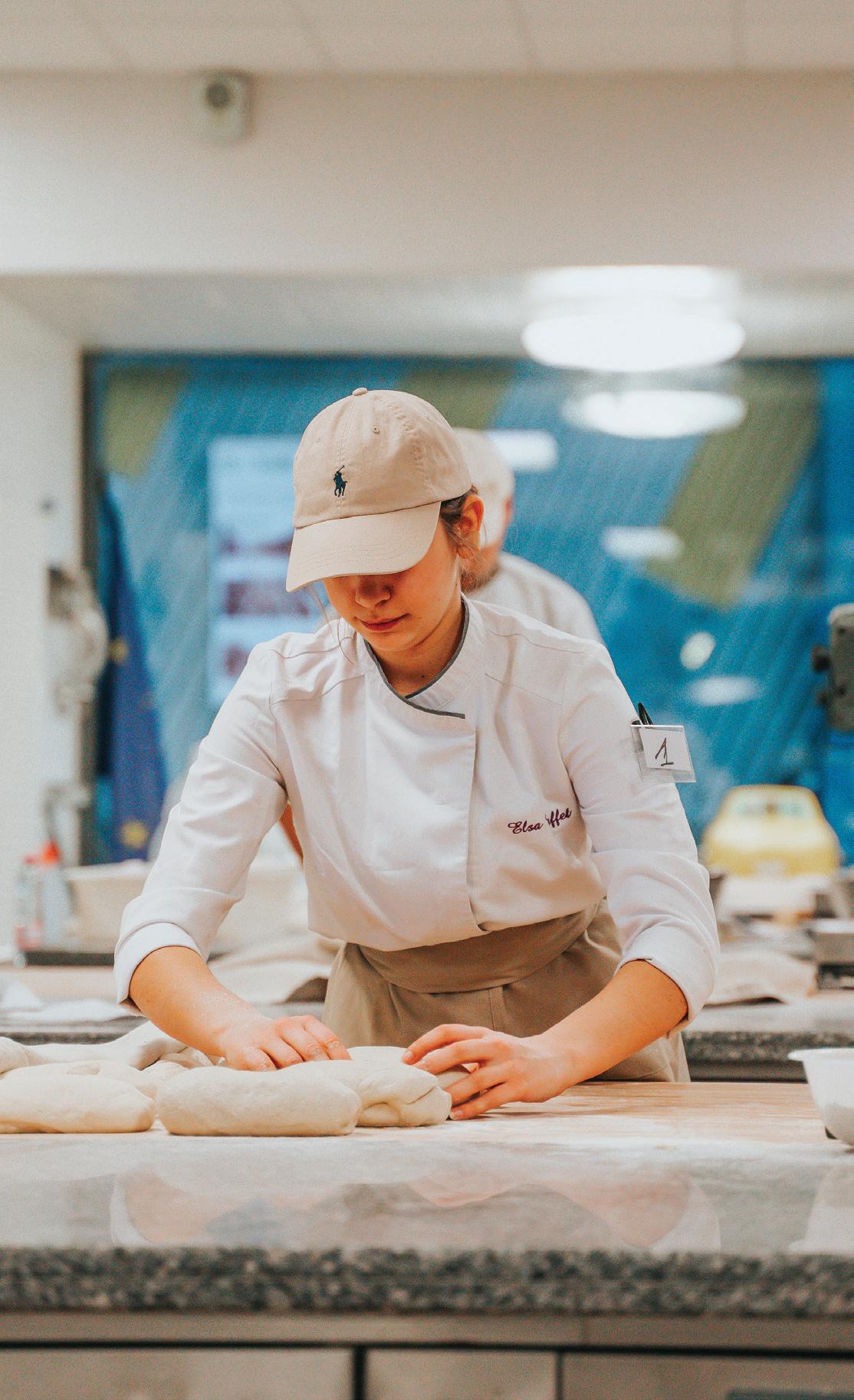

Holders of this qualification work as highly skilled bakery professionals. They further develop their expertise in bread production.
They mainly work in bakery laboratories. In compliance with hygiene, food safety and health regulations, they are responsible for:
• Organising and managing the production of bakery products
• Supplying the sales area
• Showcasing production choices
• Monitoring production and promoting it to shop staff in artisan bakery-pastry businesses and specialised establishments
APPRENTICESHIP PROGRAMME
Required skills :
• Strong artistic and creative sense
• Interest in gastronomy in general
• Ability to work as part of a team
• Organisation and discipline
• Good physical stamina
• Excellent hygiene standards
• Versatility and dynamism
• Willingness to work flexible hours, including weekends and public holidays
• Programme available through apprenticeship and continuing education
• Apprenticeship format: 420 hours, with 1 week in the training centre every 3 weeks
• Apprenticeship training is free of charge
• Continuing education: please contact us for funding options
Vocational training:
• Unit 1: Organisation and Production
• Unit 2: Technological, Scientific and Commercial Environment of Production
General subjects:
• French
• Mathematics (applied calculations for vocational training)
• English
REQUIREMENTS
• Aged between 16 and 29 at the time of signing the apprenticeship contract (15 under certain conditions)
• Hold a CAP in Bakery or a Vocational Baccalaureate in Bakery & Pastry
• Baker Holders of the Specialisation Certificate in Bakery work in the production of a full range of bakery and viennoiserie products.
Within a company structure, they are responsible for:
• Managing supplies
• Carrying out the production of bakery and viennoiserie products
• Communicating with sales staff about the technical characteristics of products
• Ensuring and justifying product quality
• Complying with hygiene standards and occupational health and safety regulations
• Contributing to the overall operation of the business
They work in bakeries or bakery–pastry businesses, as well as in any company equipped with facilities for bakery production.

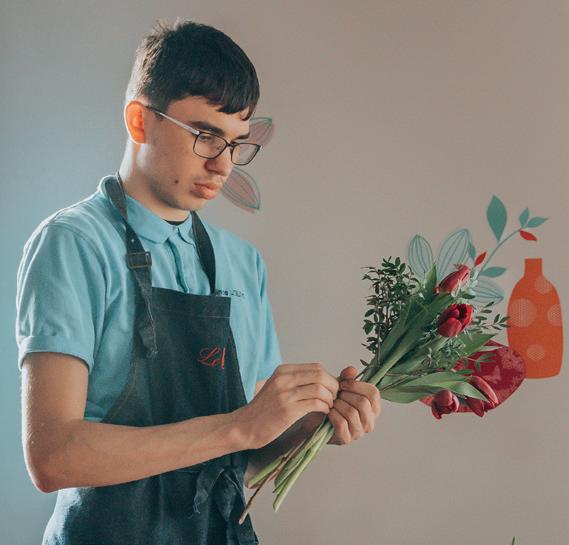
The florist carries out an activity that combines craftsmanship and artistic creativity. They usually work in a shop, within a specialised department in a large retail store, or in a decoration company. They are responsible for receiving cut flowers, plants and shrubs, and ensuring their proper storage and care. With a strong creative sense, they design floral arrangements using various techniques such as assembling, structuring and positioning.
They handle day-to-day sales, advise customers and help build customer loyalty. They also demonstrate strong organisational and management skills, ensuring both quality and efficiency.
FULL-TIME SCHOOL PROGRAMME

Admission continuing education Open to students completing lower secondary school. Applications are managed through your current school. If accepted, you will receive an official notification. Enrolment takes place at the Lille International Hospitality High School (late June – early July).
Subjects studied & approximate teaching hours (year 1)
• French, History & Geography: 3 hours
• English: 2 hours
• Mathematics & Sciences: 3 hours
• Physical Education and Sports: 2 hours
• Applied Arts: 1 hour
• Management: 1 hour
• Health, Safety and Environment (HSE): 2h50
• Workshops (Botany, Floral Art, Technology): 10 hours
• Sales: 1 hour
• Cross-disciplinary Teaching (Mathematics & French): 3 hours
• Final Project (“Chef-d’œuvre”): 3 hours
• 8 weeks in Year 1
• 8 weeks in Year 2 These placements are compulsory.
• Advanced Vocational Diploma (BP) in Floristry
• Advanced Vocational Diploma (BP) in Horticulture
• Master Craftsman Certificate
• Vocational Baccalaureate in Sales
• Vocational Baccalaureate in Commerce FURTHER STUDIES
• Shop assistant
• Garden centre assistant
• Store manager CAREER OPPORTUNITIES

APPRENTICESHIP PROGRAMME
Holders of the Advanced Vocational Diploma (BP) in Floristry are highly qualified professionals working in a field that combines craftsmanship, commerce and artistic creativity. They are able to carry out or delegate all activities related to procurement, production, management and the marketing of floral creations. They master professional techniques as well as artistic, commercial and management skills, enabling them to
develop and sustain their business. They use digital tools to support their professional activity and business development. They comply with current regulations, including hygiene and safety standards, as well as sustainable development principles in line with environmental requirements.
Having acquired strong professional expertise, they are capable of leading and supervising a team. They are also able to create, take over and manage a floristry business.
Structured around four main areas:
Unit 1: Creation of Floral Arrangements in All Styles
• Select plants, containers and accessories
• Choose appropriate techniques
• Create floral arrangements
Unit 2: Design and Implementation of Floral Projects
• Analyse client requirements
• Prepare the project
• Carry out the project
Unit 3: Management and Team Leadership
• Manage purchasing
• Manage and prevent risks
• Manage operational resources
• Supervise human resources
Unit 4: Business Development
• Promote the offer
• Manage customer relationships
• Develop a commercial strategy
To enhance their training, the programme also includes communication skills, general knowledge, and modern foreign language courses.
The programme is delivered through a two-year apprenticeship. An apprenticeship contract is required to enrol.
Hold a CAP in Floristry.
Holders of the Advanced Vocational Diploma (BP) in Floristry work as highly qualified florists, either as employees, managers or business owners. Common job titles include: qualified florist, floral designer, manager of a small or mediumsized business (floristry), department manager, or head of a specialised activity unit.

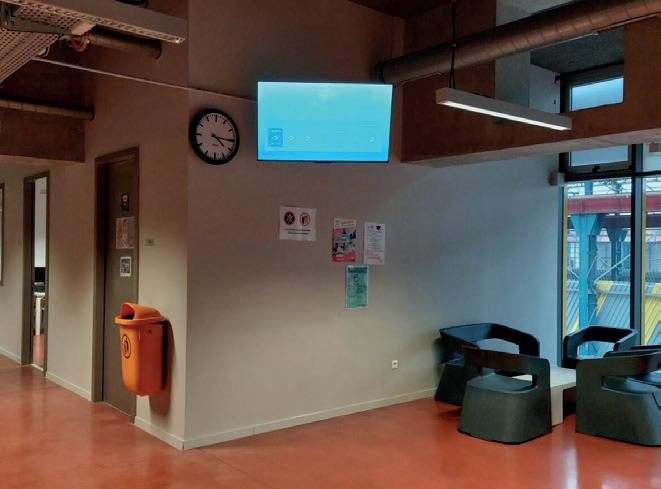
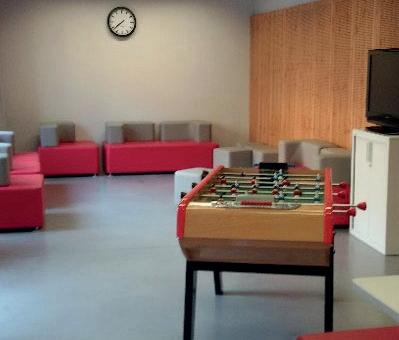
The school’s sports association offers various activities, particularly in the evenings for boarding students.
A Maison des Lycéens (MDL) exists in every secondary school in France. It is an association run directly by students aged 16 and over. Its role is to contribute to the development of social, cultural and sports activities within the school. At LHIL, the MDL includes a large self-managed common room, a study room and a games room.
LHIL offers mixed-gender boarding accommodation with 120 places, located within the school campus. It is available to pupils, students and apprentices. The boarding facilities consist of triple rooms, each equipped with private bathroom and shower facilities, located on the 1st, 2nd and 3rd floors.
The top floor features single rooms reserved for BTS students and apprentices.

Work placements are also available in China, Canada and Madagascar.
Four languages are offered:
• English (LVA): CLIL Physical Education – STHR Baccalaureate
• German (LVB): CLIL – Vocational Baccalaureate
• Spanish (LVB)
• Dutch (LVC): for STHR students only Two European sections, English and German, allow students to benefit from enhanced vocational teaching in a foreign language. As part of this programme, students complete a work placement in Ireland or Germany.
The Erasmus+ Charter for Higher Education has been renewed for the 2021–2027 period. It enables students and apprentices to receive mobility grants for professional placements in European Union countries. These placements are available across all LHIL programmes: CAP, Vocational Baccalaureate, Technological Baccalaureate, Specialisation Certificates, and BTS.
Partnerships with Germany
Through PROTANDEM, LHIL has developed, for over 10 years, strong partnerships with Robert-Wetzlar Berufskolleg in Bonn and Ernst-Benary Schule in Erfurt.

Culture is the essential ingredient of cuisine. It fosters knowledge, which in turn awakens awareness. And with awareness comes a sense of responsibility.
MASSIMO BOTTURA HEAD CHEF
A school open to all cultures
LHIL is a school that places cultural awareness at the heart of its educational project: “Strengthening the cultural dimension of the school” (Objective 4 of the school development plan).
For many years, the school’s cultural policy has focused on a wide range of areas: cinema and audiovisual production, collaborations with theatres and the Lille Opera, partnerships with Lille 3000, museum visits, and more. By relocating to the FivesHellemmes district, the school has embraced a new cultural dynamic by working closely with the many local associations and community organisations.
We encourage students to step outside the school to attend theatre and opera performances, visit major museum exhibitions, discover independent cinemas showcasing films from around the world, and meet artists.
All these cultural activities, which we aim to offer free of charge to students, help foster curiosity, openness to others, and creativity among our future professionals in catering, hospitality and floristry.

OUR STUDENTS EXPLORE CULTURE THROUGH SEVERAL AREAS:
We continue our long-standing partnerships with Théâtre du Nord, Le Grand Bleu (culinary production and bar service), La Rose des Vents, Théâtre Massenet, the Opera, and Le Méliès.
We transform the school—particularly its professional spaces (training restaurant, workshops, etc.)—into exhibition venues by showcasing contemporary artworks (in partnership with the La Sécu de Fives art library, and through the creation of original works with painters and graffiti artists).
We highlight the industrial heritage of the Fives Cail Babcock site through photography and the creation of animated films (partners include Rencontres Audiovisuelles, Cinéligue, Séries Mania, Chaud Bouillon community kitchen, and La Soreli).
We combine scientific and professional culture by taking part in workshops and conferences on the theme of science and gastronomy. We also promote civic awareness through dedicated events such as Secularism Week, road safety initiatives, and Media and Press Week.
We foster a love of reading and writing by taking part in major literary events (reading competitions, workshops with authors, visits to independent bookshops and libraries, etc.).
We take part in the “Lycéens au cinéma” programme and the school’s film club, led by young civic service volunteers.
01.
Come and discover the various floral arrangements created by our CAP Floristry students at the Lille International Hospitality High School, displayed in the entrance hall of the school, where the bakery-pastry shop is also located.
Thursday: 10:00 am - 12:15 pm Friday: 10:00 - 11:00 am / 2:00 - 5:00 pm
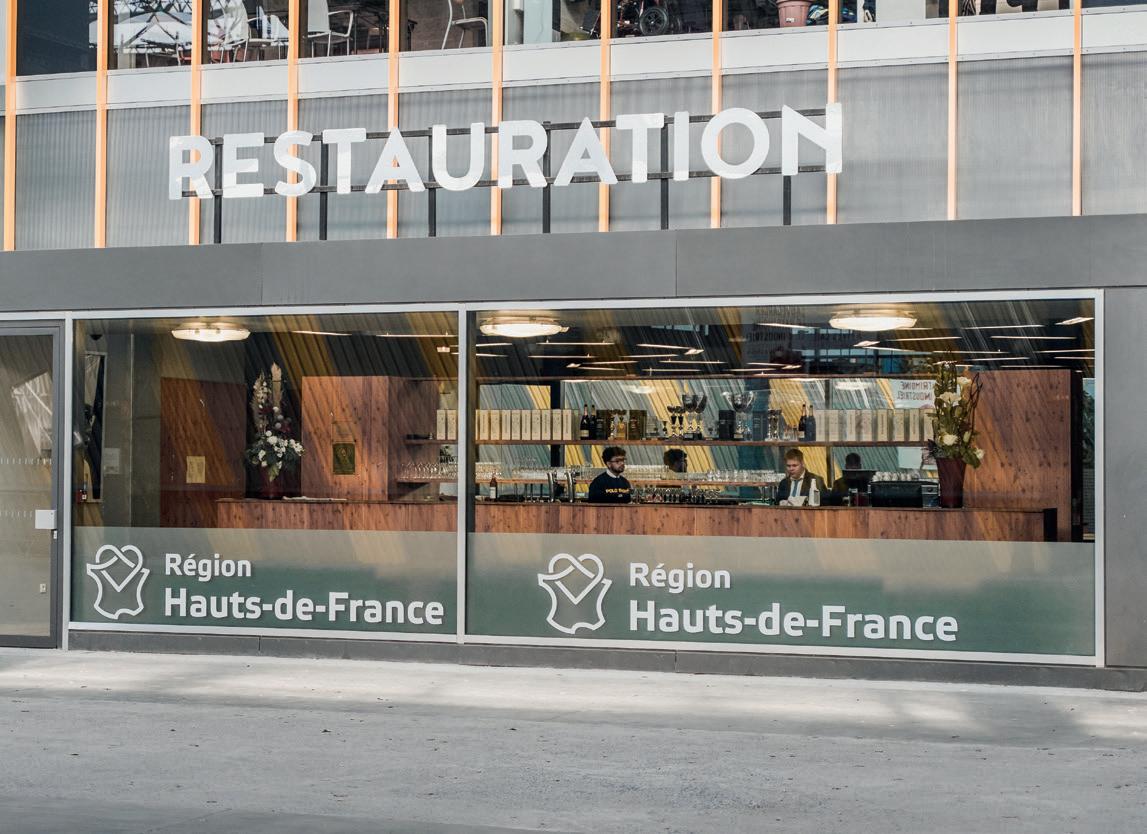
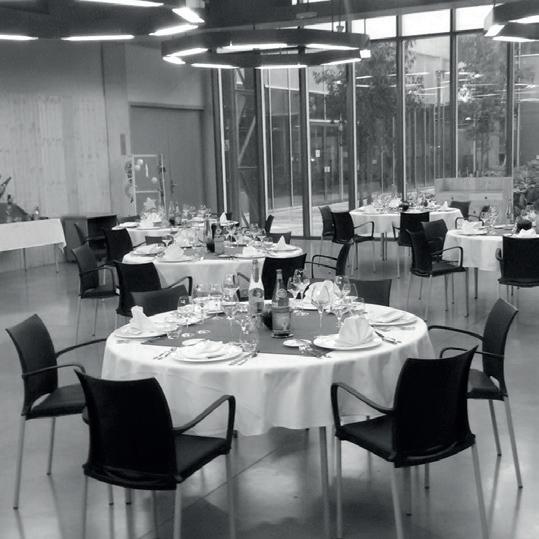
These two training restaurants welcome you for lunch and dinner according to the schedule set at the beginning of the academic year.
Students will be delighted to offer you a combined culinary and service experience, designed around specific learning objectives and reflecting different styles of dining, from brasserie to bistronomy and fine dining.

02.
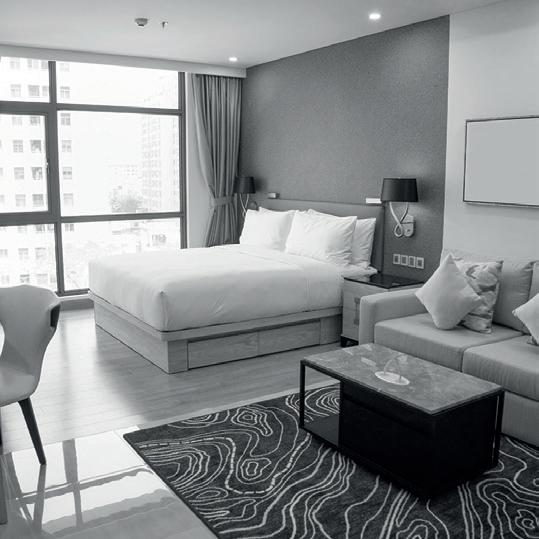
“LHIL aux Rêves” Hotel
A training hotel featuring 10 rooms, ranging from 2-star to 5-star standards. Closed to the general public. Open to institutional clients.
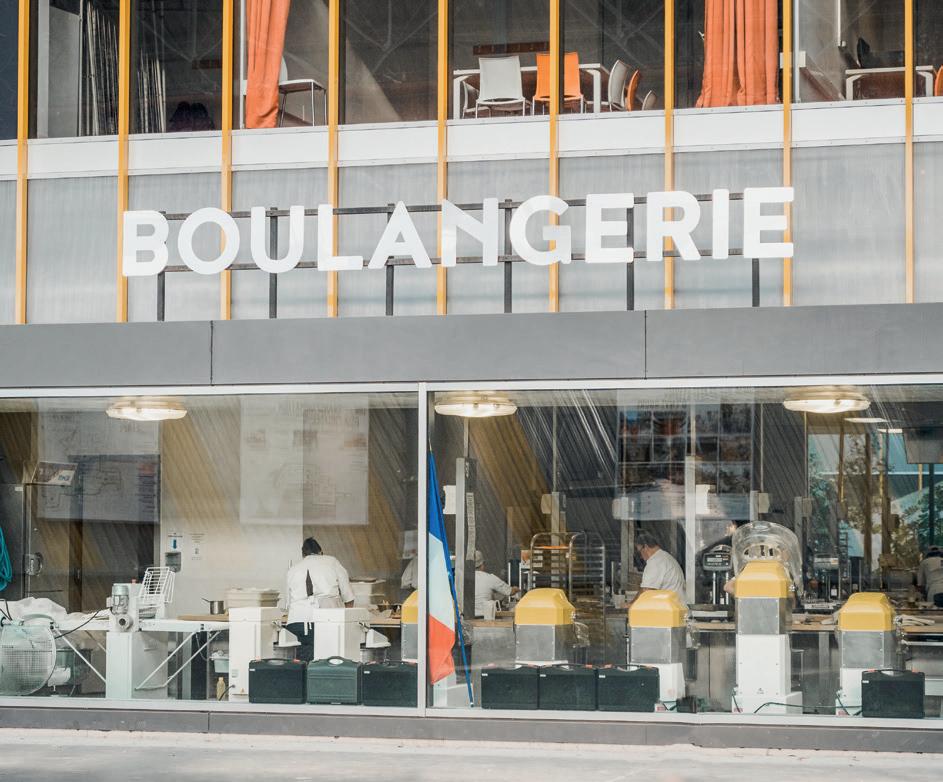
Bakery & Pastry
Come and discover the wide range of savoury and sweet products prepared by our CAP Pastry students, Vocational Baccalaureate in Bakery & Pastry students, and Restaurant Dessert Chef trainees at the Lille International Hospitality High School. These creations are showcased in the entrance hall, which also hosts the floristry section.
You will find everything you need to delight your taste buds during the opening hours of our training shop.
Examples of products made in our laboratories and bakery:
• A wide variety of breads
• Assorted viennoiseries
• Christmas logs and traditional festive breads
• Traditional and creative puff pastries (galettes)
• Easter chocolates
• Catering products
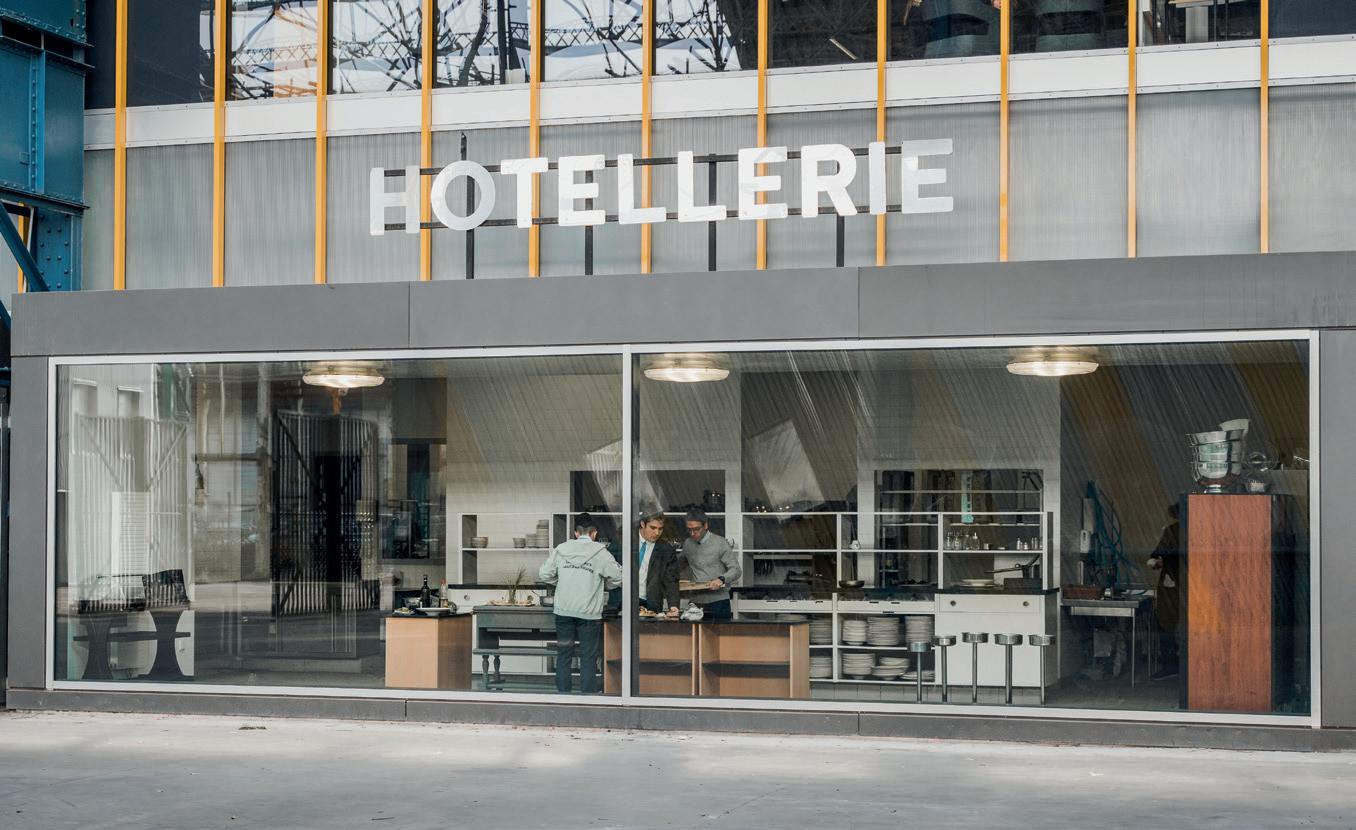
The Lille International Hospitality High School extends its sincere thanks to all the business owners, artisans and company directors who have kindly supported the publication of this brochure.
Discover our brochure online!
Agence de communication de l’Enseignement
RÉALISATION - CONCEPTION - RÉGIE PUBLICITAIRE
Ekole - SAS ECP44 - 3 rue du Devon B P 4407 44244 LA CHAPELLE-SUR-ERDRE CEDEX 02.40.29.73.73 - contact@ekole.fr ekole.fr

l’Agence de Communication de l’Éducation
Retrouvez toutes les actualités de l’éducation et nos conseils sur ekole.fr/blog