NOA Village of Learning Programme Course Information
EIT - Te Aho a Maui
EIT is the tertiary provider for Hawke’s Bay and East Coast. EIT has an extensive range of programmes of more than 160 postgraduate, degree, diploma and certificate level programmes, across an impressive range of subject areas. NOA (Nor-ah) is part of the business relationship unit here at EIT.
NOA Village of Learning Programme
NOA (Nor-ah)
Tonga: zero, harmony, empty, void
Māori: common, free of restriction
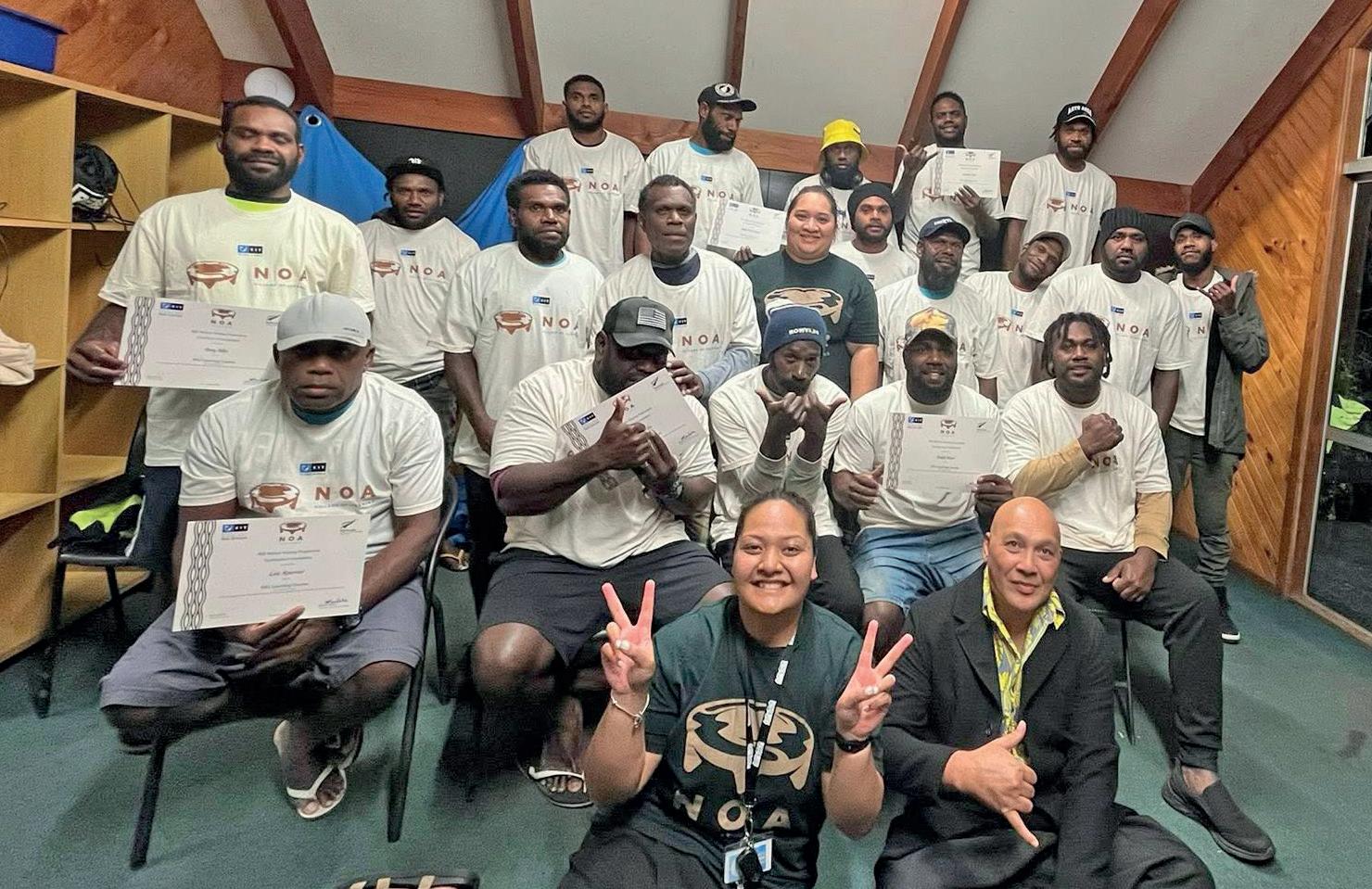
The NOA Village of Learning programme helps Recognised Seasonal Employer (RSE) Scheme workers gain useful skills while they are in New Zealand. It is funded by the Ministry of Foreign Affairs and Trade through the New Zealand International Development Cooperation Programme.
The training focuses on practical skills that benefit Pacific Countries. The programme’s main goal is to improve the well-being and resilience of Pacific Communities. Workers take these skills home and apply them to their communities. NOA uses the Ola Manuia and Fono fale frameworks to include Pacific cultural values, always prioritising the workers.
Application Process
•Emaika@eit.ac.nz l: rsepasifi
•Compl link (expressionofinterest) eteEOI form/
1
•Program Delivery Manager will make contact
•CourseA greement com NiuorM nava) pleted (ā
2
- Dates/Venue
- RSE worert nicity,numbers ) kde ails (eth
•Enrolment aineddetailsobt
•Fac gned ilitator assi
3
•Coursebegins
1. Email: rsepasifika@eit.ac.nz
Complete EOI form/link (expression of interest)
Program Delivery Manager will make contact
2. Course Agreement completed (Niu or Mānava)
• Dates/Venue
• RSE worker details (ethnicity, numbers)
3. Enrolment details obtained
• Facilitator assigned
• Course begins
NOA Village of Learning - Course Information Overview
The NOA Village of Learning helps RSE workers gain useful skills while they are in New Zealand. Workers take these skills home and apply them to their communities.
Our training programme is made up of two types of courses:
• NIU Learning (Essentials Learning)
• Mānava Courses (Elective Learning).
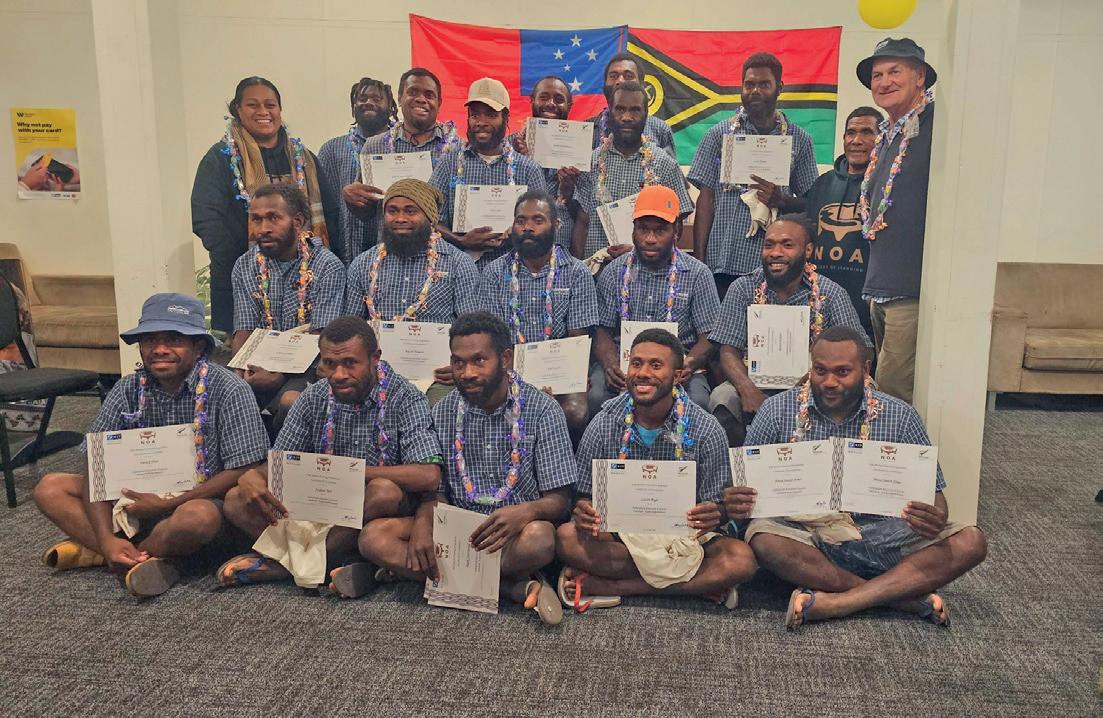
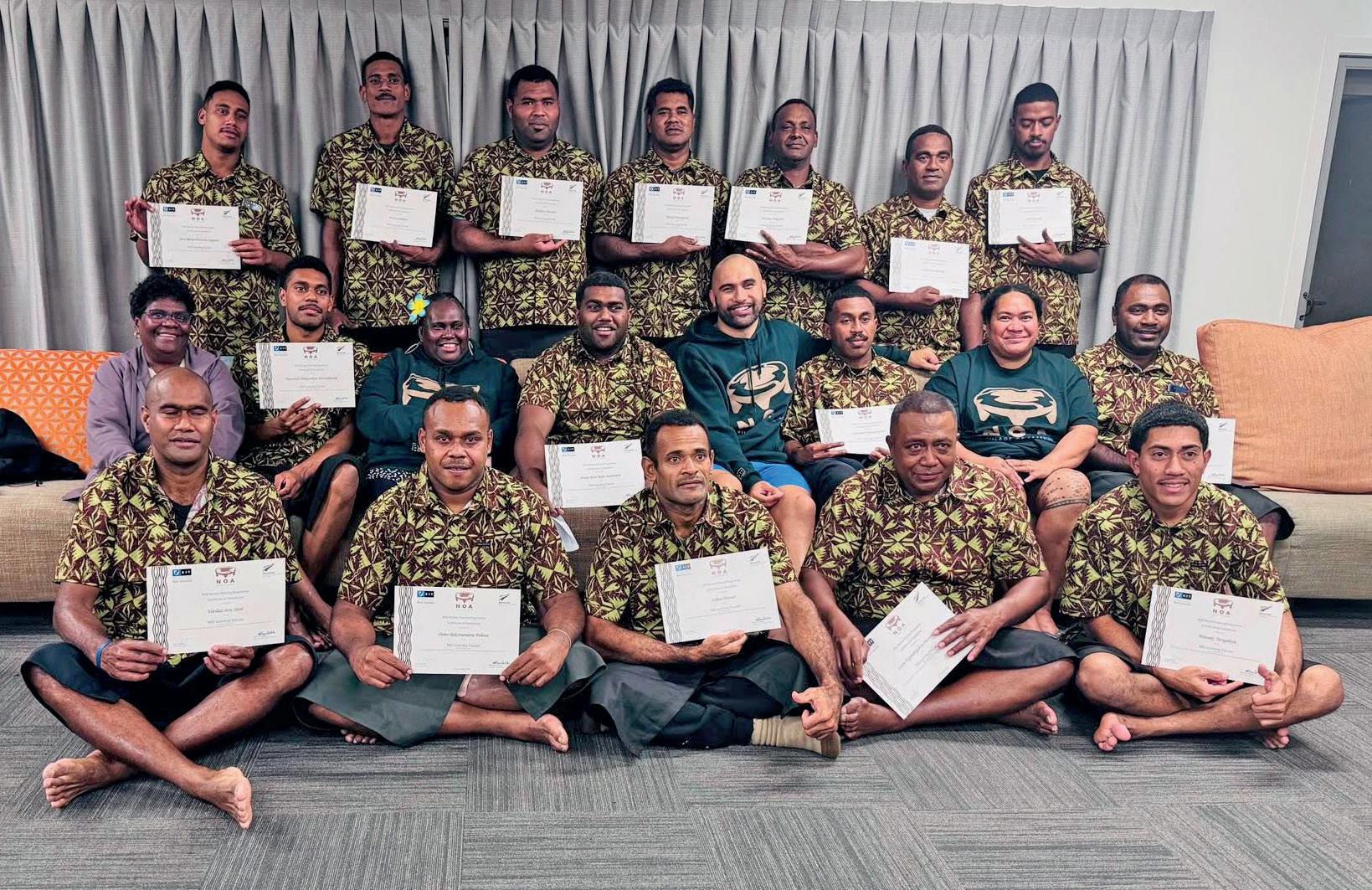
Irrigation Services RSE staff/team, Hawke’s Bay
NIU Learning - Essentials Learning
(planting the seed)
The learners will gain essential knowledge to ensure a safe, enjoyable and successful experience while living and working in New Zealand.
This course covers all modules below:
• Nau Mai ki Aotearoa - A warm welcome to New Zealand, introducing workers to the culture, values, and practical tips for settling in.
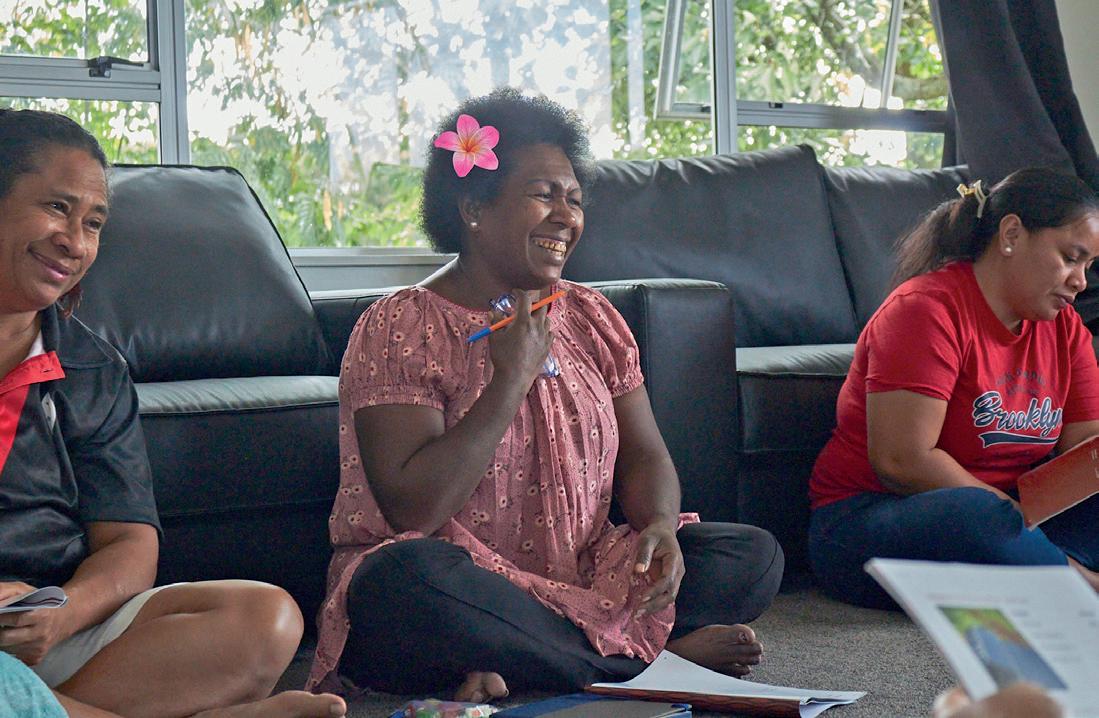
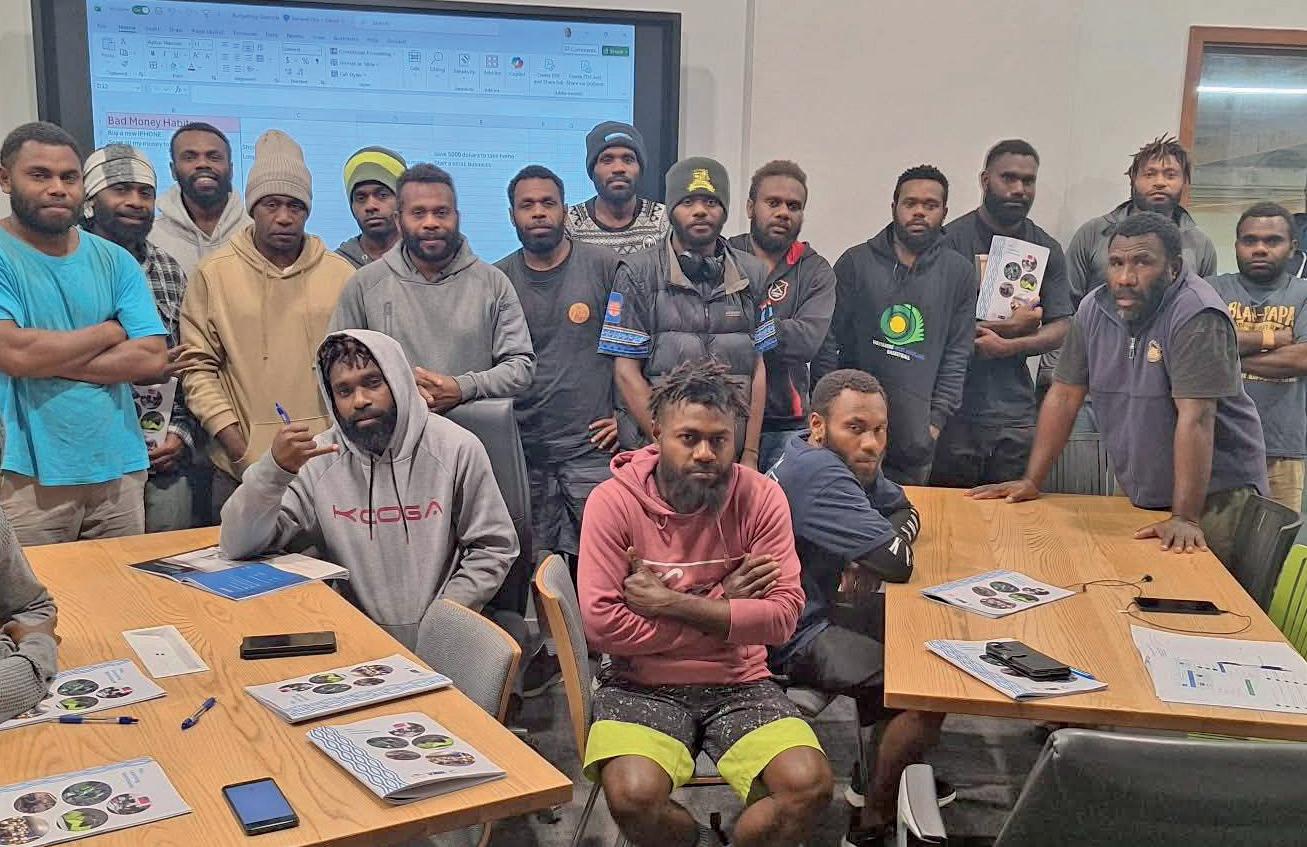
• Money Wise - A guide to budgeting, saving, and managing finances.
• Protecting the Online Village - Learn how to stay safe in the digital world, protect personal information, and engage responsibly online.
• Ola Manuia - Focuses on health and well-being, teaching workers how to maintain physical and mental health.
• Street Smart - Essential safety tips for navigating the streets of New Zealand, ensuring workers are aware of their surroundings, and how to stay safe in various situations.
Mānava Courses
- Practical and Elective
Training
Courses are practical, skills-based training opportunities offered alongside NIU Learning. These courses are designed in partnership with Pacific labour sending countries and are informed by reintegration priorities.
A key focus of Mānava Courses is to equip workers with transferable, practical skills that they can confidently take back to their home countries and apply within their own communities supporting employment pathways, income generation, and small business opportunities.
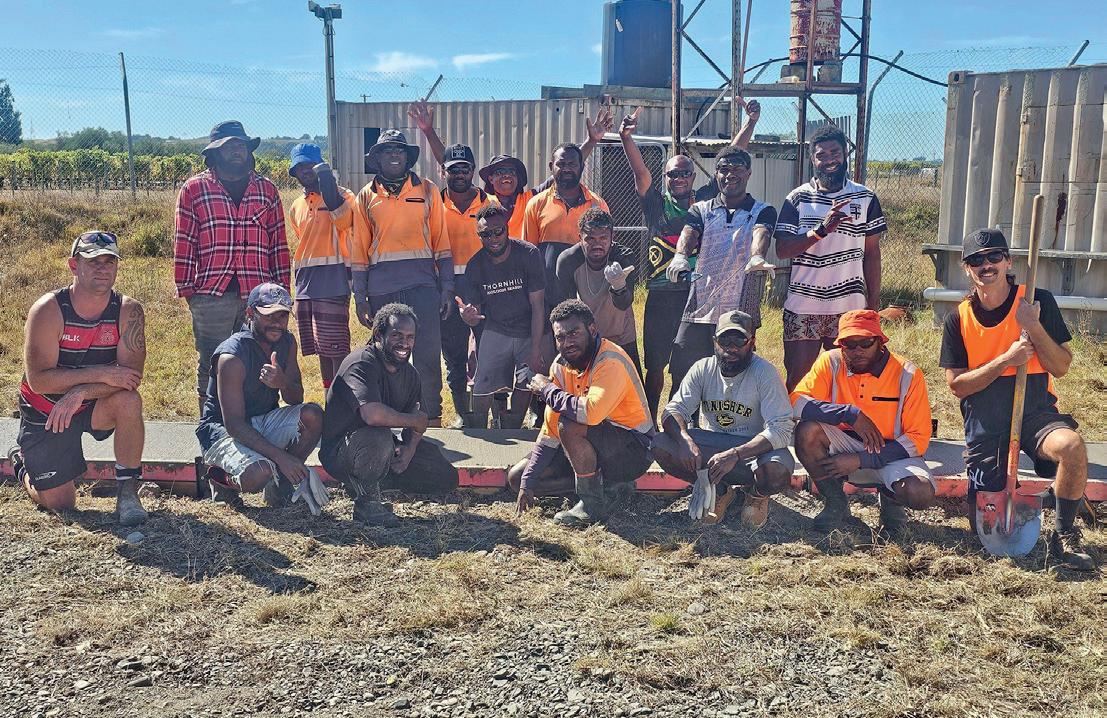
Thornhill RSE staff/team, Hawke’s Bay
Concreting
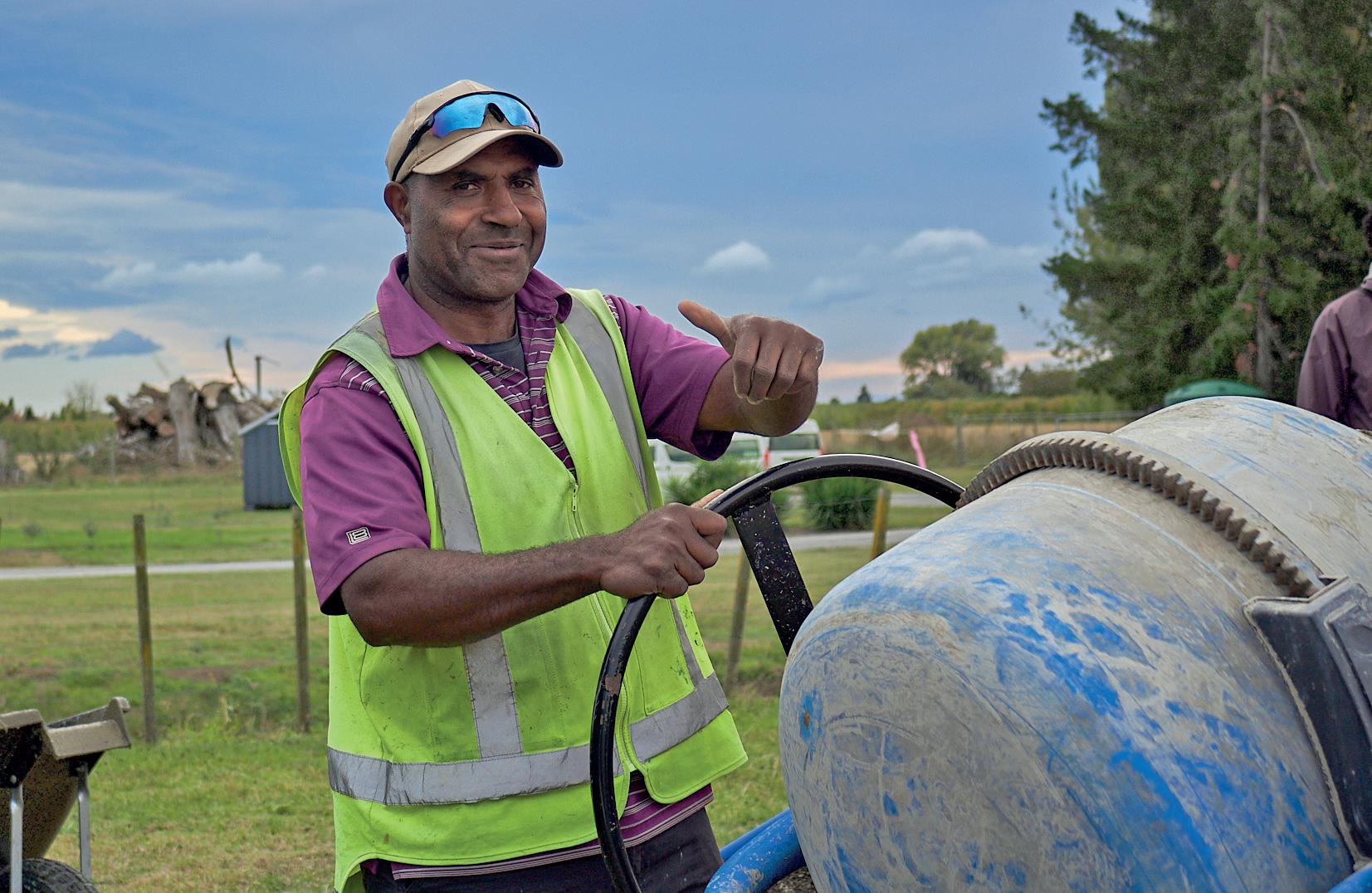
Turners & Growers RSE staff/team, Hawke’s Bay
An introduction to concreting skills including:
• Preparation
• Mixing
• Pouring
• Finishing Techniques
These skills are directly applicable to community-based construction and infrastructure projects.
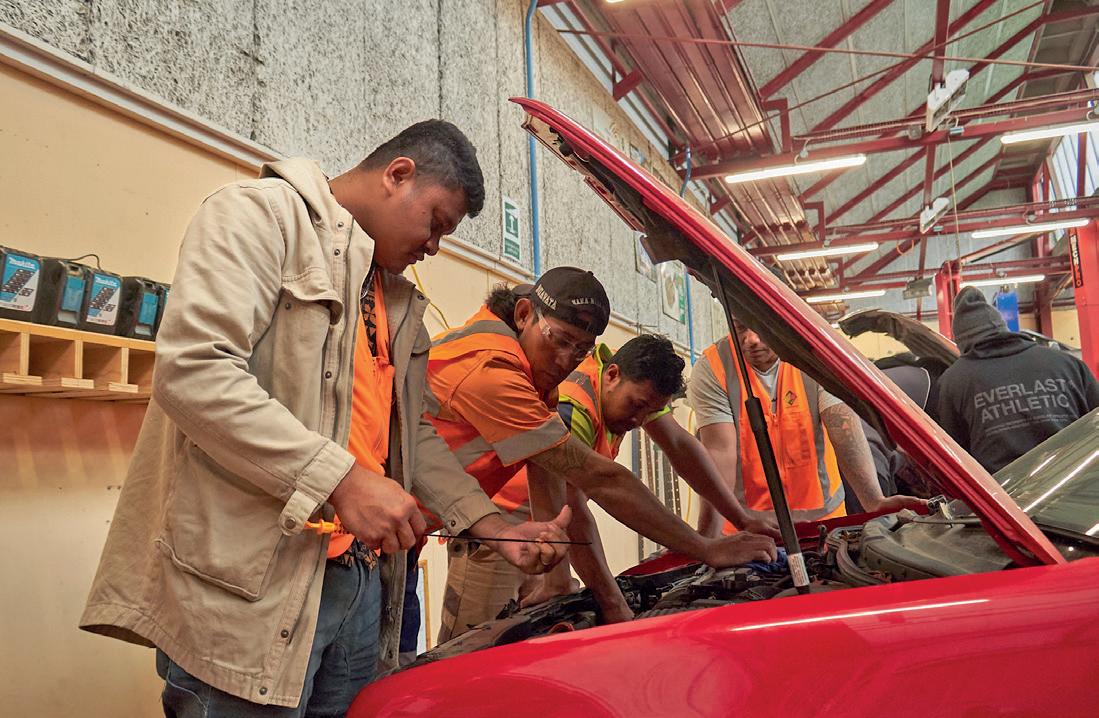
Small Engines
Basic servicing and maintenance of small engines such as:
• Lawn Mowers
• Weed Eaters
• Generators
• Basic Automotive Maintenance
Skills that are highly practical for everyday use and can support small income-generating services in local communities.
Pick Hawke’s Bay RSE staff/ team, Hawke’s Bay
Money Mastery (Advanced Financial Literacy)
An extension of money wise in NIU Learning, this course focuses on:
• Goal Setting
• Long-Term Financial Planning
• Savings Strategies
• Aligning Financial Decisions with Personal, Family and Village Aspirations
Mr Apple RSE staff/team, Hawke’s Bay
Toutai (Small Business)
A business-focused course supporting workers to explore:
• Entrepreneurship
• Basic Business Planning
• Budgeting
• How to Establish and Sustain Small Ventures within Pacific Contexts
Punchbowl RSE staff/team, Pukekohe
The NOA Approach
The NOA Village of Learning is grounded in Pacific values, recognising the importance of family, community, and collective wellbeing. Our facilitators bring cultural knowledge, language, and lived experience to ensure learning is relevant, engaging, and meaningful. We are committed to continuous development and are working closely with Pacific partners to expand and refine our course offerings to better support reintegration outcomes and long-term impact for workers and their communities.
This course information booklet will provide insight into programme pathways and future training opportunities aligned with the evolving needs of the Pacific Labour sending countries.
Punchbowl RSE staff/team, Northland
Frequently Asked Questions
When will program delivery start?
Program delivery has already commenced as of June 2025. Courses are delivered year-round, across all horticulture and viticulture seasons.
How many RSE workers will receive training each year?
We aim to deliver training to approximately 2,250 participants annually.
Courses are available exclusively to RSE workers from the nine Pacific labour-sending countries: Vanuatu, Samoa, Fiji, Tonga, Solomon Islands, Papua New Guinea, Kiribati, Tuvalu, and Nauru.
Where are NOA courses delivered?
NOA courses are currently delivered across the six main regions: Northland/Auckland, Bay of Plenty, Hawke’s Bay, Marlborough (Blenheim), Nelson/Tasman, and Central Otago.
How will the 2,250 participant cap be managed?
We recognise that not all RSE workers in New Zealand can be accommodated within this program. However, we work closely with employers and Pacific labour-sending countries to ensure fair and equitable access across countries, regions, and employers.
How long is each course?
Course duration is up to 20 hours, depending on the type of course and participants’ work schedules.
How many participants are in each course?
Each course has a minimum of 16 and a maximum of 24 participants, assessed on a case-by-case basis.
Does it cost to attend a course?
All NOA courses are fully funded and free of charge.
What happens if someone misses a class?
Attendance is recorded at every session. The NOA team will notify the employer of any absences and work together to support the learner, encouraging continued participation and assisting them to catch up on missed modules.
Can employers attend classes to support their employees?
Yes, absolutely.
How can I enrol my teams into a course?
Email rsepasifika@eit.ac.nz to express interest (see page 3 of this booklet)
Trinity Lands RSE staff/team, Bay of Plenty
Contact
For more information about the NOA Village of Learning and our programmes, please check out our online platforms:
Website: eit.ac.nz/subject-areas/rse-training/
Facebook: NOA Village of Learning
Any questions or queries please contact the team at: rsepasifika@eit.ac.nz