

Dear EHS Family,
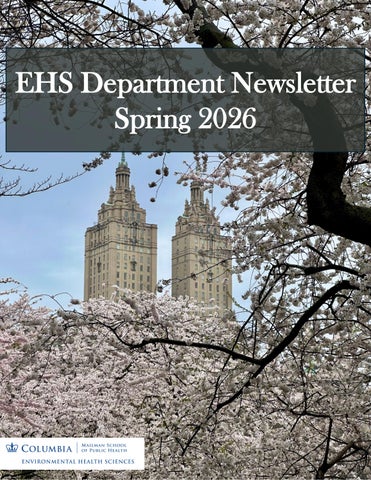
I am honored to introduce the Spring 2026 EHS Newsletter and to share highlights with you.
The department has been operating at full speed this semester, and it has been wonderful to see students, staff, and faculty working together. Our Monday seminars and capstone presentations provide valuable platforms for students and trainees to showcase their outstanding work, offering a firsthand glimpse of how the next generation of public health leaders engage and communicate with the public. The 2026 Granville H. Sewell Distinguished Lecture and the EHS Distinguished Professor Lecture Series also reflect the environment EHS fosters for the exchange of scientific ideas and collaboration. I hope the impact and momentum of this productive year are as inspiring to you as they are to me.

At the same time, the environmental health challenges affecting society call on us to be even more creative, thoughtful, and strategic. Our faculty remain at the forefront of these activities, extending their reach to protect public health. Recent examples include the publication on the dangers of reversing the endangerment finding by Dr. Cecilia Sorensen and colleagues in HealthAffairs, Dr. Robbie M. Parks’ participation in the 2025 United Nations Climate Change Conference (COP30) in Belém, Brazil, and Dr. Ami Zota’s briefing of policymakers on the importance of robust pre-market safety reviews, particularly for children. These accomplishments represent only a small fraction of the many ways our faculty model for students how to integrate research and communication to maximize public health impact.
With graduation approaching, I’m proud to acknowledge the impressive work being done across the department and excited to follow the achievements of our graduates. The summer months will provide opportunities to reflect on our research and educational programs and to support our students engaging in applied practice experiences and summer research programs, such as SHARP. I’m also thrilled that PrIMER (ProgramtoInspireandMentorUndergraduatesinEnvironmentalHealth ScienceResearch) will be back this summer. Let’s enjoy the summer months with great EHS work and spirit!
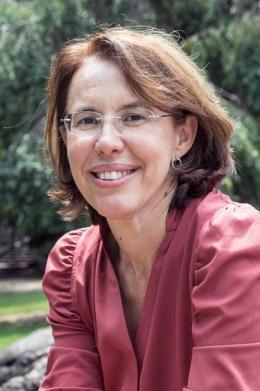
Ana Navas-Acien, MD, PhD, MPH
Leon Hess Professor and Chair
Department of Environmental Health Sciences 3

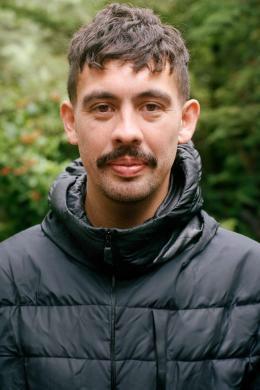
Dr. Parks joined the National Academy of Sciences (NAS) as a Frontiers of Science Fellow and attended the U.S. Frontiers of Science Conference in March 2026.
Listen to Dr. Parks’ talk from the conference HERE!
Additionally, Dr. Robbie M. Parks' project titled 'Dataandsolutionsforimpactsofclimate-related extremesonincarceratedpeopleintheUnited States' was funded for $2.3 million over 3 years by the Welcome Trust: Climate Impact Awards.

Dr. Sen Pei
Dr. Pei was elected as a Steering Committee Member of the MIDAS (Models of Infectious DiseaseAgentStudy) network.
MIDAS is a global, collaborative network of researchers, data scientists, and public health practitioners who use mathematical and computational modeling to understand infectious disease dynamics with more than 1,200 members. Steering Committee members are elected by MIDAS members.

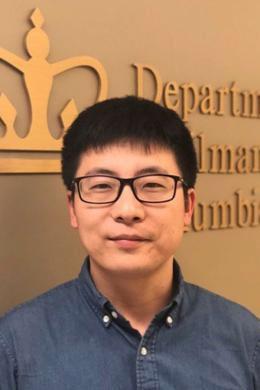
Sabah Usmani, PhD Candidate
Sabah was recently selected as a Graduate Research Fellow for the New York Metropolitan Transportation Council 9/11 Memorial Program for Regional Transportation Planning (2025–2026).
In collaboration with the New York City Department of Transportation, she is investigating how street projects influence health outcomes, building on her ongoing PhD research at EHS at the intersection of built environment, transportation, and environmental health.


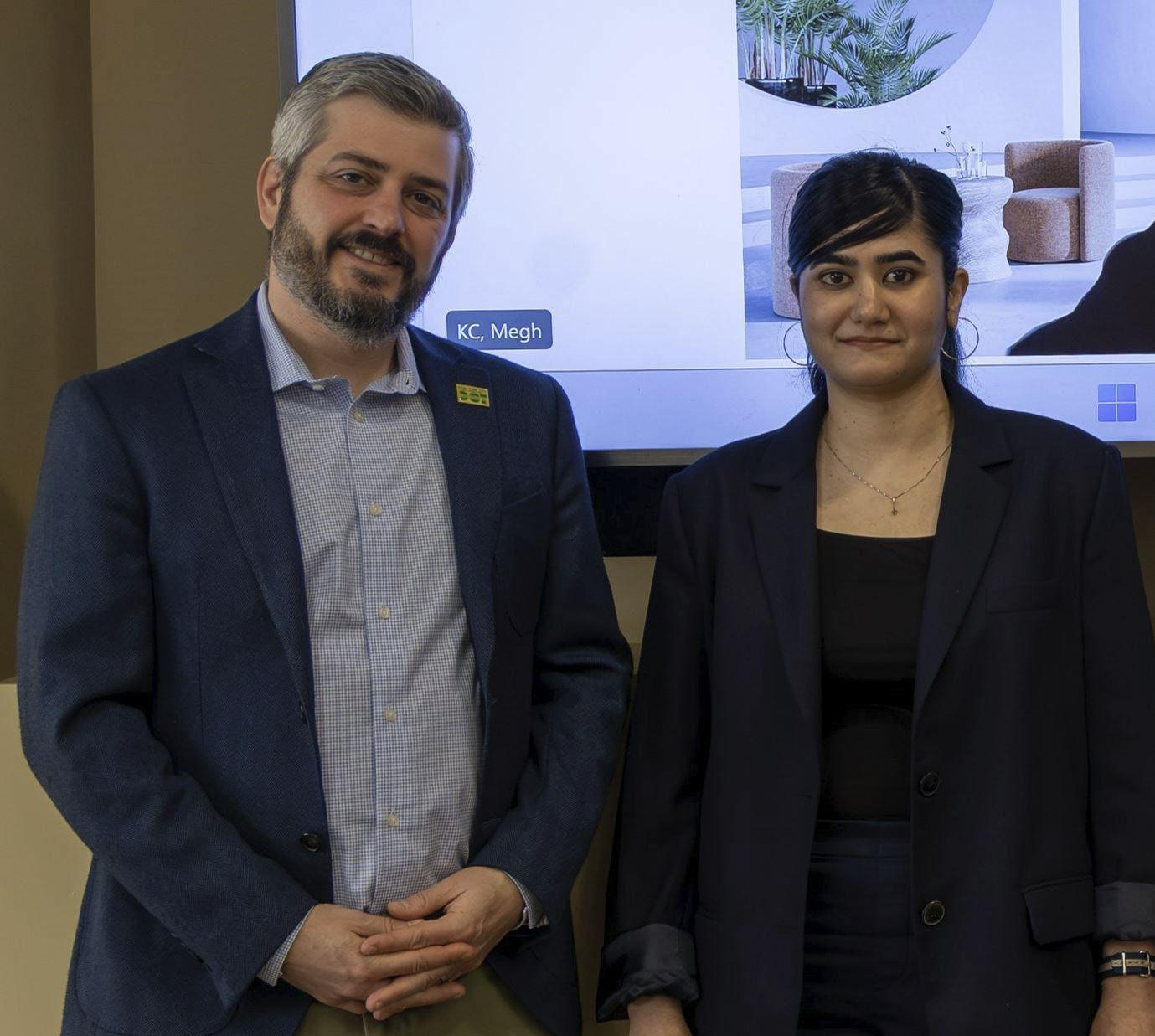
Link to press release HERE!

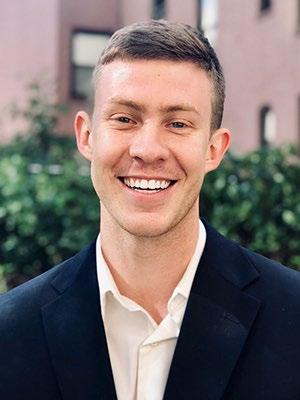
Grant Tore, MPH '20
Grant published the first chapter of his dissertation, "Associationsbetweenexposuretopolycyclicaromatic hydrocarbonsandbiomarkersofacutekidneyinjury amongChileanagriculturalworkers," in the International Journal of Hygiene and Environmental Health.
The analysis examined exposures to polycyclic aromatic hydrocarbons (PAHs), likely resulting from widespread residential wood burning, and their associations with biomarkers of acute kidney injury among male agricultural workers in Chile. Specifically, they found that select PAH exposure were associated higher urinary concentrations of IL-18, a biomarker of kidney inflammation.
Dr. Carolyn Gigot, Postdoctoral Research Scientist
Dr. Gigot received the American Diabetes Association Postdoctoral Fellowship, starting this February 2026 for up to 3 years! Her project title is Occupationalandenvironmentalmetalsexposuresand diabetesrisk:mixturesandmodifiablefactorsinthe Multi-EthnicStudyofAtherosclerosis(MESA), and her mentor is Dr. Ana Navas-Acien.
Scientific abstract: A growing body of experimental and epidemiological evidence links occupational and environmental metals exposures (e.g., arsenic, cadmium, and zinc) to type 2 diabetes (T2D).


However, the chronic cumulative and interactive effects, which are most relevant for regulatory settings, remain largely unexplored. Further, other job-based exposures (psychosocial stress, shift work) may contribute independently to T2D risk and modify the impact of metals exposures given shared biological Mechanisms.
Hypothesis: Exposure to metals mixtures and occupational stressors independently and jointly increase T2D risk. This work will evaluate prospective associations of urinary metals mixtures (Aim 1) and job characteristics, including job-based metals exposure, work-related stress, and work hours (Aim 2), with T2D, and potential effect modification by demographic, nutrition, or lifestyle characteristics. Also assessed is the potential for stress or work hours to modify the association between urinary metals and T2D (Aim 3).
The proposed project will use existing data from the Multi-Ethnic Study of Atherosclerosis (MESA), a diverse, prospective cohort with over 22 years of follow-up (N ≈ 5700). At baseline, participants provided biospecimens for quantification of 16 urinary metals and completed validated questionnaires on sociodemographic, behavioral, and occupational characteristics. This work will determine associations of occupational and environmental exposures with incident T2D and continuous glycemic measures, followed by machine learning approaches to investigate overall and interactive associations of mixtures. Findings will identify novel modifiable risk factors and susceptible populations, supporting environmental health policy and occupational protections, as well as precision medicine prevention strategies to reduce the burden of T2D.

Dr. Ami Zota
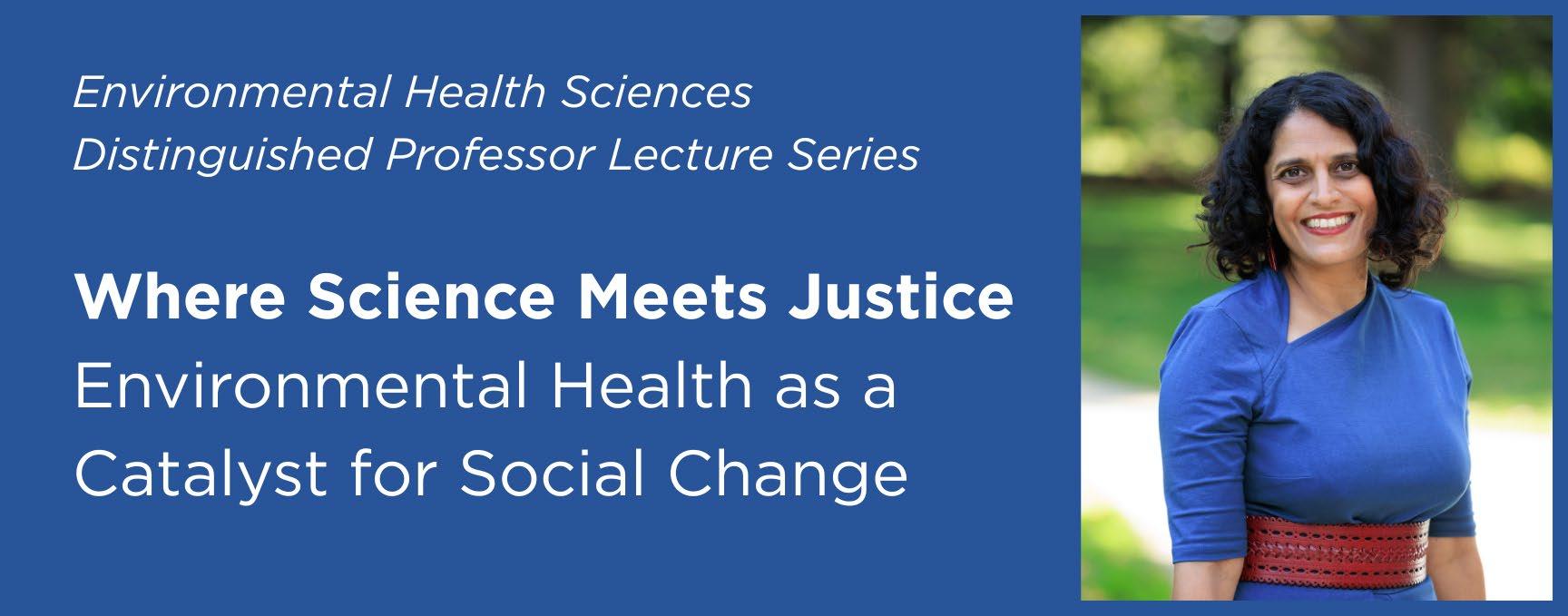
On April 1, Dr. Zota inaugurated the Environmental Health Sciences Distinguished Professor Lecture Series, which recognizes faculty promotion and highlights impactful research.
In her presentation “WhereScienceMeetsJustice: Environmental Healthasa CatalystforSocialChange” Dr. Zota described her journey to becoming a leading researcher in environmental justice and health equity, highlighting how science-based advocacy within environmental health research can advance health-protective legislation, such as the Washington Toxic-Free Cosmetics Act. She emphasized media engagement as a tool for amplifying diverse voices within research and strengthening ties between scientists and the public, an approach that led her to found the Agents of Change in Environmental Justice program.
Dr. Zota concluded the talk by sharing her own strategies for maximizing scientific impact, encouraging attendees to stay open-minded, embrace collaboration, and pursue ambitious goals.
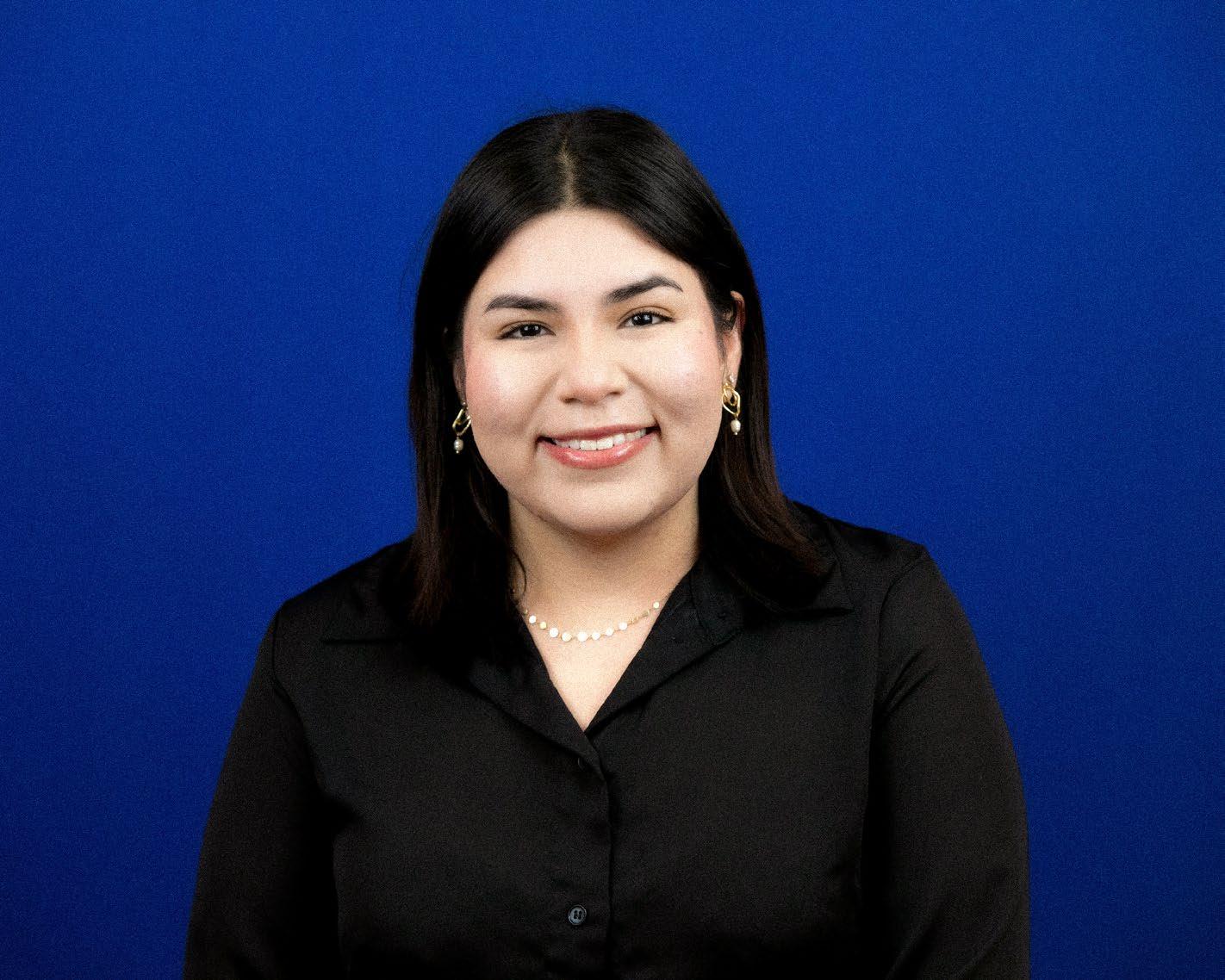
Ana will begin her PhD in Environmental Health Sciences at UCLA under the mentorship of Dr. Yoshira Ornelas Van Horne. Building on her APEx experience this summer, she hopes to continue researching the health impacts of occupational exposures, including pesticides, while advancing awareness of the need for stronger policies and regulations.
During her time in EHS, Ana’s involvement in research, teaching assistantships, and coursework, including Determinants of Public Health and Occupational Health & Safety, inspired her to pursue this path.
She is deeply grateful to the department and to her mentors, Dr. Maya Deyssenroth, Dr. Greg Freyer, and Nina Kulacki, for their guidance and support!
Dr. Nina Flores
Dr. Flores, EHS 2025 PhD graduate and current postdoctoral fellow in the Promoting Equity in Cardiovascular and Respiratory Health training program jointly based at the UT Austin School of Social Work and Dell Medical School, earned the American Thoracic Society's Annual Meeting’s Margaret Becklake Award for her abstract titled "System-wideMold InterventionReduced Asthma EDVisitsinNew YorkCityPublicHousingDifferentiallyAcross BuildingandNeighborhoodCharacteristics."

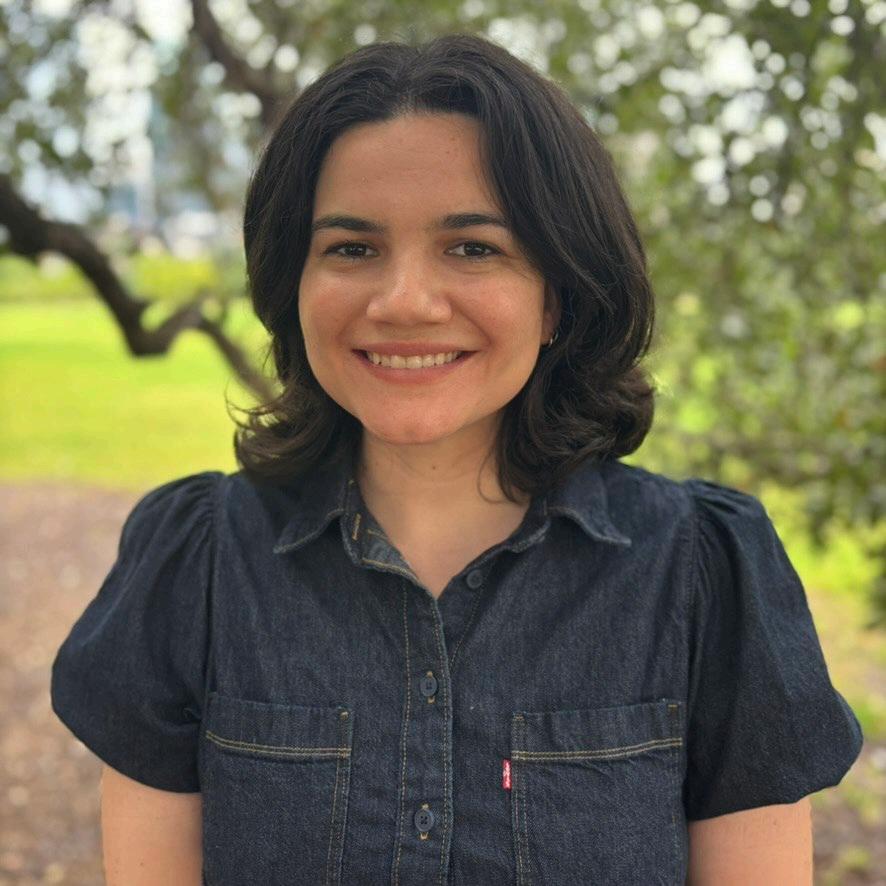
The Becklake Award, named for the pioneering occupational and environmental lung health researcher Dr. Margaret Becklake, is given annually for the best Environmental and Population Health abstract involving work in low- or middle-income countries or addressing international and socioeconomic health disparities. Dr. Flores’s abstract reported on research from her dissertation that examined the impact of NYCHA's "Mold Busters" program, a city-wide mold remediation initiative serving over 400,000 predominantly Black, Hispanic, and low-income public housing residents in New York City, on asthma-related emergency department visits. Using doubly robust differences-in-differences analyses and latent class growth modeling, Dr. Flores and her co-authors found that the intervention was associated with a reduction in asthma-related ED visits that translated to approximately 2,798 fewer ED visits per year and that buildings in higher-poverty neighborhoods and flood zones with older infrastructure experienced slower reductions in mold complaints and correspondingly smaller improvements in asthma outcomes. The work exemplifies the spirit of the Becklake Award by demonstrating that largescale environmental health interventions can serve as powerful tools to address longstanding respiratory health disparities among vulnerable, low-income urban populations. 9

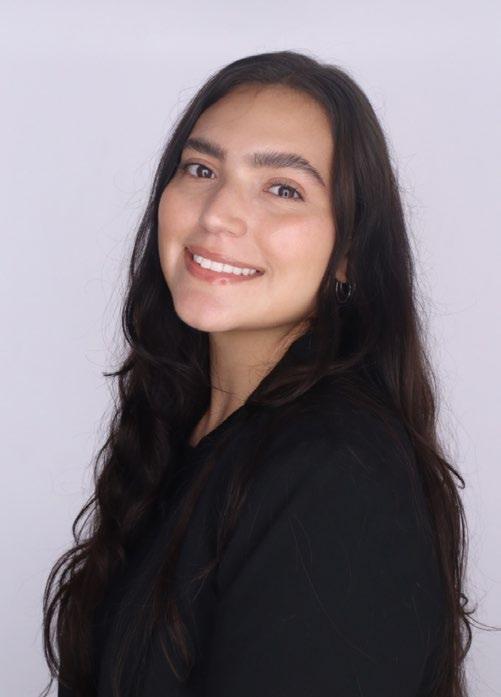
This summer, I will serve as a mentor to 2026 PrIMER undergraduate trainees. As pathways programs have been defunded across universities and the PrIMER program could not occur last summer, the significance of this statement cannot be overstated. My journey in Environmental Health Sciences began as a PrIMER trainee during the Summer of 2024 as a rising Senior at New York University. Through PrIMER, I had the opportunity to work alongside and learn from Dr. Herbstman and Maricela Ureño at the Center for Children’s Environmental Health, where I disseminated report-back documents on PAH exposure during pregnancy and connected with Washington Heights community members.
Over the course of the summer, I built a vast network of friendships and mentors. Among these is Dr. Ana Navas-Acien, the first person to assure me that I belong in this field, and someone whom I am continuously grateful to have in my corner. Now, I am on the cusp of completing the first year of my MPH in the EHS department, where I am researching arsenic and uranium exposure in drinking water with Dr. Anne Nigra, and am preparing to begin my Apex with WE ACT for Environmental Justice. These achievements would not have been possible without the personal, academic, and financial support that PrIMER has provided me. I am so excited to meet the incoming trainees and to support the next wave of environmental health changemakers!
Meet the new e-board of Students for Environmental Action, or, as we like to call it, the SEA-board! SEA’s mission this year is to prioritize engagement with the Washington Heights community, foster open dialogue, strengthen student support, and, of course, promote environmental education through actions and field trips!
Grace Cammarata - 1st year MPH in EHS, President
Bridget Riley - 1st year MPH in EHS, Vice President
Alison Puri - 1st year MPH in EPI, Campus Groups
Communications Officer
With the first general body meeting behind us, we have begun engaging with our members and outlining our goals for the year ahead! Our key priorities include:
• Promote environmental awareness
• Advocate for student concerns
• Encourage sustainable practices
• Get involved in the Washington Heights community
To achieve these goals, we need your support! Here is how you can help us accomplish our mission and spread our sustainability efforts:
• Follow us on Instagram (@seacolumbia) and campus groups to hear about future events and sustainable initiatives
• Help us grow our environmental network! If you know any potential partners for collaboration (including yourself!) please let us know as we are always looking for collaborators to share our values.
• Spread the word and tell your peers, professors and colleagues about SEA!
Together we can spread the word about environmental health and advocate for sustainability within Mailman and the greater Washington Heights community. Thank you for your support and we hope to SEA you soon!

Watch the talk HERE!
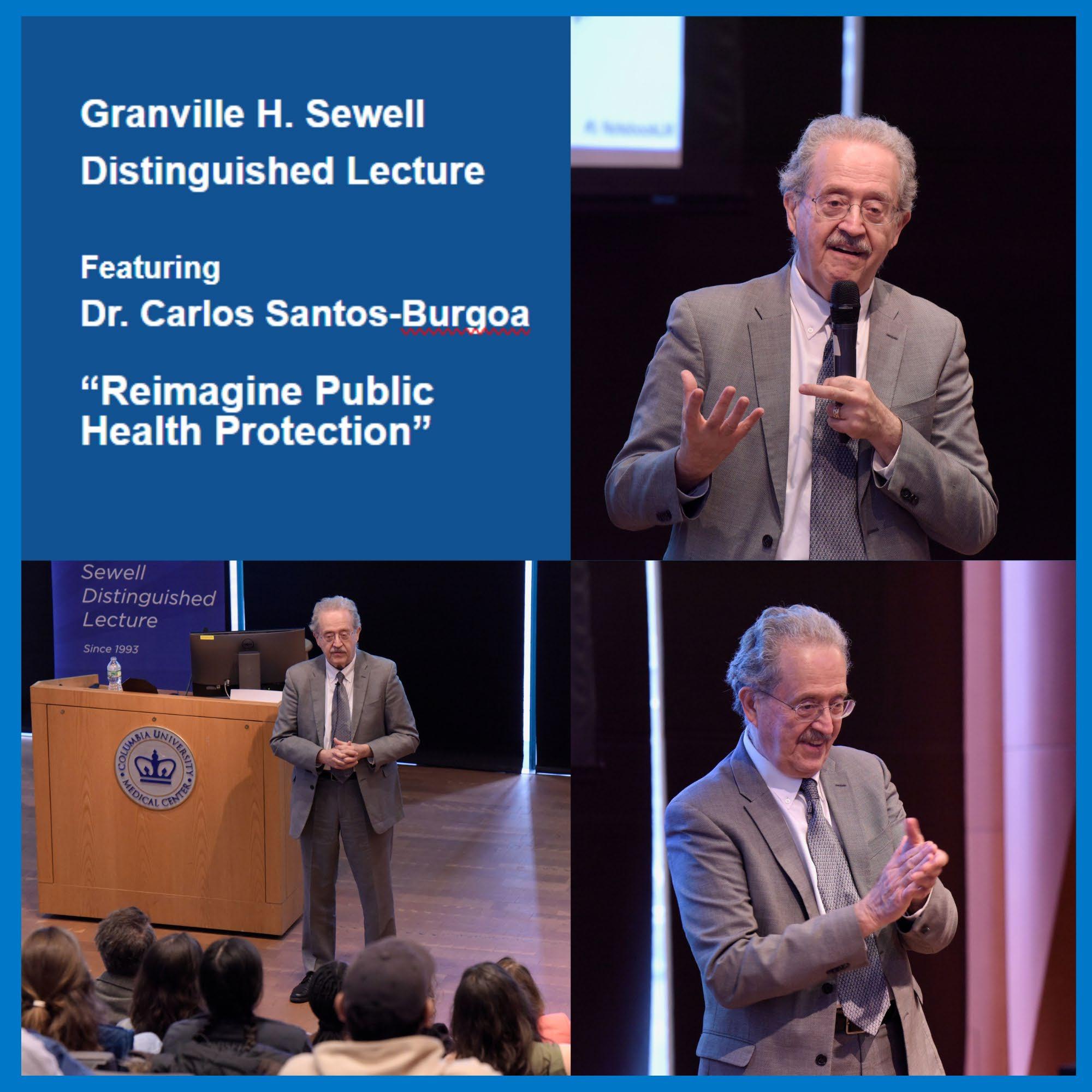
On March 12, EHS welcomed Dr. Carlos Santos-Burgoa who presented "ReimaginePublicHealthProtection" as part of the 2026 Granville H. Sewell Distinguished Lecture.
During the lecture, Dr. Santos-Burgoa reflected on the early identification of 1,3-butadiene as a human carcinogen and described how industry-funded research and stalled rulemaking have slowed meaningful public health protections. He presented findings from a study of regulatory bodies in 12 countries showing limited capacity to measure health impact and to resist regulatory capture by industrial and political interests.
Dr. Santos-Burgoa stressed that, moving forward, regulatory institutions must be redesigned to function as effective public health protection authorities.
This spring, we awarded 16 EHS community members travel funds to attend conferences and workshops. See where they are headed and be sure to check back this Fall to hear about their experiences!


Stephanie Calluori, PhD Candidate is going to the 38th Annual Conference of the International Society for Environmental Epidemiology (ISEE) from 8/30/26 - 9/2/26.
Erendira Di Giuseppe, PhD Student is going to the 38th Annual Conference of the International Society for Environmental Epidemiology (ISEE) from 8/29/26 - 9/2/26.
Jocelyn Dicent, PhD Candidate is going to the Society of Toxicology (SOT) 65th SOT) 65th Annual Meeting from 3/22/26 - 3/25/26.
Alana Ferris, PhD Candidate is going to the 38th Annual Conference of the International Society for Environmental Epidemiology (ISEE) from 8/30/26 - 9/3/26.
Sharon Kulali, PhD Candidate is going to the 38th Annual Conference of the International Society for Environmental Epidemiology (ISEE) from 8/30/26 - 9/2/26.
Christine Kuryla, PhD Candidate is going to the University of Bordeaux Summer Workshop Summer Workshop - Philosophy in Biology and Medicine from 6/1/26 - 6/5/26.

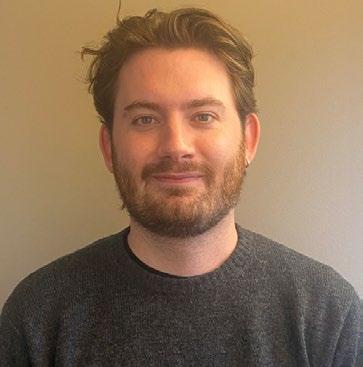
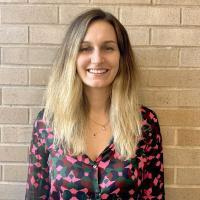
Catherine Lucey, PhD Student is going to the Society of Toxicology (SOT) 65th Annual Meeting from 3/22/26 - 3/25/26.
Heather McBrien, PhD Candidate is going to the 38th Annual Conference of the International Society for Environmental Epidemiology (ISEE) from 8/29/26 - 9/2/26.
Brooklynn McNeil, MS DS is going to the Society of Environmental Toxicology and Toxicology and Chemistry (SETAC) 14th Young Environmental Scientist Meeting from 8/4/26 - 8/7/26.
Arijeet Mitra, Postdoctoral Research Scientist is going to the Centre for Global Development Second Development Second Annual Research Conference on Global Lead Exposure from 6/3/26 - 6/4/26.
Fintan Mooney, PhD Student is going to the 38th Annual Conference of the International Society for Environmental Epidemiology (ISEE) from 8/30/26 - 9/2/26
Biancamaria Pierri, Postdoctoral Research Scientist is going to the International Society for Extracellular Vesicles Extracellular Vesicles (ISEV) Annual Meeting 2026 from 4/23/26 - 4/26/26.

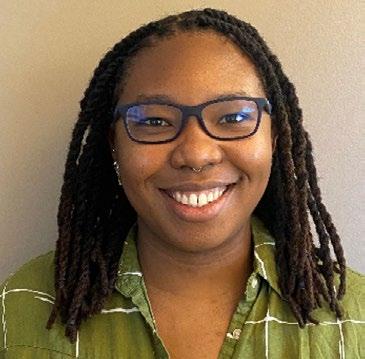
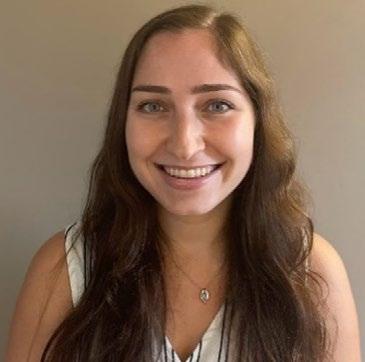
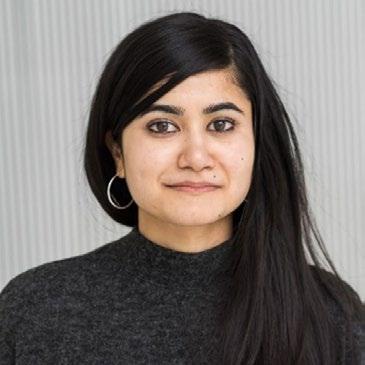

Katrina Simon, Postdoctoral Research Scientist is going to the 38th Annual Conference of the International Society for Environmental Epidemiology (ISEE) from 8/30/26 - 9/2/26.
Rae Spriggs, PhD Candidate is going to the 38th Annual Conference of the International Society for Environmental Epidemiology (ISEE) from 8/30/26 - 9/2/26.
Allison Stewart, PhD Candidate is going to the 38th Annual Conference of the International Society for Environmental Epidemiology (ISEE) from 8/30/26 - 9/2/26.
Sabah Usmani, PhD Student is going to the 38th Annual Conference of the International Society for Environmental Epidemiology (ISEE) from 8/30/26 - 9/2/26.
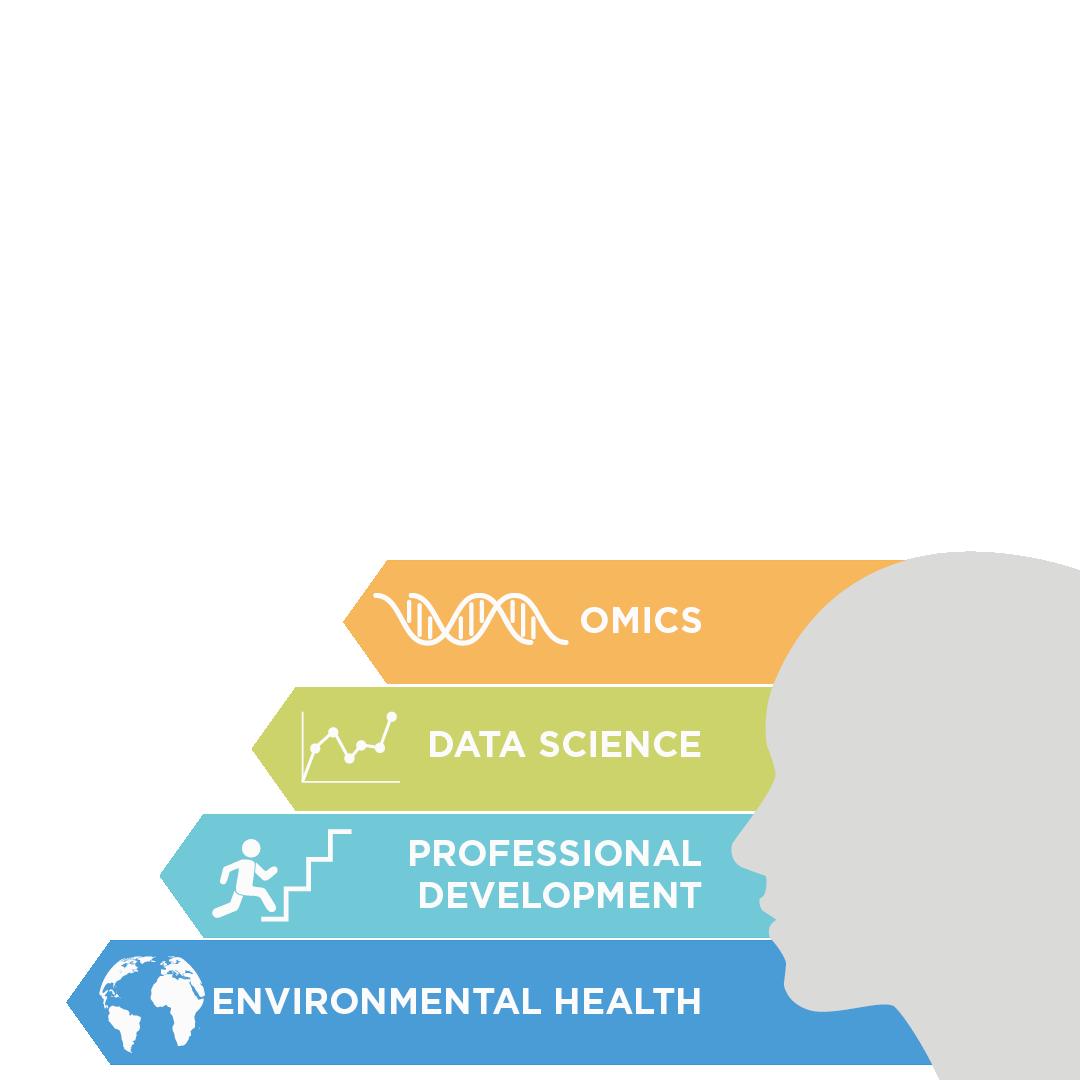
Registration is now open for summer trainings in 31 topics ranging from omics, data science, environmental health, and professional development.
Columbia affiliates, including Mailman alumni, receive a 10% discount.


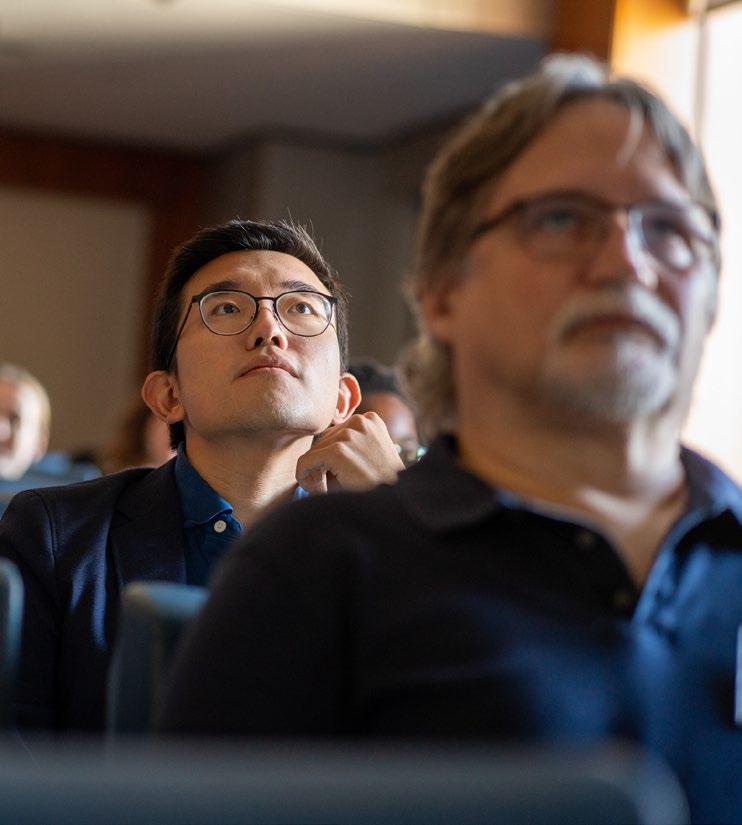
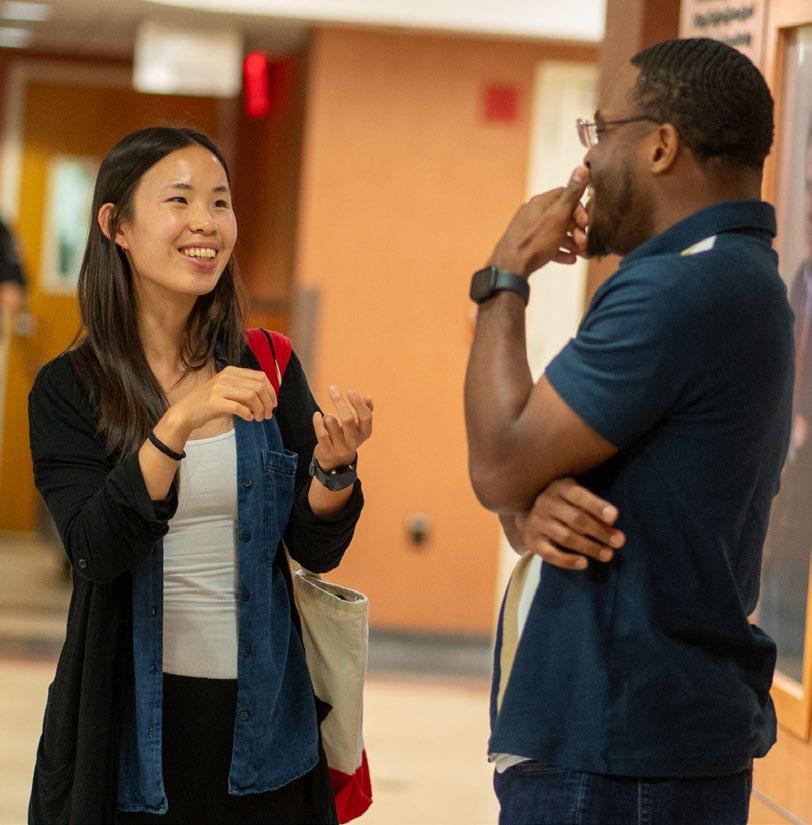
Interested in Archival Methods for Public Health Research? Get introduced to the basics of historical analysis. (In-person: August 17-18, 2026) More Info
Interested in Computational Toxicology? Get introduced to computational methods and approaches to assess health risks from toxic chemical exposures. (Hybrid: August 20-21, 2026) More Info
Interested in studying metals in human health? Get introduced to metallomics, learn to measure metals, analyze complex metal data, and communicate findings. (Hybrid: July 20-21, 2026) More Info
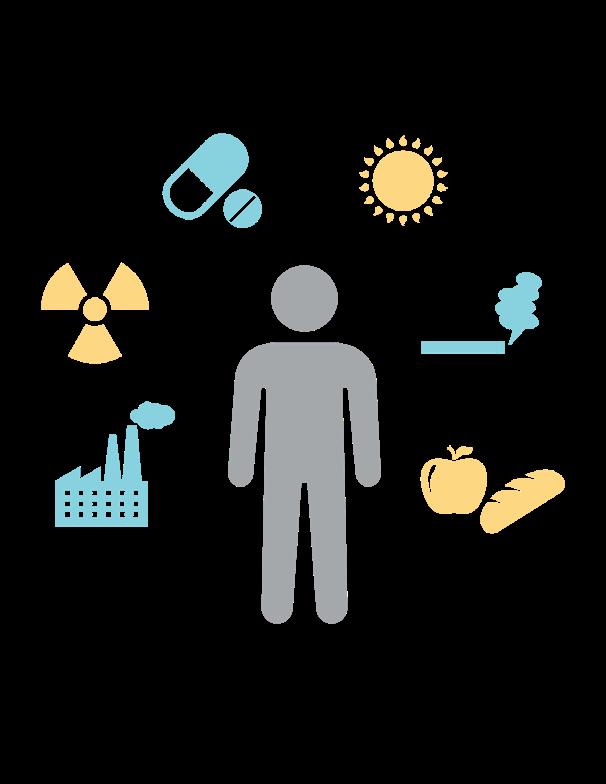

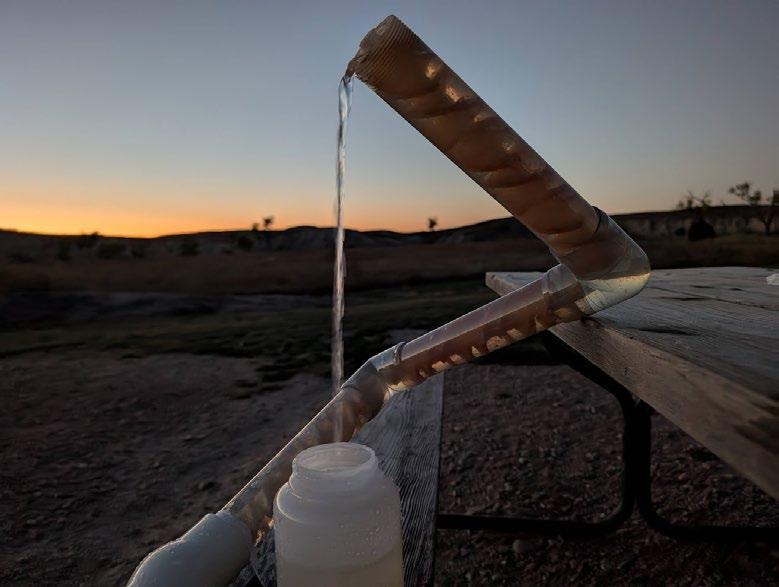
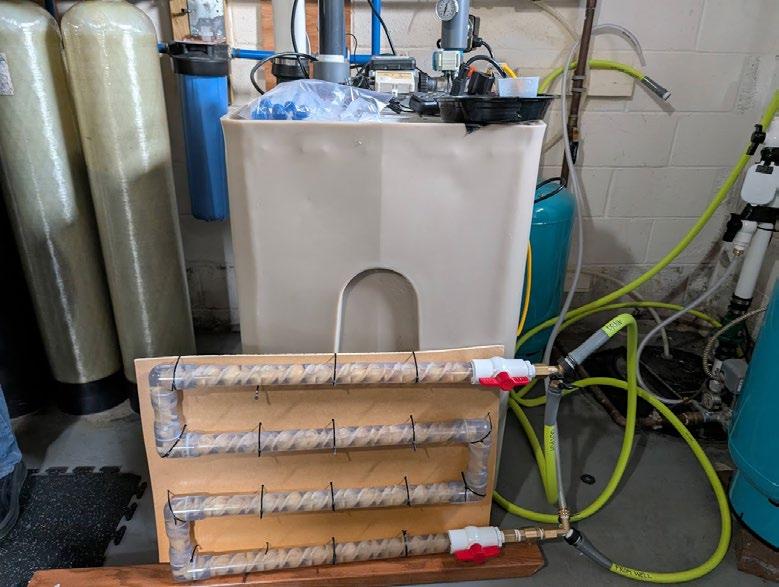

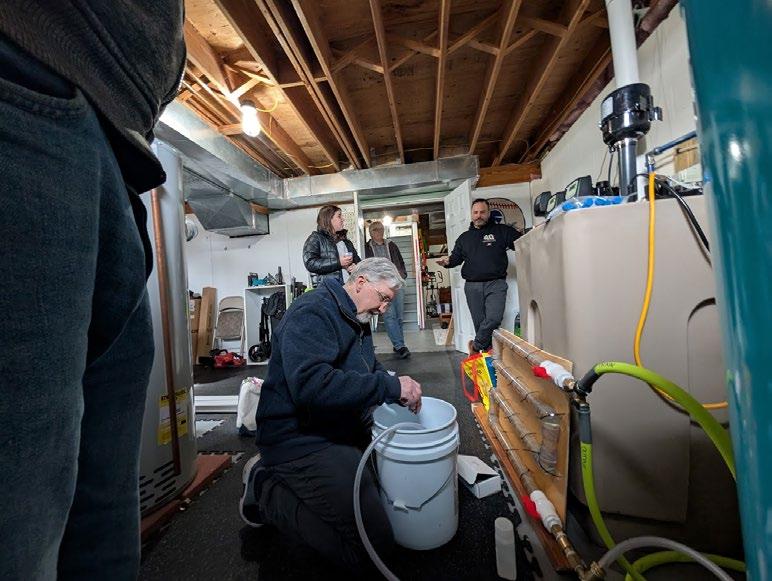
Project 5 of the Columbia University Superfund Research Program announces the development of a water filtration prototype engineered to remediate contaminated water sources affecting Tribal communities across the Northern Plains. The prototype represents a significant milestone in an interdisciplinary collaboration between the Department of Environmental Health Sciences (EHS) and the Lamont-Doherty Earth Observatory (LDEO)

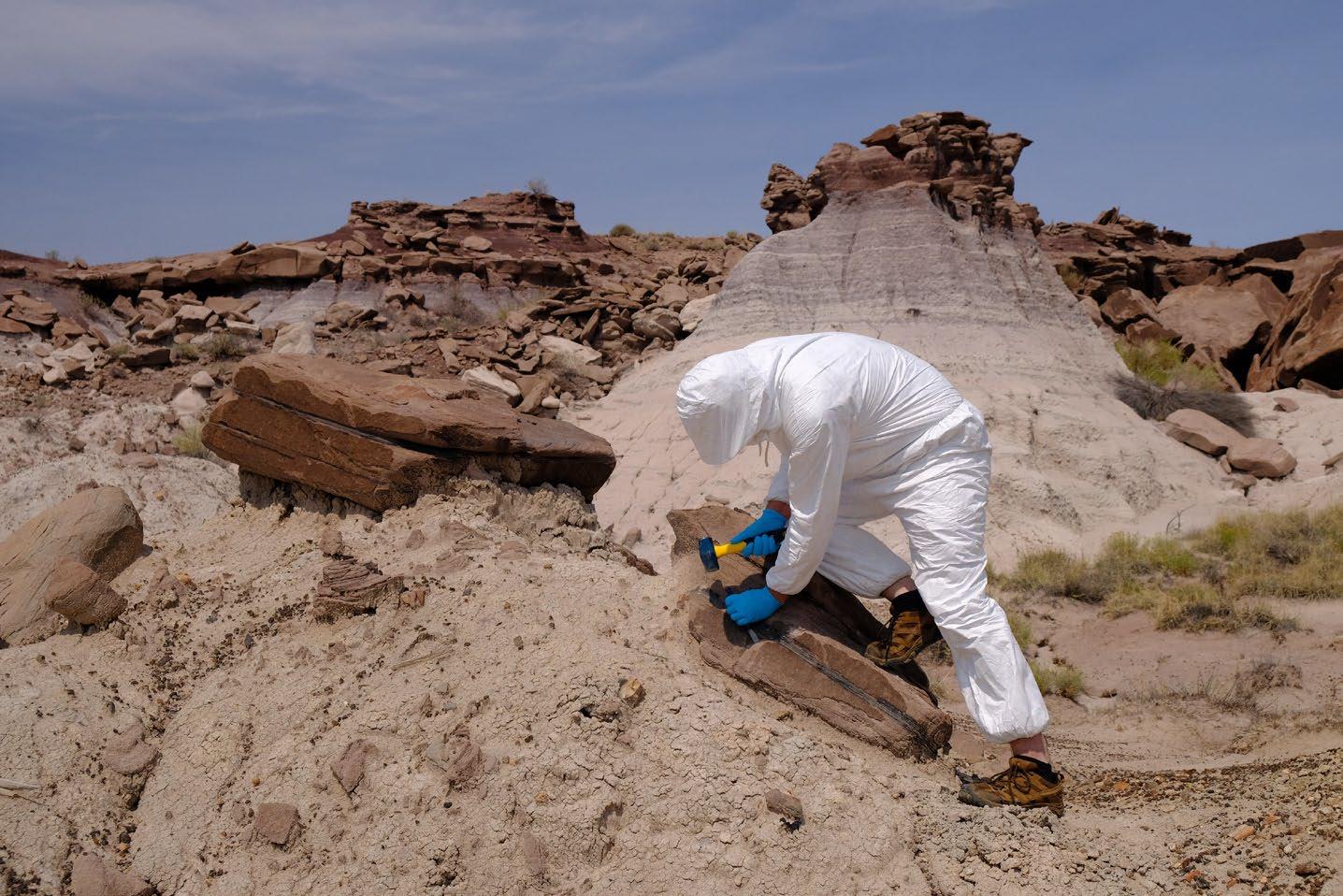
The Columbia University Superfund Research Program's submission has been selected as the NIEHS Superfund Research Program Photo of the Month. The featured image captures researcher David Tibbits in the field at Petrified Forest National Park during an expedition led by the Project 2 team, where he is collecting uranium mine tailings for isotopic tracing.

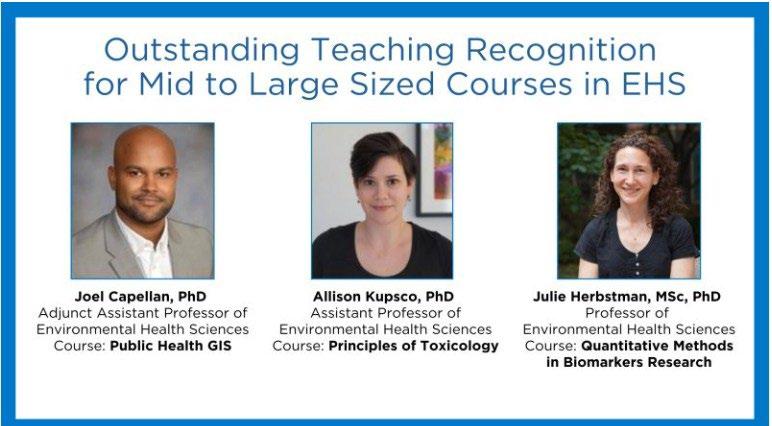
We are proud to recognize our very own Dr. Julie Herbstman, CCCEH Center Director, whose mid- to large-enrollment Fall semester courses in Environmental Health Sciences (EHS) earned outstanding student evaluations, rounding to a 5.0 overall course rating, along with her colleagues, Drs. Kupsco and Capellan.
These exceptional evaluations reflect her commitment to excellence in teaching and their effectiveness in preparing students to apply course concepts to real-world public health programs.
Cheer to Julie's for her hard work and dedication to teaching and empowering students!

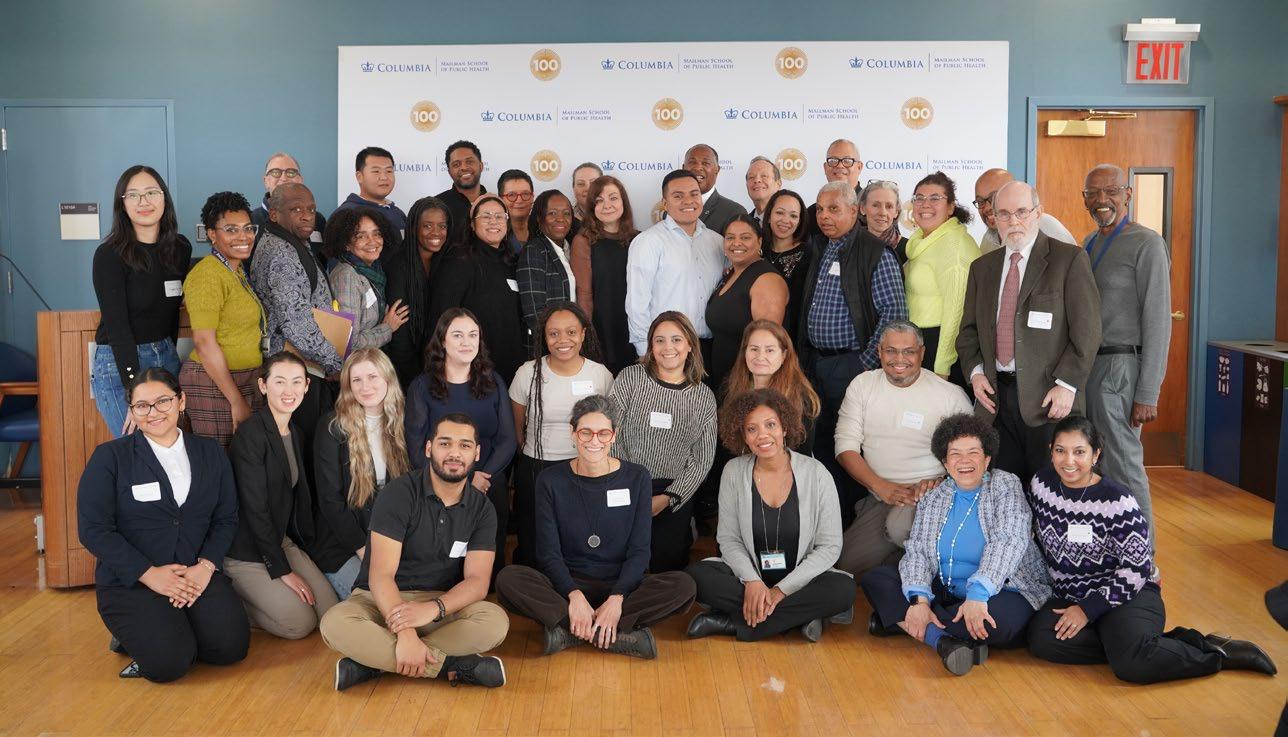
CCCEH’s Community Outreach and Translation Core (COTC) continues to advance meaningful community engagement and outreach efforts. In December, the Center’s COTC team and Youth Council joined the Community Health Equity Collaborative (CHEC), led by Director Ana Jimenez Bautista and Dr. Marcela Tamayo y Ortiz, for the Bridge to the Future Community Forum. This convening brought together over 60 community-based organization (CBO) leaders, NYC Department of Health leadership, and clergy to identify opportunities for public health partnerships in the year ahead.
Building on this momentum, April has served as a catalyst to further engage CCCEH’s Community Advisory and Stakeholder Board (CASB), along with partners including EHS SEA, in taking action throughout Earth Month.
We extend our sincere thanks to Alexa Lim, Briana Camacho, and Alivia Swearingen for their contributions to this ongoing effort. 19

Please check out some of the amazing work being published by our community! These publications are listed in chronological order, by initial publication. Faculty, students, and staff names are bolded:
Parks, R. M., Flynn, L., Gu, Z., Braun, D., Cerna-Turoff, I., Tuholske, C., Dominici, F., Lindert, J., Kioumourtzoglou, M.A. (2026). Higher temperatures are associated with increased interpersonal and self-inflicted violence-related Medicaid hospital visits in the United States. Communications Sustainability, 1, 4. https://doi.org/10.1038/ s44458-025-00001-x
Jiang, L., Anderson G. B., Lynch, V. D., Wu., X., Parks., R. M. (2026). Characterizing global tropical cyclone events of 2024. (2026). Environmental Research Letters, 21(4), 041101. 10.1088/1748-9326/ae34cc
Spriggs, R., Lynch V. D., Lu Y., Jiang L., Lieberman-Cribbin, W., Anderson G. B., Keyes K. M., Kioumourtzoglou, M. A., Hernández, D., Nigra, A. E., Parks, R. M. (2026). Tropical Cyclone Exposure and Psychoactive DrugRelated Death Rates. JAMA Network Open, 9(2), e2560183. doi:10.1001/jamanetworkopen.2025.6018.
Tore, G. D., DeSantiago, M., Stapleton, H. M., Obeid, W., Parikh, C. R., Kuiper, J. R., Valenzuela, M., Ferreccio, C., Fazen, L., Dickerson, A. S., Cortés, S., & Quirós-Alcalá, L. (2026). Associations between exposure to polycyclic aromatic hydrocarbons and biomarkers of acute kidney injury among Chilean agricultural workers. International Journal of Hygiene and Environmental Health, 274, 114791. https://doi.org/10.1016/j.ijheh.2026.114791
Tobias, A., Honda, Y., Madaniyazi L., Alamad, B., Lavigne E., Roye D., Tong S., Coelho M. S. Z. S., Huber V., Urban A., Pereira da Silva S. N., Achilleos S., Parks R. M.*, Iñiguez C, Masselot P, Vicedo-Cabrera AM, Armstrong B, Gasparrini A, Hashizume M, Abrutzky R, et al. (2026). Variation in reporting of heatstroke mortality: evidence from a multi-country study. The Lancet Public Health, 11(3), 156-163. https://doi.org/10.1016/S24682667(25)00322-6