
Effat University
Effat University
AY 2024–2025 Baseline Year with Progress Update (Fall 2025)

Sustainability Committee AY 2025-26









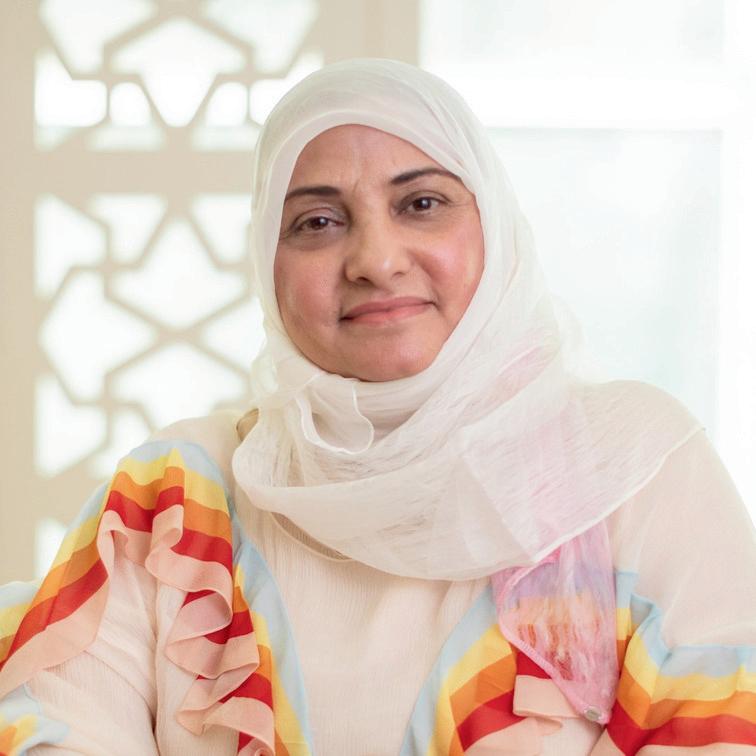
As we present Effat University’s inaugural ESG and Sustainability Report, I am proud of our journey toward environmental stewardship, social responsibility, and governance effectiveness. This milestone reflects not onlyalignmentwithglobalstandards,butalsothelivinglegacyofQueen Effat Al-Thunayan Al-Saud’s visionary commitment to education and societal transformation. Our sustainability agenda aligns with Saudi Arabia’s Vision 2030 and the Green Saudi Initiative, positioning Effat as a contributor to national priorities through evidence-based education, research, and engagement. This report establishes our baseline performance across 42 key indicators, and reflects their achievements, reinforcingthetransparencyandaccountabilityourstakeholdersexpect. The data presented, from our carbon footprint assessment to our community engagement metrics, reflects our dedication to preparing graduates who will address global challenges with wisdom, compassion, and innovation. As we look toward 2030, I invite our entire university community to embrace continuous improvement, ensuring Effat remainsabeaconofsustainableexcellenceinhighereducation.

Dr. Haifa Jamal Al-Lail President, Effat University
Dr. Akila Sarirete
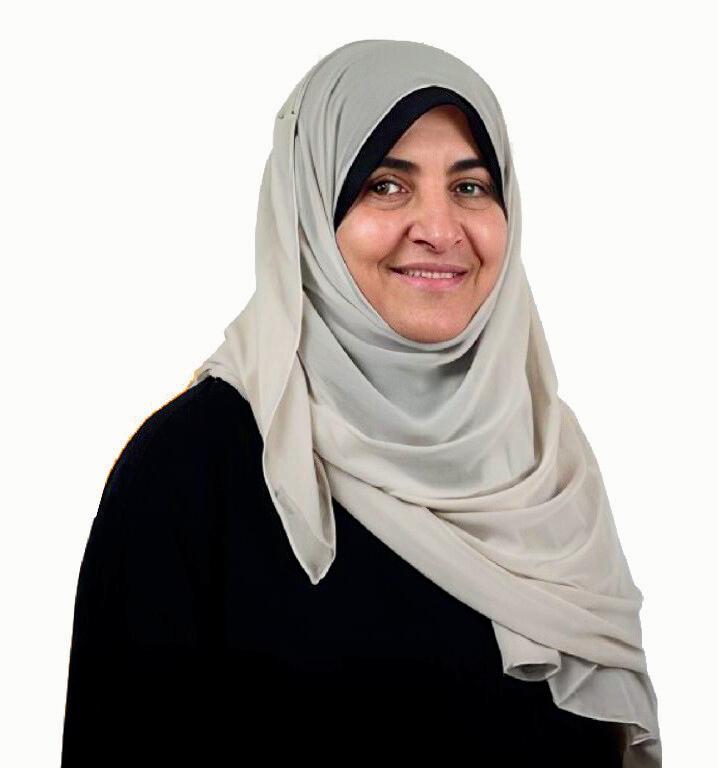
This inaugural ESG and Sustainability report provides Effat University with a valuable academic tool: a data-driven baseline for action. As Provost, I see this assessment as a first step in embedding sustainability across our teaching, learning, and research. The process of collecting and validating 42 KPIs has already strengthened inter-departmental collaboration, an essential foundation for sustained progress. The findings reflect the dedication of our faculty and students. Advancing environmental research outputs and integrating sustainability across the curriculum are not merely indicators of compliance; they demonstrate a growing academic culture engaged with today’s most pressing challenges and committed to transforming our campus into a living laboratory. I encourage faculty to use this report to enrich courses and catalyze new research, and I invite students to see it as an opportunity to contribute, innovate, and lead. This is not an endpoint, but a starting point, one that will shape the next chapter of Effat’s academic legacythroughmeasurableimpactandsharedresponsibility.

Dr. Akila Sarirete Provost, Effat University
Dr. Nermine Abdel Gelil M.
It is with great satisfaction that I present the foundational work of the Effat University Sustainability Committee in establishing our ESG framework. Over the past year, the committee has worked to embed sustainability across institutional operations, guided by our IQRA values ofIbhath,Qiyam,Riyādah,andAt-Tawāsul.OurStrategicPlan2025–2030 strengthens data-driven governance through three working groups: Environmental Stewardship, Social Responsibility, and Governance Effectiveness, creating a system that measures impact and supports continuous improvement across the university. I am proud that this framework aligns with international benchmarking platforms, including QS Sustainability and THE Impact Rankings, while remaining responsive to local and national priorities. The collaboration of faculty, staff, and students throughout this process reflects the strength of collective action. As we move forward, I am optimistic about Effat University’s potential to become a regional leader in sustainability education and research,andIlookforwardtotheprogressandinnovationsahead.

Dr. Nermine Abdel Gelil M. Chair, Sustainability Committee, Effat University



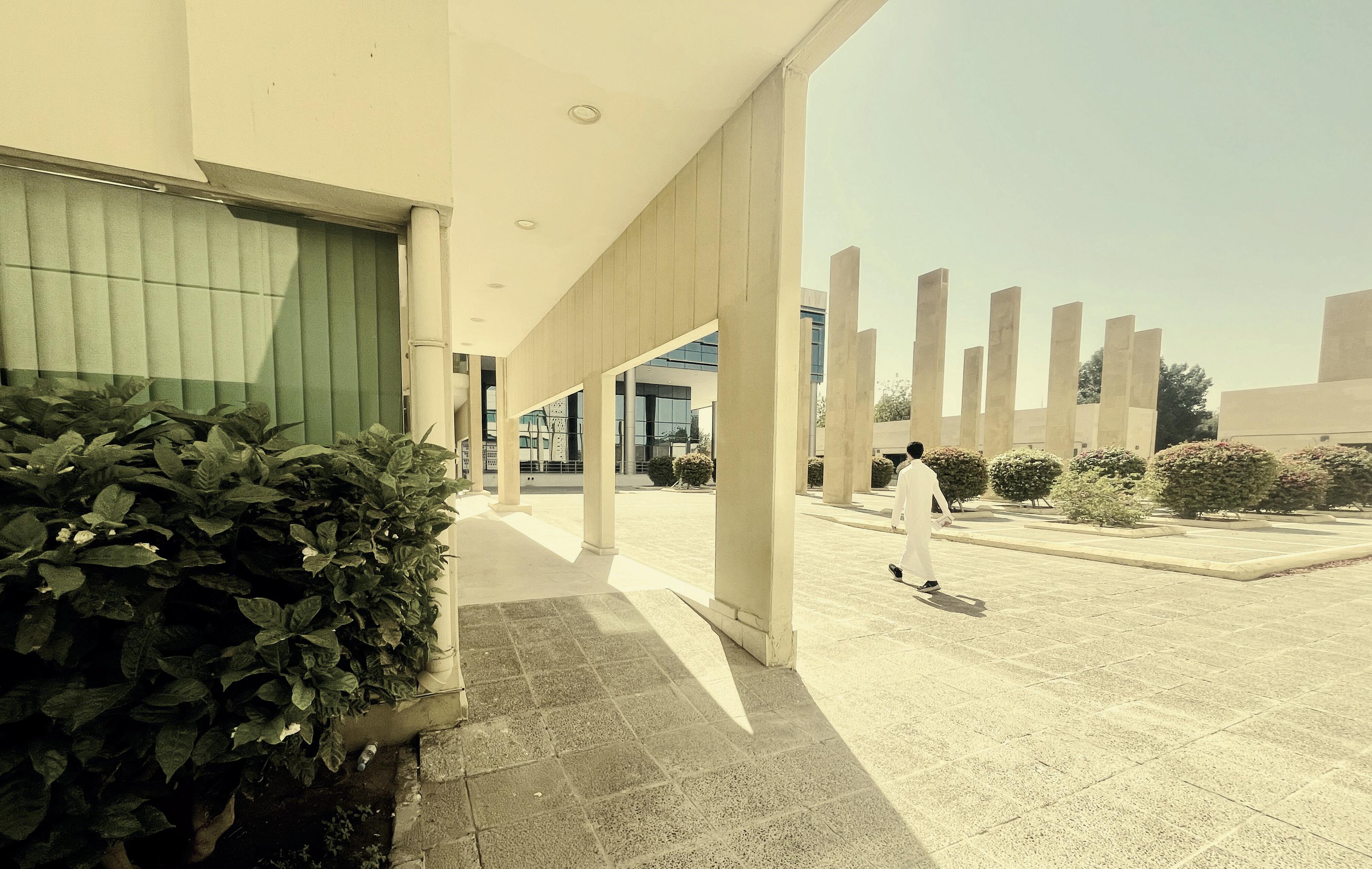
Effat University is a leading independent private, non-profit higher education institution located in Jeddah, Kingdom of Saudi Arabia, operating under the umbrella of the King Faisal Foundation. The university was chartered and authorized in 1999 as Effat College, enrolled its first students in degree programs that same year, and awarded its first degrees in 2002–2003. In January 2009, the institution was granted university status under Royal Decree No. 963/MB issued by the Custodian of the Two Holy Mosques. Founded to honour the legacy of Queen Effat Al-Thunayan Al-Saud, wife of the late King Faisal bin Abdul-Aziz, the universityhasmaintaineditscommitmenttoeducationalexcellenceand societal impact throughout its evolution. From its origins as a pioneering women's institution, Effat has transitioned to a co-educational model while preserving its foundational commitment to empowering all studentsregardlessofgender,nationality,orbackground.
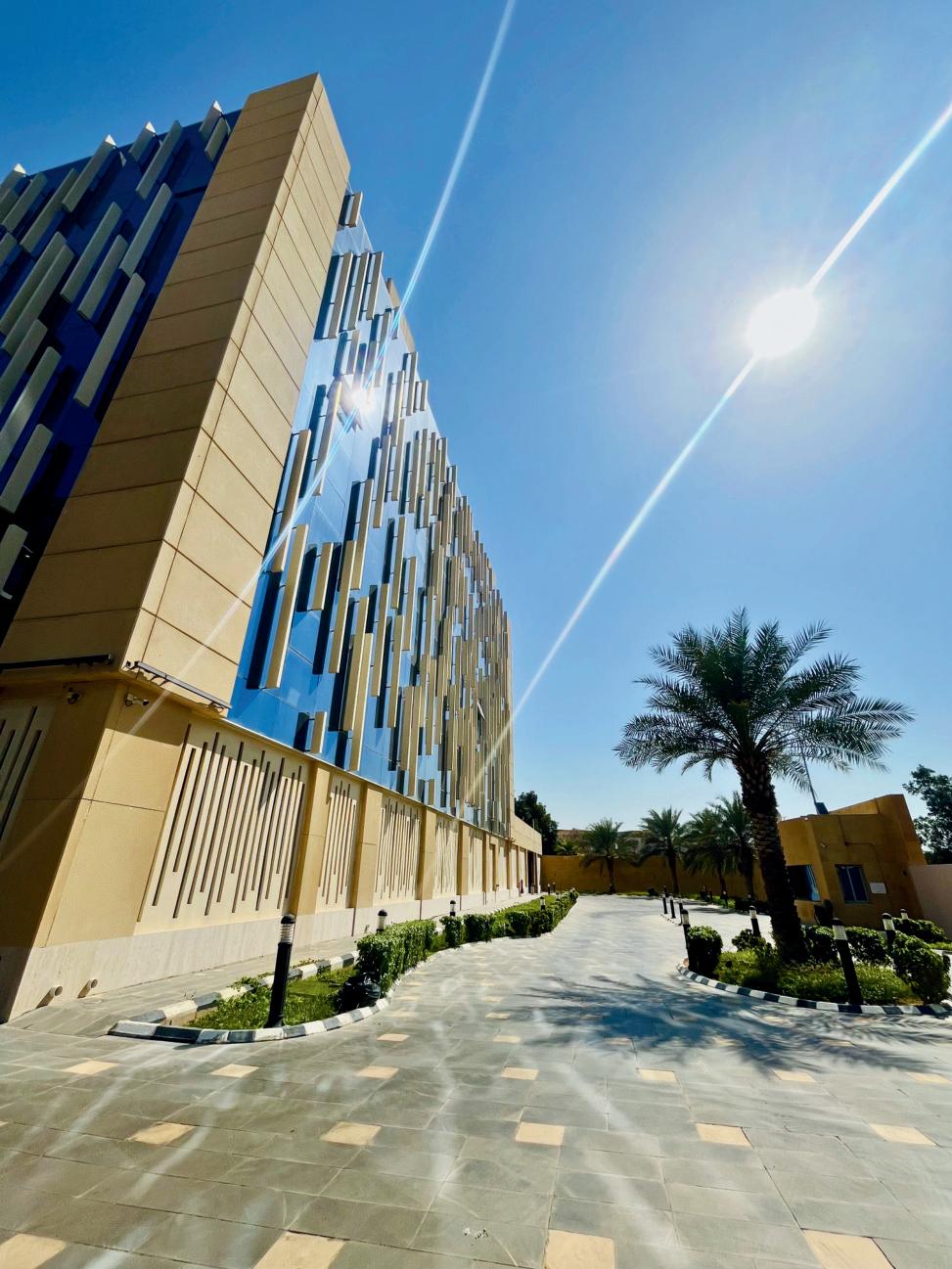
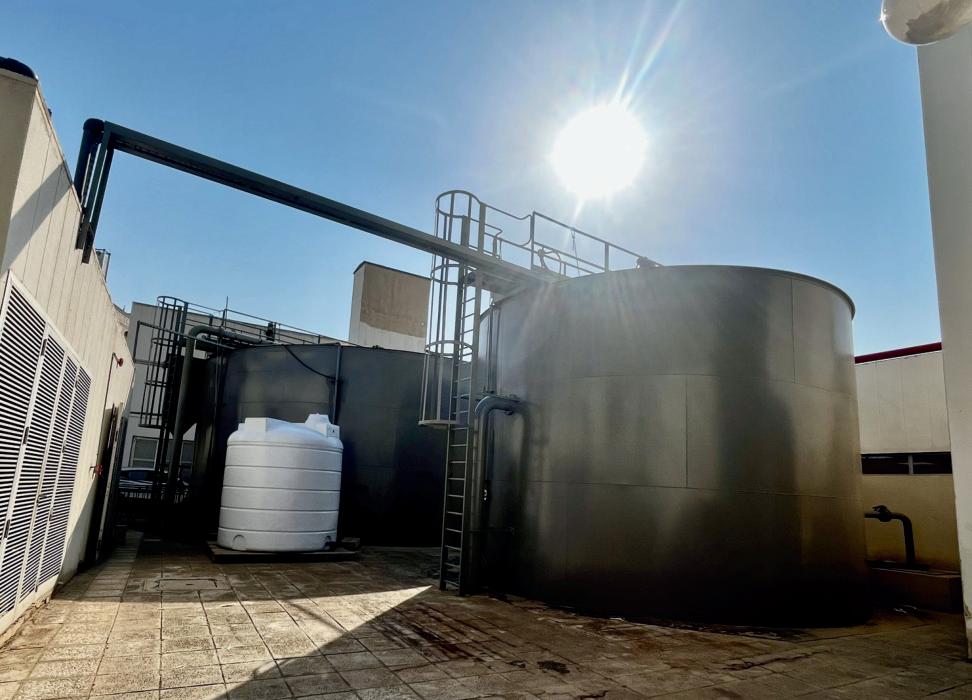
Effat University’s campus is strategically located in the Kasr Khuzam District of Jeddah, spanning 80,922 m² of land, comprising 36,776 m² of building ground floor area, and 44,146 m² of open areas (gardens and walkways), which represent 54.55% of the total land area. The campus comprises 27 buildings: 7 academic buildings, 7 support buildings (including the Effat Theater Hall with a total capacity of 720 seats and comprehensive sports facilities), and 13 facilities (including entrance gates, a maintenance area, workshops, stores, power stations, and connecting skywalks). The campus infrastructure supports sustainable operations through a campus-wide energy management program that includes centralized control of air-conditioning temperatures, LED lighting systems, water sensors, and automatic shutdown of electricity in unused areas after working hours. These measures have reduced the University's maintenance operations budget by nearly 25%. A dedicated water treatment plant recycles 80% of wastewater from campus buildings for irrigation purposes, significantly reducing water consumption, while a structured waste segregation system manages paper, plastic, and general waste streams, with collected materials sent to certified recycling facilities.


80,922m²
27

36,776m²
Effat University serves 2,527 students, including 2,225 undergraduate students (including 12 Associate Certificate students) and 302 graduate students (including 22 Master Level Certificate students). The student body reflects strong diversity, with 782 male students (31.0%) and 1,108 international students (43.8%) representing 44 countries. (Fall 2025 Enrollment)
2,527 Students
69% Female students

43.8% International students
31% Male students
Theuniversityemploys187facultymembersandteachingstaff,including 148 full-time (79.1%) and 39 part-time/supporting faculty (20.9%). Faculty qualifications indicate strong academic credentials, with 138 PhD holders (73.8%). The faculty represents 28 nationalities, with a gender distribution of89male(47.6%)and98female(52.4%)facultymembers. (Fall 2025)
187 Faculty members
52.4% Female faculty
28 Nationalities
47.6% Male faculty

Mission
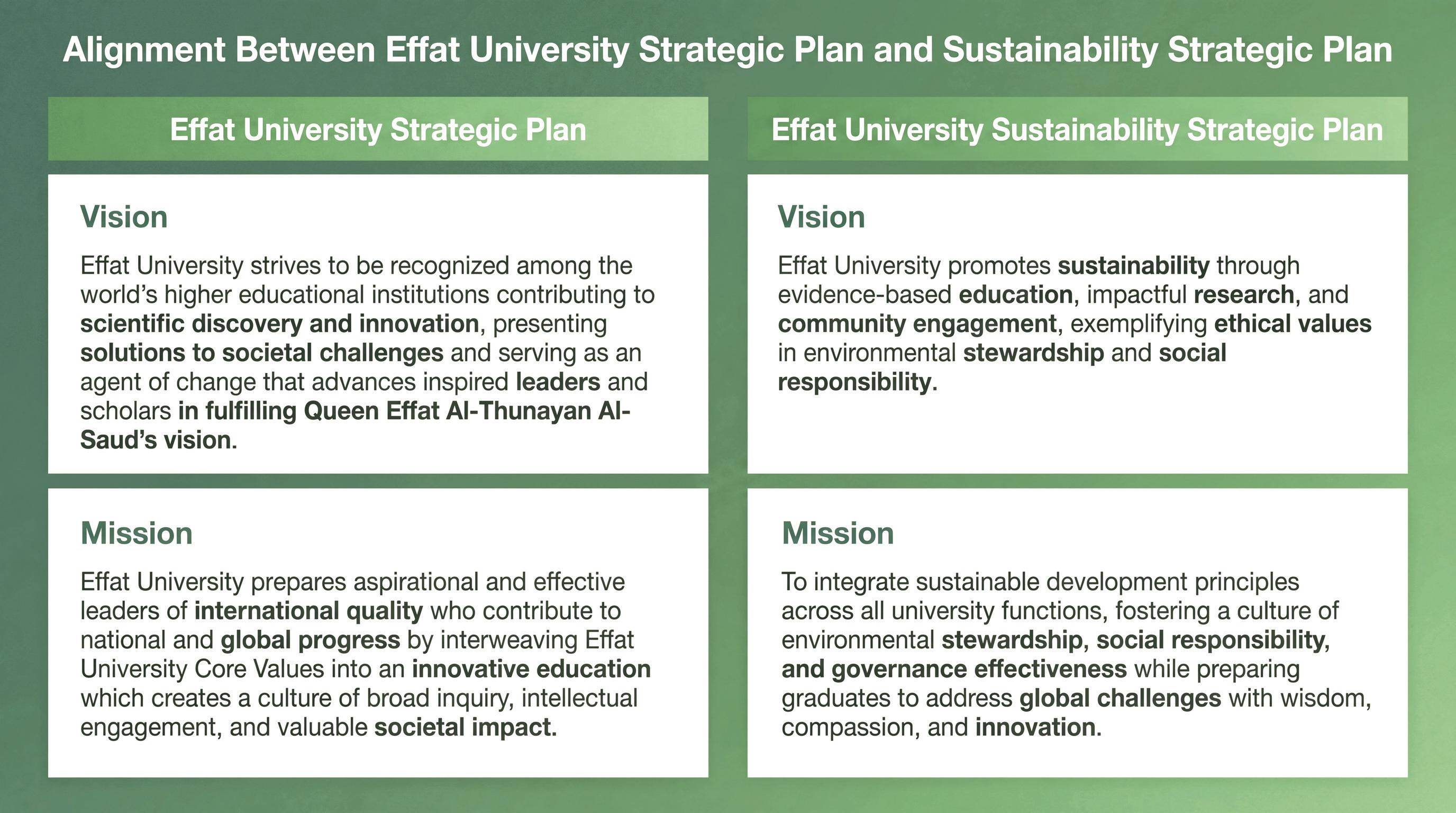
Effat University prepares aspirational and effective leaders of international quality who contribute to national and global progress by interweaving Effat University Core Values into an innovative education which creates a culture of broad intellectual inquiry, engagement, and valuablesocietalimpact.
Vision
Effat University strives to be recognized among the world's higher educational institutions contributing to scientific discovery and innovation, presenting solutions to societal challenges and serving as an agent of change that advances inspired leaders and scholars in fulfilling QueenEffatAl-ThunayanAl-Saud'svision.
Effat University's IQRA core values, established in 2010 and derived from the first word of the Quran ("Read"), are foundational principles integrated into its curriculum to foster leadership, research, and ethical responsibility. The acronym stands for Ibhath (Research), Qiyam (Ethical Values), Riyada (Responsible Leadership), and Al-Tawasul (CommunicationandOutreach).
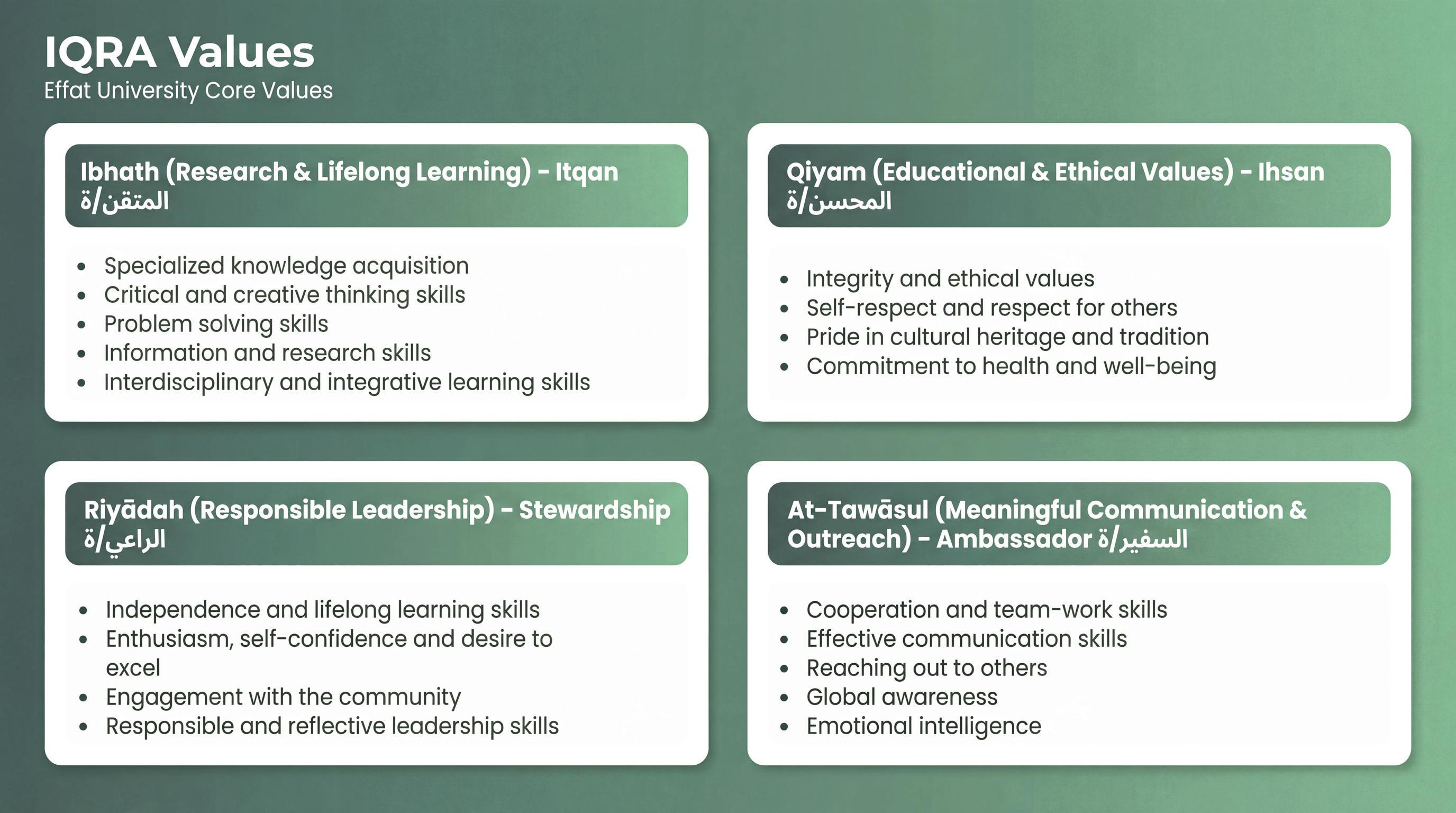
Effat University promotes sustainability through evidence-based education, impactful research, and community engagement, exemplifying ethical values in environmental stewardship and social responsibility.
To integrate sustainable development principles across all university functions, fostering a culture of environmental stewardship, social responsibility, and governance effectiveness while preparing graduates toaddressglobalchallengeswithwisdom,compassion,andinnovation.
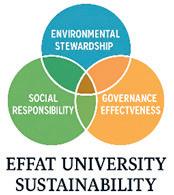
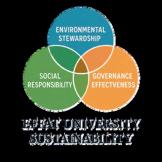
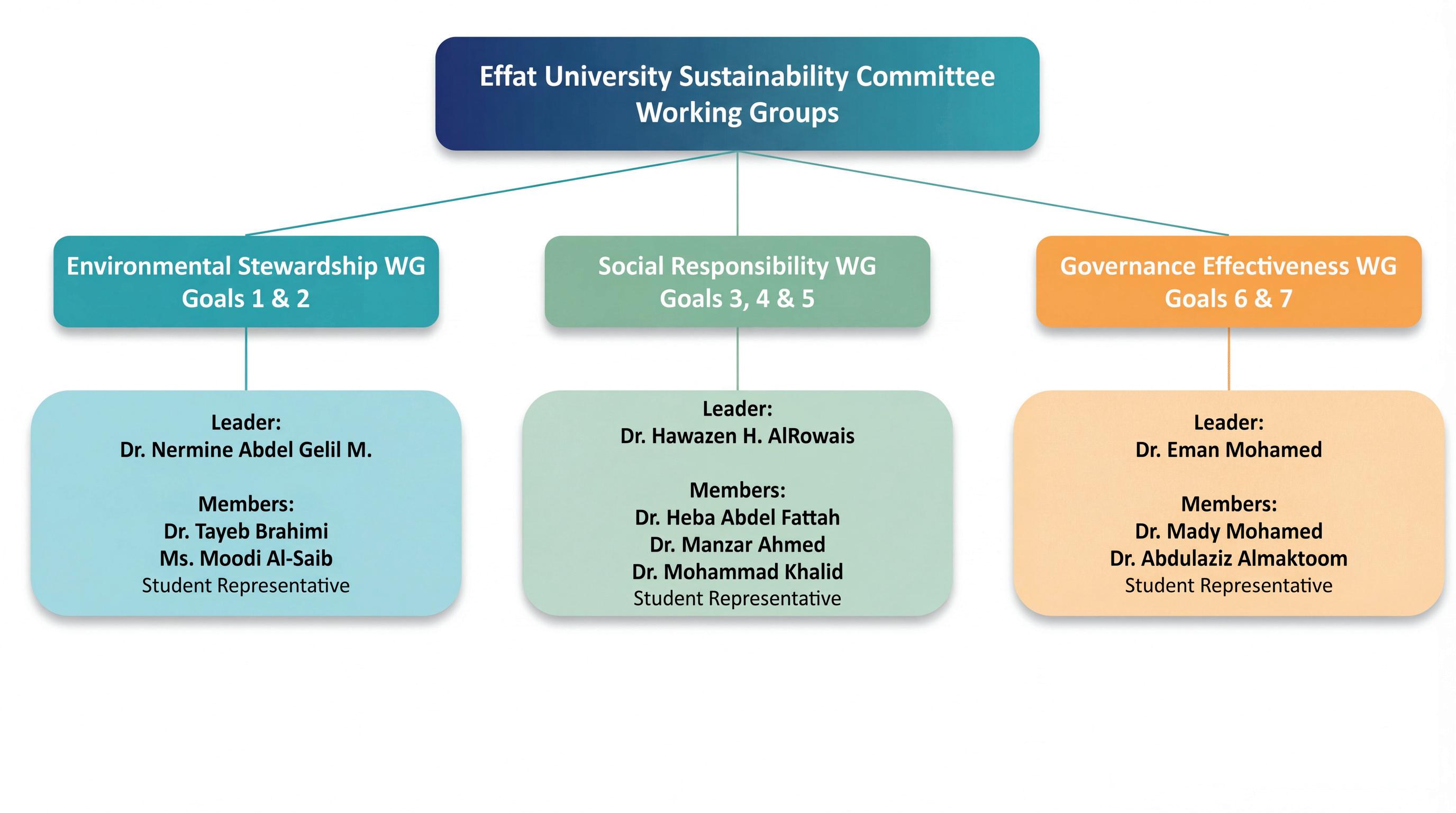
Effat’s Sustainability Governance is led by the Effat University Sustainability Committee, established to guide implementation of the Sustainability Strategic Plan 2025–2030 and to monitor progress across the three ESG pillars. The committee coordinates data collection, validates KPI evidence, and oversees annual sustainability reporting for accreditation and public release. Working groups aligned to the three pillars: Environmental Stewardship, Social Responsibility, and Governance Effectiveness, support delivery and evidence gathering acrosscollegesandadministrativeunits.
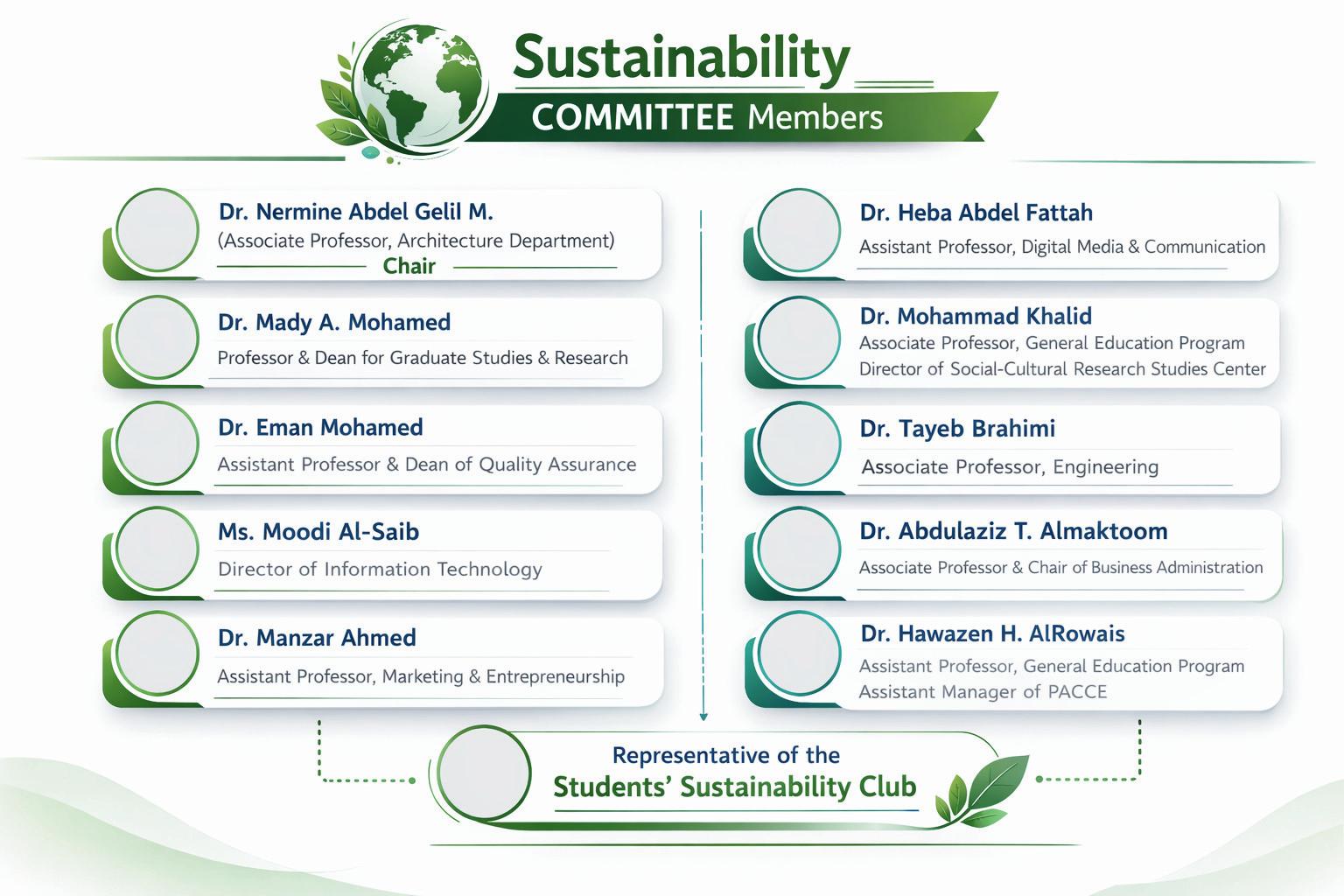



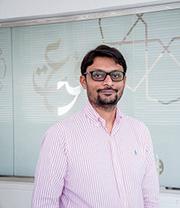


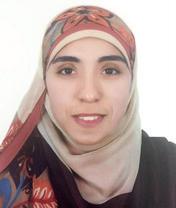
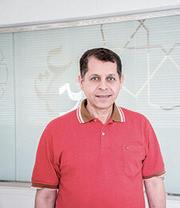
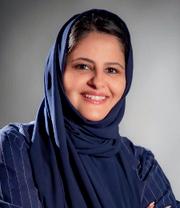
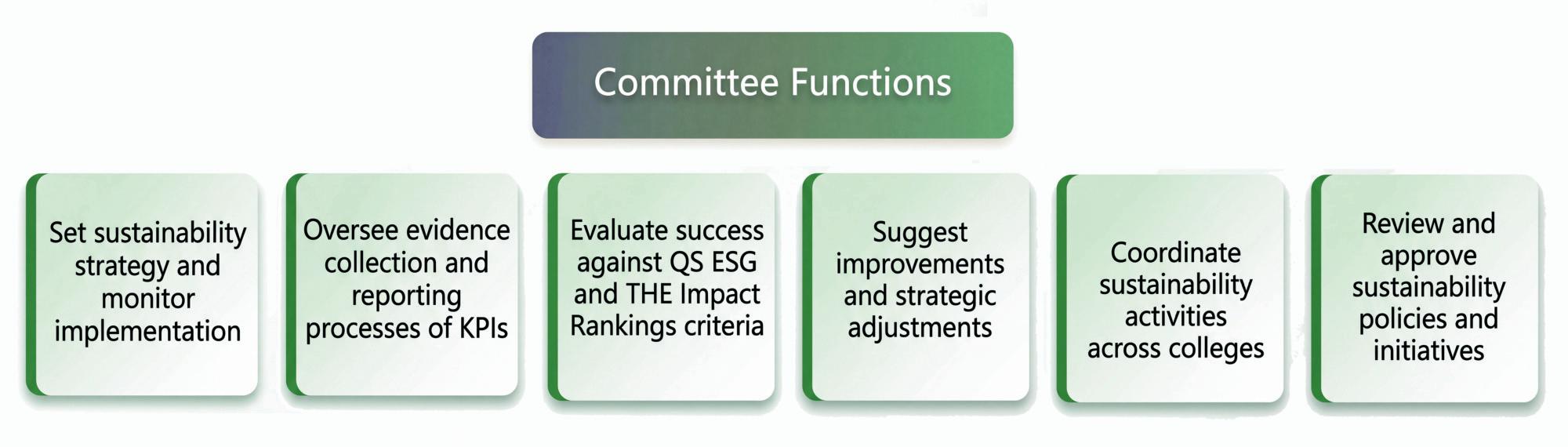
The committee consists of three groups aligned with the pillars of Environmental Stewardship, Social Responsibility, and Governance Effectiveness. These groups support implementation and evidence gatheringacrosscollegesandadministrativeunits.
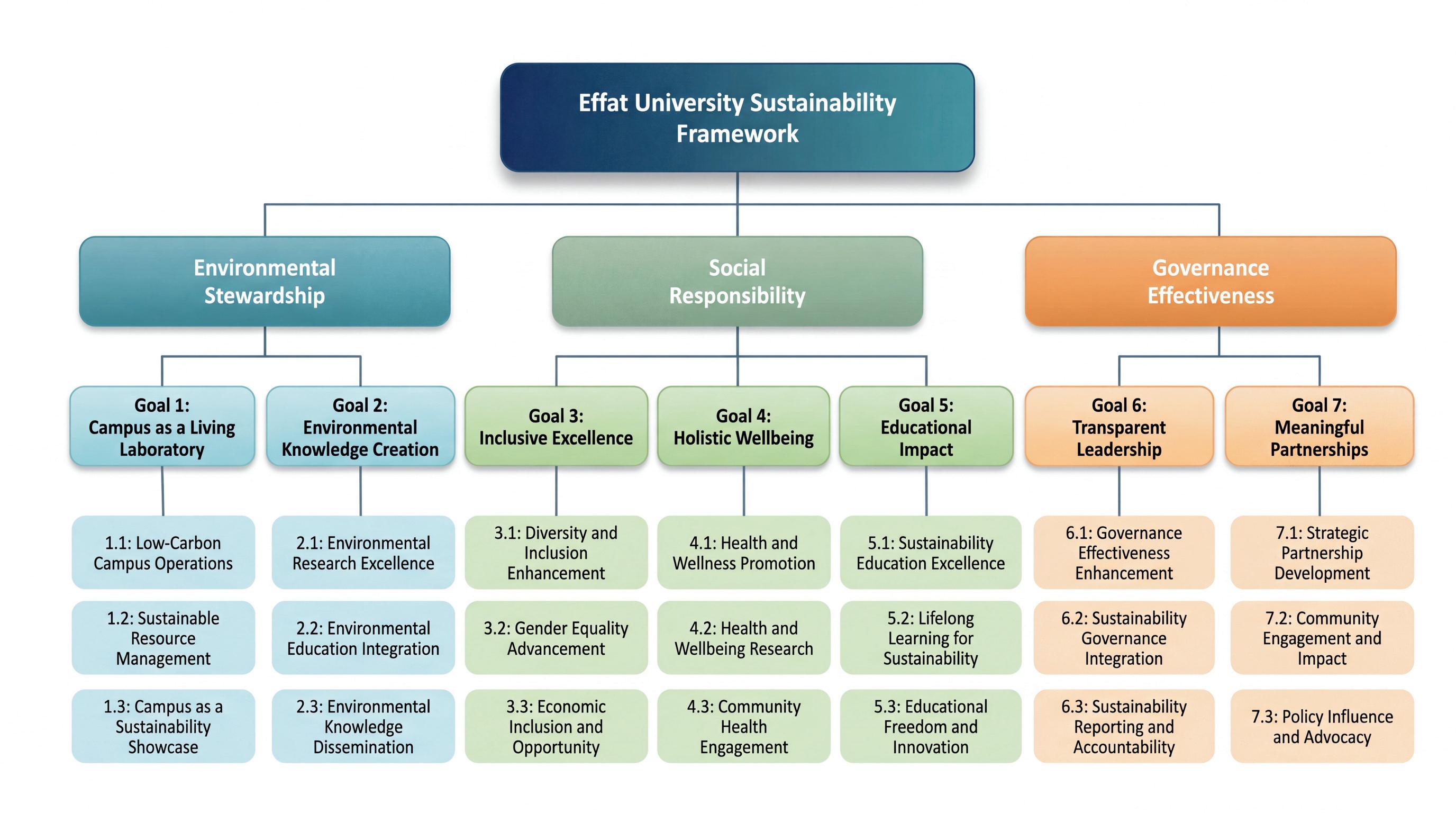
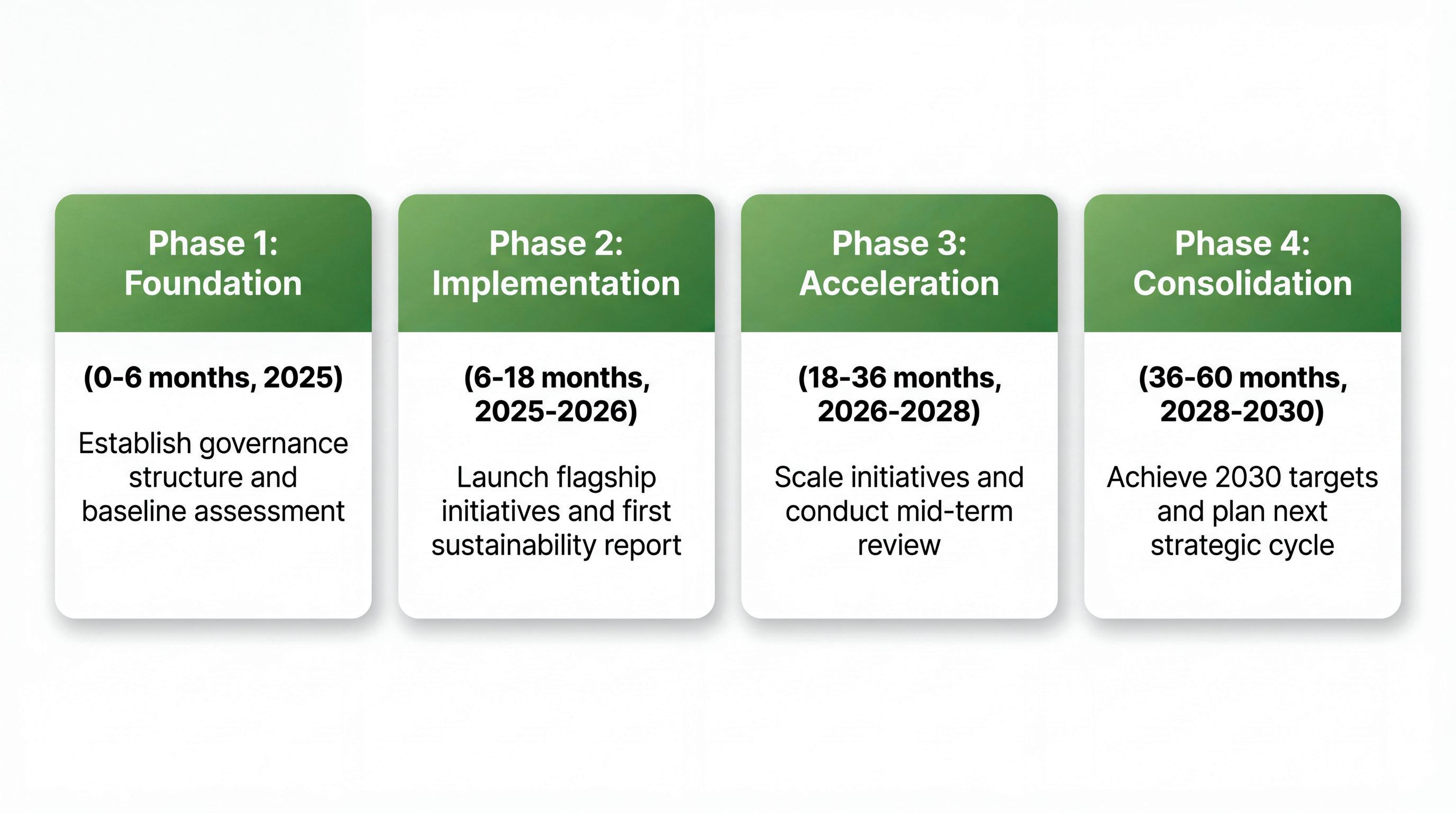
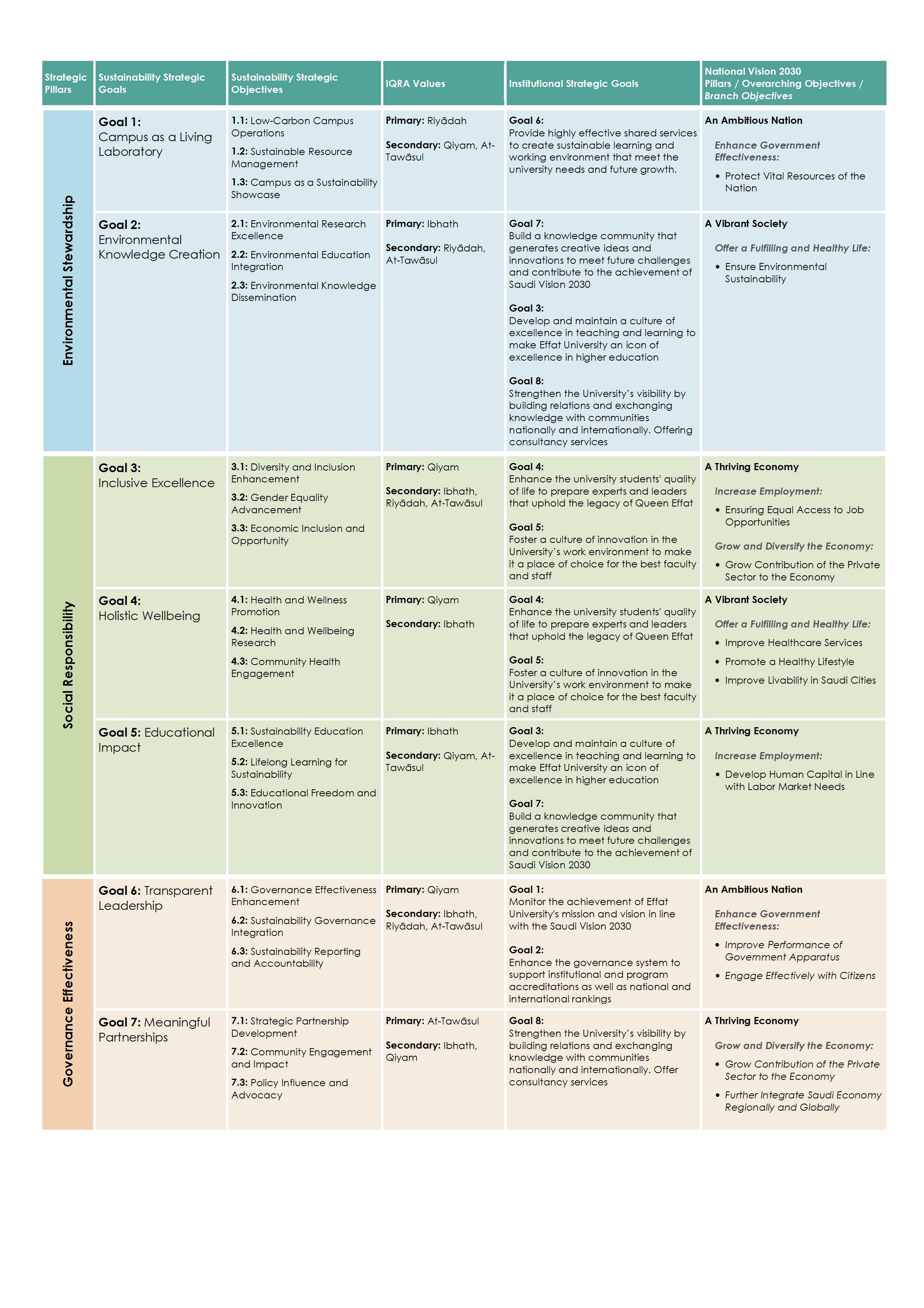
This report follows Effat’s Sustainability Strategy (2025–2030): three pillars, seven strategic goals, twenty-one objectives, and the KPI framework(42KPIs).
Effat University is commited to achieving net-zero emissions by 2060 alignedtotheSaudiGreenInitiativeand itstargetforreducingcarbonemissions. The Sustainability Strategy 2025-2030 translates its vision, mission, and IQRA values into measurable action while aligning with Saudi Vision 2030 and international reporting expectations. The strategy is structured around three ESG pillars: Environmental Stewardship, Social Responsibility, and Governance Effectiveness. It uses an integrated KPI framework so that one set of evidence supports institutional reporting, national priorities, and global benchmarks. This Reportpresentsthefullbaselineyearfor AY 2024–2025 (Fall 2024 and Spring 2025) and includes a Fall 2025 update only where verified data are available. The strategy aims to create a low carbon sustainable campus, integrate sustainability across all academic programs, strengthen Effat’s position in global rankings, establish transparent reporting, and foster a sustainability culturerootedinEffat’sIQRAvalues.
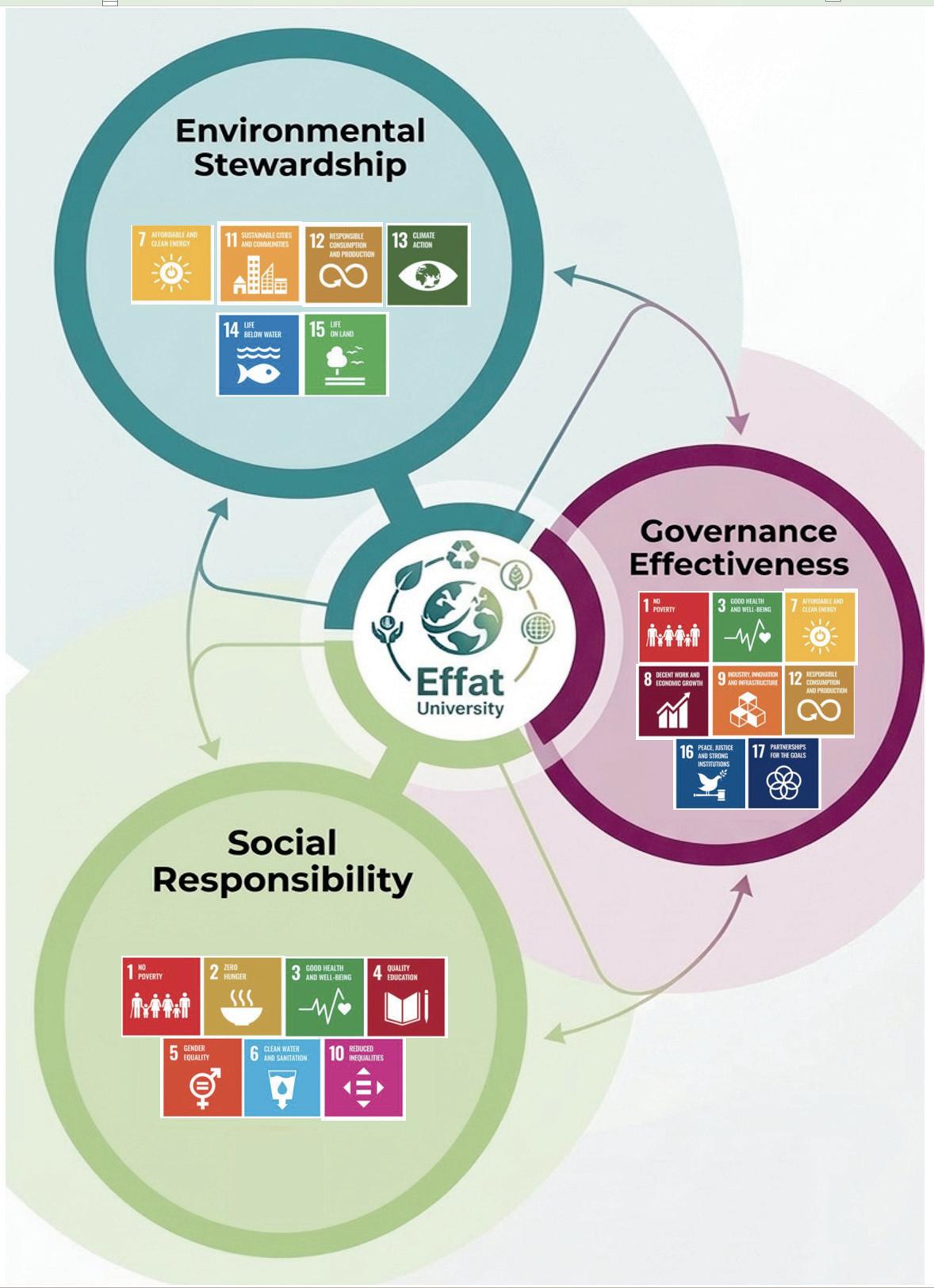
Effat University’s sustainability strategy aligns with the QS ESG Rankings and THE Impact Rankings to streamline evidence collection and reportingwhilestrengtheningglobalbenchmarkingandrecognition.
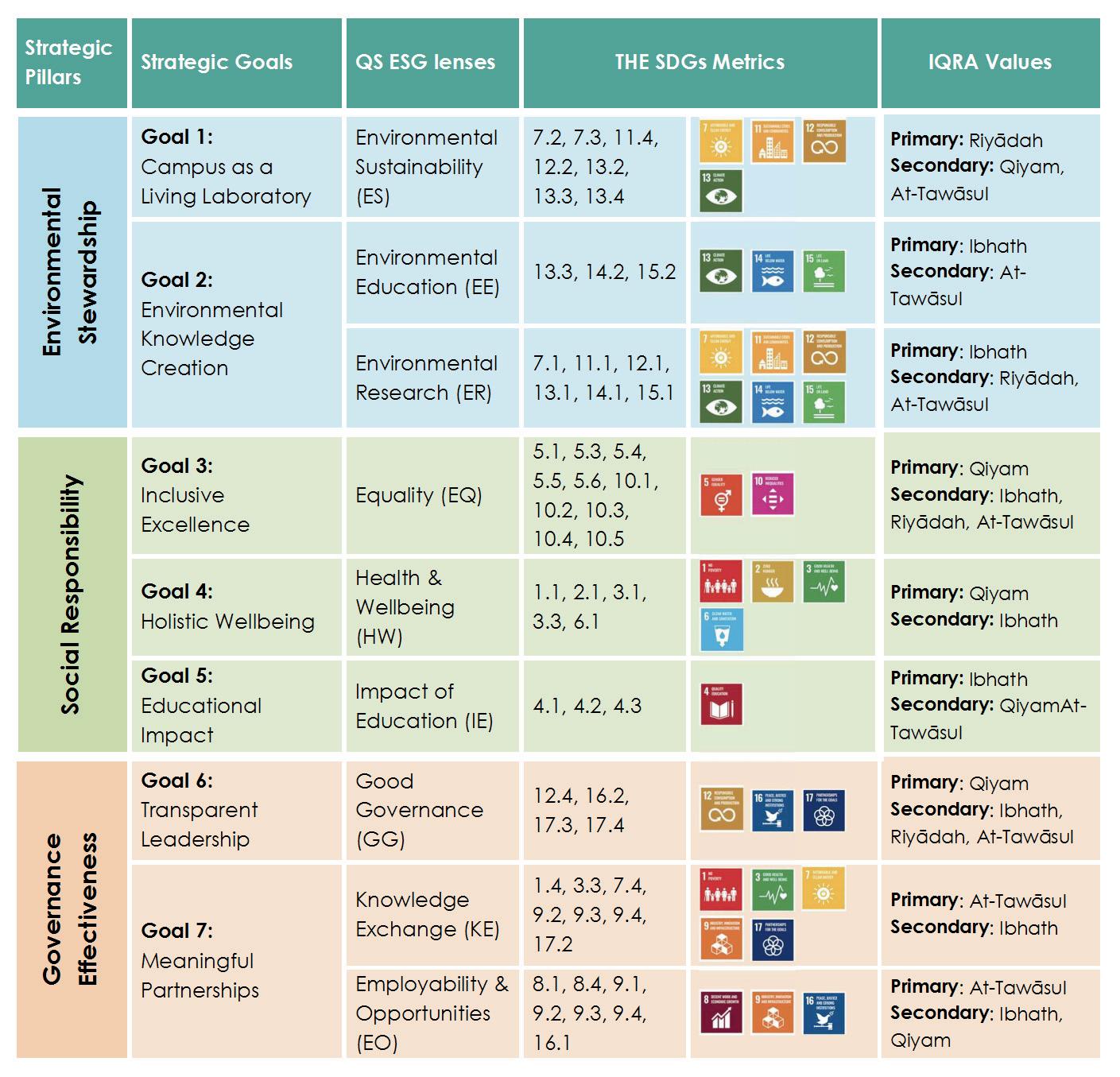



This sustainability strategy demonstrates strong alignment with both Effat University's institutional goals and Saudi Arabia's Vision 2030 national transformation objectives. Each strategic goal contributes to multiple institutional priorities while supporting the Kingdom's broader sustainability and development aspirations, ensuring that our sustainability efforts advancebothuniversityexcellenceandnationalprogress.
This report presents Effat University’s ESG performance using AY 2024–2025 (Fall 2024 and Spring 2025) as the baseline year, with a Fall 2025 progress update (Semester 1, AY 2025–2026) included where verified data are available. All reported figures are drawn from data collected and validated through the Sustainability Working Groups in coordination with the relevant deanships, departments, and administrative units across the University, including inputs from institutional reports, selfstudy documentation, the Maintenance Department, the Sustainability Club, and publication data extracted from Scopus through SciVal and theofficialWebofSciencedatabaseforpublication-relatedKPIs.
GHG emissions are reported as Scope 1 and Scope 2 in kg CO₂e using activity data and emission factors verified with the relevant operational units. Renewable energy share is calculated as on-site generation divided by total electricity demand. Water is reported in m³, with treated/recycled water shown as an absolute volume and percentage of total consumption. Waste is reported in tons generated; the recycling/diversion rate is flagged as "data unavailable" until audited contractorbreakdownsareprovided.
Internal review is performed through Sustainability Committee validation. External assurance has not yet been conducted; third-party verification maybeconsideredinfuturereportingcycles.
ReportingPeriod
Baseline Year: AY 2024–2025
Progress Update: Fall 2025 (when verified data available)
MeasurementApproach
Operational data (Electricity, Water, Waste, Emissions)
Social & Governance indicators → Semester-based (when available)
Updates included only with verified KPI evidence Scopus/SciVal and WoS for publication-related KPIs.
DataTransparency
Waste diversion rate → Data unavailable (no audited contractor data)
Emissions & operational data → Internally reviewed
External assurance → Not yet conducted

Review&Validation
Internal validation → Sustainability Committee
Cross-checking → KPI evidence sheets
Third-party verification → Under consideration for future cycles

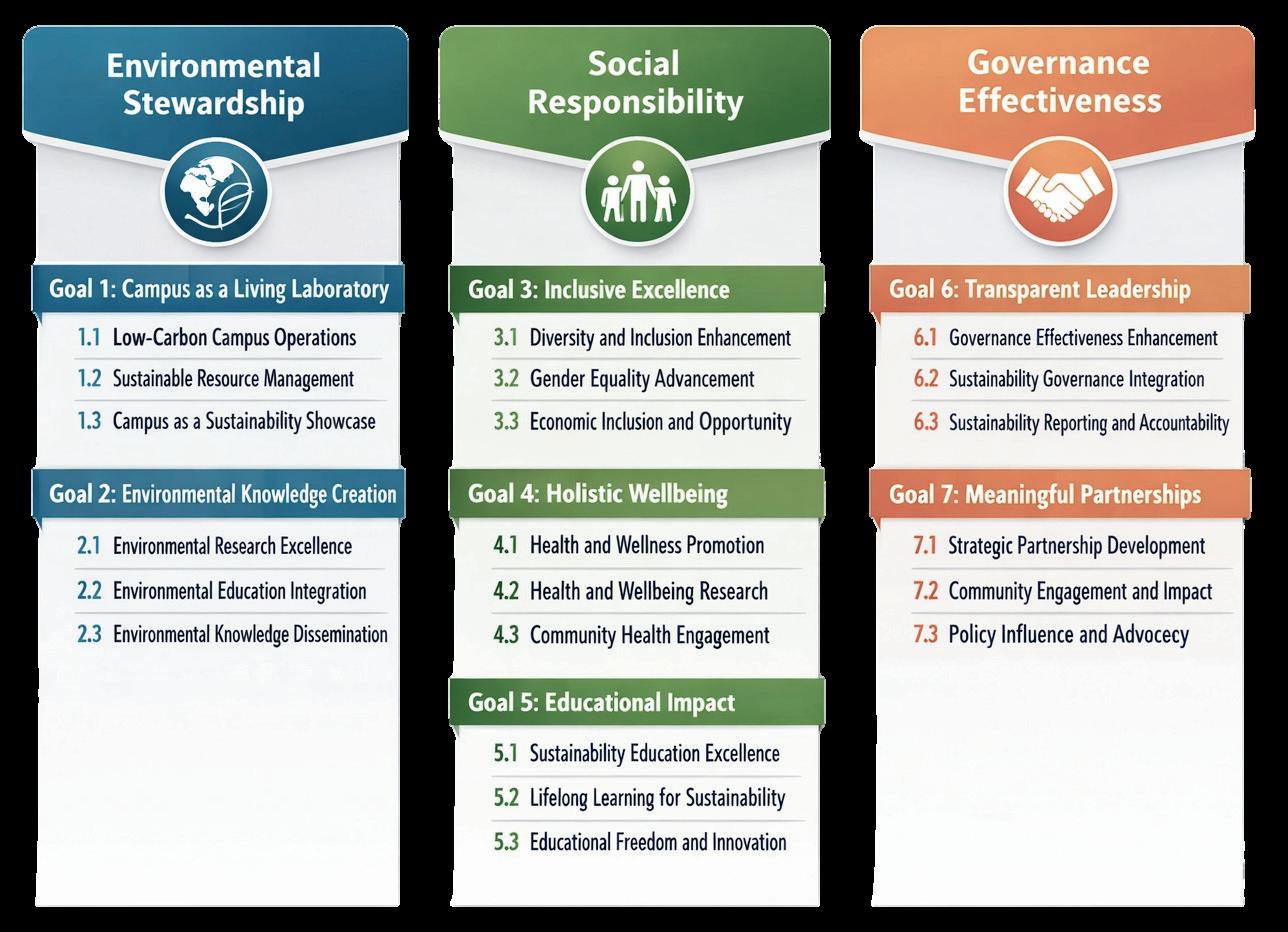
Effat University's Sustainability and ESG Report presents the University's baseline performance for Academic Year 2024–2025, with a clearly identified progress for Fall 2025, where data is available. The report is structured in alignment with Effat University's Sustainability Strategy (EnvironmentalStewardship,SocialResponsibility, and Governance Effectiveness) and is supported by evidence from the compiled institutional reports, the baseline KPI data workbook, and data collected from relevant deanships, departments, andadministrativeunits.



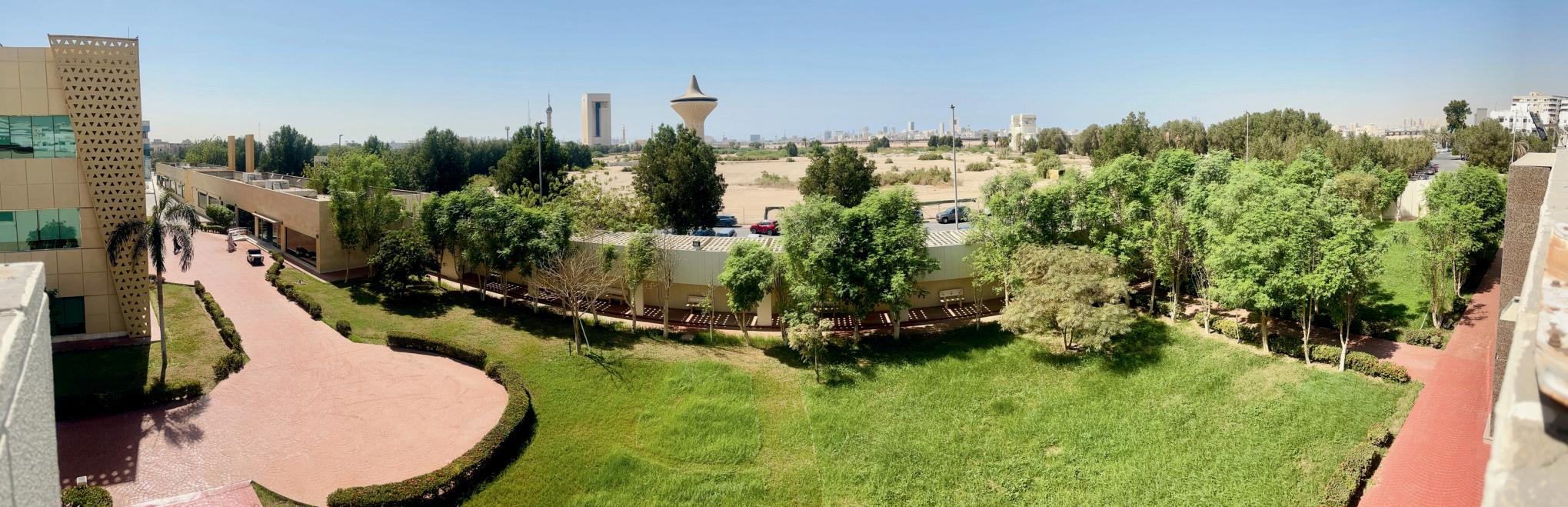
Under the Environmental Stewardship pillar, Effat University has established a clear baseline linking campus operations, infrastructure, academic activity, and community engagement to environmental performance.
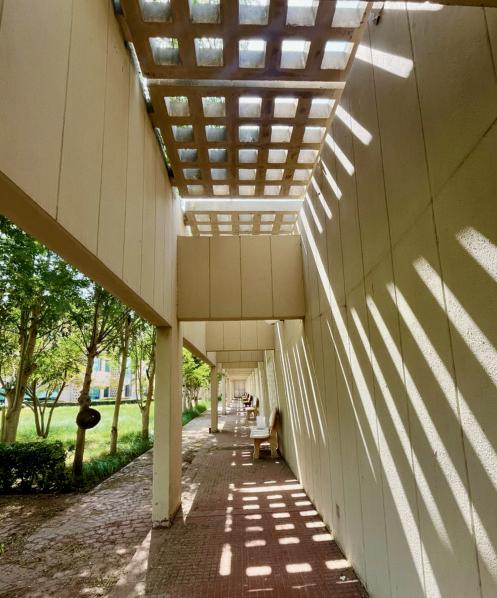
Goal 1 is reflected in Effat’s quantified environmental baseline and in the campusitselfasasustainabilitydemonstrationenvironment.InAY2024–2025, total Scope 1 and Scope 2 emissions reached 8,194.14 tCO₂e/year, representing an 8.63% reduction from AY 2023–2024 (8,968.27 tCO₂e), while emissions intensity declined from 100.1 to 91.46 kg CO₂e/m²/year. On-site renewable generation reached 0.119 GWh, equivalent to 0.82% of total electricity demand. Water management showed strong performance, with 49,801 m³ consumed annually, 39,840.8 m³ treated and reused, and an 80% water reuse rate. Waste generation totaled 716.99 tons, although a verified recycling rate remains pending due to unavailable audited diversion data. The campus also serves as a visible sustainability showcase through 10 mapped features, including solar systems, water recycling, sustainability labs, waste segregation points, shadedpathways,andecologicalplanting.Whilenoformalsustainability tours were recorded in the baseline year, the proposed Effat Sustainability Hunt activity offers a practical basis for future engagement andreporting.
2023–24 & AY 2024-25)
Goal 2 is demonstrated through research, curriculum integration, and public dissemination. In 2024–2025, Effat produced 95 environmental publications out of 553 total publications, representing 17.2% of the University’s research output in Scopus. The corresponding share in Web of Science was 21.4%, exceeding the revised 10% benchmark. Environmental research is also supported through dedicated funding, with approximately 24.3% of the research budget directed to environmental areas, equivalent to about 1.5% of the University’s annual budget. Sustainability and environmental themes are embedded across the curriculum, with 100% of undergraduate programs meeting the broader sustainability definition and particularly strong results under the stricter environmental definition in Engineering and Architecture and Design. At course level, Effat exceeded its broader target, with 34 sustainability-related courses identified under the broad definition and 25 under the strict definition. Environmental knowledge dissemination was further supported through 38 community initiatives with 3,091 attendees in AY 2024–2025, rising to 77 initiatives with 3,576 attendees in Fall 2025, alongside conference workshops and an expanding partnershipbase.
Under the Social Responsibility pillar, Effat University has demonstrated a measurable commitment to inclusive excellence, holistic wellbeing, and educationalimpact.
Goal 3 is reflected in support for students with special needs, with 42 beneficiaries in AY 2024–2025 and more new cases in Fall 2025, bringing thetotalto58.Inclusionisalsoevidentinstudentaccess:10%(60/595)of students starting a degree were first-generation students, while 794 students in Semester 1 of AY 2024–2025 were from low- and lowermiddle-income countries, representing 40.7% of all students and 96.0% of internationalstudents.EconomicinclusionisfurtherdemonstratedbyFall 2025 financial support, with scholarships and grants reaching 2,269 students (91.75% of 2,473) and 2,204 support cases reported (89.1%). Gender equality remained central, with women holding 67.6% of leadership roles and 21 gender-equality publications produced between 2020 and 2025. Employability was reinforced through cooperative training, with 120 female students engaged in Fall 2025, alongside a 100% completion rate in Summer 2025 and a 91% commencement rate in Fall 2025.

Goal 4 is advanced through health outreach, counseling, and healthrelated research. Health Clinic delivered 11 health and wellness outreach programs reaching 4,716 participants in AY 2024–2025 (100% participation). Mental health services showed strong reach and satisfaction: in AY 2024–2025, counseling satisfaction averaged 4.14/5, with 31 wellbeing activities reaching 1,586 students, and 38 students receiving 88 conducted individual sessions; Fall 2025 reported satisfaction of 3.9/5, services delivered to 2,502 students, and 18 sessions for 14 students. Health research is also supported through dedicated funding, with approximately 17.4% of the research budget directed to health-related areas, equivalent to about 1.1% of the University’s annual budget. Effat’s academic contribution to health is expanding; as a share of annual university output, health research represented approximately 18%in2024(49of277)andincreasedto29%in2025(81of276).
Mental Health Support

Goal 5 is demonstrated through sustainability-oriented innovation and lifelong learning. Innovative teaching reached 44.6% of courses in AY 2024–2025 and rose to 61.3% in Fall 2025, supported by AI-enabled teaching (21 tools across 77+ courses, expanding to 28 tools in Fall 2025) , service-Learning Integration (26% in AY 2024-25 and 37% in Fall 2025), and higher industry expert participation (55% of courses in Fall 2025). Student engagement is reflected in SDG-aligned clubs: 11 SDGs addressed through 49 activities, supported by 52 clubs/unions with 762 registered members (41% of students). Lifelong learning expanded through continuing education and community partnerships, including Abha Chamber diplomas (942 beneficiaries in AY 2024–2025; 3,344 cumulative by Fall 2025) and institute-based training (41 trainees in Semester2ofAY2024–2025;39traineesinFall2025).








Under the Governance Effectiveness pillar, Effat University has strengthened transparent leadership, sustainability oversight, and accountability through evidence-based governance and structured engagementmechanisms.
Goal 6 is reflected in strong governance performance and ethical compliance: in AY 2024–2025, governance performance reached 94%, supported by 100% student participation in governance bodies and positive student feedback on governance-related engagement (3.98/5), alongside 100% ethics awareness compliance under the Tarbawiyat Code of Ethics. Sustainability governance integration was advanced through the reactivation of the Sustainability Committee in Fall 2025 and the continued development of a university-wide sustainability strategy, implementation plan, and reporting cycle, including quarterly and annual sustainability reporting. Accountability is further reinforced through stakeholder engagement: in Semester 1 of AY 2024–2025, SES and PES achieved 49% participation (952 respondents out of 1,931 students) with an overall satisfaction score of 3.9/5, providing a consistentfeedbackloopforimprovement.
Goal 7 demonstrates Effat’s commitment to collaborative delivery and societal impact. The University concluded 63 partnership agreements in AY 2024–2025 and 31 additional agreements in Fall 2025, supporting education, employability, cultural engagement, and community service. International research collaboration expanded to seven active international partners by the end of AY 2024–2025, while partnered researchoutputsrepresented58%ofFall2025semesteroutputs(47of81 papers). Community engagement reached 3,091 beneficiaries across 38 activities in AY 2024–2025, increasing to 3,576 beneficiaries across 77 activitiesinFall2025.
Volunteerism reinforced this impact through the National Volunteering Platform, totaling 19,533 documented volunteer hours delivered by 1,887 student volunteers (average 10 hours per student) across 3,159 participations in AY 2024–2025, and 3,965 volunteer hours across 173 student participations in Fall 2025 (as of 13 November 2025). Finally, Goal 7 also includes policy influence and advocacy outcomes, evidenced through 24 institutional memberships/roles and an expanding advisory footprint (6 consultation requests, 2 completed), alongside nationalpriority advocacy through the Vision 2030 Awareness Campaign Committee. Collectively, these outcomes demonstrate Effat’s commitment to accountability, engaged communities, and evidencebasedimprovementinalignmentwithSaudiVision2030.
Effat’s campus operations are supported by a quantified greenhousegas (GHG) baseline inventory. For AY 2024–2025, total reported emissions were 8,194.14 tCO₂e/year, corresponding to an emissions intensity of 91.46 kg CO₂e/m² based on a gross floor area (GFA) of 89,596 m². This represents an 8.63% reduction (target: 10%) in total emissions compared to AY 2023–2024 (8,968.27 tCO₂e), with emissions intensity decreasing from 100.10 to 91.46 kg CO₂e/m². Scope 2 purchased electricity consumption was 14.31 GWh, producing 8,129.53 tCO₂e using a grid emission factor of 0.568 kg CO₂e/kWh. Scope 1 emissions were calculated from recorded on-campus fuels and gases: diesel 4,700 litres (12.60 tCO₂e, emission factor 2.68 kg CO₂e/litre), LPG 6,132 kg (9.26 tCO₂e, emission factor 1.51 kg CO₂e/kg), and university transport activity of 18,509litresofgasoline(42.76tCO₂e,emissionfactor2.31kgCO₂e/litre).
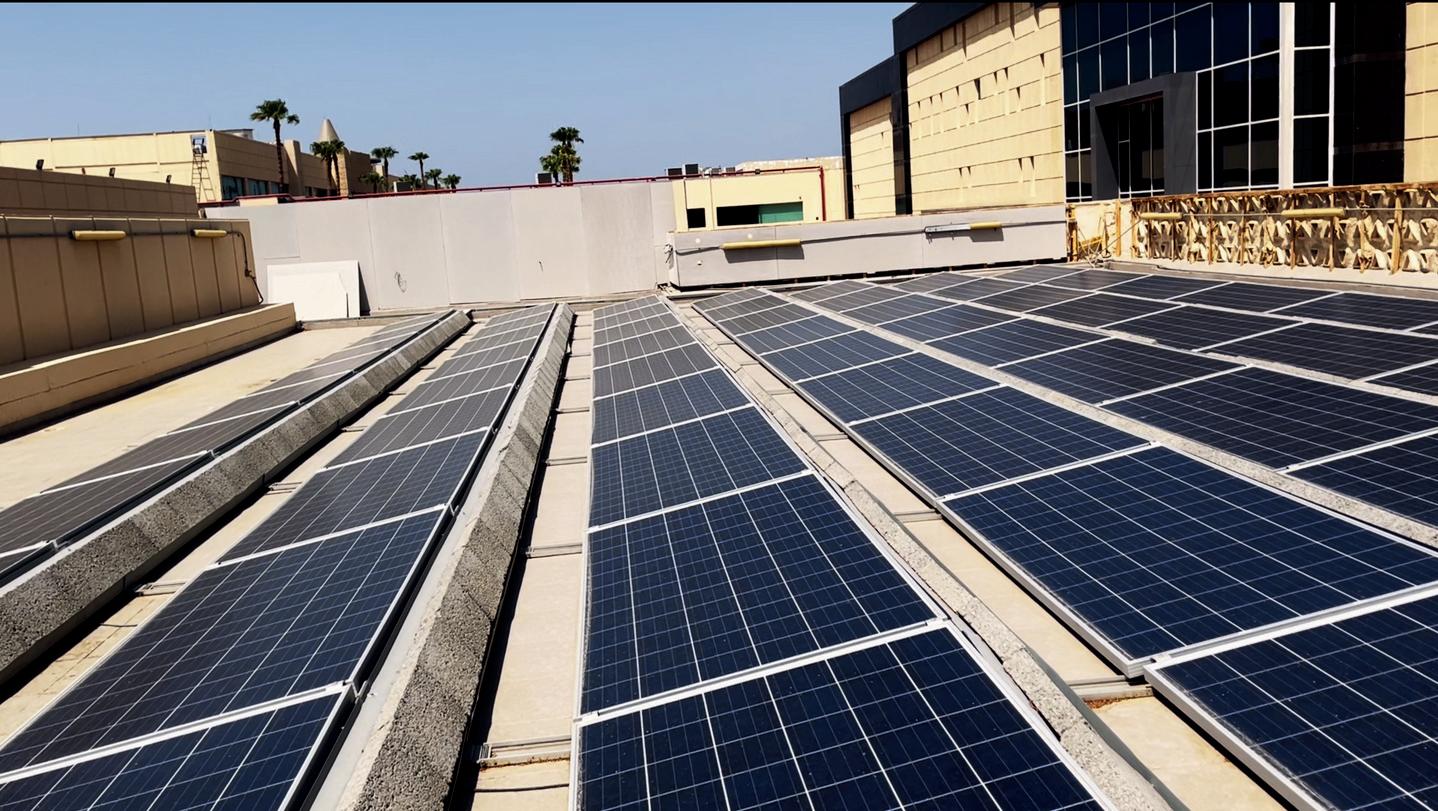
On-site renewable generation reached 0.119 GWh (119,020 kWh), equivalent to 0.82% of total electricity demand. Total electricity demand, including purchased and on-site generated electricity, was 14.43 GWh (14,431,568kWh).
OBJECTIVE1.2:SUSTAINABLE RESOURCE MANAGEMENT
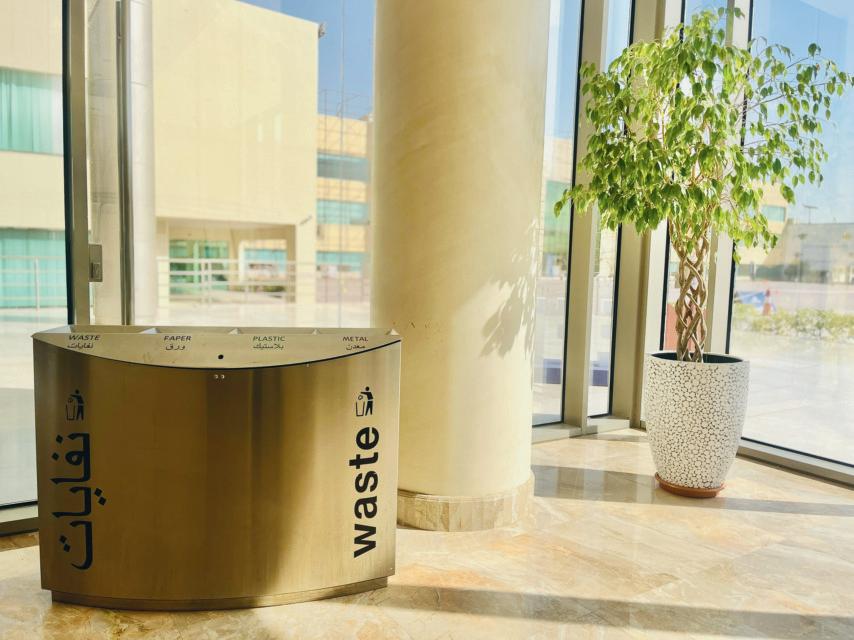
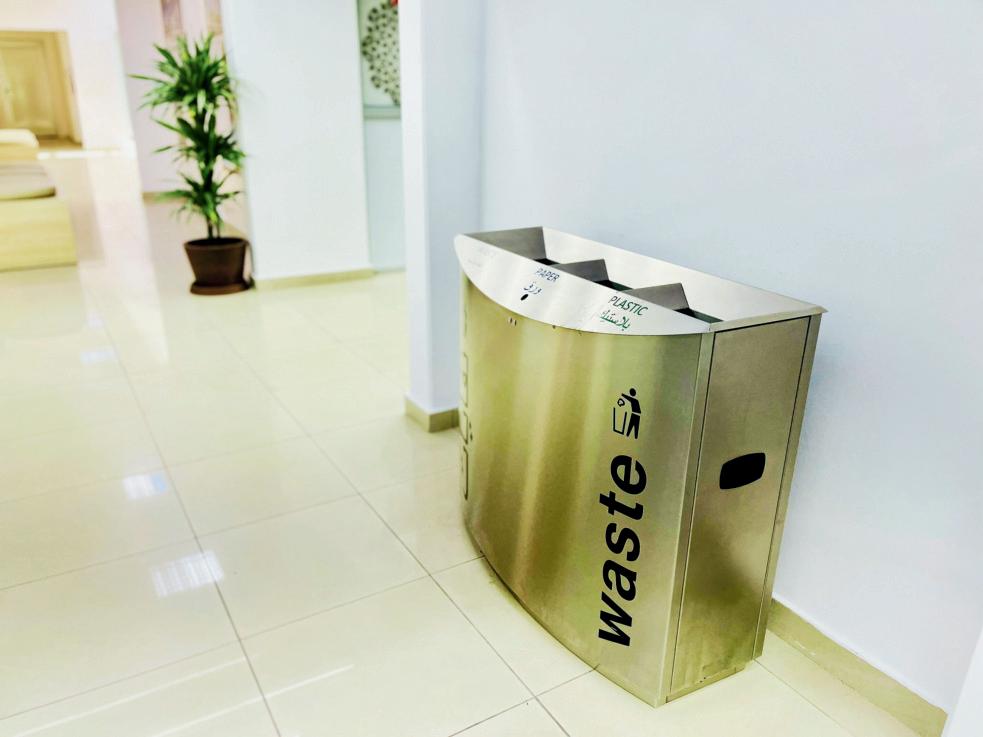
For solid waste, a total of 716.99 tons generated for AY 2024–2025 was recorded. Although The university follows a waste management practice that includes source segregation through separate waste bins.however, the recycling rate cannot be calculated because the waste contractor does not provide verified recycling breakdowns. The report therefore presents waste generation totals as well as generation per capita and flags the recycling rate as data pending until audited diversion dataareobtained.
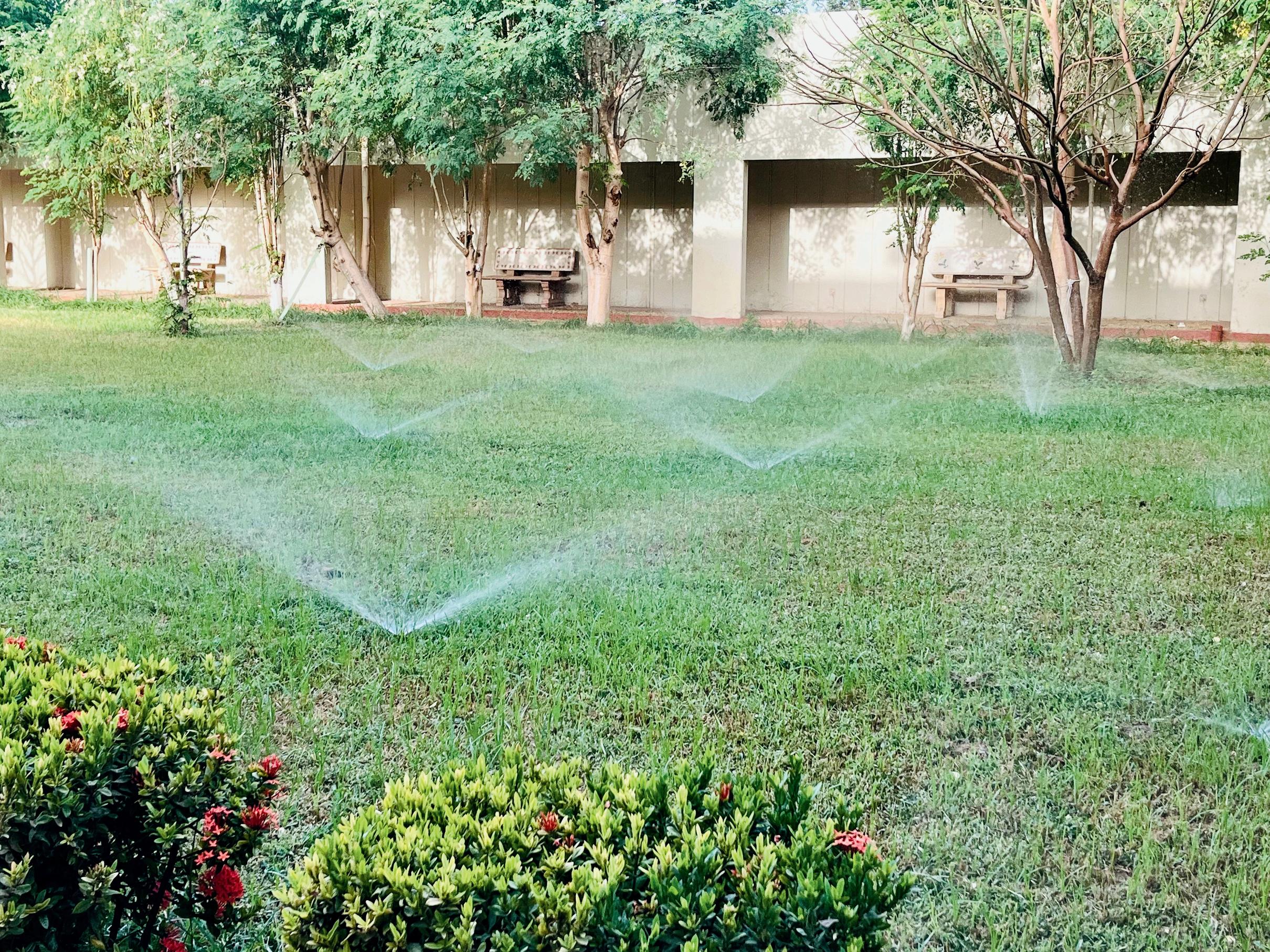
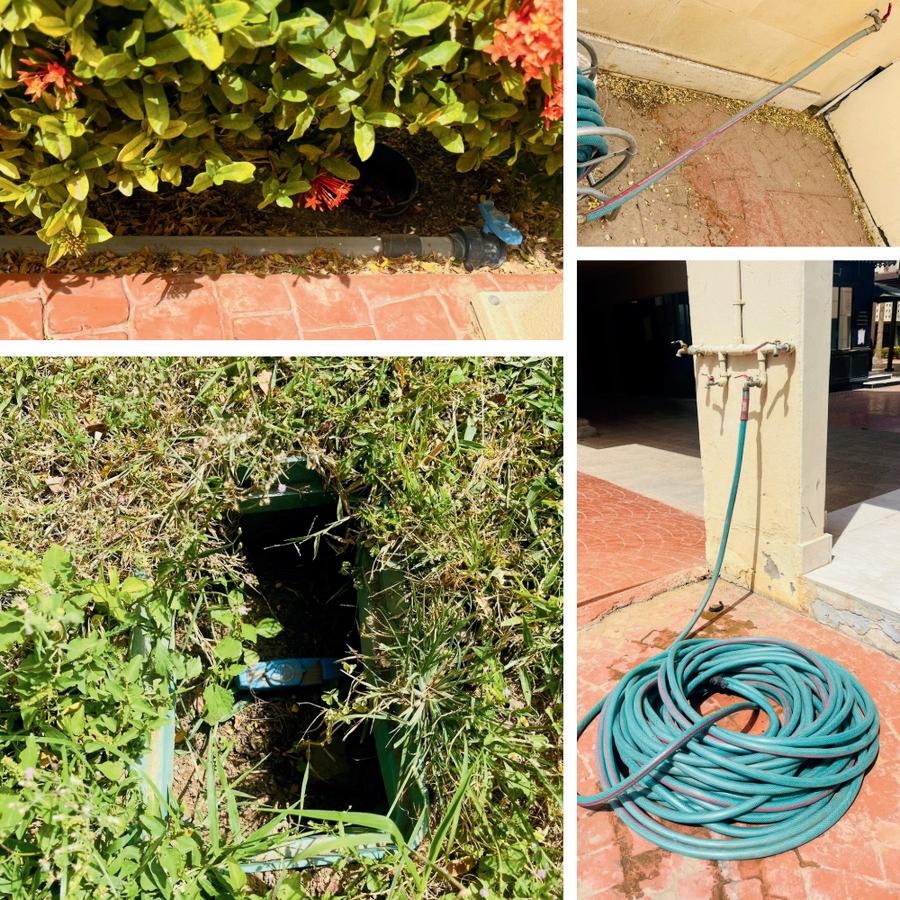
Resource management remains a core priority under Environmental Stewardship. AY 2024–2025 annual water consumption was 49,801 m³, an increase from 46,923 m³ in AY 2023–2024. Treated/recycled water totaled 39,840.8 m³, representing 80% of annual consumption, resulting in 9,960.2 m³ of freshwater consumption (target: 15% reuse).
Water Consumption and reuse in m³ and %
Water Consumption: 49,801 m³
Treated/Recycled Water: 39,840.8 m³ 80%
Freshwater Consumption: 9,960.2 m³
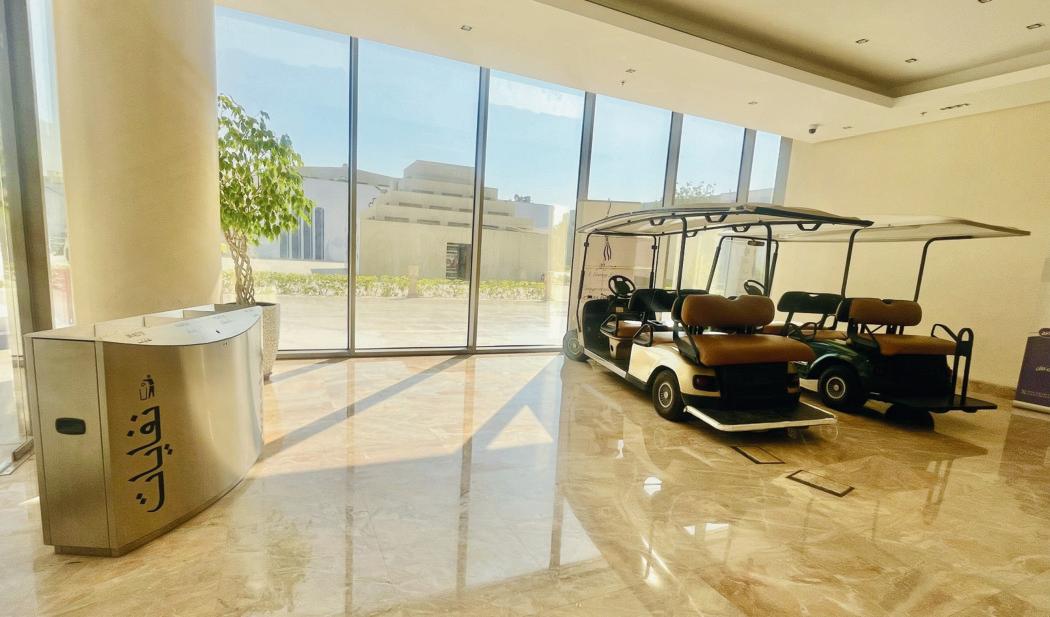
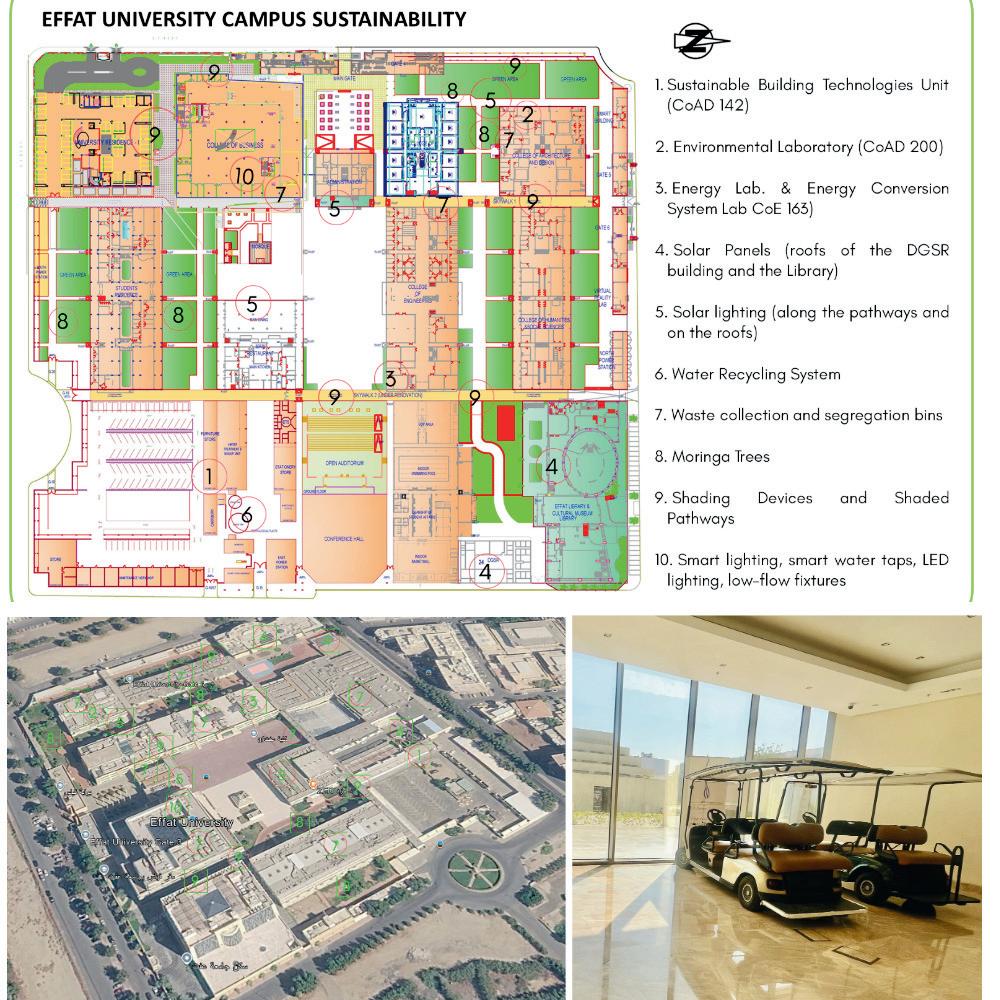
Effat University's campus serves as a living demonstration of sustainable design and operations. The campus map below identifies 10 active sustainability features (target: 5 demonstration projects) distributed across the grounds, spanning energy generation, resource conservation, ecological enhancement, and smart infrastructure. Electric vehicles are also used for internal campus transportation, contributingtoreducedemissionsandsustainablemobility.
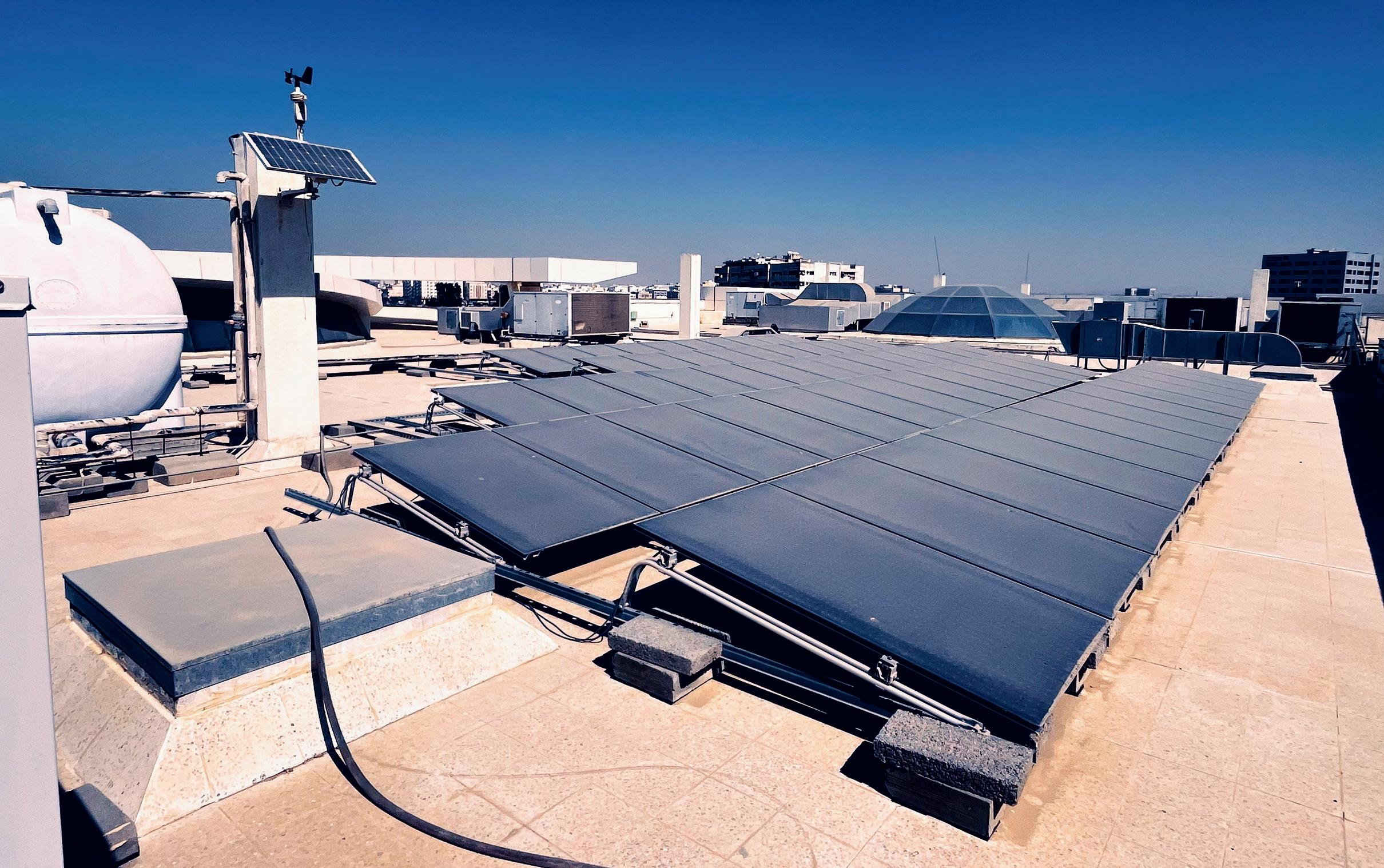
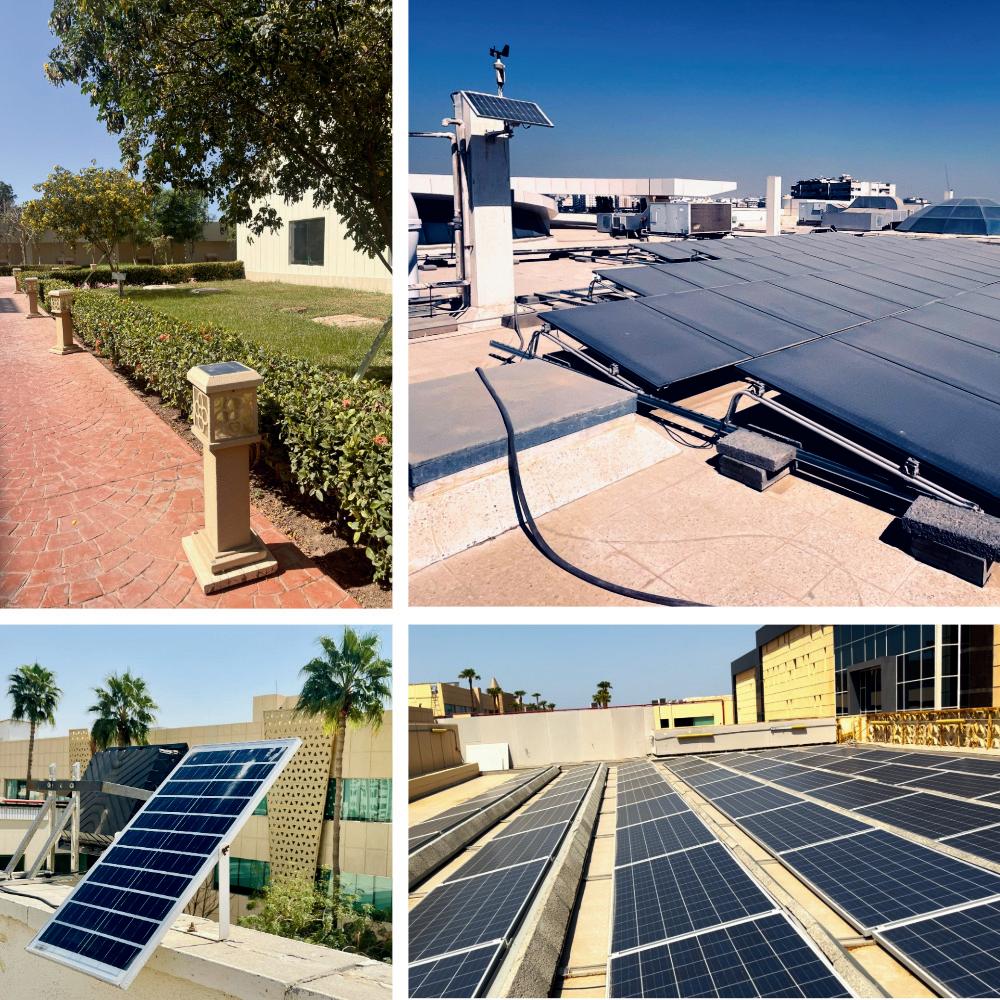
Energysystems include rooftop solar panels installed on the DGSR building and the Library (Feature 4), as well as solar lighting along pathways and on rooftops (Feature 5). These installations directly support the University's renewable energy generation baseline of 119,020kWhreportedunderKPI1.1.2.
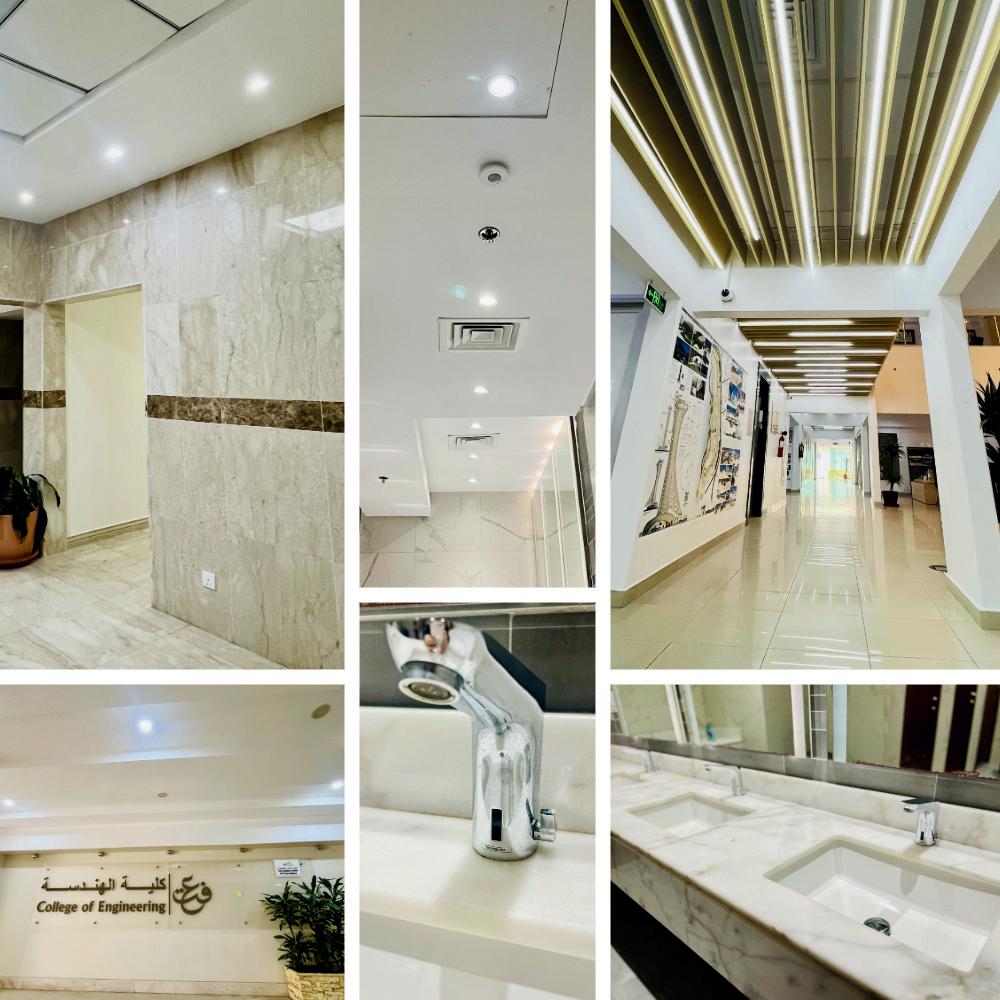
Smart infrastructure on campus also includes smart lighting with LED fixtures integrated with smart water taps and lowflow fixtures in the A&R building area (Feature 10). This feature supports both energy efficiency and water conservation within campusoperations.
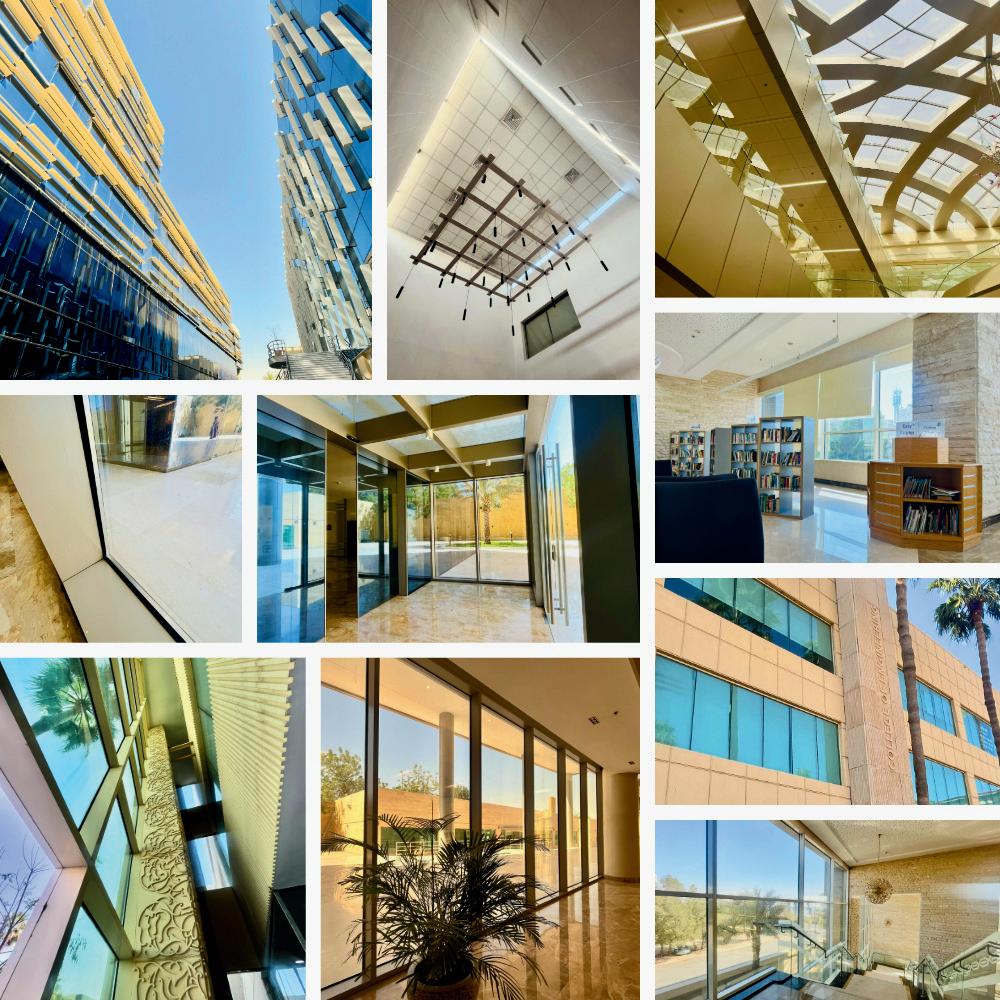
Building envelope such as shading devices (Feature 9), double-skin façade, low-E glazing, shaded skylights, and large glazed openings with external shading, reduce heat gain on building façades, improve thermal performance, and support daylight admissionwithbetterglarecontrol.
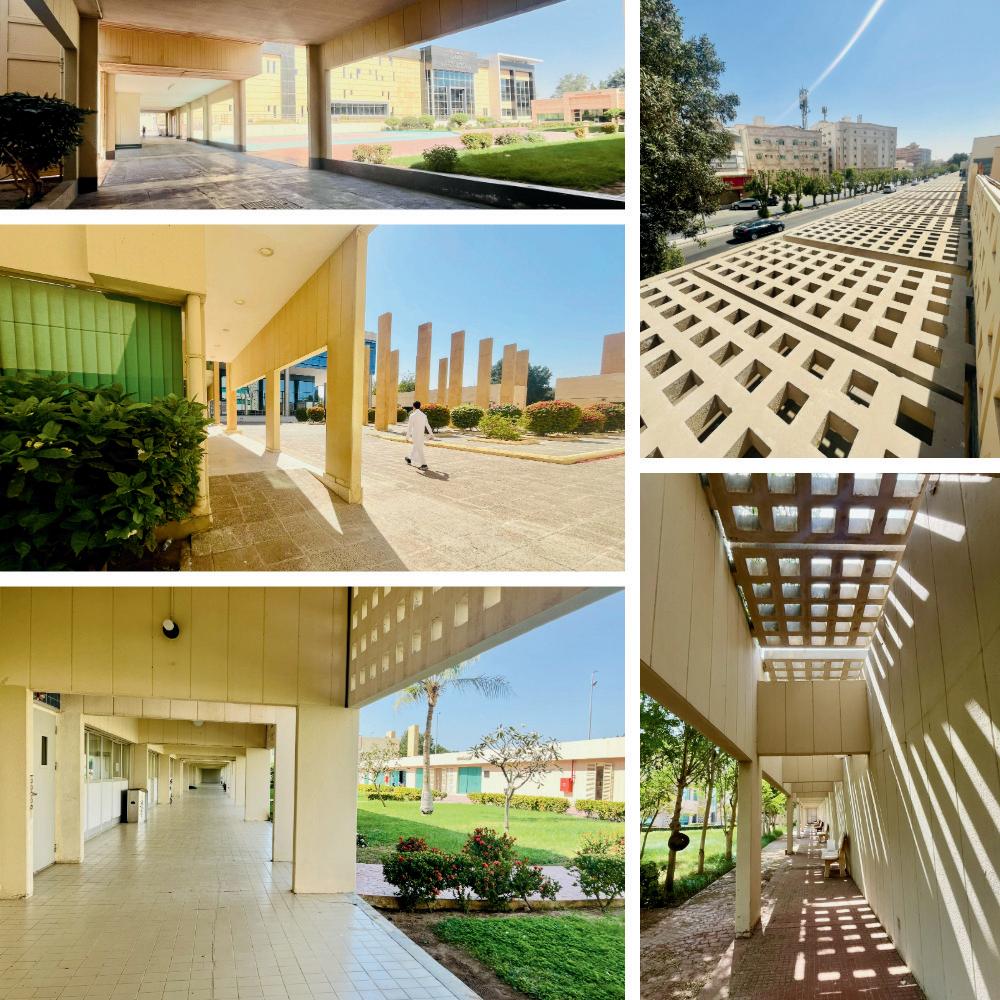
Shaded pathways (Feature 9), reduce heat gain across pedestrian routes, contributing to passive cooling and occupant comfort in Jeddah's arid climate.
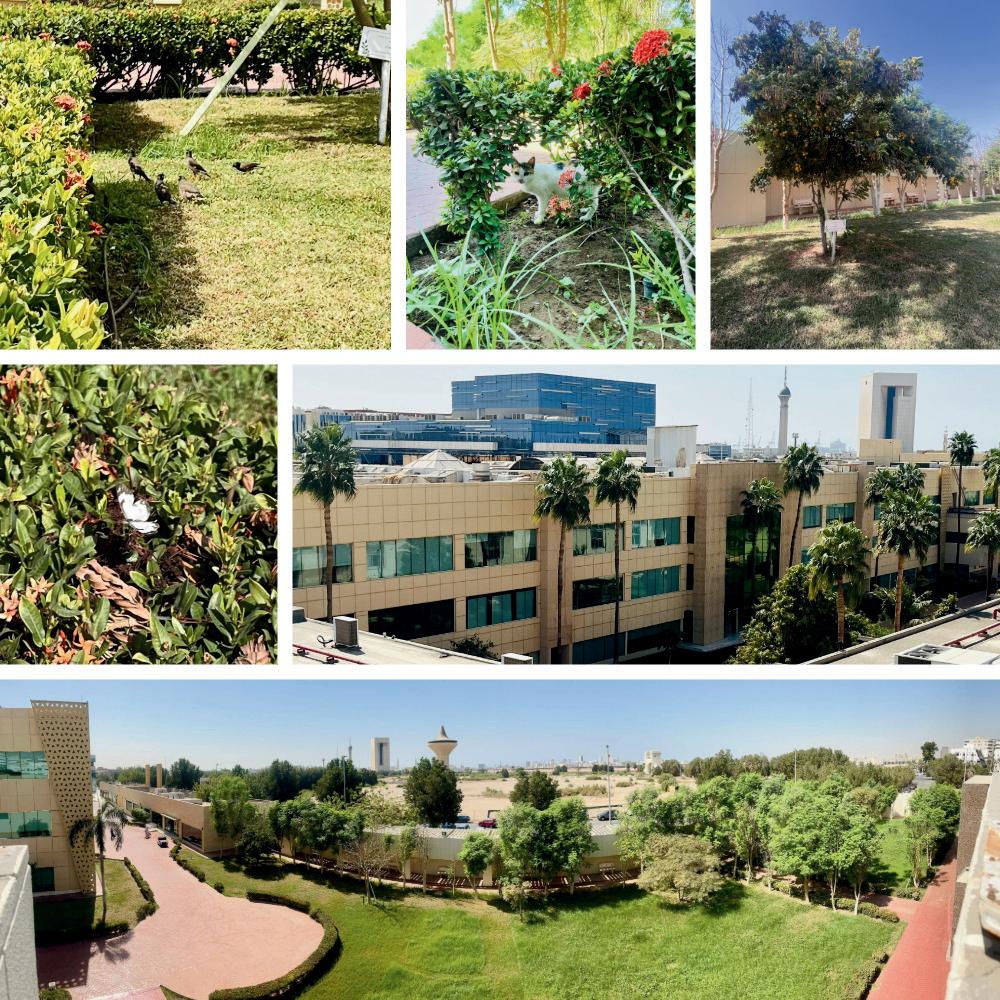
Green and ecological features include Moringa trees planted at multiple locations across the campus grounds (Feature 8), in addition to landscaped courtyards and softscape areas that enhance campus biodiversity and provide habitat for birds, butterflies,andothersmallspeciesobservedonsite.
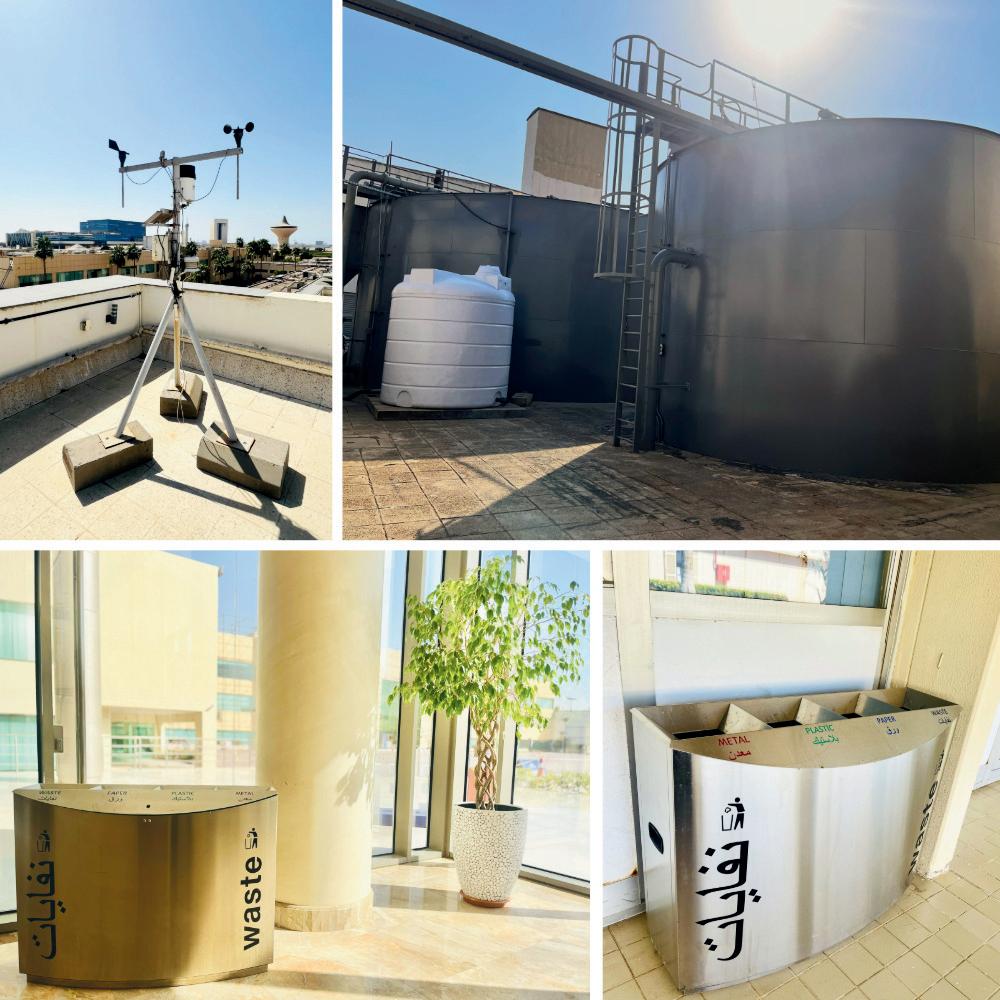
Resource management systems include the Water Recycling System (Feature 6), which supports the University’s treated water reuse rate of 80% reported under KPI 1.2.2, waste collection and segregation bins distributed across the campus (Feature 7), and a smart weather station located on the roof of the Effat Library and Museum for environmental monitoring anddatacollection.
Researchandlearninginfrastructureis embedded in the campus through the Sustainable Building Technologies Unit (CoAD 142, Feature 1), the Environmental Laboratory (CoAD 200, Feature 2), and the Energy Lab and Energy Conversion System Lab (CoE 163, Feature 3). These facilities enable students and faculty to conduct applied sustainability research in a real-world campus environment.
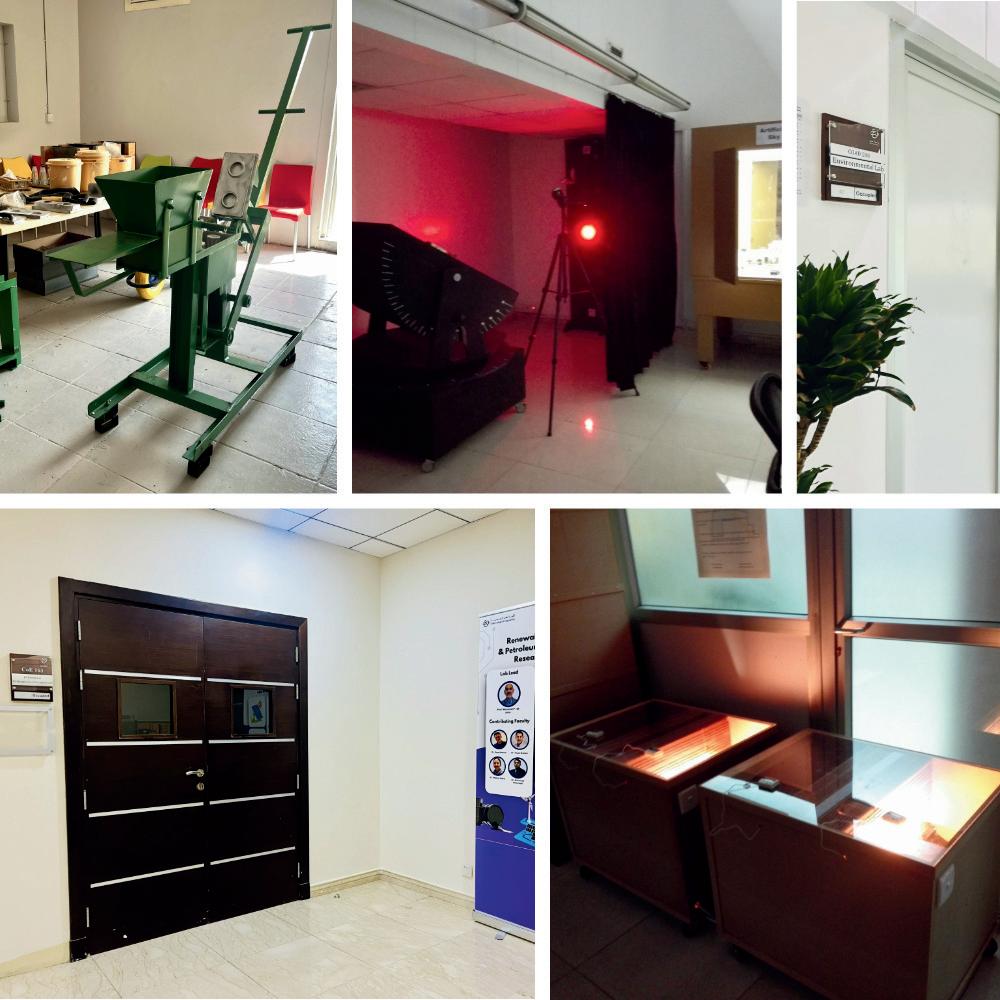
No formal campus sustainability tours were recorded during AY 2024–2025;thisKPIisreportedasdatapendingforthebaselineyear(target:10 tours). To address this gap, the University is developing the Effat Sustainability Hunt – a team-based campus activity in which students use the campus sustainability map to locate and document key sustainability features (solar panels, greywater recycling, waste segregation points, green building measures, and sustainability labs) through photos or short videos. The initiative is open to both Effat students and high school students. Participation data from the first cycle willformthebasisforfuturereportingagainstthisKPI.
Environmental research at Effat spans six strategic themes: Smart Cities andUrbanism,RenewableEnergy,Sustainability,ClimateandEnvironment, Green Technology, and Energy Policy. Environmental research publication performance was assessed using Scopus/SciVal, filtered by Environmental Science & Energy categories, for the 2020–2025 trend and benchmark analysis; while AY 2024–2025 results were cross-validated using both Scopus and Web of Science. The original KPI threshold was set at 50%, which upon benchmarking against comparable Saudi universities proved (conducted December 2025) misaligned with national norms; a revised evidence-basedtargetof10%wasadopted.
Environmental Research PerformanceAY2020-2025

Environmental Publications AY 2020-25 (Scopus/SciVal, most updated data)
For benchmarking identification, as of December 2025, Effat University recorded 231 environmental publications out of 1,357 total university publications over the full period 2020–2025, yielding an overall KPI of 17% - exceeding the revised 10%. Benchmarking confirms that Effat's share compares favourably against peer Saudiinstitutions:KFUPM(12.3%),KAUST(11.6%),andKSU(8.8%).
Environmental Research Performance Benchmark 2020-2025 (December, 2025)
For Years 2024–2025 specifically, cross-database validation confirms strong performance: Scopus records 95 environmental publications out of 553 total (17.2%), while Web of Science records 62 environmental publications out of 289 total(21.4%),bothexceedingthe10%target.
Effat University demonstrates a strong and sustained commitment to advancing research through a well-structured funding ecosystem. The University allocates approximately 6–7% of its annual budget, exceeding 3.5 million SAR, to support a wide range of research activities, including research hours, payments and salaries for resident and non-resident researchers, internal research grants, conference participation, open access publication reimbursement, extra publication rewards, and institutional research awards. Notably, approximately 24.3% of this research budget, equivalent to more than 850,500 SAR annually, is directed to environmental research areas, supporting the activities and outputs of key academic programs such as the BSc in Architecture, MSc in Architecture and Urbanism, MSc in Energy Engineering, and related departments. This representsapproximately1.5%oftheUniversity’sannualbudget,exceedingtheKPI targetof1%.
Curriculum integration was verified against the 2024–2025 undergraduate and graduate catalogues. The programme inventory includes 19 academic programmes, comprising 12 undergraduate and 7 graduate programmes across four colleges: ECoAD, ECoB, ECoE, and ECoH. Two analyses were applied: Analysis 1 uses a broad sustainability definition covering environmental, social, and economic dimensions, whileAnalysis2appliesastricterenvironment,energy,andclimatefocus.
The KPI target is 80% of academic programmes per college. At the undergraduate level, A1 is fully achieved through the university-wide General Education Programme (GEP) requirement, which mandates sustainability and environment courses across all 12 undergraduate programmes (100%). Under A2, performance varies by college, with ECoAD 66.7%, ECoB 50%, and ECoE 50%. At the graduate level, A1 identifies sustainability content in 4 of 7 programmes (57.14%), with ECoAD and ECoE both achieving 100%; under A2, 2 of 7 programmes (28.6%) meet the strict environment/energy definition. Total undergraduate and graduate programs achieved 84.2% under A1, and 36.8% under A2.
Definition A1: Broad Sustainability
Includes programs that include courses explicitly addressing sustainability, environment, energy, renewables, green building/design, climate, waste reduction, or reverse logistics.
Definition A2: Core Environment/Energy
Academicprograms bycollege(UG+GS)
stricter set focusing on environment/climate + energy/renewables + sustainable built environment. Total Programs • 12 Undergraduate •
Programs with Sustainability Content -GraduateLevel
Effat exceeds the broader target (15 courses) at both levels: 34 sustainability courses were identified under A1 against a target of 15 (17 graduate + 17 undergraduate), with ECoAD and ECoE as the strongest performers. Under the strict environment/energy definition (A2), 25 courses were identified (13 graduate, 12 undergraduate), demonstrating strong performance exceeding the target particularly in Engineering and ArchitectureandDesignprograms.
Effat University disseminates environmental knowledge through public events, student-led initiatives, and community partnerships, contributing to broader awarenessandengagementwithsustainabilityissues.
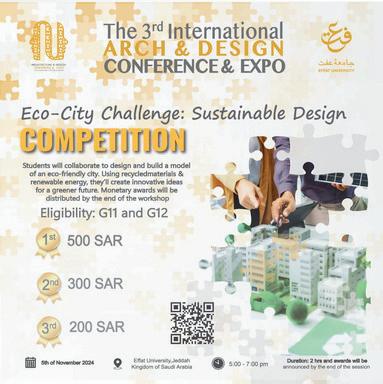
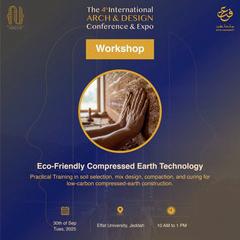
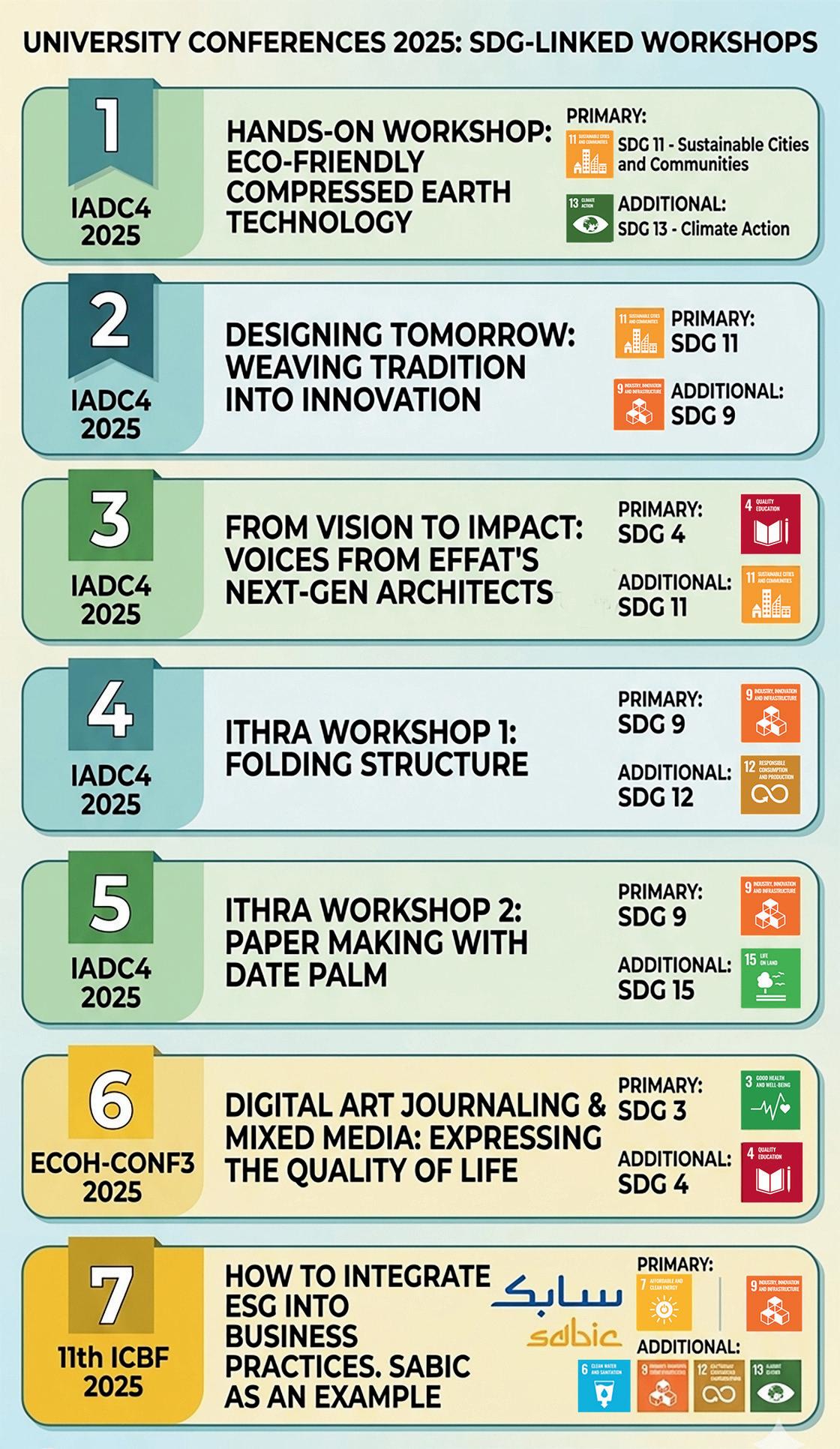
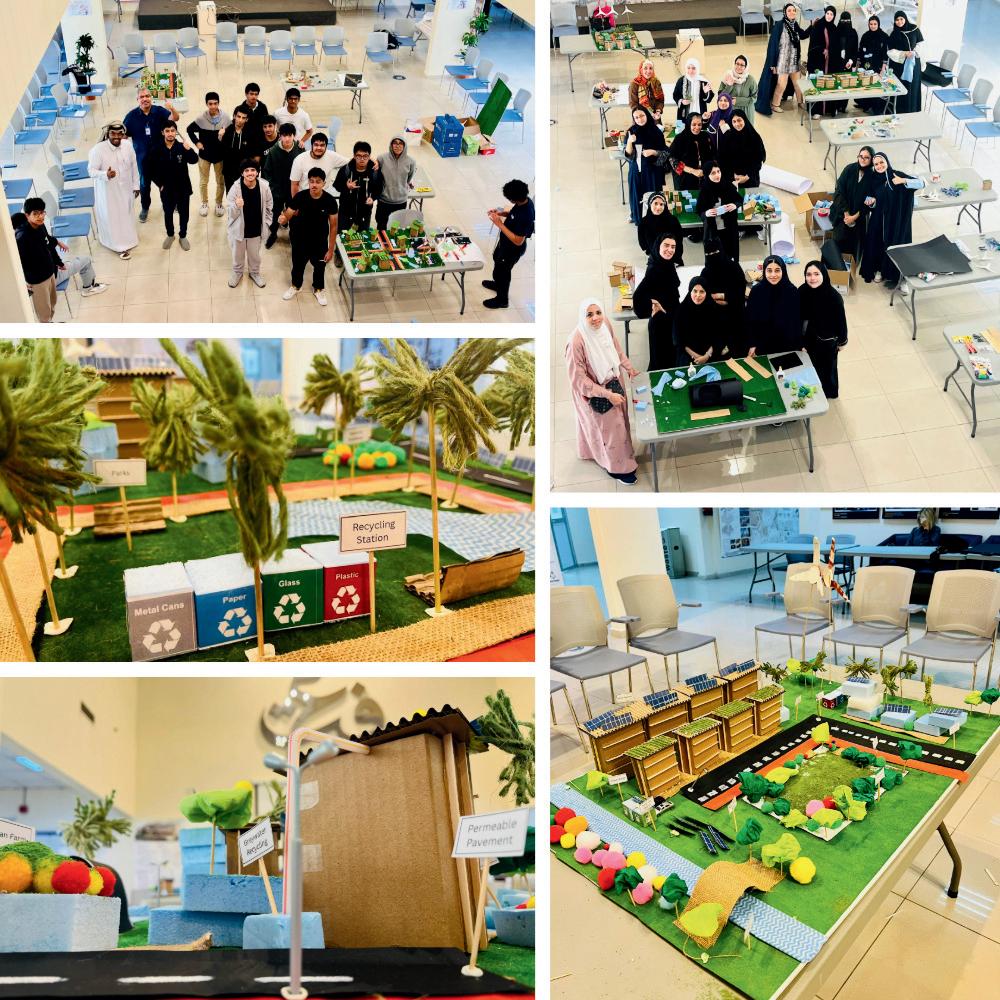
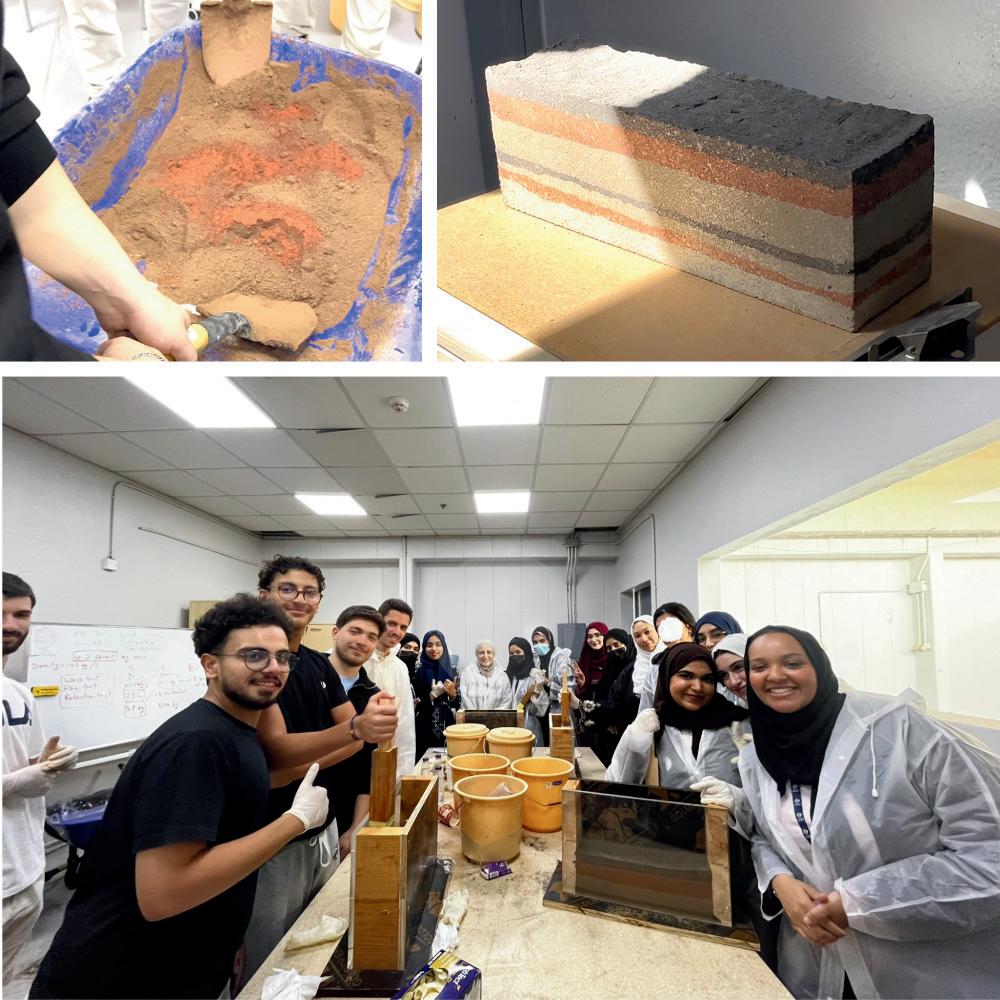
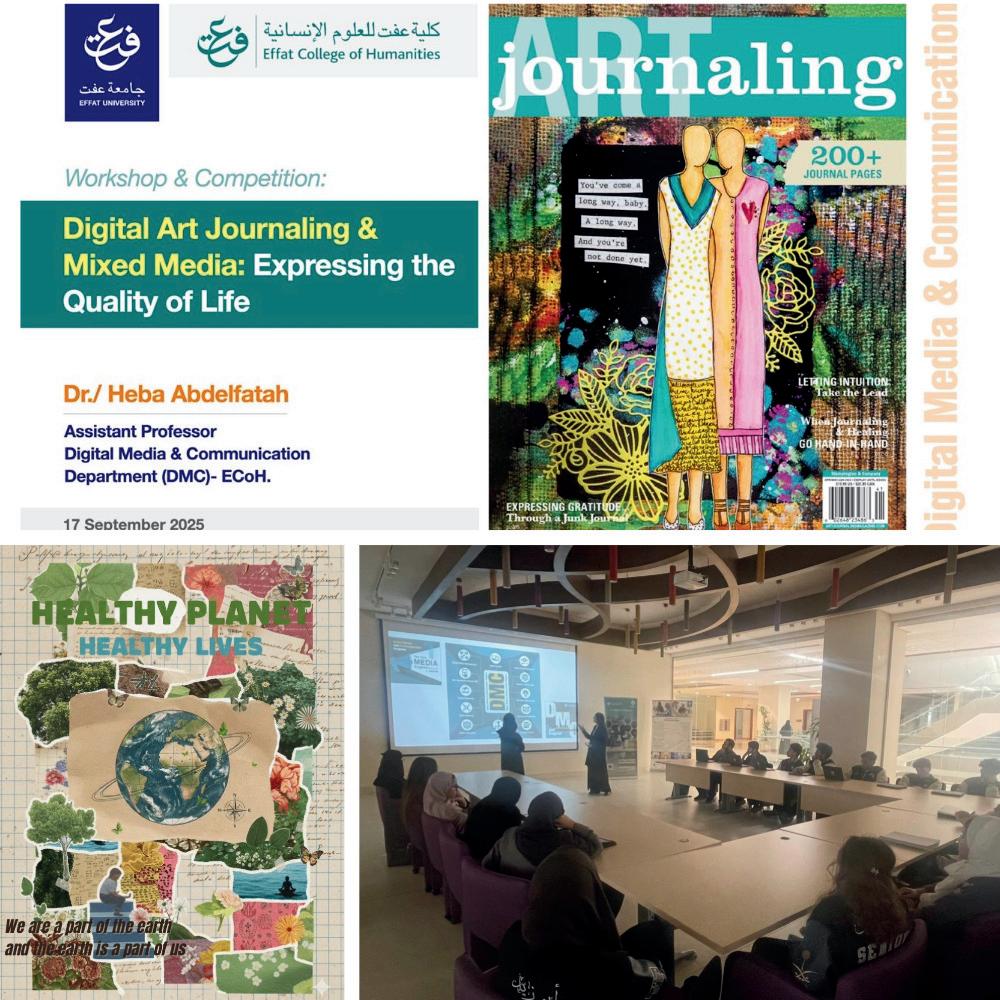
During AY 2024–2025, the University hosted 38 community initiatives and programs overall, with 3,091 attendees. These figures represent total community engagement and should not all be treated as environmental events. Within this broader portfolio, 5 clear public environmental and sustainability-related events/workshops were identified (target: 12), including the Eco-City Model Competition for high school students and selected SDG-linked conference workshops. In Fall 2025, Effat further promoted environmental and sustainability knowledge through conference-based activities such as eco-friendly compressed earth technology, folding structures, paper making with date palm, and ESG integration in business practice. Overall community engagement in Fall 2025increasedto77initiativesandprogramswith3,576attendees.
12 TARGET Events annually
3,091
Effat maintained 63 partnership agreements in AY 2024–25, including 12 new agreements in Semester 2, and 31 additional agreements in Fall 2025. From this wider partnership base, 3 built-environment knowledge partnerships relevant to environmental knowledge were identified: King Abdulaziz University, the Ministry of Culture / Jeddah Historic District, and ENSAPM. Accordingly, the KPI target of 3 partnerships is achieved under a broaderbuilt-environmentinterpretation.



In AY 2023–2024, first-generation college students represented 10% of Effat’s undergraduate population, equal to 60 out of 595 students. These are students who are the first in their families to attend university. Compared with the institutional target of 25%, this indicates that further outreach, recruitment, and support may be needed to strengthen representationinthiscategory.
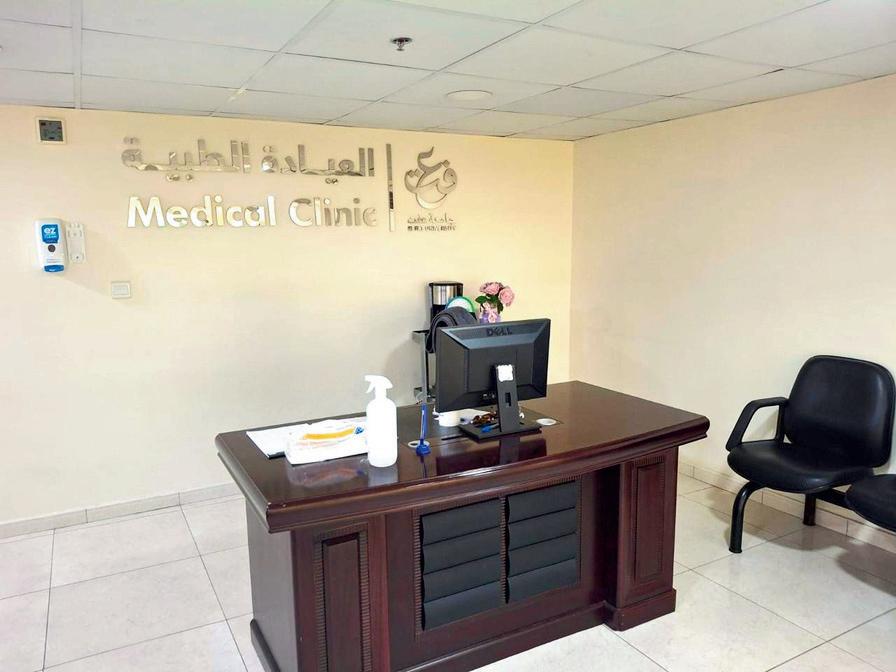
Effat University also ensures that students with disabilities and special needs are fully supported and included in the academic community. During AY 2024–2025, a total of 42 students and 54 cases benefited from the special needs support service (Special Accommodation), and 100% of all submitted requests for special accommodations were approved in accordancewithestablishedstandards(target:100%).
The Special Needs Committee, in collaboration with the Psychological Counseling Office and the university clinic, reviews each case individually and issues tailored academic recommendations, which are then shared confidentially with the relevant academic staff. Accommodations provided include extra time for exams, separate testing rooms, accessible classrooms(rampsandelevators),on-campus transportation services, speech-to-text software, and breaks during lectures or tests. The university's approach aligns with the Disability Care Authority guidelines, adopting a broader and more inclusive classification that extends beyond official disability definitions to include students facing health or psychological challenges such as anxiety, depression, or chronic illnesses. Fall 2025 update: more students were newly registered for special accommodations during the semester, bringing the total number of beneficiaries to 58 students(47female,11male).

Gender diversity and equity remain central to Effat’s identity. Even as the University opened its doors to male students in recent years, it continues to promote women’s leadership and advancement. As of the latest reported update, women held 23 of 34 leadership positions at Effat University, equivalent to 67.64% (target: 45%). Senior positions include the University President, Provost, and deans of colleges and key deanships(seetablebelow).
Effat University is strengthening its contribution to gender equality research and advocacy by leveraging its academic capacity . According to Scopus/SciVal, between 2020 and 2025, Effat faculty produced 21 Scopus-indexed publications on gender equality, showing a clear upward trend from 1 publication in 2020 to 9 in 2025, close to the annual target of 10 publications. Based on WoS, 38 publications were classified under SDG 5. This growing body of research enhances Effat’s academic profile while generating evidence-based insights that can help inform policy and practice in the Kingdom, in alignment with SDG 5 onGenderEquality.
Equality (SDG 5) Research PerformanceYears2024-2025
of Science Results
Scopus/SciVal Results (Years 2020-2025)
(SDG 5)
OBJECTIVE3.3:DIVERSITY AND INCLUSION ENHANCEMENT
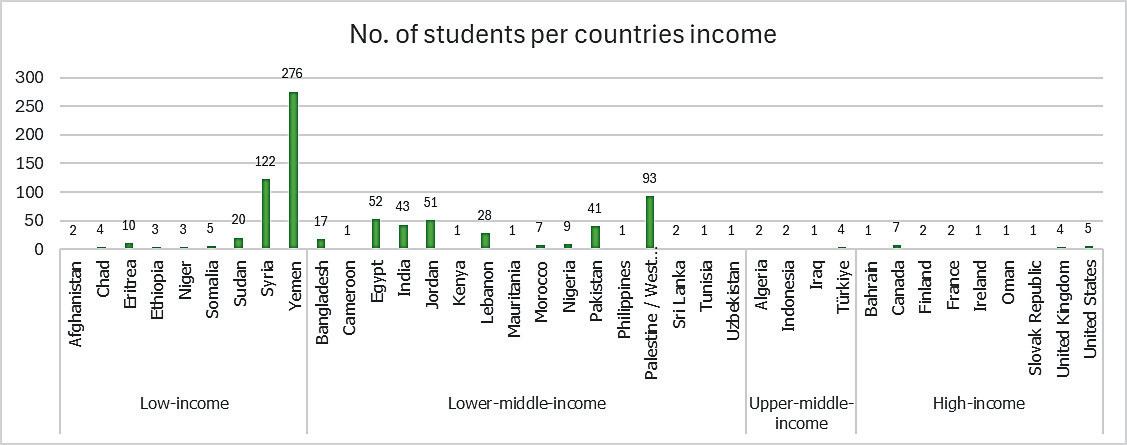
Based on the Semester 1 nationality distribution for AY 2024–2025, 794 students were from low- and lower-middle-income countries. Against the total student population of 1,949, this represents 40.7% of all students, exceeding the target of 30%. Of the 827 international students enrolled in Semester 1, 794 students, or 96.0%, were from low- and lower-middleincome countries. In addition, during Fall 2025, scholarships and financial grants were provided to 2,269 students, representing 91.75% of the total student population (2,473 students). The University also reported 2,204 financial support cases across different support types (89.1%), reflecting broad institutional support for student access and retention.
In the Summer Semester of 2025, 61 students were expected to undertake training, and all began on schedule and completed their placements successfully, achieving a 100% completion rate (target: 100%). In Fall 2025, 11 students were expected to begin training, of whom 10 had already started, reflecting a 91% commencement rate. In the same semester, the office successfully placed 120 female students in cooperative training programs, including 48 who completed their training during the summer semester and 72 who continued their trainingduringtheacademicsemester.
Completion by College - AY 2024-25
Completion Rate 2024-25
expected to begin
Examplesofcooperativetrainingprovidersduringtheacademicyear2025/2026
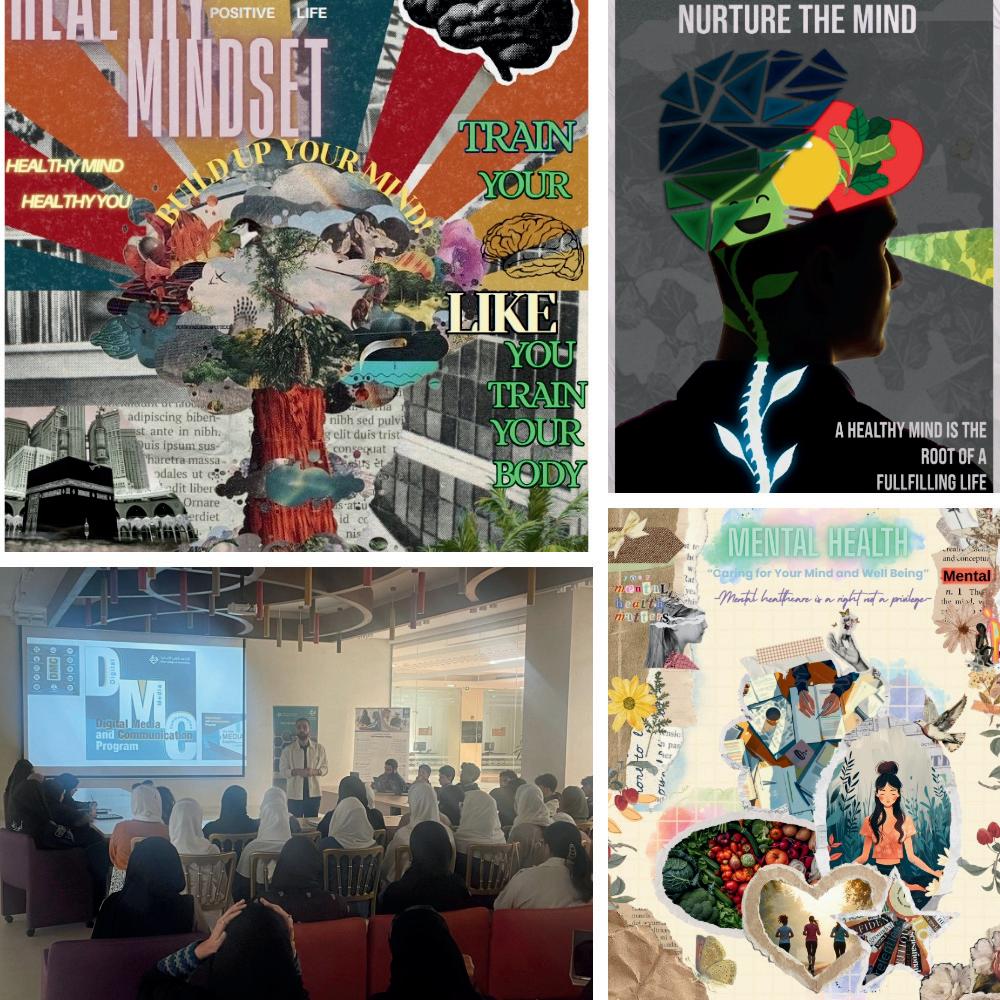
Promoting the holistic wellbeing of students, faculty, staff, and the broader community is a key goal under Social Responsibility (Goal 4). Effat University recognizes that student success is strongly linked to health – both physical and mental – and thus has invested in health education,services,andoutreach.
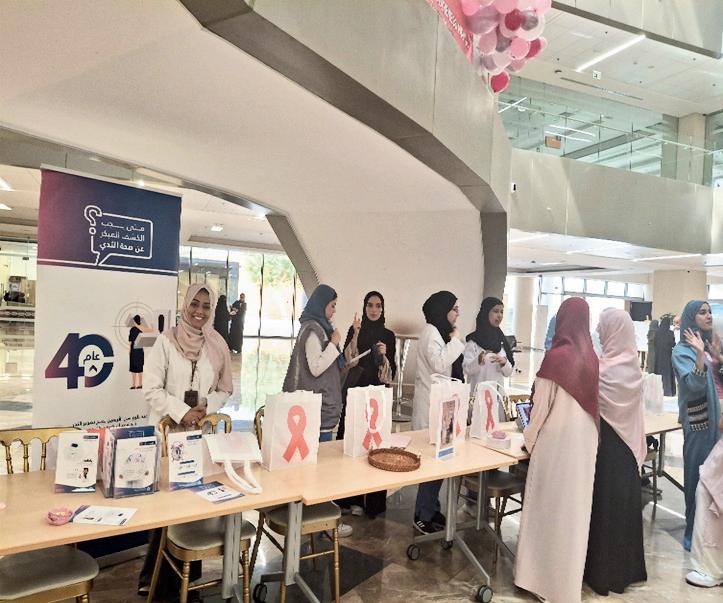
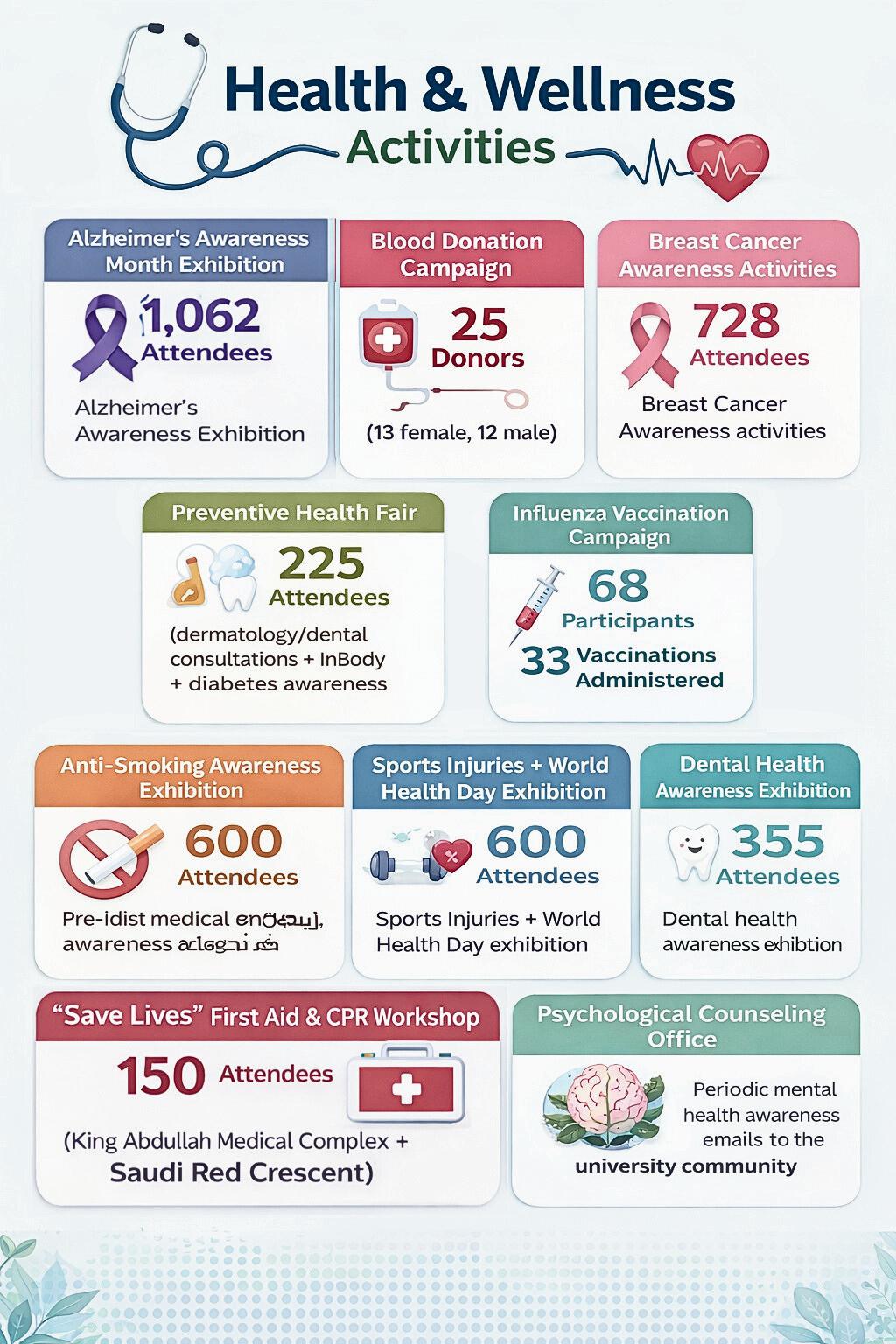
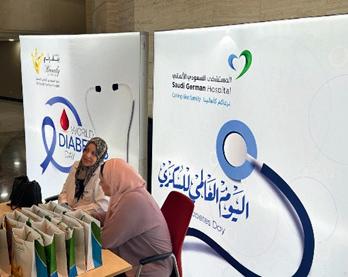
During AY 2024–2025, Effat University’s Health Clinic delivered 11 health and wellness outreach, exceeding the three programs count target, with 2,836 attendees in Fall 2024 and 1,880 in Spring 2025 (total 4,716, 100% participation). Key programs included:
Alzheimer’s Awareness Month exhibition
Blood Donation Campaign
Breast Cancer Awareness activities
Preventive Health Fair Influenza vaccination campaign
Anti-smoking awareness exhibition
Sports Injuries + World Health Day exhibition
Dental health awareness exhibition
“Save Lives” First Aid & CPR workshop
Psychological Counseling Office
11
2,836
4,716

InAY2024–2025,Effat’sPsychologicalCounseling Service recorded an average student satisfactionrateof4.14/5(83%),achieving98%of the annual target. Across both semesters, the service delivered 31 psychological wellness activities, reaching 227 students (12%) in Semester 1 and 1,359 students (72%) in Semester 2 (annual average 42%). In addition, 38 students benefited from 88 conducted individual counseling sessions (out of 132 booked), with an average of 4.8 sessions per student, within the capofsixsessionspersemester.
Fall 2025 update: Student satisfaction was 3.9/5 (78%). Counseling services were delivered to 2,502 students, and 14 students received 18 individual counseling sessions (0.56% of the student population) with 100% attendance; 64% ofcasesweresocialand36%academic.
OBJECTIVE4.2:HEALTH AND WELLBEING RESEARCH
According to Scopus/SciVal, Effat faculty produced 290 health-related publications between 2020 and 2025, representing 21% of the University’s total research output over the period (1,369 publications). Health research increased from 7 publications in 2020 to 81 in 2025, exceeding the KPI target of 10% by the end of the period. For AY 2024–2025, cross-database validation also confirms strong performance: Web of Science records 125 health-related publications out of 306 total publications (40.8%). The largest share of the Scopus/SciVal health output falls under Medicine (219 publications), followed by Nursing (34) and Health Professions (18).

Health Research Publications by Topic and Year (Scopus/SciVal)
Effat University demonstrates a strong commitment to advancing research through a comprehensive funding ecosystem. The University allocates approximately 6–7% of its annual budget, exceeding 3.5 million SAR, to support research hours, salaries, internal grants, conference participation, openaccessreimbursement,publicationrewards,andinstitutionalresearch awards. Notably, approximately 17.4% of this research budget, equivalent to more than 609,000 SAR annually, is directed to health research, supporting key academic programs such as the MSc in Clinical Psychology, the BSc in Computer Science, and related departments. This represents about 1.1% of theUniversity’sannualbudget,slightlyexceedingtheKPItargetof1%
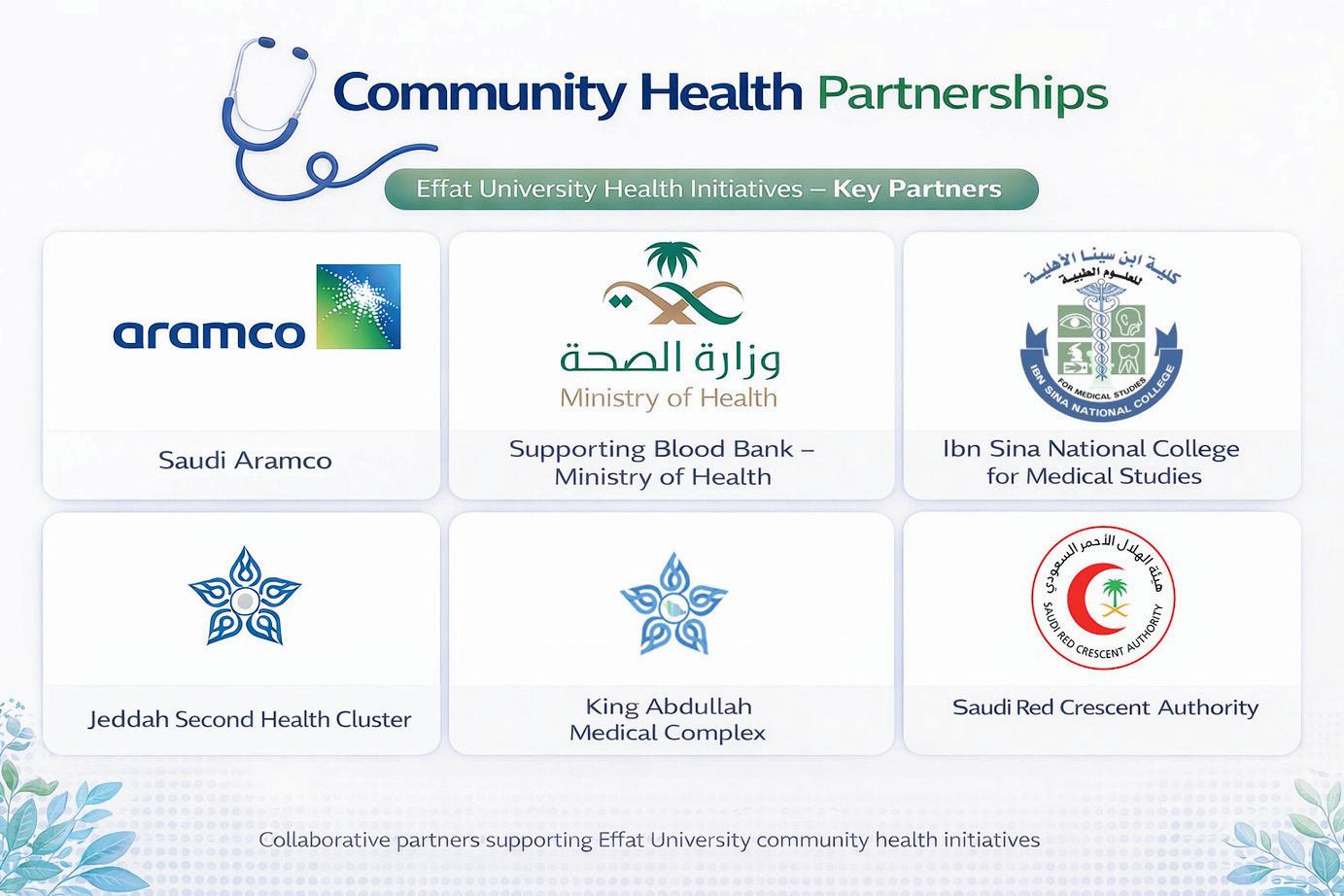
Effat University actively collaborates with external partners to extend its impact on community health and wellbeing (target: 8 partnerships). During AY 2024–2025, the University Health Clinic established collaborative partnerships with two key healthcare institutions: Ibn Sina College of Medical Sciences (for a sports injuries awareness activity) and Jeddah Health Cluster 2 of the Ministry of Health (for an antismoking awareness campaign). Additionally, the clinic co-organised the "Save Lives" community initiative in partnership with King Abdullah Medical Complex and the Saudi Red Crescent Authority, aimed at raising first aid awareness and building community capacity to respond to emergencies.
1.Supporting Blood Bank, Ministry of Health
2.Saudi Red Crescent Authority
3.King Abdullah Medical Complex
4.Jeddah Second Health Cluster, Ministry of Health
5.Ibn Sina College for Medical Studies
6.Saudi Aramco
In AY 2024–25, Effat University’s community health outreach, delivered through Health Clinic awareness and prevention initiatives (see KPI 4.1.1), reached a combined 4,716 beneficiaries across both semesters (2,836 in Fall 2024 and 1,880 in Spring 2025). This exceeded the target population of 4,000, achieving over 100% of the target, compared with a KPI target of 50%. In Fall 2025, the program continued and recorded 2,972 participants. Beneficiary figures reflect participation counts recorded by the Health Clinic and may include repeat attendance across multiple activities.




KPI5.1.1:Graduatesfromsustainability-/environment-related majors
OneindicatorofEffat’seducationalimpactinsustainabilityisthenumberof graduates emerging from programmes that include sustainability or environmental content. In Spring 2025, 156 out of 167 graduates (93.4%) completed programmes classified under the broader sustainability definition (A1), while 75 graduates (44.9%) completed programmes classified under the stricter environment-, climate-, and energy-focused definition (A2). The A2 total includes graduates from Architecture (25), Design (28), Entrepreneurship (2), Operations and Supply Chain Management (4), Electrical and Computer Engineering (4), MSc in Architecture and Urbanism (7), and MSc in Energy Engineering (5). Since A2 programmes form a subset of A1, the combined unique total remains 156 graduates(93.4%).TheKPItargetof20%wasthereforeachievedunderboth thebroader(A1)andstricter(A2)definitions.
Graduates under the broader sustainability definition(A1) AY2024-25
Graduates under the stricter environment-,climate-,andenergy-focuseddefinition(A2) AY2024-25
KPI5.1.2:Studentsustainabilityprojectcompletion
Data are not yet available, as Effat University is still developing a system to track sustainability-focused projects across courses and capstones. Once established, this KPI will measure their annual
KPI5.2.1:Continuingeducationprogramsoffered
Effat University promotes lifelong learning through the Princess Al-Bandari bint Abdulrahman Higher Institute for Training (target: 12 programs). In AY 2024–2025, the Institute delivered continuing education and professional training, including a Higher Diploma in Museum Studies in partnership with SOAS University of London (19 trainees). In Semester 2, 41 trainees enrolled against 204 expected (26%). At the annual level, the reported provision comprised 2 professional and accredited training programs serving 22 trainees, 1 training program with an international university serving 19 trainees, 17 training programs in partnership with community institutions serving 942 trainees, and 6 community trainingworkshopsserving17trainees.

Lifelong learning / continuing education - AY 2024–2025
Dilplomas/Partnerships/Workshops
Trainees Enrolled Beneficiaries AY 2024-25
In continuing education programs 983

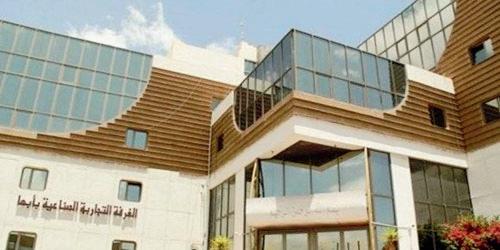


Fall2025update:theInstituteimplemented7 of11plannedprograms(63.6%)andenrolled 39 trainees across seven offerings (English LanguageandCivilization5;Accountingand FinancialAuditing2;GraphicDesign1;Interior DesignandFurniture1;ArtificialIntelligence1; L’Oréal Professional Hairdressing Diploma 7; HigherDiplomainMuseumStudies22).Inthe sameperiod,theAbhapartnershipreached a cumulative enrolment of 3,344 trainees across four cohorts. Additional outreach included an AI workshop delivered by the College of Engineering for 26 trainees from Nigeriaandajointsummercamporganised by the Colleges of Engineering and Architecture and Design with more than 24 studentparticipants.
Lifelong learning / continuing education - Fall 2025
2,491
Effat University maintained strong support for faculty professional development in both teaching and research during AY 2024–2025. In teaching-related development, the University offered 481 opportunities across the two semesters, with faculty participation reaching 99% in Semester 1 and 68% in Semester 2 (target: 50%), while satisfaction with these opportunities was 80%. In research-related development, the University offered 1,144 opportunities and activities across the year, with faculty participation ranging from 58% to 79% across the two semesters; satisfaction with research-related professional development reached 76%. Overall, the evidence indicates a well-established faculty development system with particularly strong provision in research supportandsolidsatisfactionlevelsinbothareas.
Fall 2025 update: Effat University continued faculty professional development in both teaching and research. The University reported 312 teaching-related professional development opportunities and 503 research-related opportunities. Participation reached 51% of full-time faculty in teaching-related development and 52% in research-related development, while satisfaction remained 80% for teaching-related opportunitiesand76%forresearch-relatedopportunities.
Effat University fosters a culture of educational innovation, reflected in the adoption of service learning, AI-integrated instruction, and expertled teaching across all colleges. In AY 2024–2025, 26% of courses incorporated service learning. These courses engaged students in realworld, community-linked projects with partners such as Amazon, Mars, Beit Al-Ibaa, Baitounia, King Fahd Hospital, the Ministry of Hajj, and the Royal Commission for Makkah City, enabling practical outputs including educational films and media. In parallel, the University deployed 21 AI tools across 77+ courses in AY 2024–2025, integrating platforms such as ChatGPT, Gemini, SciSpace, Grammarly, and Turnitin into teaching, assessment, and student work, supported by faculty workshops on innovativeteachingandAI-enhancedlearningstrategies.
Fall 2025 update: Service learning increased to 37% of courses; by college, adoption reached 11% (Architecture and Design), 37% (Engineering), 54% (Humanities), and 40% (Business). The AI toolkit expanded to 28 tools across 77+ courses (including ChatGPT in 27 courses, Grammarly in 40, and Gemini/SciSpace/Consensus/Bloomberg (Julius & Alteryx) in 20). Additionally, 55% of courses included industry expert participation, compared to 44% in Spring 2025, exceeding the institutional 40% target. Overall, the proportion of courses integrating innovative learning reached 44.6% in AY 2024–2025 and increased to 61.3%inFall2025,surpassingtheKPItargetof60%.







Experts


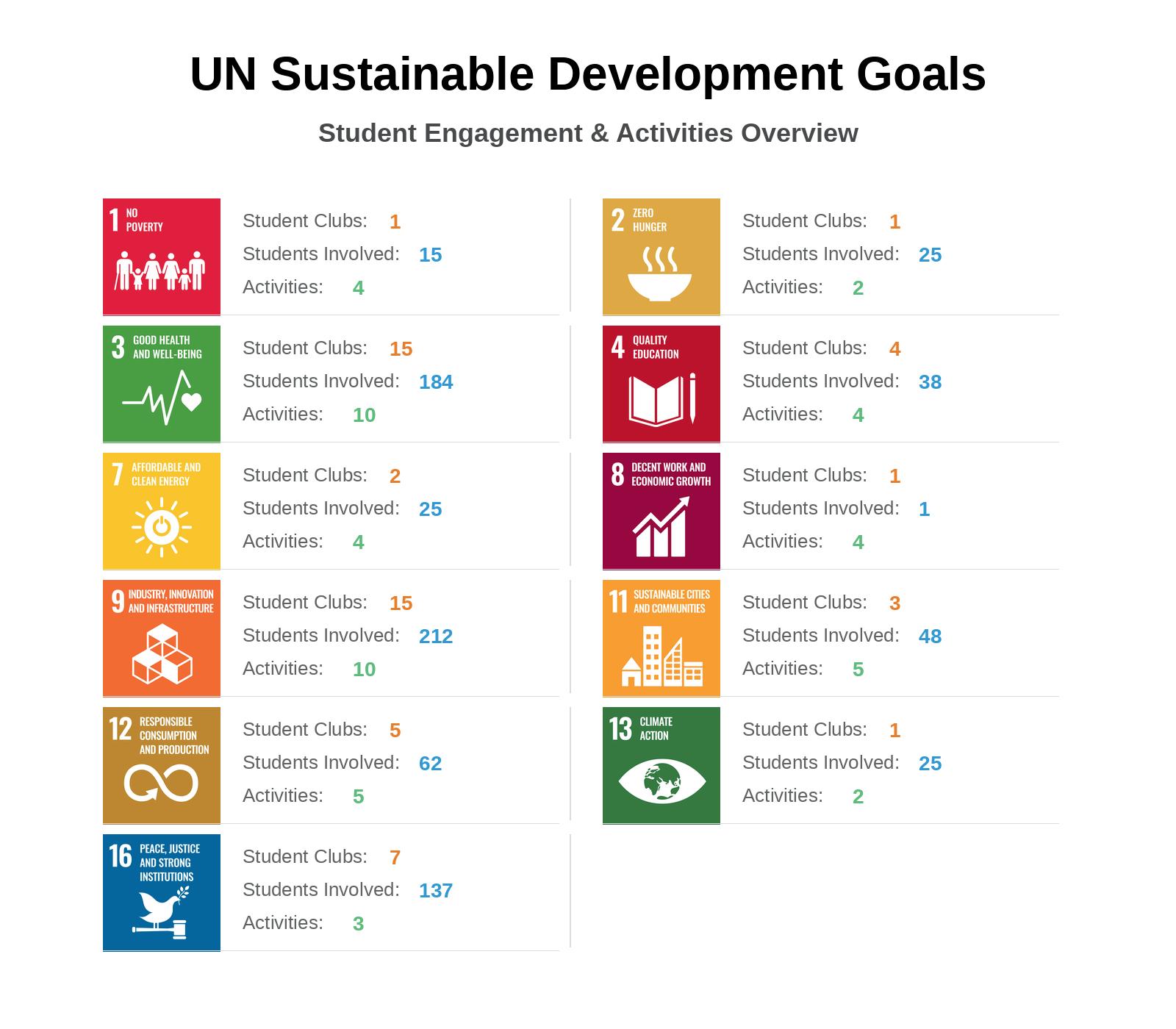
During AY 2024–2025, the Deanship of Student Affairs aligned student clubs with the UN SDGs using an approved classification methodology that reviews each club’s objectives and programs. As a result, 11 out of 17 SDGs were addressed through 49 student activities, supported by 52 clubs/unions (target: 20 clubs) with 762 registered members. The strongest contribution was to SDG 3 (Good Health and Well-being), supported by 15 clubs and 184 students. Examples of SDG-aligned clubs include: Effat Sustainability Club (25 members; SDG 13 & SDG 12), Effat Empowerment Club (50 members; SDG 16), Effat Tranquility Club (14 members; SDG 3), Consumer Rights Club (10 members; SDG 12), Effat Ohm’s Club (20 members; SDG 7), and Effat Interior Design Club (21 members; SDG 11). In total, 52 clubs and unions were active in AY 2024–2025, with 762 registered members representing41%ofthestudentbody.
52
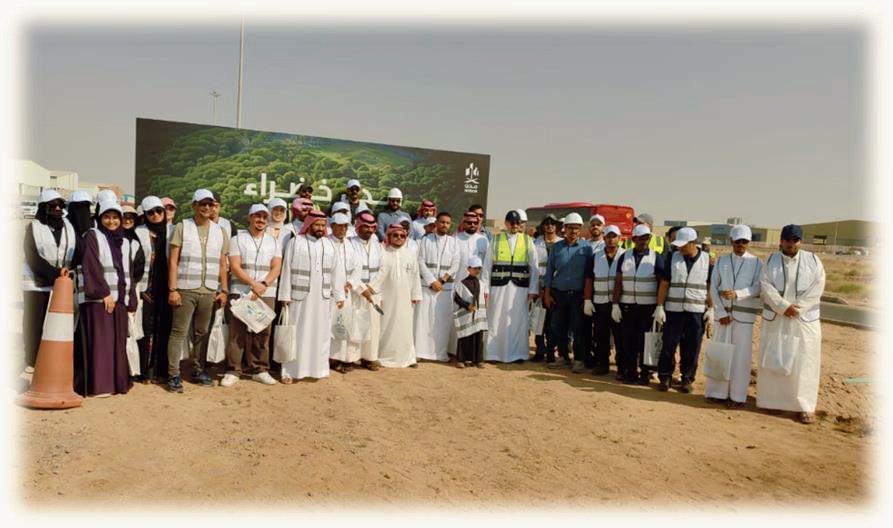
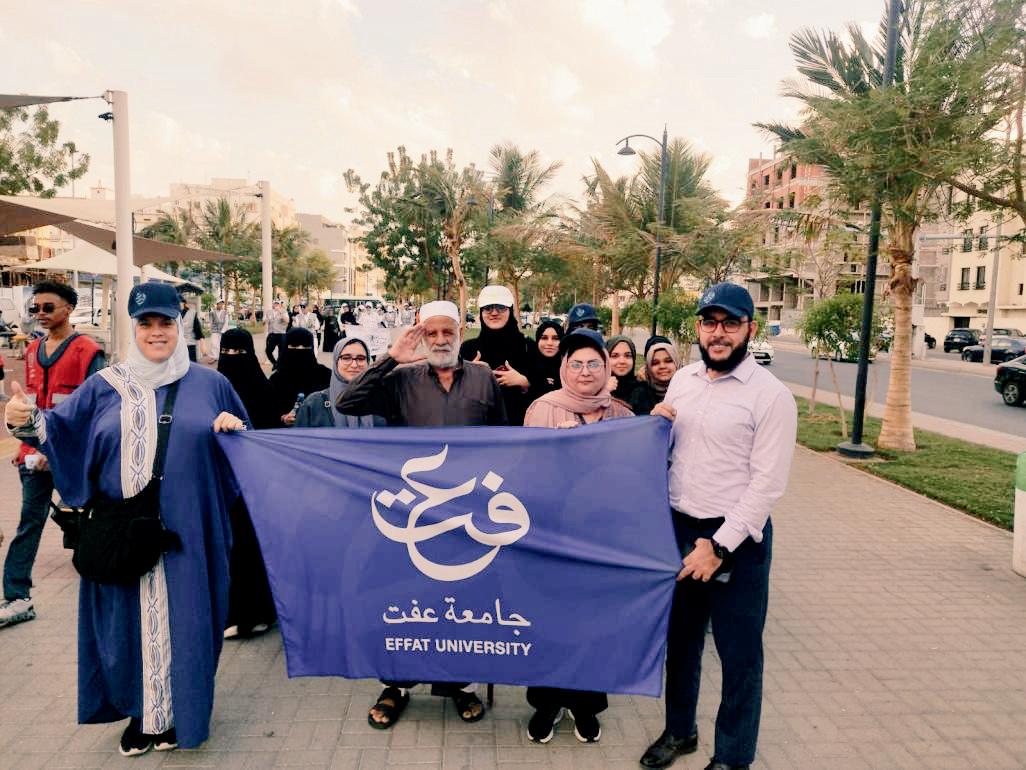
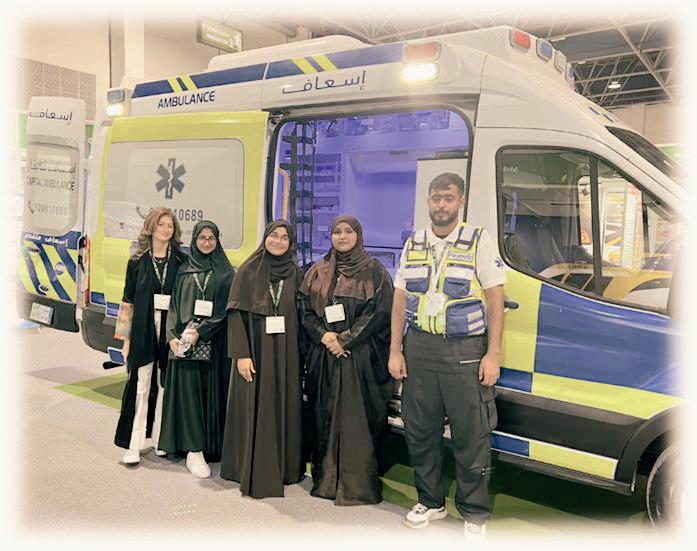
Engagement and activities through students clubs
Integrating sustainability into governance was a major focus of Goal 6. Effat’s Sustainability Committee was reactivated in Fall 2025 with an updated mandate to lead the University’s sustainability strategy and implementation plan, strengthen participation across the four colleges, update sustainability leadership roles at unit, faculty, and student levels, andoverseequarterlyandannualsustainabilityreporting.
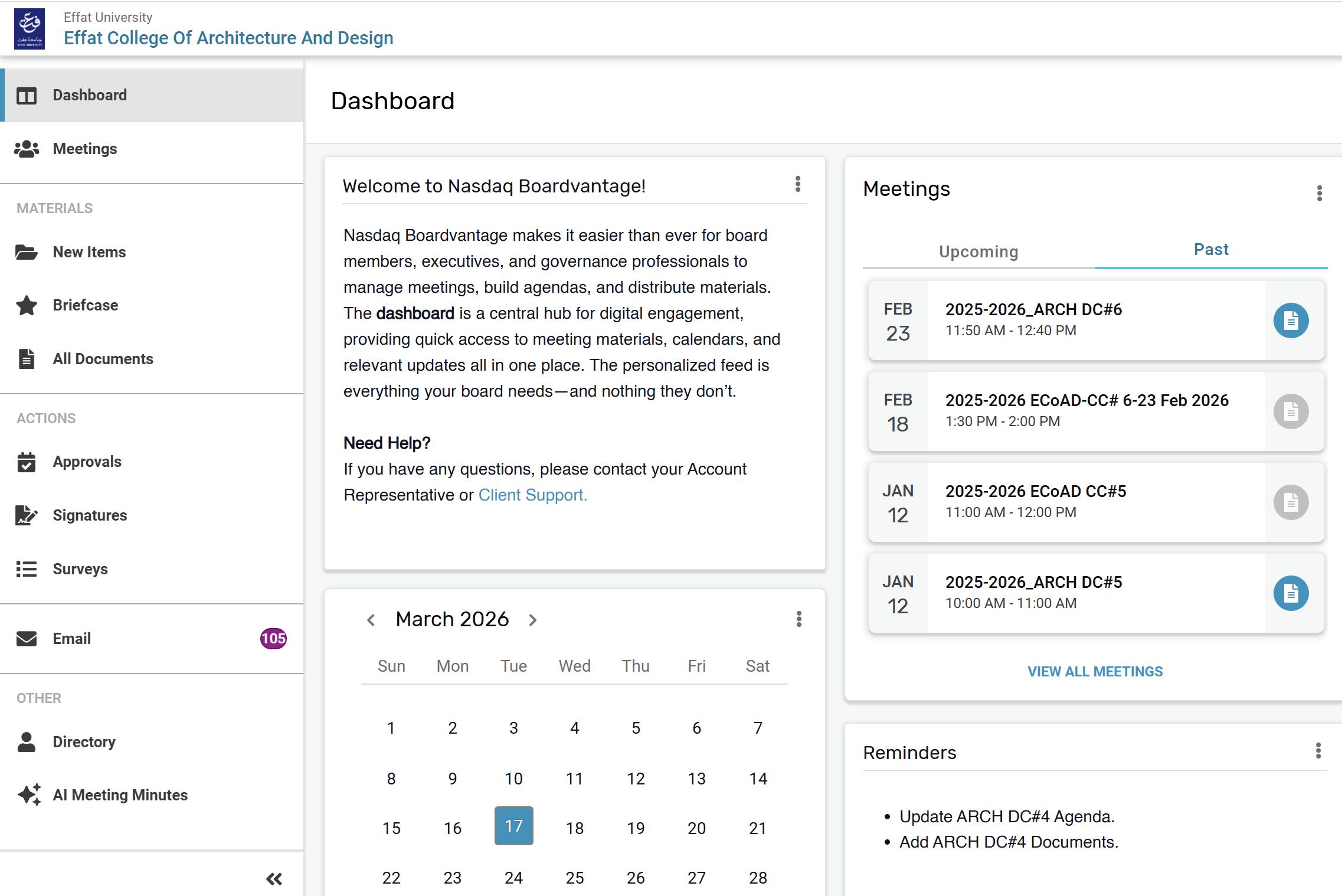
Effat University’s leadership is committed to transparent, ethical governance and continuous improvement in institutional decisionmaking. In AY 2024–2025, the University established a baseline governance performance score of 94% (target: 80%). This performance reflects strong compliance of institutional councils with the University’s bylaws, 100% student participation in governance bodies, and positive student feedback on governance-related engagement (3.98/5, achieving 99% of the institutional target). Looking ahead, the phased implementation of the NASDAQ digital platform for meeting management is expected to further strengthen governance transparency through improved documentation and tracking of agendas,decisions,andfollow-upactionsinfuturereportingcycles.












Ethical leadership is a cornerstone of Effat’s governance, anchored by the Tarbawiyat Code of Ethics. The University reported 100% compliance/awareness achievement (target: 100%), supported through mandatory awareness measures (e.g., periodic workshops, email messages, and campus posters), and monitored through an ethics violationindicator.
KPI6.2.1:Sustainabilitycommitteemeetingfrequency
During AY 2024–2025, the Sustainability Committee convened 4 meetings. In Fall 2025, it convened four meetings, and in AY 2025–2026, six meetings have been held to date, progressing toward the annual target of eight meetings. Meetings focused on reviewing KPI data, coordinating sustainability initiatives, and supporting institutional reporting, reinforcing sustainability as a standing item in leadership and qualityassuranceprocesses.
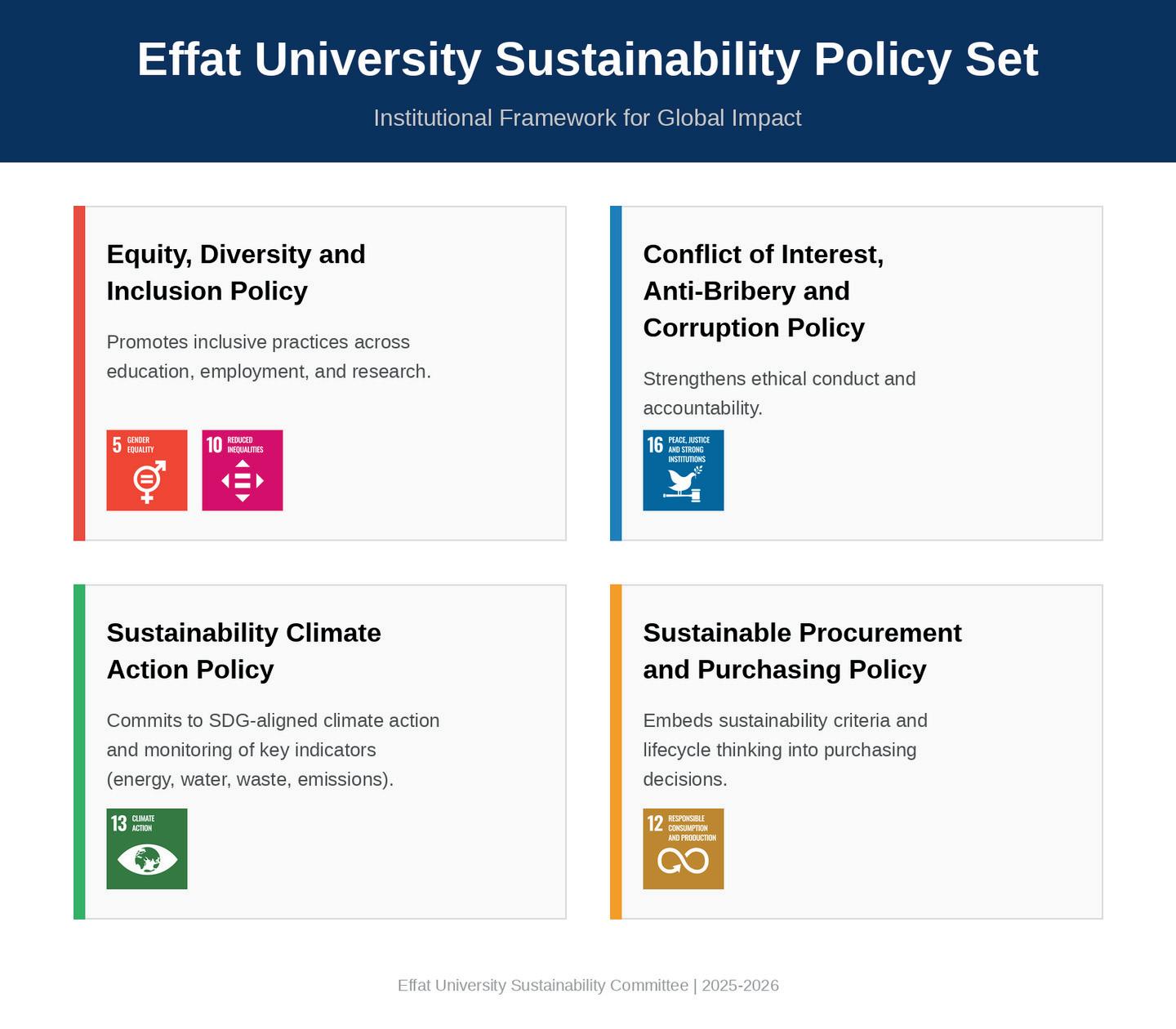
Effat University reported a 100% implementation rate across 173 actively tracked institutional policies. Key sustainability-related policies include the Equity, Diversity and Inclusion Policy, the Conflict of Interest, AntiBribery and Corruption Policy, the Sustainability Climate Action Policy, and the Sustainable Procurement and Purchasing Policy. In Fall 2025, the reactivated Sustainability Committee further strengthened implementation through the University’s sustainability strategy and implementation plan, reinforcing coordinated action and leadership acrosscolleges,faculty,staff,andstudents.


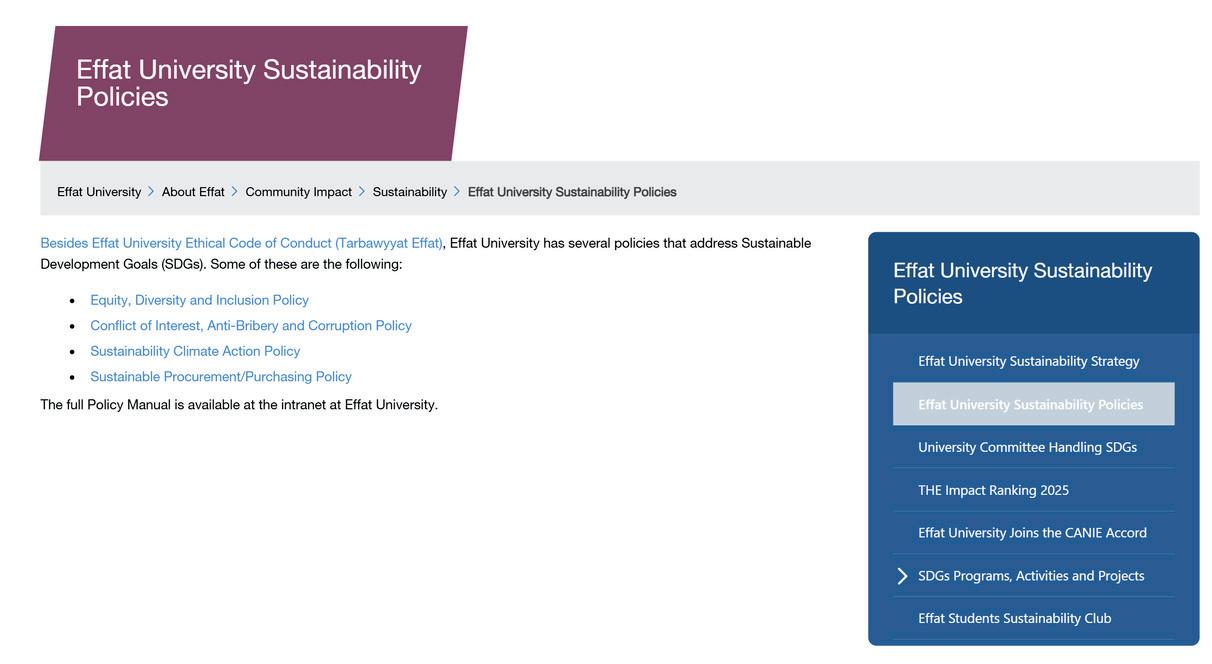
Accountability and stakeholder engagement are critical elements of transparent leadership at Effat University. As part of KPI 6.3.1 and 6.3.2 (Sustainability reporting and stakeholder feedback), Effat is committed to publishing annual sustainability reports and soliciting input from its community.This report represents the fulfillmentofKPI6.3.1:
Sustainability Report Publication, as it is the first comprehensive Sustainability Report released by Effat University, covering the 2024–2025cycleandAY2025-26updates.
Effat conducts regular institutional surveys to gather feedback from students on the University’s services, programs, and overall experience. In Semester 1 of AY 2024–2025, the Student Experience Survey (SES) and Program Evaluation Survey (PES) achieved a combined participation rate of 49% (952 respondents out of 1,931 students), with an overall average satisfaction score of 3.9/5. Going forward, the University plans to standardize the annual survey launch in April to ensure regular, comparable feedback cycles and support continuous improvement planning.
Effat University recognizes that achieving sustainability goals requires meaningful partnerships with academic, industry, government, and civil society stakeholders. This section reports AY 2024–2025 as the baseline year and includes Fall 2025 progress updates where data are available.
In AY 2024–2025, Effat concluded 63 partnership agreements, including 12 new agreements in Semester 2, supporting education, student development and employability, cultural engagement, and community service. These partnerships support Effat’s sustainability agenda through cooperative training and employability pathways, cultural and heritage engagement, and community outreach (supporting SDGs including SDG 3, SDG 4, SDG 8, SDG 11, SDG 17). Notable partners referenced include Saudi Airlines, Cambridge IFA, British Council/IELTS, and the Diriyah Biennale Foundation. Effat is also a signatory to the CANIE Accord (Signatory Date: 28 Jan 2025), strengthening international education–sectorclimatecommitments(SDG13,SDG17).
In Fall 2025, Effat concluded 31 partnership agreements across four sectors: government (35%), international academic/research (26%), cultural/creative (23%), and private/consultancy (16%). Examples include government partners such as Education and Training Evaluation Commission/NCAAA, Ministry of Culture, and Makkah and Madinah Development Authority. International partners include Communication University of China, Cambridge IFA, and Coursera, while cultural and private-sector examples include Diriyah Biennale Foundation, Art of Heritage, General Union of Arab Artists, Netways, and Fortune Media. The partnership framework is described as aligned with the University’s sustainability agenda and the SDGs.




Examples of Effat University Partners











During AY 2024–2025, Effat reported 5 international research partnerships in Semester 1, and Semester 2 added two new international partners, bringing international research collaboration to 7 active international partnerships by year-end (within a wider researchpartnership portfolio). International partners listed include Springer Nature, IEEE, Emerald Publishing Limited, and CERN, alongside culturalresearch collaboration with the Diriyah Foundation – Islamic Arts Biennale.
Fall 2025 update: The report confirms an expanded research-partner portfolio and lists additional international collaboration examples such as NEOM – The Line alongside Springer Nature and CERN. The report also notes that partnership-attributed research outputs were 47 papers out of 81 total outputs (58%) in Semester 1; however, this output share is reported for partnered research overall (not disaggregated to international-only).
Springer Nature; IEEE; Emerald Publishing Limited; CERN; Diriyah Foundation – Islamic Arts Biennale 47/81 = 58% partnered outputs
Springer Nature; CERN; NEOM – The Line

Examples of International Research Partners




In AY 2024–2025, Effat University hosted and organized 38 community initiatives/projects/programs, reflecting active community engagement across the academic year. In Fall 2025, the University expanded its community engagement portfolio, delivering 77 community initiatives/projects/programs.
In AY 2024–2025, Effat University’s community outreach reached 3,091 attendees from the university and the external community across 38 activities. This exceeded the target population of 2,500 beneficiaries, achieving more than 100% of the target, against a KPI benchmark of 50%. In Fall 2025, community outreach reached 3,576 attendees across 77 activities. Volunteerism (National Volunteering Platform). In AY 2024–2025, student volunteerism documented on the National Platform totaled 19,533 volunteer hours, delivered by 1,887 student volunteers at an average of 10 hours per student, with 3,159 volunteer participations recorded. Fall 2025 update (as of 13 November 2025): volunteering reached 3,965 hours across 173 student participations recorded to date. In addition, Fall 2025 reporting notes 26 volunteering opportunities registered on the platform with participation by approximately 695 studentandstaffvolunteers,totaling7,712volunteeringhours.
Community outreach AY 2024-2025
3,091
38
Volunteering Engagement
19,533
Volunteering Hours
1,887
Volunteering Students
10 Hours/student

Examples of organizations where volunteering took place








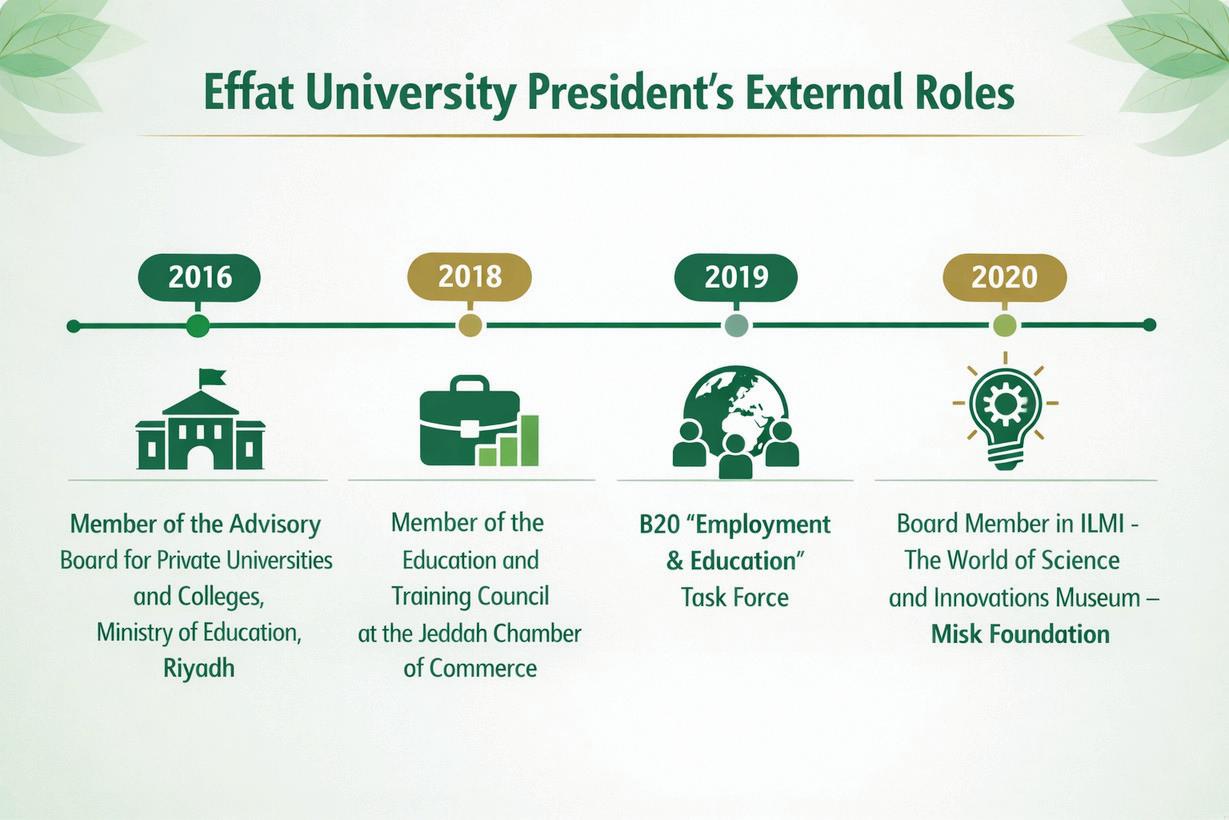
Policy-influence participation is documented through the University’s institutional memberships, advisory roles, and committee representation, which strengthen Effat’s contribution to academic, educational, and institutional decision-making. In AY 2024–2025, Effat maintained 24 memberships and advisory roles across national and international platforms, demonstrating structured engagement in broader policy and governance ecosystems. This participation is further reinforced by the University President’s external roles in the Advisory Board for Private Universities and Colleges at the Ministry of Education, the B20 “Employment & Education” Task Force, the Education and Training Council at the Jeddah Chamber of Commerce, and the Board of ILMI – The World of Science and Innovations Museum at Misk Foundation. In addition, Effat recorded 6 external consultancy/consultation requests, of which 2 were completed and 4 remained ongoing or under study, providing further evidence of advisory engagement with external entities. Fall 2025 reporting reaffirmed this memberships framework as an important pathway for Effat’s continued engagement and influence in education and research policy discussions.
KPI 7.3.2 Reach of policy-advocacy campaigns with NGO / governmentpartners
This indicator focuses on institution-wide, policy-aligned advocacy linked to national priorities, particularly the Saudi Vision 2030 Awareness Campaign Committee and related initiatives. While the Committee structure is documented, verified reach data, such as beneficiary numbers, participation counts, and official partner records, have not yet been consolidated. These will be compiled and reported in a future cycle. 2 Consultations
This dashboard provides a snapshot of Effat University’s sustainability strategy structure and Phase 1 progress, highlighting the key metrics, milestones, and KPI target for AY 2024–2025 with the Fall 2025 update.


The first reporting cycle showed that Effat University’s main challenge was not commitment to sustainability, but the establishment of a consistent and reliable evidence base across units. As this is the University’s inaugural ESG Sustainability Report, several indicators required new baselines, clearer definitions, and coordinated data collection from colleges, deanships, and administrative departments. SomeKPIswerereportedsuccessfully,whileothersremainedconstrained by unavailable, incomplete, or not-yet-standardized data, particularly in areas such as waste recycling diversion, environmental public events, student sustainability project completion, campus sustainability tours, and policy-advocacy campaigns. The process also revealed that some indicators depend on external parties, such as contractors and partners, which makes verification more difficult. At the same time, an important lesson learned is that baseline establishment is itself a major achievement: it clarified indicator ownership, highlighted where targets need refinement, and created a stronger foundation for future annual reportingandcontinuousimprovement.

Looking ahead, Effat University will build on this baseline year by moving from initial measurement to deeper institutionalization and targeted improvement. Priority areas for the next cycle include scaling renewable energy generation, strengthening carbon and resource-efficiency measures, securing verified waste diversion data, and formalizing campus sustainability tours as part of the living-laboratory approach. The University will also continue refining indicators that are still emerging, particularly those related to sustainability-focused student projects, environment-specific partnerships, environmental public events, and policy and advocacy impact. Academically, the next phase should further strengthen sustainability integration across programmes, service learning, AI-enabled teaching, lifelong learning, and student-led SDG engagement. Institutionally, Effat is well positioned to strengthen annual reporting, stakeholder feedback, and committee follow-up mechanisms so that sustainability data become more timely, comparable, and actionableacrossallunits.
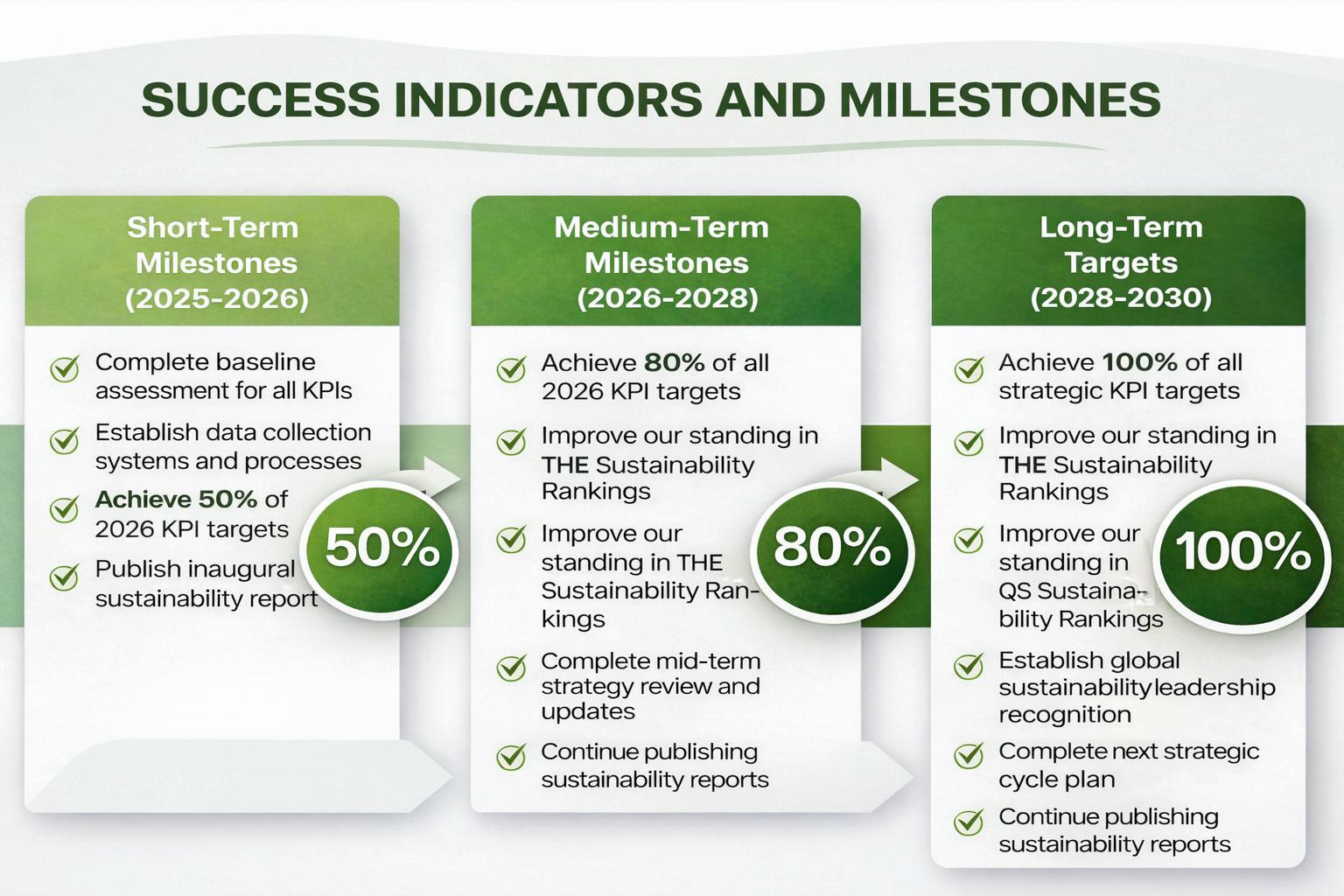
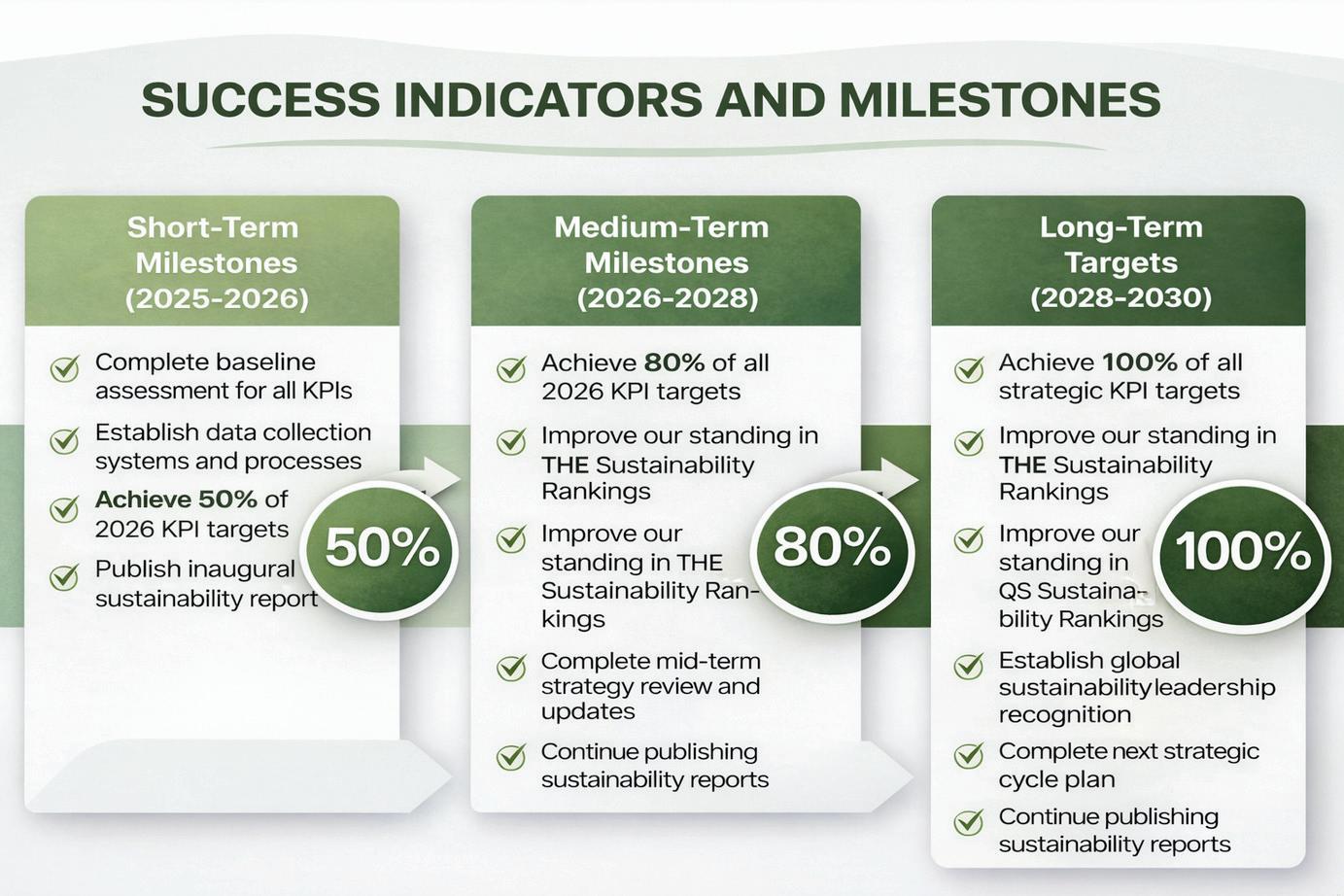
Effat University’s ESG & Sustainability Report shows that sustainability is becoming a structured institutional practice rather than a collection of separate initiatives. Across 3 pillars, 7 goals, 21 objectives, and 42 KPIs, the current assessment records 71.4% overall progress, with 30 KPIs on track, 5 needing improvement, and 7 off track. This means that Effat has already surpassed the Phase 1 target of the 2025–2030 Strategic Plan, whichistoachieve50%oftotalKPIsbytheendofthefirstmilestone.
At the pillar level, Pillar I: Environmental Stewardship recorded 58.3% progress, with 7 of 12 KPIs on track, 1 needing improvement, and 4 off track, thereby meeting the Phase 1 target. This pillar established the University’s first structured environmental baseline, with progress in emissions reduction, water reuse, environmental research, more curriculum integration, and public environmental engagement, while also highlighting areas that still require strengthening, particularly renewable energy expansion, verified recycling data, and more systematictrackingoftoursandpartnerships.
Pillar II: Social Responsibility recorded 77.8% progress, with 14 of 18 KPIs on track, 2 needing improvement, and 2 off track, exceeding the Phase 1 target. This pillar reflects Effat’s commitment to inclusive excellence, holistic wellbeing, and educational innovation through support for studentswithspecialneeds,scholarshipsandfinancialsupport,women’s leadership, employability pathways, mental health and wellbeing services, lifelong learning, SDG-aligned student clubs, service learning, andAI-enabledteaching.
Pillar III: Governance Effectiveness achieved 75.0% progress, with 9 of 12 KPIs on track, 2 needing improvement, and 1 off track, also exceeding the Phase 1 target. This reflects the strength of Effat’s institutional structures, policy alignment, partnerships, accountability mechanisms, and sustainability oversight, while also providing the framework needed to strengthenimplementationacrosstheothertwopillars.
Overall, the report confirms that Effat University has achieved the firstphase threshold of its Sustainability Strategy while also identifying where the next level of progress must occur. Social Responsibility and Governance Effectiveness show the strongest current performance, while Environmental Stewardship has established the baseline needed for futureacceleration.