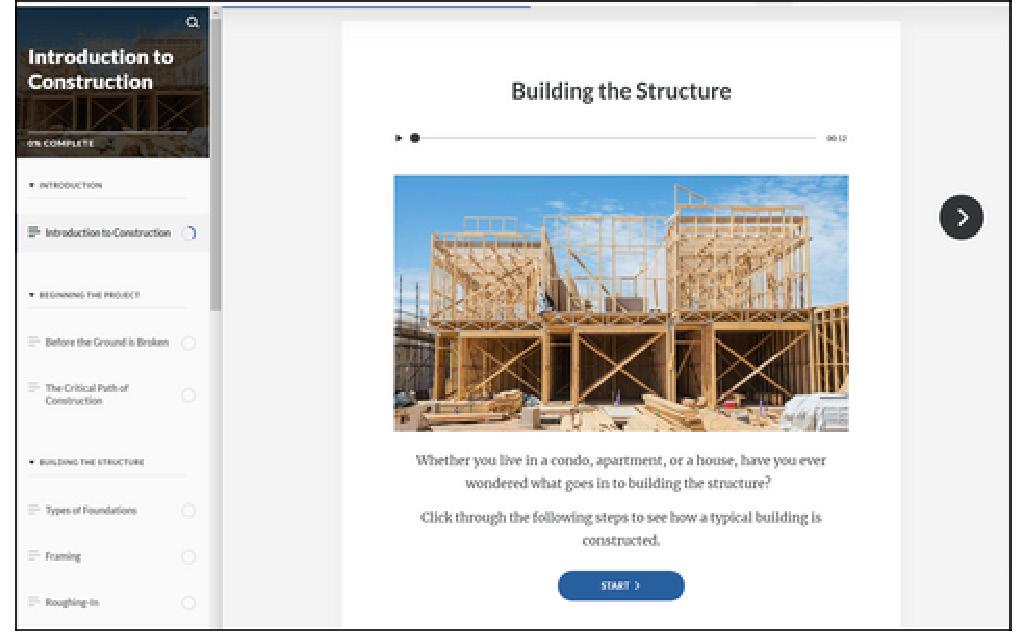
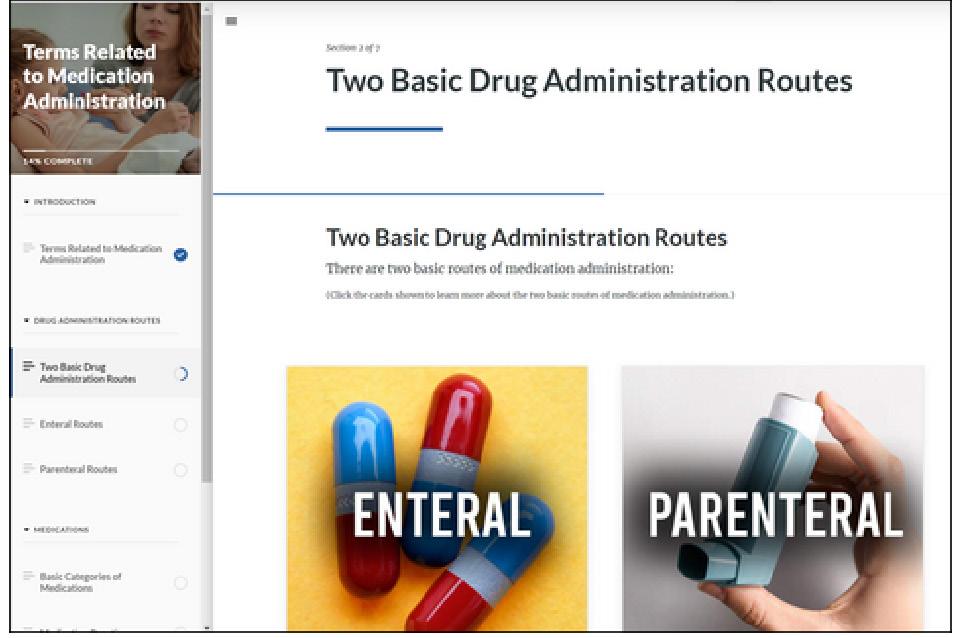
RFI_Course Catalog - 7 pages

Page 1


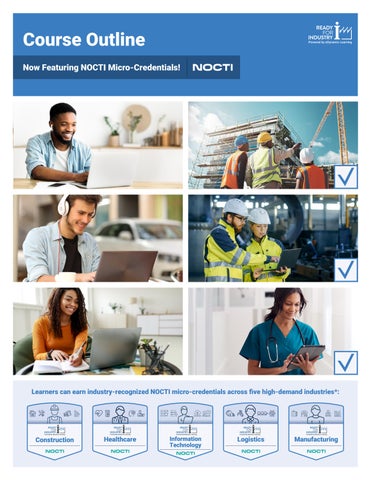
Course Outline

Now Featuring NOCTI Micro-Credentials!

Learners can earn industry-recognized NOCTI micro-credentials across five high-demand industries*:

Ready for Industryā„¢ (RFI) is a resource that includes 5 self-paced courses that create a bridge between standard education and the knowledge needed to succeed in industry, targeted at late high school, early post-secondary and/or workforce. The 15-20hour courses address the industries below. Outlines of the courses follow.

For each of the 5 highest-demand industries, RFI provides self-paced, online instruction on:

Ā» Introduction to the Industry

Ā» What it is like to Work in the Industry

Ā» Industry Terminology and Common Practices

Ā» Workplace Expectations in the Industry

Ā» Career Opportunities and Descriptions

Ā» Current Issues and Trends in the Industry

Ā» Career Pathways, Education, and Certifications in the Industry

For more information or to schedule a free training session, email us at info@ReadyForIndustry.com

*NOCTI micro credentials administered through NOCTI.

Construction

Section 1: Introduction to Construction

Ā» Introduction to Architecture

Ā» Introduction to Construction

Ā» Construction Industry Terminology

Section 2: Working in Construction

Ā» Major Steps in Constructing a House

Ā» Fundamentals of Building Construction

Ā» Standard Operating Procedures for Construction

Ā» Project Management Systems & Software

Ā» OSHA Safety Regulations in Construction

Ā» Construction Site Safety Rules

Ā» Construction Best Practices

Ā» Quality Issues and Defects in Construction

Section 3: Exploring a Career in Construction

Ā» Structural and Civil Engineering Careers

Ā» Construction Site Managers

Ā» Carpenters

Ā» Construction Electricians

Ā» HVAC Technicians

Ā» Construction Plumbers

Ā» Commercial and Residential Painters

Ā» Heavy Equipment Operators, Metal and Ironworkers

Ā» Landscape Architects

Ā» Urban Planners

Ā» Solar and Wind Technicians - Green Technologies

Section 4: Current Issues in Construction

Ā» Lack of Skilled Labor

Ā» Increase in Building Materials Costs

Ā» Increase in Customer Demand

Ā» Regional Construction Issues - Western United States

Ā» Regional Construction Issues - Eastern and Southern United States

Ā» Green Construction

Ā» Energy Conservation

Ā» Urbanization and Smart Communities

Ā» Smart Portfolio Management

Ā» Prefabrication in Construction

Ā» Prefab Logistics, Onsite Installation and Build

Ā» Configuration and Structural Design

Ā» Strategic Sourcing and Procurement

Section 5: Looking for a Career in Construction

Ā» Focusing on the Top Construction Careers

Ā» Education Pathways for Construction Careers

Ā» Writing a Resume for Construction Careers

Ā» Finding a Job in Construction

Ā» Preparing for a Construction Career Interview

Section 6: Workplace Expectations in Construction

Ā» Employer Expectations

Ā» Working as a Team in Construction

Ā» Time Management in Construction

Ā» Self-Management

Healthcare

Section 1: Introduction to Healthcare

Ā» What is Healthcare?

Ā» The Importance of Healthcare to Society

Ā» Where Healthcare Professionals Work

Ā» Major Categories of Healthcare

Section 2: Working in Healthcare

Ā» The Language of Medicine

Ā» Basic Anatomical Terms

Ā» Terms Related to Conditions and Diseases

Ā» Terms Related to Medical Equipment

Ā» Terms Related to Medication Administration

Ā» Terms Related to Medical Procedures

Ā» Terms Related to Patient Status

Ā» Terms Related to Health Insurance

Ā» Basic Medical Abbreviations

Ā» Soft Skills Needed in Healthcare

Ā» Importance of Critical Thinking

Ā» Attention to Detail

Ā» Empathy & Emotional Stability

Ā» Professionalism in Healthcare

Ā» Basic Communication Strategies

Ā» Key Principles in Patient Interactions

Ā» Safety & Infection Control in Healthcare

Ā» Preventing Healthcare Acquired Infections

Ā» Healthcare Privacy (HIPAA)

Ā» Healthcare Quality

Ā» Legal Issues Affecting Healthcare

Ā» Patient Rights

Ā» Medical Ethics

Section

3:

Exploring a Career in Healthcare

Ā» Careers in Medicine - Physician

Ā» Careers in Nursing

Ā» Careers in Pharmaceutical Science

Ā» Careers in Clinical/Diagnostic Services

Ā» Careers in Emergency Medical Services

Ā» Careers in Home Health/Hospice

Ā» Careers in Dental Sciences

Ā» Careers in Therapeutics

Ā» Careers in Medical Rehabilitation

Ā» Careers Related to Healthy Lifestyles

Ā» Other Healthcare Fields

Section 4: Current Issues in Healthcare

Ā» Skepticism of the Healthcare Community

Ā» The U.S. Healthcare Insurance System

Ā» Drivers of Healthcare Costs in the U.S.

Ā» Recent Trends in U.S. Mortality Rates

Ā» Prevention of Medical Errors

Ā» Availability of Healthcare in the U.S.

Ā» State of U.S. Public Health Infrastructure

Ā» Workforce Crisis in U.S Healthcare

Ā» Telemedicine in the U.S.

Section 5: Looking for a Career in Healthcare

Ā» Focusing on the Top Healthcare Careers

Ā» Education Pathways for Healthcare Careers

Ā» Writing a Resume for Healthcare Careers

Ā» Finding a Job in Healthcare

Ā» Preparing for a Healthcare Career Interview

Section 6: Workplace Expectations in Healthcare

Ā» Employer Expectations

Ā» Working as a Team in Healthcare

Ā» Goal Setting & Time Management in Healthcare

Ā» Self-Management

Information Technology

Section 1: Introduction to Information Technology

Ā» What is Information Technology?

Ā» The importance of Information Technology in Society

Ā» Common IT Devices and Terminology - Personal Computing

Ā» Common IT Devices and Terminology - Networking, Clouds and the Internet

Ā» Common IT Devices and Terminology - Industrial Computing Applications

Section 2: Working in Information Technology

Ā» IT Architecture in a Company

Ā» Data Backup and Recovery

Ā» Understanding Saas and PaaS vs. Internal Platforms

Ā» User Security Profiles

Ā» Information Security Policies

Ā» Identity Theft Protection

Ā» Cyberattacks and Ransomware

Ā» Security Incident Response Plans

Ā» Software Needs in Business

Ā» Basic Coding Concepts

Ā» Software Development

Ā» Web Development

Ā» Information Security Management Systems

Section 3: Exploring a Career in Information Technology

Ā» Software Developers

Ā» Web Developers

Ā» Data Management

Ā» Cybersecurity

Ā» Hardware Design and Maintenance

Ā» Customer Service and Support

Section 4: Current Issues in Information Technology
Ā» Data Security

Ā» Cloud Computing

Ā» Internet of Things (IoT)

Ā» Data Privacy

Ā» Big Data & Analytics

Ā» Social Media

Ā» Smart Automation Technology

Ā» Software Architecture

Ā» Skills Gaps in IT

Ā» Globalization and E-Commerce

Ā» Virtual Reality & Augmented Reality

Ā» Blockchain Technology

Ā» 3D Printing

Ā» Machine Learning (ML) & Artificial Intelligence (AI)

Ā» Biometrics

Section 5: Looking for a Career in Information Technology

Ā» Focusing on the Top IT Careers

Ā» Education Pathways for IT Careers

Ā» Writing a Resume for IT Careers

Ā» Finding a Job in IT

Ā» Preparing for an IT Career Interview

Section 6: Workplace Expectations in Information Technology

Ā» Employer Expectations

Ā» Working as a Team in IT

Ā» Time Management in IT

Ā» Self-Management

Logistics

Section 1: Introduction to Logistics

Ā» The Logistics Industry and Logistics Management

Ā» The Logistics Industry - Elements of Logistics Management

Ā» The Importance of Transportation, Distribution and Logistics in Society

Ā» Key Logistics Terms

Ā» Concepts of Logistics - Materials Management to Physical Distribution

Ā» Primary Modes of Transportation

Section 2: Working in Logistics

Ā» Working in Transportation: What is a Supply Chain?

Ā» Supply Chain Management

Ā» Life Cycle of a Load

Ā» Types of Logistics Options

Ā» OSHA Requirements for Transportation and Logistics

Ā» Safety Hazards in Logistics

Ā» The Importance of Insuring a Load

Ā» Transportation Risks

Ā» Criminal Activities and Terrorism

Ā» Cybersecurity and Transportation Infrastructures

Ā» Common Quality Issues in Logistics

Ā» Factors to Measure Logistics Service Quality

Ā» Quality Control Programs

Section 3: Exploring a Career in Logistics

Ā» Industrial Truck and Tractor Operators

Ā» Cargo and Freight Agents

Ā» Distribution Workers and Managers

Ā» Distribution Operations Managers

Ā» Stockers and Order Fillers

Ā» Production Planner/Manager

Ā» Warehouse Laborers

Ā» Freight, Stock and Material Movers

Ā» Logisticians

Ā» Logistics Analysts/Engineers

Ā» Supply Chain Manager

Ā» Shipping, Receiving & Inventory Clerks

Ā» Transit Drivers

Section 4: Current Issues in Logistics

Ā» Fleet Costs - Insurance, Fuel & Maintenance

Ā» Driver Shortage & Retention

Ā» Government Regulations – Loads, Weight & Driver Time

Ā» Traffic Management

Ā» Effects of Economic Conditions and Competition

Ā» Automated Supply Chain Processes

Ā» Implementing Technology Strategies

Ā» Self-Driving Trucks and Drones

Ā» Automated Freight Matching

Ā» Vehicle-to-Vehicle Communication

Ā» Remote Diagnosis

Ā» Vehicle-to-Infrastructure Communication

Section 5: Looking for a Career in Logistics

Ā» Focusing on the Top Logistics Careers

Ā» Education Pathways for Logistics Careers

Ā» Writing a Resume for Logistics Careers

Ā» Finding a Job in Logistics

Ā» Preparing for a Logistics Career Interview

Section 6: Workplace Expectations in Logistics

Ā» Employer Expectations

Ā» Working as a Team in Logistics

Ā» Time Management in Logistics

Ā» Self-Management

Manufacturing

Section 1: Introduction to Manufacturing

Ā» Introduction to Manufacturing

Ā» The Importance of Manufacturing in Society

Ā» Manufacturing Careers Overview

Ā» Common Manufacturing Industries

Ā» Common Manufacturing Types

Ā» Manufacturing Processes & Terminology: Forming, Molding, Machining

Ā» Manufacturing Processes & Terminology: Assembly & Finishing

Ā» Manufacturing Processes & Terminology: Continuous Processes

Section 2: Working in Manufacturing

Ā» Three Key Concepts to Production Management

Ā» Common Manufacturing Processes

Ā» Robotics in Manufacturing

Ā» Food Manufacturing

Ā» Working with Perishable Materials

Ā» Fabrication vs. Assembly

Ā» Warehousing in Manufacturing

Ā» Production Planning

Ā» Modern Assembly Lines

Ā» Purchasing and Lead Times

Ā» What is OSHA?

Ā» OSHA Regulations and Hazard Communications

Ā» Common PPE Equipment

Ā» Manufacturing Safety: Ergonomics, Falls, and Respiratory Hazards

Ā» Manufacturing Safety: Lockout/ Tagout, Machine Guards, and Motorized Equipment

Ā» What is Lean Manufacturing?

Ā» What is Six Sigma?

Ā» What is Total Quality Management (TQM)?

Section 3: Exploring a Career in Manufacturing

Ā» Maintenance and Repair Technicians

Ā» Welders

Ā» Machinists

Ā» Manufacturing Painters

Ā» Mechanics

Ā» Testing and Non-Destructive Testing Technicians

Ā» Industrial Electricians

Ā» Plumber and Pipefitters

Ā» Press Technicians

Ā» Robot Operators

Ā» Production & Process Engineers

Ā» Quality Assurance Technicians

Ā» Logistics & Inventory Control Specialists

Ā» Health, Safety & Environmental Control Specialists

Section 4: Current Issues in Manufacturing

Ā» Introduction to Manufacturing Challenges

Ā» Supply Chain Resilience and Smart Factories

Ā» Labor Unions

Ā» Cost Increases & Disruption in Transportation

Ā» Reshoring, Outsourcing, Offshoring

Ā» Green Manufacturing Strategies

Ā» Smart Manufacturing

Ā» Advancements in Manufacturing

Section 5: Looking for a Career in Manufacturing

Ā» Focusing on the Top Manufacturing Careers

Ā» Education Pathways for Manufacturing Careers

Ā» Writing a Resume for Manufacturing Careers

Ā» Finding a Job in Manufacturing

Ā» Preparing for a Manufacturing Career Interview

Ā» Interview Skills

Section 6: Workplace Expectations in Manufacturing

Ā» Employer Expectations

Ā» Working as a Team in Manufacturing

Ā» Time Management in Manufacturing

Ā» Self-Management

Ā» Conflict Resolution

Ā» Personal Development and Lifelong Learning

edynamiclearning.com/states-ready-for-industry

Turn static files into dynamic content formats.

CreateĀ aĀ flipbook
Issuu converts static files into: digital portfolios, online yearbooks, online catalogs, digital photo albums and more. Sign up and create your flipbook.