
Why Kids SongsAnd Rhymes Help Children Learn Faster Today
Early childhood is a stage where children absorb information rapidly and begin developing the skills that shape their future learning. During these formative years, simple learning tools such as music, storytelling, and rhythm can significantly influence a child’s cognitive and language development. One of the most powerful and enjoyable methods of early education is through Kids Songs And Rhymes.
Songs and rhymes combine music, repetition, and storytelling in a way that captures a child’s attention while making learning fun. Instead of feeling like a lesson, children experience learning as play. This makes it easier for them to remember words, understand sounds, and build communication skills naturally.
For parents and educators looking for engaging educational tools, songs and rhymes remain one of the most effective ways to support early childhood learning.

Why Music and Rhythm Improve Learning
Children naturally respond to rhythm and melody. Even before they can speak clearly, toddlers can recognize patterns in music and mimic sounds they hear. This is why Kids Songs And Rhymes are widely used in preschools and early learning environments.
Songs help children understand language patterns because the words are repeated in a rhythmic structure. This repetition allows children to recognize sounds and develop pronunciation skills more quickly.
According to research from the National Literacy Trust, children who frequently engage with songs and rhymes during early childhood show stronger language and reading abilities when they begin school
Songs and rhymes also support several key developmental areas, including:
Vocabulary and language growth
Listening and comprehension skills
Memory and recall ability
Social interaction and confidence
Creativity and imagination
Because music stimulates both emotional and cognitive areas of the brain, it creates a learning experience that is both engaging and memorable.
Real-Life Example: Learning Through Songs
Many parents notice that children remember songs far better than spoken instructions.
For example, a three-year-old child may struggle to remember the days of the week when they are explained verbally. However, when the same information is presented through a catchy song, the child quickly starts repeating it.
Within a short time, the child can sing the entire song and begins recognizing the days in daily conversations.
This happens because music activates multiple brain regions simultaneously, strengthening memory and recall.
Research published in the Journal of Educational Psychology found that music-based learning activities can increase memory retention in young children by nearly 40% compared to traditional teaching methods.
This explains why Kids Songs And Rhymes are still widely used by educators to teach fundamental concepts.
Cognitive Benefits of Songs and Rhymes
Songs and rhymes do much more than entertain children. They play a major role in supporting brain development and learning abilities.
When children engage with rhythmic language, they develop phonological awareness, which is the ability to recognize and manipulate sounds in words. This skill is essential for reading and language development.
According to the American Academy of Pediatrics, music-based learning activities help children:
Improve concentration and attention span
Strengthen memory retention
Develop emotional expression
Enhance creativity and imagination
Children who regularly engage with Kids Songs And Rhymes also tend to develop storytelling and communication skills earlier than their peers.
These benefits highlight the importance of incorporating songs and rhymes into daily learning routines.
The Role of Technology in Modern Learning
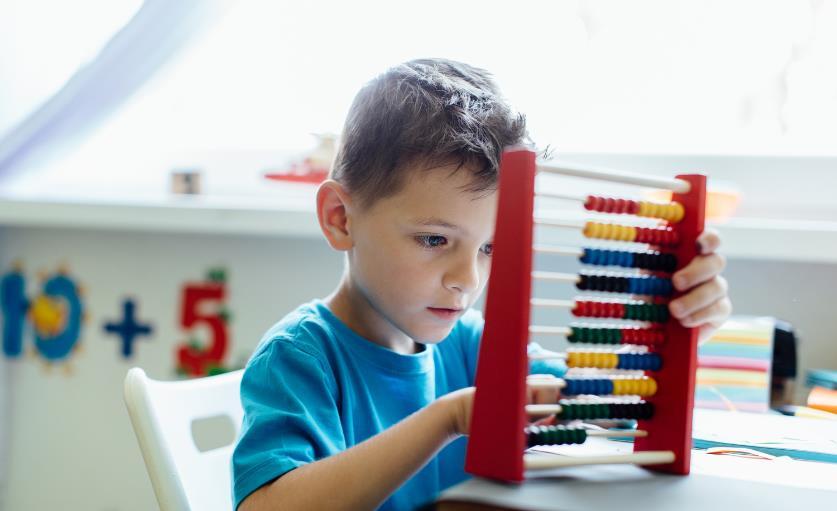
Today’s children grow up surrounded by digital technology, and educational platforms are adapting to make learning more interactive and engaging.
Modern learning tools combine music, animation, and storytelling to create immersive experiences that capture children’s attention.
Instead of simply listening to songs, children can interact with characters, repeat lyrics, and participate in learning activities that reinforce the message of the rhyme.
Studies show that interactive learning environments can improve engagement levels among young children by nearly 60% compared to passive screen content.
By integrating technology with traditional learning methods, Kids Songs And Rhymes become even more powerful educational tools.
How Edugamingappworld Supports Interactive Learning
Parents today are increasingly looking for educational platforms that offer both entertainment and meaningful skill development. One platform that stands out in this area is Edugamingappworld.
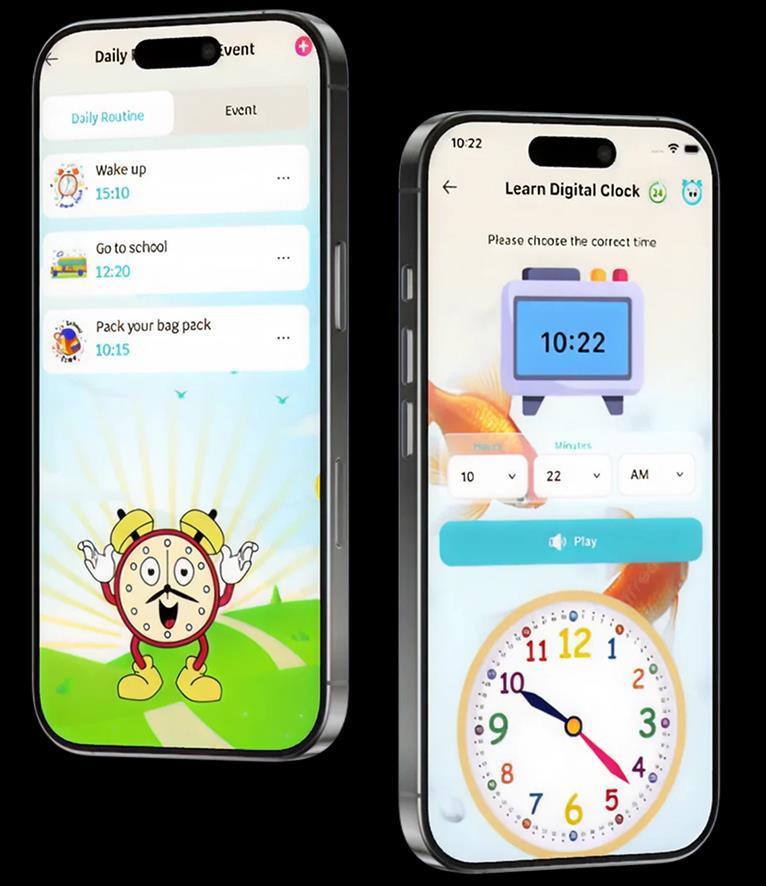
Edugamingappworld creates next-generation educational learning apps designed for children and young adults around the world. These apps combine engaging music, storytelling, and interactive activities to support overall development.
The platform focuses on helping children:
Develop strong cognitive abilities
Increase creativity and imagination
Build decision-making skills
Strengthen problem-solving capabilities
Encourage teamwork and collaboration
Edugamingappworld transforms traditional learning experiences into interactive adventures where children actively participate instead of simply watching or listening.
By integrating educational games with music-based activities like Kids Songs And Rhymes, the platform helps children remain engaged while developing essential skills.
For parents searching for a reliable and innovative learning solution, Edugamingappworld provides tools that turn everyday screen time into productive learning time.
Choosing Edugamingappworld means giving children access to interactive educational experiences that nurture curiosity, creativity, and intellectual growth.
Why Parents Should Encourage Songs and Rhymes
Early childhood experiences strongly influence how children approach learning later in life. Activities that combine fun with education can help build confidence and curiosity.
Introducing Kids Songs And Rhymes into daily routines allows children to:
Improve communication and language skills
Develop stronger memory and listening abilities
Explore creativity and imagination
Enjoy learning without pressure
When songs and rhymes are combined with interactive educational tools, children remain engaged while building essential skills for future learning.
Final Thoughts
Music has always been a powerful tool for teaching young minds. Kids Songs And Rhymes provide a fun and effective way for children to develop language skills, memory, creativity, and confidence during their early years.
With the help of modern educational platforms, these traditional learning methods are becoming even more engaging and impactful.
Innovative solutions like Edugamingappworld are helping parents provide meaningful digital learning experiences that support both intellectual and creative development.
For families who want to nurture curiosity and strong learning habits from an early age, songs and rhymes remain one of the most enjoyable and effective ways to begin a child’s educational journey.