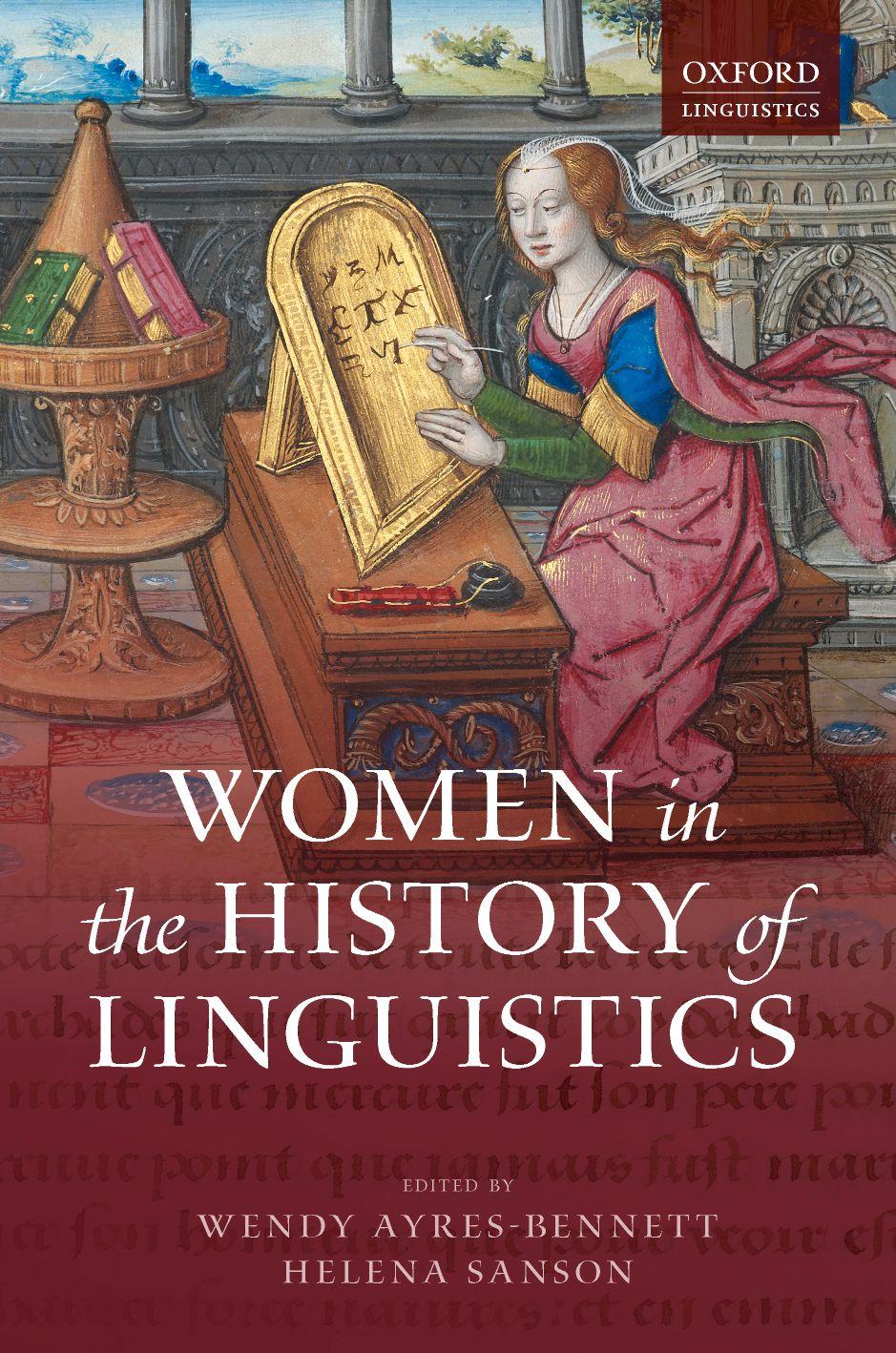
WomenintheHistory ofLinguistics
Editedby WENDYAYRES-BENNETT ANDHELENASANSON
GreatClarendonStreet,Oxford,OX26DP, UnitedKingdom
OxfordUniversityPressisadepartmentoftheUniversityofOxford. ItfurtherstheUniversity’sobjectiveofexcellenceinresearch,scholarship, andeducationbypublishingworldwide.Oxfordisaregisteredtrademarkof OxfordUniversityPressintheUKandincertainothercountries
©editorialmatterandorganizationWendyAyres-BennettandHelenaSanson2020 ©thechapterstheirseveralauthors2020
Themoralrightsoftheauthorshavebeenasserted FirstEditionpublishedin2020
Impression:1
Allrightsreserved.Nopartofthispublicationmaybereproduced,storedin aretrievalsystem,ortransmitted,inanyformorbyanymeans,withoutthe priorpermissioninwritingofOxfordUniversityPress,orasexpresslypermitted bylaw,bylicenceorundertermsagreedwiththeappropriatereprographics rightsorganization.Enquiriesconcerningreproductionoutsidethescopeofthe aboveshouldbesenttotheRightsDepartment,OxfordUniversityPress,atthe addressabove
Youmustnotcirculatethisworkinanyotherform andyoumustimposethissameconditiononanyacquirer
PublishedintheUnitedStatesofAmericabyOxfordUniversityPress 198MadisonAvenue,NewYork,NY10016,UnitedStatesofAmerica
BritishLibraryCataloguinginPublicationData Dataavailable
LibraryofCongressControlNumber:2020937528
ISBN978–0–19–875495–4
Printedandboundby CPIGroup(UK)Ltd,Croydon,CR04YY
LinkstothirdpartywebsitesareprovidedbyOxfordingoodfaithand forinformationonly.Oxforddisclaimsanyresponsibilityforthematerials containedinanythirdpartywebsitereferencedinthiswork.
Contents
Listof figuresandtables vii Thecontributors ix
Womeninthehistoryoflinguistics:Distantandneglectedvoices1 WendyAyres-BennettandHelenaSanson
1.Visibleandinvisiblewomeninancientlinguisticculture31 AnneliLuhtala
2.WomenandlanguagecodificationinItaly:Marginalized voices,forgottencontributions59 HelenaSanson
3.Womenasauthors,audience,andauthoritiesinthe Frenchtradition91 WendyAyres-Bennett
4.ThecontributionofwomentotheSpanishlinguistictradition: Fourcenturiesofsurvivingwords121 MaríaLuisaCaleroVaquera
5.ThefemalecontributiontolanguagestudiesinPortugal145 SóniaCoelho,SusanaFontes,andRolfKemmler
6.WomenandtheelaborationofaRussianlanguagenorm167 SylvieArchaimbault
7.WomeninthehistoryofGermanlanguagestudies: ‘Thatsubtle influenceforwhichwomenarebestsuited’?193 NicolaMcLelland
8.TheextraordinaryandchangingroleofwomeninDutch languagehistory219 MarijkevanderWalandJanNoordegraaf
9.ObstaclesandopportunitiesforwomenlinguistsinScandinavia245 ToveBull,CarolHenriksen,andTorilSwan
10.Britishwomen’srolesinthestandardizationandstudyofEnglish279 CarolPercy
11.ThefemalequestfortheCeltictonguesofIreland,Scotland, andWales305 BernhardMaier
12.EarlyAmericanwomen’sparticipationinlanguagescholarship319 MargaretThomas
13.Women’scontributionstoearlyAmericanIndianlinguistics345 RainaHeaton,EveKoller,andLyleCampbell
14.LanguagestudiesbywomeninAustralia: ‘Awell-stored sewingbasket’ 367 JaneSimpson
15.Thehistoryoftheregulationandexploitationofwomen’ s speechandwritinginJapan401
MomokoNakamura
16.WomenandlanguageinimperialChina: ‘Womenlywords’ (婦言)427
MariarosariaGianninoto
17.WomenandlanguageintheearlyIndiantradition449 LaurieL.Patton
18.Womenandthecodificationandstabilizationofthe Arabiclanguage469 FatimaSadiqi
19.Europeanwomenandthedescriptionandteachingof Africanlanguages487 HelmaPasch
Listof figuresandtables
Figures
2.1AngelicaBaitelli, Annalihistoricidell’edificationeerettione,&dotationedel SerenissimoMonasteriodiS.Salvatore,&S.GiuliadiBrescia (1657), titlepage(BibliotecaCivicaBertoliana,U017004003).68 ReproducedwithkindpermissionoftheBibliotecaCivicaBertoliana,Vicenza.
2.2 BertoldoconBertoldinoeCacasenno,5thedn,3vols(1740–1741), vol.1,titlepage,withaBologneseparalleltextbythesistersManfredi andZanotti(CambridgeUniversityLibrary,XIV.26.78).74 PhotographbyHelenaSanson.ReproducedwithkindpermissionoftheSyndics ofCambridgeUniversityLibrary.
2.3(a)and(b)CarolinaCoronediBerti, Vocabolariobologneseitaliano, 2vols(1869–1874),vol.1,titlepageandxvii(Cambridge UniversityLibrary,R785.I80).85 PhotographsbyHelenaSanson.Reproducedwithkindpermissionofthe SyndicsofCambridgeUniversityLibrary.
3.1DavidÉtienneChoffin, Grammairefrançoise,réduiteentables, àl’usagedesdames,etdesautrespersonnesquinesaventpaslelatin. Neue französischeGrammatickaufeinebesondereArteingerichtet,und inTabellengebracht;zumBestendesFrauenzimmersundanderer Personen,diedasLateinnichtverstehen,2ndedn,2vols(1755–1756), vol.1,introductoryimage(BnF:X-11624).106 ReproducedwithkindpermissionoftheBibliothèqueNationaledeFrance,Paris.
3.2IllustrationofthedifferentFrenchtensesandmoodsattheendof ÉlisabethdeFoüan’ s Petitescauseriessurlagrammaire française (1856)(BnF:X-25284).113 ReproducedwithkindpermissionoftheBibliothèqueNationaledeFrance,Paris.
8.1AnnaMariavanSchurman, Self-Portrait (1640).226 ReproducedwithkindpermissionoftheRijksmuseumAmsterdam.
8.2JohannaCorleva, DeschatderNederduitschewortel-woorden (1741), titlepage,whichalsobearstheFrenchtitleof LeTrésordesmots originaux,delalangueFlamande.231 Photographbytheauthors.ReproducedcourtesyoftheUniversityLibraryLeiden.
9.1JulieHeins, LaesebogmedBillederforSmaabørn (1865),titlepage (RoyalDanishLibrary,Copenhagen,15,1918o).254 ReproducedwithkindpermissionoftheRoyalDanishLibrary,Copenhagen.
9.2HallfridChristiansenbyJuliusChristiansen(1935).272 ReproducedwithkindpermissionoftheArtCollection,UniversityofOslo.
9.3LisJacobsenatthedefenceofherdoctoraldissertationin1910.274 Photographer:JulieLaurberg.ReproducedwithkindpermissionoftheRoyal DanishLibrary,Copenhagen.
12.1NewEnglanddameschool(1713).Engraving.Publicdomain: https://commons.wikimedia.org/wiki/File:Dame_School.jpeg321
12.2StatueofSacagawea(1788–?1812),ShoshoniguidetotheAmericanexplorers MeriwetherLewisandWilliamClark,erectedinSantaBarbara,California.331 ReproducedwithkindpermissionofthephotographerKennedyWarne.
12.3AnoralistteacherattheAmericanSchoolfortheDeafin1918.335 PropertyofAmericanSchoolfortheDeaf,MuseumArchives.
13.1Aphoto c.1950ofGladysReichard(1893–1955).354 ReprintedwithpermissionfromBarnardCollege.
13.2A1930photoofMaryHaas(1910–1996),EarlhamCollege.357 ReprintedwithpermissionfromtheSurveyofCaliforniaandOtherIndianLanguages.
14.1PaulineandJohannG.Reuther,Killalpaninna.379 ReproducedwithpermissionfromtheLutheranArchives,Adelaide,South Australia(P027/41/05316).
14.2Placesandtimeperiodsofnon-Indigenouswomen’scontributionstothe studyofIndigenousAustralianlanguages.381 MapbyDavidNash.
14.3ChristinaSmith(centre)andAnnieBrice(farright).MountGambier(1866).384 ReproducedwithpermissionfromtheStateLibraryofSouthAustraliaand BurrandiesAboriginalCorporation(B16564).
19.1IdaCarolineWard(1880–1949)leadsatutorialatSOAS.493
ReproducedwithkindpermissionfromtheSchoolofOrientalandAfrican Studies,London.
19.2MariaKlingenheben-vonTiling(1886–1974).499
ReproducedwithkindpermissionfromPeterandKarinvonTiling.
19.3WilliamBentleyandHendrinaBentley(néeKloekers).507 ReproducedwithkindpermissionoftheAngusLibraryandArchive, Regent’sParkCollege,Oxford.
Tables
14.1GenderdistributionofAustraliancoloniesinthenineteenthcentury369
14.2Father’soccupationforwomenwithrecordedinterestinlanguage369
14.3Countryofbirth:Womenwithrecordedinterestinlanguages370
14.4Religiousbackground:Womenwithrecordedinterestinlanguages371
Womeninthehistoryoflinguistics
Distantandneglectedvoices
WendyAyres-BennettandHelenaSanson
1.Introduction
Thisvolumeinvestigatestheroleplayedbywomeninthehistoryoflinguistics definedverybroadly throughoutthecenturiesandacrossdifferentlinguisticand culturaltraditions,bothEuropeanandnon-European.Inviewofwomen’soften limitededucationalopportunitiesinthepast,theircontributionisexaminednot onlywithintraditionalandinstitutionalcontexts,butalsowithinmoredomestic andlesspublicrealms.
Interestintheroleplayedbywomeninlanguagedescriptionandcodification andtheircontributiontolanguageteachingandotherappliedlinguistic fieldsis situatedagainstabackdropofeffortstochangethetraditionalmale-dominated methodologiesandcanonacrossarangeofdisciplines.Inher1976essay ‘Placing WomeninHistory:DefinitionsandChallenges’,GerdaLerner,oneofthefounders oftheacademic fieldofwomen’shistory,explainedthatintheearlyyearswhen Americanhistoriansbegantodevelopwomen’shistoryasanindependent field, theysoughtto findaconceptualframeworkandmethodologyappropriateforthe task.Sheidentifiedthreeapproachesadoptedbyhistoriansforthewritingof women ’shistory.The firstentailedwritingthehistoryof ‘ women ’sworthies’ , thatis,notablewomeninhistory;thismightbetermed ‘compensatoryhistory’ , focusingonexceptionality(Lerner1976:5).Thedangerassociatedwiththis approachisthatitmayresultinovershadowingtheexperienceofthosewho couldnotescape non-exceptionality becauseofanumberoflimitations,including notleastsocialclass.Thesecondstageinconceptualizingwomen’shistorymight becharacterizedas ‘contributionhistory’,anddescribeswomen’scontributionto, andtheirstatuswithin,history,orwithinacertainmovement, field,ordiscipline (Lerner1976:5).Heretheriskisthatoftryingto fitwomen’sinputintocategories andvaluesystemsthattakemenandthemaleexperienceastheyardstickfor measuringsignificance.Inotherwords,ourtraditionalunderstandingofacertain movementordisciplineisforegrounded,andwomen’scontributionisjudged aboveallwithrespecttoitseffectonthatmovementordisciplineastraditionally
WendyAyres-BennettandHelenaSanson, Womeninthehistoryoflinguistics:Distantandneglectedvoices In: WomenintheHistoryofLinguistics.Editedby:WendyAyres-BennettandHelenaSanson,OxfordUniversityPress(2020). ©WendyAyres-BennettandHelenaSanson.DOI:10.1093/oso/9780198754954.003.0001
conceived,orbystandardstypicallyconsideredappropriateformen. ‘Contribution history’,weread,isatransitional,yetnecessary,stagefordevelopingnewcriteria andconceptsandforcreatingatruehistoryofwomen(Lerner1976:7–8).Lerner, however,suggeststhatthe ‘truehistoryofwomenisthehistoryoftheirongoing functioningin[a]male-definedworld, ontheirownterms’ (Lerner1976:6).This mayinvolvetheadditionofnewcategoriesandmethodologiestothosecommonly usedbyhistorianstoorganizetheirmaterial,soastoaccountfor ‘thecomplexities ofthehistoricalexperienceofallwomen’ (Lerner1976:13).
ApplyingLerner’sframeworktothestudyofwomeninthehistoryoflinguistics,thesameneedfornewcriteriaandnewconceptsisevident,notleastinthe verydefinitionofwhatweunderstandby ‘linguistics’ (seesection3below). Almostthirtyyearsago,in1991,DonnaBreyfogleremarkedthatsurprisingly littleappearedtohavebeenpublishedconcerningwomeninthehistoryof linguistics,despitethegreatdealofresearchintheprevioustwodecadeson women ’sroleinotherdisciplines.Breyfogle(1991:18)concludedthat ‘thehistory ofwomeninlinguisticsis,atmost,initsinfancy’.Indeed,itcouldbearguedthat thisisstillthecasetoday,despitethecontributionsmadebywomentolinguistics andtheprogressmadeinstudyingwomen’sscholarshipandintellectualachievementsmoregenerally.
Theaimofthisvolumethenisto fillthislong-standinggapand,toparaphrase Lerner,contributetoatruehistoryoftheroleofwomeninthehistoryof linguisticsontheirownterms,challengingcategoriesandconceptsdevisedfor male-dominatedaccountsandexpandingthe fieldofenquiry.Whilstinevitably pioneersandexceptionalwomenwillbeofinterest,spacewillalsobegiventothe voicesofnon-exceptionalwomenwhoneverthelessquietlymovedforwardour knowledgeoflanguages,theirdescription,analysis,codificationandacquisition, interalia.
Thisintroductionwillstartbyconsideringwhatresearchhasalreadybeen conductedonwomeninthehistoryoflinguistics(section2),beforeexploring someofthereasonsfortherelativedearthofstudies(section3).Insection4we outlinesomeofthechallengesandopportunitiesencounteredbywomenwho wishedtostudythenatureoflanguageandlanguages.Thisisfollowedbysections discussingthegeographical(section5)andchronological(section6)scopeofthis volume.Insection7weoutlinesomeofthemajorrecurringareasandthemes discussedinthenineteenchapters,beforeconcludingwithasectiononfuture prospectsanddirectionsforresearch.
2.Previousstudiesofwomeninthehistoryoflinguistics
Despiteincreasinginterestoverthelastfewdecadesinbothlinguistichistoriographyandtheroleofwomeninlinguistics,therehavenotbeenanyattemptsto
datetoexploreinadetailedandsystematicwaythecontributionandworksof womenaslinguistsintheEuropeanandnon-Europeantraditionsasawhole. Giventheculturalandpracticallimitationsimposedonwomen’saccessto educationforcenturiesacrossallcultures,theterm ‘linguist’ isunderstoodhere initsbroadestsense,toincludenecessarilycontributionsofferedtothediscipline andthestudyoflanguagestructureandfunctionoutsideofmoreinstitutionalized andtraditionalframeworks.
Considering, first,majorhistoriesoflinguisticsthatserveasreferencevolumes forthediscipline,virtuallynowomencurrentlyappearintheseor,wheretheydo, theyaretypicallyrelegatedtofootnotes,difficultto find,orverylimitedin number.Inthe firsteditionofHarroStammerjohann ’smonumental Lexicon grammaticorum (1996;1,047pp.)women’scontributiontotheprescriptiveand speculativelinguisticWesterntraditionislimitedtojusttwentyofthetotal 1,500entries;thesecompriseforthemostpartwomenwhowereactiveinthe nineteenthandtwentiethcenturies(withtheexceptionofAnnFisher,activeinthe eighteenthcentury).ImportantnamessuchasJohannaCorleva(Chapter8)or MargueriteBuffet(Chapter3)arethusabsent.Inthetwo-volume2009revised edition(1,692pp.)anadditionaltwenty-fourentriesonwomenareintroduced (mostoftheseactiveinthetwentiethcentury,withtheexceptionofElizabeth Elstob(1683–1756),includedforthe firsttime,Carolina(KarolineWilhelma) MichaëlisdeVasconcel(l)os(1851–1925),andVictoriaWelby(LadyVictoria) (1837–1912)).Yetthisdoesnotreallyrepresentasubstantialimprovementin theirrepresentation,giventheexpansionofover600pagesand500newarticlesin thisrevisededition.Thesingle-volumehistoriesoflinguisticscurrentlyavailable (e.g.Robins1997;Seuren2004;Allan2007;Graffi 2019)equallytypicallypresenta narrativebasedalmostentirelyonacanonofmenwhohavebeenthemost interestingandinfluentialcontributorstothe field.Historiesofindividuallanguagesorlanguagefamiliesalsoseemtoignorewomen’sroleandcontribution.
Thelackofresearchtodateonthisquestionmayderivefroma(mistaken) beliefthatthereislittletobefoundonthetopic.However,thisgapalsorelatesto thefactthatexistingscholarlyworkonthehistoryoflinguisticstendstofocuson themoreinstitutionalsideofthediscipline,whereaswomen’scontributionmust attimesbesoughtwithinlesspublicandevenclearlydomesticenvironments.An earlycontributiontotheassessmentoftheroleofwomeninthehistoryof WesternEuropeanlinguisticsisAyres-Bennett(1994a)whichconsiderednot justwomenasauthorsofmetalinguistictexts,butalsoastheintendedreadership andassourcesofinformationaboutthespecificitiesofwomen’slanguageand goodusage.Otherstudieshavefocusedonparticularlanguagesandtraditions suchasFalk(1999)ontheworkoffemalelinguistsintheUnitedStates, Ayres-Bennett(2004)whichincludesachapteronwomenandlanguagein seventeenth-centuryFrance,orSanson(2007,2011)whichofferextensiveand systematicinvestigationsintowomen’sroleinthehistoryoftheItalianlanguage,
itscodificationandthe Questionedellalingua debates,fromthelastdecadesofthe fifteenthcenturytothebeginningofthetwentieth.Morerecently,Beck-Busse (2014)focusesonItalianandFrenchgrammarsforwomen,particularlyinFrance andGerman-speakingcountriesintheeighteenthandearlynineteenthcenturies. Whilsttheseworksareimportantstepping-stonesinshapingthediscipline,there isalackofadetailedandcomprehensivetreatmentofwomen’scontributionto languagestudies,andthegeographicallimitationtoWesternEuropeinparticular isstriking.
Itisimportanttonotethatourintentionisnottopromoteaseparationist stanceonissuesofgender.Rather,itishopedthatavolumeentirelydedicated towomen’sroleinthehistoryoflanguagecodificationandthehistoryoflinguisticswillresultinamorecarefulinvestigationofthepresenceofwomeninthese areasandtherebyopentheway ashasbeenthecaseforotherdisciplines forfuture,morebalancedaccountsofbothwomen’sandmen’scontributionto the field.
3.Whyarewomensolittlerepresentedinclassicworks onthehistoryoflinguistics?
Inaddressingthisquestion,akeyissueiswhatisunderstoodbytheterm ‘linguistics’.Takeninitsnarrowersense,thebeginningsofmodernlinguistics areoftenassociatedwiththeworkofFerdinanddeSaussure,sometimestermed thefounderofmodernlinguistics,andtheposthumouspublicationin1916ofhis Coursdelinguistiquegénérale (CourseinGeneralLinguistics).Itisinthe mid-nineteenthcenturythatwebeginto findthe firsteffortstodistinguish linguistics fromthemuchlonger-standingterm philology ,adisciplinewhichitself hasdifferentconceptionsaccordingtodifferingnationaltraditions(Adamsonand Ayres-Bennett2011).¹AugustSchleicherin DieSprachenEuropasinSystematischer Übersicht (Schleicher1983[1850]; TheLanguagesofEuropeViewedSystematically) attemptstodifferentiatelinguisticsandphilology.Heconceivesphilologyasa historicaldisciplinewhichconsiderslanguage ‘onlyasawayofgainingaccessto thespiritualnatureandlifeofoneormorelanguagefamilies’ (AdamsonandAyresBennett2011:201).Bycontrast,linguistics,adoptingthemethodologyofthenatural sciences,isviewedashavingtheoreticalandmethodologicalrigour.²
¹Forexample,intheFrenchandGermantraditions,thefocusofphilologyhastypicallybeenthe interpretationandeditingofpredominantlyliterarytexts,whereasintheEnglishtraditionithasbeen morecloselyalignedwithhistoricallinguistics.
²Othertermsinuseinthenineteenth-centuryinclude glossology and glottology.Asalready mentioned,itisimportanttonotethatdifferenttermswerefavouredindifferenttraditions.
Aslinguisticsbecomesinstitutionalized,notablyinthemid-twentiethcentury withtheworkoftheAmericanstructuralists,thecrystallizationofthedefinitionof linguisticsasthe ‘scientificstudyoflanguage’ meansthatthefocusnarrowsto particularapproachestolanguagestudywhichfavouracanonofmale figures holdingacademicposts.Ifwefollowthisdefinition,therearefewwomenofnote beforethesecondhalfofthetwentiethcentury.Typifyingthispositionisthe commentbyDonnaJoNapoliinheraddress ‘OntheProgressofWomeninthe HistoryofLinguistics’,givenatGeorgetownUniversityin1978,that,asshehad expected,shehadbeenableto findverylittleworkwrittenbywomeninthe generalareaoflinguisticsintheperioduptoaround1965.Ontheotherhand,she hadbeenabletoidentify ‘agreatmassofworkreflectingveryseriouswomen’ s researchsince1965’ (Napoli1978:2),published firstinlinguisticsjournalsinthe USAandsubsequently,fromthe1970s,alsoinEuropeanandJapanesejournals. Inthelasttwentyyears,sheobserved,therehadbeena floweringofaparticular typeoflinguisticsledbyChomsky,whichshedefinedas ‘descriptive,synchronic andgenerative’ (Napoli1978:2),andwhich,inherview,allowedwomentoexcel inthe fieldoflinguisticsasneverbefore.
Historically,however,thestudyoflanguagehasbeensituatedinwhattodayare consideredotherdisciplines,suchasliterature,philosophy,religiousstudies,or anthropology,asstudiessuchasRobins(1997)makeclear.Yet,eventhisbroader conceptionofwhatconstitutesthehistoryoflinguisticstendstoexcludewomen whohadlessaccesstoeducationandthustodisciplinesassociatedwithscholarshipandlearning.Aquarterofacenturyago,Ayres-Bennett(1994a)notedthat, whenapproached,colleagues firstreactiontorequeststopotentialcontributorsto thespecialissueof Histoire,épistémologie,langage wasthatfew,ifany,metalinguistictextsbywomenexistedinthetraditionwithwhichtheywerefamiliar.
Akeyaimthereforeofthisvolumeistobroadenthedefinitionofthehistoryof linguistics or,perhapsbetter,thestudyoflanguage,toavoidanypotential confusion toincludenon-institutionalized,informal,anddomesticcontexts. Thisvolumeratherfocusesonwomen’scontributiontotheproductionofgrammars,dictionaries,philologicalstudies,criticaleditions,notes,andwritingsof variouskinds,tothedescriptionof ‘exotic ’ languages,languageteachingand acquisitionmethods,tolanguagedebates,languageuseandpolicy,andtoreflectionsonideasaboutlanguageandwritingsystems(whetherthematerialisinprint ormanuscriptform),bothintheEuropeanandnon-Europeantraditions.To uncoverwomen ’spresenceandcontributionwithinthehistoryoflinguistics meanstakingtheinvestigationbeyondthetraditionalframeworkandunderstandingofwhatis,andisnot,linguistics.Wetakelinguisticstomeanthestudyof languageinallitsguises,oneoftheoldest fieldsofhumanstudy,andbynature ‘ an interdisciplinary field’ (Napoli1978:2).
Theequatingoflinguisticswith ‘scientificapproaches’ perhapsexplainswhy thestudyofwomeninour fieldhaslaggedbehindthatinotherdisciplinessuchas
history,literarystudies,ormusicology.Forexample,womenasmusicalperformers andcomposersarecataloguedmuchearlier,andby1980academiccoursesin ‘womeninmusic’ begantobetaughtinAmericanuniversities(Tick,Ericson,and Koskoff2001).Similarly,theriseof ‘ women ’sstudies’ inthe1970sgenerated increasedinterestinwomen’swriting,when,inparticular,attentionwaspaidto rediscoveringandanalysingunknownwomenwriters.³Inlinguistics,theinterest ingenderstudiesledtostudiesofwomen’slanguage,notablybyRobinLakoffin herpioneeringwork LanguageandWoman’sPlace (1975),ratherthantoanalysis ofwomen’sworkinshapingthinkingonlanguage.Afewyearslater,studiessuch asDaleSpender ’ s ManMadeLanguage (1980)focusedtheirattentiononlanguage beingbiasedagainstwomen,arguingagainstthedominanceofthe ‘male-as-norm ’ paradigm,whileCaseyMillerandKateSwift(1977,1981),amongothers,raised awarenessongenderedandsexistlanguageandarguedfortheneedforchangesin languagepolicy.Scholarsinotherlinguistictraditionstooofferedafeminist perspectiveontheanalysisoflanguage(e.g.Yaguello1978;Violi1986),and providedpreciseandwell-researchedrecommendationsforanon-sexistuseof language(Sabatini1986,1987).Genderedconversationalstylesalsobecamethe objectofscholarlyattention(e.g.Coates1986;Tannen1990),oftensupportingthe viewthatwomen’stalkisaculturalproduct,andattractingwidespreadinterest fromspecialistsandnon-specialistsalike.Astrongorientationtofeministtheory andadissatisfactionwithgenderedpowerrelationsunderpinsmuchofthis research.Languageisseenasa ‘tooltoconstrain,coerceandrepresentwomen andmeninoppressiveways’ andlinguisticanalyseswithinsocio-culturalcontexts canhelp ‘revealsomeofthemechanismsofhowthistakesplace’ (Millsand Mullany2011:25).
Explorationsofwomen’sparticipationinthehistoryoflinguisticsthatextend thechronologicalhorizontomanycenturiesbeforethetwentiethseeminitiallyat leasttoencounteranalmostdesertedlandscape.However,whenwebroadenthe scopeoftheinvestigationandlookforevidenceofwomen’spresencebeyondthe moretraditionalscholarlycontexts,thingschange.Whatwearefacingisrather whatwecandefine toborrowtheeffectivemetaphorusedbytheItalianscholar ElisabettaGraziosi(2005:145)todescribetheverseproductionofnunsinearly modernItalianconvents asan ‘arcipelagosommerso’ (‘asubmergedarchipelago ’)ofwomenwhocontributedtothestudyoflanguagesovertheages.What Graziosiremarkedwithreferencetothosenunswhodevotedthemselvesto
³Therangeofcriticalstudiesonindividual figures,surveysofwomenwriterswithinspecificliterary traditions,andeditionsoftextsbyfemaleauthorsinmanydifferentlanguagesisnowvast.Tocitejust oneexample,withinthesubfieldofmoderneditionsofearlymoderntextsby(orabout)women(in originallanguageand/ortranslation),thereisthebookseries ‘TheOtherVoiceinEarlyModern Europe’,activesince1996, firstwithChicagoUniversityPressand,morerecently,byIterandthe CentreforReformationandRenaissanceStudies(UniversityofToronto).Nonetheless,muchwork remainstobedone.
writingpoetryalsoholdsforwomenlinguists:notalloftheirwritingshavebeen preserved,butareratherlost,destroyed,oruntraceable.Insomecases,then,we mayknowthenamesofthewomen,buthavenosurvivingtextsorwritingsfrom them.Inothers,wemay findwritingsthathavebeenpreserved,butwelackthe namesoftheirauthors.Inyetotherinstances,itistheauthorshipofthewritings thathasbeenchallenged,basedontheassumptionthatevenwhentheworkis attributedtoawoman,therecouldbe orevenmustbe amaleauthorinstead. Nottomentionthosewomenwhocollaboratedwithmalescholars,whether relatedornot,andwhooftenworkedinsubordinateorsupportingpositions, deprivedofrecognitionfortheirroleintheadvancementofknowledge.Since theircontributionwasoftenmadeanonymously,itendedupbeingneglectedor altogetherforgotten,thepassingoftimehavingeffacedthememoryoftheir intellectualcommitmentandscholarship.Thenegativeassociationbetweenfemininityandscholarshipmayalsohaveledwomentopublishunderapseudonym ortoleavetheirworksinmanuscript.Womenwhochosetohavetheirwork publishedcouldbeaccusedofself-advertisementandfacepotentialsocialdishonour(Richardson2004:42).
Notsurprisingly,then,oneofthegreatestchallengesforresearcherswhoaimto recoverwomen ’sagencywithinthehistoryoflinguistics,asthisvolumeseeksto do,istheneedtohaveexpertiseinanumberofinterrelatedareas.Alongsidethe skillsrequiredforanyhistorianoflinguistics,includinghavingtheabilityto analysesurvivingprintandmanuscriptsourcesandbeingfamiliarwiththehistory ofthedisciplineandlinguistictheory,scholarsalsoneedcrucially ‘tobesensitive tothehistoricalexperienceofwomen’ and ‘bewillingandabletoadoptafeminist theoreticalperspective’ inordertomovebeyond ‘compensatory’ and ‘contribution’ history(Breyfogle1991:21).
4.Challengesandopportunitiesforwomen inthehistoryoflinguistics
Arecurrentthreadthroughoutthisvolumeisthechallengesfacedbywomenwho expressedaninterestinlanguageandlanguagestudybecauseoftheeducational restrictionsplaceduponthemandtheirlackofaccesstoformaleducation.Inthe earlymodernperiod,forinstance,thelearningofLatinandGreek andtheaccess toknowledgethisimplied waslargelyconsideredamalepreserve.Latin,andin generalthecurriculumofthe studiahumanitatis,impliedcomingintocontact withtheancients thesourceofallhumanknowledge andwasthereforenecessaryinordertopreparetheindividualforpubliclife.Sincewomenhadnopublic roletofulfil,Latinusuallyremainedbeyondtheirreachandtheireducationwas meanttobe,instead,fundamentallypractical,followingtheadagethatsawmen associatedwithpensandwomenwithneedles.
Itisnotuntilthelatenineteenthcenturywhenfreeandcompulsoryeducation wasgraduallyopeneduptogirls,atleastatprimarylevelinWesternEurope,that webegintoseesignificantchanges.Beforethen,educationalopportunities dependedheavilyonsocialclassandfamilycircumstances.Asadults,women wereassociatedwithdomesticityandfamilycommitments,asweseerepeatedly articulatedinthedifferentchaptersofthisvolume.Theirnetworksweretherefore oftenlargelyrestrictedtoasmallcircleoffamilyandfriends.Asopportunitiesfor workexpanded,againinthenineteenthcentury,womenwereassociatedwith lower-prestigejobs,andfeminizationoftheprofessionswasslowinarriving.
Thisisnottosuggestthatcircumstanceswereentirelyunfavourabletowards women.SomeRenaissancemenofletters amongthemErasmus,JuanLuis Vives,andHenricusCorneliusAgrippa wishedforaricherandmorevaried educationforwomenanddidnotcompletelyopposefemaleknowledgeofLatin, itselfagatewaytomuchotherscholarship.Therewasindeedarichtraditionof womenacrossEuropewho,throughoutthecenturies,anddespitetheprevailing difficultcontext,distinguishedthemselvesfortheiruseoftheclassicallanguagein bothmanuscriptandprintedtexts(Churchill,Brown,andJeffrey2002;Stevenson 2005).Moreover,alreadyintheEarlyModernperiod,we findaccountsofwomen learninglanguagesfromprivatetutorsorattentivefathers.Theearlylistsof ‘famouswomen’ oftenrefertothelinguisticabilitiesofthefemale figuresthey arecataloguing,languagesbeingdeemedasuitableareaofstudy.Womenwere alsoassociatedwithskilfulpoliteconversation:inBaldassarCastiglione’ s Illibro delcortegiano (2003[1528]; TheBookoftheCourtier)theidealcourtlyladyis requiredtobehaveaffablyandtoentertainpolitelyeverysortofmanwith agreeableconversationsuitedtothetimeandplaceandthequalityoftheperson beingaddressed(III,5).Womenweresimilarlyrequiredtotakealeadingrole,for instance,inrefinedconversationinthesalons.Inseventeenth-centuryFrance,the linguisticskillsofwomenfeaturedaspartofthewell-known Querelledesfemmes . PoullaindelaBarreinhis Del’égalitédesdeuxsexes (1679[1673]; OntheEquality oftheTwoSexes)arguesforthesuperiorityofwomenovermenintermsoftheir languageuse,andsummarizesthedifferencesbetweenthelanguageofeducated menandofwomeninthefollowingterms:
Elless’énoncentavecgrace.Ellesontl’artdetrouverlesplusbeauxtermesde l’usage,etdefairepluscomprendreenunmot,queleshommesavecplusieurs:& sil’ ons ’entretientdesLanguesengeneral,ellesontlà-dessusdespenséesquine setrouventquedanslesplushabilesGrammairiens.Enfinonremarquequ ’elles tirentplusdel’usageseulpourlelangage,quelapluspartdeshommesnefontde l’usagejointàl’étude.(PoullaindelaBarre1679:49)
(Theyexpressthemselveswithgrace.Theypossesstheartofbeingableto find the finesttermsinusageandtocommunicatemorewithoneword,thanmen withseveral:andifoneishavingaconversationaboutlanguagesingeneral,on
thissubjecttheyhaveideaswhichareonlyfoundinthemostskilfulgrammarians. Inaword,oneobservesthattheydrawmorefromusagealoneofthelanguage, thanmostmengetfromusageandstudy.)
Ifwomen’scontributiontothehistoryoflinguisticsandlanguagecodification seemstohavegoneunnoticed,thetopicofwomen’slanguage,initsmany declinations,hasrecurrentlybeenthe object ofdiscussionbythinkers,theorists, andmenofletters,andindeedconsideredworthyofspecialattention.Hereagain we findpositiveandnegativeaccountsofwomen’slanguage.Thespecificitiesof women ’suseoflanguagewerealreadydiscussedbyLatinauthors.Cicero(Onthe Orator III,45),forinstance,touchedupontheconservativenatureofwomen’ s language,stressinghowthefemalesex,nothavingexperienceofconversationwith amultitudeofpeople,moreeasilypreservedtheancientlanguageunaltered.Ina much-quotedpassageheexplainedhowhearinghismother-in-lawLaeliaspeakingremindedhimofPlautusorNaevius,oftheolduncorruptedlanguagewhich womenmoreeasilyretained.Othersconsideredwomen’suseoflanguageas flawed,thedefectsintheirexpressiontobeattributedtoinadequatelinguistic trainingintheirnativetongueortoinnateintellectuallimitations.Womenare singledoutfortheirpooruseofgrammar,theirinelegantandinaccuratewriting, faultypronunciation,poordictionandvoicequality,orlimitedanderroneous vocabulary.Women’slinguisticshortcomingswereconsideredtheunfortunate resultofaneglectededucation,andeventhemoreprogressivelymindedtheorists werenotfreefromsupportingmisogynisticstereotypes,suchaswomen’stendencytolinguisticaffectationortointroducedeplorableinnovationsthatcorrupt language.Nottomention,ofcourse,theirgarrulity.Others,onthecontrary,saw womenaslinguisticallylesscreativeandmoreconservativelexically,aswellason languagemattersmorebroadly.⁴ Theyweresaidtouseadifferentsetofwords, andtoavoidcoarseandgrossexpressionsorswearing,andwordsrelatedto certainspecifictopicsorbodyparts,preferringeuphemismsinstead.Thespecificityofwomen’slanguagecouldbefoundintheirmorefrequentuseofhypotaxis versusparataxis,anapparenteaseinproducingspeechthatnonethelessledto unfinishedsentencesonaccountoftheirinabilitytocontroltheirthoughtsas opposedtomen’sslowerproductionofsentencesduetotheirinstinctivecrossexaminationofeverystatement.OttoJespersen’swell-knownchapteron ‘The Woman’,inhis Language,itsNature,DevelopmentandOrigin (1922)offersinthis respectacompendium andagrimoneforthatmatter, filledwithprejudicesand misogyny oflong-standingcommonplacesonwomen’scontributiontothe ⁴ Foranoutlineoftheseviews,withspecificreferencetotheEnglishcontext,seeBaron(1986: 71–89).
developmentoflanguage.Tellingly,Jespersencommented: ‘Menwillcertainly withgreatjusticeobjectthatthereisadangerofthelanguagebecominglanguid andinsipidifwearealwaystocontentourselveswithwomen’sexpressions,and thatvigourandvividnesscountforsomething[ ...]Men thusbecomethechief renovatorsoflanguage’ (Jespersen1922:247).Wereturntothequalitiesassociated withwomen’slanguageinsection7.1.
Thisvolume,asweshallsee,willinevitablytouchuponmanyofthechallenges thatwomenhadtofacethroughoutthecenturies,atvariouslevels,andinmany forms,inthehistoryoflinguistics.However,whatitrevealsaboveallarethe opportunitieswomenwereableto findandconstructforthemselveswithinthe contextsinwhichtheyoperated,oftenturningtotheiradvantagepreciselythose sameprejudicesthatconstrainedthem.
5.MovingbeyondtheEuropeanandtheWestern
Manyofthesingle-volumelandmarkstudiesofthehistoryoflinguisticshave focusedmainly,orexclusively,ontheWesterntraditioninlinguistics.Robinsin hispioneering ShortHistoryofLinguistics (1997[1967])defendedhischoiceof buildinghisworkaroundtheframeworkofthehistoryoflinguisticsinEuropeon thegroundsthatthisallowedhimtotraceacontinuouslineofdevelopmentfrom ancientGreece,whereas,forinstance,atthattimerelativelylittlewasknownofthe originandearlystagesoftheSanskritworkoftheIndians(Robins1999:7).Inhis volume,forpracticalreasons,hethereforechosetoconsiderhowothertraditions hadinfluencedtheEuropean.VivienLaw,inher HistoryofLinguisticsinEurope: FromPlatoto1600 (2003)rightlyobservedthatitwaswrongtotreatlinguisticsin othertraditions,suchasIndia,theJudeo-Arabworld,andChina,asiftheywere merelyanappendagetoEurope(Law2003:1),andtherearenowexcellentstudies ofmanynon-Westerntraditions,includingVersteeghonArabic(2001),Wang andSun(2015),andBehretal.(2017)onChinese,aswellasWolff(2019a,2019b) onAfricanlinguistics.Noneofthese,significantly,devotetheirattentionto womenordiscusstheircontributiontothe field.Withthegrowthofthe fieldof thehistoryoflinguistics,itisincreasinglydifficultforasinglescholartocovera rangeoftraditionsinonevolume,notleastbecauseofthelackoftranslationsof majortexts.
Akeyaimofthisvolume,then,istoopenupthestudyofwomenbeyondthe existing,oftenverylimited,studiesofEuropeantraditions.Itisperhapsworth emphasizingfromtheoutsetthatweinterpret,forinstance,Chapter7onGerman tobeaboutworkbywomenwhichdiscussestheGermanlanguage.Conversely, Germanwomenwhoworkedon,forexample,Africanlanguagesaretreatedin Chapter19onAfrica.Inlookingatnon-Europeantraditions,wehavetriedasfar
aspossibletoincludethecontributionoflocalwomenandnotjustthatof Europeanwomen,whowereoftenmissionaries.⁵
Wemakenoclaimthatthisvolumeisexhaustive.Rather,itaimstoofferavery first albeitwide-ranging investigationofthesubject,inorderactivelyto encourageandpromotefurtherresearchacrosslinguistictraditions,bothwithin andbeyondEurope.ItseeksnotonlytocoverarangeofEuropeantraditions whichhavepreviouslyonlybeenstudiedpartially,ornotatall,butalsotoexplore manyothersworldwide,includingAustralia,NorthAmerica,India,China,Japan, andtheArabic-speakingworld.Successinsecuringcontributionsonboth Europeanandnon-Europeantraditionsdependedonanumberoffactors,includingthegeneralstateofknowledgeofthatareaandtheperiodwheninterestin languagebeganto flourish(seebelow).Asaresult,ithasnotbeenpossibleto includechaptersoncertaintraditionswehadoriginallyhopedtoexplore,including,forEurope,Greece,Finland,Poland,andRumania.InthecaseofRumania, forinstance,women’sparticipationinthe fieldoflinguistics,despitethedepthand breadthoftheircurrentcontribution,appearstodatebackonlytothe1950sand 1960s.⁶ BeyondEurope,itprovedimpossibletosecurechaptersonAncientEgypt, theHebrewandYiddishtraditions,andSouthAmerica.
AncientEgyptaffordsagoodexampleofthedifficultyoftracingwomen’ s presencebecauseofshortageofrecordsandmaterialsources.Inthepopular imagination,AncientEgyptiscloselyconnectedtolanguageinitswrittenform throughhieroglyphsandthe figureofthescribe.Itisalsoalandsometimes praisedfortheplacegrantedtowomen,embodiedbyfamousrulingqueens suchasHatshepsutandCleopatra.Yetpublicspeechandactsofwritingby womenwerenotpartofEgyptiandecorumandtheyarethereforeabsentfrom mostaccountsanddocumentsavailabletoscholars.
AsforfemalescholarshipontheancientEgyptianlanguage,itdevelopedof coursealmost2,000yearslater,whenChampolliondecipheredEgyptian hieroglyphicsin1822,openingthewaytoitsstudy.Veryfewwomenfocused onEgyptianlanguagesintheseearlystages:womenactiveinEgyptologyduring thenineteenthcenturywereprimarilyaristocratictravellers,collectors,andsponsorsofarchaeologicalexcavations,withthingsonlychangingslowlyinthe twentiethcentury,whenuniversityeducationgraduallyopeneduptowomen. Yet,at first,womenwerelimitedtodisciplinessuchasthehistoryofartand museumstudies,deemedmoresuitableforwomenofwell-to-doextraction.As progressintheunderstandingofancientEgyptianlanguagesoccurredinthe secondpartofthetwentiethcentury(aperiodwhichfallsbeyondtheremitof
⁵ Wehopethat,forinstance,thestudyofAfrica(Chapter19)whichisfornowfocusedlargely ontheworkofmissionariesandwomeninacademiawillleadtofurtherexplorationofthepossible contributionoflocalwomentolanguagestudies.
⁶ GabrielaDindelegan(EmeritaProfessorofLinguisticsattheUniversityofBucharest)bypersonal communication.
thisvolume,seesection6below),itisworthpointingoutthatoneoftheleading linguisticschoolsinthe field,basedattheHebrewUniversityinJerusalem,trained andhostedseveralleadingfemalelinguists.⁷
Anothergoodexampleoftheproblemsposedbytryingtoexploretheroleof womeninthehistoryoflinguisticsbeforeitsinstitutionalizationisprovidedby Yiddish.⁸ Whilsttherewereearly,summarydescriptionsofthelanguagefromthe sixteenthcenturyuntilthelatenineteenthcentury,thestudyofthelanguagewas exclusivelytheworkofoutsidersorapostates.Thedescriptions,briefmanuals, andwordlistswerenotwrittenfornativespeakers,butforthosewhoneeded accesstothelanguageandcultureforvariouspurposes,rangingfromtradeand missionaryworktothedetectionandprosecutionofJewishcriminals.Inthelate nineteenthcentury,simpledictionariesandtextbooksofYiddishfornative speakersandlearnerswereproduced,butitremainedanexclusivelymaledomain. AlthoughtherewereattemptstoestablishacademicYiddishstudiesbeforeand duringWorldWarII(e.g. ‘cabinets’ attheacademiesofMinskandKiev,achairof YiddishphilologyinVilna,andan adhominem chairatCUNY),Yiddishonly becameanacceptedobjectofstudyinthepost-warperiod,bothasanacademic topicandasa(foreign)languagewhichcouldbelearnedlikeanyother.Yiddish was andstillis studiedatasmallnumberofuniversitiesworldwide.Women haveplayedaconsiderablepartinthedevelopmentofallaspectsofYiddish linguistics,butonlysincetheacademicstudyofYiddishbecameestablished duringaperiodinwhichwomenstudyingforadvanceddegreesandappointed tofacultypositionswerenolongeranexception.
Inevitably,successinsecuringcontributionsalsodependedonthewillingness ofcolleaguestoembarkonwhatmaywellhaveseemedatrulydauntingenterprise thatmightpotentiallyleadtonomorethanmeagre findings.Our firstcontactwith possiblecontributorsoftenelicitedveryenthusiasticandpositiveresponsesthat bothconfirmedagreatinterestinthetopicandaclearawarenessthatrecovering women ’srolewithinthehistoryoflinguisticsmeantmappingunexploredterritories.Itwascleartoallthatsuchinvestigationwouldrequire,ashasindeedbeen thecase,extensiveandpainstakingresearchintoarangeofprimarysources, manuscripts,andprintedtexts,inlibrariesandarchives.Inmanyinstances, workhadtostartfromsomethingclosetoa tabularasa.Needlesstosay,weare thereforeextremelygratefultoourallcollaboratorsforacceptingthechallenge, respondingtoourquestions,suggestions,andcomments,andespeciallyfor pointingustowardstopicsandsubfieldsthatwehadnotinitiallyconsideredas preservingevidenceofwomen’scontribution.
⁷ OurthankstoChloéC.D.Ragazzoli(FacultyofHistory,UniversitéParis-Sorbonne)forthese comments(bypersonalcommunication).
⁸ WeareverygratefultoMarionAptroot(InstitutfürJüdischeStudien,Heinrich-Heine-Universität Düsseldorf)forthesedetails(personalcommunication).